Skip to content

Canna

Canna X Generalis

Design with this plant

Overview

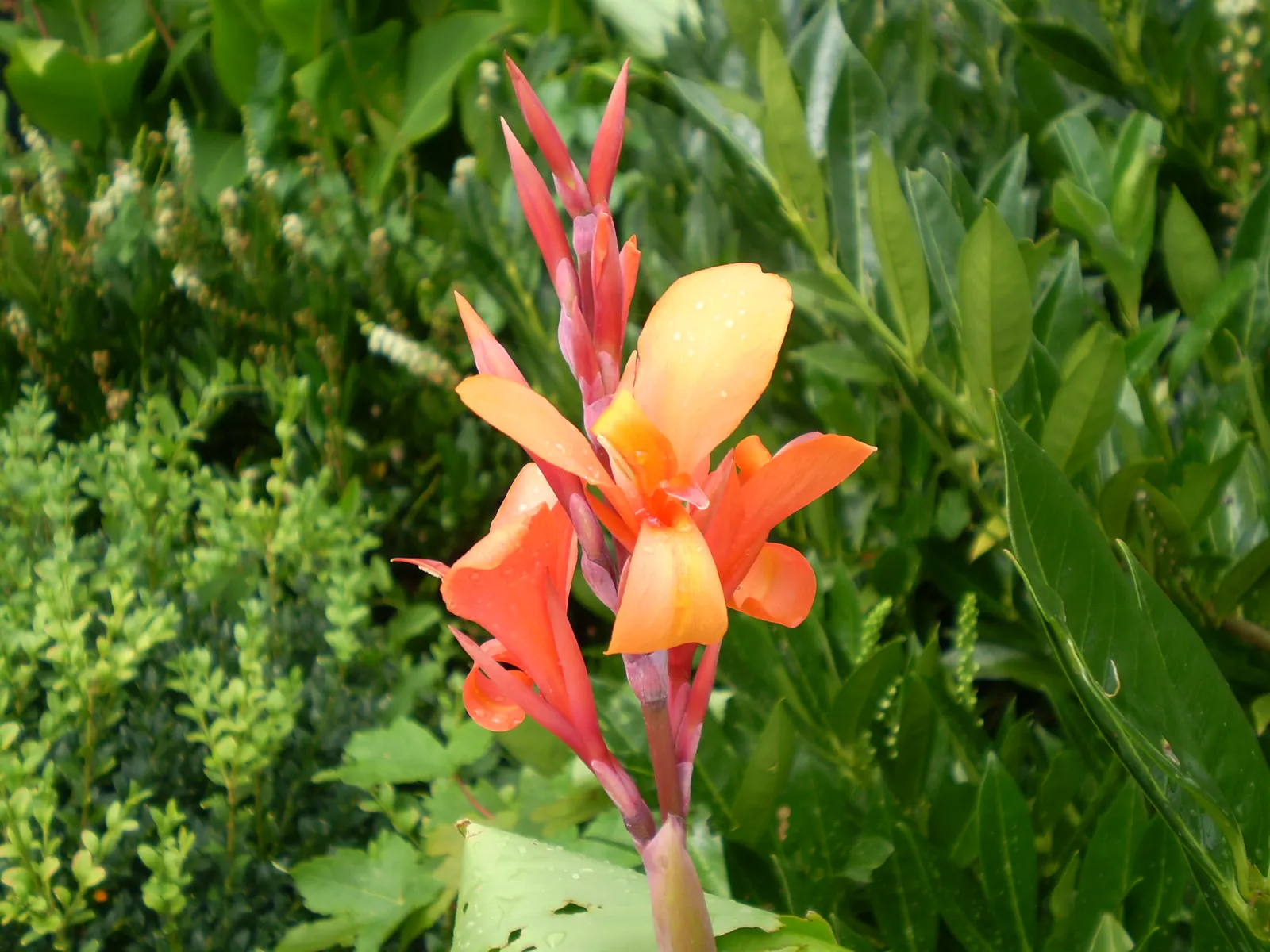
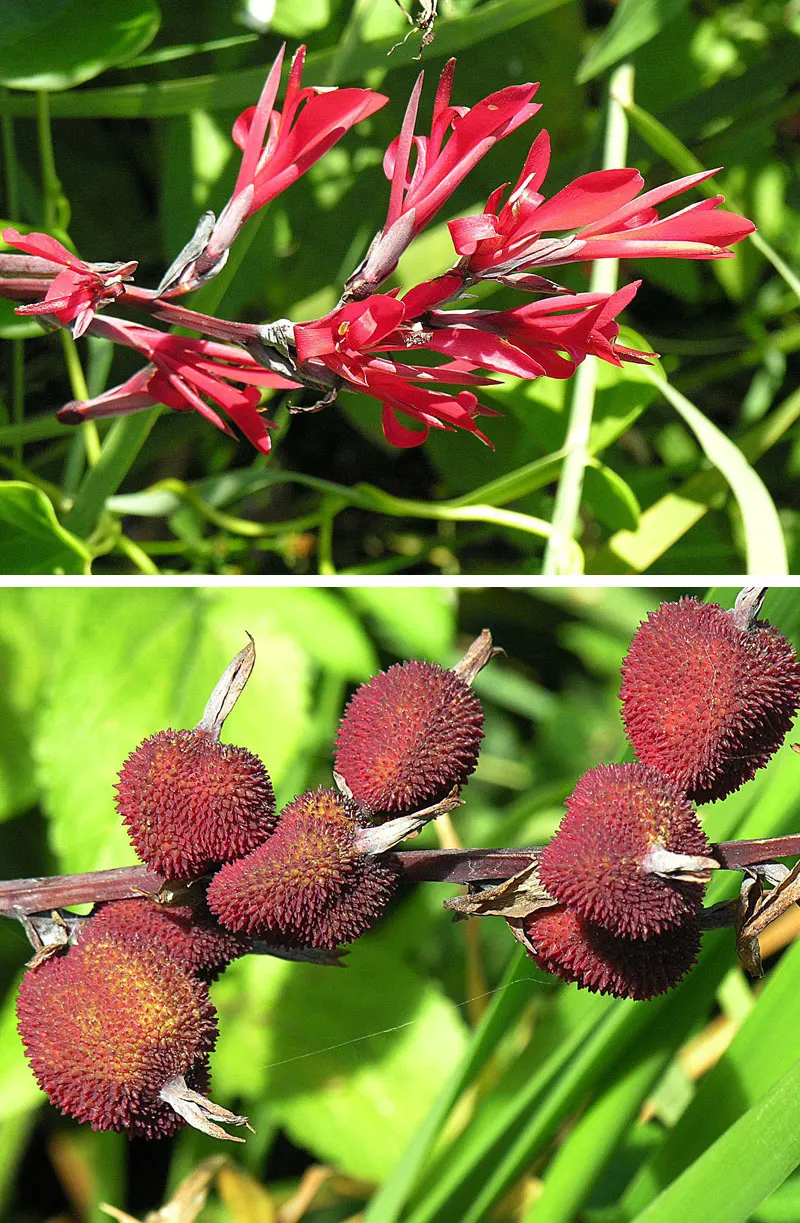
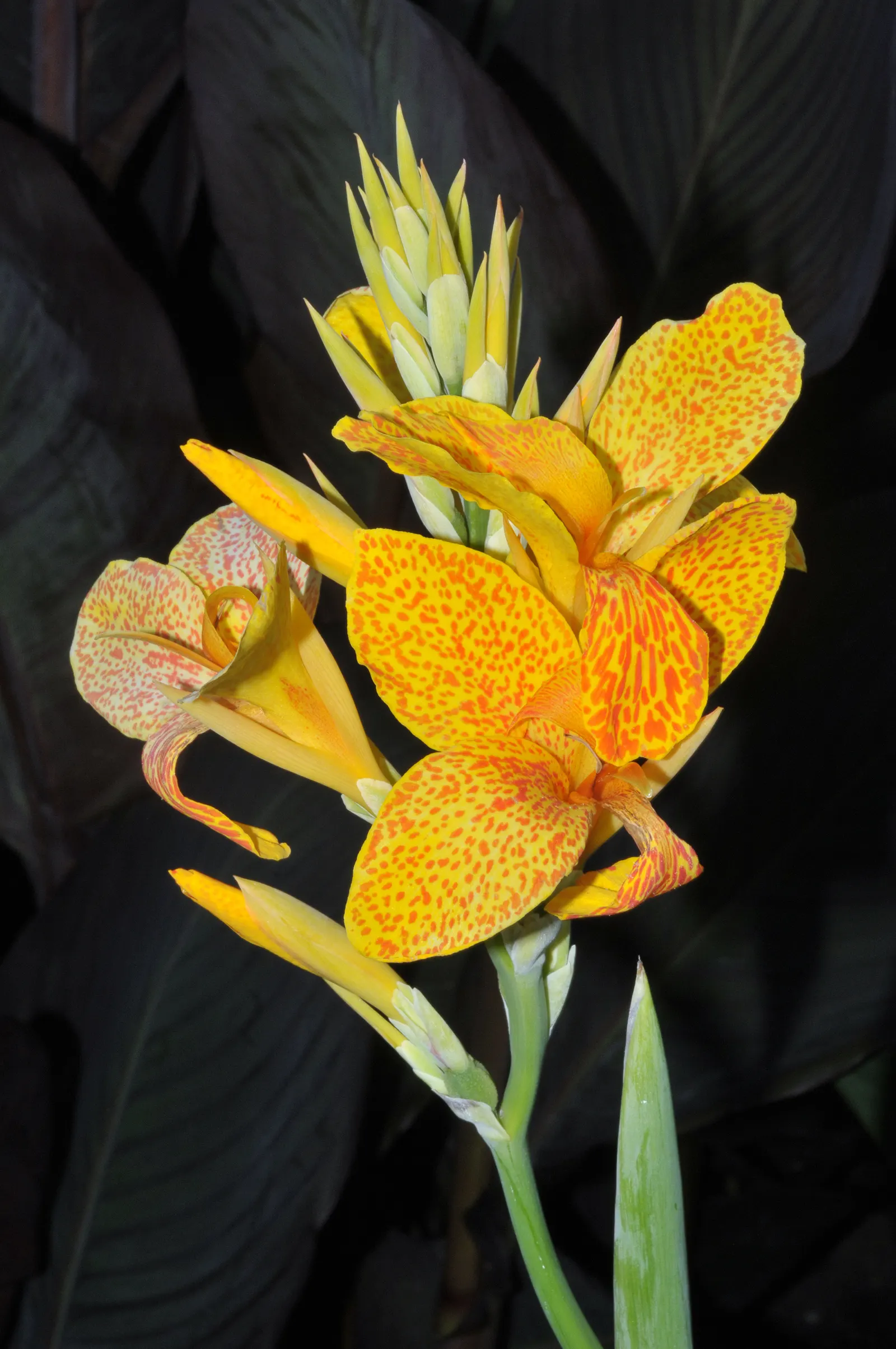
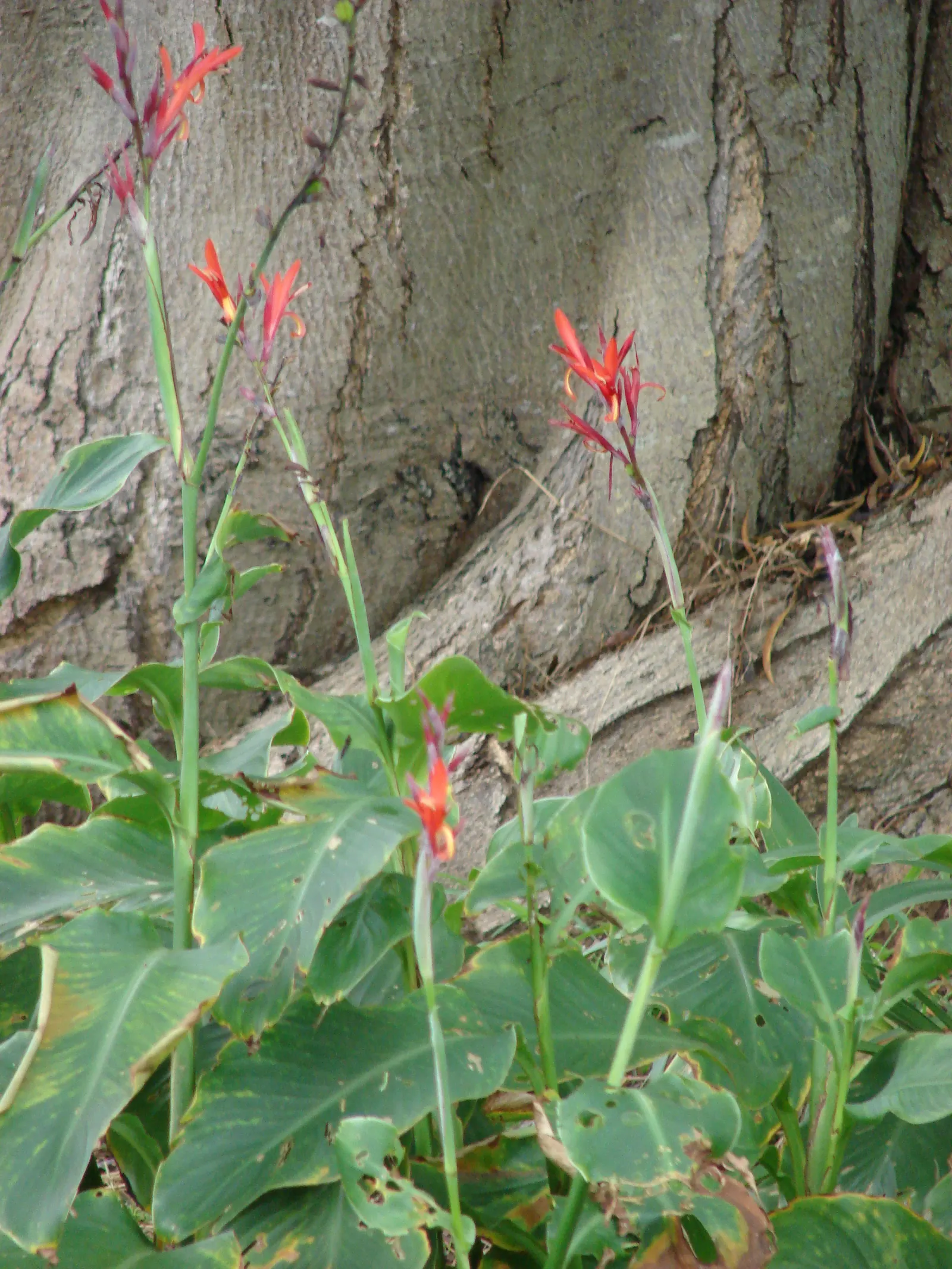
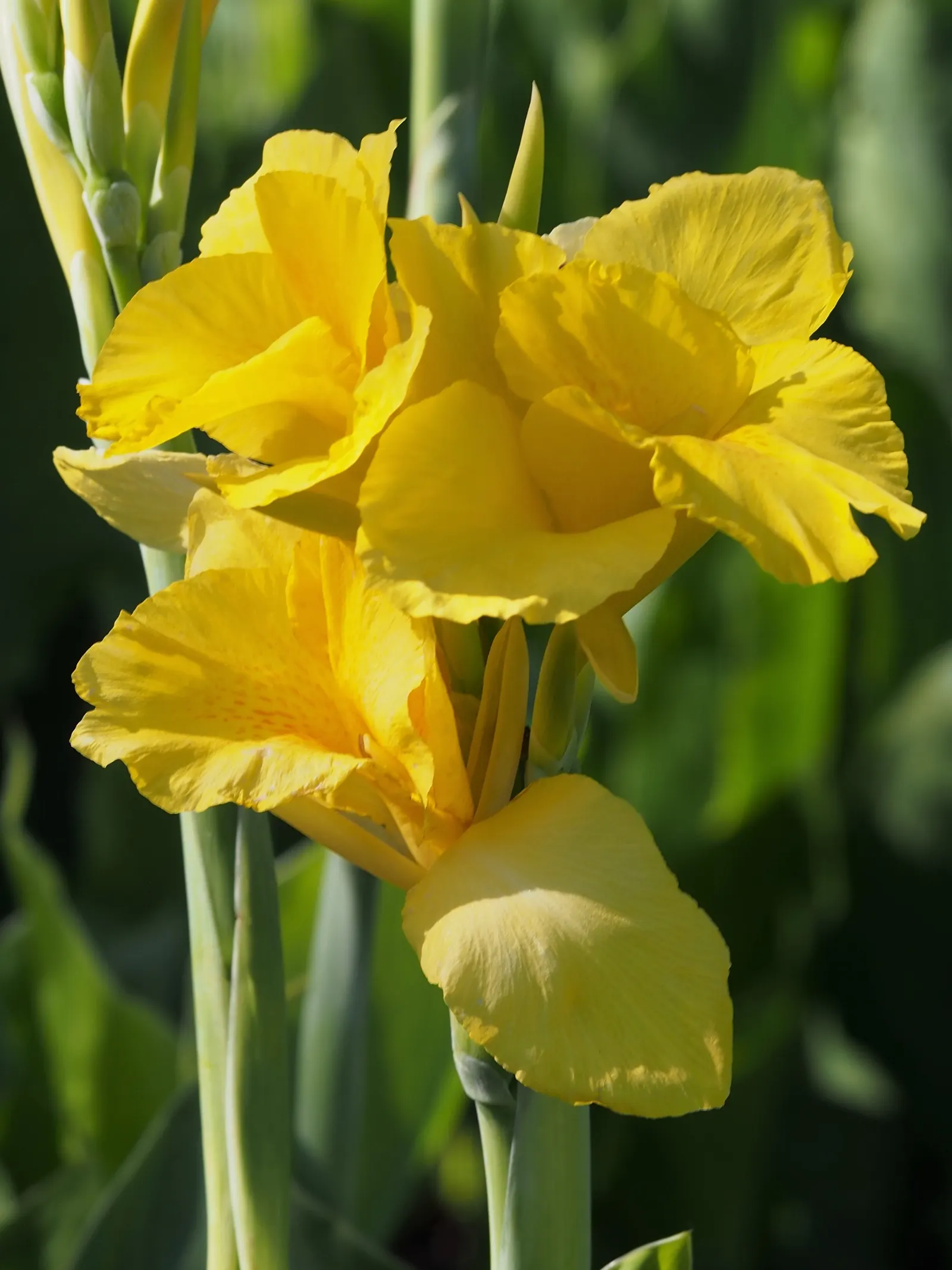
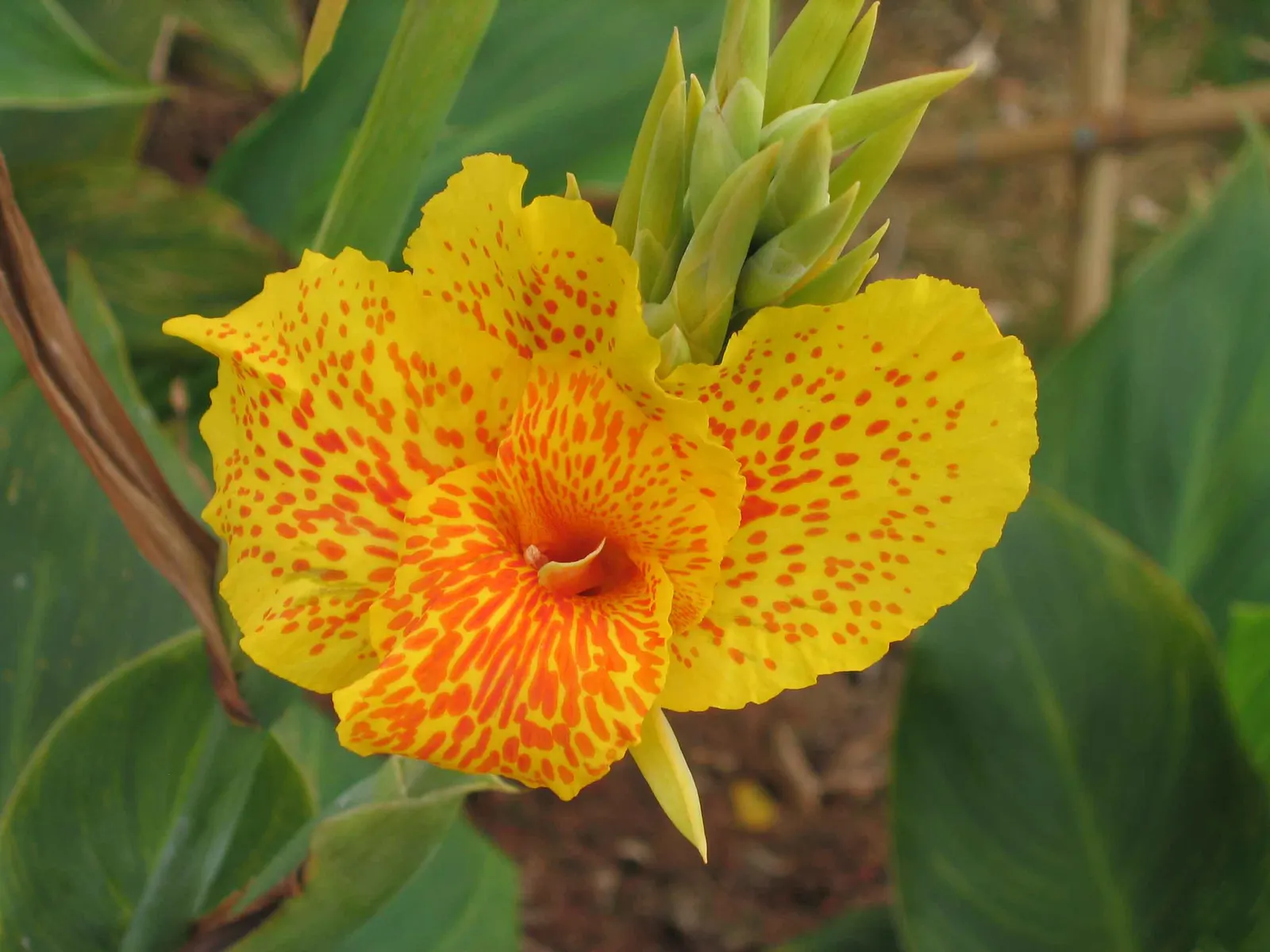
Canna x generalis, commonly known as Canna Lily, boasts lush, tropical foliage and bold, often multicolored flowers atop stems ranging 1.5-8 feet high. Thriving in full sun to partial shade, they require moist, well-drained soil. Hardy in USDA zones 7-10, Cannas are perennials in warmer climates and can be overwintered indoors in colder regions. Their vibrant presence ideally suits borders, containers, and water features, providing a splendid, eye-catching display.

Sun Full, HalfWater Extra in Summer, HighZones 7–11Type PerennialClimate Subtropical
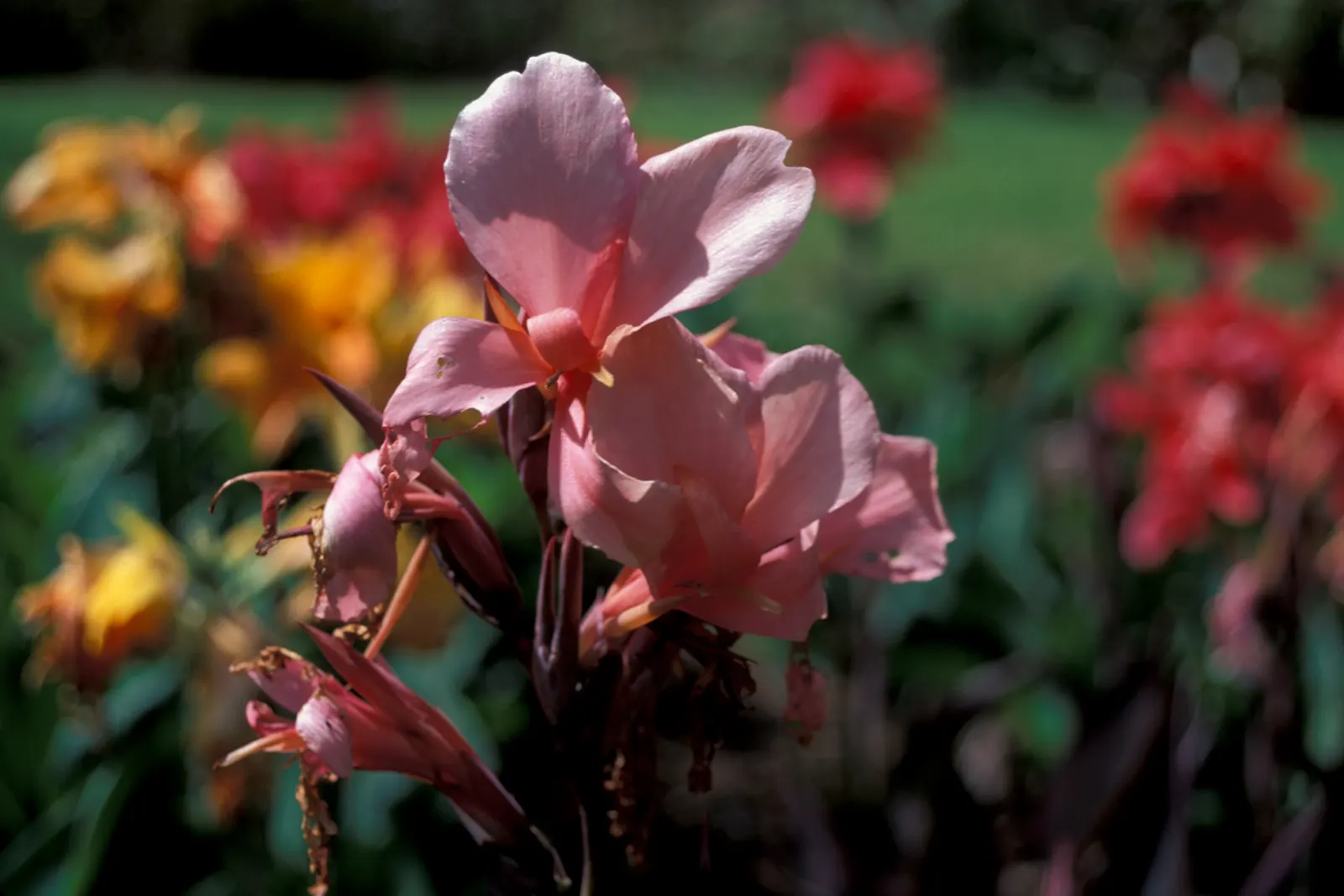
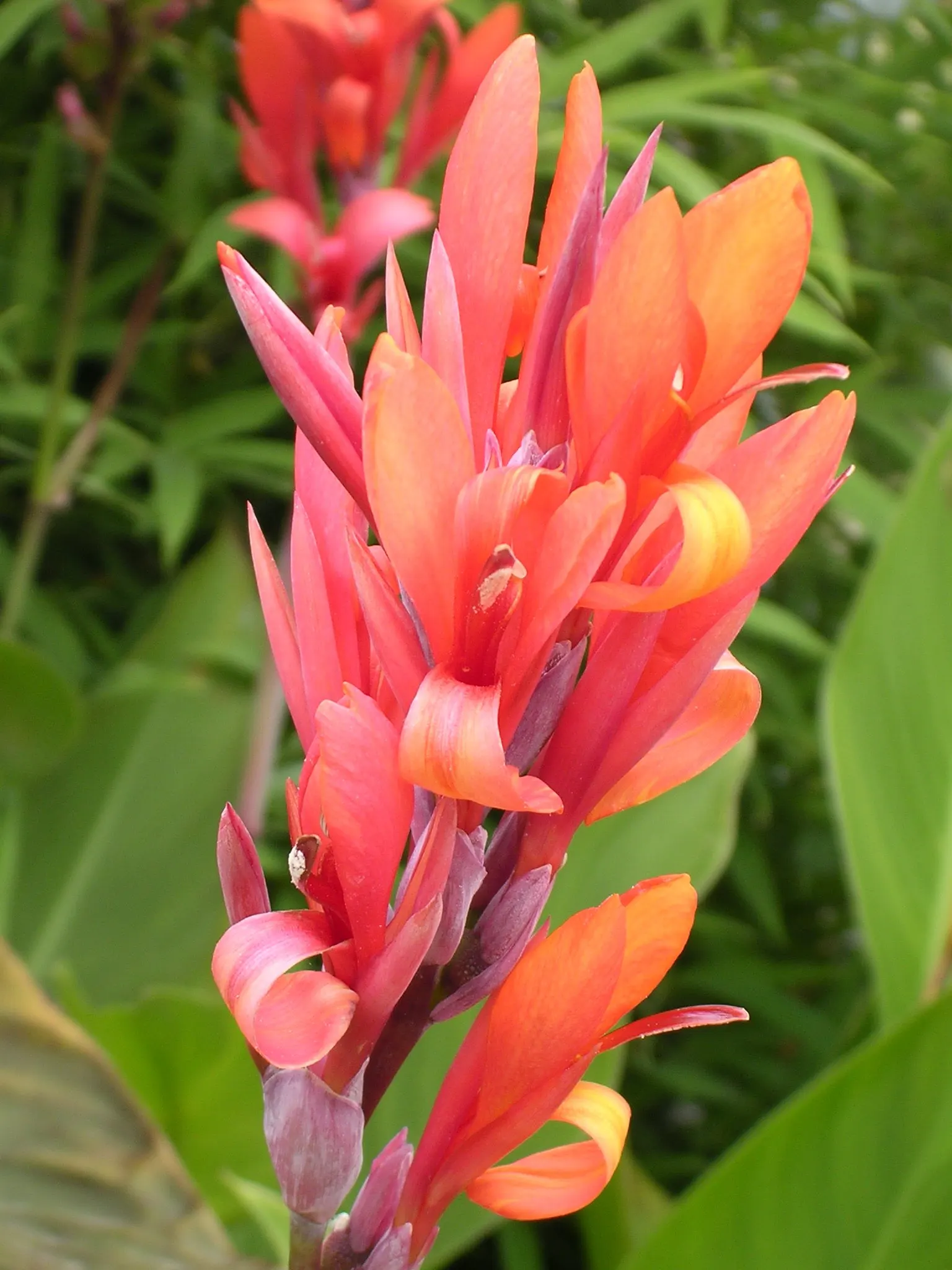
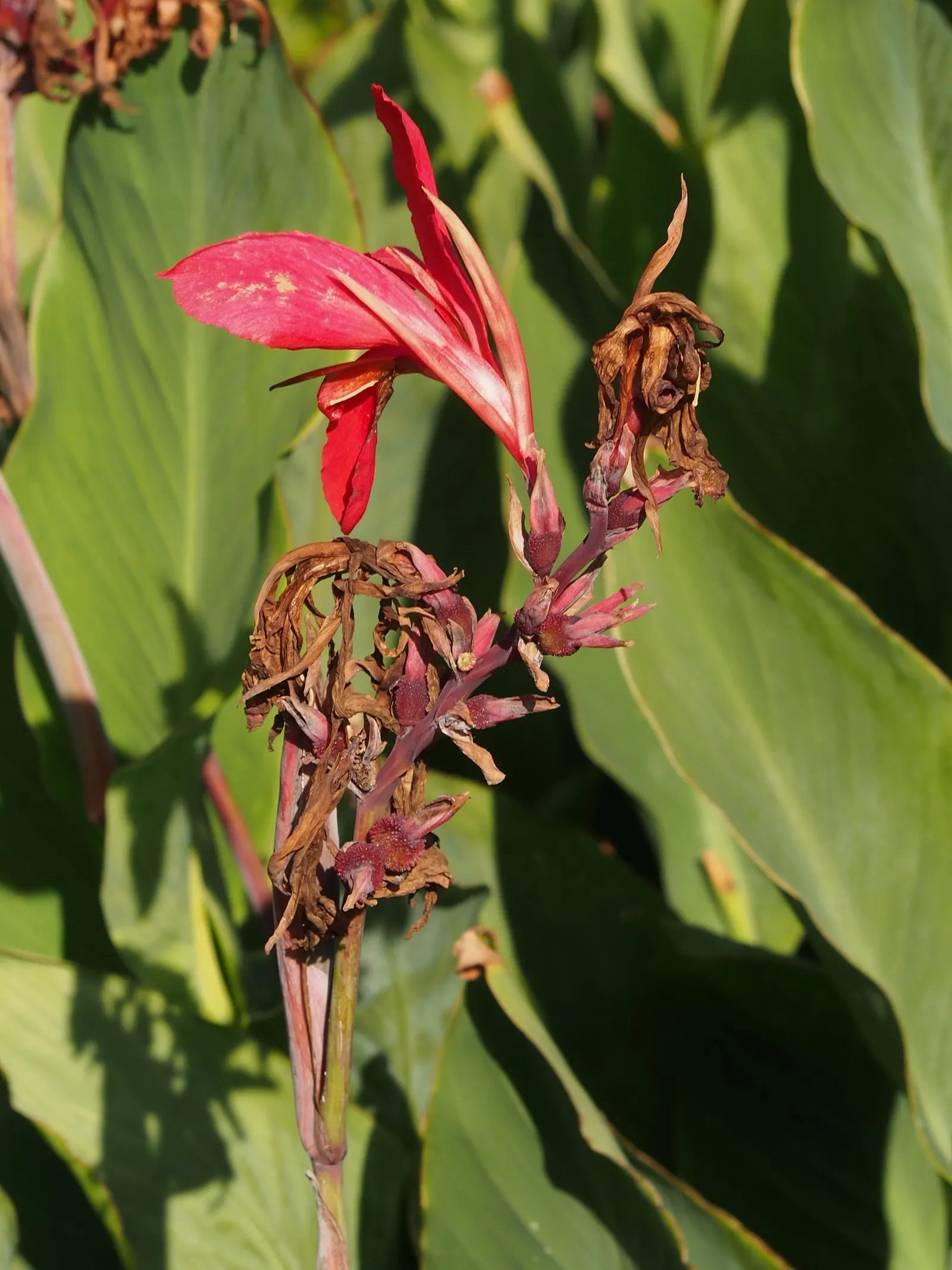
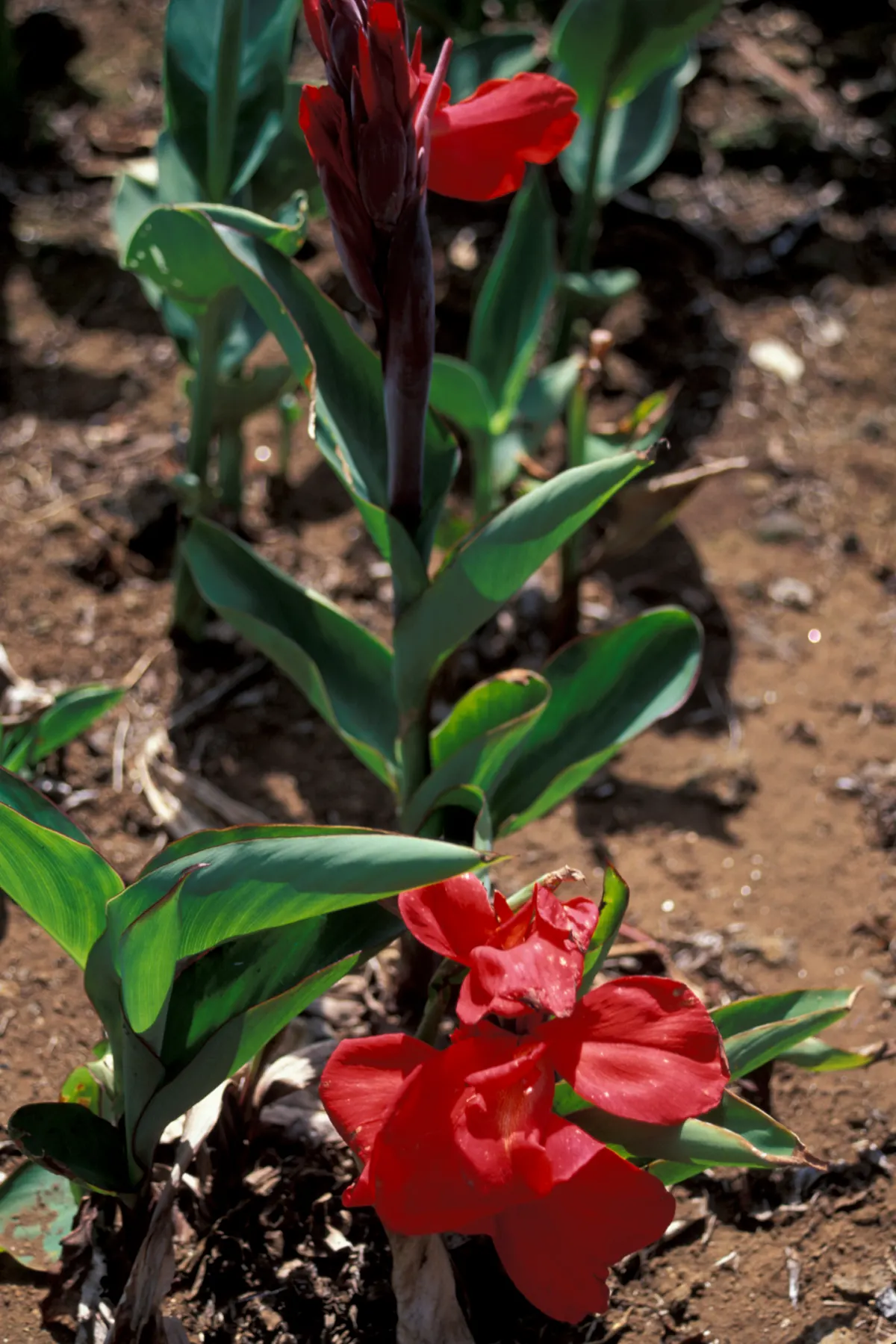
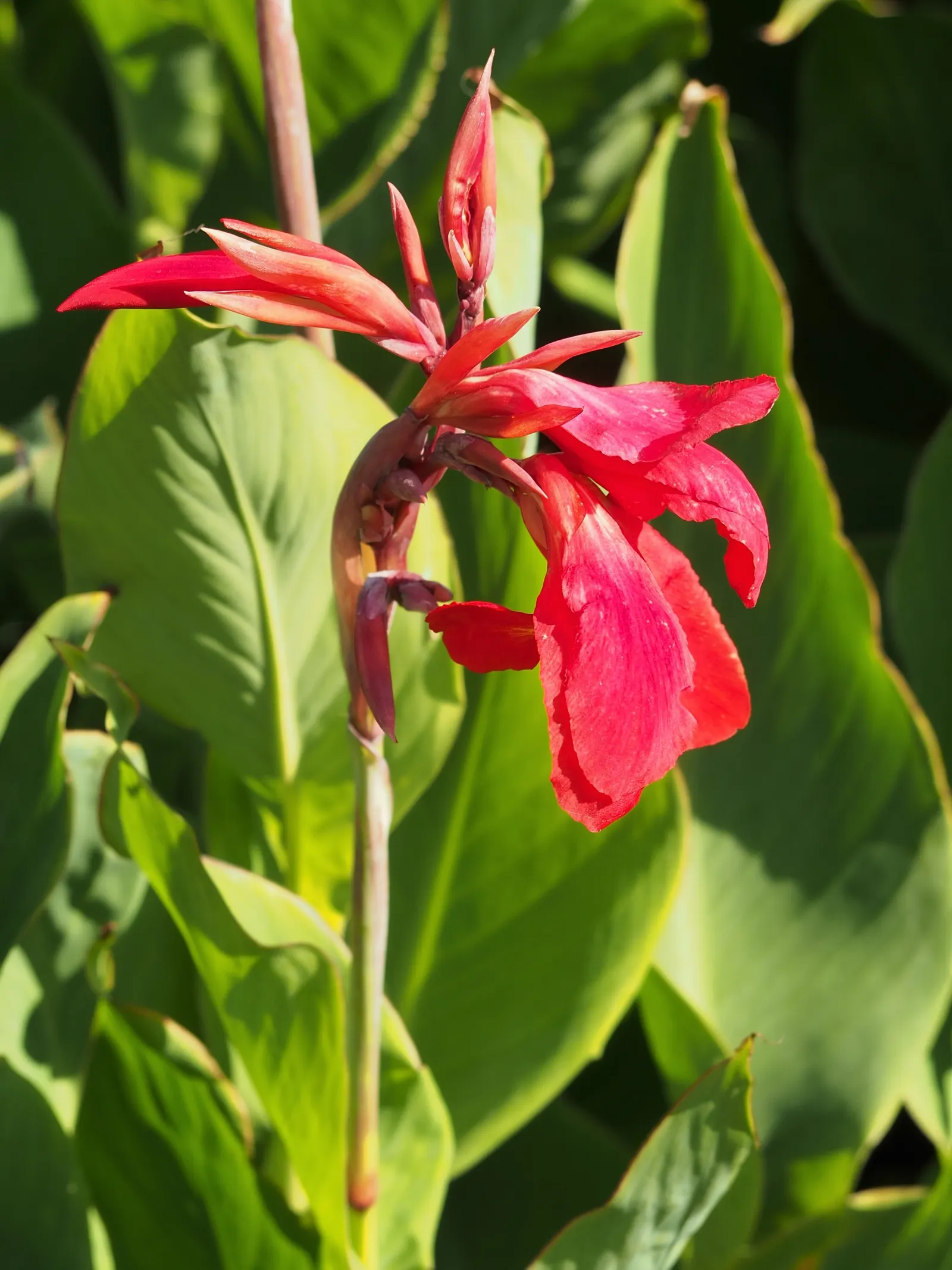
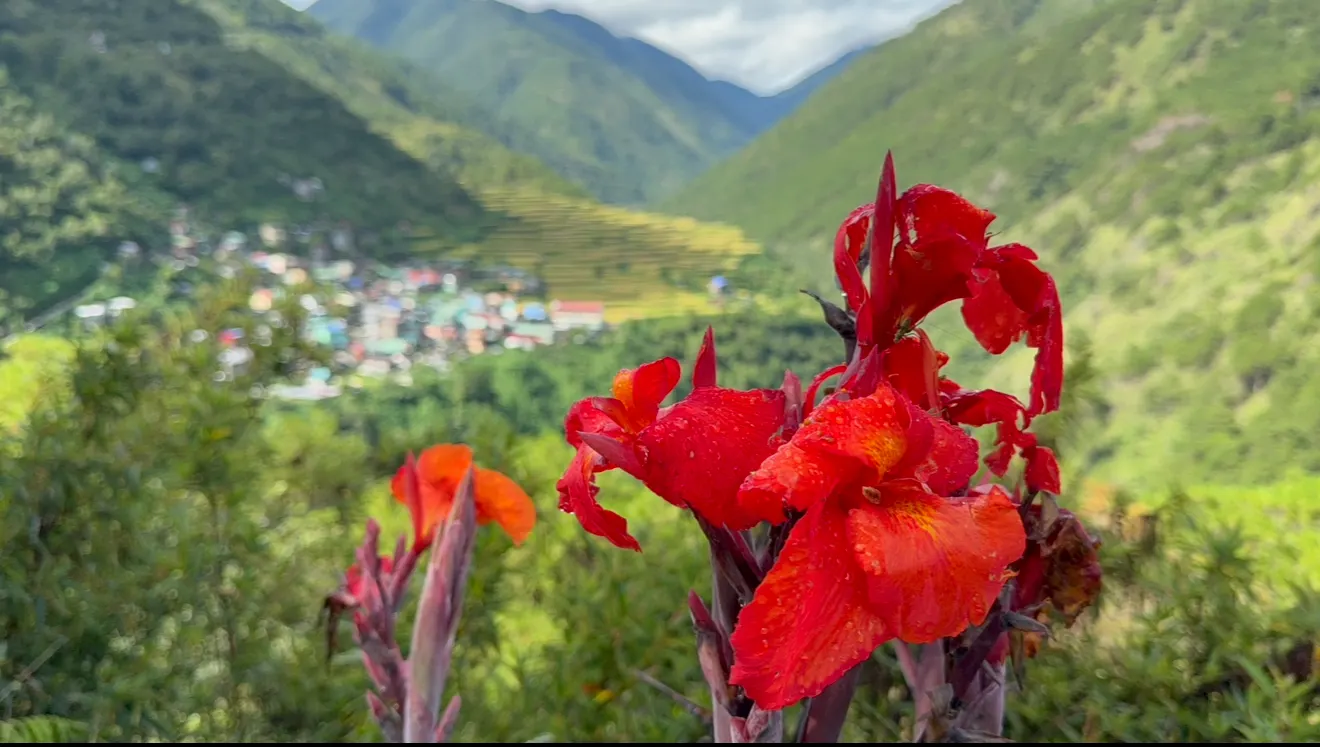
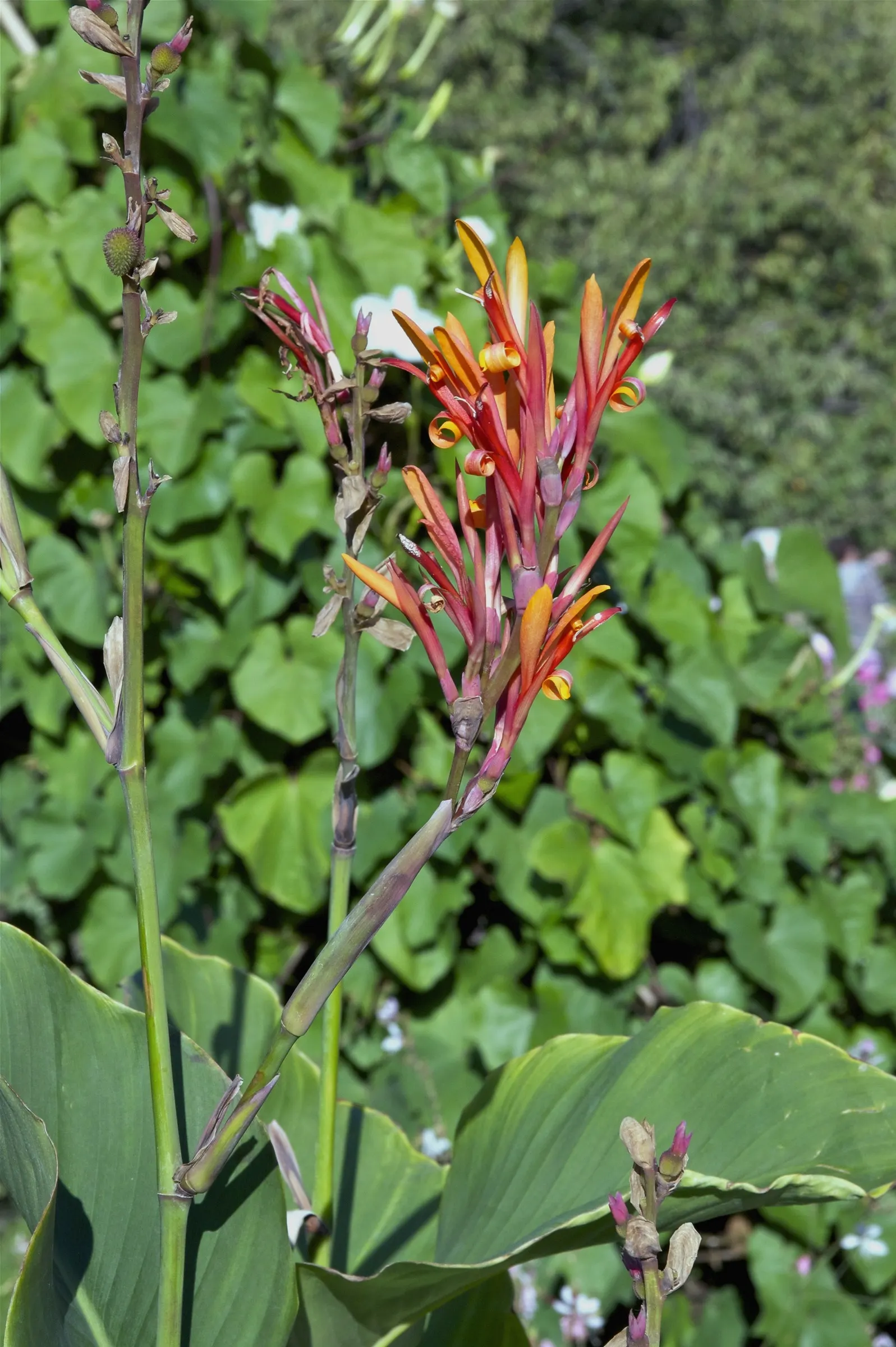
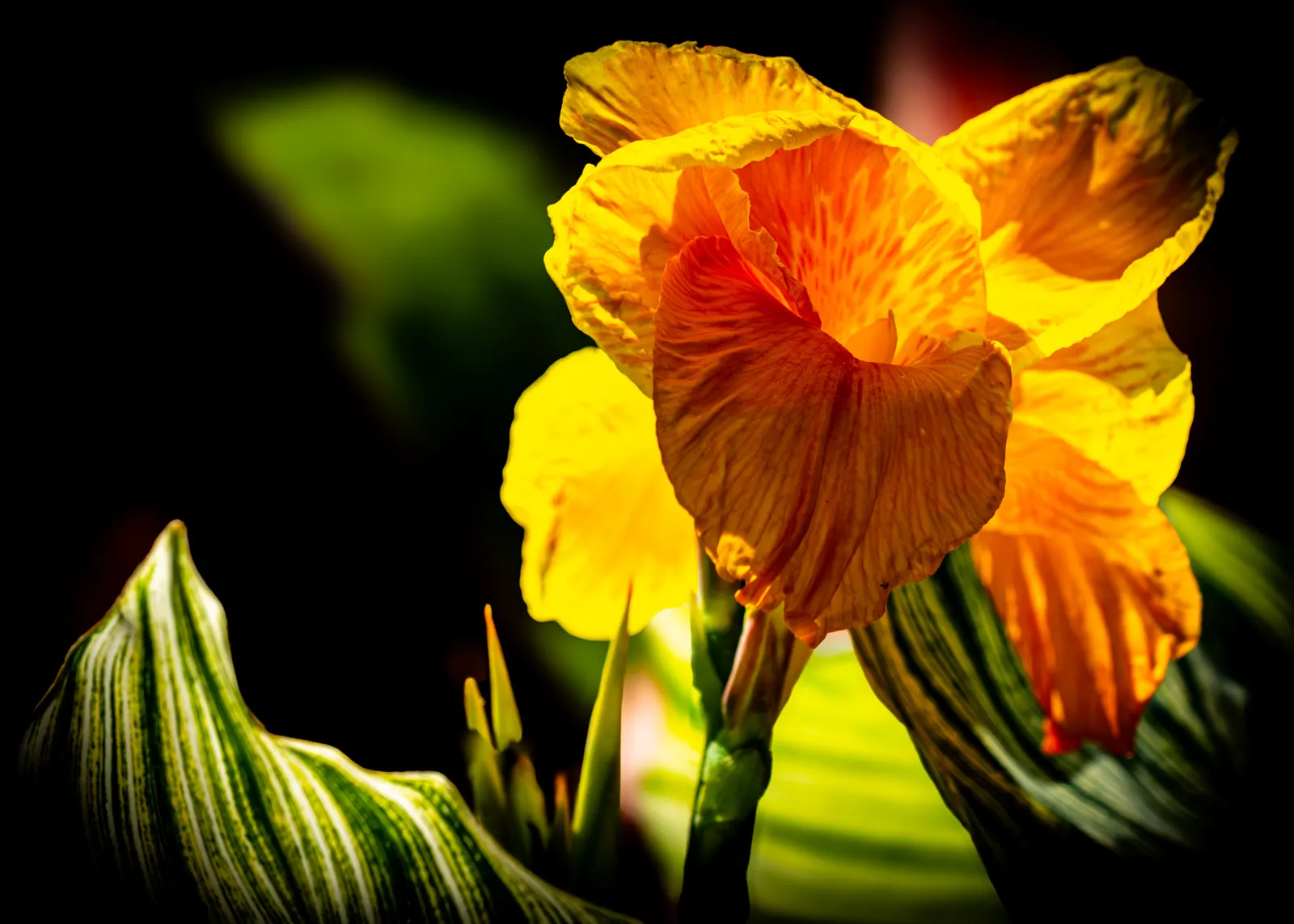
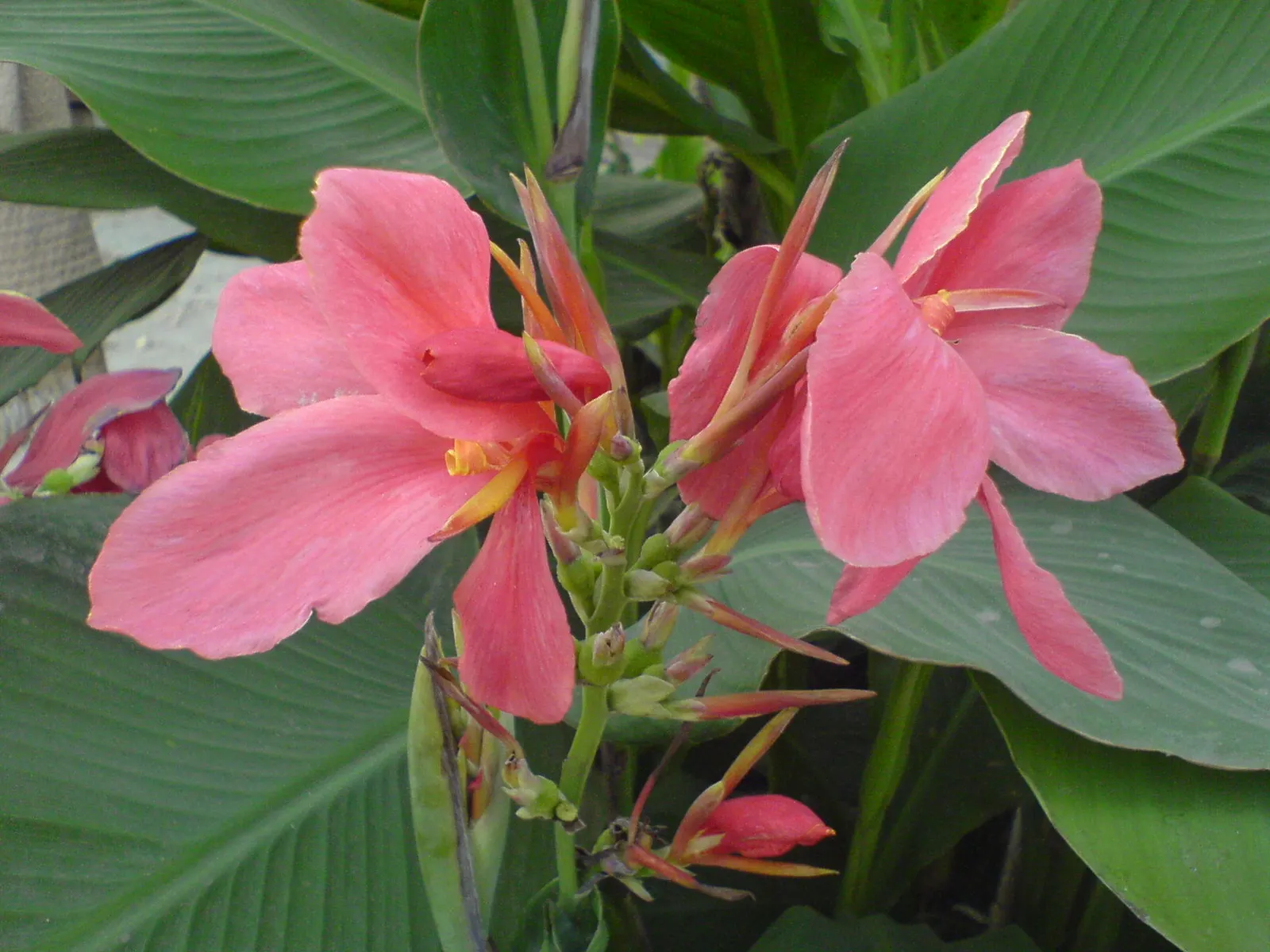
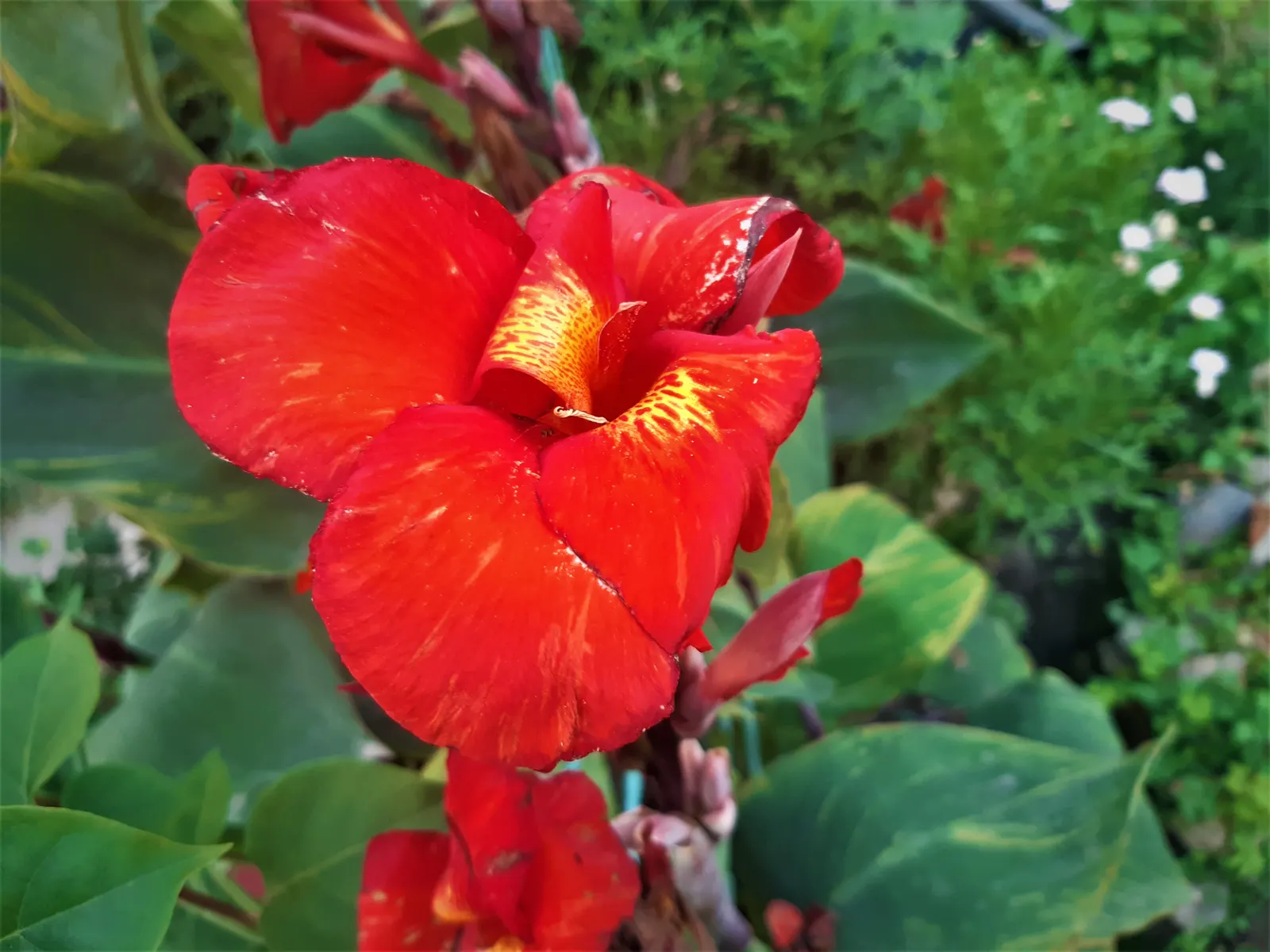
Canna (Canna X Generalis) — the Canna produces blossoms in a palette of red; red flowers in the garden, image 145

Culture

Sun
Full, Half
Water
Extra in Summer, High
USDA zones
7–11

Shape & size

Classification

Type
Perennial
Family
Cannaceae
Climate
Subtropical

See full data, regional cultivation notes, and design tools. Build a client presentation around this plant.

Start your 14-day trial

Photos (168)

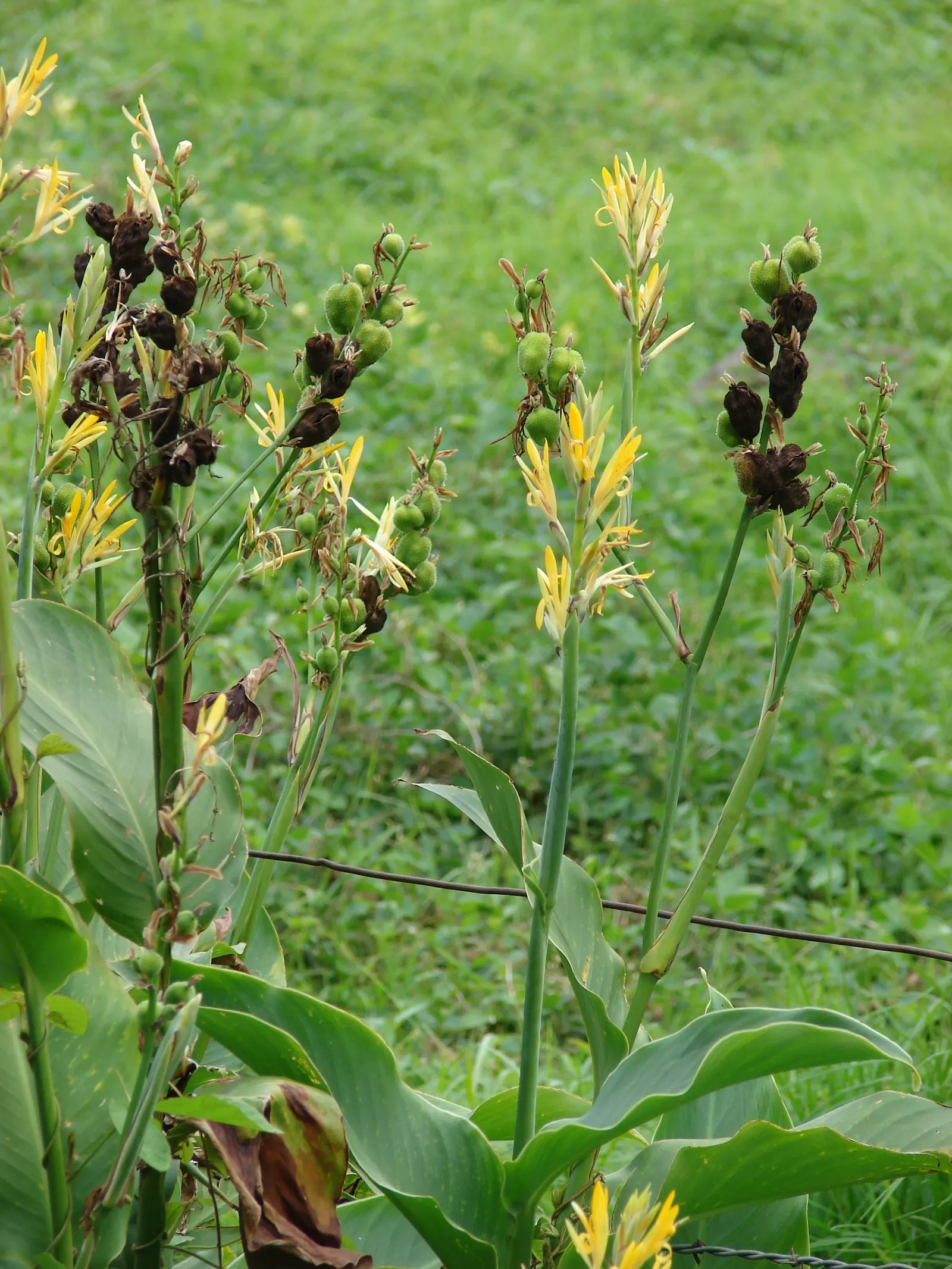
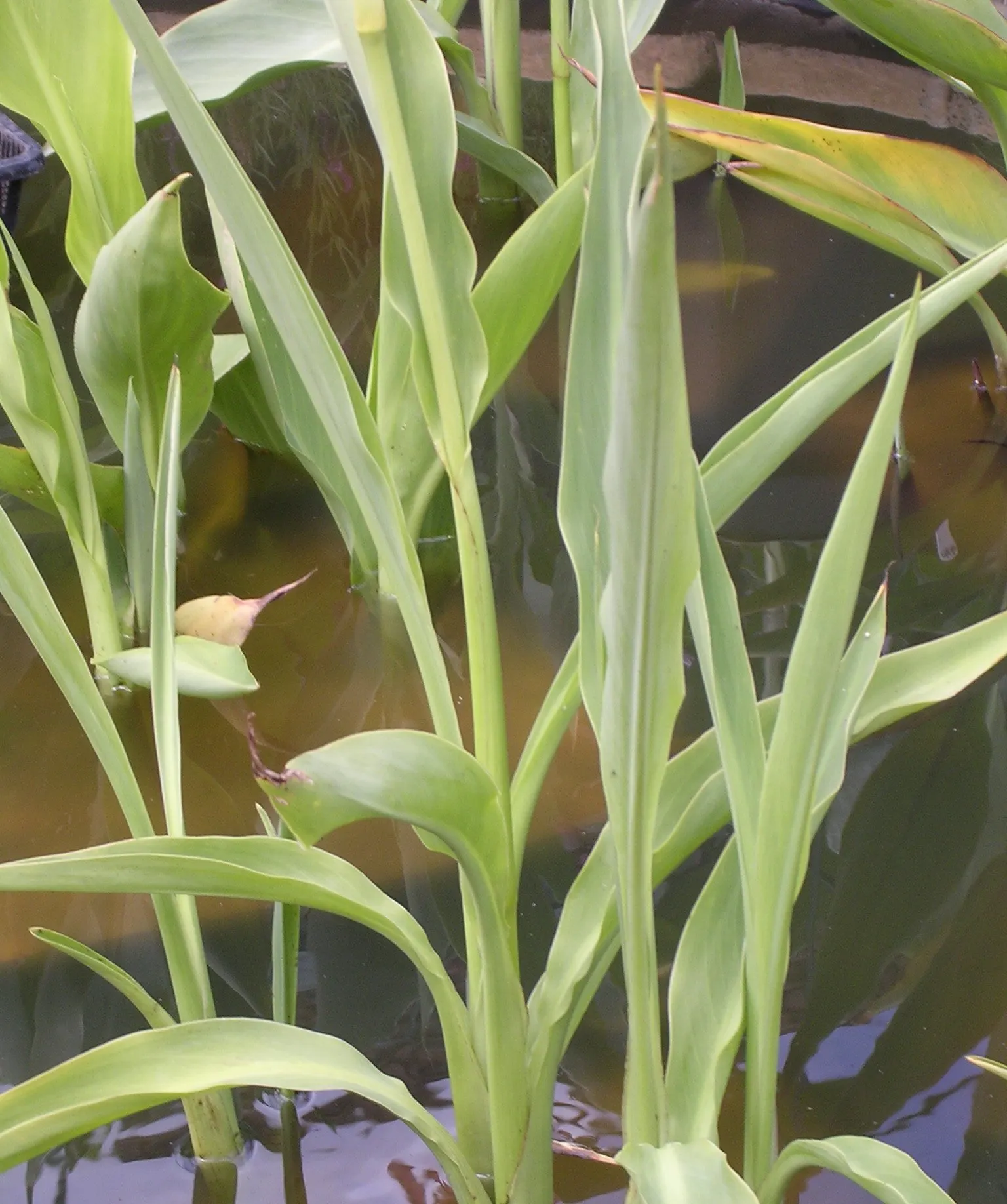
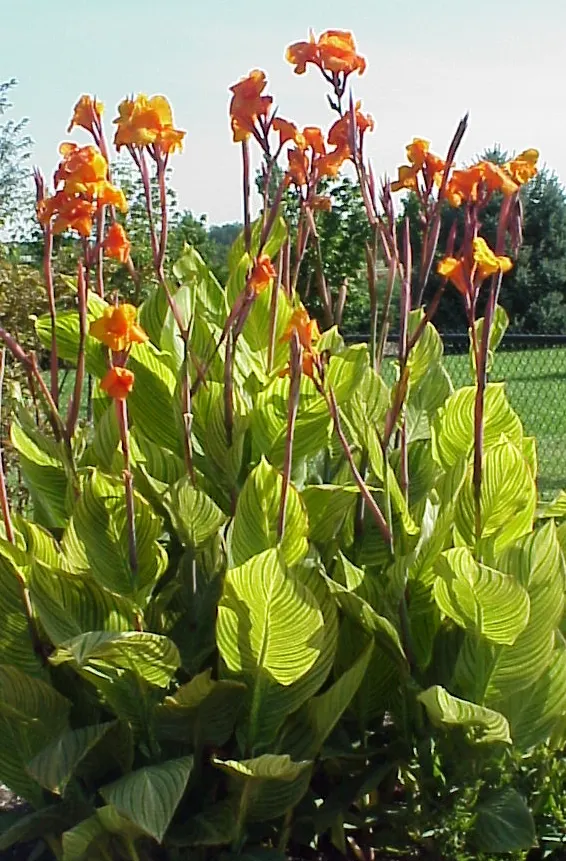
Canna (Canna X Generalis) — They require well-draining soil and benefit from regular watering
Canna (Canna X Generalis) — often multicolored flowers atop stems ranging 1.5-8 feet high; these robust perennials thrive in USDA hardiness zones 7, image 107
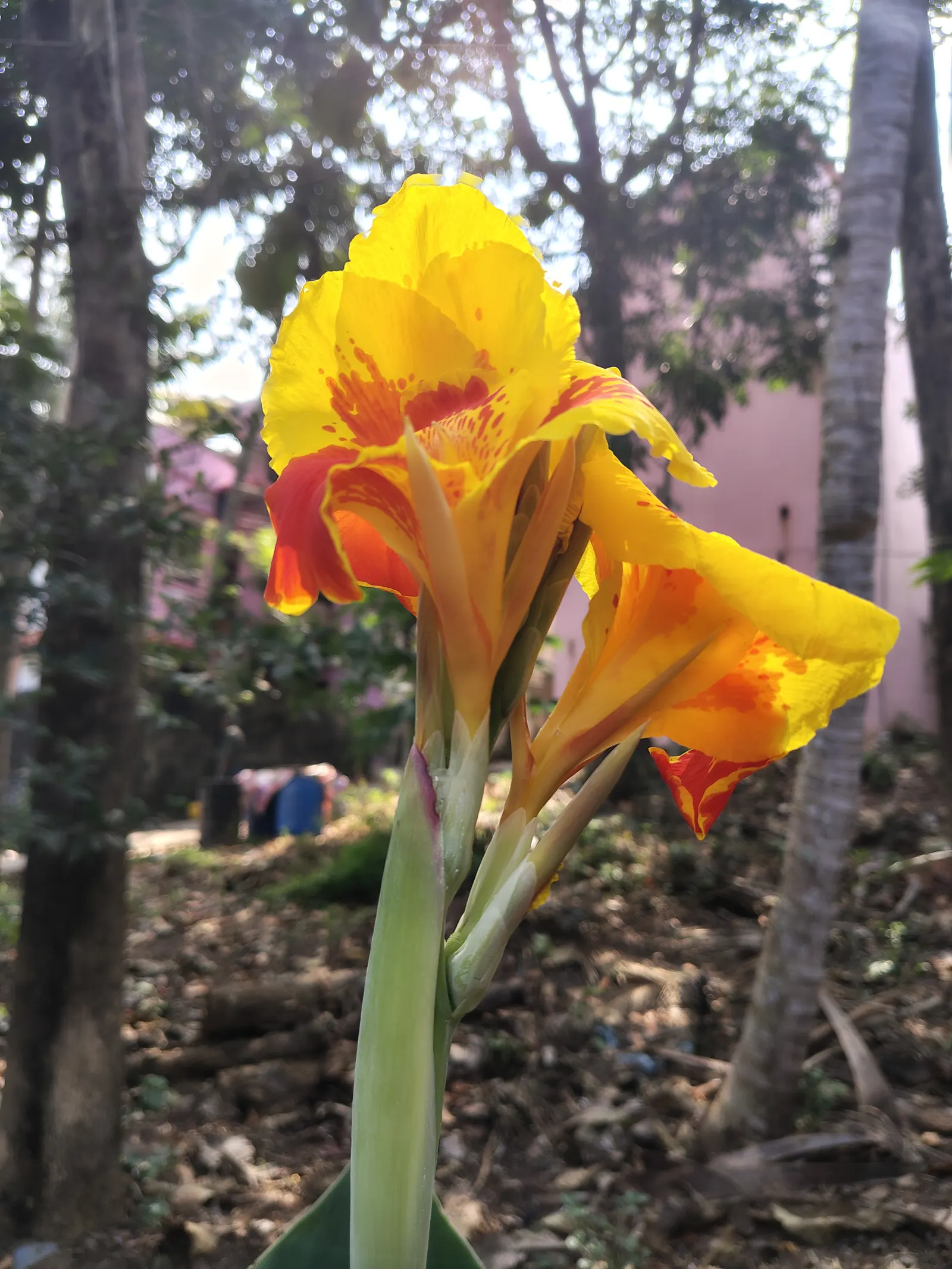
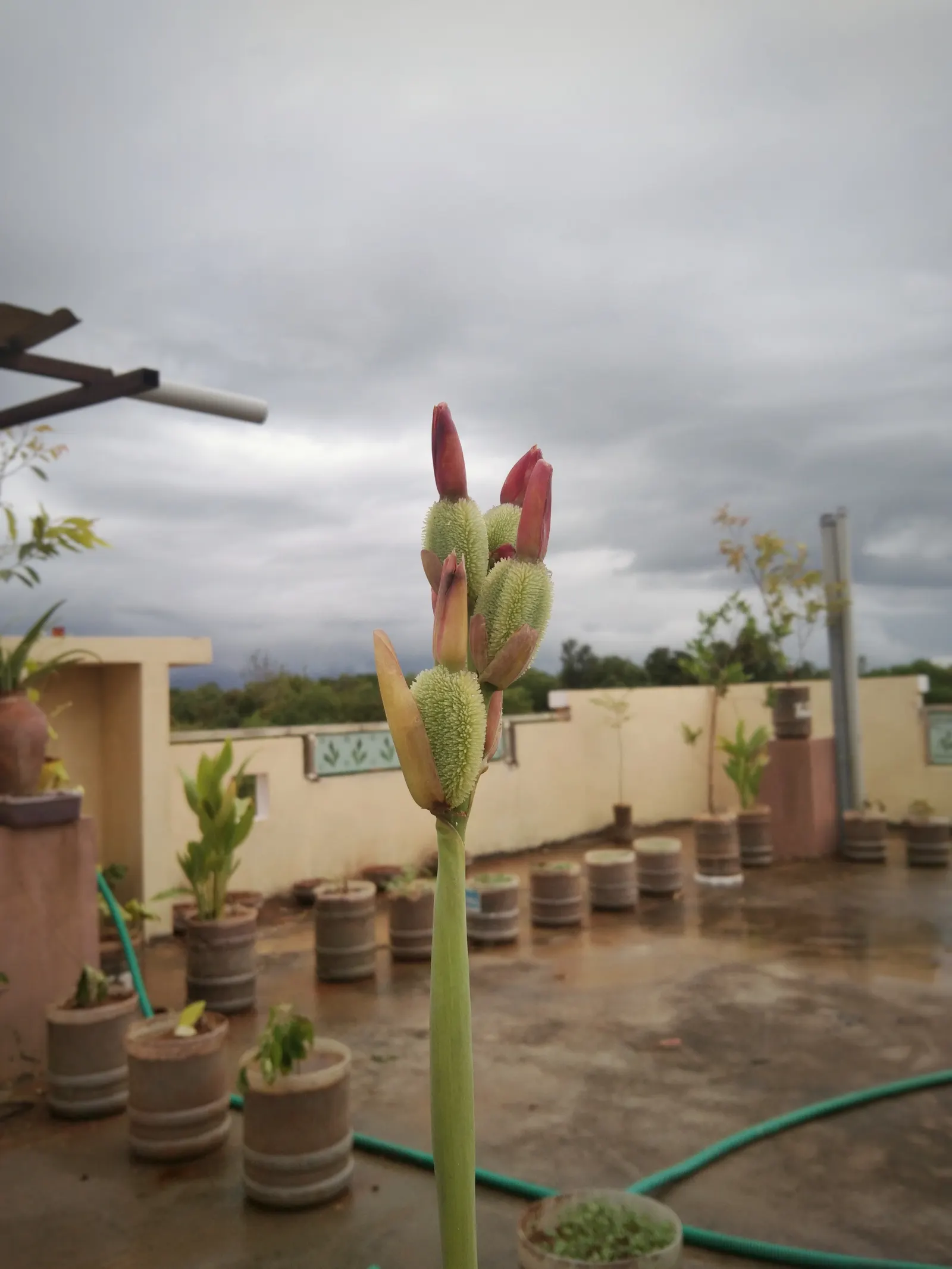
Canna (Canna X Generalis) — commonly referred to as the canna lily; commonly known as Canna Lily
Canna (Canna X Generalis) — benefiting pollinators like hummingbirds and butterflies; they create a dense clump, image 95
Canna (Canna X Generalis) — the Canna produces blossoms in a palette of red
Canna (Canna X Generalis) — making them an economical and enduring choice.<br><br>Note: Measurements provided are in imperial units; tropical, image 127
Canna (Canna X Generalis) — particularly during dry spells; is a striking ornamental plant that brings a splash of tropical flair to any landscape design
Canna (Canna X Generalis) — Their vibrant presence ideally suits borders; typically reaching heights of 1.5 to 6 feet
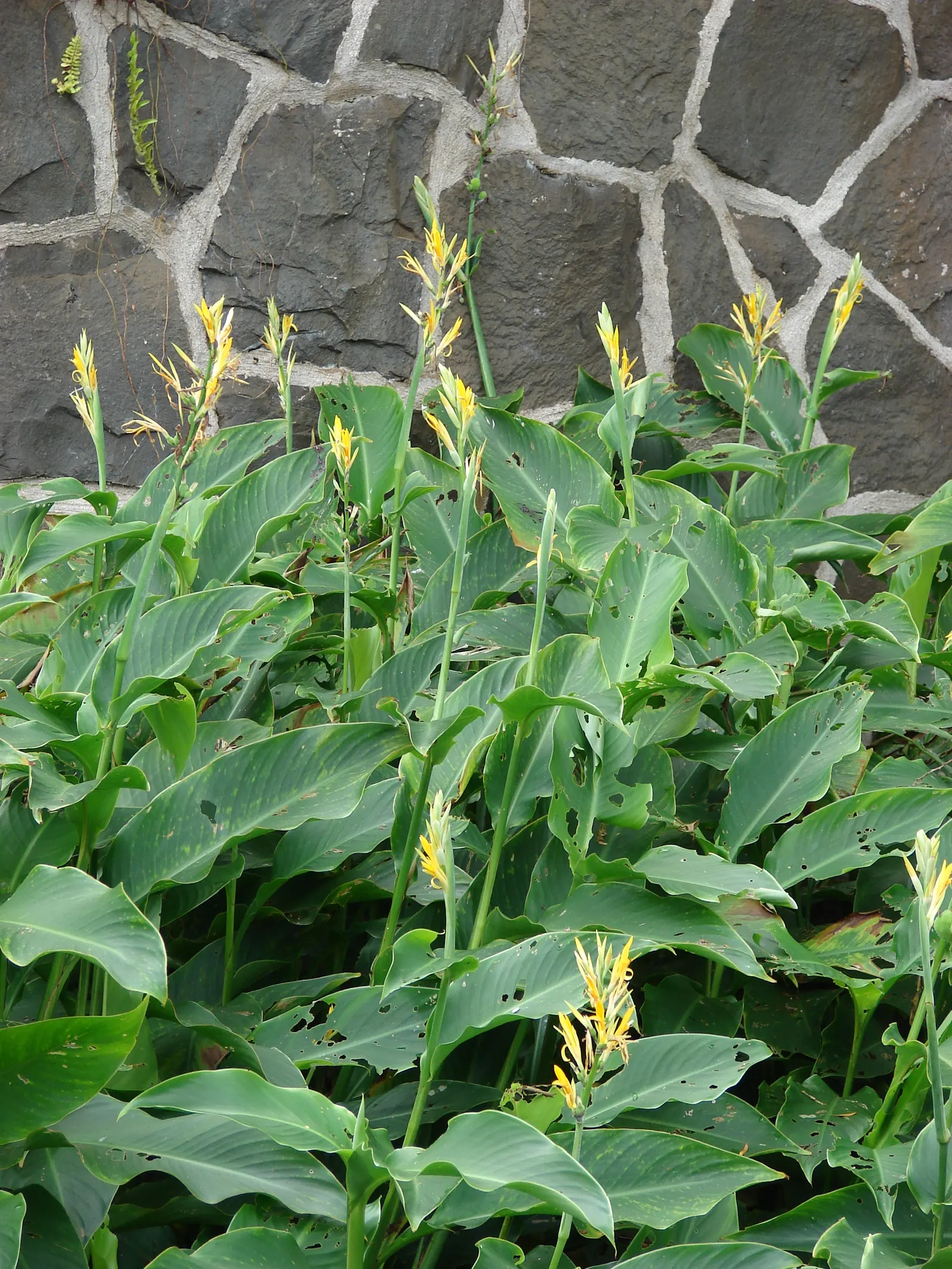
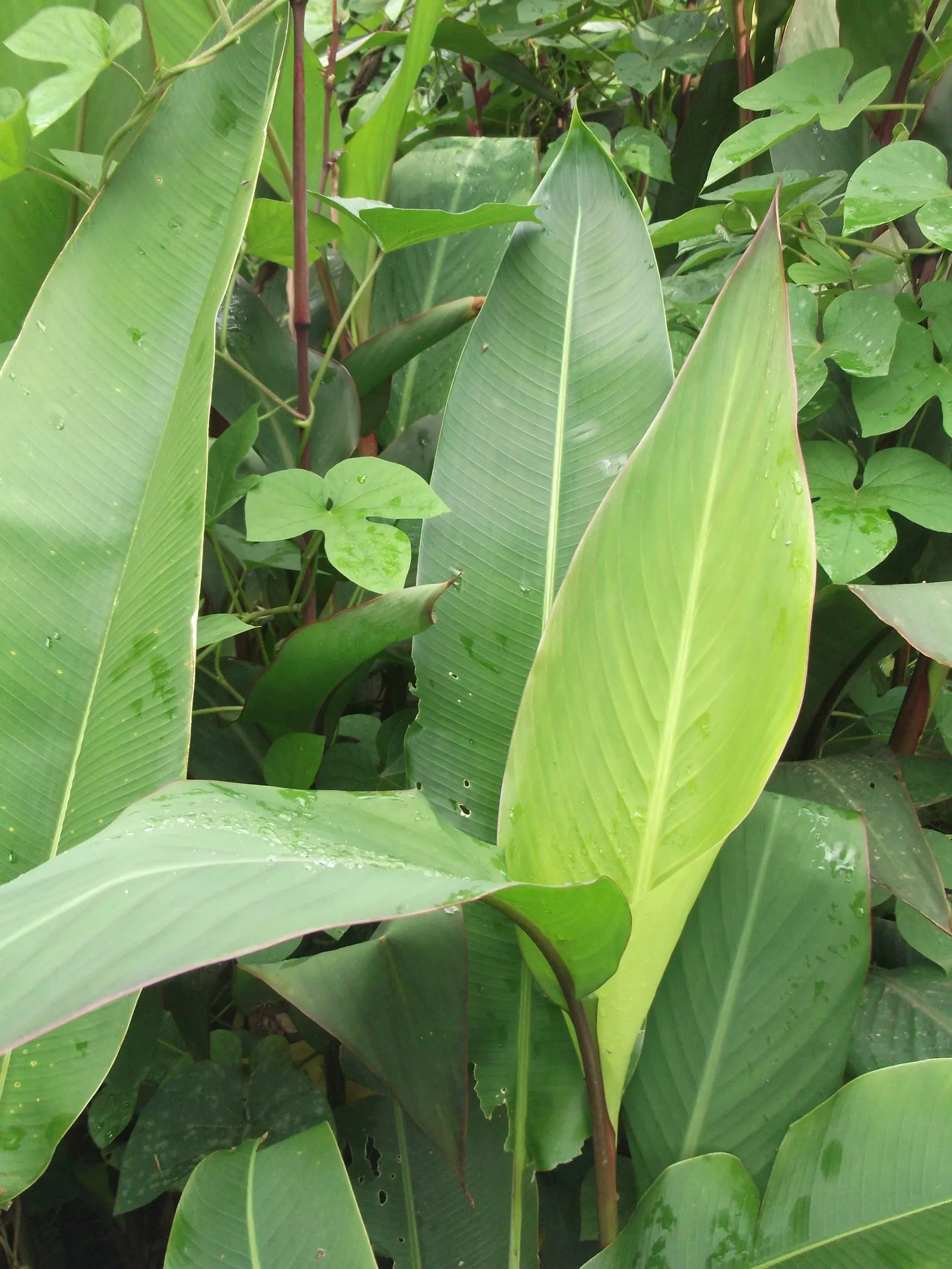
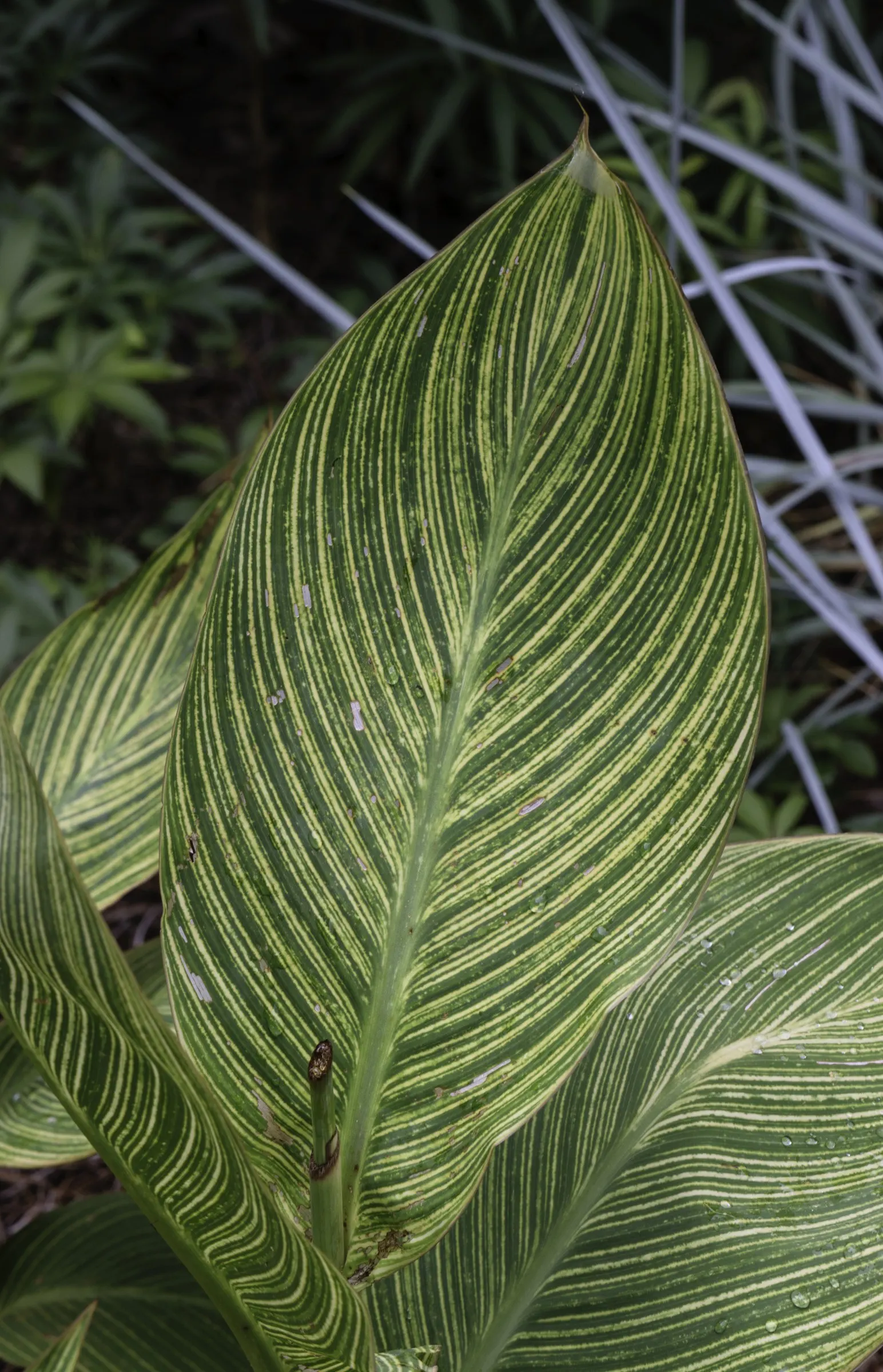
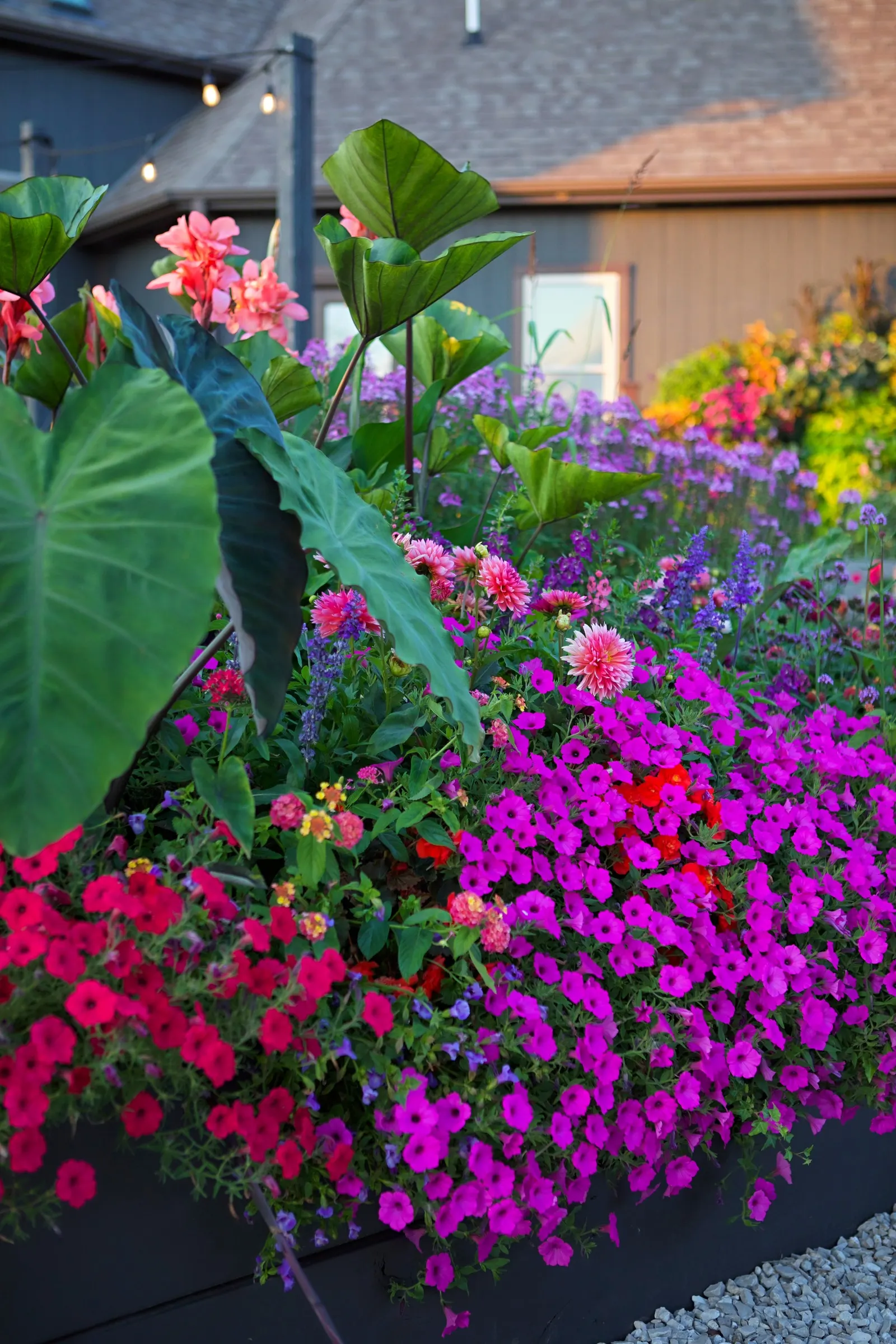
Canna (Canna X Generalis) — red flowers in the garden; the leaves are large and paddle-shaped
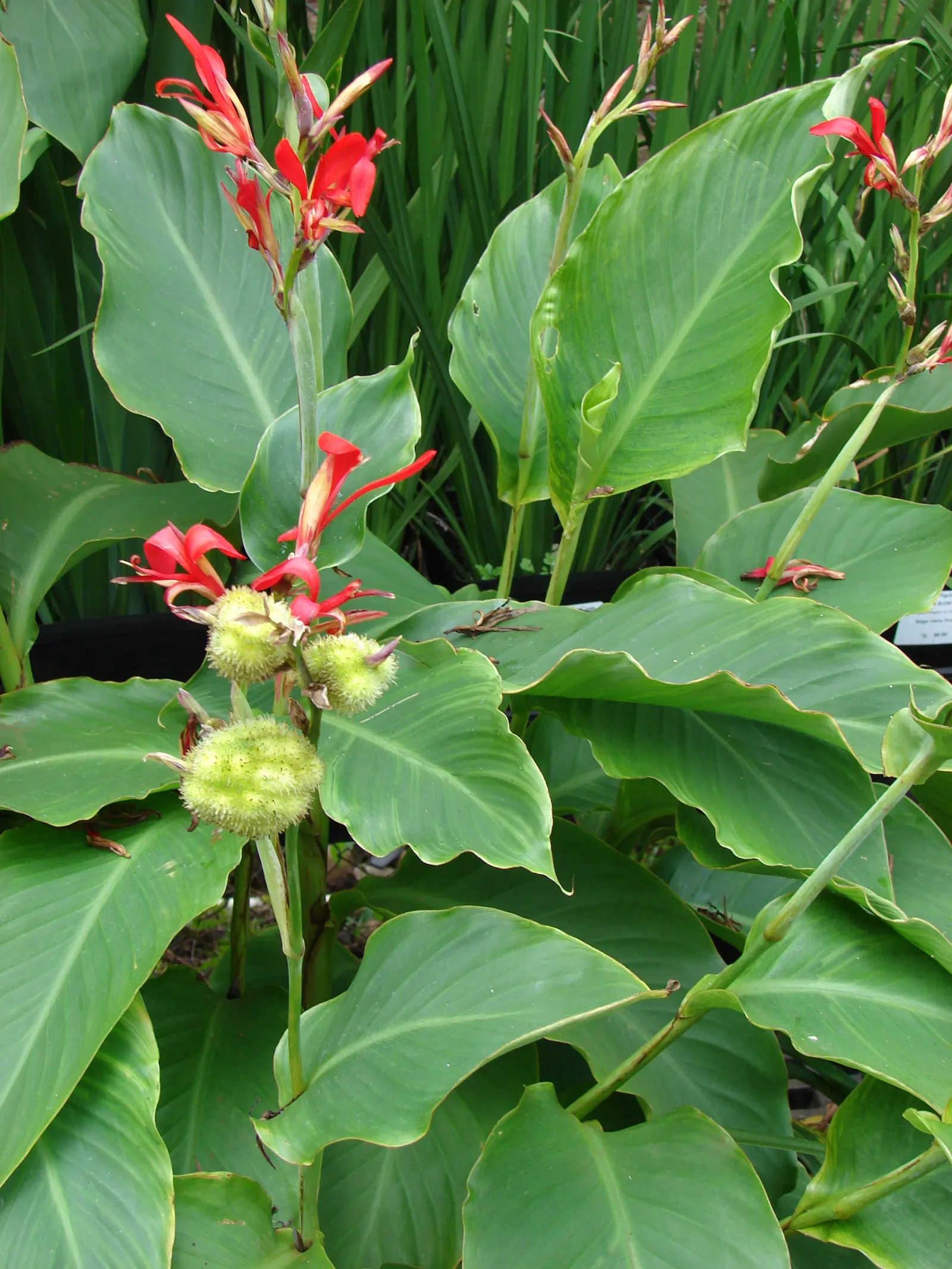
Canna (Canna X Generalis) — Thriving in full sun to partial shade, they require moist, well-drained soil; perennial with red blooms
Canna (Canna X Generalis) — Thriving in full sun to partial shade, they require moist, well-drained soil
Canna (Canna X Generalis) — The leaves are large and paddle-shaped; commonly referred to as the canna lily, image 139
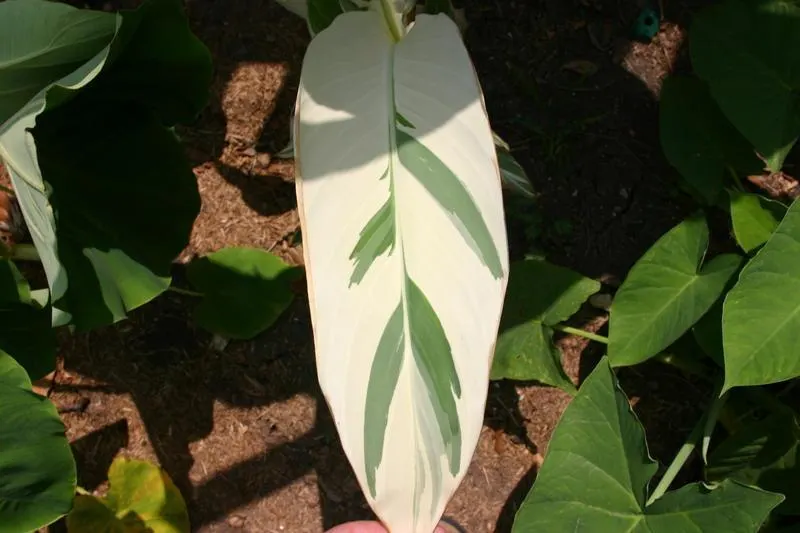
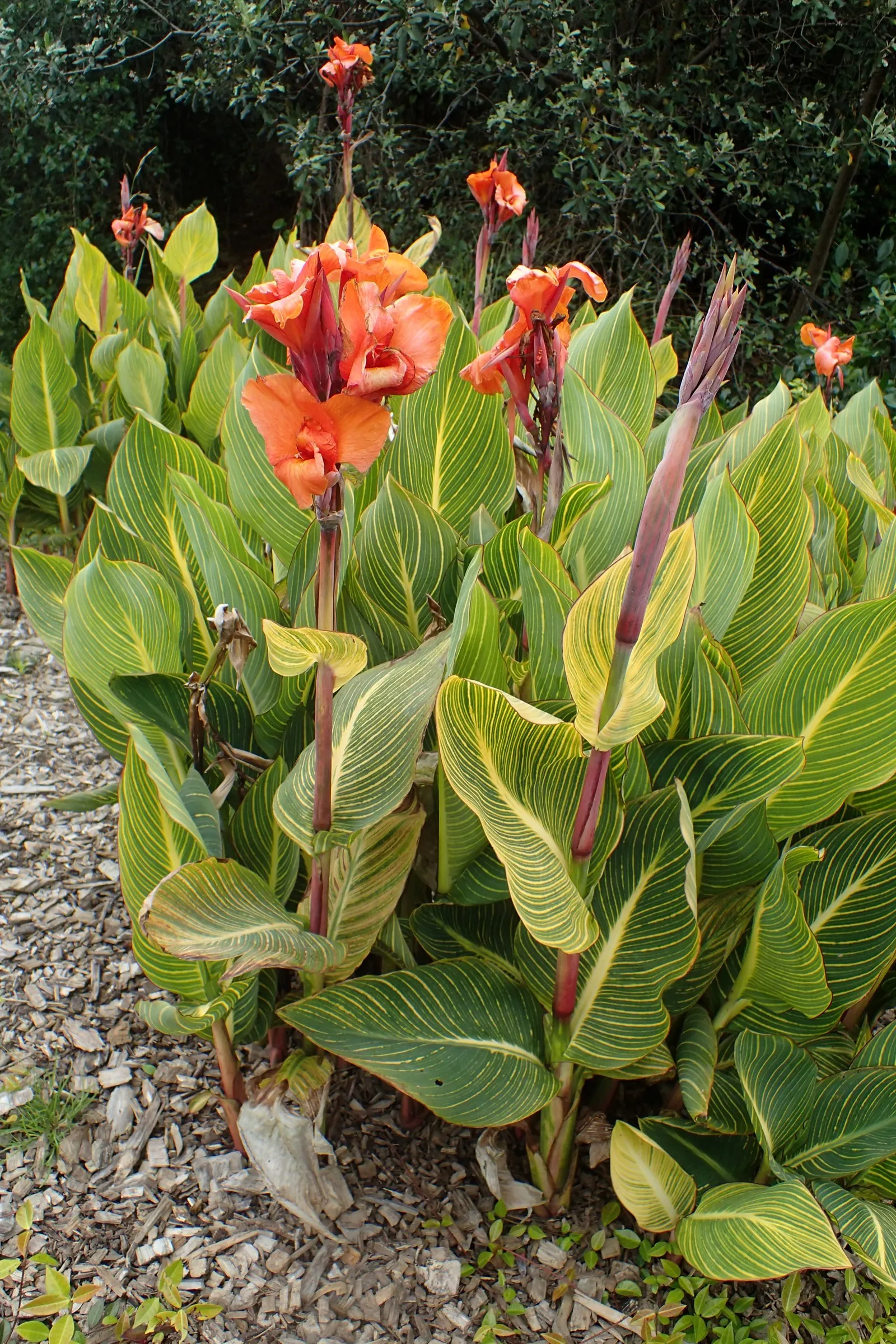
Canna (Canna X Generalis) — typically reaching heights of 1.5 to 6 feet; often boasting hues of green to bronze and even variegated stripes, image 117
Canna (Canna X Generalis) — with a spread of 1.5 to 3 feet.<br><br>Flowering from mid-summer to the first frost; benefiting pollinators like, image 118
Canna (Canna X Generalis) — The leaves are large and paddle-shaped; commonly referred to as the canna lily
Canna (Canna X Generalis) — Cannas are perennials in warmer climates and can be overwintered indoors in colder regions
Canna (Canna X Generalis) — Thriving in full sun to partial shade, they require moist, well-drained soil; perennial with red blooms, image 134
Canna (Canna X Generalis) — Cannas are perennials in warmer climates and can be overwintered indoors in colder regions; their vibrant presence, image 135
Canna (Canna X Generalis) — particularly during dry spells; is a striking ornamental plant that brings a splash of tropical flair to any landscape, image 72
Canna (Canna X Generalis) — These robust perennials thrive in USDA hardiness zones 7 to 10, preferring full sun to partial shade; they require, image 96
Canna (Canna X Generalis) — often multicolored flowers atop stems ranging 1.5-8 feet high; these robust perennials thrive in USDA hardiness zones 7 to 10
Canna (Canna X Generalis) — commonly known as Canna Lily; thriving in full sun to partial shade, they require moist, well-drained soil, image 79
Canna (Canna X Generalis) — They require well-draining soil and benefit from regular watering; perennial for full or half
Canna (Canna X Generalis) — commonly referred to as the canna lily
Photographs by 13 contributors

Related plants