Skip to content

Trumpet Creeper

Campsis Radicans

Design with this plant

Overview

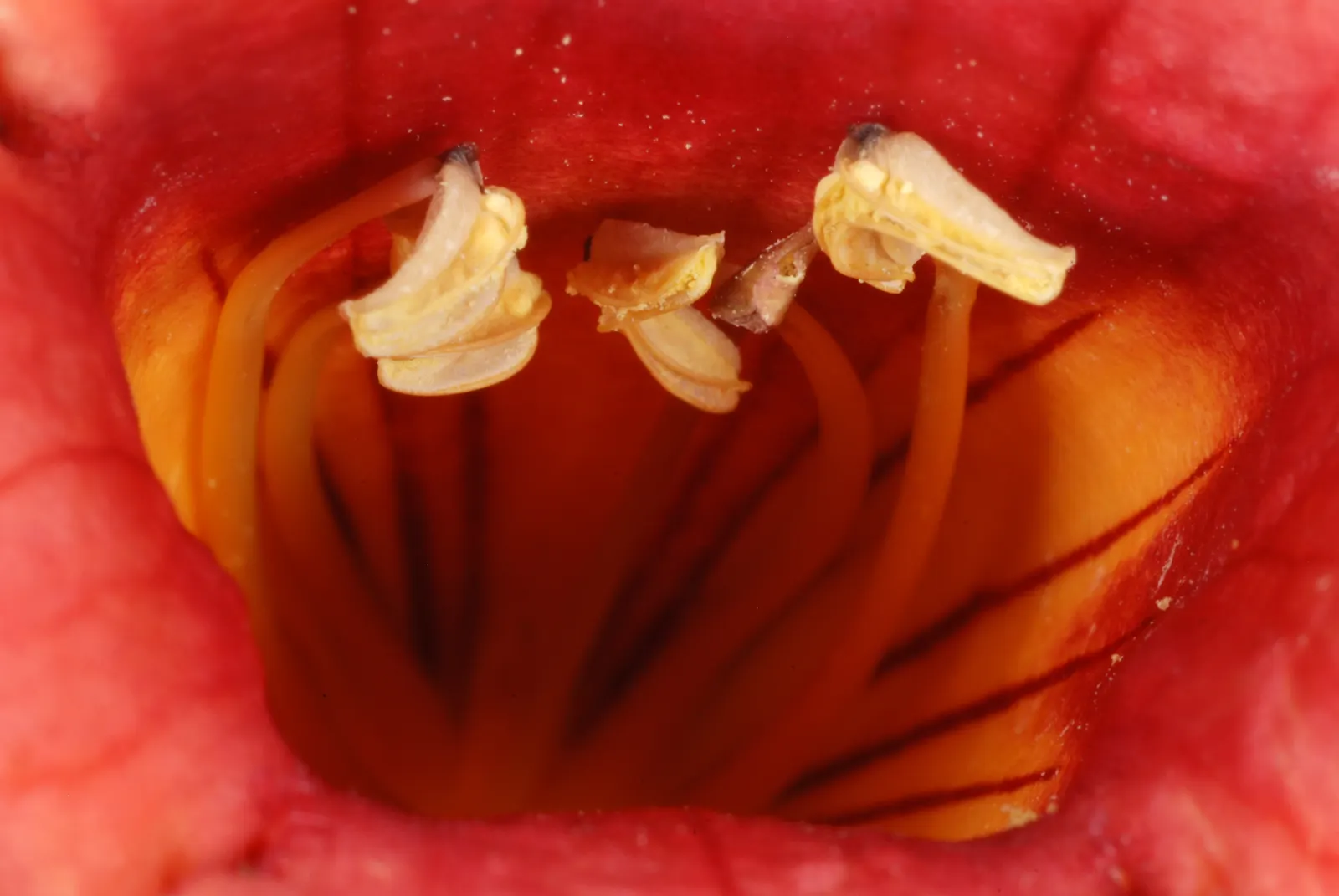
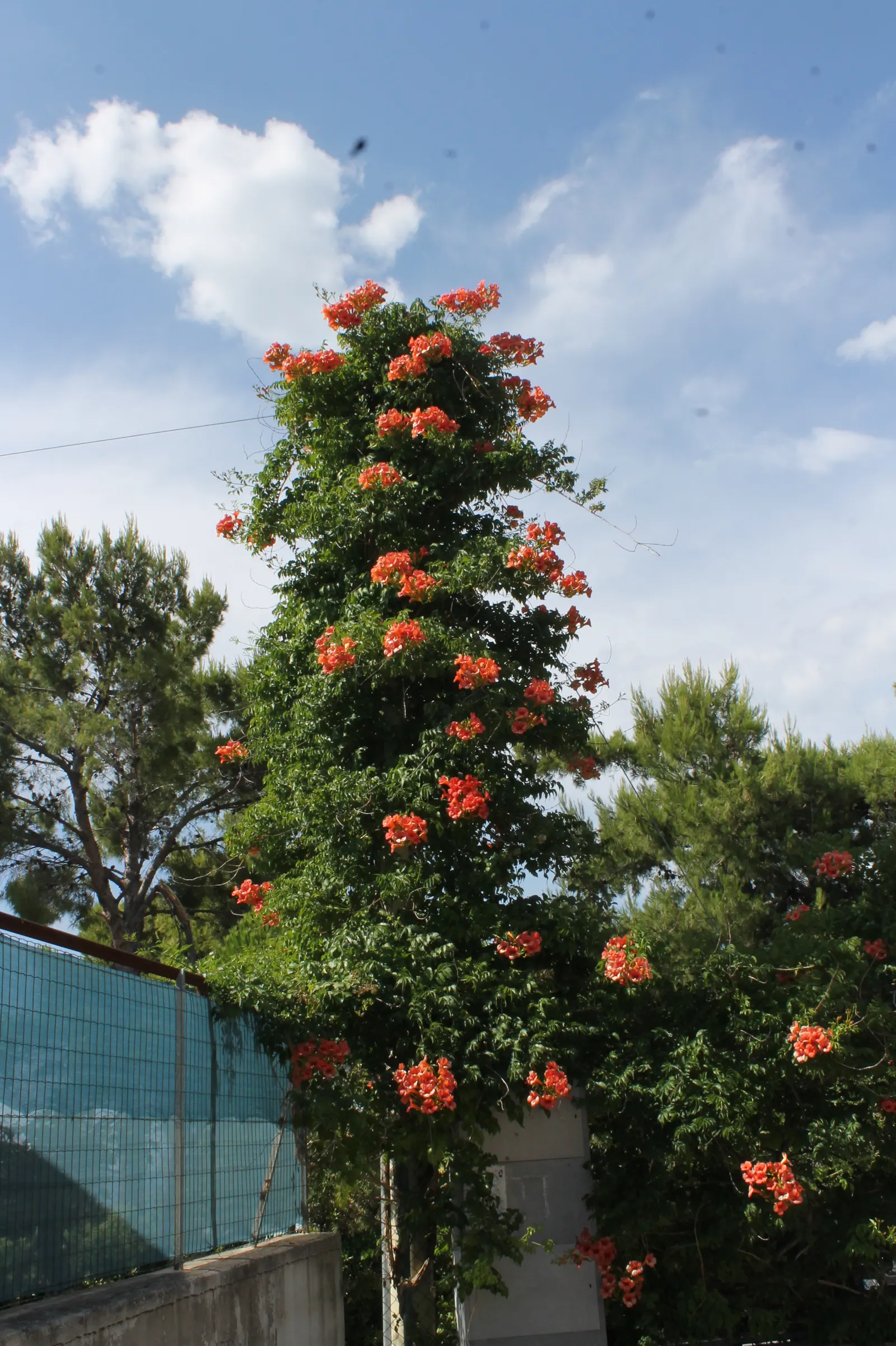
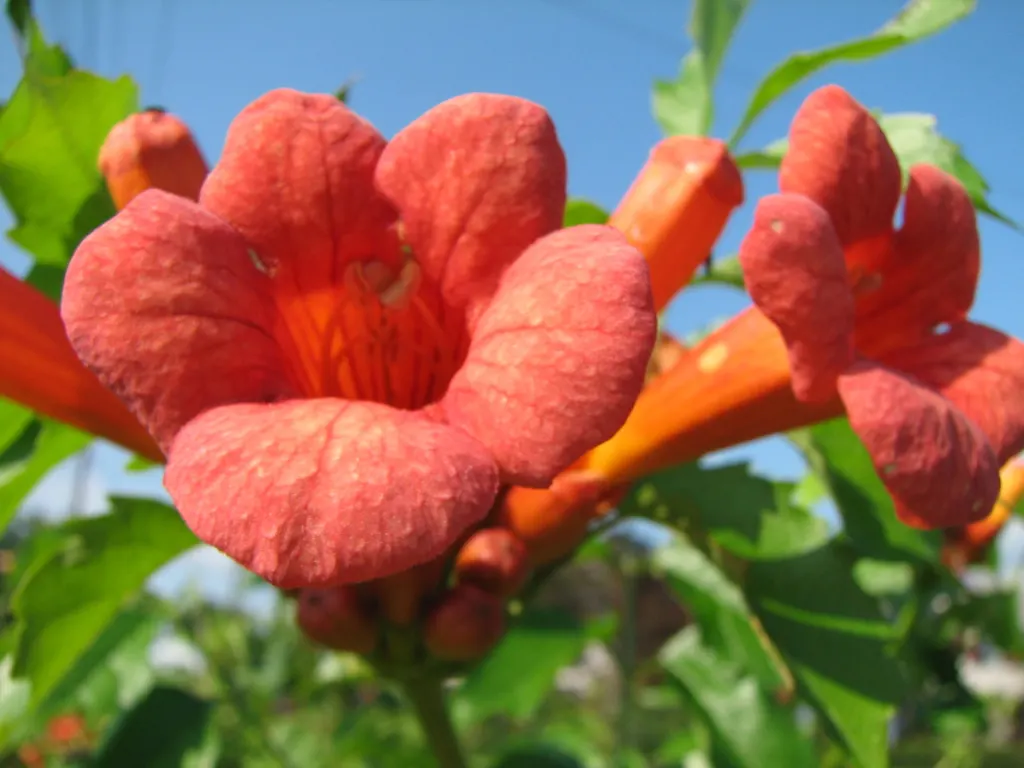
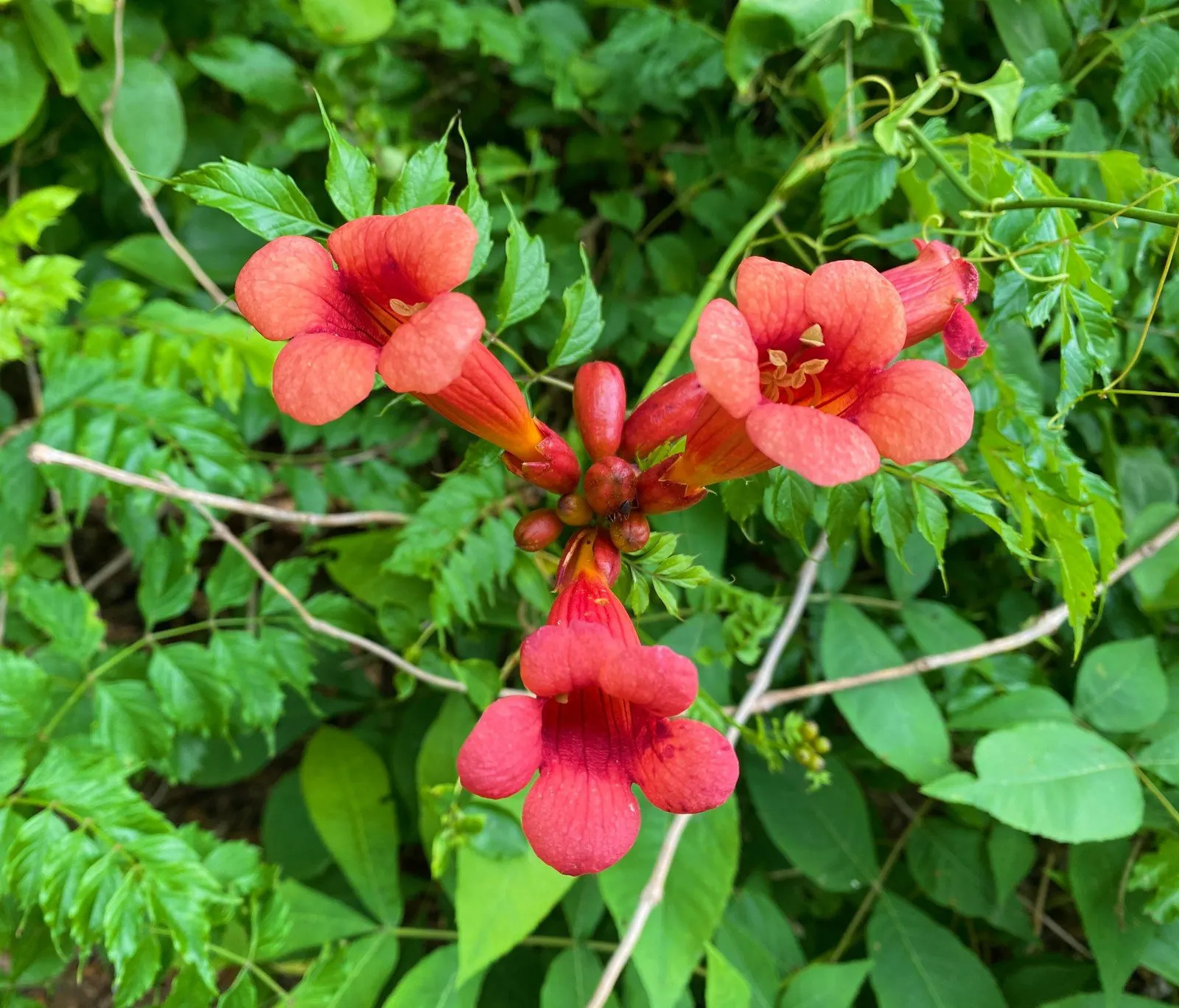
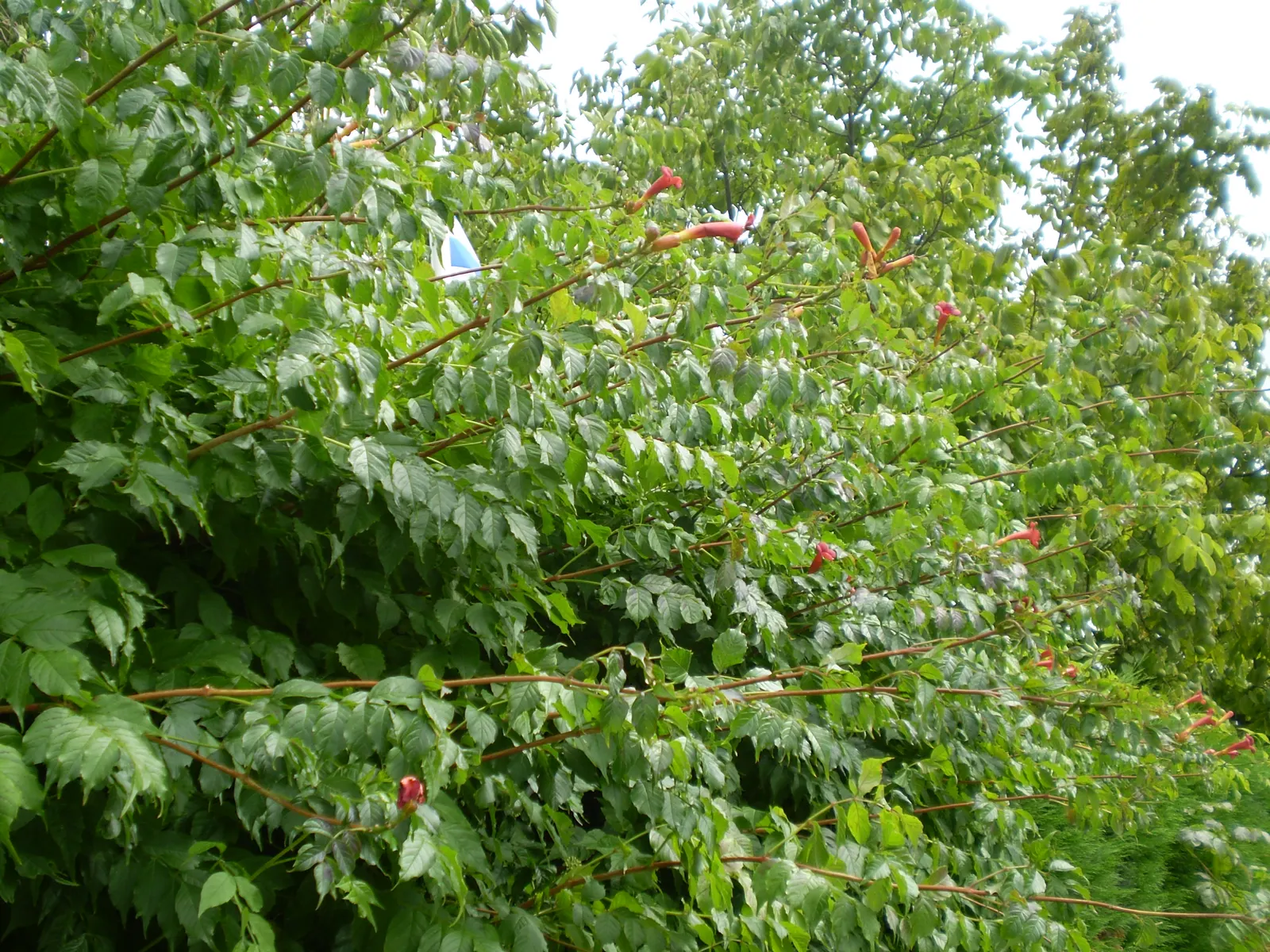
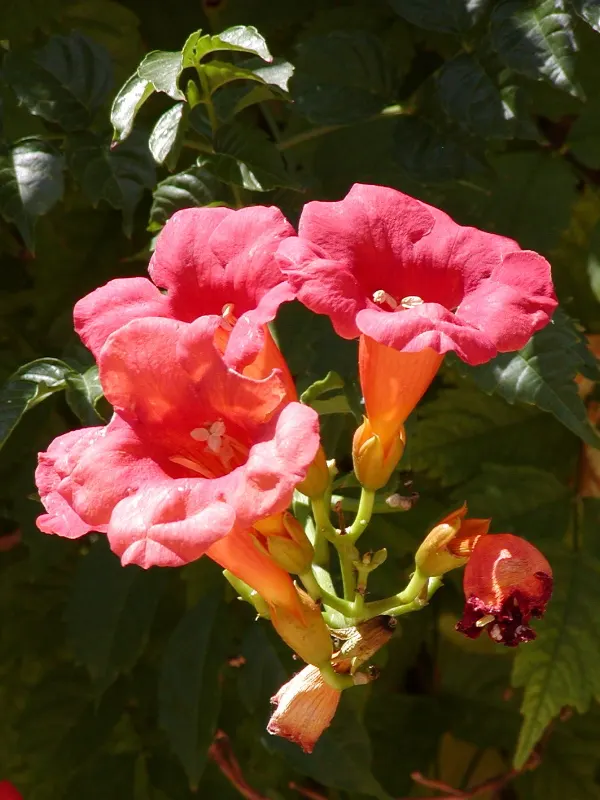
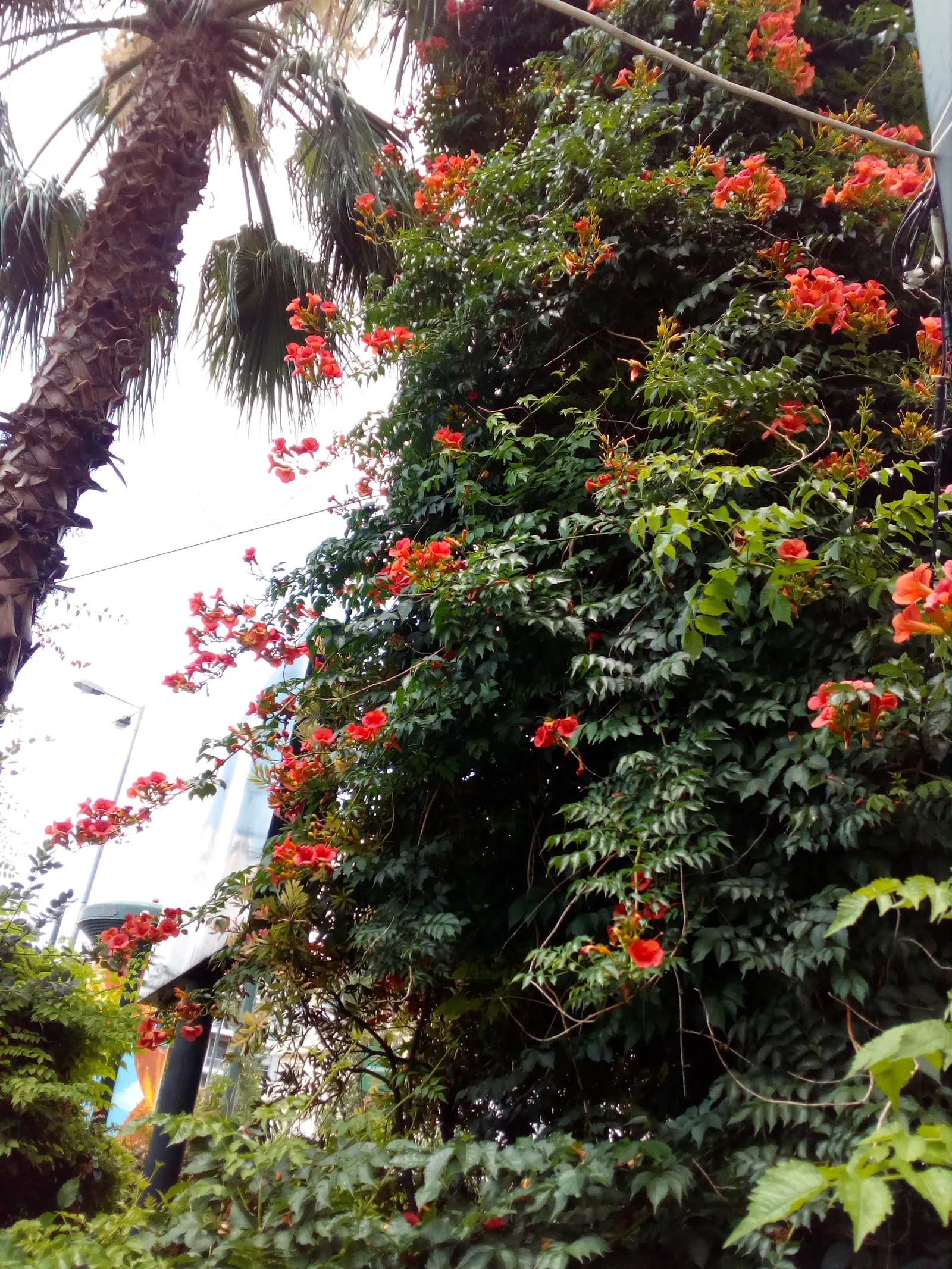
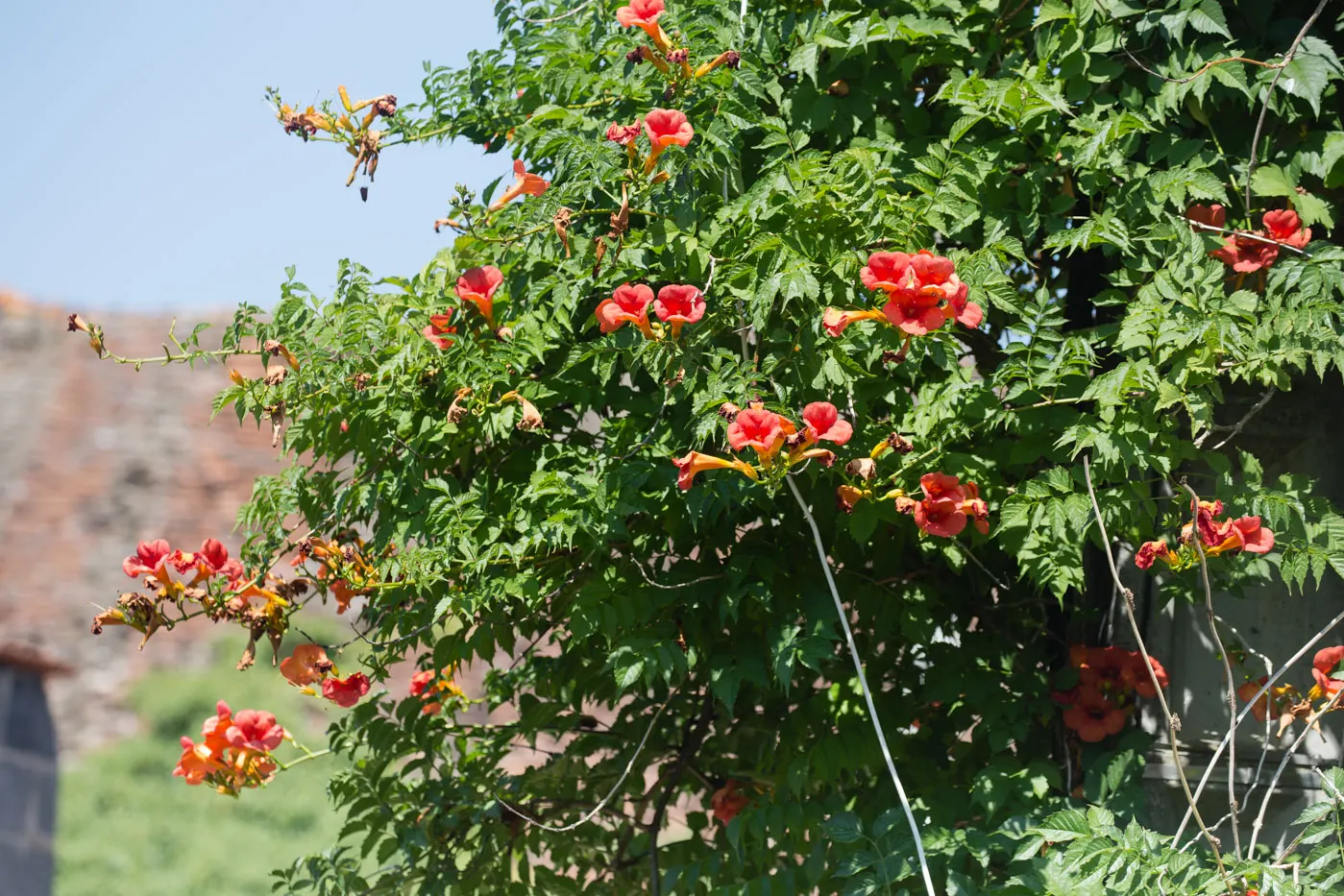
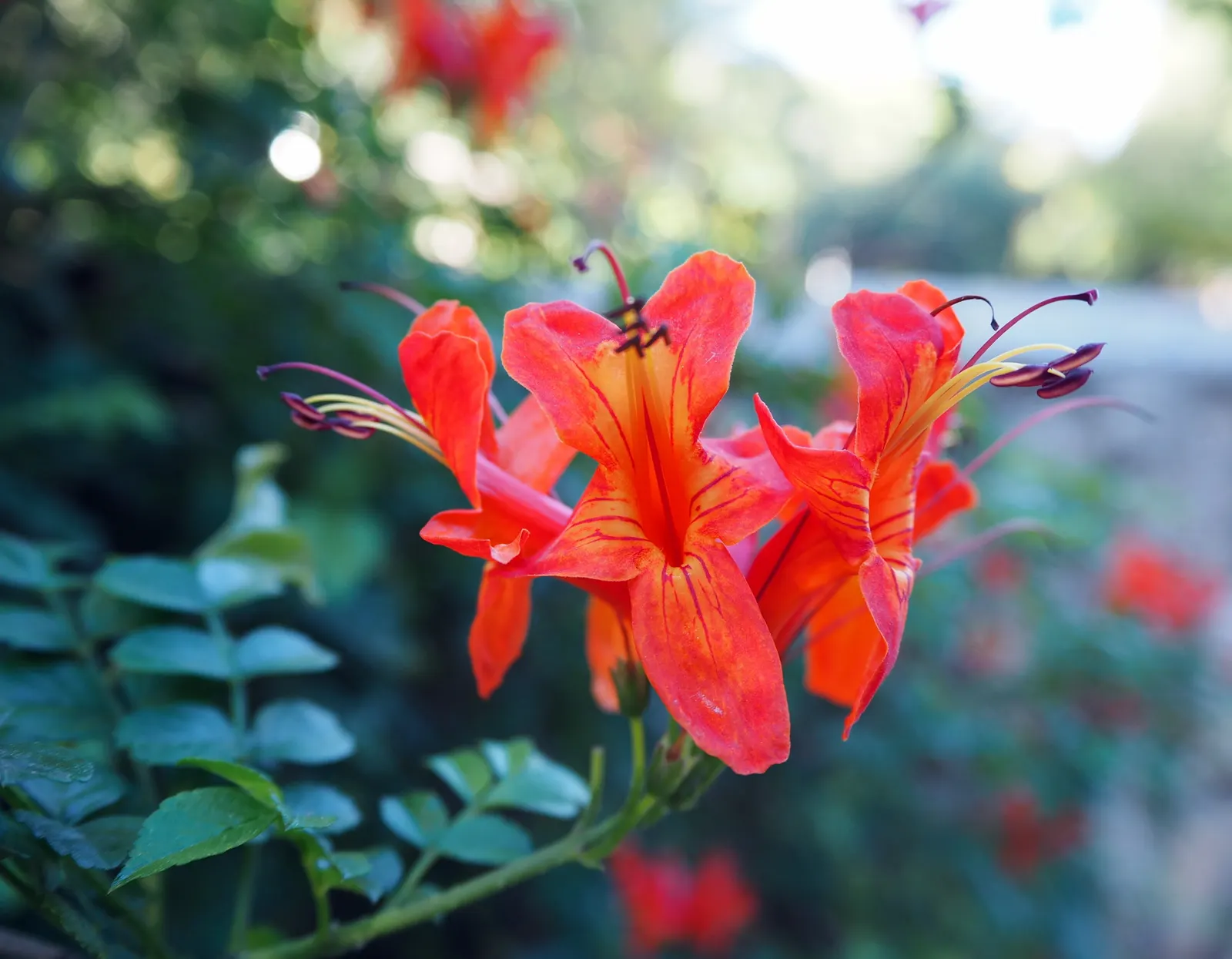
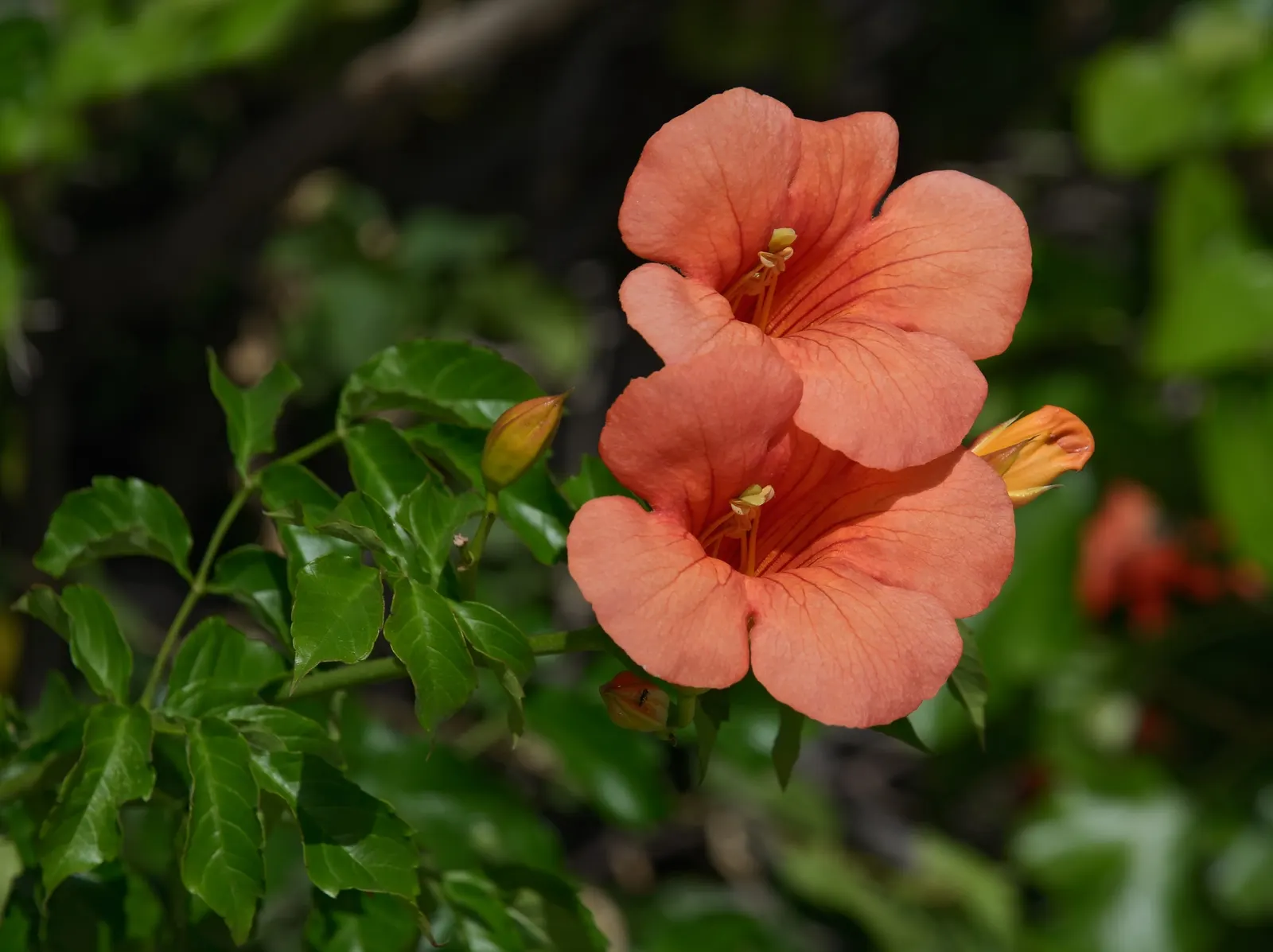
The Trumpet Creeper (Campsis radicans), a vigorous deciduous vine, boasts showy, trumpet-shaped, orange to red flowers reaching 3 inches long, attracting hummingbirds. Climbing 30-40 feet, it thrives in full sun to part shade in USDA zones 4-9. Plant in well-drained soil, spacing 4-10 feet apart for coverage or as a focal point. It spreads via root suckers; manage growth to prevent invasiveness. Ideal for trellises and fences.

Sun Full, Half, ShadeWater LowZones 4–10Type VineClimate Temperate
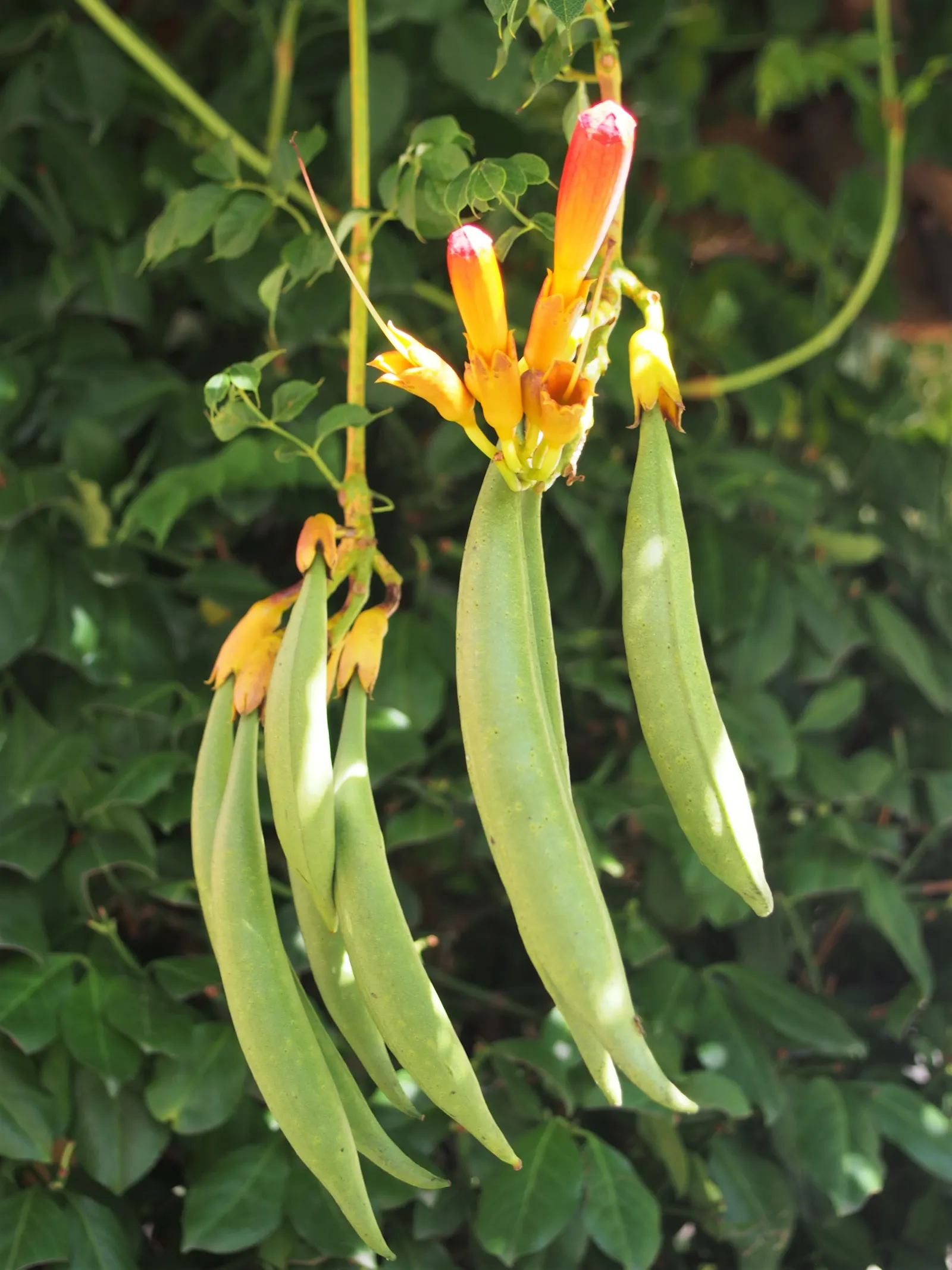
Trumpet Creeper (Campsis Radicans) — It spreads via root suckers; manage growth to prevent invasiveness; growing up to 3 inches long

Culture

Sun
Full, Half, Shade
Water
Low
USDA zones
4–10

Shape & size

Classification

Type
Vine
Family
Bignoniaceae
Climate
Temperate

See full data, regional cultivation notes, and design tools. Build a client presentation around this plant.

Start your 14-day trial

Photos (108)

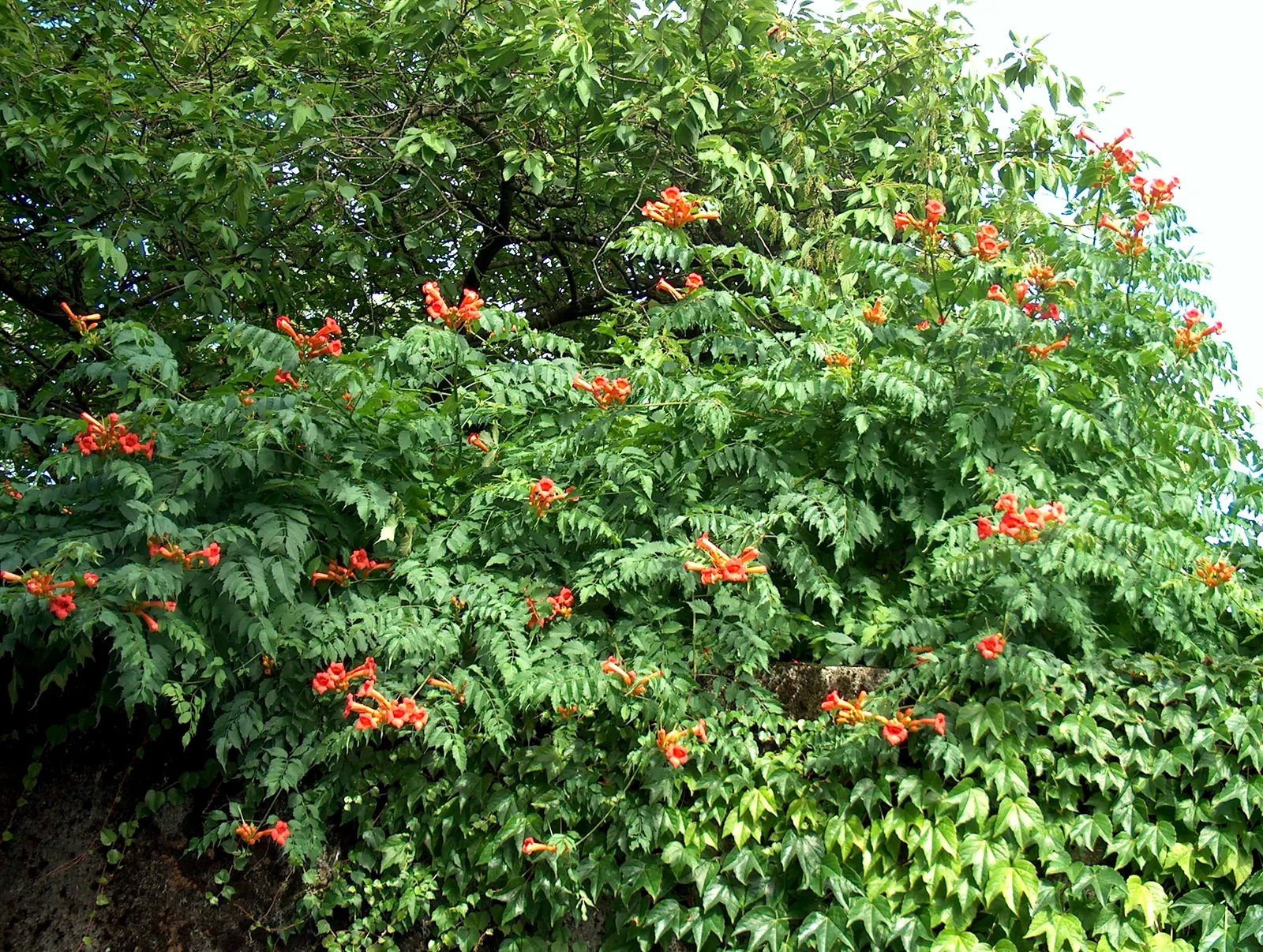
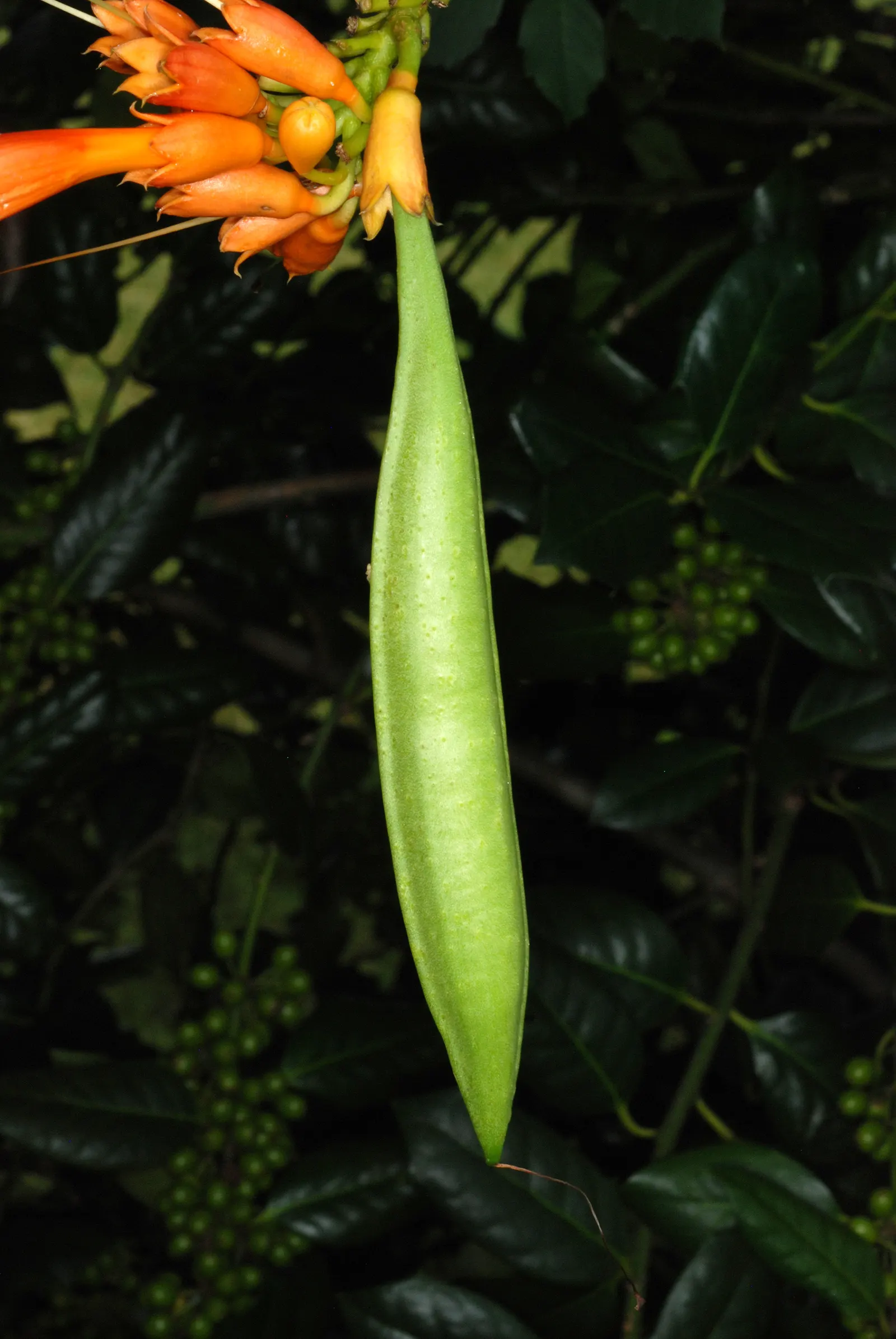
Trumpet Creeper (Campsis Radicans) — rapid-growing vine notable for its flamboyant floral display and robust climbing habit; plant in well-drained, image 80
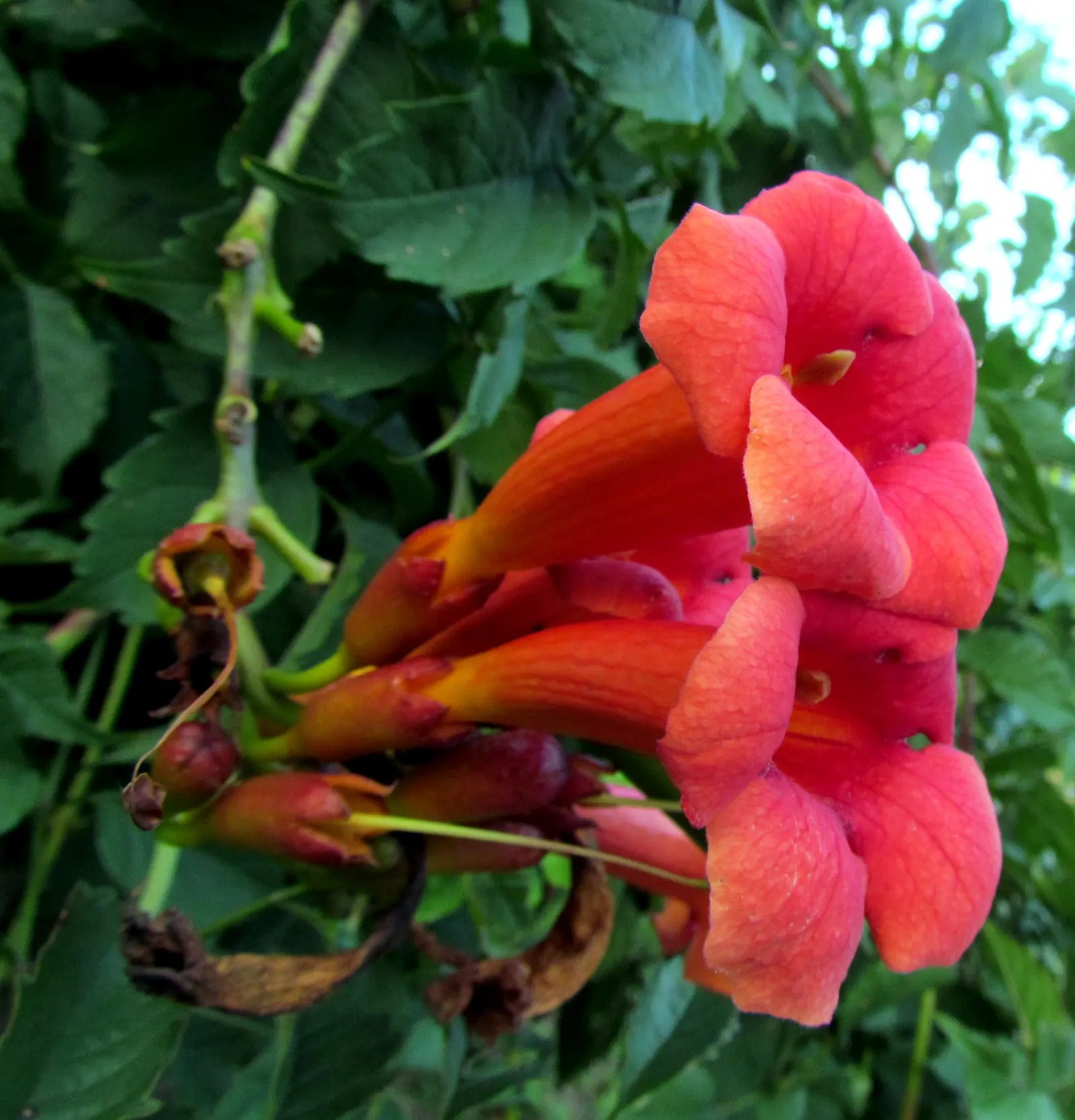
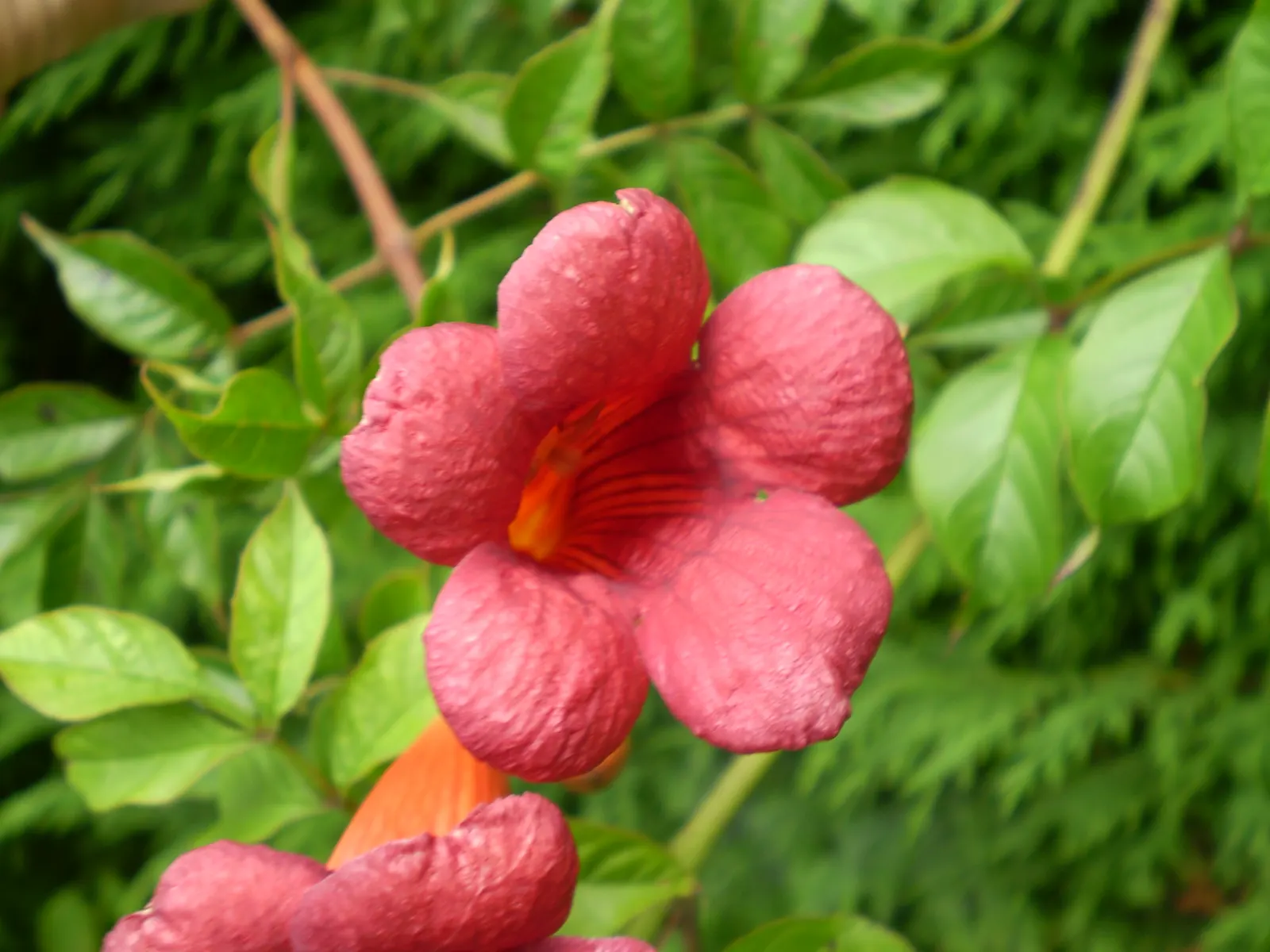
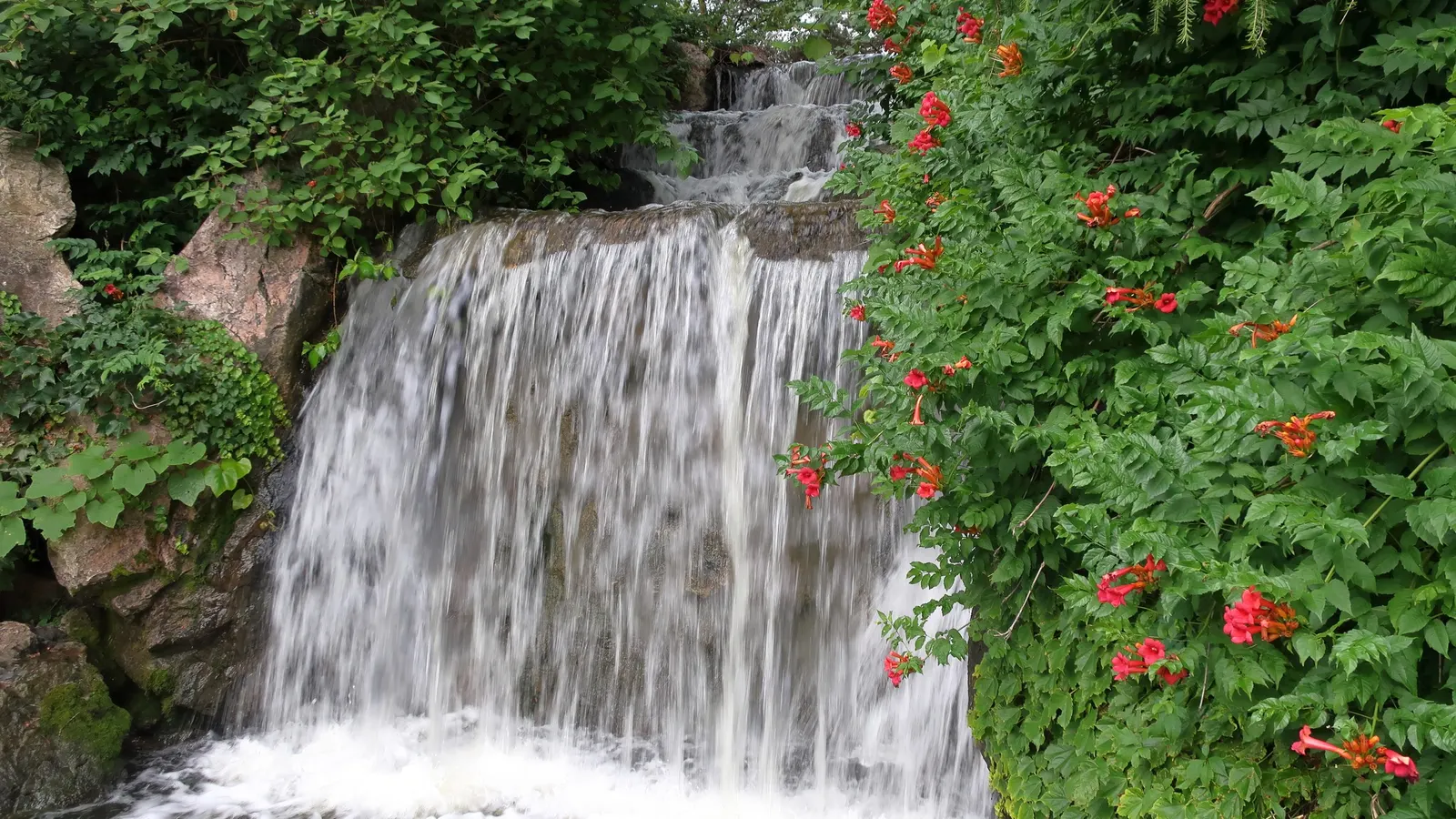
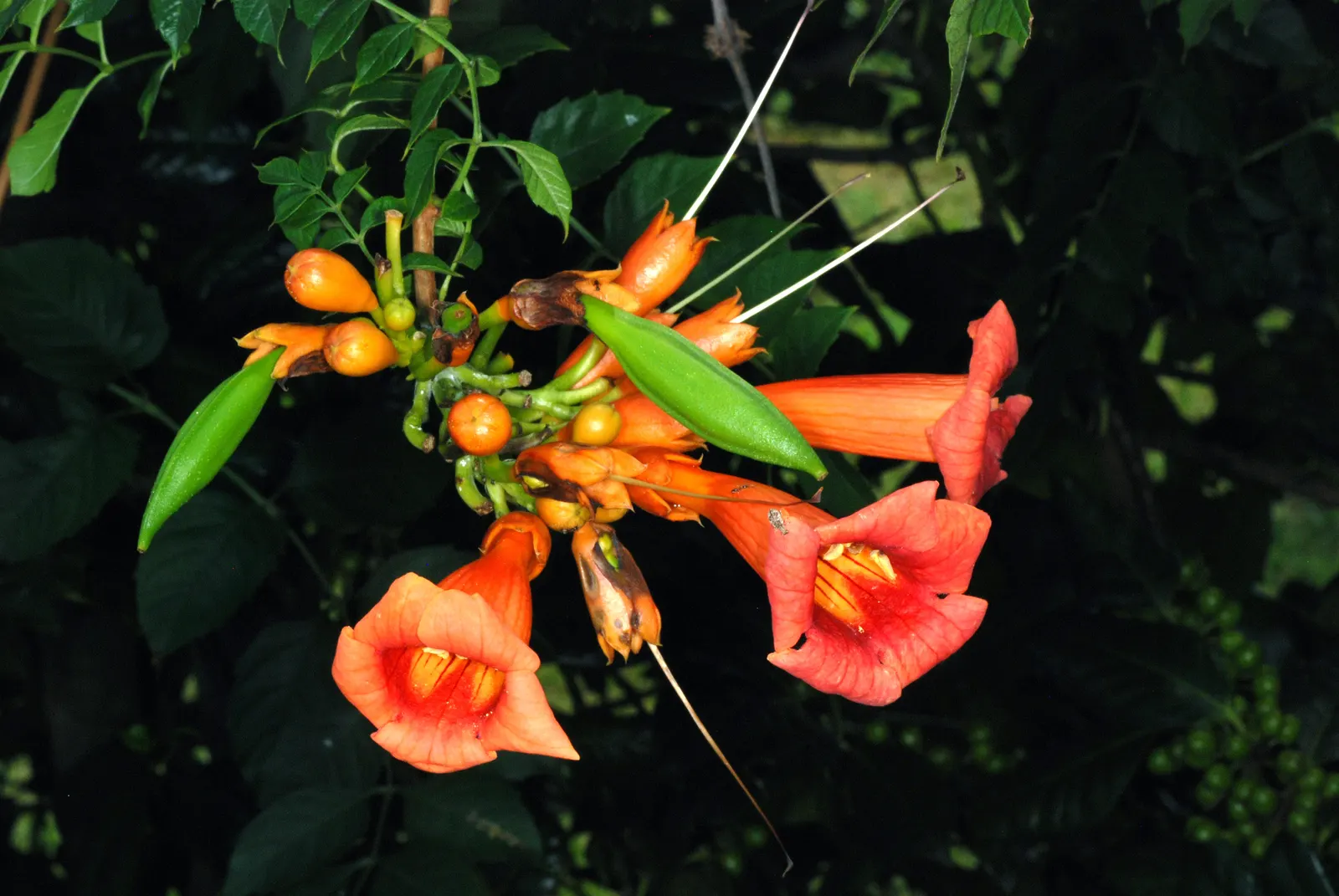
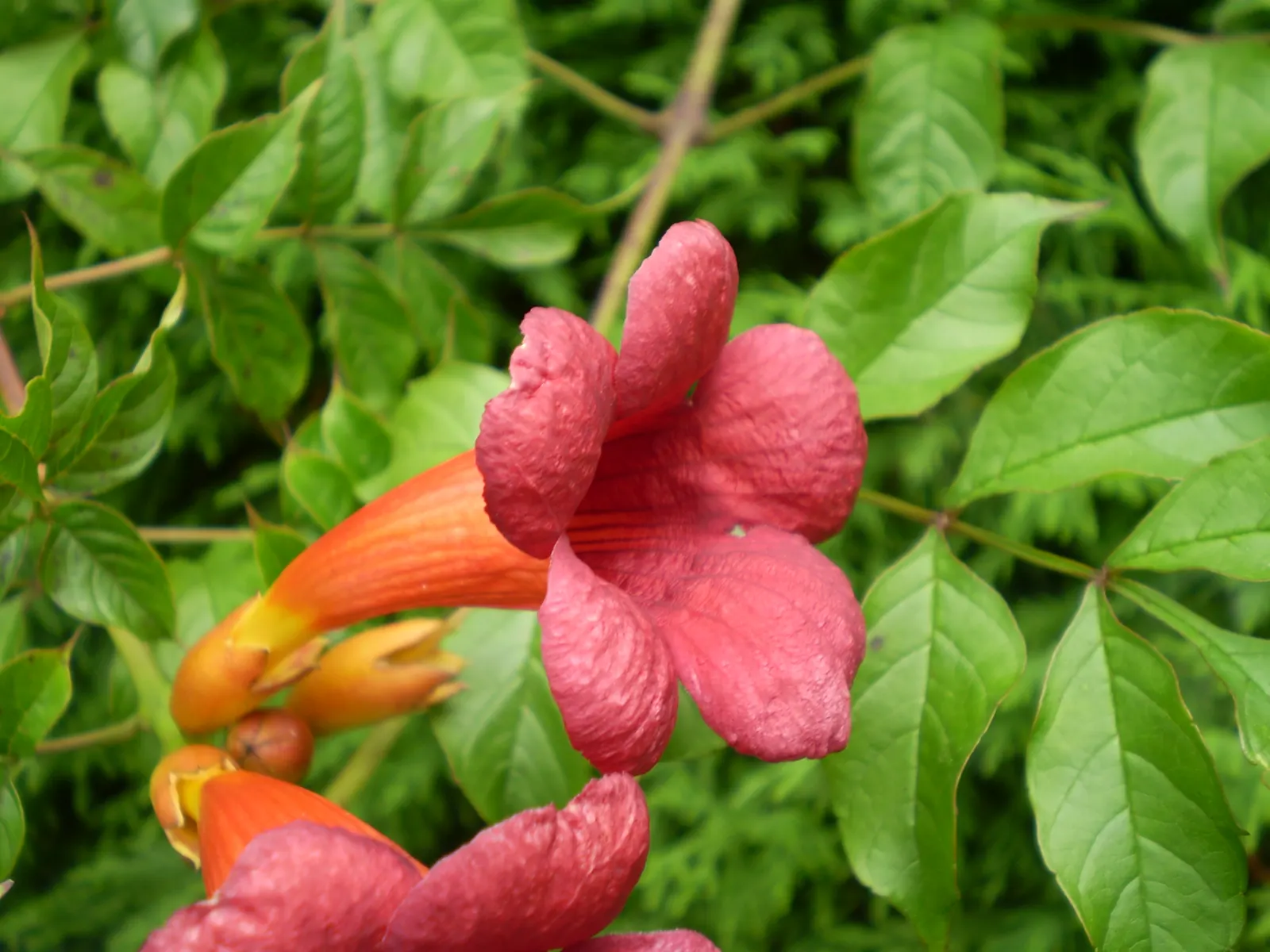
Trumpet Creeper (Campsis Radicans) — These blossoms are typically a vibrant orange to red hue; vine with orange and red blooms, image 86
Trumpet Creeper (Campsis Radicans) — This native North American deciduous vine is prized for its ability to reach 30 to 40 feet in length; and fences.<br><br>A
Trumpet Creeper (Campsis Radicans) — and fences.<br><br>A key feature of the Campsis radicans is its trumpet-shaped flowers; this native North, image 60
Trumpet Creeper (Campsis Radicans) — a vigorous deciduous vine
Trumpet Creeper (Campsis Radicans) — growing up to 3 inches long; it spreads via root suckers; manage growth to prevent invasiveness
Trumpet Creeper (Campsis Radicans) — vine for full or half or shade; planting the Trumpet Creeper provides a dynamic and eye-catching element to, image 72
Trumpet Creeper (Campsis Radicans) — Planting the Trumpet Creeper provides a dynamic and eye-catching element to the landscape; vine for full or, image 69
Trumpet Creeper (Campsis Radicans) — orange and red flowers in the garden; ideal for trellises and fences
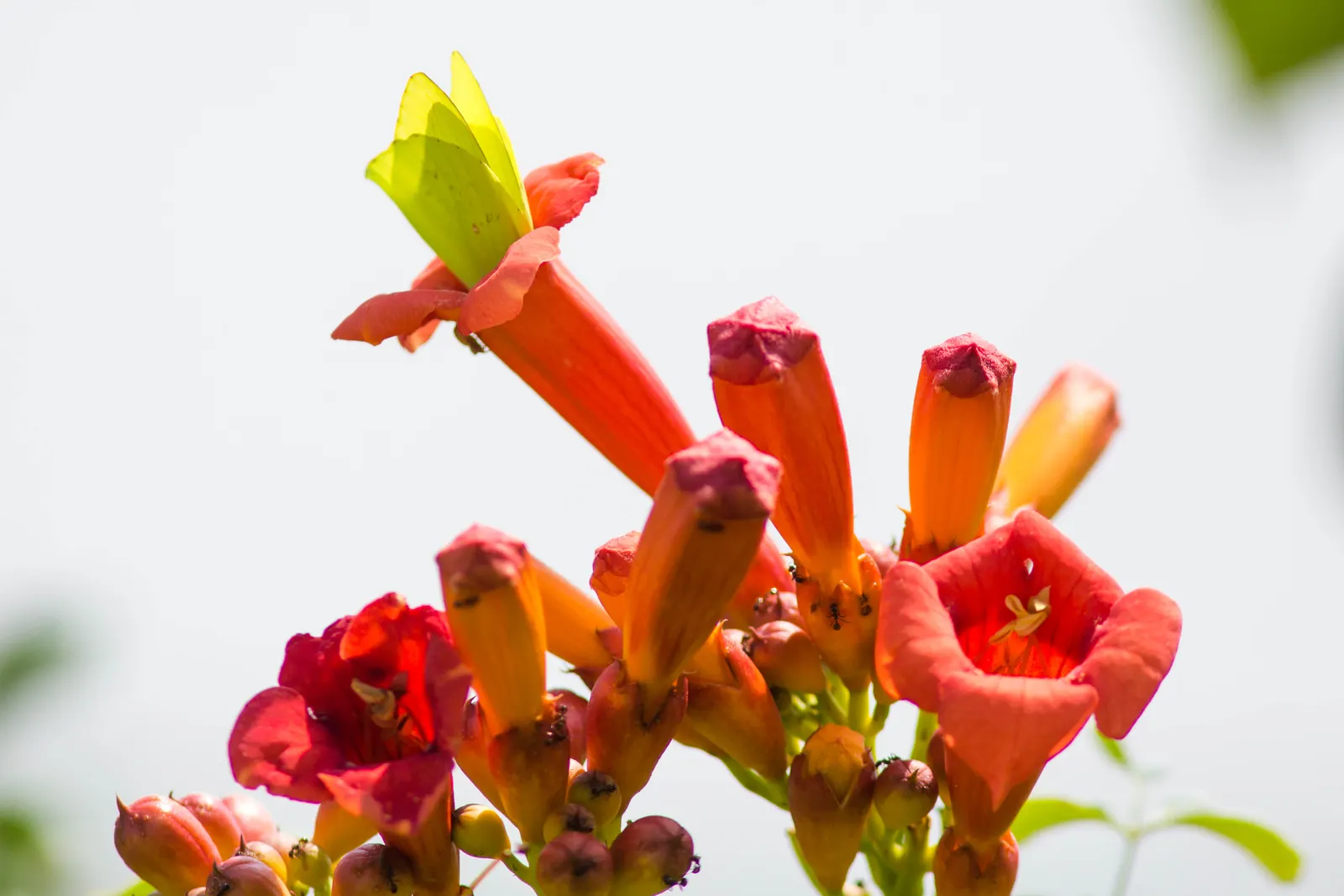
Trumpet Creeper (Campsis Radicans) — which bloom profusely from early summer to fall; and are particularly attractive to hummingbirds and, image 61
Trumpet Creeper (Campsis Radicans) — though well-drained soil is favorable for optimal growth; with a spread of 5 to 10 feet
Trumpet Creeper (Campsis Radicans) — It spreads via root suckers; manage growth to prevent invasiveness; growing up to 3 inches long, image 78
Trumpet Creeper (Campsis Radicans) — These blossoms are typically a vibrant orange to red hue; vine with orange and red blooms
Trumpet Creeper (Campsis Radicans) — growing up to 3 inches long; it spreads via root suckers; manage growth to prevent invasiveness, image 63
Trumpet Creeper (Campsis Radicans) — with a spread of 5 to 10 feet; though well-drained soil is favorable for optimal growth, image 58
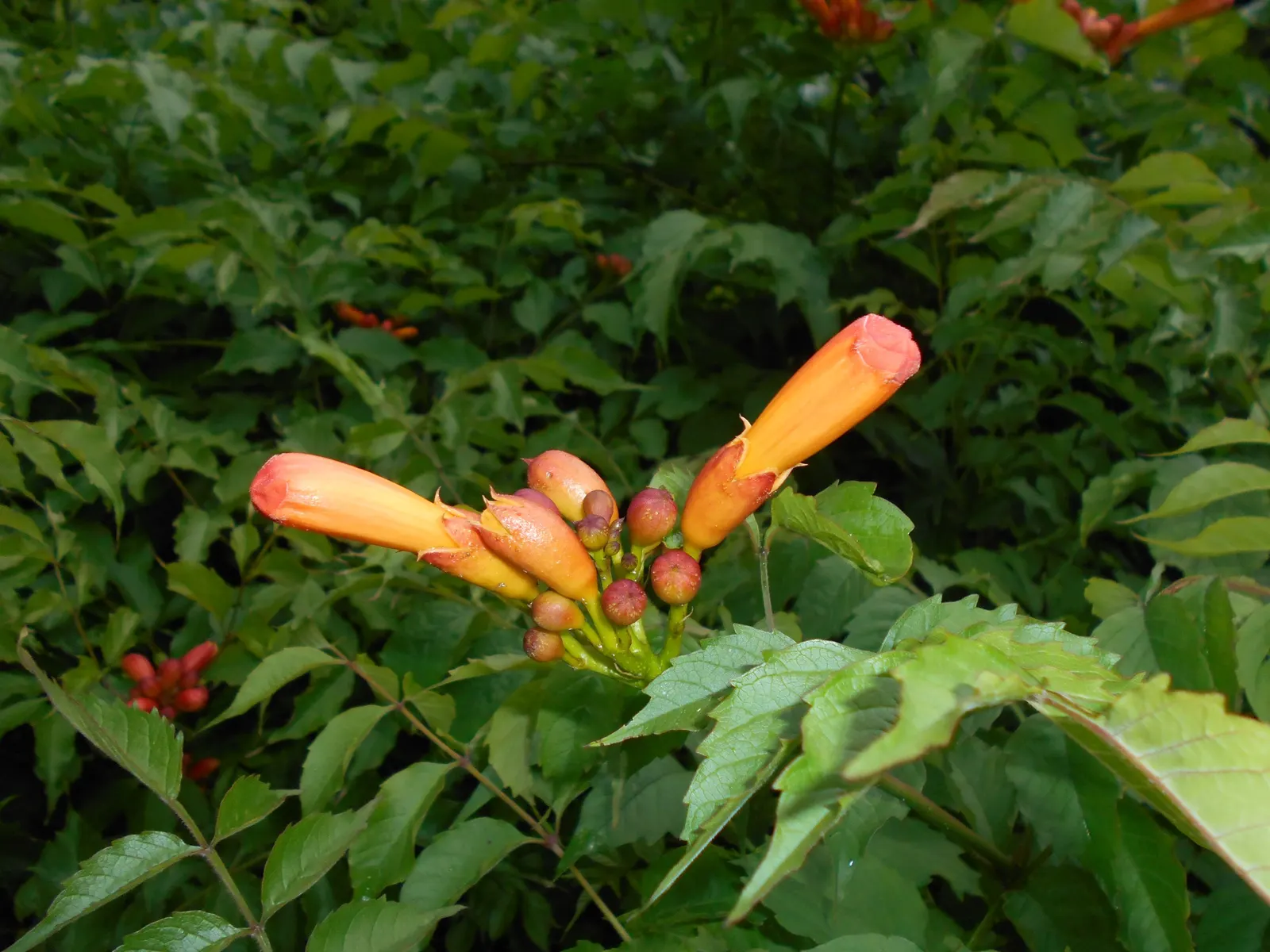
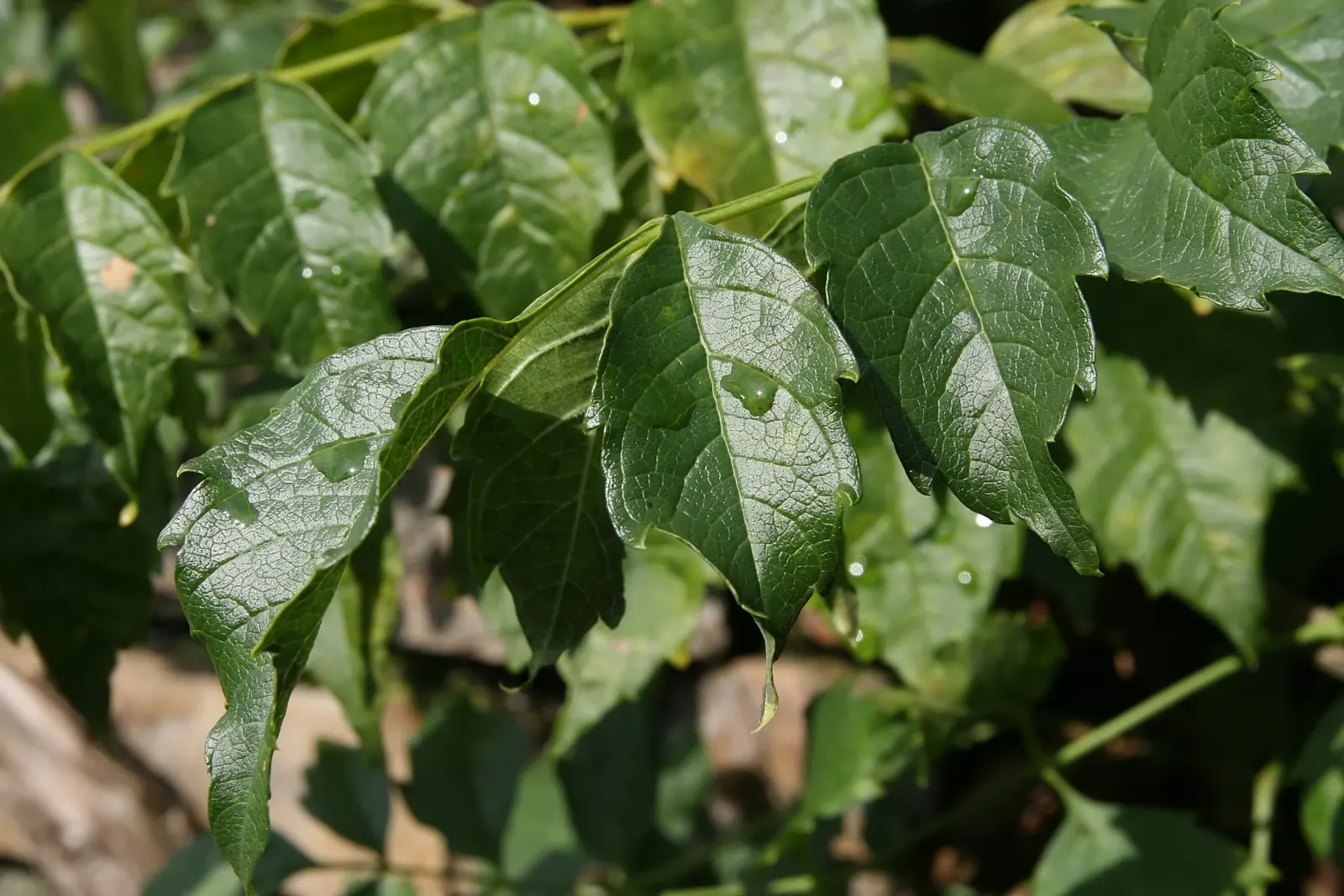
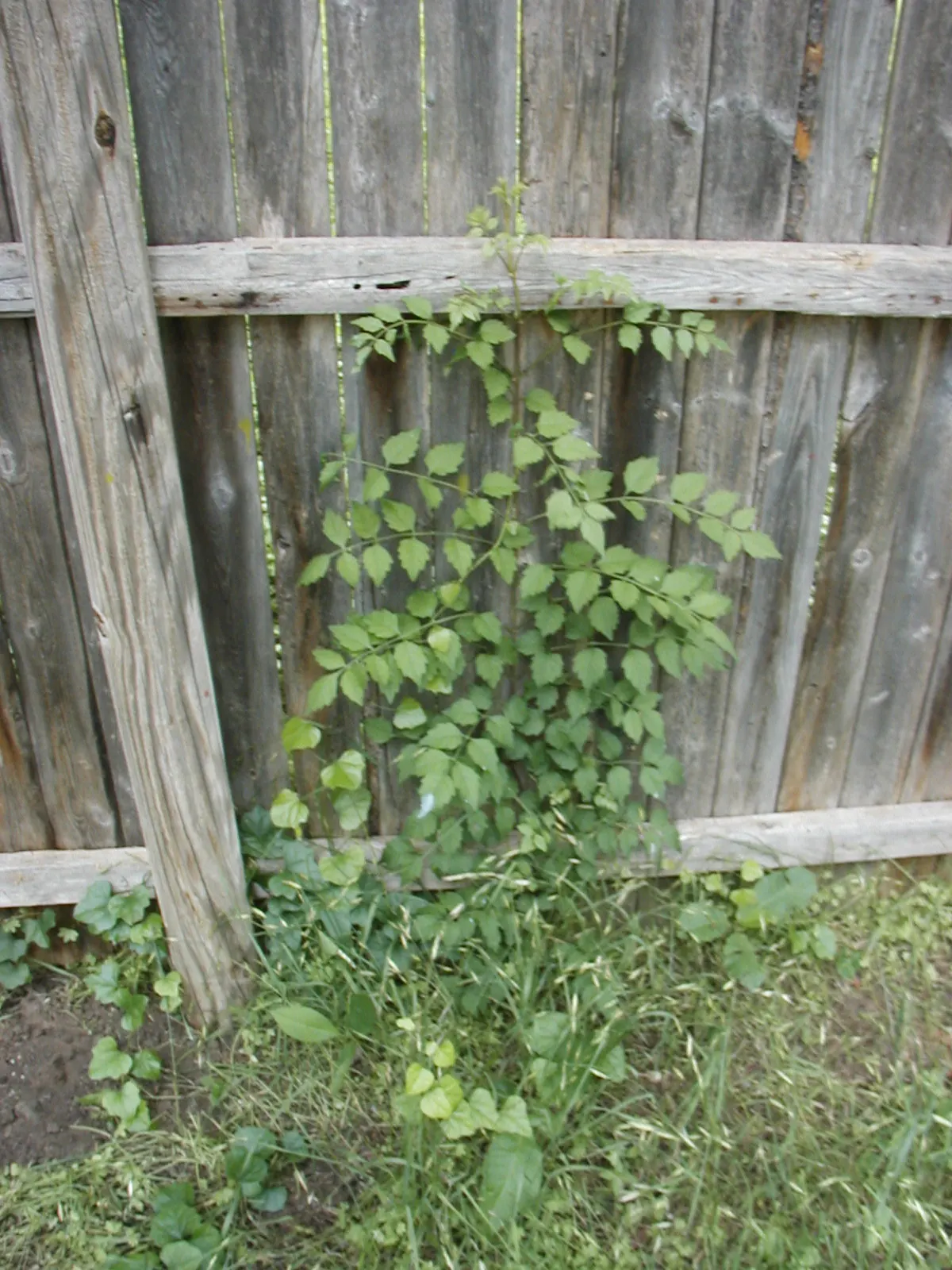
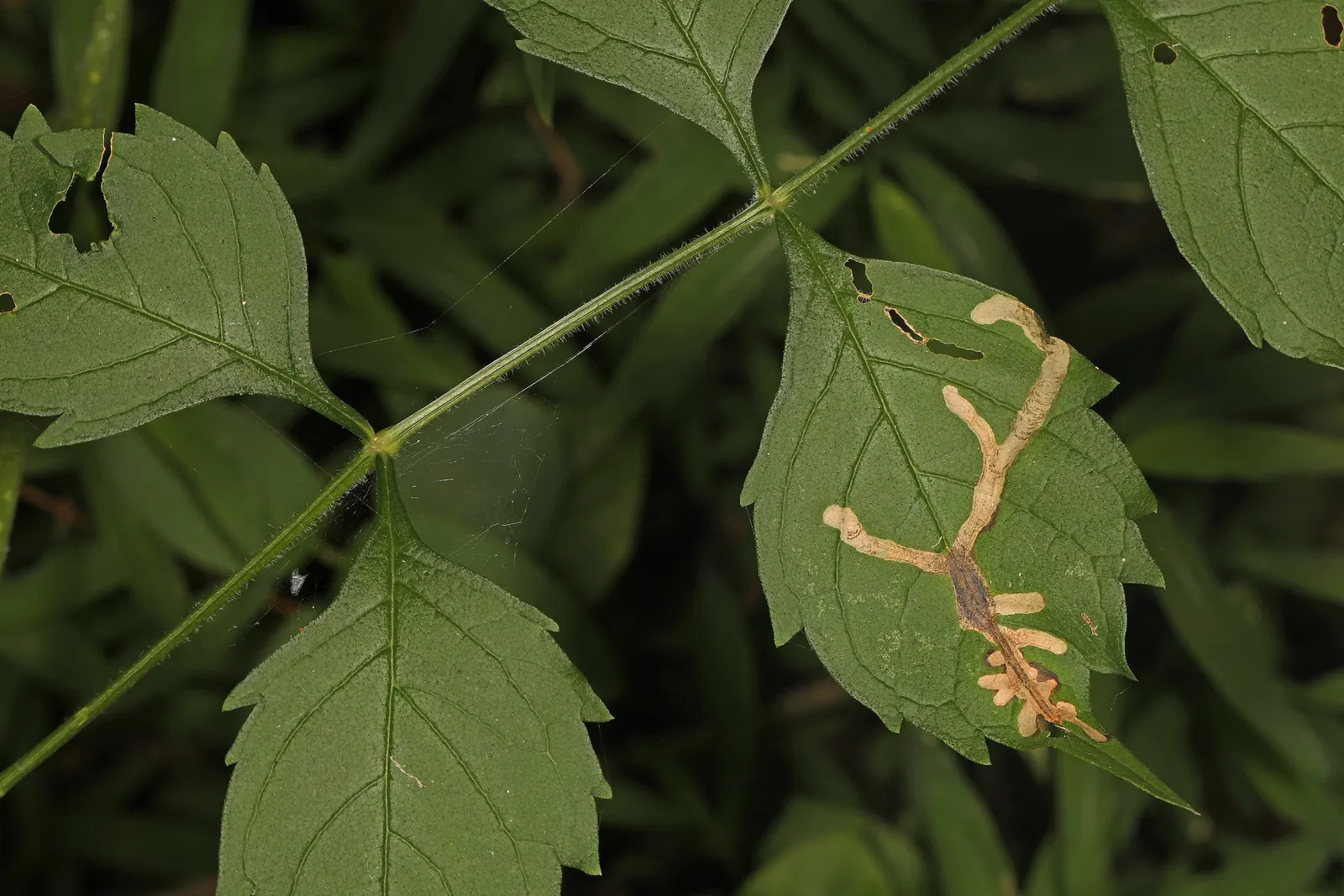
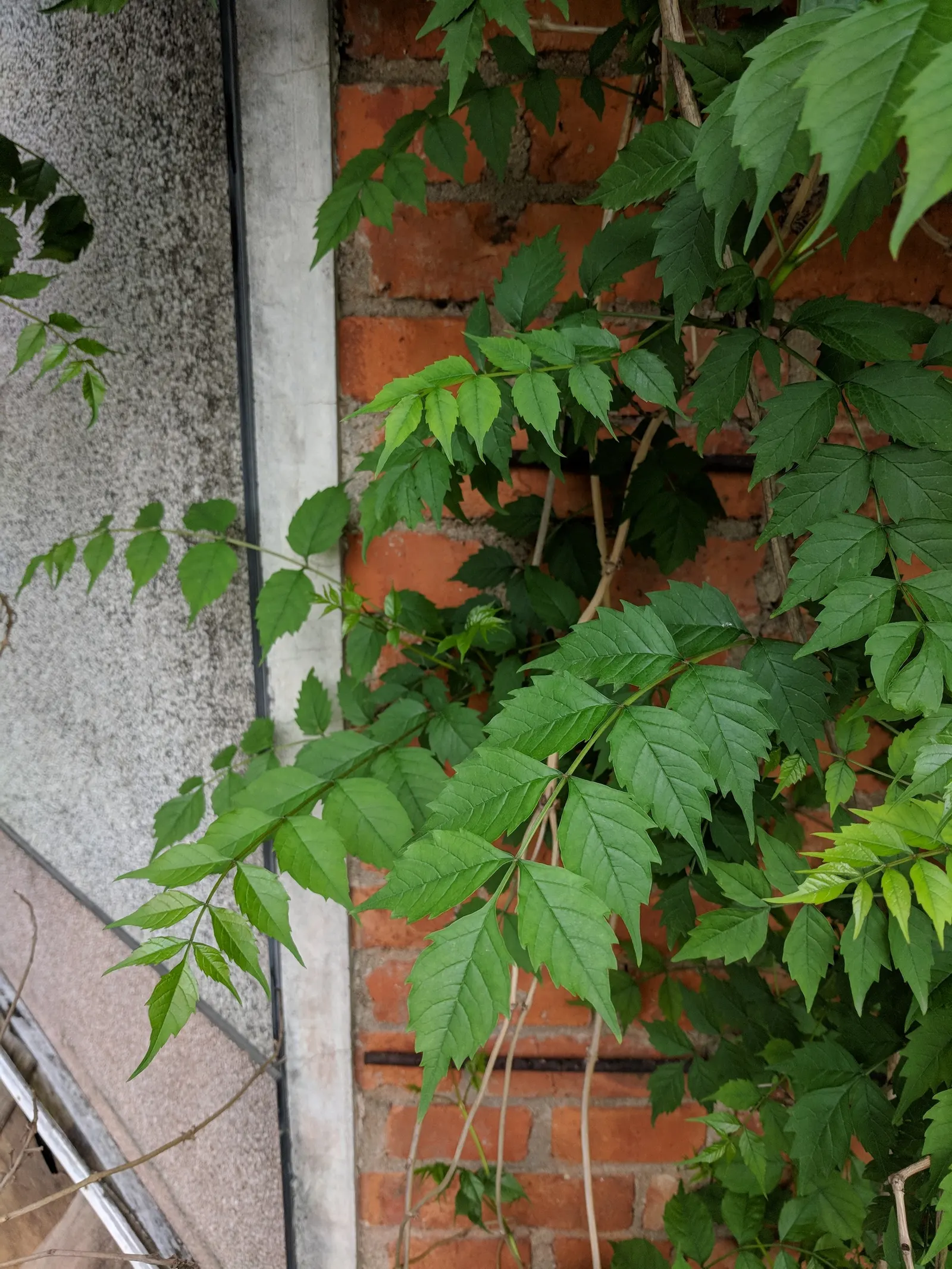
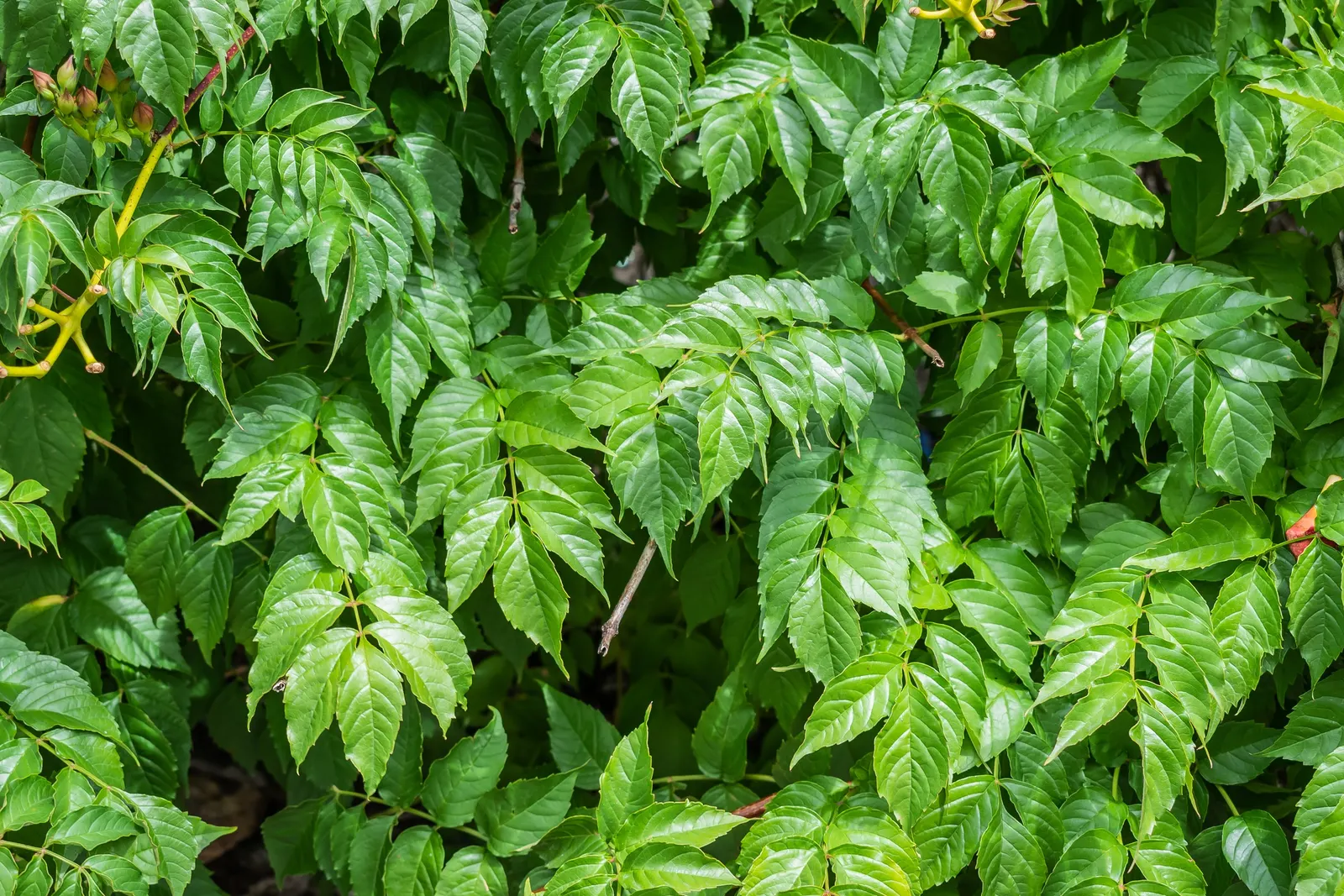
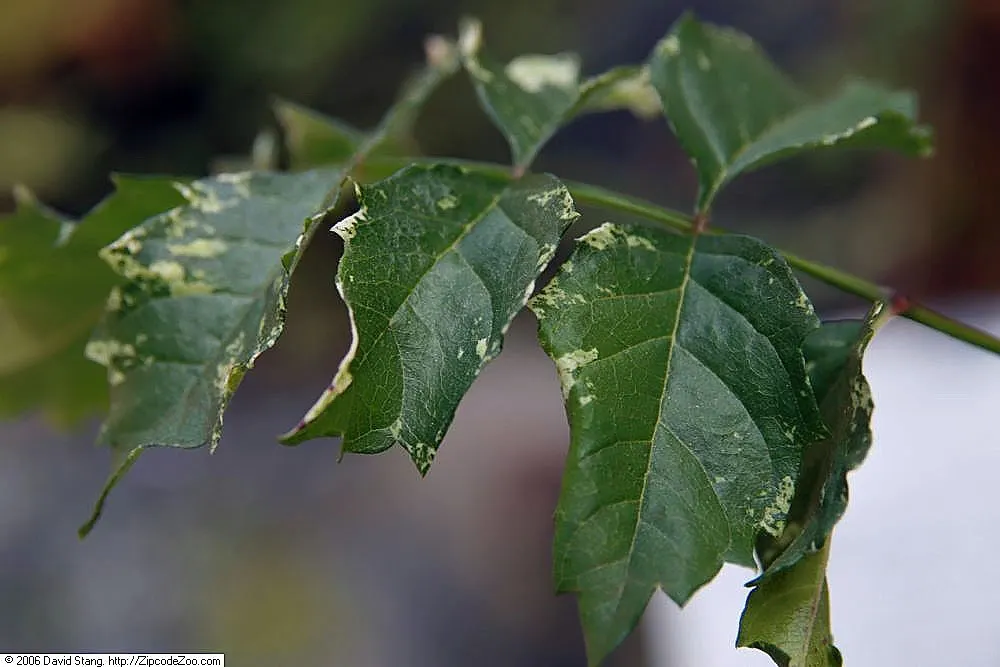
Trumpet Creeper (Campsis Radicans) — orange to red flowers reaching 3 inches long; each leaf with 7 to 11 leaflets, image 51
Trumpet Creeper (Campsis Radicans) — vine with orange and red blooms; these blossoms are typically a vibrant orange to red hue, image 71
Trumpet Creeper (Campsis Radicans) — a vigorous deciduous vine; making it an ideal candidate for covering trellises, image 50
Trumpet Creeper (Campsis Radicans) — Ideal for trellises and fences; orange and red flowers in the garden, image 55
Trumpet Creeper (Campsis Radicans) — orange to red flowers reaching 3 inches long; each leaf with 7 to 11 leaflets, image 75
Trumpet Creeper (Campsis Radicans) — which bloom profusely from early summer to fall
Trumpet Creeper (Campsis Radicans) — Regular pruning is recommended to keep its growth in bounds
Trumpet Creeper (Campsis Radicans) — vine with orange and red blooms
Trumpet Creeper (Campsis Radicans) — Plant in well-drained soil, spacing 4-10 feet apart for coverage or as a focal point; rapid-growing vine notable for its
Photographs by 15 contributors

Related plants