Skip to content

Marsh Marigold

Caltha Palustris

Design with this plant

Overview

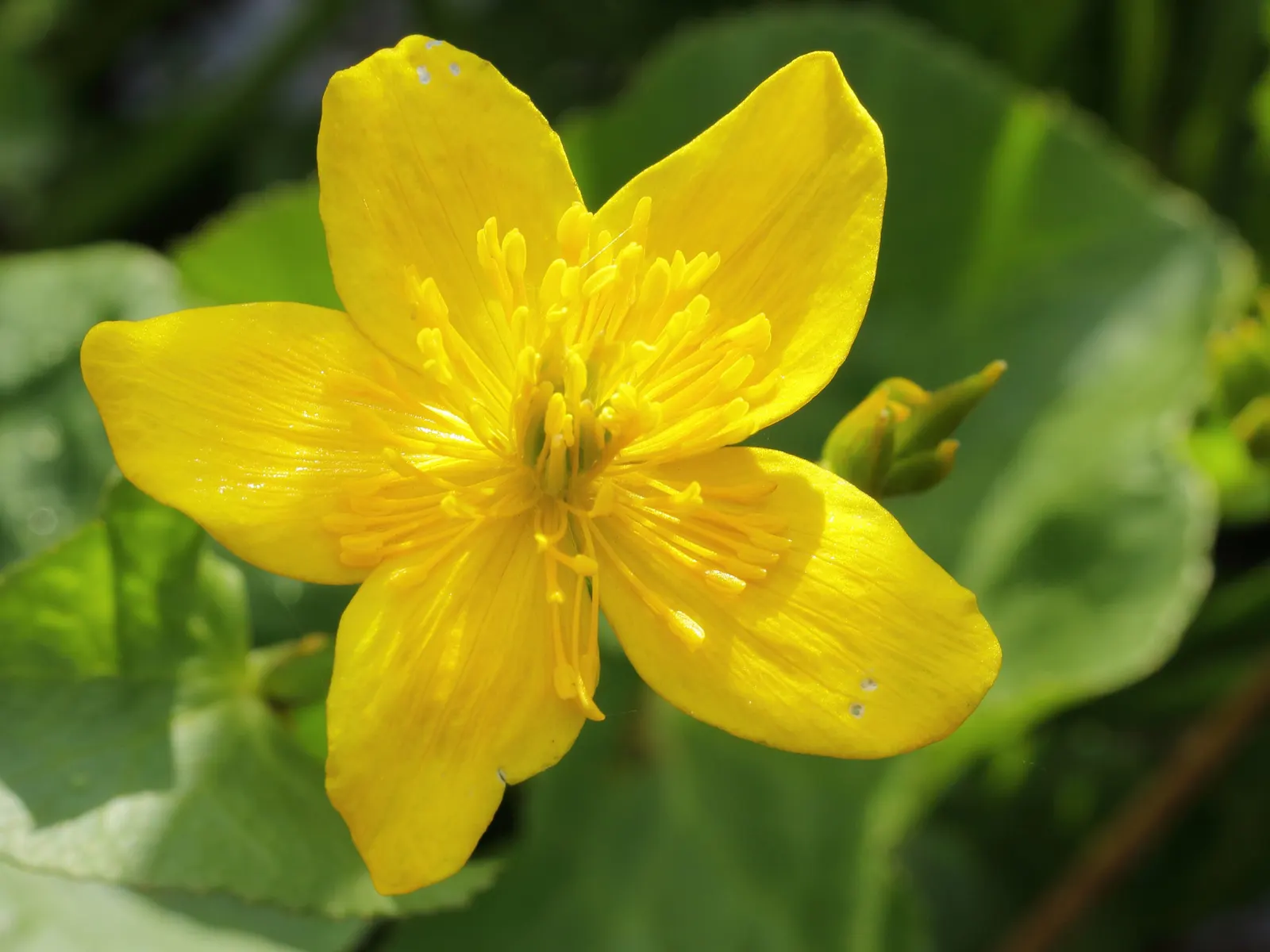
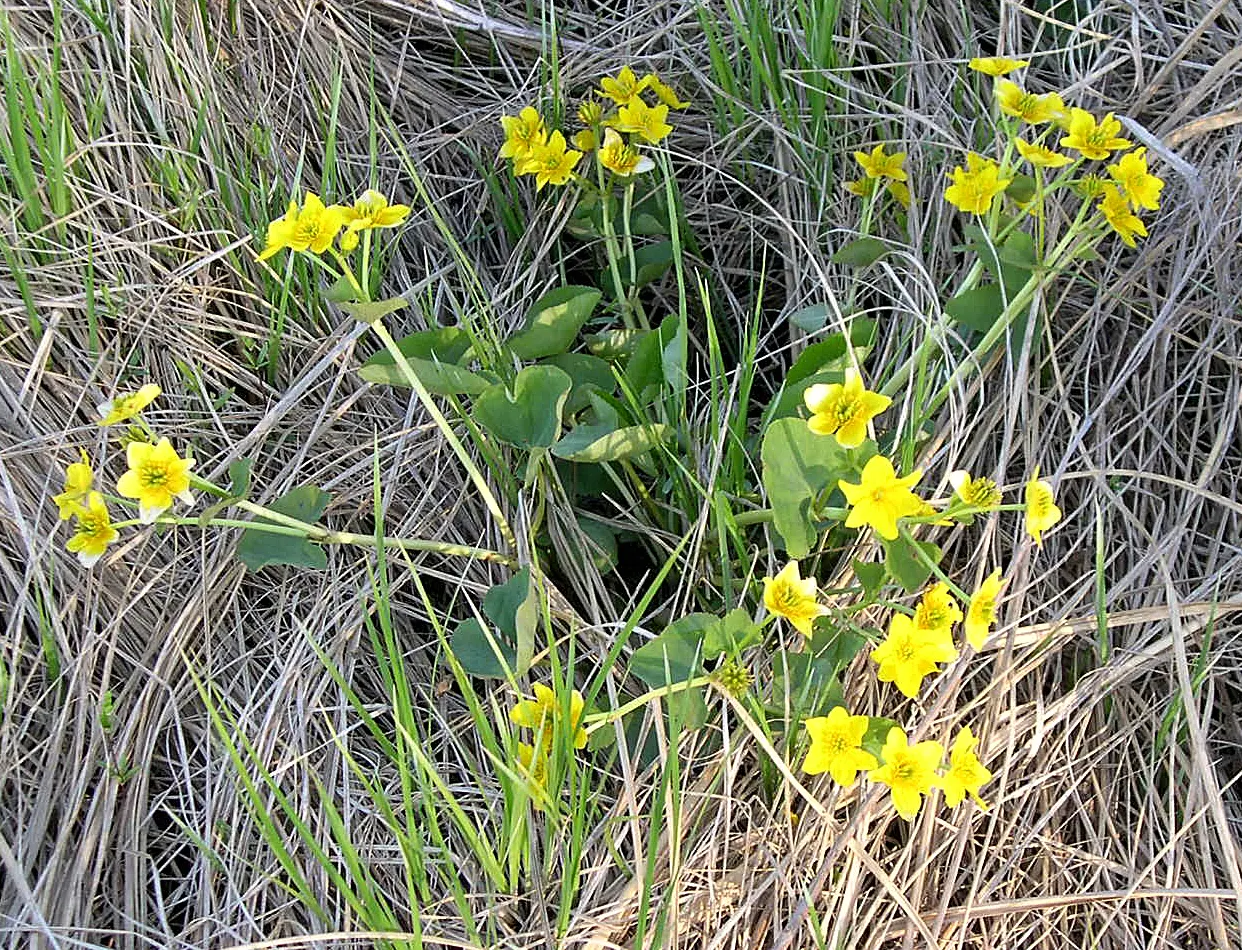
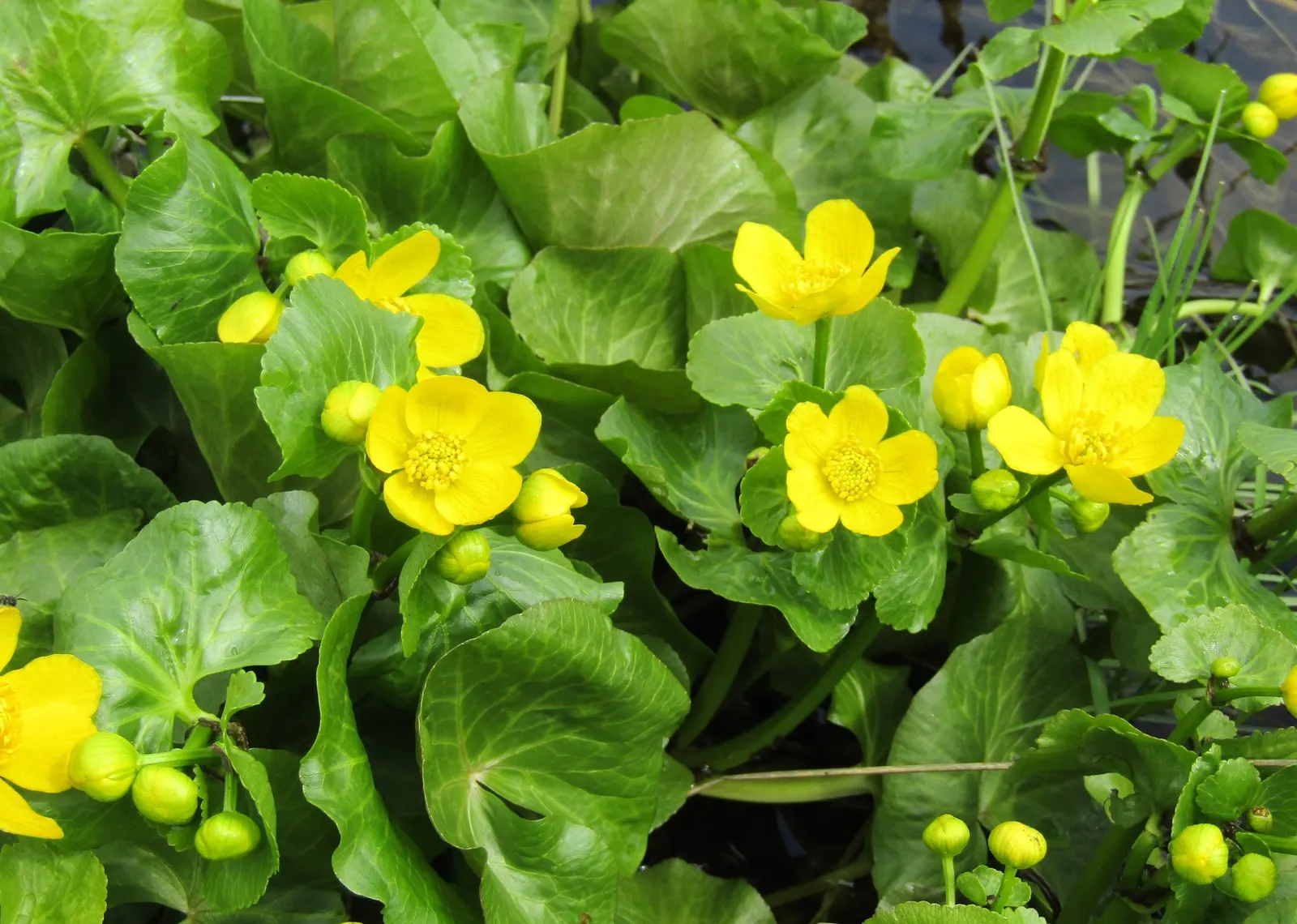
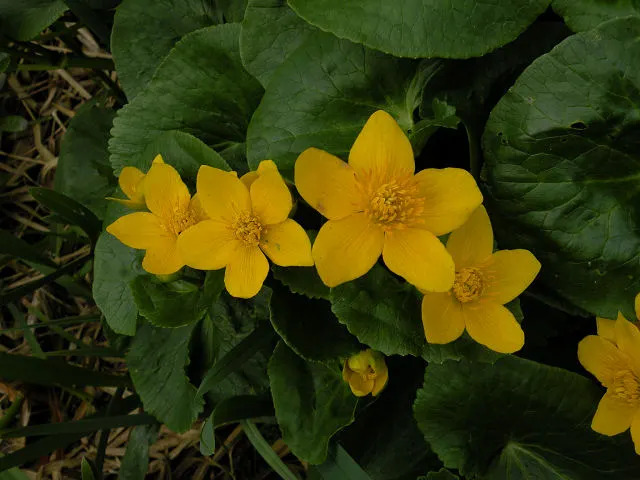
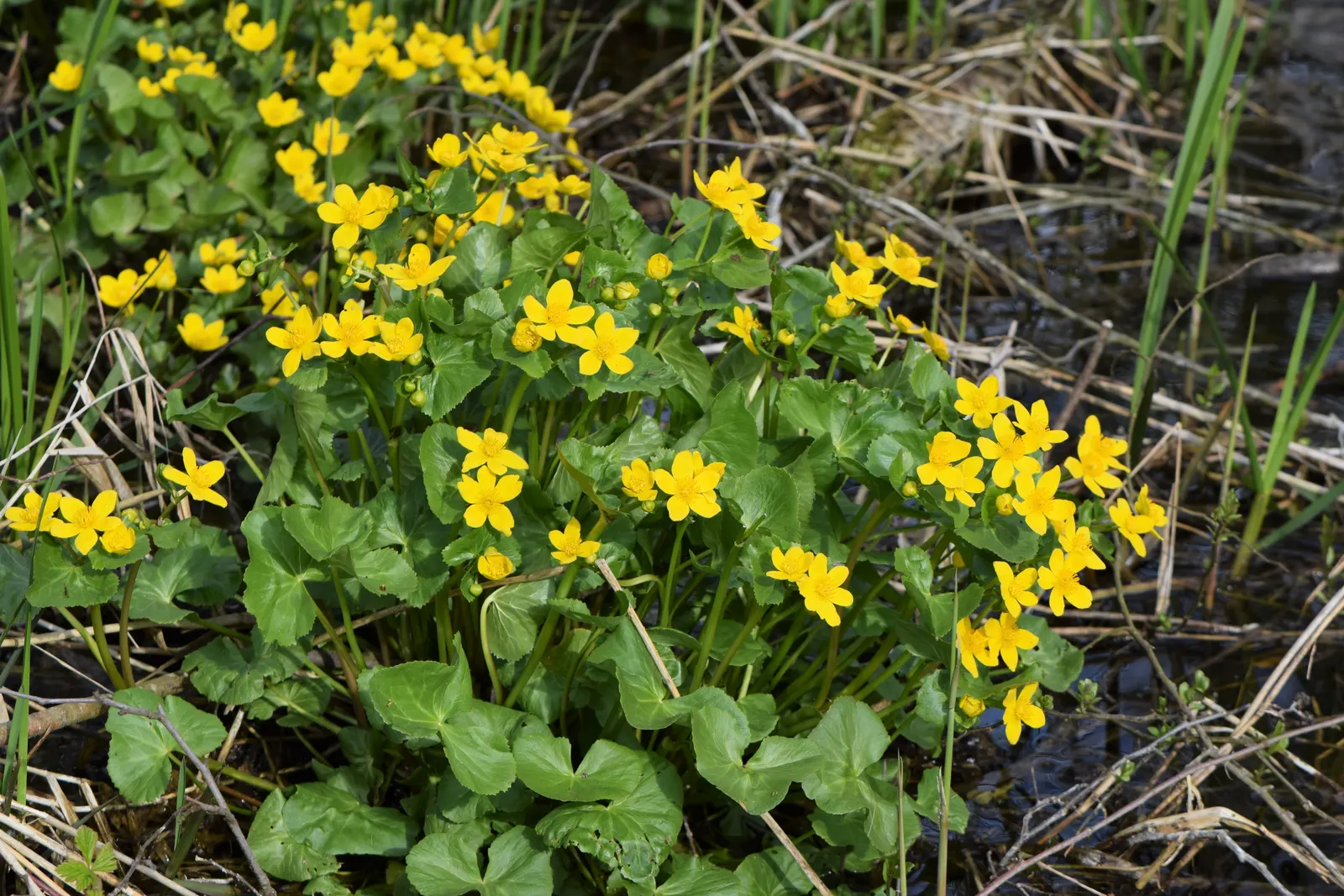
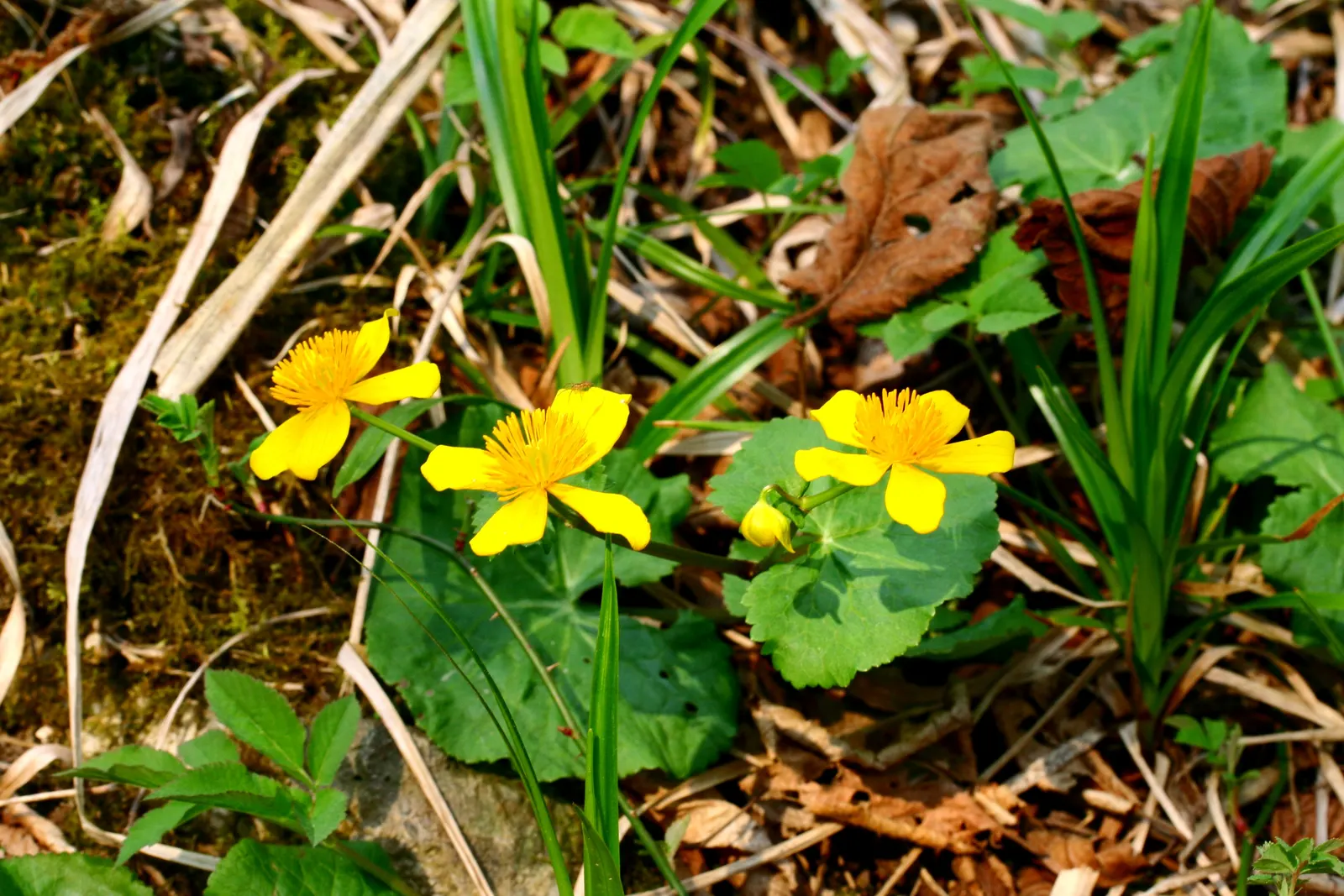
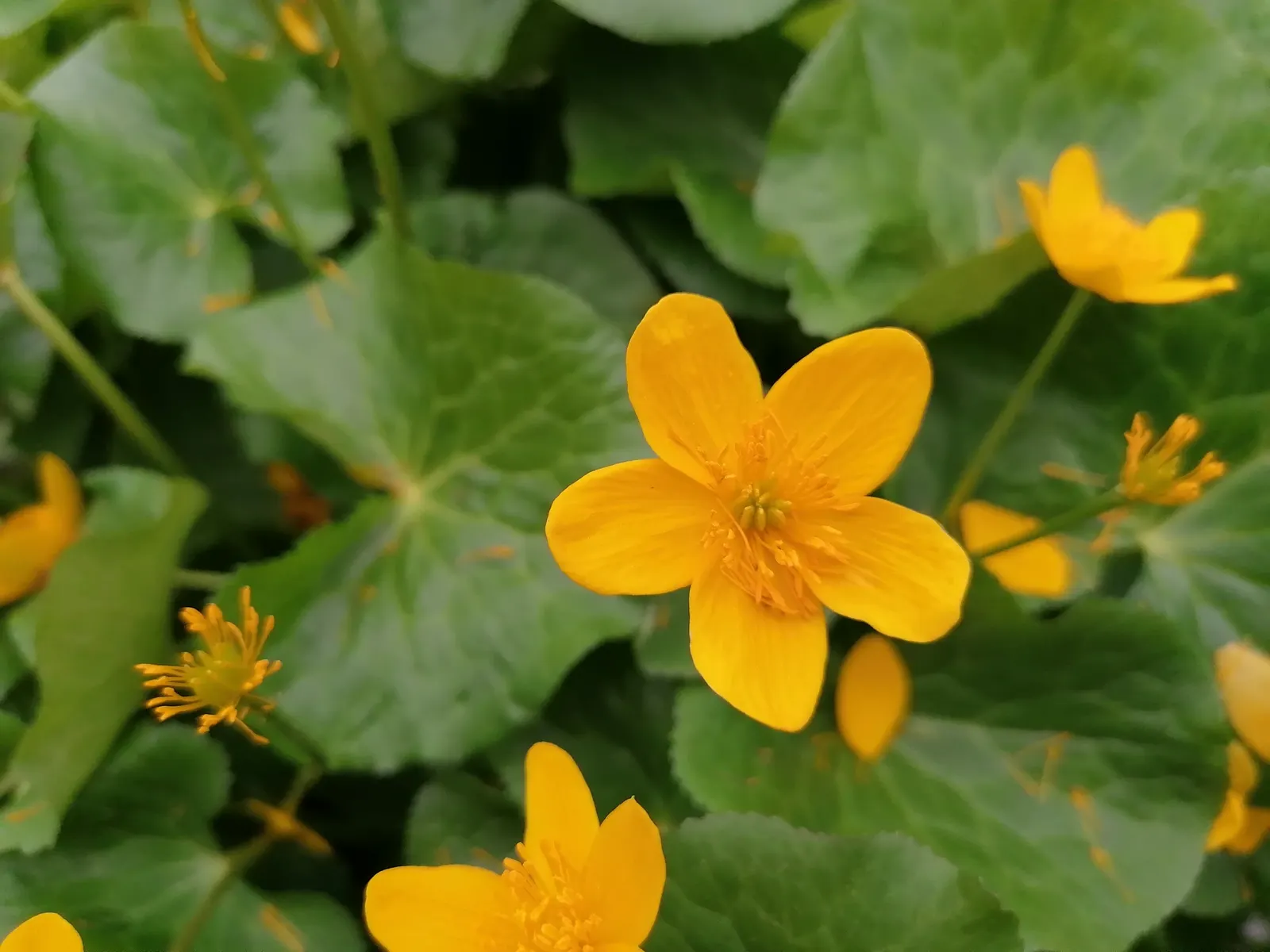
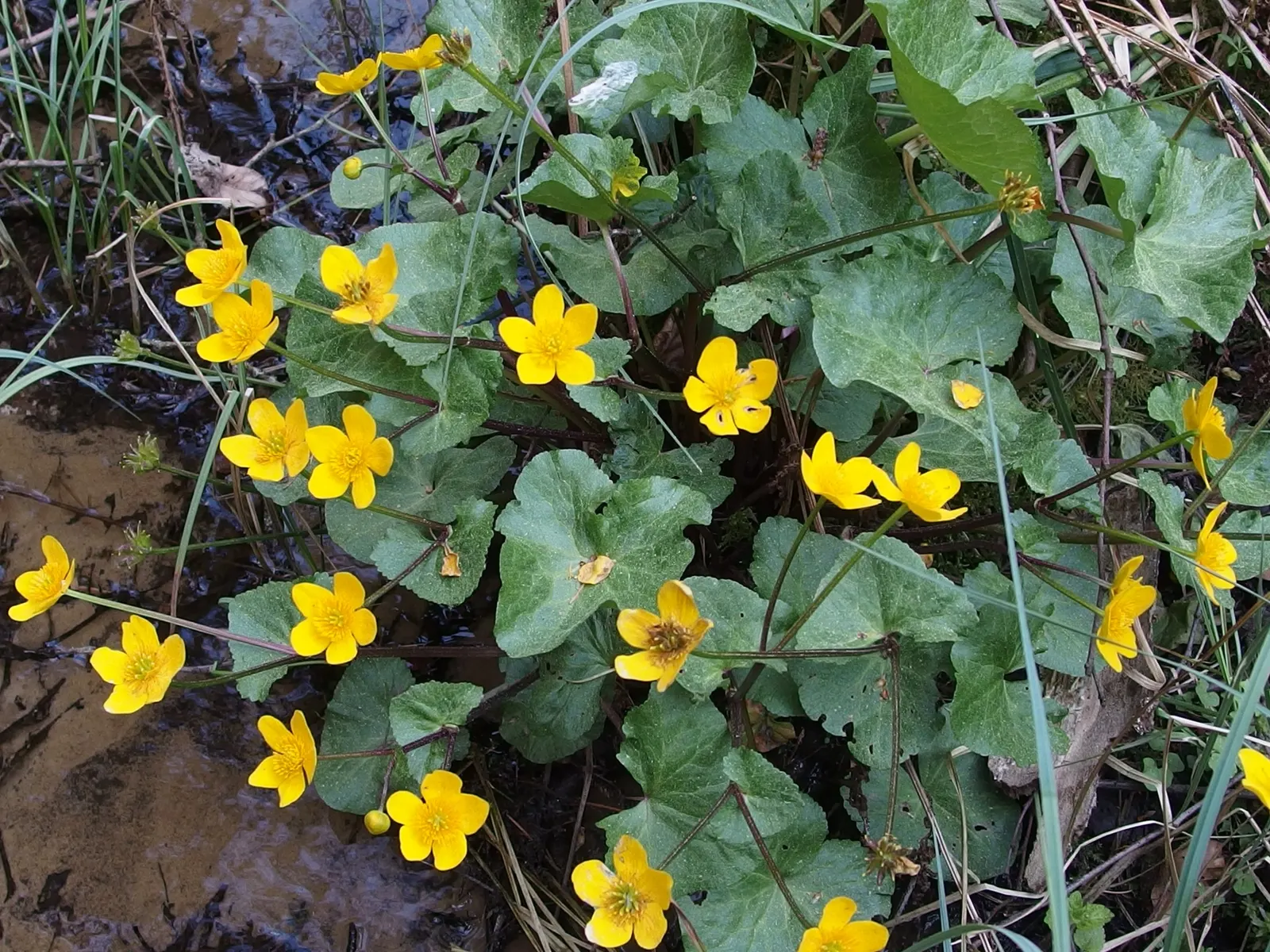
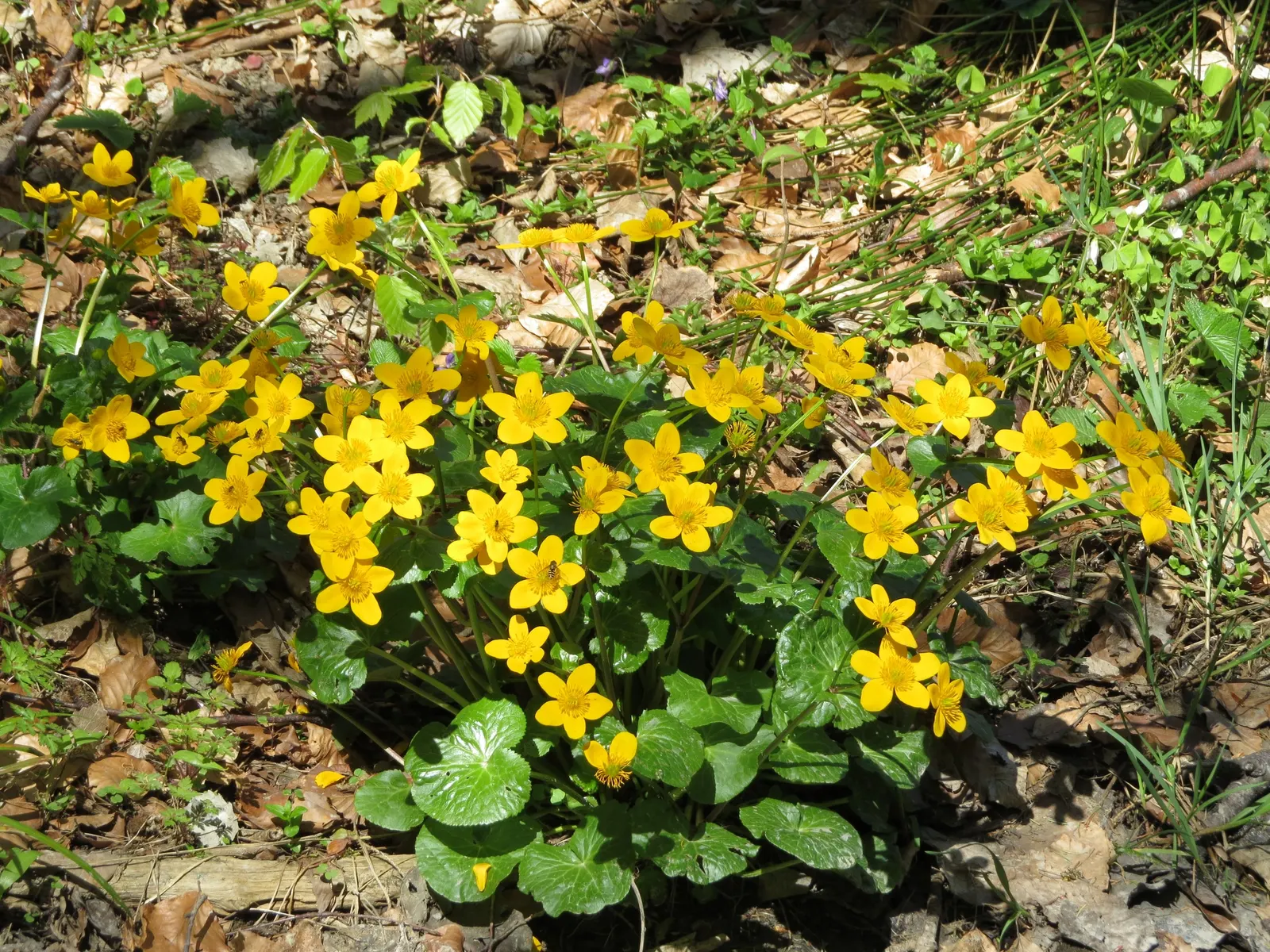
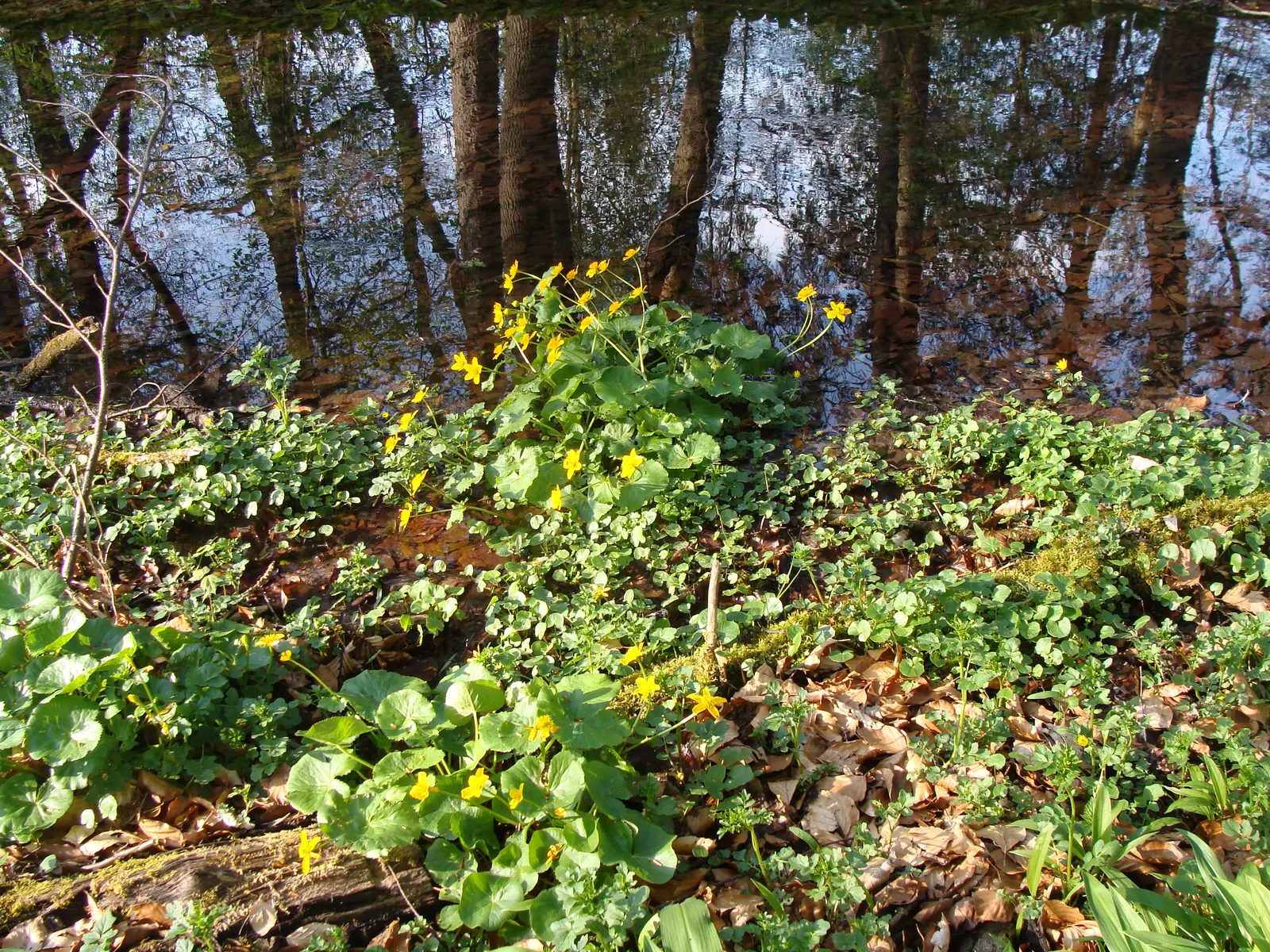
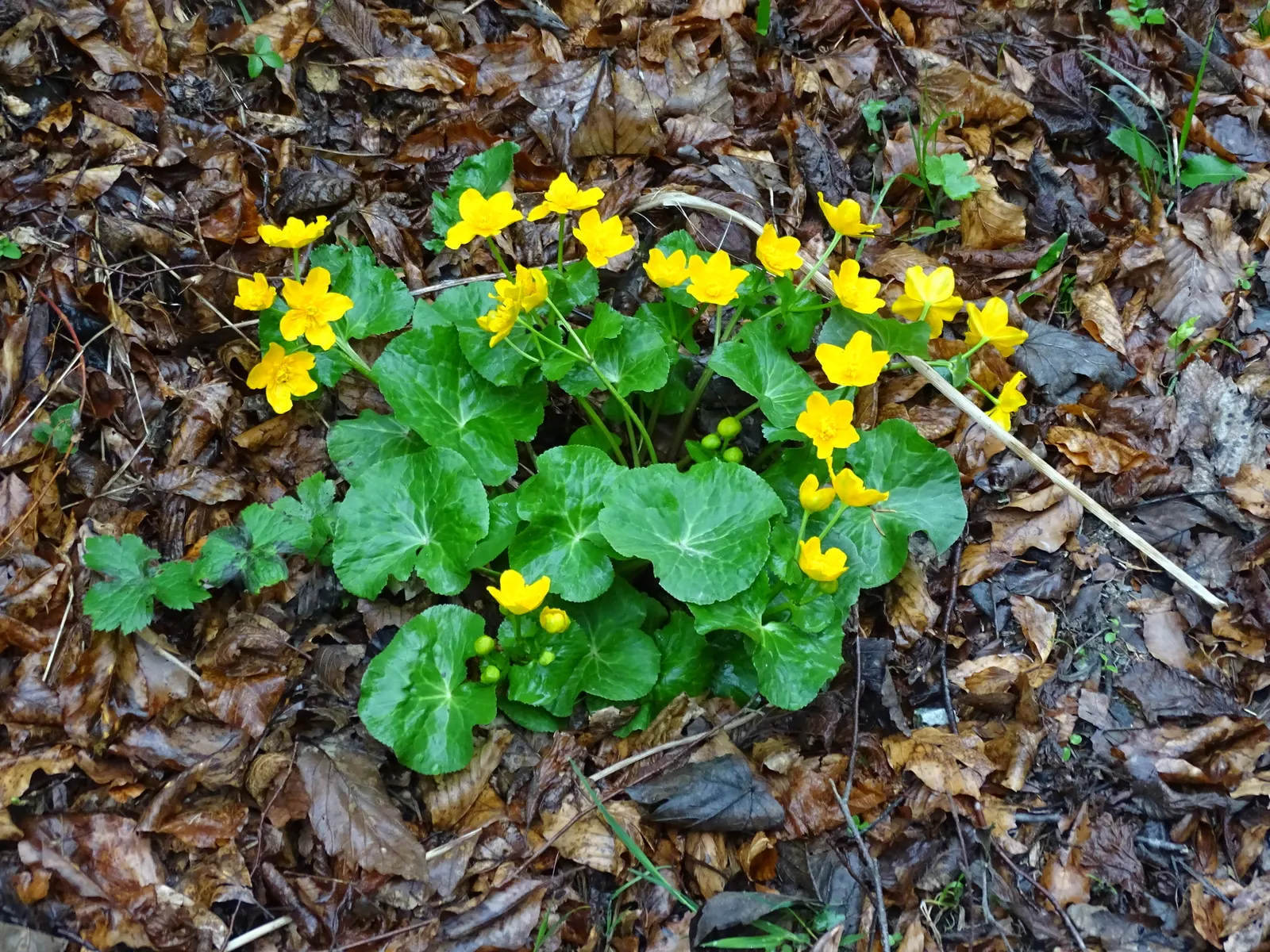
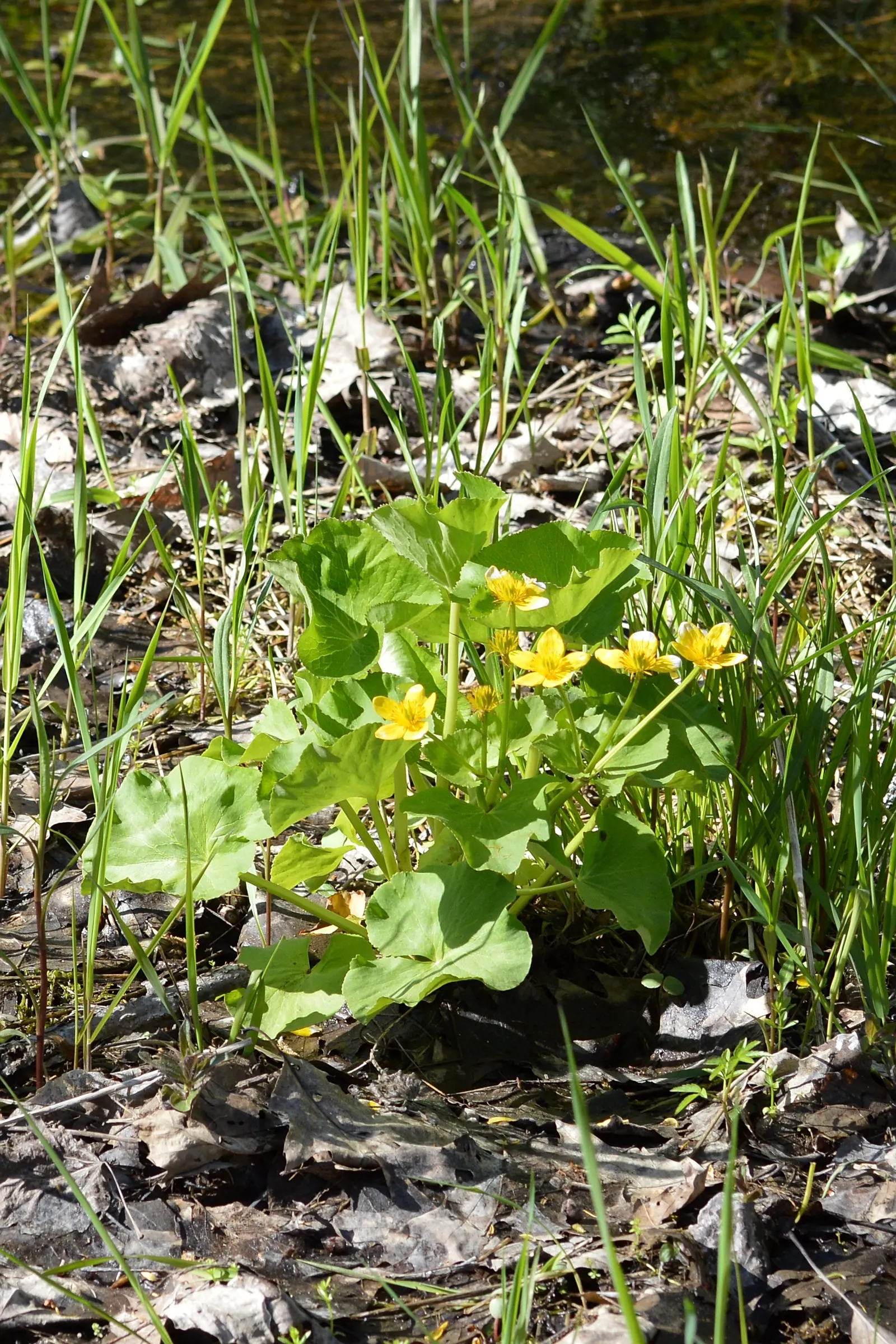
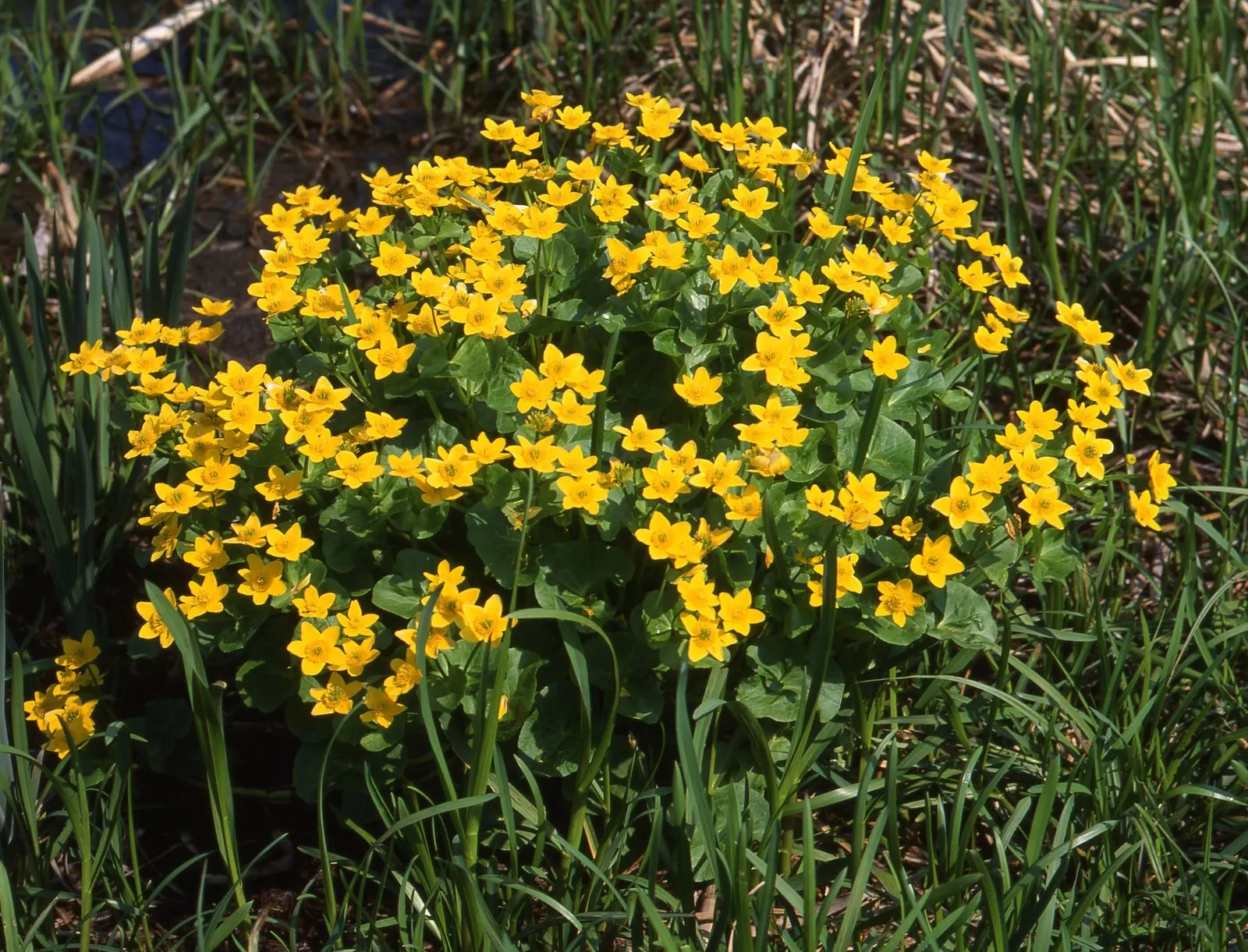
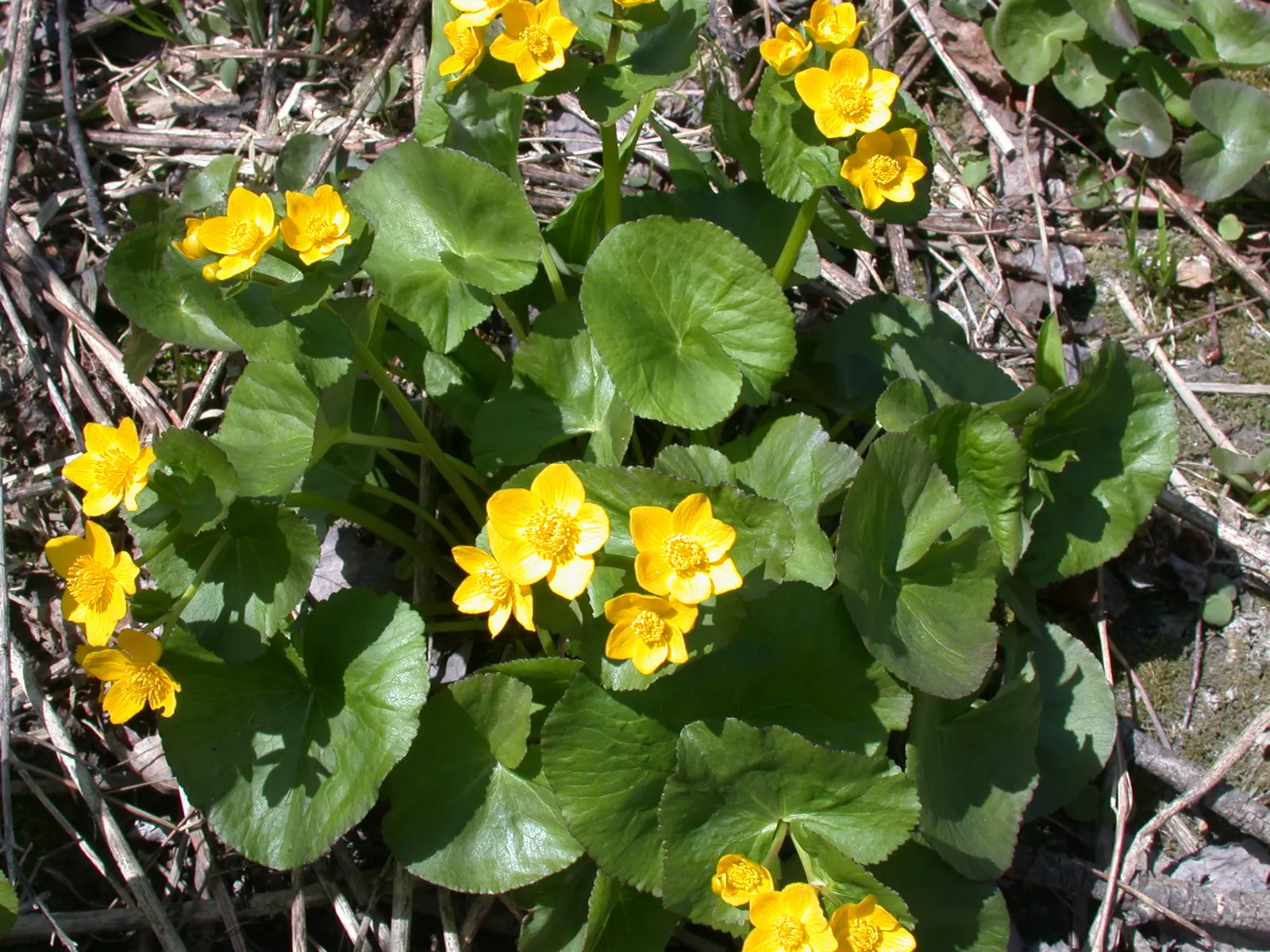
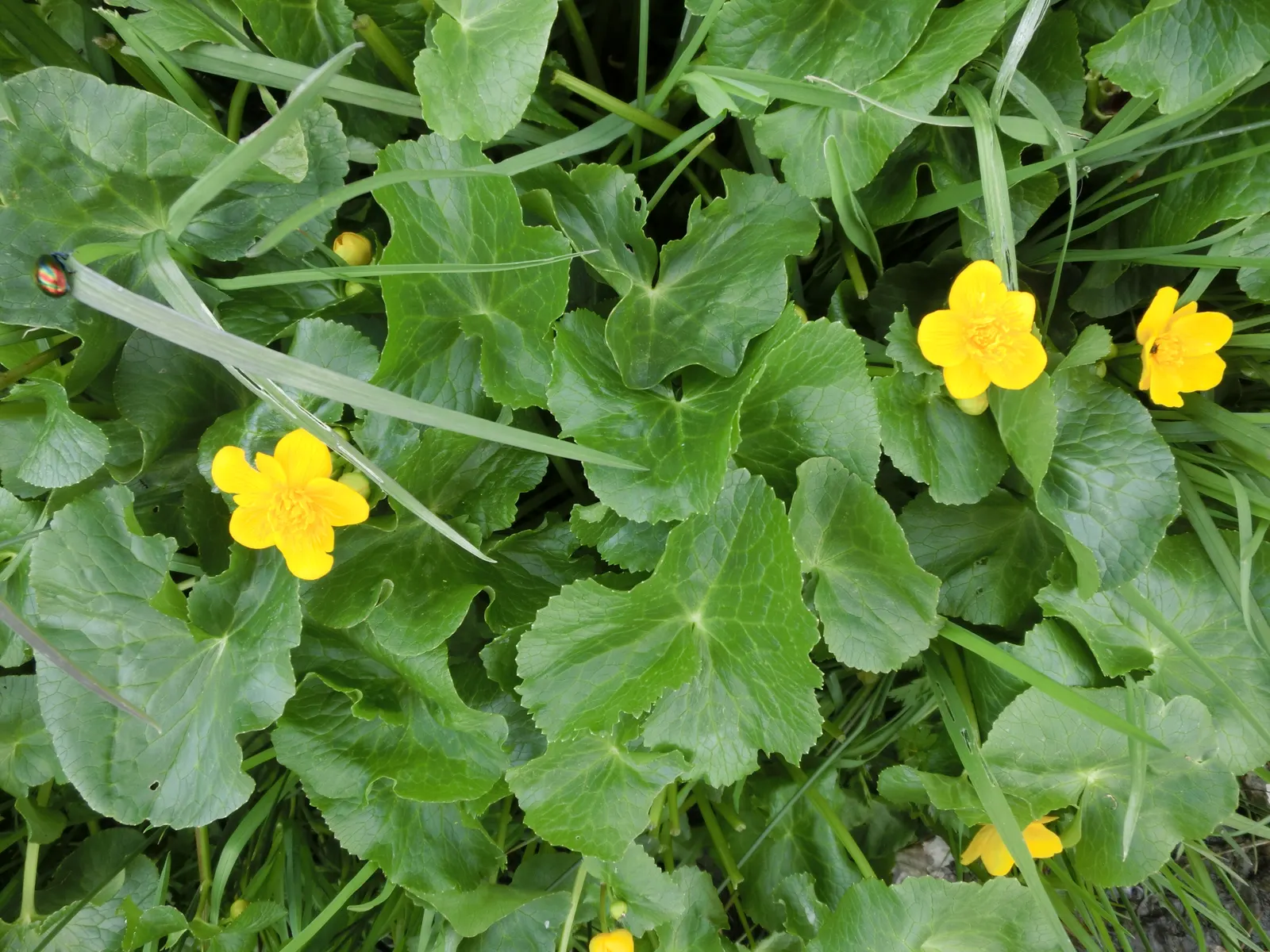
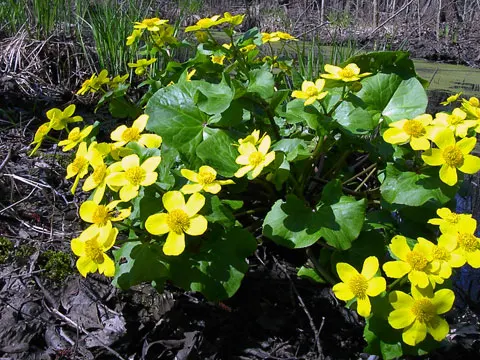
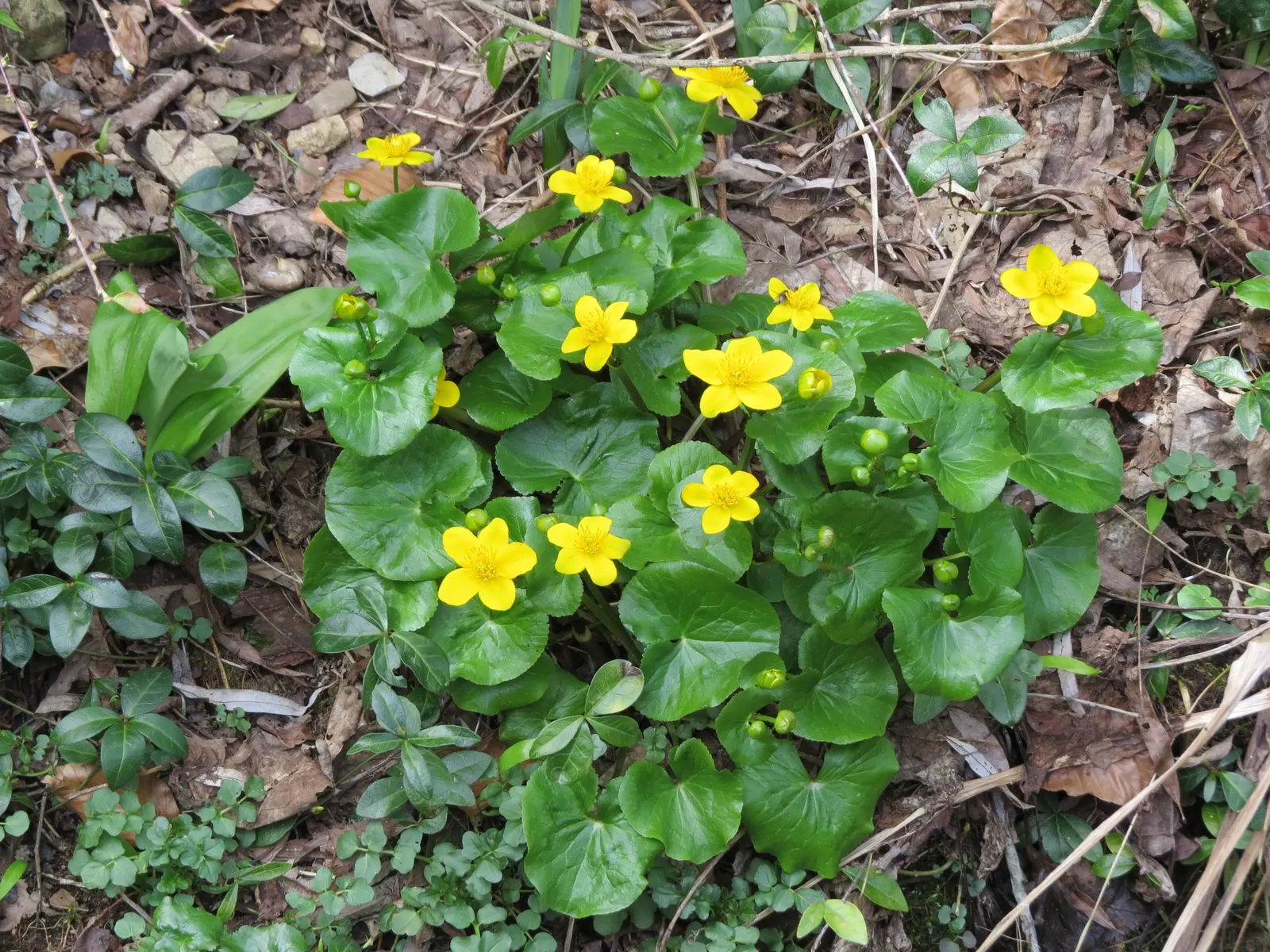
Marsh Marigold (Caltha palustris), an herbaceous perennial, thrives in wet, marshy zones. Growing 1-1.5 feet tall and wide, it features glossy, heart-shaped leaves and vibrant yellow buttercup-like flowers blooming in early spring. Ideal for USDA zones 3-7, it prefers full to partial sun and consistently moist soil. This low-maintenance plant attracts pollinators while providing a bright splash of color in rain gardens and at water's edge.

Sun FullWater Low, Medium, Very LowZones 3–7Type PerennialClimate Mediterranean
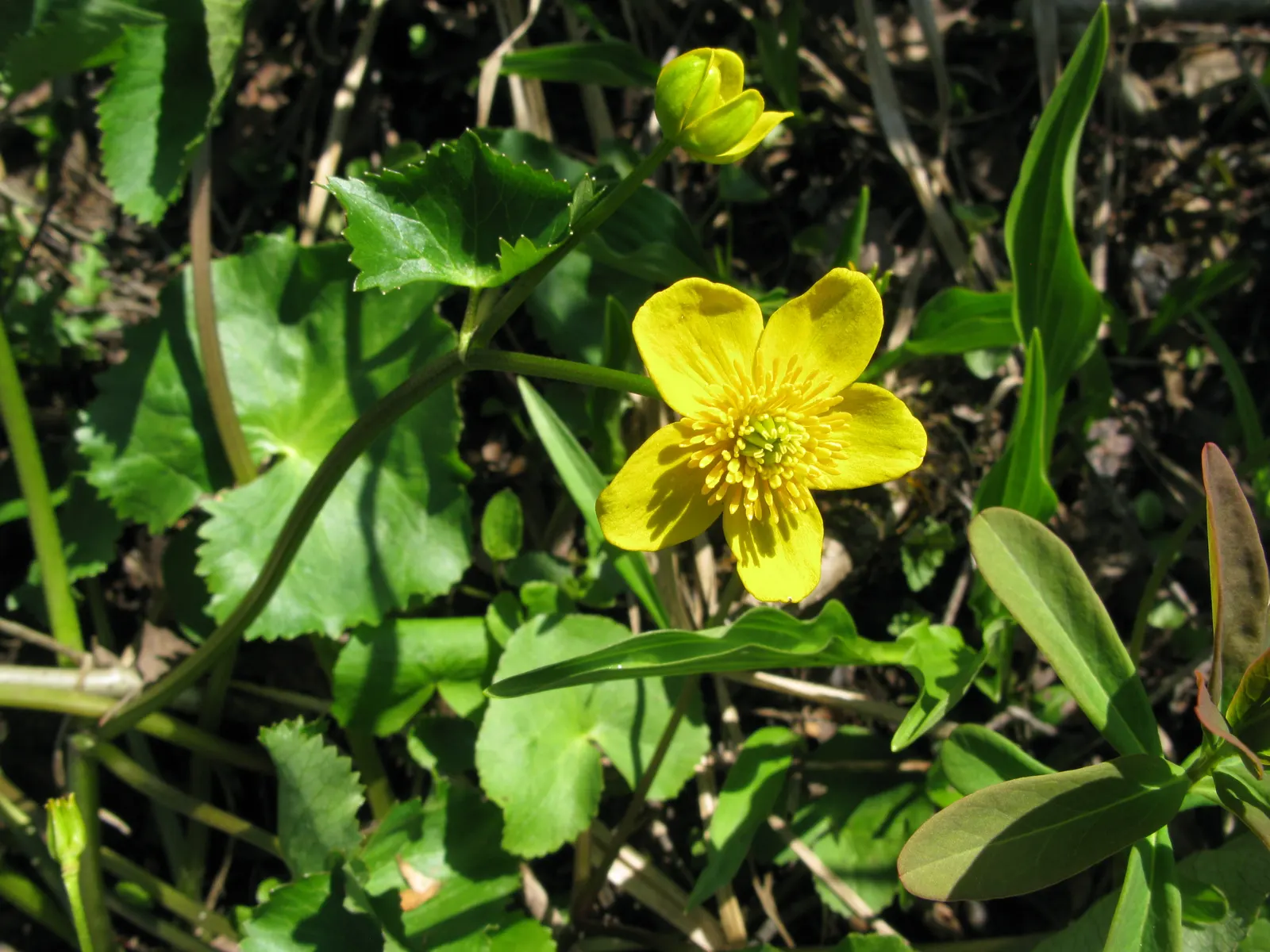
Marsh Marigold (Caltha Palustris) — heart-shaped leaves and vibrant yellow buttercup-like flowers blooming in early spring; this species is generally pest and

Culture

Sun
Full
Water
Low, Medium, Very Low
USDA zones
3–7

Shape & size

Mature height
1–1.5 Ft.
Mature width
1–1.5 Ft.

Classification

Type
Perennial
Family
Ranunculaceae
Climate
Mediterranean

See full data, regional cultivation notes, and design tools. Build a client presentation around this plant.

Start your 14-day trial

Photos (149)

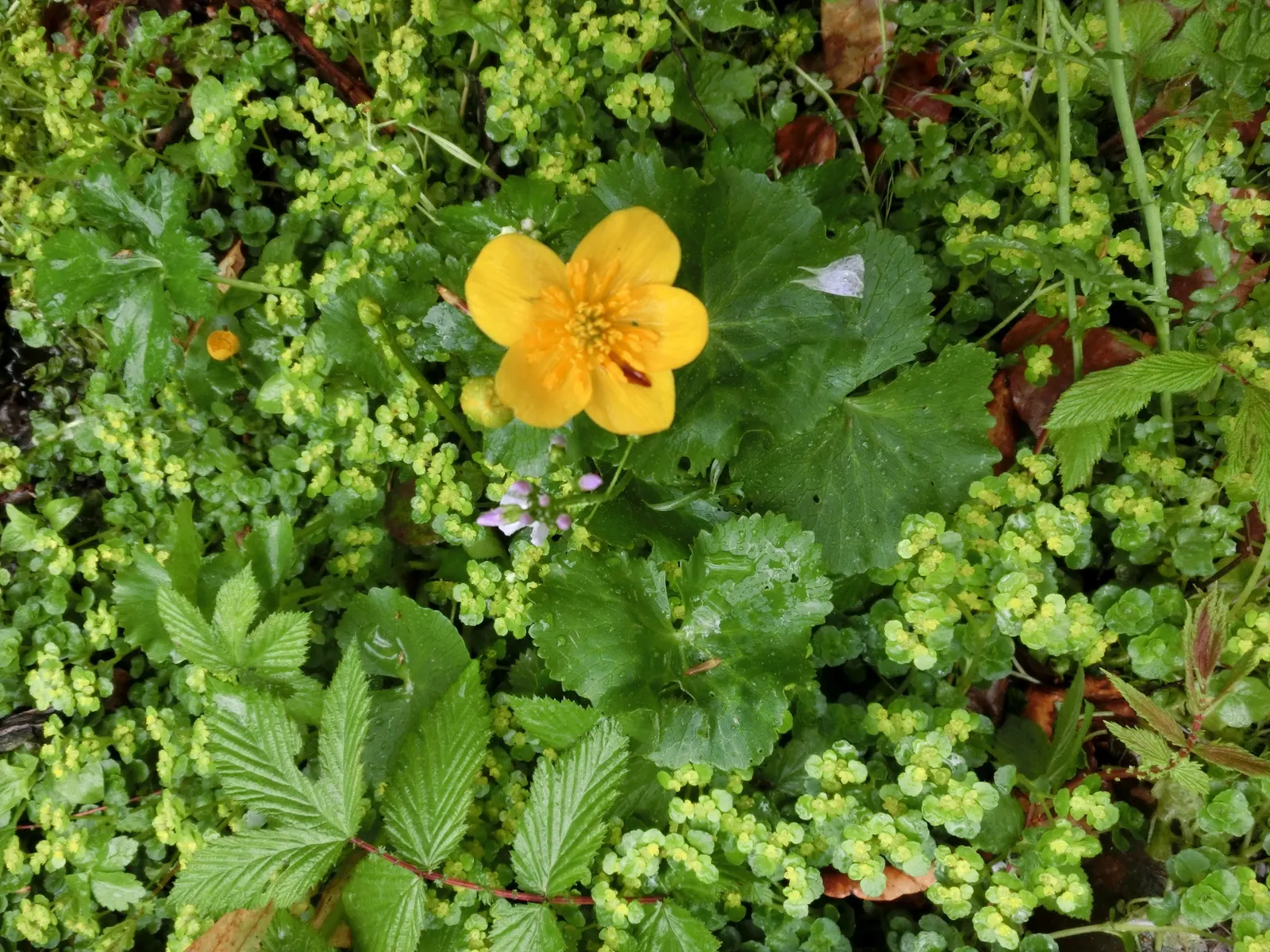
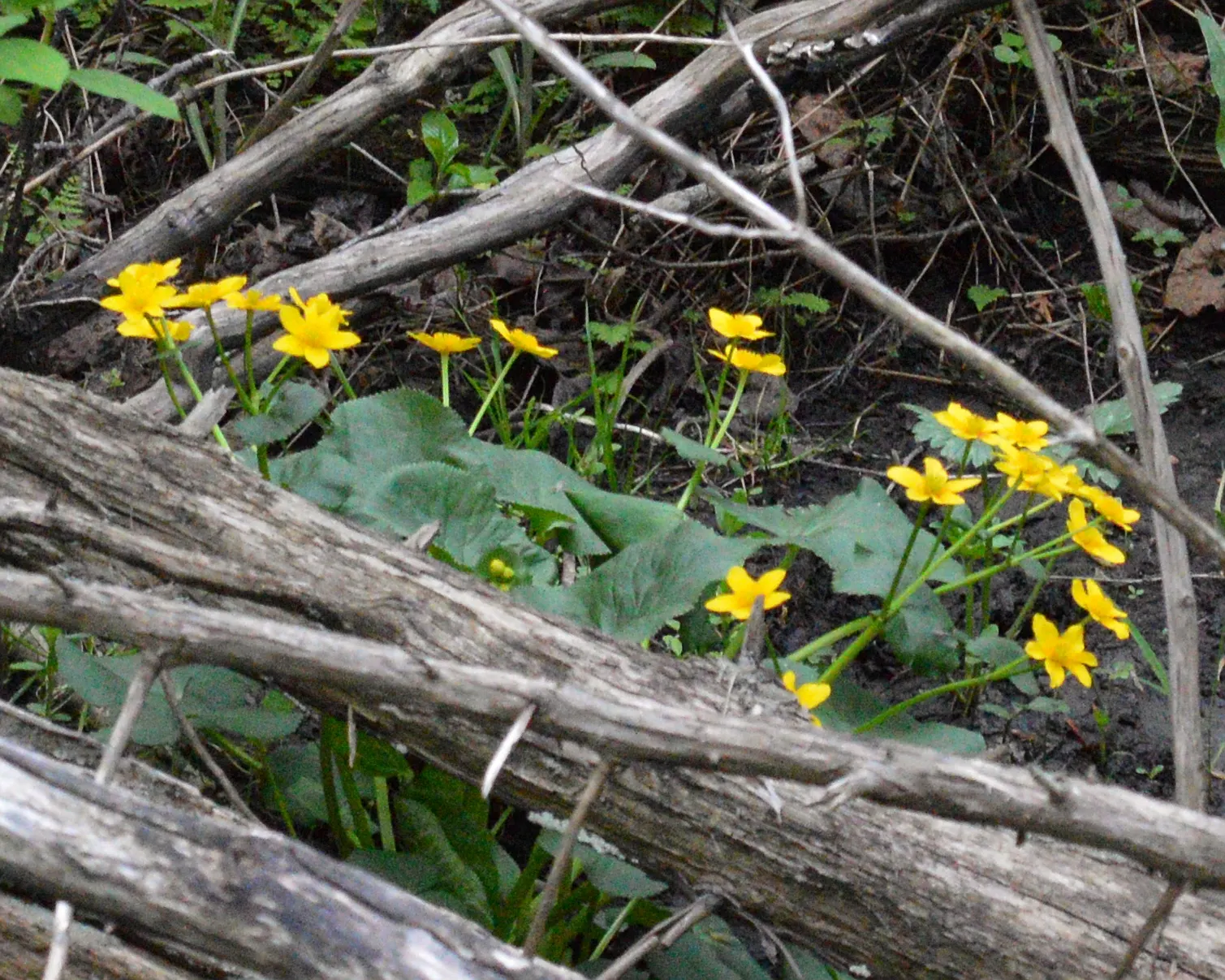
Marsh Marigold (Caltha Palustris) — this herbaceous plant typically grows 1 to 1.5 feet in height with a similar spread; making it a compact yet, image 96
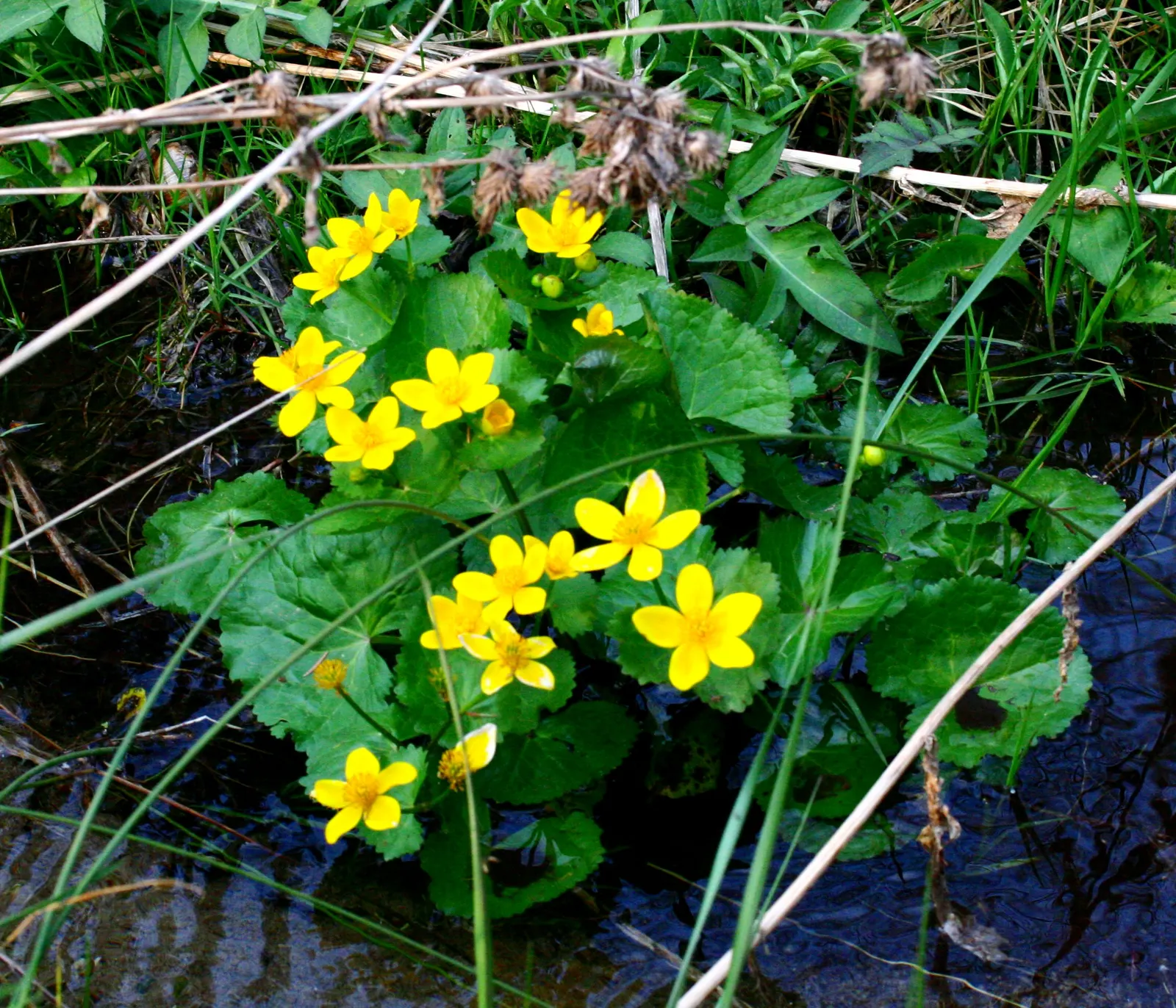
Marsh Marigold (Caltha Palustris) — heart-shaped leaves and vibrant yellow buttercup-like flowers blooming in early spring; this species is, image 47
Marsh Marigold (Caltha Palustris) — <br><br>For your client's garden; perennial with yellow blooms, image 126
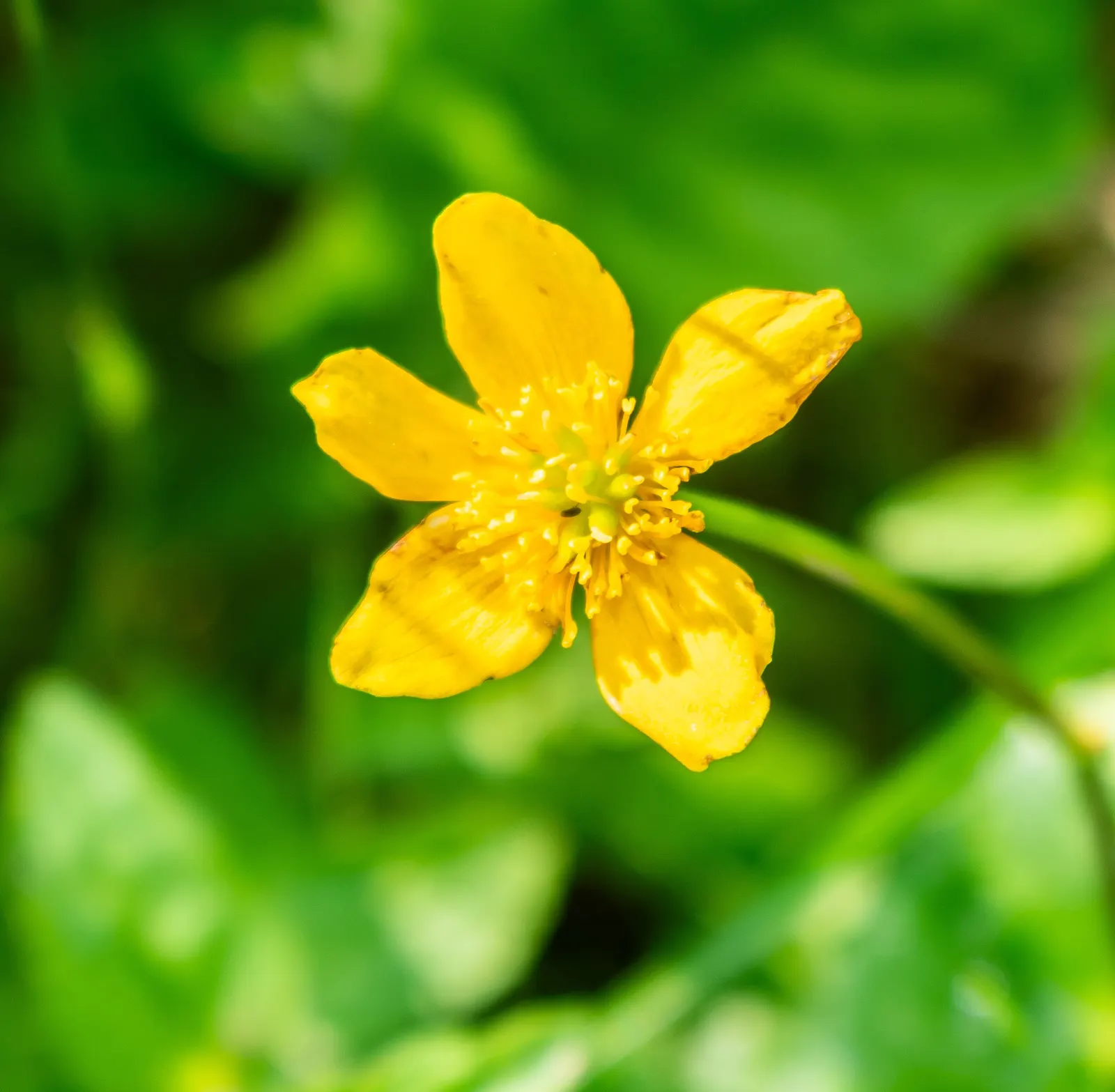
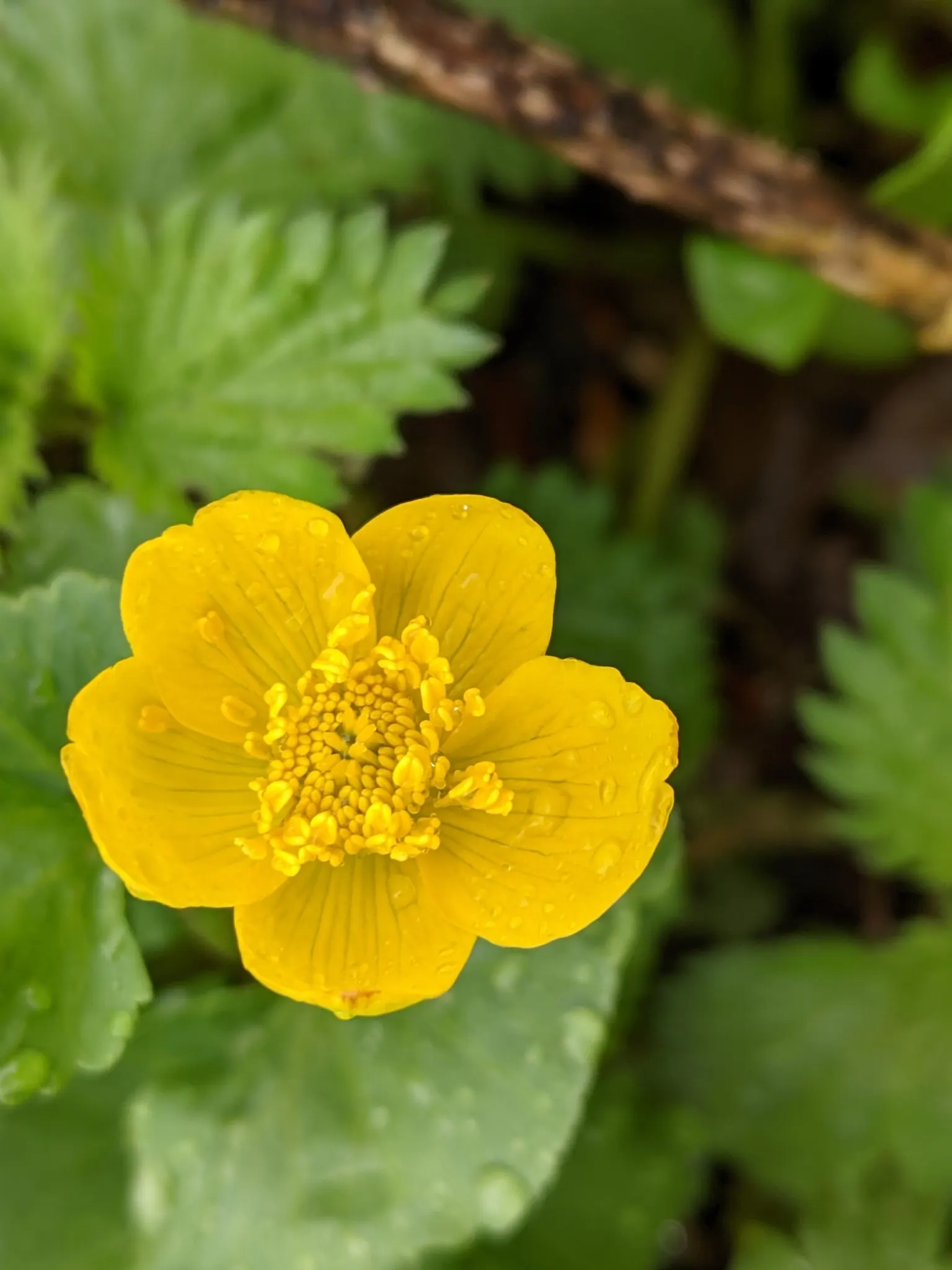
Marsh Marigold (Caltha Palustris) — perennial with yellow blooms; which can reach up to 2 inches in diameter, image 87
Marsh Marigold (Caltha Palustris) — Maintenance is minimal, but the soil should be kept consistently moist, especially during dry spells; adding a, image 127
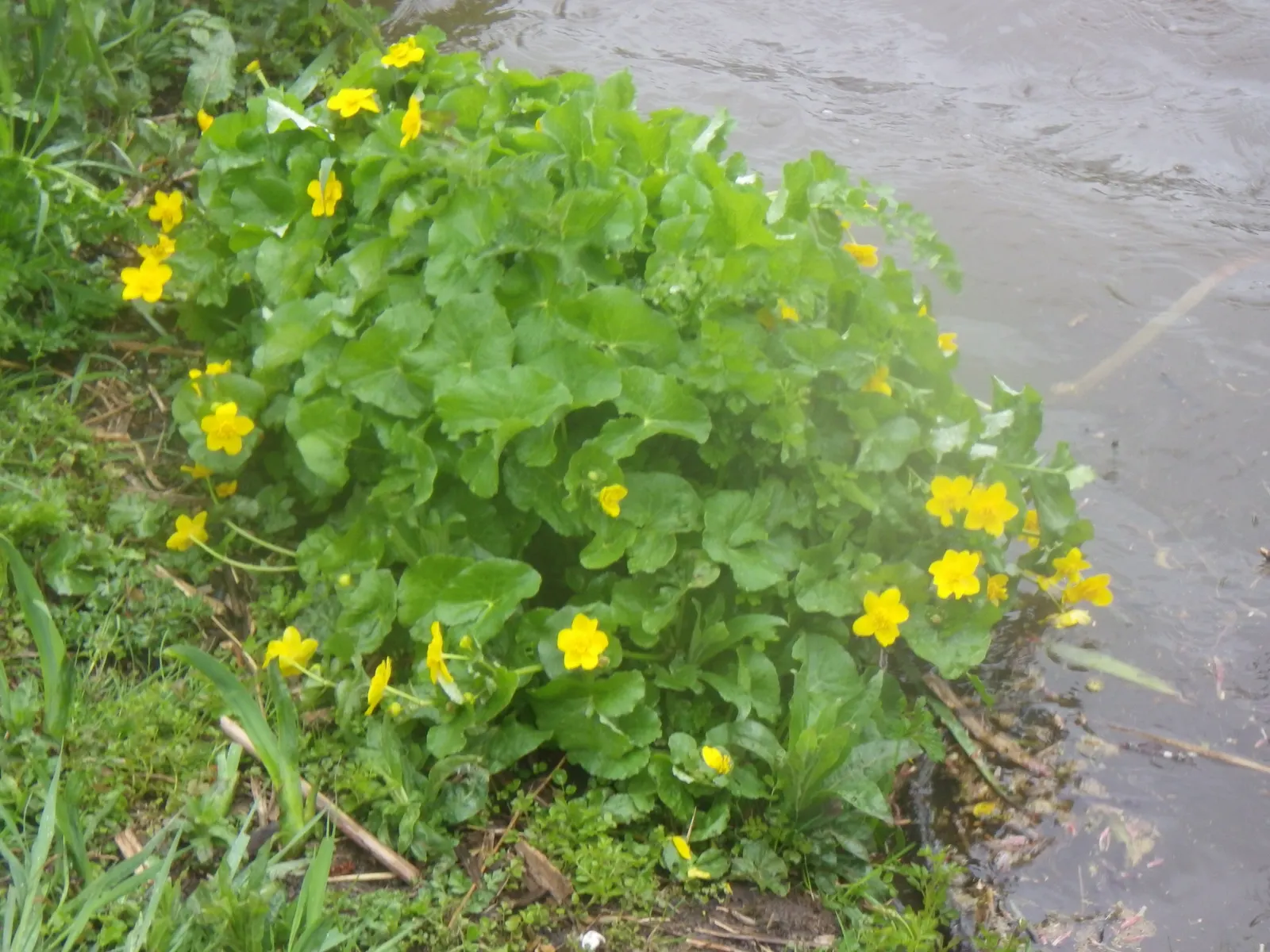
Marsh Marigold (Caltha Palustris) — making it a compact yet impactful landscape choice; <br><br>For your client's garden, image 97
Marsh Marigold (Caltha Palustris) — Ideal for USDA zones 3-7, it prefers full to partial sun and consistently moist soil; heart-shaped leaves and, image 114
Marsh Marigold (Caltha Palustris) — perennial with yellow blooms; which can reach up to 2 inches in diameter, image 65
Marsh Marigold (Caltha Palustris) — <br><br>For your client's garden; perennial with yellow blooms, image 60
Marsh Marigold (Caltha Palustris) — Thriving in USDA hardiness zones 3 to 7; growing 1-1.5 feet tall and wide
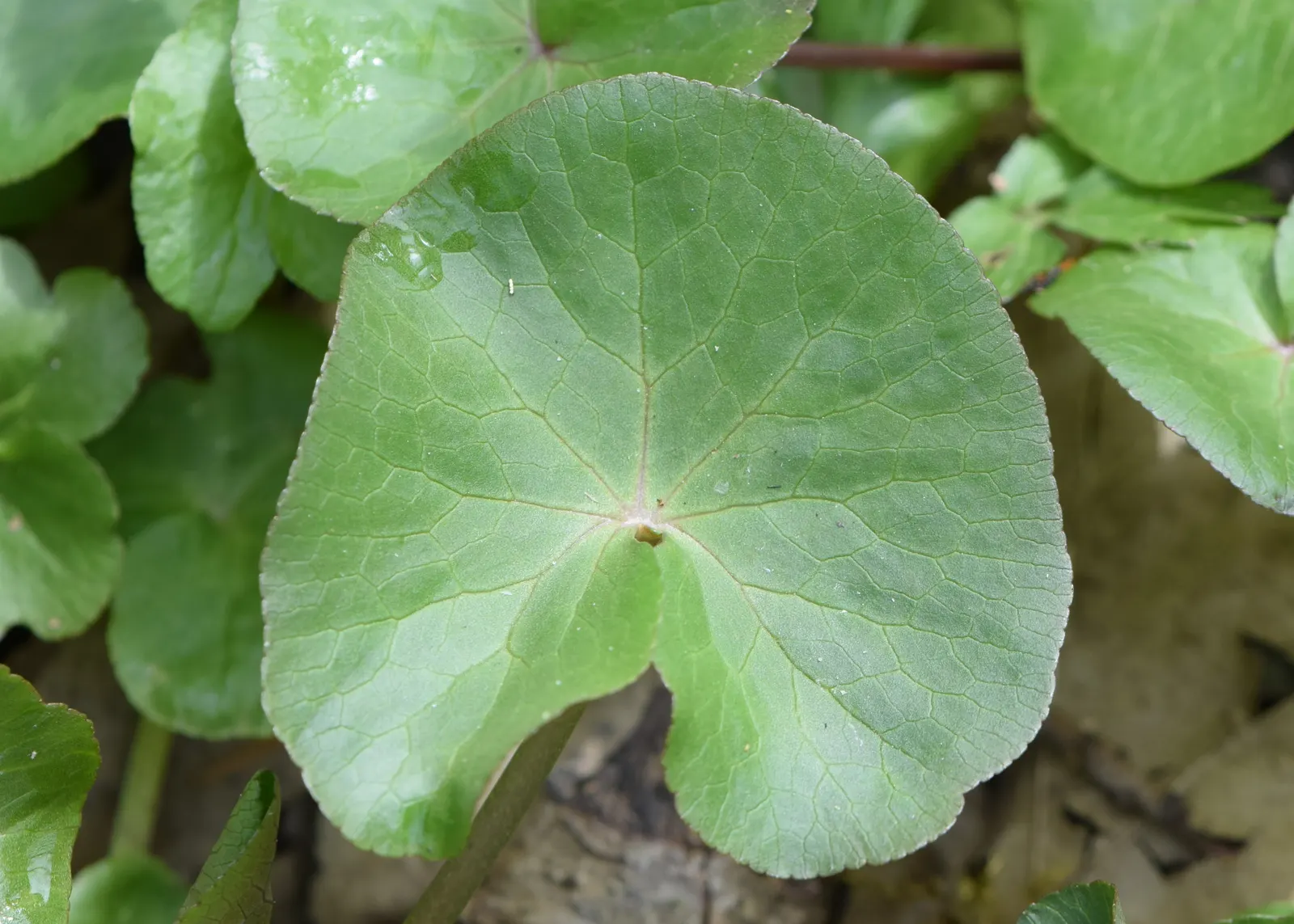
Marsh Marigold (Caltha Palustris) — heart-shaped leaves up to 8 inches across
Marsh Marigold (Caltha Palustris) — This species is generally pest and disease-resistant, making it a resilient addition to the garden
Marsh Marigold (Caltha Palustris) — making it a compact yet impactful landscape choice; <br><br>For your client's garden, image 75
Marsh Marigold (Caltha Palustris) — Marsh Marigold (Caltha palustris) is a vibrant perennial plant; heart-shaped leaves up to 8 inches across, image 115
Marsh Marigold (Caltha Palustris) — or the edges of ponds and streams; thriving in USDA hardiness zones 3 to 7
Marsh Marigold (Caltha Palustris) — making it a compact yet impactful landscape choice; <br><br>For your client's garden, image 119
Marsh Marigold (Caltha Palustris) — perennial for full
Marsh Marigold (Caltha Palustris) — Thriving in USDA hardiness zones 3 to 7
Marsh Marigold (Caltha Palustris) — or the edges of ponds and streams; thriving in USDA hardiness zones 3 to 7, image 102
Marsh Marigold (Caltha Palustris) — heart-shaped leaves and vibrant yellow buttercup-like flowers blooming in early spring; this species is, image 91
Marsh Marigold (Caltha Palustris) — which can reach up to 2 inches in diameter; it requires full sun to part shade and prefers a rich, damp soil, image 56
Marsh Marigold (Caltha Palustris) — it provides an interesting texture and a lush green backdrop for its flowers; this herbaceous plant typically, image 77
Marsh Marigold (Caltha Palustris) — perennial for full; furthermore, its early bloom time provides an essential nectar source for pollinators, image 66
Marsh Marigold (Caltha Palustris) — It requires full sun to part shade and prefers a rich, damp soil that is acidic to neutral; or the edges of, image 103
Photographs by 18 contributors

Related plants