Skip to content

Yellow Cedar, Nootka Cypress

Callitropsis Nootkatensis

Design with this plant

Overview

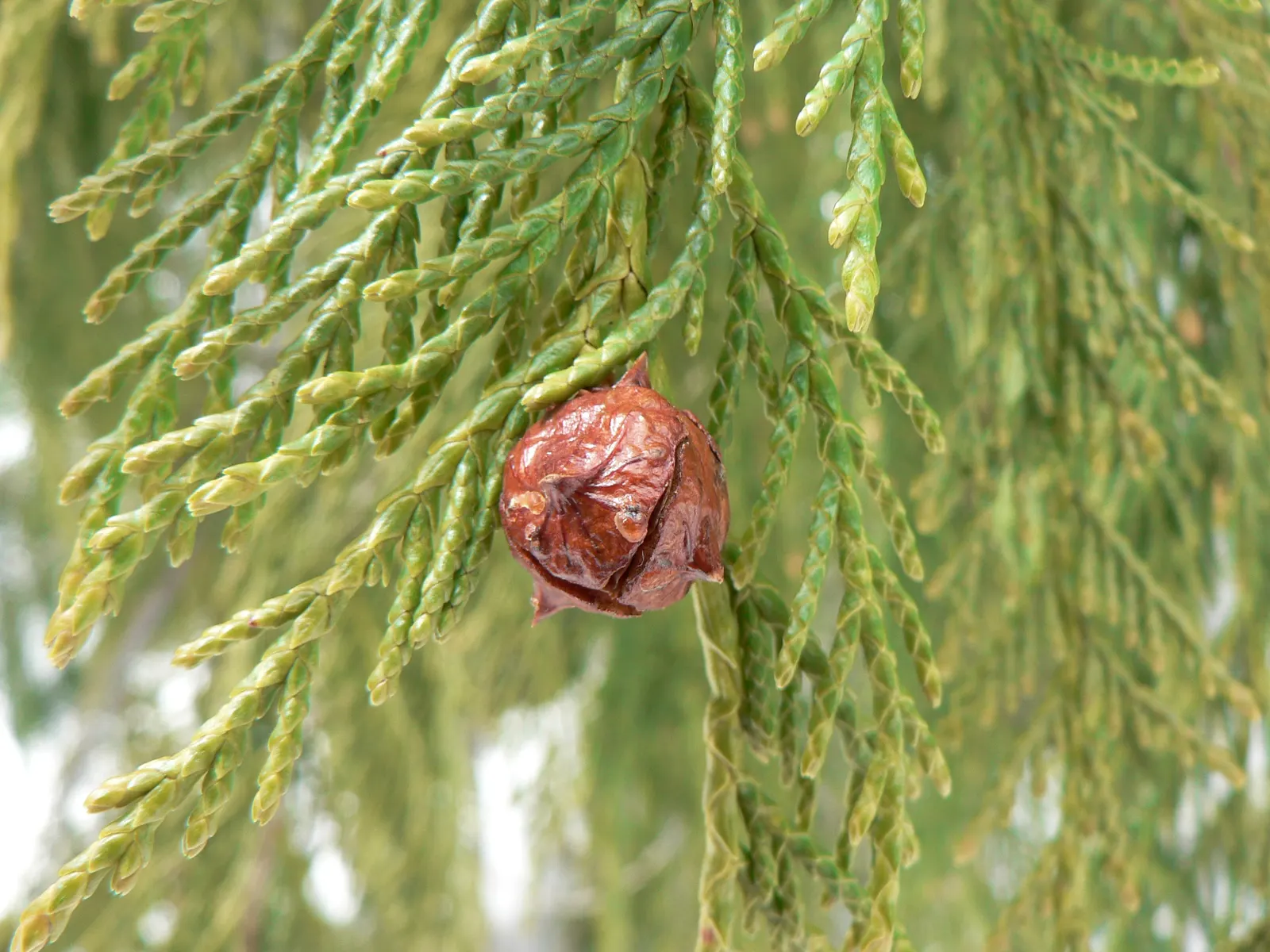
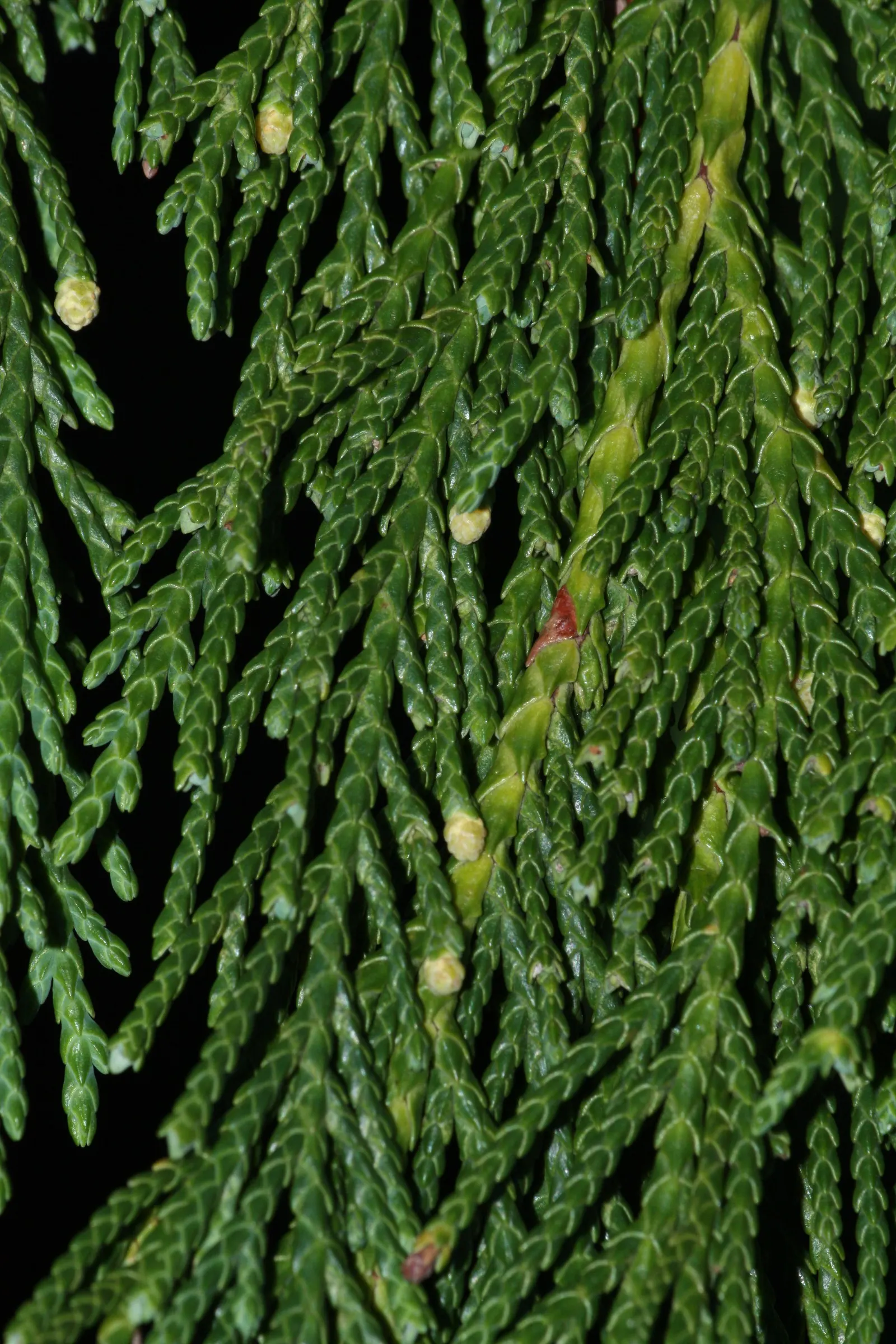
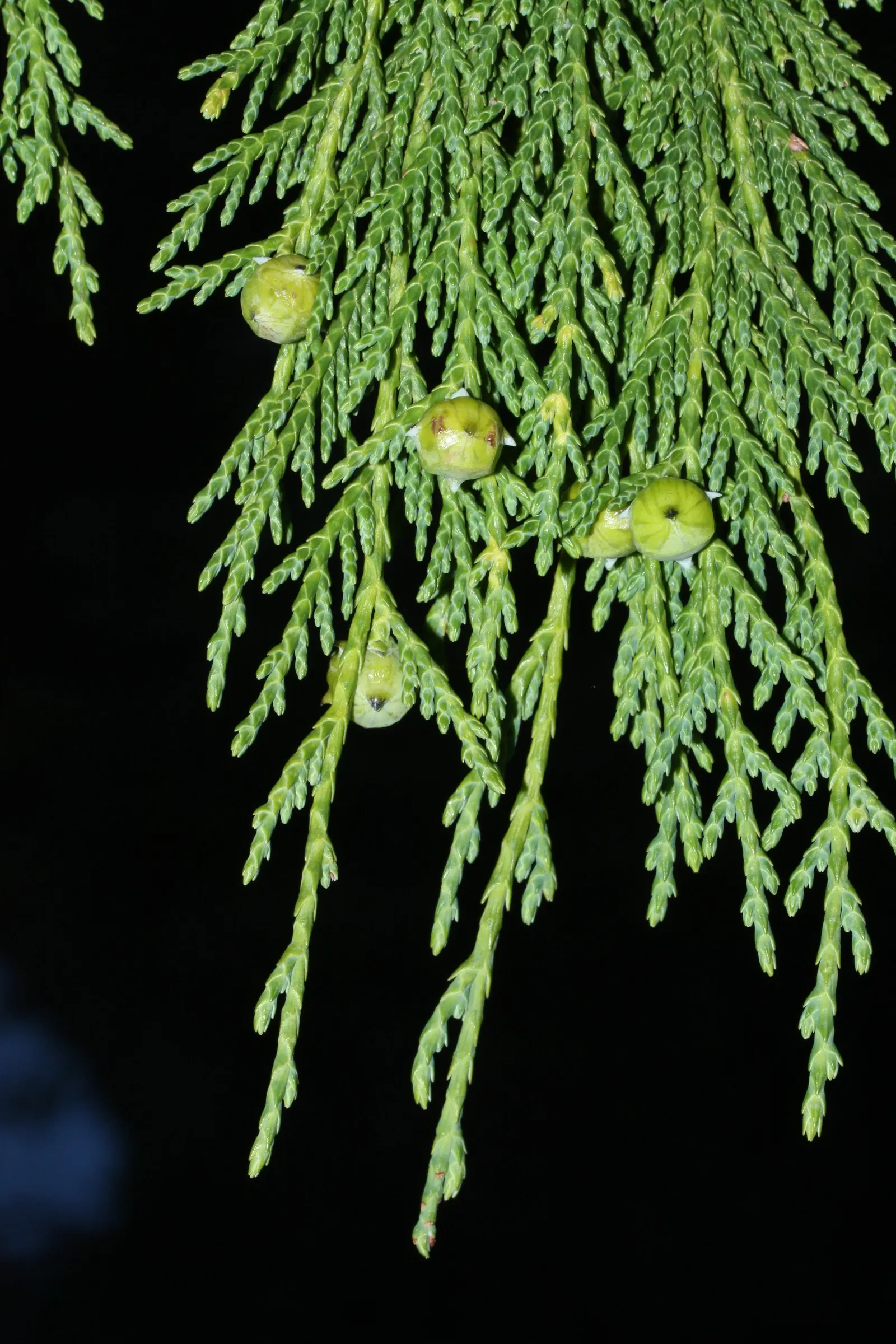
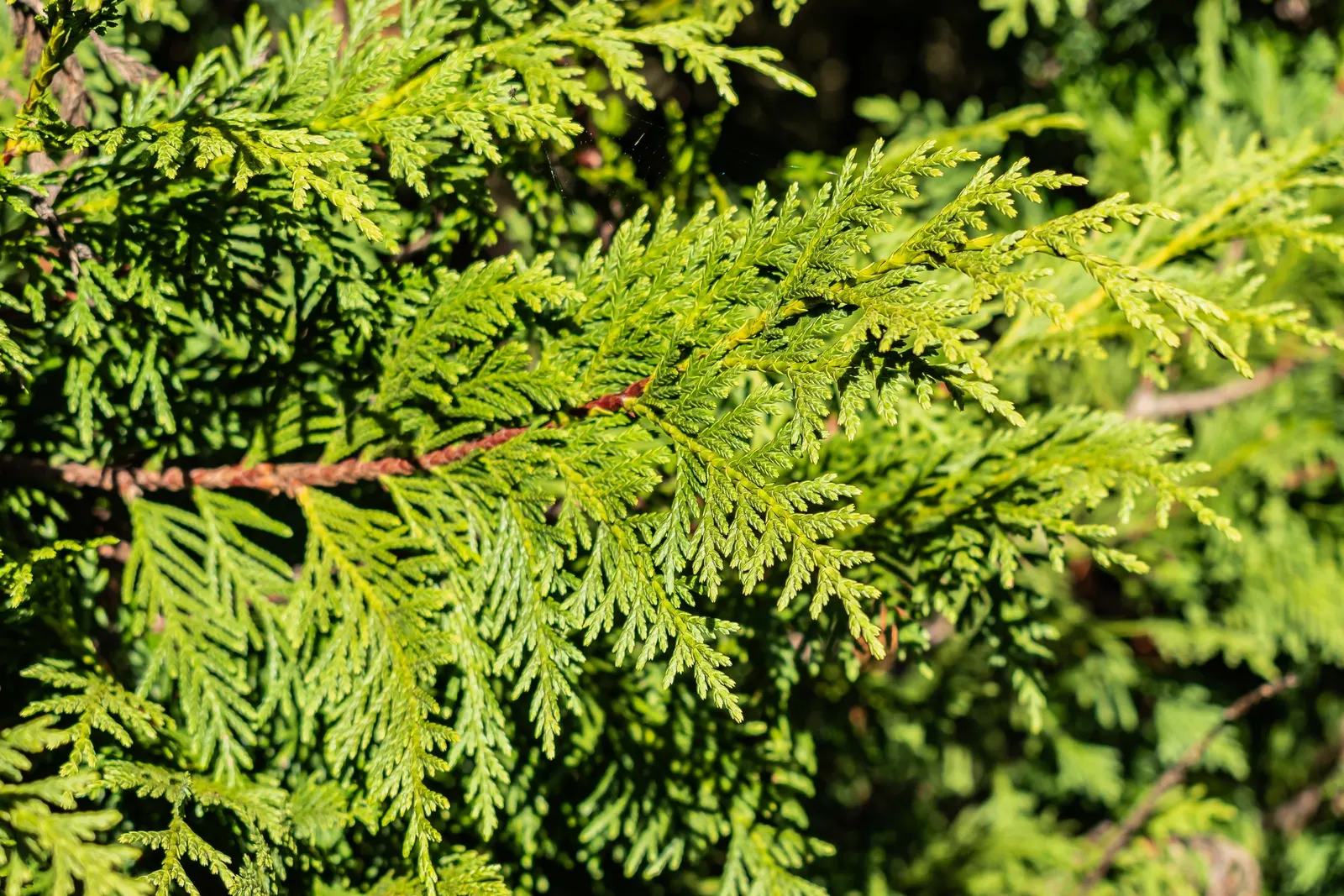
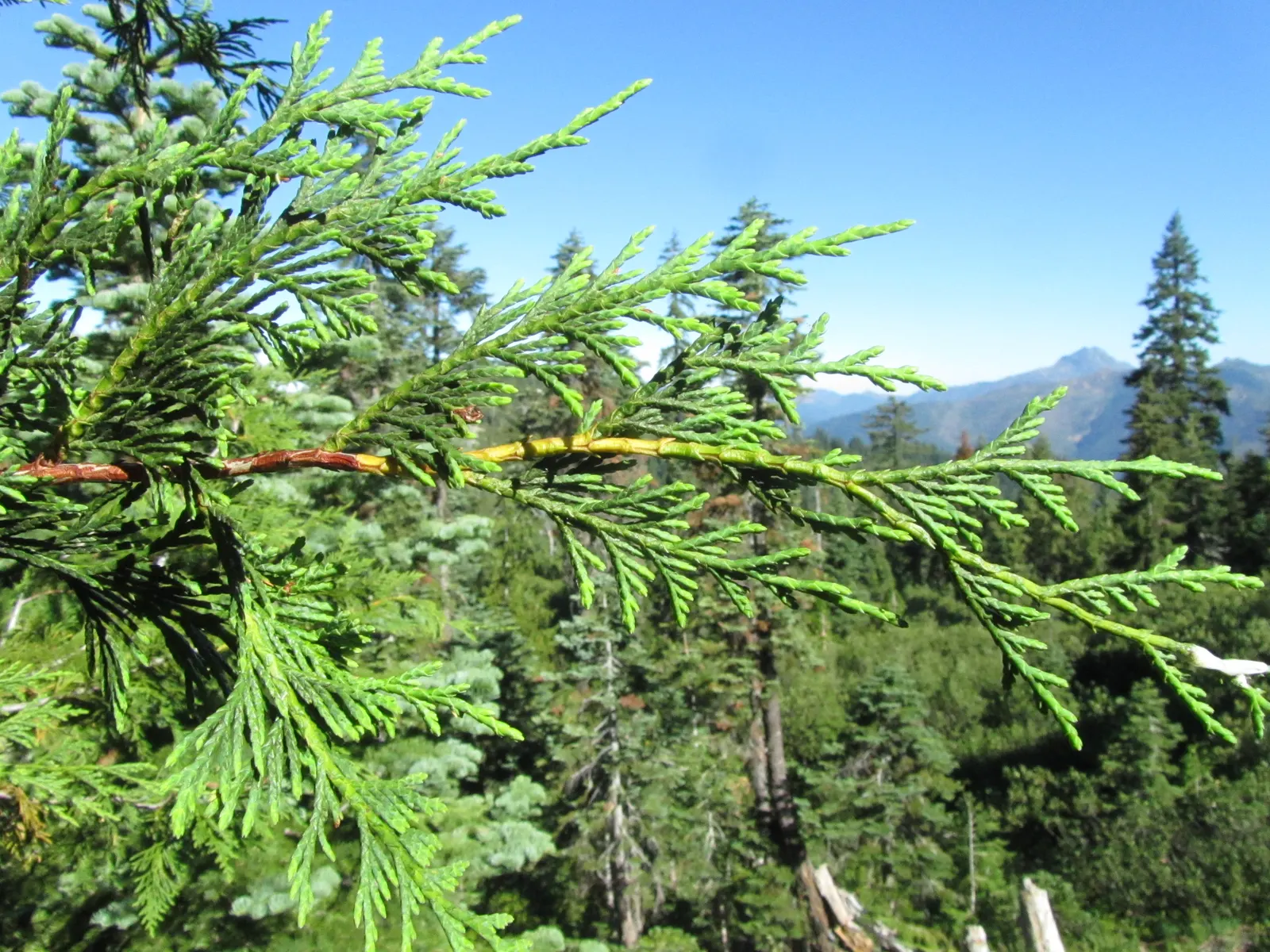
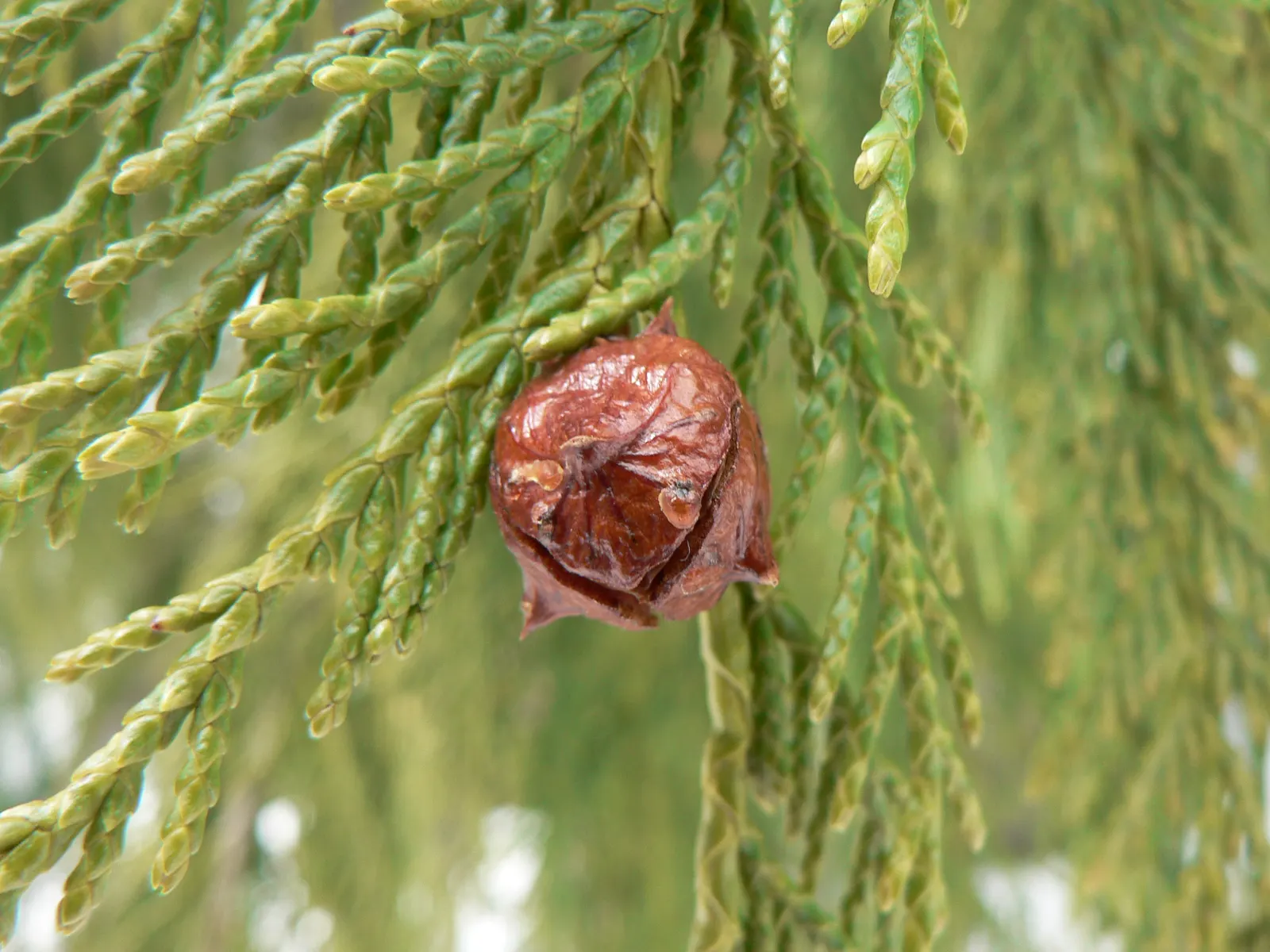
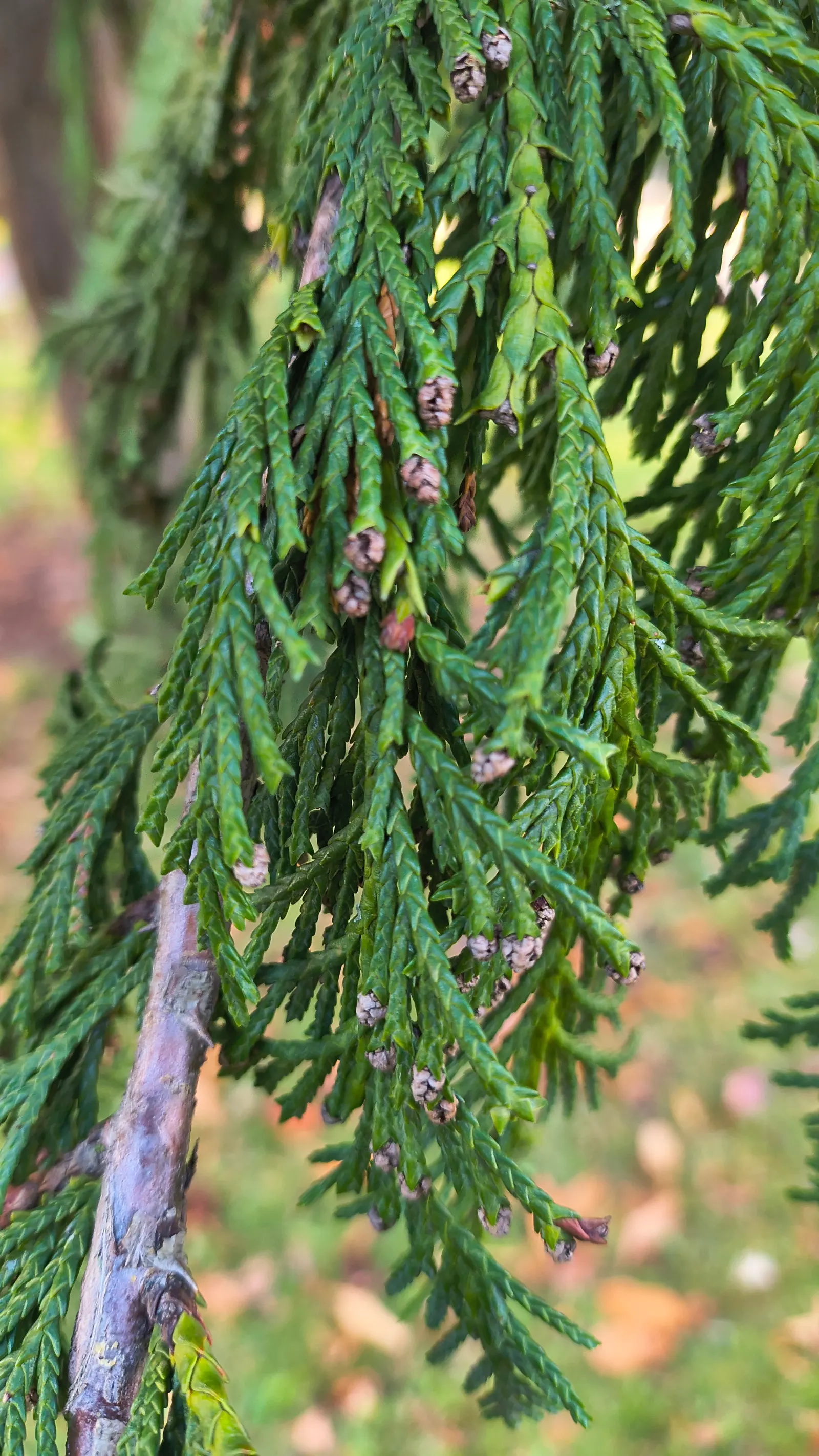
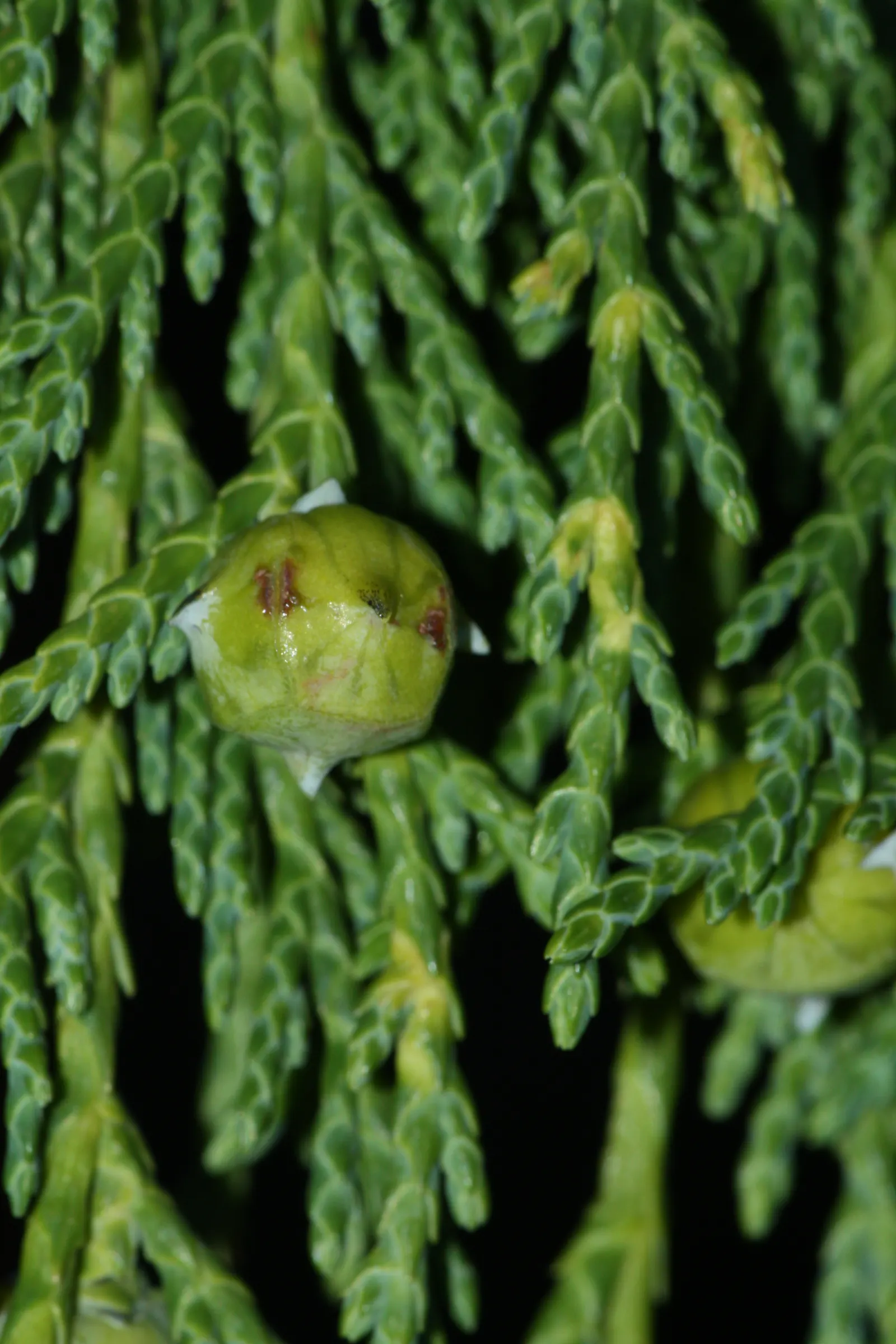
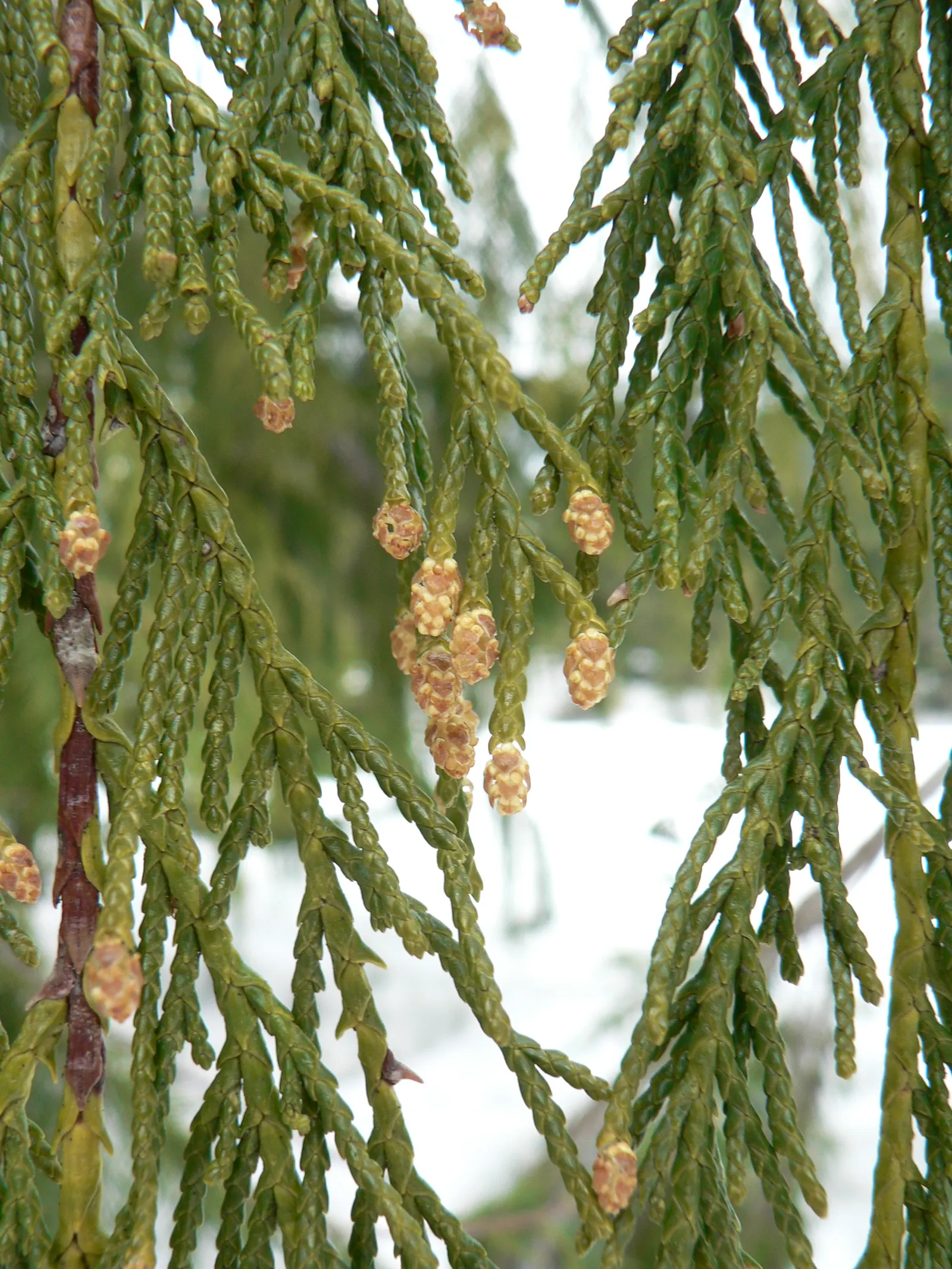
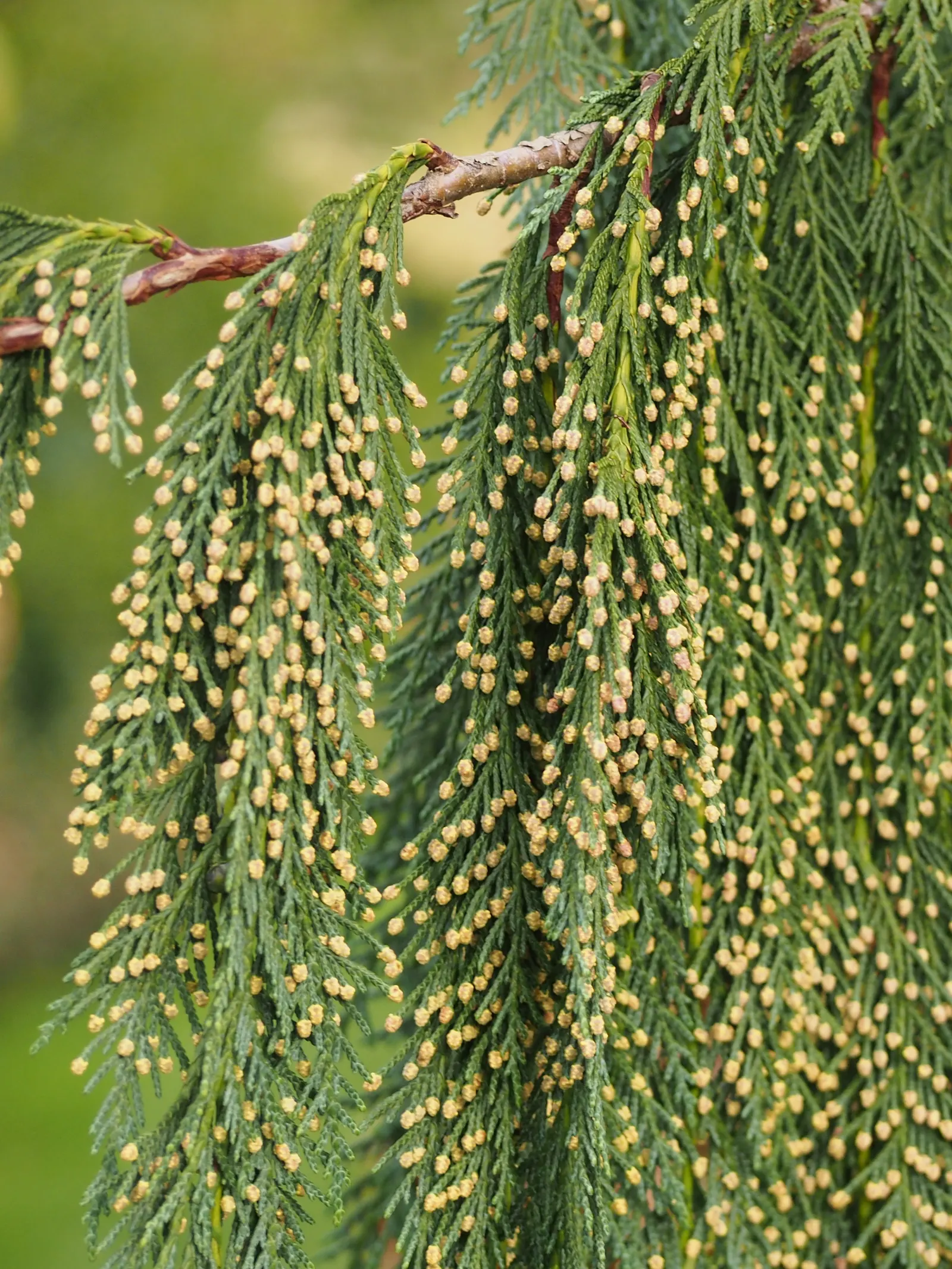
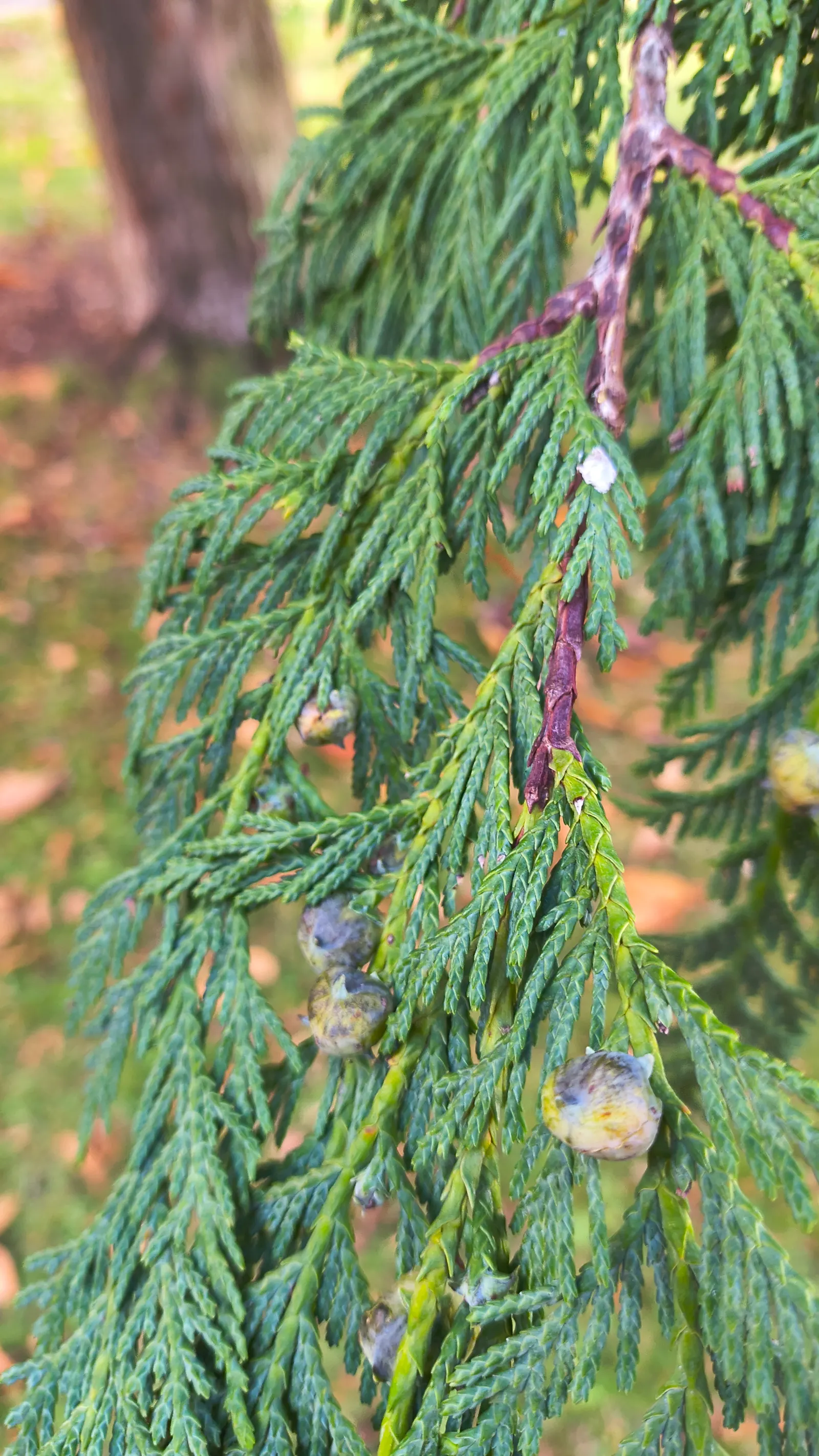
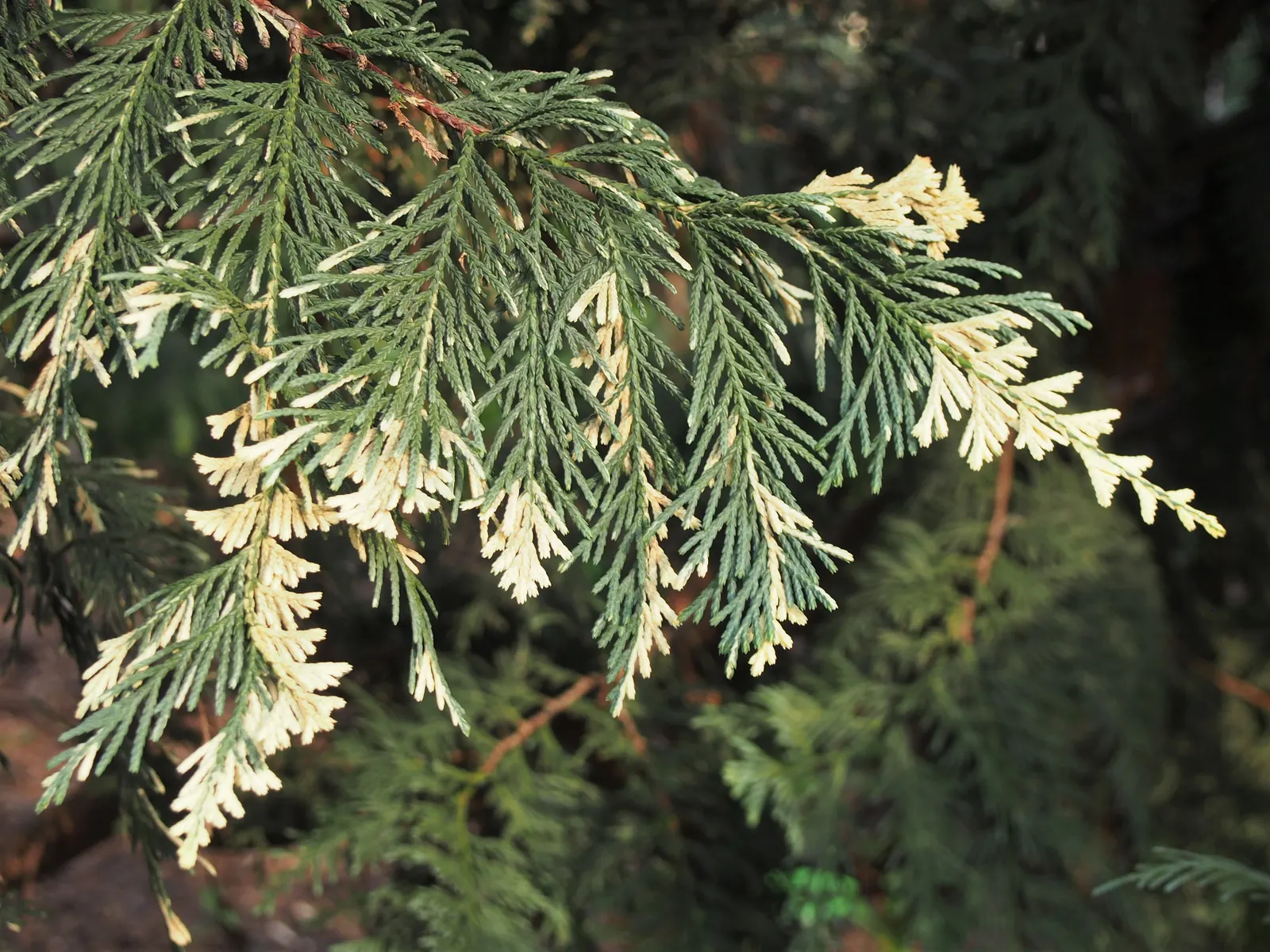
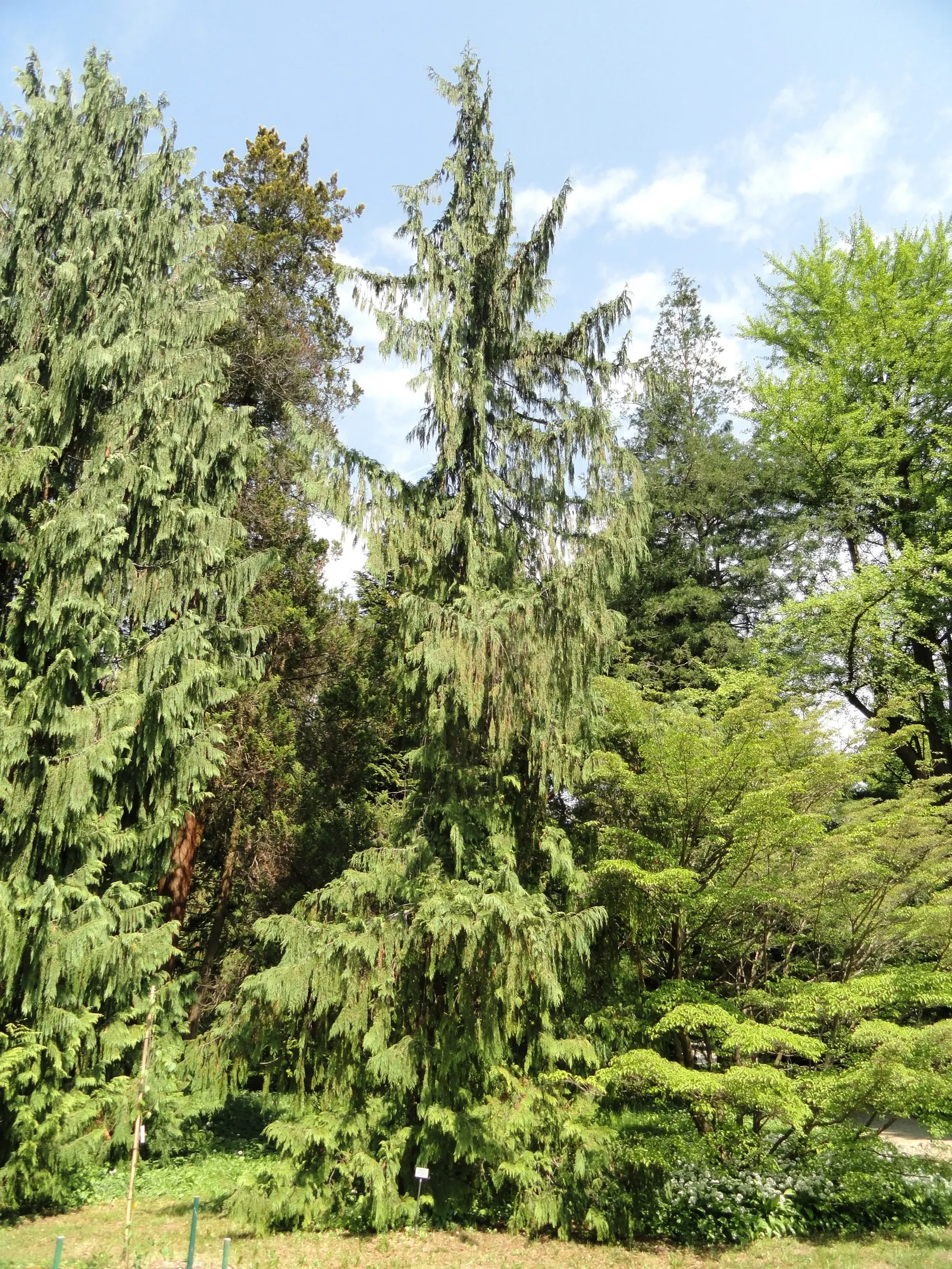
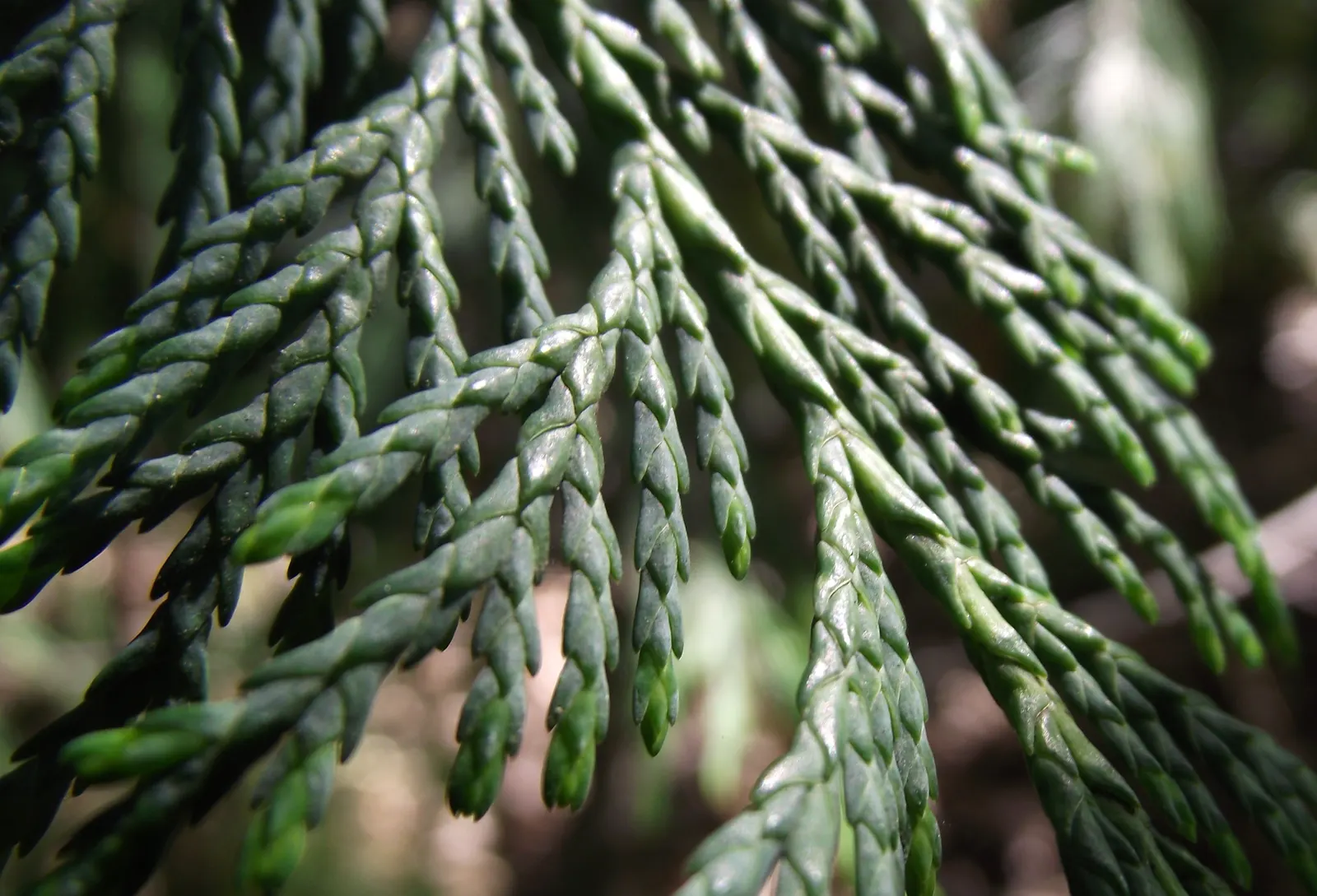
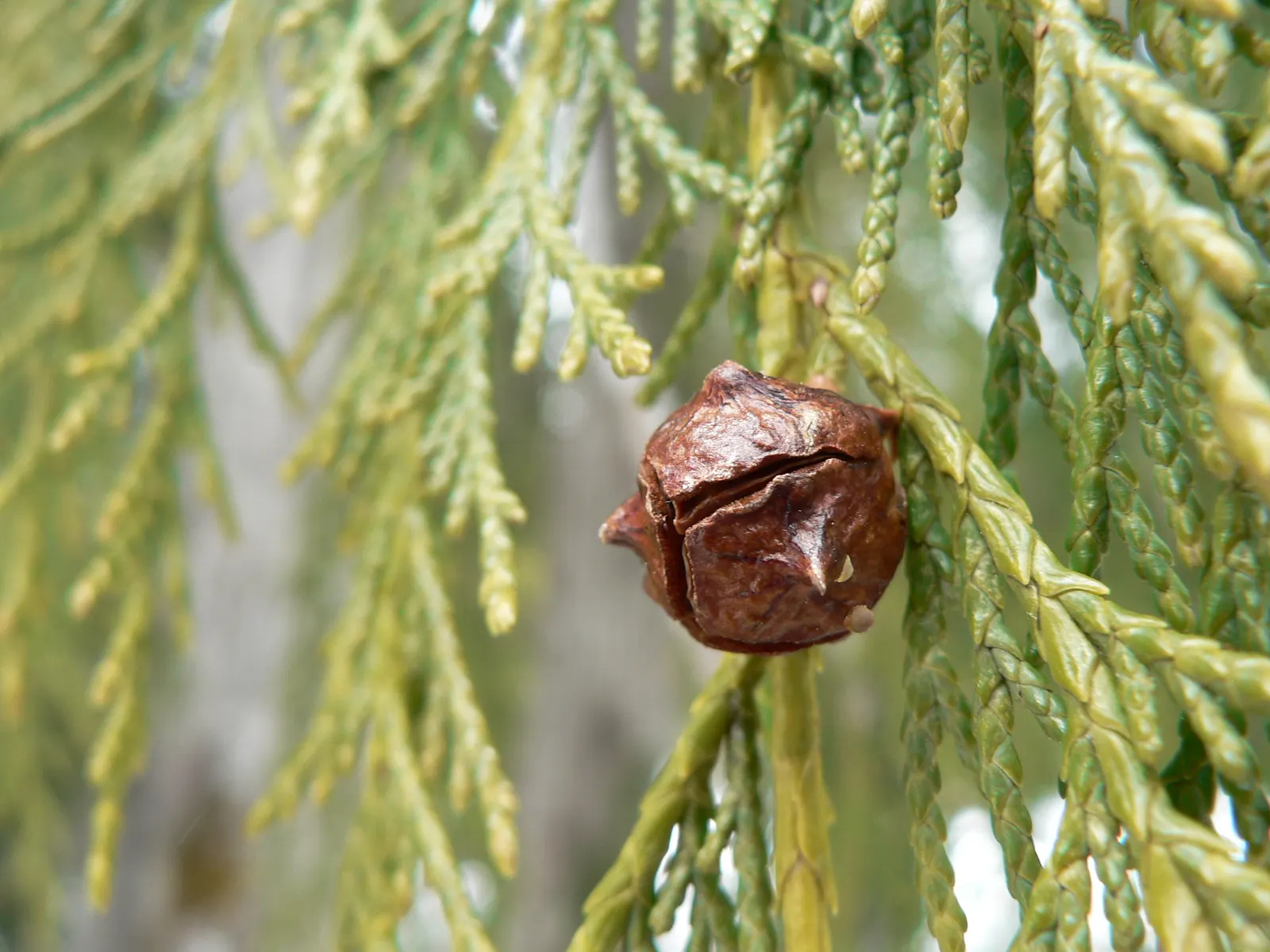
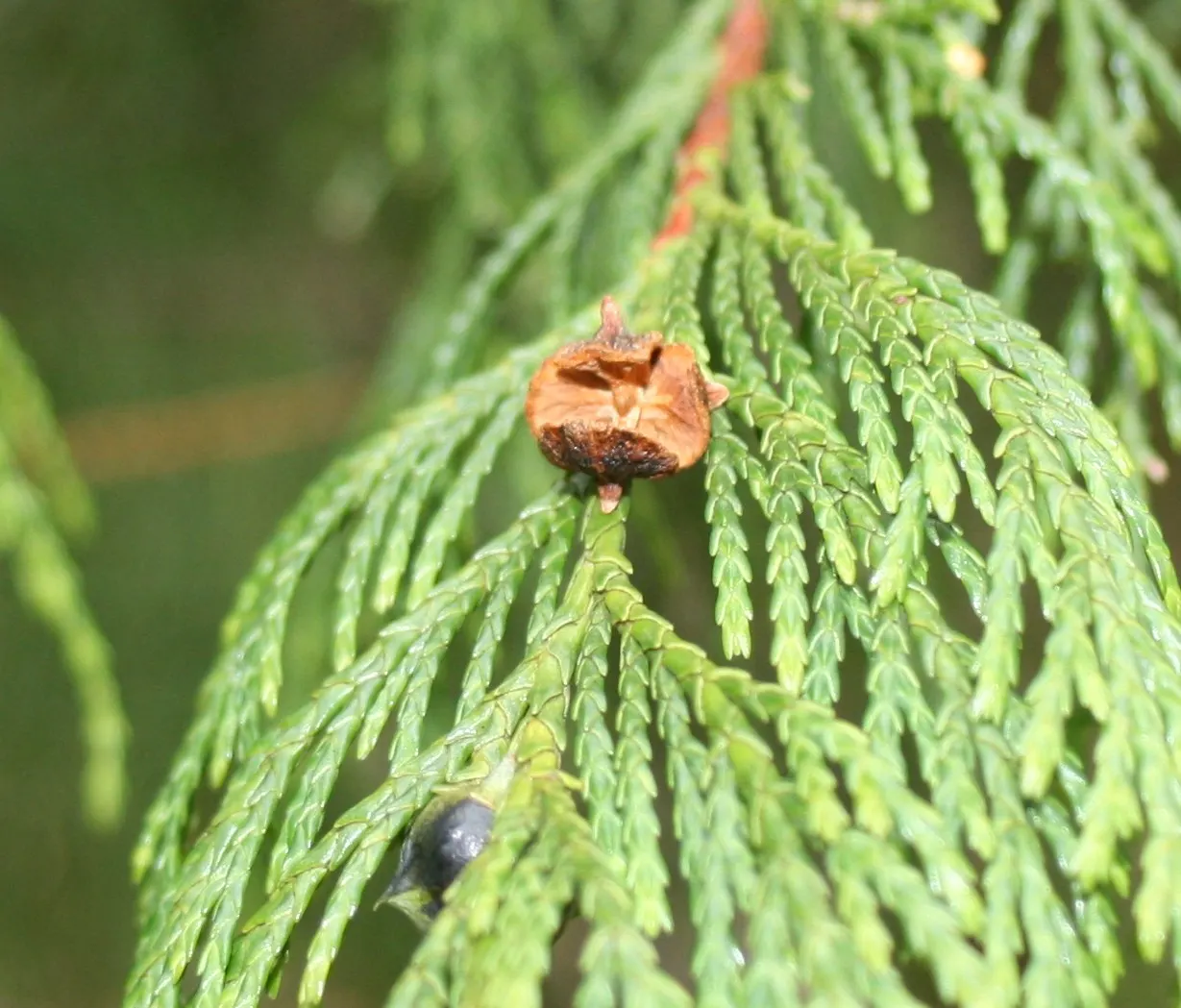
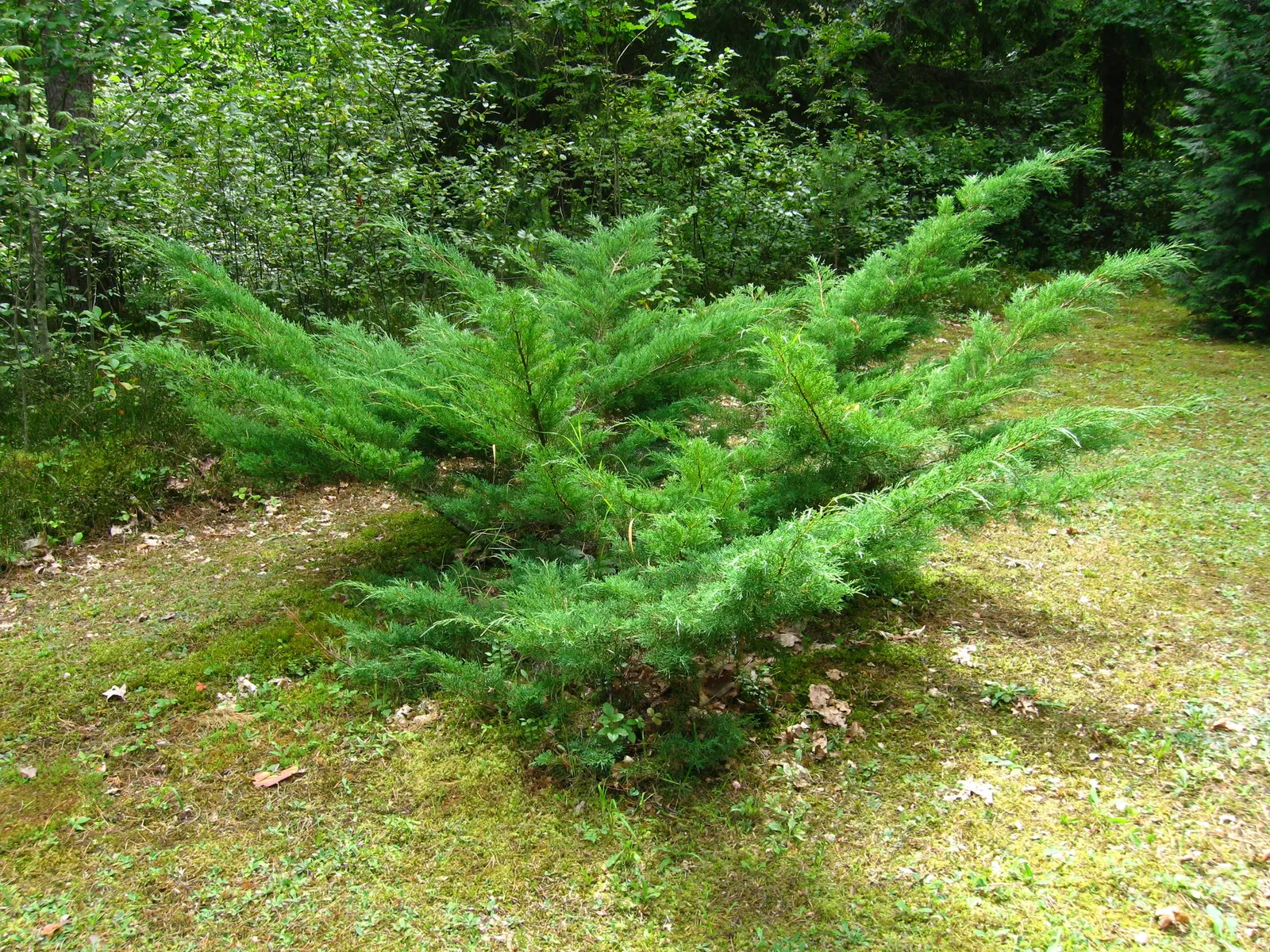
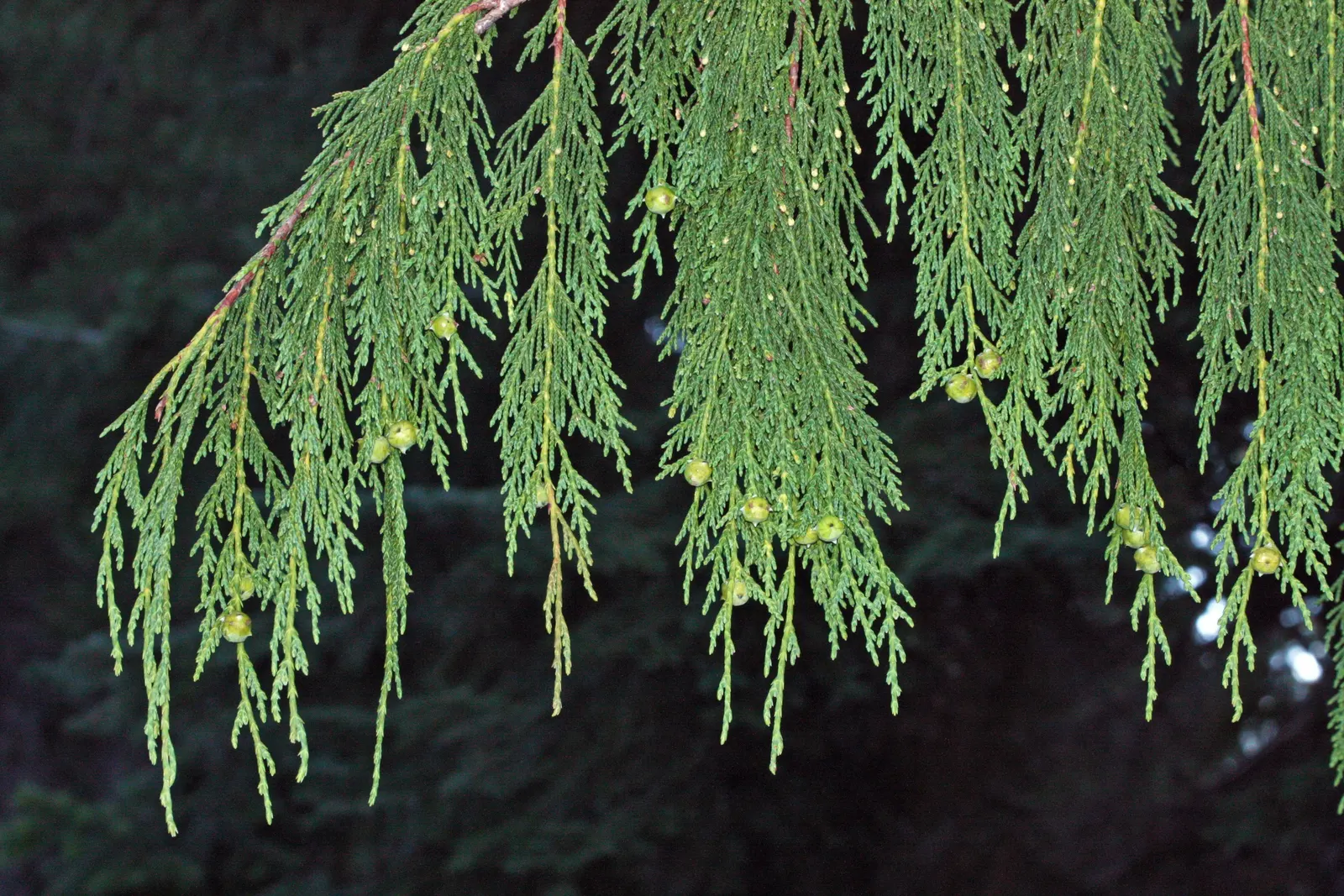
Callitropsis nootkatensis, commonly known as Yellow Cedar or Nootka Cypress, is a majestic evergreen with a conical form, reaching up to 90 feet tall and 20 feet wide. Its dense foliage is marked by drooping branches with scale-like, blue-green leaves. Aromatic when crushed, the foliage adds sensory appeal, while its reddish-brown bark peels attractively. Hardy to USDA Zone 4, it's adaptable but thrives in moist, well-drained soils and partial to full sun exposures.
Sun FullWater Extra in Summer, MediumZones 5–10Climate Temperate
Yellow Cedar, Nootka Cypress (Callitropsis Nootkatensis) — commonly known as Yellow Cedar or Nootka Cypress

Culture

Sun
Full
Water
Extra in Summer, Medium
USDA zones
5–10

Shape & size

Classification

Family
Cupressaceae
Climate
Temperate

See full data, regional cultivation notes, full-resolution photos, and design tools. Build a client presentation around this plant.

Start your 14-day trial

Photos (48)

Yellow Cedar, Nootka Cypress (Callitropsis Nootkatensis) — With the potential to live up to a thousand years
Yellow Cedar, Nootka Cypress (Callitropsis Nootkatensis) — it is a long-term investment in the landscape
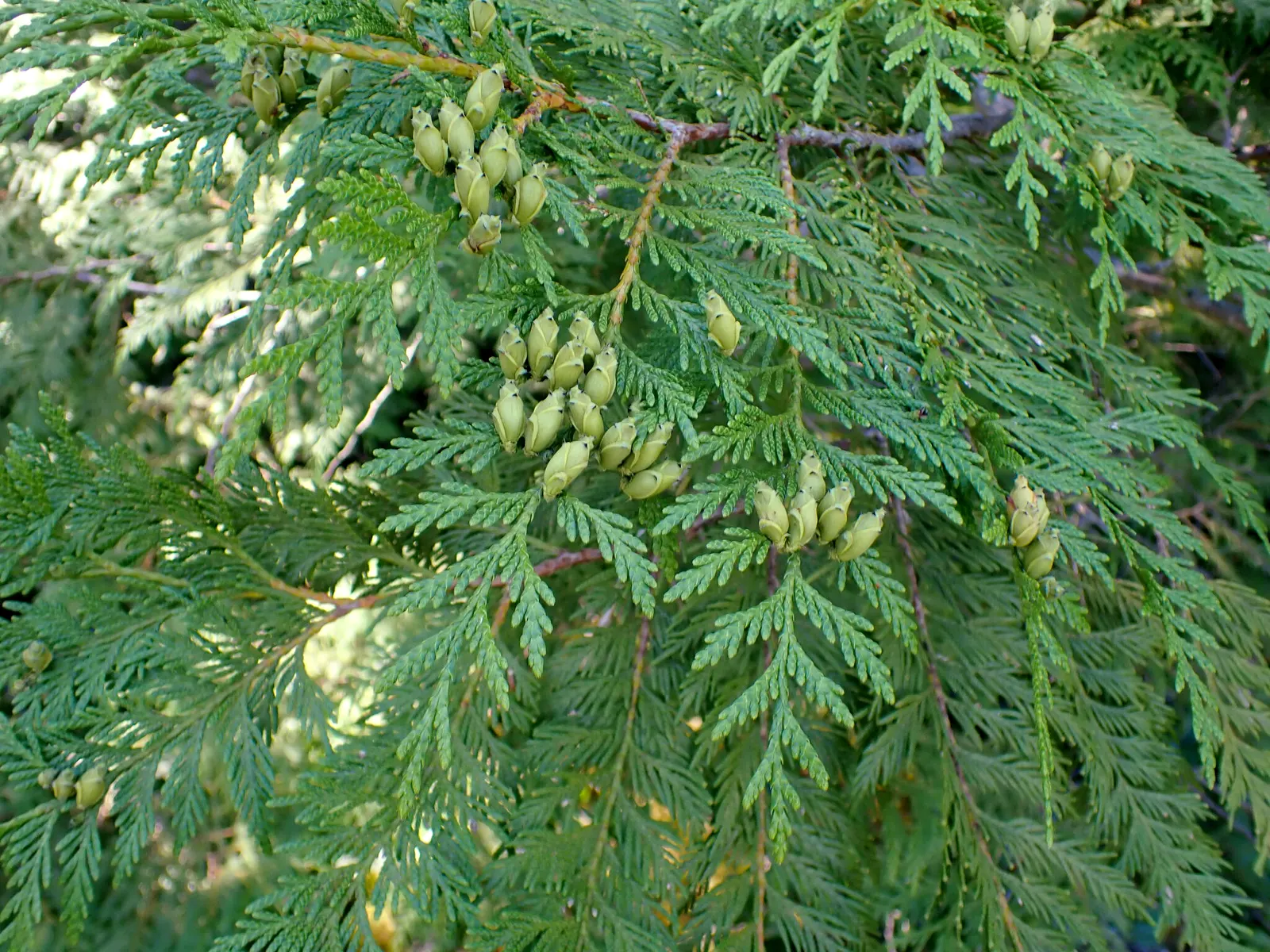
Yellow Cedar, Nootka Cypress (Callitropsis Nootkatensis) — commonly known as Yellow Cedar or Nootka Cypress; its dense foliage is marked by drooping branches
Yellow Cedar, Nootka Cypress (Callitropsis Nootkatensis) — providing unmatched elegance and continuity
Yellow Cedar, Nootka Cypress (Callitropsis Nootkatensis) — conifer / tree for full
Yellow Cedar, Nootka Cypress (Callitropsis Nootkatensis) — reaching up to 90 feet tall and 20 feet wide; tolerating both wet and drier conditions
Yellow Cedar, Nootka Cypress (Callitropsis Nootkatensis) — is a majestic evergreen with a conical form; it thrives in USDA Hardiness Zones 5 through 7
Yellow Cedar, Nootka Cypress (Callitropsis Nootkatensis) — Its dense foliage is marked by drooping branches with scale-like, blue-green leaves; the Yellow
Yellow Cedar, Nootka Cypress (Callitropsis Nootkatensis) — Aromatic when crushed, the foliage adds sensory appeal, while its reddish-brown bark, image 33
Yellow Cedar, Nootka Cypress (Callitropsis Nootkatensis) — it's adaptable but thrives in moist; it thrives in USDA Hardiness Zones 5 through 7
Yellow Cedar, Nootka Cypress (Callitropsis Nootkatensis) — scientifically known as Callitropsis nootkatensis and also commonly referred to as the Nootka
Yellow Cedar, Nootka Cypress (Callitropsis Nootkatensis) — well-drained soils and partial to full sun exposures; tolerating both wet and drier conditions
Yellow Cedar, Nootka Cypress (Callitropsis Nootkatensis) — it thrives in USDA Hardiness Zones 5 through 7; tolerating both wet and drier conditions
Yellow Cedar, Nootka Cypress (Callitropsis Nootkatensis) — cool environments of the Pacific Northwest; it thrives in USDA Hardiness Zones 5 through 7
Yellow Cedar, Nootka Cypress (Callitropsis Nootkatensis) — is a coniferous evergreen tree that offers a majestic presence to any landscape; its dense foliage
Yellow Cedar, Nootka Cypress (Callitropsis Nootkatensis) — the tree's drooping branches are covered with scale-like leaves that are a striking, image 41
Yellow Cedar, Nootka Cypress (Callitropsis Nootkatensis) — The wood is highly prized for its resistance to decay; tolerating both wet and drier conditions
Yellow Cedar, Nootka Cypress (Callitropsis Nootkatensis) — showcasing exceptional cold tolerance.<br><br>An imposing figure; the Yellow Cedar is not just a
Yellow Cedar, Nootka Cypress (Callitropsis Nootkatensis) — which later transition to a warm coppery brown during the winter months; it thrives in USDA
Yellow Cedar, Nootka Cypress (Callitropsis Nootkatensis) — Given its slow to moderate growth rate; tolerating both wet and drier conditions
Yellow Cedar, Nootka Cypress (Callitropsis Nootkatensis) — tolerating both wet and drier conditions; it thrives in USDA Hardiness Zones 5 through 7
Yellow Cedar, Nootka Cypress (Callitropsis Nootkatensis) — well-drained soils but exhibits remarkable adaptability; its dense foliage is marked by drooping
Yellow Cedar, Nootka Cypress (Callitropsis Nootkatensis) — and the aromatic qualities make it a natural deterrent for pests.<br><br>The Yellow, image 44
Yellow Cedar, Nootka Cypress (Callitropsis Nootkatensis) — this species requires minimal maintenance; the Yellow Cedar is not just a plant

Related plants