Skip to content

Calendula

Calendula Officinalis

Design with this plant

Overview

Calendula officinalis, commonly known as pot marigold, is an herbaceous perennial that thrives in USDA zones 3-9. Admired for vibrant, daisy-like flowers in warm hues of yellow and orange, it typically grows 1-2 feet tall and wide. This plant prefers full sun to partial shade and well-drained soil. Calendulas offer extended blooms from early summer until frost, attracting beneficial pollinators while being deer-resistant. Ideal for borders and cottage gardens.

Sun FullWater MediumZones 3–10Type AnnualClimate Mediterranean
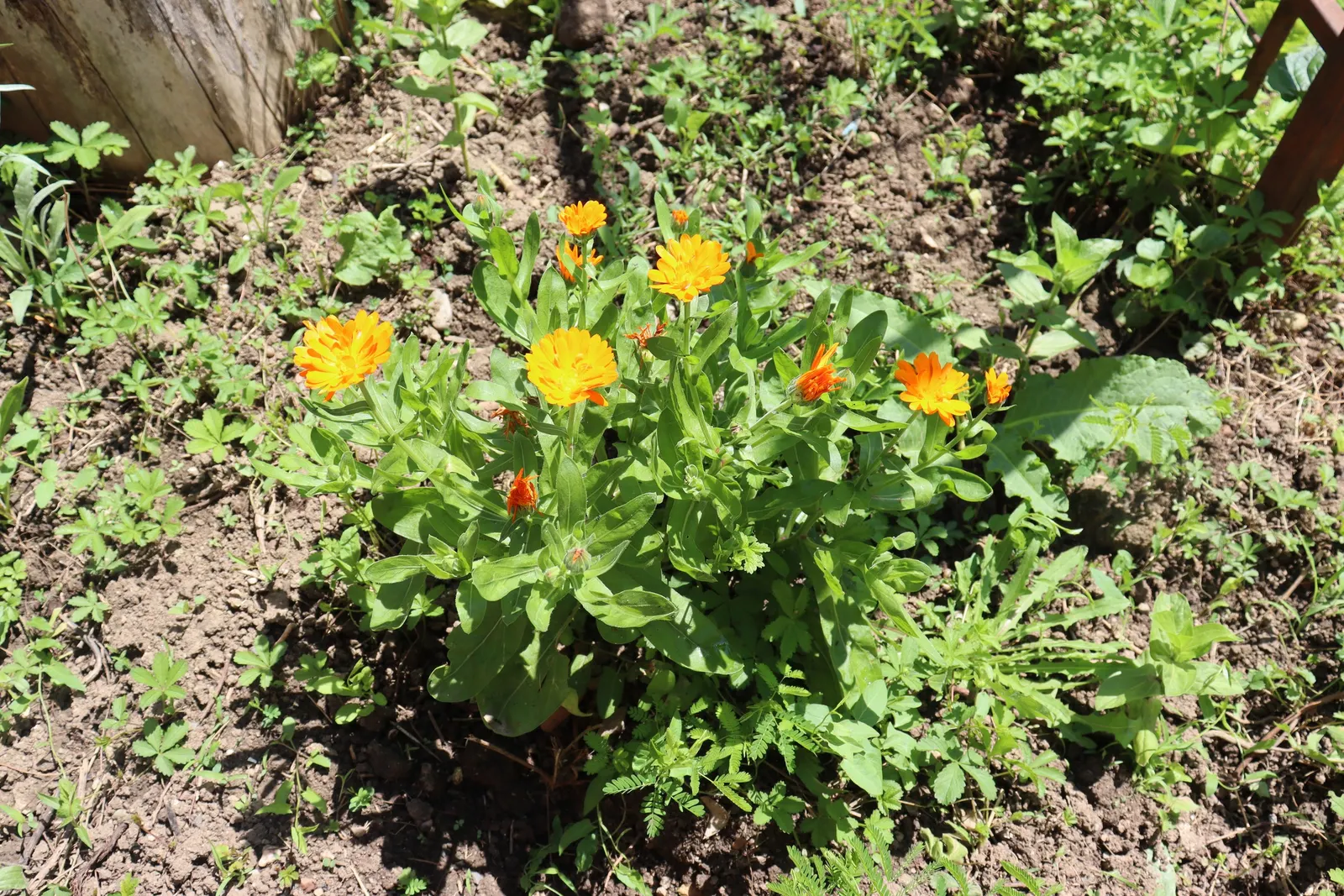
Calendula (Calendula Officinalis) — high-yield burst of color that appeals to both the aesthetic and practical sensibilities of any client; calendulas offer

Culture

Sun
Full
Water
Medium
USDA zones
3–10

Shape & size

Classification

Type
Annual
Family
Asteraceae
Climate
Mediterranean

See full data, regional cultivation notes, and design tools. Build a client presentation around this plant.

Start your 14-day trial

Photos (122)

Calendula (Calendula Officinalis) — enhancing the biodiversity of the garden.<br><br>In terms of maintenance; consistent moisture will result in optimal growth
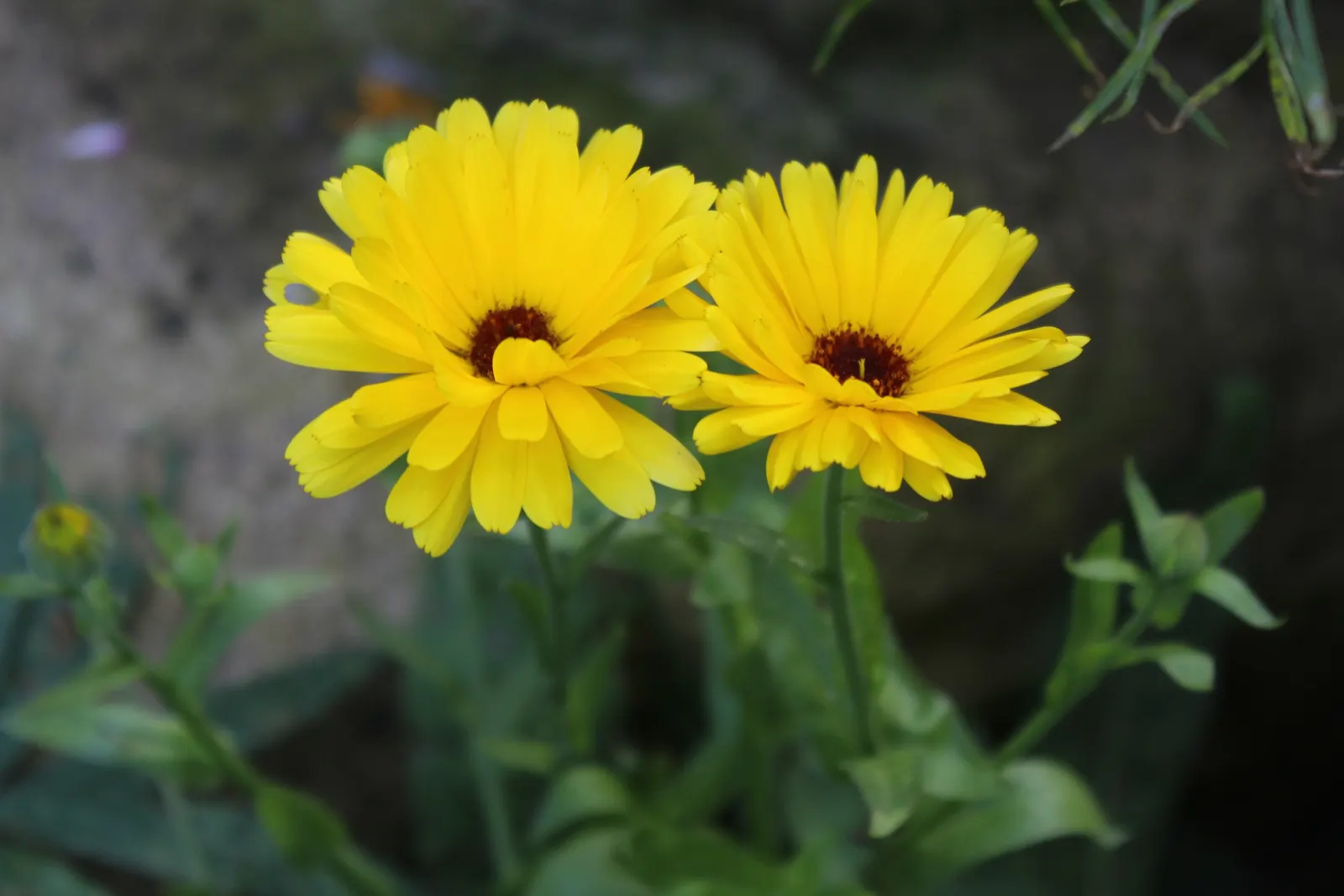
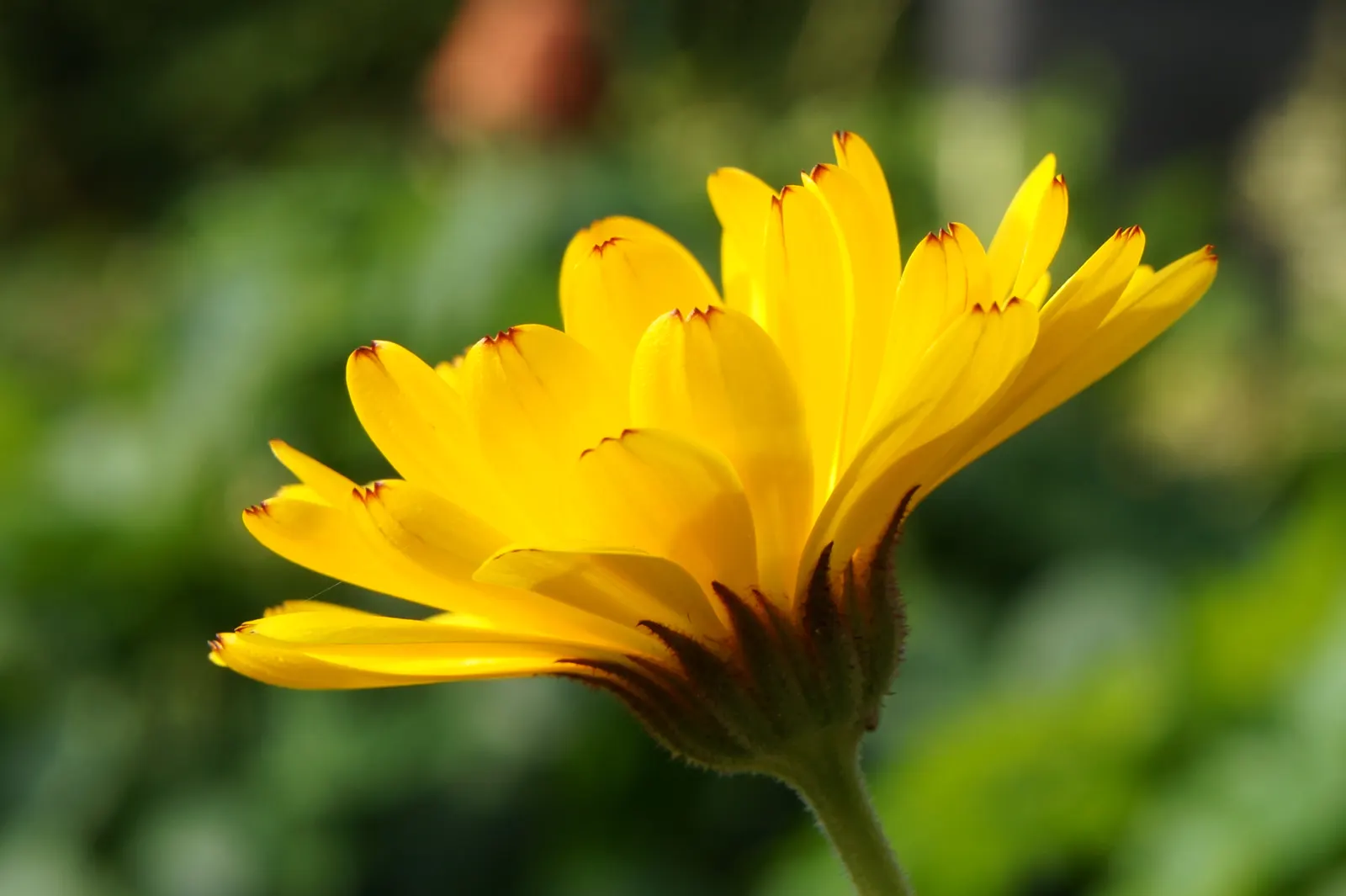
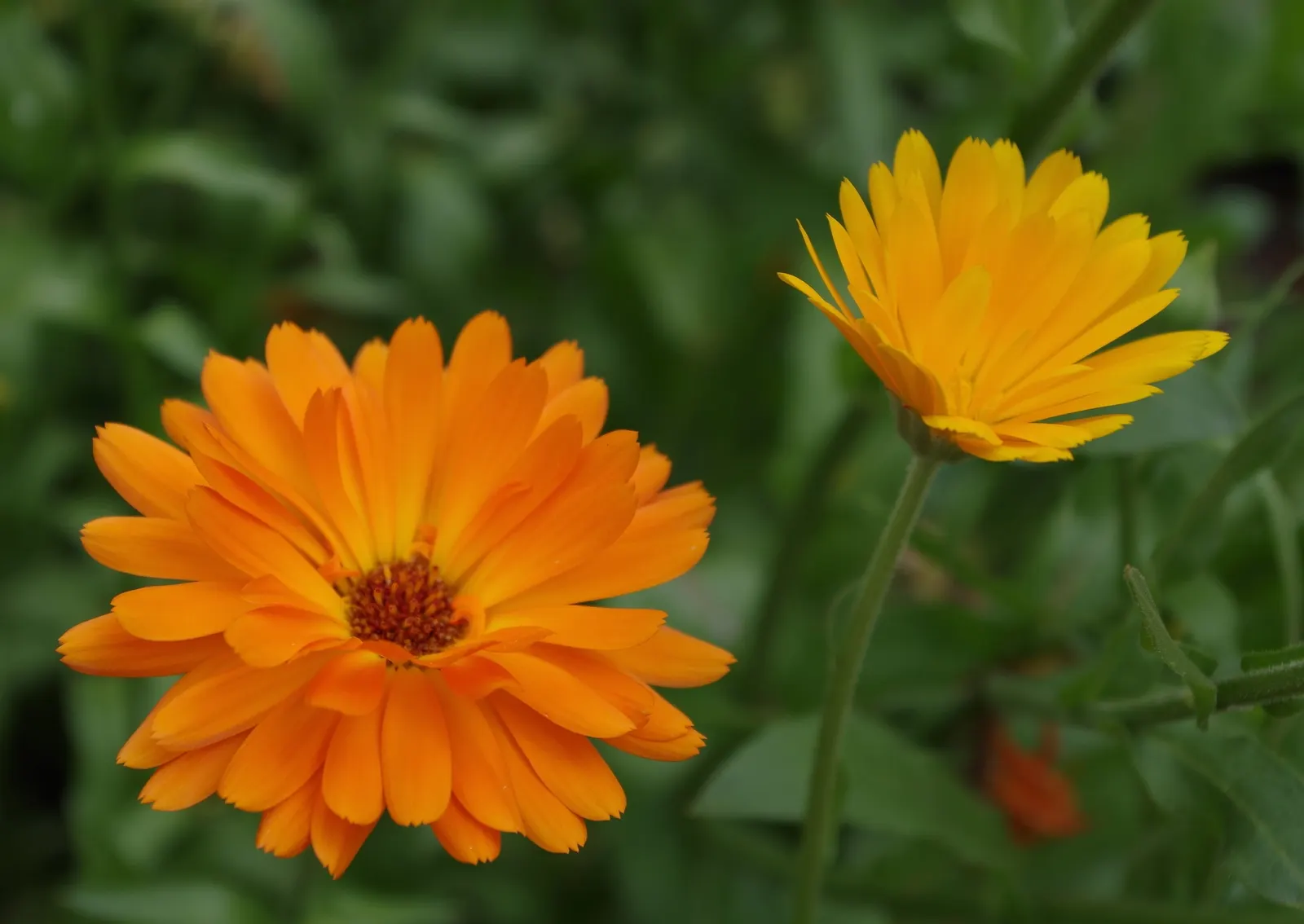
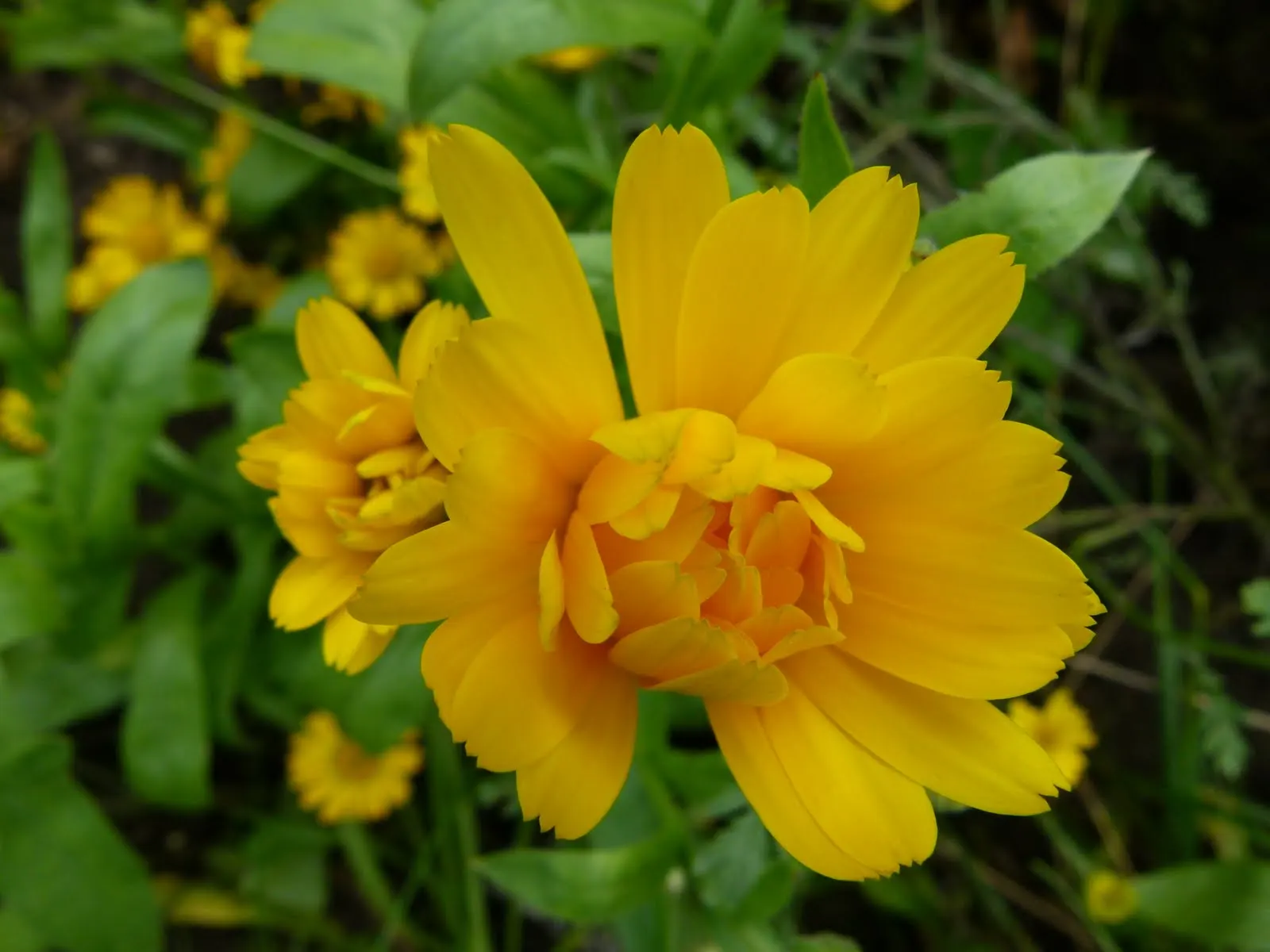
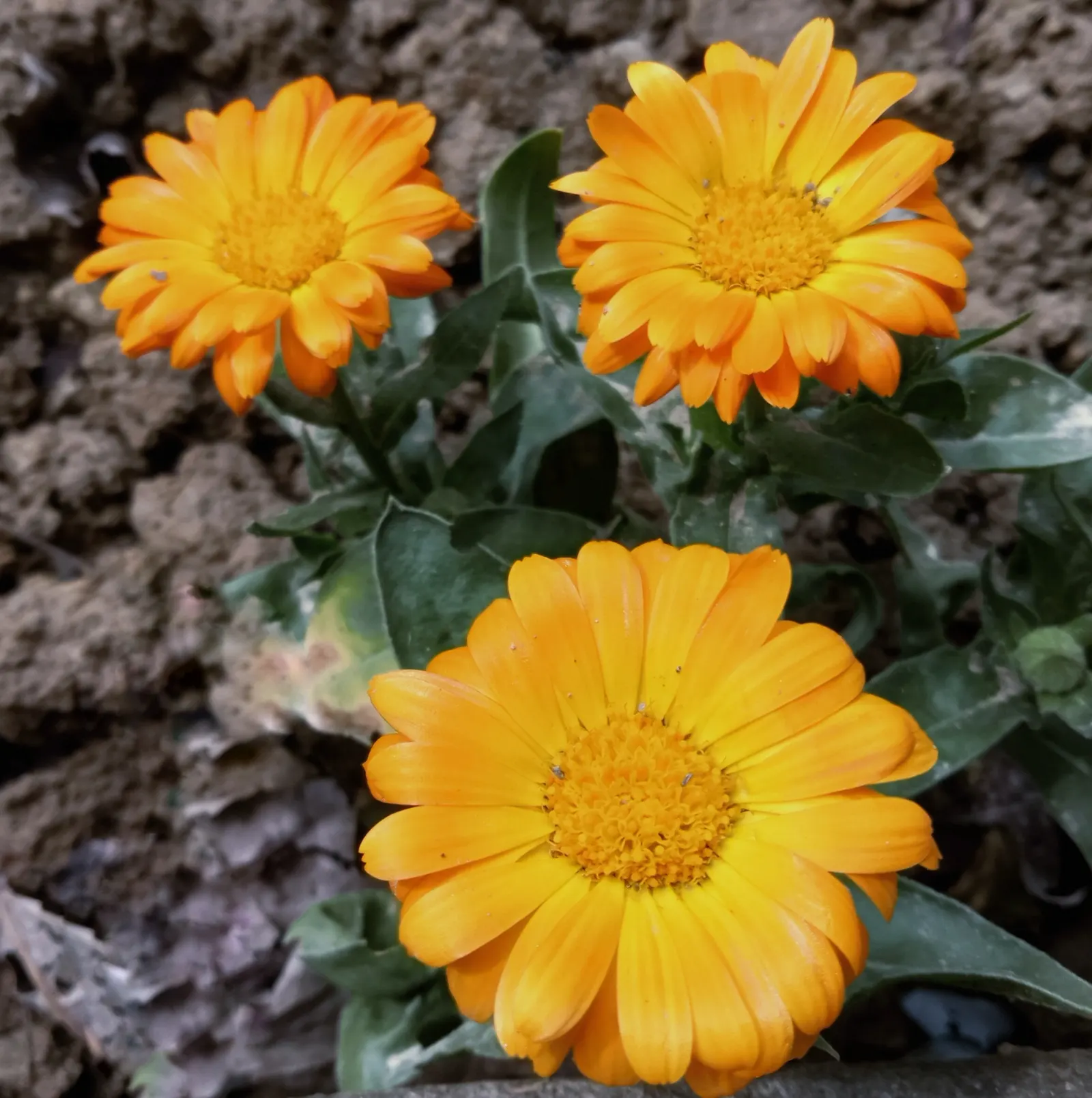
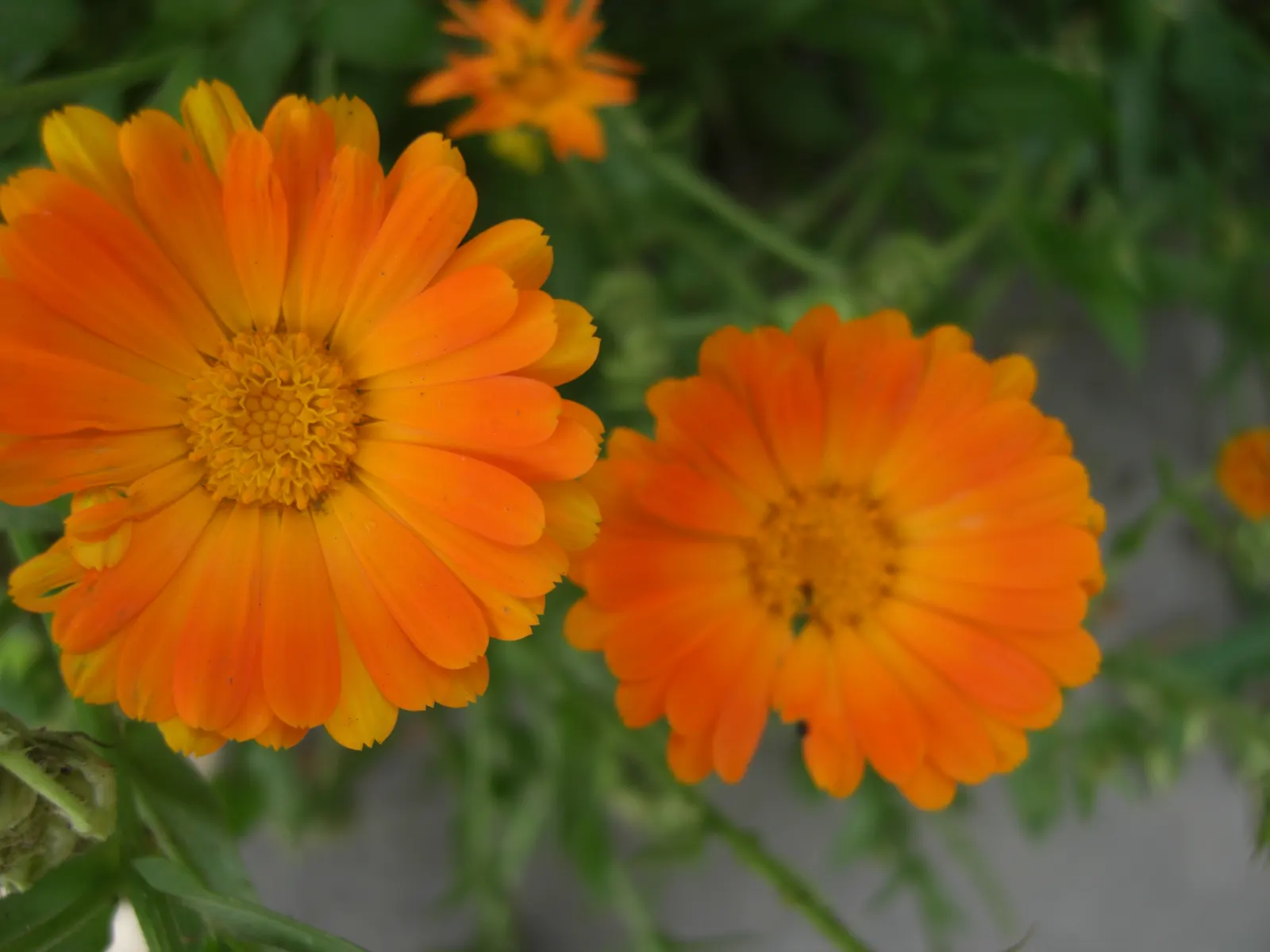
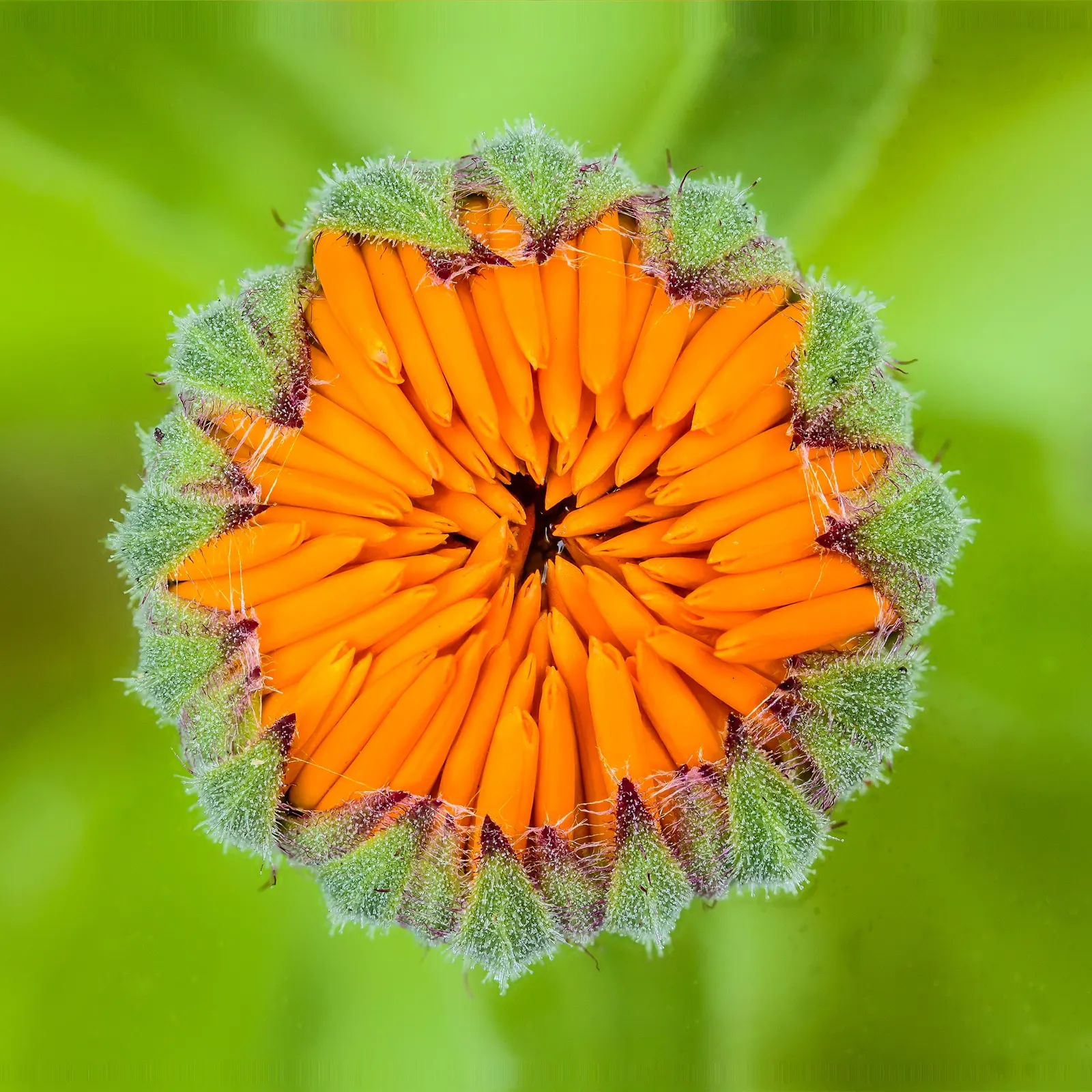
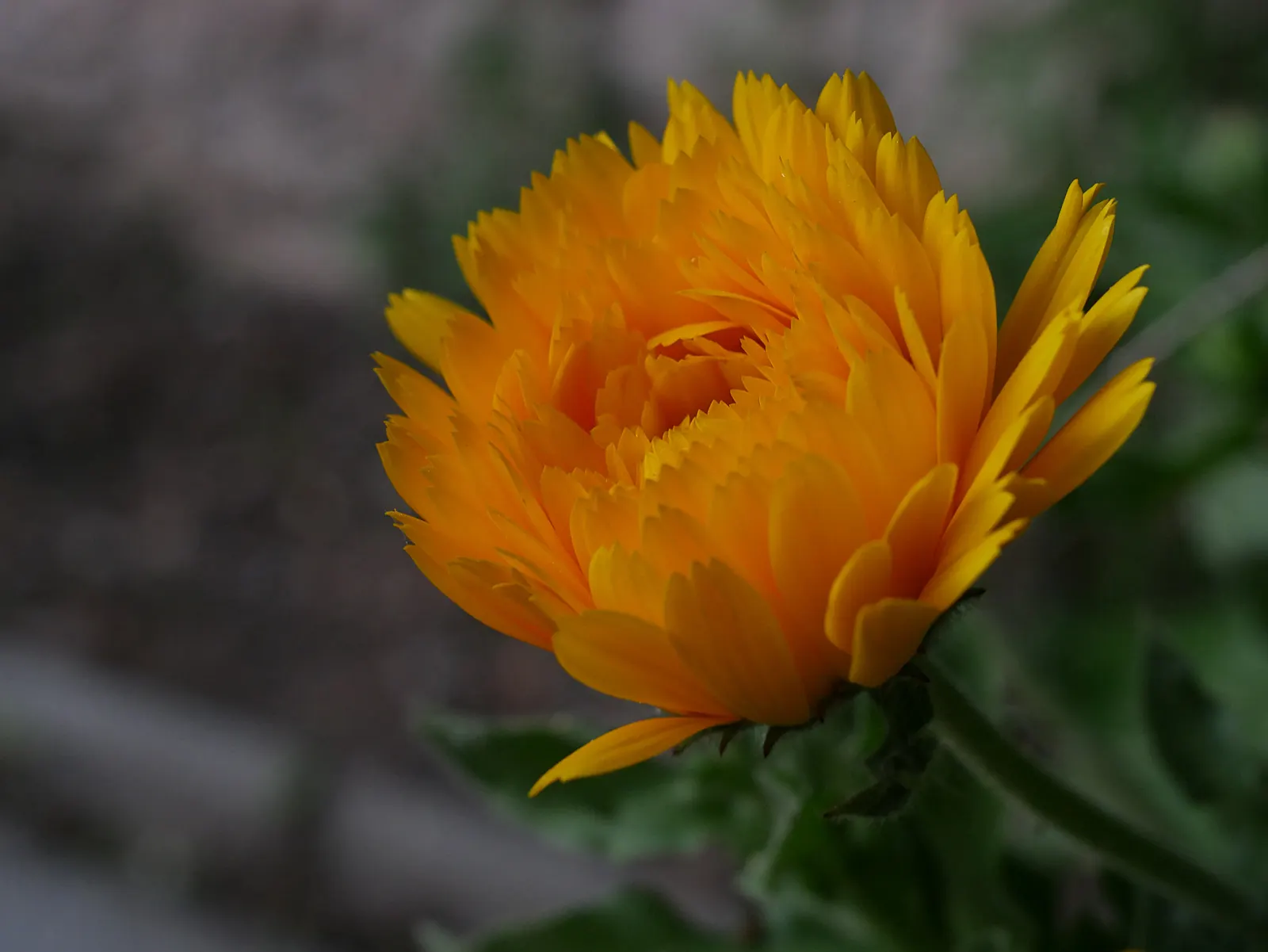
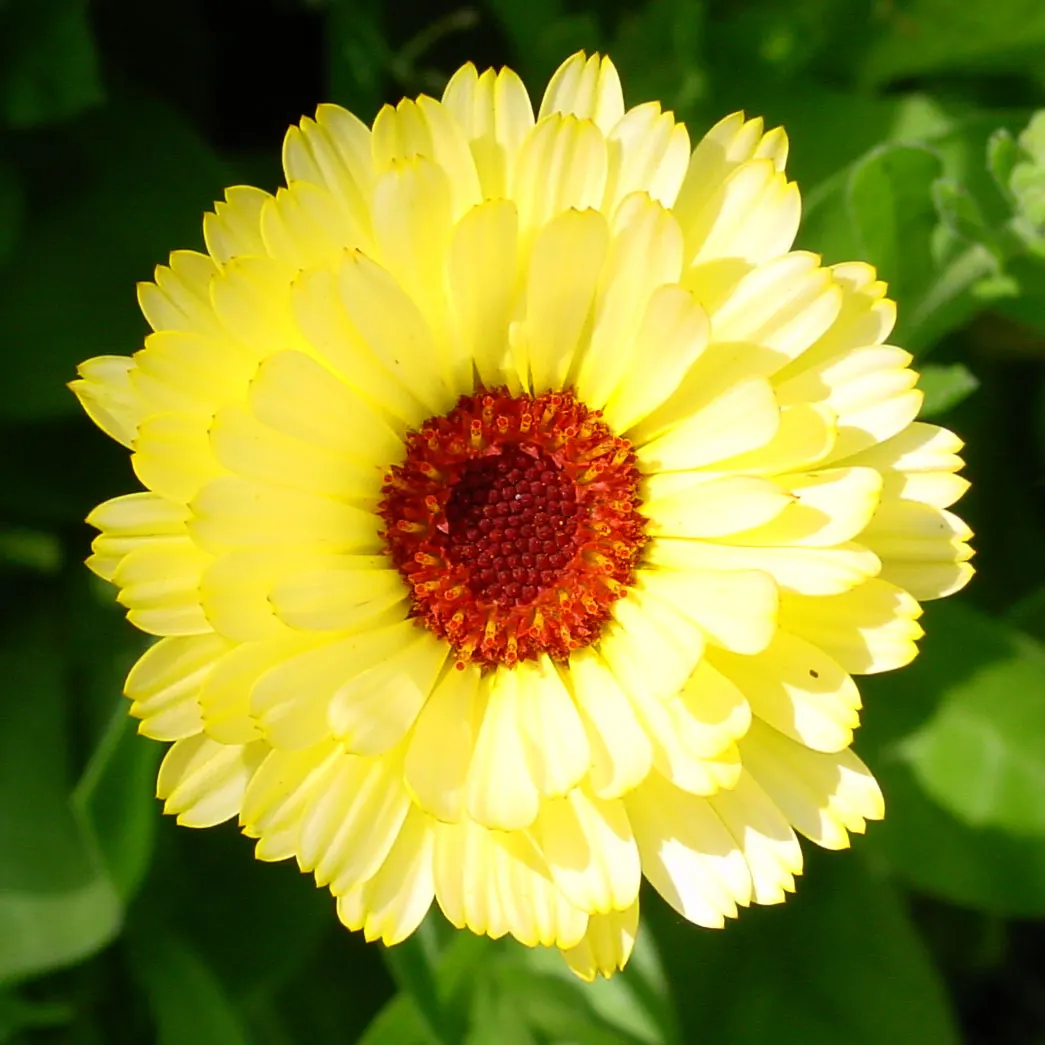
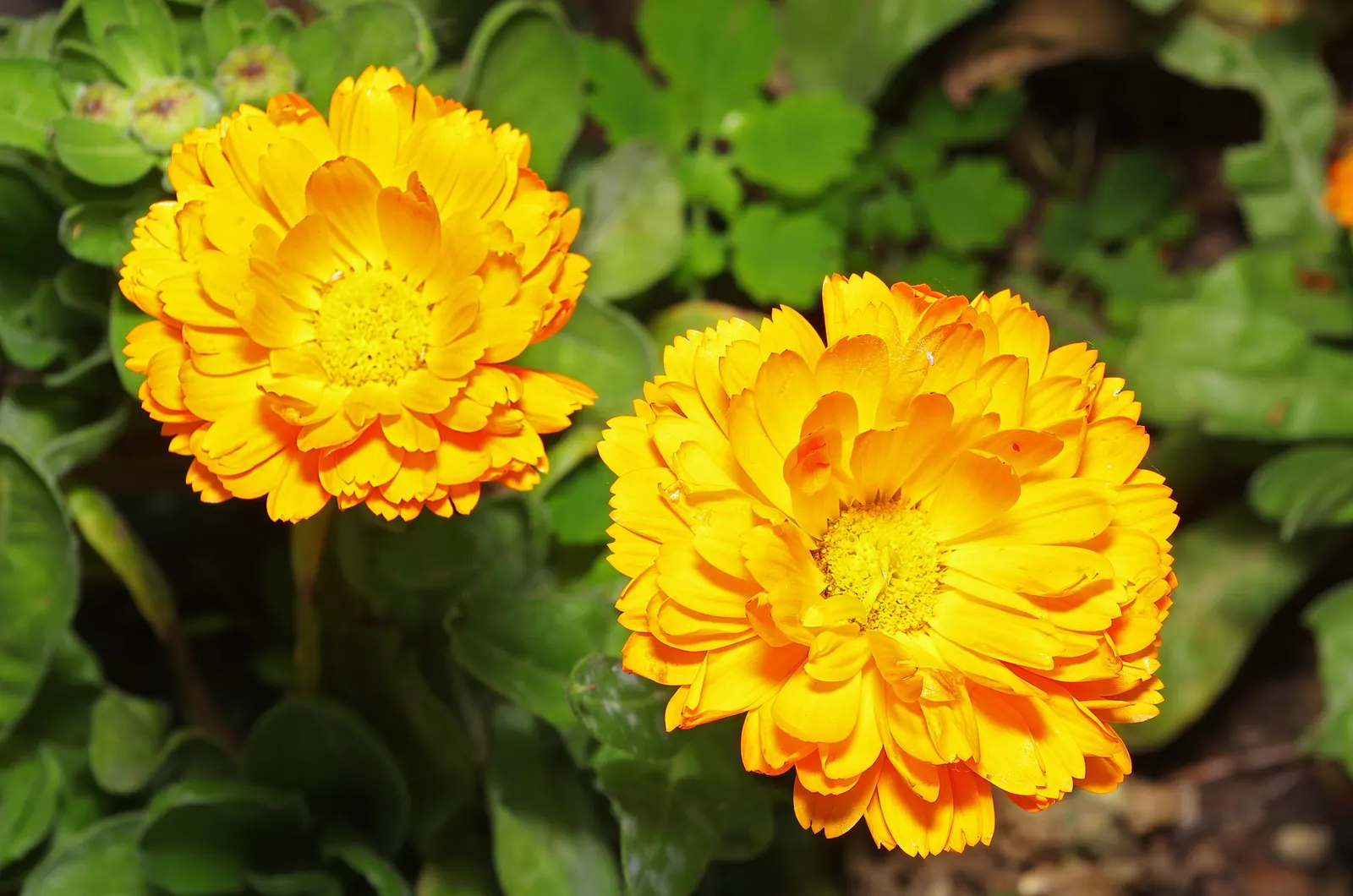
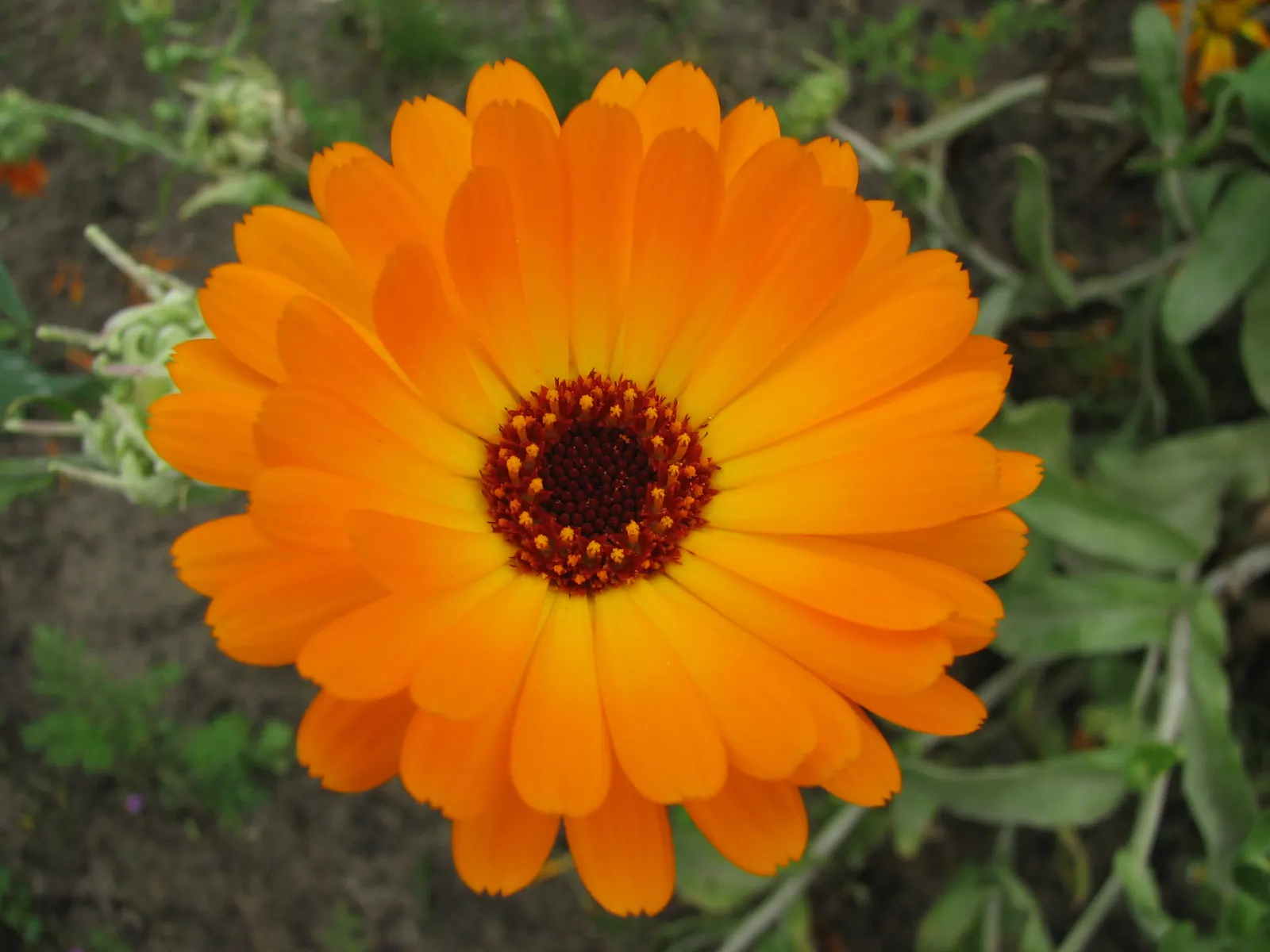
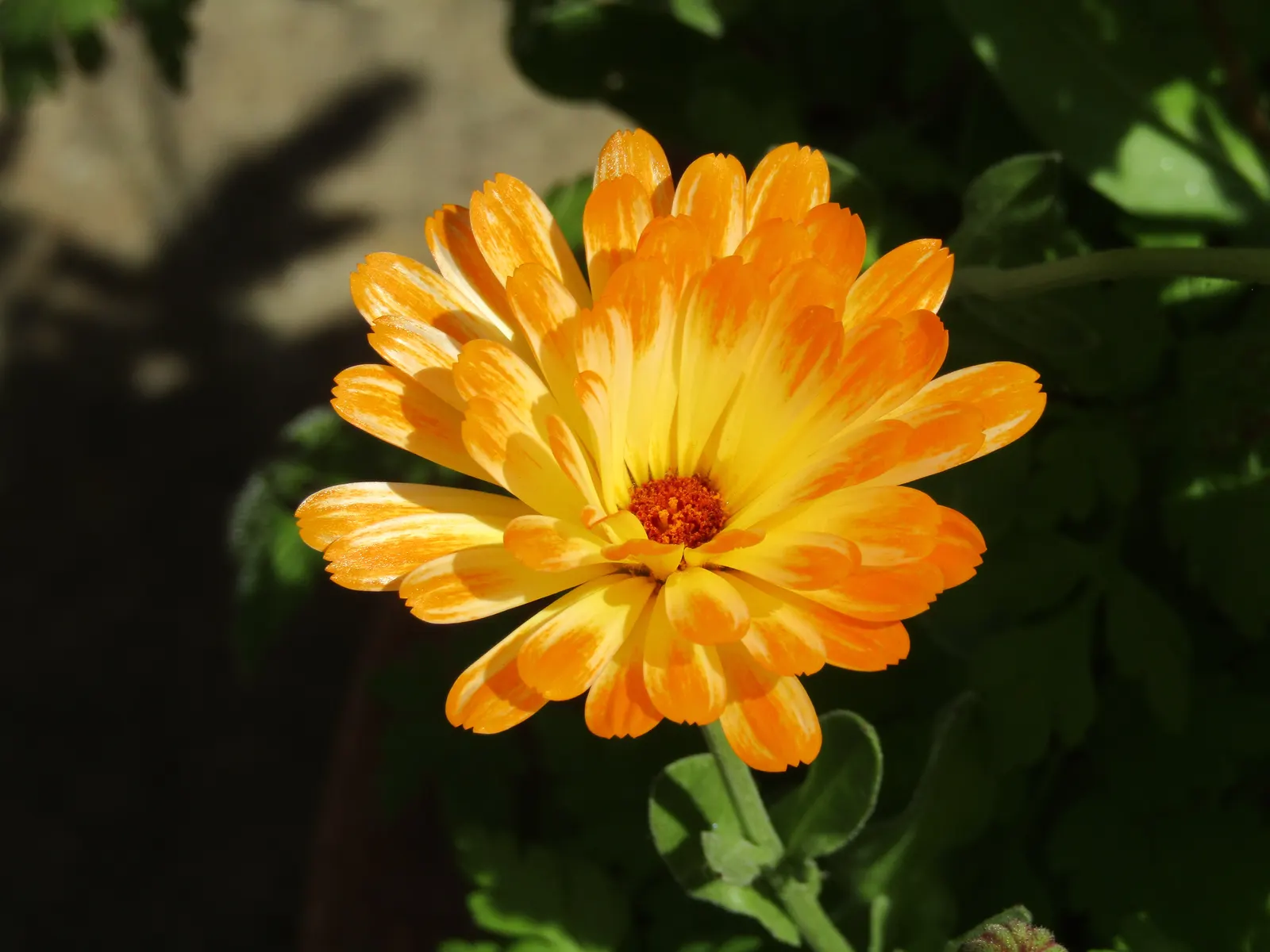
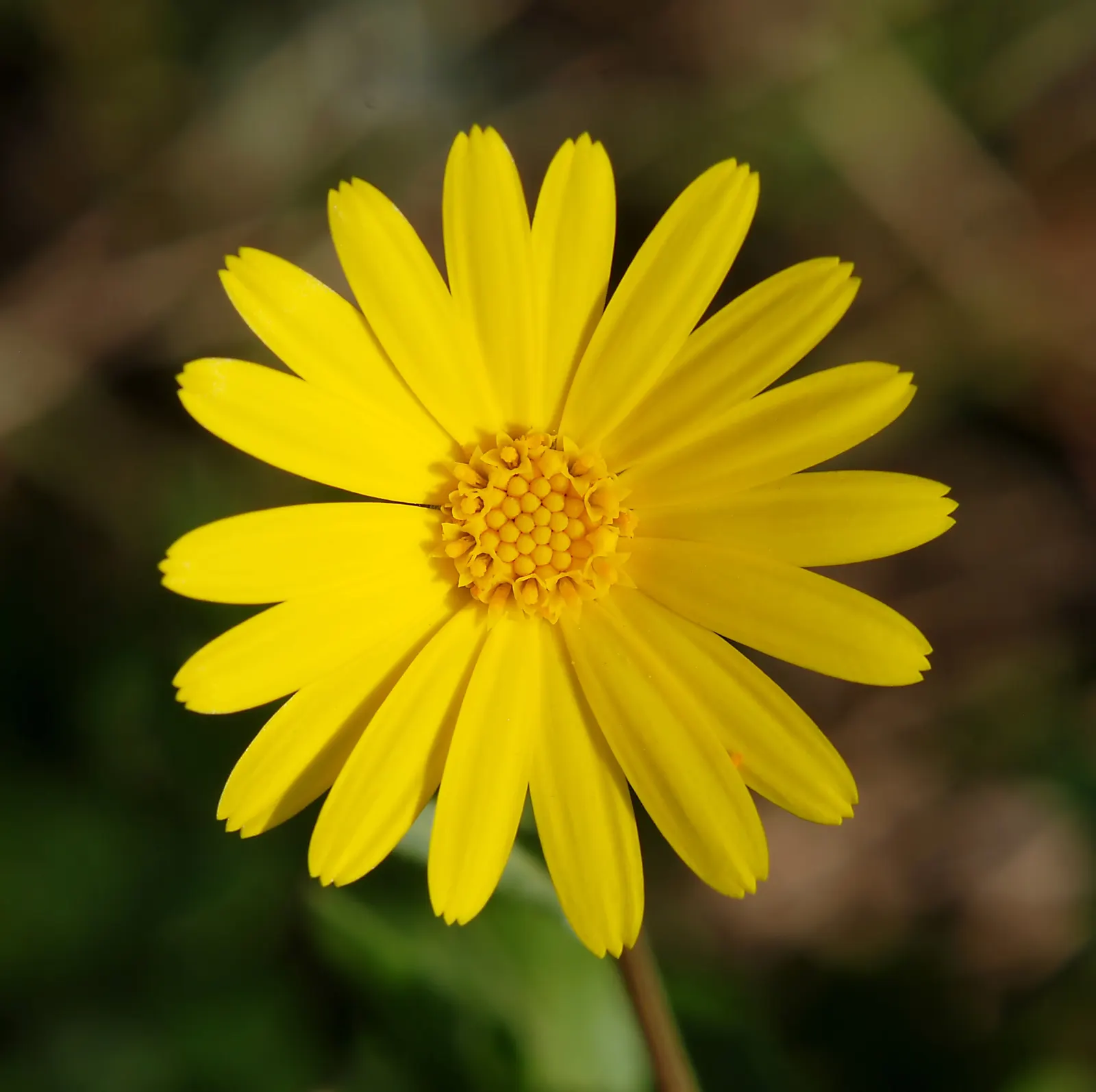
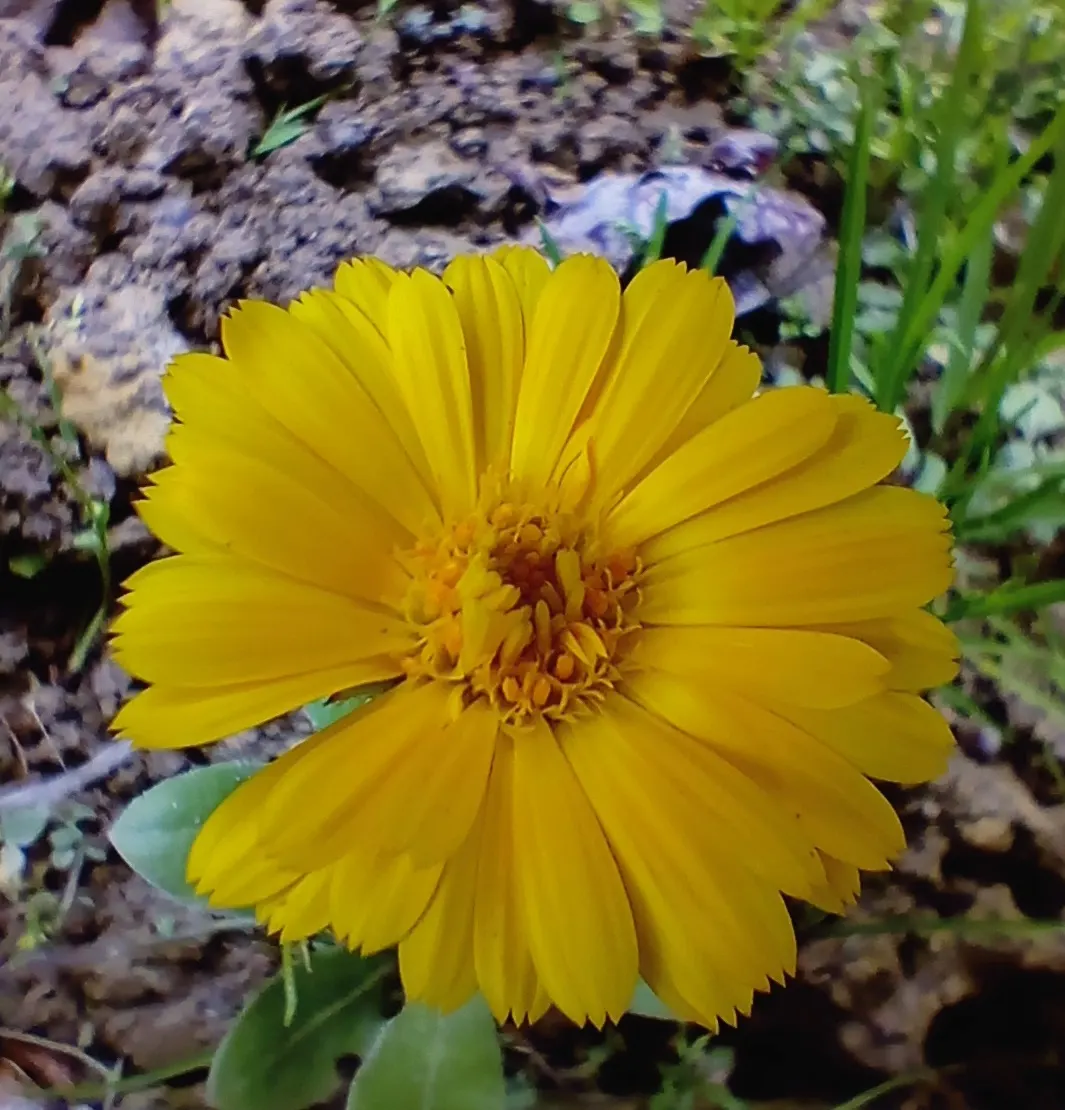
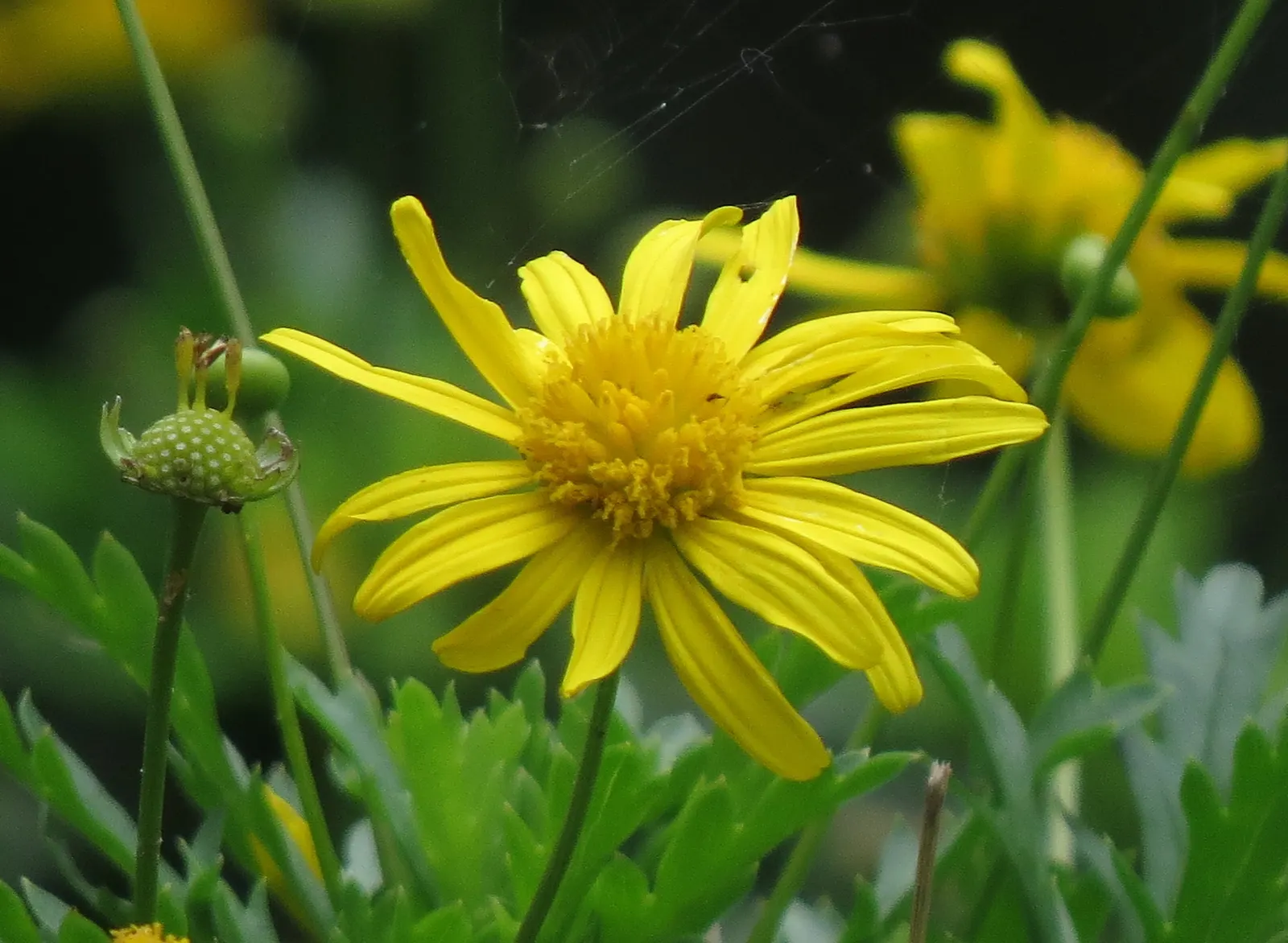
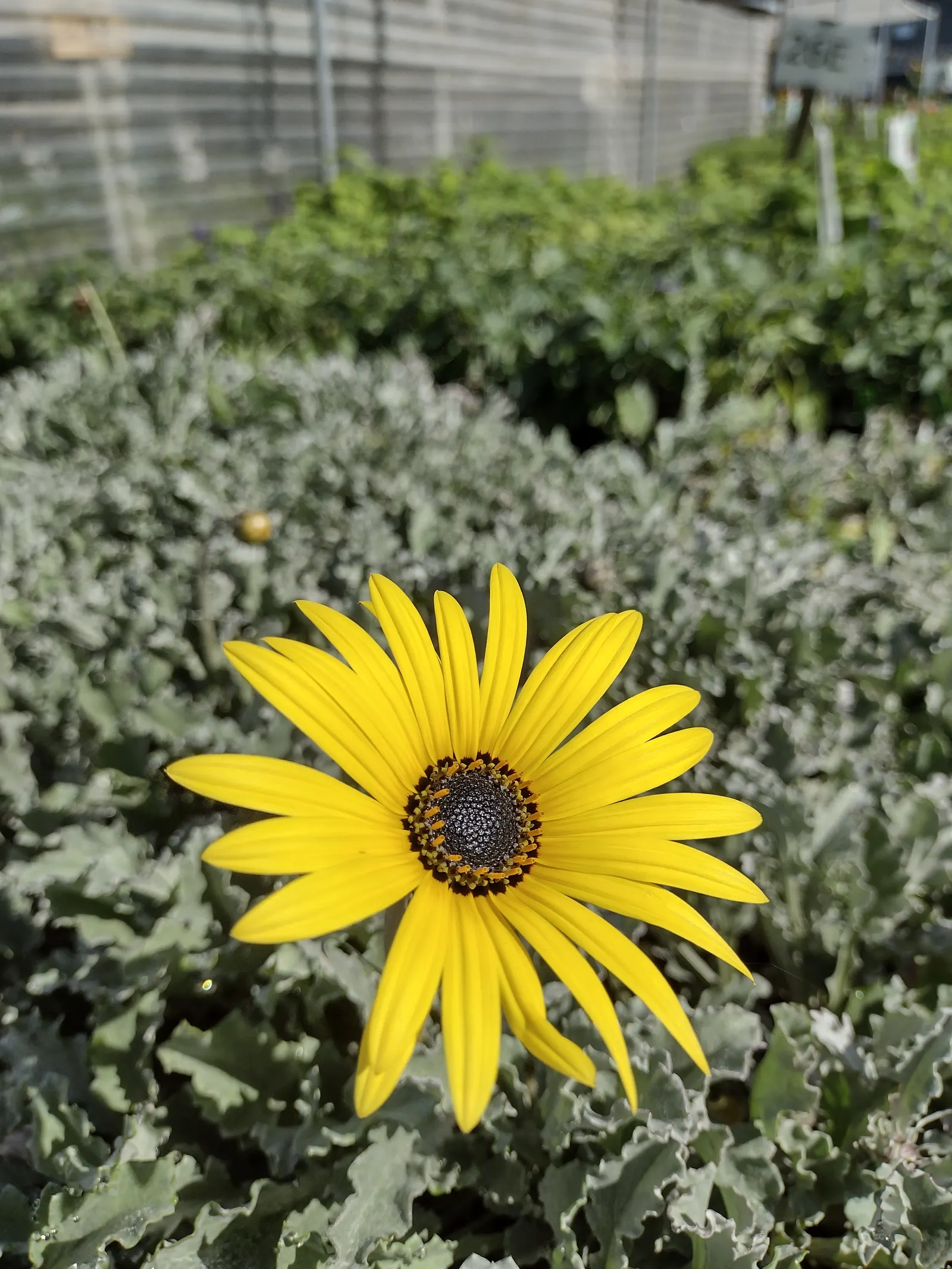
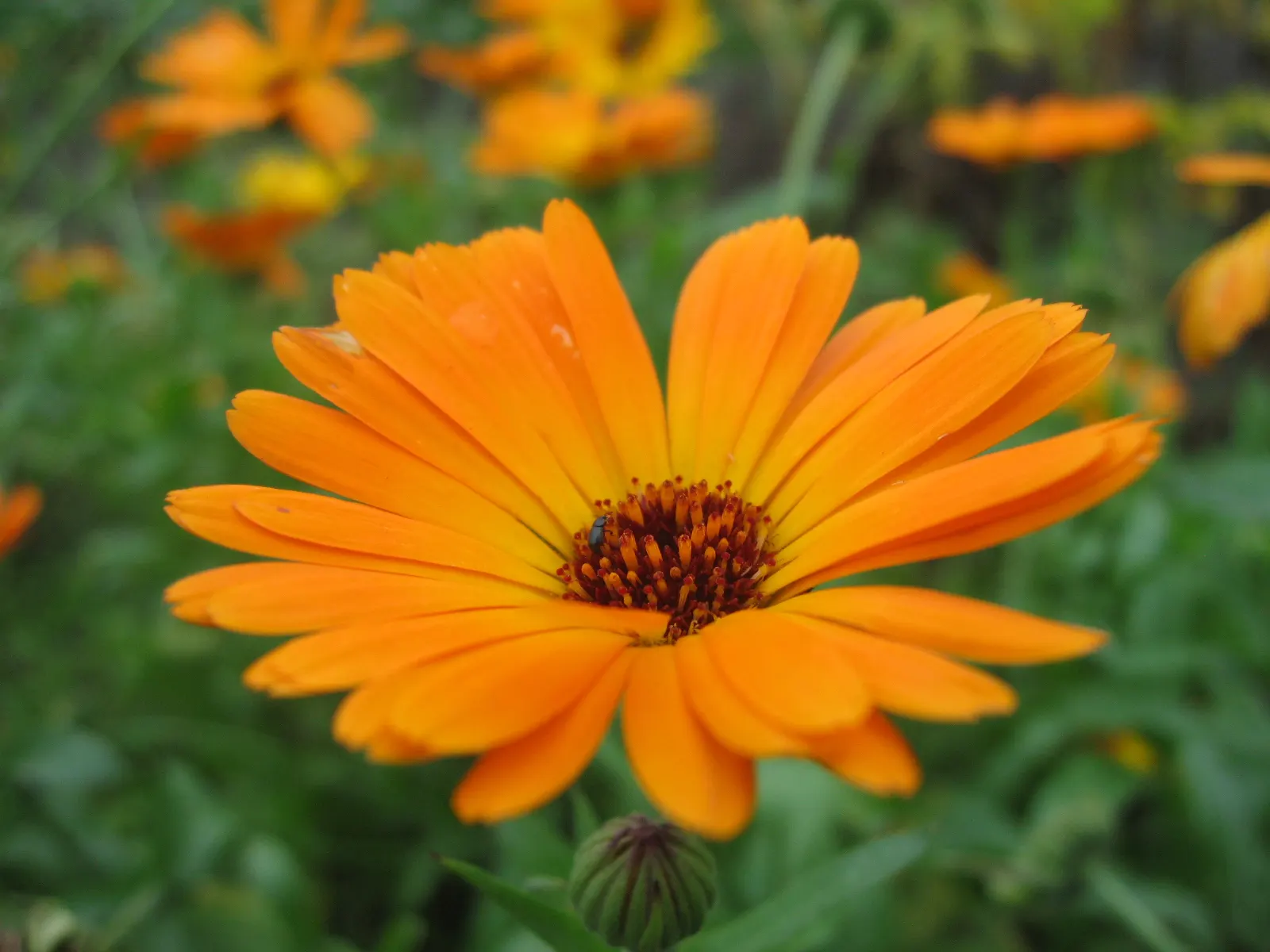
Calendula (Calendula Officinalis) — daisy-like flowers in warm hues of yellow and orange
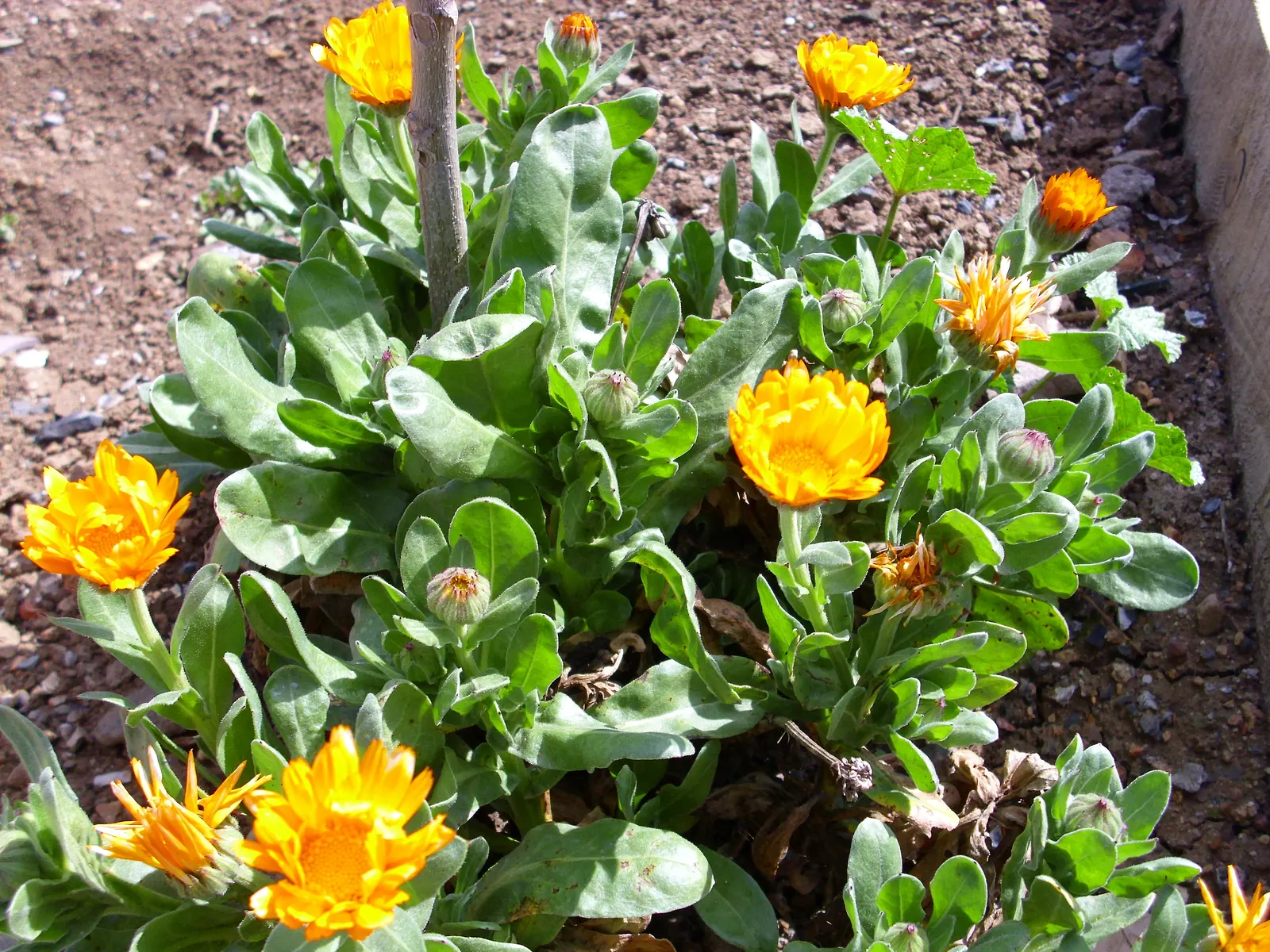
Calendula (Calendula Officinalis) — They reach a mature height of about 12 to 24 inches
Calendula (Calendula Officinalis) — incorporating Calendula officinalis into a garden provides a low-maintenance; annual with gold and multi-colored and orange
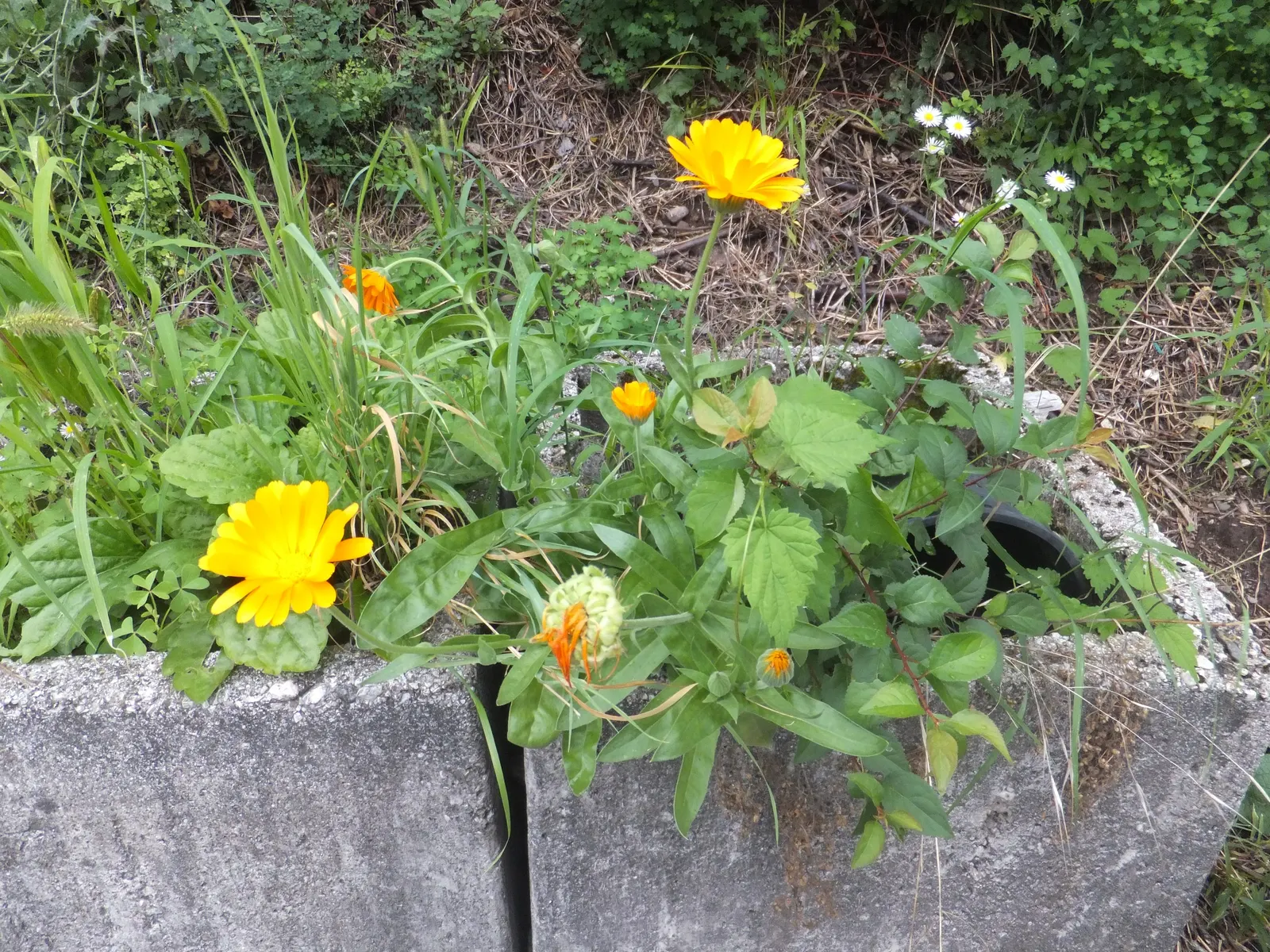
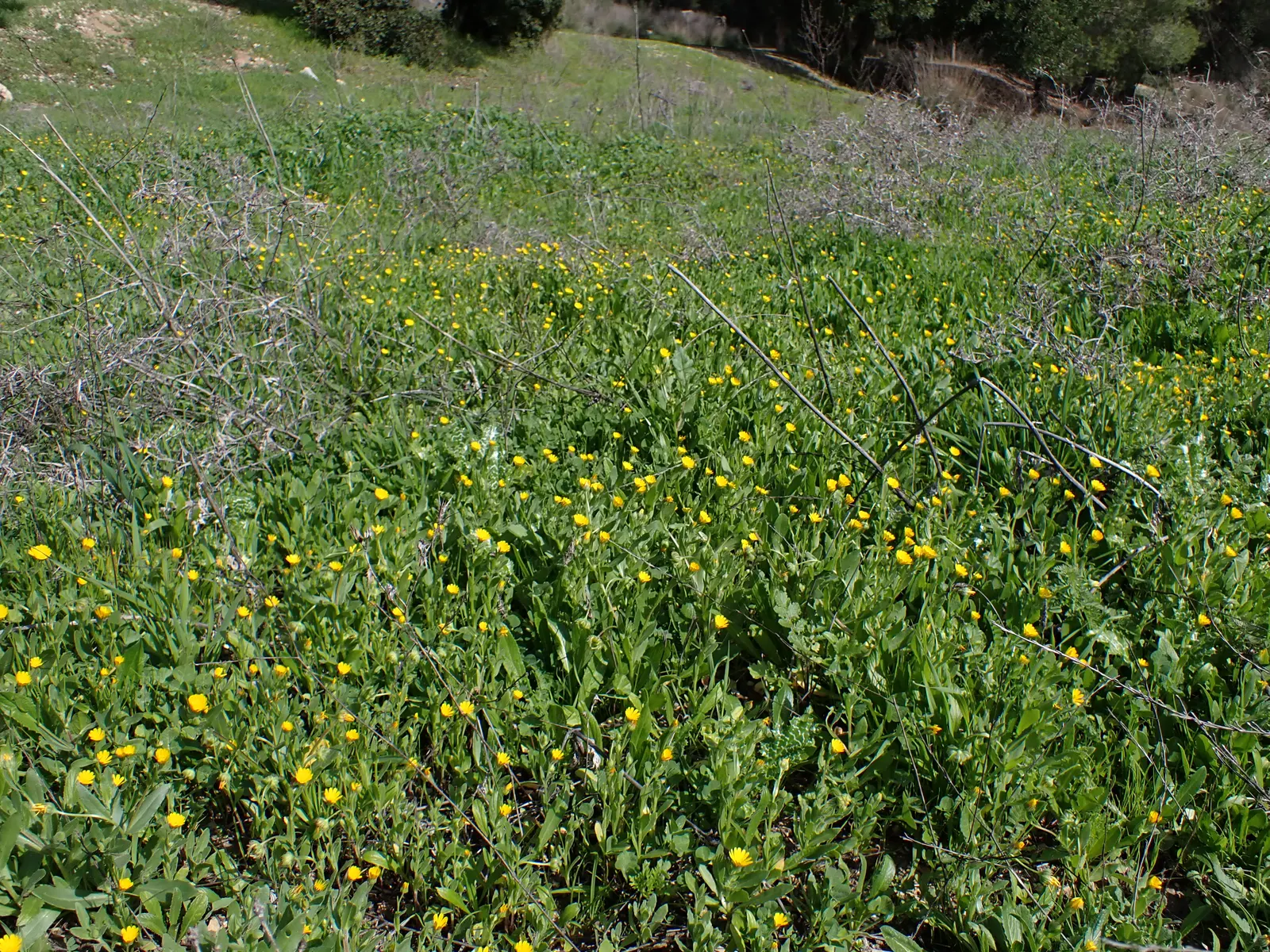
Calendula (Calendula Officinalis) — such as bees and butterflies; and as gap fillers in mixed beds
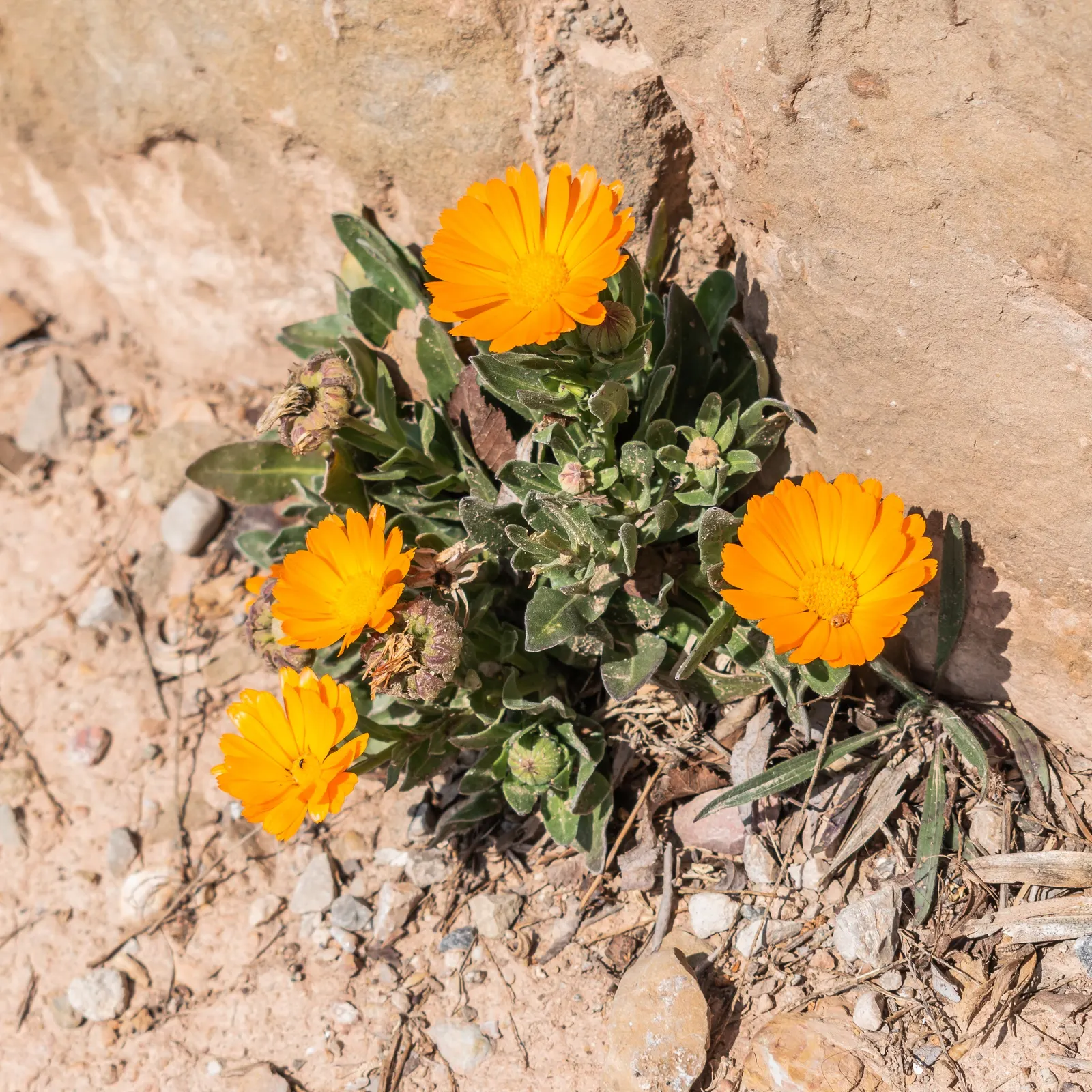
Calendula (Calendula Officinalis) — Although they are drought-resistant once established; ideal for borders and cottage gardens
Calendula (Calendula Officinalis) — such as bees and butterflies; and as gap fillers in mixed beds, image 80
Calendula (Calendula Officinalis) — daisy-like flowers in warm hues of yellow and orange; their vibrant flowers are edible and have been, image 93
Calendula (Calendula Officinalis) — though they prefer moderately fertile
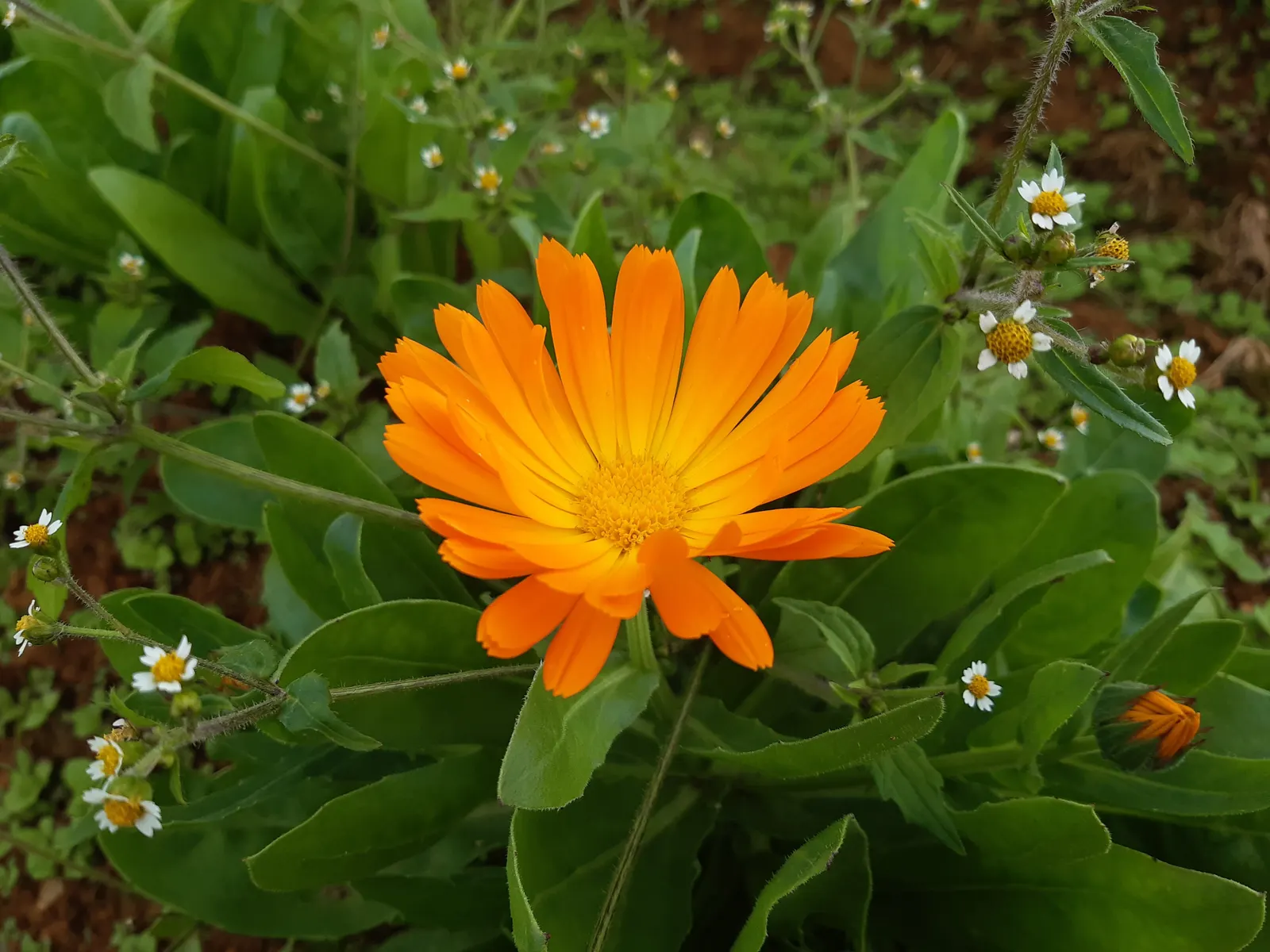
Calendula (Calendula Officinalis) — which typically span 2 to 3 inches in diameter
Calendula (Calendula Officinalis) — Calendulas flourish in full sun to partial shade and are adaptable to a range of soil conditions
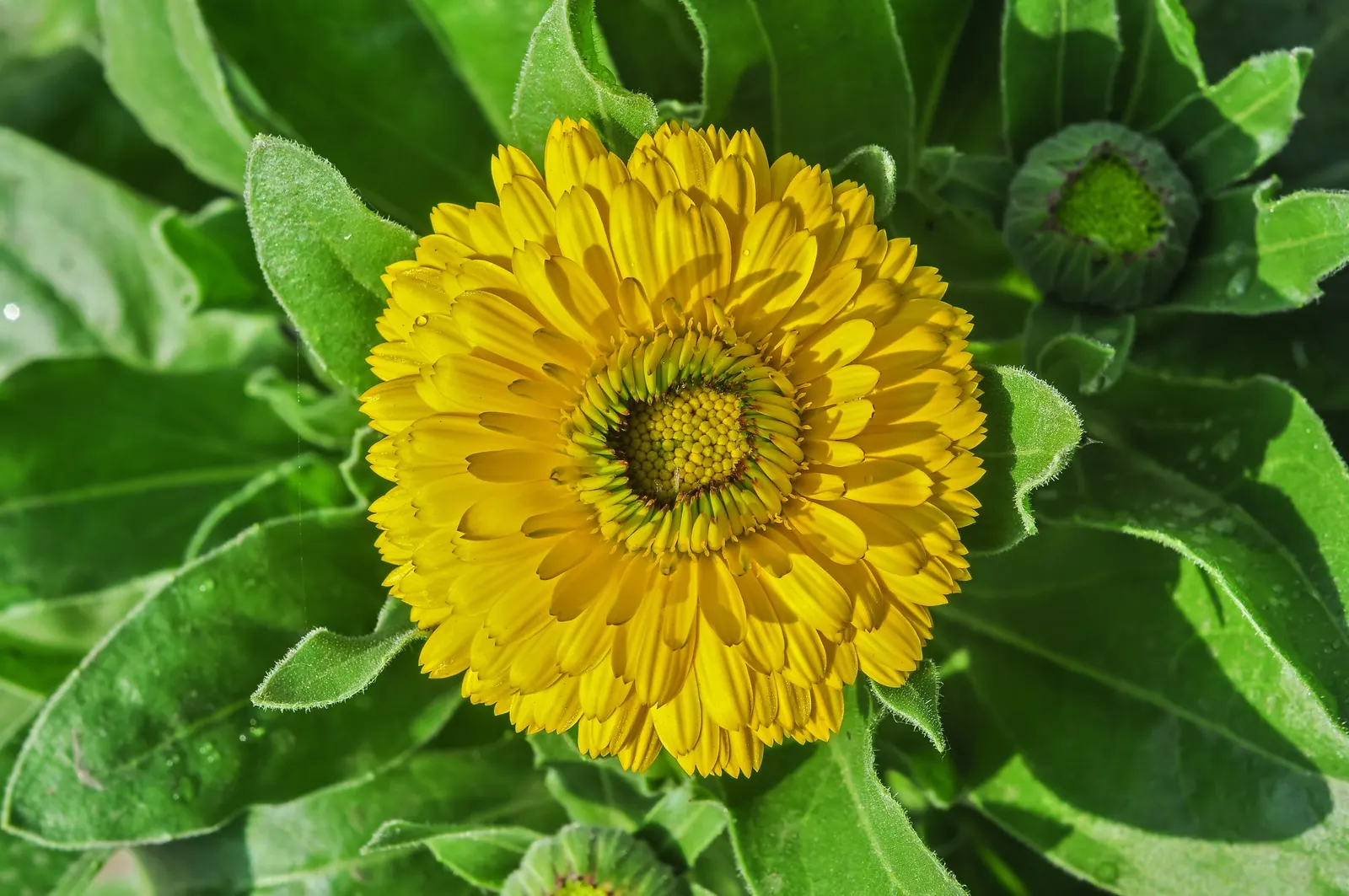
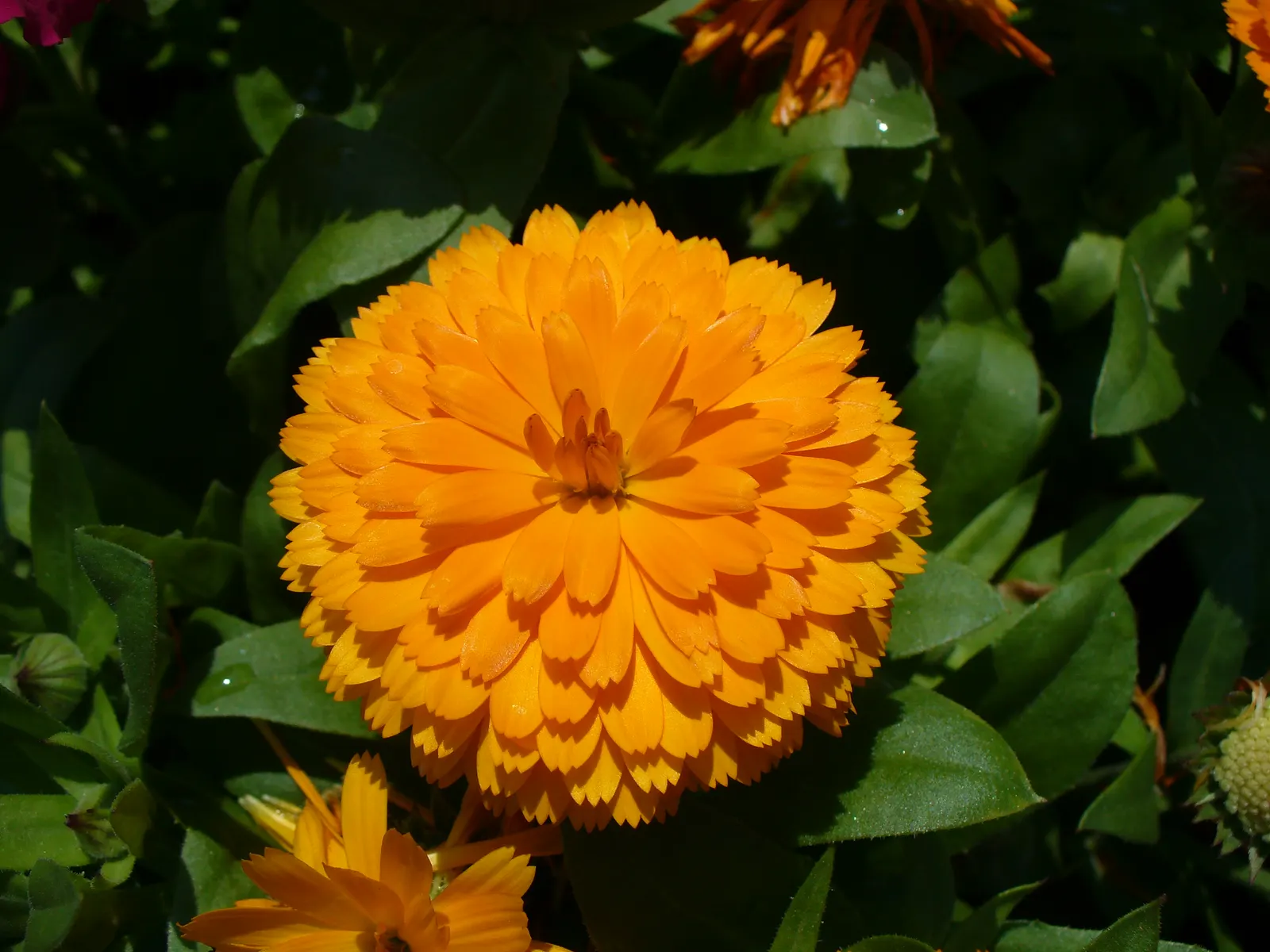
Calendula (Calendula Officinalis) — This vigorous plant is renowned for its cheerful yellow to deep orange composite flowers
Calendula (Calendula Officinalis) — Calendulas offer extended blooms from early summer until frost; commonly known as pot marigold or Calendula, image 66
Calendula (Calendula Officinalis) — commonly known as pot marigold; it typically grows 1-2 feet tall and wide, image 61
Calendula (Calendula Officinalis) — commonly known as pot marigold or Calendula officinalis; annual for full
Calendula (Calendula Officinalis) — annual with gold and multi-colored and orange blooms
Calendula (Calendula Officinalis) — This vigorous plant is renowned for its cheerful yellow to deep orange composite flowers; though they prefer, image 71
Calendula (Calendula Officinalis) — Although they are drought-resistant once established; ideal for borders and cottage gardens, image 83
Calendula (Calendula Officinalis) — incorporating Calendula officinalis into a garden provides a low-maintenance; annual with gold and, image 86
Calendula (Calendula Officinalis) — annual for full; high-yield burst of color that appeals to both the aesthetic and practical sensibilities of any client
Calendula (Calendula Officinalis) — providing continuous interest and color in the landscape; calendulas attract beneficial insects, image 76
Calendula (Calendula Officinalis) — Ideal for borders and cottage gardens; although they are drought-resistant once established
Calendula (Calendula Officinalis) — is an herbaceous perennial that thrives in USDA zones 3-9; this vigorous plant is renowned for its cheerful, image 92
Calendula (Calendula Officinalis) — and as gap fillers in mixed beds; incorporating Calendula officinalis into a garden provides a low-maintenance, image 77
Photographs by 14 contributors

Related plants