Skip to content

Red Bird Of Paradise

Caesalpinia Pulcherrima

Design with this plant

Overview

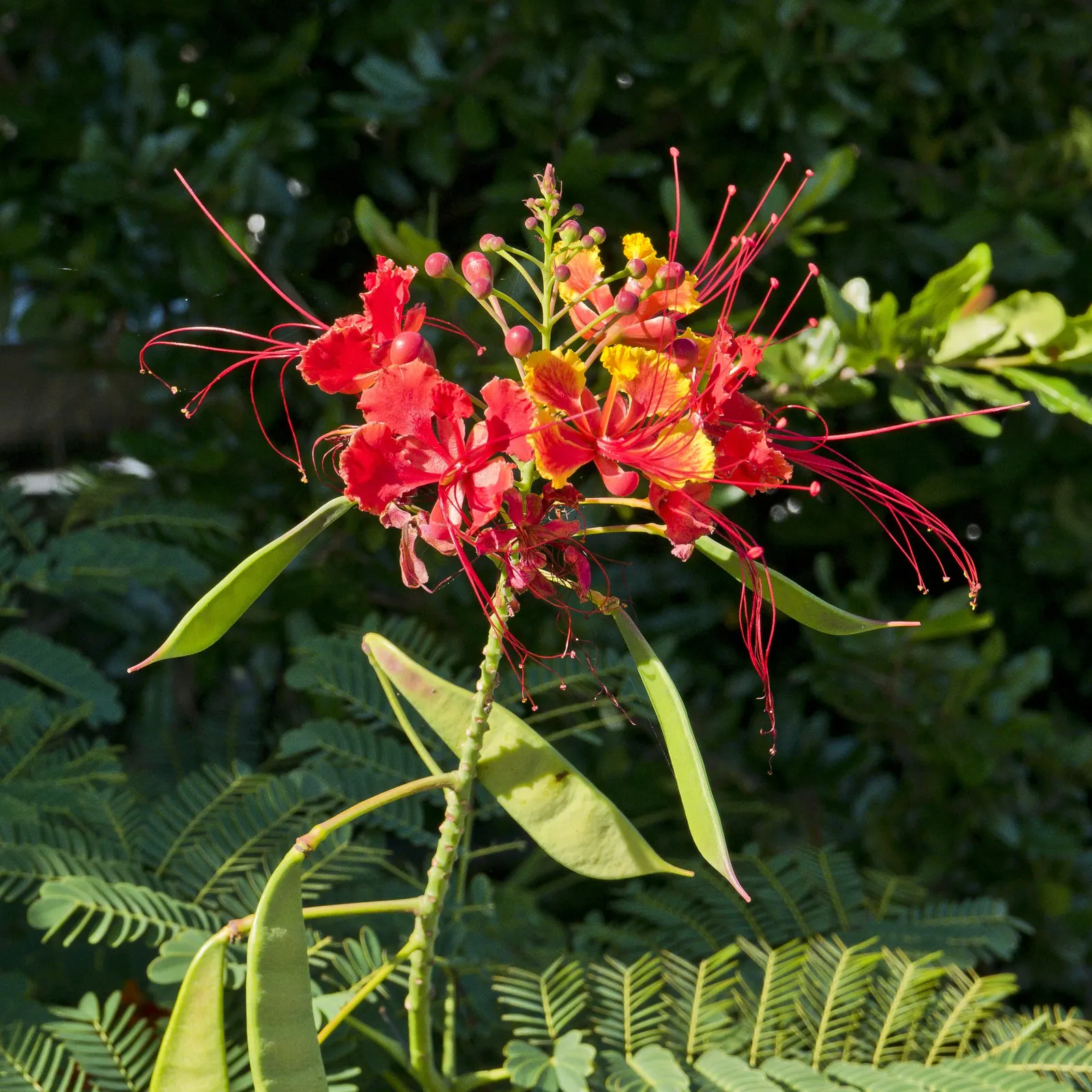
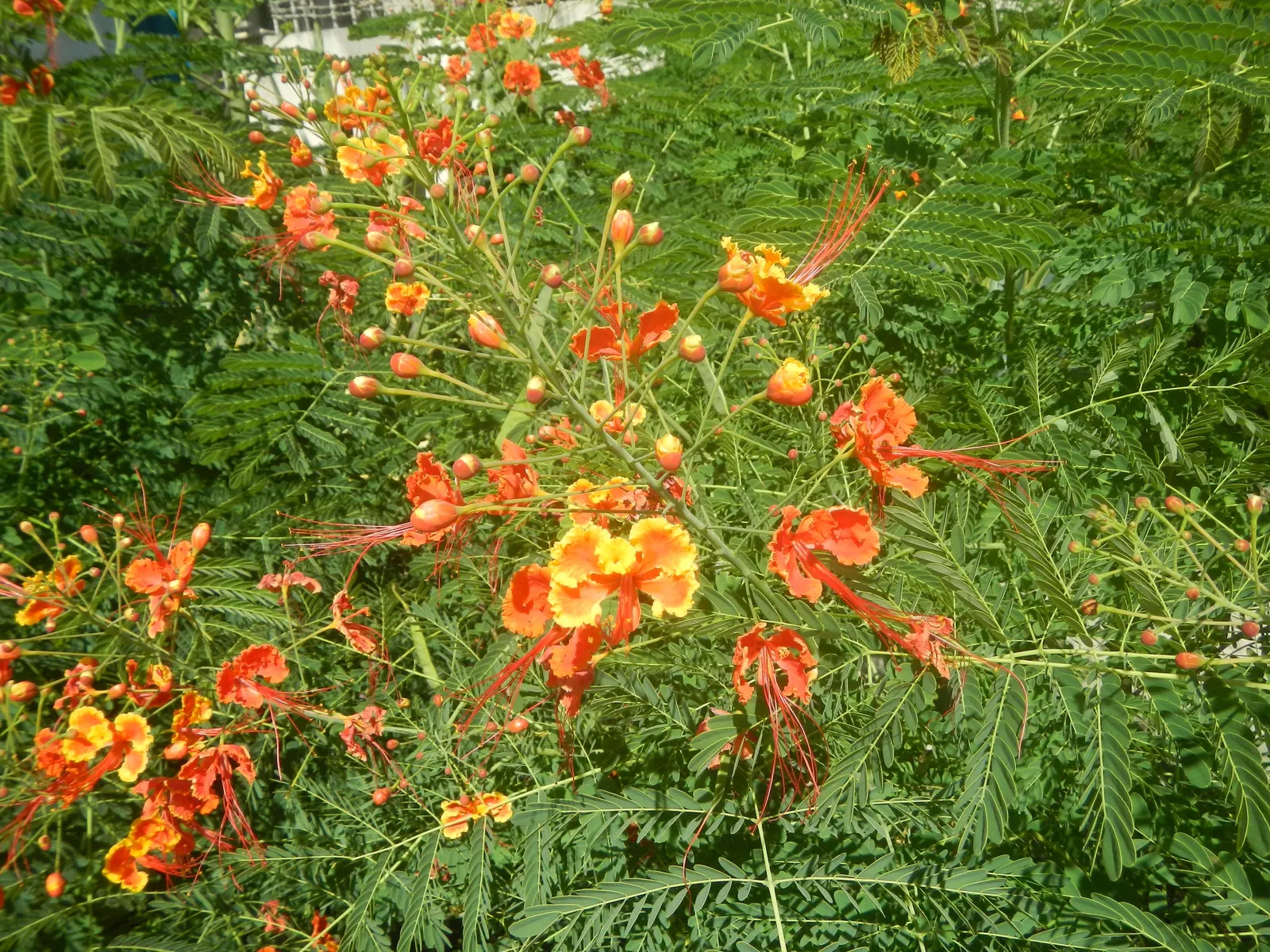
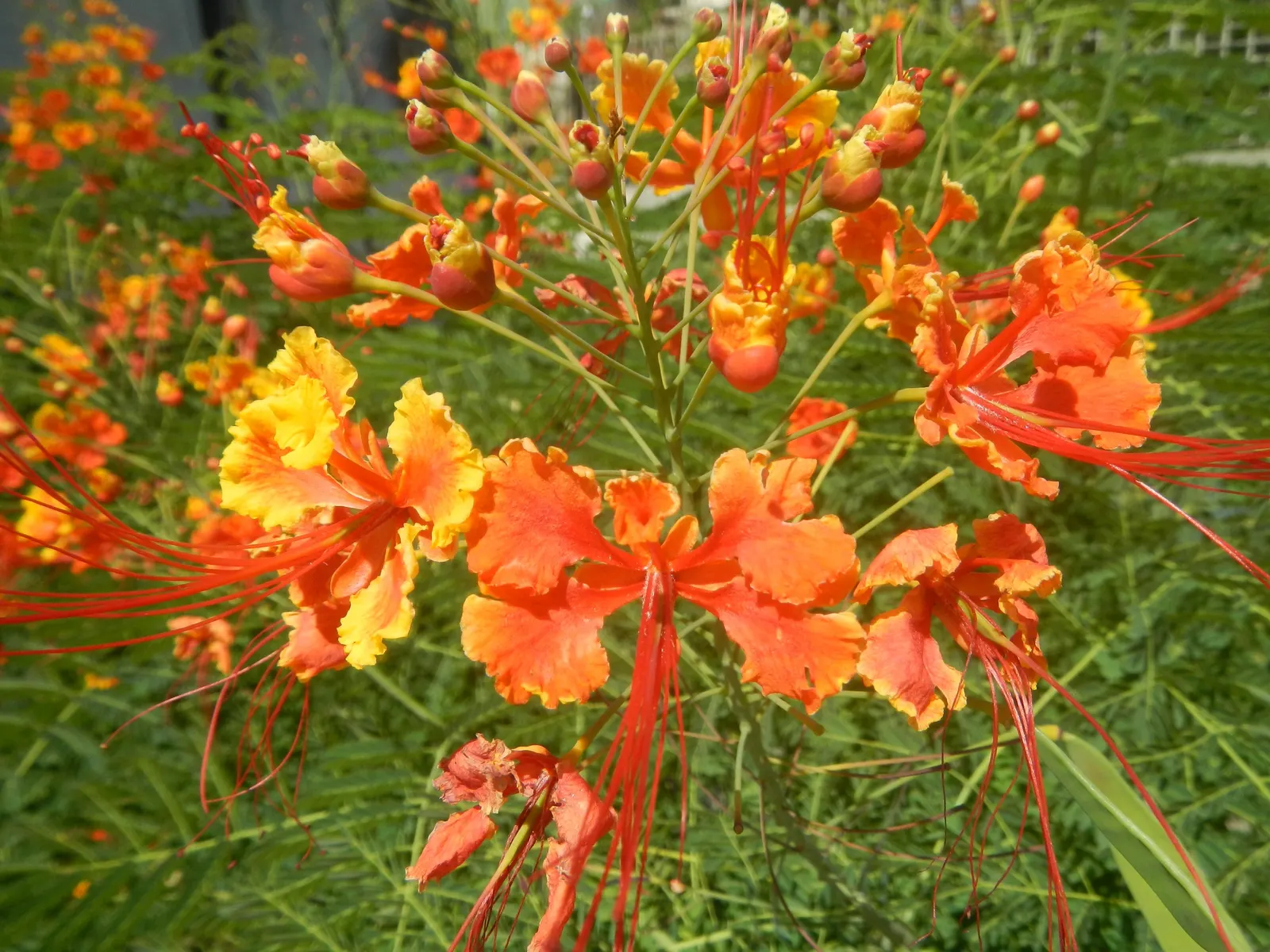
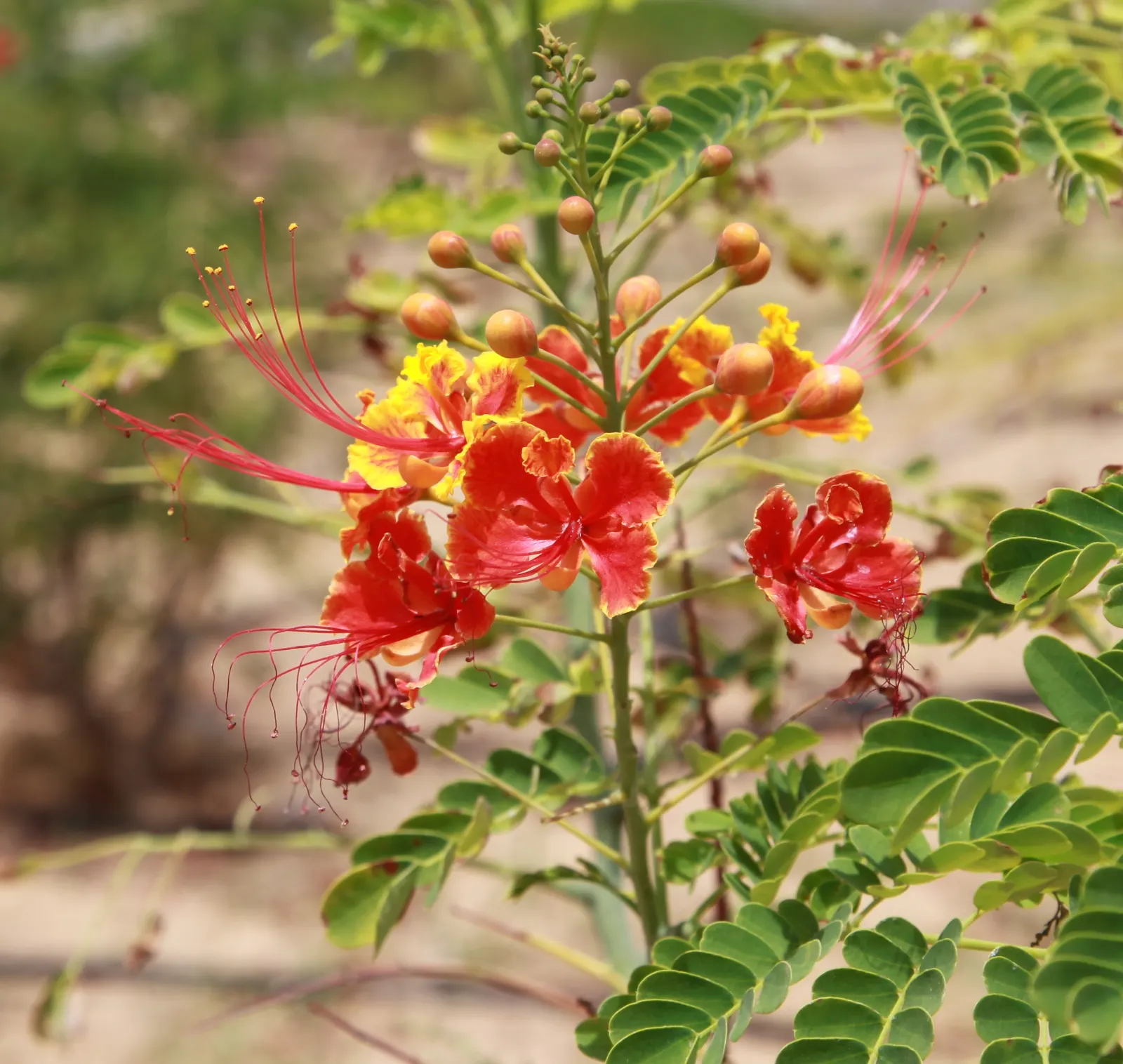
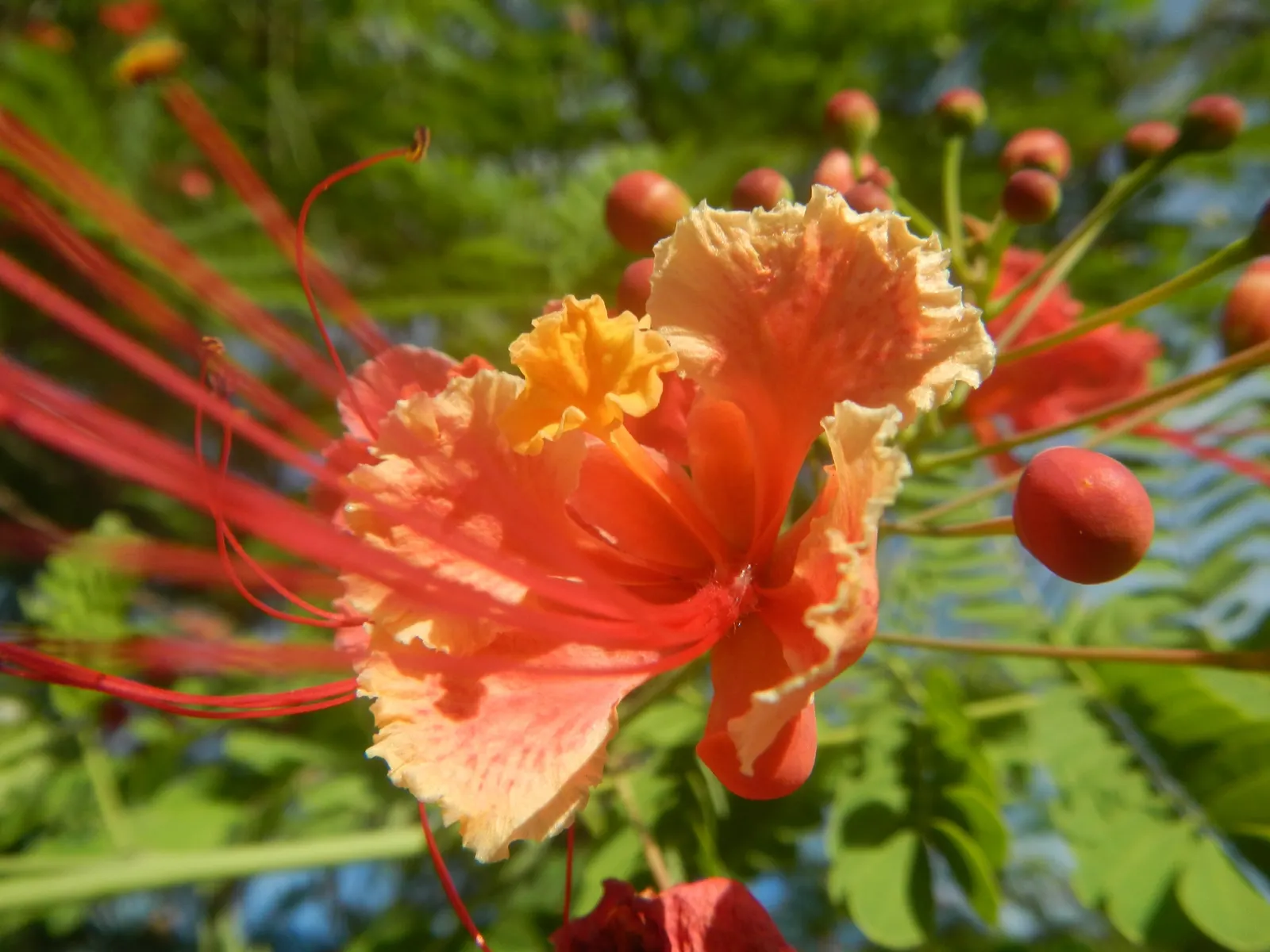
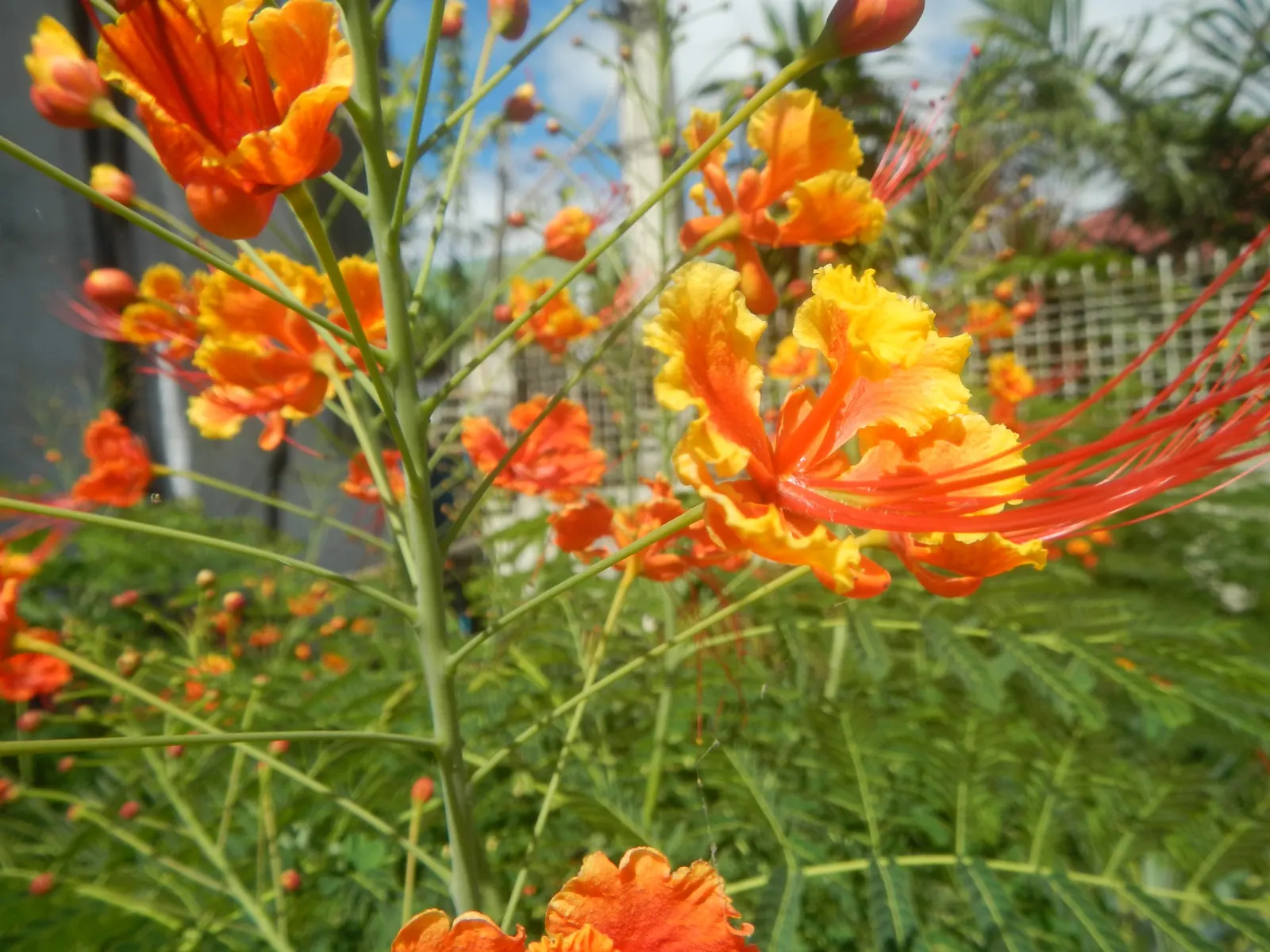
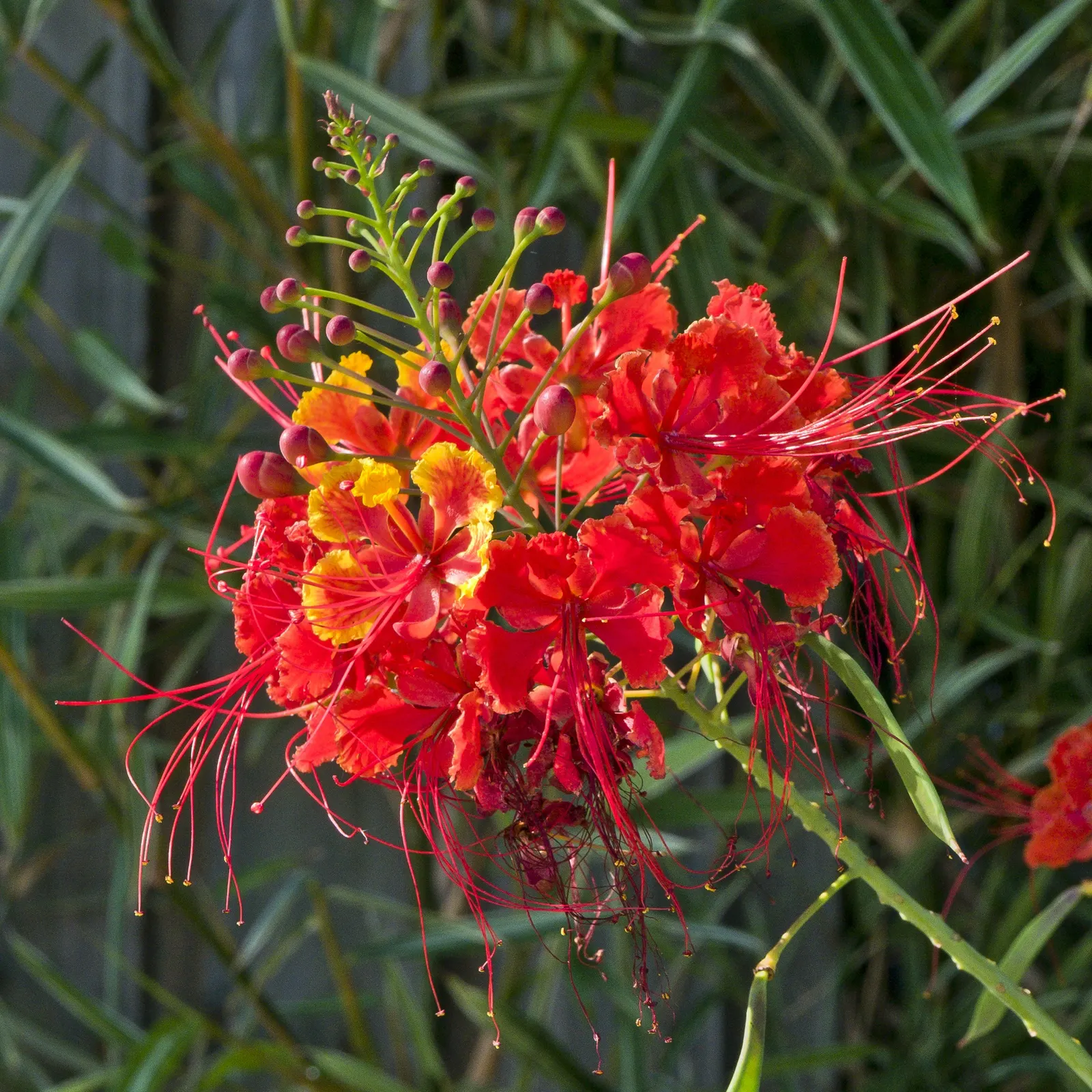
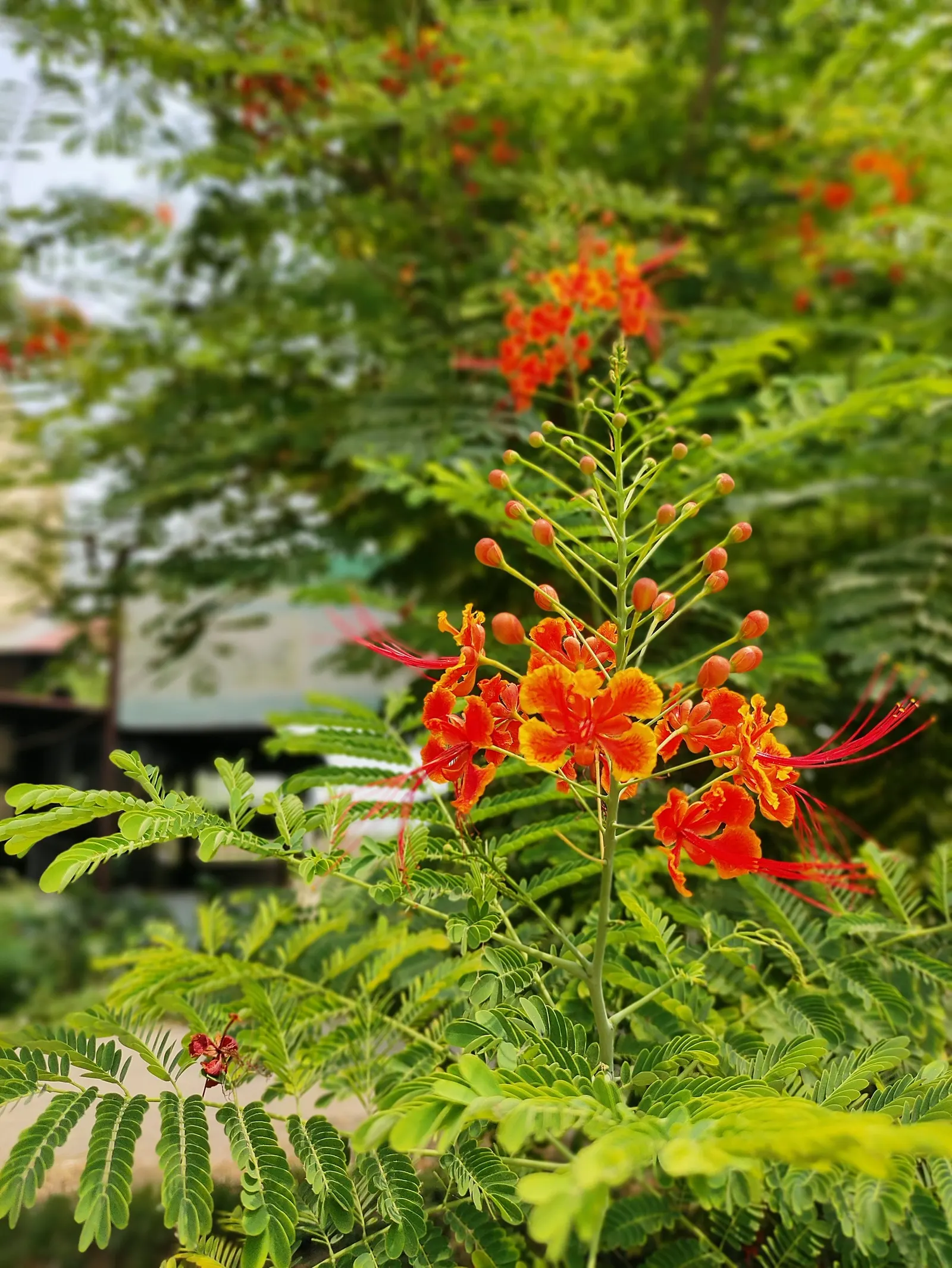
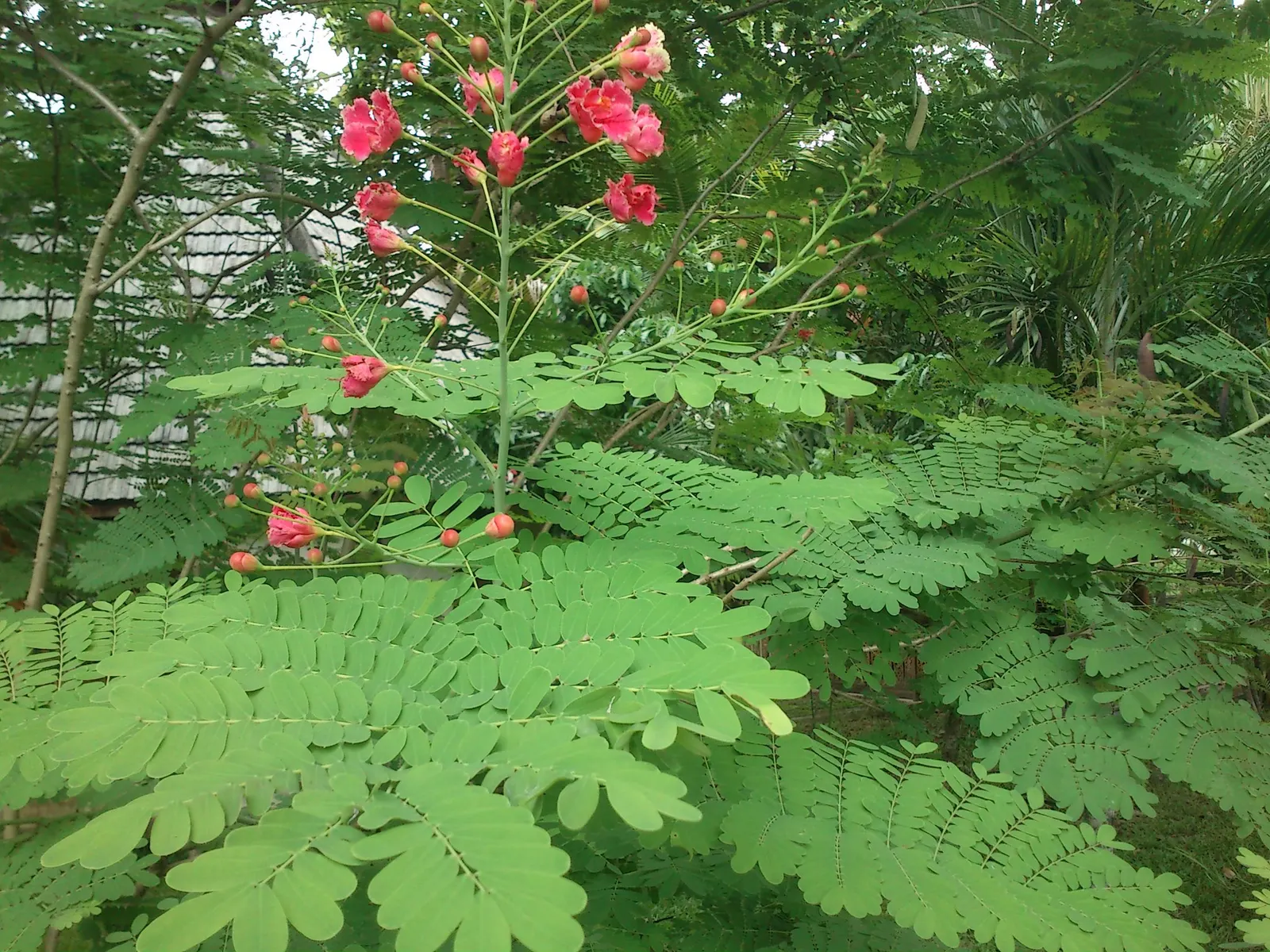
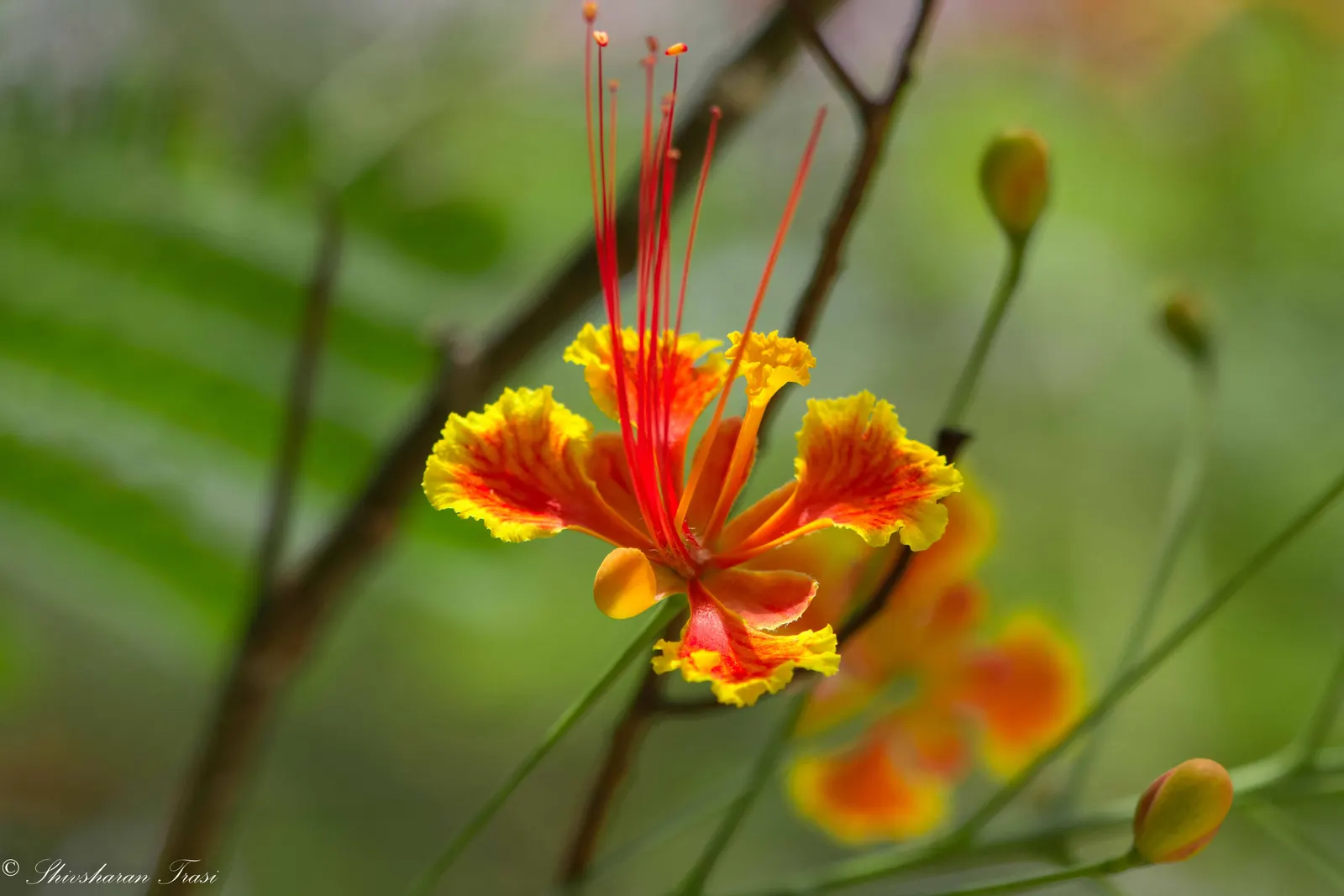
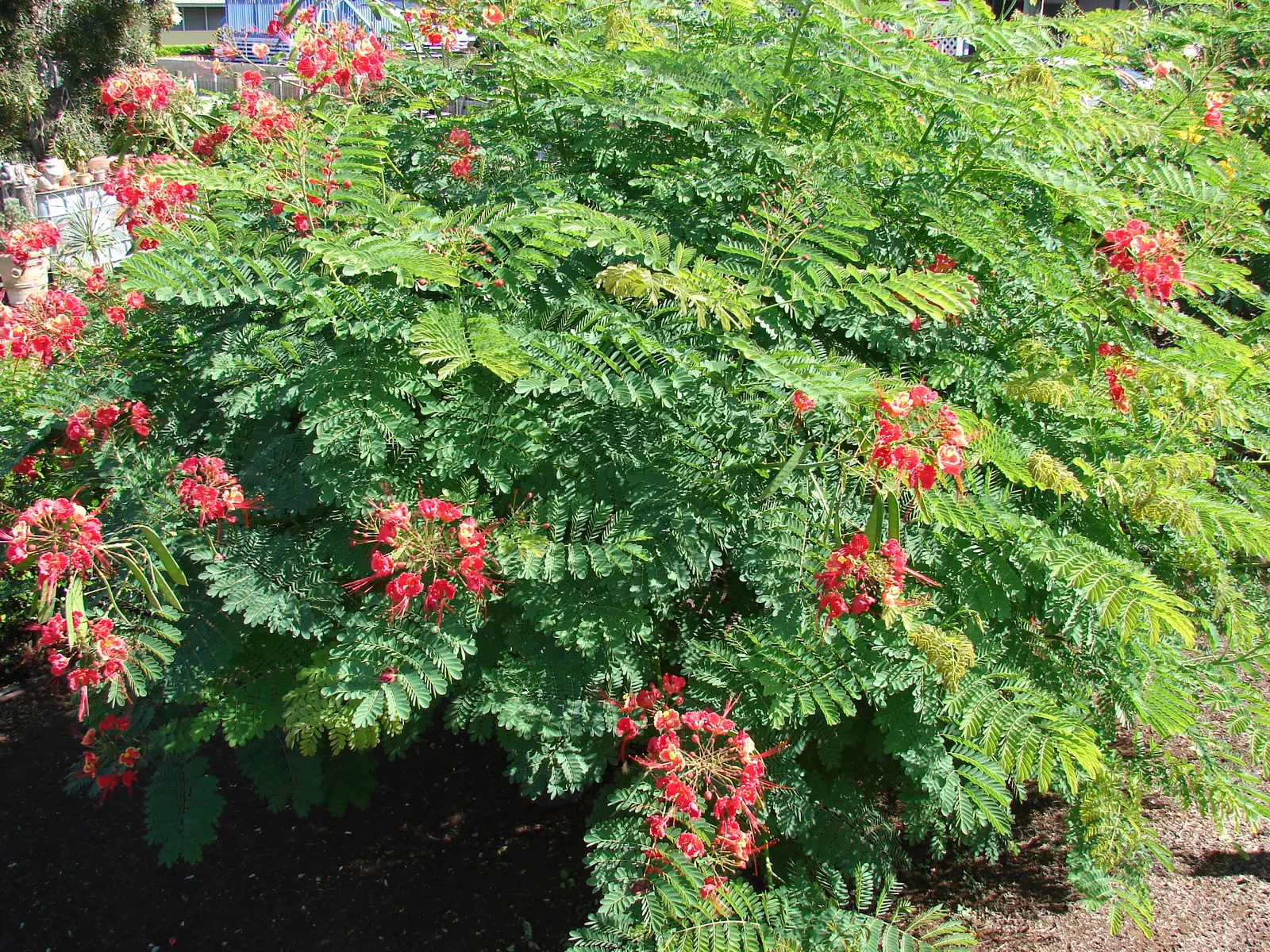
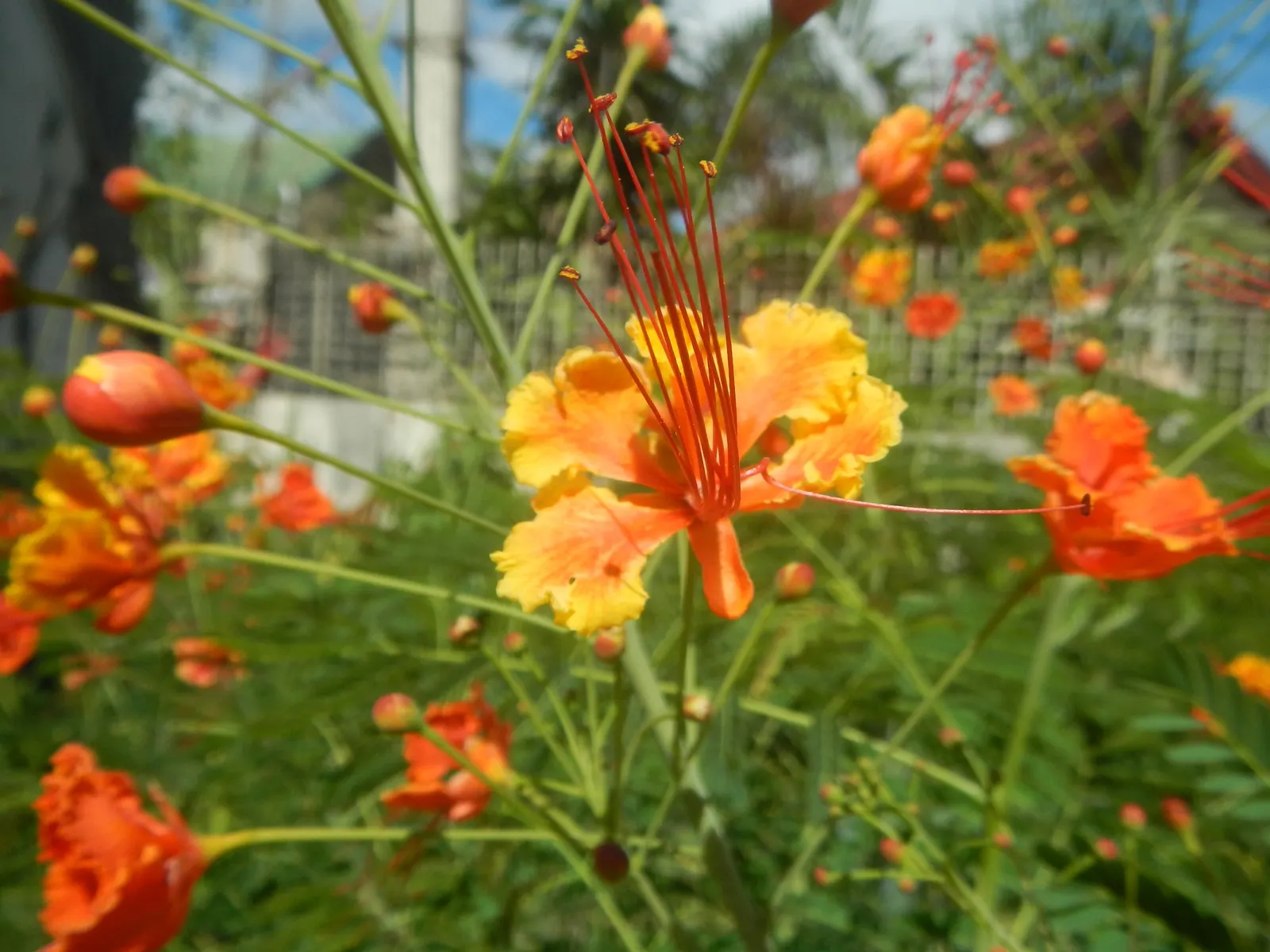
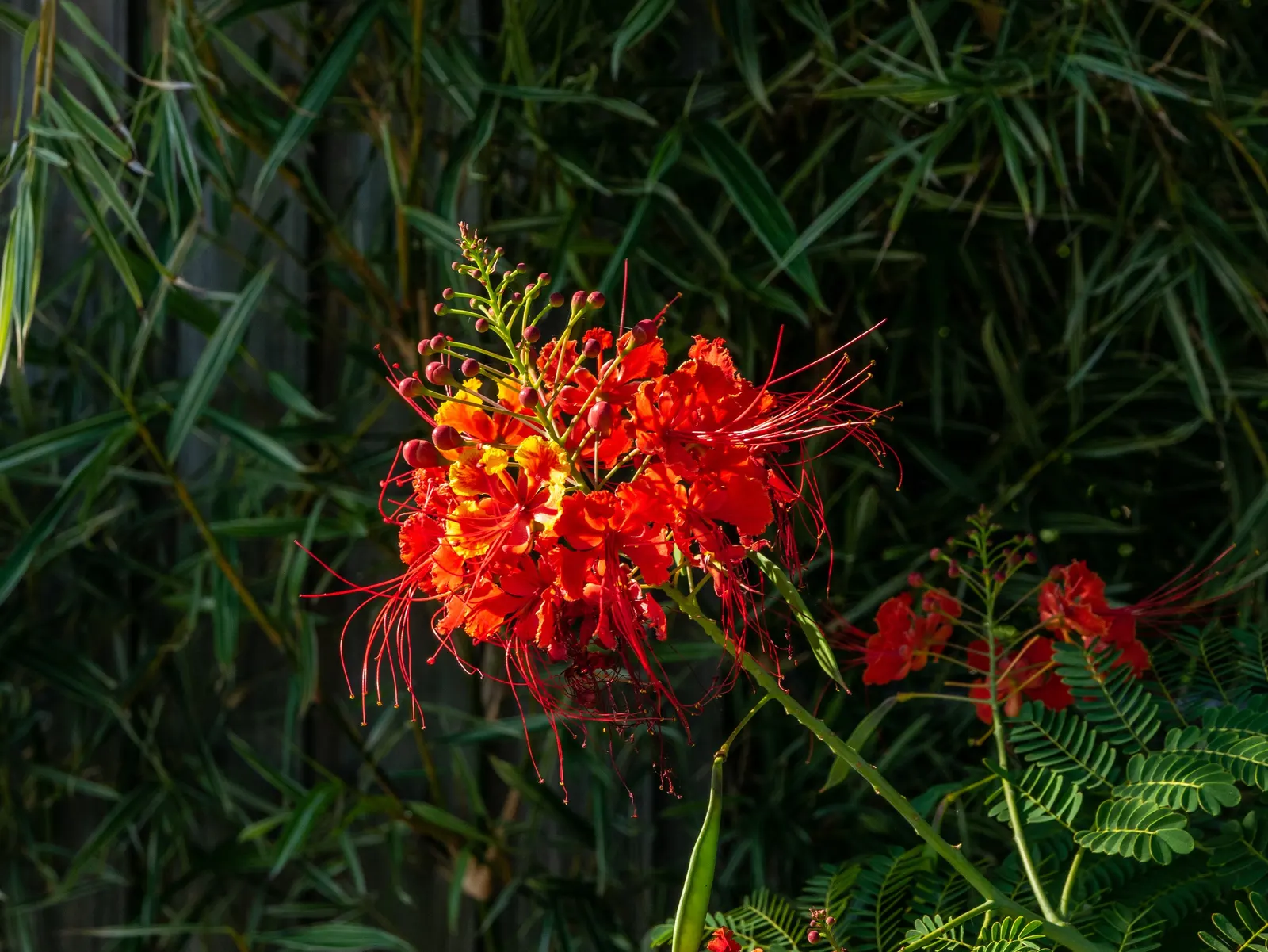
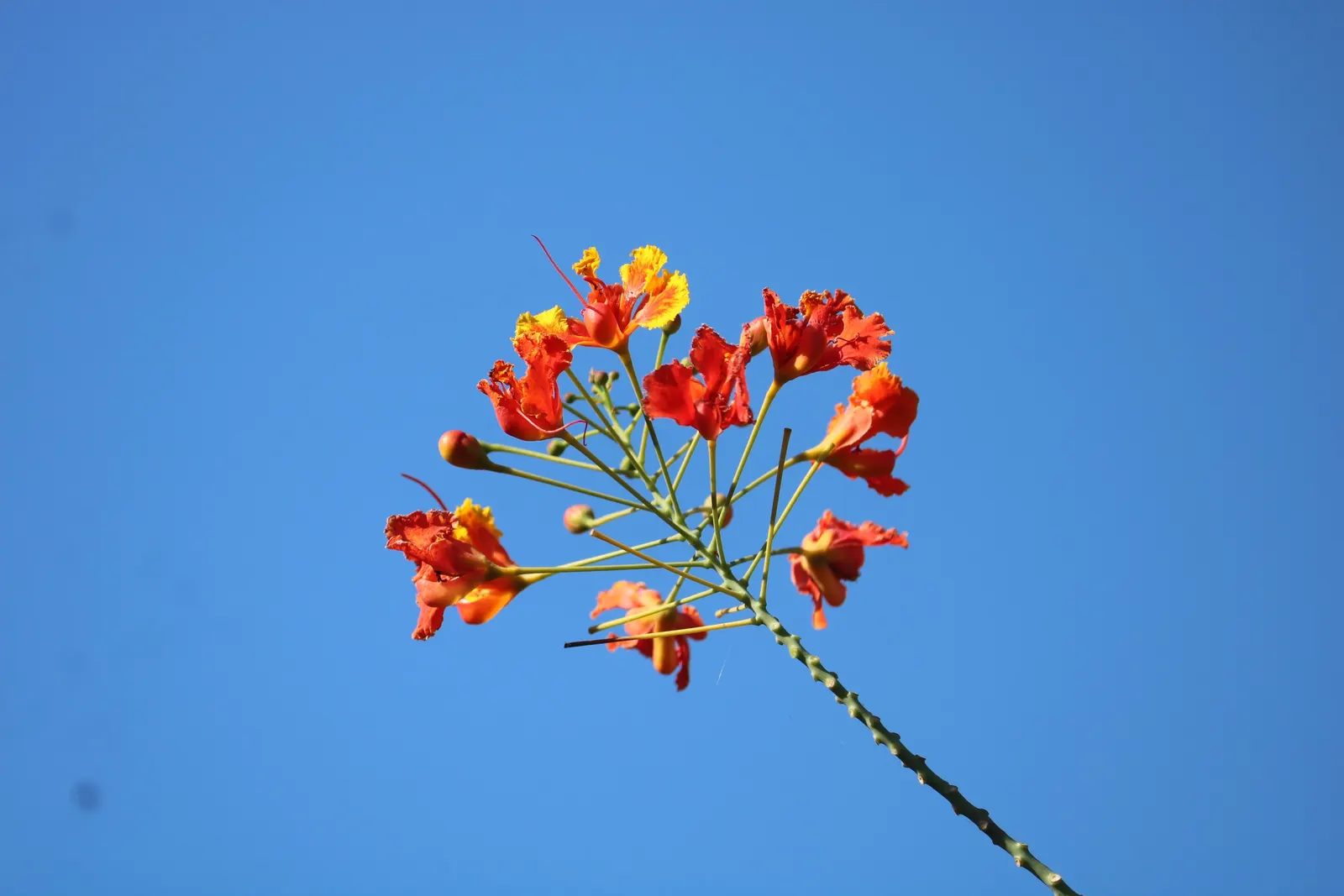
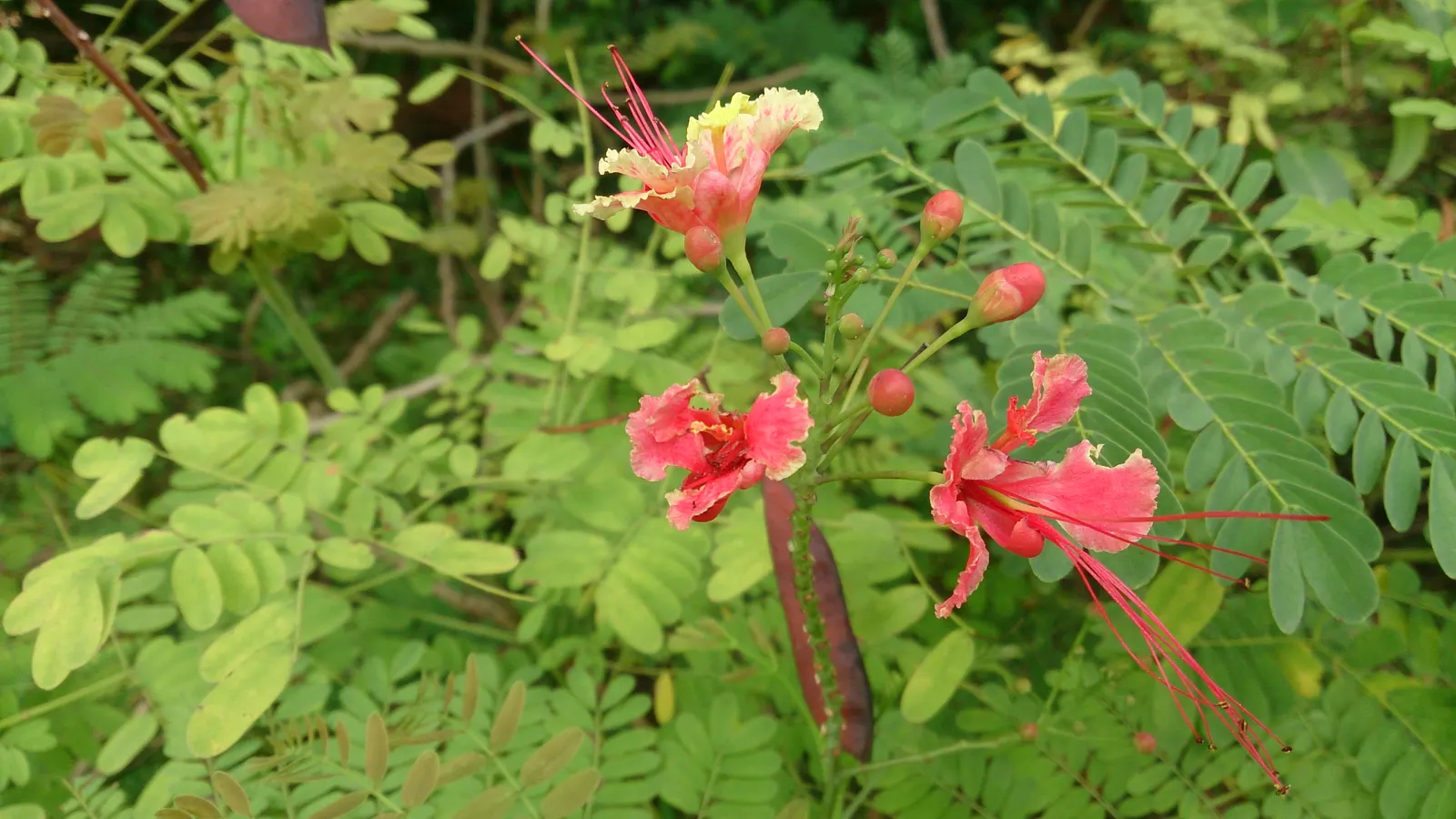
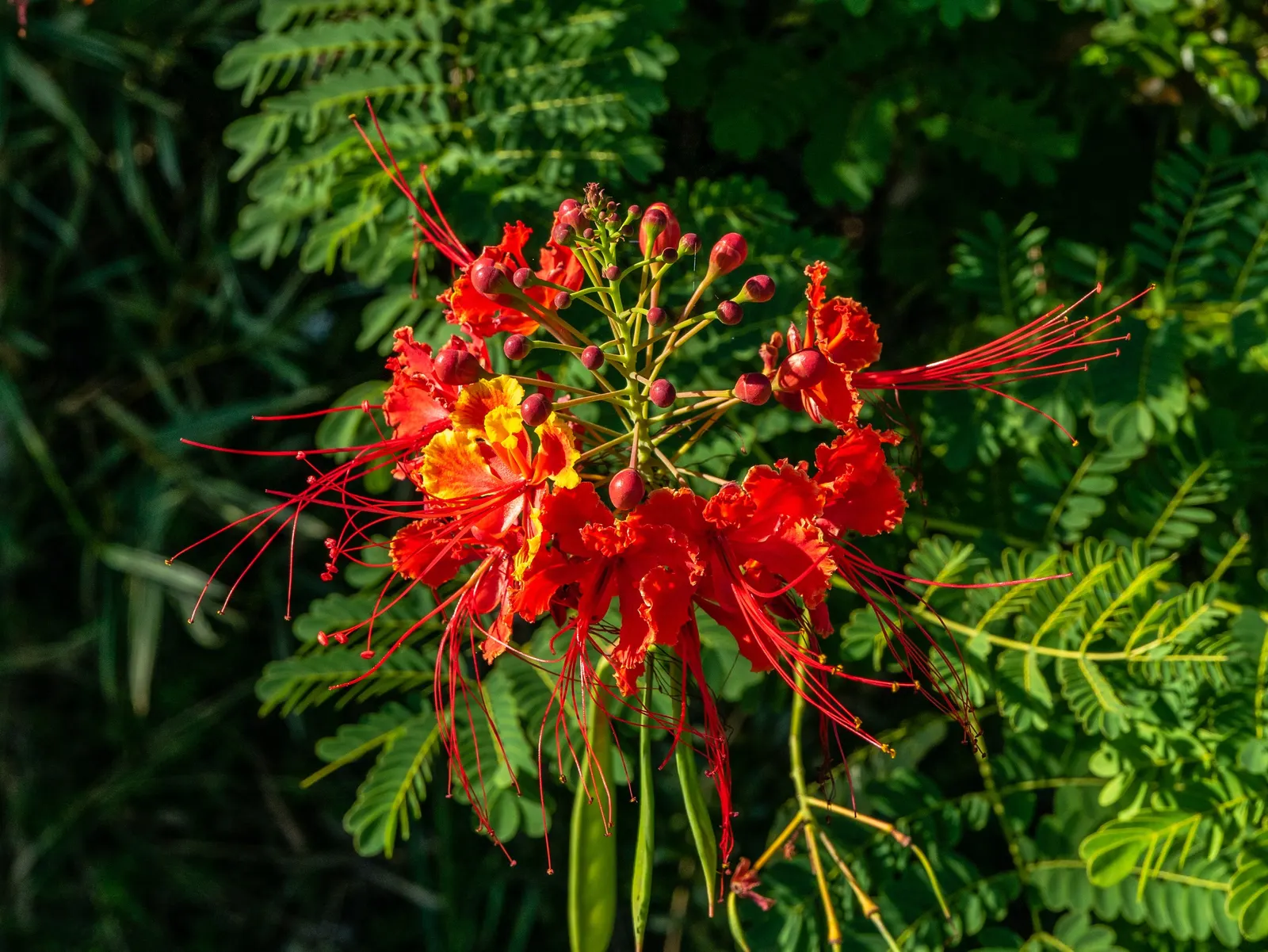
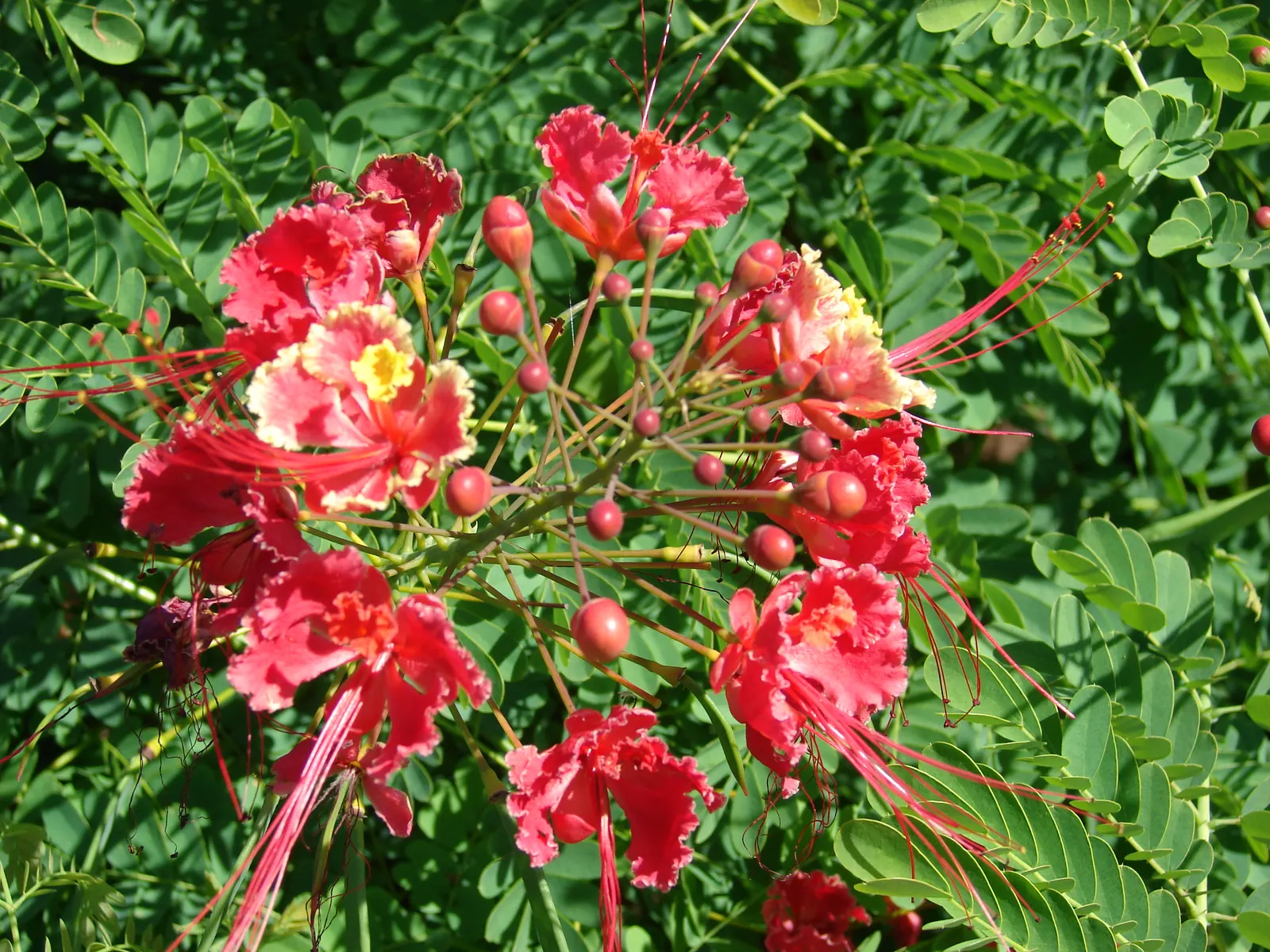
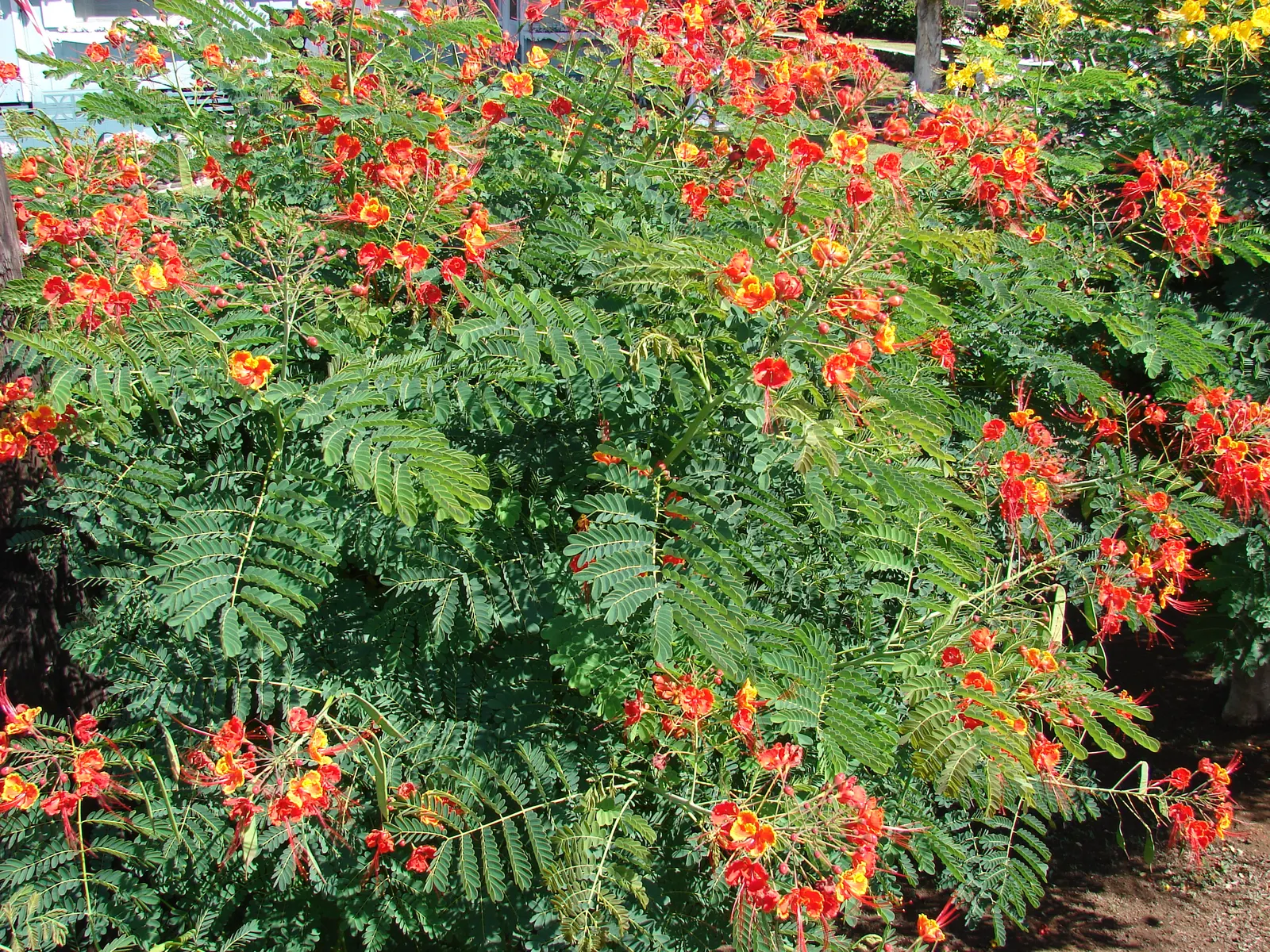
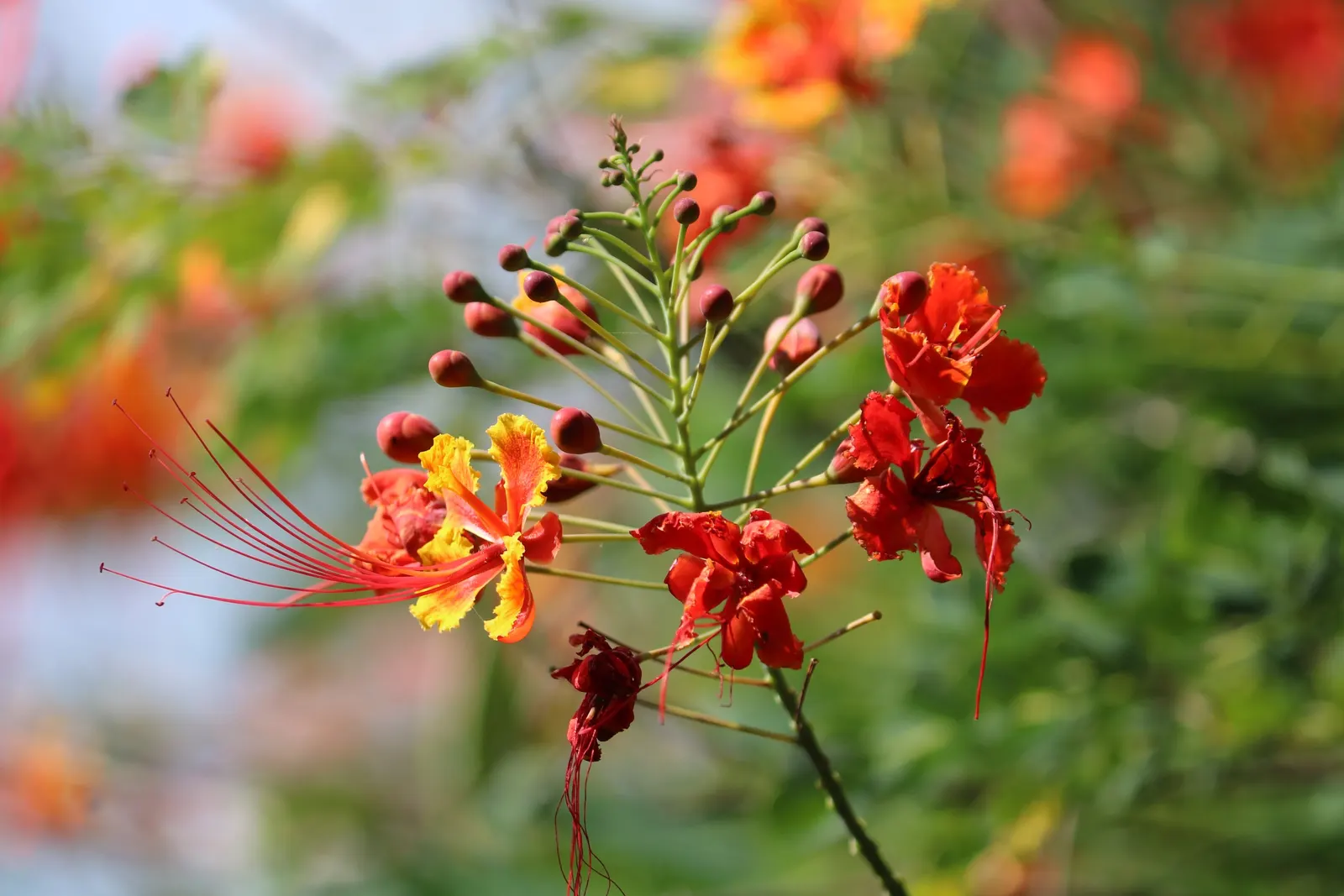
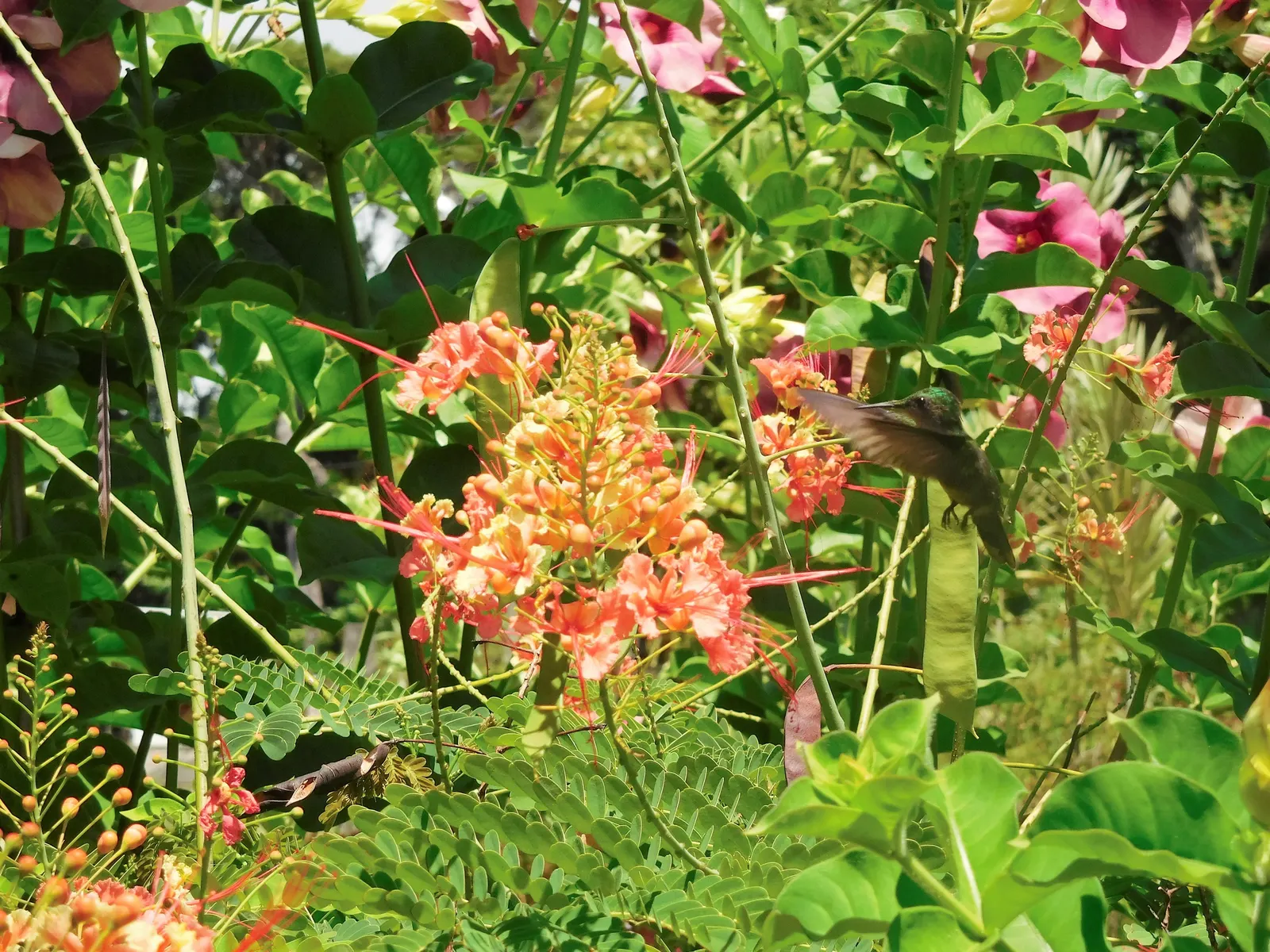
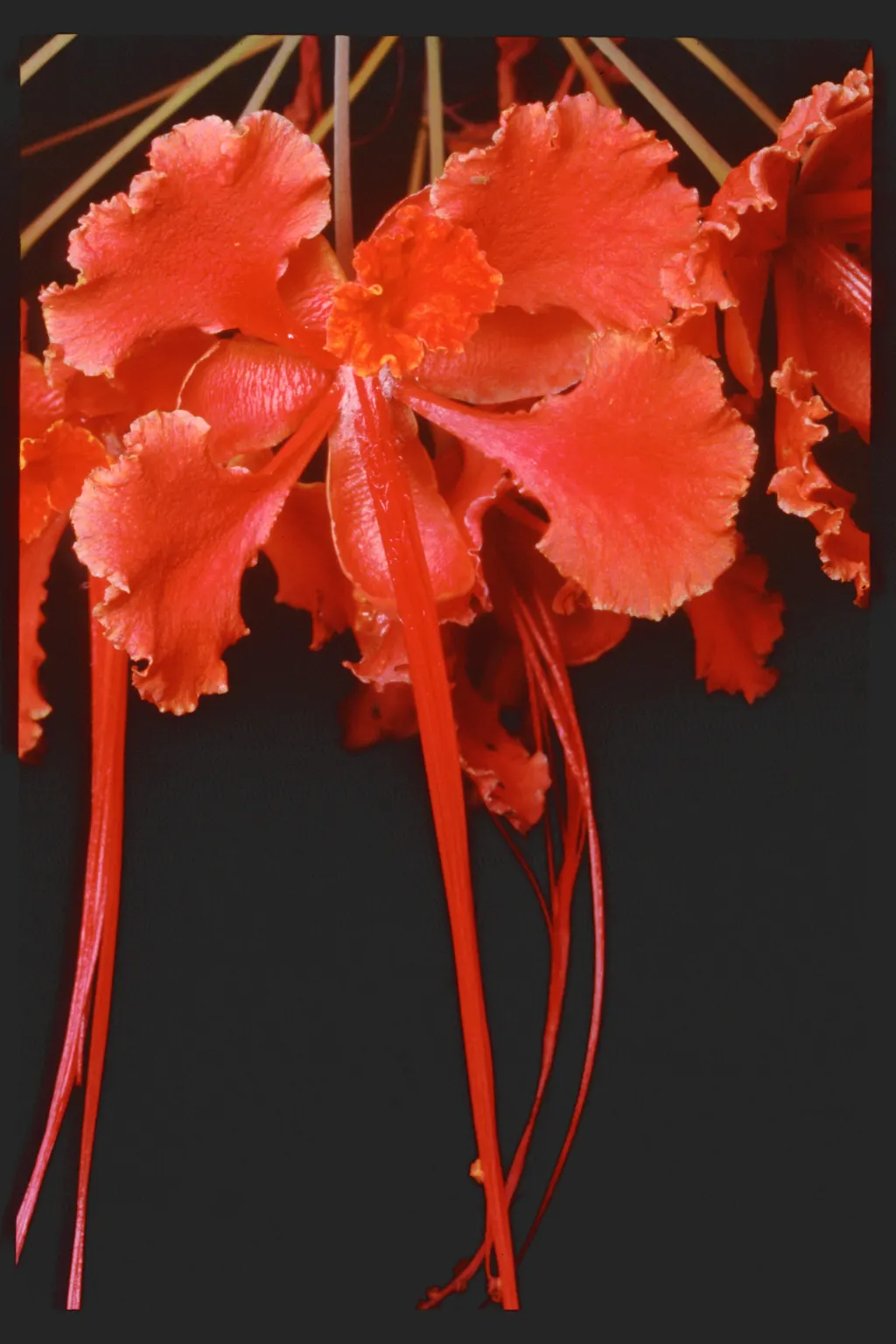
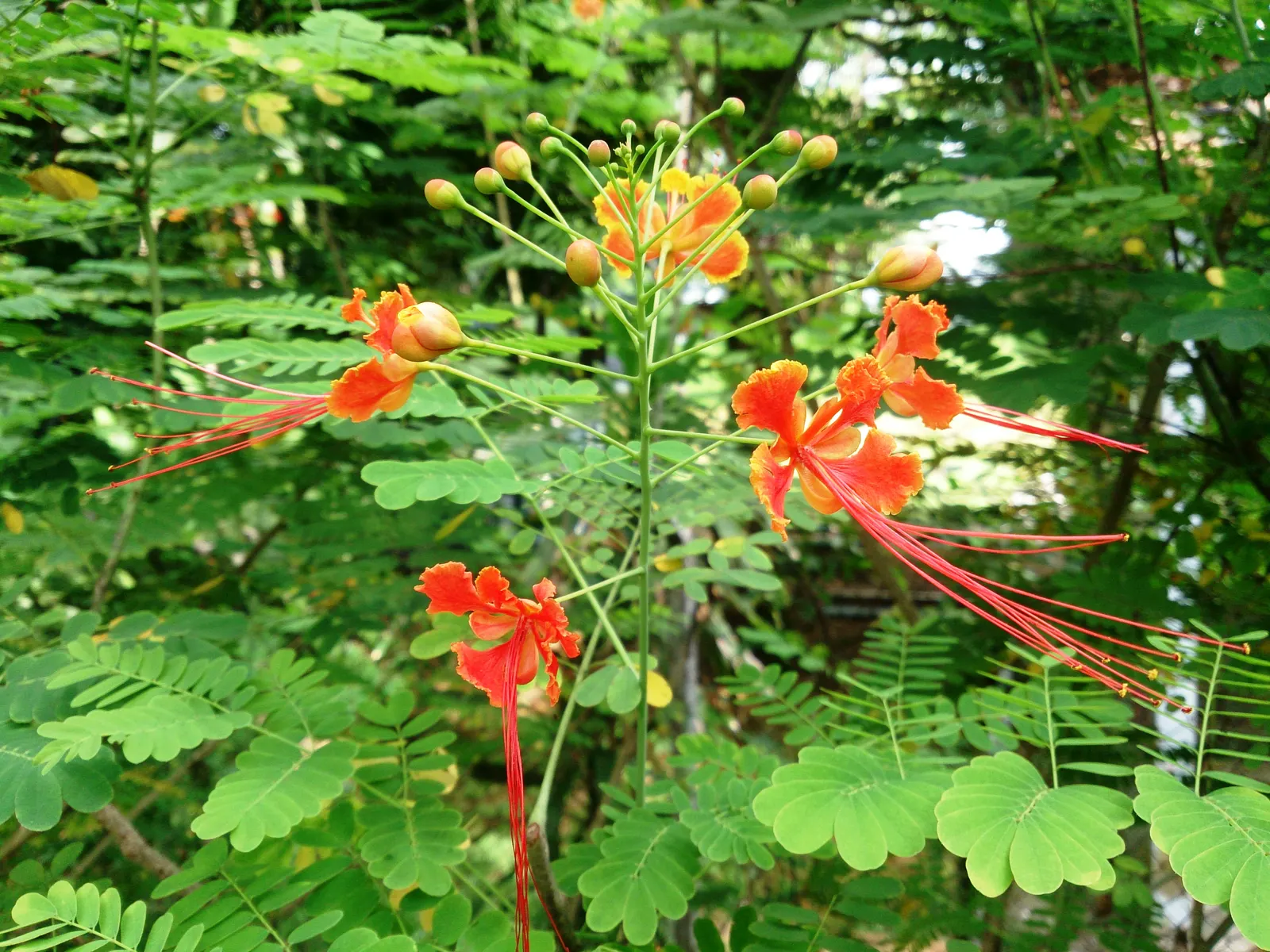
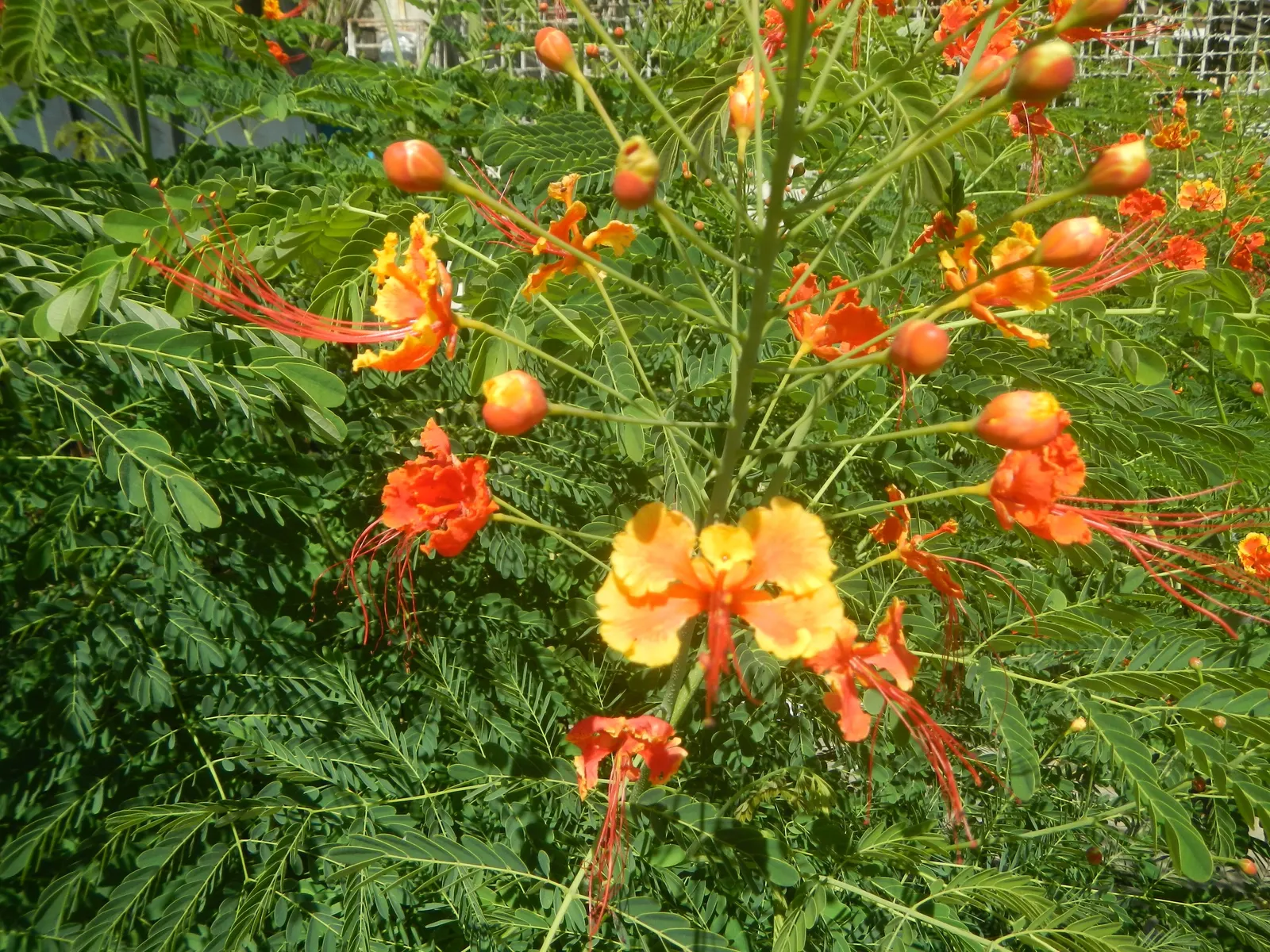
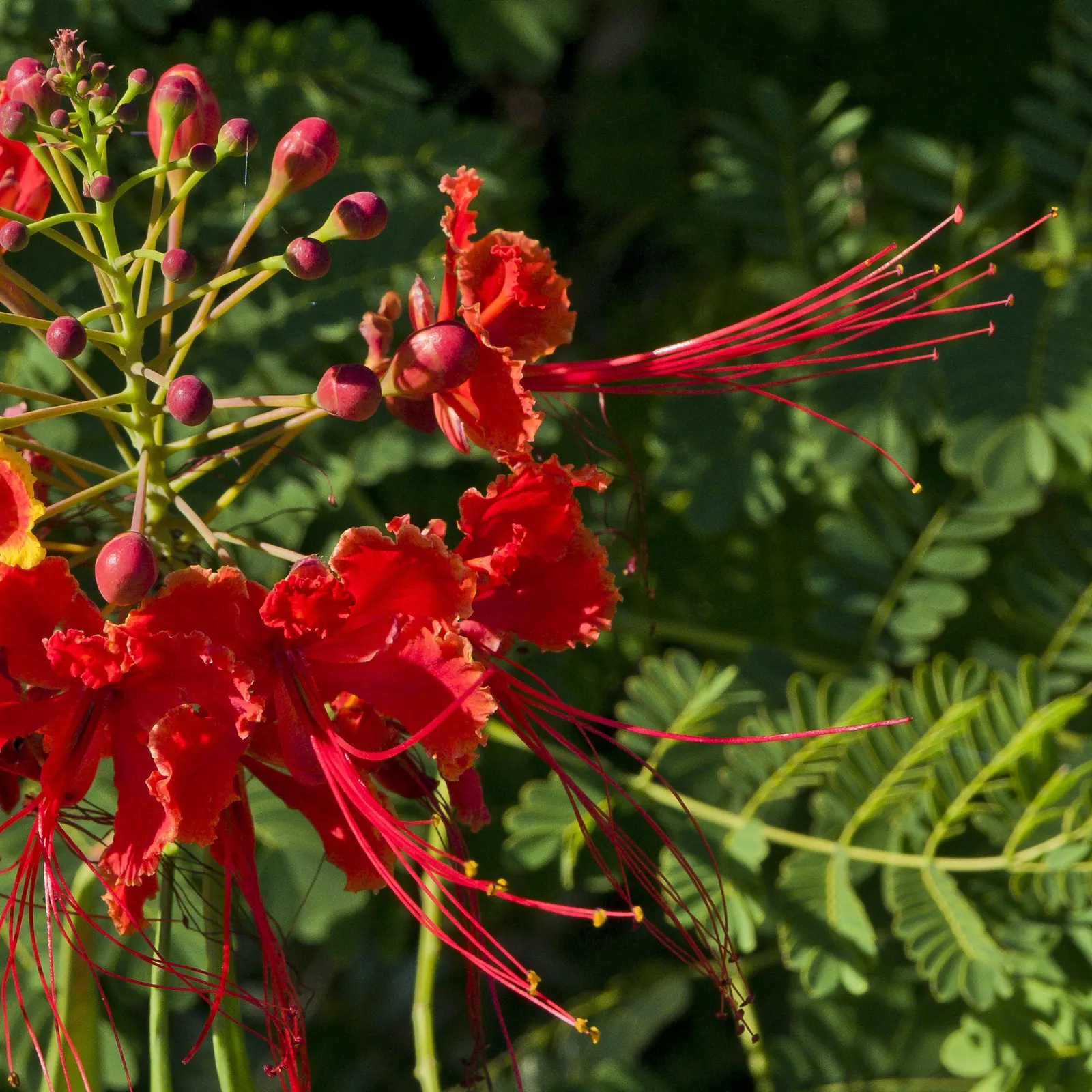
The Red Bird of Paradise (Caesalpinia pulcherrima) is a tropical showstopper with vibrant red-orange and yellow flowers, flourishing up to 5 feet tall and wide. Thriving in USDA zones 9-11, it prefers full sun and well-drained soil. Low maintenance and drought-resistant, it's ideal for a warm, sunny landscape spot. Pruning encourages denser growth and more blooms, creating a breathtaking focal point in any garden.

Sun FullWater LowZones 8–11Type ShrubClimate Arid, Subtropical
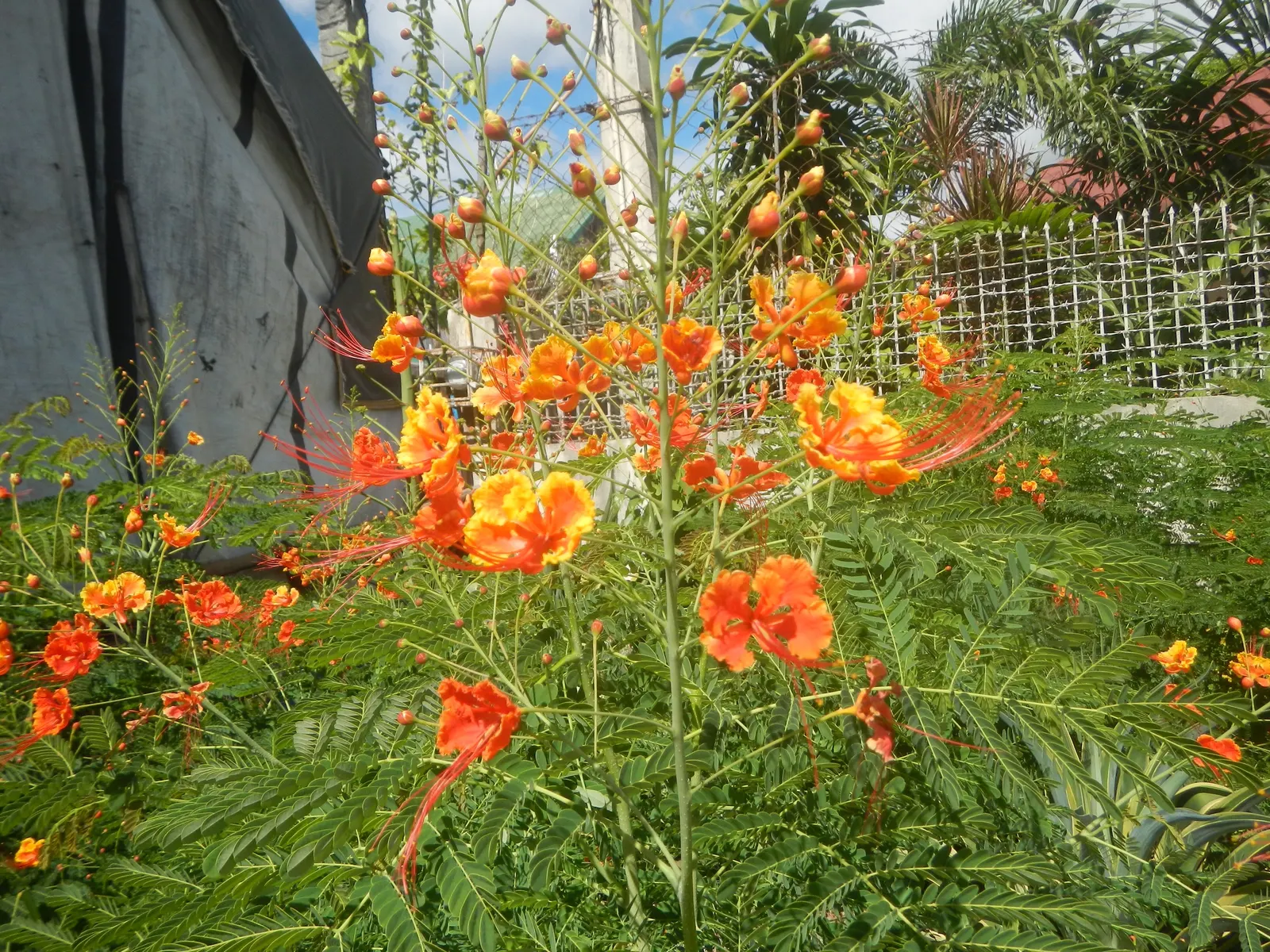
Red Bird Of Paradise (Caesalpinia Pulcherrima) — the Red Bird of Paradise requires well-drained soil and moderate watering; multi-colored and, image 49

Culture

Sun
Full
Water
Low
USDA zones
8–11

Shape & size

Classification

Type
Shrub
Family
Fabaceae
Climate
Arid, Subtropical

See full data, regional cultivation notes, and design tools. Build a client presentation around this plant.

Start your 14-day trial

Photos (158)

Red Bird Of Paradise (Caesalpinia Pulcherrima) — flourishing up to 5 feet tall and wide; pruning encourages denser growth and more blooms, creating, image 115
Red Bird Of Paradise (Caesalpinia Pulcherrima) — shrub for full; adding to the ecological value of the landscape, image 95
Red Bird Of Paradise (Caesalpinia Pulcherrima) — During the first growing season; ideally amounting to around 1 inch of water weekly
Red Bird Of Paradise (Caesalpinia Pulcherrima) — For optimal display and health
Red Bird Of Paradise (Caesalpinia Pulcherrima) — providing a delicate backdrop to the vibrant flowers; shrub for full, image 71
Red Bird Of Paradise (Caesalpinia Pulcherrima) — adding to the ecological value of the landscape
Red Bird Of Paradise (Caesalpinia Pulcherrima) — During the first growing season; ideally amounting to around 1 inch of water weekly, image 89
Red Bird Of Paradise (Caesalpinia Pulcherrima) — flourishing up to 5 feet tall and wide; pruning encourages denser growth and more blooms, creating a
Red Bird Of Paradise (Caesalpinia Pulcherrima) — adding to the ecological value of the landscape; providing a delicate backdrop to the vibrant, image 92
Red Bird Of Paradise (Caesalpinia Pulcherrima) — During the first growing season; ideally amounting to around 1 inch of water weekly, image 127
Red Bird Of Paradise (Caesalpinia Pulcherrima) — Pruning encourages denser growth and more blooms, creating a breathtaking focal point in any, image 61
Red Bird Of Paradise (Caesalpinia Pulcherrima) — flourishing up to 5 feet tall and wide; pruning encourages denser growth and more blooms, creating, image 77
Red Bird Of Paradise (Caesalpinia Pulcherrima) — adding to the ecological value of the landscape; providing a delicate backdrop to the vibrant, image 73
Red Bird Of Paradise (Caesalpinia Pulcherrima) — adding a lively splash of orange, image 29
Red Bird Of Paradise (Caesalpinia Pulcherrima) — adding a lively splash of orange, image 67
Red Bird Of Paradise (Caesalpinia Pulcherrima) — providing a delicate backdrop to the vibrant flowers; shrub for full, image 90
Red Bird Of Paradise (Caesalpinia Pulcherrima) — scientifically known as Caesalpinia pulcherrima; during the first growing season
Red Bird Of Paradise (Caesalpinia Pulcherrima) — ideally amounting to around 1 inch of water weekly; scientifically known as Caesalpinia pulcherrima, image 126
Red Bird Of Paradise (Caesalpinia Pulcherrima) — shrub for full; adding to the ecological value of the landscape
Red Bird Of Paradise (Caesalpinia Pulcherrima) — shrub for full
Red Bird Of Paradise (Caesalpinia Pulcherrima) — Pruning encourages denser growth and more blooms, creating a breathtaking focal point in any, image 137
Red Bird Of Paradise (Caesalpinia Pulcherrima) — During the first growing season; ideally amounting to around 1 inch of water weekly, image 108
Red Bird Of Paradise (Caesalpinia Pulcherrima) — multi-colored and orange and red flowers in the garden; thriving in USDA zones 9-11, it prefers, image 131
Red Bird Of Paradise (Caesalpinia Pulcherrima) — Low maintenance and drought-resistant, it's ideal for a warm, sunny landscape spot
Photographs by 8 contributors

Related plants