Skip to content

Cascalote

Caesalpinia Cacalaco

Design with this plant

Overview

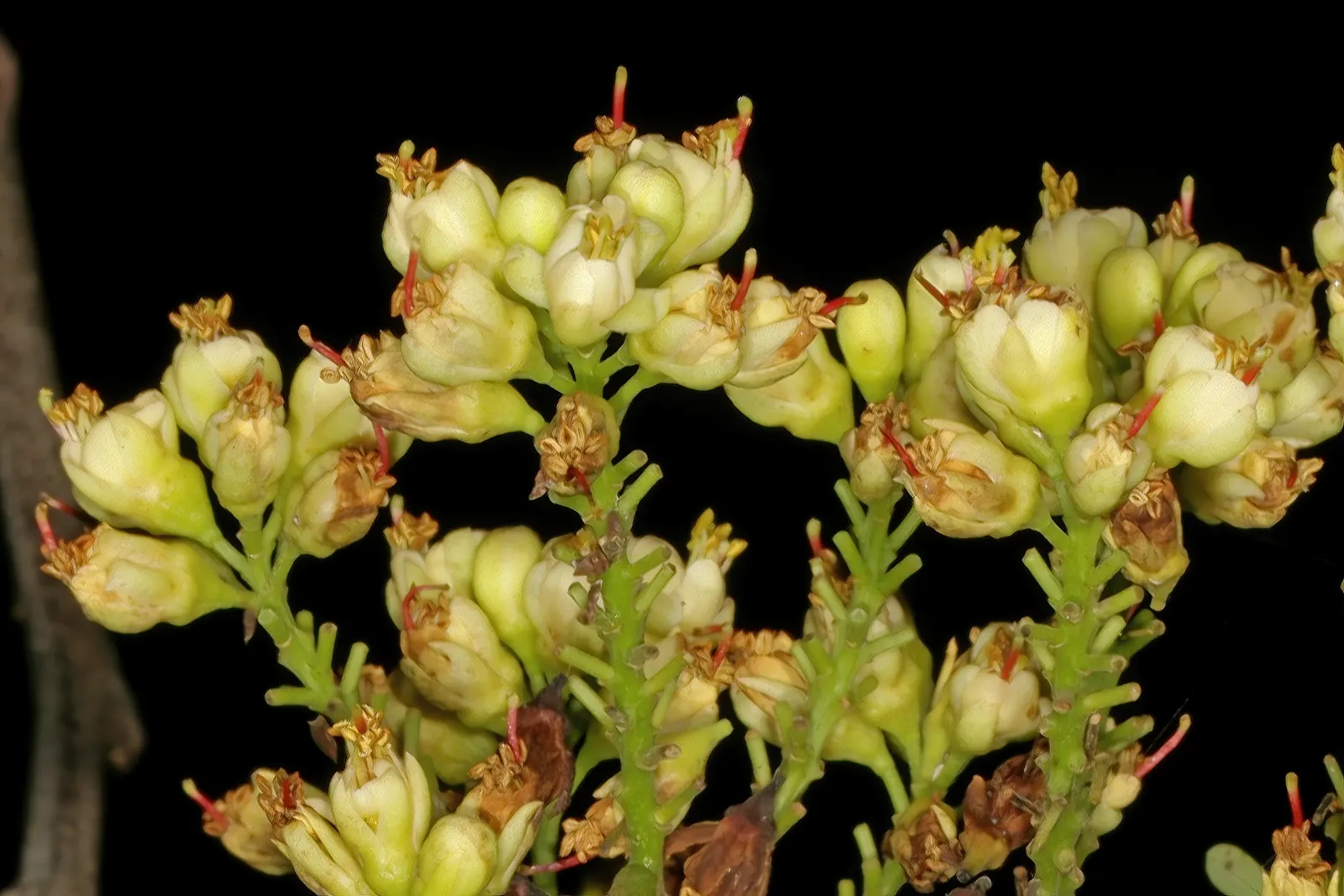
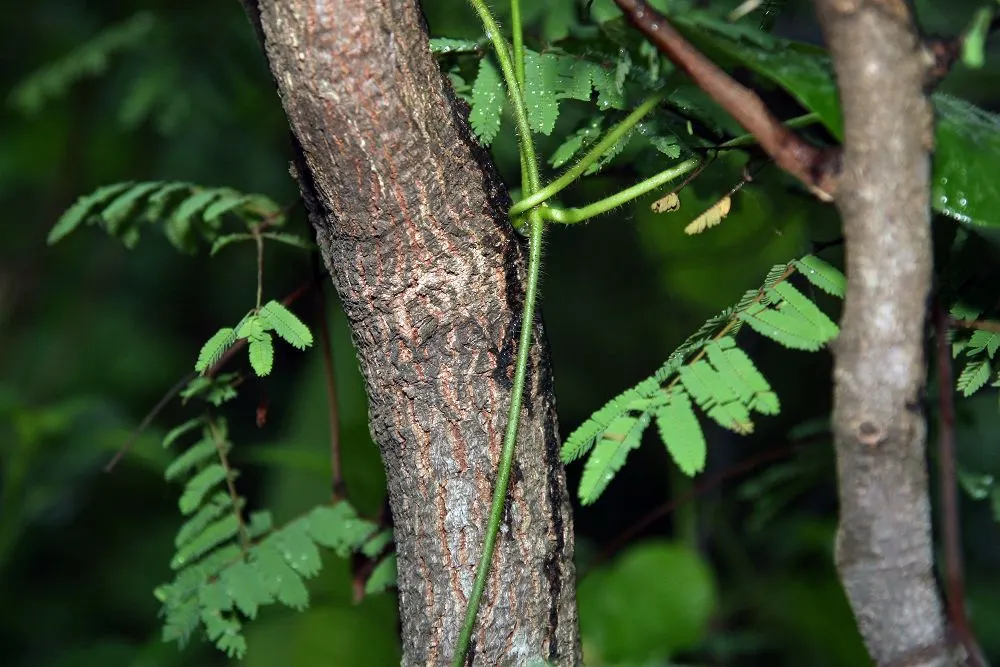
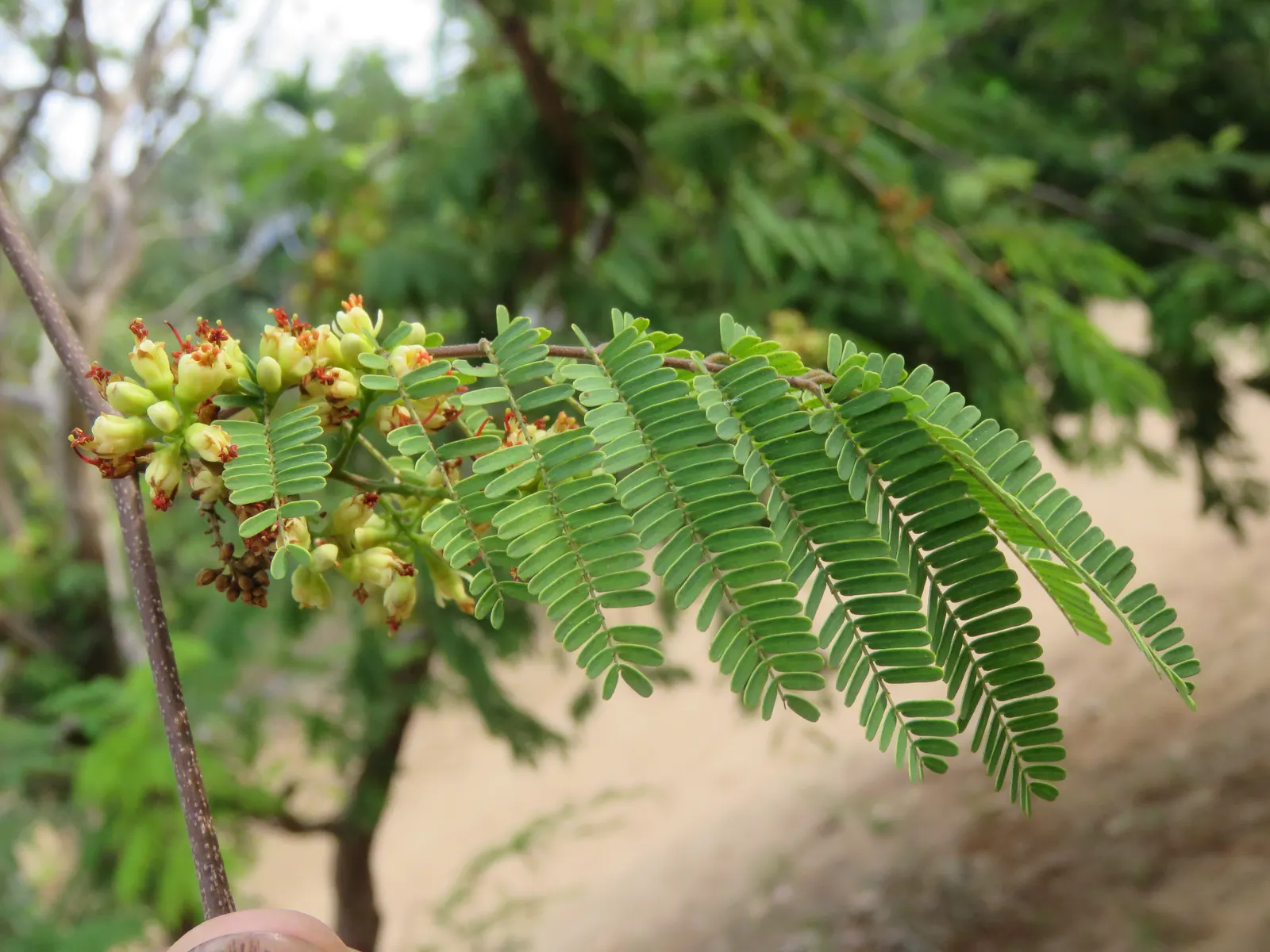
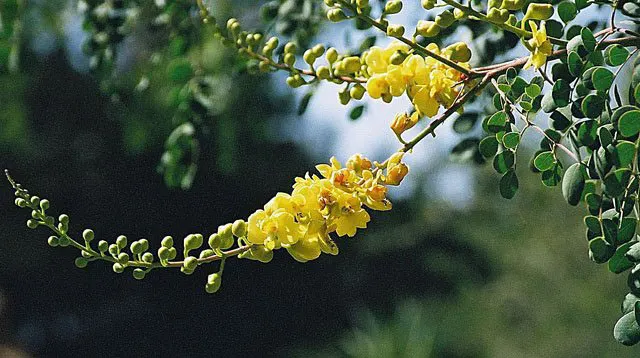
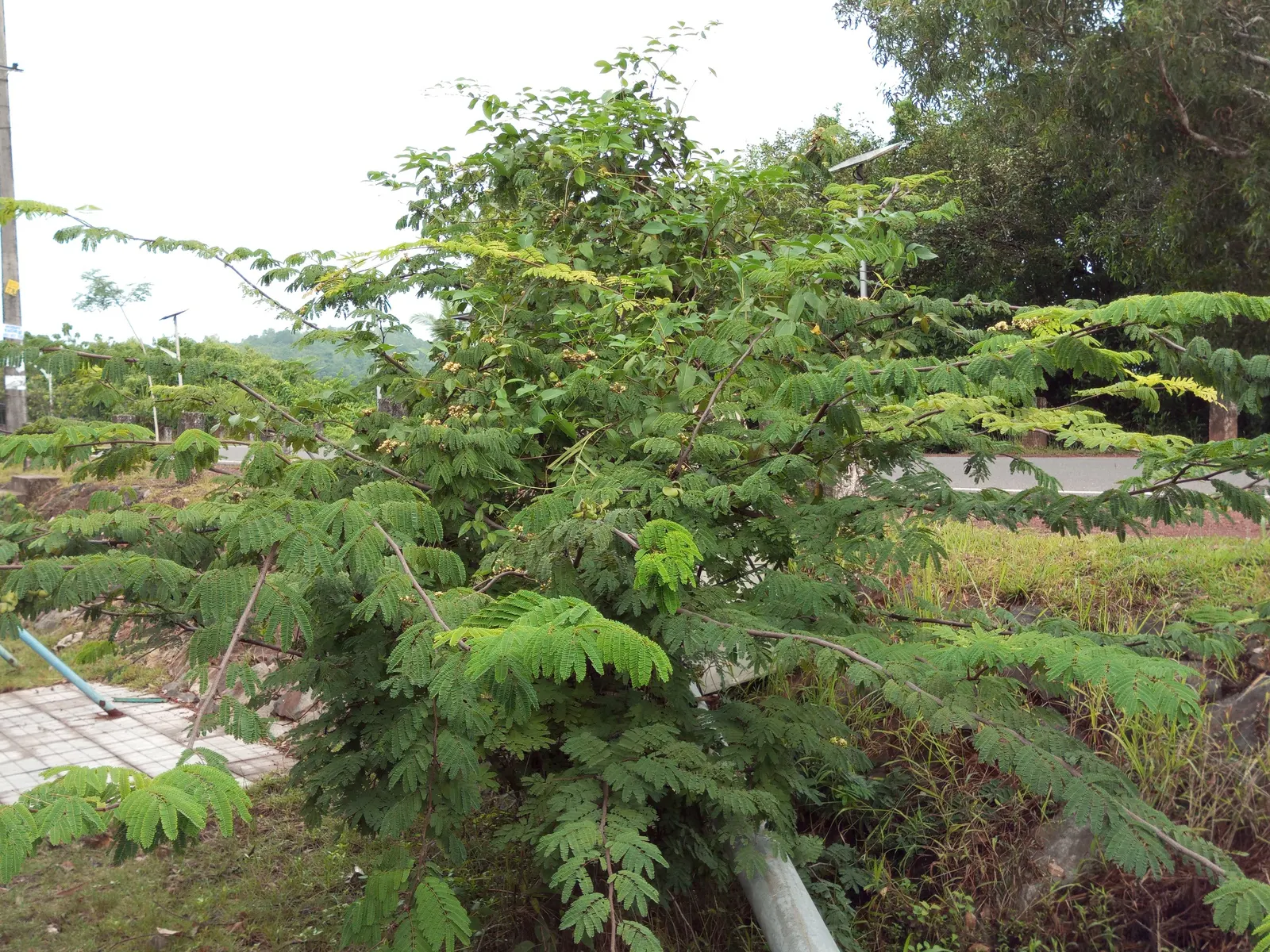
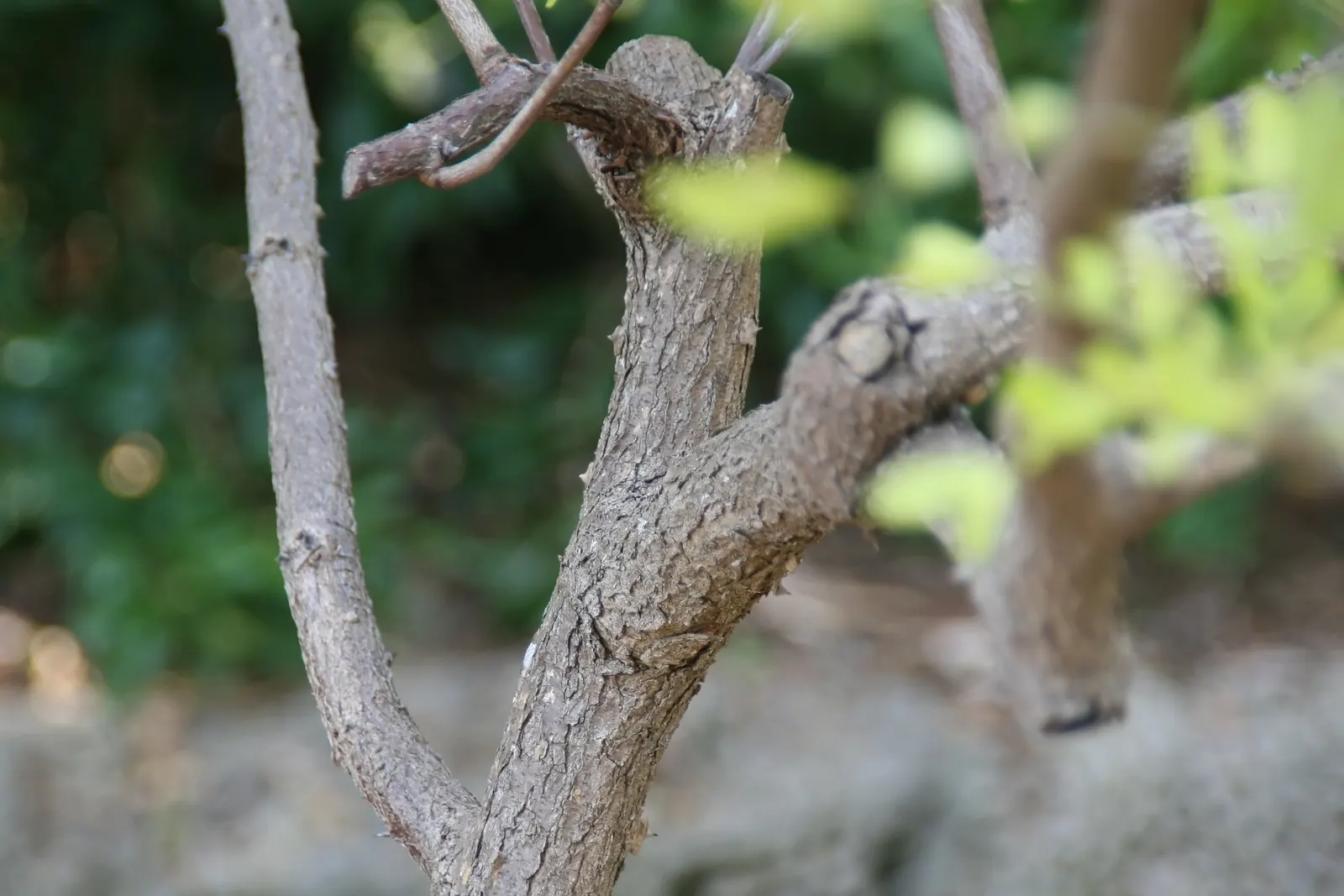
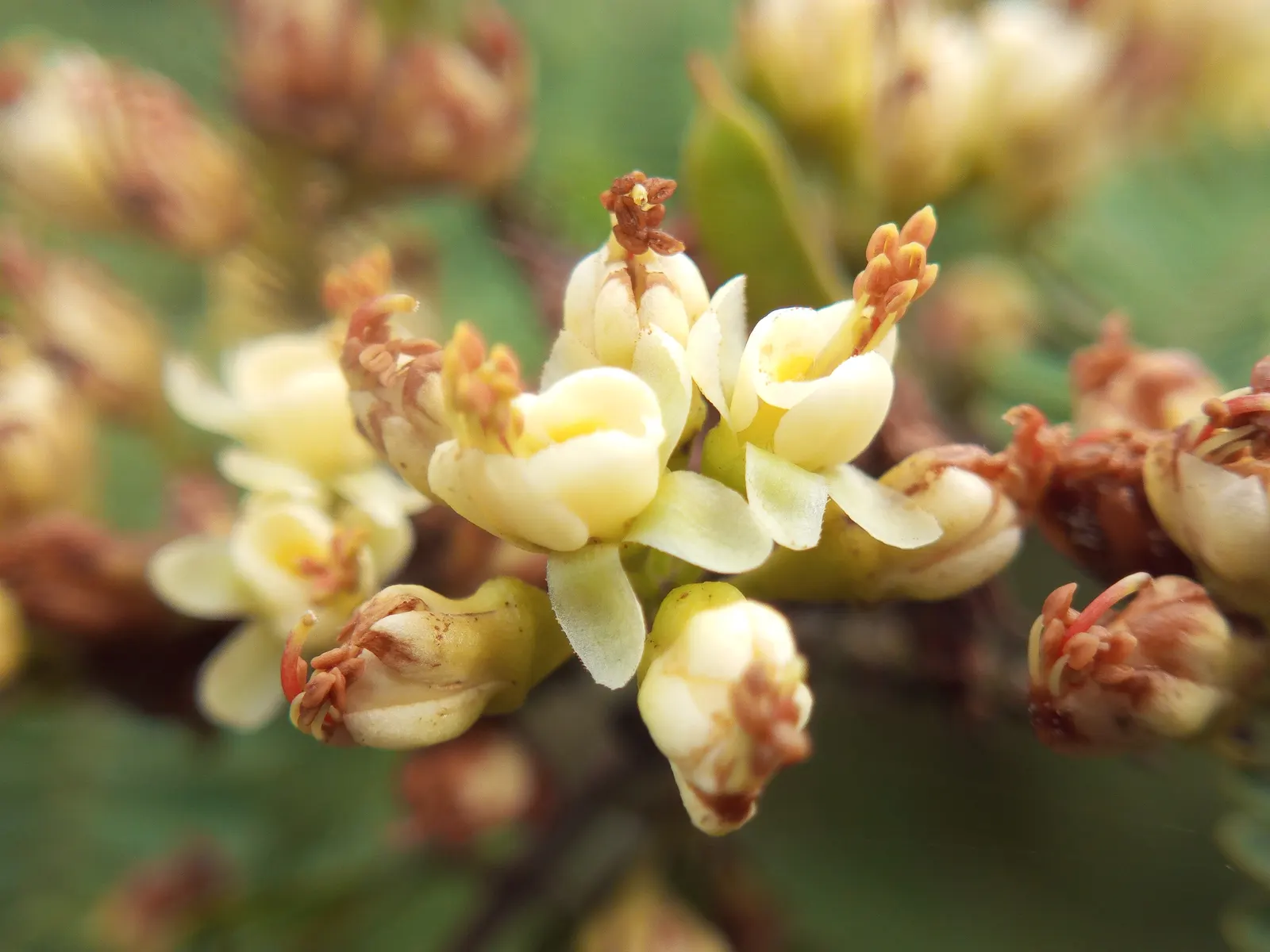
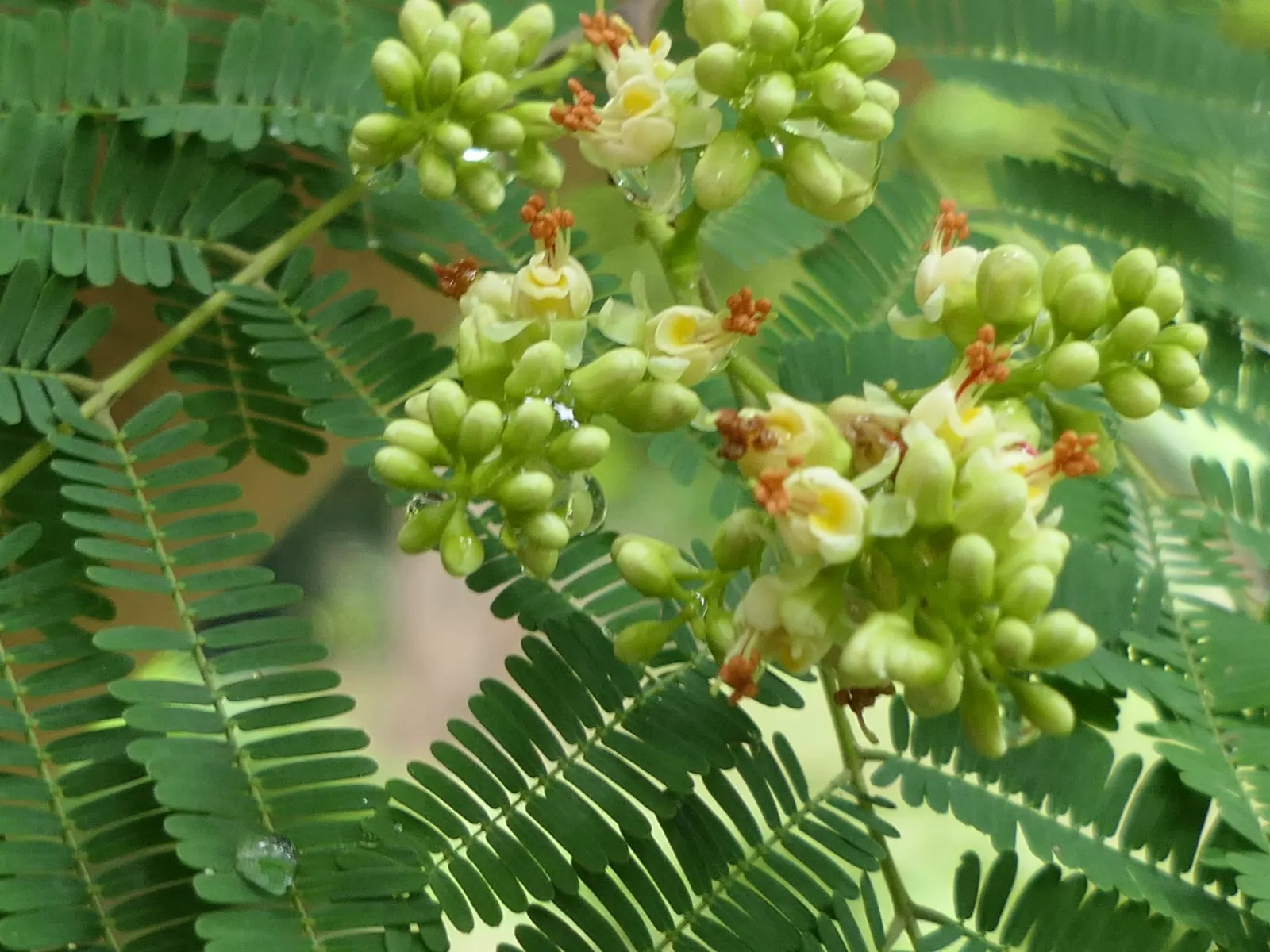
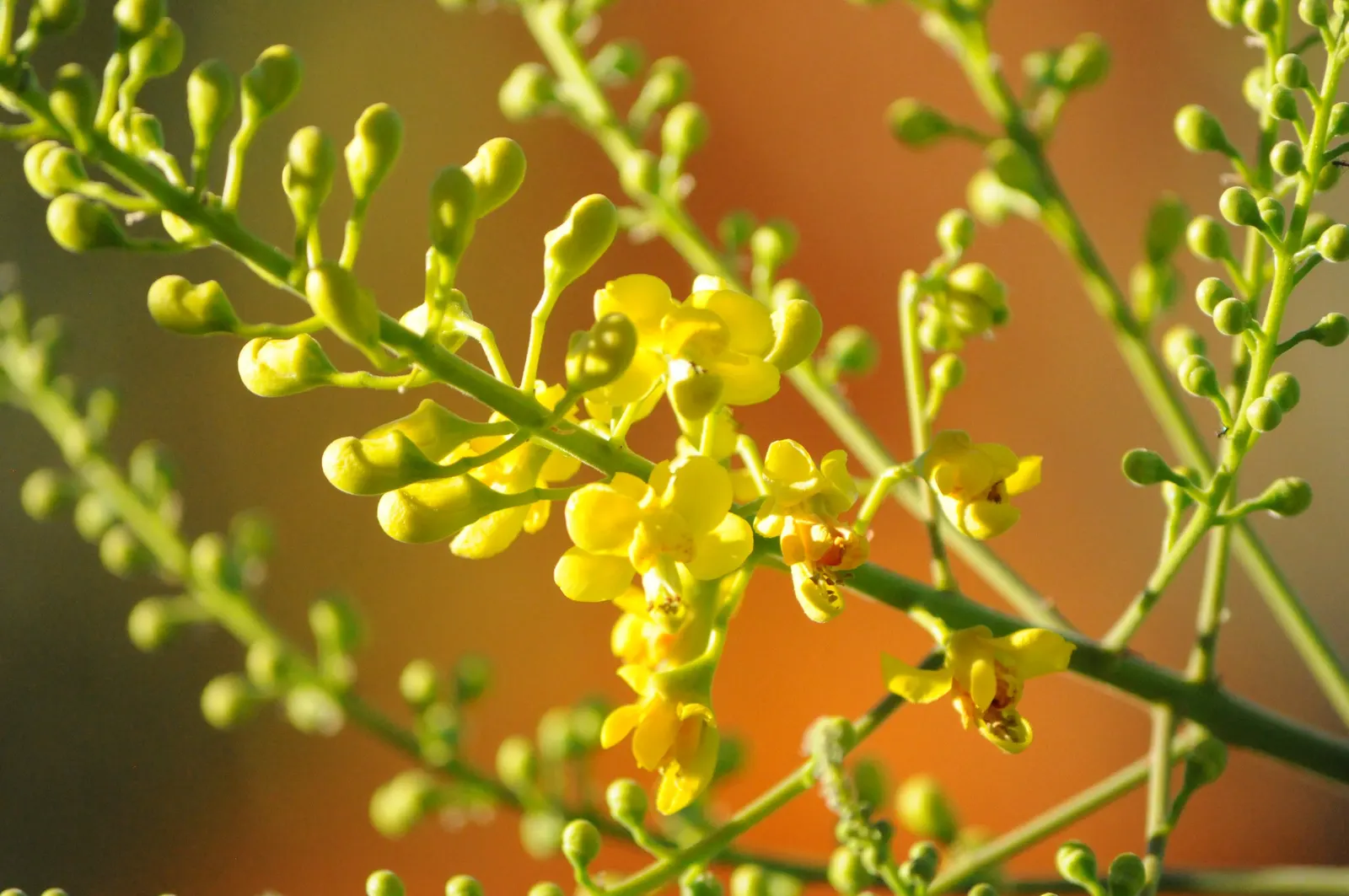
The Cascalote or Caesalpinia cacalaco is a semi-evergreen tree, reaching heights of 10-20 feet with a 12-15-foot spread. Boasting small, shiny green leaves, its winter months dazzle with vibrant yellow blossoms. Drought-tolerant once established, it thrives in full sunlight. This low-maintenance choice features thorns and requires well-drained soil. With minimal litter, it's ideal for residential yards or medians. USDA zones 9-11 are best suited for its growth.

Sun FullWater LowZones 9–11Type TreeClimate Arid, Subtropical
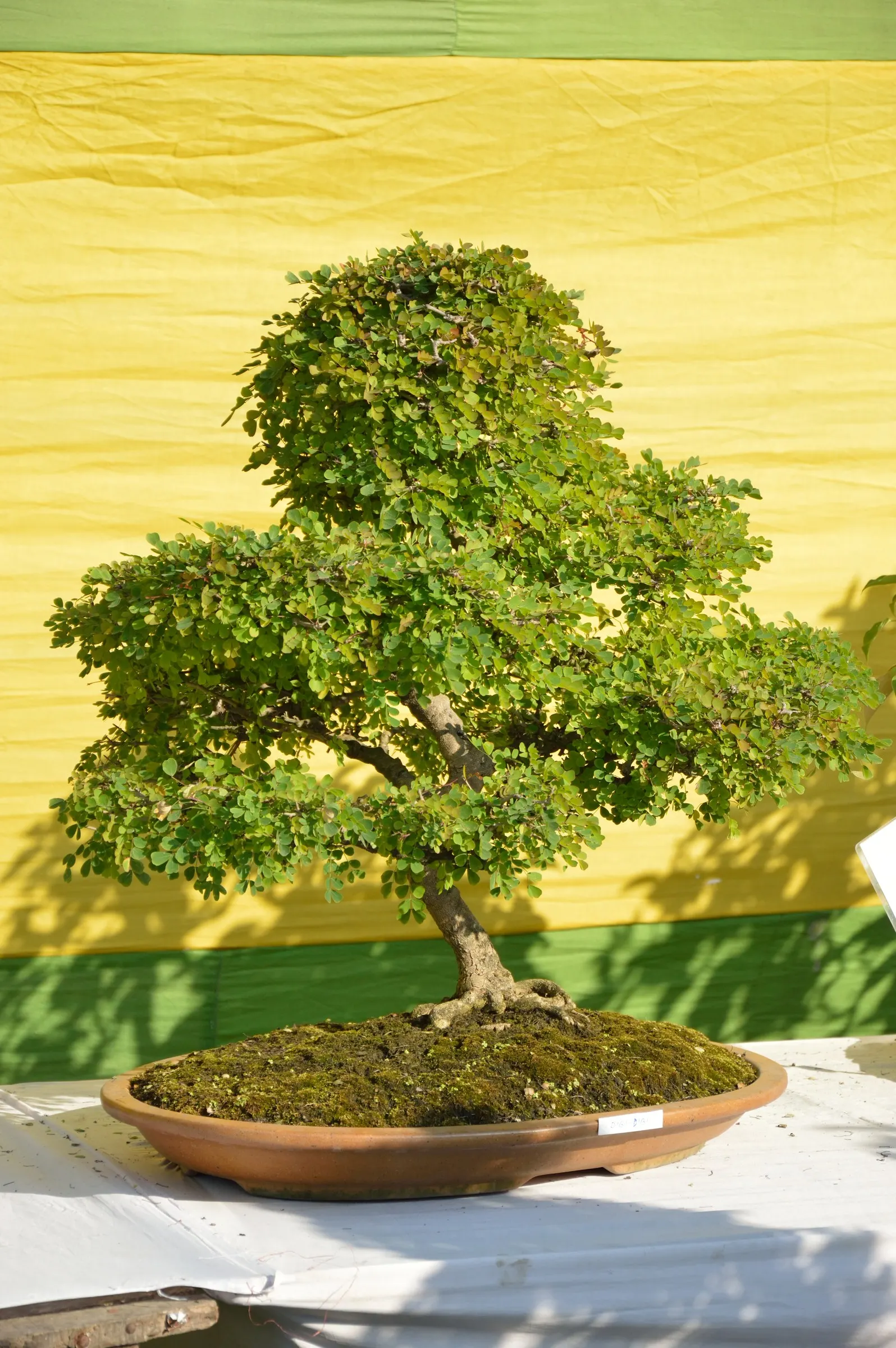
Cascalote (Caesalpinia Cacalaco) — balanced canopy.<br><br>The foliage of Cascalote is comprised of fine

Culture

Sun
Full
Water
Low
USDA zones
9–11

Shape & size

Classification

Type
Tree
Family
Fabaceae
Climate
Arid, Subtropical

See full data, regional cultivation notes, and design tools. Build a client presentation around this plant.

Start your 14-day trial

Photos (71)

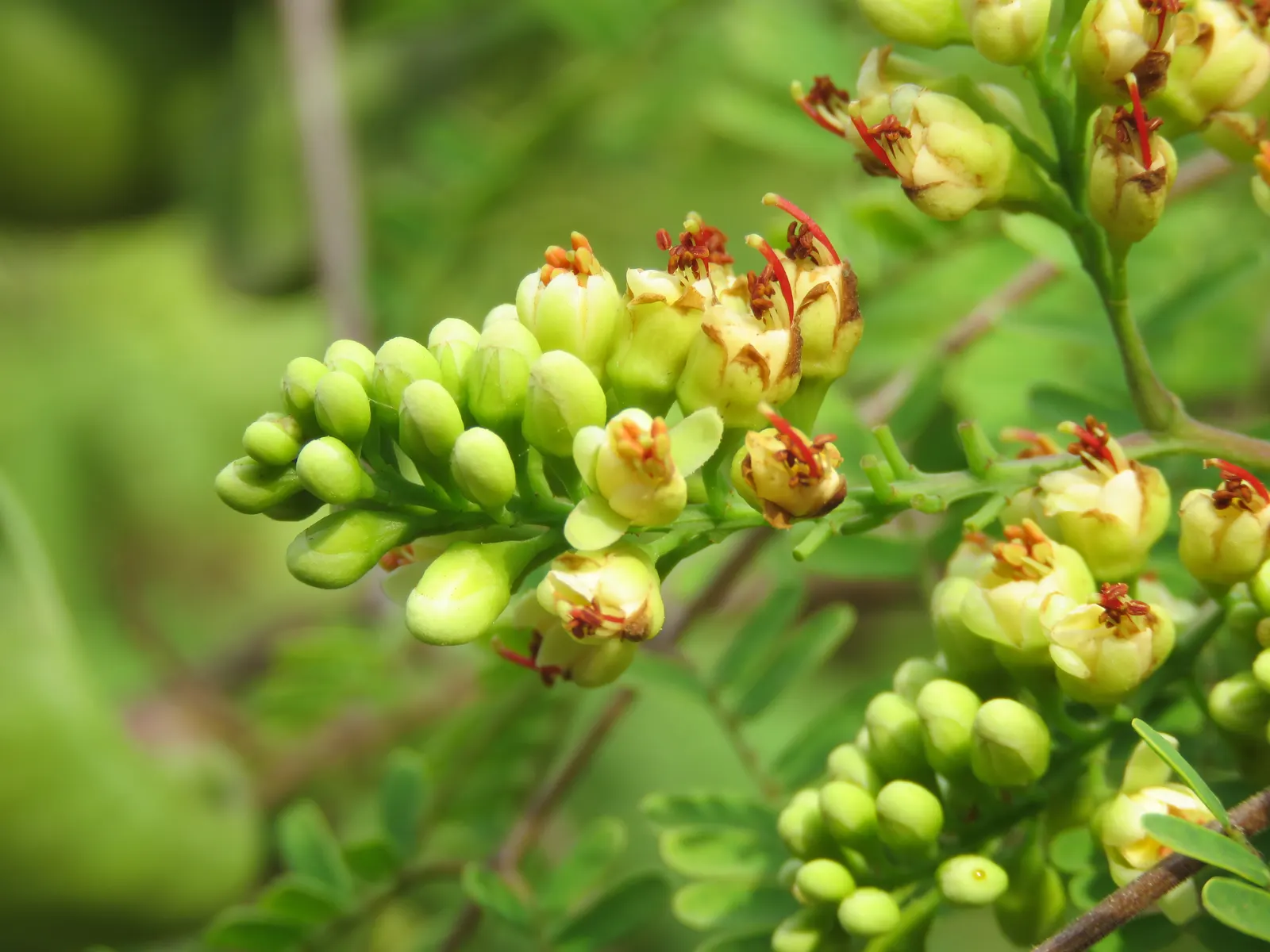
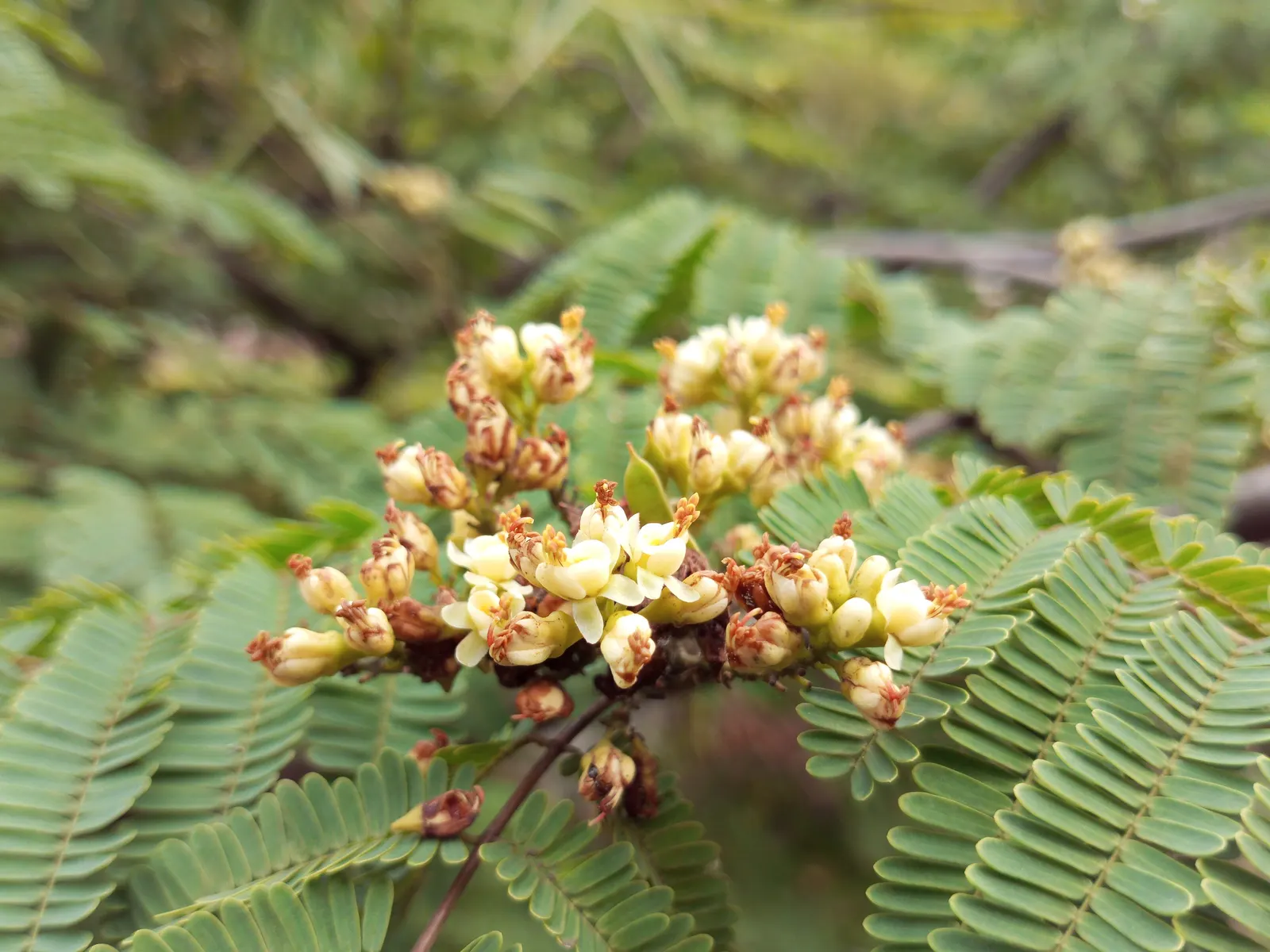
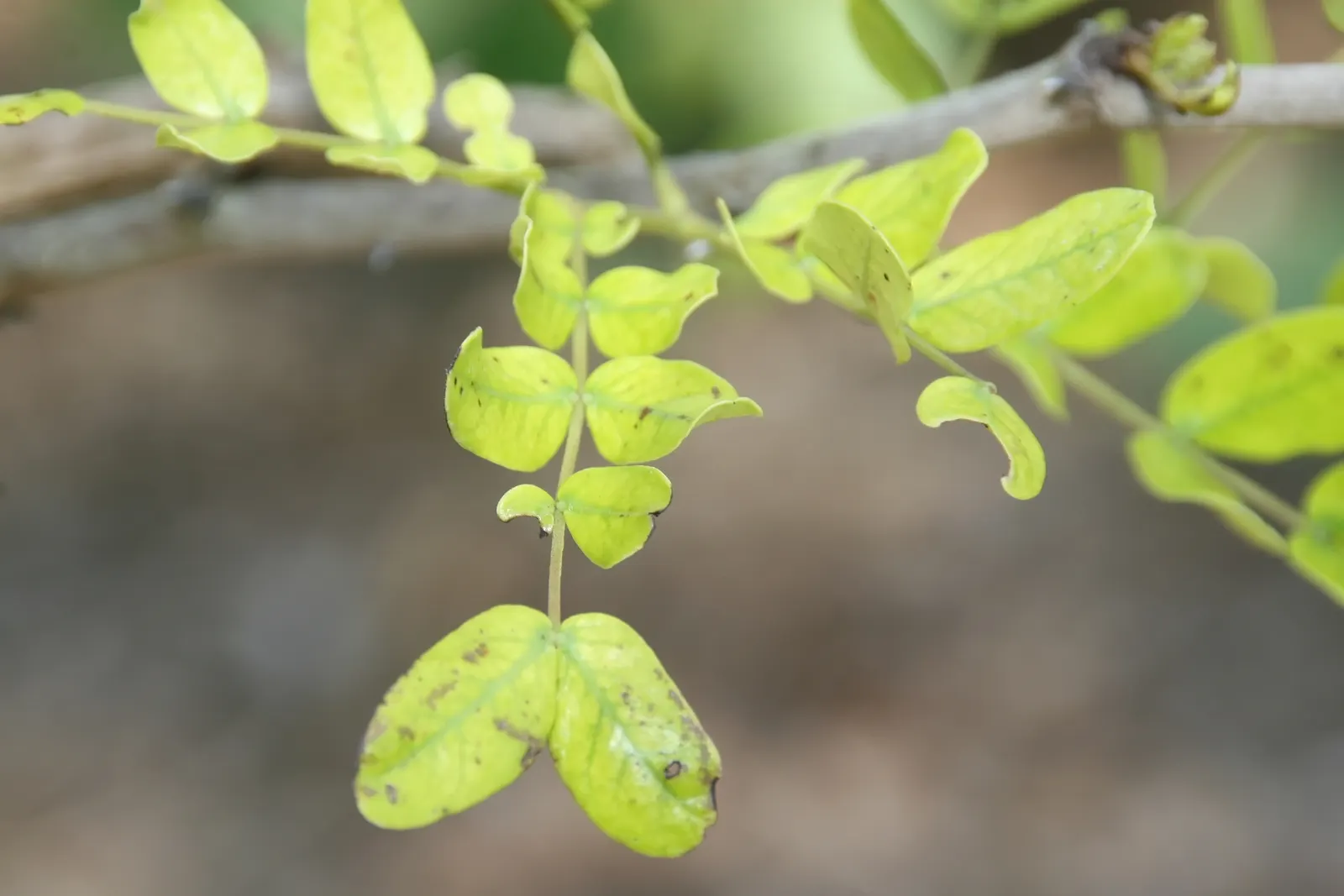
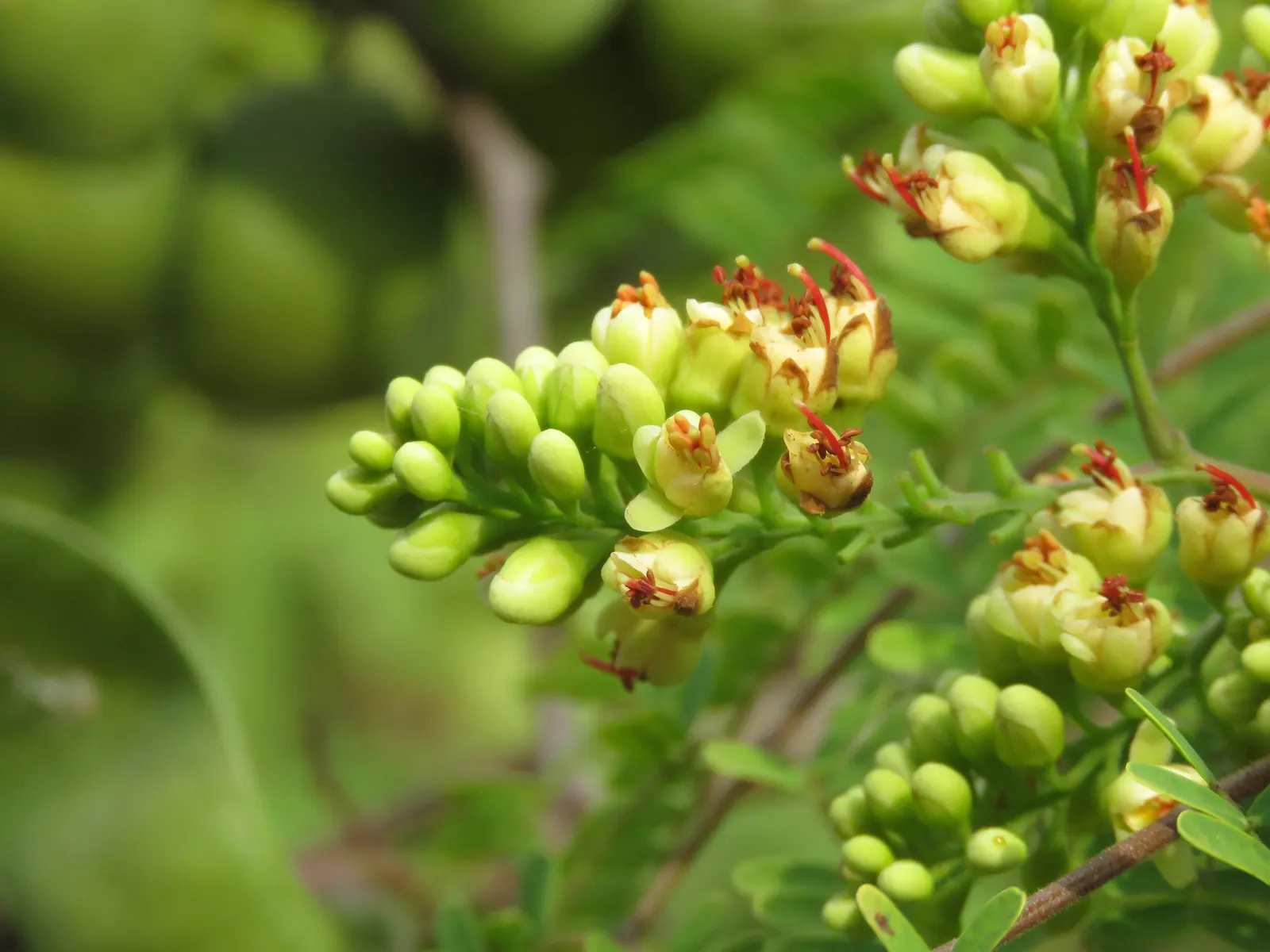
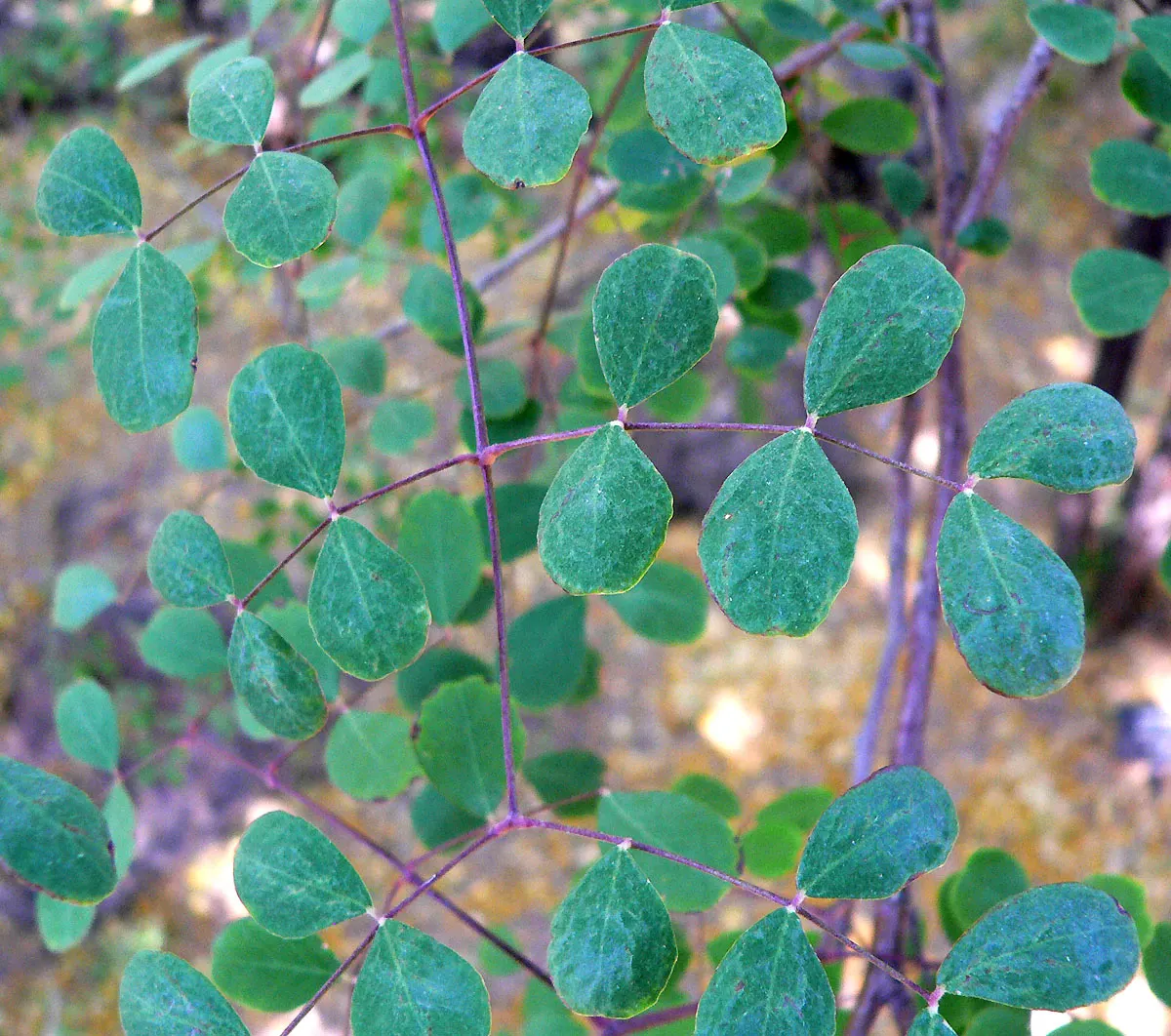
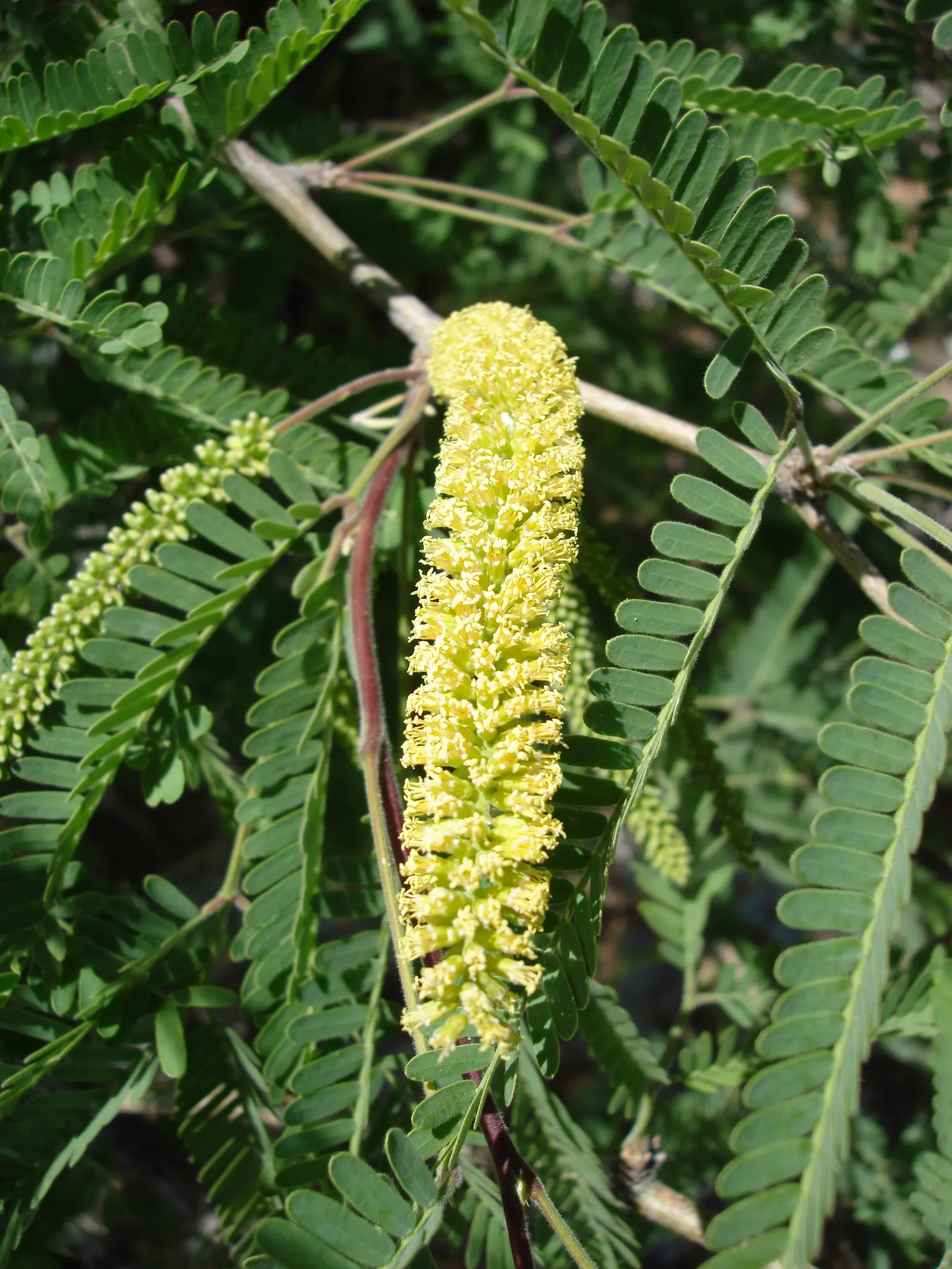
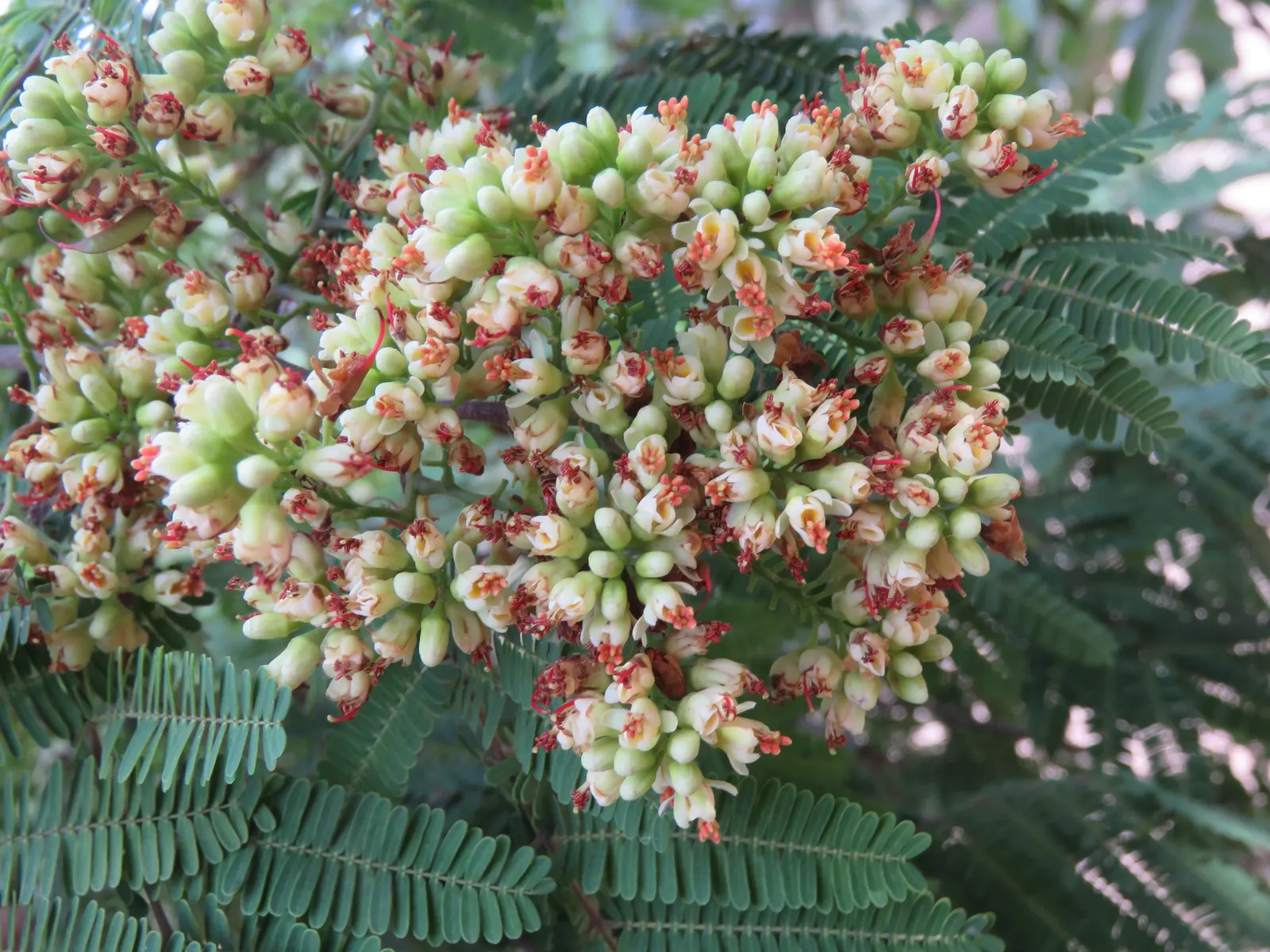
Cascalote (Caesalpinia Cacalaco) — Boasting small, shiny green leaves, its winter months dazzle with vibrant yellow blossoms
Cascalote (Caesalpinia Cacalaco) — The Cascalote or Caesalpinia cacalaco is a semi-evergreen tree; drought-tolerant once established, it thrives in, image 53
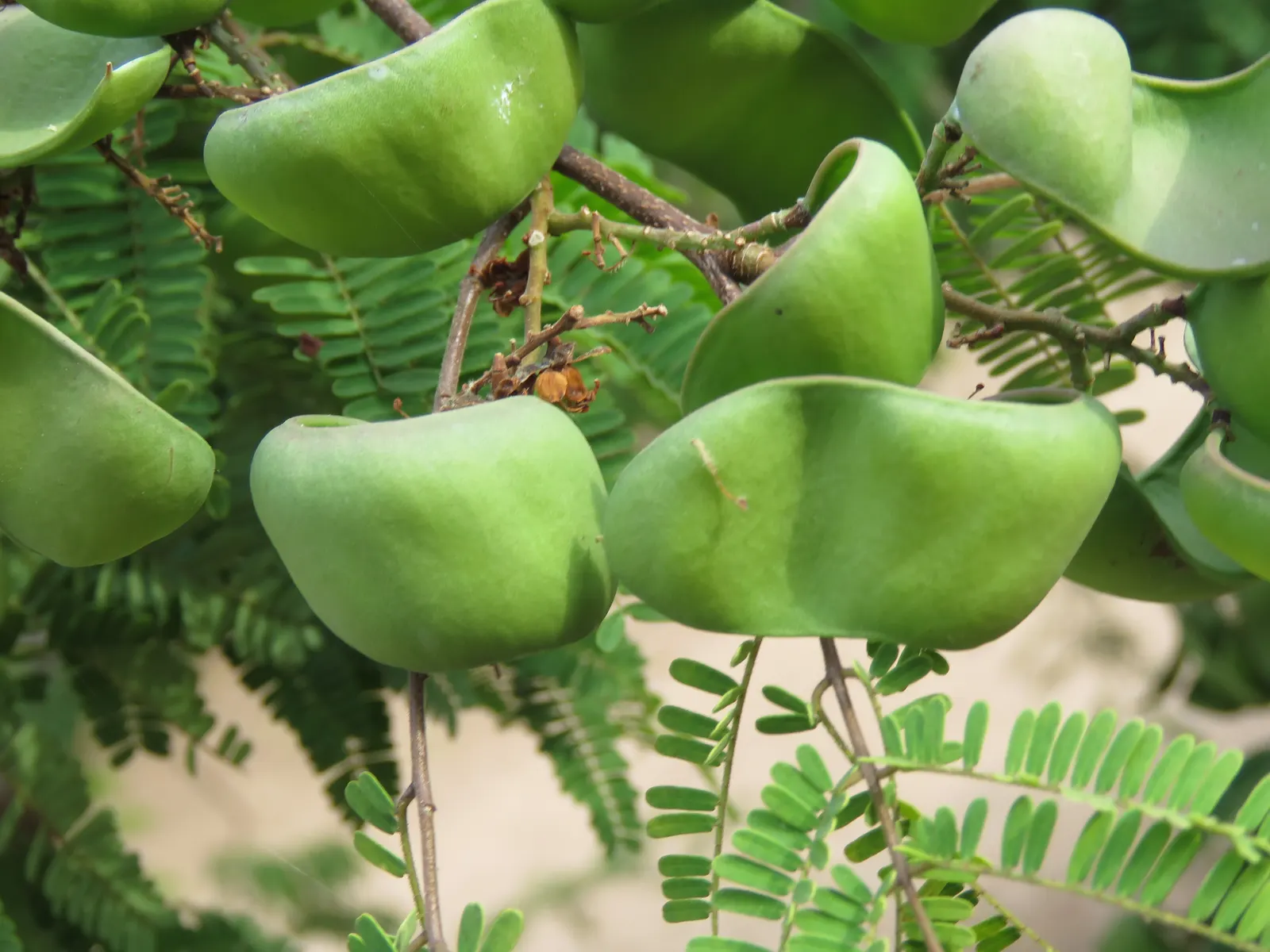
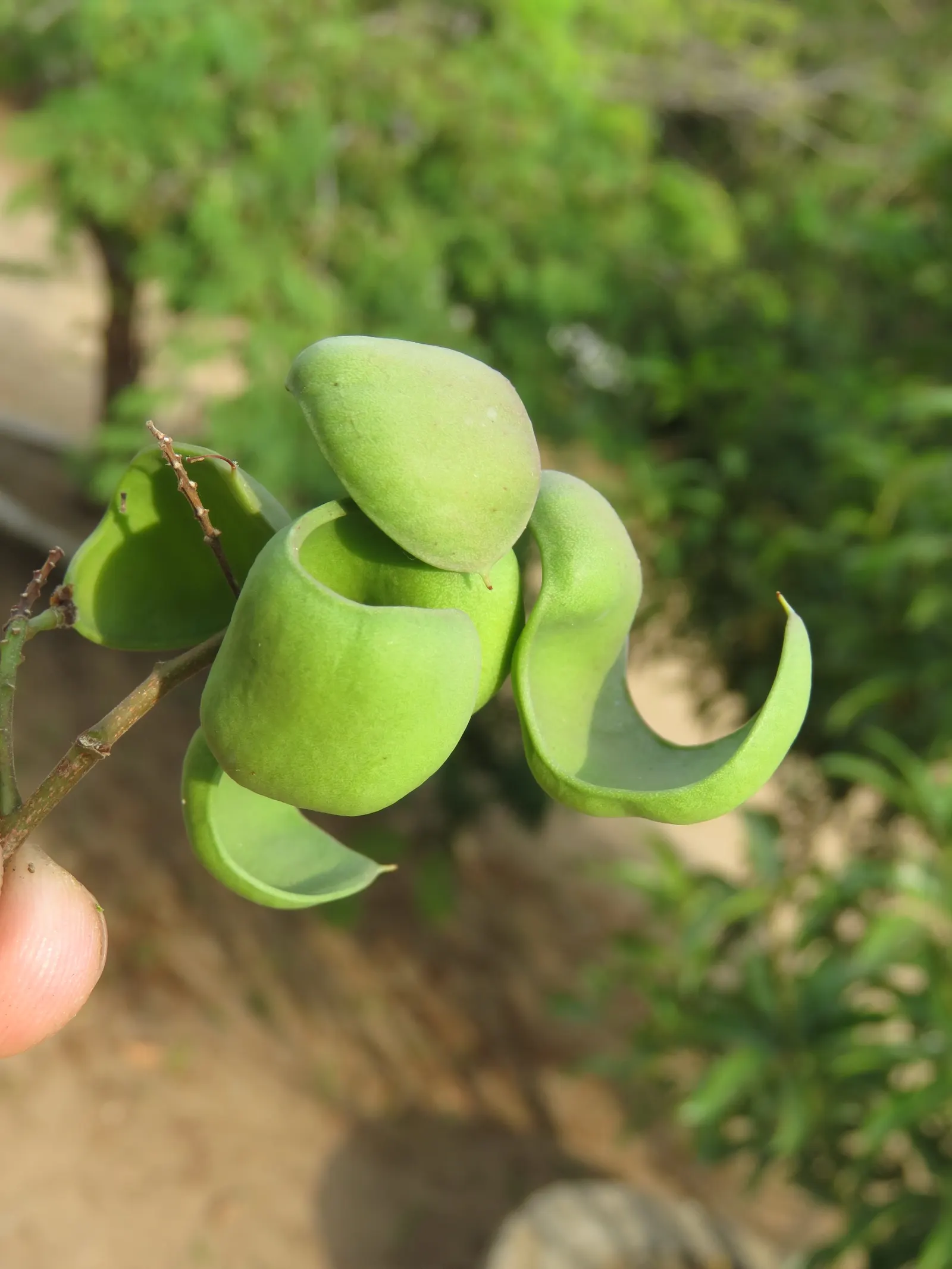
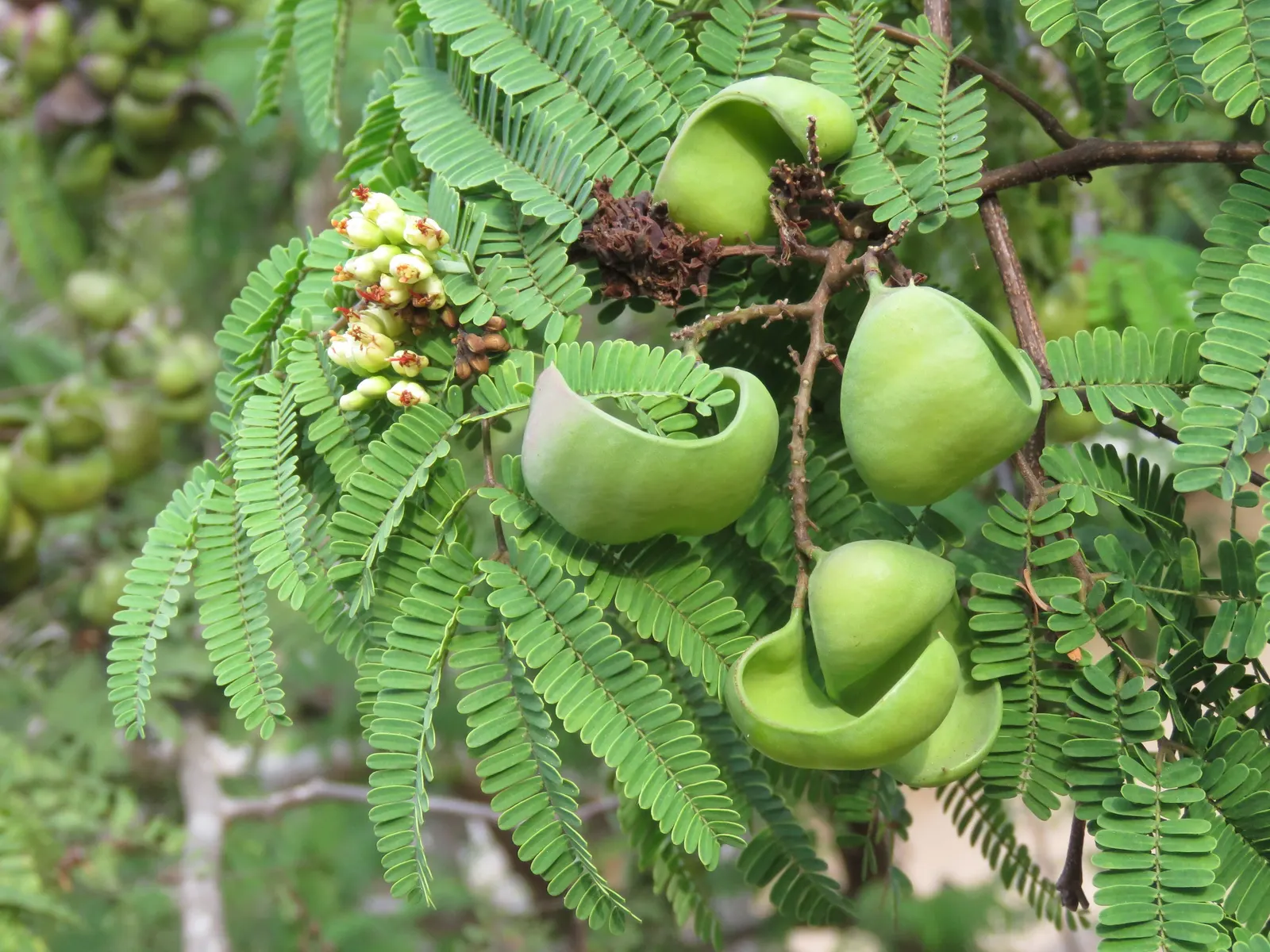
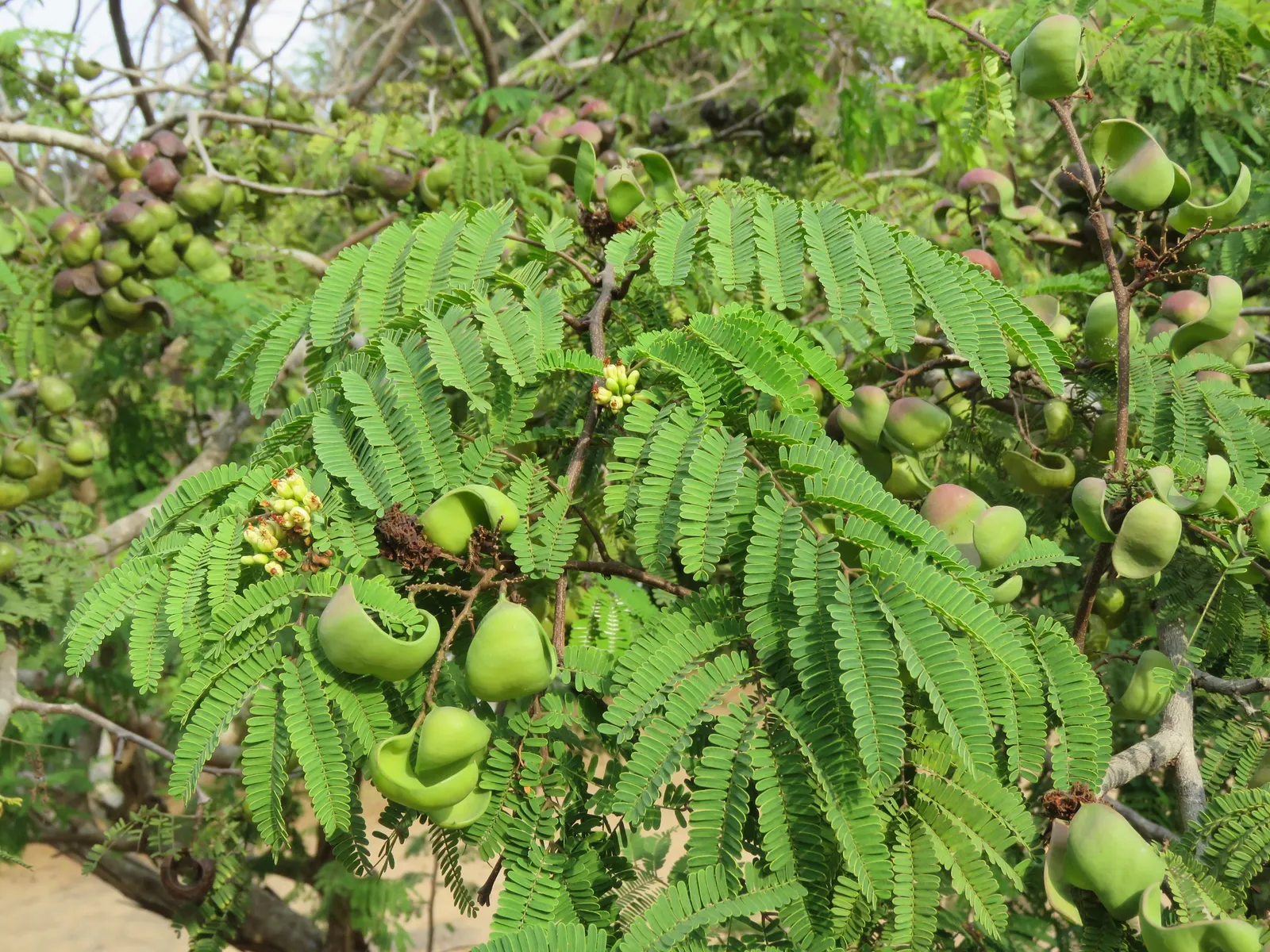
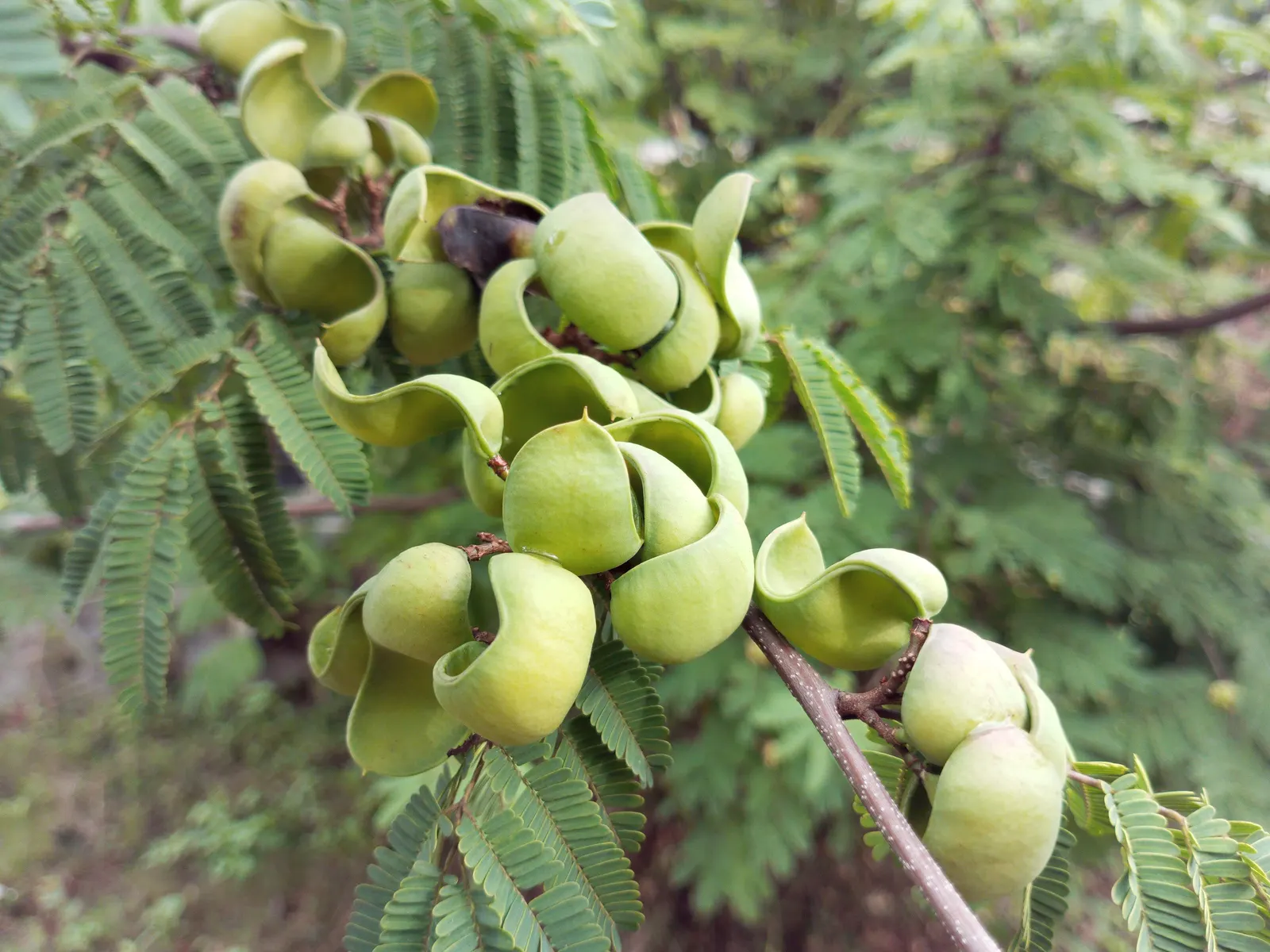
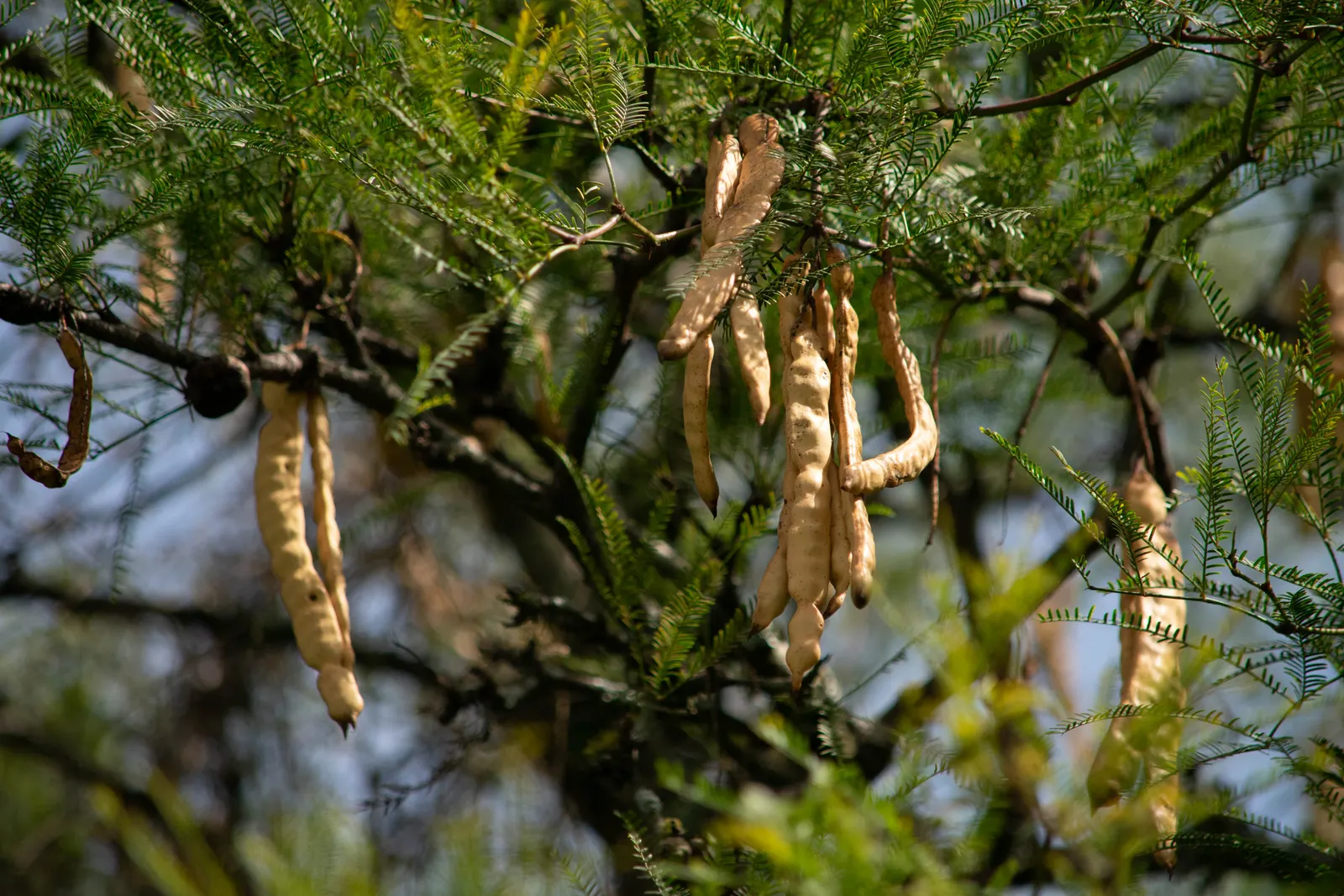
Cascalote (Caesalpinia Cacalaco) — Boasting small, shiny green leaves, its winter months dazzle with vibrant yellow blossoms; long seed pods follow, image 55
Cascalote (Caesalpinia Cacalaco) — It reaches a moderate height of 10 to 15 feet with an equivalent spread
Cascalote (Caesalpinia Cacalaco) — which are especially attractive to pollinators such as bees and butterflies
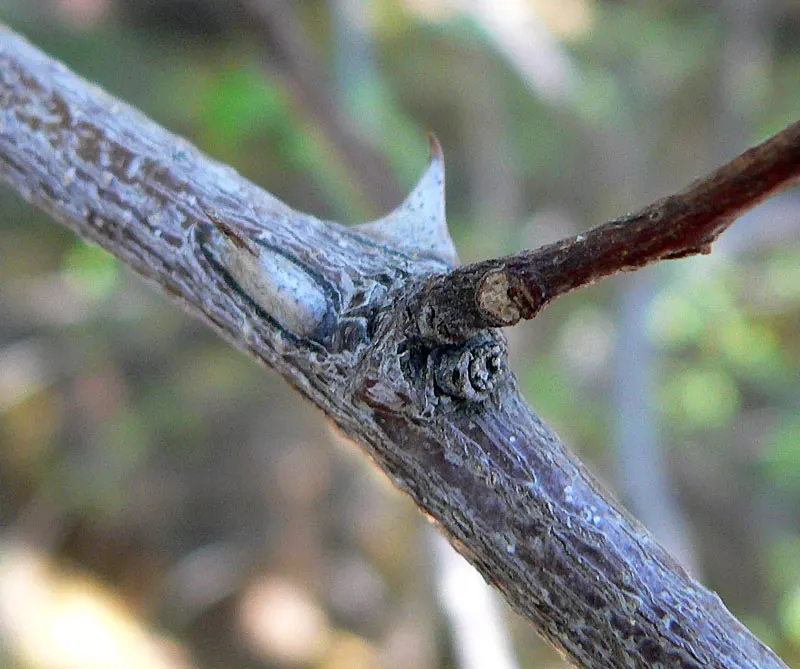
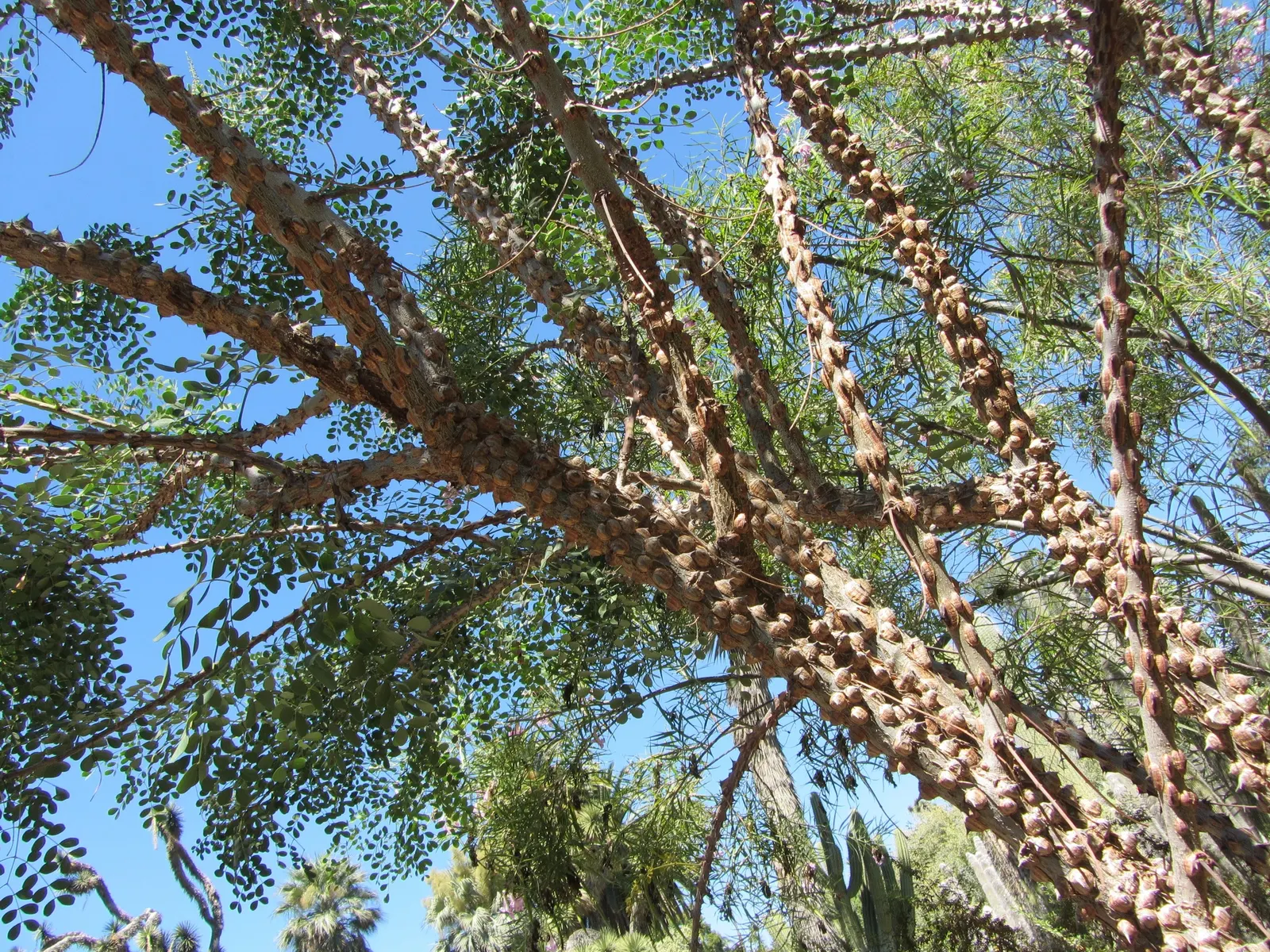
Cascalote (Caesalpinia Cacalaco) — This low-maintenance choice features thorns and requires well-drained soil; with minimal litter, it's ideal for residential
Cascalote (Caesalpinia Cacalaco) — long seed pods follow the flowering period; it is also noteworthy for its drought tolerance once established
Cascalote (Caesalpinia Cacalaco) — it's an easy-care option that promises to enhance the aesthetic of any garden with its year-round beauty
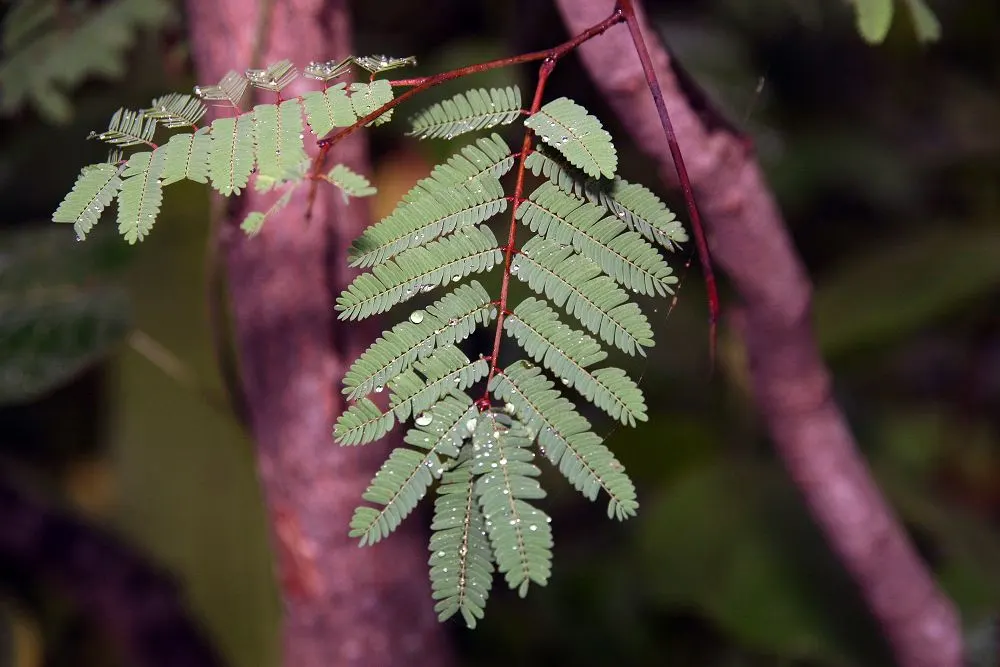
Cascalote (Caesalpinia Cacalaco) — feathery texture in the garden; adding to its ornamental charm
Cascalote (Caesalpinia Cacalaco) — It is also noteworthy for its drought tolerance once established
Cascalote (Caesalpinia Cacalaco) — USDA zones 9-11 are best suited for its growth
Cascalote (Caesalpinia Cacalaco) — With minimal pruning requirements; consider its placement where onlookers can enjoy the seasonal shifts up close
Cascalote (Caesalpinia Cacalaco) — Originating from the warm regions of Mexico
Cascalote (Caesalpinia Cacalaco) — balanced canopy.<br><br>The foliage of Cascalote is comprised of fine; it boasts striking architectural form
Cascalote (Caesalpinia Cacalaco) — making it an ideal focal point for design; with minimal pruning requirements
Cascalote (Caesalpinia Cacalaco) — reaching heights of 10-20 feet with a 12-15-foot spread; making it an ideal focal point for design, image 54
Cascalote (Caesalpinia Cacalaco) — This low-maintenance choice features thorns and requires well-drained soil; with minimal litter, it's ideal for, image 57
Cascalote (Caesalpinia Cacalaco) — With minimal litter, it's ideal for residential yards or medians; balanced canopy.<br><br>The foliage of Cascalote is
Cascalote (Caesalpinia Cacalaco) — reaching heights of 10-20 feet with a 12-15-foot spread; making it an ideal focal point for design
Cascalote (Caesalpinia Cacalaco) — It reaches a moderate height of 10 to 15 feet with an equivalent spread; boasting small, shiny green leaves, its winter
Cascalote (Caesalpinia Cacalaco) — With minimal litter, it's ideal for residential yards or medians
Cascalote (Caesalpinia Cacalaco) — Adding to its ornamental charm; it reaches a moderate height of 10 to 15 feet with an equivalent spread
Cascalote (Caesalpinia Cacalaco) — The Cascalote or Caesalpinia cacalaco is a semi-evergreen tree
Cascalote (Caesalpinia Cacalaco) — The Cascalote or Caesalpinia cacalaco is a semi-evergreen tree; drought-tolerant once established, it thrives in full
Photographs by 10 contributors

Related plants