Skip to content

Siberian Bugloss

Brunnera Macrophylla

Design with this plant

Overview

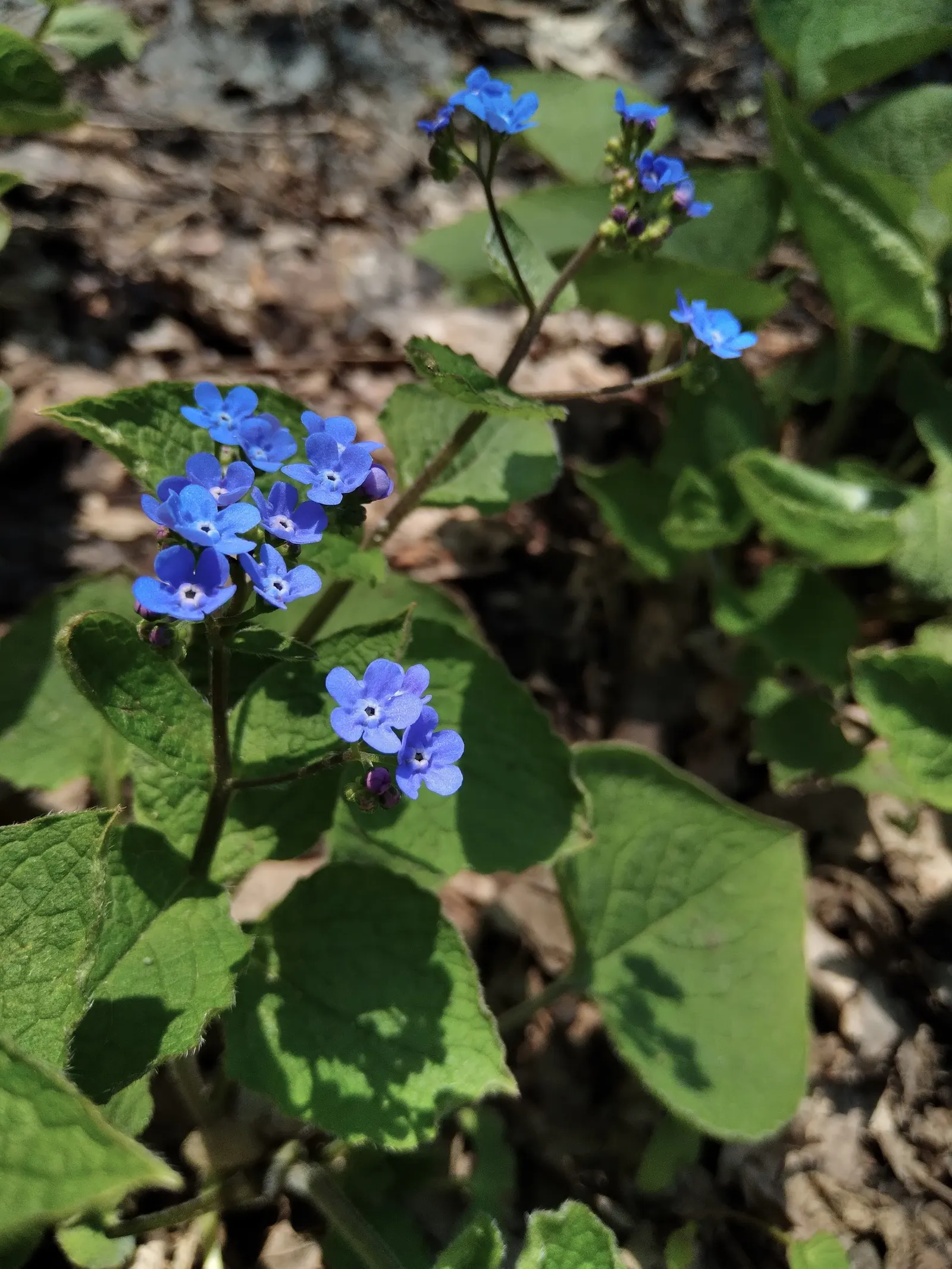
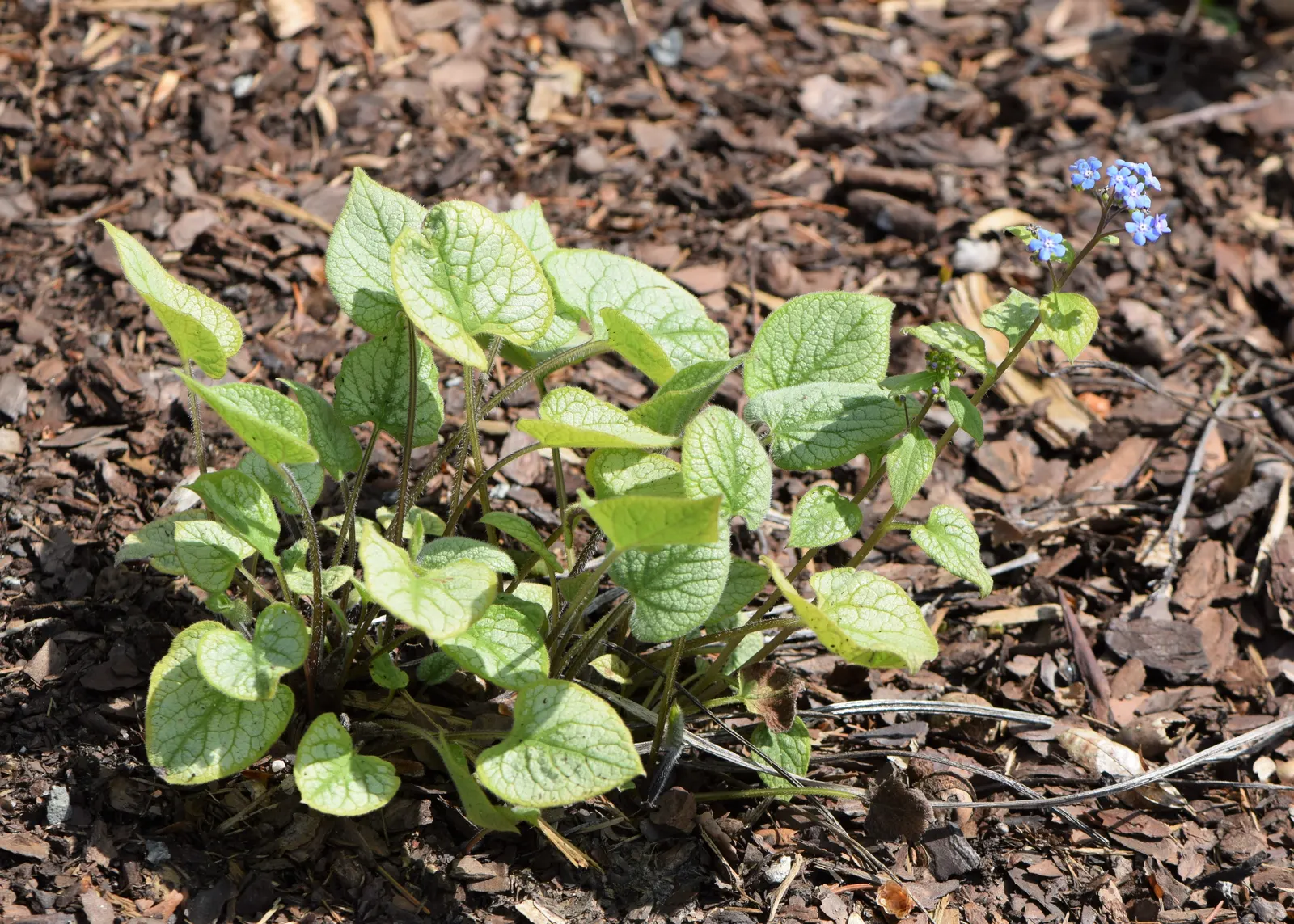
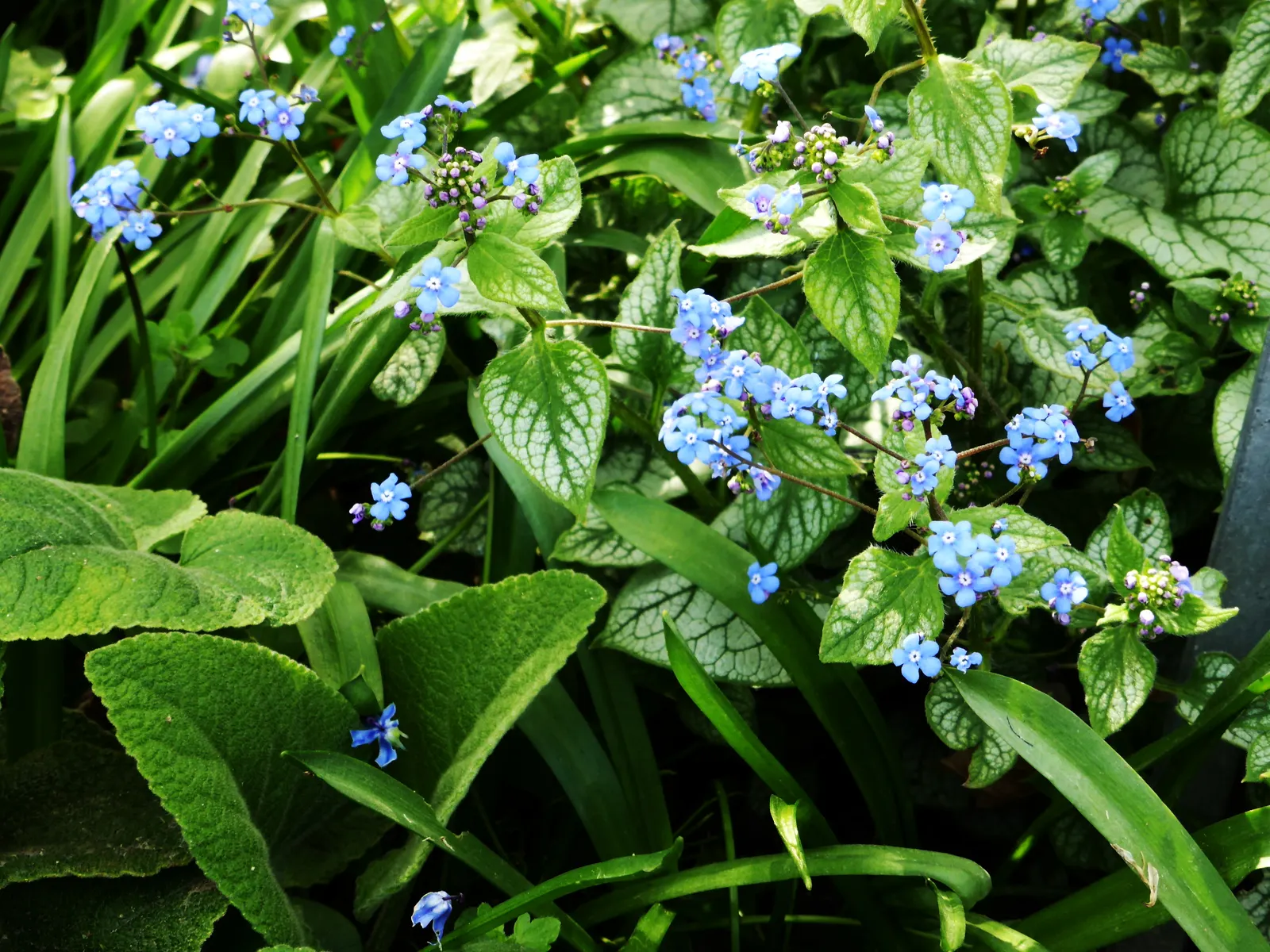
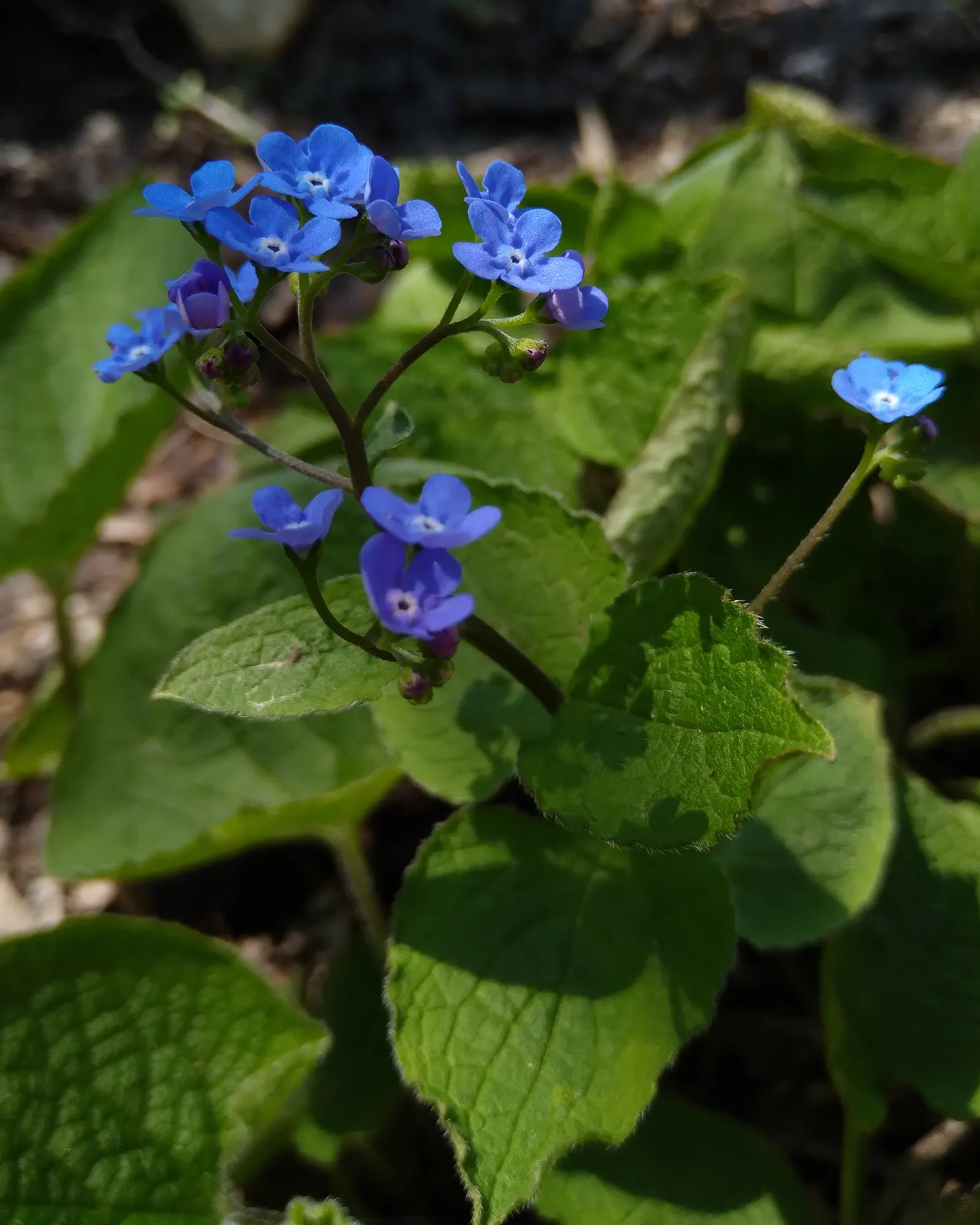
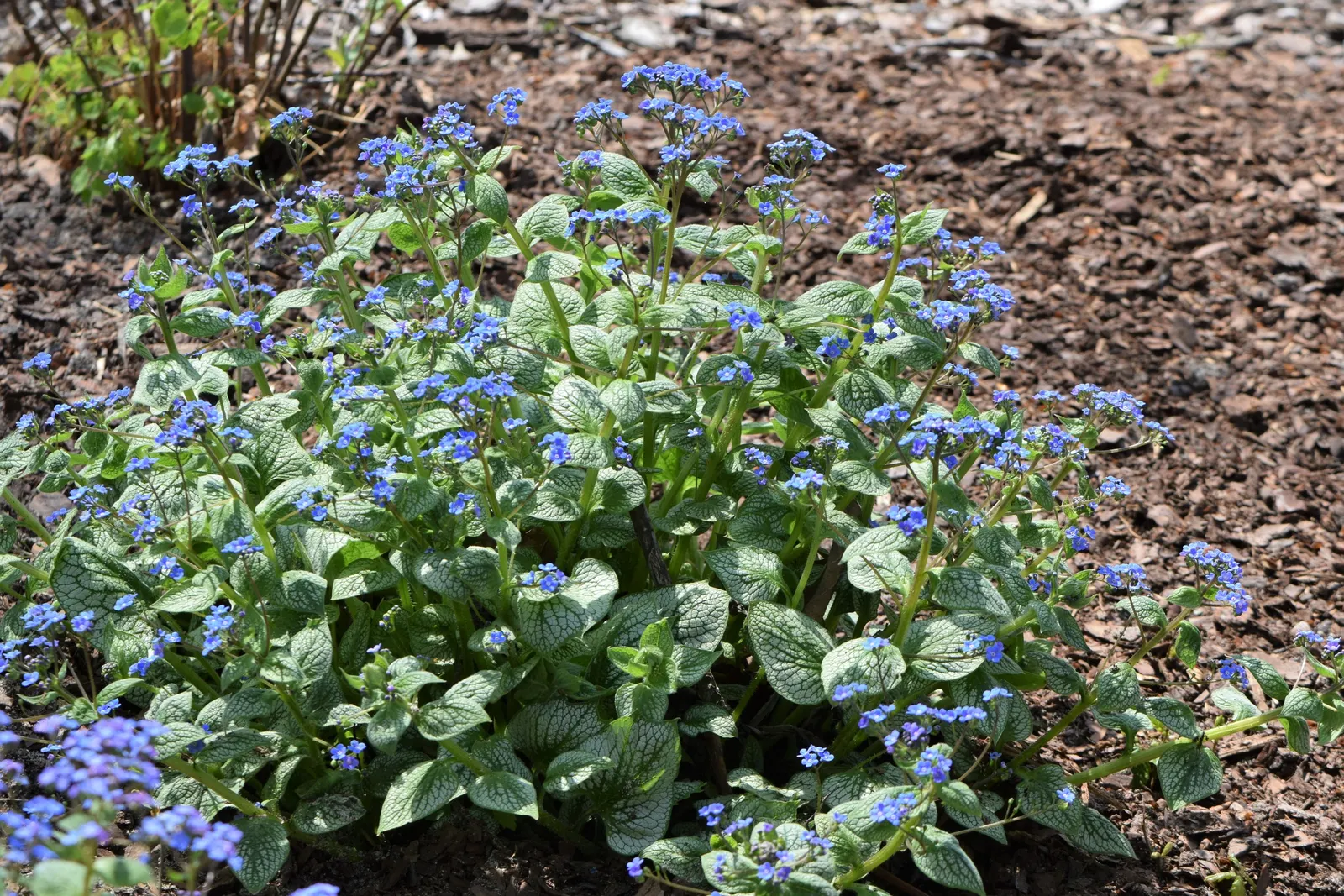
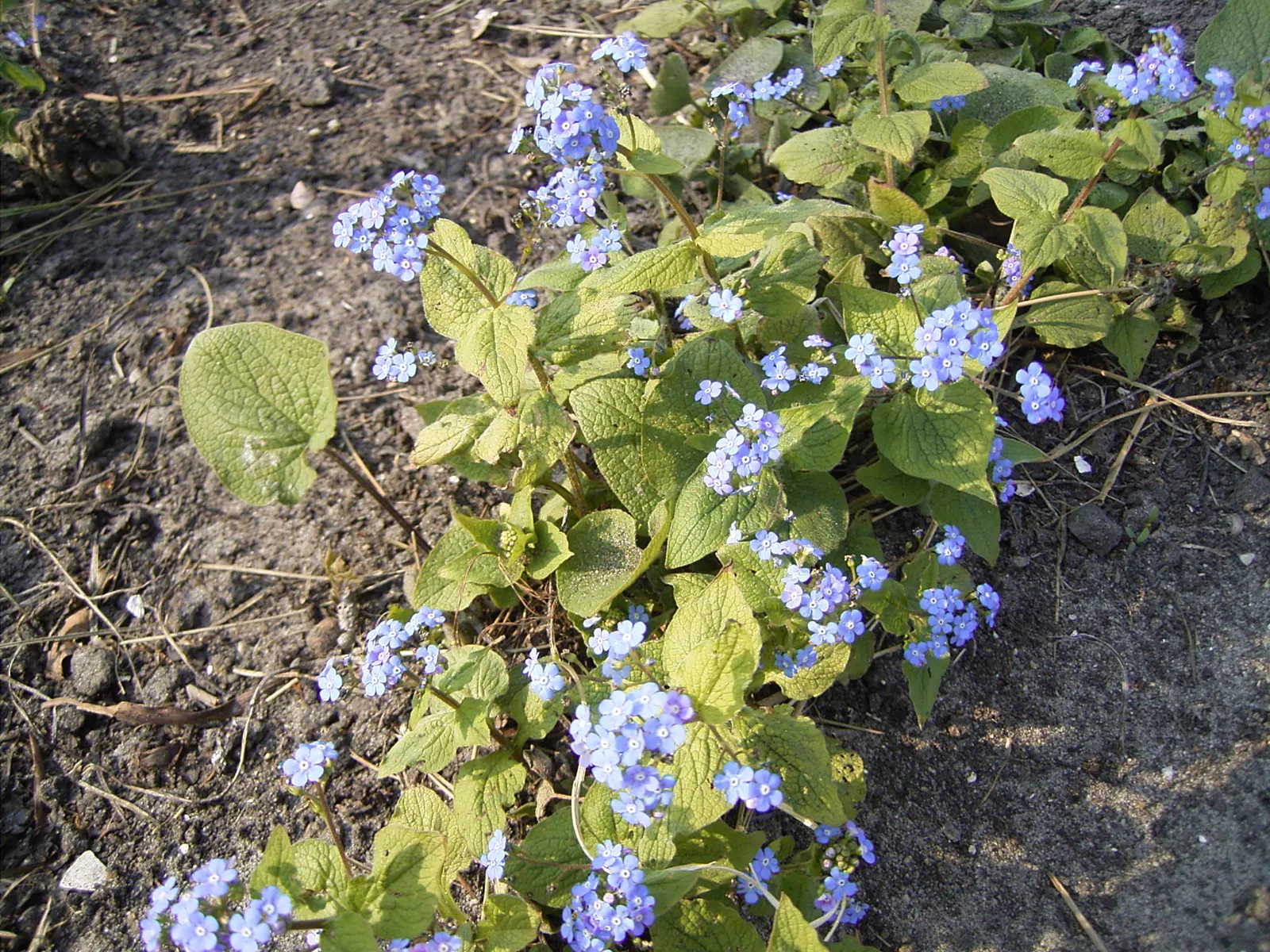
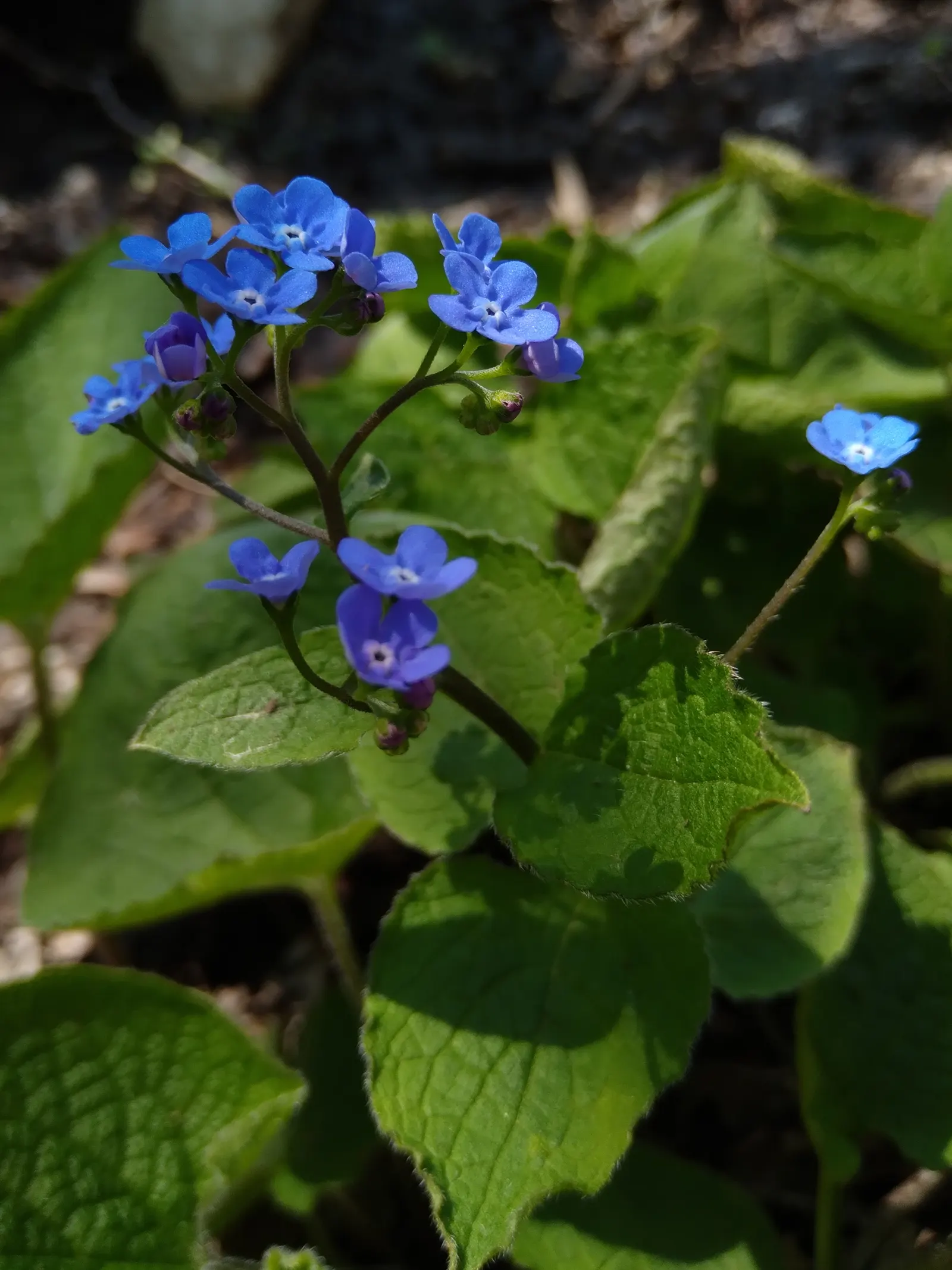
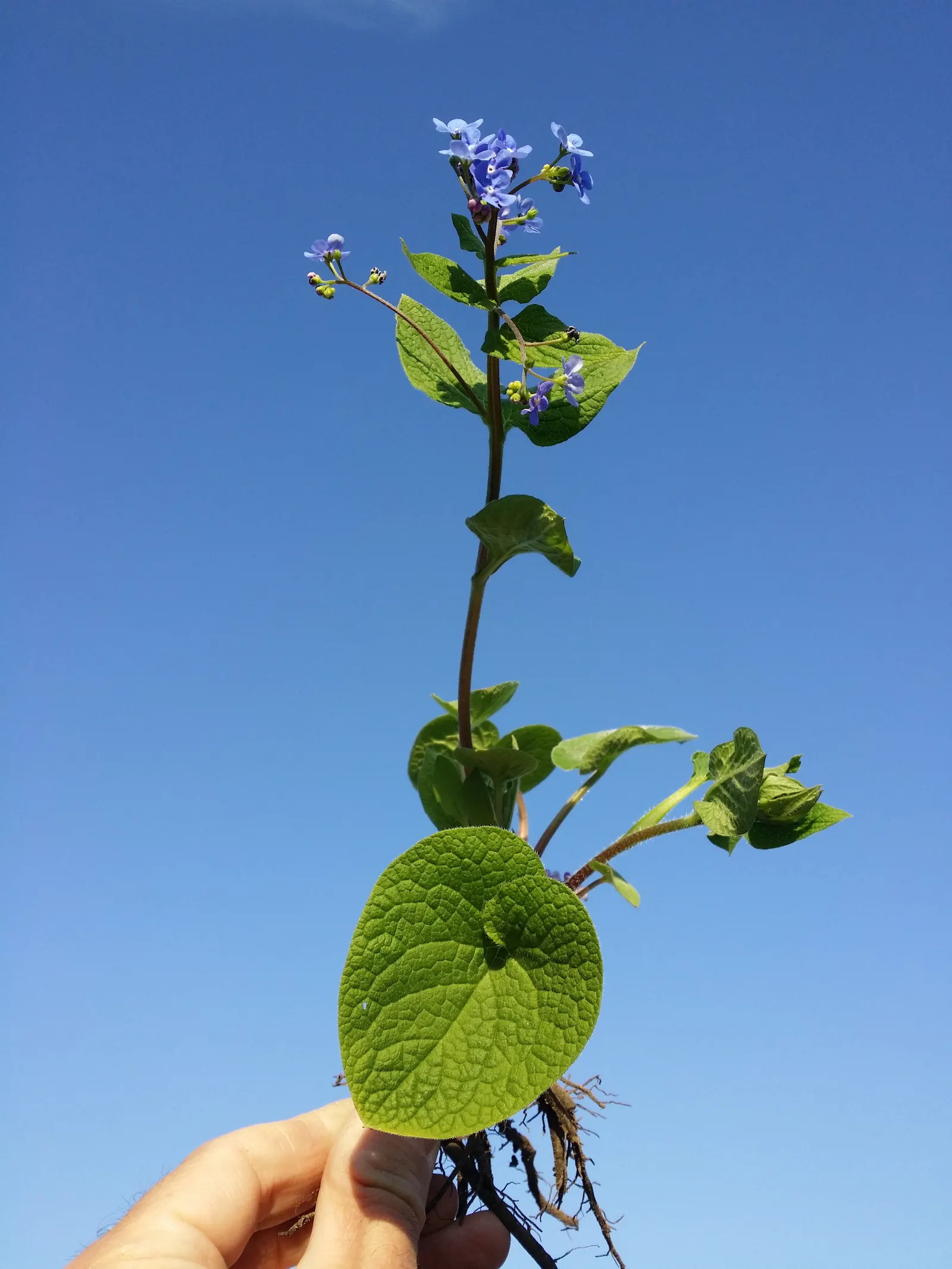
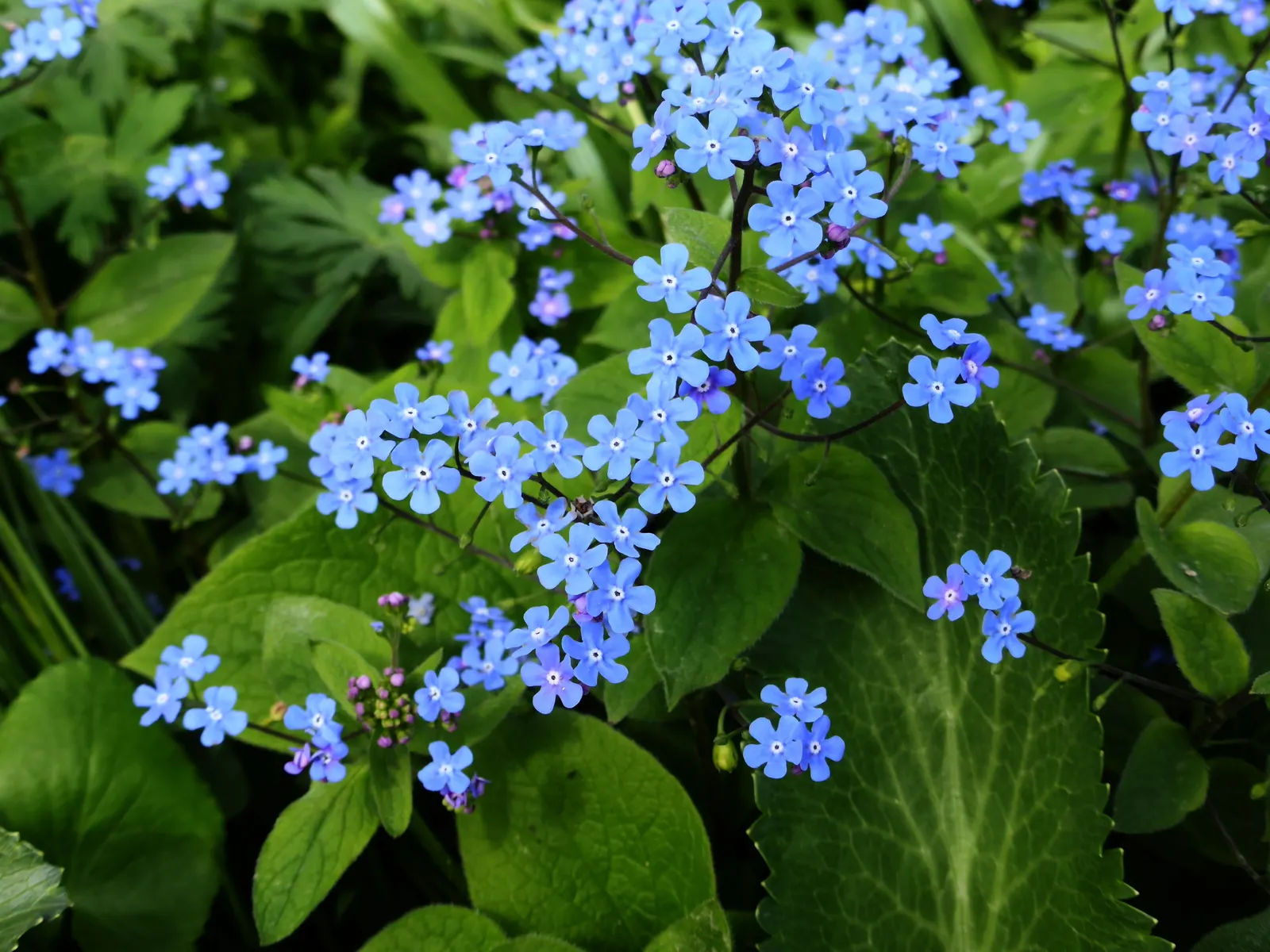
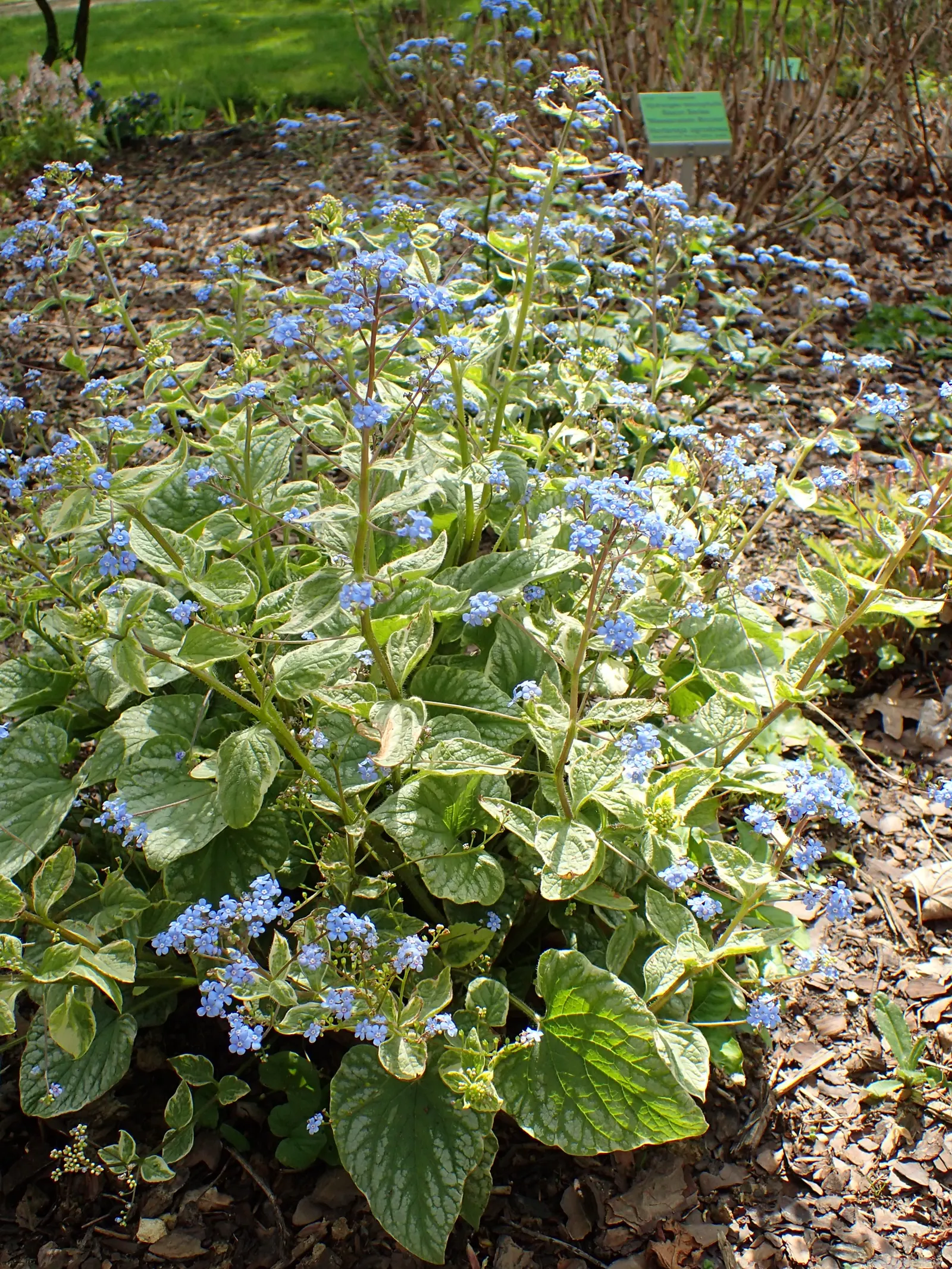
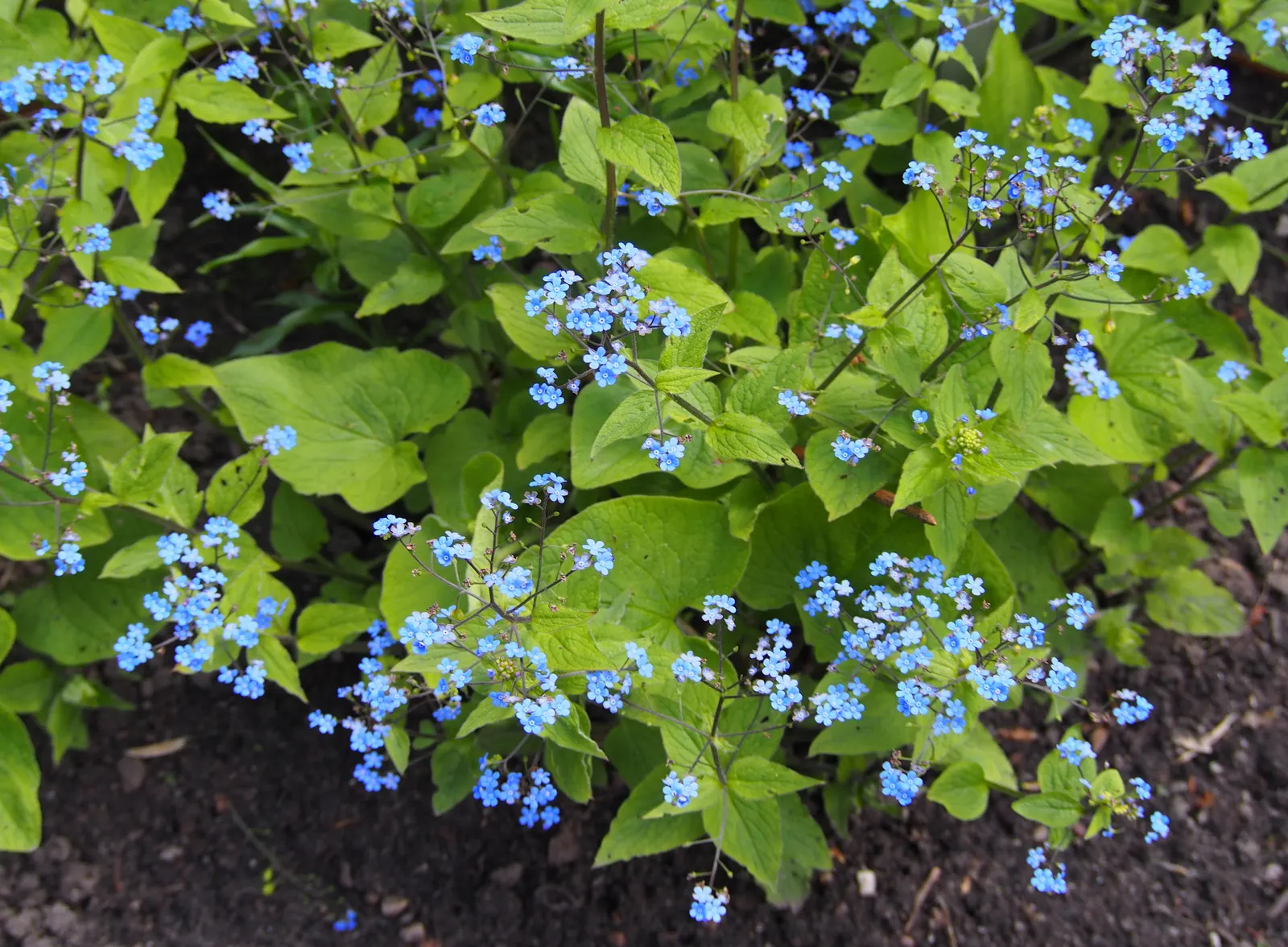
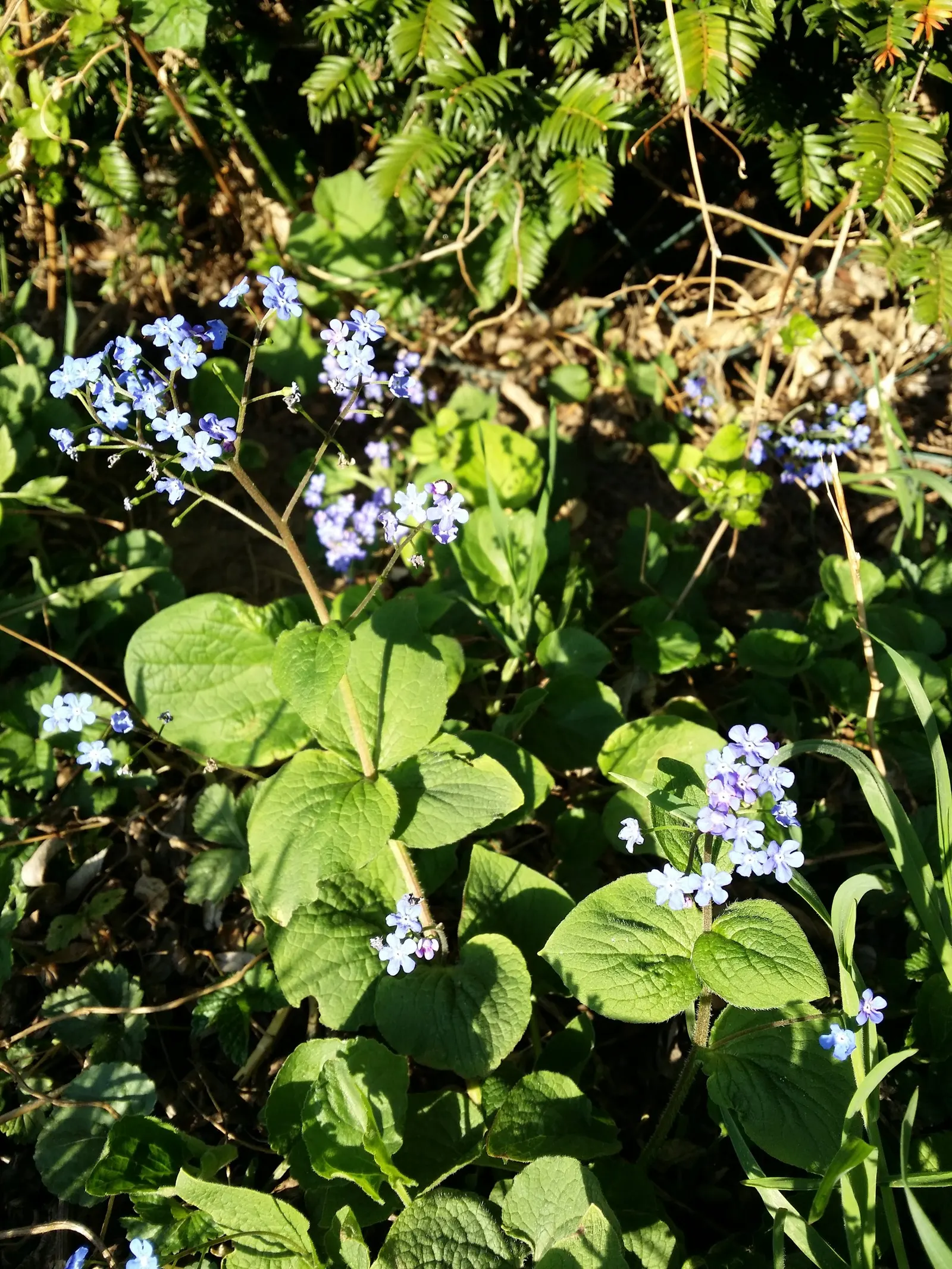
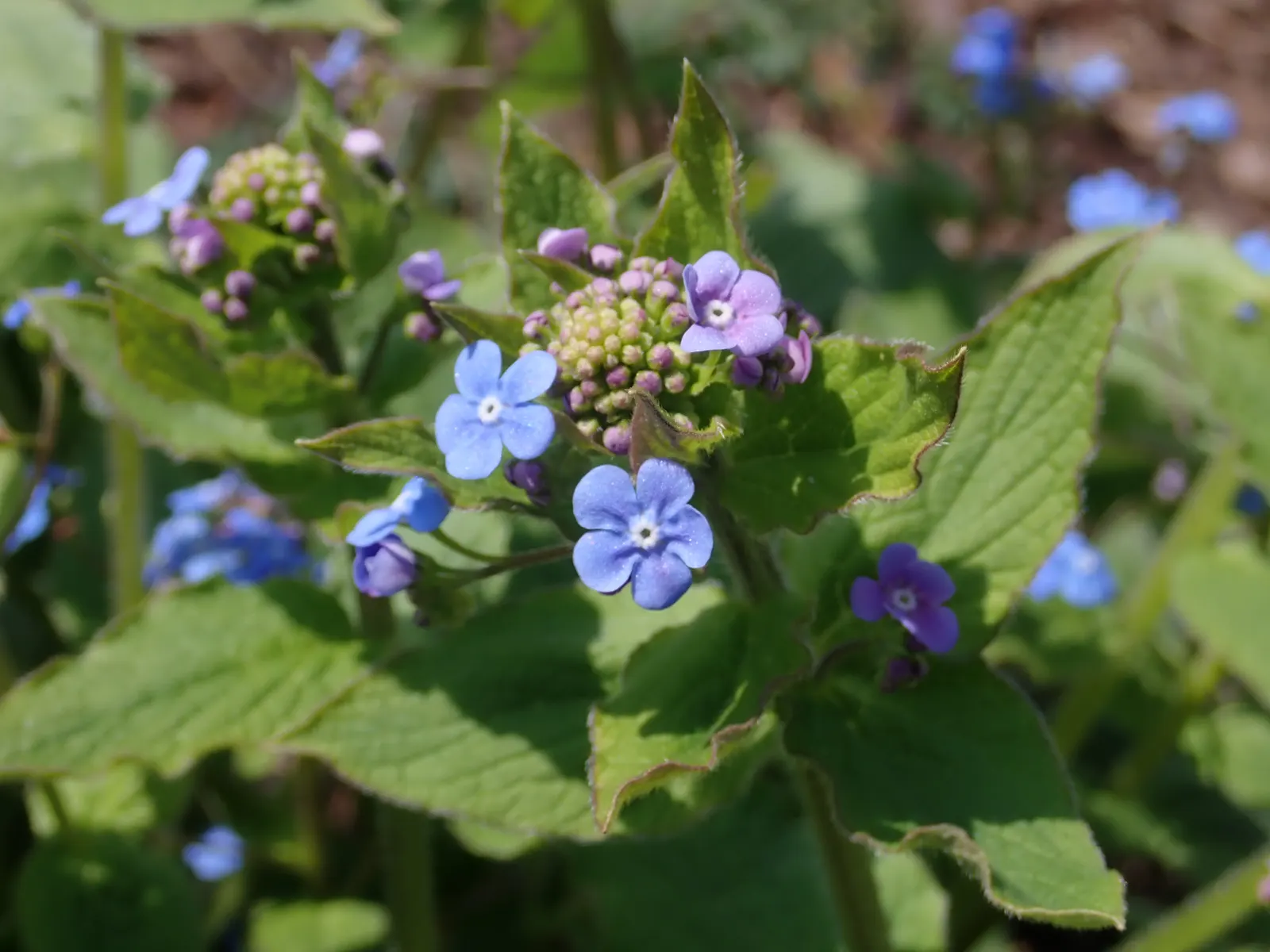
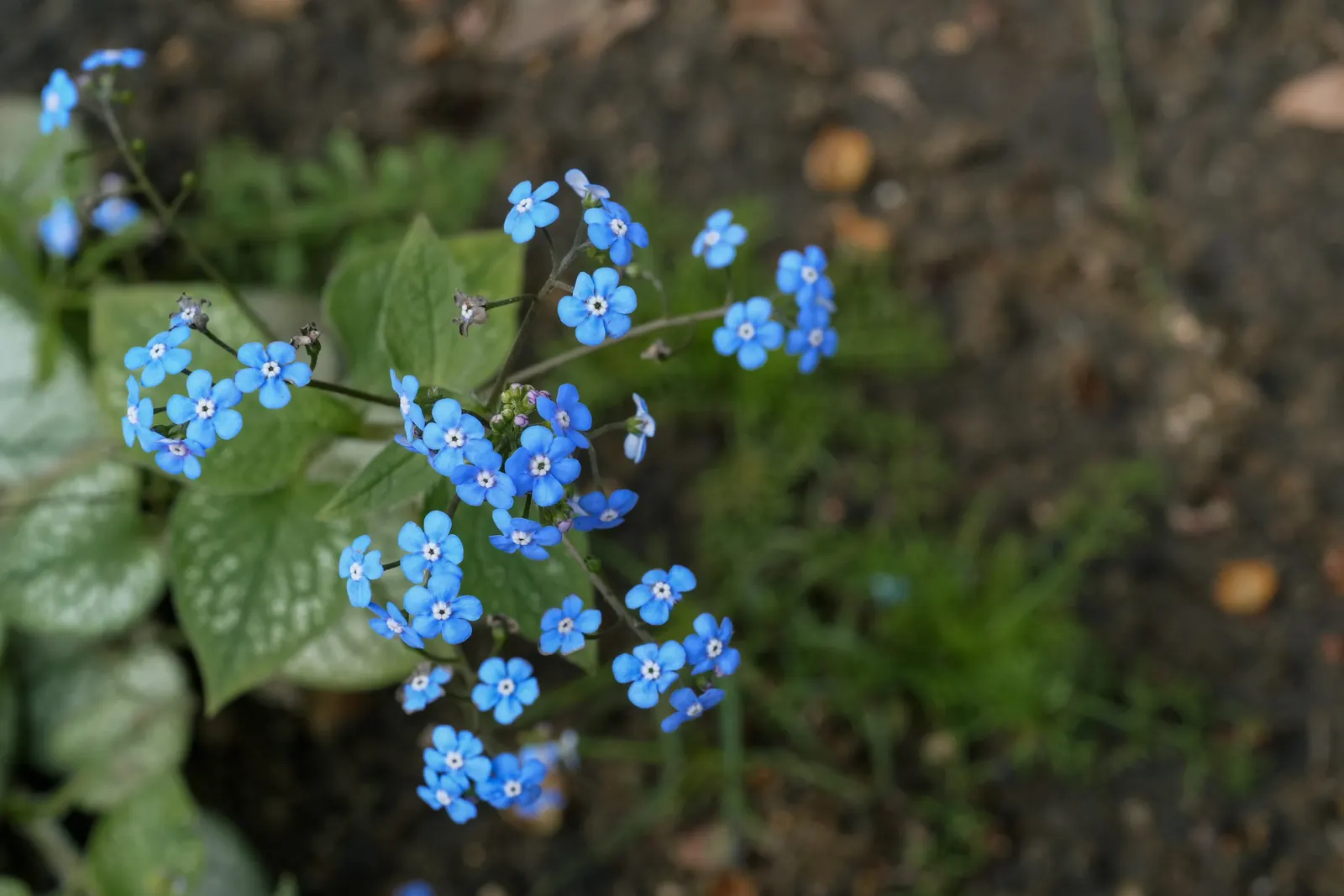
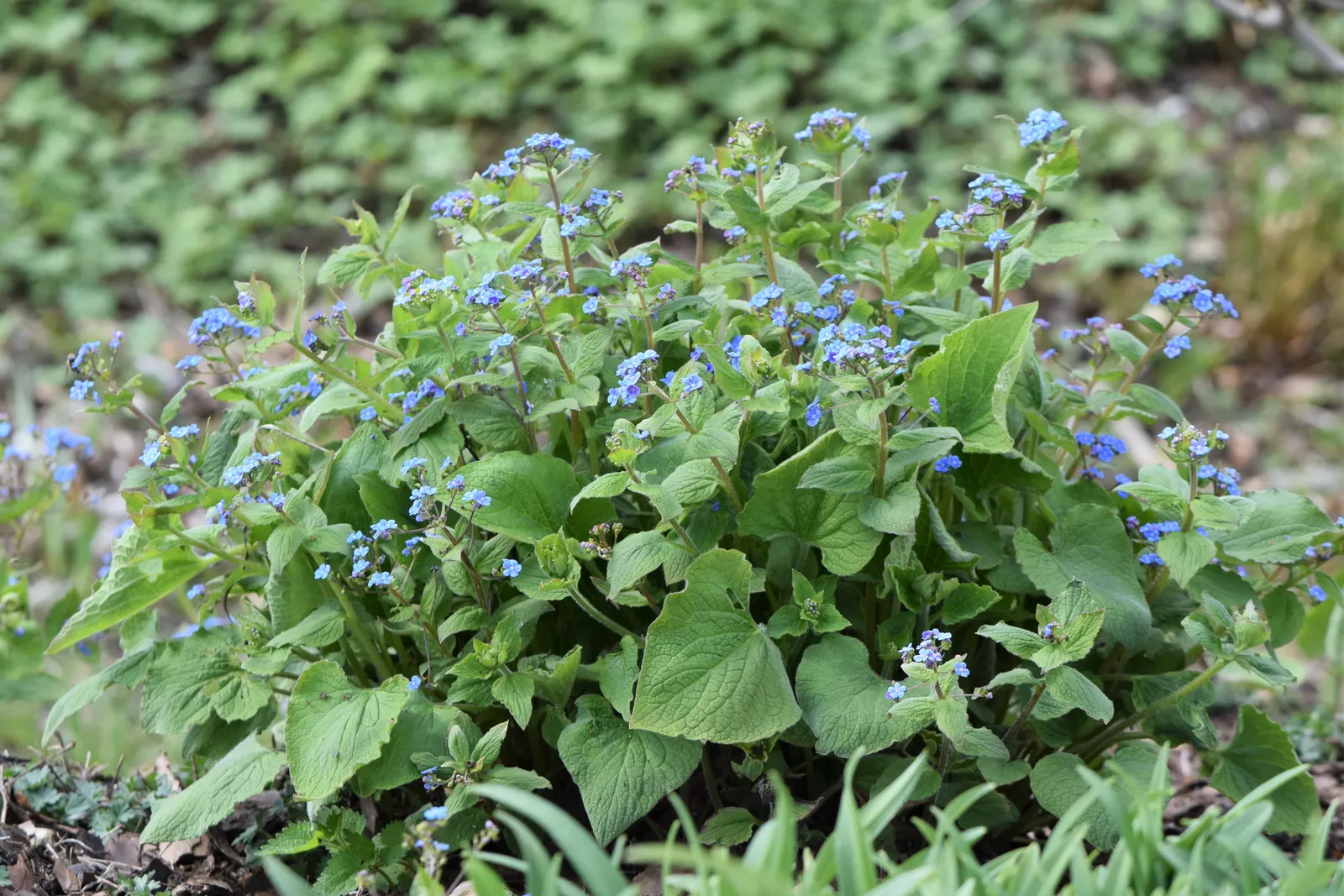
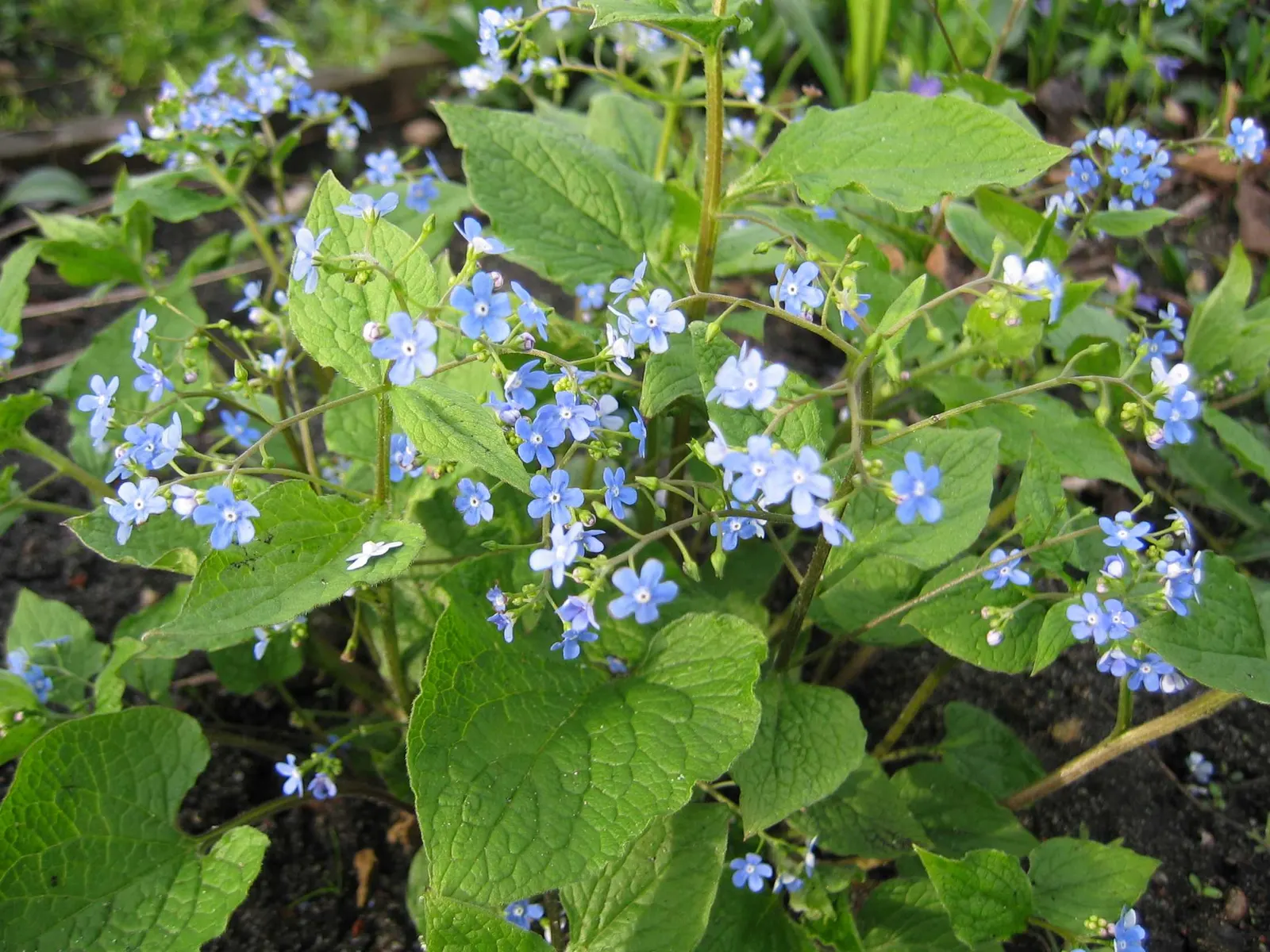
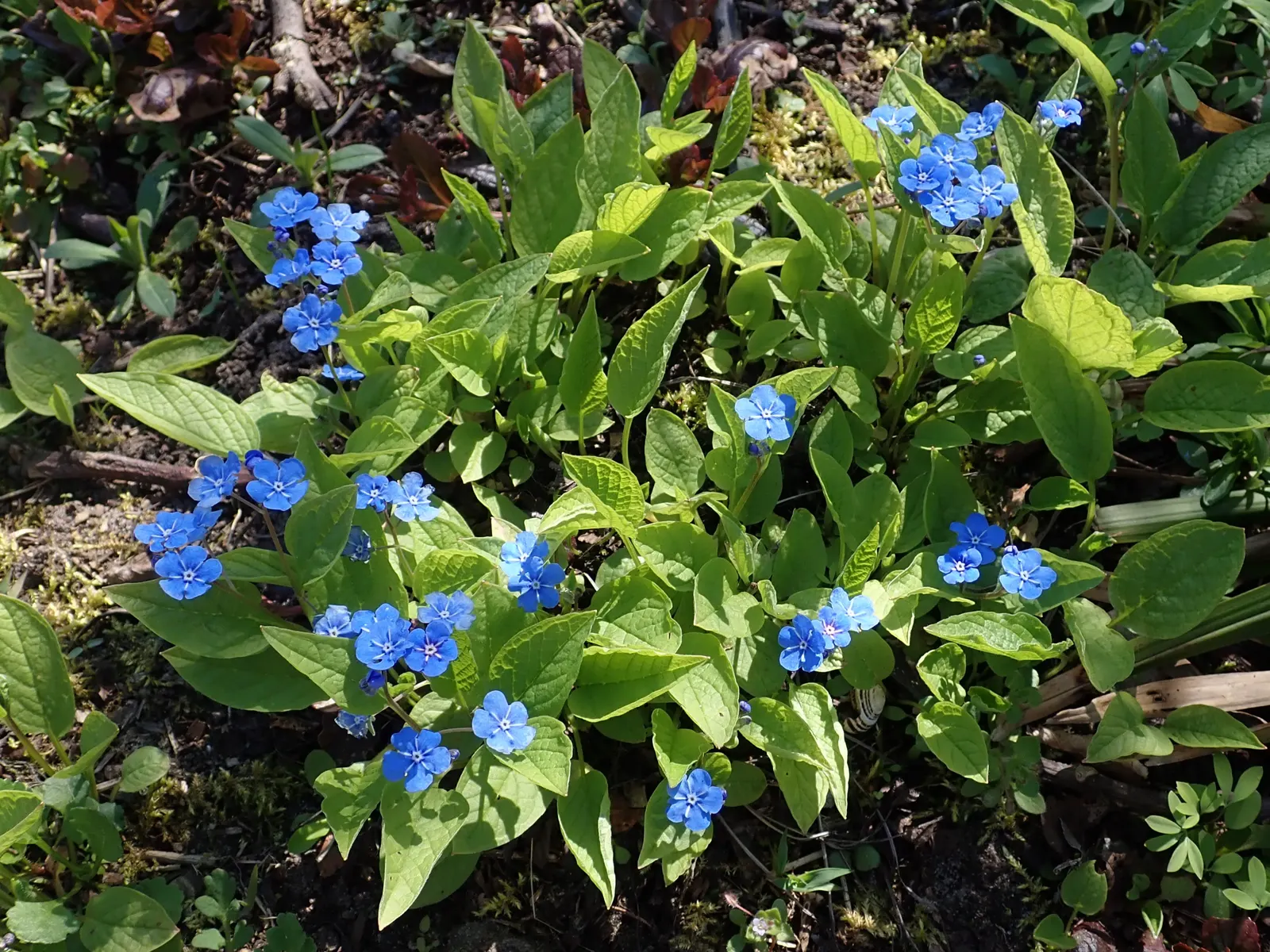
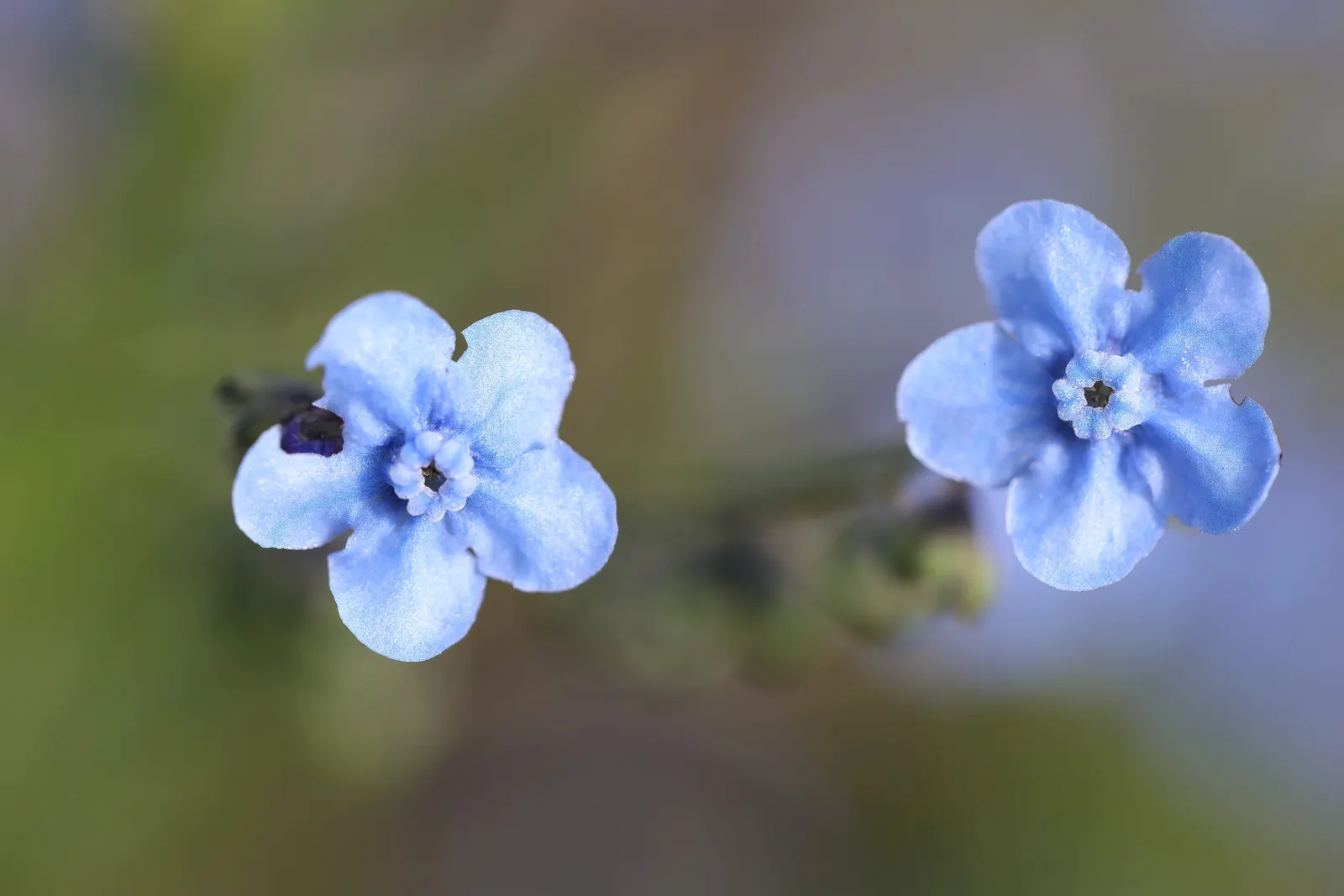
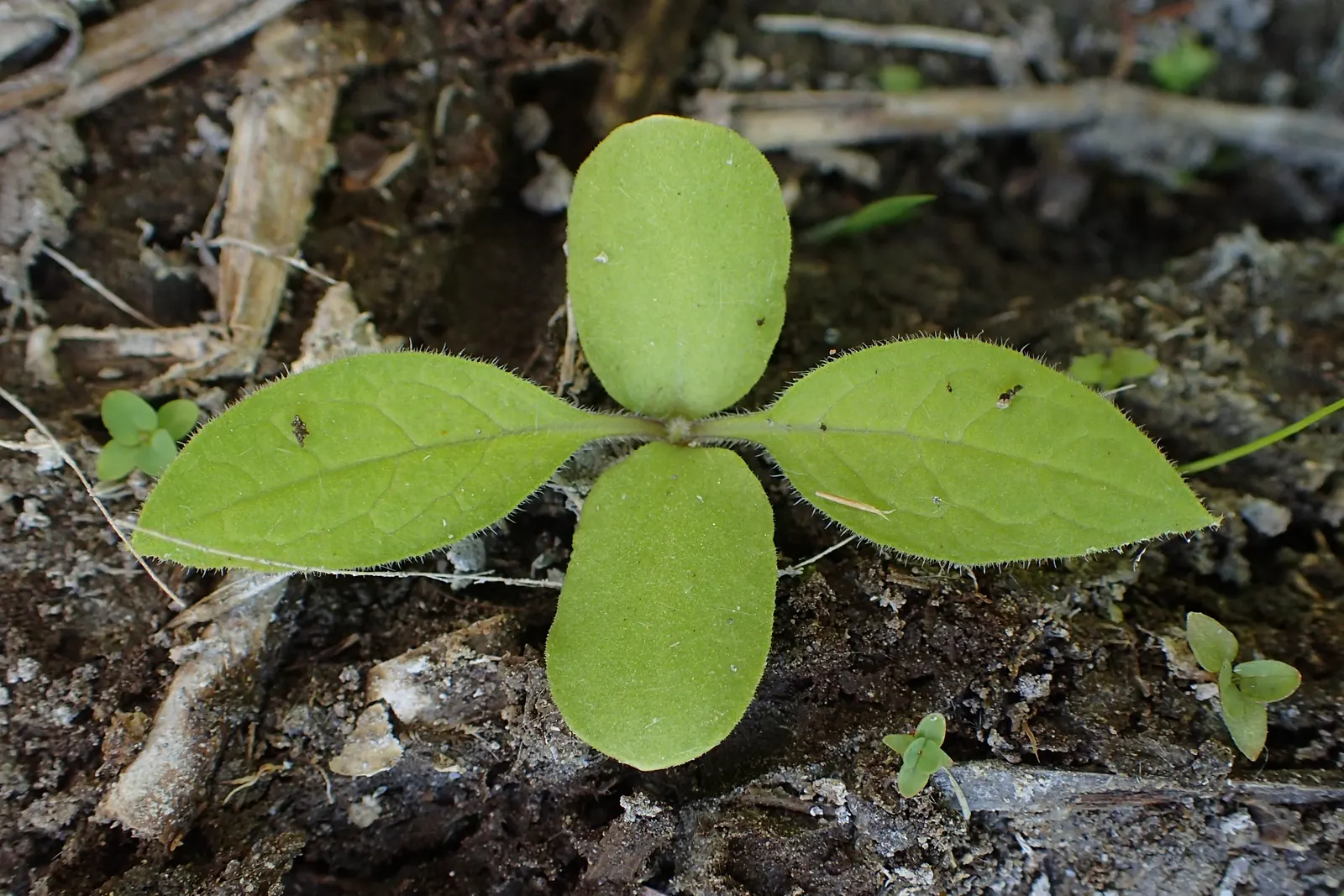
Brunnera macrophylla, commonly known as Siberian Bugloss, is a perennial valued for its heart-shaped leaves spanning up to 6 inches wide and clusters of delicate, sky-blue flowers akin to forget-me-nots. Thriving in part to full shade, it reaches a mature size of 12-15 inches high and 18-24 inches wide. Requires moist, well-drained soil. Remarkable for its foliage texture, it's ideal for woodland gardens and as a groundcover. USDA Zones 3-8.

Sun Deep Shade, ShadeWater MediumZones 2–10Type Ground cover, PerennialClimate Temperate

Culture

Sun
Deep Shade, Shade
Water
Medium
USDA zones
2–10

Shape & size

Classification

Type
Ground cover, Perennial
Family
Boraginaceae
Climate
Temperate

See full data, regional cultivation notes, and design tools. Build a client presentation around this plant.

Start your 14-day trial

Photos (109)

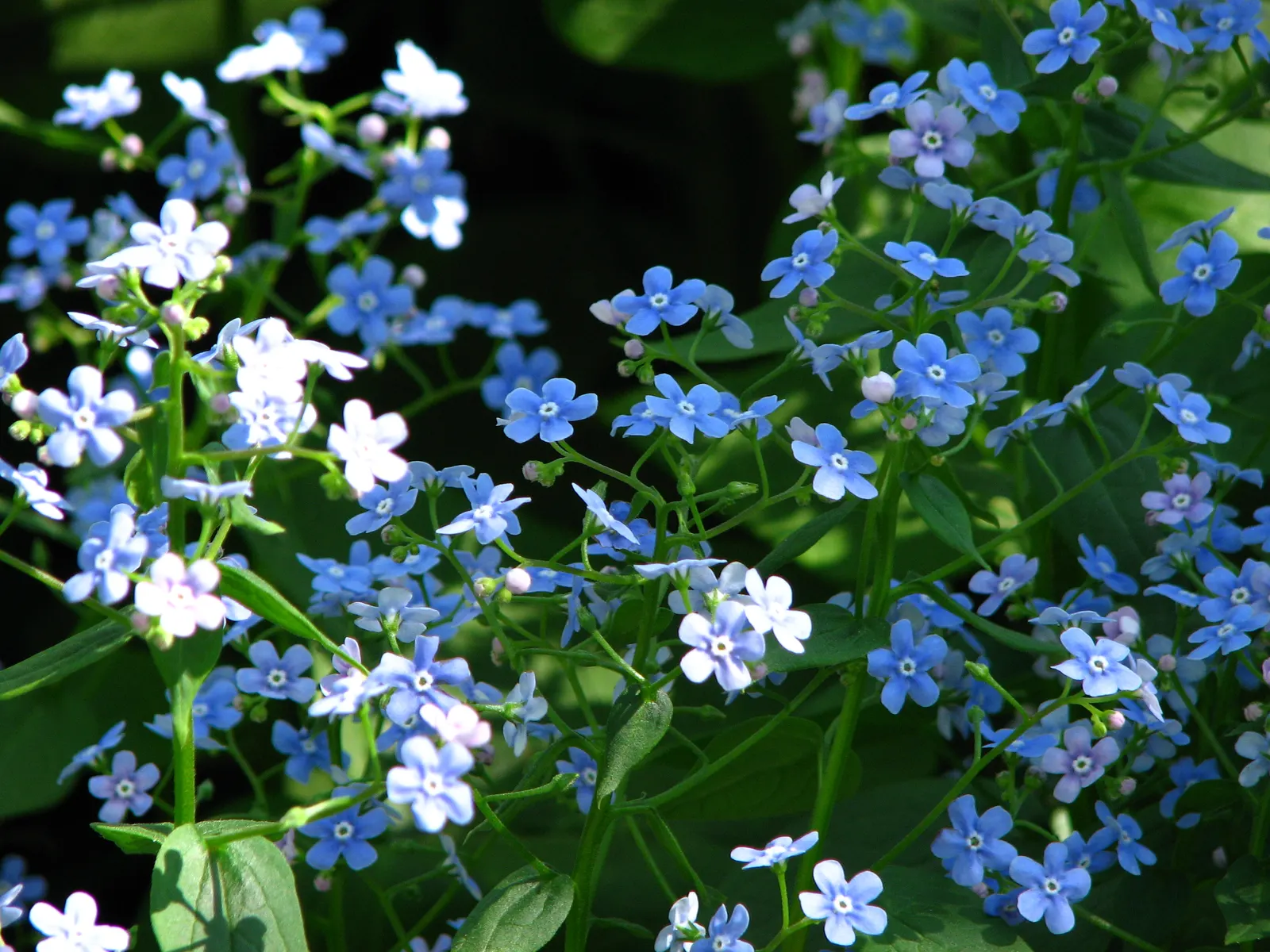
Siberian Bugloss (Brunnera Macrophylla) — scientifically named Brunnera macrophylla; providing a charming contrast against the foliage, image 56
Siberian Bugloss (Brunnera Macrophylla) — Thriving in part to full shade, it reaches a mature size of 12-15 inches high and 18-24 inches wide, image 53
Siberian Bugloss (Brunnera Macrophylla) — thriving in USDA Hardiness Zones 3 through 8
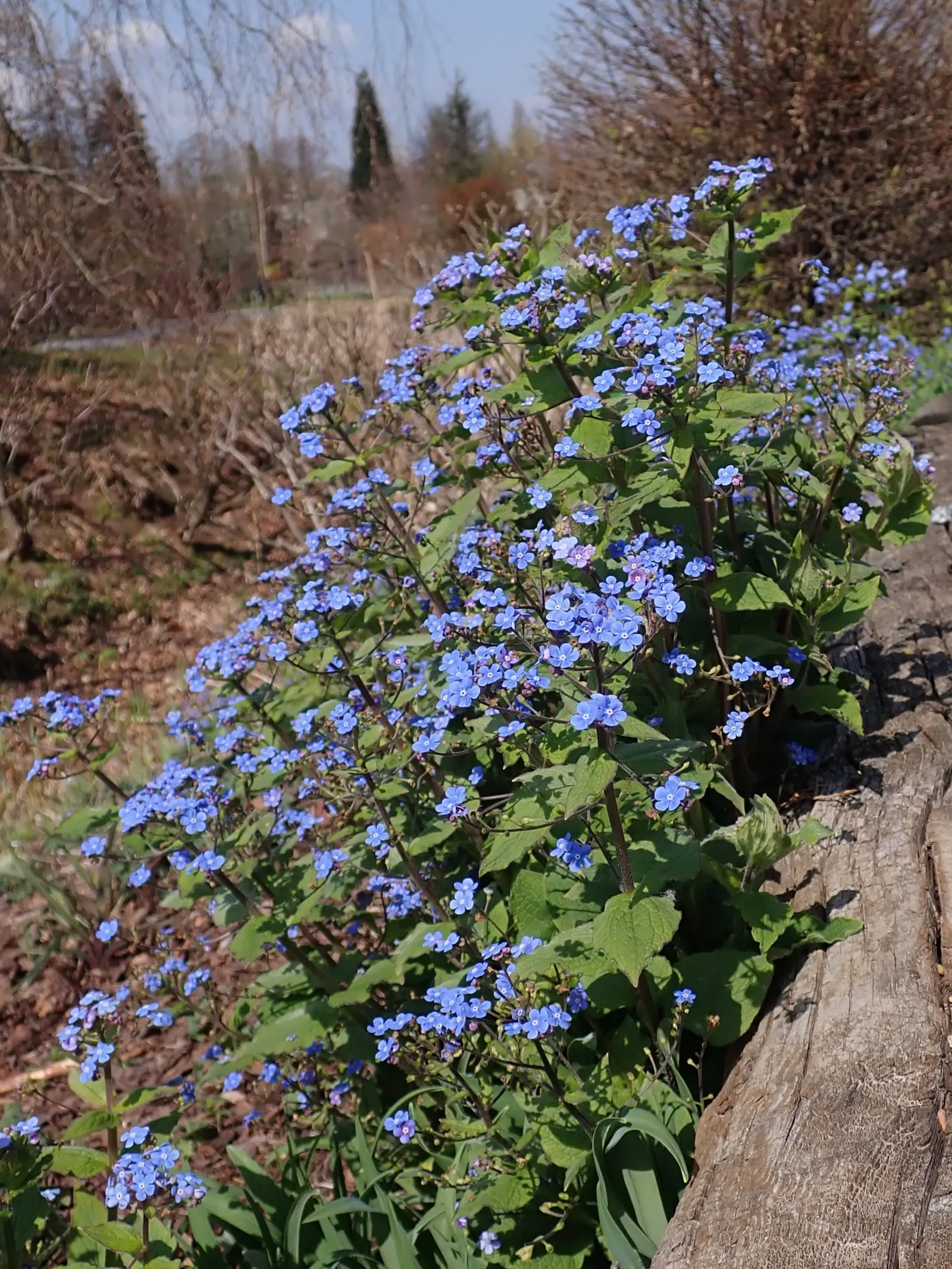
Siberian Bugloss (Brunnera Macrophylla) — thriving in USDA Hardiness Zones 3 through 8; sky-blue flowers akin to forget-me-nots
Siberian Bugloss (Brunnera Macrophylla) — Remarkable for its foliage texture, it's ideal for woodland gardens and as a groundcover; with a similar spread of 18
Siberian Bugloss (Brunnera Macrophylla) — Siberian Bugloss requires moist, well-drained soil with ample organic matter
Siberian Bugloss (Brunnera Macrophylla) — It is relatively low-maintenance; siberian Bugloss requires moist, well-drained soil with ample organic matter
Siberian Bugloss (Brunnera Macrophylla) — Its lush foliage and cobalt blooms provide a cool; this plant can be an excellent addition to city gardens
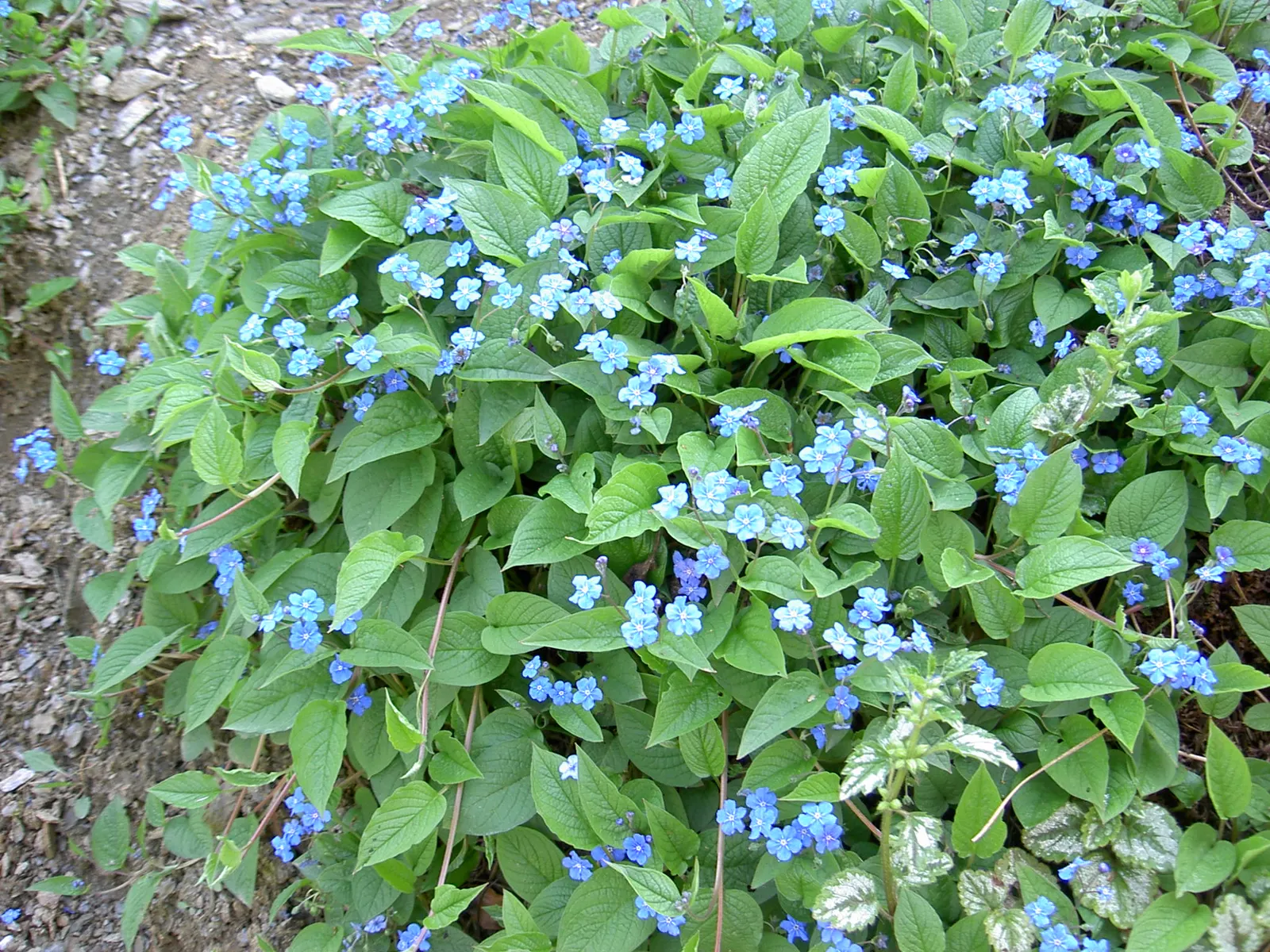
Siberian Bugloss (Brunnera Macrophylla) — ground cover / perennial with blue blooms; thriving in USDA Hardiness Zones 3 through 8
Siberian Bugloss (Brunnera Macrophylla) — Thriving in part to full shade, it reaches a mature size of 12-15 inches high and 18-24 inches wide, image 78
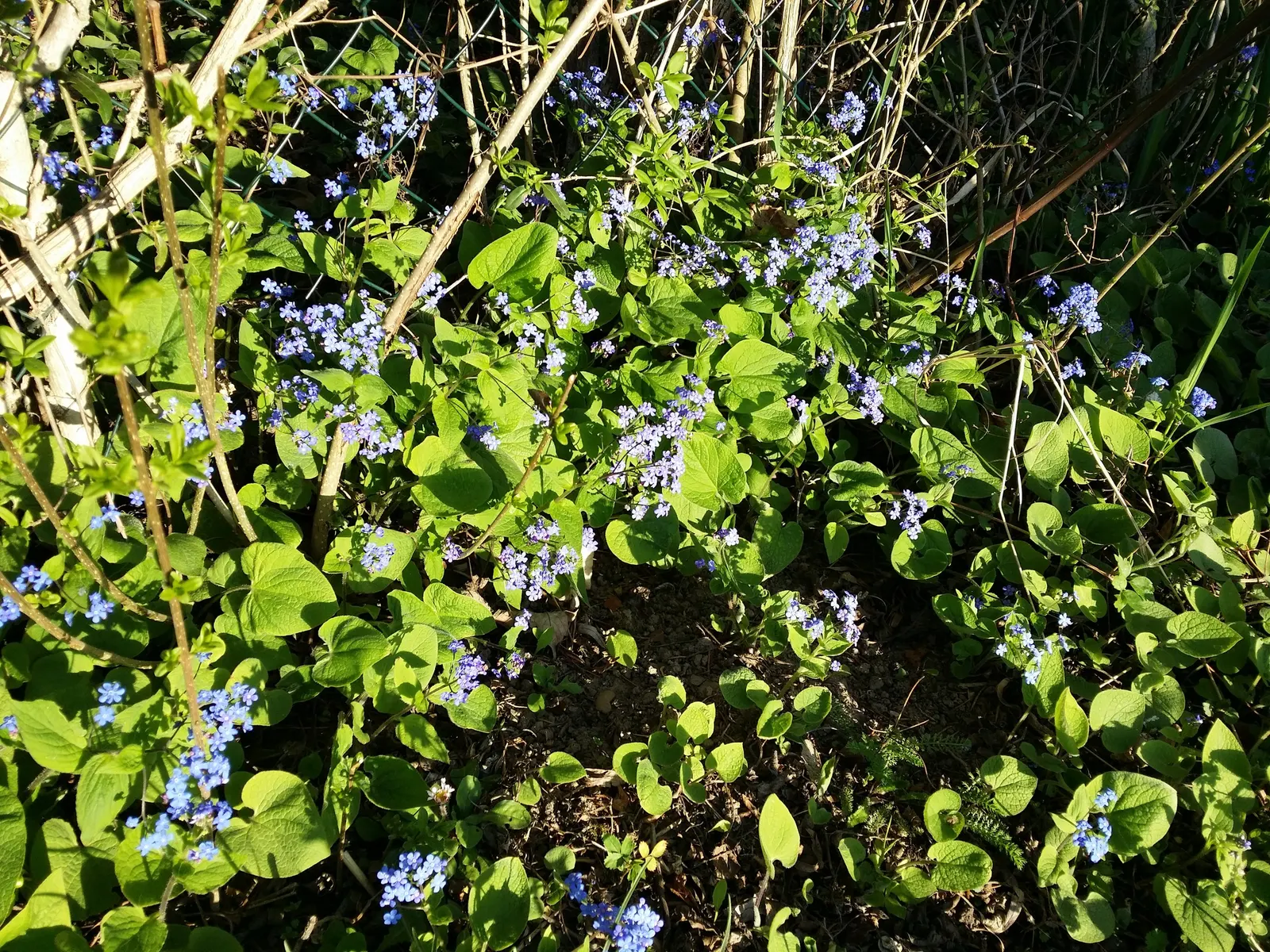
Siberian Bugloss (Brunnera Macrophylla) — blue flowers in the garden
Siberian Bugloss (Brunnera Macrophylla) — Remarkable for its foliage texture, it's ideal for woodland gardens and as a groundcover; with a similar, image 55
Siberian Bugloss (Brunnera Macrophylla) — notably in cultivated varieties such as \'Jack Frost\' or \'Variegata\'; ground cover / perennial with, image 86
Siberian Bugloss (Brunnera Macrophylla) — notably in cultivated varieties such as \'Jack Frost\' or \'Variegata\'
Siberian Bugloss (Brunnera Macrophylla) — with a similar spread of 18 to 24 inches; its lush foliage and cobalt blooms provide a cool, image 82
Siberian Bugloss (Brunnera Macrophylla) — serene ambiance and will interest visitors with its visual appeal and durability; commonly known as Siberian Bugloss
Siberian Bugloss (Brunnera Macrophylla) — ground cover / perennial with blue blooms; thriving in USDA Hardiness Zones 3 through 8, image 74
Siberian Bugloss (Brunnera Macrophylla) — typically from April to May; scientifically named Brunnera macrophylla, image 87
Siberian Bugloss (Brunnera Macrophylla) — It is relatively low-maintenance; siberian Bugloss requires moist, well-drained soil with ample organic, image 67
Siberian Bugloss (Brunnera Macrophylla) — providing a charming contrast against the foliage; or as border fronts for an enchanting aesthetic, image 64
Siberian Bugloss (Brunnera Macrophylla) — providing a charming contrast against the foliage; or as border fronts for an enchanting aesthetic, image 89
Siberian Bugloss (Brunnera Macrophylla) — Requires moist, well-drained soil
Siberian Bugloss (Brunnera Macrophylla) — Remarkable for its foliage texture, it's ideal for woodland gardens and as a groundcover; with a similar, image 80
Siberian Bugloss (Brunnera Macrophylla) — this plant can be an excellent addition to city gardens
Photographs by 9 contributors

Related plants