Skip to content

Paper Mulberry

Broussonetia Papyrifera

Design with this plant

Overview

The Paper Mulberry, Broussonetia papyrifera, is a deciduous tree revered for its fast growth, reaching up to 50 feet tall with a spread of 35 feet. This Asian native sports broad, lobed leaves, which offer dense shade, and bears non-showy flowers. It thrives in USDA zones 7-10, preferring full sun to partial shade and adaptable to various soils. Note: In some areas, it's considered invasive due to its prolific seeding.

Sun Full, HalfWater MediumZones 6–9Climate Temperate
Paper Mulberry (Broussonetia Papyrifera) — is a deciduous tree revered for its fast growth

Culture

Sun
Full, Half
Water
Medium
USDA zones
6–9

Shape & size

Mature height
40–50 Ft.
Mature width
30–40 Ft.

Classification

Family
Moraceae
Climate
Temperate

See full data, regional cultivation notes, full-resolution photos, and design tools. Build a client presentation around this plant.

Start your 14-day trial

Photos (98)

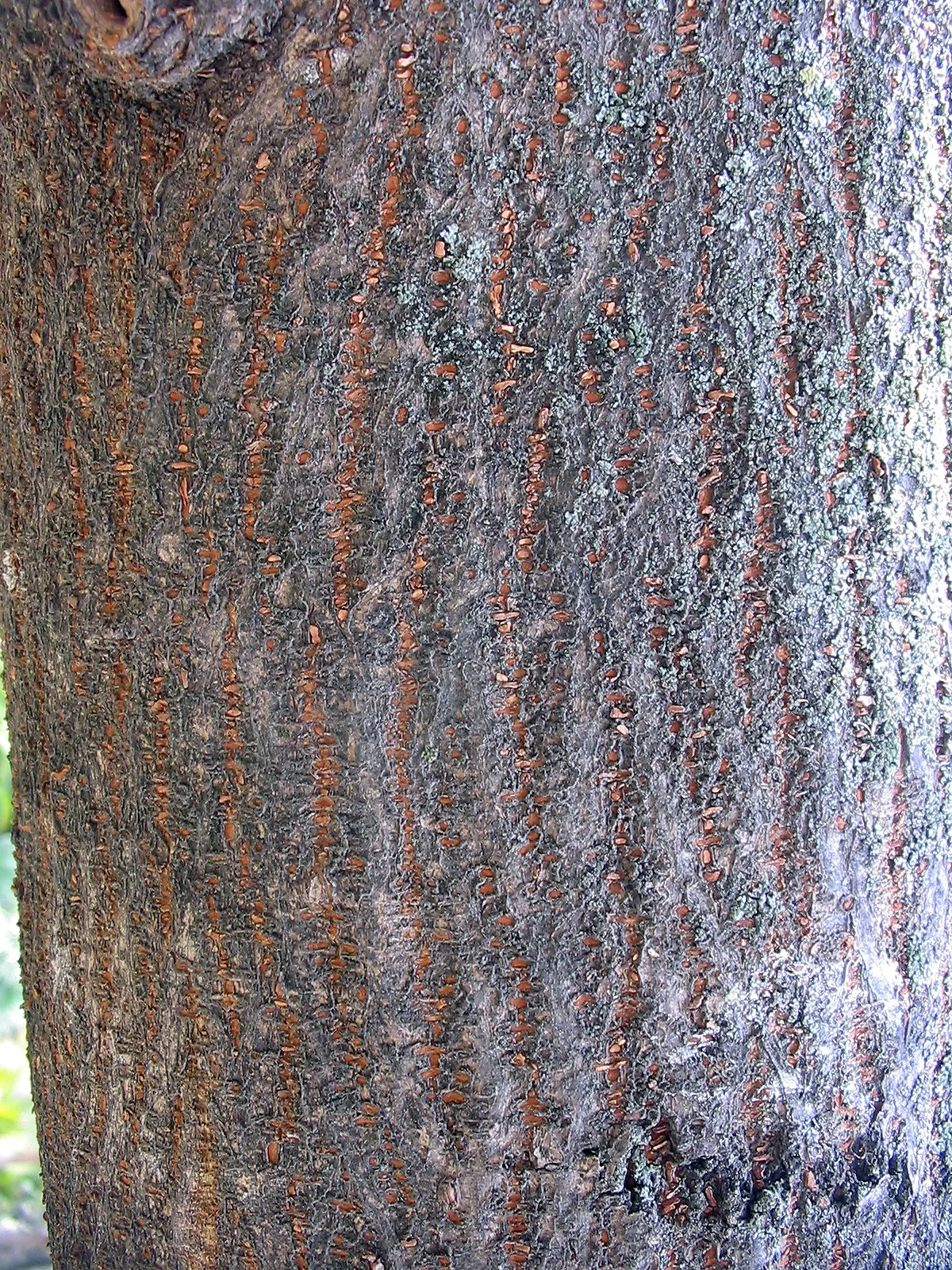
Paper Mulberry (Broussonetia Papyrifera) — and it's prudent to check local regulations before planting, image 50
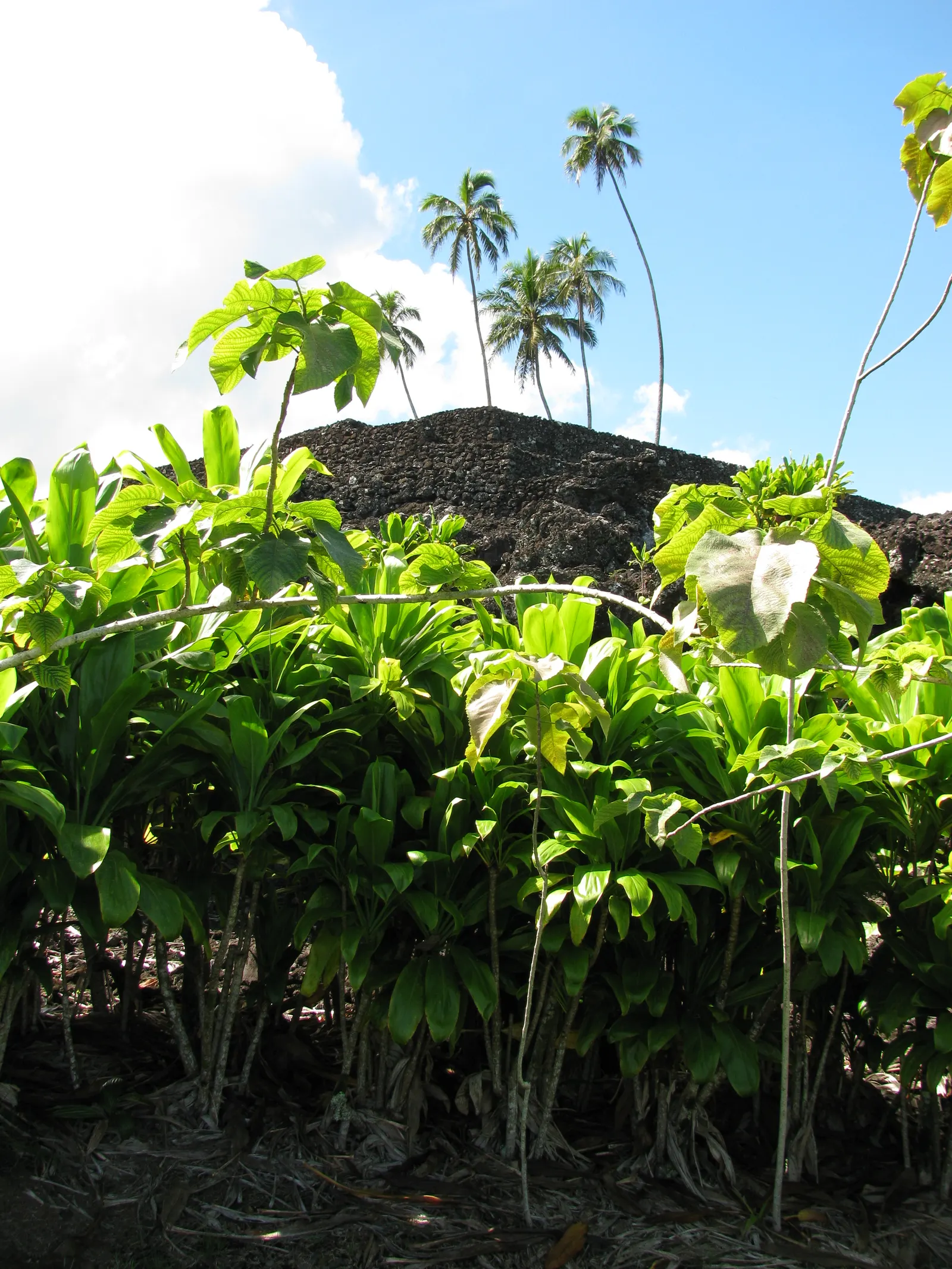
Paper Mulberry (Broussonetia Papyrifera) — caution should be exercised as this species can be invasive in some areas; with separate male and female flowers
Paper Mulberry (Broussonetia Papyrifera) — It is also resilient to drought and air pollution, making it a sturdy choice for urban environments; this hardy
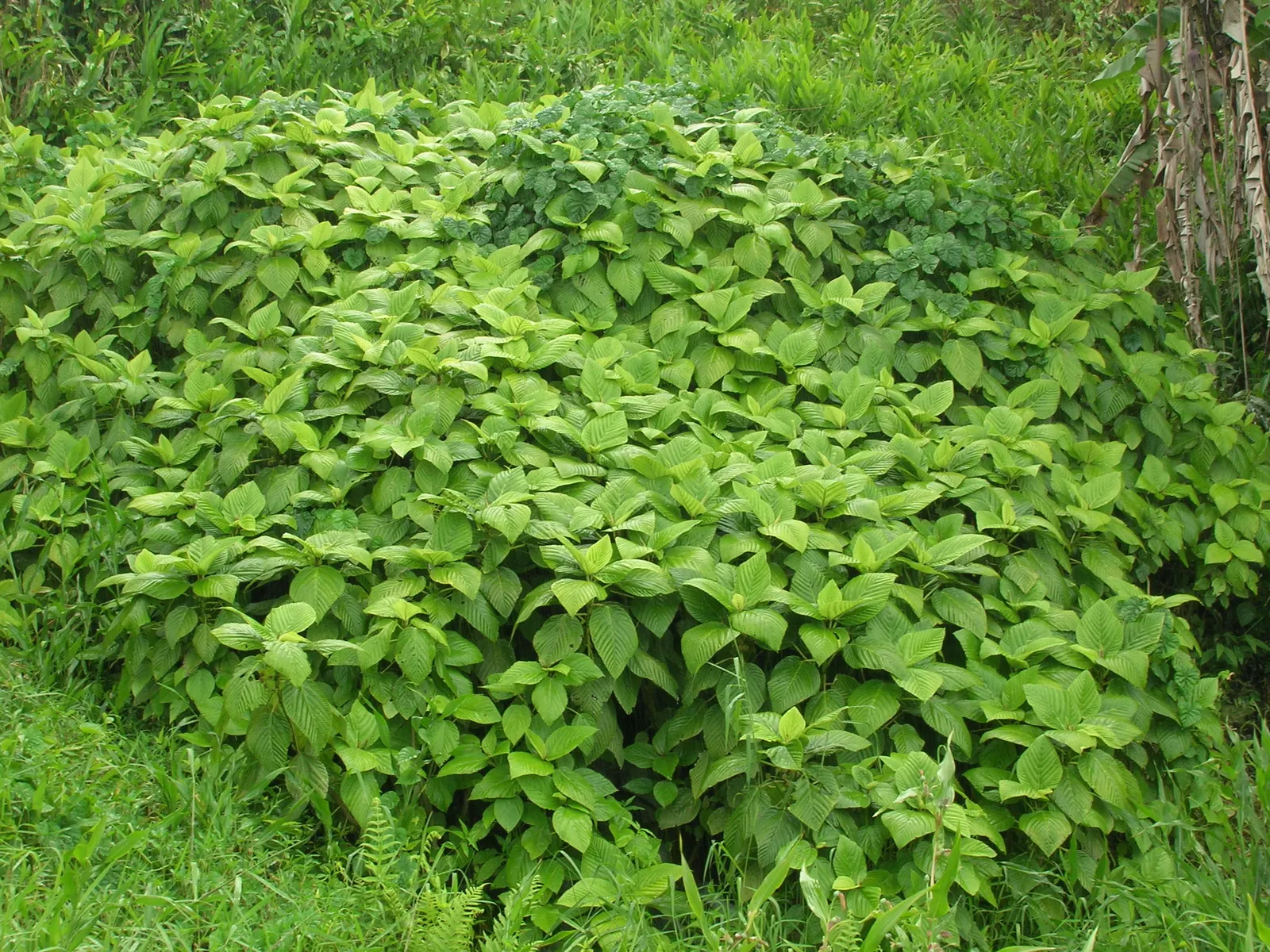
Paper Mulberry (Broussonetia Papyrifera) — though it thrives best in well-drained soil; reaching up to 50 feet tall with a spread of 35 feet
Paper Mulberry (Broussonetia Papyrifera) — including those with poor nutrition; caution should be exercised as this species can be invasive in some areas
Paper Mulberry (Broussonetia Papyrifera) — tree for full or half; offering a verdant focal point or an effective natural screen
Paper Mulberry (Broussonetia Papyrifera) — reaching up to 50 feet tall with a spread of 35 feet; typically extending from 30 to 40 feet, image 56
Paper Mulberry (Broussonetia Papyrifera) — is a deciduous tree revered for its fast growth; it thrives in USDA zones 7-10, preferring full sun to, image 55
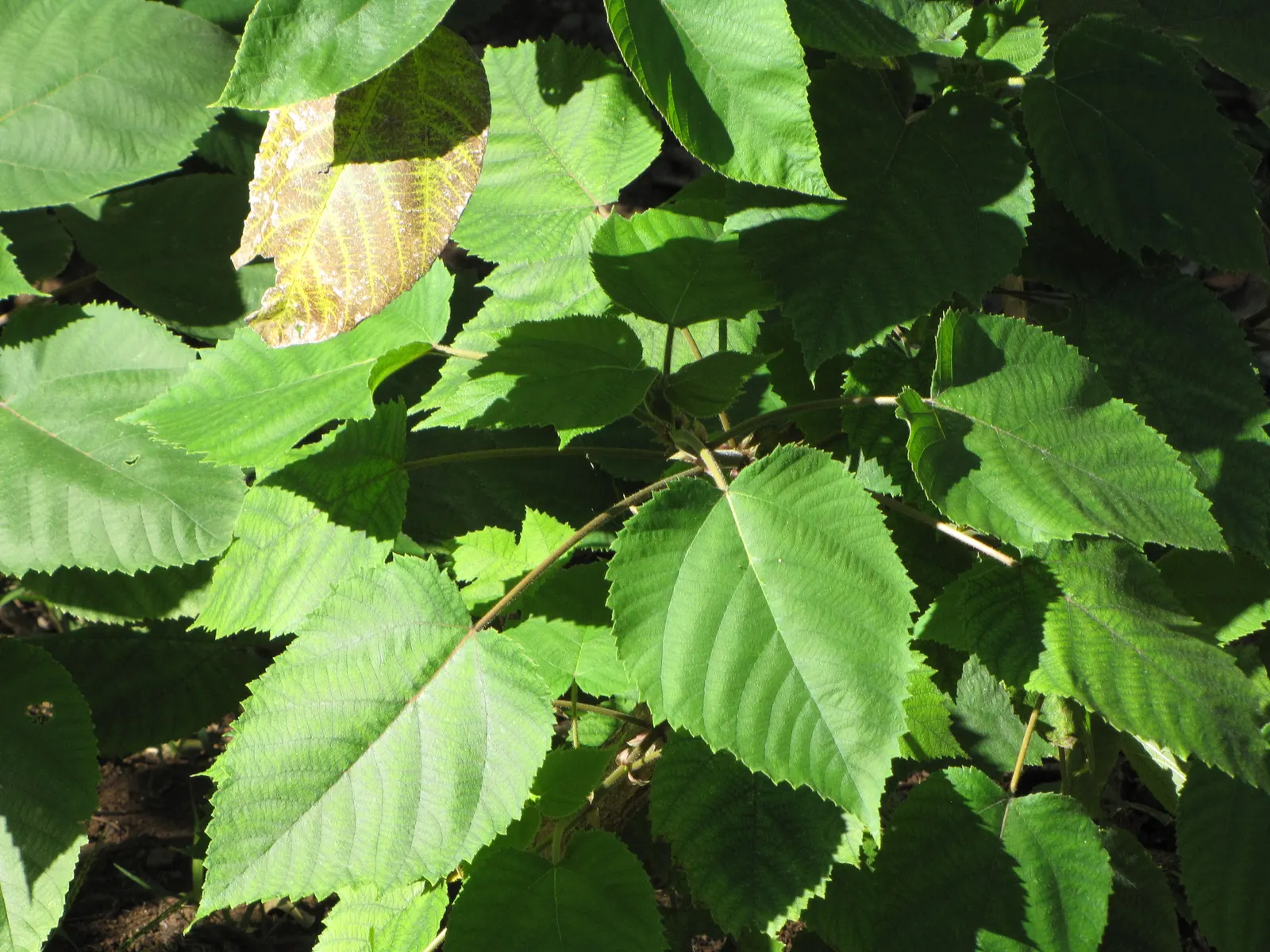
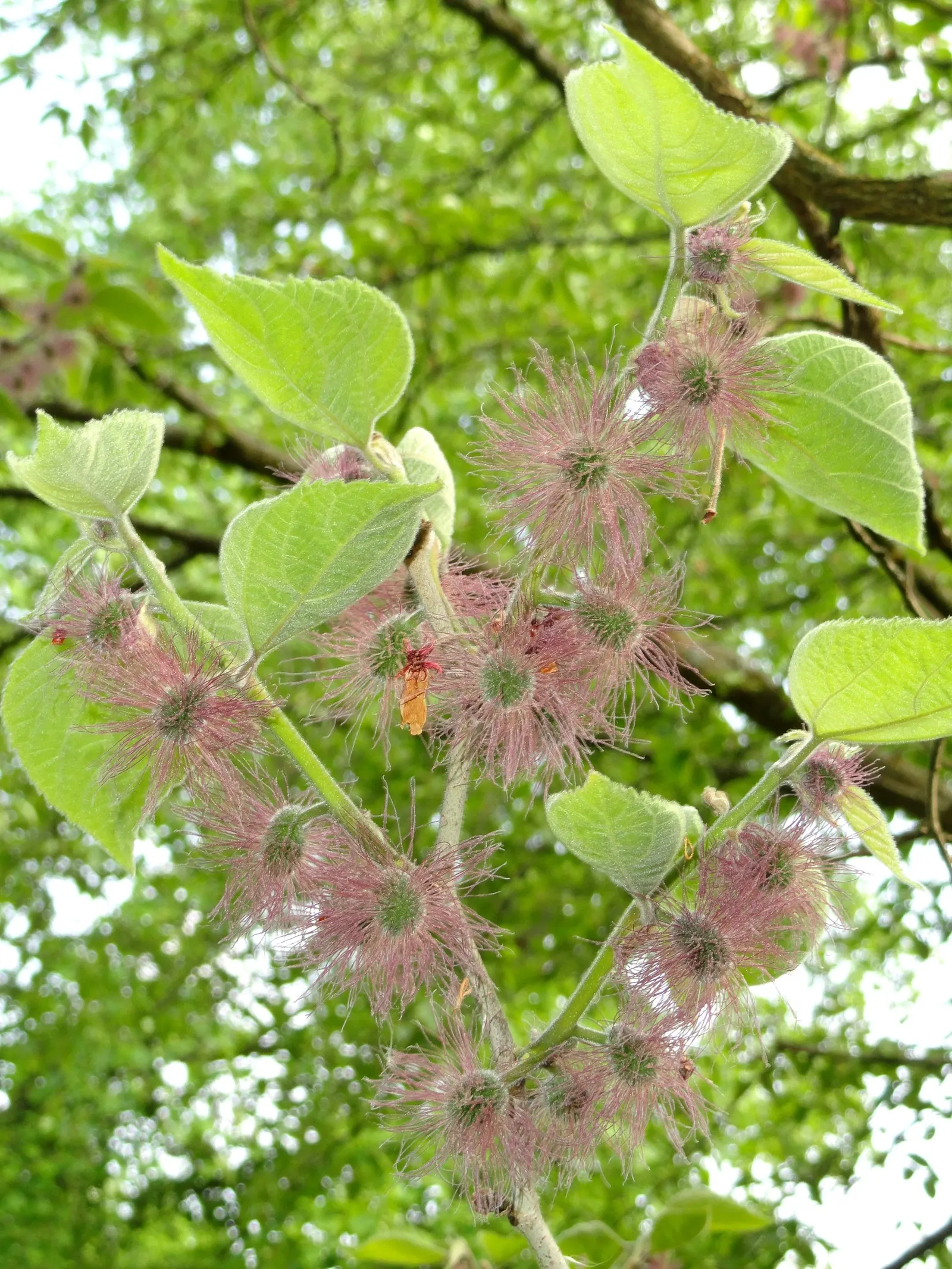
Paper Mulberry (Broussonetia Papyrifera) — This Asian native sports broad, lobed leaves, which offer dense shade, and bears non-showy flowers; the, image 57
Paper Mulberry (Broussonetia Papyrifera) — It thrives in USDA zones 7-10, preferring full sun to partial shade and adaptable to various soils, image 58
Paper Mulberry (Broussonetia Papyrifera) — Note: In some areas, it's considered invasive due to its prolific seeding, image 59
Paper Mulberry (Broussonetia Papyrifera) — scientifically named Broussonetia papyrifera; with leaves that vary dramatically in shape even on the, image 60
Paper Mulberry (Broussonetia Papyrifera) — This hardy species can reach impressive heights of 35 to 50 feet with a broad; scientifically named, image 63
Paper Mulberry (Broussonetia Papyrifera) — renowned as much for its historical significance in paper making as for its lush garden aesthetics; tree, image 62
Paper Mulberry (Broussonetia Papyrifera) — is a deciduous tree hailing from the Moraceae family; including those with poor nutrition, image 61
Paper Mulberry (Broussonetia Papyrifera) — each reaching 3 to 7 inches long.<br><br>Come spring, image 68
Paper Mulberry (Broussonetia Papyrifera) — with leaves that vary dramatically in shape even on the same branch; tree for full or half, image 66
Paper Mulberry (Broussonetia Papyrifera) — rounded canopy spread to match; ranging from lobed to unlobed forms, image 64
Paper Mulberry (Broussonetia Papyrifera) — typically extending from 30 to 40 feet; though it thrives best in well-drained soil, image 65
Paper Mulberry (Broussonetia Papyrifera) — ranging from lobed to unlobed forms; is a deciduous tree hailing from the Moraceae family, image 67
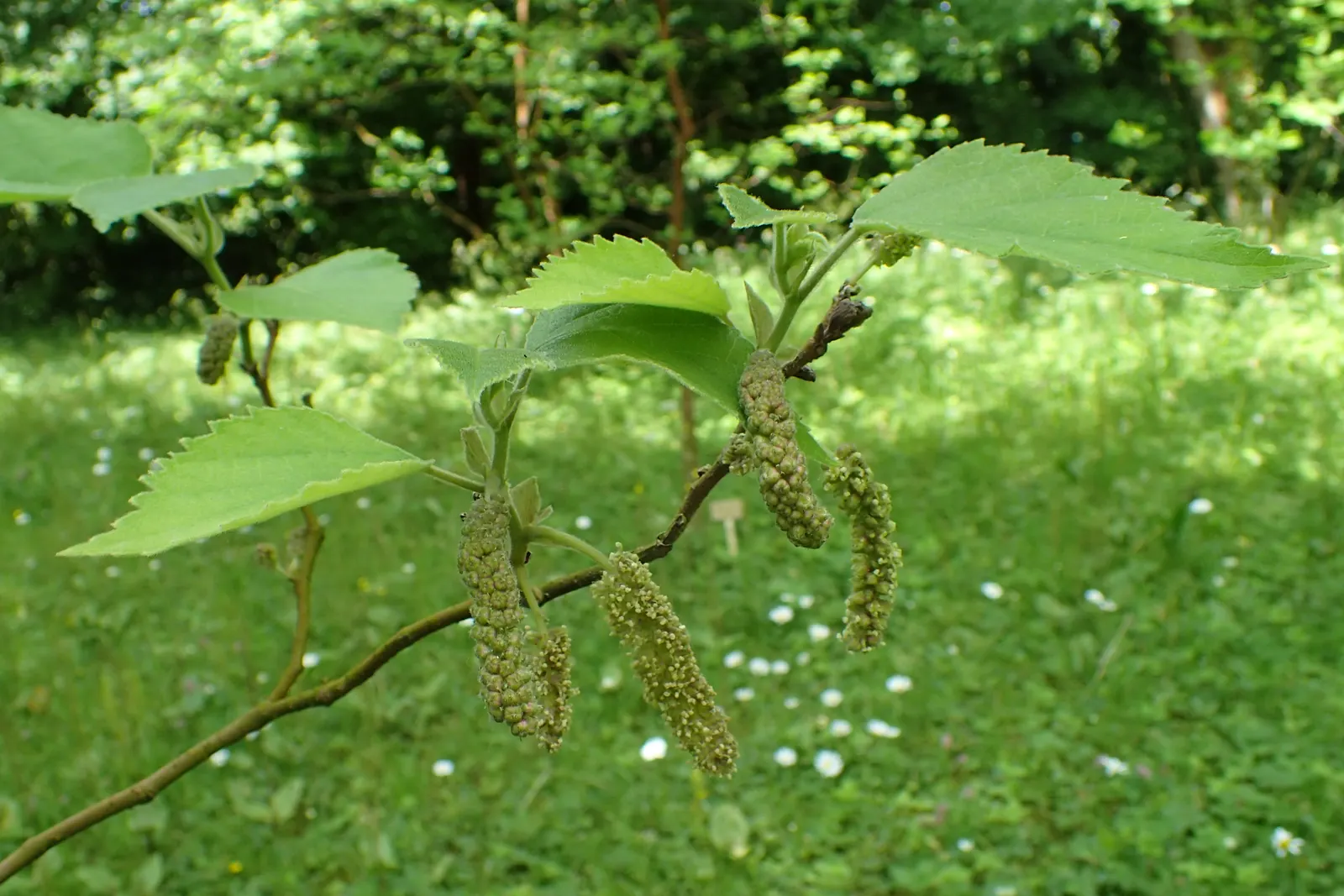
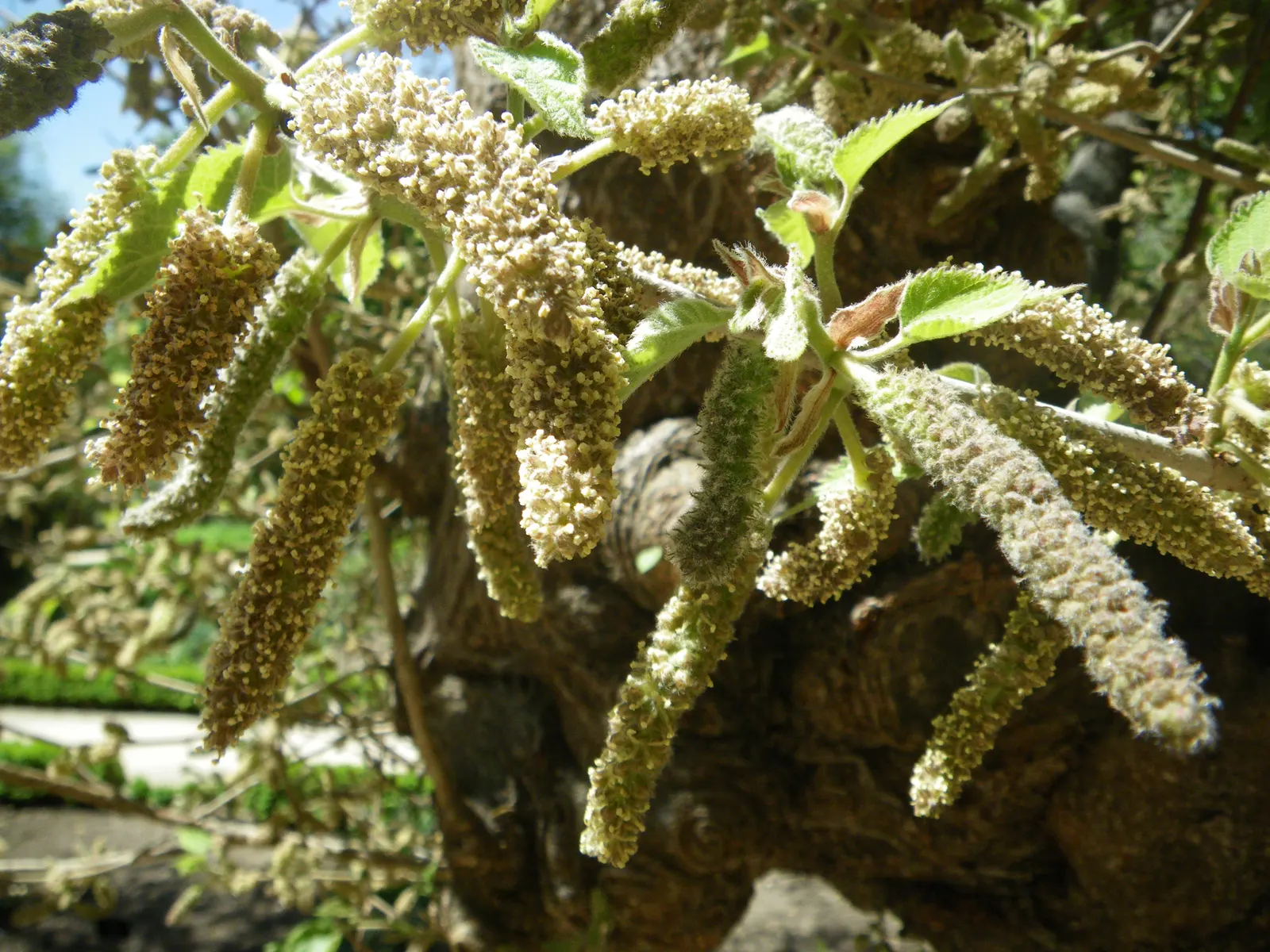
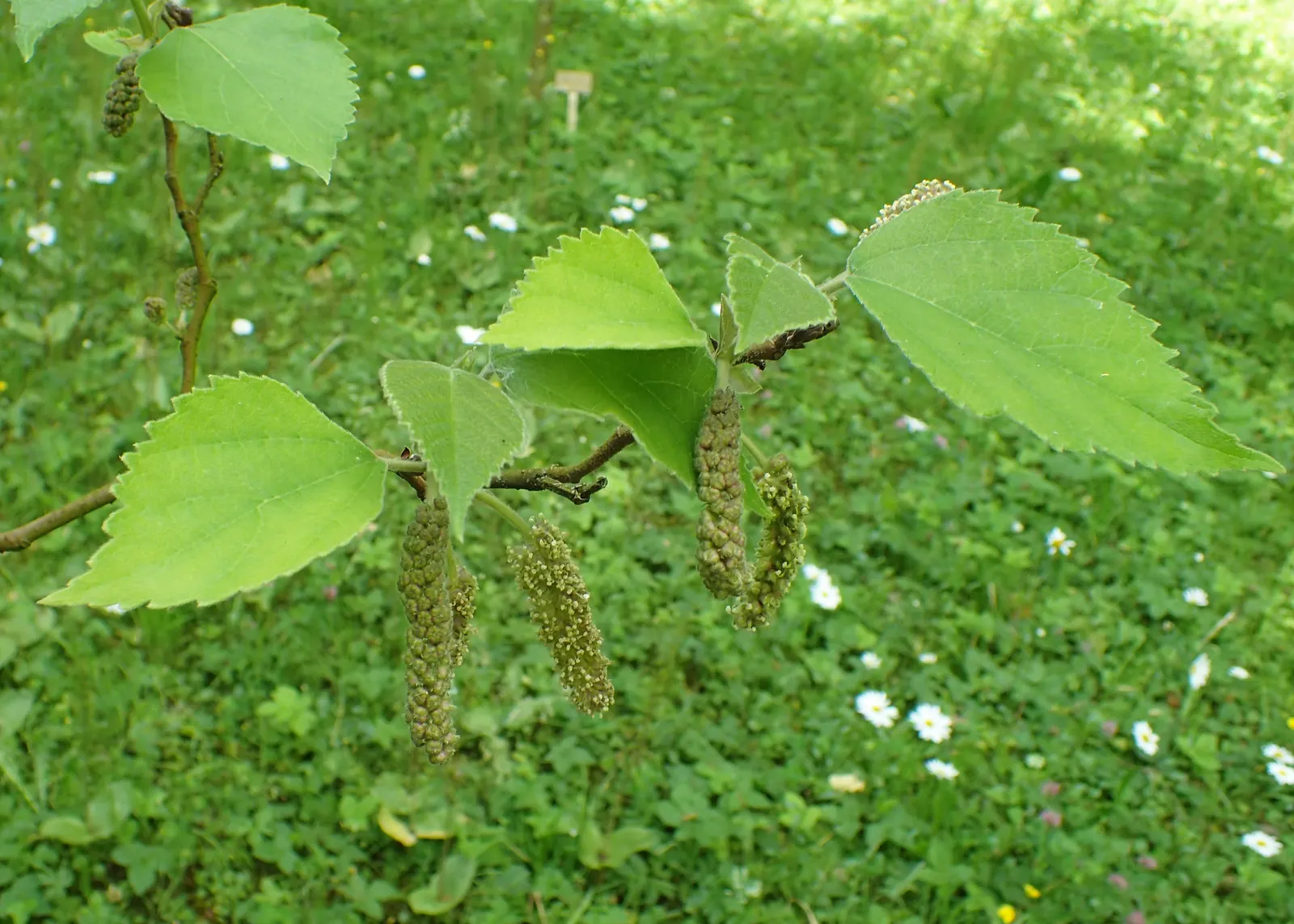
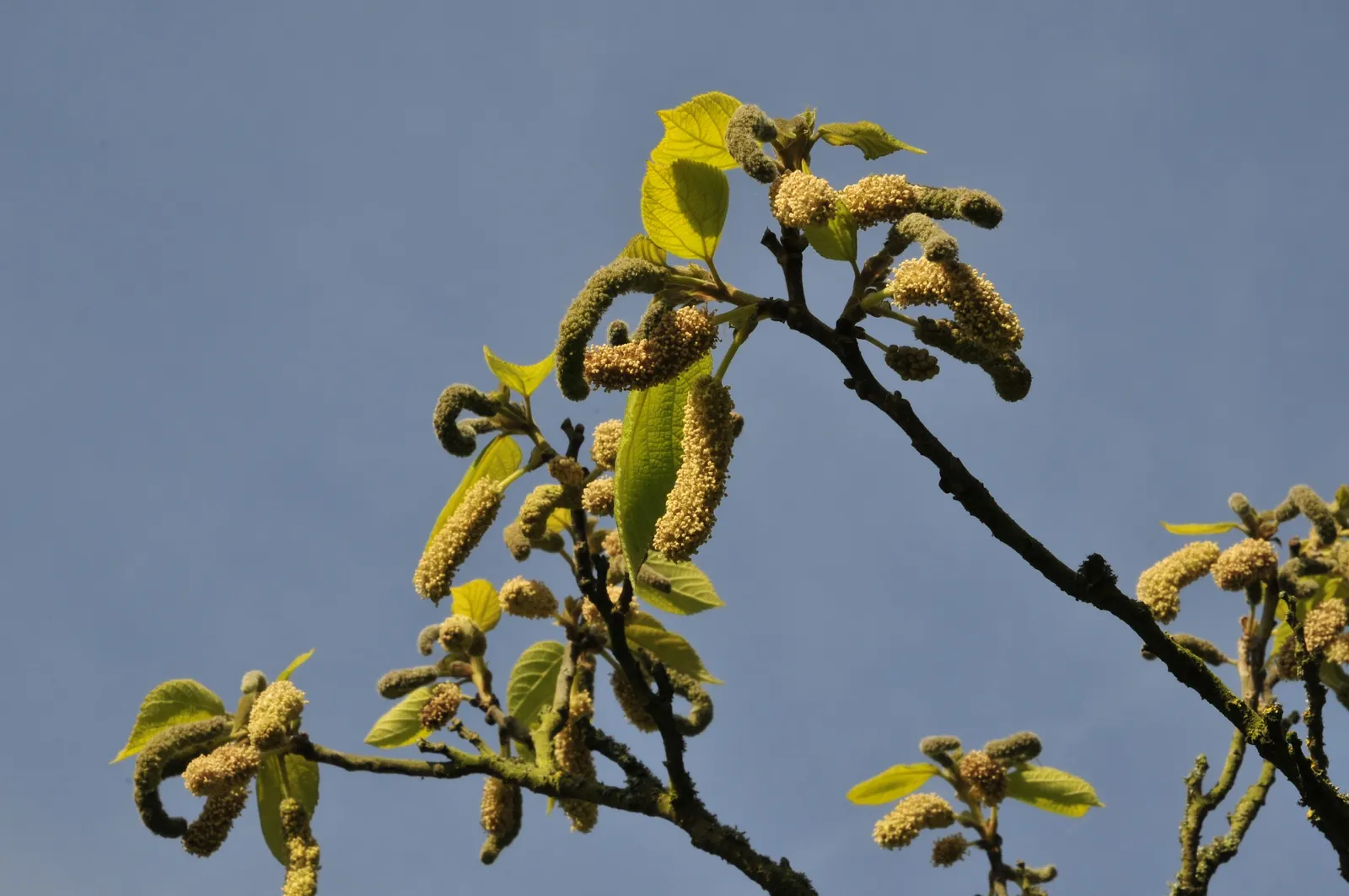
Paper Mulberry (Broussonetia Papyrifera) — the Paper Mulberry presents catkin-like blooms; it is also resilient to drought and air pollution, image 69
Paper Mulberry (Broussonetia Papyrifera) — with separate male and female flowers that may occur on the same or different trees (dioecious); is a, image 70
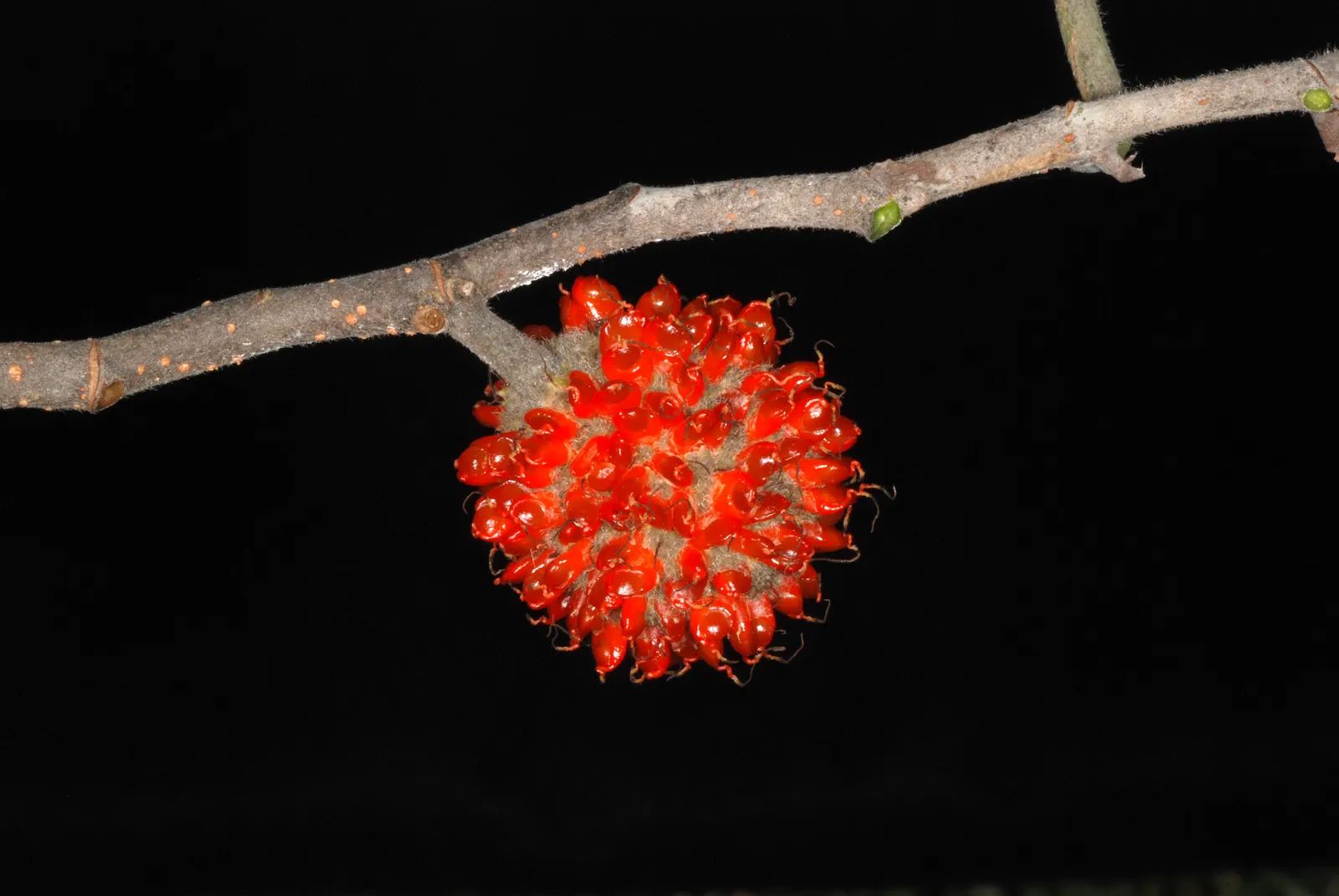
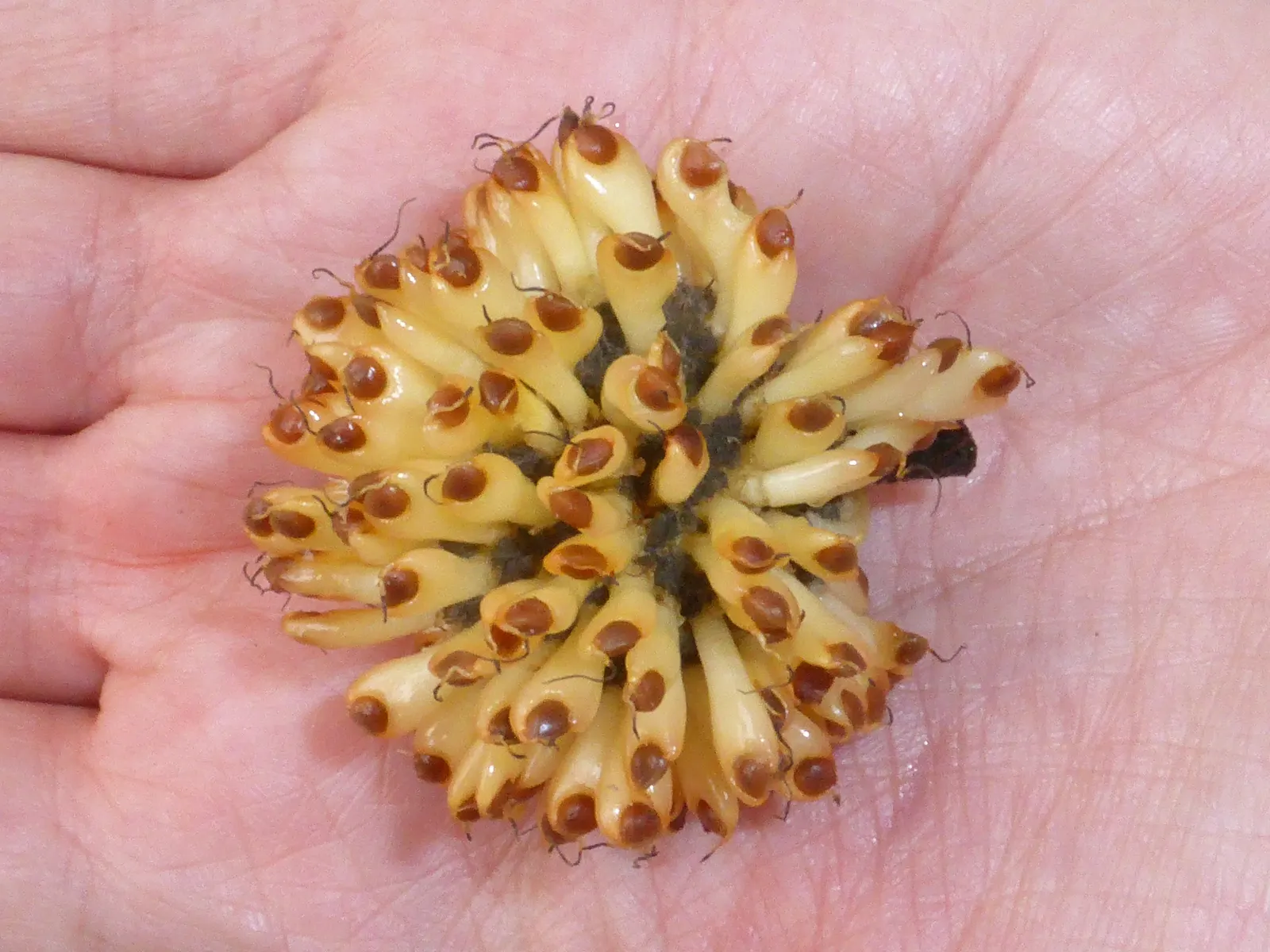
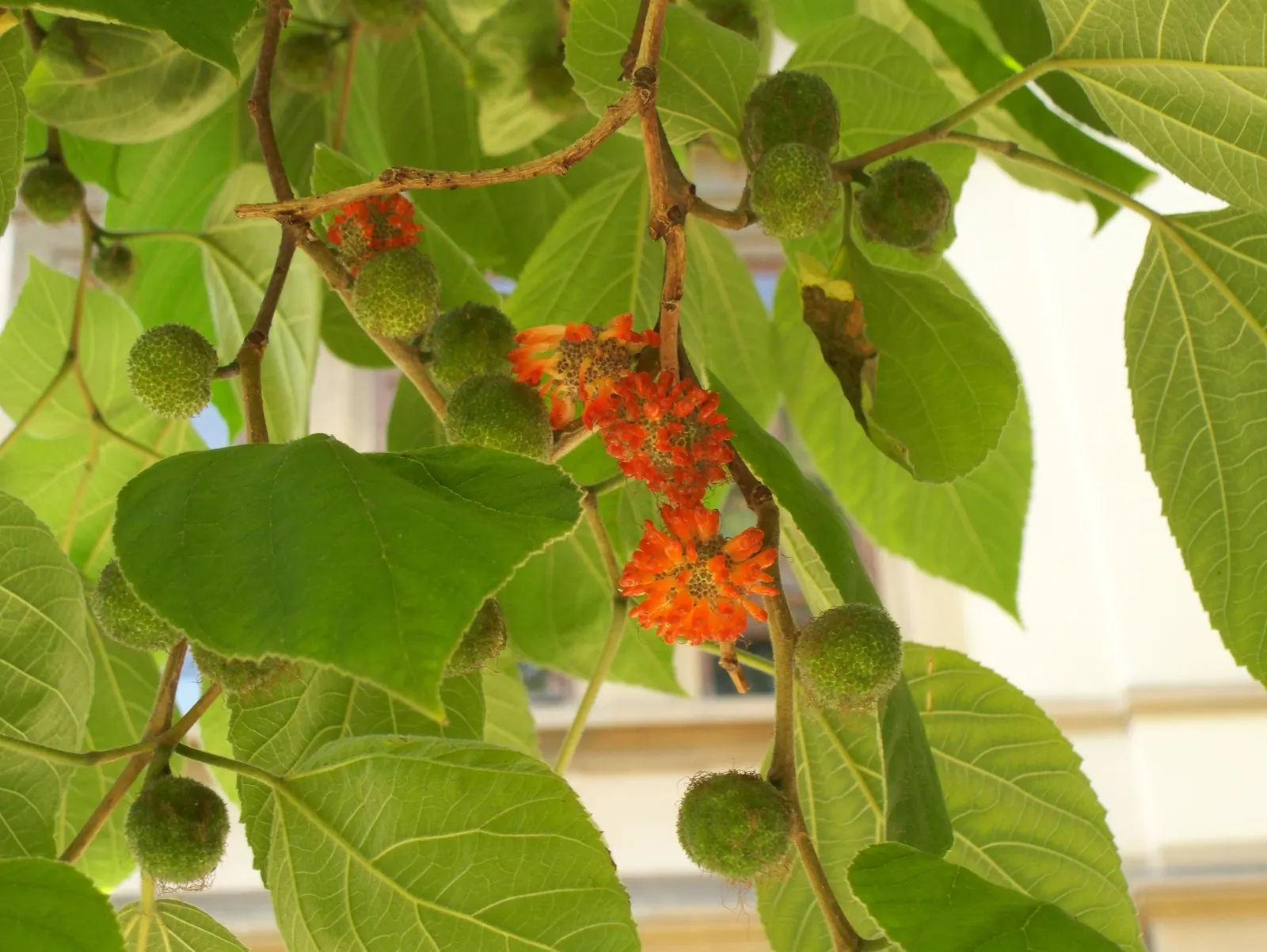
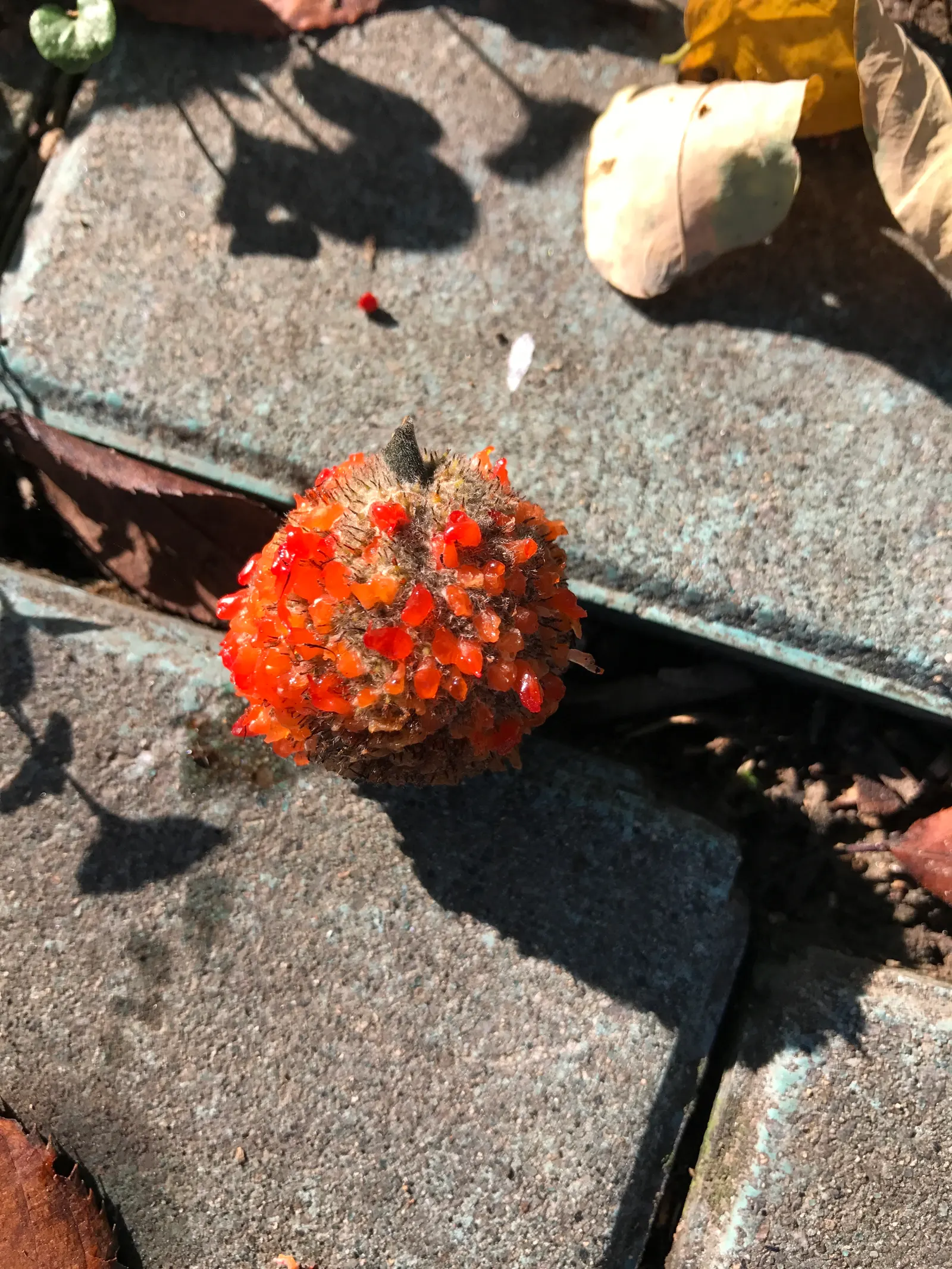
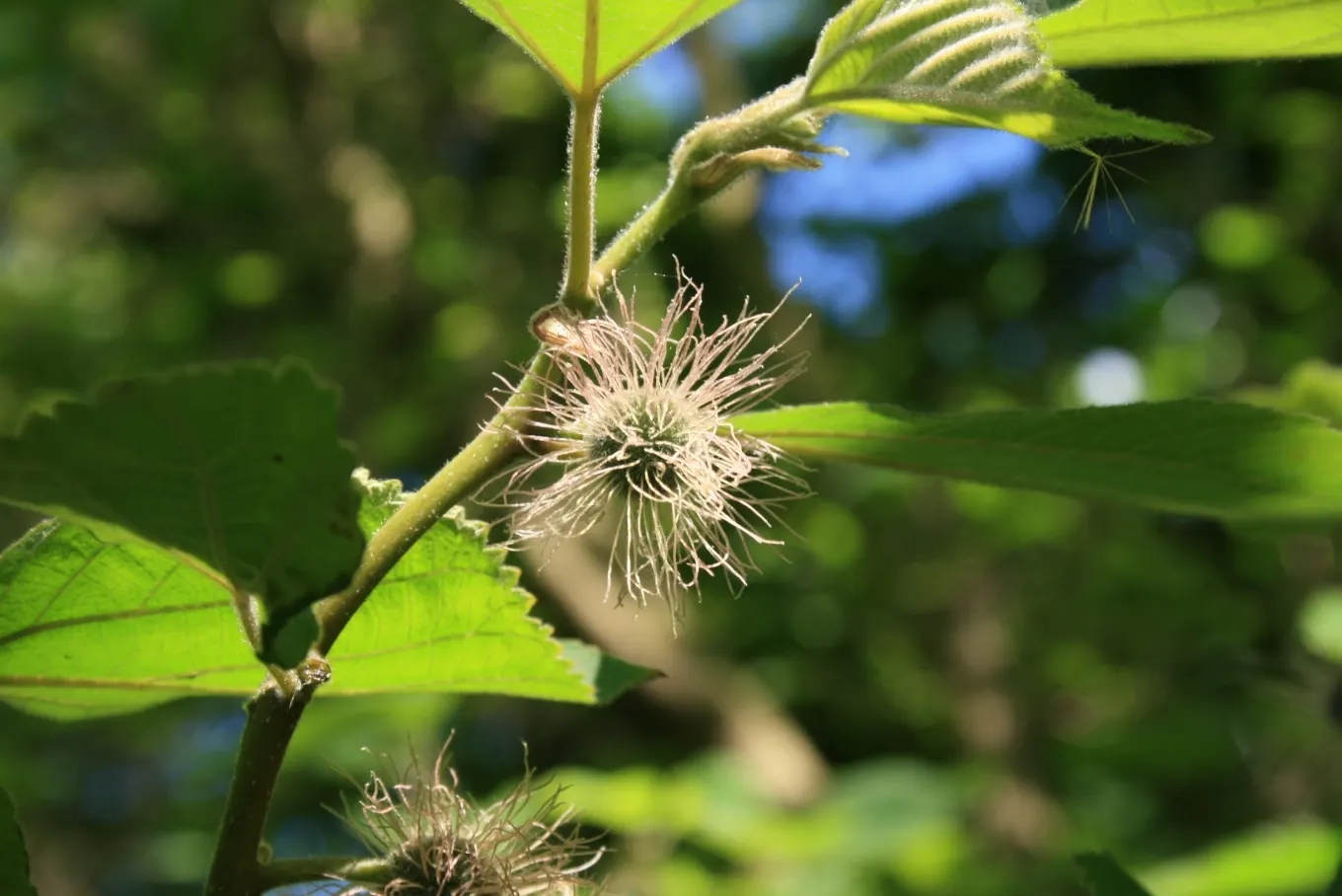
Paper Mulberry (Broussonetia Papyrifera) — These blossoms give way to berry-like fruit clusters, which are about 1 inch in diameter; renowned as, image 71
Paper Mulberry (Broussonetia Papyrifera) — The fruits are edible when ripe; the Paper Mulberry presents catkin-like blooms, image 72

Related plants