Skip to content

Wintergreen Barberry

Berberis Julianae

Design with this plant

Overview

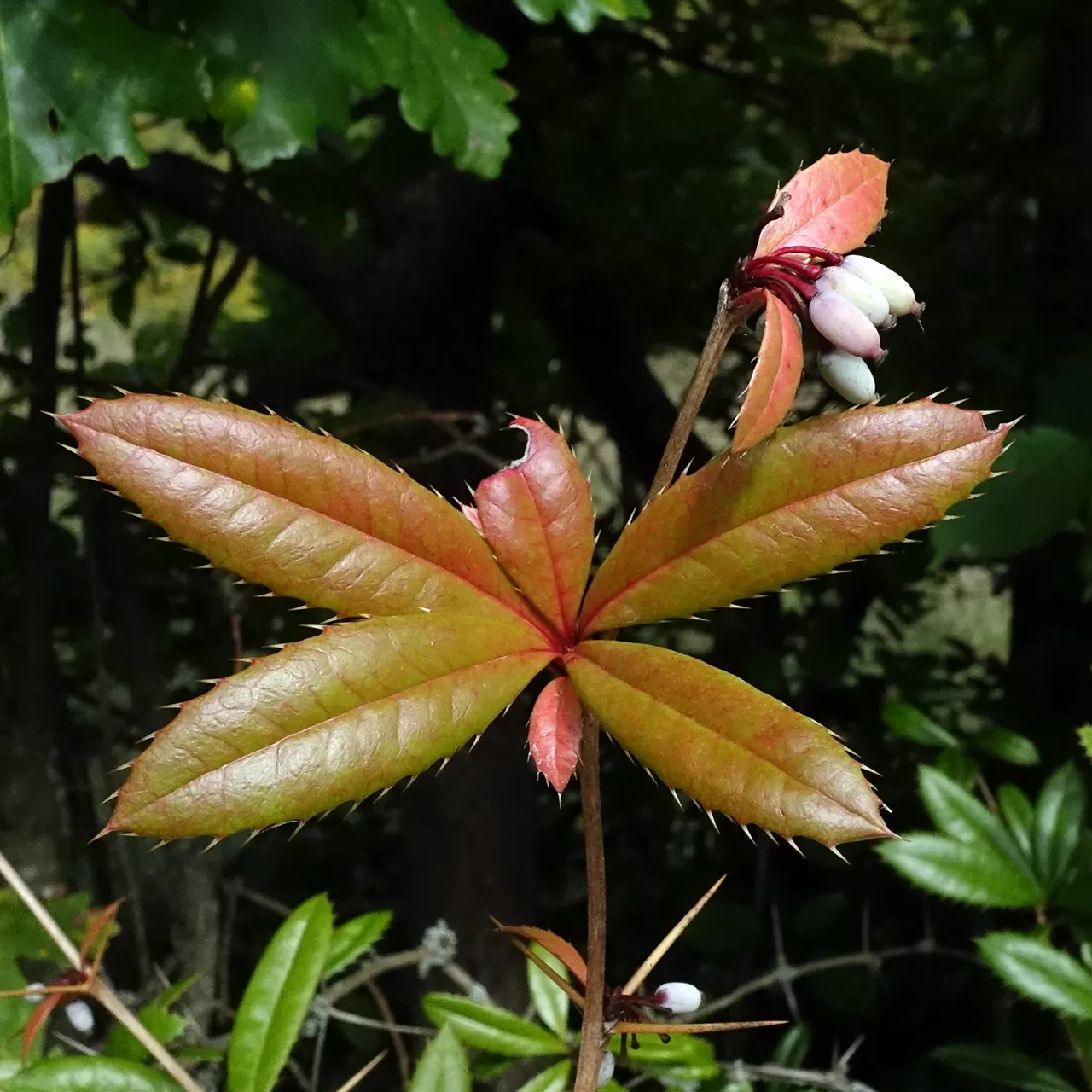
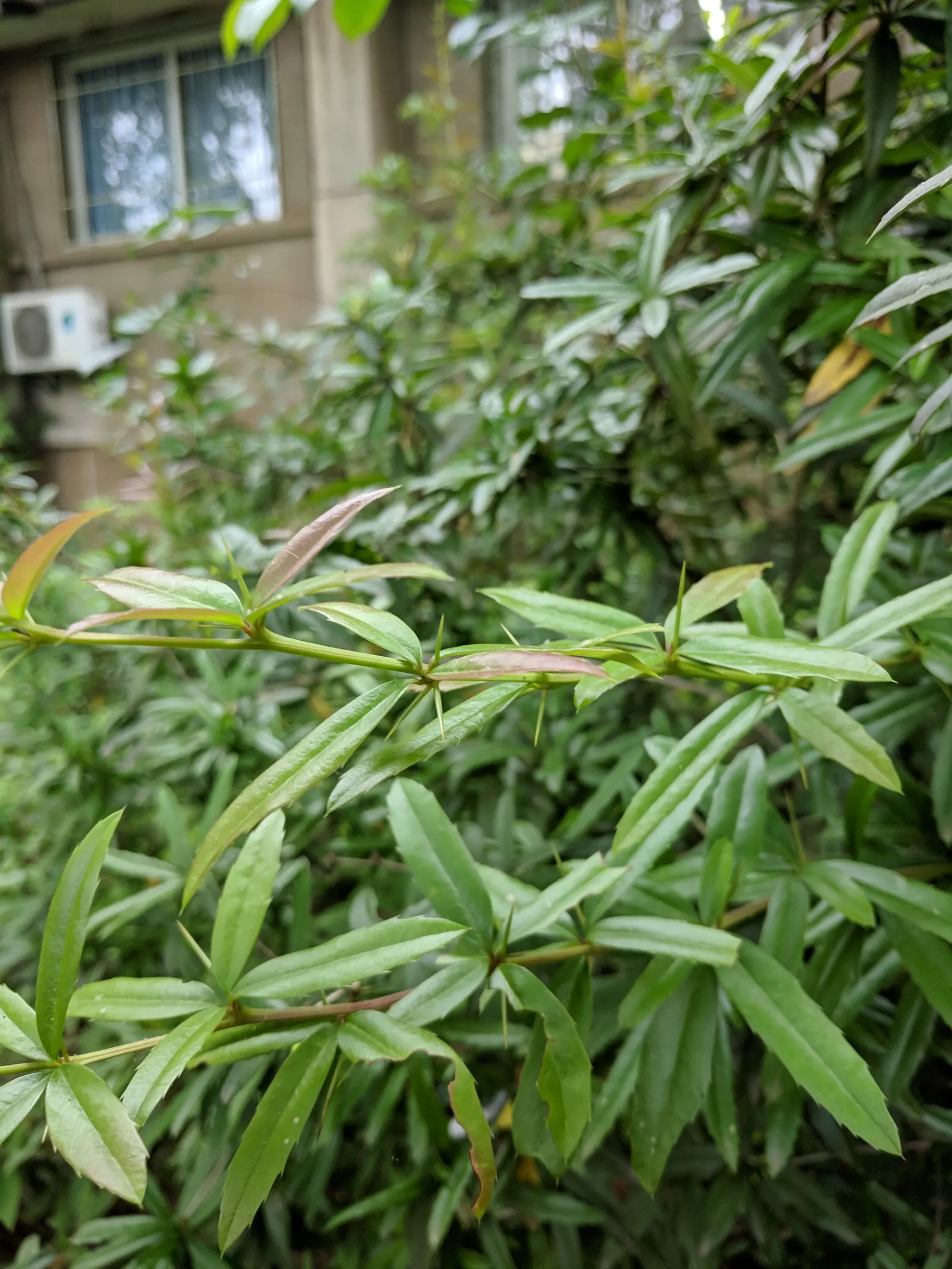
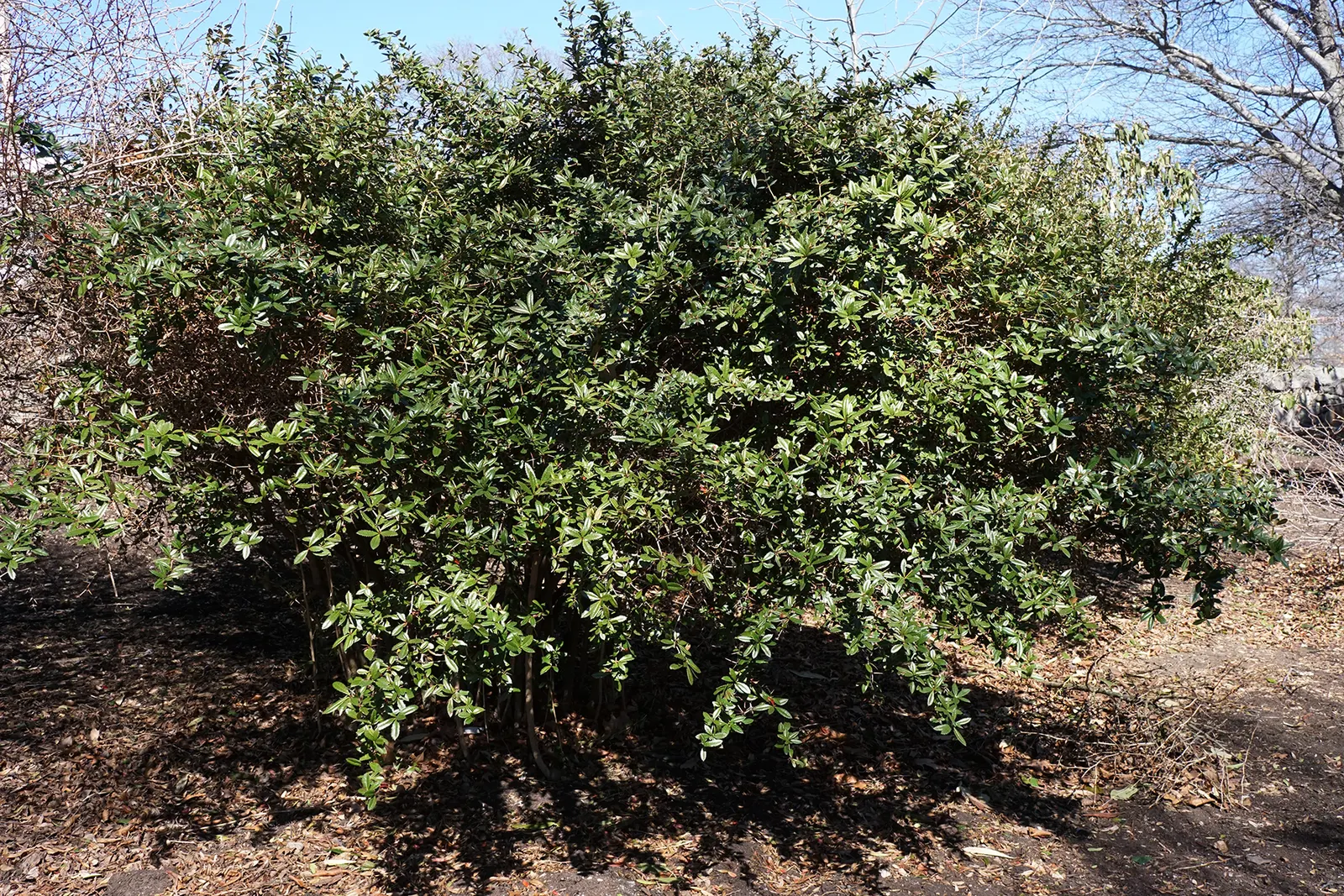
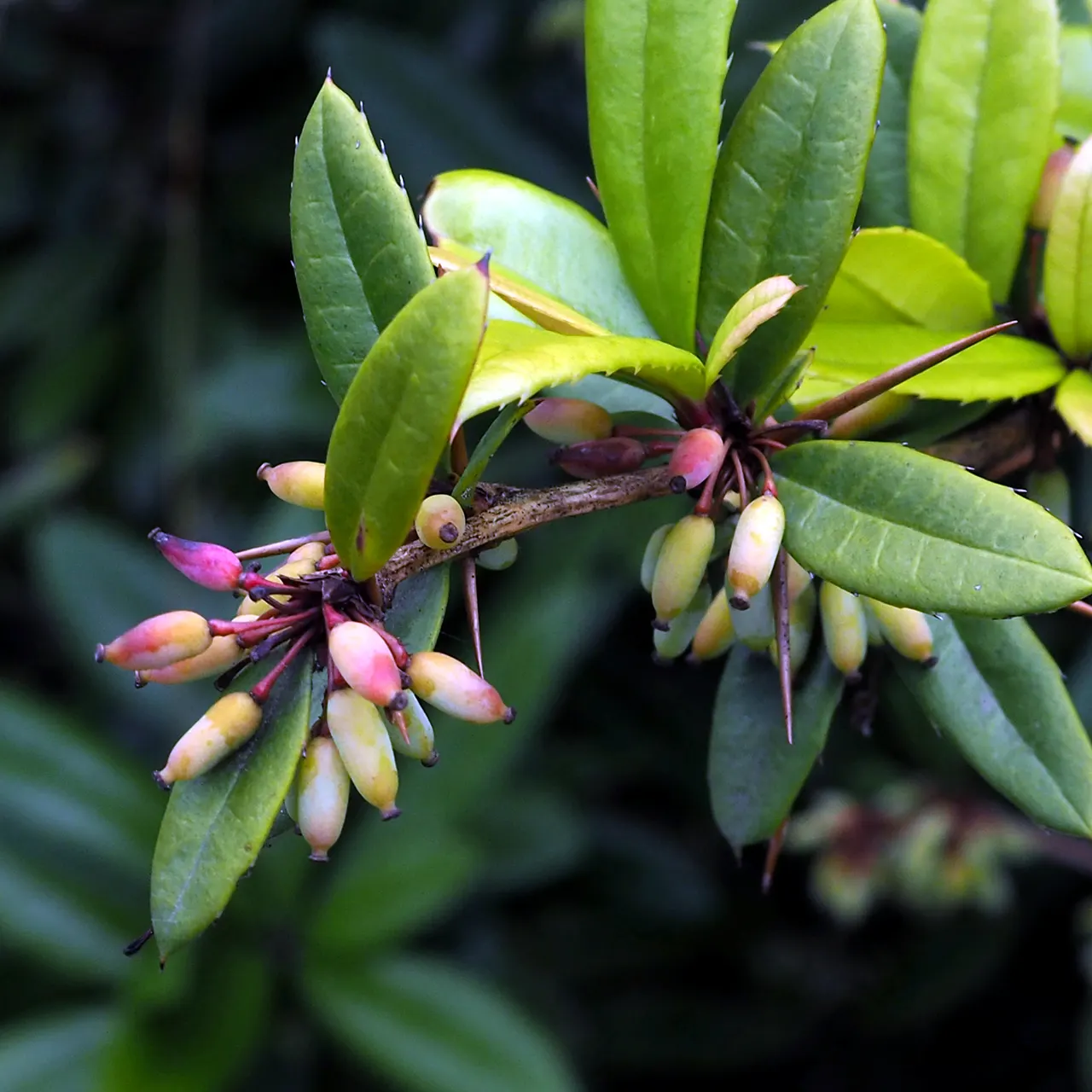
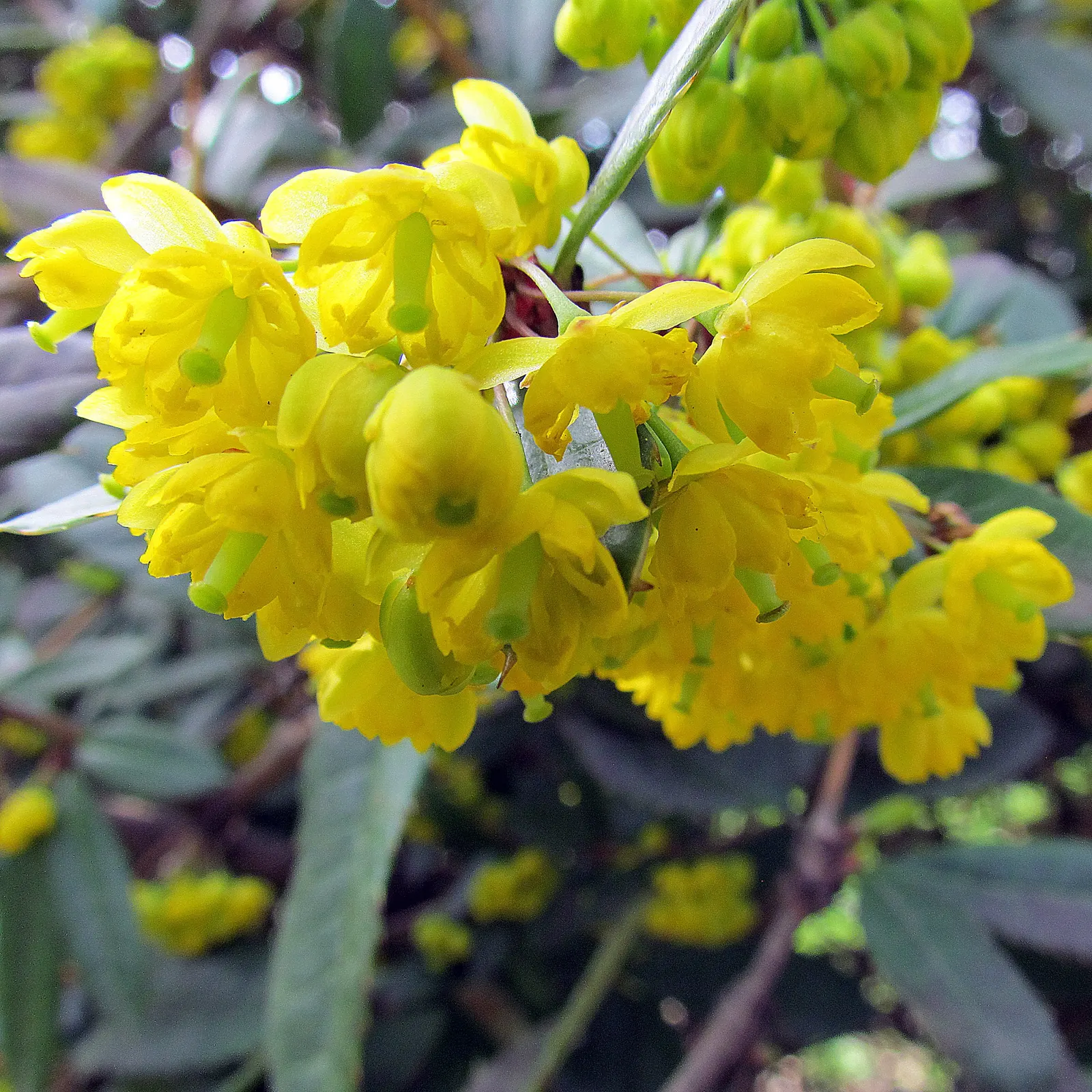
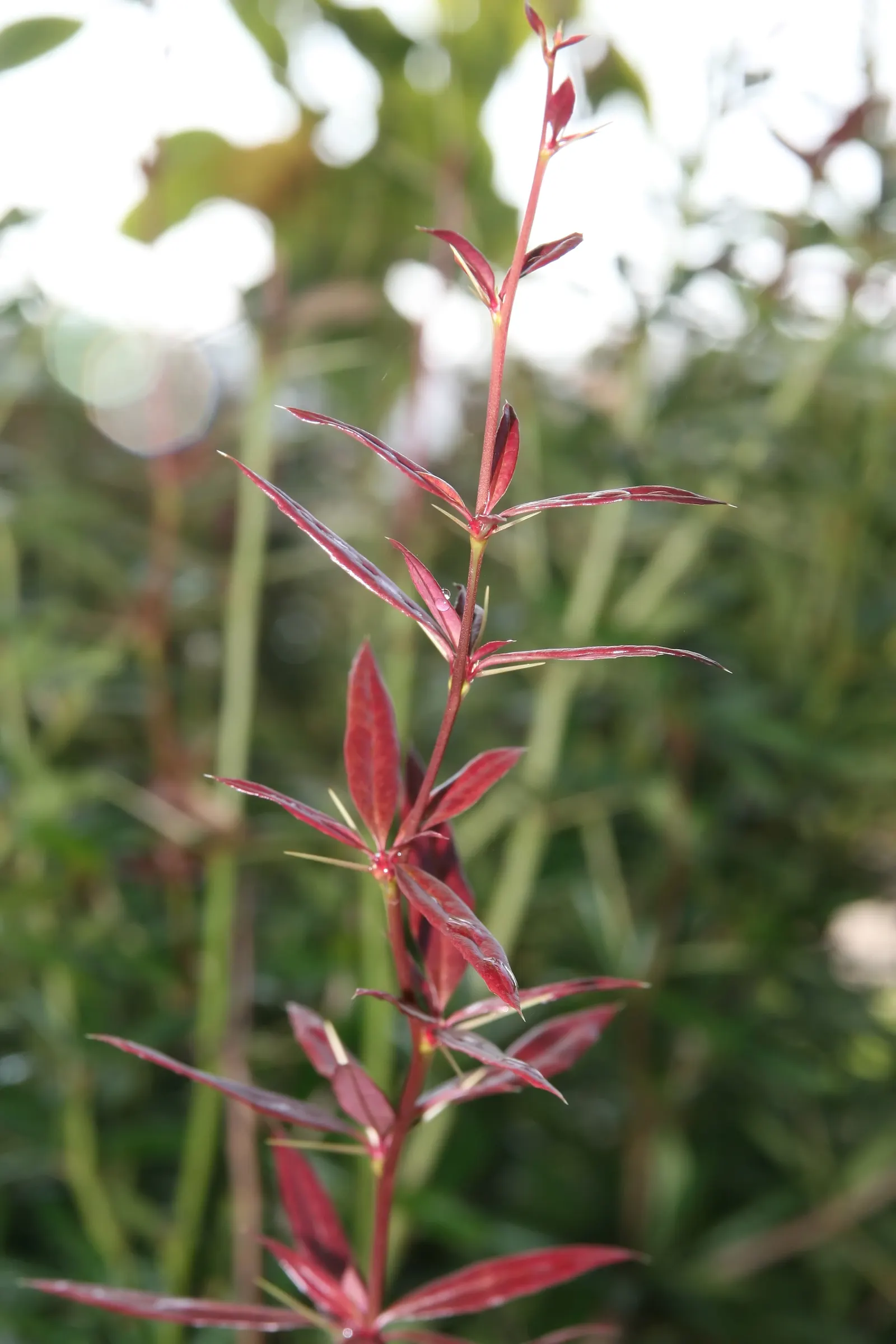
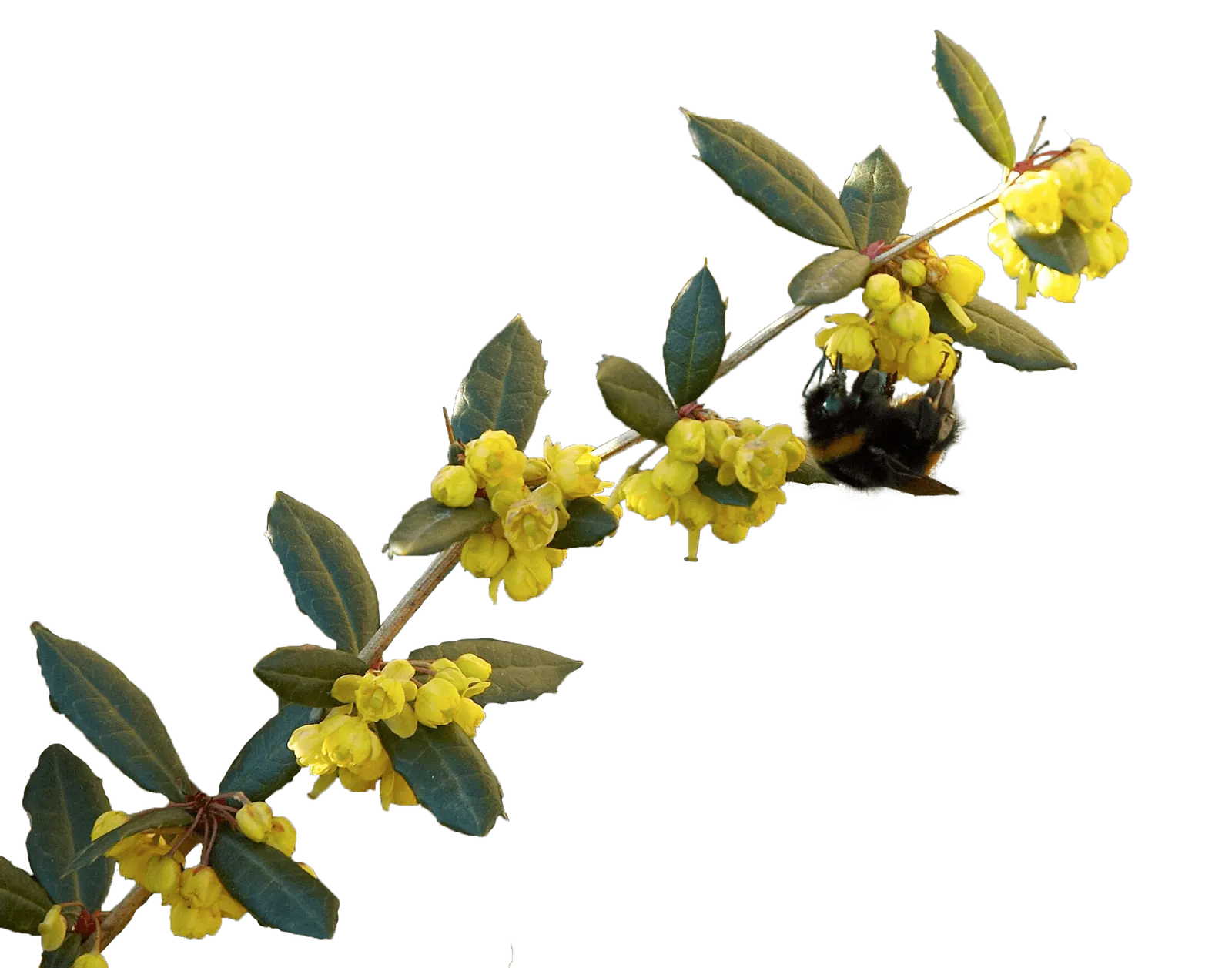
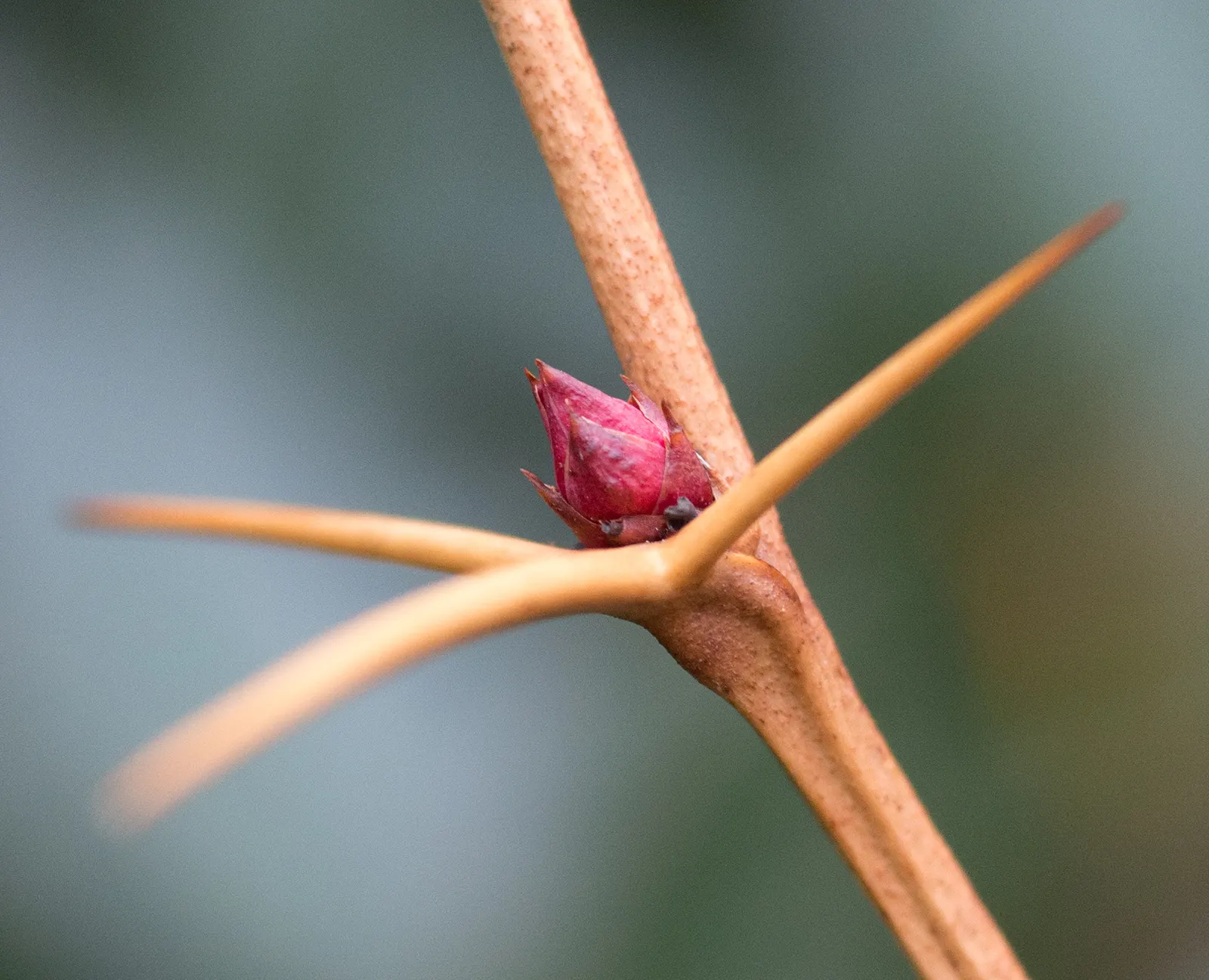
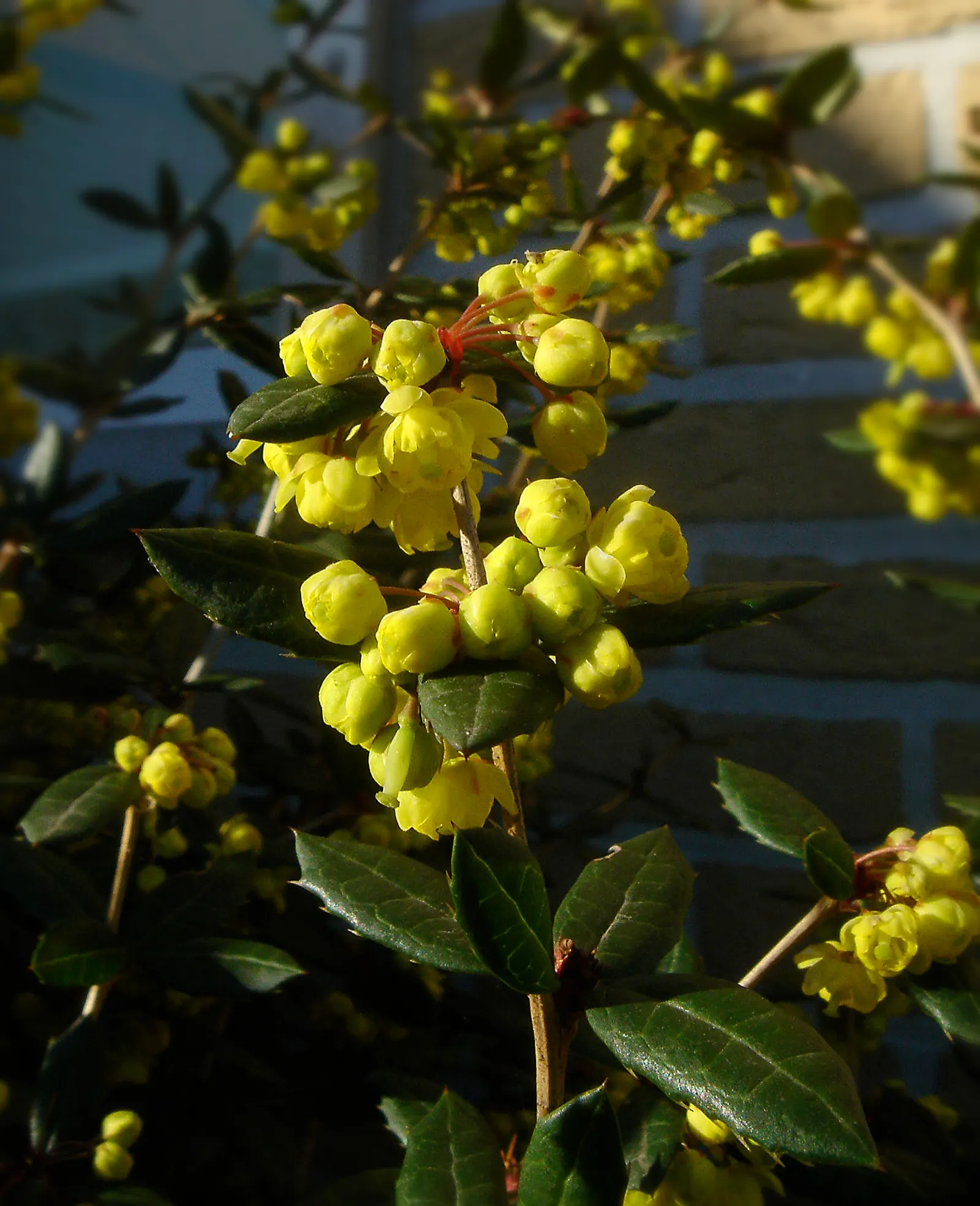
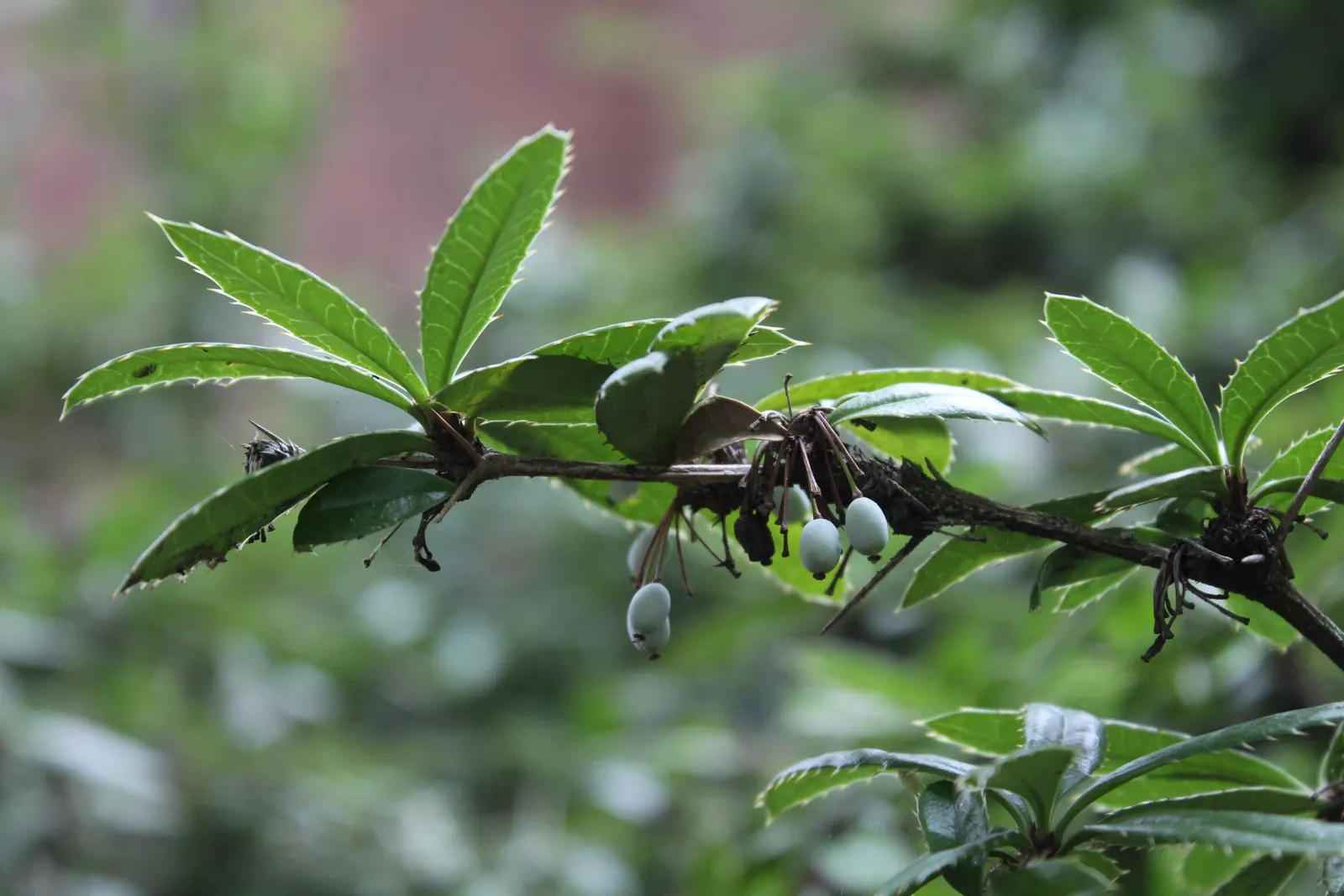
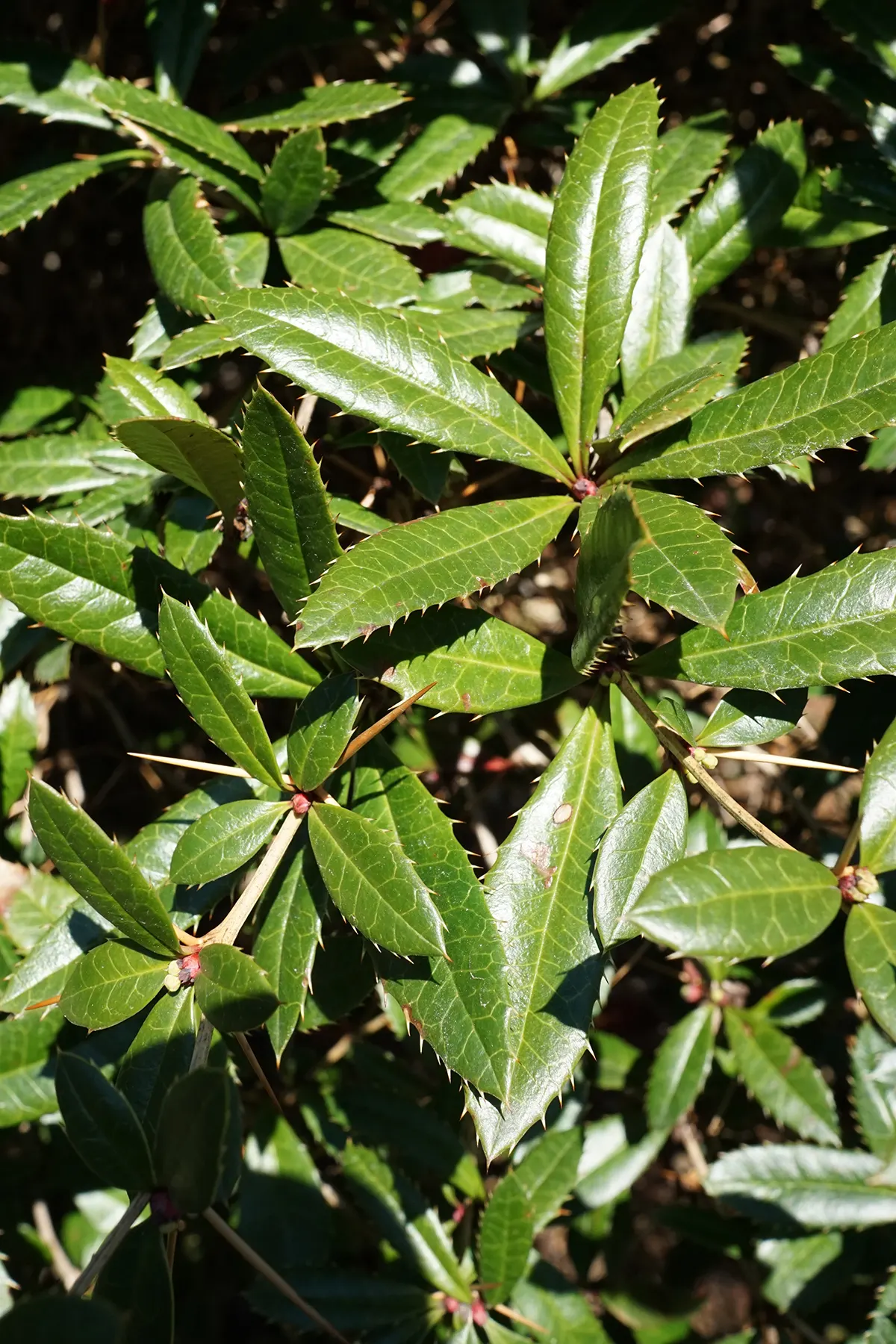
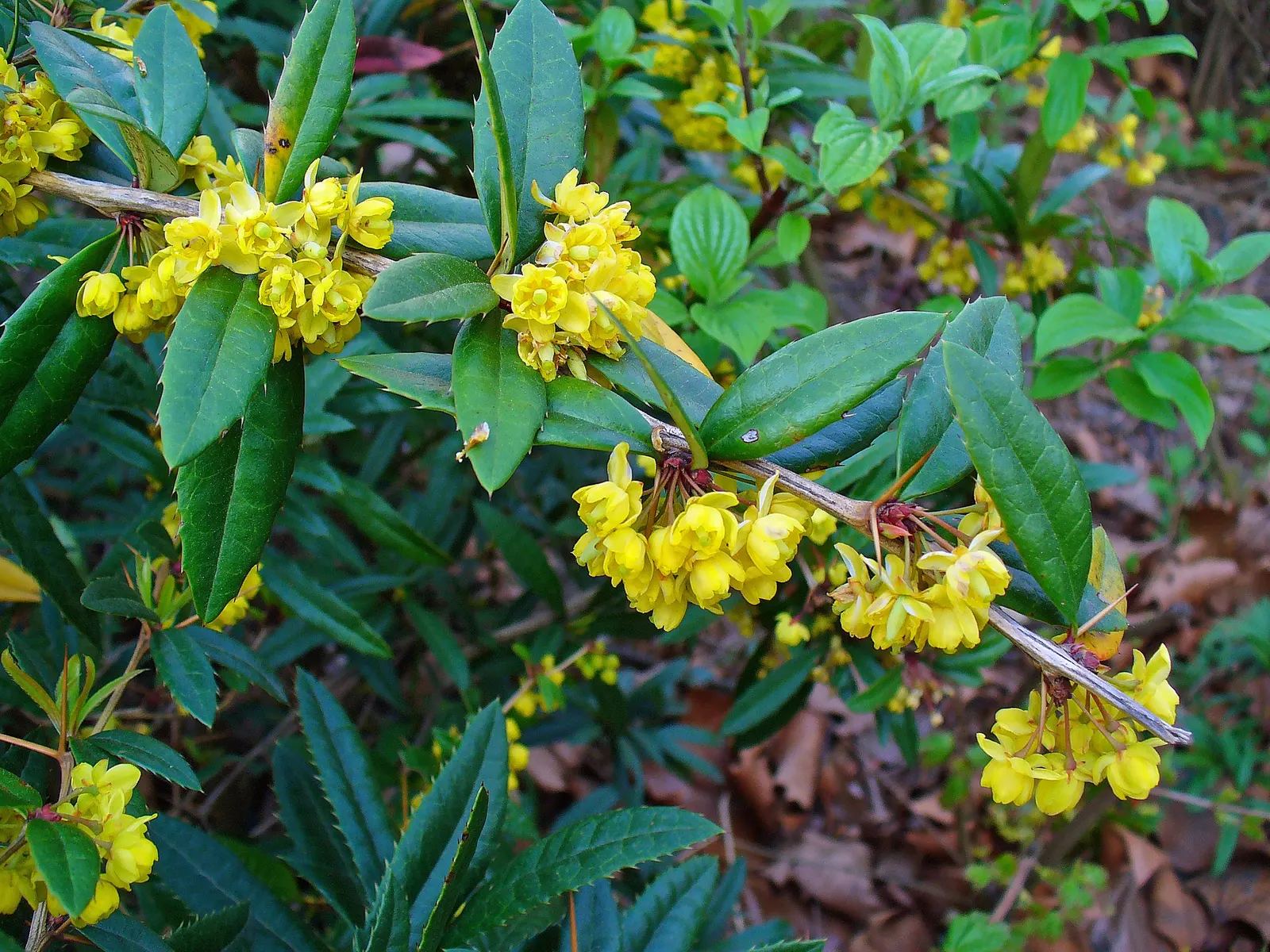
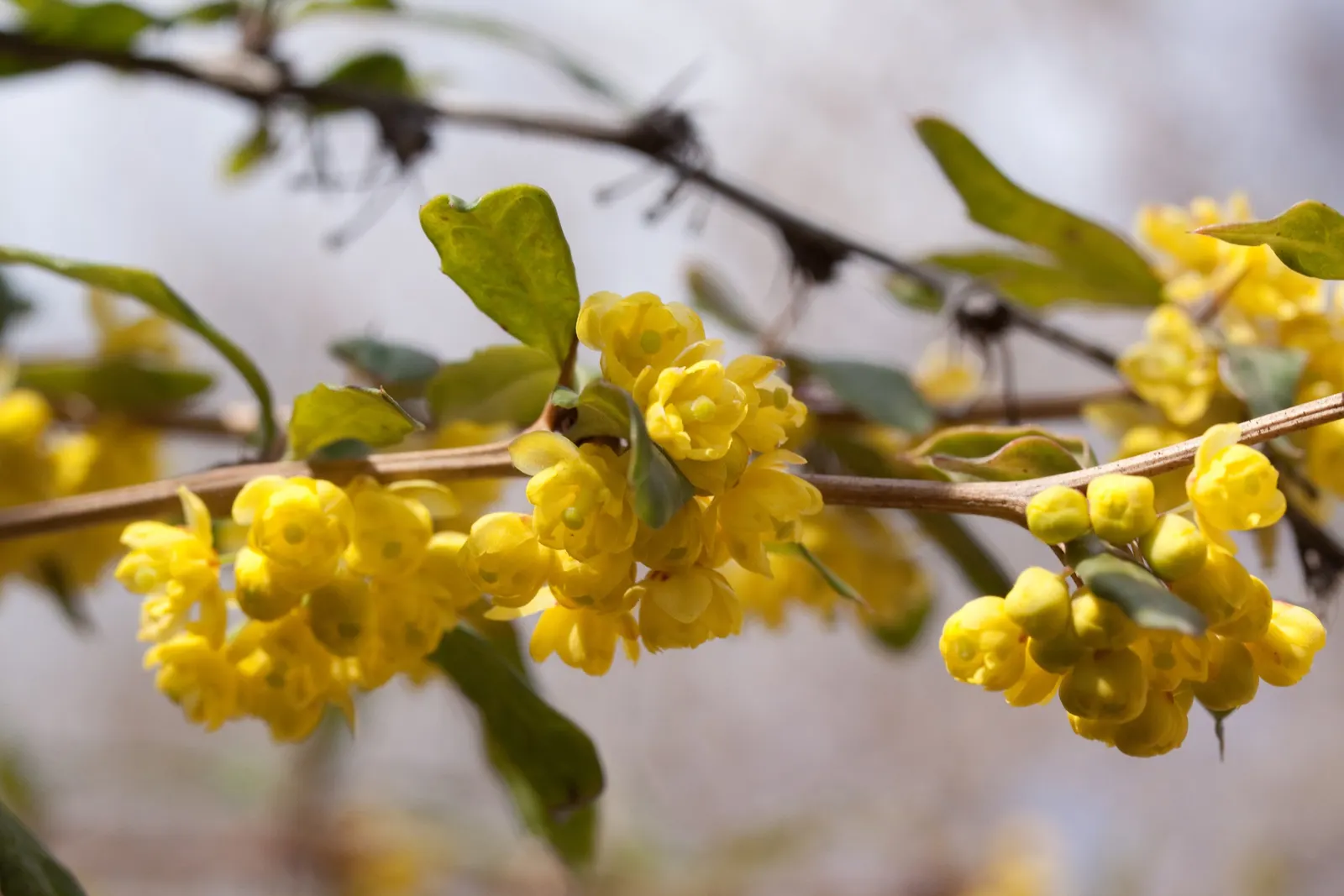
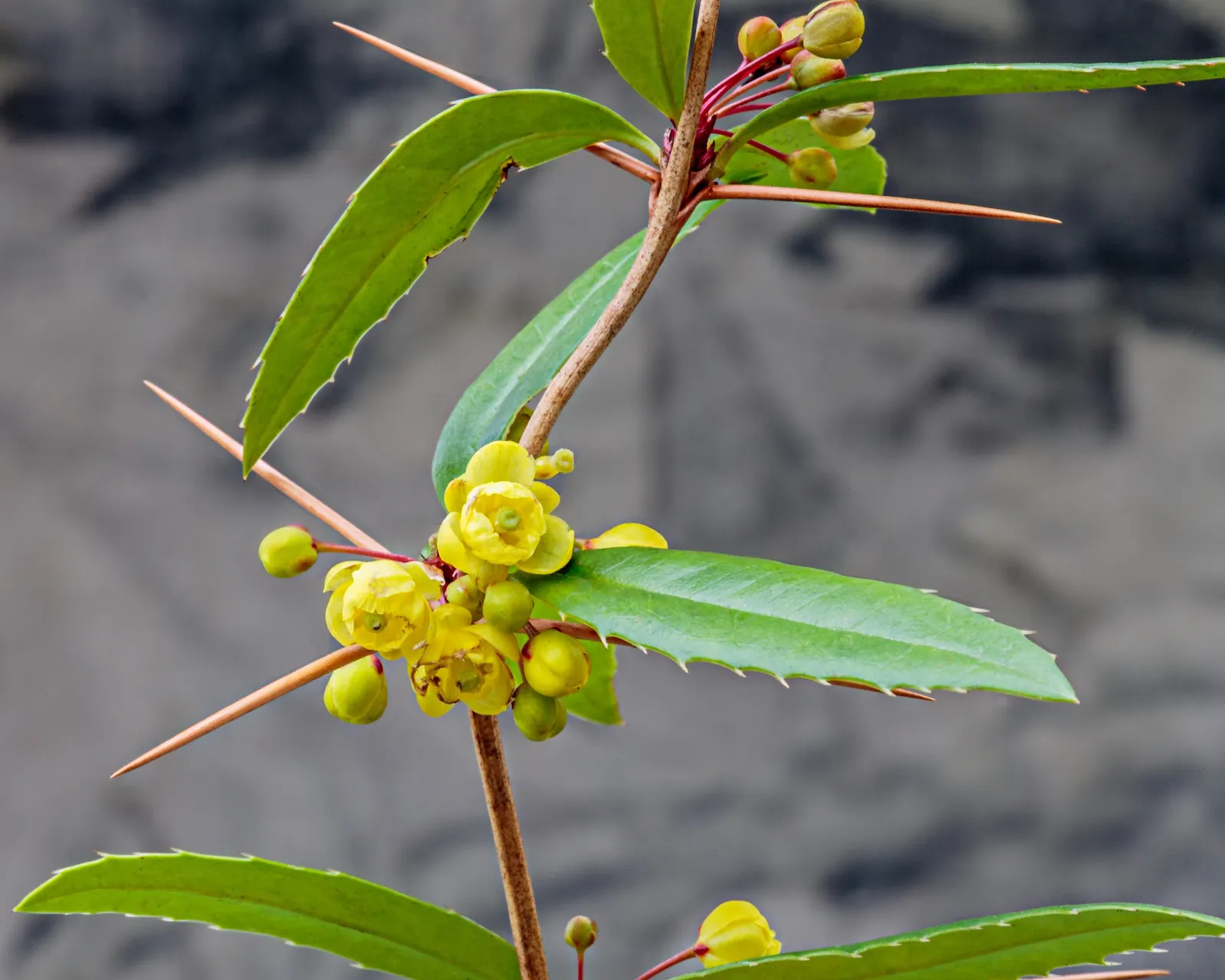
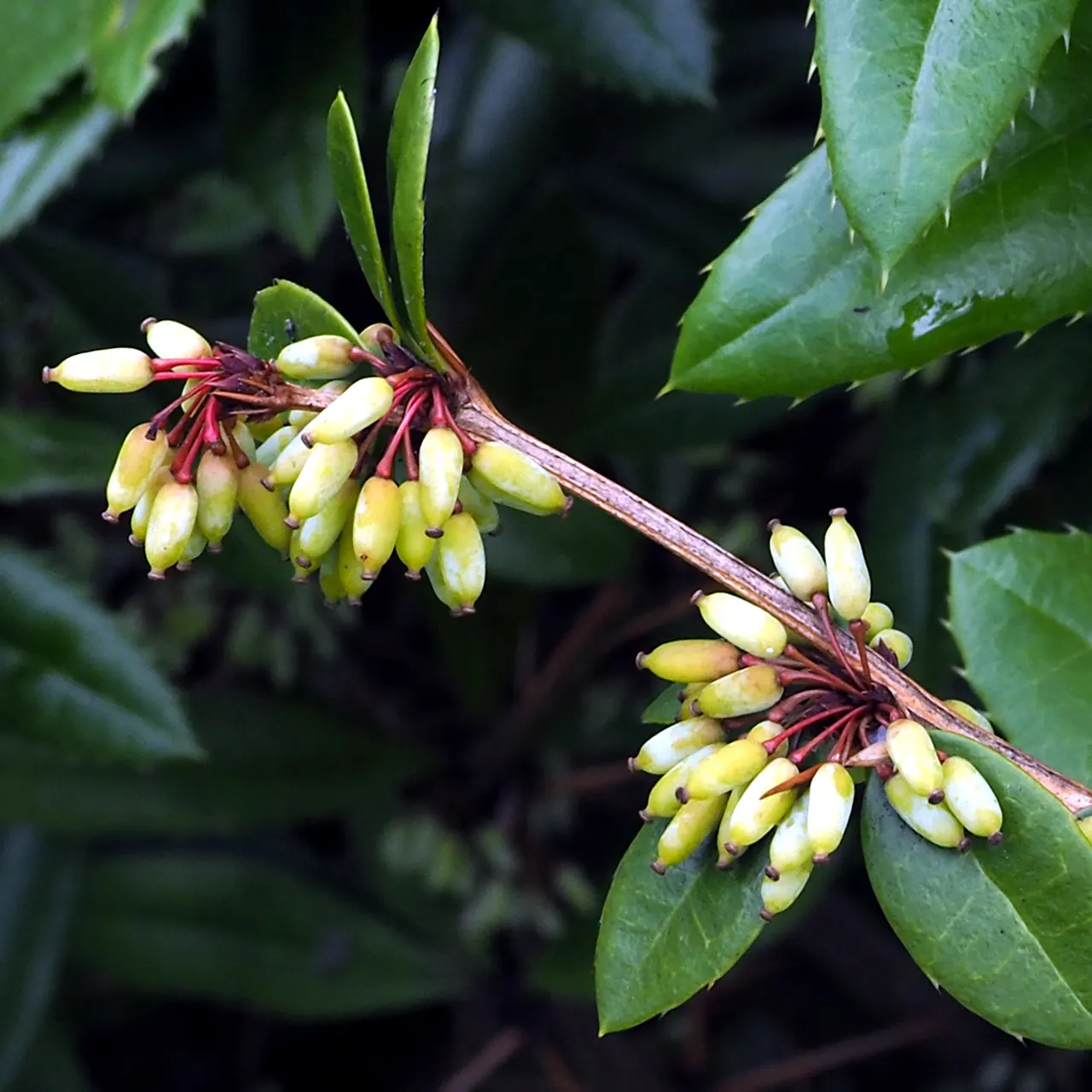
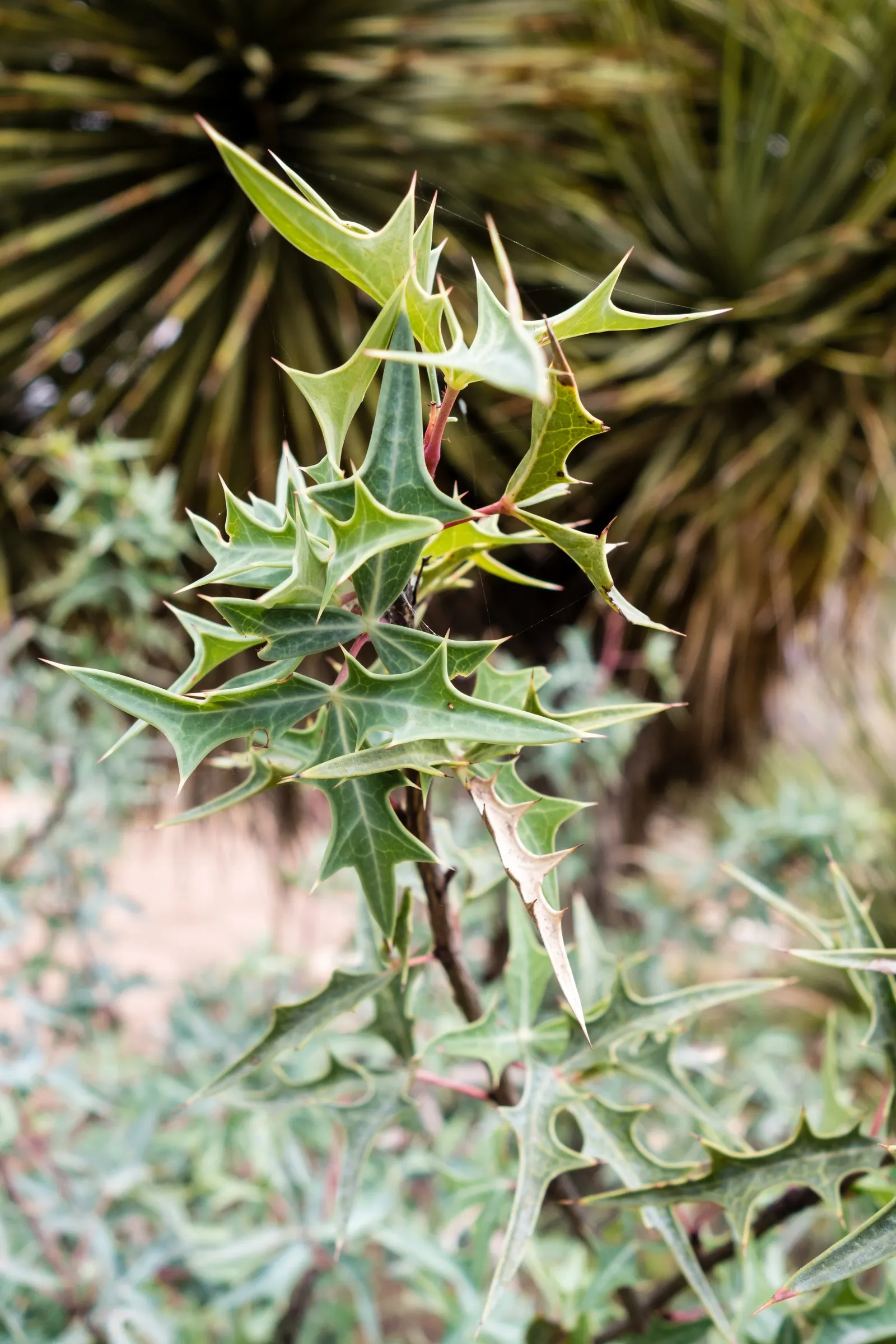
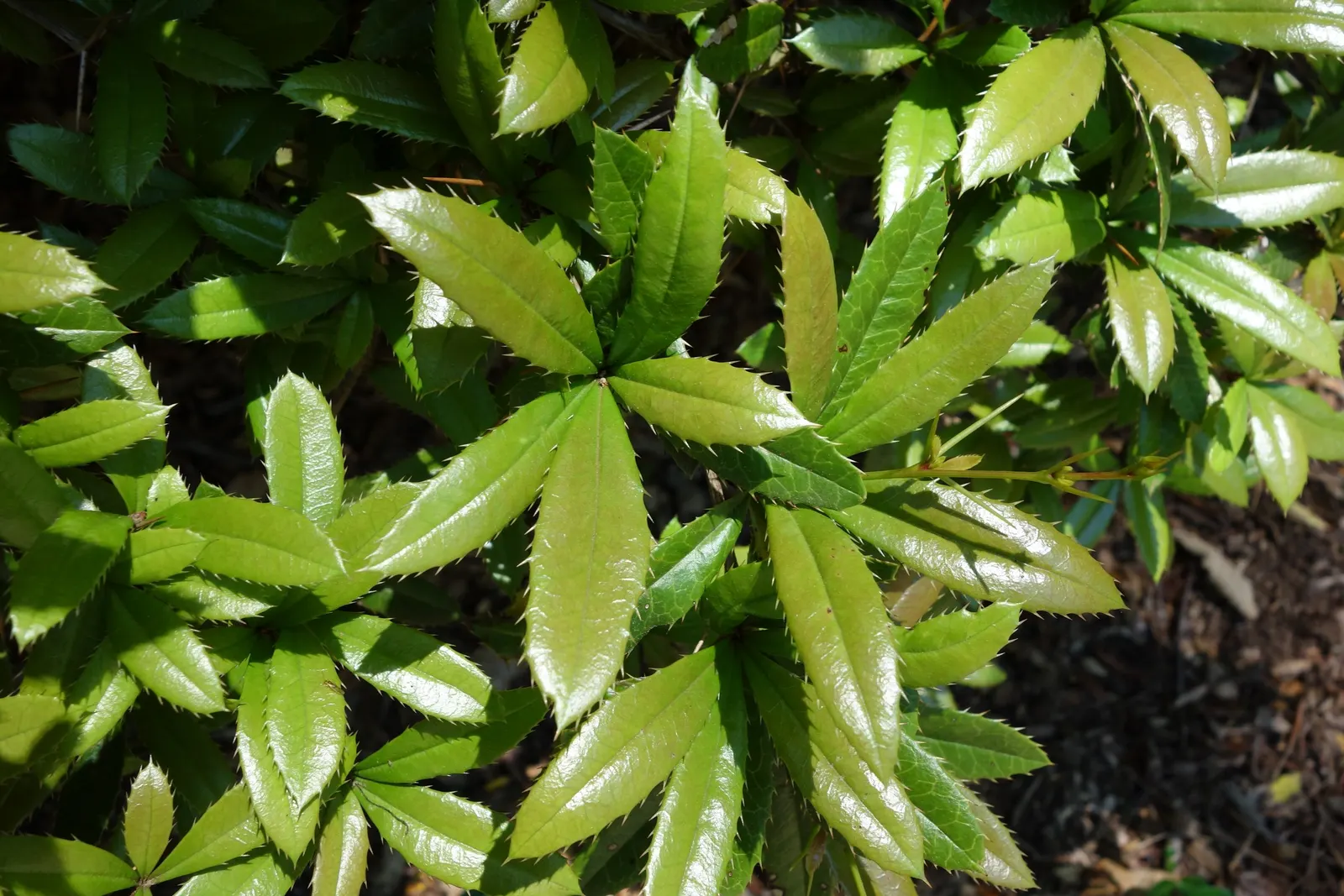
The Wintergreen Barberry, 'Berberis julianae', is an evergreen shrub, ideal for hedges. It features rich, leathery leaves up to 5 inches long with spiny margins. Fragrant yellow flowers bloom in clusters in spring, followed by blue-black berries. Mature size is around 4 to 6 feet high and wide. Prefers full sun to partial shade, and well-drained soil. Hardy in USDA zones 6-9, with thorns present making it good for security plantings.
Sun Half, ShadeWater Low, Very LowZones 5–10Climate Mediterranean
Wintergreen Barberry (Berberis Julianae) — The Wintergreen Barberry, 'Berberis julianae', is an evergreen shrub, ideal for hedges

Culture

Sun
Half, Shade
Water
Low, Very Low
USDA zones
5–10

Shape & size

Classification

Family
Berberidaceae
Climate
Mediterranean

See full data, regional cultivation notes, full-resolution photos, and design tools. Build a client presentation around this plant.

Start your 14-day trial

Photos (63)

Wintergreen Barberry (Berberis Julianae) — yellow flowers in the garden
Wintergreen Barberry (Berberis Julianae) — while its hardy nature ensures longevity in the garden
Wintergreen Barberry (Berberis Julianae) — shrub for half or shade
Wintergreen Barberry (Berberis Julianae) — shrub with yellow blooms
Wintergreen Barberry (Berberis Julianae) — The Wintergreen Barberry, 'Berberis julianae', is an evergreen shrub, ideal for hedges; mature size is around 4 to 6
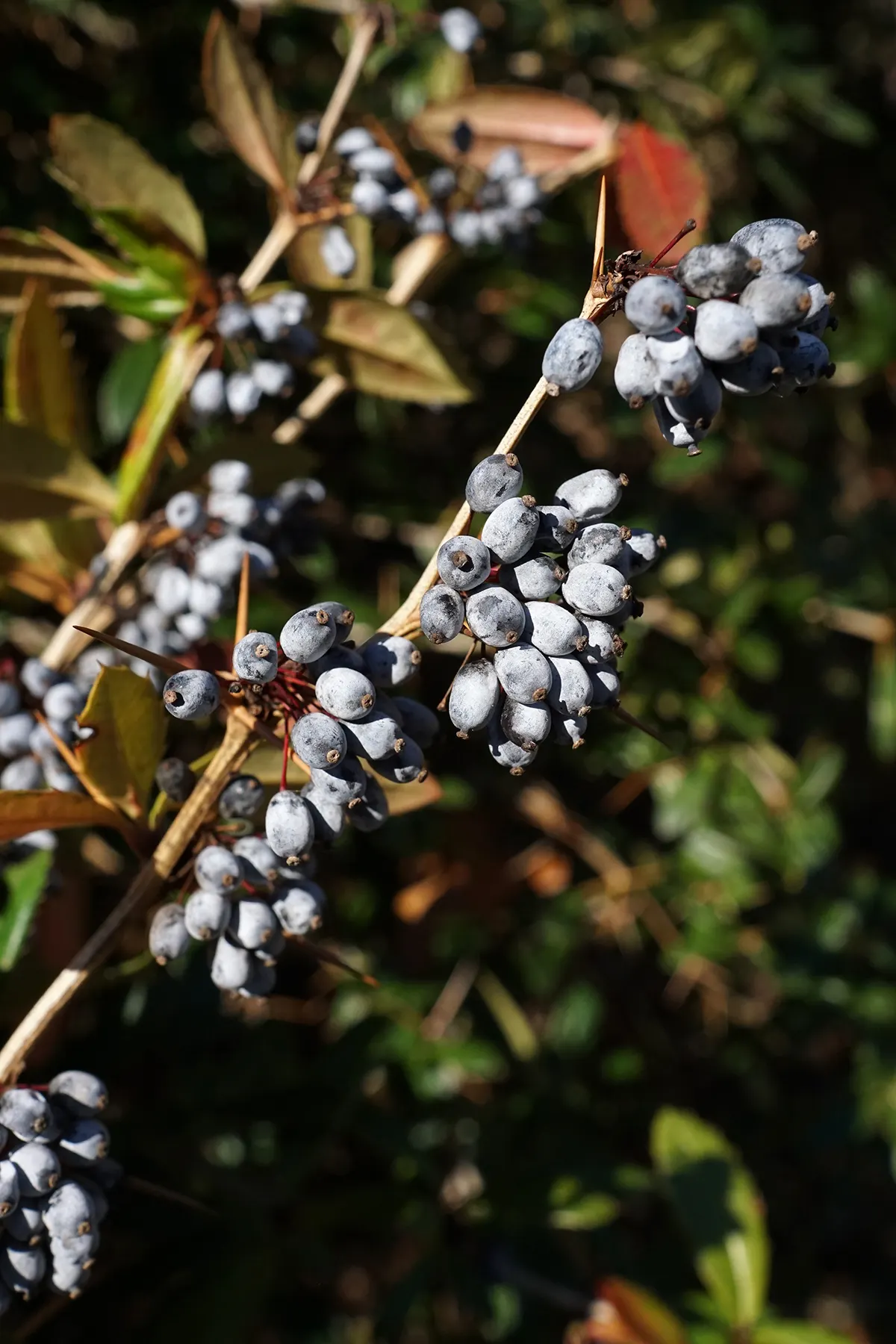
Wintergreen Barberry (Berberis Julianae) — Fragrant yellow flowers bloom in clusters in spring, followed by blue-black berries; serve as a food source for birds
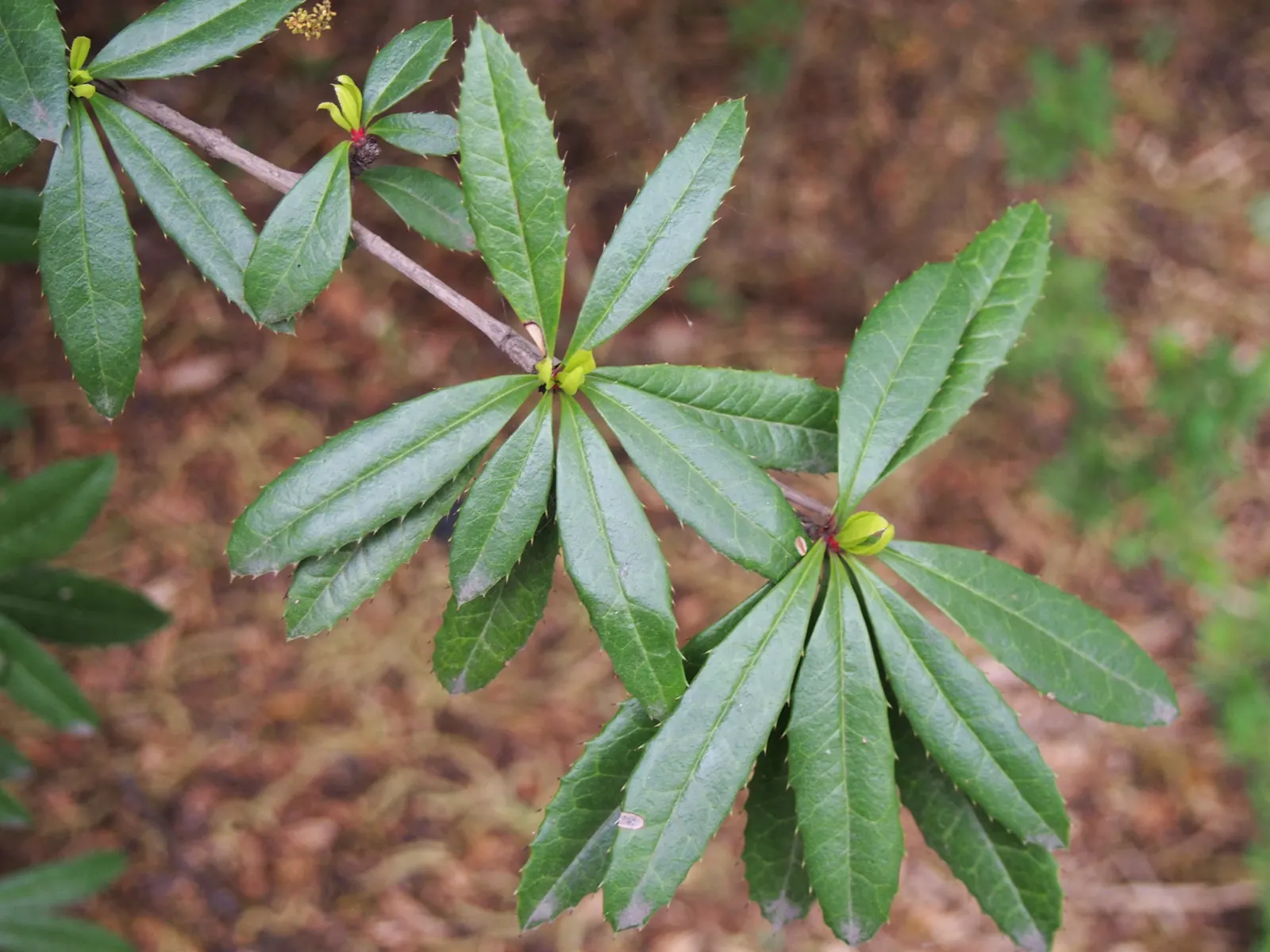
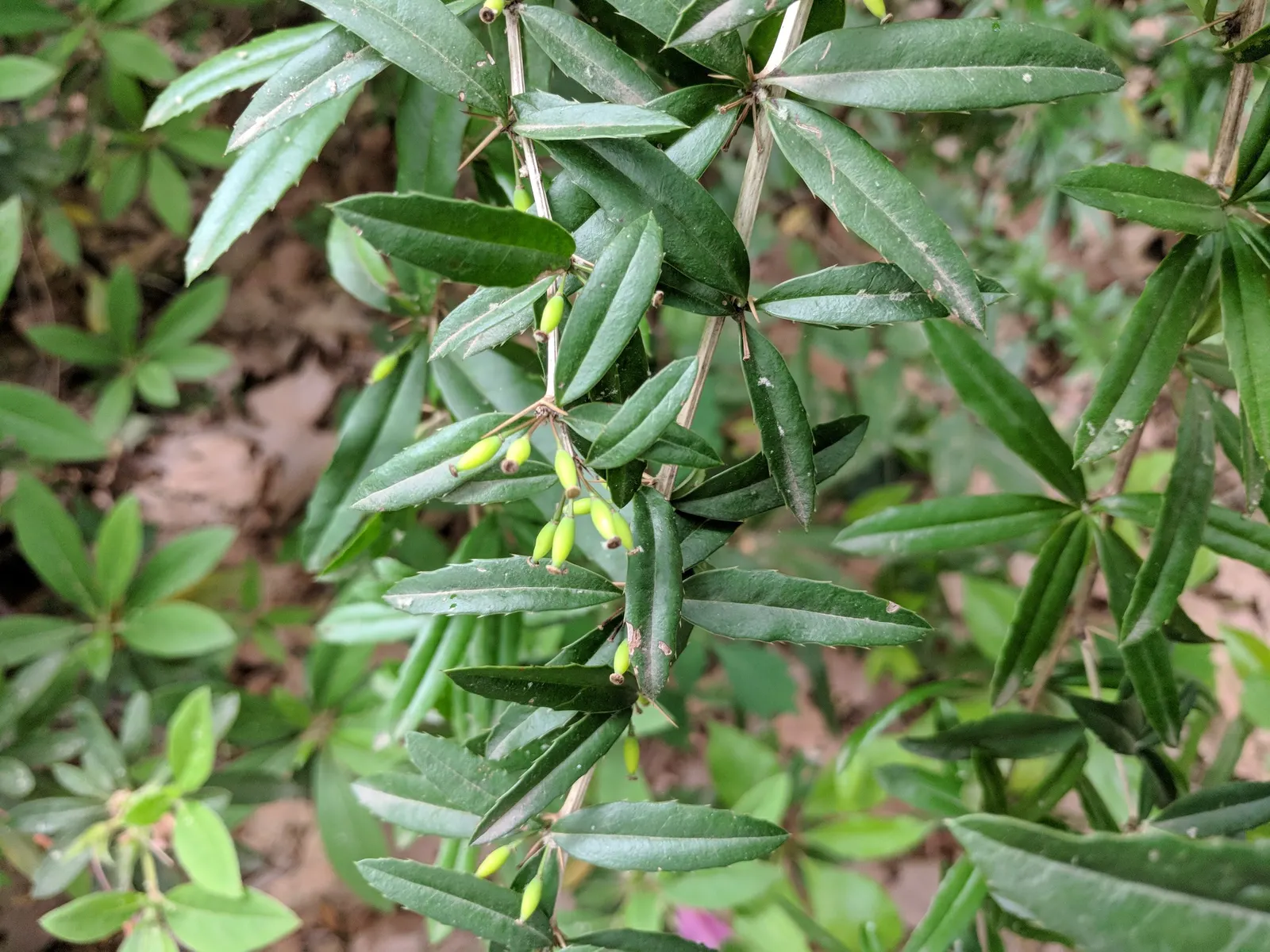
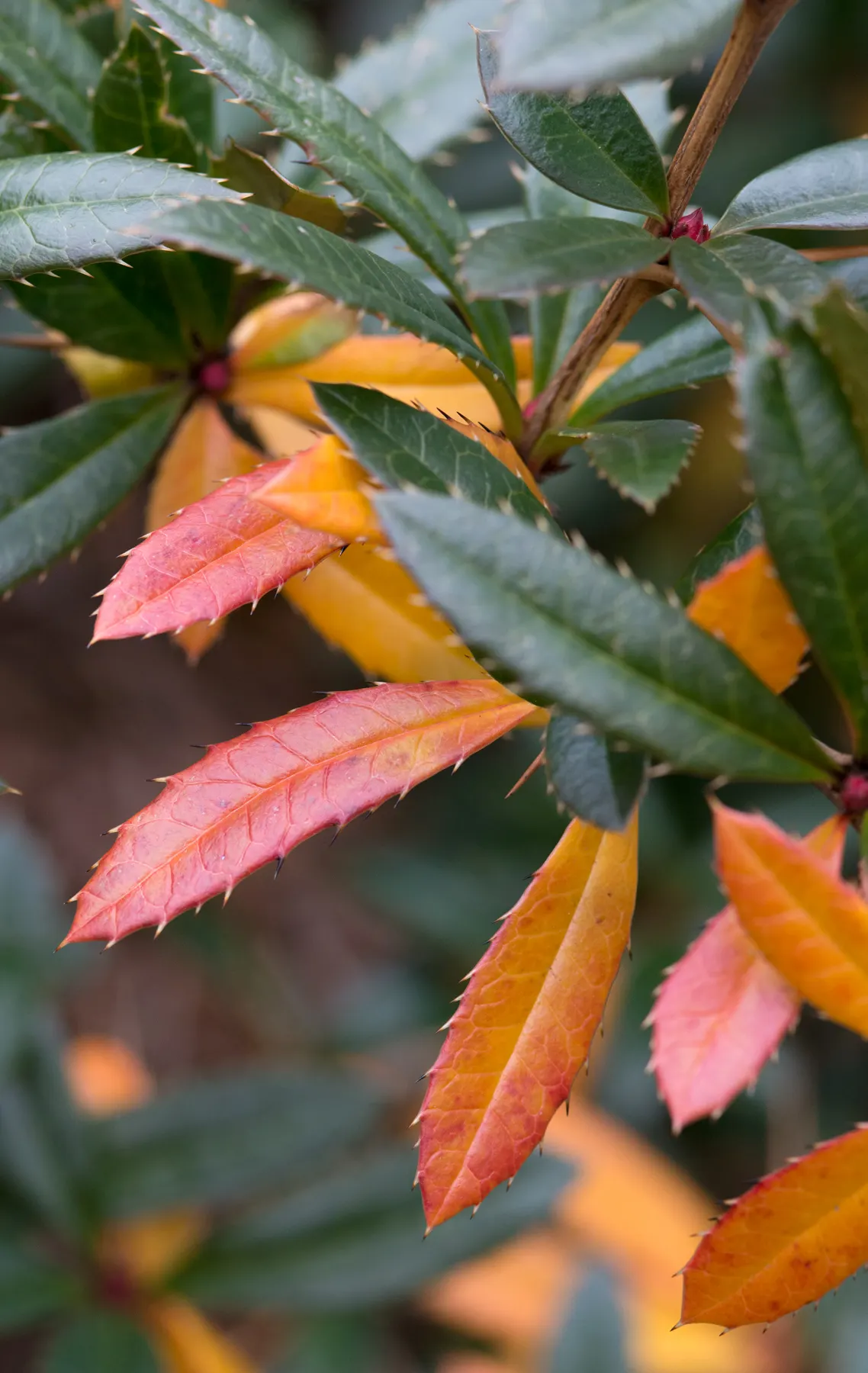
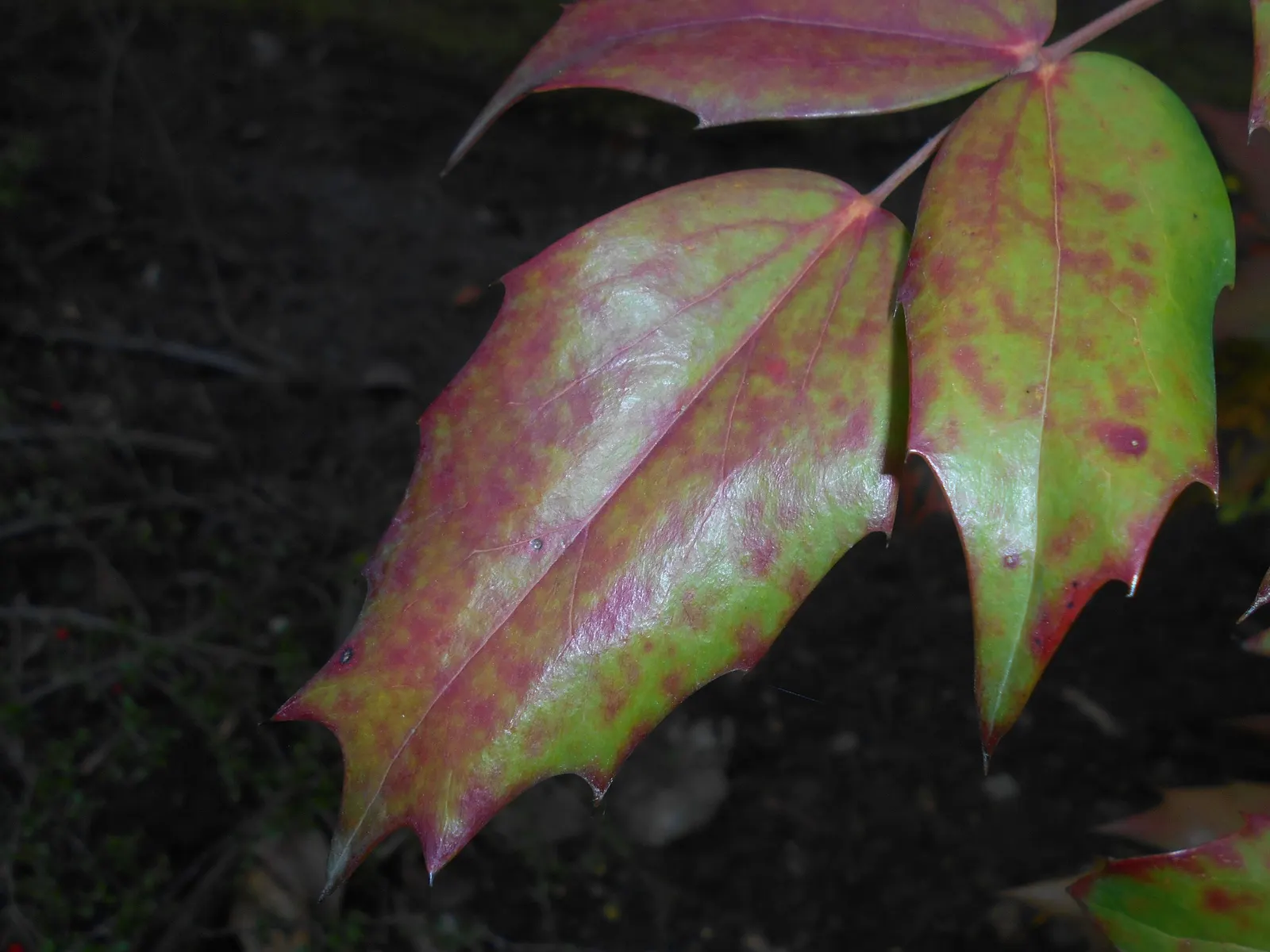
Wintergreen Barberry (Berberis Julianae) — It features rich, leathery leaves up to 5 inches long with spiny margins; which take on a bronze hue in the cold
Wintergreen Barberry (Berberis Julianae) — Mature size is around 4 to 6 feet high and wide; while its hardy nature ensures longevity in the garden
Wintergreen Barberry (Berberis Julianae) — scientifically named Berberis julianae; serve as a food source for birds
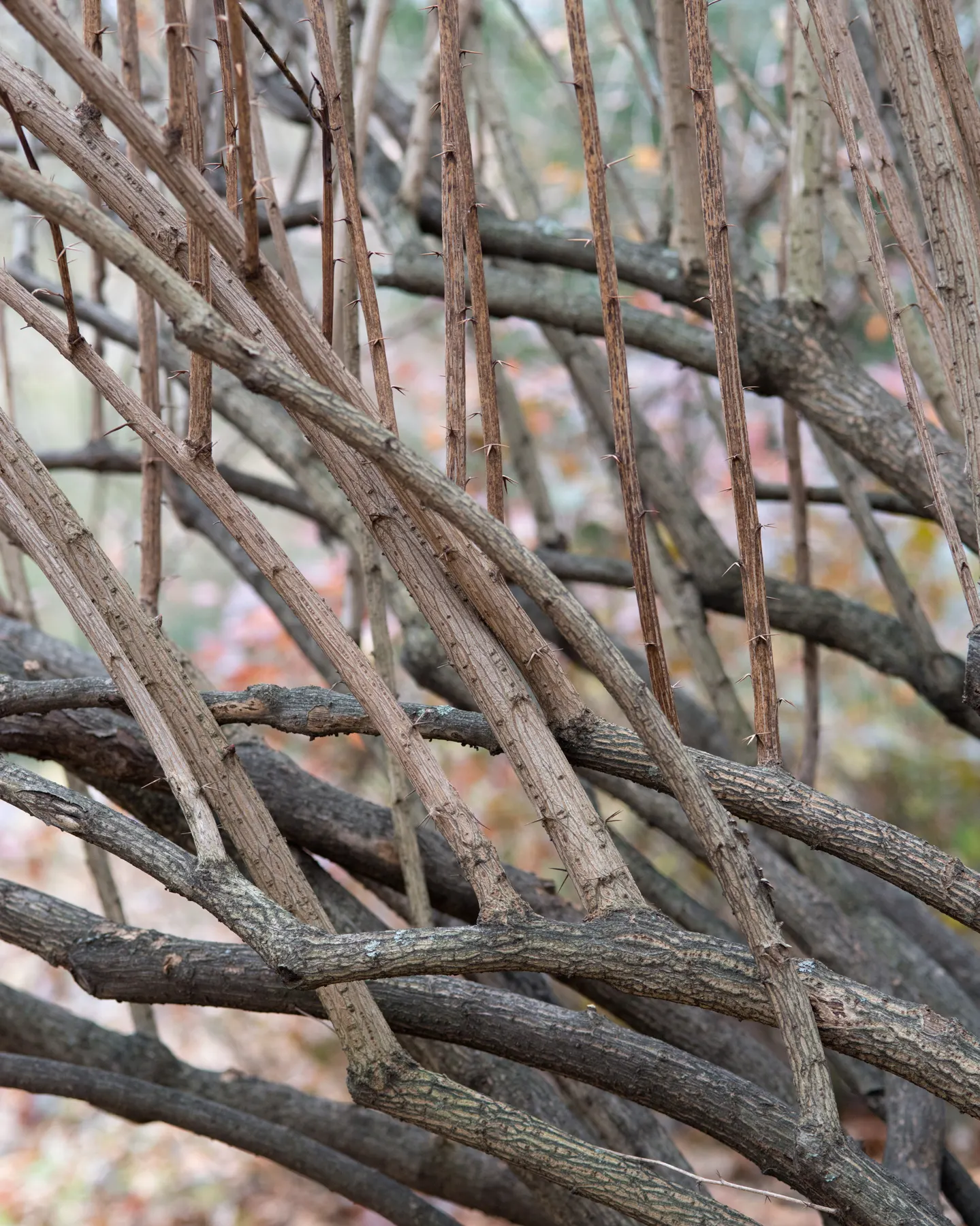
Wintergreen Barberry (Berberis Julianae) — Hardy in USDA zones 6-9, with thorns present making it good for security plantings; which take on a bronze hue in
Wintergreen Barberry (Berberis Julianae) — Prefers full sun to partial shade, and well-drained soil; mature size is around 4 to 6 feet high and wide
Wintergreen Barberry (Berberis Julianae) — providing year-round interest; while its hardy nature ensures longevity in the garden
Wintergreen Barberry (Berberis Julianae) — leathery leaves approximately 2 to 4 inches long; which take on a bronze hue in the cold season
Wintergreen Barberry (Berberis Julianae) — which take on a bronze hue in the cold season; serve as a food source for birds
Wintergreen Barberry (Berberis Julianae) — Typically reaching a mature height of 5 to 6 feet with a similar spread; mature size is around 4 to 6 feet high and
Wintergreen Barberry (Berberis Julianae) — is a striking evergreen shrub that serves both ornamental and practical purposes in a landscape design; while its
Wintergreen Barberry (Berberis Julianae) — By late summer to early fall; serve as a food source for birds
Wintergreen Barberry (Berberis Julianae) — the shrub produces blue-black berries; while its hardy nature ensures longevity in the garden
Wintergreen Barberry (Berberis Julianae) — which although inedible for humans; mature size is around 4 to 6 feet high and wide
Wintergreen Barberry (Berberis Julianae) — These blossoms are not only aesthetically pleasing but also attract pollinators like bees; which take on a bronze
Wintergreen Barberry (Berberis Julianae) — In early to mid-spring, small, yellow flowers appear, clustered along the stems; mature size is around 4 to 6 feet
Wintergreen Barberry (Berberis Julianae) — This robust shrub tolerates urban pollution and some drought once established; while its hardy nature ensures
Wintergreen Barberry (Berberis Julianae) — provided they are well-drained; serve as a food source for birds
Wintergreen Barberry (Berberis Julianae) — serve as a food source for birds; which take on a bronze hue in the cold season

Related plants