Skip to content

Darwin's Barberry

Berberis Darwinii

Design with this plant

Overview

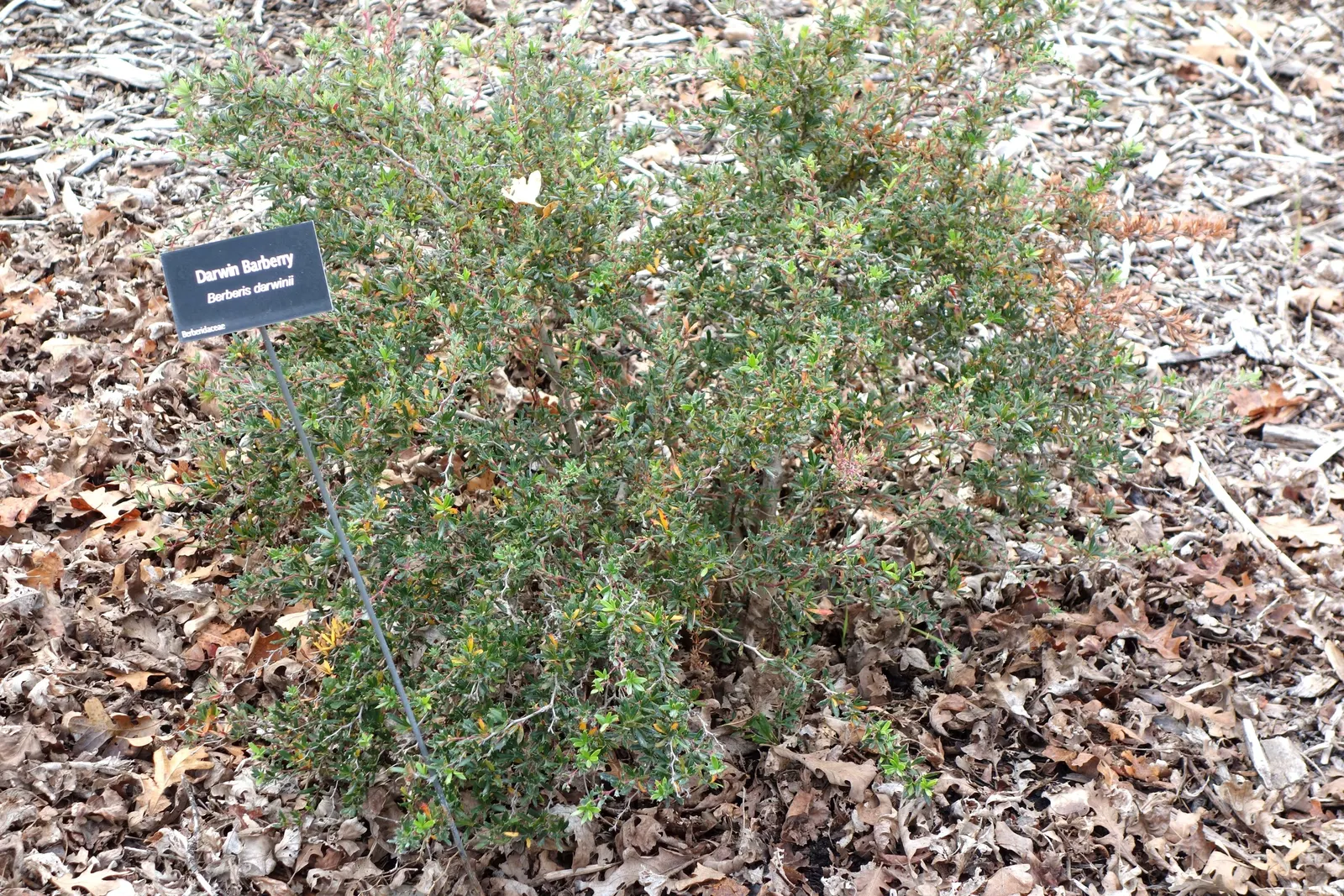
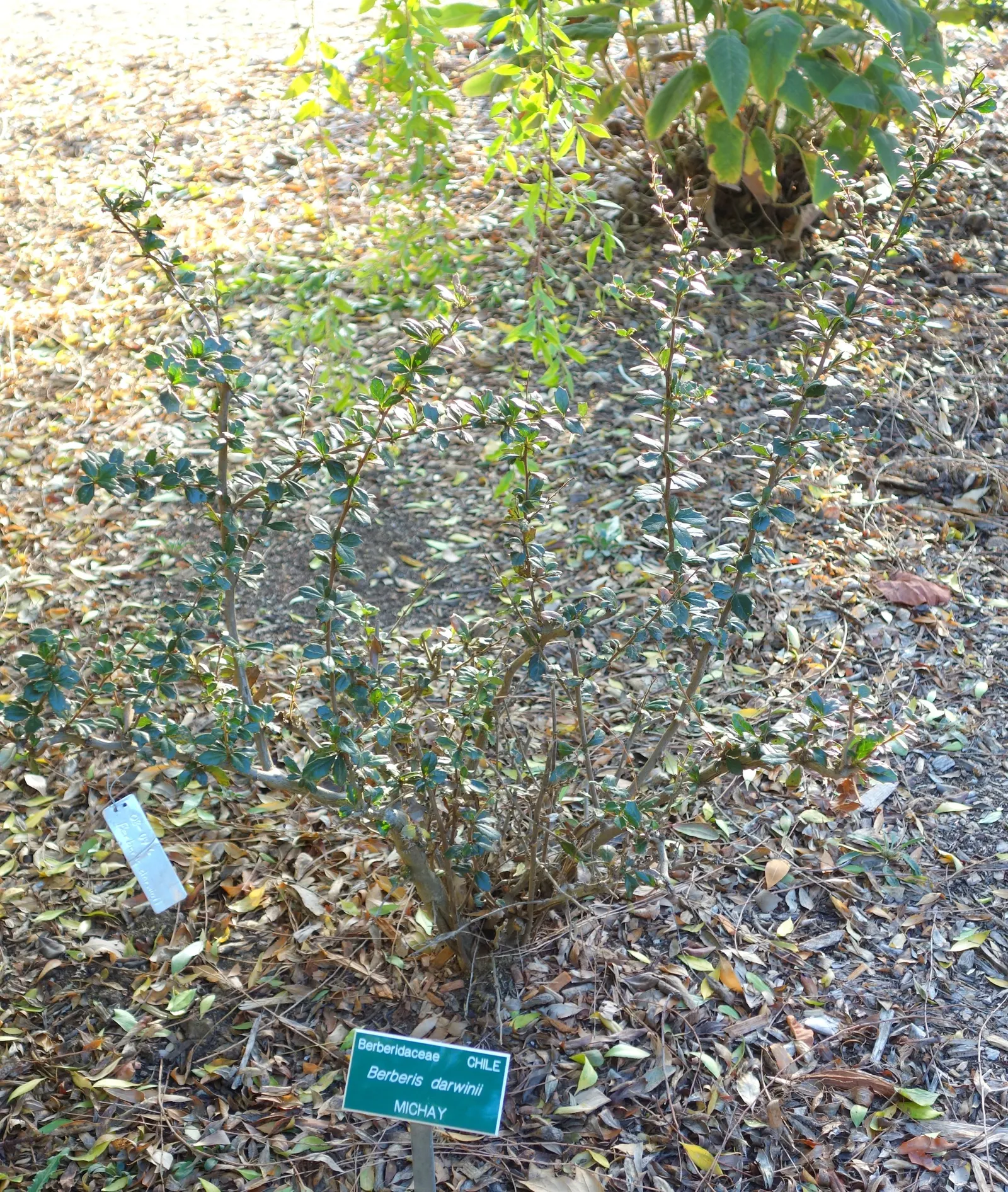
Darwin's Barberry (Berberis darwinii) is a vibrant evergreen shrub, notable for its holly-like leaves and profusion of orange-yellow flowers in spring. It matures to 5-10 feet tall, with a similar spread. Thriving in USDA zones 7-9, it requires well-drained soil and full to partial sun exposure. Prized for its foliage and barrier properties, it's an excellent choice for hedging or as a focal plant, attracting birds and pollinators.
Sun FullWater Extra in Summer, Low, Very LowZones 7–9Type ShrubClimate Mediterranean
Darwin's Barberry (Berberis Darwinii) — This evergreen shrub originates from Chile and Argentina and is hardy in USDA zones 7 through 9; prized for its foliage

Culture

Sun
Full
Water
Extra in Summer, Low, Very Low
USDA zones
7–9

Shape & size

Classification

Type
Shrub
Family
Berberidaceae
Climate
Mediterranean

See full data, regional cultivation notes, and design tools. Build a client presentation around this plant.

Start your 14-day trial

Photos (75)

Darwin's Barberry (Berberis Darwinii) — Prized for its foliage and barrier properties; this evergreen shrub originates from Chile and Argentina and is hardy in
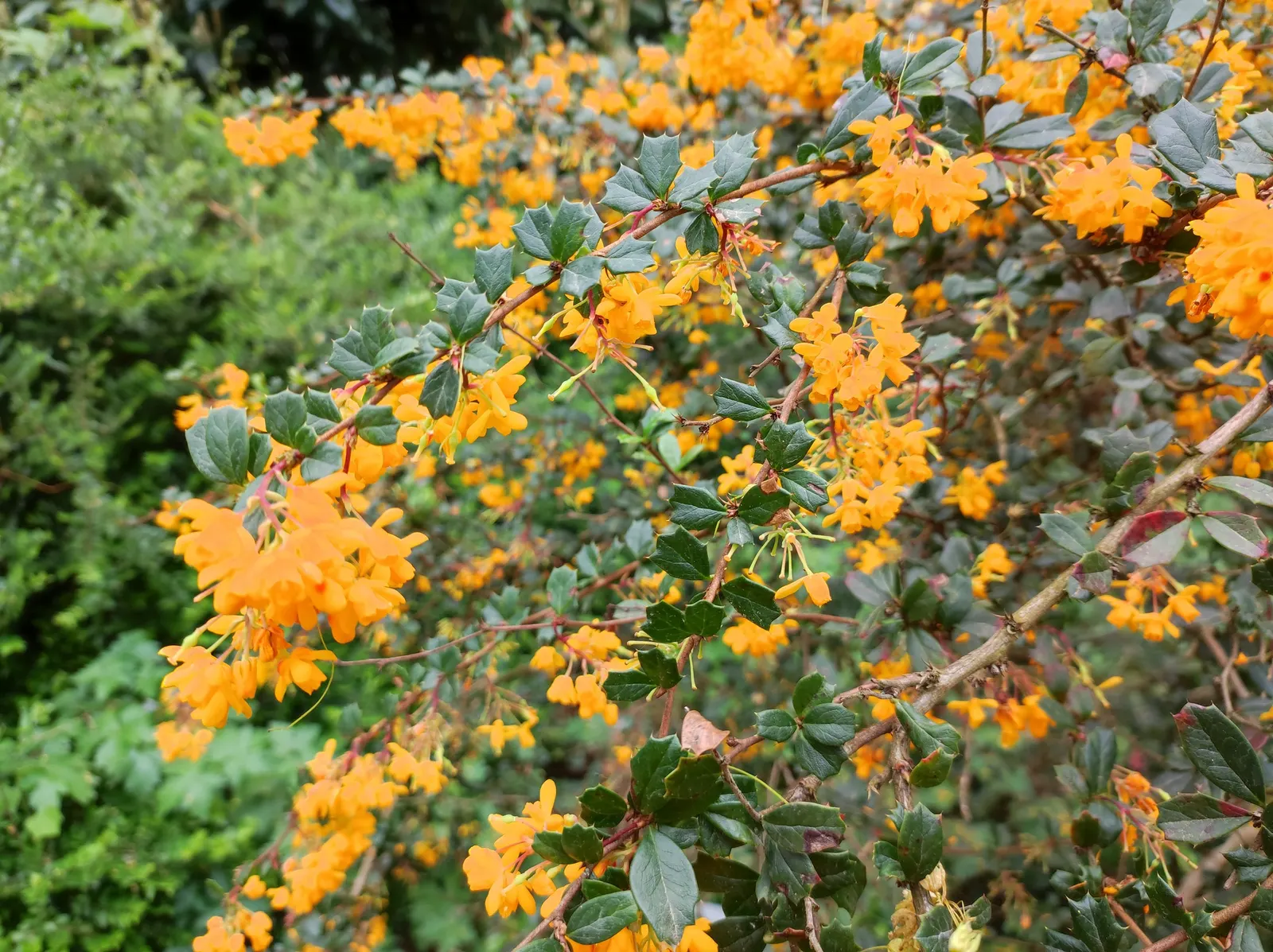
Darwin's Barberry (Berberis Darwinii) — attracting birds and pollinators; orange flowers in the garden
Darwin's Barberry (Berberis Darwinii) — Thriving in USDA zones 7-9, it requires well-drained soil and full to partial sun exposure; darwin's, image 52
Darwin's Barberry (Berberis Darwinii) — This evergreen shrub originates from Chile and Argentina and is hardy in USDA zones 7 through 9
Darwin's Barberry (Berberis Darwinii) — shrub for full
Darwin's Barberry (Berberis Darwinii) — When establishing in a design, ensure a spacing of roughly 4 to 5 feet to allow enough room for growth; offering
Darwin's Barberry (Berberis Darwinii) — it's an excellent choice for hedging or as a focal plant; berberis darwinii works exceptionally well as a, image 54
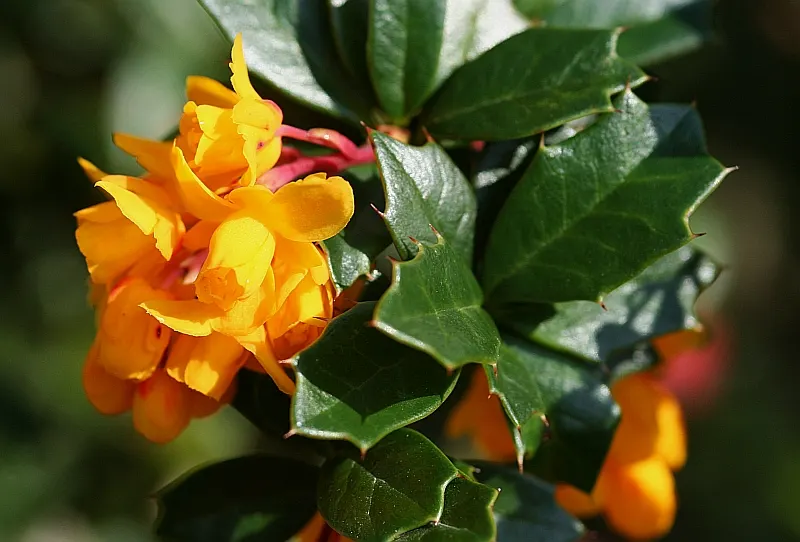
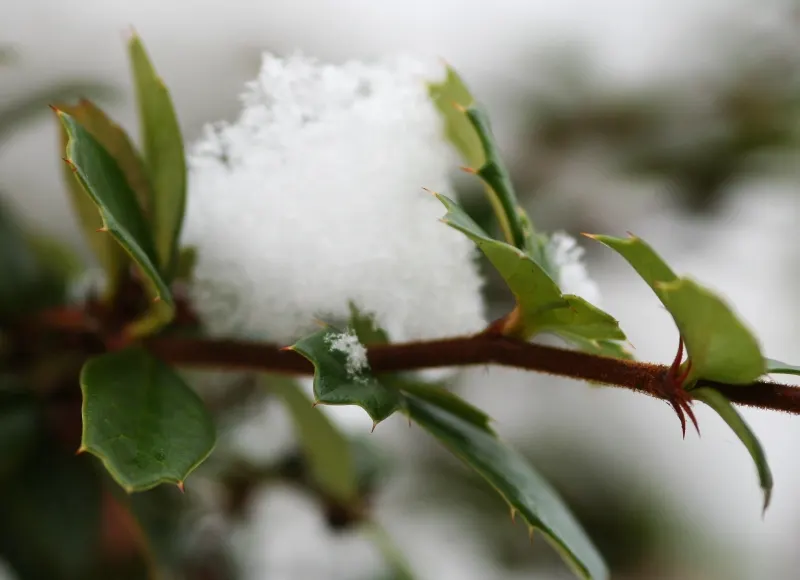
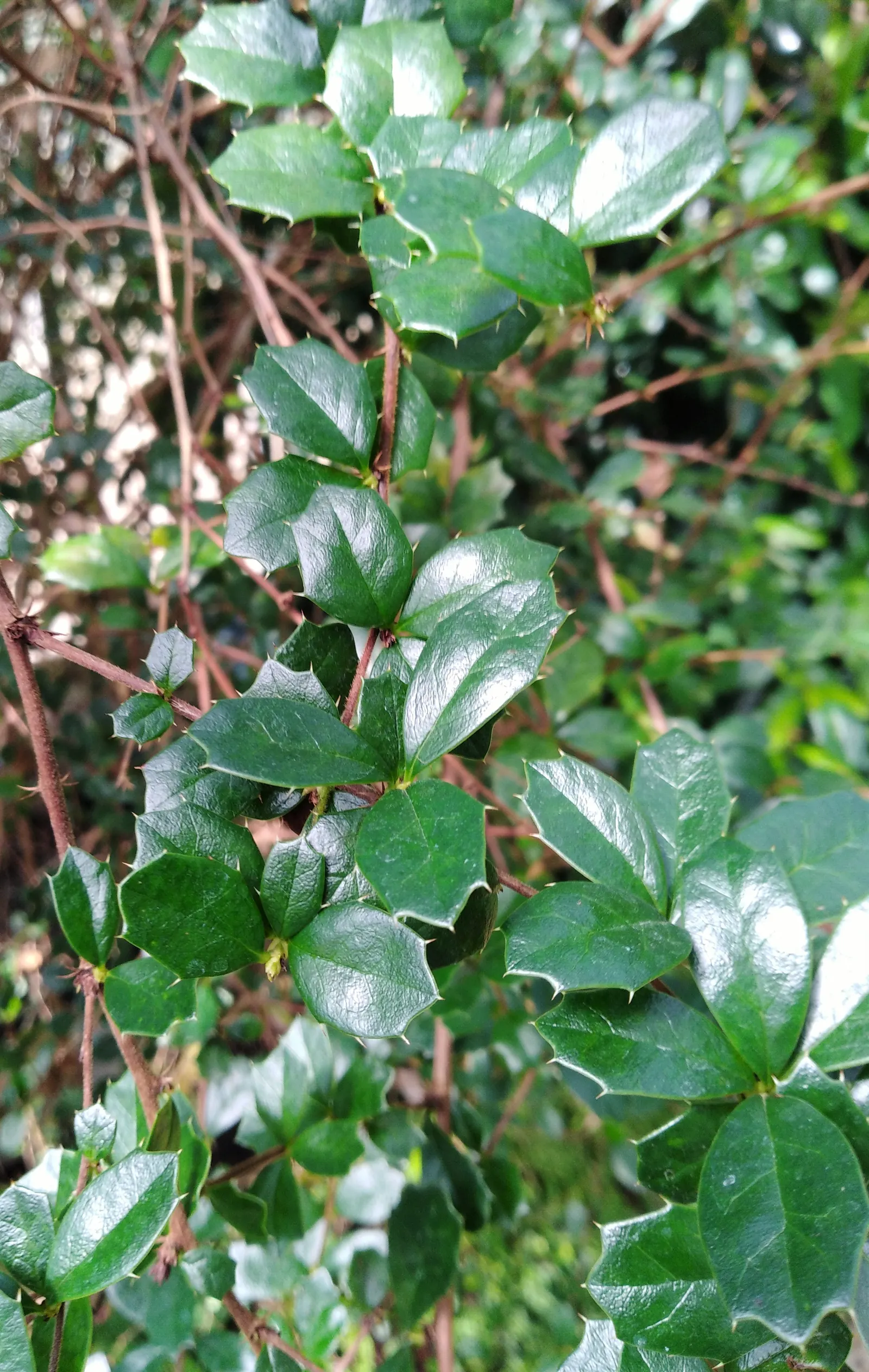
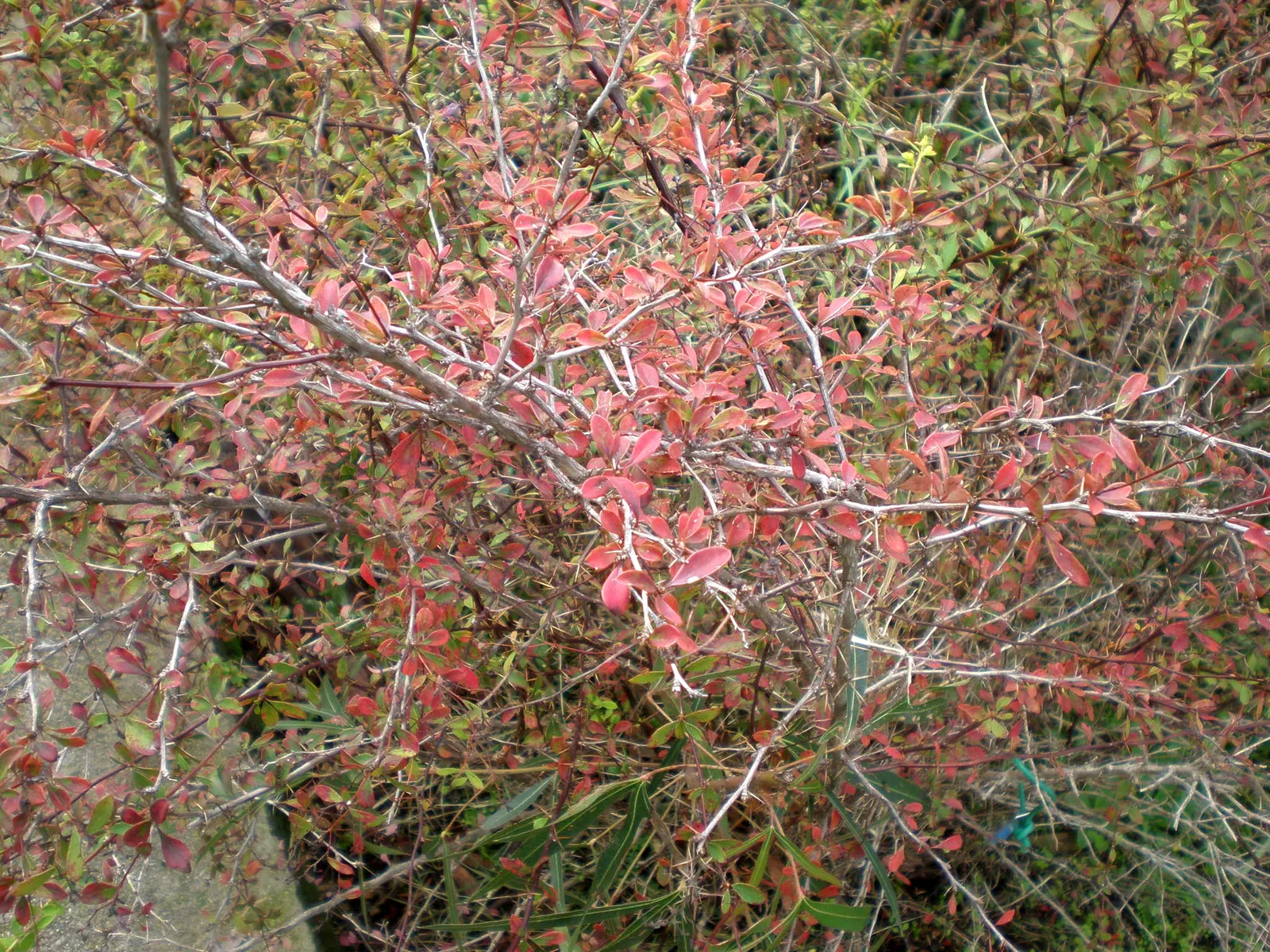
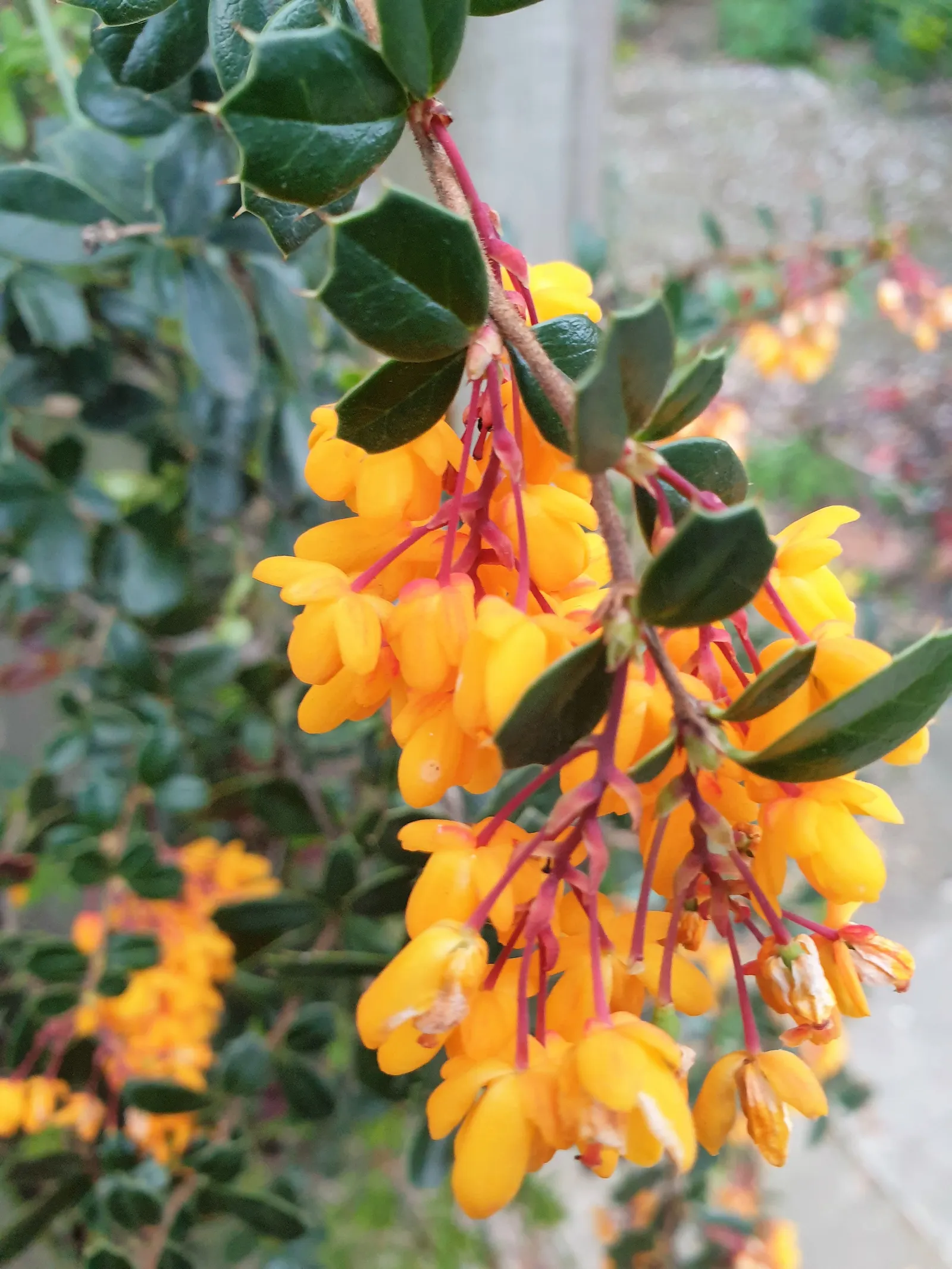
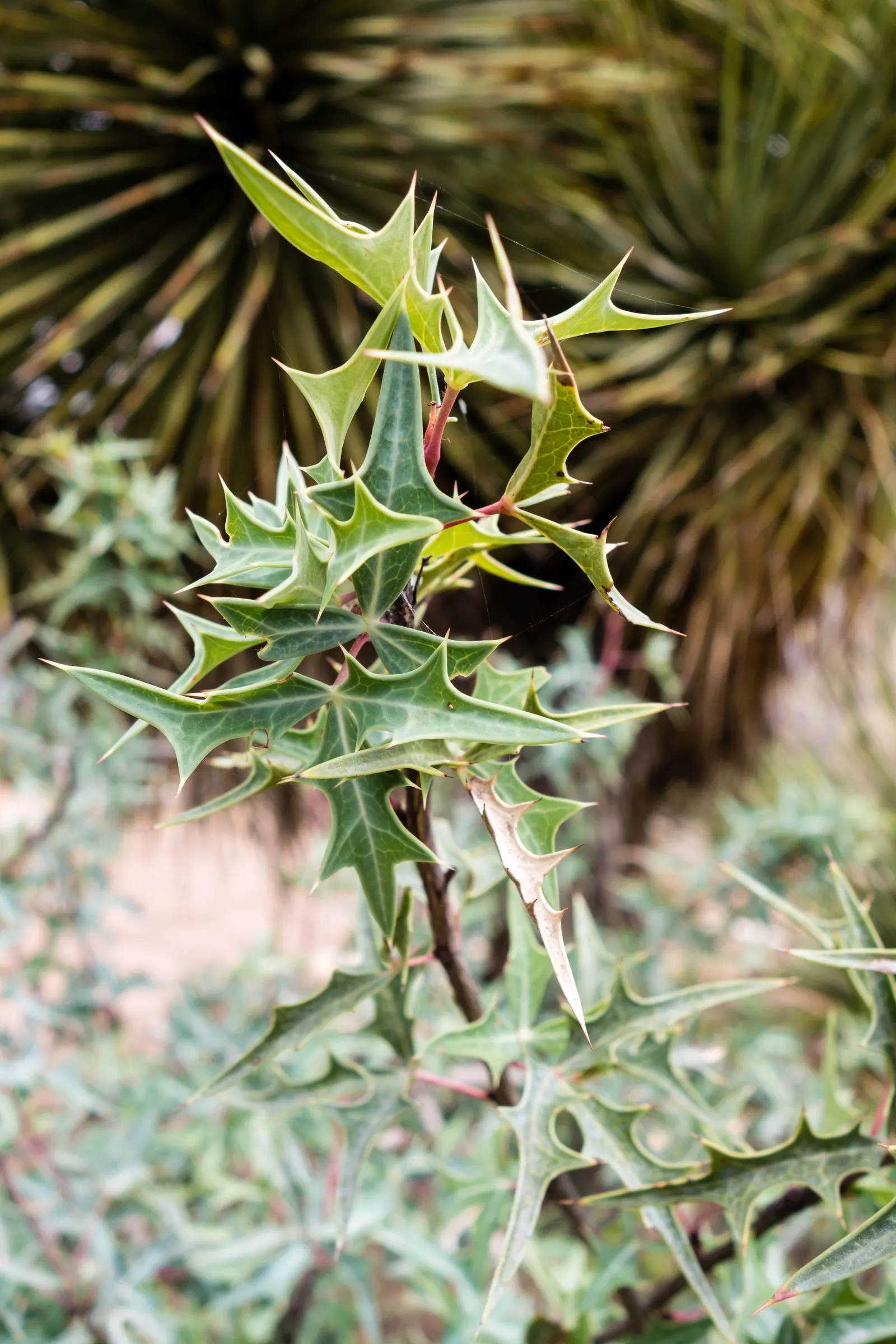
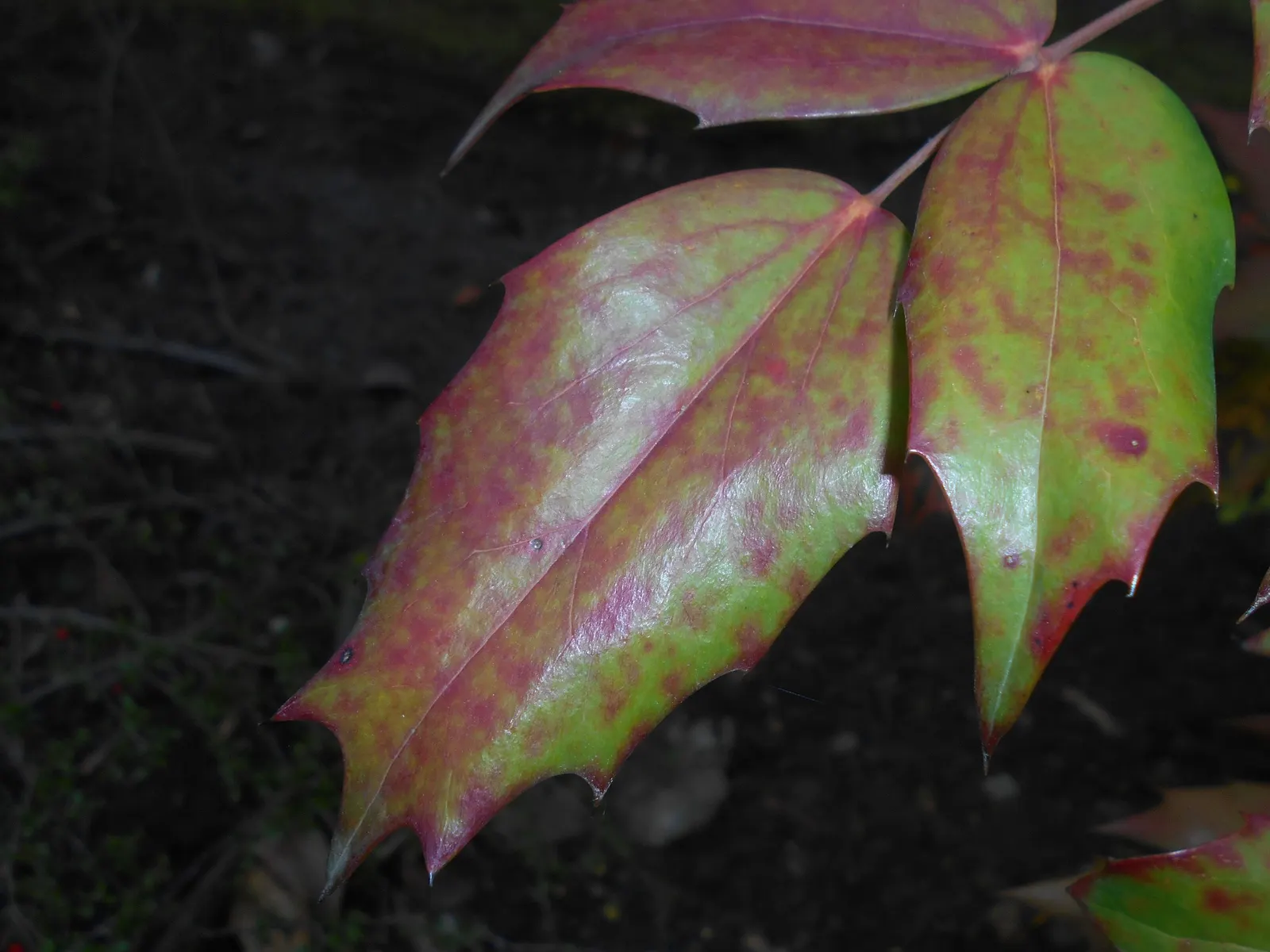
Darwin's Barberry (Berberis Darwinii) — holly-like dark green leaves
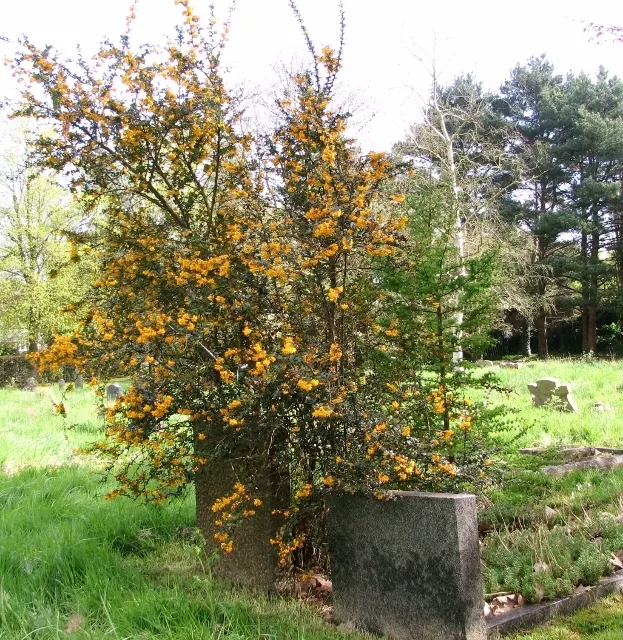
Darwin's Barberry (Berberis Darwinii) — the Berberis darwinii sports a dense
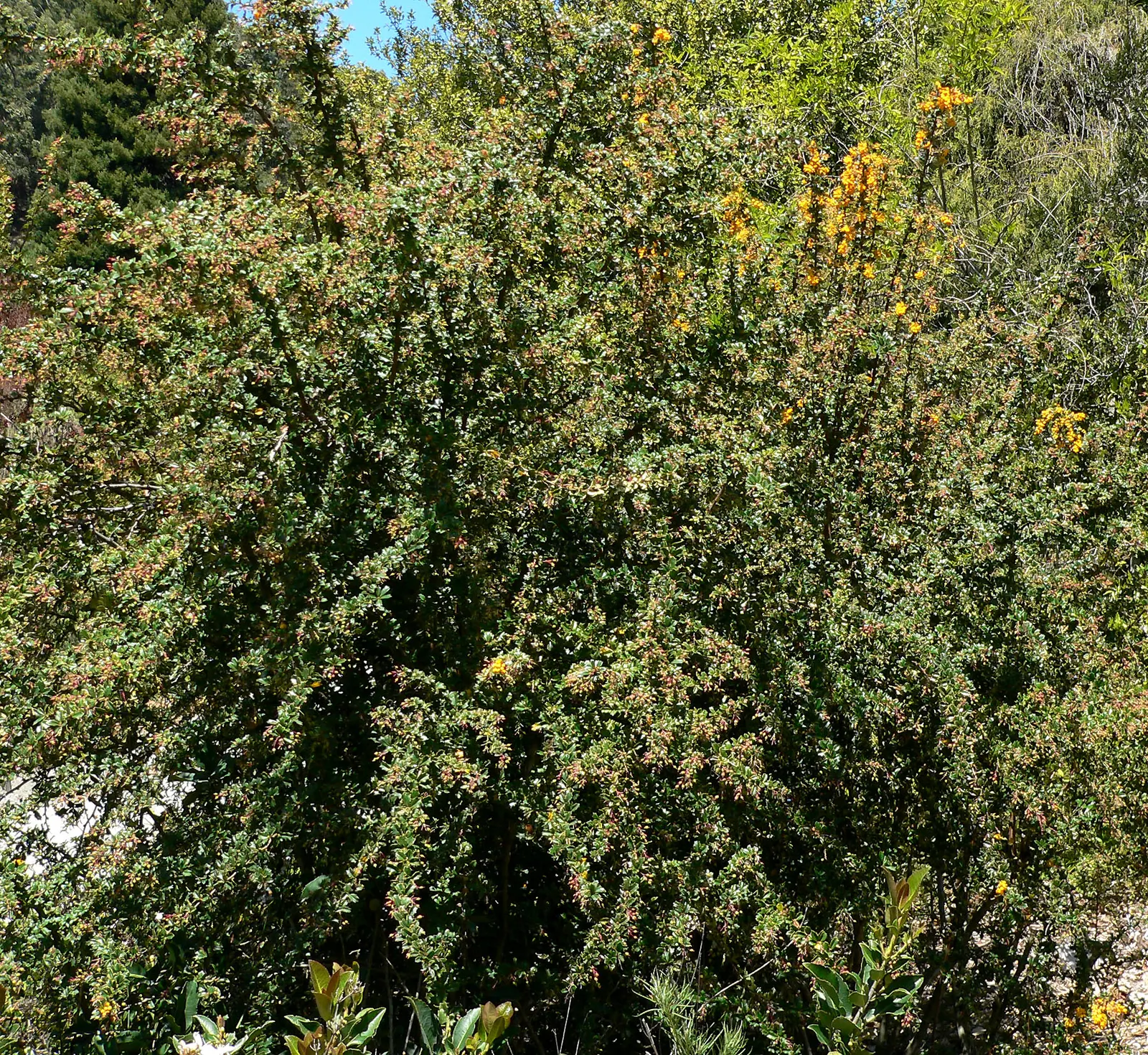
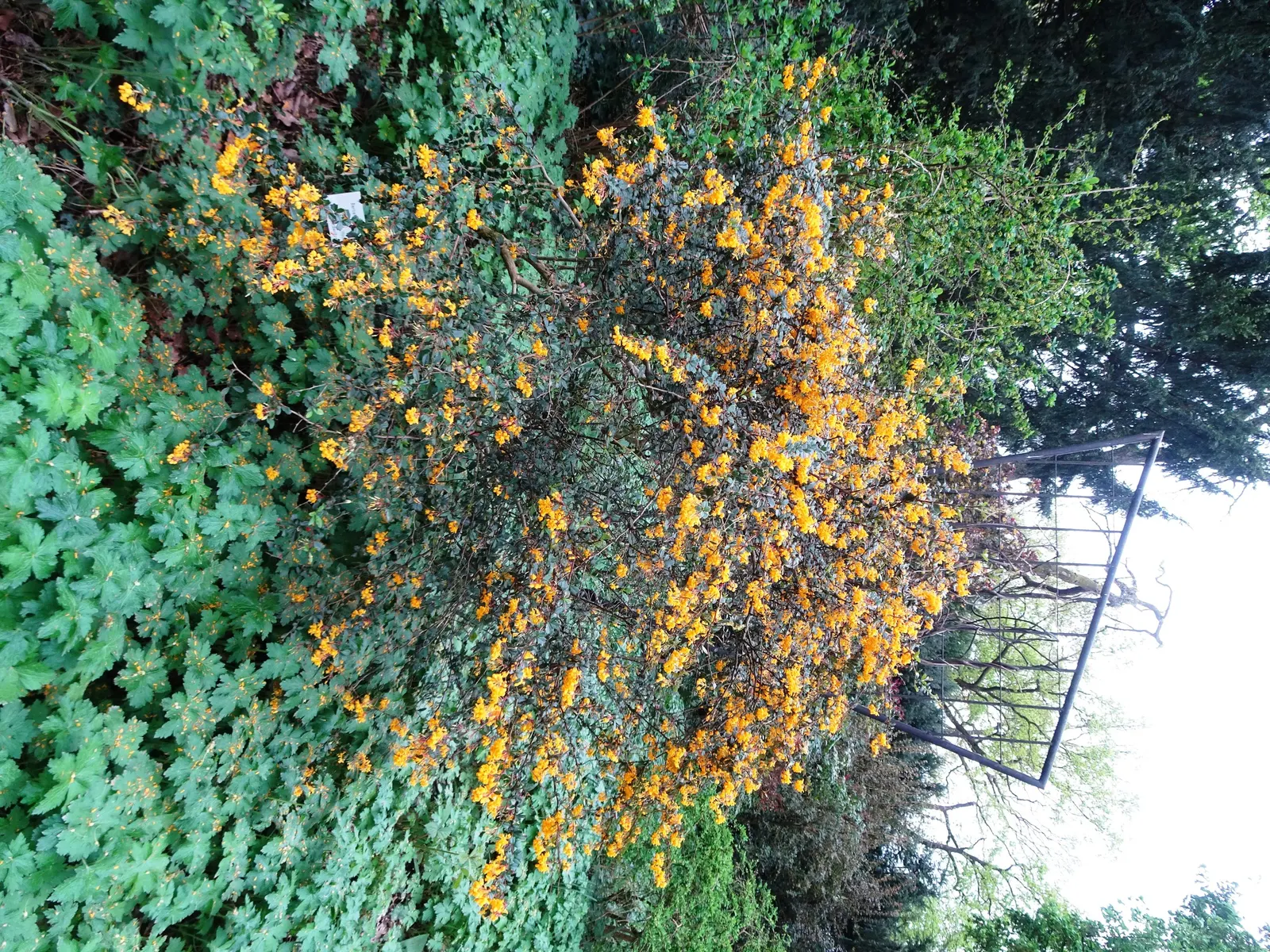
Darwin's Barberry (Berberis Darwinii) — It matures to 5-10 feet tall, with a similar spread
Darwin's Barberry (Berberis Darwinii) — the Darwin's Barberry thrives in full sun to partial shade and prefers well-drained soils
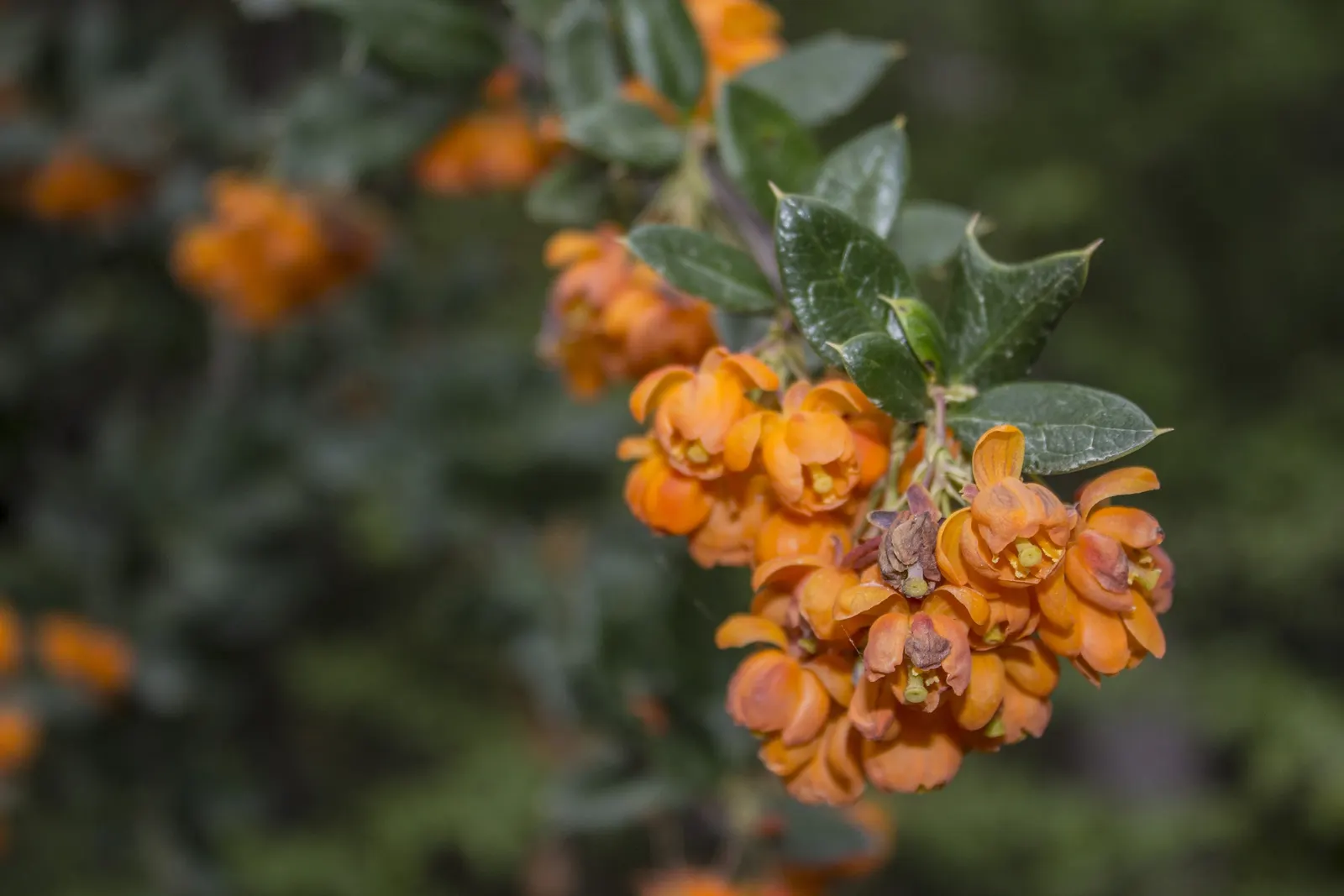
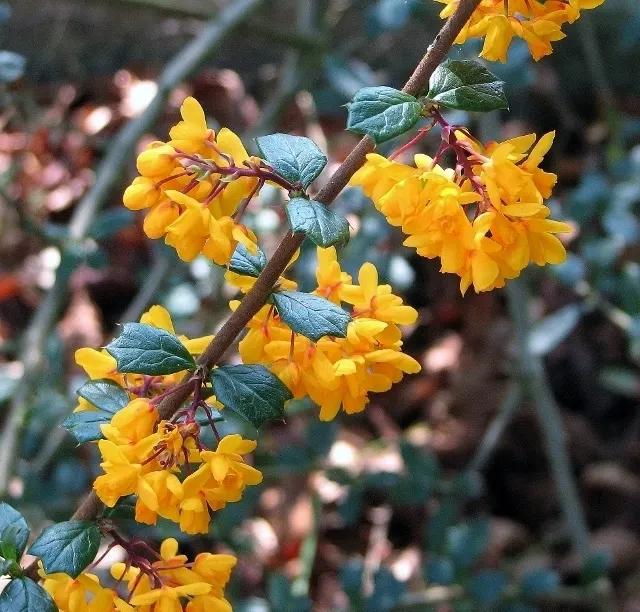
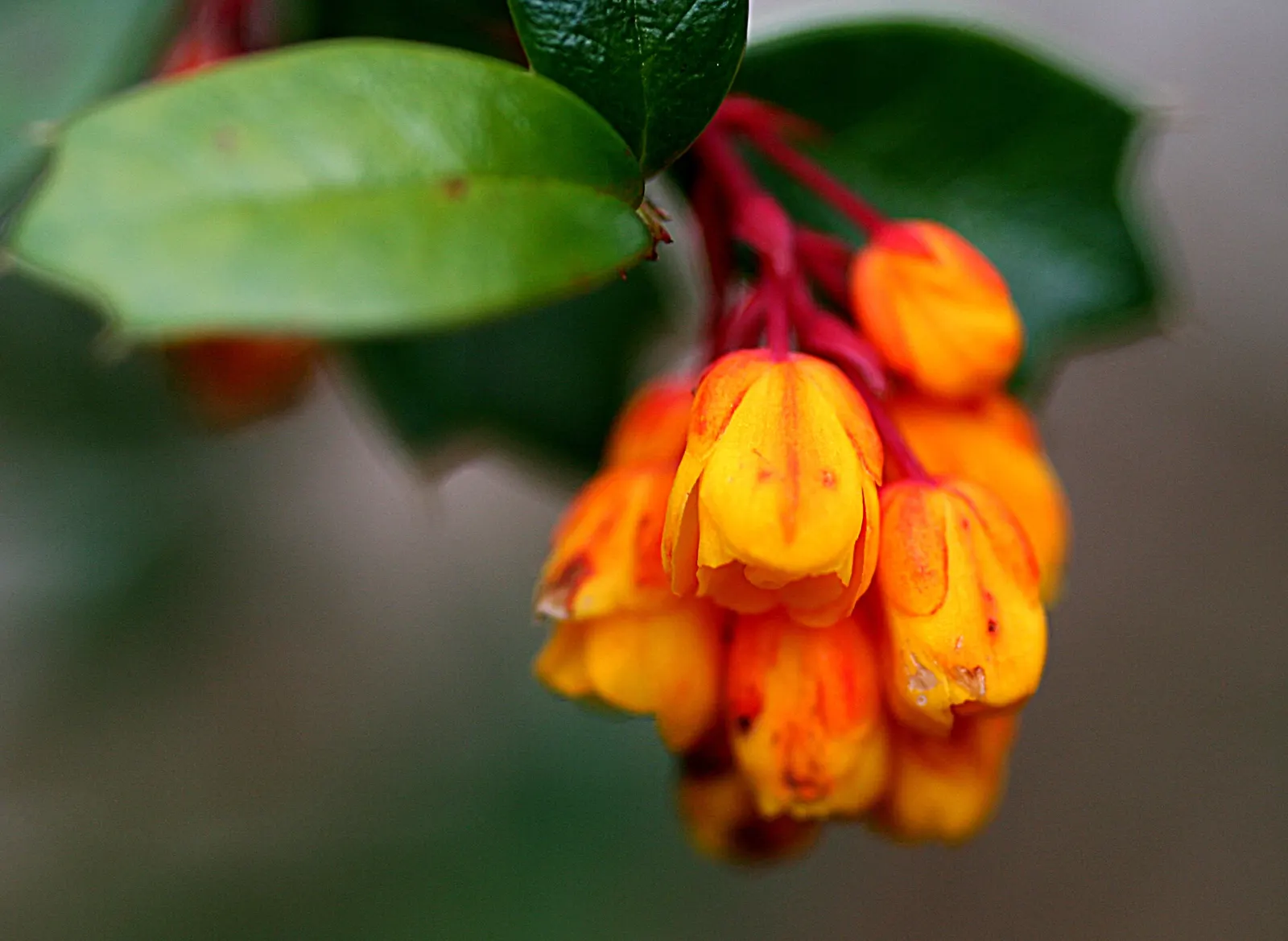
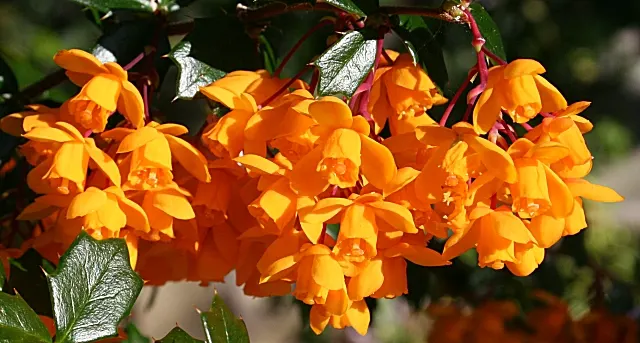
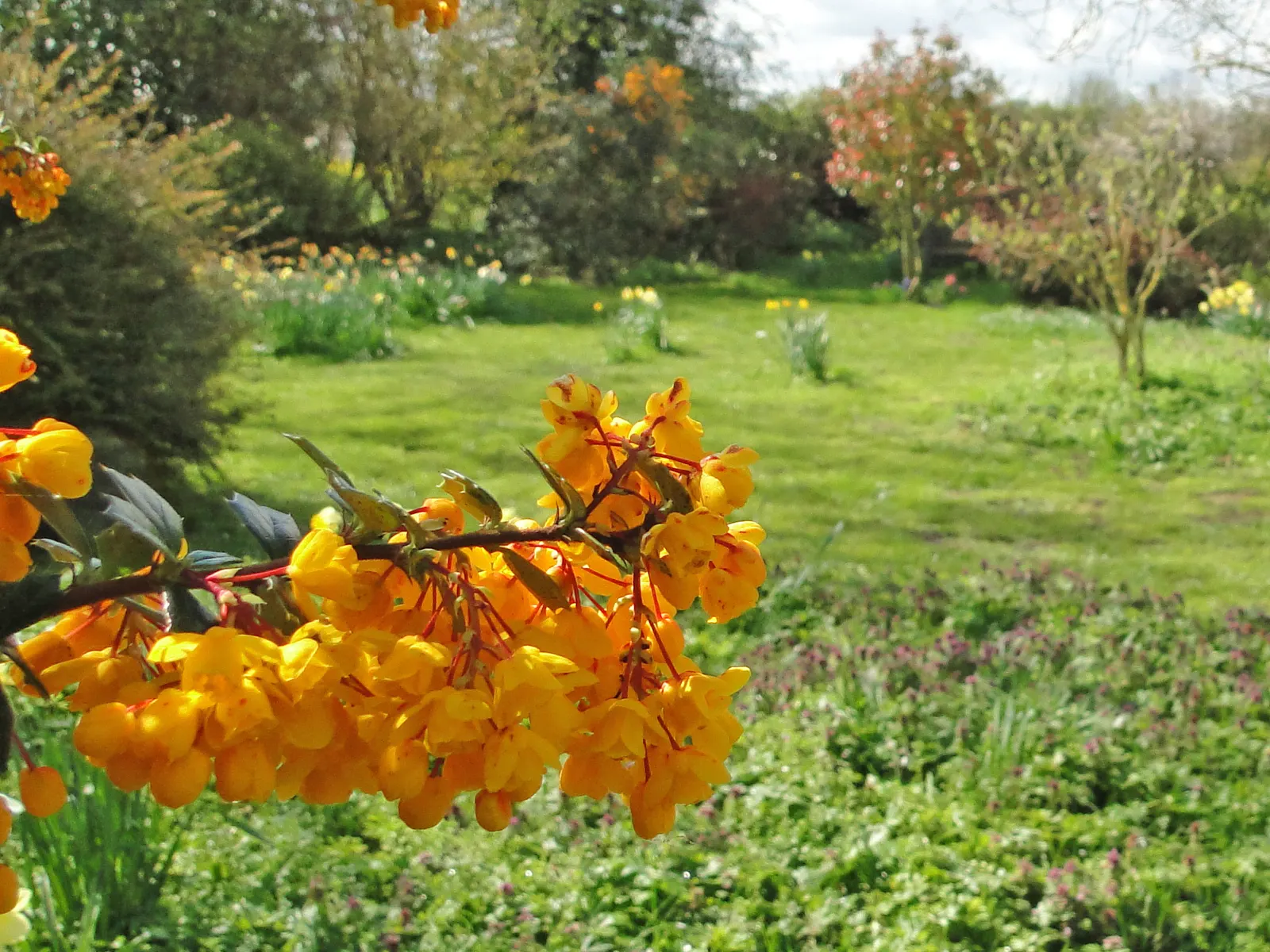
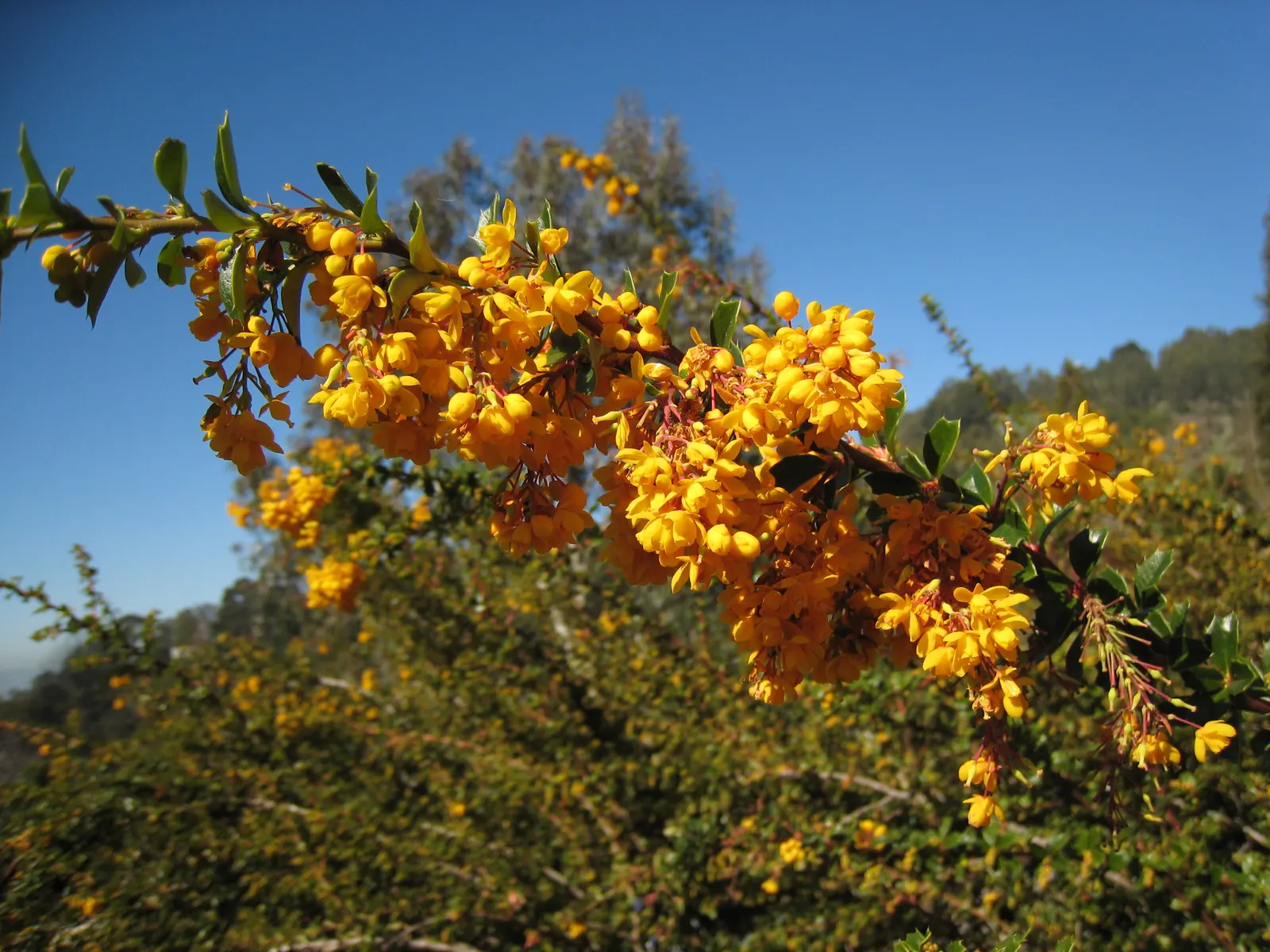
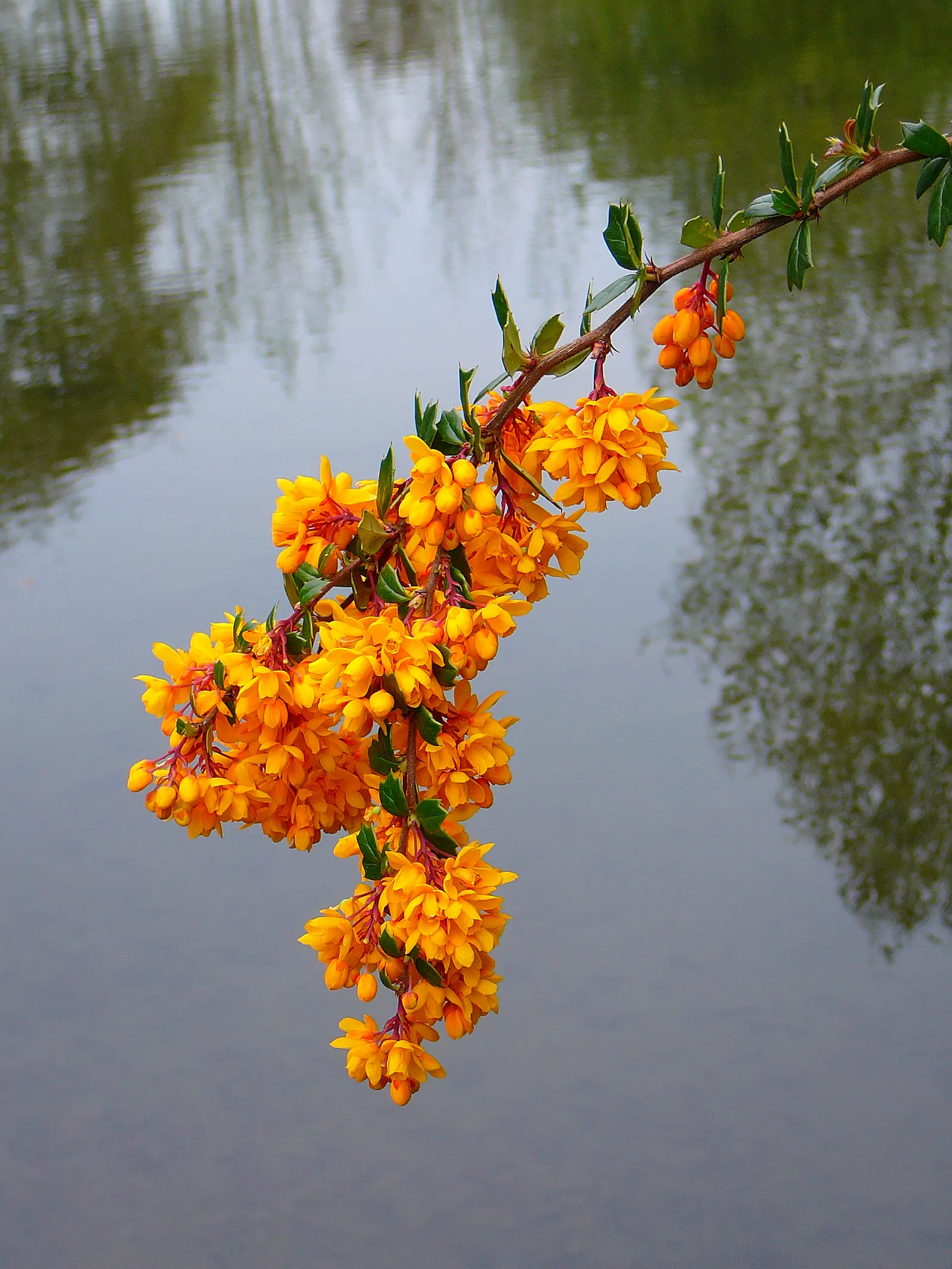
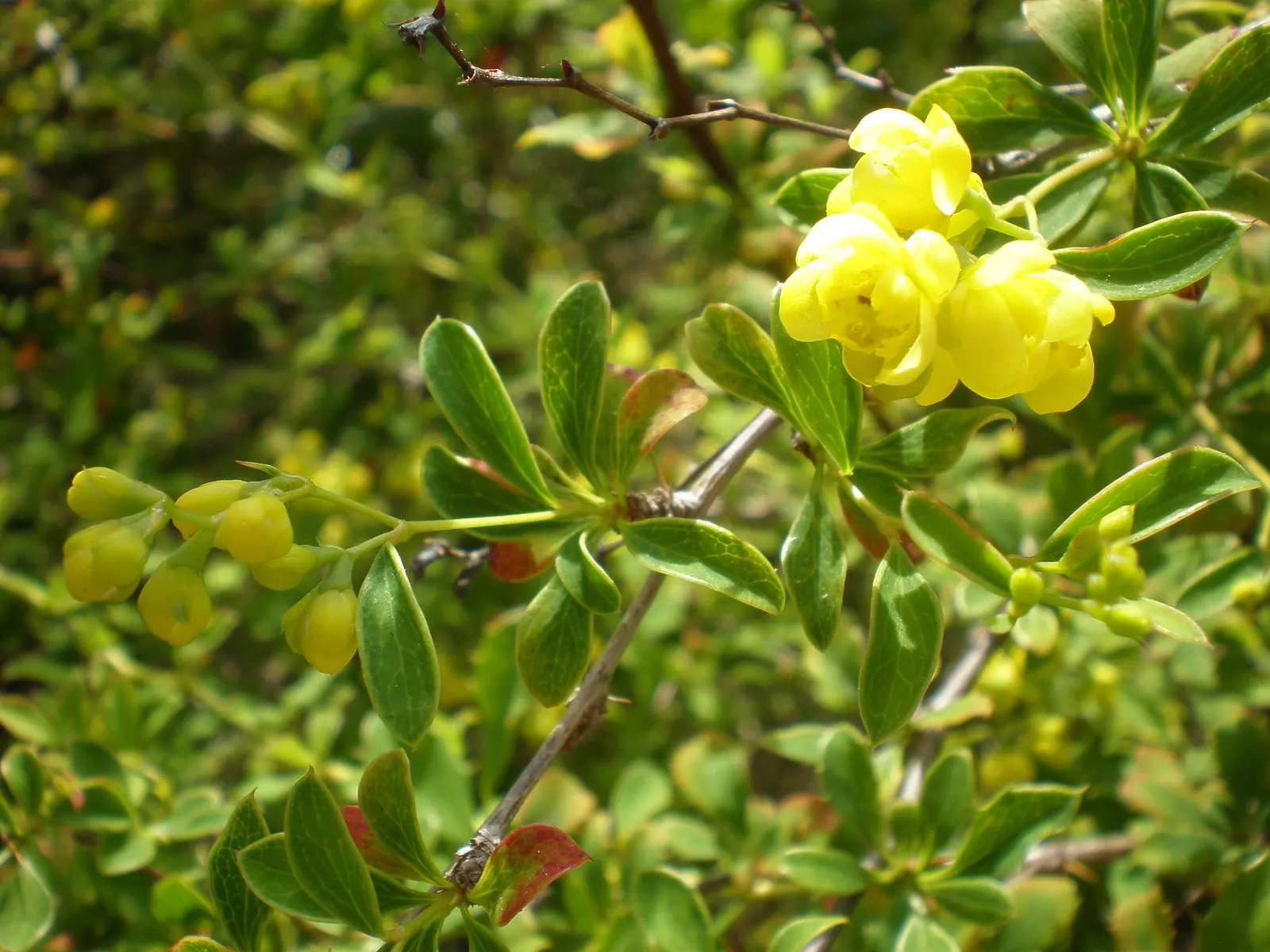
Darwin's Barberry (Berberis Darwinii) — In spring, vibrant orange-yellow flowers bloom in profusion, creating a striking contrast against the foliage
Darwin's Barberry (Berberis Darwinii) — notable for its holly-like leaves and profusion of orange-yellow flowers in spring; in spring, vibrant, image 50
Darwin's Barberry (Berberis Darwinii) — When establishing in a design, ensure a spacing of roughly 4 to 5 feet to allow enough room for growth
Darwin's Barberry (Berberis Darwinii) — holly-like dark green leaves; it's tolerant of air pollution and can adjust to various soil types
Darwin's Barberry (Berberis Darwinii) — Thriving in USDA zones 7-9, it requires well-drained soil and full to partial sun exposure; darwin's Barberry (Berberis
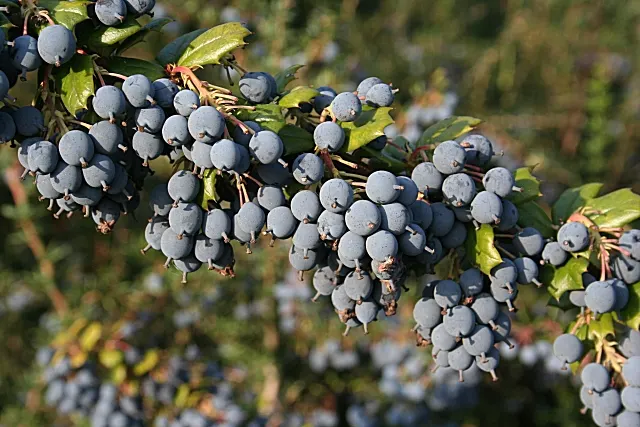
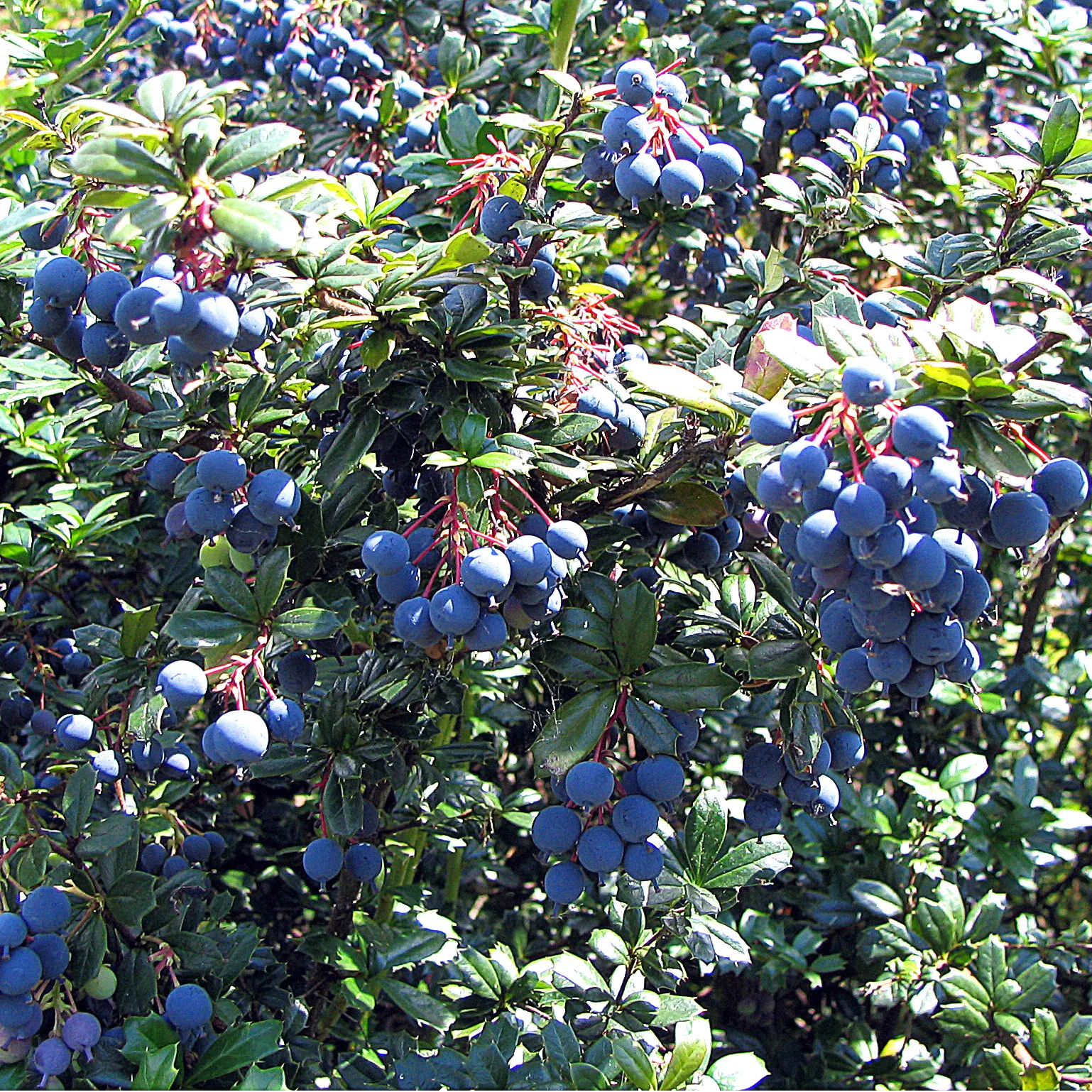
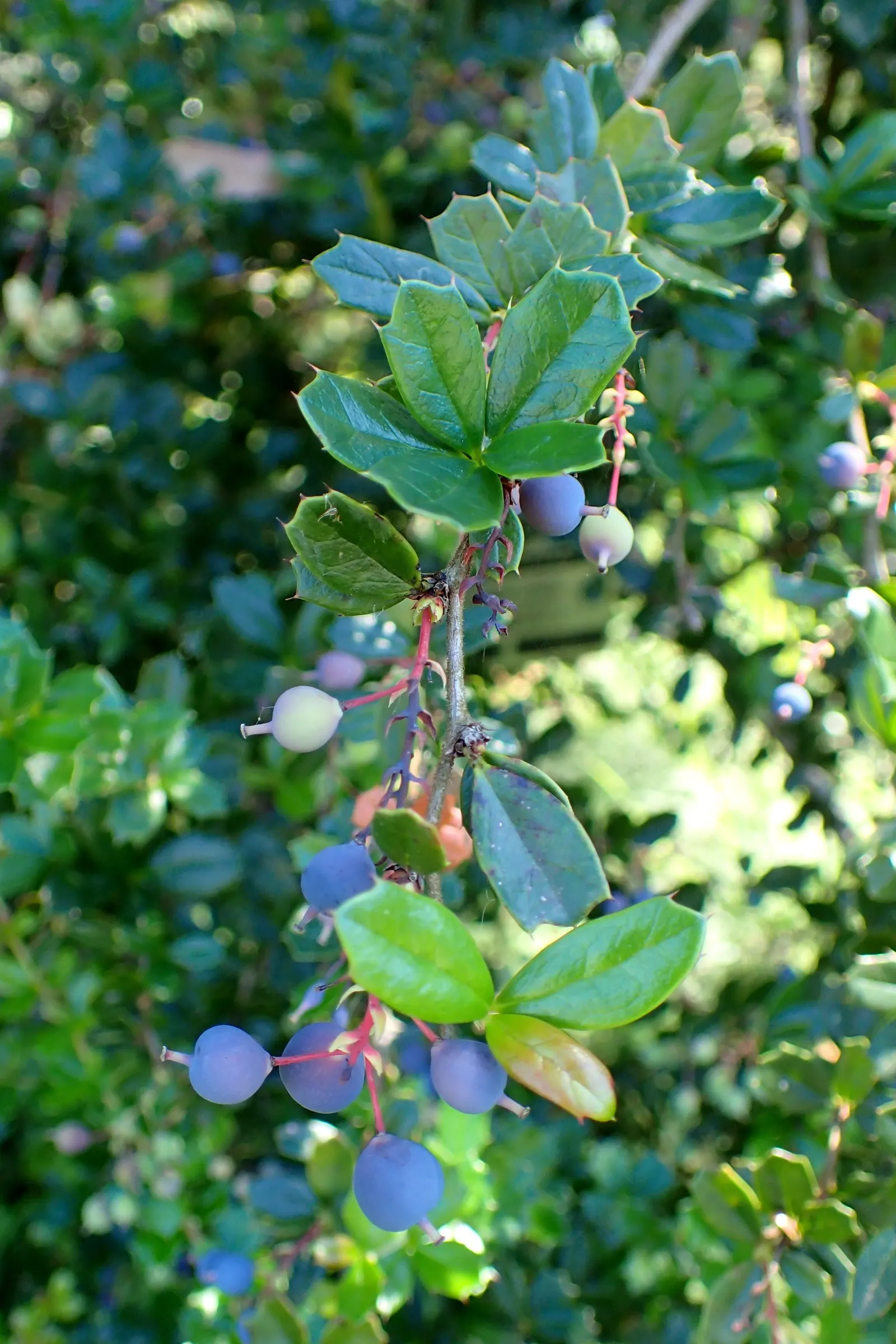
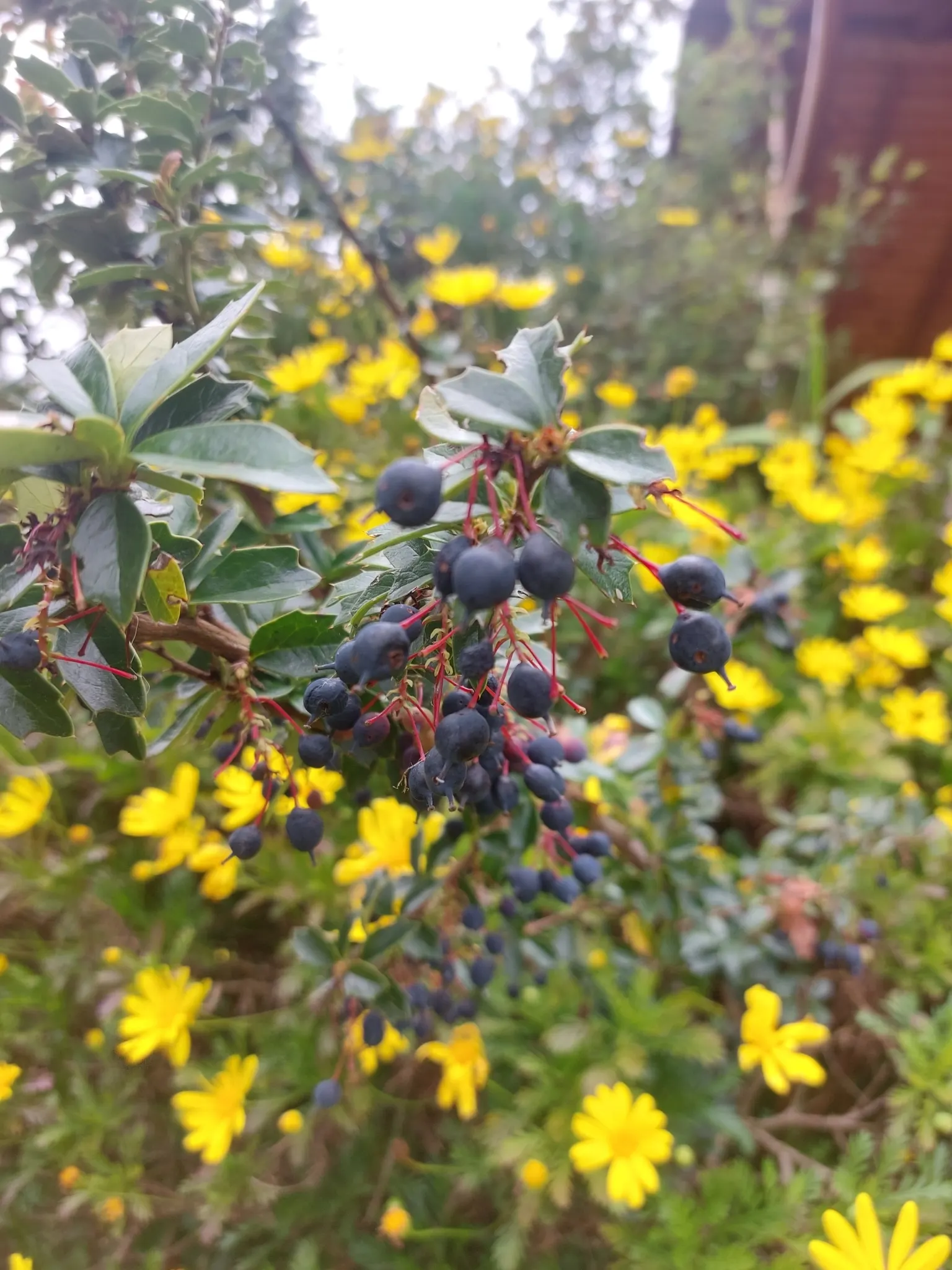
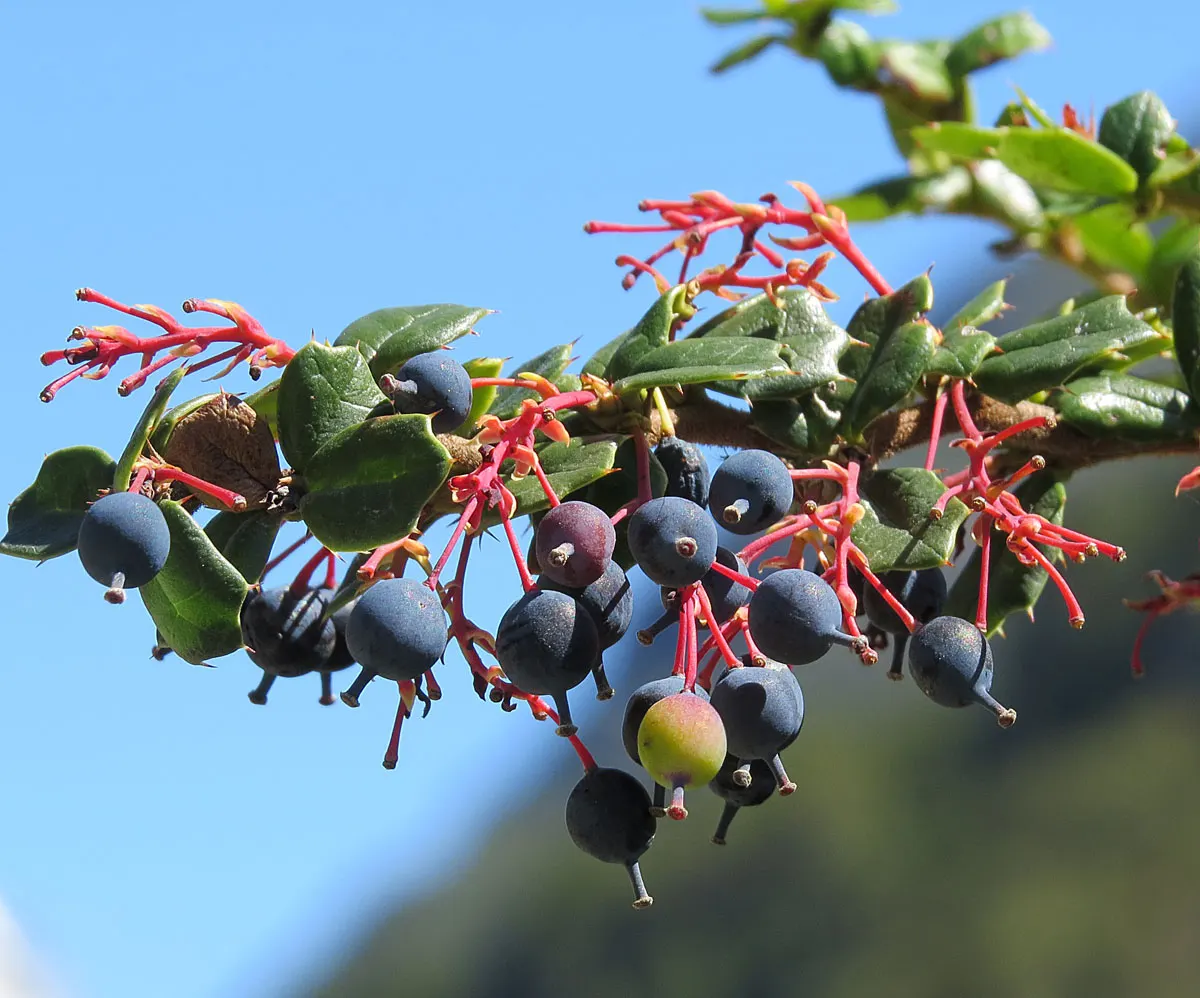
Darwin's Barberry (Berberis Darwinii) — the plant bears dark blue to purple berries
Darwin's Barberry (Berberis Darwinii) — the Berberis darwinii sports a dense; these nectar-rich blossoms are not only aesthetically pleasing but also attract a
Darwin's Barberry (Berberis Darwinii) — the Darwin's Barberry thrives in full sun to partial shade and prefers well-drained soils; it matures to 5-10 feet
Darwin's Barberry (Berberis Darwinii) — which provides excellent privacy; including bees and butterflies
Darwin's Barberry (Berberis Darwinii) — shrub for full; regular pruning will maintain its shape and encourage a denser growth habit
Darwin's Barberry (Berberis Darwinii) — shrub with orange blooms; the plant bears dark blue to purple berries
Darwin's Barberry (Berberis Darwinii) — Prized for its foliage and barrier properties
Darwin's Barberry (Berberis Darwinii) — it's an excellent choice for hedging or as a focal plant; berberis darwinii works exceptionally well as a hedge or
Photographs by 18 contributors

Related plants