Skip to content

Red II Begonia

Begonia benariensis

Design with this plant

Overview

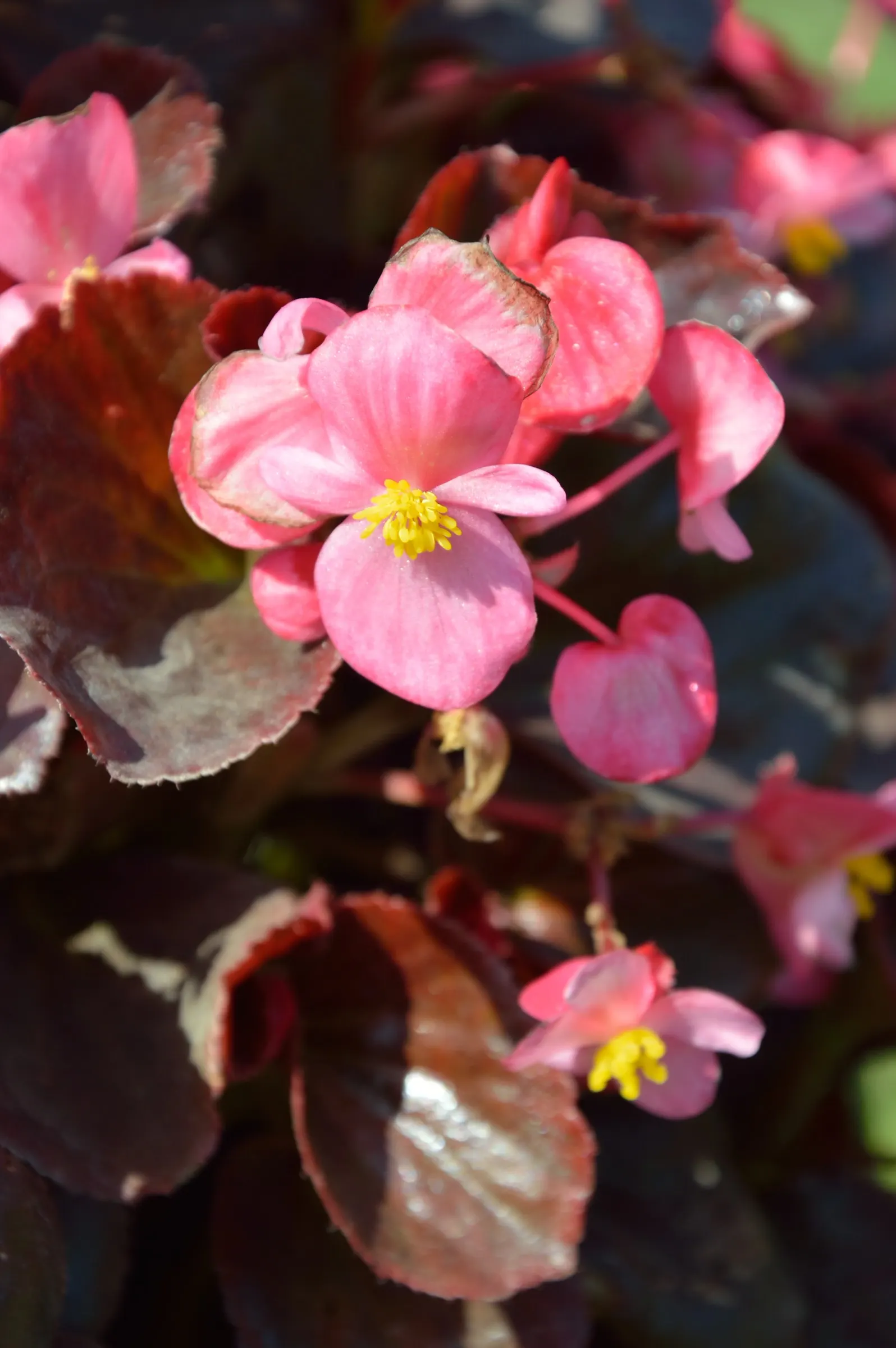
Red II Begonia, or Begonia benariensis 'Red II', is an upright annual with glossy green foliage and rich red blooms from planting to frost. It matures 12-24 inches tall and 18-24 inches wide, with sturdy stems that give containers real presence. Adaptable to sun or shade, it prefers average, well-drained soil, average water, and steady feeding for best summer color. Hardy in USDA Zones 10a-11b.

Water Medium
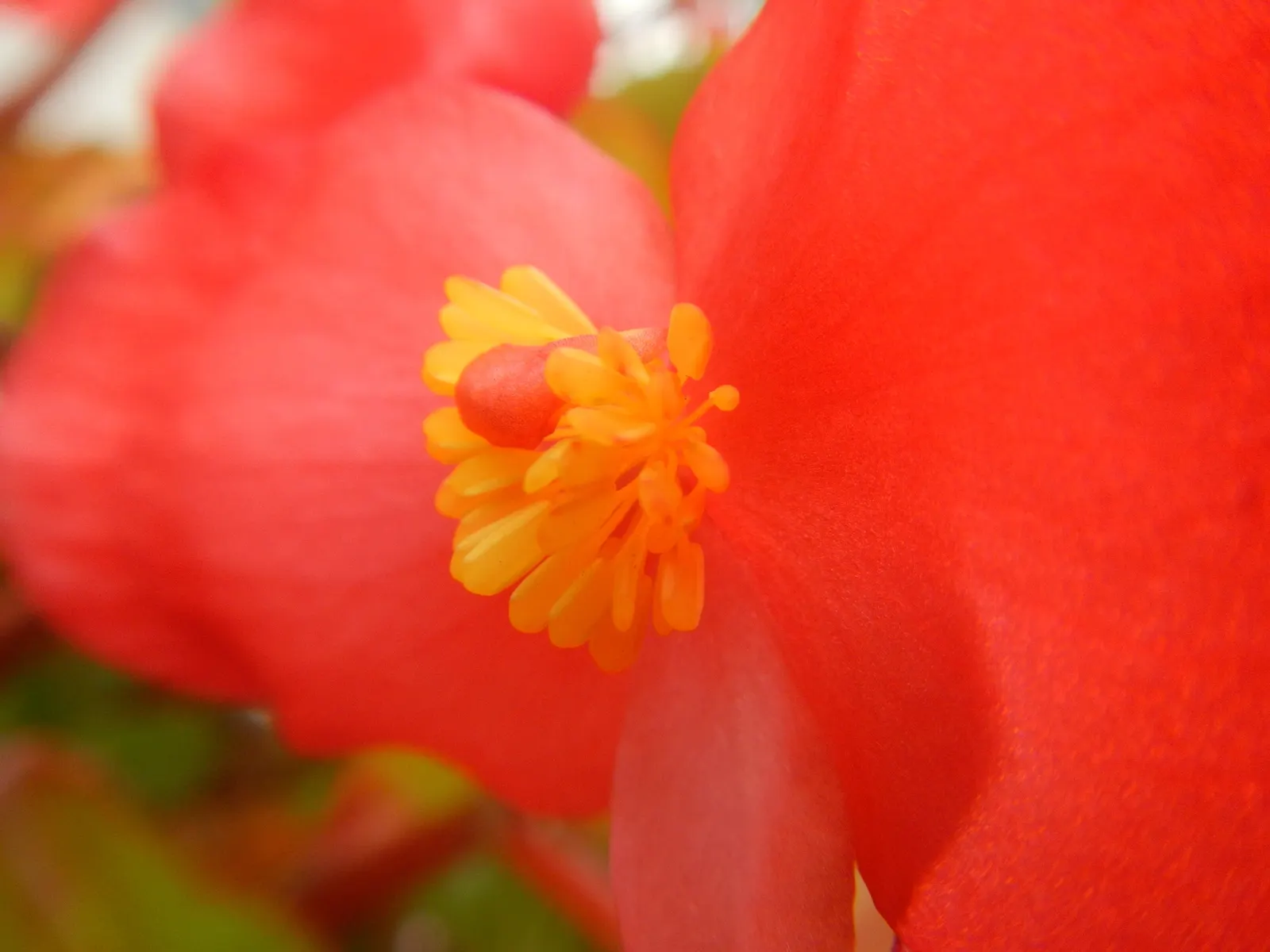
Red II Begonia (Begonia benariensis) — is an upright annual with glossy green foliage and rich red blooms from planting to frost

Culture

Water
Medium

Shape & size

Mature height
1–2 Ft.
Mature width
1.5–2 Ft.

Classification

Family
Begoniaceae

See full data, regional cultivation notes, and design tools. Build a client presentation around this plant.

Start your 14-day trial

Photos (163)
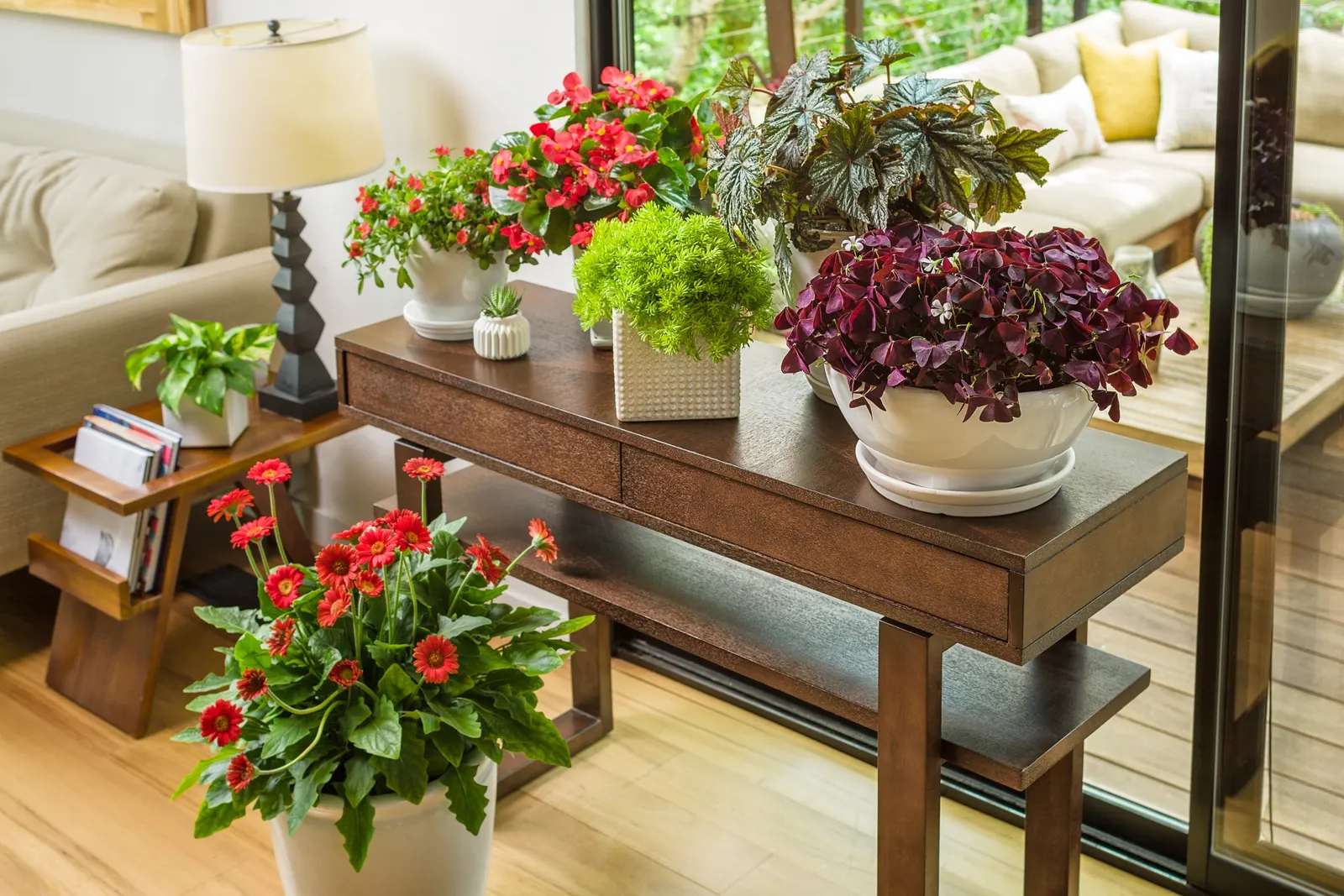
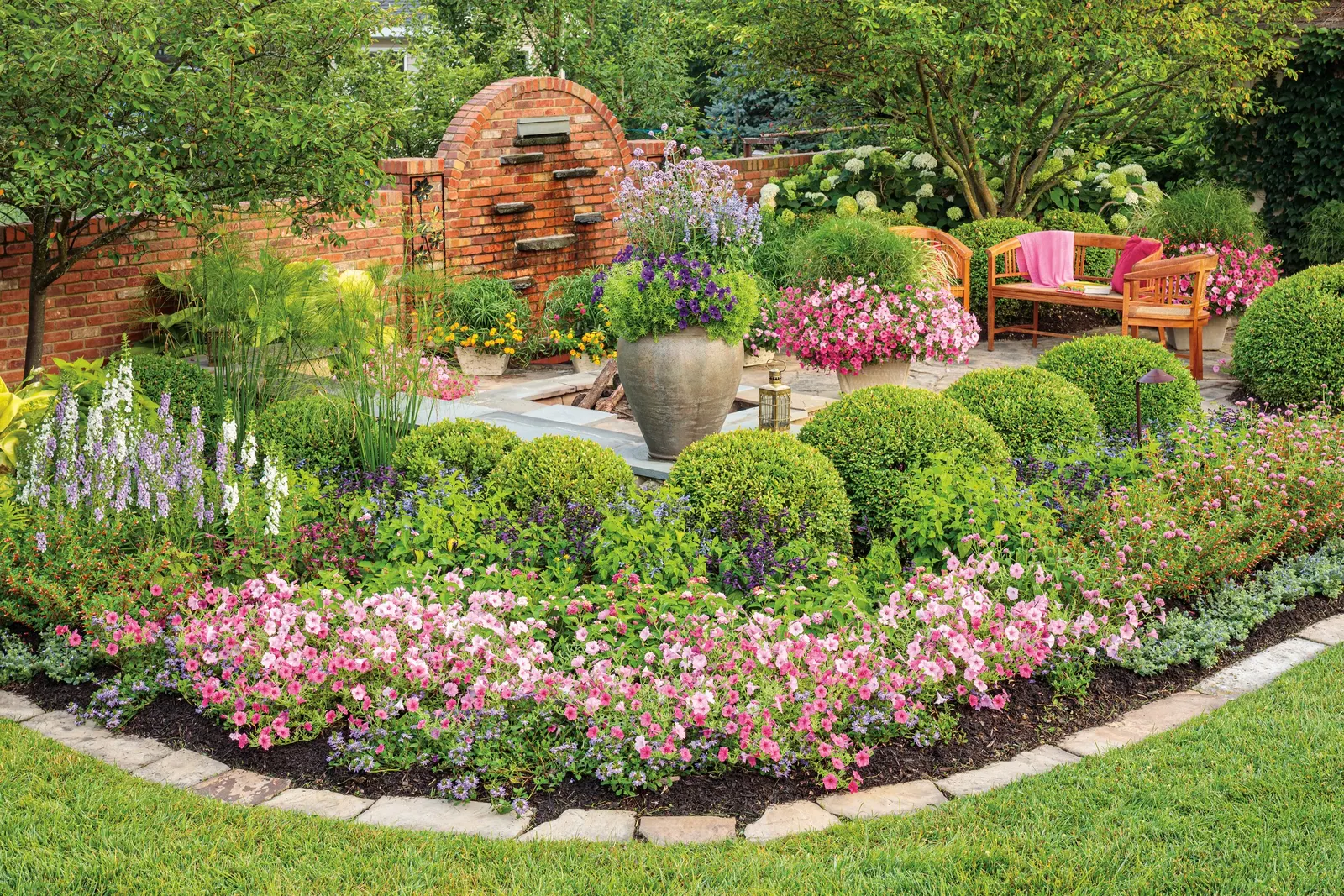
Red II Begonia (Begonia benariensis) — where it may be grown as a tender perennial; it does not require deadheading, image 110
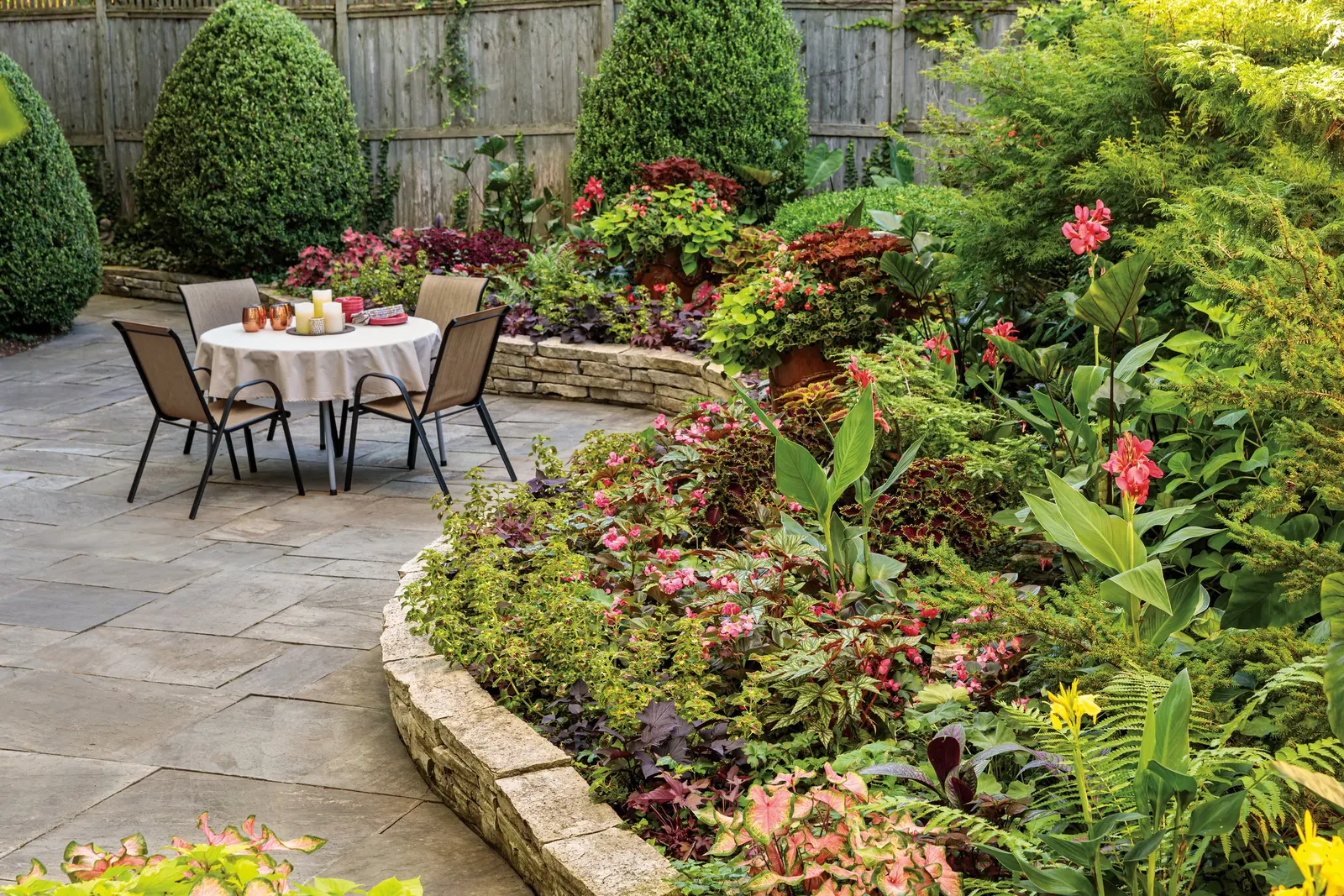
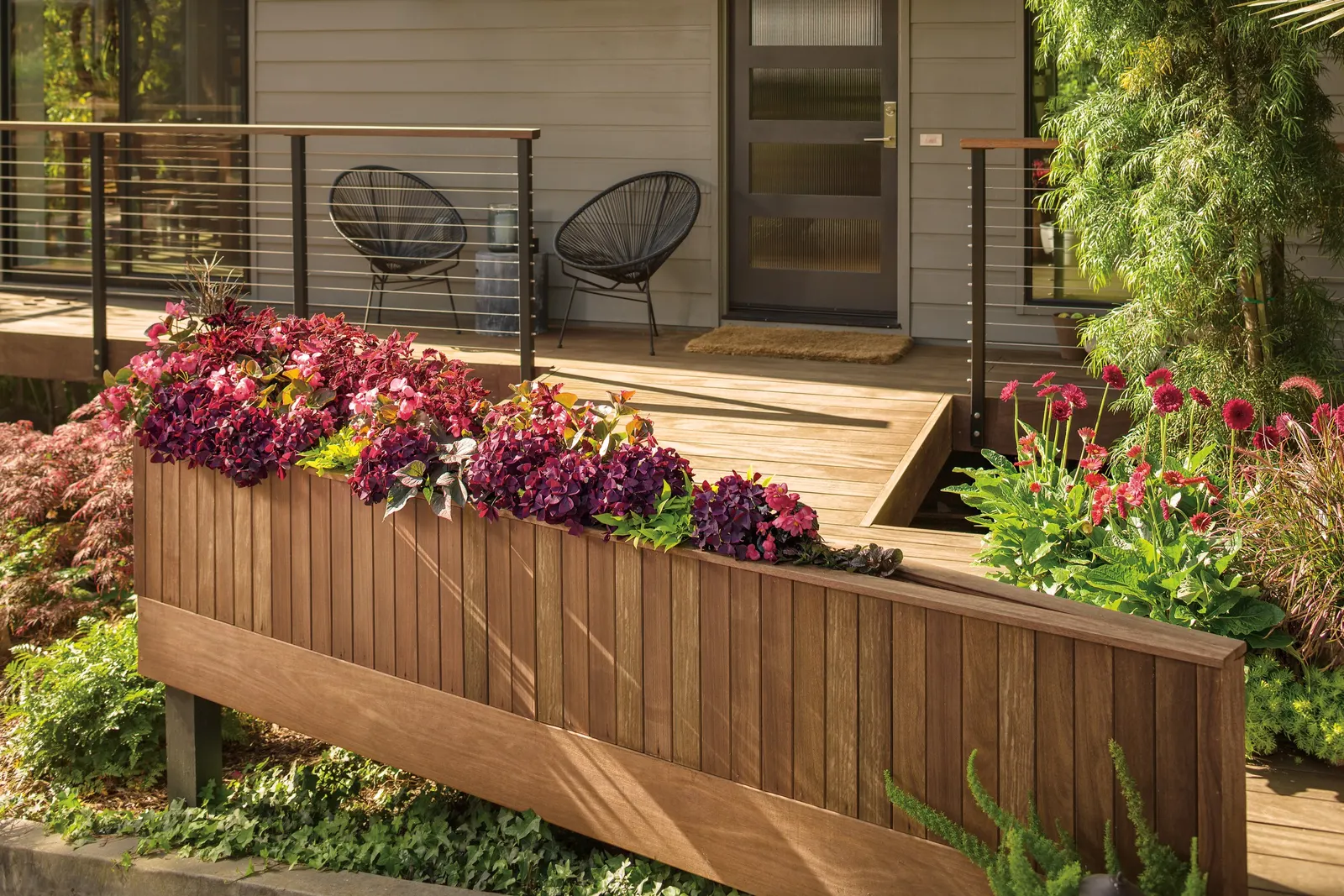
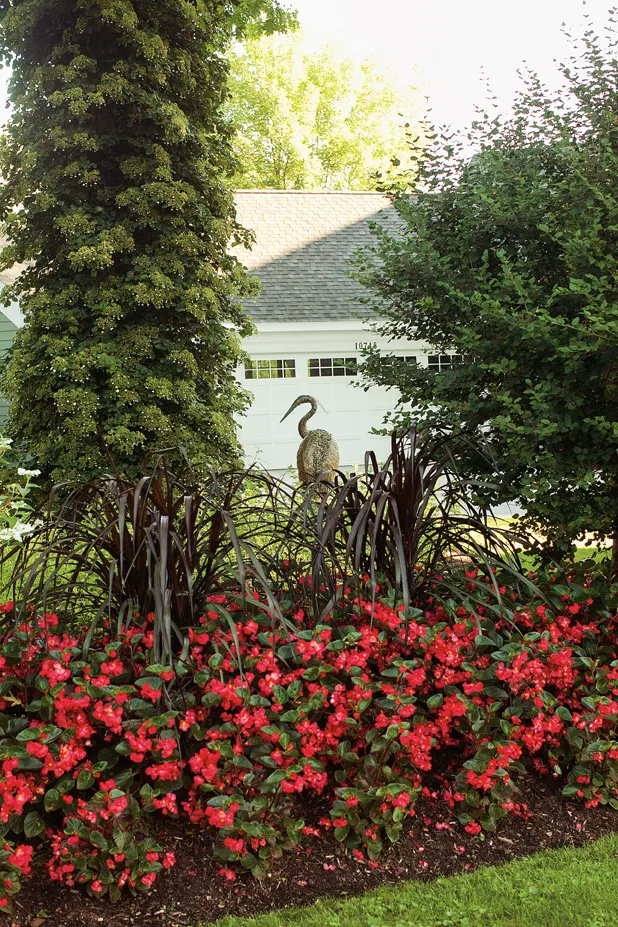
Red II Begonia (Begonia benariensis) — red flowers in the garden; or deep burgundy companions, image 93
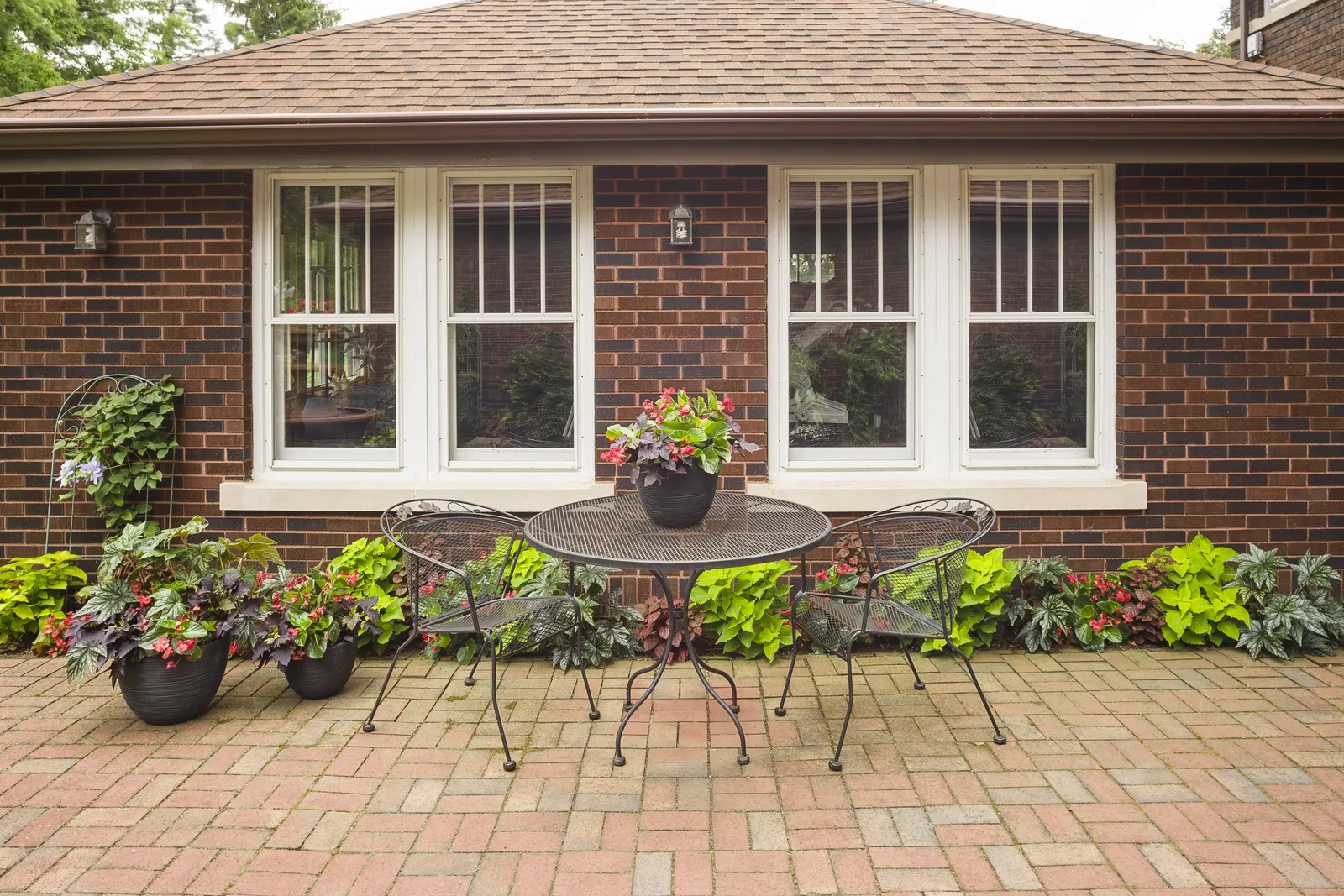
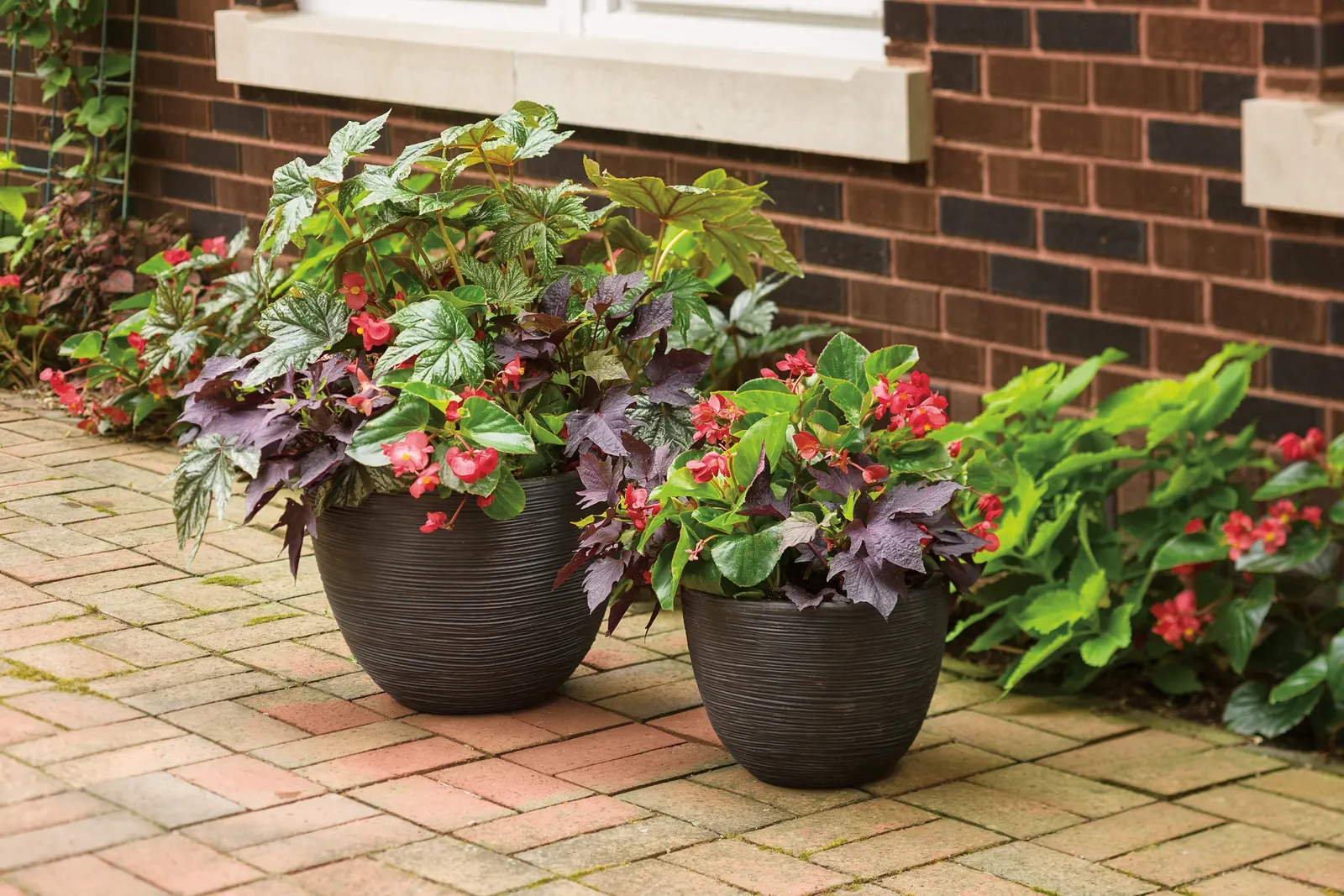
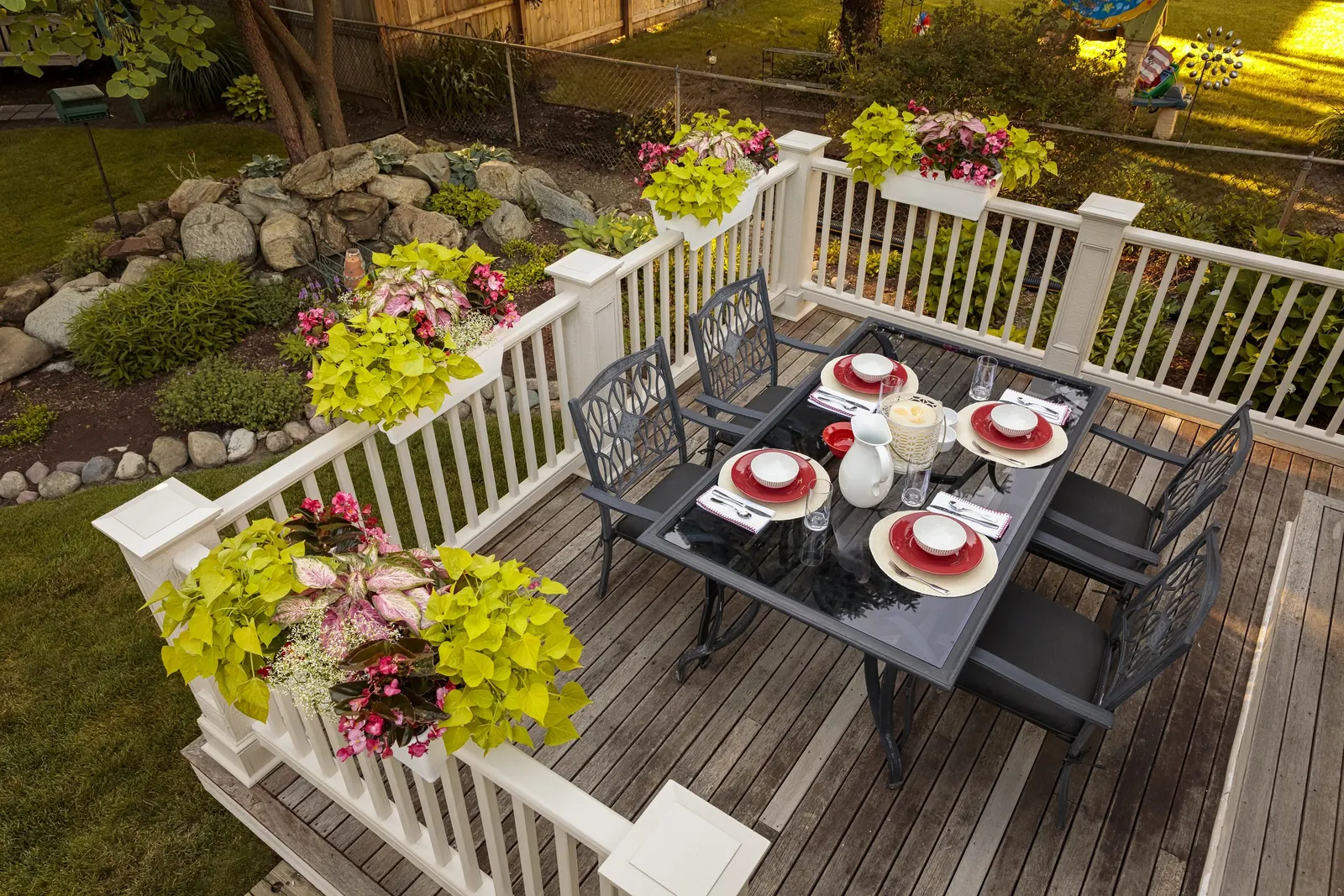
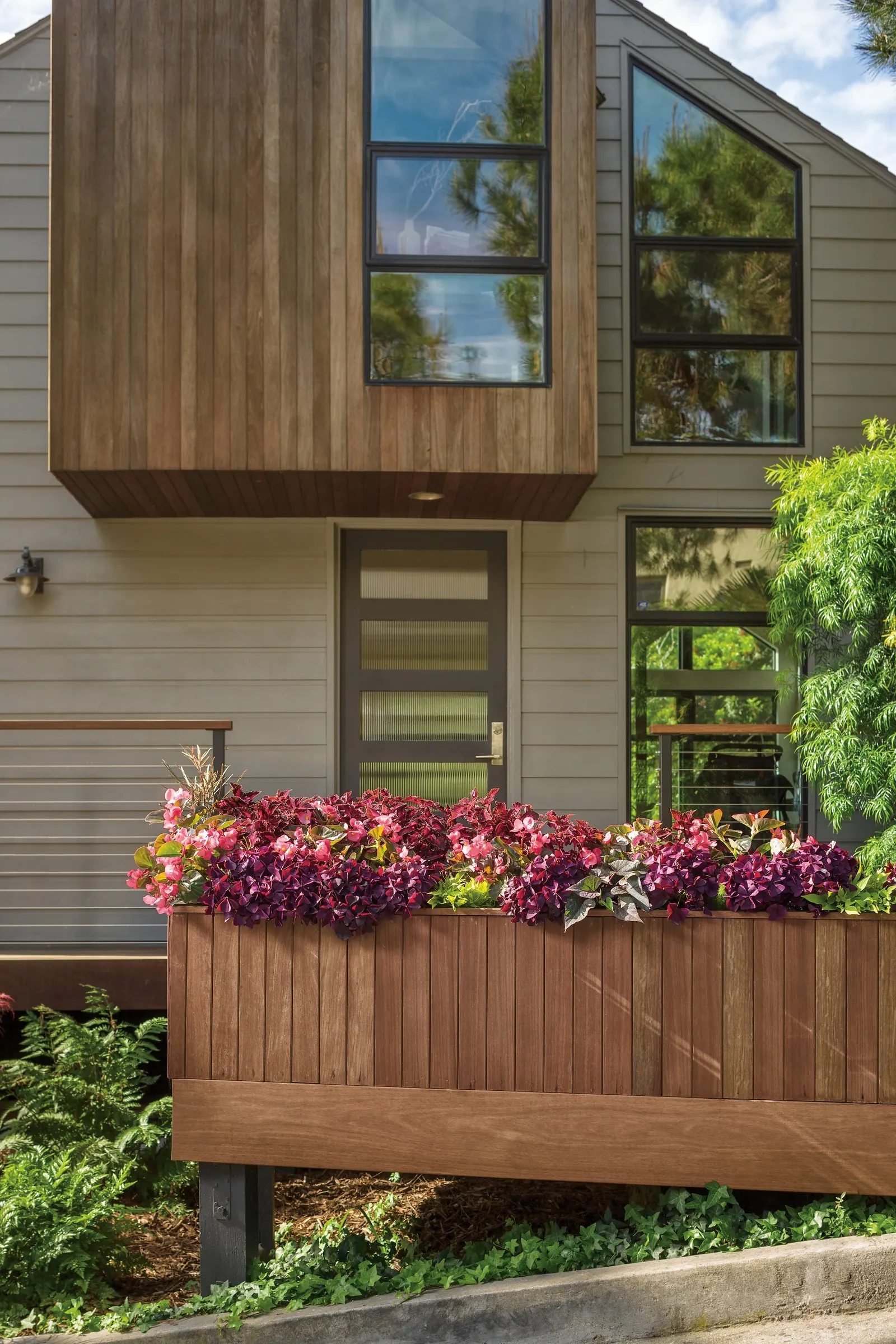
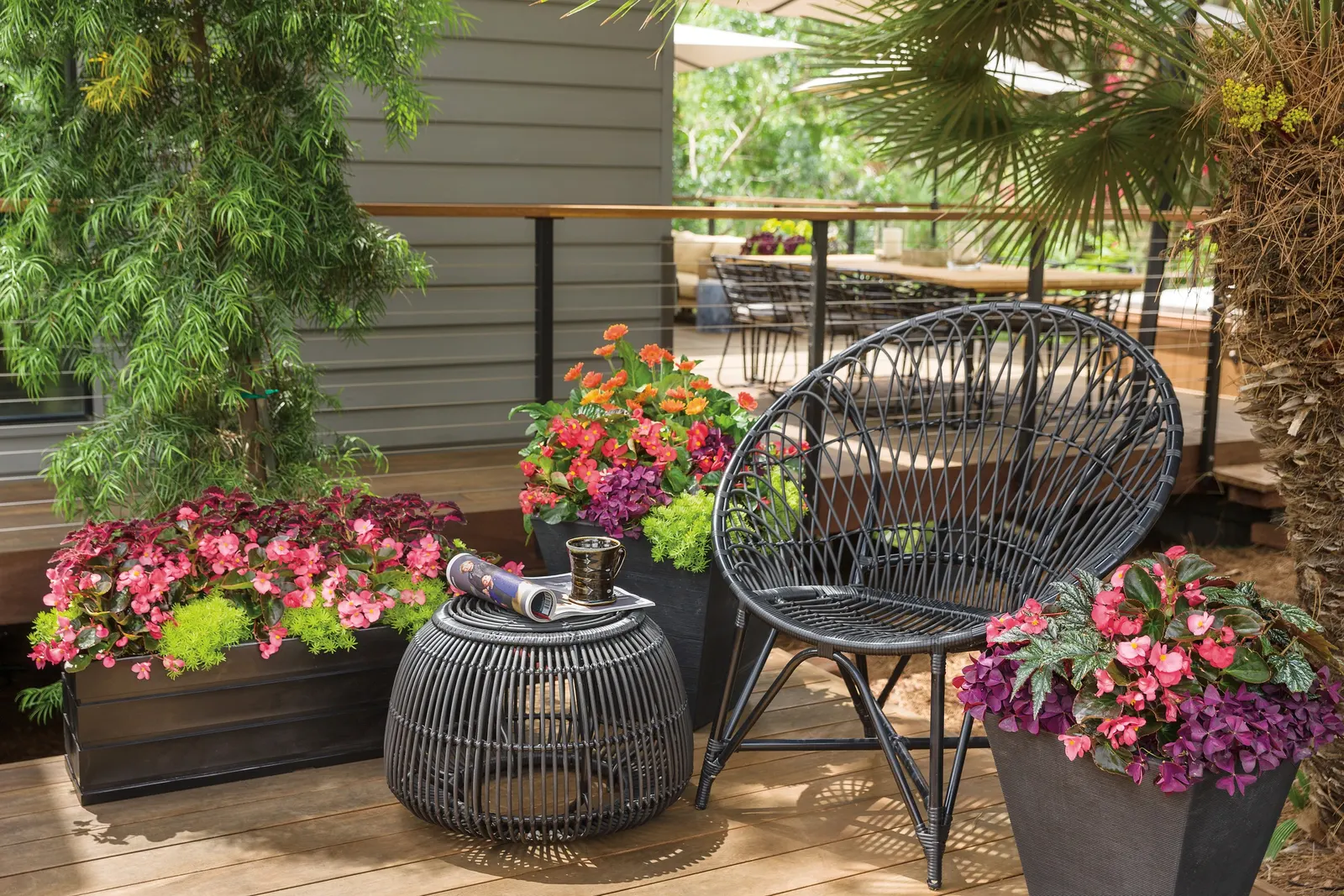
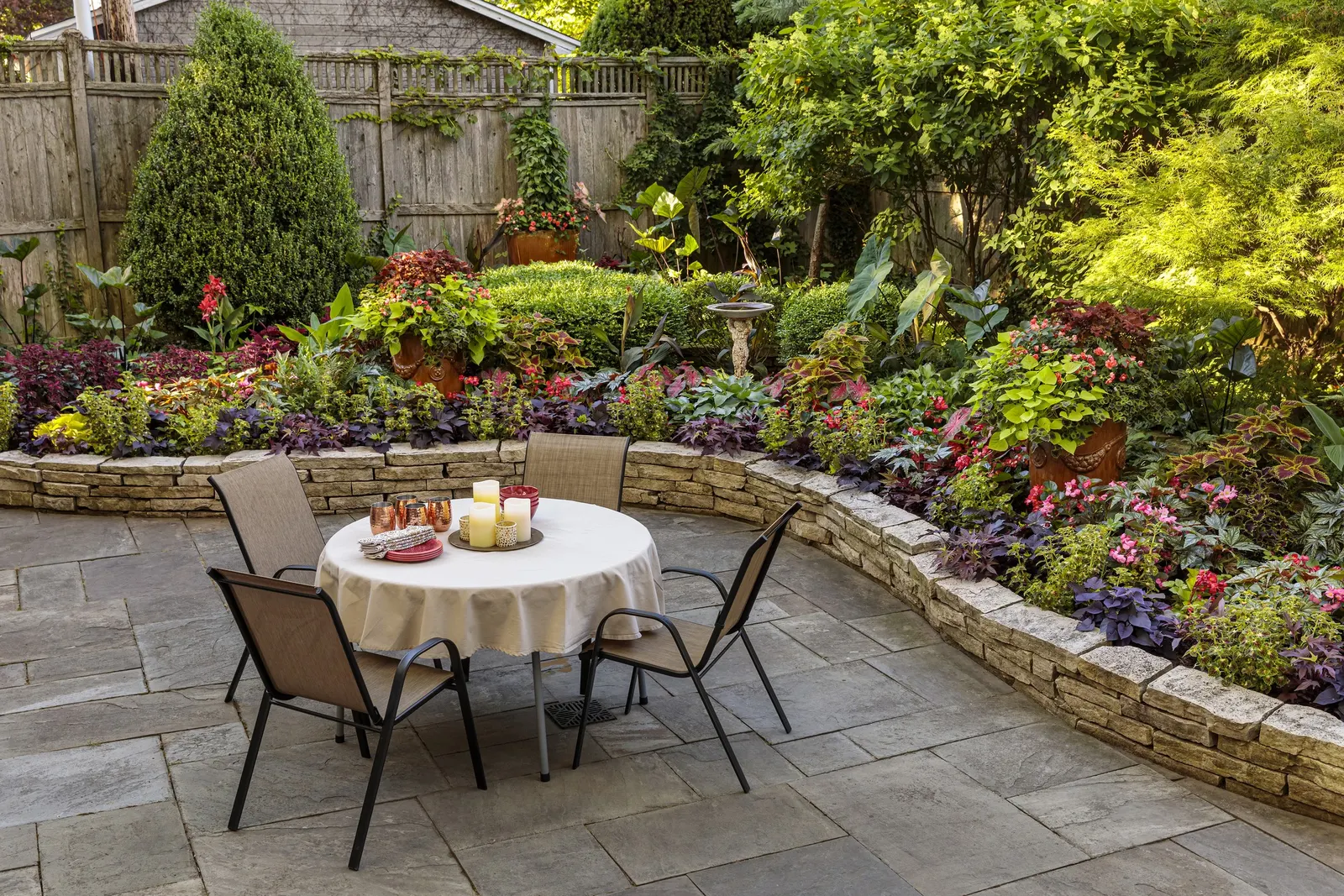
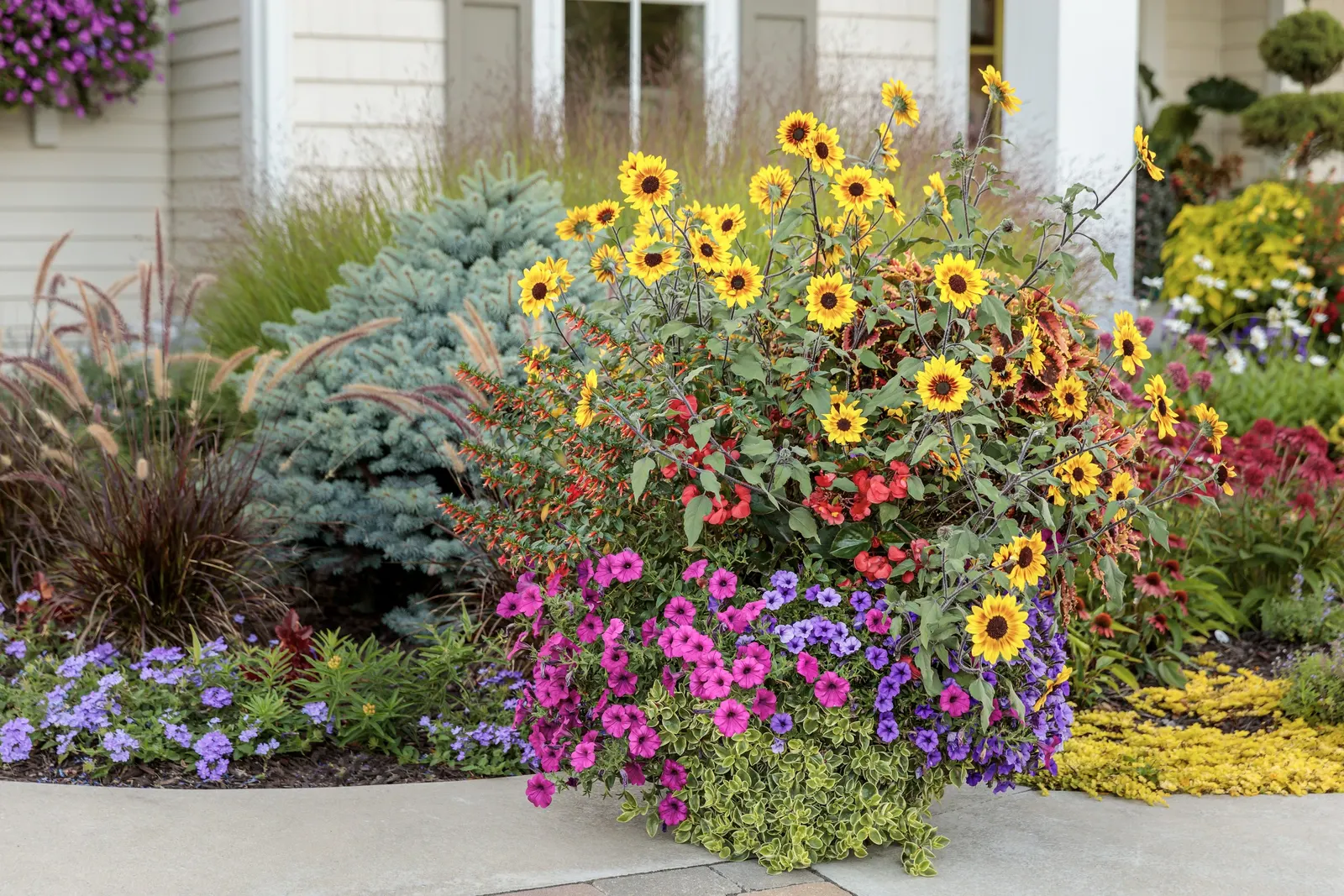
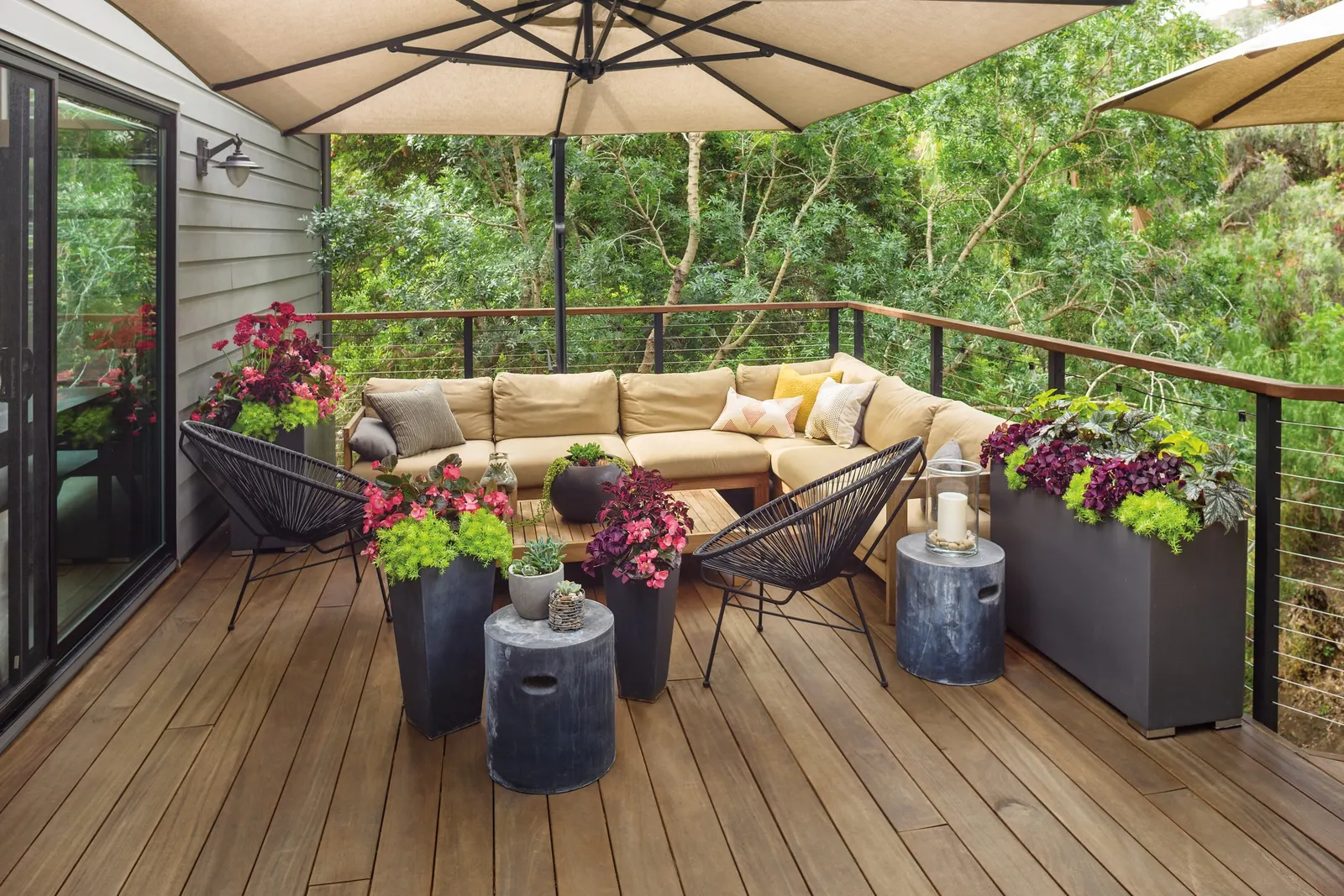
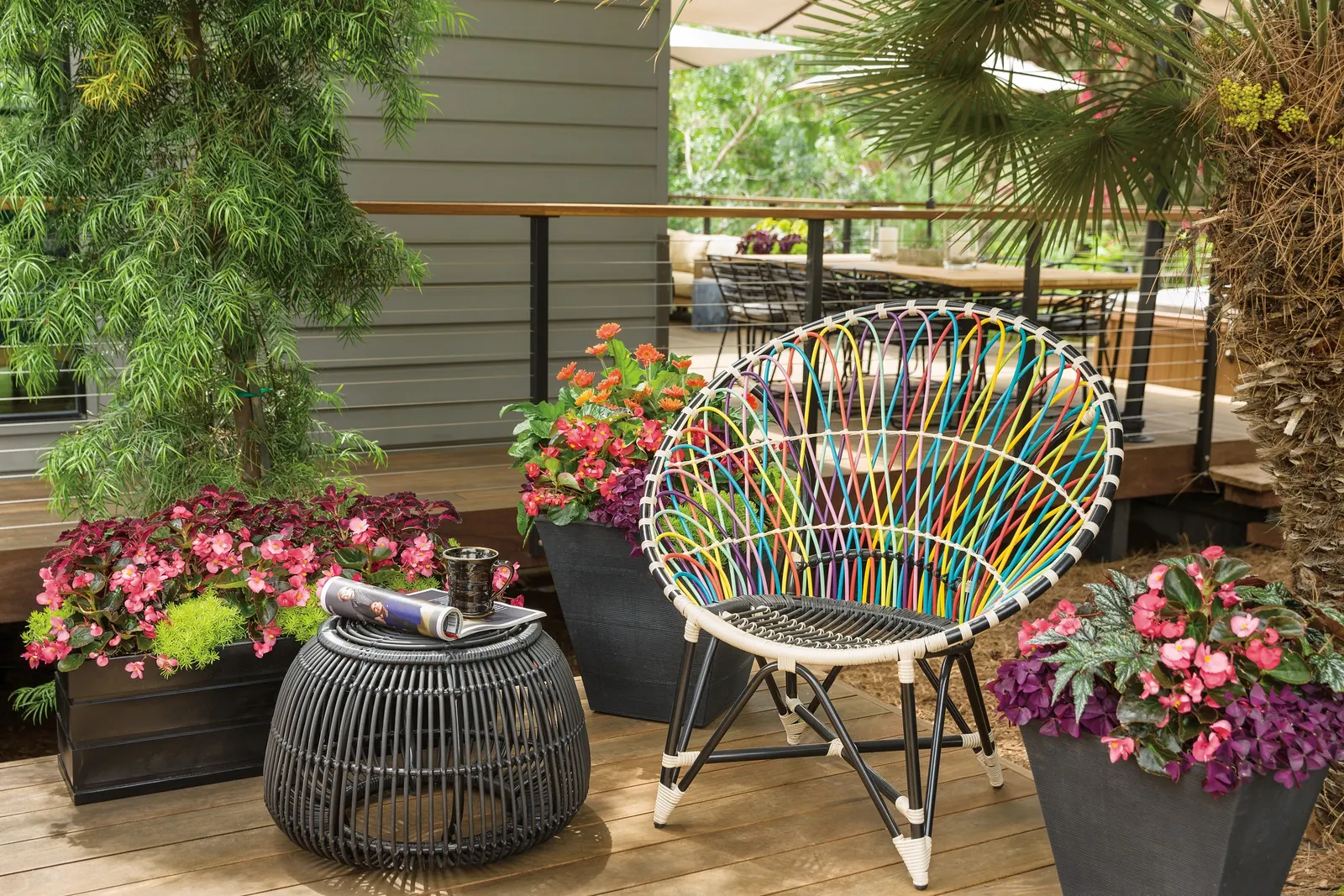
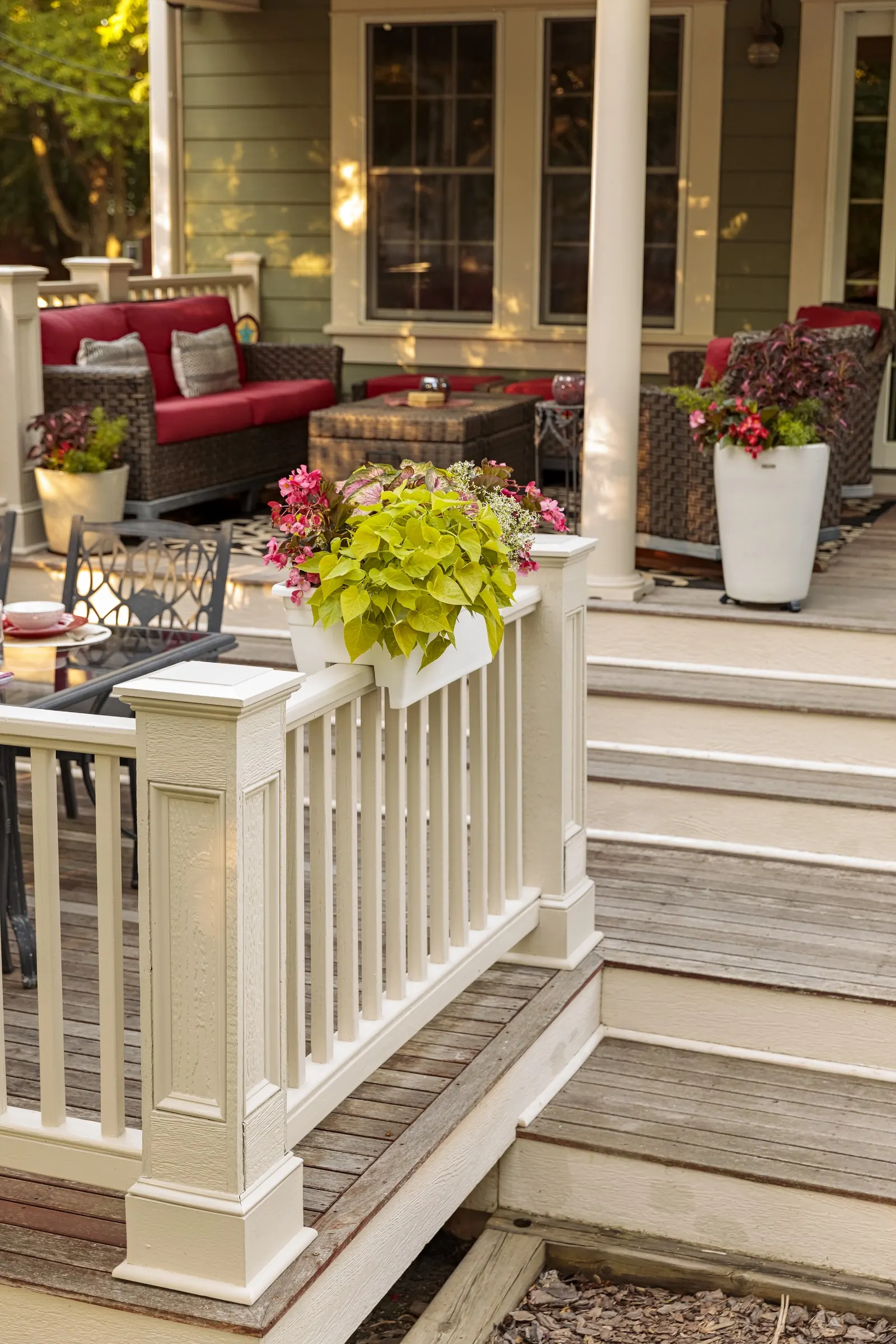
Red II Begonia (Begonia benariensis) — and combination containers; or create vivid mass plantings along walkways and entries
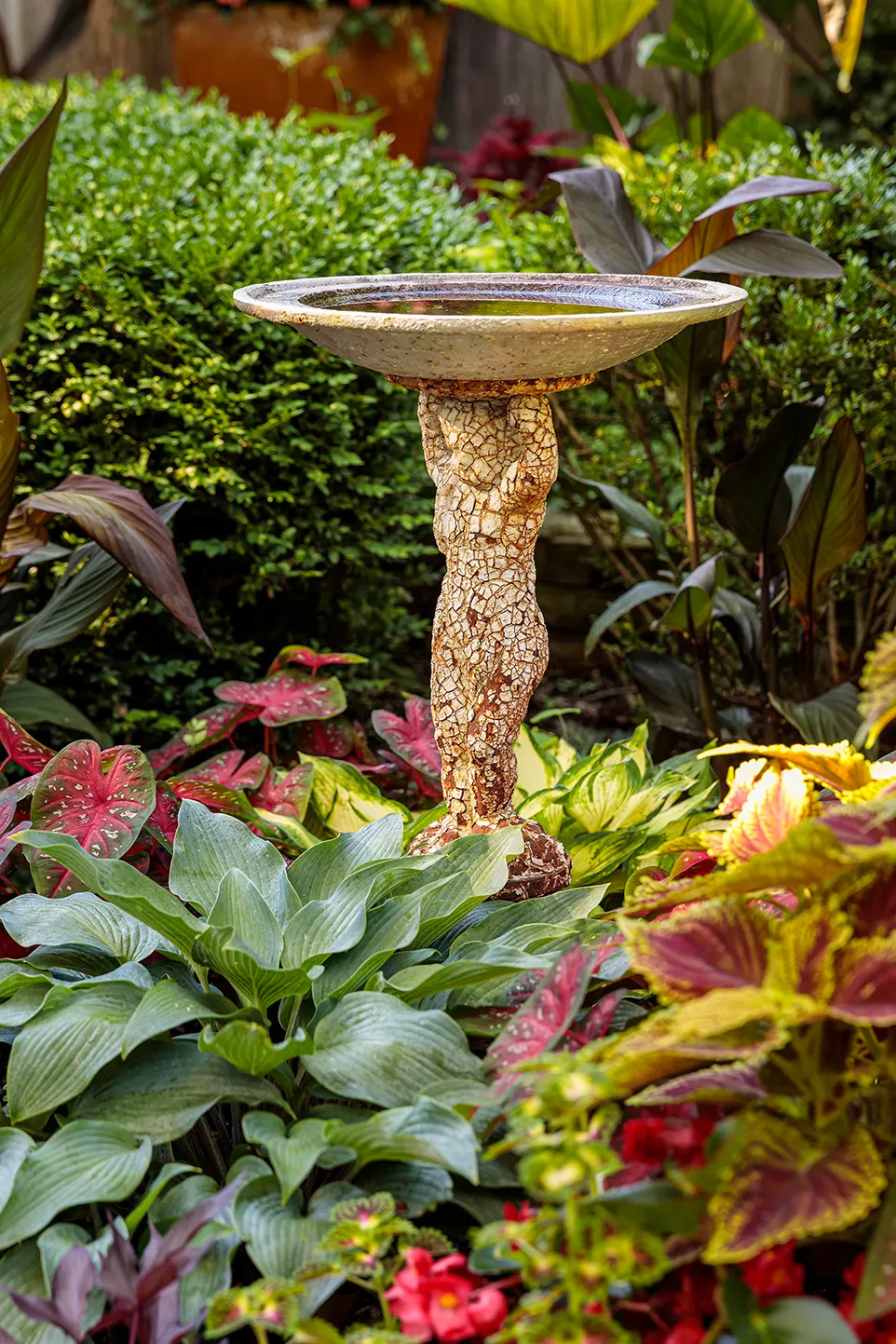
Red II Begonia (Begonia benariensis) — Heat tolerant and easy to maintain; where the red flowers bring a vivid accent against silver, image 115
Red II Begonia (Begonia benariensis) — upright habit and sturdy stems that give it more architectural presence than many traditional begonias, image 139
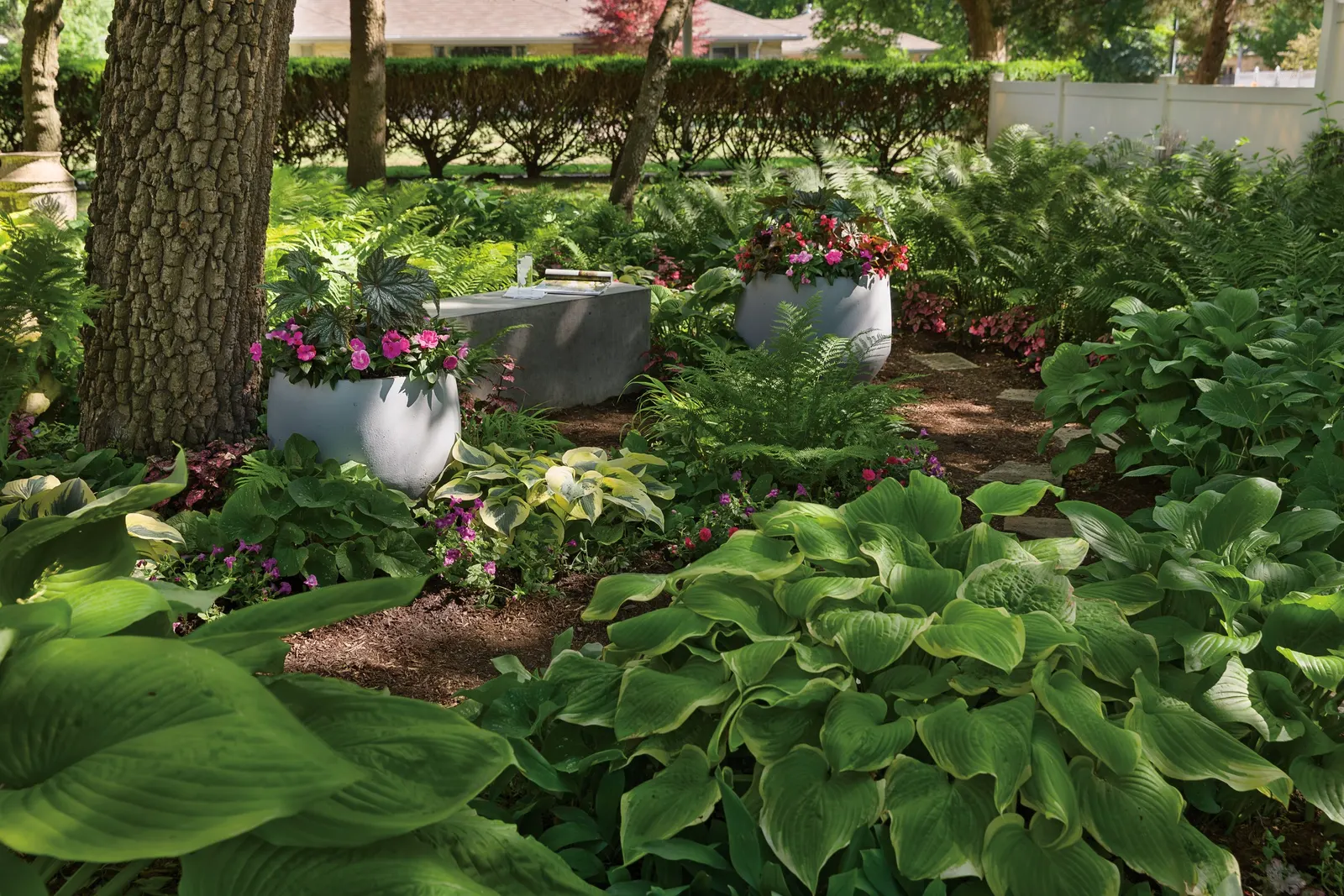
Red II Begonia (Begonia benariensis) — it does not require deadheading; adaptable to sun or shade
Red II Begonia (Begonia benariensis) — Hardy in USDA Zones 10a-11b; is an upright annual with glossy green foliage and rich red blooms from, image 160
Red II Begonia (Begonia benariensis) — Heat tolerant and easy to maintain; where the red flowers bring a vivid accent against silver, image 84
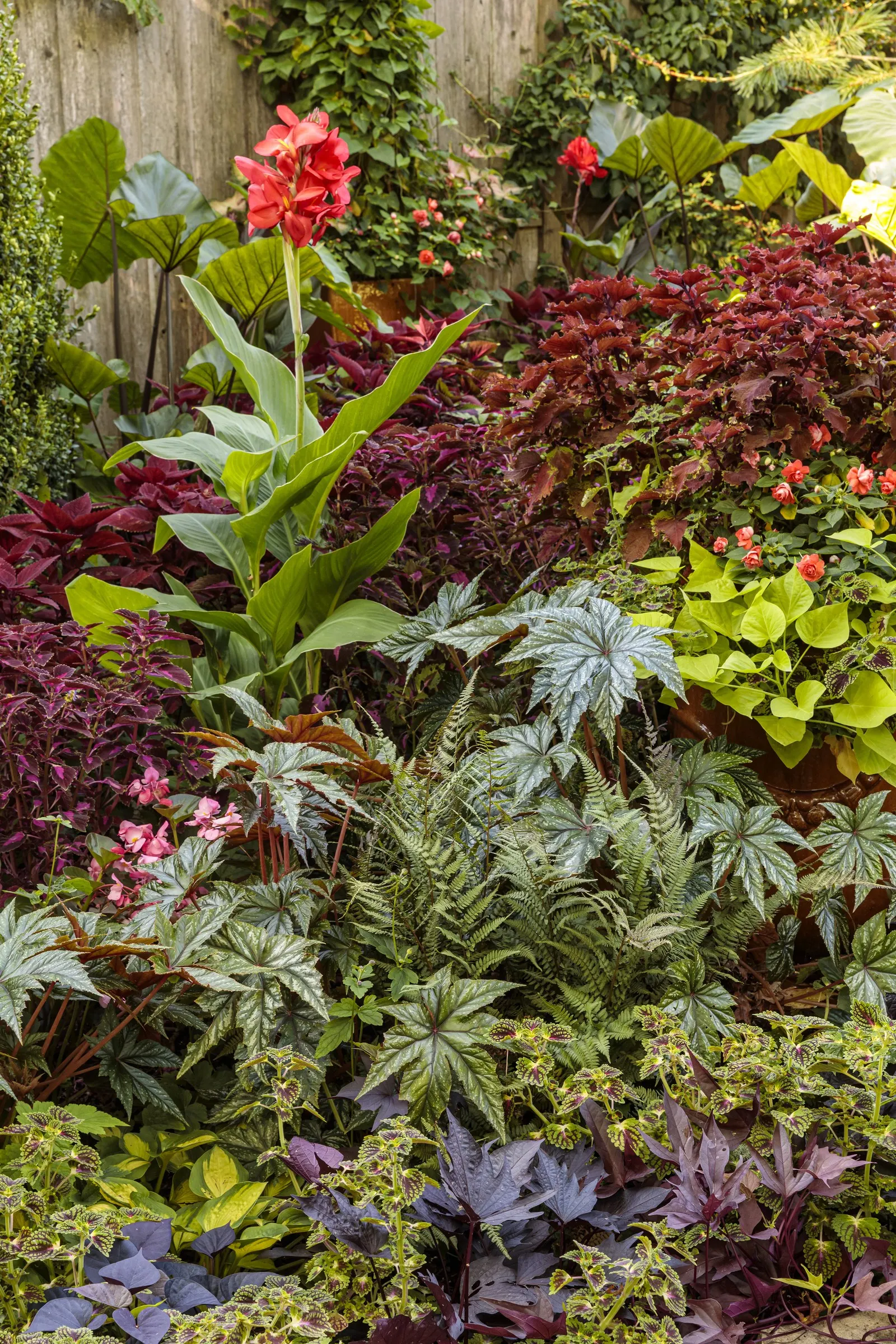
Red II Begonia (Begonia benariensis) — or deep burgundy companions; is a vibrant upright annual that brings polished foliage and a confident wash, image 121
Red II Begonia (Begonia benariensis) — reflective quality.<br><br>At maturity; and combination containers, image 75
Red II Begonia (Begonia benariensis) — Adaptable to sun or shade; but in most landscapes it is used as a reliable warm-season annual
Red II Begonia (Begonia benariensis) — and combination containers; or create vivid mass plantings along walkways and entries, image 150
Red II Begonia (Begonia benariensis) — creating a crisp contrast that reads beautifully from a distance and feels lush up close; hardy in USDA, image 103
Red II Begonia (Begonia benariensis) — where the red flowers bring a vivid accent against silver; red flowers in the garden, image 151
Red II Begonia (Begonia benariensis) — is an upright annual with glossy green foliage and rich red blooms from planting to frost; and steady, image 125
Red II Begonia (Begonia benariensis) — is a vibrant upright annual that brings polished foliage and a confident wash of red to summer plantings
Red II Begonia (Begonia benariensis) — or deep burgundy companions; is a vibrant upright annual that brings polished foliage and a confident wash of red to
Red II Begonia (Begonia benariensis) — commonly referred to as Red II Begonia; a Proven Winners® selection, image 99
Red II Begonia (Begonia benariensis) — reflective quality.<br><br>At maturity; and combination containers, image 137
Red II Begonia (Begonia benariensis) — It matures 12-24 inches tall and 18-24 inches wide, with sturdy stems that give containers real presence, image 95
Red II Begonia (Begonia benariensis) — well-drained soil with average water; reflective quality.<br><br>At maturity, image 82
Red II Begonia (Begonia benariensis) — creating a crisp contrast that reads beautifully from a distance and feels lush up close; hardy in USDA Zones 10a-11b
Red II Begonia (Begonia benariensis) — red flowers in the garden
Red II Begonia (Begonia benariensis) — Hardy in USDA Zones 10a-11b; is an upright annual with glossy green foliage and rich red blooms from, image 98

Related plants