
Japanese Aucuba
Aucuba Japonica
Overview
Japanese Aucuba (Aucuba japonica), also known as Gold Dust Plant, is an evergreen shrub celebrated for its vibrant, glossy green leaves speckled with golden yellow dots. This hardy plant typically reaches 6 to 10 feet in height and spreads 5 to 9 feet. It prefers partial to full shade and well-drained soil. Aucubas are excellent for adding a splash of color to shaded areas and are resistant to most pests and diseases.
Sun Deep Shade, Half, ShadeWater MediumZones 7–10Type ShrubClimate Temperate
Culture
- Sun
- Deep Shade, Half, Shade
- Water
- Medium
- USDA zones
- 7–10
Shape & size
- Mature height
- 6–8 Ft.
- Mature width
- 4–6 Ft.
Classification
- Type
- Shrub
- Family
- Cornaceae
- Climate
- Temperate
See full data, regional cultivation notes, and design tools. Build a client presentation around this plant.
Start your 14-day trialPhotos (104)
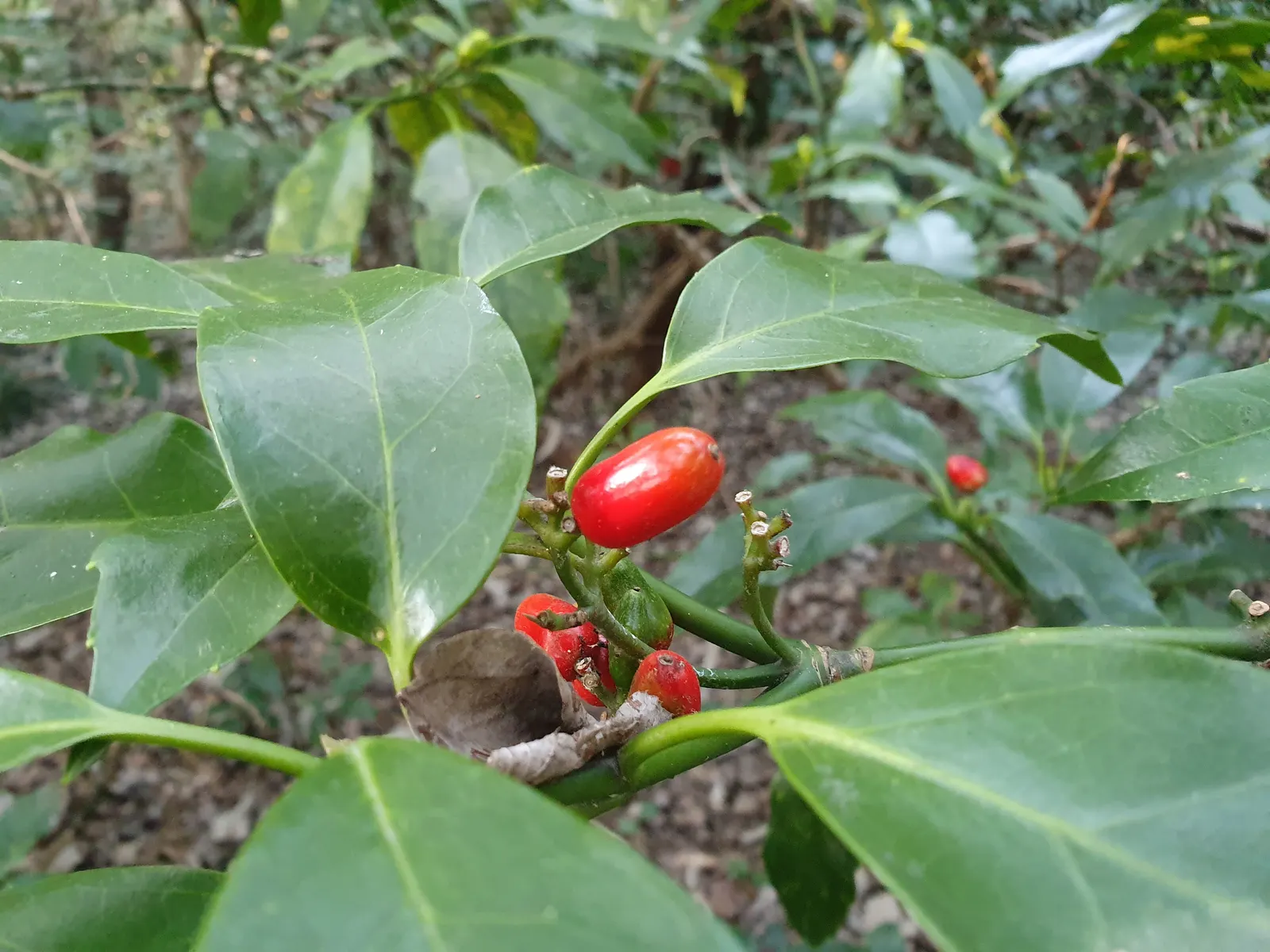
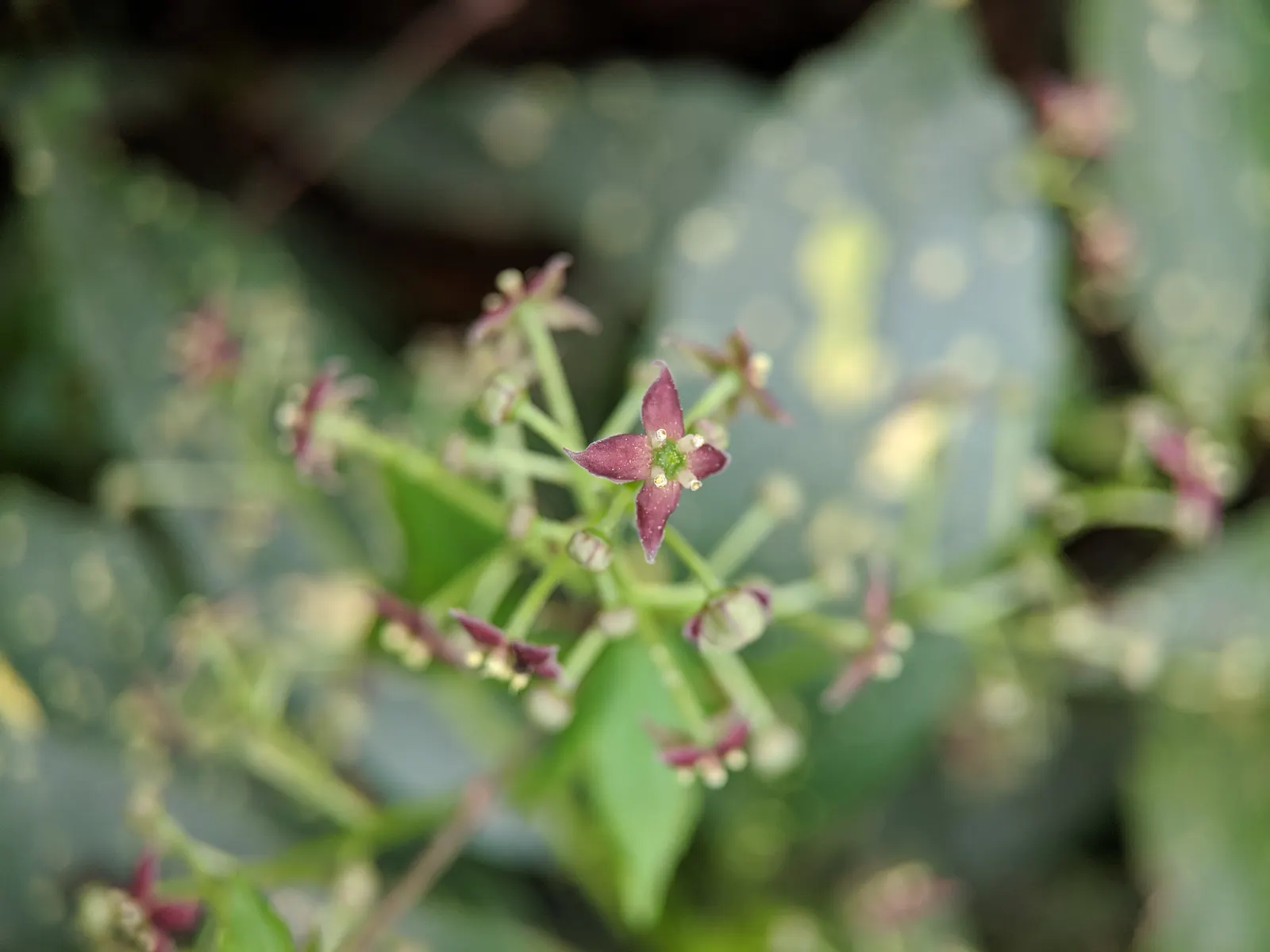
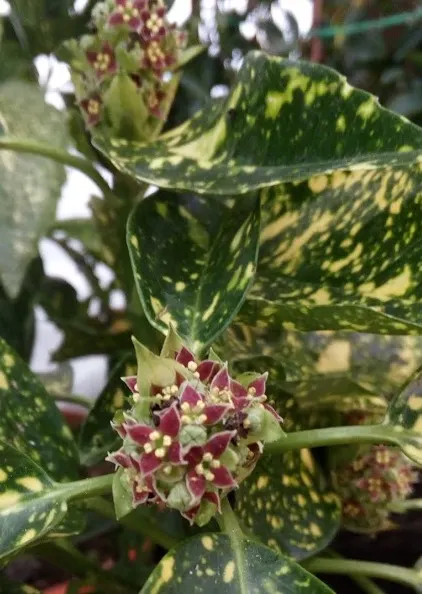
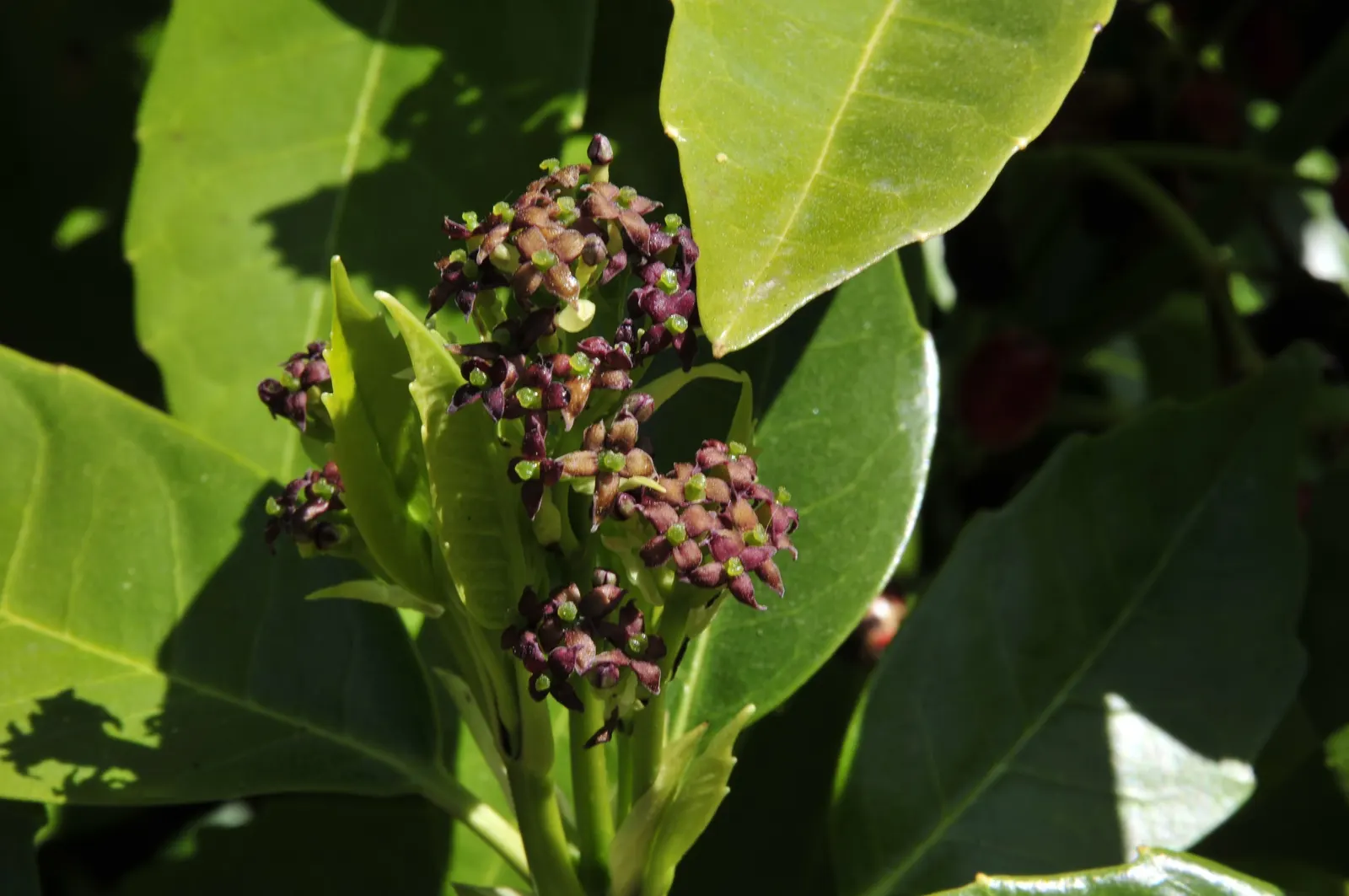
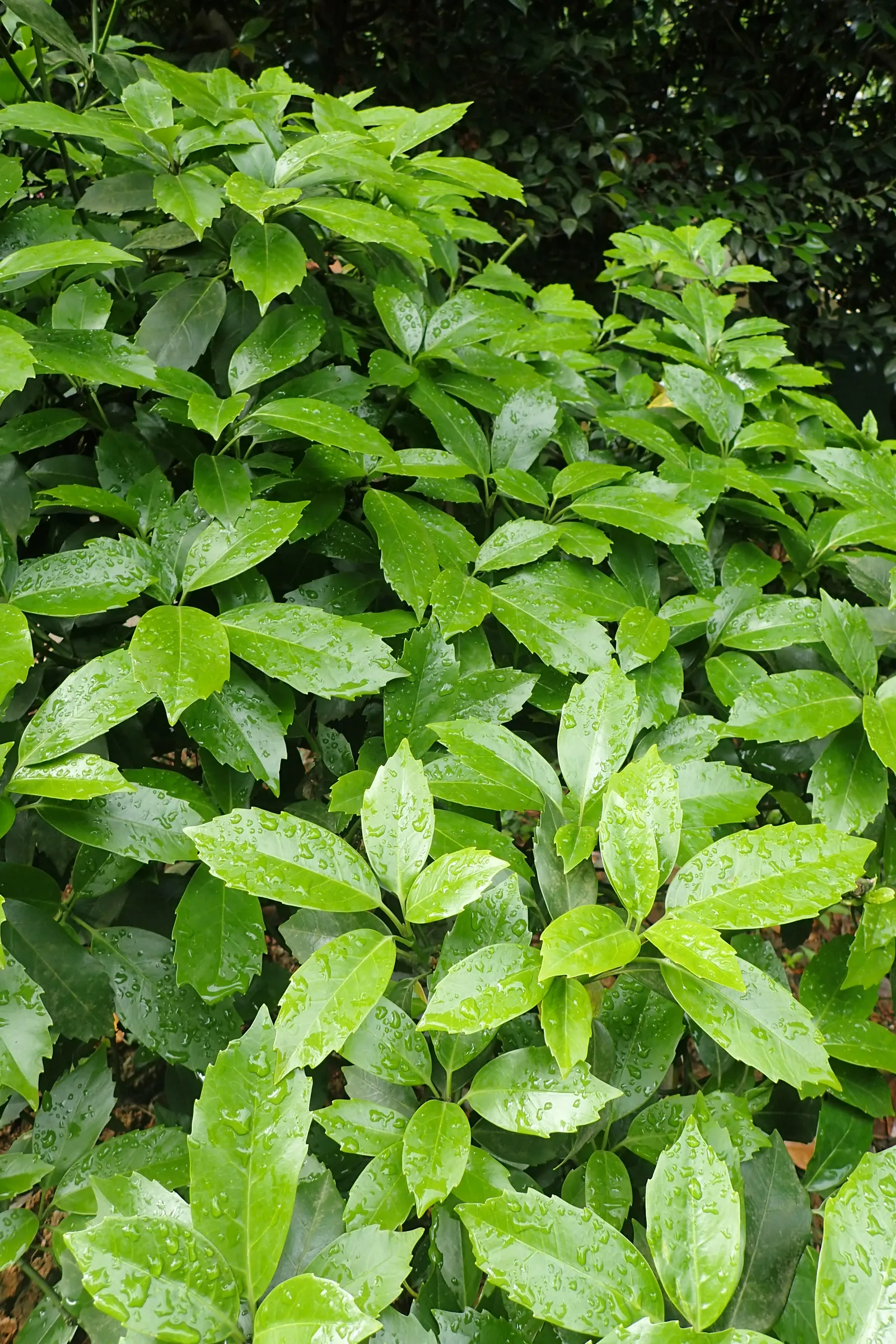
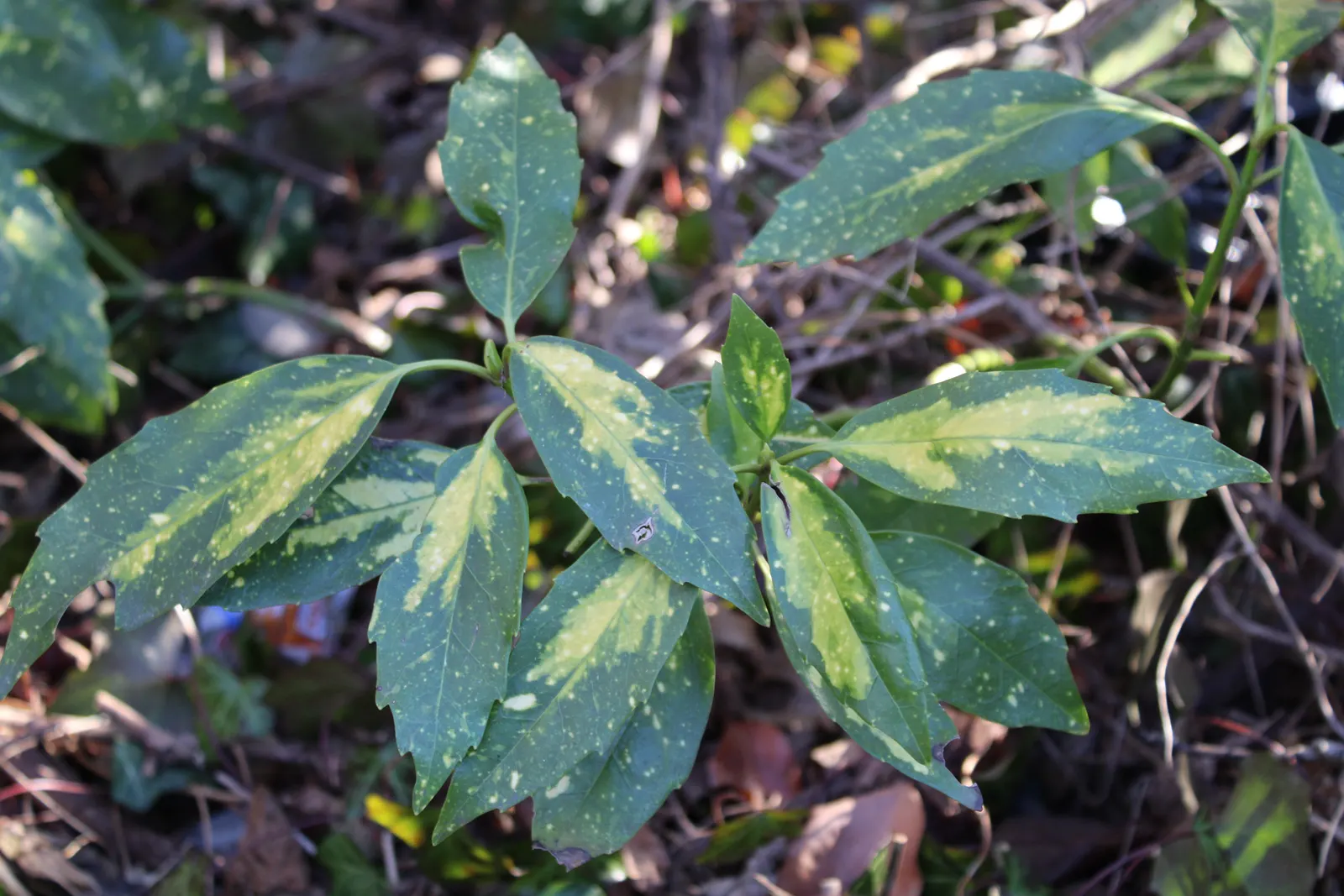
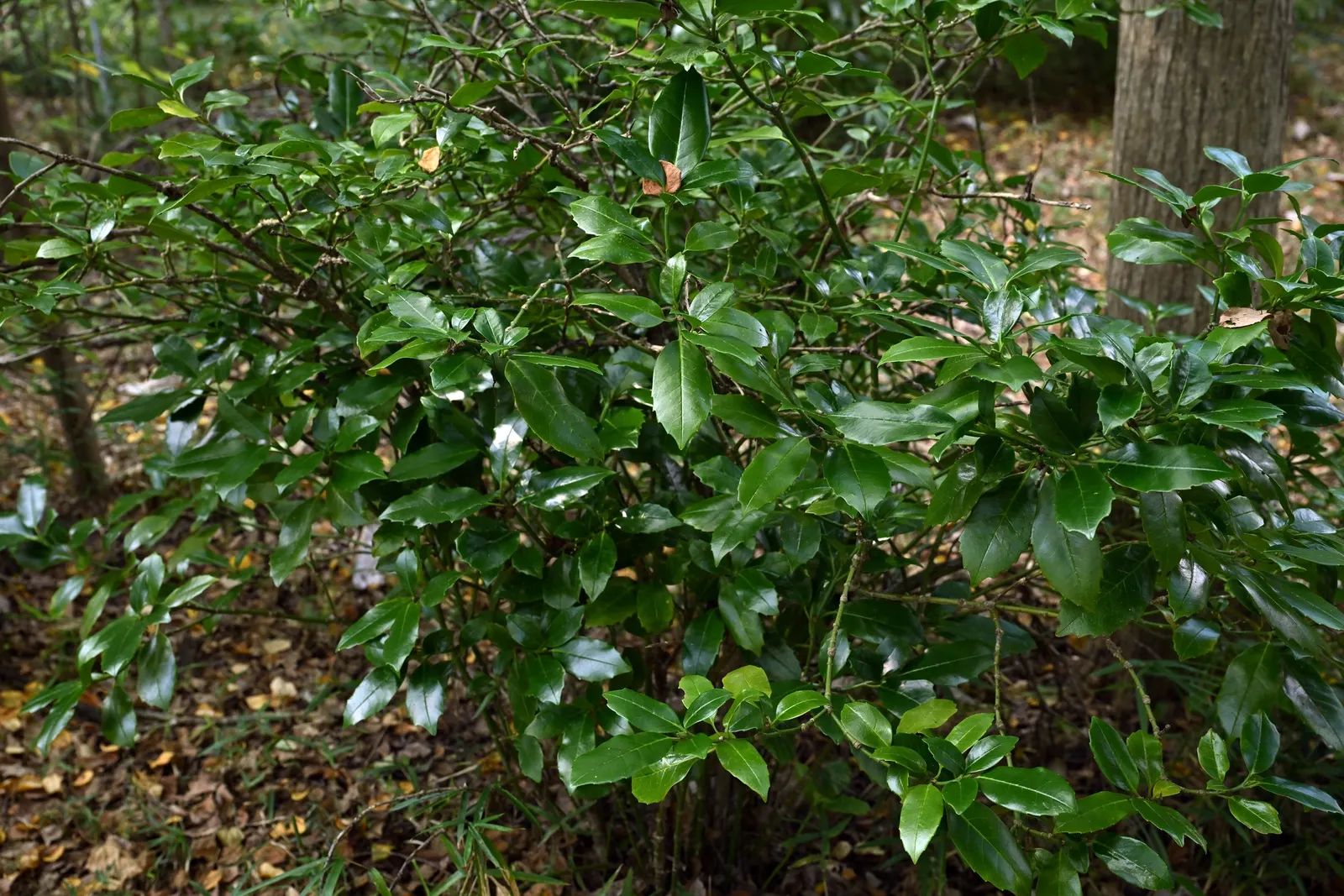
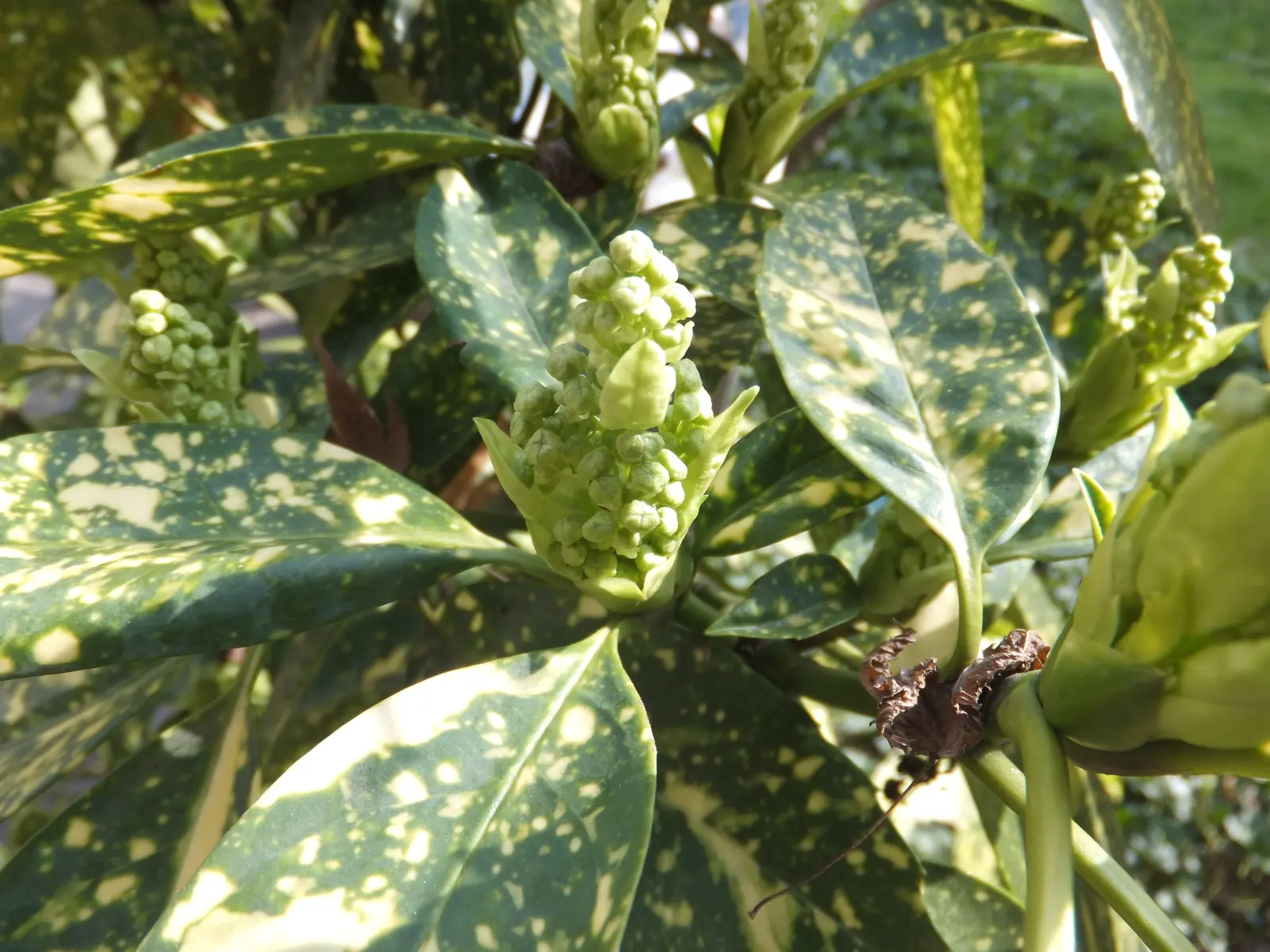
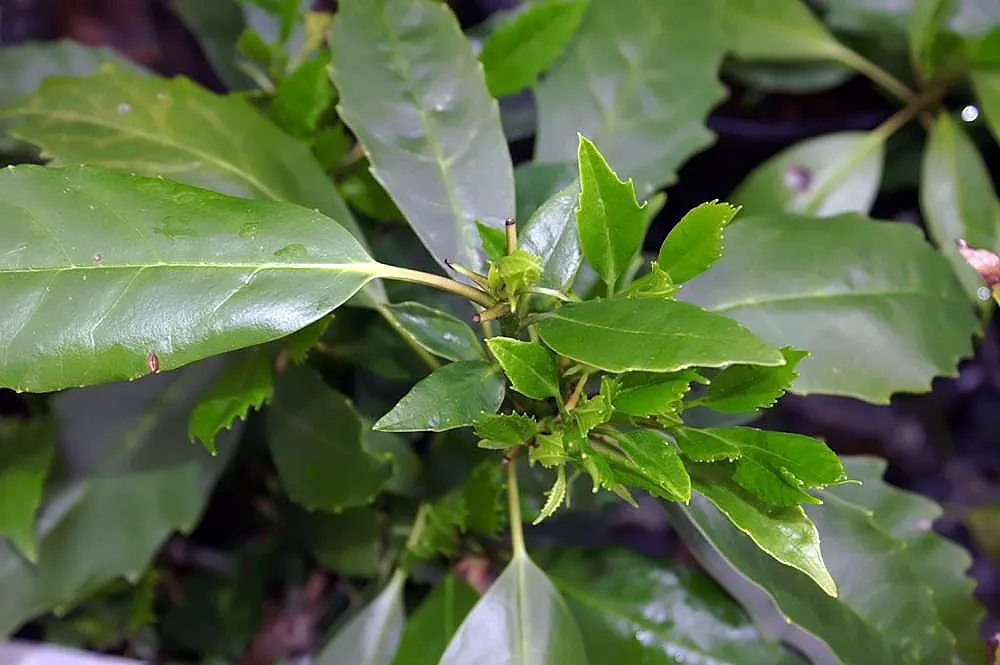
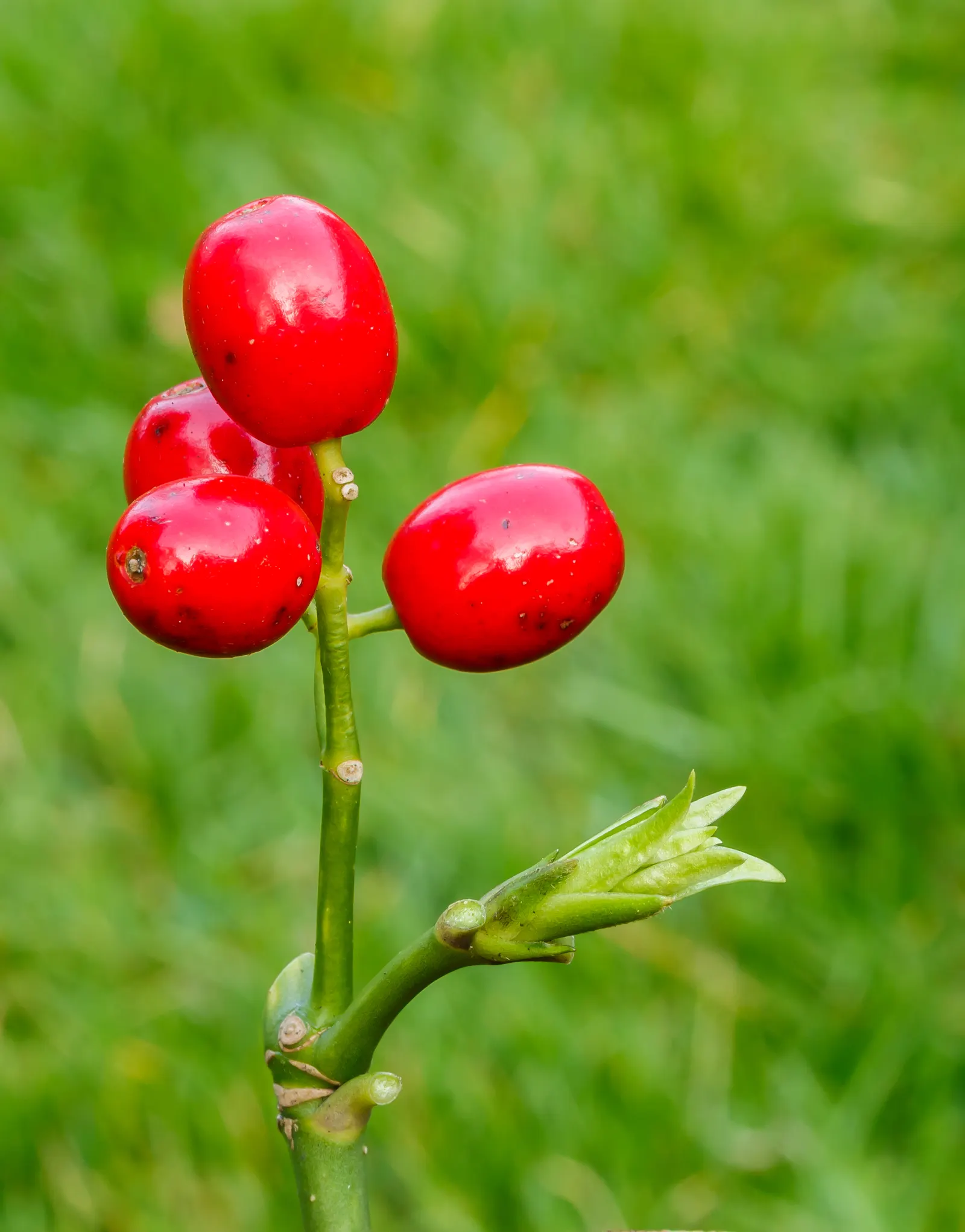
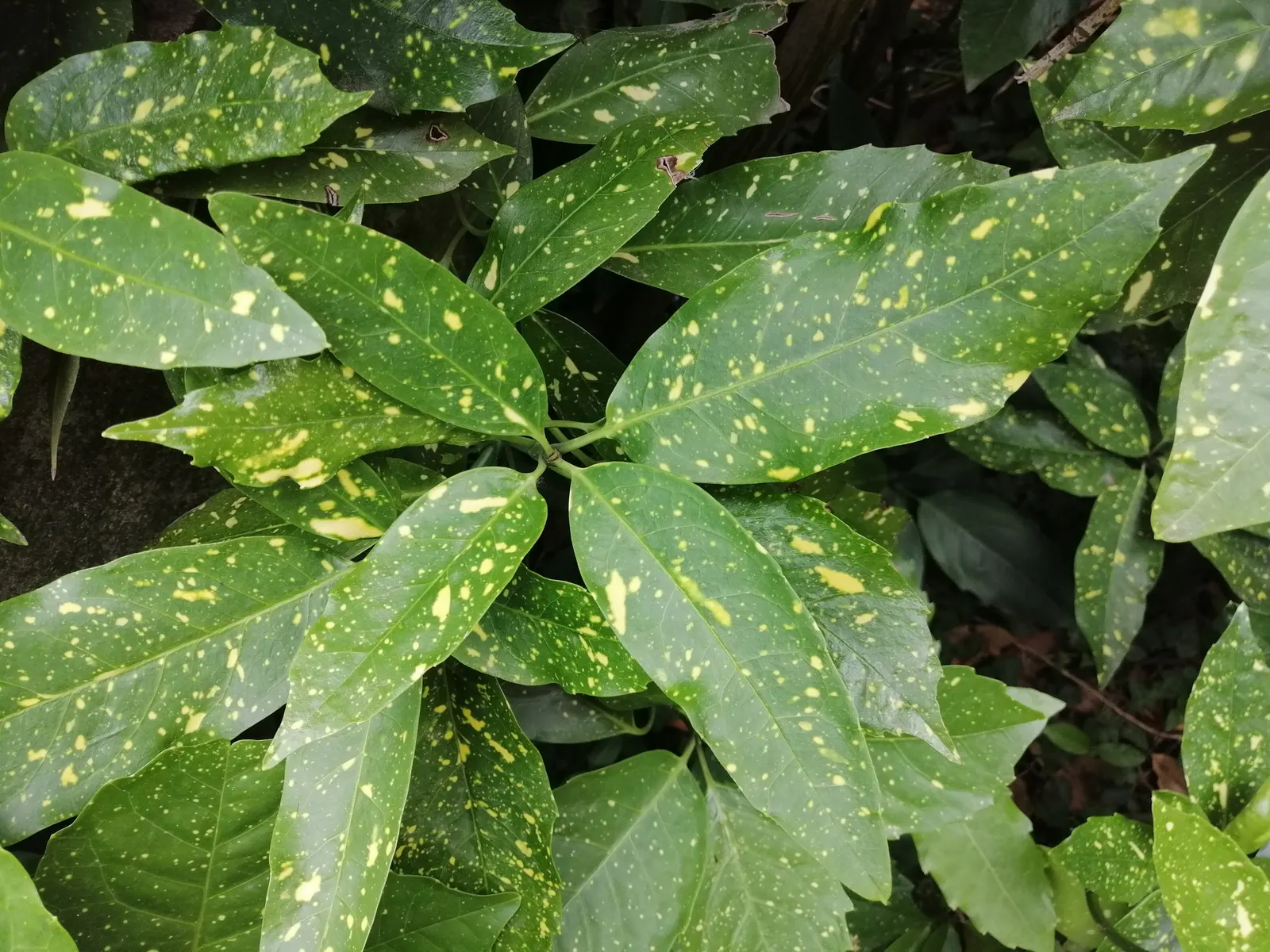
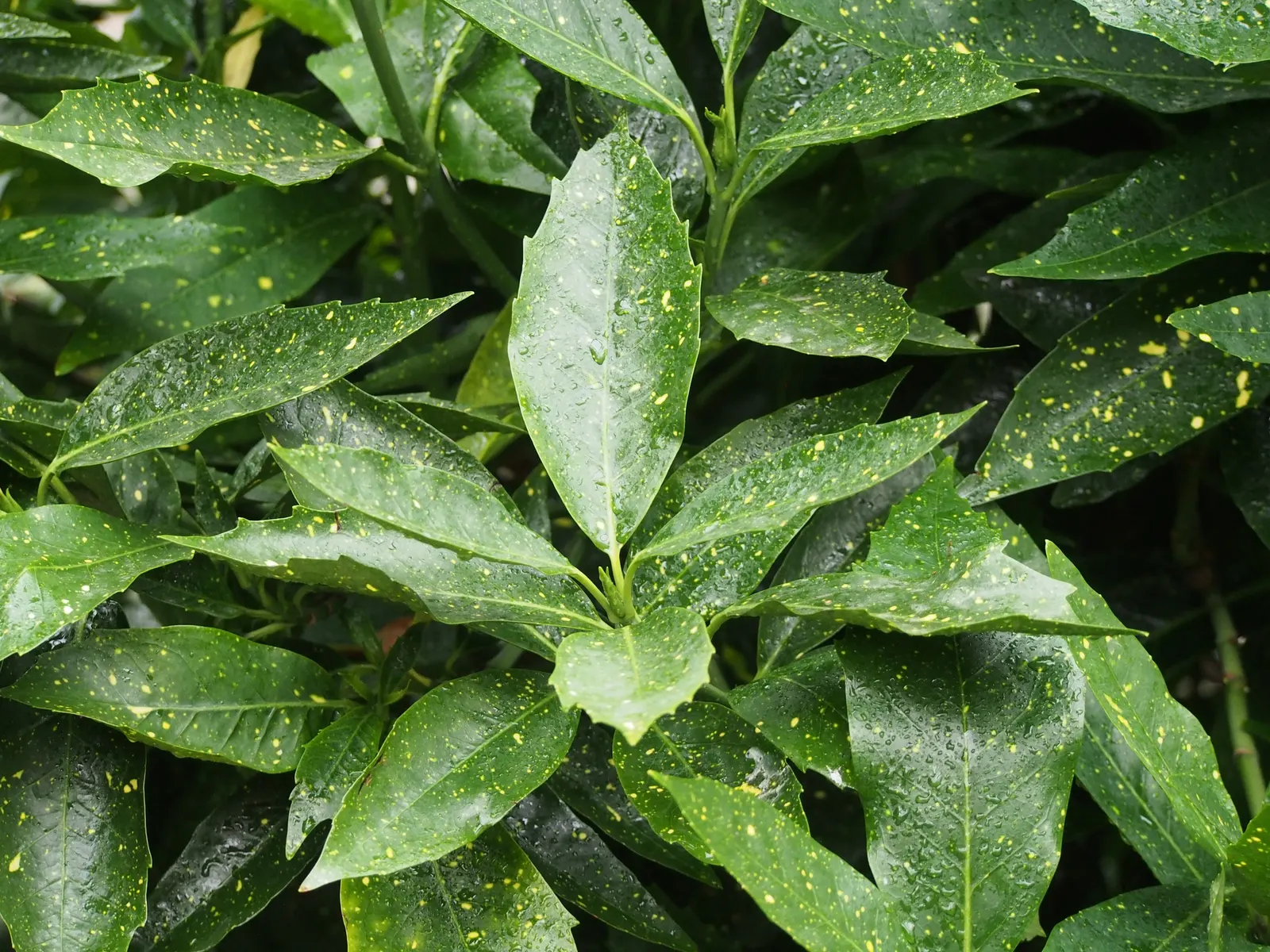
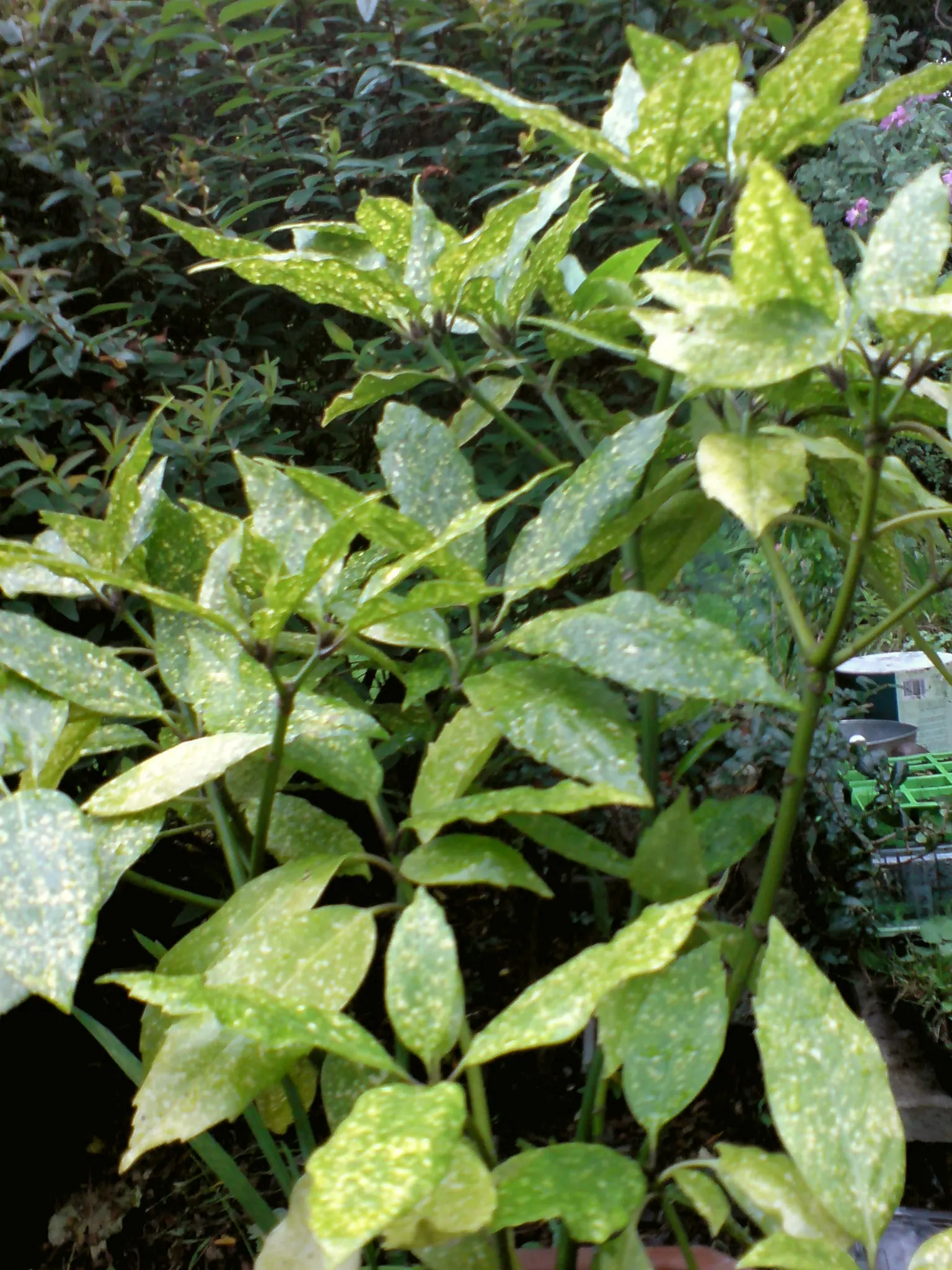
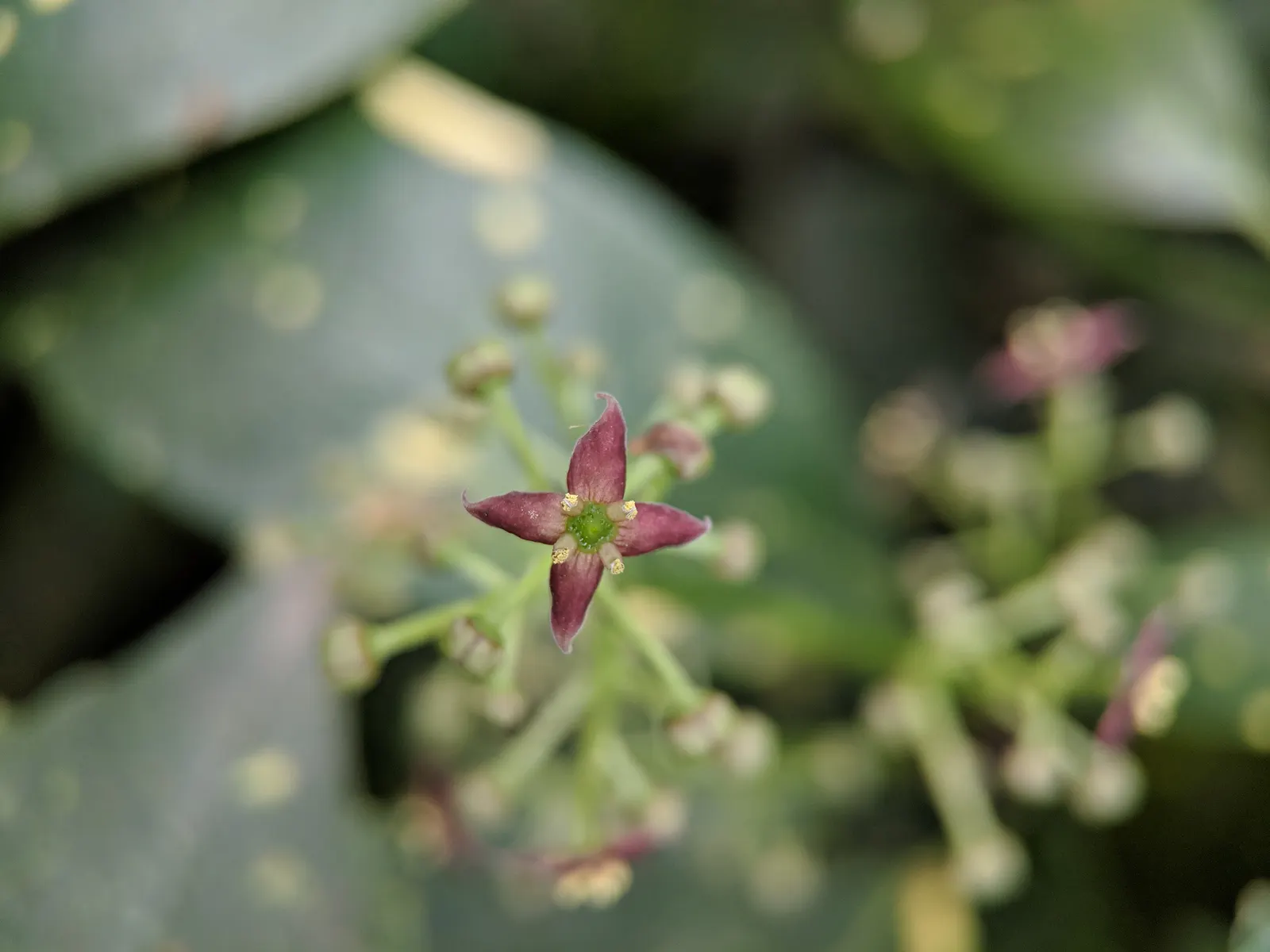
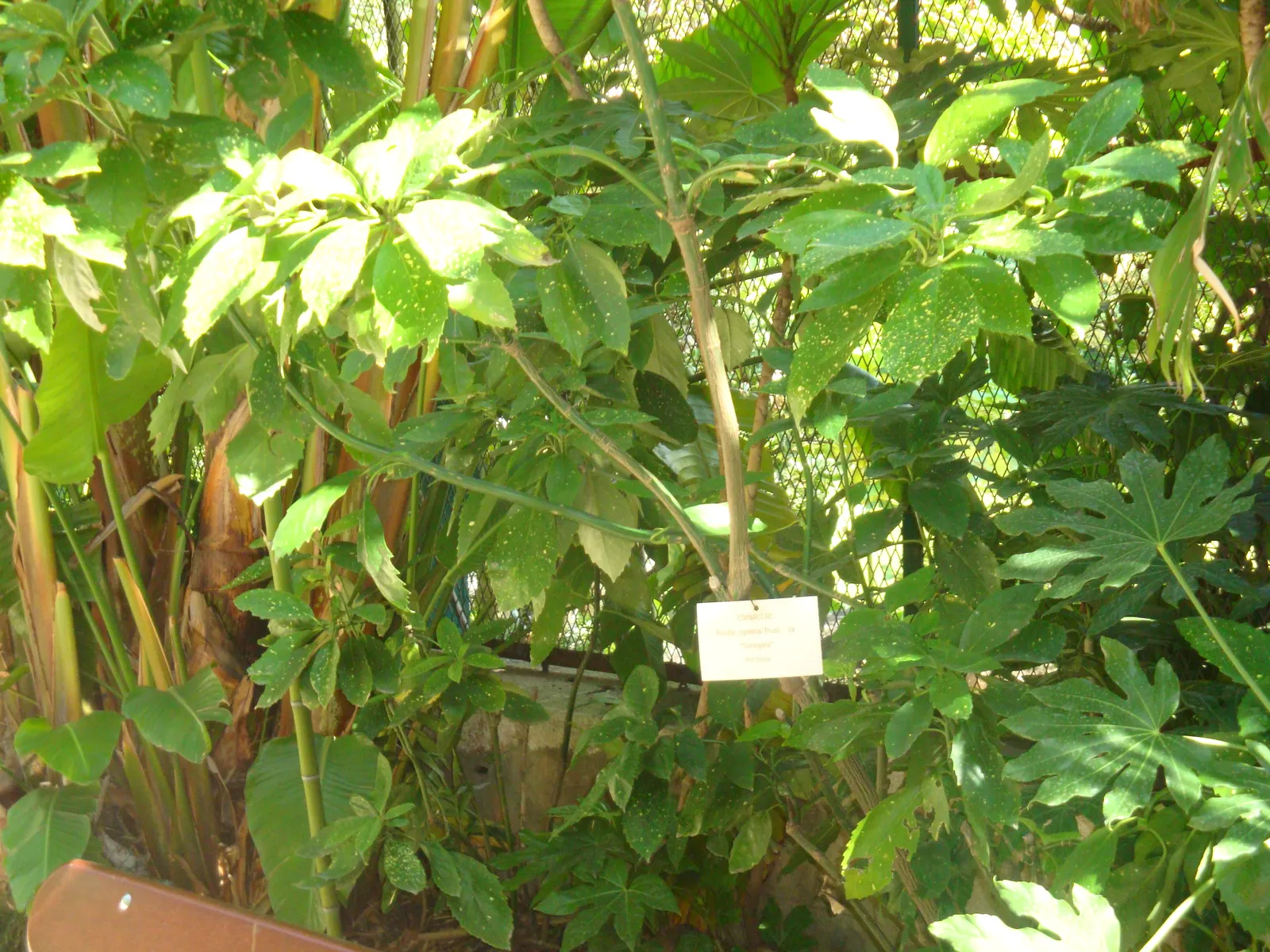
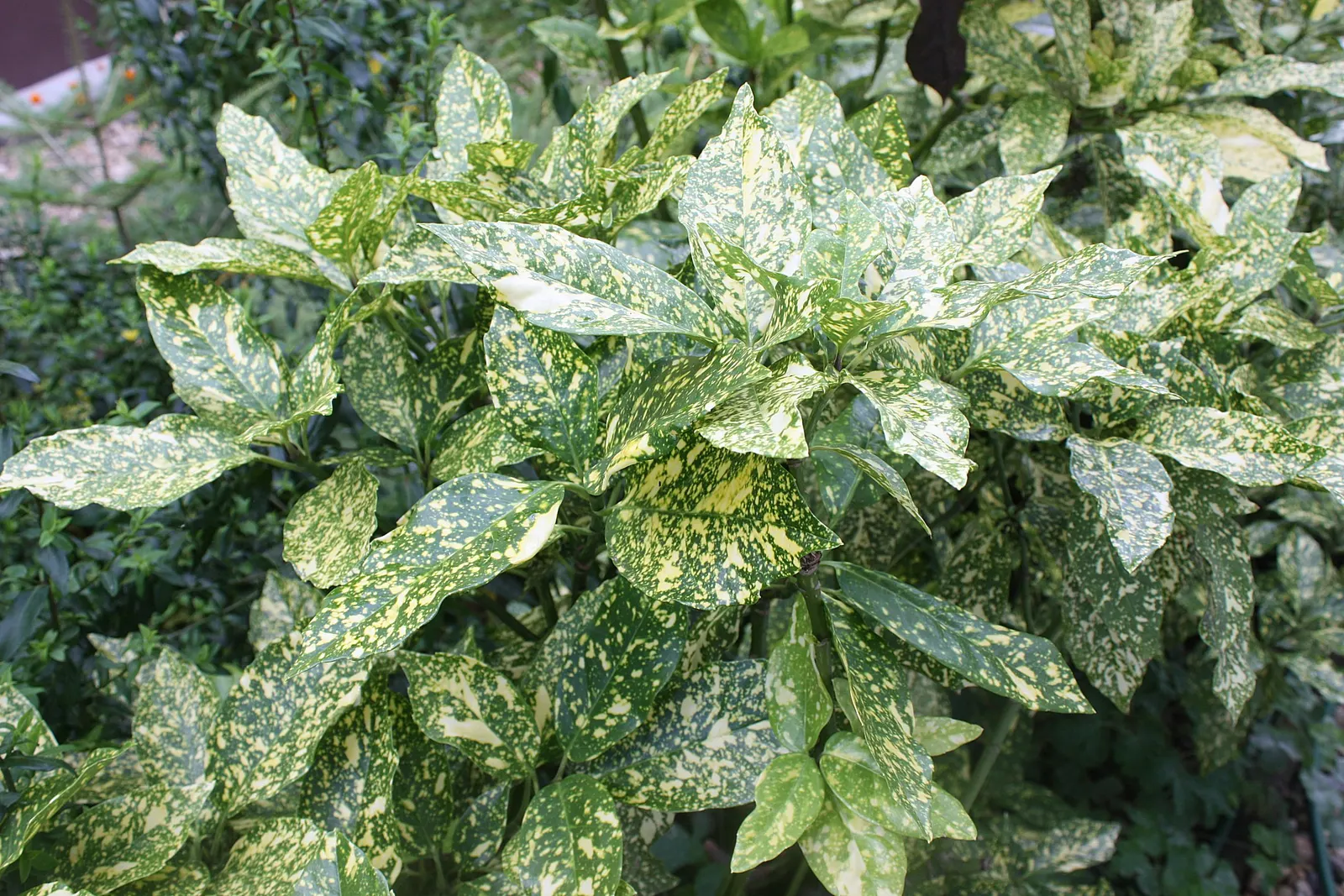
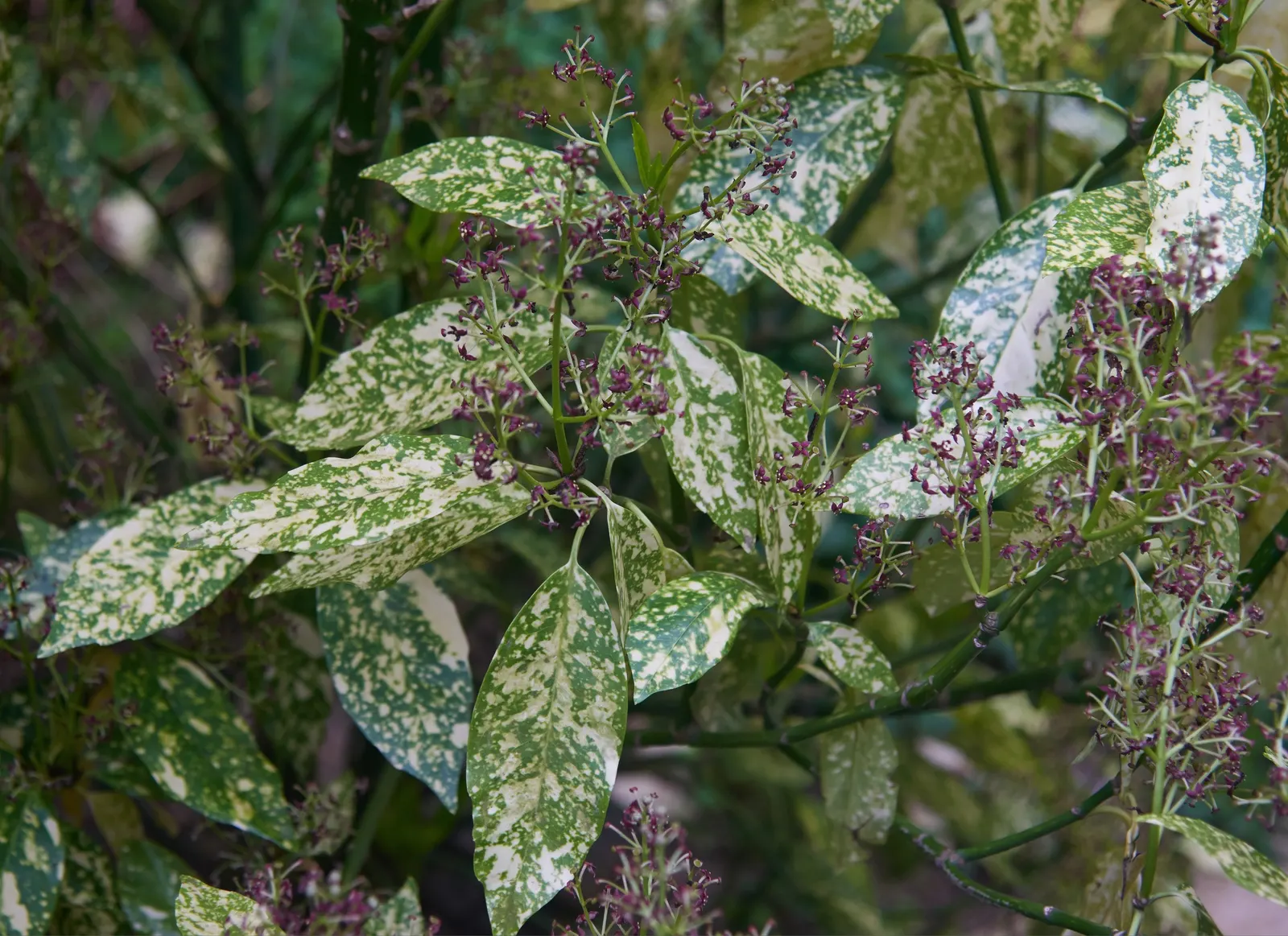
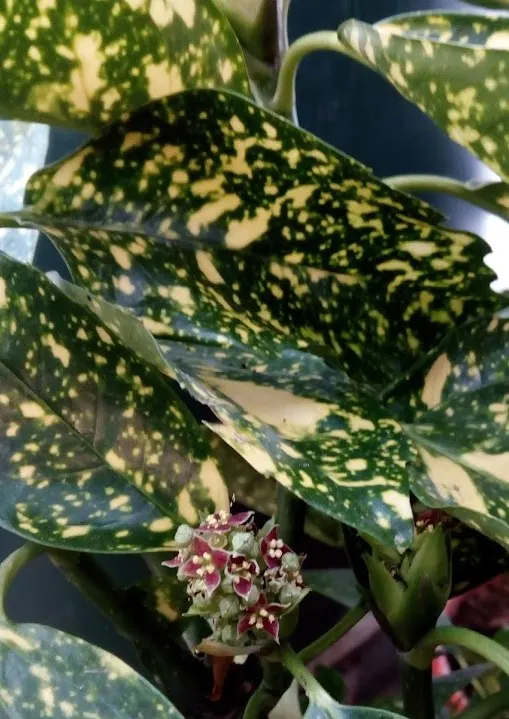
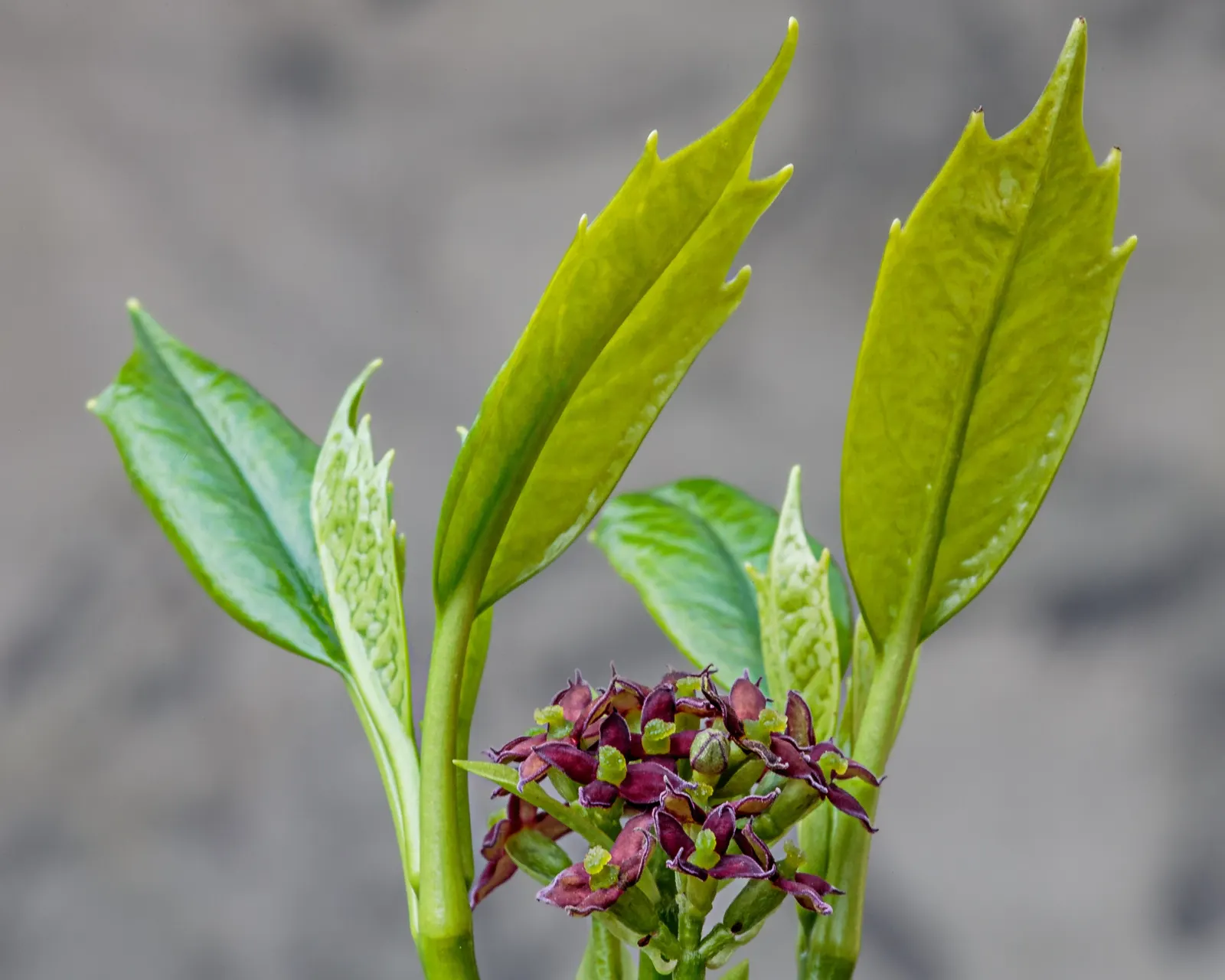
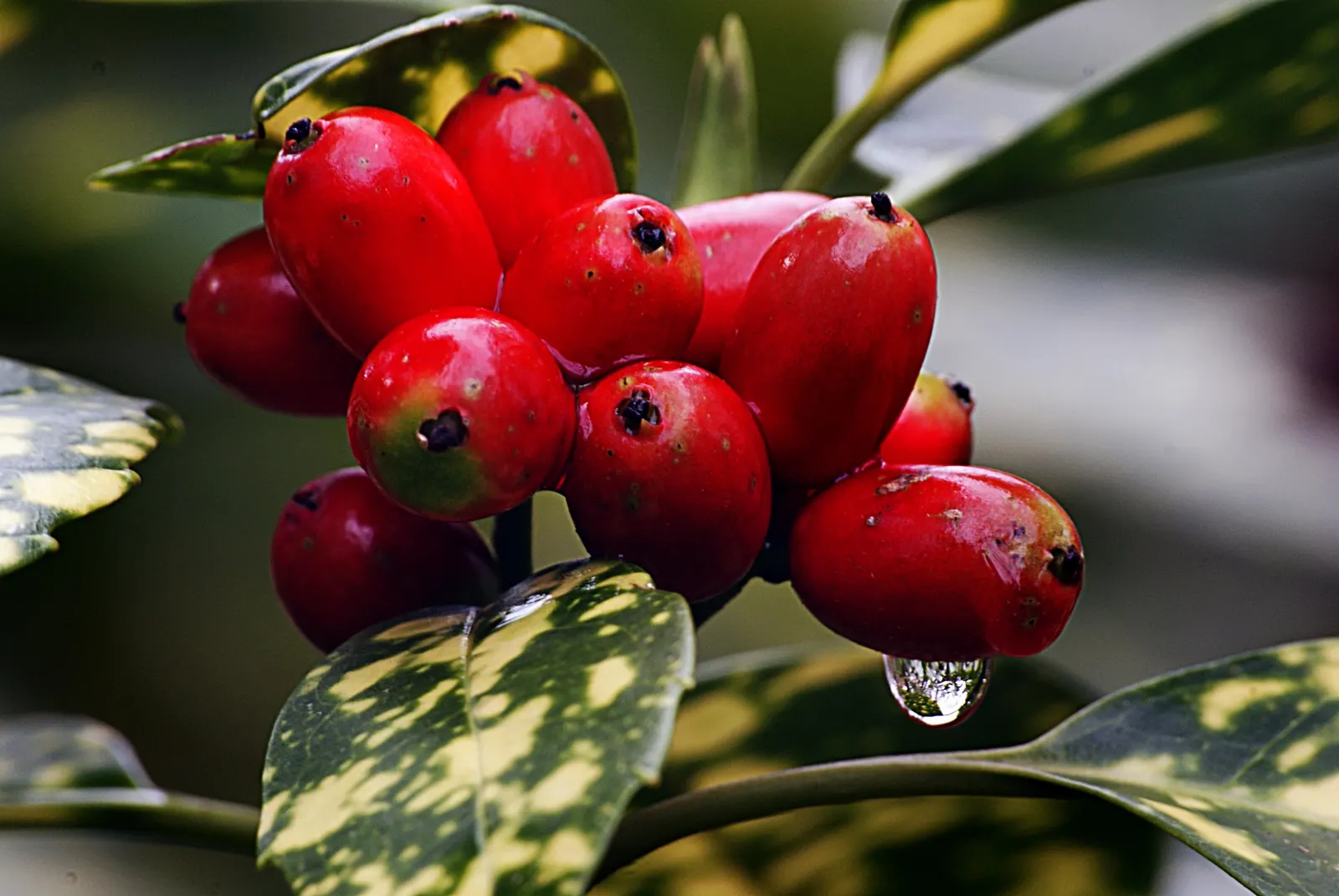
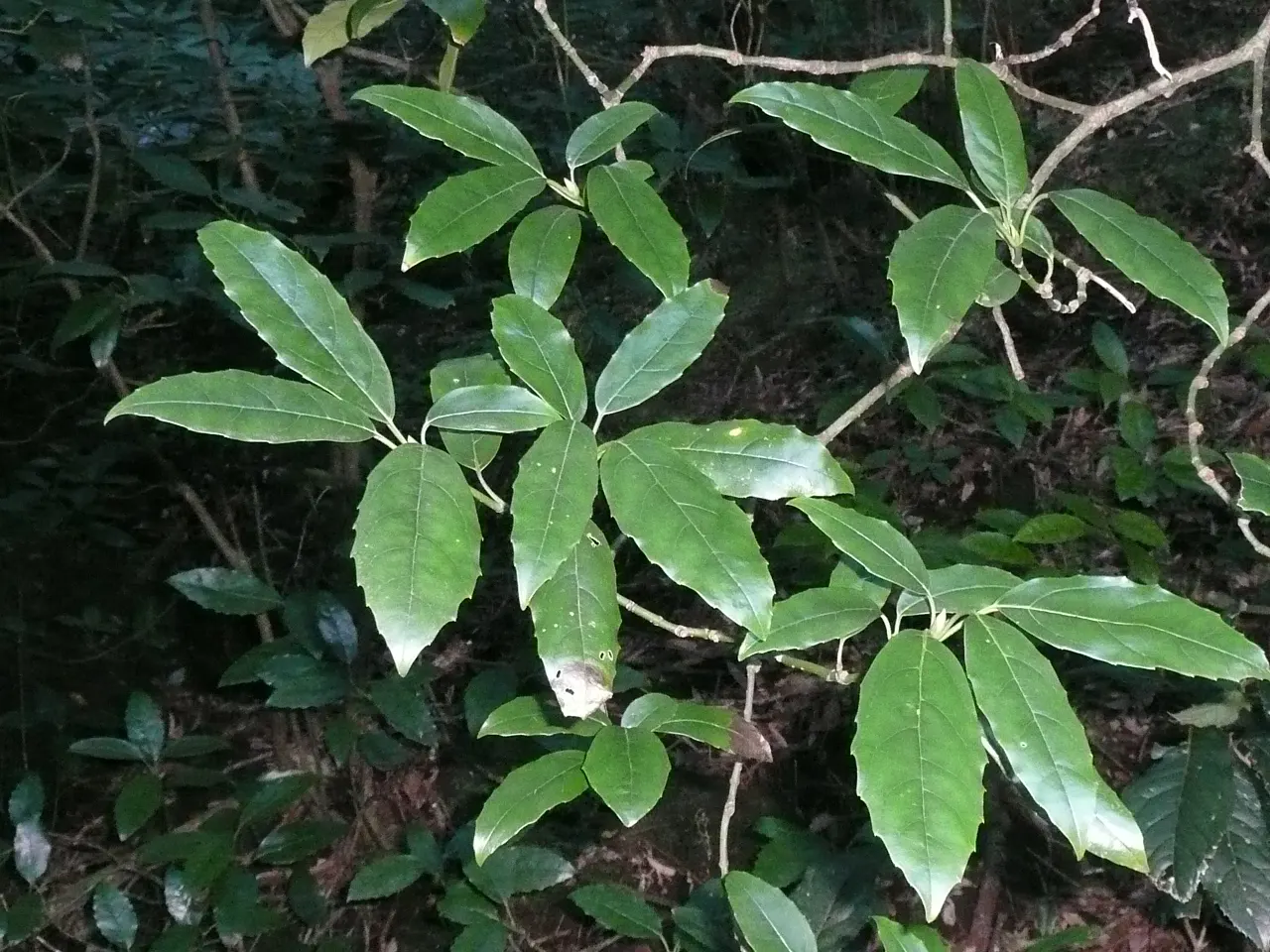
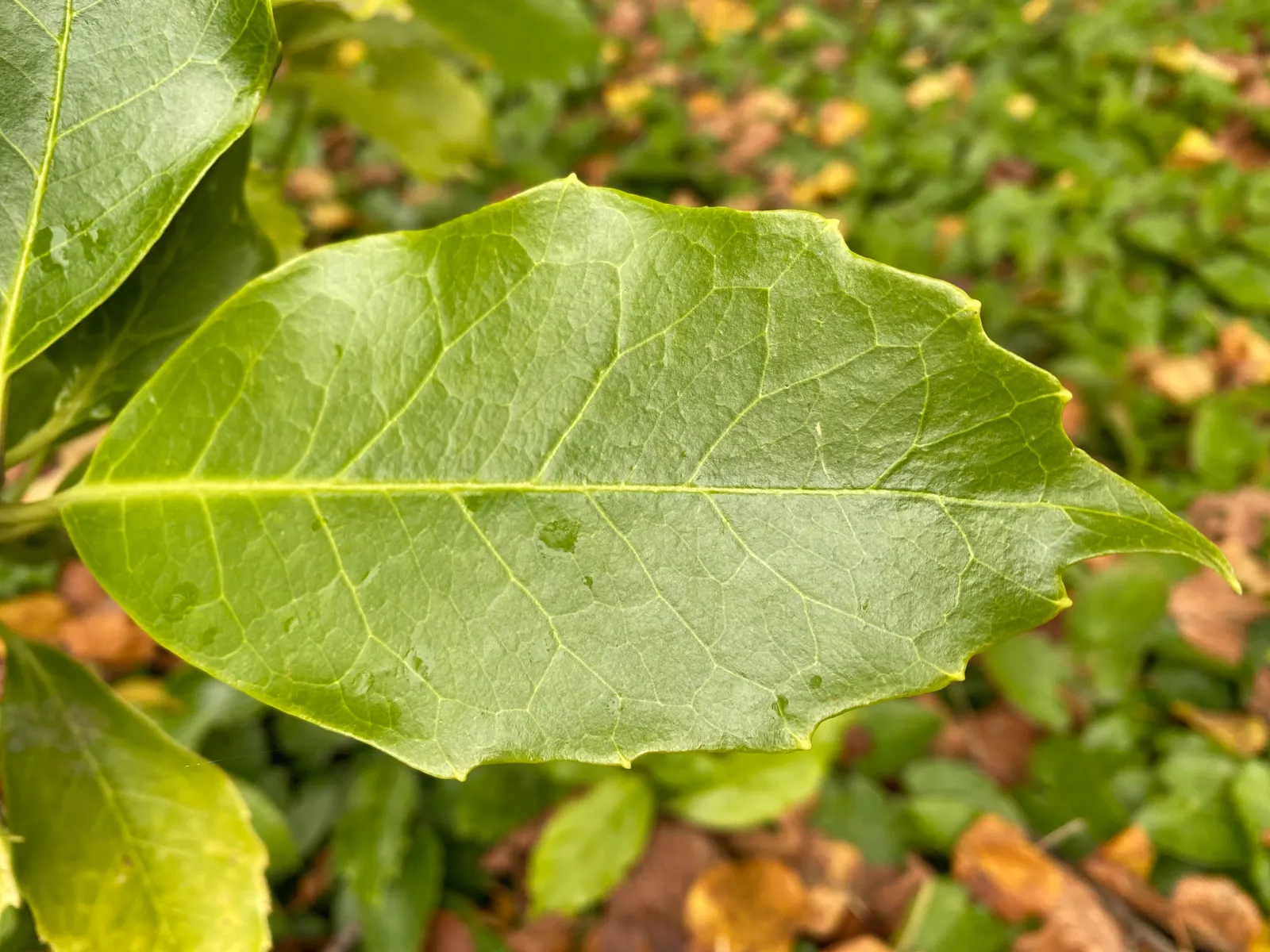
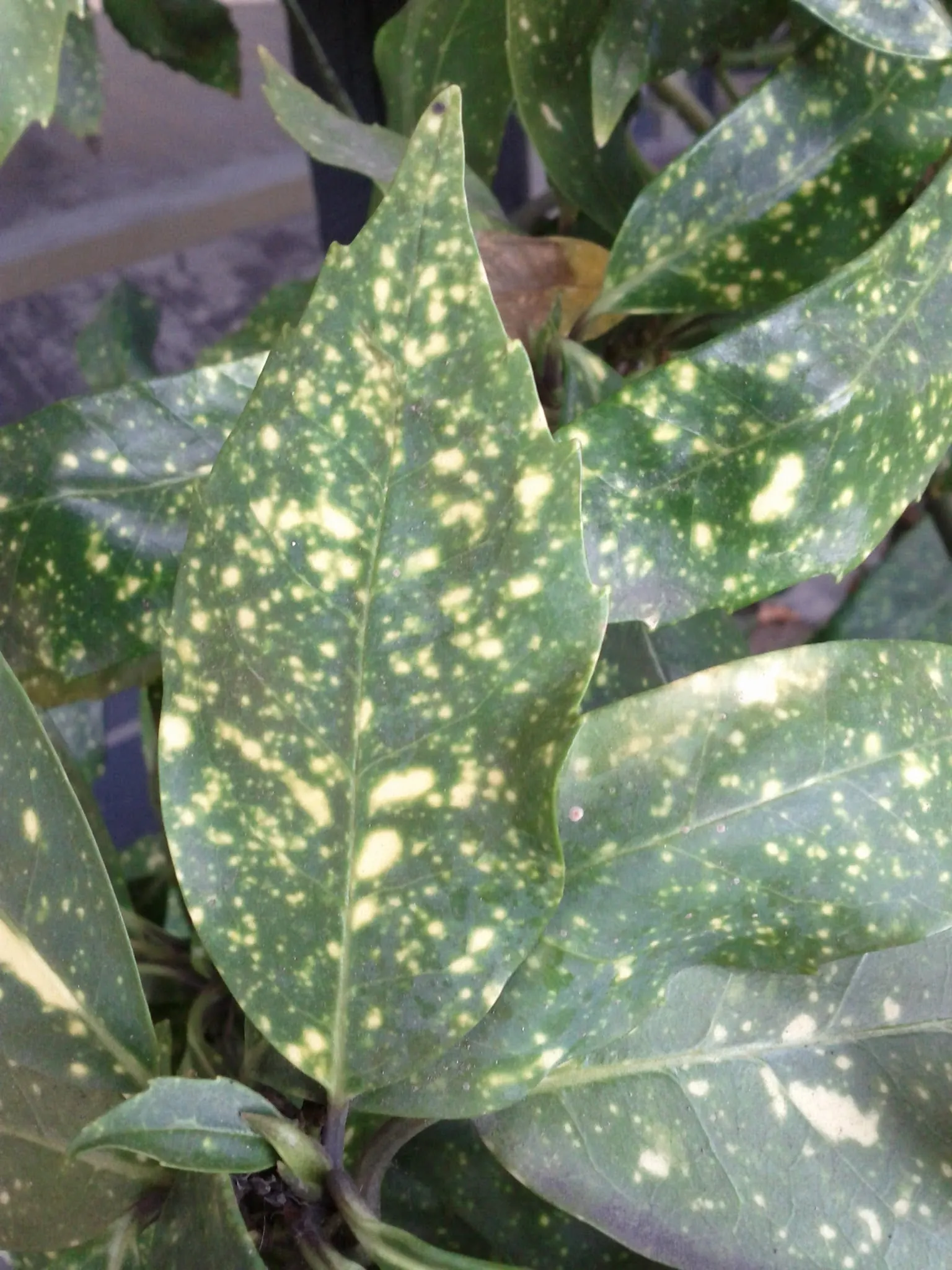
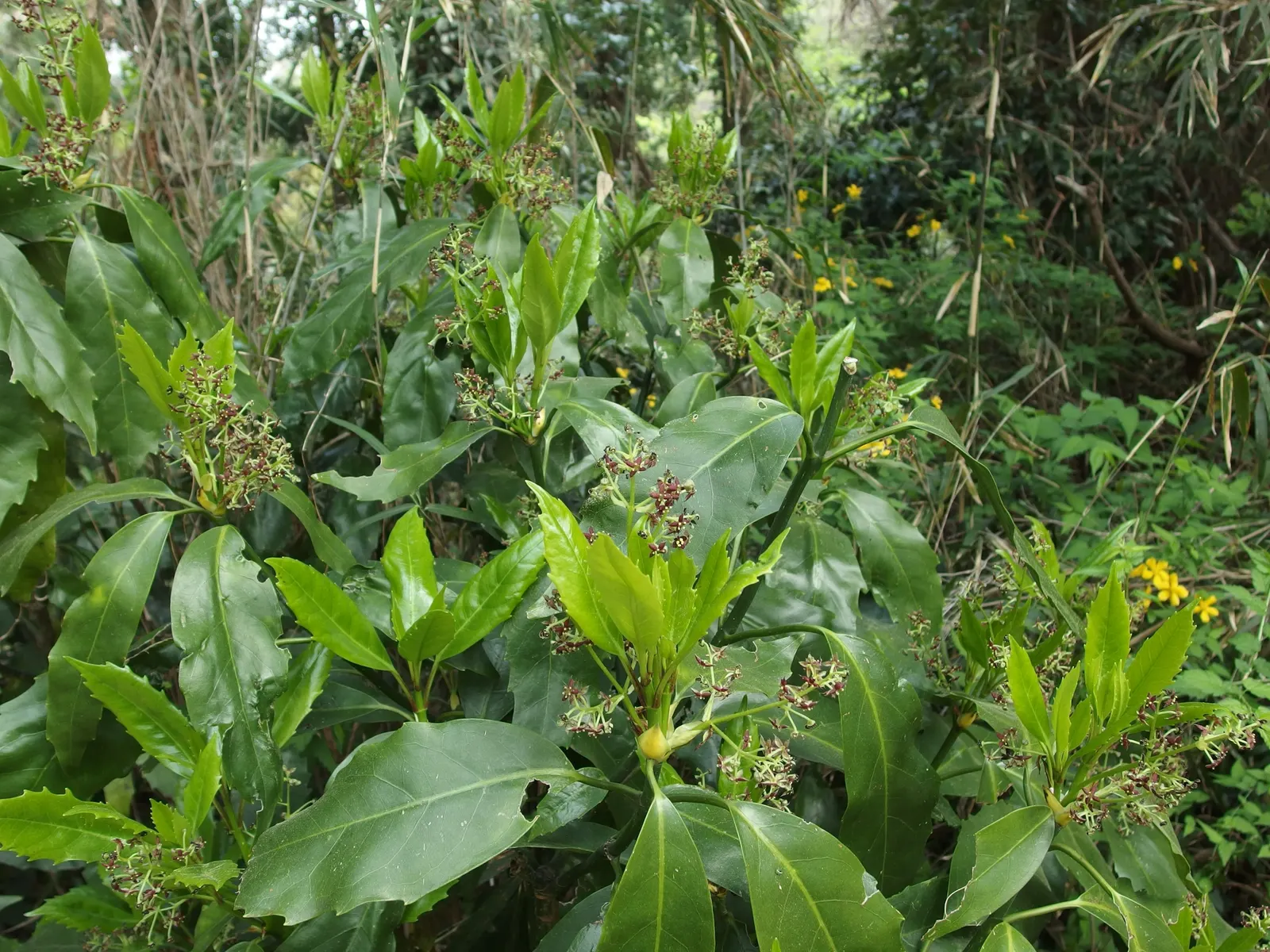
Photographs by 18 contributors
- Sun Jiao (Interaccoonale), CC BY 4.0 · source
- Jokopein, CC BY-SA 4.0 · source
- Krzysztof Ziarnek, Kenraiz, CC BY-SA 4.0 · source
- Halfp!nt, CC BY 4.0 · source
- 小石川人晃, CC BY-SA 4.0 · source
- Syrio, CC BY-SA 4.0 · source
- David J. Stang, CC BY-SA 4.0 · source
- Dominicus Johannes Bergsma, CC BY-SA 4.0 · source
- Bramfab, CC BY-SA 4.0 · source
- Agnieszka Kwiecień, Nova, CC BY-SA 4.0 · source
- Lijealso, CC BY 3.0 · source
- Dguendel, CC BY 3.0 · source
- Wouter Hagens, CC BY-SA 4.0 · source
- Andy Morffew from Itchen Abbas, Hampshire,…, CC BY 2.0 · source
- 天問 小窩, CC BY 2.0 · source
- Lukfunk, CC BY-SA 4.0 · source
- Grendelkhan, CC BY-SA 3.0 · source
- Guilhem Vellut from Annecy, France, CC BY 2.0 · source
Related plants
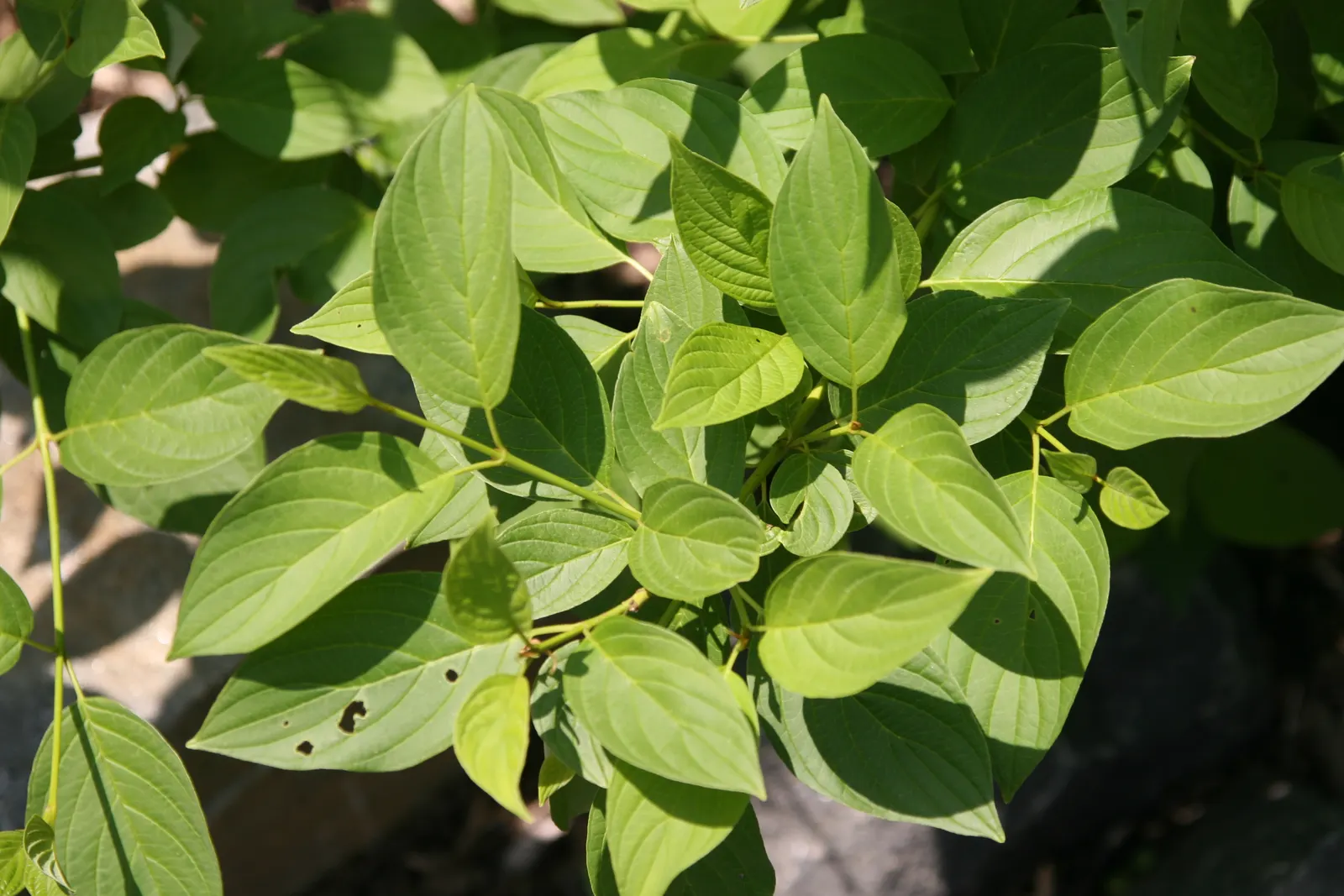
Tree
American Yellowtwig Dogwood
Cornus Sericea 'Flaviramea'
FullUSDA 10–10
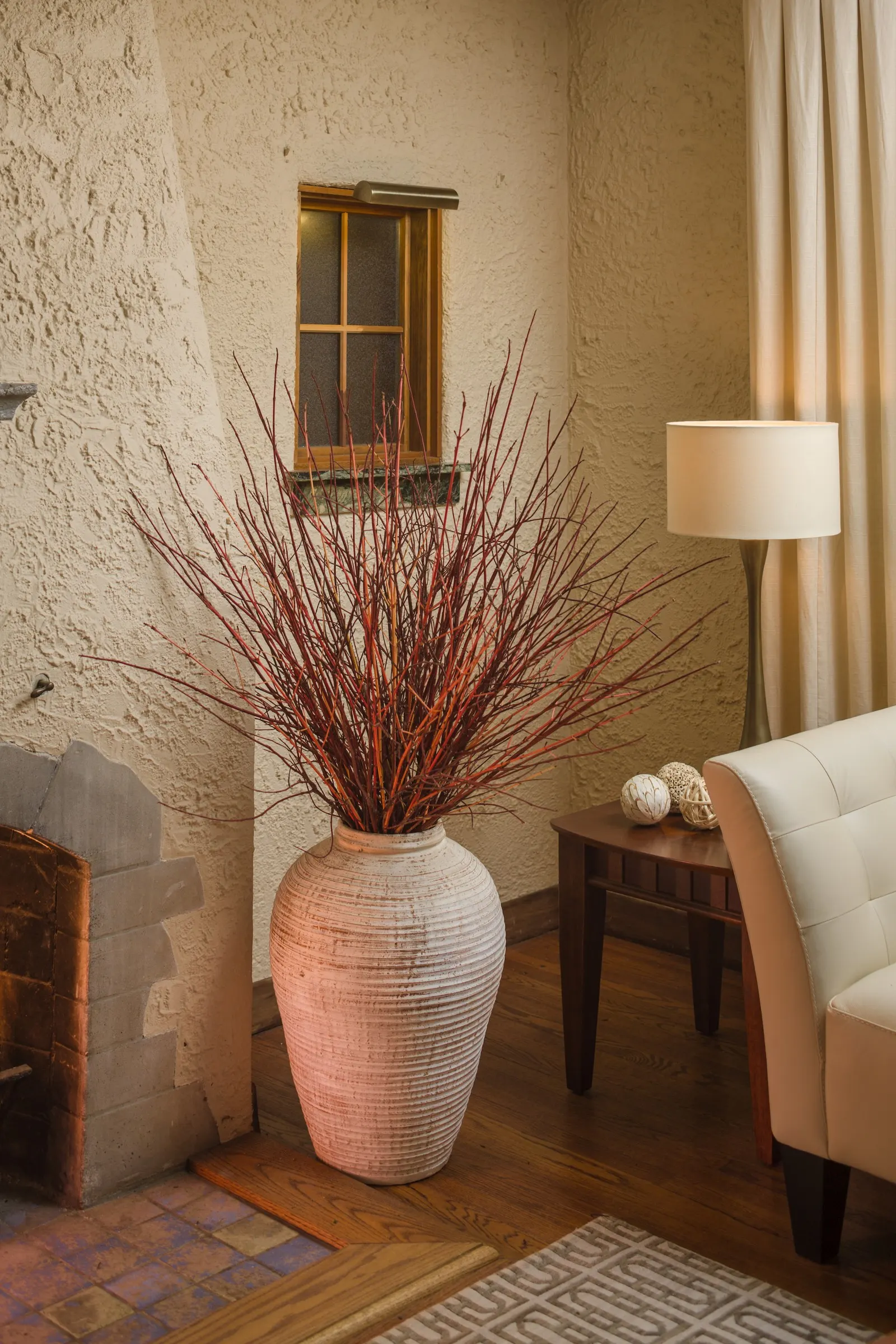
Arctic Fire® Red Red-Osier Dogwood
Cornus stolonifera
Full
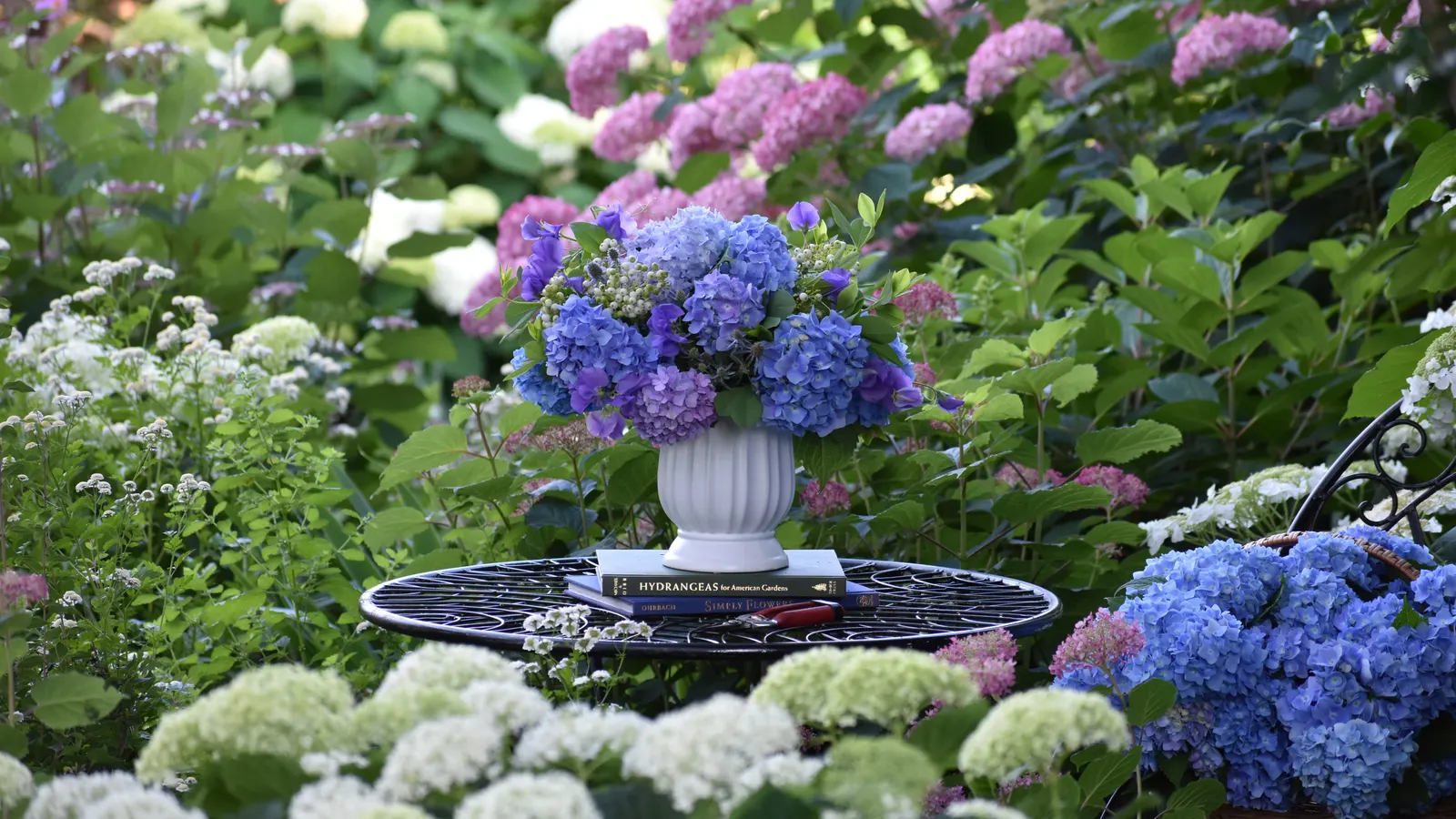
Arctic Fire® Yellow Red-Osier Dogwood
Cornus stolonifera
Full
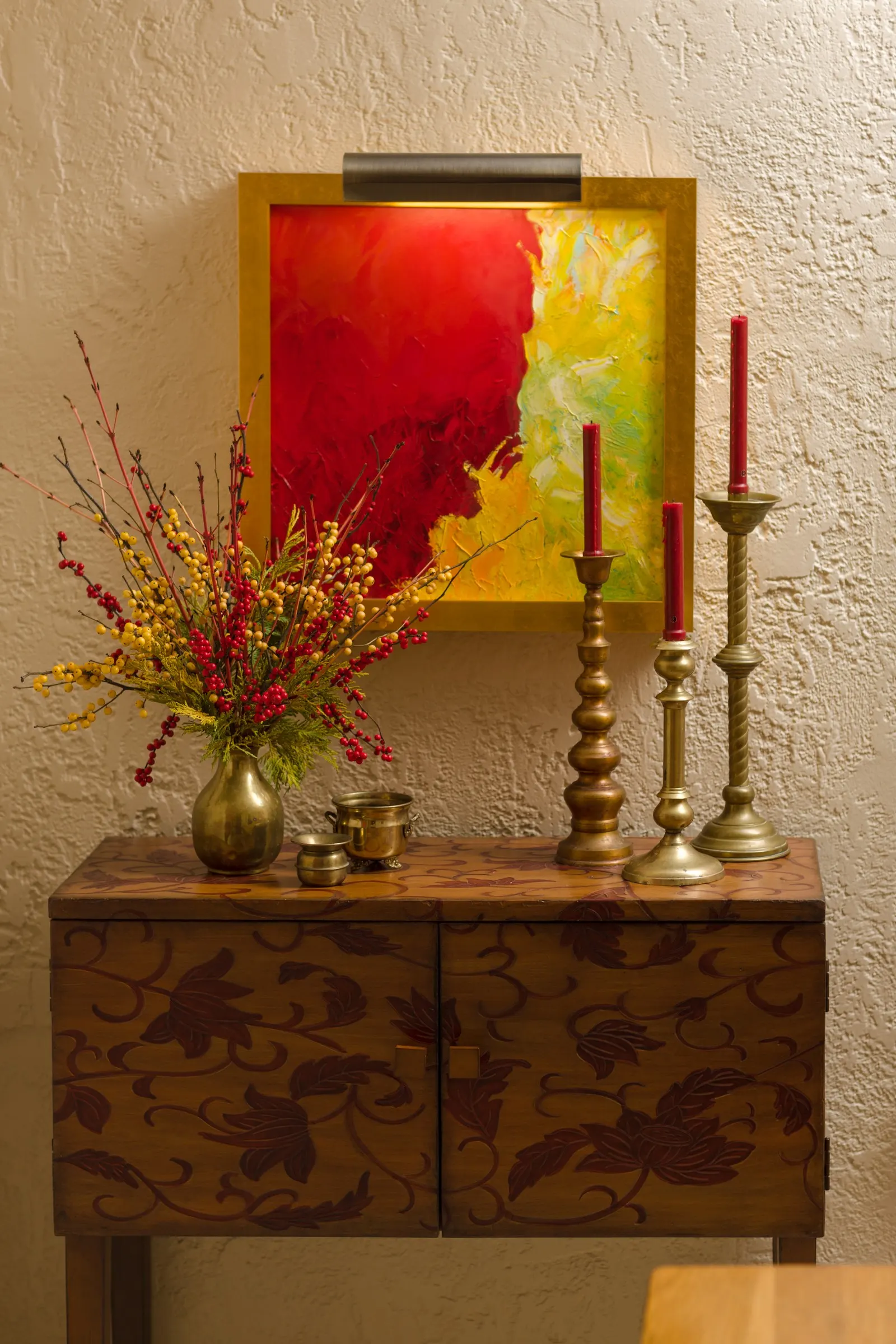
Shrub
Arctic Sun® Dogwood
Cornus sanguinea
FullUSDA 3–8
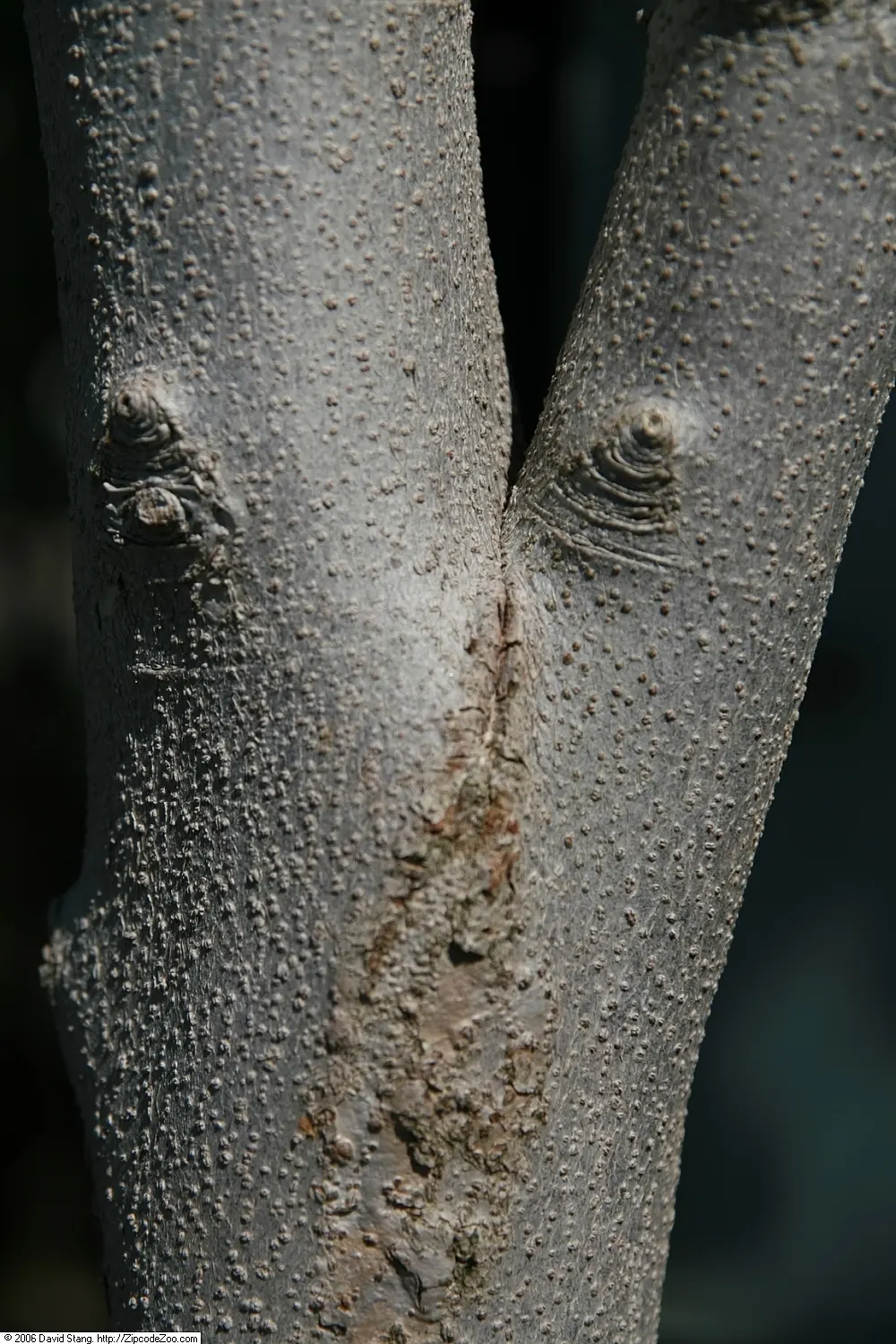
Shrub
Aurora White Flowering Dogwood
Cornus X Aurora
FullUSDA 5–9
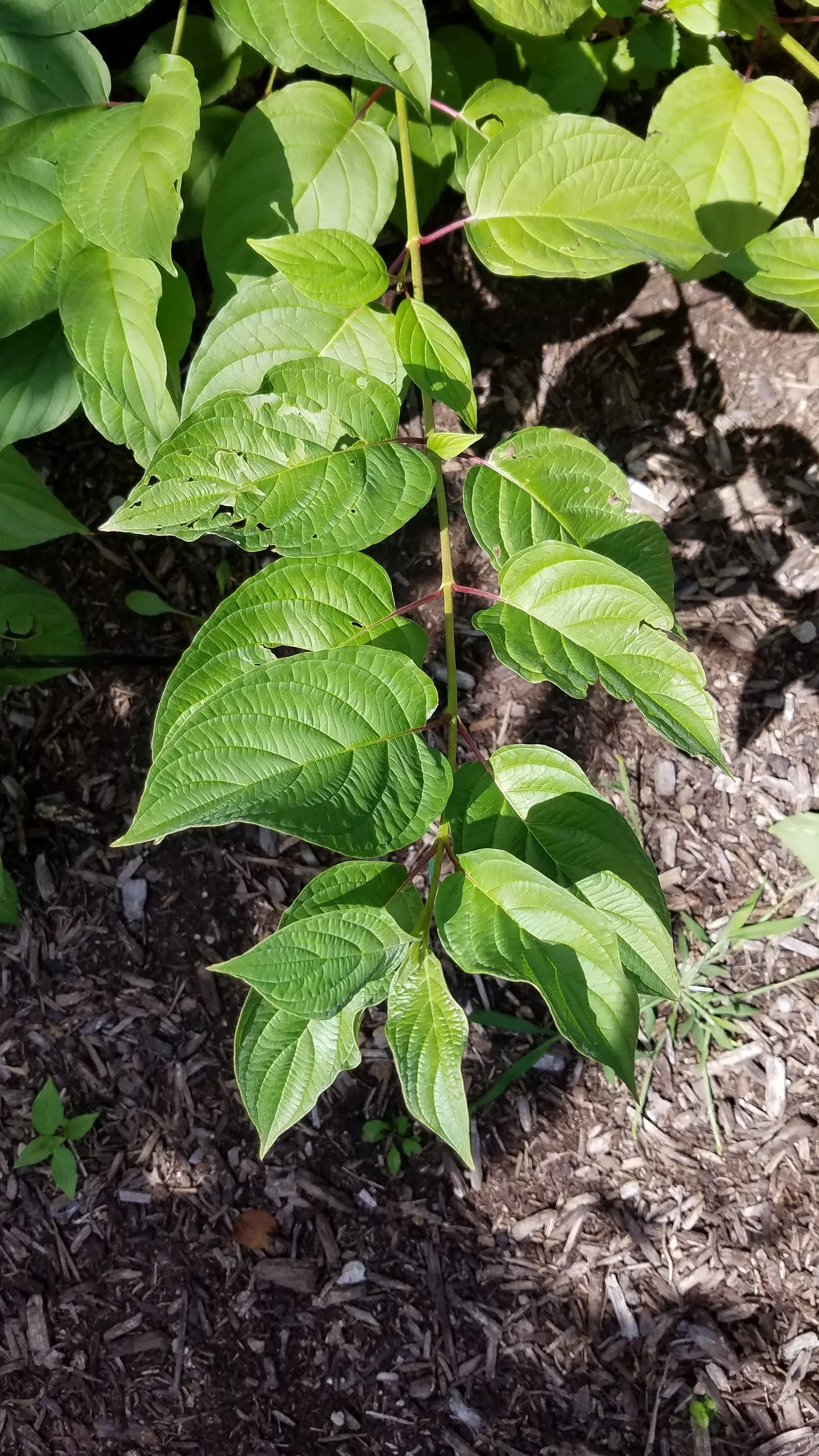
Shrub
Bailey's Twisted Dogwood
Cornus Sericea 'Baileyi'
FullUSDA 3–6