Skip to content

Meadow Sweet

Astilbe X Arendsii

Design with this plant

Overview

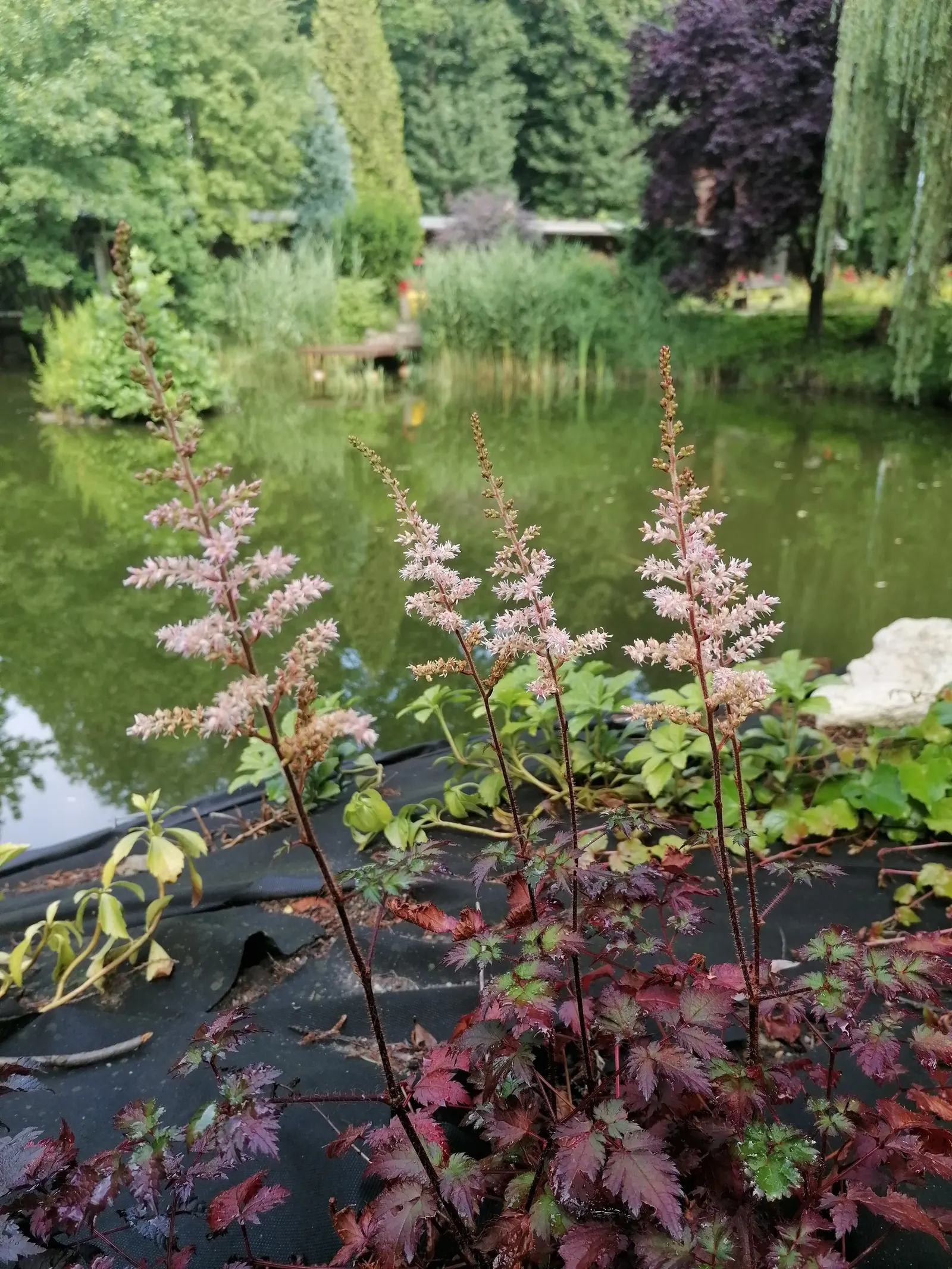
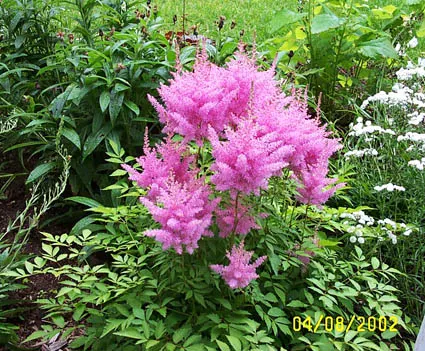
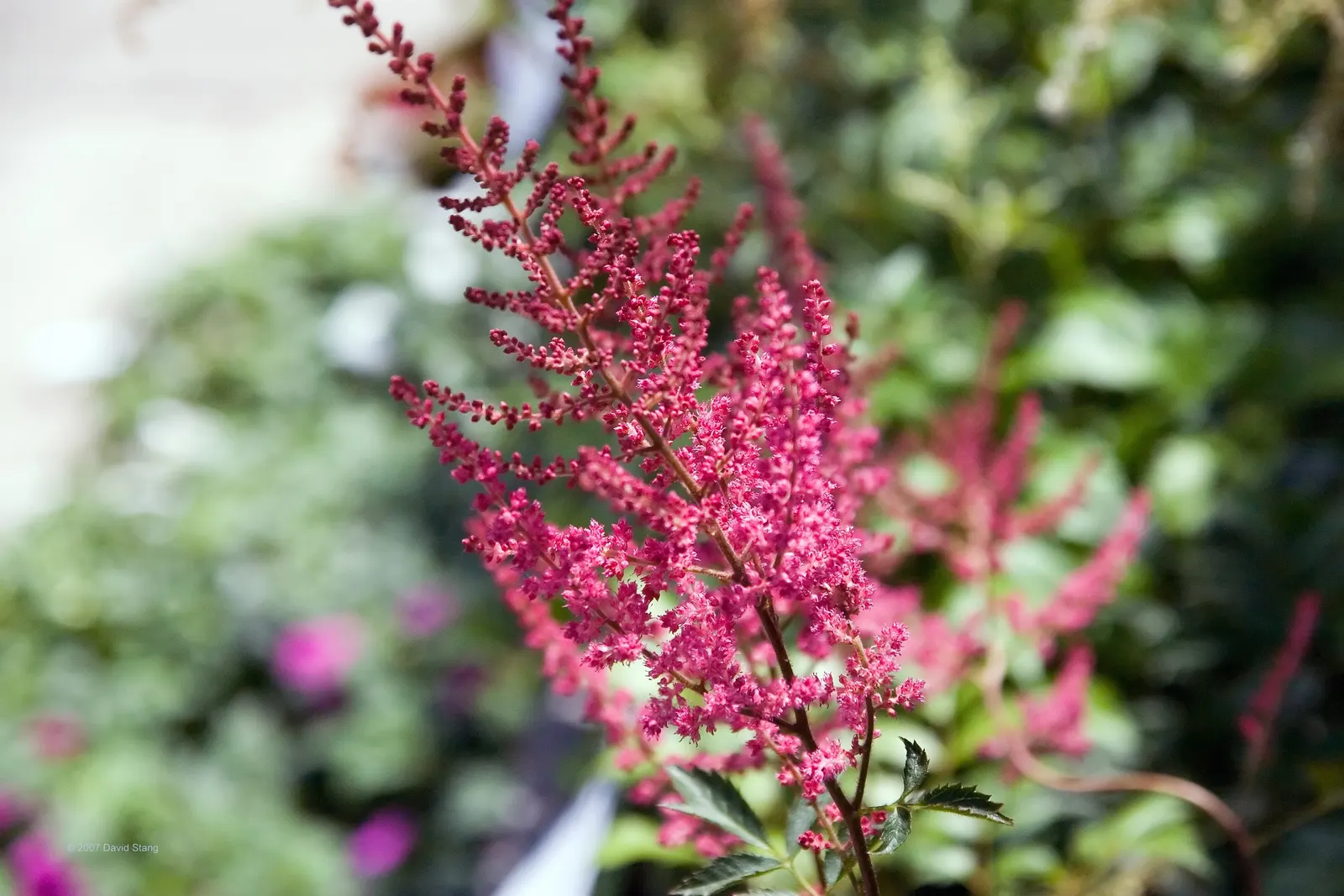
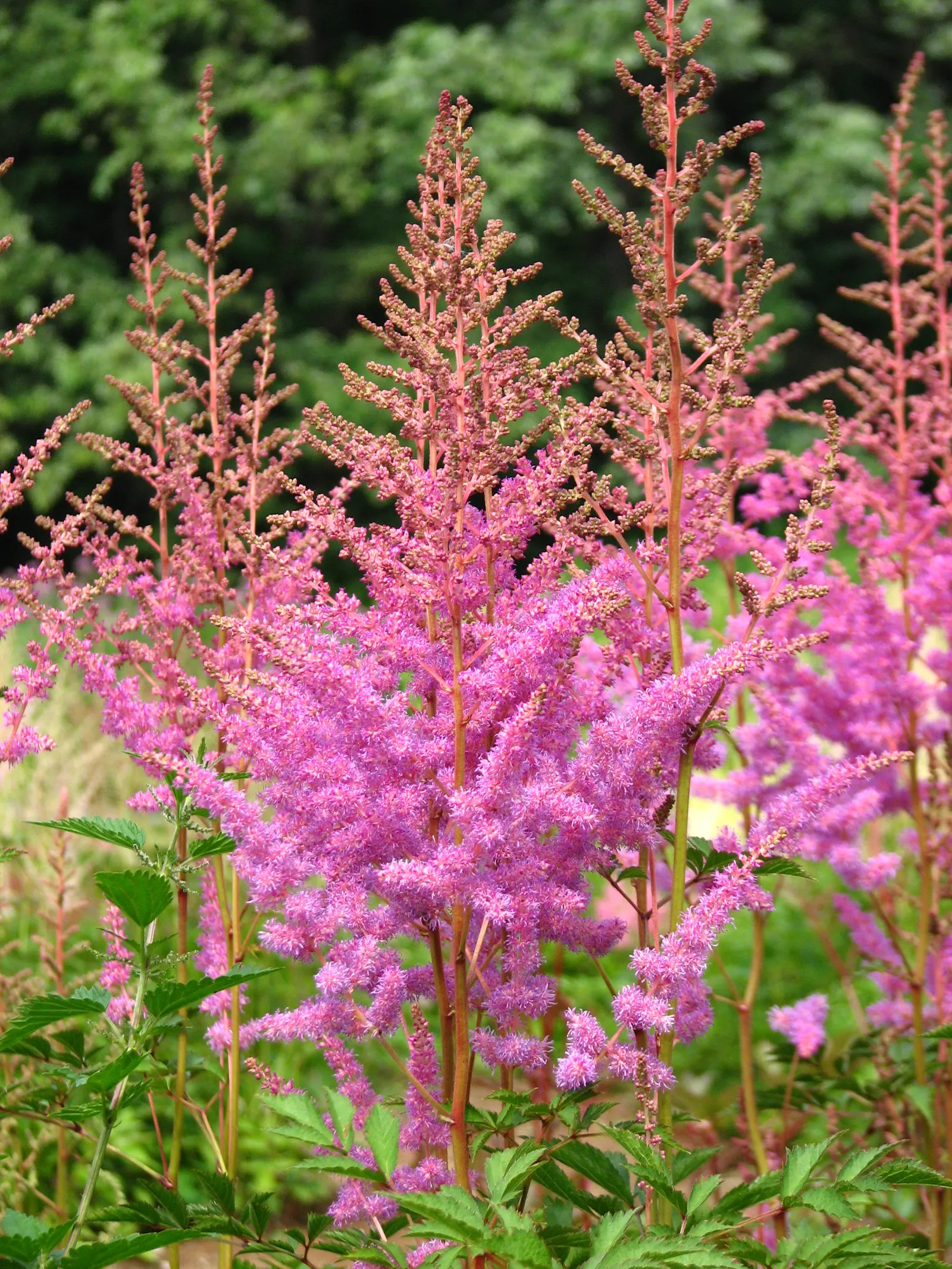
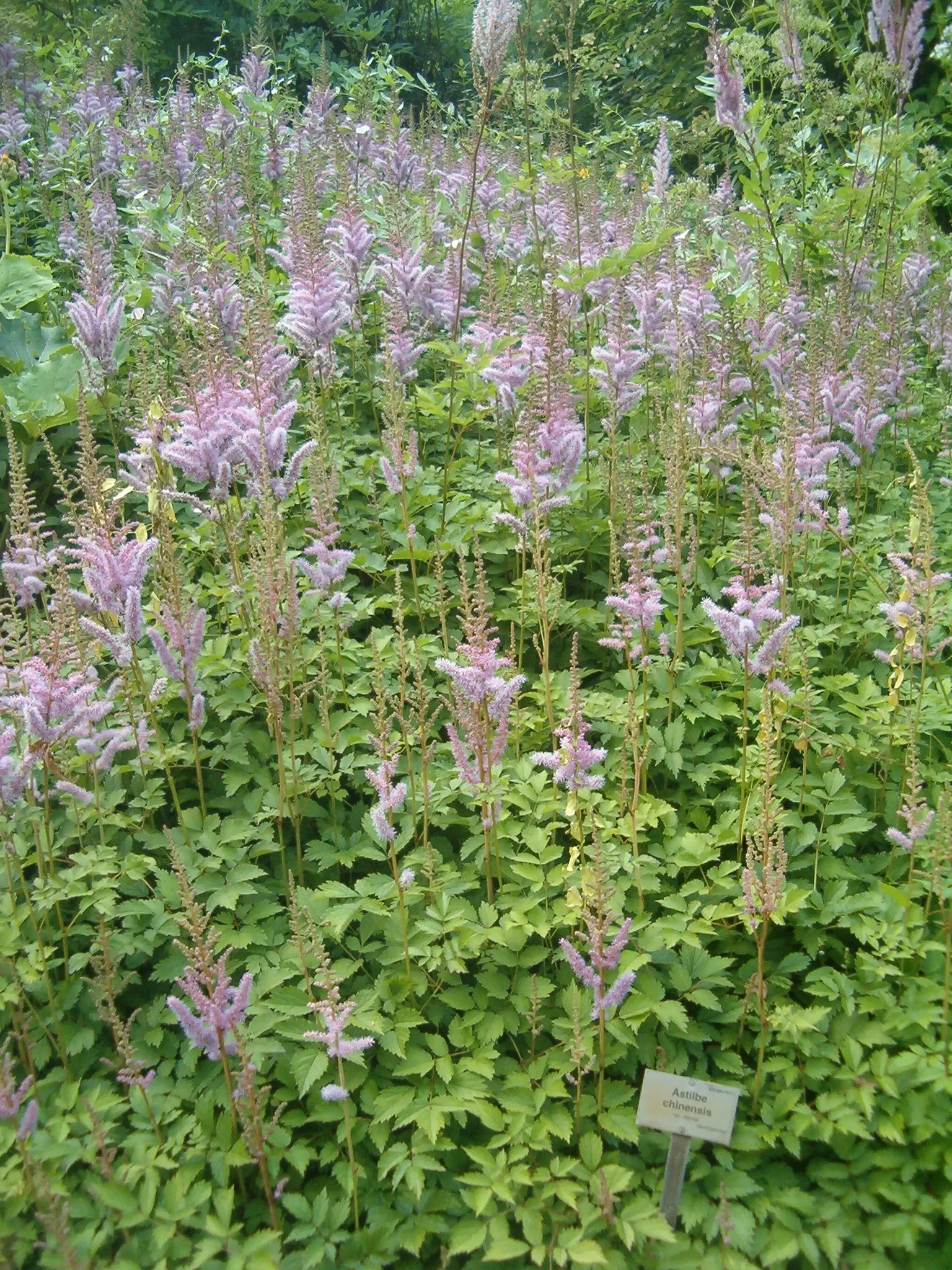
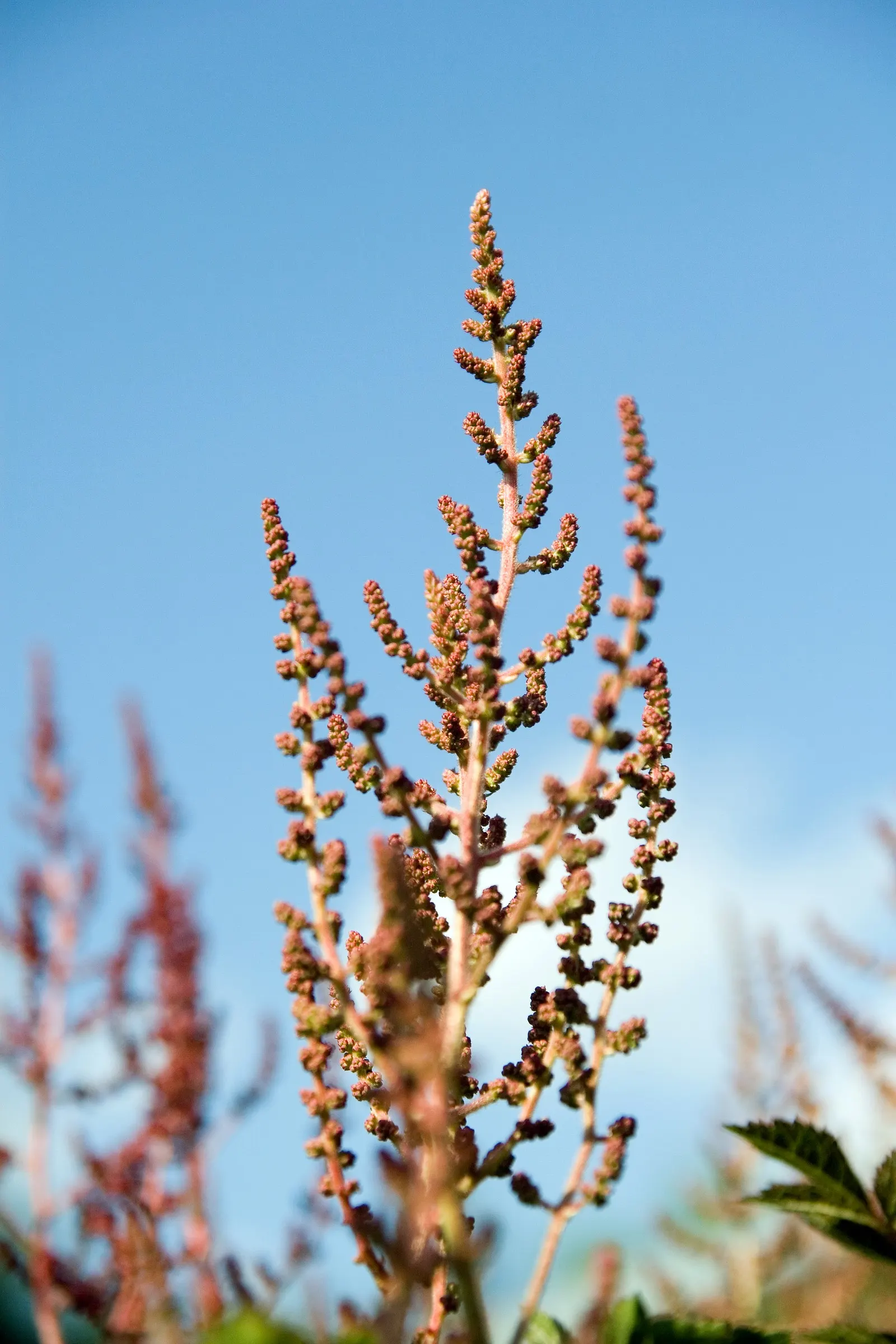
Astilbe x arendsii, commonly called Meadow Sweet, is a perennial prized for its feathery plumes of blooms in shades of pink, red, white, and purple. It reaches 18-24 inches in height, favoring partial shade and moist, well-drained soils. This plant flourishes in USDA zones 4 to 9, providing midsummer color and lush, fern-like foliage, making it an excellent choice for woodland gardens or shaded borders.

Sun ShadeWater MediumZones 4–9Type Perennial

Culture

Sun
Shade
Water
Medium
USDA zones
4–9

Shape & size

Classification

Type
Perennial
Family
Saxifragaceae

See full data, regional cultivation notes, and design tools. Build a client presentation around this plant.

Start your 14-day trial

Photos (158)

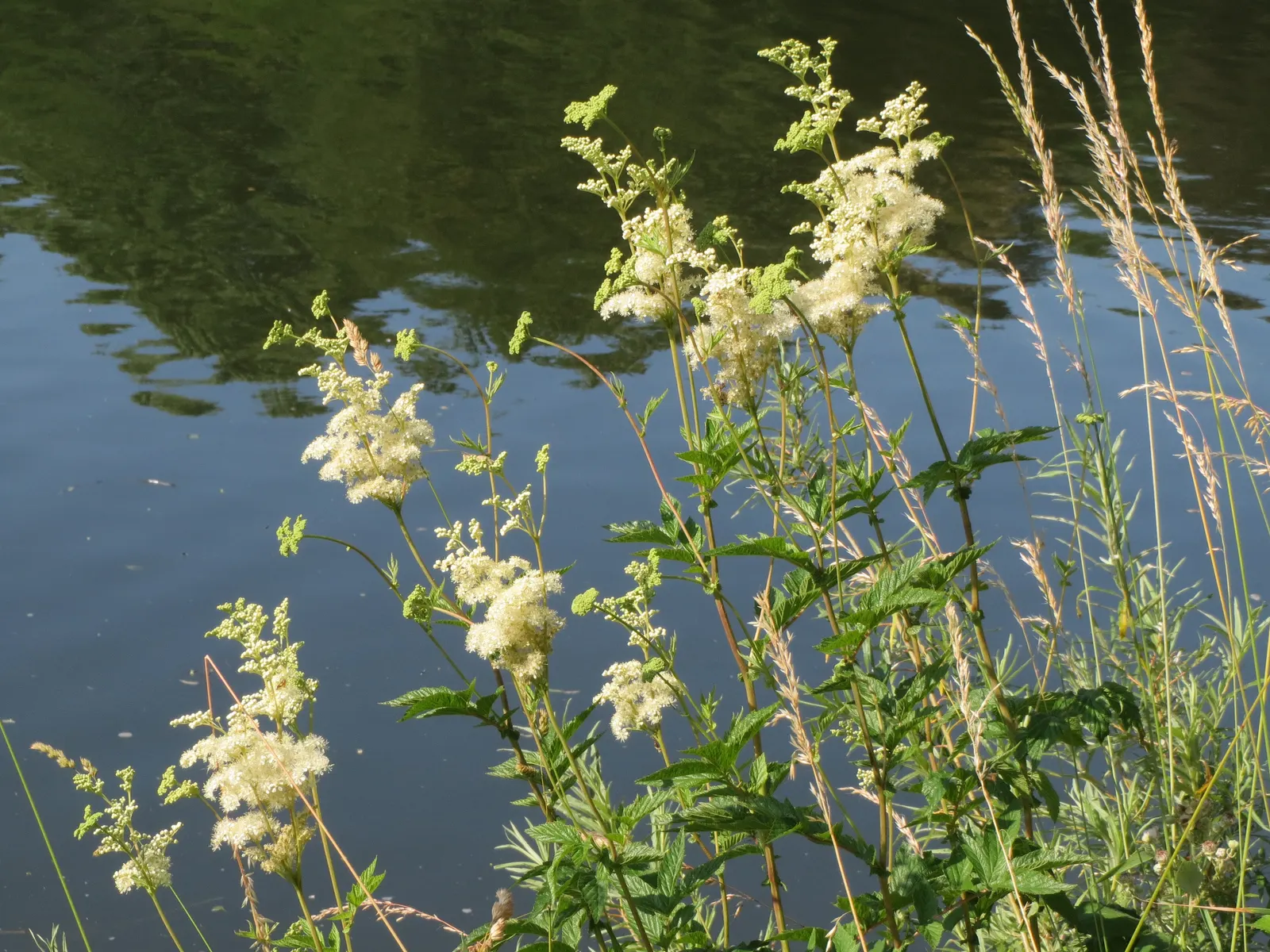
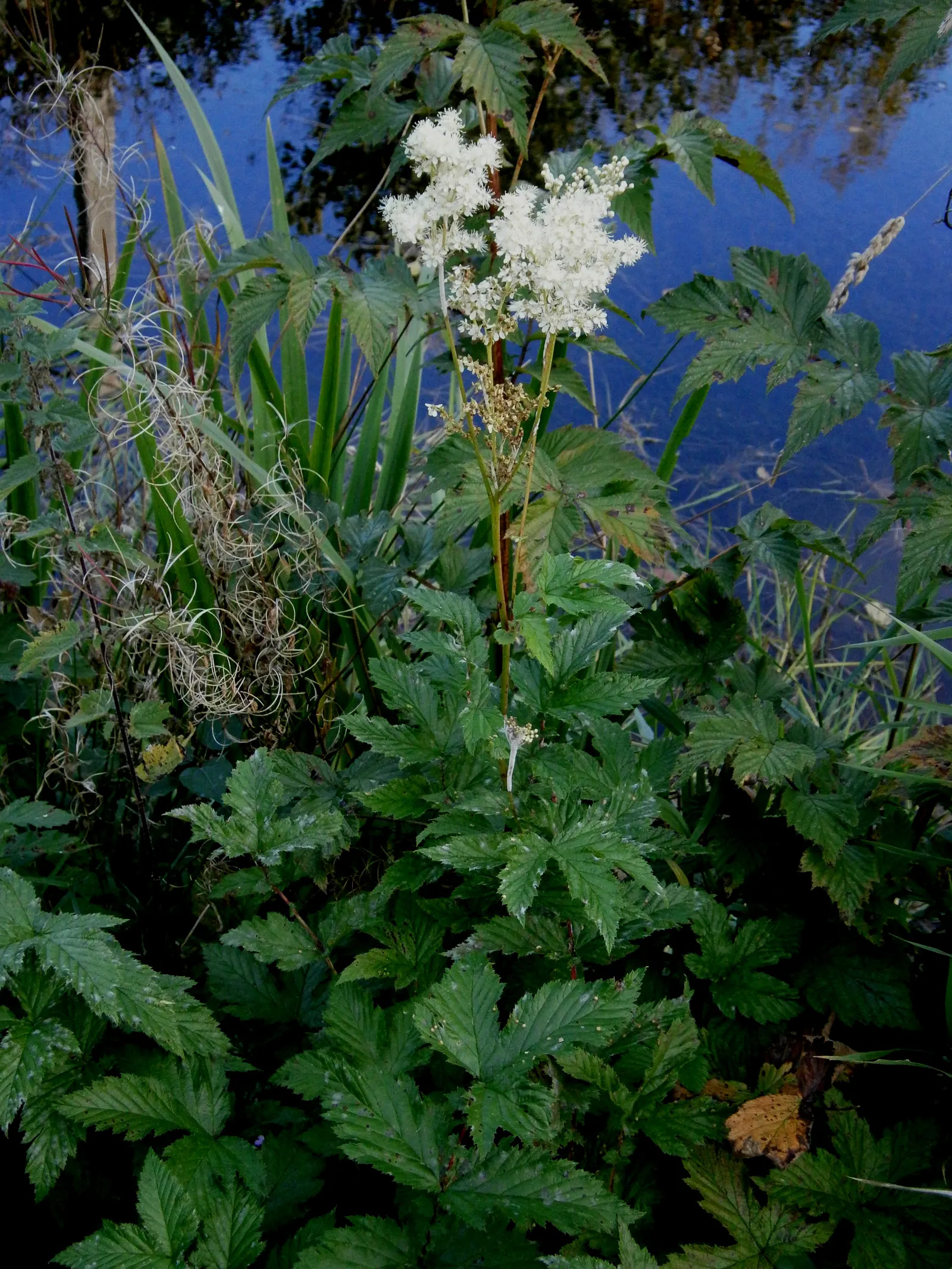
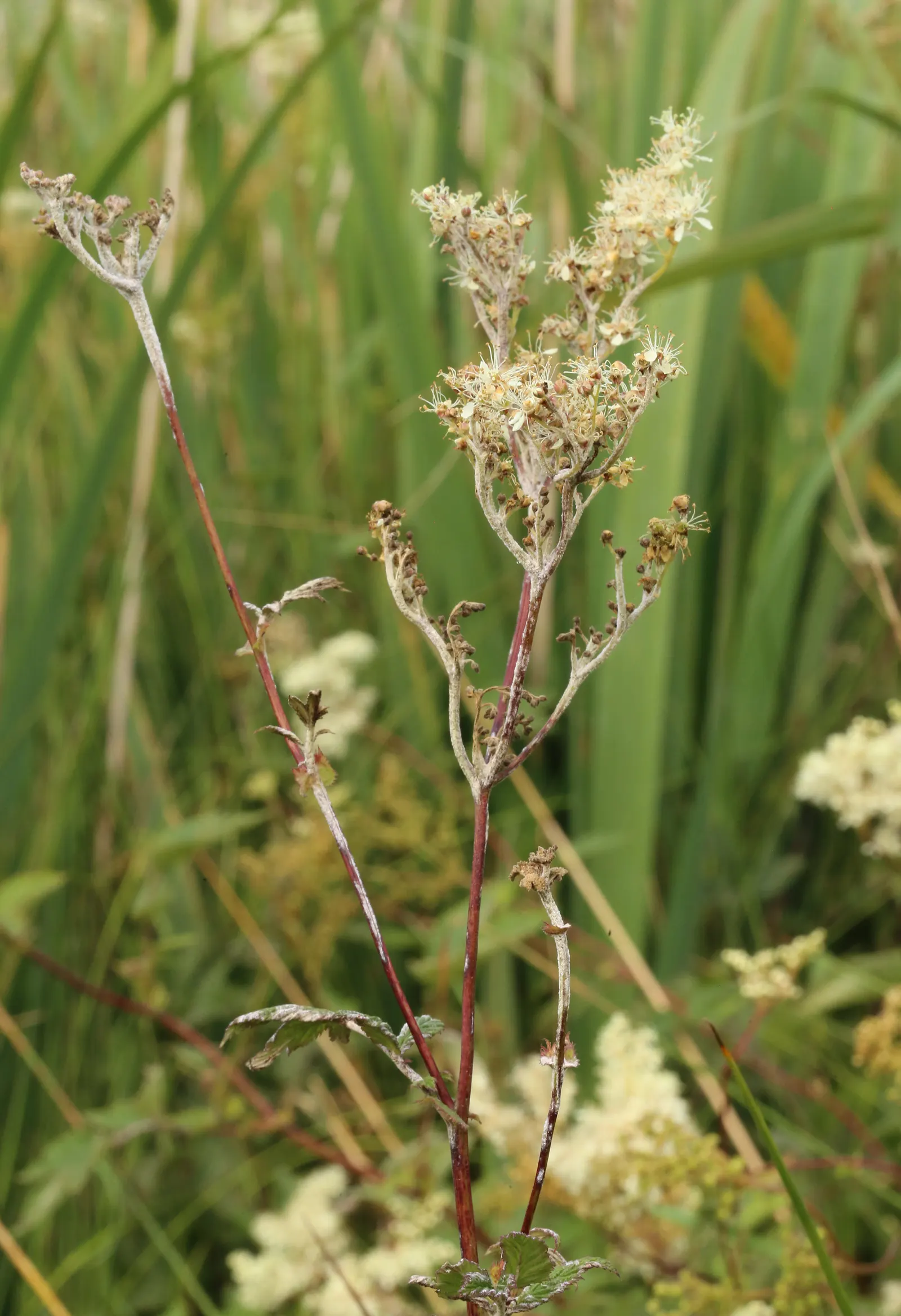
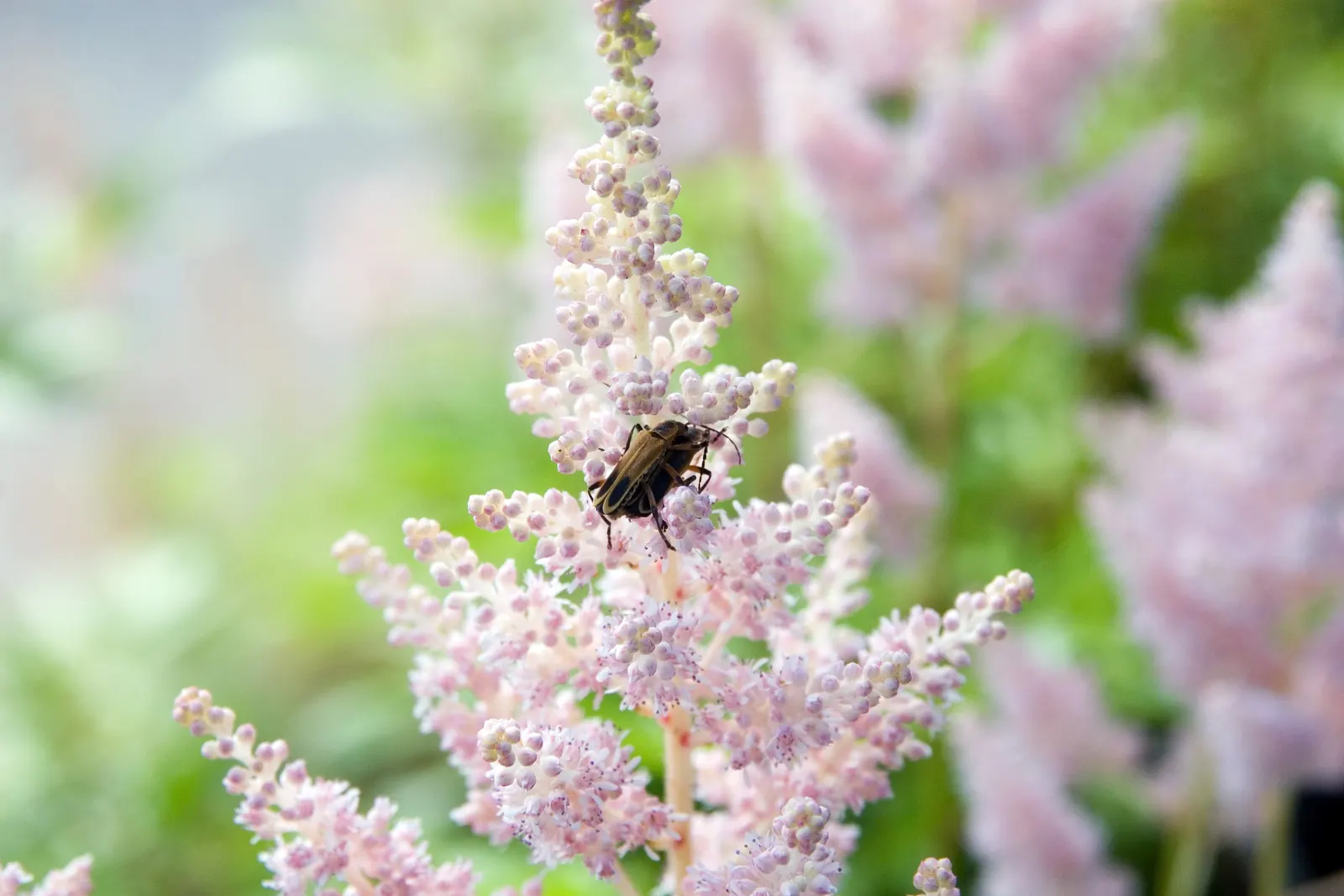
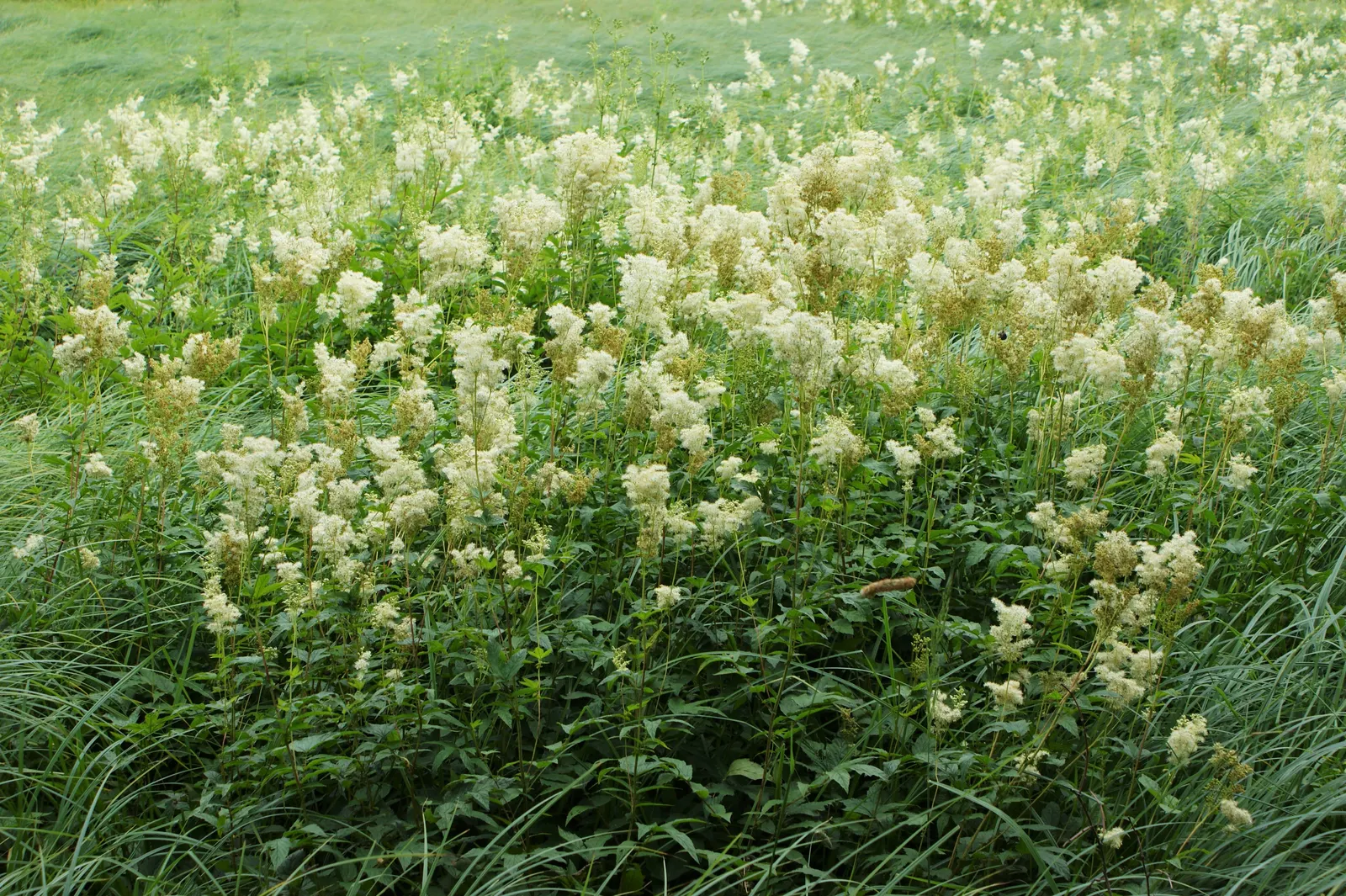
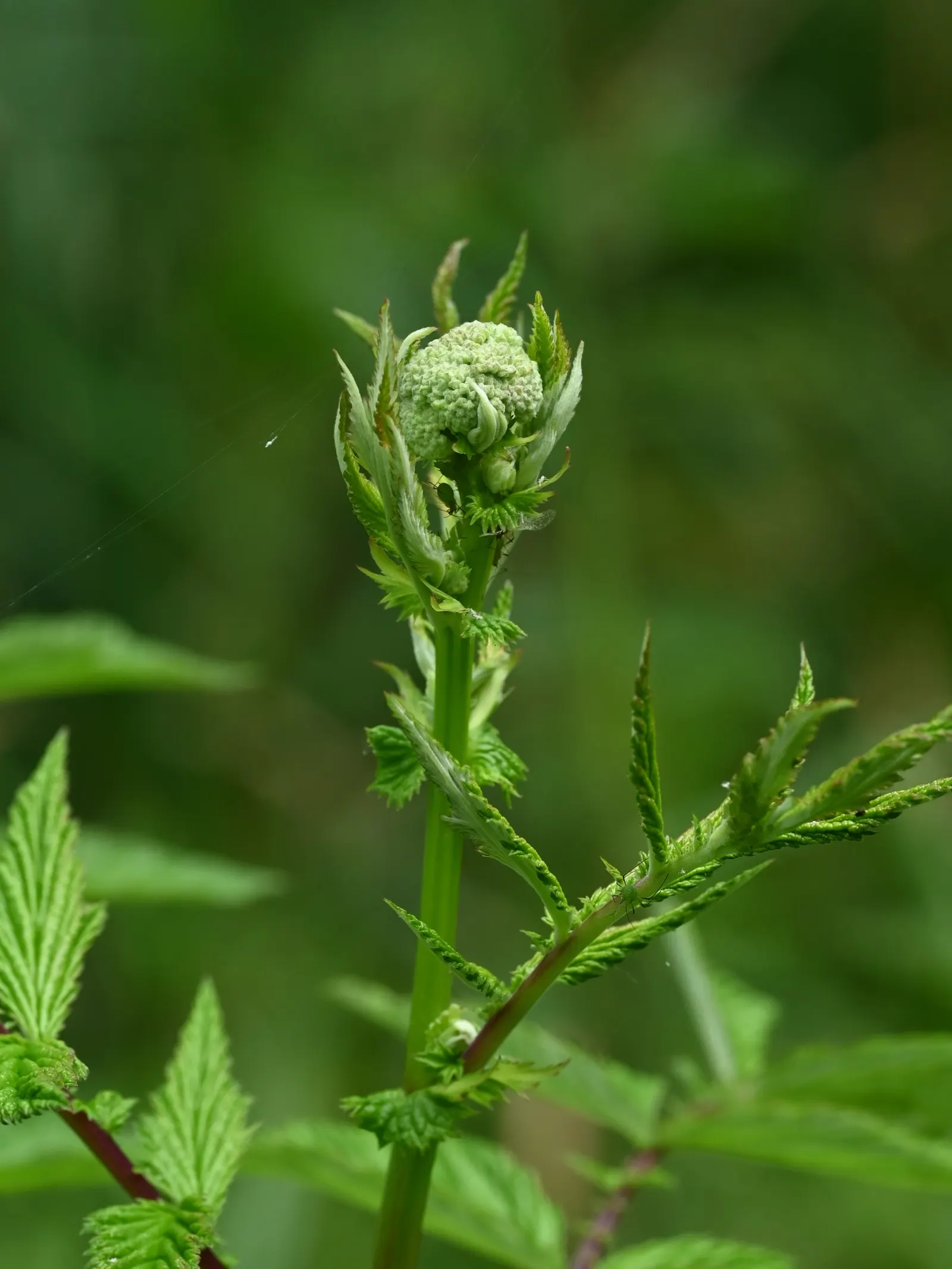
Meadow Sweet (Astilbe X Arendsii) — providing midsummer color and lush; it reaches 18-24 inches in height, favoring partial shade and moist, well-drained soils
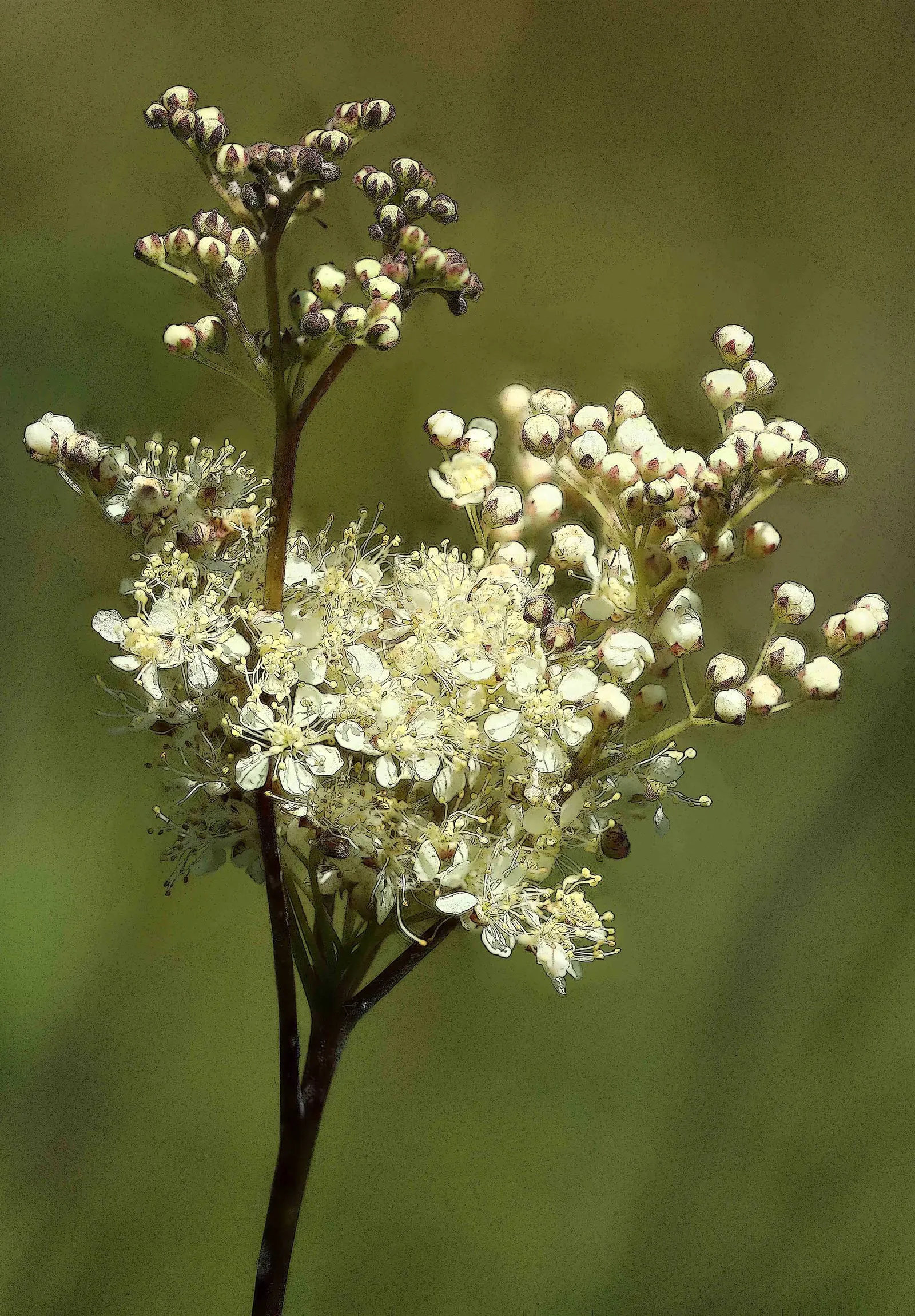
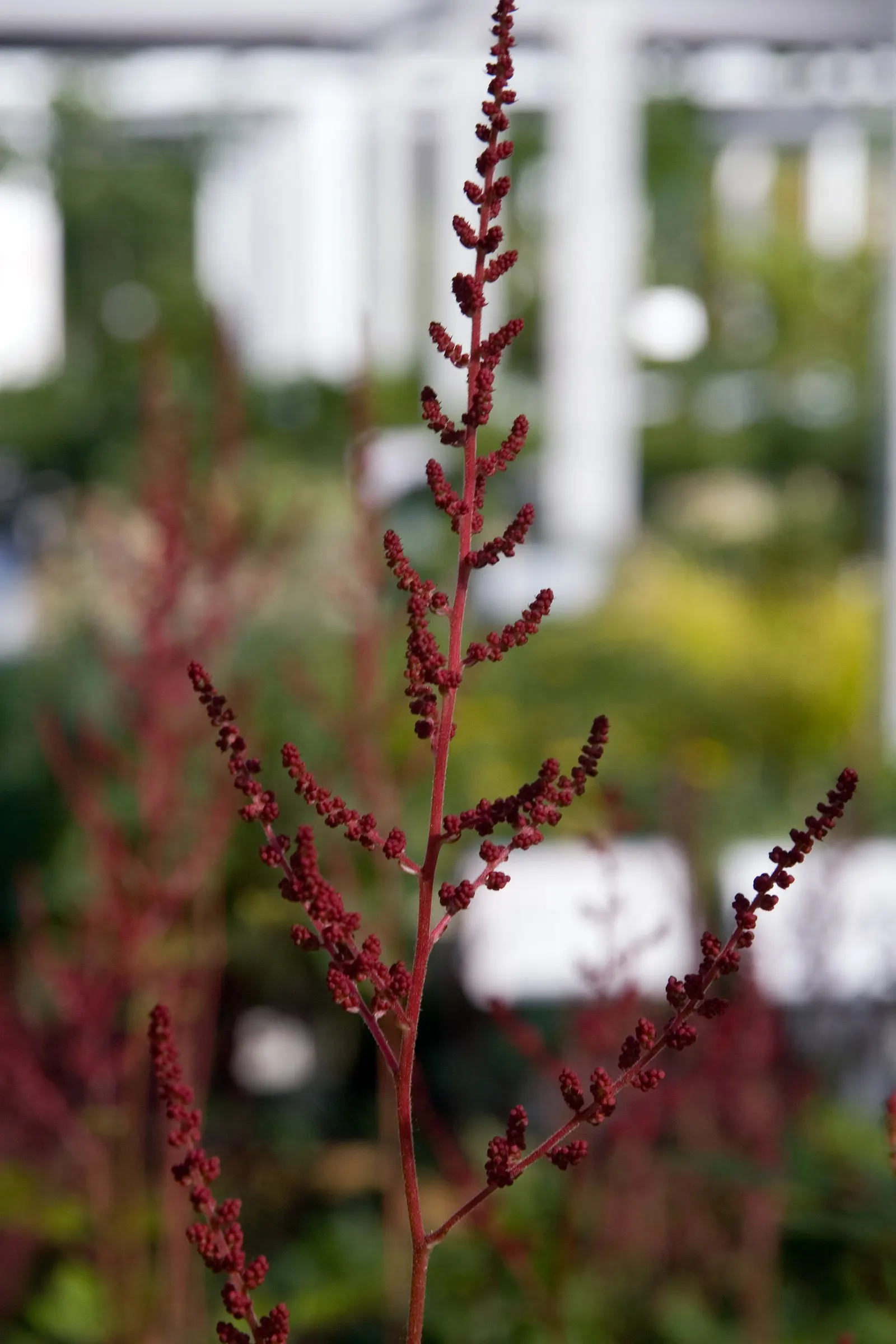
Meadow Sweet (Astilbe X Arendsii) — perennial with pink and purple and red and yellow blooms; the plant's bloom time extends over several weeks, image 86
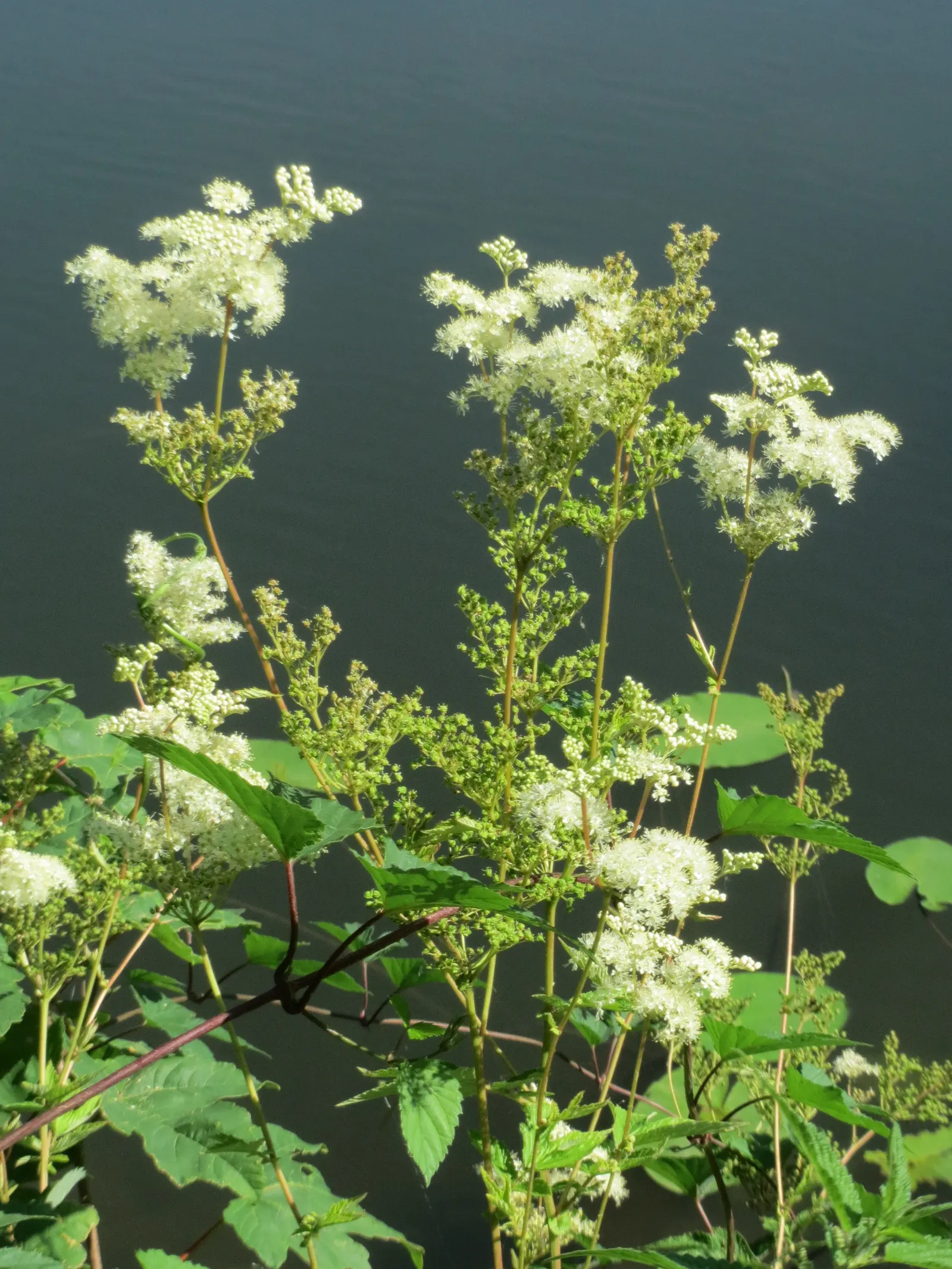
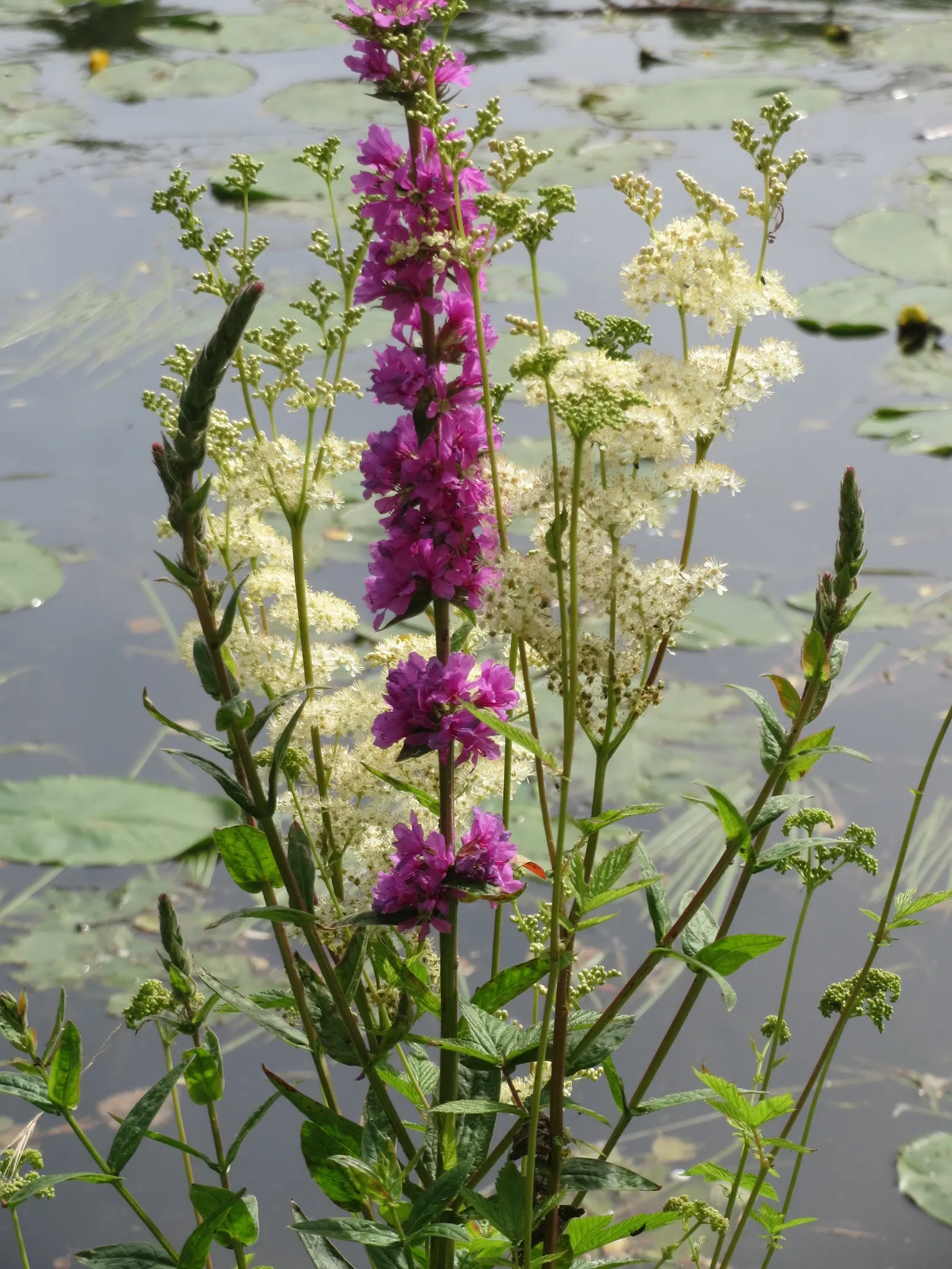
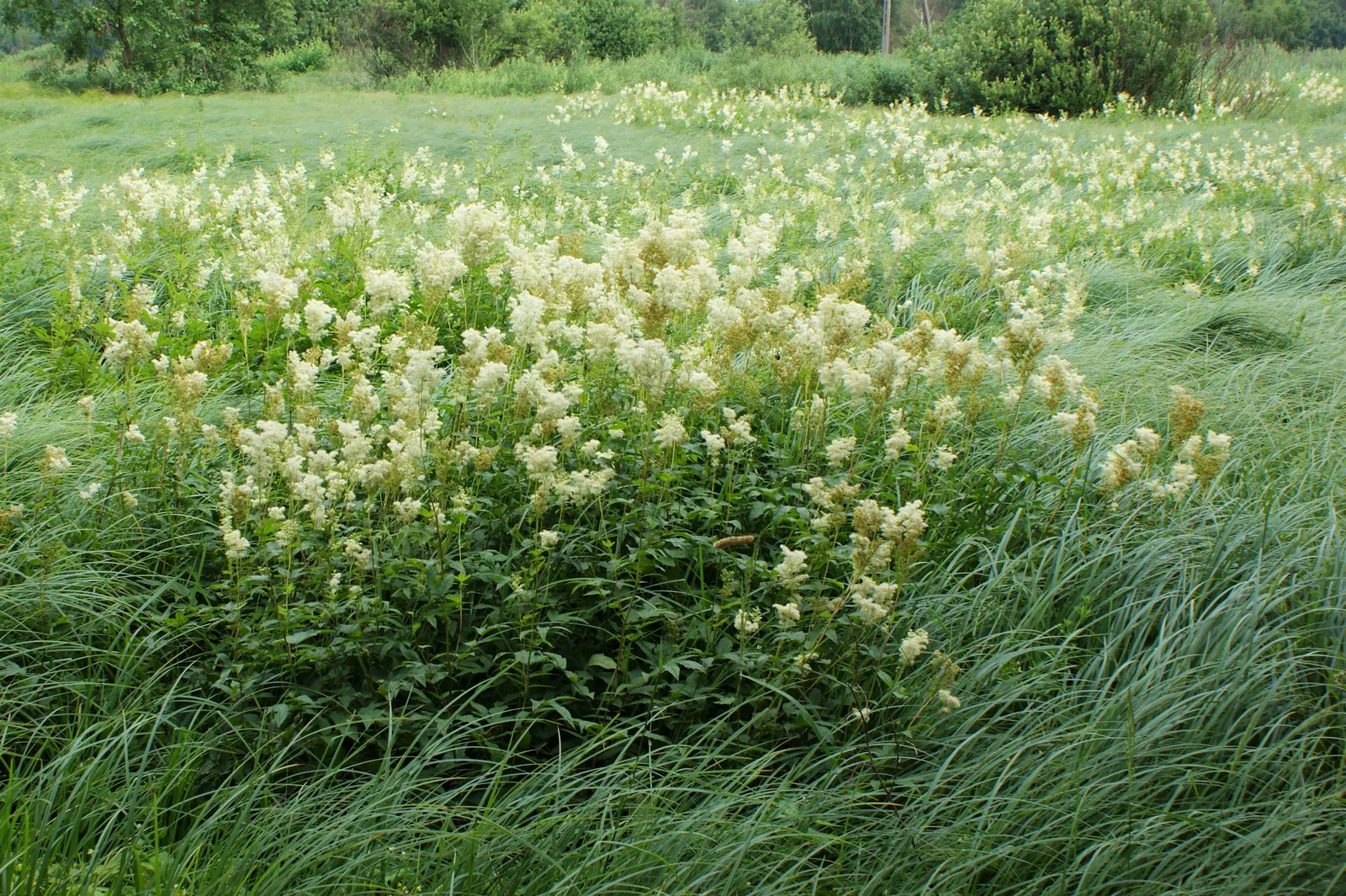
Meadow Sweet (Astilbe X Arendsii) — thus it's often an excellent choice for areas near water features or in shadowy garden spots; textural contrast, image 101
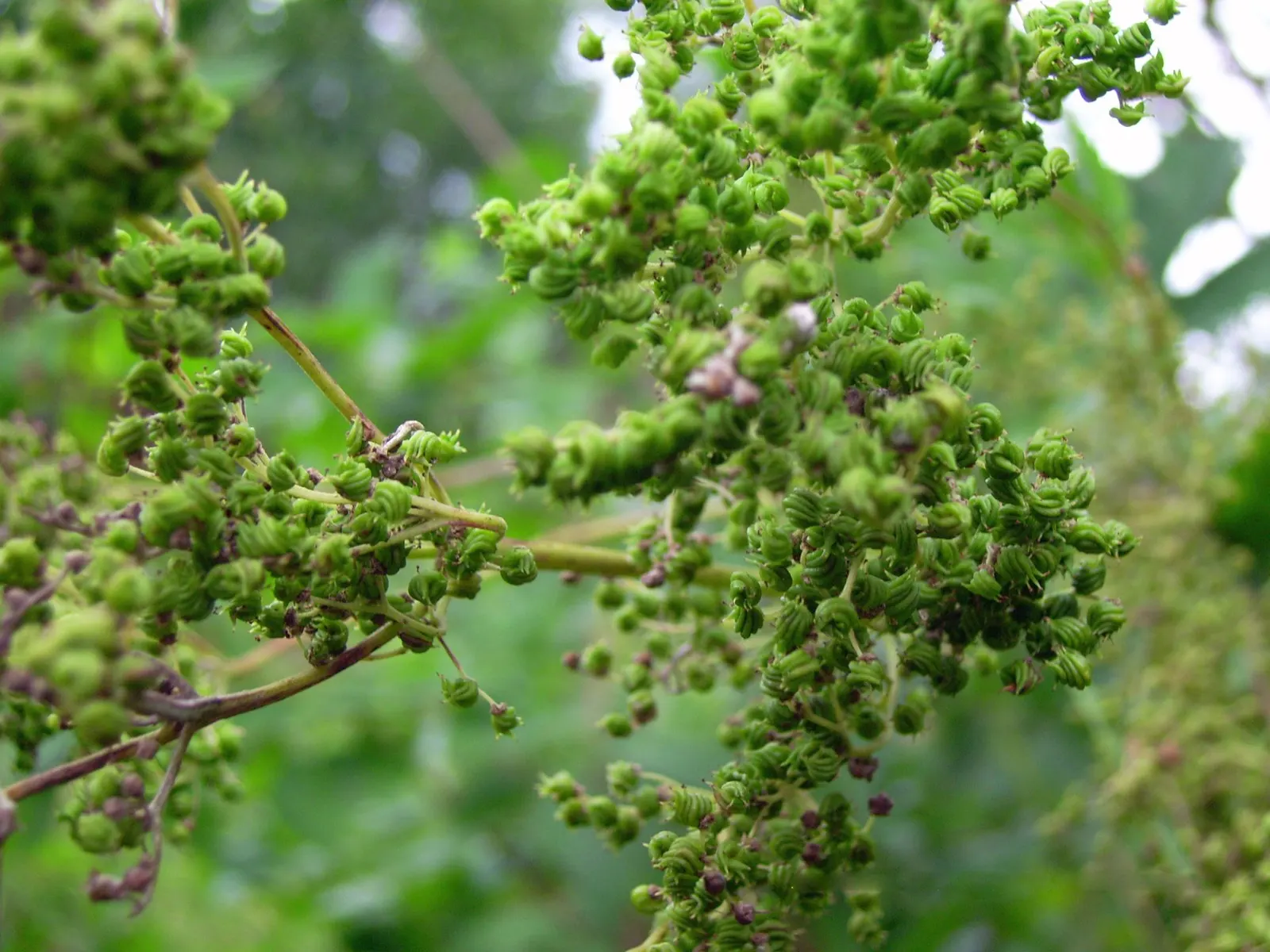
Meadow Sweet (Astilbe X Arendsii) — commonly called Meadow Sweet; this plant flourishes in USDA zones 4 to 9, image 59
Meadow Sweet (Astilbe X Arendsii) — providing a long-lasting display of color.<br><br>Astilbes are relatively low maintenance
Meadow Sweet (Astilbe X Arendsii) — It reaches 18-24 inches in height, favoring partial shade and moist, well-drained soils; offering a visual, image 61
Meadow Sweet (Astilbe X Arendsii) — It blooms in mid to late summer
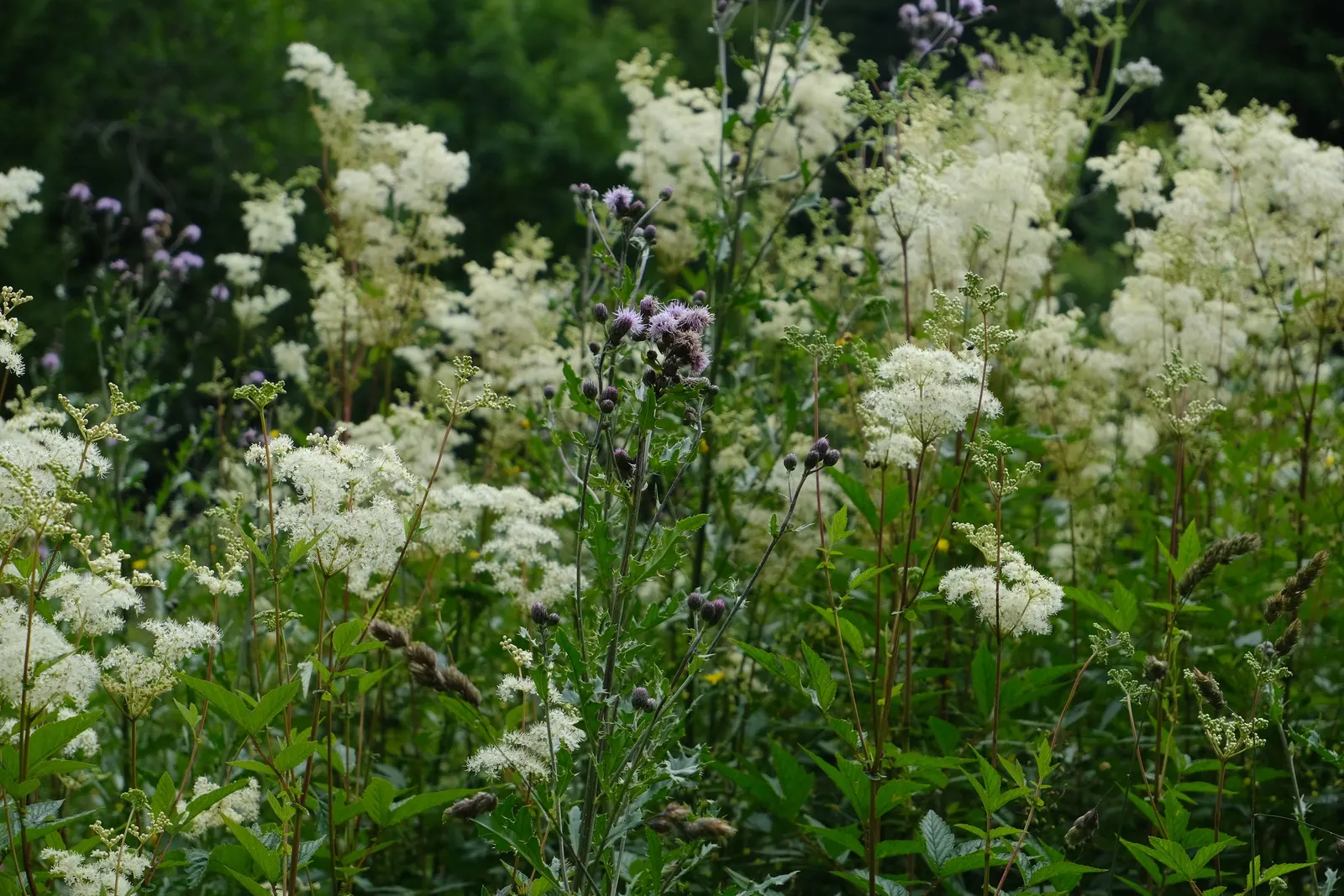
Meadow Sweet (Astilbe X Arendsii) — consider grouping it in clusters or mass plantings for a visually striking effect
Meadow Sweet (Astilbe X Arendsii) — consider grouping it in clusters or mass plantings for a visually striking effect; providing midsummer color, image 113
Meadow Sweet (Astilbe X Arendsii) — providing midsummer color and lush; it reaches 18-24 inches in height, favoring partial shade and moist, image 63
Meadow Sweet (Astilbe X Arendsii) — providing a long-lasting display of color.<br><br>Astilbes are relatively low maintenance; they should be watered regularly
Meadow Sweet (Astilbe X Arendsii) — This compact size allows it to fit comfortably within both small and large landscape designs; and benefit from, image 74
Meadow Sweet (Astilbe X Arendsii) — perennial for shade; consider grouping it in clusters or mass plantings for a visually striking effect
Meadow Sweet (Astilbe X Arendsii) — This compact size allows it to fit comfortably within both small and large landscape designs; and benefit from, image 132
Meadow Sweet (Astilbe X Arendsii) — part of the Saxifragaceae family
Meadow Sweet (Astilbe X Arendsii) — thus it's often an excellent choice for areas near water features or in shadowy garden spots
Meadow Sweet (Astilbe X Arendsii) — part of the Saxifragaceae family; is a perennial prized for its feathery plumes of blooms in shades of pink, image 125
Meadow Sweet (Astilbe X Arendsii) — offering a visual feast ranging from whites and pinks to deep reds and purples; commonly known as Meadow Sweet, image 76
Meadow Sweet (Astilbe X Arendsii) — commonly called Meadow Sweet; this plant flourishes in USDA zones 4 to 9, image 146
Meadow Sweet (Astilbe X Arendsii) — thrives in USDA hardiness zones 4 through 9; part of the Saxifragaceae family, image 68
Meadow Sweet (Astilbe X Arendsii) — is a perennial prized for its feathery plumes of blooms in shades of pink; making it suitable for a variety of, image 118
Meadow Sweet (Astilbe X Arendsii) — rich soil with good drainage; commonly called Meadow Sweet, image 71
Meadow Sweet (Astilbe X Arendsii) — This plant flourishes in USDA zones 4 to 9; when integrating Meadow Sweet into a landscape, image 91
Meadow Sweet (Astilbe X Arendsii) — perennial with pink and purple and red and yellow blooms; the plant's bloom time extends over several weeks
Photographs by 12 contributors

Related plants