Skip to content

Big Leaf Aster

Aster Macrophyllus

Design with this plant

Overview

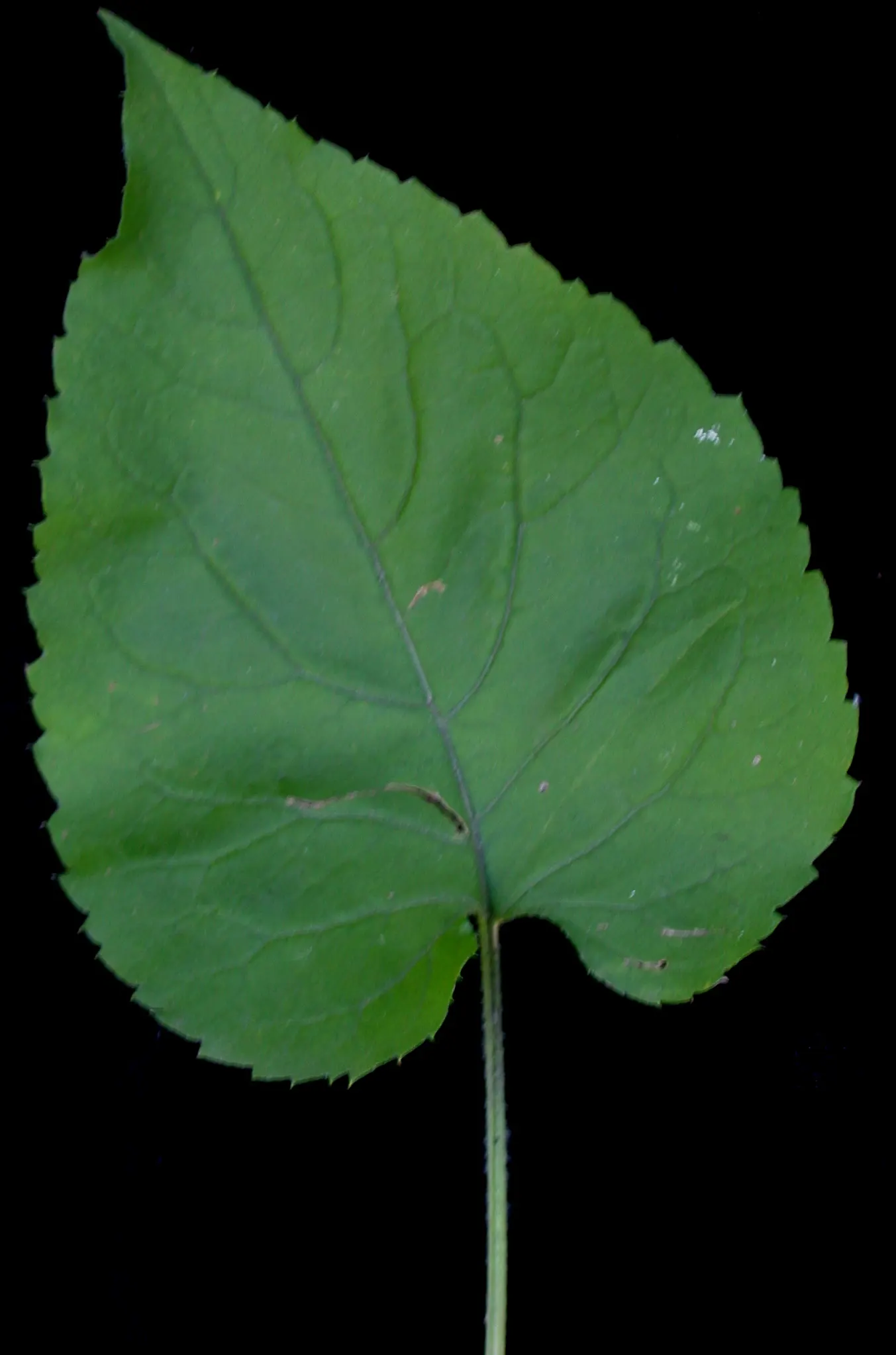
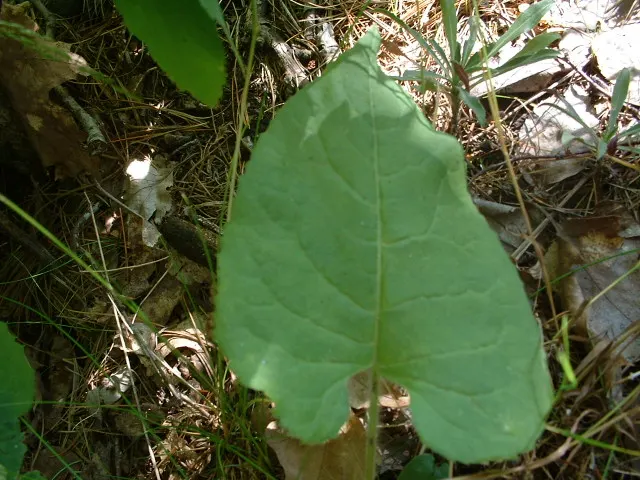
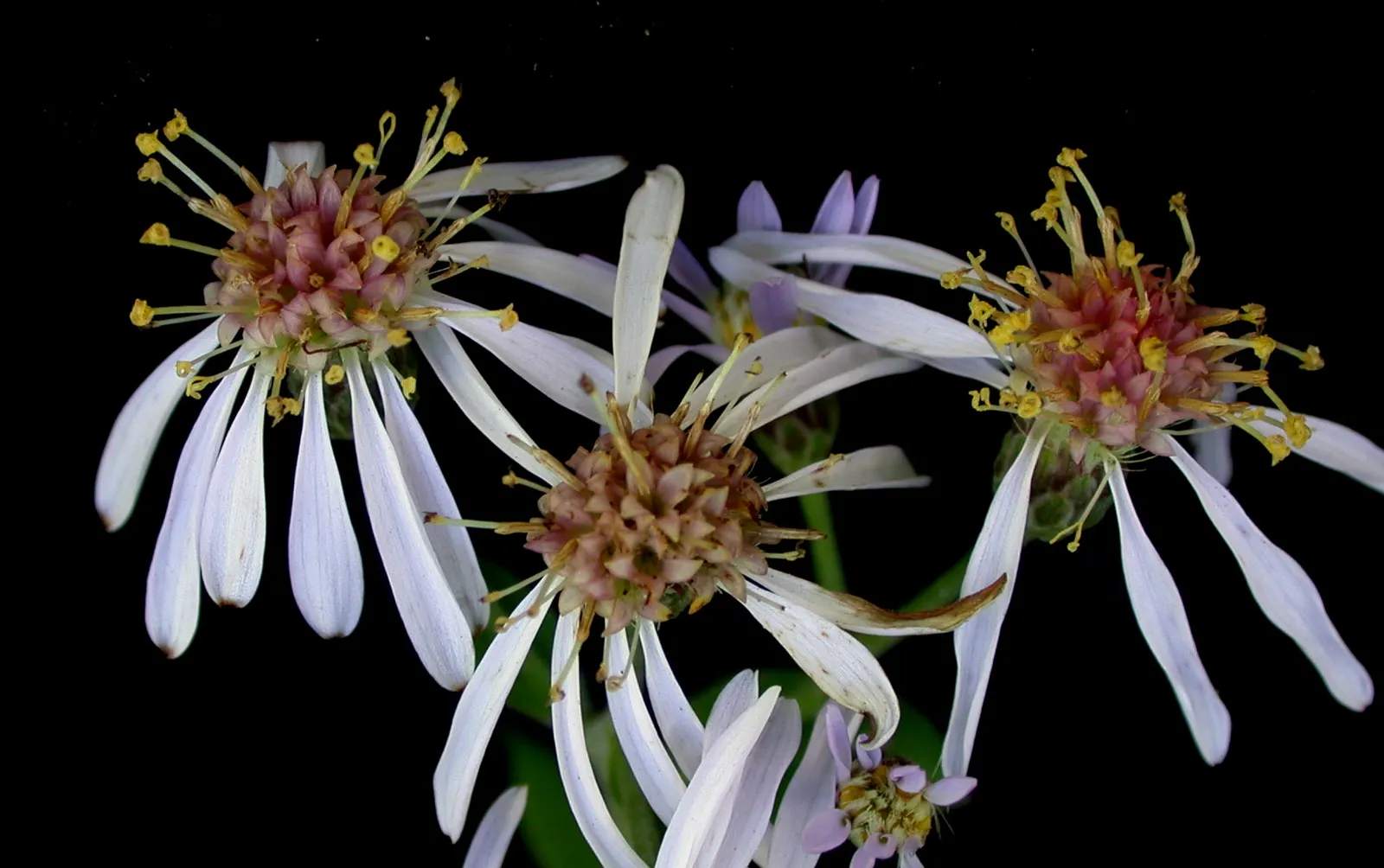
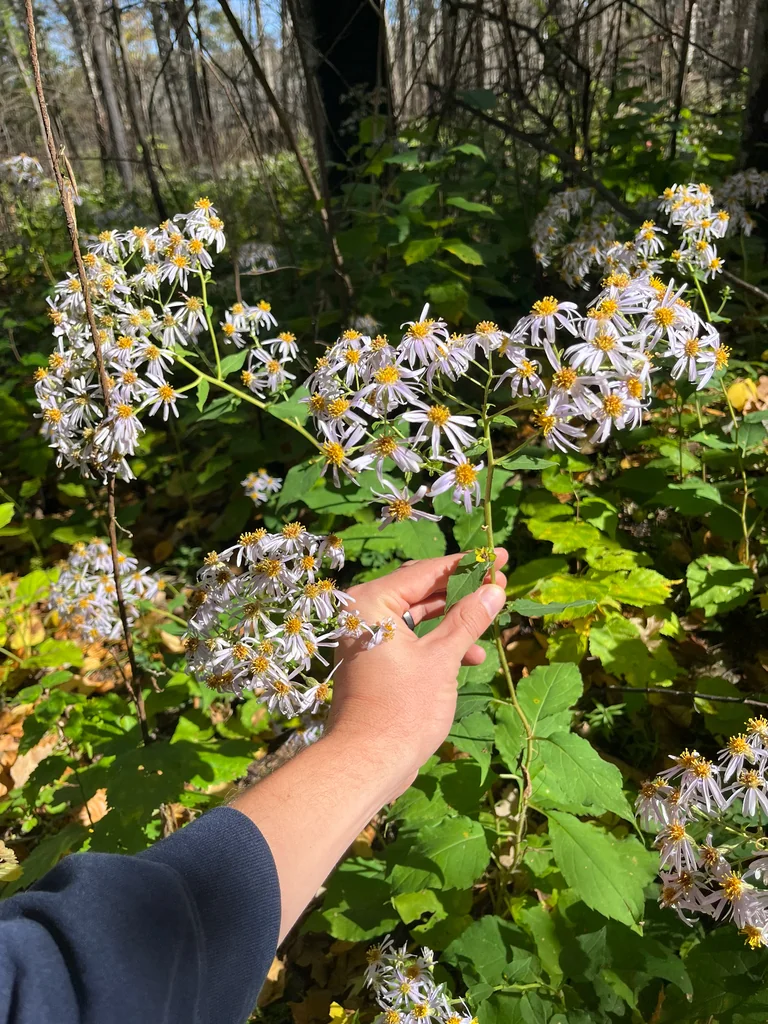
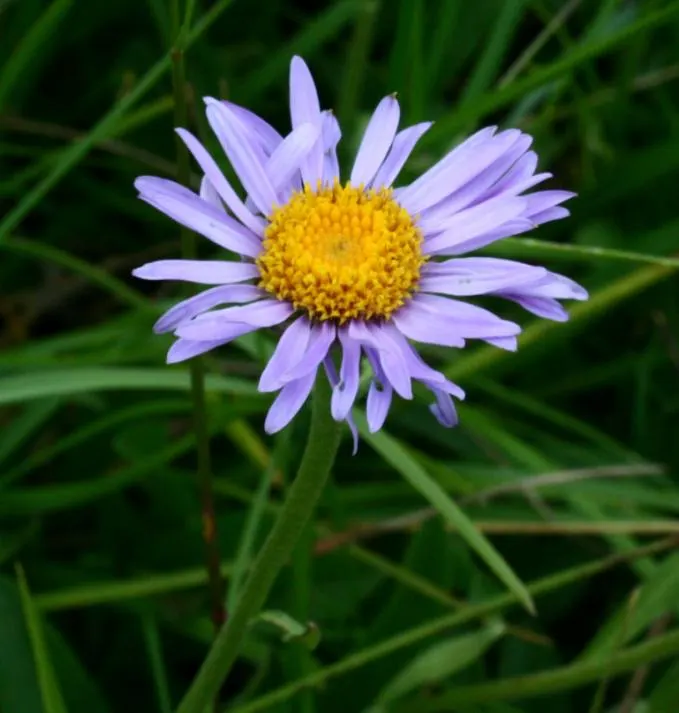
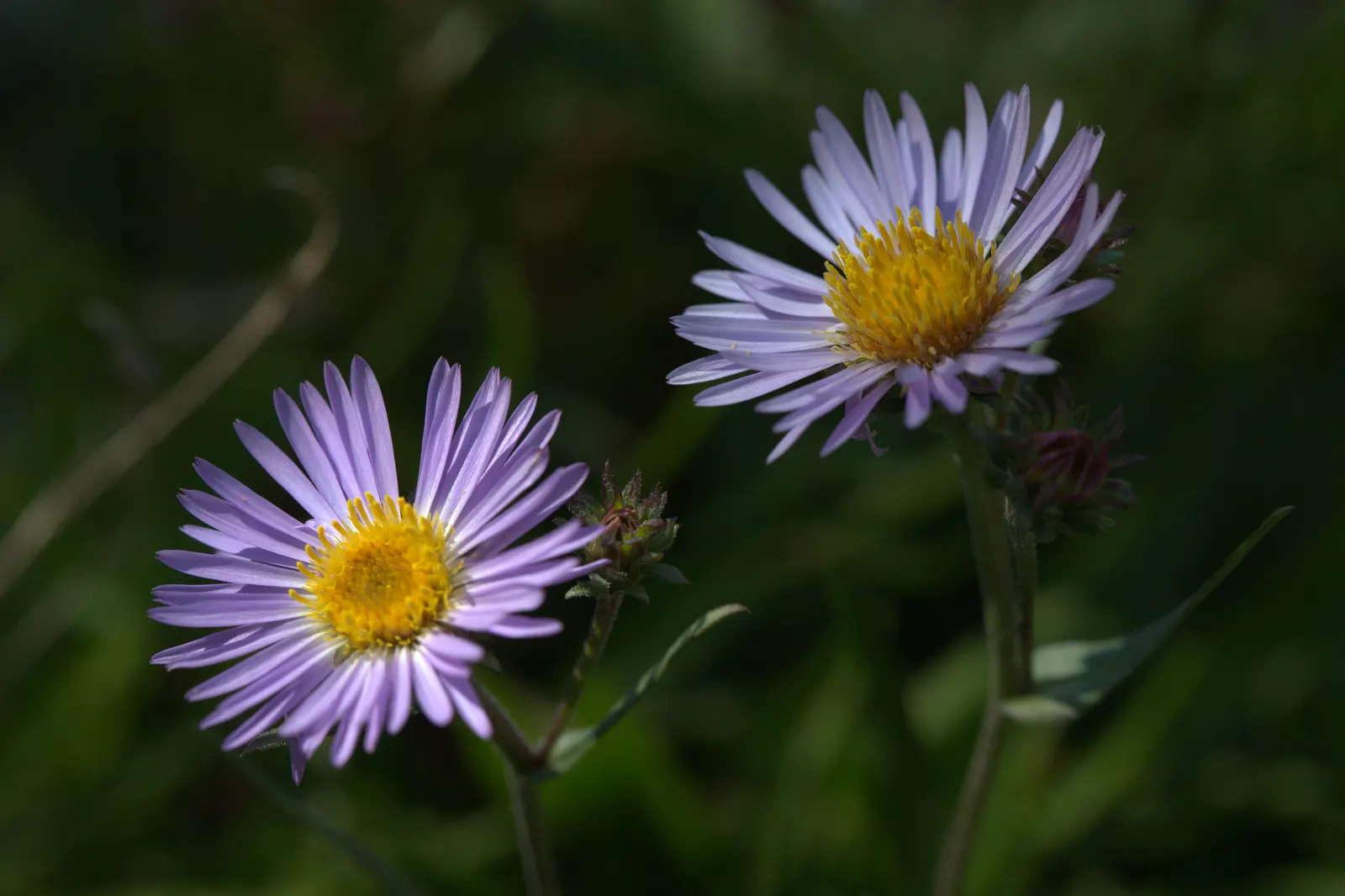
Big Leaf Aster (Aster macrophyllus) is a North American native perennial, thriving in USDA zones 3-8. With heart-shaped leaves up to 8 inches wide, this woodland aster features lavender-blue flowers spanning 1-2 inches across, blooming late summer to fall. It prefers partial shade, growing 1-3 feet tall with a similar spread, offering a groundcover option and autumn interest. Attracts butterflies and supports pollinators in naturalistic or woodland garden settings.

Sun Half, ShadeWater High, MediumZones 3–8Climate Temperate
Big Leaf Aster (Aster Macrophyllus) — growing 1-3 feet tall with a similar spread

Culture

Sun
Half, Shade
Water
High, Medium
USDA zones
3–8

Shape & size

Mature height
1–3 Ft.
Mature width
2–3 Ft.

Classification

Family
Asteraceae
Climate
Temperate

See full data, regional cultivation notes, full-resolution photos, and design tools. Build a client presentation around this plant.

Start your 14-day trial

Photos (70)

Big Leaf Aster (Aster Macrophyllus) — perennial for half or shade; and other shade-loving plants
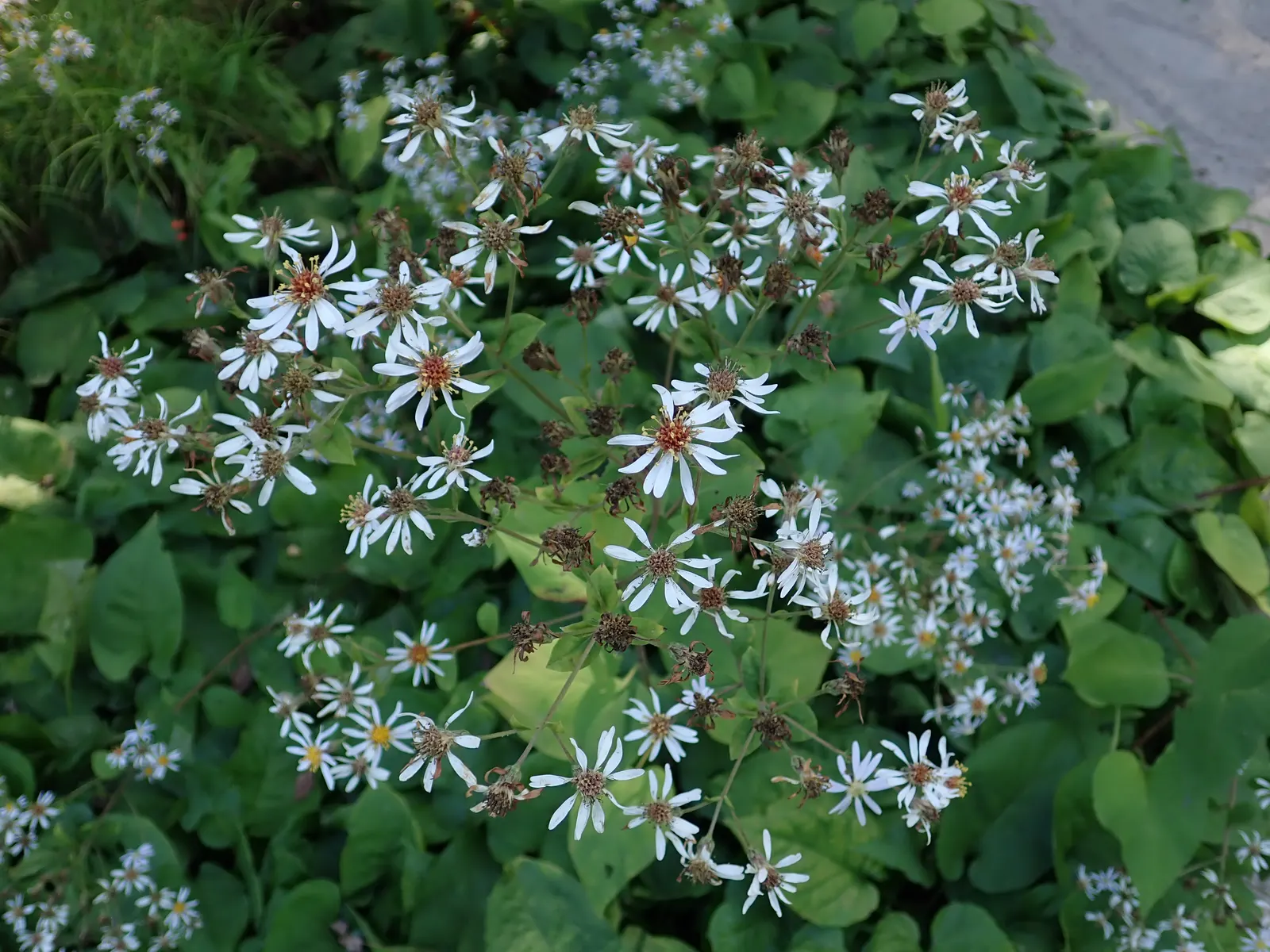
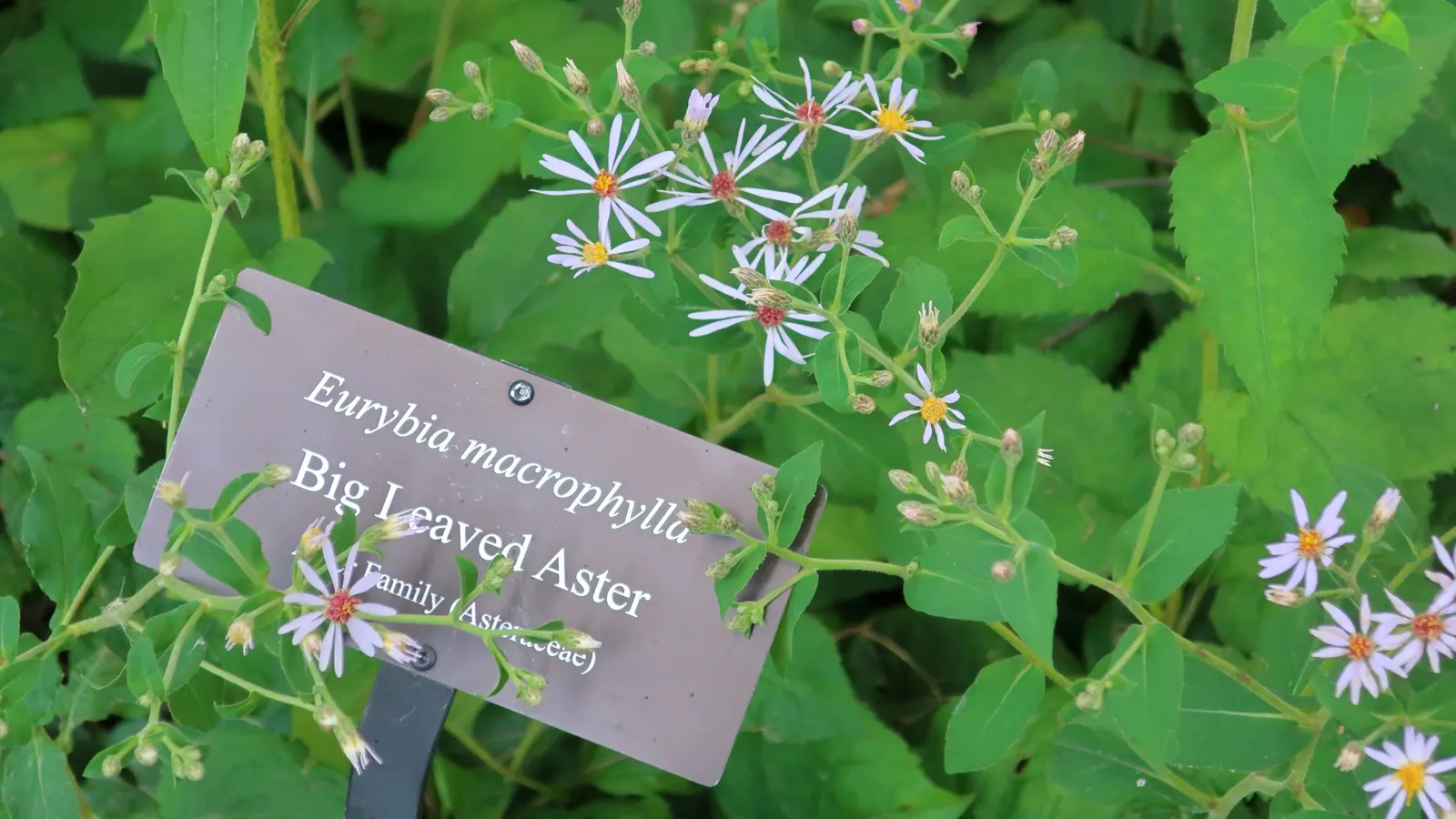
Big Leaf Aster (Aster Macrophyllus) — perennial with white blooms; the bloom period occurs in late summer to fall
Big Leaf Aster (Aster Macrophyllus) — offering a groundcover option and autumn interest; typically from August to September, image 54
Big Leaf Aster (Aster Macrophyllus) — this woodland aster features lavender-blue flowers spanning 1-2 inches across; it's hardy in USDA zones 3 to 8, image 51
Big Leaf Aster (Aster Macrophyllus) — blooming late summer to fall; big Leaf Aster (Aster macrophyllus) is a North American native perennial, image 52
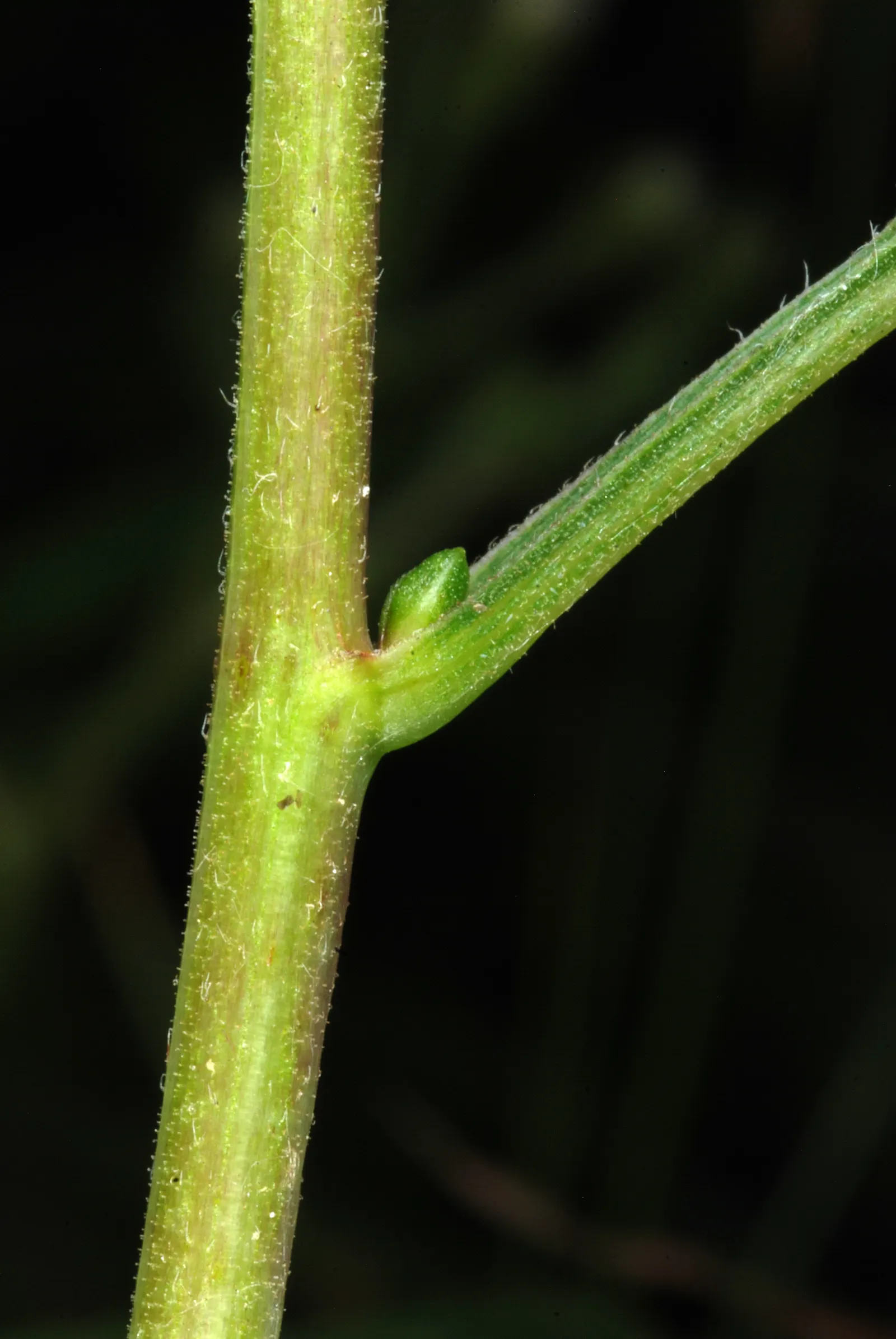
Big Leaf Aster (Aster Macrophyllus) — growing 1-3 feet tall with a similar spread; the Big Leaf Aster (Symphyotrichum macrophyllum), image 53
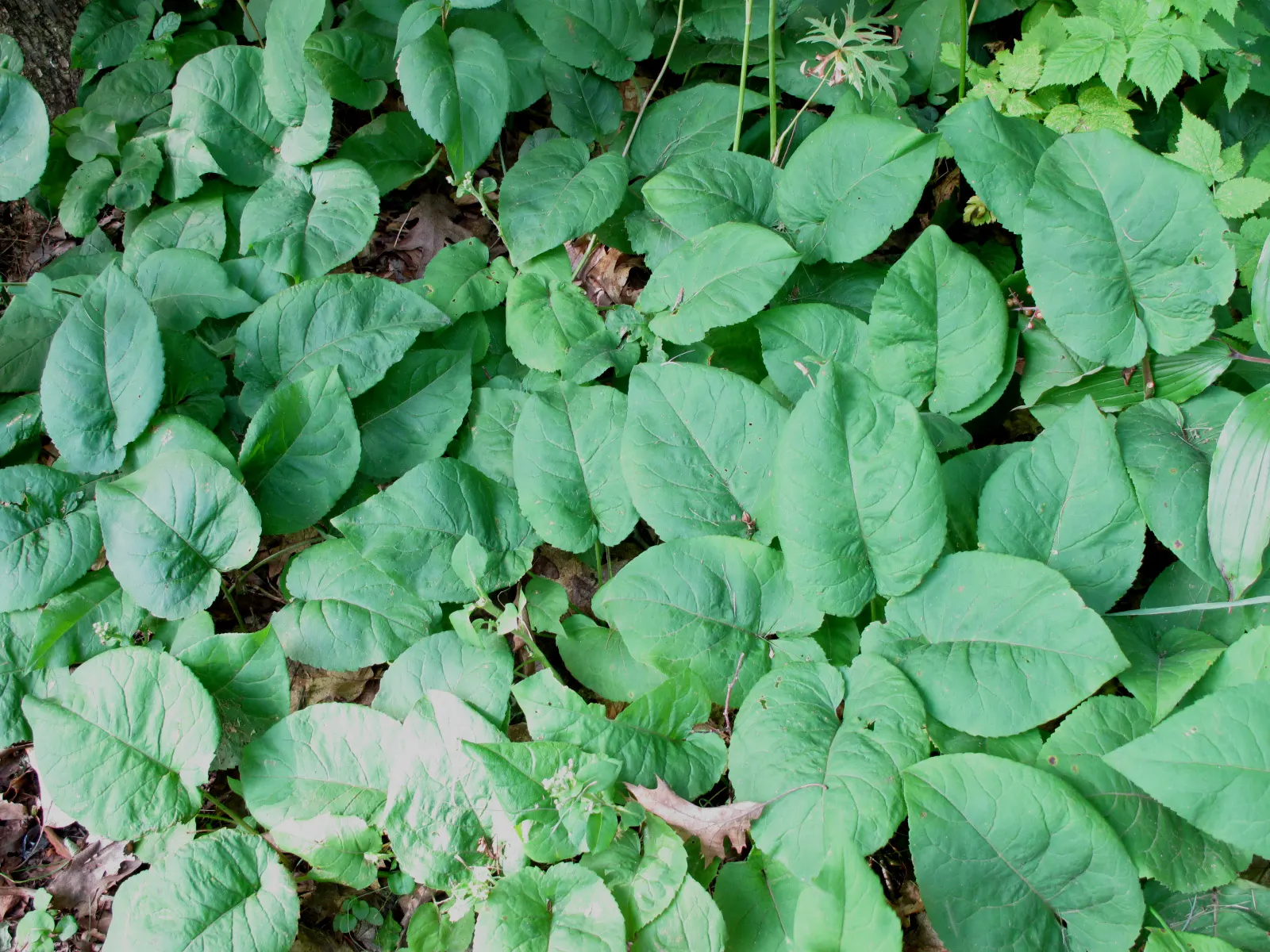
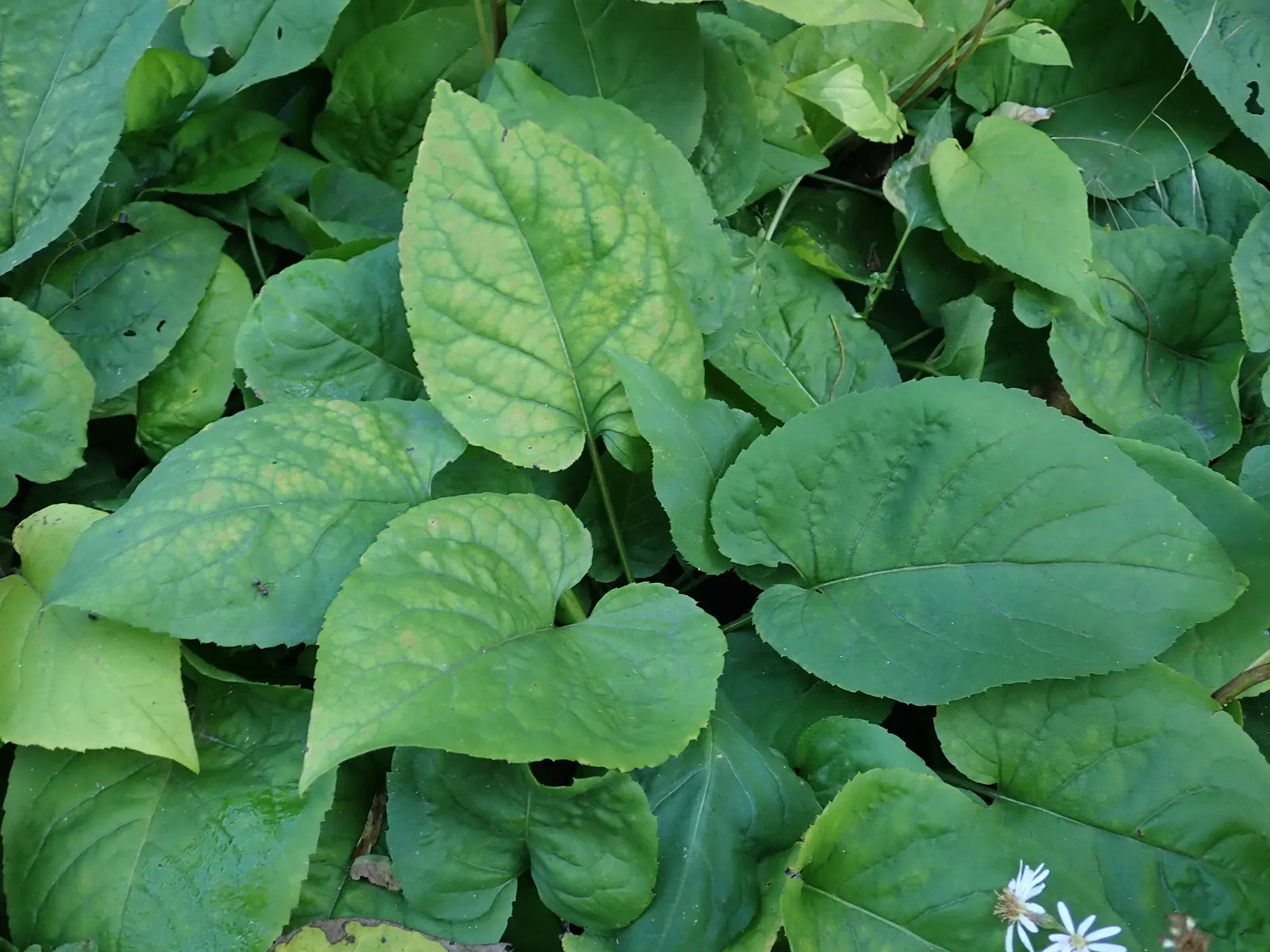
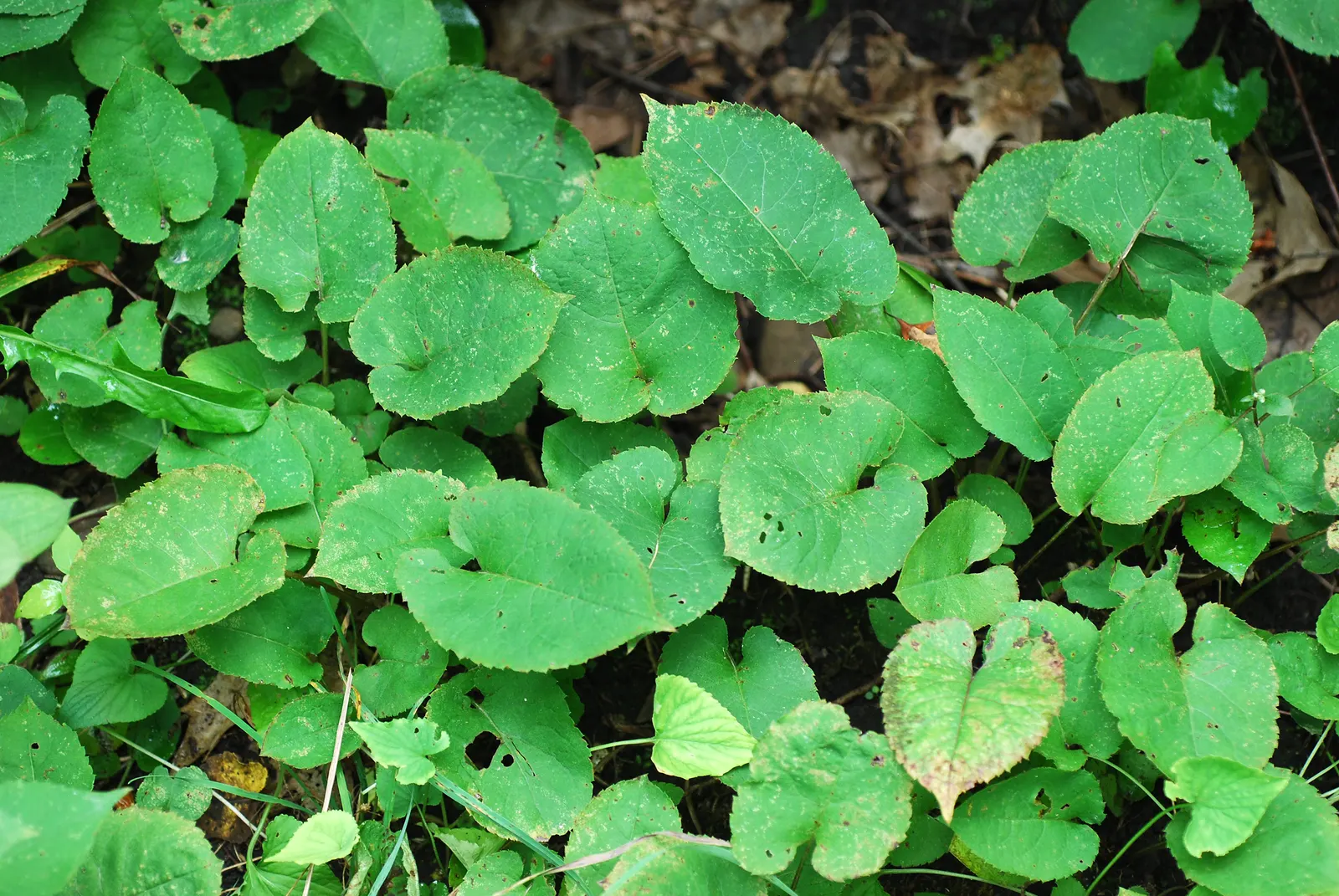
Big Leaf Aster (Aster Macrophyllus) — commonly referred to as Large-leaved Aster or Aster macrophyllus; which can span up to 8 inches in width, image 57
Big Leaf Aster (Aster Macrophyllus) — Attracts butterflies and supports pollinators in naturalistic or woodland garden settings; white flowers in, image 55
Big Leaf Aster (Aster Macrophyllus) — The Big Leaf Aster (Symphyotrichum macrophyllum); growing 1-3 feet tall with a similar spread, image 56
Big Leaf Aster (Aster Macrophyllus) — is a perennial native to the eastern and central regions of North America; take note of its natural woodland, image 58
Big Leaf Aster (Aster Macrophyllus) — The bloom period occurs in late summer to fall; perennial with white blooms, image 62
Big Leaf Aster (Aster Macrophyllus) — This shade-tolerant aster is recognized by its sizable heart-shaped leaves; with heart-shaped leaves up to 8, image 59
Big Leaf Aster (Aster Macrophyllus) — which can span up to 8 inches in width; commonly referred to as Large-leaved Aster or Aster macrophyllus, image 60
Big Leaf Aster (Aster Macrophyllus) — lavender-to-blue flowers measuring up to 1.5 inches across with yellow centers; big Leaf Aster forms an, image 61
Big Leaf Aster (Aster Macrophyllus) — It prefers moist, well-drained soil with high organic content, thriving in part-shade to full-shade, image 65
Big Leaf Aster (Aster Macrophyllus) — It's hardy in USDA zones 3 to 8; this woodland aster features lavender-blue flowers spanning 1-2 inches across, image 66
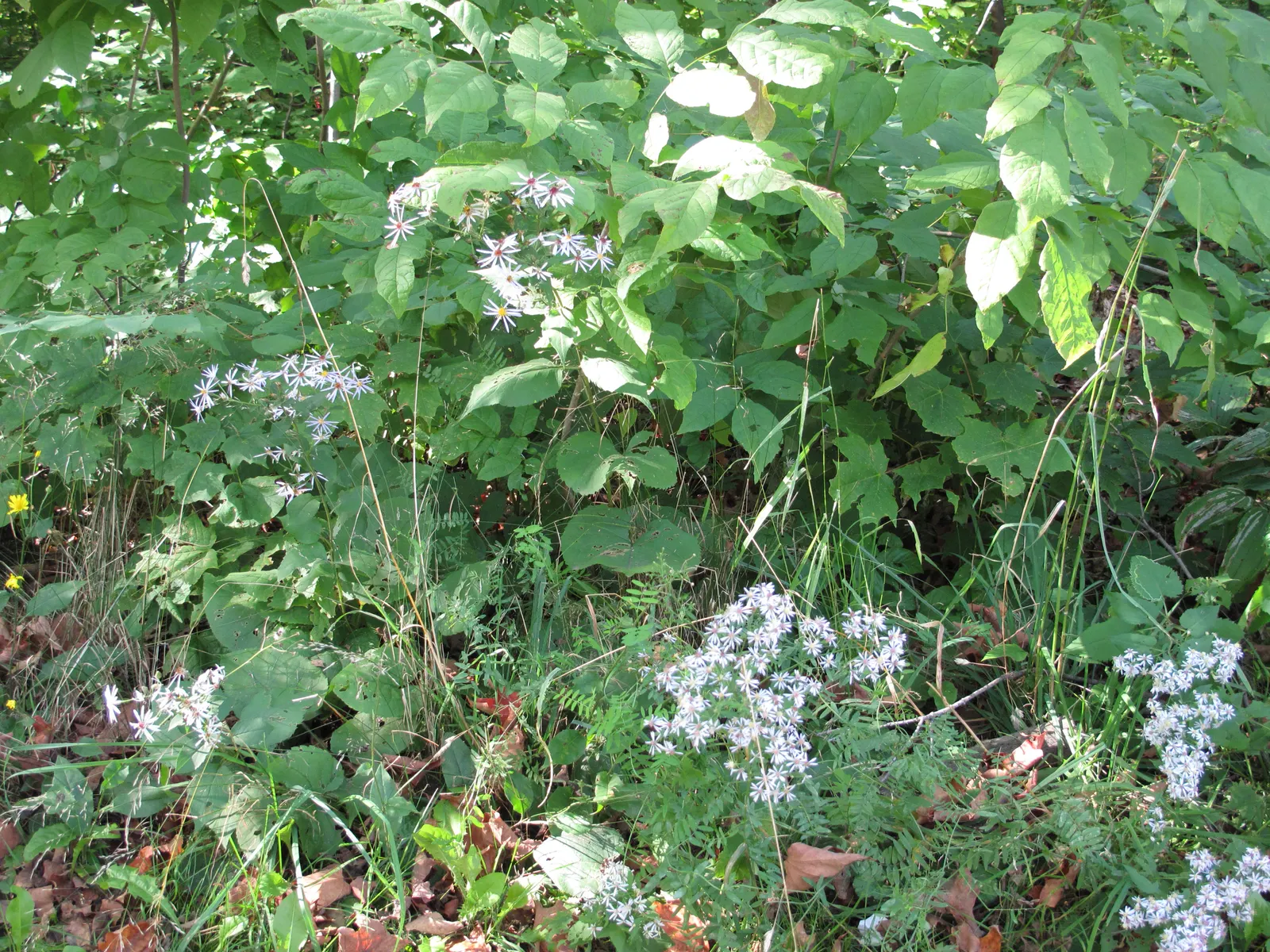
Big Leaf Aster (Aster Macrophyllus) — Big Leaf Aster forms an excellent ground cover in shady woodland gardens; lavender-to-blue flowers measuring, image 64
Big Leaf Aster (Aster Macrophyllus) — typically from August to September; offering a groundcover option and autumn interest, image 63
Big Leaf Aster (Aster Macrophyllus) — take note of its natural woodland habitat and replicate these conditions for optimal growth; is a perennial, image 67
Big Leaf Aster (Aster Macrophyllus) — white flowers in the garden; attracts butterflies and supports pollinators in naturalistic or woodland garden, image 70
Big Leaf Aster (Aster Macrophyllus) — and other shade-loving plants; perennial for half or shade, image 69
Big Leaf Aster (Aster Macrophyllus) — Its robust foliage and fall blossoms provide a striking texture and color contrast amongst ferns; it prefers, image 68

Related plants