Skip to content

Bird's Nest Fern

Asplenium Nidus

Design with this plant

Overview

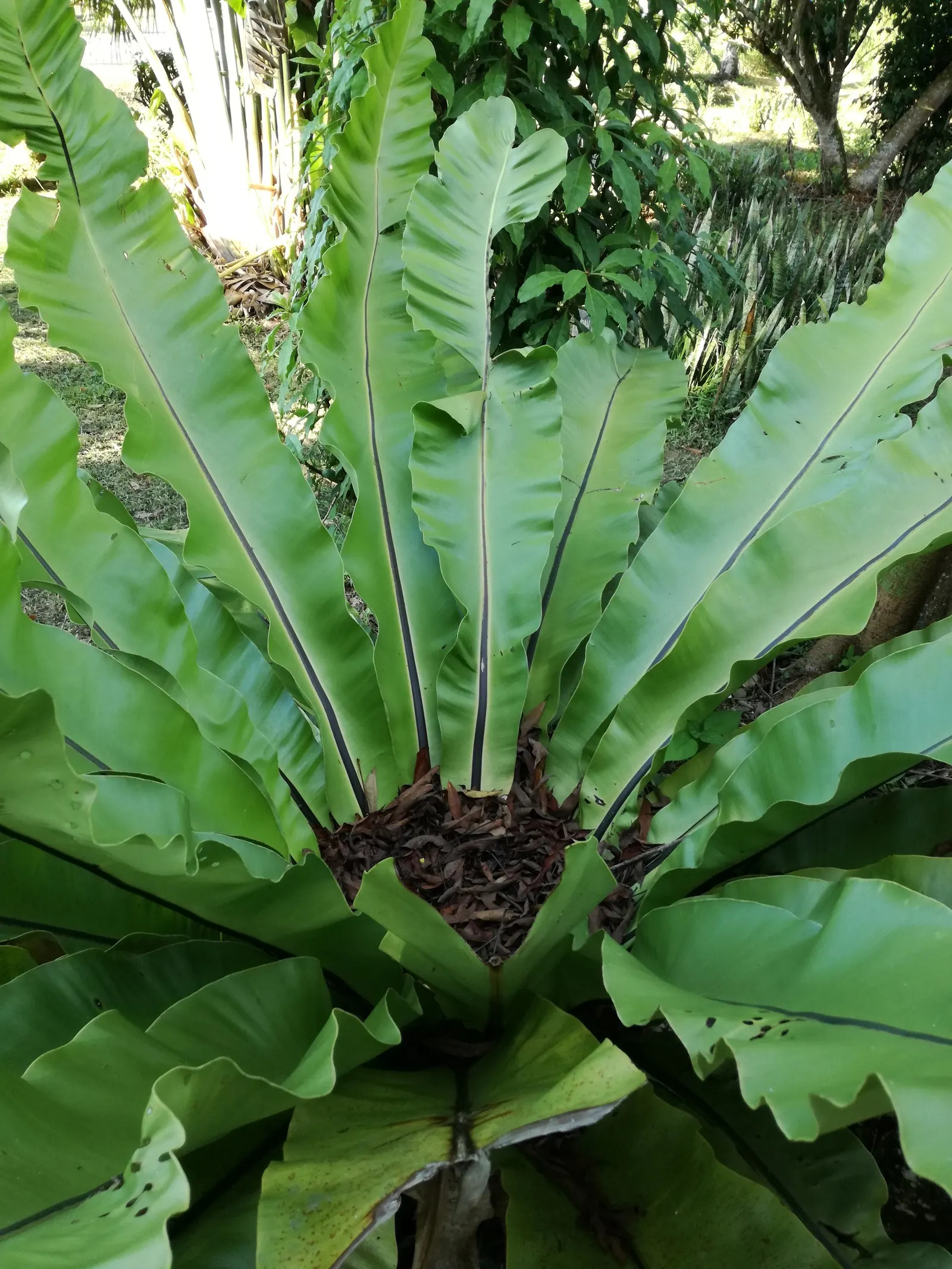
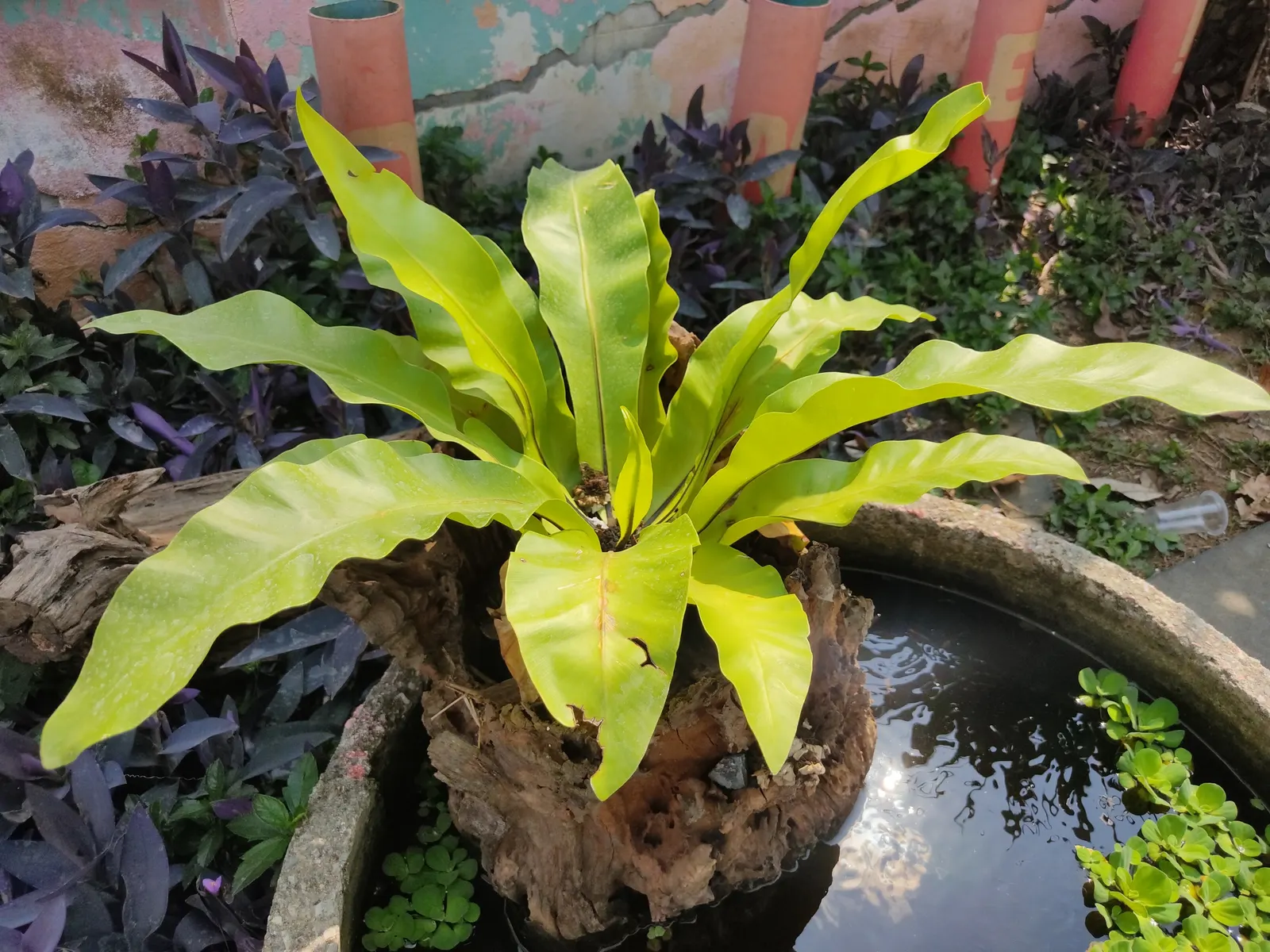
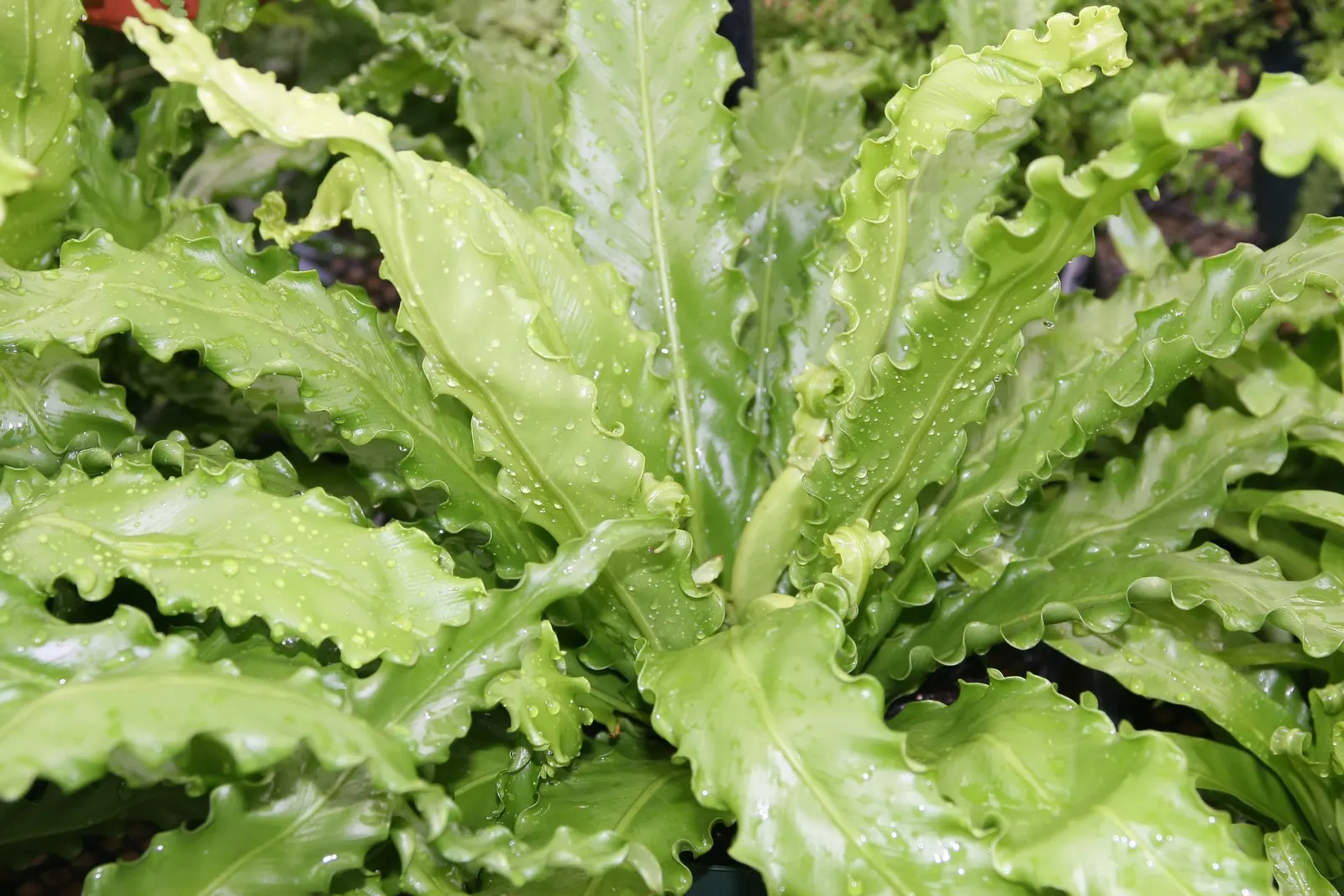
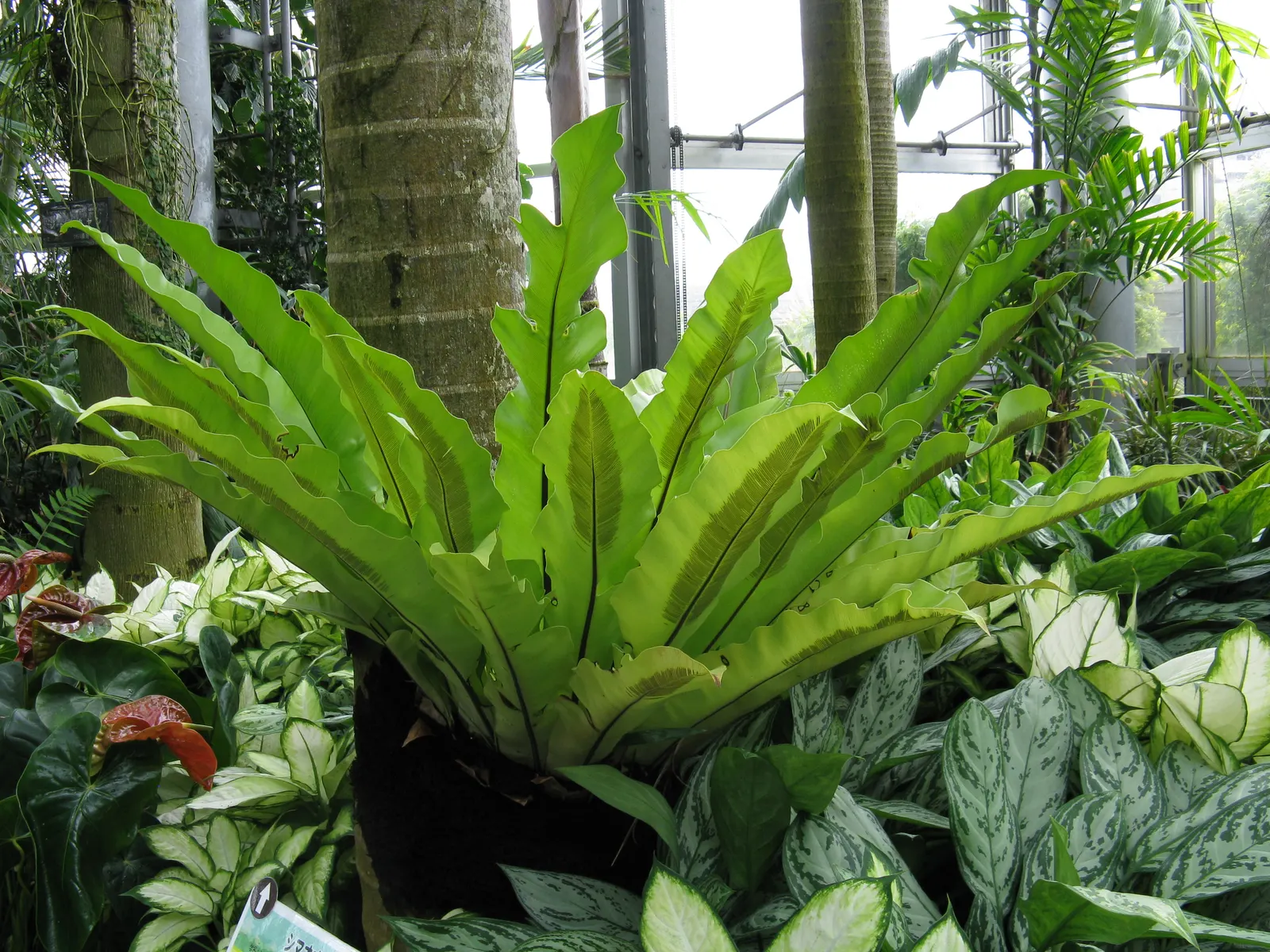
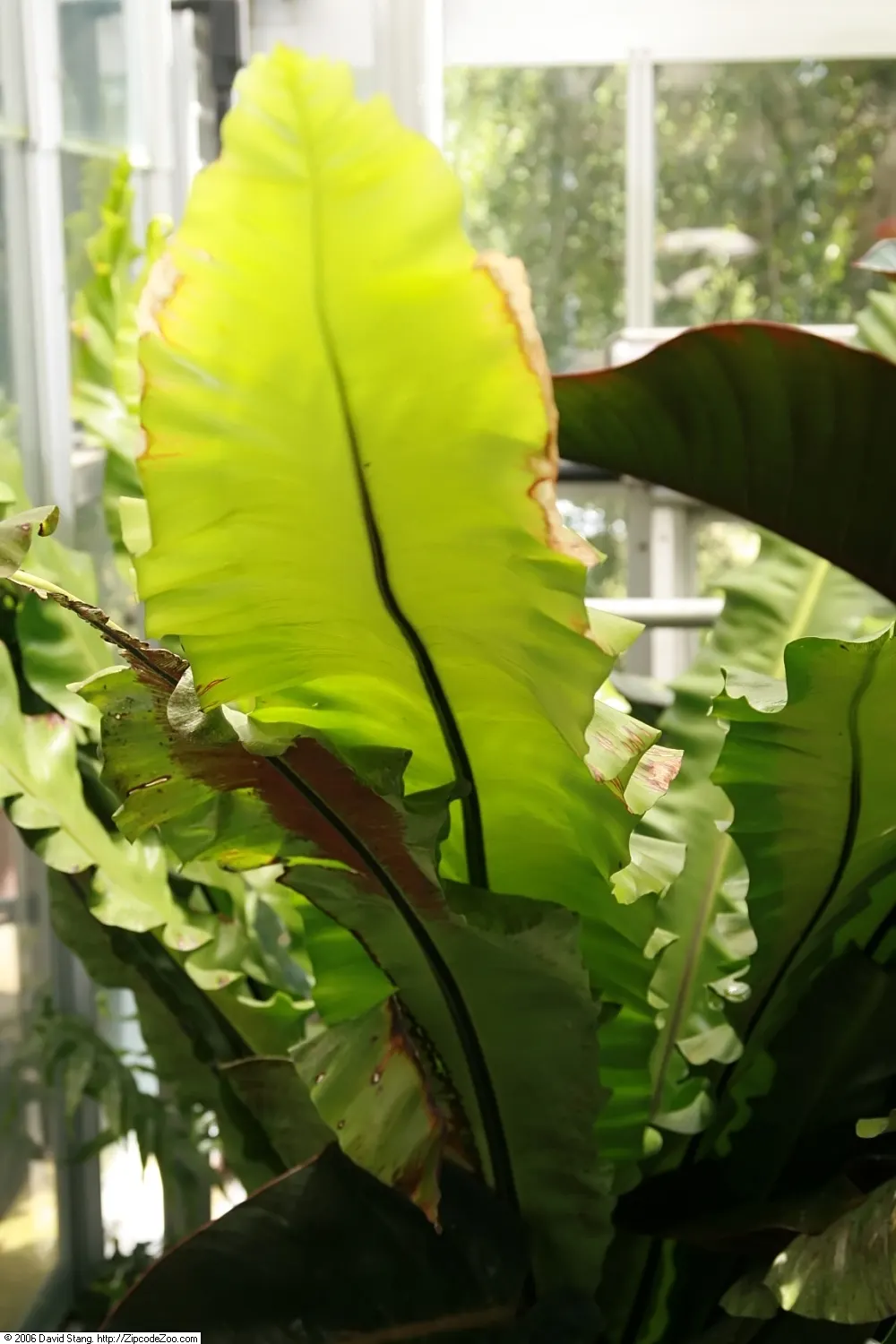
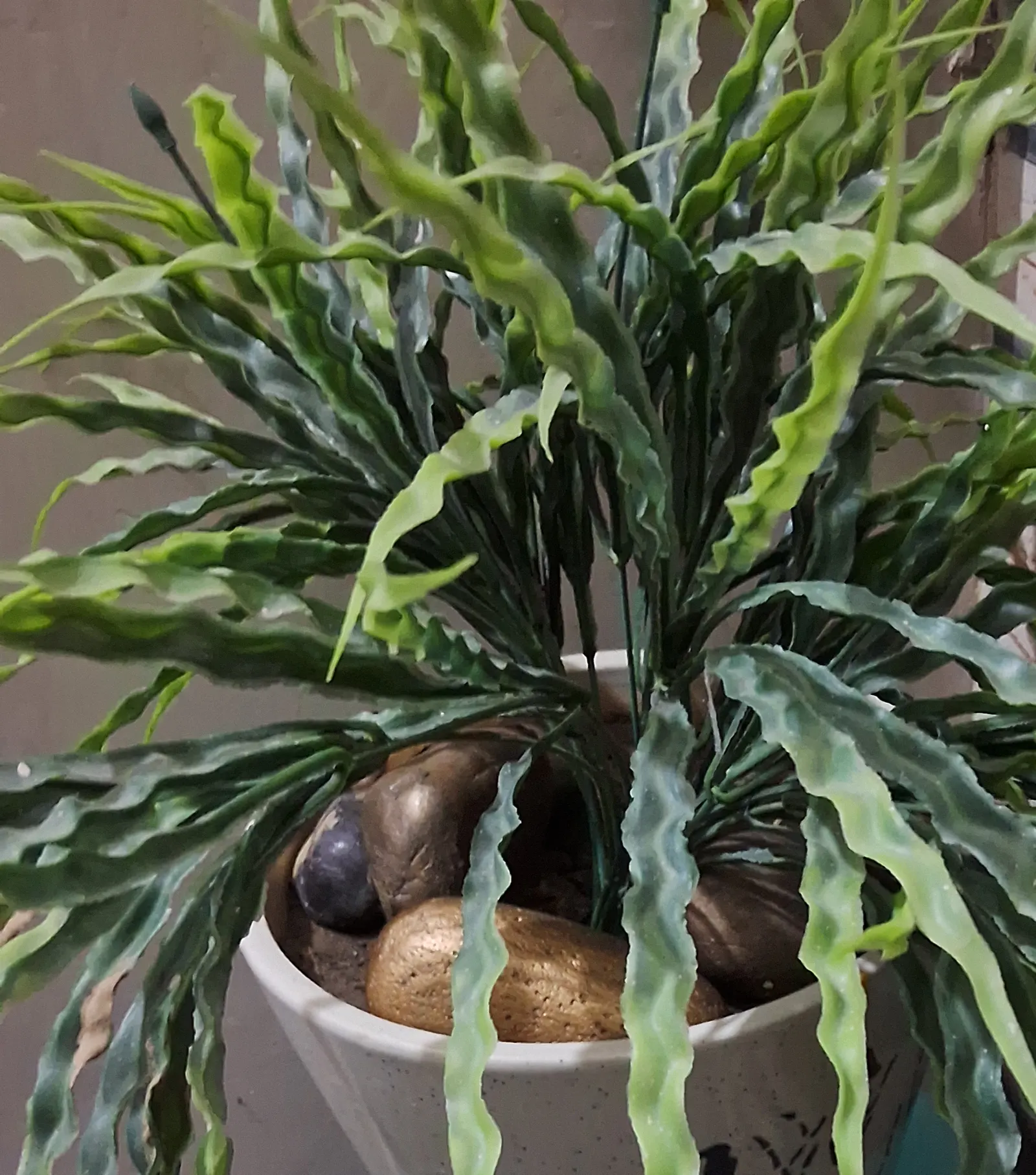
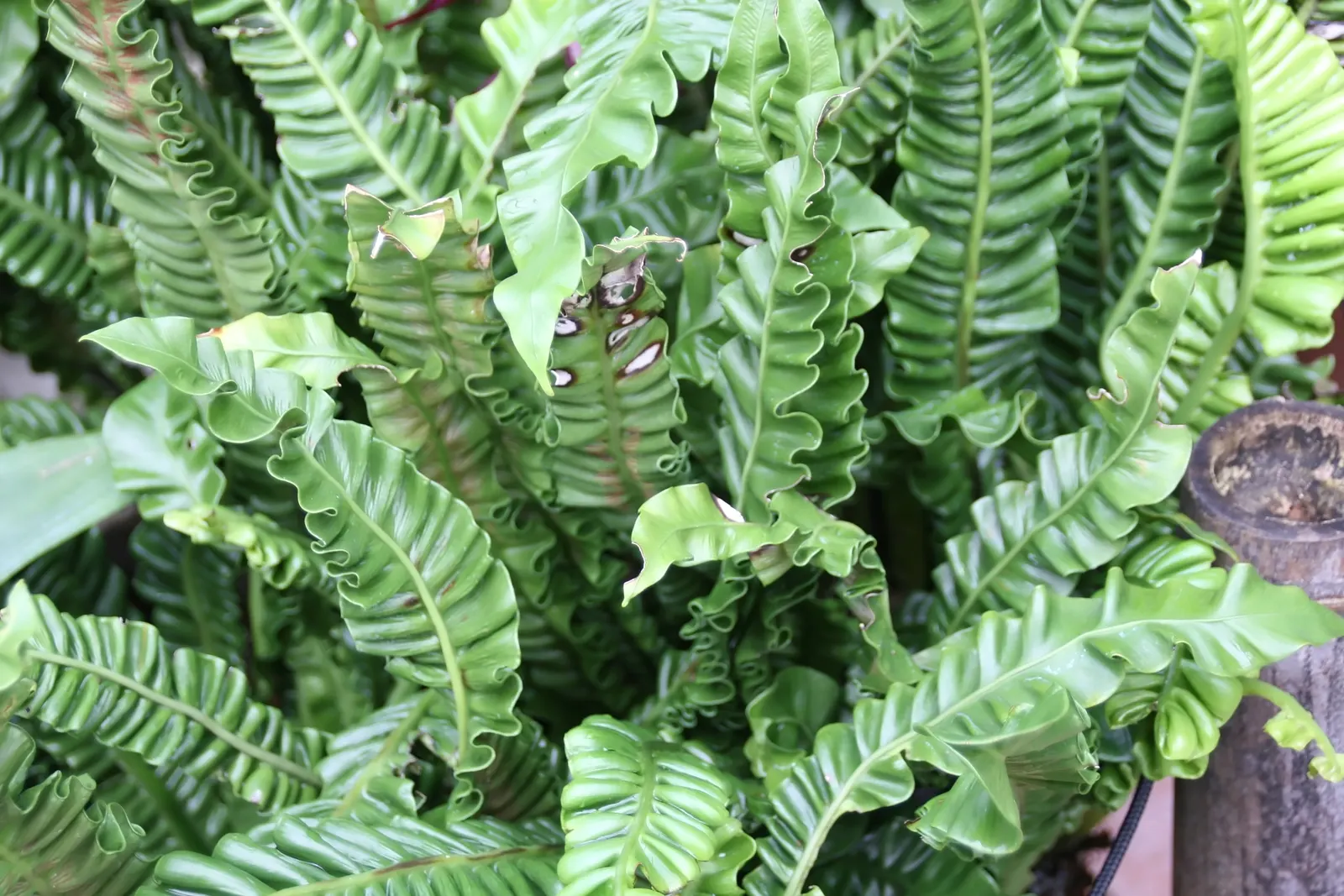
Asplenium nidus, commonly known as Bird's Nest Fern, is an epiphytic evergreen with a distinctive rosette of lance-shaped, apple-green fronds. Thriving in partial shade, it prefers high humidity and well-draining soil. Fronds typically reach 2-4 feet in length, gracefully arching from a central, nest-like crown. Ideal for tropical landscapes, it can also grace indoor spaces as an air-purifying plant. Hardy in USDA zones 10b-11.

Sun Half, ShadeWater Extra in Summer, MediumZones 10–11Type FernClimate Subtropical
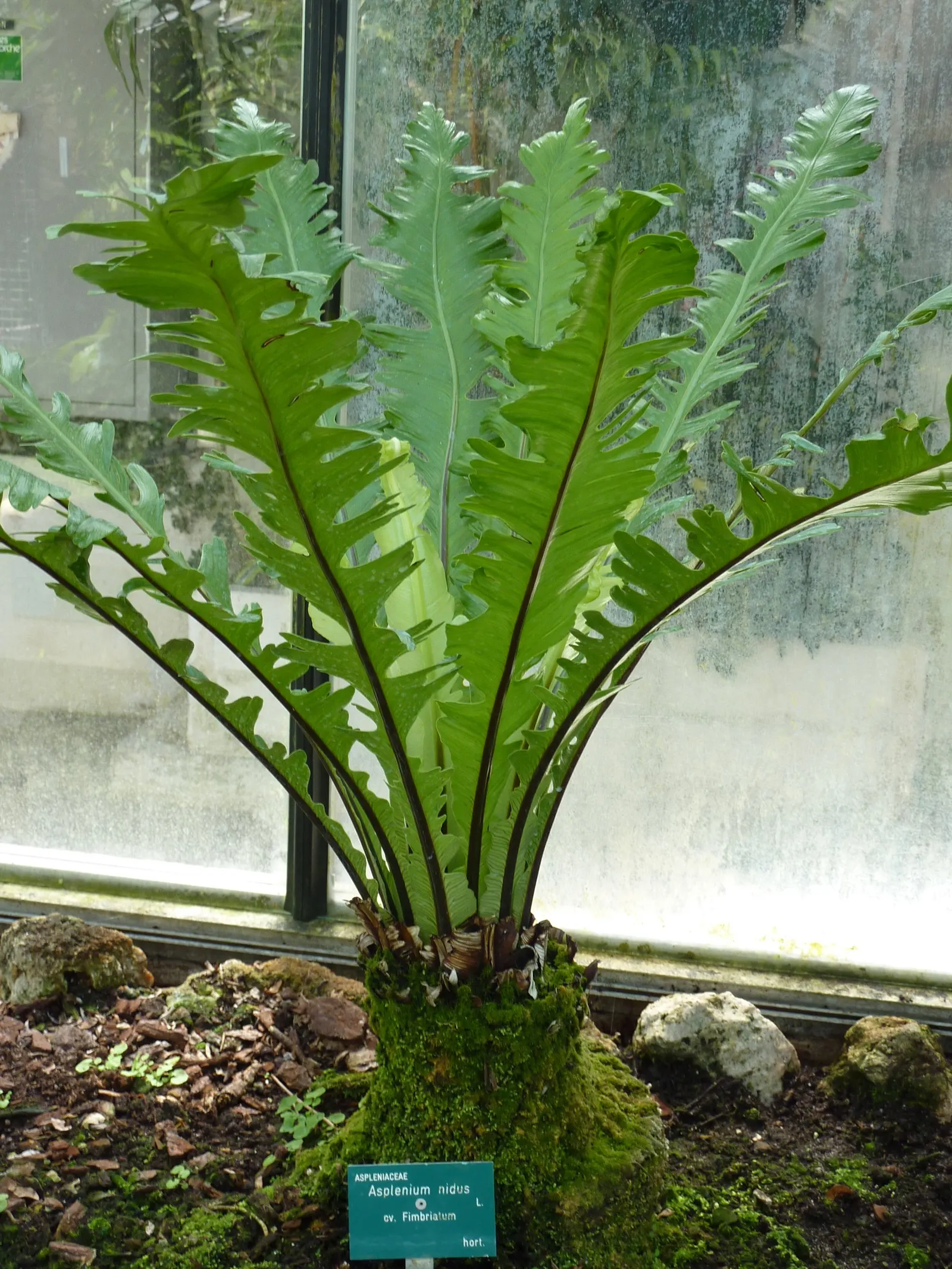
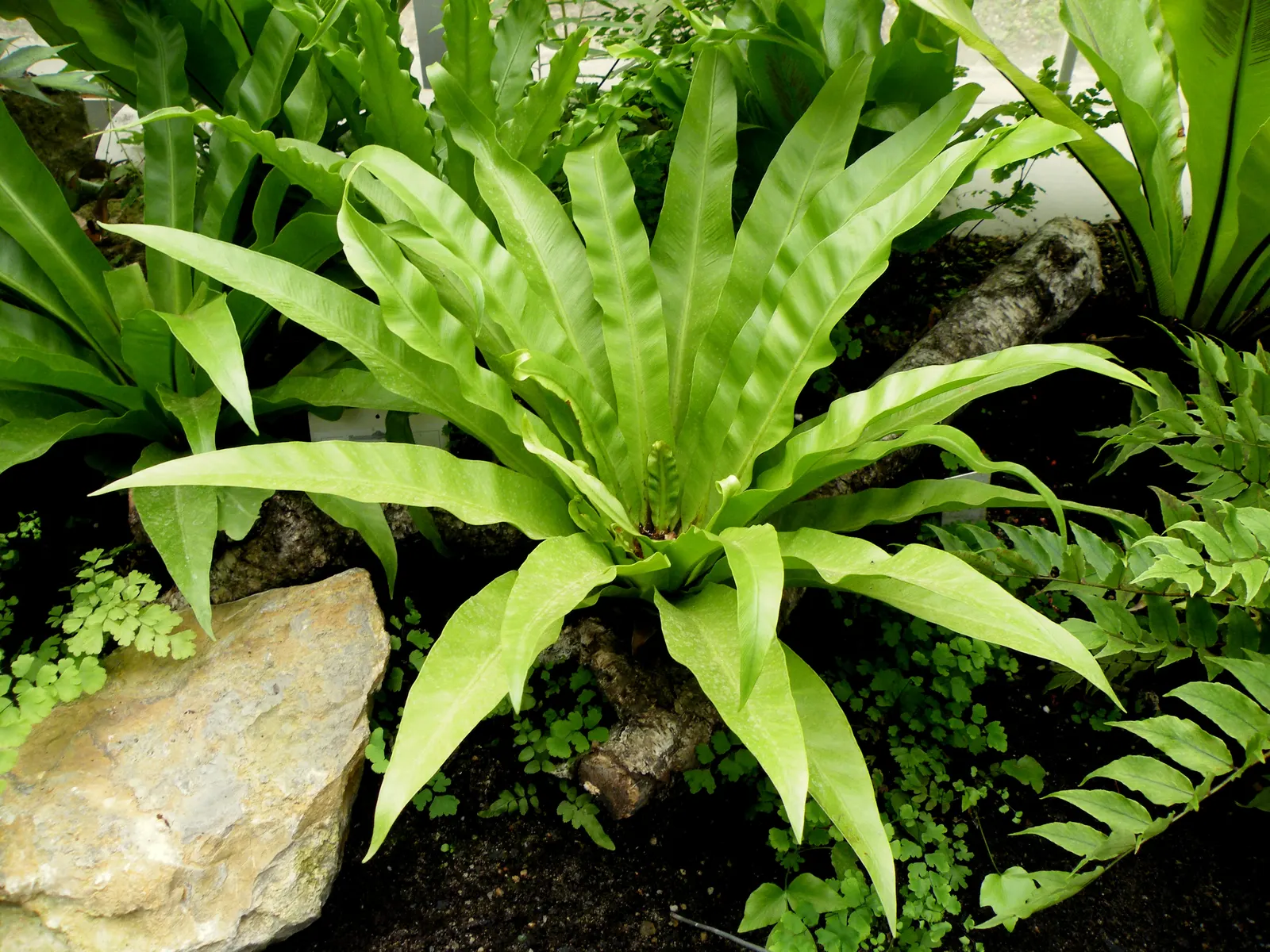
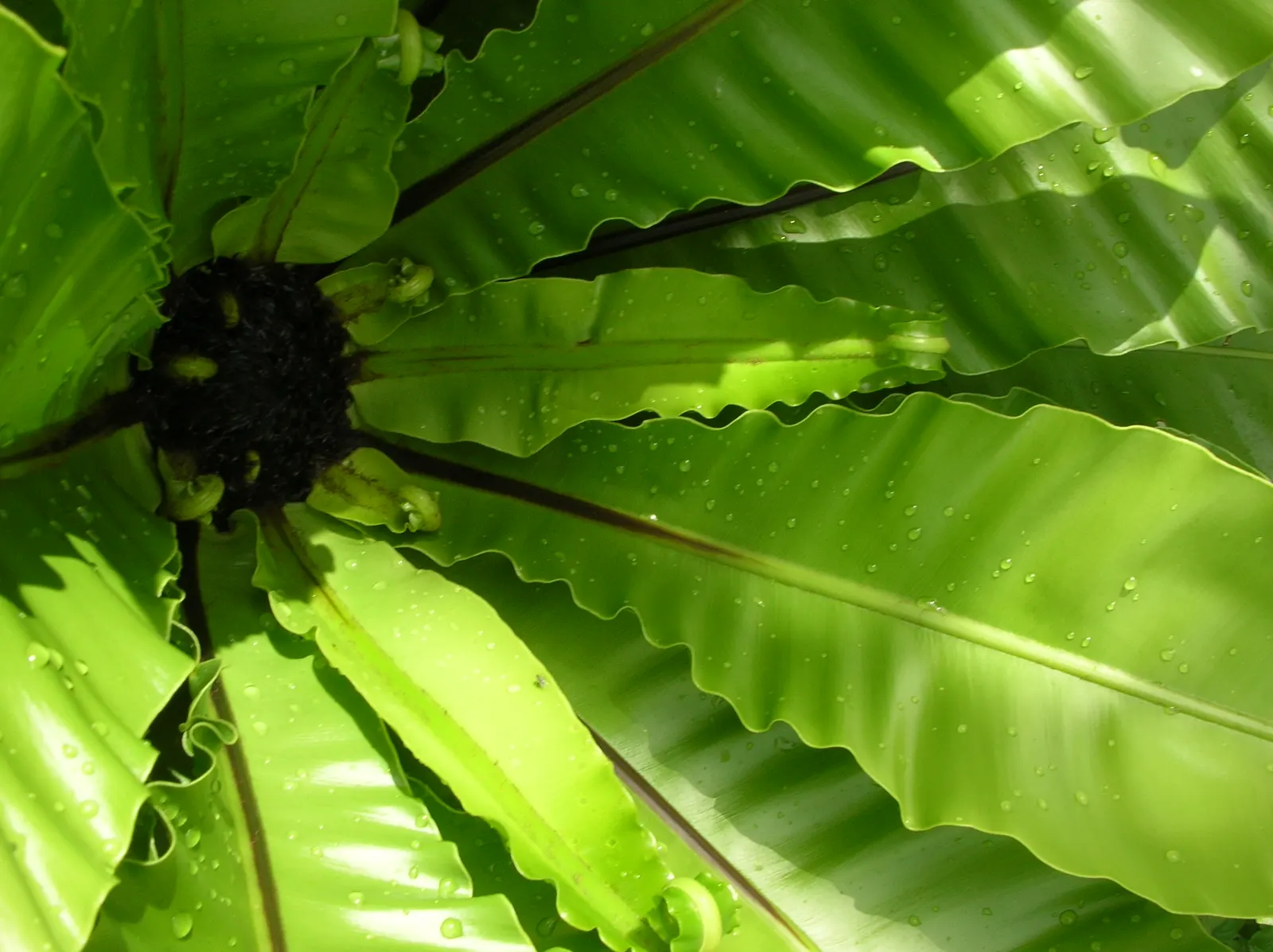
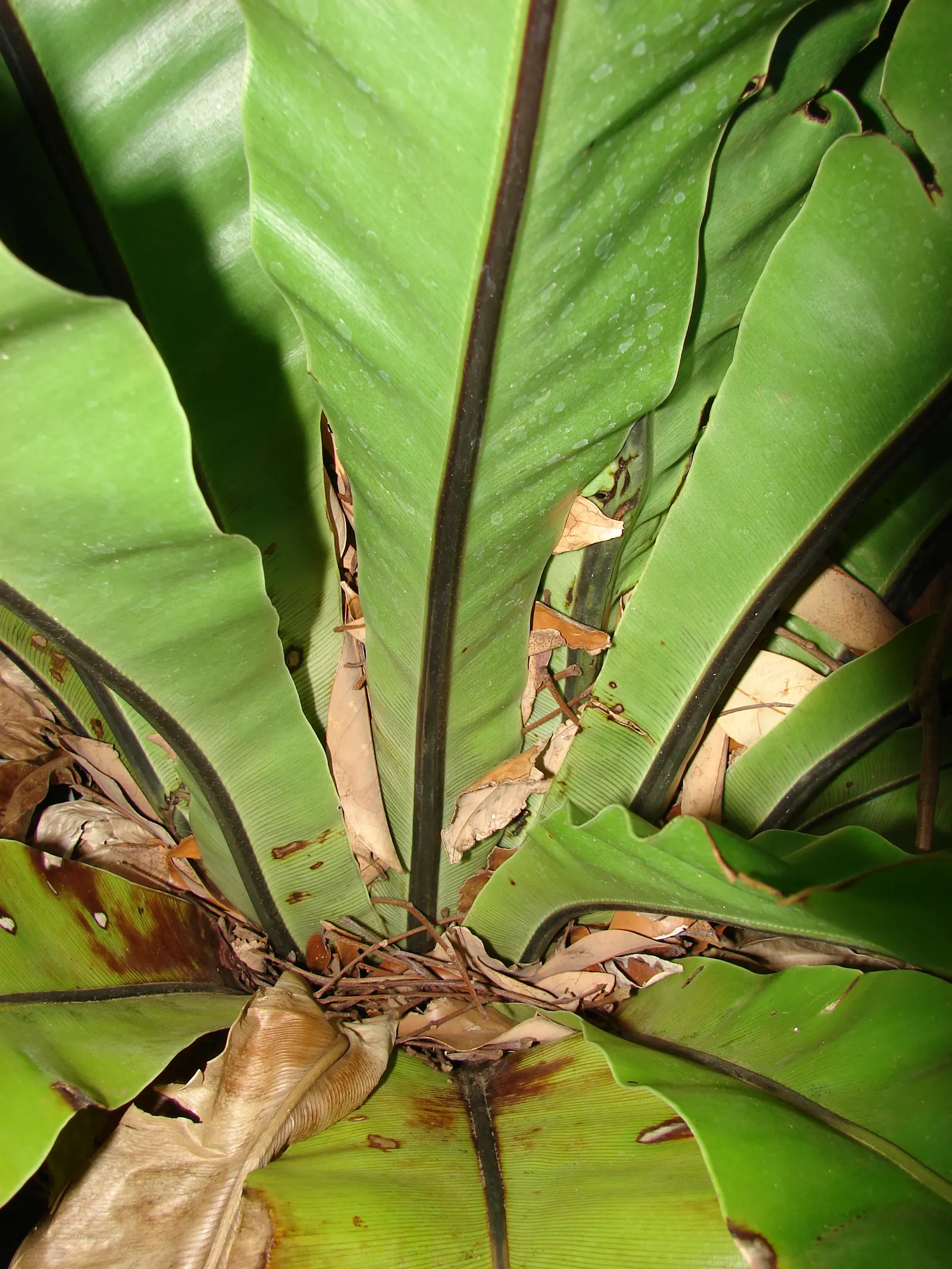
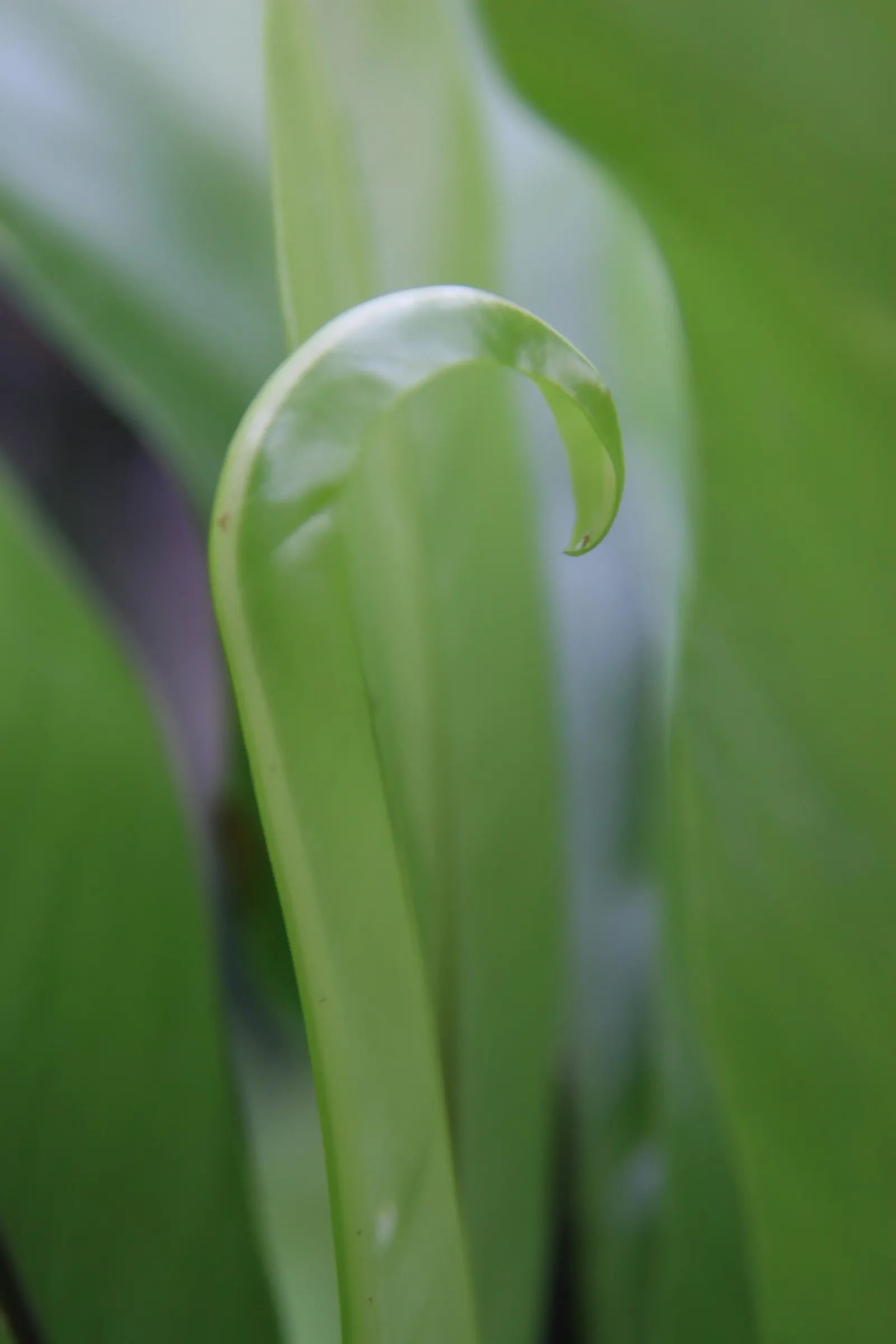
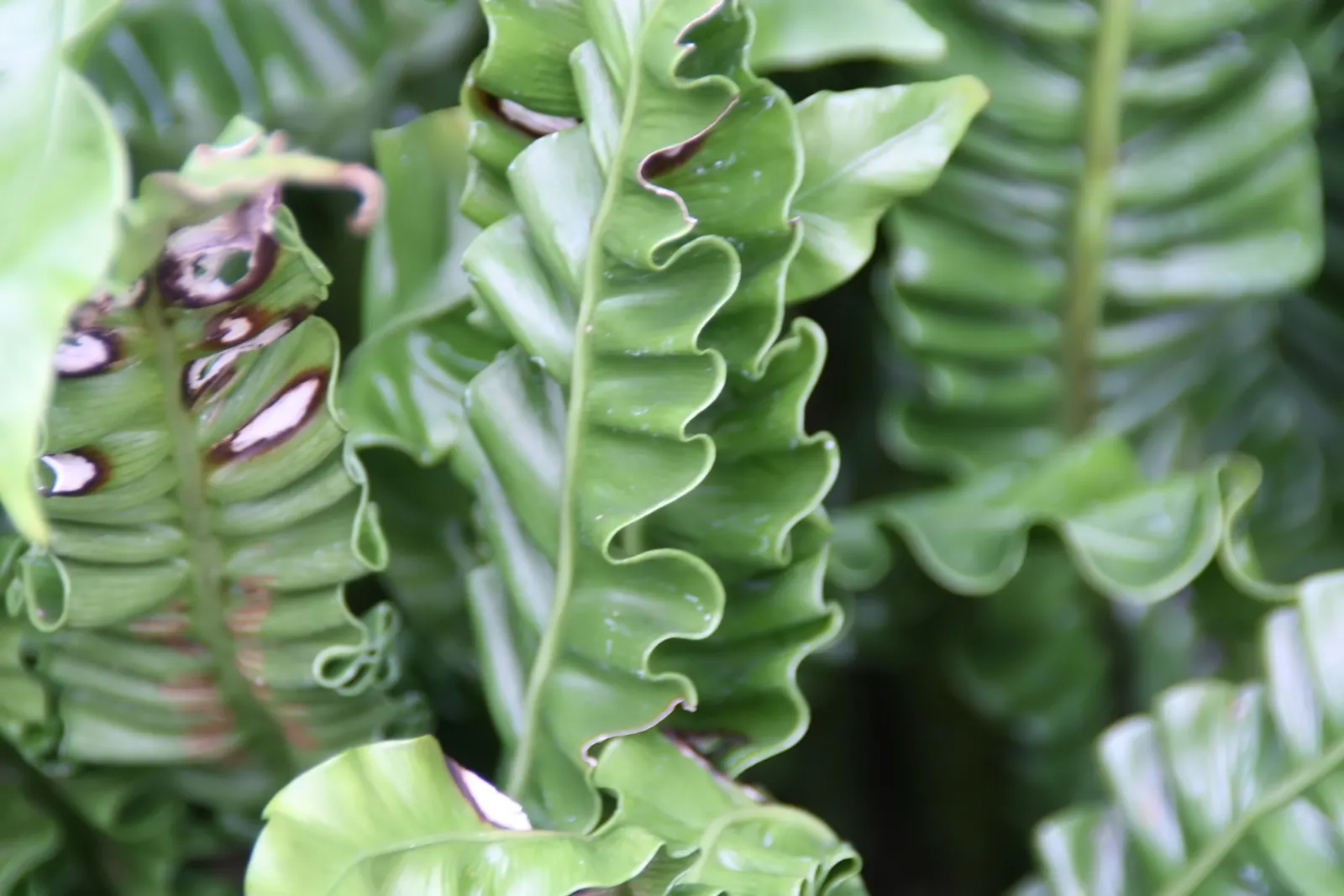
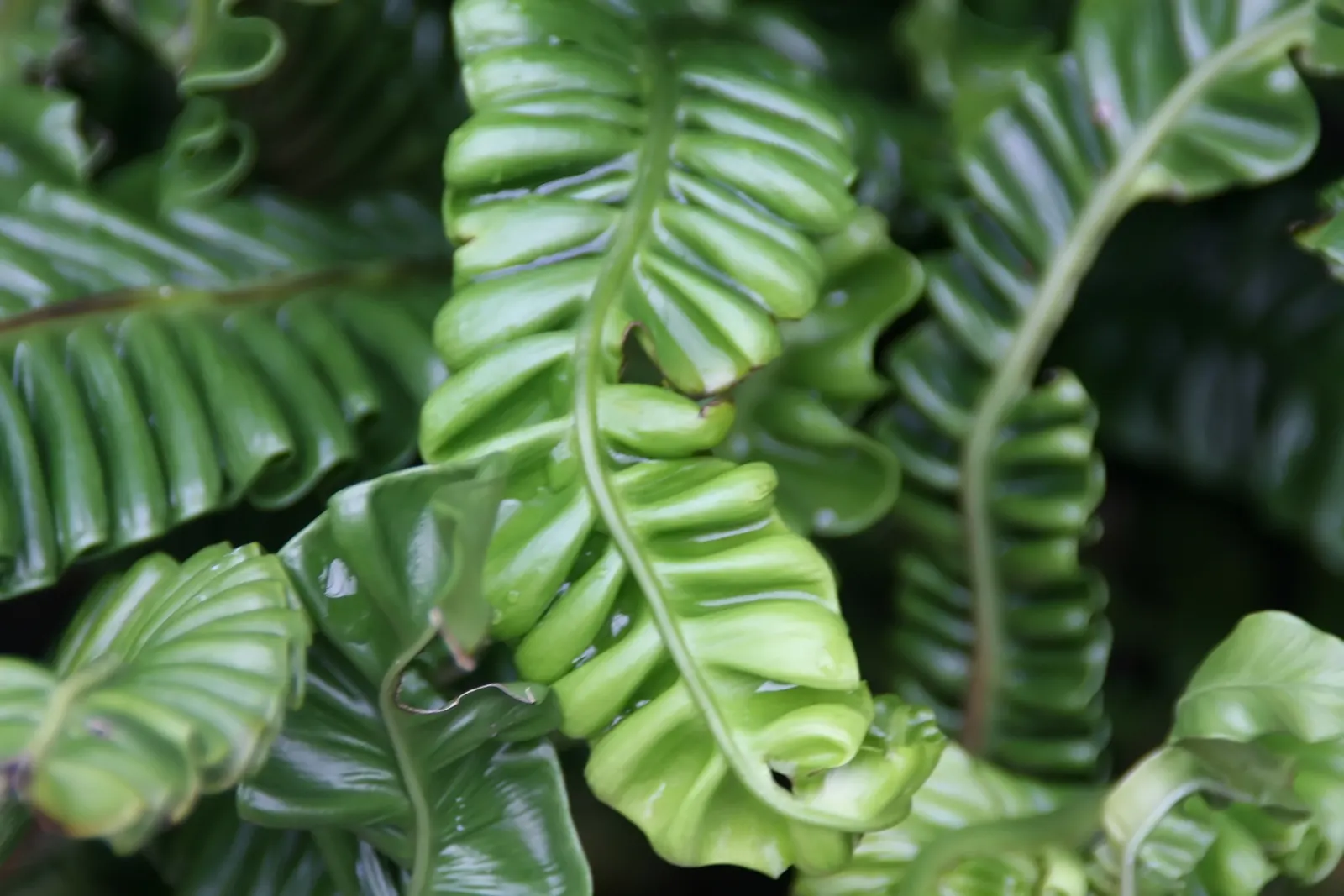
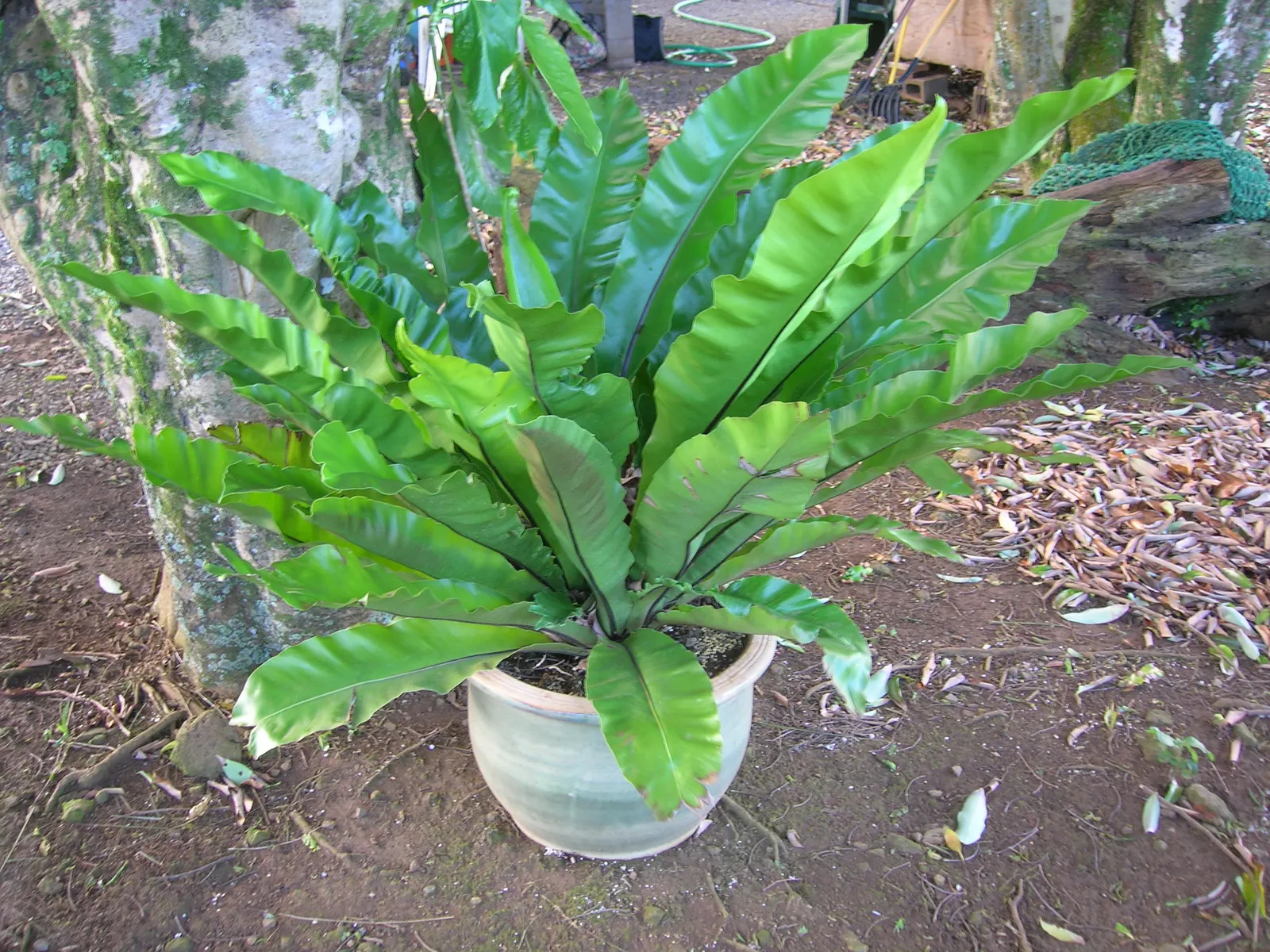
Bird's Nest Fern (Asplenium Nidus) — resembling a bird's nest - hence the name; which is a key identifying feature, image 82

Culture

Sun
Half, Shade
Water
Extra in Summer, Medium
USDA zones
10–11

Shape & size

Classification

Type
Fern
Family
Polypodiaceae
Climate
Subtropical

See full data, regional cultivation notes, and design tools. Build a client presentation around this plant.

Start your 14-day trial

Photos (136)

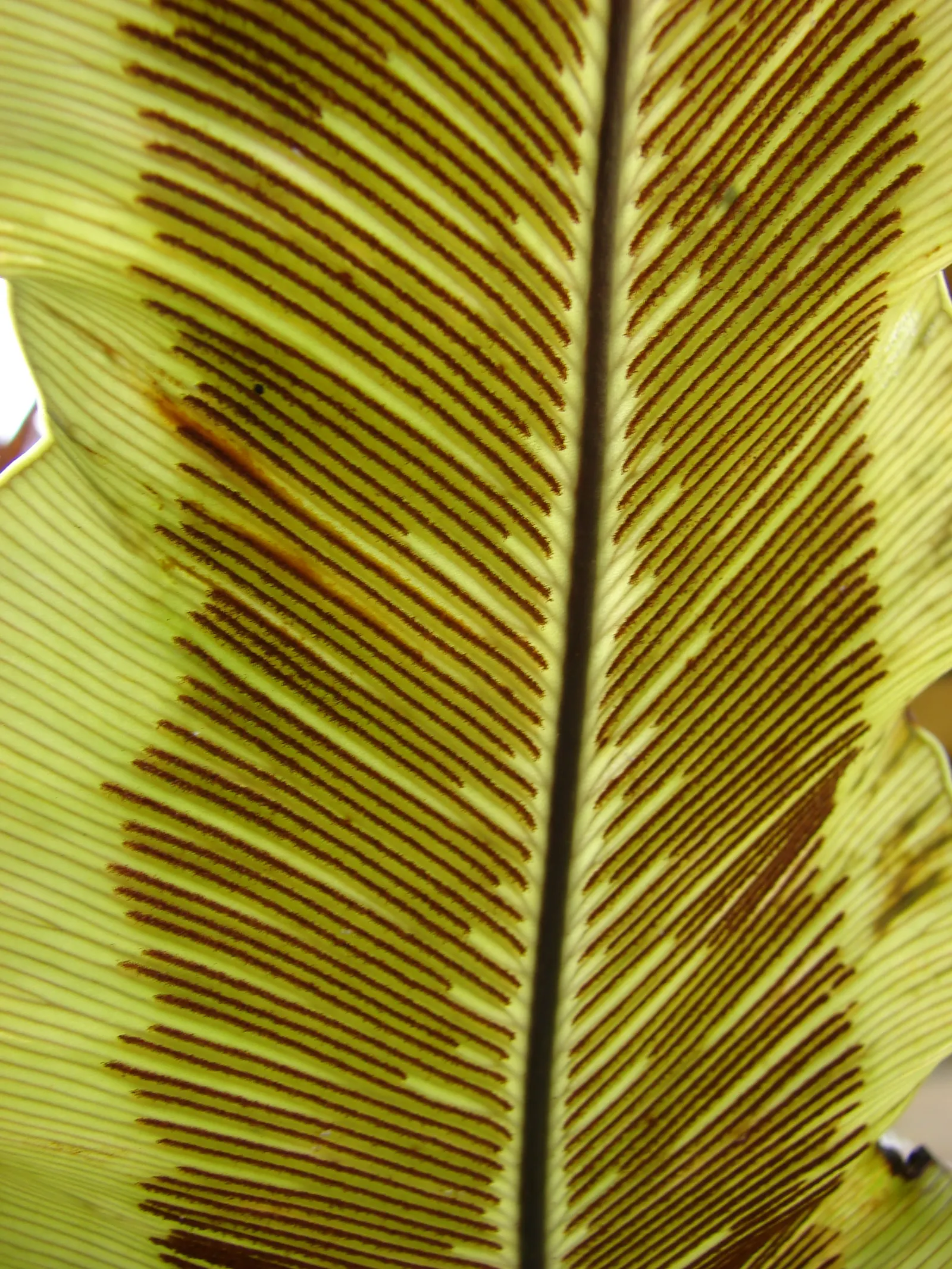
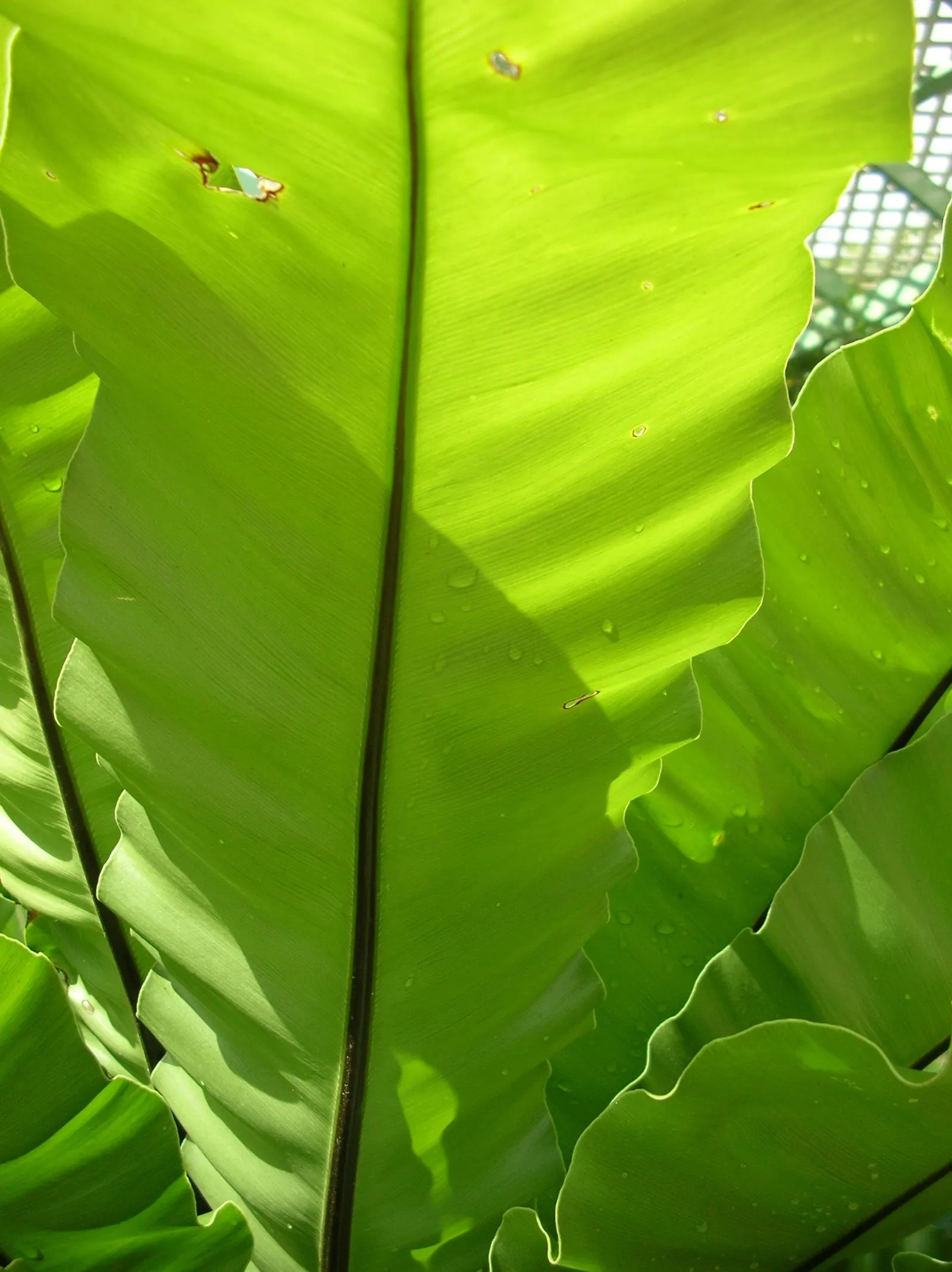
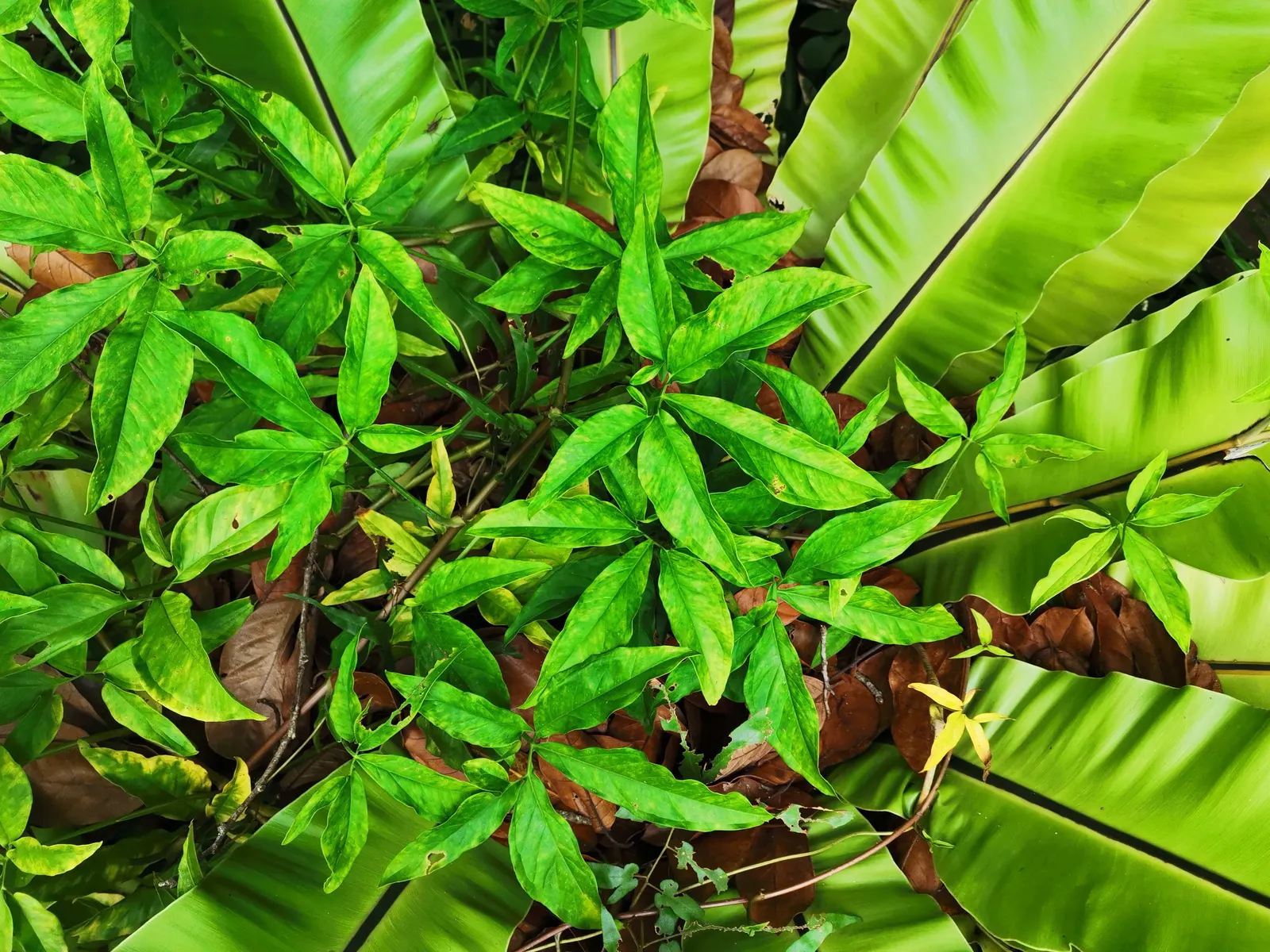
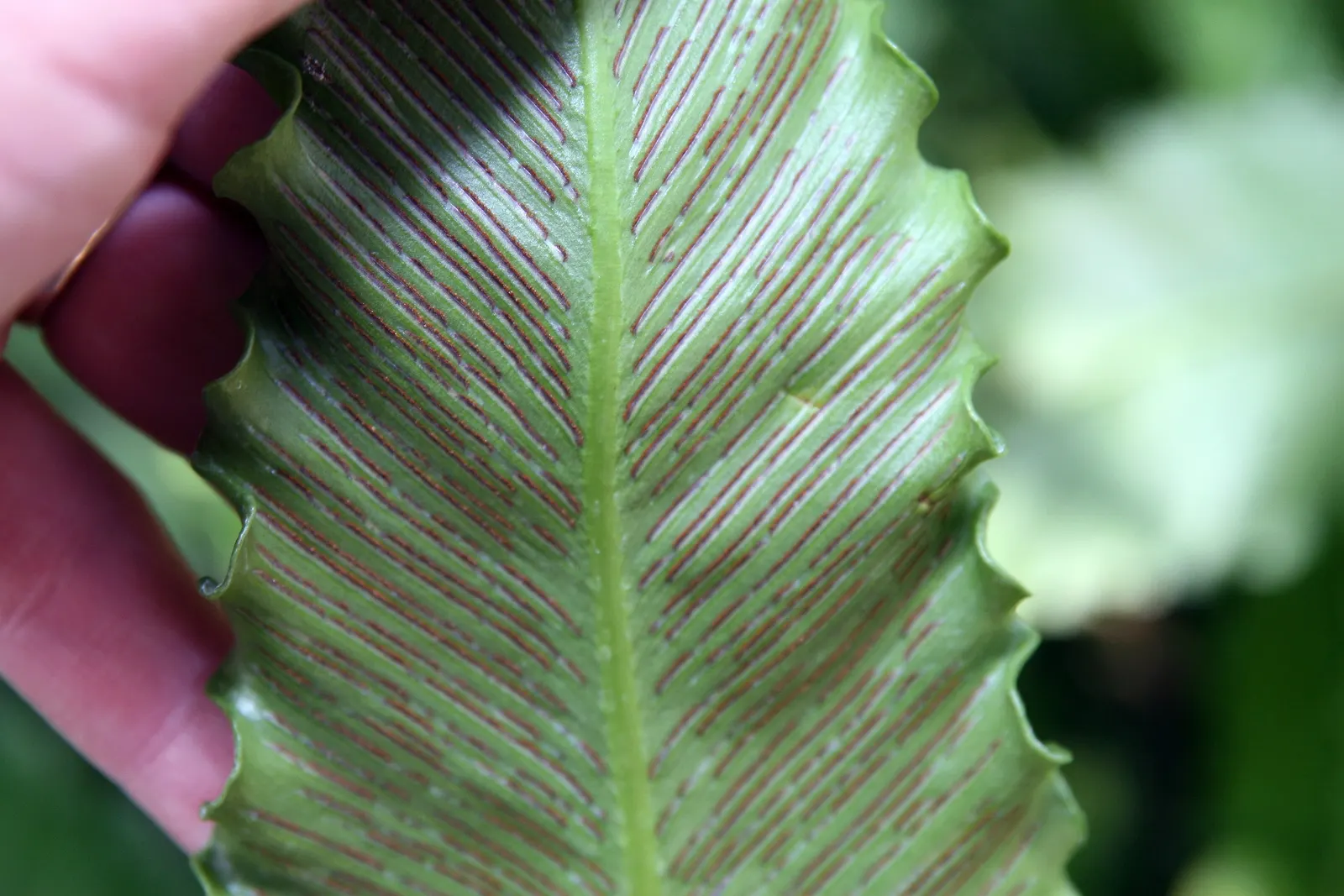
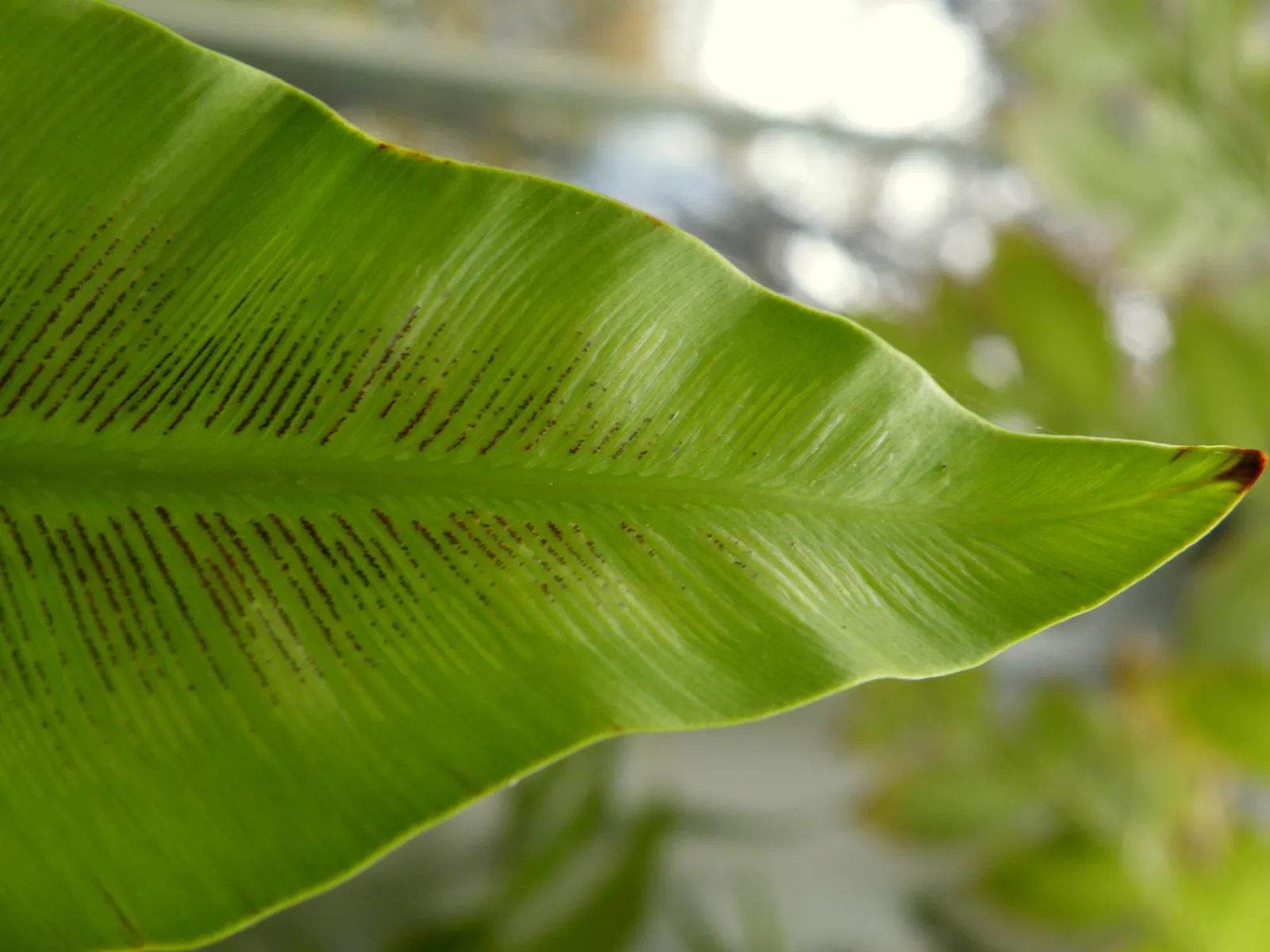
Bird's Nest Fern (Asplenium Nidus) — commonly known as Bird's Nest Fern
Bird's Nest Fern (Asplenium Nidus) — often celebrated for its lush
Bird's Nest Fern (Asplenium Nidus) — often celebrated for its lush; verdant highlight within their garden, image 98
Bird's Nest Fern (Asplenium Nidus) — resembling a bird's nest - hence the name; which is a key identifying feature, image 64
Bird's Nest Fern (Asplenium Nidus) — resembling a bird's nest - hence the name; which is a key identifying feature, image 46
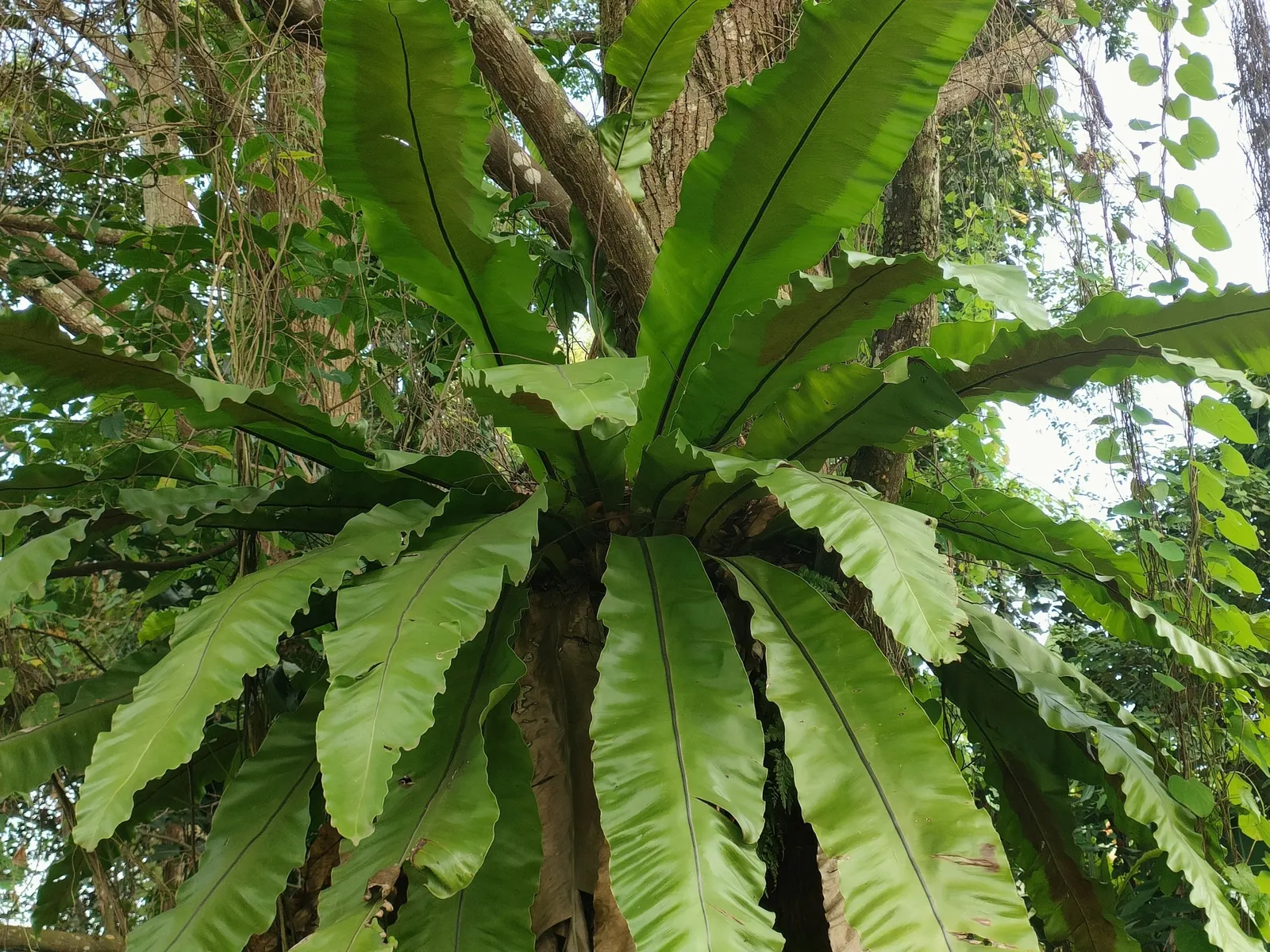
Bird's Nest Fern (Asplenium Nidus) — The Bird's Nest Fern (Asplenium nidus) is a visually striking epiphytic plant; resembling a bird's nest, image 97
Bird's Nest Fern (Asplenium Nidus) — verdant highlight within their garden; often celebrated for its lush, image 89
Bird's Nest Fern (Asplenium Nidus) — often celebrated for its lush; verdant highlight within their garden, image 62
Bird's Nest Fern (Asplenium Nidus) — It needs consistent moisture but should not be left in standing water; commonly known as Bird's Nest Fern, image 106
Bird's Nest Fern (Asplenium Nidus) — often celebrated for its lush; verdant highlight within their garden
Bird's Nest Fern (Asplenium Nidus) — often celebrated for its lush; verdant highlight within their garden, image 116
Bird's Nest Fern (Asplenium Nidus) — It needs consistent moisture but should not be left in standing water; commonly known as Bird's Nest Fern, image 88
Bird's Nest Fern (Asplenium Nidus) — verdant highlight within their garden; often celebrated for its lush, image 107
Bird's Nest Fern (Asplenium Nidus) — The Bird's Nest Fern (Asplenium nidus) is a visually striking epiphytic plant; resembling a bird's nest, image 61
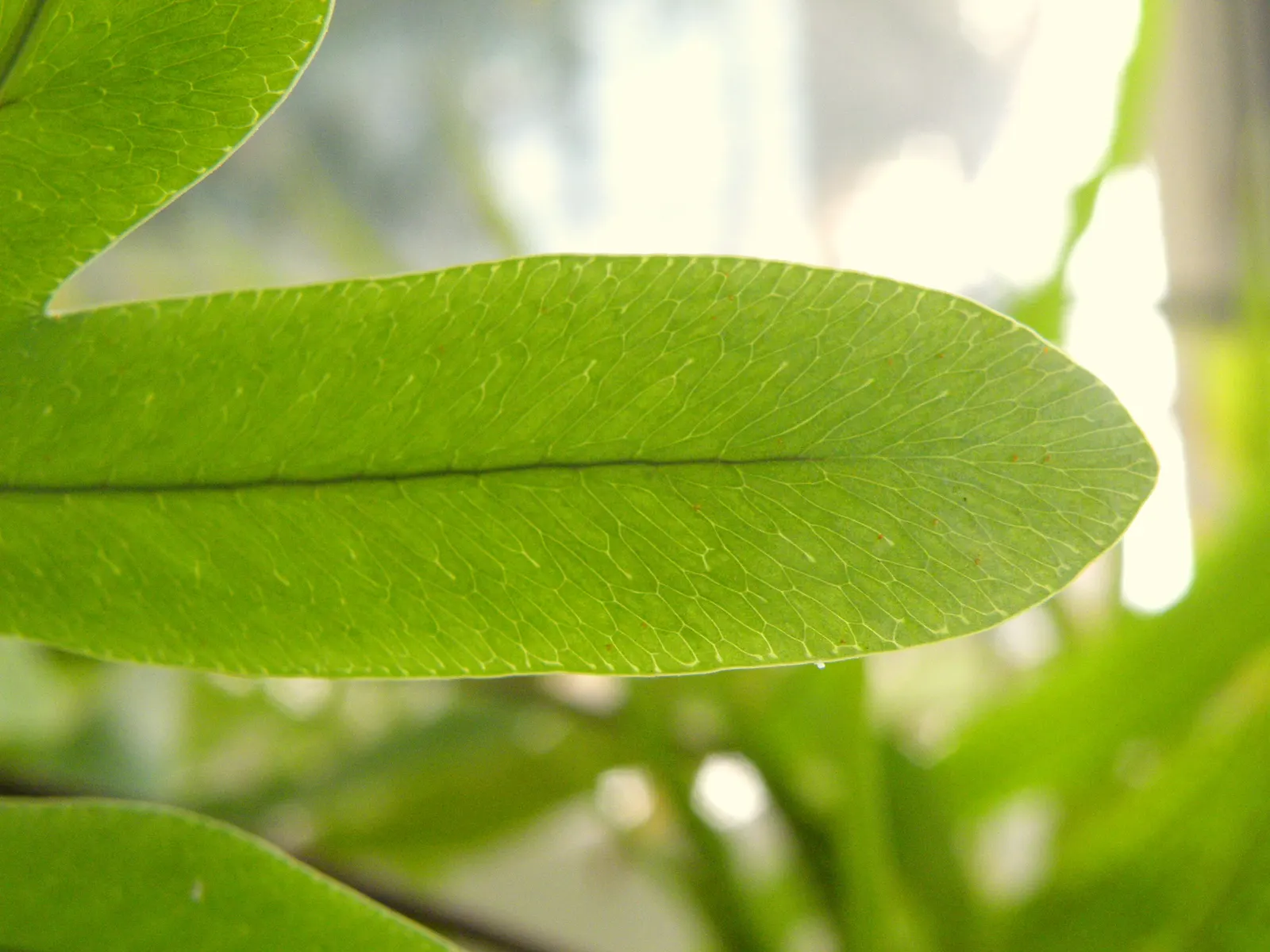
Bird's Nest Fern (Asplenium Nidus) — the fronds can reach a mature length of 2 to 4 feet and about 4 to 8 inches wide
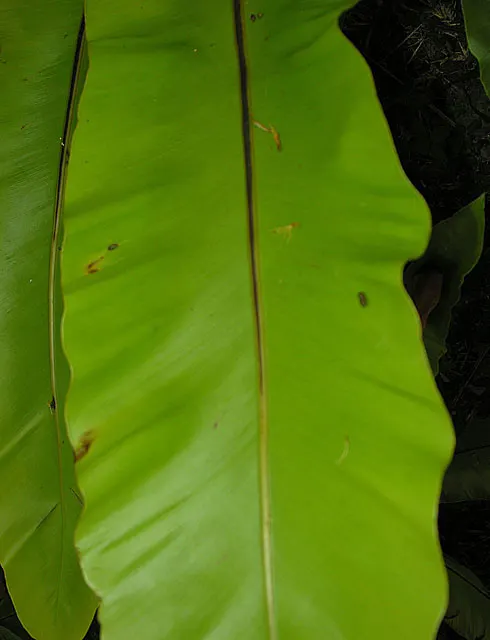
Bird's Nest Fern (Asplenium Nidus) — creating a simple elongated oval shape with a slightly wavy edge and a prominent central rib; green fronds that elegantly
Bird's Nest Fern (Asplenium Nidus) — green fronds that elegantly unfurl to form a rosette; hardy in USDA zones 10b-11, image 81
Bird's Nest Fern (Asplenium Nidus) — preferring well-draining soil with high organic matter - a mimicry of its natural habitat on forest trees; creating a
Bird's Nest Fern (Asplenium Nidus) — preferring well-draining soil with high organic matter - a mimicry of its natural habitat on forest trees, image 87
Bird's Nest Fern (Asplenium Nidus) — verdant highlight within their garden
Bird's Nest Fern (Asplenium Nidus) — is an epiphytic evergreen with a distinctive rosette of lance-shaped; the fronds can reach a mature length of, image 92
Bird's Nest Fern (Asplenium Nidus) — the fronds can reach a mature length of 2 to 4 feet and about 4 to 8 inches wide; is an epiphytic evergreen, image 65
Bird's Nest Fern (Asplenium Nidus) — often celebrated for its lush; verdant highlight within their garden, image 80
Bird's Nest Fern (Asplenium Nidus) — Thriving in partial shade, it prefers high humidity and well-draining soil; fern for half or shade, image 93
Photographs by 10 contributors

Related plants