Skip to content

Fern Asparagus

Asparagus Setaceus

Design with this plant

Overview

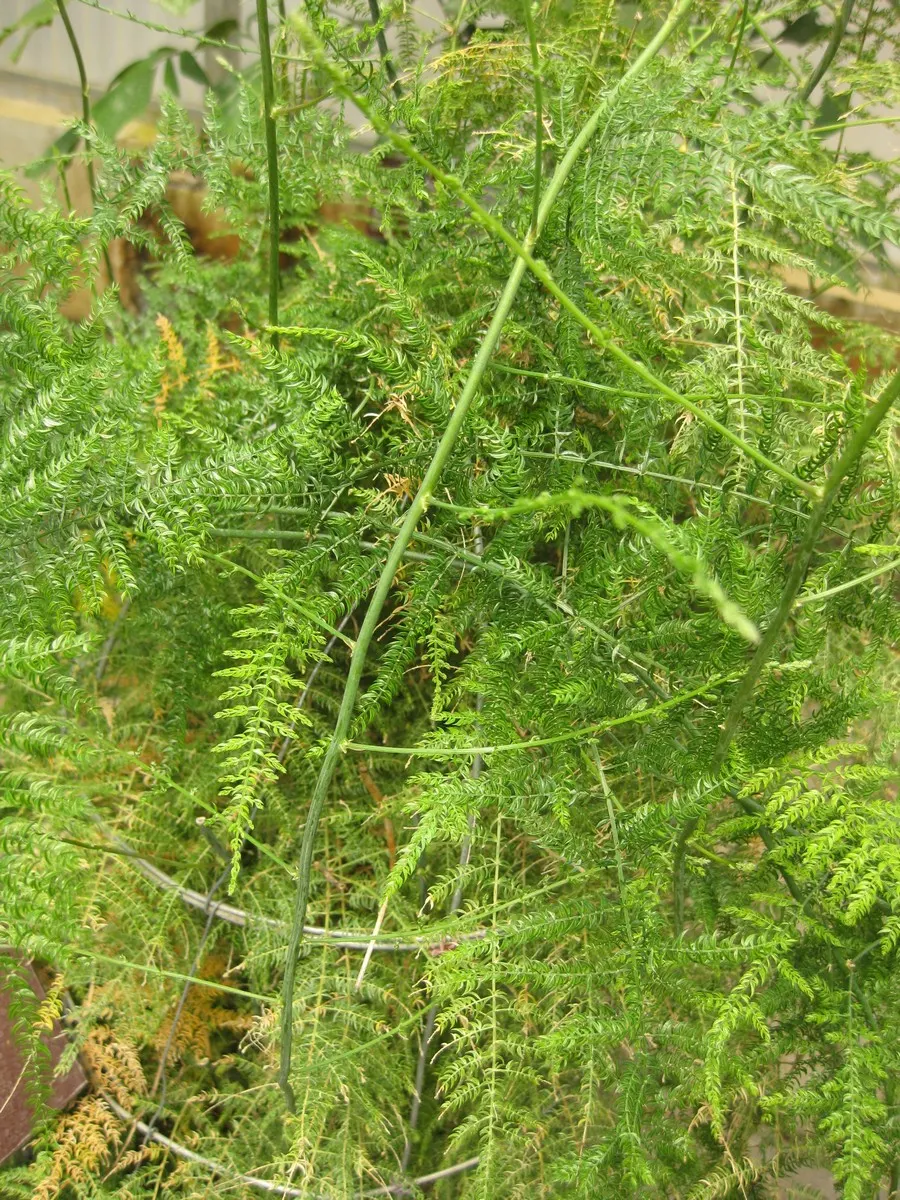
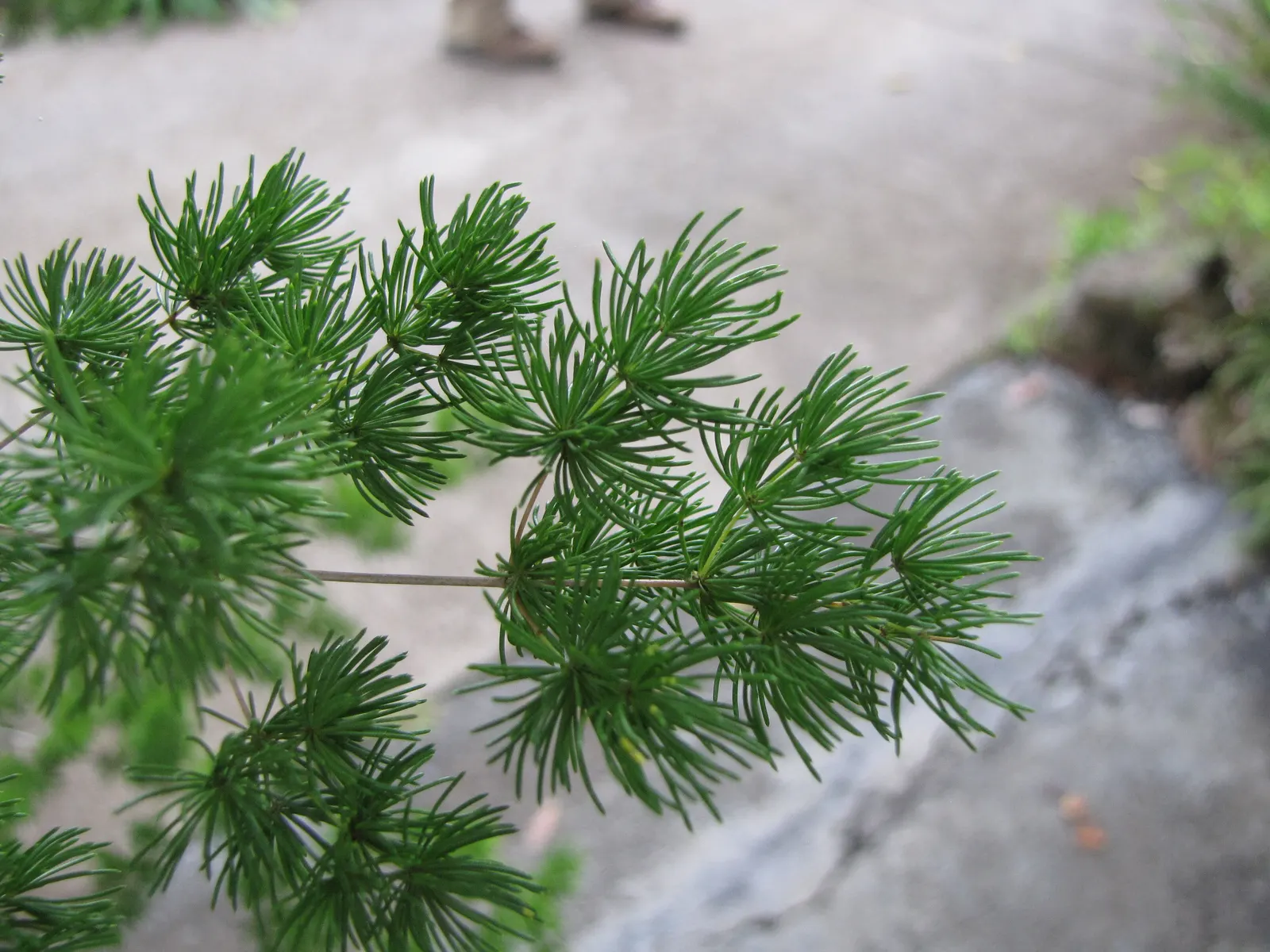
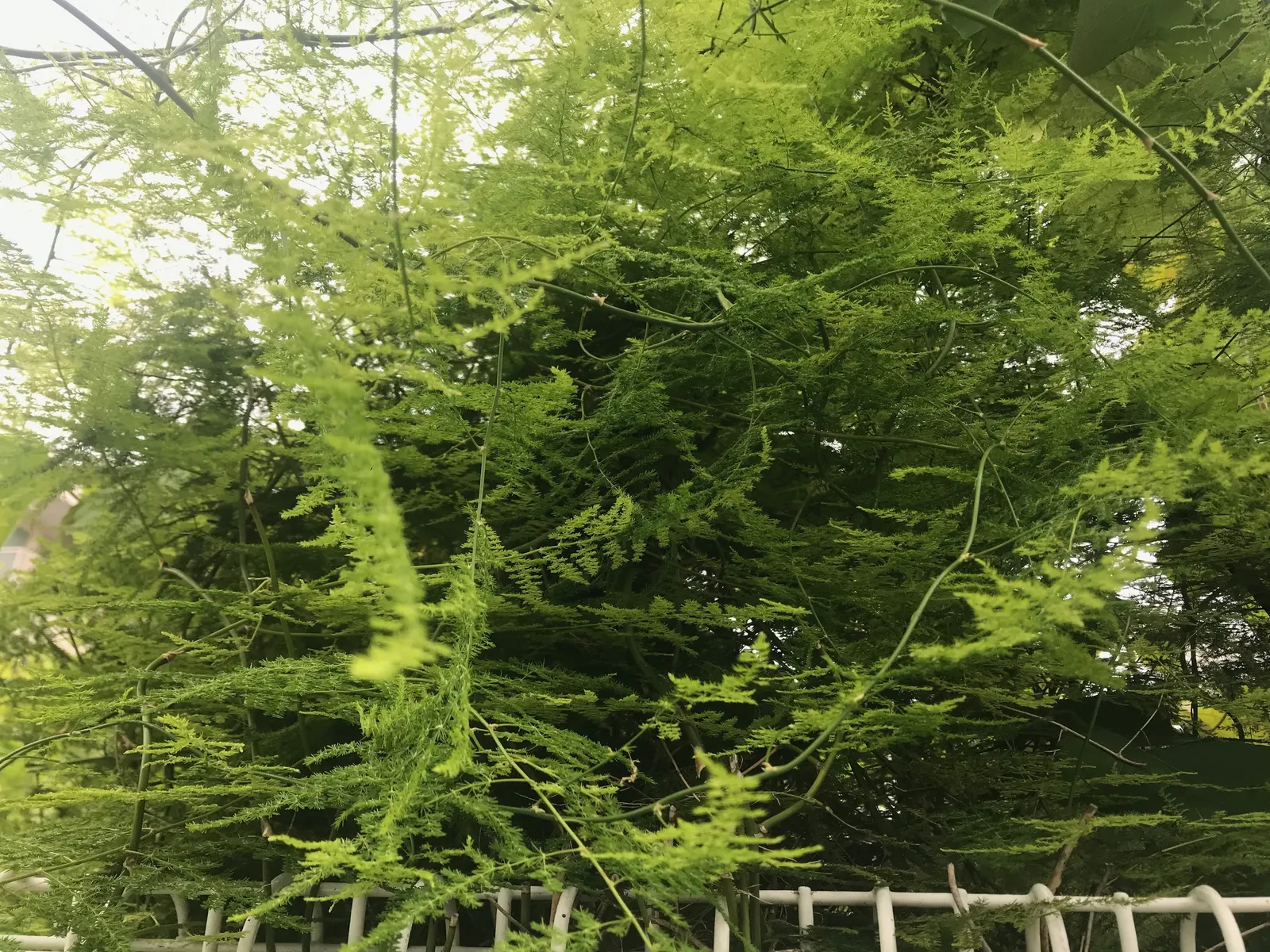
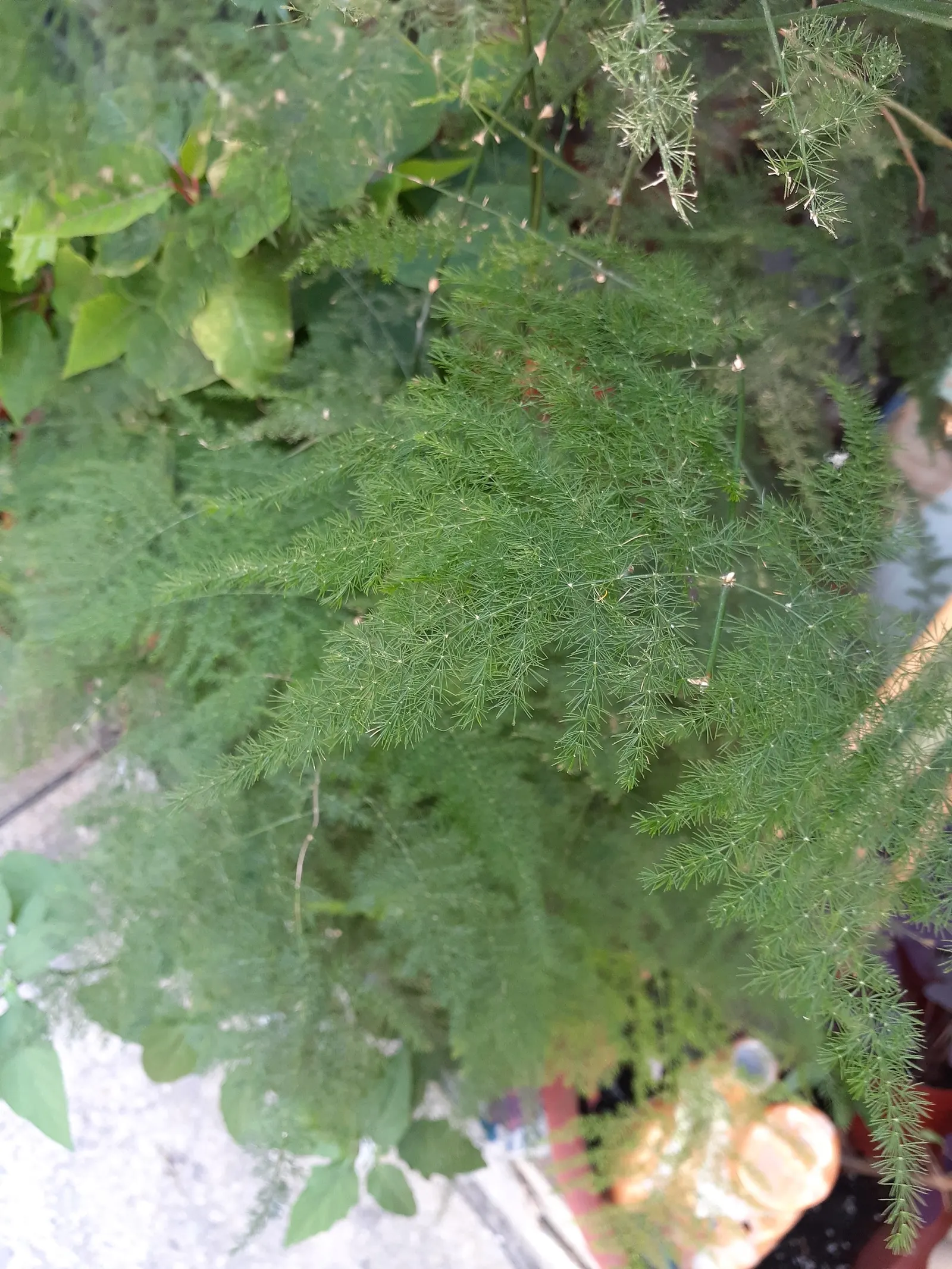
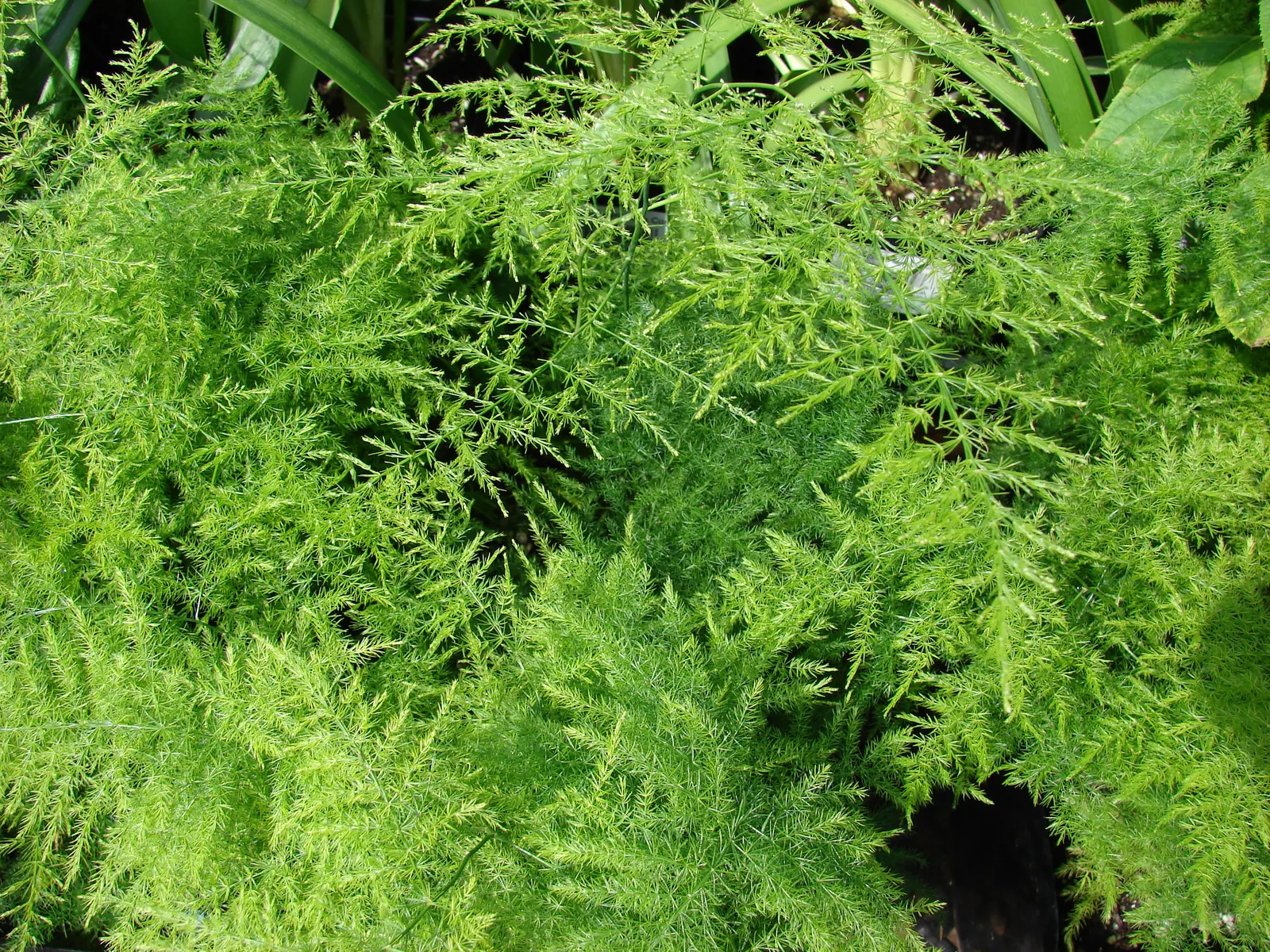
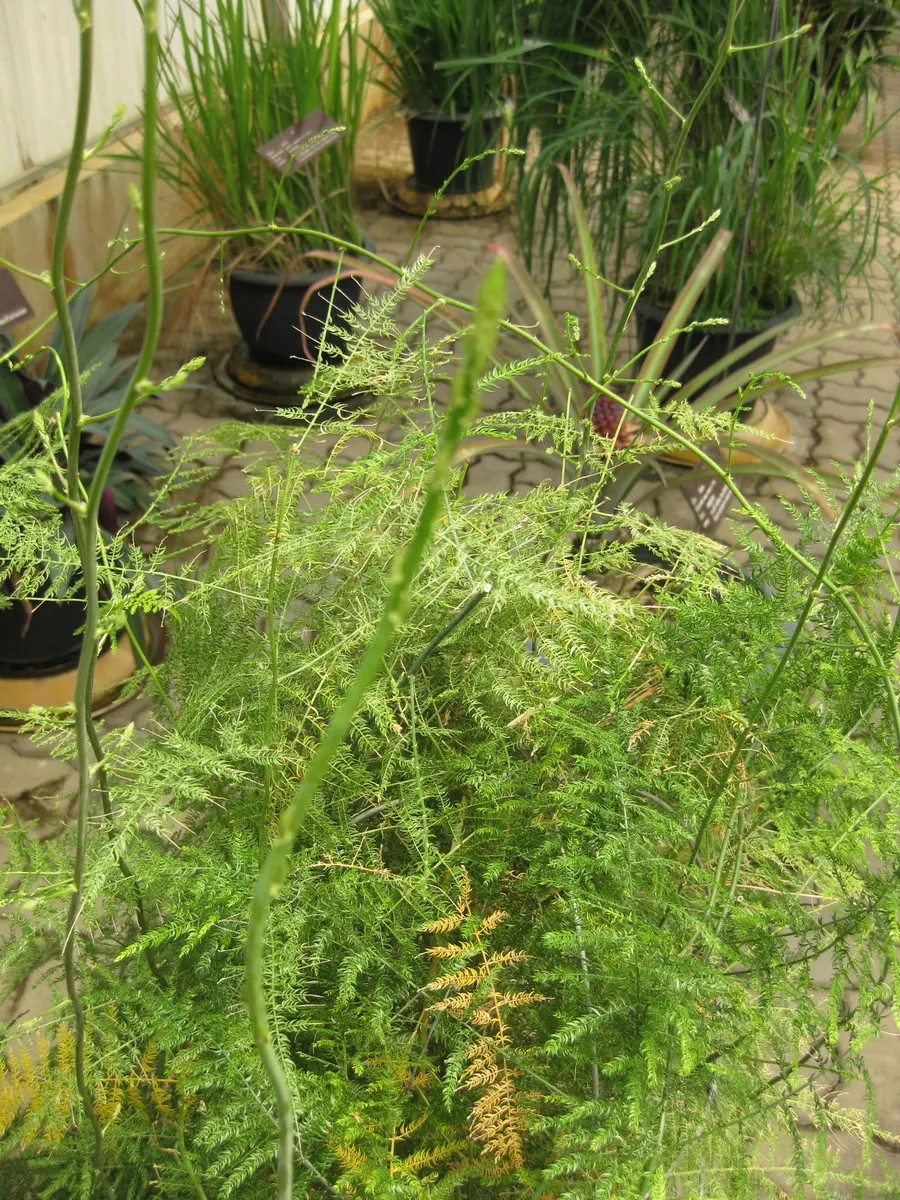
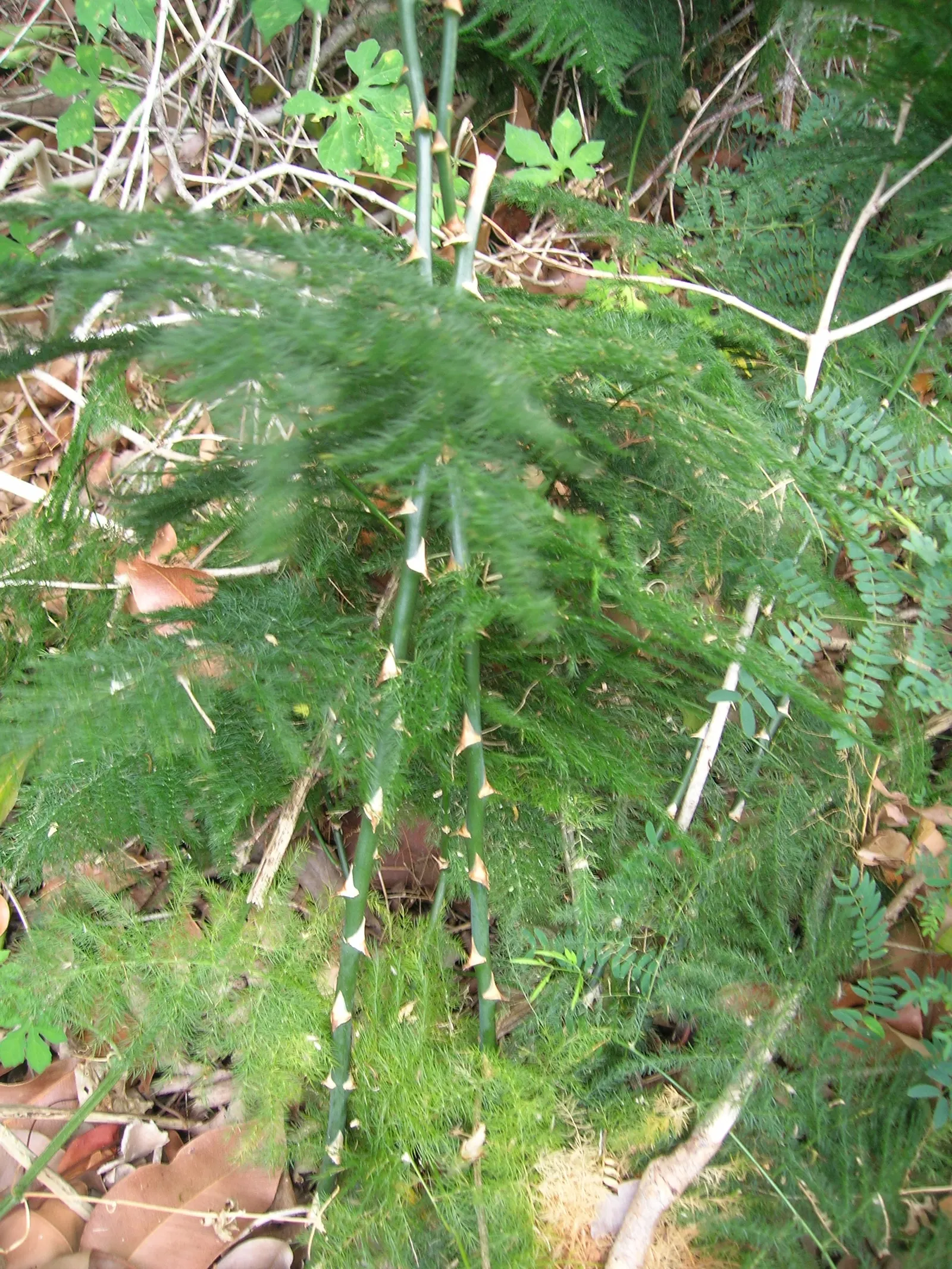
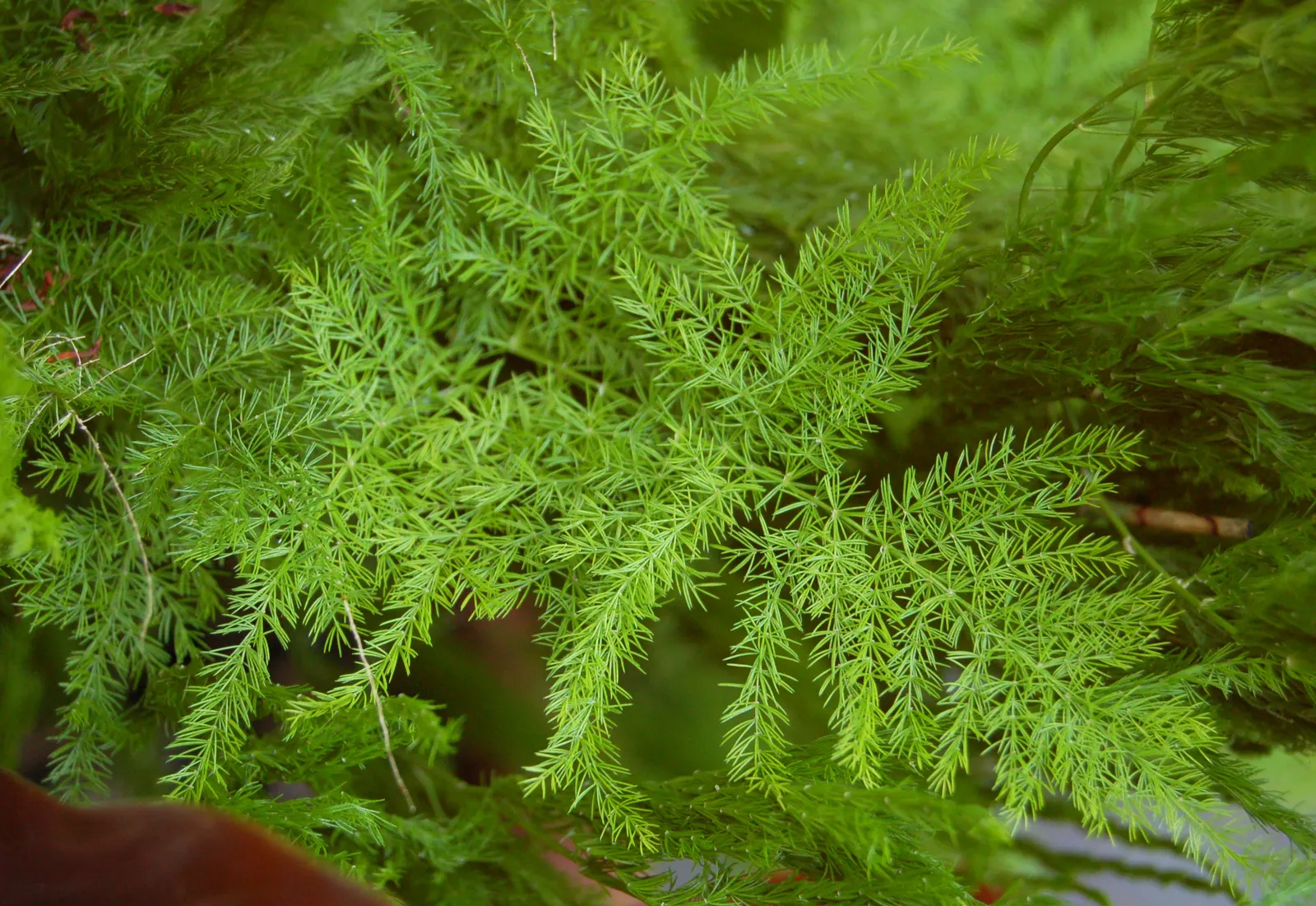
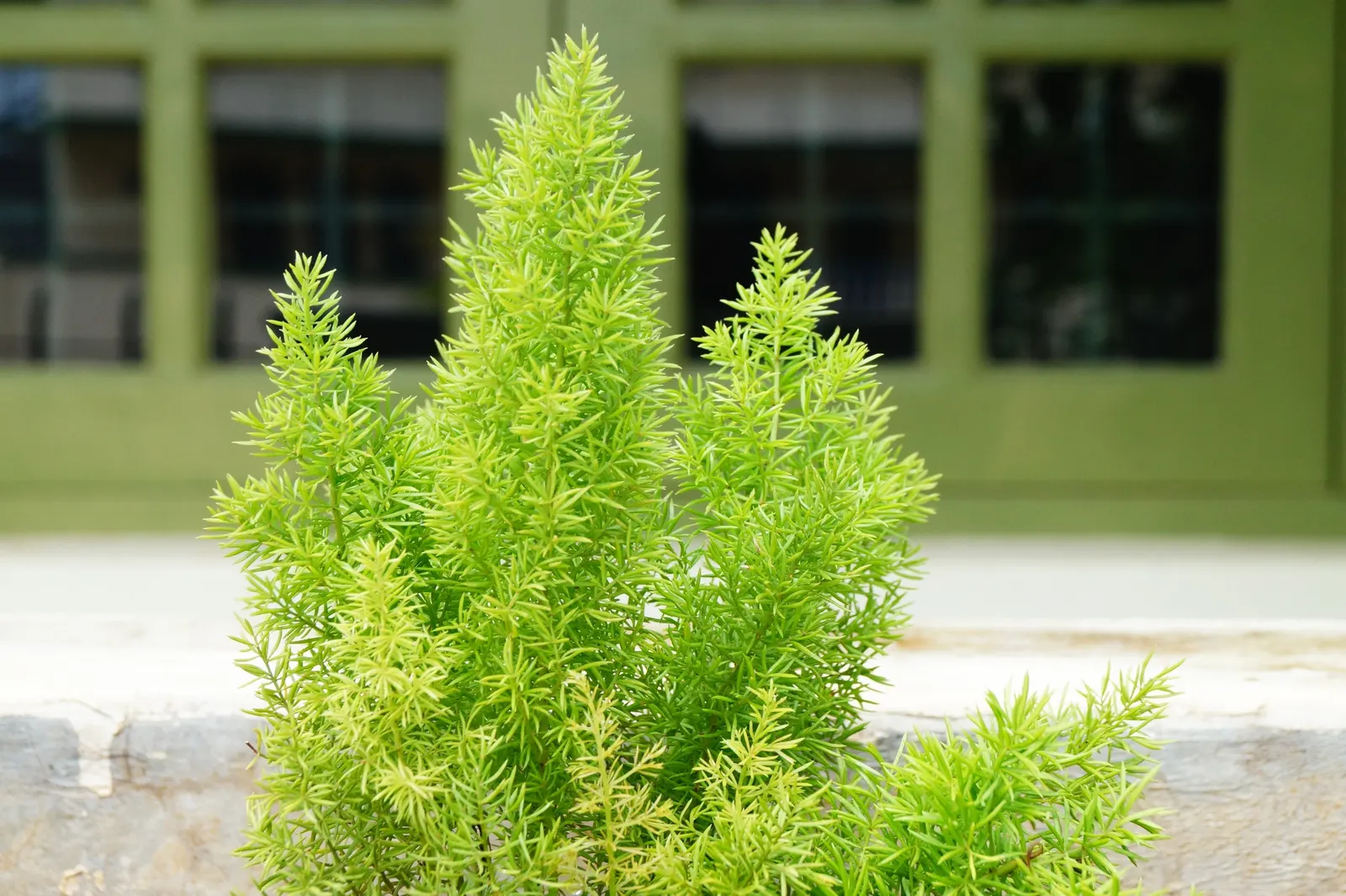
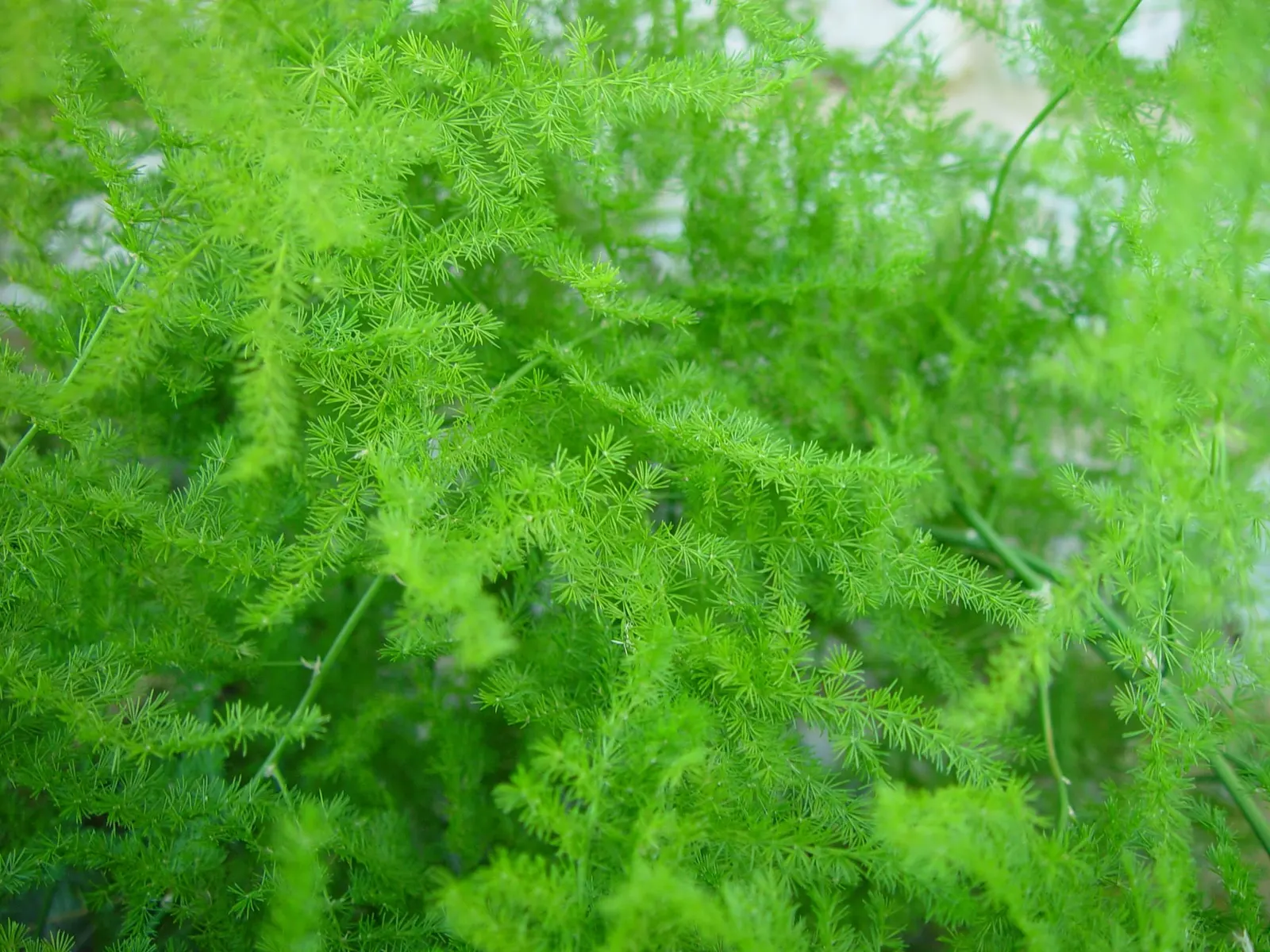
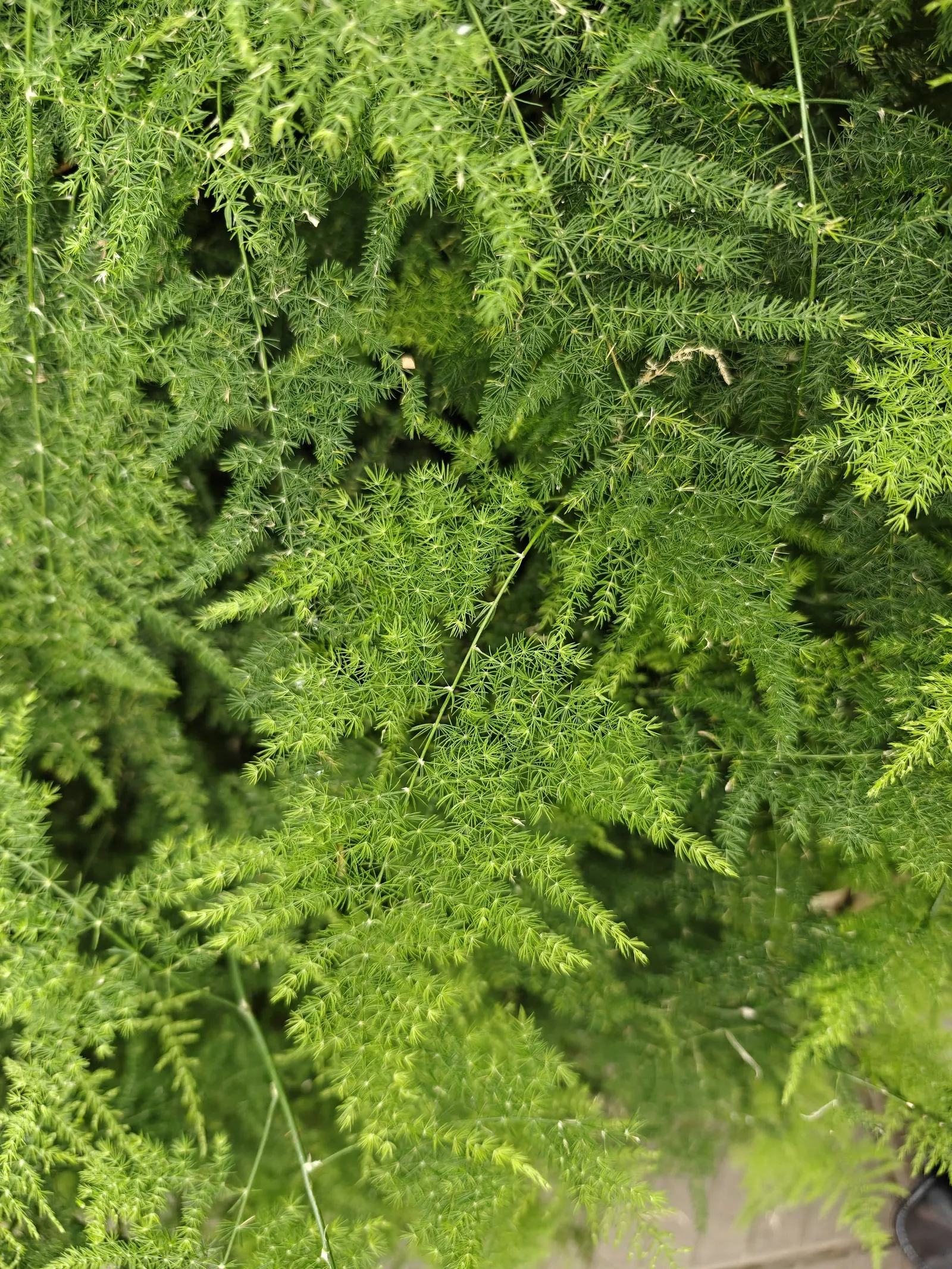
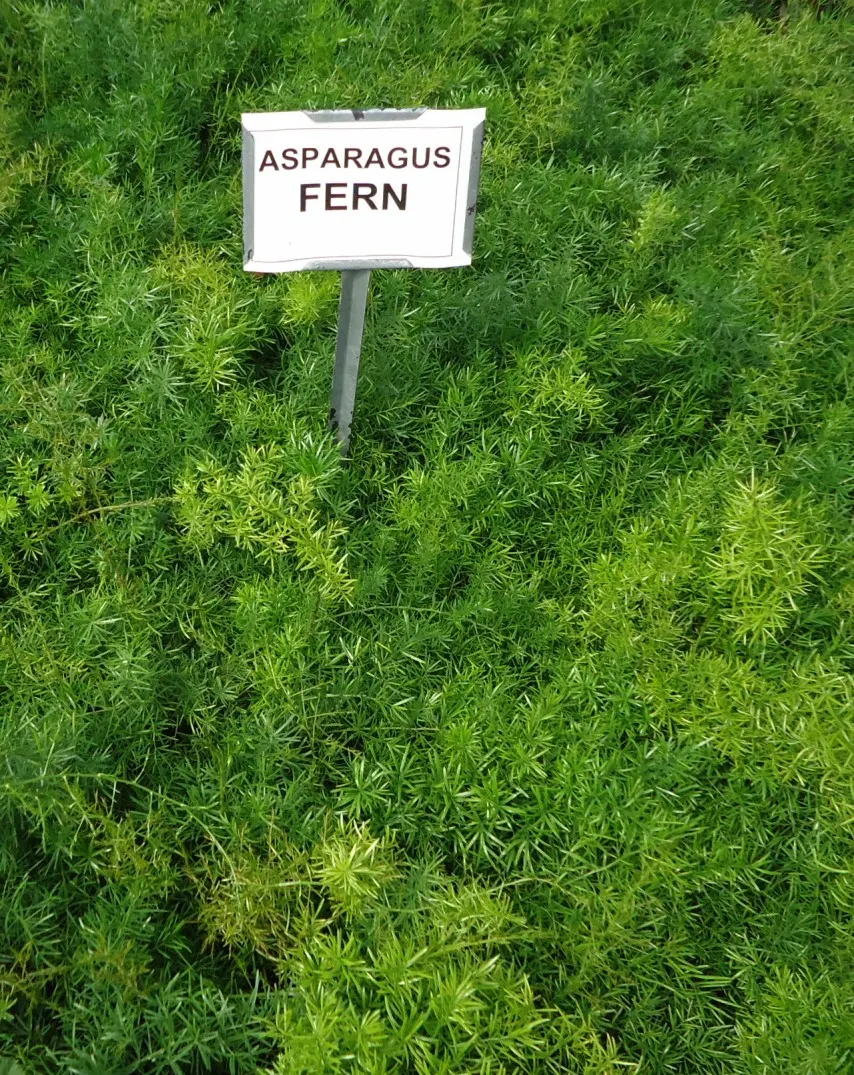
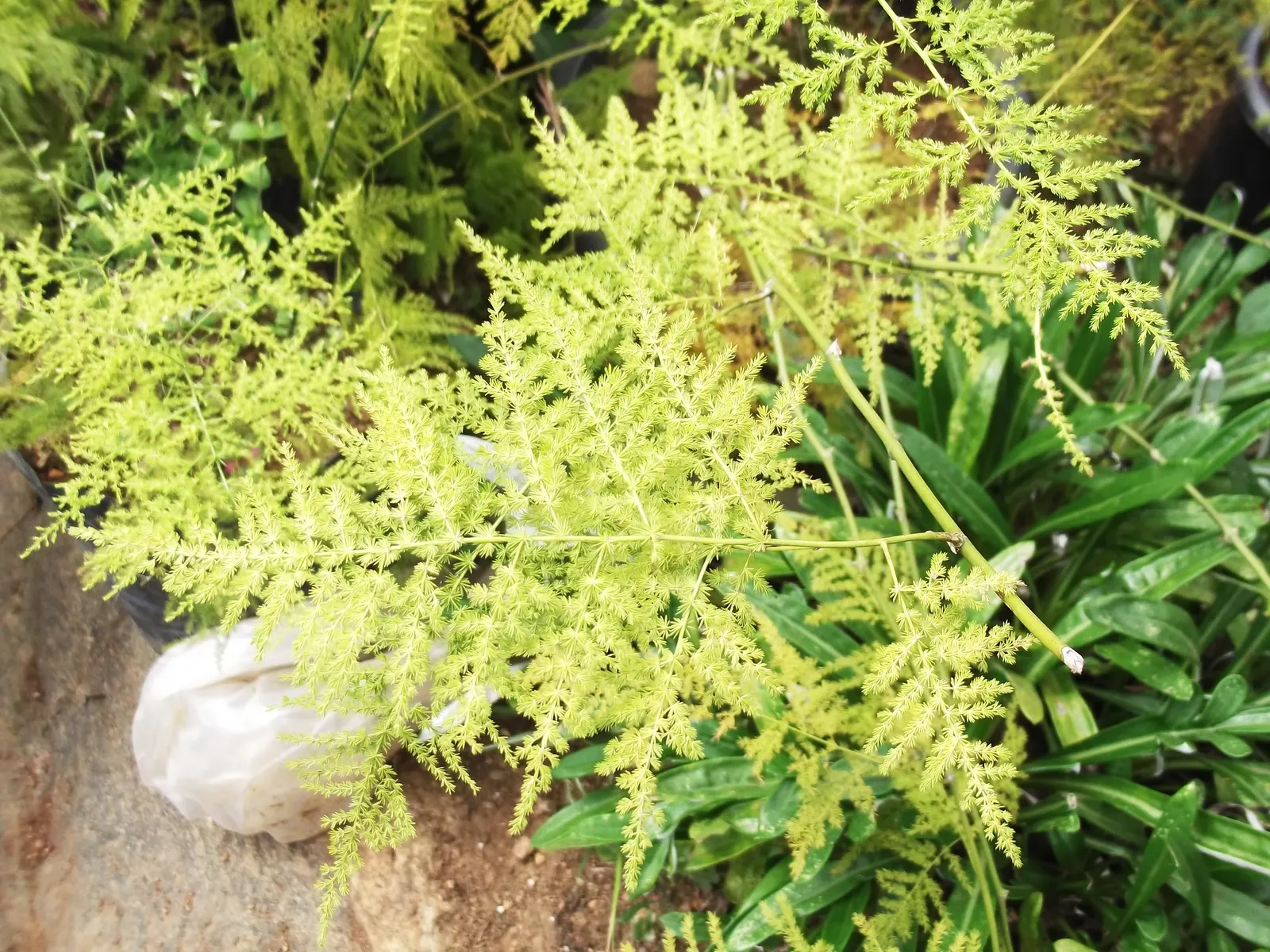
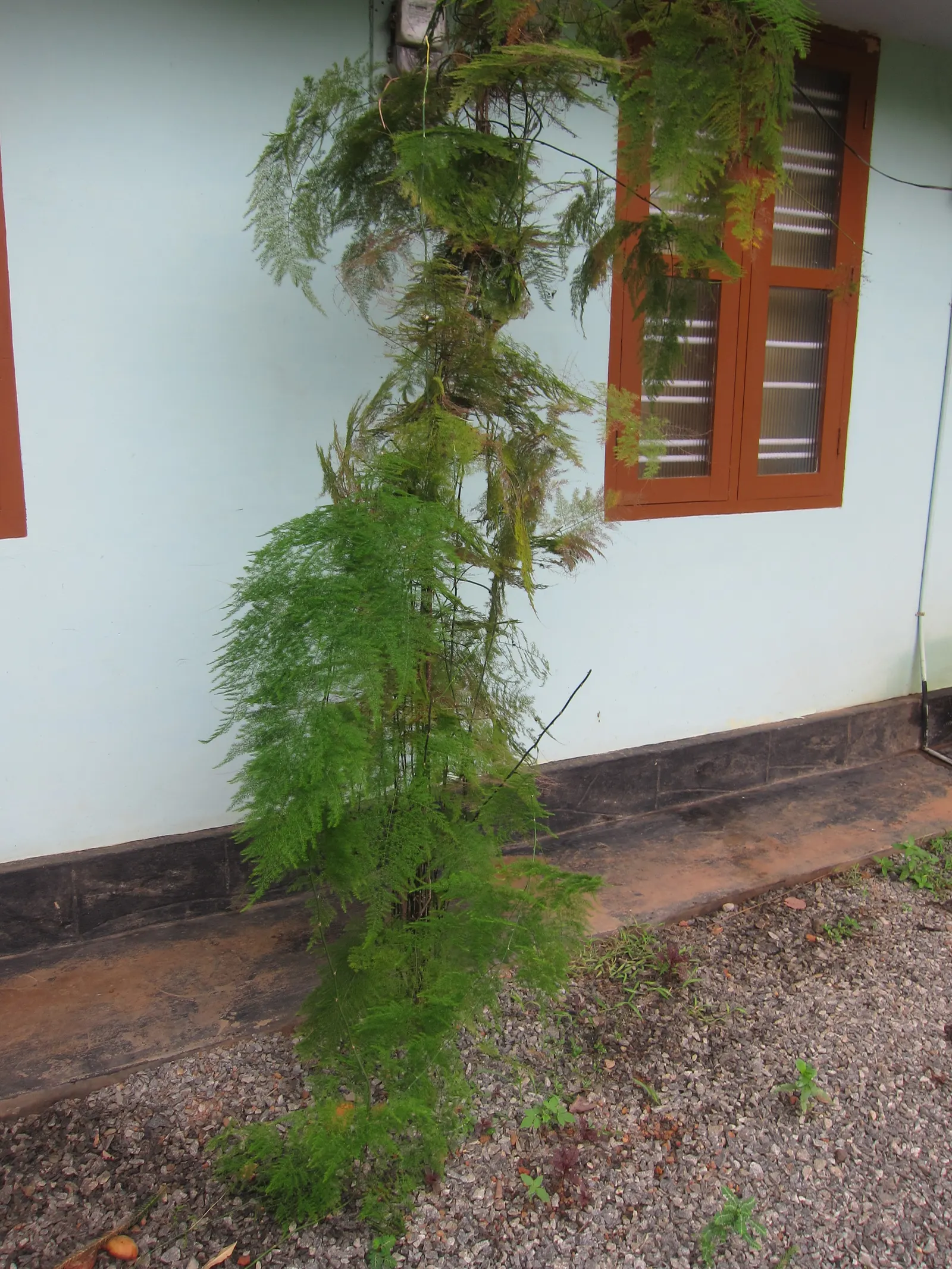
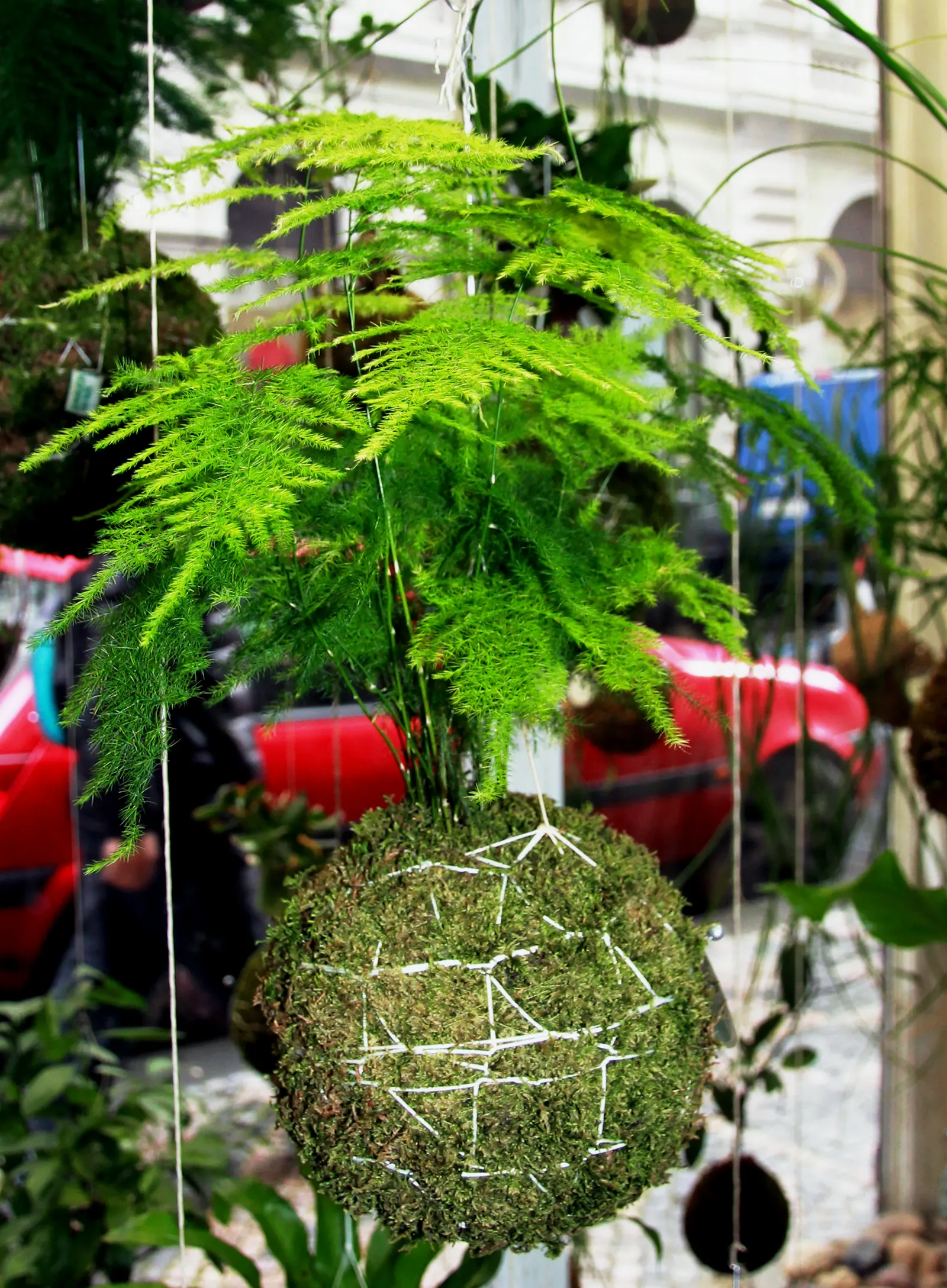
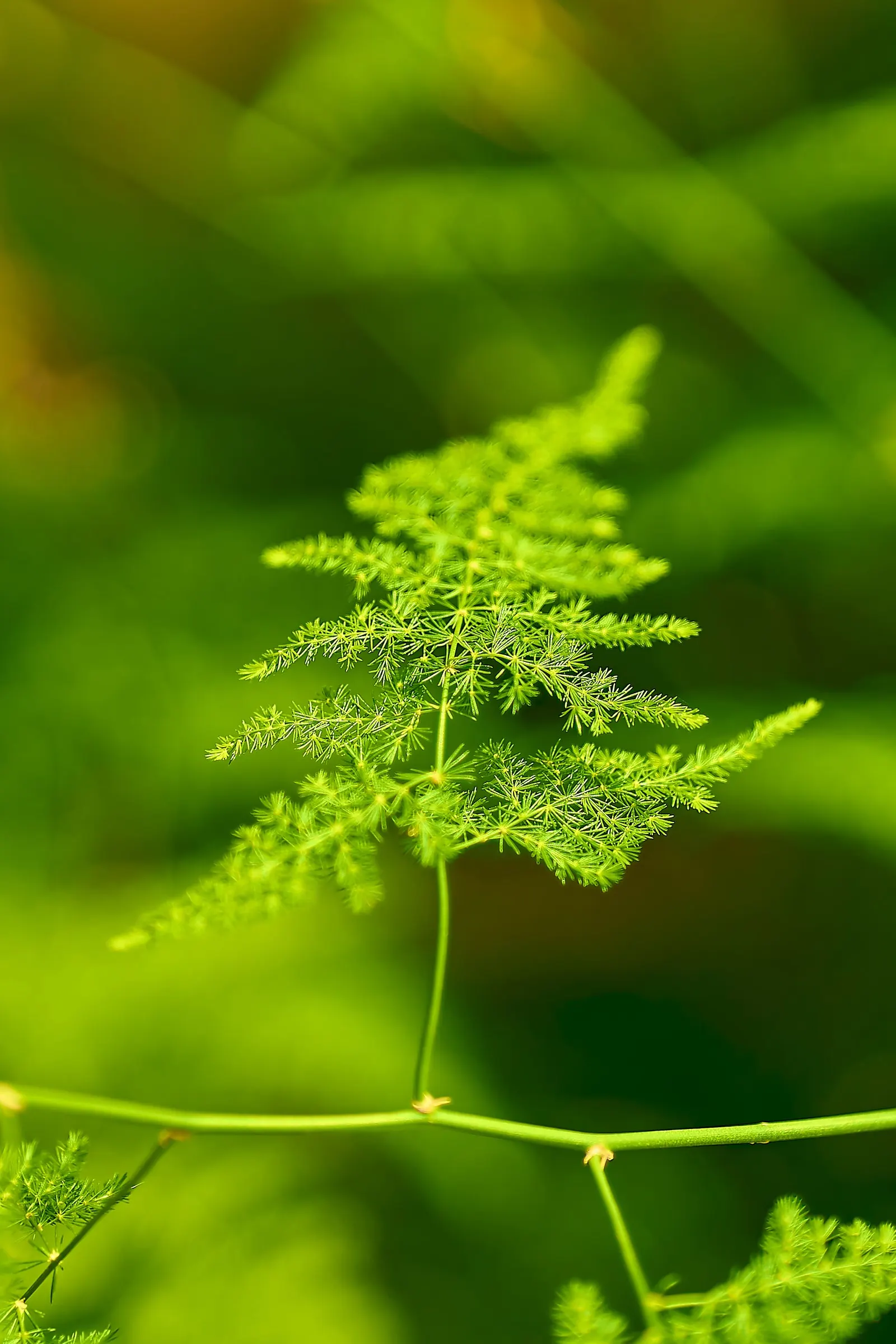
Asparagus setaceus, commonly known as Fern Asparagus, features delicate, feathery foliage that resembles that of a fern. This ornamental perennial thrives in USDA hardiness zones 9 to 11 and can reach up to 7-10 feet tall. Preferring bright, indirect light and moist, well-drained soil, it makes a captivating houseplant or garden accent. Note, however, that the berries are toxic if ingested, and the plant is considered invasive in some regions.

Sun Full, Half, ShadeWater LowZones 9–11Climate Subtropical
Fern Asparagus (Asparagus Setaceus) — commonly known as Fern Asparagus

Culture

Sun
Full, Half, Shade
Water
Low
USDA zones
9–11

Shape & size

Classification

Family
Liliaceae
Climate
Subtropical

See full data, regional cultivation notes, full-resolution photos, and design tools. Build a client presentation around this plant.

Start your 14-day trial

Photos (76)

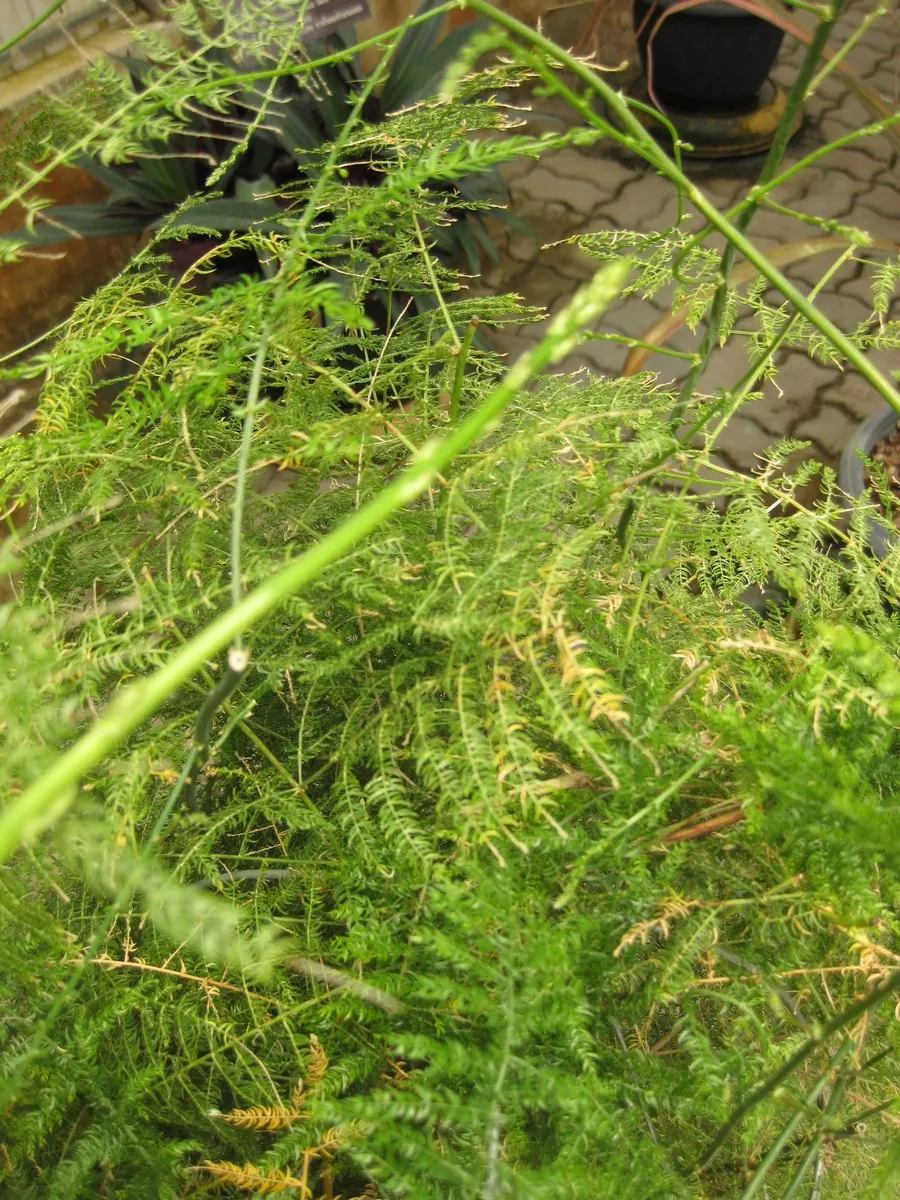
Fern Asparagus (Asparagus Setaceus) — feathery foliage that resembles that of a fern; it prefers well-draining soil, image 46
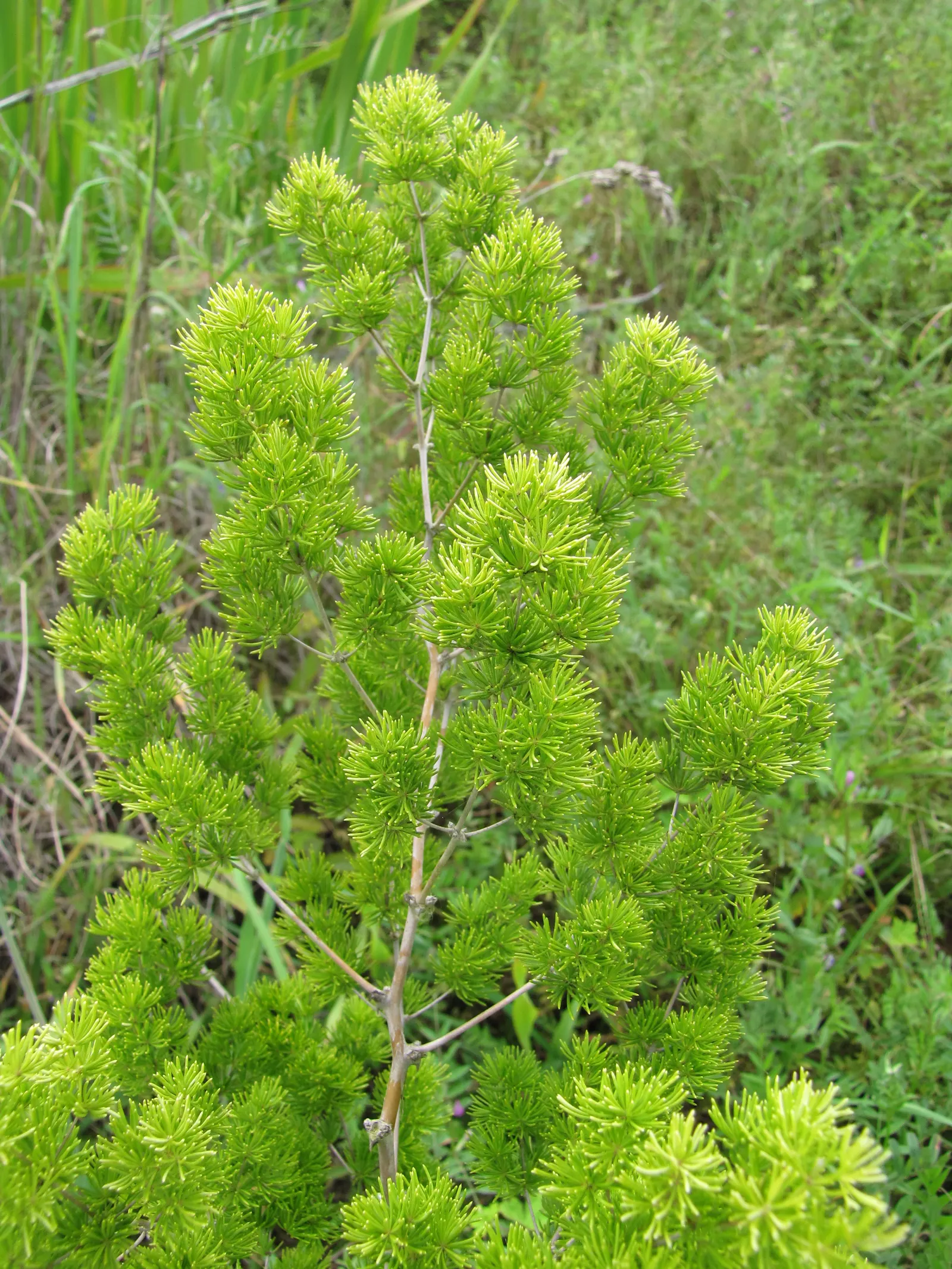
Fern Asparagus (Asparagus Setaceus) — commonly known as Fern Asparagus or Plumosa Fern; for individual care after planting, image 50
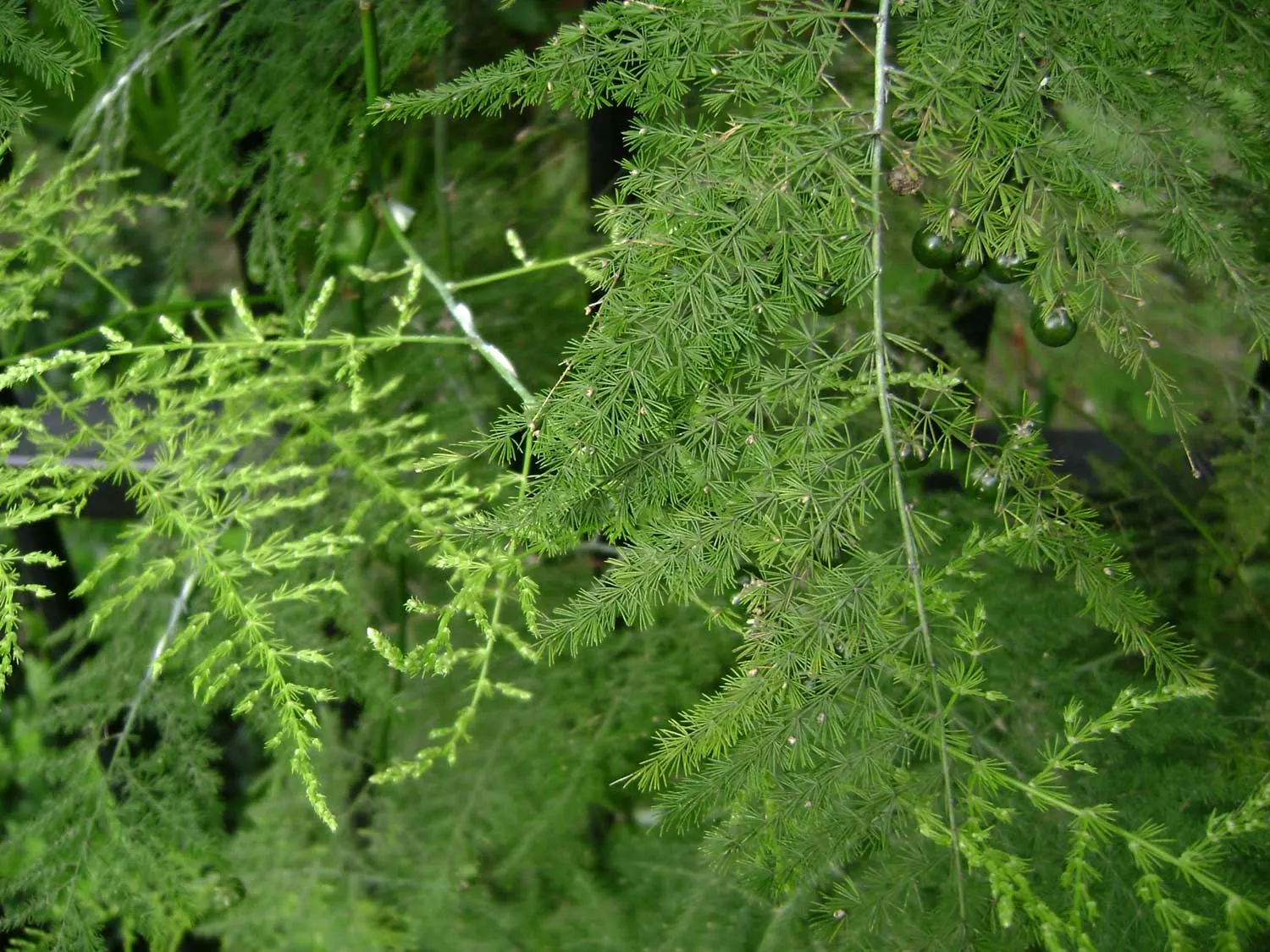
Fern Asparagus (Asparagus Setaceus) — Despite its common name, it's not a true fern, but rather a member of the lily family; the Fern Asparagus, image 52
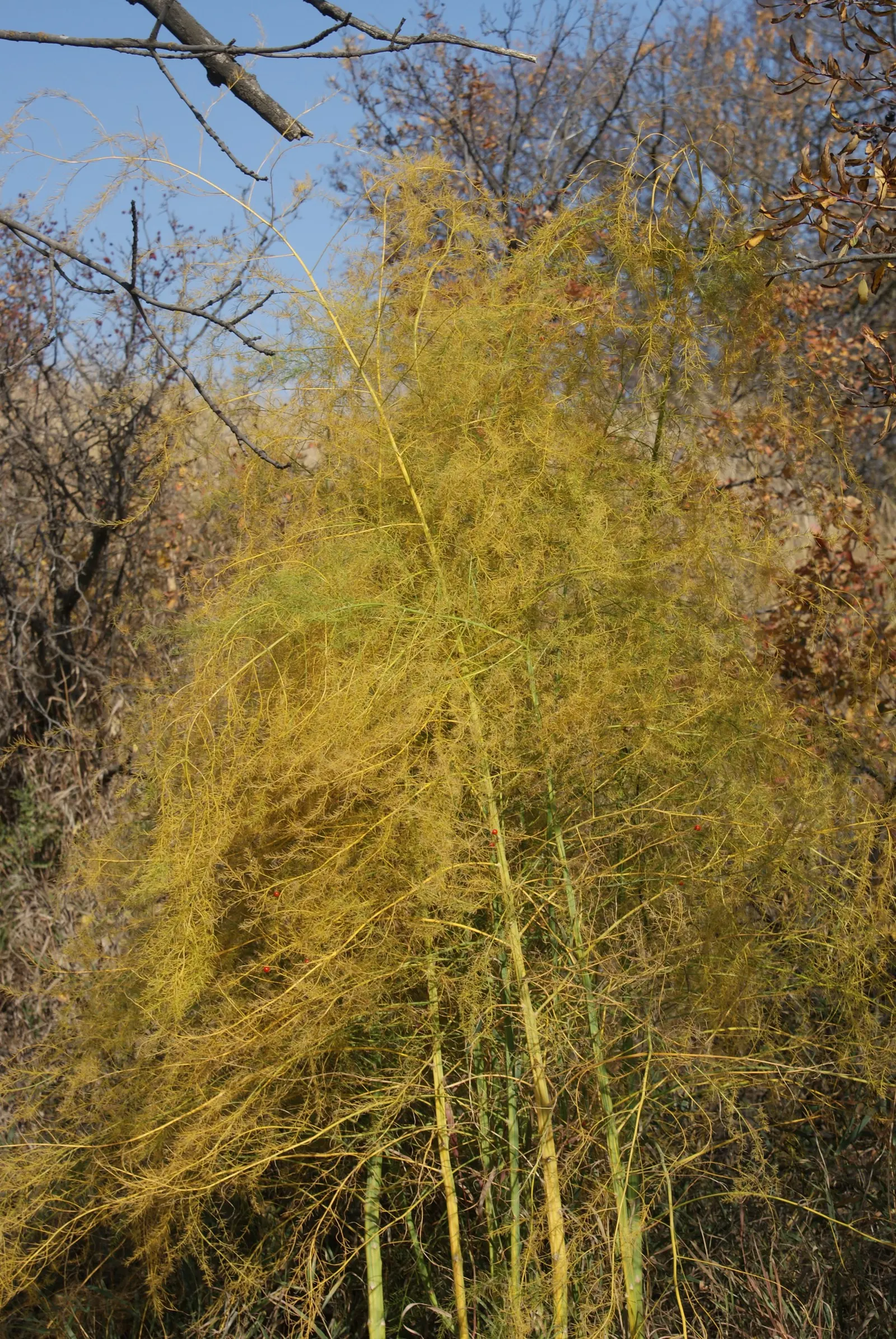
Fern Asparagus (Asparagus Setaceus) — is a delicate evergreen perennial that adds a graceful texture to garden designs with its fine; feathery, image 51
Fern Asparagus (Asparagus Setaceus) — It prefers well-draining soil; despite its common name, it's not a true fern, but rather a member of the lily, image 55
Fern Asparagus (Asparagus Setaceus) — making it an excellent choice for partly shaded landscape areas; commonly known as Fern Asparagus, image 54
Fern Asparagus (Asparagus Setaceus) — the Fern Asparagus thrives in dappled shade or indirect light; consider its delicate texture, image 53
Fern Asparagus (Asparagus Setaceus) — and although drought-tolerant once established; which can lead to root rot.<br><br>When using Asparagus, image 56
Fern Asparagus (Asparagus Setaceus) — it benefits from consistent moisture; fern / ground cover for full or half or shade, image 57
Fern Asparagus (Asparagus Setaceus) — consider its delicate texture; so caution should be exercised if pets or small children are present in the, image 60
Fern Asparagus (Asparagus Setaceus) — care should be taken to avoid waterlogged soil conditions; is a delicate evergreen perennial that adds a, image 58
Fern Asparagus (Asparagus Setaceus) — which can lead to root rot.<br><br>When using Asparagus setaceus in landscape designs; care should be taken, image 59
Fern Asparagus (Asparagus Setaceus) — the client should understand that this ornamental plant requires minimal maintenance; it benefits from, image 62
Fern Asparagus (Asparagus Setaceus) — For individual care after planting; commonly known as Fern Asparagus or Plumosa Fern, image 61
Fern Asparagus (Asparagus Setaceus) — it's important to manage its spread through regular pruning; white flowers followed by red berries that are, image 63
Fern Asparagus (Asparagus Setaceus) — white flowers followed by red berries that are toxic if ingested; note, however, that the berries are toxic, image 64
Fern Asparagus (Asparagus Setaceus) — so caution should be exercised if pets or small children are present in the garden space; and although, image 65
Fern Asparagus (Asparagus Setaceus) — commonly known as Fern Asparagus; it makes a captivating houseplant or garden accent, image 67
Fern Asparagus (Asparagus Setaceus) — fern / ground cover for full or half or shade; it's important to manage its spread through regular pruning, image 66
Fern Asparagus (Asparagus Setaceus) — feathery foliage that resembles that of a fern; it prefers well-draining soil, image 68
Fern Asparagus (Asparagus Setaceus) — This ornamental perennial thrives in USDA hardiness zones 9 to 11 and can reach up to 7-10 feet tall; the, image 69
Fern Asparagus (Asparagus Setaceus) — it makes a captivating houseplant or garden accent; this ornamental perennial thrives in USDA hardiness zones, image 70
Fern Asparagus (Asparagus Setaceus) — Note, however, that the berries are toxic if ingested, and the plant is considered invasive in some regions, image 71
Fern Asparagus (Asparagus Setaceus) — commonly known as Fern Asparagus or Plumosa Fern; for individual care after planting, image 72

Related plants