Skip to content

Sylvan Goatsbeard

Aruncus Dioicus

Design with this plant

Overview

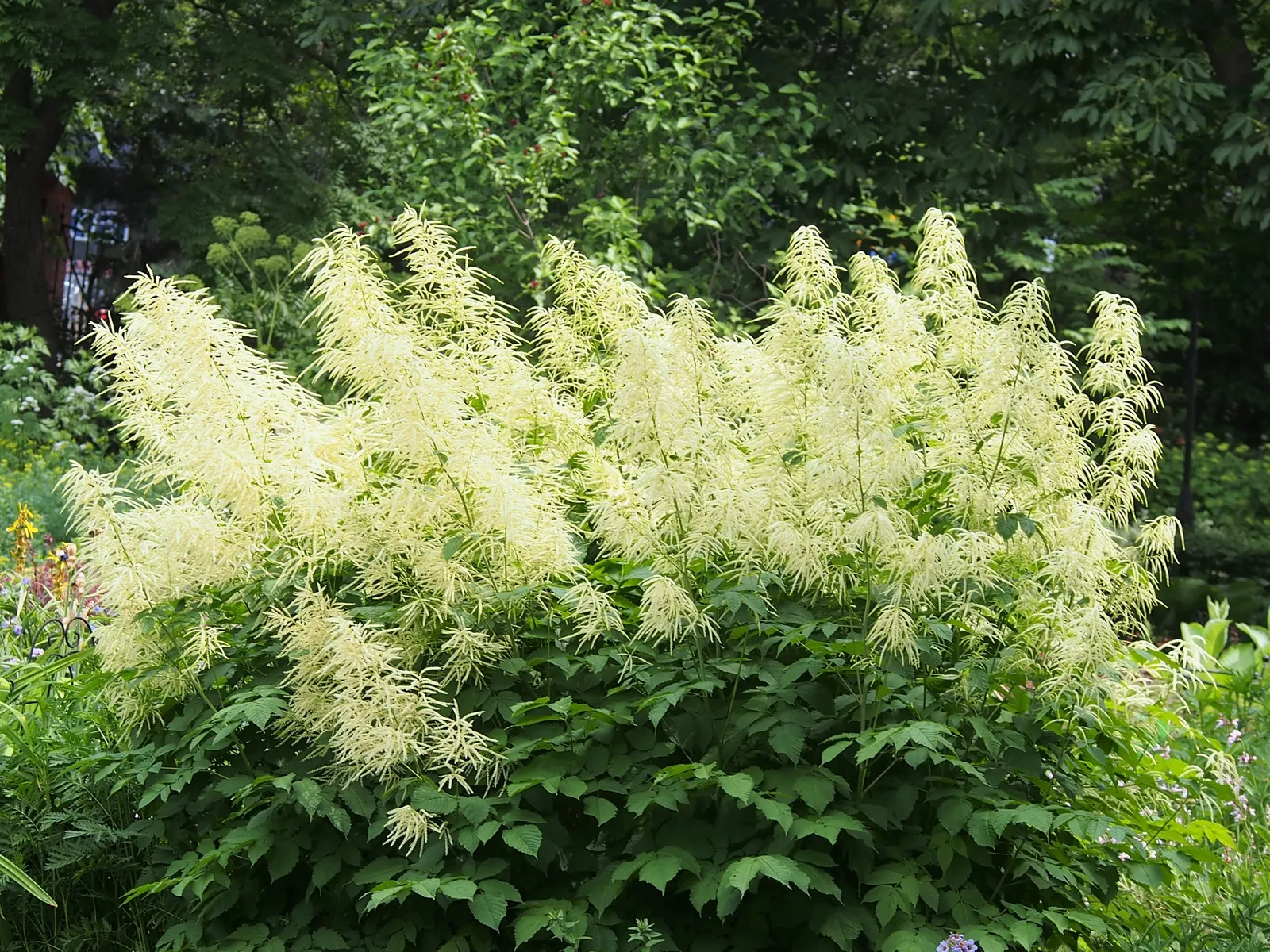
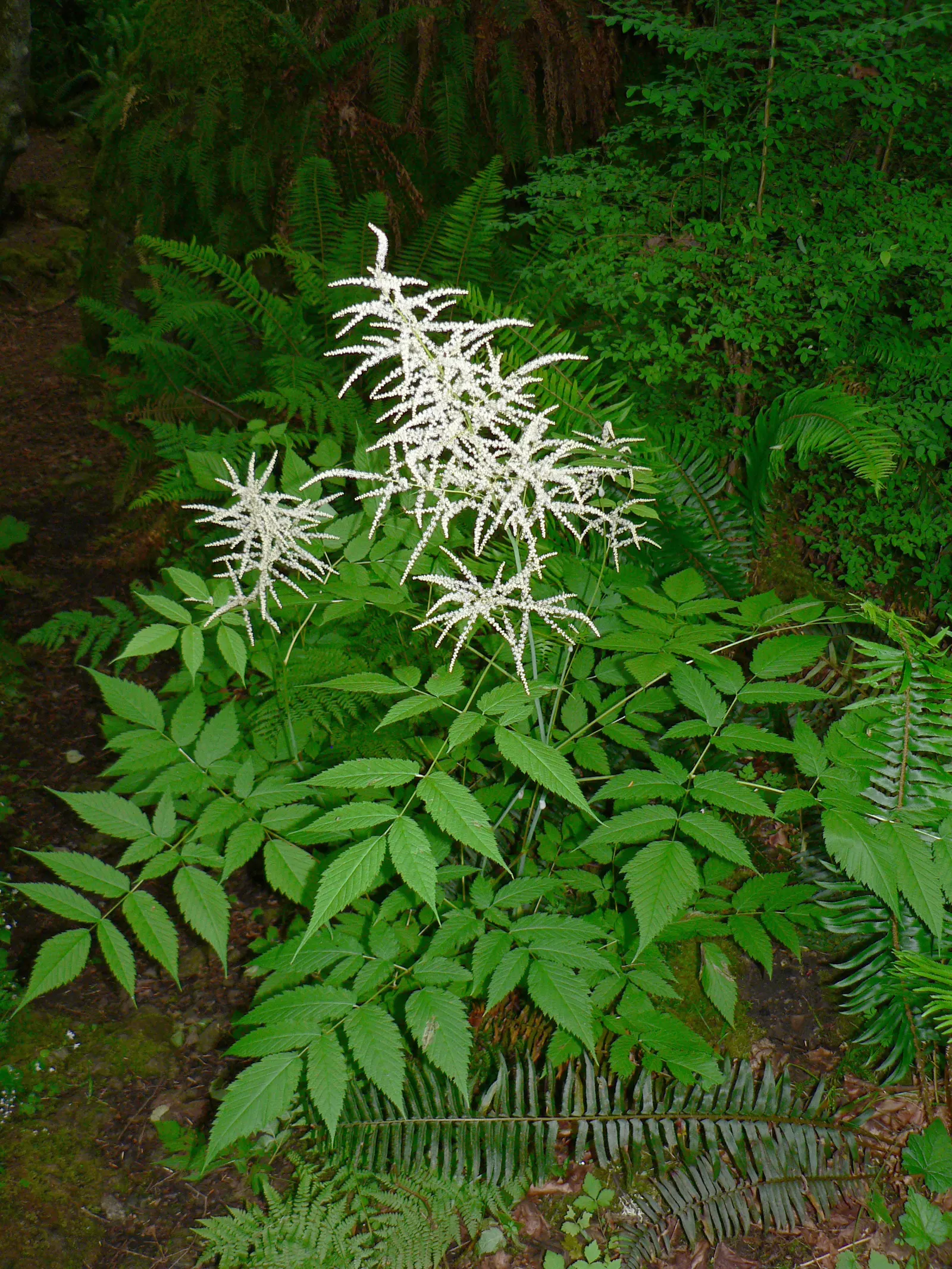
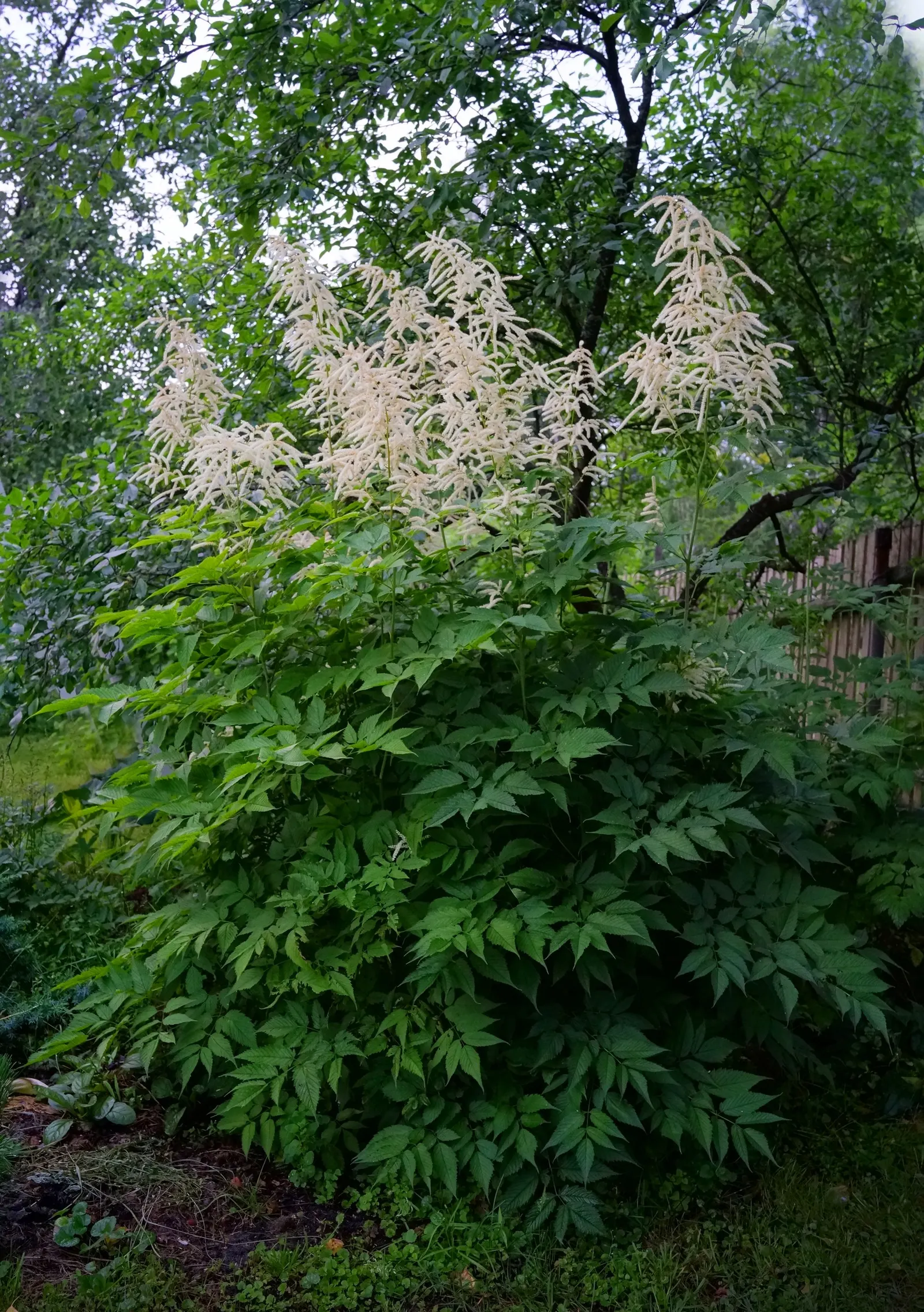
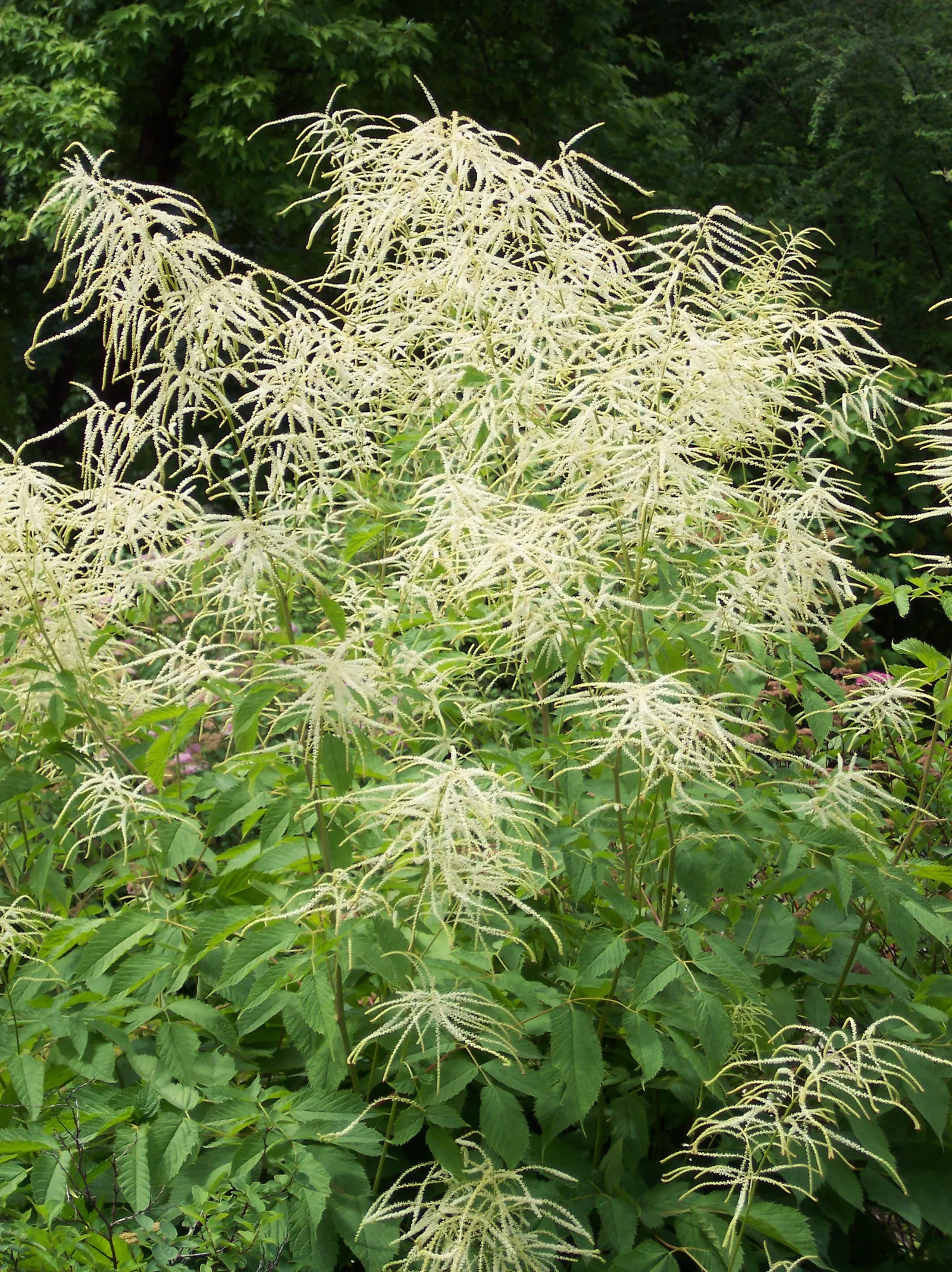
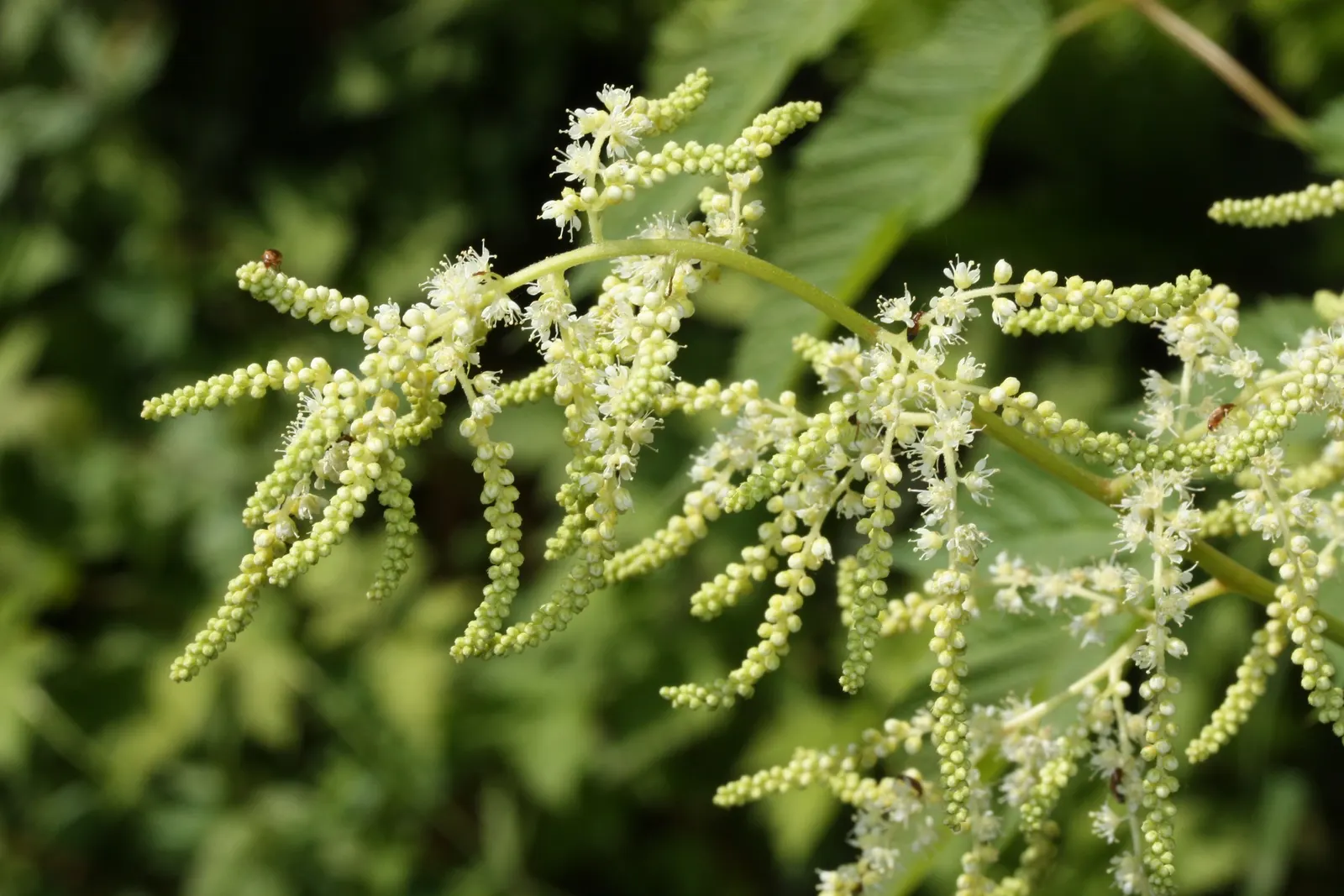
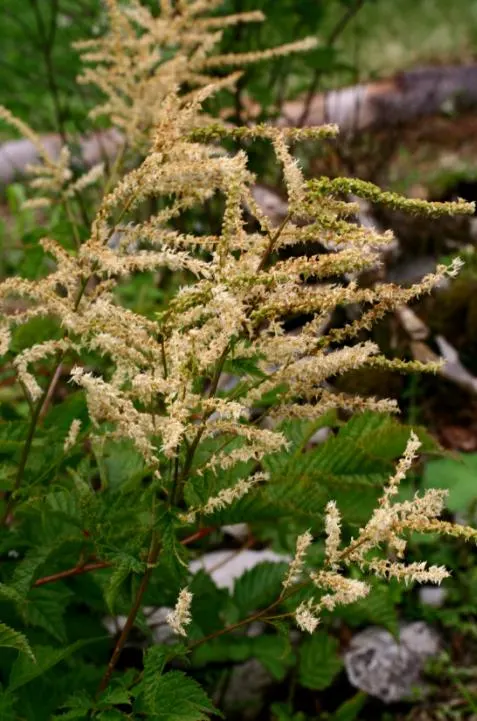
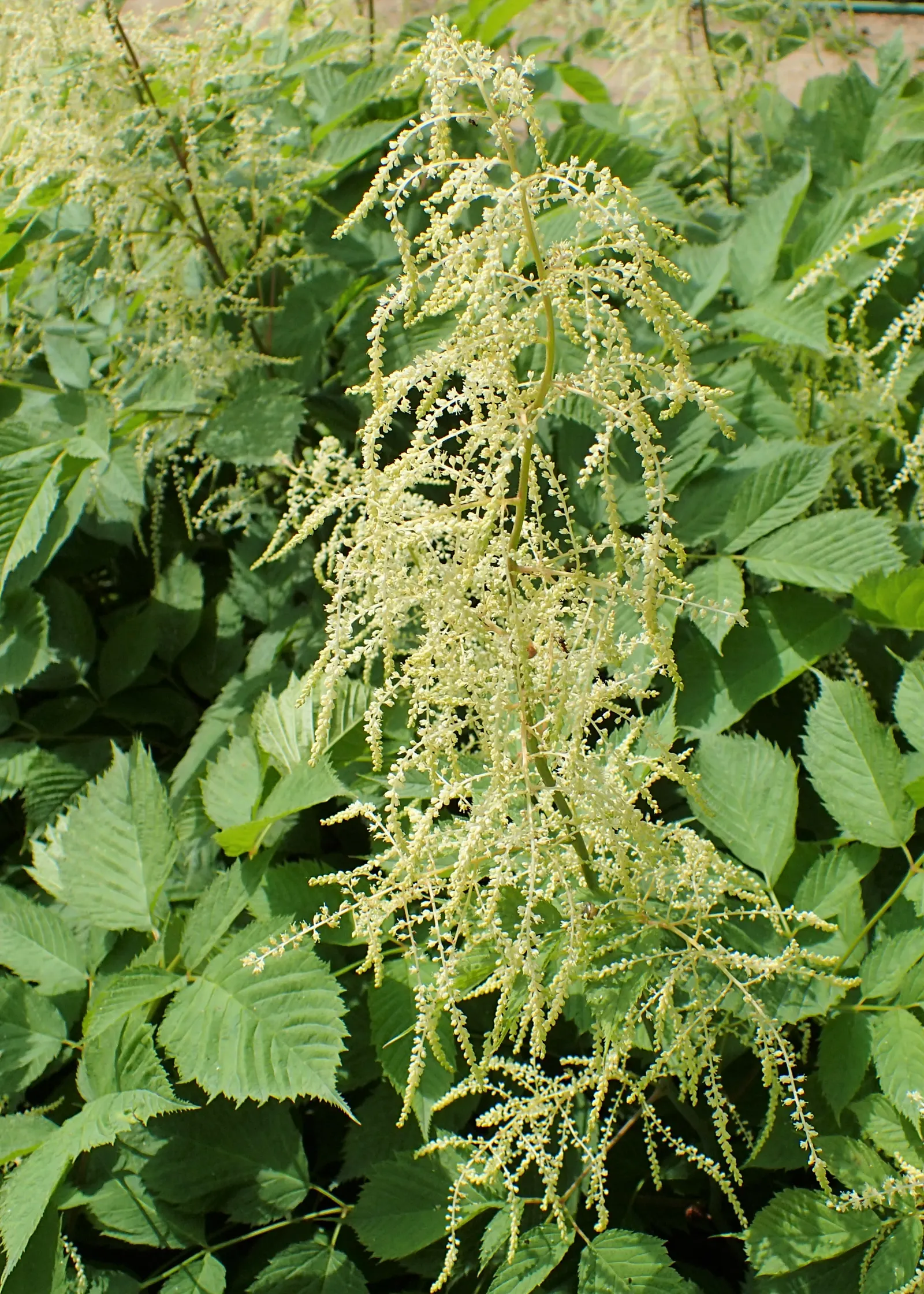
Aruncus dioicus, commonly known as Sylvan Goatsbeard, is a perennial favorite for woodland gardens. This North American native showcases frothy cream plumes above fern-like foliage in early summer. It thrives in moist, well-drained soil with partial to full shade. Reaching 3 to 6 feet in height and spreading 2 to 4 feet wide, it's ideal for creating textural contrast. It prefers zones 3-7, offering low maintenance and deer resistance.

Sun Half, ShadeWater MediumZones 2–9Type PerennialClimate Temperate
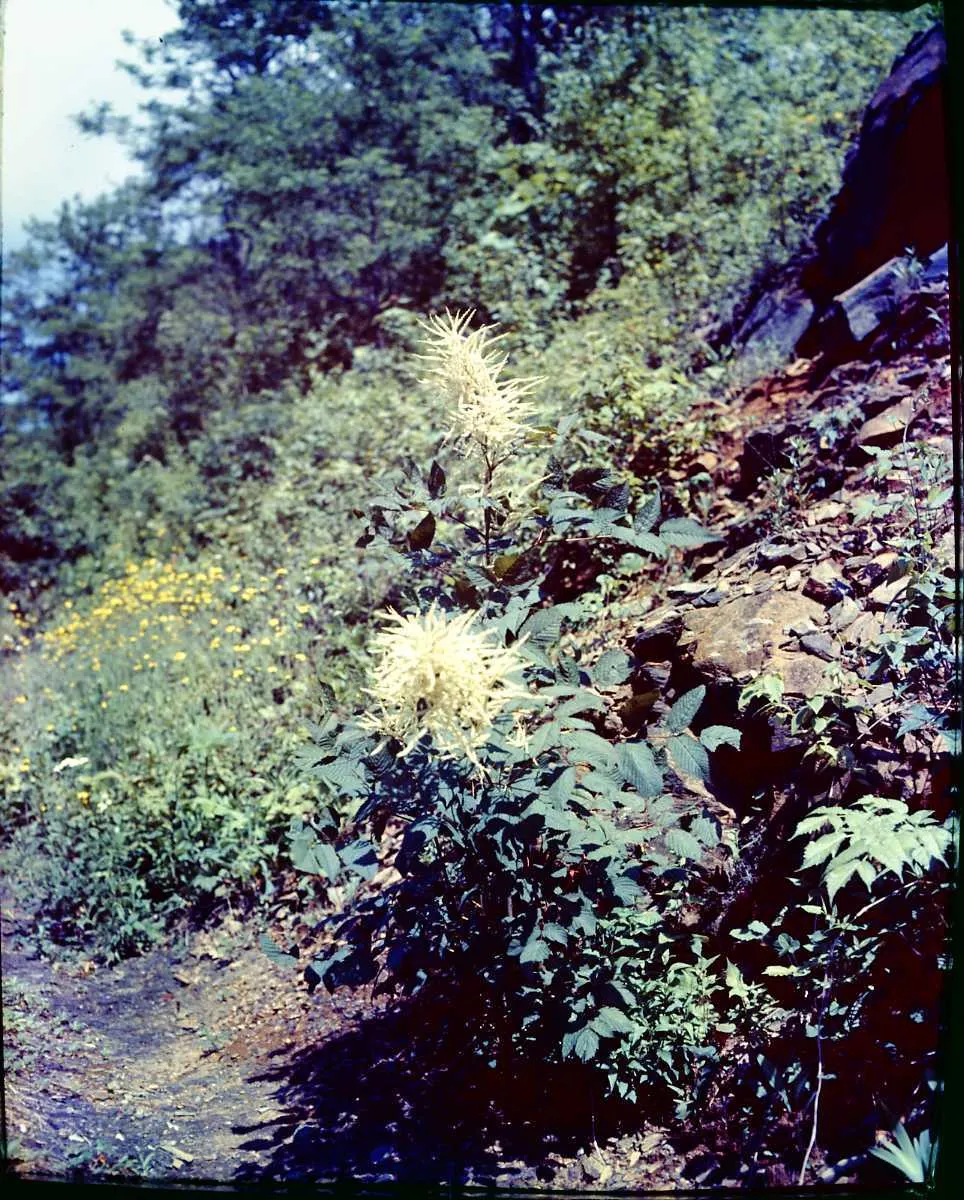
Sylvan Goatsbeard (Aruncus Dioicus) — herbaceous perennial that brings a dramatic flair to any landscape; possibly reaching up to 12 inches in, image 91

Culture

Sun
Half, Shade
Water
Medium
USDA zones
2–9

Shape & size

Classification

Type
Perennial
Family
Araceae
Climate
Temperate

See full data, regional cultivation notes, and design tools. Build a client presentation around this plant.

Start your 14-day trial

Photos (116)

Sylvan Goatsbeard (Aruncus Dioicus) — perennial for half or shade; this plant is generally deer resistant, adding another layer of utility to its aesthetic
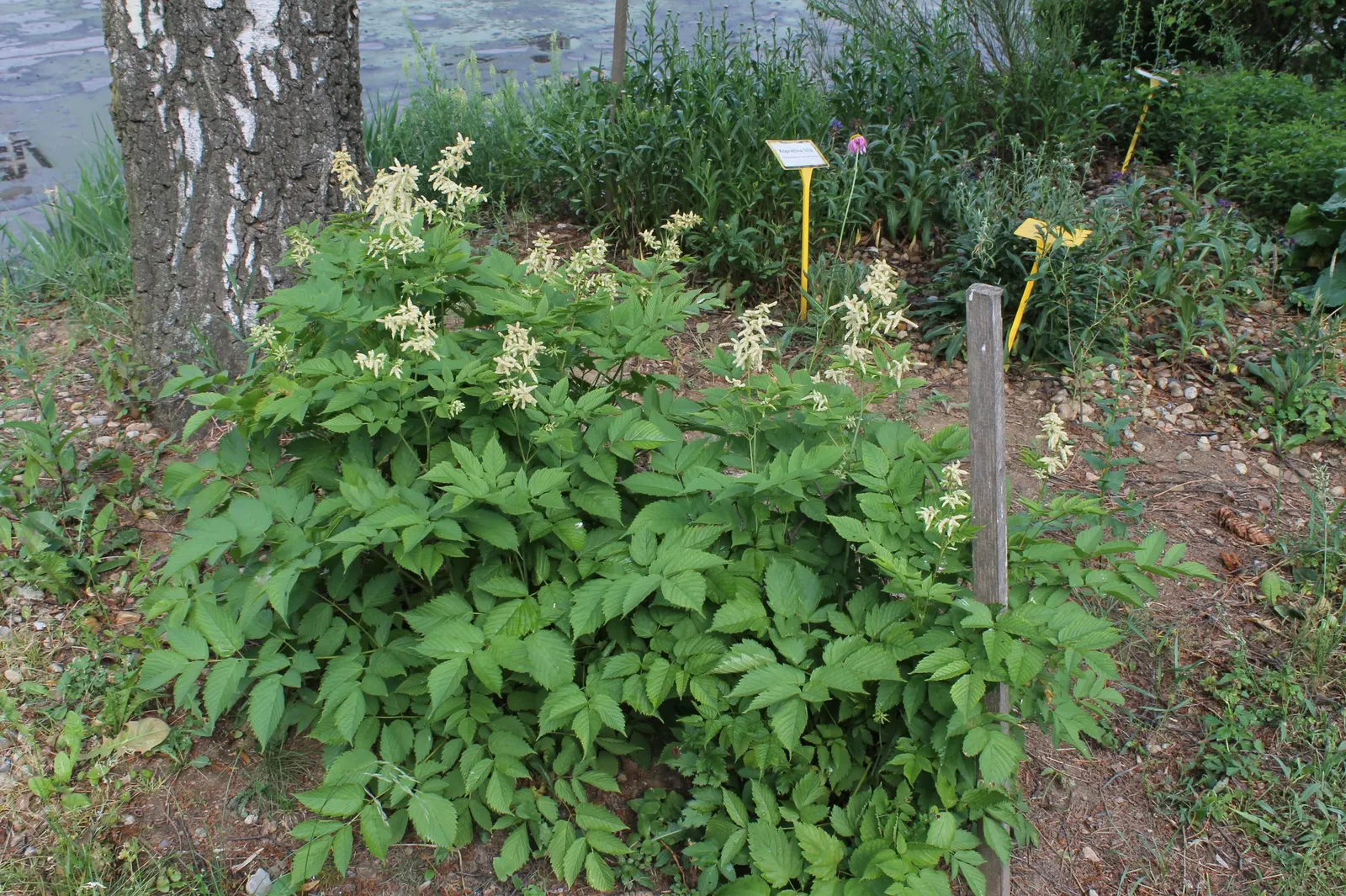
Sylvan Goatsbeard (Aruncus Dioicus) — herbaceous perennial that brings a dramatic flair to any landscape
Sylvan Goatsbeard (Aruncus Dioicus) — Minimal maintenance is required; however; typically growing to heights of 4 to 6 feet with a spread of 2 to 4, image 78
Sylvan Goatsbeard (Aruncus Dioicus) — resembling those of a fern or astilbe; typically growing to heights of 4 to 6 feet with a spread of 2 to 4, image 70
Sylvan Goatsbeard (Aruncus Dioicus) — Minimal maintenance is required; however
Sylvan Goatsbeard (Aruncus Dioicus) — commonly referred to as Sylvan Goatsbeard; typically growing to heights of 4 to 6 feet with a spread of 2 to, image 90
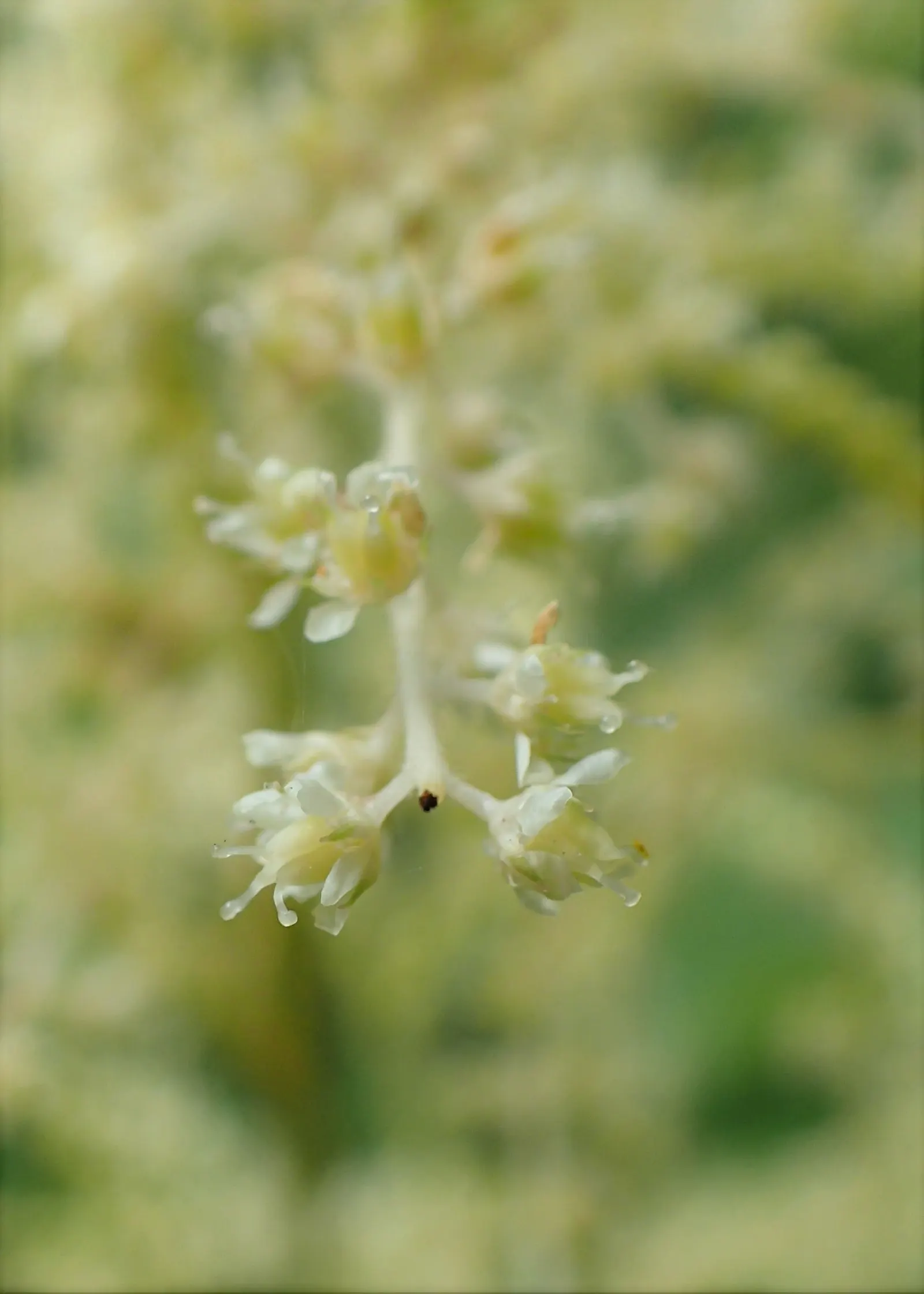
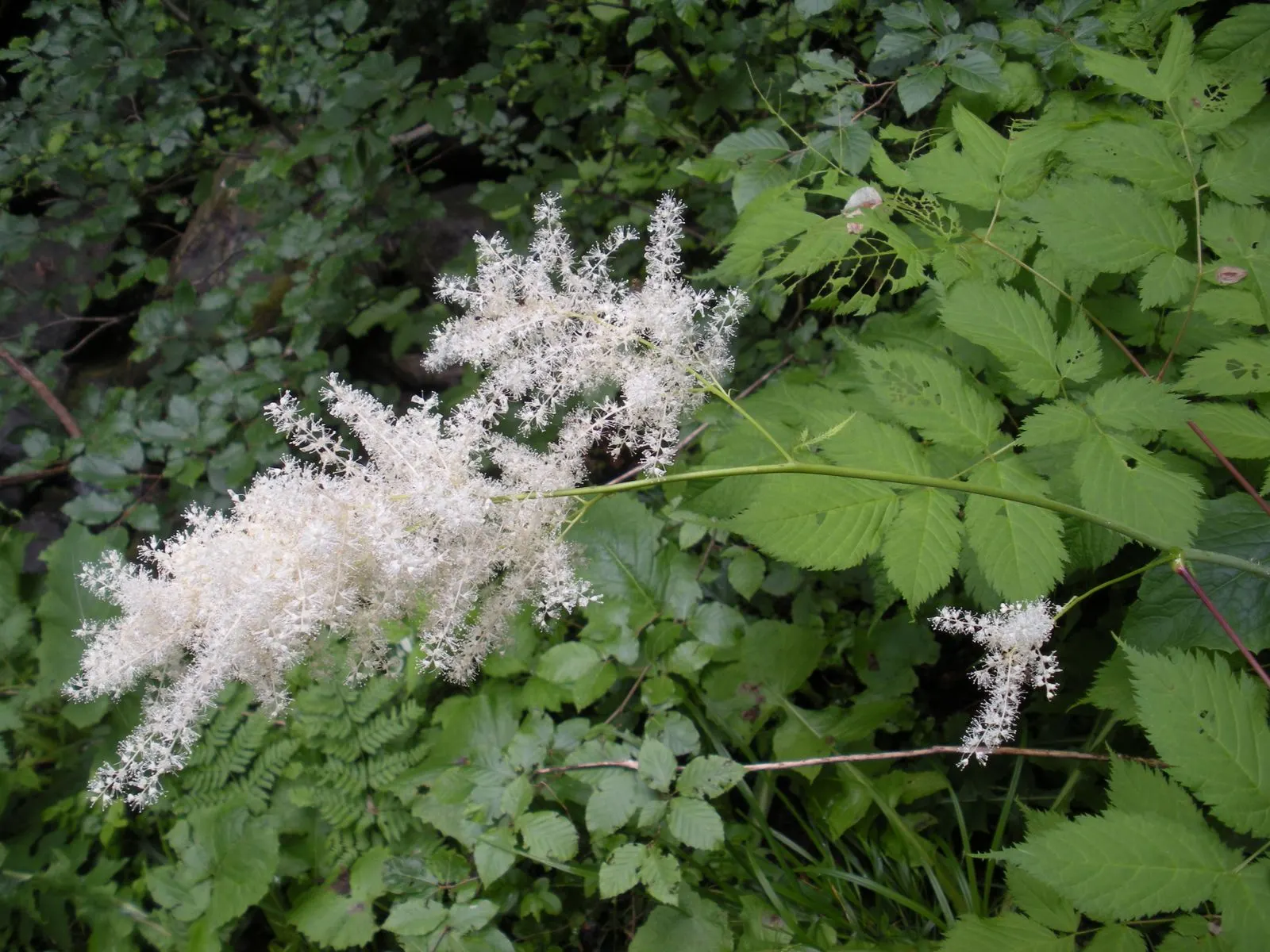
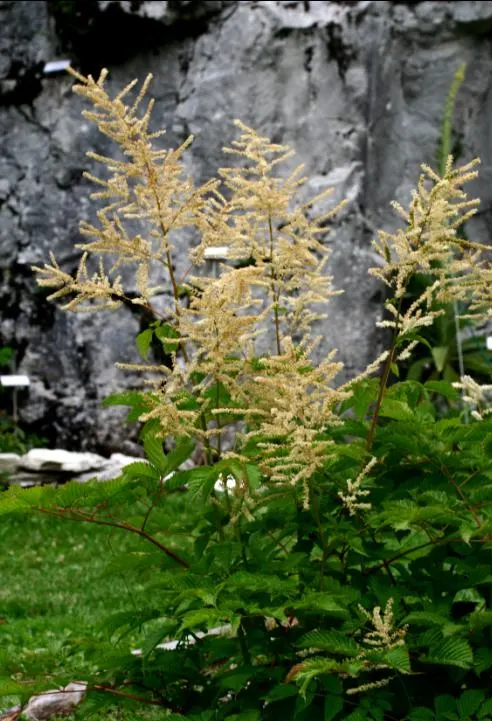
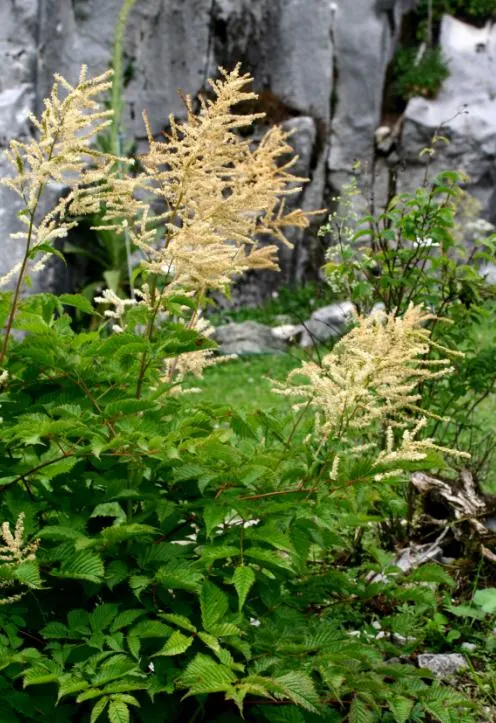
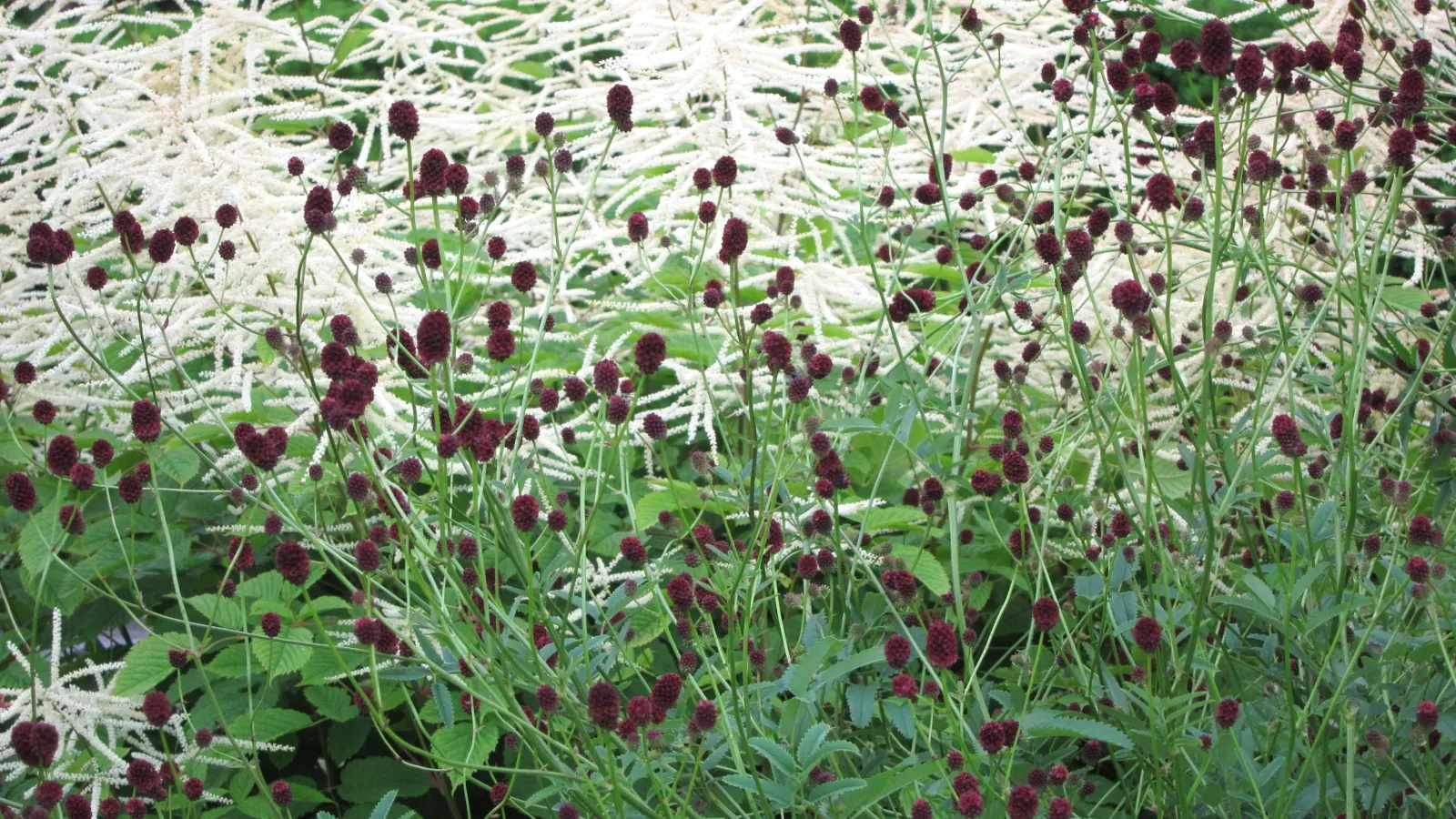
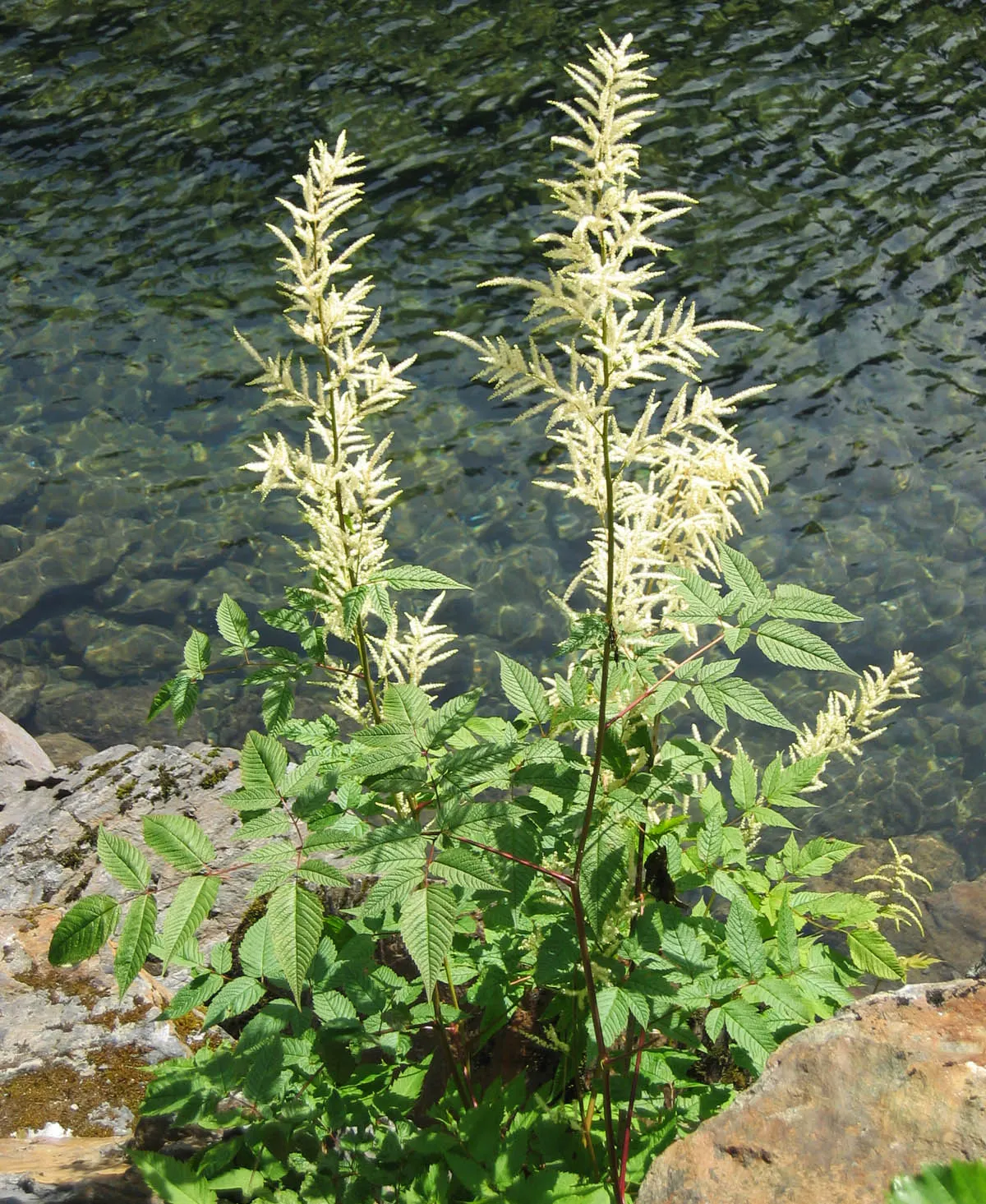
Sylvan Goatsbeard (Aruncus Dioicus) — perennial with white blooms
Sylvan Goatsbeard (Aruncus Dioicus) — possibly reaching up to 12 inches in length; typically growing to heights of 4 to 6 feet with a spread of 2 to 4 feet
Sylvan Goatsbeard (Aruncus Dioicus) — It prefers zones 3-7, offering low maintenance and deer resistance; reaching 3 to 6 feet in height and, image 89
Sylvan Goatsbeard (Aruncus Dioicus) — typically growing to heights of 4 to 6 feet with a spread of 2 to 4 feet; possibly reaching up to 12 inches in length
Sylvan Goatsbeard (Aruncus Dioicus) — Reaching 3 to 6 feet in height and spreading 2 to 4 feet wide, it's ideal for creating textural contrast; this plant is
Sylvan Goatsbeard (Aruncus Dioicus) — Reaching 3 to 6 feet in height and spreading 2 to 4 feet wide, it's ideal for creating textural contrast, image 88
Sylvan Goatsbeard (Aruncus Dioicus) — one may cut back the flower stalks after blooming; this plant is generally deer resistant, adding another layer of
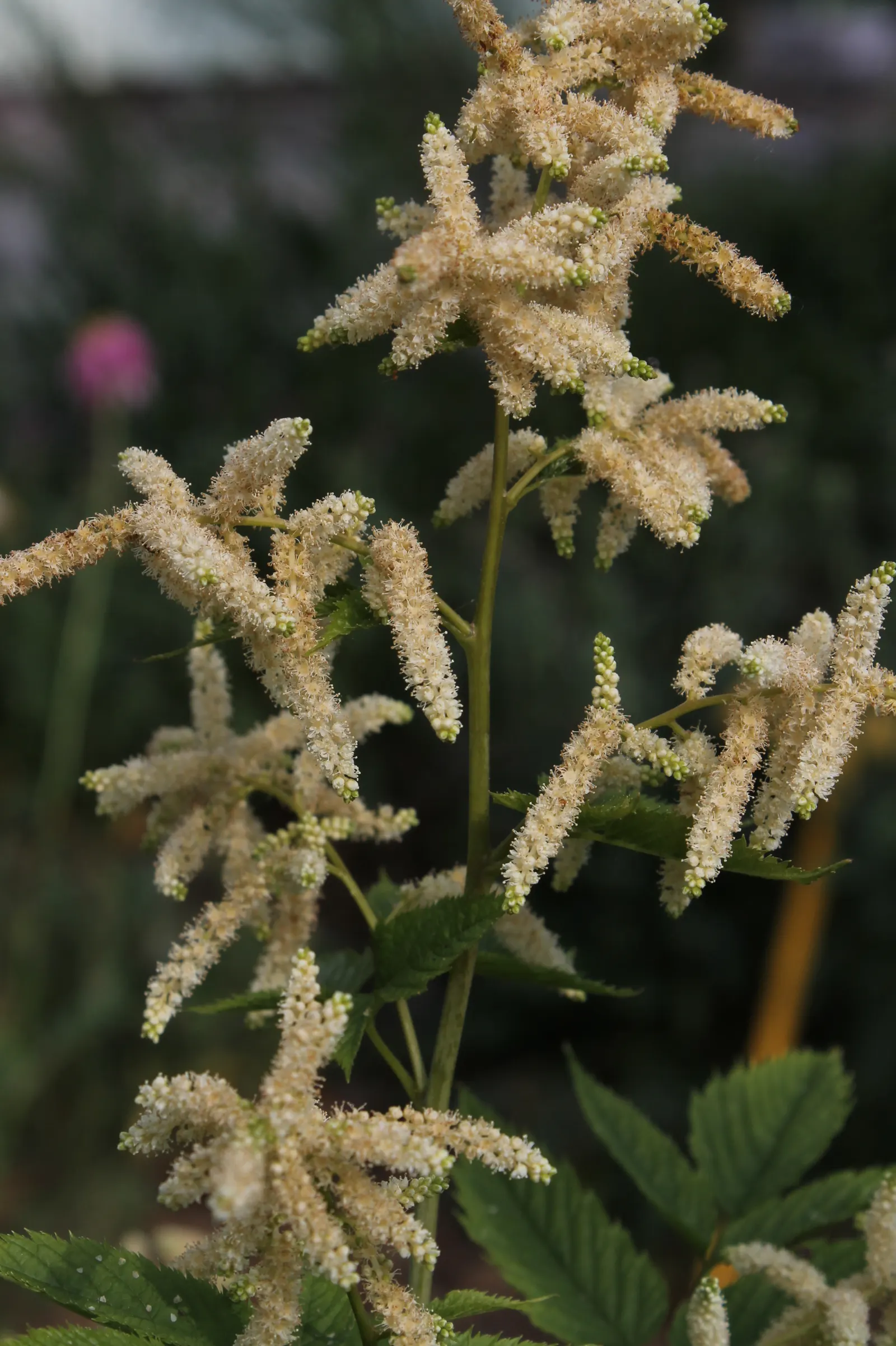
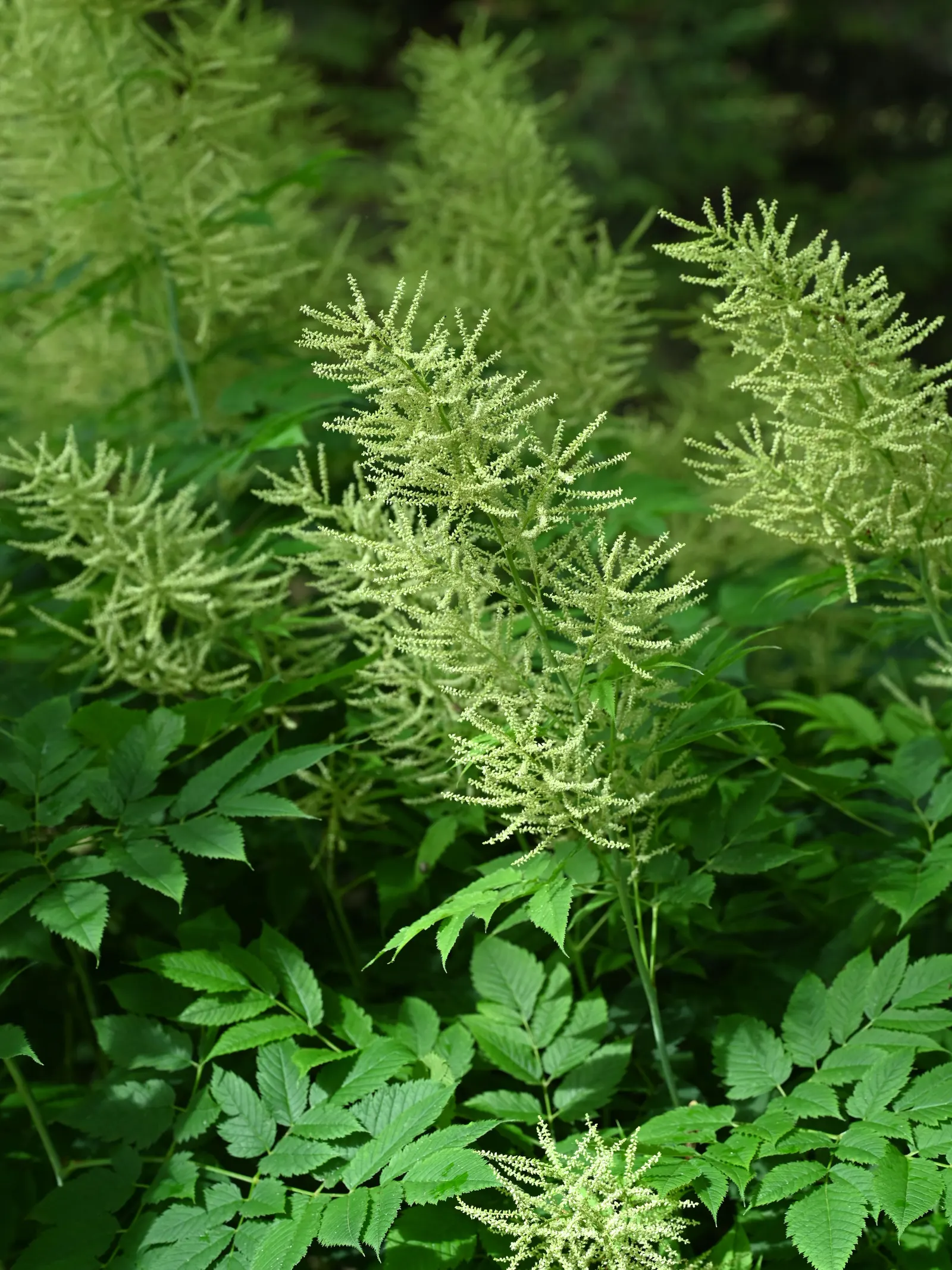
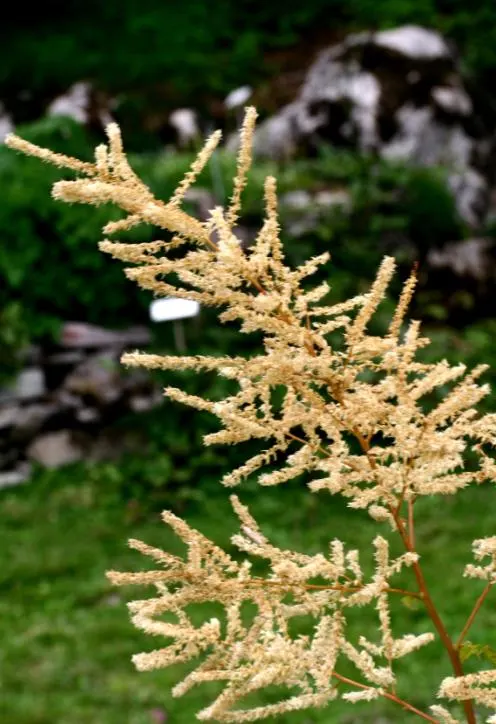
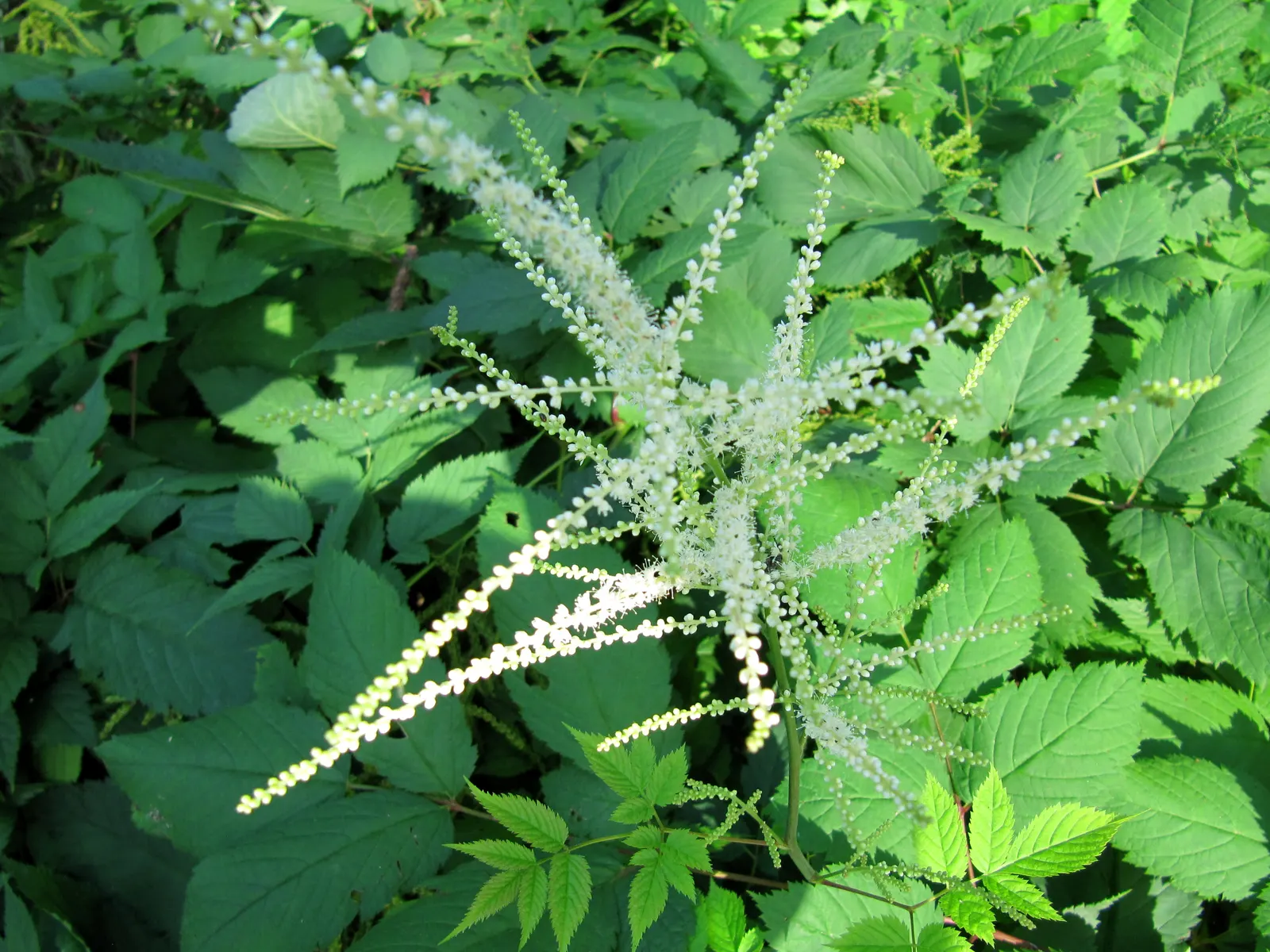
Sylvan Goatsbeard (Aruncus Dioicus) — feathery plumes of creamy white flowers emerge
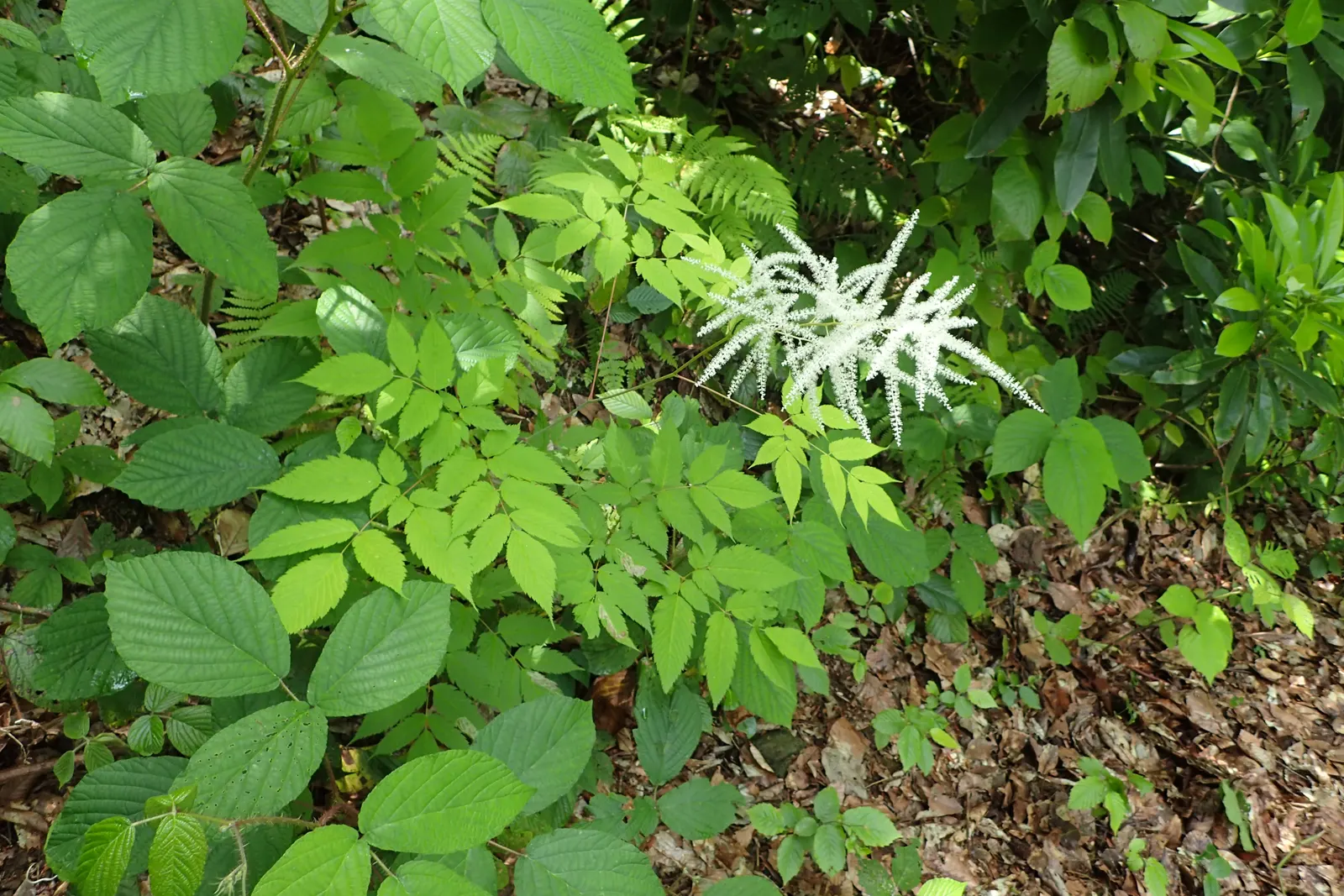
Sylvan Goatsbeard (Aruncus Dioicus) — Aruncus dioicus is ideal for woodland gardens; this plant is generally deer resistant, adding another layer, image 76
Sylvan Goatsbeard (Aruncus Dioicus) — and Europe.<br><br>Sylvan Goatsbeard can reach an impressive size; typically growing to heights of 4 to 6, image 66
Sylvan Goatsbeard (Aruncus Dioicus) — meaning it has separate male and female specimens; this plant is generally deer resistant, adding another, image 64
Sylvan Goatsbeard (Aruncus Dioicus) — This plant is generally deer resistant, adding another layer of utility to its aesthetic appeal
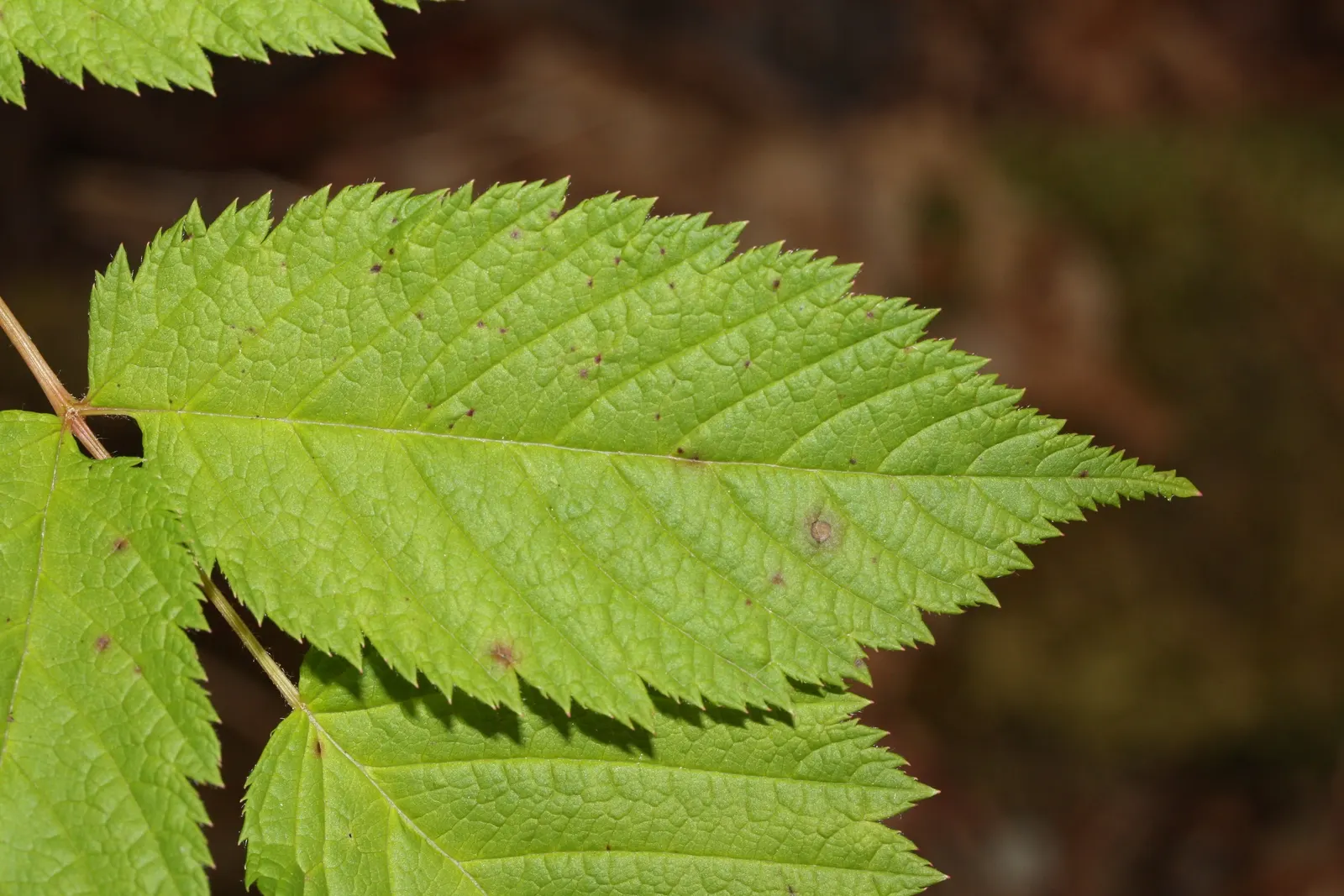
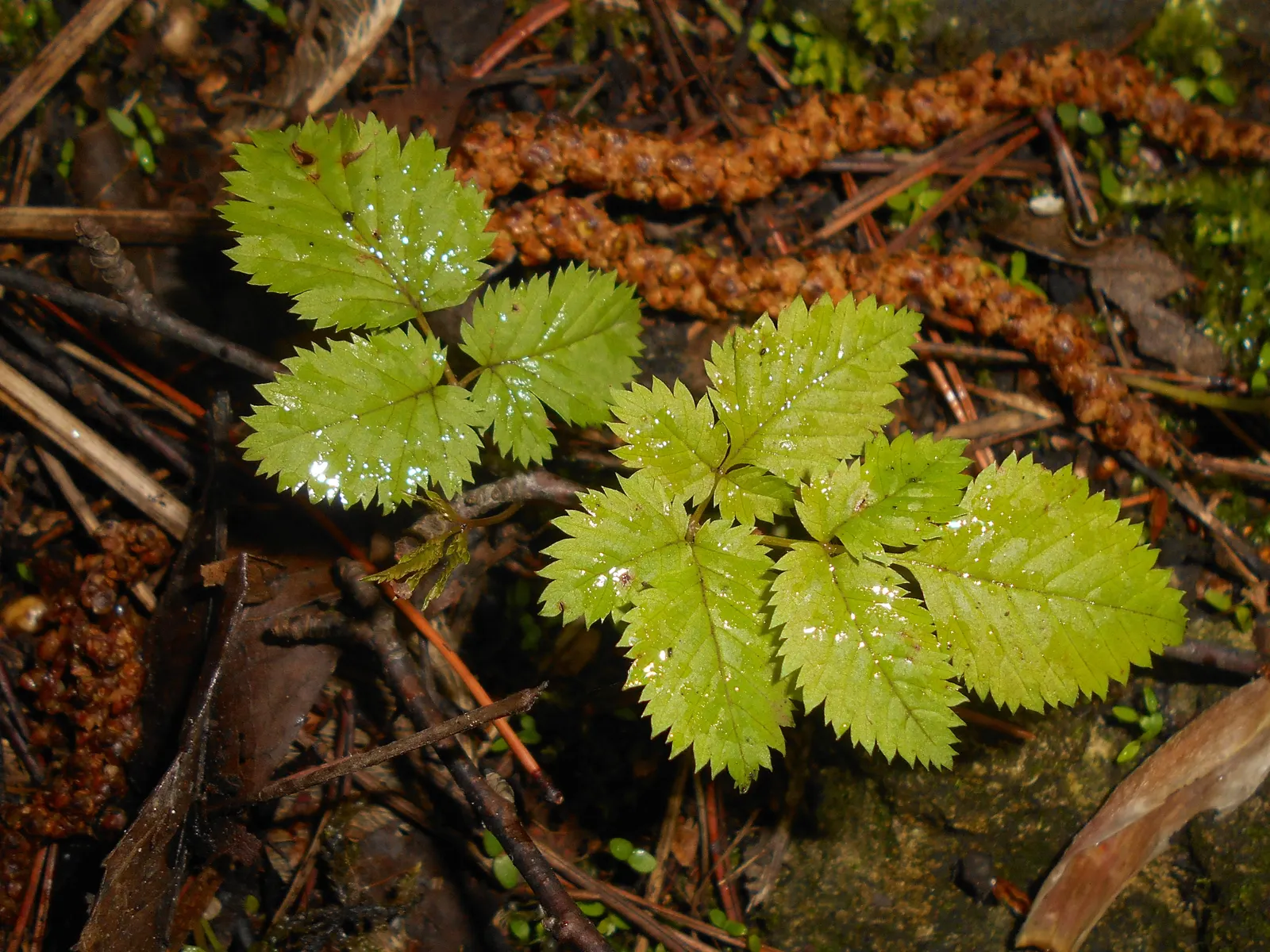
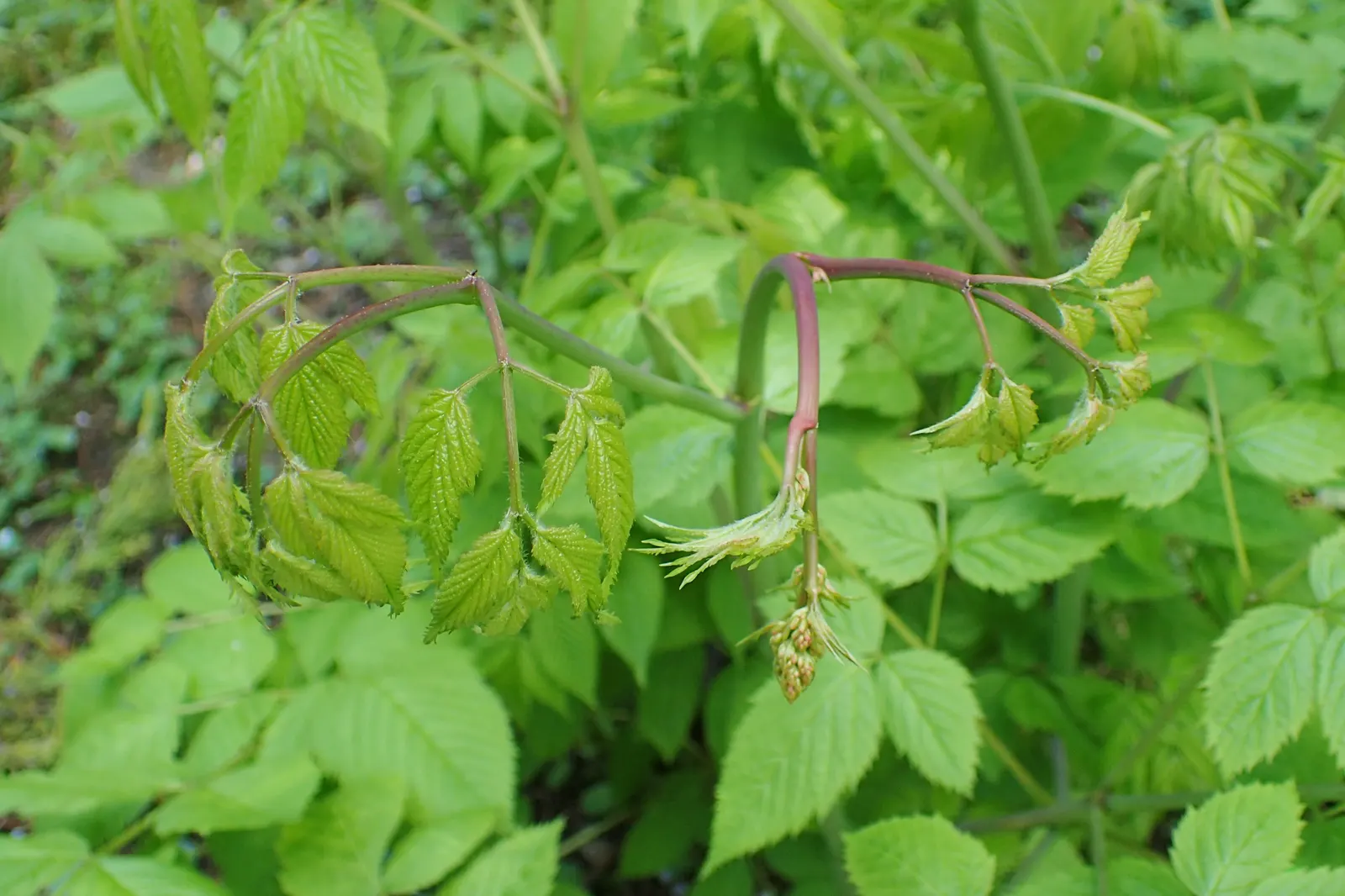
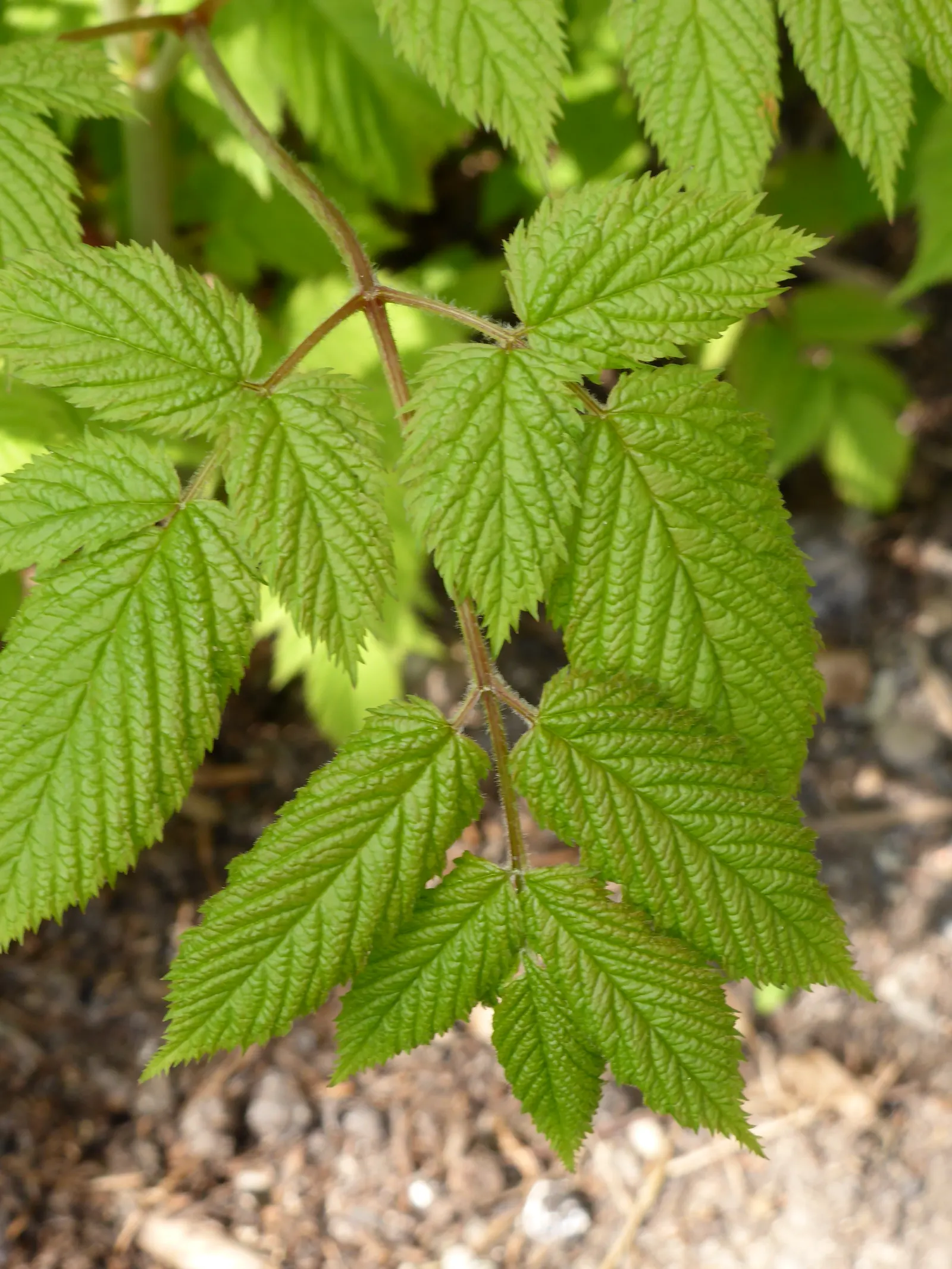
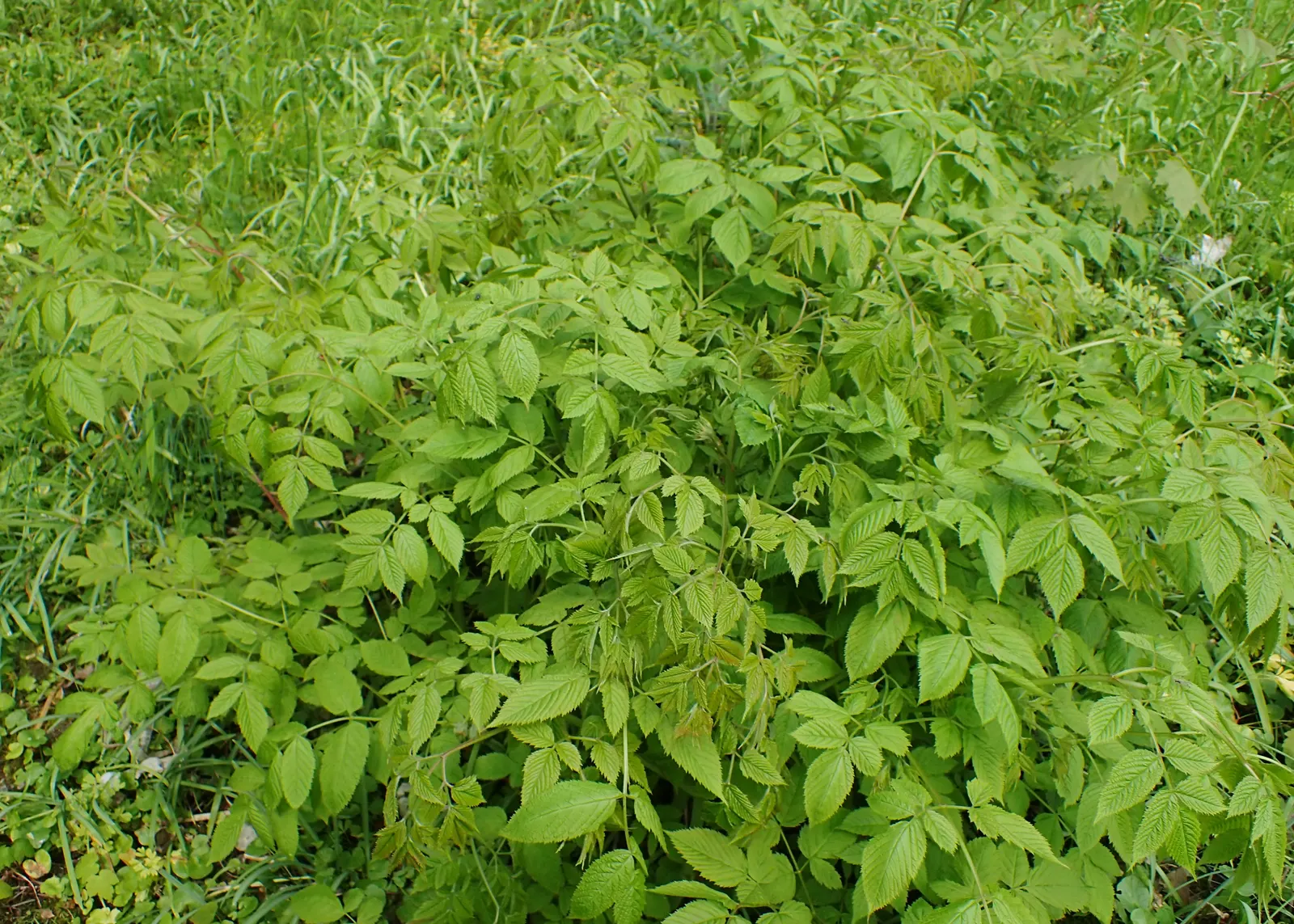
Sylvan Goatsbeard (Aruncus Dioicus) — It boasts compound leaves that are deep green and finely cut
Sylvan Goatsbeard (Aruncus Dioicus) — This plant is generally deer resistant, adding another layer of utility to its aesthetic appeal; reaching 3 to 6 feet in
Sylvan Goatsbeard (Aruncus Dioicus) — possibly reaching up to 12 inches in length
Sylvan Goatsbeard (Aruncus Dioicus) — perennial with white blooms; possibly reaching up to 12 inches in length, image 83
Sylvan Goatsbeard (Aruncus Dioicus) — particularly in dry conditions
Sylvan Goatsbeard (Aruncus Dioicus) — lush canopy of foliage.<br><br>From late spring to midsummer; possibly reaching up to 12 inches in length
Photographs by 12 contributors

Related plants