Skip to content

Norfolk Island Pine

Araucaria Heterophylla

Design with this plant

Overview

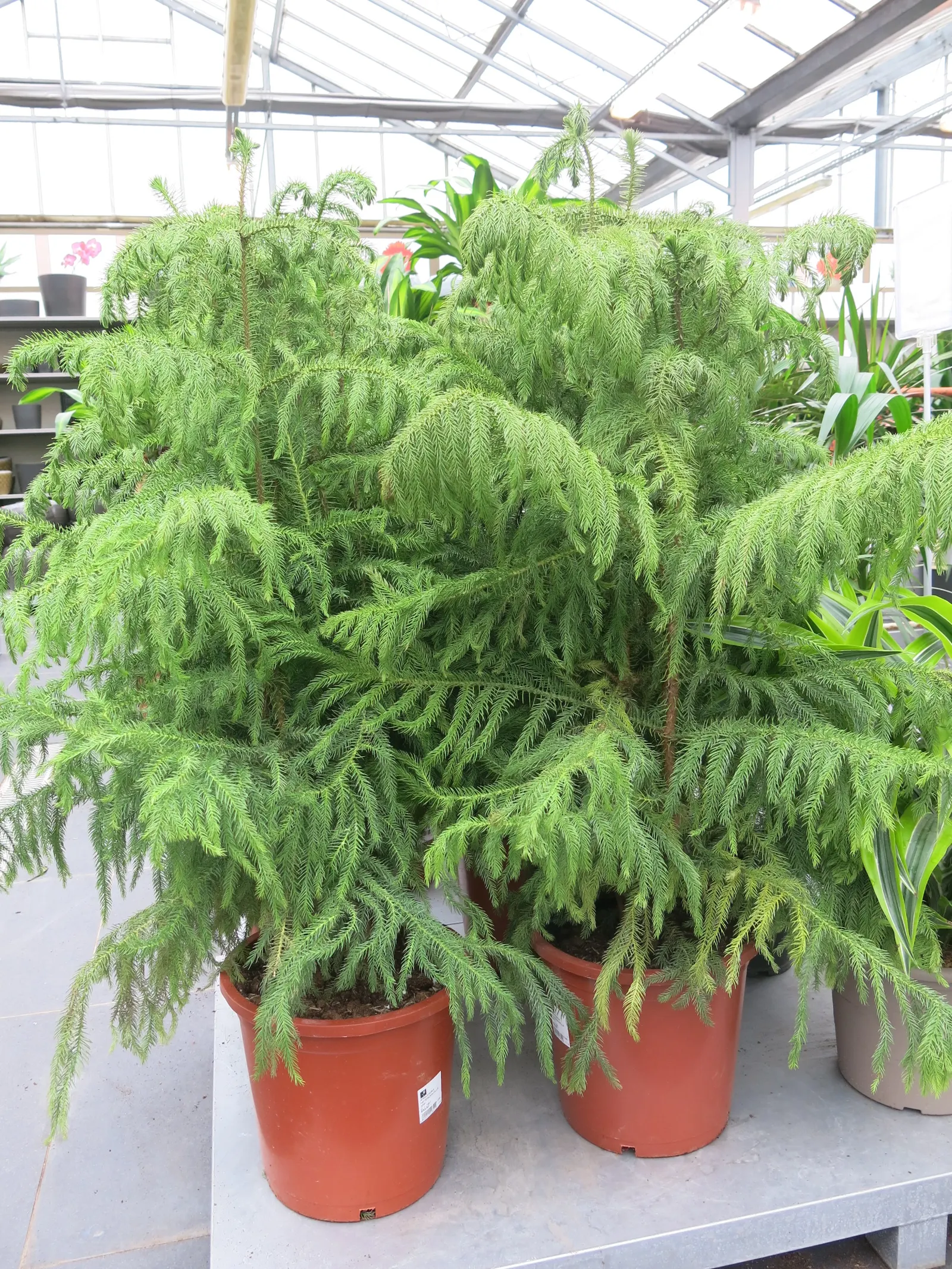
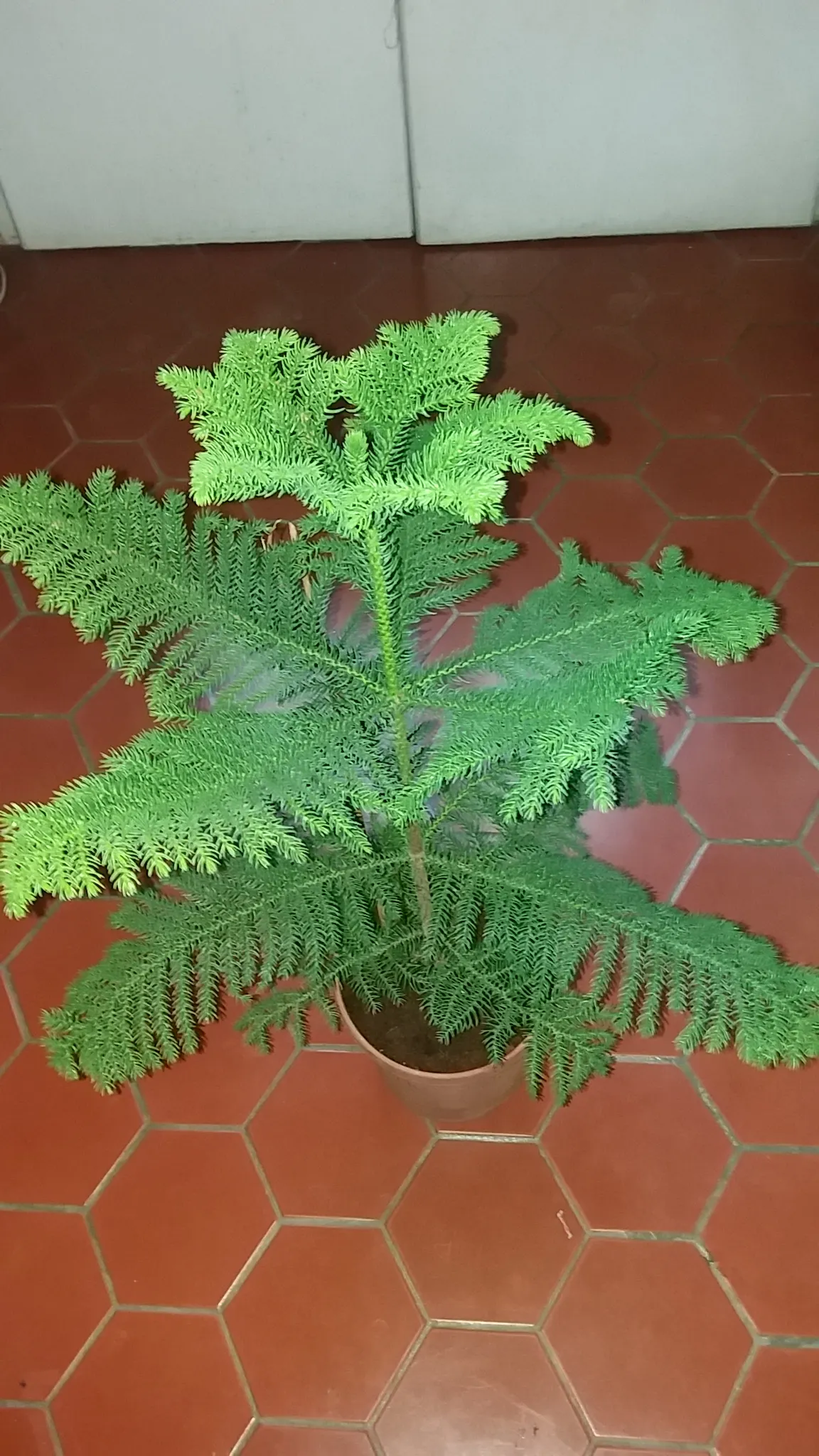
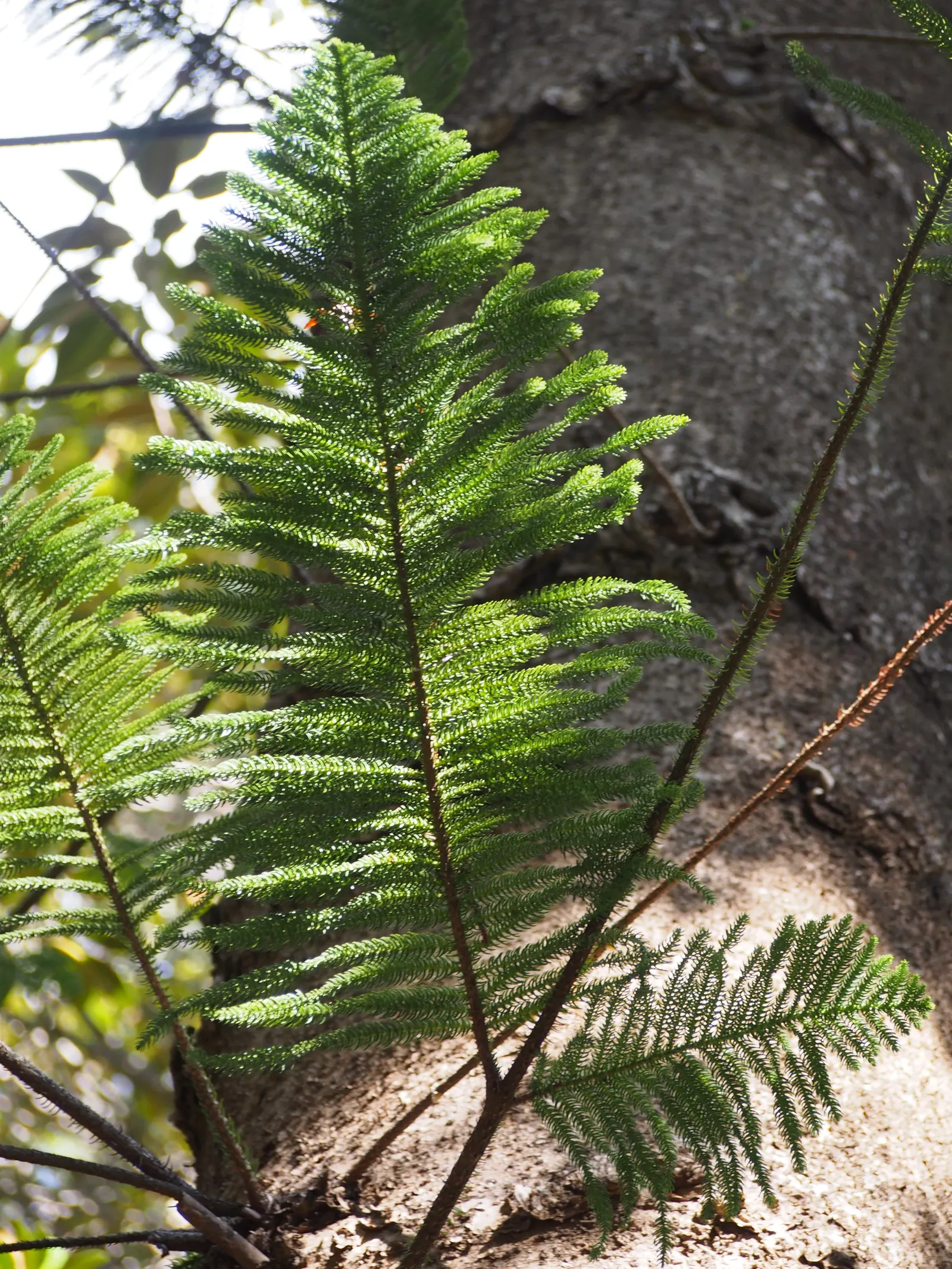
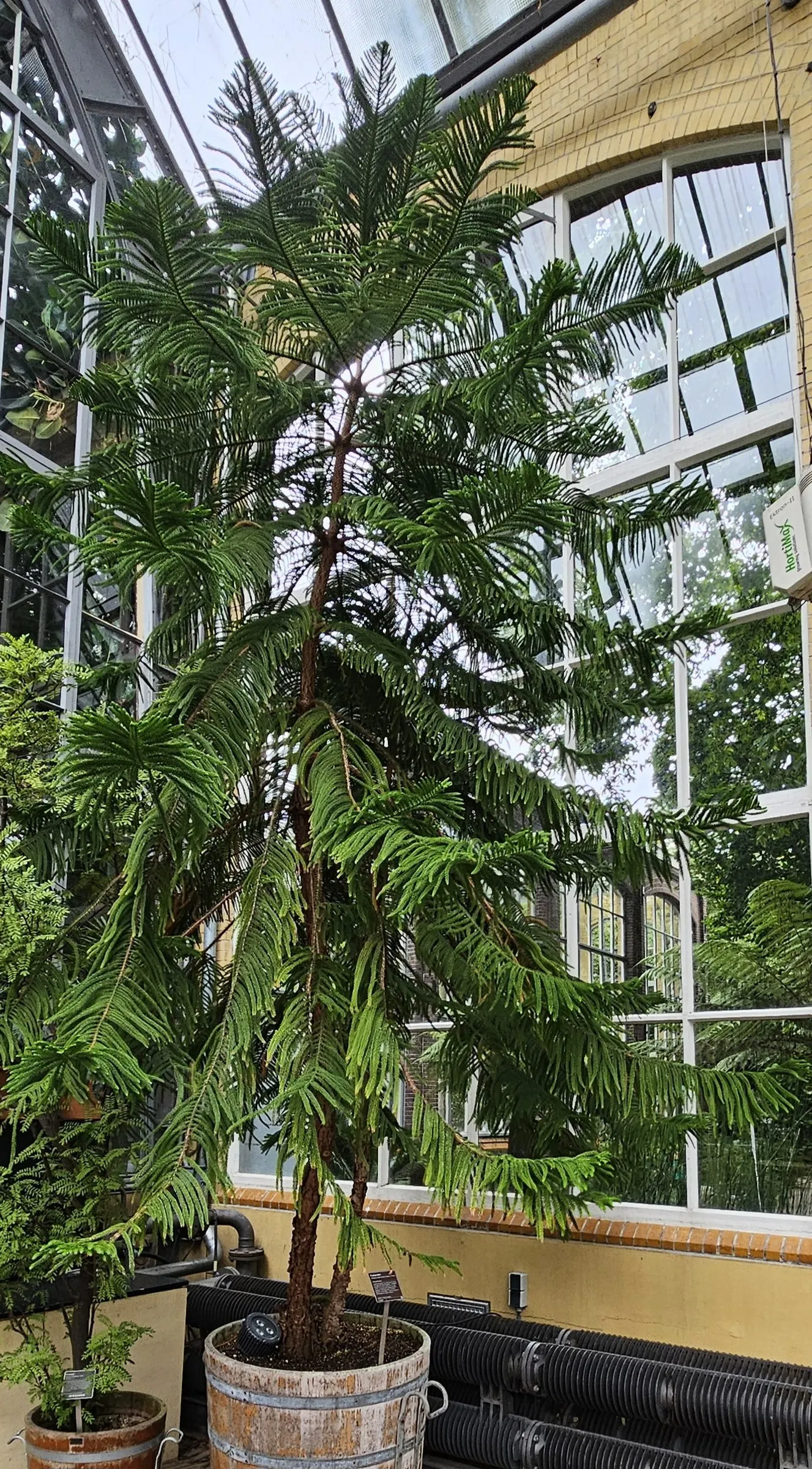
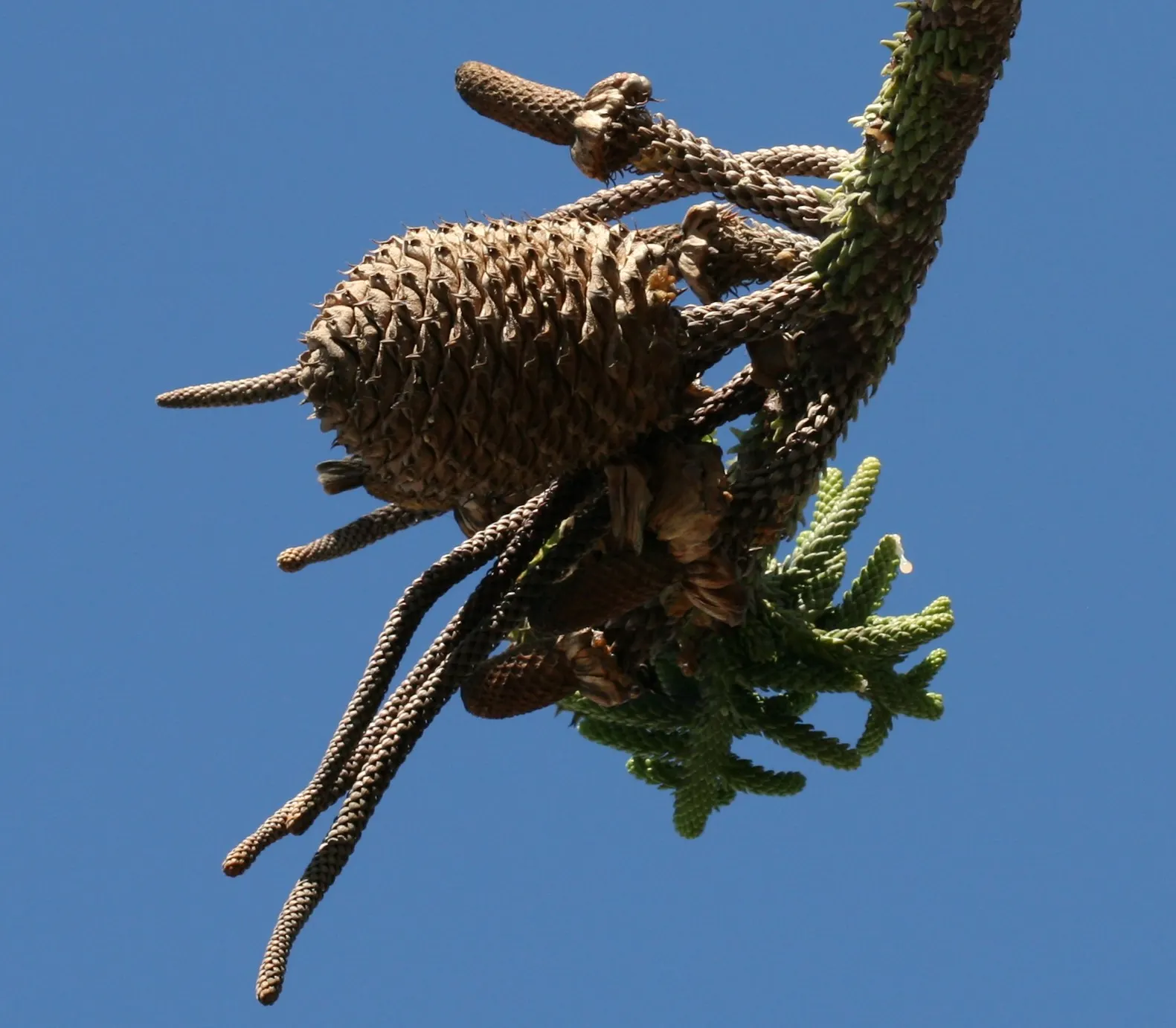
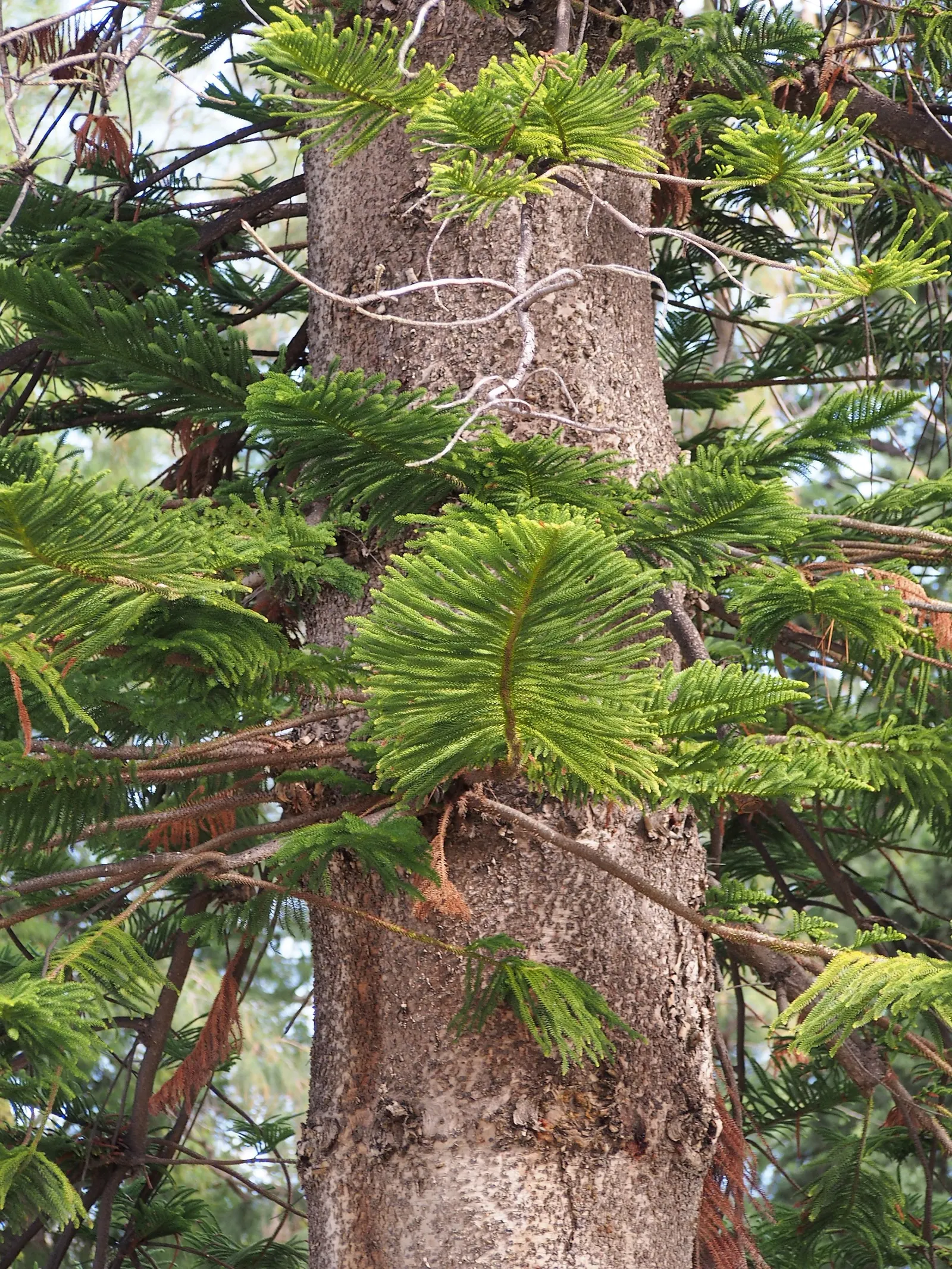
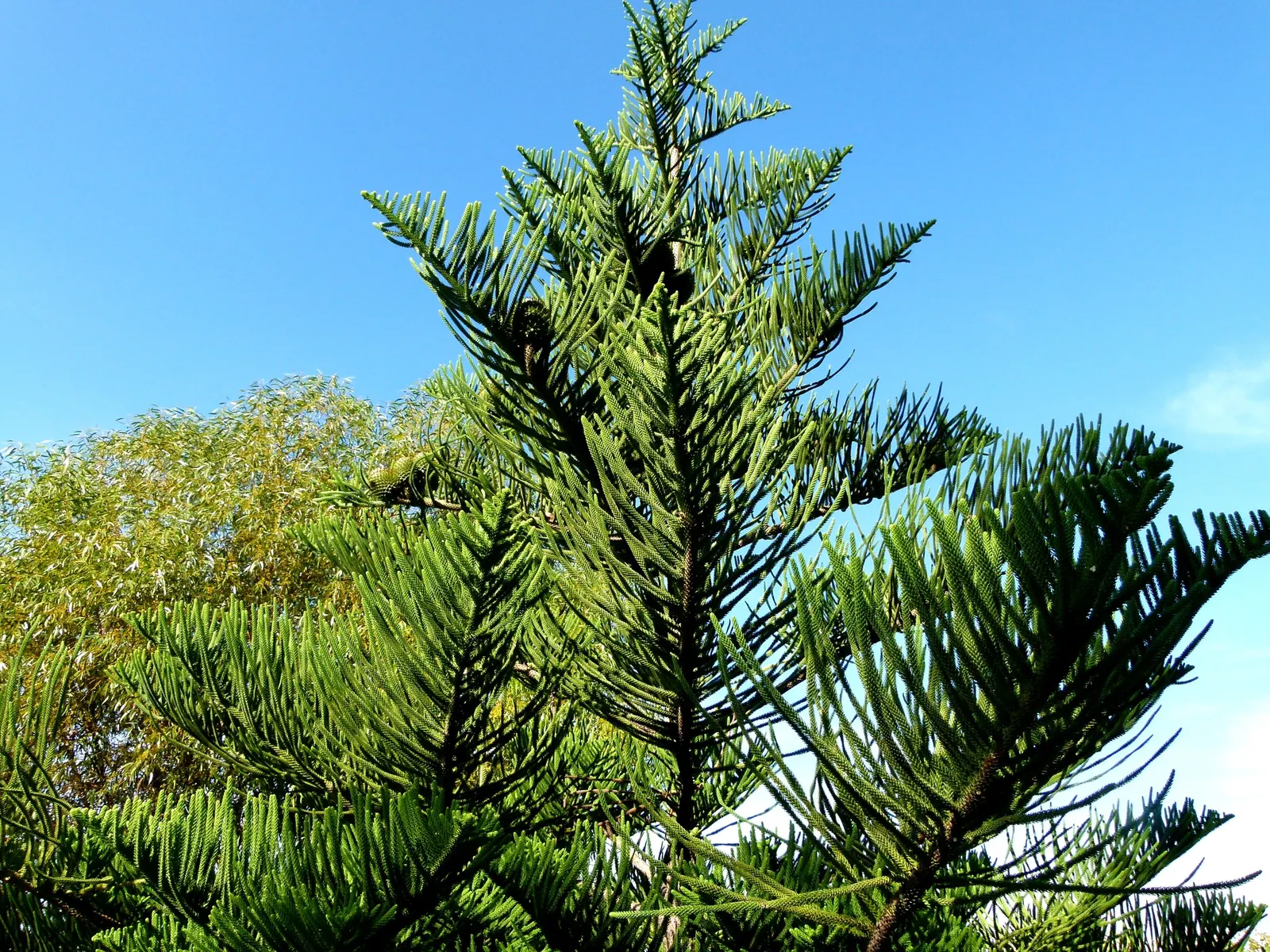
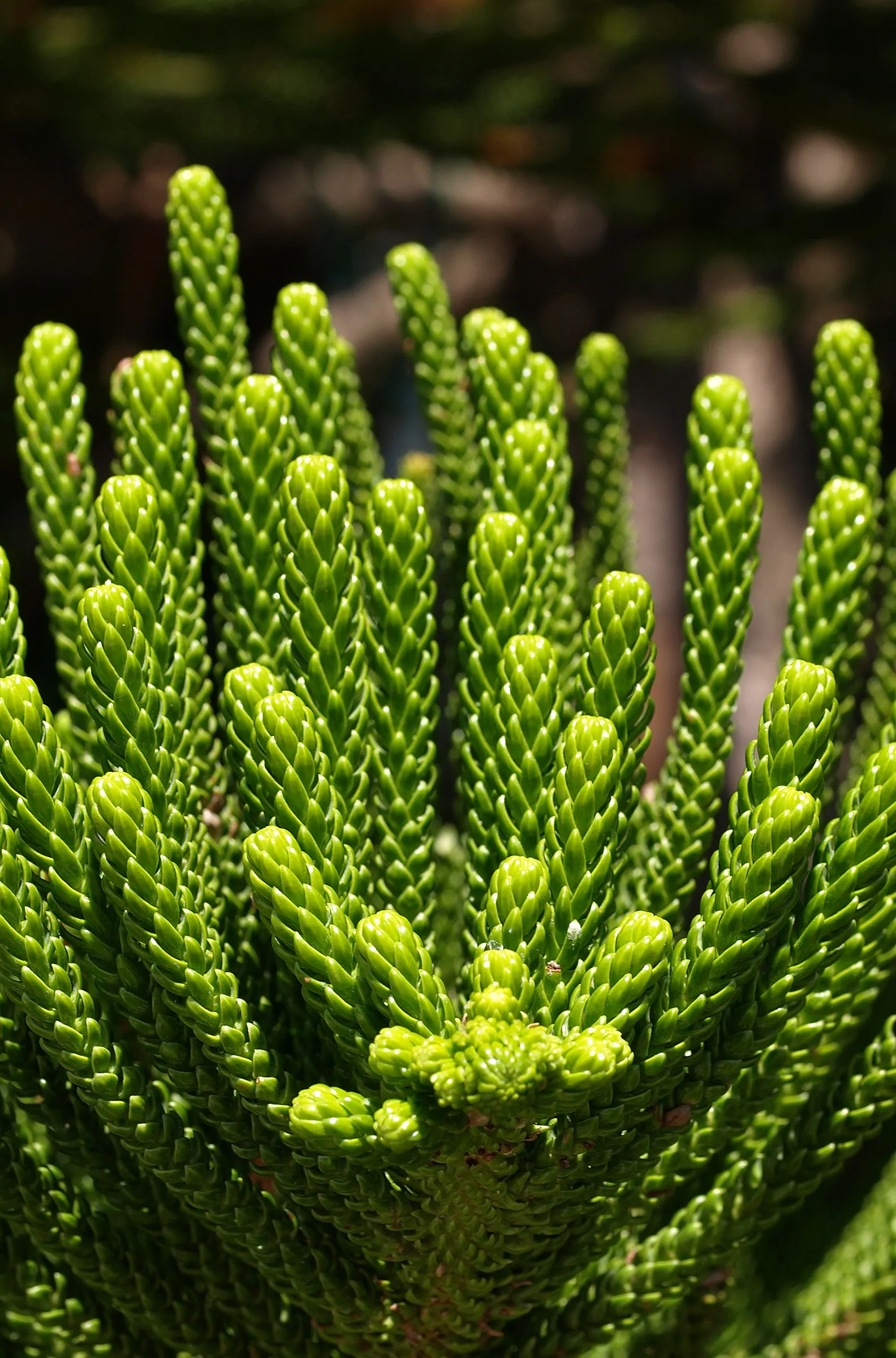
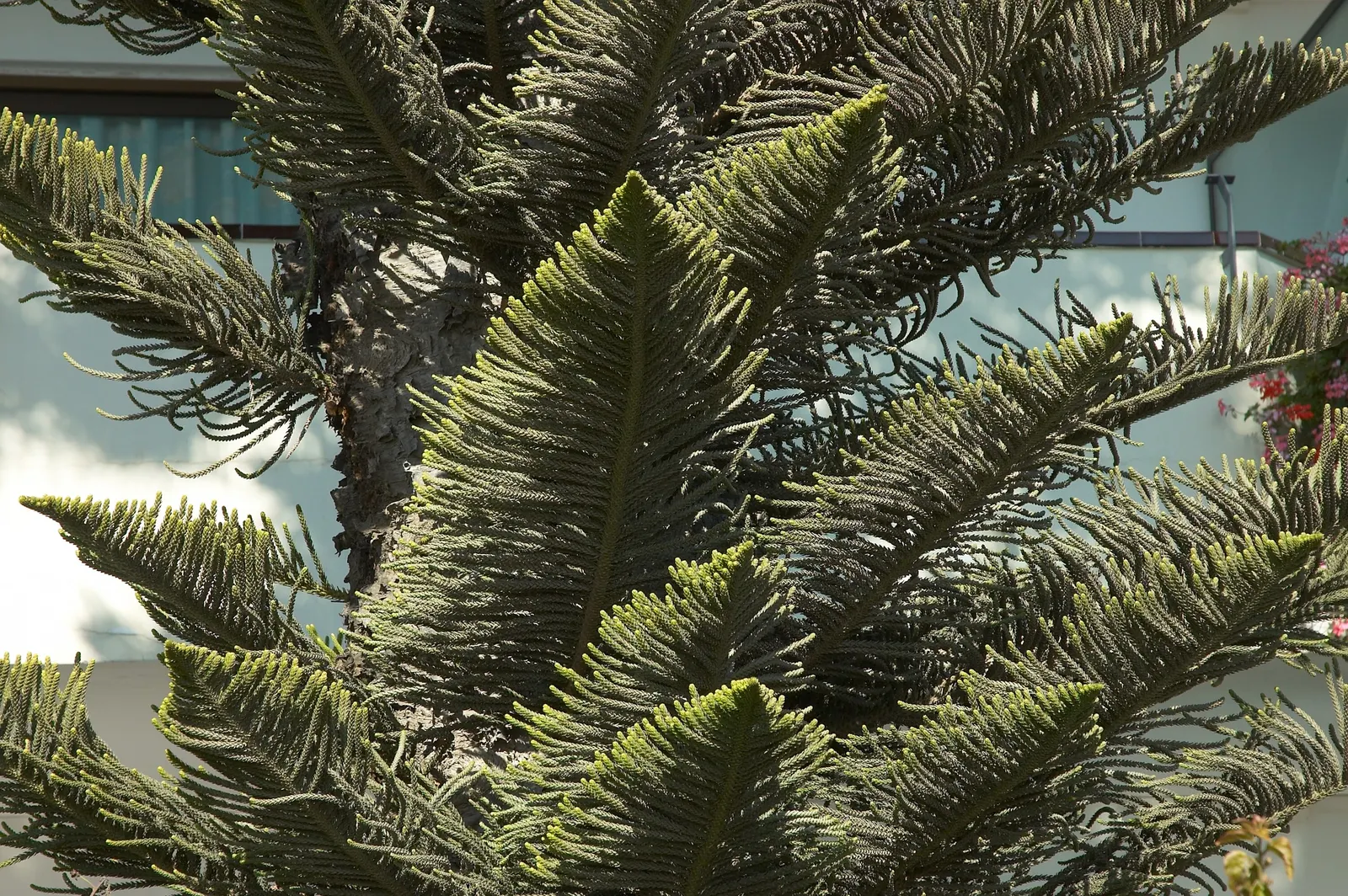
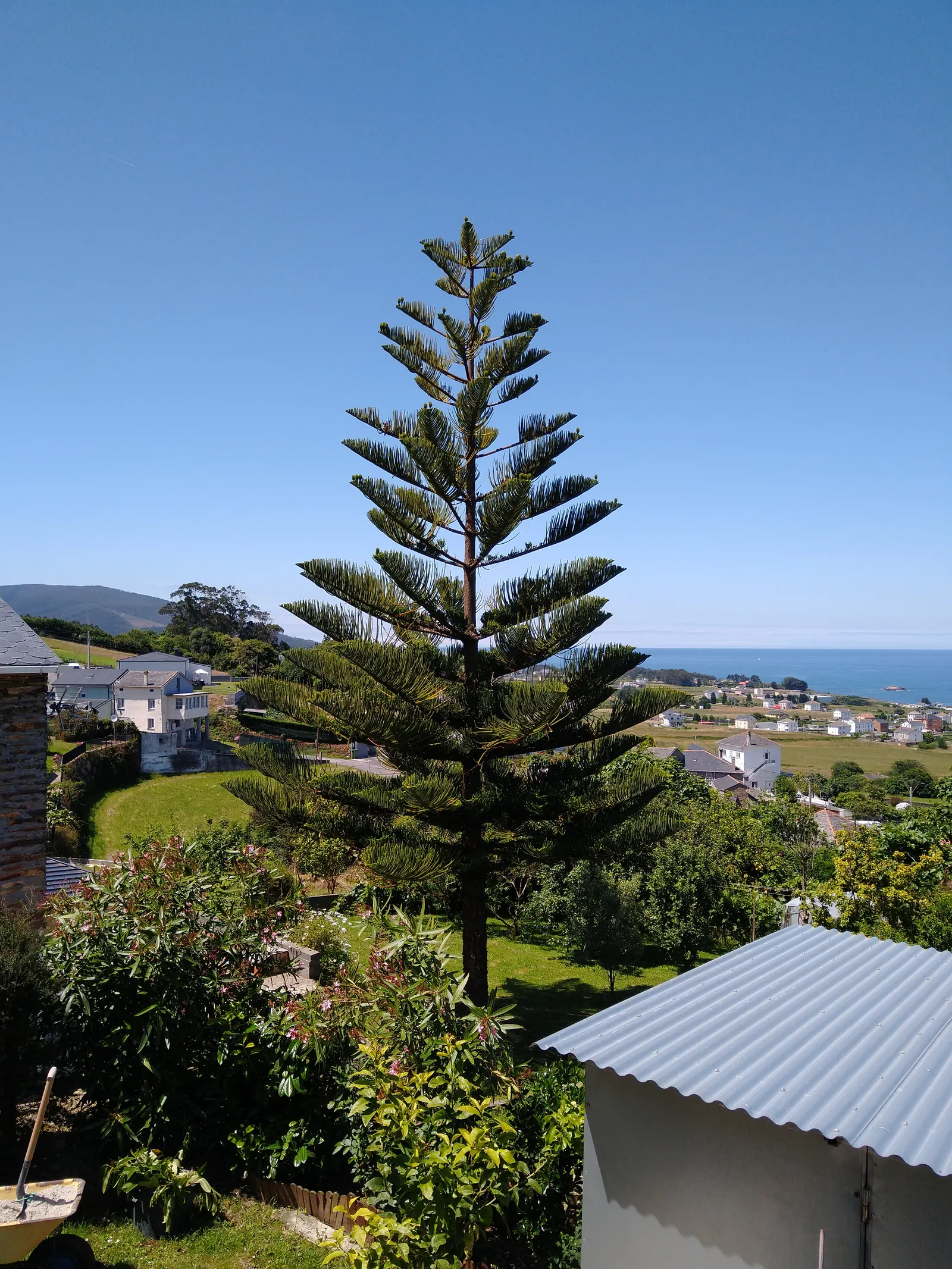
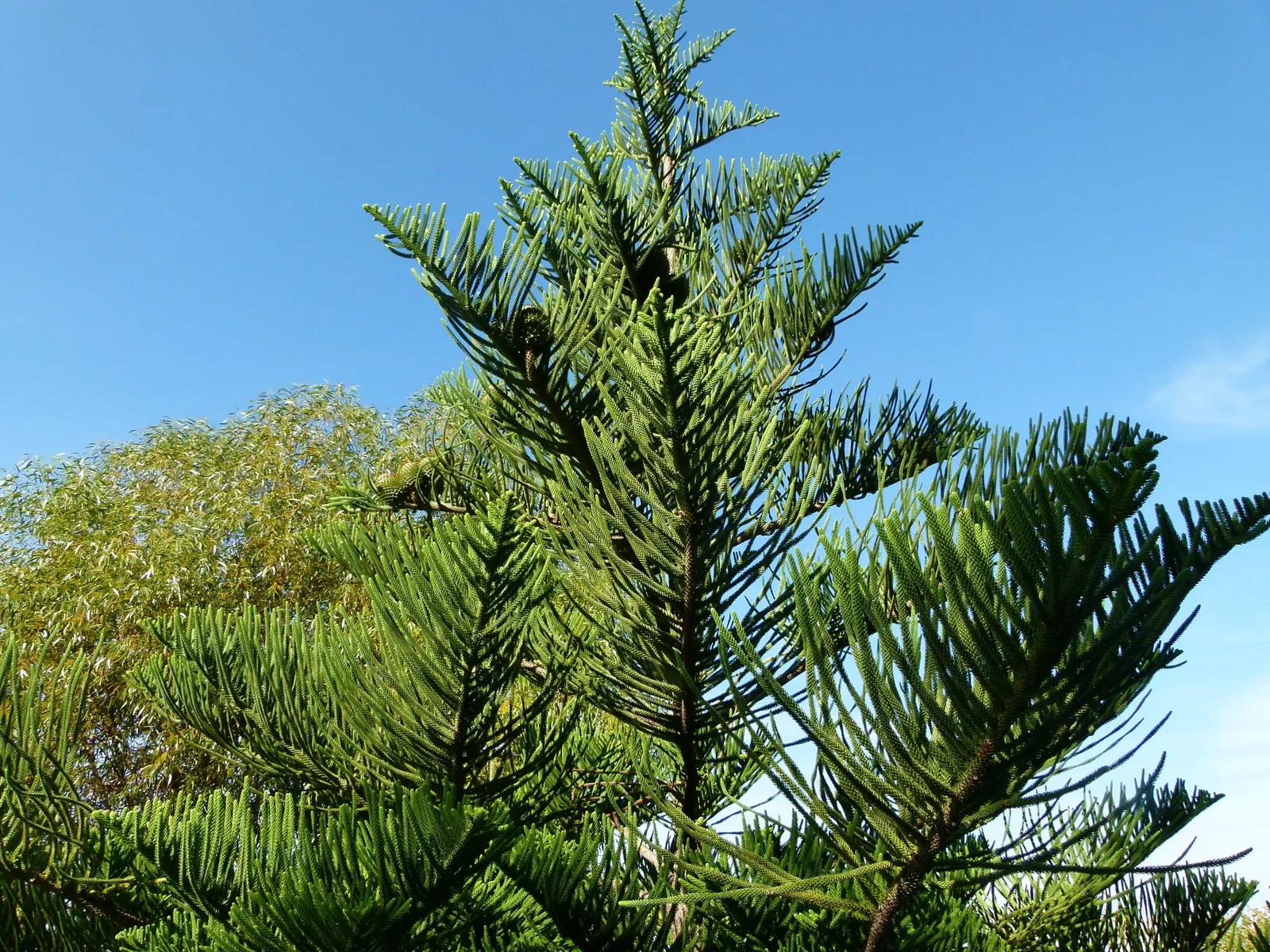
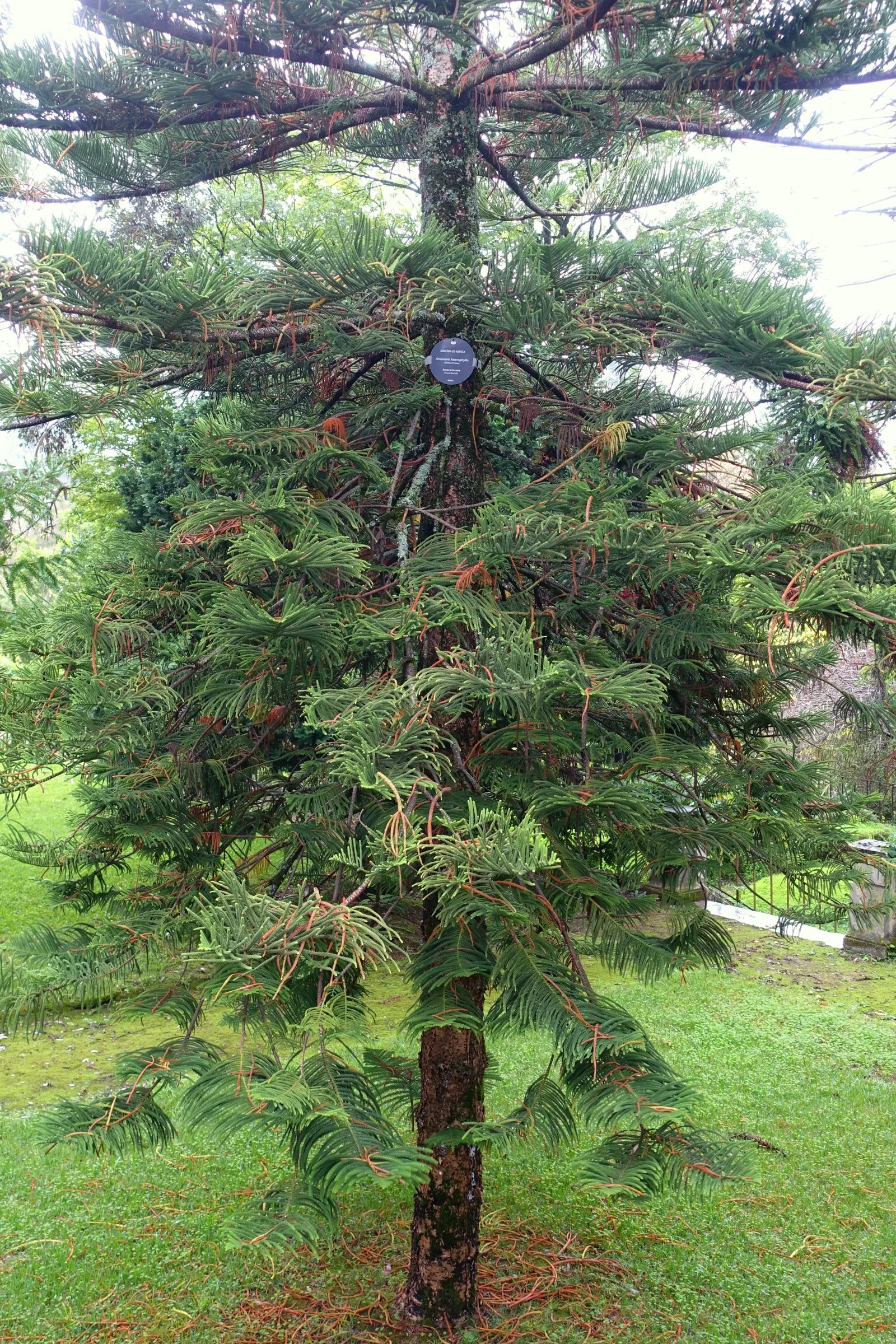
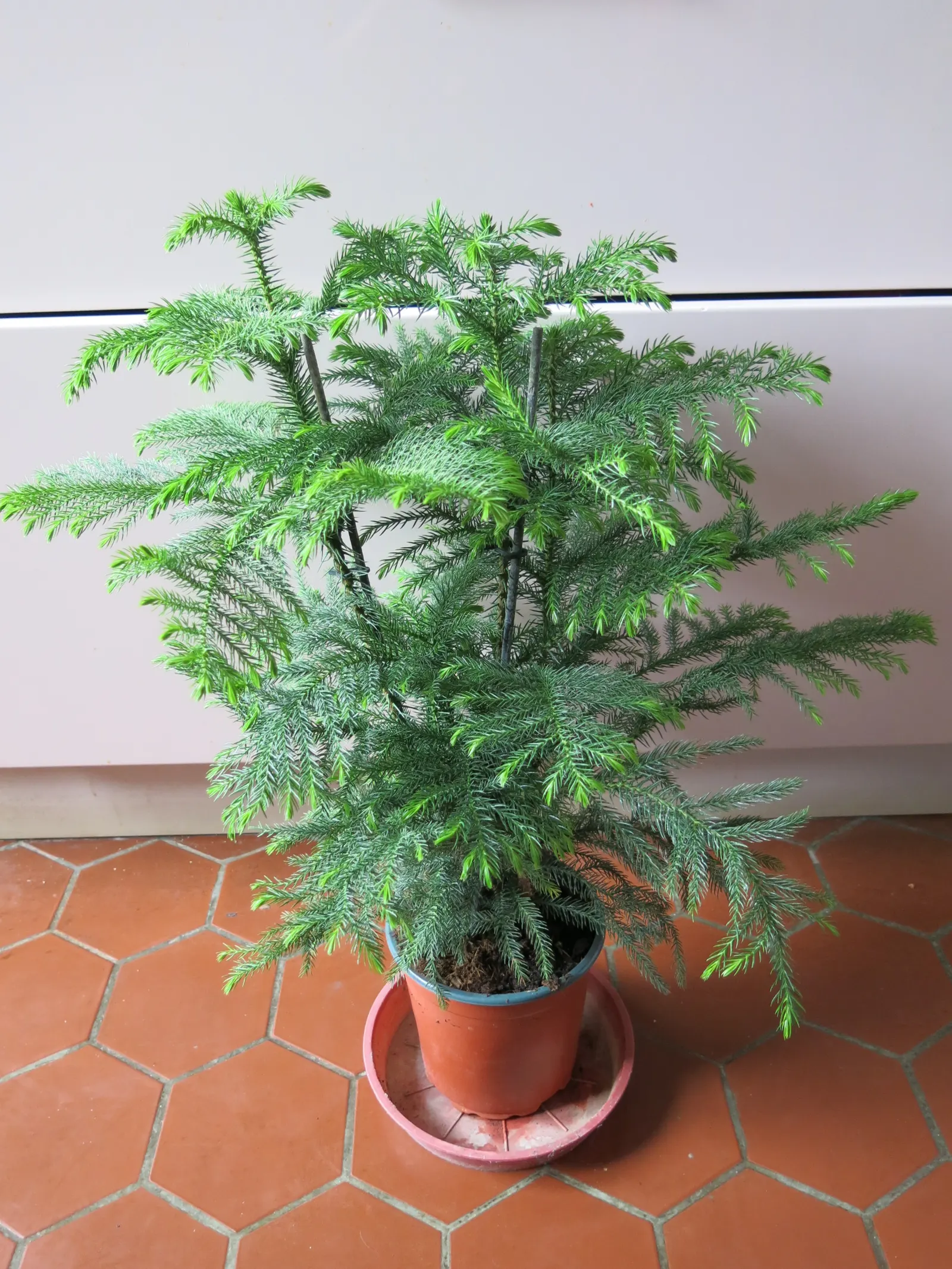
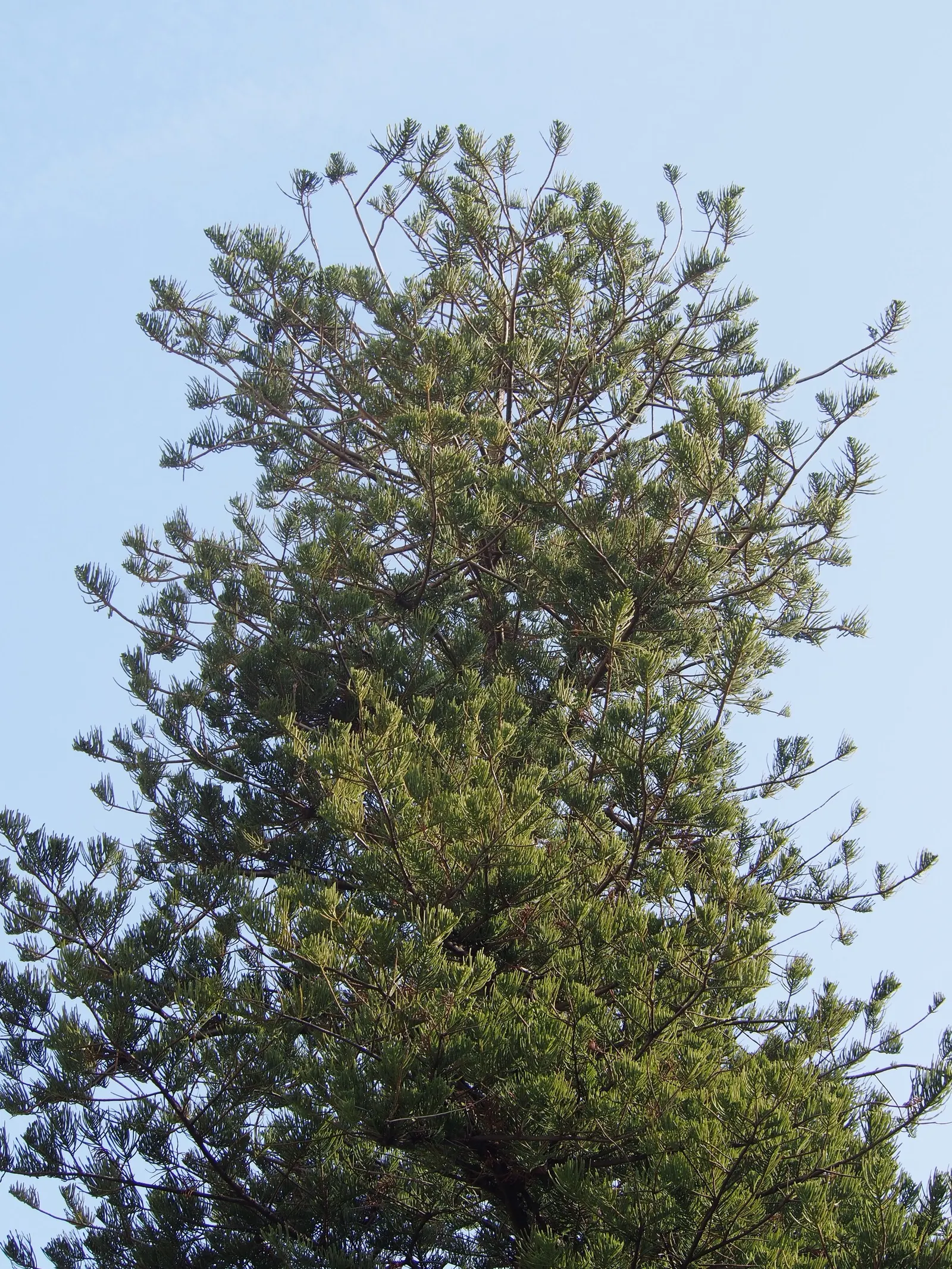
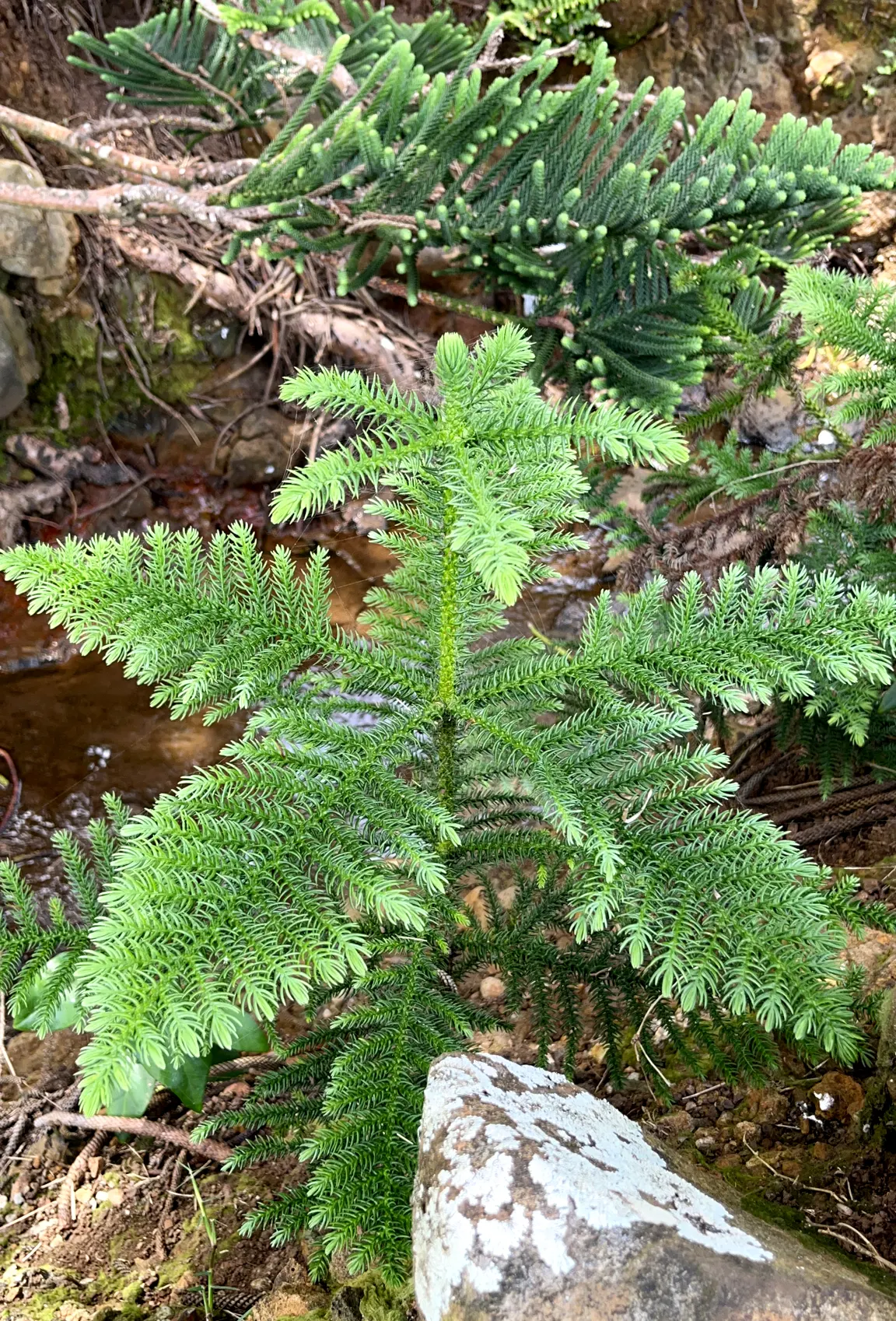
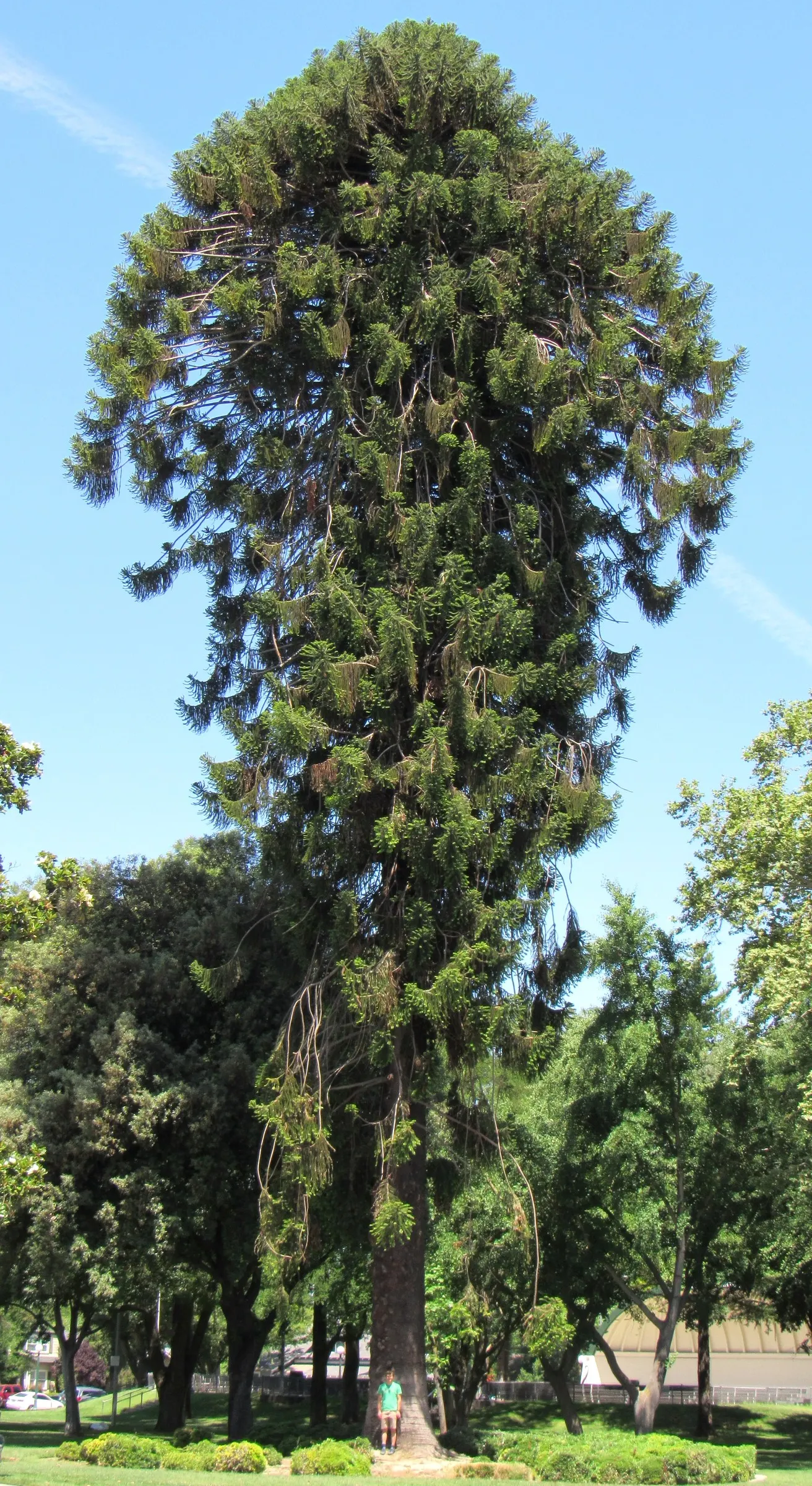
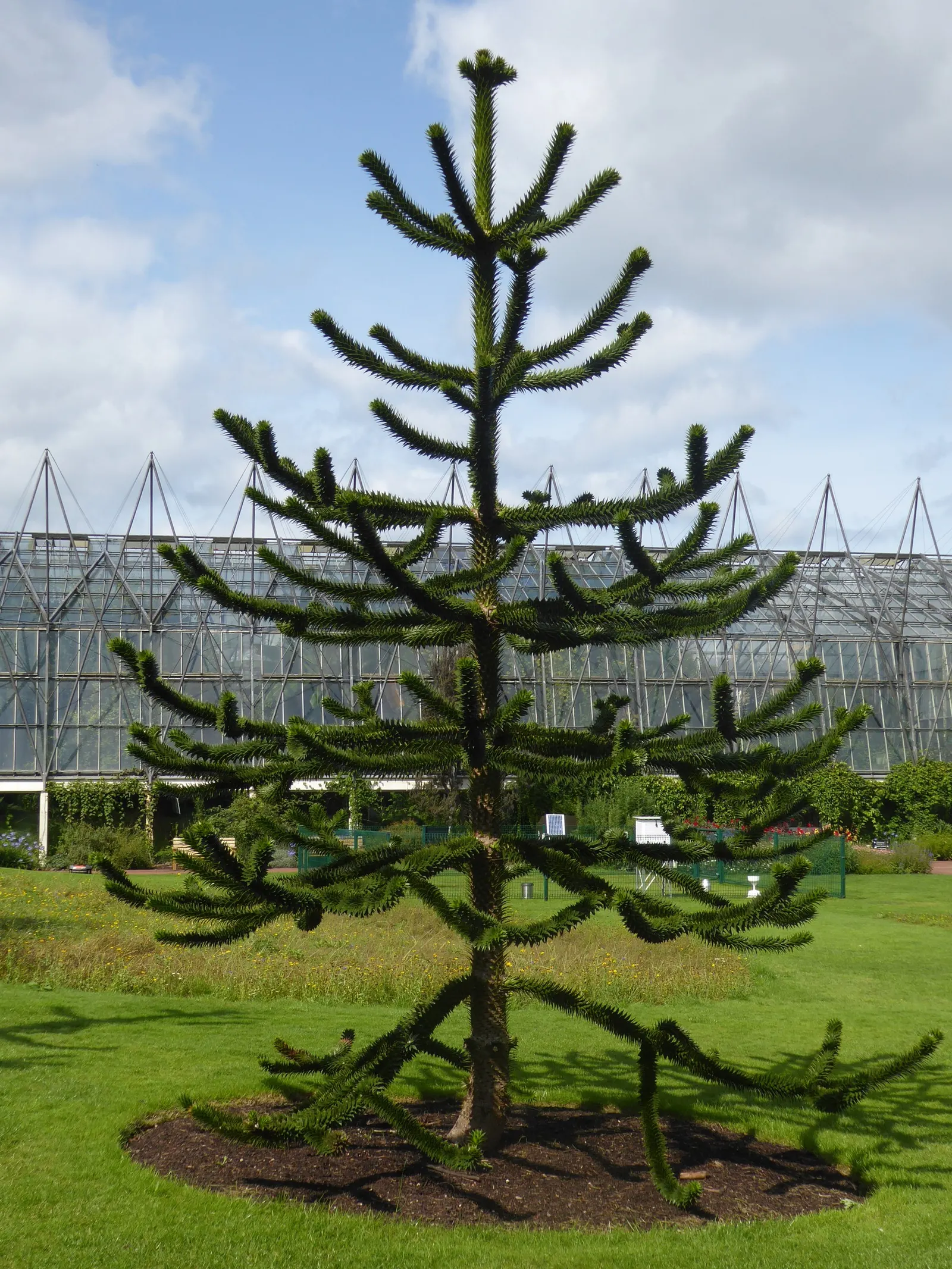
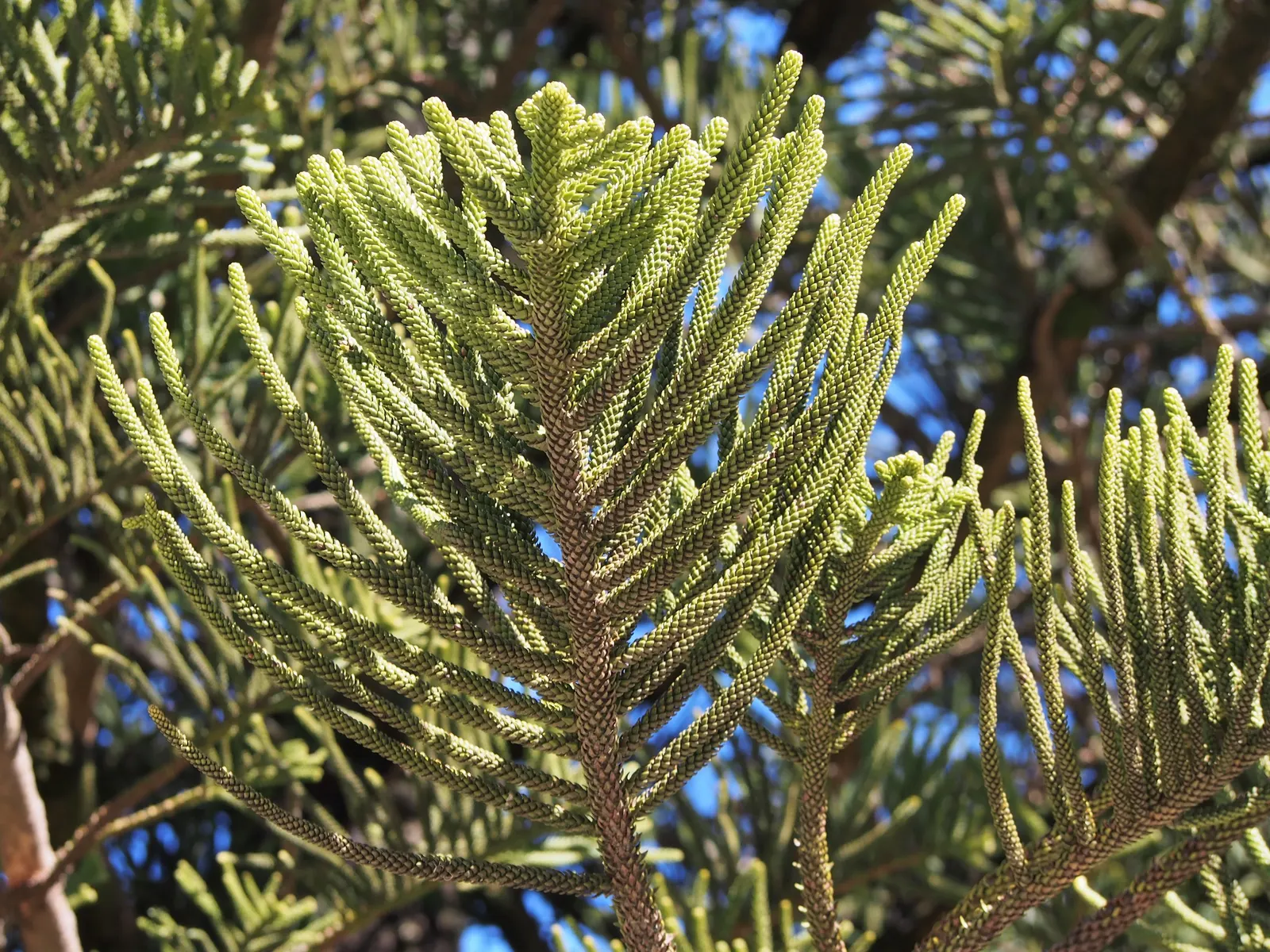
The Norfolk Island Pine, Araucaria heterophylla, is a symmetrical, evergreen conifer with horizontal branches and soft, needle-like leaves. This stately tree can reach heights of 50-65 feet with a spread of 20-25 feet outdoors. Adaptable as a houseplant, it grows significantly smaller indoors. Prefers full sun to partial shade and well-drained soil. Hardy to USDA zones 9-11. Ideal for adding vertical drama in spacious landscapes or as a focal indoor specimen.
Sun FullWater MediumZones 8–11Type Conifer, TreeClimate Subtropical
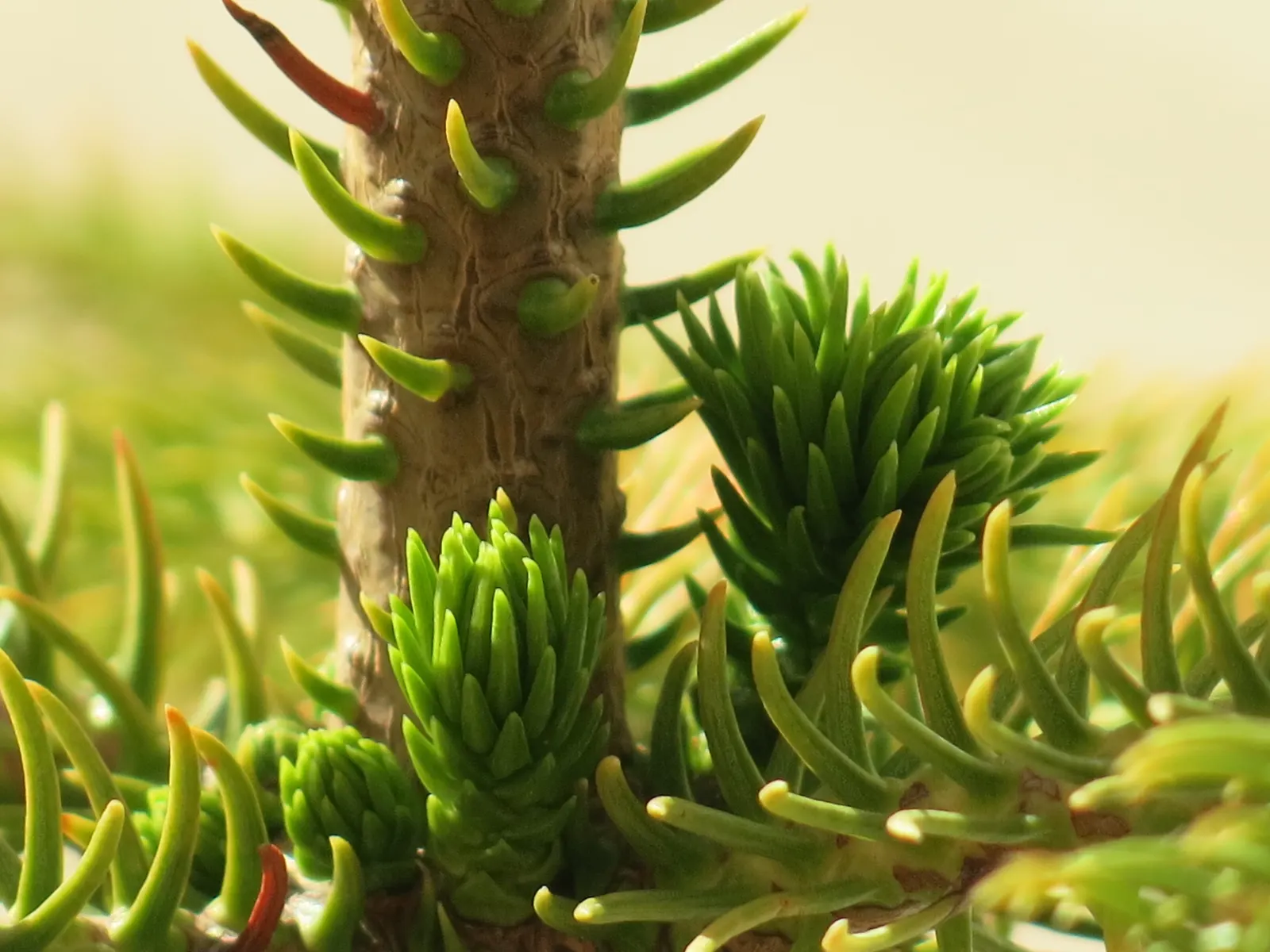
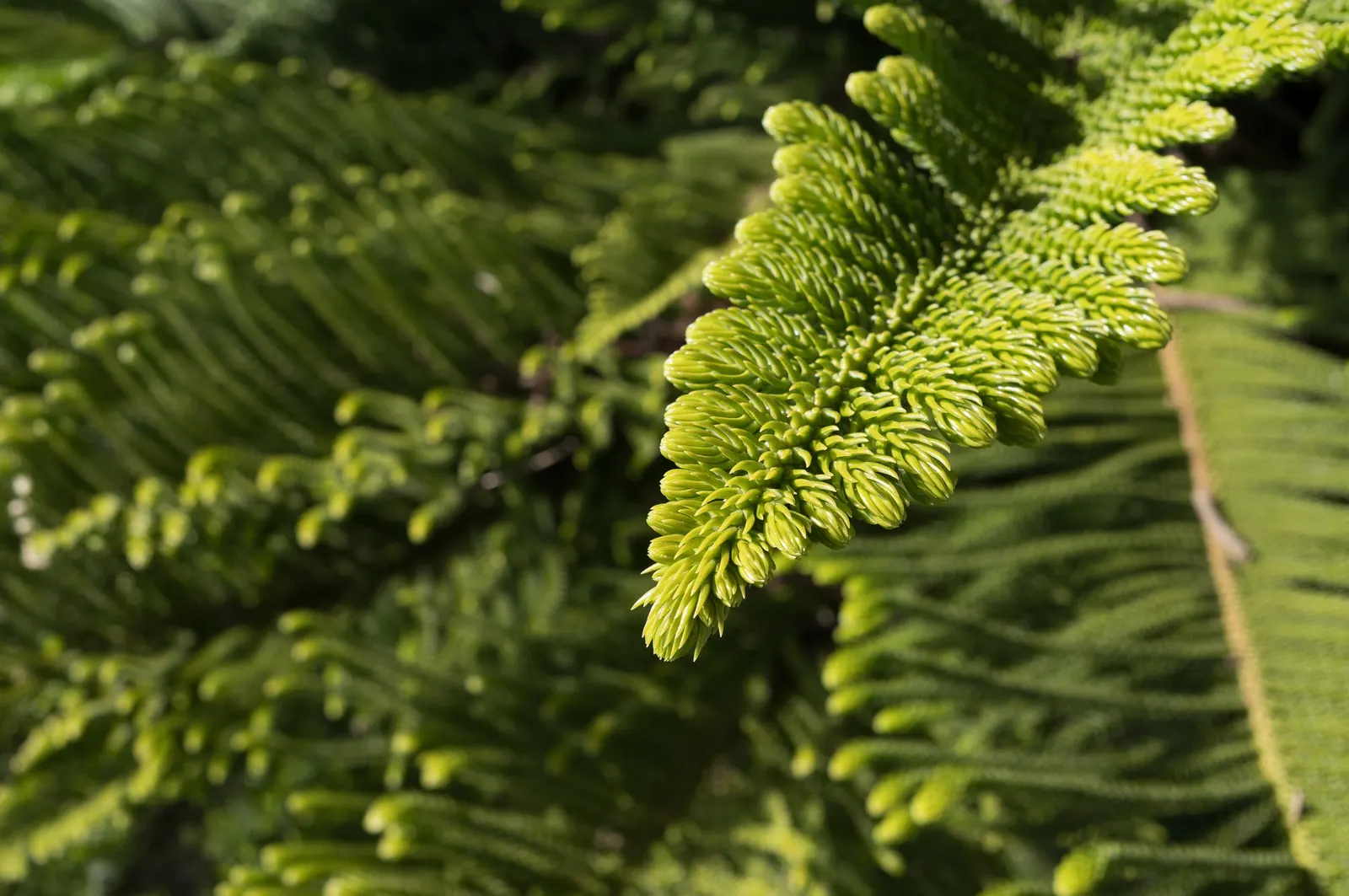
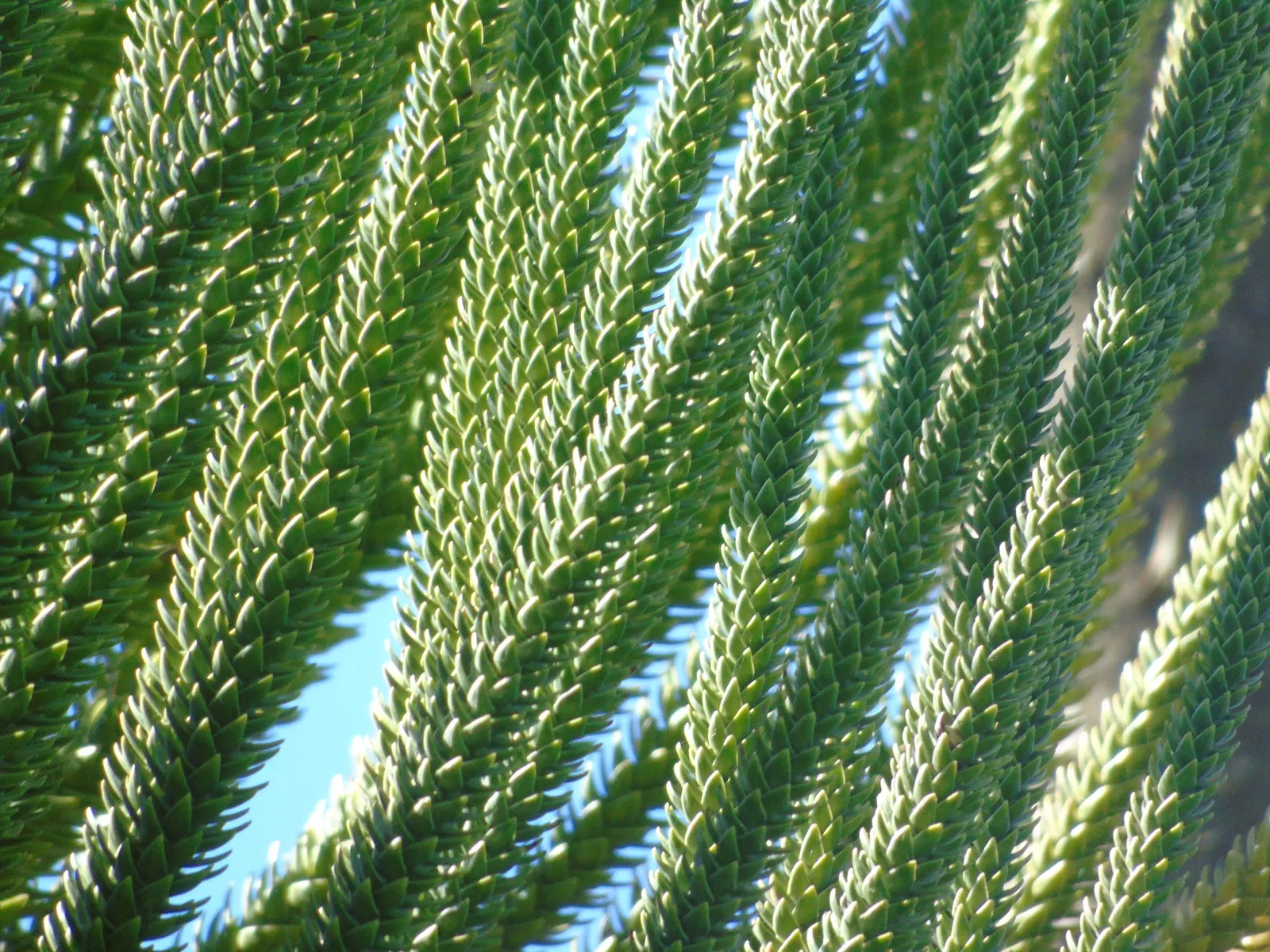
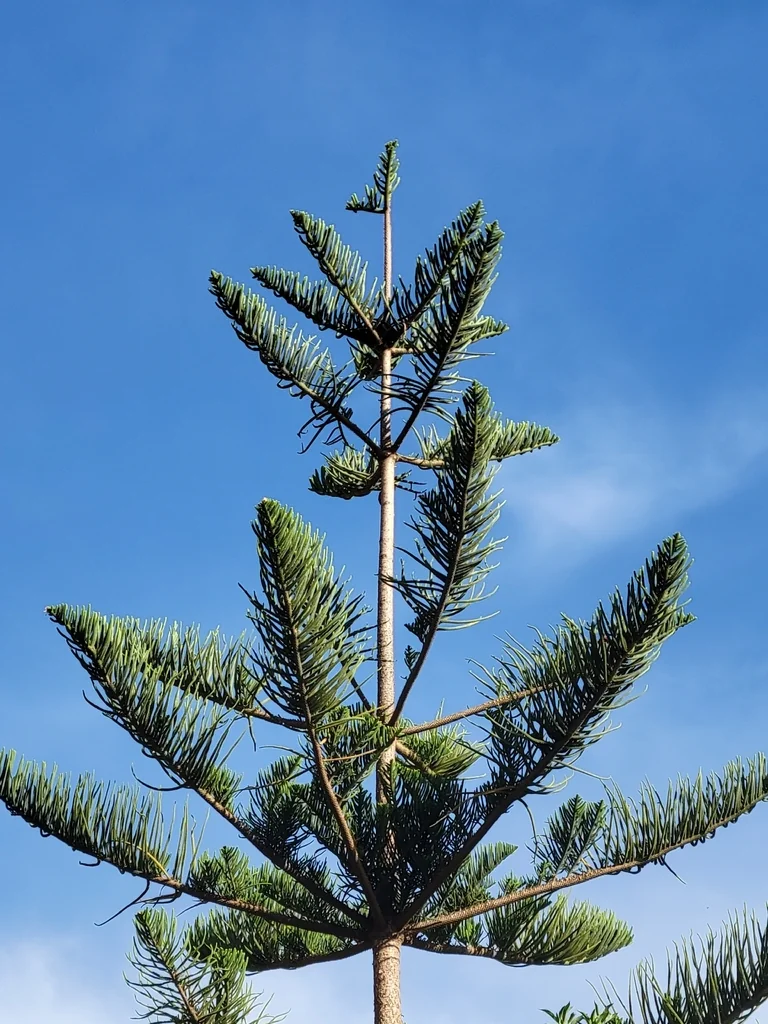
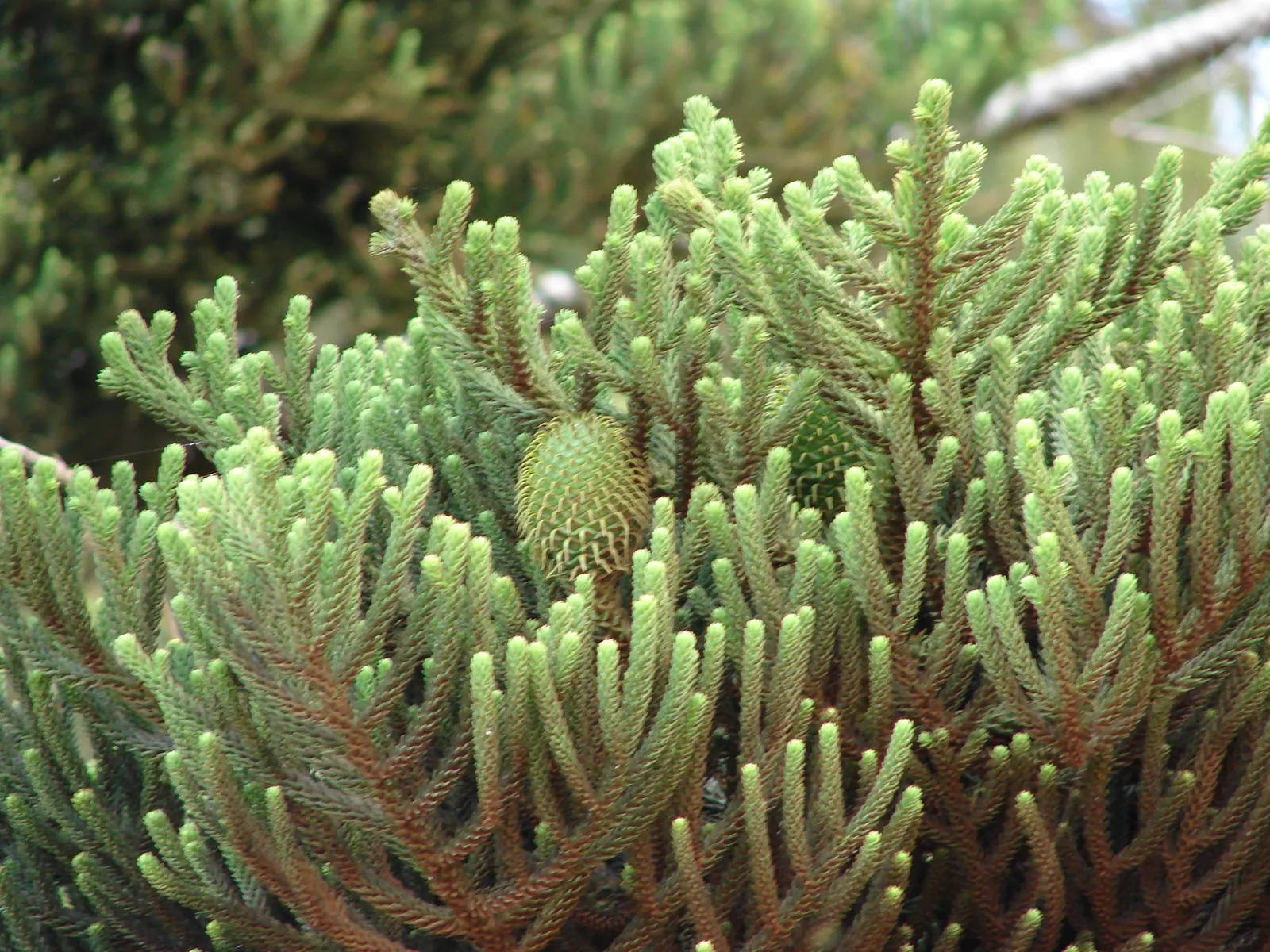
Norfolk Island Pine (Araucaria Heterophylla) — soft needles measuring around 0.5 to 1.5 inches long.<br><br>Hardy in USDA zones 10 to 11; smaller, image 46

Culture

Sun
Full
Water
Medium
USDA zones
8–11

Shape & size

Classification

Type
Conifer, Tree
Family
Araucariaceae
Climate
Subtropical

See full data, regional cultivation notes, and design tools. Build a client presentation around this plant.

Start your 14-day trial

Photos (89)

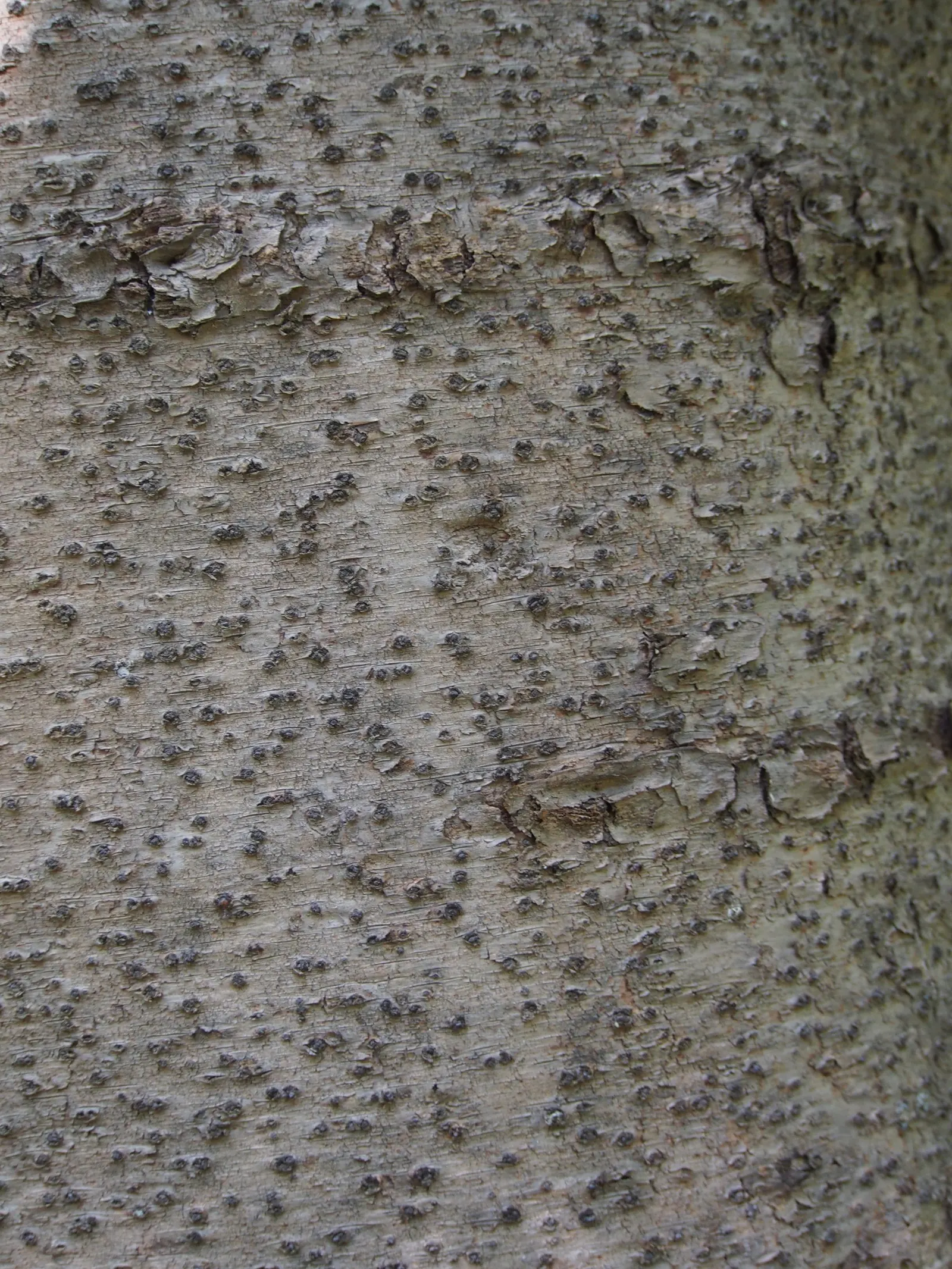
Norfolk Island Pine (Araucaria Heterophylla) — especially in the establishment phase
Norfolk Island Pine (Araucaria Heterophylla) — the Norfolk Island Pine thrives in full sun to light shade and prefers well-draining
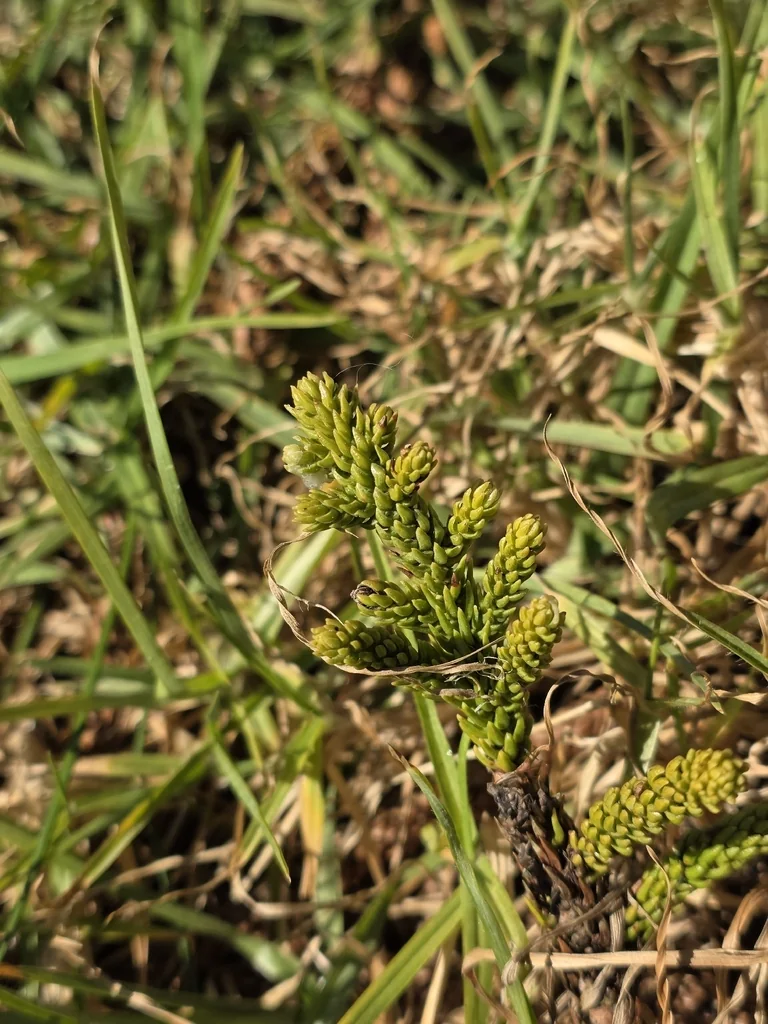
Norfolk Island Pine (Araucaria Heterophylla) — and during the festive season
Norfolk Island Pine (Araucaria Heterophylla) — This tree is moderately drought-tolerant but benefits from regular watering during dry periods; is, image 69
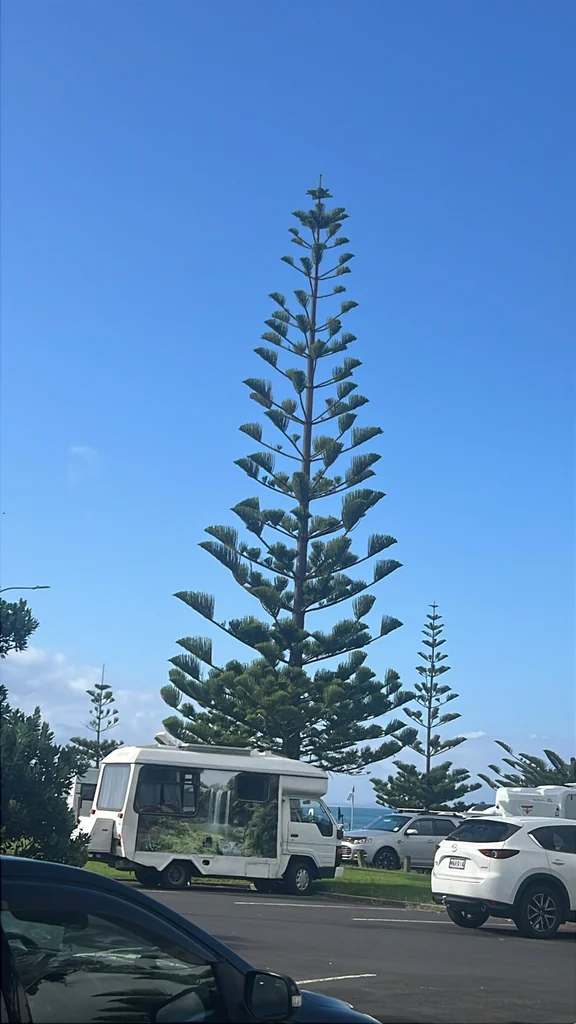
Norfolk Island Pine (Araucaria Heterophylla) — Ideal for adding vertical accent to a landscape; this stately tree can reach heights of 50-65 feet with a spread
Norfolk Island Pine (Araucaria Heterophylla) — the Norfolk Island Pine thrives in full sun to light shade and prefers well-draining; prefers full sun to
Norfolk Island Pine (Araucaria Heterophylla) — Ideal for adding vertical drama in spacious landscapes or as a focal indoor specimen; ideal for, image 61
Norfolk Island Pine (Araucaria Heterophylla) — Prefers full sun to partial shade and well-drained soil; and the balance it brings to both formal and informal
Norfolk Island Pine (Araucaria Heterophylla) — Its upright growth habit presents whorls of horizontal branches; soft needles measuring around 0.5, image 64
Norfolk Island Pine (Araucaria Heterophylla) — This stately tree can reach heights of 50-65 feet with a spread of 20-25 feet outdoors; ideal for adding
Norfolk Island Pine (Araucaria Heterophylla) — and the balance it brings to both formal and informal gardens
Norfolk Island Pine (Araucaria Heterophylla) — Adequate spacing is crucial for mature development, image 67
Norfolk Island Pine (Araucaria Heterophylla) — Ideal for adding vertical drama in spacious landscapes or as a focal indoor specimen
Norfolk Island Pine (Araucaria Heterophylla) — Ideal for adding vertical accent to a landscape; this stately tree can reach heights of 50-65 feet, image 44
Norfolk Island Pine (Araucaria Heterophylla) — Ideal for adding vertical accent to a landscape; this stately tree can reach heights of 50-65 feet, image 63
Norfolk Island Pine (Araucaria Heterophylla) — and the balance it brings to both formal and informal gardens; the Norfolk Island Pine thrives in, image 56
Norfolk Island Pine (Araucaria Heterophylla) — The designer should note its moderate growth rate
Norfolk Island Pine (Araucaria Heterophylla) — the Norfolk Island Pine thrives in full sun to light shade and prefers well-draining; prefers full, image 47
Norfolk Island Pine (Araucaria Heterophylla) — soft needles measuring around 0.5 to 1.5 inches long.<br><br>Hardy in USDA zones 10 to 11; smaller, image 65
Norfolk Island Pine (Araucaria Heterophylla) — Its upright growth habit presents whorls of horizontal branches; soft needles measuring around 0.5 to 1.5 inches
Norfolk Island Pine (Araucaria Heterophylla) — This stately tree can reach heights of 50-65 feet with a spread of 20-25 feet outdoors; ideal for, image 39
Araucaria Heterophylla
Photographs by 7 contributors

Related plants