Skip to content

Devil's Walking Stick

Aralia Spinosa

Design with this plant

Overview

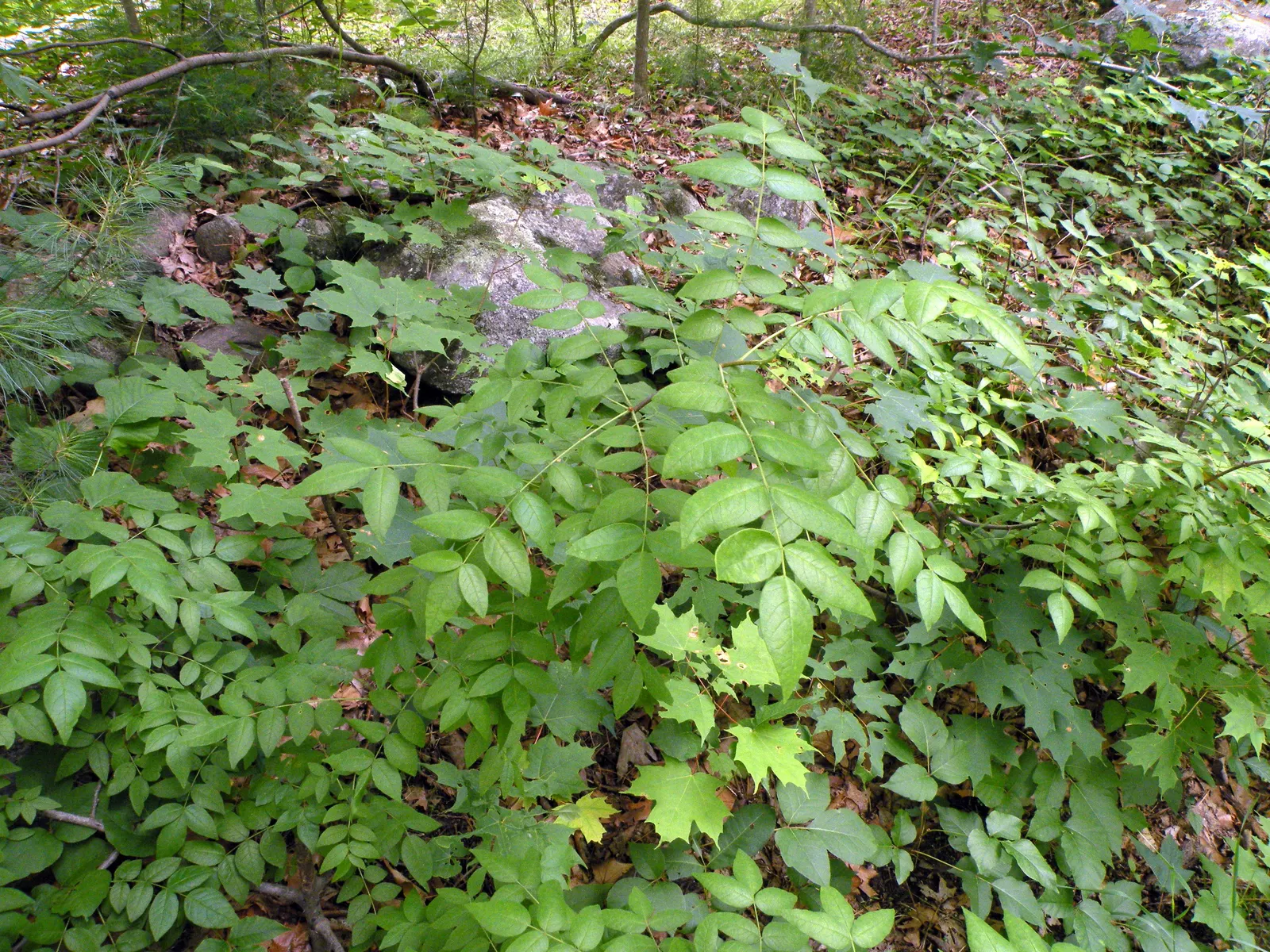
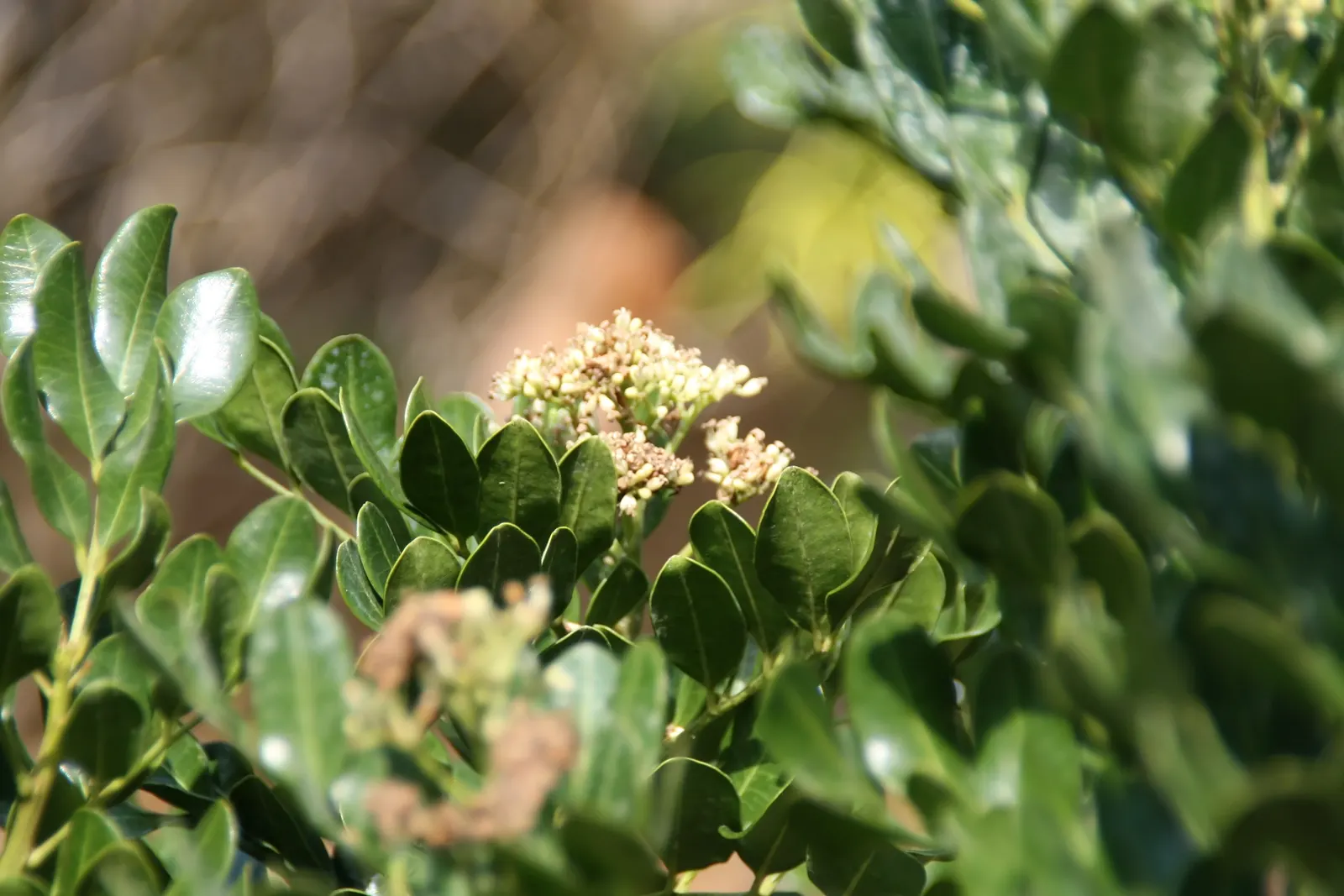
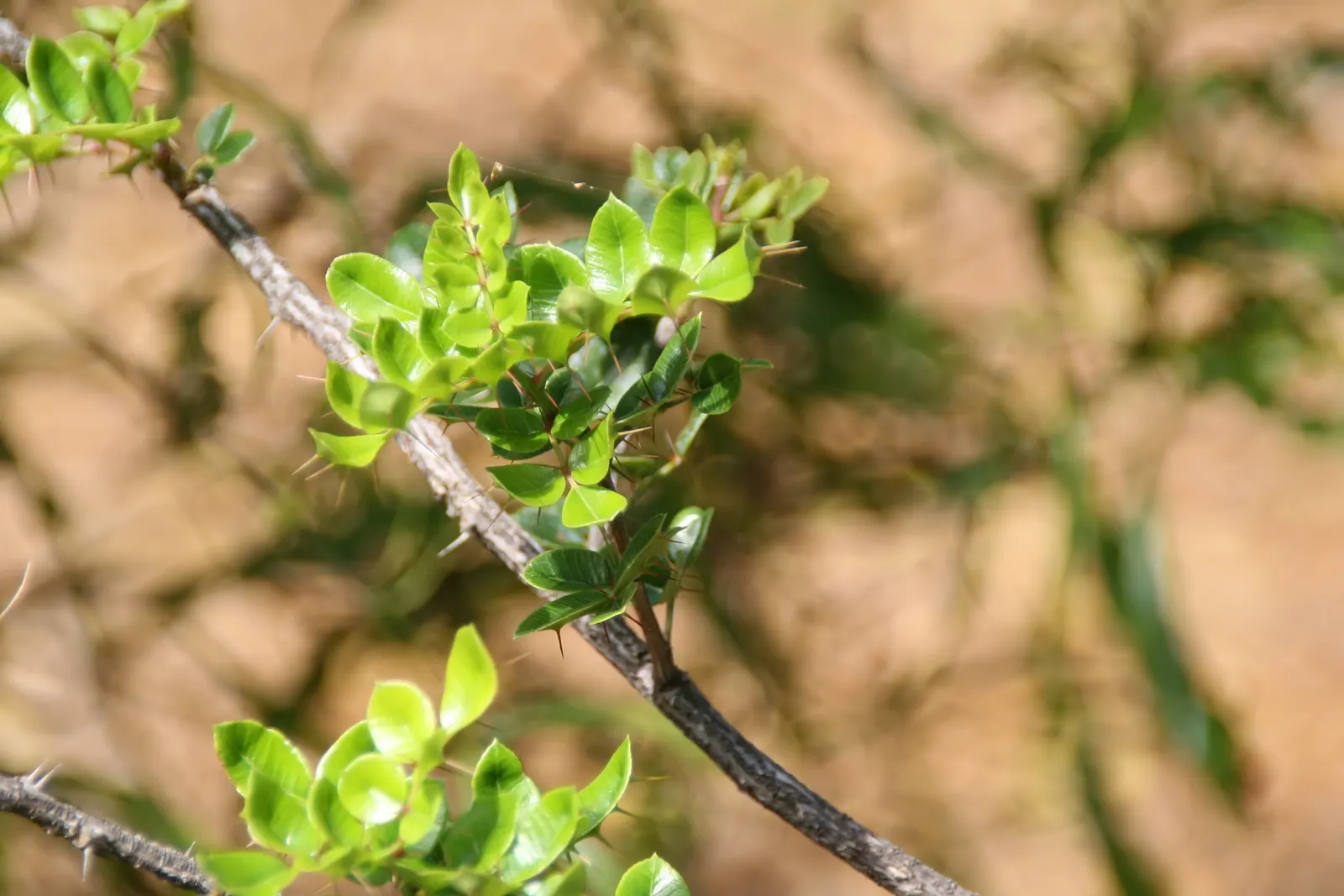
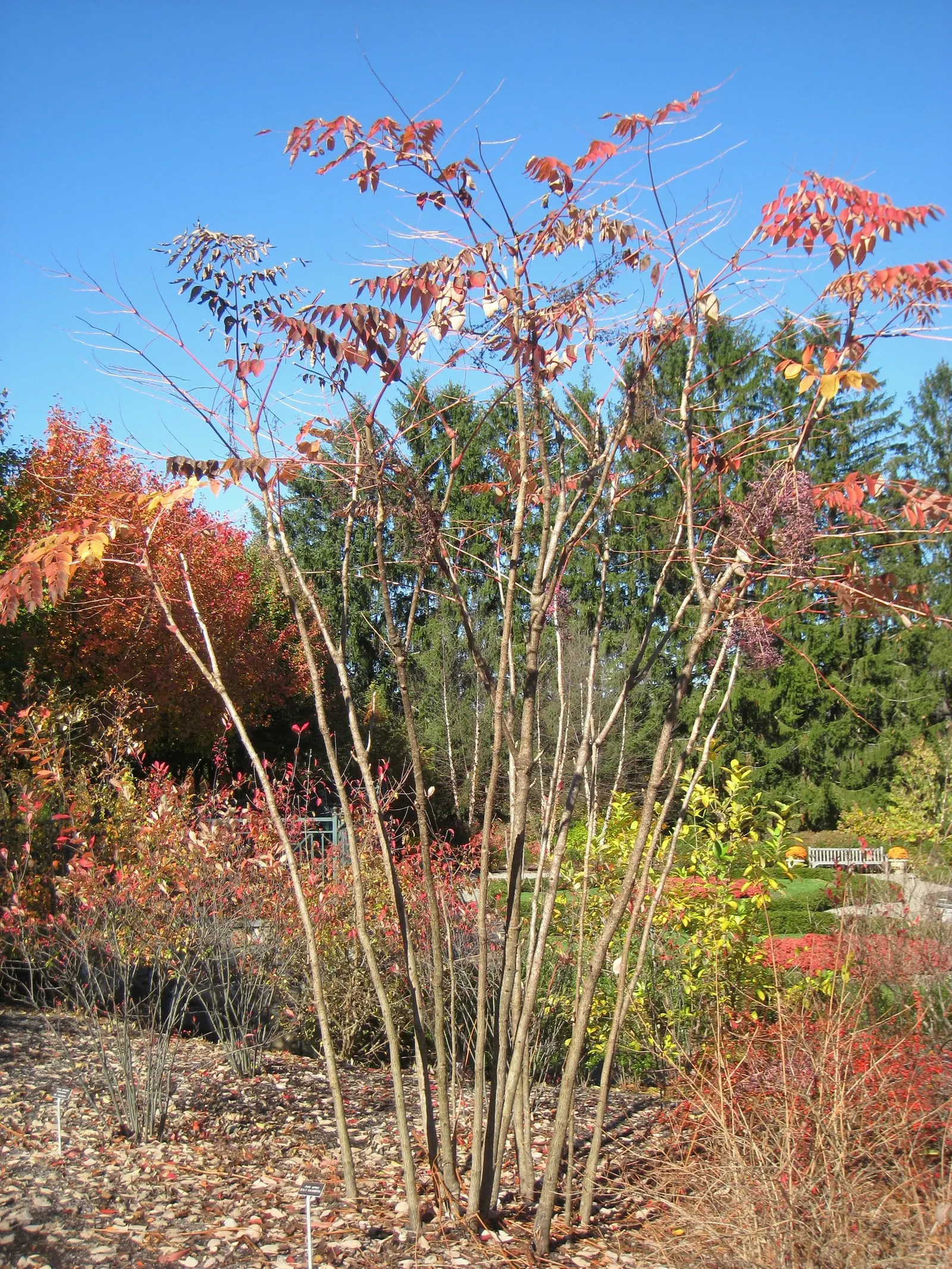
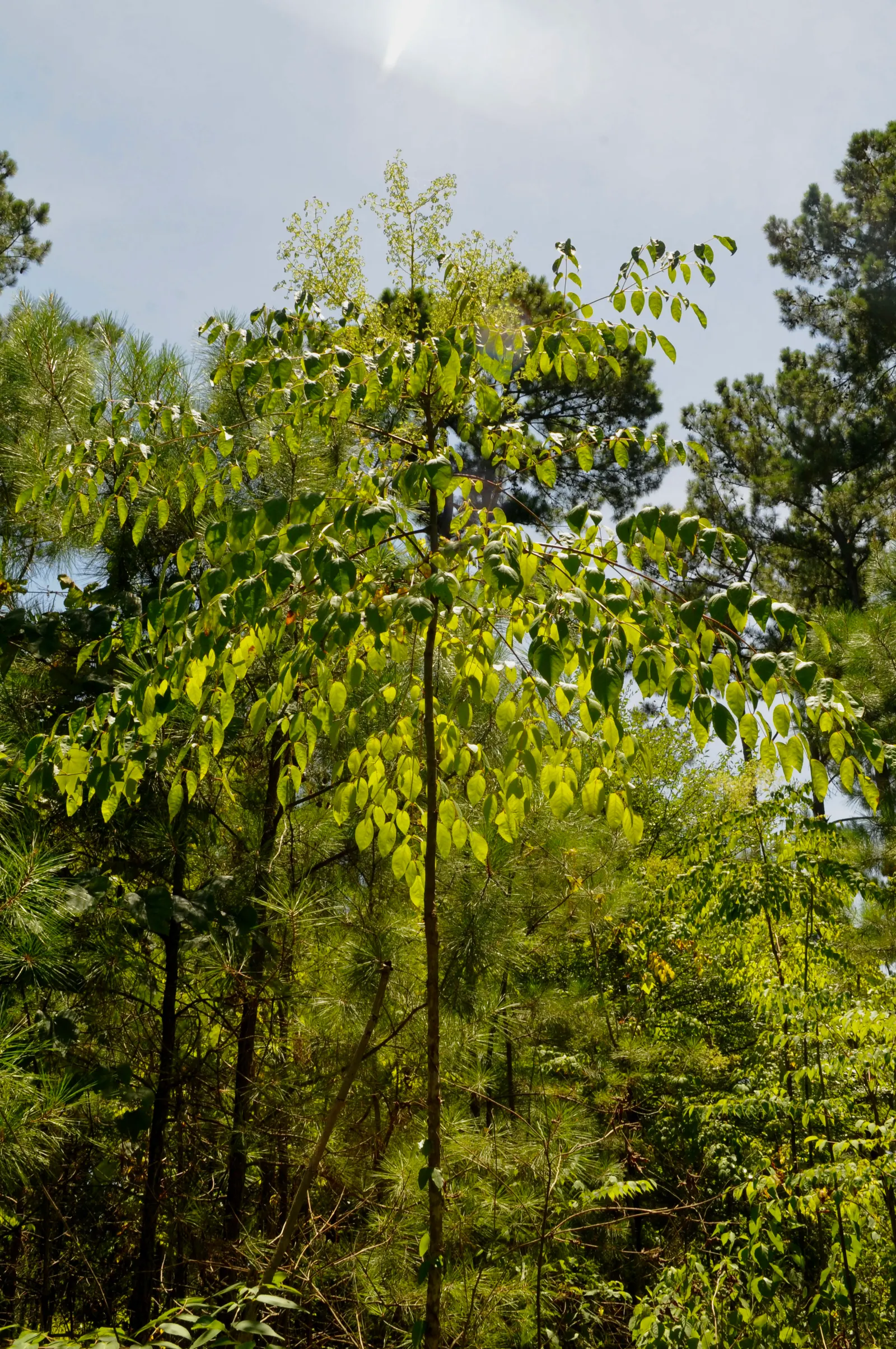
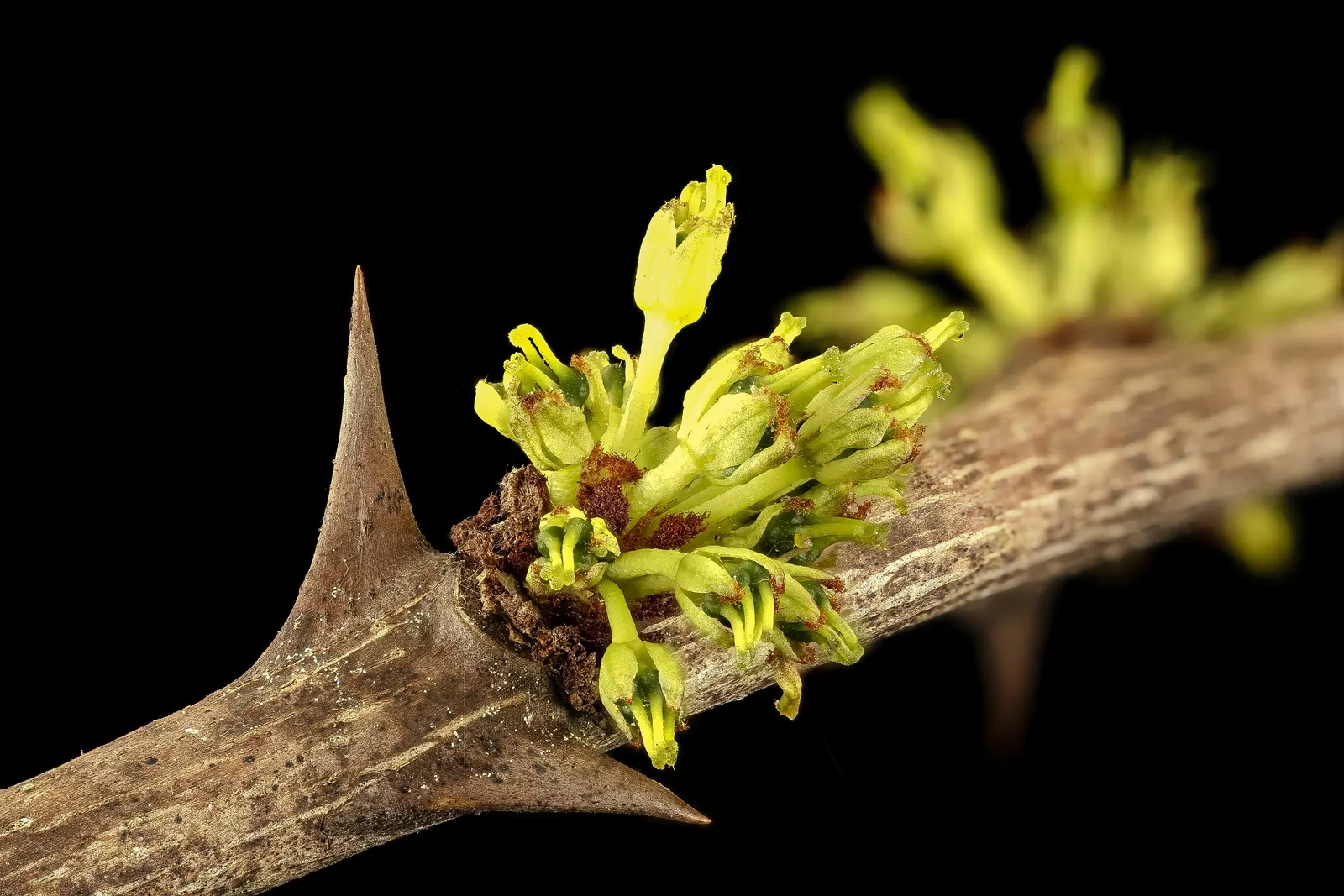
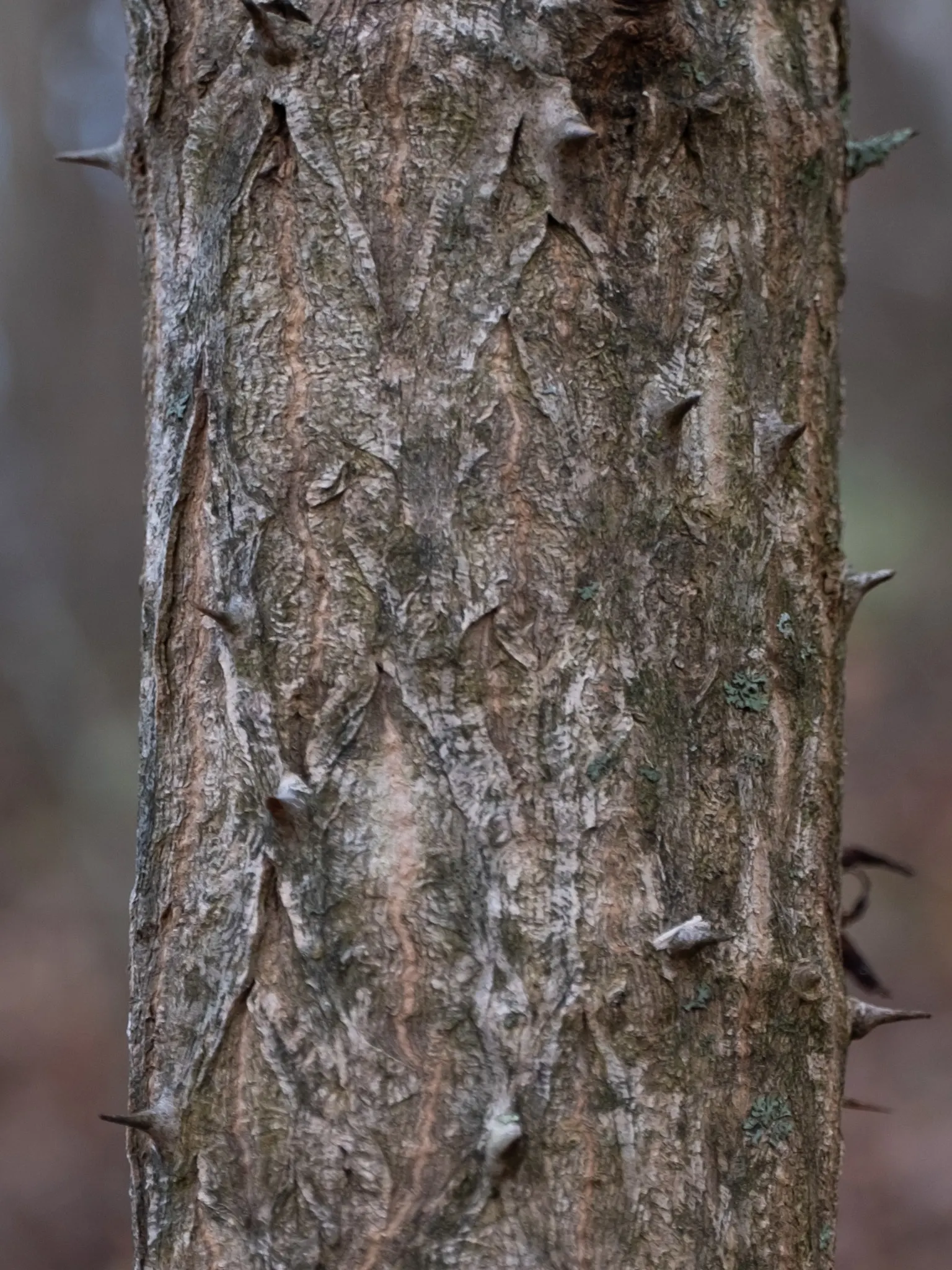
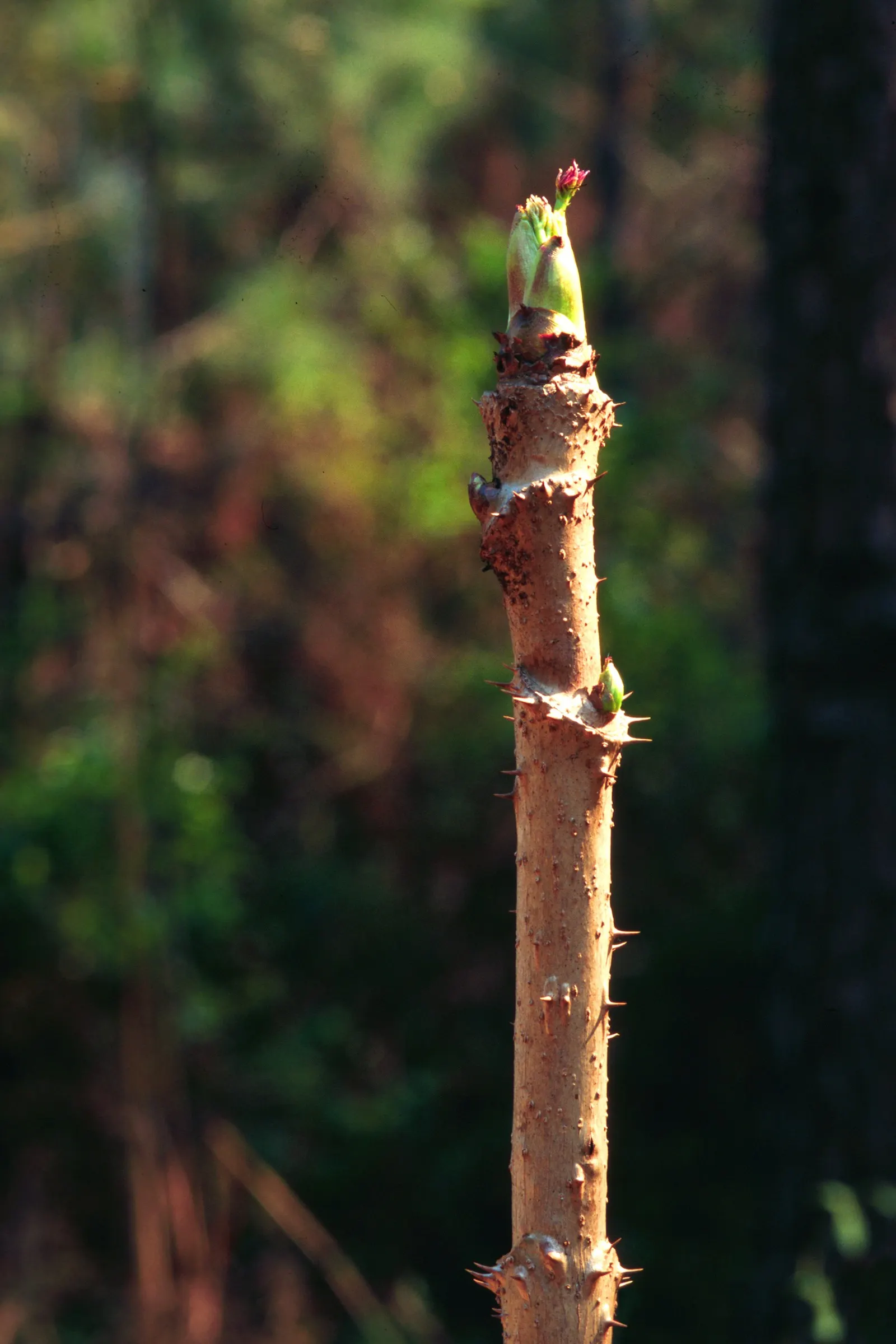
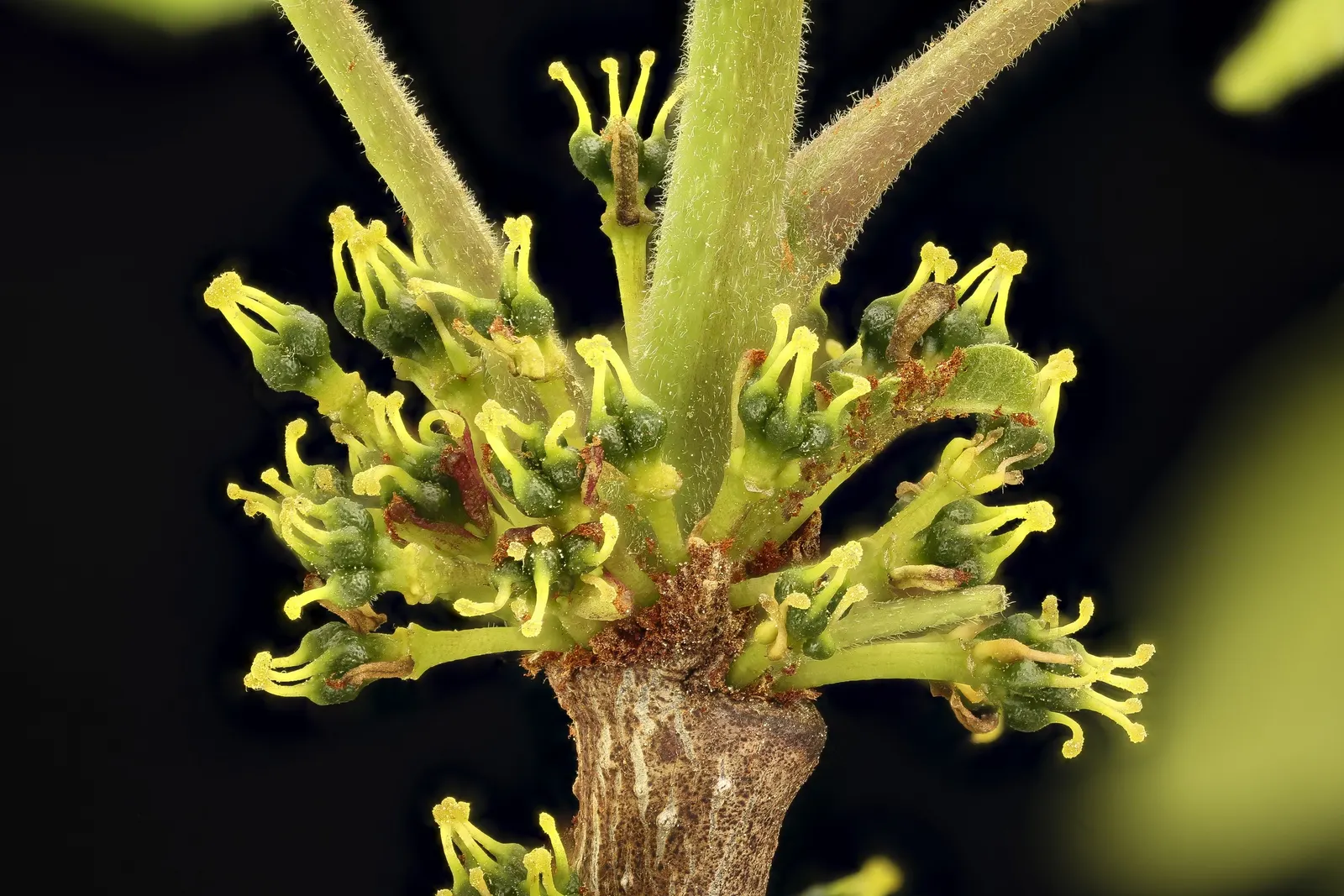
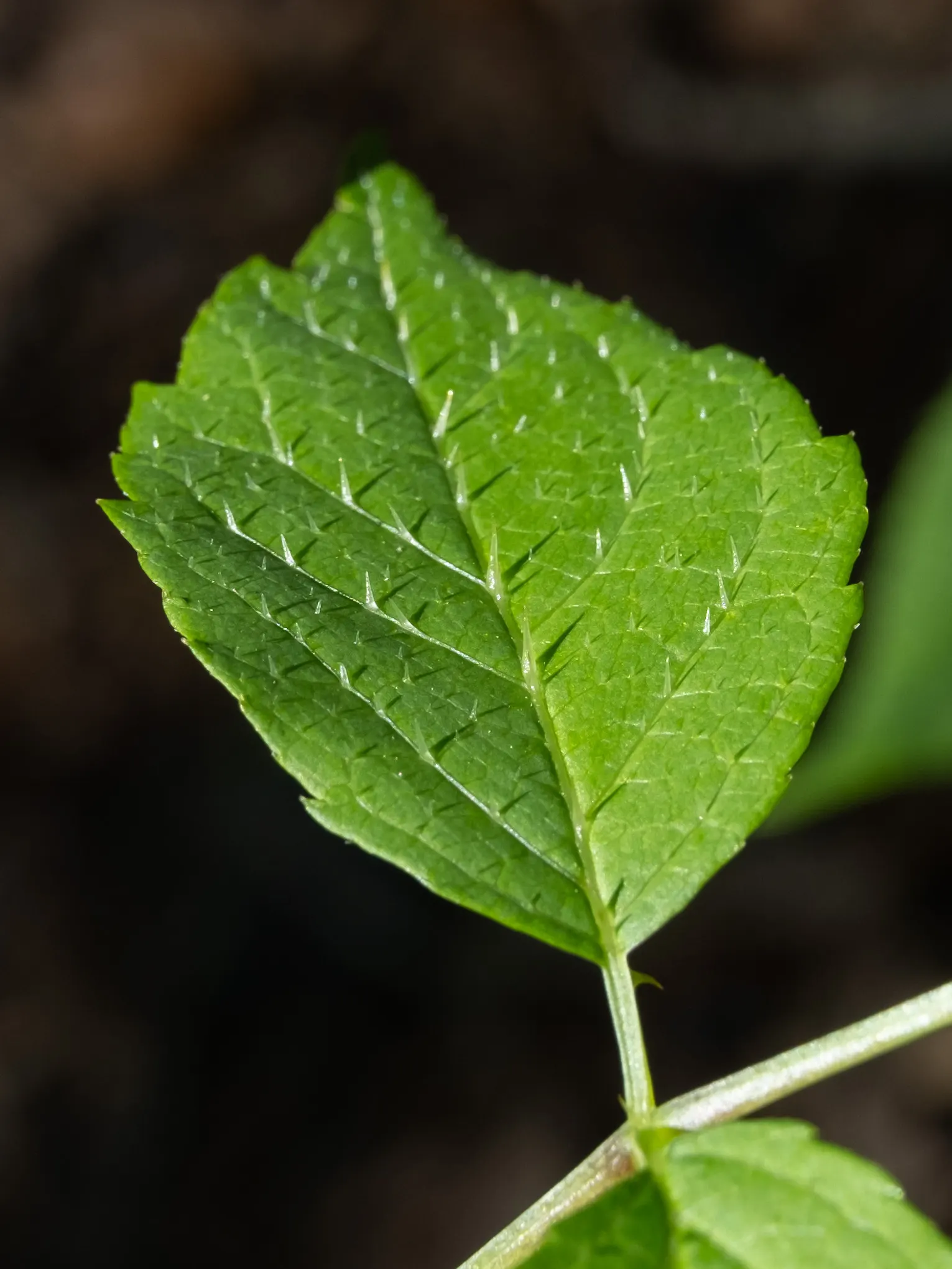
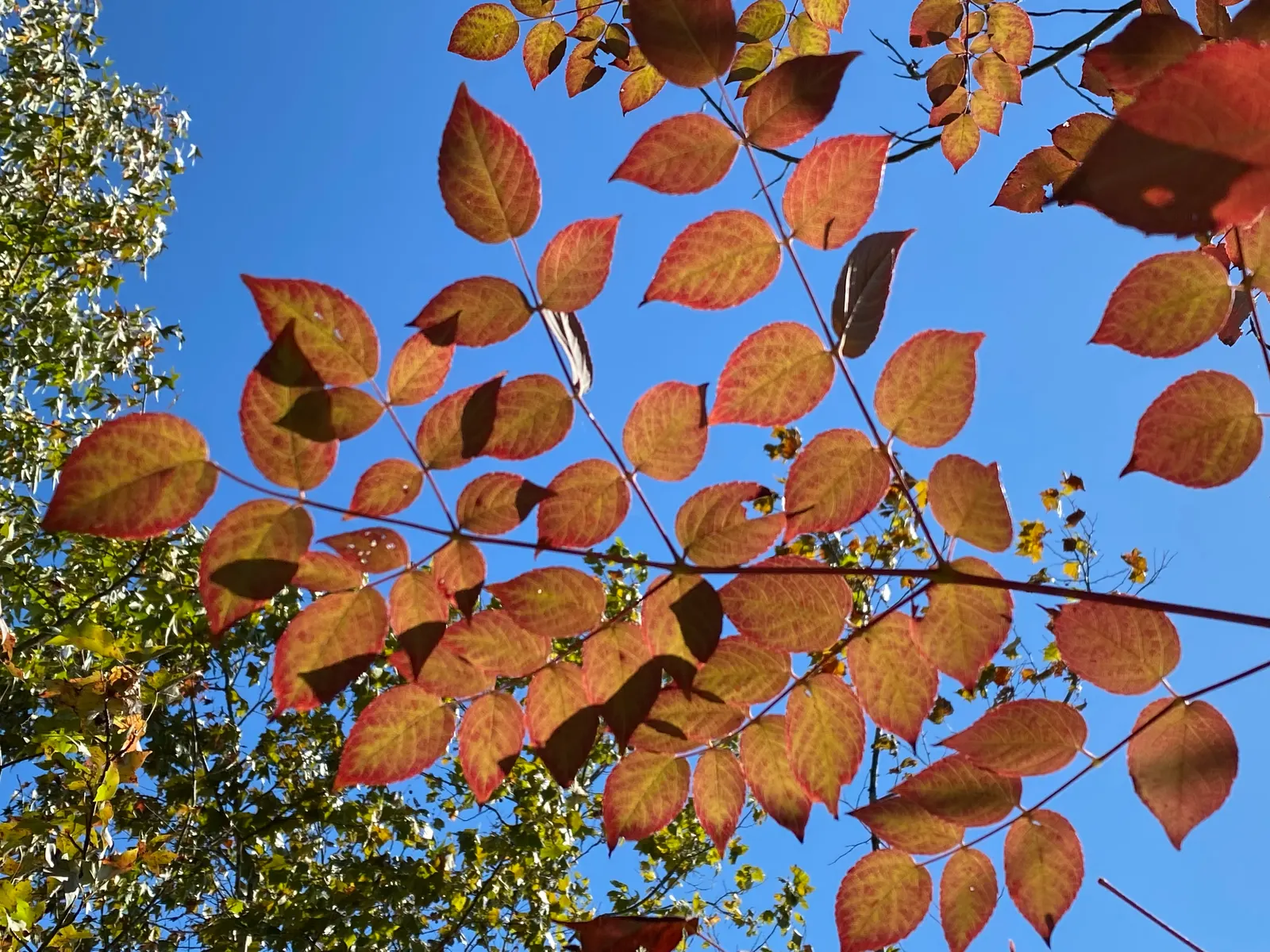
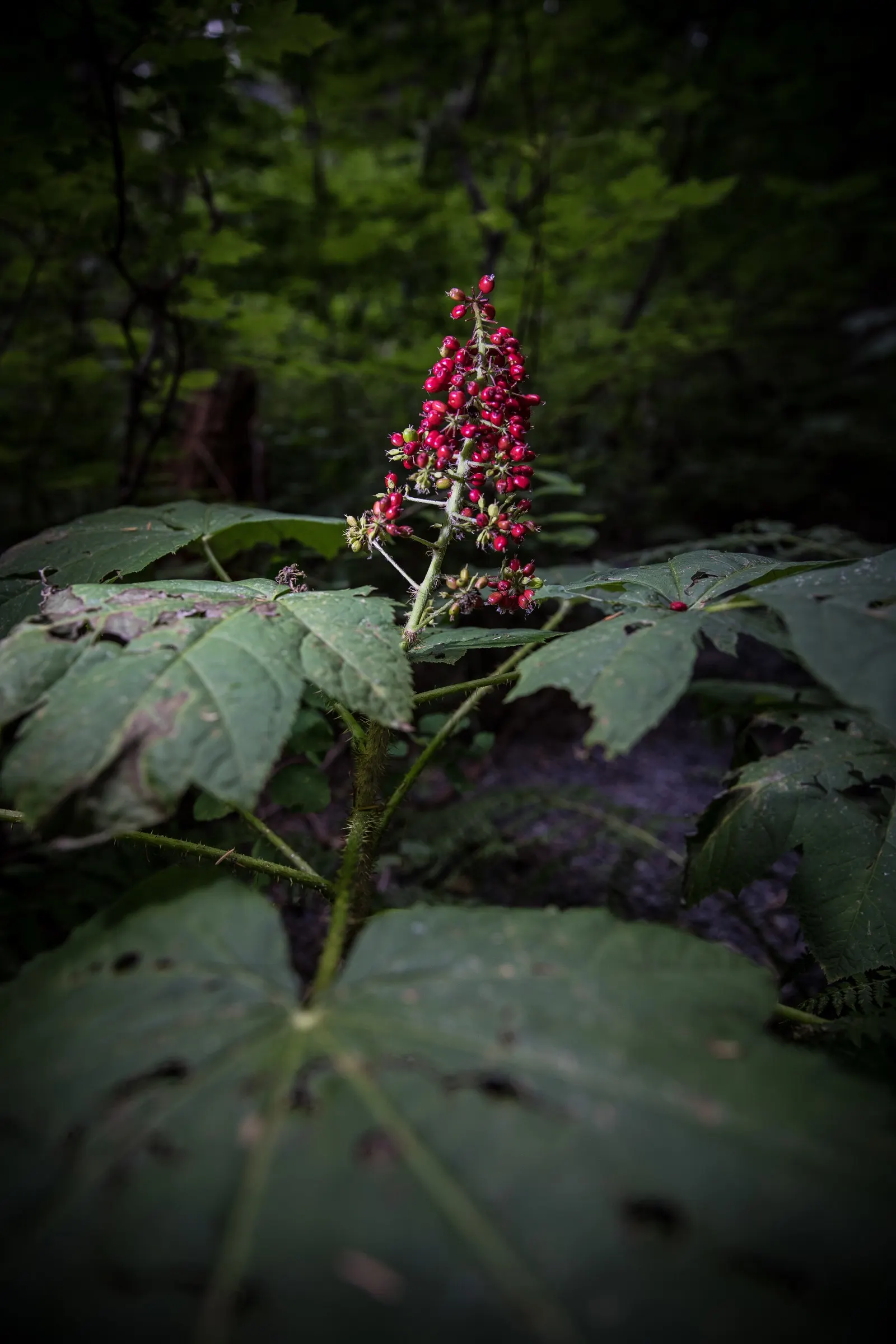
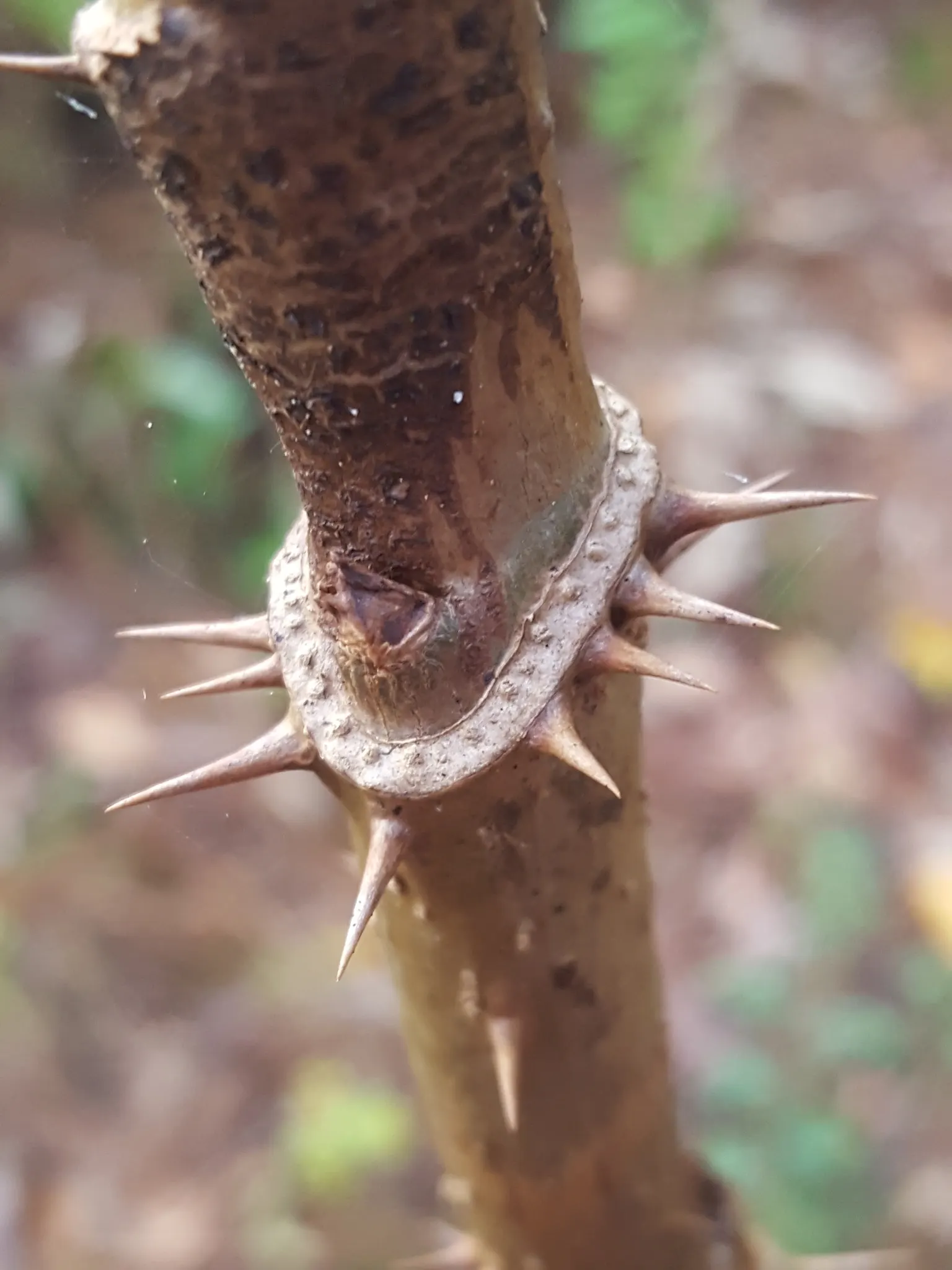
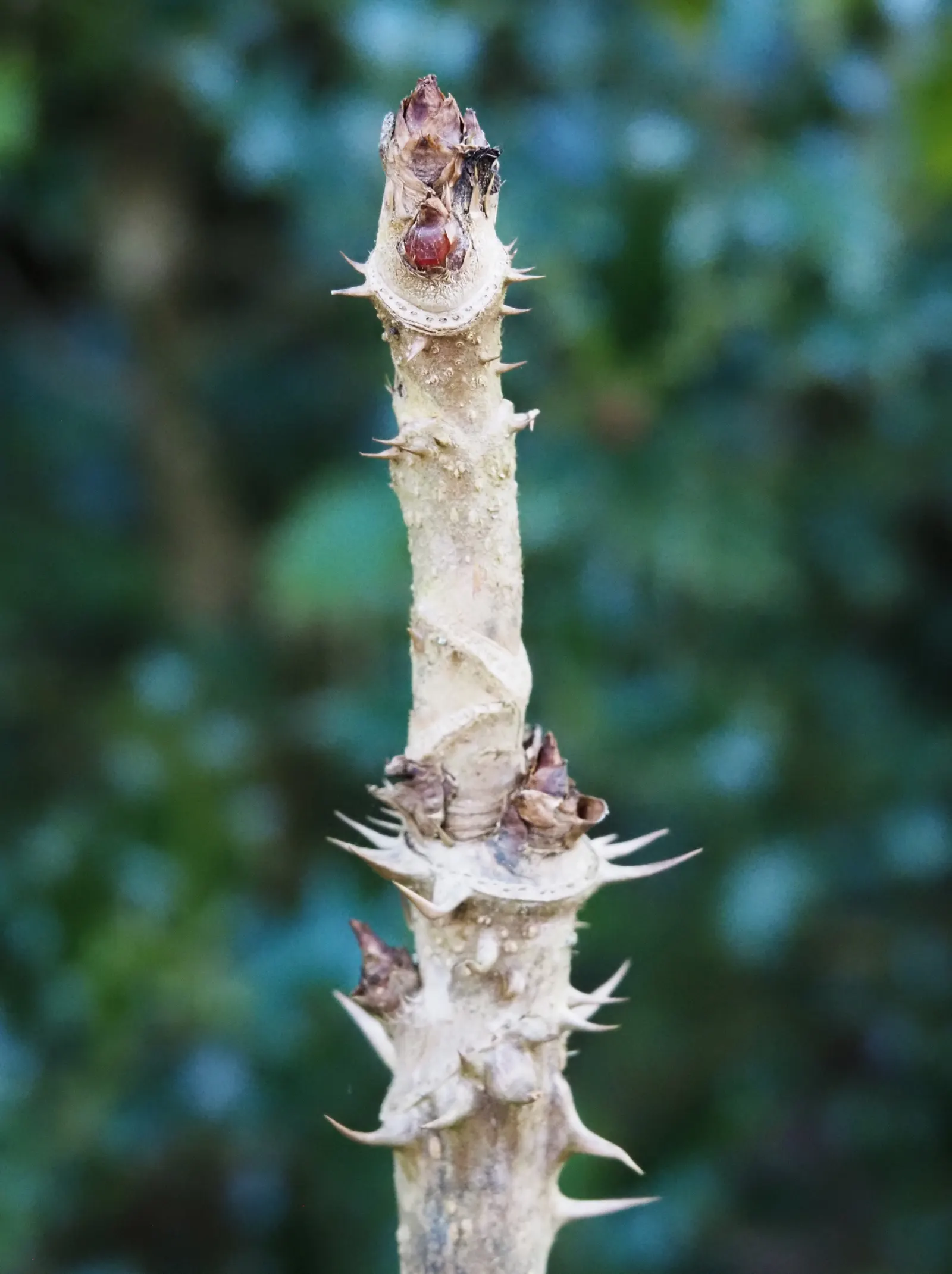
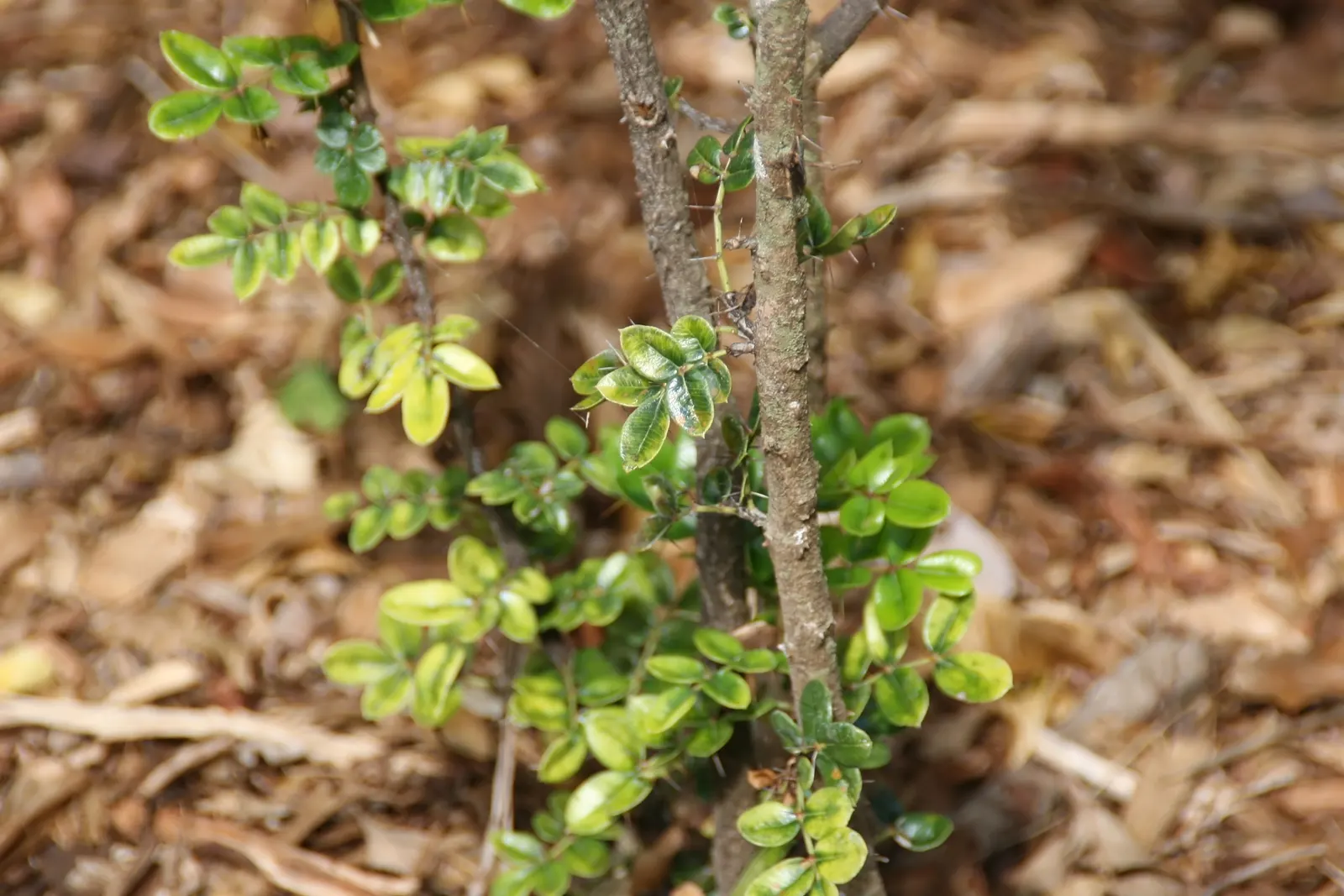
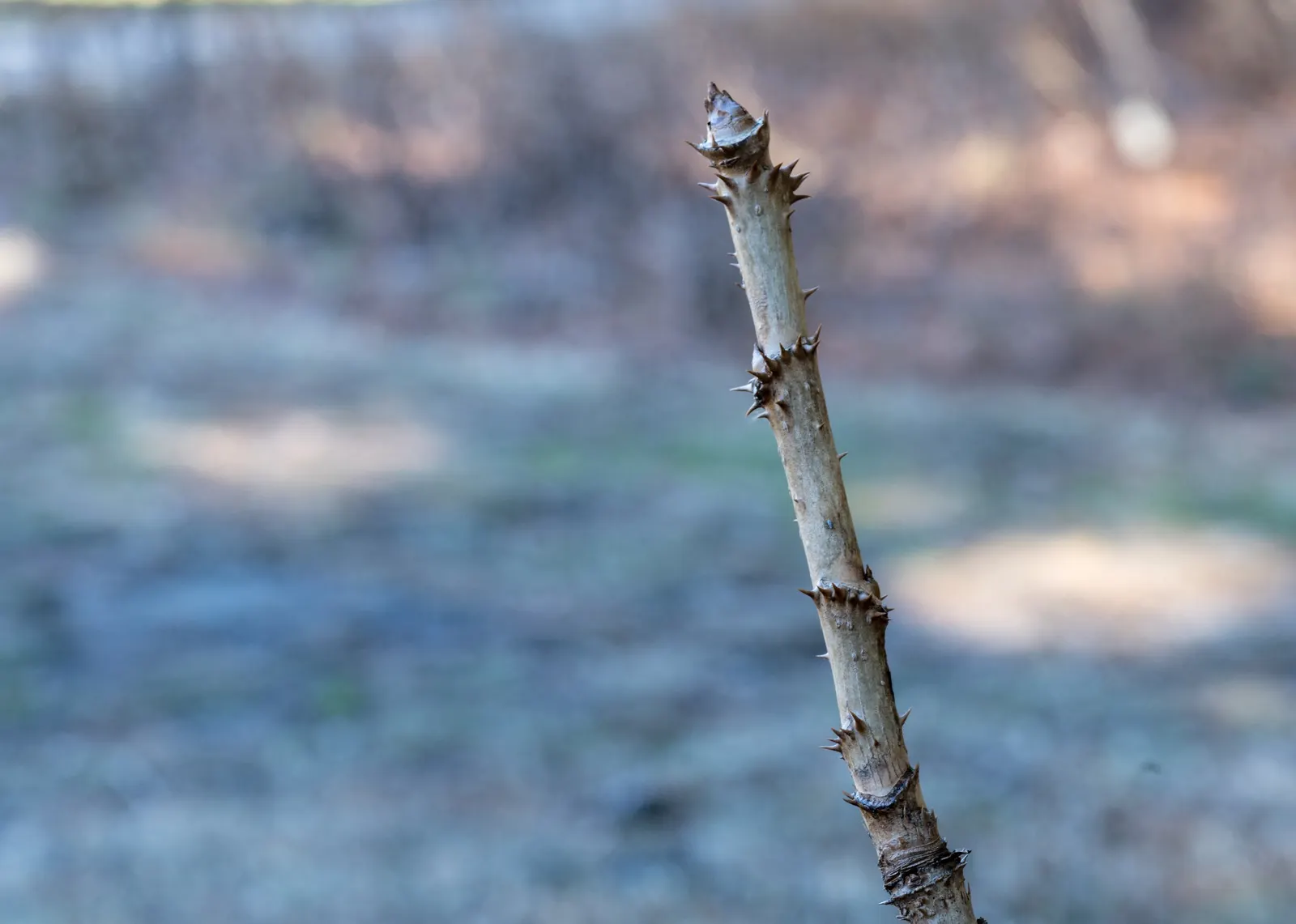
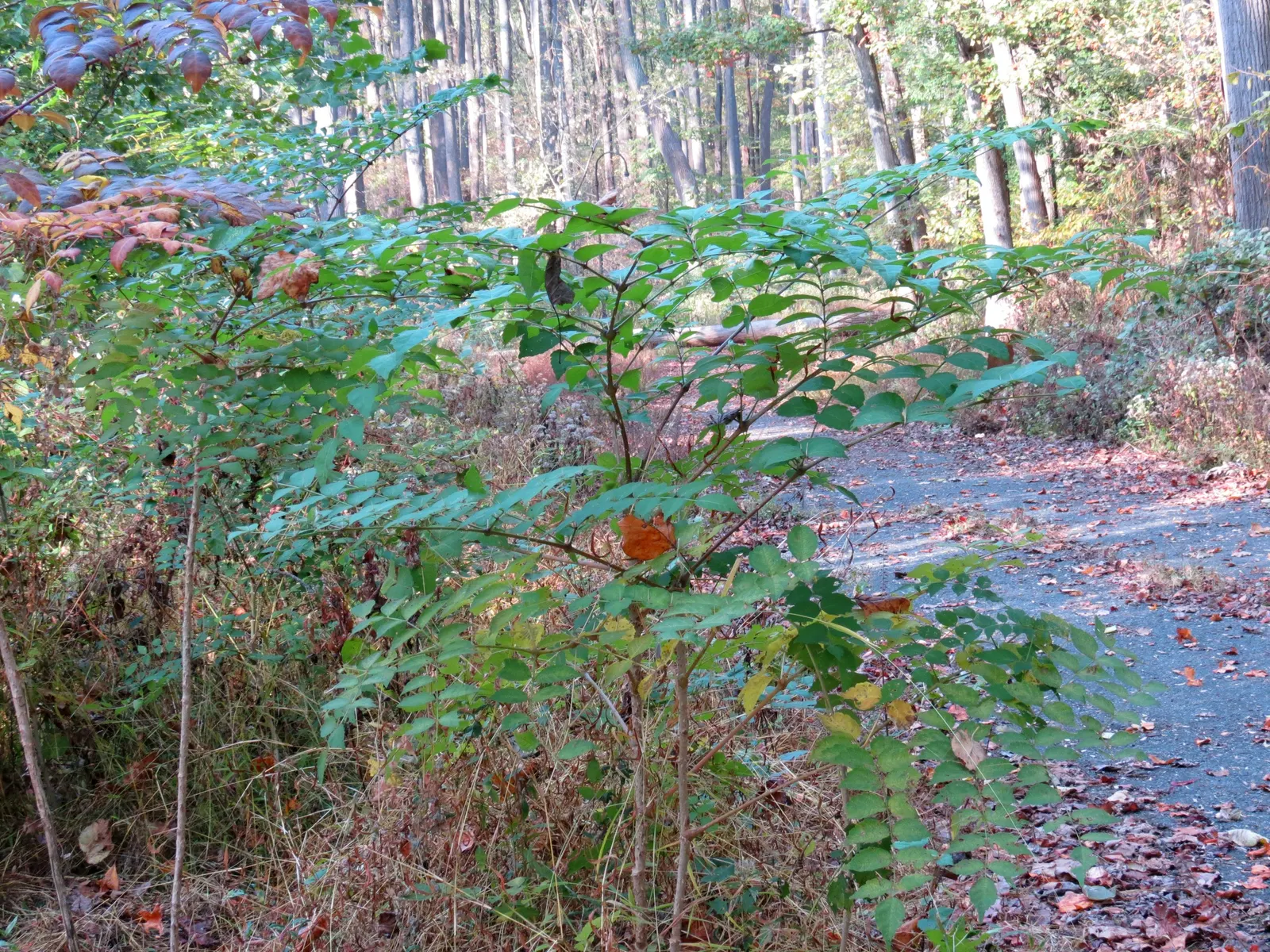
Devil's Walking Stick (Aralia spinosa) is a striking deciduous shrub or small tree, reaching up to 15-25 feet tall, with a 6-12 feet spread. Known for its menacing thorns, large bipinnate leaves, and airy clusters of white flowers that turn into purplish-black berries. Thrives in well-drained soils with partial to full sun. Offers dramatic texture and height, ideal as a focal point or natural screen. Hardy in Zones 4-9.

Sun Full, HalfWater MediumZones 4–11Type ShrubClimate Temperate
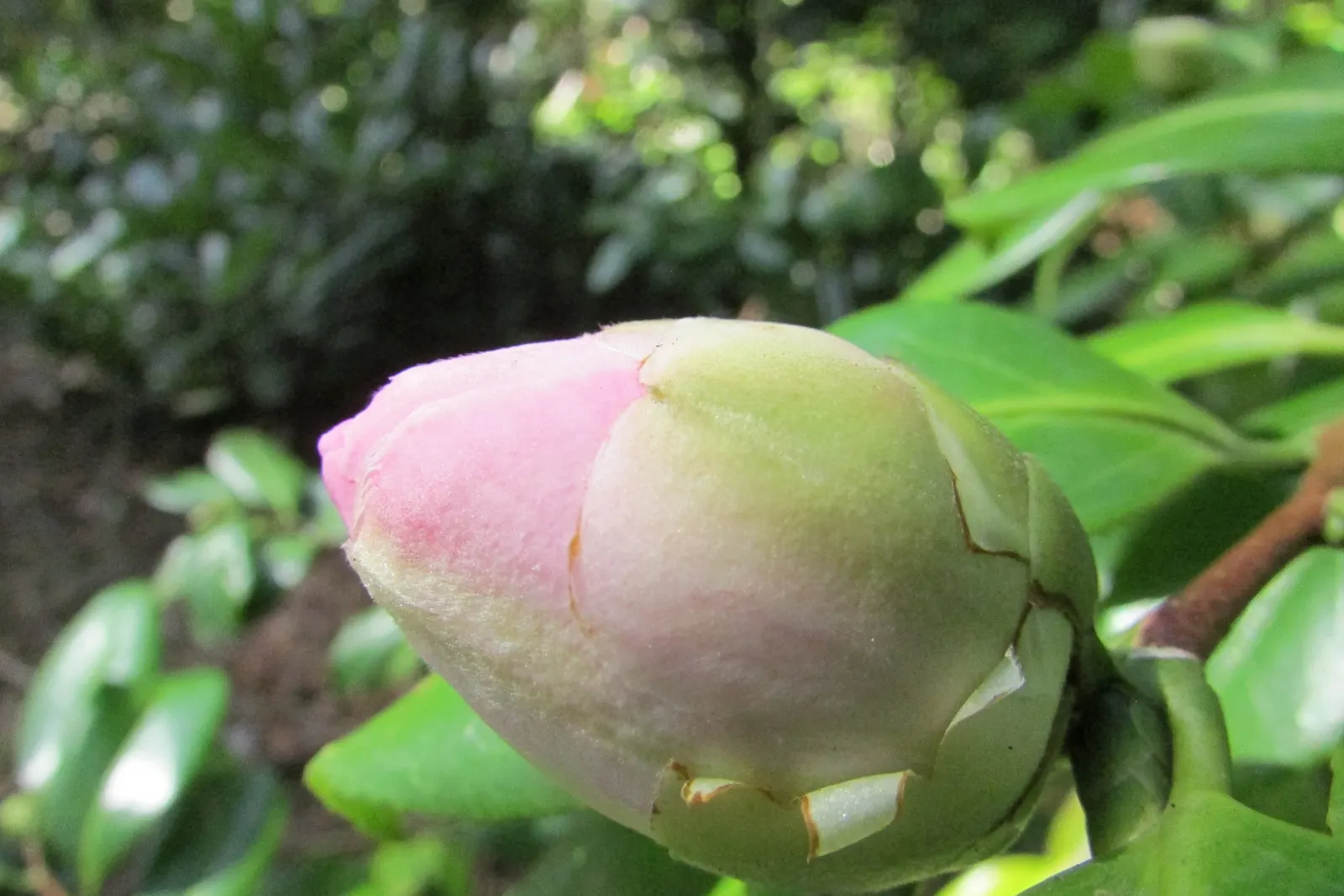
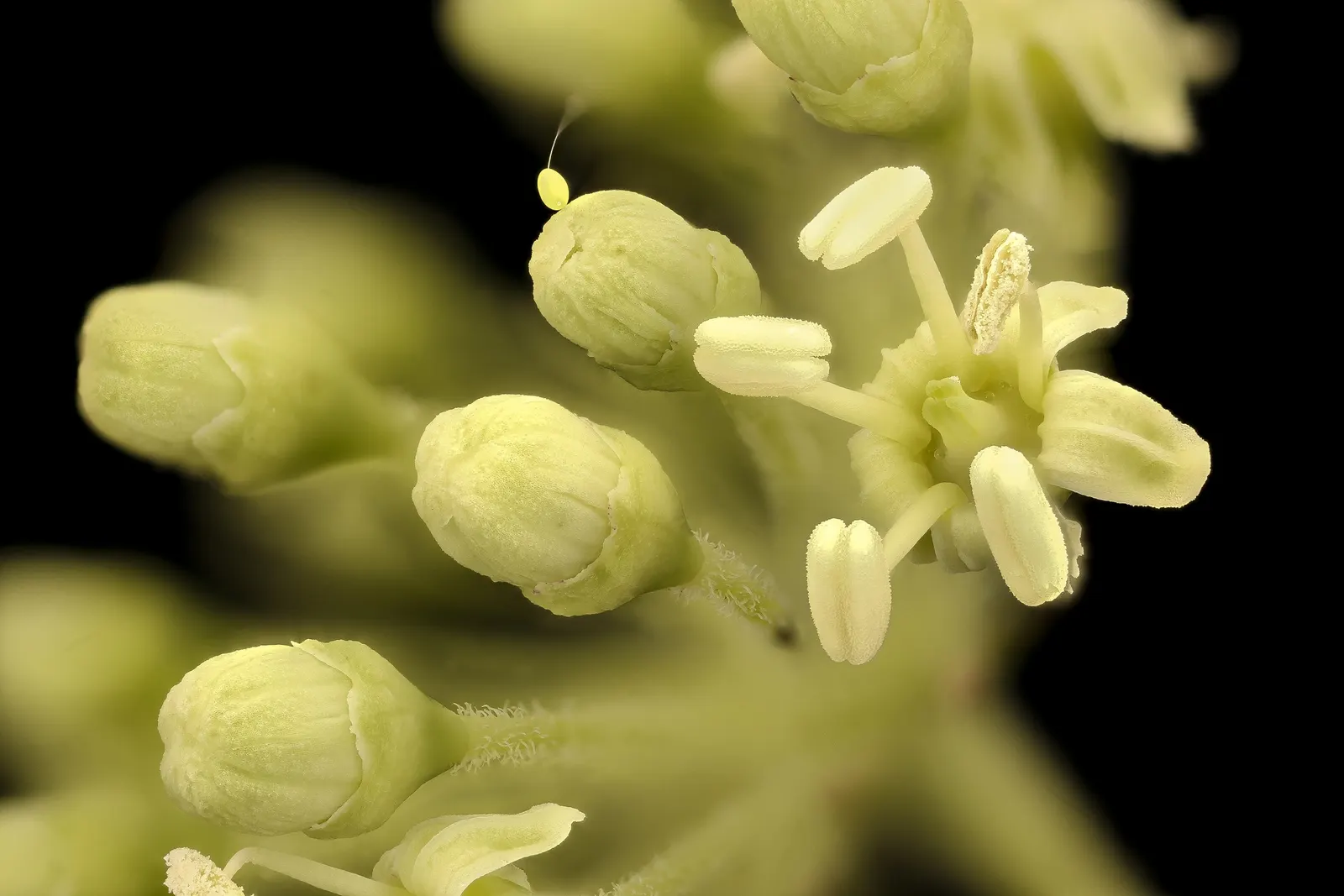
Devil's Walking Stick (Aralia Spinosa) — Known for its menacing thorns; umbrella-like clusters of small white flowers, image 55

Culture

Sun
Full, Half
Water
Medium
USDA zones
4–11

Shape & size

Classification

Type
Shrub
Family
Araliaceae
Climate
Temperate

See full data, regional cultivation notes, and design tools. Build a client presentation around this plant.

Start your 14-day trial

Photos (76)

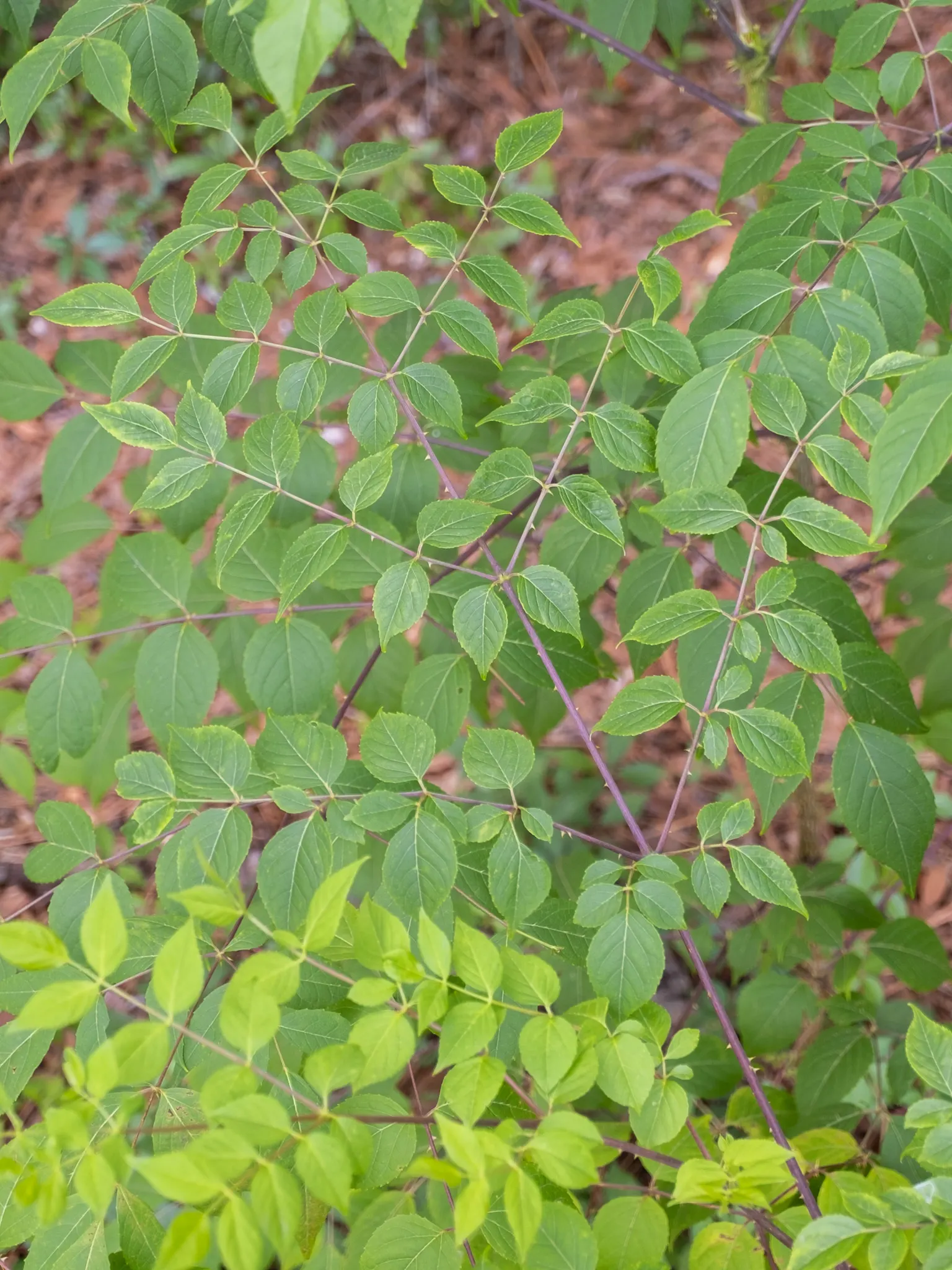
Devil's Walking Stick (Aralia Spinosa) — with a potential to tower up to 35 feet under optimal conditions; typically reaching heights of 10 to 20 feet
Devil's Walking Stick (Aralia Spinosa) — although its formidable spiny stems necessitate strategic placement; aralia spinosa thrives in a variety of soil types
Devil's Walking Stick (Aralia Spinosa) — infusing landscapes with a touch of the wild and wonderful
Devil's Walking Stick (Aralia Spinosa) — shrub for full or half; infusing landscapes with a touch of the wild and wonderful
Devil's Walking Stick (Aralia Spinosa) — The Devil's Walking Stick can serve as a focal point or natural barrier
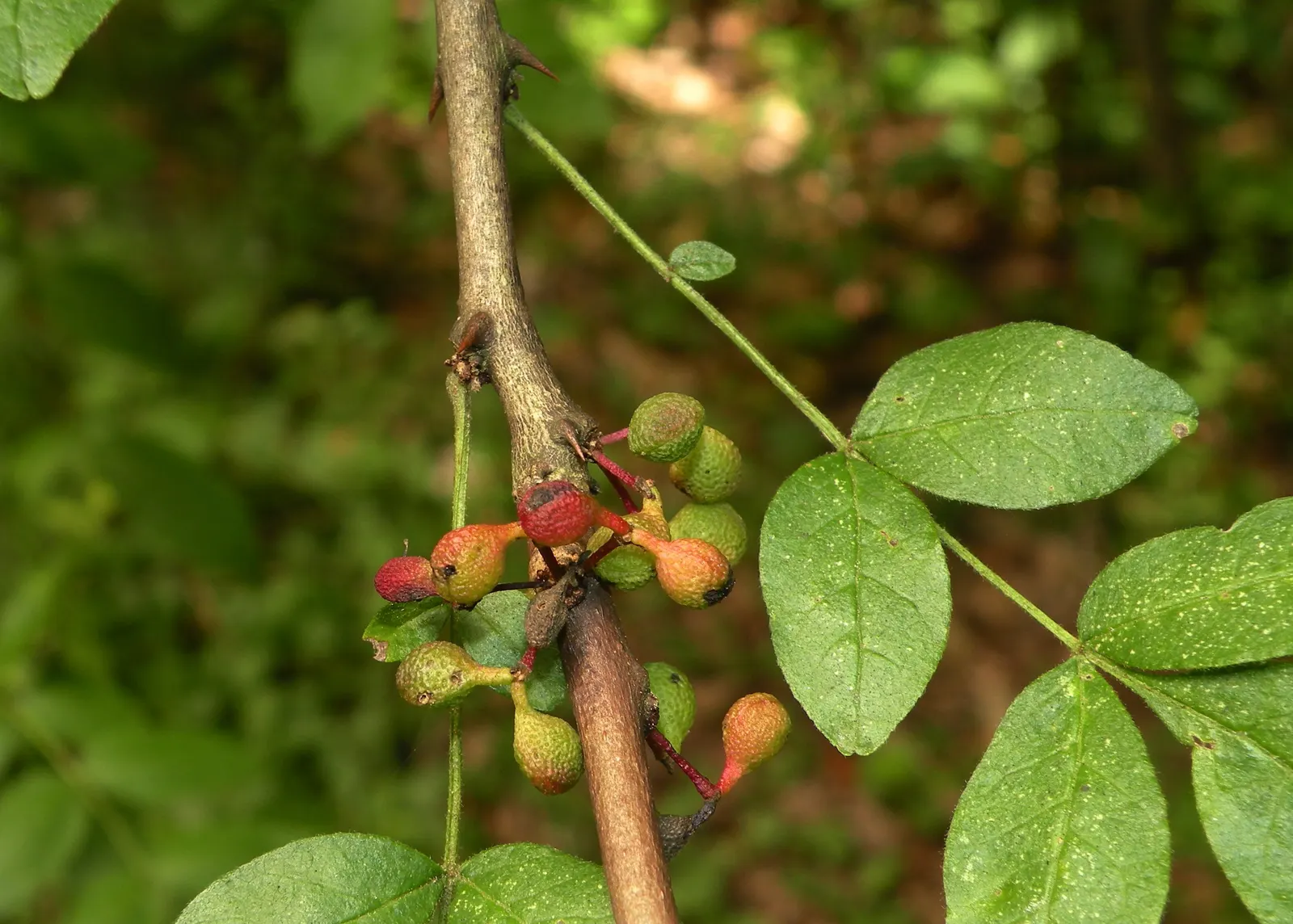
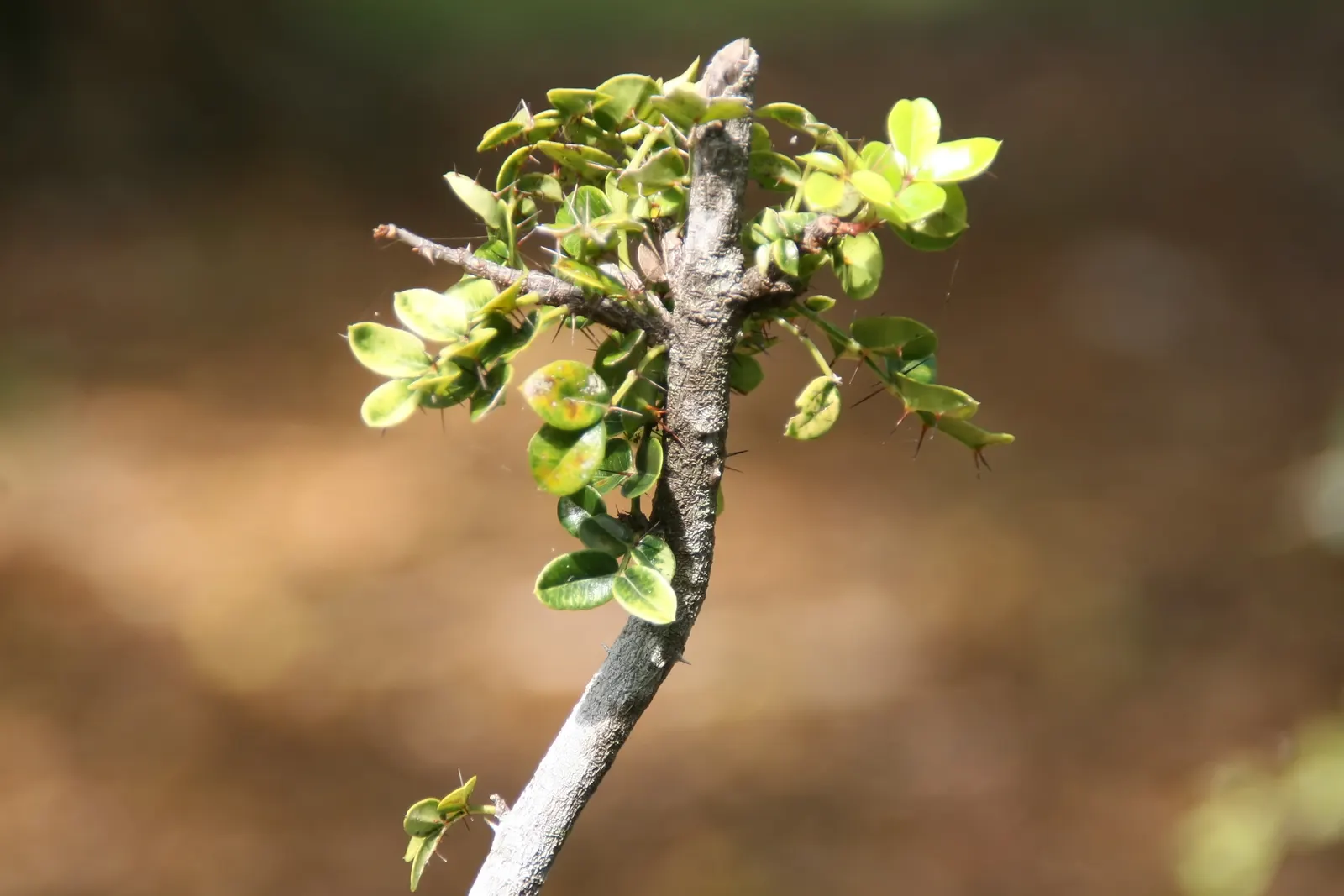
Devil's Walking Stick (Aralia Spinosa) — delivering an additional layer of defense as well as visual intrigue; preferably away from high-traffic pedestrian
Devil's Walking Stick (Aralia Spinosa) — reaching up to 15-25 feet tall
Devil's Walking Stick (Aralia Spinosa) — Umbrella-like clusters of small white flowers; each extending 2 to 3 feet wide
Devil's Walking Stick (Aralia Spinosa) — each extending 2 to 3 feet wide
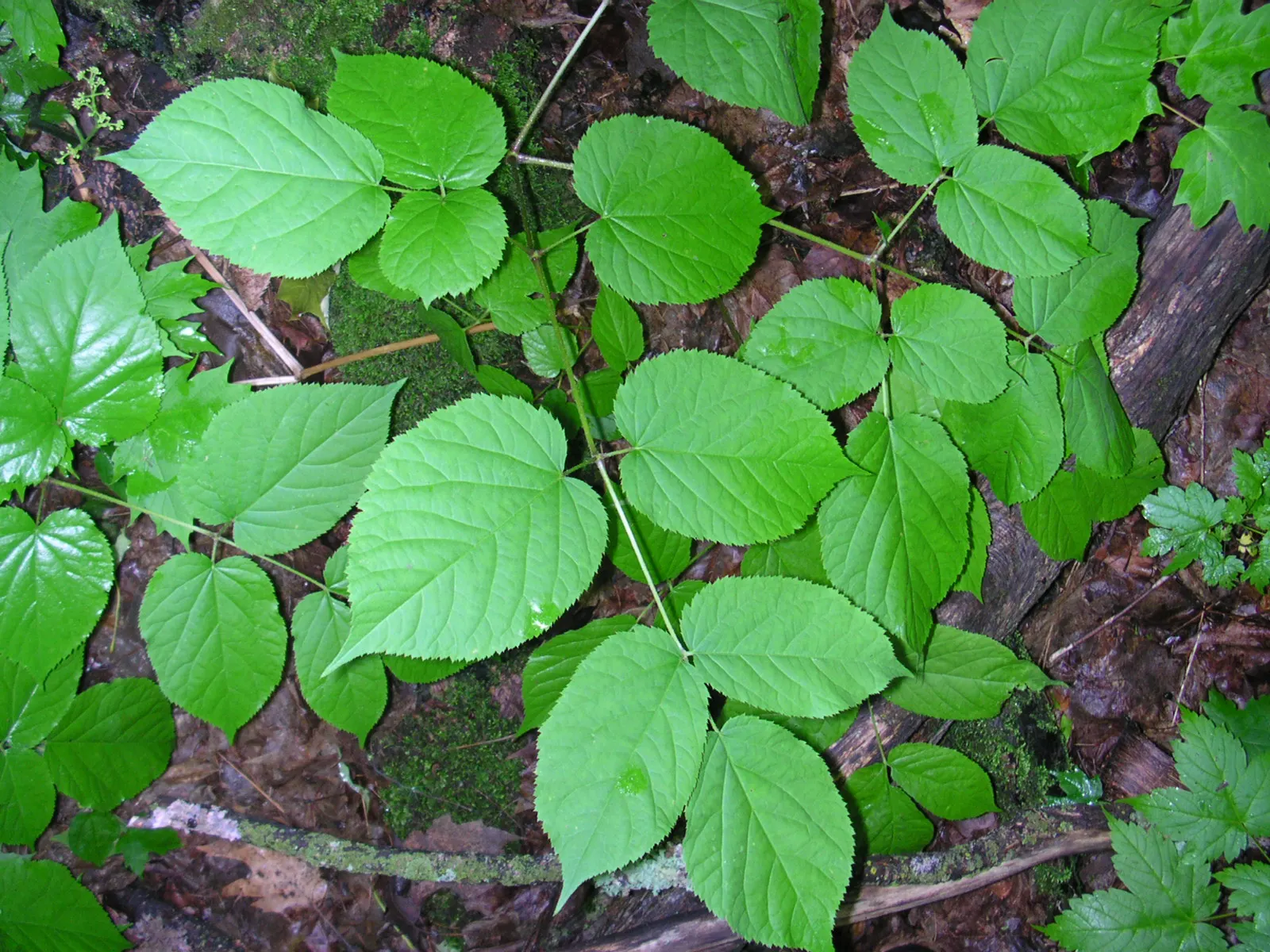
Devil's Walking Stick (Aralia Spinosa) — the Devil's Walking Stick impresses with large compound leaves; white flowers in the garden
Devil's Walking Stick (Aralia Spinosa) — preferably away from high-traffic pedestrian areas.<br><br>In late summer
Devil's Walking Stick (Aralia Spinosa) — shrub with white blooms; which can span an astounding 2 to 4 feet in length
Devil's Walking Stick (Aralia Spinosa) — fertile ground with adequate drainage and partial to full sun exposure; the Devil's Walking Stick can serve as a focal
Devil's Walking Stick (Aralia Spinosa) — white flowers in the garden
Devil's Walking Stick (Aralia Spinosa) — white flowers in the garden; with a potential to tower up to 35 feet under optimal conditions
Devil's Walking Stick (Aralia Spinosa) — preferably away from high-traffic pedestrian areas.<br><br>In late summer; exotic look to the landscape
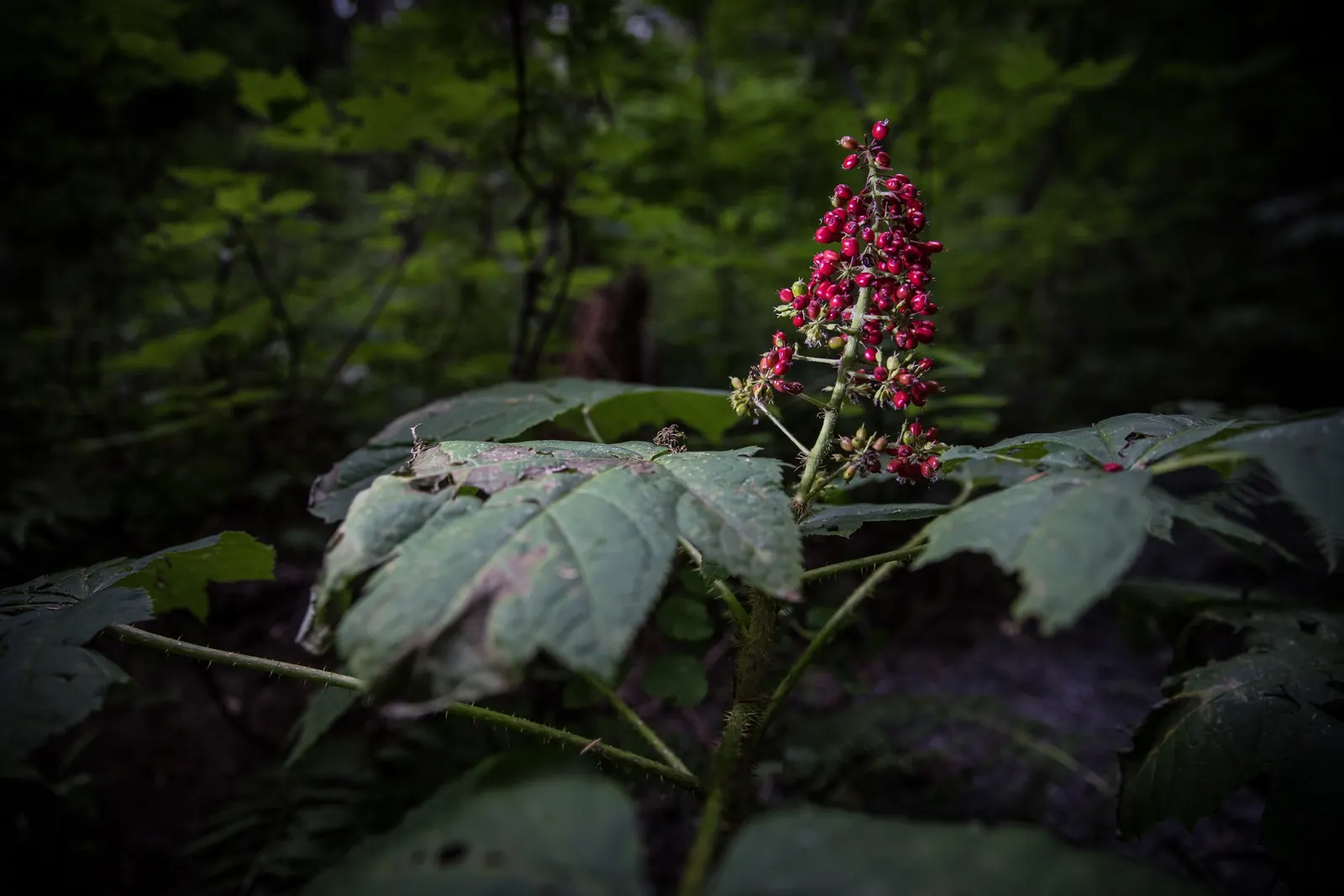
Devil's Walking Stick (Aralia Spinosa) — and airy clusters of white flowers that turn into purplish-black berries; shrub with white blooms
Devil's Walking Stick (Aralia Spinosa) — Offers dramatic texture and height, ideal as a focal point or natural screen; although its formidable spiny stems
Devil's Walking Stick (Aralia Spinosa) — and airy clusters of white flowers that turn into purplish-black berries; shrub with white blooms, image 56
Devil's Walking Stick (Aralia Spinosa) — Devil's Walking Stick (Aralia spinosa) is a striking deciduous shrub or small tree
Devil's Walking Stick (Aralia Spinosa) — Offers dramatic texture and height, ideal as a focal point or natural screen
Devil's Walking Stick (Aralia Spinosa) — Devil's Walking Stick (Aralia spinosa) is a striking deciduous shrub or small tree; and airy clusters of white flowers
Devil's Walking Stick (Aralia Spinosa) — Its rapid growth and adaptability make it versatile for landscape use; known for its menacing thorns
Devil's Walking Stick (Aralia Spinosa) — reaching up to 15-25 feet tall; fertile ground with adequate drainage and partial to full sun exposure
Photographs by 9 contributors

Related plants