Skip to content

Columbine

Aquilegia Hybrids

Design with this plant

Overview

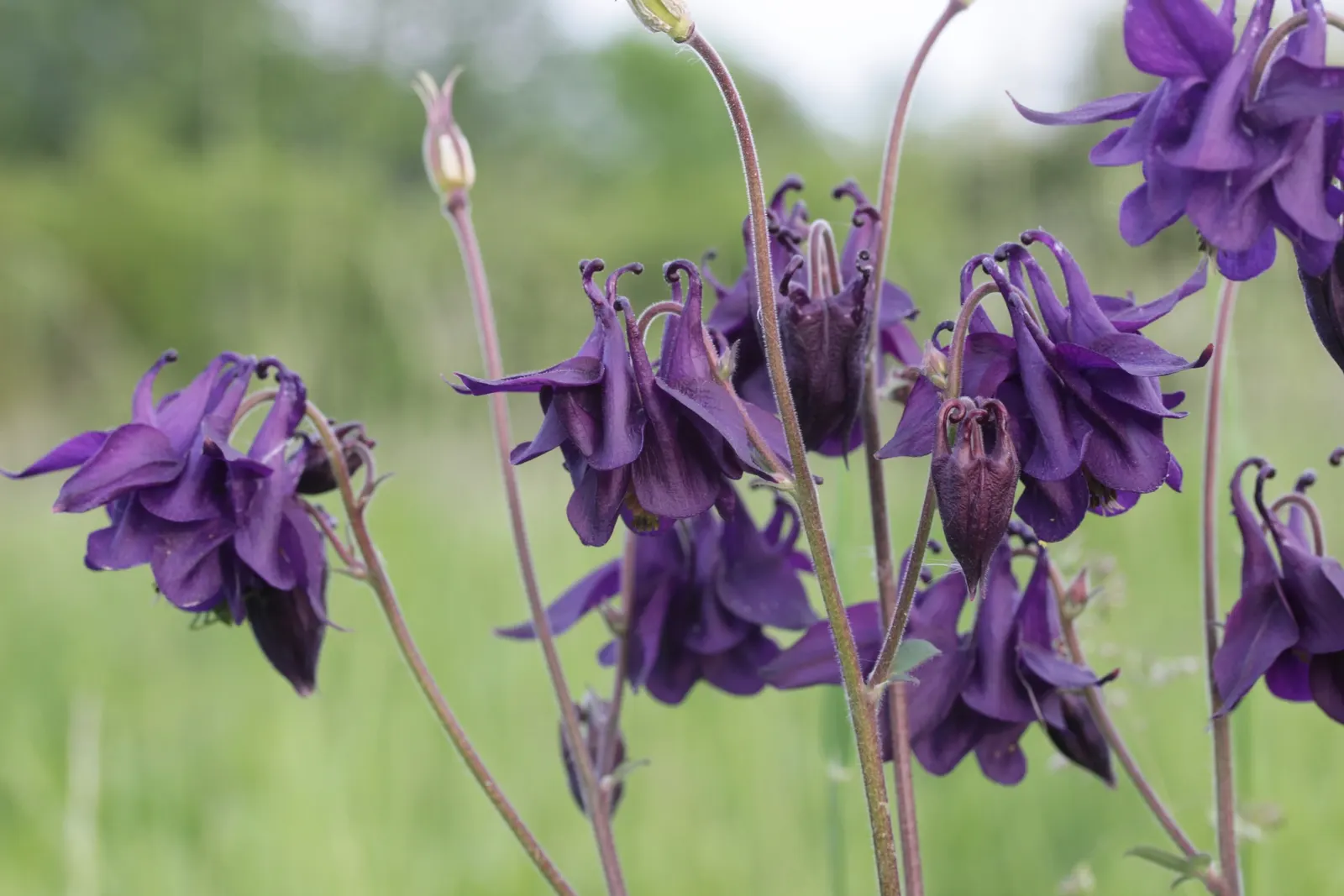
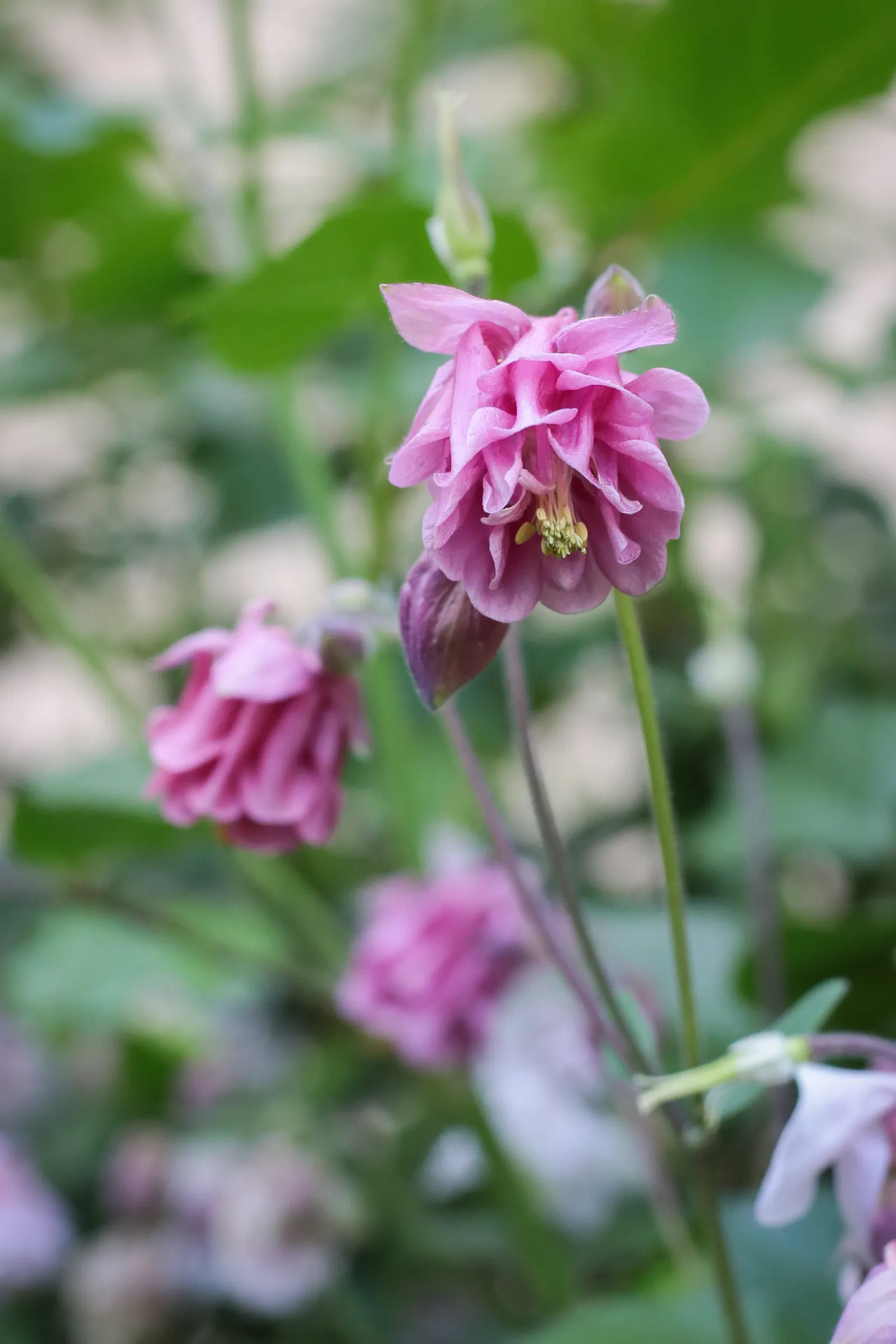
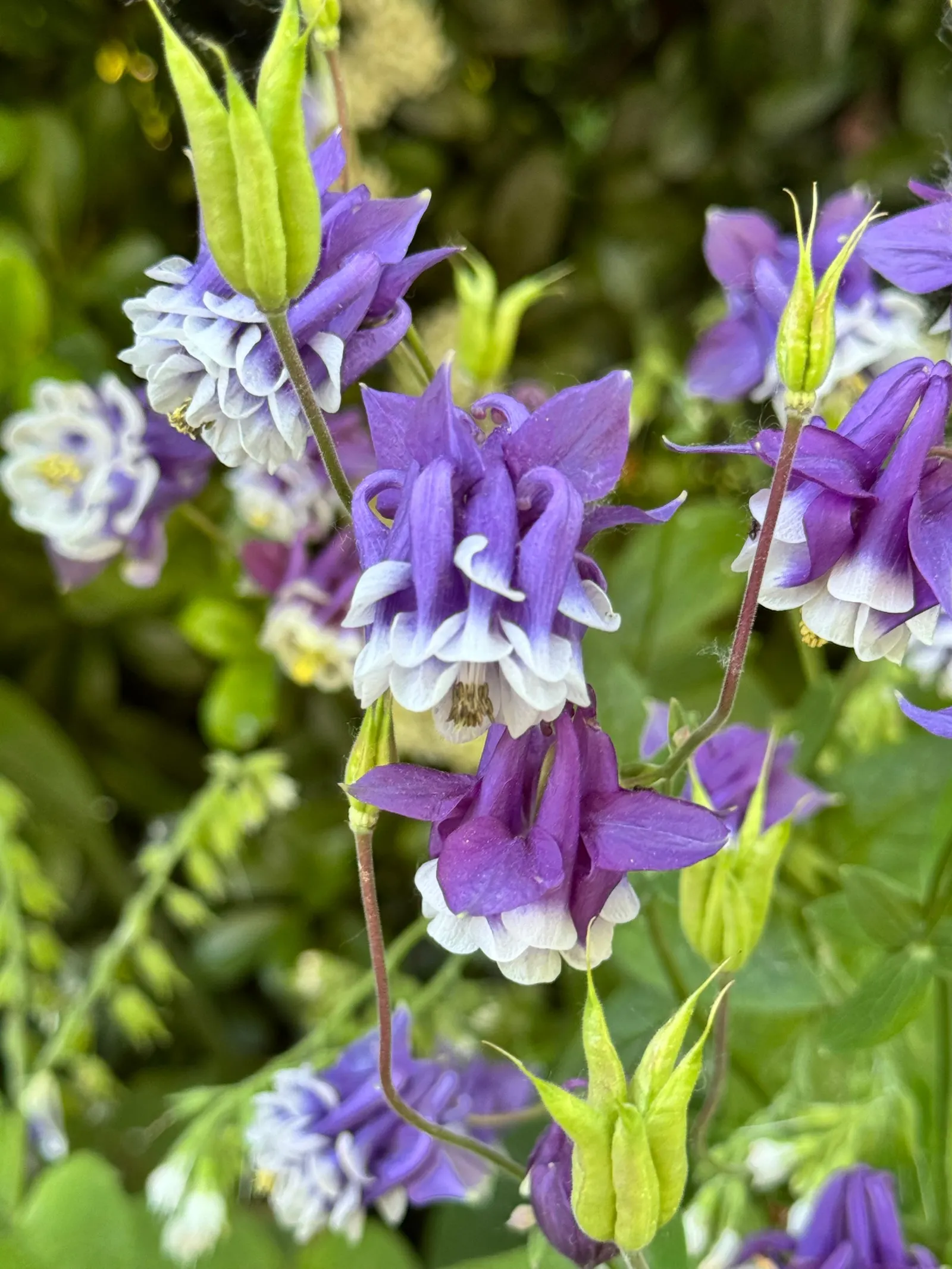
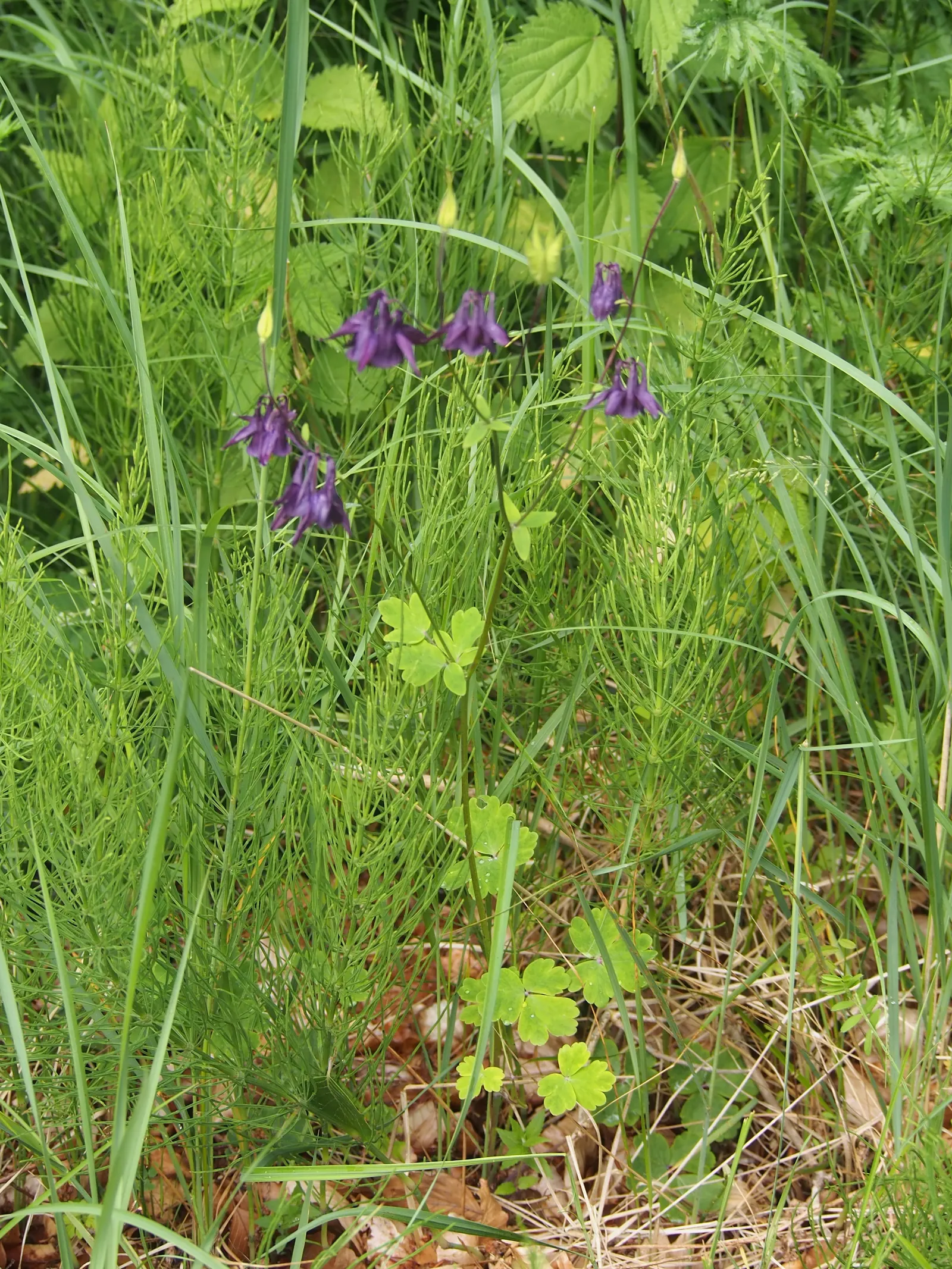
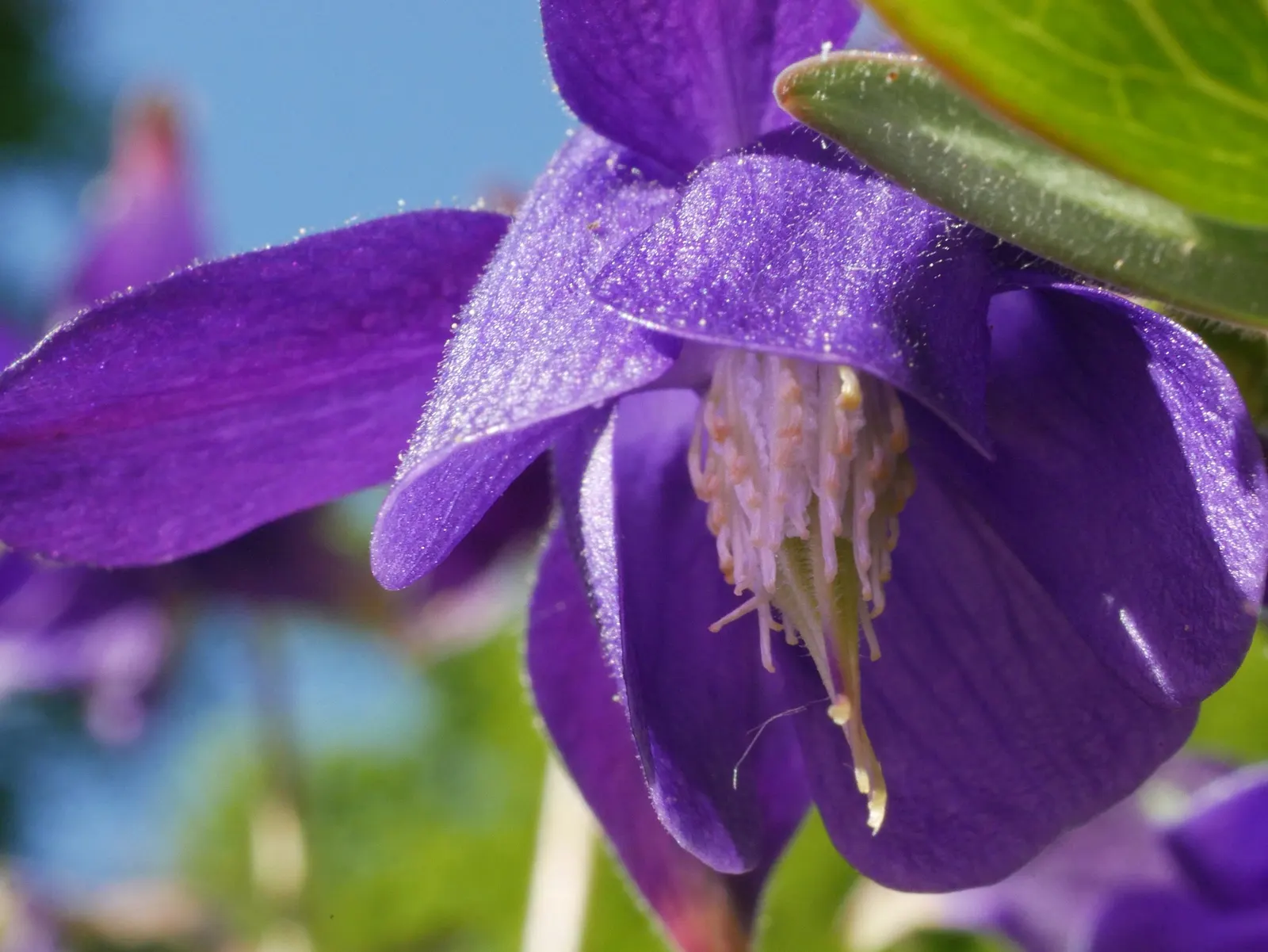
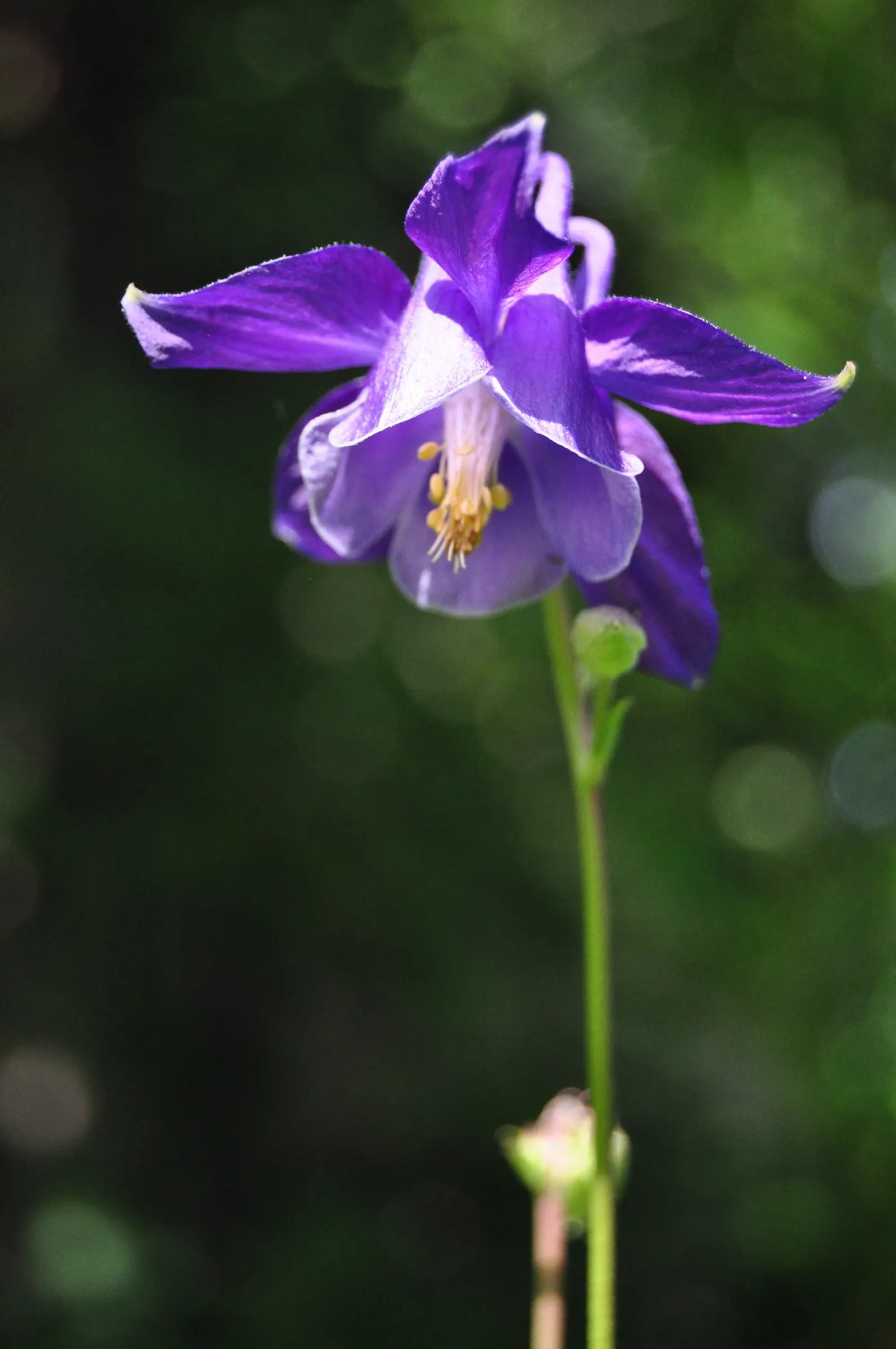
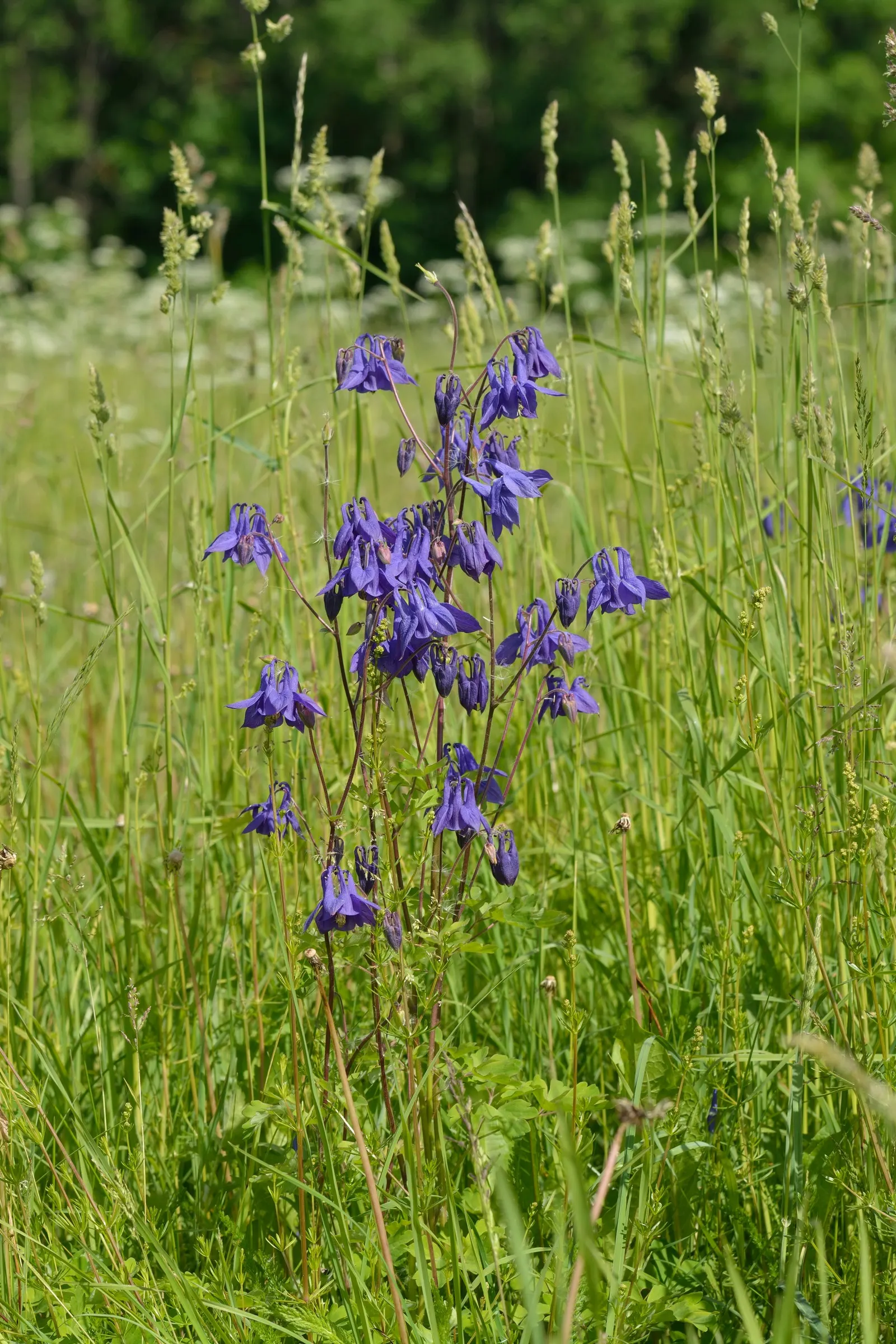
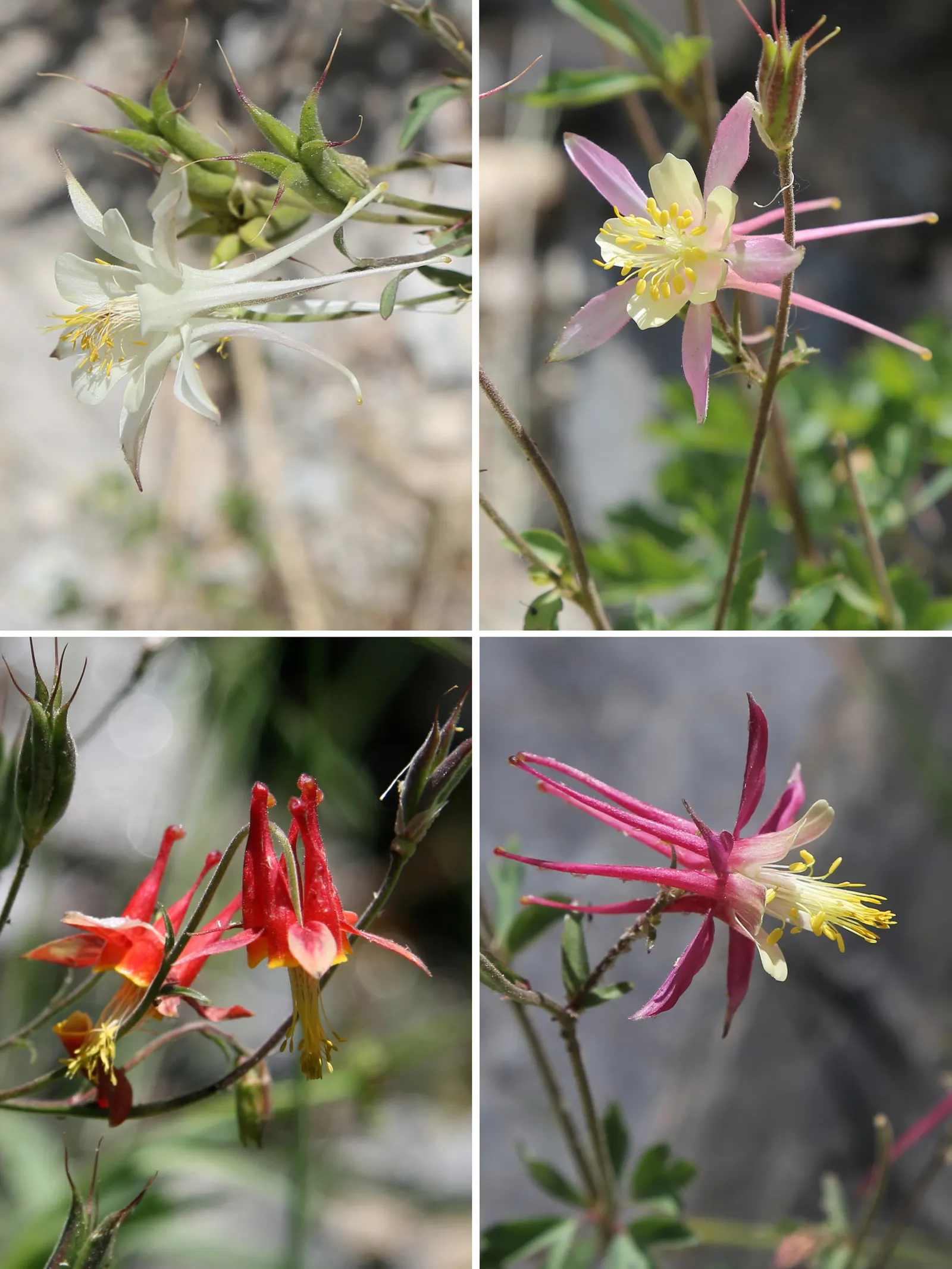
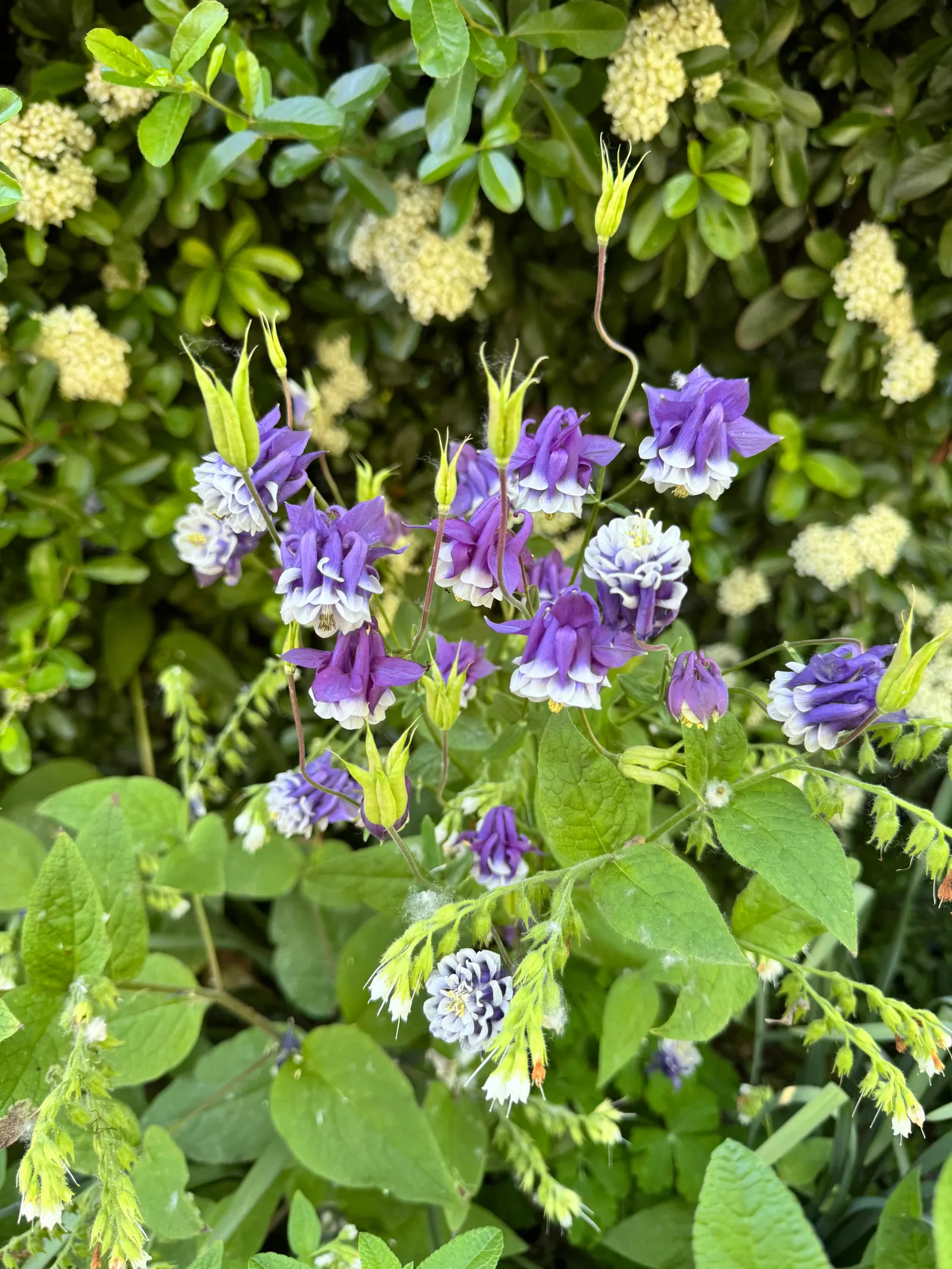
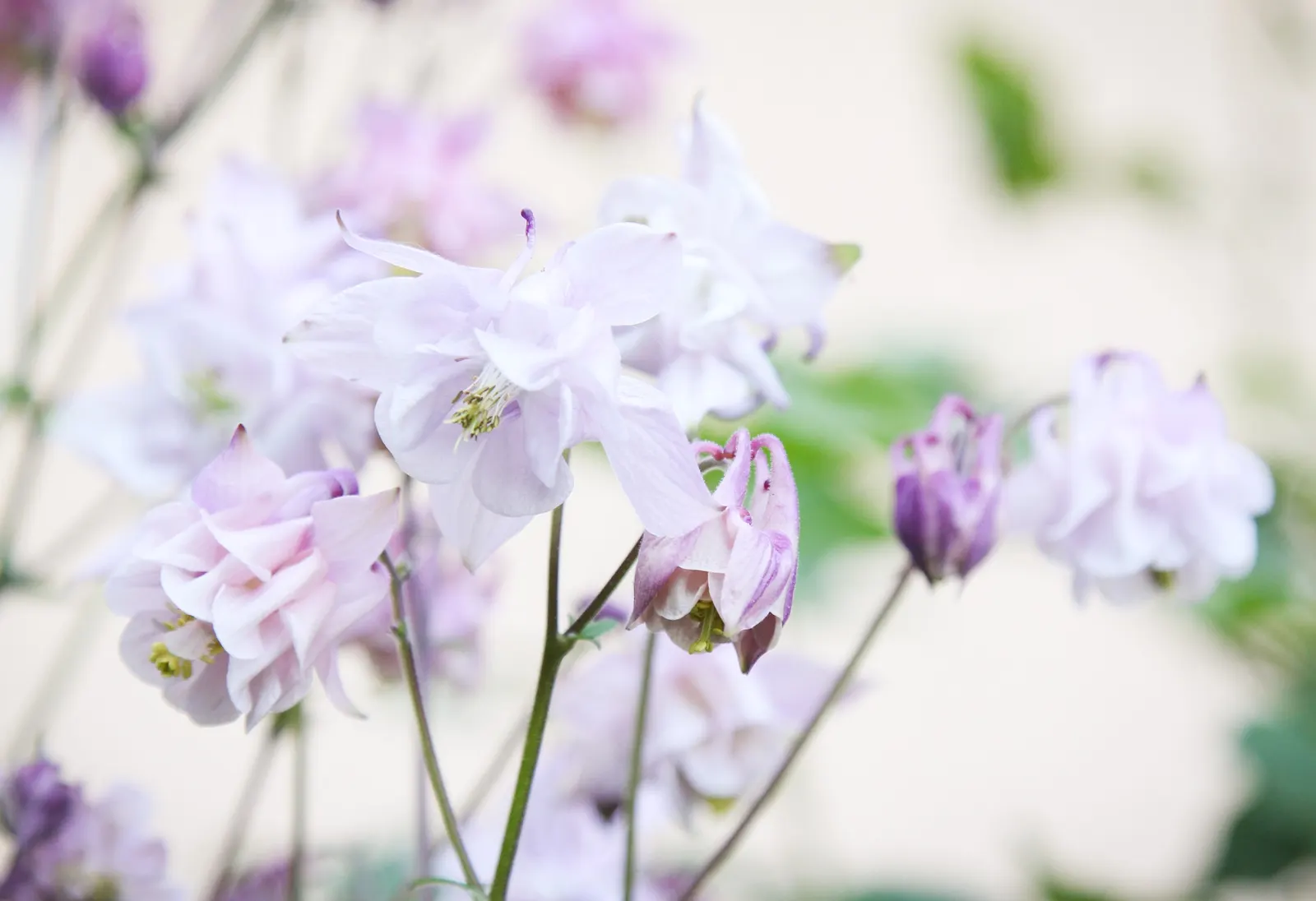
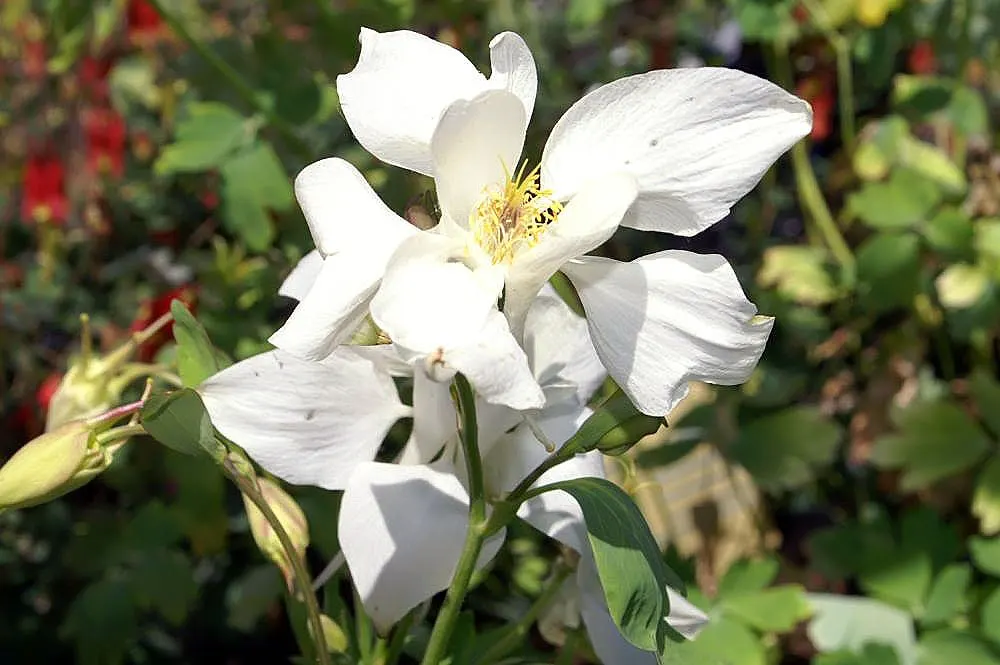
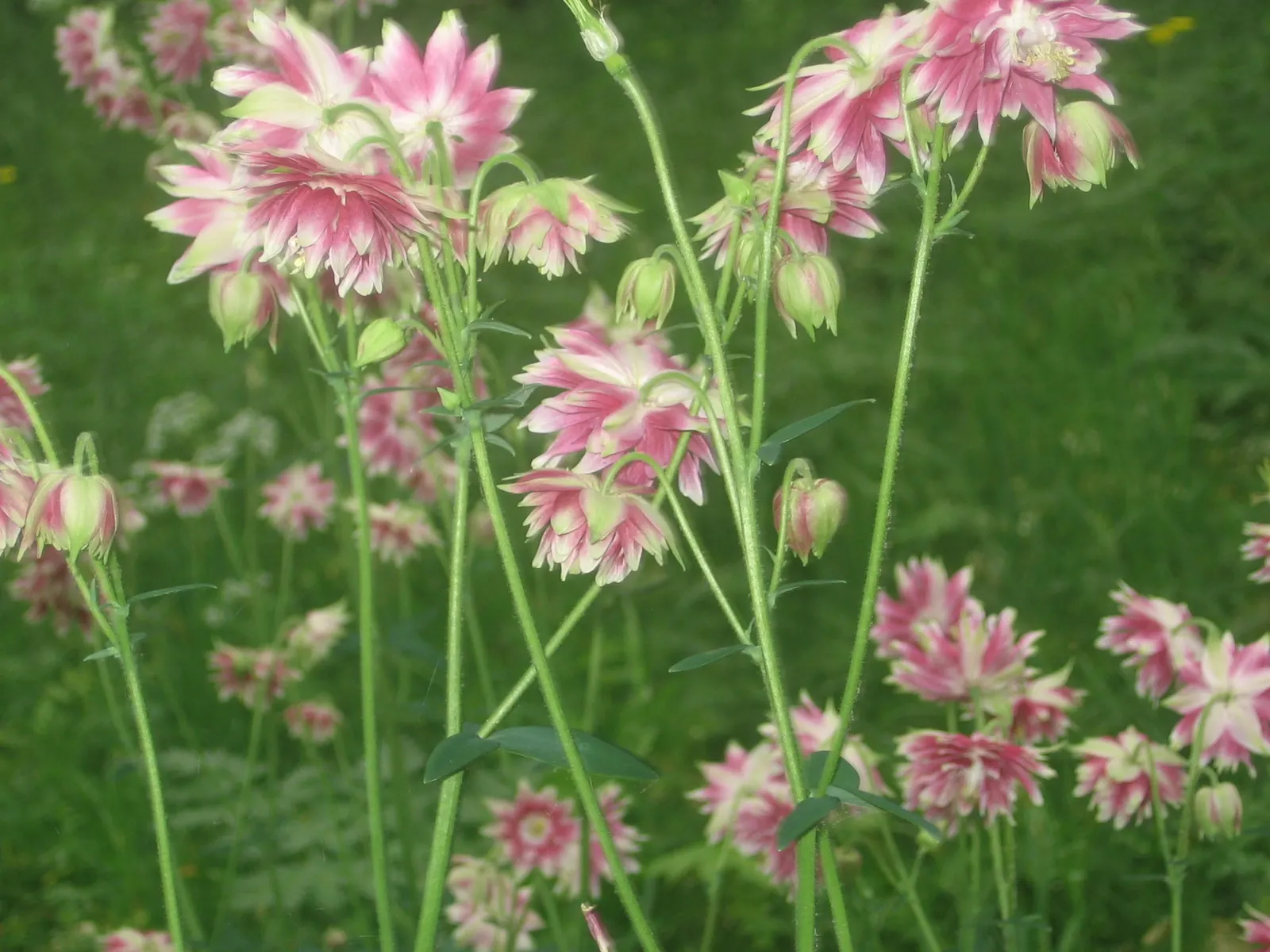
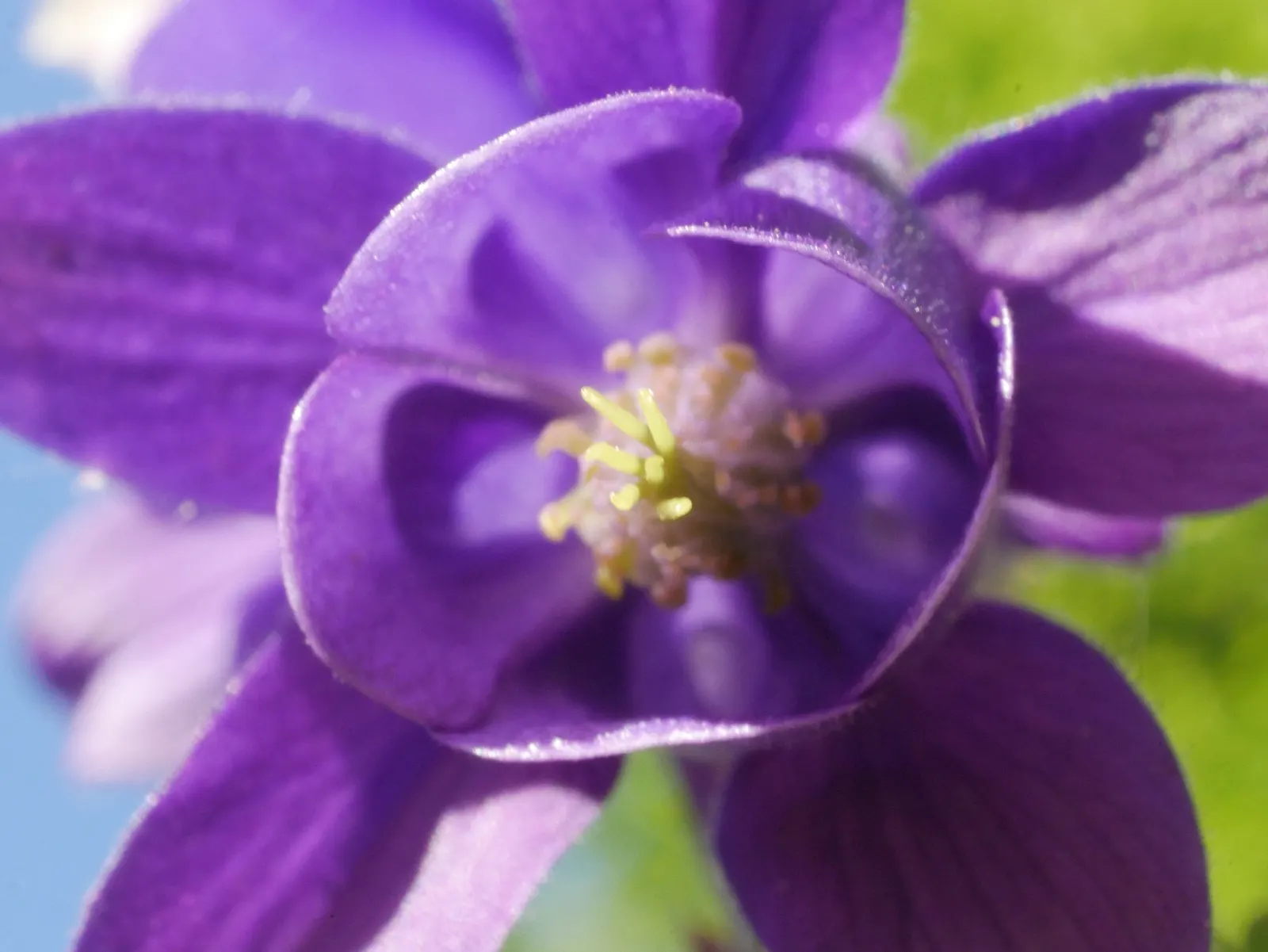
Columbine (Aquilegia hybrids) is a charming perennial boasting distinctive, nodding flowers with spurred petals, in hues from soft pastels to vibrant blues. Thriving in USDA zones 3-8, it prefers partially shaded spots and well-draining soil. Mature plants reach 15-20 inches in height and spread up to 12 inches. Columbine's early summer blooms attract hummingbirds and butterflies, adding dynamic life to your garden. Ideal for woodland settings and border accents.
Sun Half, ShadeWater MediumZones 3–10Climate Temperate
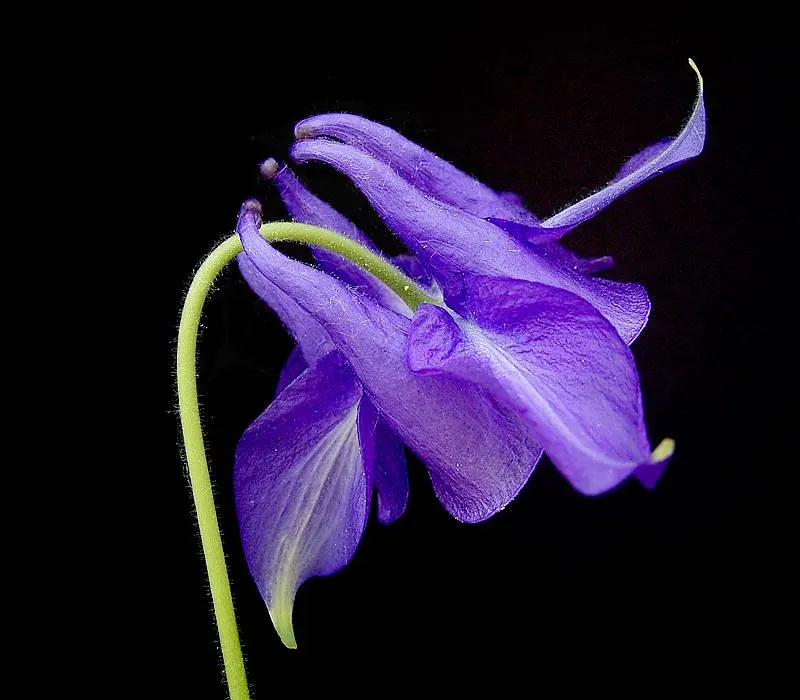
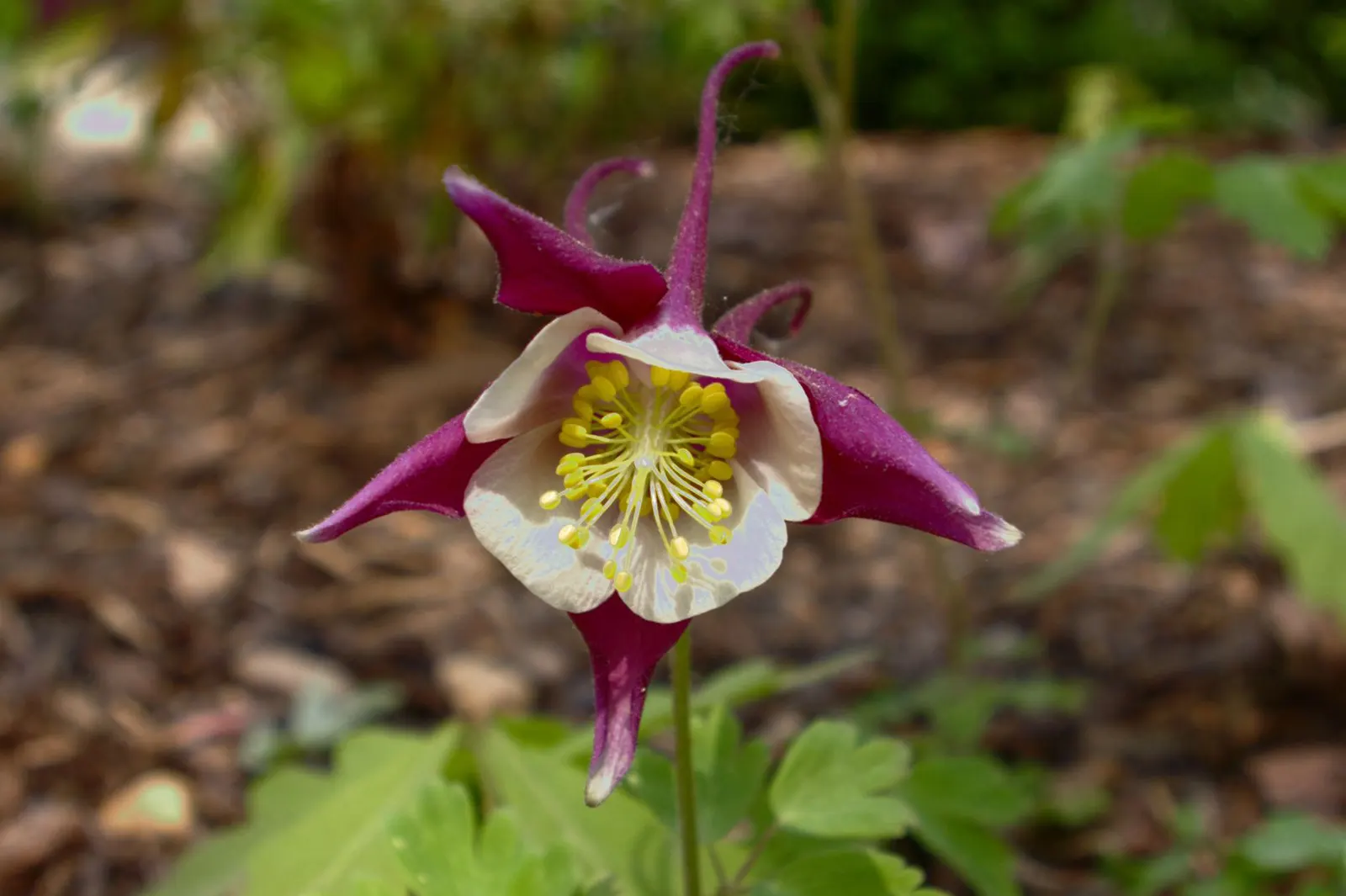
Columbine (Aquilegia Hybrids) — nodding flowers with spurred petals

Culture

Sun
Half, Shade
Water
Medium
USDA zones
3–10

Shape & size

Classification

Family
Ranunculaceae
Climate
Temperate

See full data, regional cultivation notes, full-resolution photos, and design tools. Build a client presentation around this plant.

Start your 14-day trial

Photos (127)

Columbine (Aquilegia Hybrids) — As a low-maintenance plant that self-seeds
Columbine (Aquilegia Hybrids) — Mature plants reach 15-20 inches in height and spread up to 12 inches; thriving in USDA zones 3-8, it prefers partially shaded
Columbine (Aquilegia Hybrids) — Thriving in USDA zones 3-8, it prefers partially shaded spots and well-draining soil; to encourage more vigorous growth in the
Columbine (Aquilegia Hybrids) — multi-colored and yellow flowers in the garden
Columbine (Aquilegia Hybrids) — perennial with multi-colored and yellow blooms
Columbine (Aquilegia Hybrids) — Columbine (Aquilegia hybrids) is a charming perennial boasting distinctive; thriving in USDA zones 3-8, it prefers partially
Columbine (Aquilegia Hybrids) — perennial for half or shade
Columbine (Aquilegia Hybrids) — nodding flowers with spurred petals; renowned for its distinctive shape
Columbine (Aquilegia Hybrids) — in hues from soft pastels to vibrant blues; these perennials are somewhat drought-tolerant
Columbine (Aquilegia Hybrids) — is a charming perennial that boasts an array of enchanting bell-shaped flowers; thriving in USDA zones 3-8, it prefers
Columbine (Aquilegia Hybrids) — Renowned for its distinctive shape; these perennials are somewhat drought-tolerant
Columbine (Aquilegia Hybrids) — often with contrasting stamens that add to their visual allure.<br><br>Growing to a modest height; to encourage more vigorous
Columbine (Aquilegia Hybrids) — making them an excellent choice for mid-border placements in your garden landscape; renowned for its distinctive shape
Columbine (Aquilegia Hybrids) — Columbines typically range from 1.5 to 3 feet and spread out about 1 to 2 feet; thriving in USDA zones 3-8, it prefers
Columbine (Aquilegia Hybrids) — Ideal for woodland settings and border accents; these perennials are somewhat drought-tolerant
Columbine (Aquilegia Hybrids) — scientifically known as Aquilegia hybrids; to encourage more vigorous growth in the coming years
Columbine (Aquilegia Hybrids) — intricately detailed with spurred petals that can captivate any onlooker; renowned for its distinctive shape
Columbine (Aquilegia Hybrids) — Columbine's early summer blooms attract hummingbirds and butterflies, adding dynamic life to your garden; renowned for its
Columbine (Aquilegia Hybrids) — these perennials are somewhat drought-tolerant; renowned for its distinctive shape
Columbine (Aquilegia Hybrids) — They perform best in USDA hardiness zones 3 through 9; these perennials are somewhat drought-tolerant
Columbine (Aquilegia Hybrids) — relishing in areas that provide partial shade as this mimics their native woodland habitats; to encourage more vigorous growth
Columbine (Aquilegia Hybrids) — and a slightly acidic to neutral pH balance is ideal; thriving in USDA zones 3-8, it prefers partially shaded spots and
Columbine (Aquilegia Hybrids) — Aquilegia hybrids offer an extended blooming period; these perennials are somewhat drought-tolerant
Columbine (Aquilegia Hybrids) — and they can attract an array of pollinators such as hummingbirds and butterflies to your garden; thriving in USDA zones 3-8

Related plants