Skip to content

Colorado Blue Columbine

Aquilegia Caerulea

Design with this plant

Overview

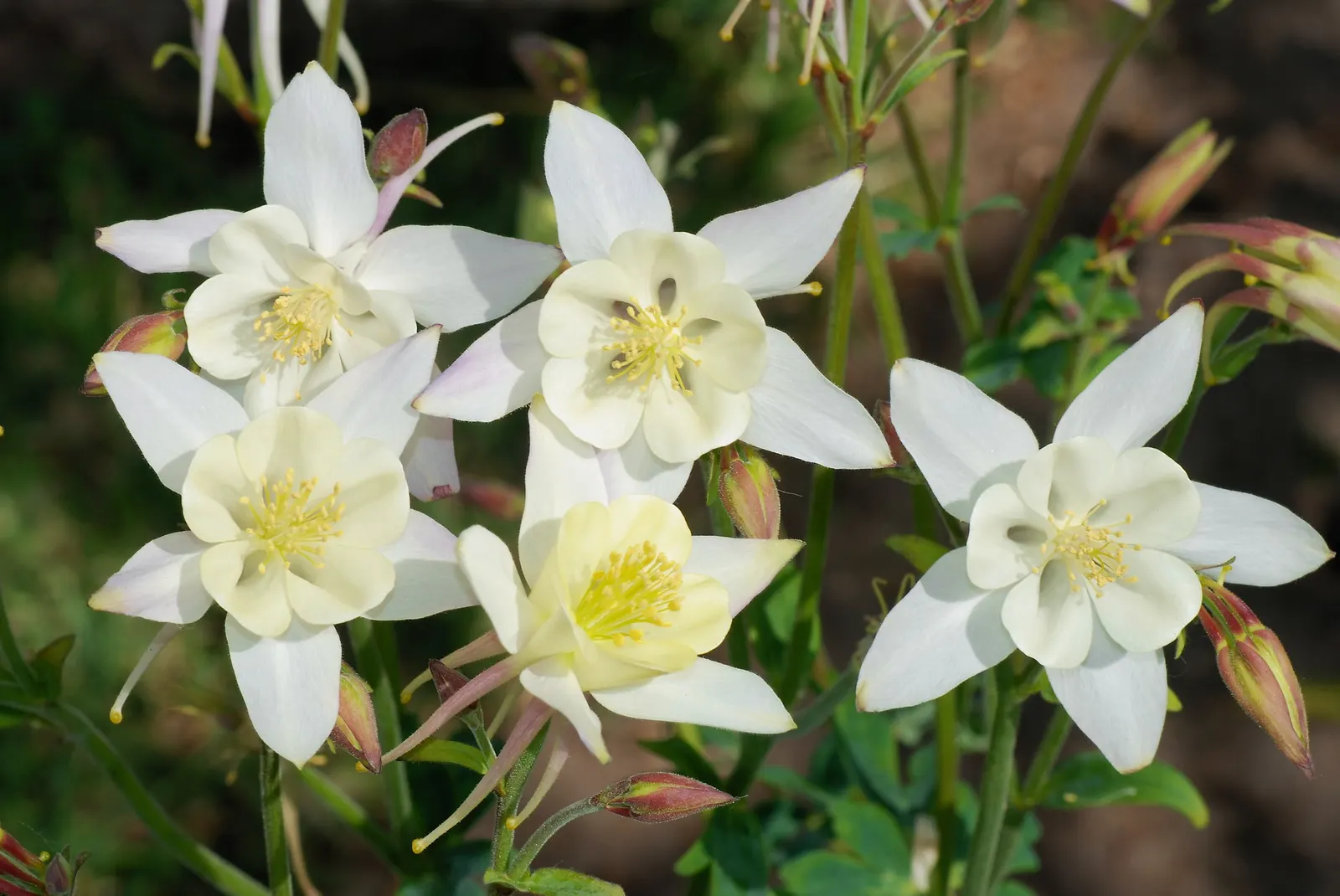
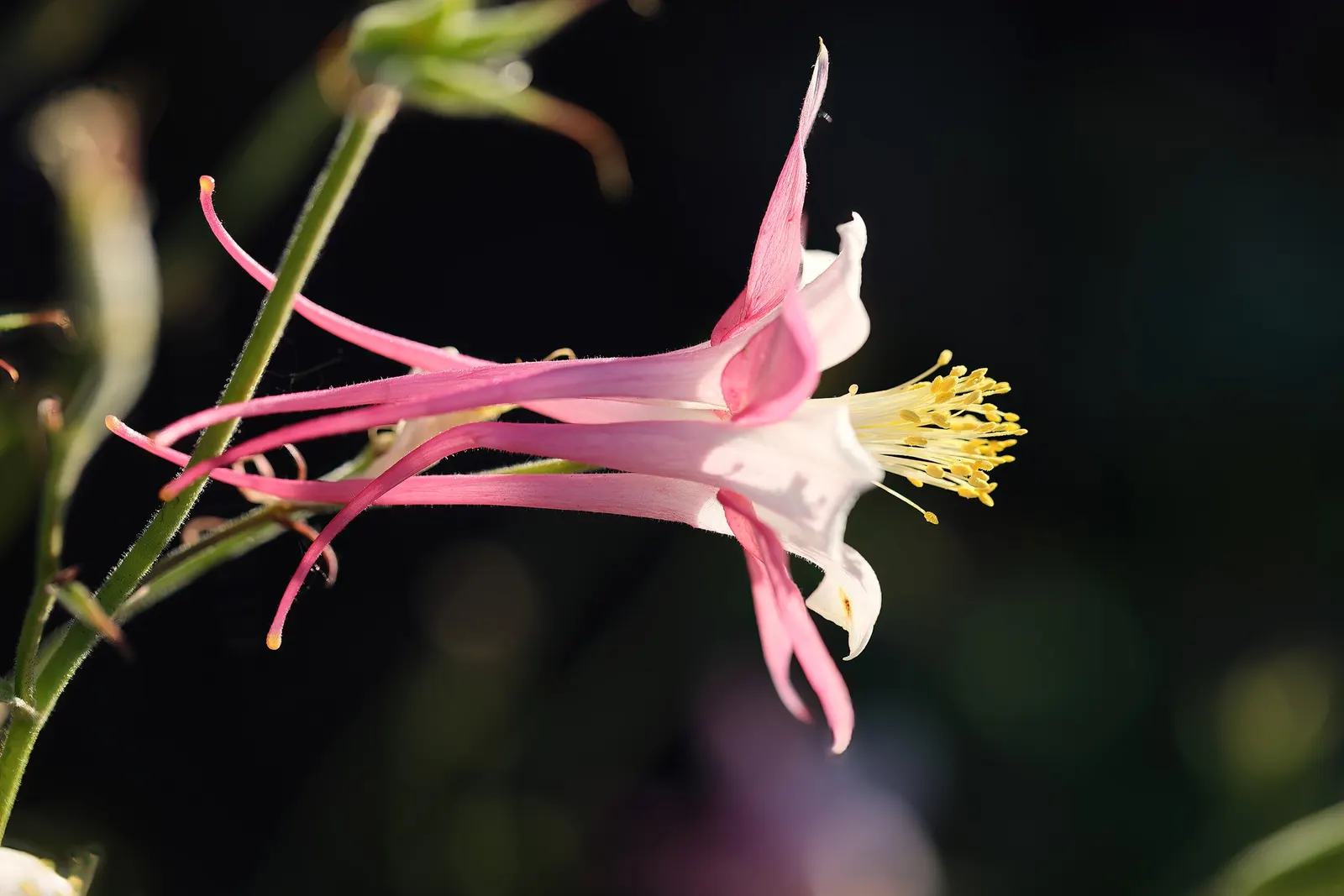
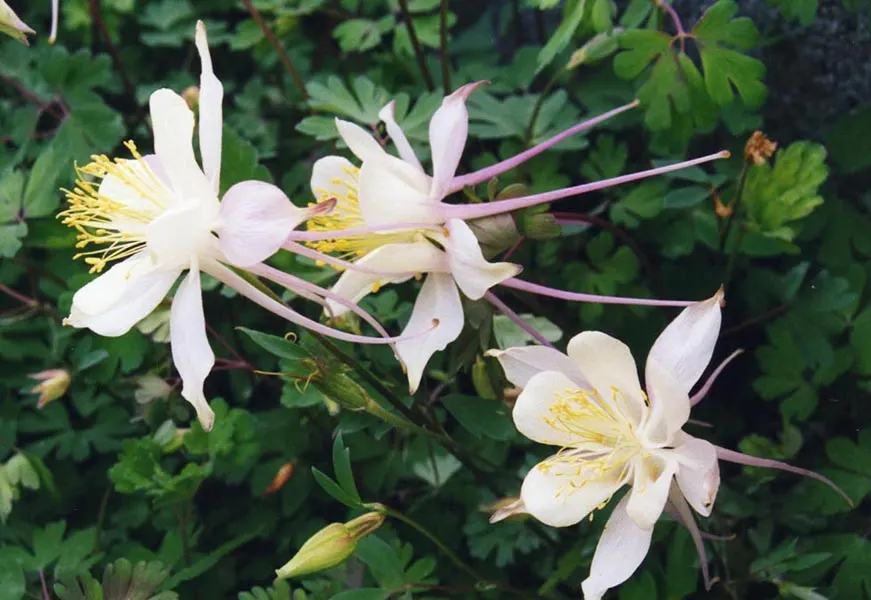
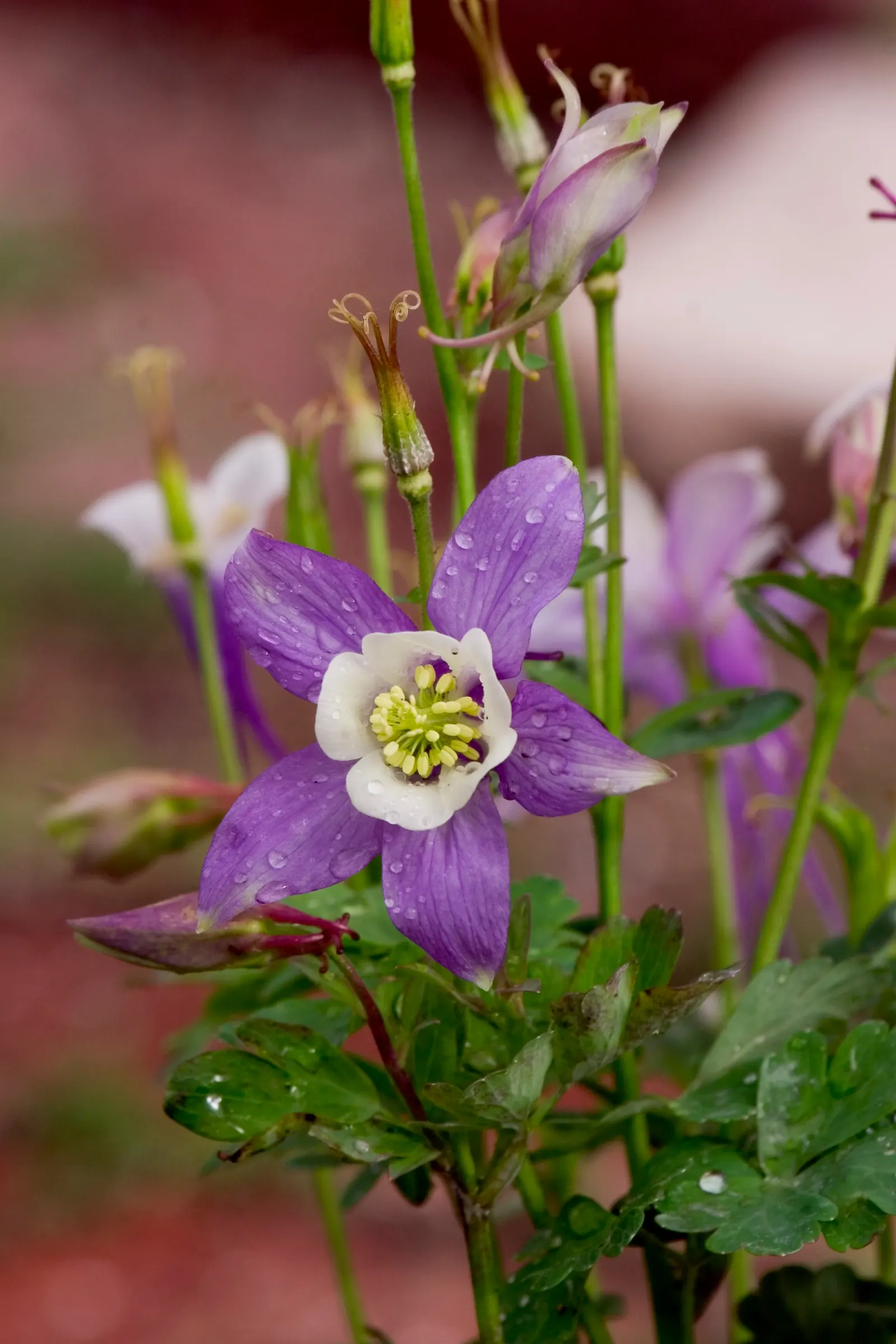
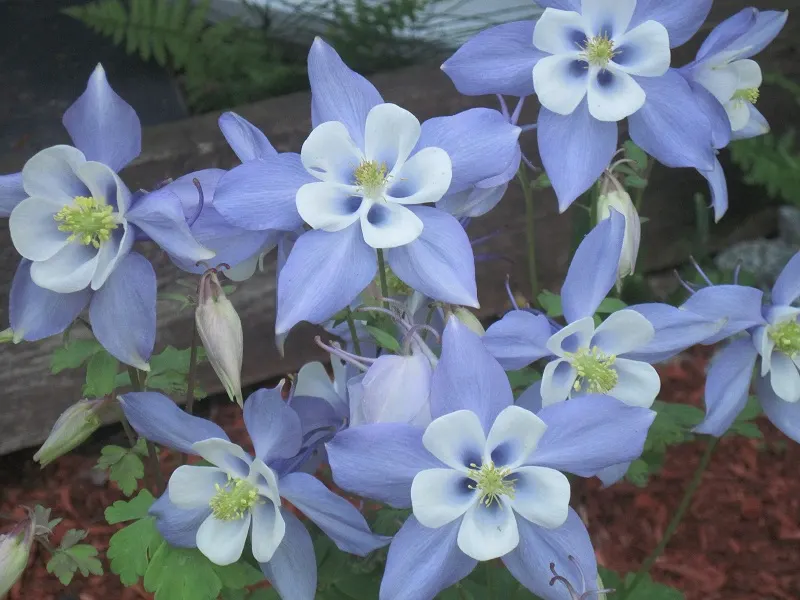
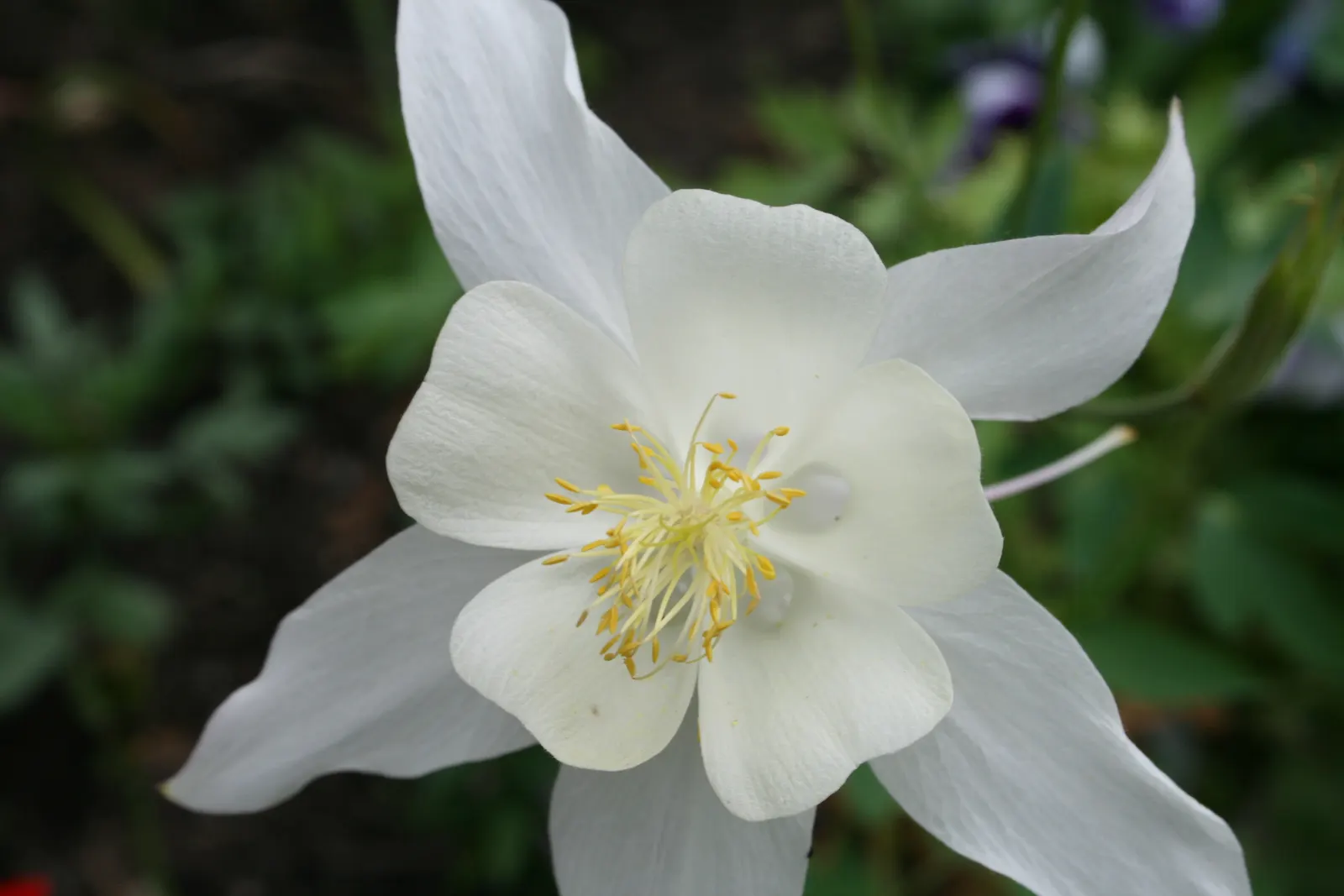
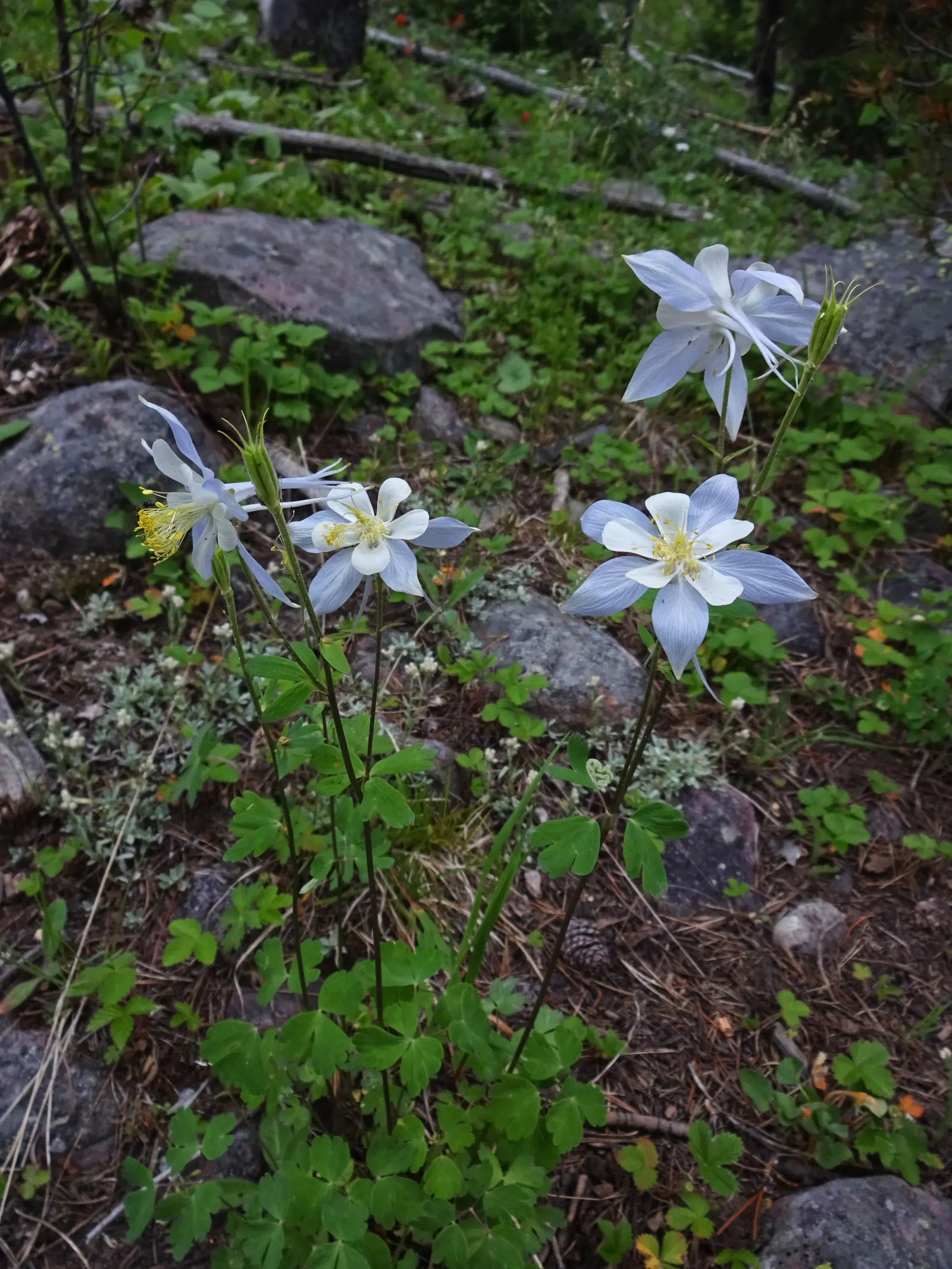
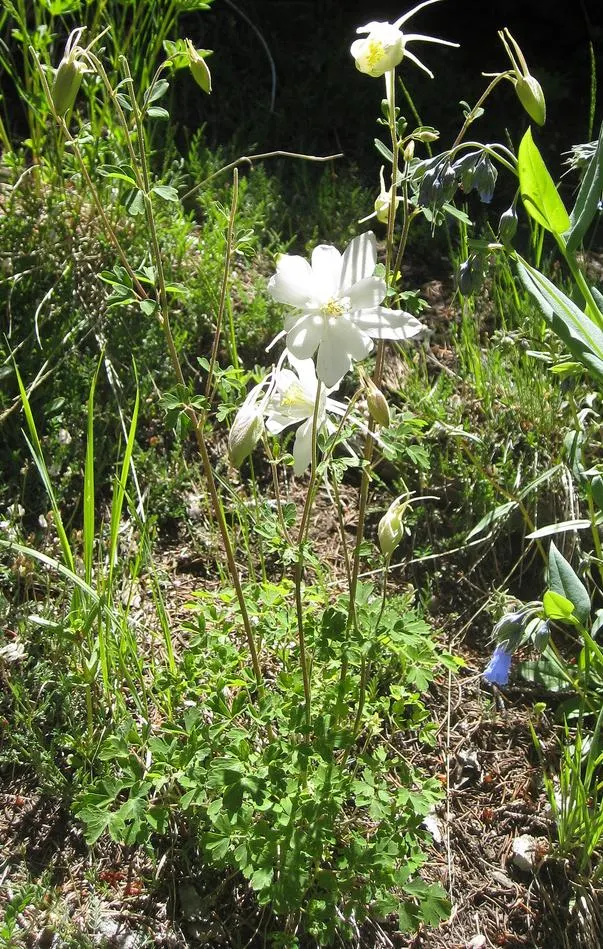
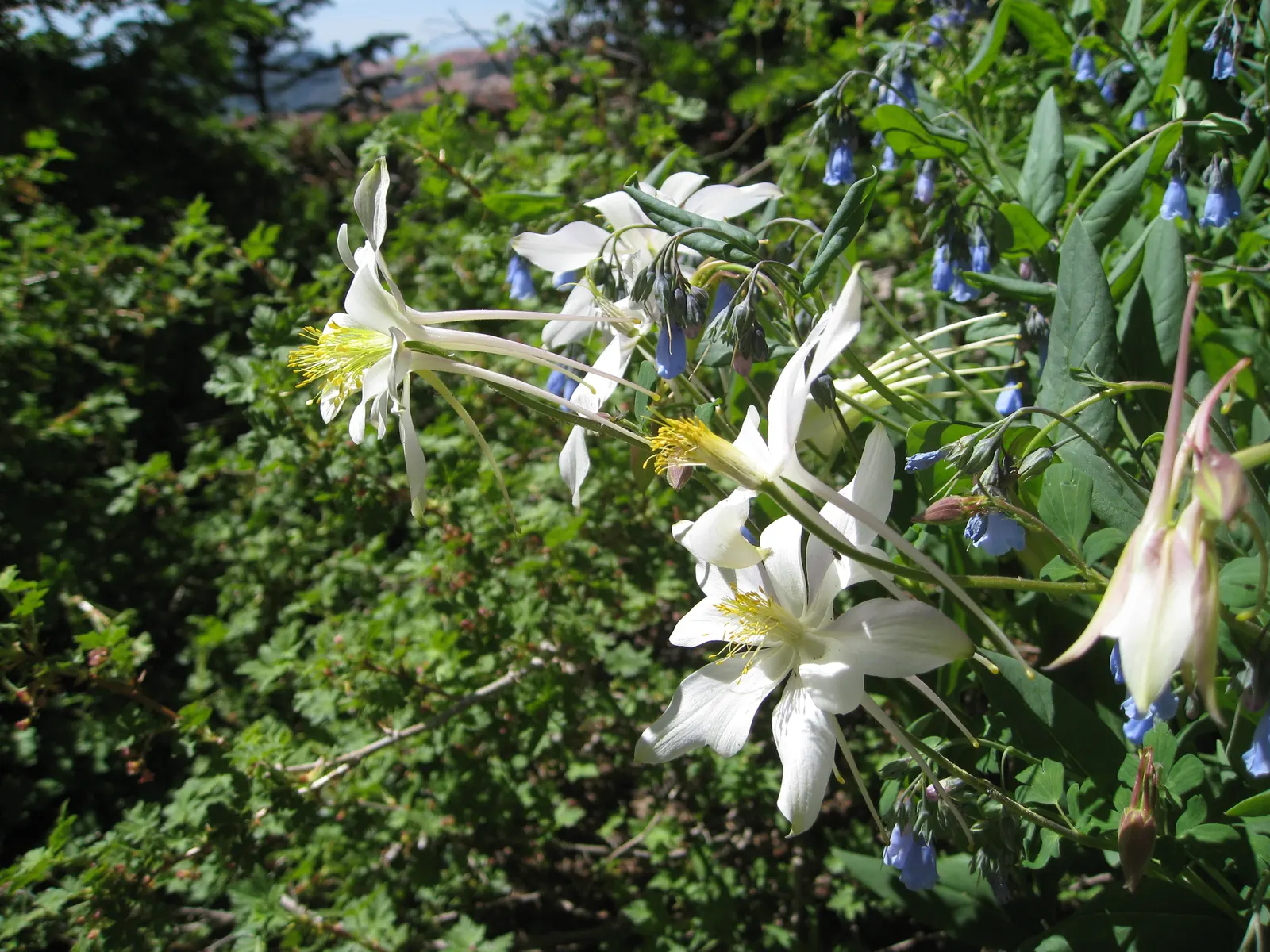
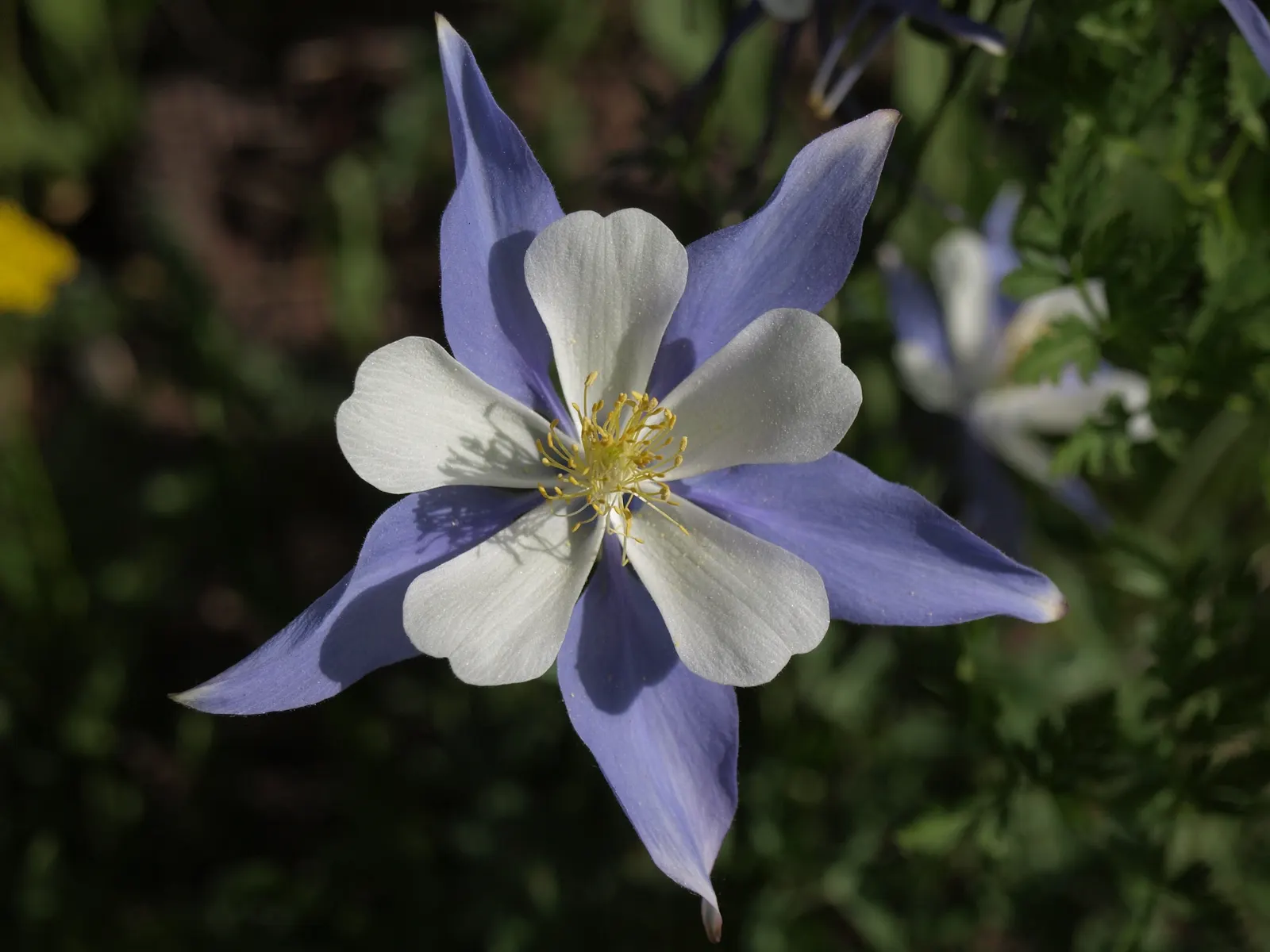
Aquilegia caerulea, or Colorado Blue Columbine, is a perennial native to the Rocky Mountains. It features delicate blue and white flowers, with distinct spurs, that bloom in late spring to early summer. This shade-tolerant species reaches 1.5 to 3 feet in height and spreads 1 to 2 feet. Preferring moist, well-drained soil, it attracts pollinators and tolerates elevations up to 12,000 feet. USDA zones 3-8.

Sun Full, HalfWater MediumZones 3–10Type PerennialClimate Temperate
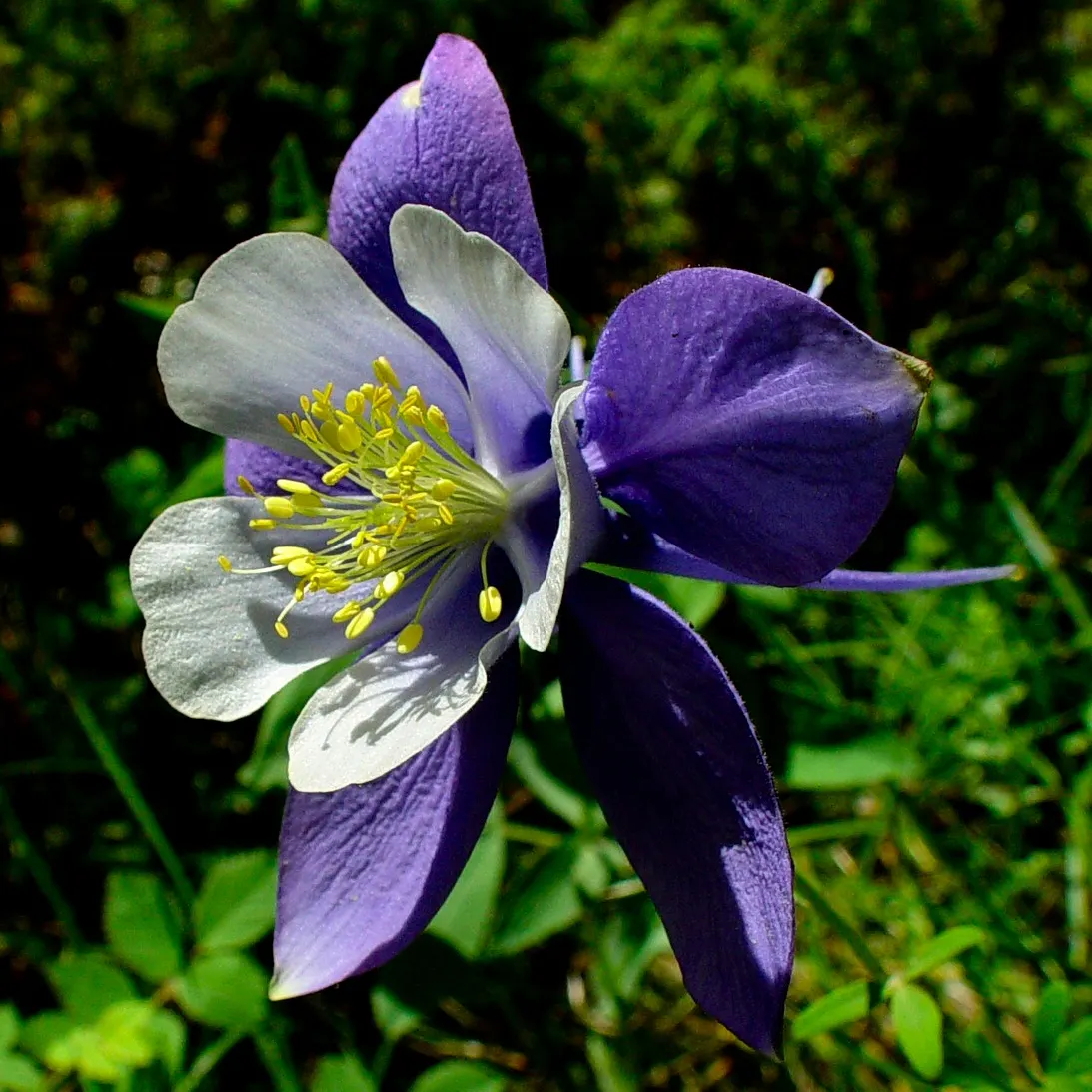
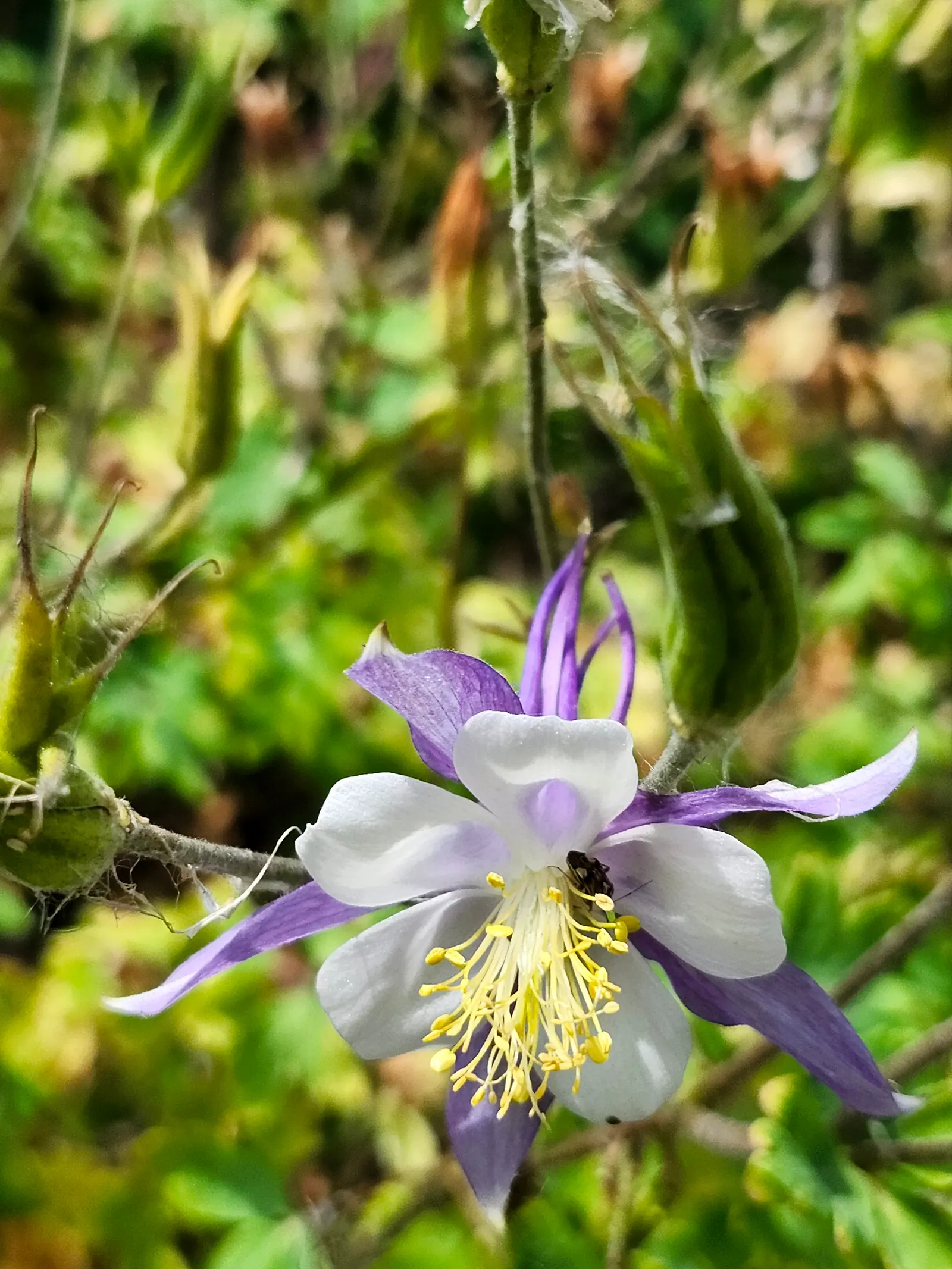
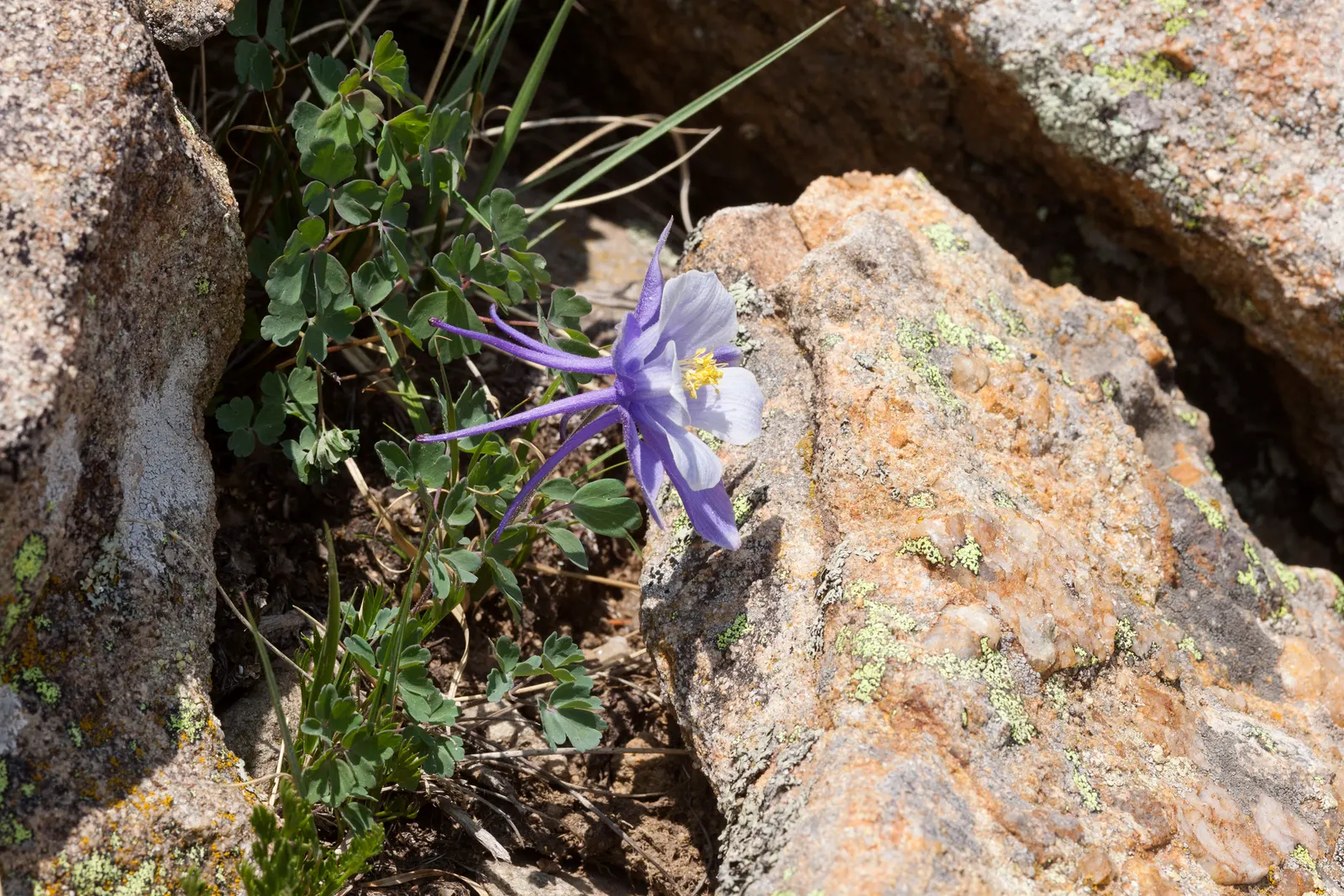
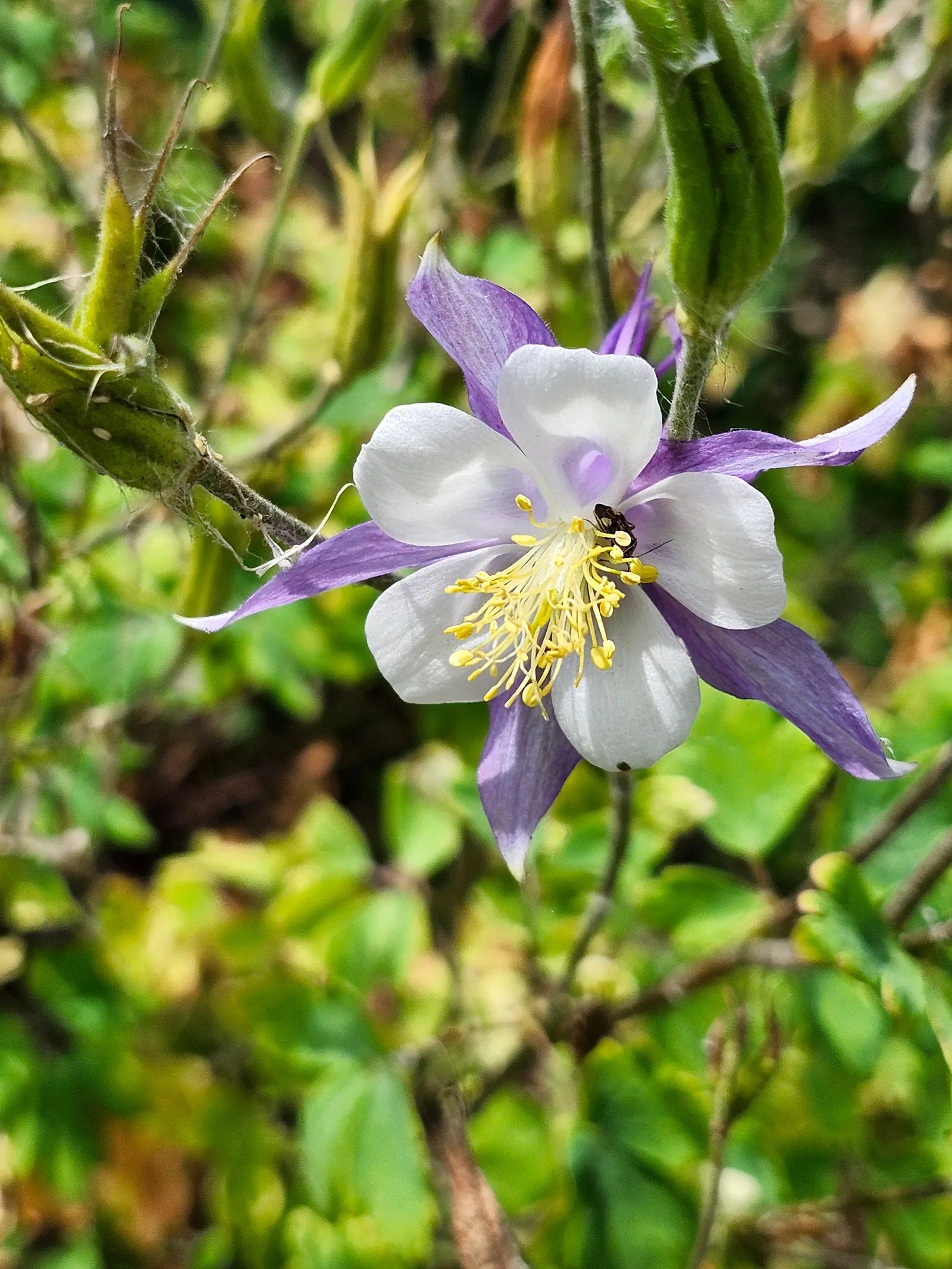
Colorado Blue Columbine (Aquilegia Caerulea) — Aquilegia caerulea, or Colorado Blue Columbine, is a perennial native to the Rocky Mountains

Culture

Sun
Full, Half
Water
Medium
USDA zones
3–10

Shape & size

Classification

Type
Perennial
Family
Ranunculaceae
Climate
Temperate

See full data, regional cultivation notes, and design tools. Build a client presentation around this plant.

Start your 14-day trial

Photos (80)

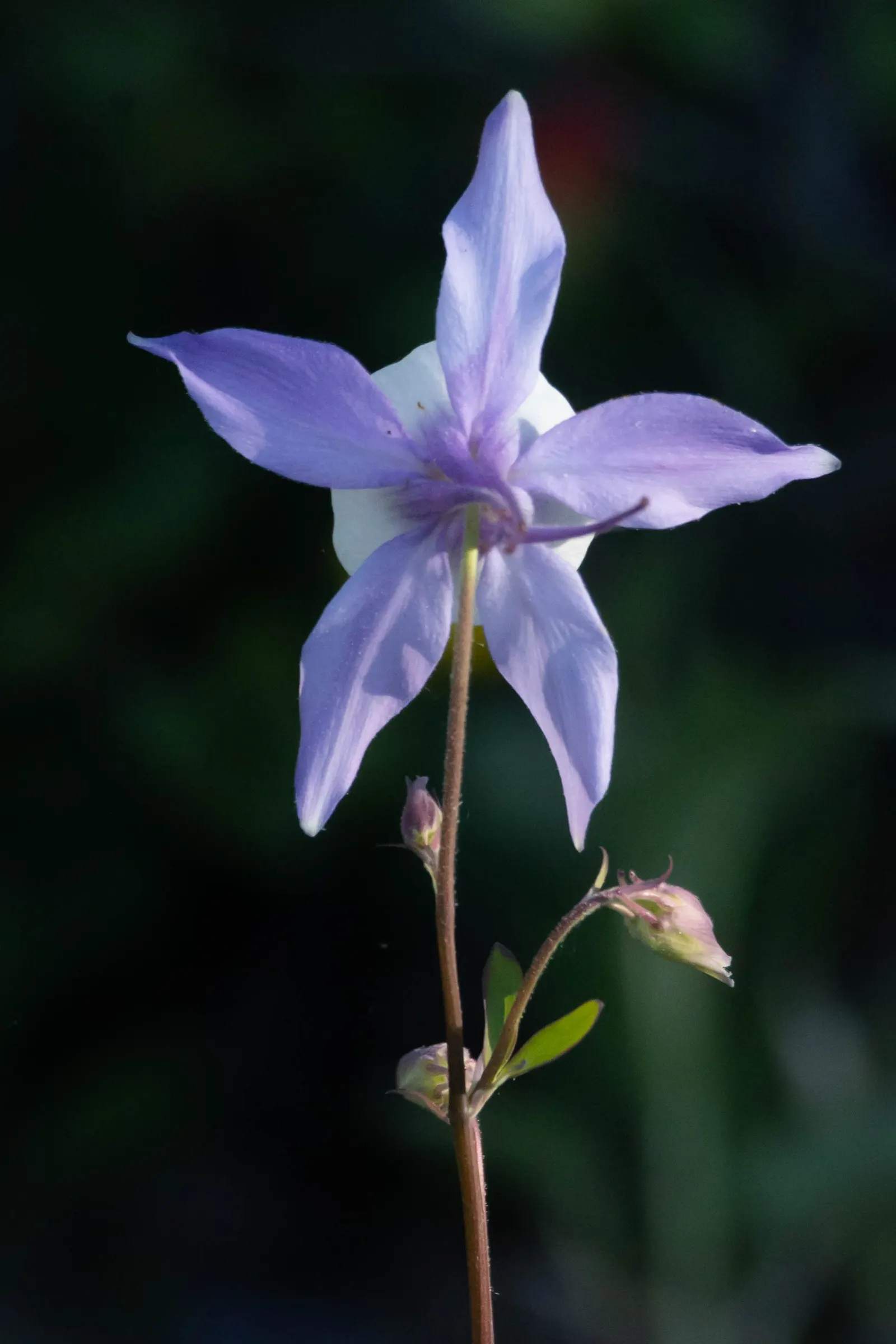
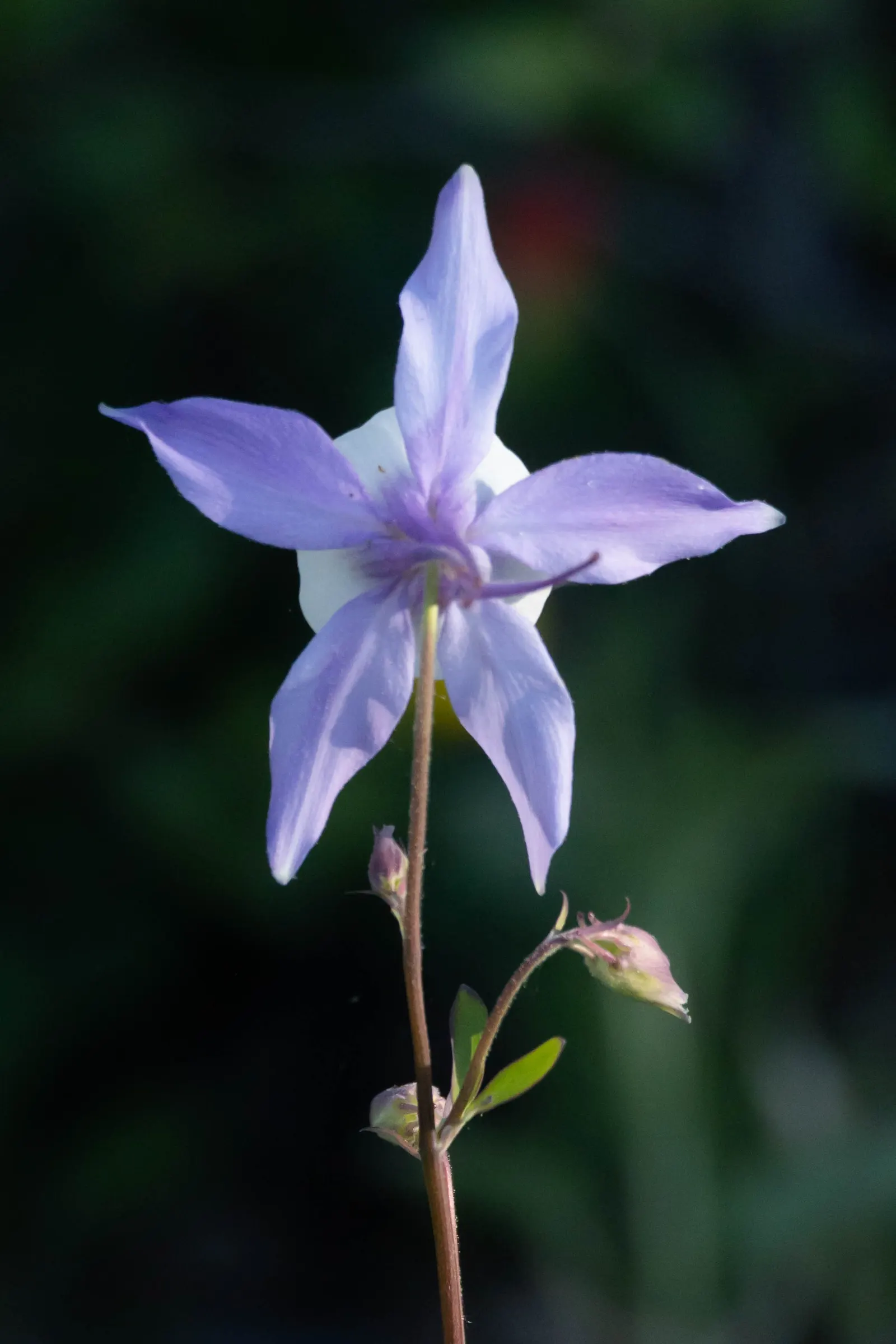
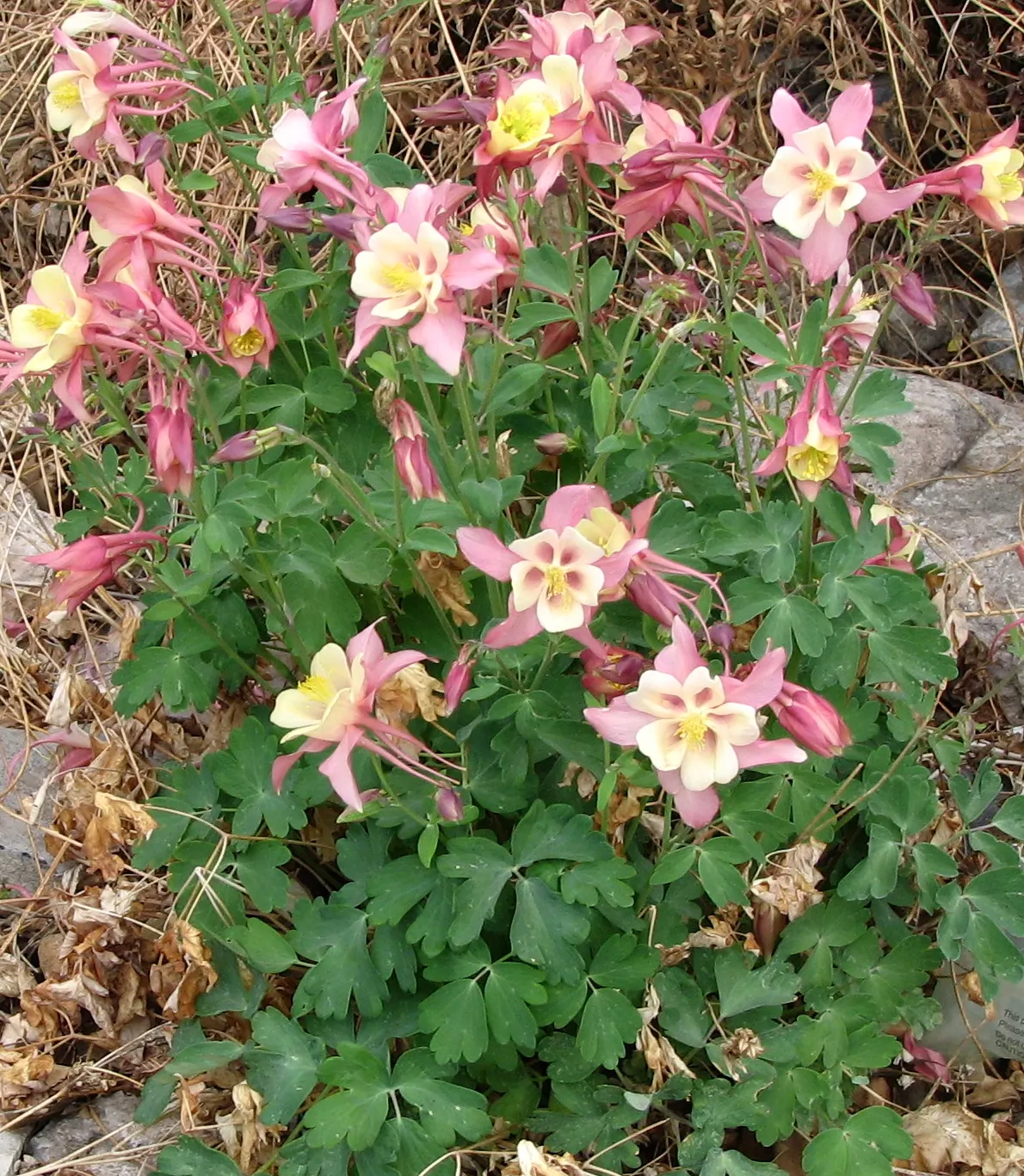
Colorado Blue Columbine (Aquilegia Caerulea) — For optimal visual impact in the landscape design
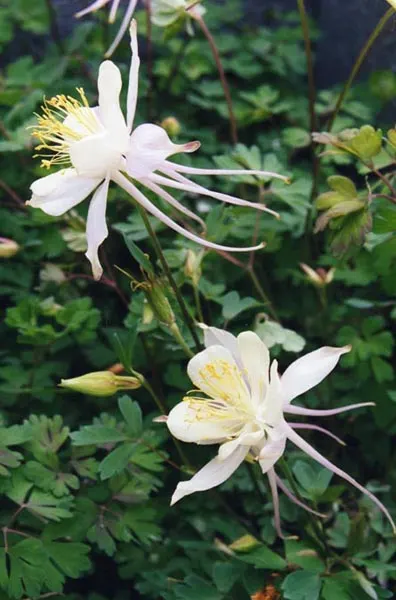
Colorado Blue Columbine (Aquilegia Caerulea) — blue flowers in the garden; contributing to the overall aesthetic of the plant
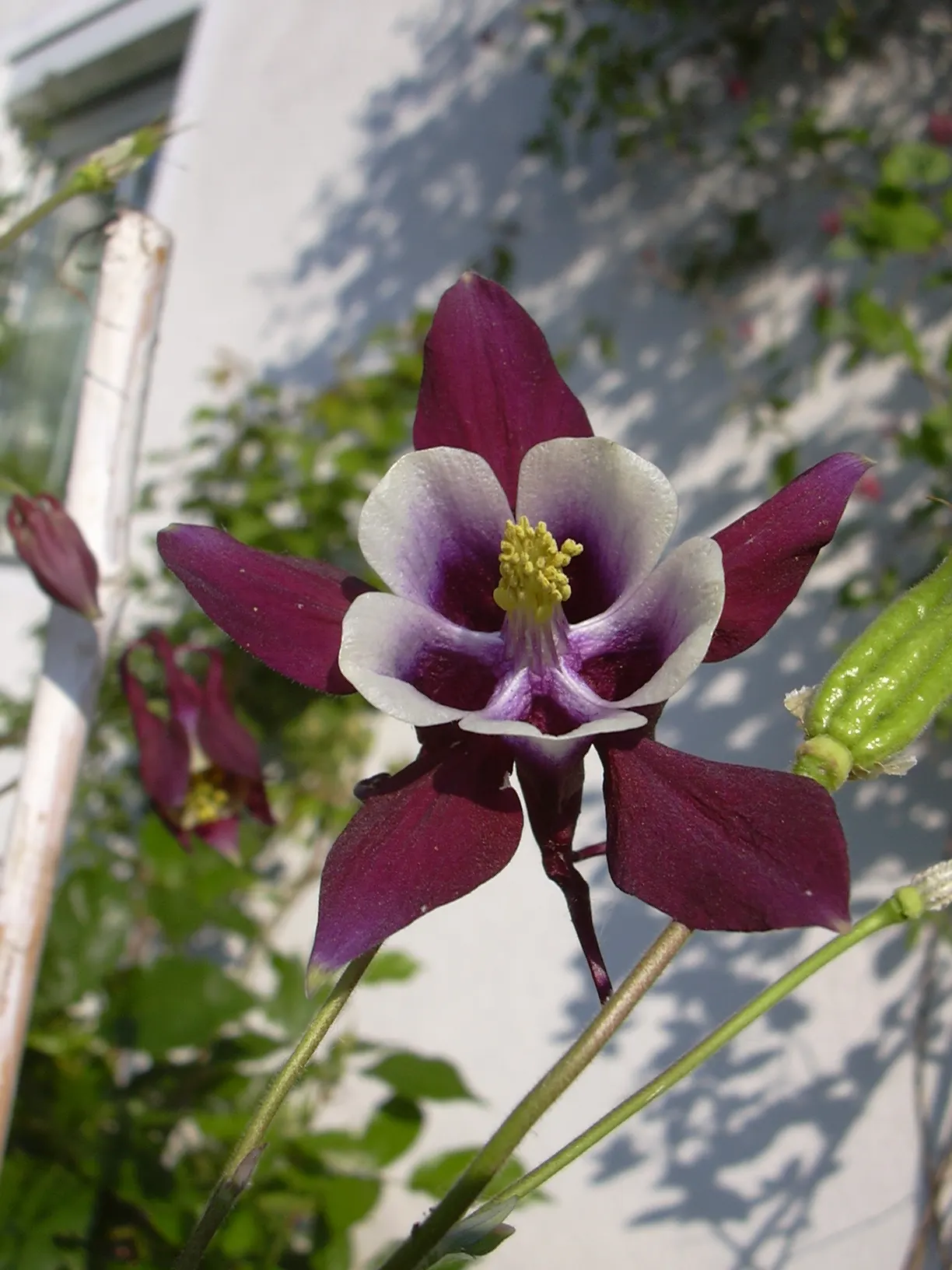
Colorado Blue Columbine (Aquilegia Caerulea) — as it does self-seed and can naturalize in favorable conditions
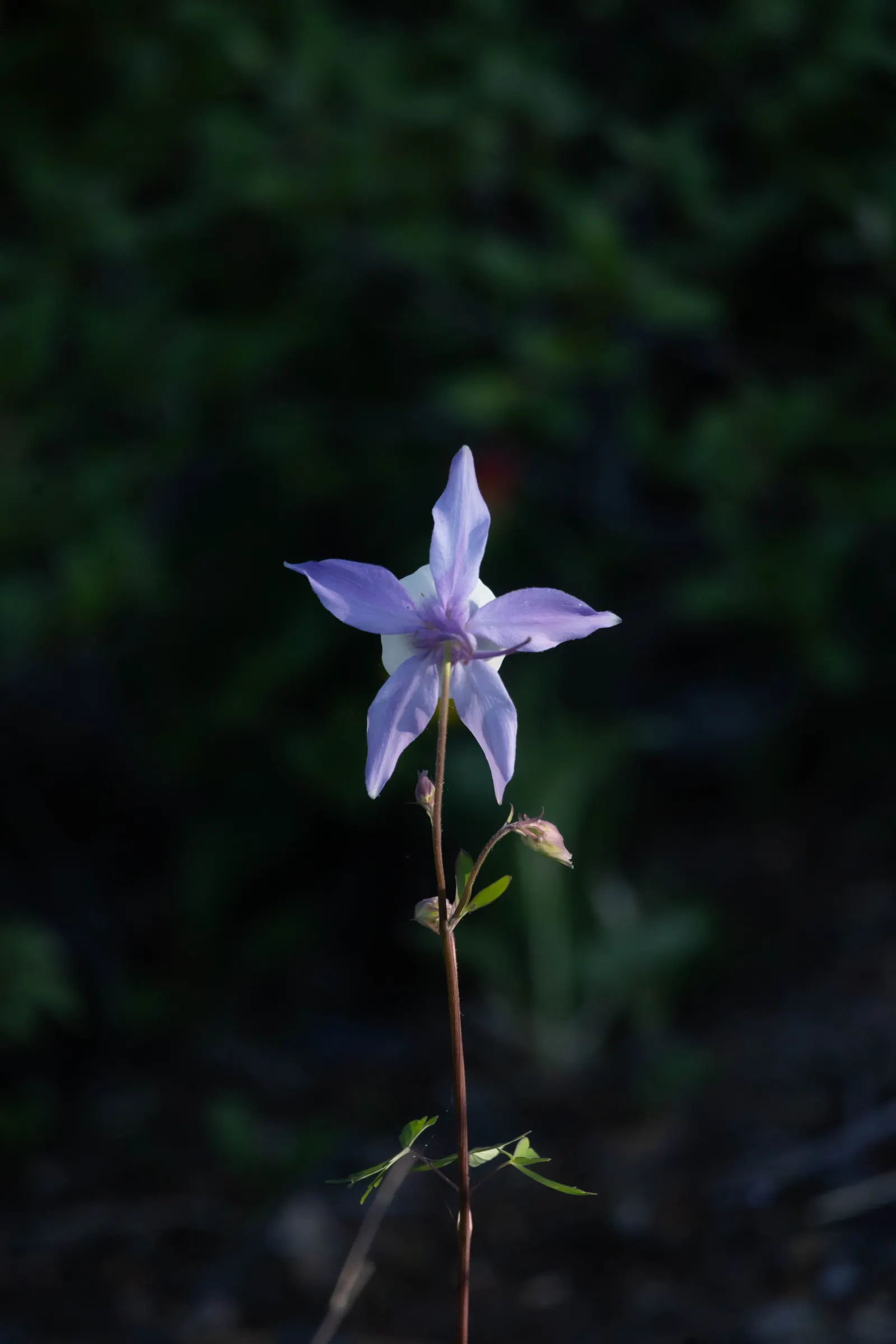
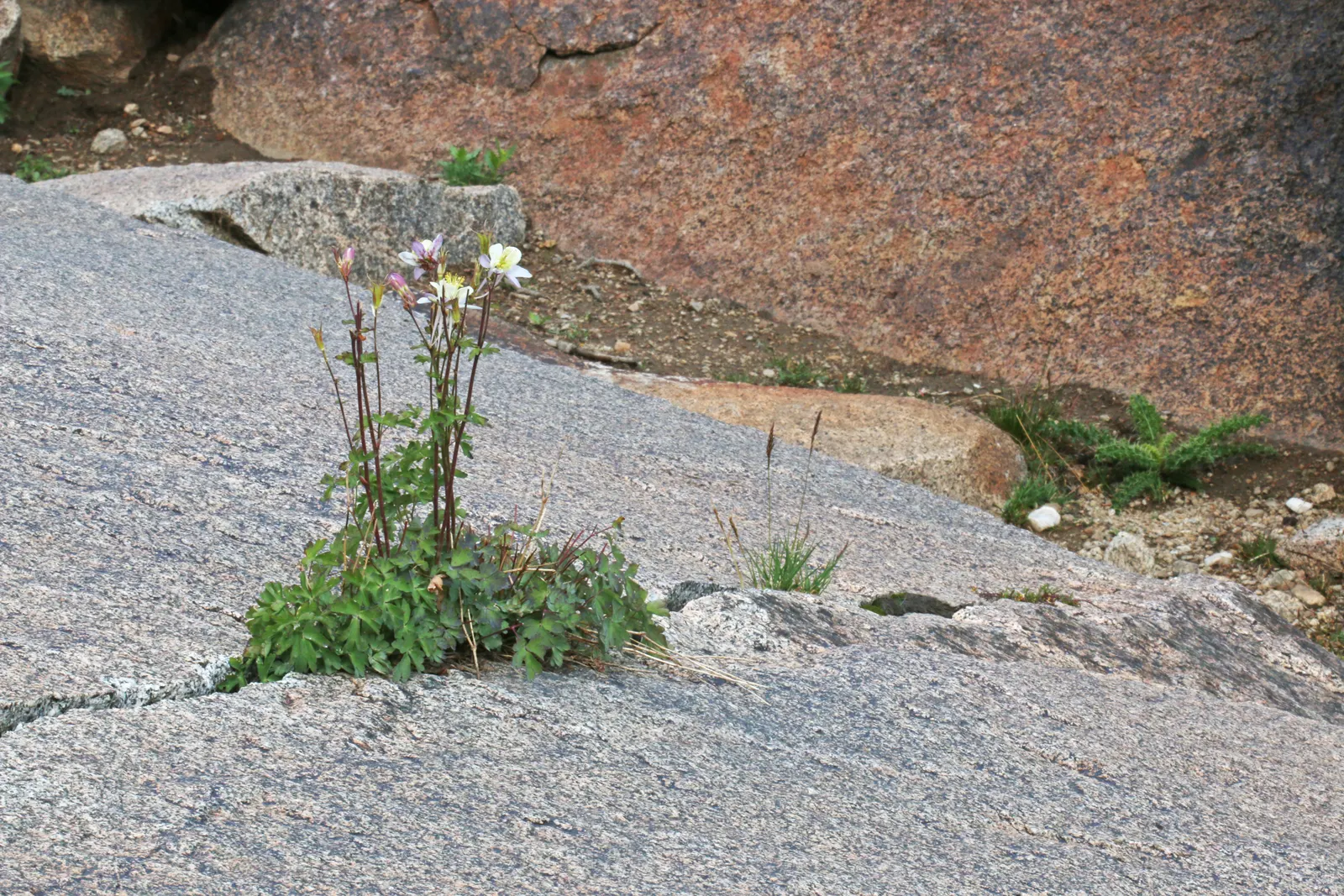
Colorado Blue Columbine (Aquilegia Caerulea) — Preferring moist, well-drained soil, it attracts pollinators and tolerates elevations up to 12,000, image 60
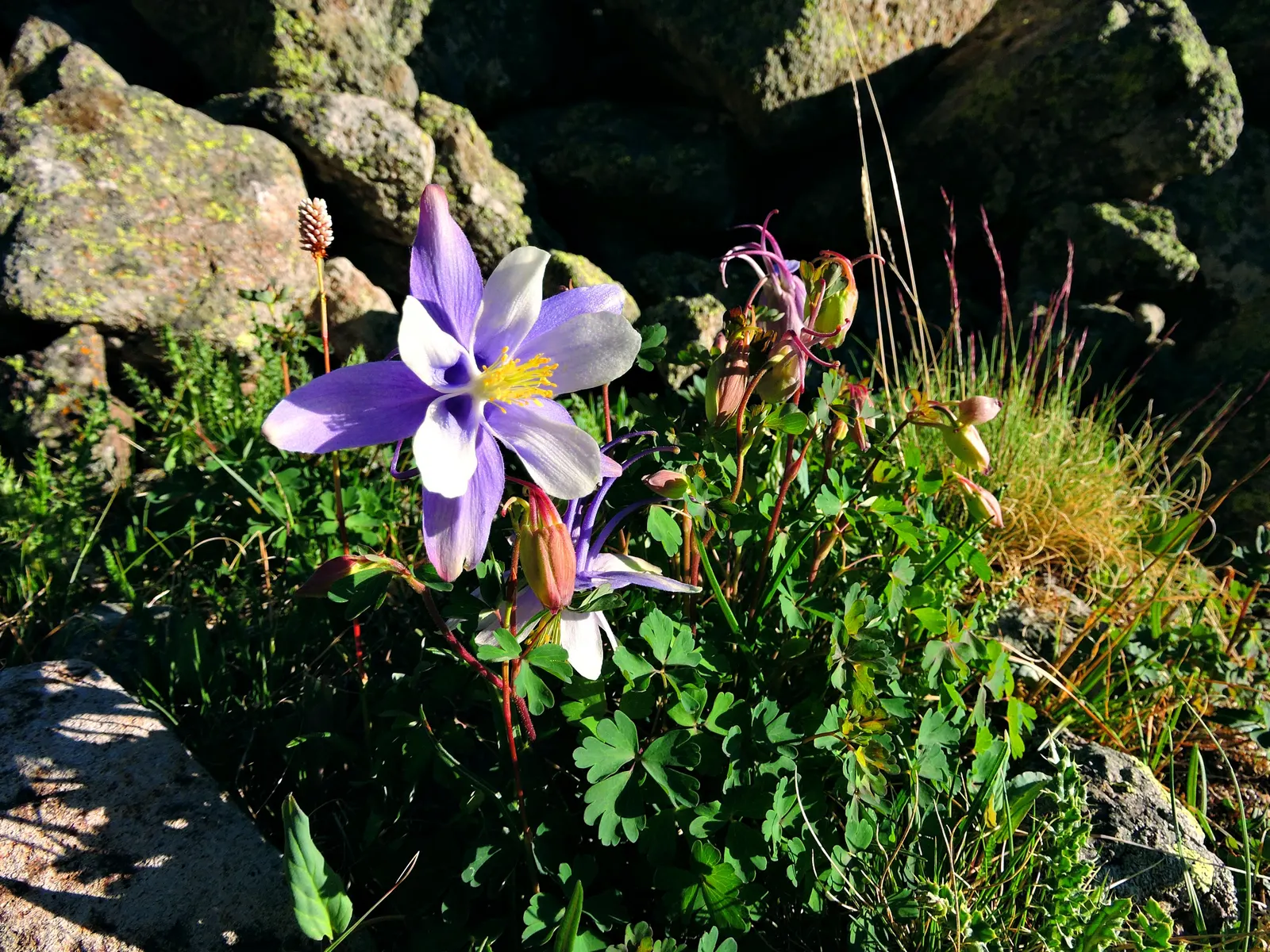
Colorado Blue Columbine (Aquilegia Caerulea) — It features delicate blue and white flowers, with distinct spurs, that bloom in late spring to early, image 30
Colorado Blue Columbine (Aquilegia Caerulea) — This shade-tolerant species reaches 1.5 to 3 feet in height and spreads 1 to 2 feet; and as an accent in mixed
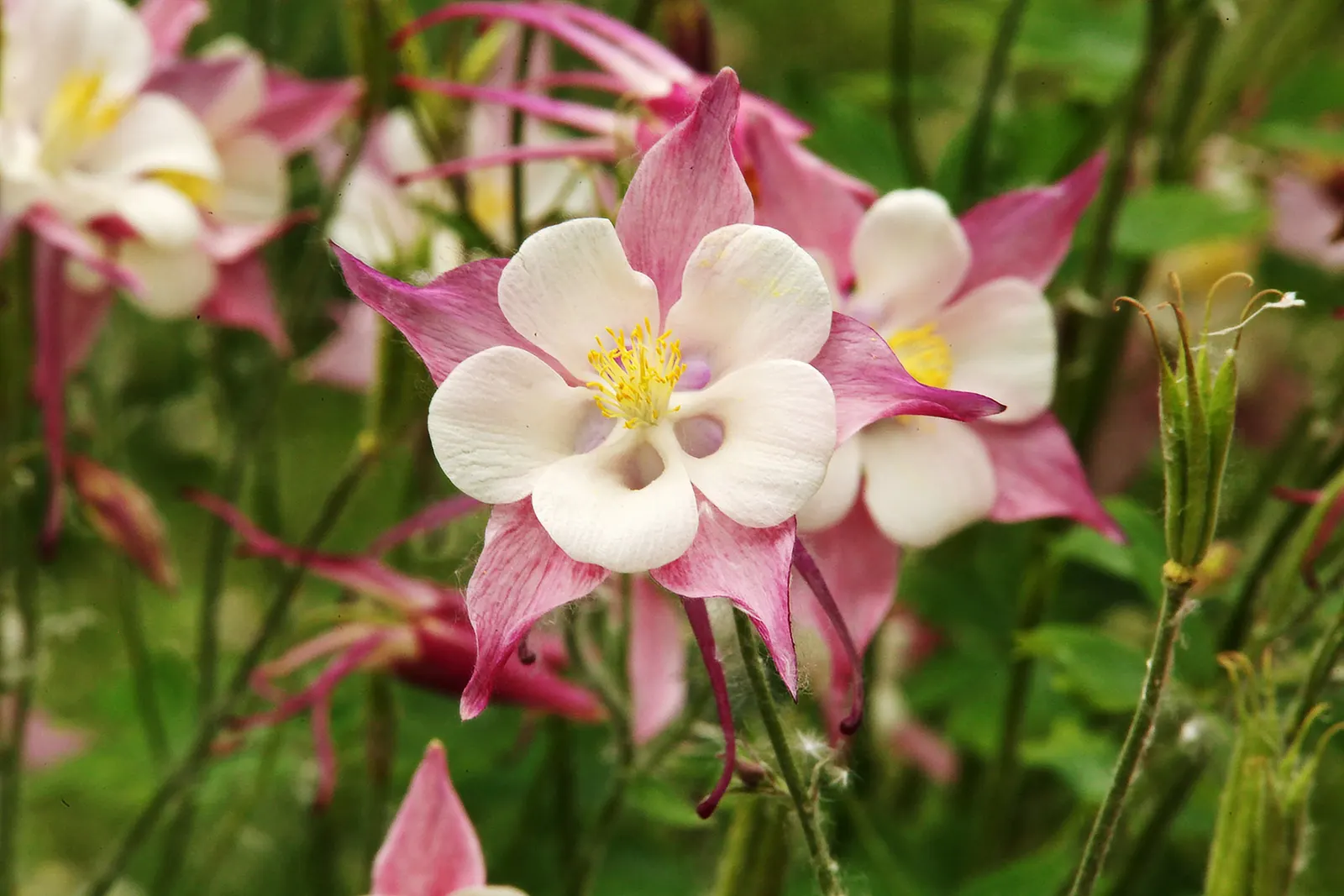
Colorado Blue Columbine (Aquilegia Caerulea) — bringing a striking splash of color when many other perennials are just beginning to emerge
Colorado Blue Columbine (Aquilegia Caerulea) — blue-green leaves are compound and have a fern-like texture
Colorado Blue Columbine (Aquilegia Caerulea) — This shade-tolerant species reaches 1.5 to 3 feet in height and spreads 1 to 2 feet; and as an, image 59
Colorado Blue Columbine (Aquilegia Caerulea) — it does require occasional watering during extended dry periods
Colorado Blue Columbine (Aquilegia Caerulea) — and as an accent in mixed perennial beds
Colorado Blue Columbine (Aquilegia Caerulea) — blue flowers in the garden
Colorado Blue Columbine (Aquilegia Caerulea) — Aquilegia caerulea, or Colorado Blue Columbine, is a perennial native to the Rocky Mountains; preferring moist
Colorado Blue Columbine (Aquilegia Caerulea) — preferring locations that provide morning sunlight and afternoon shade
Colorado Blue Columbine (Aquilegia Caerulea) — This helps to mimic the natural lighting conditions of its alpine habit
Colorado Blue Columbine (Aquilegia Caerulea) — For optimal visual impact in the landscape design; preferring moist, well-drained soil, it attracts pollinators
Colorado Blue Columbine (Aquilegia Caerulea) — making it an excellent choice for woodland gardens
Colorado Blue Columbine (Aquilegia Caerulea) — as it does self-seed and can naturalize in favorable conditions; and as an accent in mixed perennial beds
Colorado Blue Columbine (Aquilegia Caerulea) — blue and white flowers have a delightful; preferring moist, well-drained soil, it attracts pollinators and
Colorado Blue Columbine (Aquilegia Caerulea) — airy appearance and are supported on slender; contributing to the overall aesthetic of the plant
Colorado Blue Columbine (Aquilegia Caerulea) — protecting it from intense heat.<br><br>Aquilegia caerulea prefers well-drained; and as an accent in mixed
Colorado Blue Columbine (Aquilegia Caerulea) — erect stems reaching heights of 24 to 36 inches
Colorado Blue Columbine (Aquilegia Caerulea) — making it an excellent choice for woodland gardens; preferring moist, well-drained soil, it attracts pollinators
Colorado Blue Columbine (Aquilegia Caerulea) — It generally blooms from late spring to early summer (May to June); and as an accent in mixed perennial beds
Photographs by 16 contributors

Related plants