Skip to content

Snapdragon

Antirrhinum Majus

Design with this plant

Overview

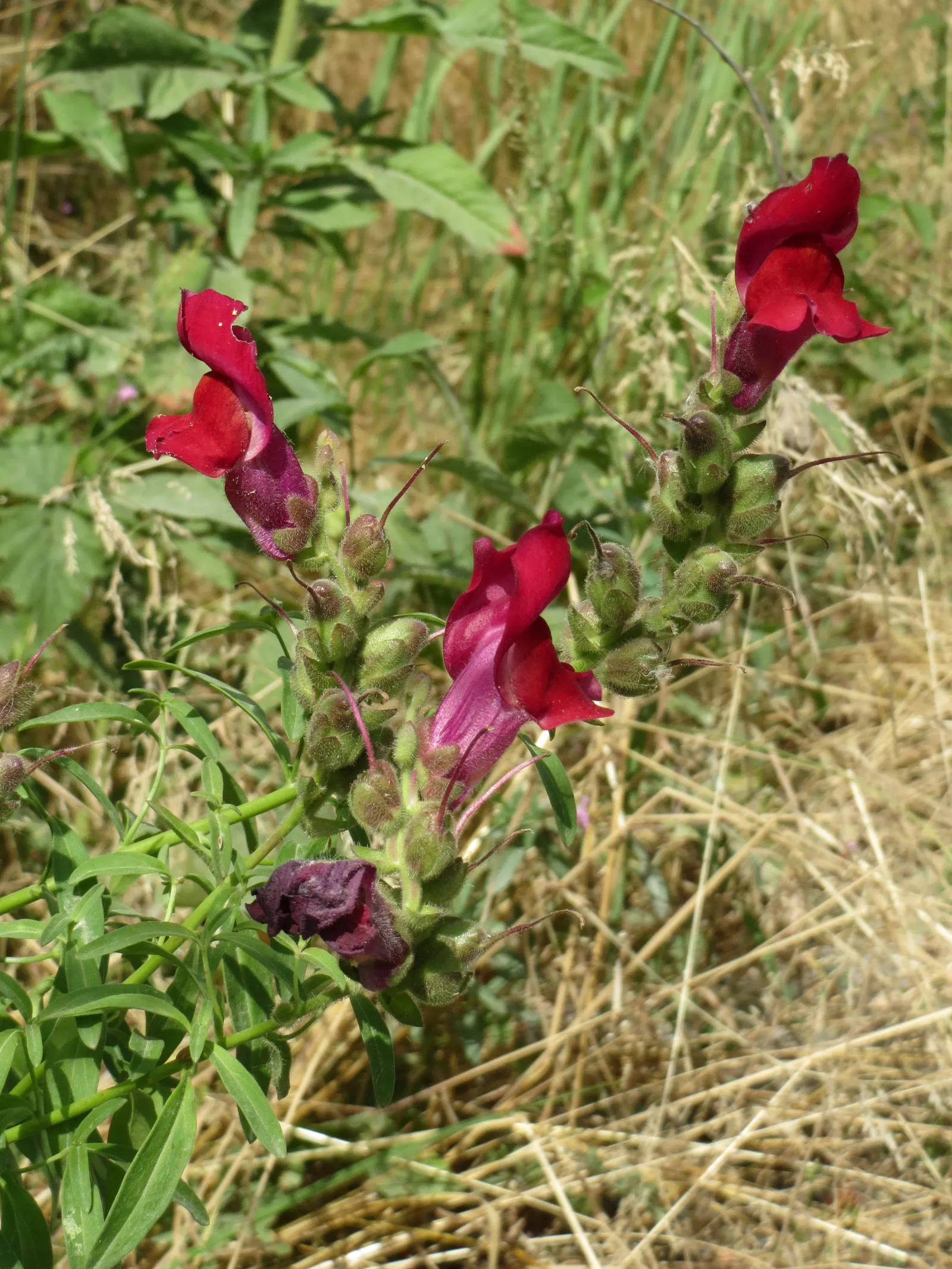
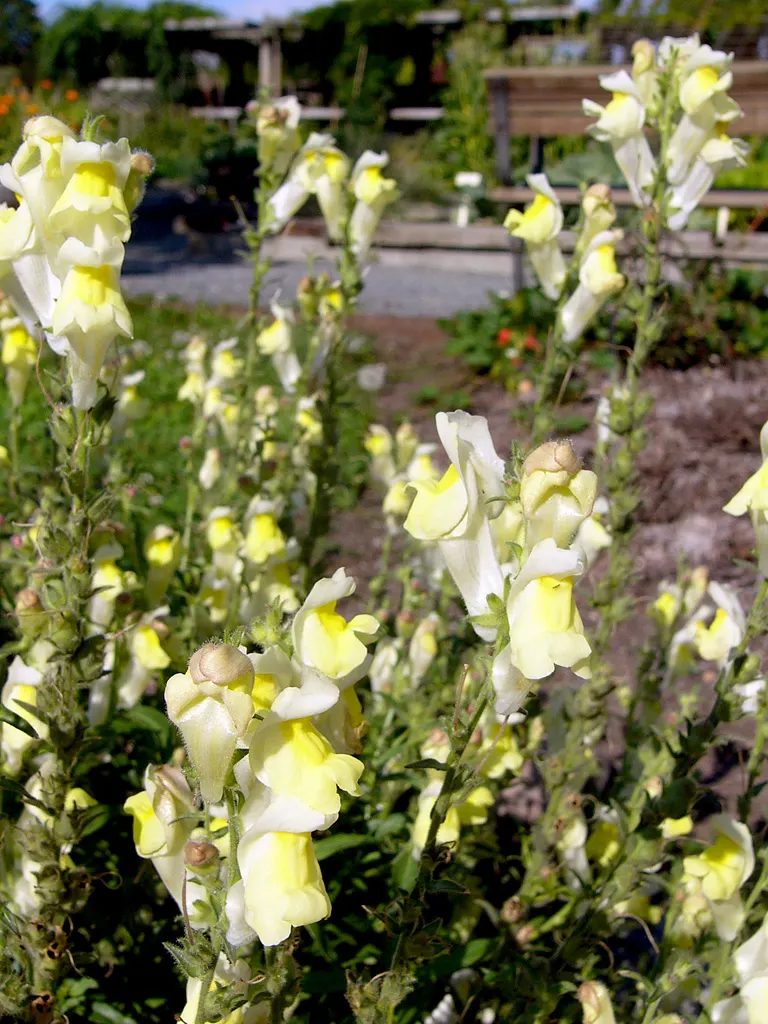
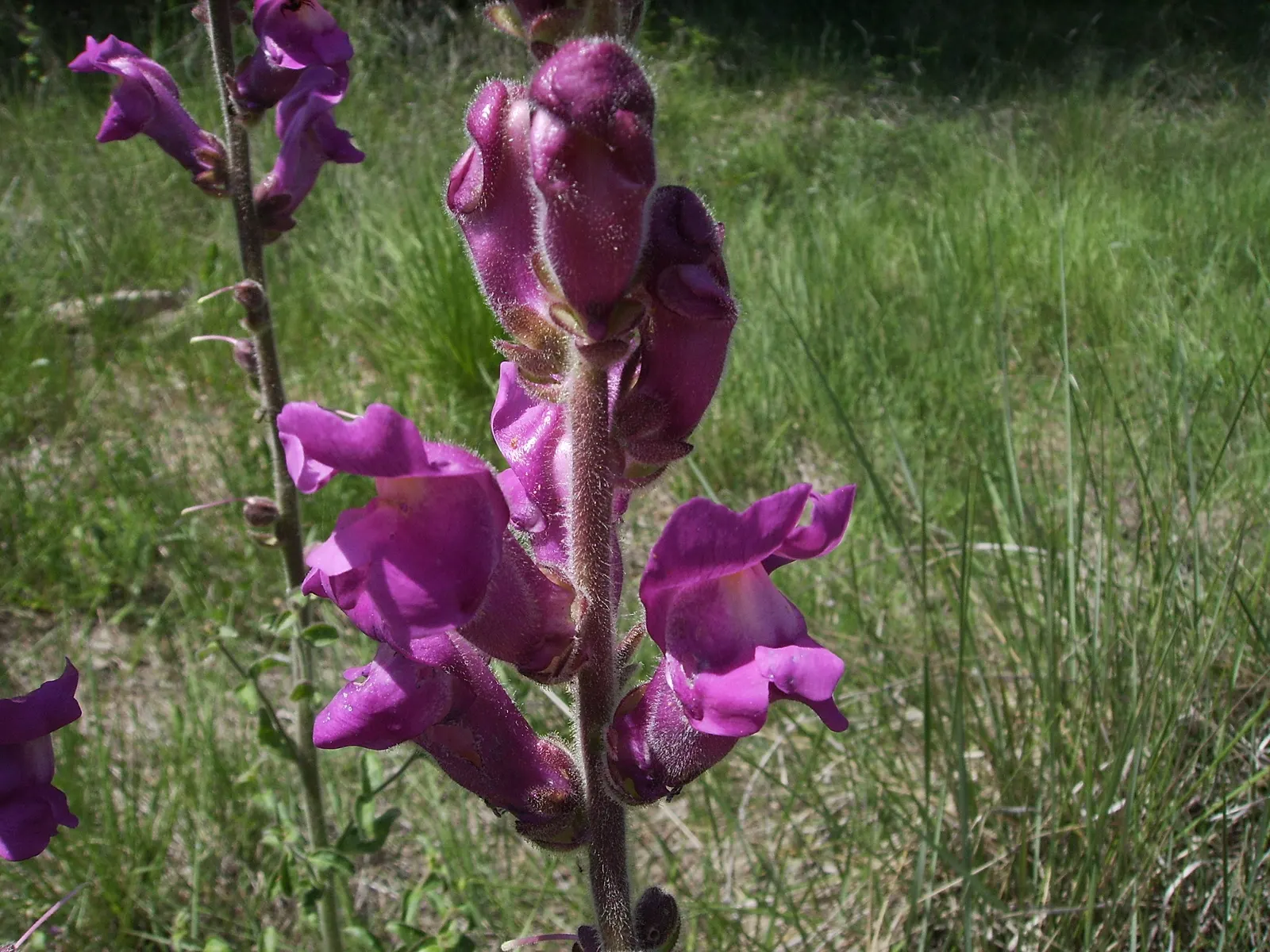
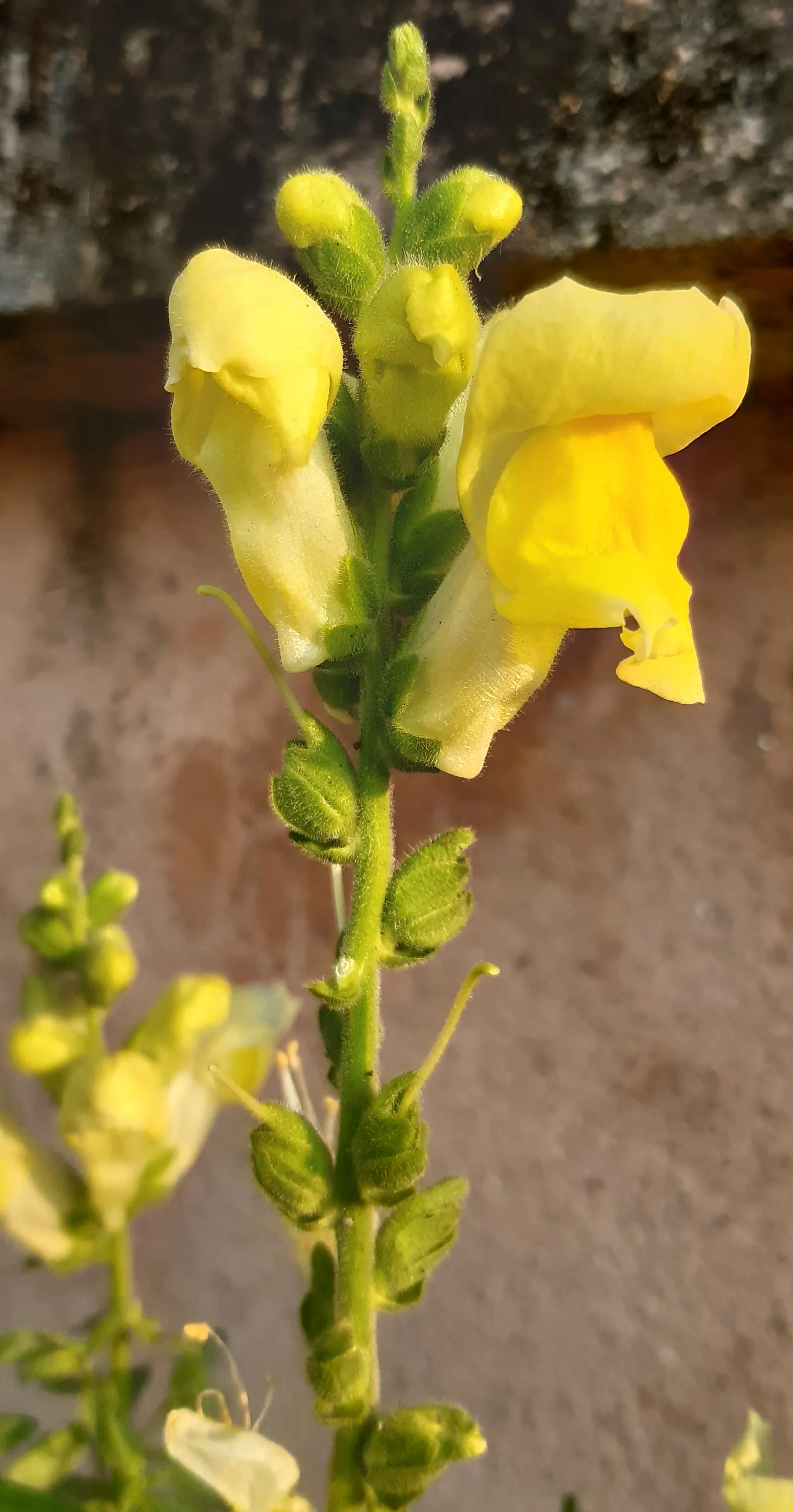
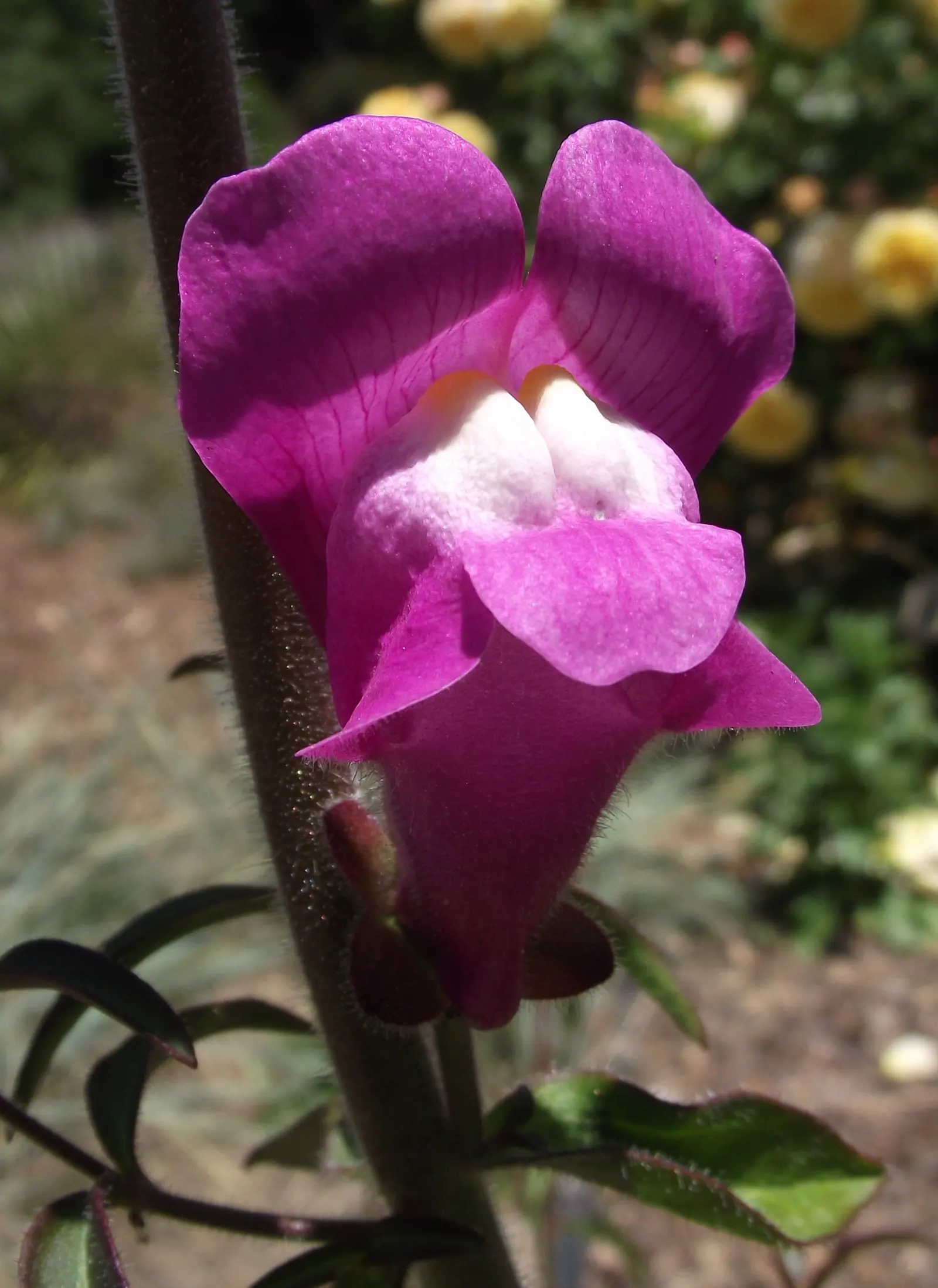
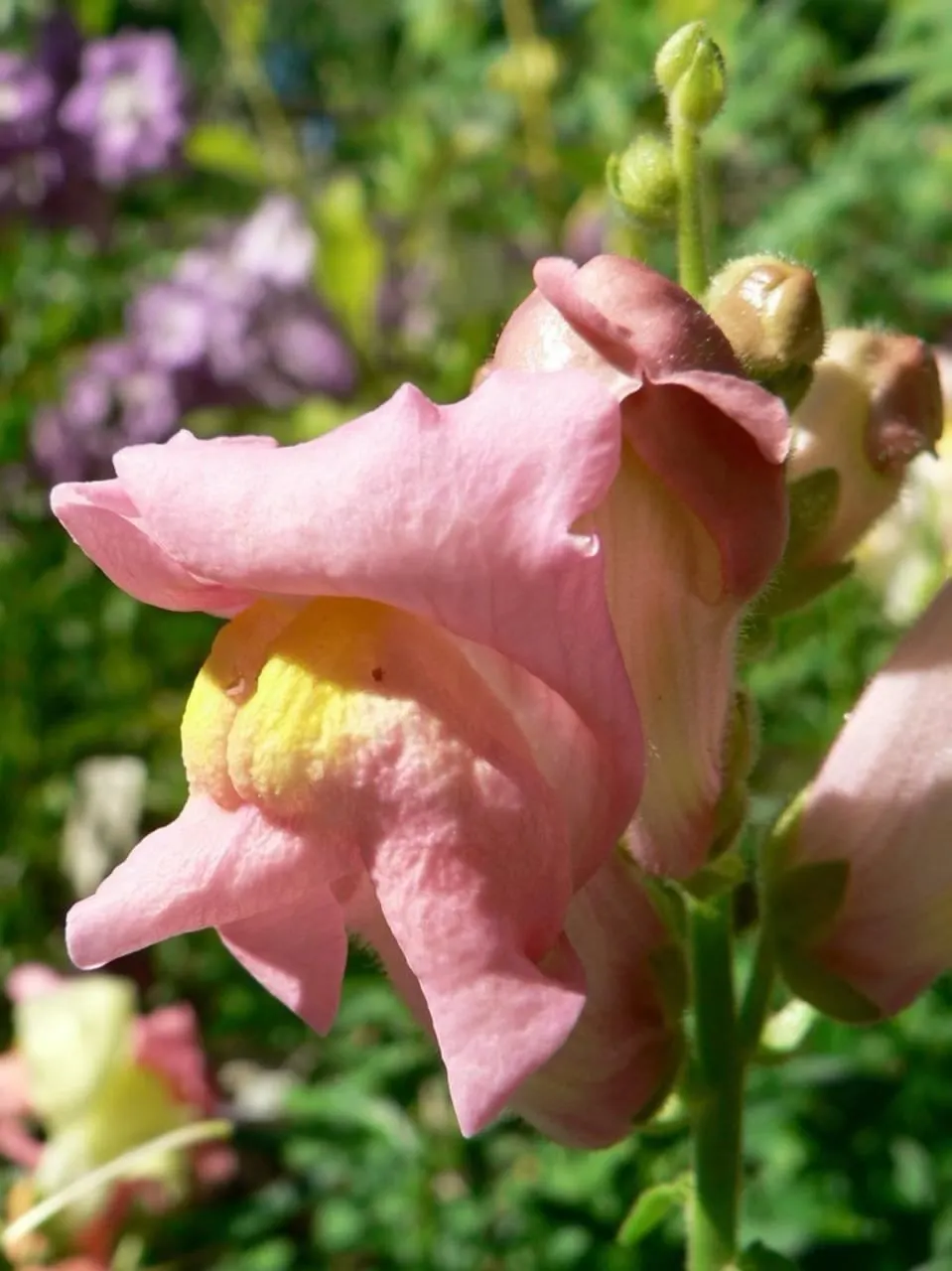
Antirrhinum majus, commonly called Snapdragon, is a popular perennial often grown as an annual. It features tubular, two-lipped flowers in a variety of hues and can reach 1-3 feet in height. Snapdragon prefers full sun to partial shade and well-drained soil. Blooms from late spring to fall, adding vertical interest and vivid color to borders. Hardy to USDA zone 7. Deadheading encourages prolonged flowering. Suitable for cutting gardens.

Sun Full, HalfWater MediumZones 3–10Type Annual

Culture

Sun
Full, Half
Water
Medium
USDA zones
3–10

Shape & size

Classification

Type
Annual
Family
Scrophulariaceae

See full data, regional cultivation notes, and design tools. Build a client presentation around this plant.

Start your 14-day trial

Photos (209)

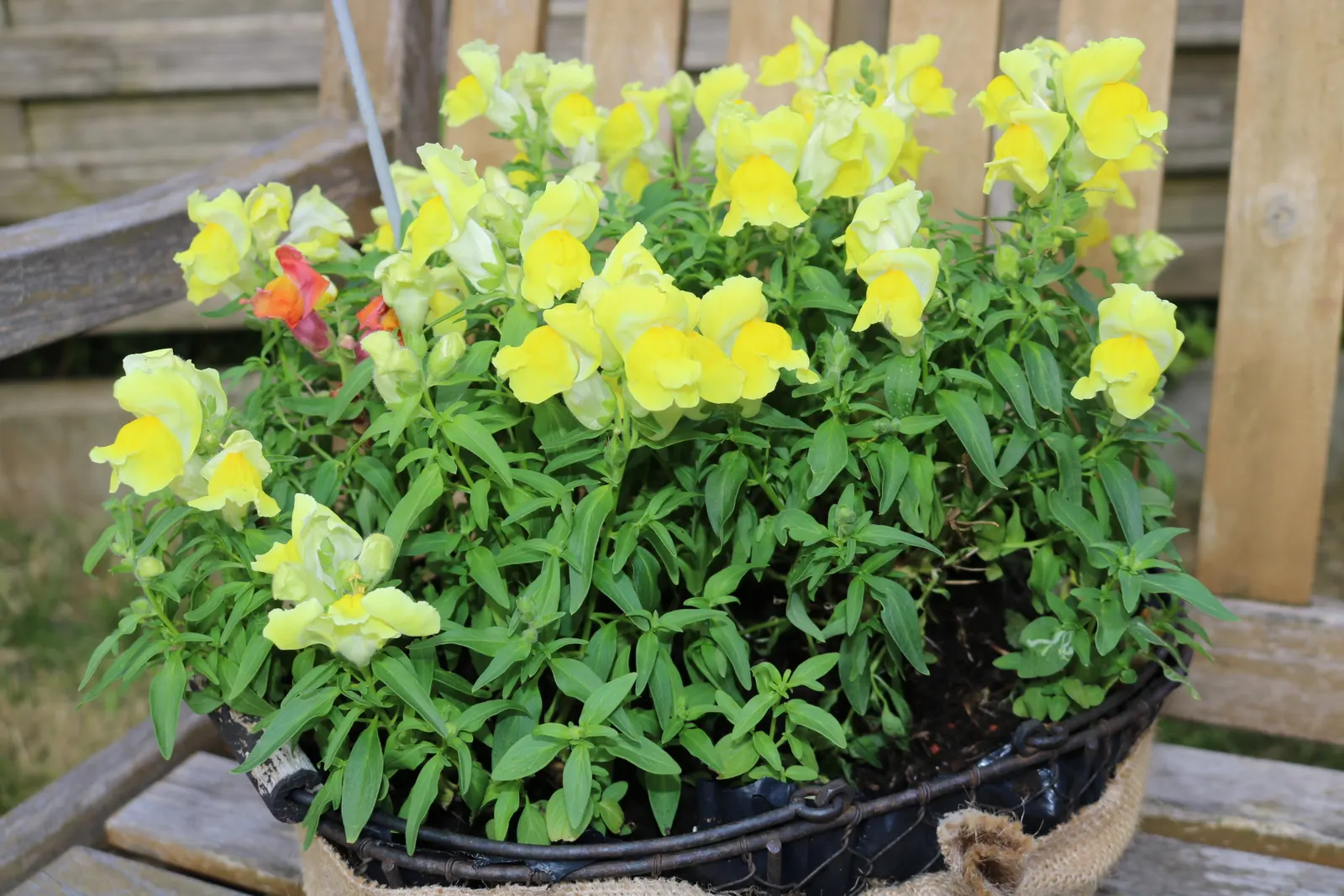
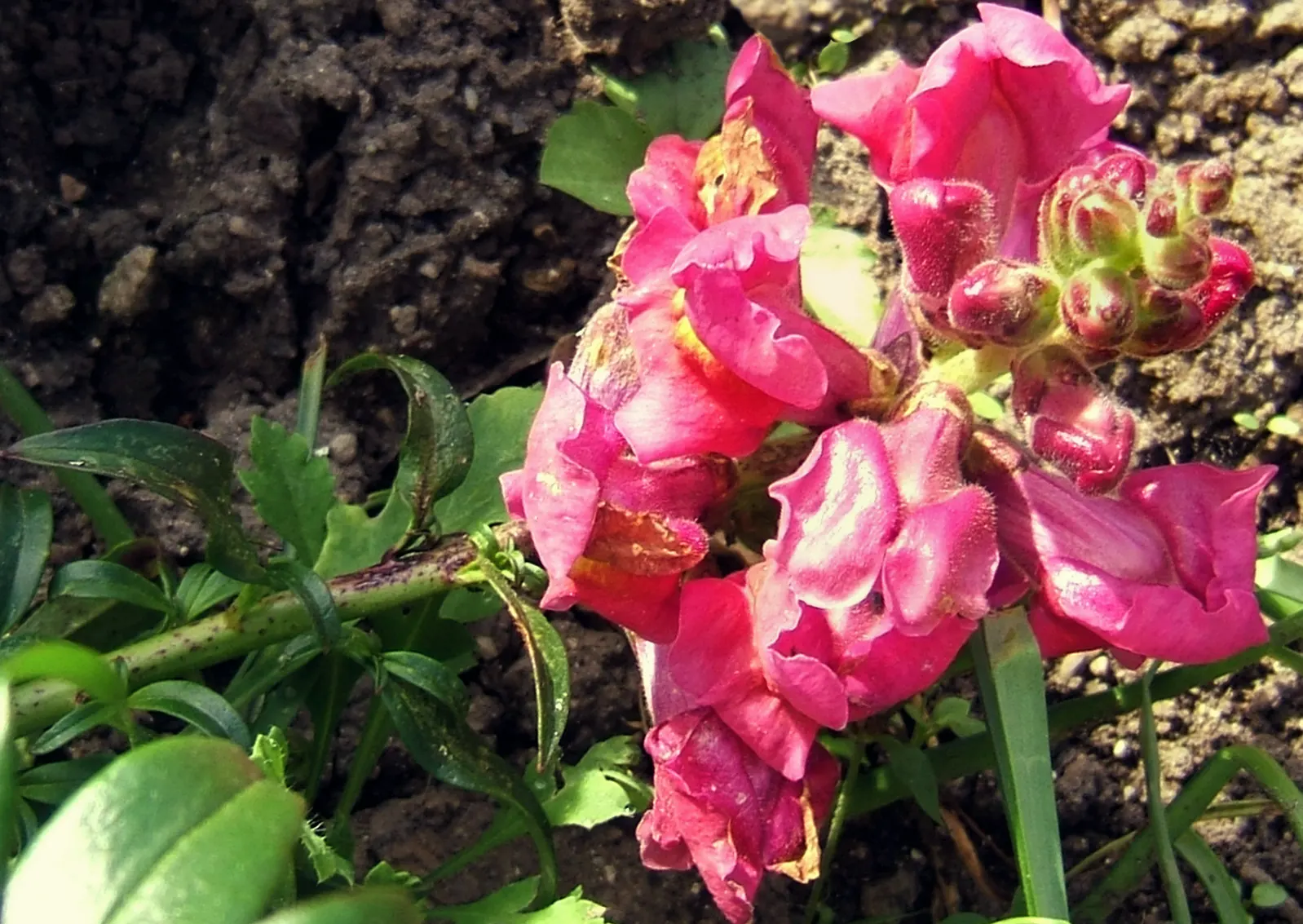
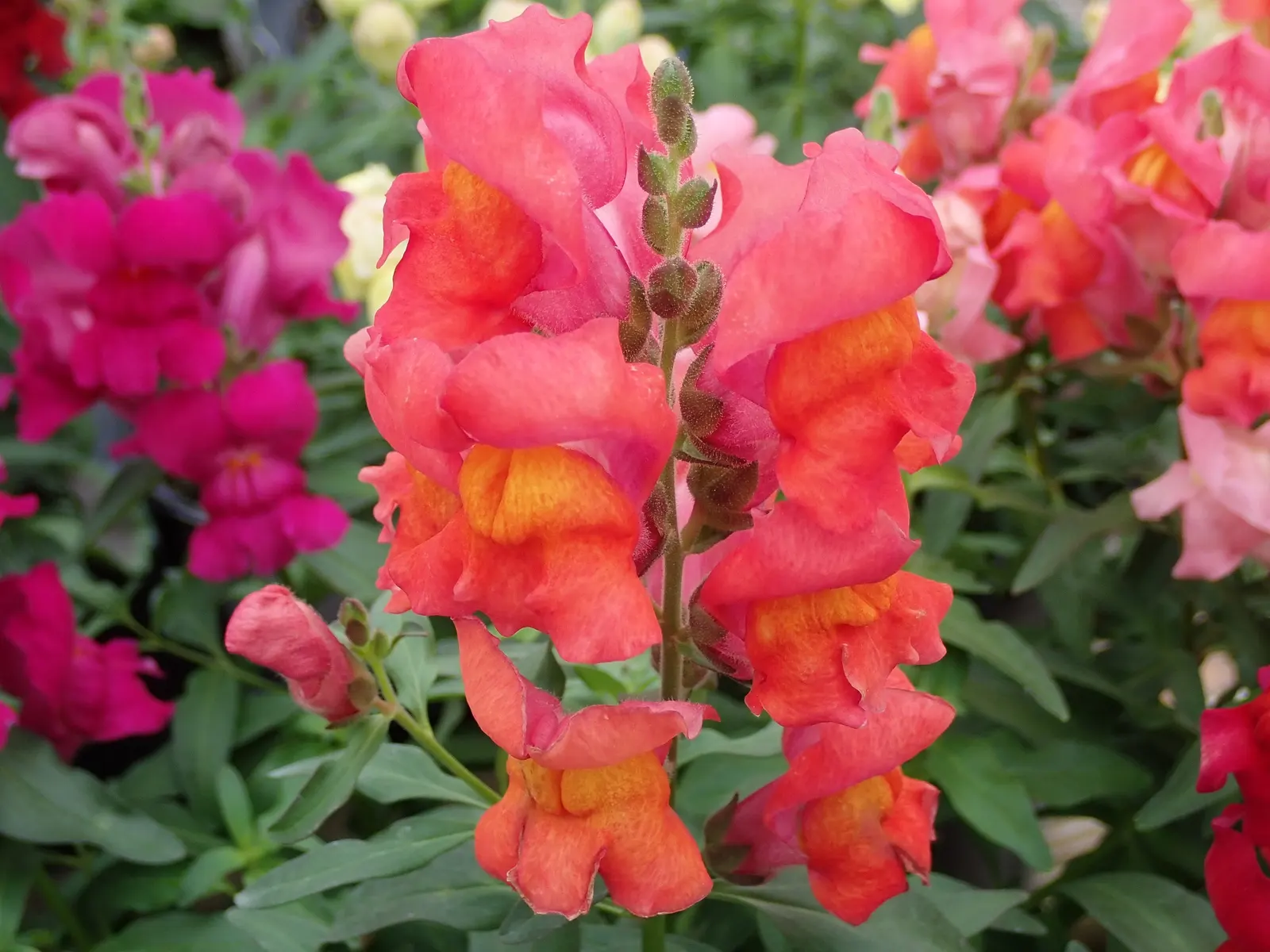
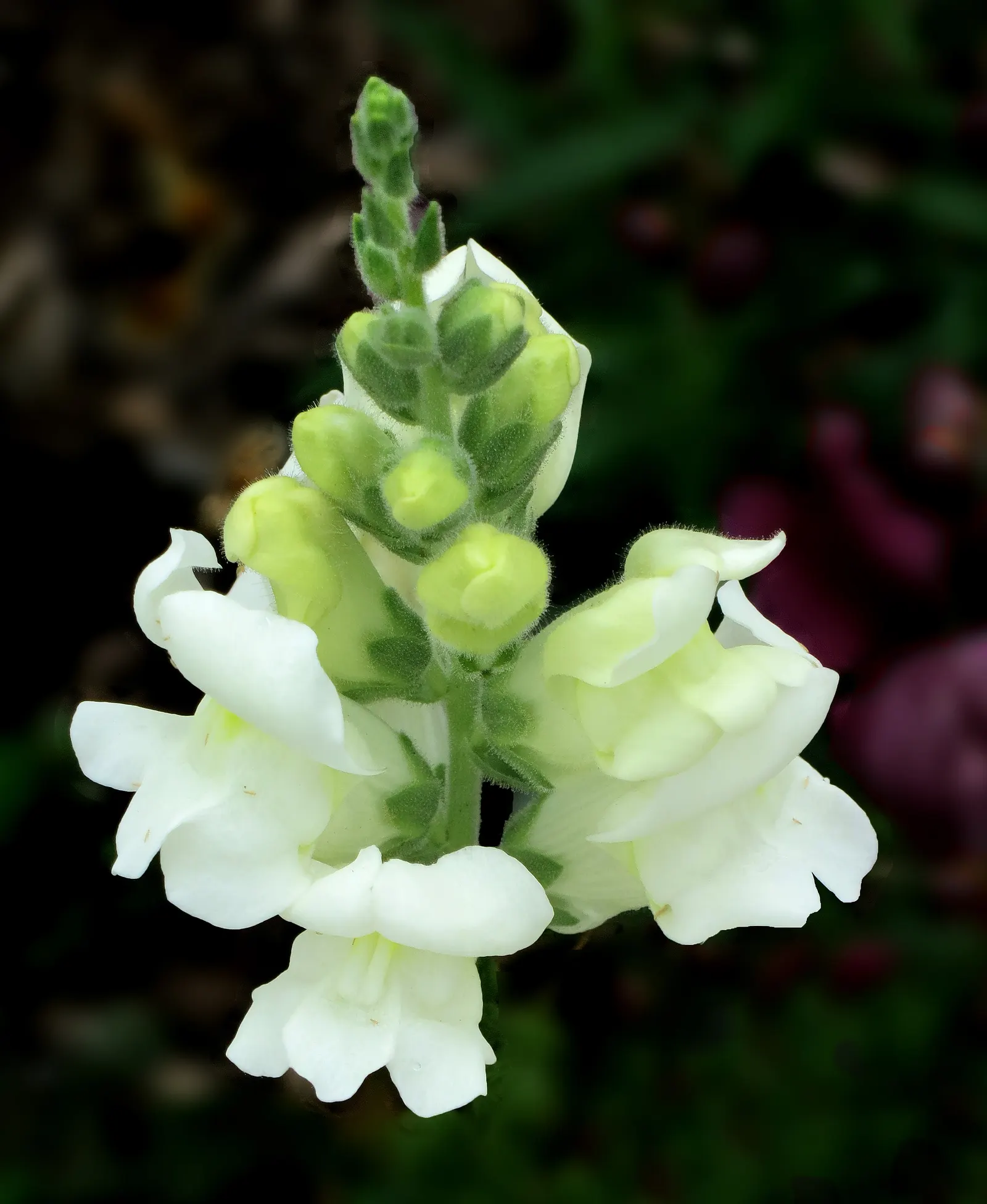
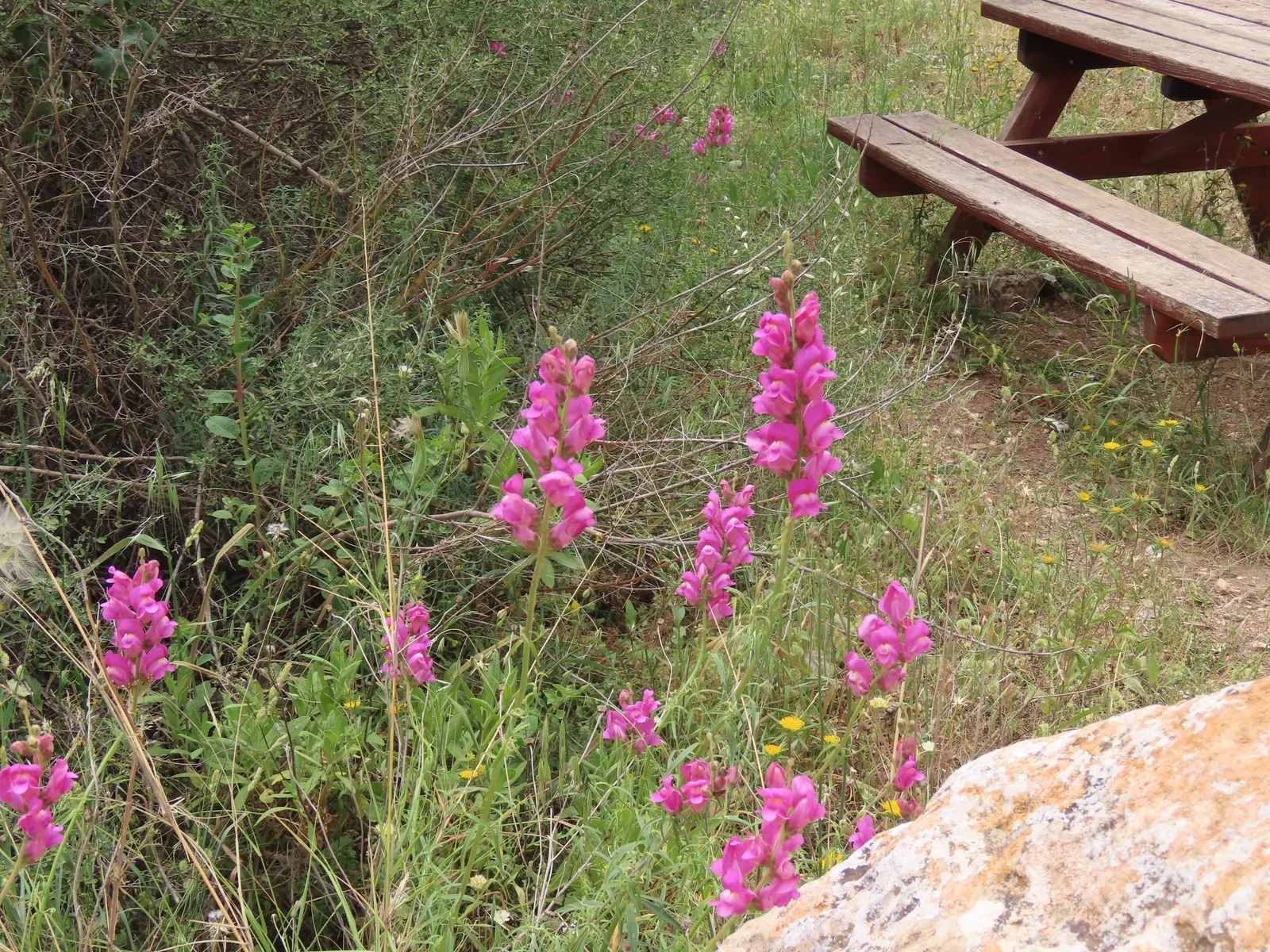
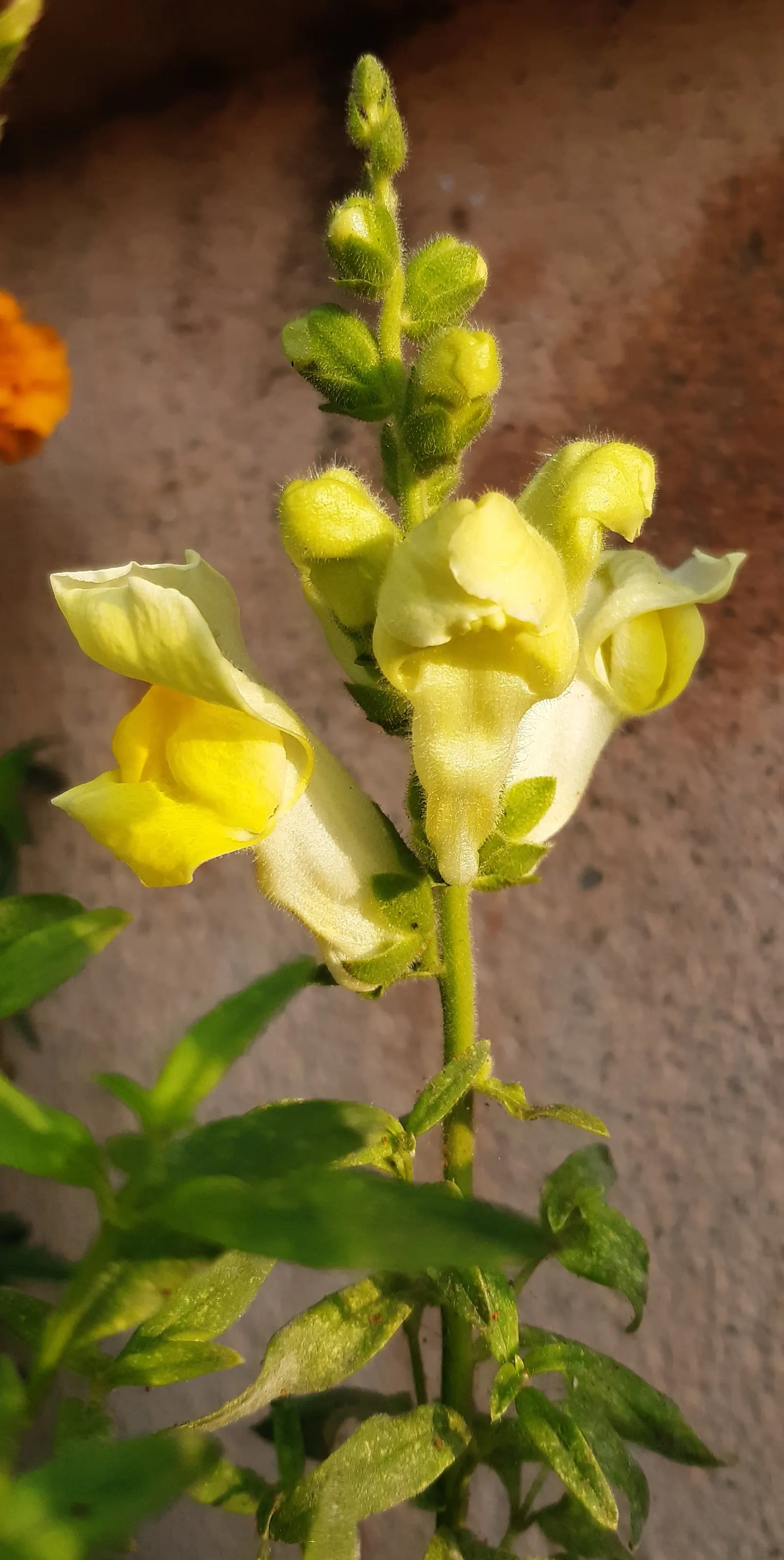
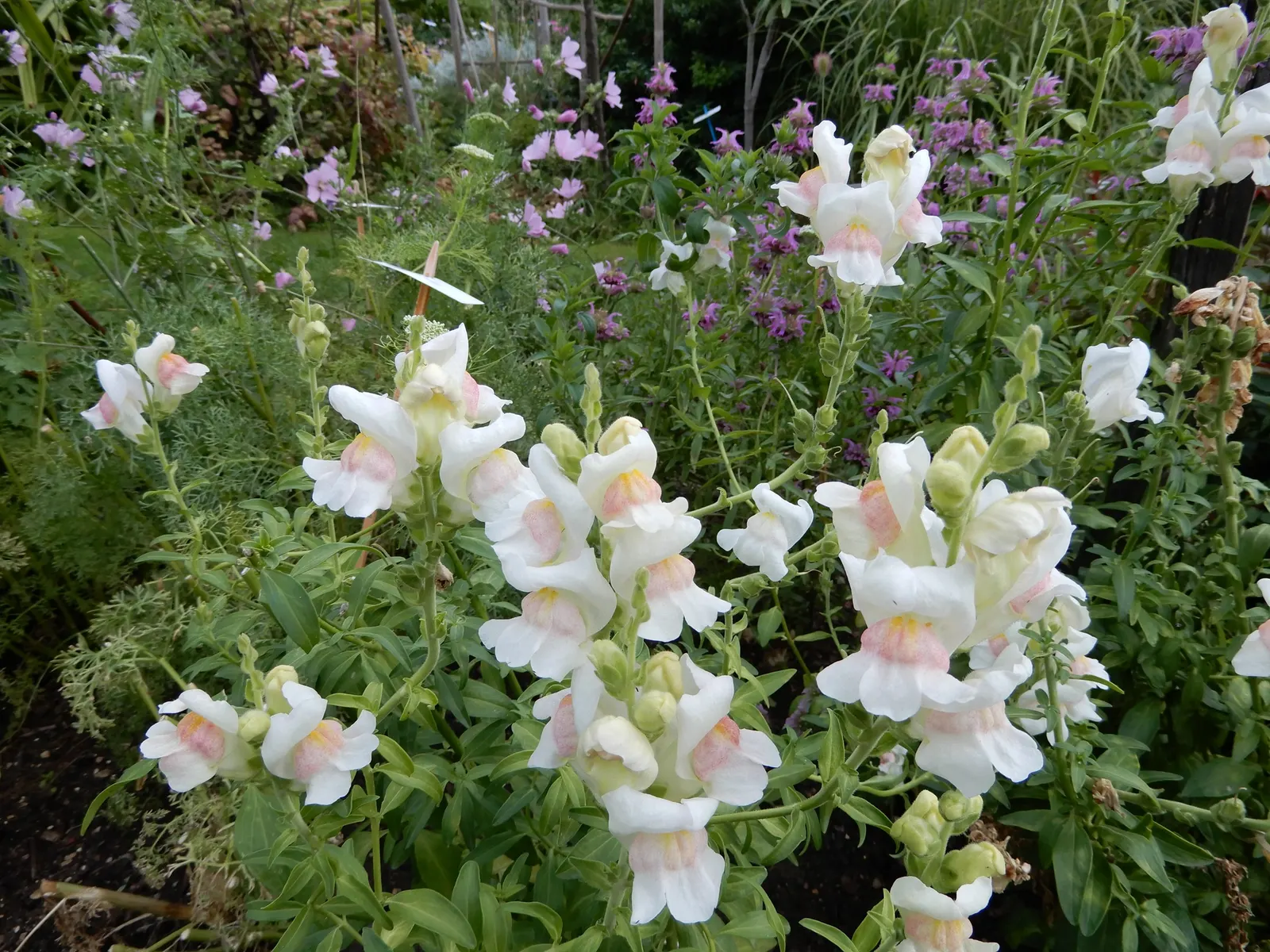
Snapdragon (Antirrhinum Majus) — annual with pink blooms; it is important to select a site with well-drained soil
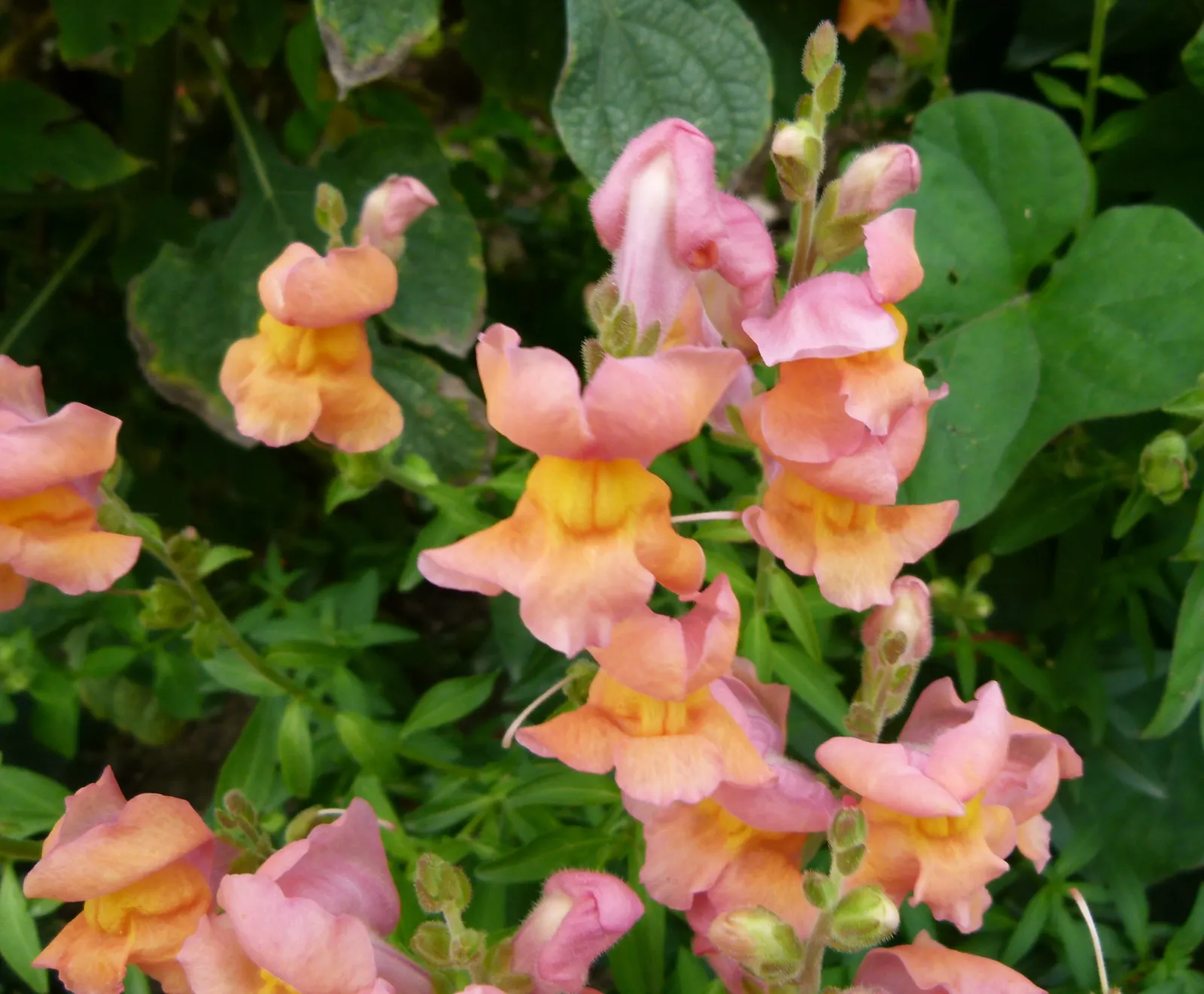
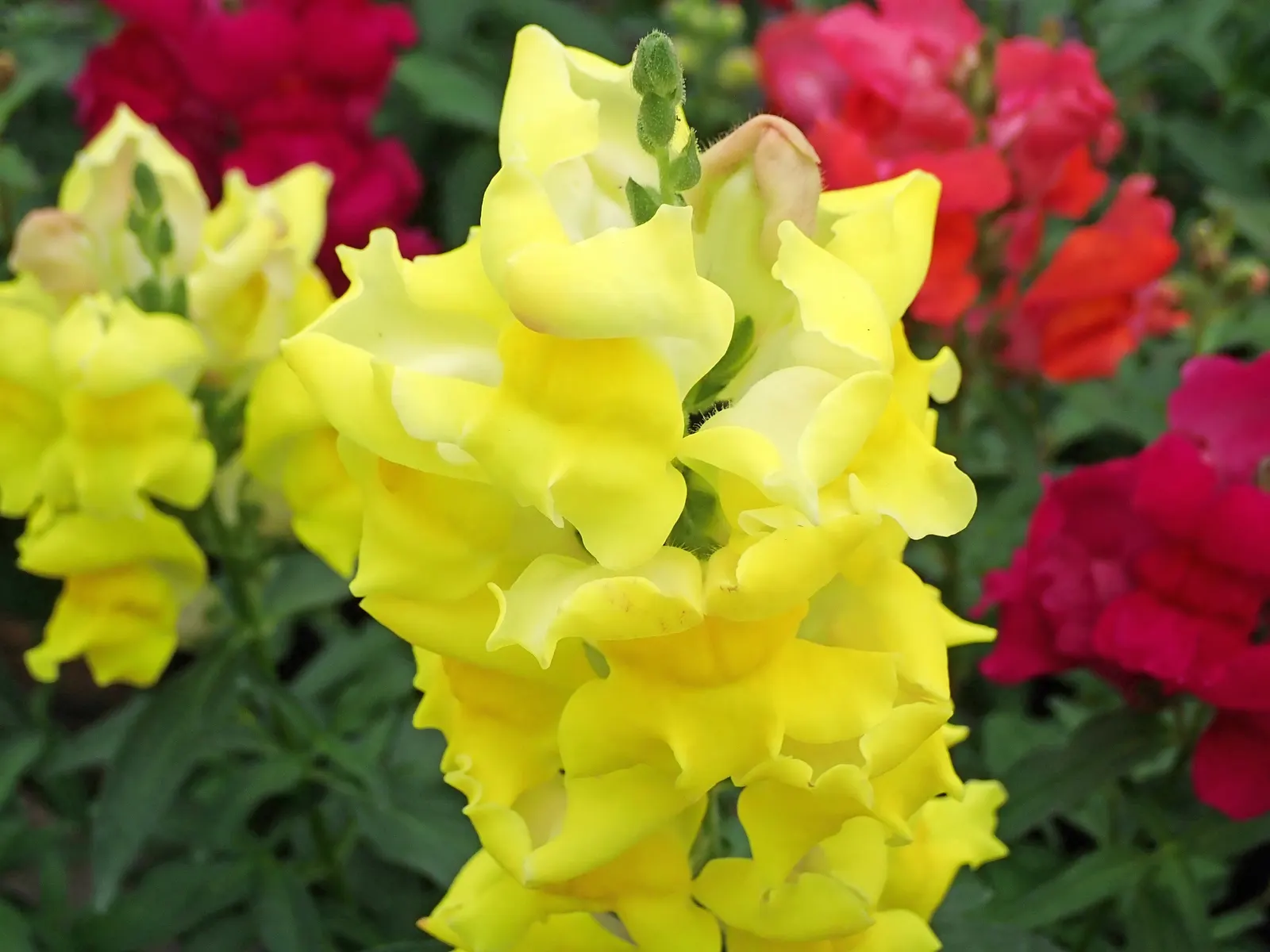
Snapdragon (Antirrhinum Majus) — Suitable for cutting gardens; when incorporating snapdragons into your landscape design, image 52
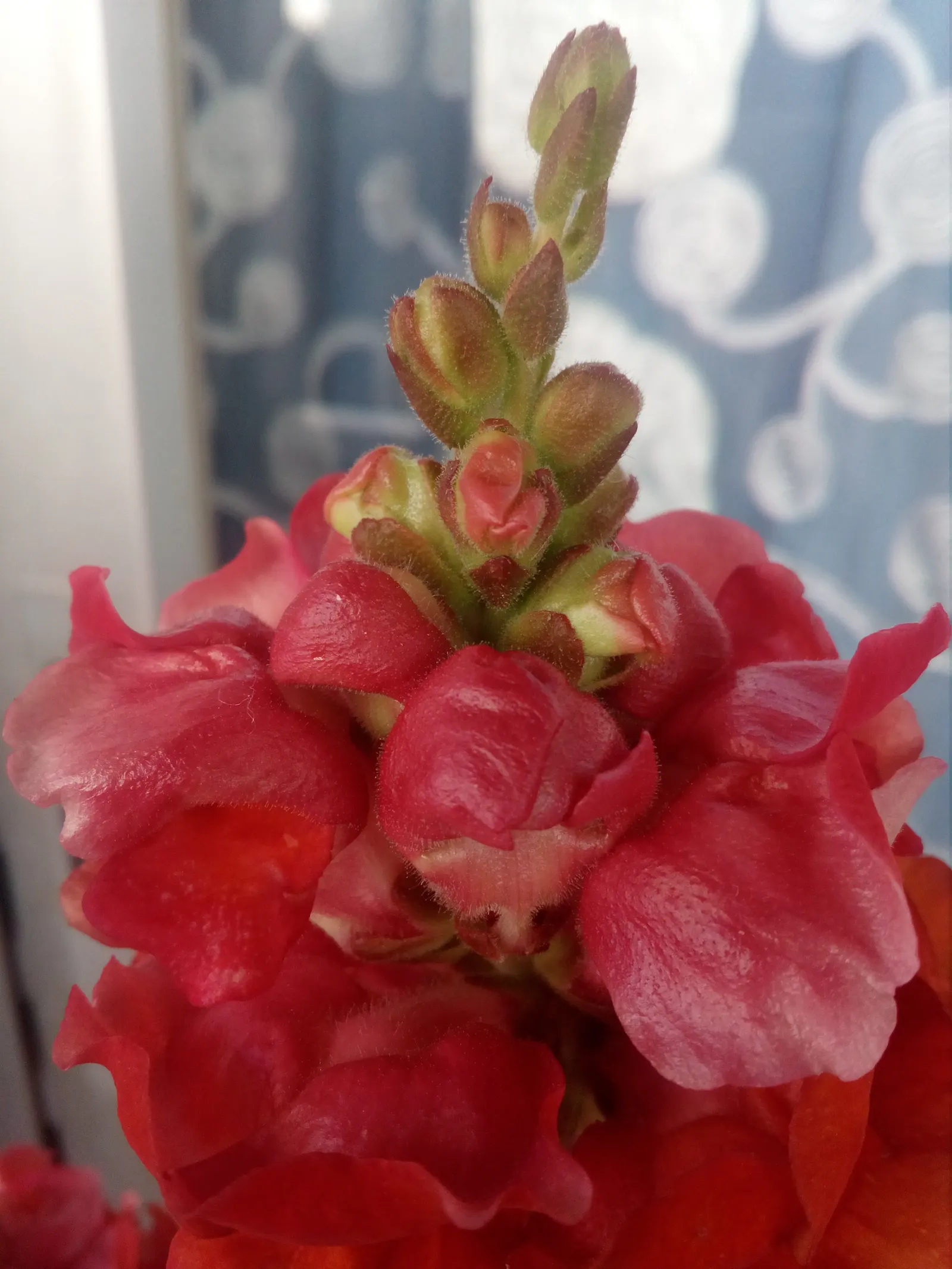
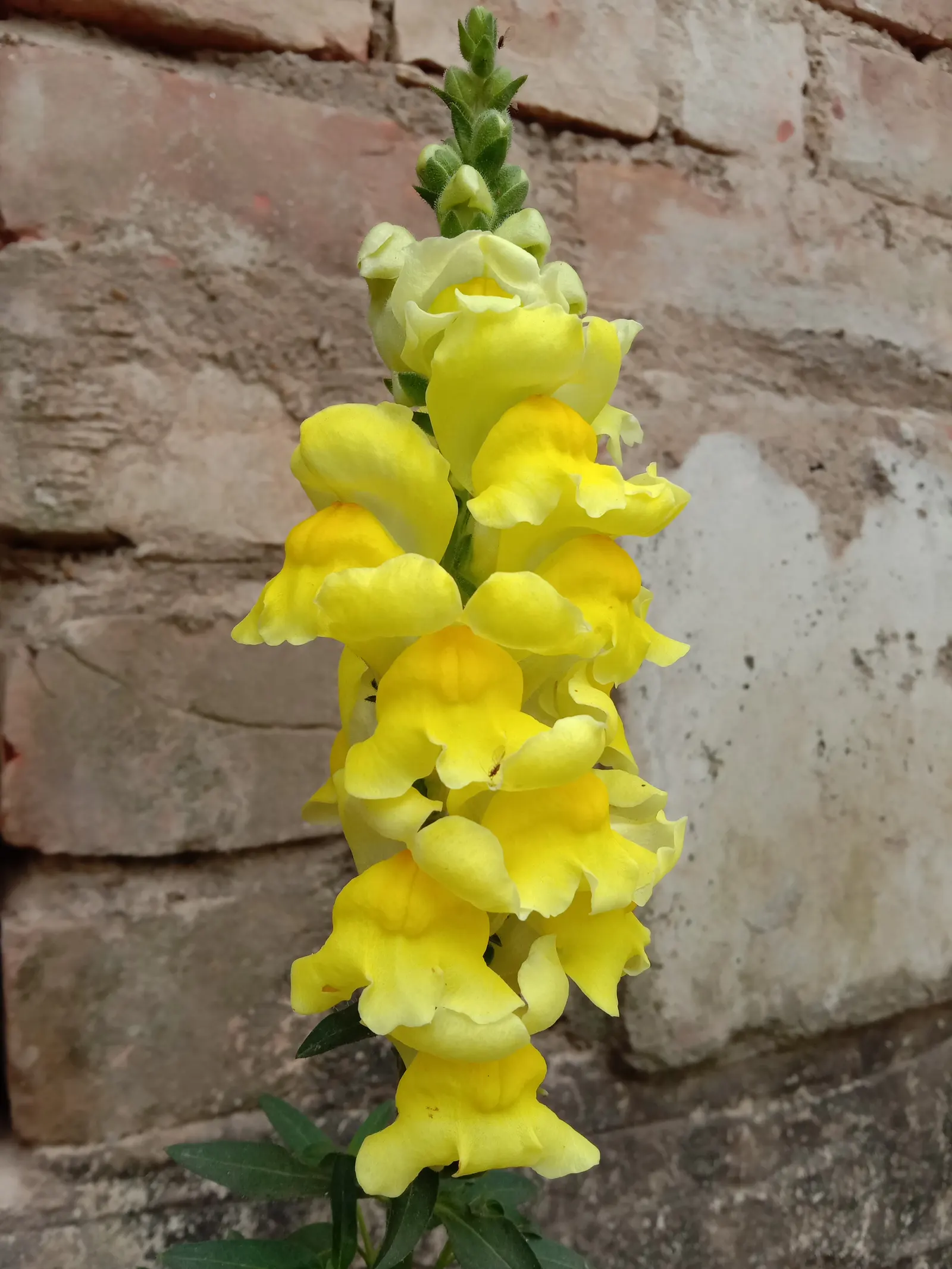
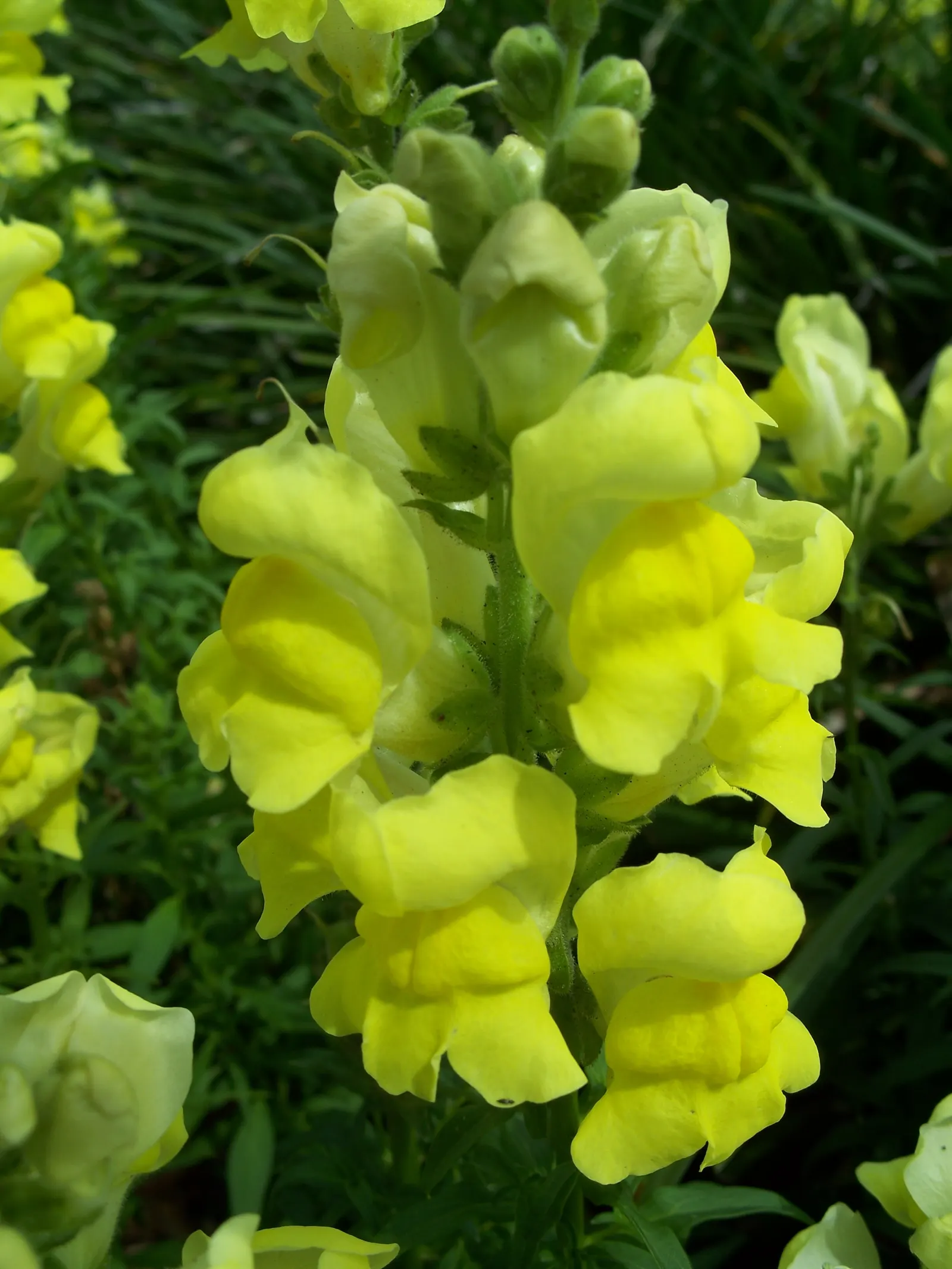
Snapdragon (Antirrhinum Majus) — pink flowers in the garden; suitable for cutting gardens, image 182
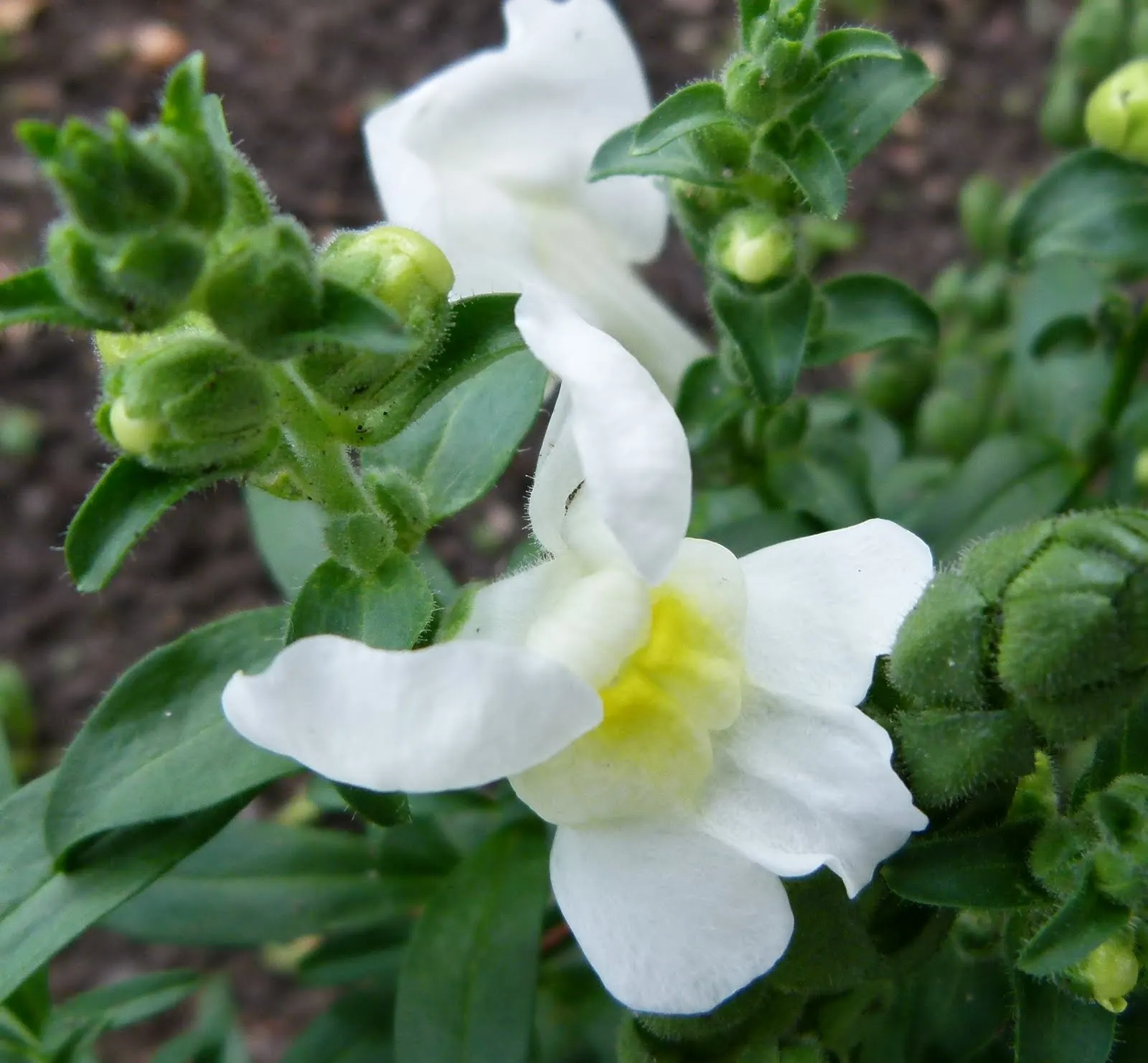
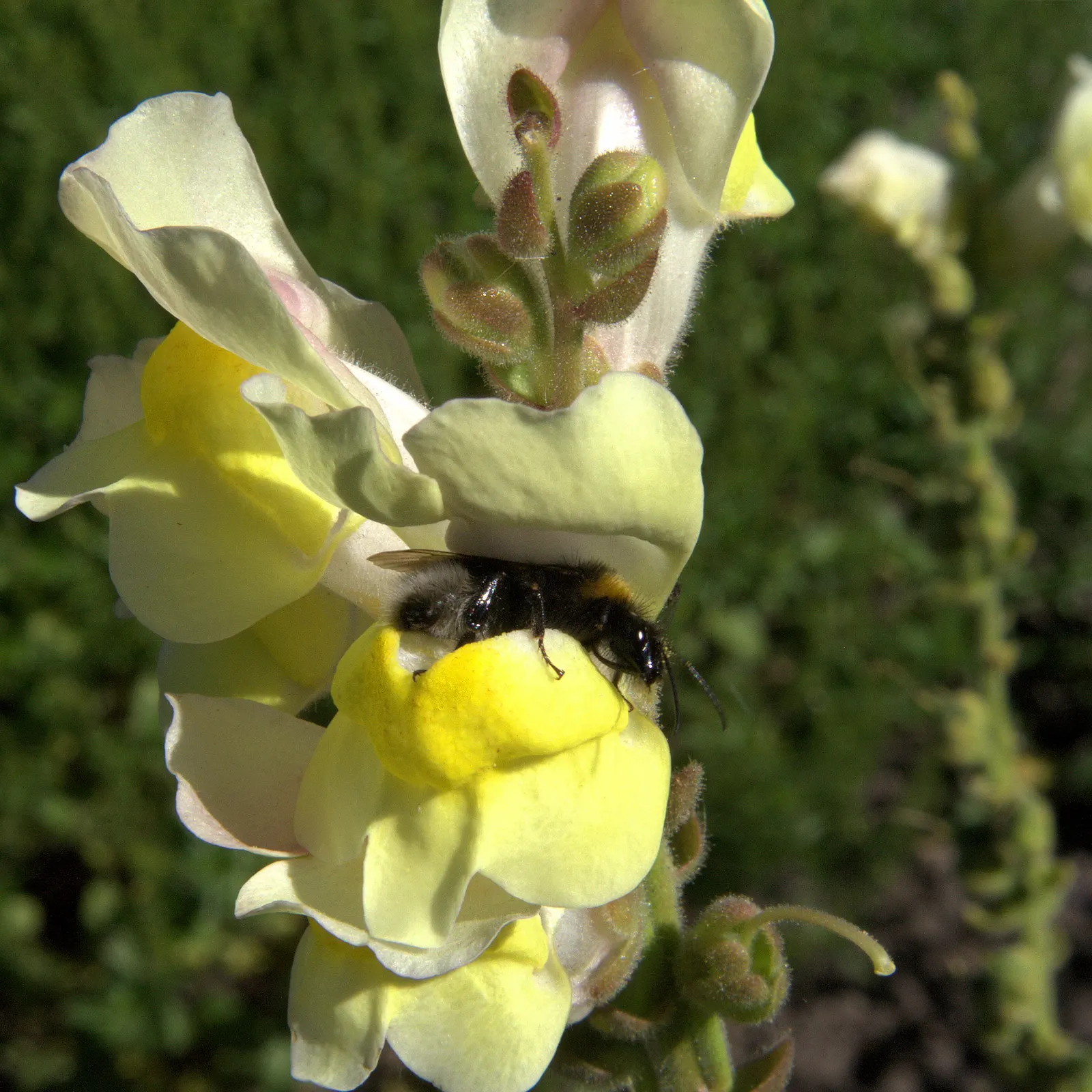
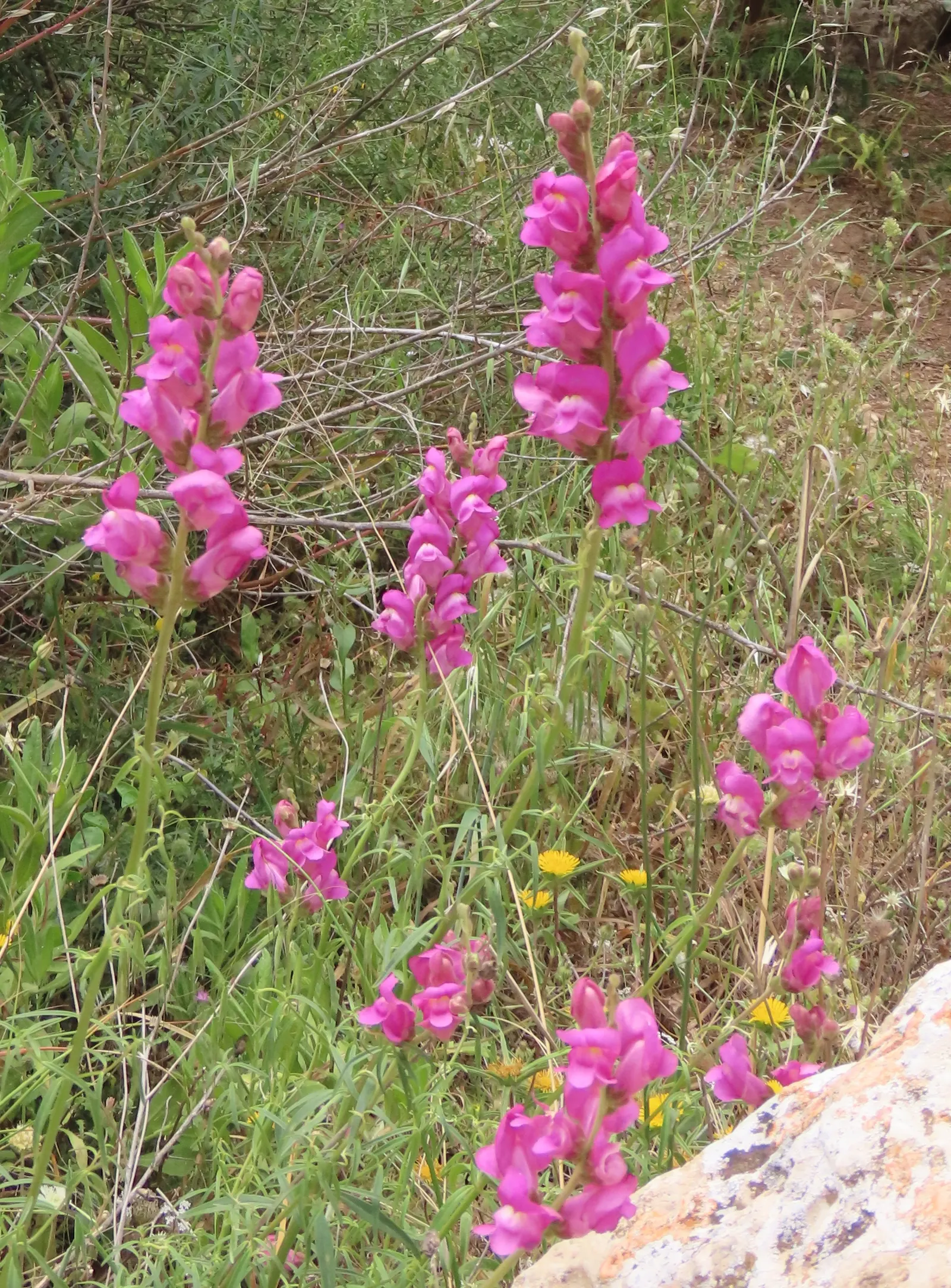
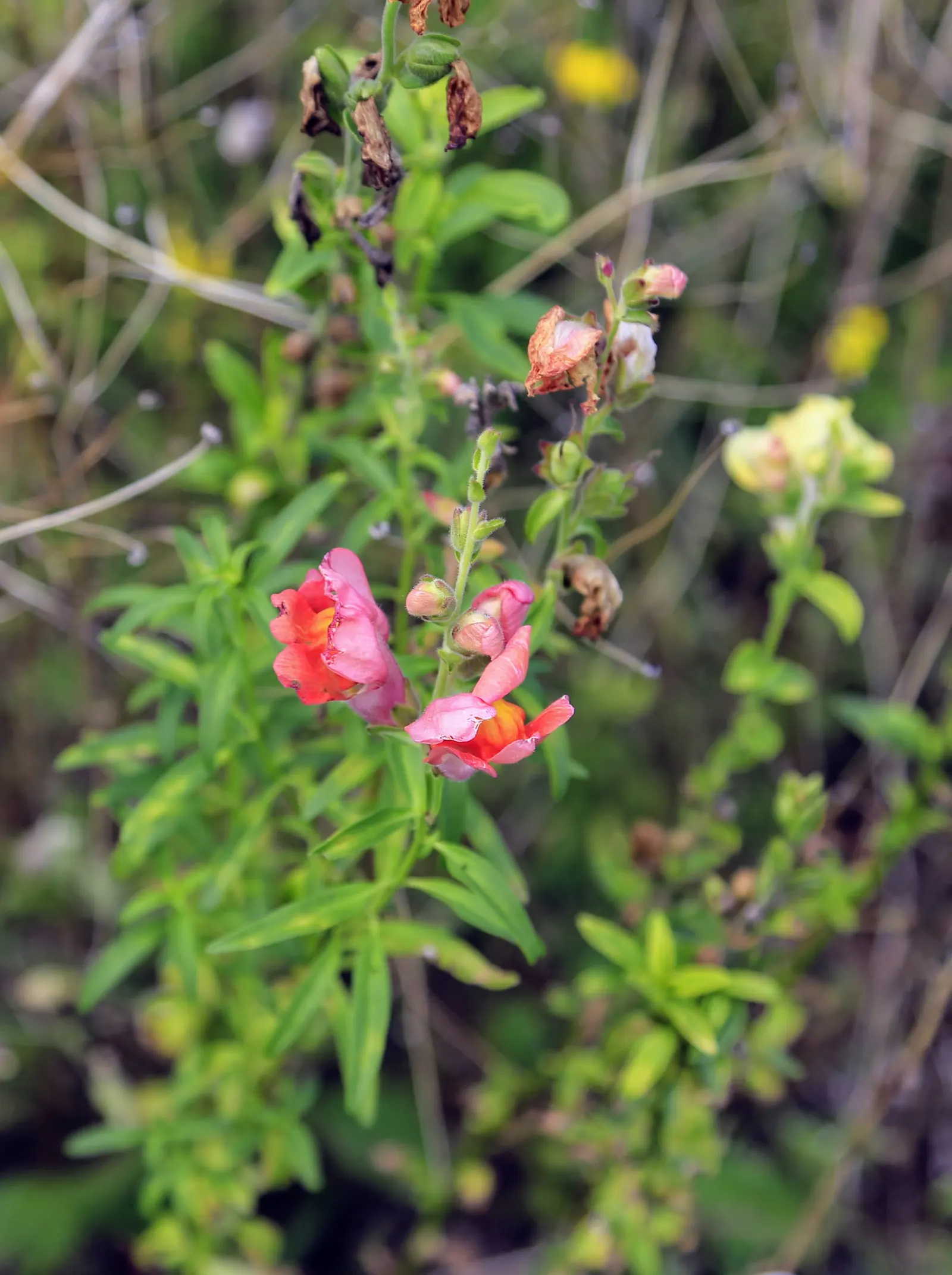
Snapdragon (Antirrhinum Majus) — Blooms from late spring to fall, adding vertical interest and vivid color to borders; it features tubular, image 165
Snapdragon (Antirrhinum Majus) — This encourages a longer blooming season; snapdragons can provide a perennial-like annual presence in many
Snapdragon (Antirrhinum Majus) — snapdragons can provide a perennial-like annual presence in many gardens.<br><br>Typically; recognized for their, image 54
Snapdragon (Antirrhinum Majus) — Antirrhinum majus, commonly called Snapdragon, is a popular perennial often grown as an annual; blooms from late, image 139
Snapdragon (Antirrhinum Majus) — snapdragons grow to a height of 1 to 3 feet; and tall varieties (30 to 48 inches), image 78
Snapdragon (Antirrhinum Majus) — Each variant presents a striking addition to any garden, with potential use in borders, beds, or containers; with, image 84
Snapdragon (Antirrhinum Majus) — snapdragons can provide a perennial-like annual presence in many gardens.<br><br>Typically
Snapdragon (Antirrhinum Majus) — snapdragons grow to a height of 1 to 3 feet; and tall varieties (30 to 48 inches), image 55
Snapdragon (Antirrhinum Majus) — They prefer cooler climates and flourish in full to partial sunlight; deadheading encourages prolonged flowering, image 172
Snapdragon (Antirrhinum Majus) — Recognized for their capability to reseed
Snapdragon (Antirrhinum Majus) — Each variant presents a striking addition to any garden, with potential use in borders, beds, or containers; with, image 130
Snapdragon (Antirrhinum Majus) — Each variant presents a striking addition to any garden, with potential use in borders, beds, or containers; with, image 61
Snapdragon (Antirrhinum Majus) — Antirrhinum majus, commonly called Snapdragon, is a popular perennial often grown as an annual; blooms from late spring to
Snapdragon (Antirrhinum Majus) — extending from spring through the first frost; each variant presents a striking addition to any garden, with, image 65
Snapdragon (Antirrhinum Majus) — This encourages a longer blooming season; snapdragons can provide a perennial-like annual presence in many, image 179
Snapdragon (Antirrhinum Majus) — Recognized for their capability to reseed; annual for full or half, image 53
Snapdragon (Antirrhinum Majus) — Suitable for cutting gardens; when incorporating snapdragons into your landscape design, image 167
Snapdragon (Antirrhinum Majus) — For maximal flowering, fertilize with a balanced flower fertilizer and deadhead spent blooms promptly; antirrhinum, image 132
Snapdragon (Antirrhinum Majus) — Snapdragon prefers full sun to partial shade and well-drained soil; this encourages a longer blooming season
Snapdragon (Antirrhinum Majus) — Recognized for their capability to reseed; annual for full or half, image 168
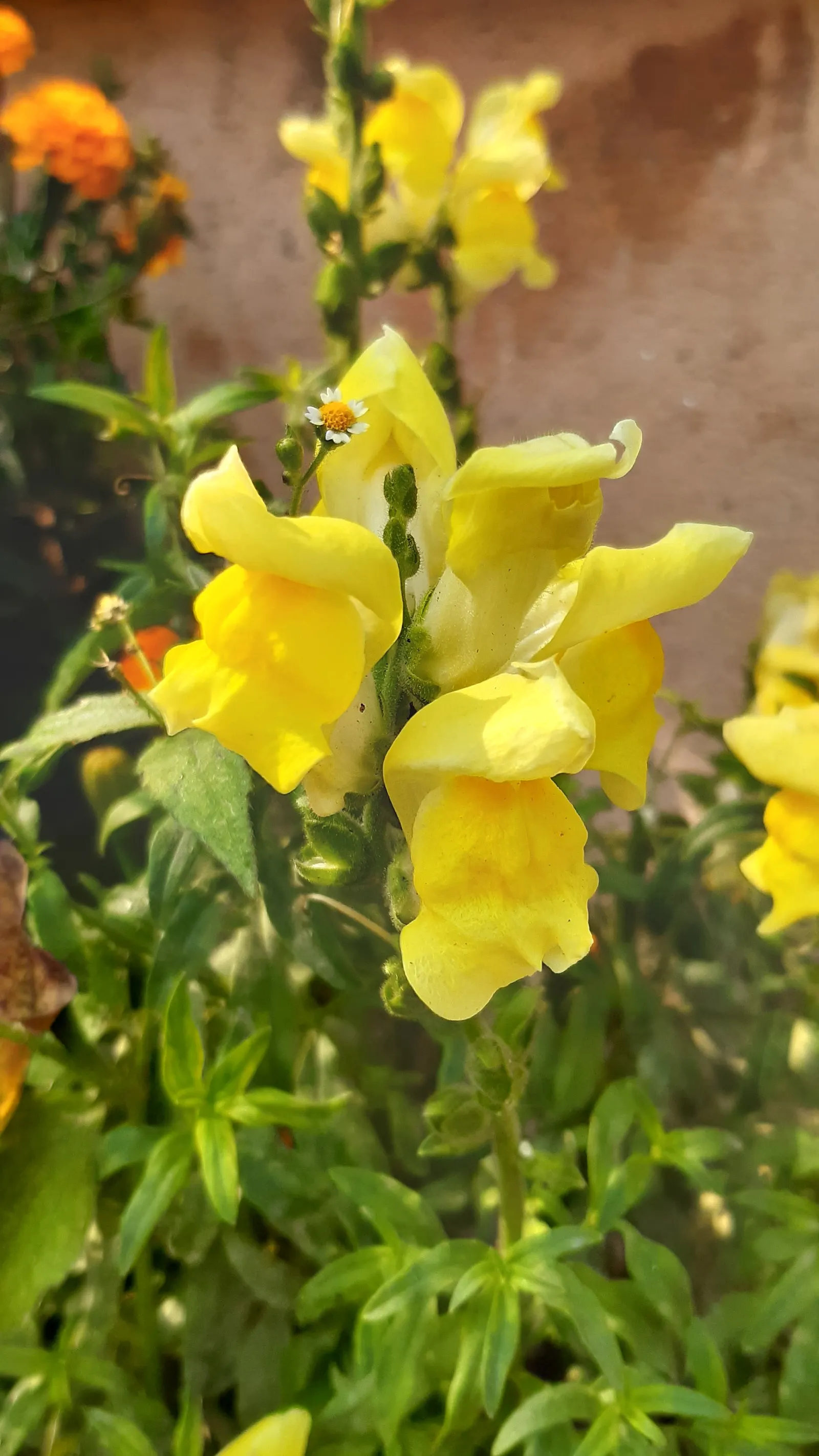
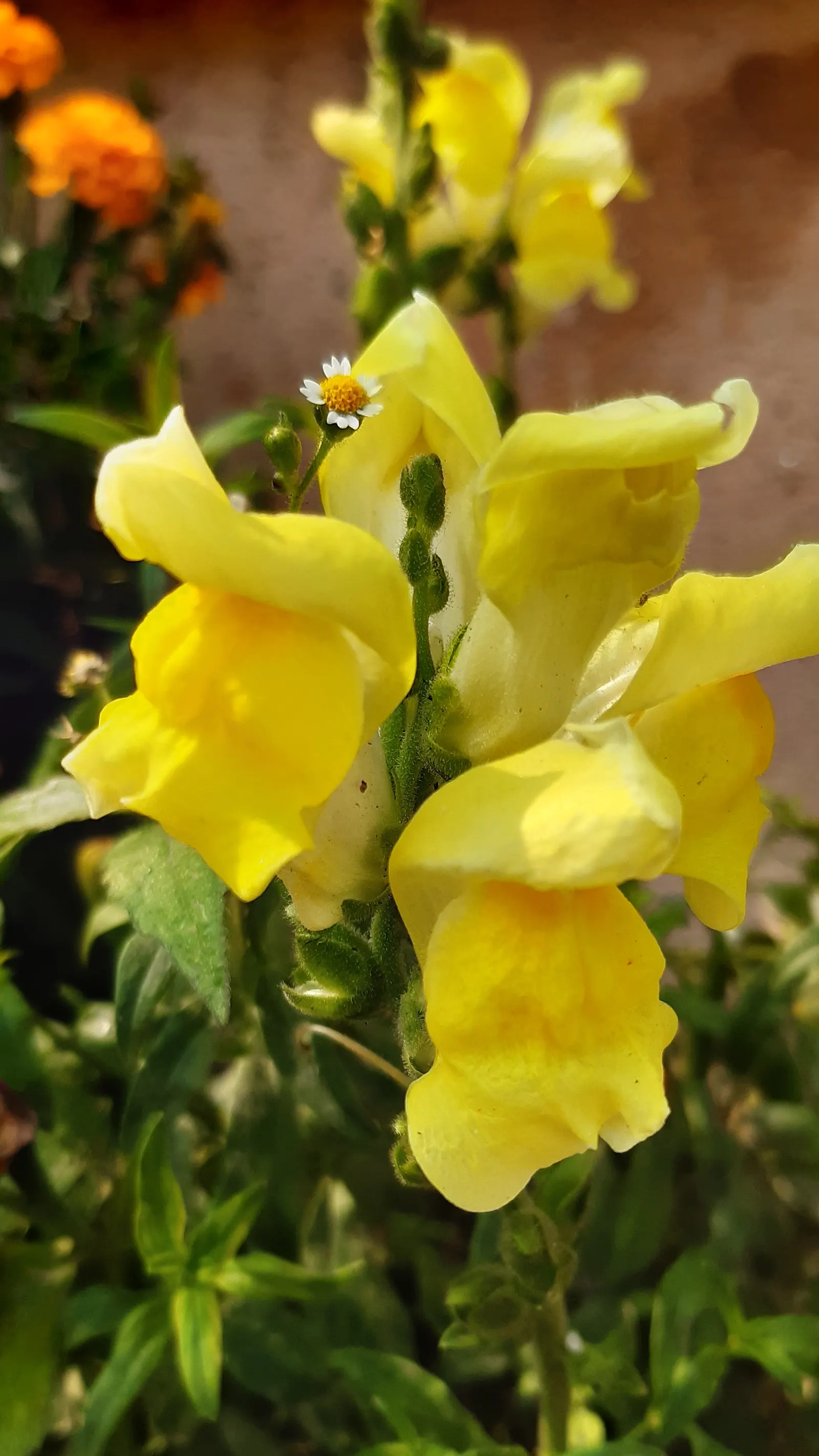
Snapdragon (Antirrhinum Majus) — It features tubular, two-lipped flowers in a variety of hues and can reach 1-3 feet in height
Photographs by 11 contributors

Related plants