Skip to content

Pink Anthurium

Anthurium Andraeanum

Design with this plant

Overview

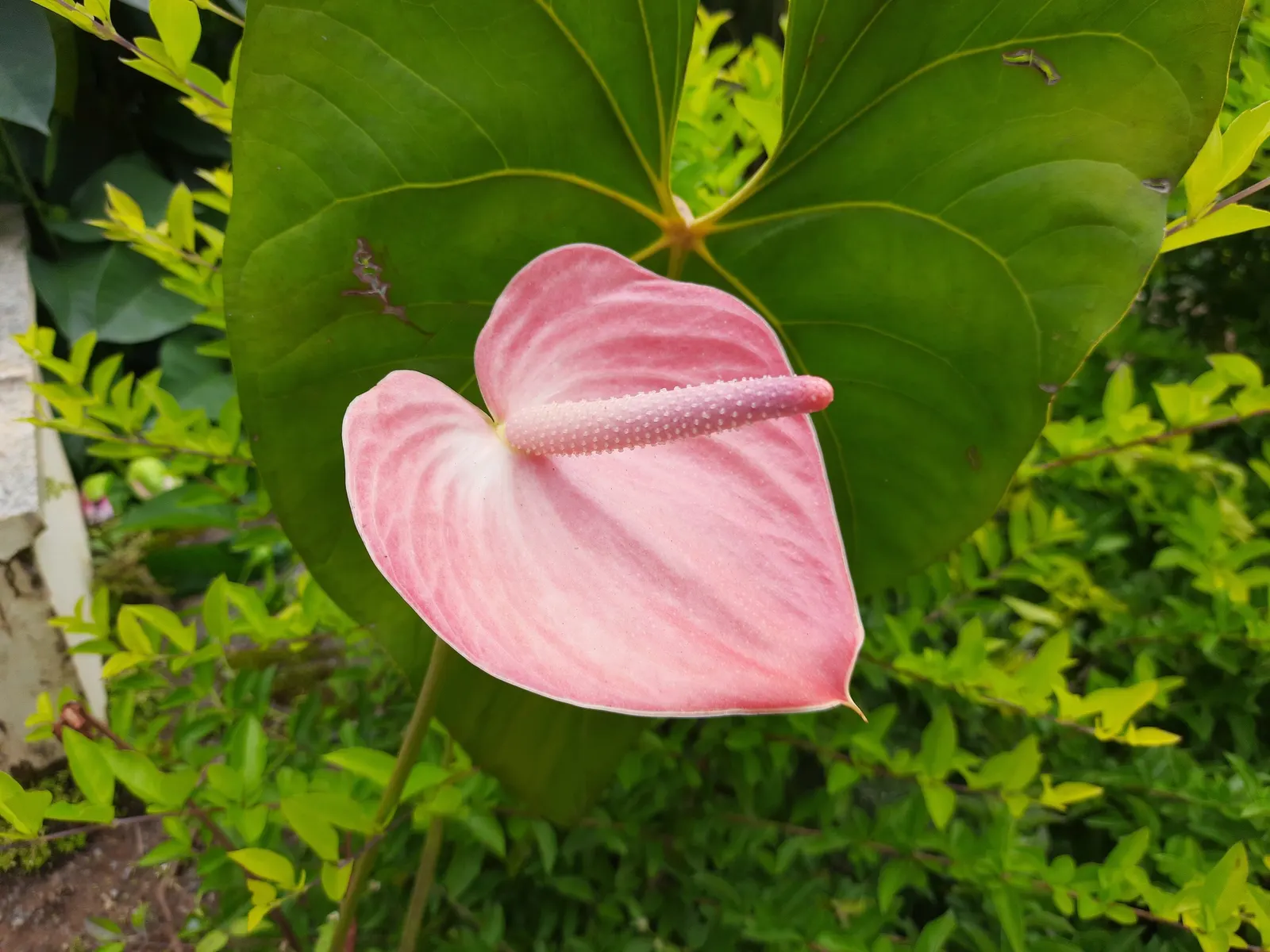
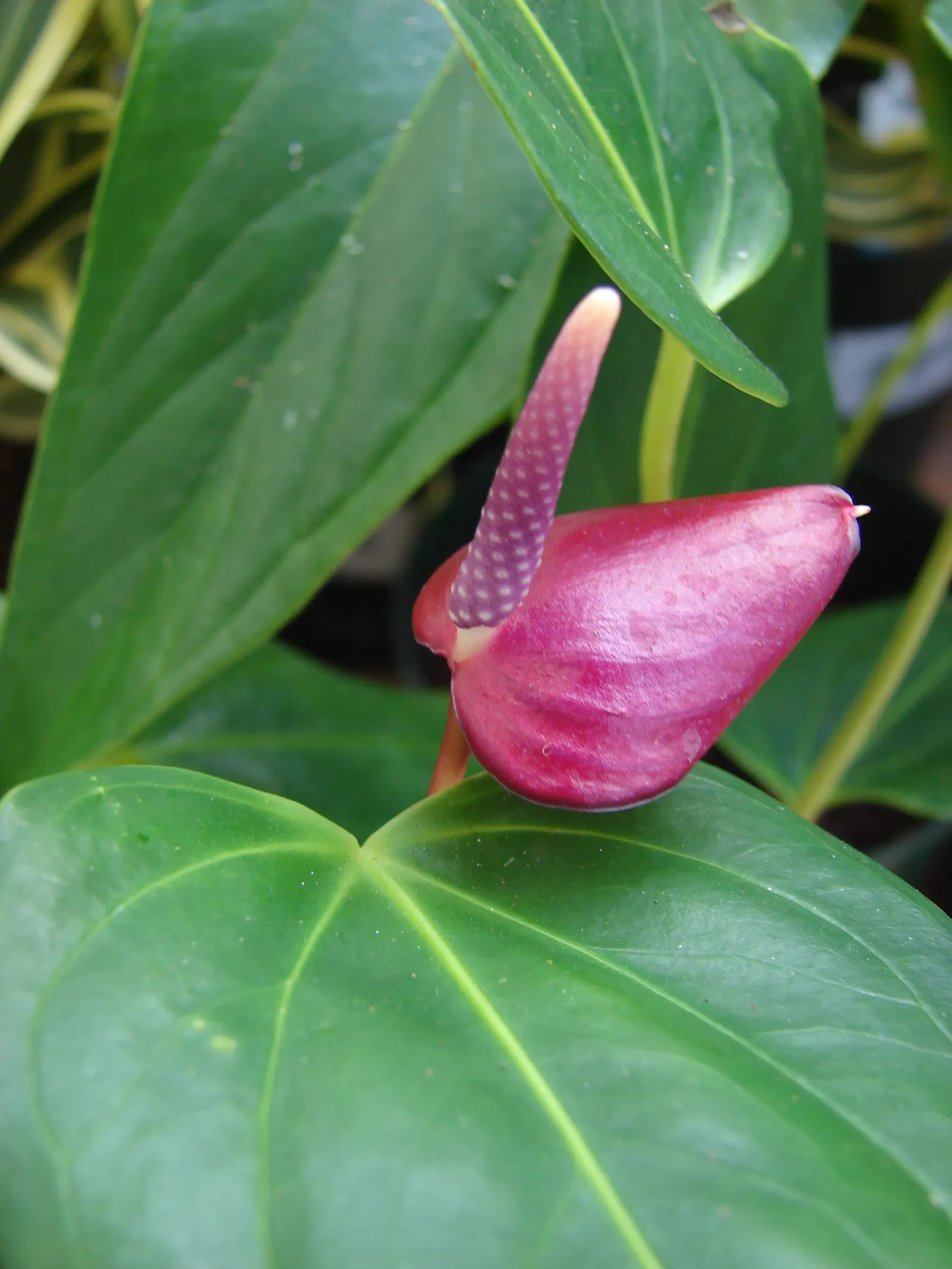
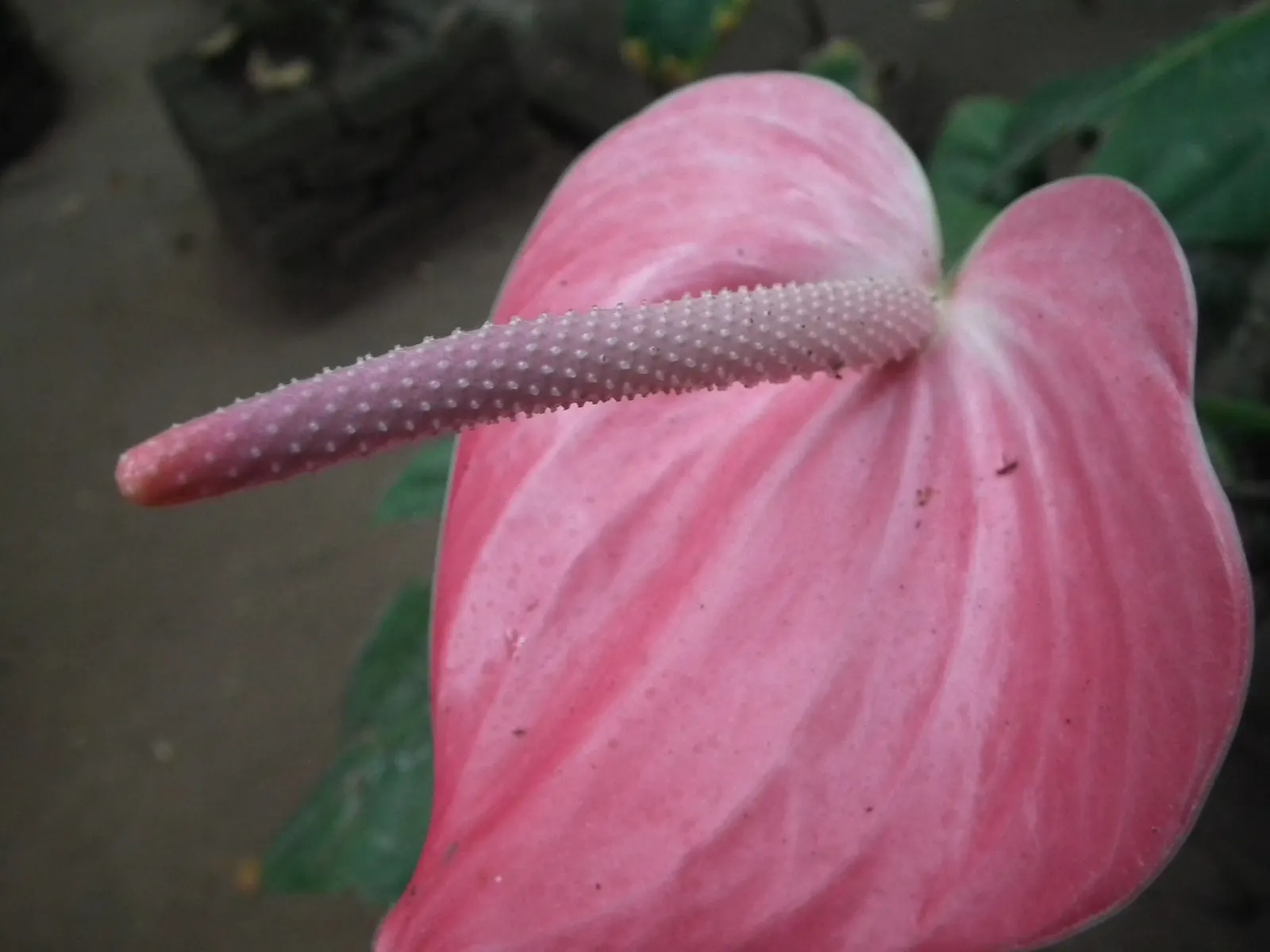
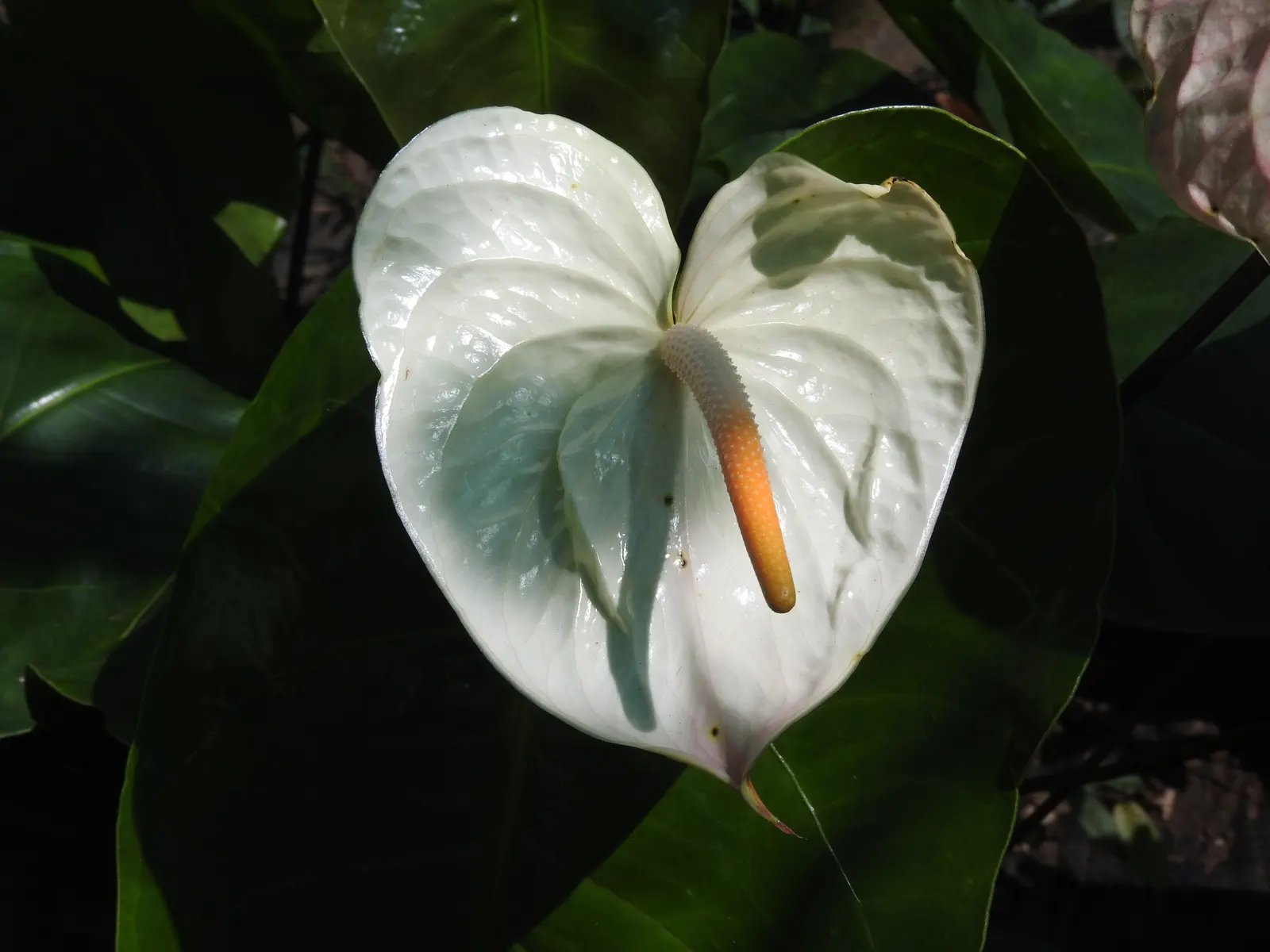
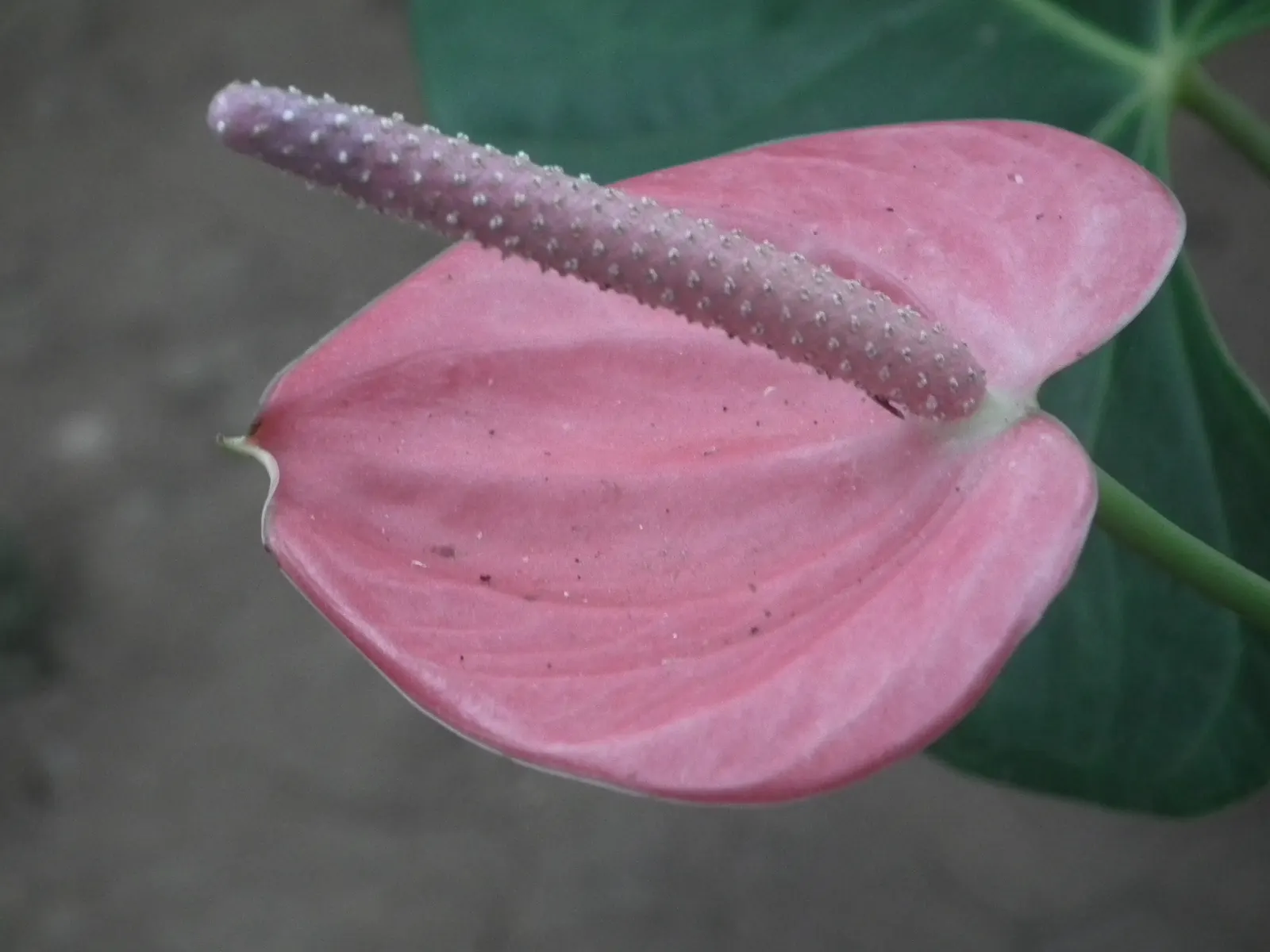
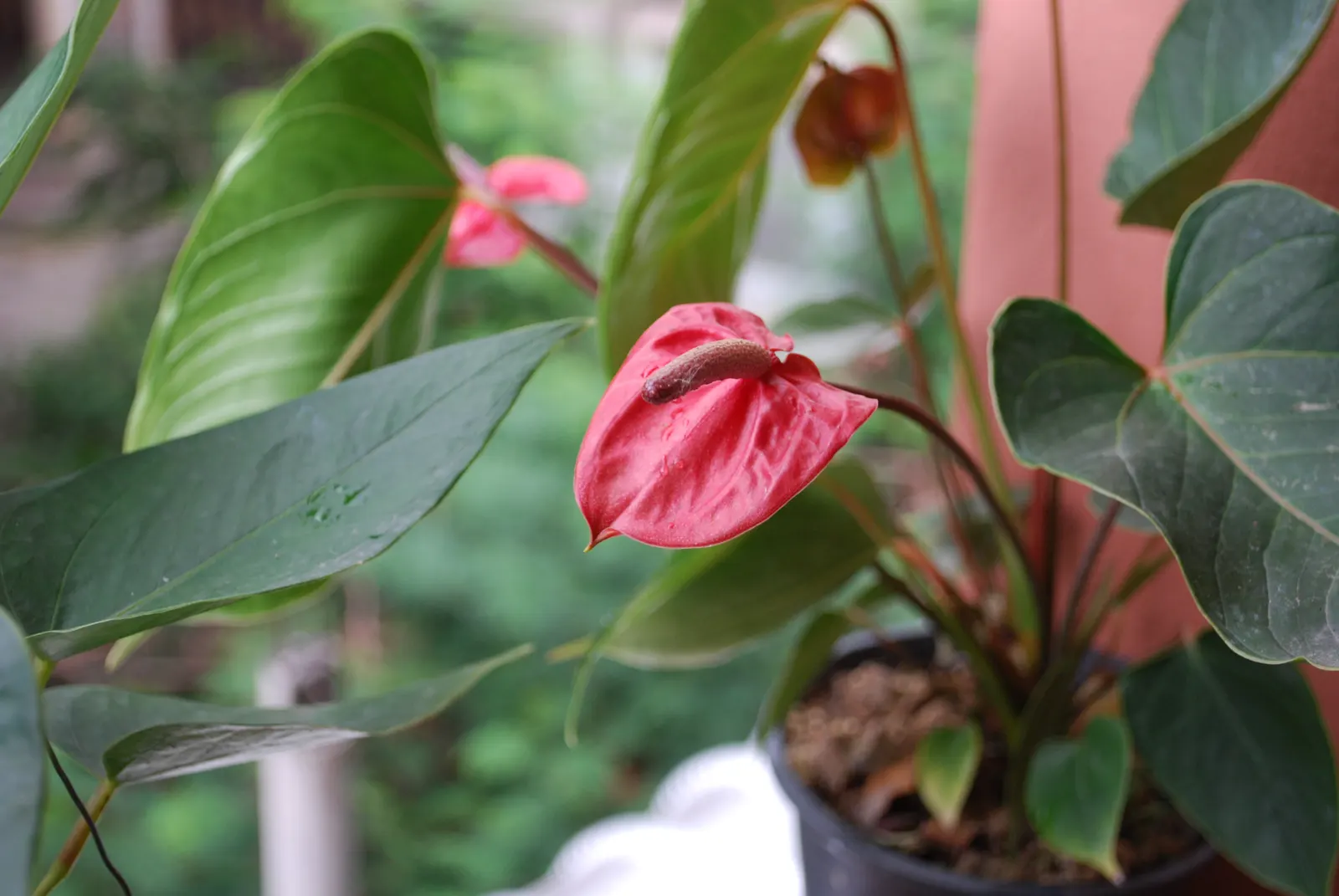
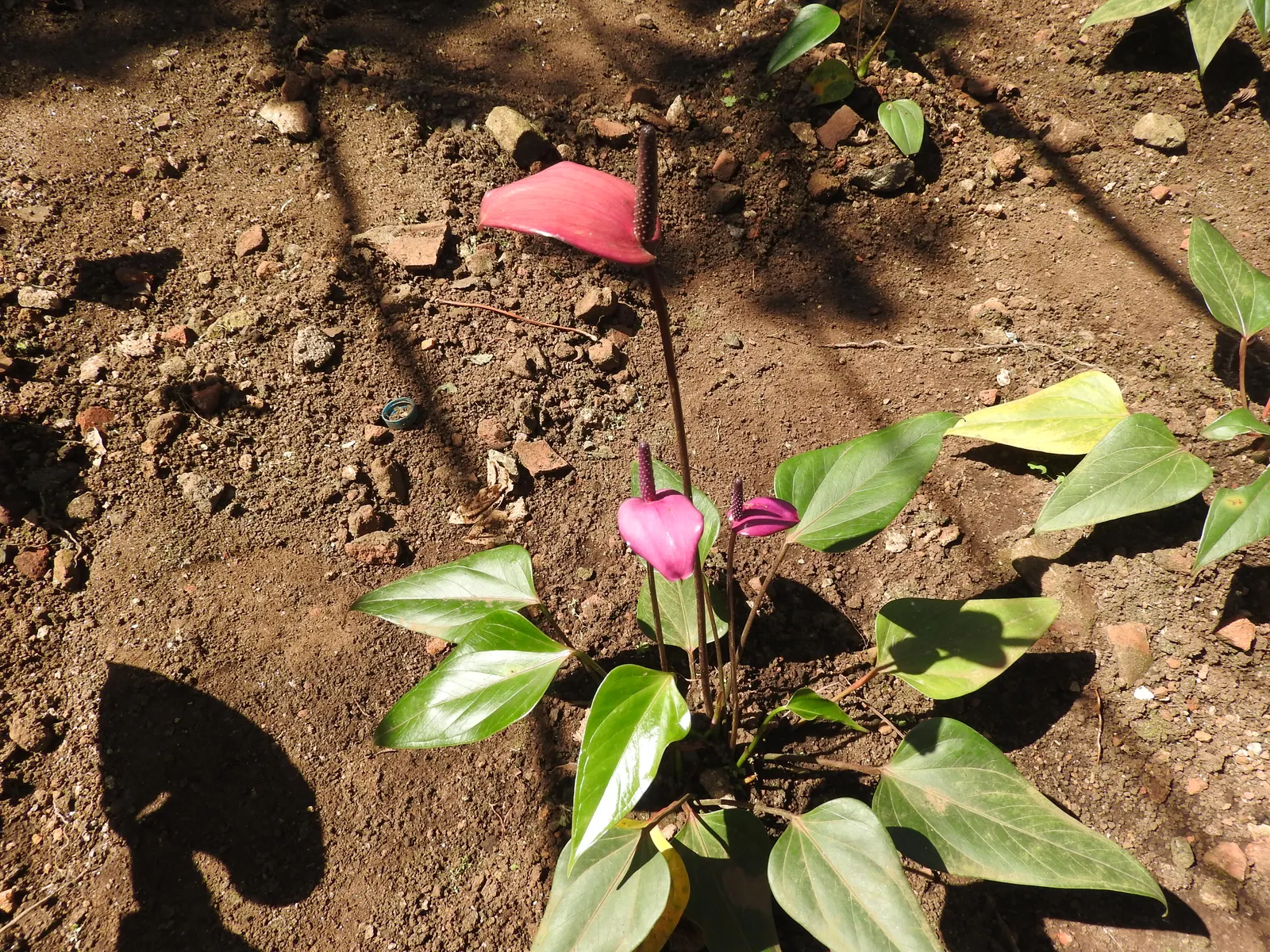
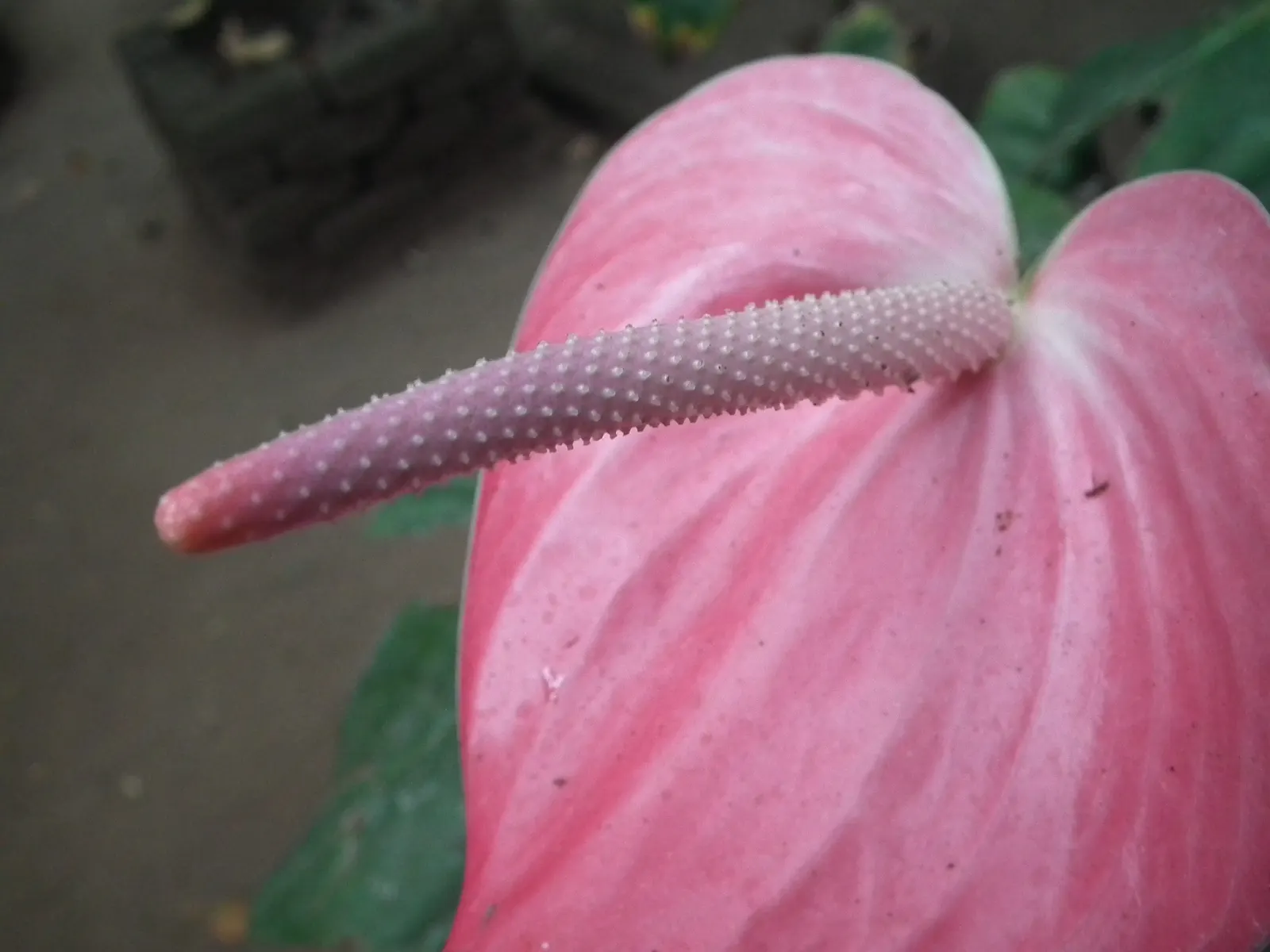
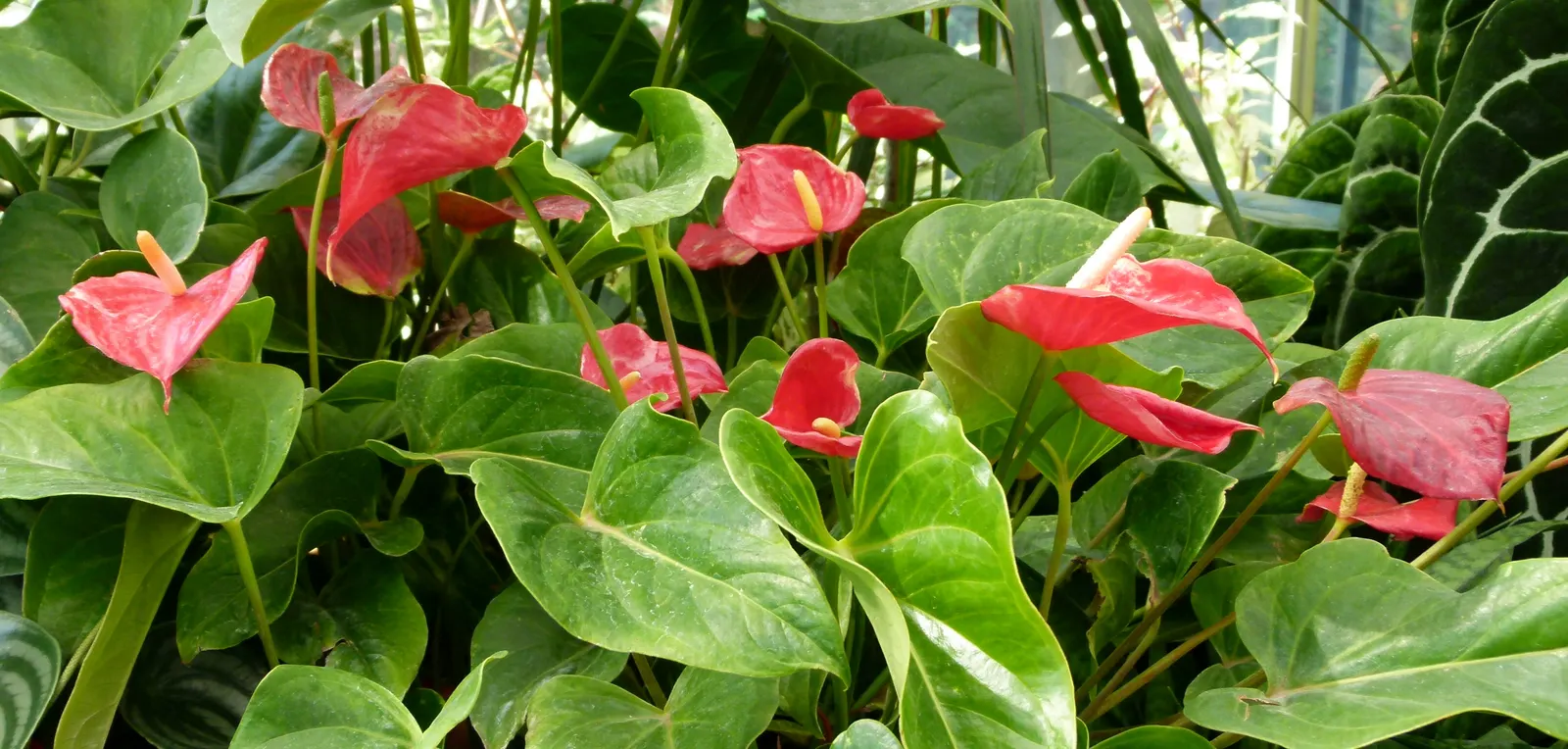
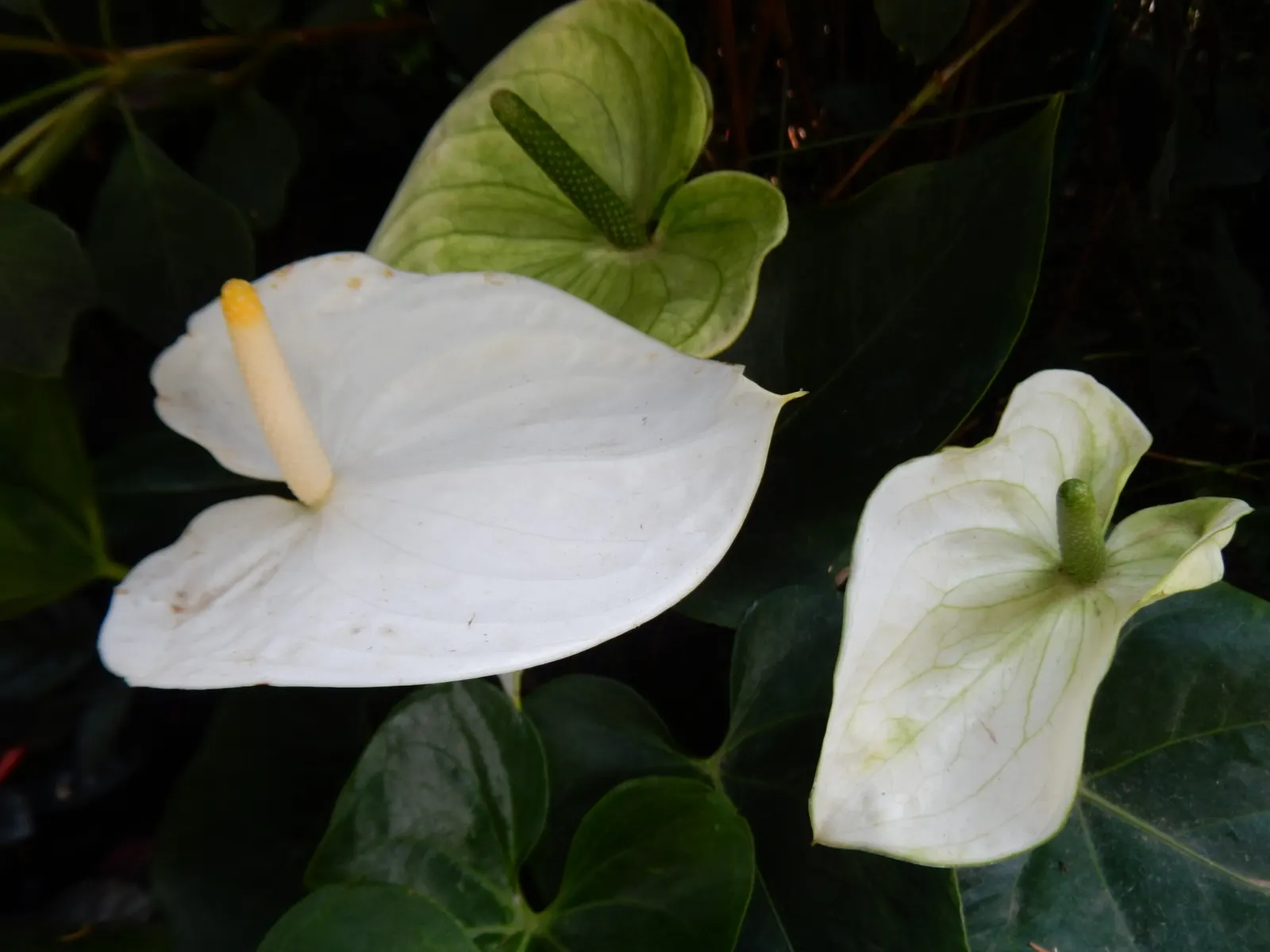
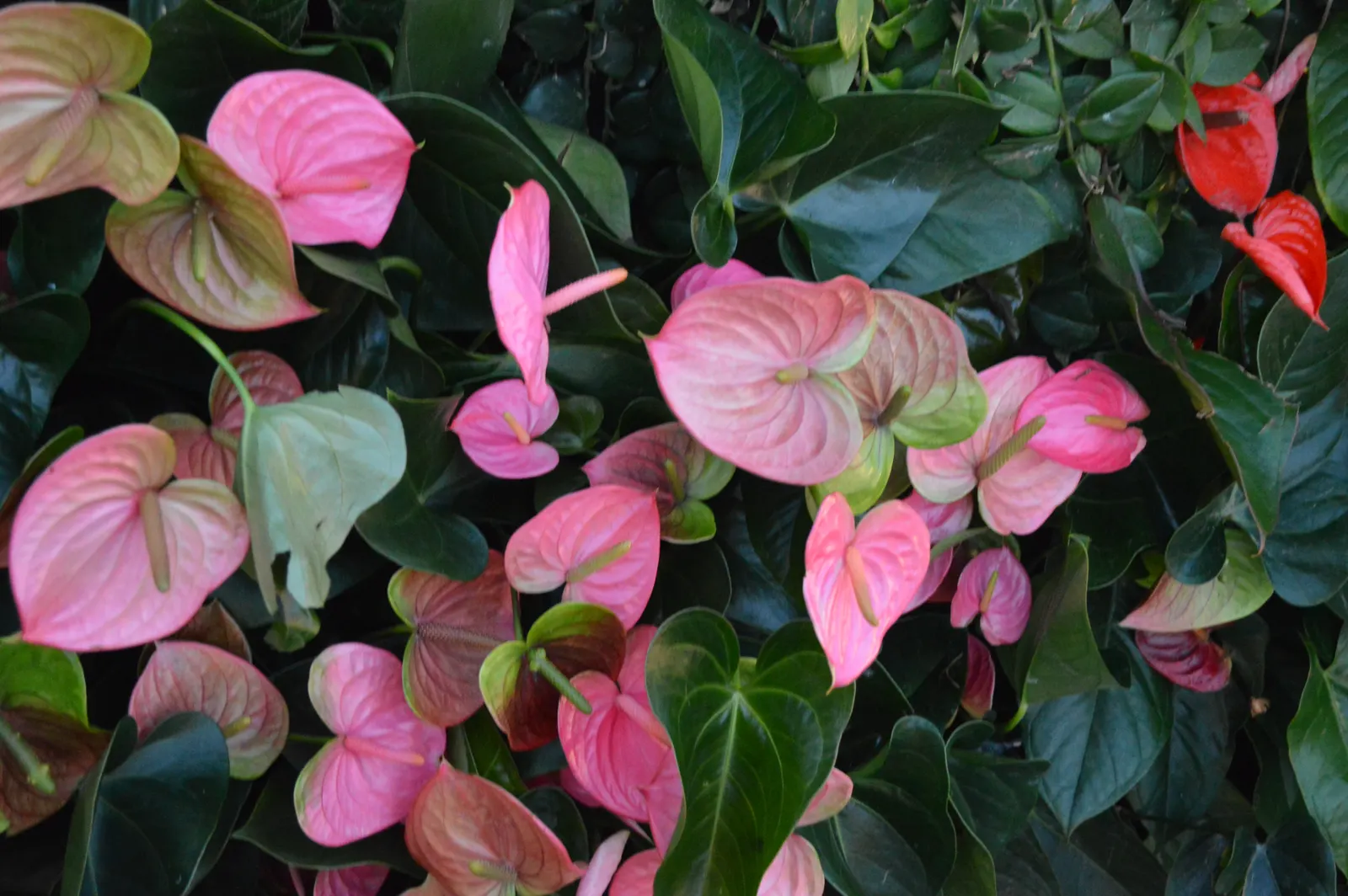
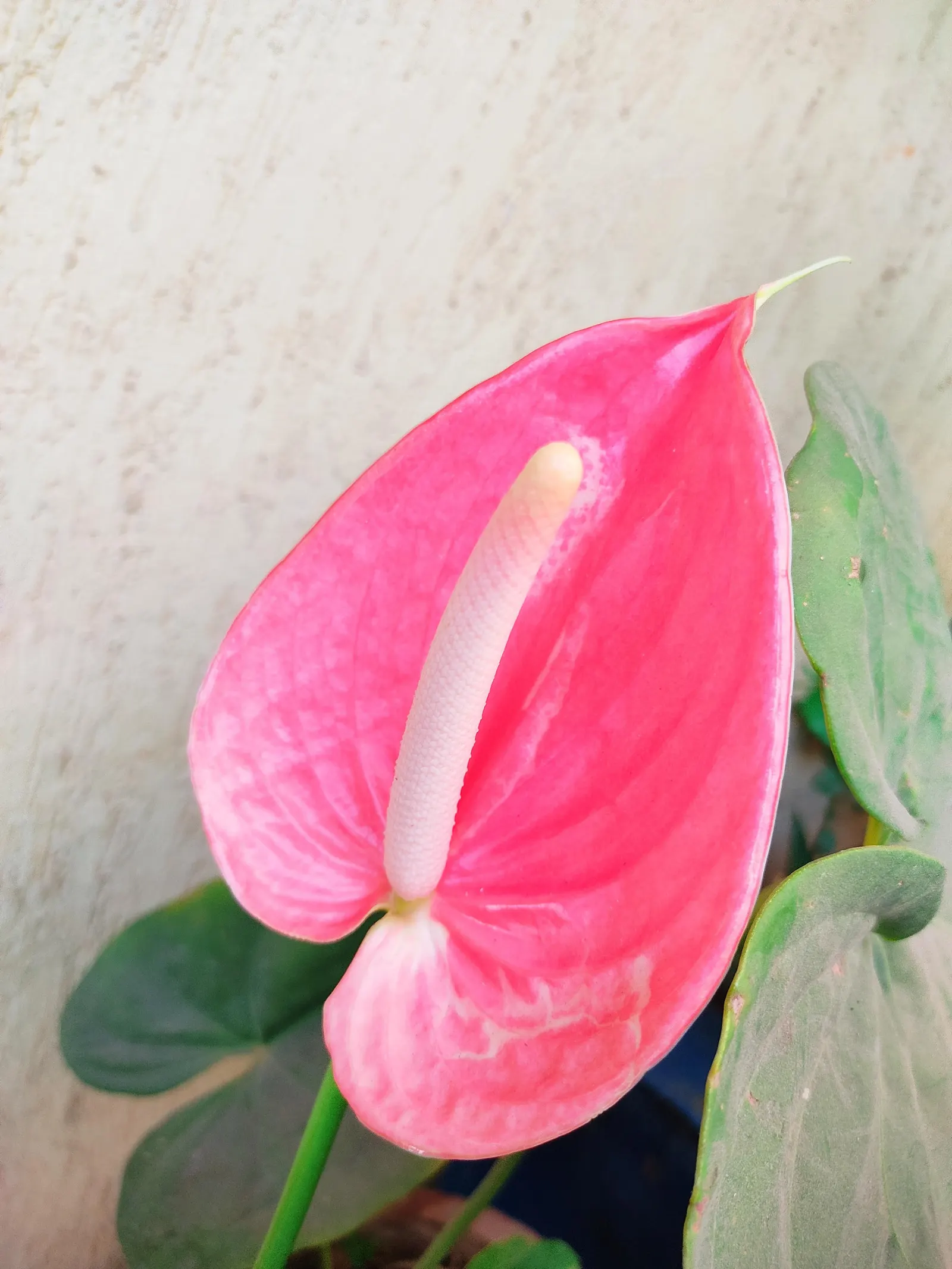
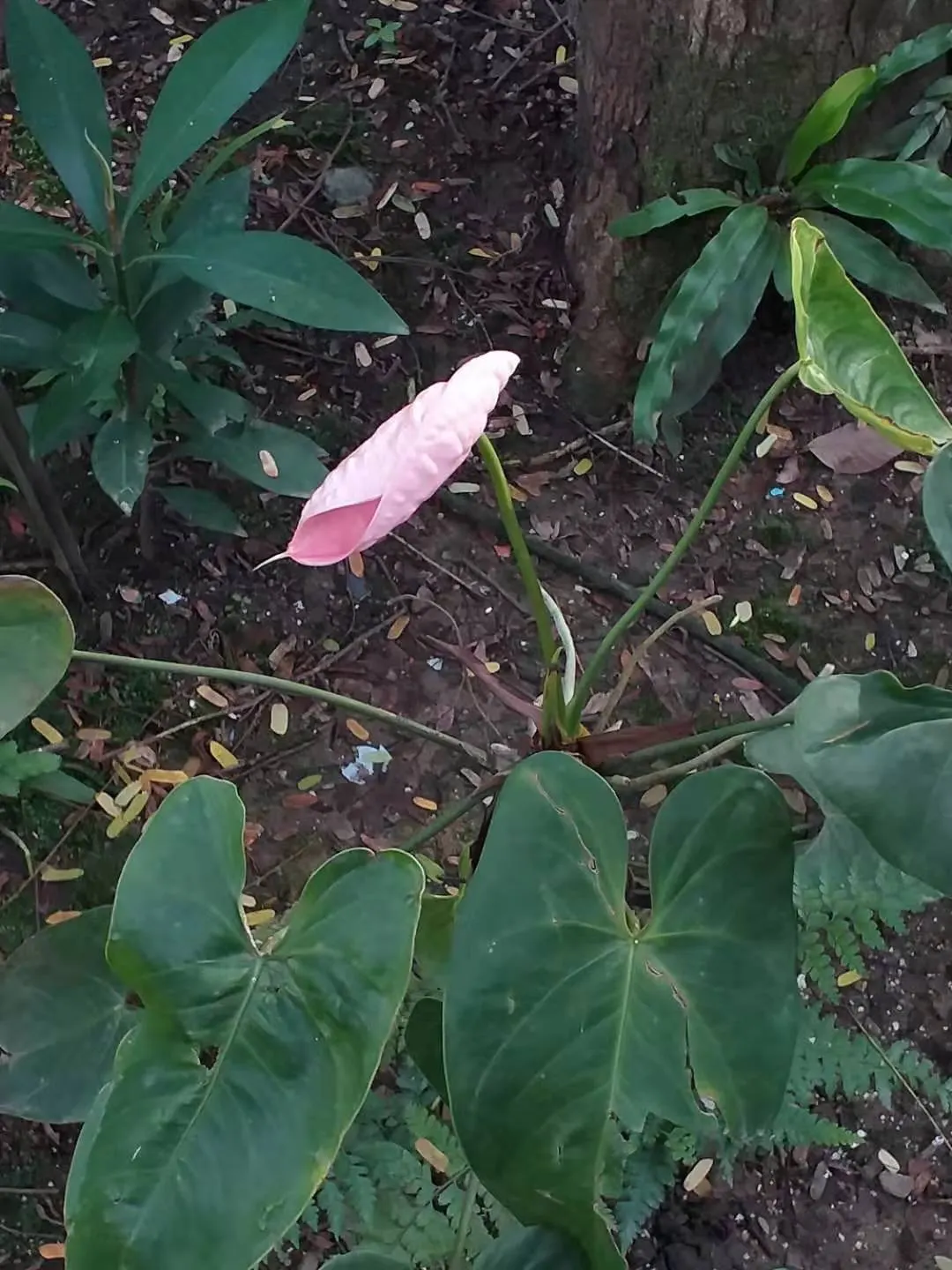
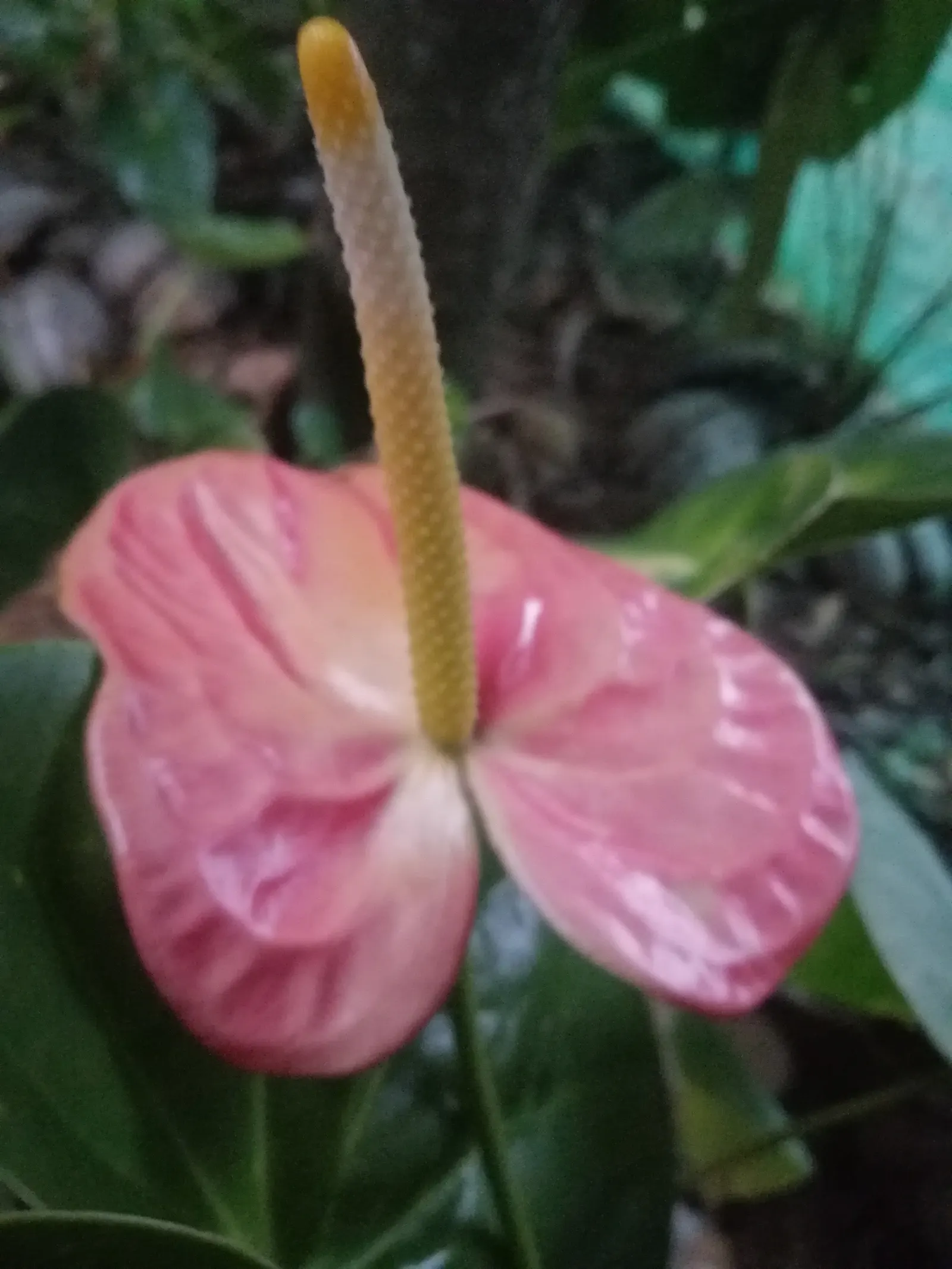
Pink Anthurium (Anthurium andraeanum) is a tropical evergreen boasting glossy, heart-shaped leaves and striking, waxy spathes in vibrant pink. Ideal for accent pieces in landscape designs, it thrives in partial shade and well-drained, organic-rich soil. Mature plants reach heights of 1-1.5 feet with a similar spread. Requires consistent moisture, high humidity, and temperatures between 65-80°F. Keep away from direct sunlight to maintain its vivid hue and velvety texture.

Sun ShadeWater HighZones 11–11
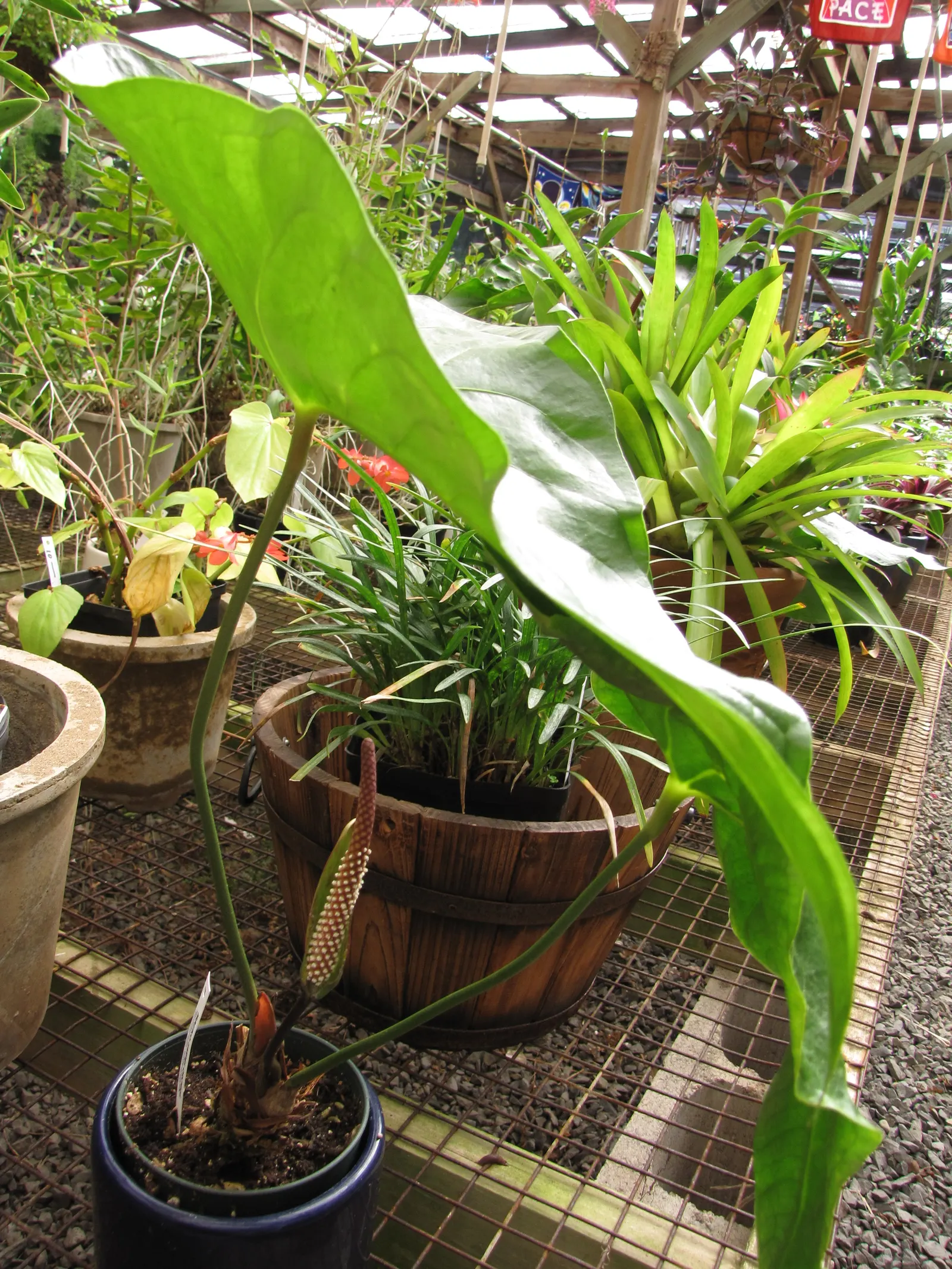
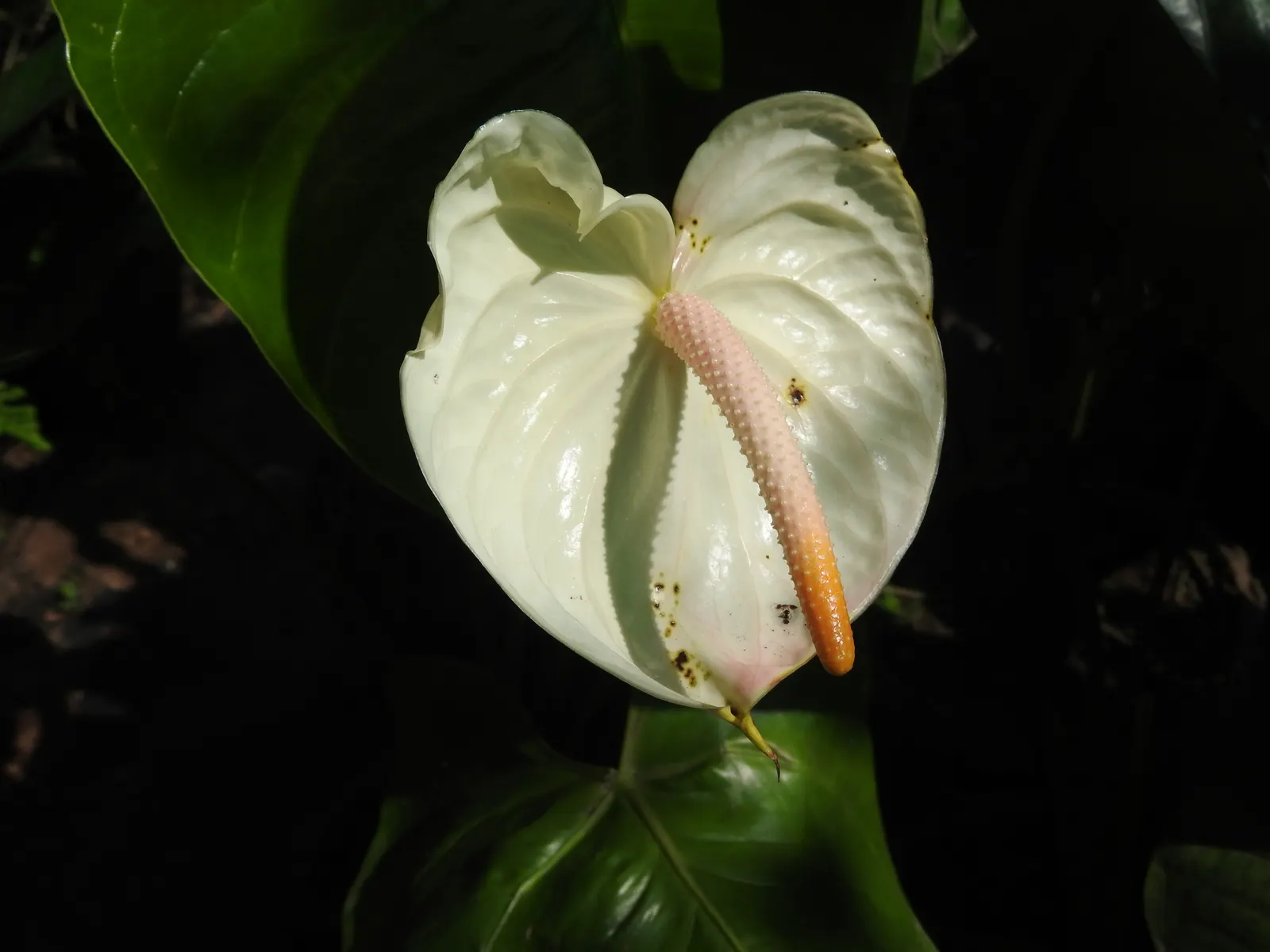
Pink Anthurium (Anthurium Andraeanum) — heart-shaped leaves and striking

Culture

Sun
Shade
Water
High
USDA zones
11–11

Shape & size

Classification

Family
Araceae

See full data, regional cultivation notes, full-resolution photos, and design tools. Build a client presentation around this plant.

Start your 14-day trial

Photos (92)

Pink Anthurium (Anthurium Andraeanum) — shrub for shade
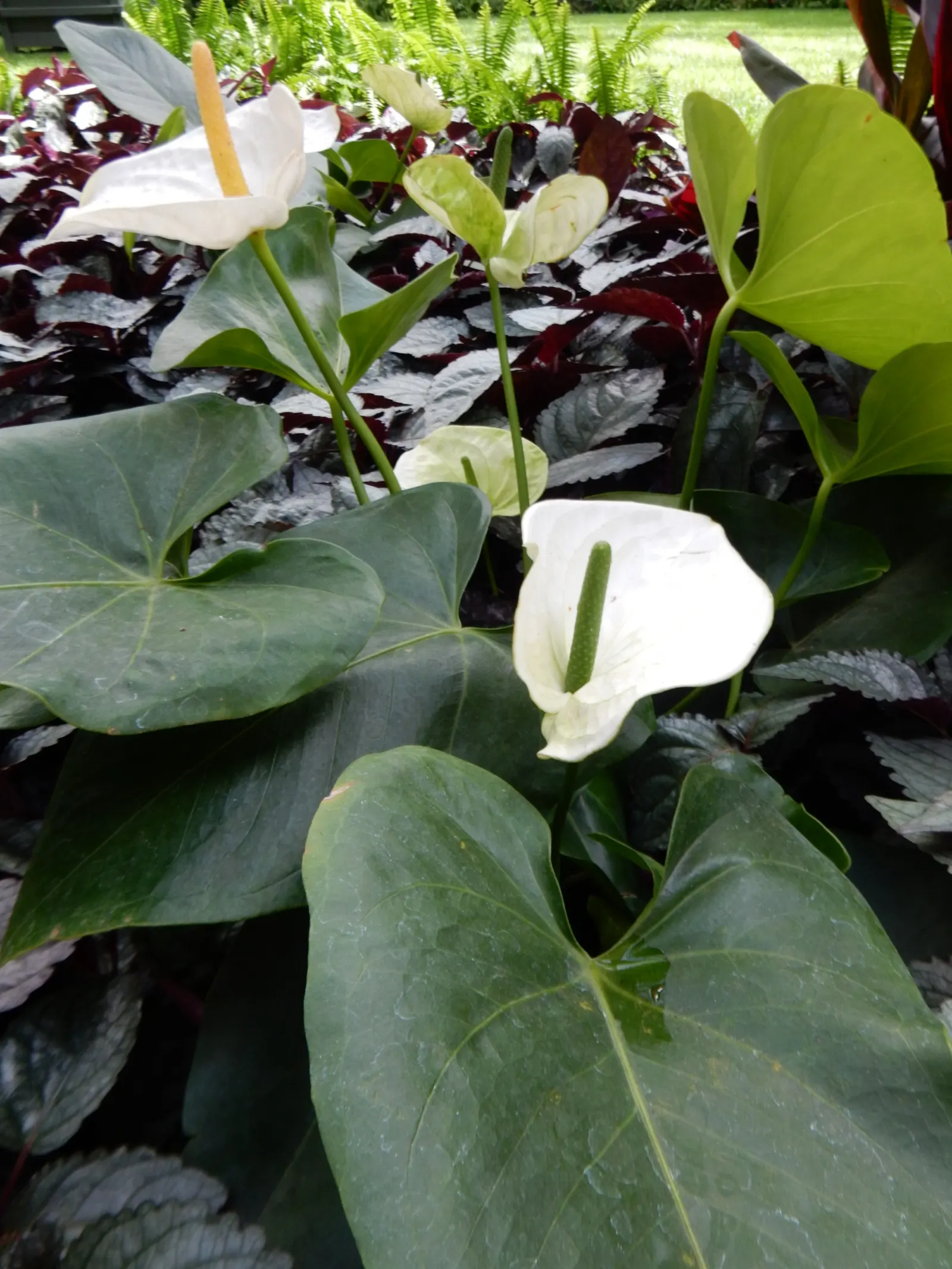
Pink Anthurium (Anthurium Andraeanum) — heart-shaped leaves and striking; heart-shaped spathes which many mistake for flowers
Pink Anthurium (Anthurium Andraeanum) — red and yellow flowers in the garden
Pink Anthurium (Anthurium Andraeanum) — Remember to educate clients on the importance of avoiding over-watering to prevent root rot
Pink Anthurium (Anthurium Andraeanum) — which is a common affliction in poorly drained conditions
Pink Anthurium (Anthurium Andraeanum) — scientifically recognized as Anthurium andraeanum; shrub with red and yellow blooms
Pink Anthurium (Anthurium Andraeanum) — is a perennial favorite in many ornamental gardens; requires consistent moisture, high humidity, and temperatures
Pink Anthurium (Anthurium Andraeanum) — Requires consistent moisture, high humidity, and temperatures between 65-80°F; these modified leaves typically
Pink Anthurium (Anthurium Andraeanum) — waxy spathes in vibrant pink; it contributes to air purification
Pink Anthurium (Anthurium Andraeanum) — Ideal for accent pieces in landscape designs, it thrives in partial shade and well-drained, organic-rich soil; red and
Pink Anthurium (Anthurium Andraeanum) — Mature plants reach heights of 1-1.5 feet with a similar spread, image 32
Pink Anthurium (Anthurium Andraeanum) — Keep away from direct sunlight to maintain its vivid hue and velvety texture; thus enhancing the indoor
Pink Anthurium (Anthurium Andraeanum) — These modified leaves typically flaunt a rich; shrub for shade
Pink Anthurium (Anthurium Andraeanum) — surrounding the true flowers which are small and occur on the central spadix.<br><br>In designing a landscape; keep
Pink Anthurium (Anthurium Andraeanum) — it is imperative to understand that the Pink Anthurium thrives in USDA Hardiness Zones 11 to 12, image 41
Pink Anthurium (Anthurium Andraeanum) — It requires conditions that emulate its indigenous tropical environment; regular feeding with a balanced
Pink Anthurium (Anthurium Andraeanum) — Originally hailing from the rainforests of Central and South America; surrounding the true flowers which are small and
Pink Anthurium (Anthurium Andraeanum) — heart-shaped spathes which many mistake for flowers; maintain high humidity levels and temperatures between 65&deg;F
Pink Anthurium (Anthurium Andraeanum) — it contributes to air purification; it requires conditions that emulate its indigenous tropical environment
Pink Anthurium (Anthurium Andraeanum) — peat-based potting soil that is kept consistently moist will cater to its needs; pink Anthurium (Anthurium andraeanum)
Pink Anthurium (Anthurium Andraeanum) — as will ensuring partial shade; scientifically recognized as Anthurium andraeanum
Pink Anthurium (Anthurium Andraeanum) — thus enhancing the indoor environment.<br><br>For optimum flourishing; water-soluble fertilizer during the growing
Pink Anthurium (Anthurium Andraeanum) — maintain high humidity levels and temperatures between 65&deg;F and 80&deg;F (18&deg;C to 27&deg;C); heart-shaped
Pink Anthurium (Anthurium Andraeanum) — Regular feeding with a balanced; is a perennial favorite in many ornamental gardens

Related plants