Skip to content

Golden Marguerite

Anthemis Tinctoria

Design with this plant

Overview

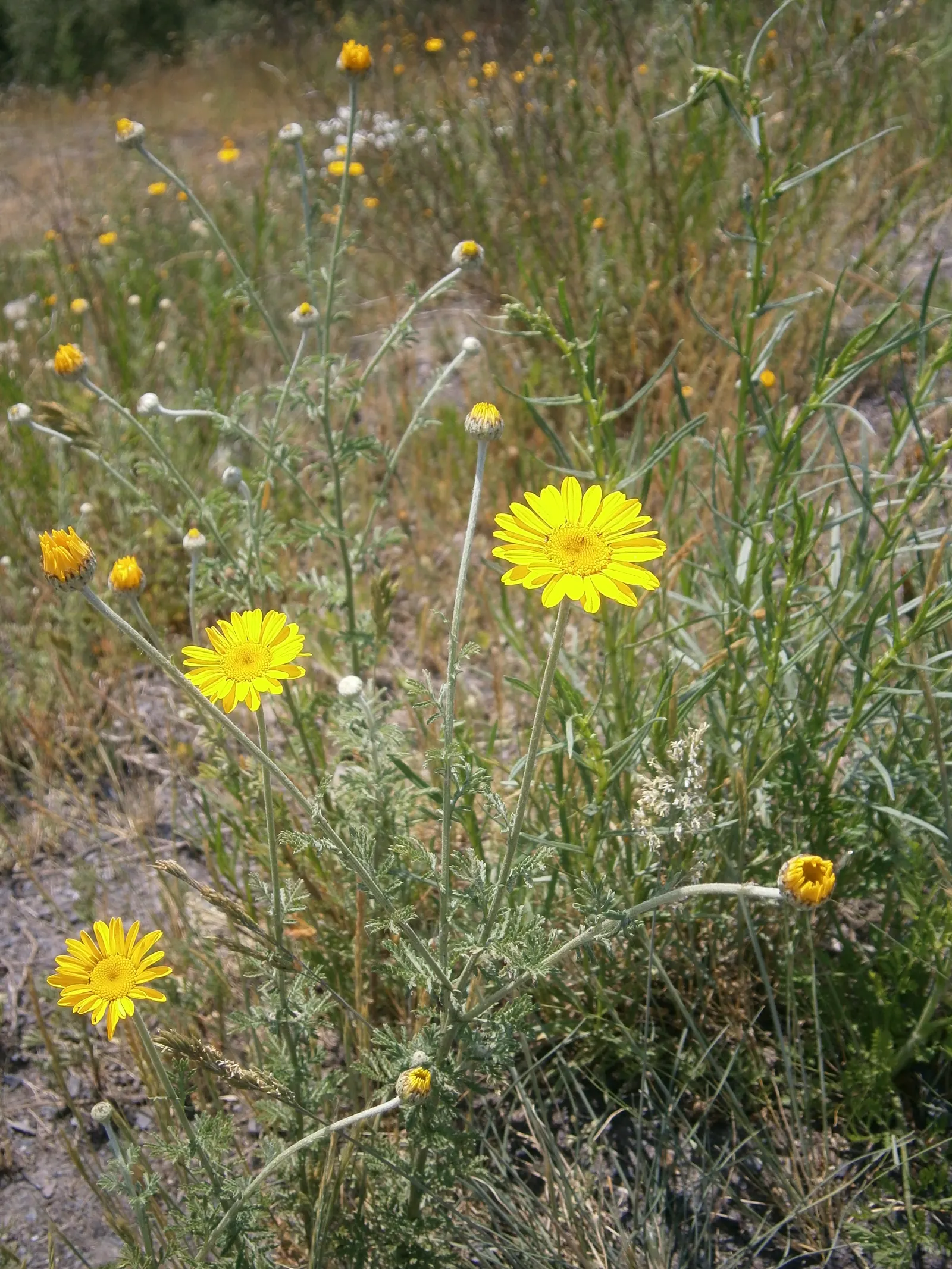
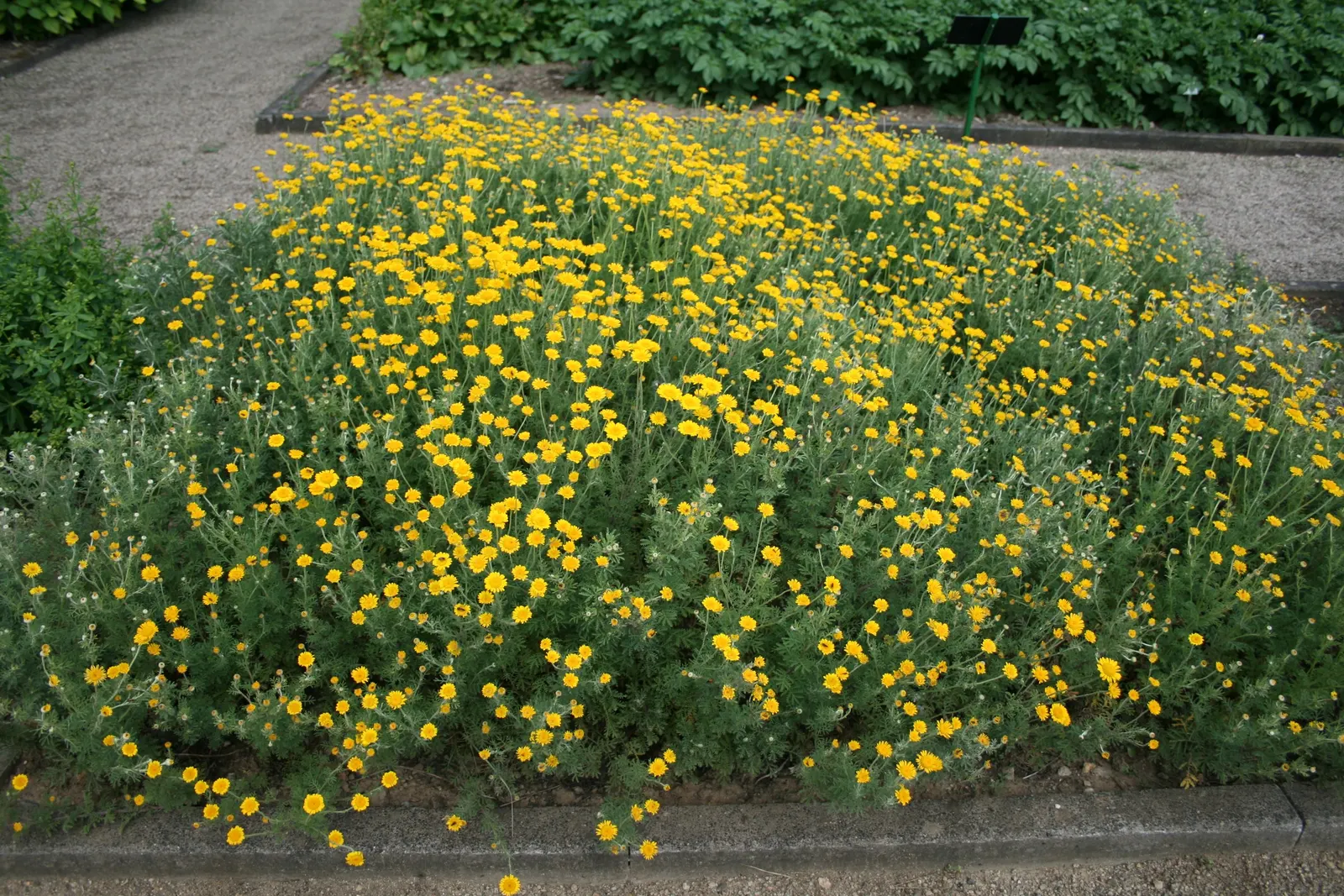
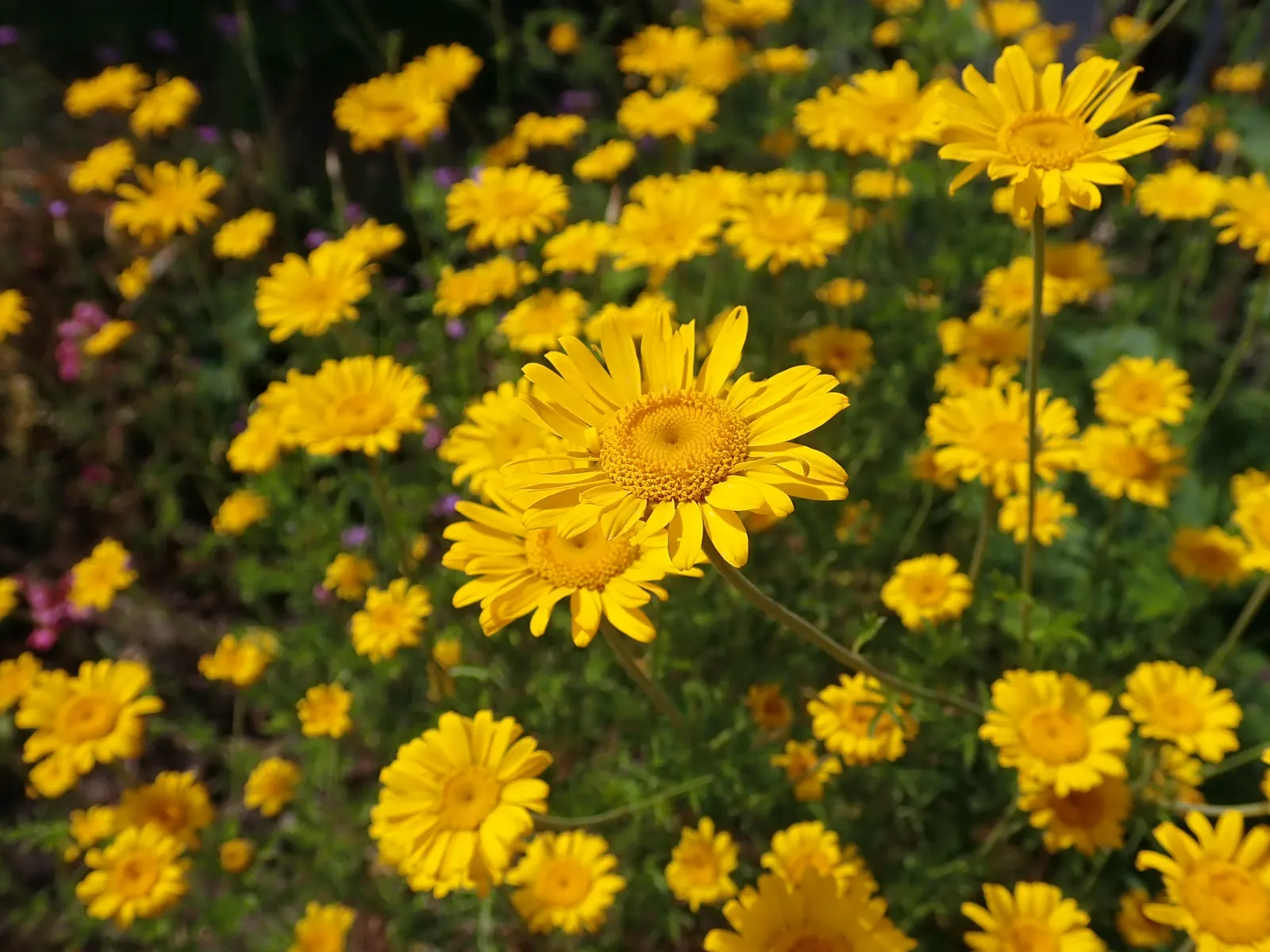
Golden Marguerite (Anthemis tinctoria) is a hardy perennial boasting vibrant daisy-like blooms with sunny yellow petals encircling a central yellow disc. Thriving in USDA zones 3-7, it flourishes in full sun, reaching a height of 1-2 feet with a similar spread. Ideal for borders, its flowering season spans from early summer to fall. Drought tolerance and minimal maintenance make it a practical choice for vibrant, hassle-free landscapes.

Sun Full, HalfWater LowZones 3–9Type PerennialClimate Temperate

Culture

Sun
Full, Half
Water
Low
USDA zones
3–9

Shape & size

Classification

Type
Perennial
Family
Asteraceae
Climate
Temperate

See full data, regional cultivation notes, and design tools. Build a client presentation around this plant.

Start your 14-day trial

Photos (160)

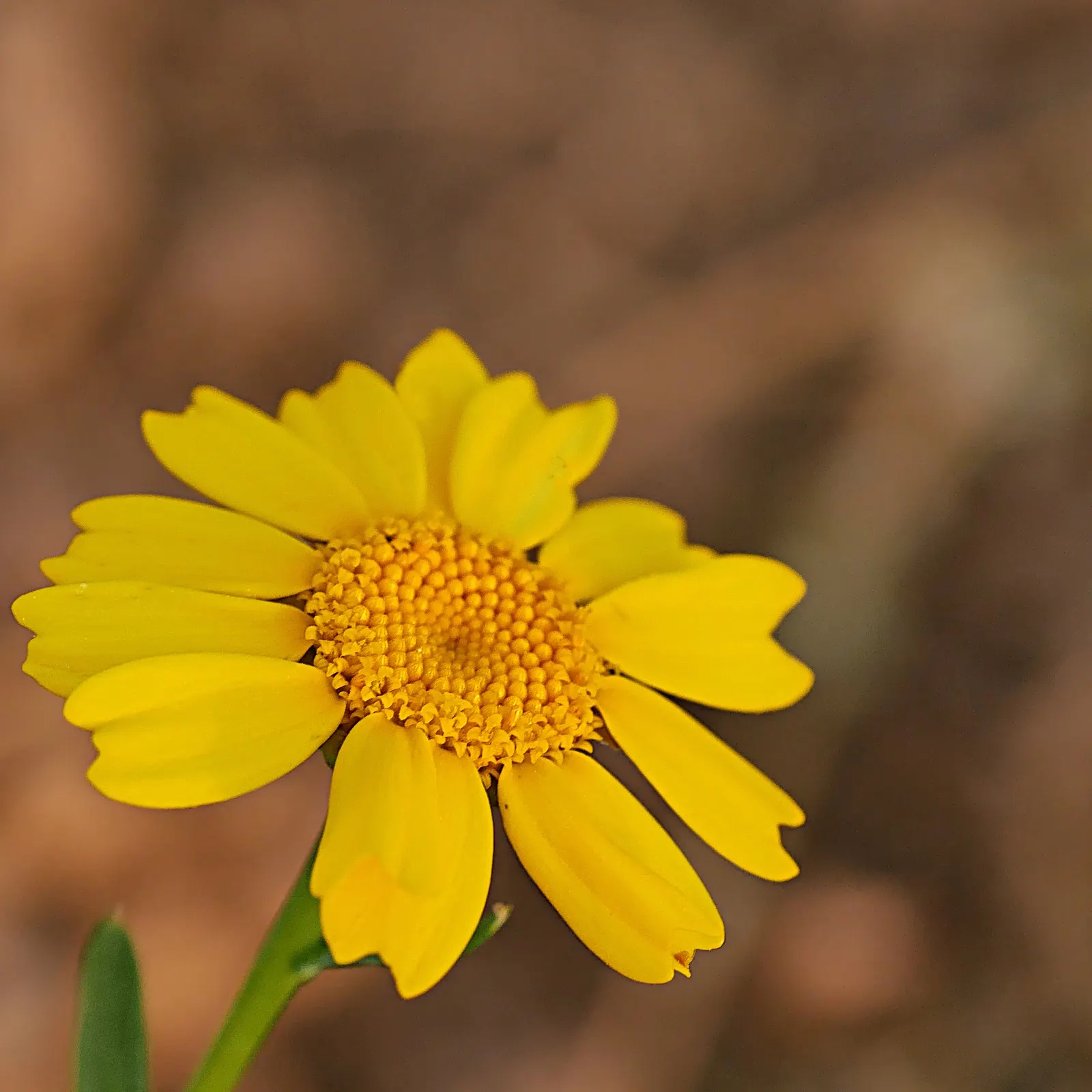
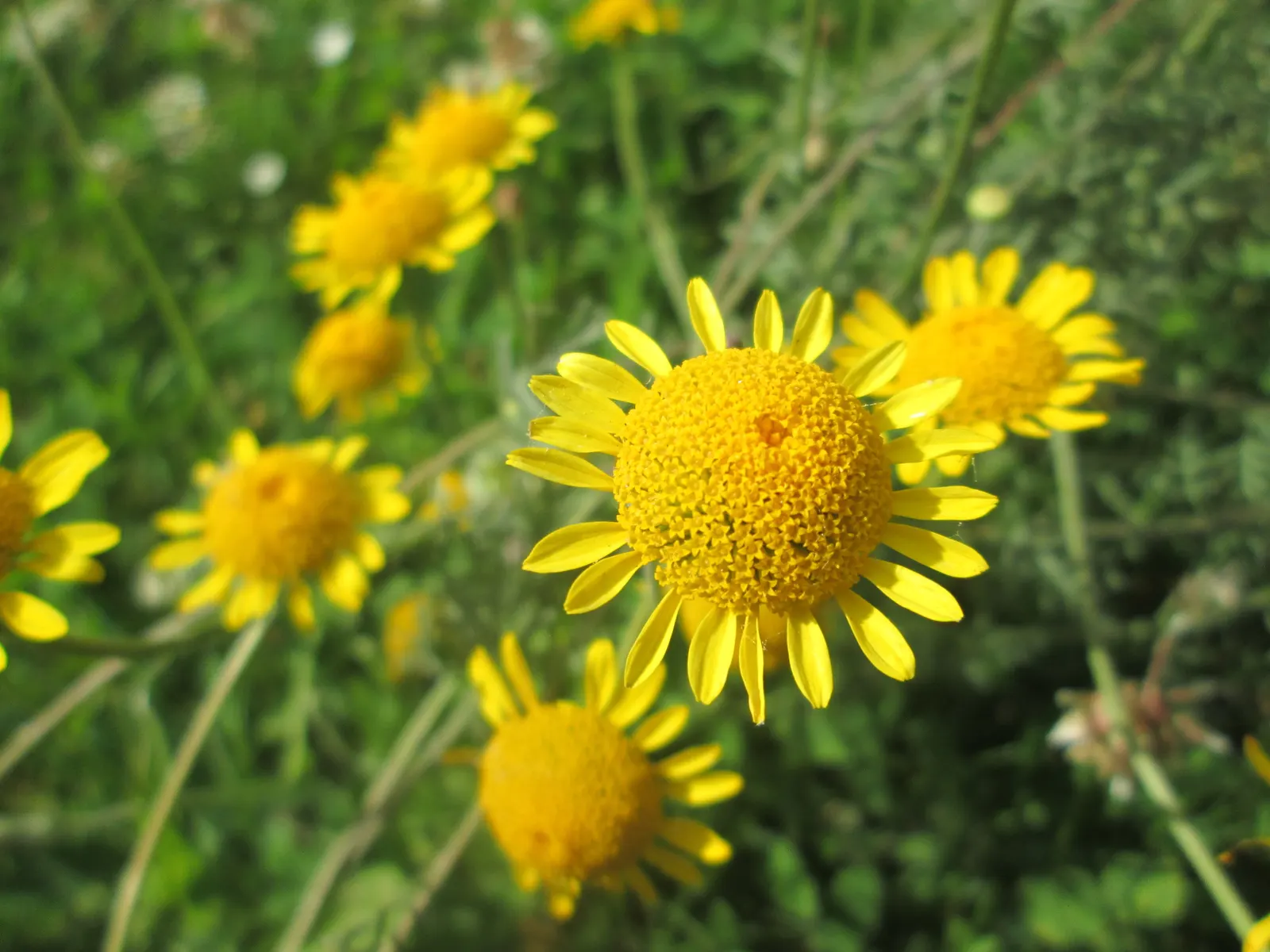
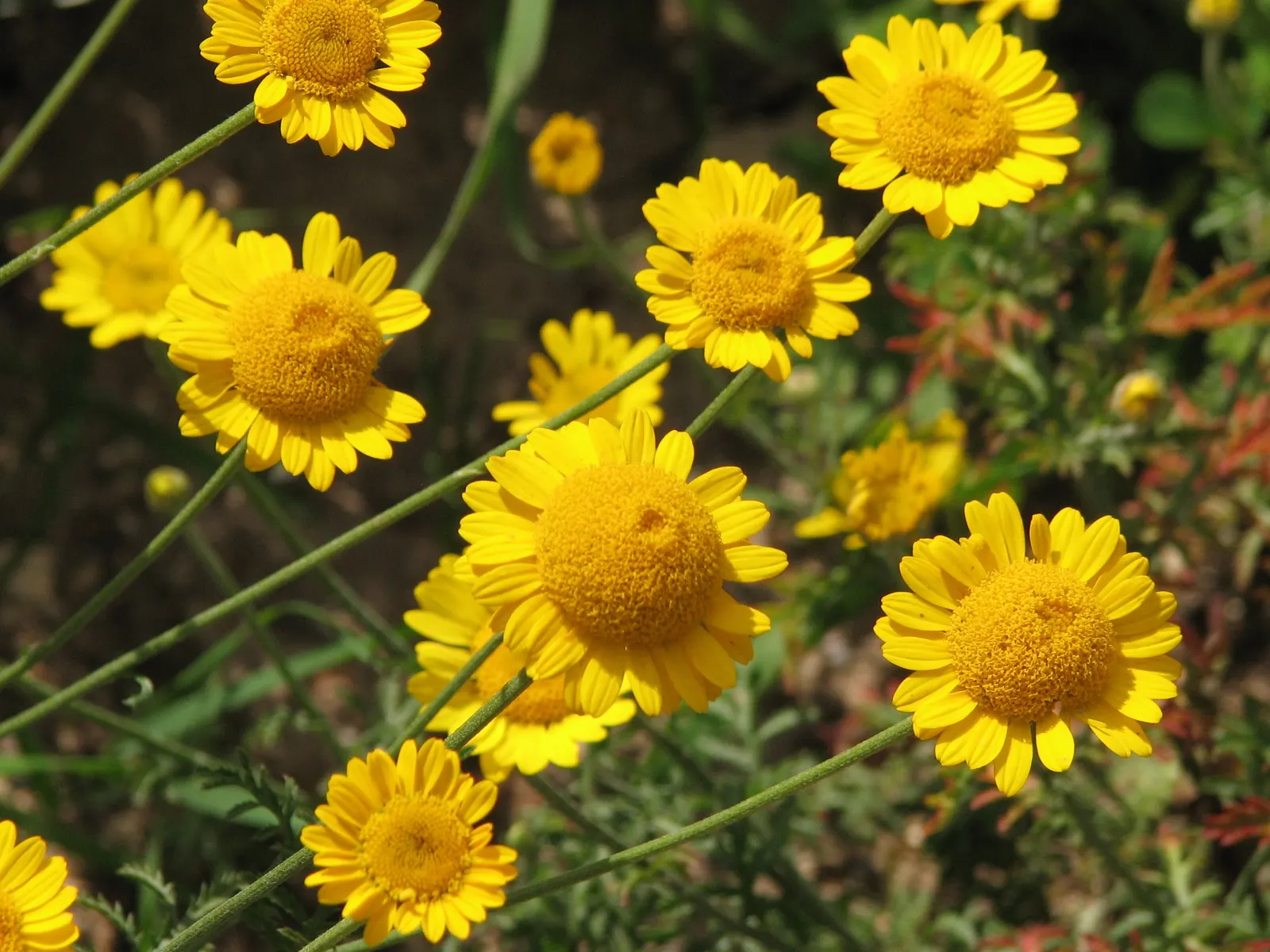
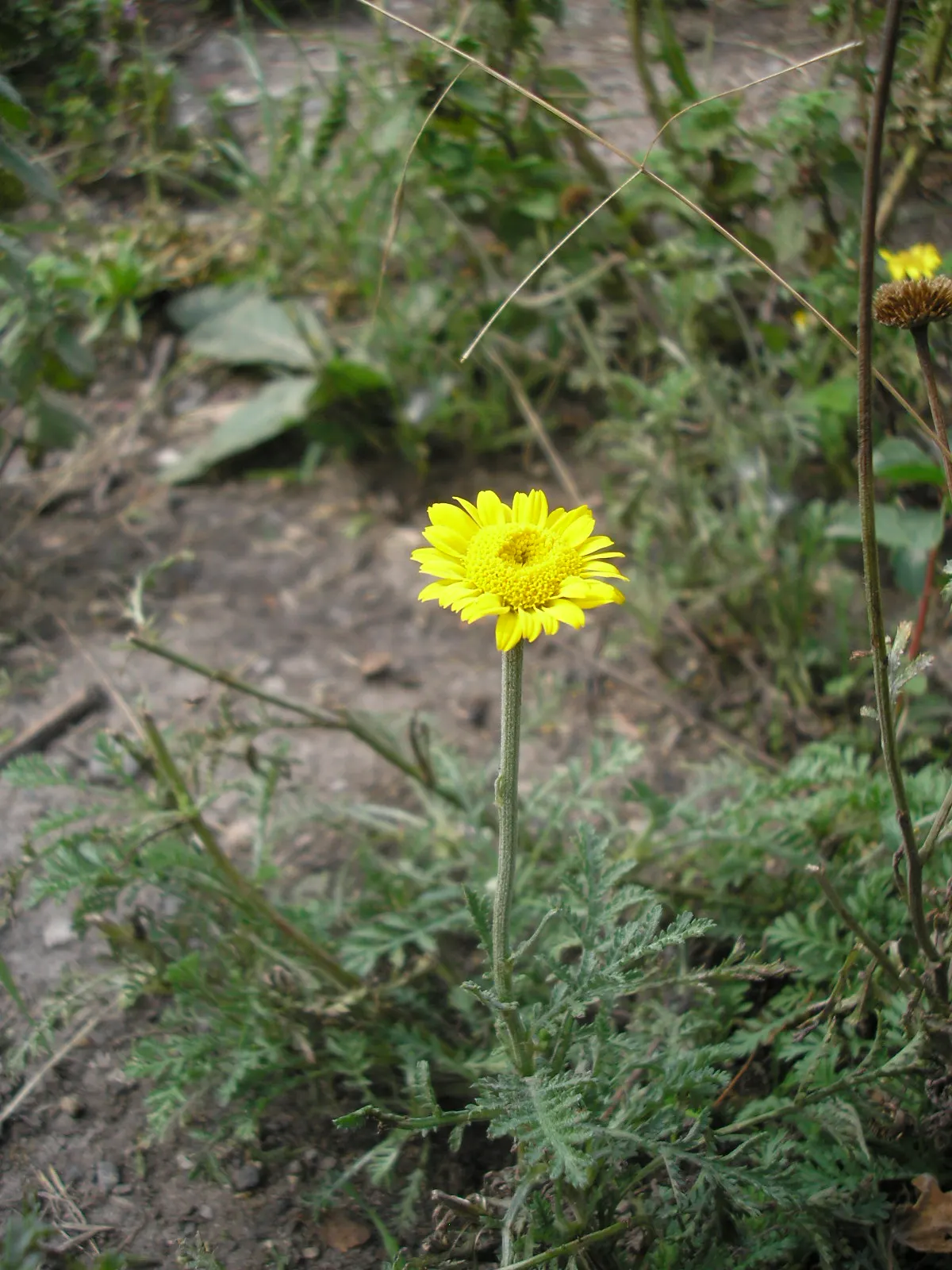
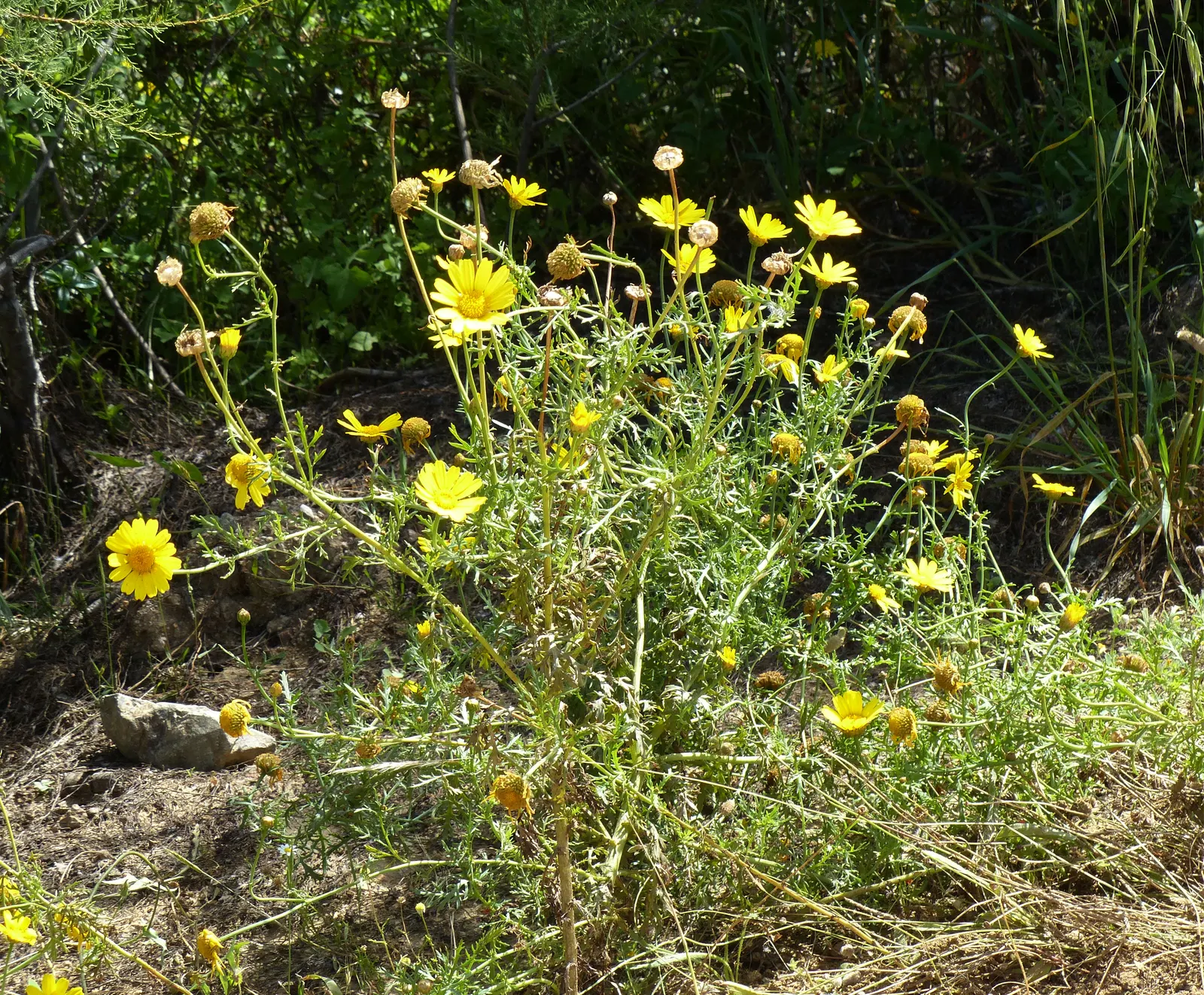
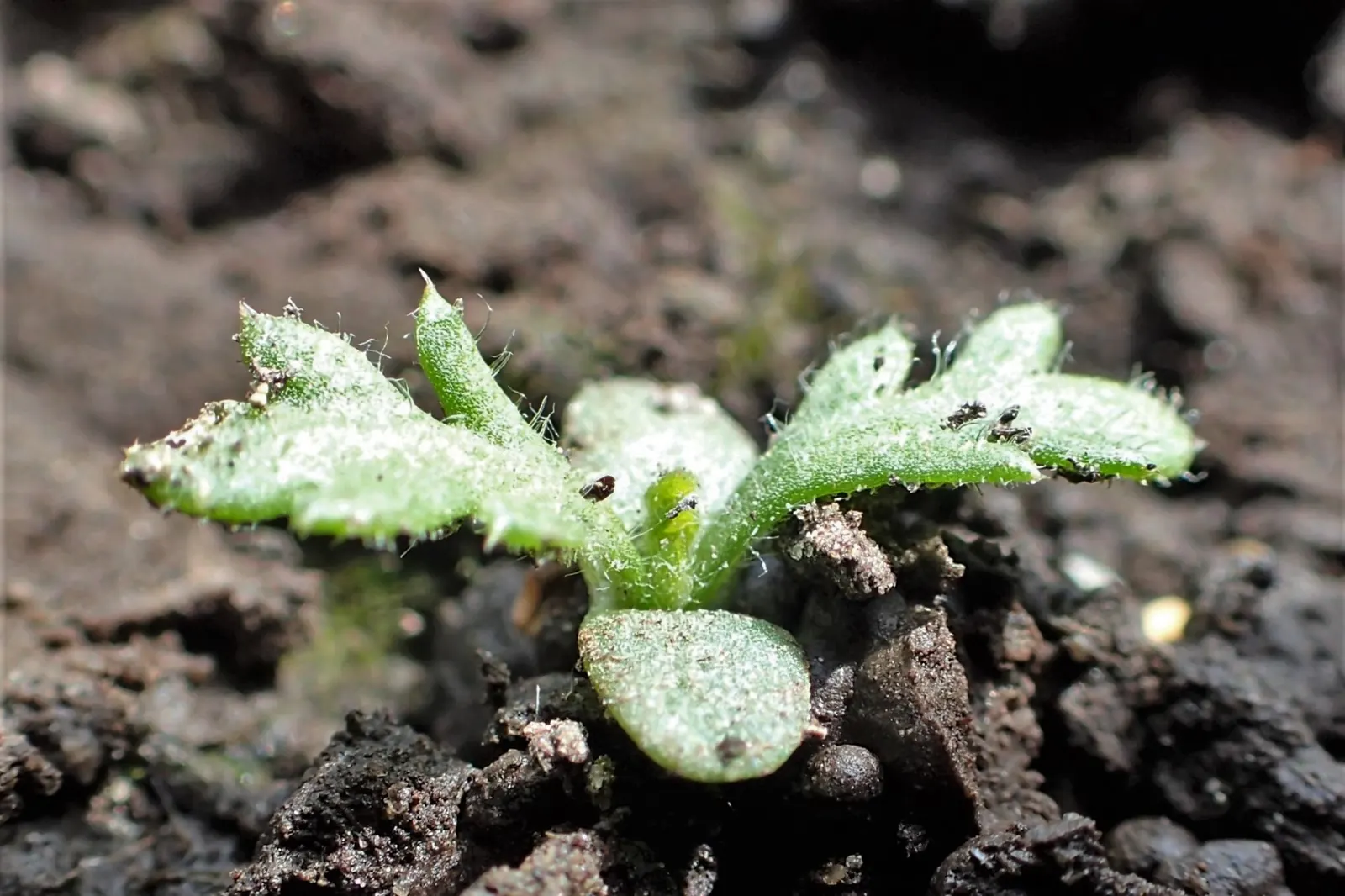
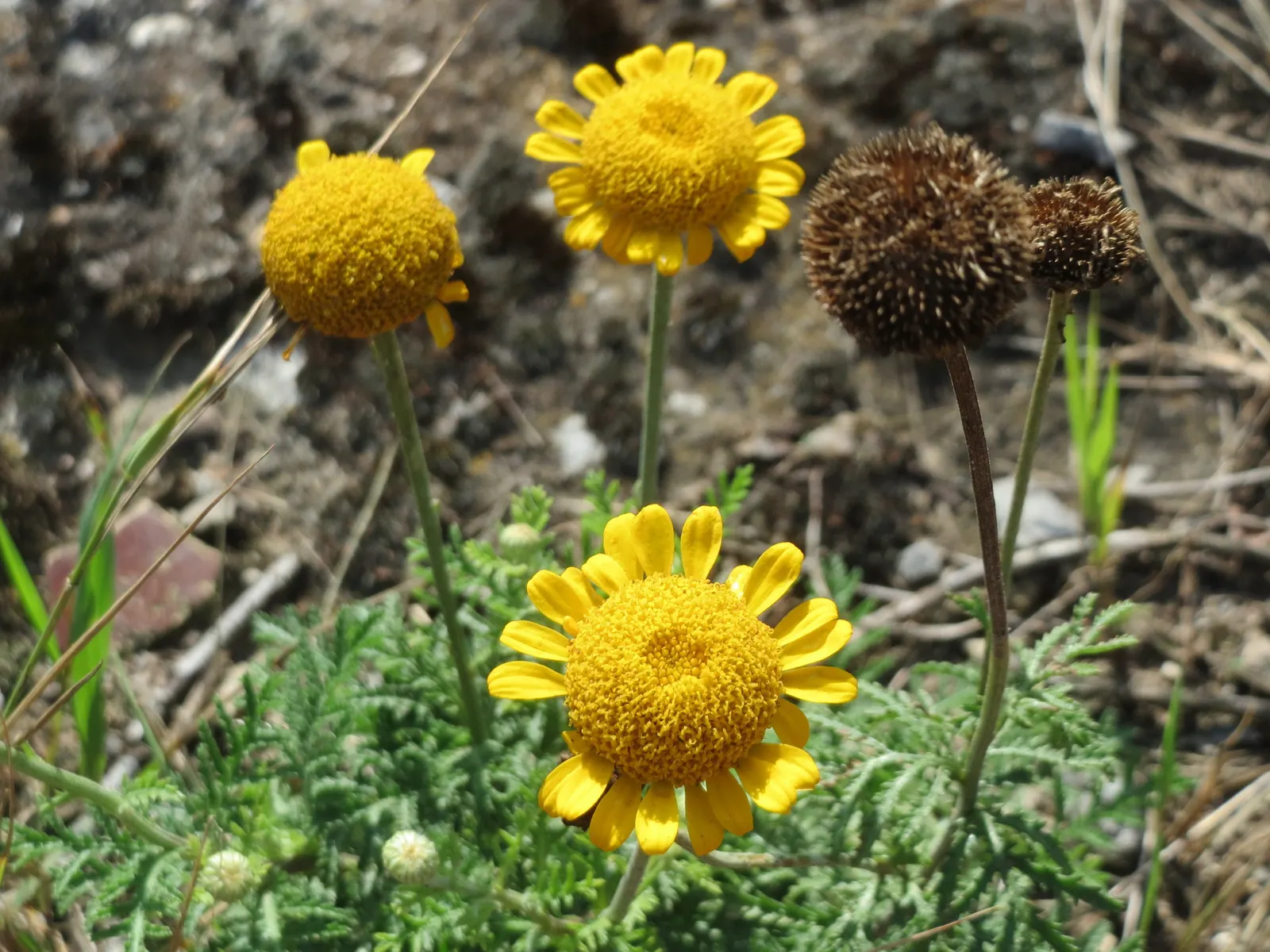
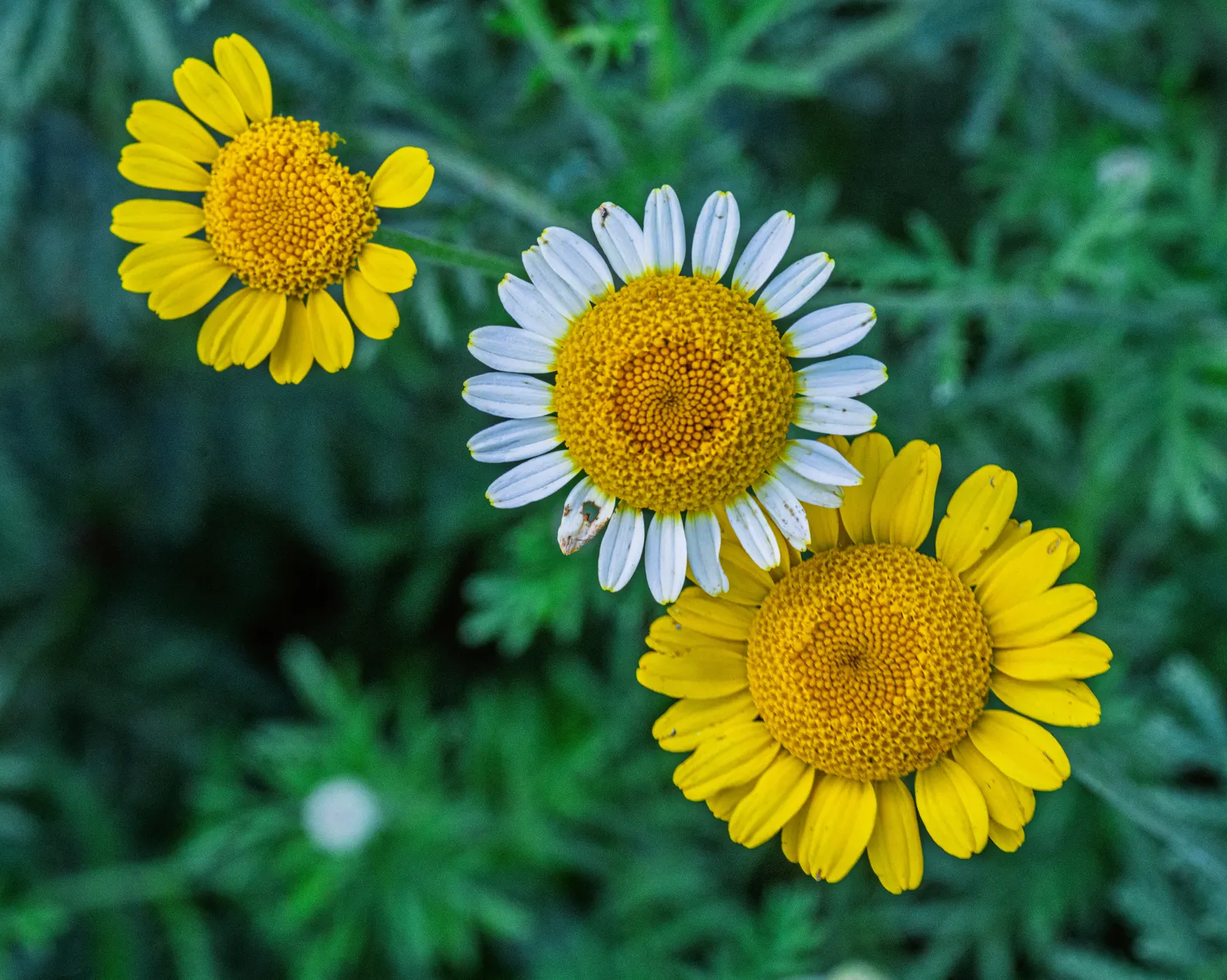
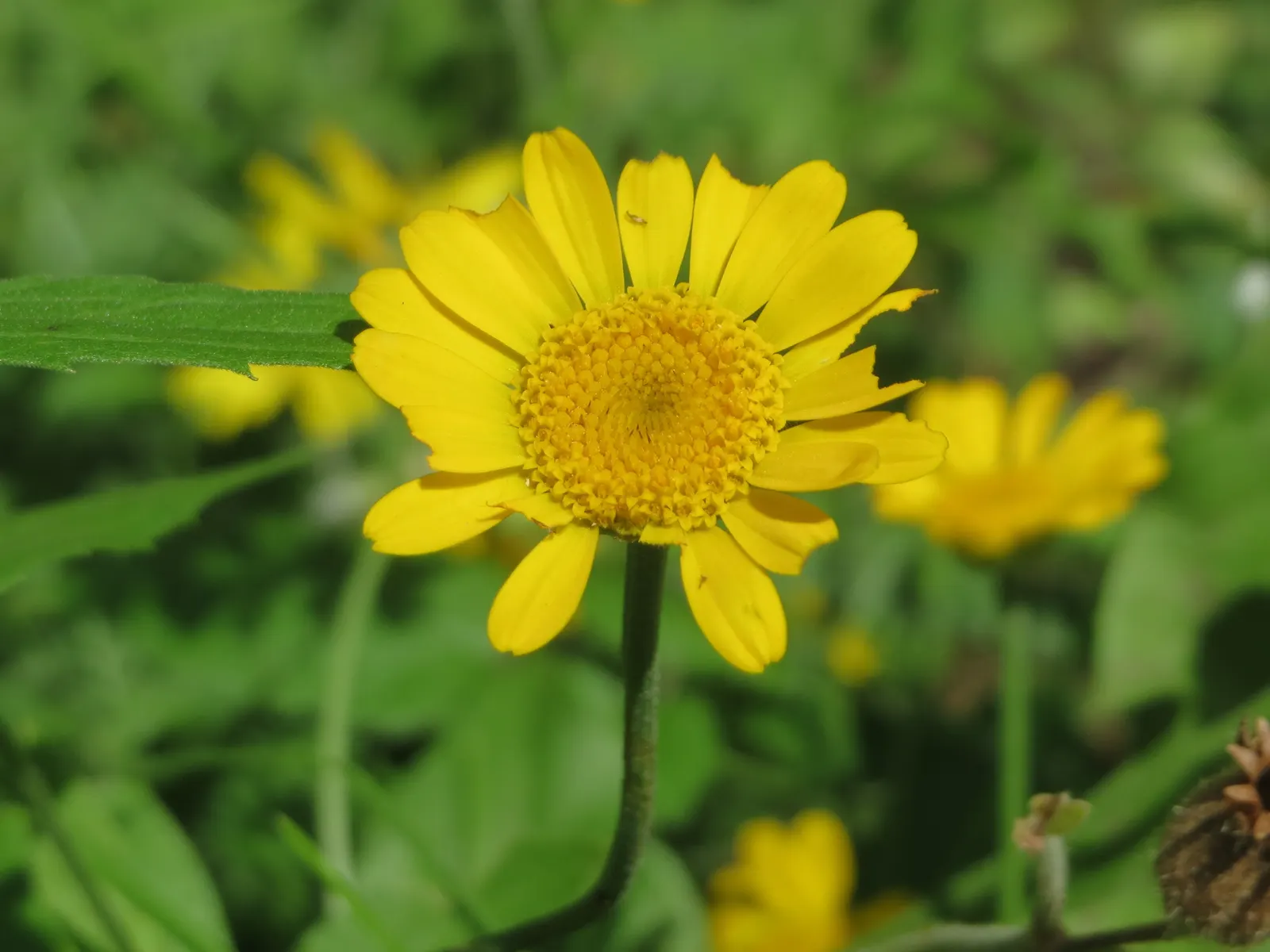
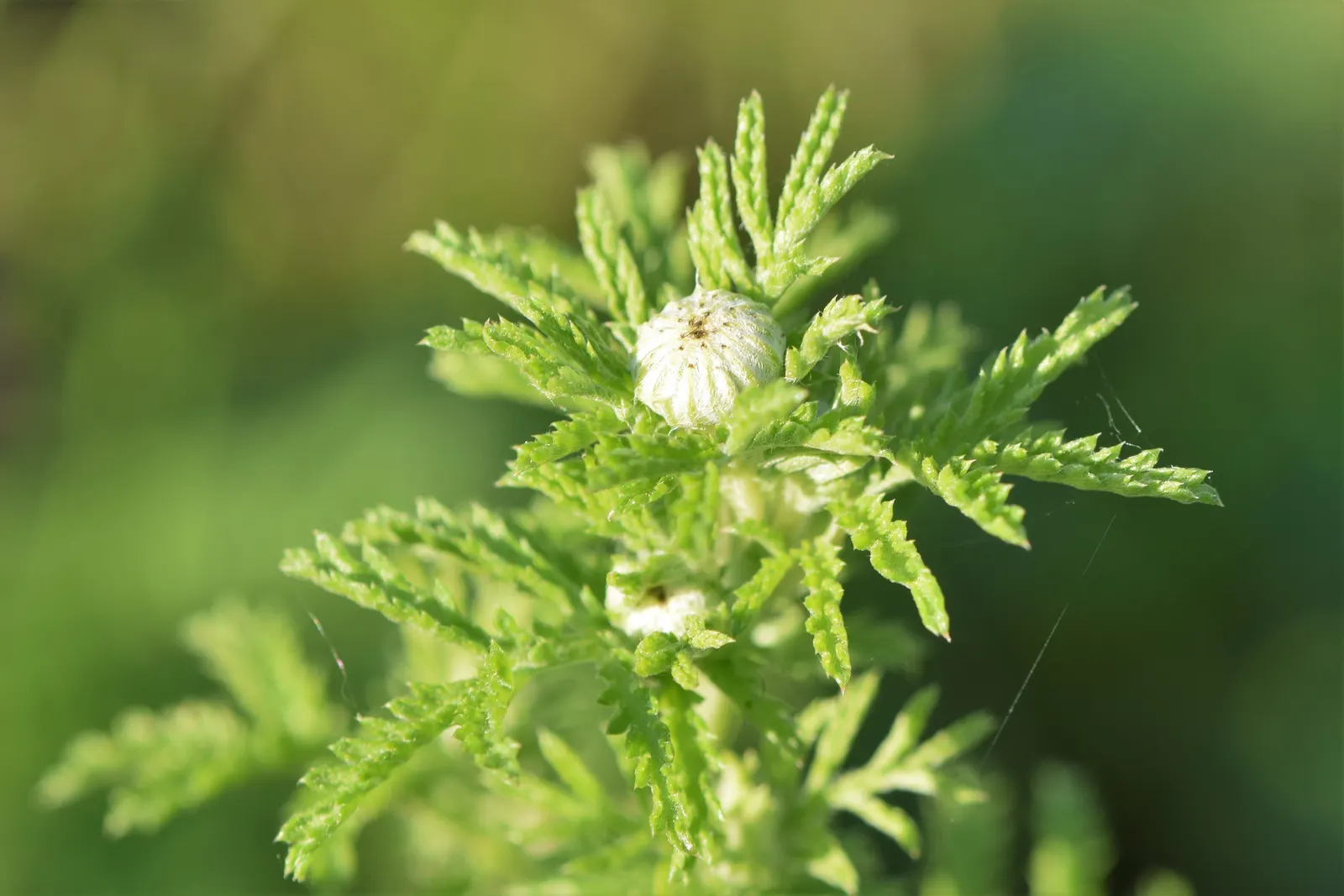
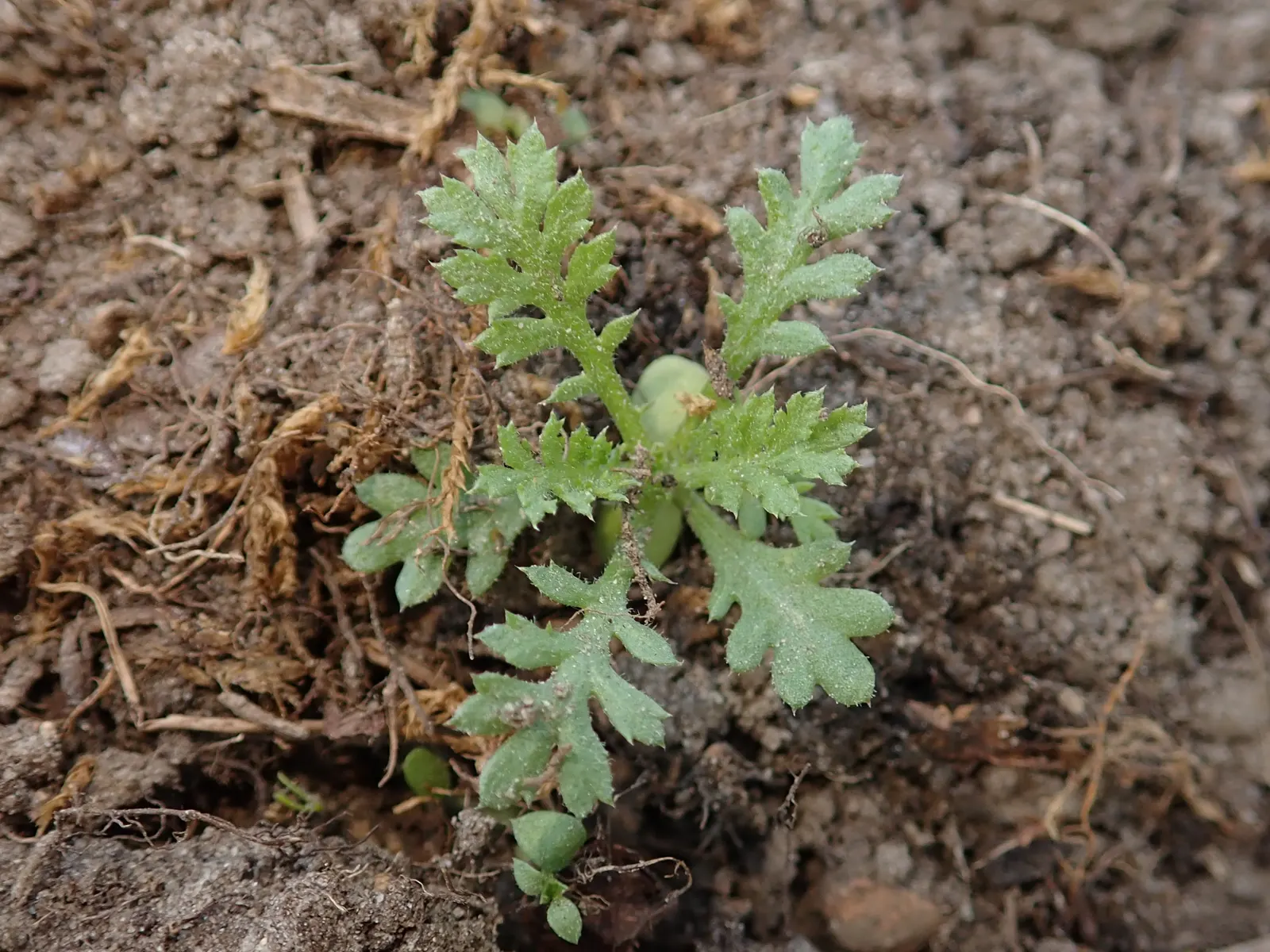
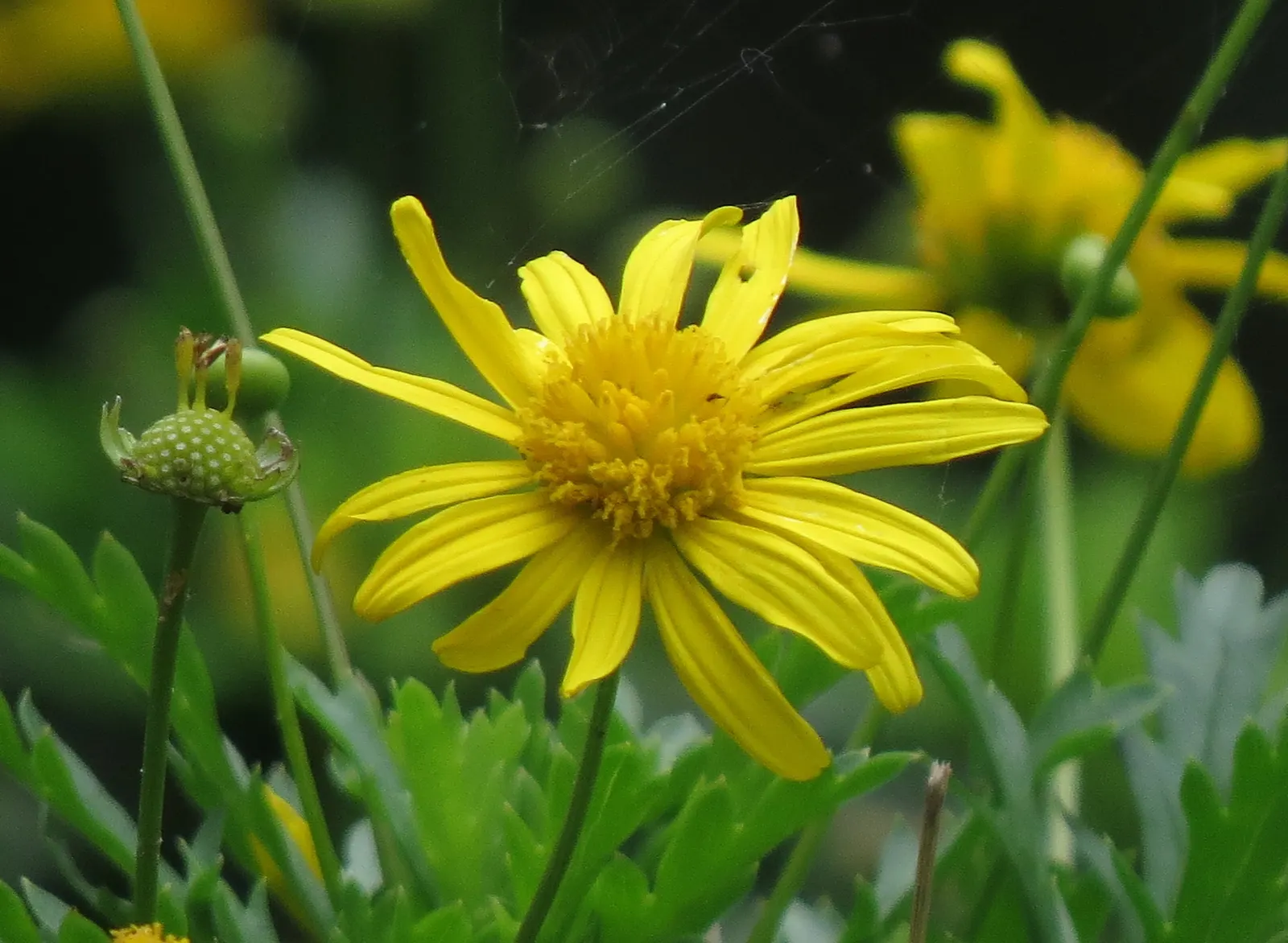
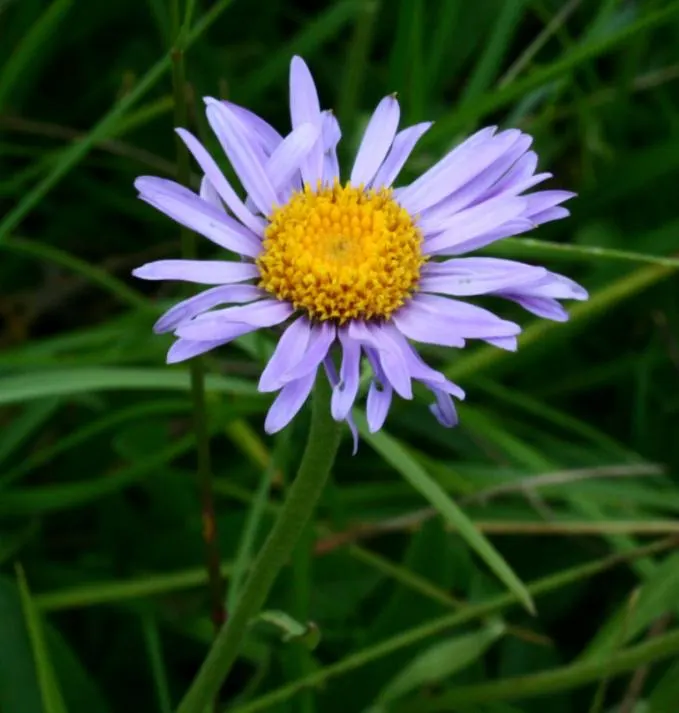
Golden Marguerite (Anthemis Tinctoria) — Drought tolerance and minimal maintenance make it a practical choice for vibrant, hassle-free landscapes
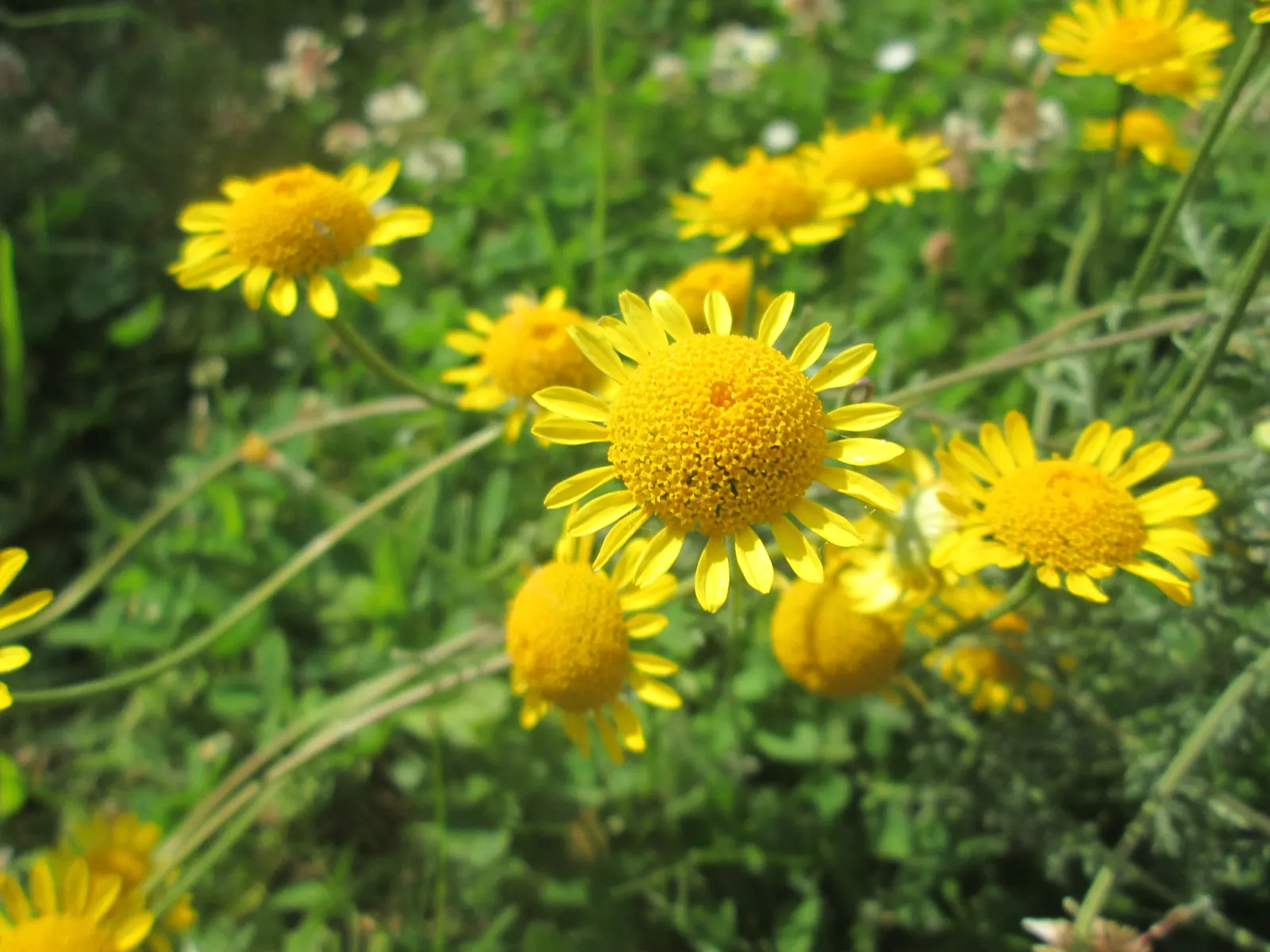
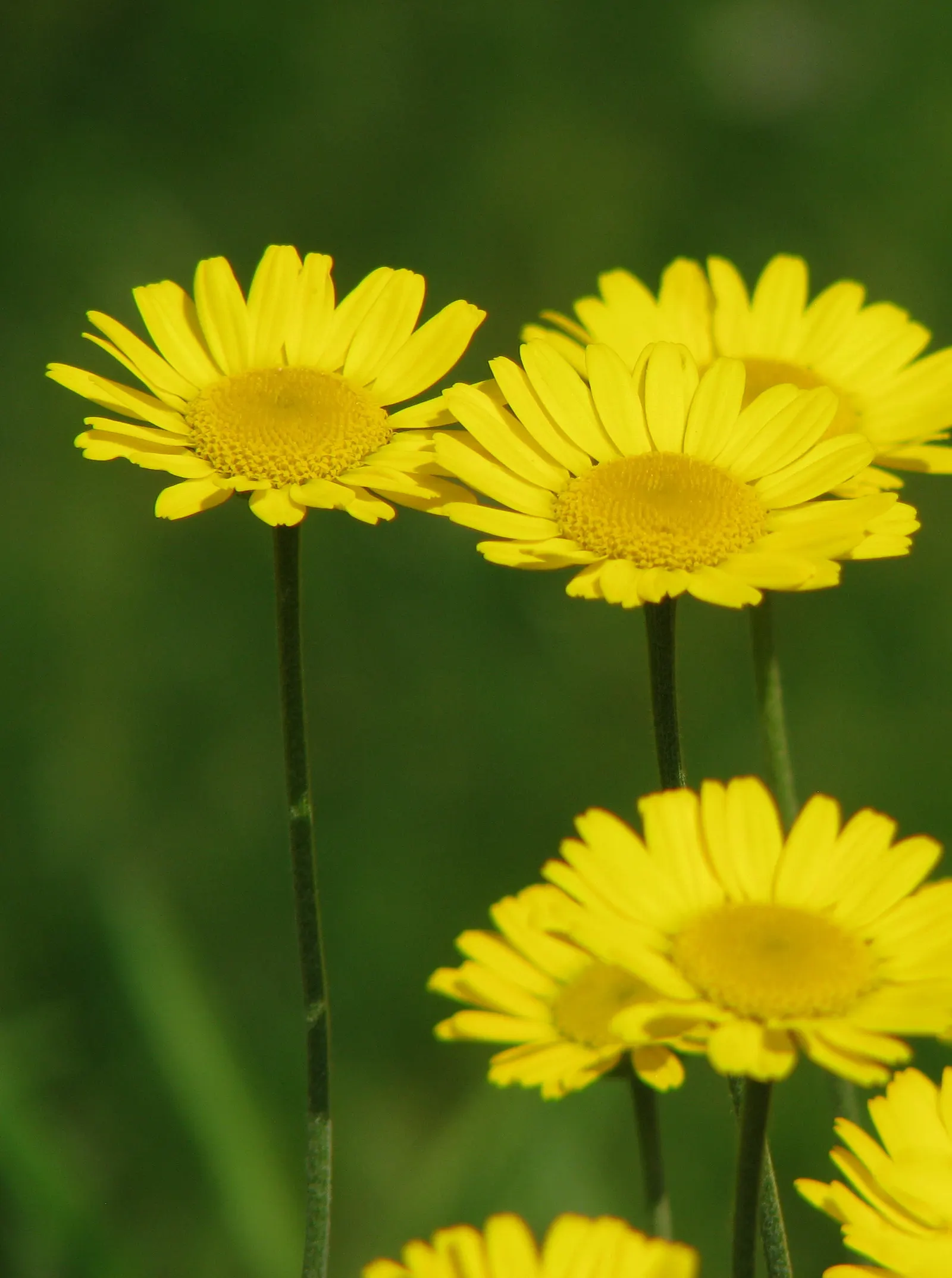
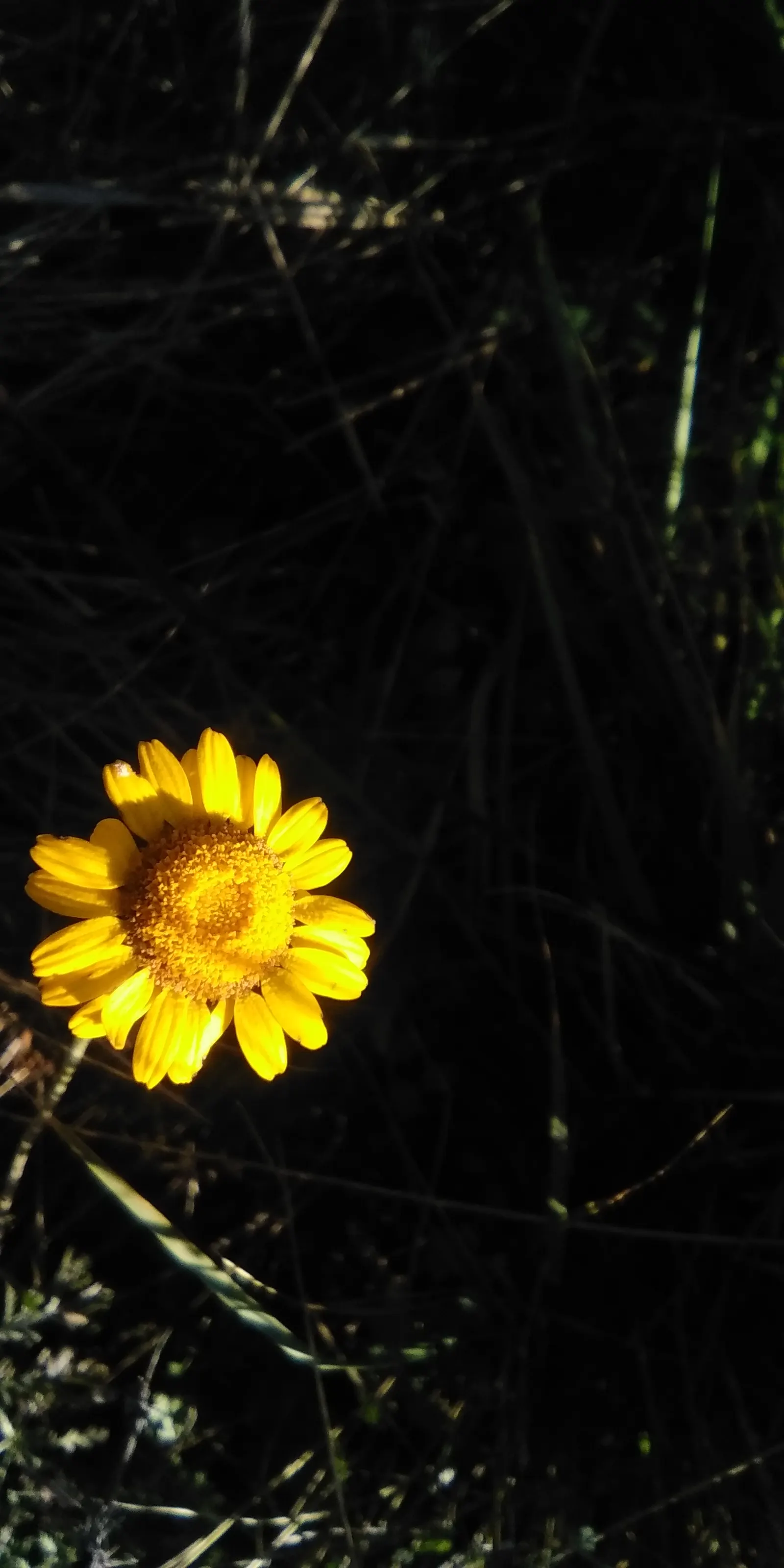
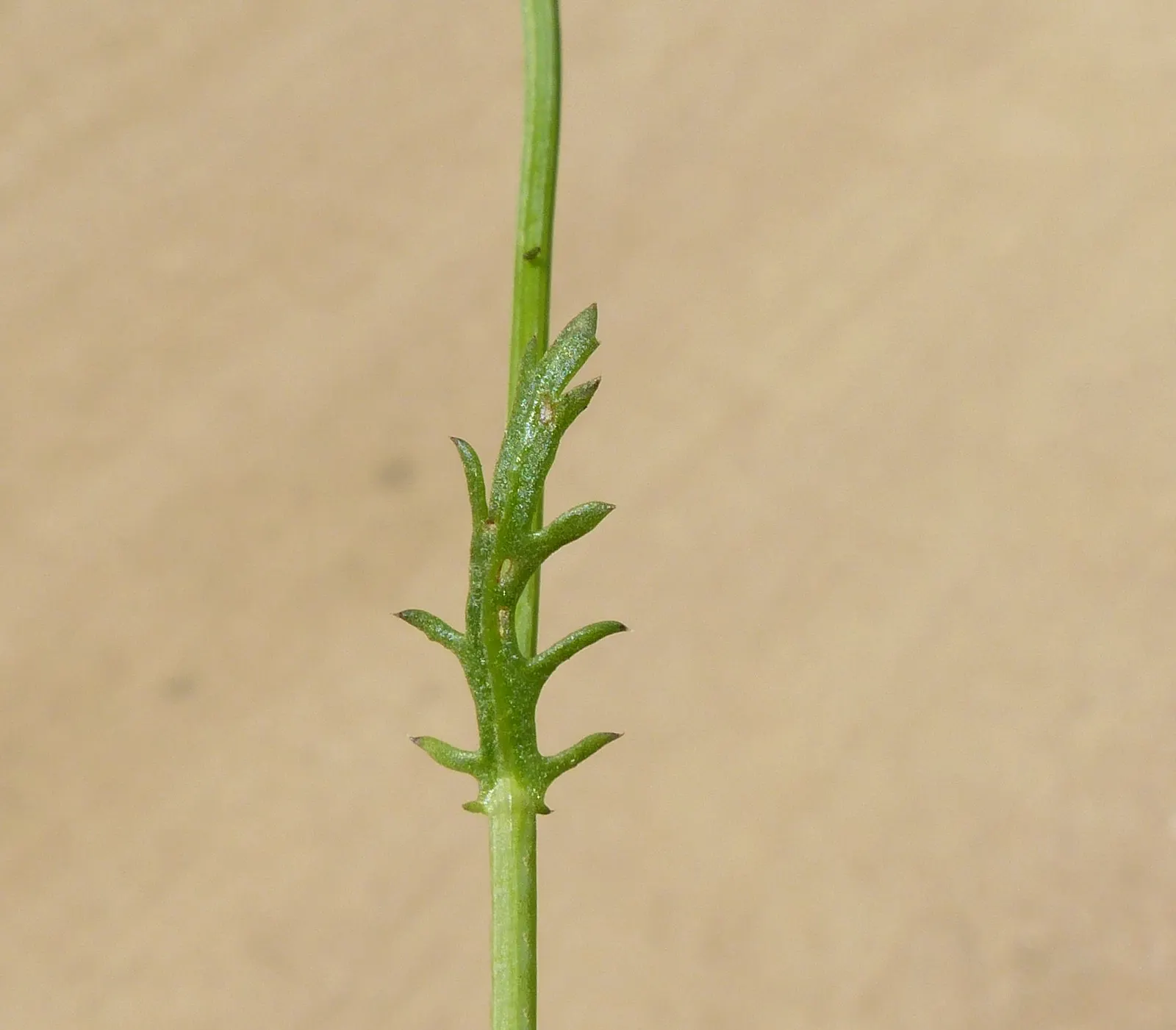
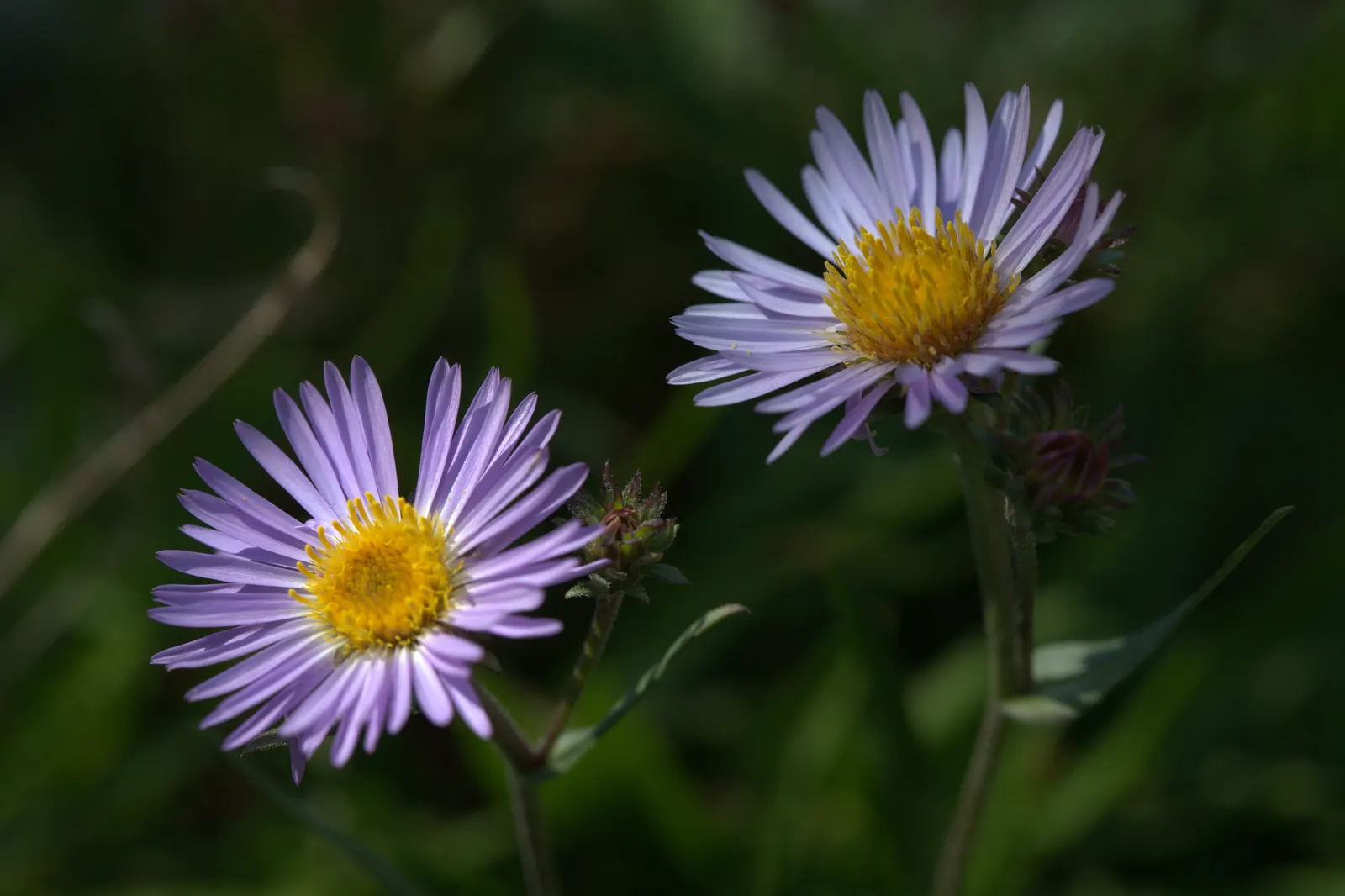
Golden Marguerite (Anthemis Tinctoria) — approximately 1 to 2 inches in diameter
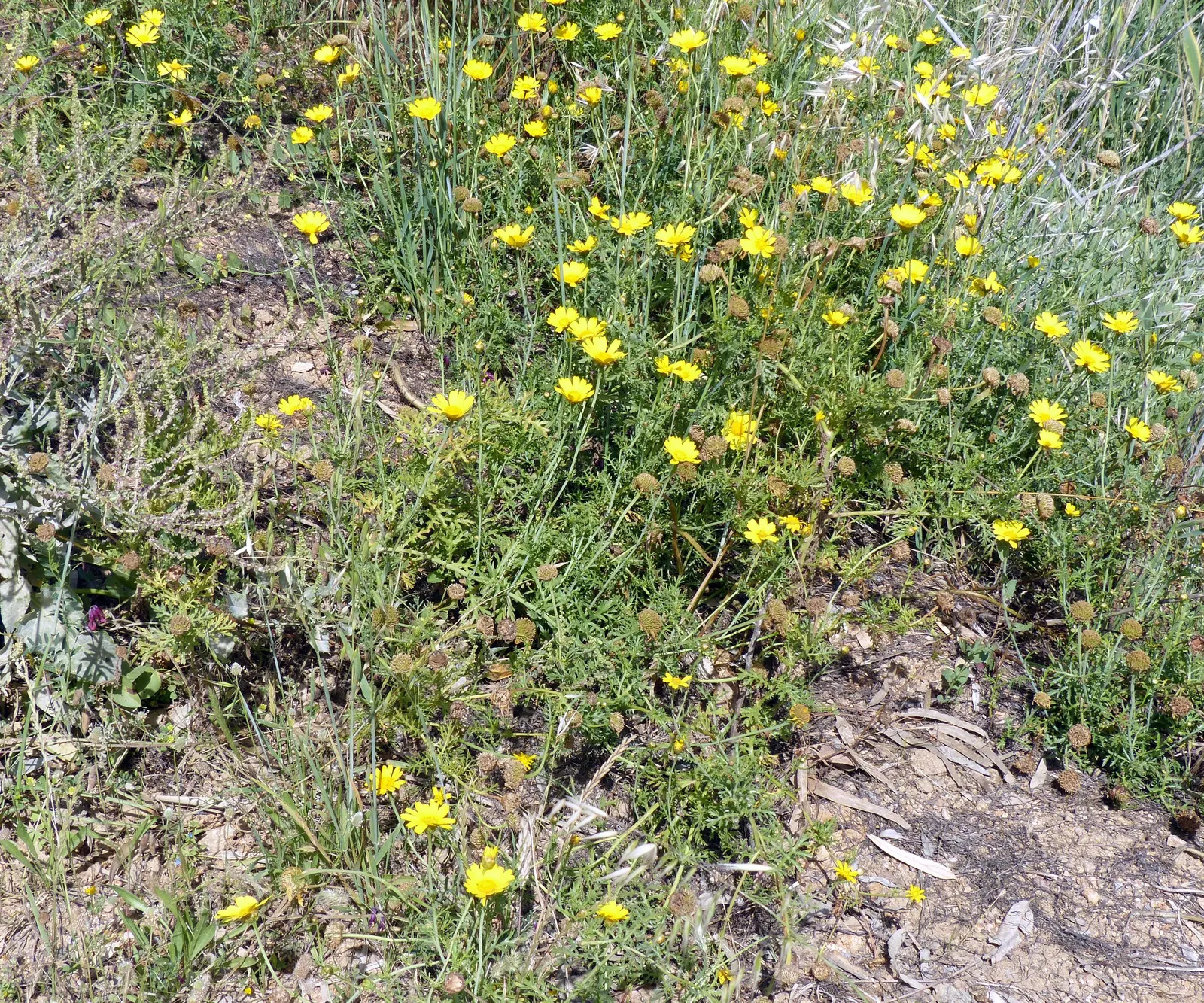
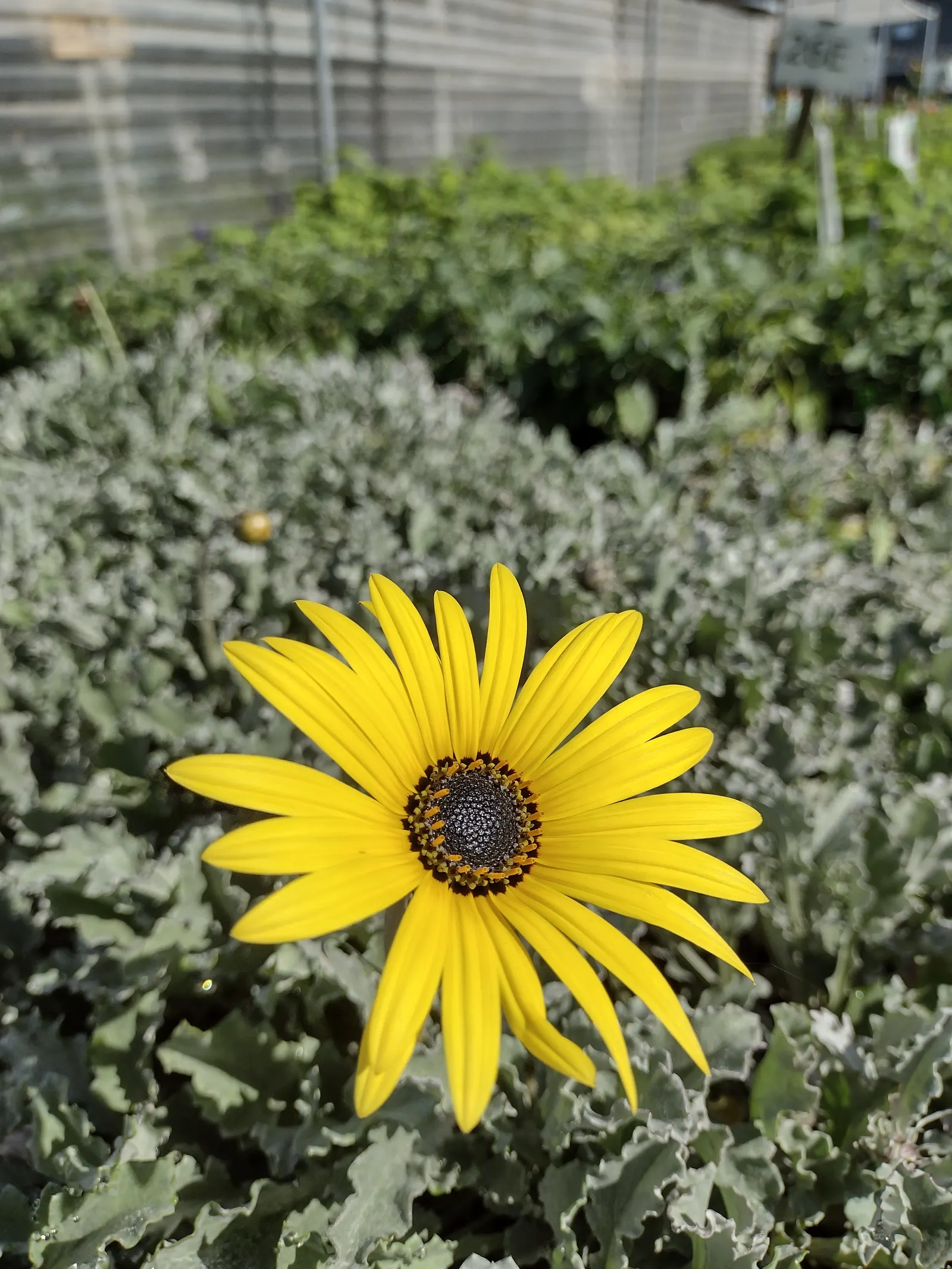
Golden Marguerite (Anthemis Tinctoria) — the Golden Marguerite will reward the landscape with a long-lasting display of vivacious charm; its, image 111
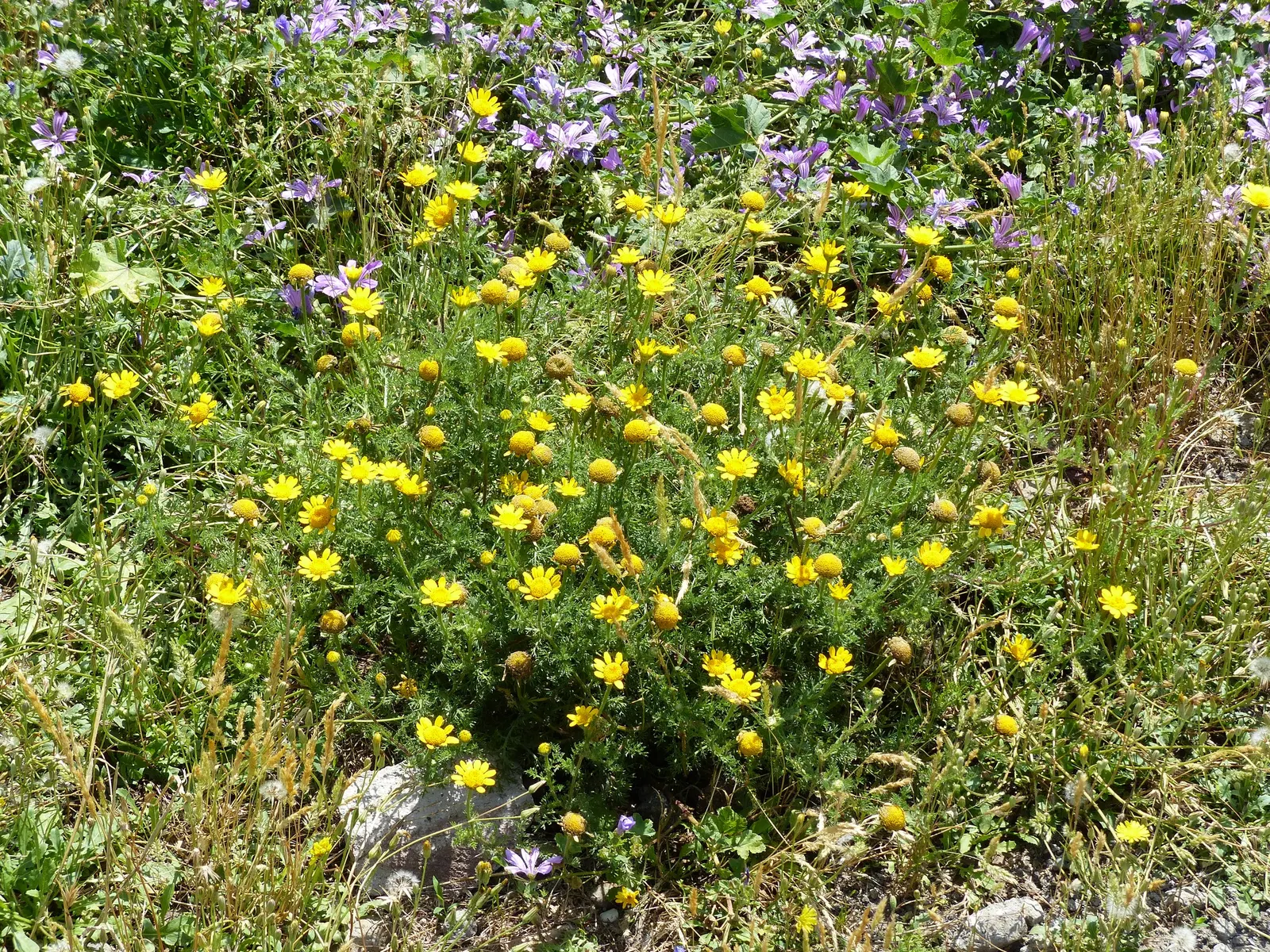
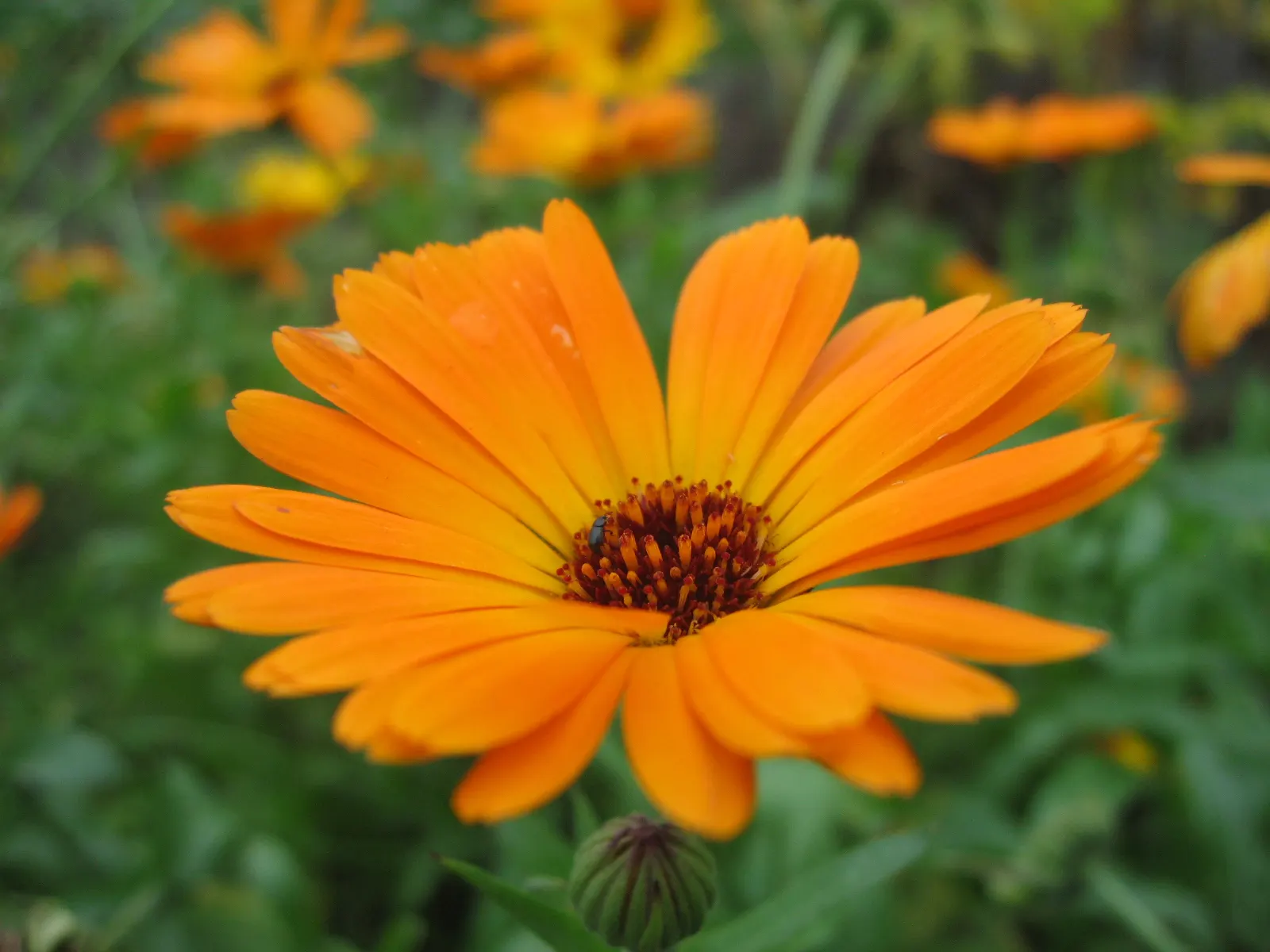
Golden Marguerite (Anthemis Tinctoria) — Ideal for borders, its flowering season spans from early summer to fall; it prefers well-drained soil of, image 116
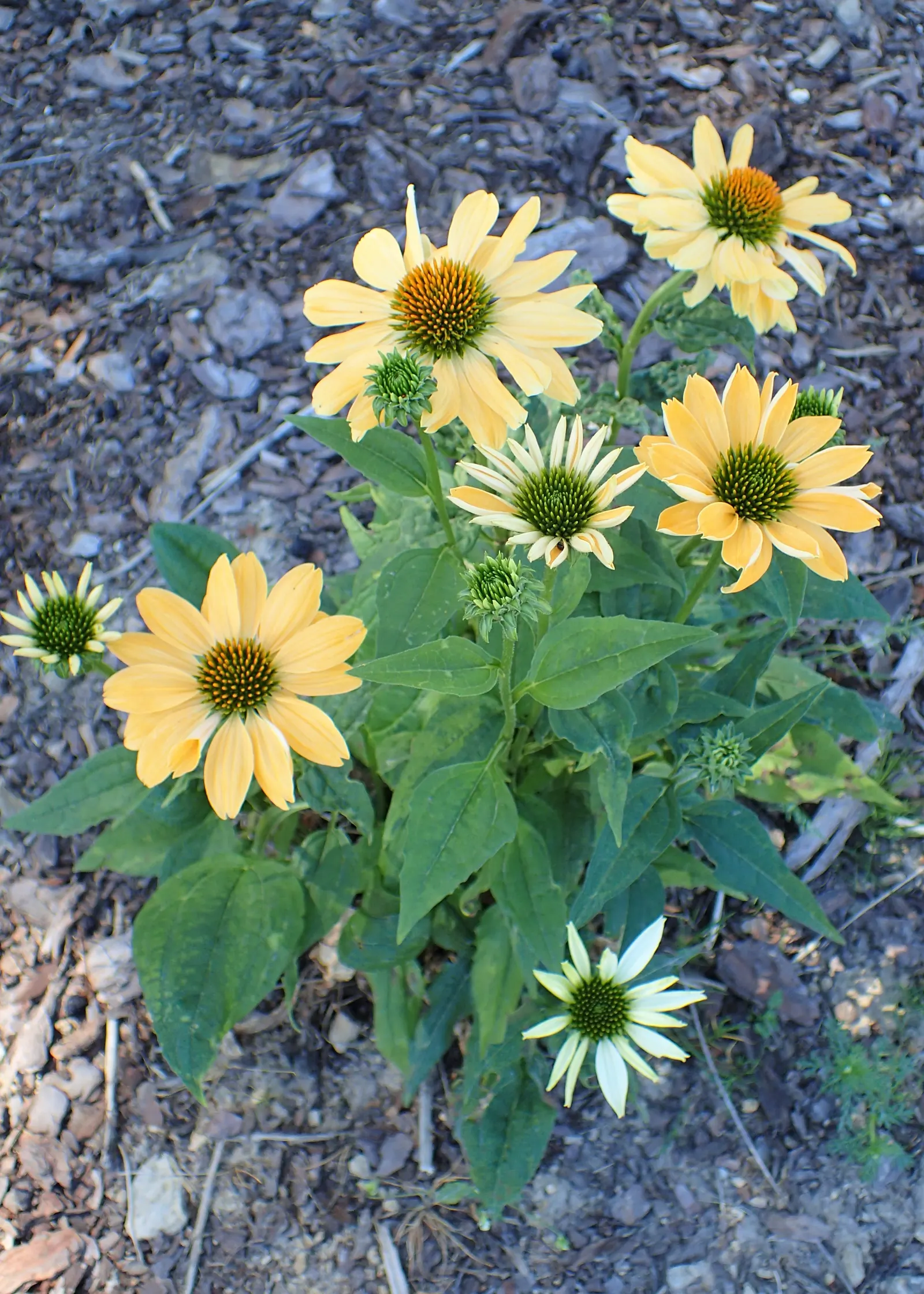
Golden Marguerite (Anthemis Tinctoria) — deadheading is recommended; this species typically reaches a mature height of 18 to 36 inches with a, image 72
Golden Marguerite (Anthemis Tinctoria) — this species typically reaches a mature height of 18 to 36 inches with a spread of roughly 12 to 24, image 45
Golden Marguerite (Anthemis Tinctoria) — Thriving in USDA zones 3-7, it flourishes in full sun, reaching a height of 1-2 feet with a similar spread, image 96
Golden Marguerite (Anthemis Tinctoria) — perennial for full or half; the Golden Marguerite will reward the landscape with a long-lasting display of, image 57
Golden Marguerite (Anthemis Tinctoria) — Ideal for borders, its flowering season spans from early summer to fall; it prefers well-drained soil of, image 97
Golden Marguerite (Anthemis Tinctoria) — perennial for full or half
Golden Marguerite (Anthemis Tinctoria) — offering a striking contrast when paired with plants of cooler colors; and while it is relatively drought-tolerant
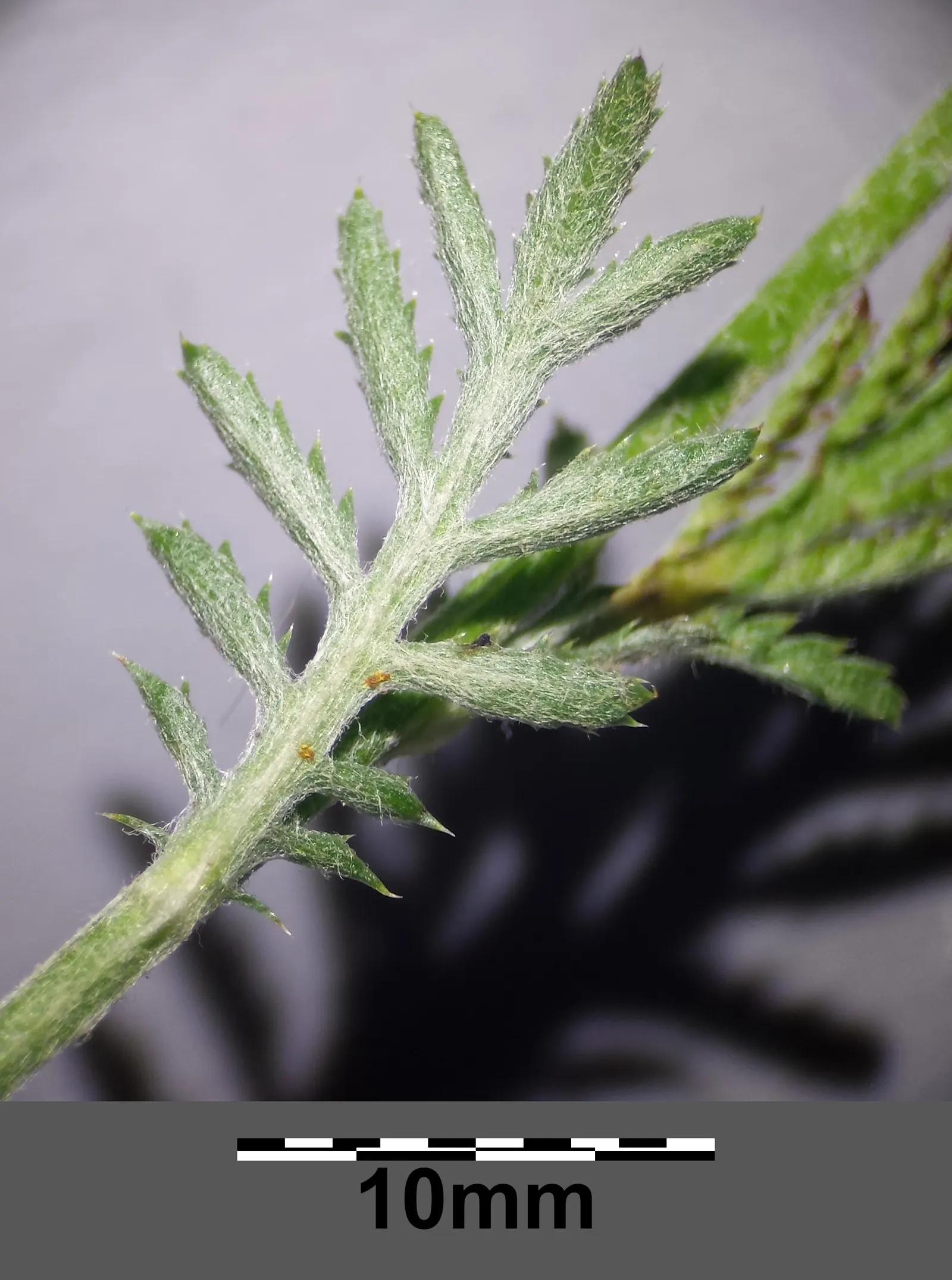
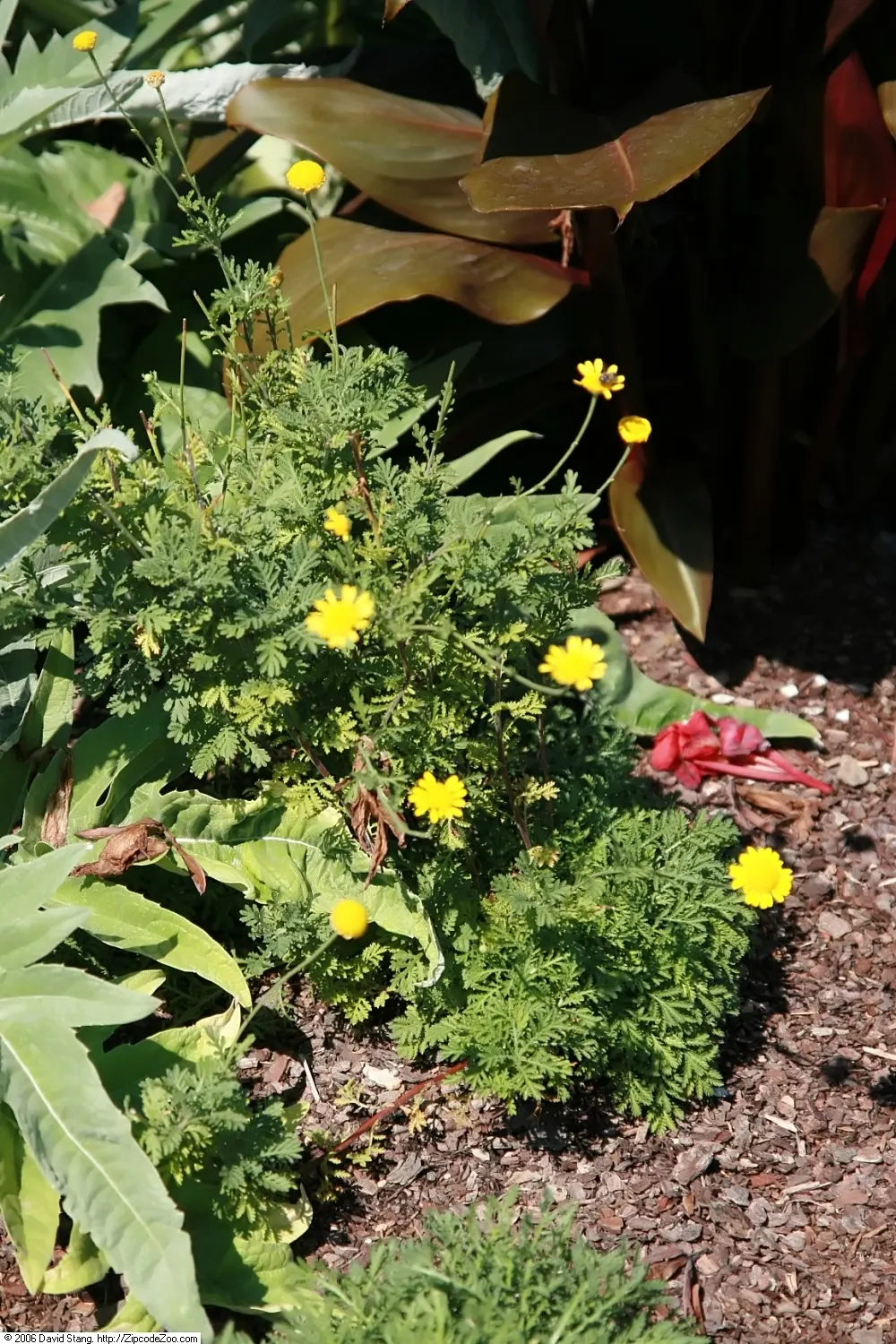
Golden Marguerite (Anthemis Tinctoria) — create a sea of warm color atop a dense mound of ferny green foliage, image 105
Golden Marguerite (Anthemis Tinctoria) — create a sea of warm color atop a dense mound of ferny green foliage, image 67
Golden Marguerite (Anthemis Tinctoria) — and while it is relatively drought-tolerant once established; is a vibrant perennial herb famed for its, image 50
Golden Marguerite (Anthemis Tinctoria) — The golden-yellow blossoms; deadheading is recommended, image 103
Golden Marguerite (Anthemis Tinctoria) — create a sea of warm color atop a dense mound of ferny green foliage, image 124
Golden Marguerite (Anthemis Tinctoria) — Drought tolerance and minimal maintenance make it a practical choice for vibrant, hassle-free landscapes, image 117
Golden Marguerite (Anthemis Tinctoria) — scientifically known as Anthemis tinctoria; as an invaluable asset to any garden
Golden Marguerite (Anthemis Tinctoria) — scientifically known as Anthemis tinctoria; as an invaluable asset to any garden, image 99
Golden Marguerite (Anthemis Tinctoria) — Drought tolerance and minimal maintenance make it a practical choice for vibrant, hassle-free landscapes; perennial
Golden Marguerite (Anthemis Tinctoria) — scientifically known as Anthemis tinctoria; as an invaluable asset to any garden, image 80
Golden Marguerite (Anthemis Tinctoria) — As an invaluable asset to any garden; thriving in USDA zones 3-7, it flourishes in full sun, reaching a, image 63
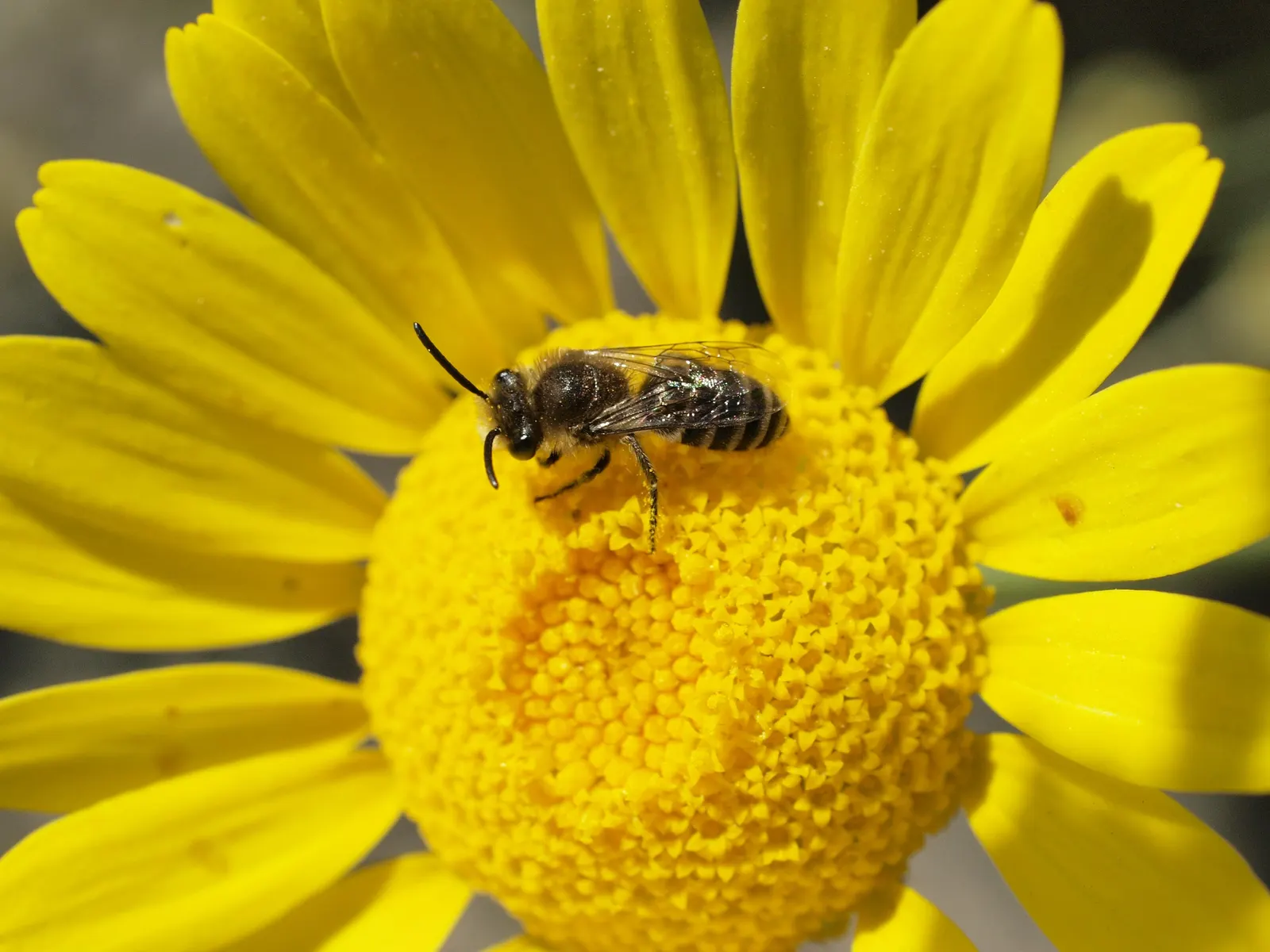
Golden Marguerite (Anthemis Tinctoria) — its blossoms are a magnet for beneficial pollinators such as bees and butterflies
Golden Marguerite (Anthemis Tinctoria) — deadheading is recommended
Photographs by 12 contributors

Related plants