Skip to content

Big Bluestem

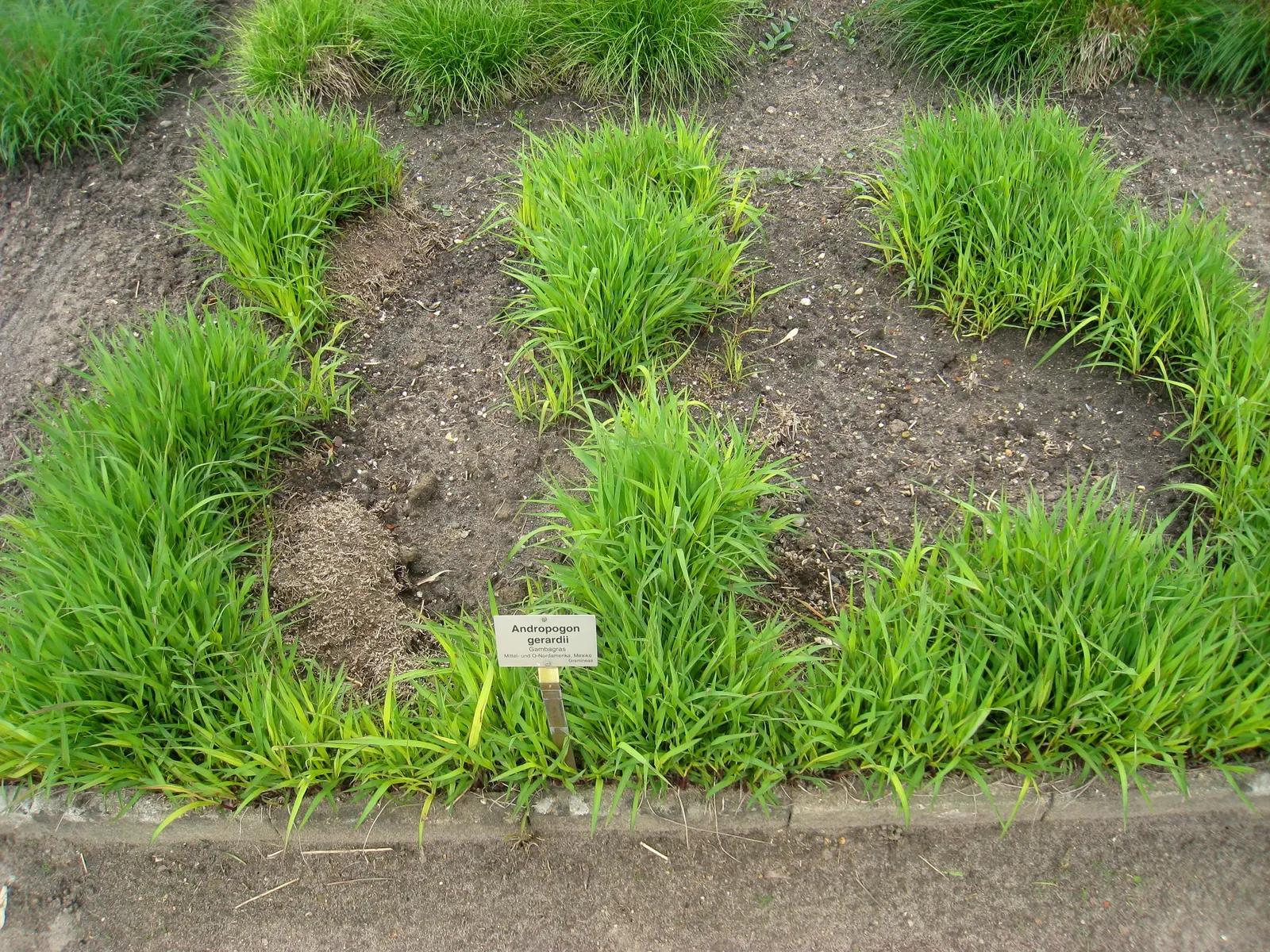
Andropogon Gerardii

Design with this plant

Overview

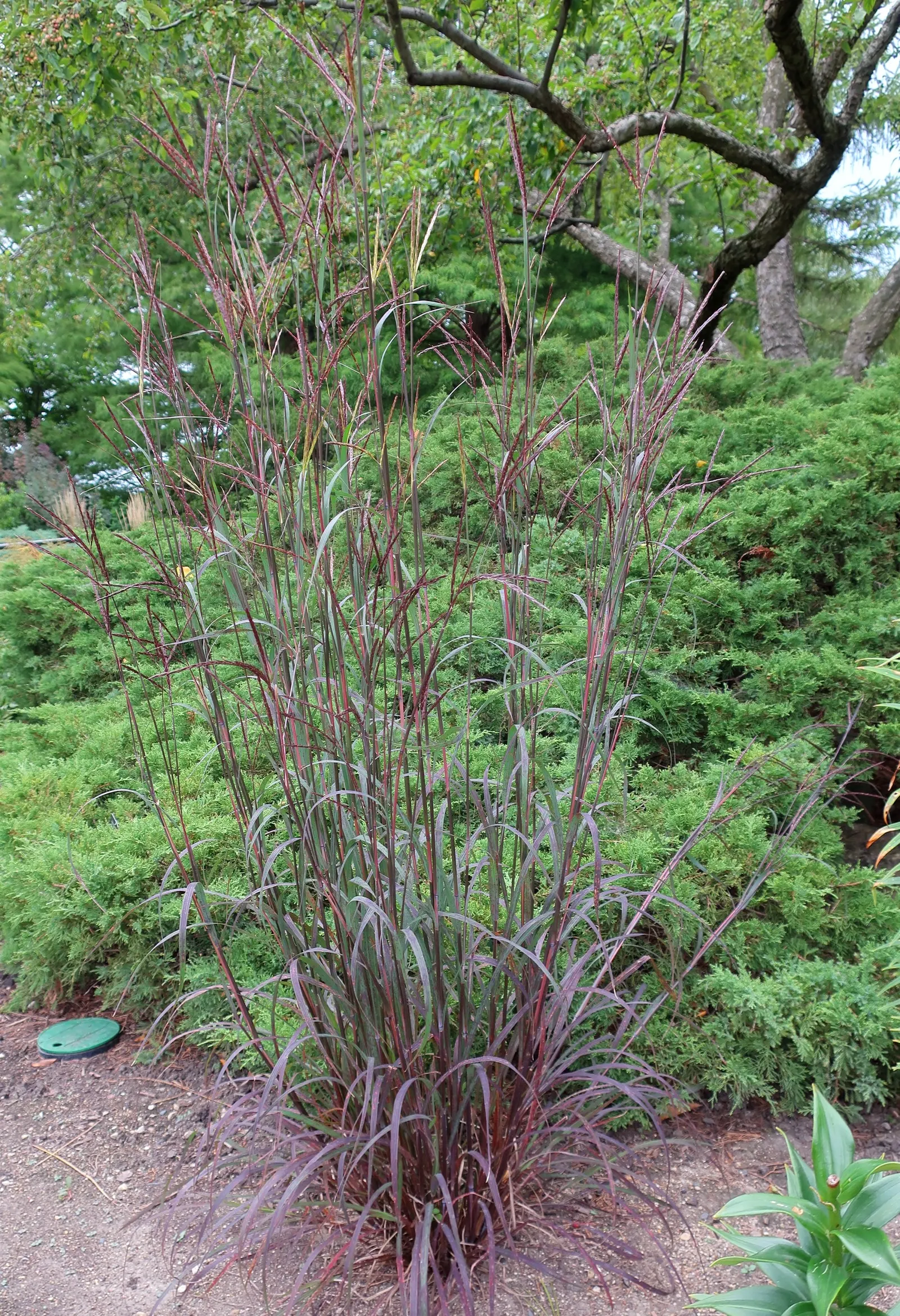
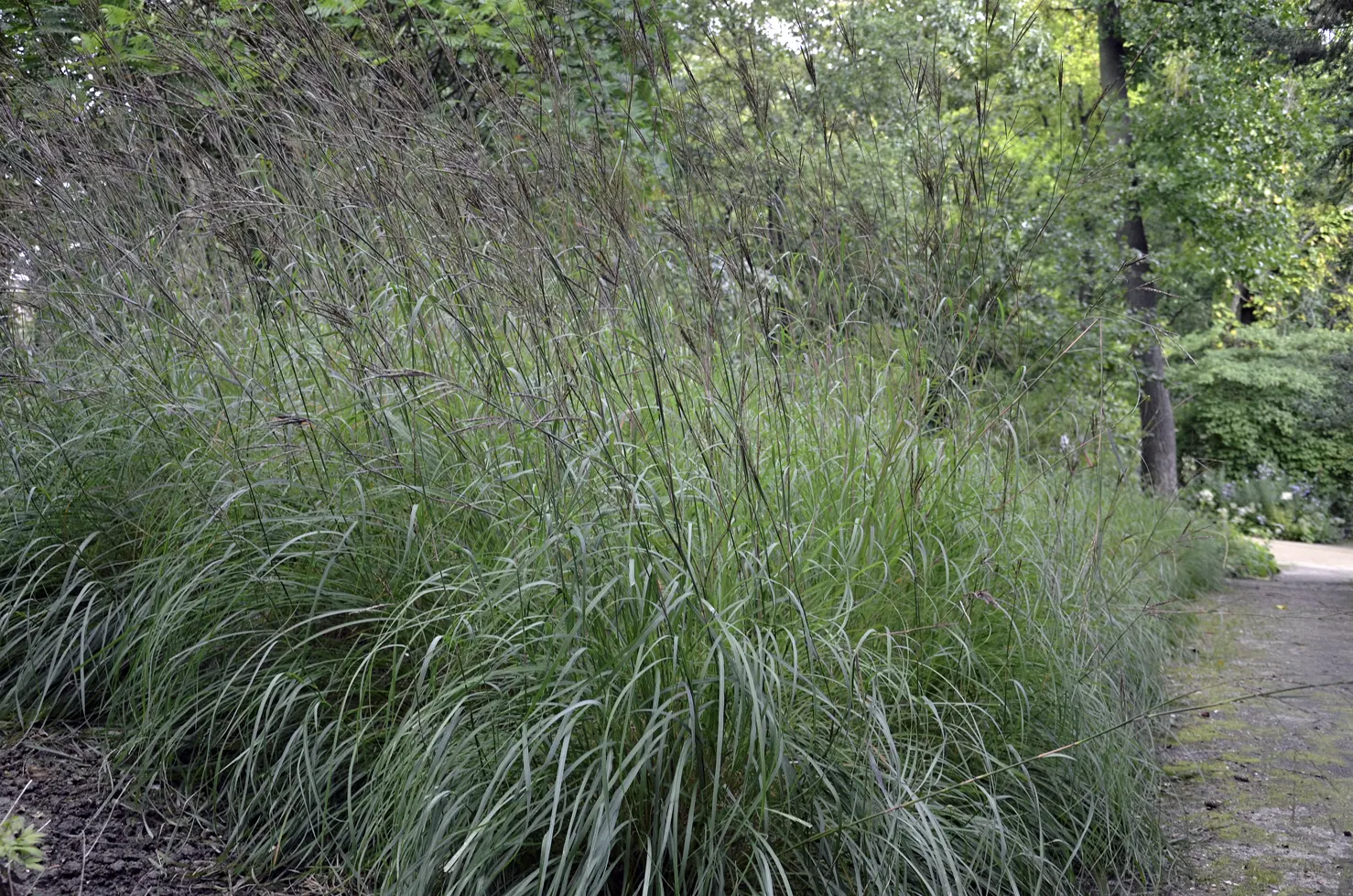
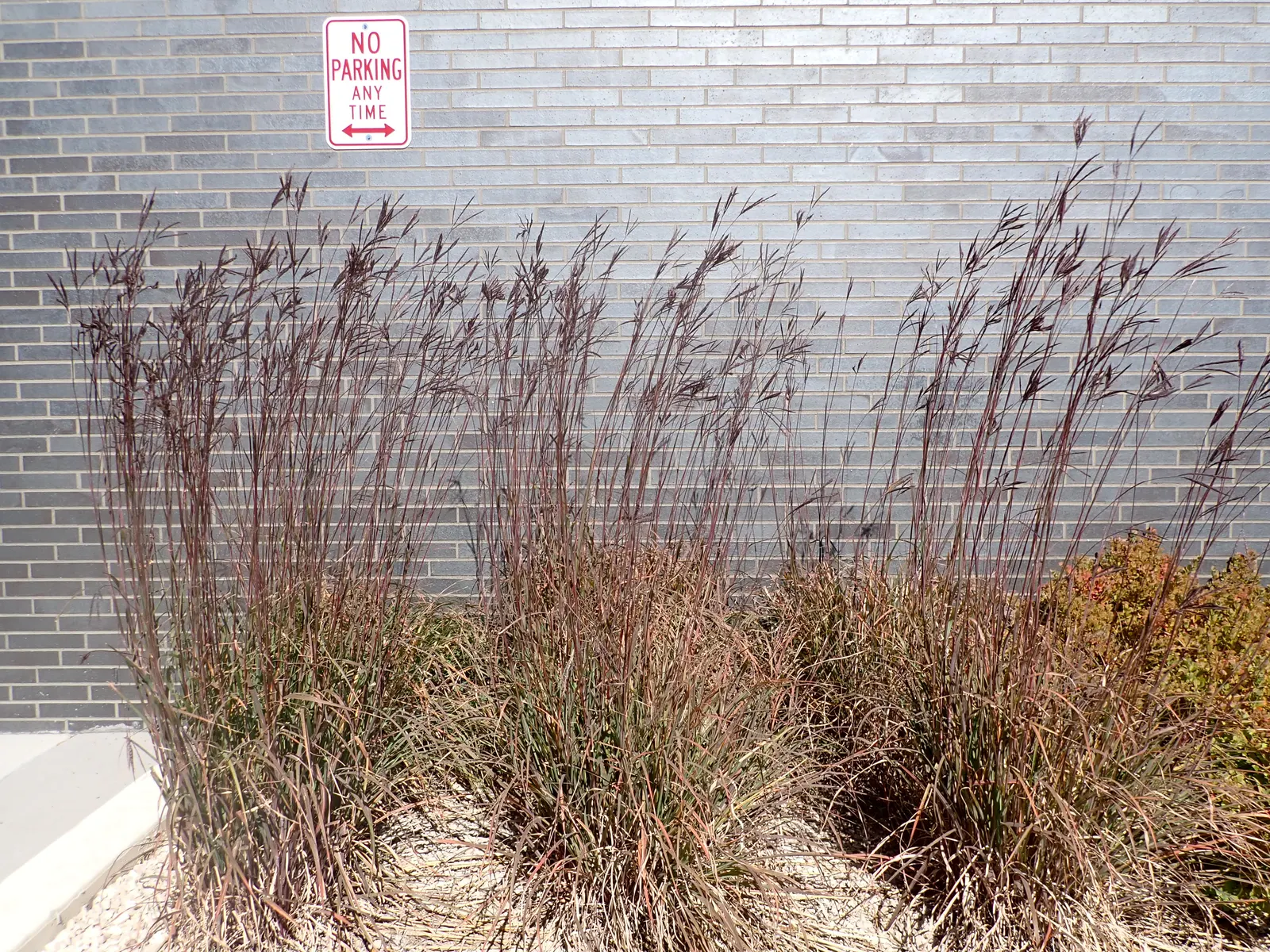
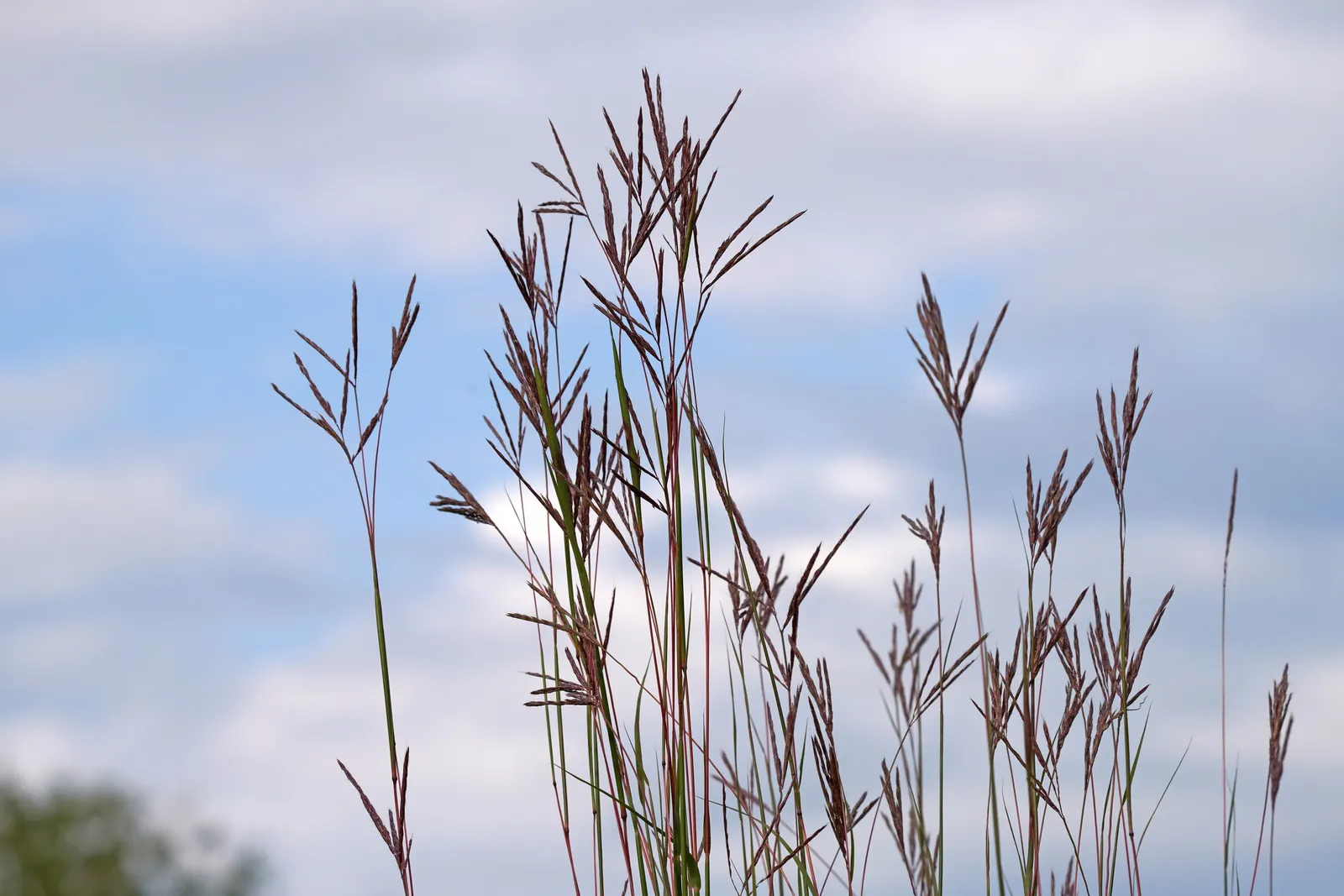
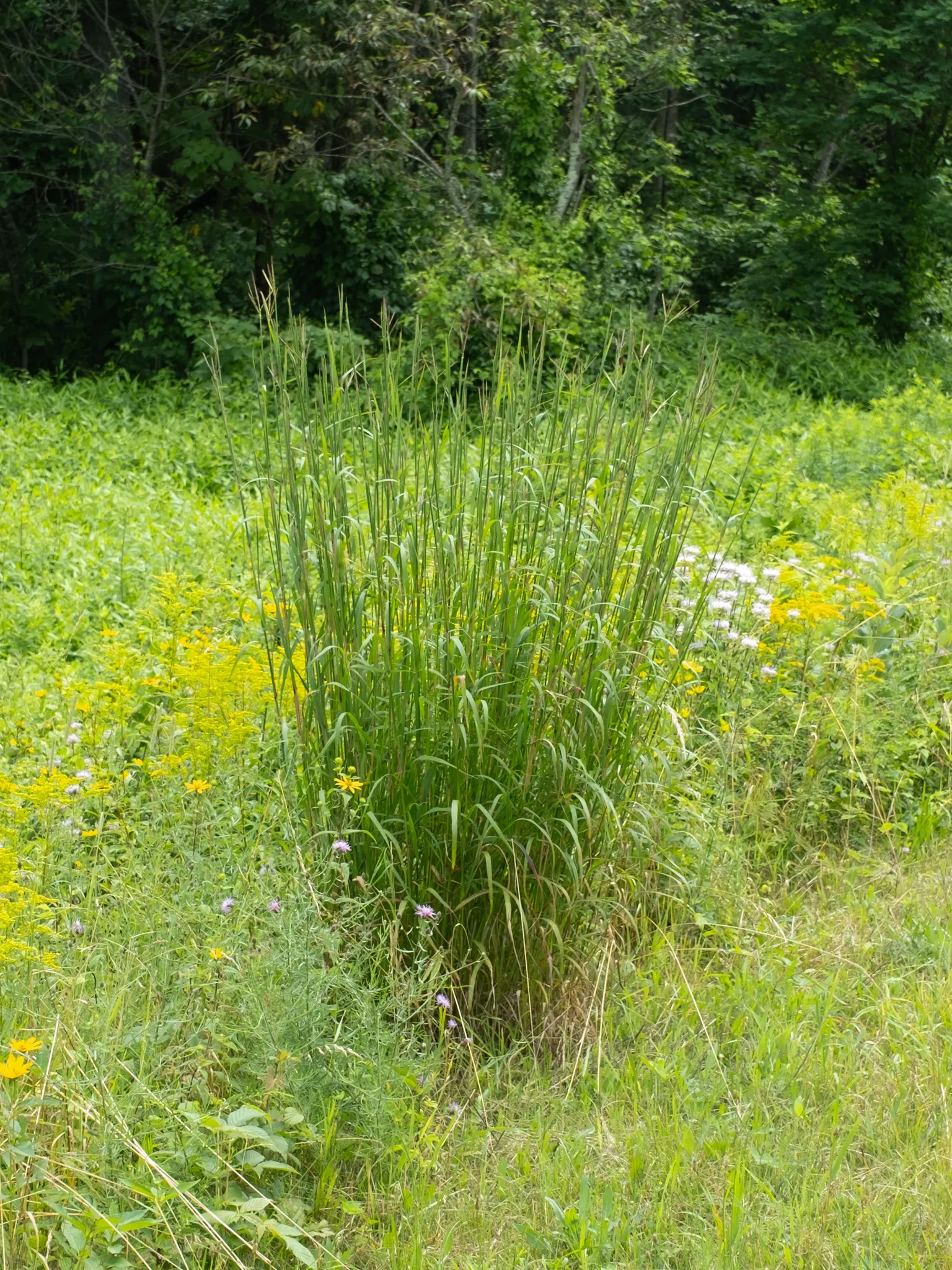
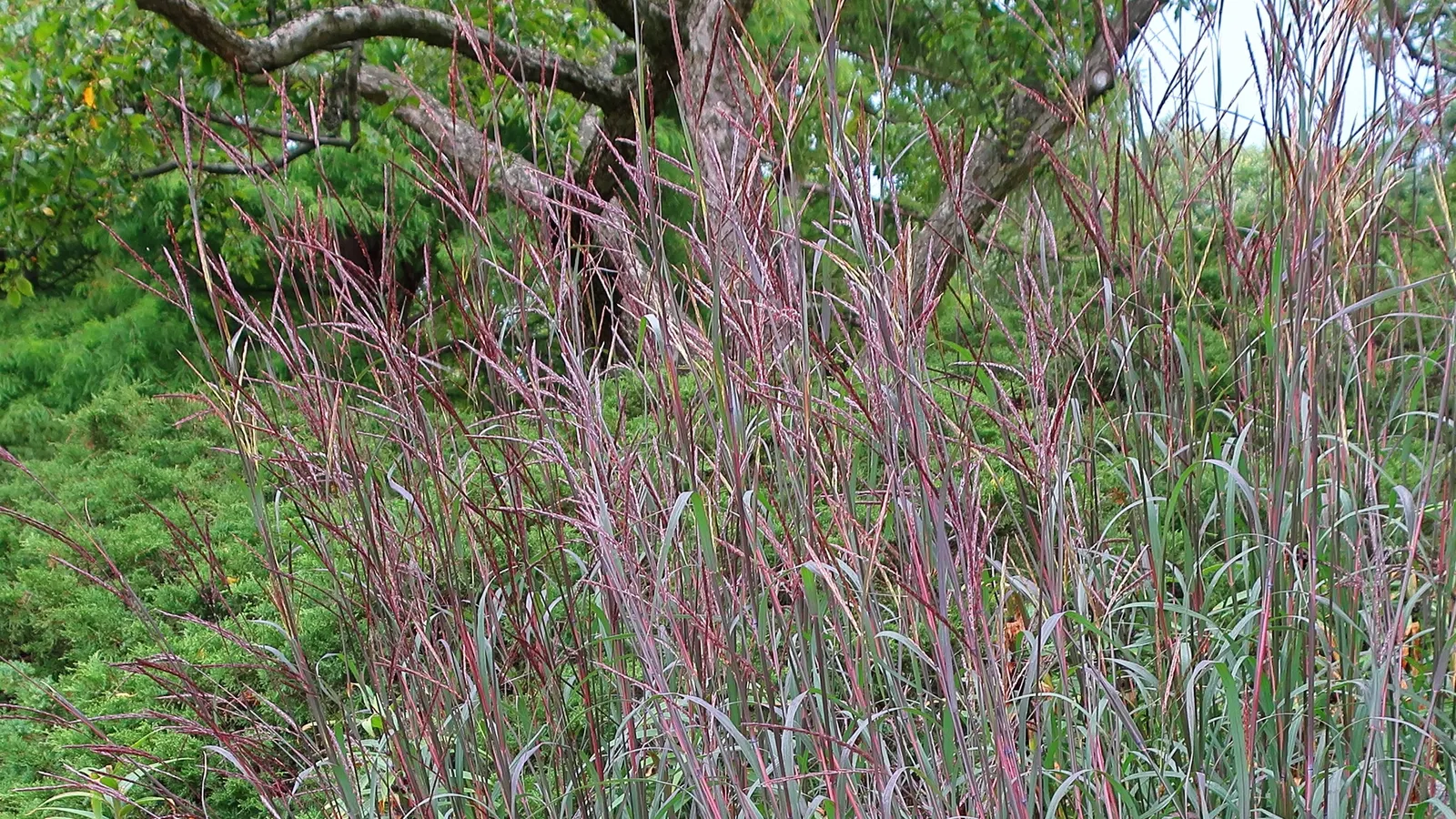
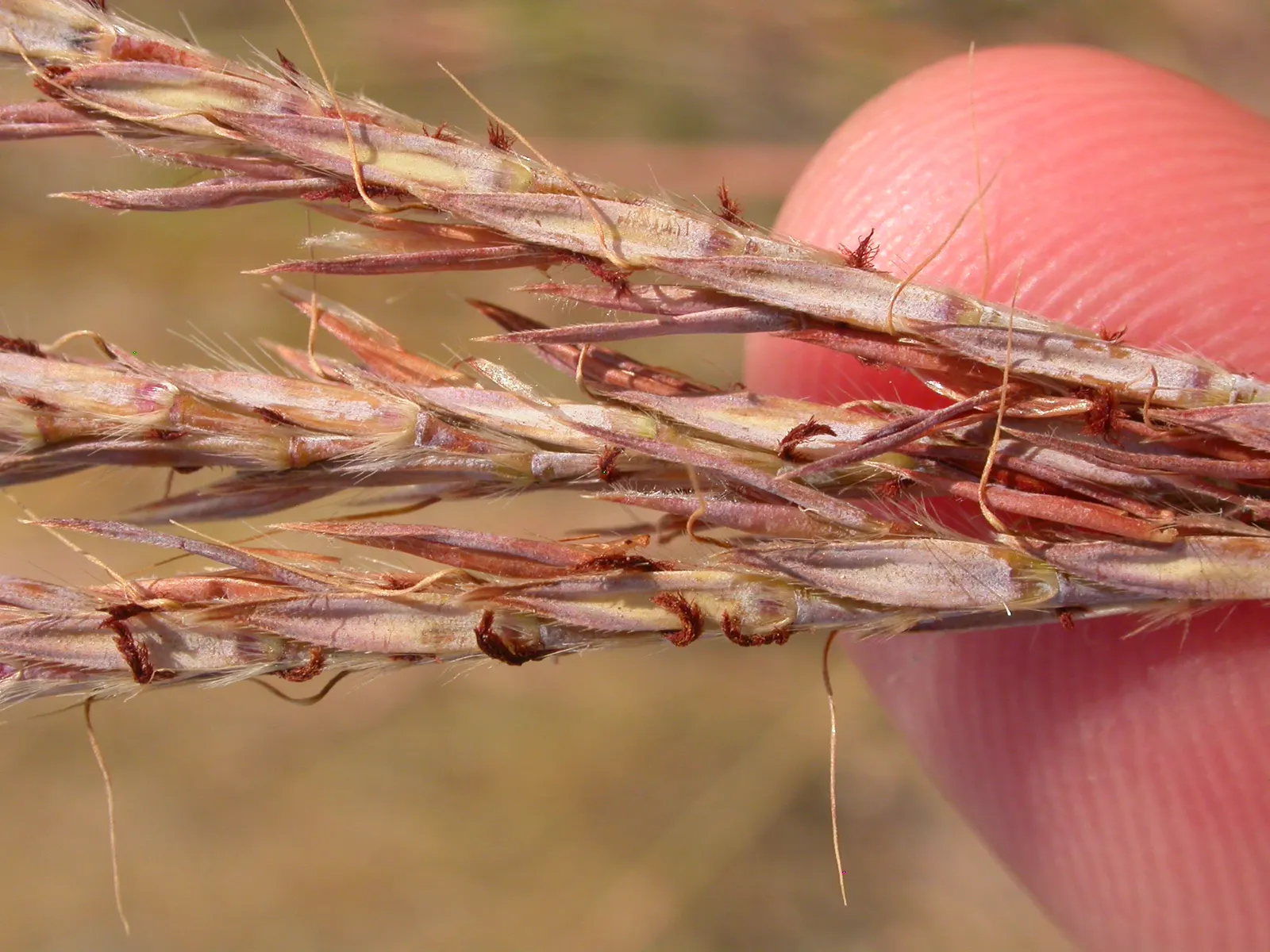
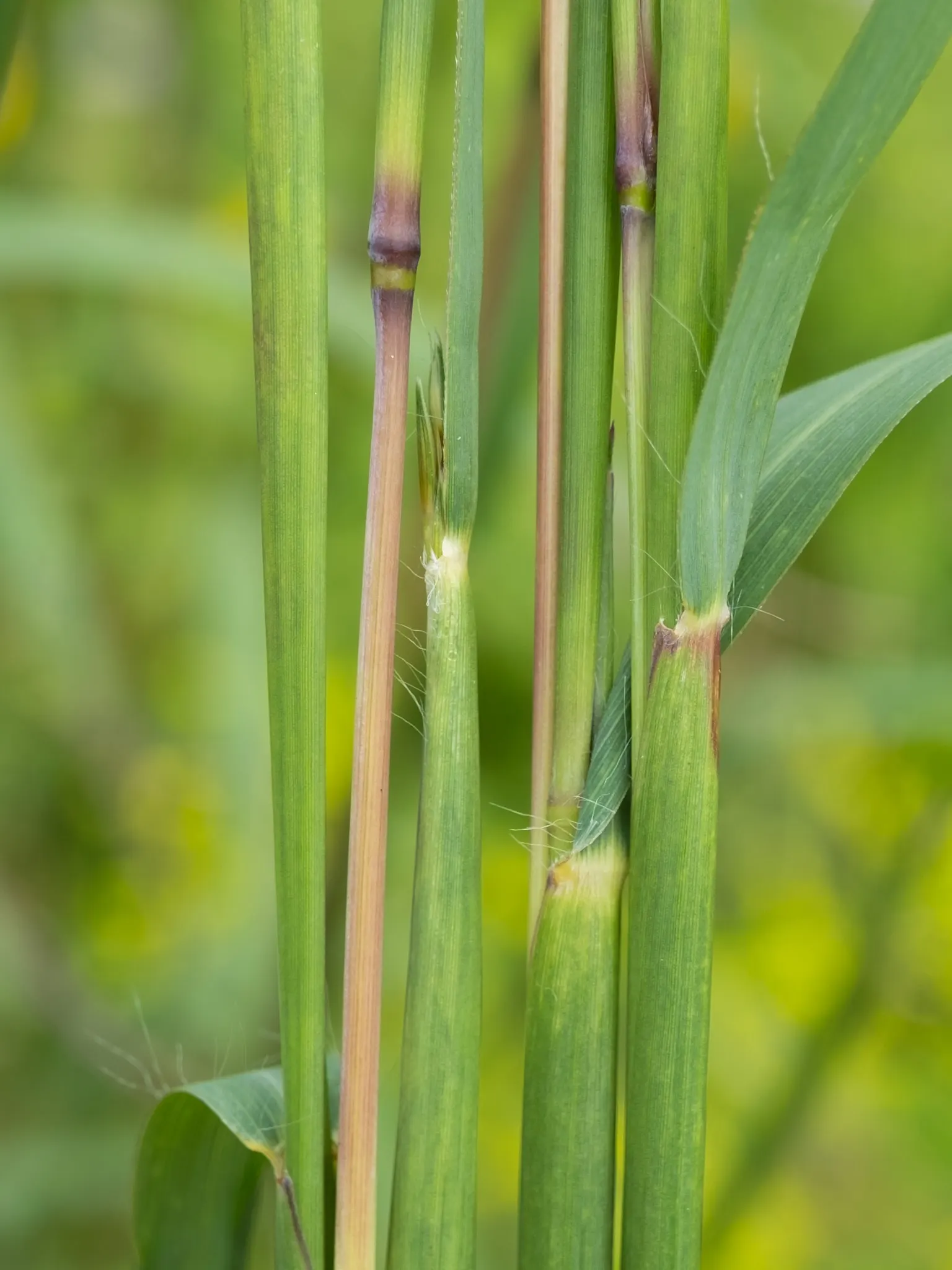
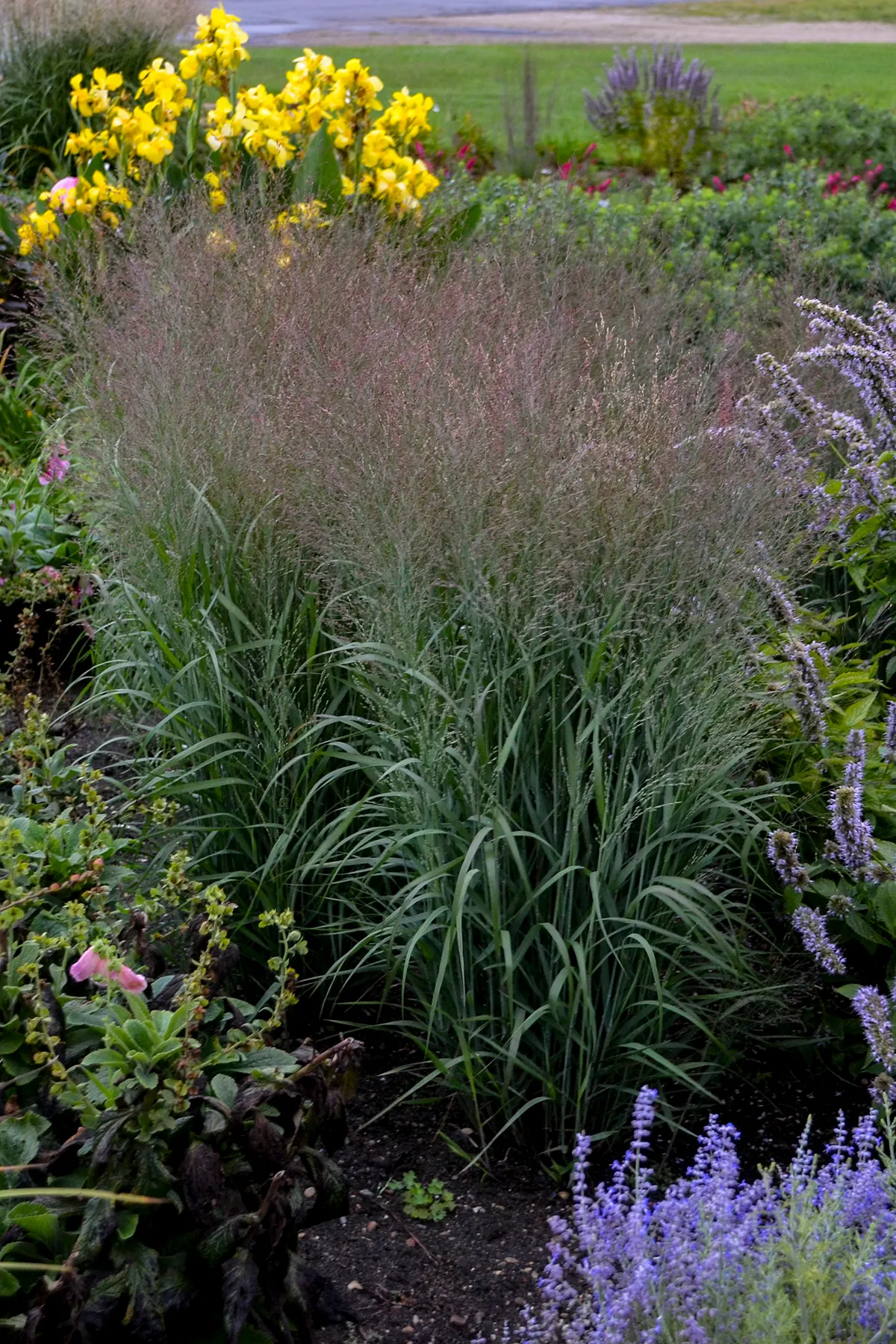
Big Bluestem (Andropogon gerardii) is a robust, perennial grass reaching 4-6 ft. A quintessential North American prairie plant, it showcases purplish flower spikes and bluish-green foliage which turns a striking reddish-bronze in fall. This hardy species thrives in full sun with deep roots adapting to a wide range of soils. Ideal for naturalistic landscapes, it offers excellent erosion control and is a magnificent accent in mixed borders.

Sun FullWater LowZones 4–9Type Grass, PerennialClimate Temperate

Culture

Sun
Full
Water
Low
USDA zones
4–9

Shape & size

Classification

Type
Grass, Perennial
Family
Poaceae
Climate
Temperate

See full data, regional cultivation notes, and design tools. Build a client presentation around this plant.

Start your 14-day trial

Photos (103)

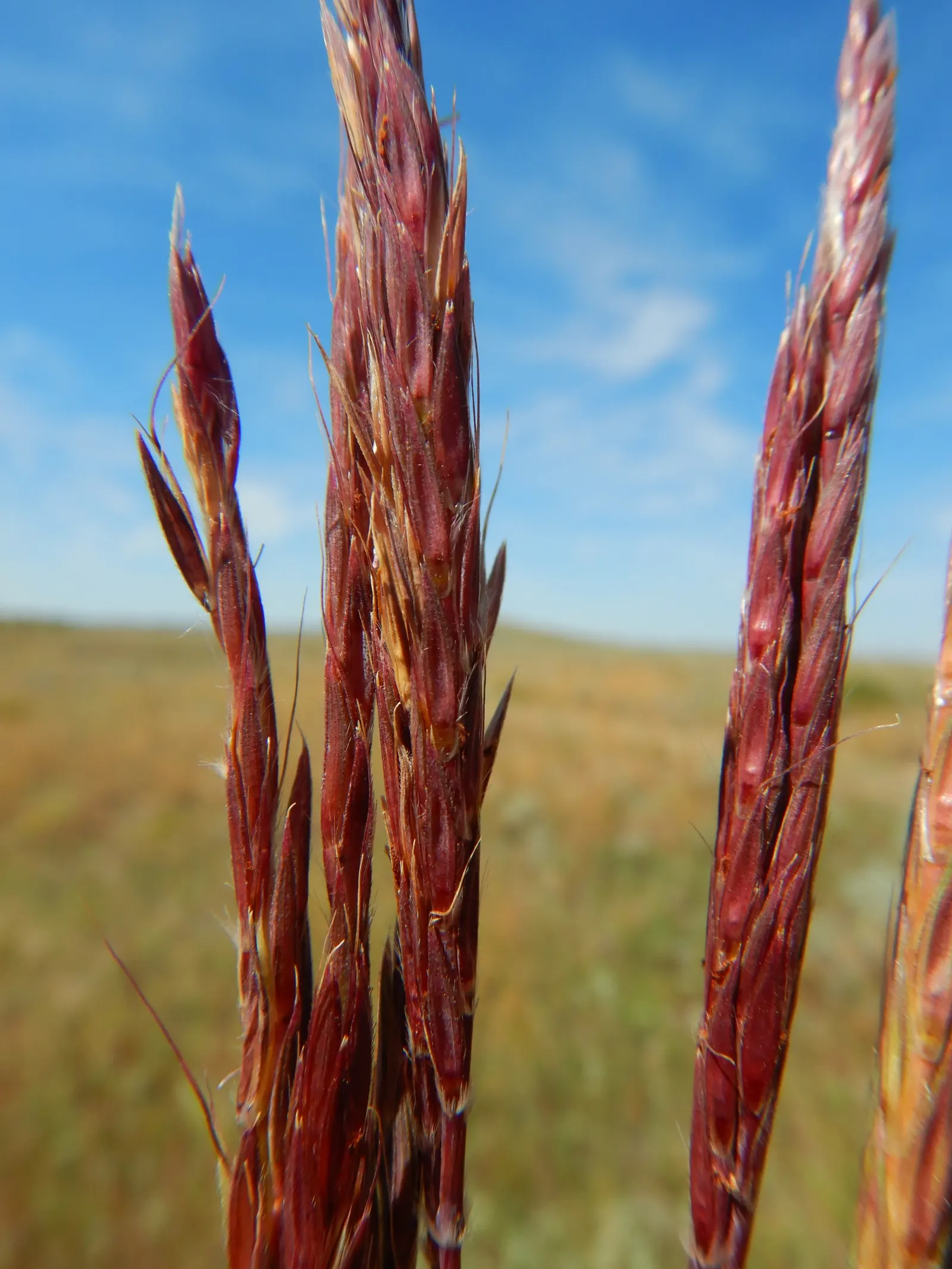
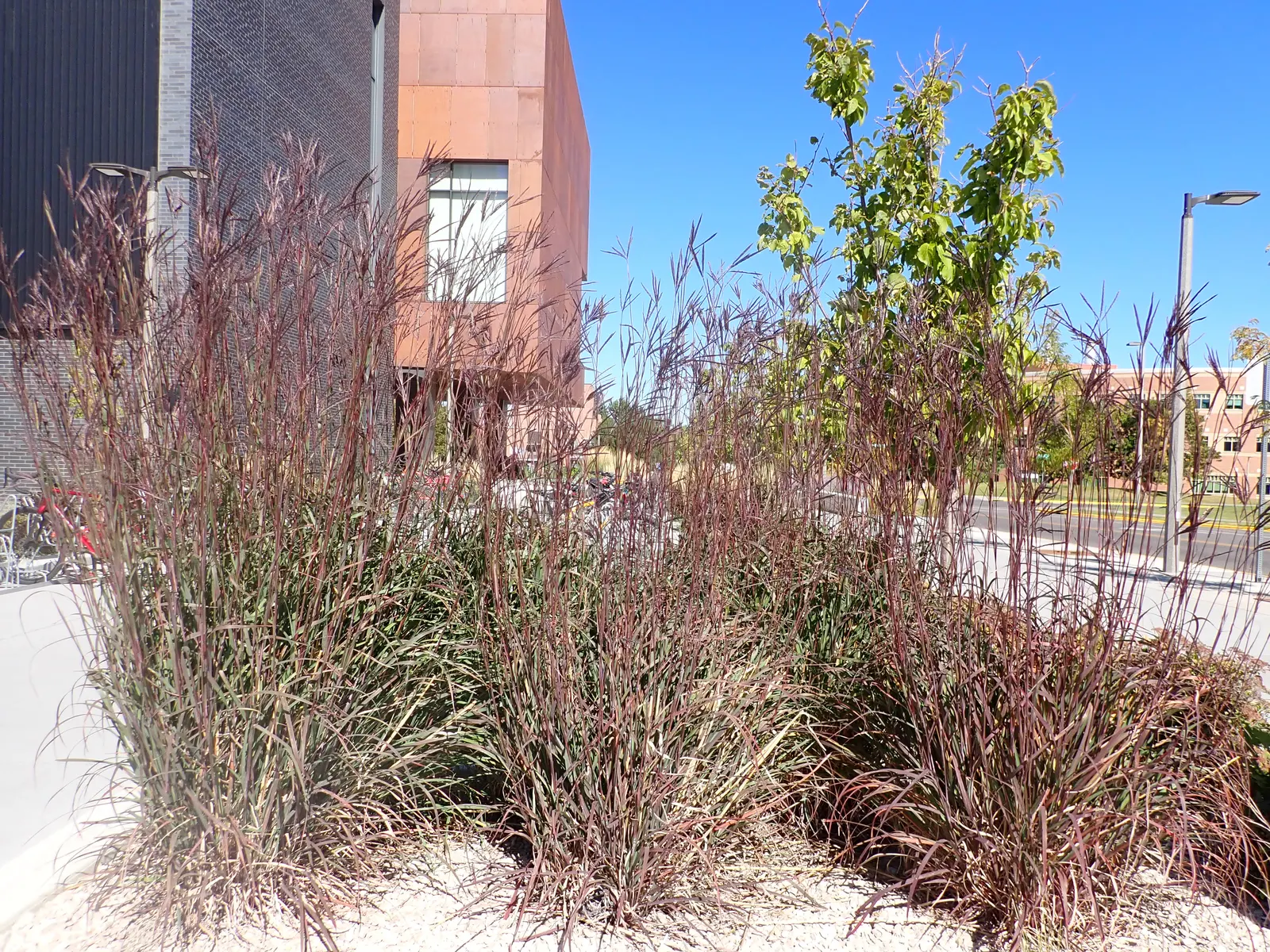
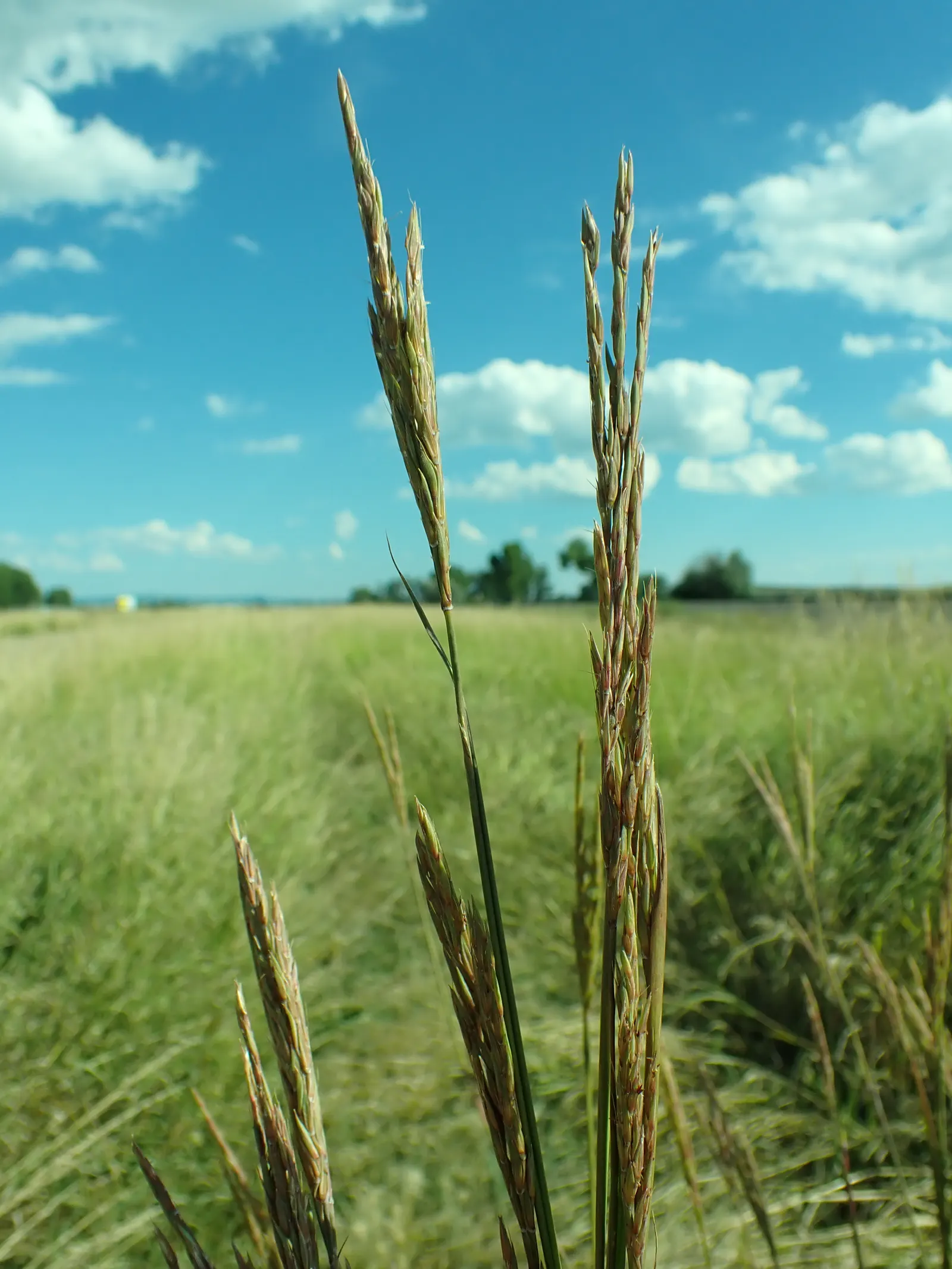
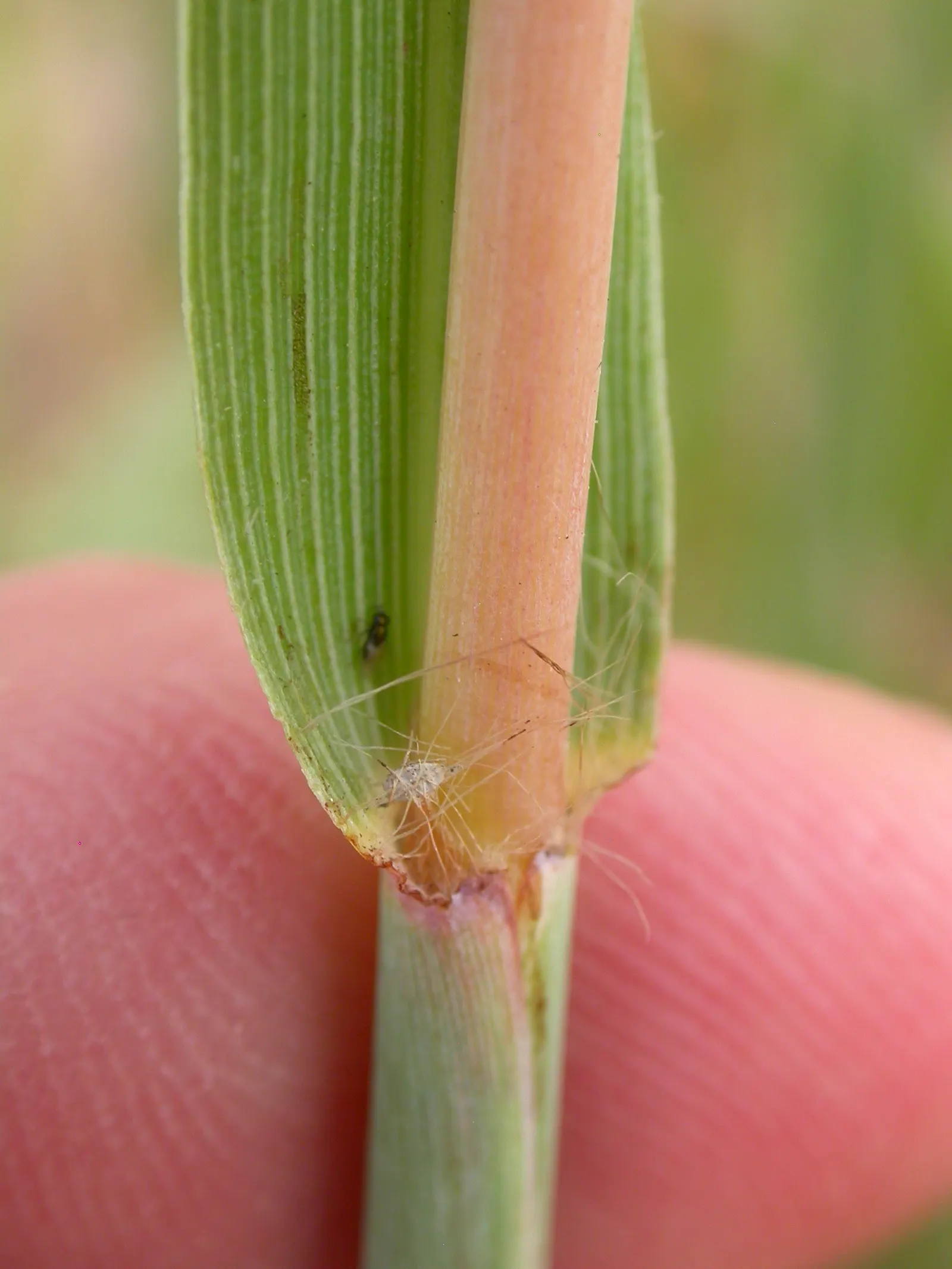
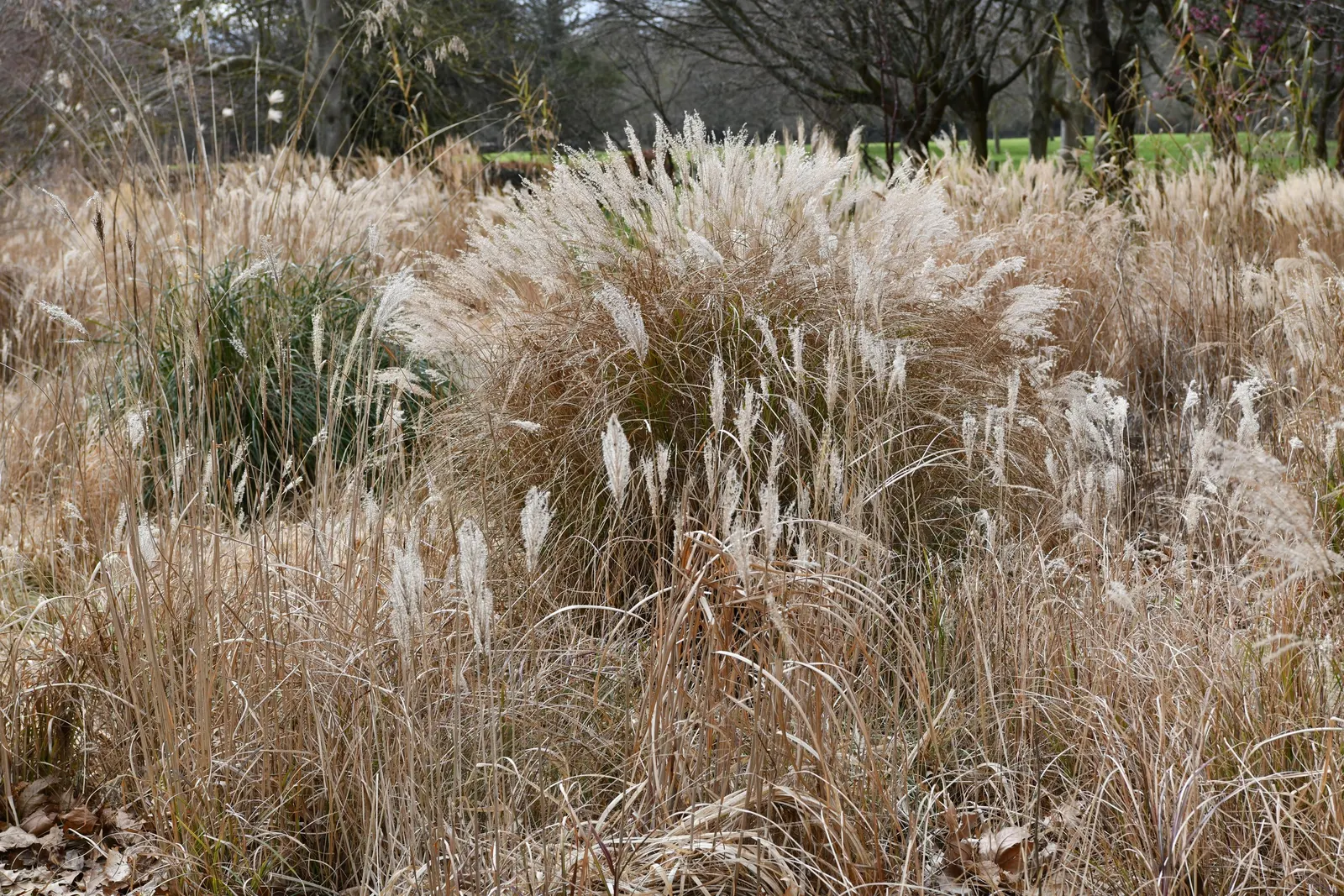
Big Bluestem (Andropogon Gerardii) — named for their resemblance to a bird's foot; green and red flowers in the garden, image 67
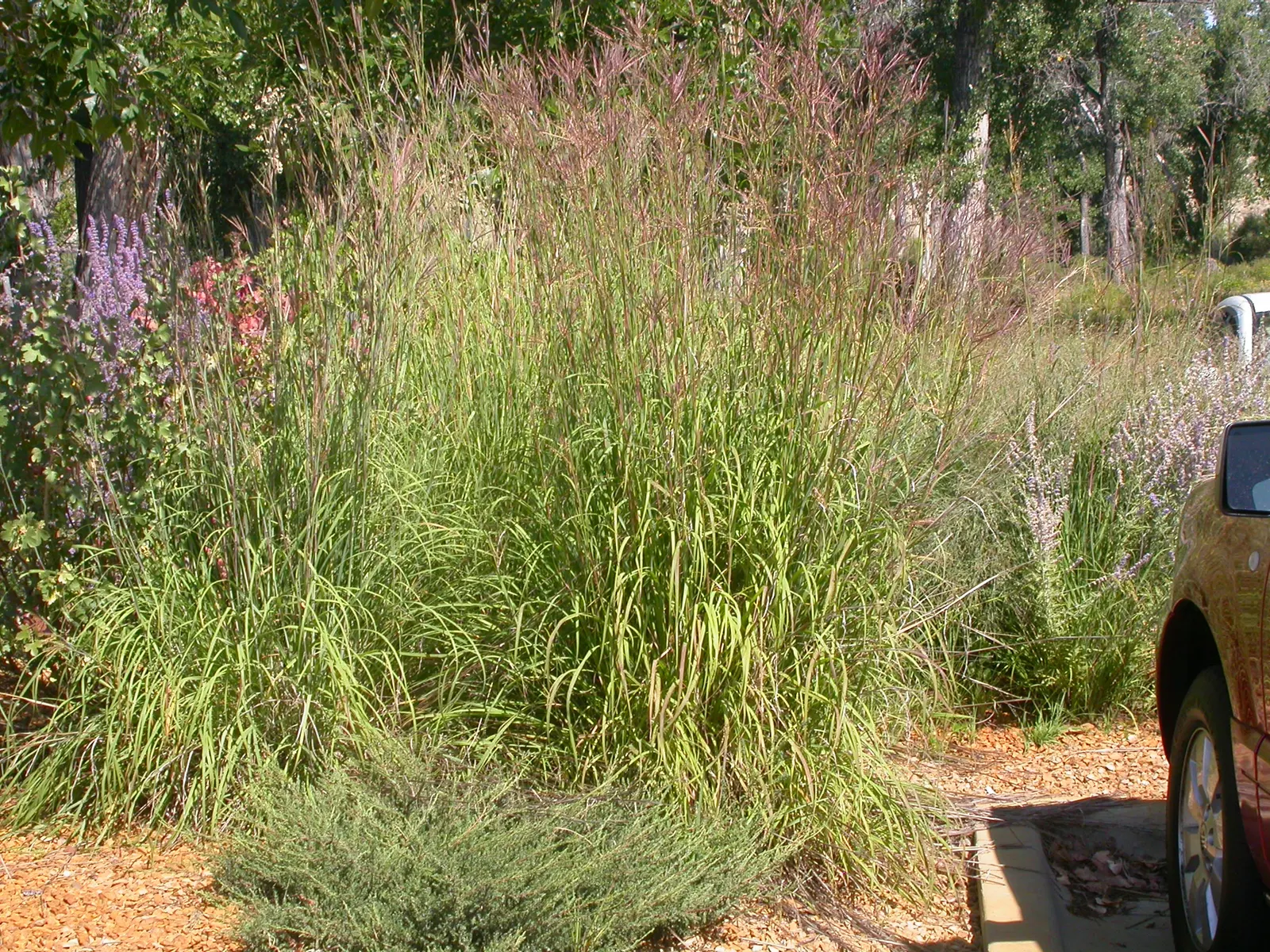
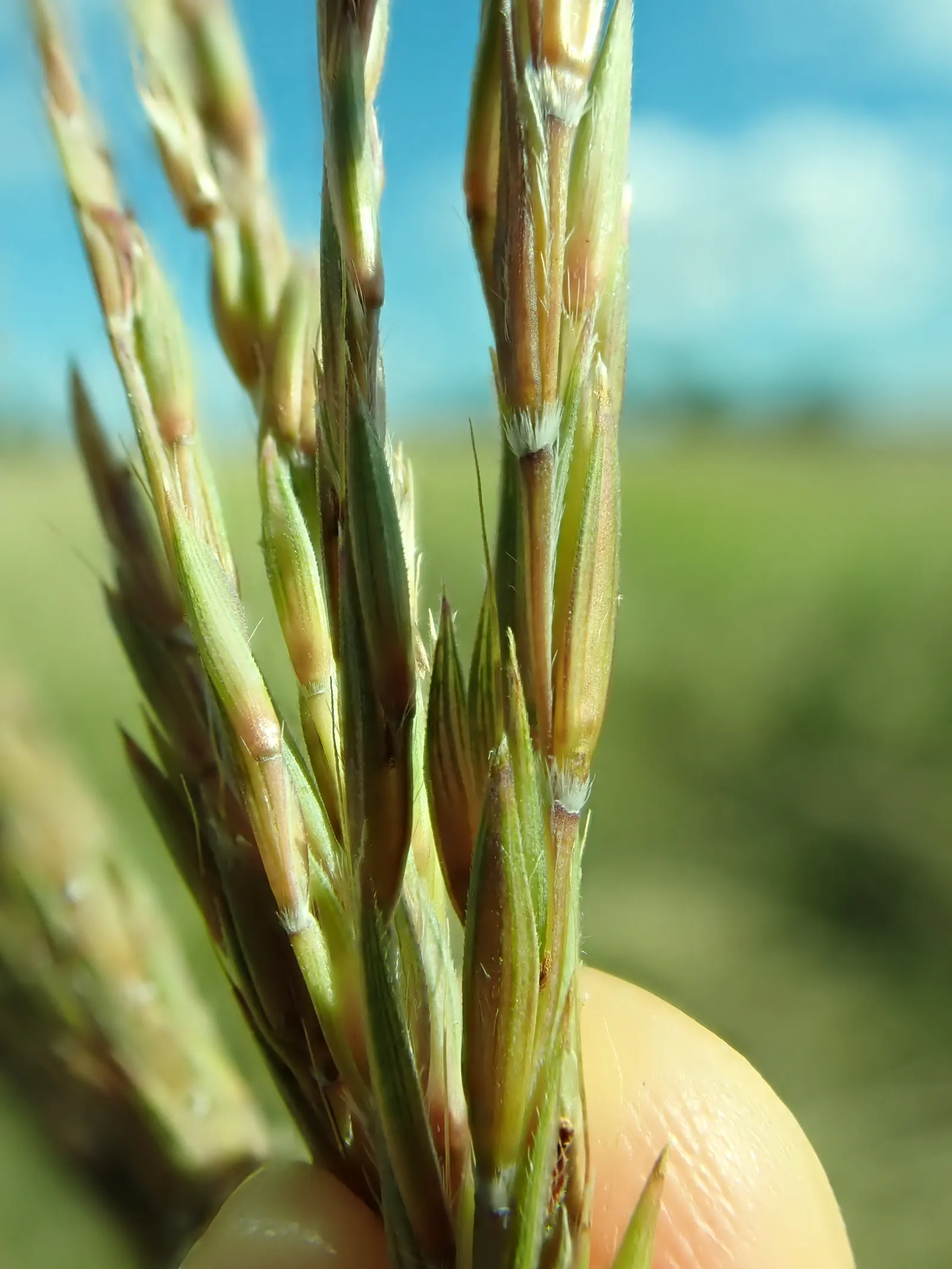
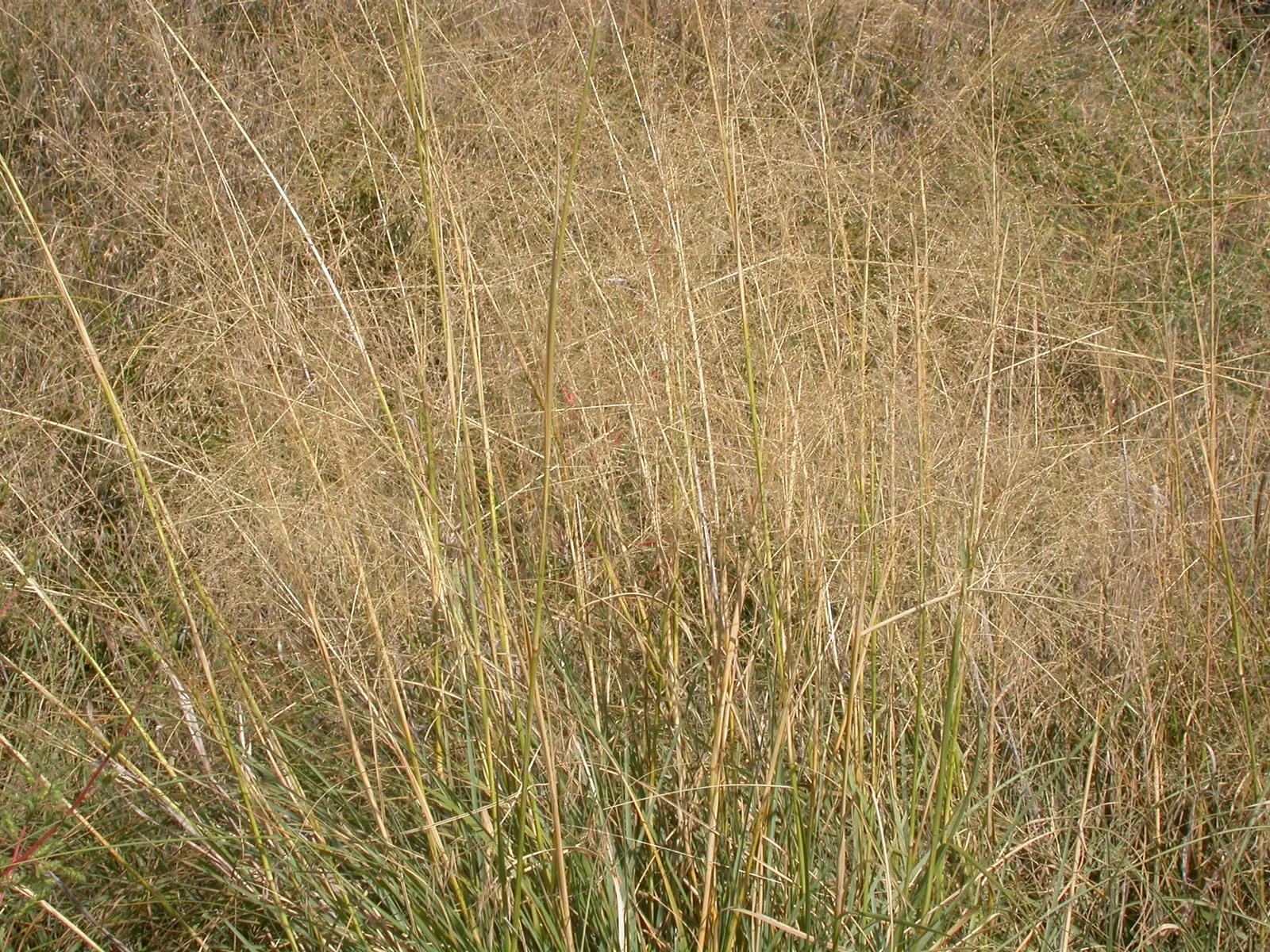
Big Bluestem (Andropogon Gerardii) — Its clumping growth habit can span 2 to 3 feet wide; it showcases purplish flower spikes and bluish-green, image 64
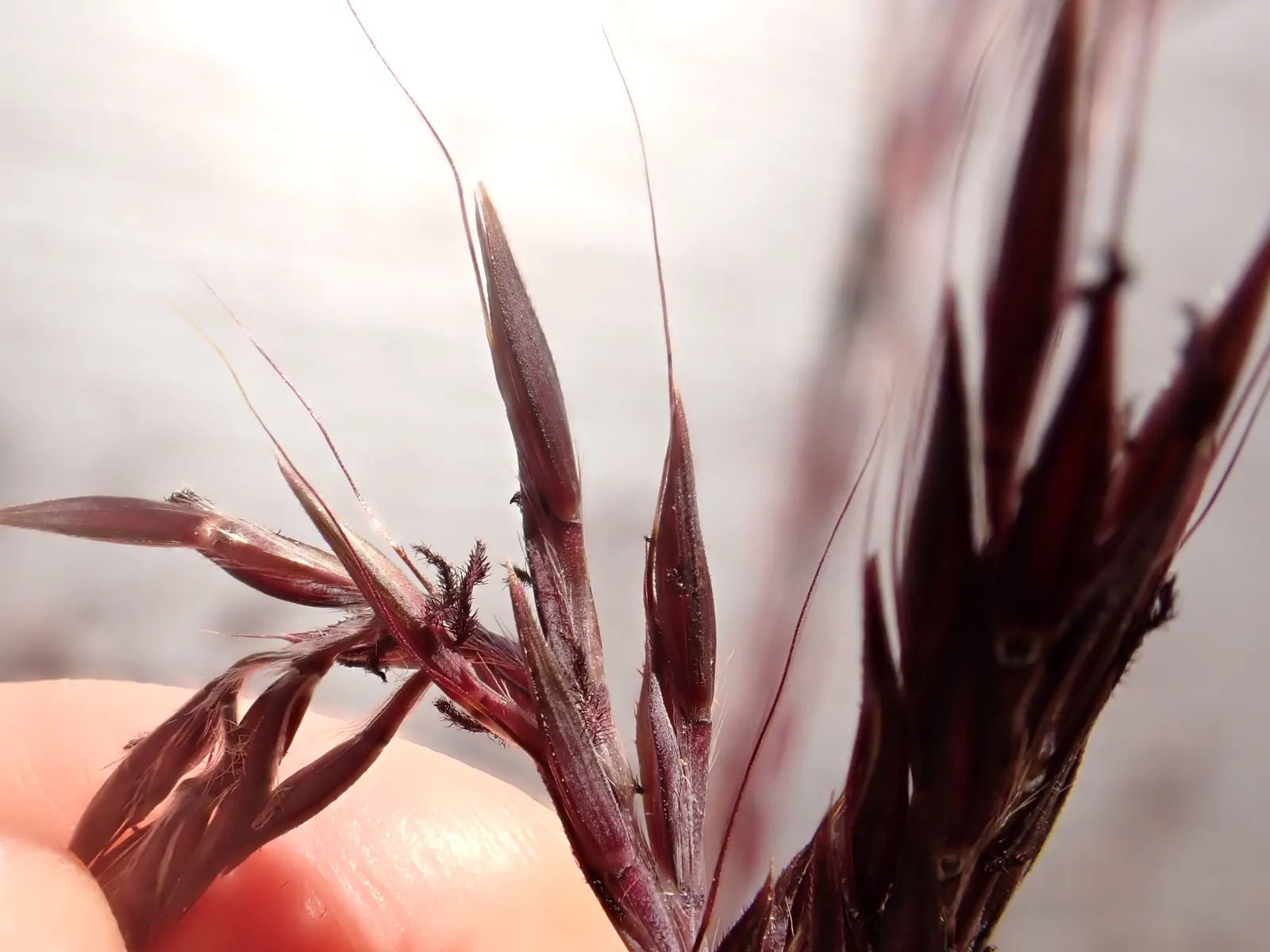
Big Bluestem (Andropogon Gerardii) — combined with its adaptability to a variety of soil conditions; its clumping growth habit can span 2 to 3 feet, image 69
Big Bluestem (Andropogon Gerardii) — make it a versatile choice for prairie restorations; or as a dramatic backdrop in ornamental beds.<br><br>For a successful
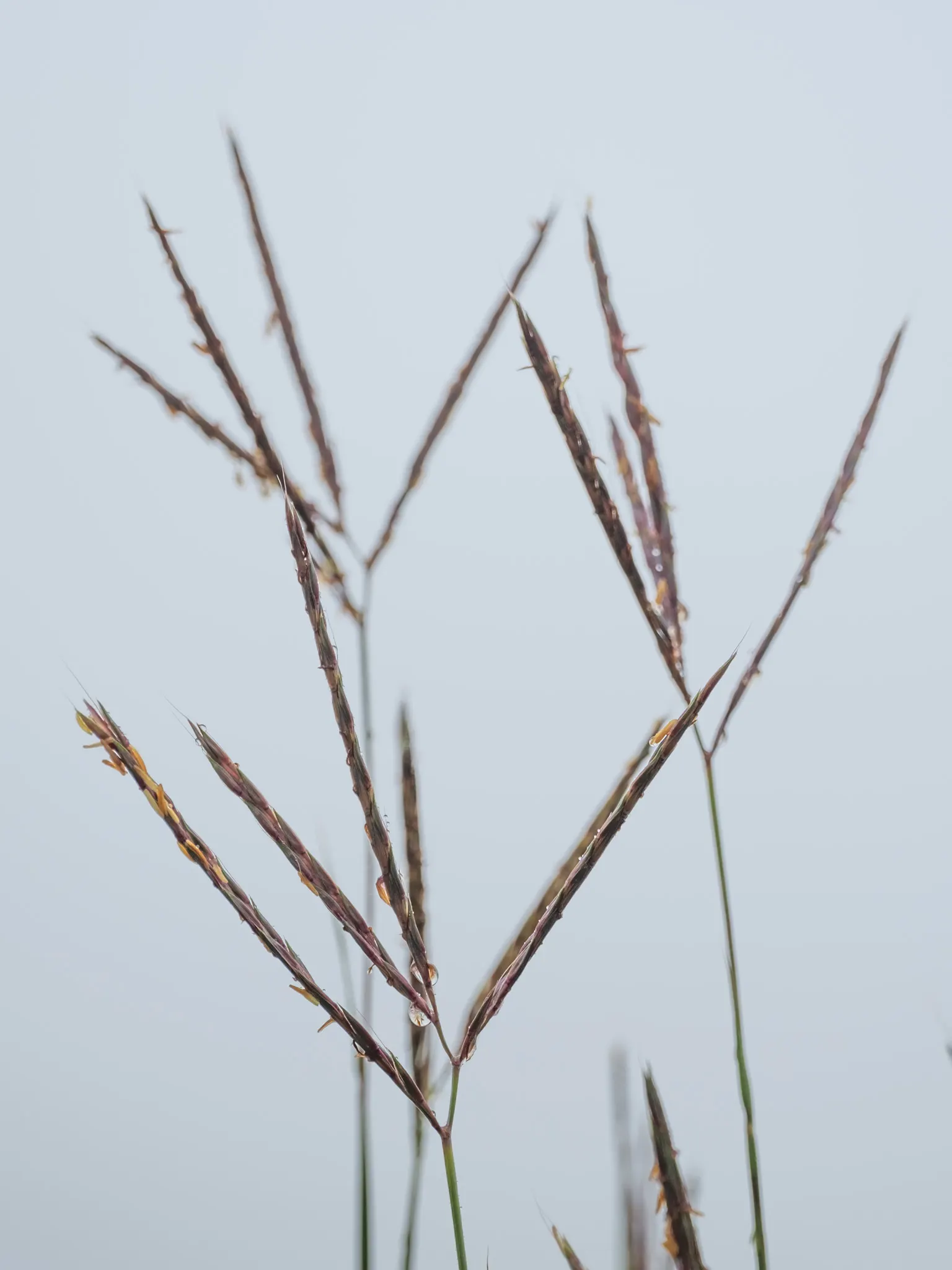
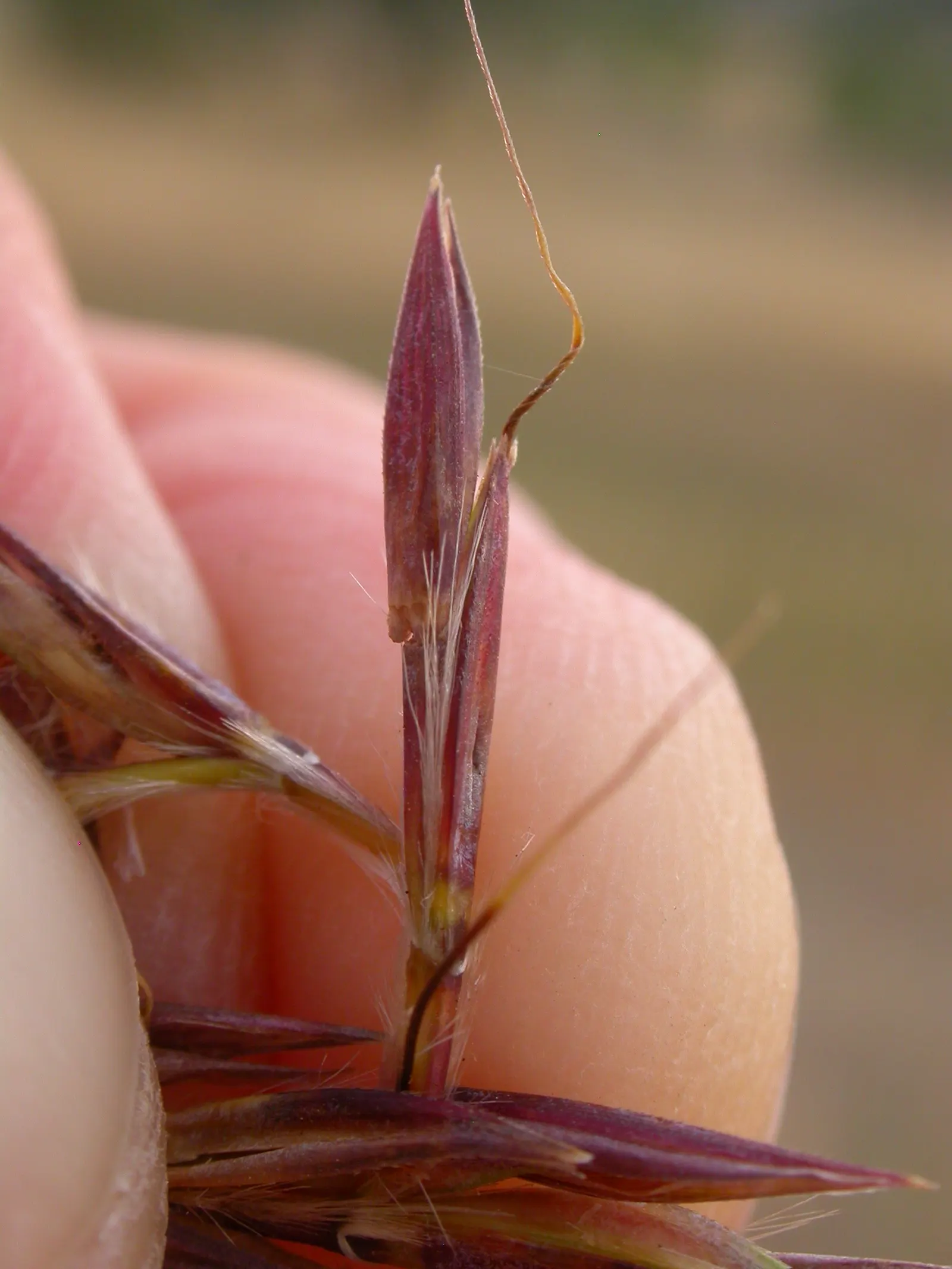
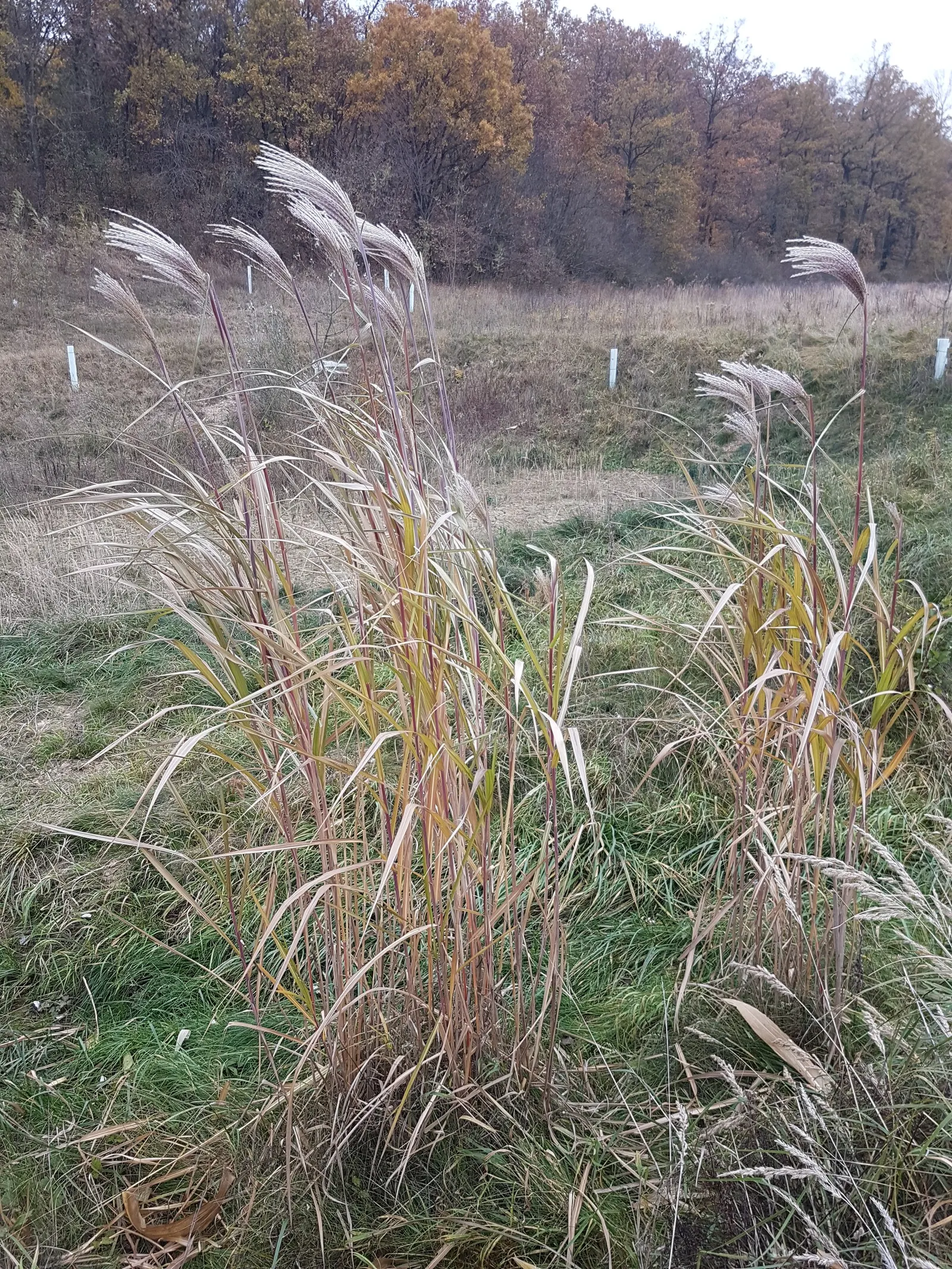
Big Bluestem (Andropogon Gerardii) — it typically reaches 4 to 6 feet; named for their resemblance to a bird's foot, image 62
Big Bluestem (Andropogon Gerardii) — with exceptional specimens soaring up to 8 feet when conditions are favorable; minimal maintenance is needed, though
Big Bluestem (Andropogon Gerardii) — make it a versatile choice for prairie restorations; or as a dramatic backdrop in ornamental beds.<br><br>For, image 70
Big Bluestem (Andropogon Gerardii) — Ideal for naturalistic landscapes; it offers excellent erosion control and is a magnificent accent in mixed borders
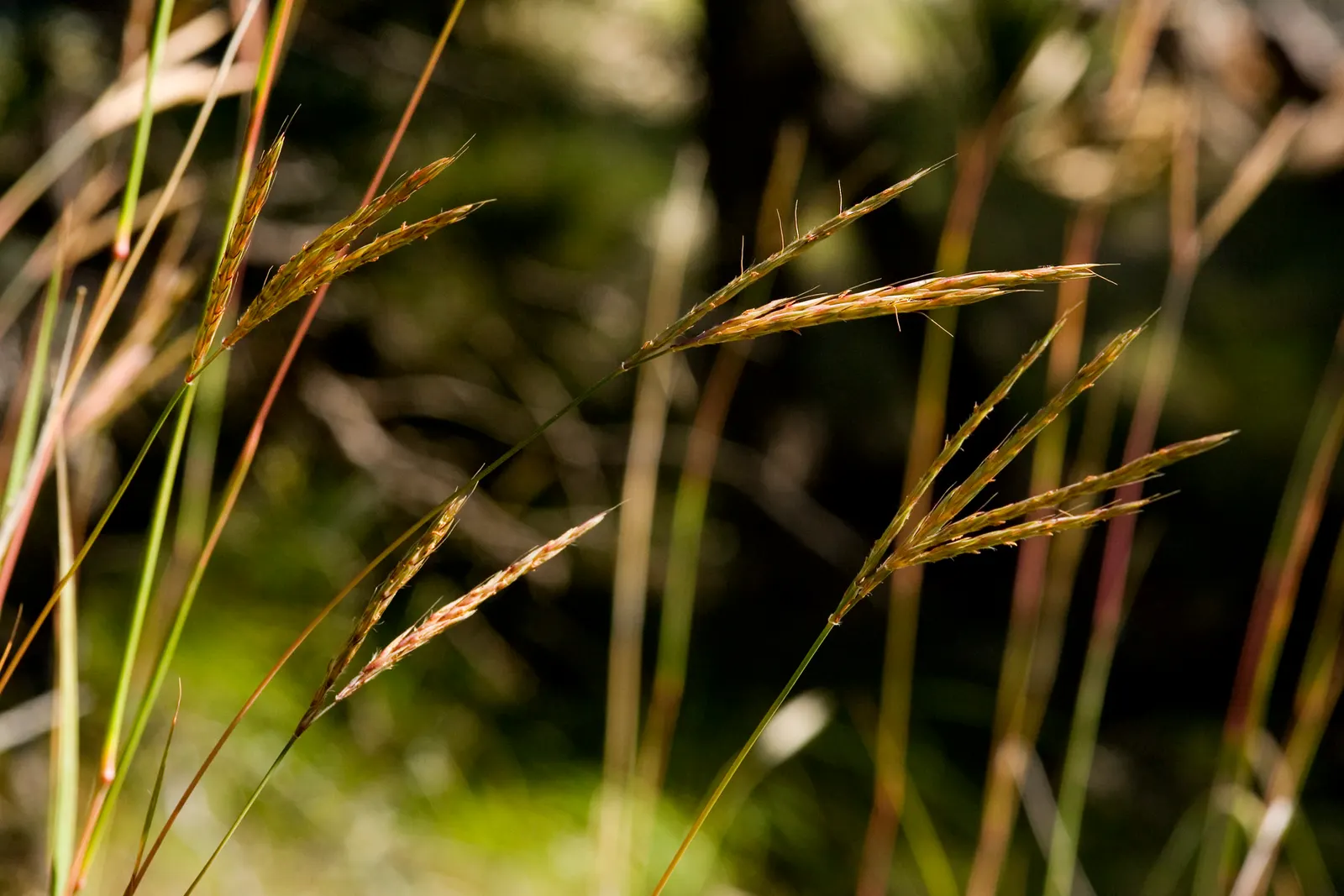
Big Bluestem (Andropogon Gerardii) — The distinct 'turkey foot' seed heads; combined with its adaptability to a variety of soil conditions
Big Bluestem (Andropogon Gerardii) — Ideal for naturalistic landscapes; it offers excellent erosion control and is a magnificent accent in mixed, image 83
Big Bluestem (Andropogon Gerardii) — grass / perennial for full
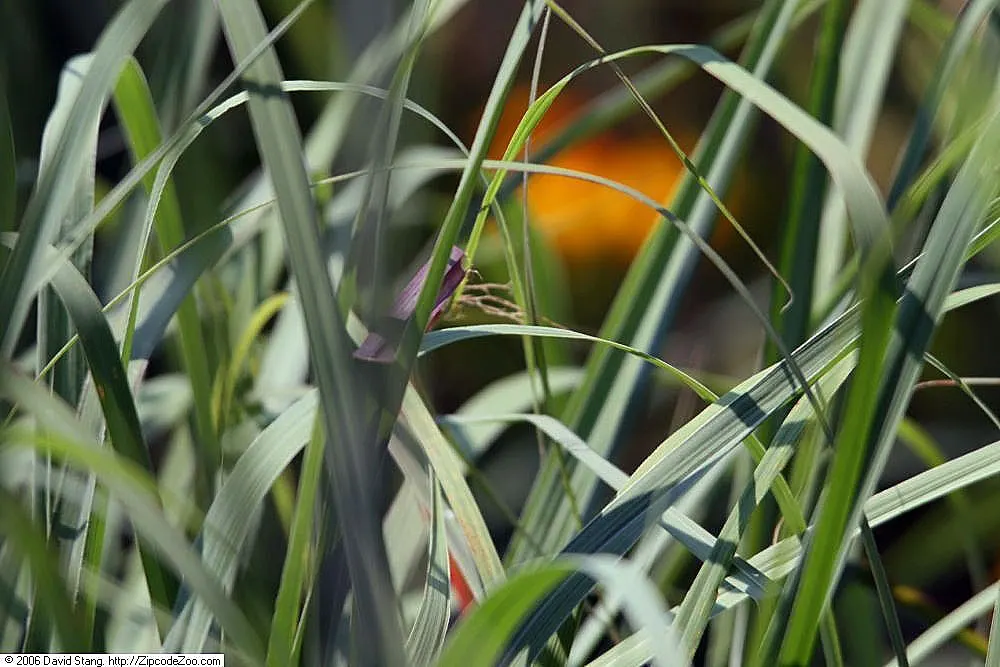
Big Bluestem (Andropogon Gerardii) — Its clumping growth habit can span 2 to 3 feet wide; it showcases purplish flower spikes and bluish-green foliage which
Big Bluestem (Andropogon Gerardii) — or as a dramatic backdrop in ornamental beds.<br><br>For a successful installation; grass / perennial for full
Big Bluestem (Andropogon Gerardii) — A quintessential North American prairie plant; with exceptional specimens soaring up to 8 feet when conditions, image 80
Big Bluestem (Andropogon Gerardii) — The distinct 'turkey foot' seed heads
Big Bluestem (Andropogon Gerardii) — This hardy species thrives in full sun with deep roots adapting to a wide range of soils
Big Bluestem (Andropogon Gerardii) — scientifically known as Andropogon gerardii; big Bluestem requires full sun exposure and can tolerate both dry, image 59
Big Bluestem (Andropogon Gerardii) — though it shows a preference for well-drained soil; the distinct 'turkey foot' seed heads
Big Bluestem (Andropogon Gerardii) — emerge in late summer and lend a unique texture and visual interest to the garden; ideal for naturalistic, image 68
Big Bluestem (Andropogon Gerardii) — emerge in late summer and lend a unique texture and visual interest to the garden
Big Bluestem (Andropogon Gerardii) — Its clumping growth habit can span 2 to 3 feet wide
Big Bluestem (Andropogon Gerardii) — Big Bluestem (Andropogon gerardii) is a robust, perennial grass reaching 4-6 ft; this hardy species thrives in, image 79
Big Bluestem (Andropogon Gerardii) — it showcases purplish flower spikes and bluish-green foliage which turns a striking reddish-bronze in fall, image 81
Big Bluestem (Andropogon Gerardii) — Minimal maintenance is needed, though occasional trimming can promote denser growth
Photographs by 7 contributors

Related plants