Skip to content

Lead Plant

Amorpha Canescens

Design with this plant

Overview

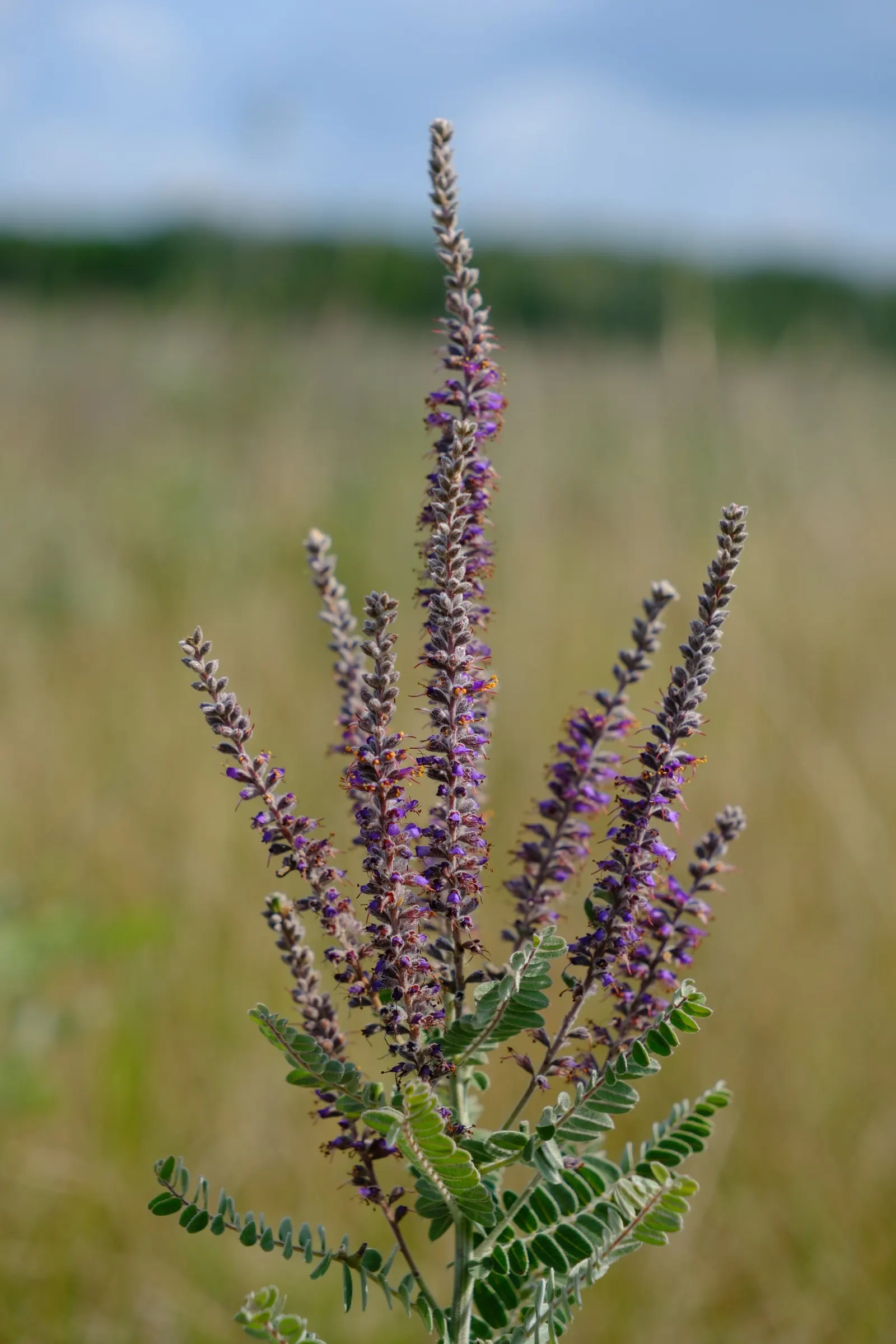
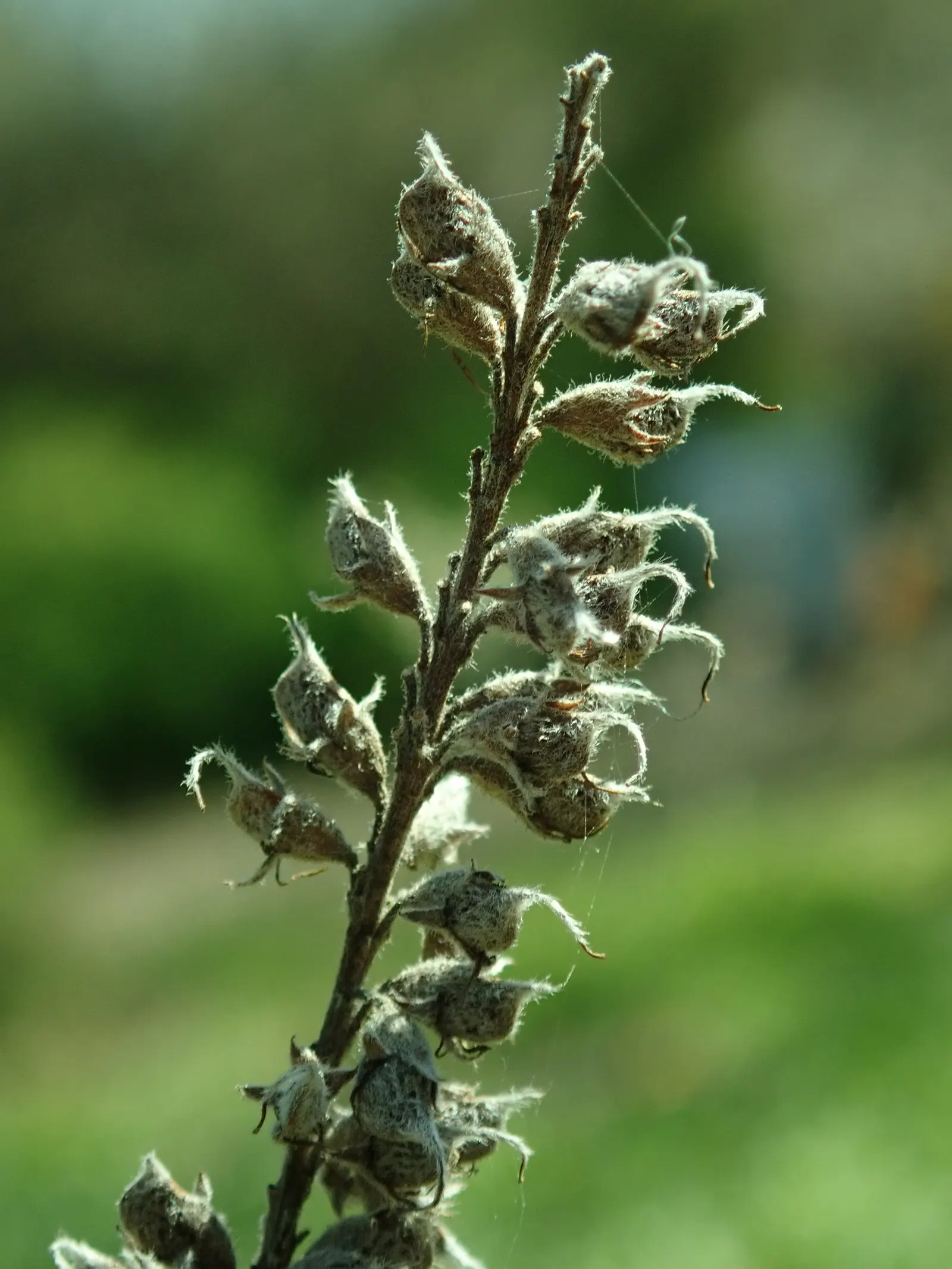
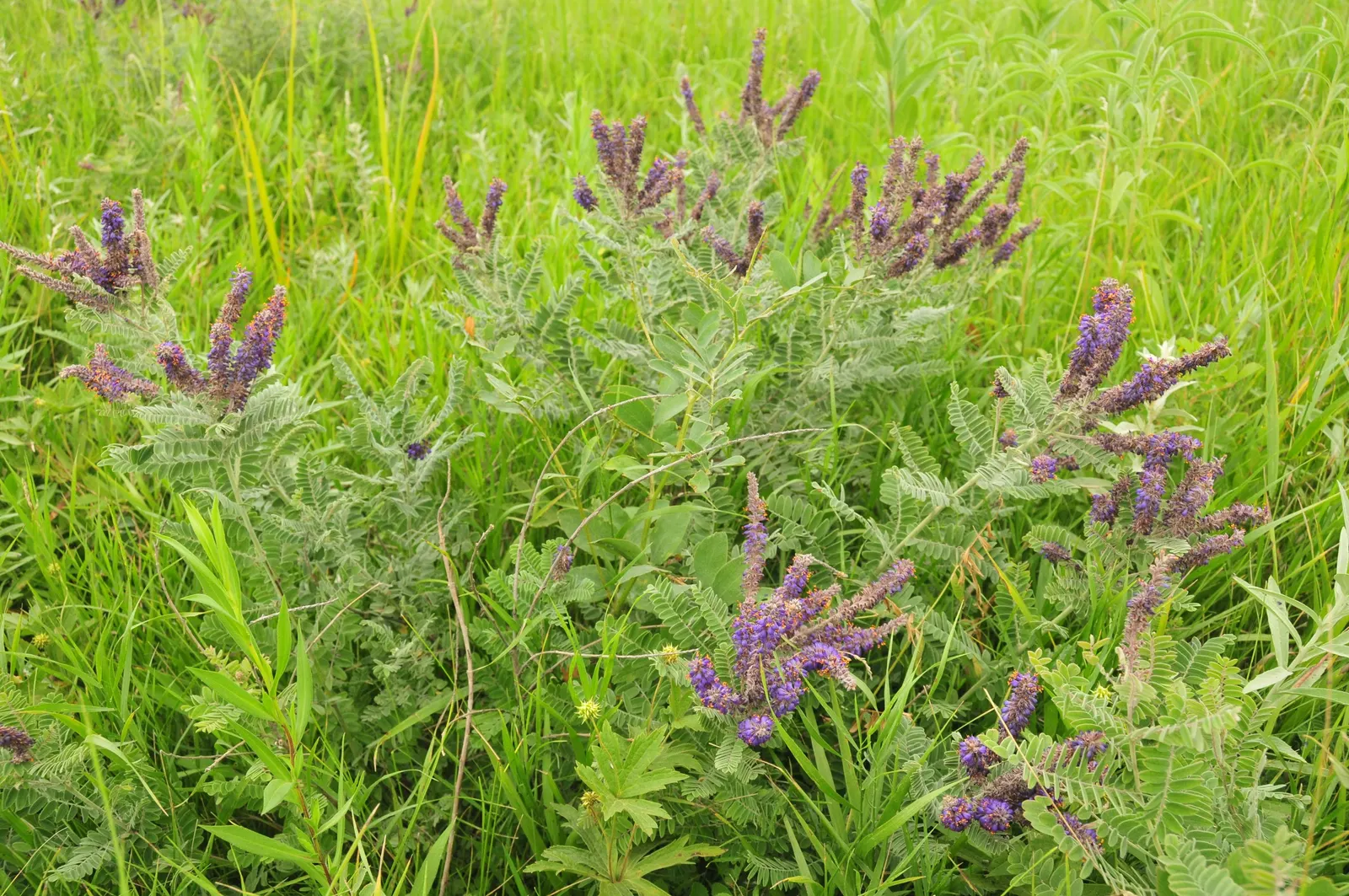
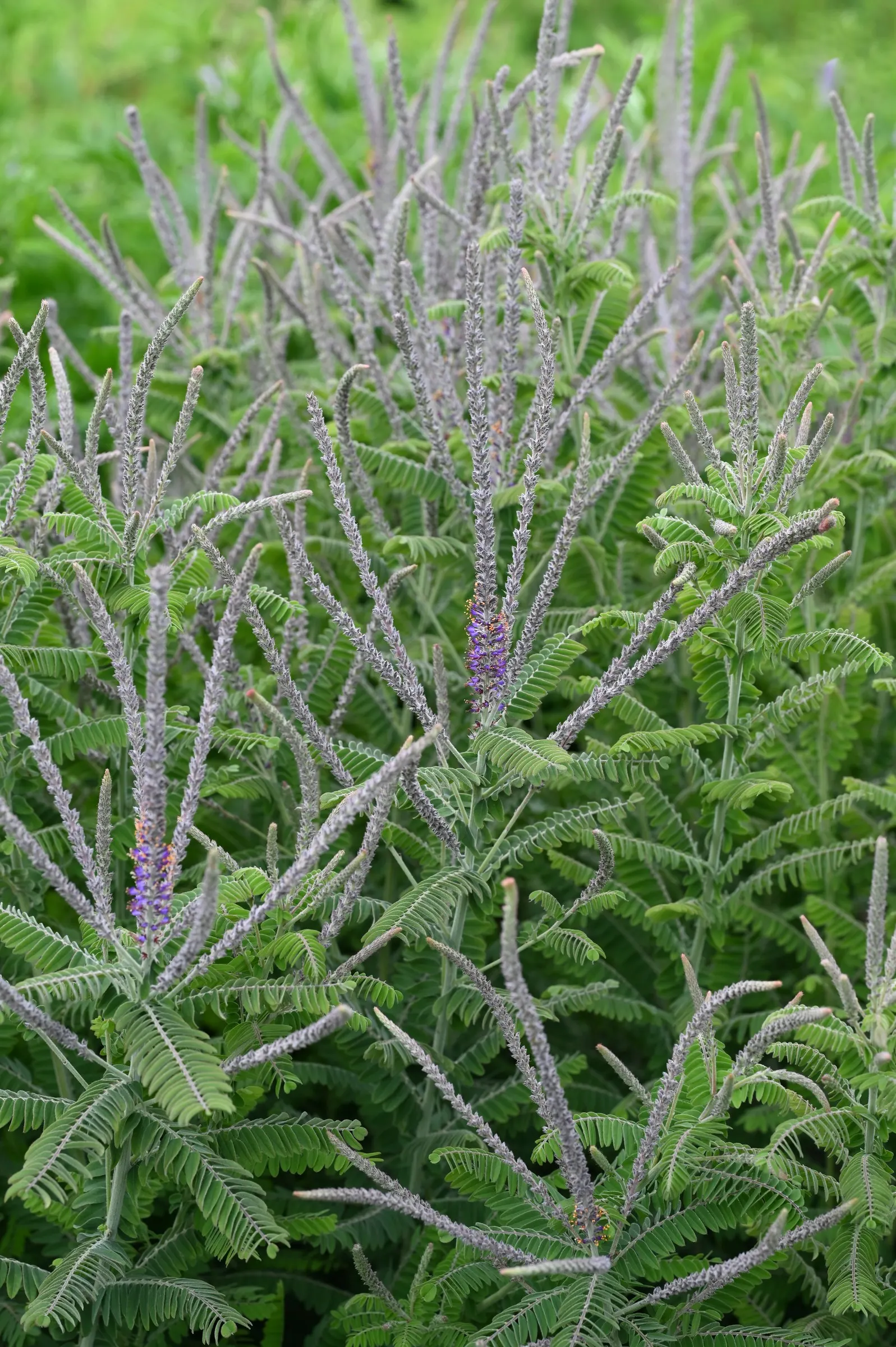
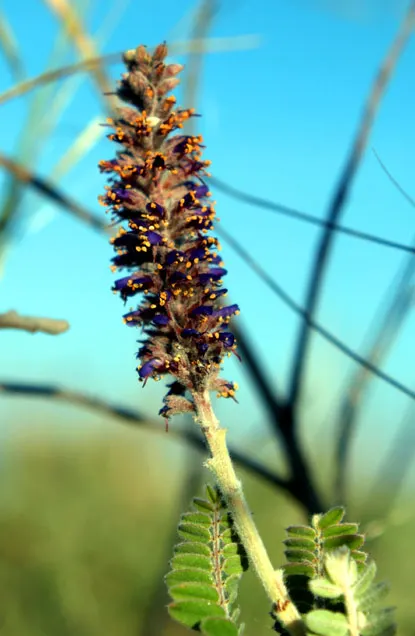
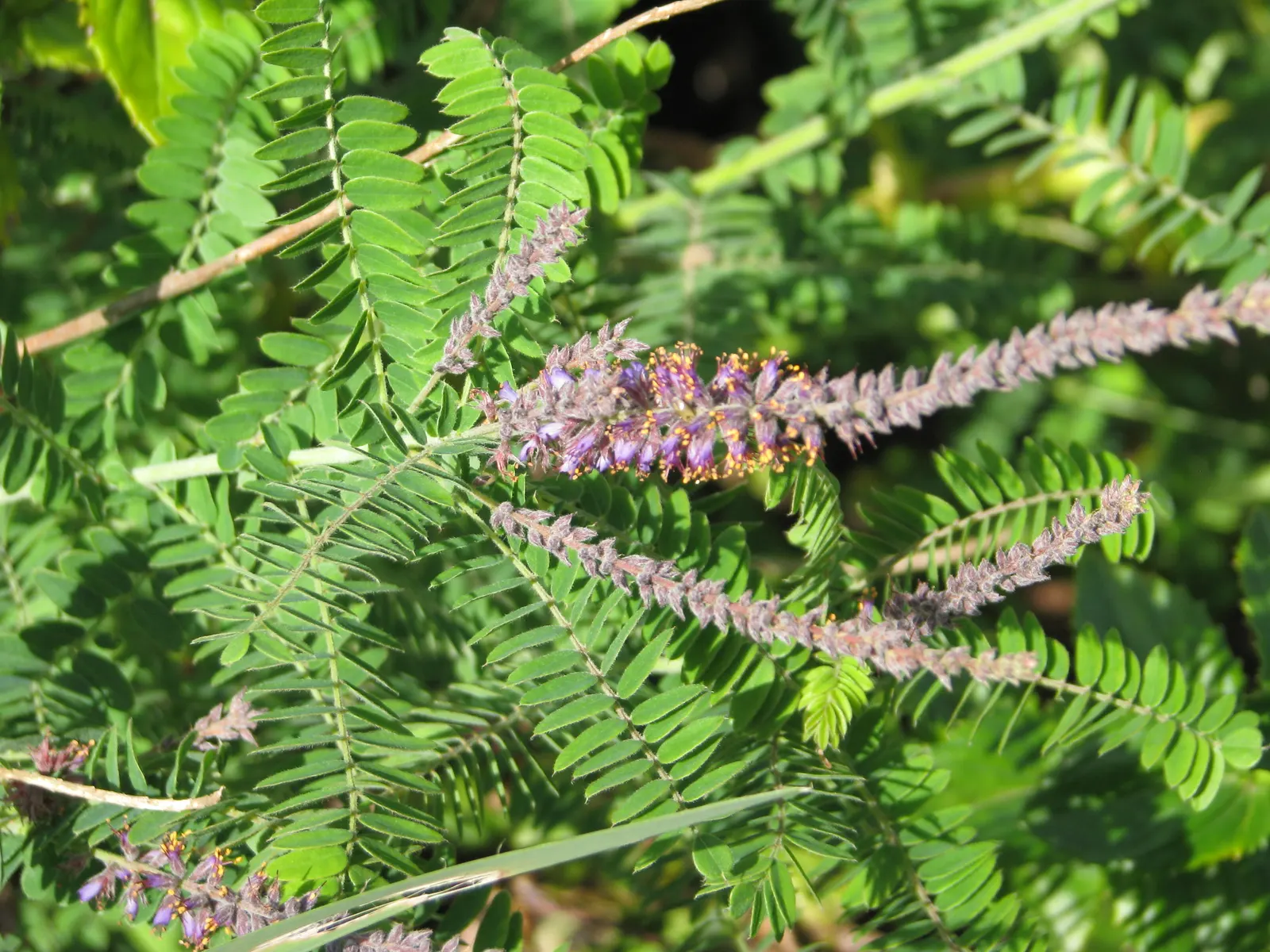
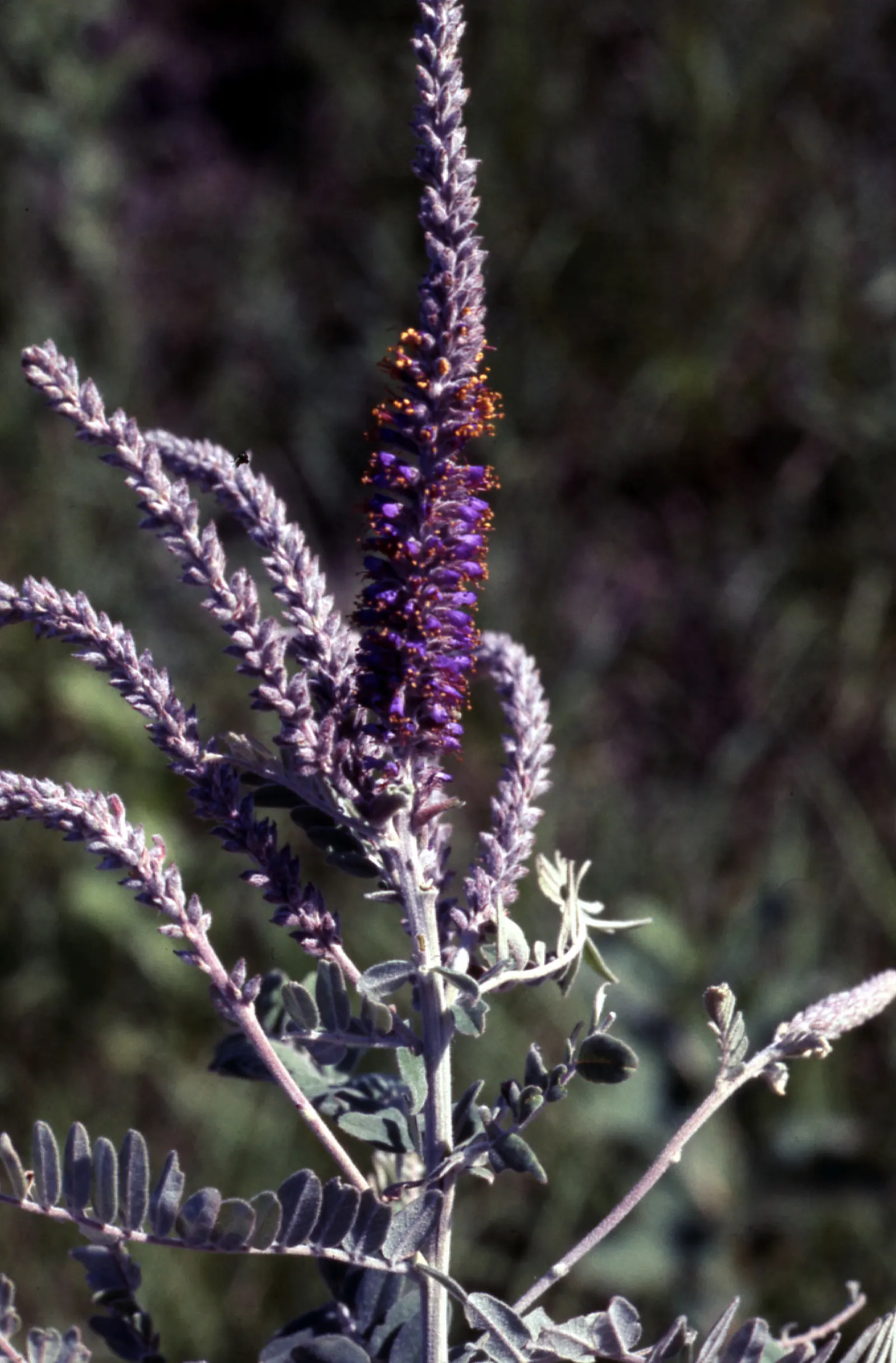
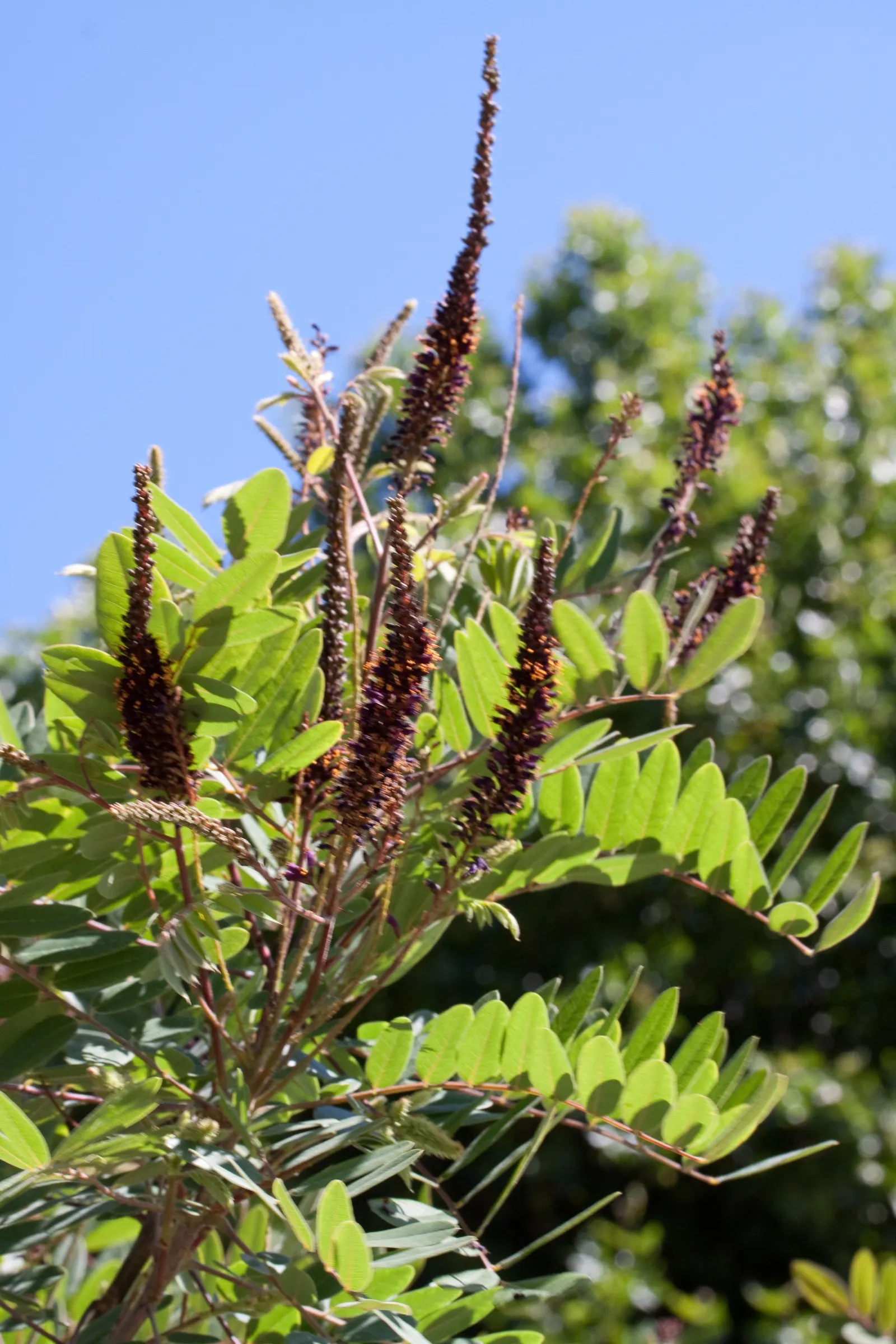
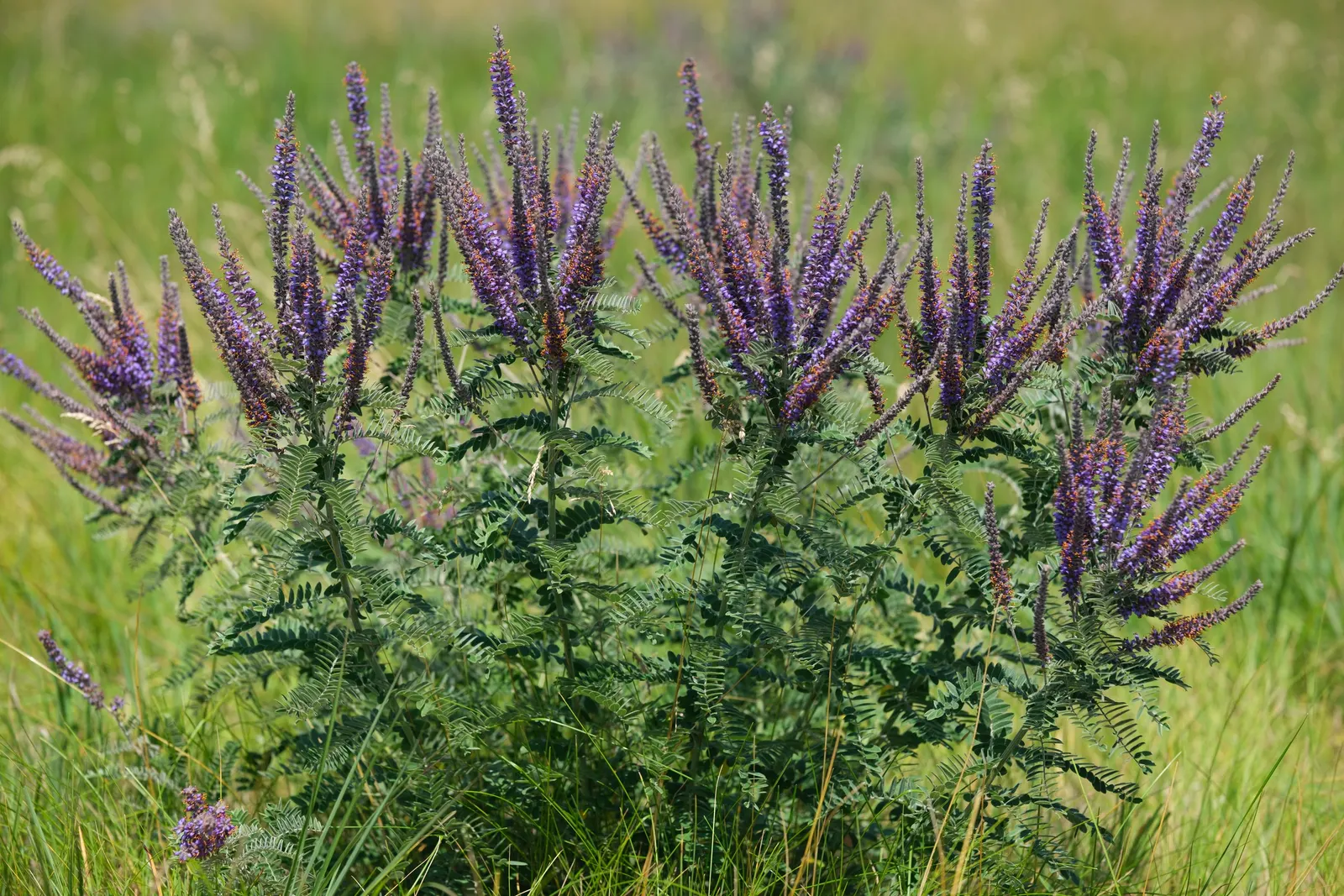
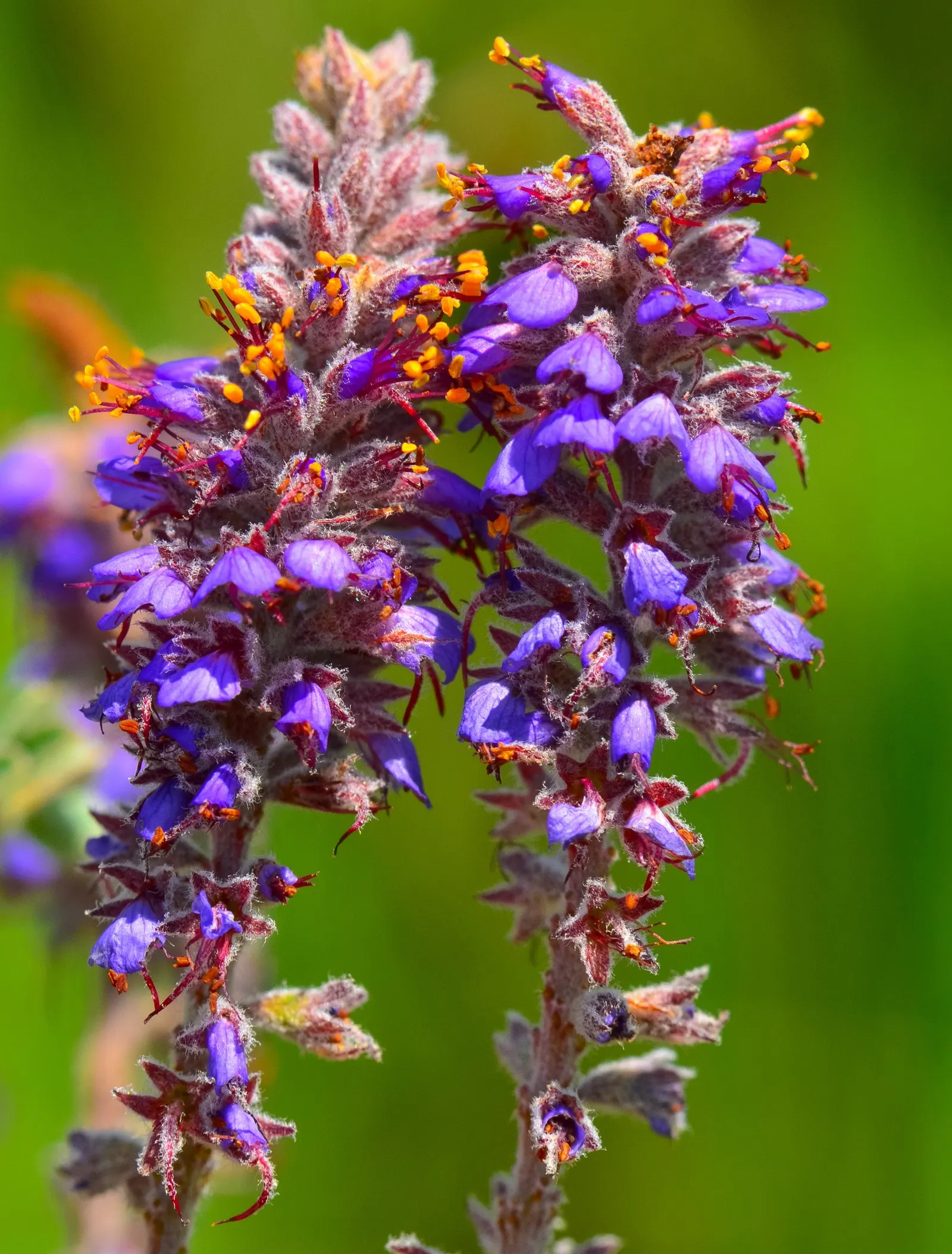
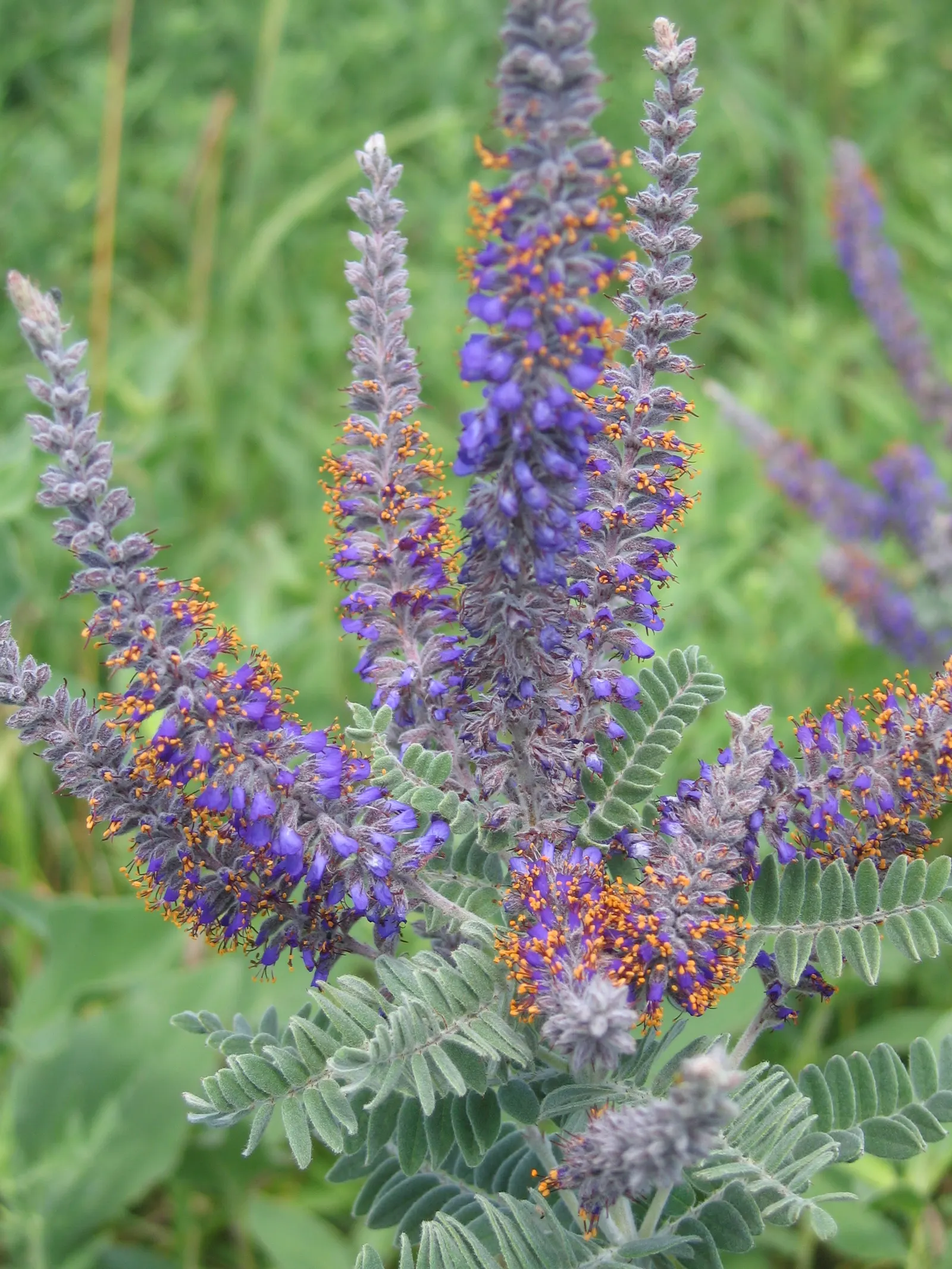
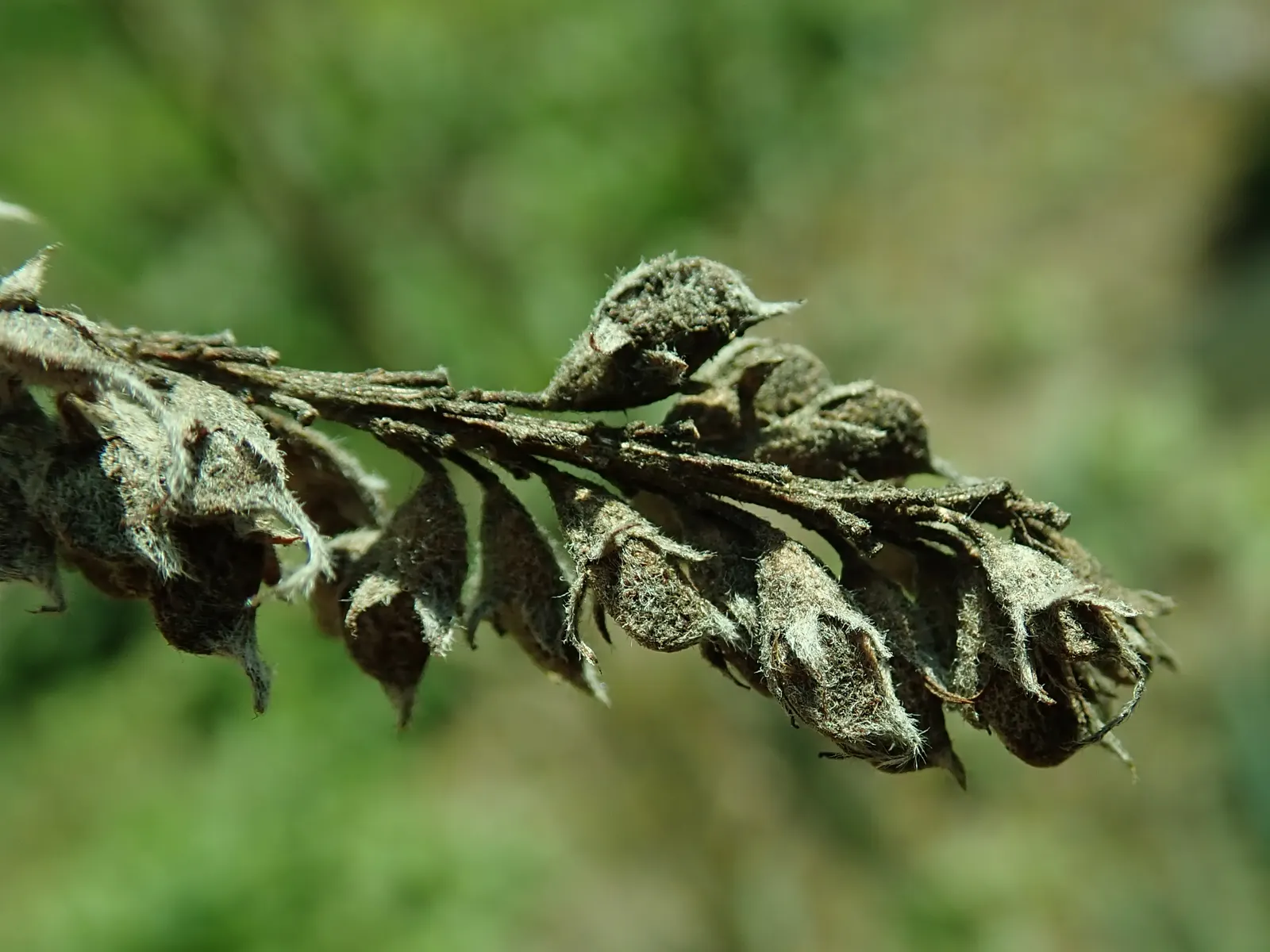
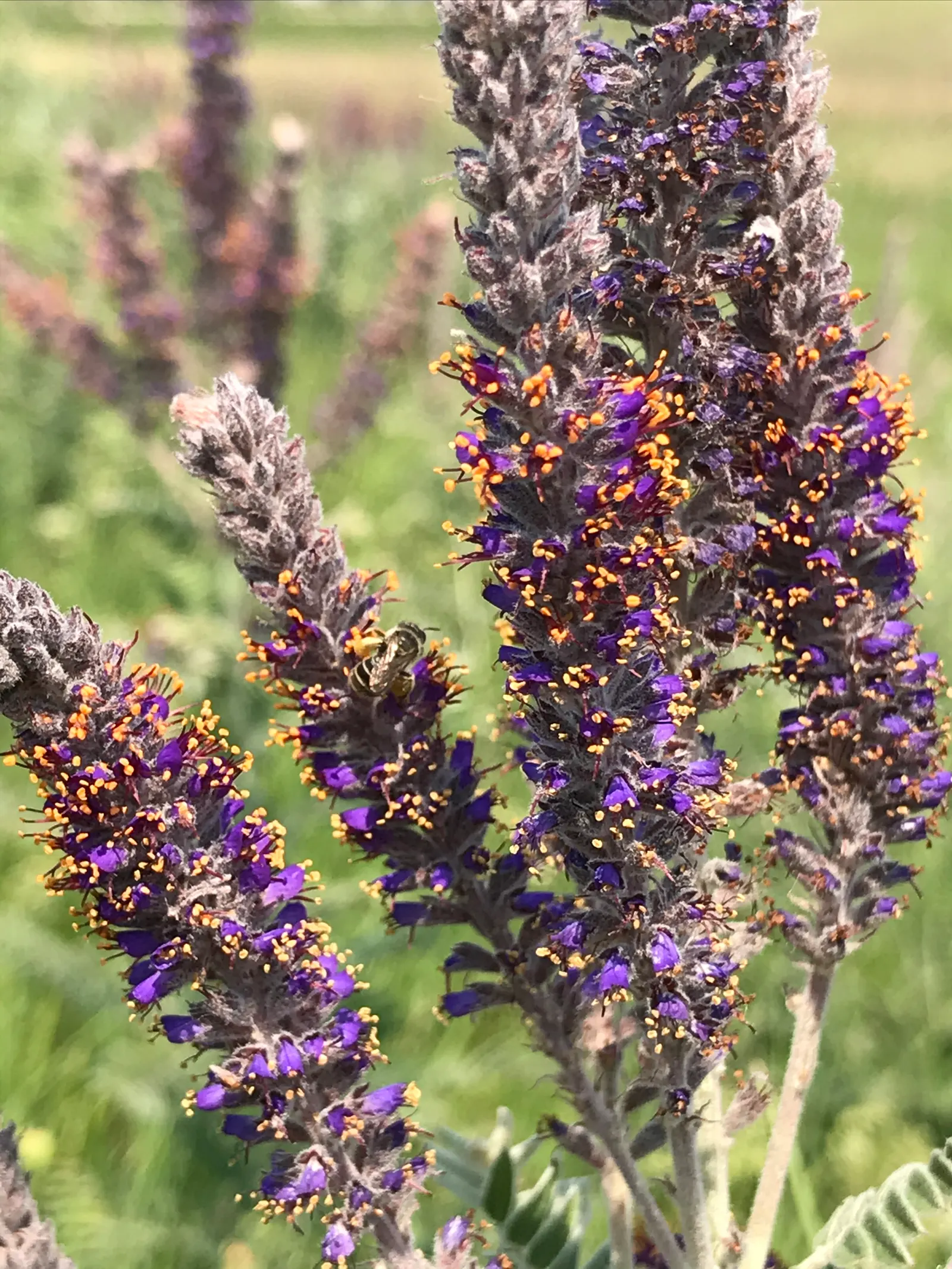
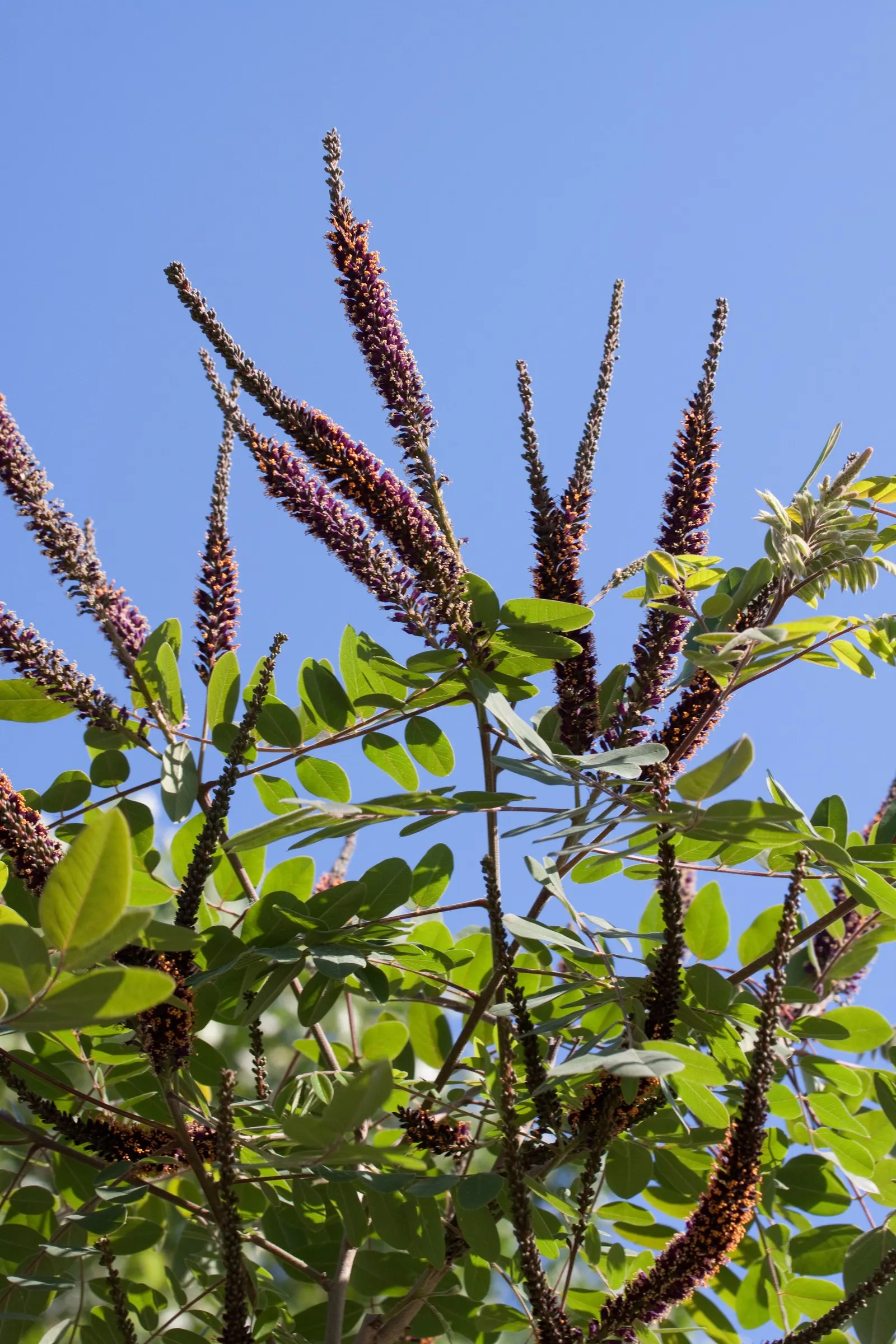
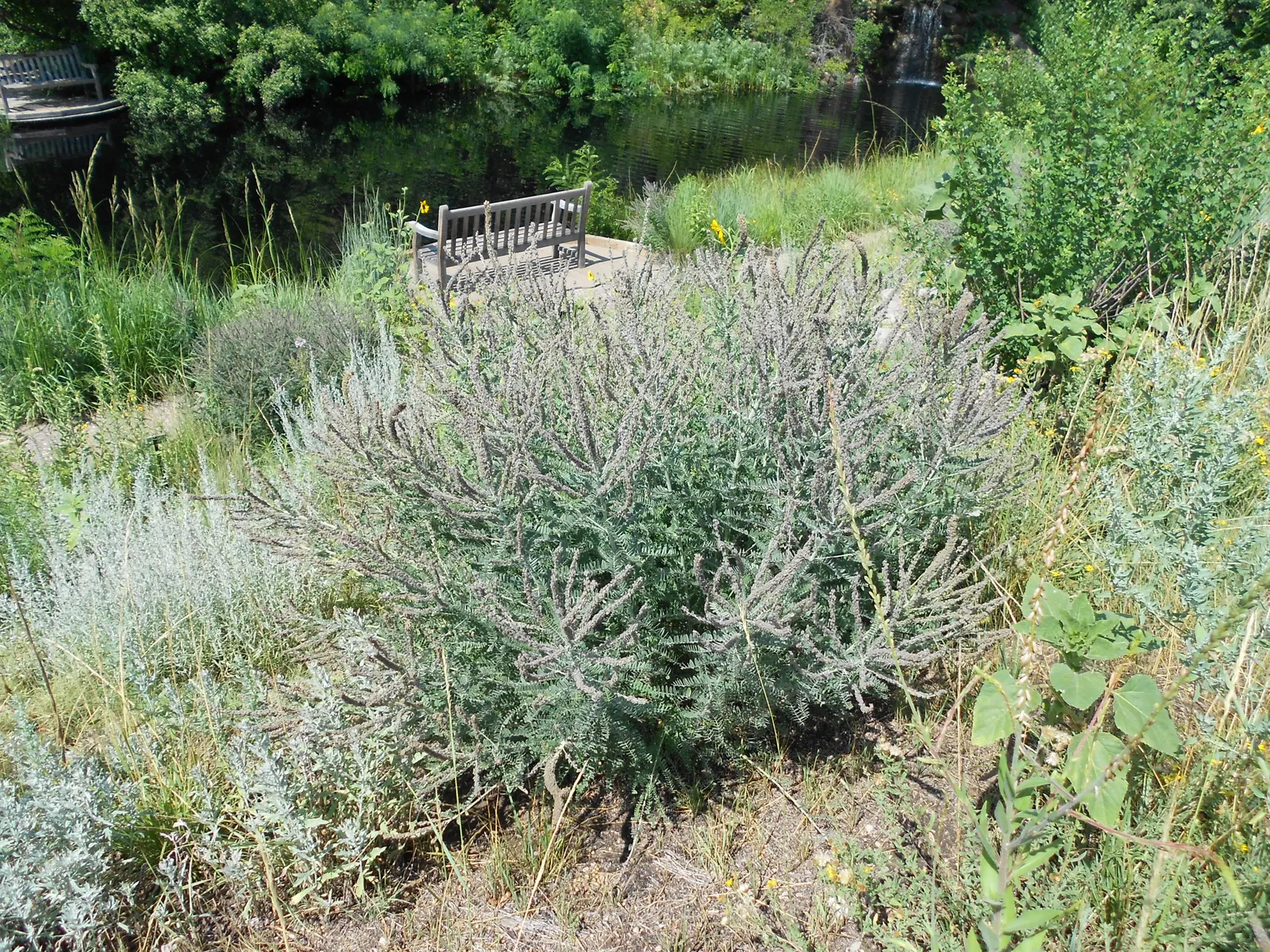
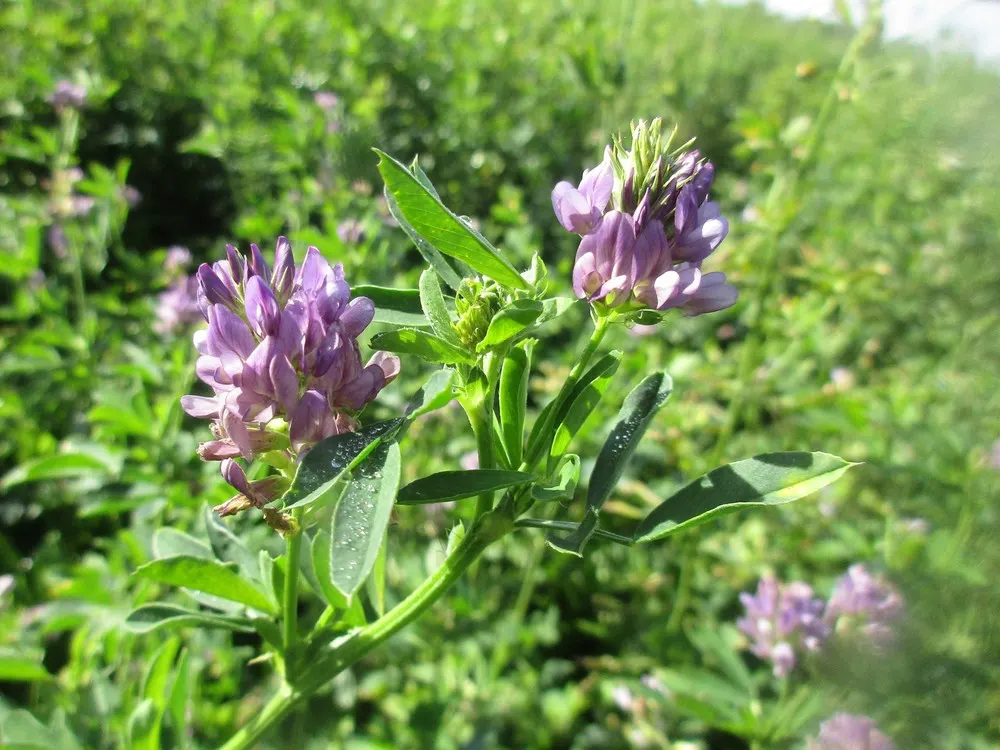
Amorpha canescens, commonly known as Lead Plant, is a hardy, deciduous shrub native to North American prairies. It typically grows 1-3 feet tall and features delicate, compound leaves with a silvery hue and spikes of vibrant, purple-blue flowers with orange anthers in late spring to early summer. Adaptable to various soils, it's drought-tolerant and ideal for xeriscaping. It attracts pollinators while providing erosion control and seasonal interest.

Sun Full, HalfWater Very LowZones 2–9

Culture

Sun
Full, Half
Water
Very Low
USDA zones
2–9

Shape & size

Classification

Family
Fabaceae

See full data, regional cultivation notes, full-resolution photos, and design tools. Build a client presentation around this plant.

Start your 14-day trial

Photos (65)

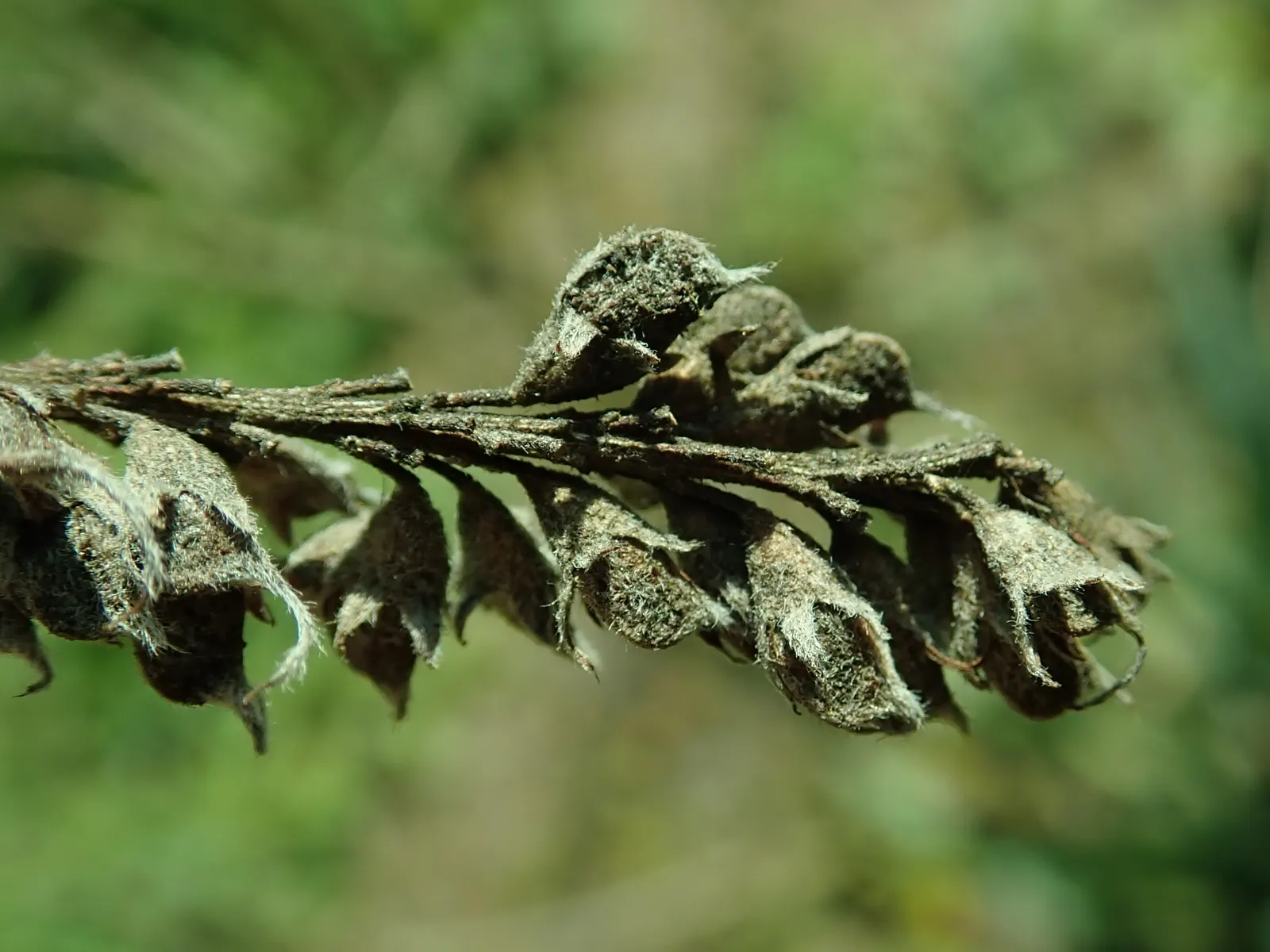
Lead Plant (Amorpha Canescens) — Amorpha canescens, commonly known as Lead Plant, is a hardy, deciduous shrub native to North American prairies
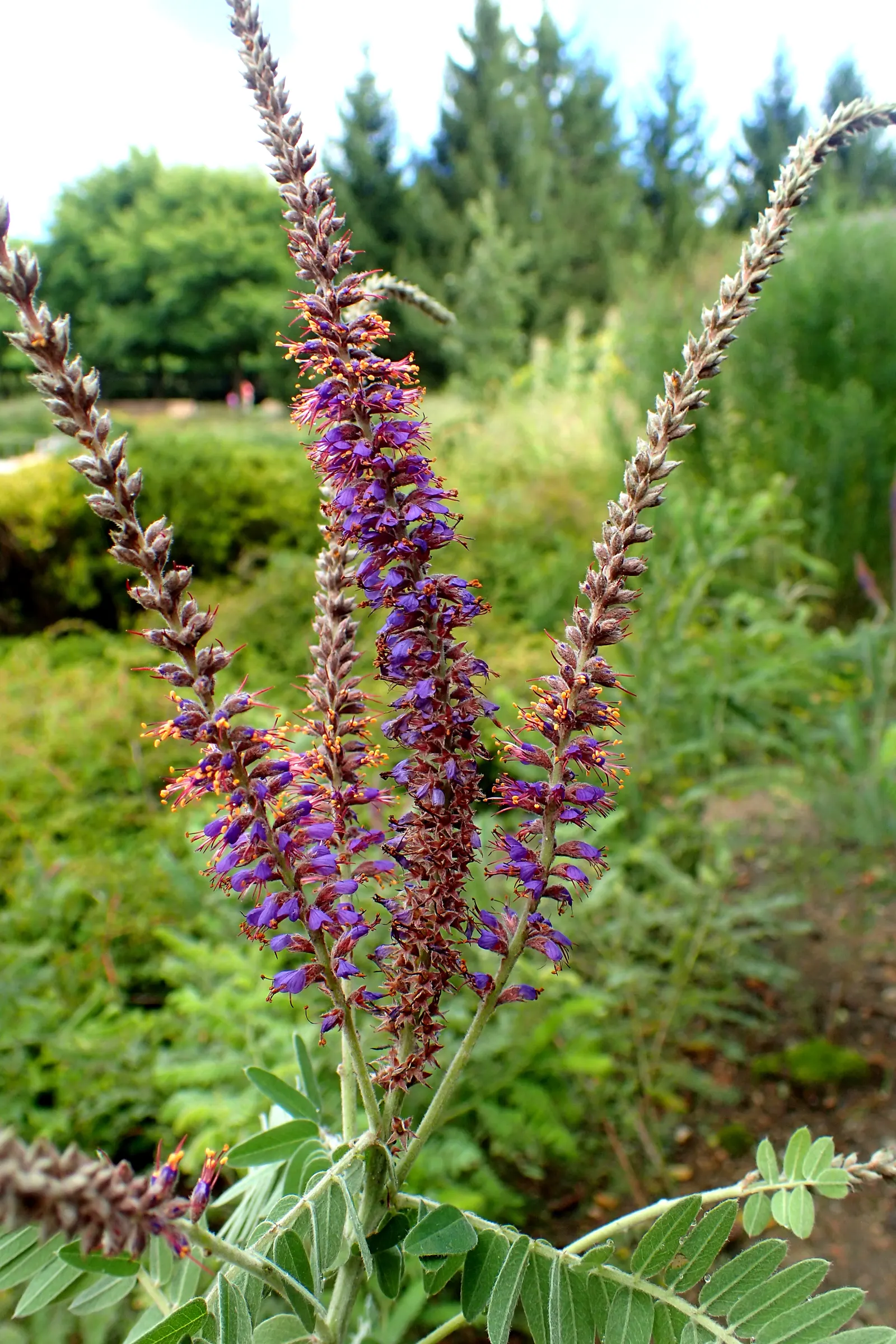
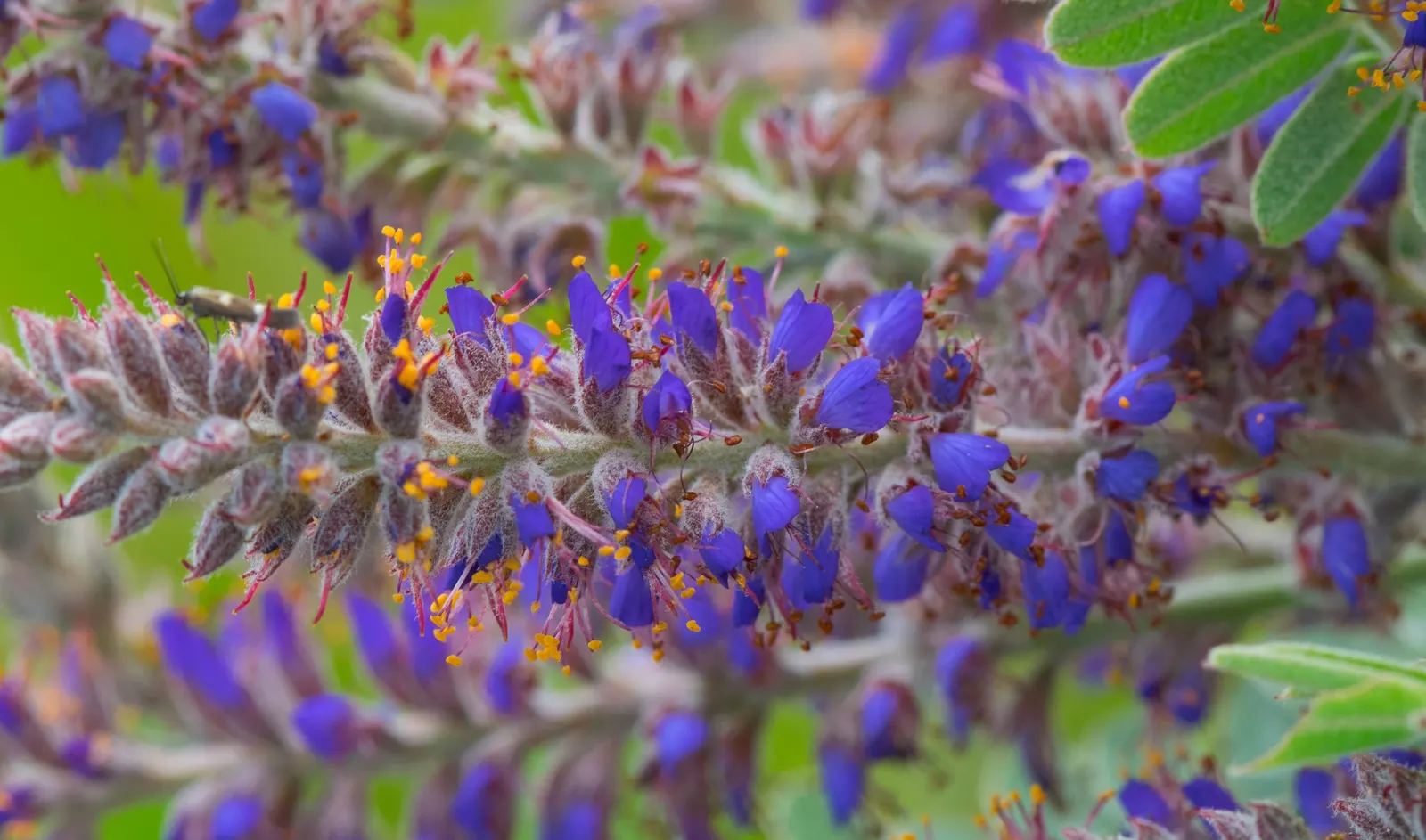
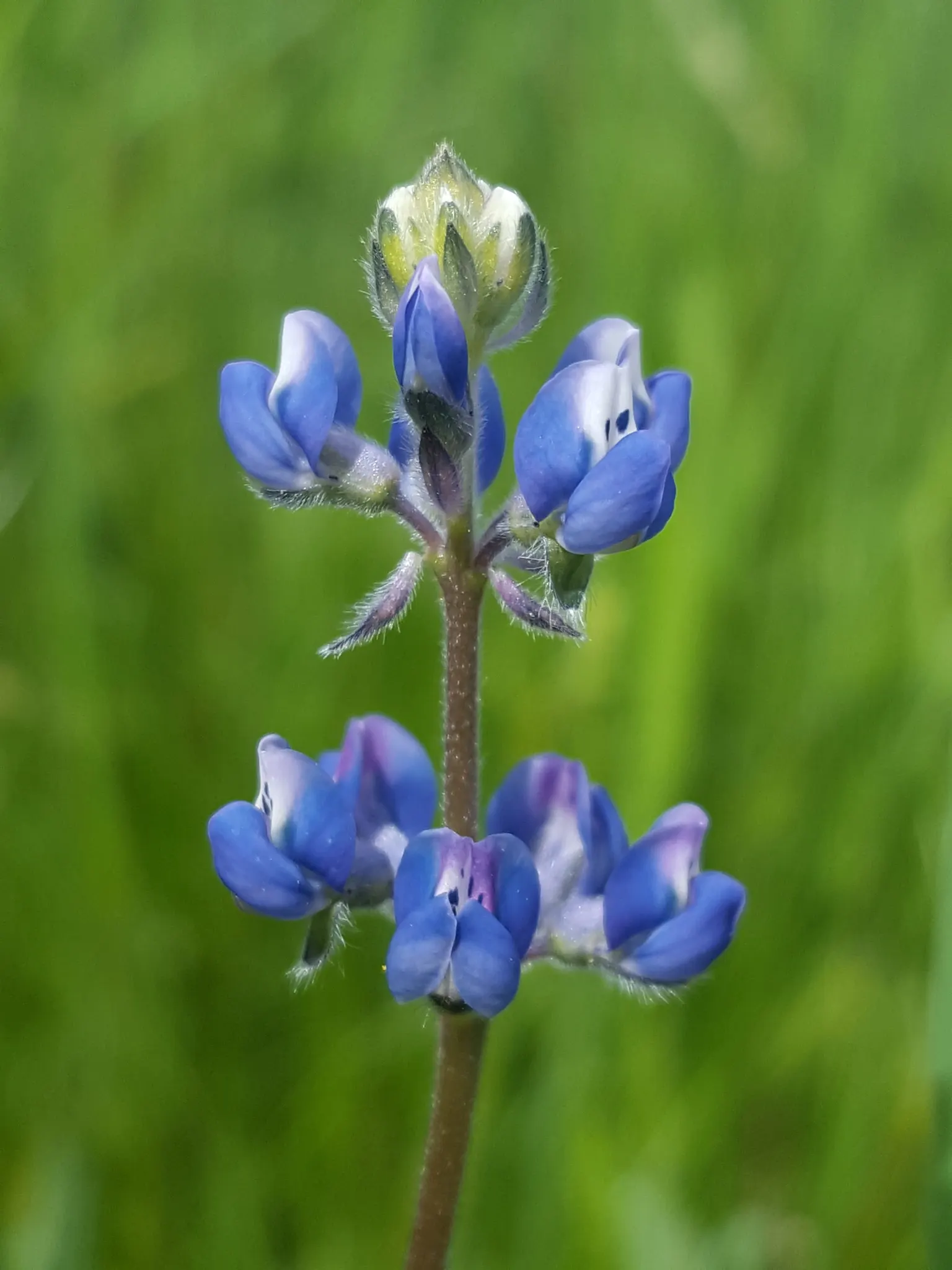
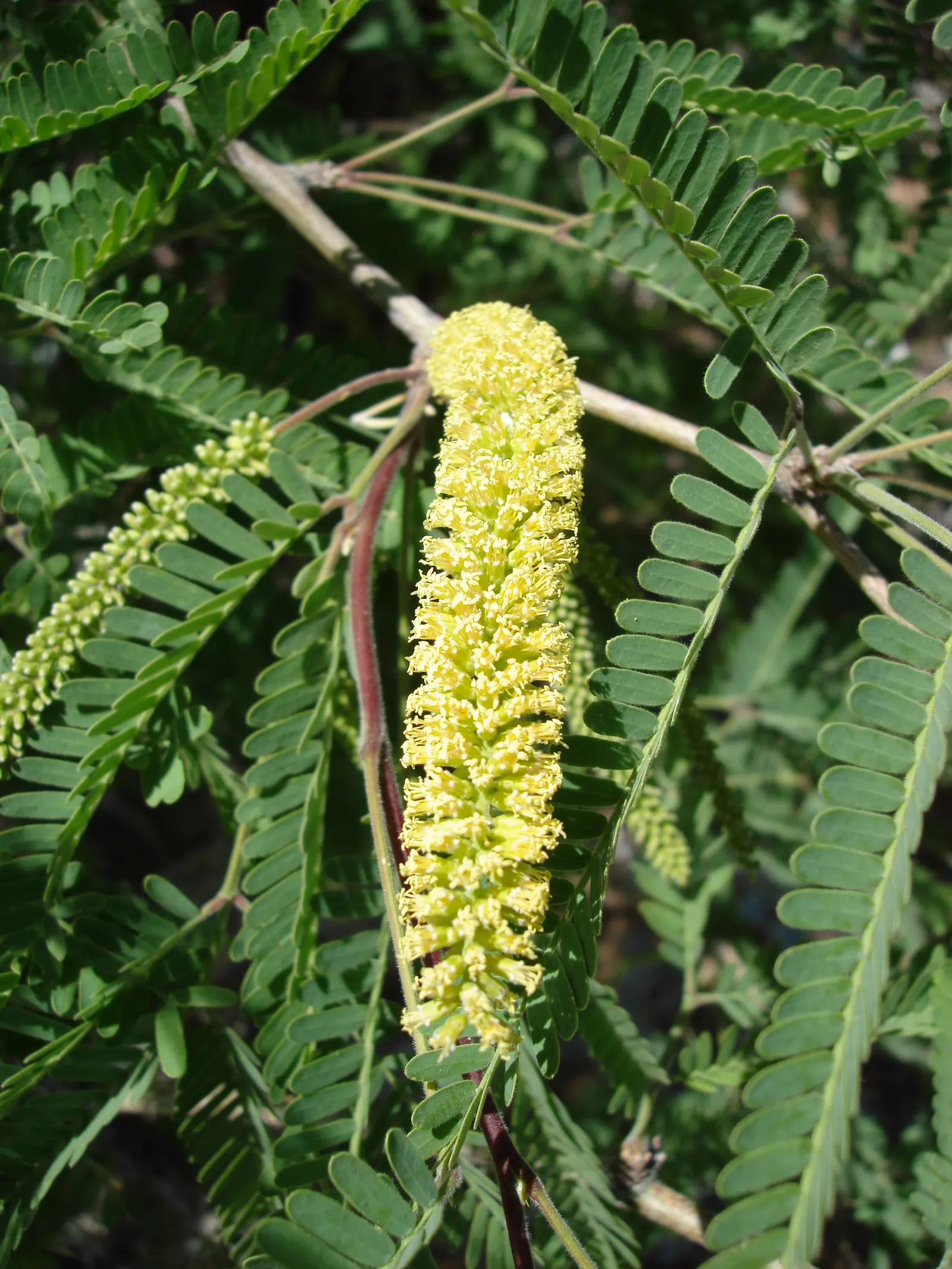
Lead Plant (Amorpha Canescens) — purple-blue flowers with orange anthers in late spring to early summer
Lead Plant (Amorpha Canescens) — Adaptable to various soils, it's drought-tolerant and ideal for xeriscaping
Lead Plant (Amorpha Canescens) — It attracts pollinators while providing erosion control and seasonal interest
Lead Plant (Amorpha Canescens) — offering both ecological benefits and aesthetic charm
Lead Plant (Amorpha Canescens) — This hardy perennial shrub reaches heights of 1 to 3 feet and spreads equally as wide
Lead Plant (Amorpha Canescens) — is a captivating addition to any landscape design
Lead Plant (Amorpha Canescens) — scientifically known as Amorpha canescens
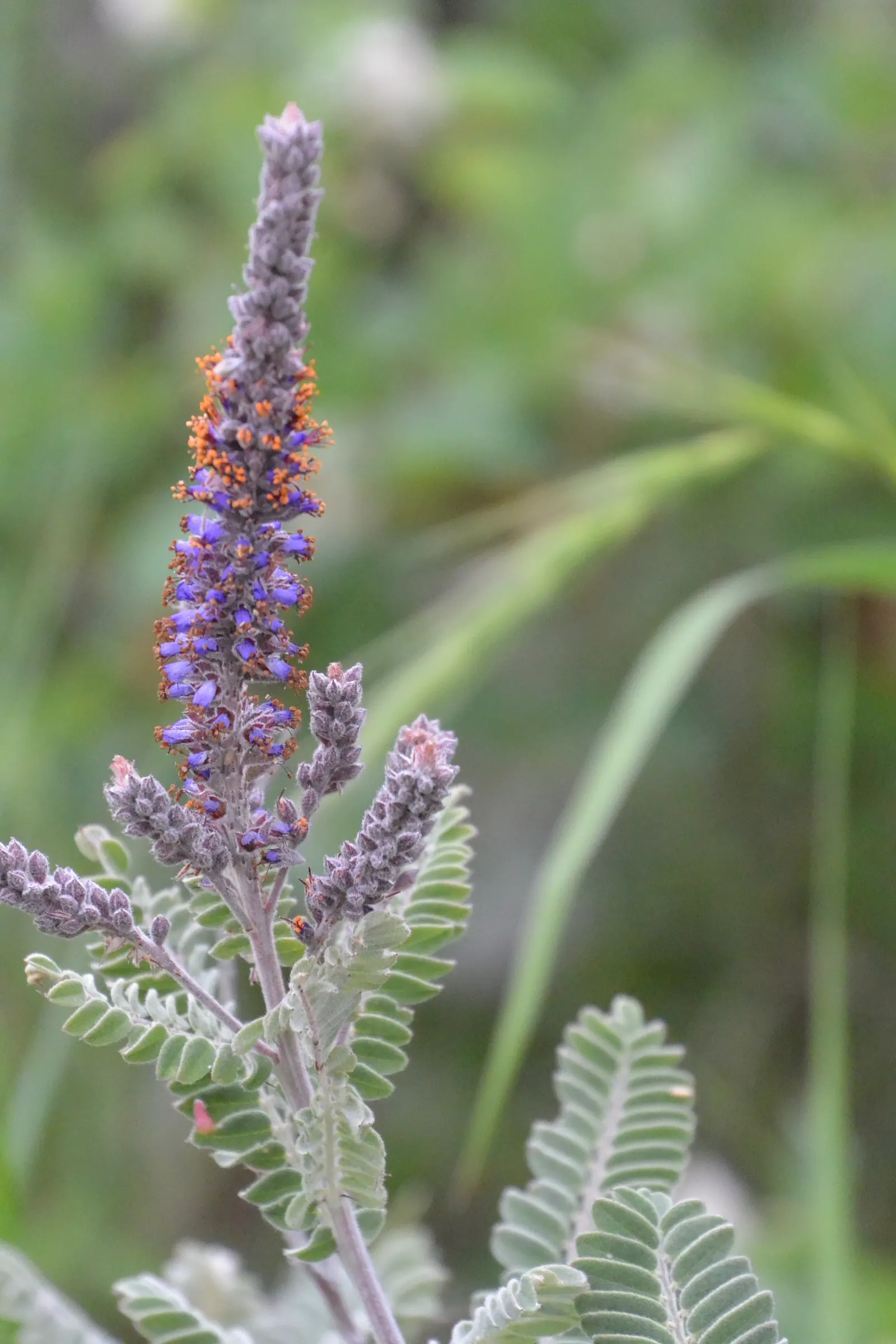
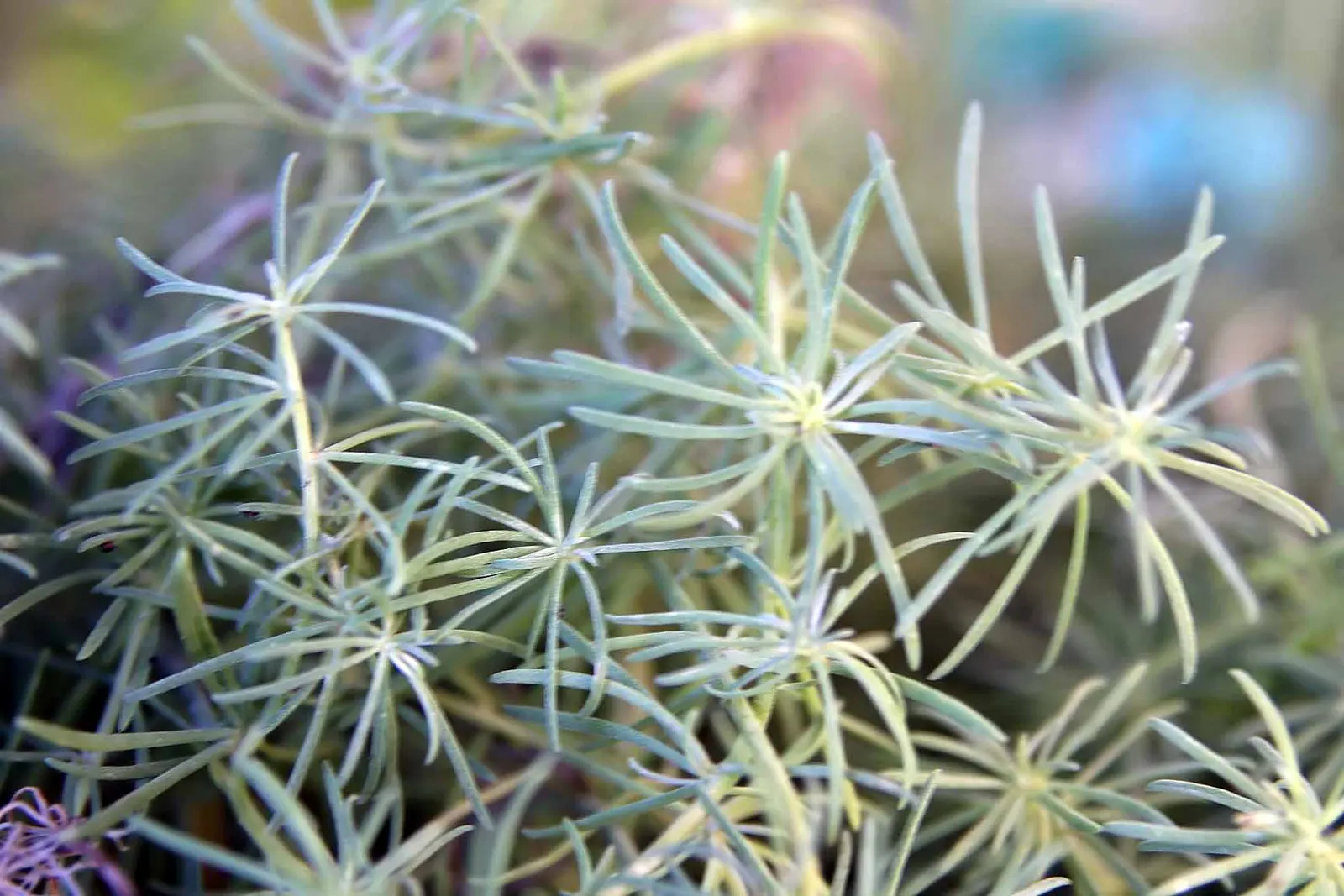
Lead Plant (Amorpha Canescens) — It boasts a striking silvery-gray foliage due to fine hairs covering its compound leaves
Lead Plant (Amorpha Canescens) — which can span anywhere from 8 to 20 inches in length.<br><br>In the summer months
Lead Plant (Amorpha Canescens) — typically from June through August
Lead Plant (Amorpha Canescens) — iridescent purple flowers with golden-orange anthers that rise above the foliage
Lead Plant (Amorpha Canescens) — These flower spikes range from 4 to 8 inches long
Lead Plant (Amorpha Canescens) — creating a cloud of vibrant color that can attract pollinators such as bees and butterflies
Lead Plant (Amorpha Canescens) — the Lead Plant produces showy spikes of tiny
Lead Plant (Amorpha Canescens) — adding a vertical dimension to the plant's bushy silhouette.<br><br>Well-adapted to a wide range of soil types
Lead Plant (Amorpha Canescens) — Amorpha canescens prefers full sun to partial shade and is tolerant of drought conditions once established
Lead Plant (Amorpha Canescens) — Its deep taproot allows it to access water in lower soil strata
Lead Plant (Amorpha Canescens) — making it an excellent choice for xeriscaping or naturalized areas
Lead Plant (Amorpha Canescens) — native North American species that offers seasonal interest and supports local wildlife
Lead Plant (Amorpha Canescens) — enhancing its survival capacity in various environments
Lead Plant (Amorpha Canescens) — including rocky or sandy terrains.<br><br>For landscape designers
Lead Plant (Amorpha Canescens) — incorporating the Lead Plant is an opportunity to introduce a low-maintenance
Lead Plant (Amorpha Canescens) — Amorpha canescens, commonly known as Lead Plant, is a hardy, deciduous shrub native to North American prairies; it attracts

Related plants