Skip to content

Reynolds Aloe

Aloe Massawana

Design with this plant

Overview

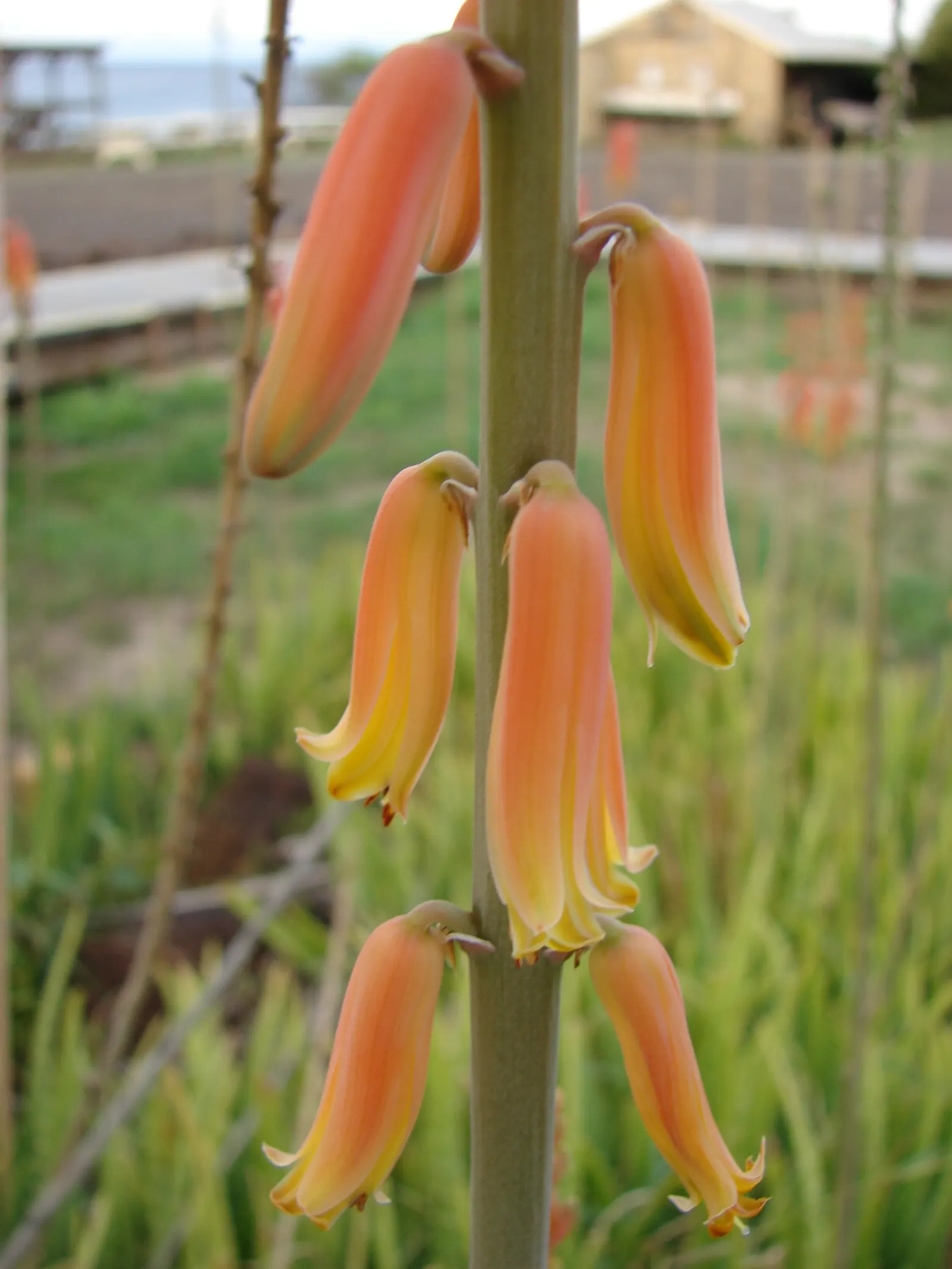
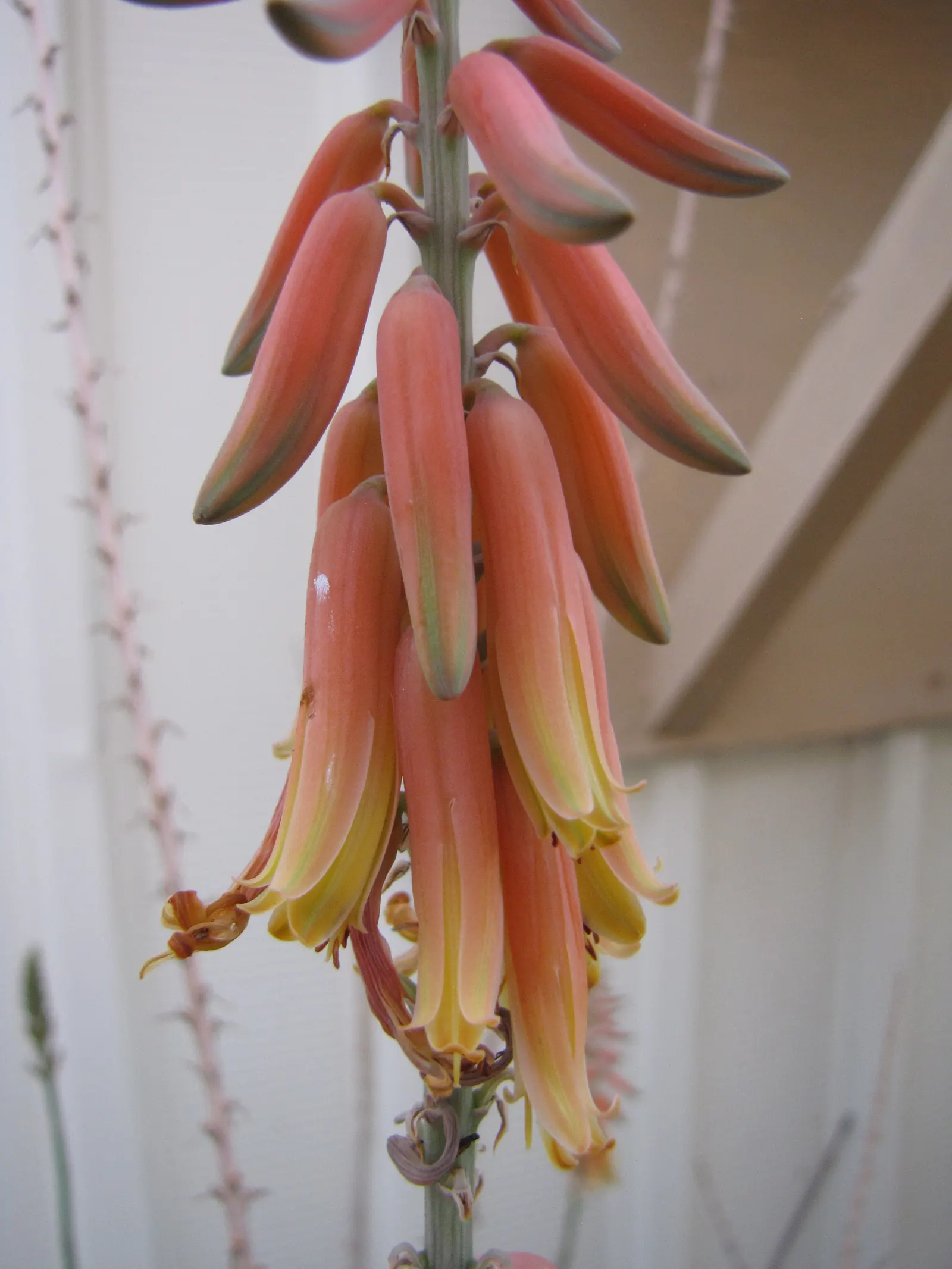
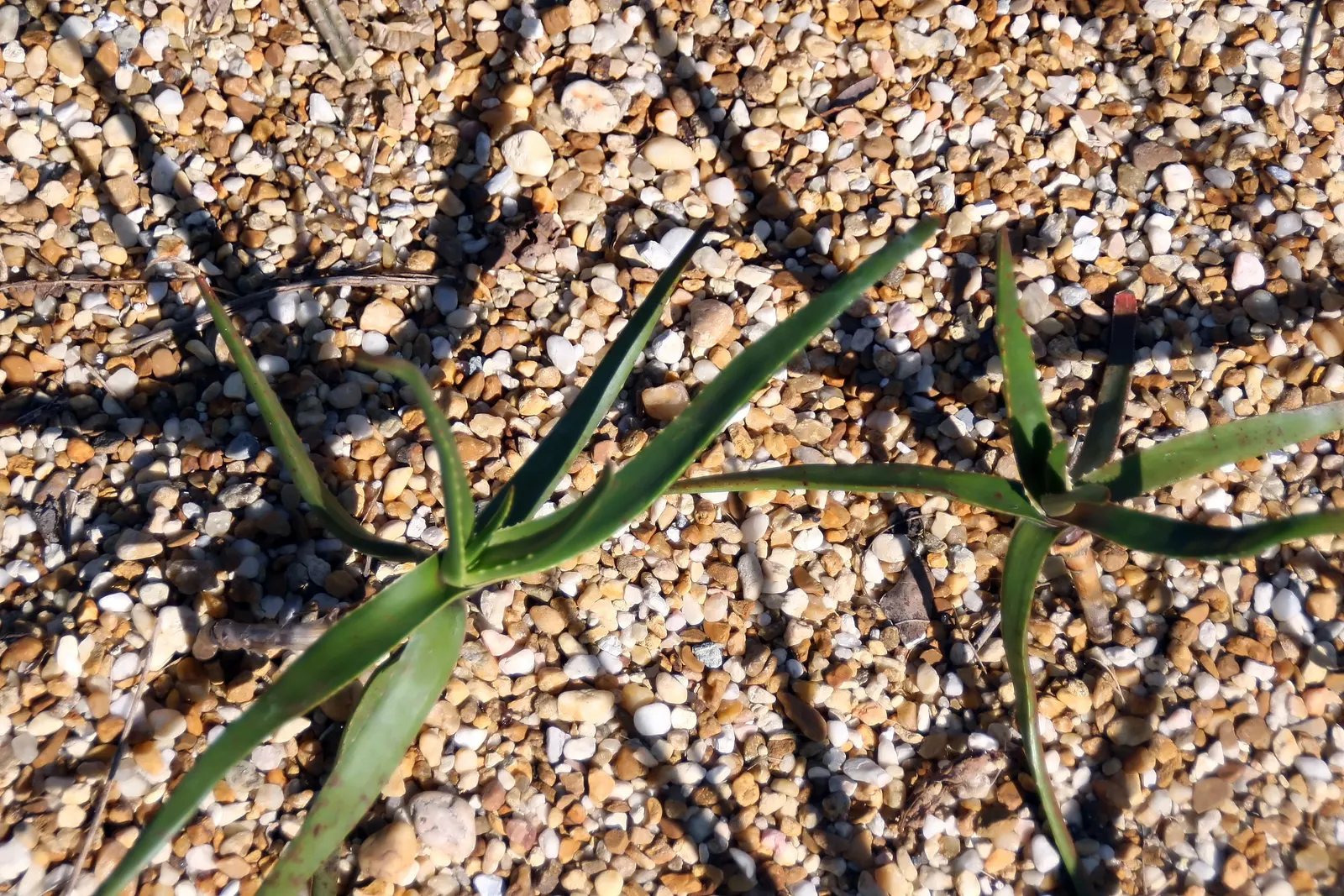
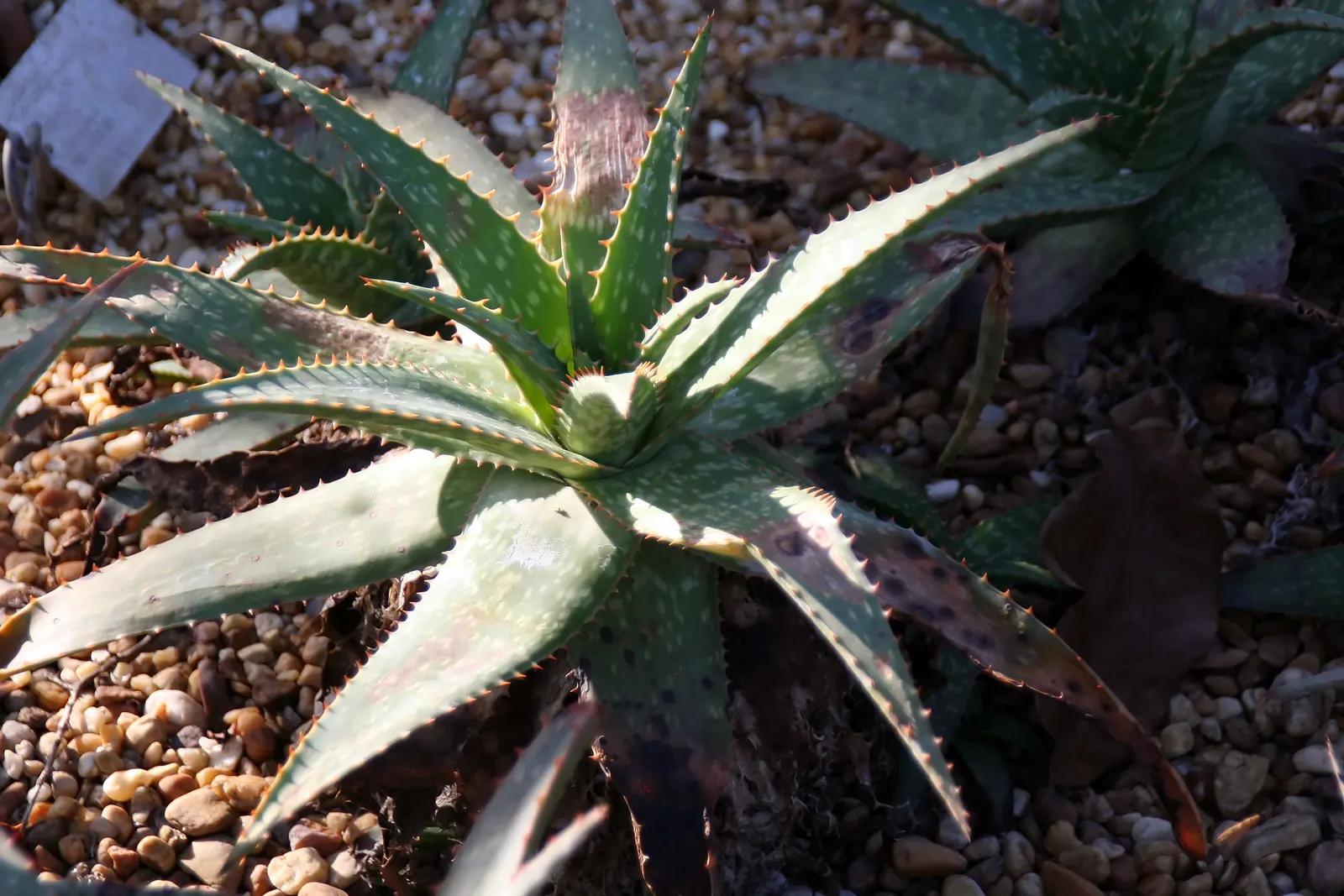
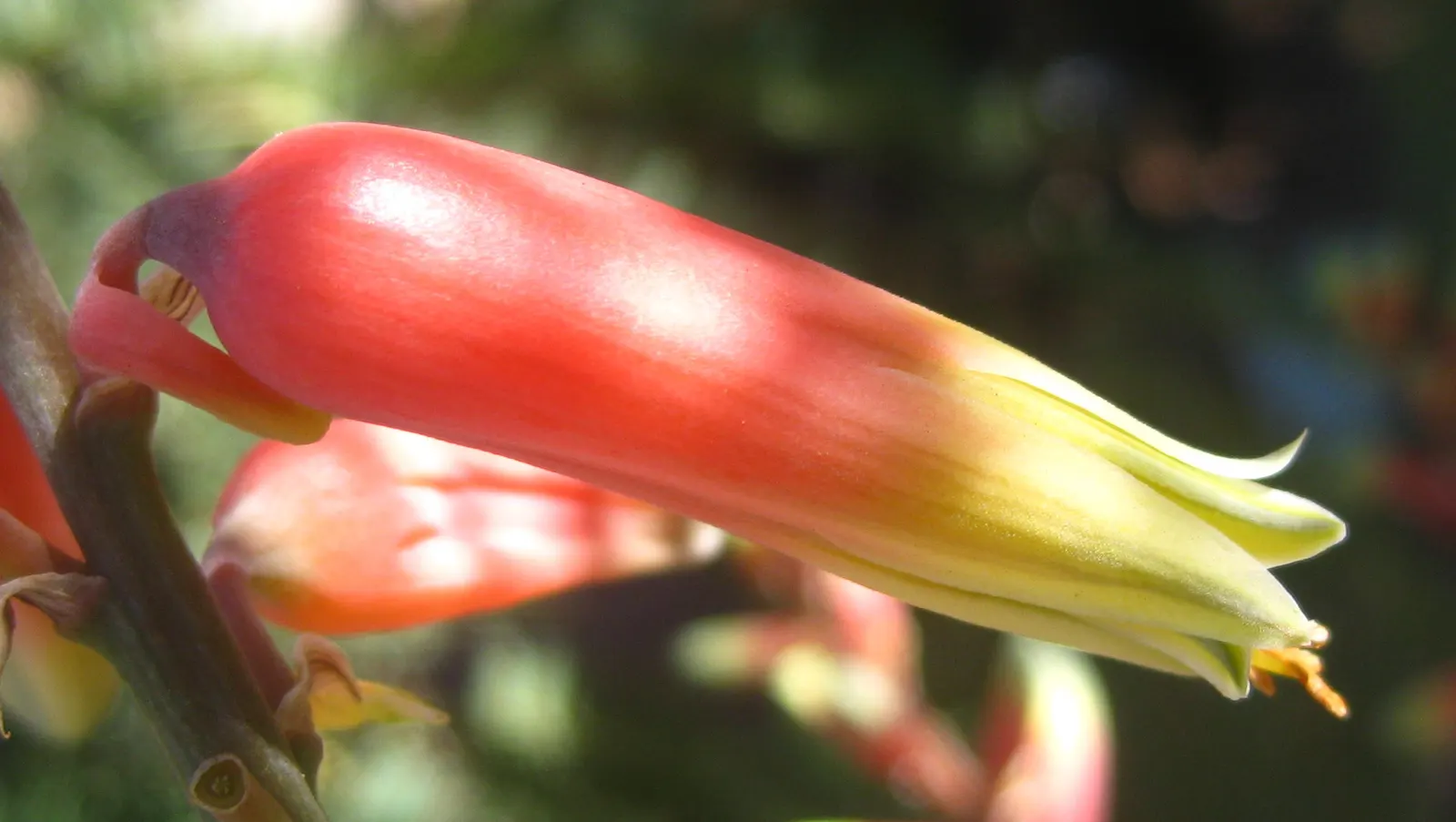
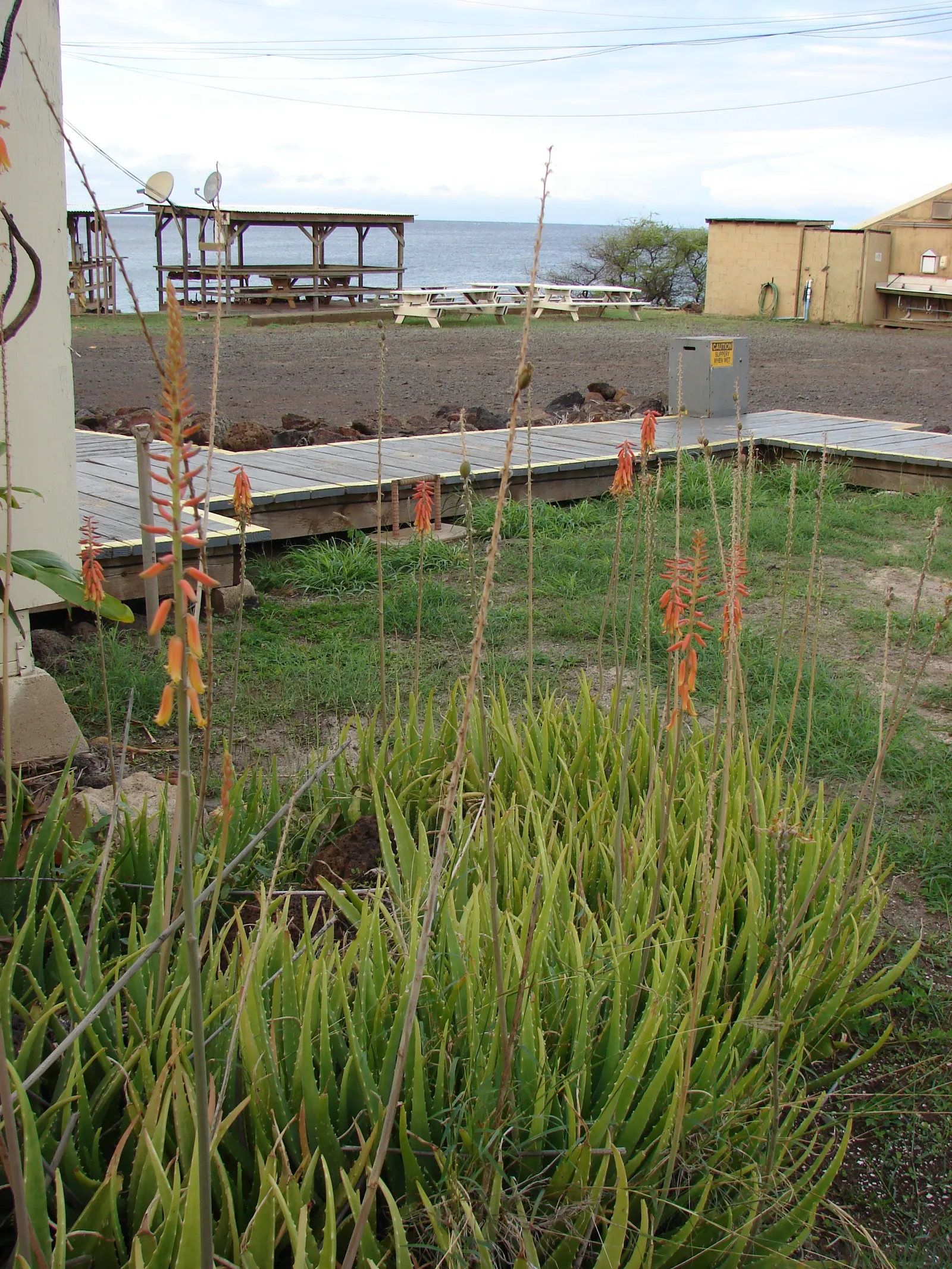
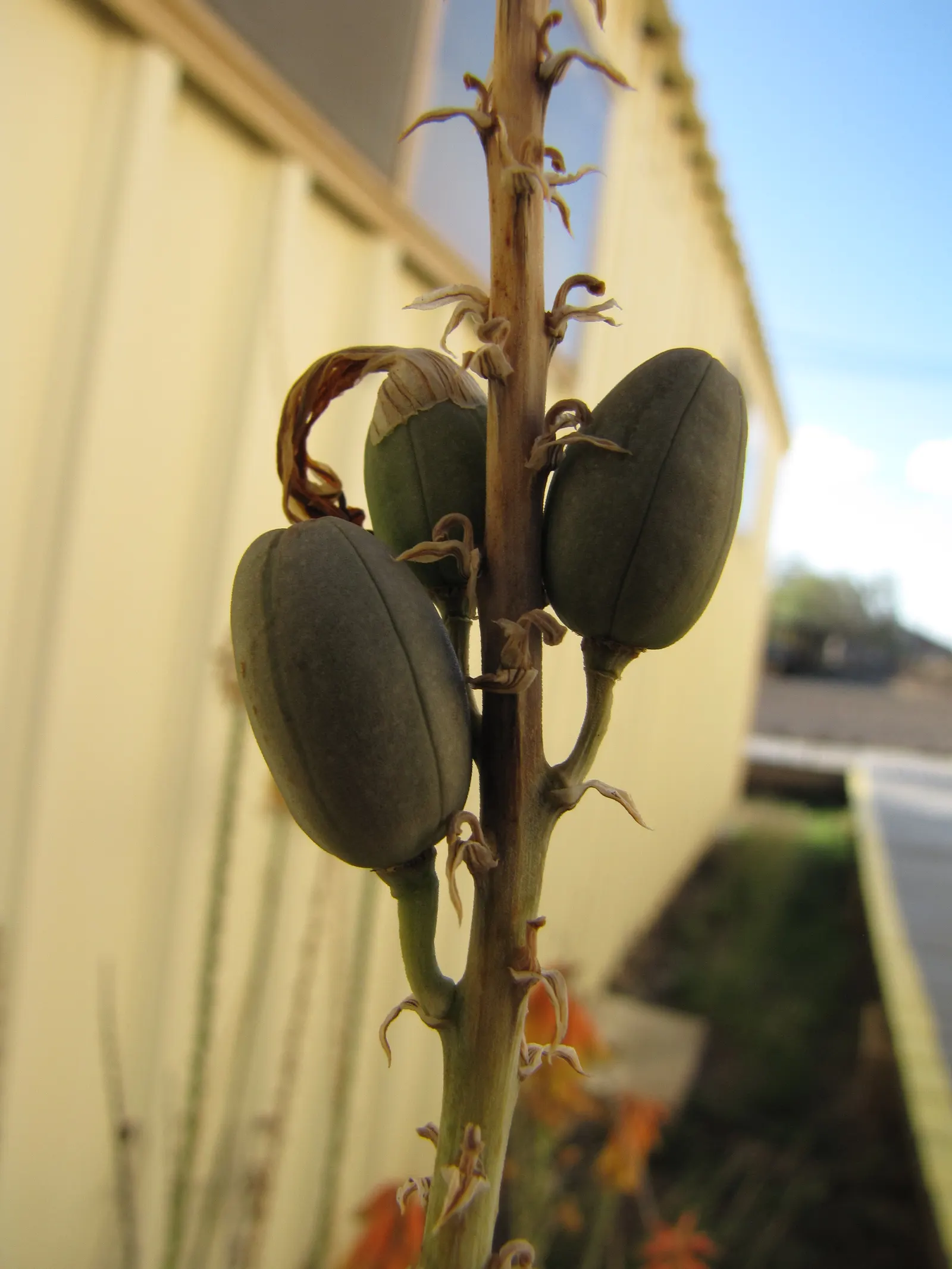
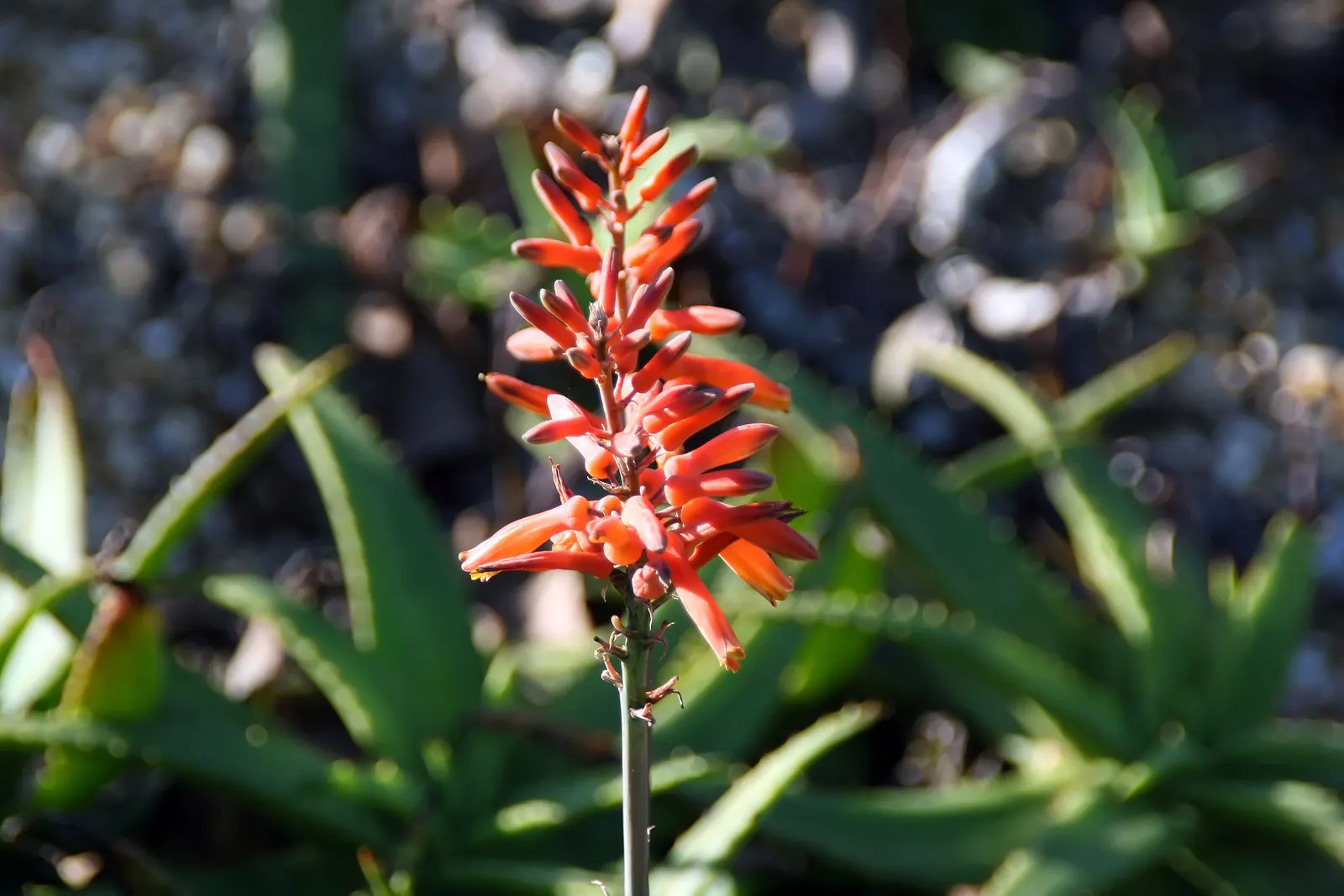
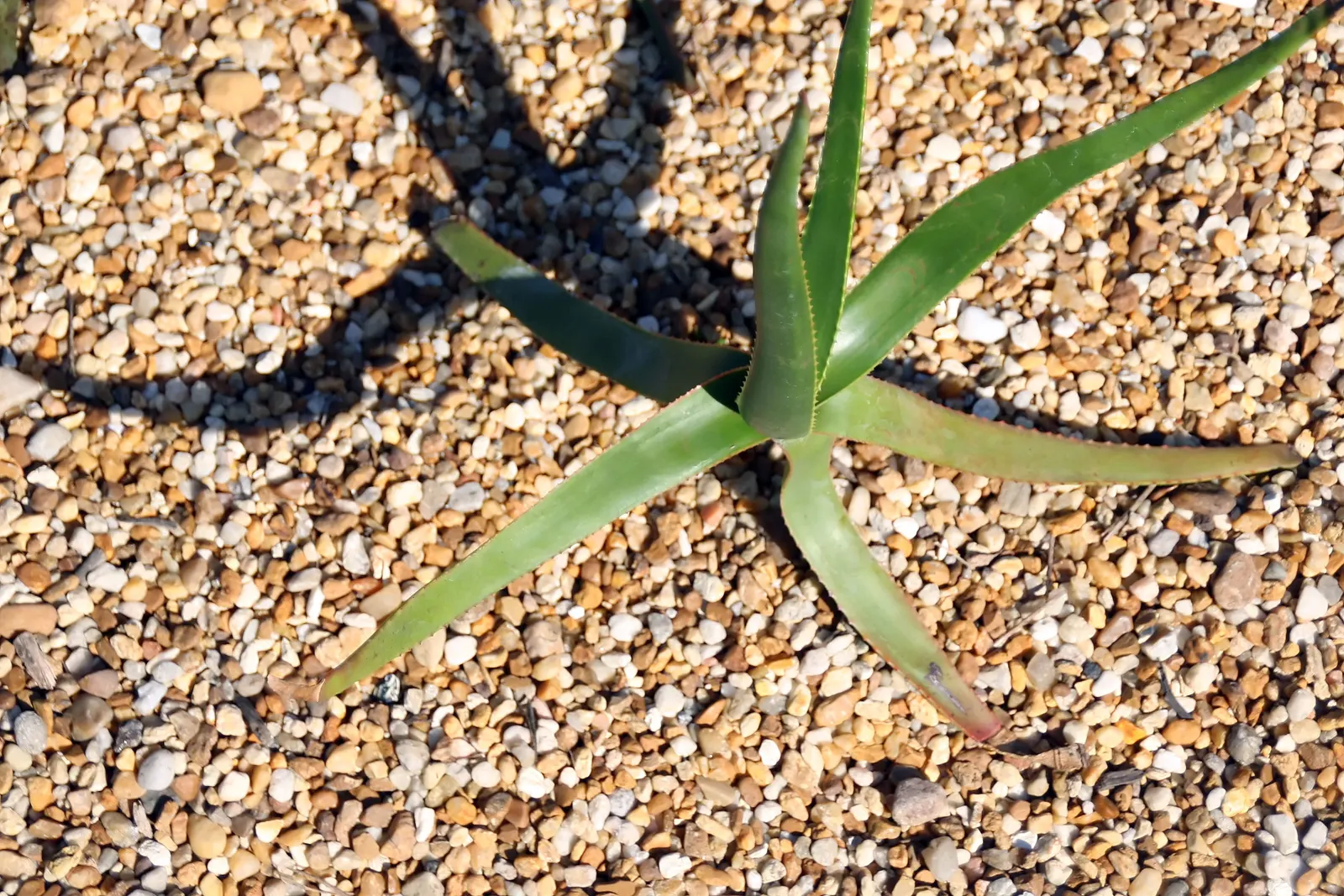
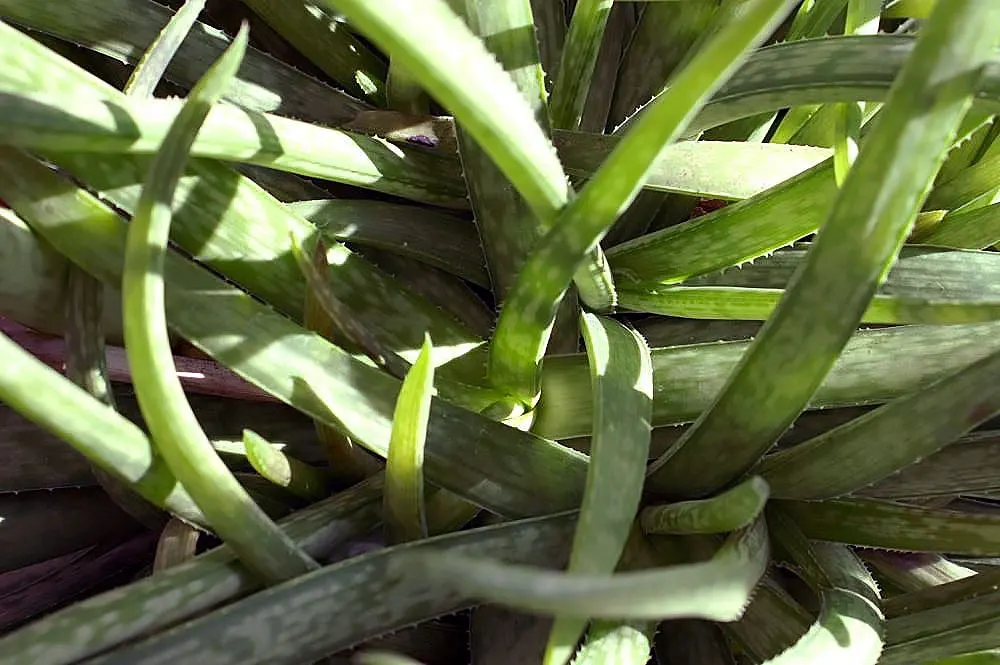
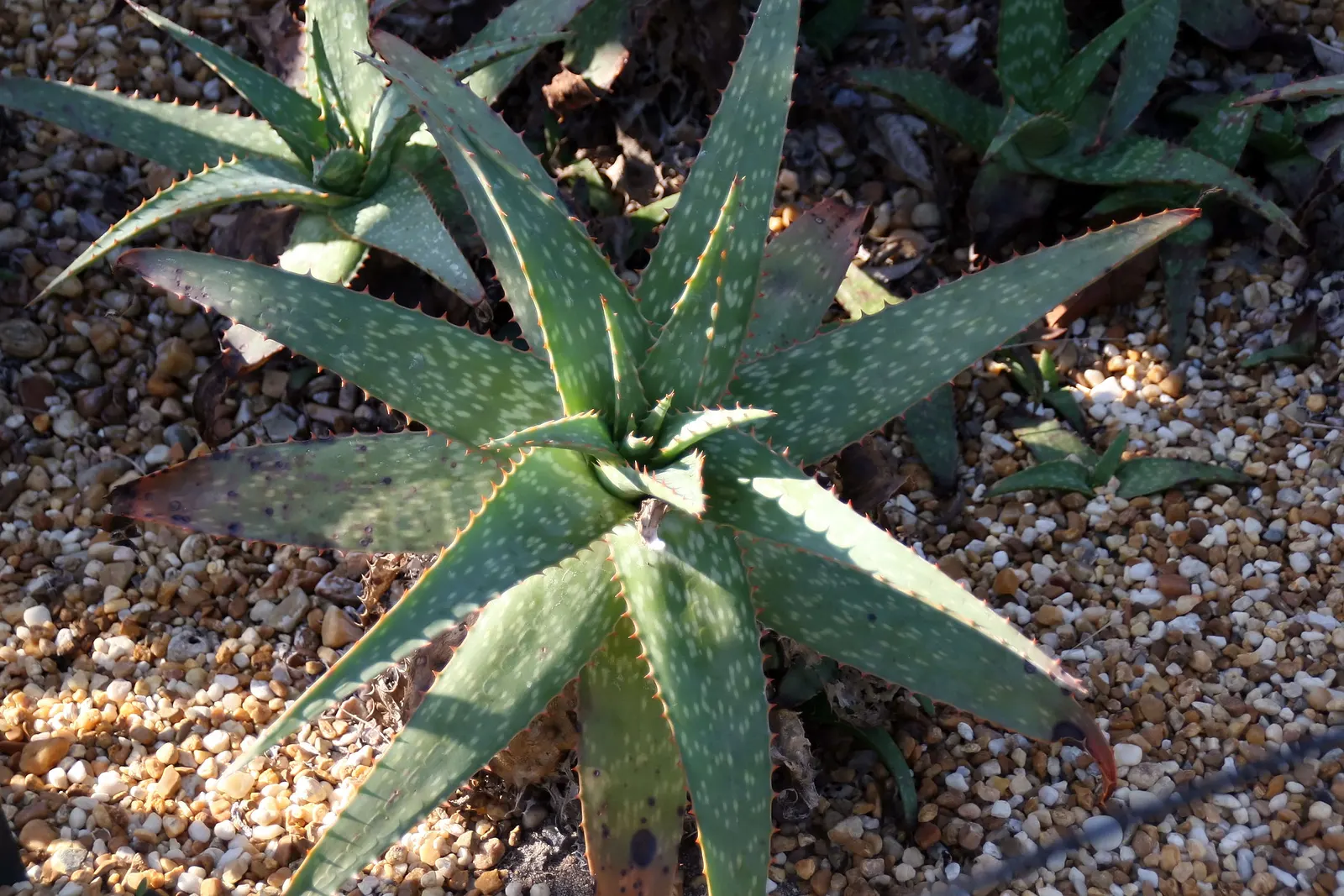
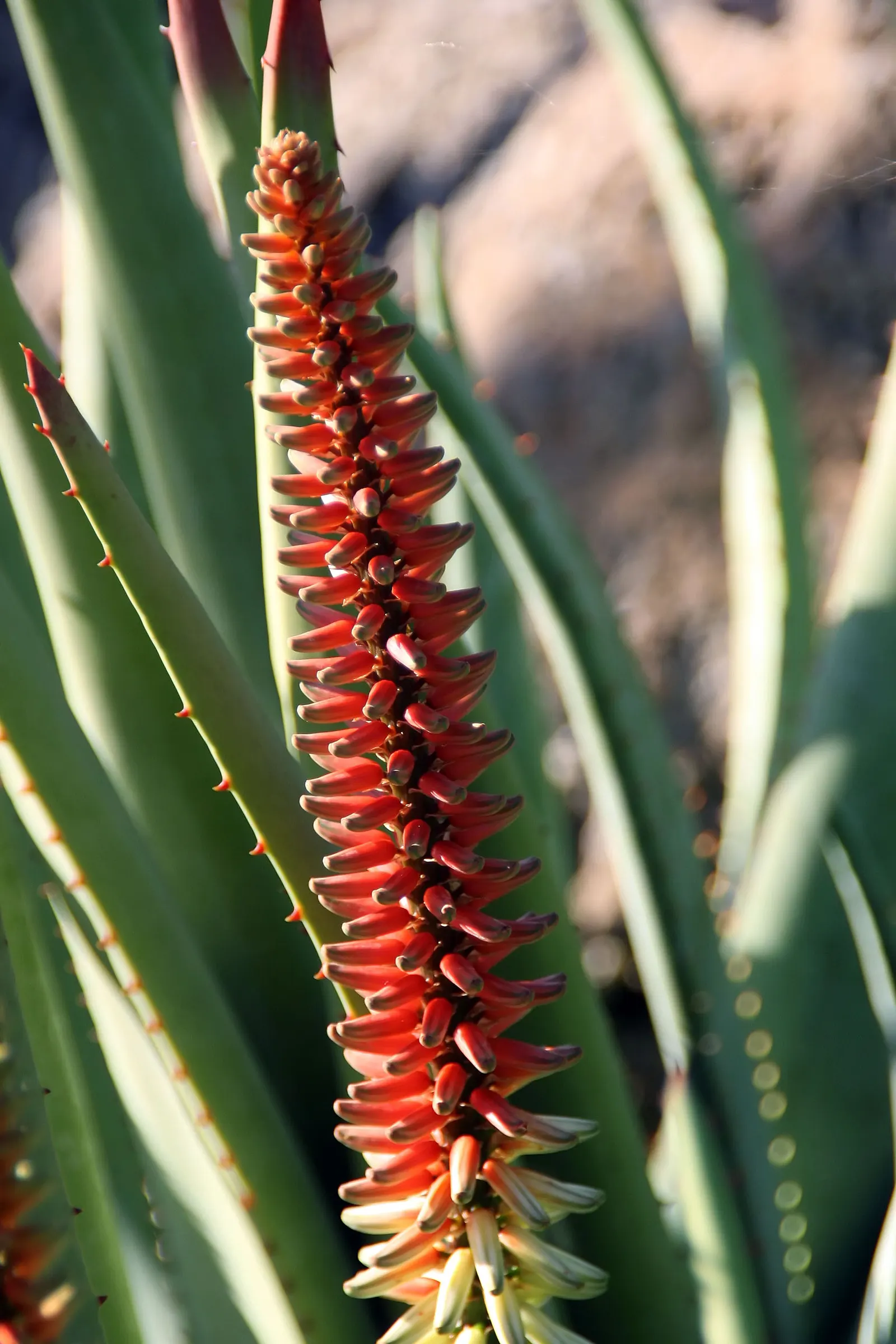
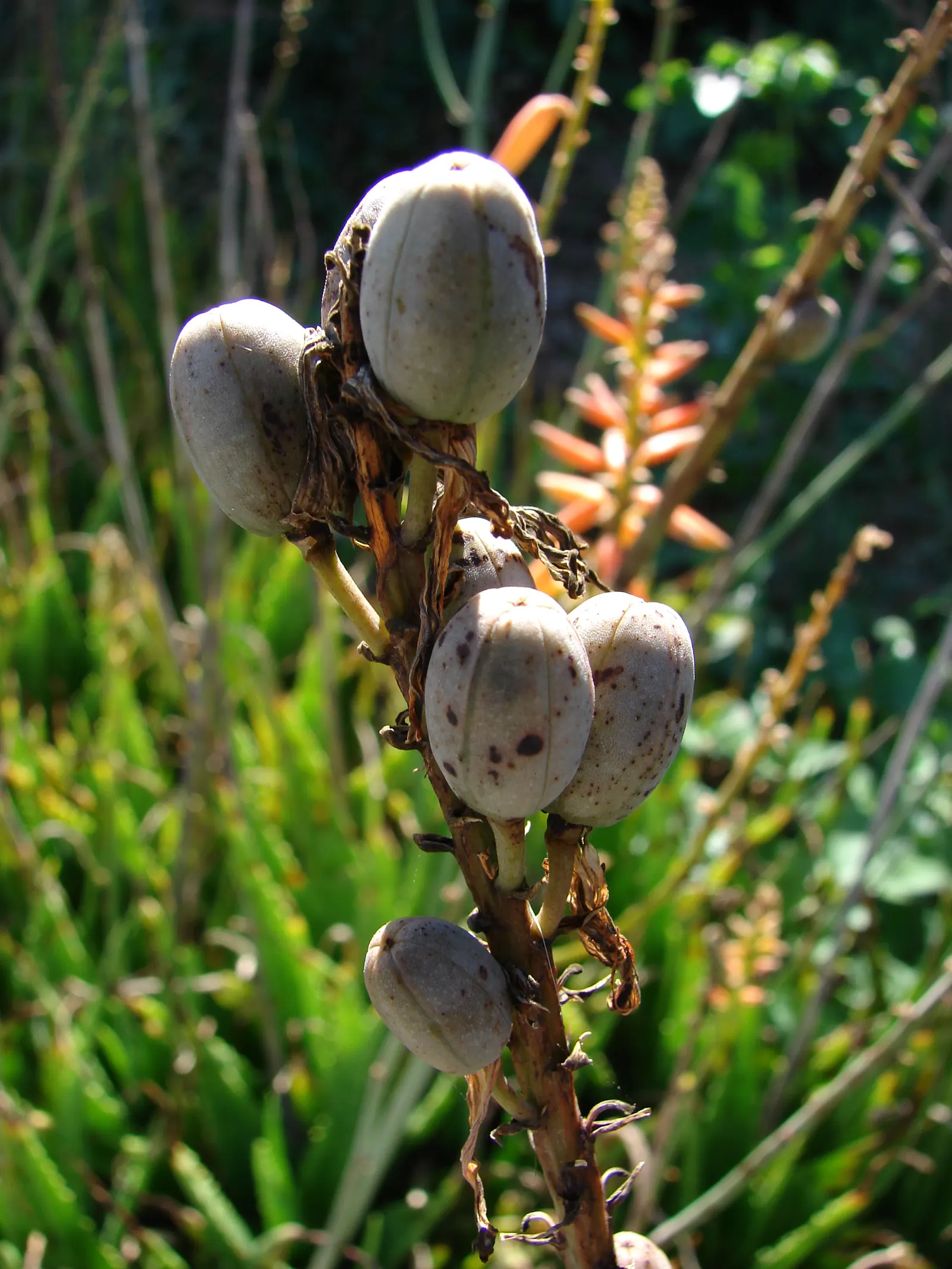
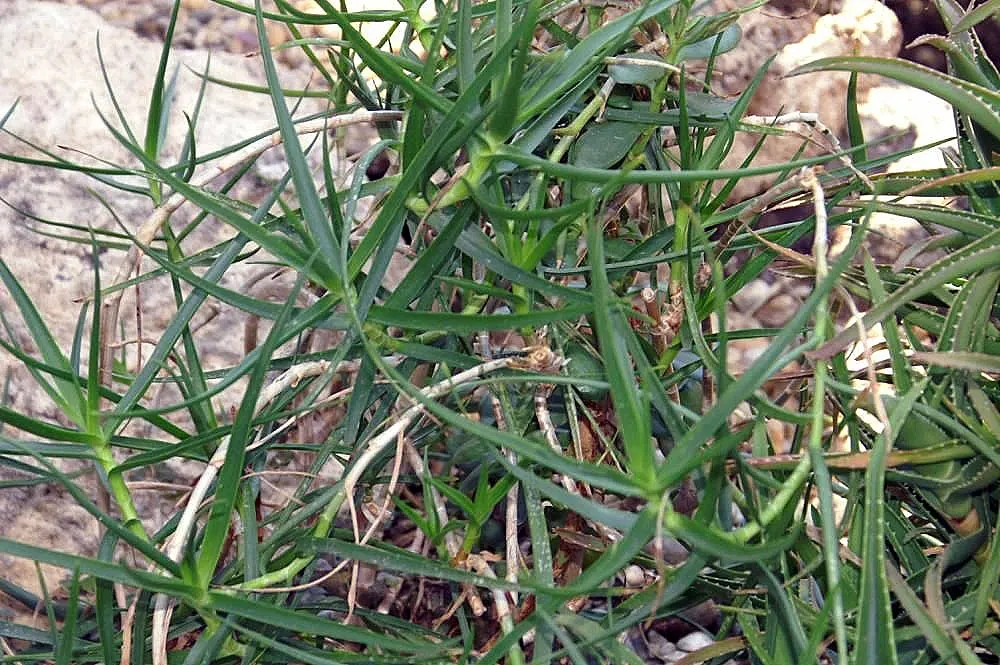
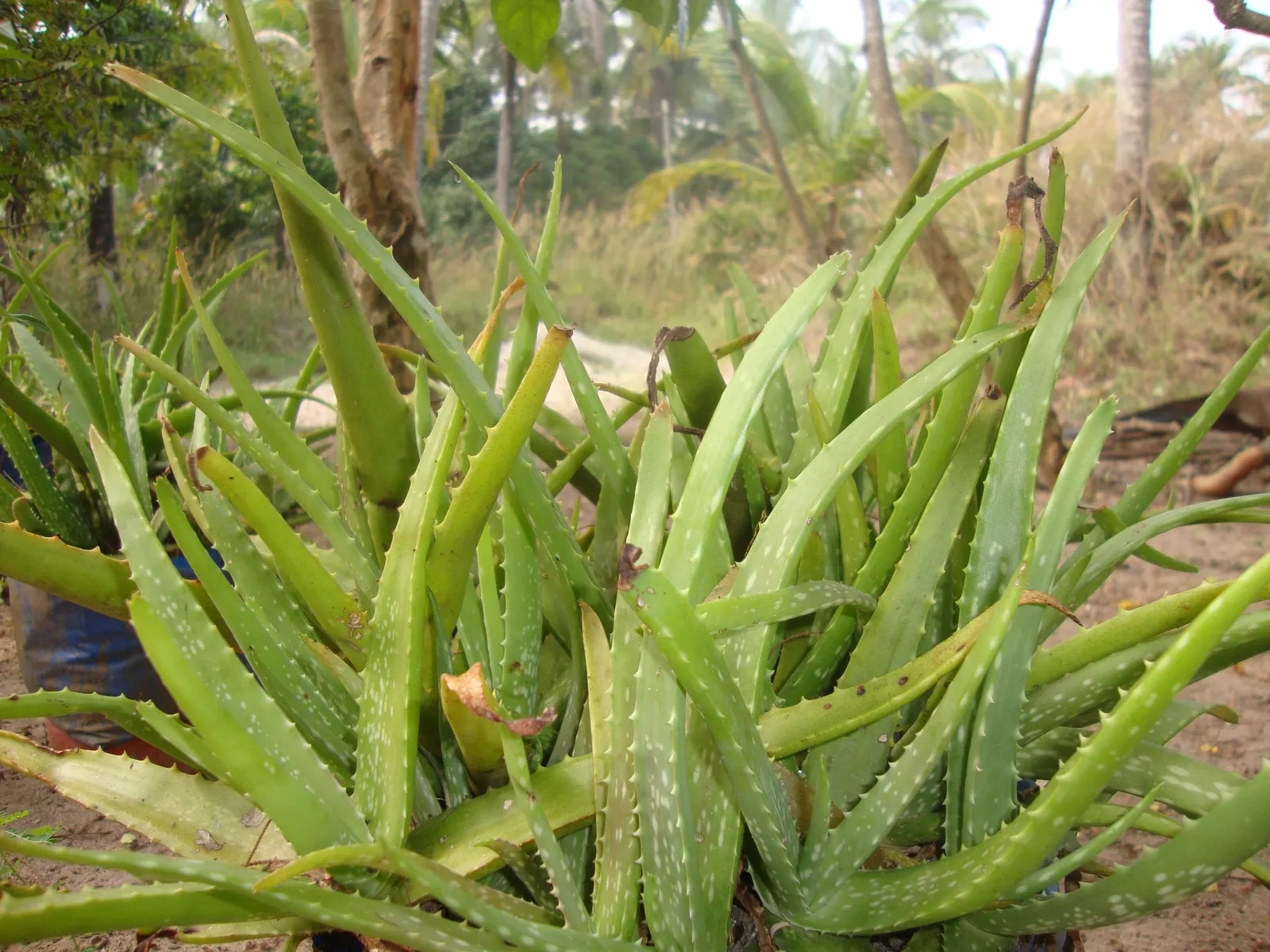
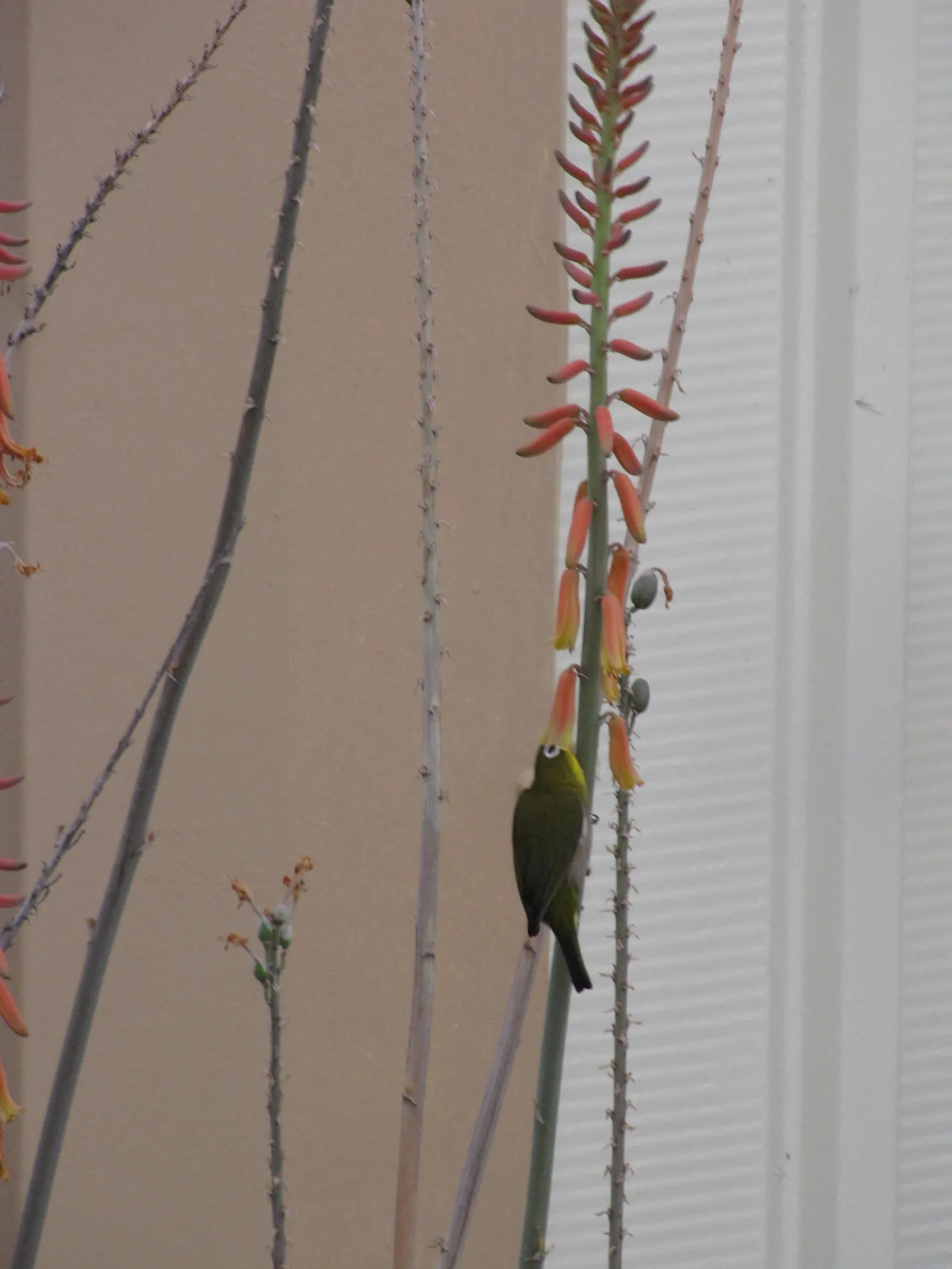
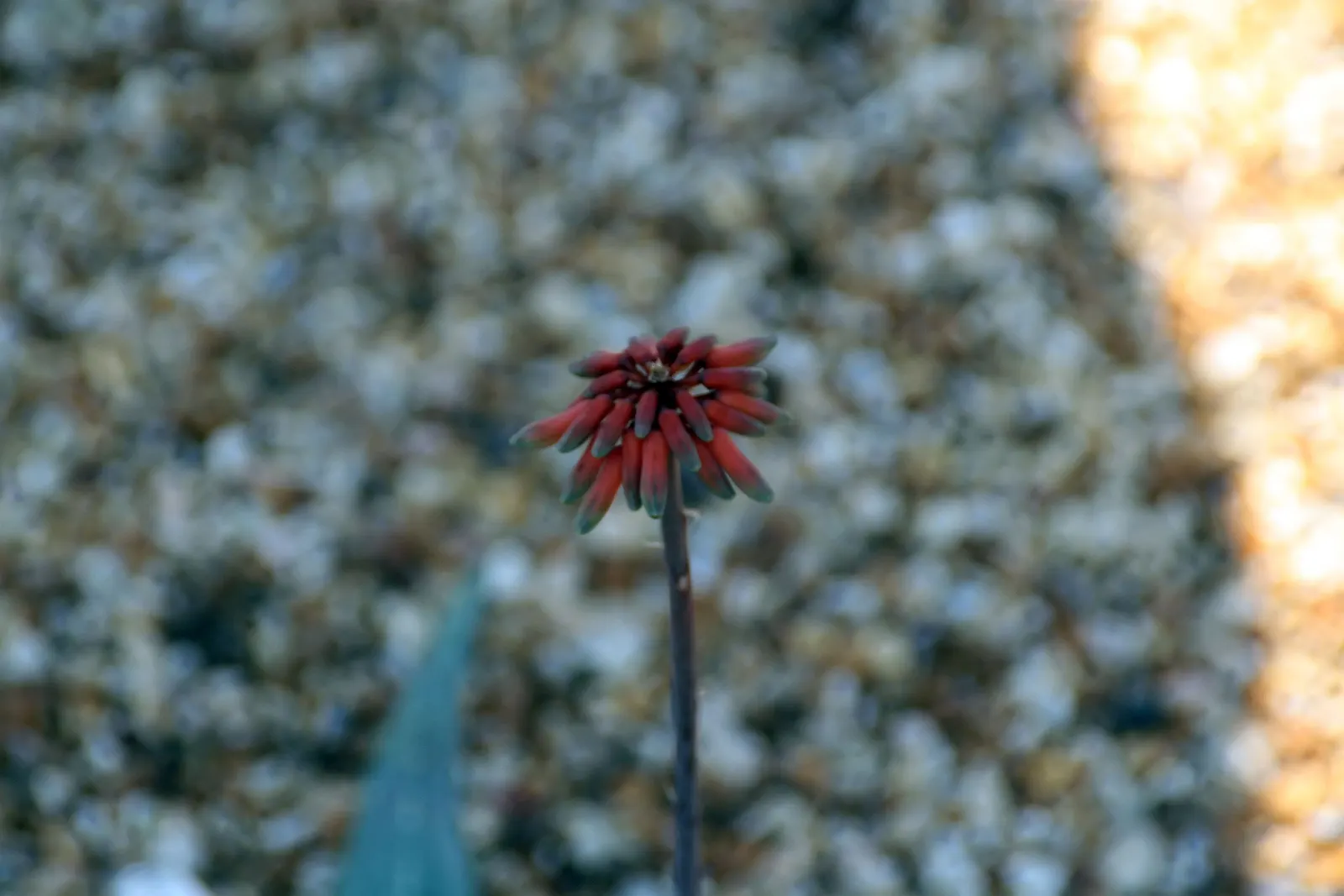
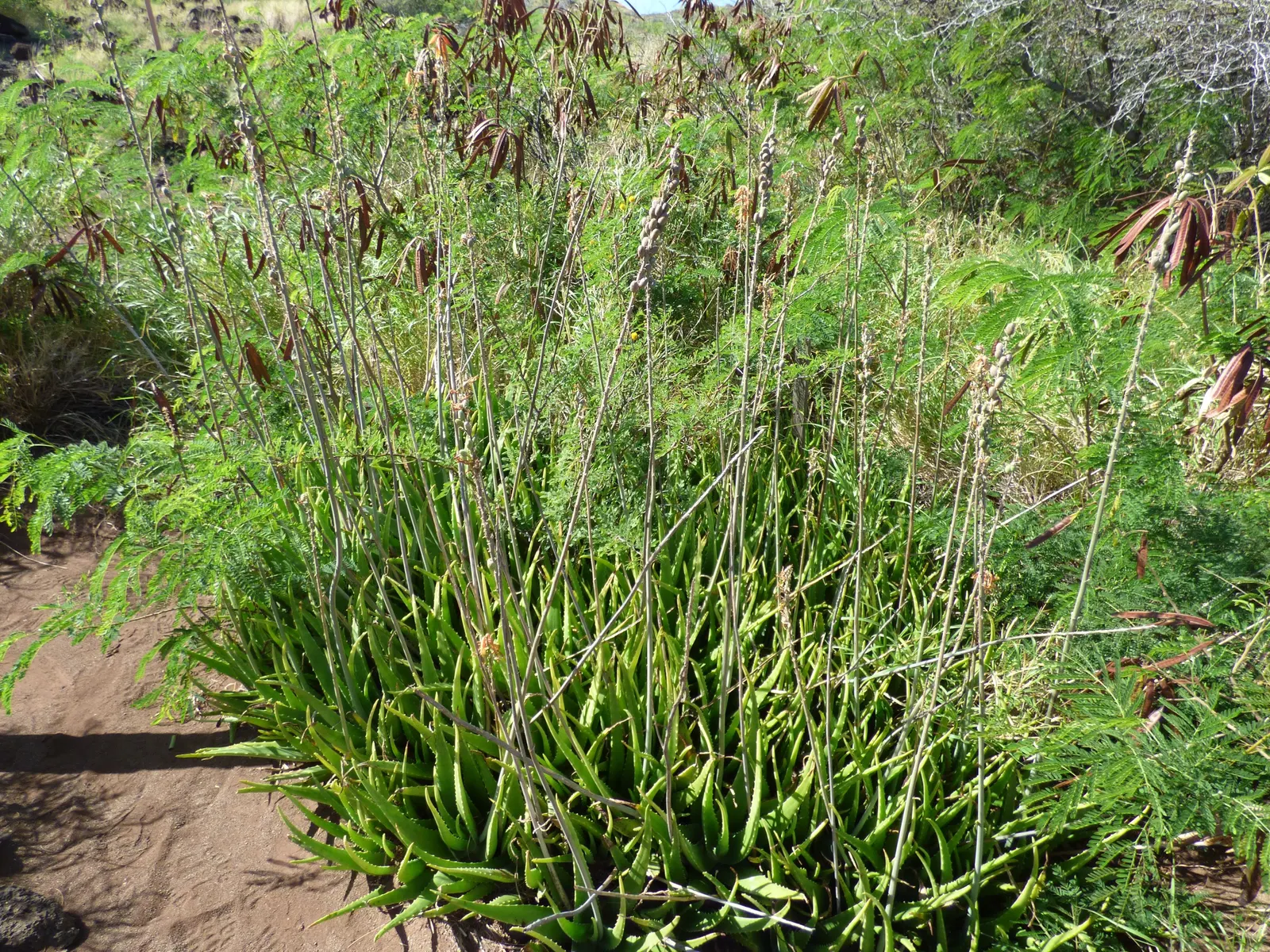
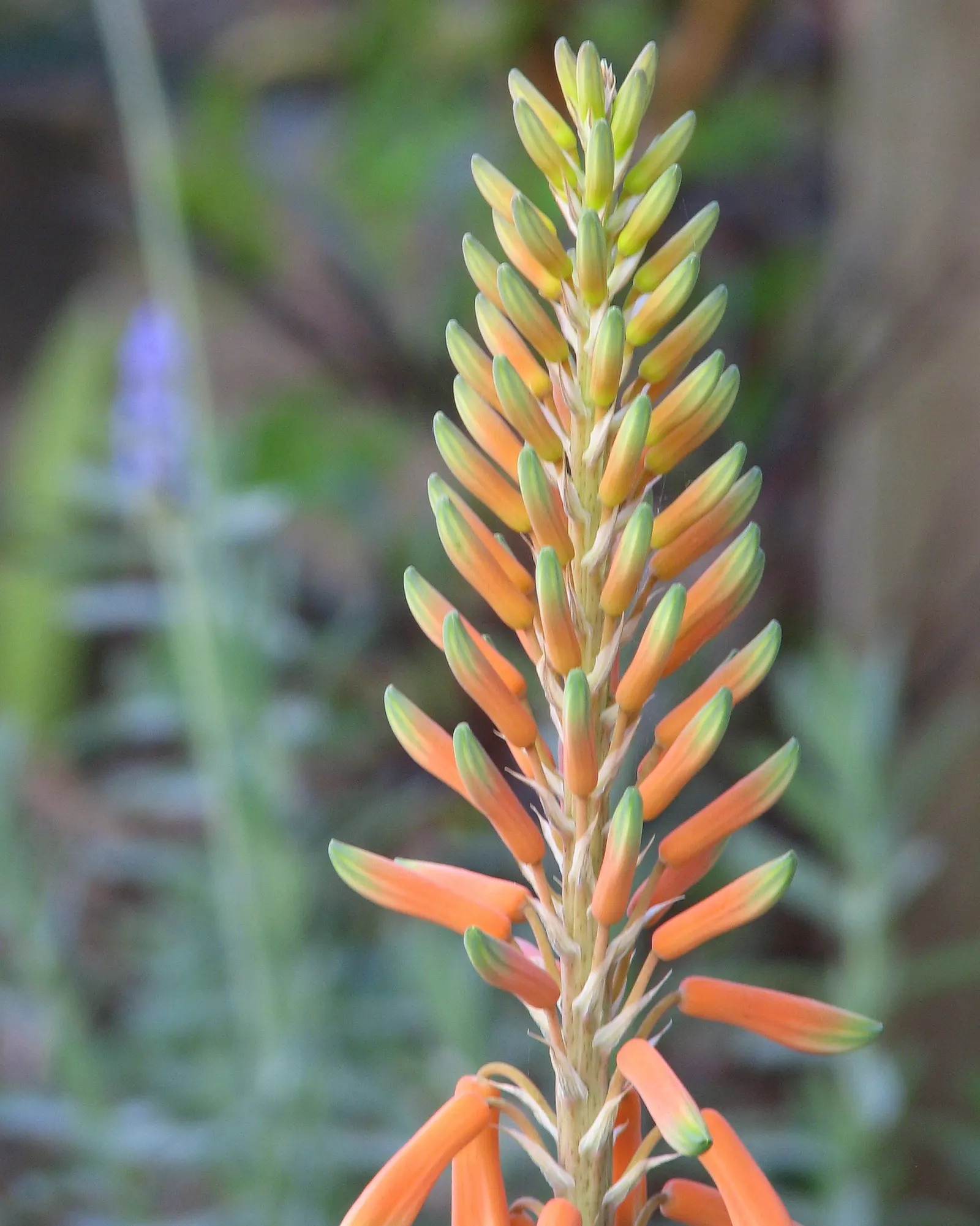
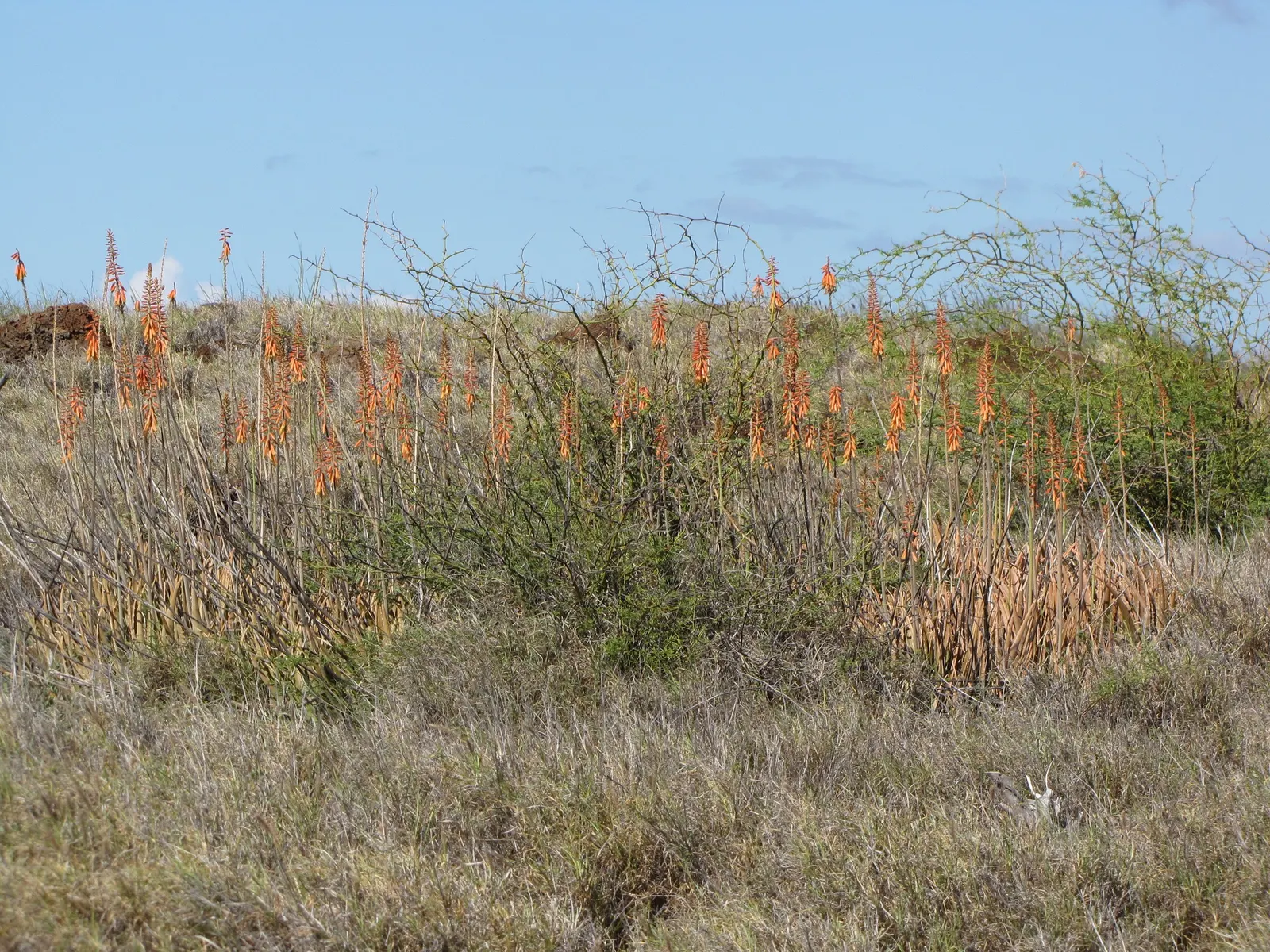
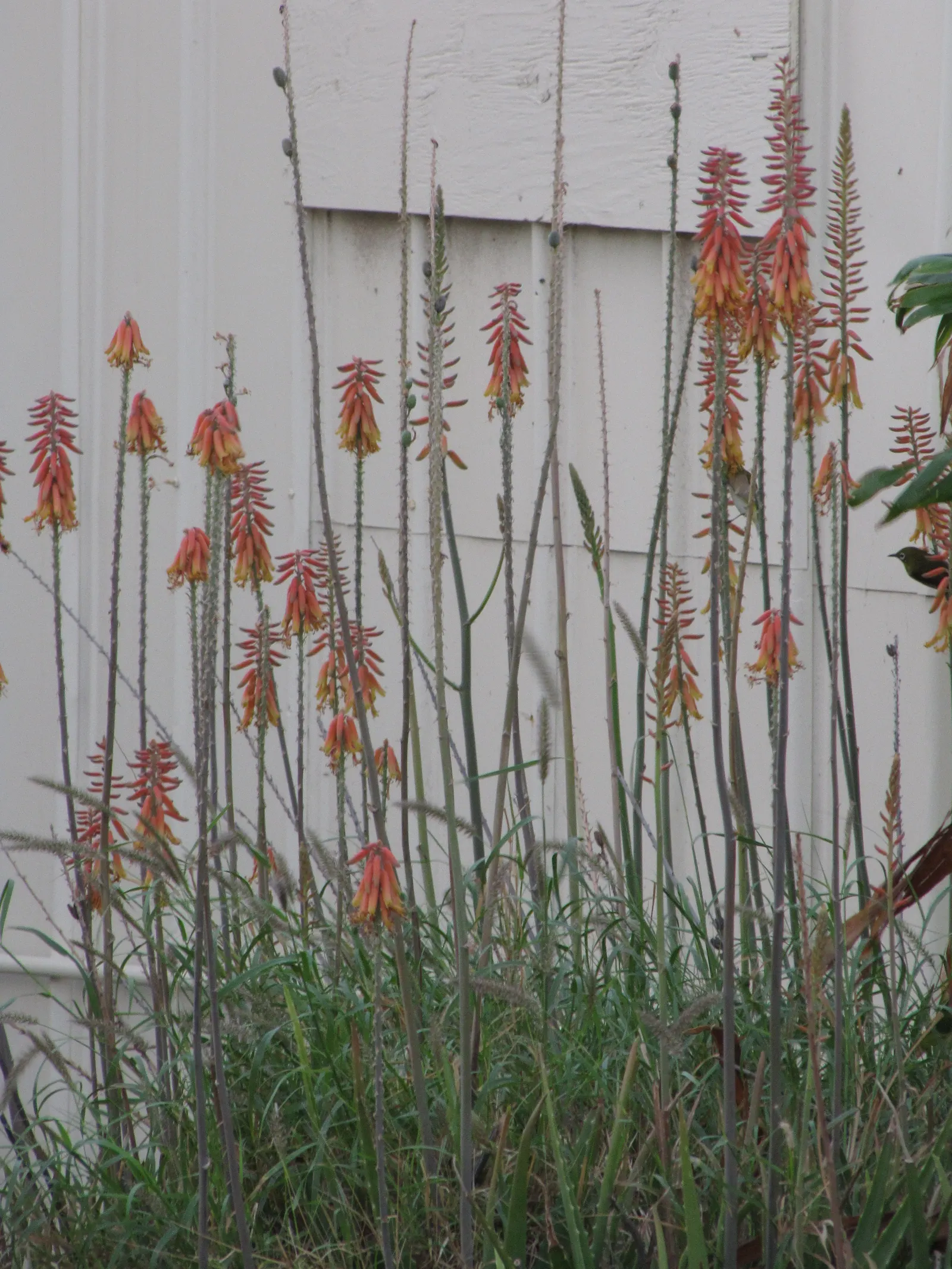
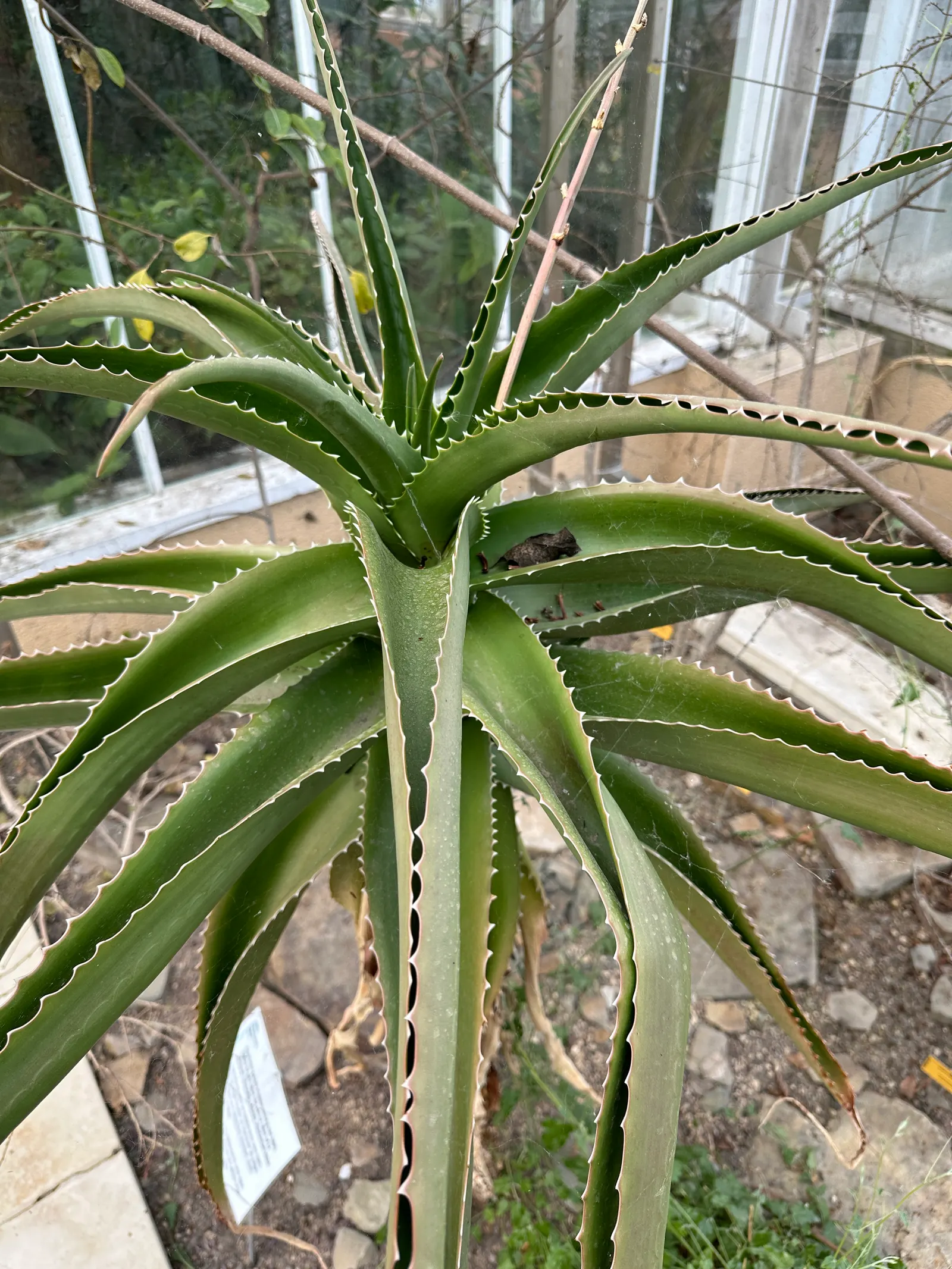
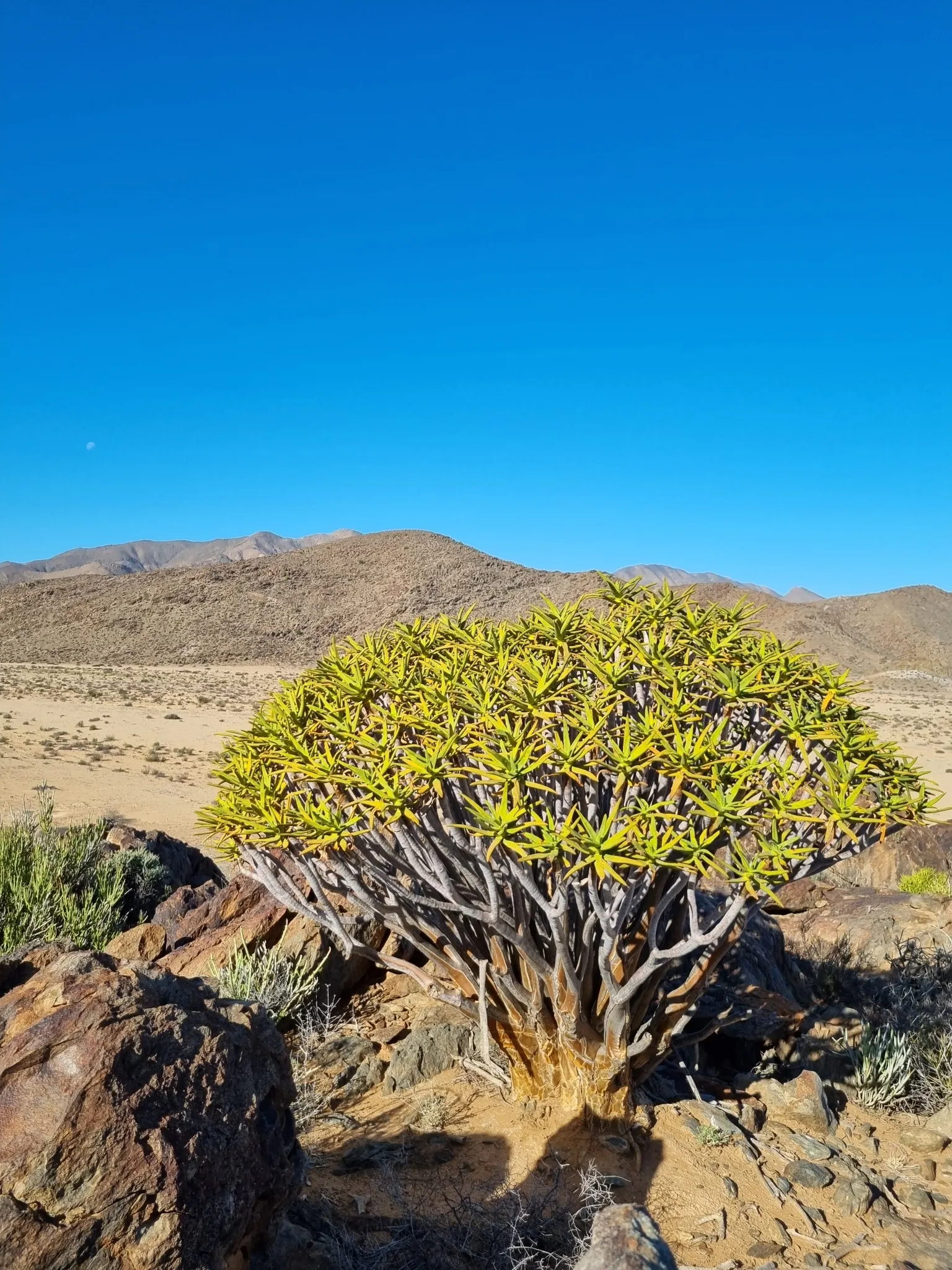
Reynolds Aloe (Aloe massawana) is an elegant, evergreen succulent. It features rosettes of fleshy, lance-shaped leaves, growing to approximately 18 inches wide. Its vibrant orange-red blooms emerge on spikes up to 2 feet tall, providing a striking contrast in the garden. Ideal for USDA zones 9-11, this drought-tolerant species prefers full sun to partial shade and well-drained soil. A stunning, low-maintenance choice for rockeries and xeriscaped areas.

Sun FullWater Extra in Summer, Very LowZones 9–11Type SucculentClimate Arid

Culture

Sun
Full
Water
Extra in Summer, Very Low
USDA zones
9–11

Shape & size

Classification

Type
Succulent
Family
Xanthorrhoeaceae
Climate
Arid

See full data, regional cultivation notes, and design tools. Build a client presentation around this plant.

Start your 14-day trial

Photos (100)

Reynolds Aloe (Aloe Massawana) — but it should be protected from frost to prevent damage to the foliage and blooms; where it thrives in rugged, image 91
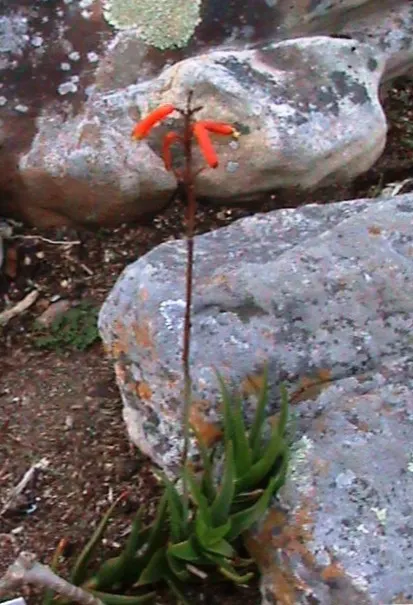
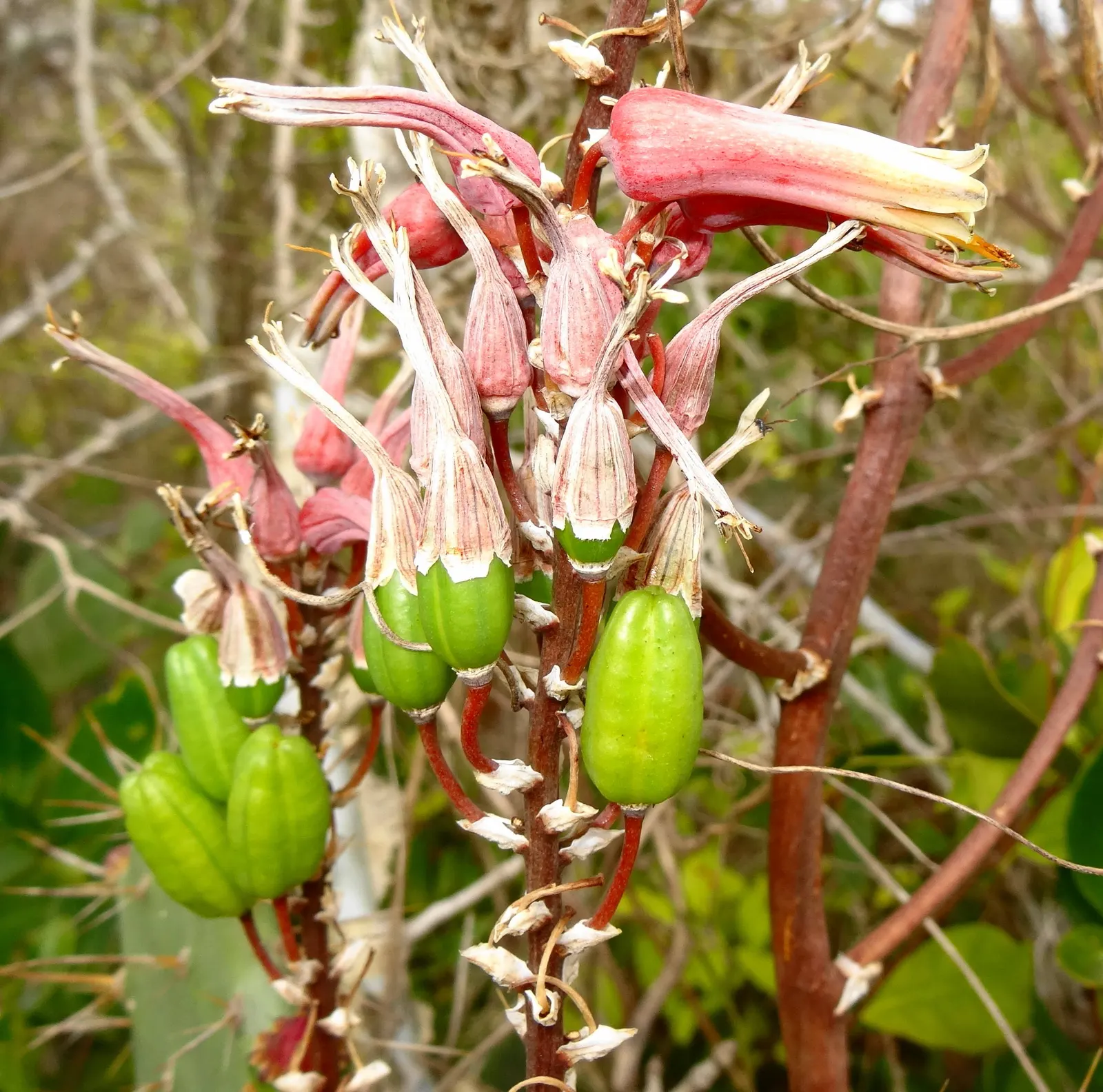
Reynolds Aloe (Aloe Massawana) — Its vibrant orange-red blooms emerge on spikes up to 2 feet tall, providing a striking contrast in the garden, image 75
Reynolds Aloe (Aloe Massawana) — orange flowers in the garden; the Reynolds Aloe (Aloe massawana) is a striking succulent plant that presents a lush, image 70
Reynolds Aloe (Aloe Massawana) — Ideal for USDA zones 9-11; reynolds Aloe (Aloe massawana) is an elegant, evergreen succulent, image 52
Reynolds Aloe (Aloe Massawana) — it is notably drought-resistant
Reynolds Aloe (Aloe Massawana) — A stunning, low-maintenance choice for rockeries and xeriscaped areas; rising a dramatic 24 to 36 inches above the, image 54
Reynolds Aloe (Aloe Massawana) — This intriguing species is native to the mountainous regions of Lesotho and South Africa
Reynolds Aloe (Aloe Massawana) — In late winter to early spring; it is notably drought-resistant, image 61
Reynolds Aloe (Aloe Massawana) — The Reynolds Aloe (Aloe massawana) is a striking succulent plant that presents a lush; orange flowers in the garden, image 55
Reynolds Aloe (Aloe Massawana) — Its vibrant orange-red blooms emerge on spikes up to 2 feet tall, providing a striking contrast in the garden; this aloe
Reynolds Aloe (Aloe Massawana) — In late winter to early spring; it is notably drought-resistant
Reynolds Aloe (Aloe Massawana) — but it should be protected from frost to prevent damage to the foliage and blooms; where it thrives in rugged, image 67
Reynolds Aloe (Aloe Massawana) — but it should be protected from frost to prevent damage to the foliage and blooms; where it thrives in rugged terrains
Reynolds Aloe (Aloe Massawana) — you can expect to see the robust emergence of the flower stalks
Reynolds Aloe (Aloe Massawana) — tropical flair to any landscape; this drought-tolerant species prefers full sun to partial shade and well-drained, image 56
Reynolds Aloe (Aloe Massawana) — succulent with orange blooms; you can expect to see the robust emergence of the flower stalks
Reynolds Aloe (Aloe Massawana) — The leaf margins are lined with small teeth, which add texture and interest; this intriguing species is native to, image 84
Reynolds Aloe (Aloe Massawana) — This aloe species can tolerate temperatures down to about 30°F; its vibrant orange-red blooms emerge on spikes, image 90
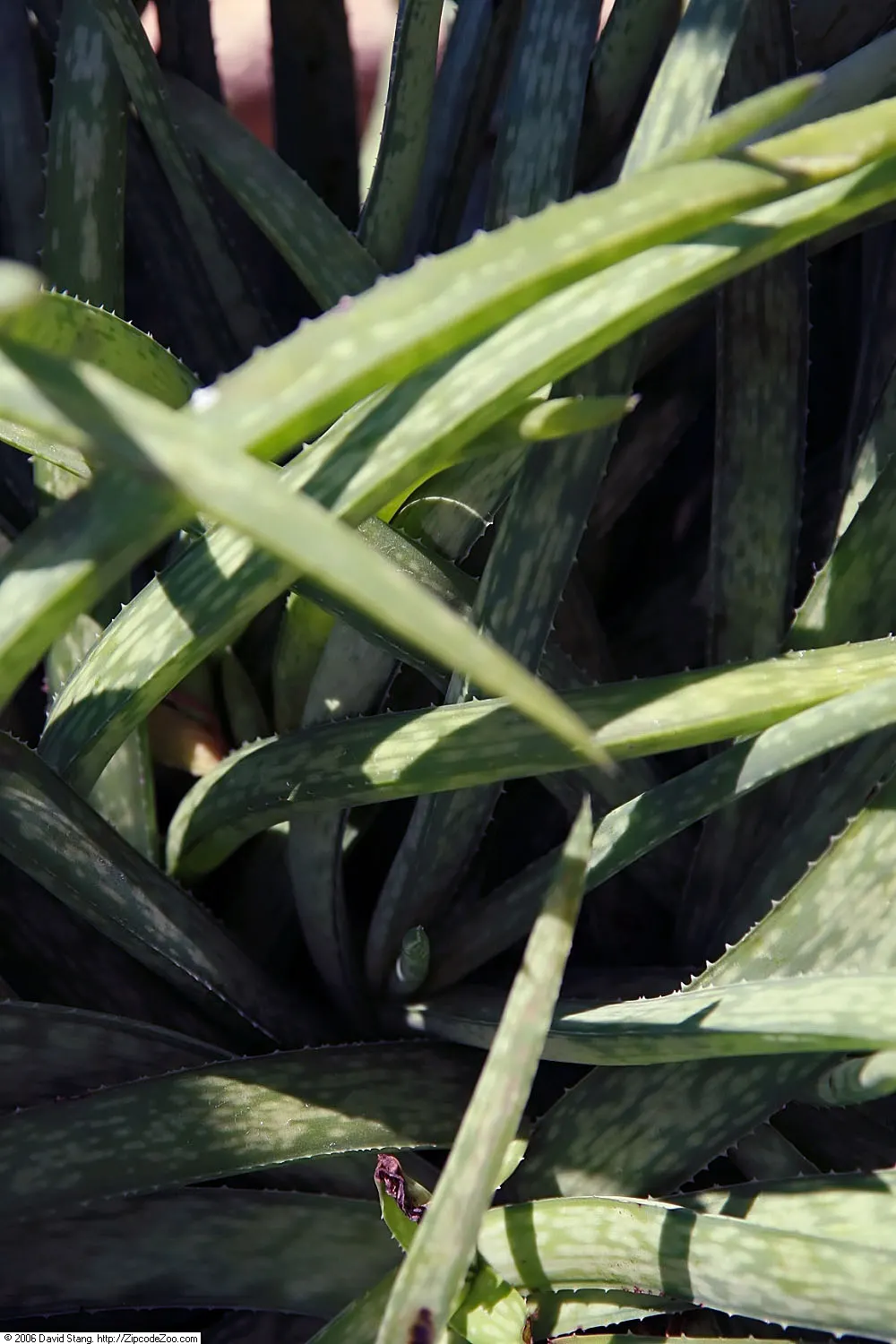
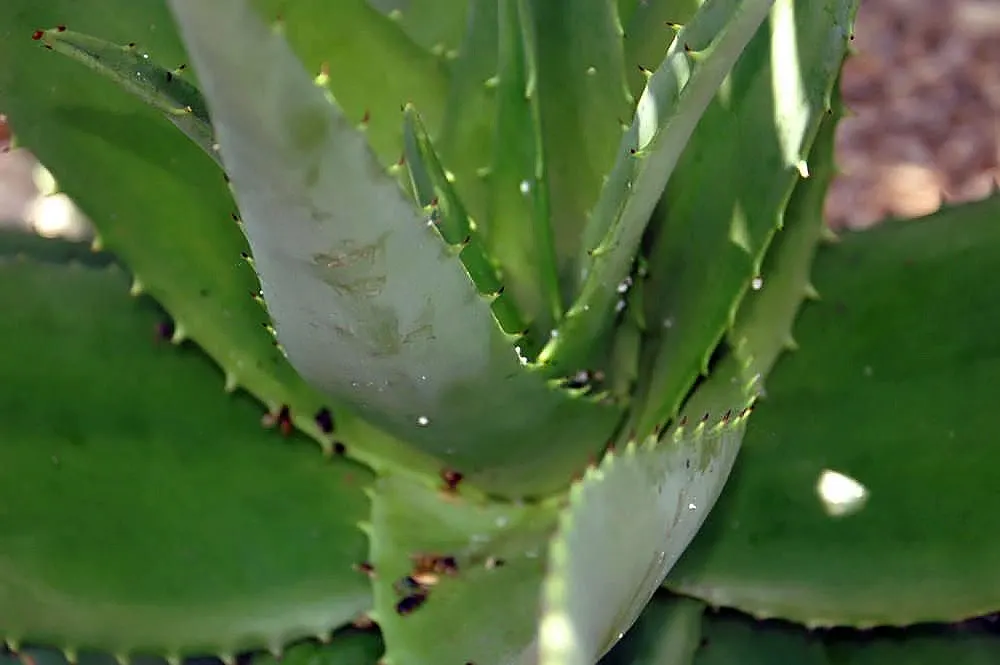
Reynolds Aloe (Aloe Massawana) — The leaf margins are lined with small teeth, which add texture and interest
Reynolds Aloe (Aloe Massawana) — Reynolds Aloe (Aloe massawana) is an elegant, evergreen succulent; ideal for USDA zones 9-11
Reynolds Aloe (Aloe Massawana) — A stunning, low-maintenance choice for rockeries and xeriscaped areas
Reynolds Aloe (Aloe Massawana) — Reynolds Aloe (Aloe massawana) is an elegant, evergreen succulent
Reynolds Aloe (Aloe Massawana) — you can expect to see the robust emergence of the flower stalks; succulent with orange blooms
Reynolds Aloe (Aloe Massawana) — Its vibrant orange-red blooms emerge on spikes up to 2 feet tall, providing a striking contrast in the garden
Photographs by 8 contributors

Related plants