Skip to content

Tree Aloe

Aloe Barberae

Design with this plant

Overview

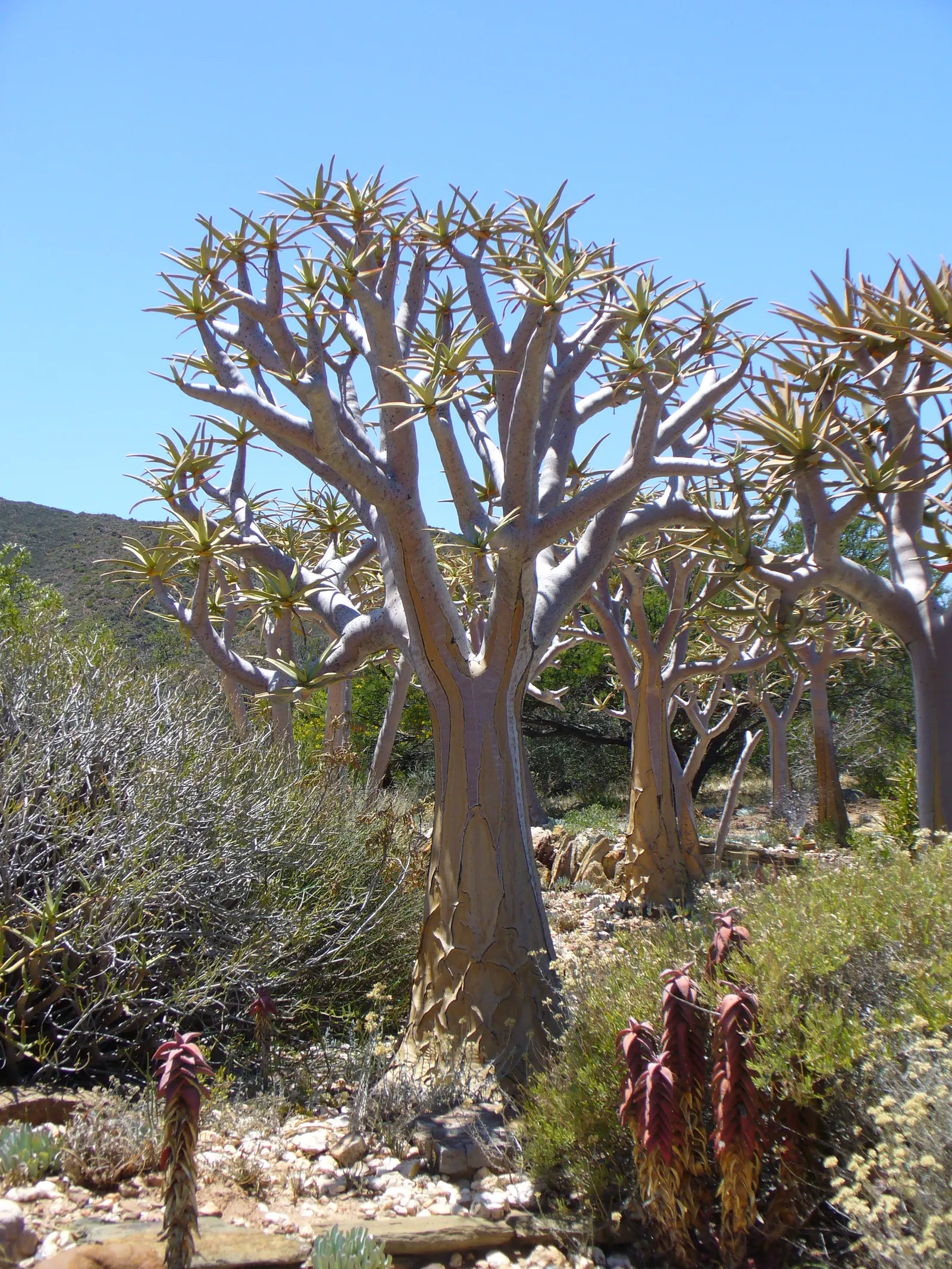
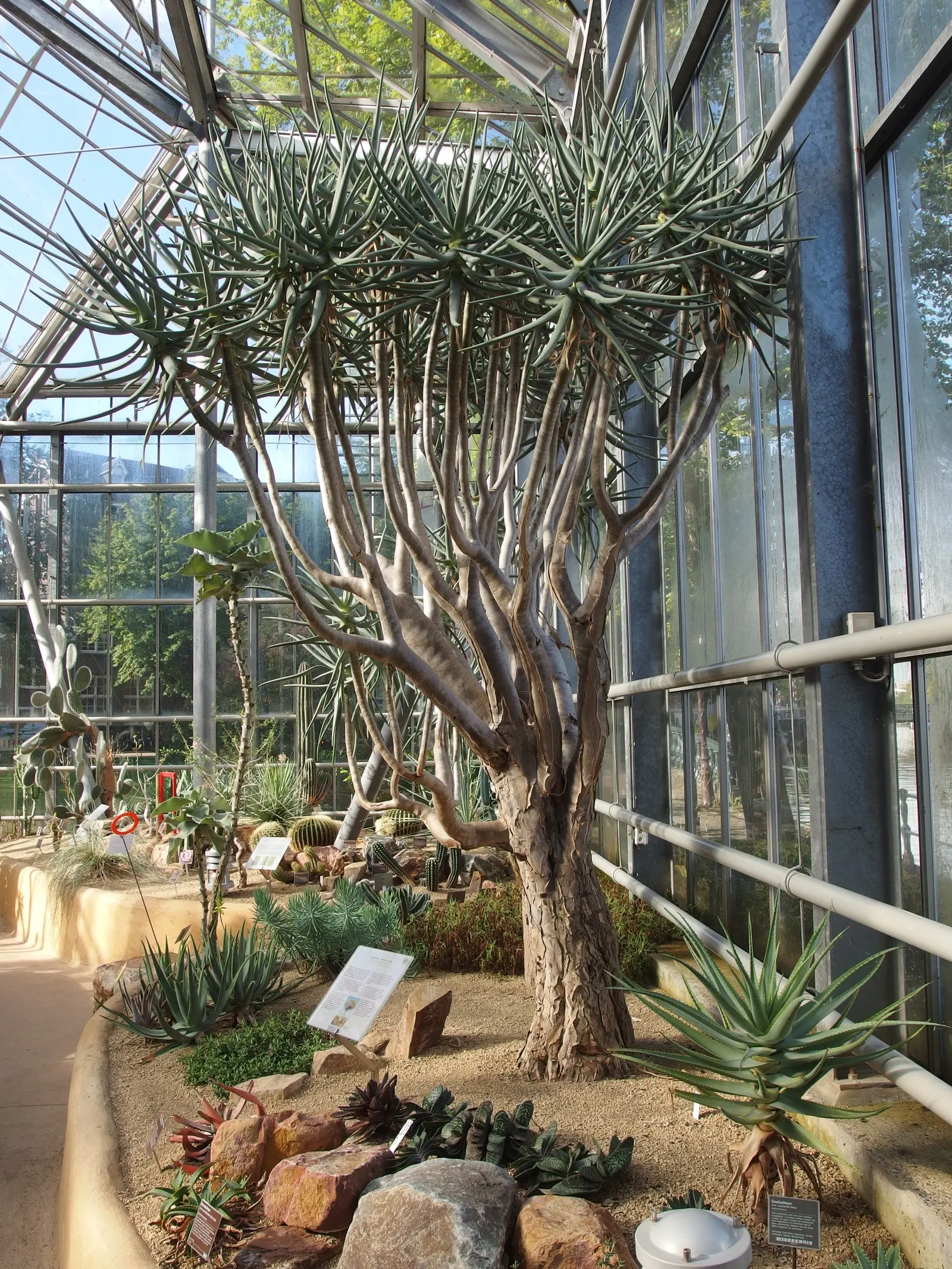
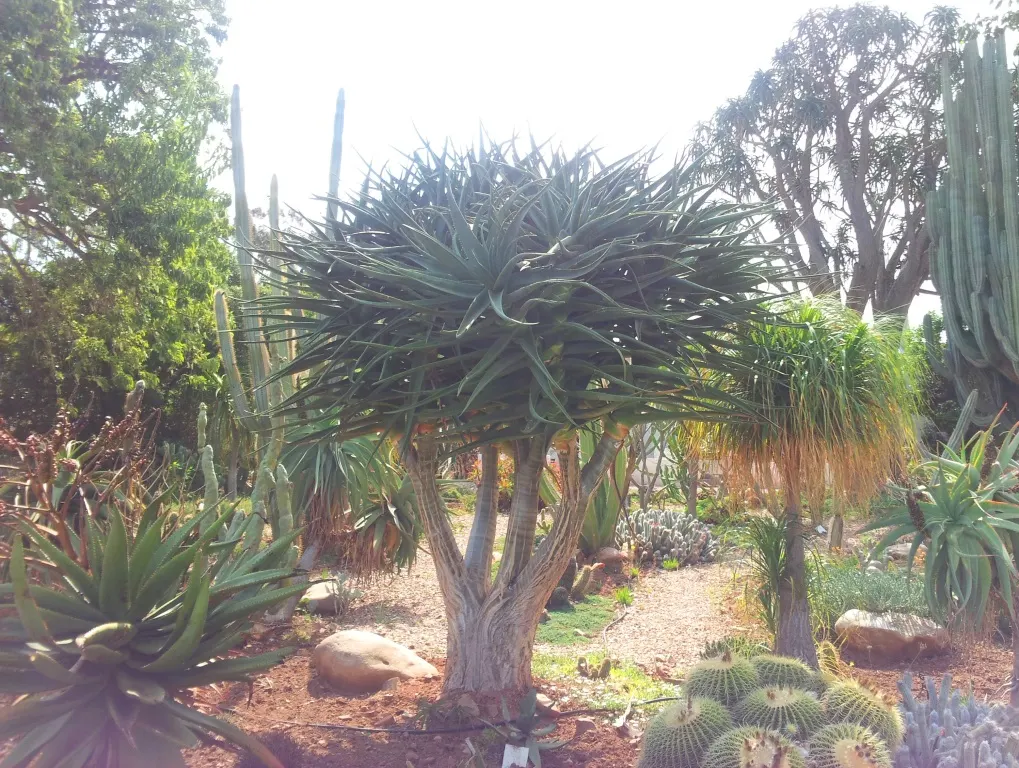
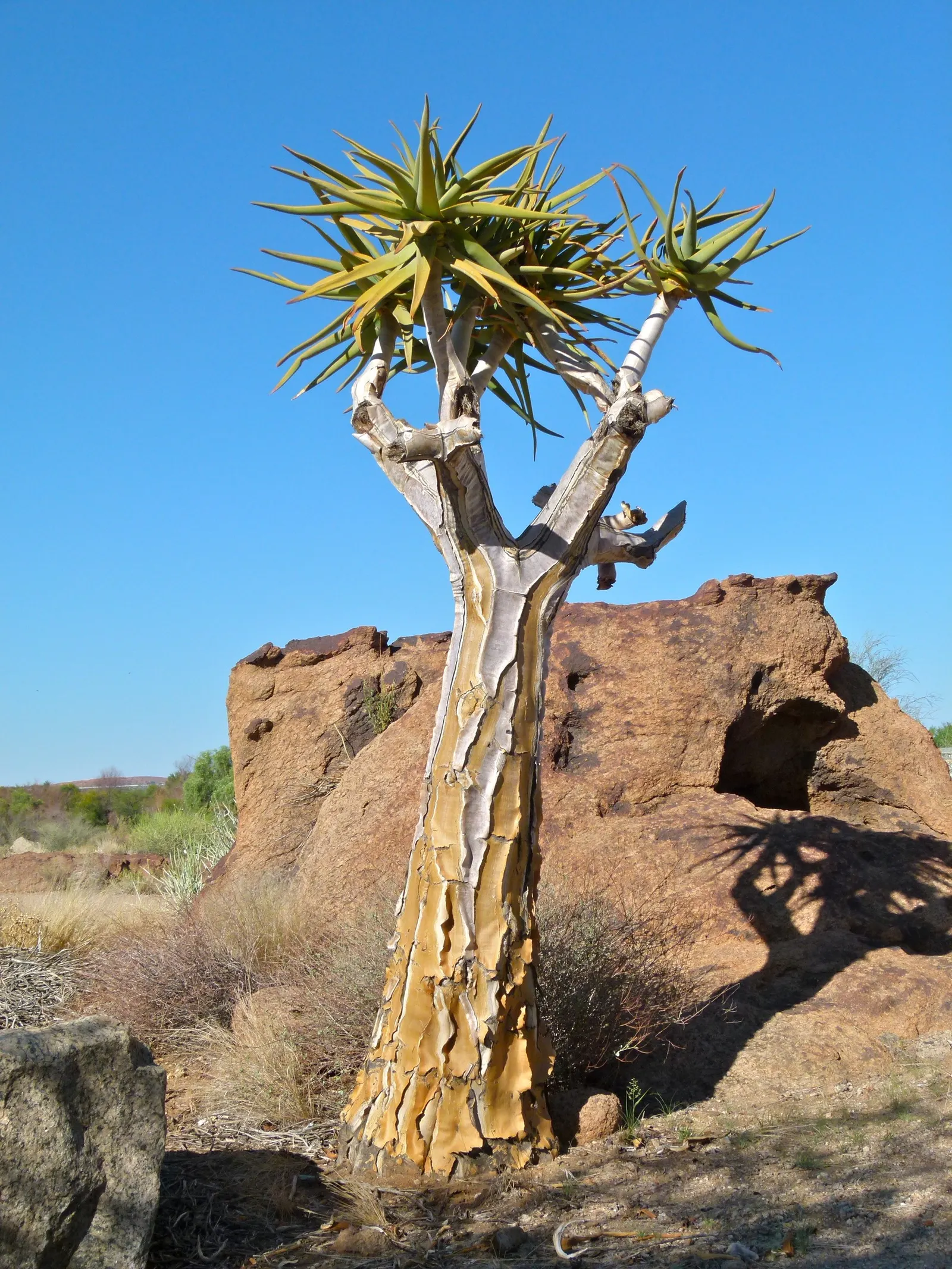
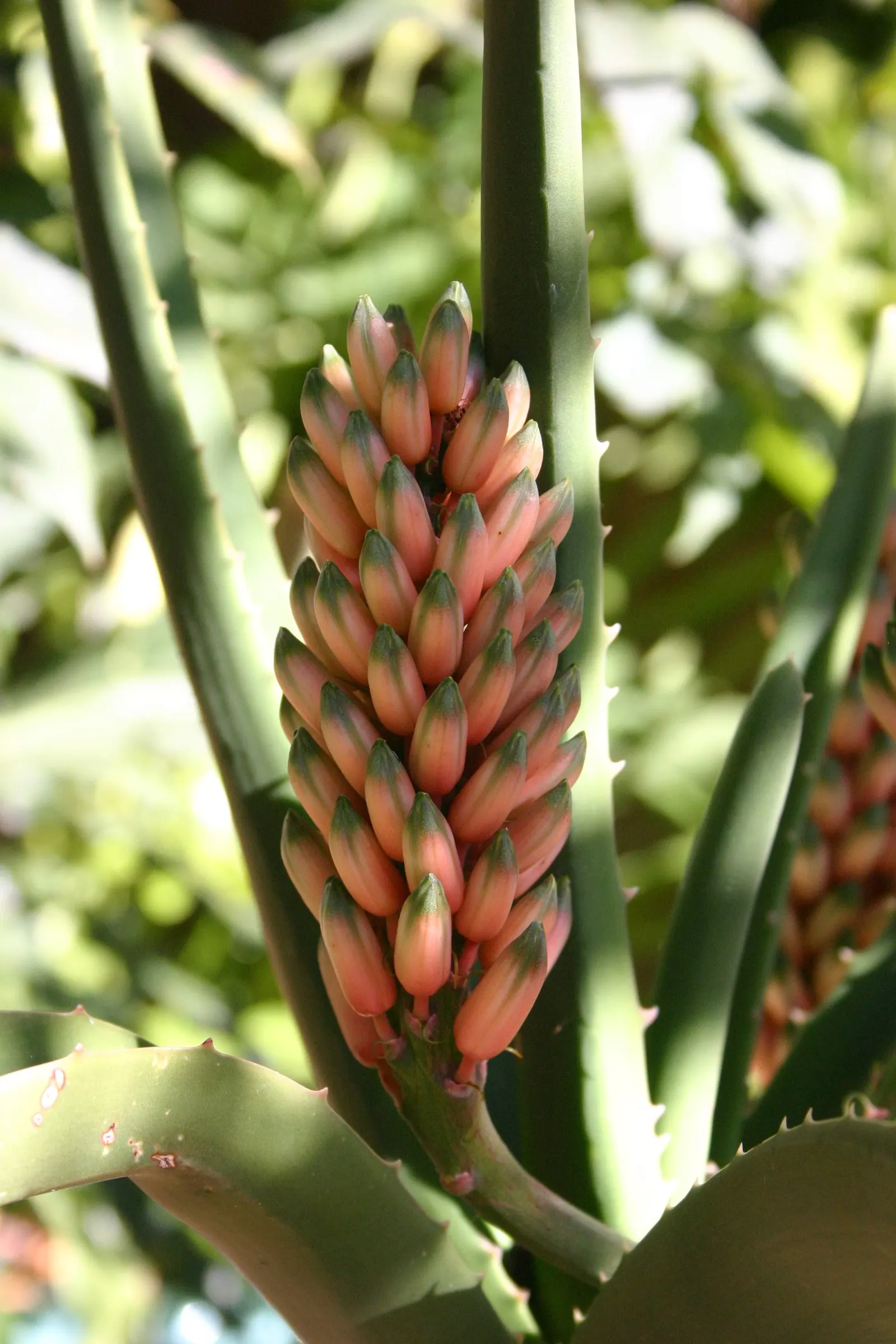
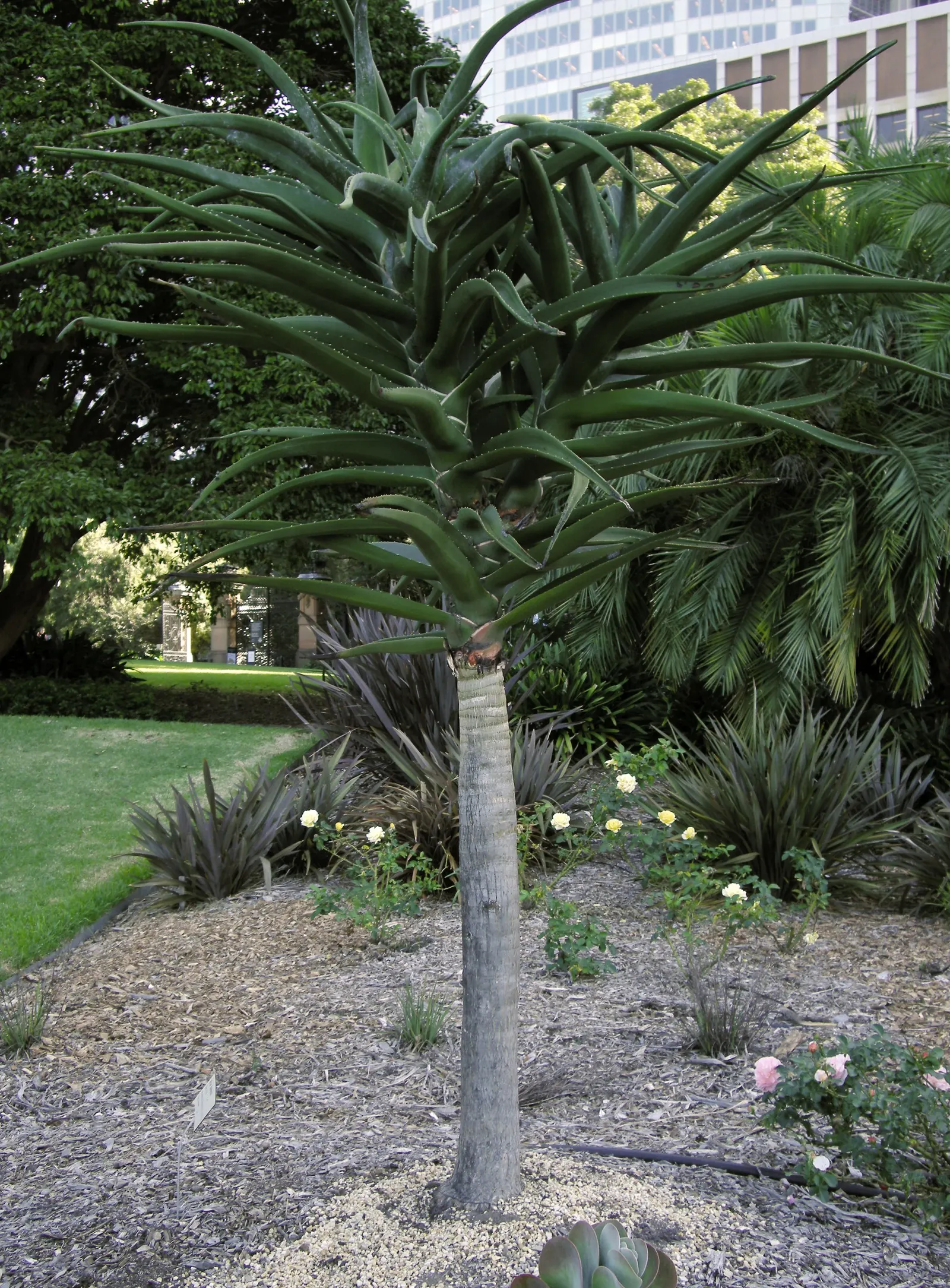
Tree Aloe (Aloe barberae) is a majestic, evergreen succulent reaching up to 50 feet tall and 10 feet wide. Known for its smooth, grey trunk and beautiful rosettes of blue-green leaves, this aloe produces pink-orange flowers in winter. Preferably grown in USDA zones 9-11, it requires full sun to partial shade and well-draining soil. Perfect as a focal specimen, it offers drought tolerance and low maintenance for warm, arid landscapes.

Sun FullWater LowZones 9–11Type TreeClimate Mediterranean
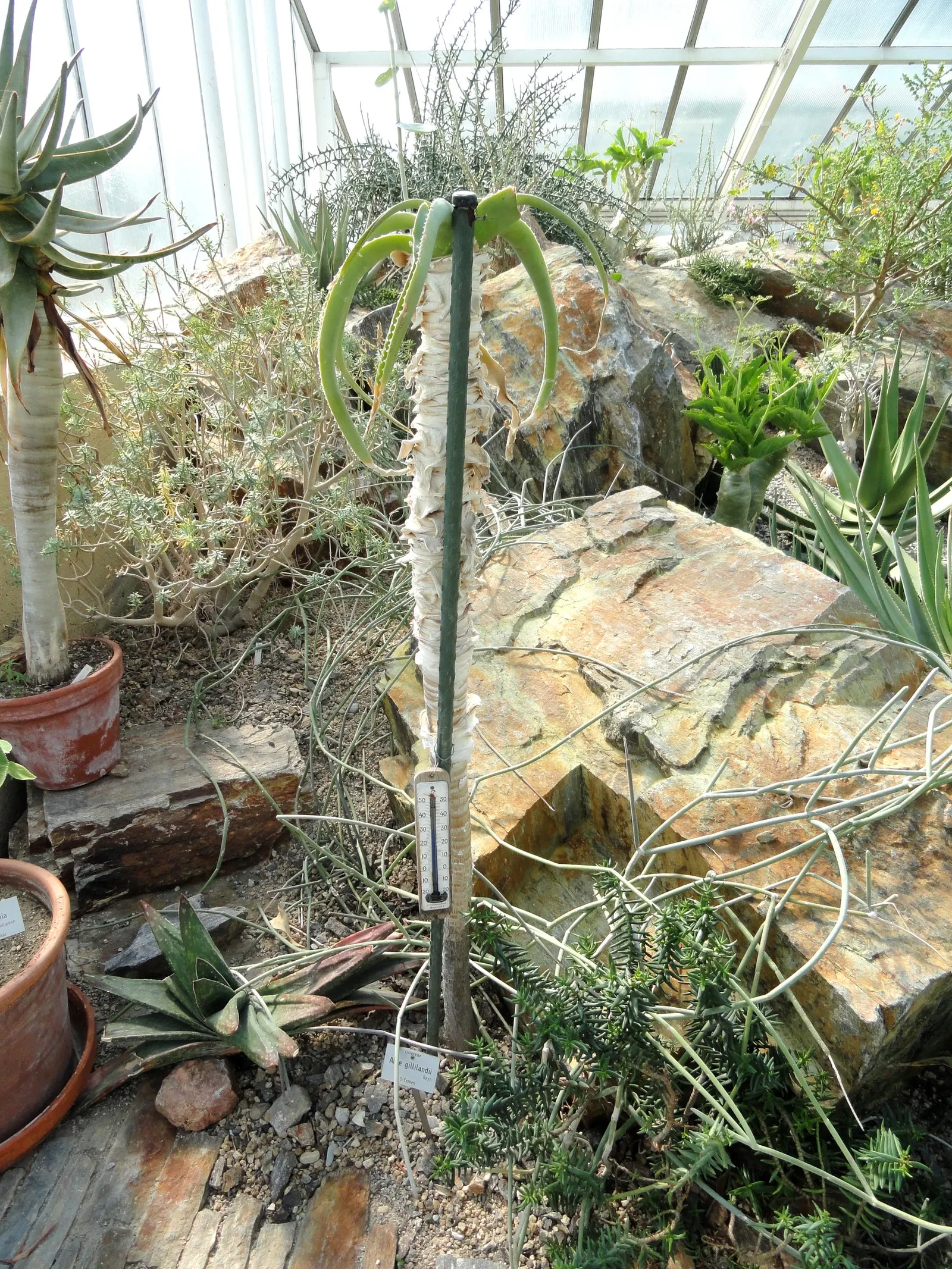
Tree Aloe (Aloe Barberae) — the Tree Aloe blooms in the late fall to early winter; it requires well-drained soil and full sun to partial shade exposure

Culture

Sun
Full
Water
Low
USDA zones
9–11

Shape & size

Classification

Type
Tree
Family
Asphodelaceae
Climate
Mediterranean

See full data, regional cultivation notes, and design tools. Build a client presentation around this plant.

Start your 14-day trial

Photos (135)

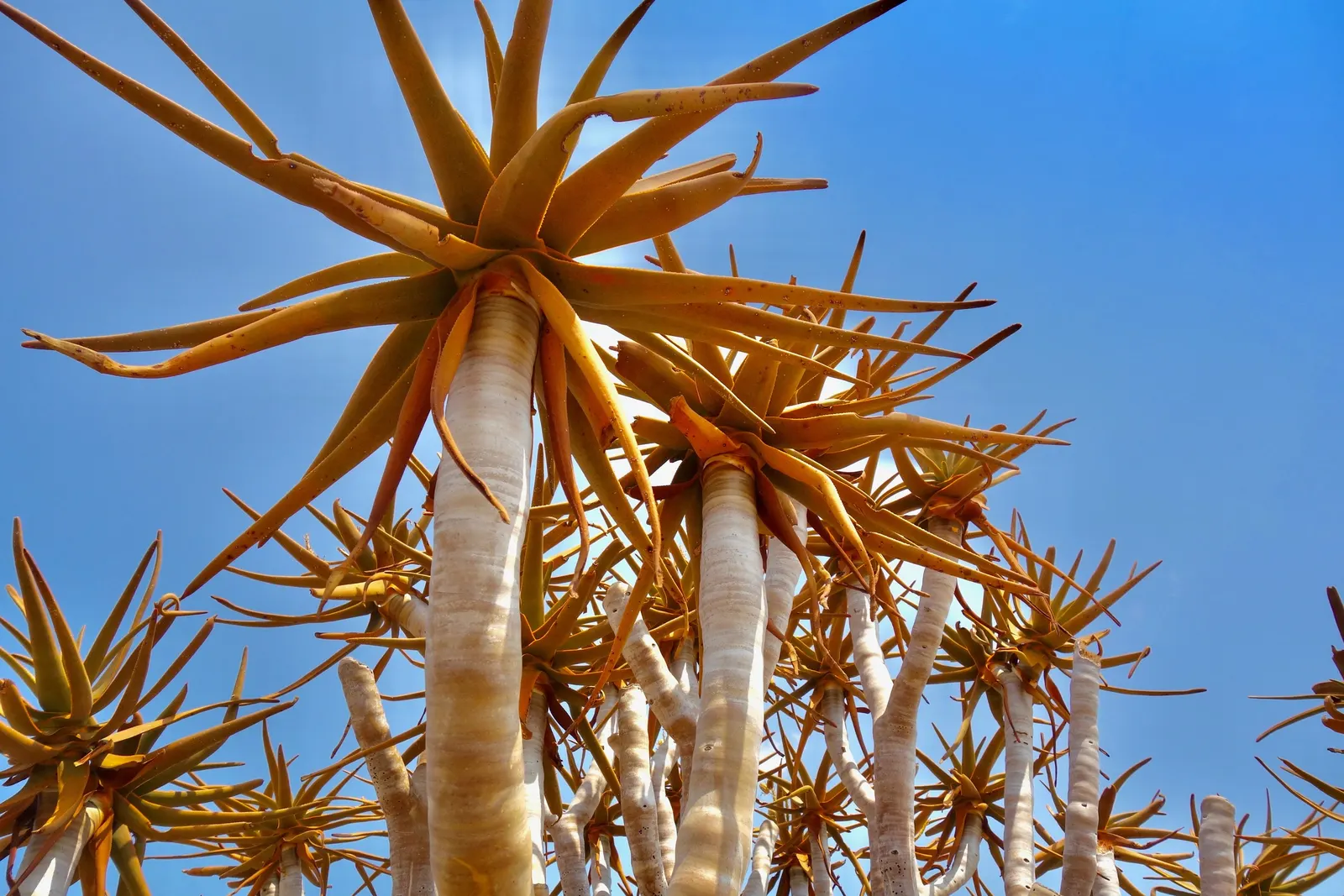
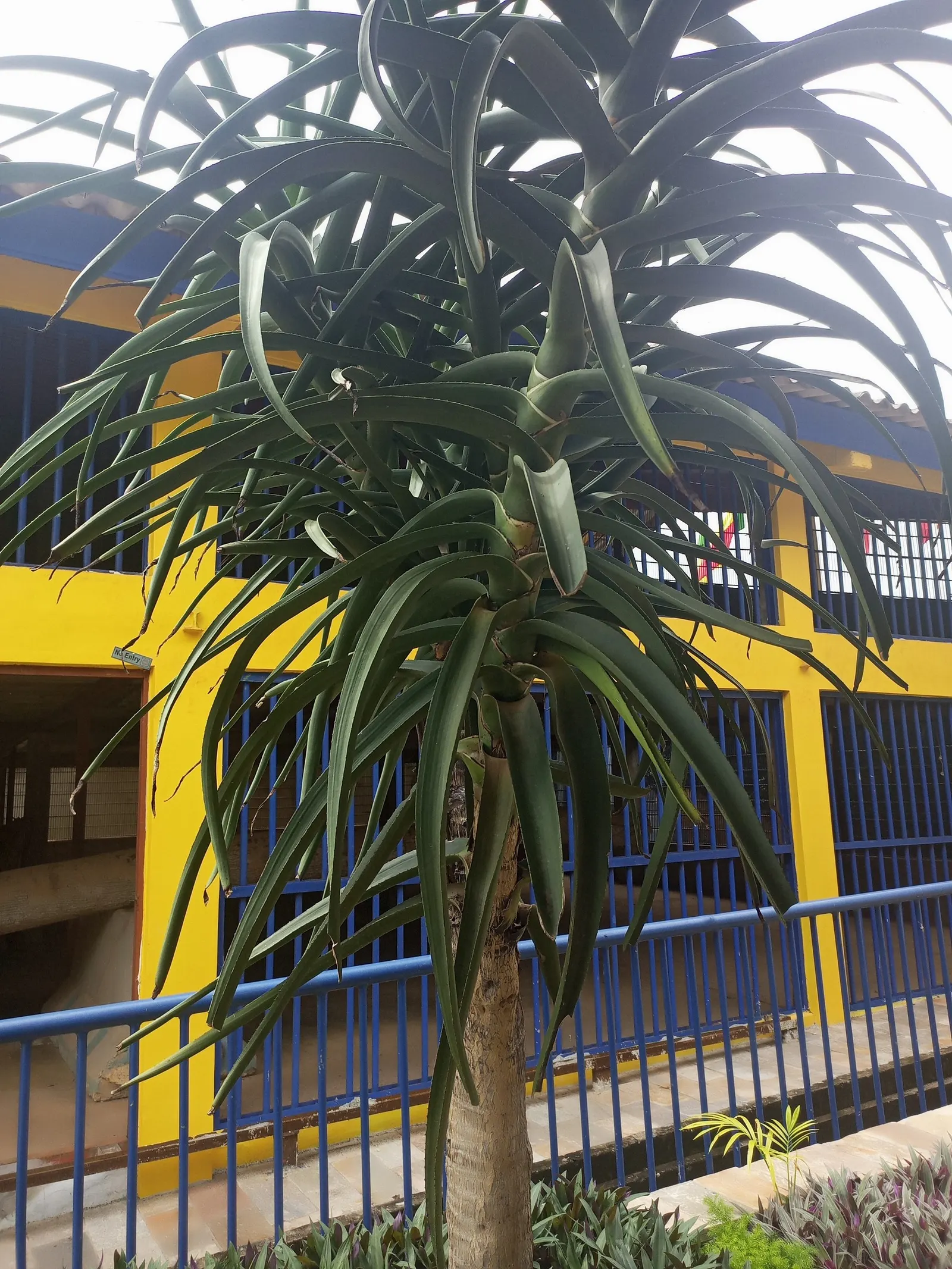
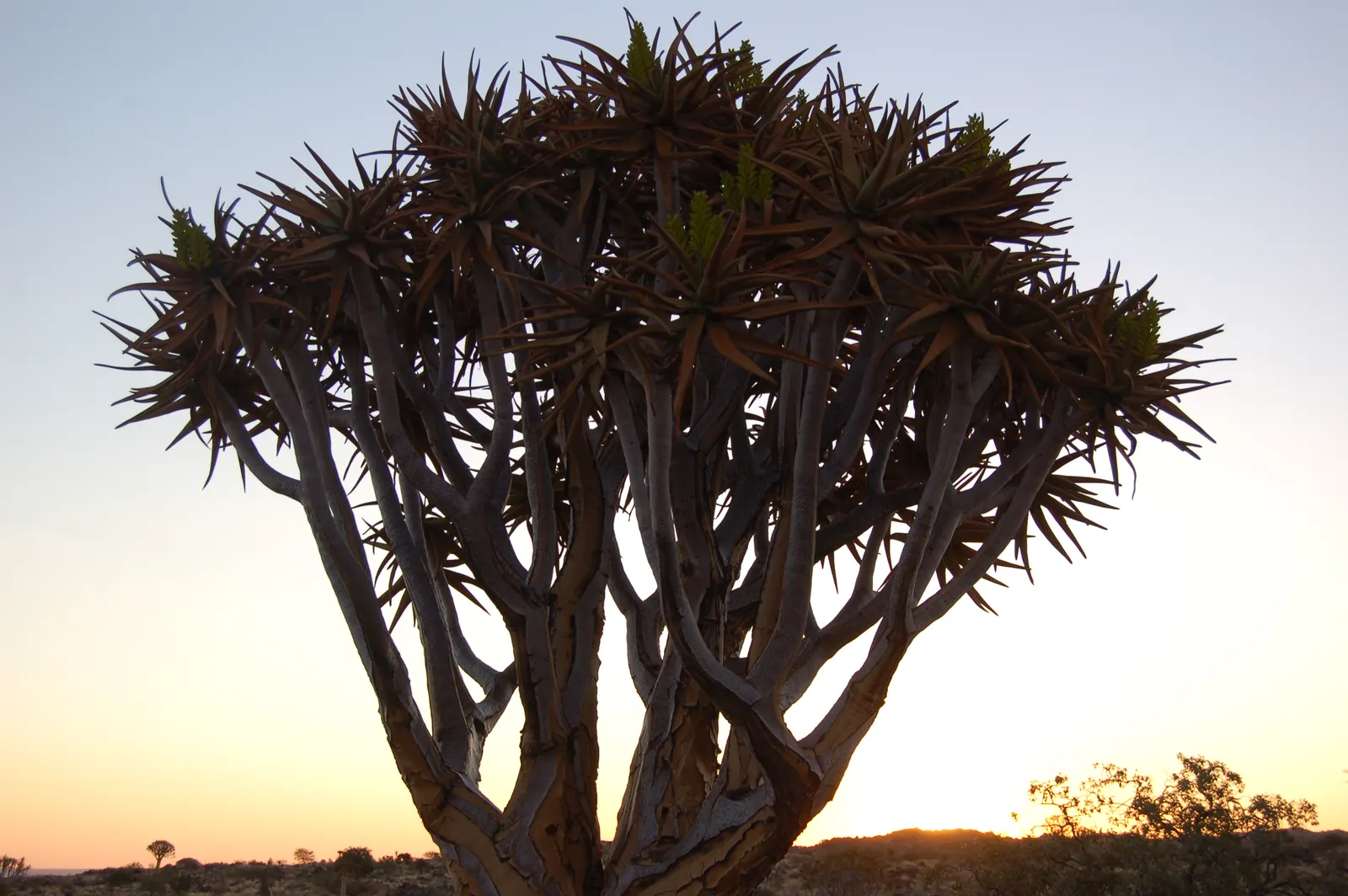
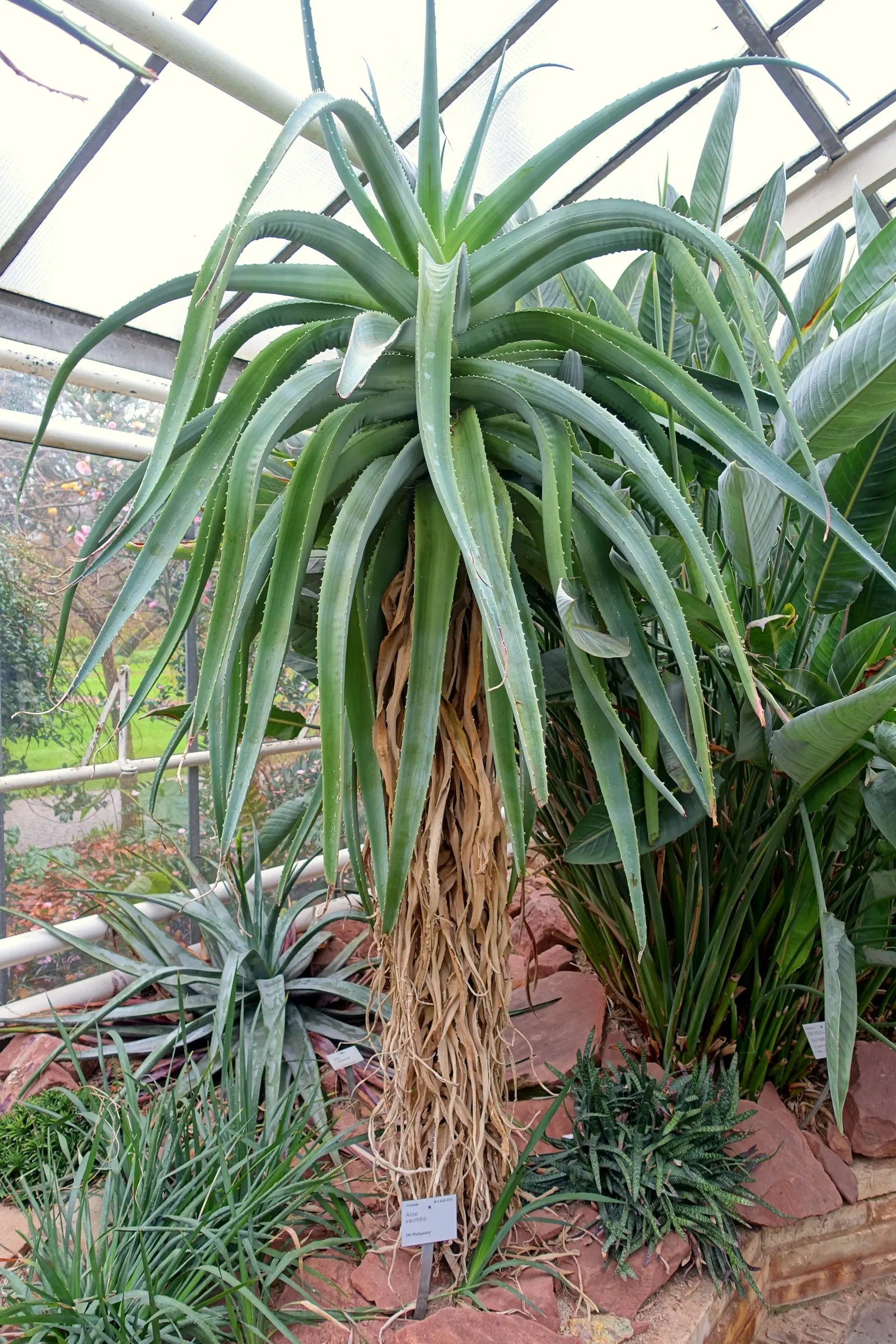
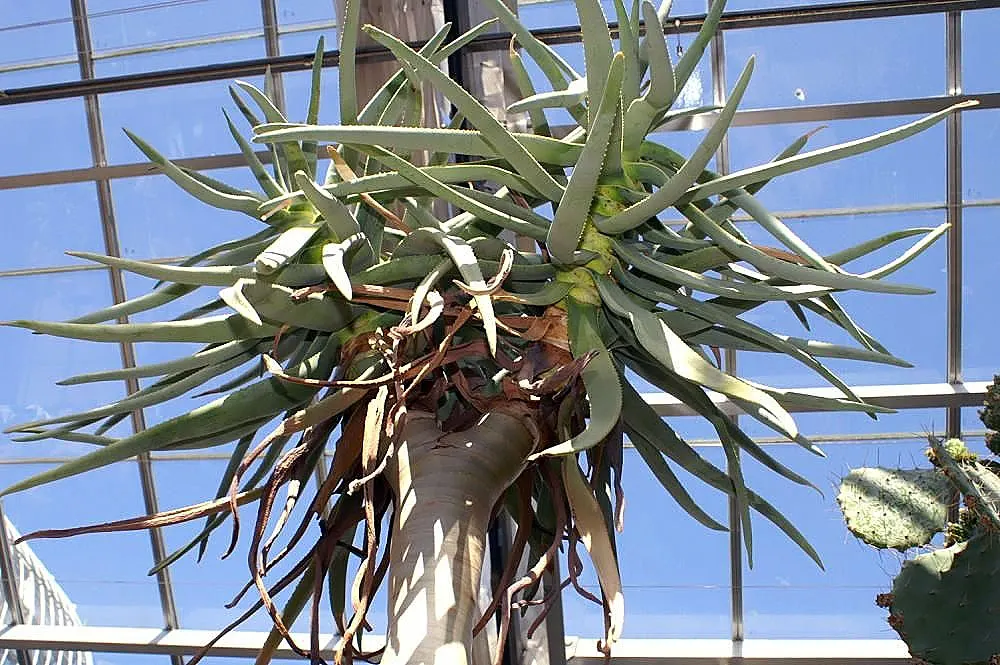
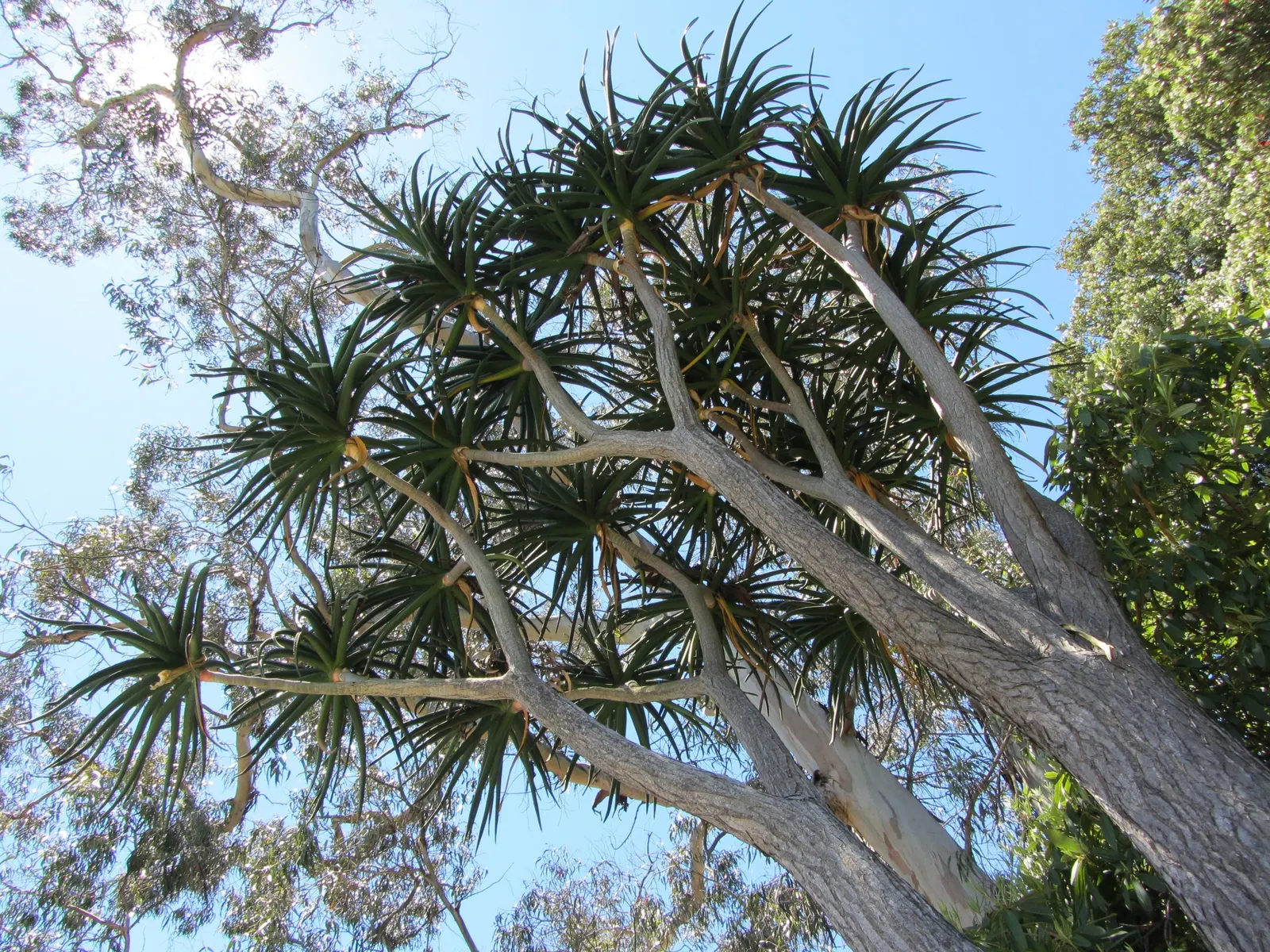
Tree Aloe (Aloe Barberae) — the Tree Aloe bears a dense canopy of rosettes
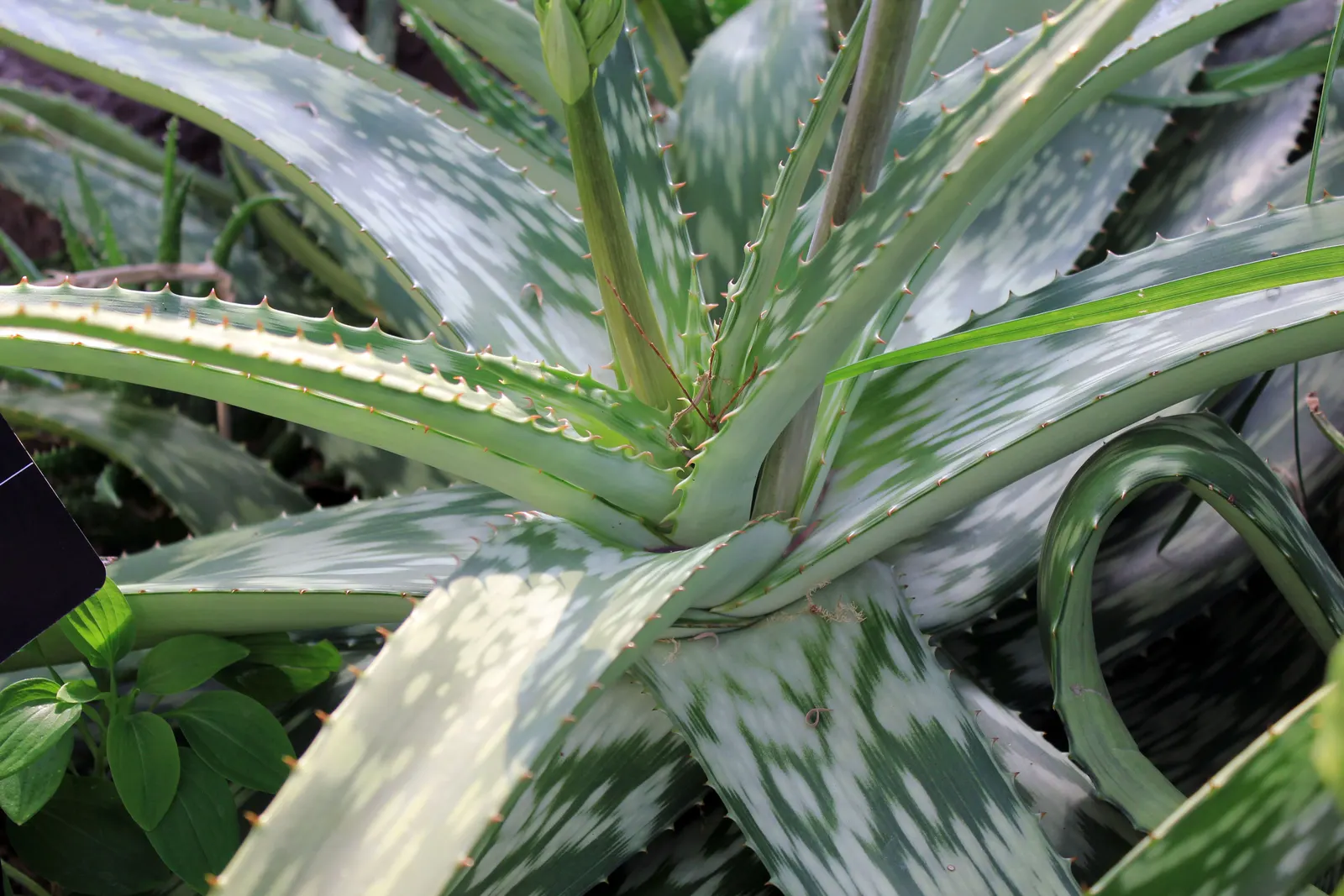
Tree Aloe (Aloe Barberae) — is a striking and elegant specimen; due to its spiny leaf edges
Tree Aloe (Aloe Barberae) — The Tree Aloe (Aloidendron barberae)
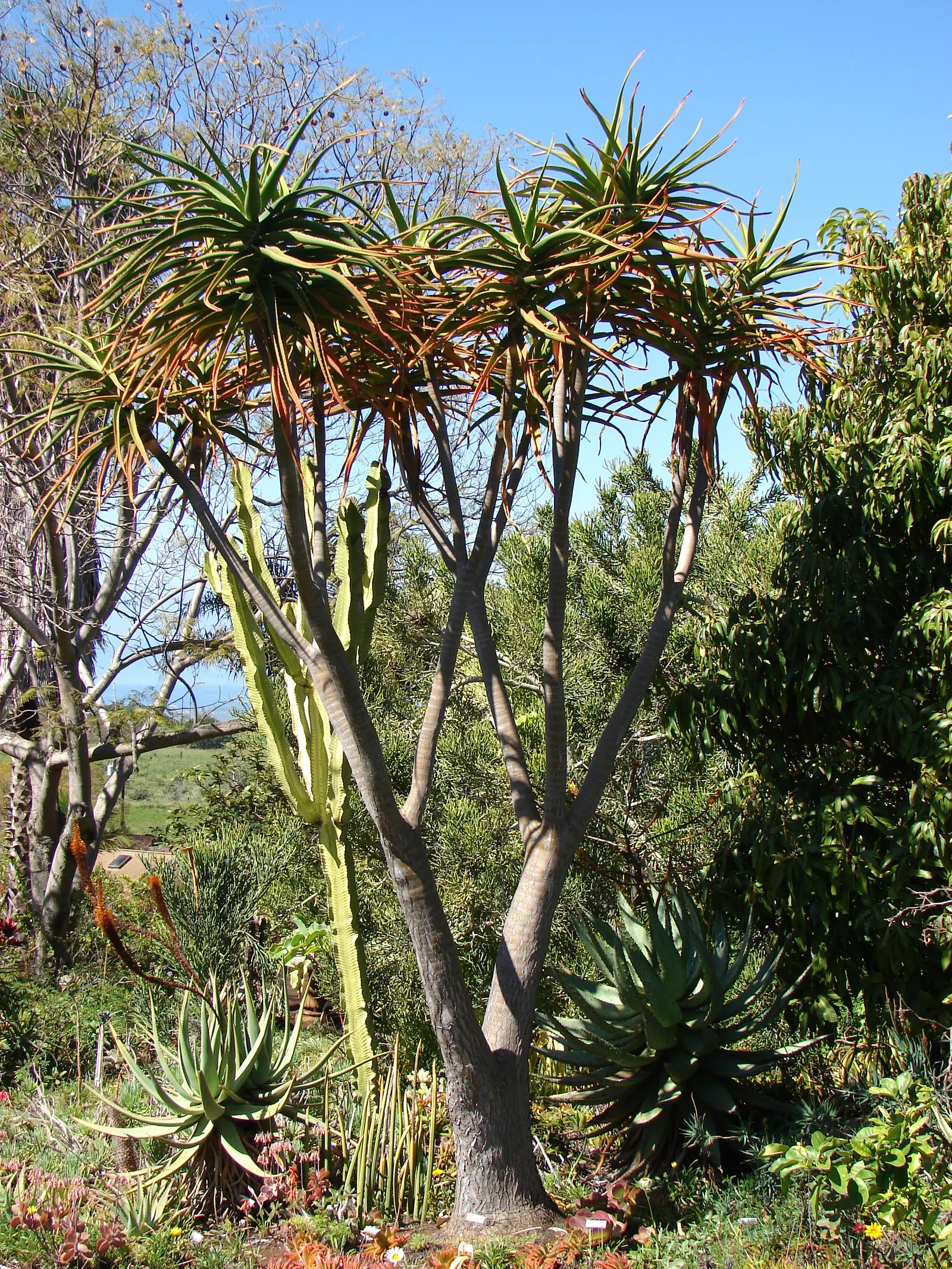
Tree Aloe (Aloe Barberae) — is a striking and elegant specimen
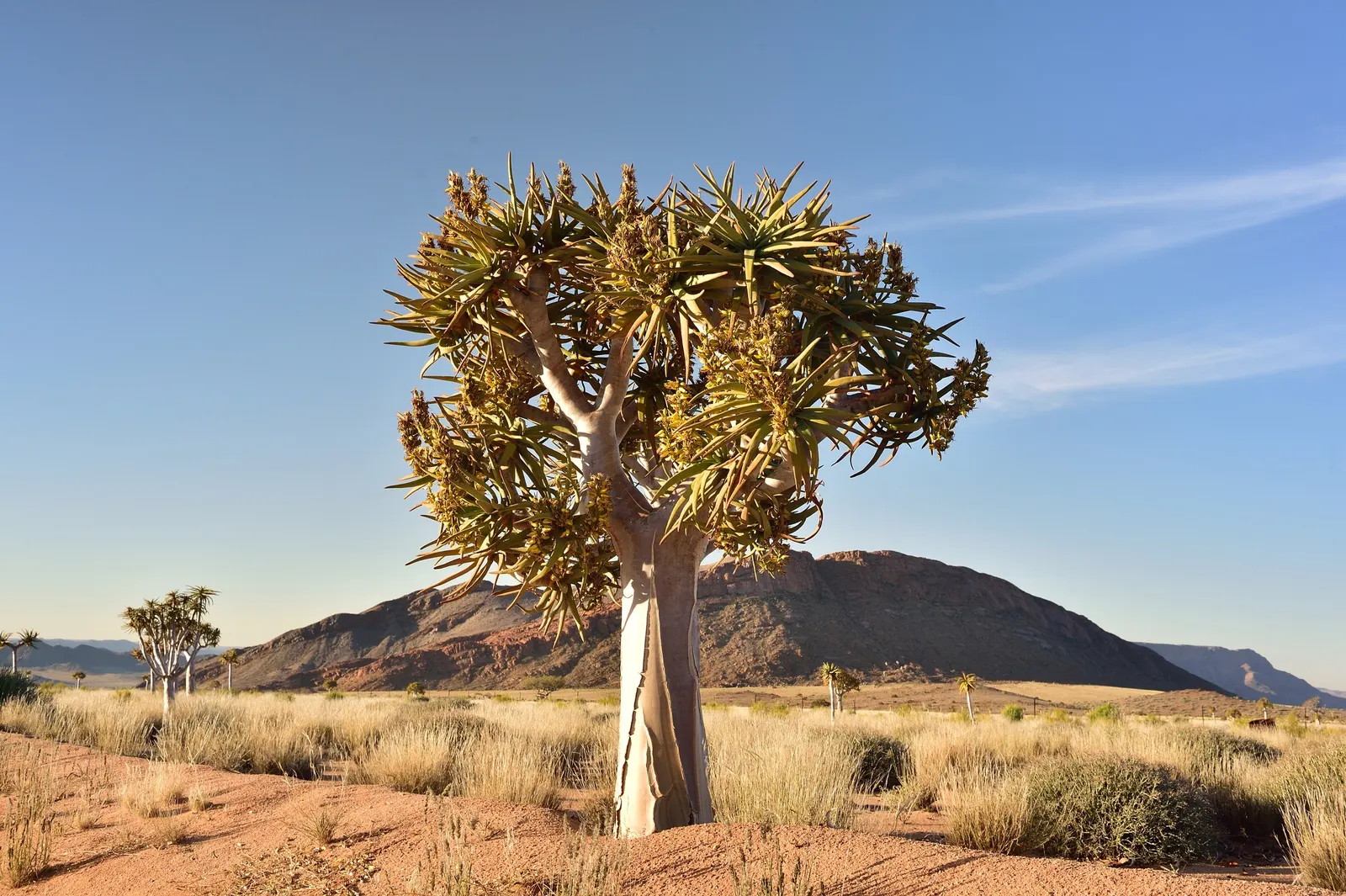
Tree Aloe (Aloe Barberae) — Originating from southern Africa; this slow-growing succulent tree can reach impressive heights of 30 to 60 feet in its, image 94
Tree Aloe (Aloe Barberae) — tree with pink blooms; it requires well-drained soil and full sun to partial shade exposure, image 83
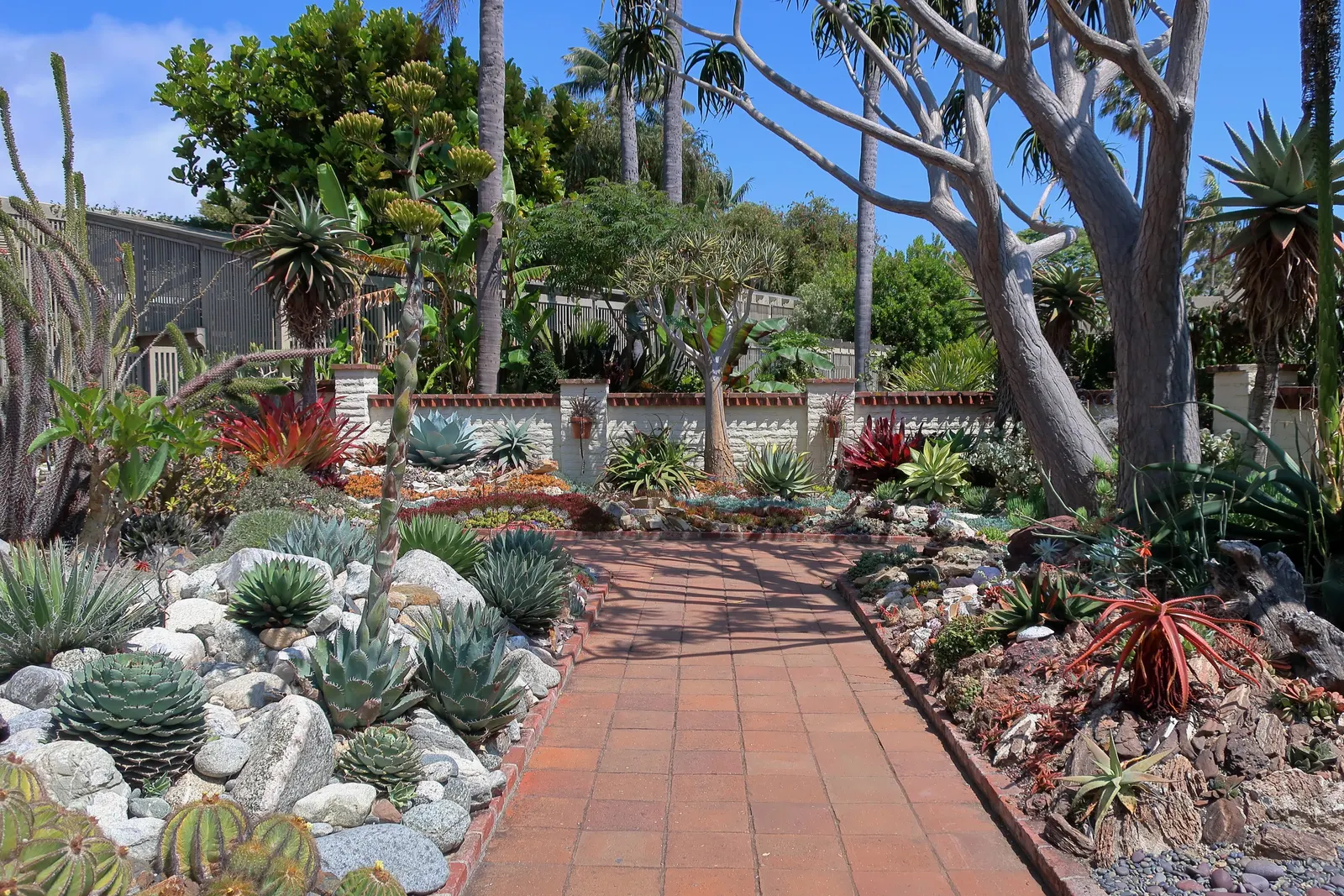
Tree Aloe (Aloe Barberae) — especially suited for xeriscaping or as a centerpiece in a rock garden; this slow-growing succulent tree can reach, image 78
Tree Aloe (Aloe Barberae) — due to its spiny leaf edges
Tree Aloe (Aloe Barberae) — Originating from southern Africa; this slow-growing succulent tree can reach impressive heights of 30 to 60 feet in its, image 122
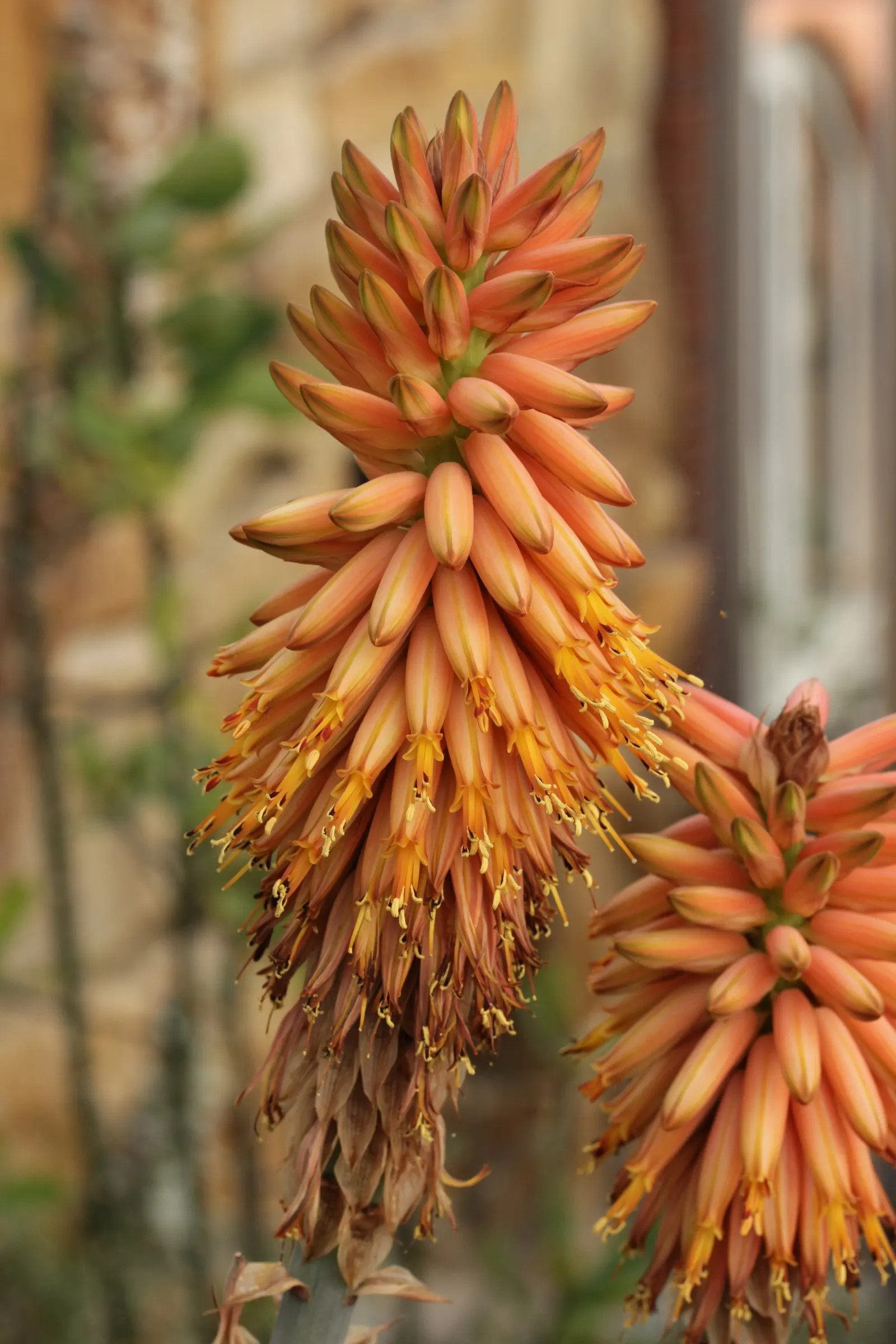
Tree Aloe (Aloe Barberae) — this aloe produces pink-orange flowers in winter; it requires well-drained soil and full sun to partial shade exposure, image 115
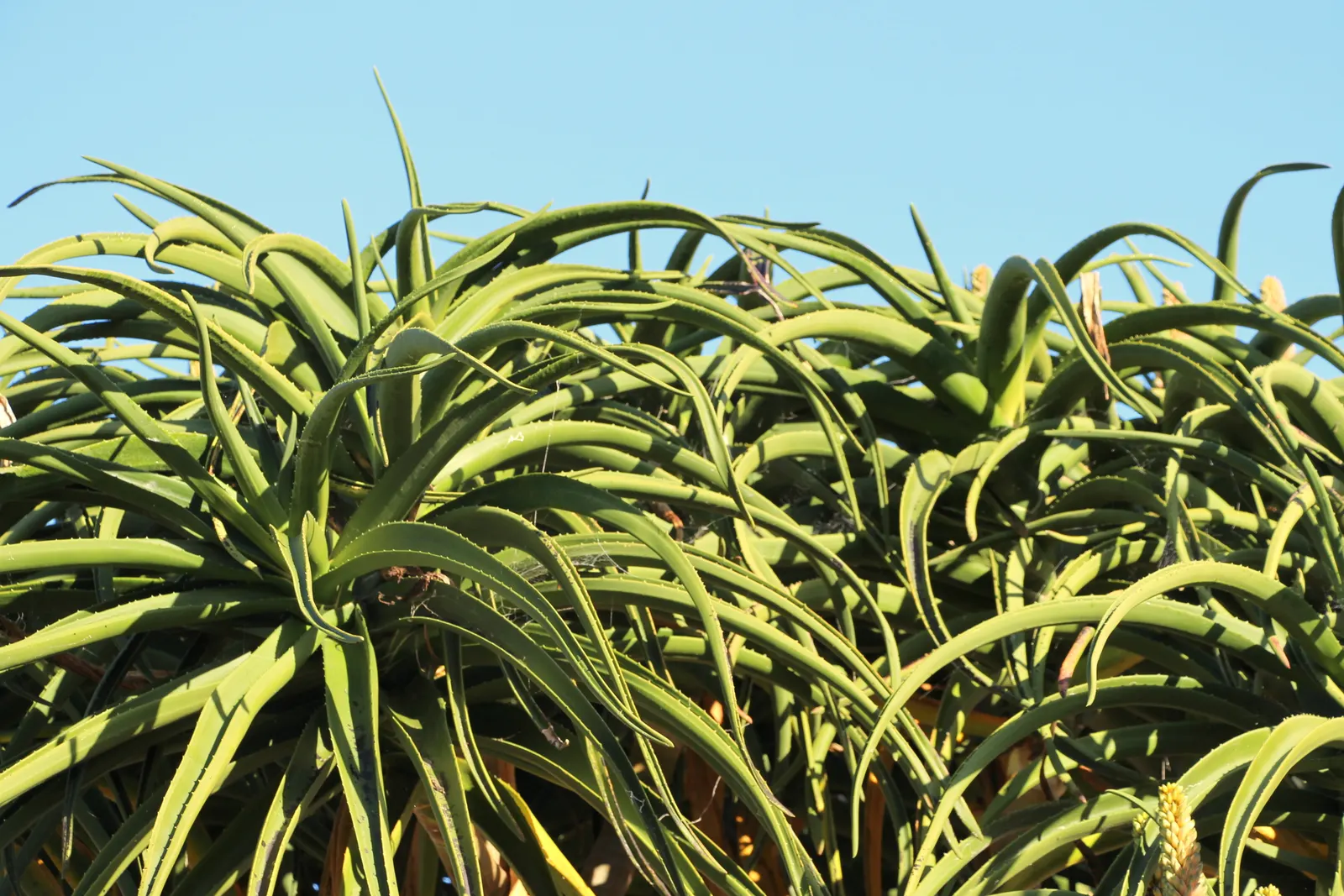
Tree Aloe (Aloe Barberae) — arching green leaves up to 2 feet in length; due to its spiny leaf edges, image 128
Tree Aloe (Aloe Barberae) — it typically grows to about 18 to 30 feet tall; due to its spiny leaf edges, image 68
Tree Aloe (Aloe Barberae) — The Tree Aloe (Aloidendron barberae); this slow-growing succulent tree can reach impressive heights of 30 to 60 feet in, image 62
Tree Aloe (Aloe Barberae) — it requires well-drained soil and full sun to partial shade exposure; this slow-growing succulent tree can reach, image 102
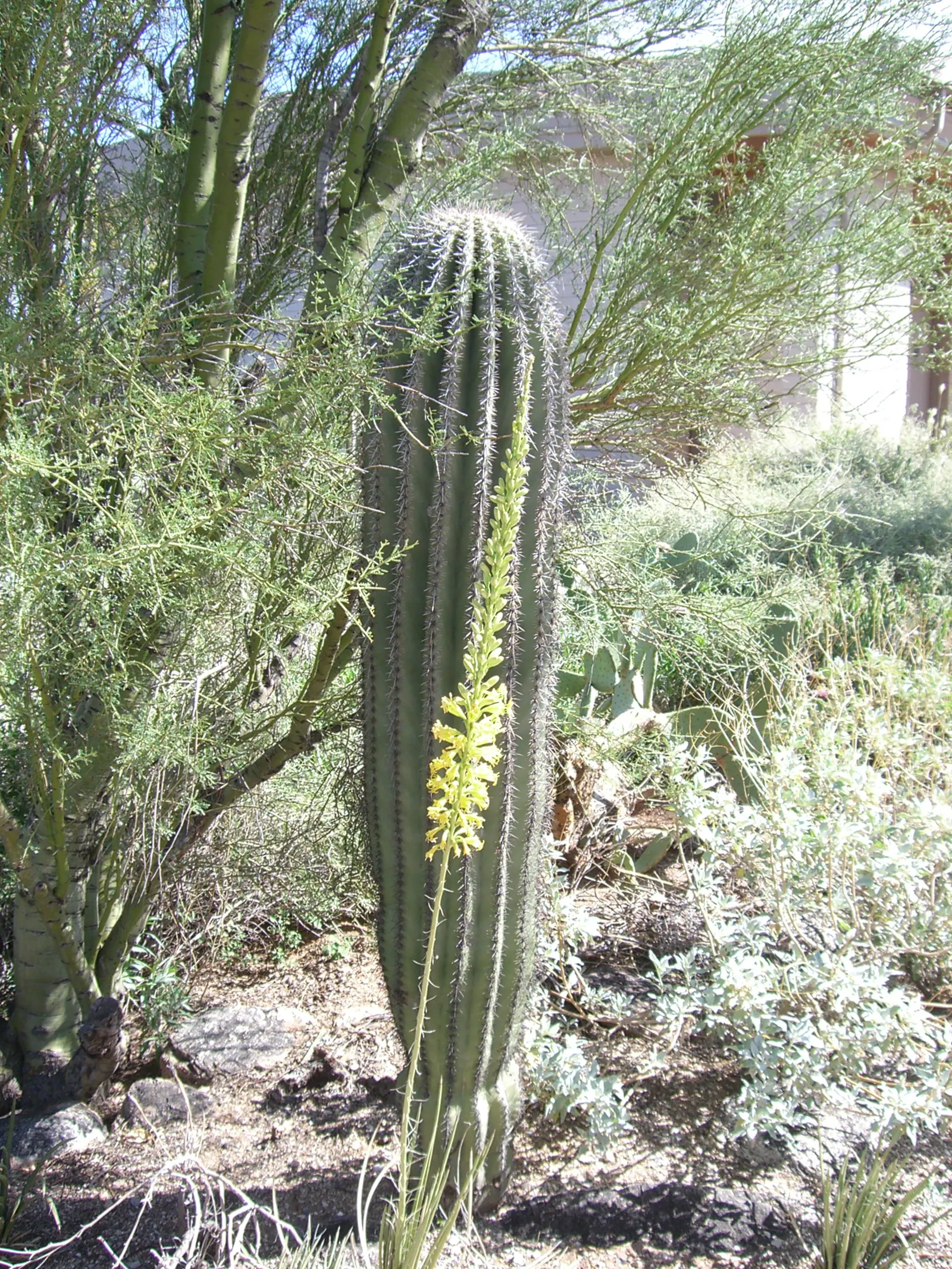
Tree Aloe (Aloe Barberae) — pink flowers in the garden; this slow-growing succulent tree can reach impressive heights of 30 to 60 feet in its natural habitat
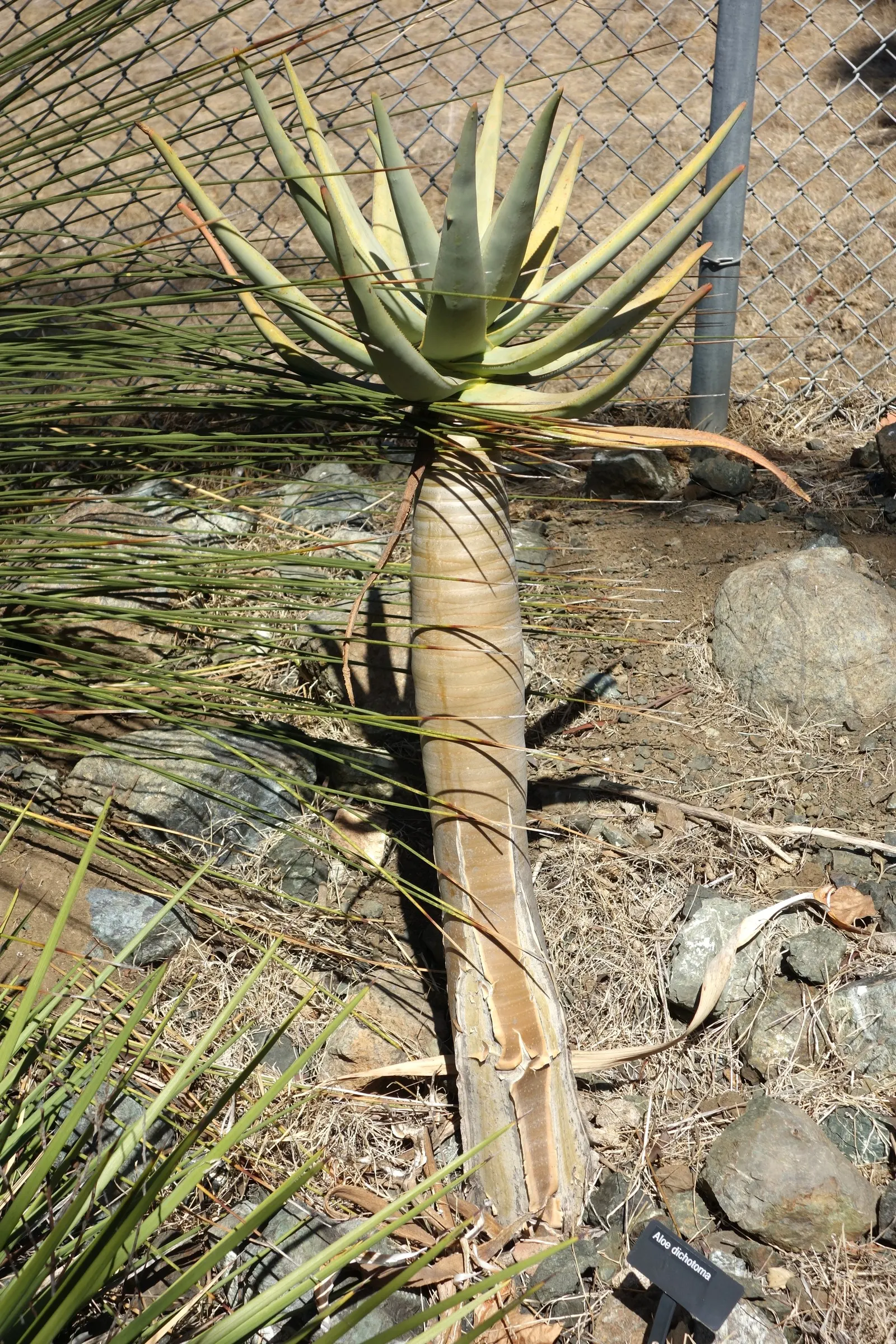
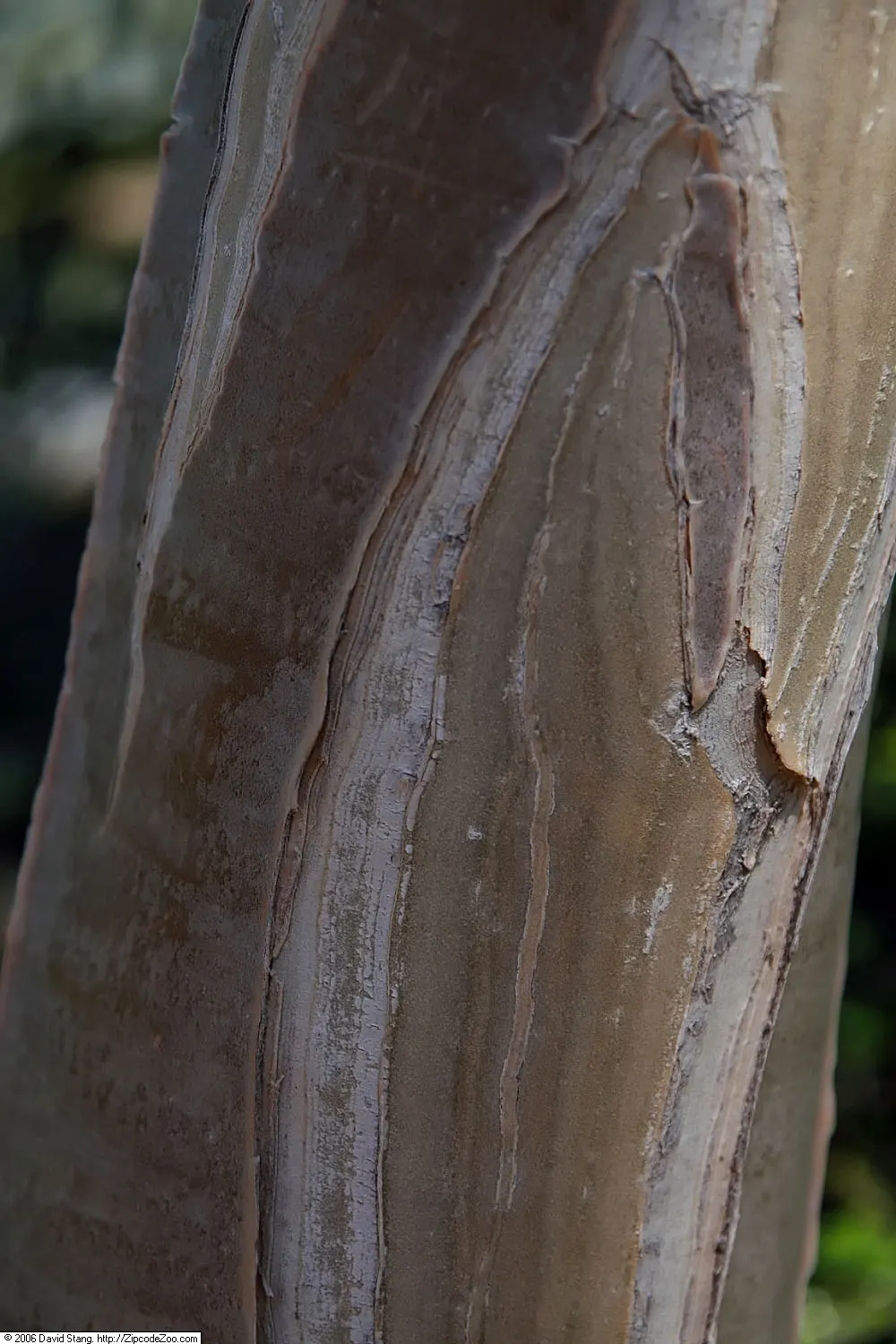
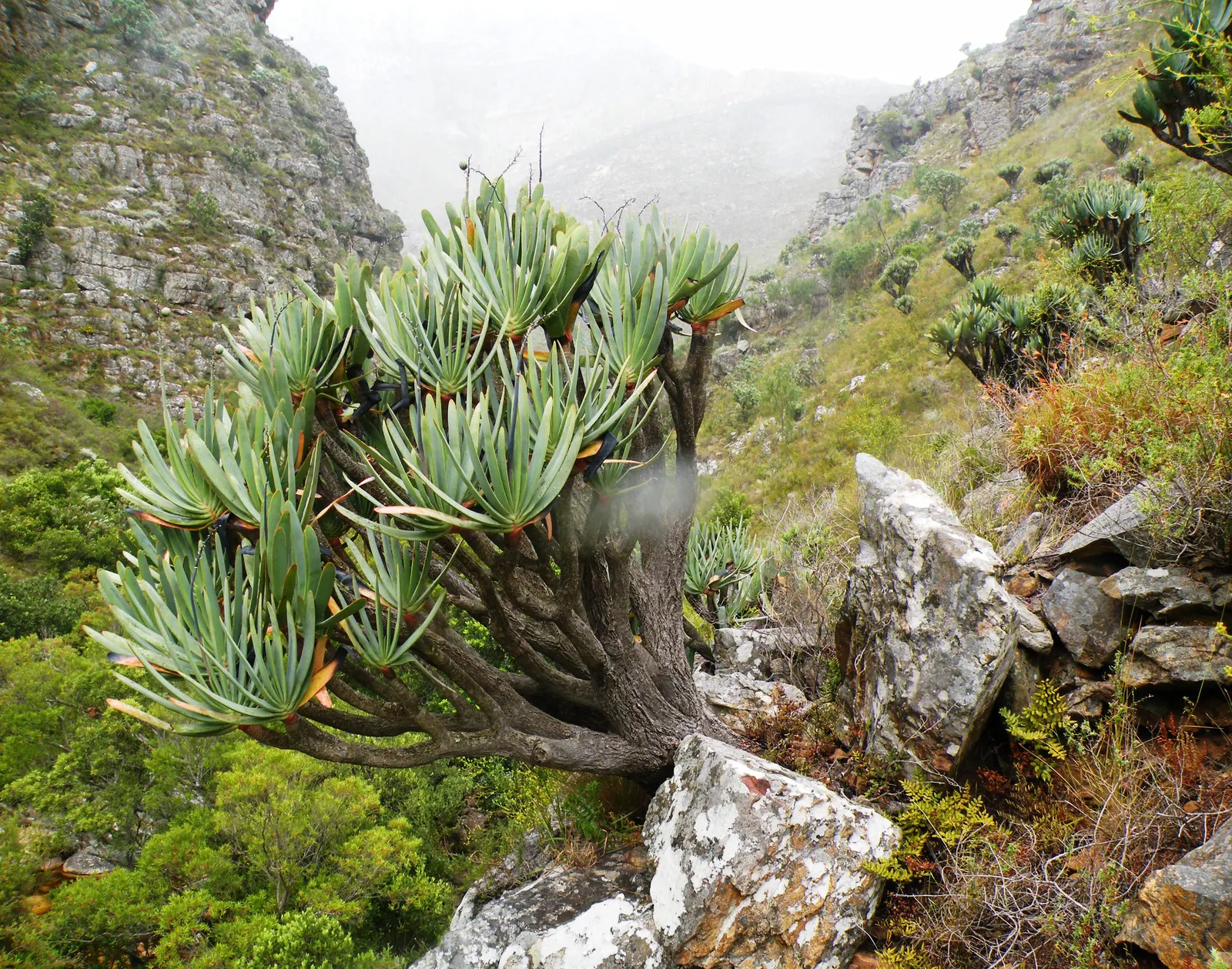
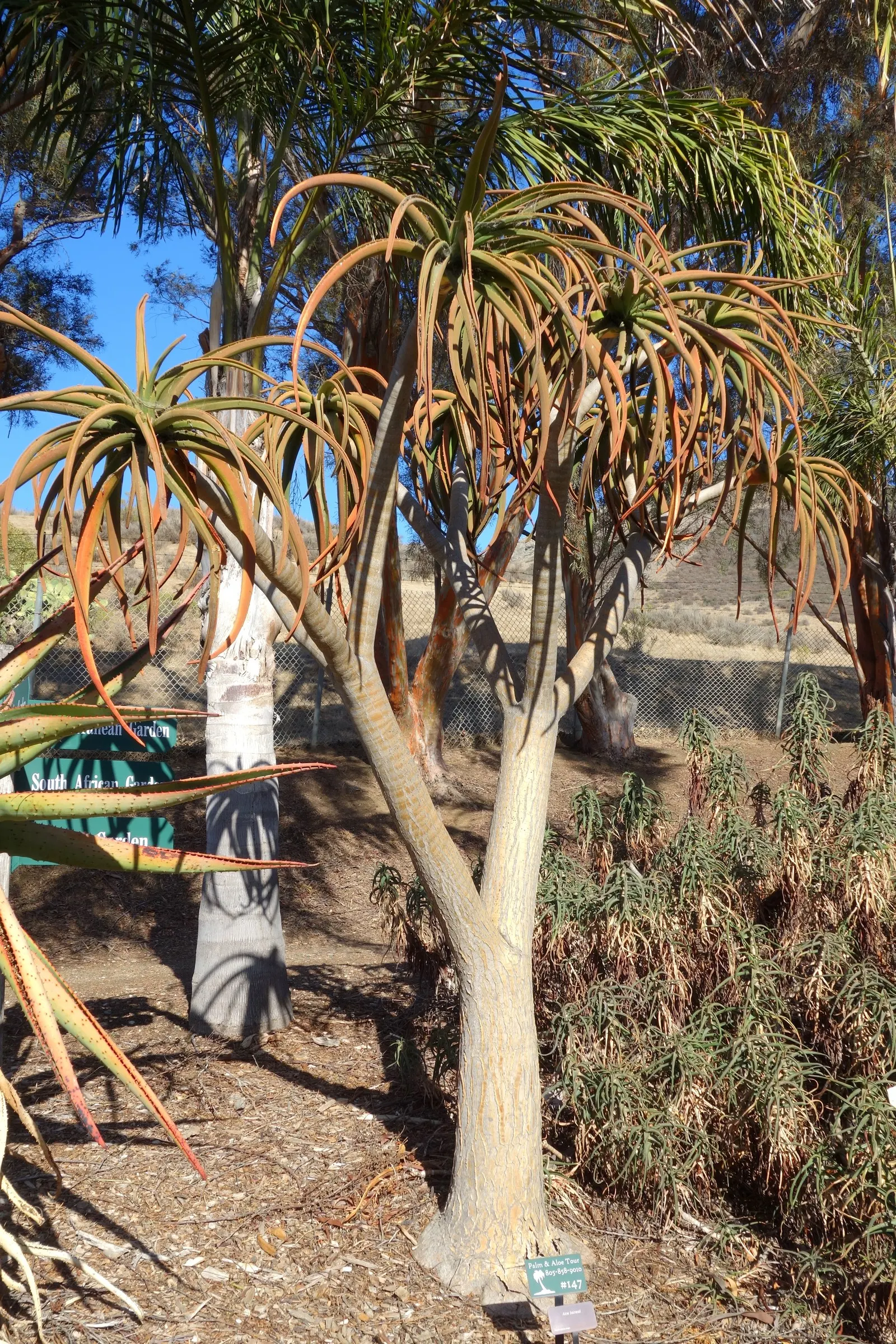
Tree Aloe (Aloe Barberae) — gray-brown branching trunk
Tree Aloe (Aloe Barberae) — Tree Aloe (Aloe barberae) is a majestic, evergreen succulent reaching up to 50 feet tall and 10 feet wide; preferably, image 57
Tree Aloe (Aloe Barberae) — the Tree Aloe bears a dense canopy of rosettes; it requires well-drained soil and full sun to partial shade exposure
Tree Aloe (Aloe Barberae) — including birds and bees.<br><br>Incorporating this plant into a landscape provides an exotic focal point
Tree Aloe (Aloe Barberae) — Perfect as a focal specimen, it offers drought tolerance and low maintenance for warm, arid landscapes; preferably, image 89
Tree Aloe (Aloe Barberae) — this slow-growing succulent tree can reach impressive heights of 30 to 60 feet in its natural habitat; it requires, image 67
Tree Aloe (Aloe Barberae) — ideal for adding a sculptural element to any landscape design
Tree Aloe (Aloe Barberae) — When designing with Aloidendron barberae; it requires well-drained soil and full sun to partial shade exposure
Tree Aloe (Aloe Barberae) — including birds and bees.<br><br>Incorporating this plant into a landscape provides an exotic focal point; preferably, image 105
Photographs by 14 contributors

Related plants