Skip to content

Tree Aloe

Aloe Arborescens

Design with this plant

Overview

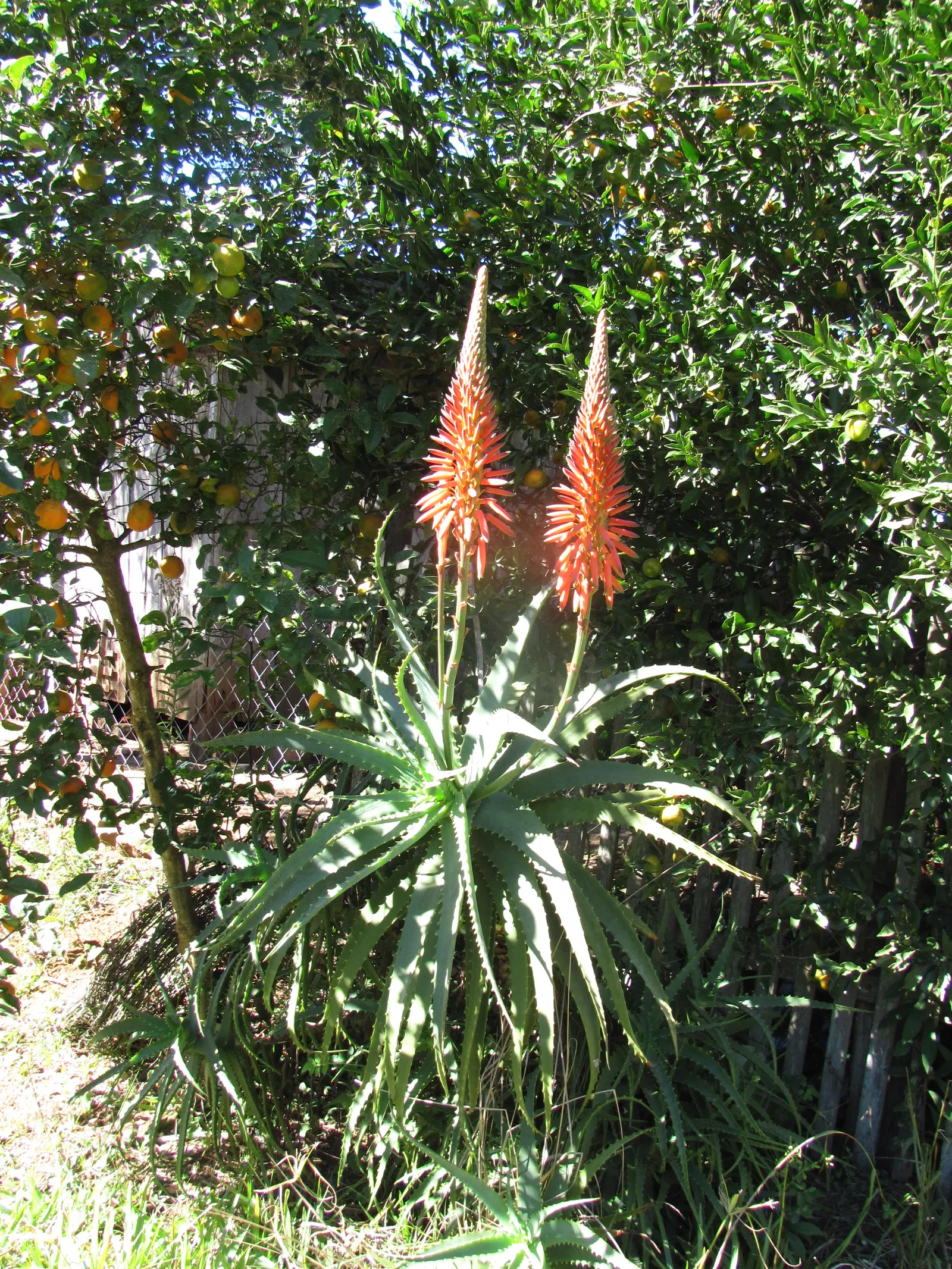
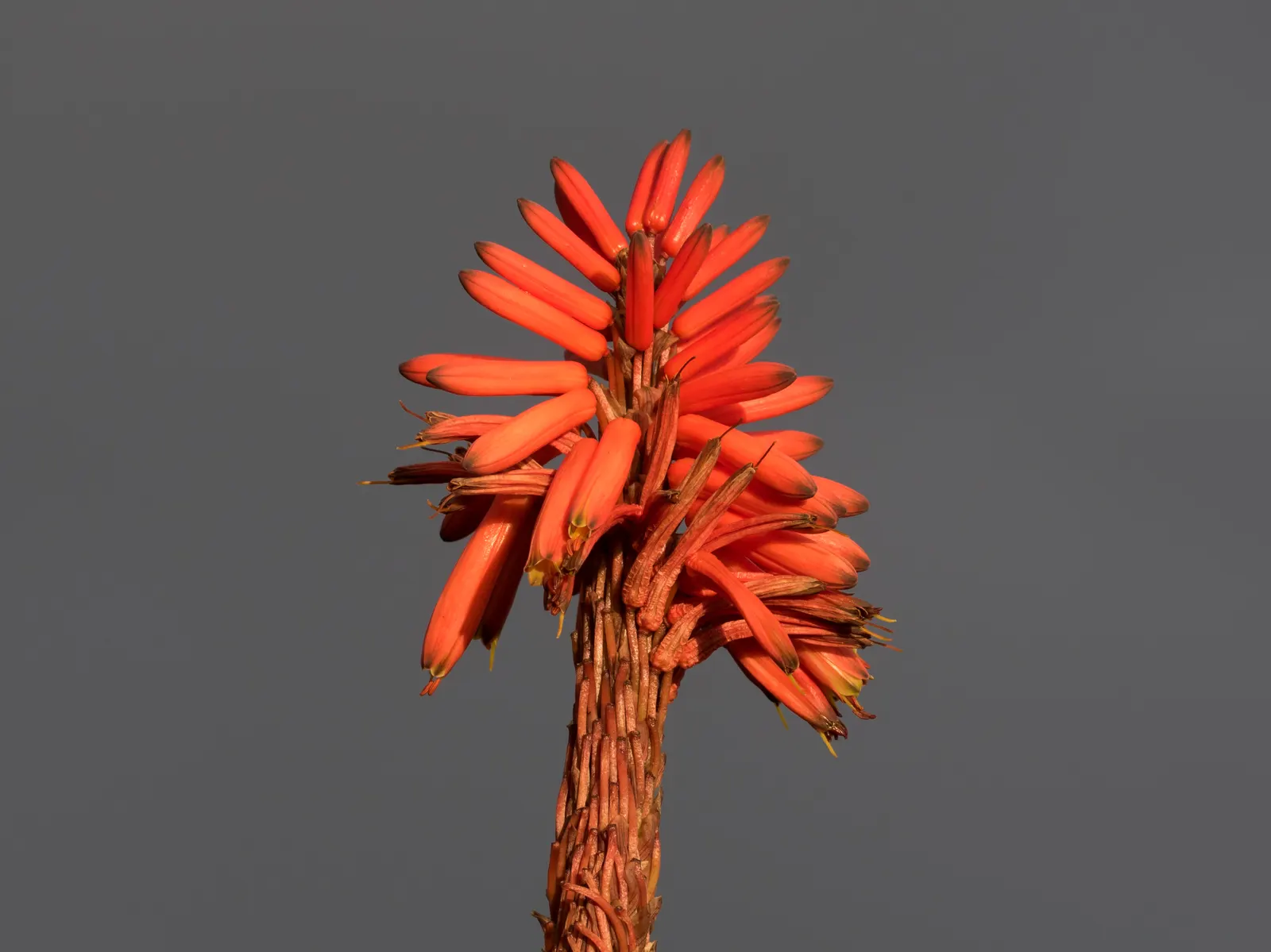
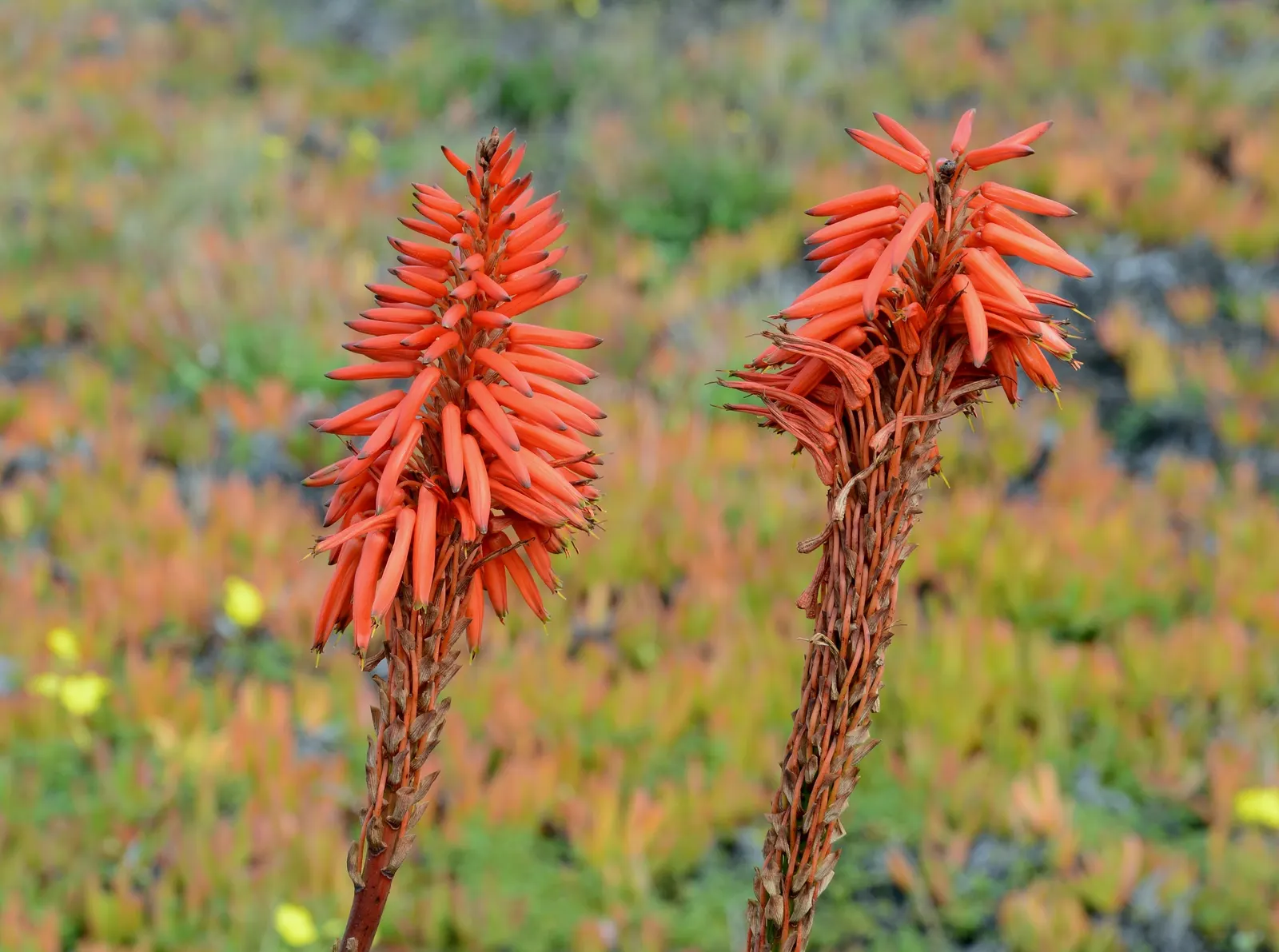
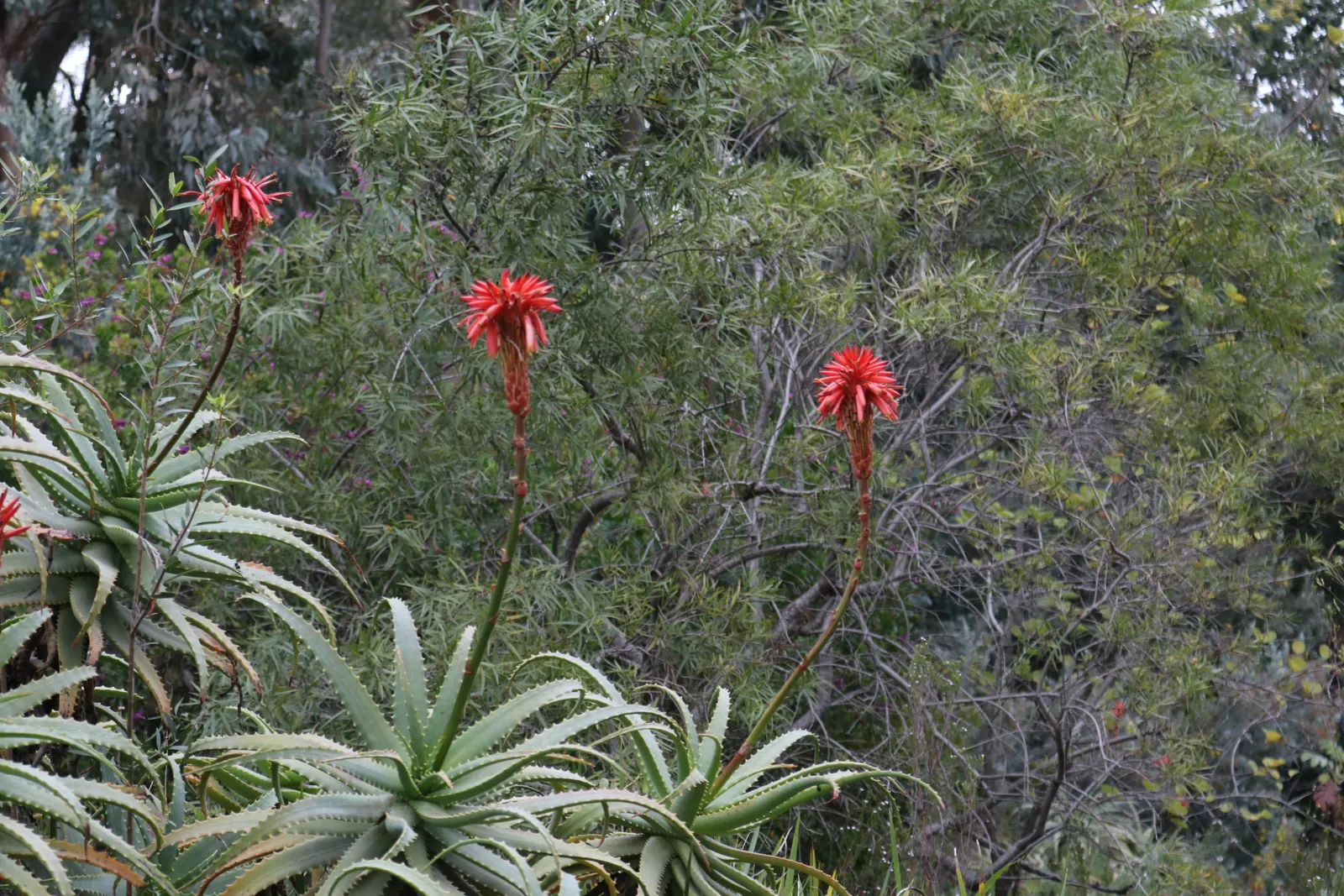
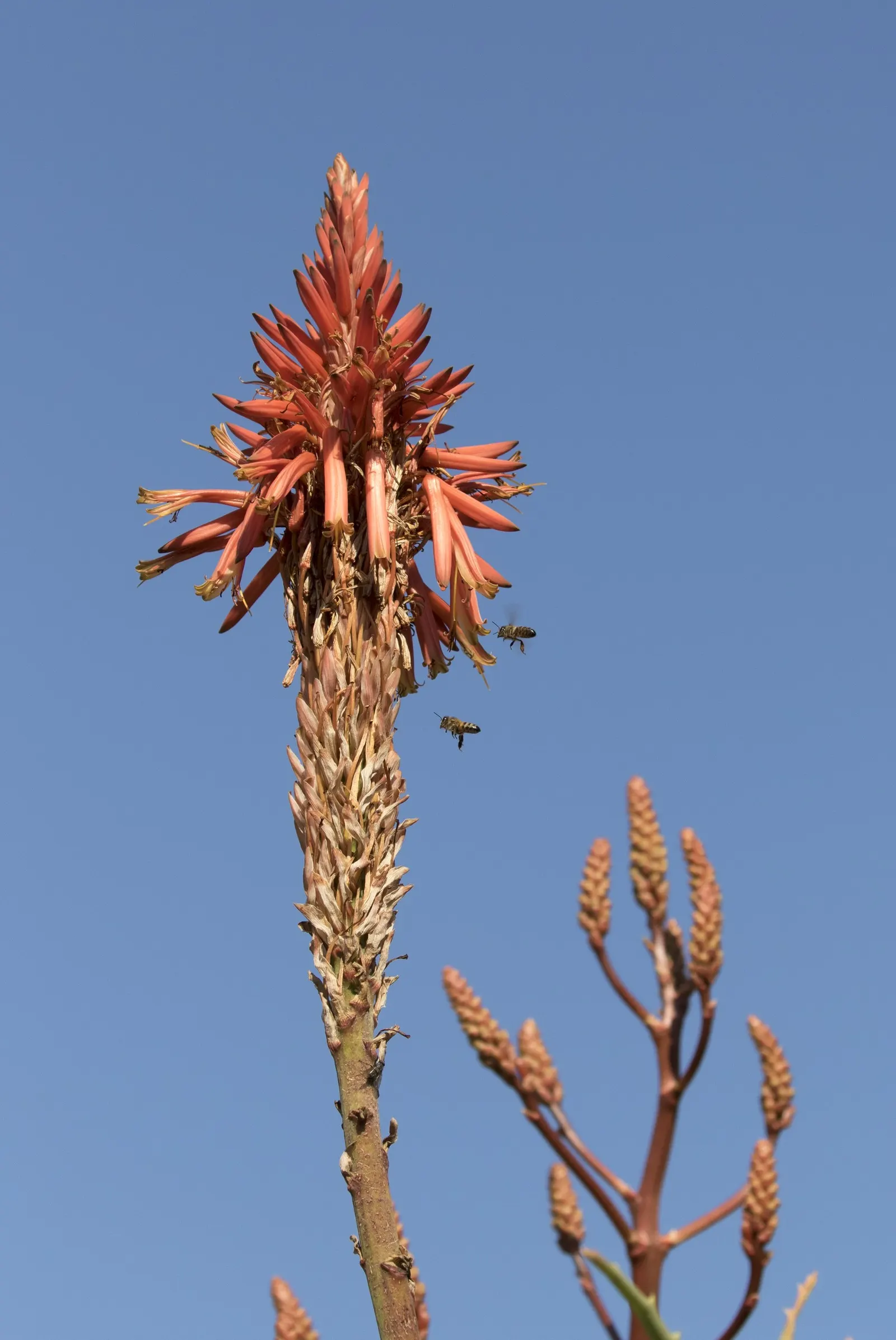
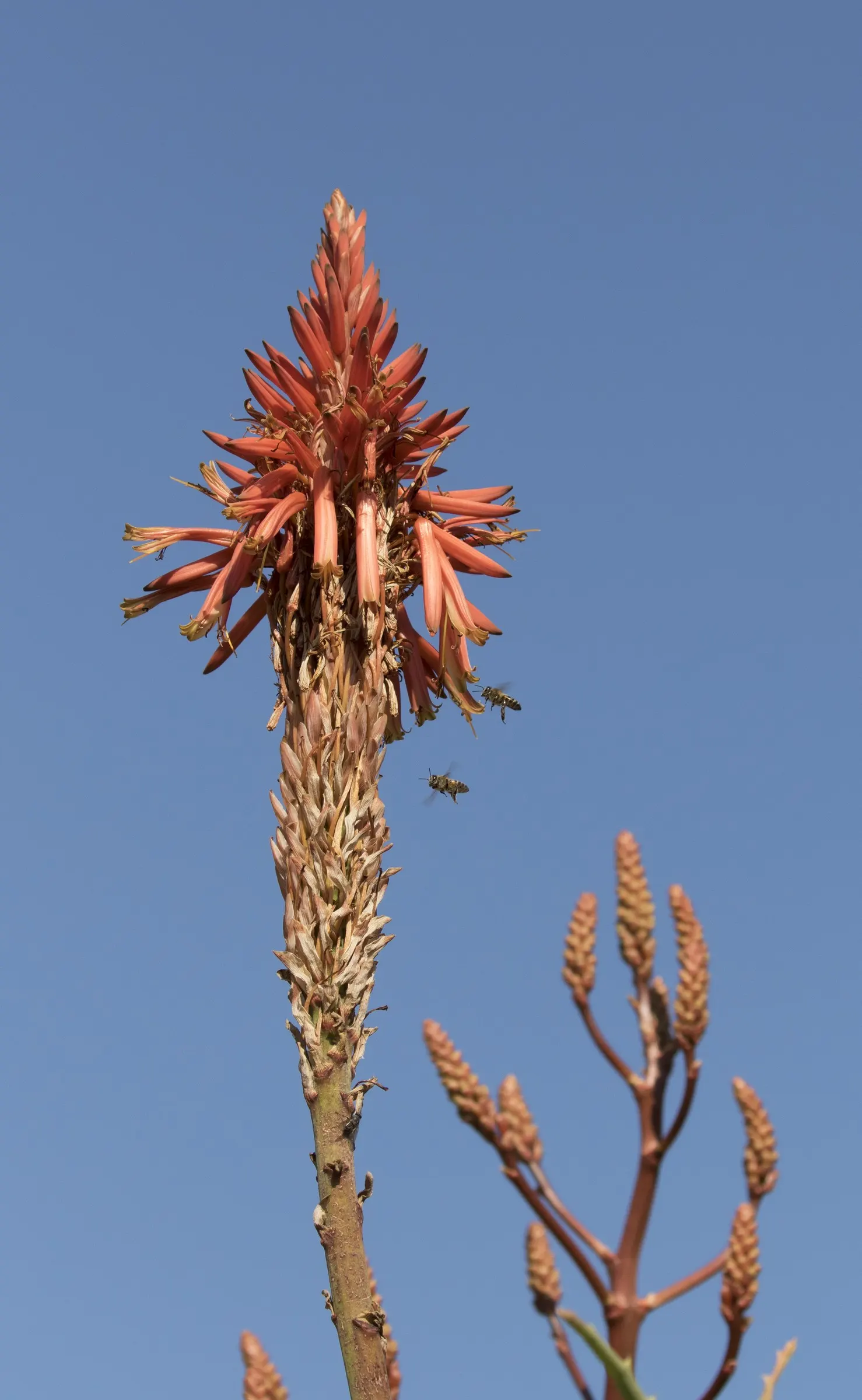
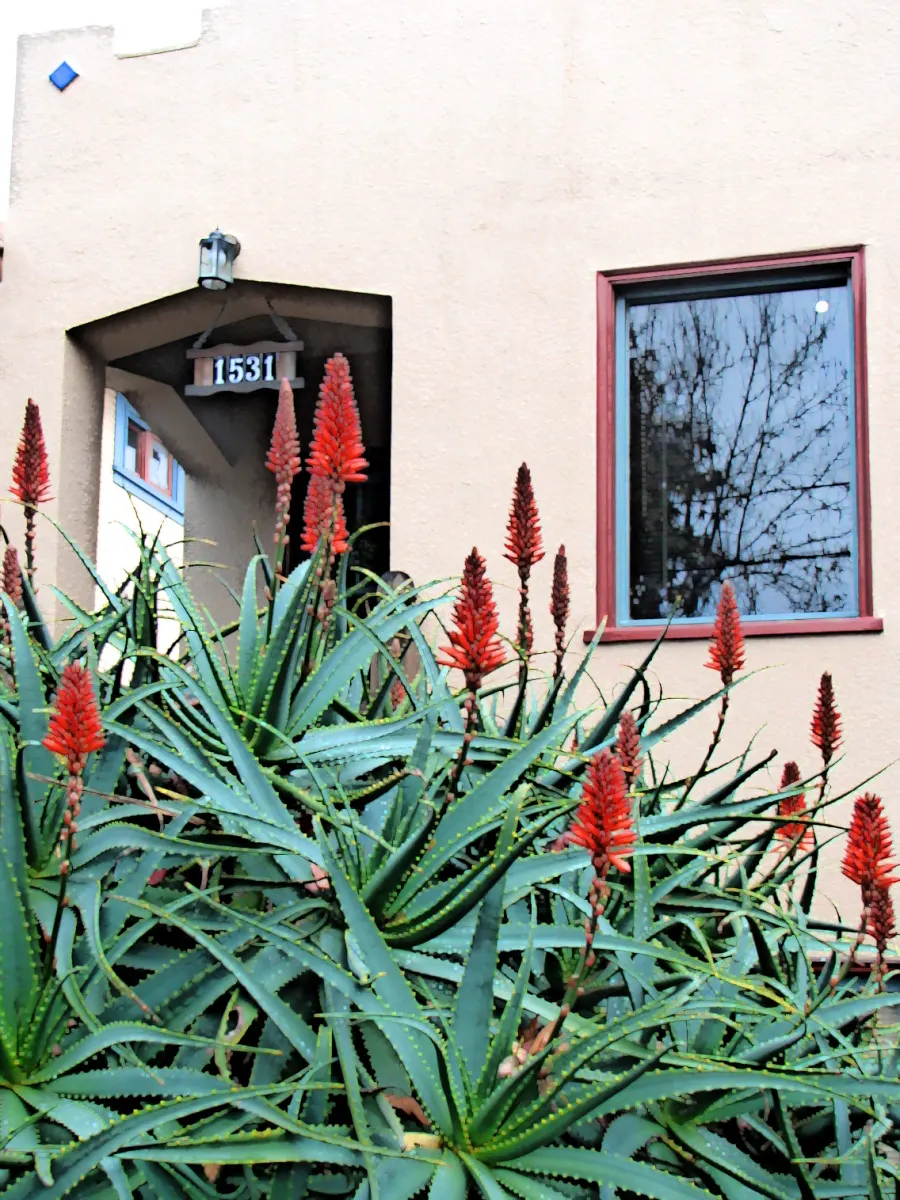
Tree Aloe, Aloe arborescens, is a striking succulent, reaching up to 10ft high with a 6-8ft spread. Its vibrant green leaves, edged with small teeth, cluster at the branch tips, showcasing coral-red flowers in winter. Ideal for xeriscaping, it's hardy, drought-tolerant, and requires full sun. Zones 9-11 suit it best, offering a dramatic focal point for water-wise gardens. Easy-care, it attracts birds and bees, enhancing biodiversity.

Sun Full, Half, ShadeWater Very LowZones 9–11Type SucculentClimate Mediterranean
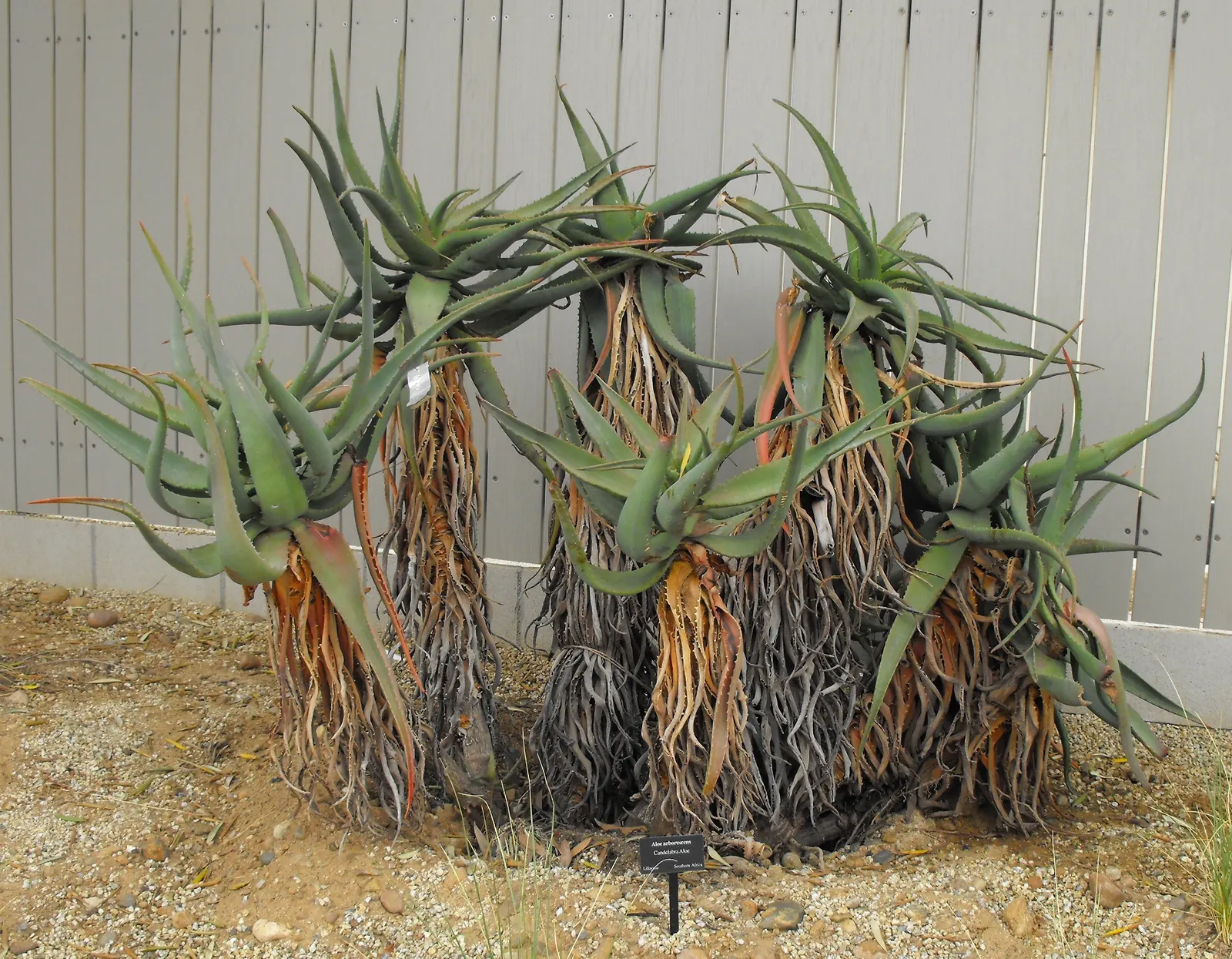
Tree Aloe (Aloe Arborescens) — Tree Aloe, Aloe arborescens, is a striking succulent, reaching up to 10ft high with a 6-8ft spread; ideal for xeriscaping, it's

Culture

Sun
Full, Half, Shade
Water
Very Low
USDA zones
9–11

Shape & size

Mature height
6–10 Ft.
Mature width
6–10 Ft.

Classification

Type
Succulent
Family
Liliaceae
Climate
Mediterranean

See full data, regional cultivation notes, and design tools. Build a client presentation around this plant.

Start your 14-day trial

Photos (131)

Tree Aloe (Aloe Arborescens) — Ideal for xeriscaping, it's hardy, drought-tolerant, and requires full sun; succulent for full or half or shade, image 54
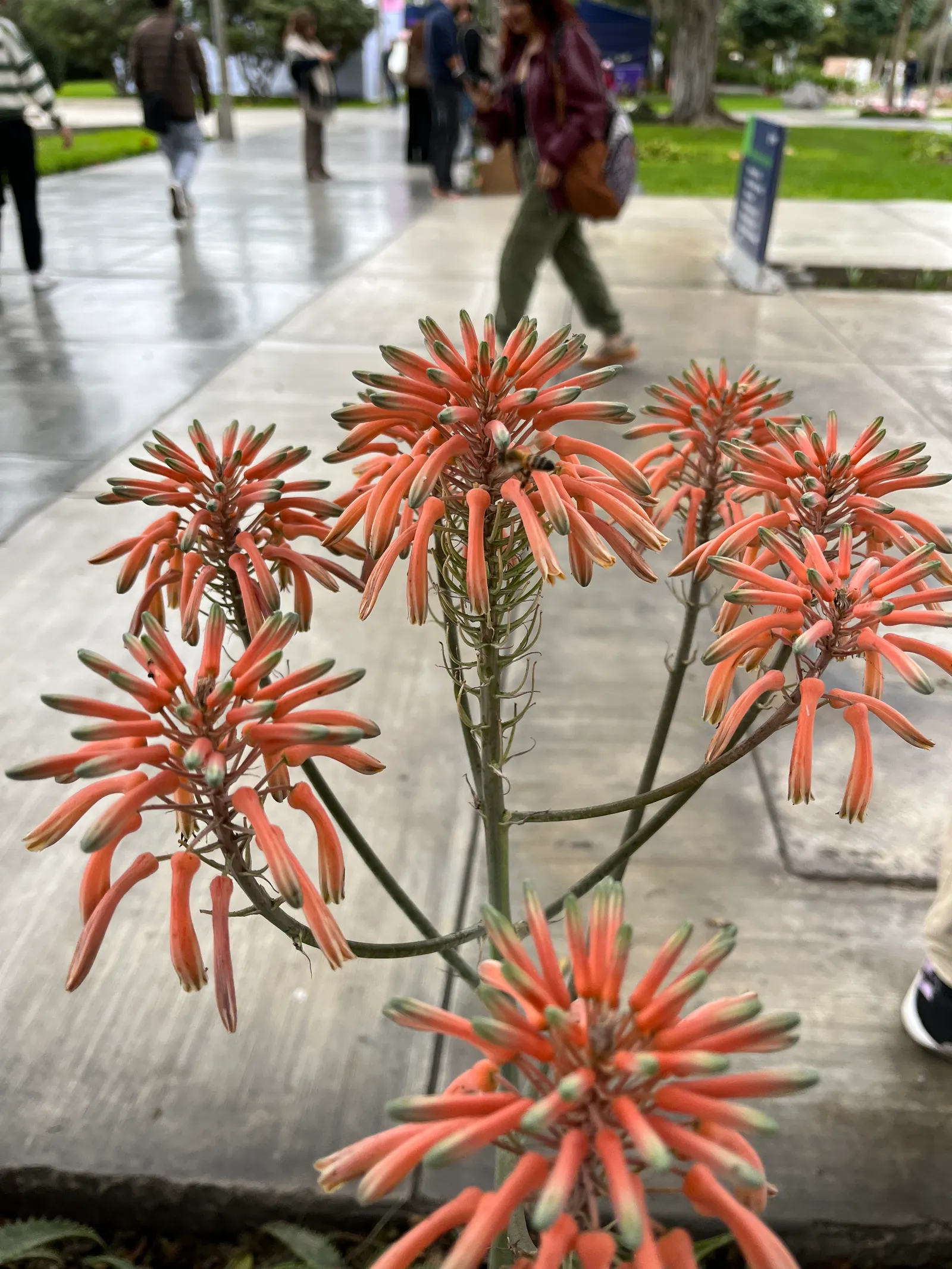
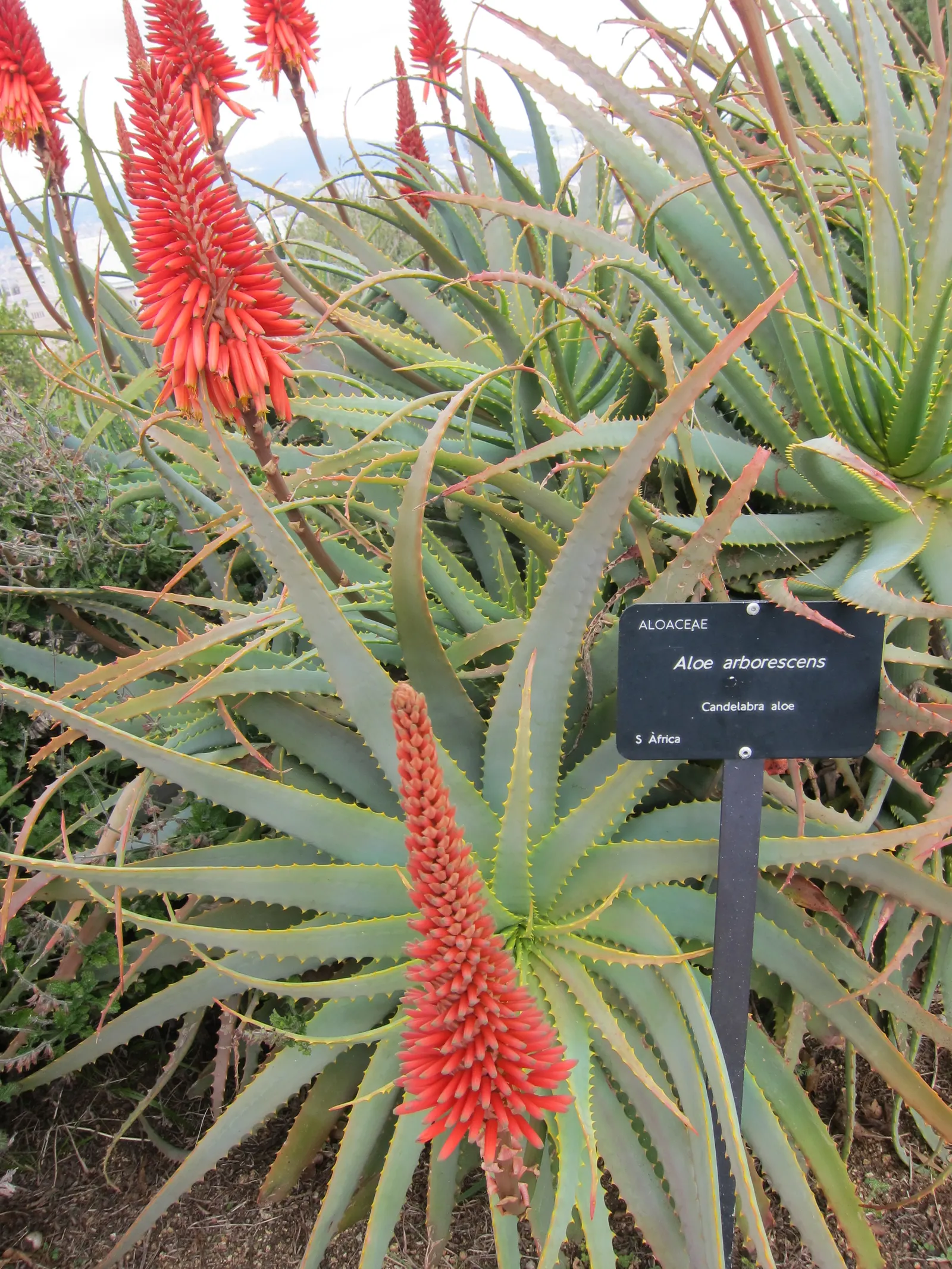
Tree Aloe (Aloe Arborescens) — and are a magnet for local pollinators; orange flowers in the garden
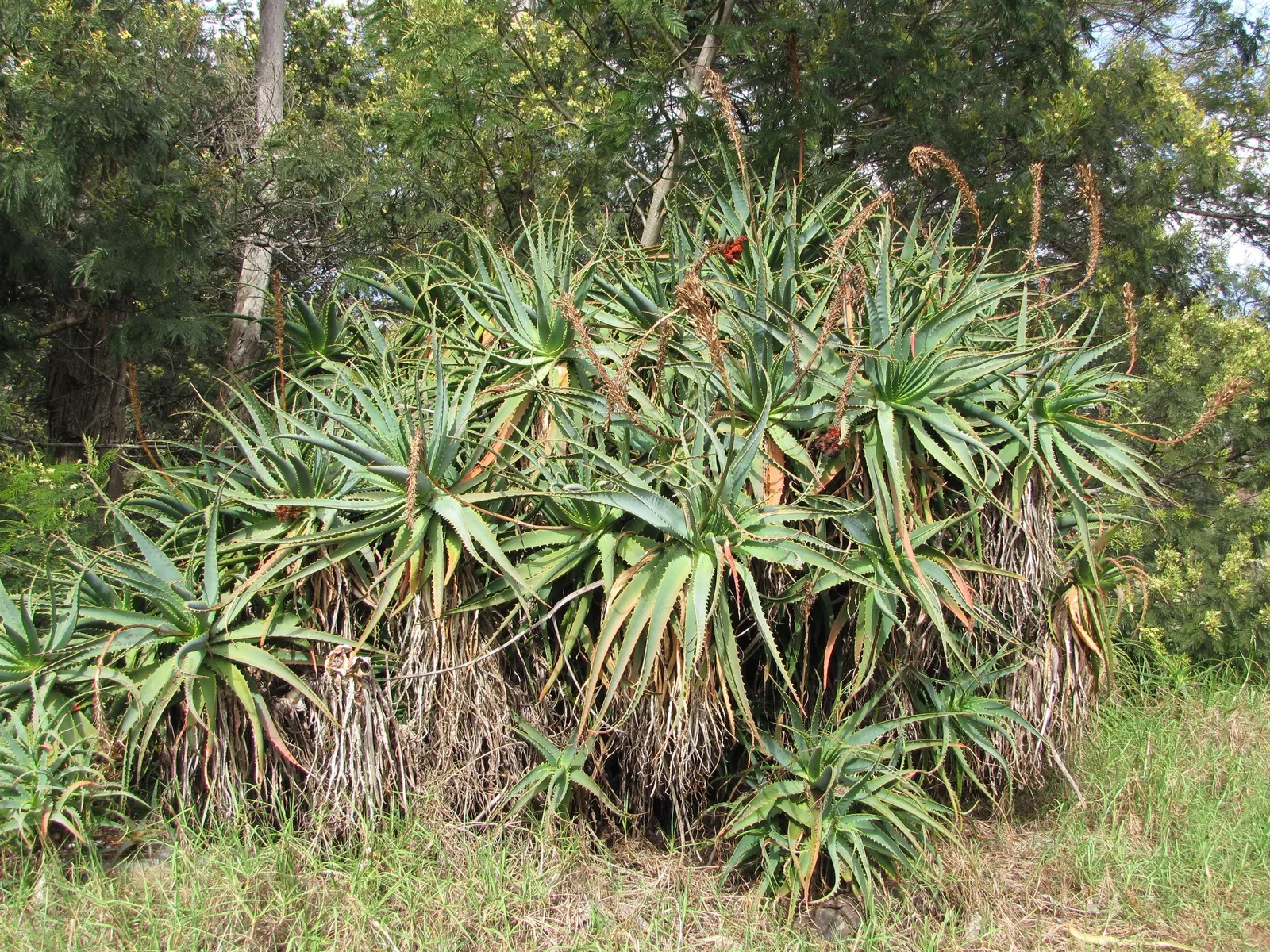
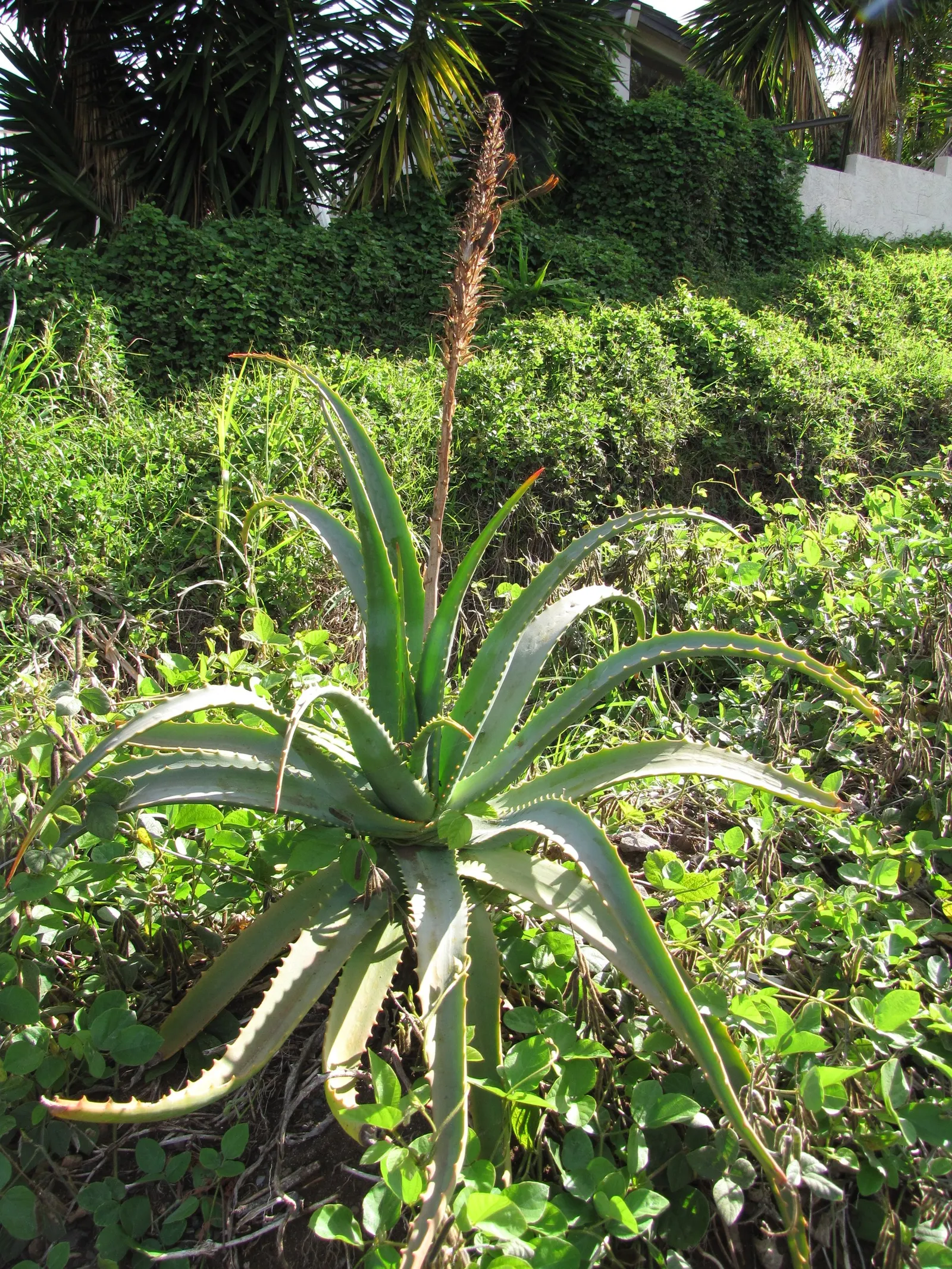
Tree Aloe (Aloe Arborescens) — this rugged plant can reach up to 8 to 10 feet in height; forming a natural multi-stemmed, image 109
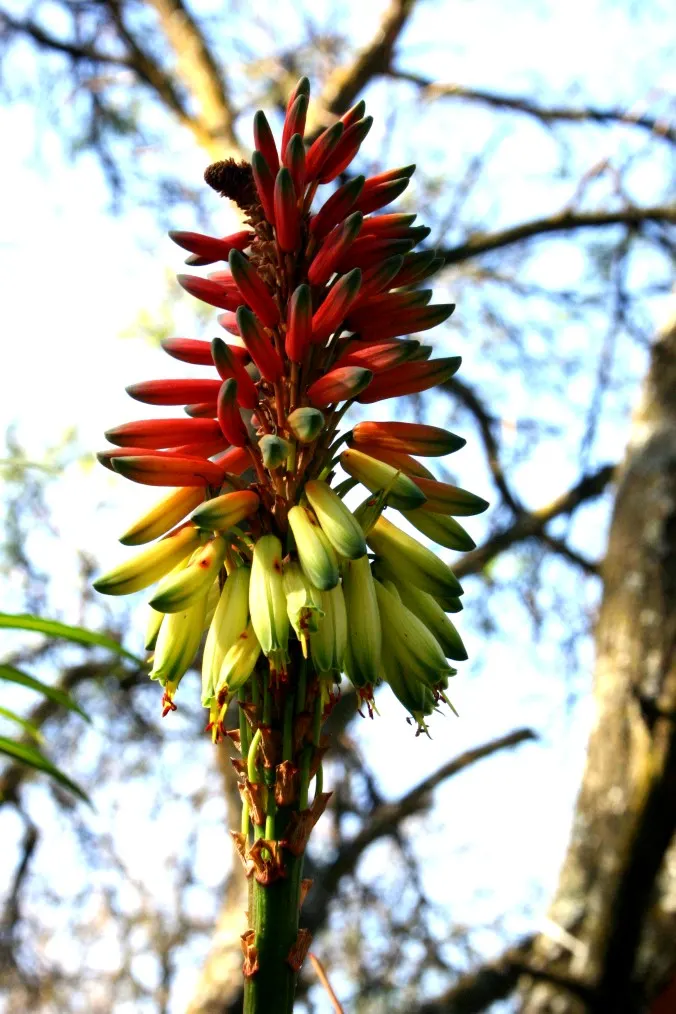
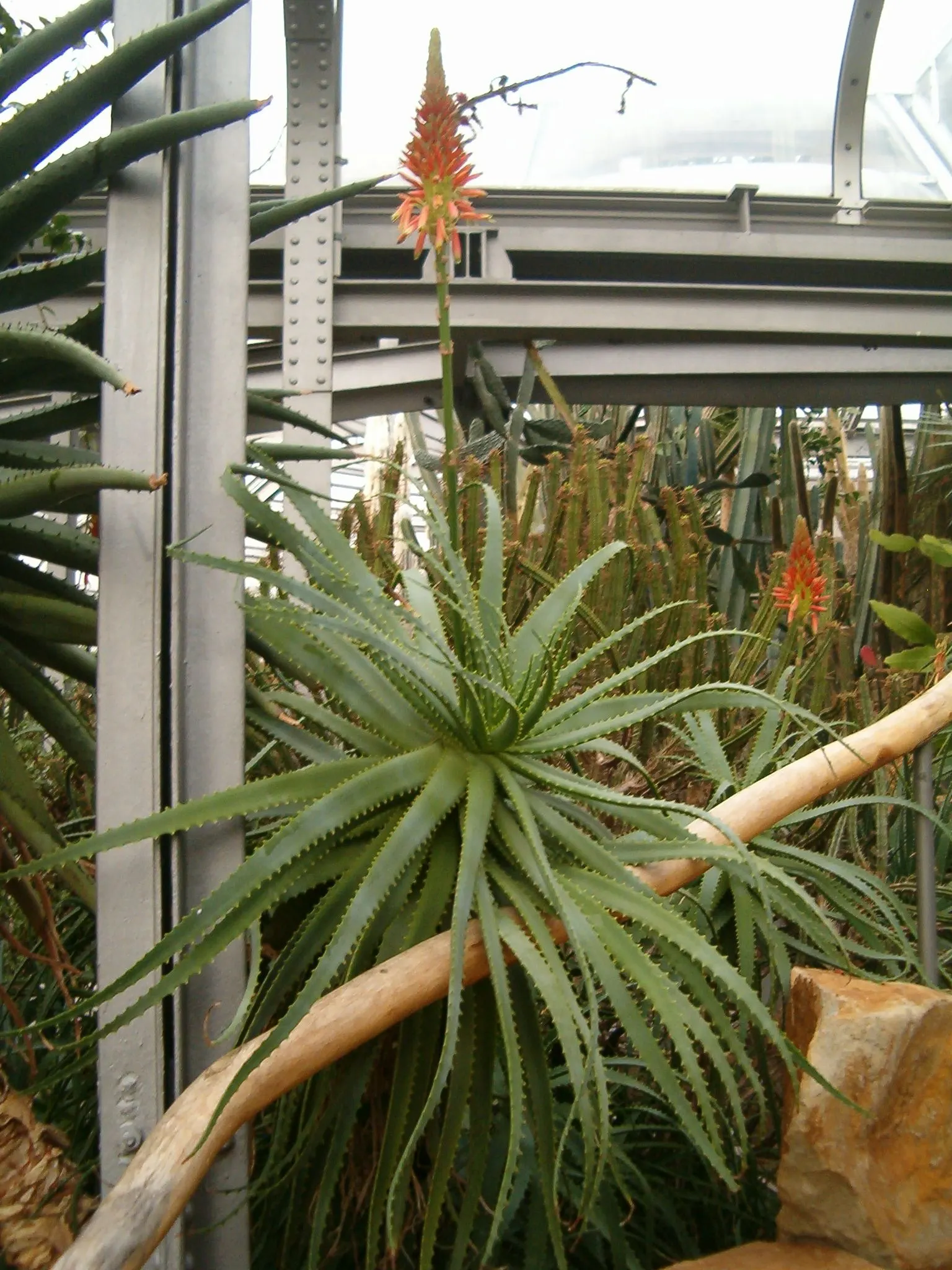
Tree Aloe (Aloe Arborescens) — reaching heights of up to 18 inches; candle-like inflorescences rise dramatically above the foliage
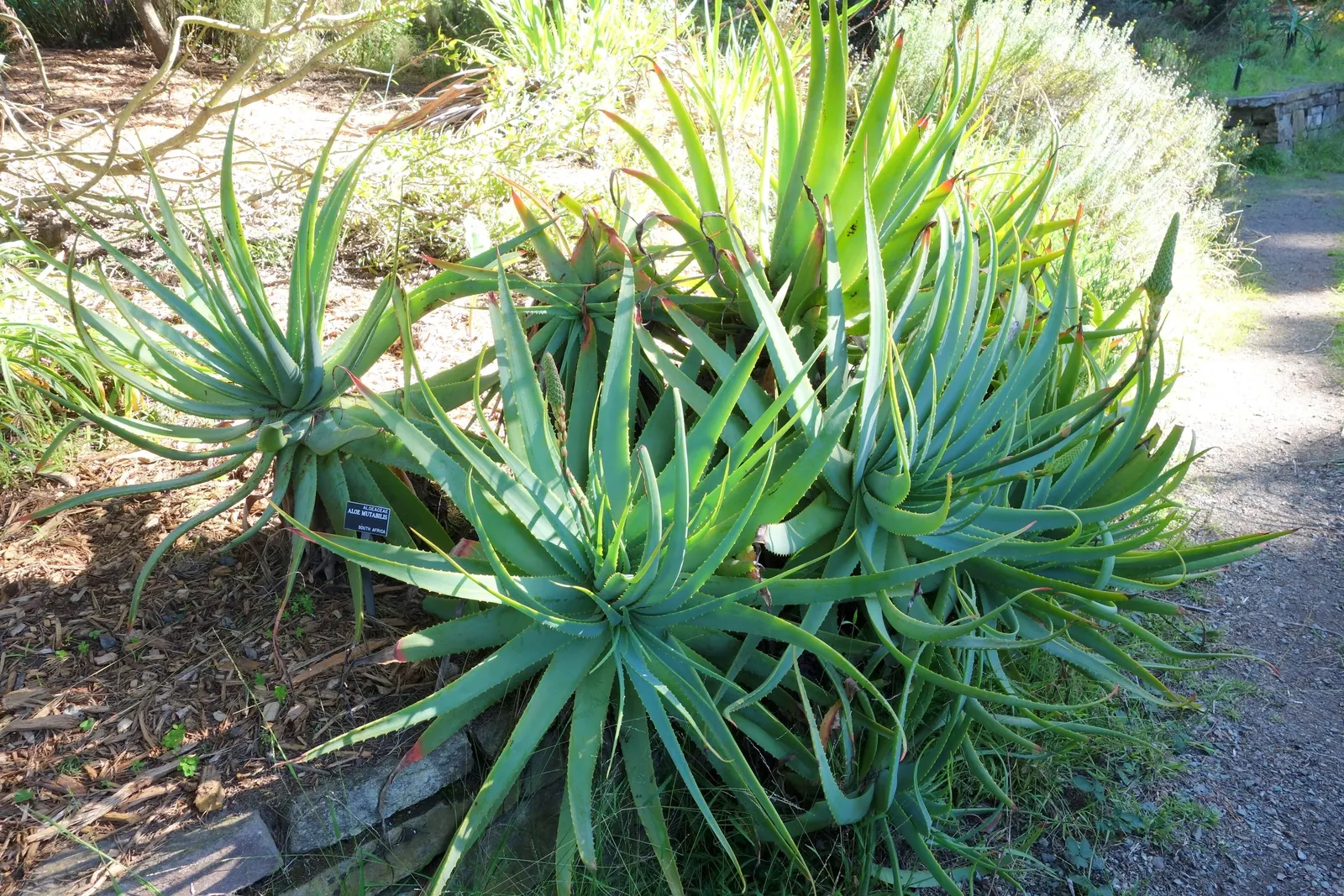
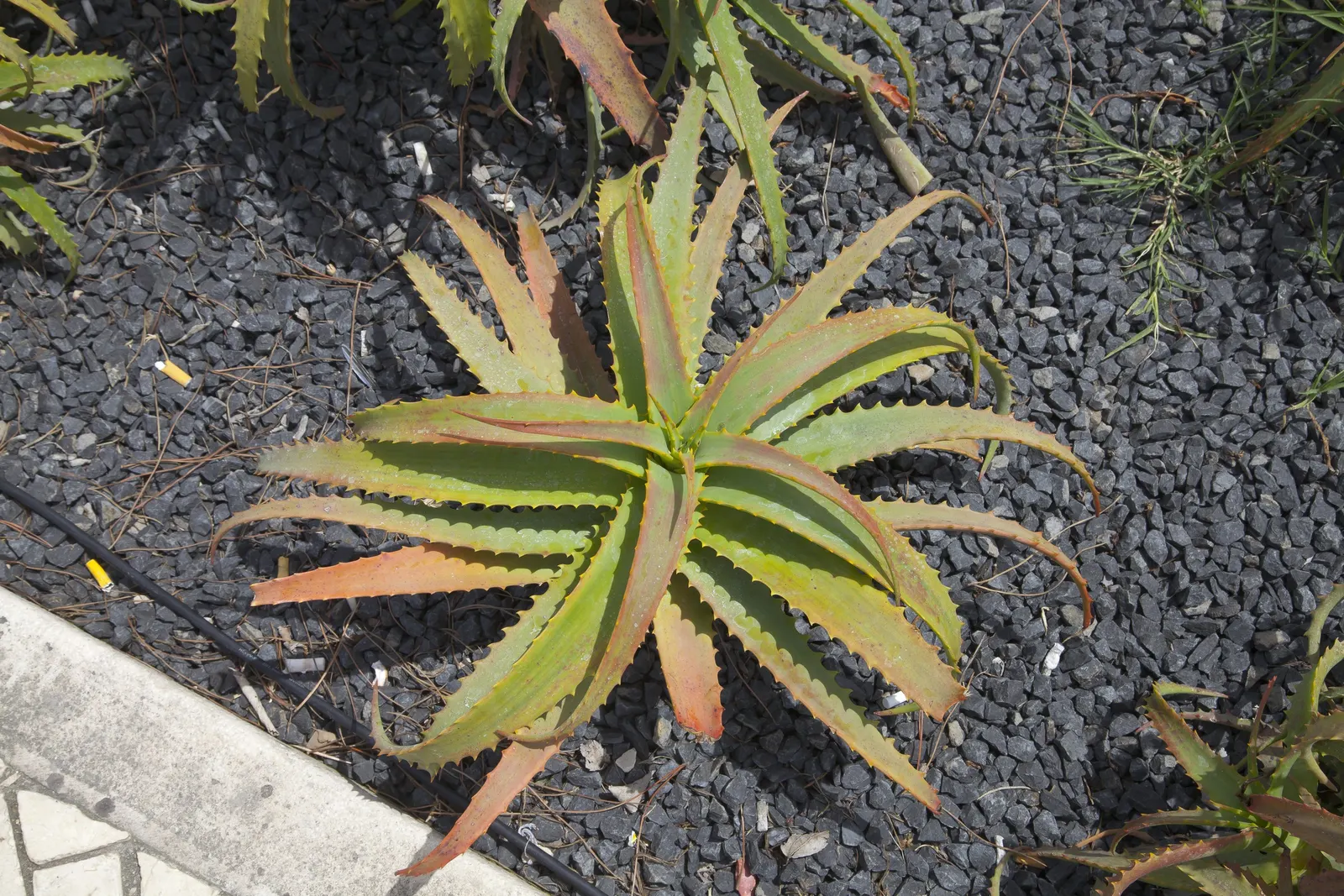
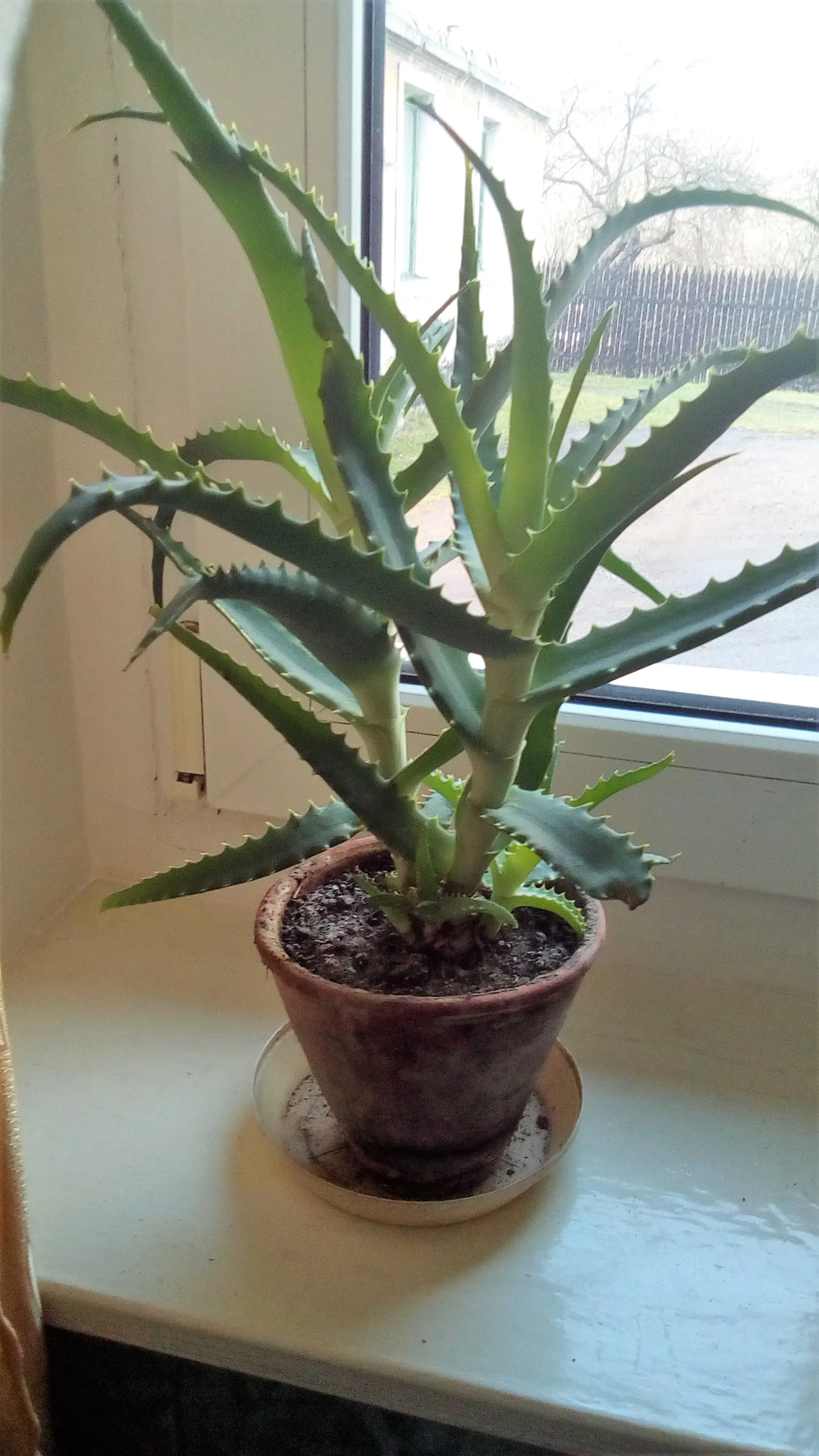
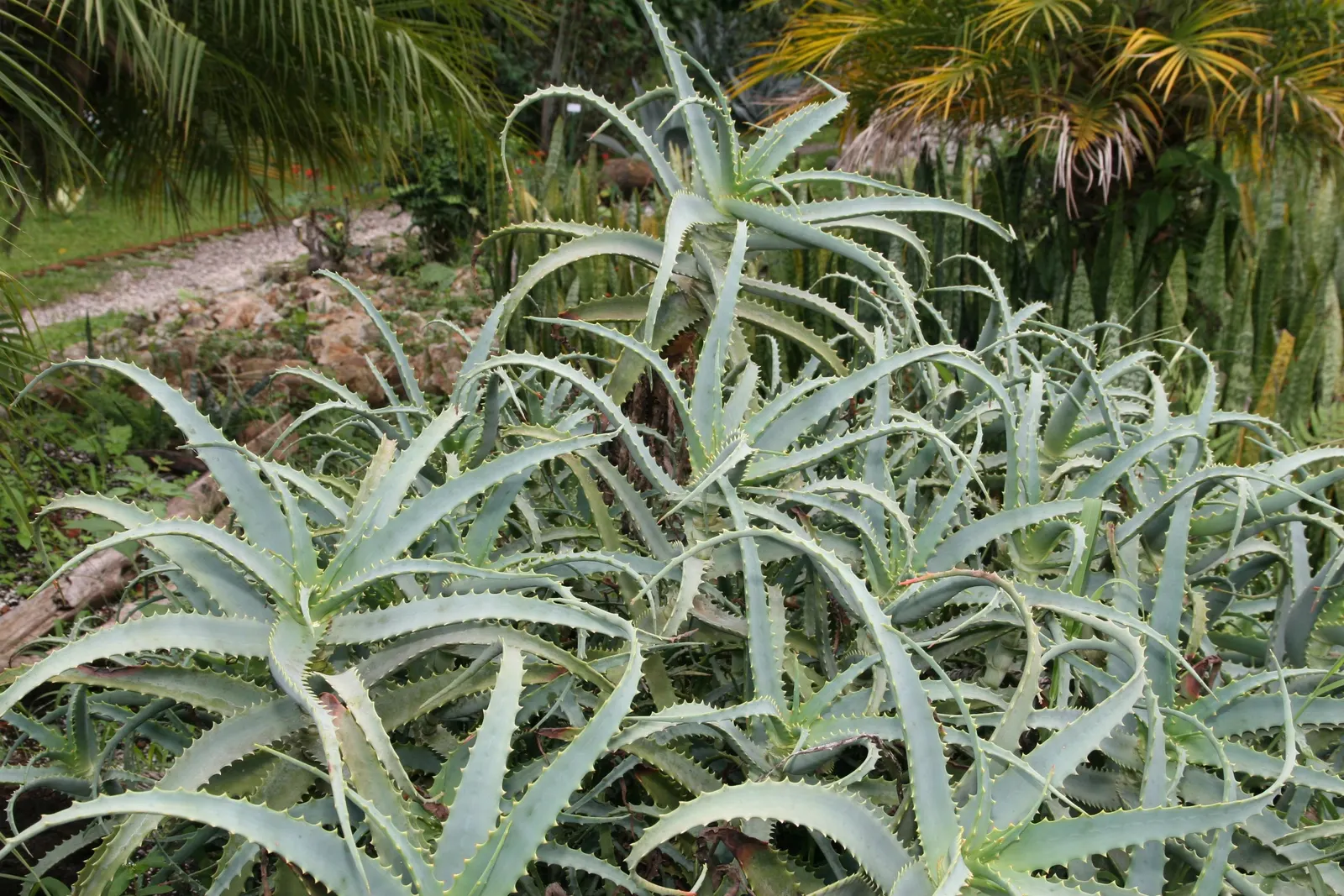
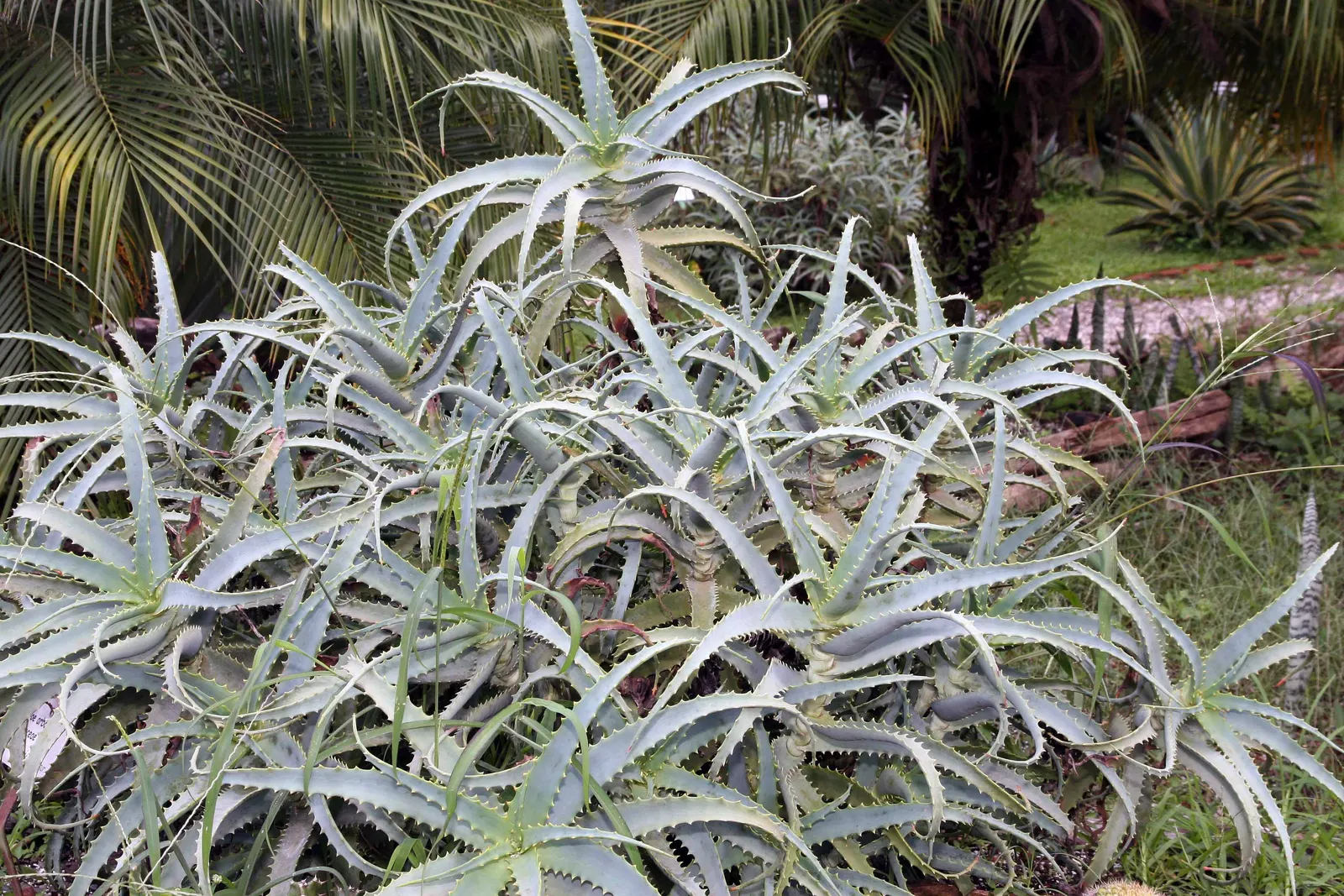
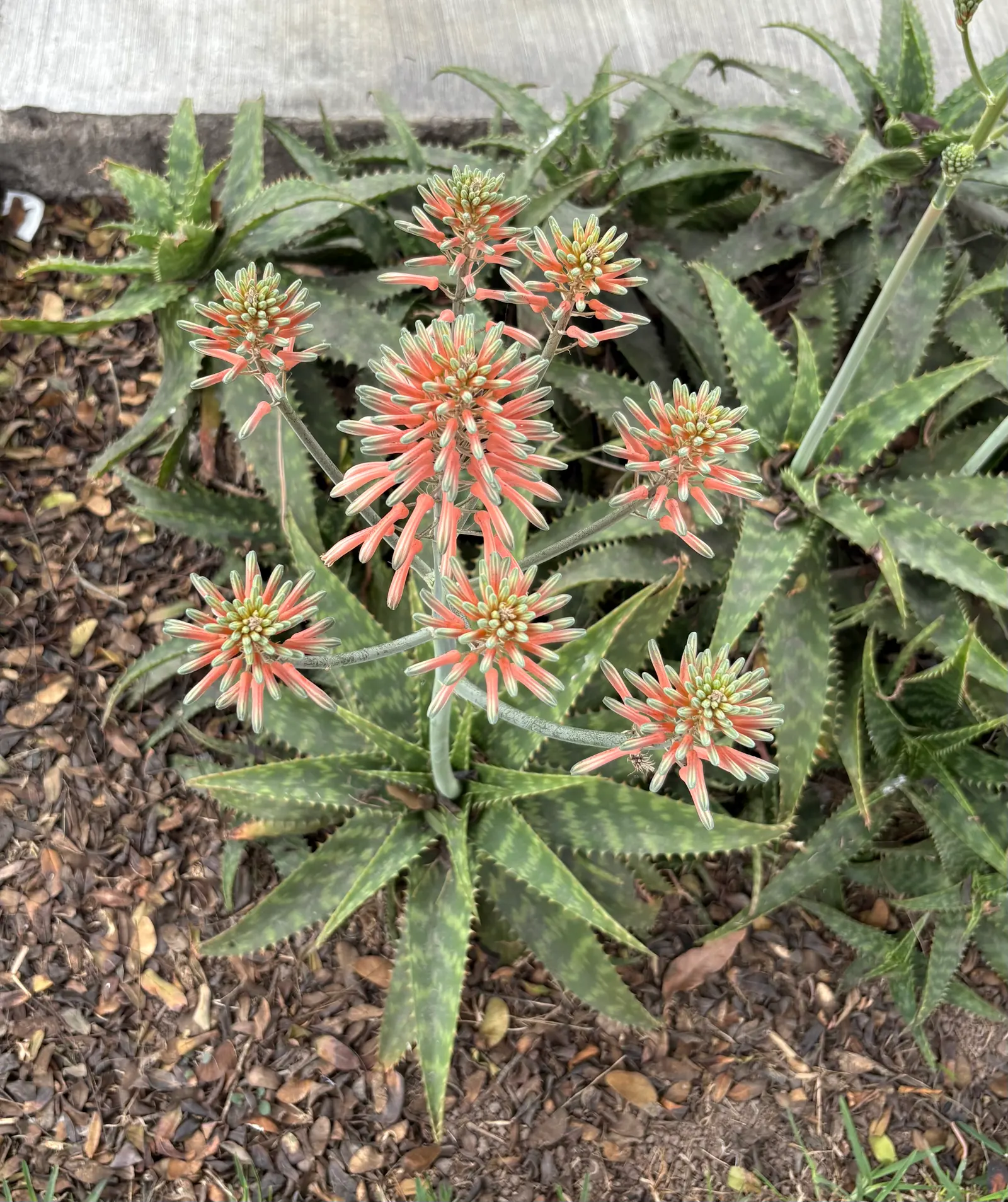
Tree Aloe (Aloe Arborescens) — grey-green leaves of the Tree Aloe are arranged in rosettes
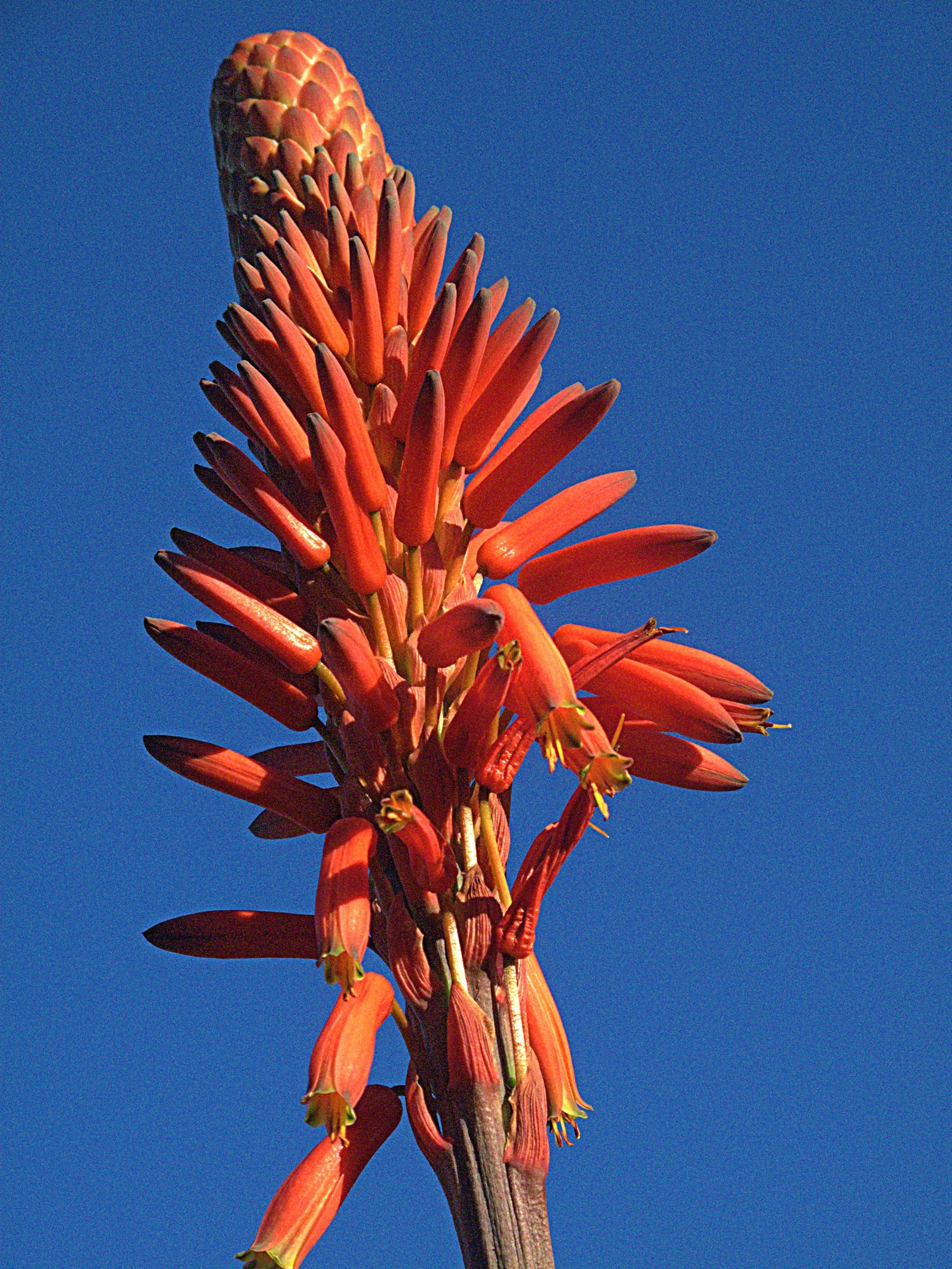
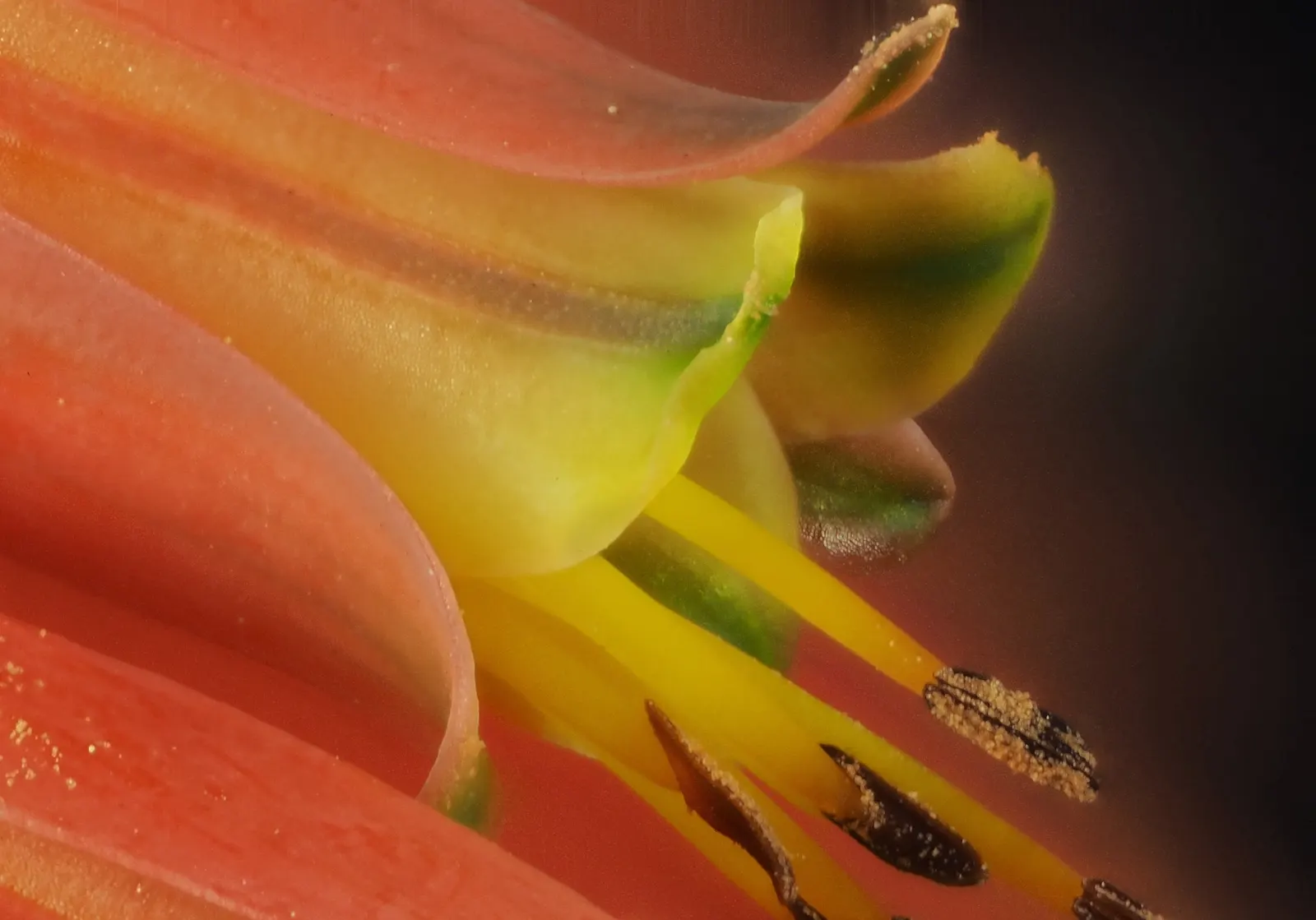
Tree Aloe (Aloe Arborescens) — succulent with orange blooms; tree Aloe truly captivates with its fiery orange-red flowers, image 99
Tree Aloe (Aloe Arborescens) — cluster at the branch tips; grey-green leaves of the Tree Aloe are arranged in rosettes, image 77
Tree Aloe (Aloe Arborescens) — forming a natural multi-stemmed; reaching heights of up to 18 inches, image 85
Tree Aloe (Aloe Arborescens) — cluster at the branch tips; grey-green leaves of the Tree Aloe are arranged in rosettes, image 52
Tree Aloe (Aloe Arborescens) — Native to southeastern Africa
Tree Aloe (Aloe Arborescens) — forming a natural multi-stemmed
Tree Aloe (Aloe Arborescens) — Easy-care, it attracts birds and bees, enhancing biodiversity; typically from late fall to early winter, image 56
Tree Aloe (Aloe Arborescens) — succulent for full or half or shade; the Tree Aloe offers not only visual appeal but also a topic of conversation
Tree Aloe (Aloe Arborescens) — typically from late fall to early winter
Tree Aloe (Aloe Arborescens) — Zones 9-11 suit it best, offering a dramatic focal point for water-wise gardens; making it a fascinating addition to, image 80
Tree Aloe (Aloe Arborescens) — Each leaf boasts characteristic spiny margins which act as a deterrent to herbivores in their native habitat, image 88
Tree Aloe (Aloe Arborescens) — reaching heights of up to 18 inches; candle-like inflorescences rise dramatically above the foliage, image 92
Tree Aloe (Aloe Arborescens) — typically from late fall to early winter; it prefers to be placed in full sun to partial shade with well-draining, image 89
Tree Aloe (Aloe Arborescens) — asking only to be protected from frost to ensure a healthy; such as hummingbirds.<br><br>Aloe arborescens thrives in, image 96
Tree Aloe (Aloe Arborescens) — candle-like inflorescences rise dramatically above the foliage; this rugged plant can reach up to 8 to 10 feet in, image 91
Tree Aloe (Aloe Arborescens) — succulent for full or half or shade; the Tree Aloe offers not only visual appeal but also a topic of conversation, image 100
Tree Aloe (Aloe Arborescens) — candle-like inflorescences rise dramatically above the foliage; this rugged plant can reach up to 8 to 10 feet in height
Tree Aloe (Aloe Arborescens) — the Tree Aloe offers not only visual appeal but also a topic of conversation; tree Aloe, Aloe arborescens, is a striking
Tree Aloe (Aloe Arborescens) — Easy-care, it attracts birds and bees, enhancing biodiversity; typically from late fall to early winter, image 81
Photographs by 12 contributors

Related plants