Skip to content

Giant Taro

Alocasia Macrorrhizos

Design with this plant

Overview

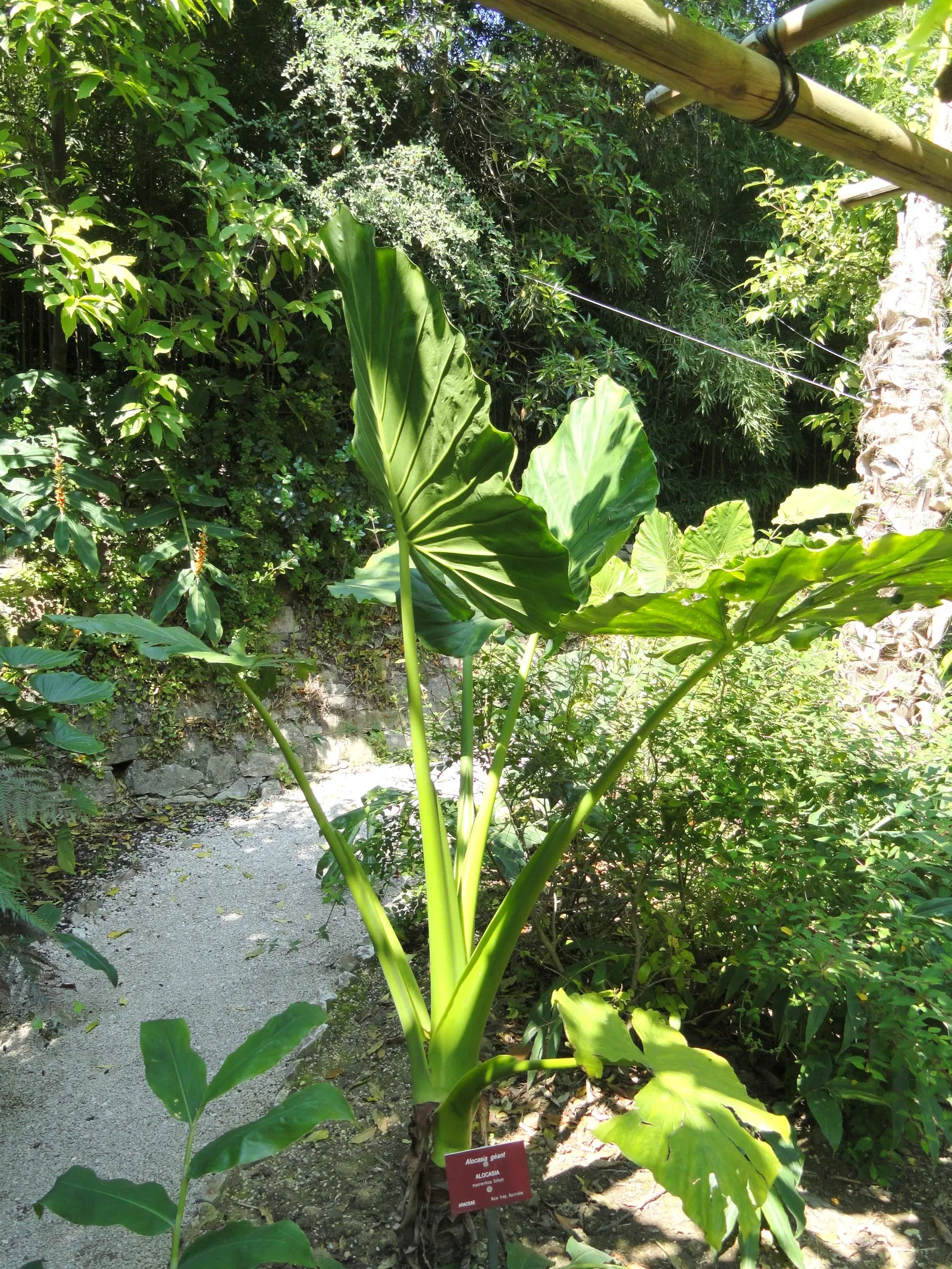
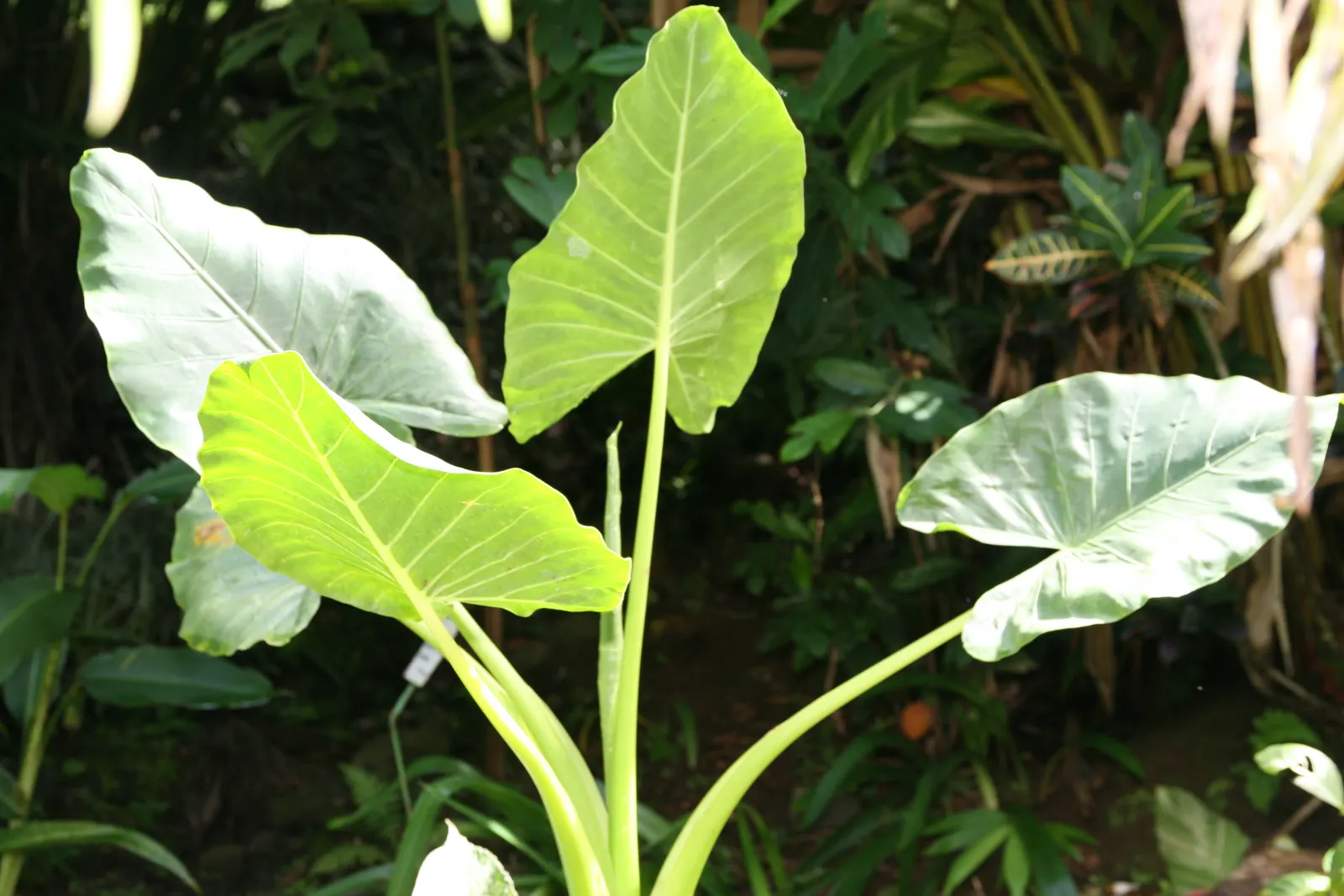
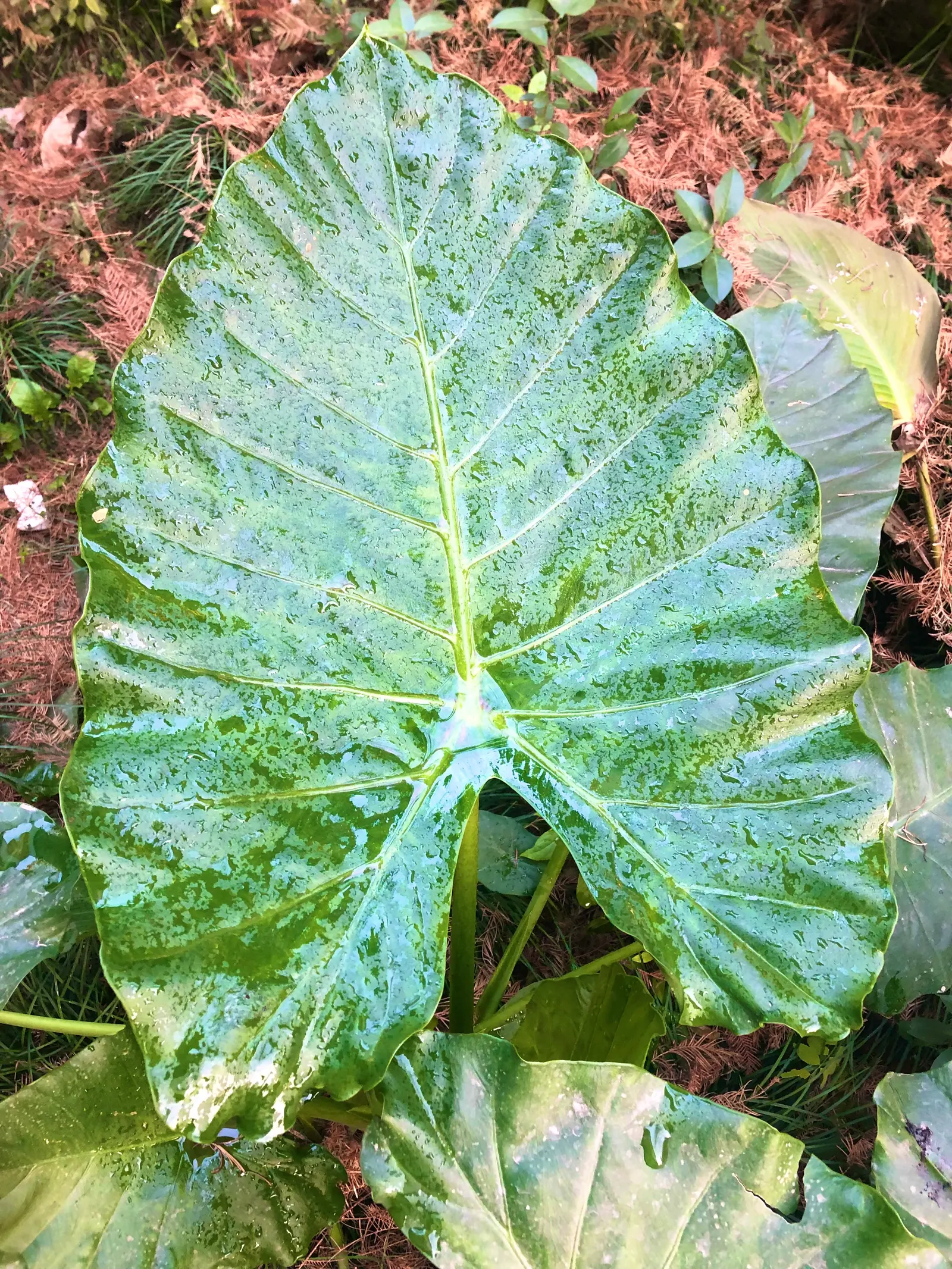
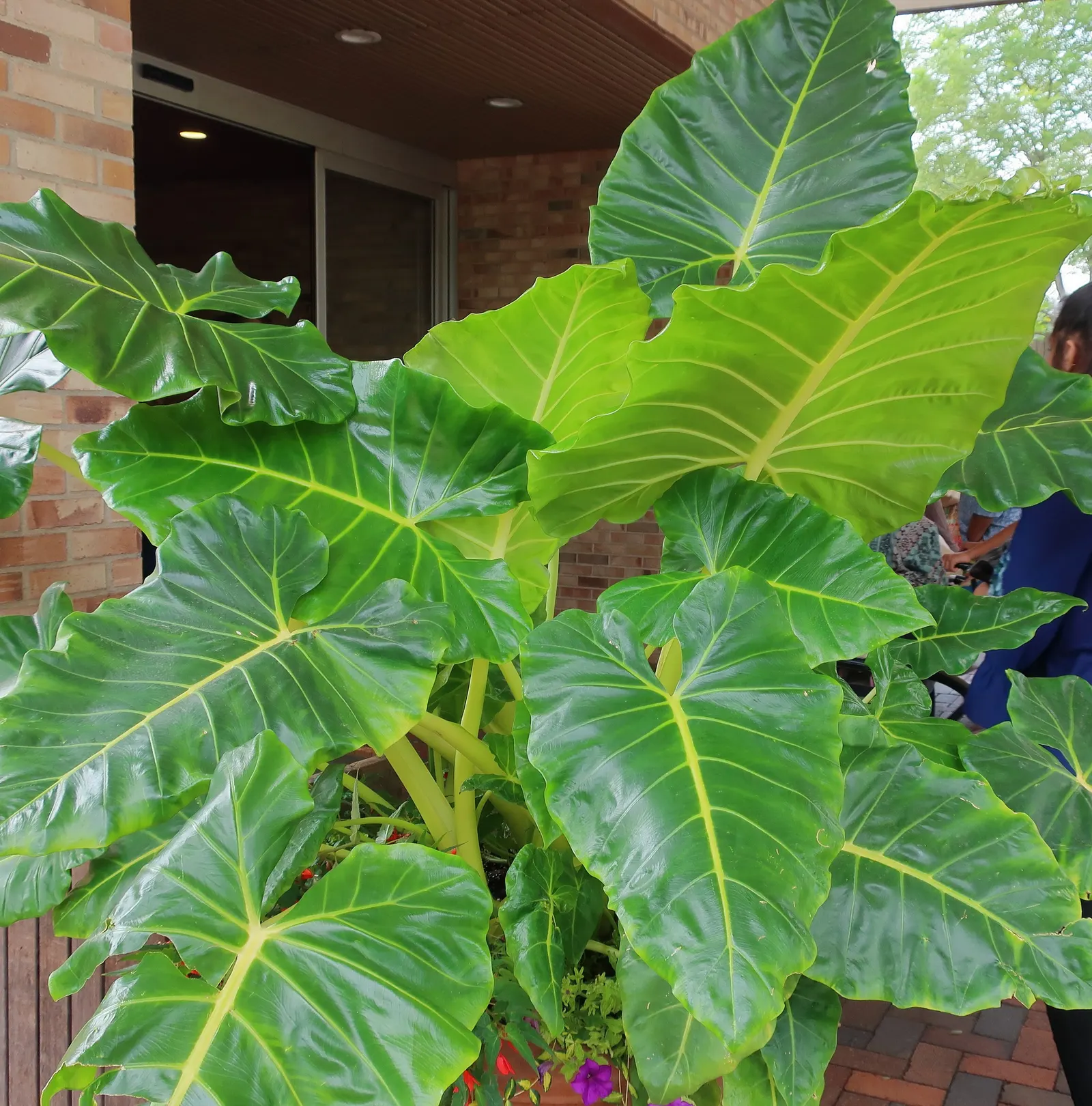
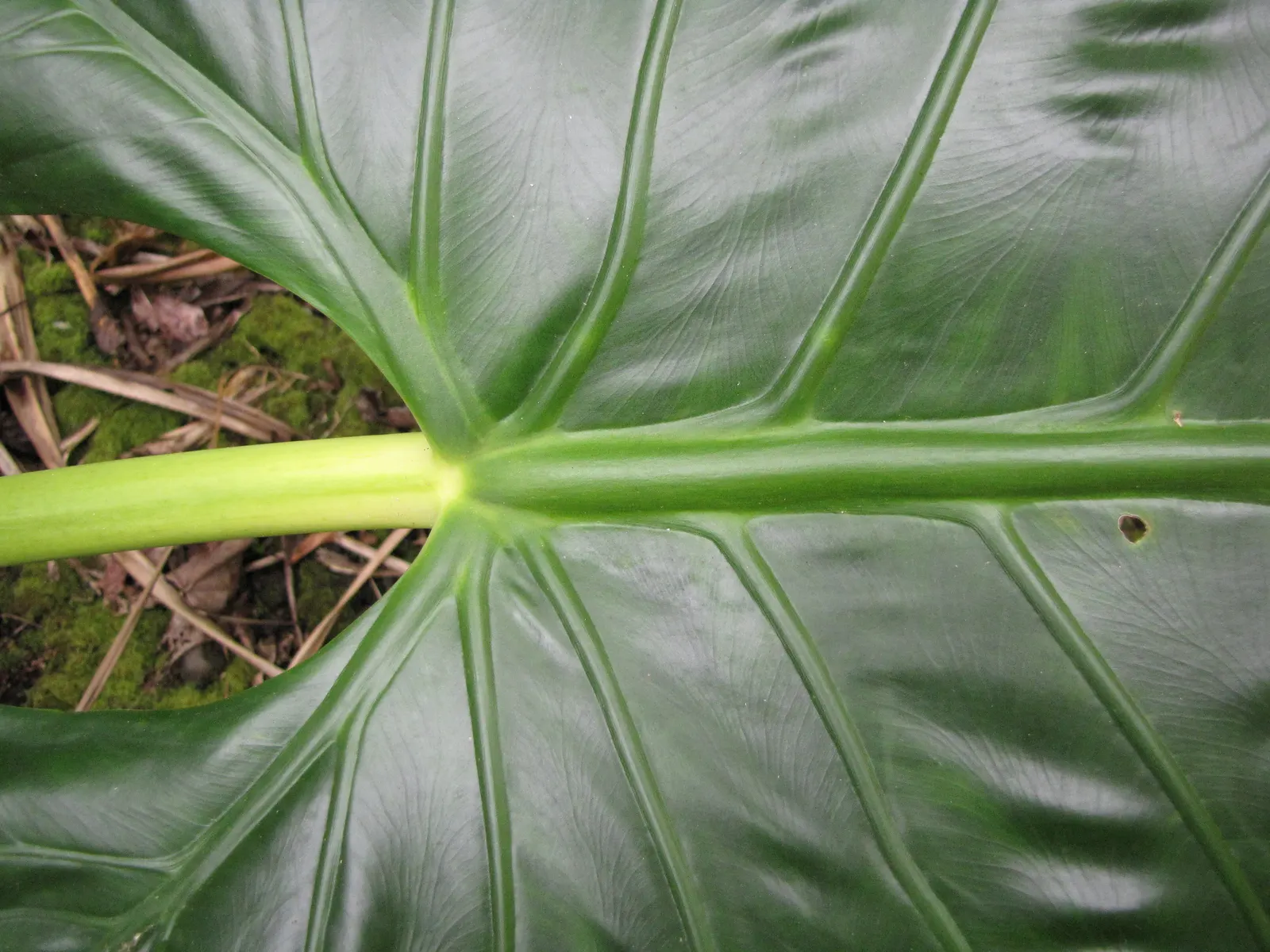
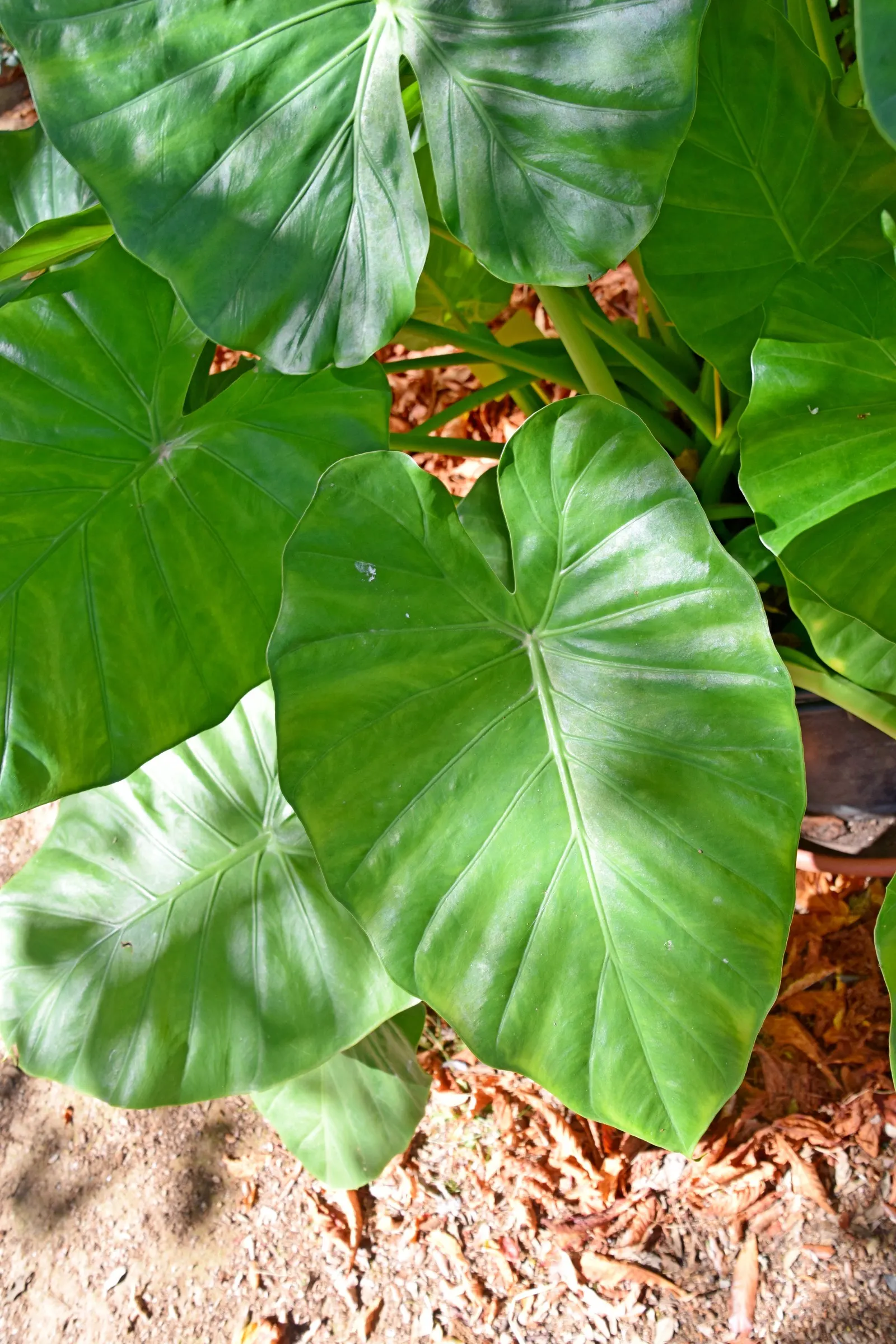
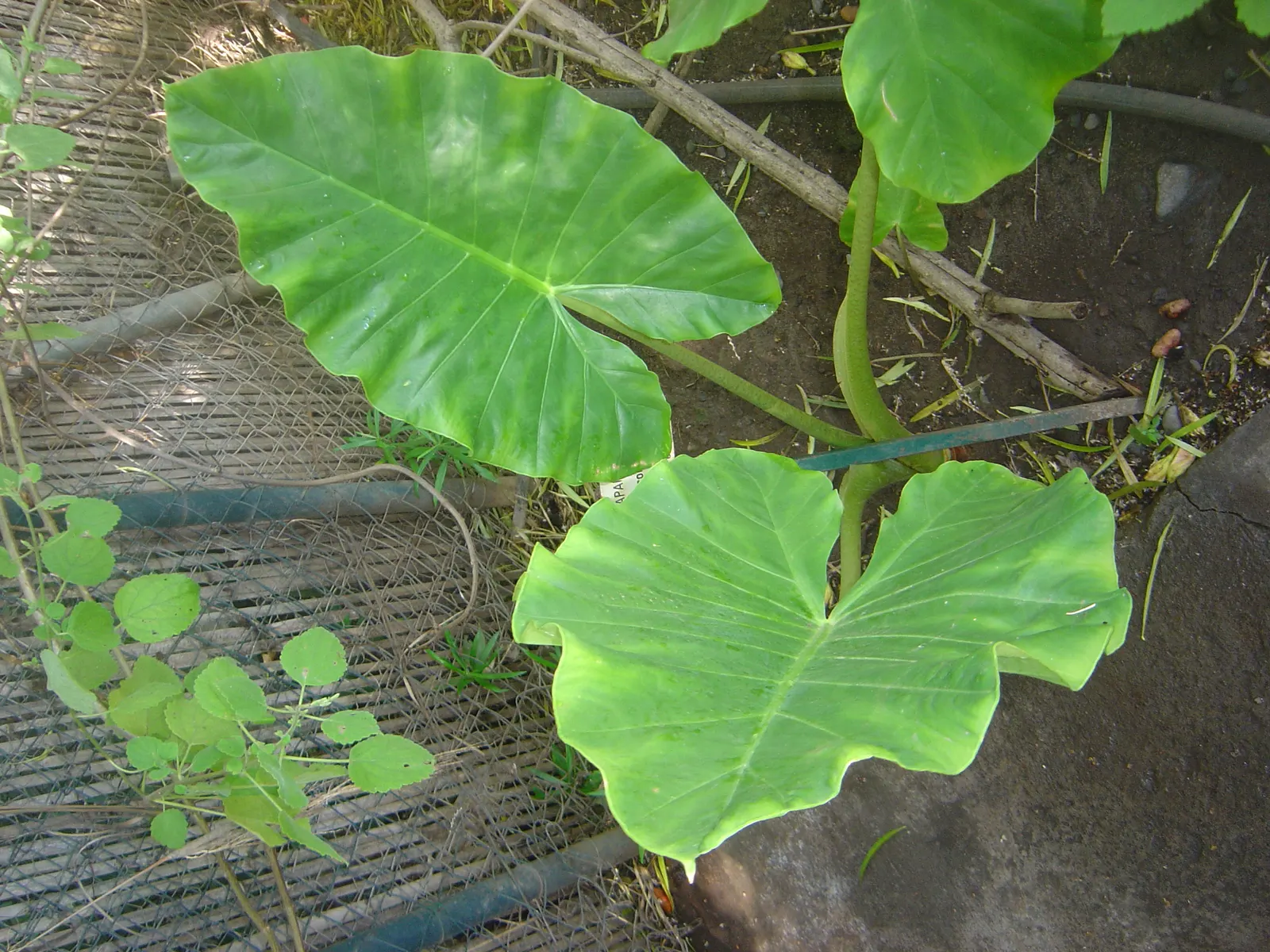
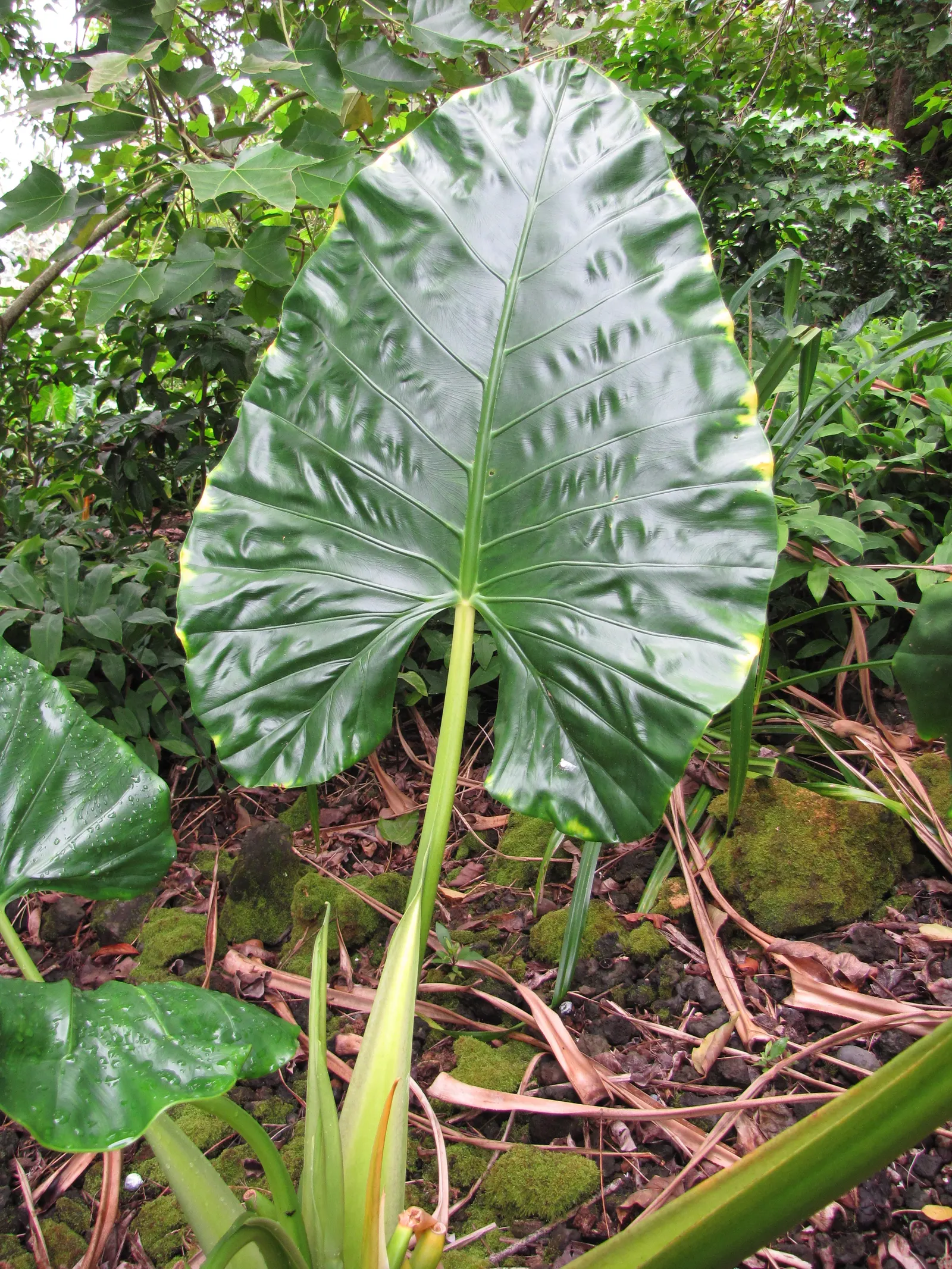
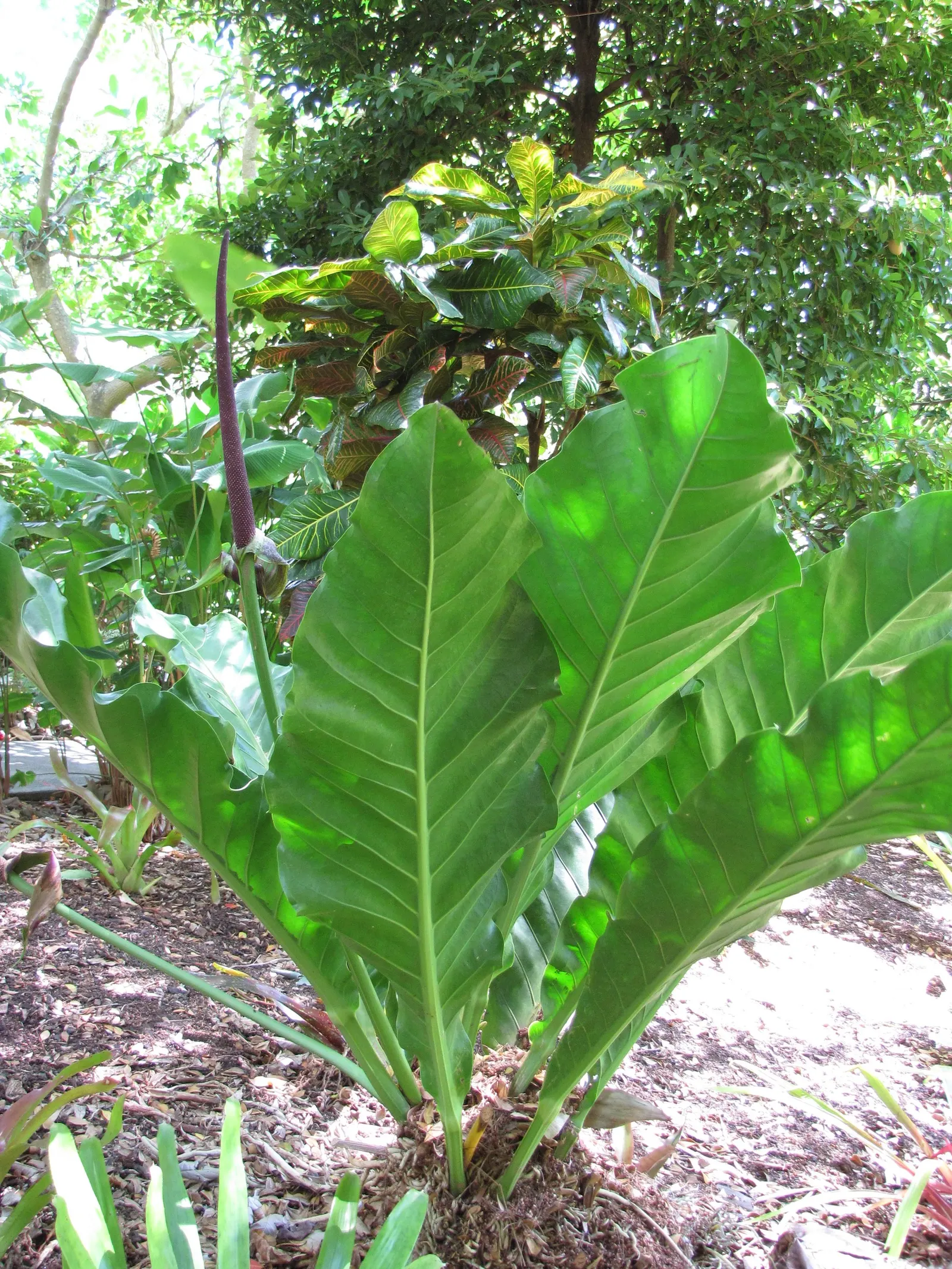
The Giant Taro (Alocasia macrorrhizos) is a striking, tropical perennial known for its large, glossy, arrow-shaped leaves. These can span up to 3-6 feet in length, adding a lush, dramatic touch to any setting. Its robust stems can tower to heights of around 8-15 feet, ideal for creating focal points in warm-climate gardens. Thrives in moist, well-drained soil and partial shade. Handle with care, as all parts are poisonous if ingested.

Sun ShadeWater HighZones 9–11Type Perennial
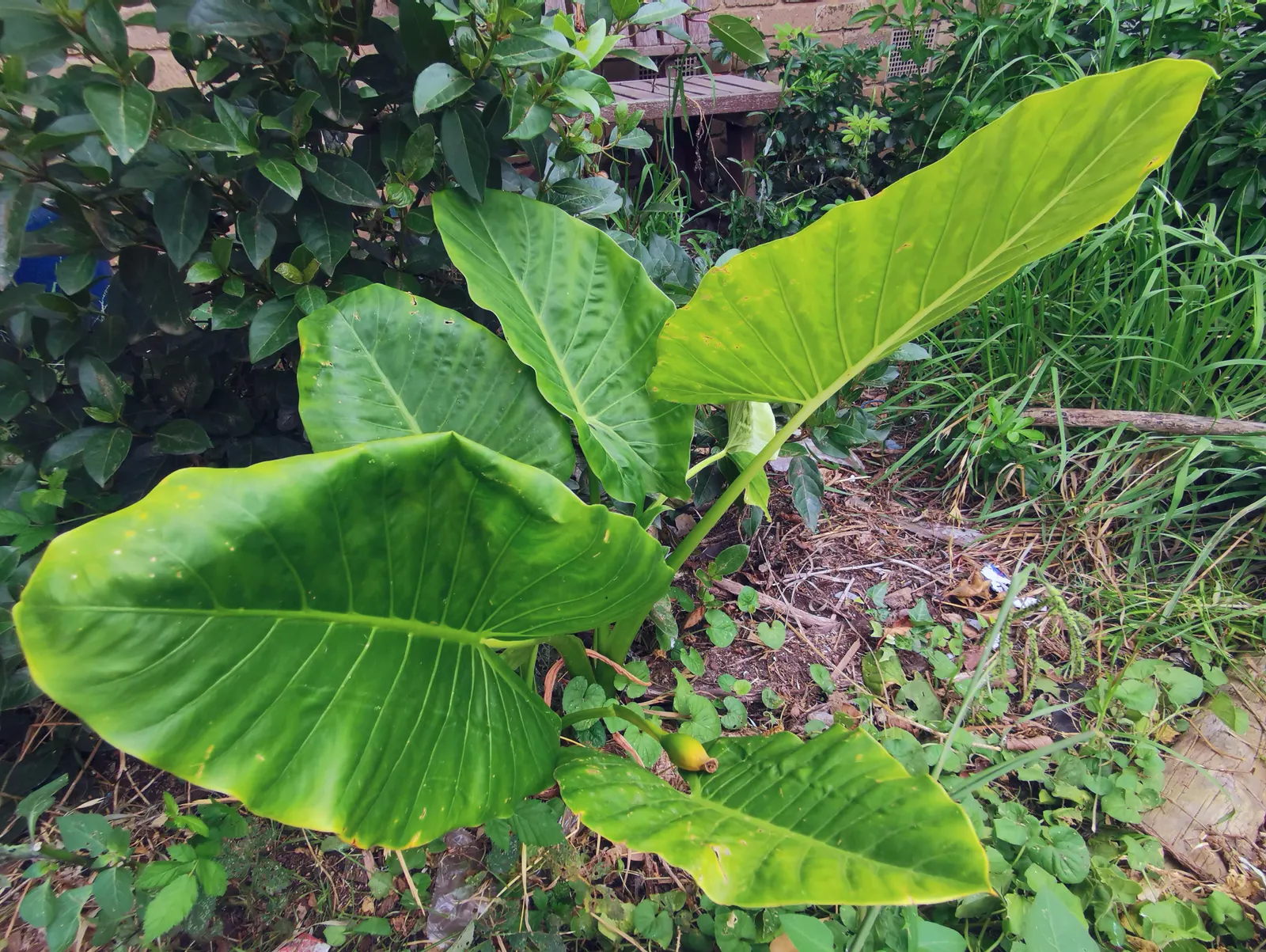
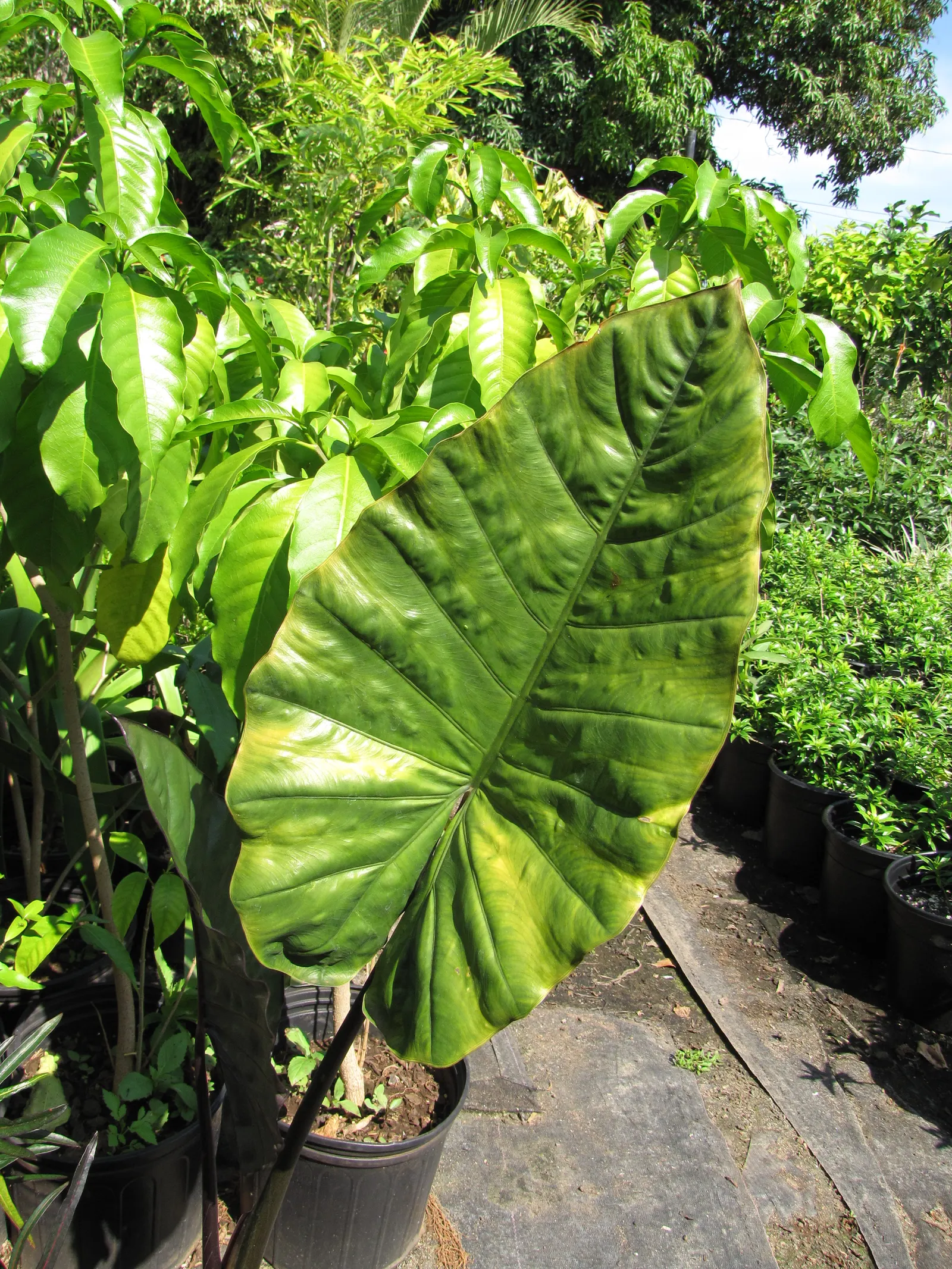
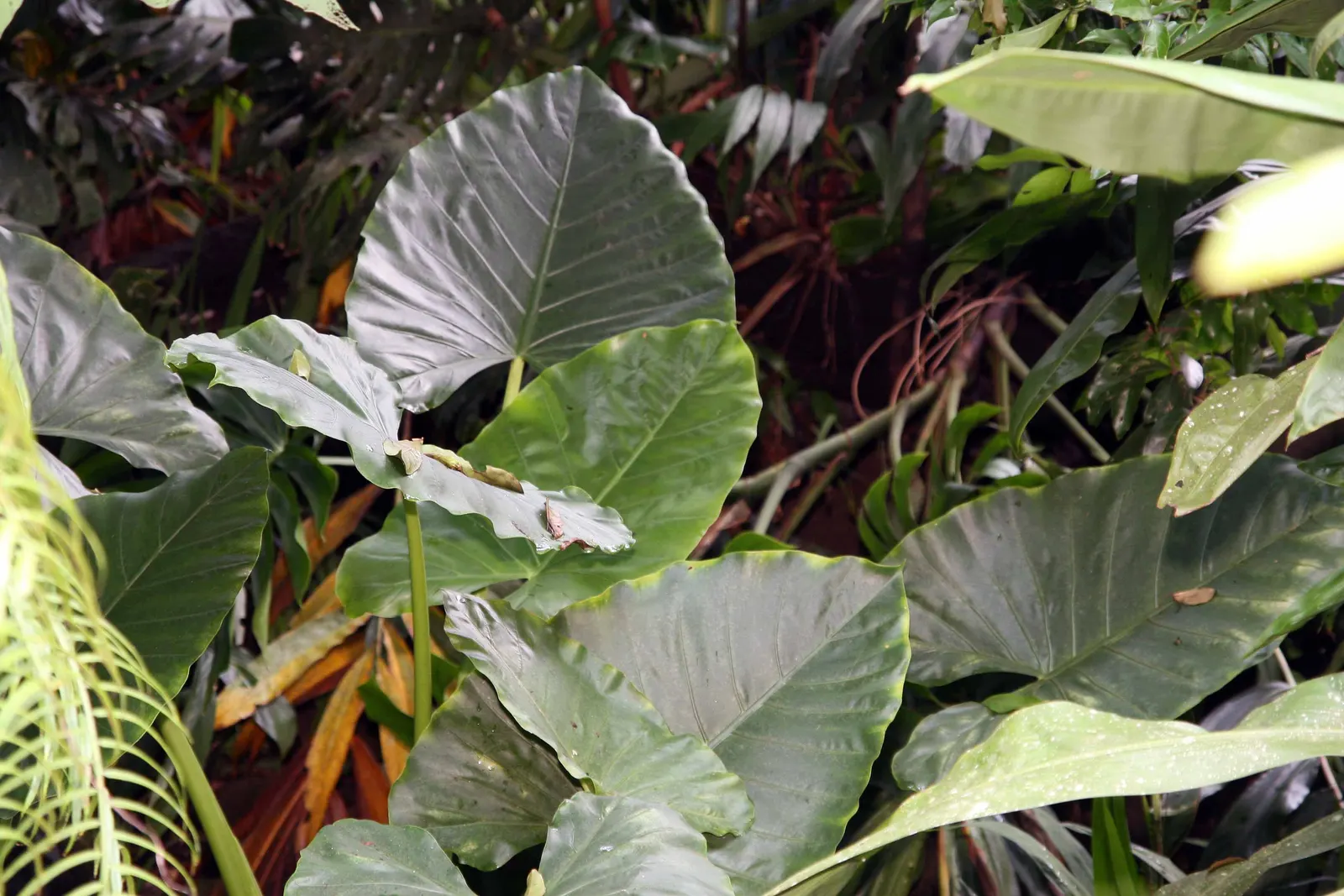
Giant Taro (Alocasia Macrorrhizos) — These can span up to 3-6 feet in length, adding a lush, dramatic touch to any setting; the deep green foliage is held

Culture

Sun
Shade
Water
High
USDA zones
9–11

Shape & size

Mature height
12–15 Ft.
Mature width
6–8 Ft.

Classification

Type
Perennial
Family
Araceae

See full data, regional cultivation notes, and design tools. Build a client presentation around this plant.

Start your 14-day trial

Photos (118)

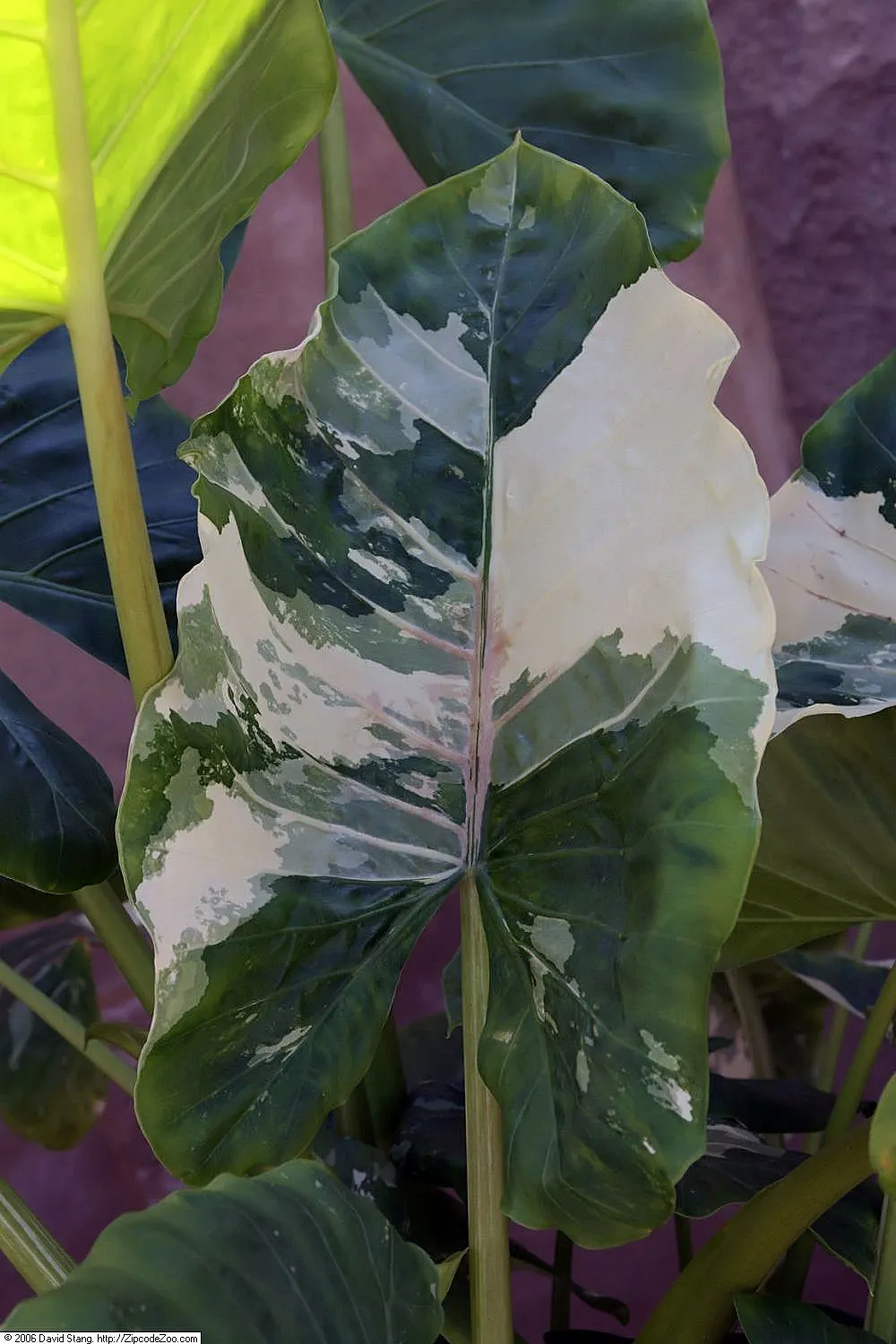
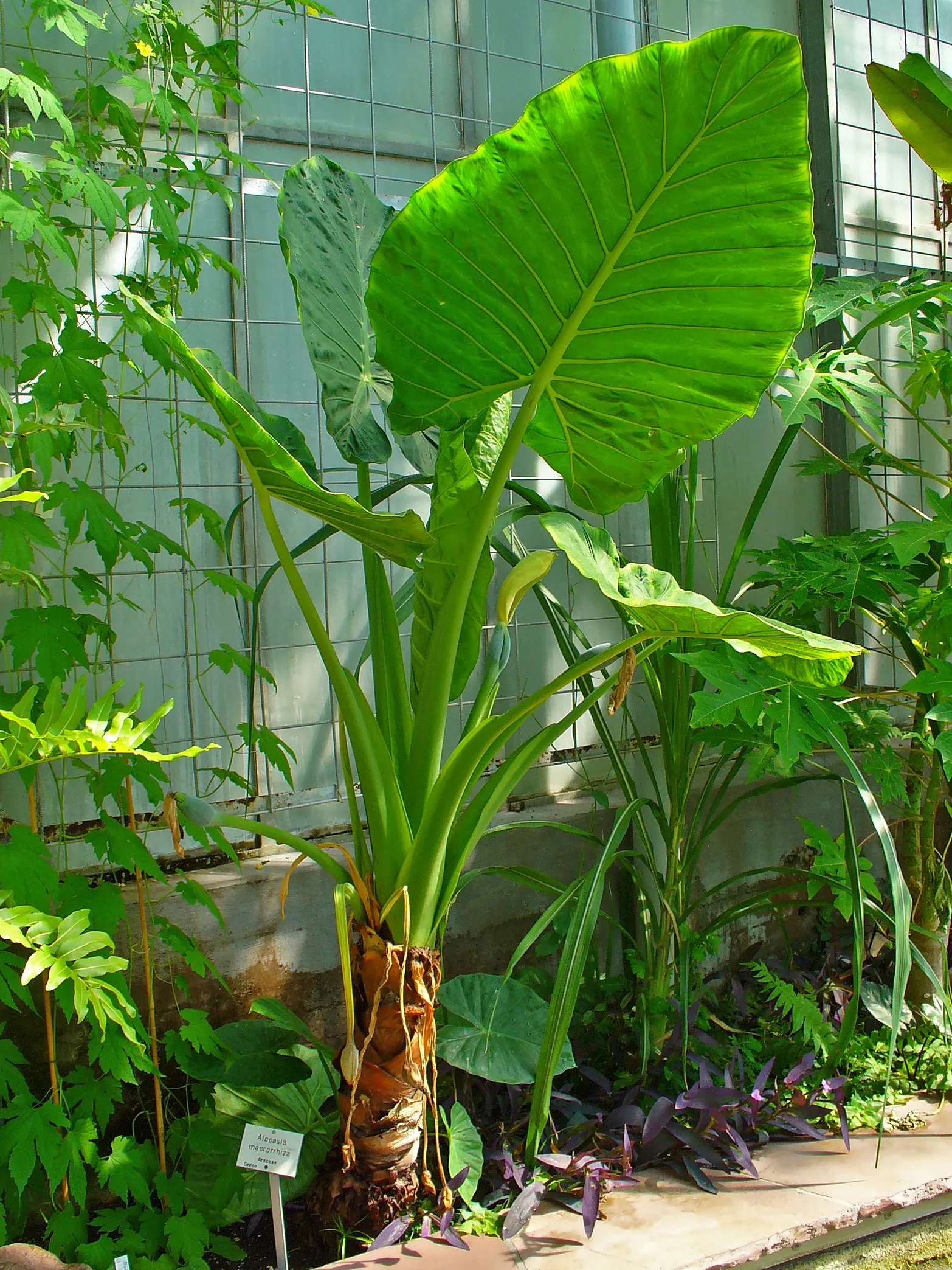
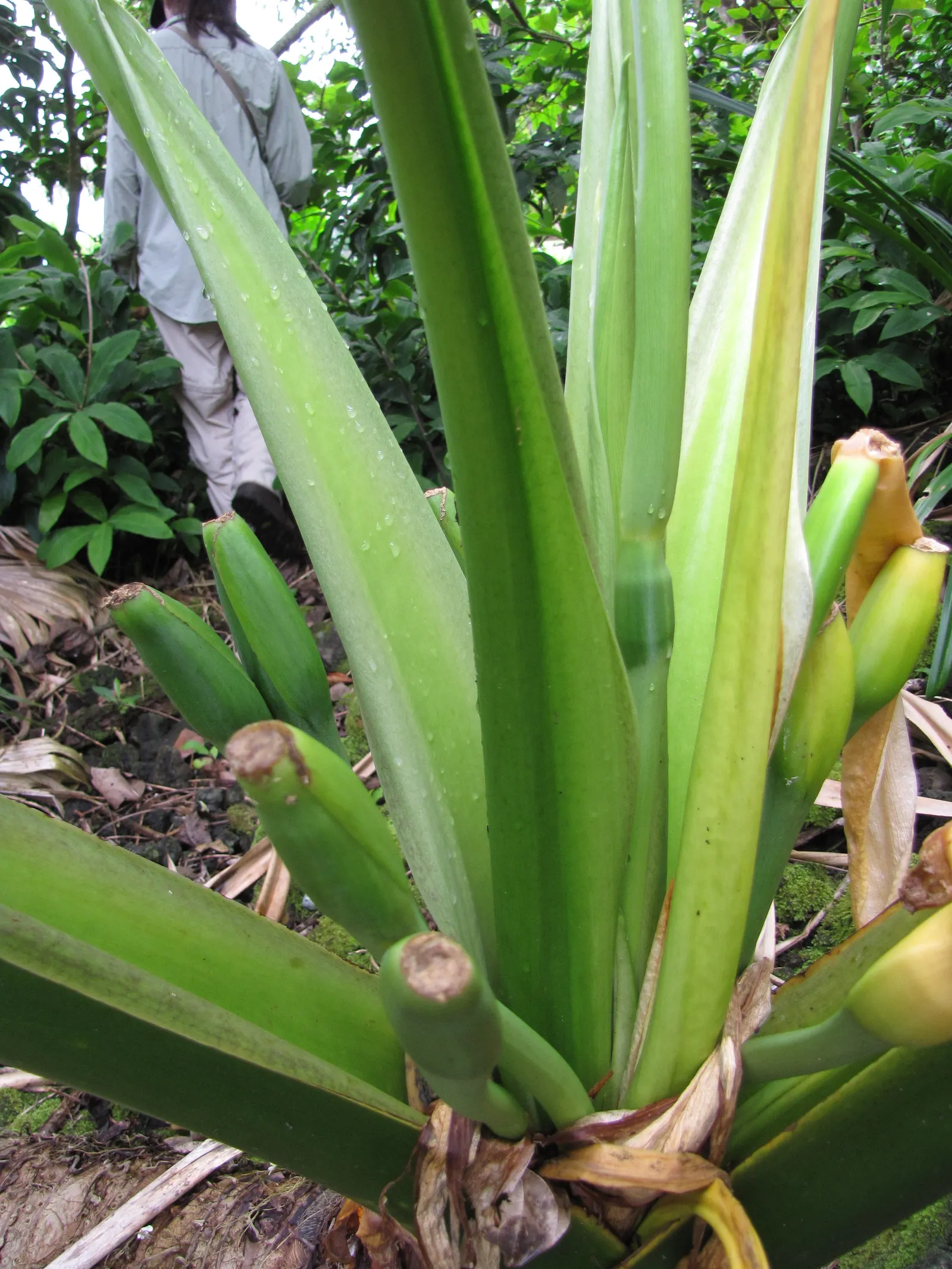
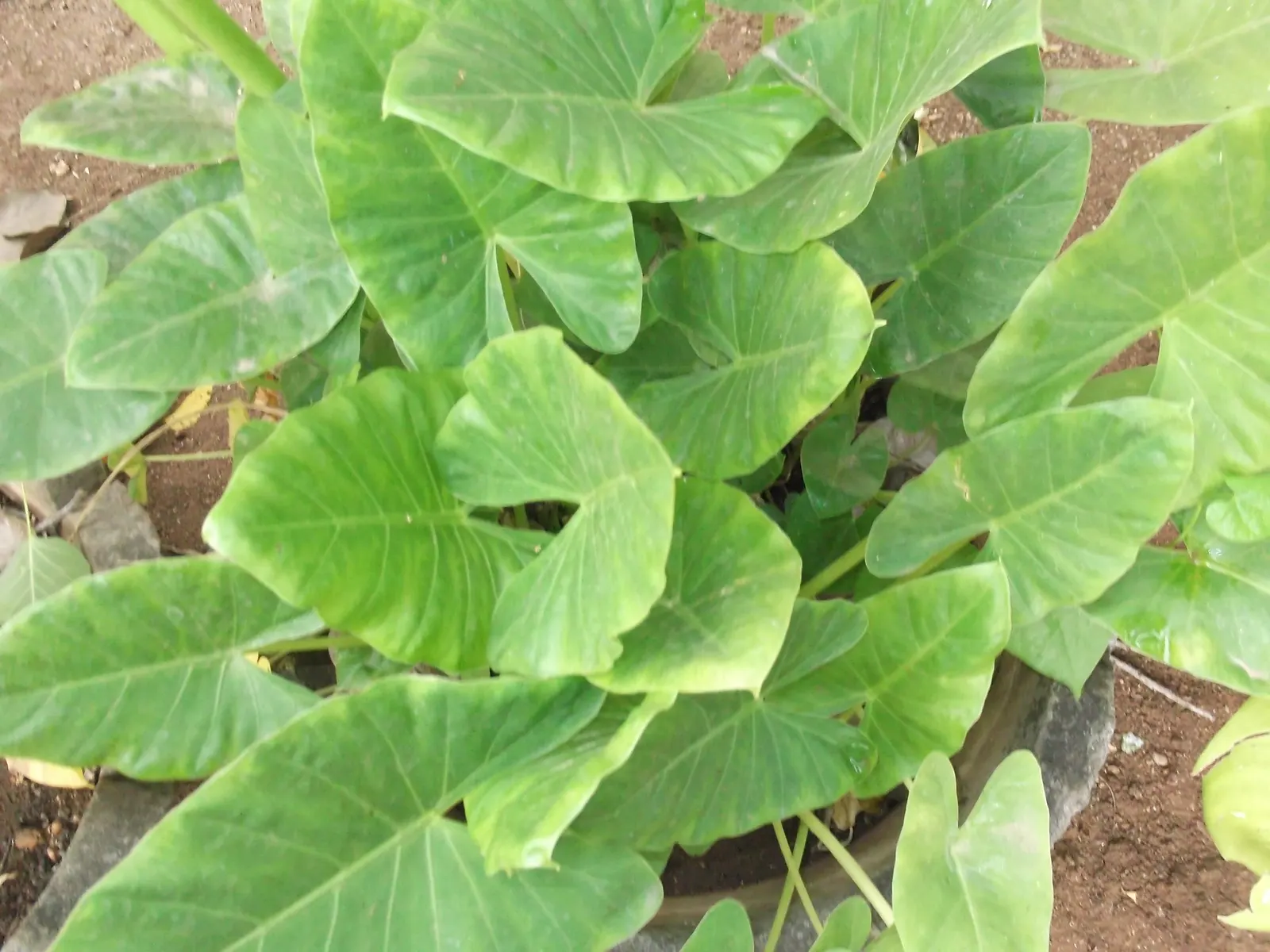
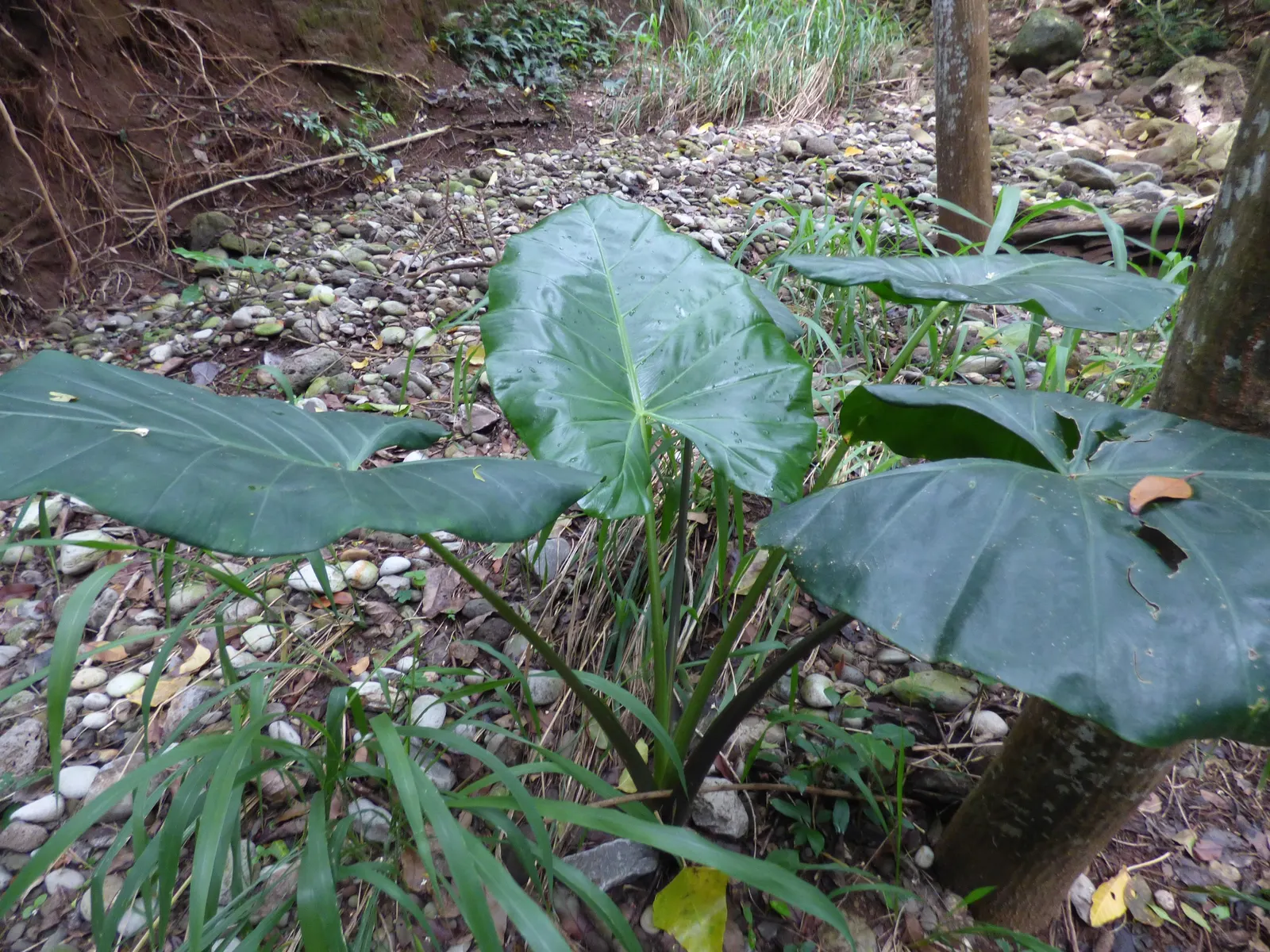
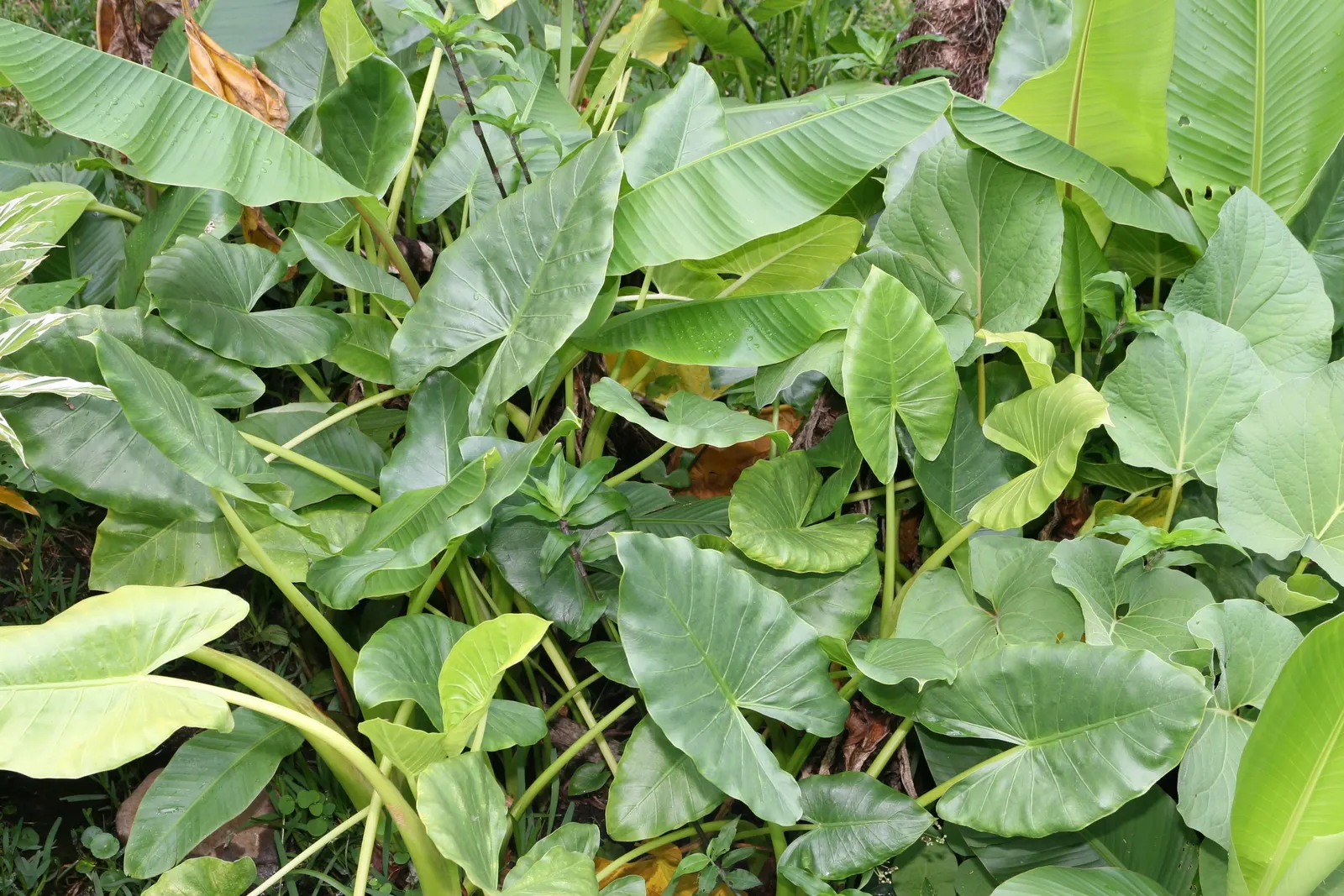
Giant Taro (Alocasia Macrorrhizos) — commonly known as the Giant Taro or Upright Elephant Ear
Giant Taro (Alocasia Macrorrhizos) — green and multi-colored and white flowers in the garden
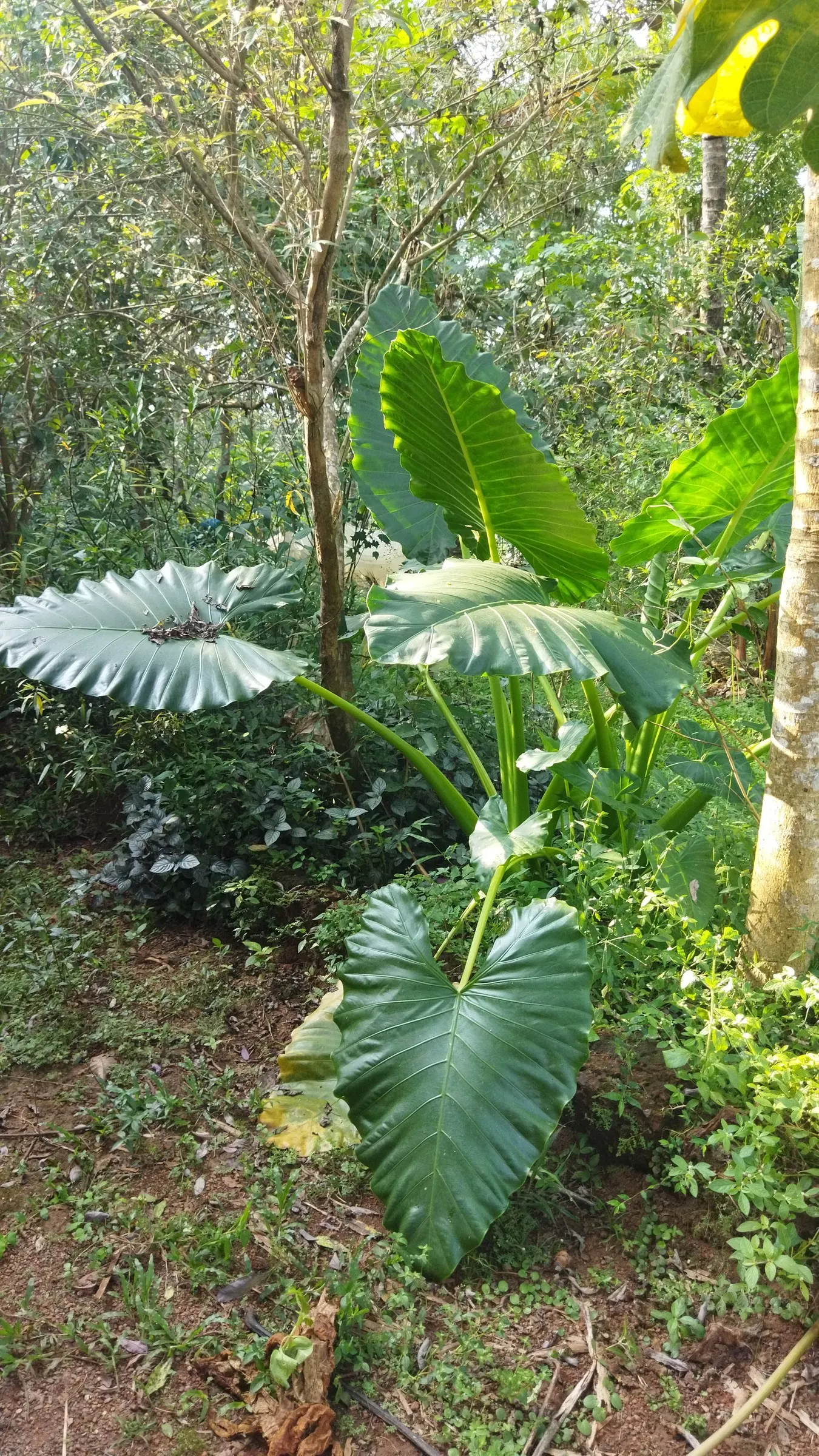
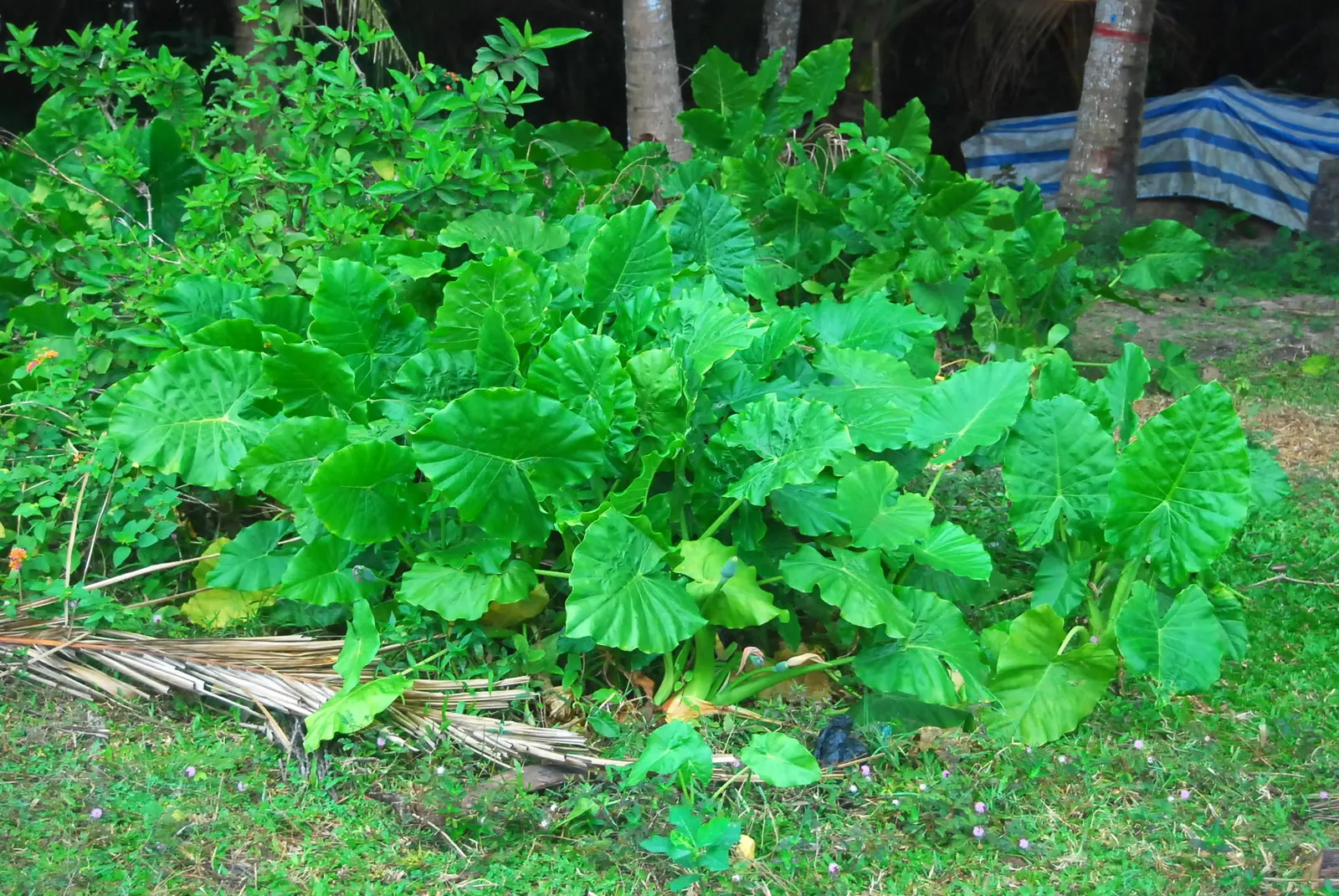
Giant Taro (Alocasia Macrorrhizos) — with overall plant heights typically reaching an imposing 6 to 8 feet
Giant Taro (Alocasia Macrorrhizos) — consider placing it in a sheltered location that mimics its natural habitat; the Giant Taro will add an exotic, image 65
Giant Taro (Alocasia Macrorrhizos) — the Giant Taro will add an exotic and lush aesthetic to any tropical or subtropical garden; consider placing, image 92
Giant Taro (Alocasia Macrorrhizos) — creating an eye-catching display of verdant elegance; perennial for shade, image 69
Giant Taro (Alocasia Macrorrhizos) — Handle with care, as all parts are poisonous if ingested; it requires a warm, humid climate and consistently moist
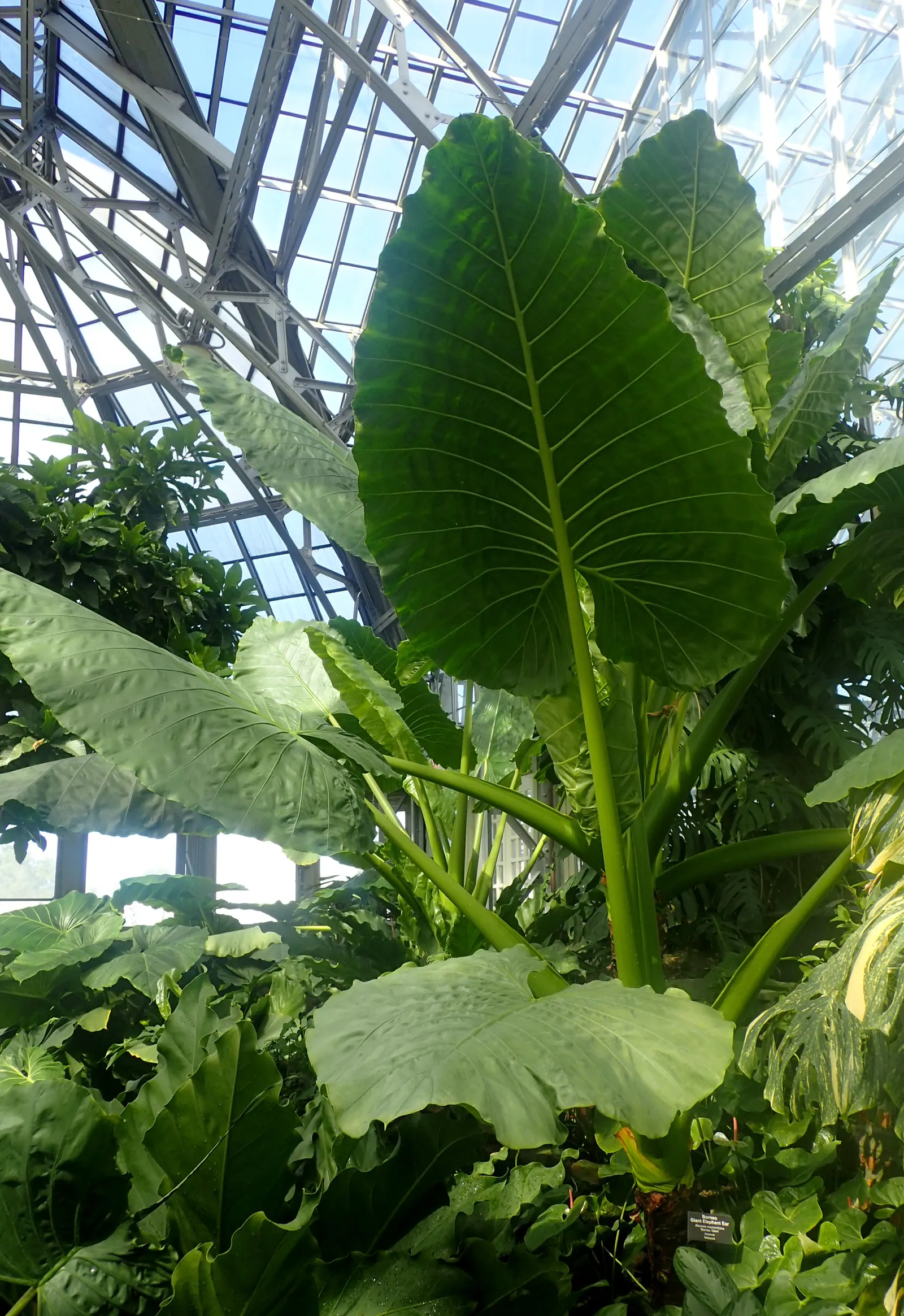
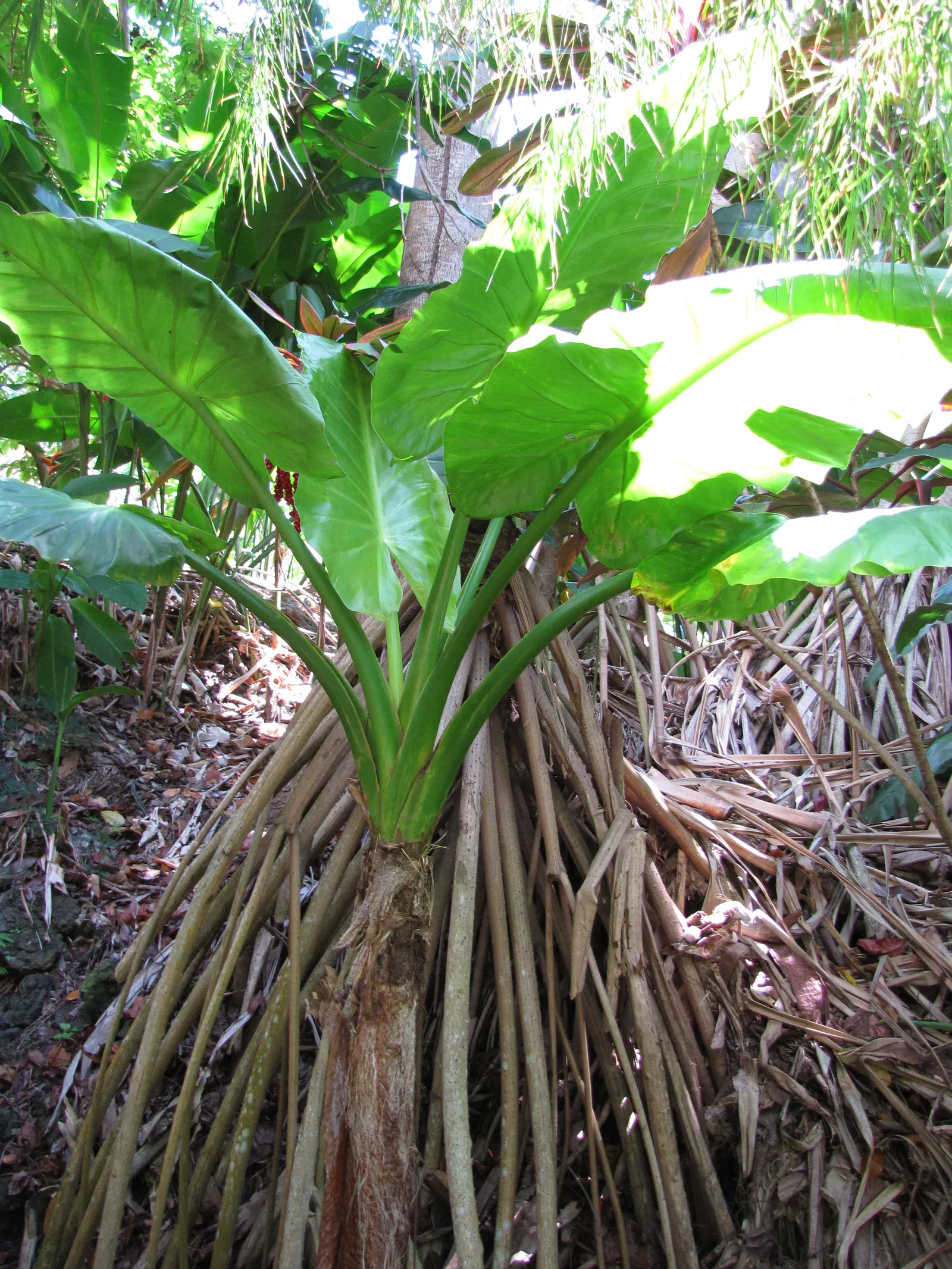
Giant Taro (Alocasia Macrorrhizos) — Its robust stems can tower to heights of around 8-15 feet
Giant Taro (Alocasia Macrorrhizos) — Ample space is necessary to accommodate its sizable spread and to display its dramatic foliage effectively, image 90
Giant Taro (Alocasia Macrorrhizos) — the Giant Taro thrives in USDA hardiness zones 9-11
Giant Taro (Alocasia Macrorrhizos) — note that all parts of the plant are toxic when ingested and can cause irritation on skin contact
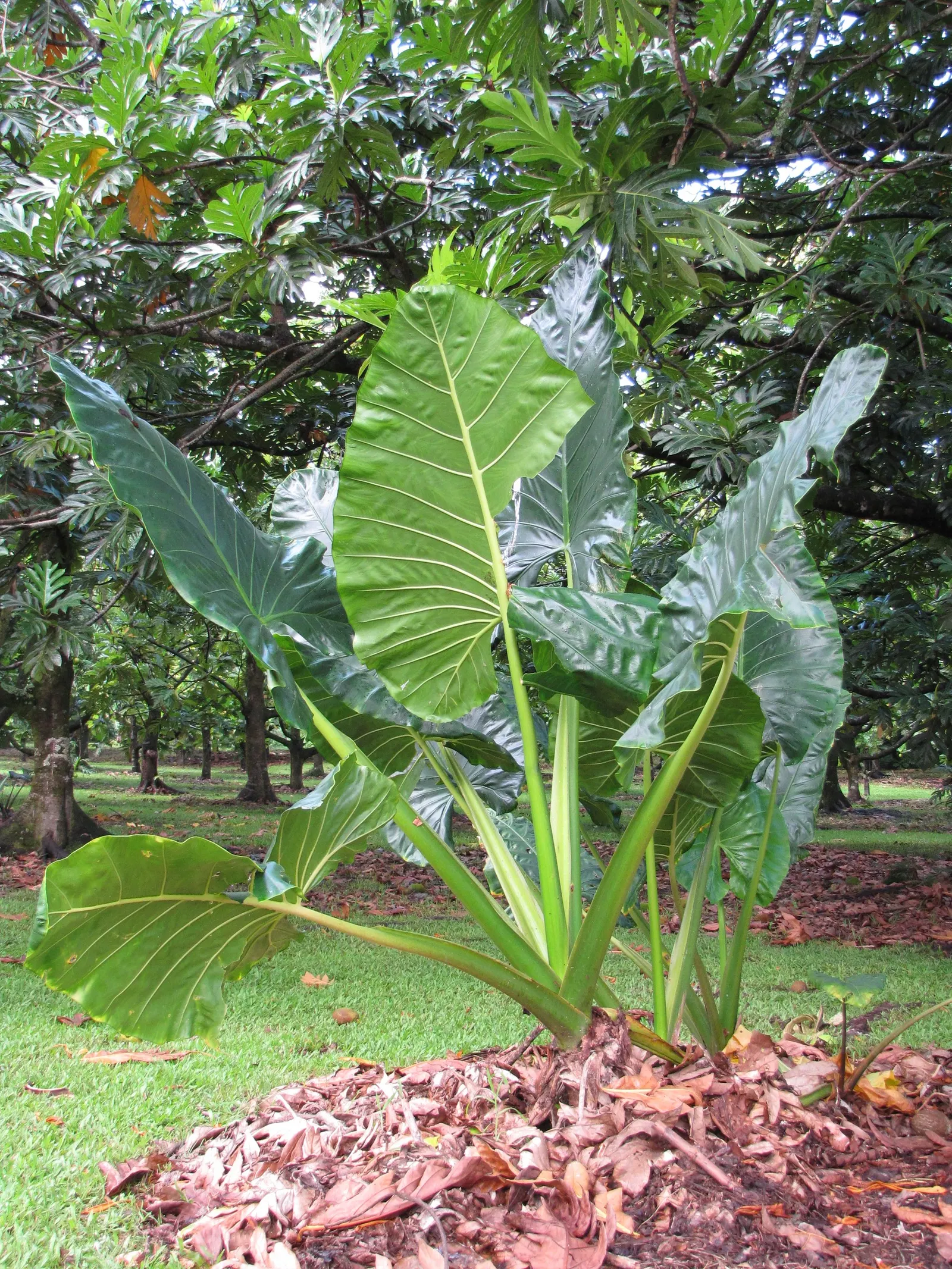
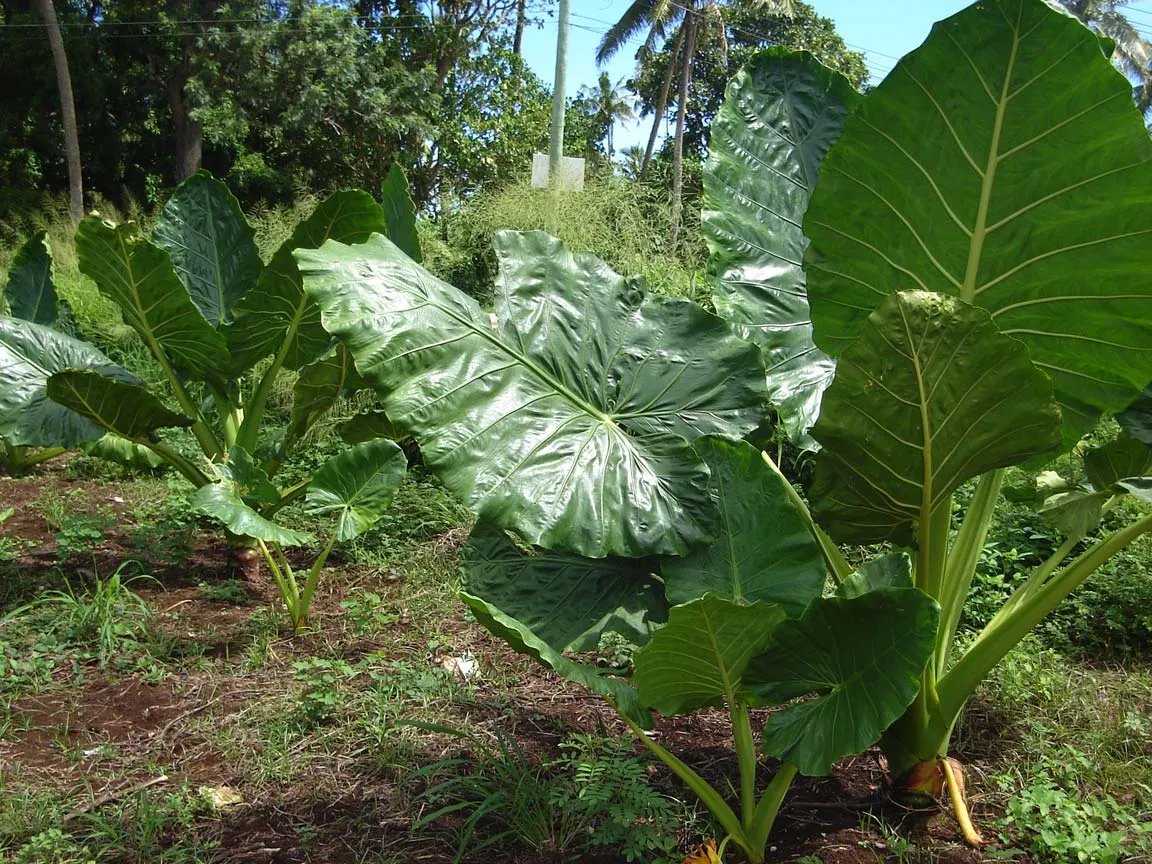
Giant Taro (Alocasia Macrorrhizos) — stems that can grow up to 2 inches in diameter and rise vertically
Giant Taro (Alocasia Macrorrhizos) — consider placing it in a sheltered location that mimics its natural habitat
Giant Taro (Alocasia Macrorrhizos) — with overall plant heights typically reaching an imposing 6 to 8 feet; note that all parts of the plant are, image 82
Giant Taro (Alocasia Macrorrhizos) — It requires a warm, humid climate and consistently moist, well-draining soil, rich in organic matter; handle, image 63
Giant Taro (Alocasia Macrorrhizos) — The Giant Taro (Alocasia macrorrhizos) is a striking
Giant Taro (Alocasia Macrorrhizos) — is a commanding tropical perennial that can serve as an impressive focal point in any garden setting; thrives, image 80
Giant Taro (Alocasia Macrorrhizos) — The Giant Taro (Alocasia macrorrhizos) is a striking; ideal for creating focal points in warm-climate gardens
Giant Taro (Alocasia Macrorrhizos) — ideal for creating focal points in warm-climate gardens; the Giant Taro (Alocasia macrorrhizos) is a striking, image 76
Giant Taro (Alocasia Macrorrhizos) — commonly known as the Giant Taro or Upright Elephant Ear; green and multi-colored and white flowers in the, image 55
Giant Taro (Alocasia Macrorrhizos) — heart-shaped leaves that can span a remarkable breadth of up to 2 to 3 feet
Giant Taro (Alocasia Macrorrhizos) — note that all parts of the plant are toxic when ingested and can cause irritation on skin contact; with, image 91
Giant Taro (Alocasia Macrorrhizos) — ideal for creating focal points in warm-climate gardens; the Giant Taro (Alocasia macrorrhizos) is a striking, image 52
Giant Taro (Alocasia Macrorrhizos) — Ample space is necessary to accommodate its sizable spread and to display its dramatic foliage effectively
Photographs by 14 contributors

Related plants