Skip to content

Desert Agave

Agave Deserti

Design with this plant

Overview

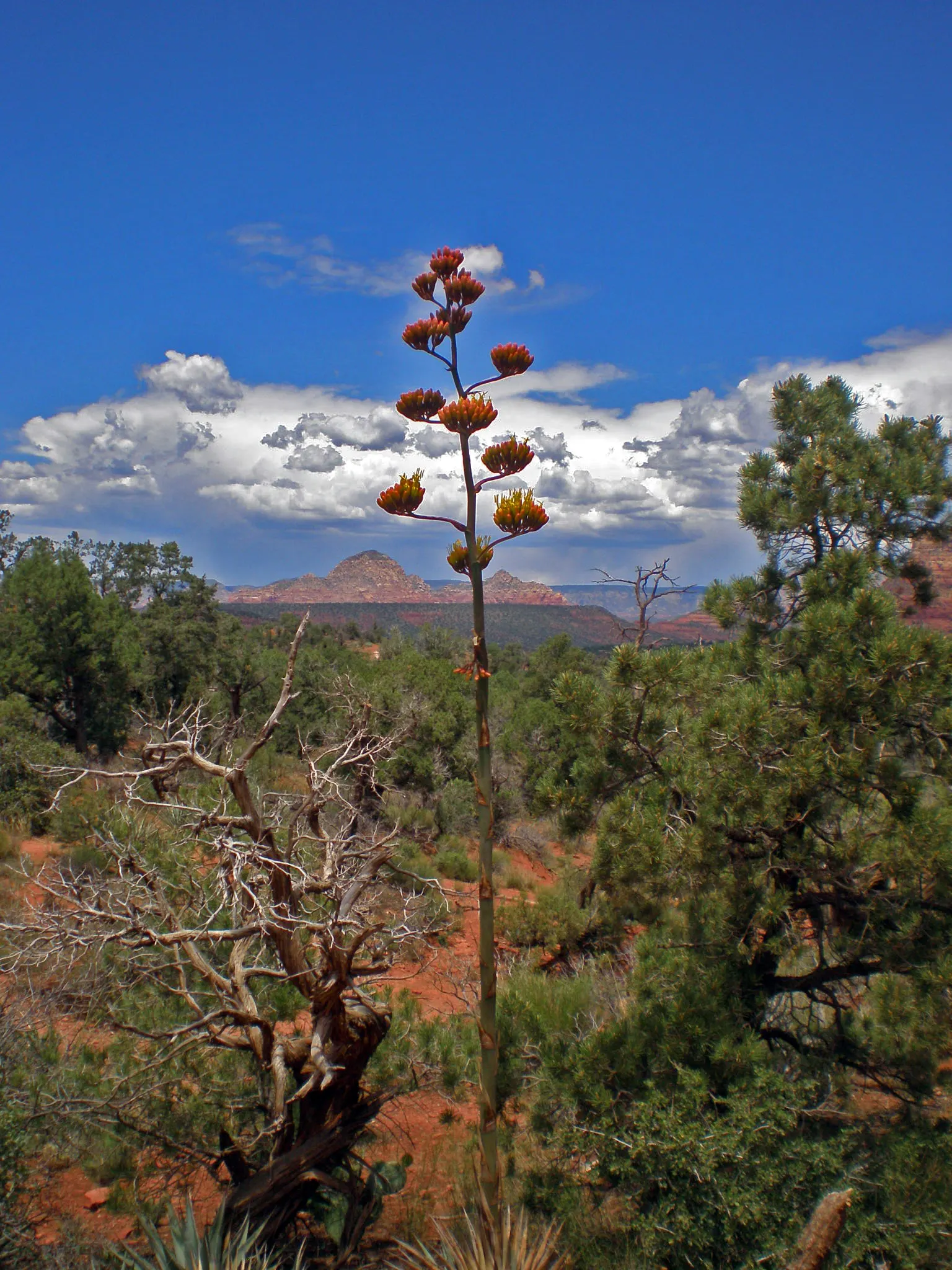
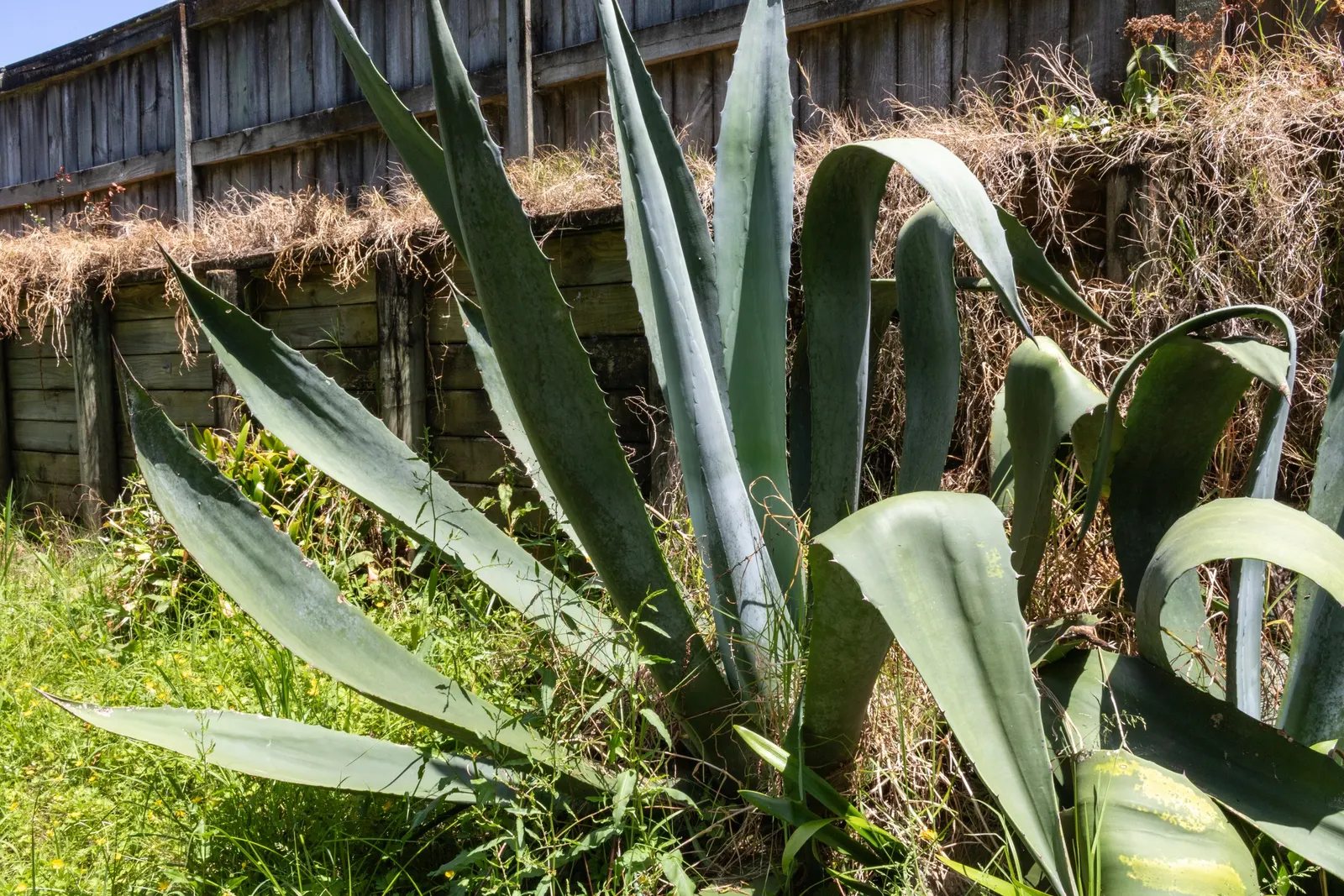
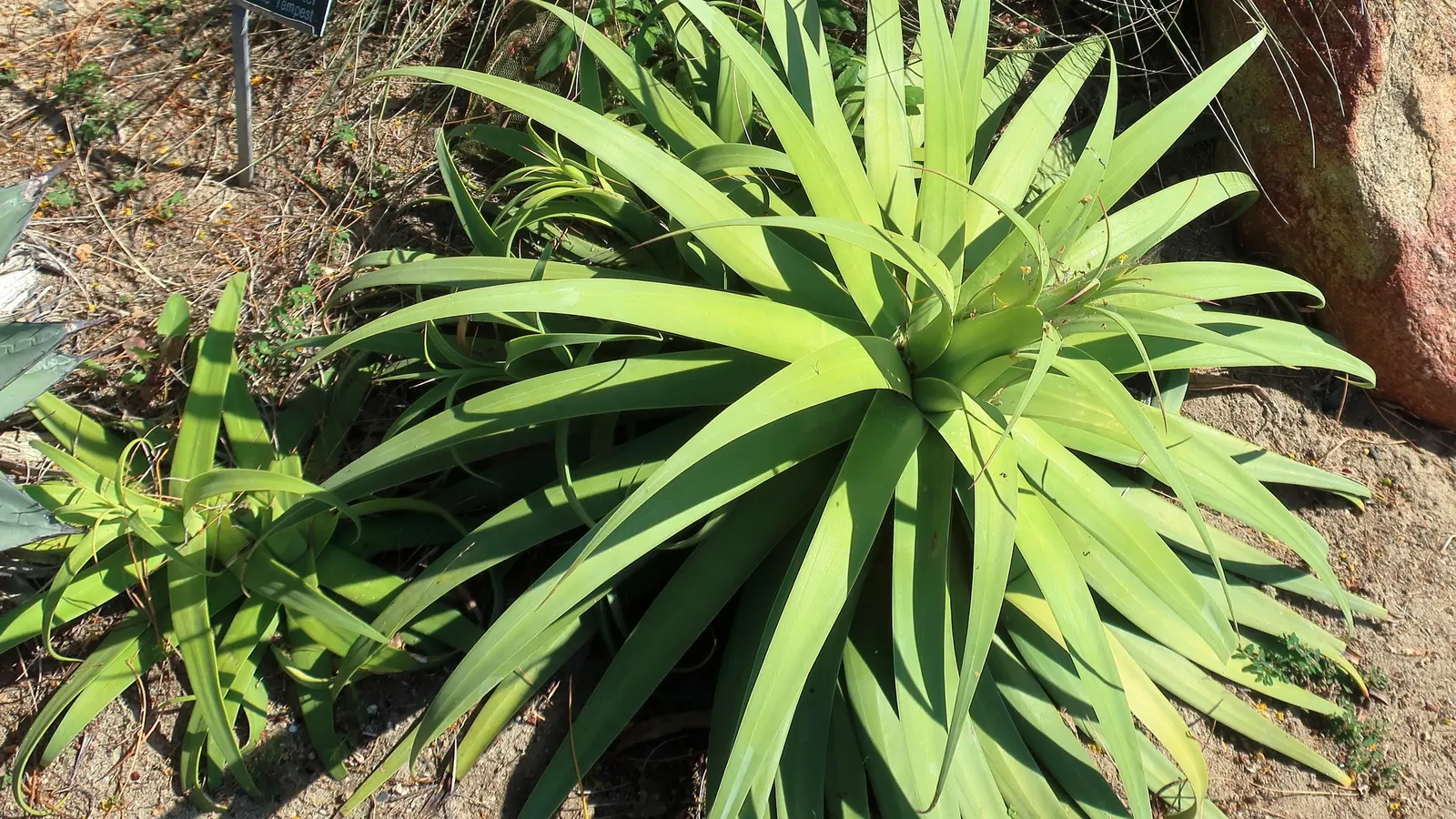
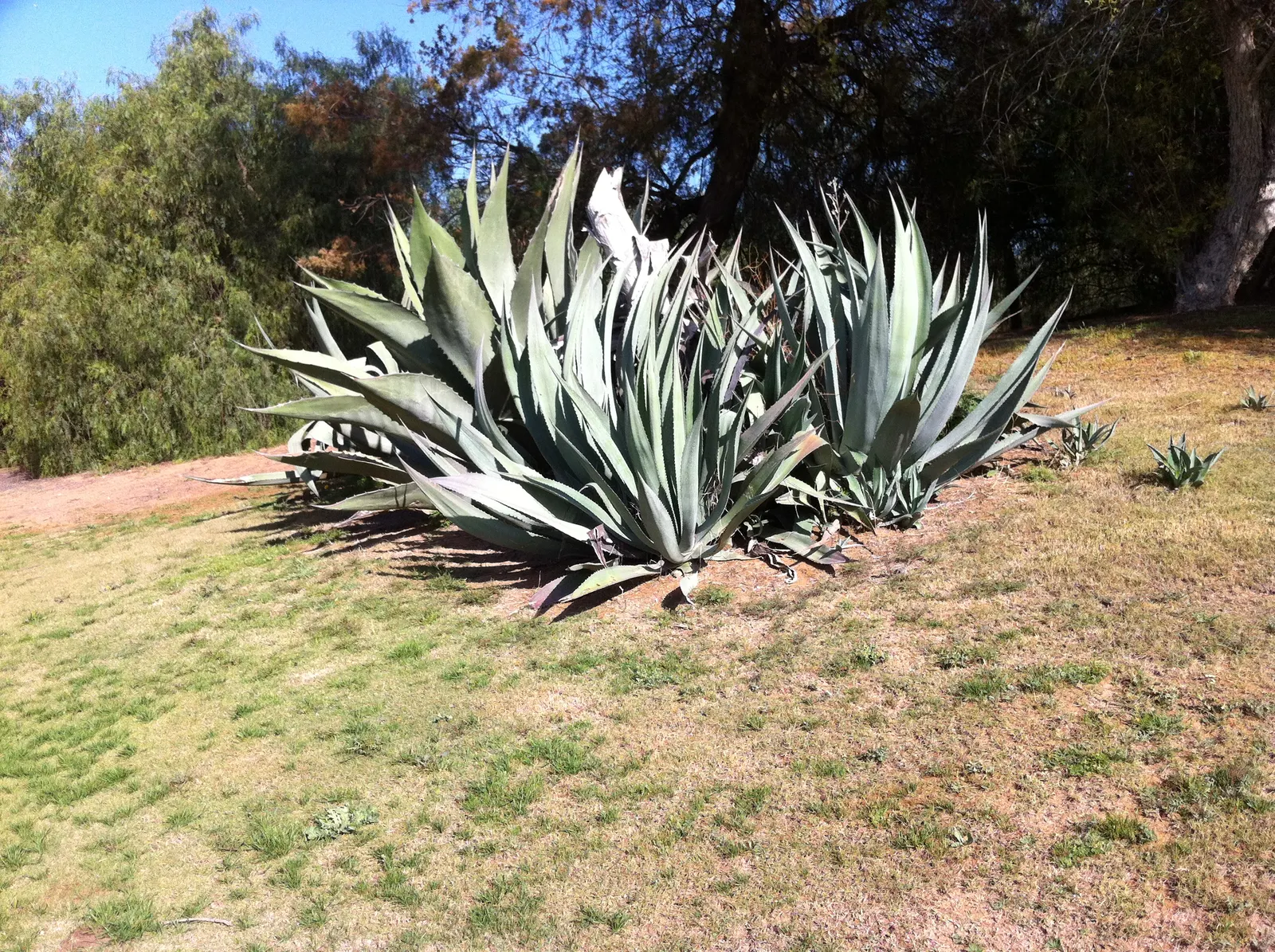
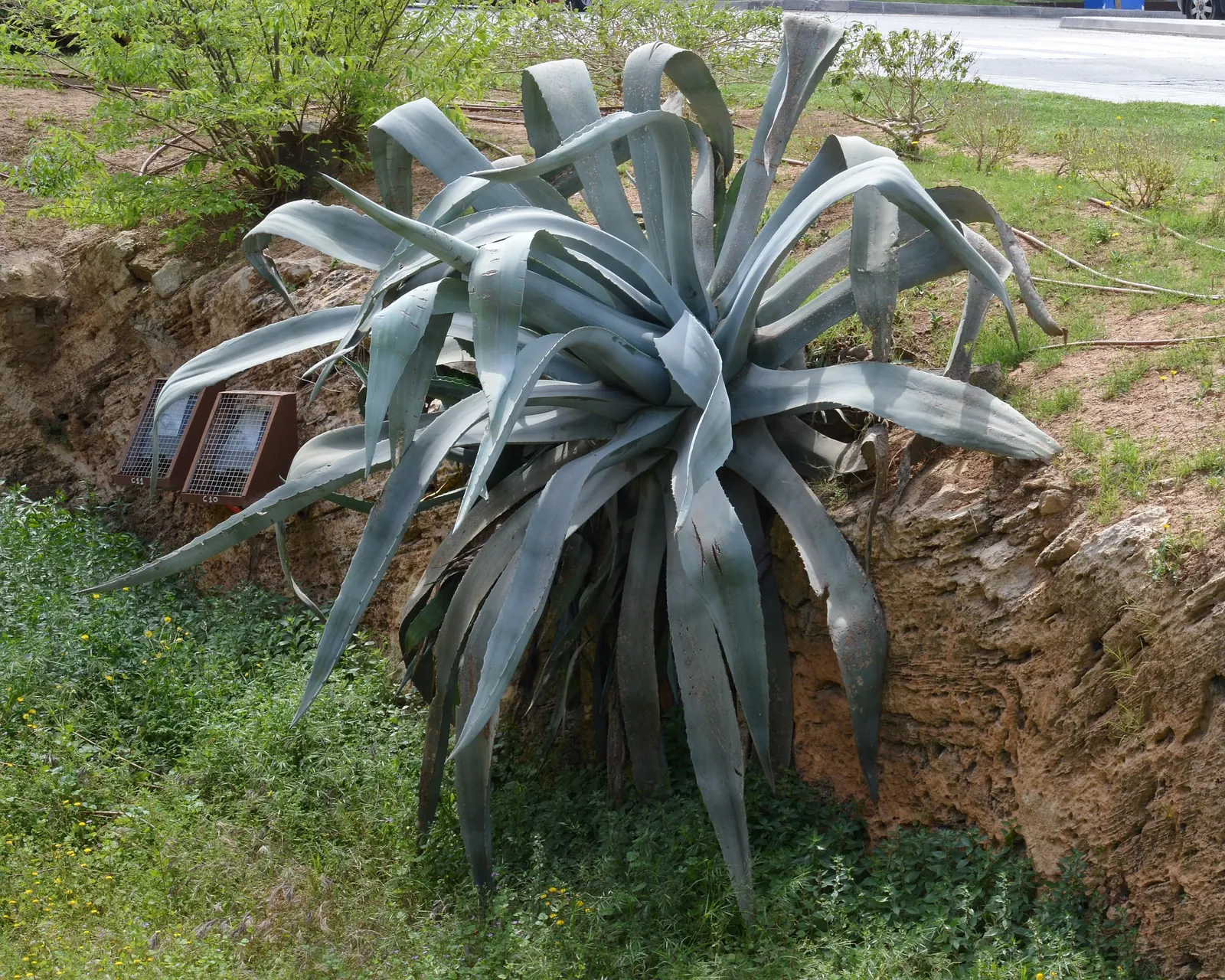
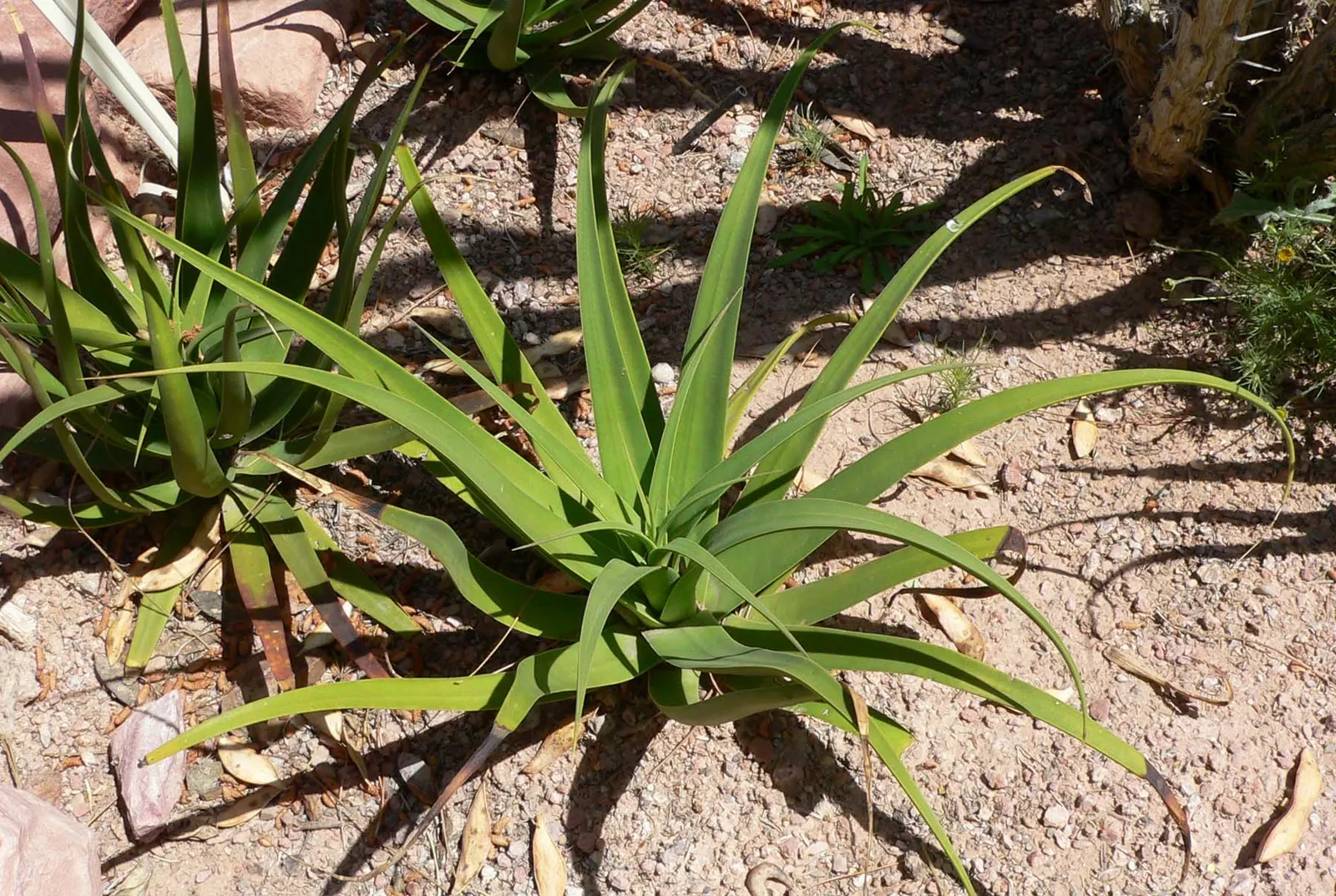
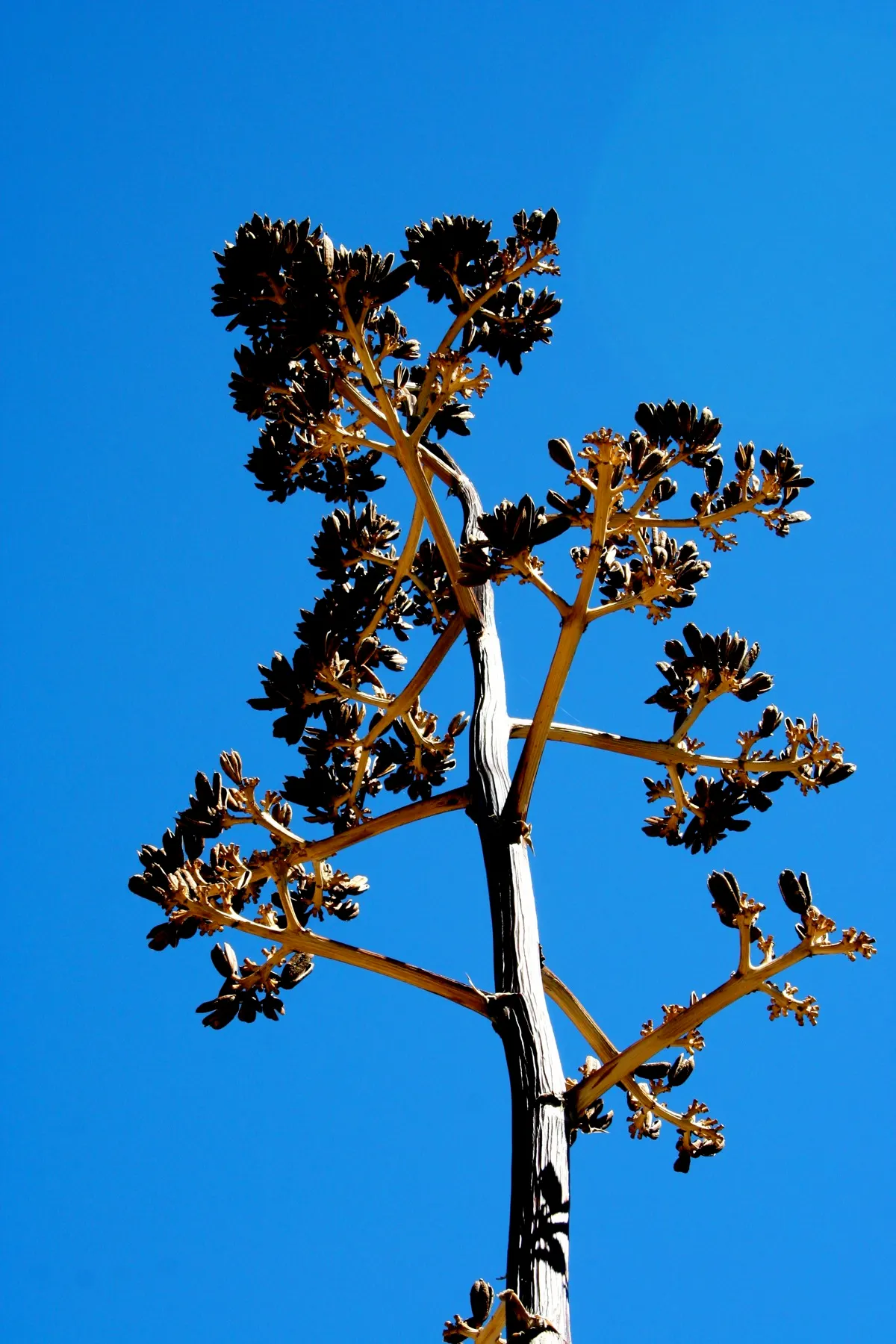
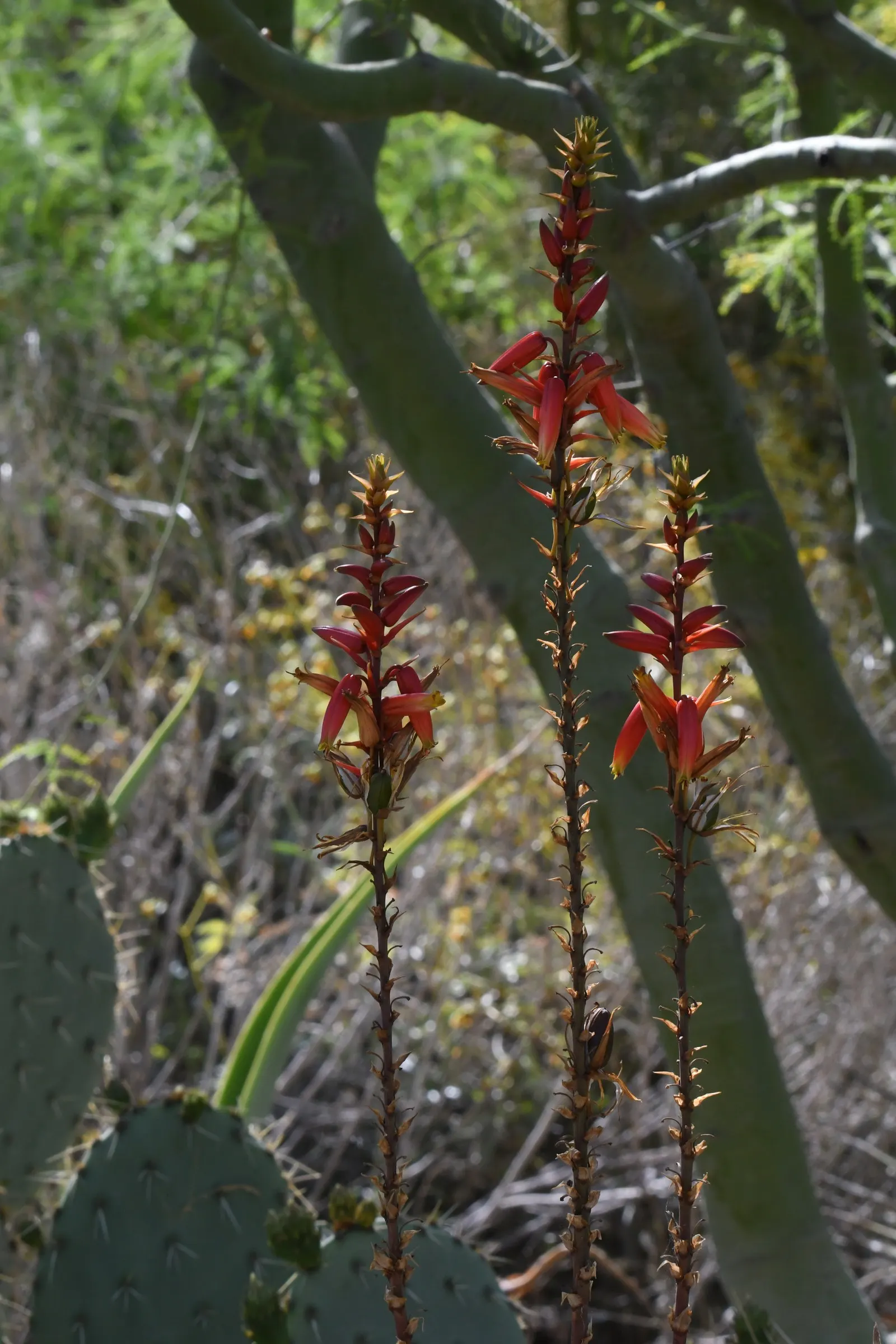
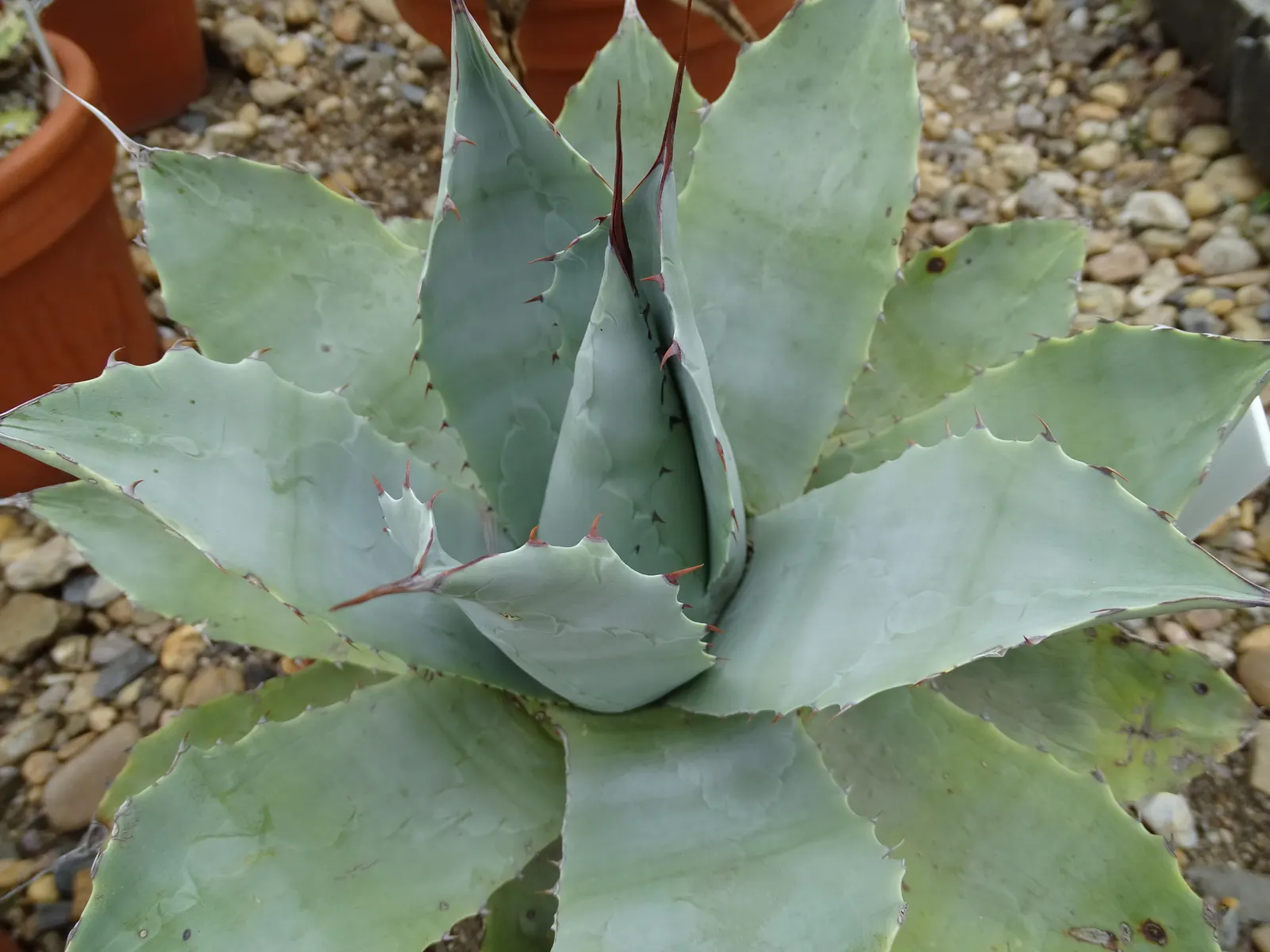
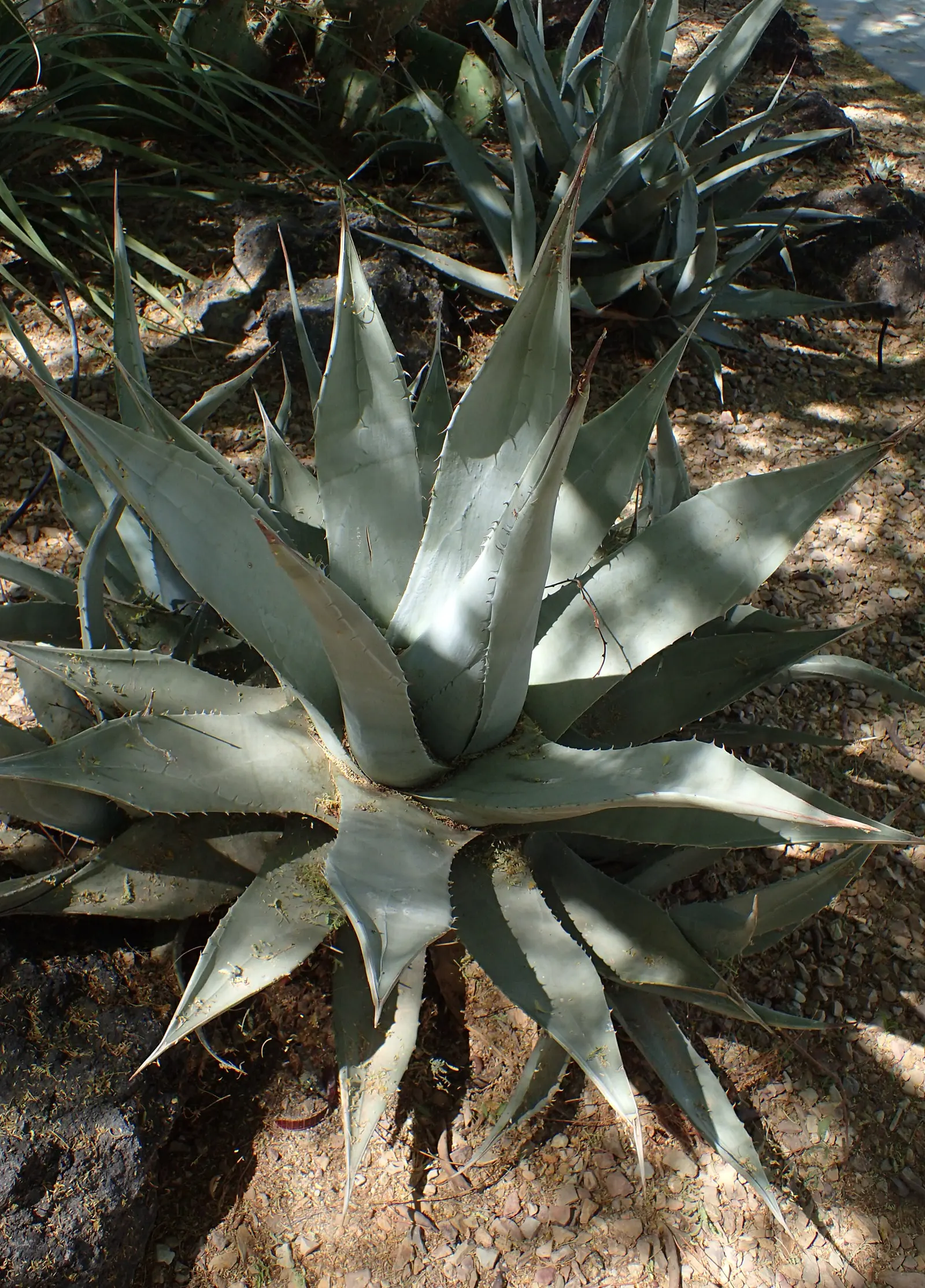
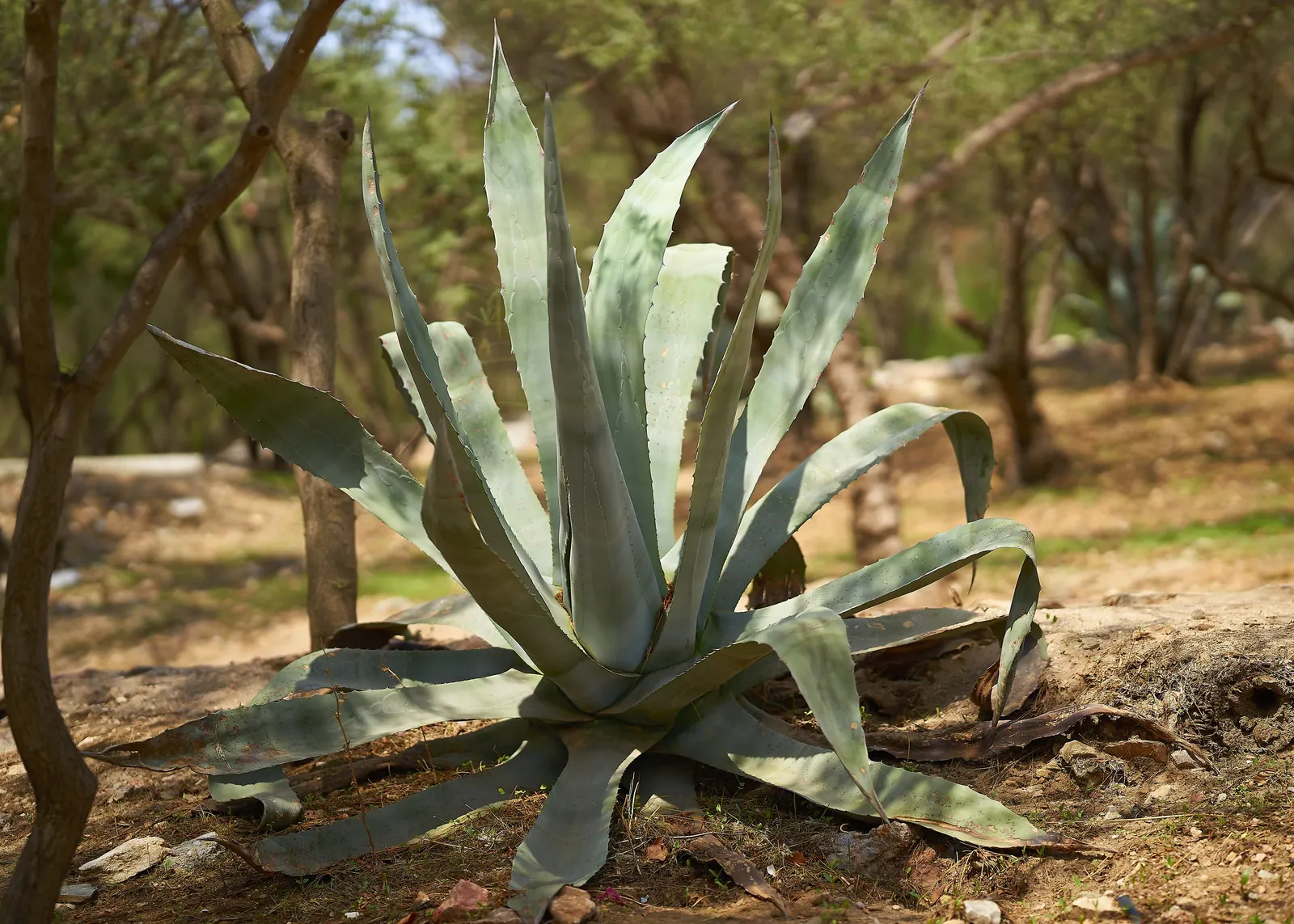
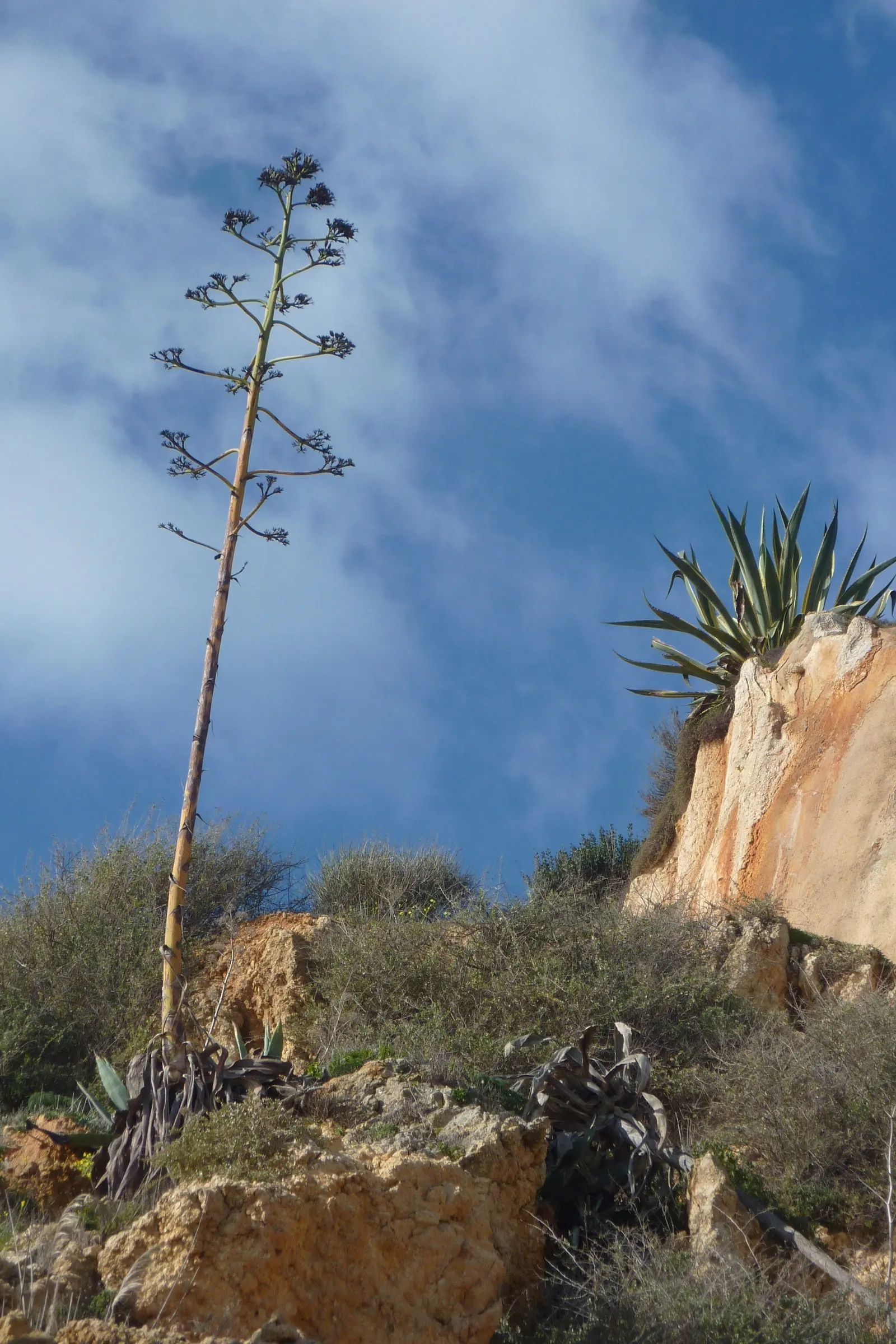
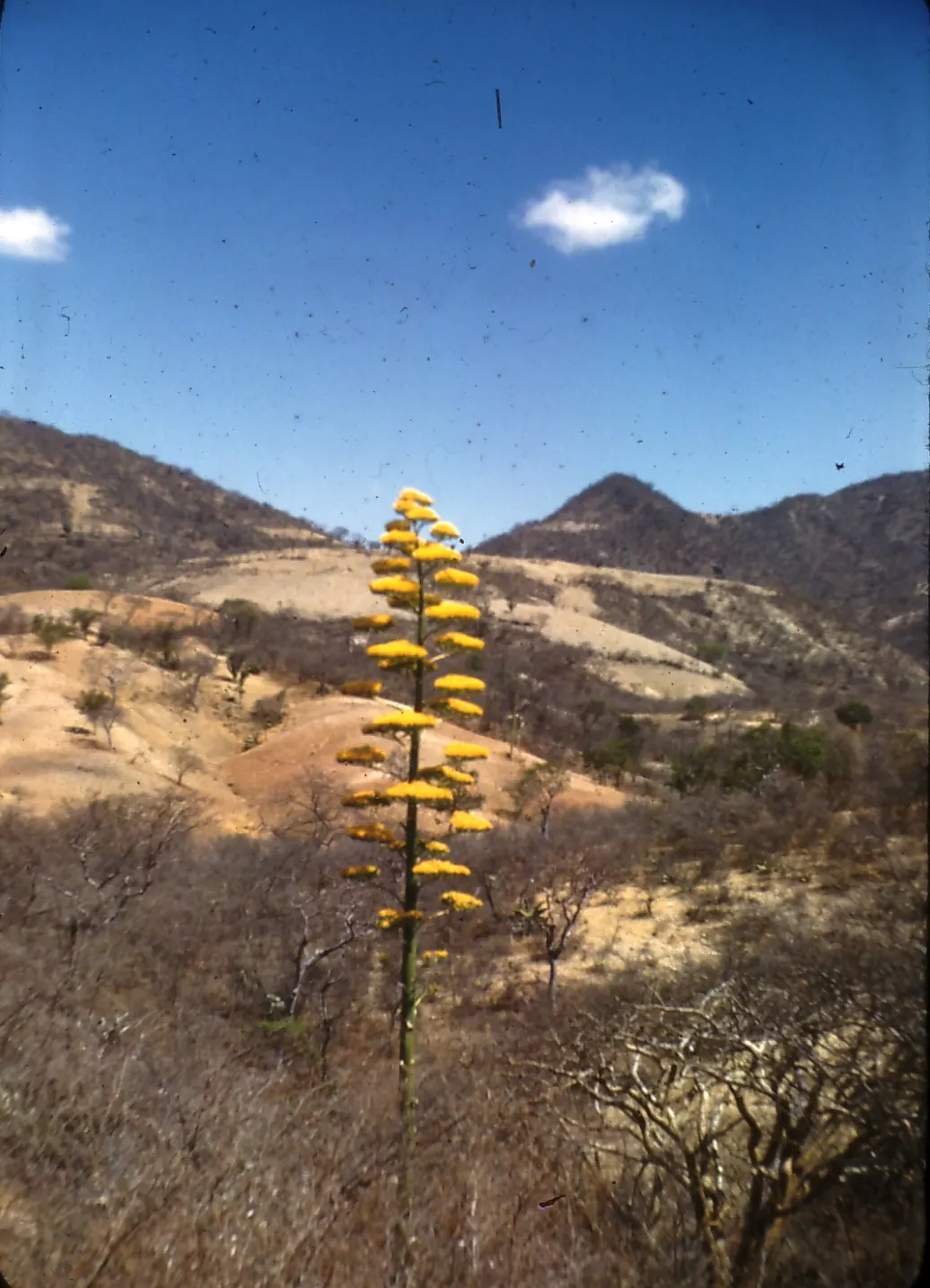
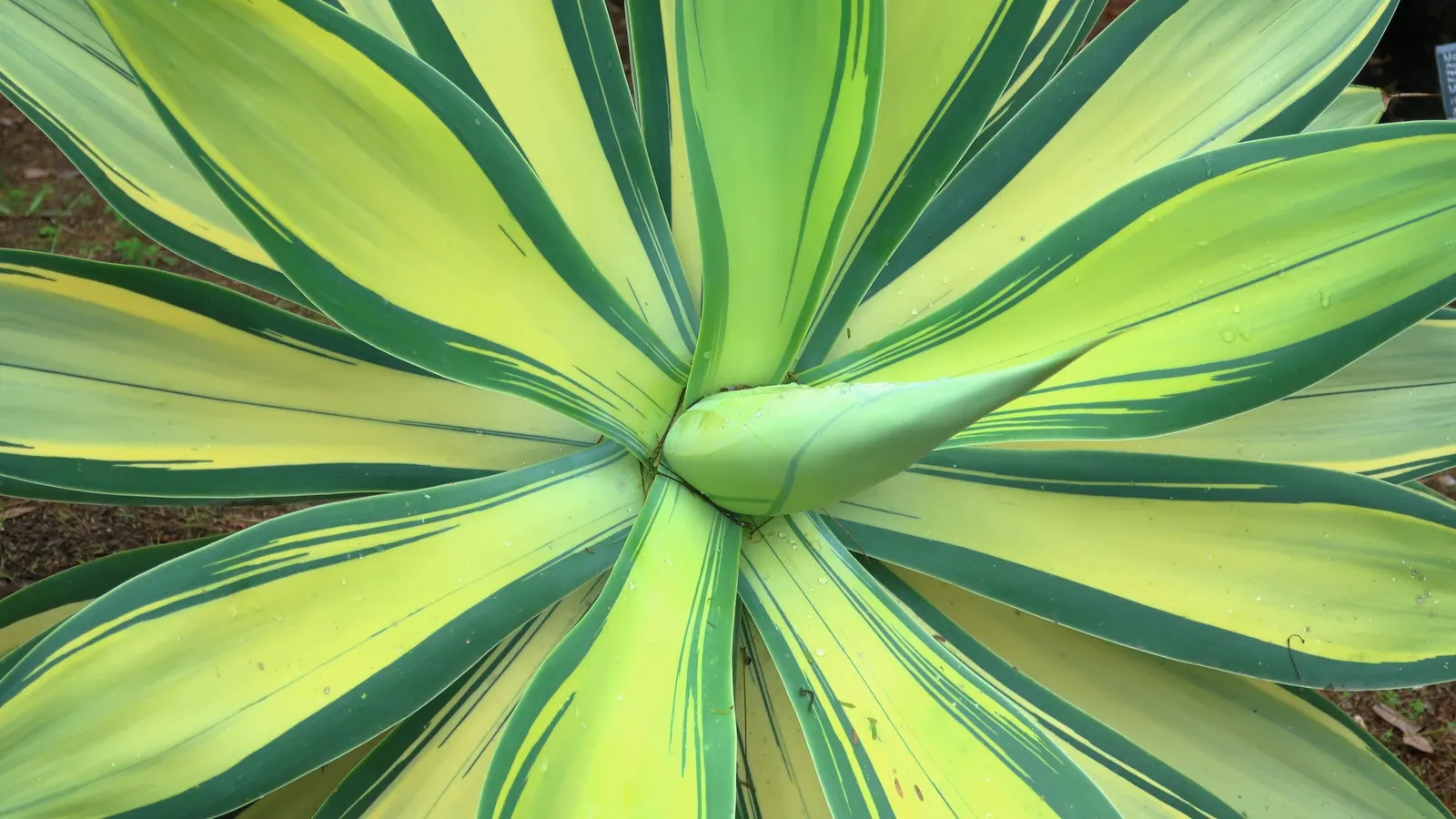
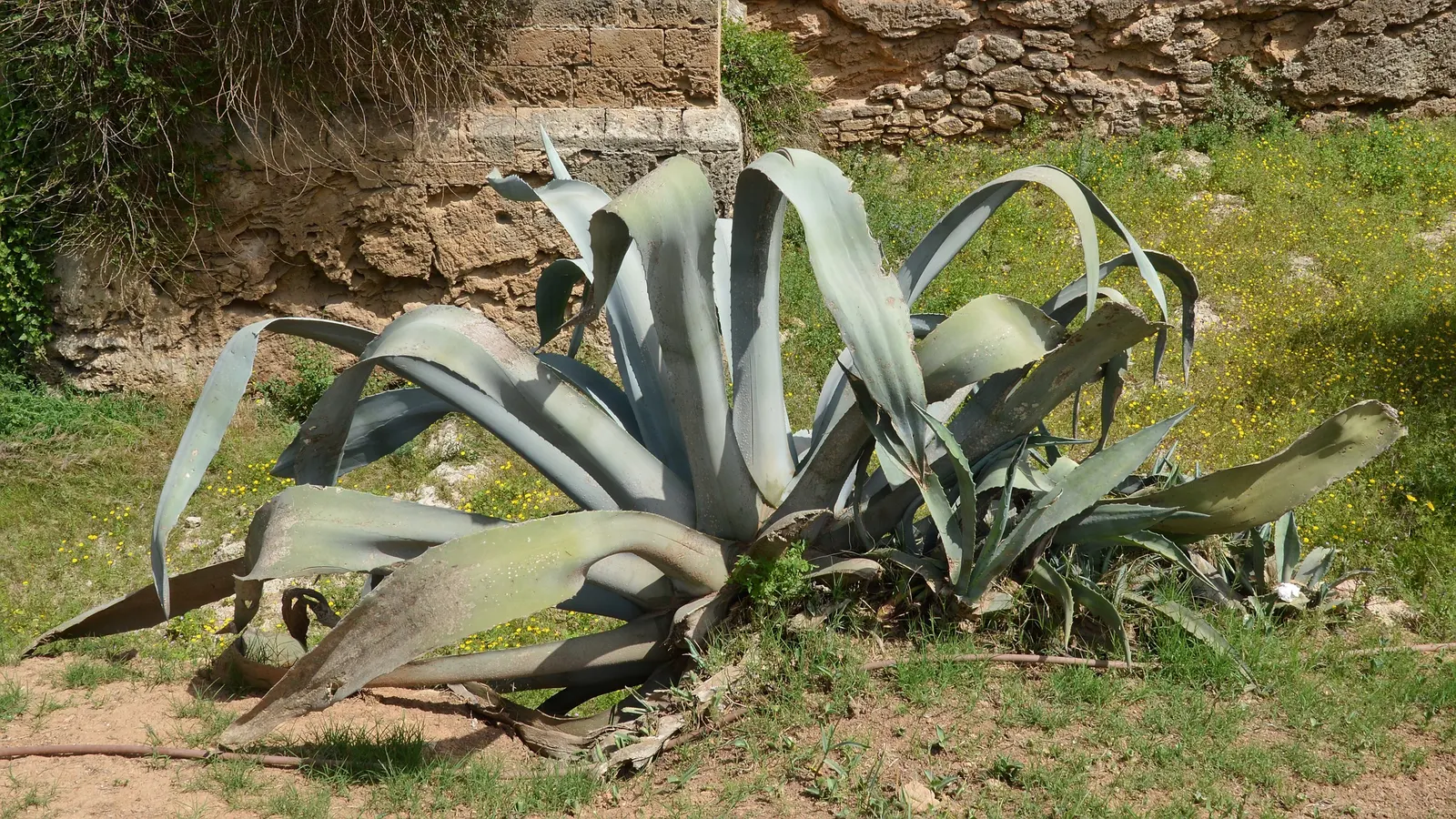
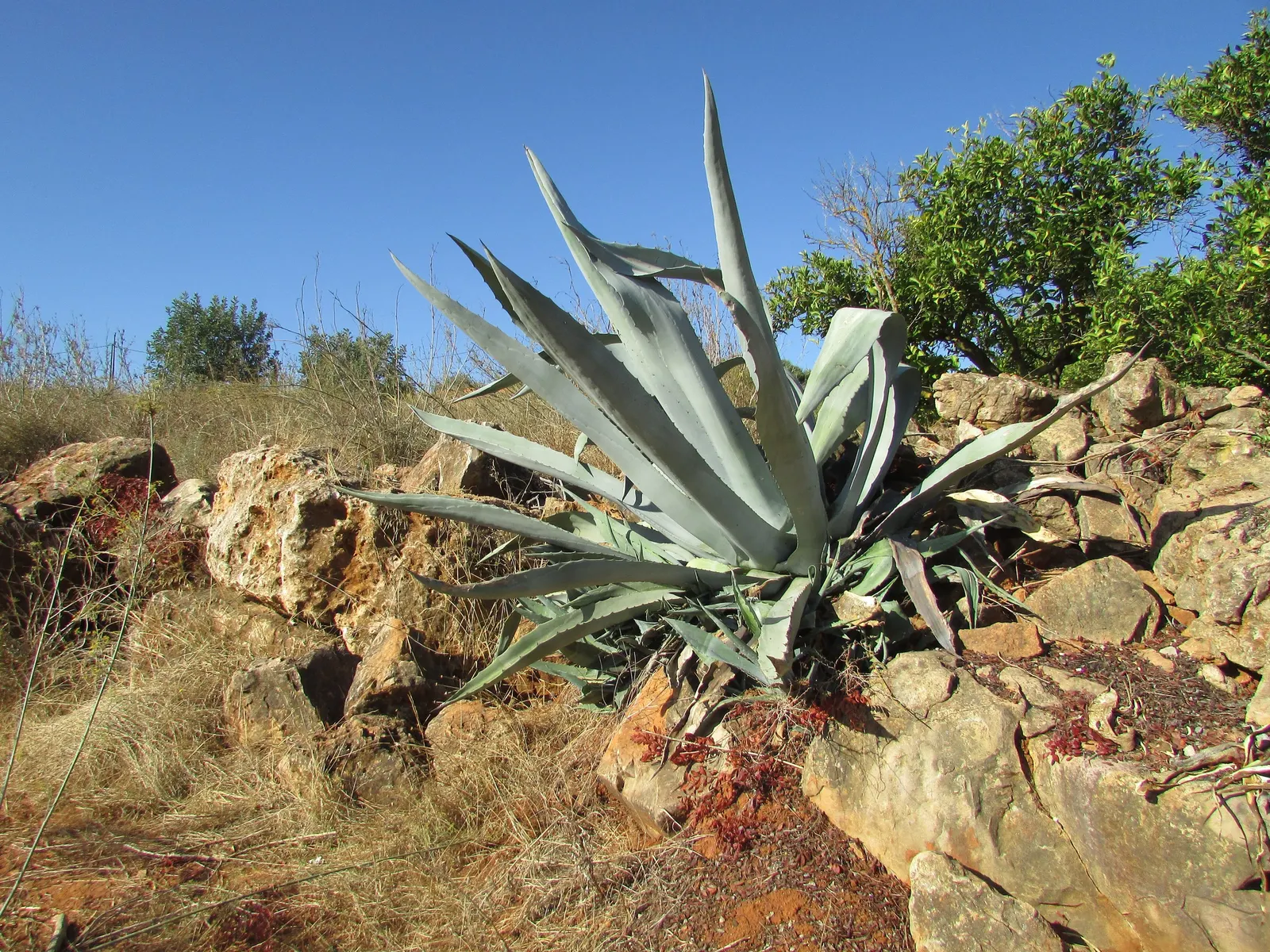
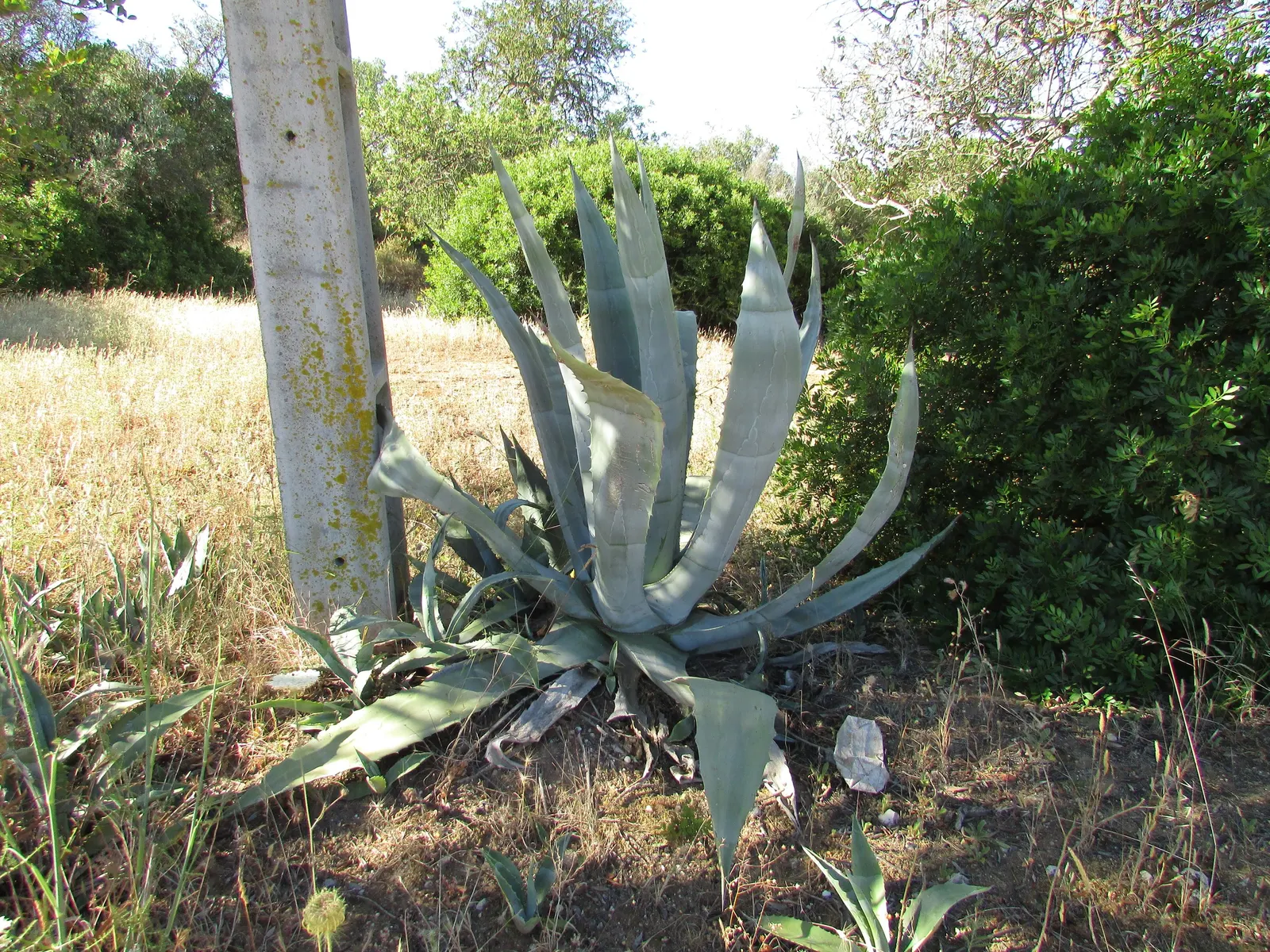
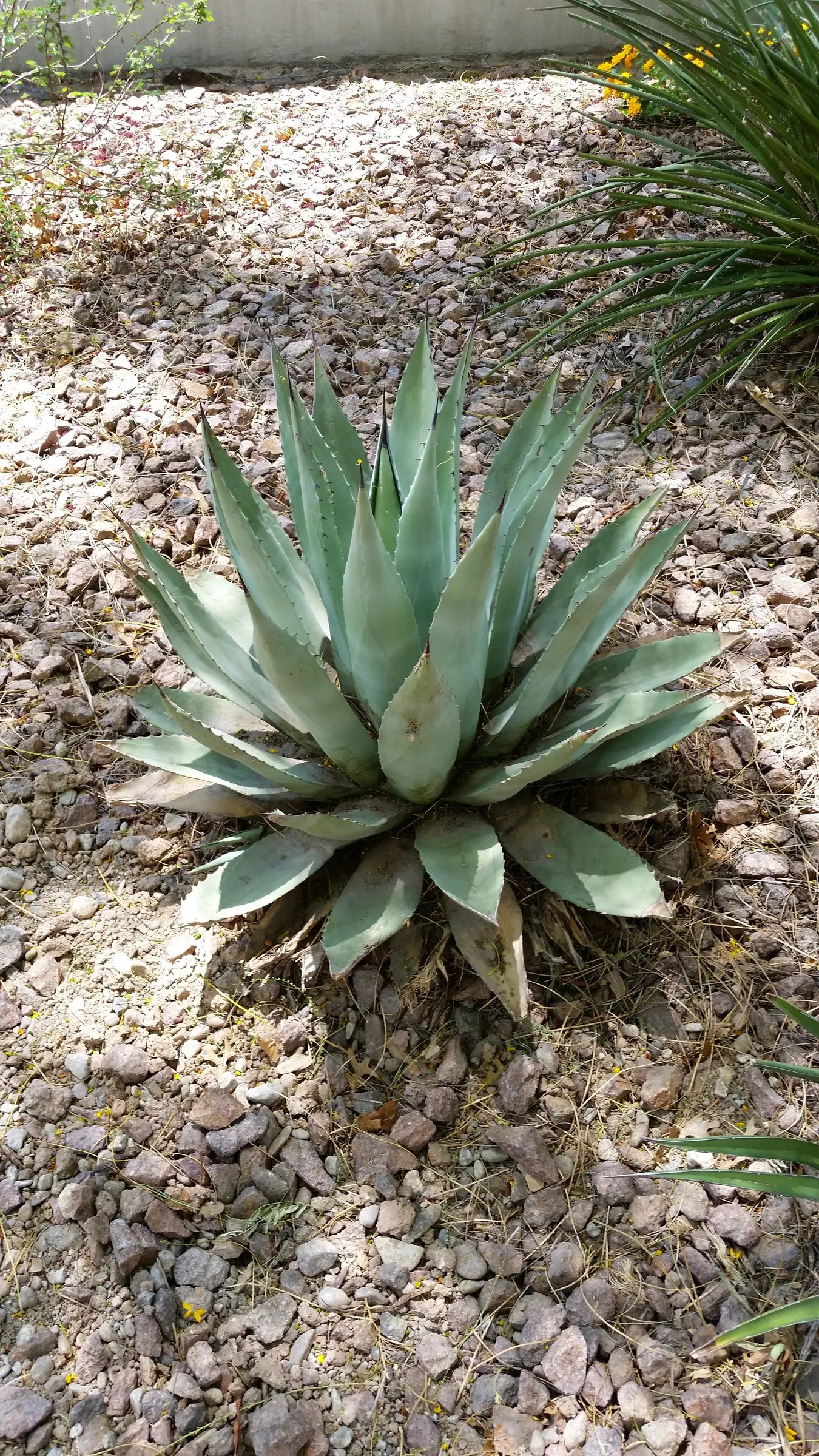
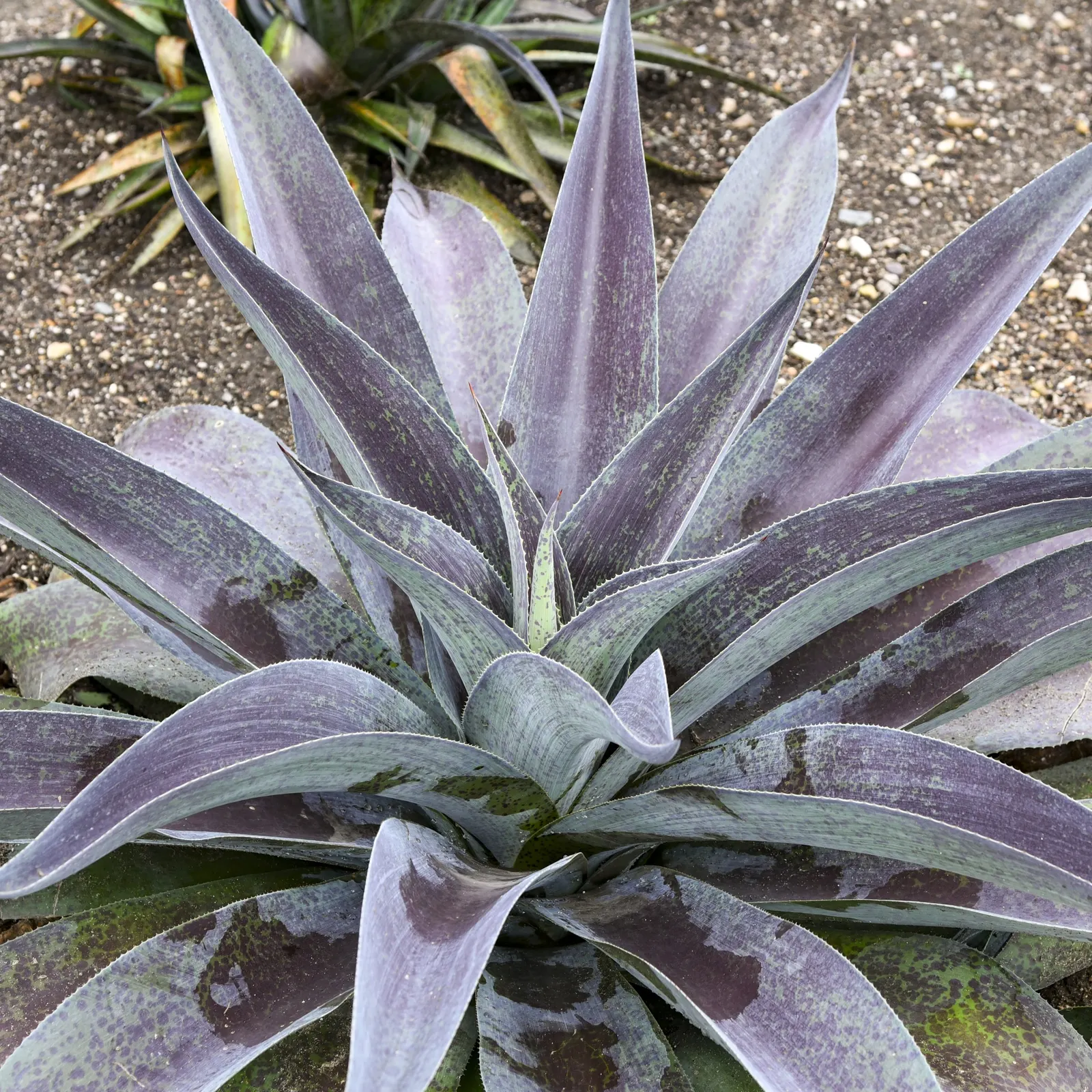
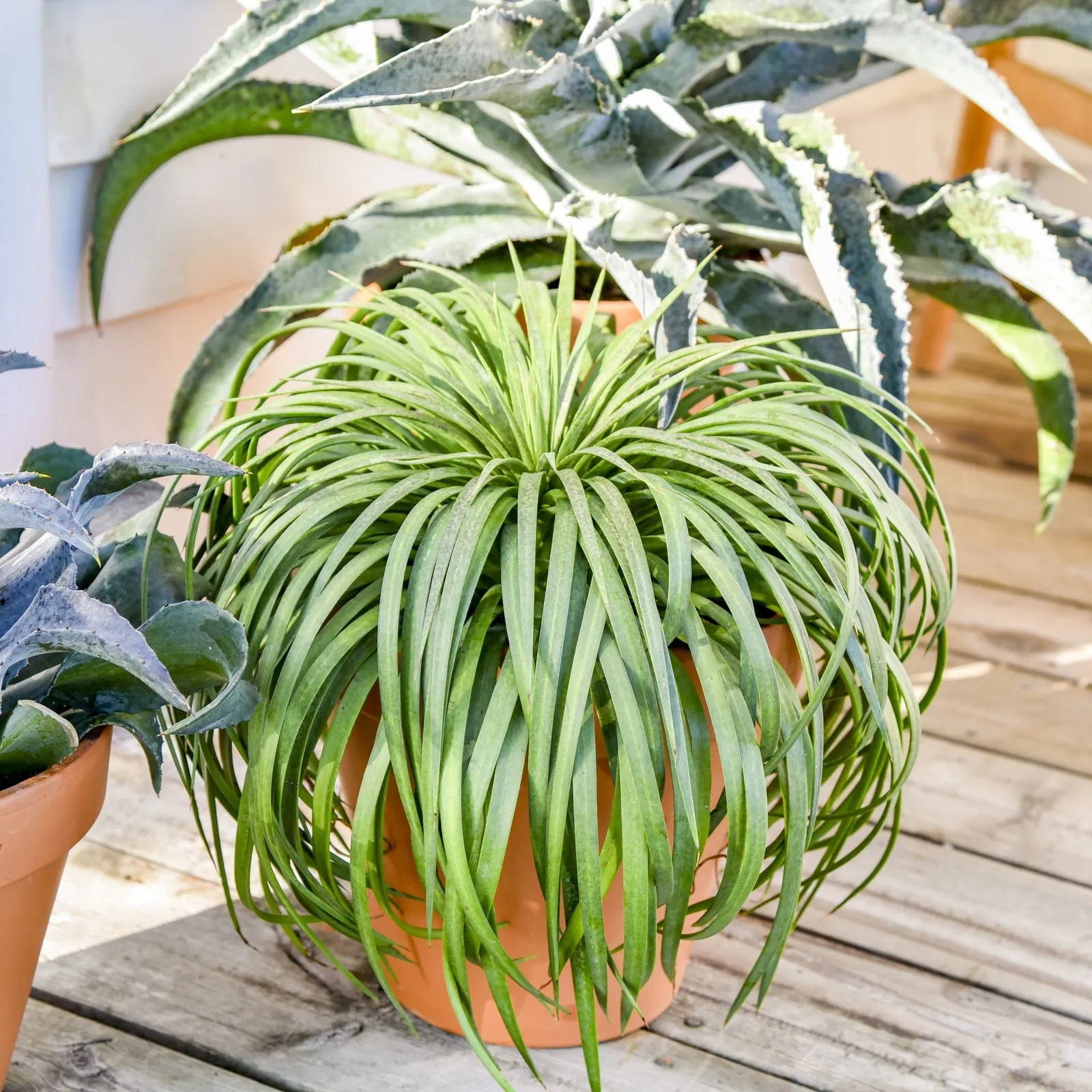
Agave deserti, or Desert Agave, exhibits rosettes of narrow, spiny-edged leaves that can reach 24 inches tall by 18 inches wide. Adapted to arid conditions, this perennial thrives in full sun and well-drained soils. Its striking, once-in-a-lifetime bloom appears on a tall stalk up to 10 feet high after 10-15 years. Ideal for xeriscape designs, it adds a dramatic accent with minimal water requirements. Zones: 9-11.

Sun Full, HalfWater Low, Very LowZones 8–11Type SucculentClimate Arid, Subtropical
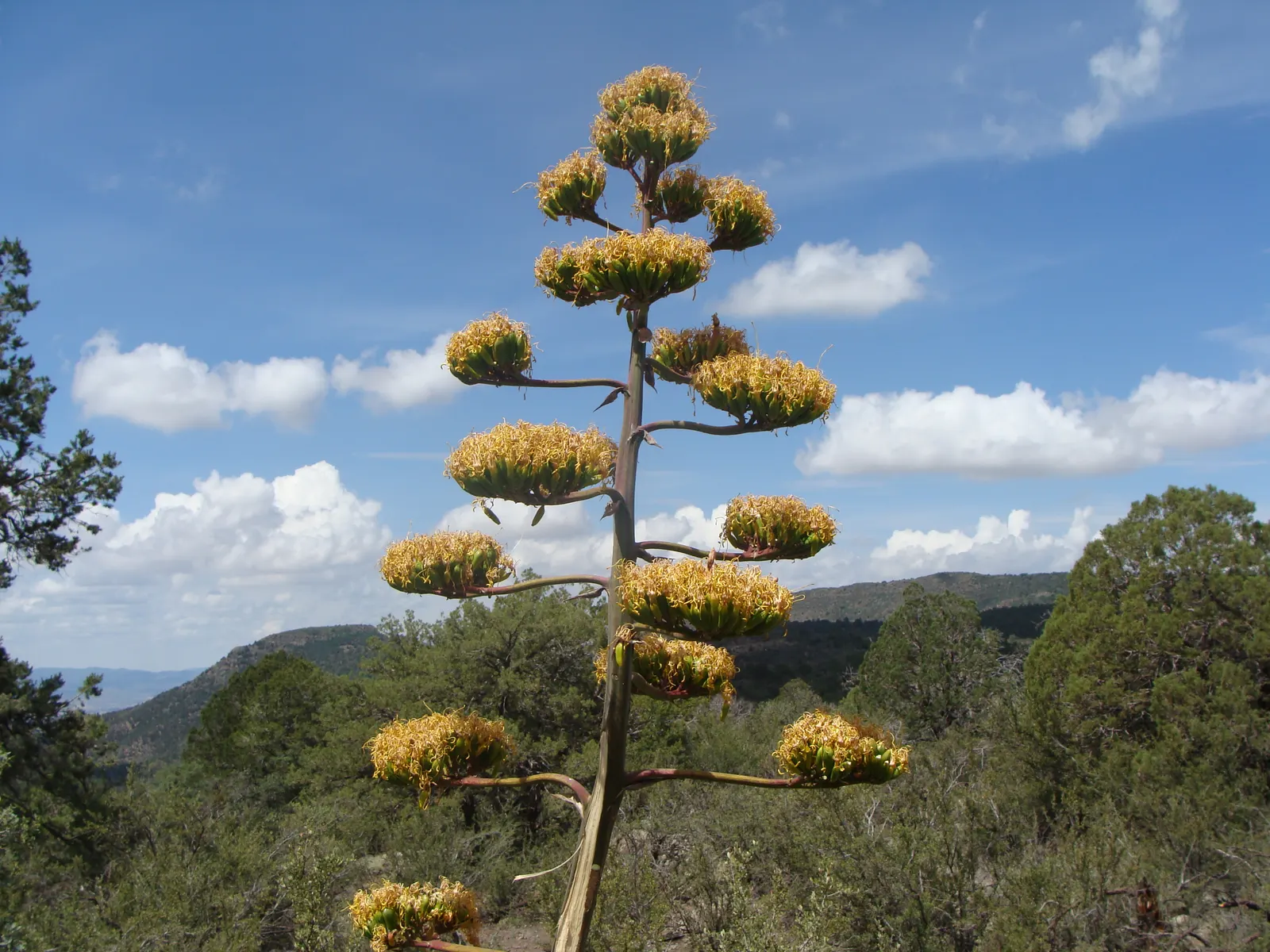
Desert Agave (Agave Deserti) — so placement within the garden should consider pedestrian traffic.<br><br>Striking in its individual form; this spectacle is a

Culture

Sun
Full, Half
Water
Low, Very Low
USDA zones
8–11

Shape & size

Classification

Type
Succulent
Family
Agavaceae
Climate
Arid, Subtropical

See full data, regional cultivation notes, and design tools. Build a client presentation around this plant.

Start your 14-day trial

Photos (96)

Desert Agave (Agave Deserti) — mimicking its natural arid habitats.<br><br>Every 10 to 15 years
Desert Agave (Agave Deserti) — Adapted to arid conditions, this perennial thrives in full sun and well-drained soils; displaying a plethora of, image 51
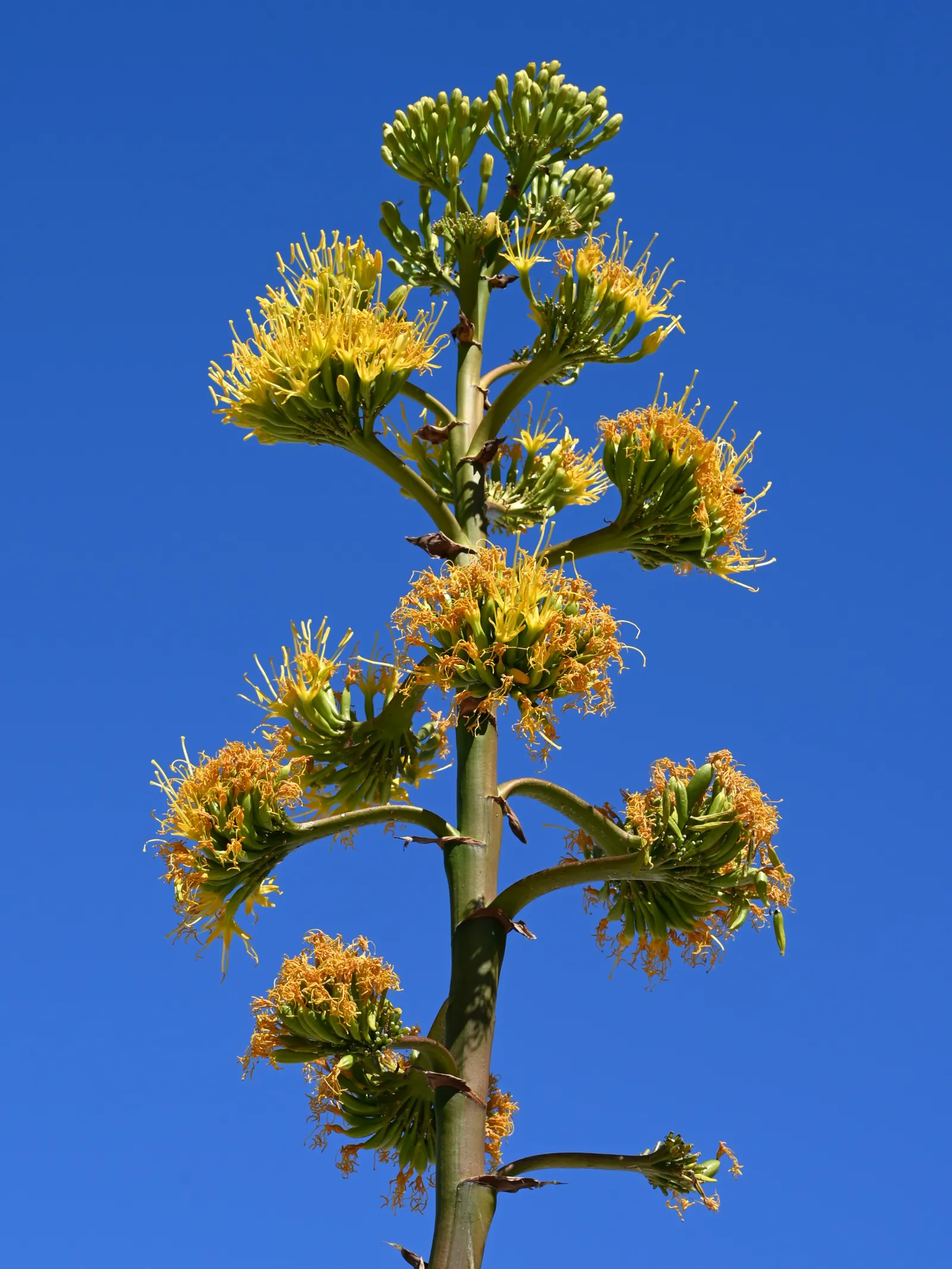
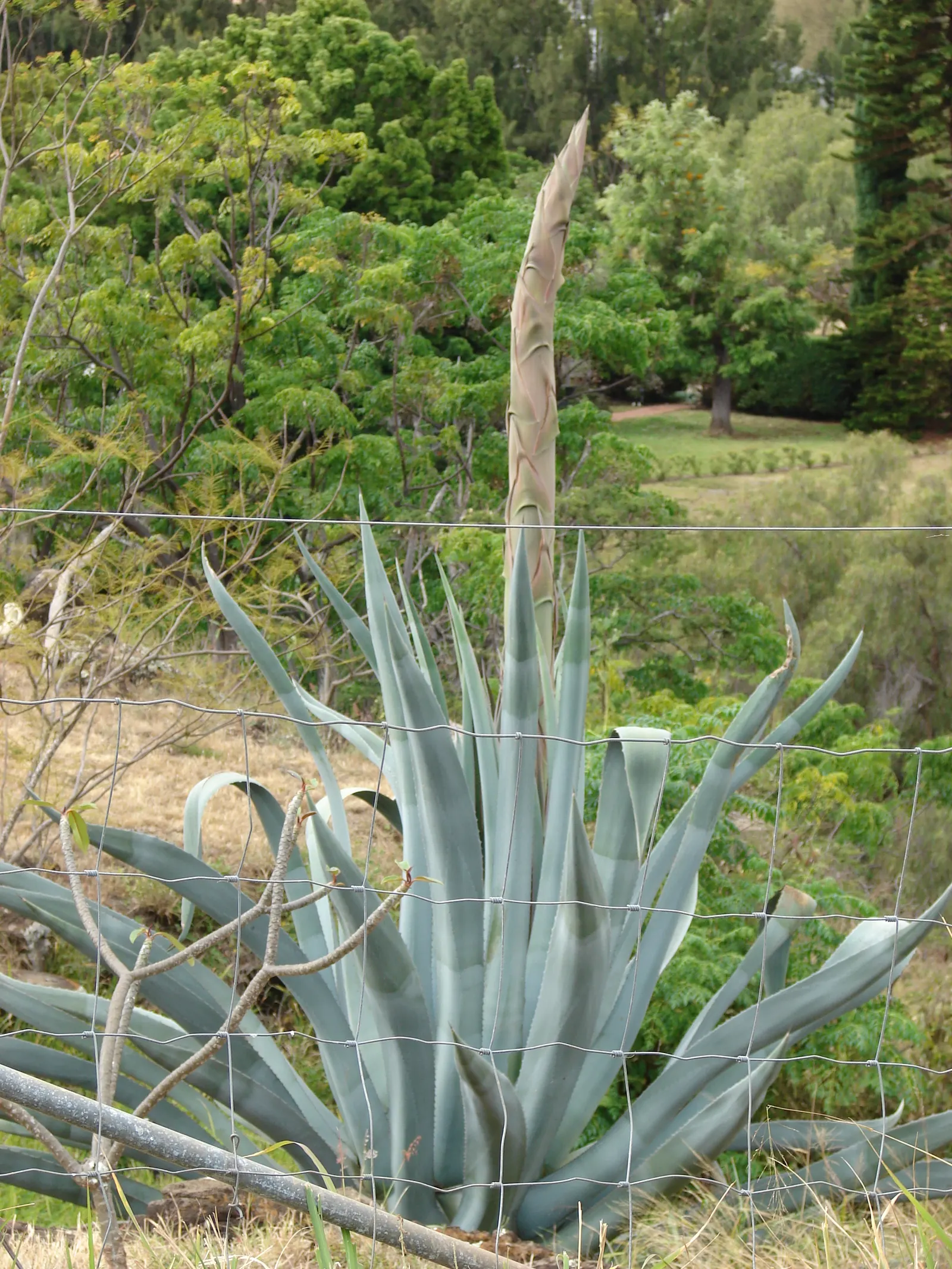
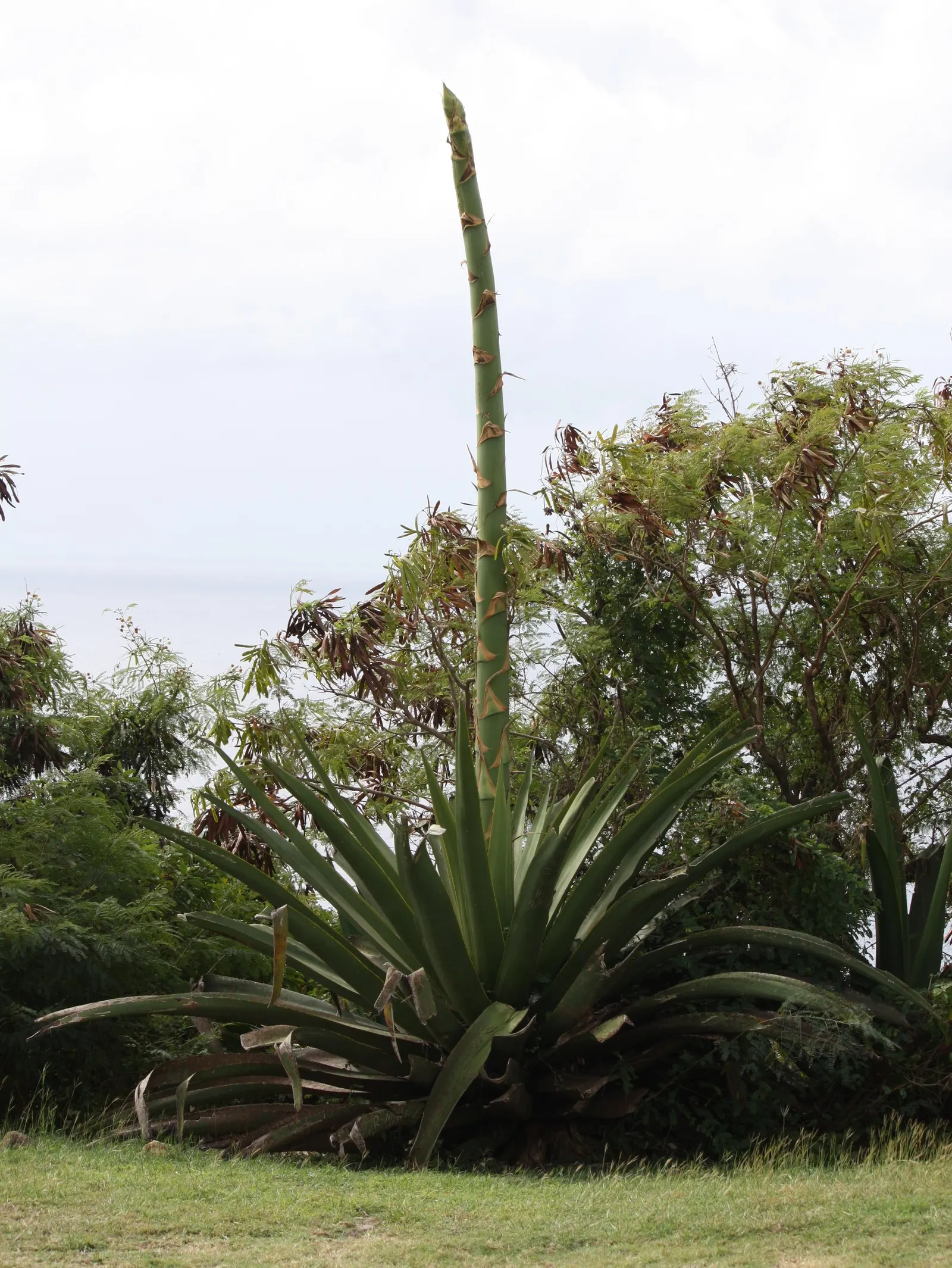
Desert Agave (Agave Deserti) — Its striking, once-in-a-lifetime bloom appears on a tall stalk up to 10 feet high after 10-15 years; exhibits rosettes of narrow
Desert Agave (Agave Deserti) — offspring or 'pups' often surround the base
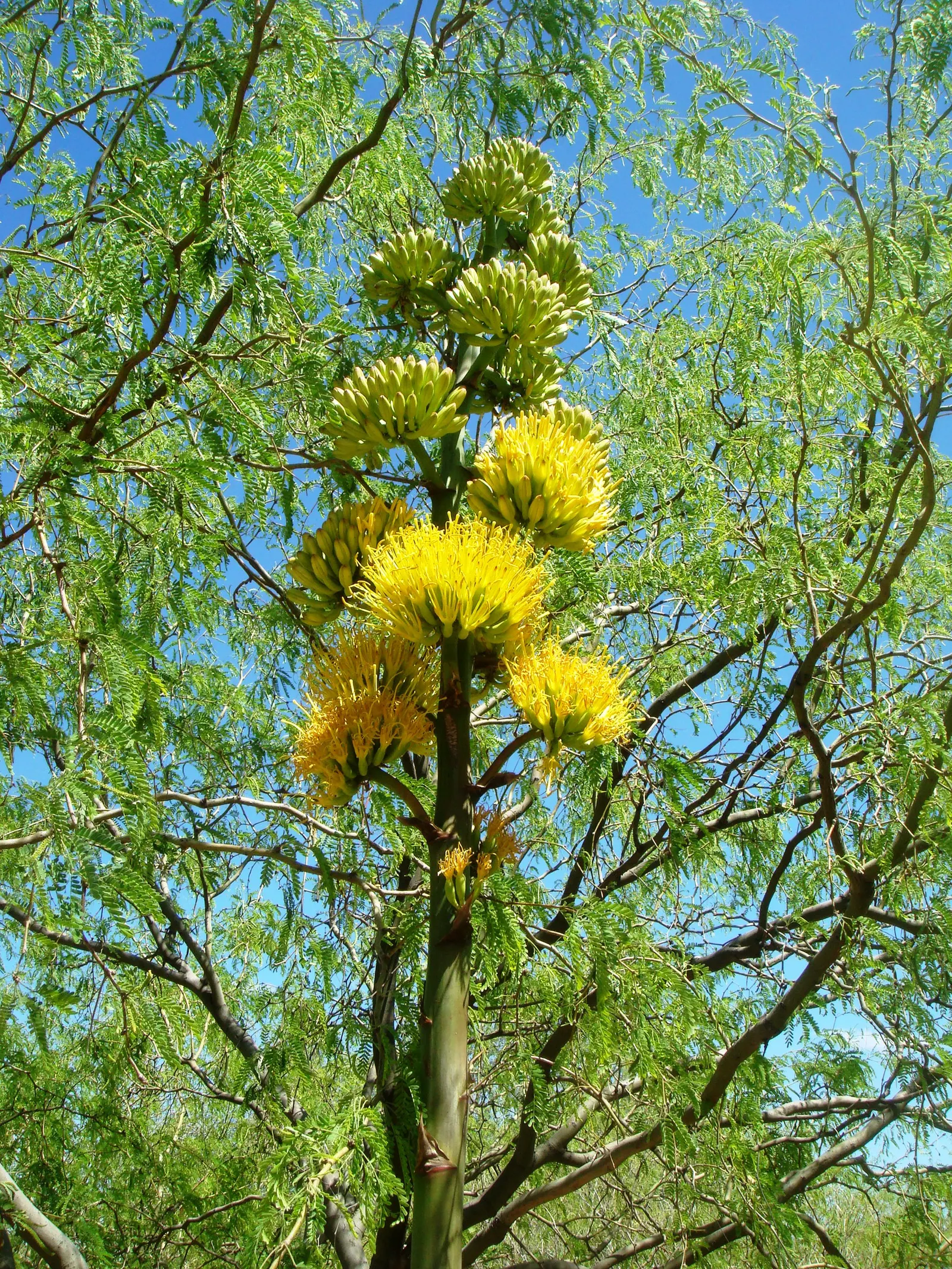
Desert Agave (Agave Deserti) — displaying a plethora of creamy-yellow flowers; adapted to arid conditions, this perennial thrives in full sun and well-drained
Desert Agave (Agave Deserti) — mimicking its natural arid habitats.<br><br>Every 10 to 15 years; it's an excellent choice for xeriscaped areas or, image 64
Desert Agave (Agave Deserti) — Adapted to arid conditions, this perennial thrives in full sun and well-drained soils; displaying a plethora of, image 75
Desert Agave (Agave Deserti) — Native to the southwestern United States and northwestern Mexico; this agave prefers well-draining soils and thrives in full sun
Desert Agave (Agave Deserti) — This agave prefers well-draining soils and thrives in full sun exposure; native to the southwestern United States and, image 63
Desert Agave (Agave Deserti) — exhibits rosettes of narrow; its striking, once-in-a-lifetime bloom appears on a tall stalk up to 10 feet high after 10-15 years
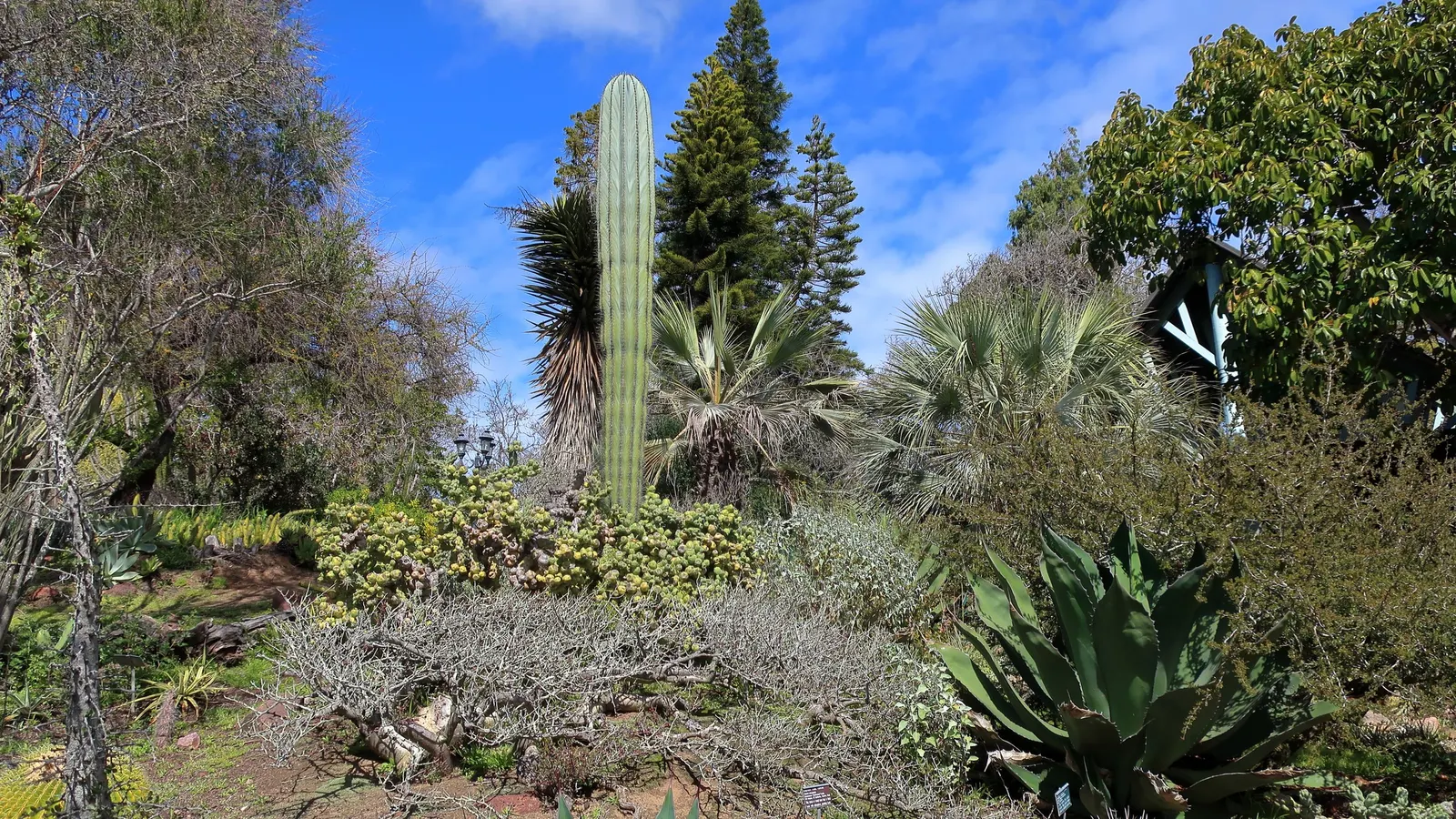
Desert Agave (Agave Deserti) — succulent with yellow blooms; embodying the principles of water-wise landscaping
Desert Agave (Agave Deserti) — it's an excellent choice for xeriscaped areas or rock gardens; mimicking its natural arid habitats.<br><br>Every 10, image 61
Desert Agave (Agave Deserti) — it's an excellent choice for xeriscaped areas or rock gardens
Desert Agave (Agave Deserti) — Its striking, once-in-a-lifetime bloom appears on a tall stalk up to 10 feet high after 10-15 years; exhibits, image 76
Desert Agave (Agave Deserti) — exhibits rosettes of narrow
Desert Agave (Agave Deserti) — Its striking, once-in-a-lifetime bloom appears on a tall stalk up to 10 feet high after 10-15 years; exhibits, image 52
Desert Agave (Agave Deserti) — succulent for full or half; highlighting the remarkable life cycle and hardy nature of desert flora
Desert Agave (Agave Deserti) — mimicking its natural arid habitats.<br><br>Every 10 to 15 years; it's an excellent choice for xeriscaped areas or rock gardens
Desert Agave (Agave Deserti) — this succulent plant boasts a rosette of spiky
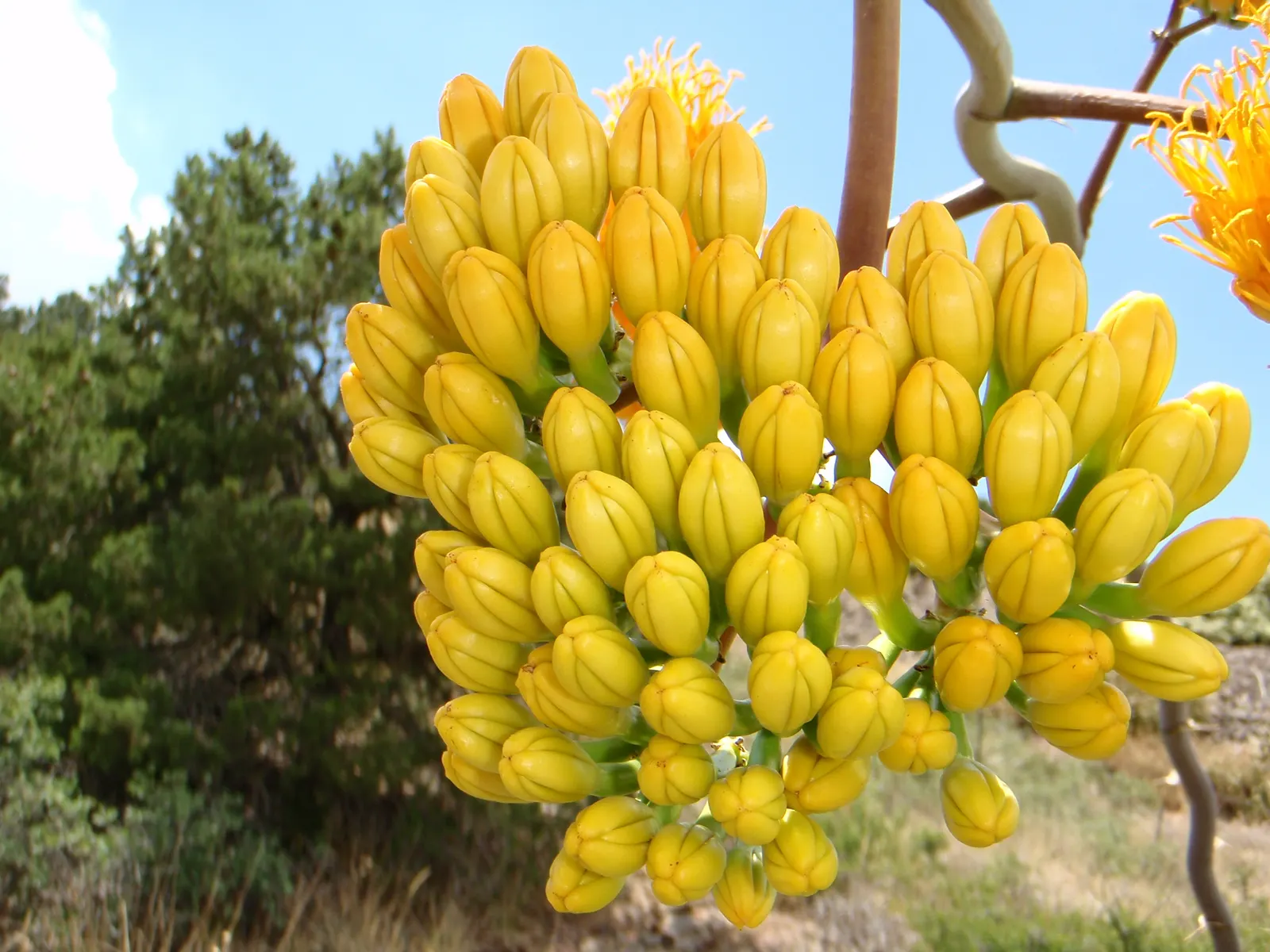
Desert Agave (Agave Deserti) — succulent with yellow blooms
Desert Agave (Agave Deserti) — yellow flowers in the garden
Desert Agave (Agave Deserti) — This agave prefers well-draining soils and thrives in full sun exposure; native to the southwestern United States and
Desert Agave (Agave Deserti) — spiny-edged leaves that can reach 24 inches tall by 18 inches wide; the Desert Agave typically spans 2 to 3 feet in height and
Desert Agave (Agave Deserti) — so placement within the garden should consider pedestrian traffic.<br><br>Striking in its individual form
Photographs by 20 contributors

Related plants