Skip to content

Fox Tail Agave

Agave Attenuata

Design with this plant

Overview

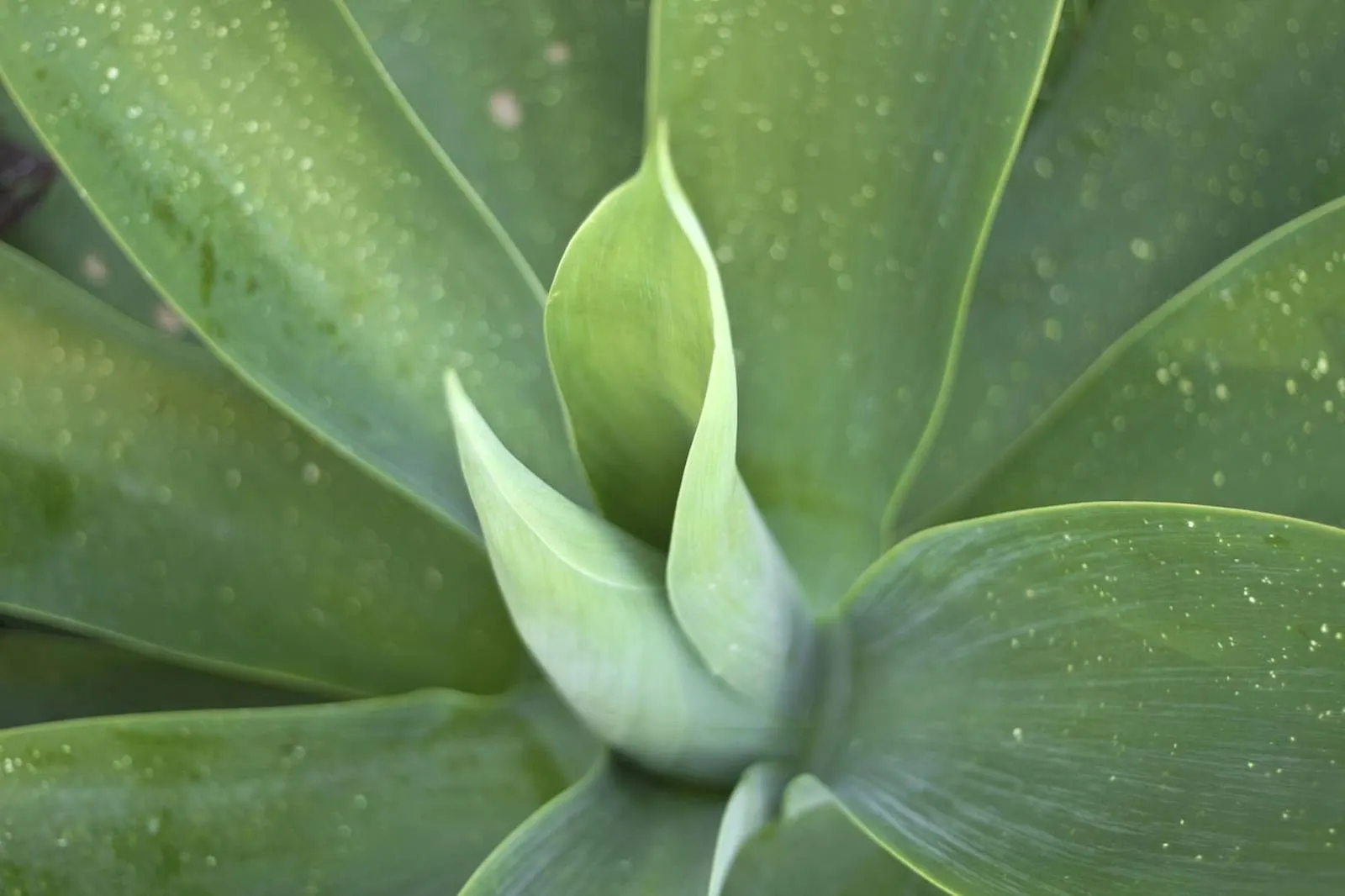
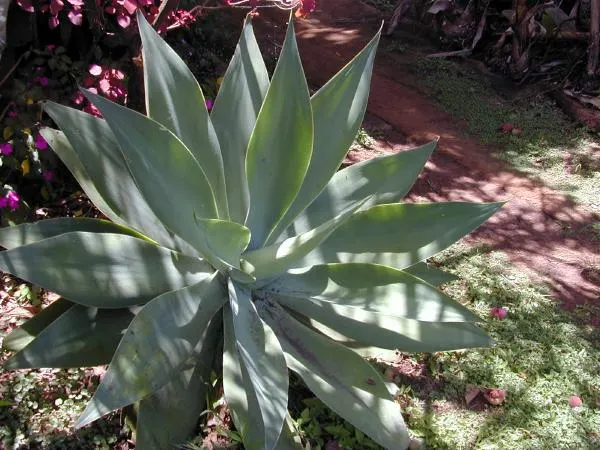
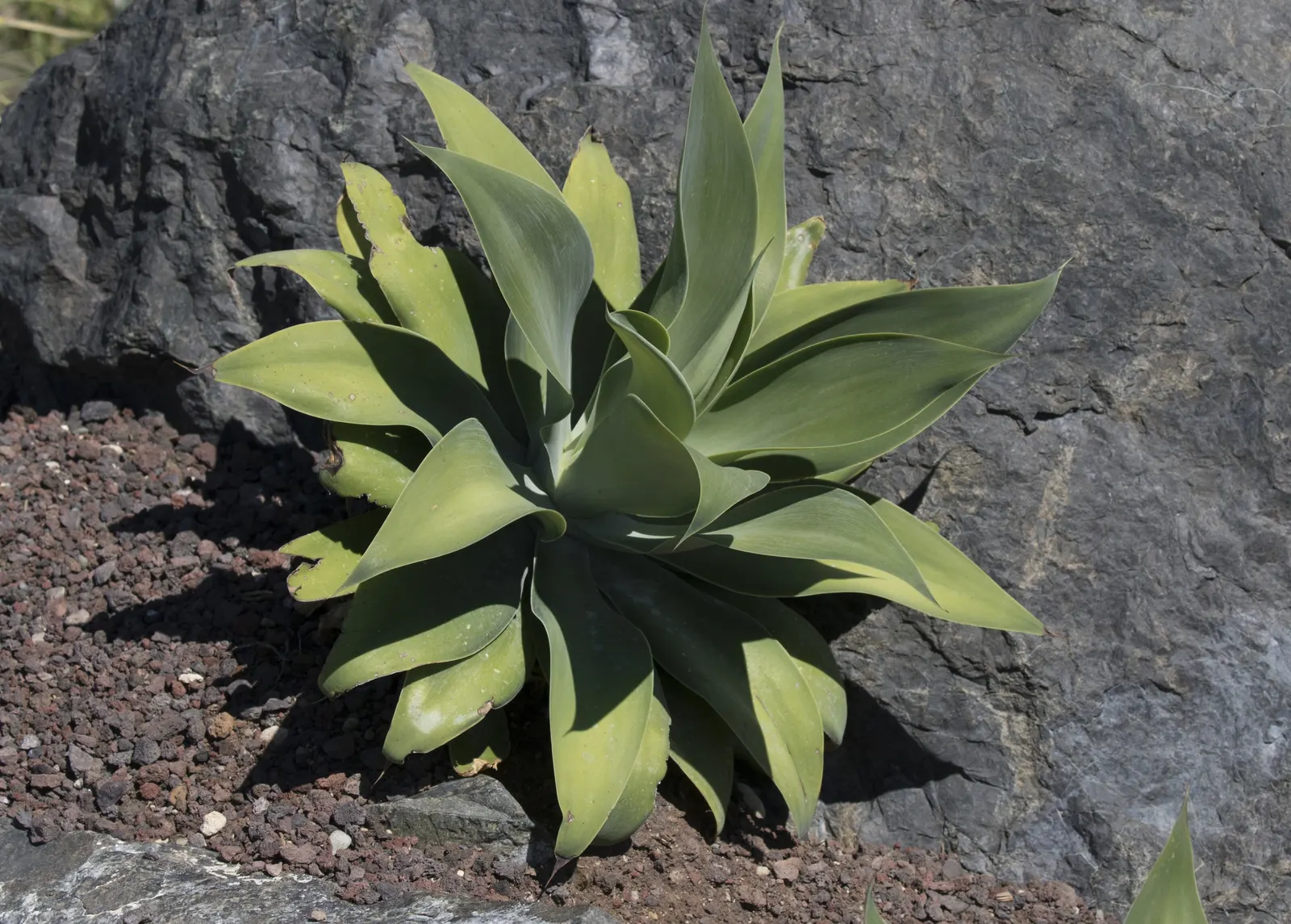
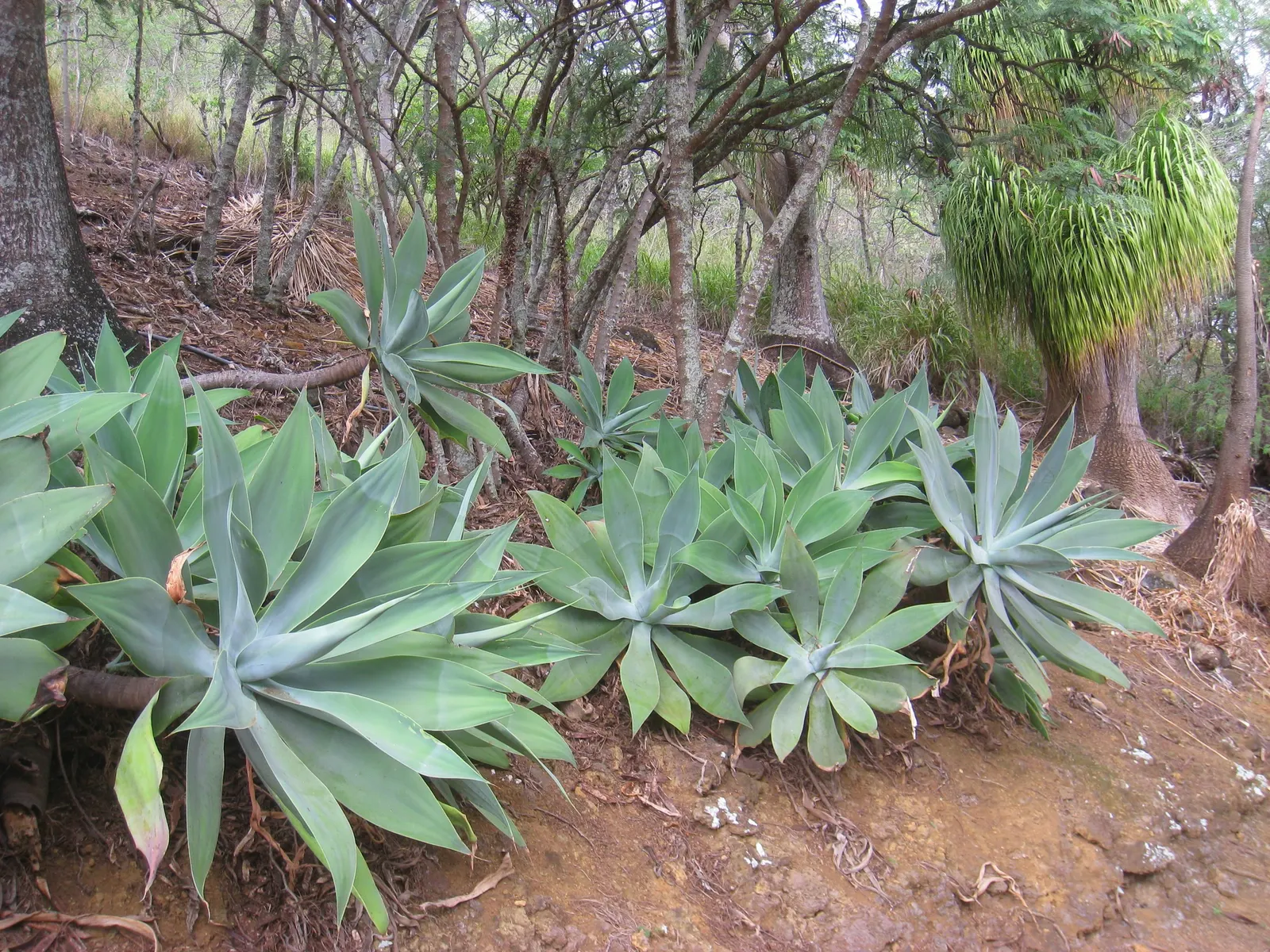
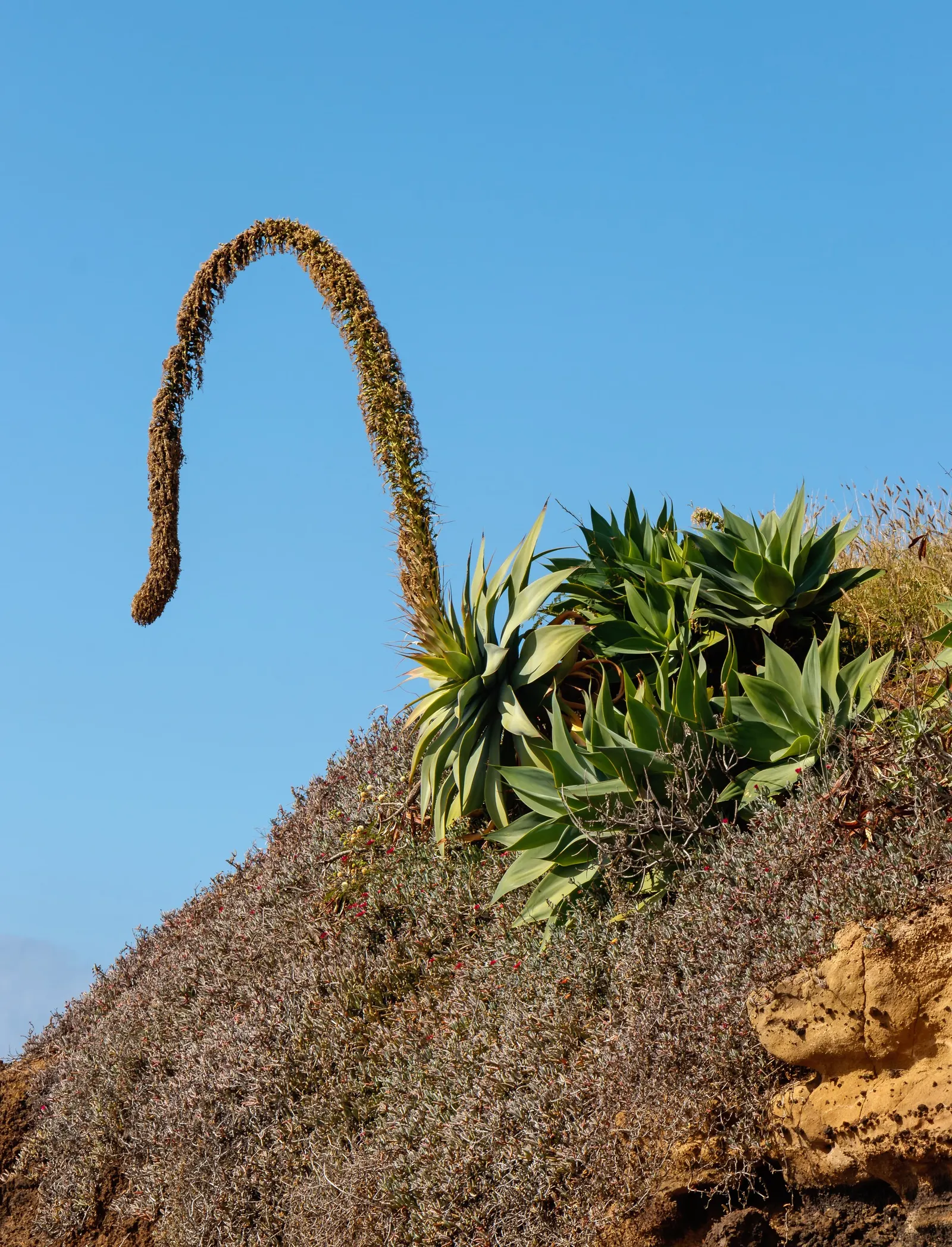
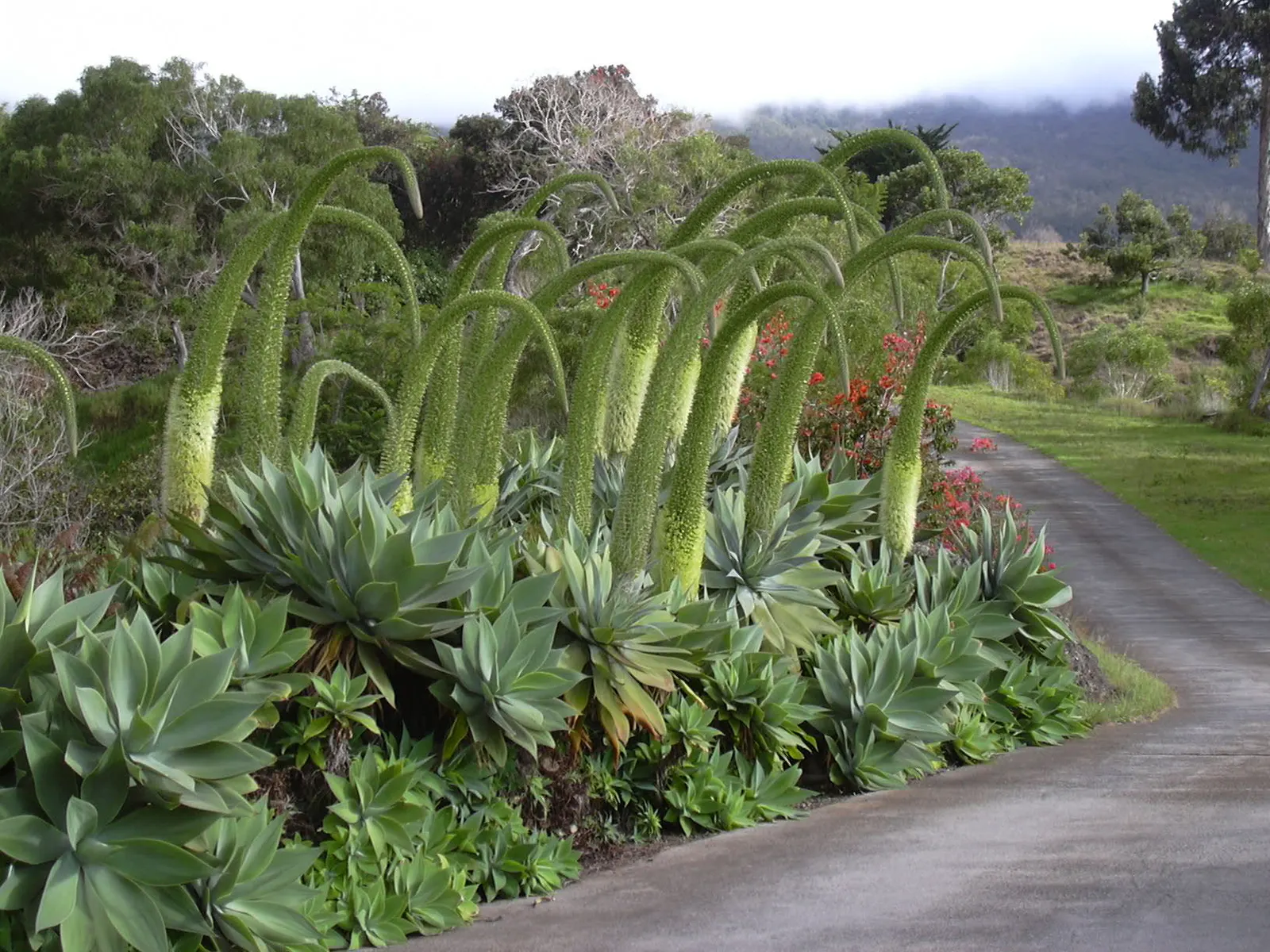
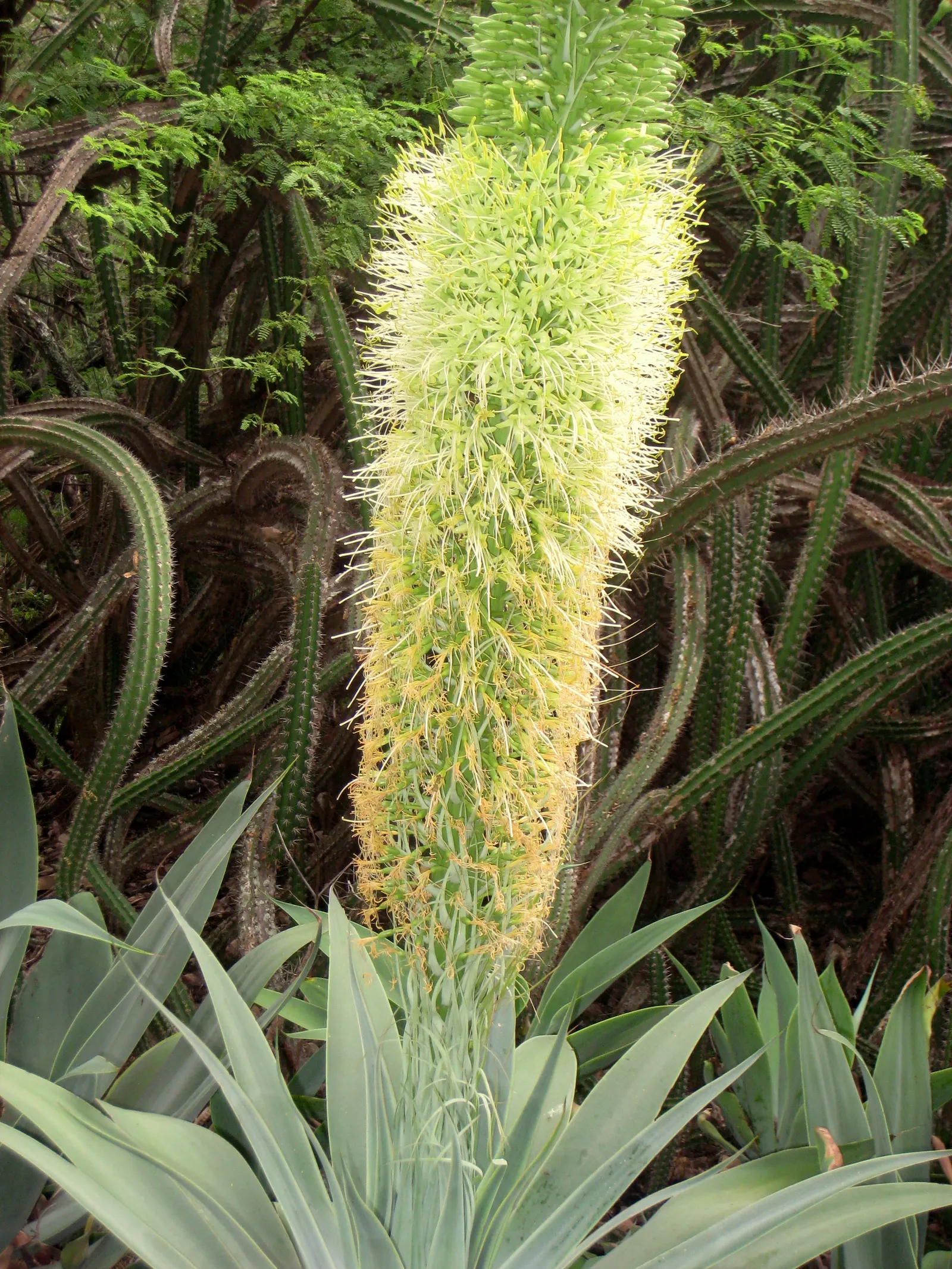
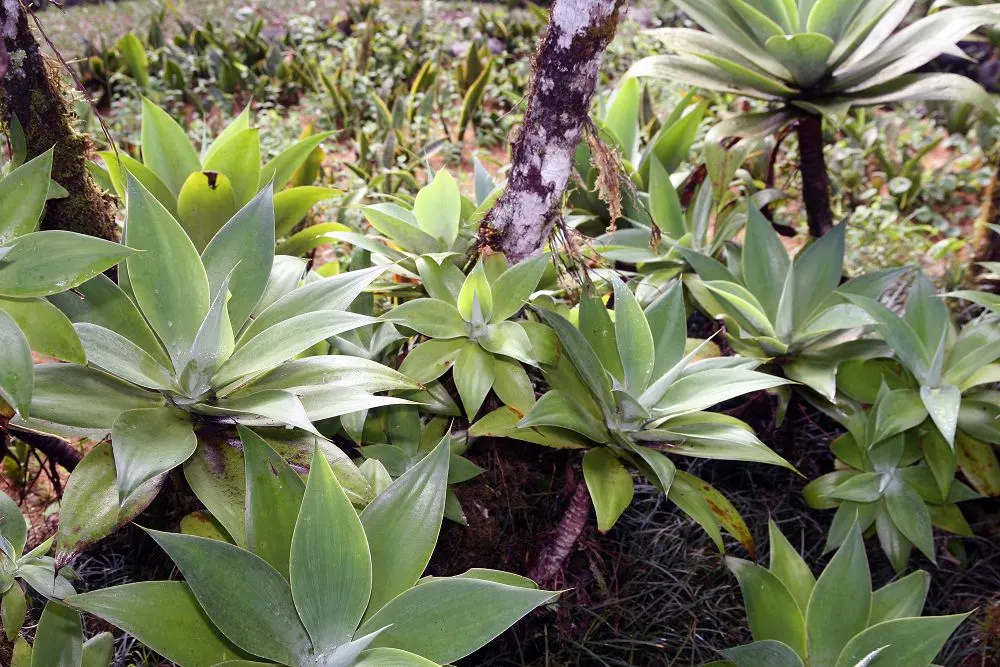
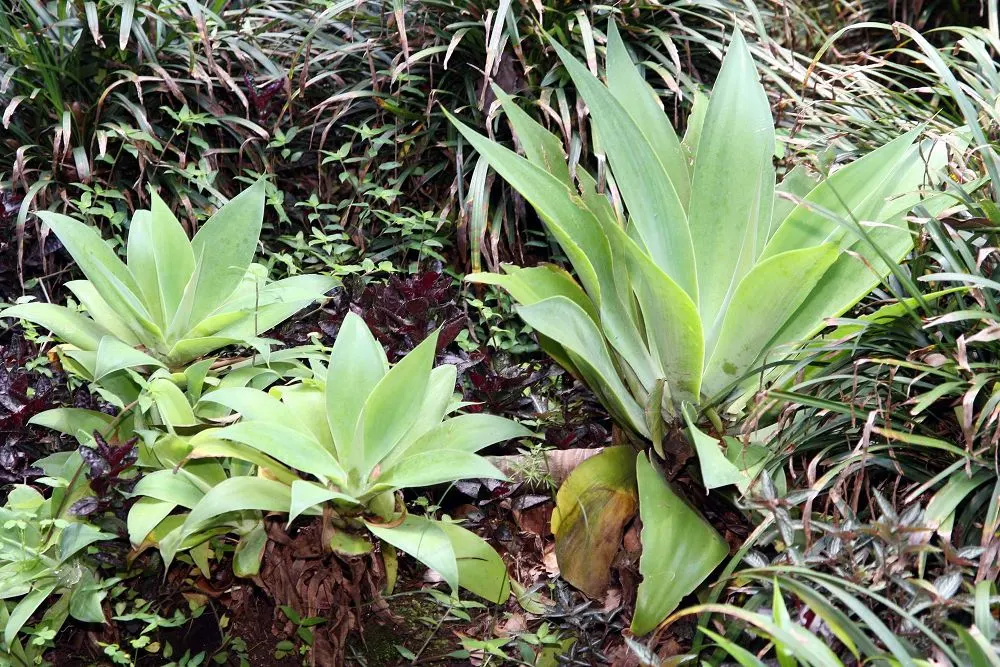
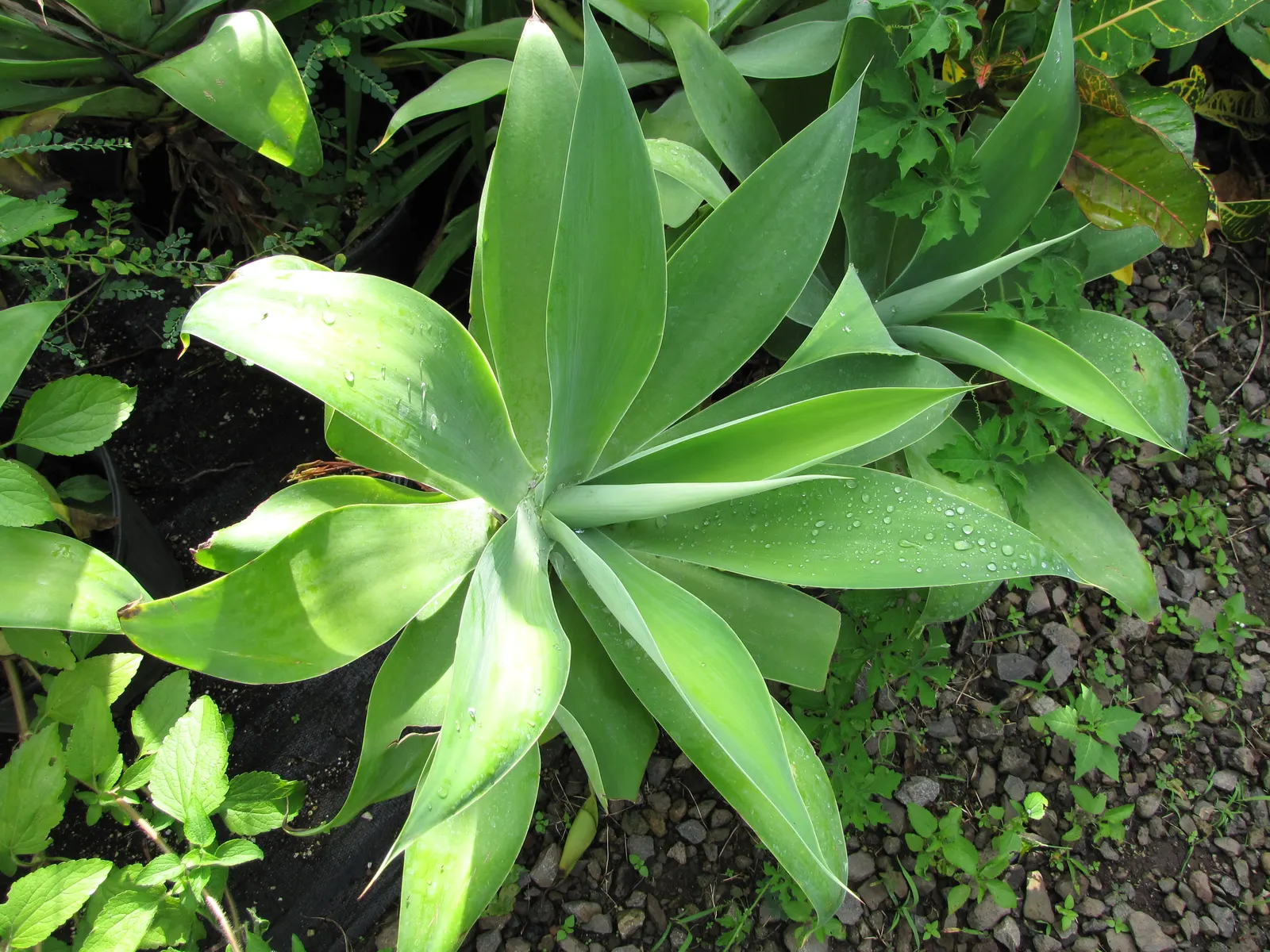
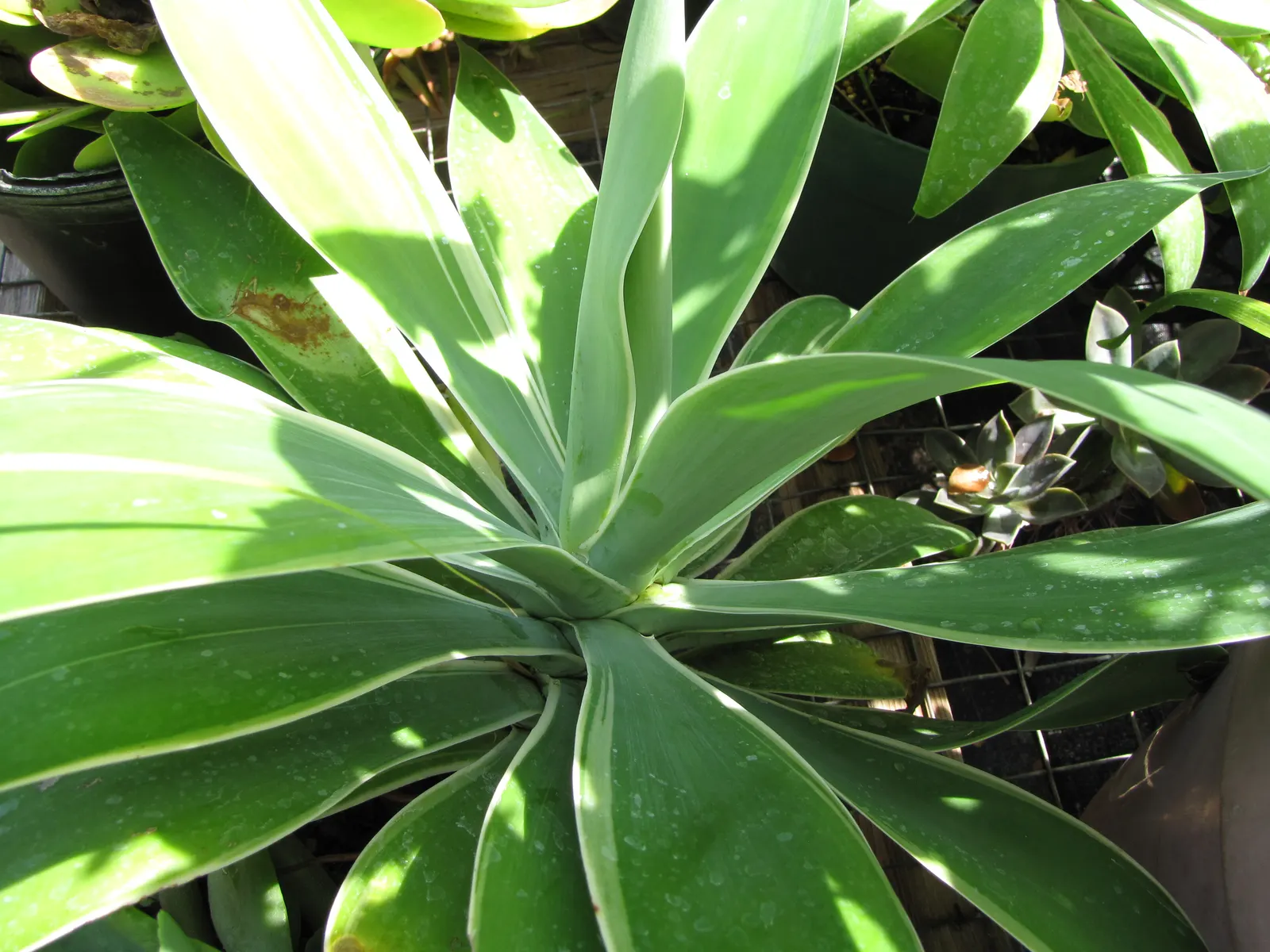
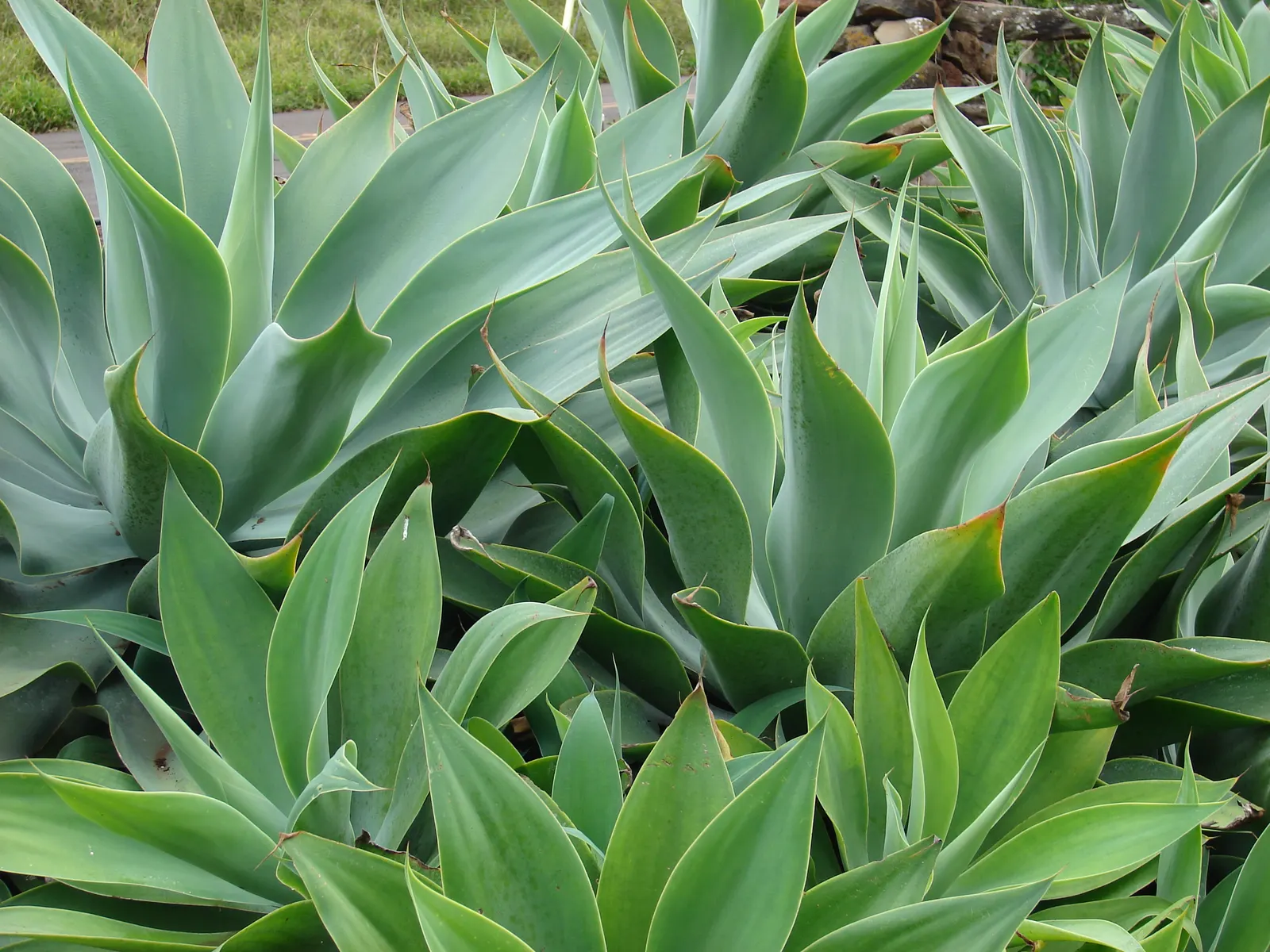
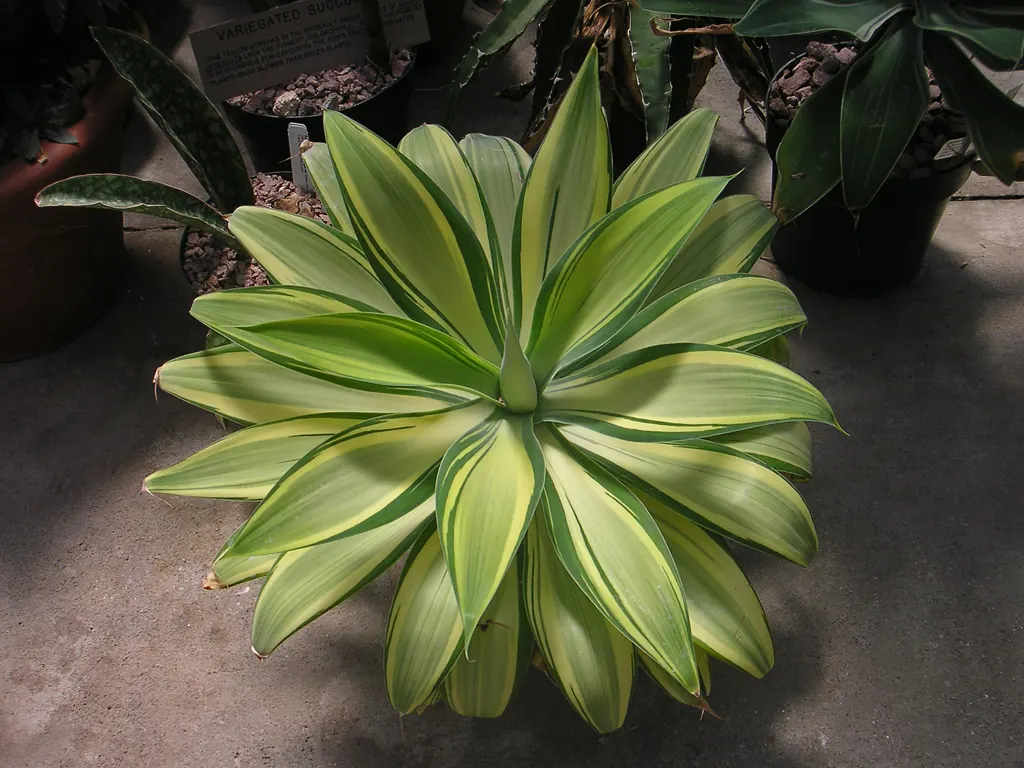
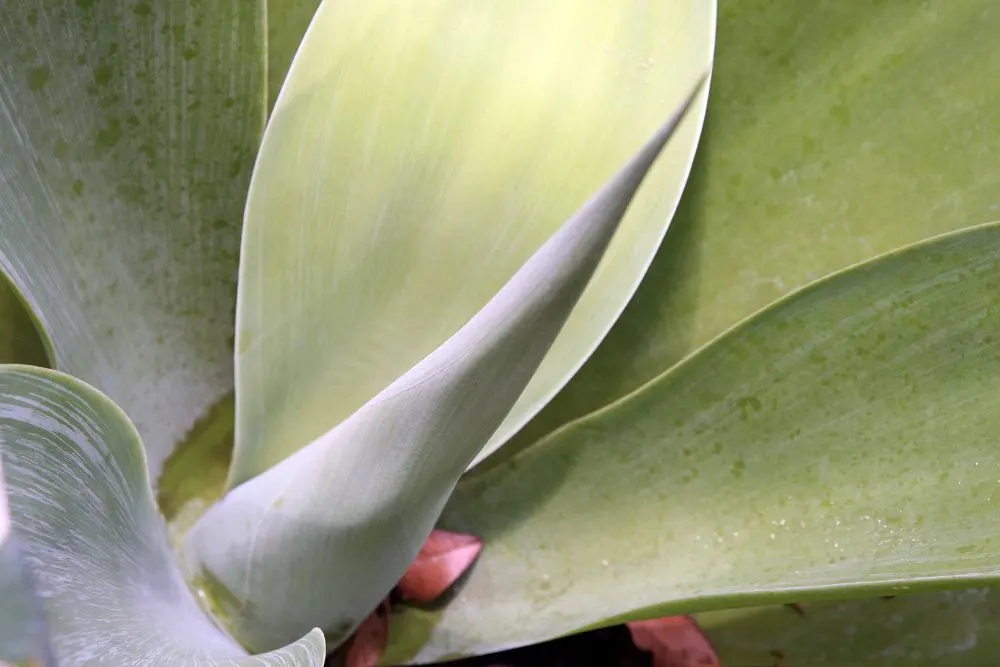
The Fox Tail Agave, Agave attenuata, is a striking, spineless succulent, reaching 4-5 feet tall with an equal spread. Its smooth rosette of pale green leaves arch gracefully. The hallmark is its dramatic curved inflorescence, resembling a fox's tail, which soars up to 5-10 feet. It's a drought-tolerant specimen, ideal for xeriscaping in USDA zones 9-11, preferring full sun to partial shade. Adds a sculptural presence to modern landscapes.

Sun Full, Half, ShadeWater LowZones 9–11Type SucculentClimate Arid
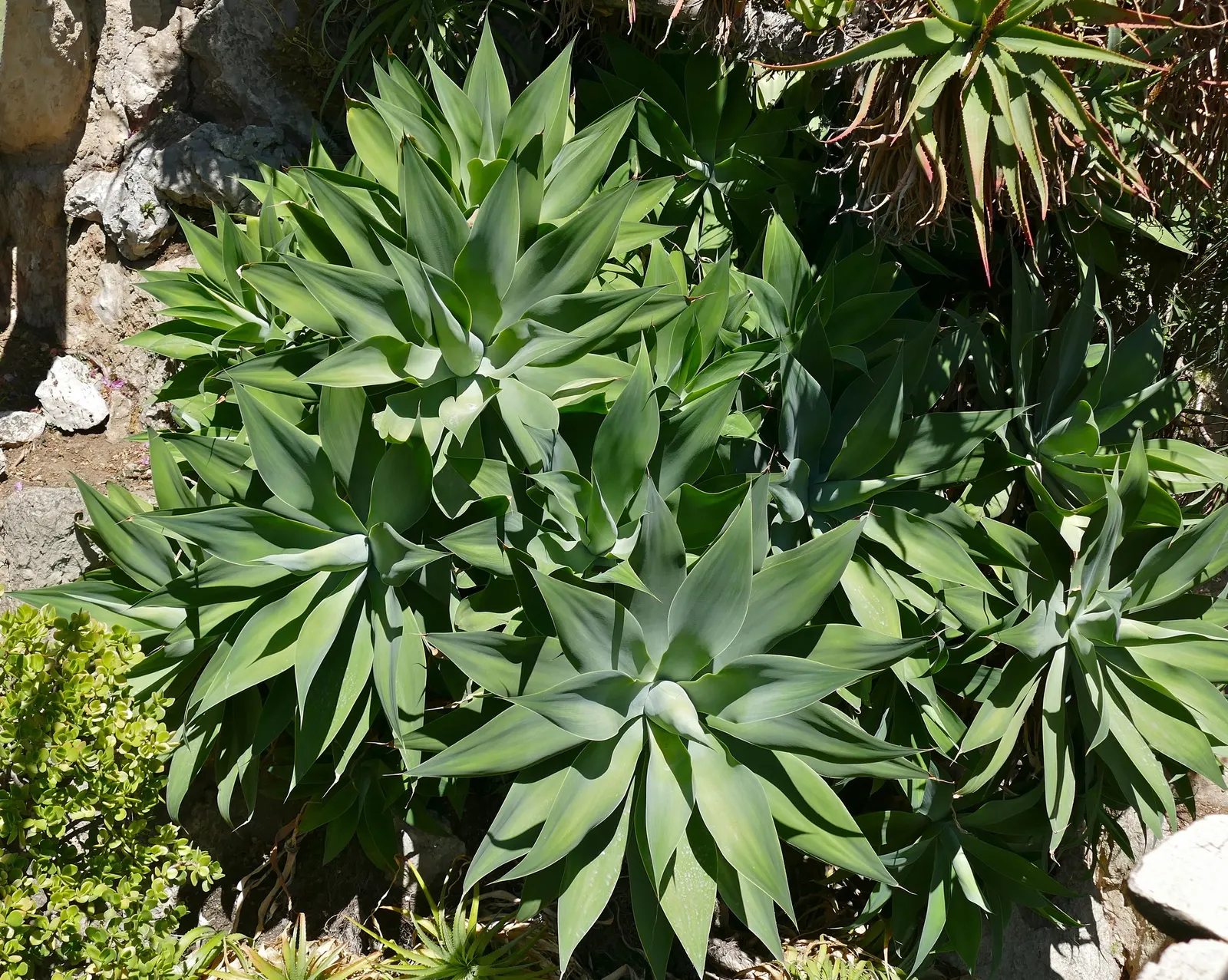
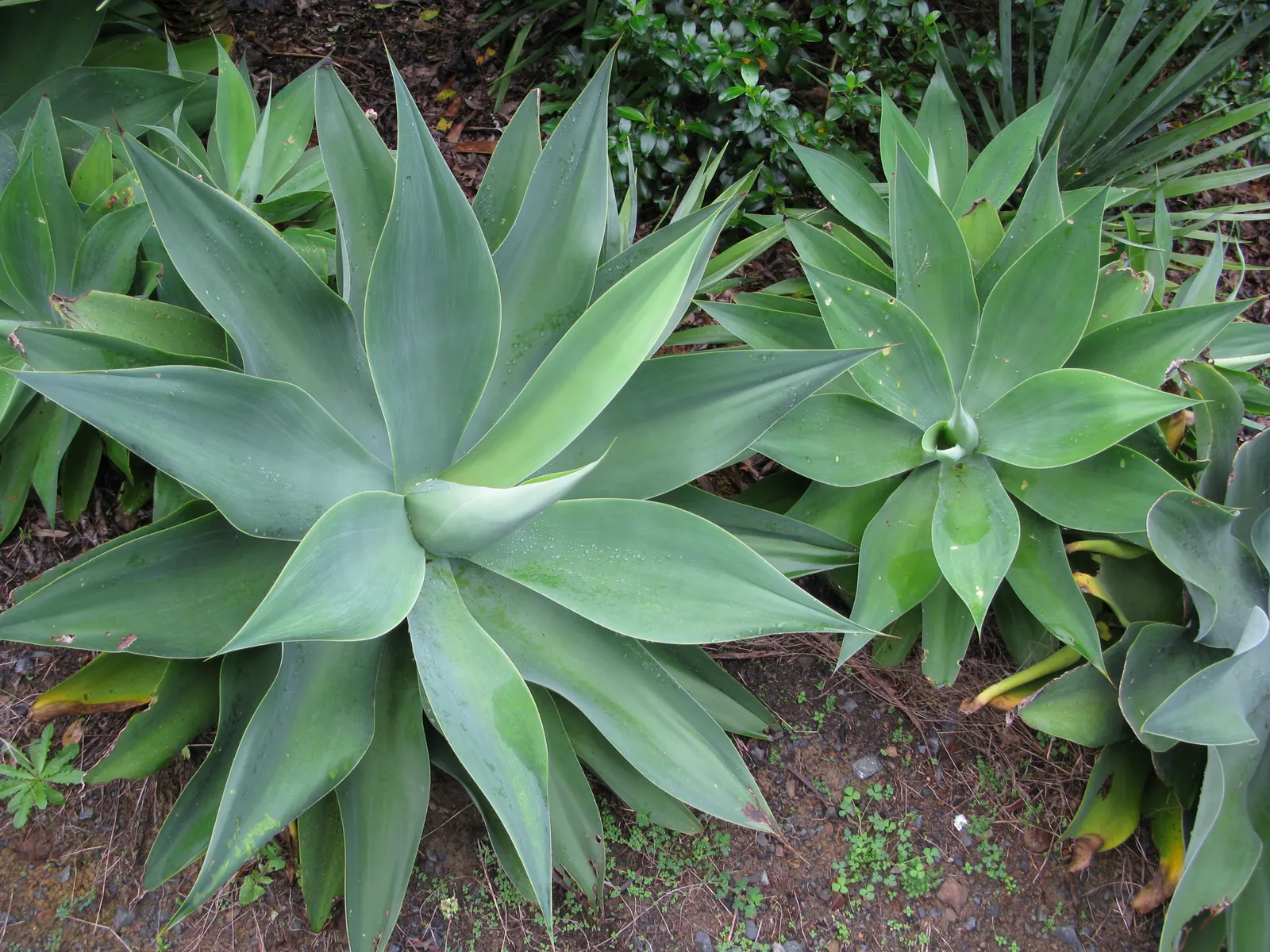
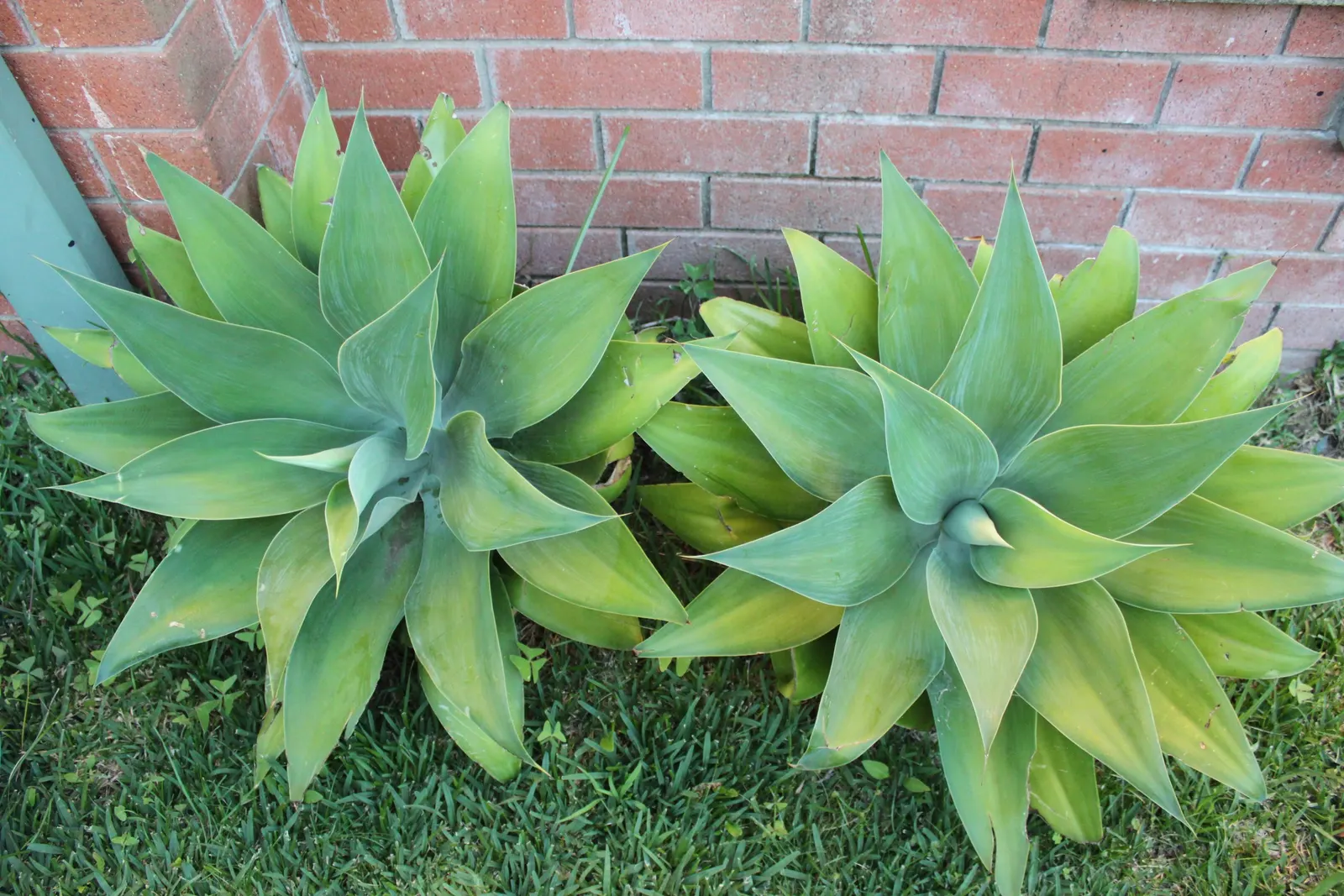
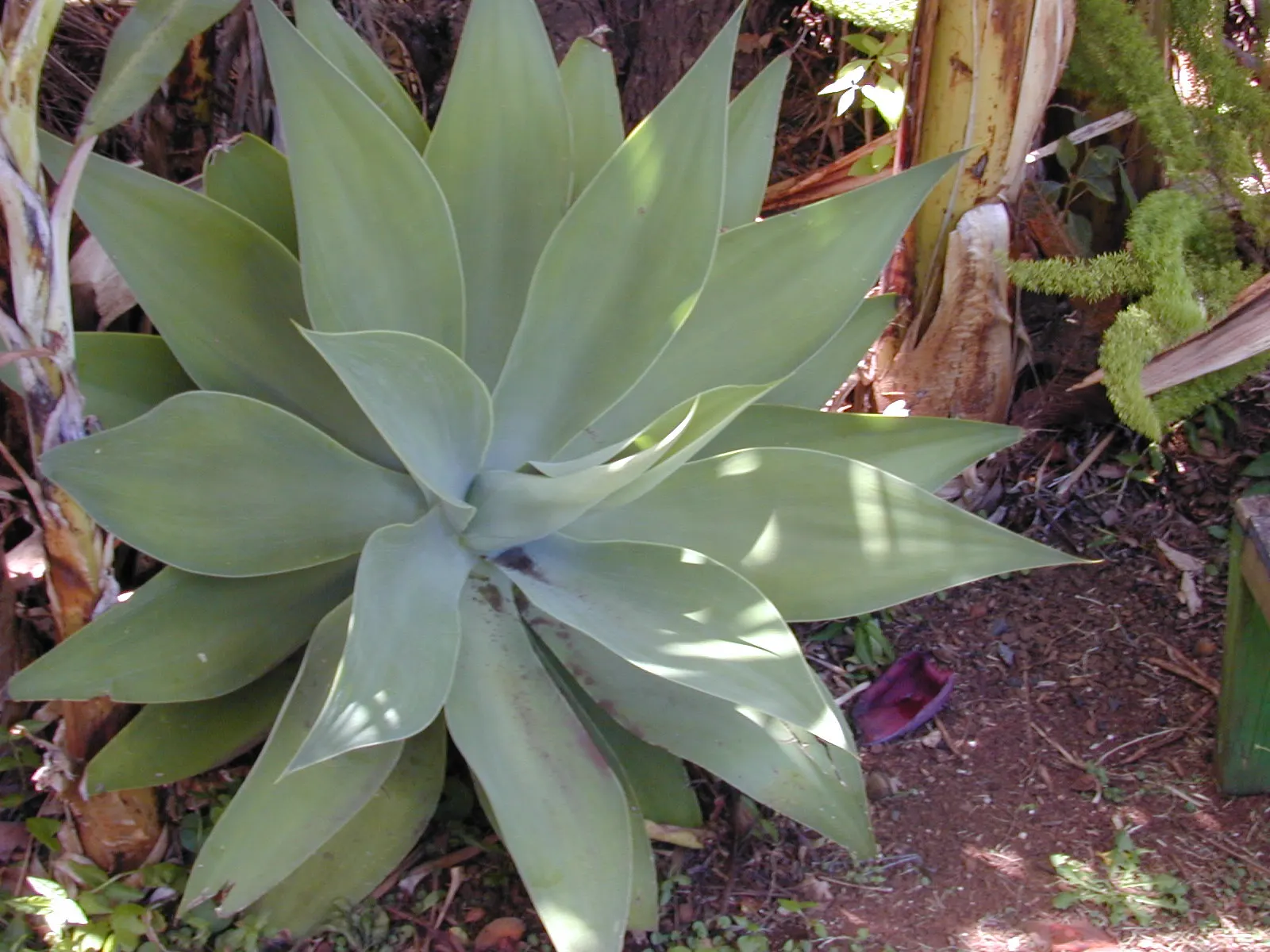
Fox Tail Agave (Agave Attenuata) — Appreciated for its rosette formation and absence of thorns; reaching 4-5 feet tall with an equal spread, image 54

Culture

Sun
Full, Half, Shade
Water
Low
USDA zones
9–11

Shape & size

Classification

Type
Succulent
Family
Agavaceae
Climate
Arid

See full data, regional cultivation notes, and design tools. Build a client presentation around this plant.

Start your 14-day trial

Photos (130)

Fox Tail Agave (Agave Attenuata) — ideal for xeriscaping in USDA zones 9-11; appreciated for its rosette formation and absence of thorns, image 93
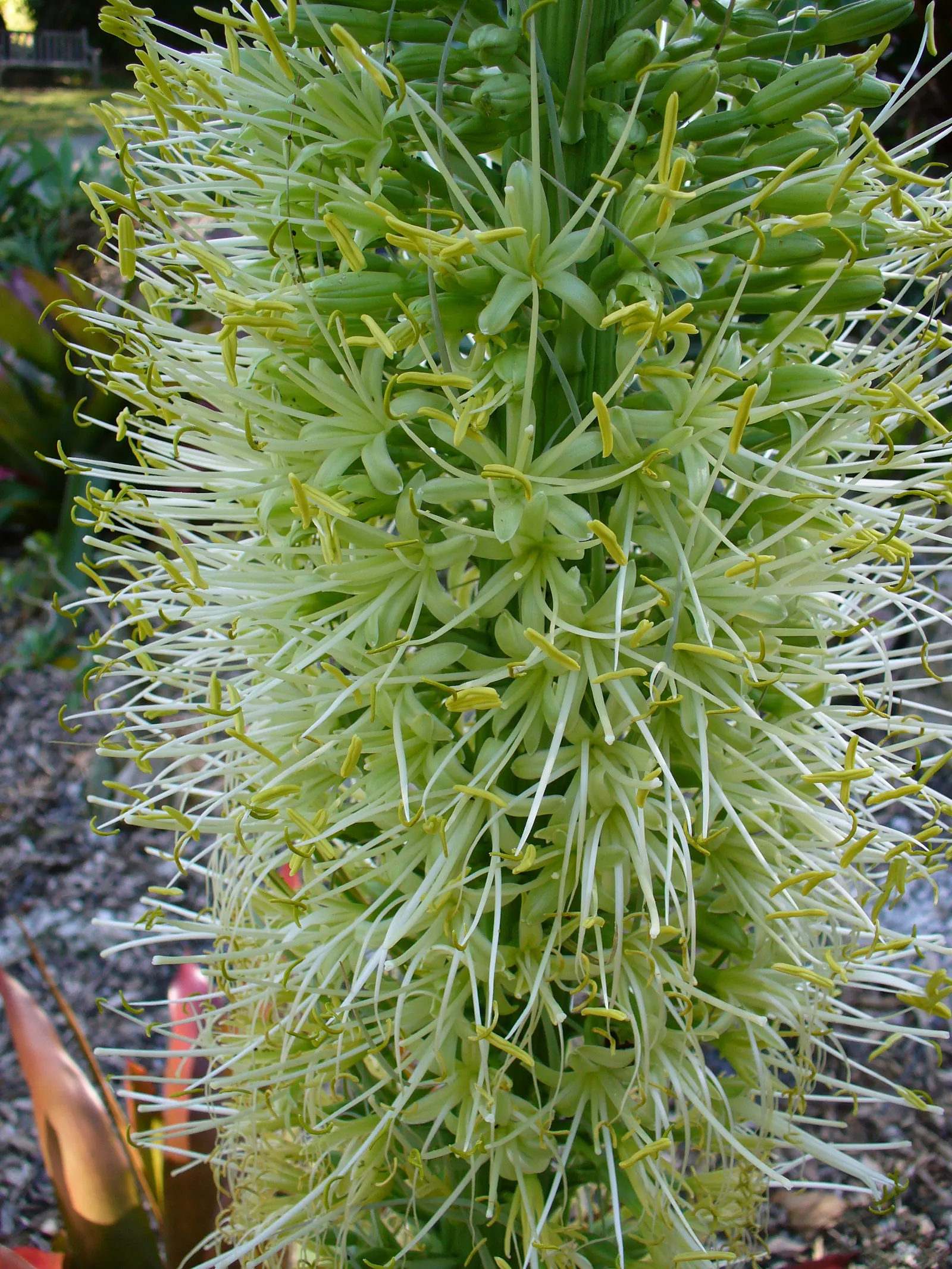
Fox Tail Agave (Agave Attenuata) — green and yellow flowers in the garden; ideal for xeriscaping in USDA zones 9-11, image 86
Fox Tail Agave (Agave Attenuata) — preferring full sun to partial shade
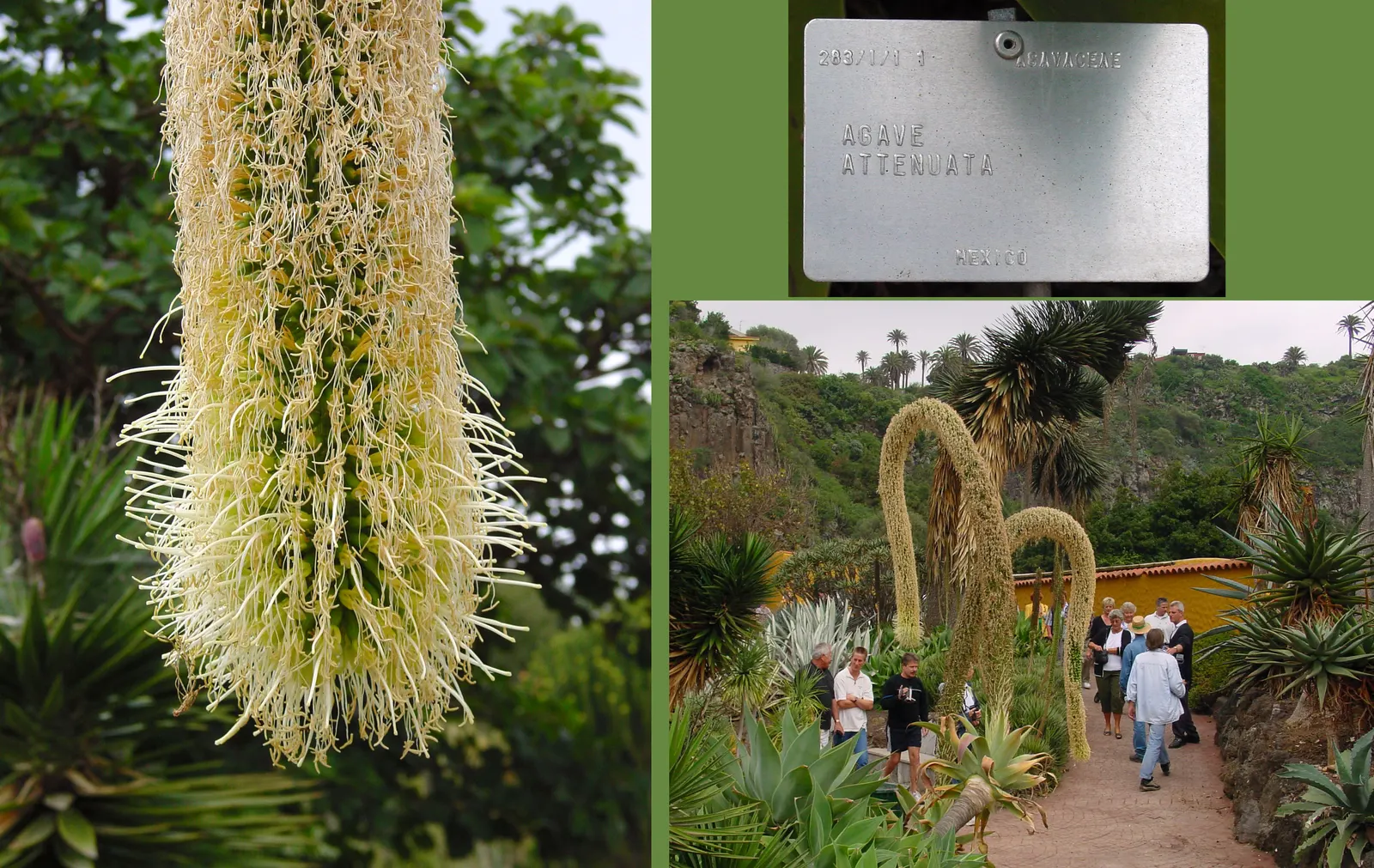
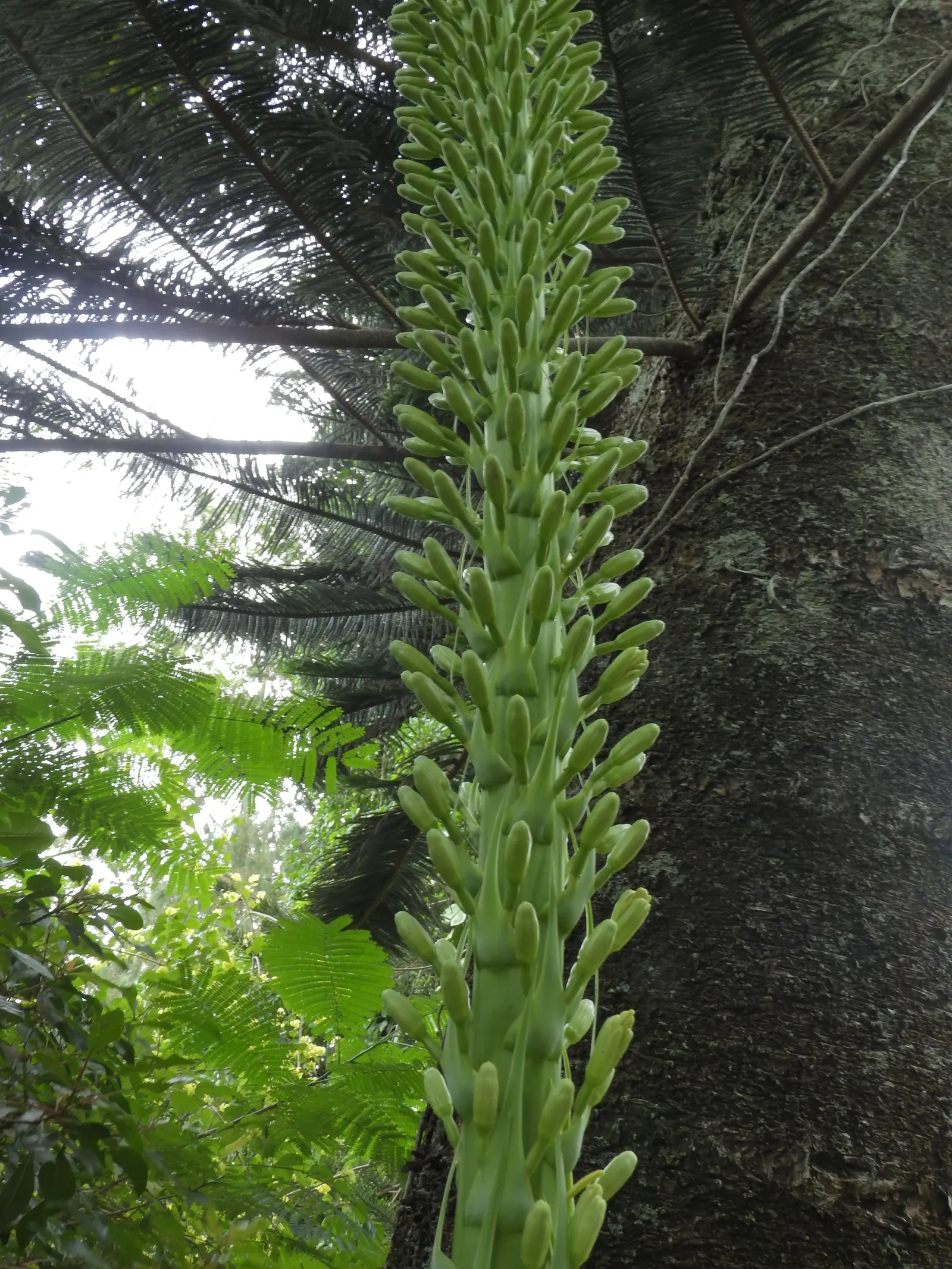
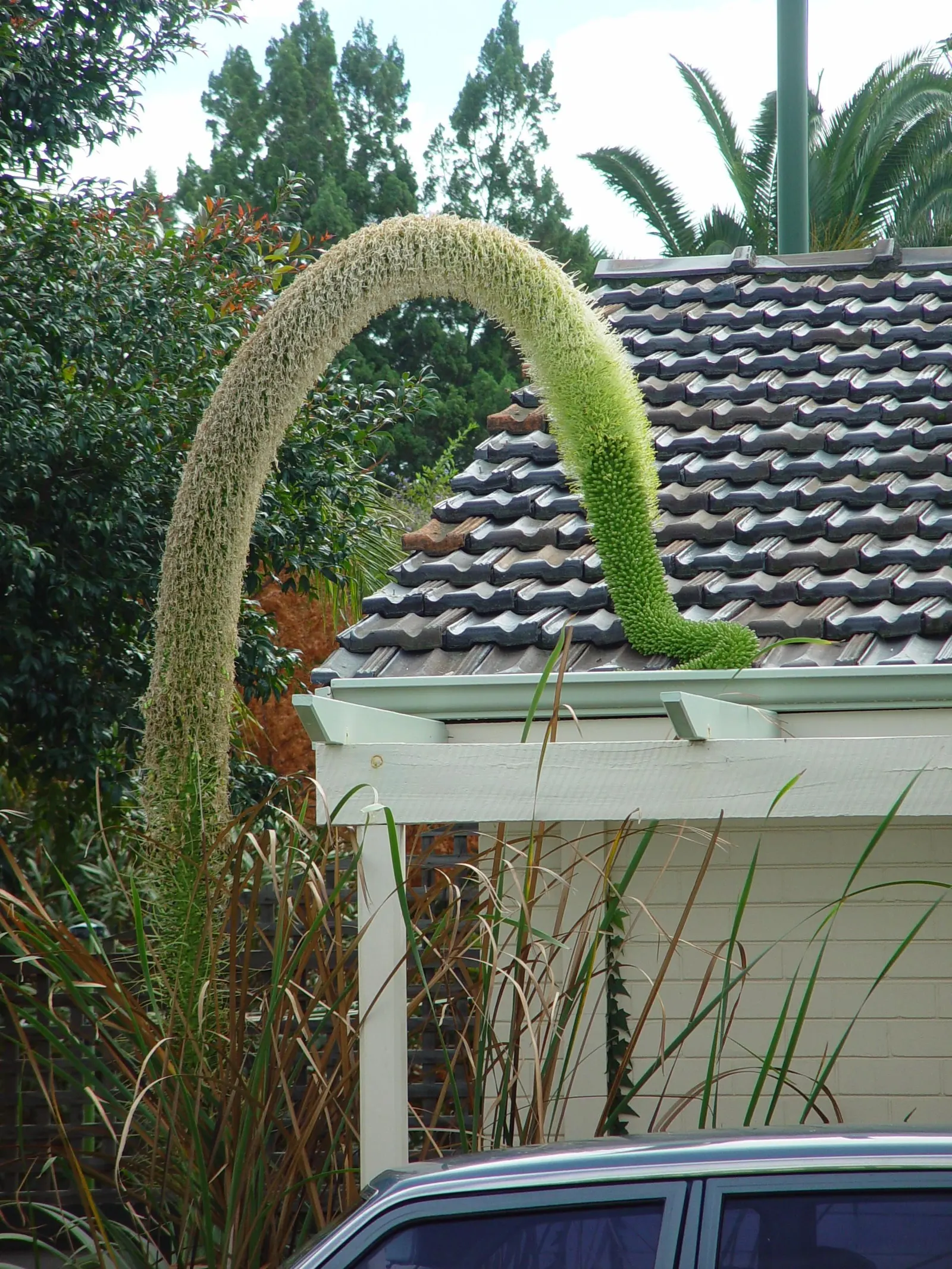
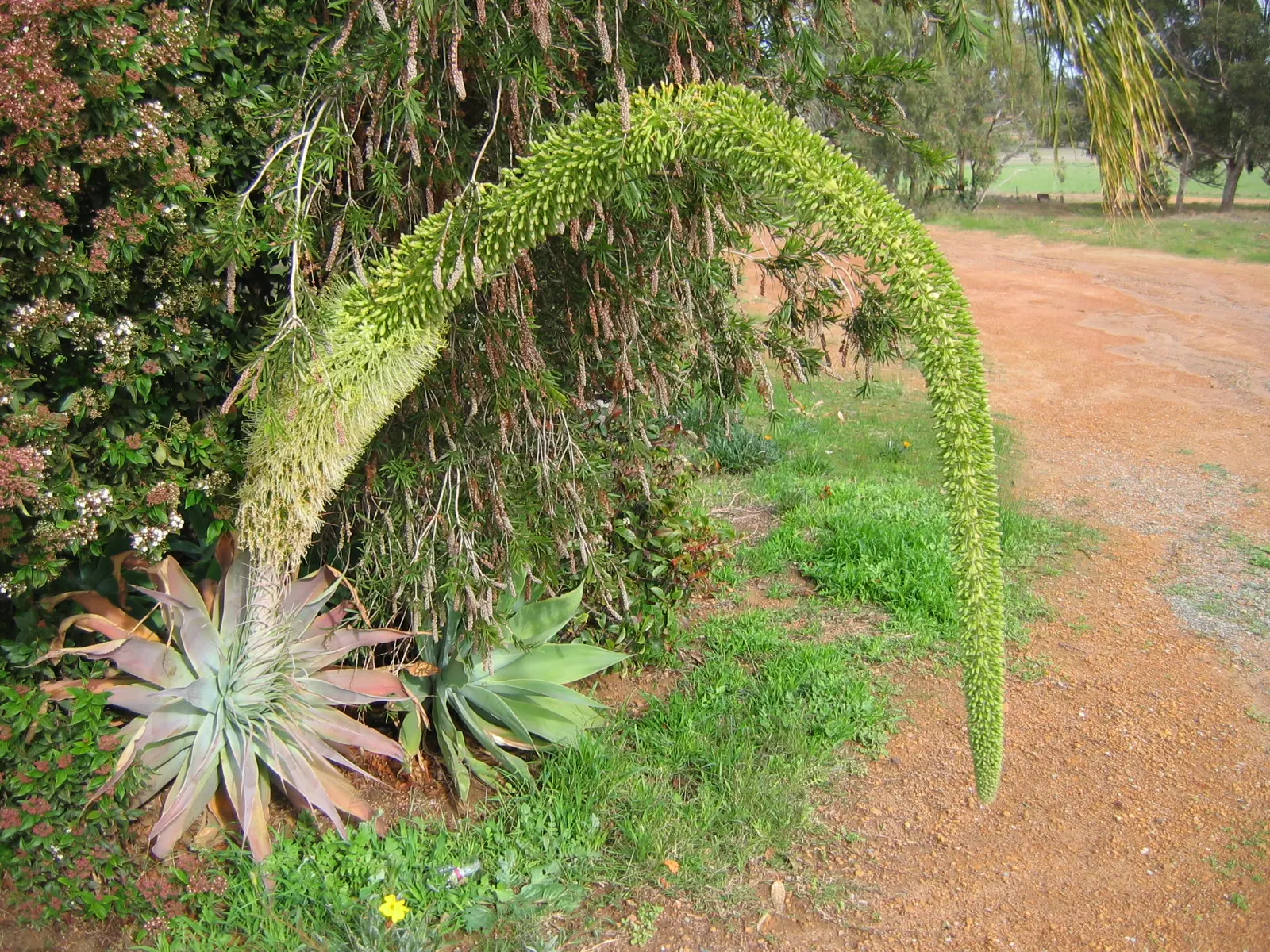
Fox Tail Agave (Agave Attenuata) — The hallmark is its dramatic curved inflorescence, resembling a fox's tail, which soars up to 5-10 feet
Fox Tail Agave (Agave Attenuata) — ideal for xeriscaping in USDA zones 9-11; appreciated for its rosette formation and absence of thorns, image 49
Fox Tail Agave (Agave Attenuata) — It's a drought-tolerant specimen
Fox Tail Agave (Agave Attenuata) — The hallmark is its dramatic curved inflorescence, resembling a fox's tail, which soars up to 5-10 feet; being a, image 91
Fox Tail Agave (Agave Attenuata) — it requires protection from cold temperatures below 25°F to maintain its striking appearance; green and, image 63
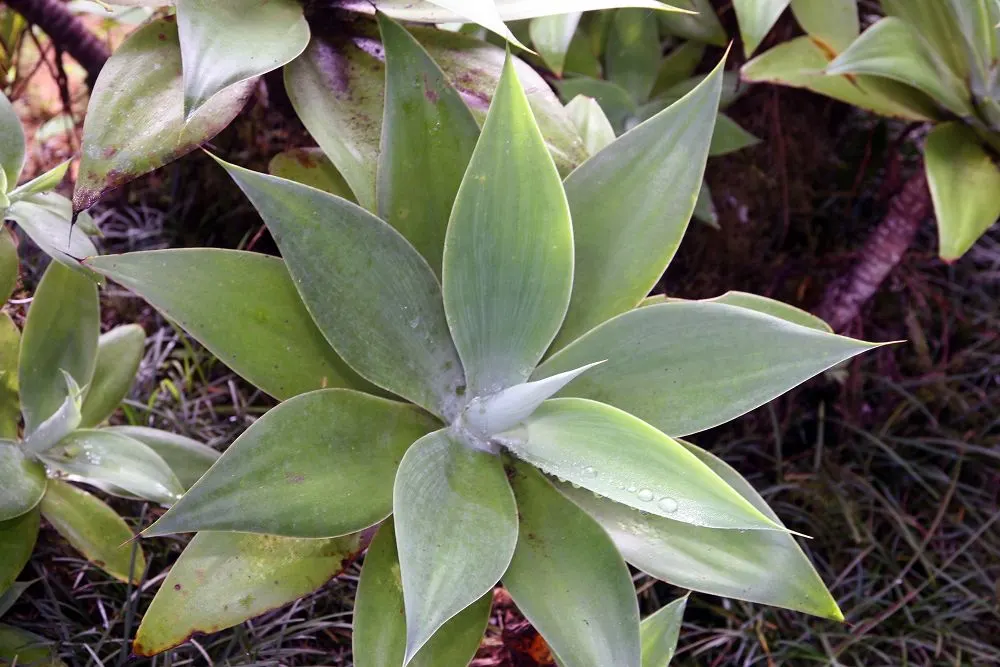
Fox Tail Agave (Agave Attenuata) — pale green leaves that are pliable and somewhat translucent at their tips; scientifically known as Agave, image 77
Fox Tail Agave (Agave Attenuata) — consider placing it in well-drained soils with full sun to partial shade exposure; succulent with green and, image 104
Fox Tail Agave (Agave Attenuata) — the plant produces a flower spike that arches elegantly; which can take several years
Fox Tail Agave (Agave Attenuata) — succulent for full or half or shade
Fox Tail Agave (Agave Attenuata) — Being a frost-sensitive species with a hardiness zone of 9 to 11; the leaves of Agave attenuata are free of, image 84
Fox Tail Agave (Agave Attenuata) — reaching 4-5 feet tall with an equal spread; it's a drought-tolerant specimen
Fox Tail Agave (Agave Attenuata) — pale green leaves that are pliable and somewhat translucent at their tips
Fox Tail Agave (Agave Attenuata) — the leaves of Agave attenuata are free of spines along the margins and the terminal spine; succulent for full or, image 57
Fox Tail Agave (Agave Attenuata) — These leaves curve gracefully back towards the ground, giving the plant a smooth, sculptural quality; the plant produces a
Fox Tail Agave (Agave Attenuata) — ideal for xeriscaping in USDA zones 9-11; appreciated for its rosette formation and absence of thorns
Fox Tail Agave (Agave Attenuata) — scientifically known as Agave attenuata
Fox Tail Agave (Agave Attenuata) — It's a drought-tolerant specimen; the hallmark is its dramatic curved inflorescence, resembling a fox's tail, image 48
Fox Tail Agave (Agave Attenuata) — the plant produces a flower spike that arches elegantly
Fox Tail Agave (Agave Attenuata) — Being a frost-sensitive species with a hardiness zone of 9 to 11; the leaves of Agave attenuata are free of, image 62
Fox Tail Agave (Agave Attenuata) — reaching 4-5 feet tall with an equal spread; it's a drought-tolerant specimen, image 45
Fox Tail Agave (Agave Attenuata) — the plant produces a flower spike that arches elegantly; which can take several years, image 103
Photographs by 12 contributors

Related plants