
Lily Of The Nile
Agapanthus Africanus
Overview
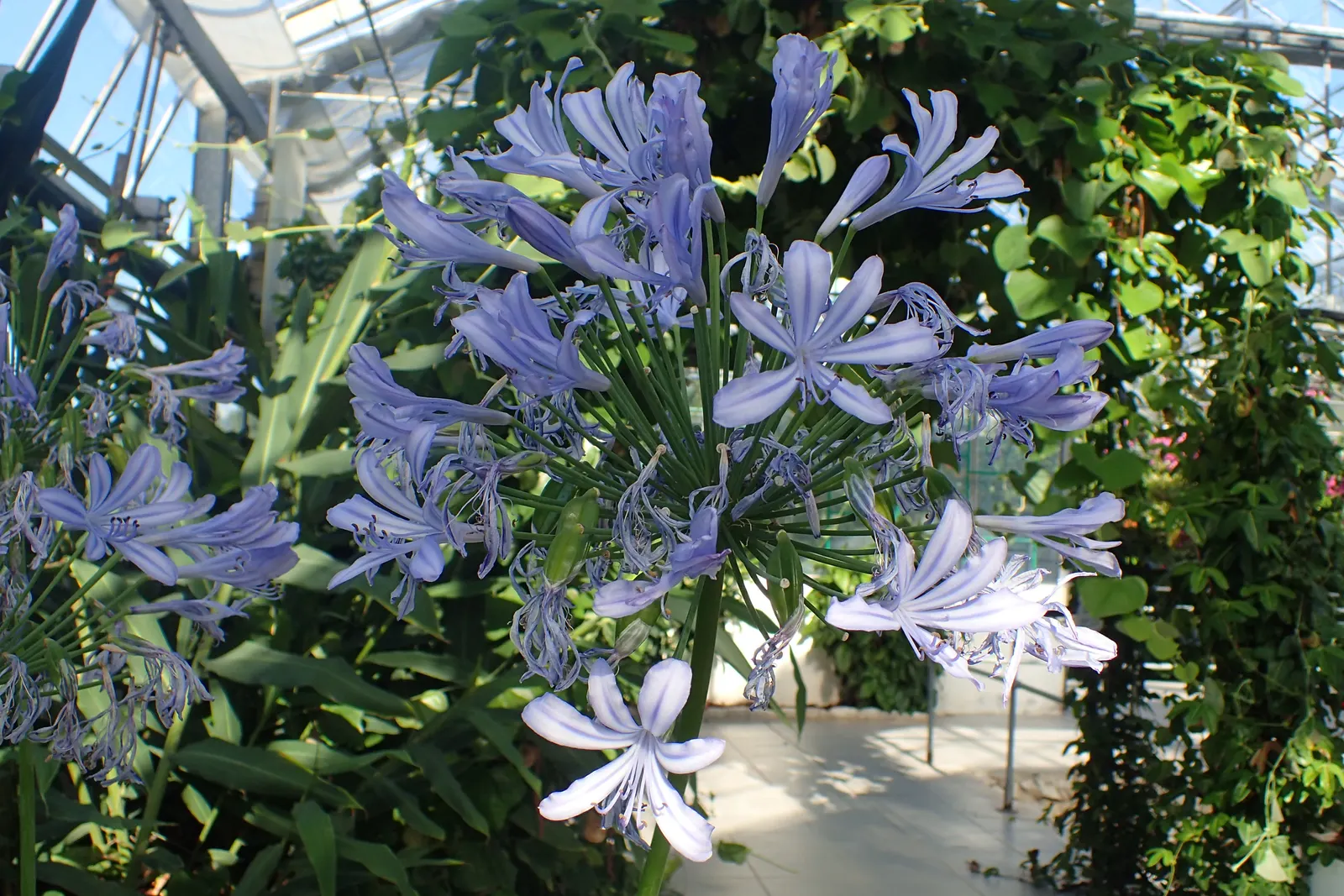
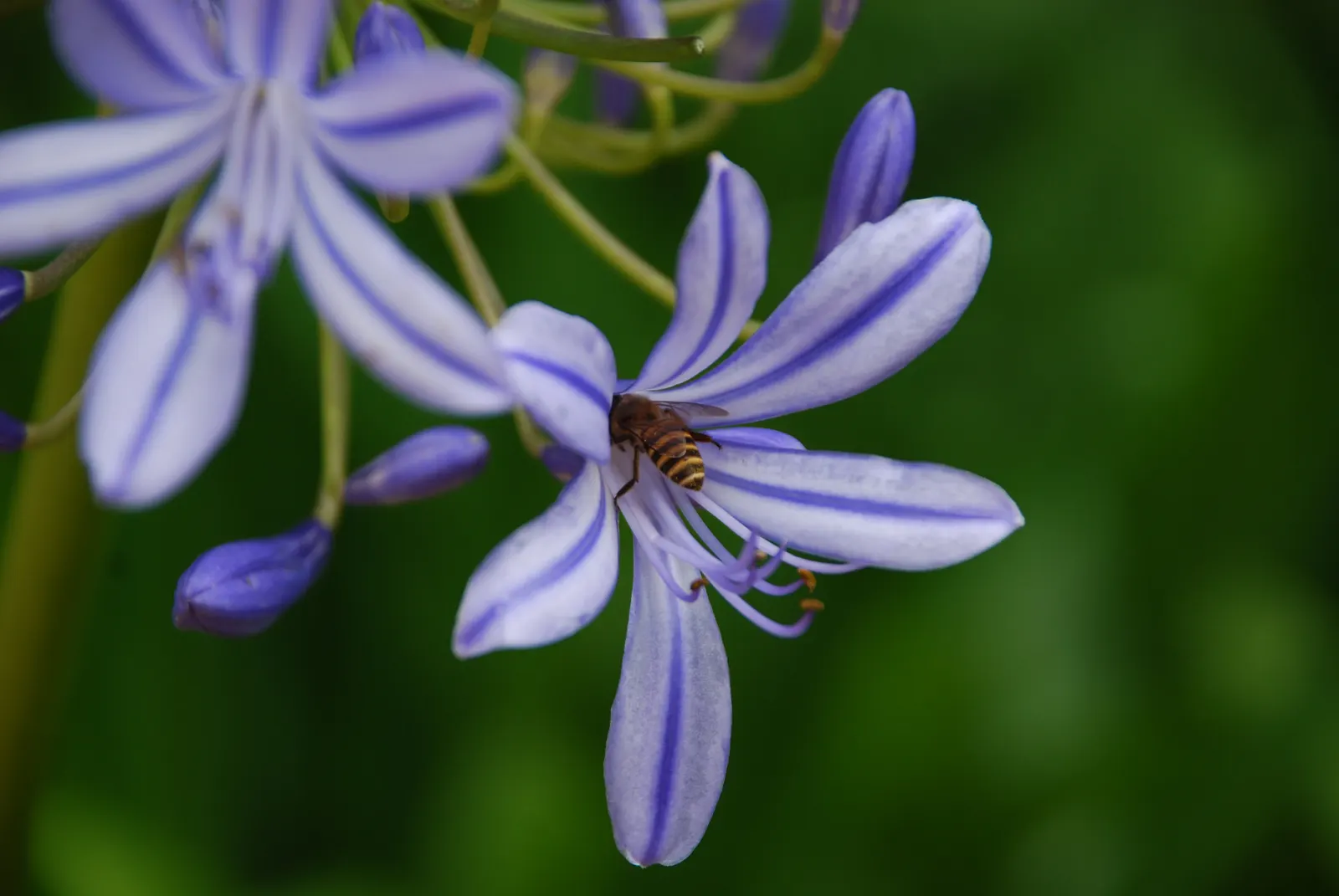
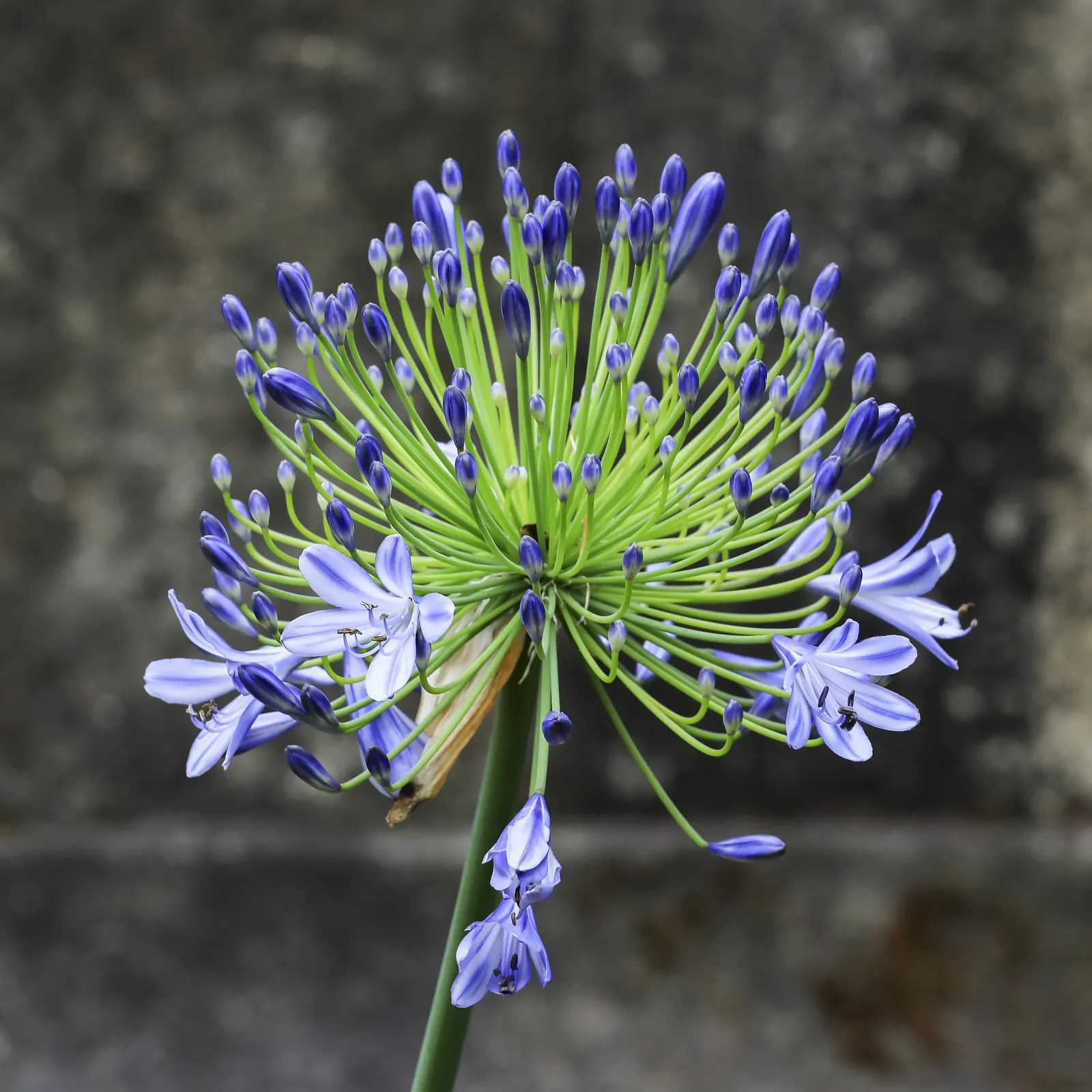
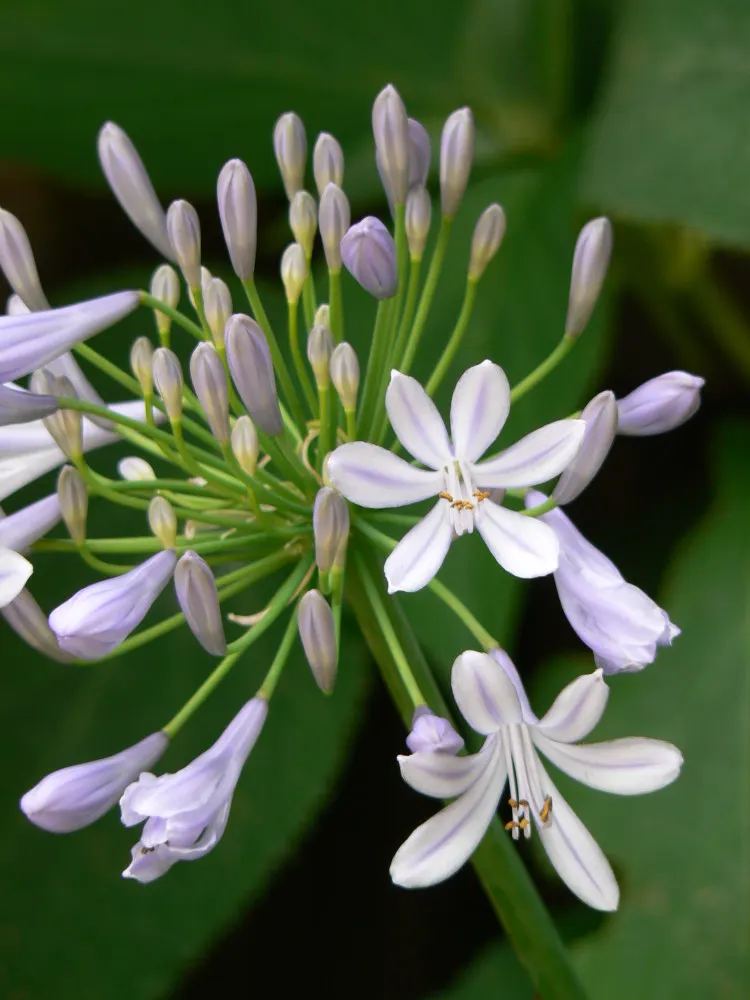
The Lily of the Nile (Agapanthus africanus) features striking globes of trumpet-shaped, blue to violet flowers atop sturdy stalks up to 3 feet tall. Thriving in USDA zones 8-10, they prefer full sun to partial shade and well-drained soil. Their lush, strap-like foliage forms clumps roughly 18-24 inches wide. Durable and low-maintenance, they accent borders and work well in mass plantings or containers. Blooms peak in mid to late summer.
Sun Full, HalfWater Extra in Summer, MediumZones 8–11Type Ground cover, PerennialClimate Subtropical
Culture
- Sun
- Full, Half
- Water
- Extra in Summer, Medium
- USDA zones
- 8–11
Shape & size
- Mature height
- 2–3 Ft.
- Mature width
- 2–3 Ft.
Classification
- Type
- Ground cover, Perennial
- Family
- Amaryllidaceae
- Climate
- Subtropical
See full data, regional cultivation notes, and design tools. Build a client presentation around this plant.
Start your 14-day trialPhotos (67)
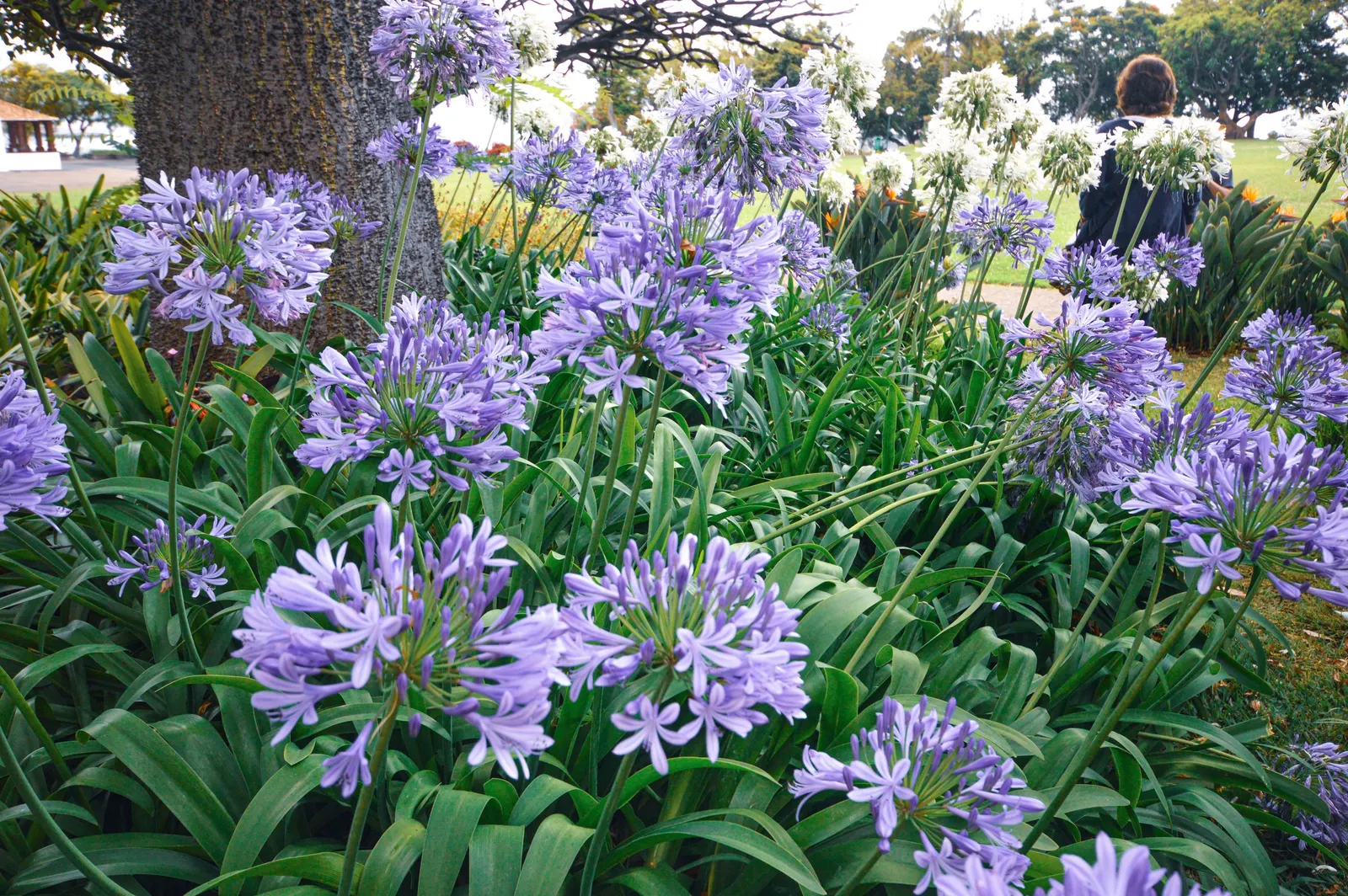
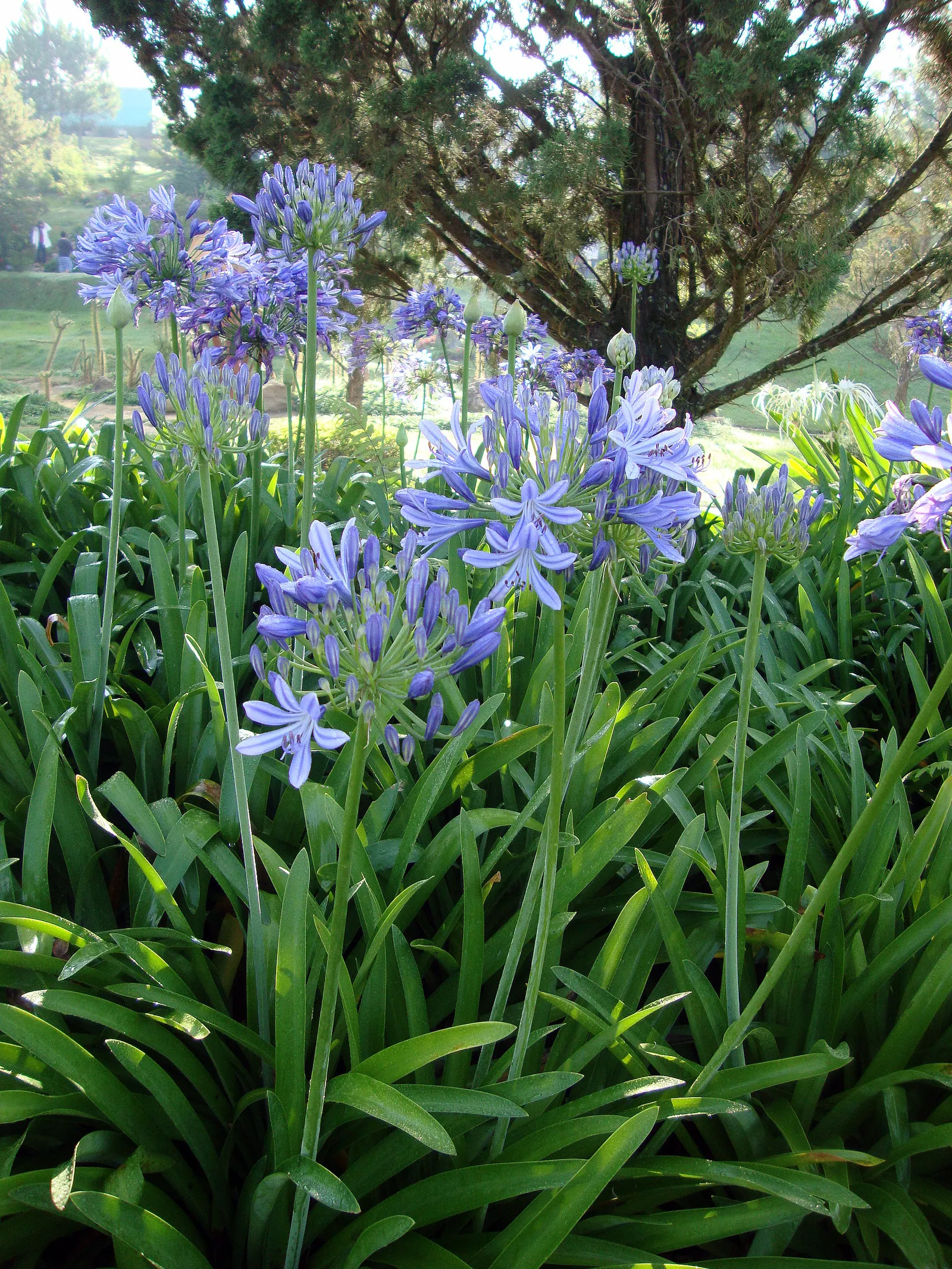
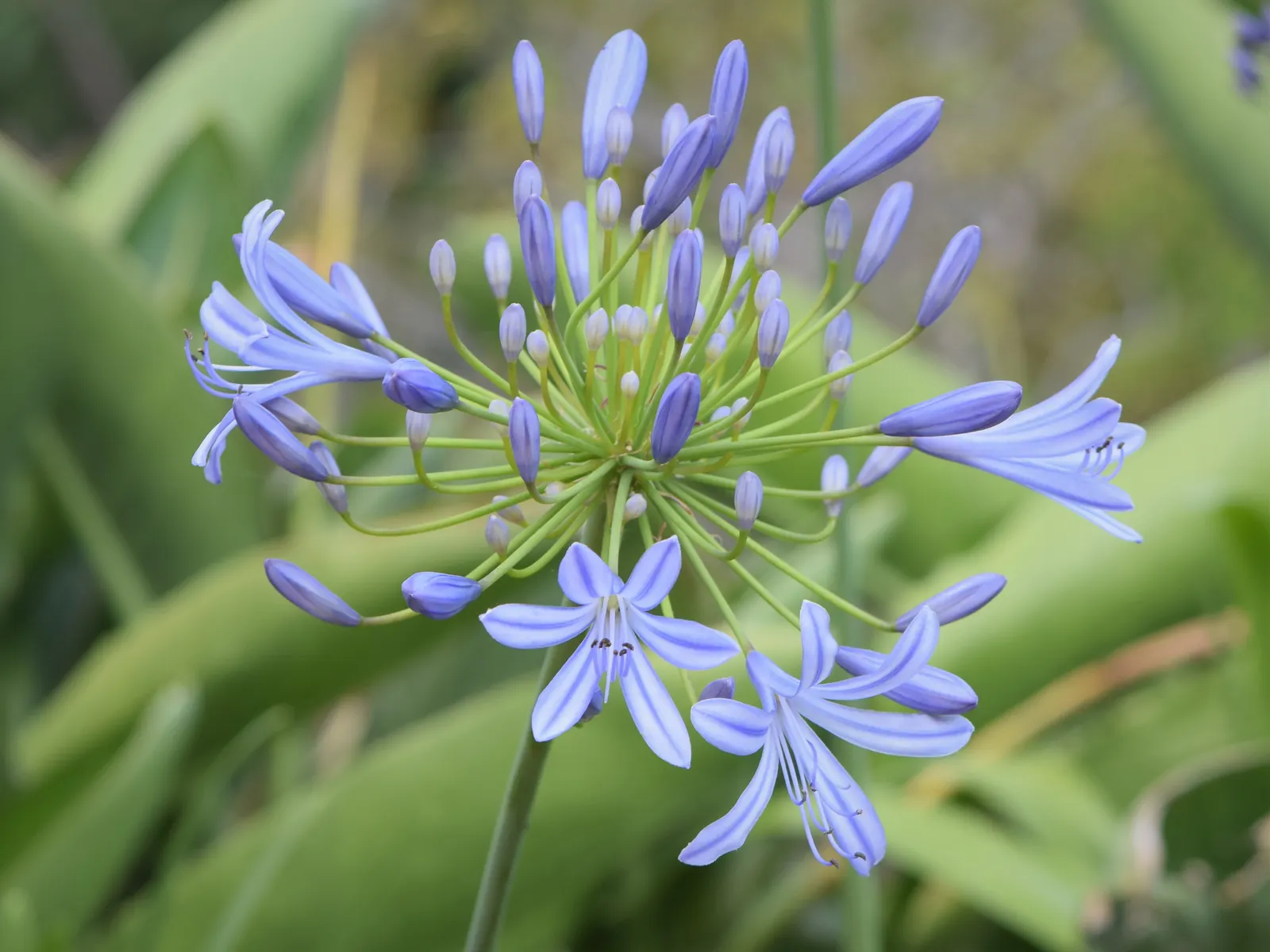
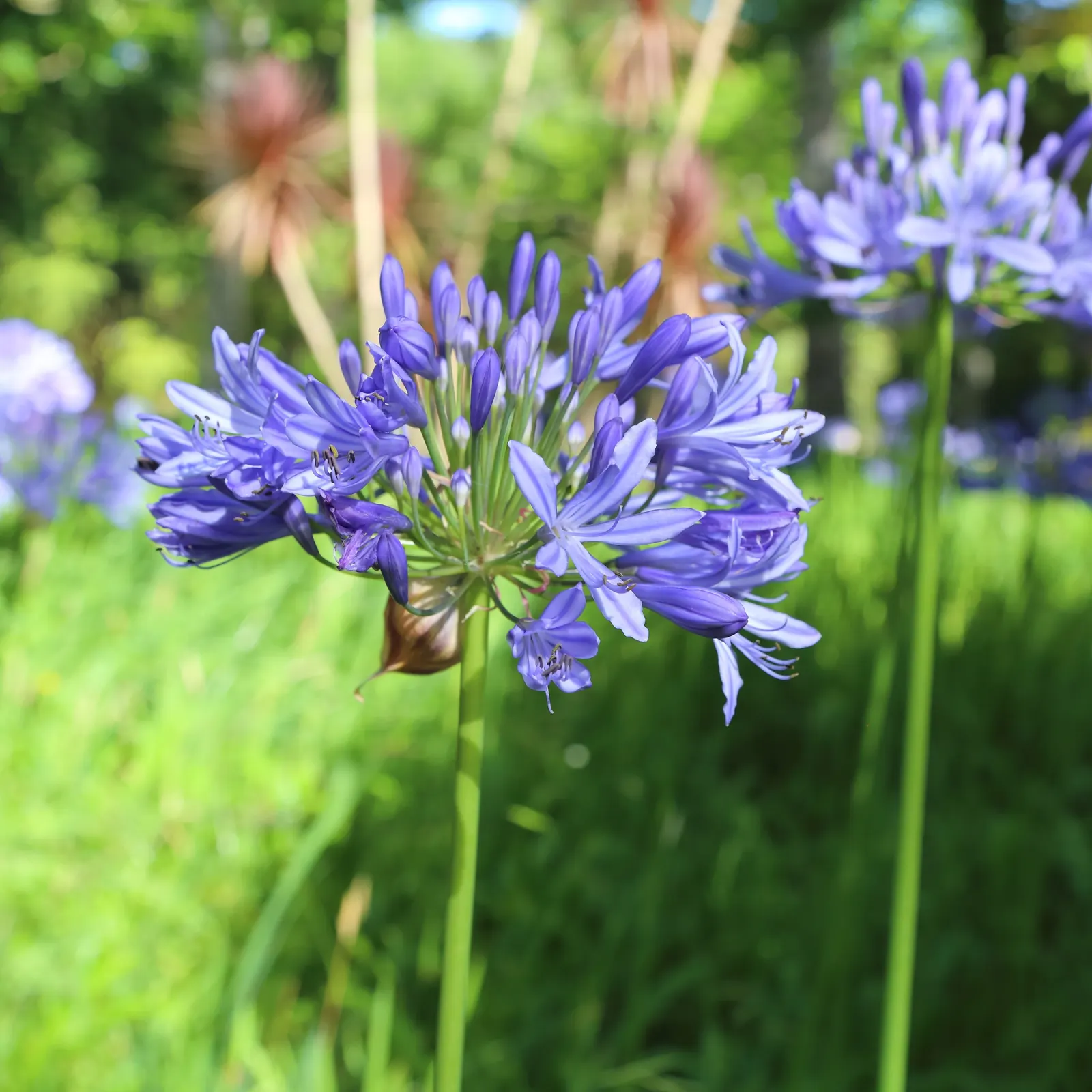
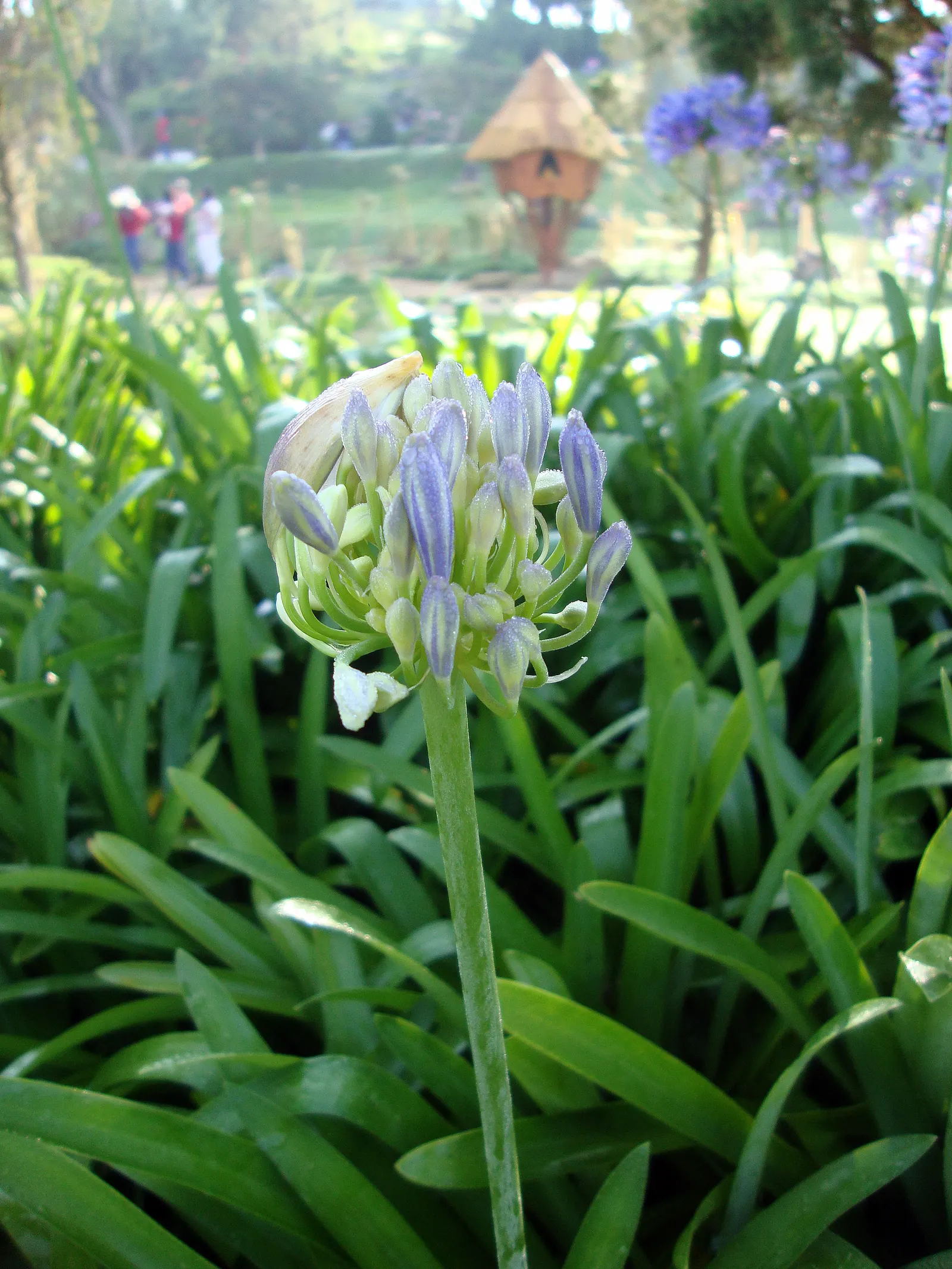
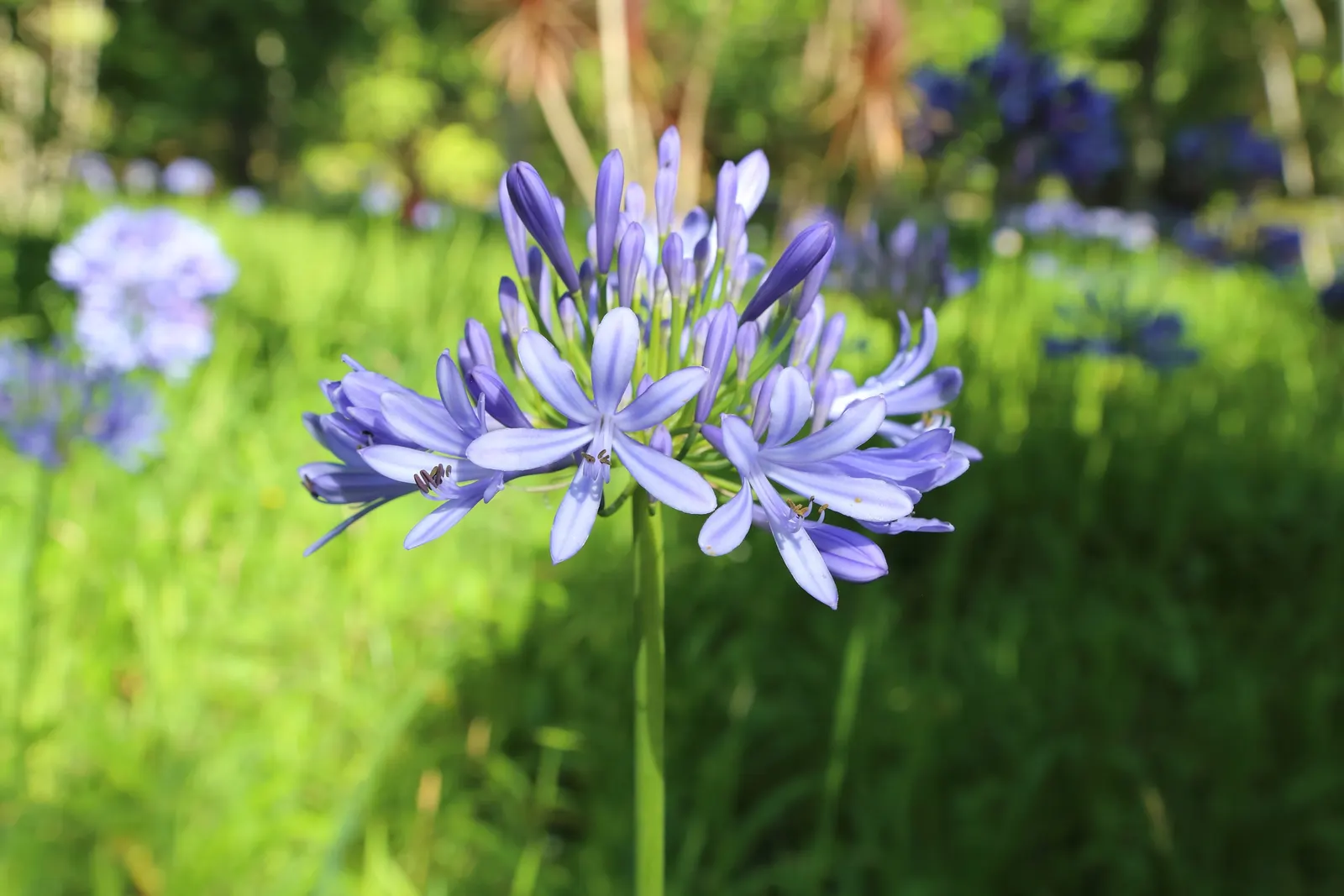
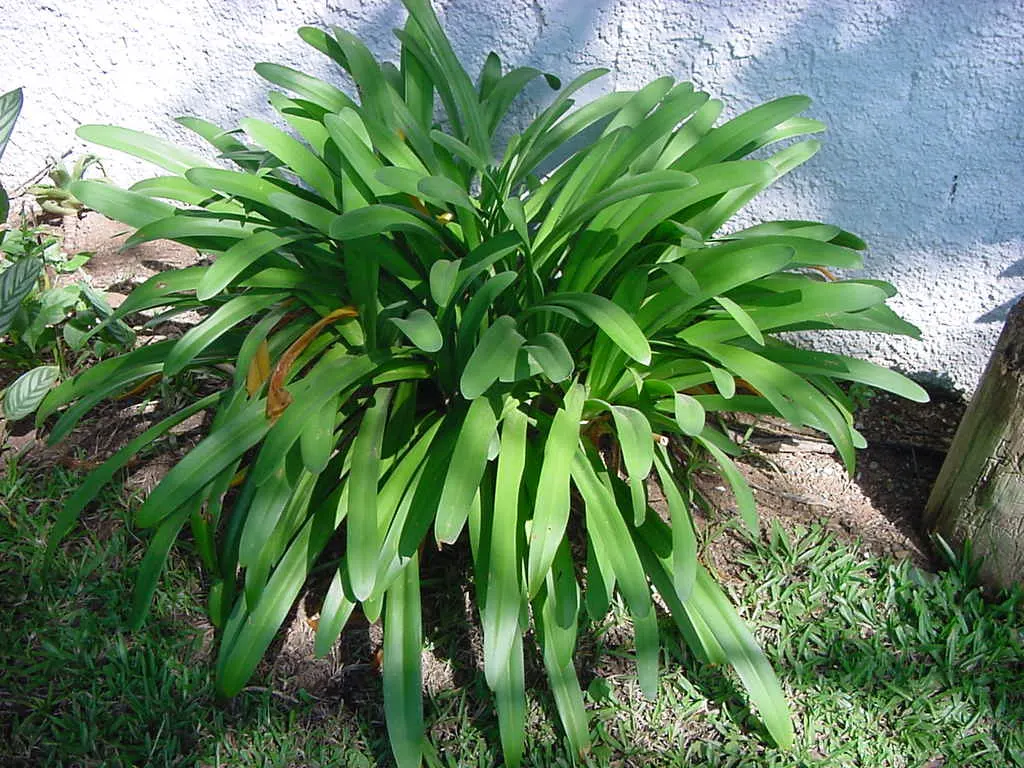
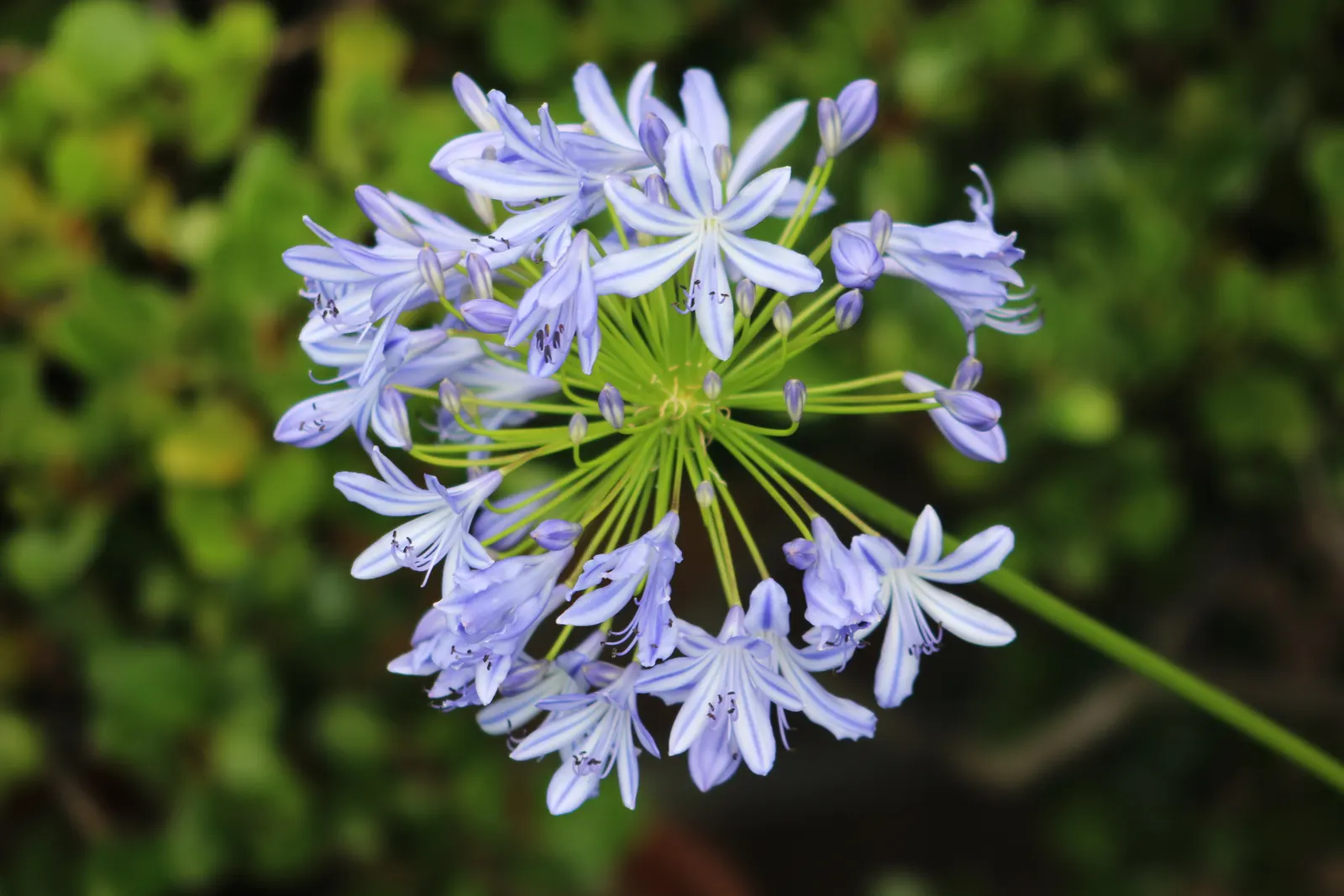
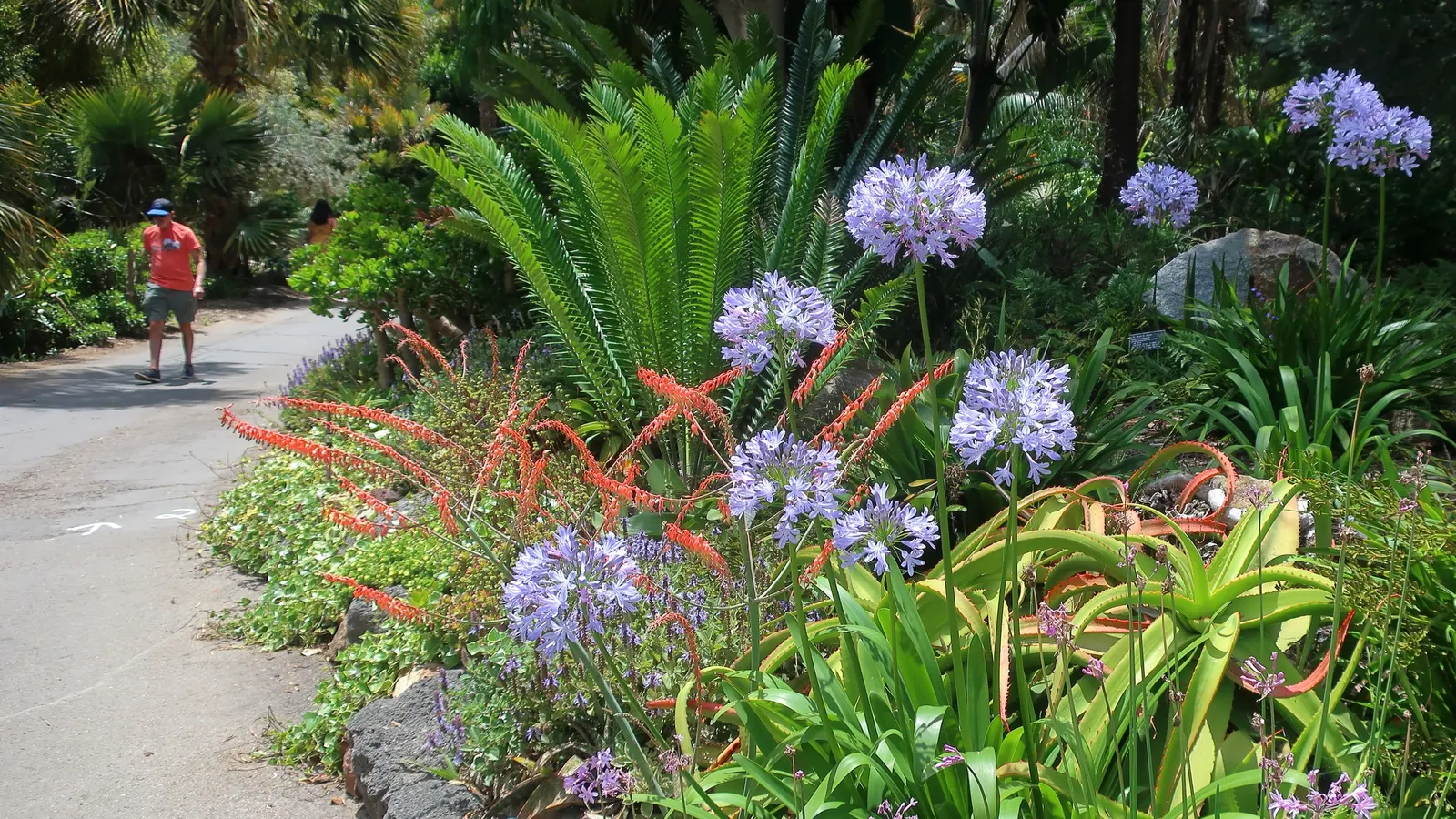
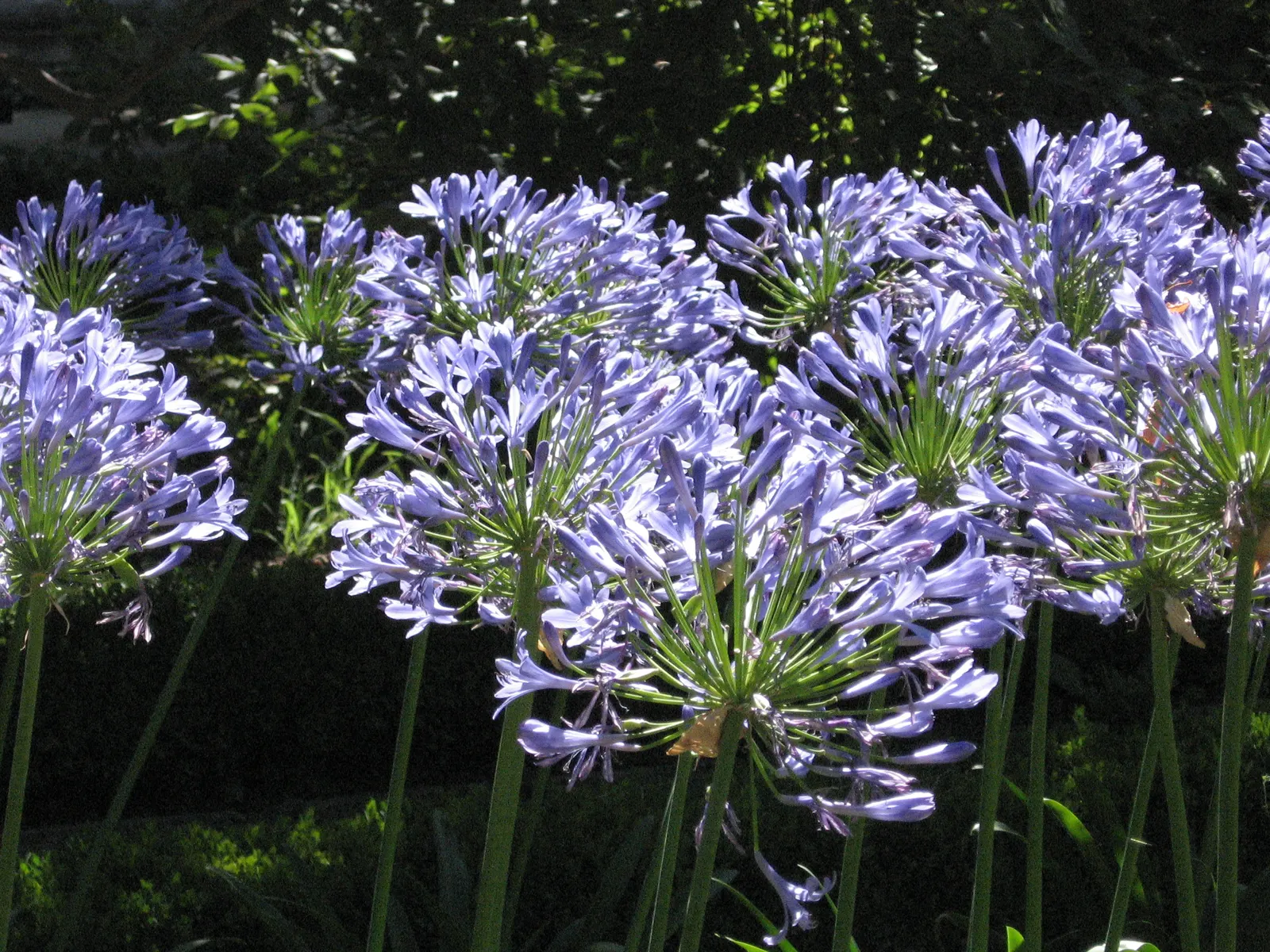
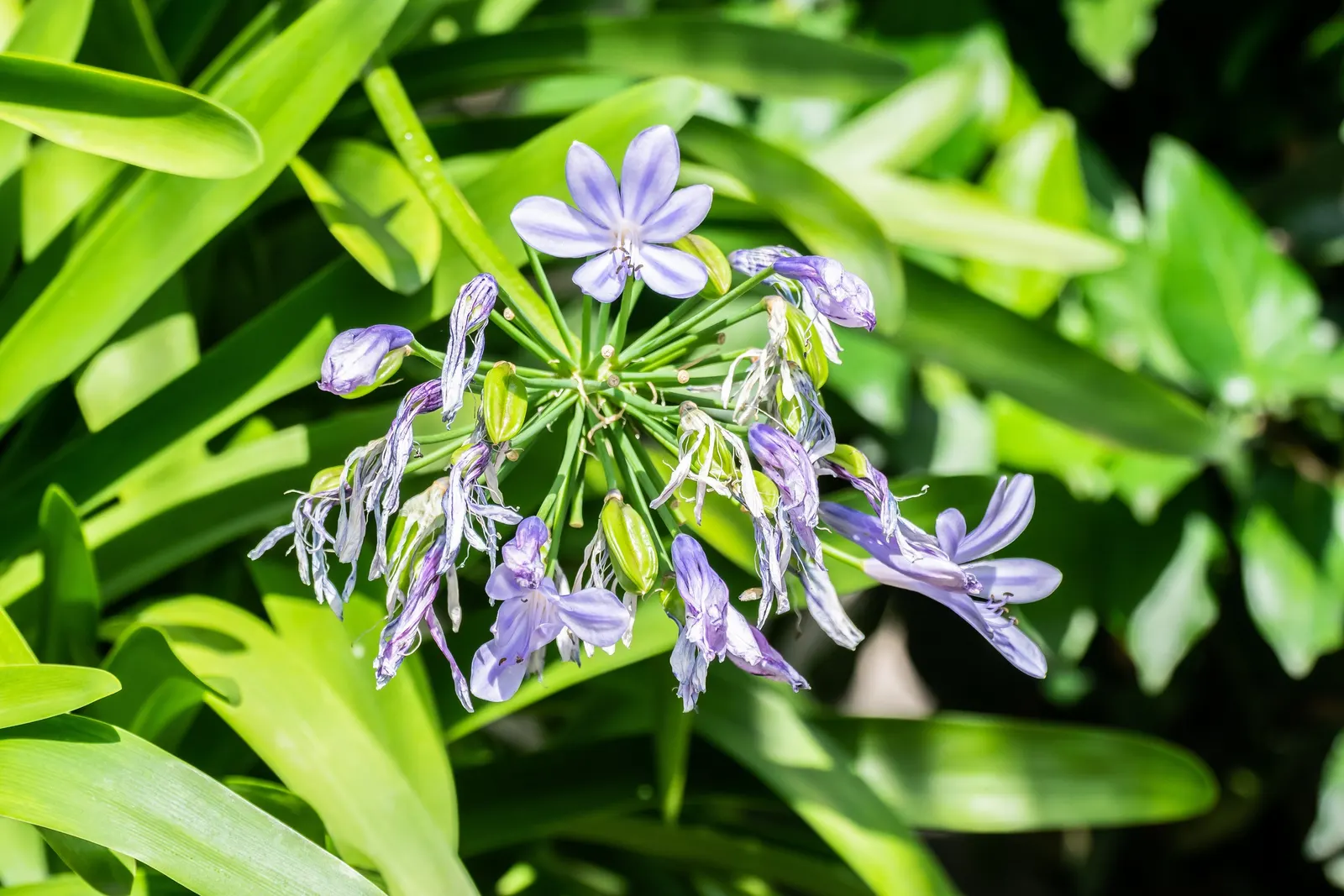
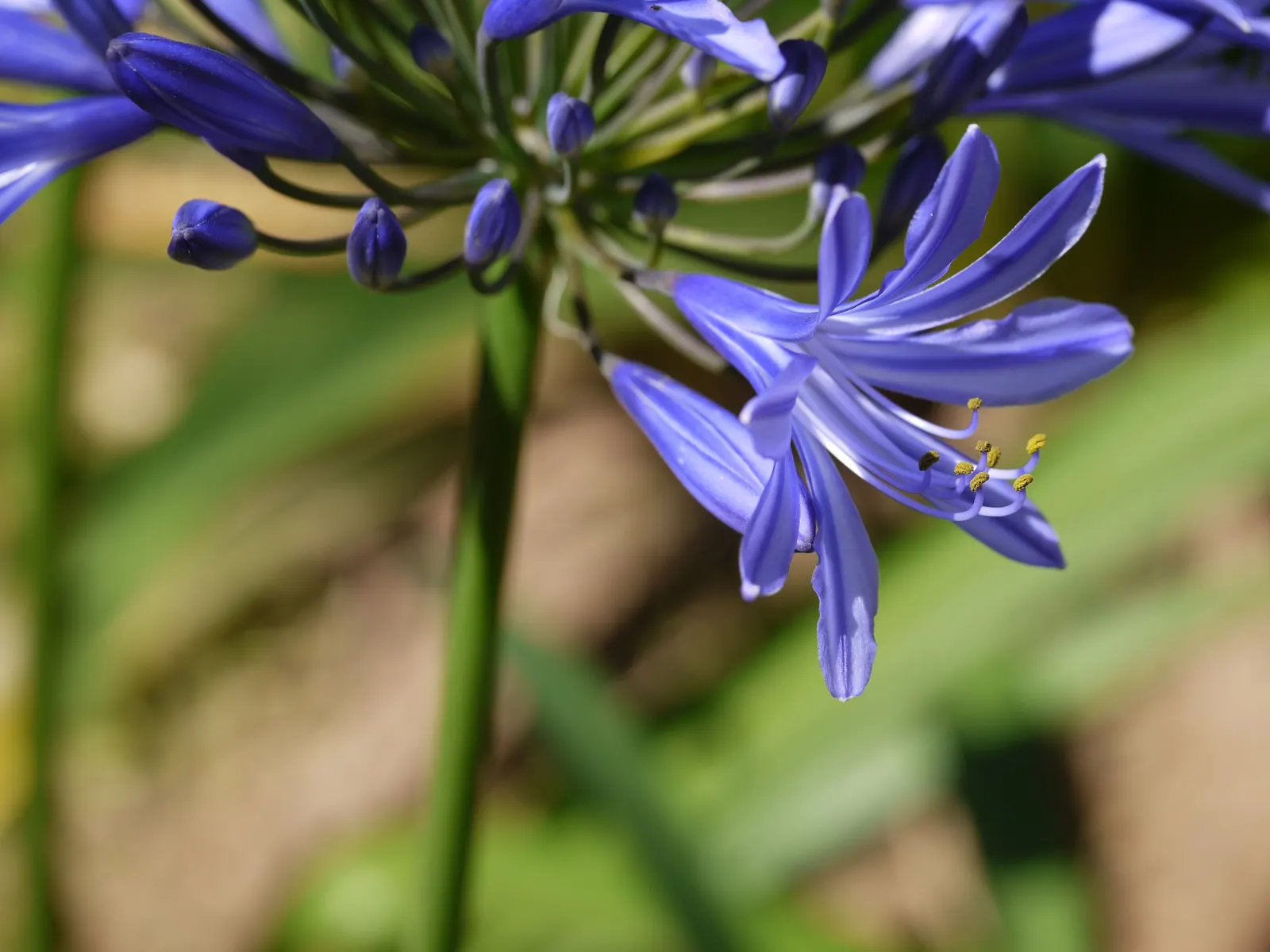
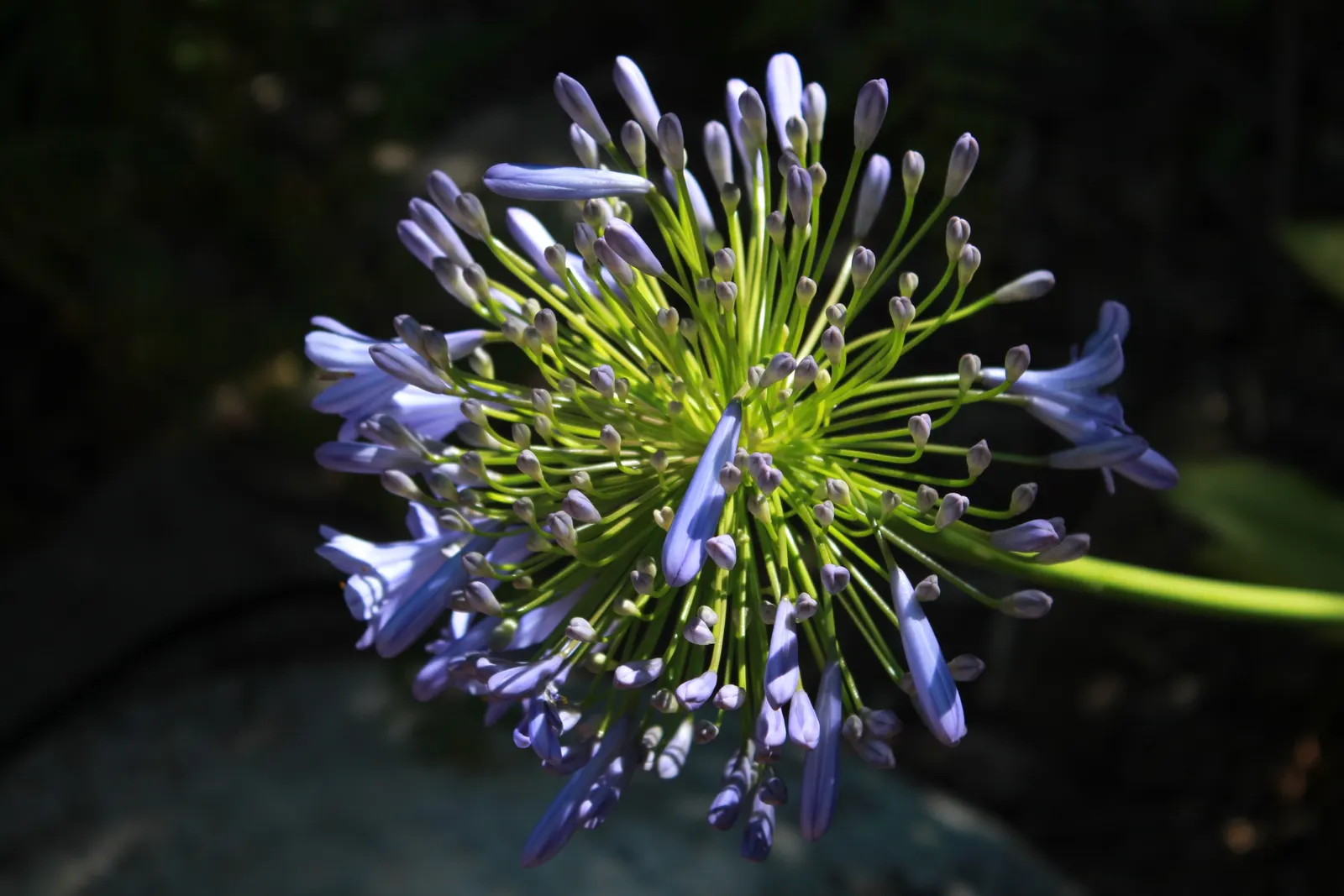
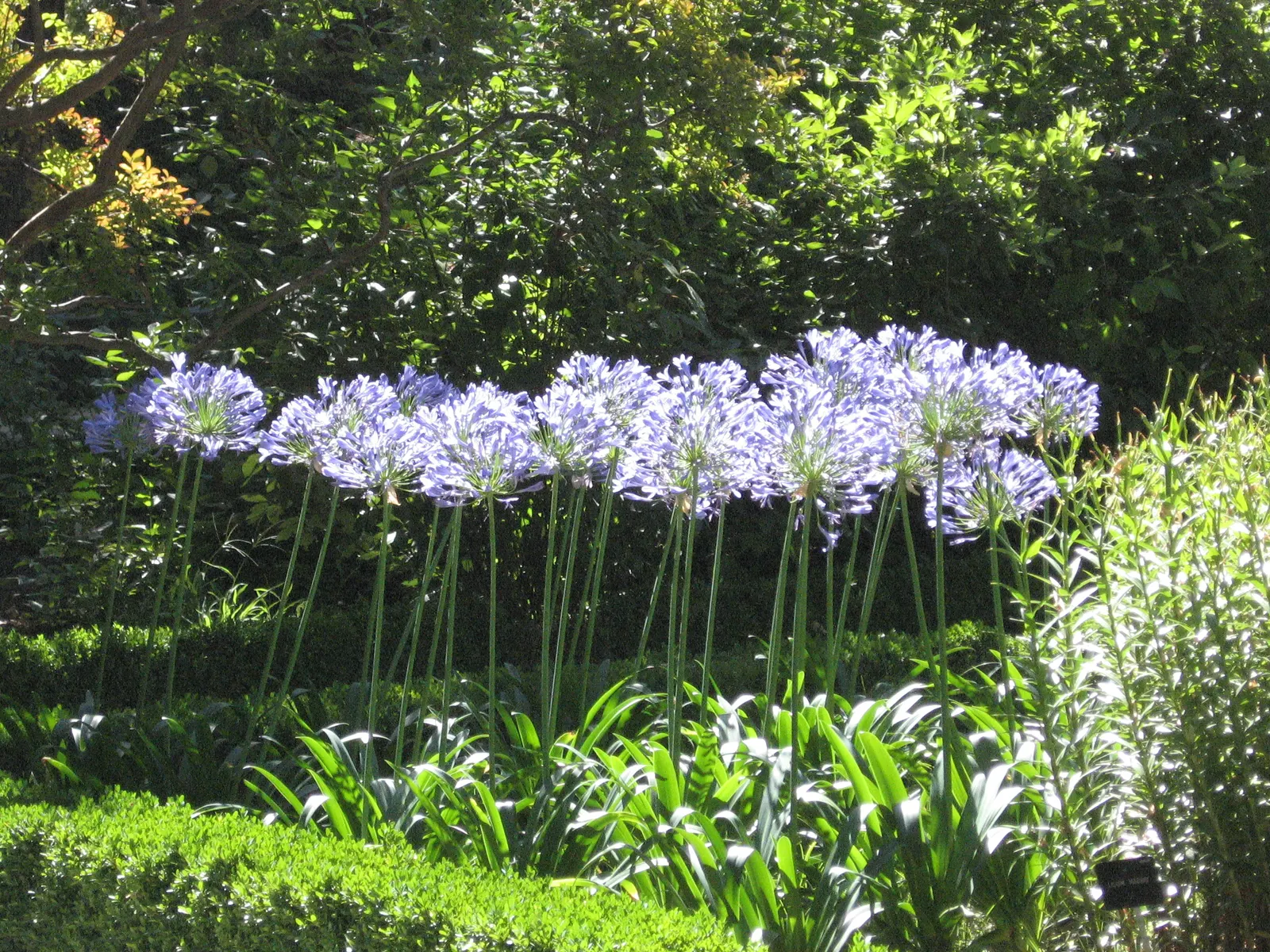
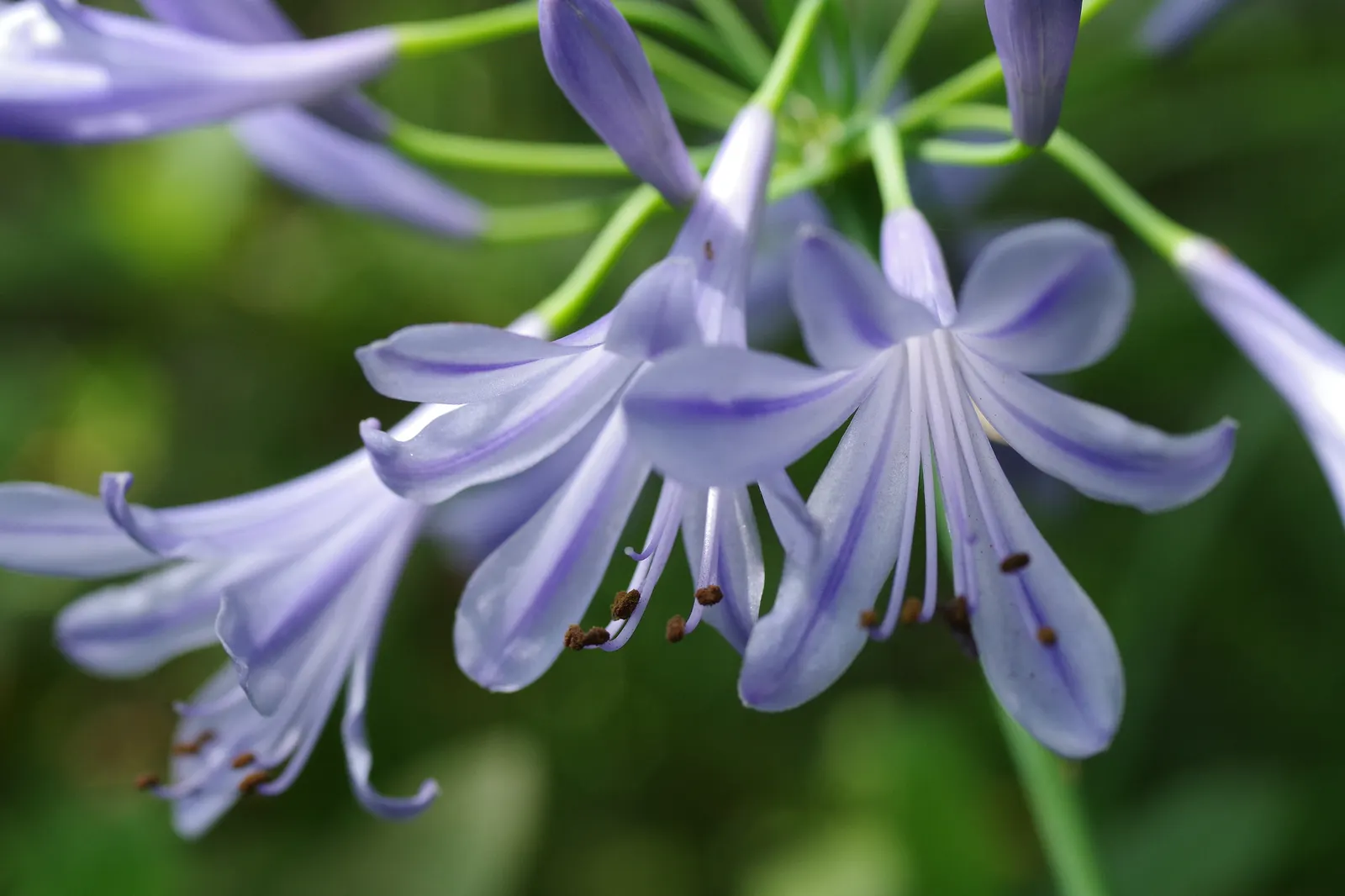
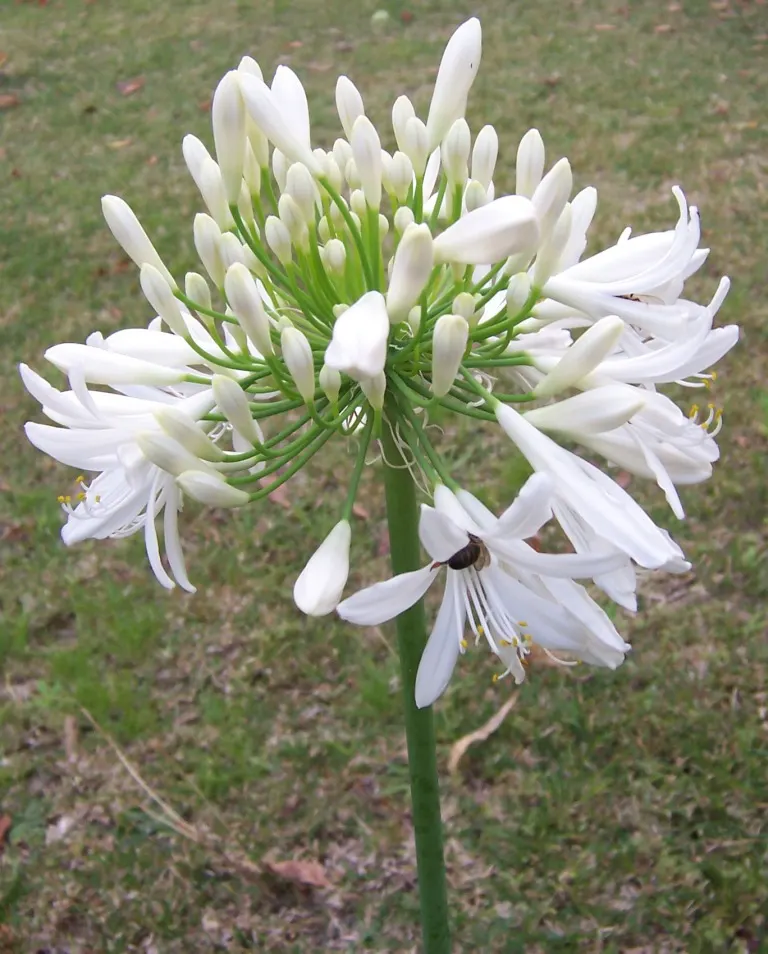
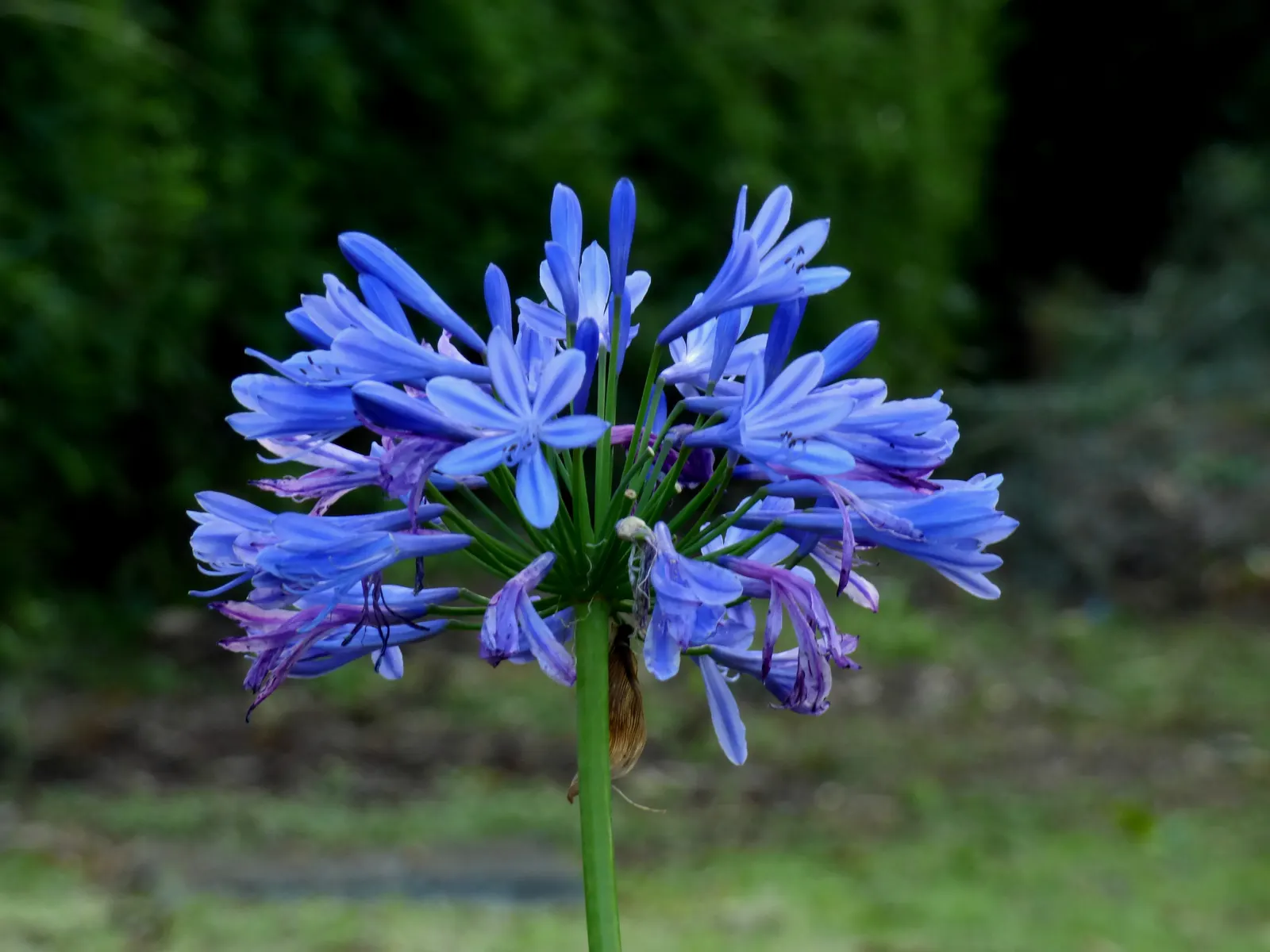
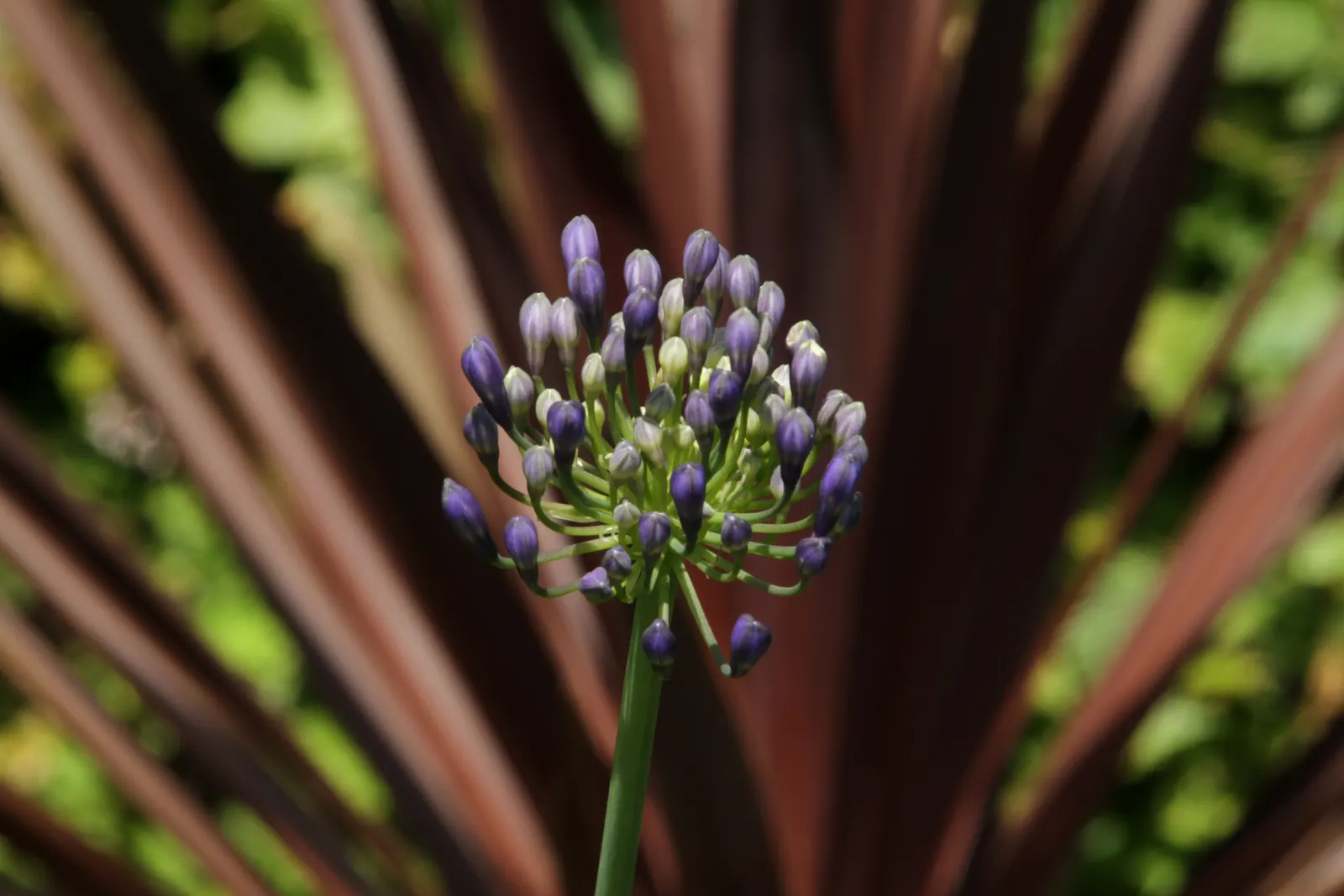
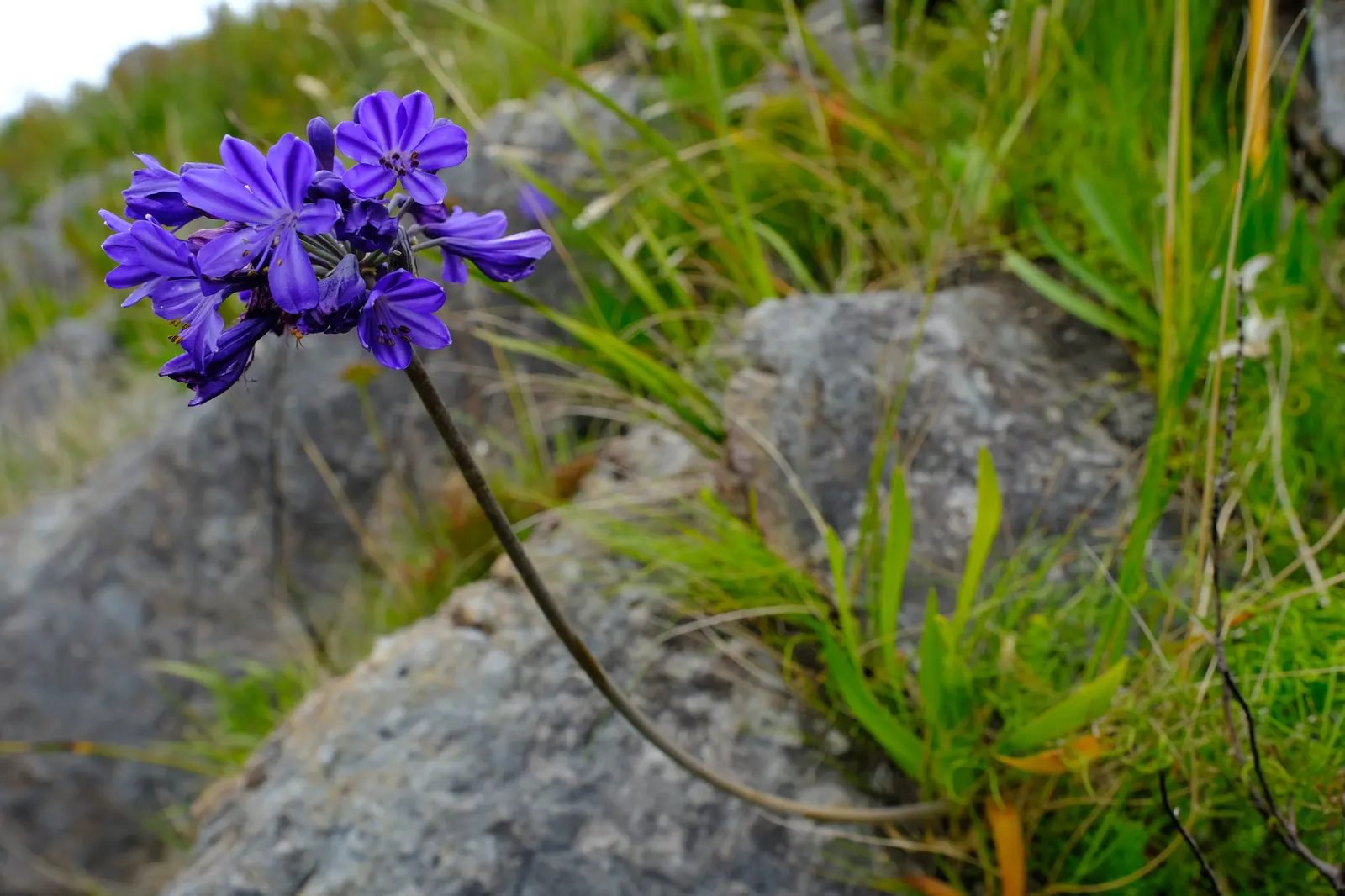
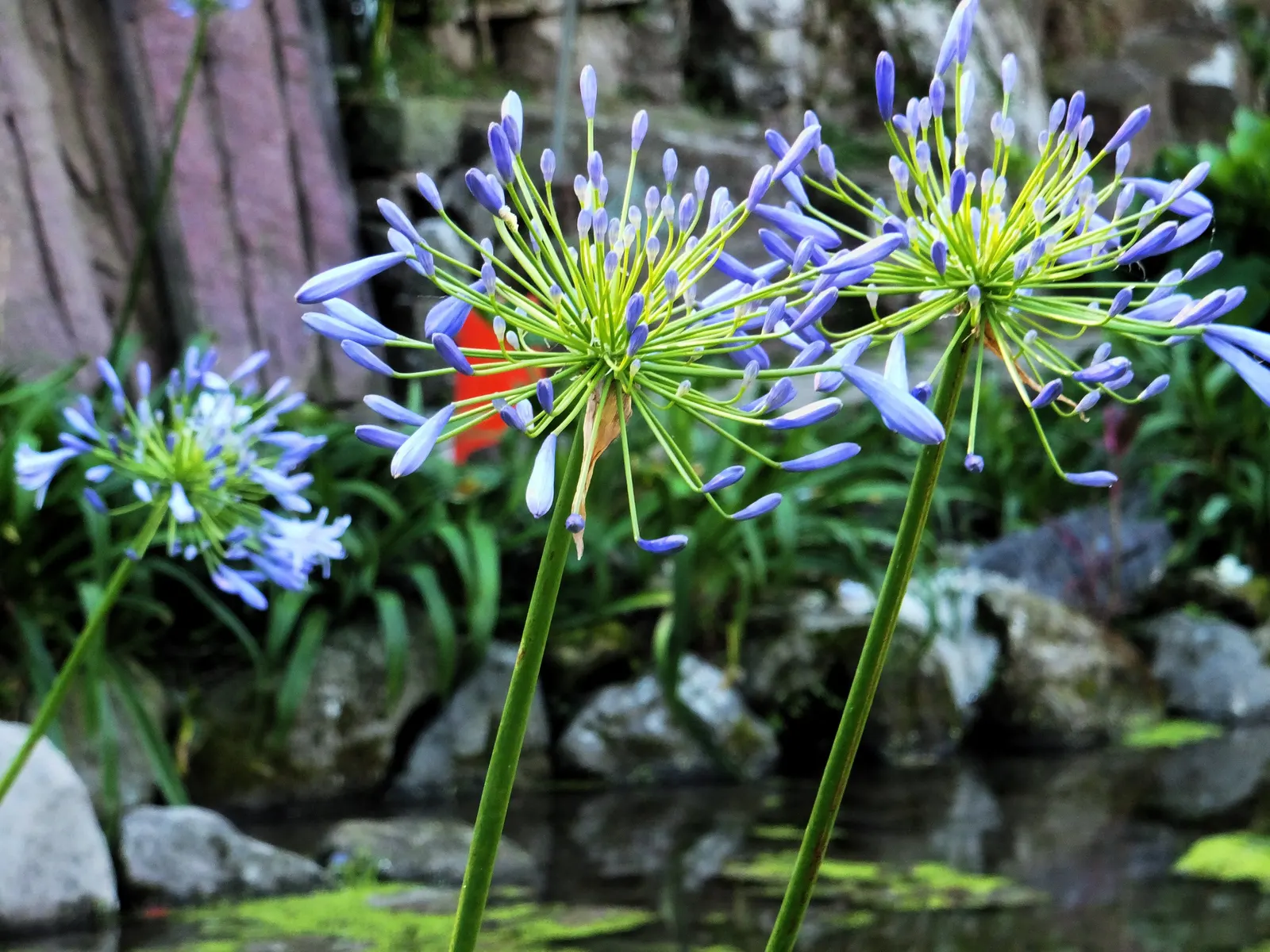
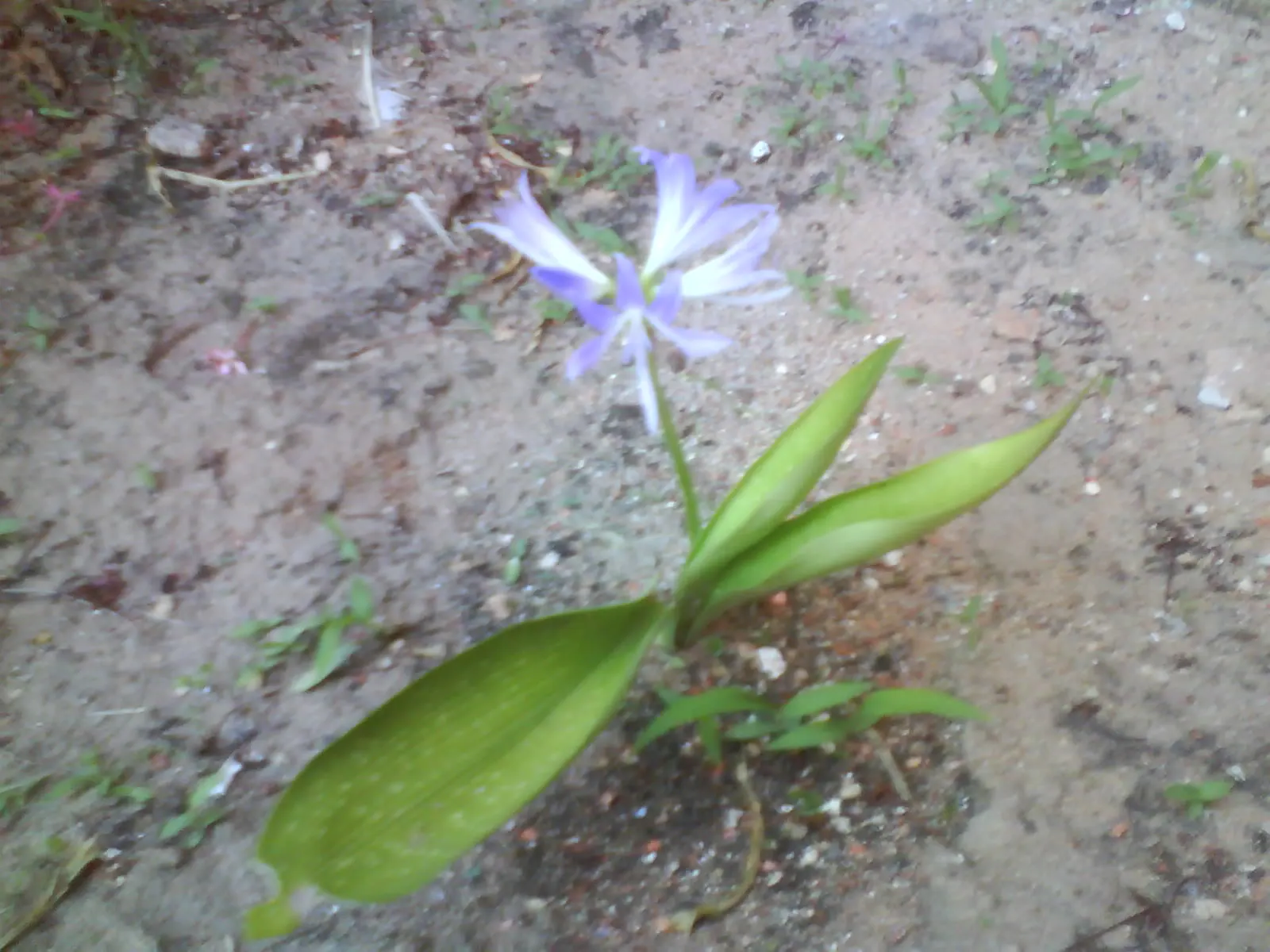
Photographs by 20 contributors
- pmquan, CC BY 2.0 · source
- Lmbuga, CC BY-SA 4.0 · source
- Kuribo, CC BY-SA 3.0 · source
- Michael Gaylard from Horsham, UK, CC BY 2.0 · source
- Prenn, CC BY-SA 3.0 · source
- Krzysztof Ziarnek, Kenraiz, CC BY-SA 4.0 · source
- C T Johansson, CC BY-SA 4.0 · source
- Rodolfo klafke, CC BY-SA 3.0 · source
- Usien, CC BY-SA 3.0 · source
- cultivar413, CC BY 2.0 · source
- Cillas, CC BY-SA 4.0 · source
- Krzysztof Golik, CC BY 4.0 · source
- Dinesh Valke from Thane, India, CC BY-SA 2.0 · source
- MATHIAS, M H from Guaratinguetá, Brasil, CC BY 2.0 · source
- Chihiro H, CC BY 3.0 · source
- B.navez, CC BY-SA 3.0 · source
- Alejandro Bayer Tamayo from Armenia, Colombia, CC BY-SA 2.0 · source
- Gerd Eichmann, CC BY 4.0 · source
- Nick Helme, CC BY-SA 4.0 · source
- lienyuan lee, CC BY 3.0 · source
Related plants
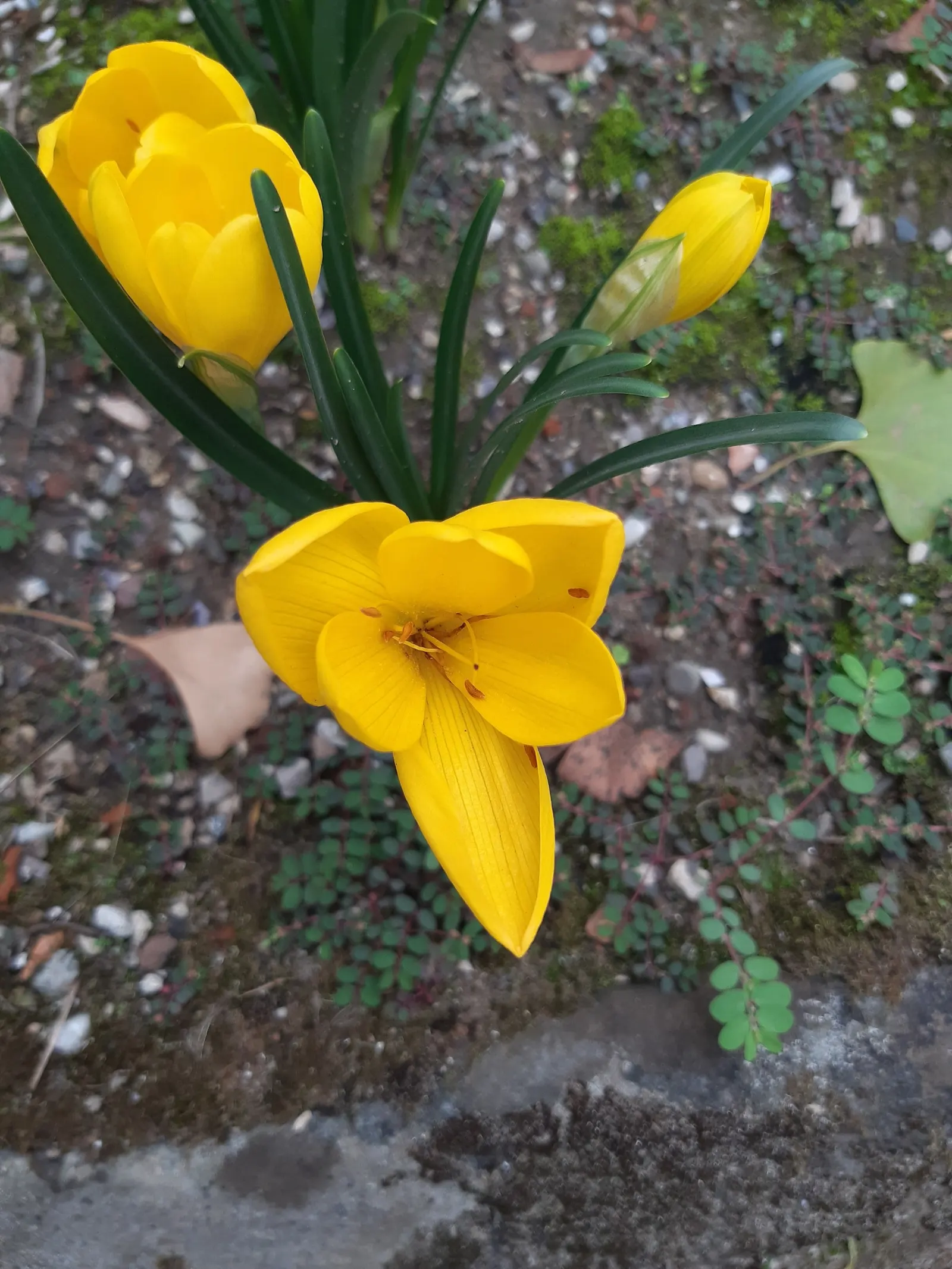
Bulb
Autumn Daffodil
Sternbergia lutea
FullUSDA 6–9
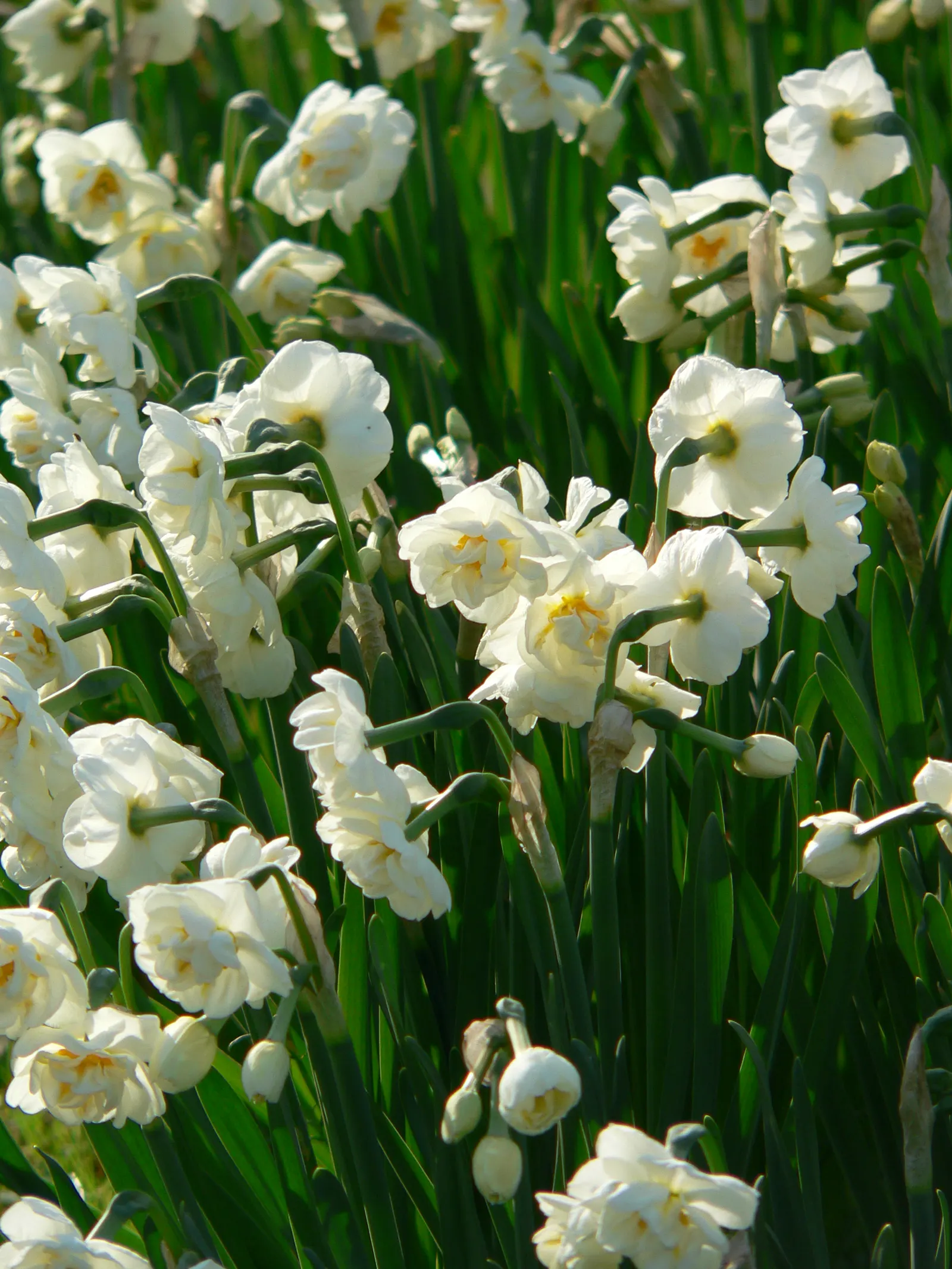
Bulb
Bridal Crown Daffodil
Narcissus 'Bridal Crown'
FullUSDA 3–10
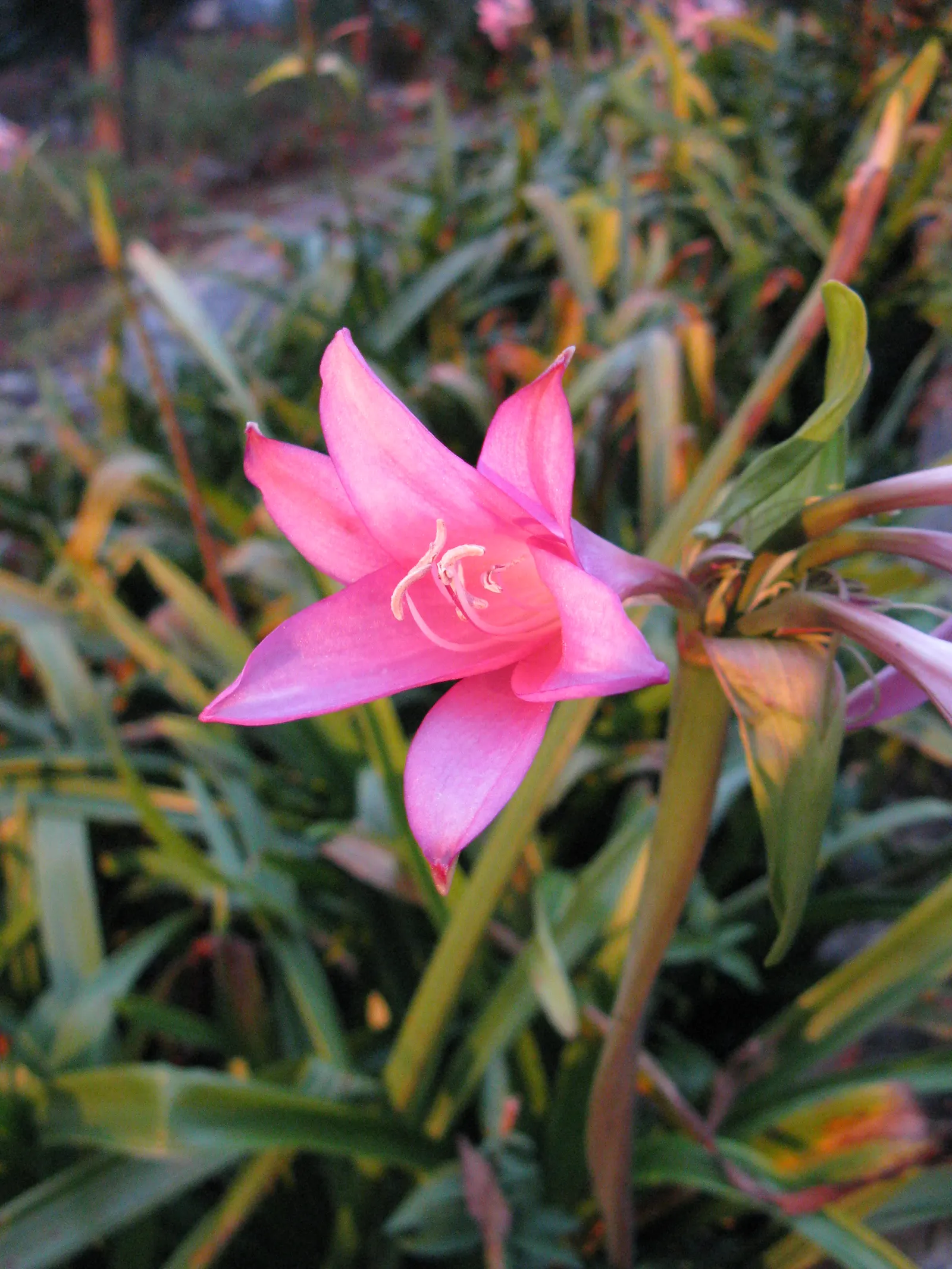
Bulb
Crinodonna Lily
Amarcrinum Memoria-Corsii
FullUSDA 9–10
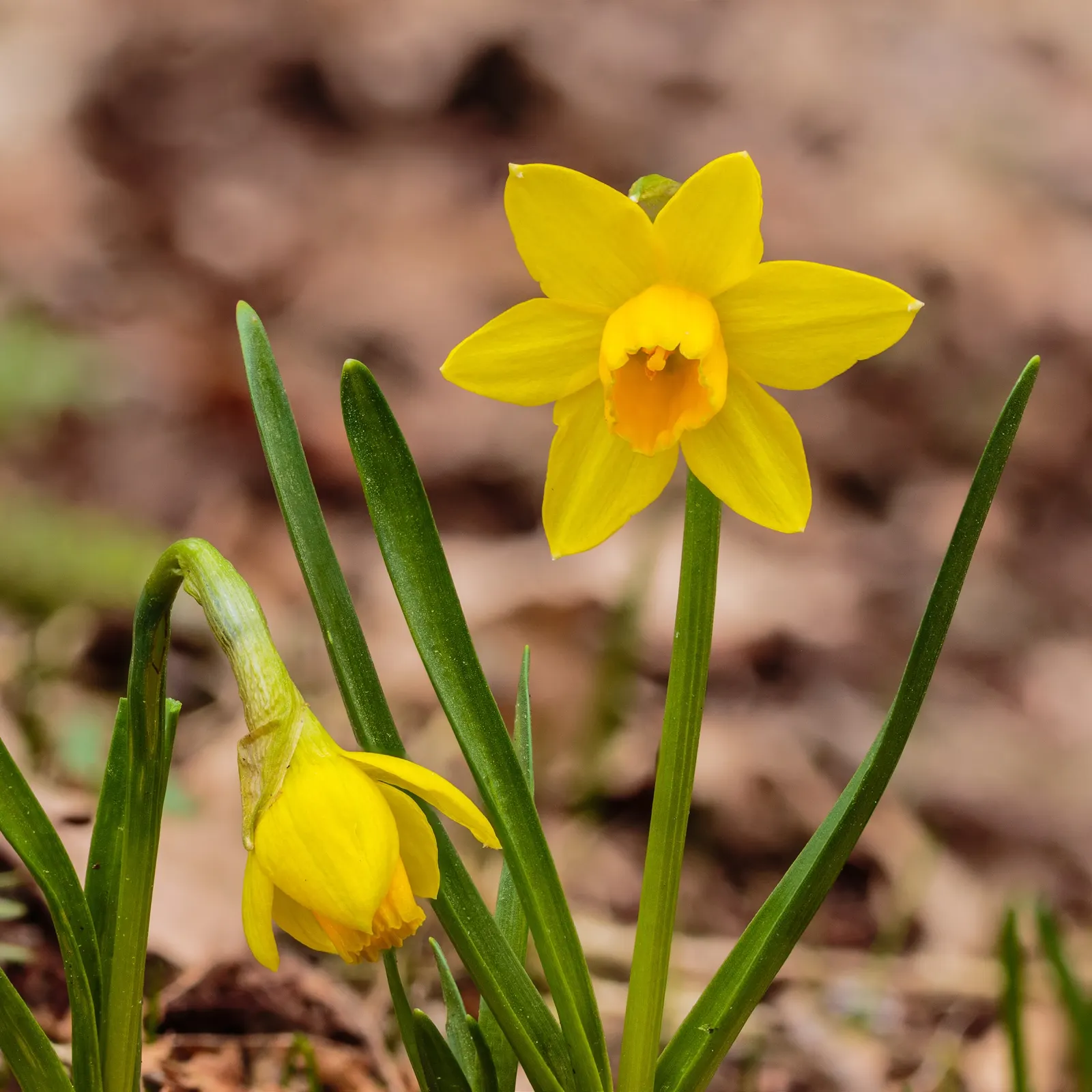
Bulb
Daffodil
Narcissus Assorted Varieties
FullUSDA 3–10
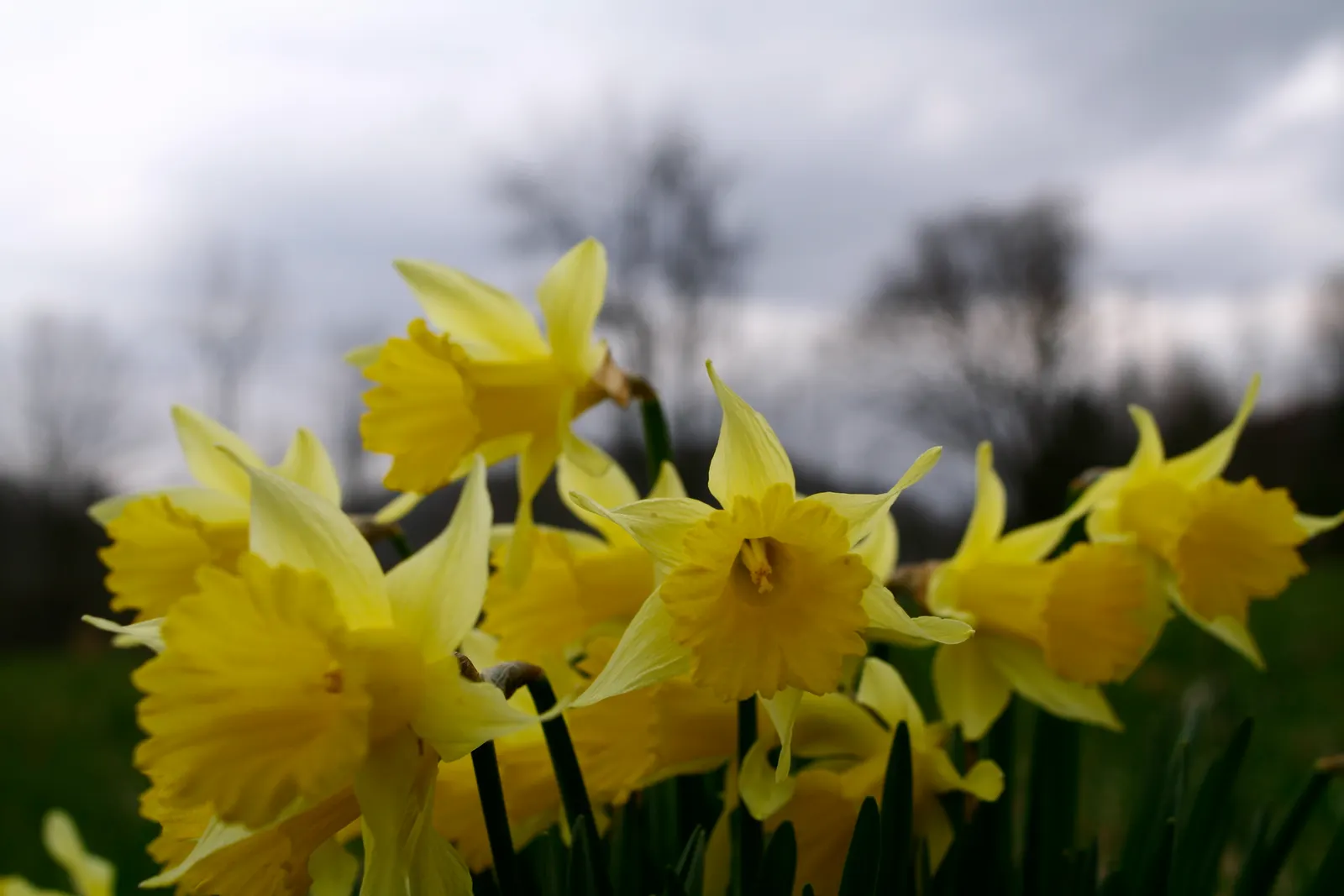
Bulb
Daffodil, Trumpet Narcissus
Narcissus Pseudonarcissus
FullUSDA 3–10
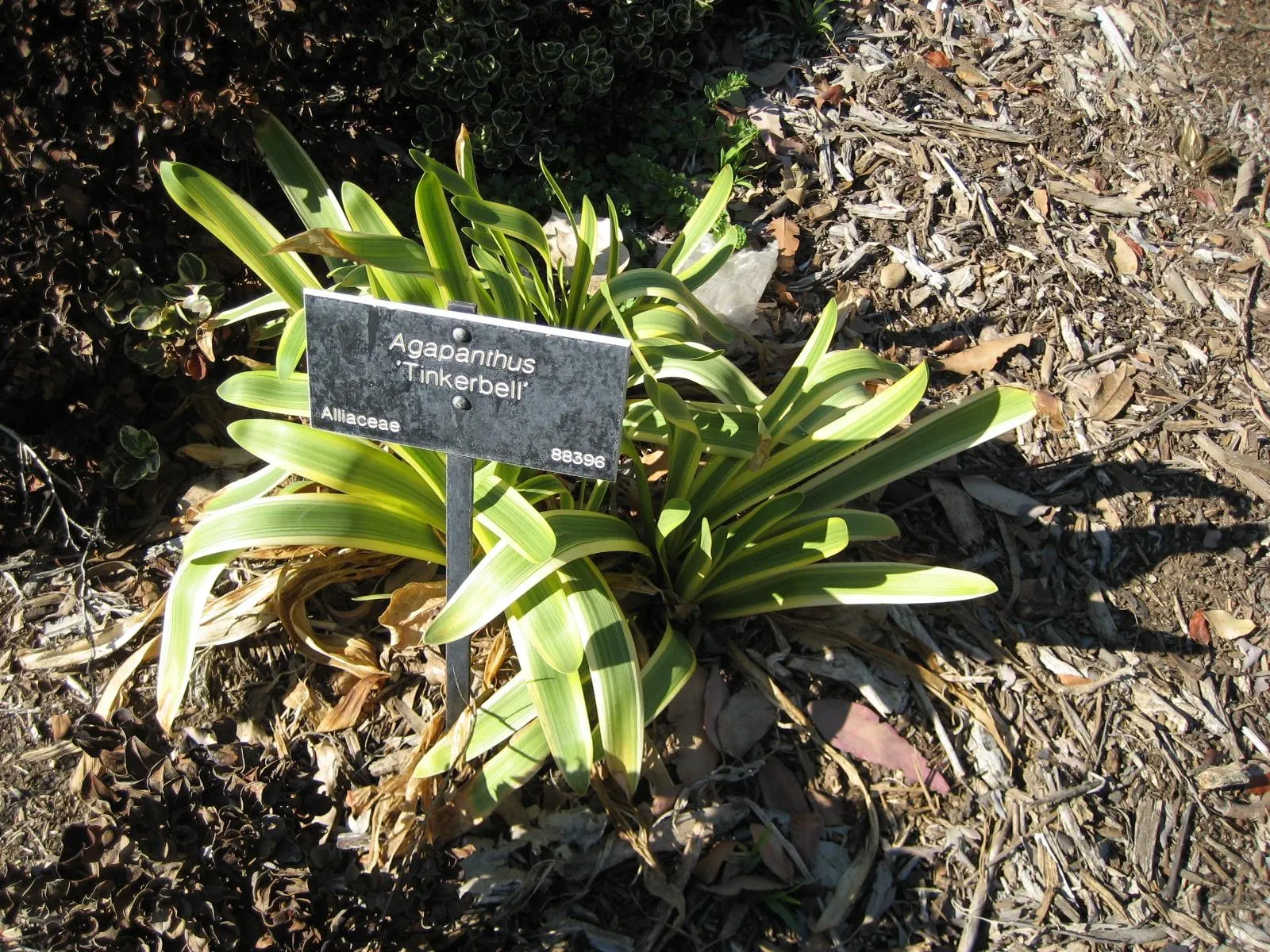
Perennial
Dwarf Blue Lily Of The Nile
Agapanthus 'Tinkerbell'
FullUSDA 8–11