Skip to content

Bottlebrush Buckeye

Aesculus Parviflora

Design with this plant

Overview

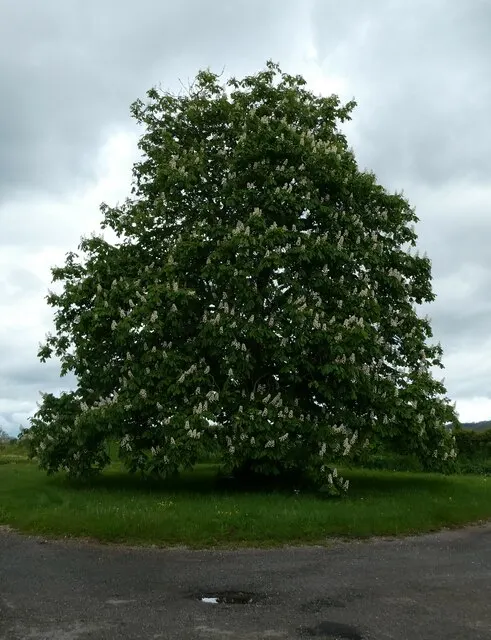
The Common Horsechestnut (Aesculus hippocastanum) is a stately deciduous tree, growing to 50-75 feet tall with a similar spread. Recognized for its showy, pyramid-shaped clusters of white flowers with red spots, it blooms in late spring. Large, palmate leaves turn yellow-brown in fall. Prefers deep, fertile soil. Offers dense shade and produces spiny fruits. Ideal as a specimen tree for large spaces. Zones 3-8, with moderate growth rate.

Sun FullWater Extra in Summer, MediumZones 4–8Climate Temperate
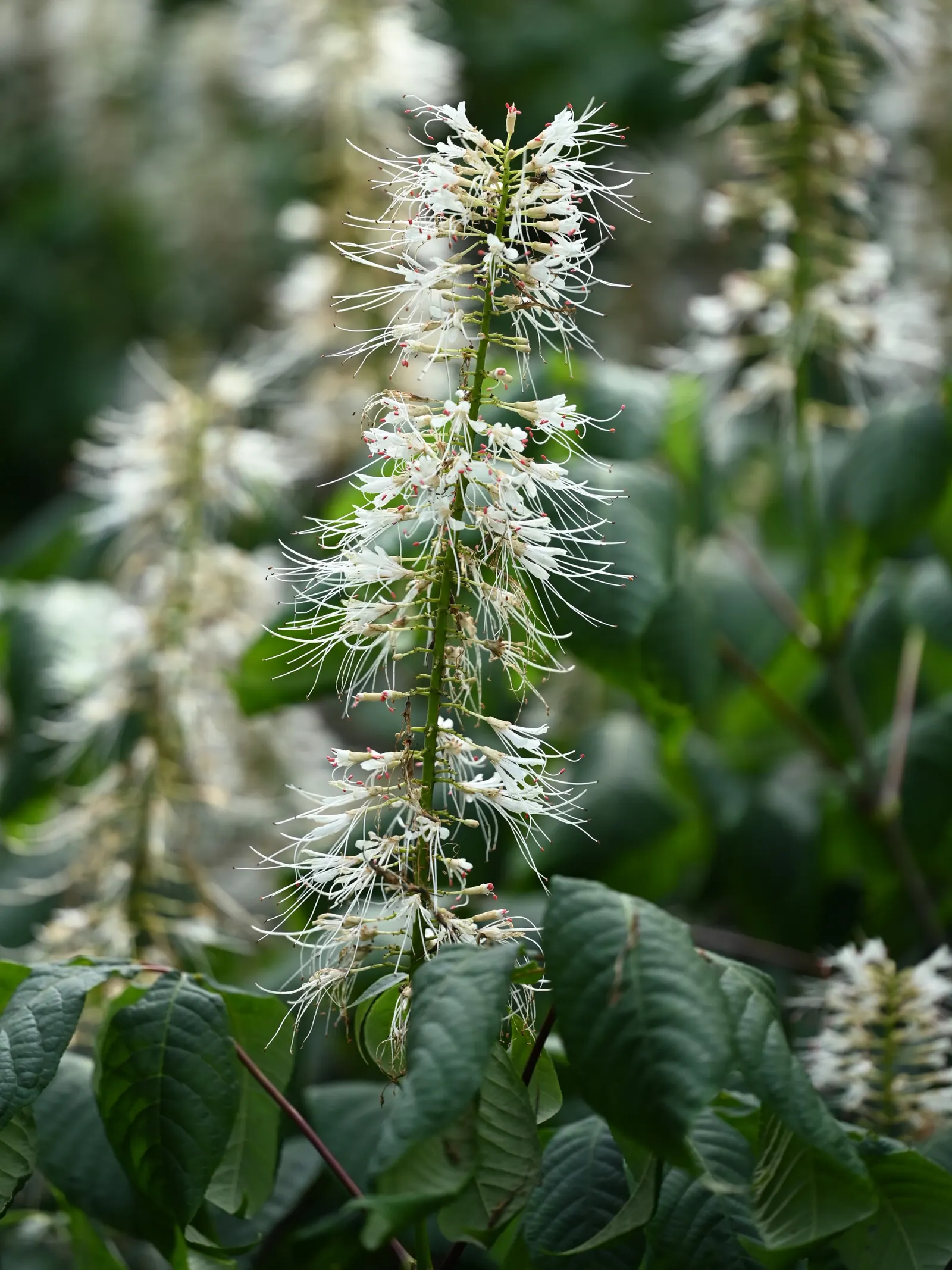
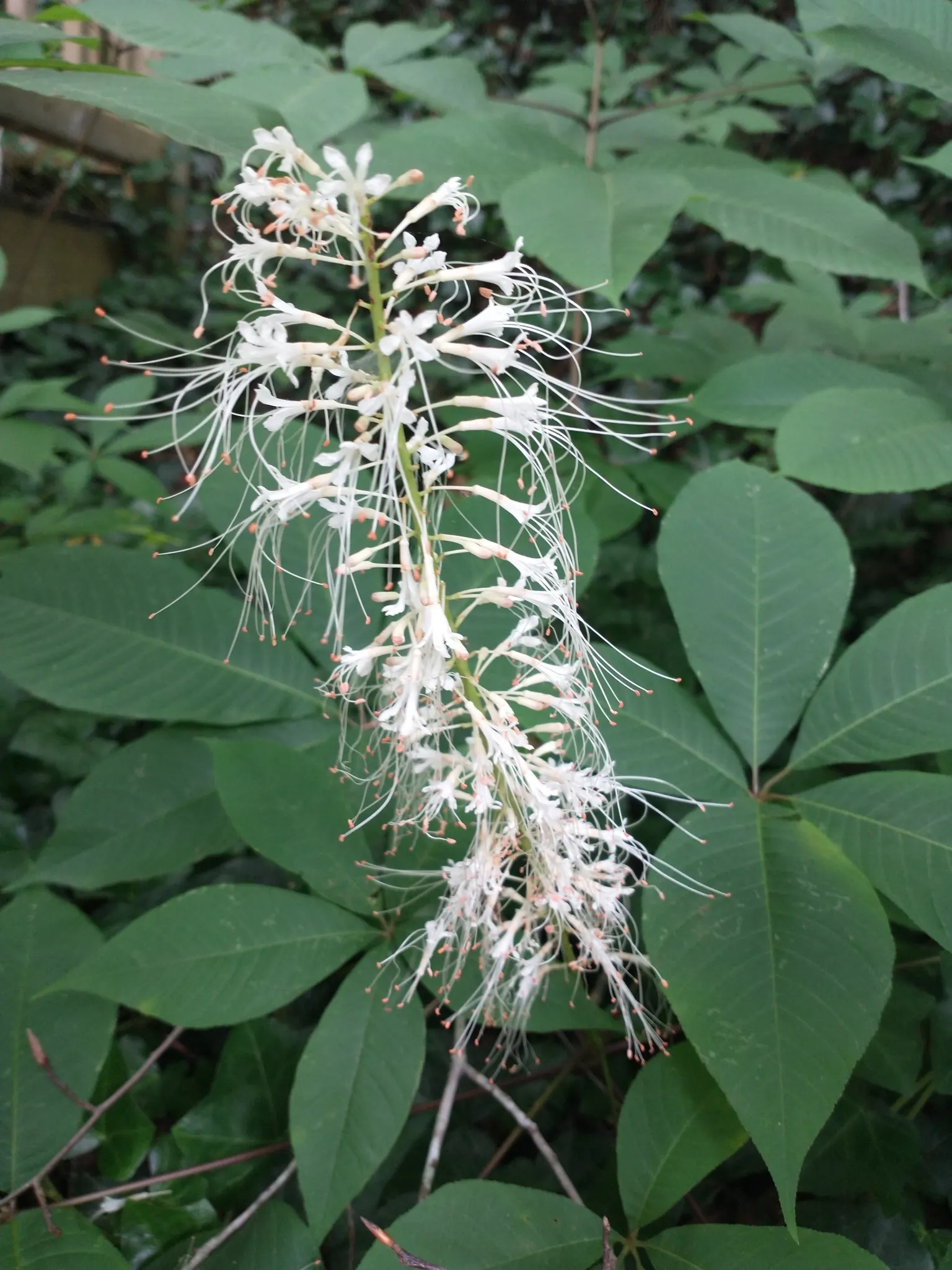
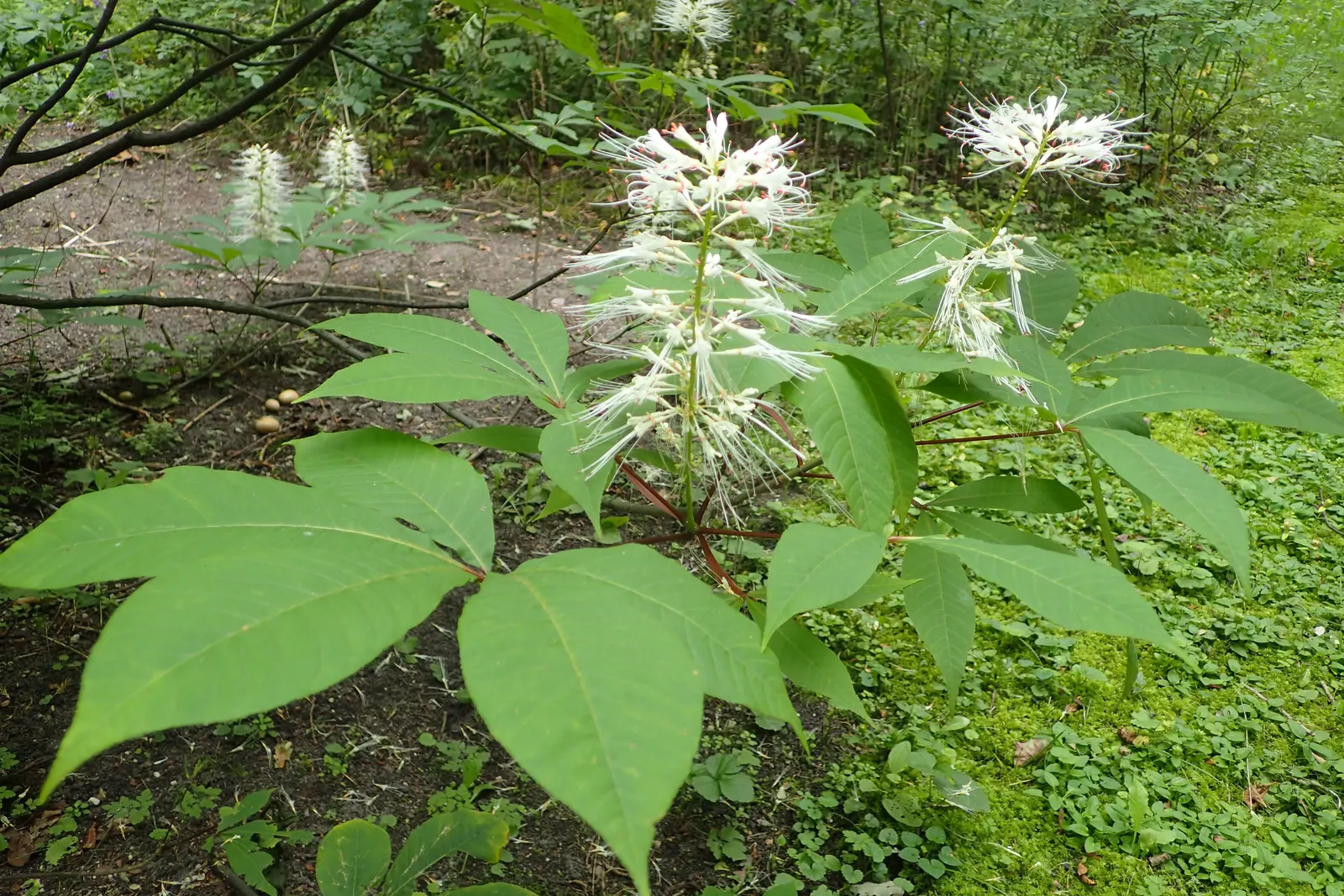
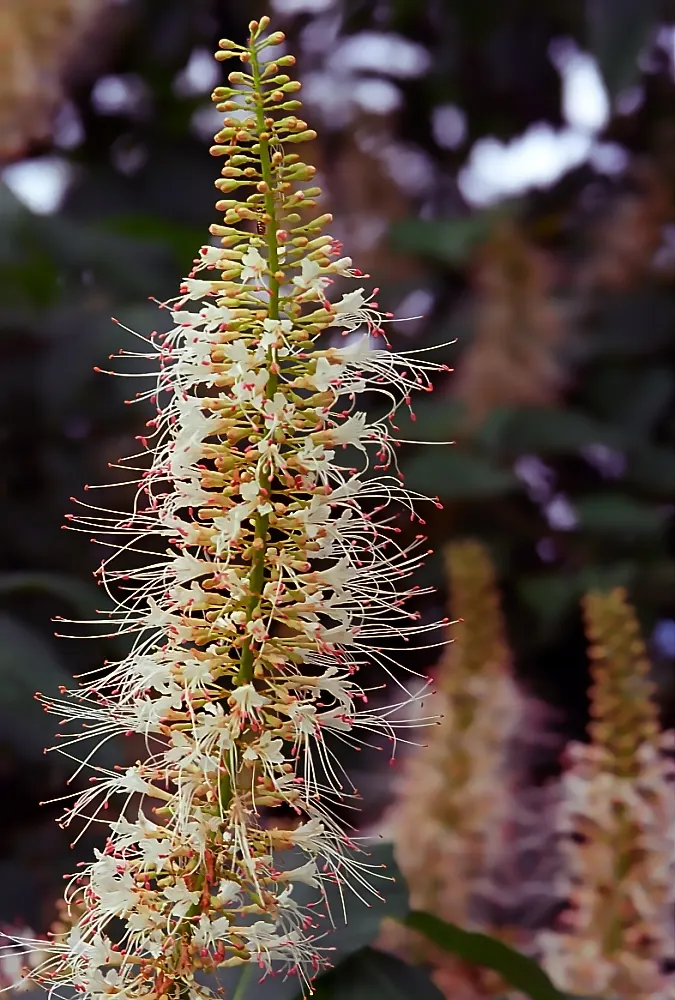
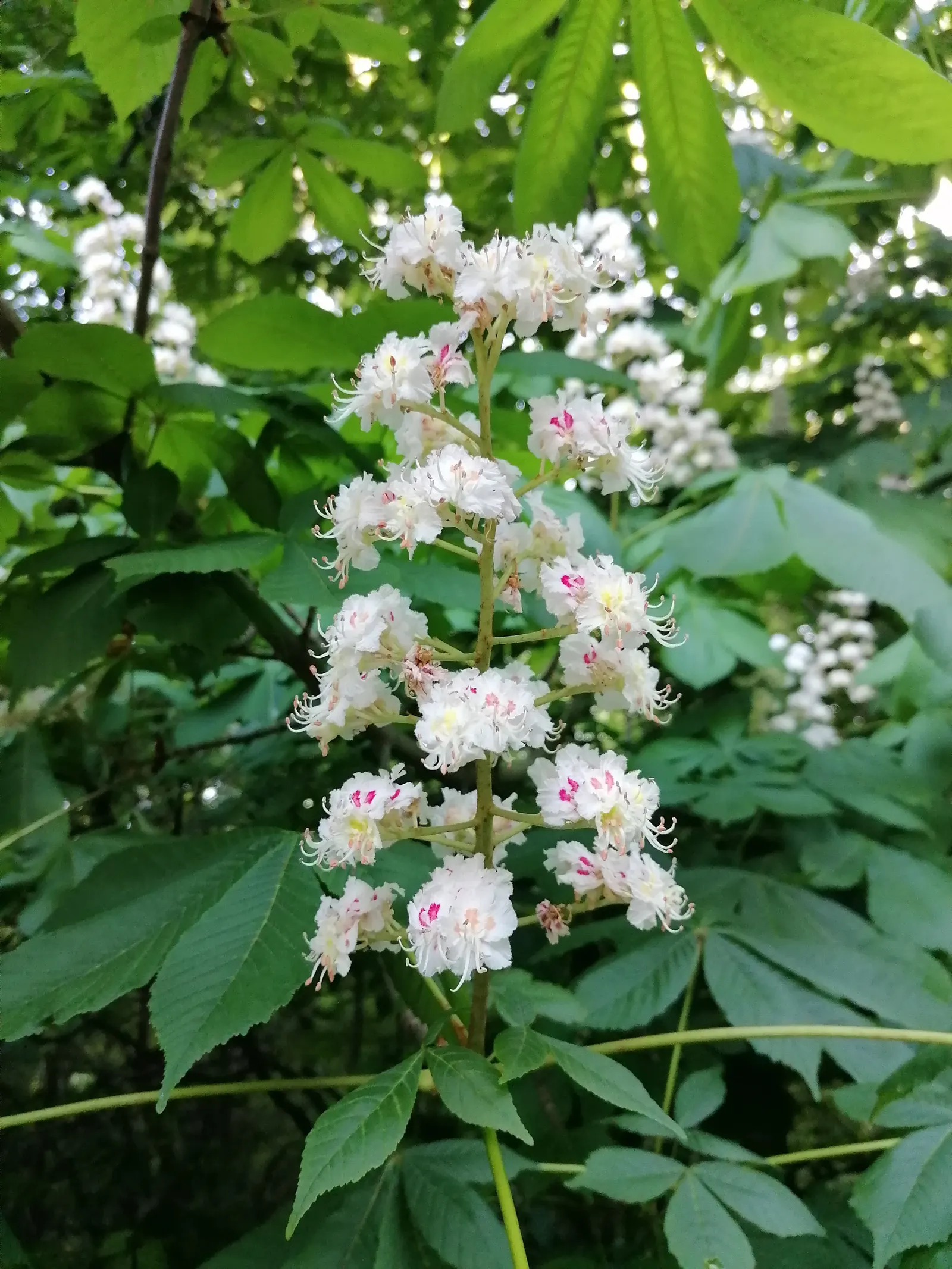
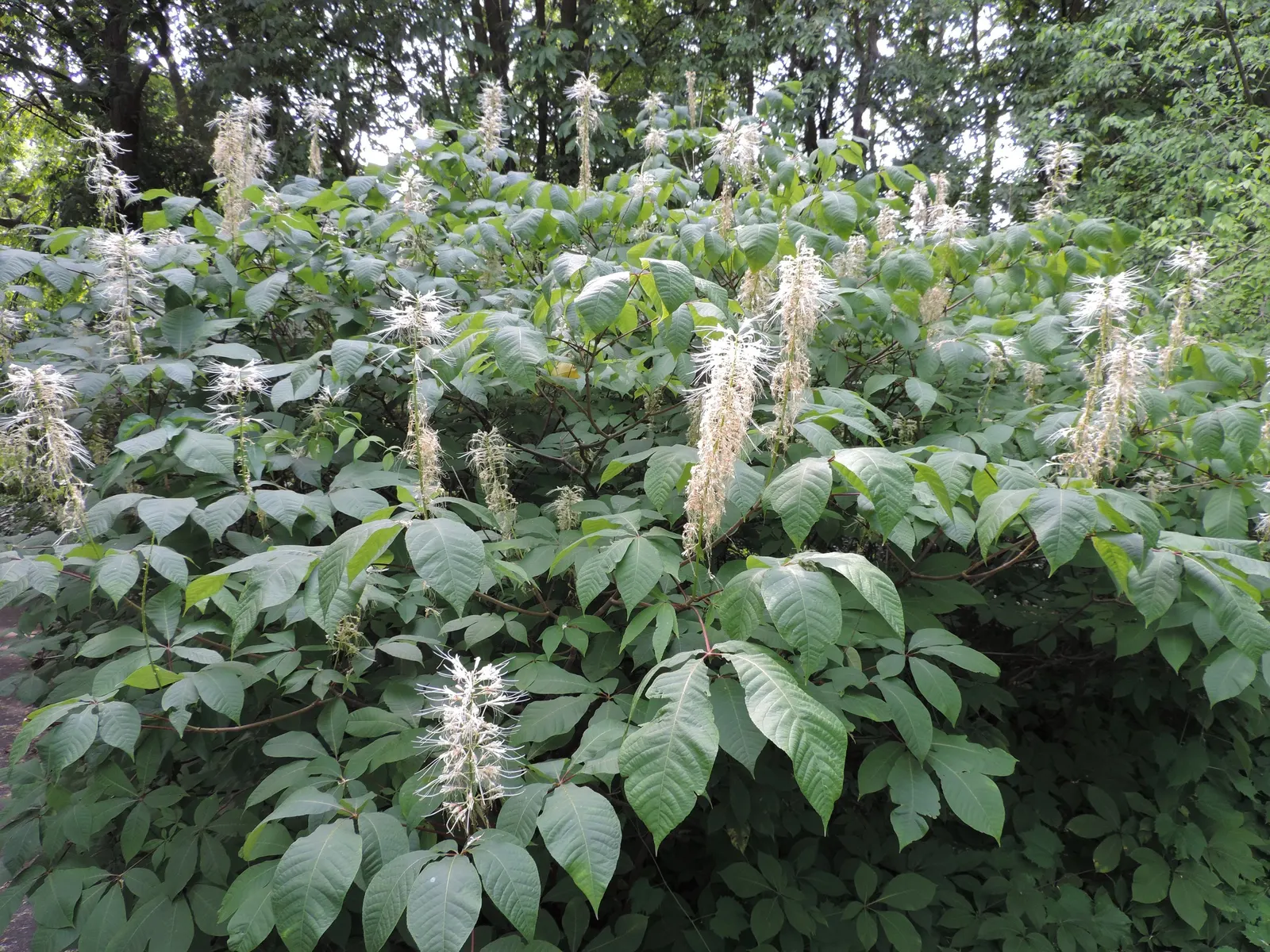
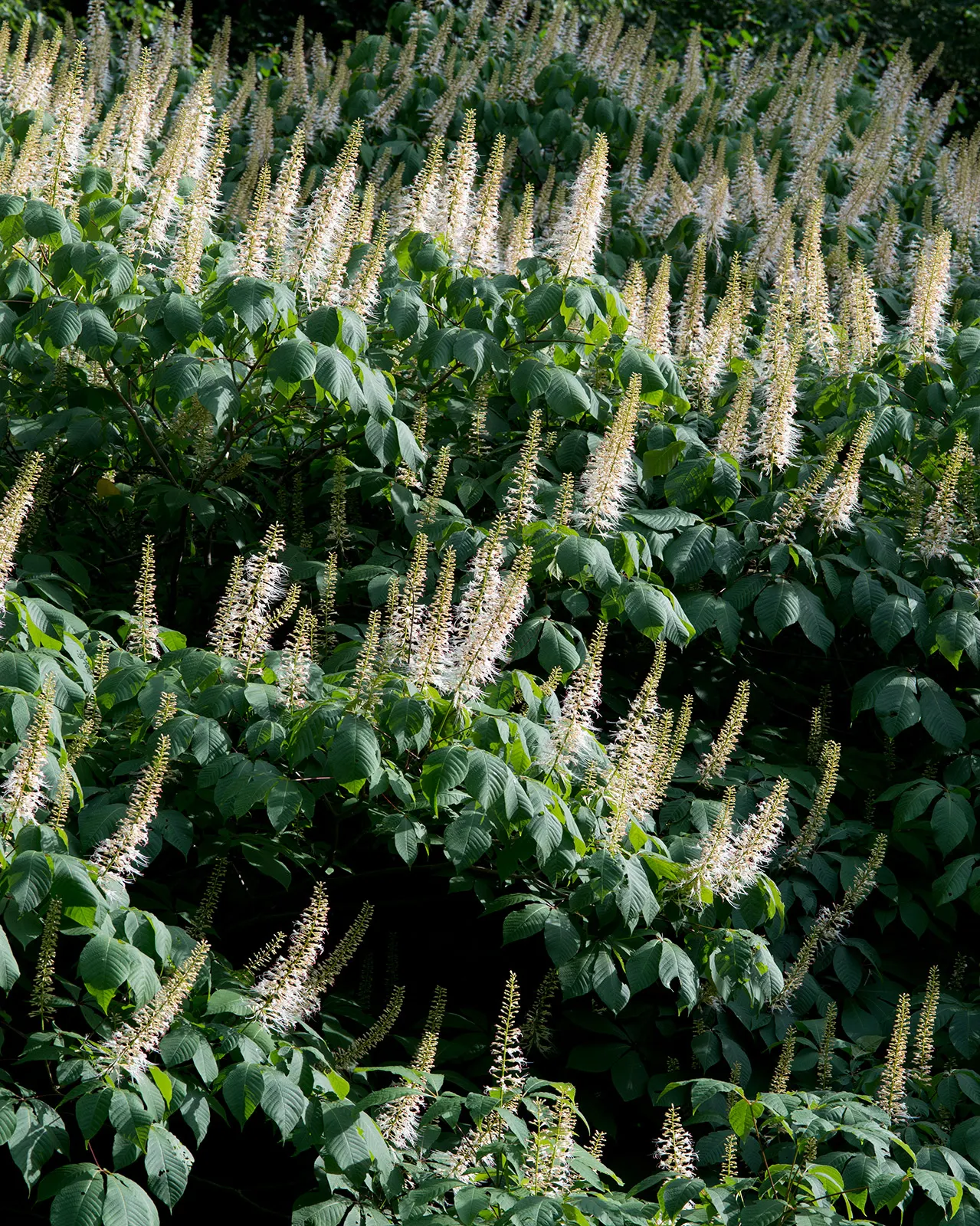
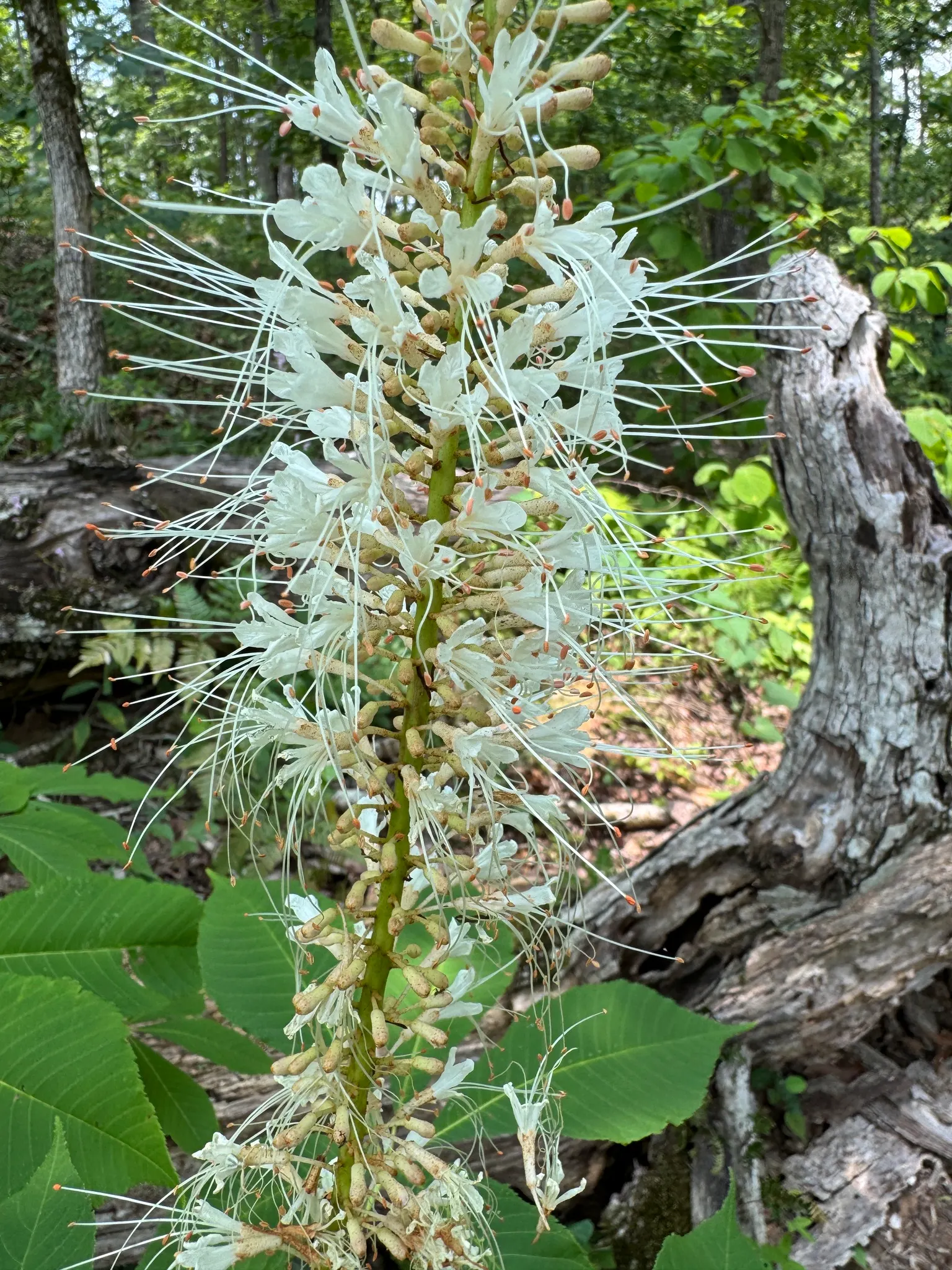
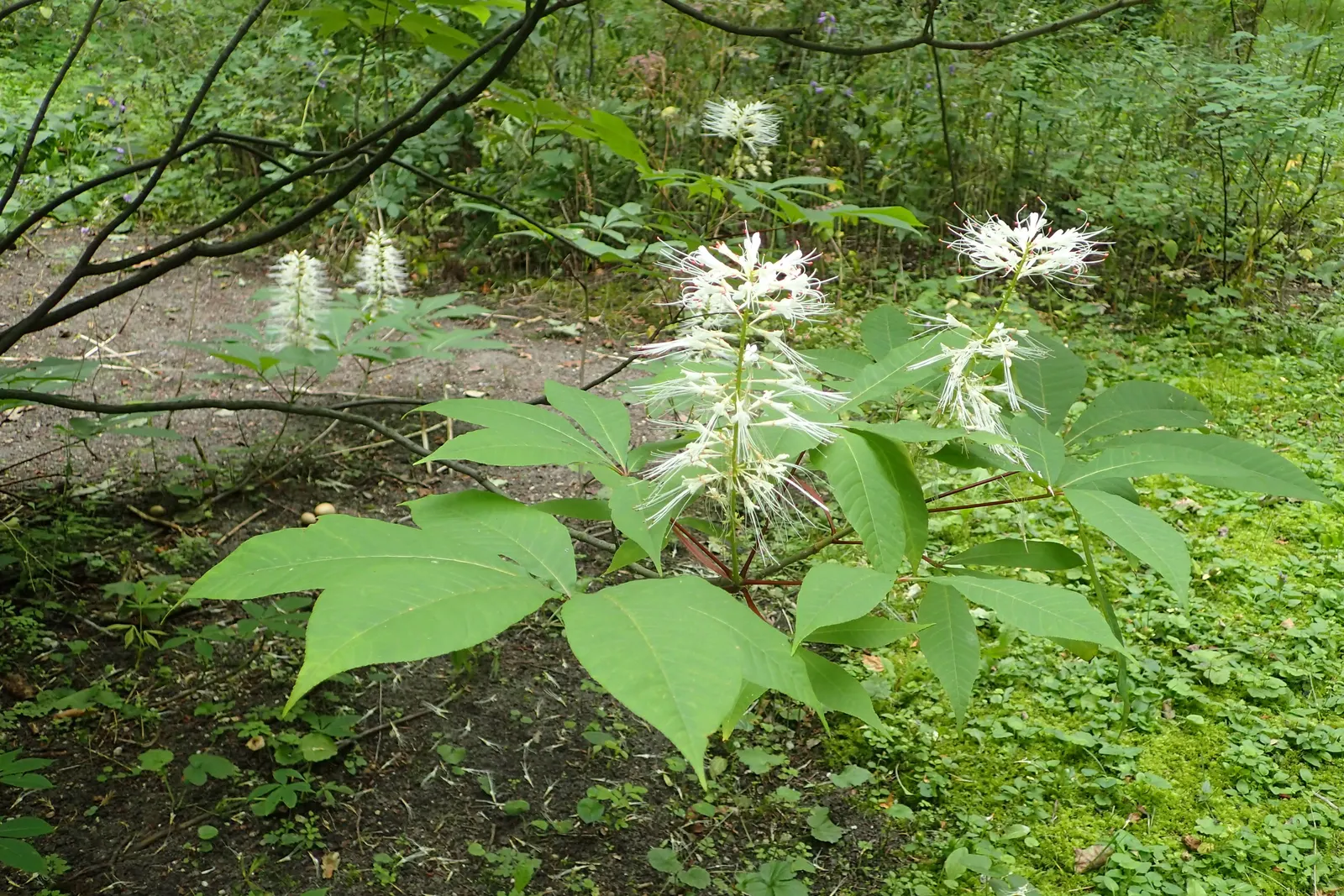
Bottlebrush Buckeye (Aesculus Parviflora) — Recognized for its showy, pyramid-shaped clusters of white flowers with red spots, it blooms in late spring

Culture

Sun
Full
Water
Extra in Summer, Medium
USDA zones
4–8

Shape & size

Mature height
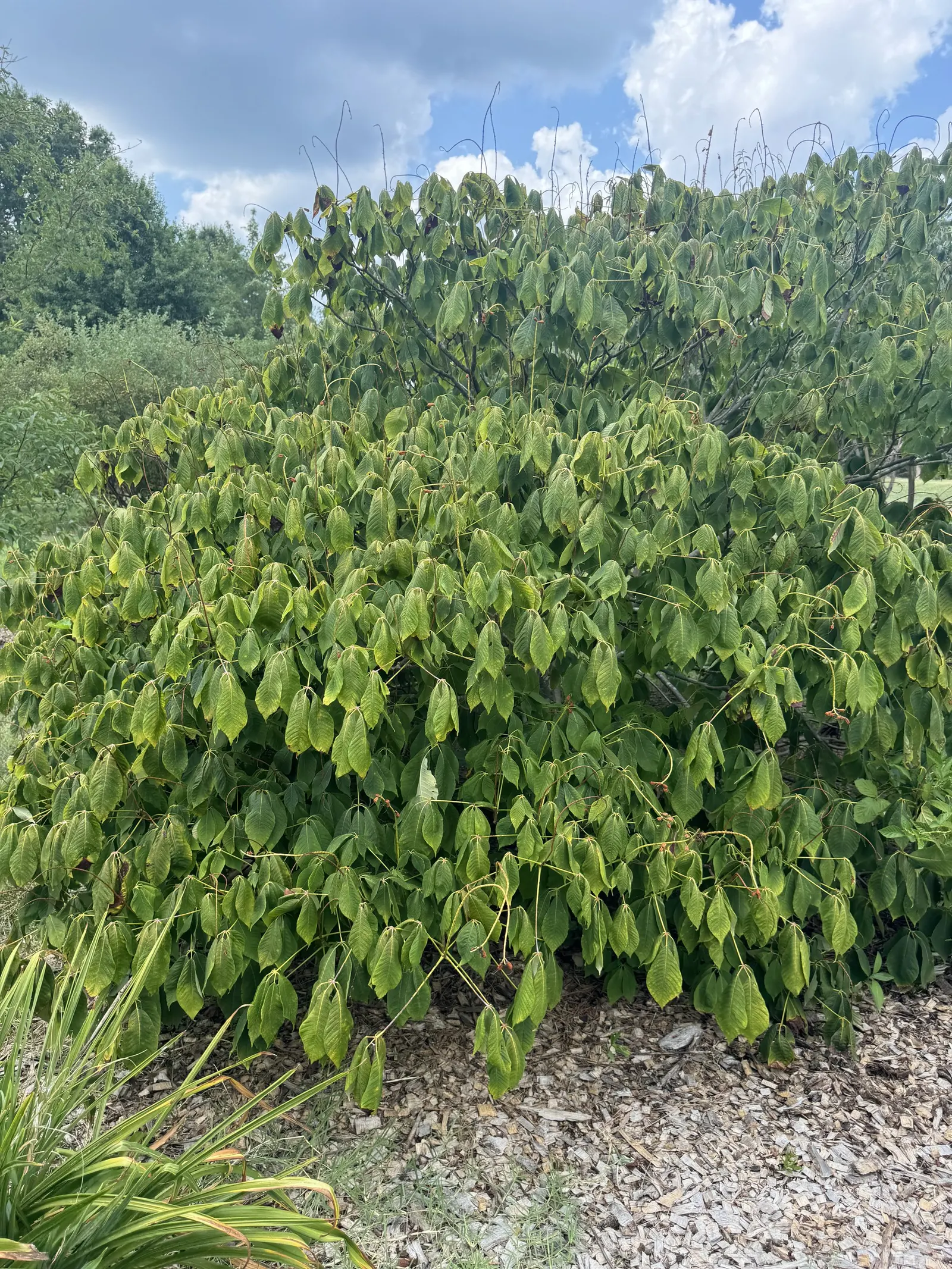
8–12 Ft.
Mature width
8–15 Ft.

Classification

Family
Sapindaceae
Climate
Temperate

See full data, regional cultivation notes, full-resolution photos, and design tools. Build a client presentation around this plant.

Start your 14-day trial

Photos (100)

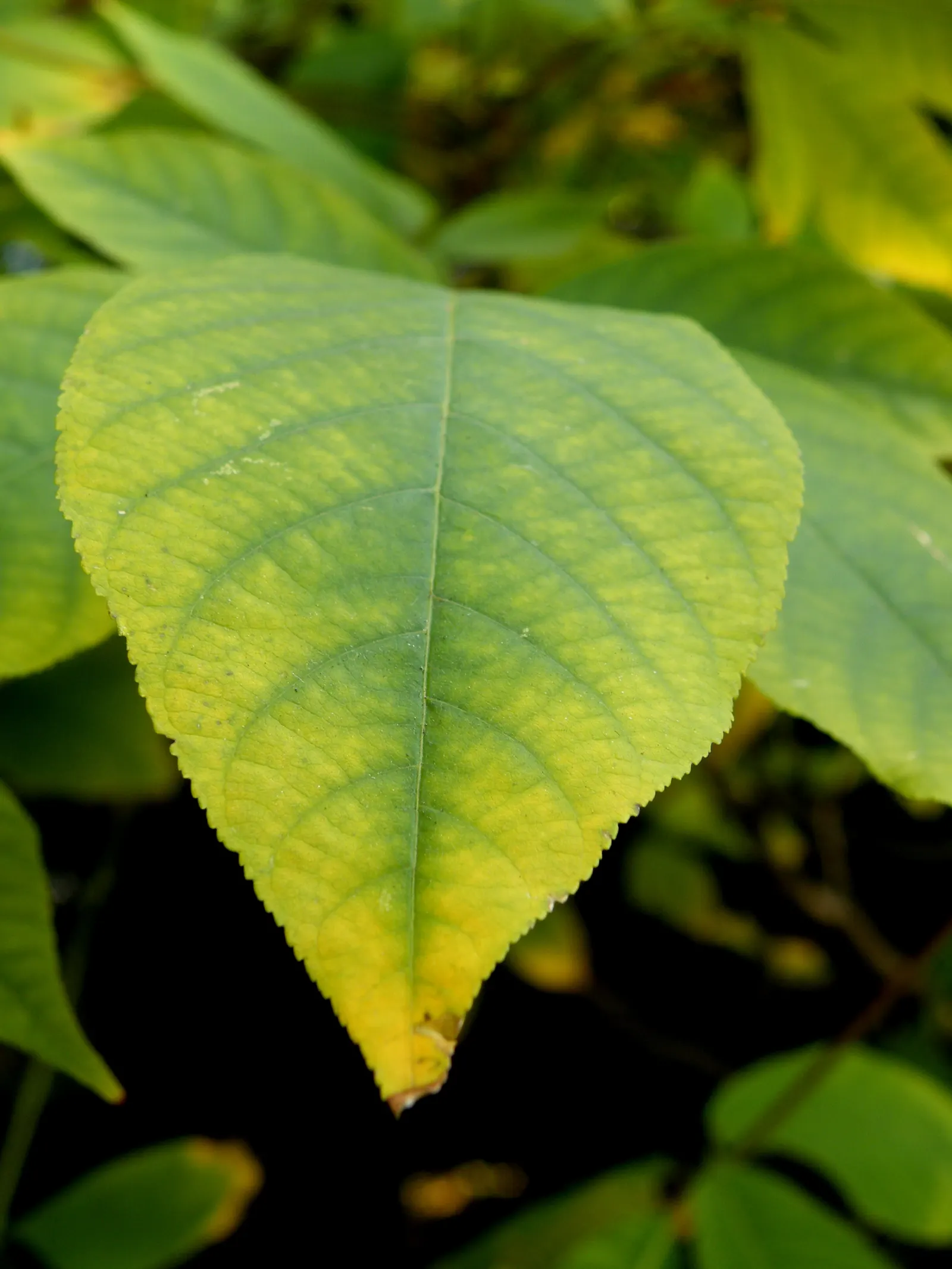
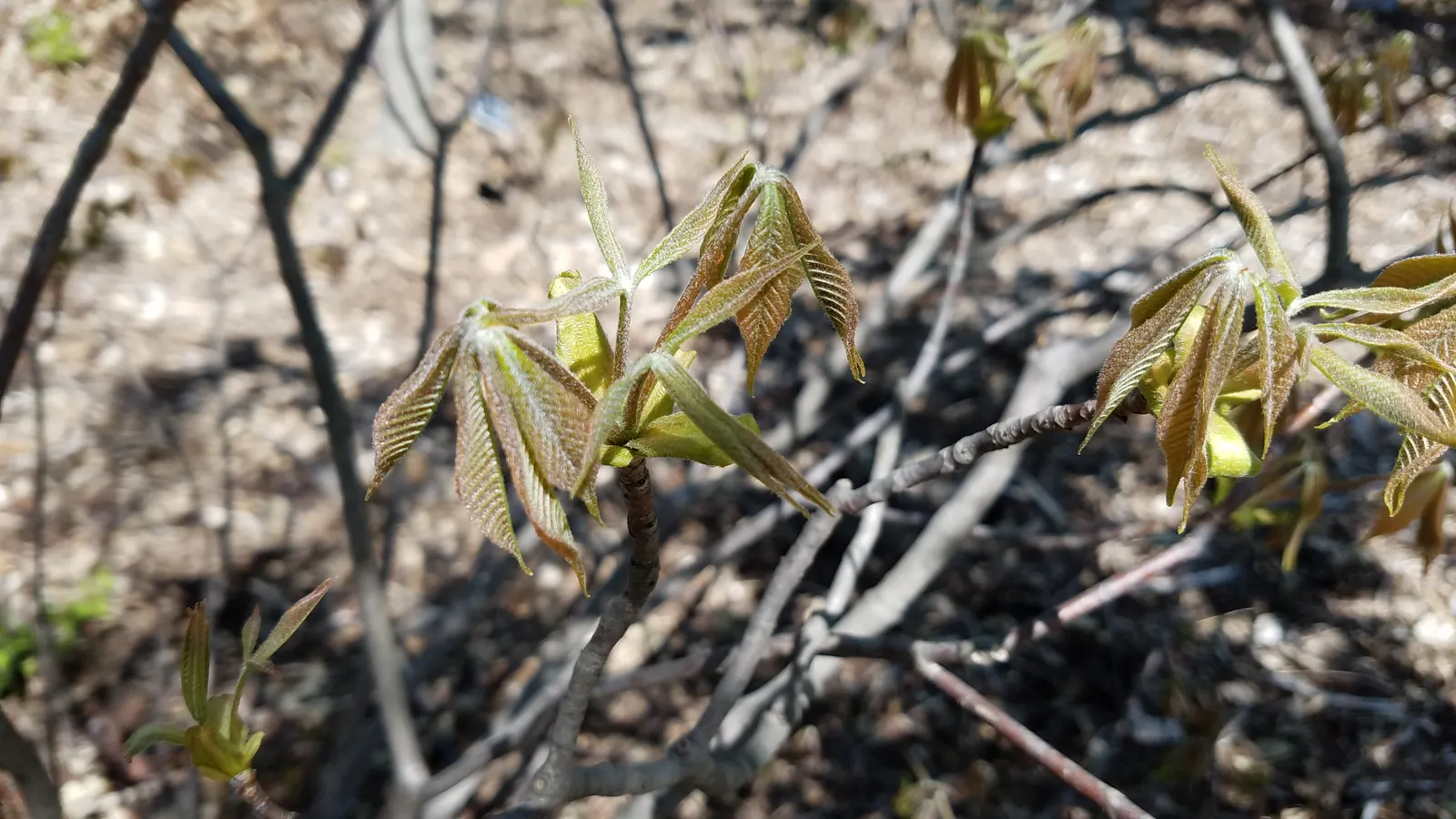
Bottlebrush Buckeye (Aesculus Parviflora) — yellow-brown hue.<br><br>During late spring to early summer, image 47
Bottlebrush Buckeye (Aesculus Parviflora) — the Horsechestnut commands attention with its splendid floral display; brown seeds commonly termed "conkers." While
Bottlebrush Buckeye (Aesculus Parviflora) — adorned with subtle splashes of red or yellow; offers dense shade and produces spiny fruits
Bottlebrush Buckeye (Aesculus Parviflora) — reaching lengths of up to 12 inches; rise prominently above the foliage
Bottlebrush Buckeye (Aesculus Parviflora) — It tolerates urban pollution fairly well, making it a resilient choice for cityscapes as well; they add to the
Bottlebrush Buckeye (Aesculus Parviflora) — they add to the tree\'s interest in the landscape.<br><br>Adaptable to a wide range of soil conditions; it
Bottlebrush Buckeye (Aesculus Parviflora) — the Horsechestnut prefers well-drained loams and full sun to partial shade exposure; the Horsechestnut commands
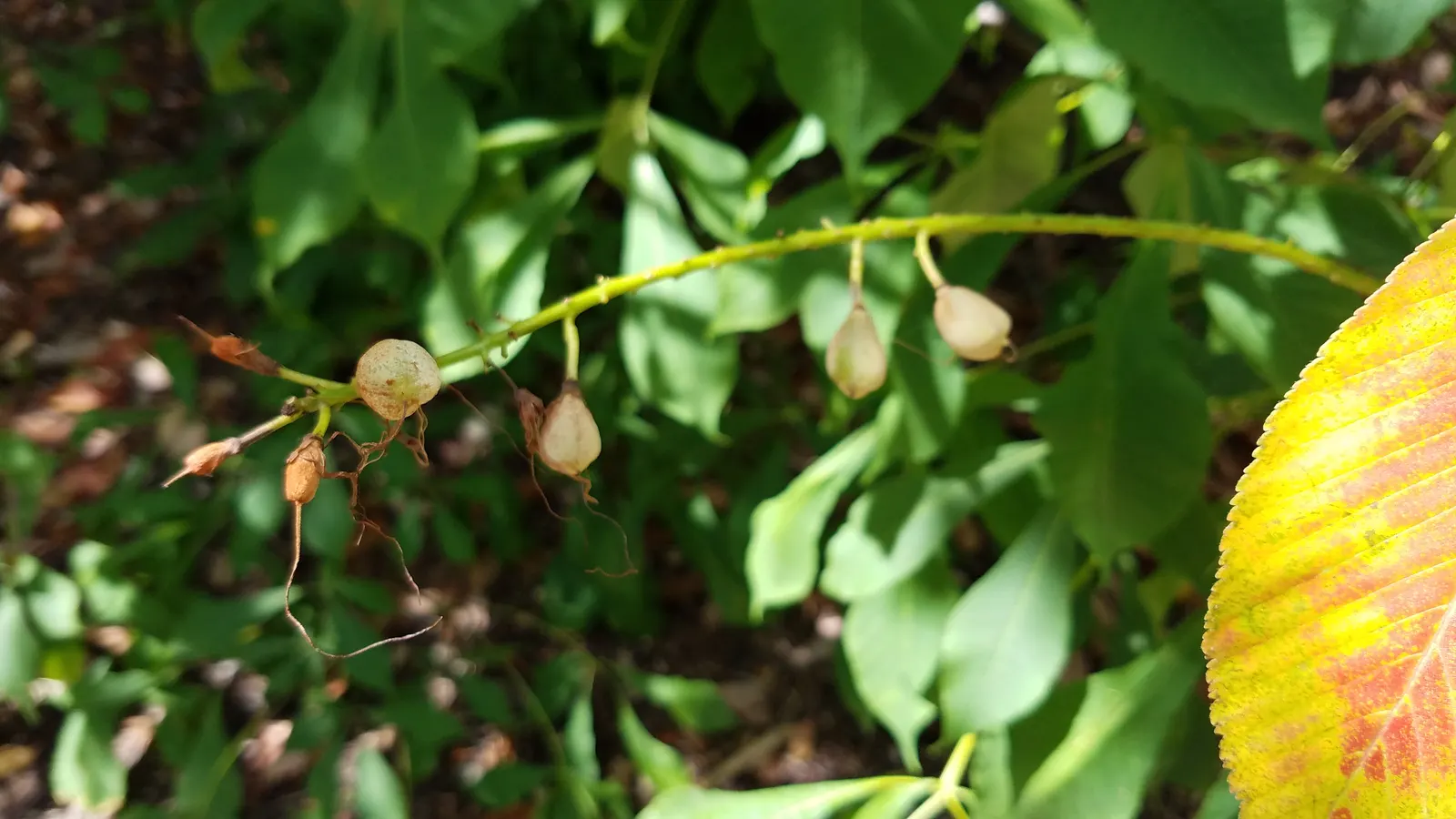
Bottlebrush Buckeye (Aesculus Parviflora) — the tree produces its namesake fruit: a prickly green capsule containing one to two shiny; when designing with this
Bottlebrush Buckeye (Aesculus Parviflora) — brown seeds commonly termed "conkers." While these nuts are toxic if ingested; recognized for its showy
Bottlebrush Buckeye (Aesculus Parviflora) — When designing with this species; shrub for full
Bottlebrush Buckeye (Aesculus Parviflora) — shrub for full; consider its mature size and make allowances for adequate space to accommodate its impressive growth
Bottlebrush Buckeye (Aesculus Parviflora) — The Common Horsechestnut (Aesculus hippocastanum) is a stately deciduous tree; large, palmate leaves, image 63
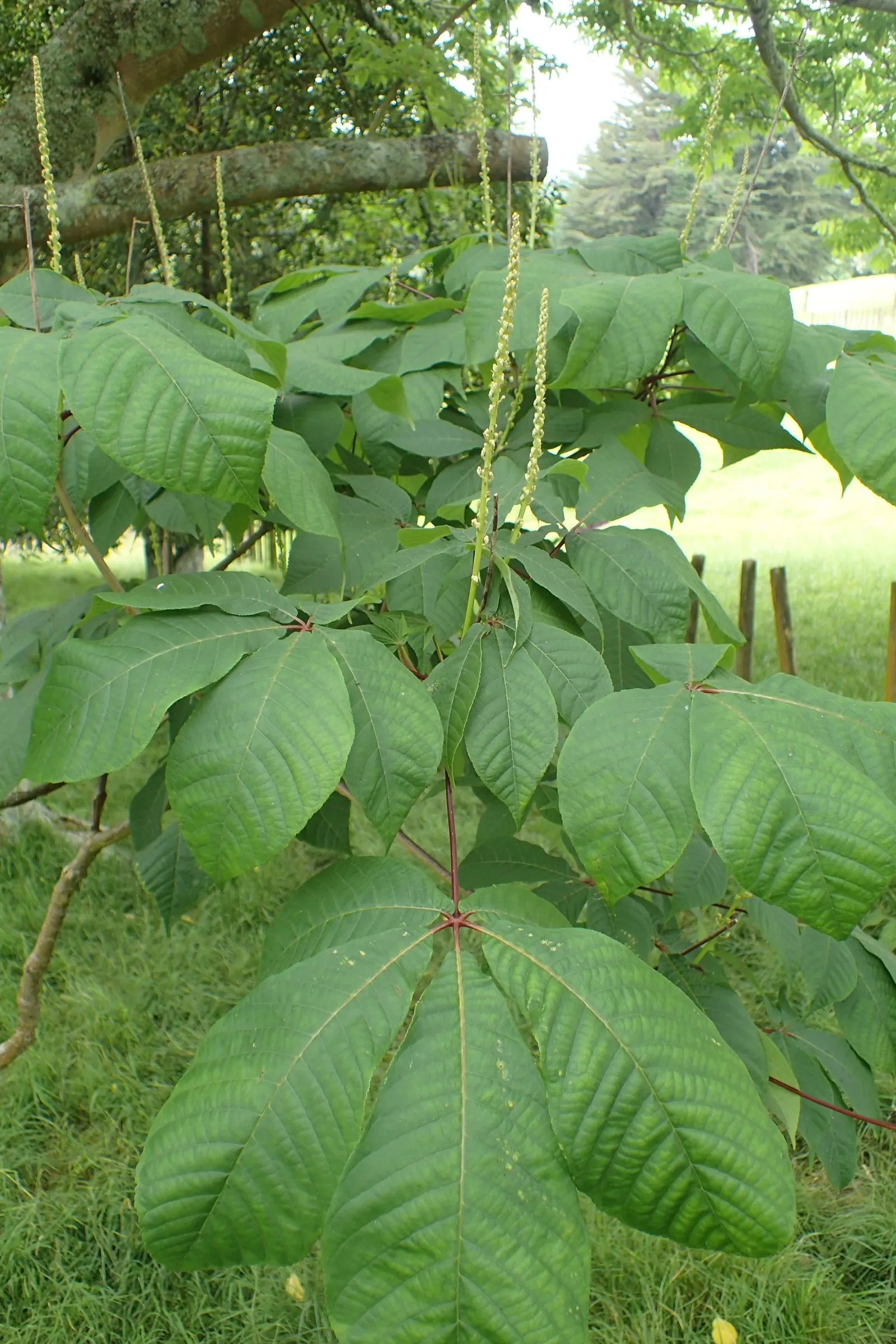
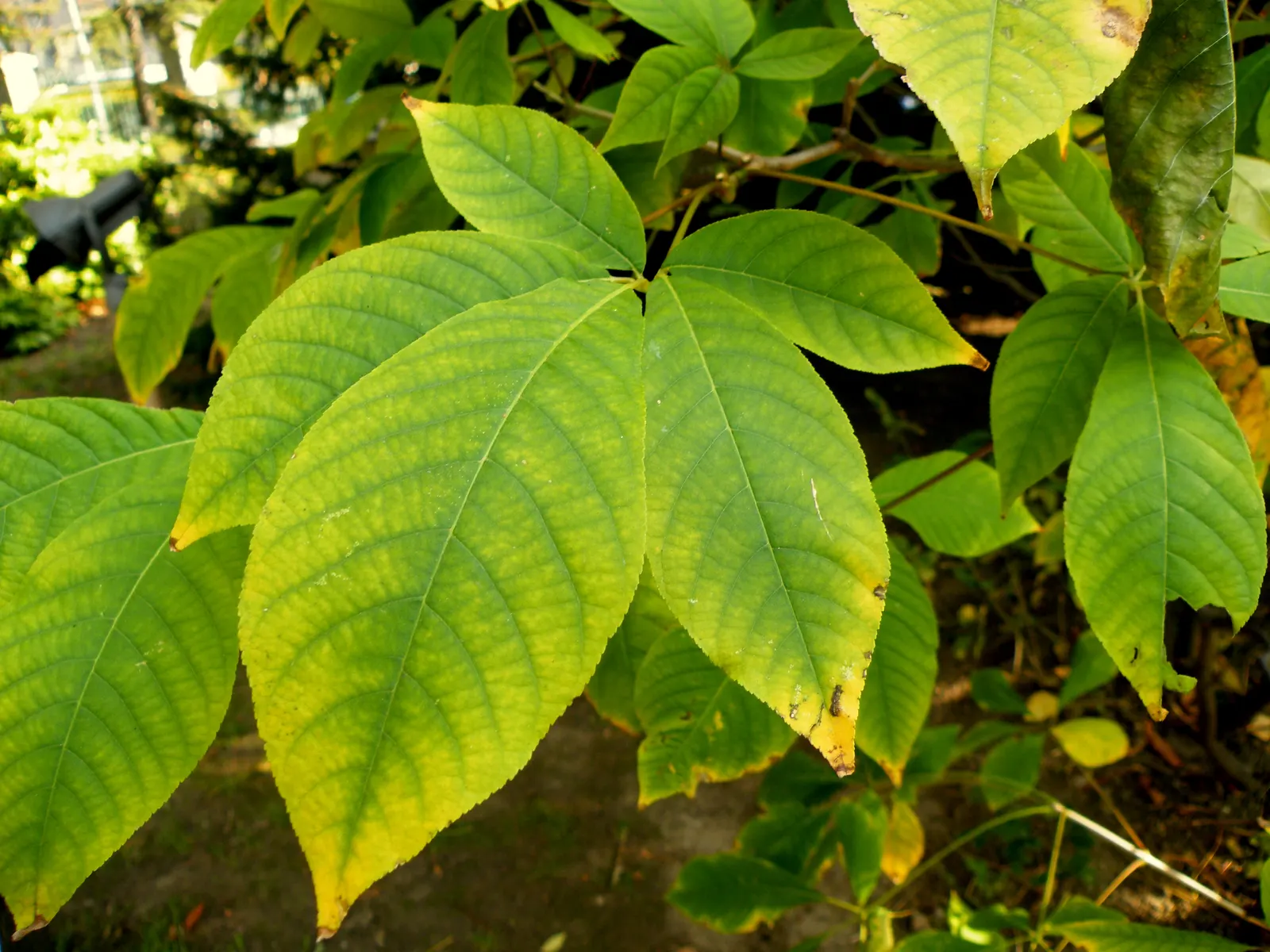
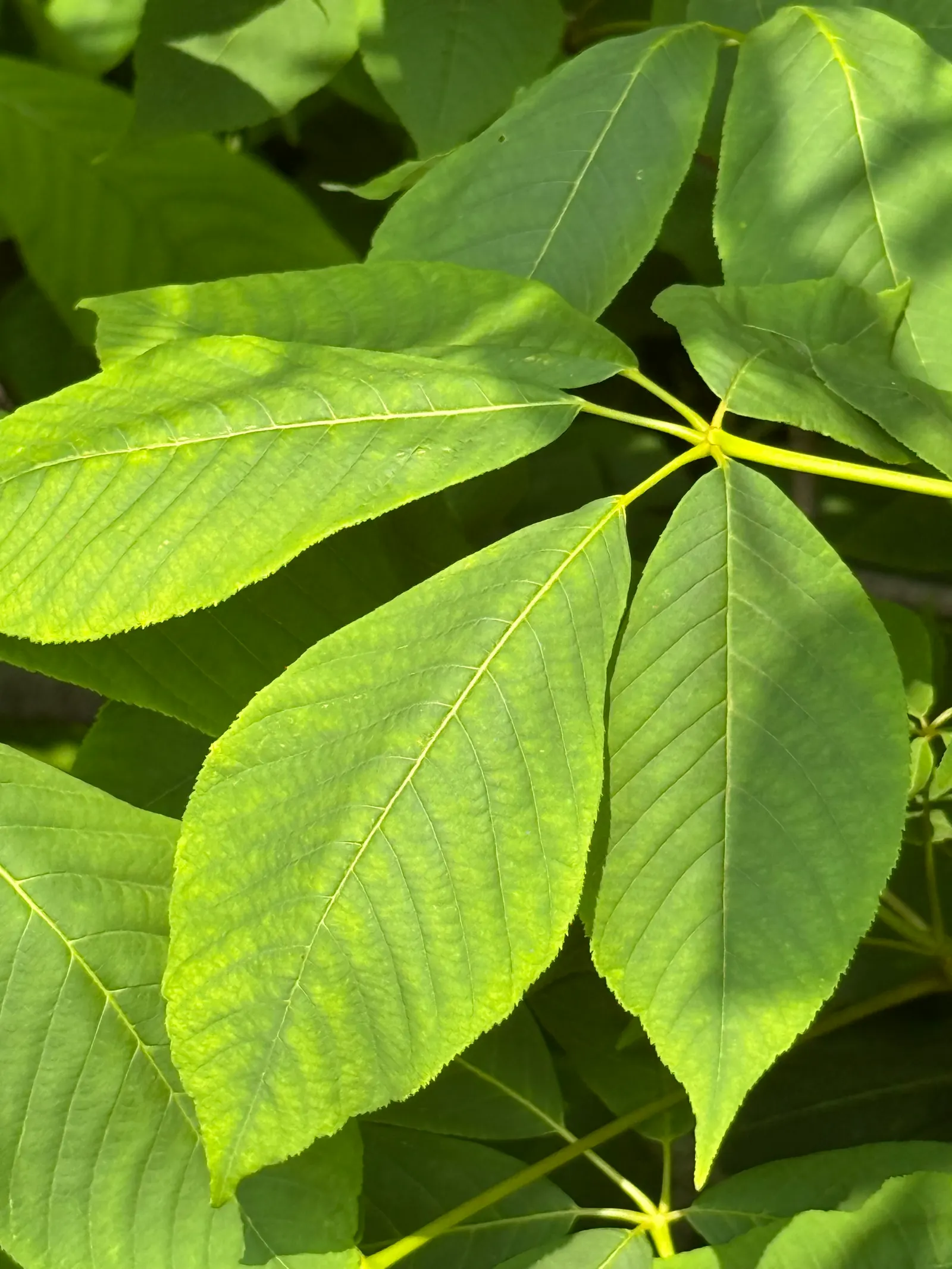
Bottlebrush Buckeye (Aesculus Parviflora) — white flowers in the garden; each dark green, glossy leaf comprises 5 to 7 leaflets, which create a dynamic texture
Bottlebrush Buckeye (Aesculus Parviflora) — shrub with white blooms; reaching lengths of up to 12 inches
Bottlebrush Buckeye (Aesculus Parviflora) — consider its mature size and make allowances for adequate space to accommodate its impressive growth; ideal as a
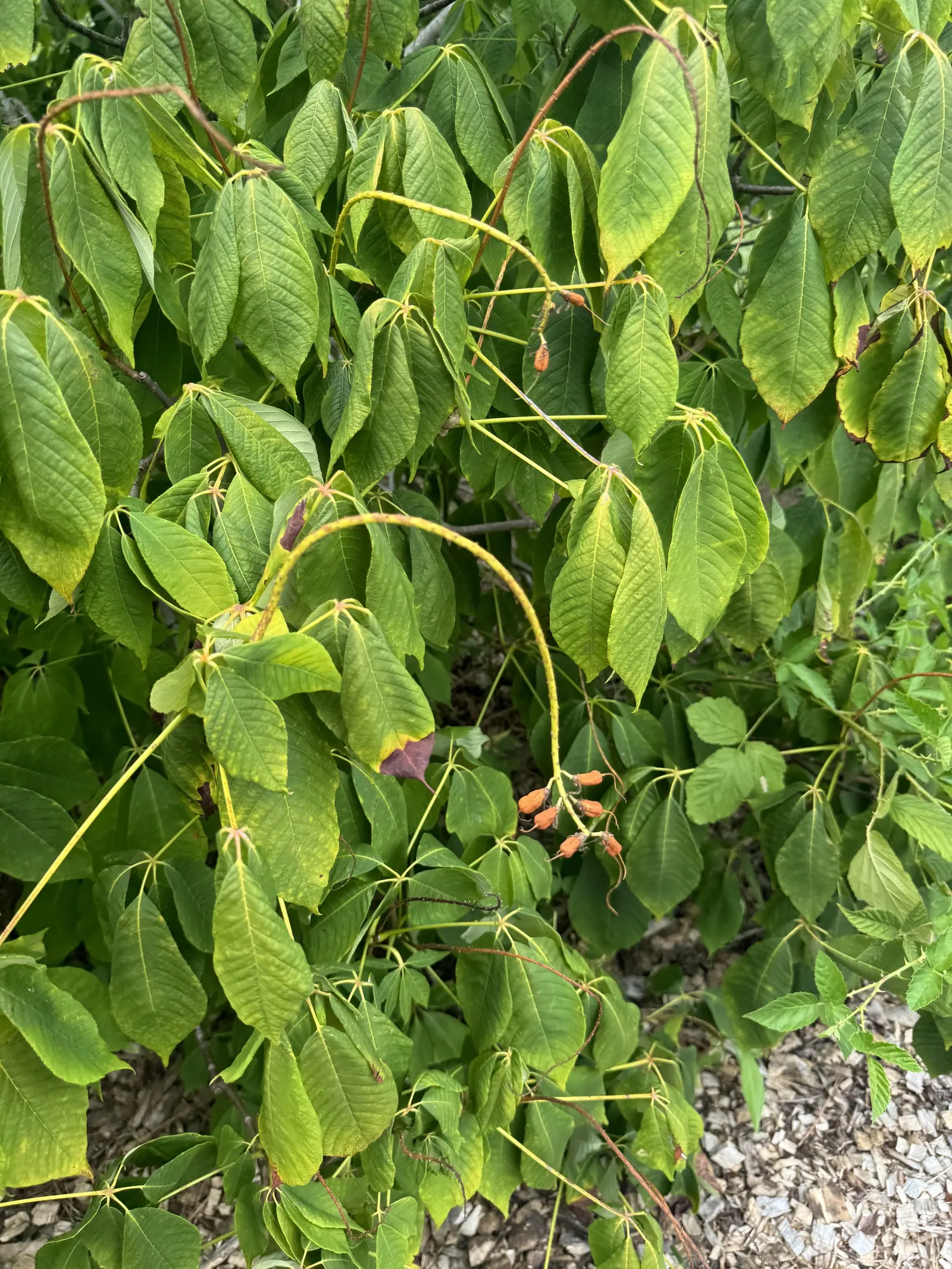
Bottlebrush Buckeye (Aesculus Parviflora) — Ideal as a specimen tree for large spaces; this foliage provides a visual treat by turning a rich, image 69
Bottlebrush Buckeye (Aesculus Parviflora) — Zones 3-8, with moderate growth rate; the tree produces its namesake fruit: a prickly green capsule, image 70
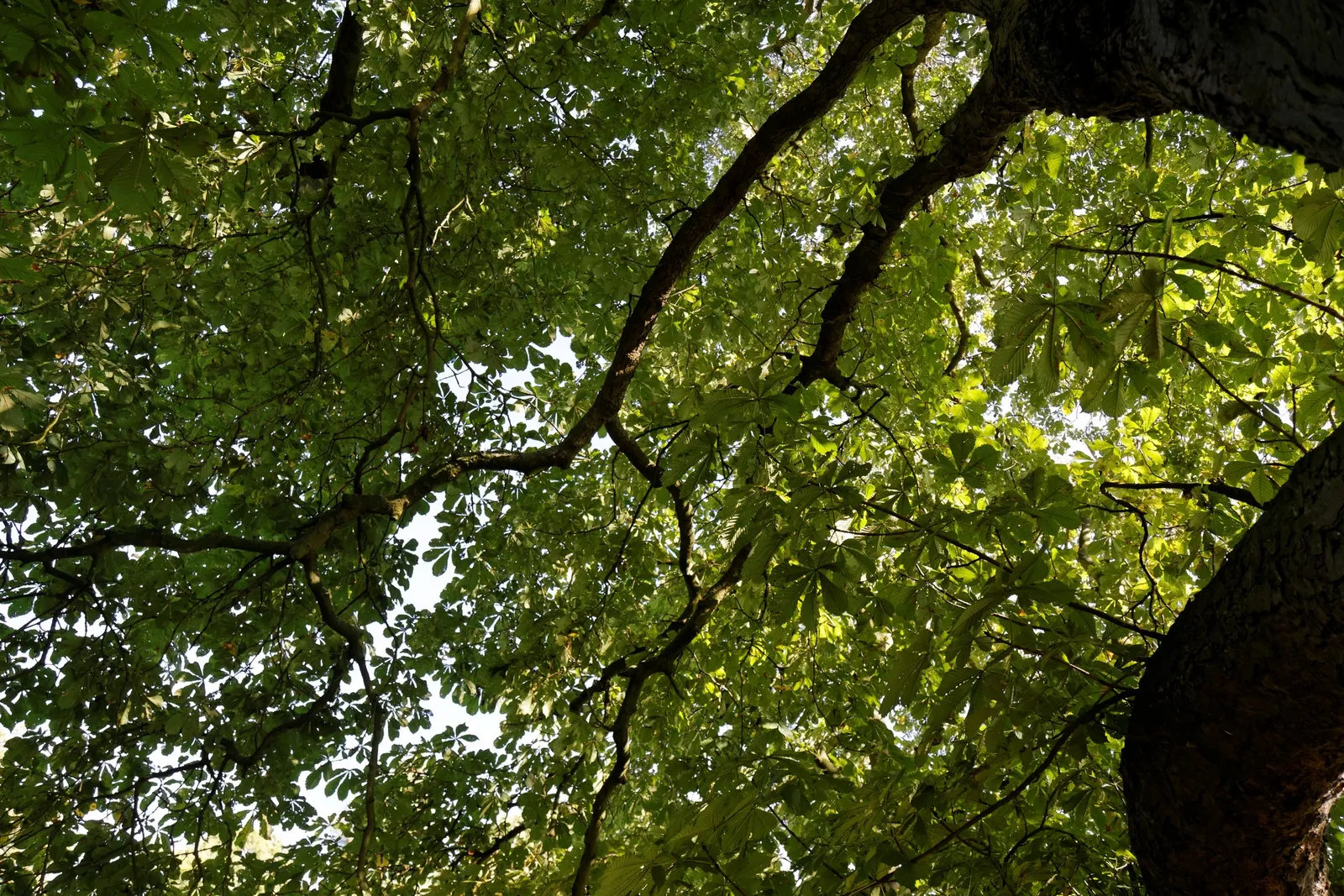
Bottlebrush Buckeye (Aesculus Parviflora) — growing to 50-75 feet tall with a similar spread; demonstrating a commanding, image 64
Bottlebrush Buckeye (Aesculus Parviflora) — Recognized for its showy, pyramid-shaped clusters of white flowers with red spots, it blooms in late, image 65
Bottlebrush Buckeye (Aesculus Parviflora) — Large, palmate leaves turn yellow-brown in fall; the Horsechestnut prefers well-drained loams and full, image 66
Bottlebrush Buckeye (Aesculus Parviflora) — Prefers deep, fertile soil; the Common Horsechestnut (Aesculus hippocastanum) is a stately deciduous, image 67
Bottlebrush Buckeye (Aesculus Parviflora) — Offers dense shade and produces spiny fruits; zones 3-8, with moderate growth rate, image 68
Bottlebrush Buckeye (Aesculus Parviflora) — It typically attains a height of around 50 to 75 feet with a similar spread at maturity; prefers deep, image 72
Bottlebrush Buckeye (Aesculus Parviflora) — making it an excellent choice for accentuating the design of expansive gardens and parks; white flowers, image 71

Related plants