Skip to content

Red Baneberry

Actaea Rubra

Design with this plant

Overview

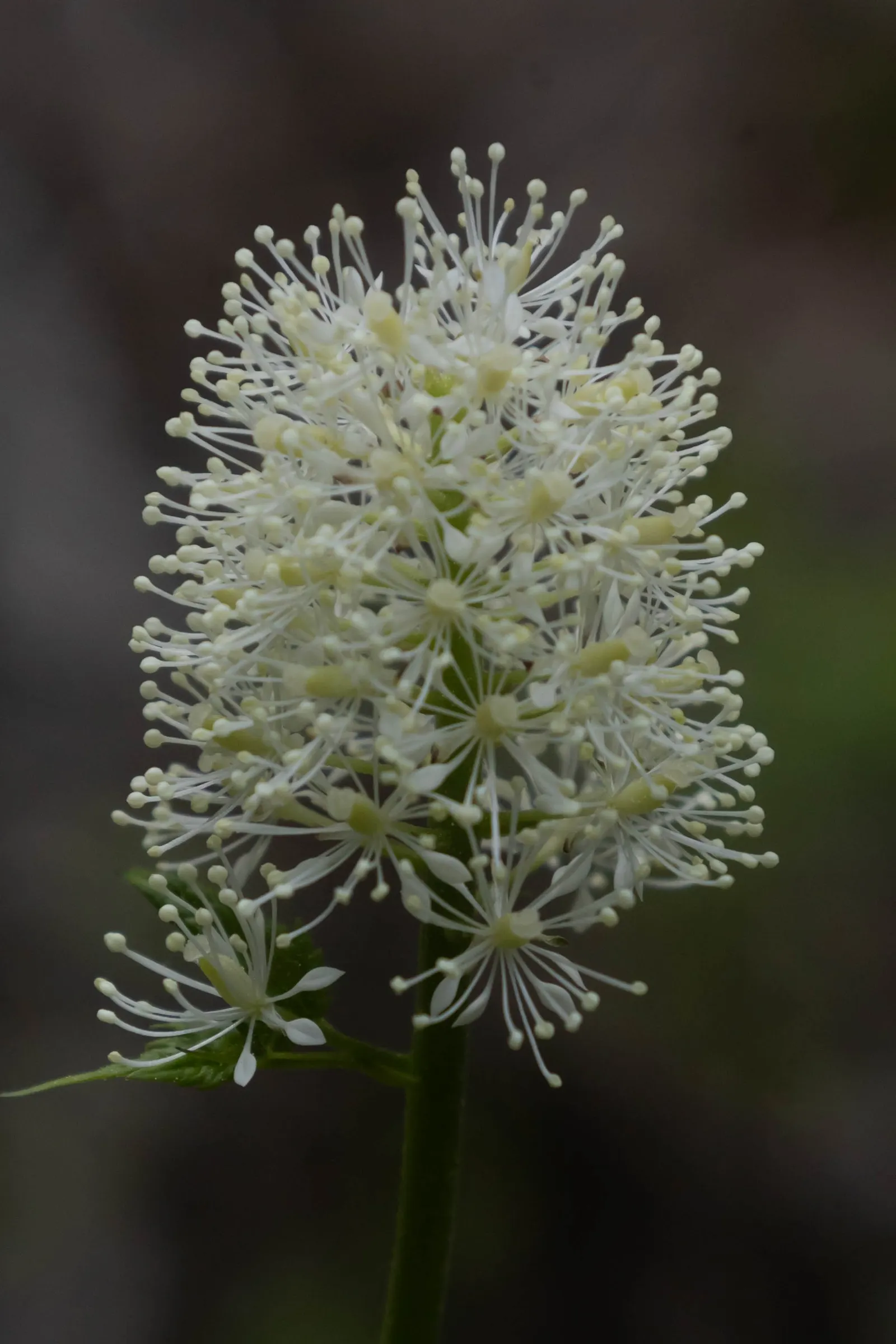
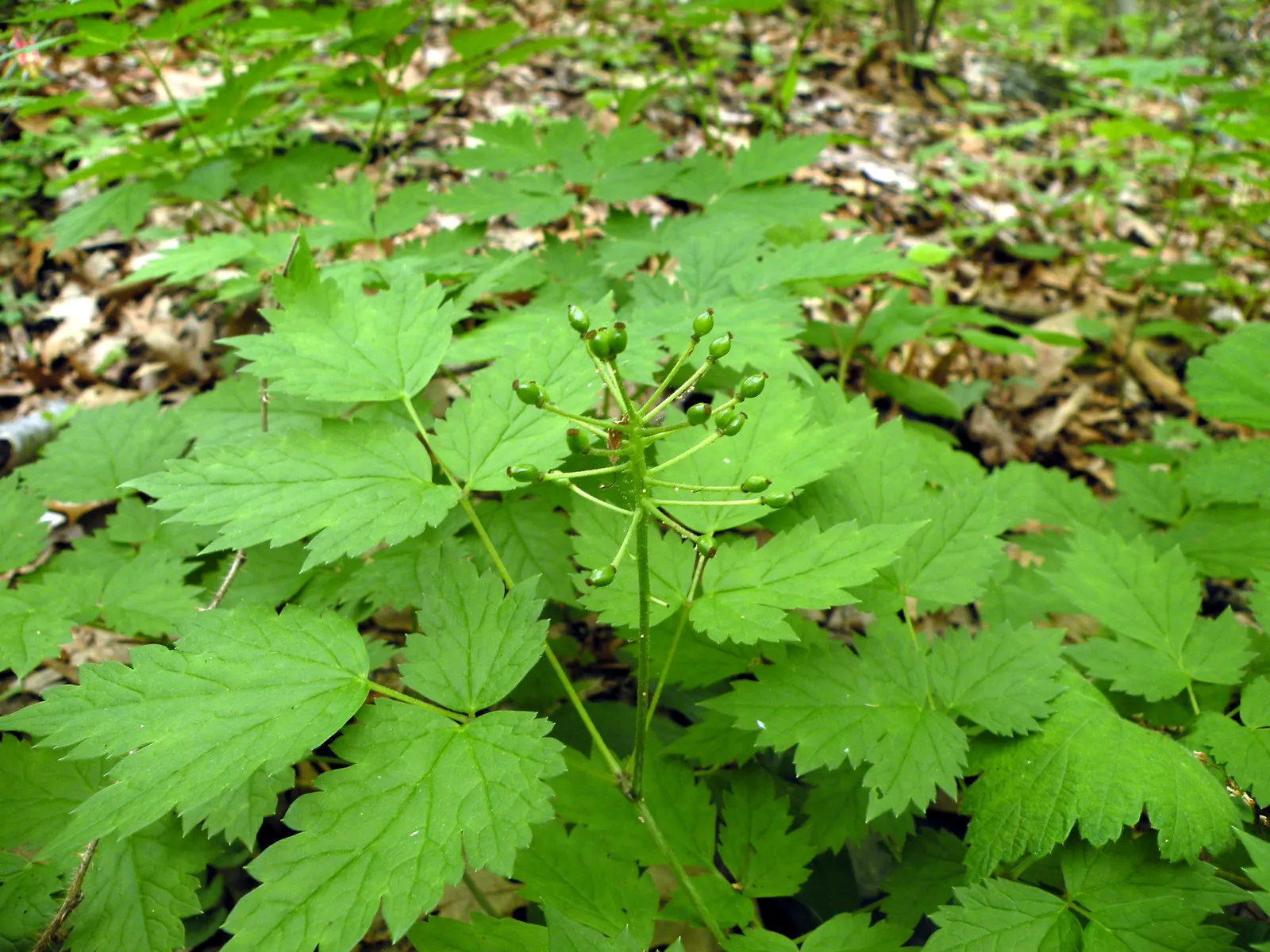
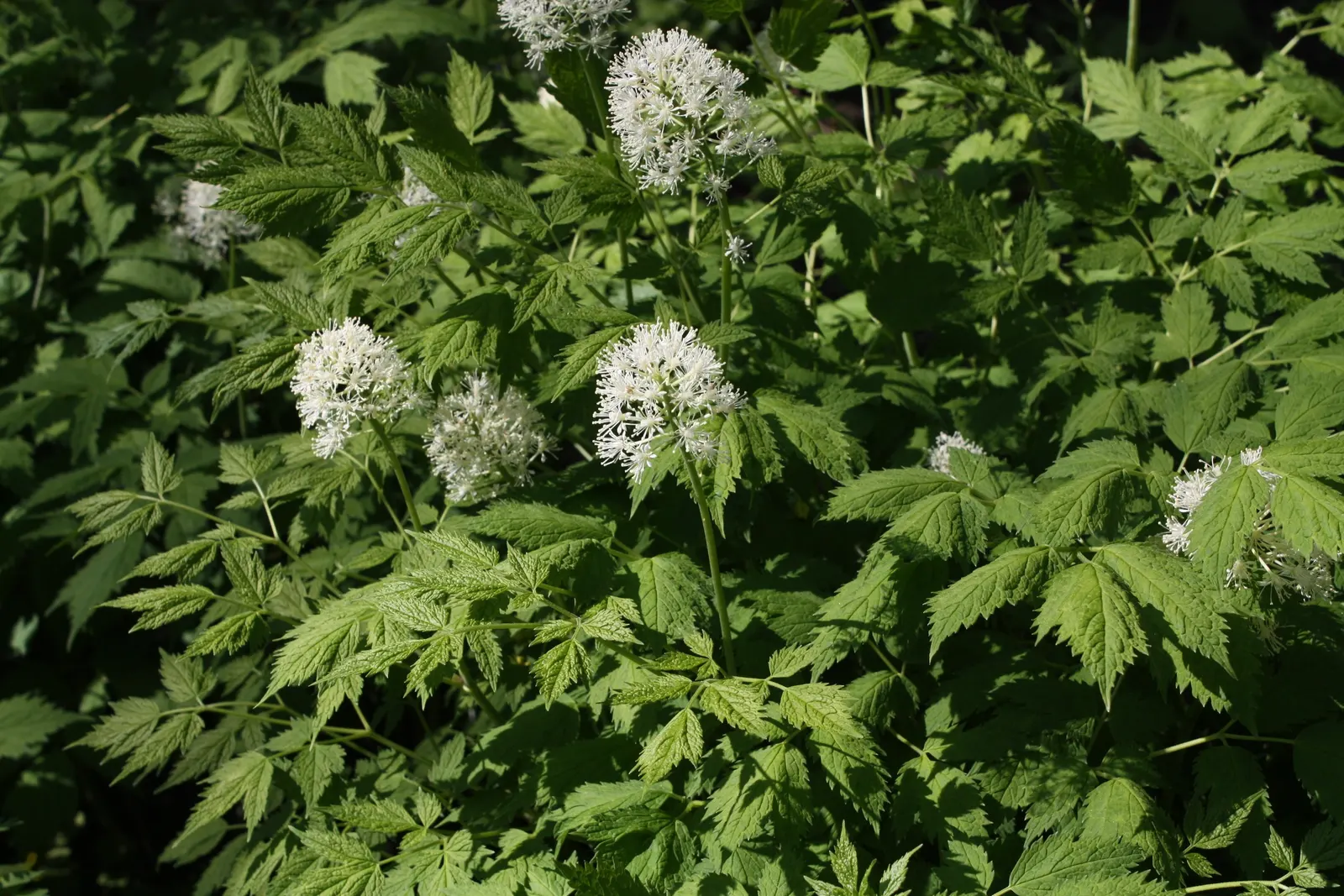
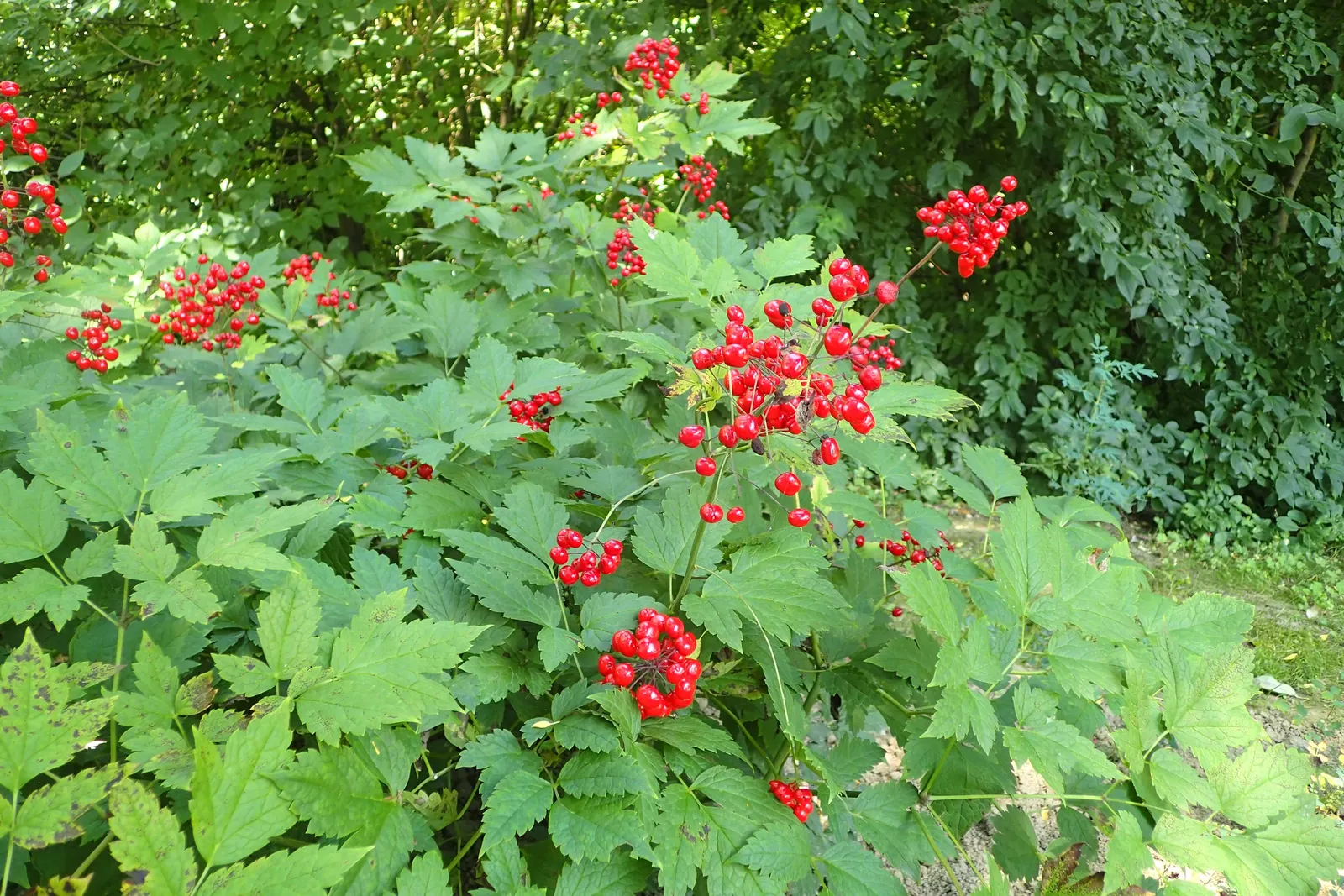
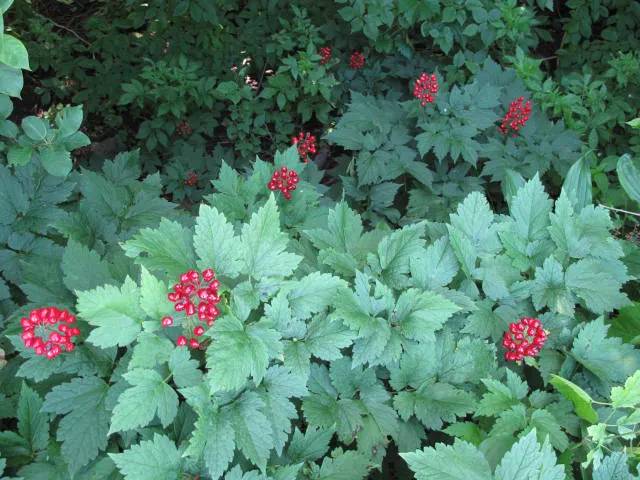
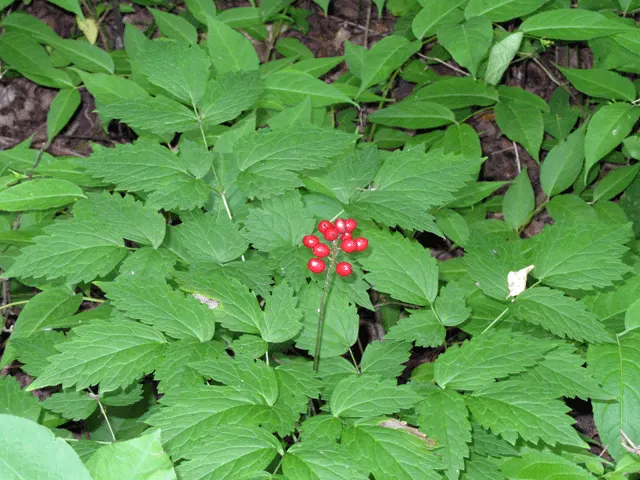
Red Baneberry (Actaea rubra) is a shade-tolerant perennial native to North American woodlands. It features delicate, fern-like foliage and dense clusters of small white flowers in spring, maturing to bright red berries by late summer. The plant typically grows 1.5 to 3 feet tall with a similar spread. Caution: its alluring berries are toxic if ingested. Ideal for adding color to shaded areas in USDA zones 3-8.

Sun Deep Shade, ShadeWater HighZones 3–7Climate Temperate
Red Baneberry (Actaea Rubra) — Red Baneberry (Actaea rubra) is a shade-tolerant perennial native to North American woodlands

Culture

Sun
Deep Shade, Shade
Water
High
USDA zones
3–7

Shape & size

Classification

Family
Ranunculaceae
Climate
Temperate

See full data, regional cultivation notes, full-resolution photos, and design tools. Build a client presentation around this plant.

Start your 14-day trial

Photos (88)

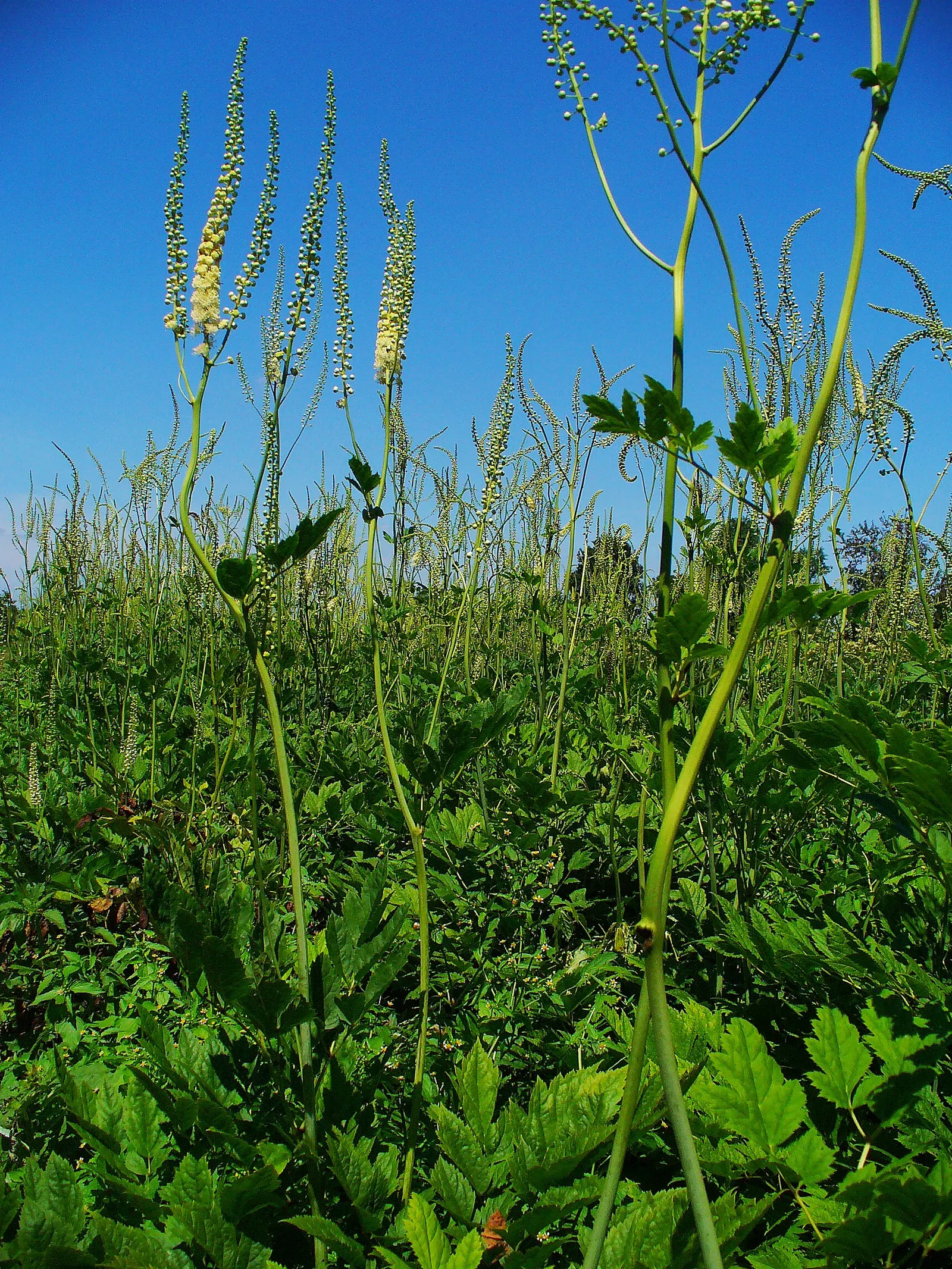
Red Baneberry (Actaea Rubra) — white flowers in the garden
Red Baneberry (Actaea Rubra) — perennial with white blooms
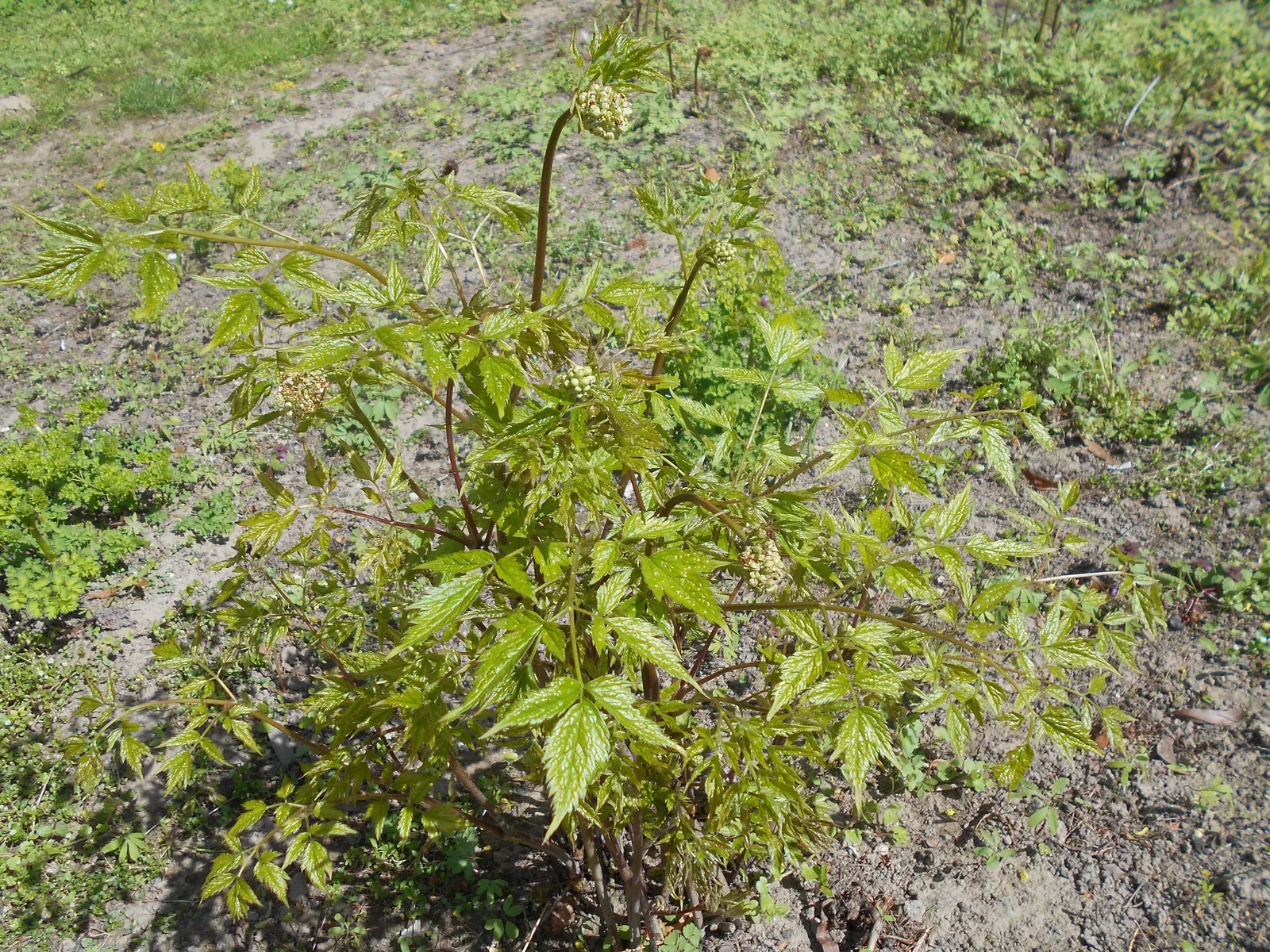
Red Baneberry (Actaea Rubra) — Red Baneberry (Actaea rubra) is a shade-tolerant perennial native to North American woodlands; the plant typically grows 1.5 to
Red Baneberry (Actaea Rubra) — The plant typically grows 1.5 to 3 feet tall with a similar spread; perennial for deep shade or shade
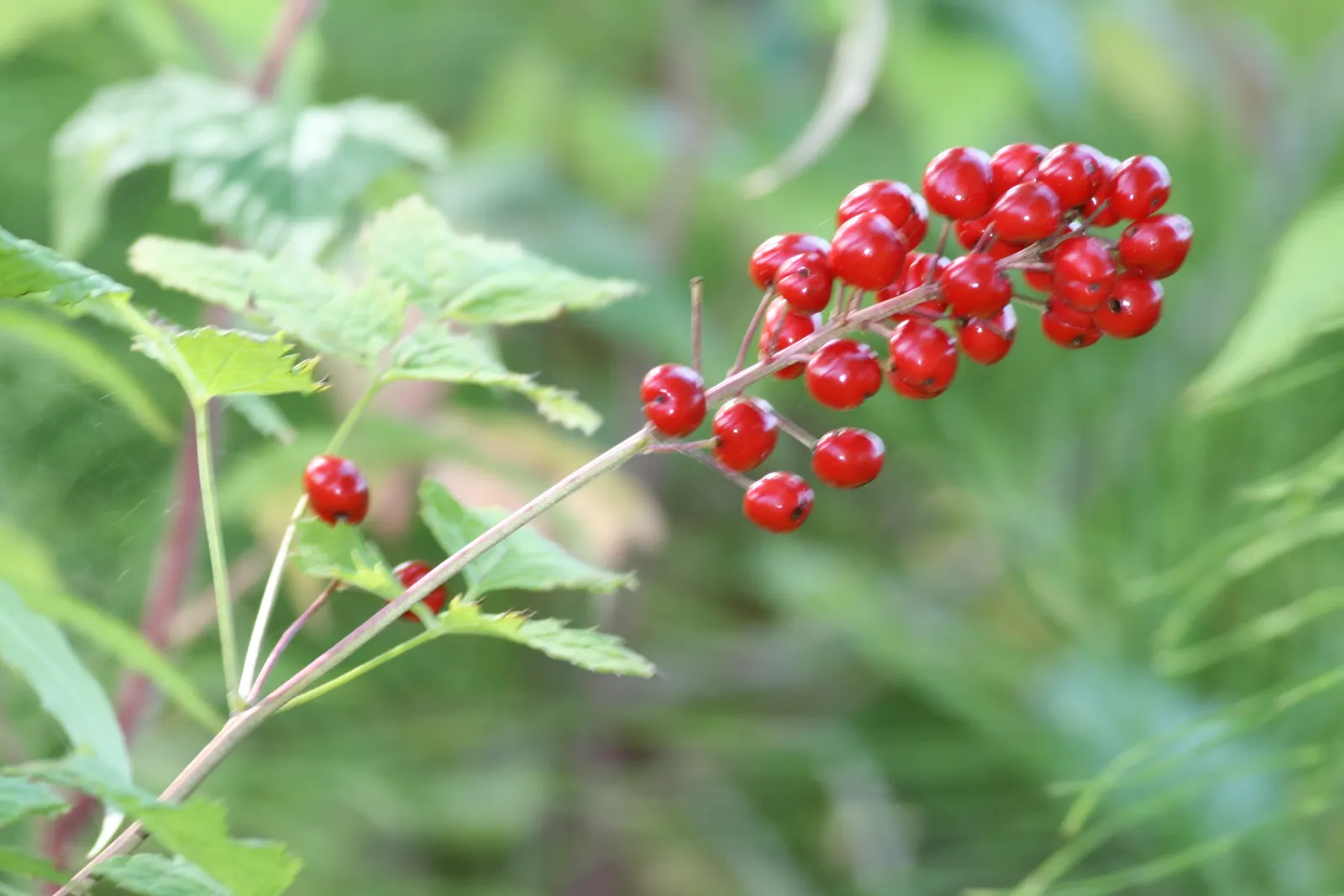
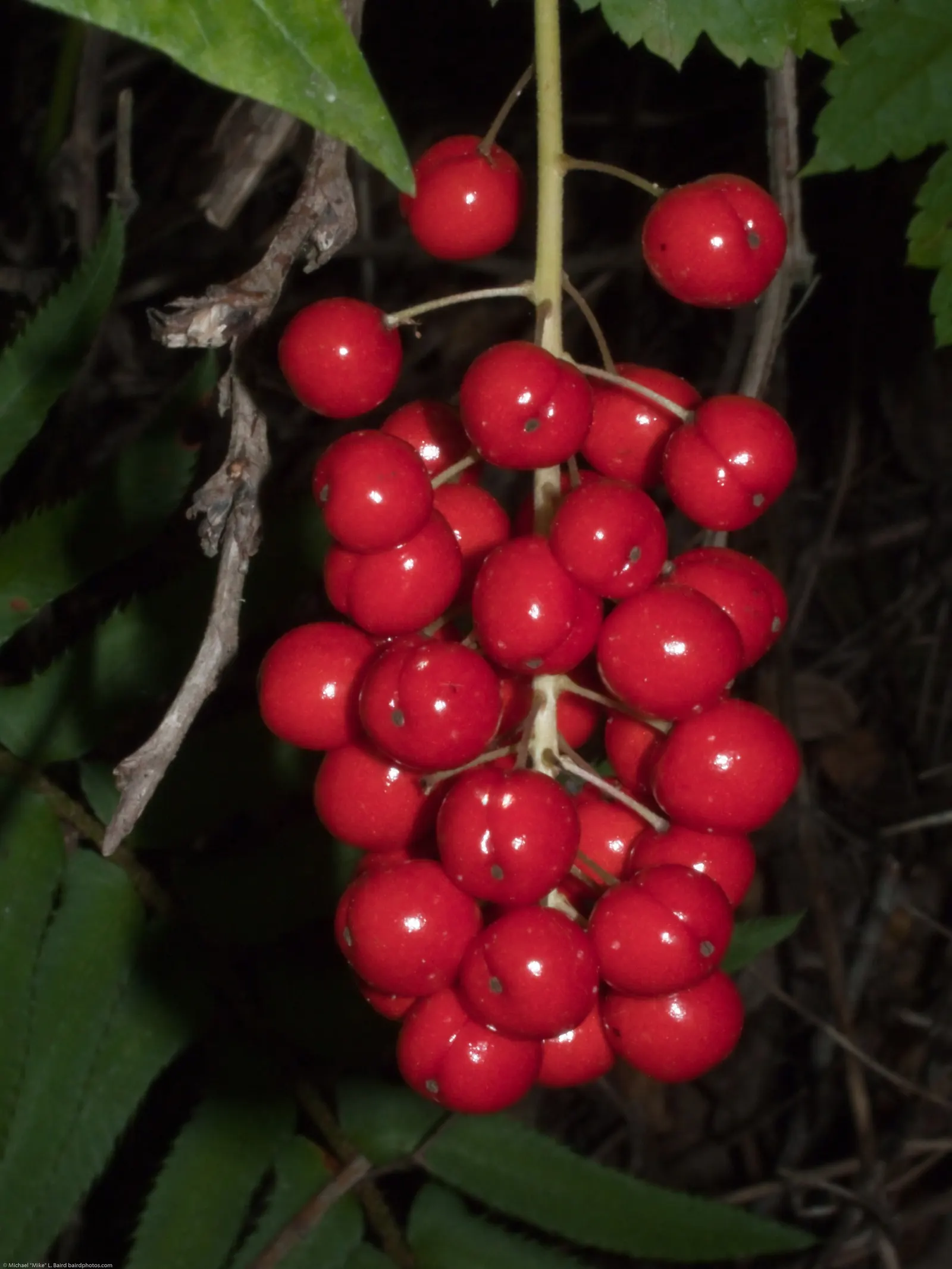
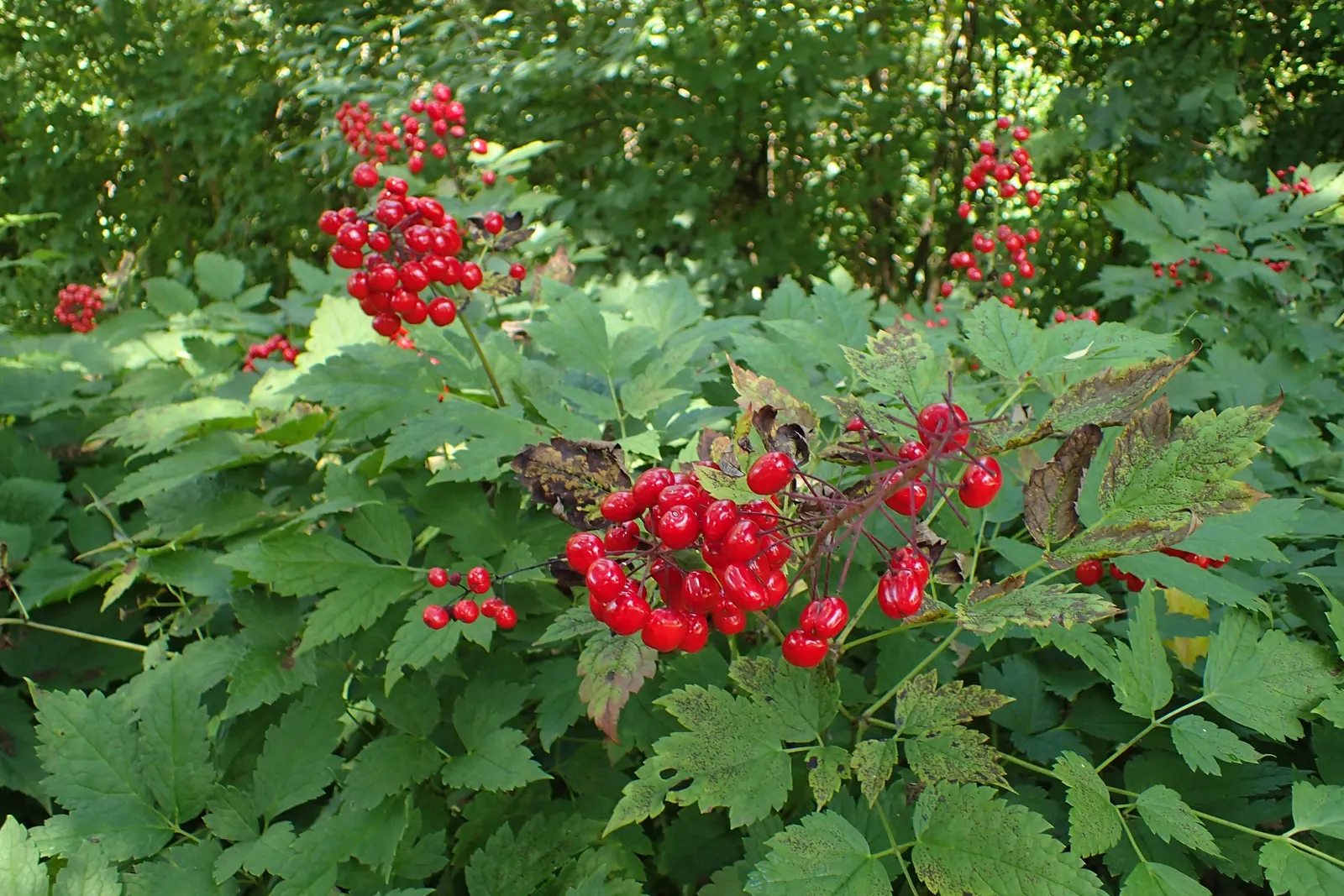
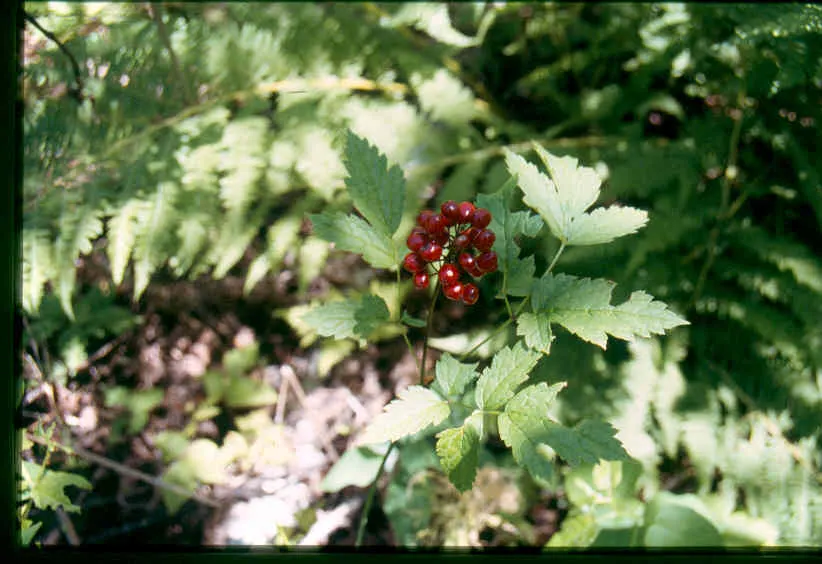
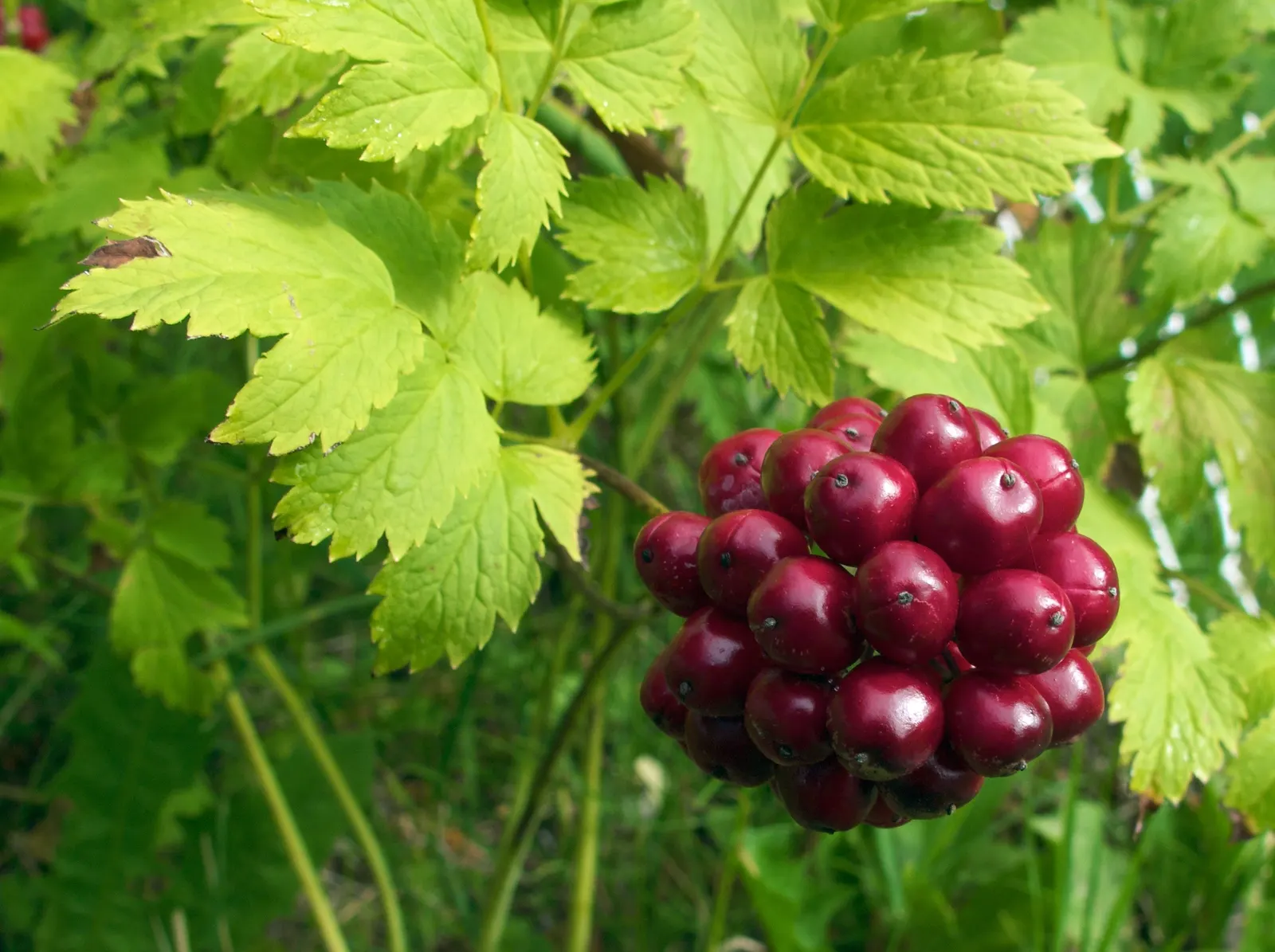
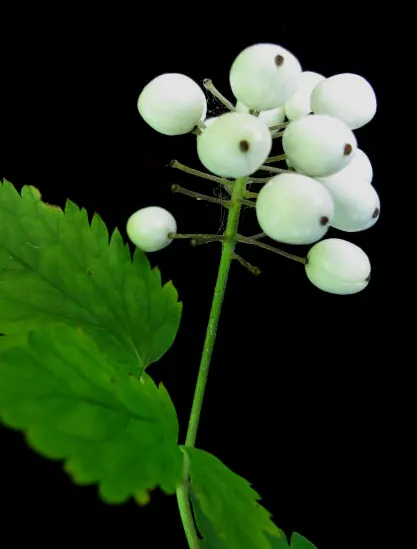
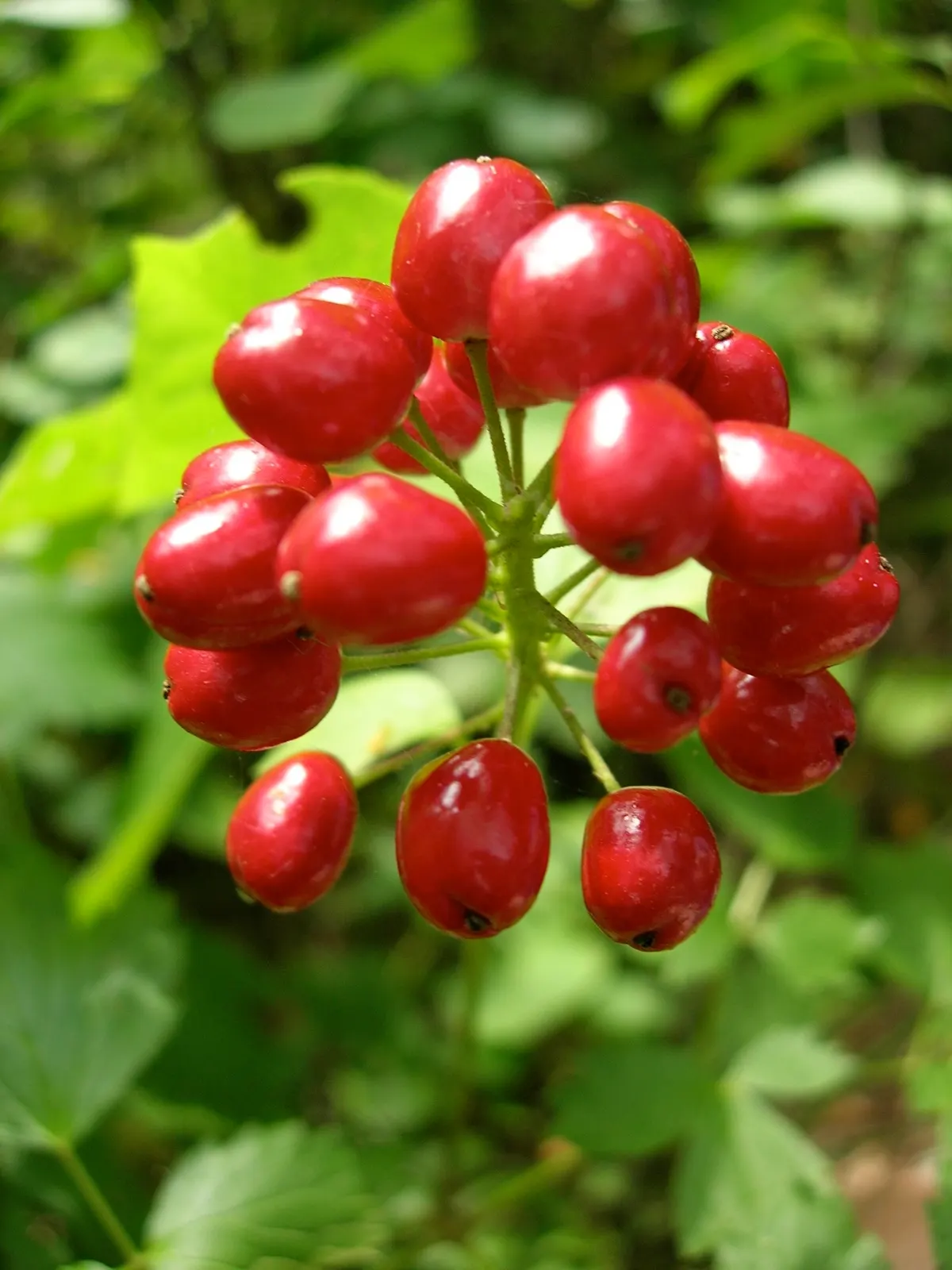
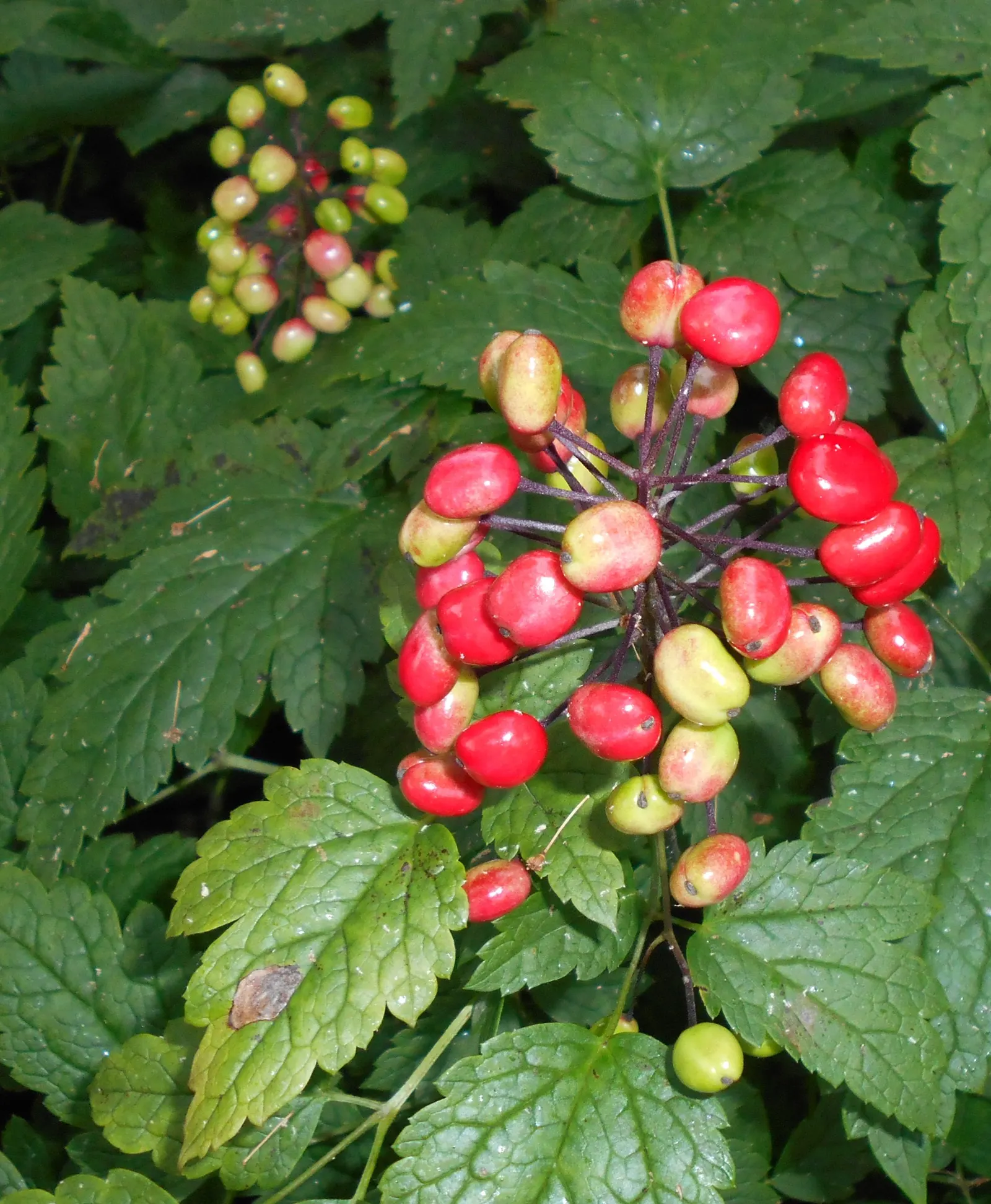
Red Baneberry (Actaea Rubra) — maturing to bright red berries by late summer; the berries offer a striking contrast against the verdant foliage but are toxic
Red Baneberry (Actaea Rubra) — Ideal for adding color to shaded areas in USDA zones 3-8; these blooms are not only visually appealing but also attract
Red Baneberry (Actaea Rubra) — Caution: its alluring berries are toxic if ingested; this woodland plant thrives in USDA hardiness zones 3 to 8, favoring
Red Baneberry (Actaea Rubra) — This woodland plant thrives in USDA hardiness zones 3 to 8, favoring dappled sunlight to full shade; or alongside ferns and
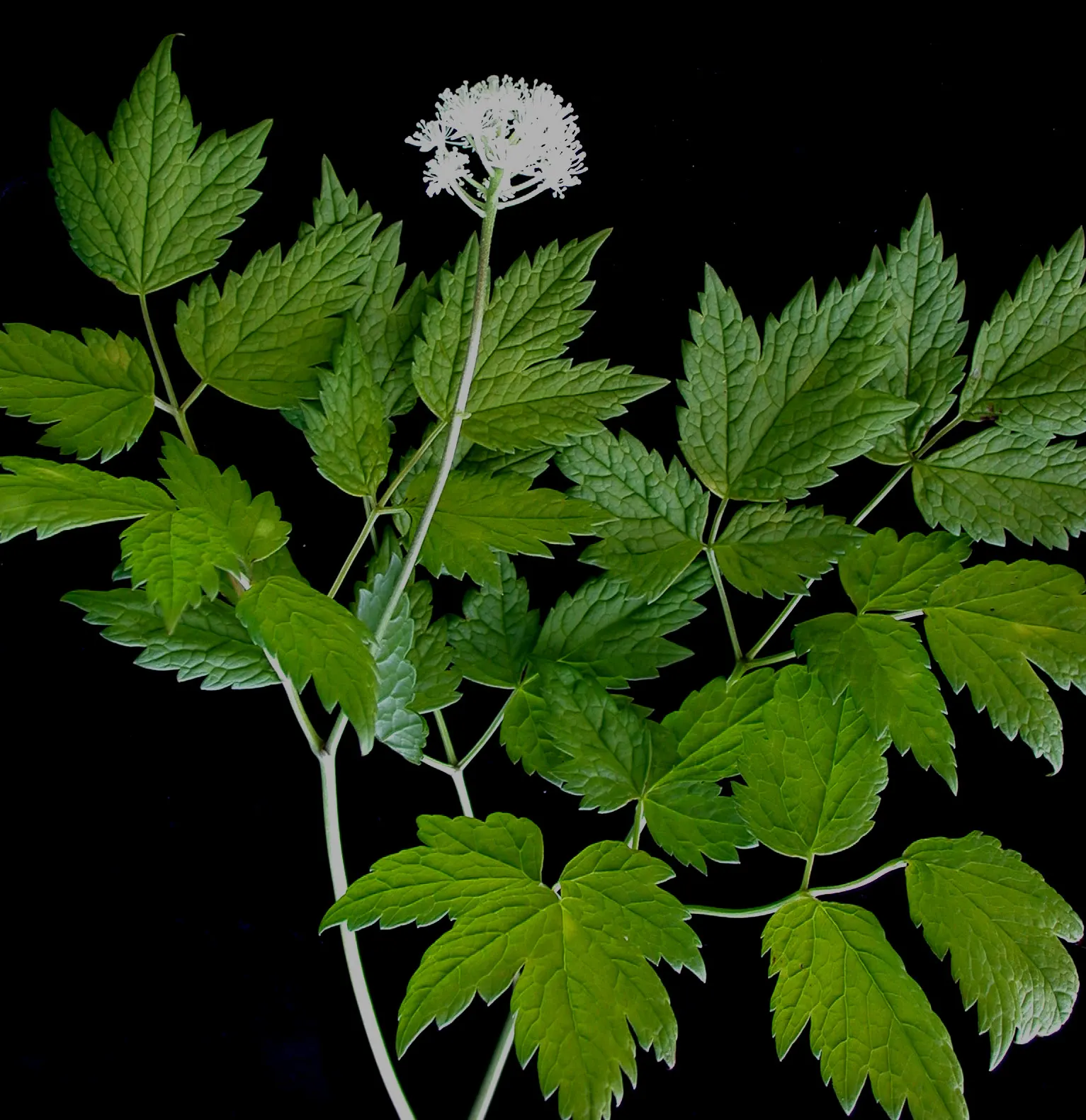
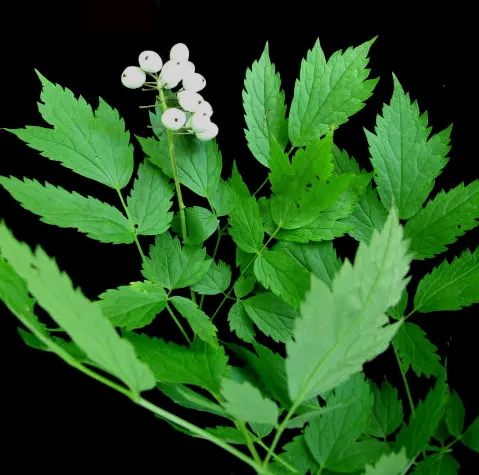
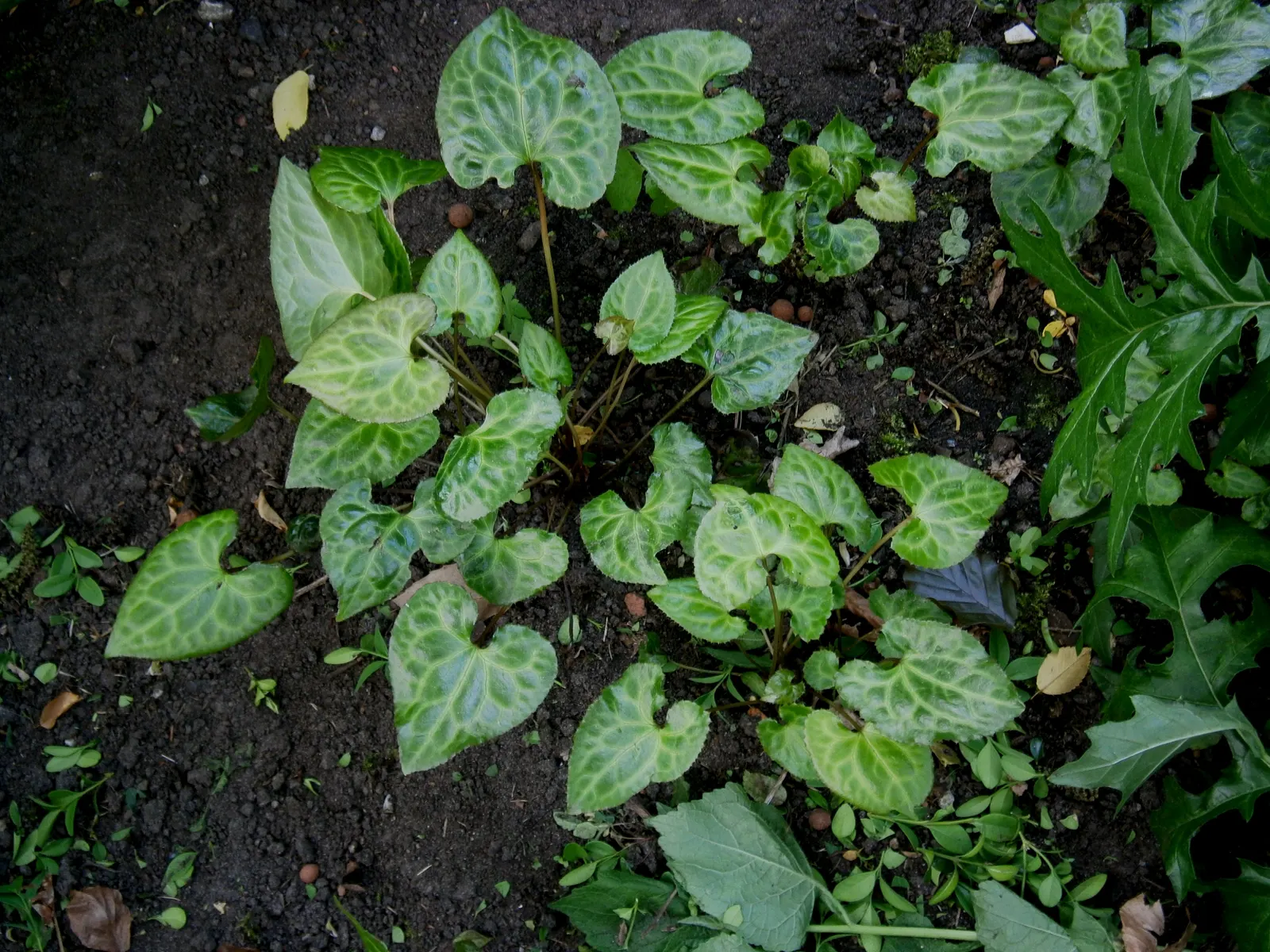
Red Baneberry (Actaea Rubra) — <br><br>The foliage of Red Baneberry is a lush deep green; with compound leaves that are finely divided into toothed leaflets
Red Baneberry (Actaea Rubra) — and consistently achieves a moderate growth to reach a mature height and spread of approximately 1.5 to 3 feet; maturing to
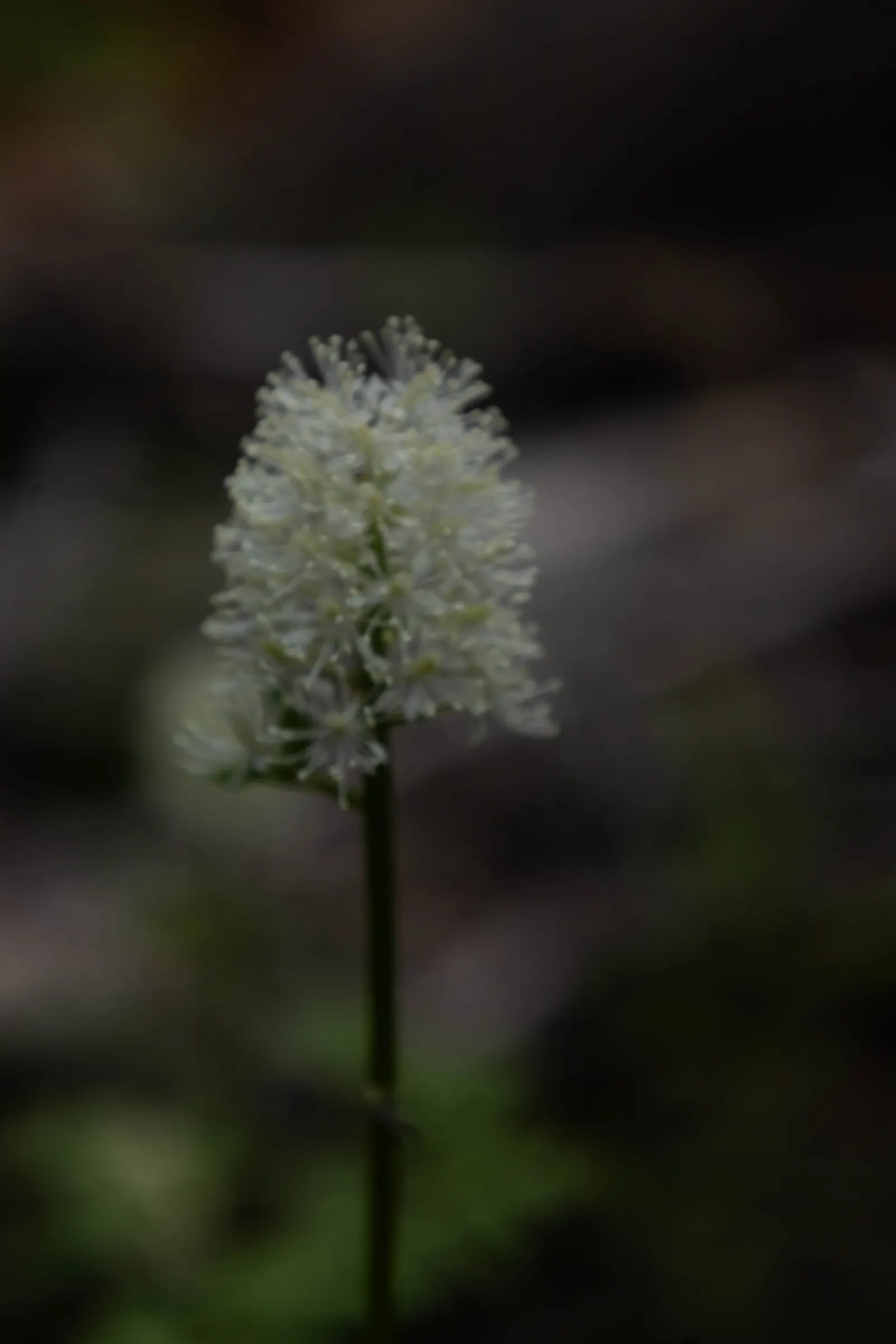
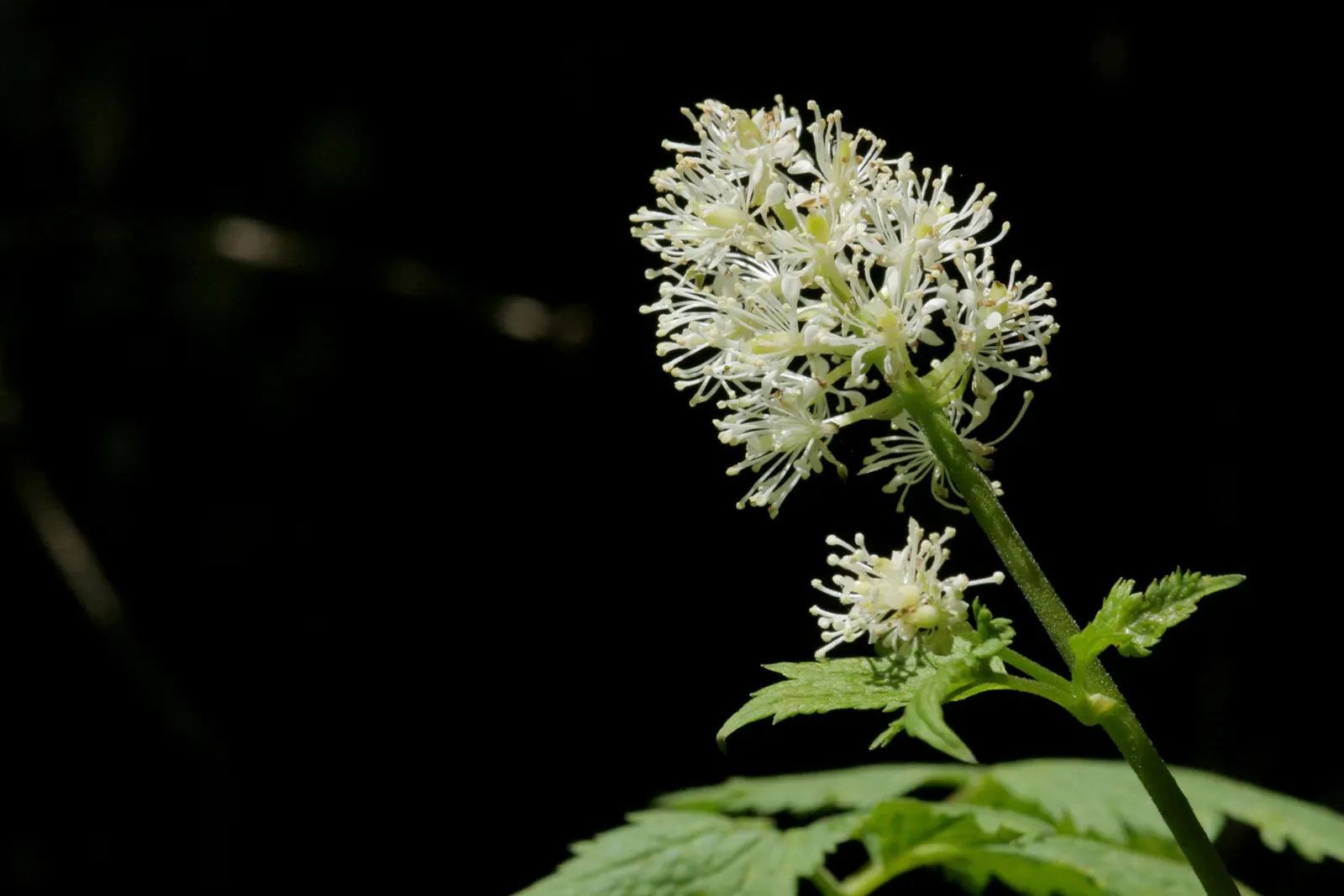
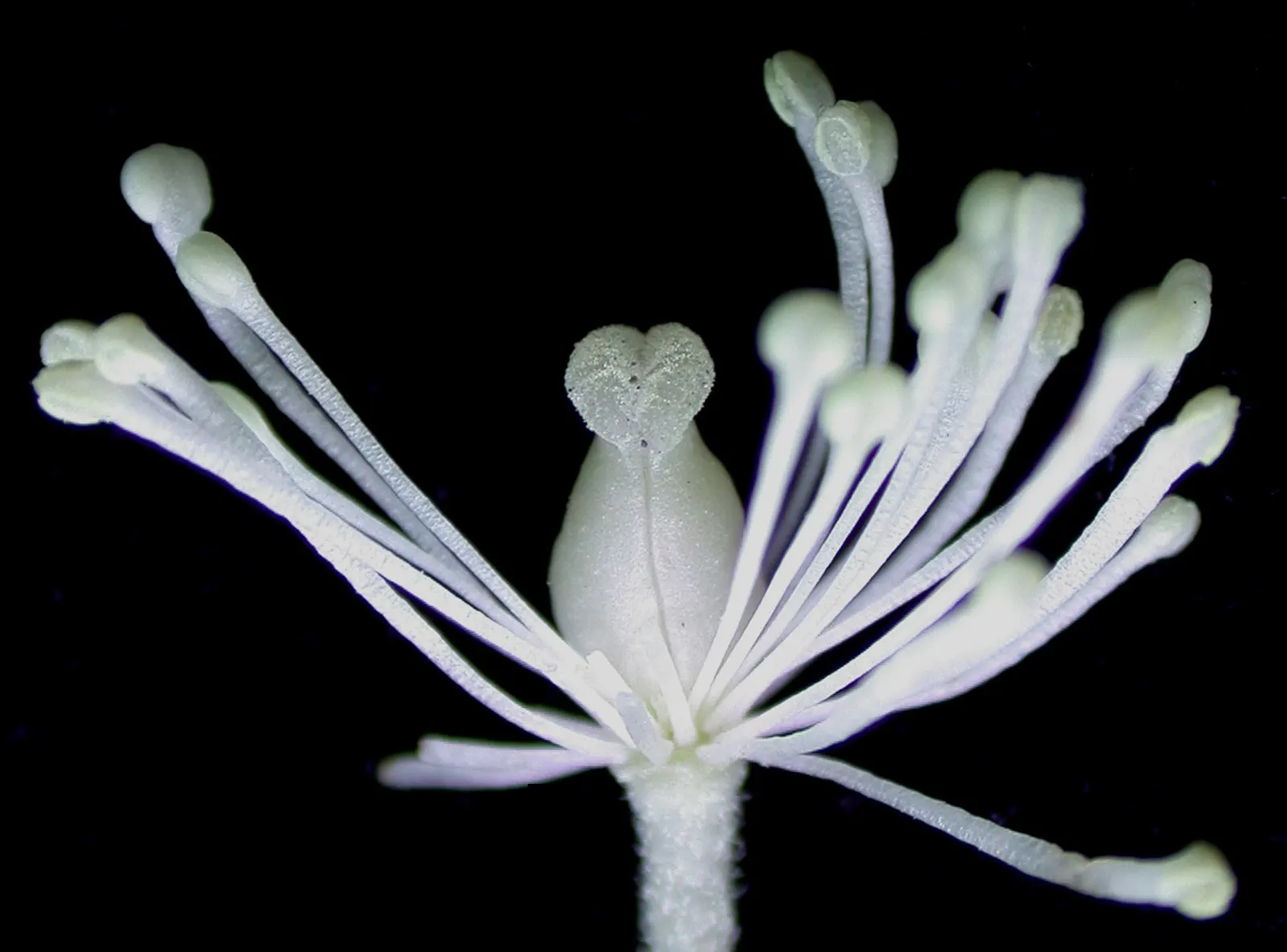
Red Baneberry (Actaea Rubra) — fluffy white flowers that are grouped in terminal clusters, image 38
Red Baneberry (Actaea Rubra) — with compound leaves that are finely divided into toothed leaflets; each about 1/3 to 1/2 inch in diameter
Red Baneberry (Actaea Rubra) — creating a delicate texture; perennial with white blooms
Red Baneberry (Actaea Rubra) — In late spring to early summer; ideal for adding color to shaded areas in USDA zones 3-8
Red Baneberry (Actaea Rubra) — Following the flowering period; fern-like foliage and dense clusters of small white flowers in spring
Red Baneberry (Actaea Rubra) — These blooms are not only visually appealing but also attract pollinators like bees to the garden; red Baneberry is an excellent
Red Baneberry (Actaea Rubra) — the true spectacle begins as the plant produces vivid red berries; <br><br>The foliage of Red Baneberry is a lush deep green
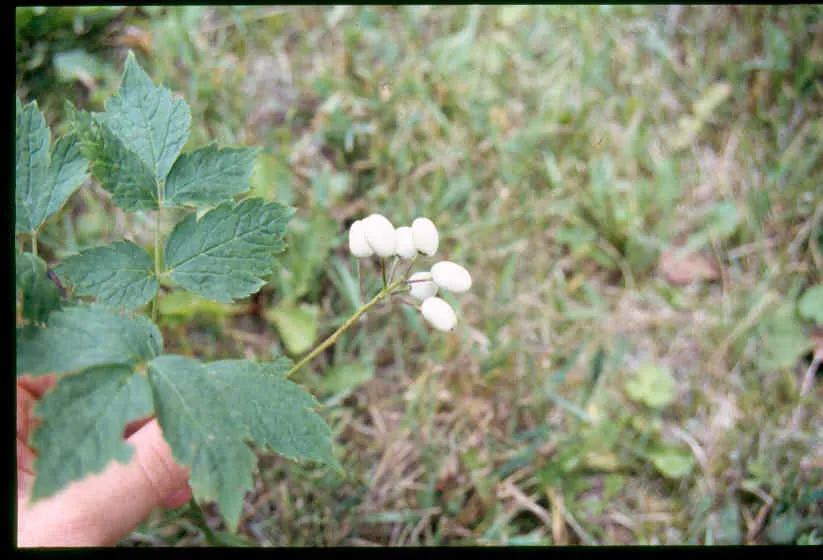
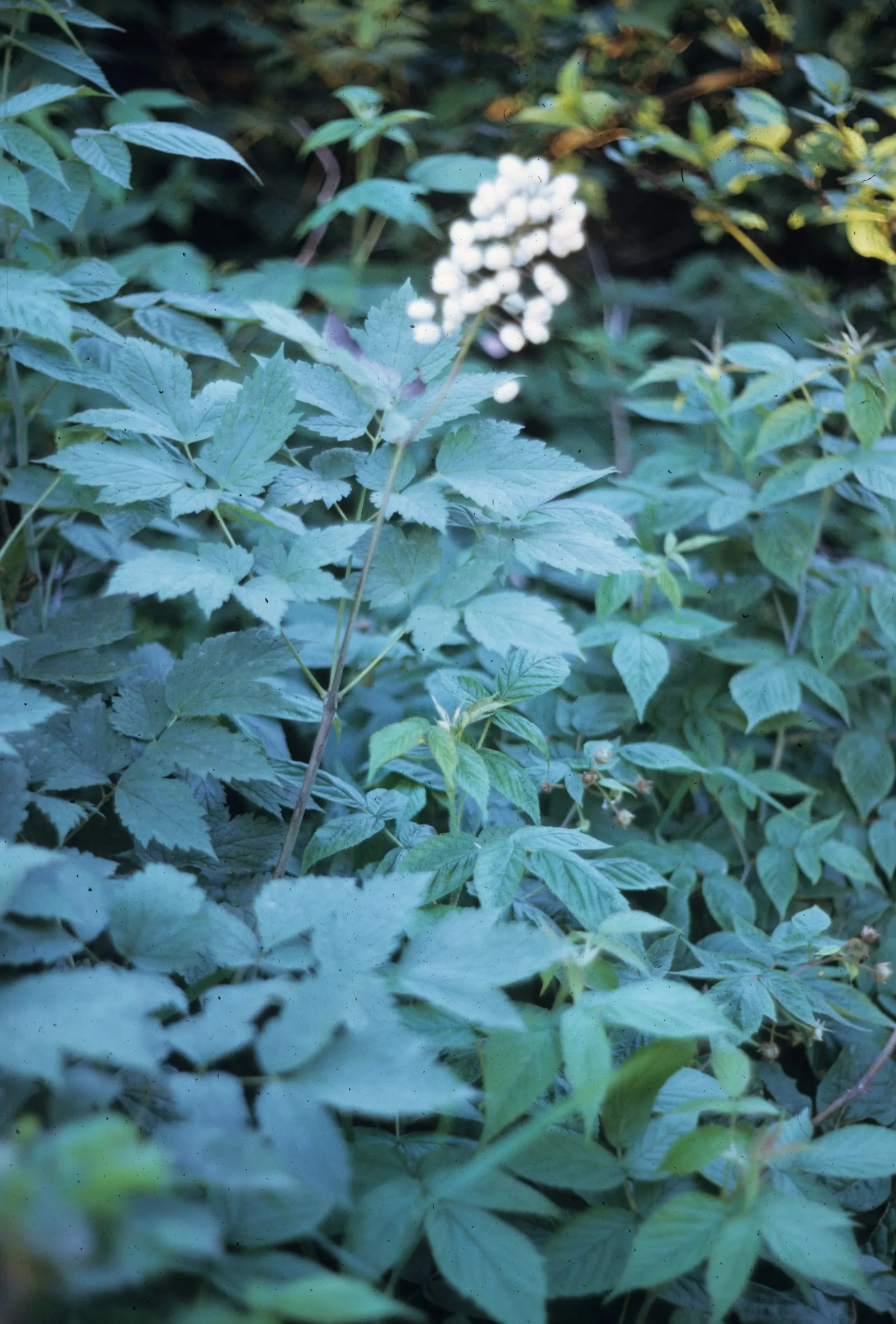
Red Baneberry (Actaea Rubra) — The berries offer a striking contrast against the verdant foliage but are toxic if ingested; white flowers in the garden
Red Baneberry (Actaea Rubra) — so they should be kept away from children and pets.<br><br>For landscape designs; caution: its alluring berries are toxic if
Red Baneberry (Actaea Rubra) — each about 1/3 to 1/2 inch in diameter; the true spectacle begins as the plant produces vivid red berries
Red Baneberry (Actaea Rubra) — perennial for deep shade or shade; especially in dry periods
Red Baneberry (Actaea Rubra) — or alongside ferns and hostas for a varied texture display; so they should be kept away from children and pets.<br><br>For
Red Baneberry (Actaea Rubra) — especially in dry periods; red Baneberry (Actaea rubra) is a shade-tolerant perennial native to North American woodlands
Red Baneberry (Actaea Rubra) — white flowers in the garden; and consistently achieves a moderate growth to reach a mature height and spread of approximately

Related plants