Skip to content

White Baneberry

Actaea Pachypoda

Design with this plant

Overview

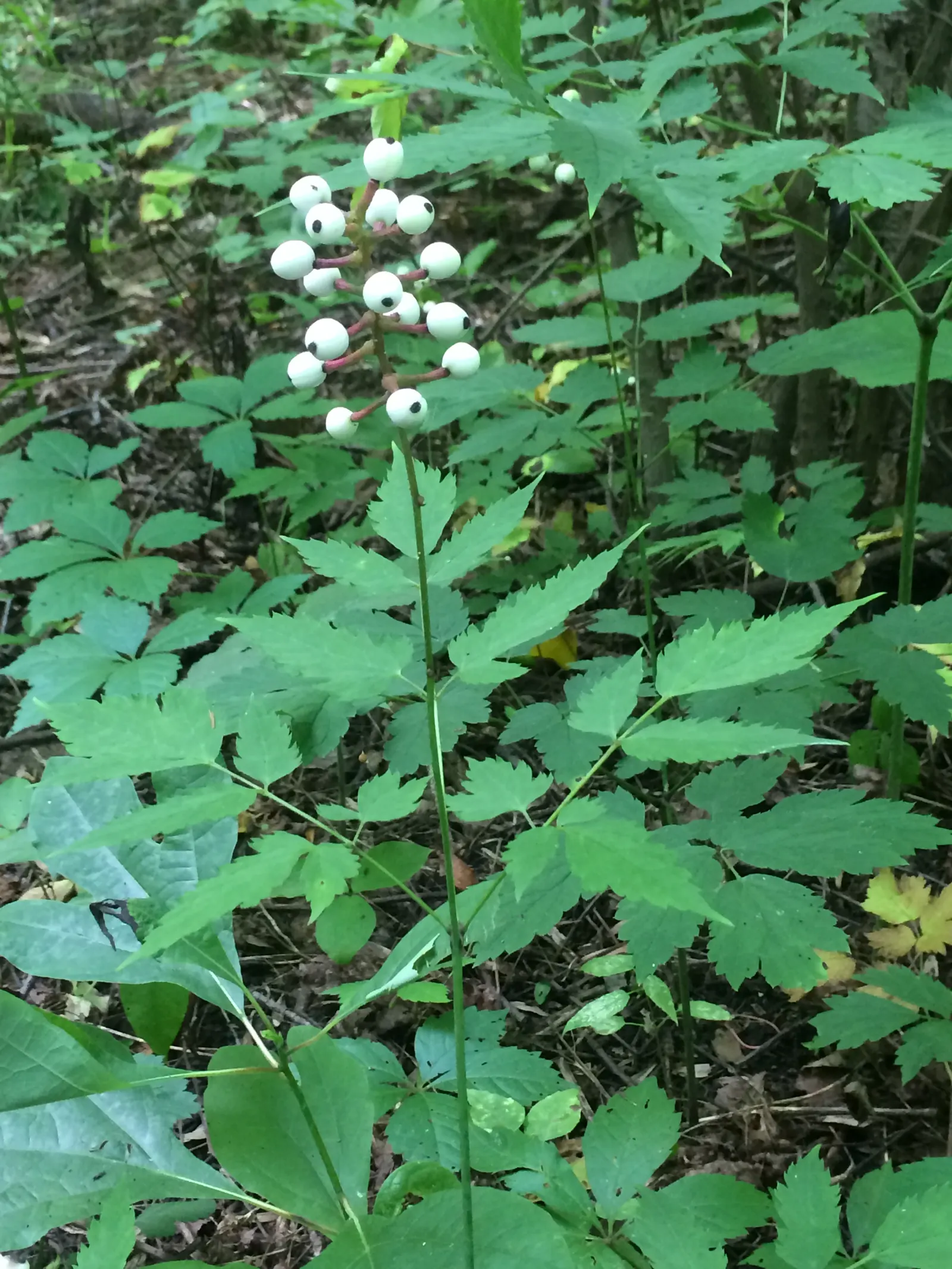
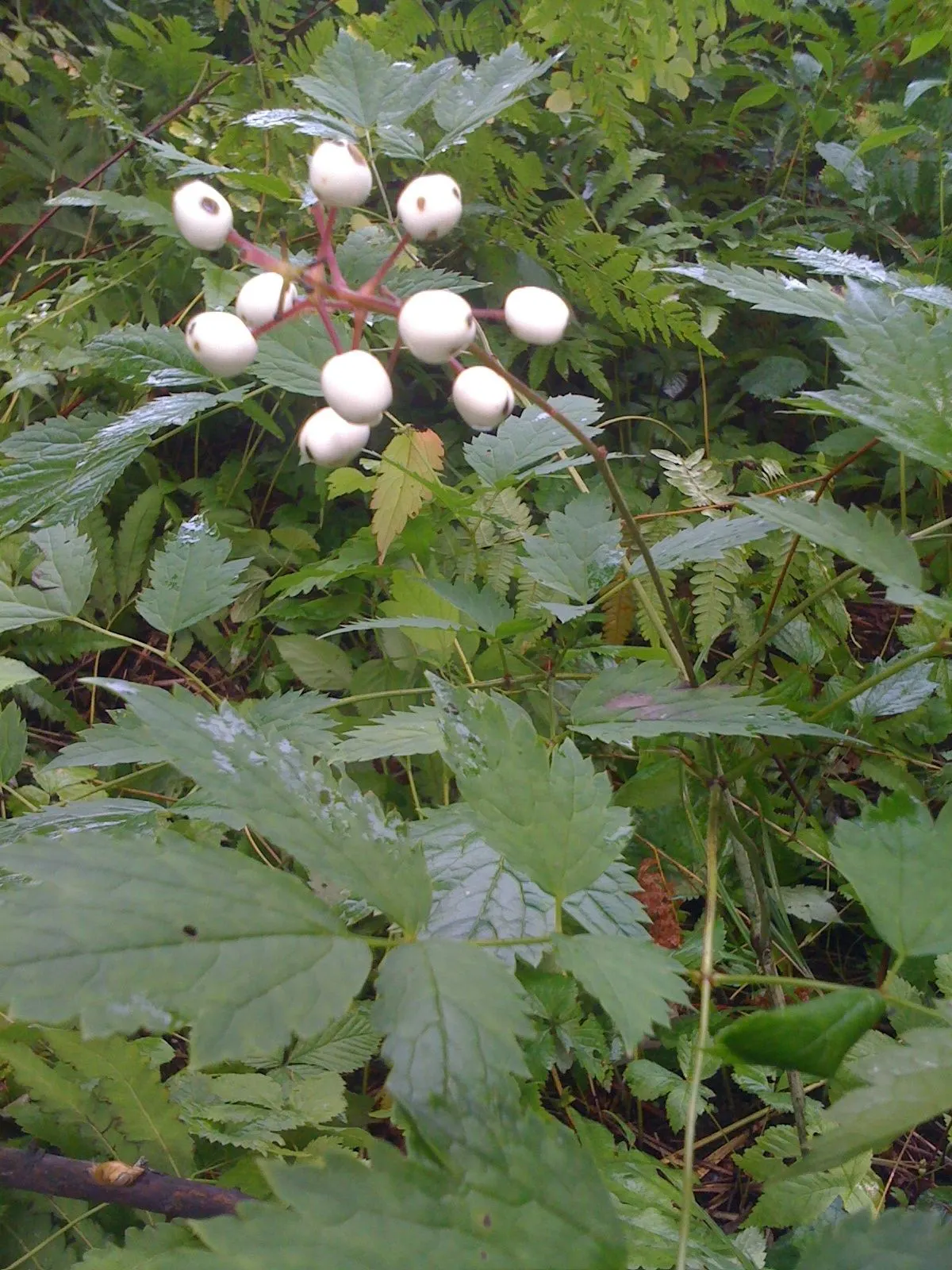
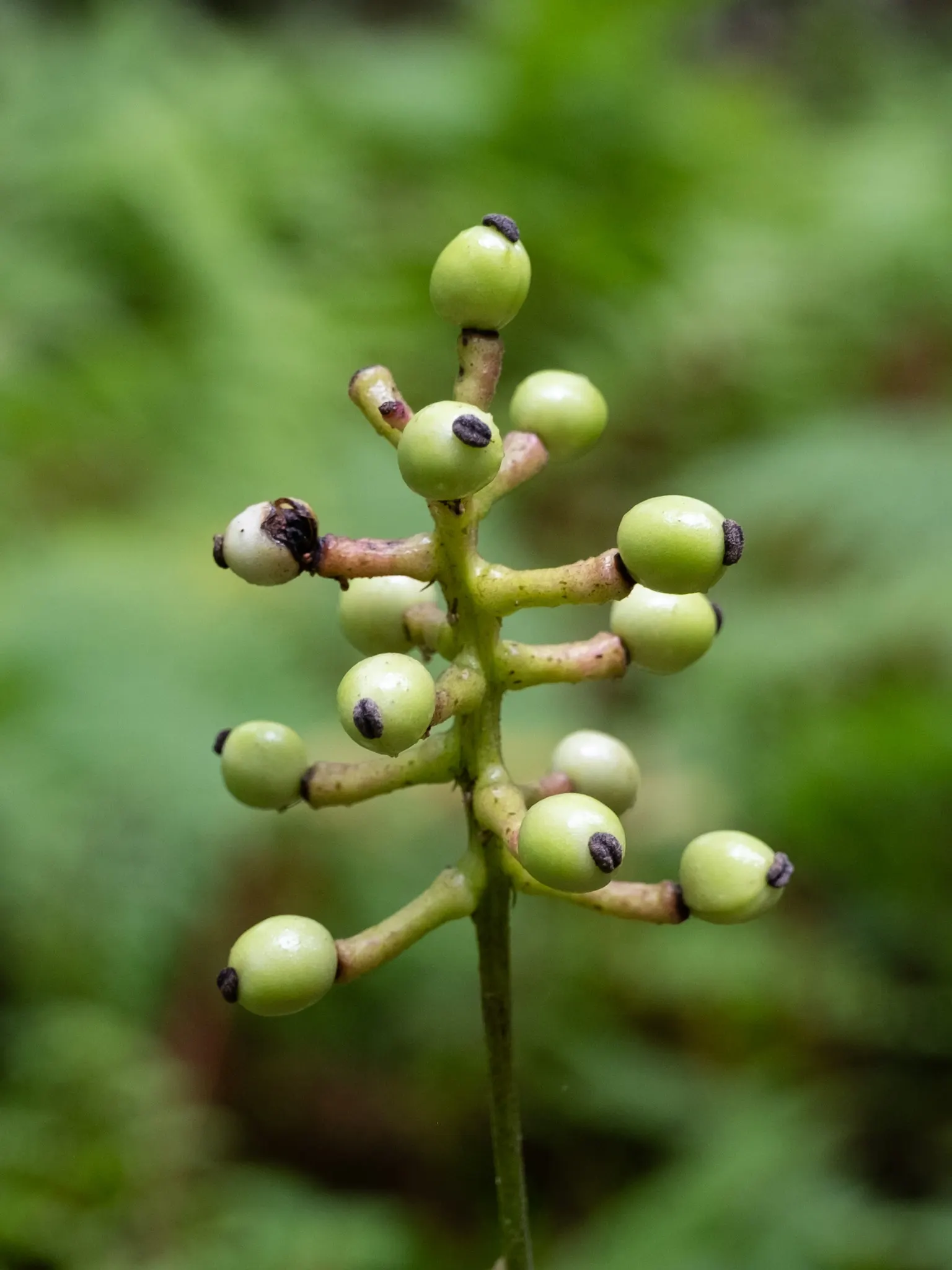
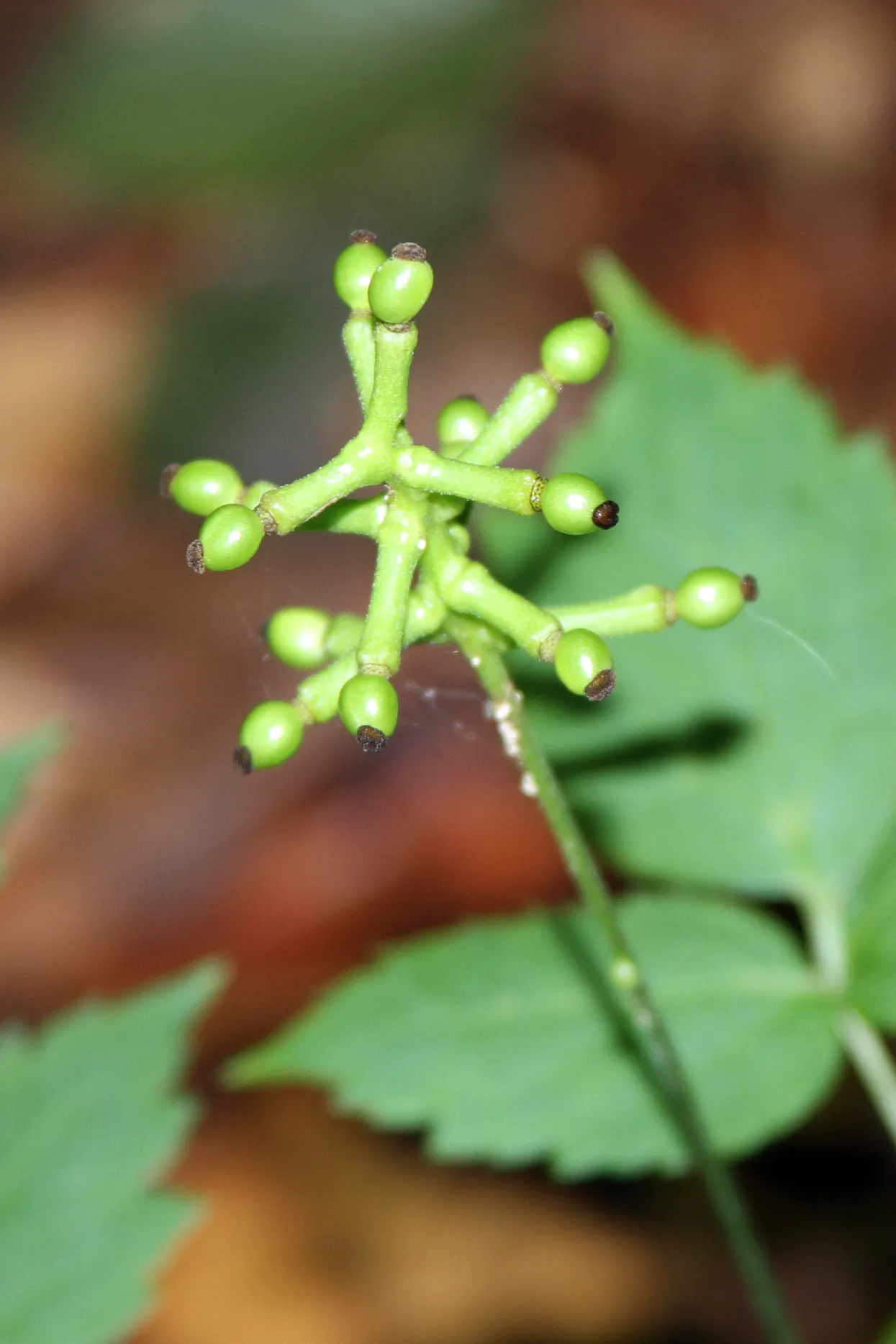
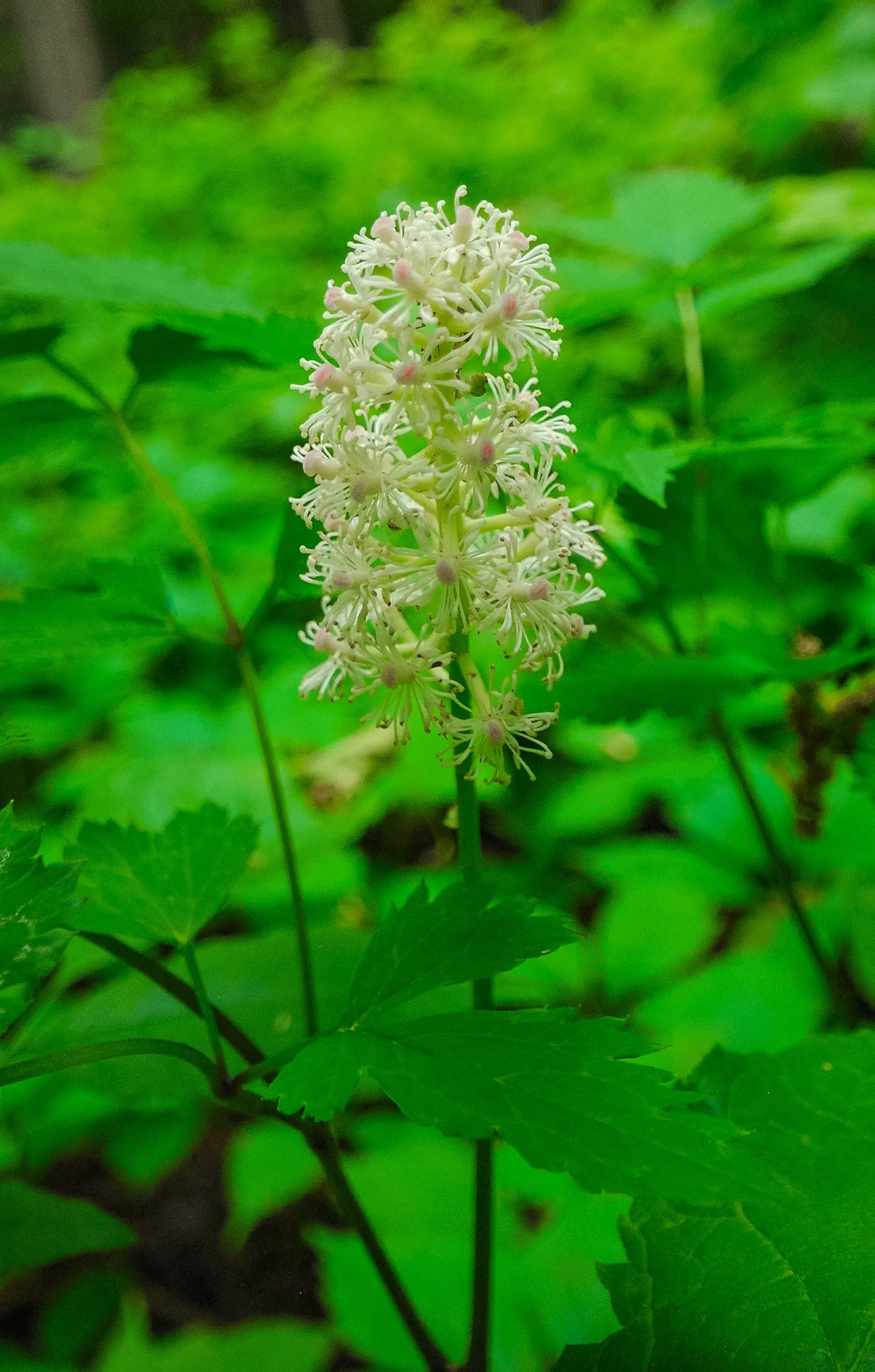
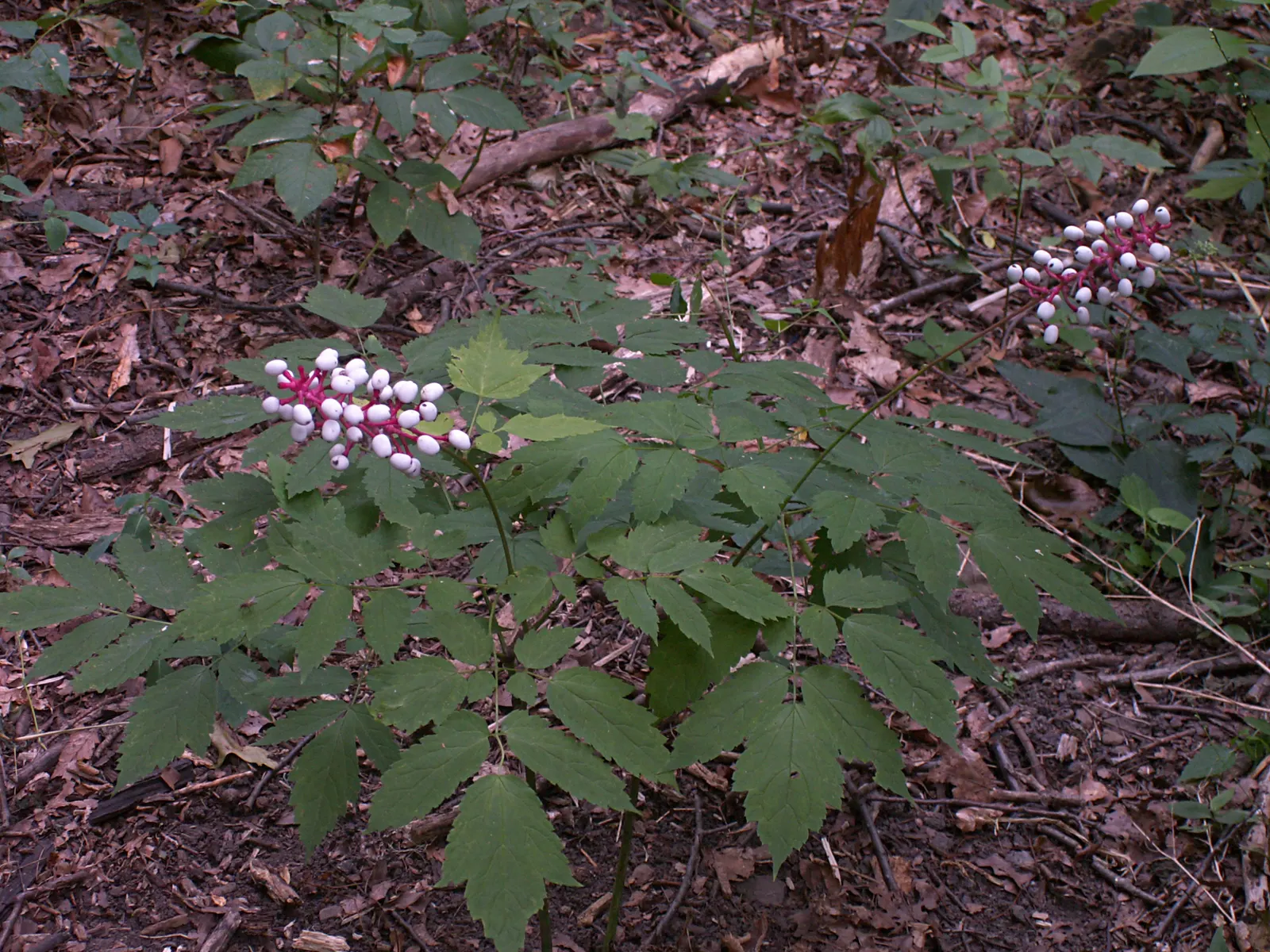
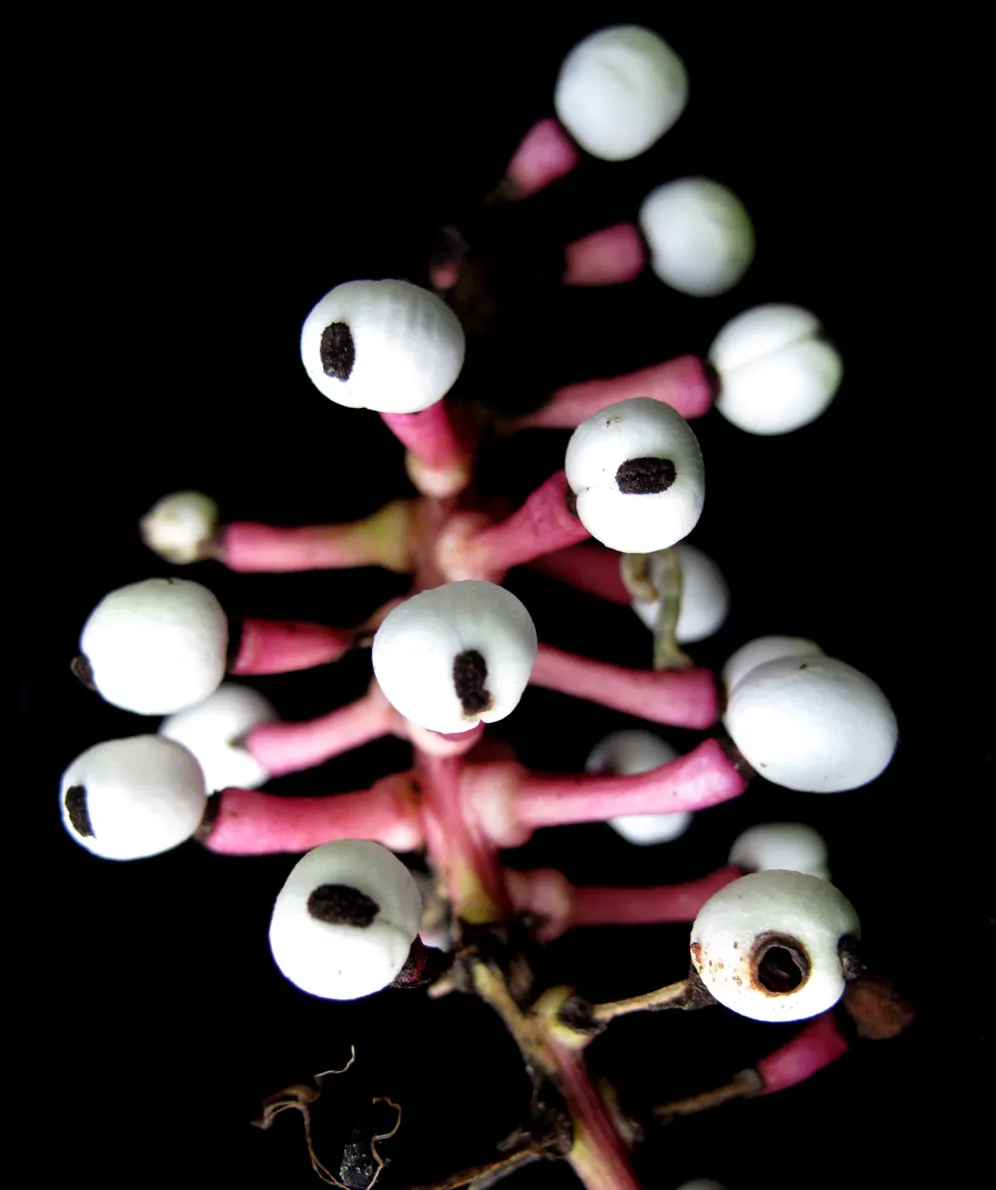
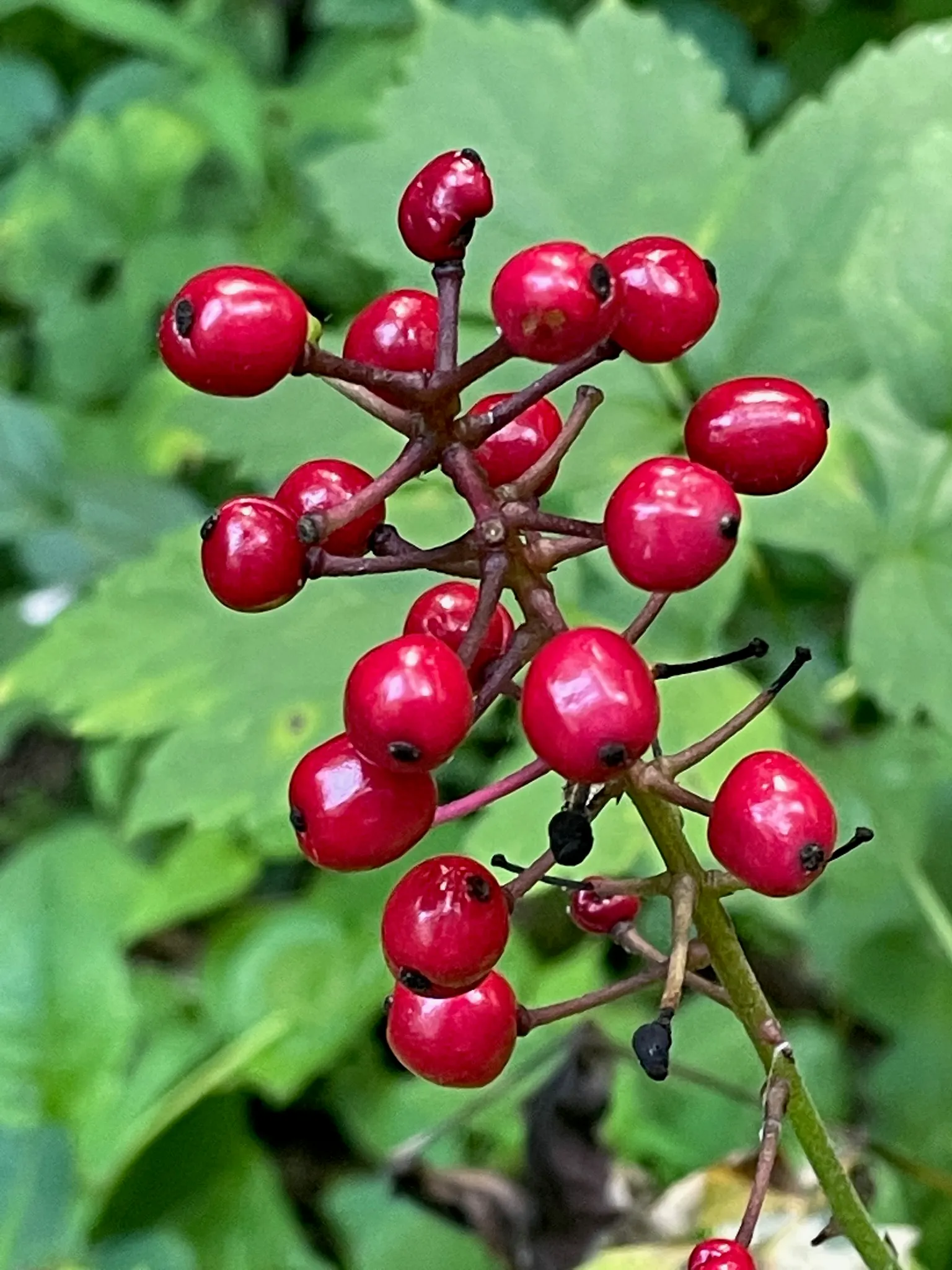
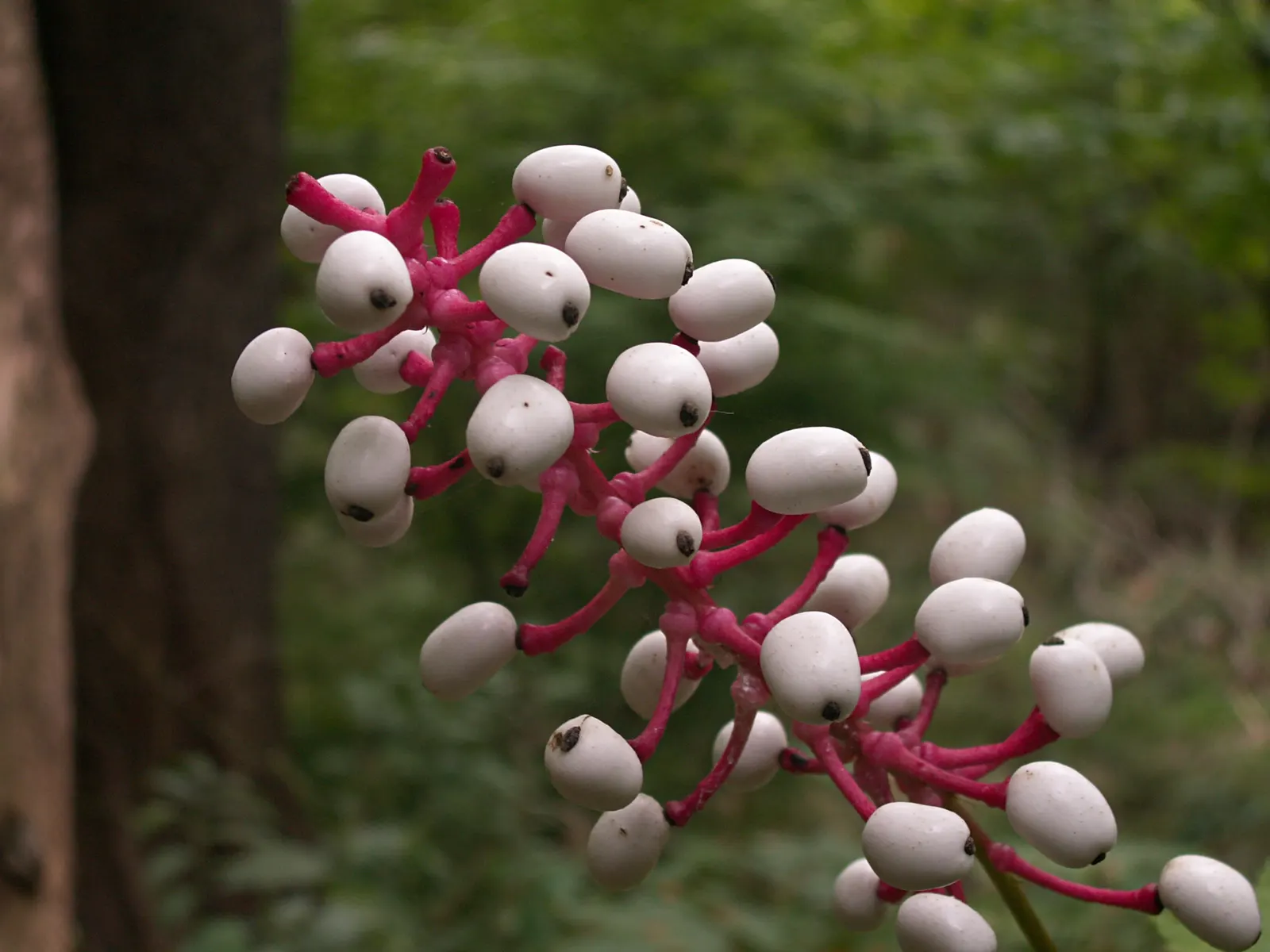
White Baneberry (Actaea pachypoda), also known as 'Doll's Eyes,' is a North American perennial reaching heights of 1.5-2.5 feet. It thrives in partial to full shade and prefers moist, fertile soil. Notable for its striking white berries on thick red pedicels after spring blooming, the plant is toxic and best suited for woodland gardens away from children and pets. Its foliage adds texture to shade gardens. Zones 3-8.

Sun Deep Shade, ShadeWater High, MediumZones 3–8Climate Temperate
White Baneberry (Actaea Pachypoda) — White Baneberry (Actaea pachypoda)

Culture

Sun
Deep Shade, Shade
Water
High, Medium
USDA zones
3–8

Shape & size

Mature height
1.5–2.5 Ft.
Mature width
2–3 Ft.

Classification

Family
Ranunculaceae
Climate
Temperate

See full data, regional cultivation notes, full-resolution photos, and design tools. Build a client presentation around this plant.

Start your 14-day trial

Photos (77)

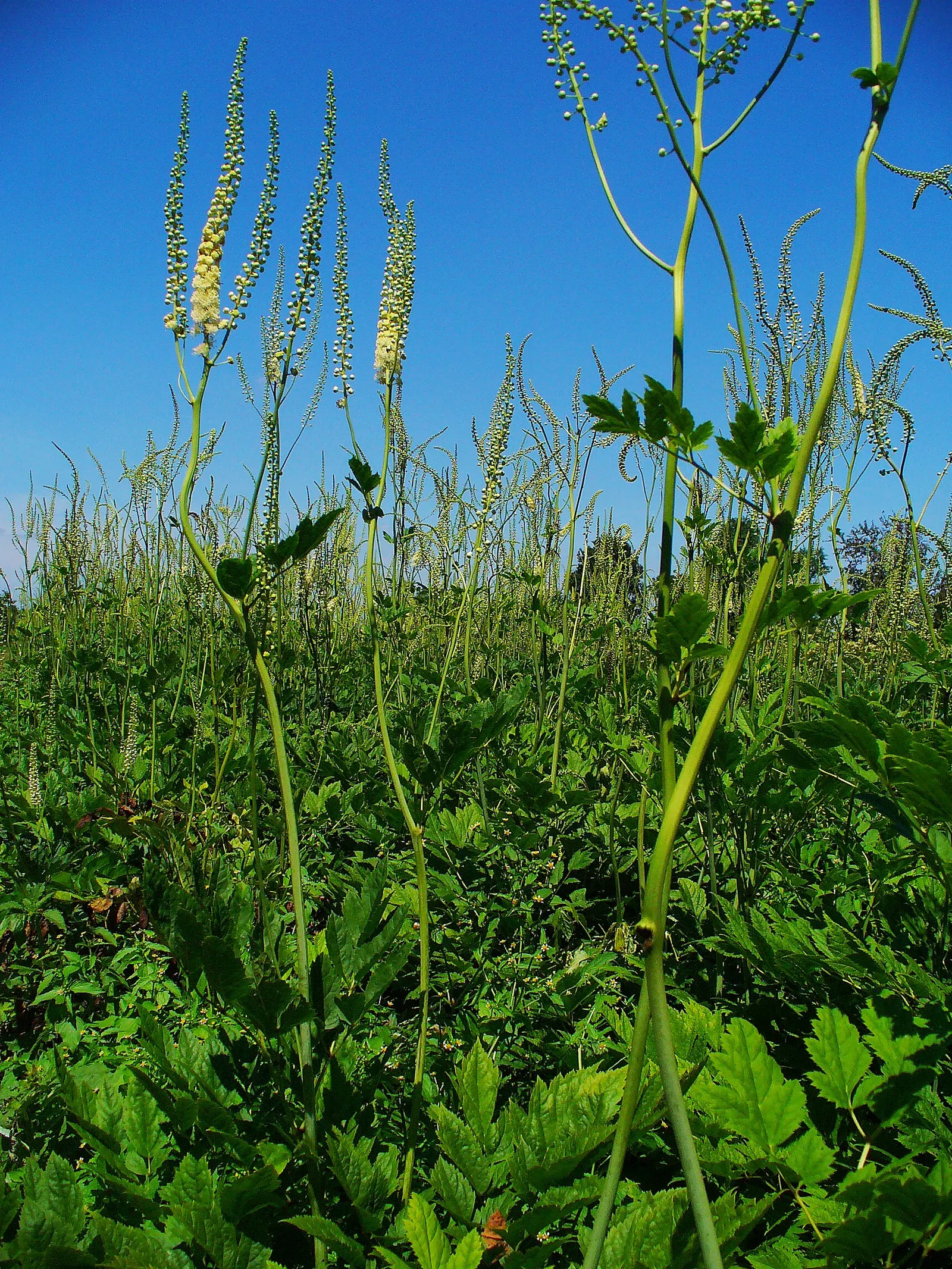
White Baneberry (Actaea Pachypoda) — perennial for deep shade or shade
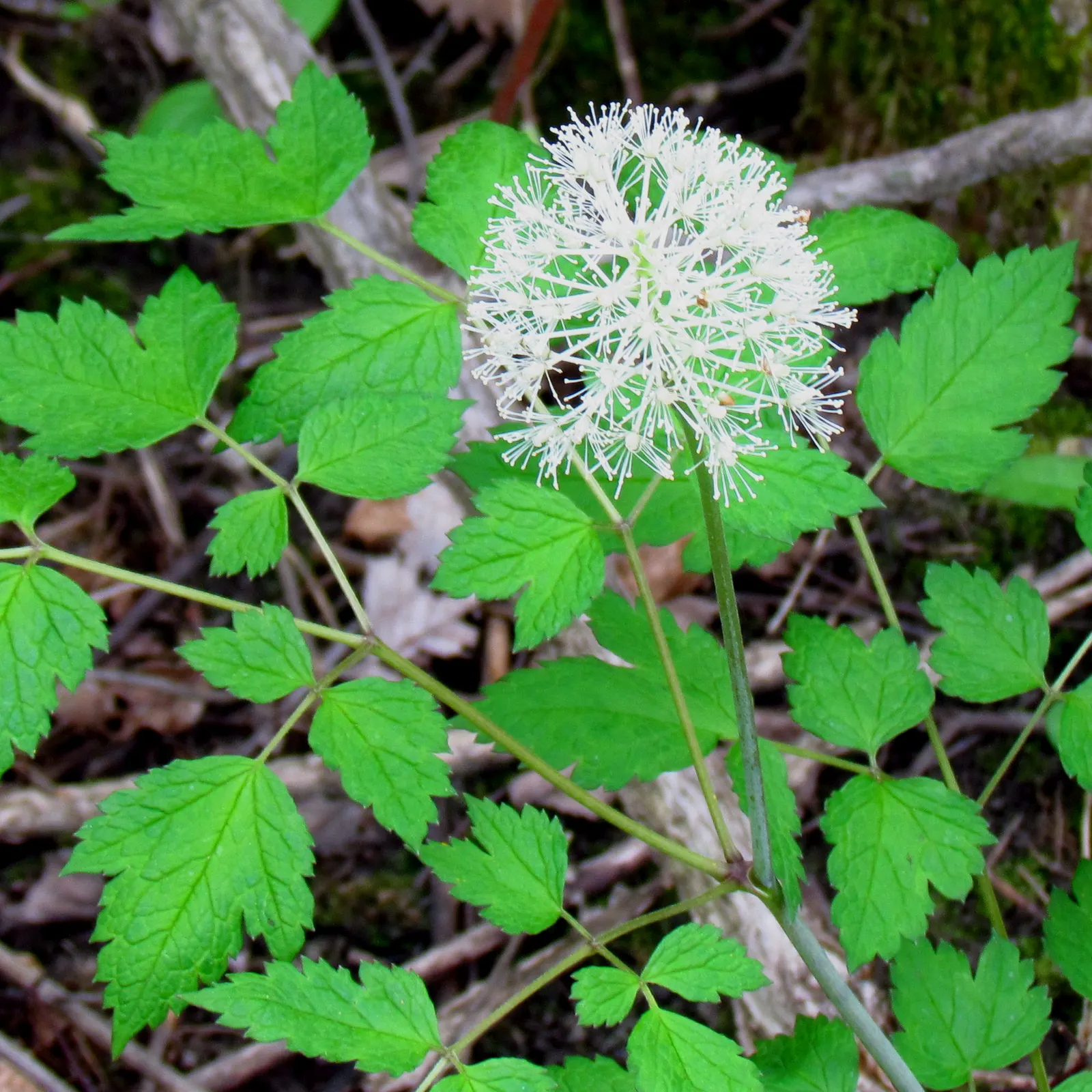
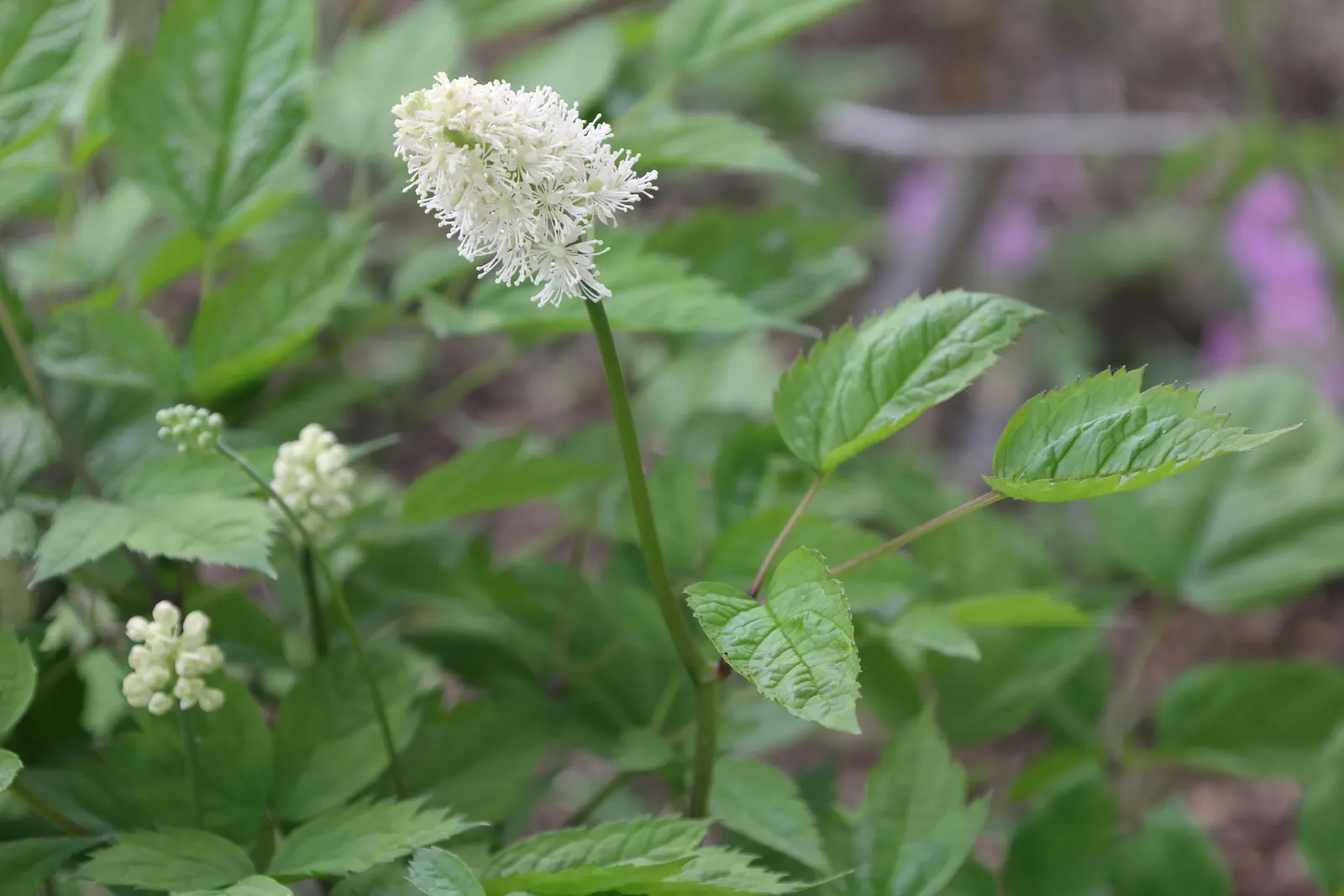
White Baneberry (Actaea Pachypoda) — perennial with white blooms
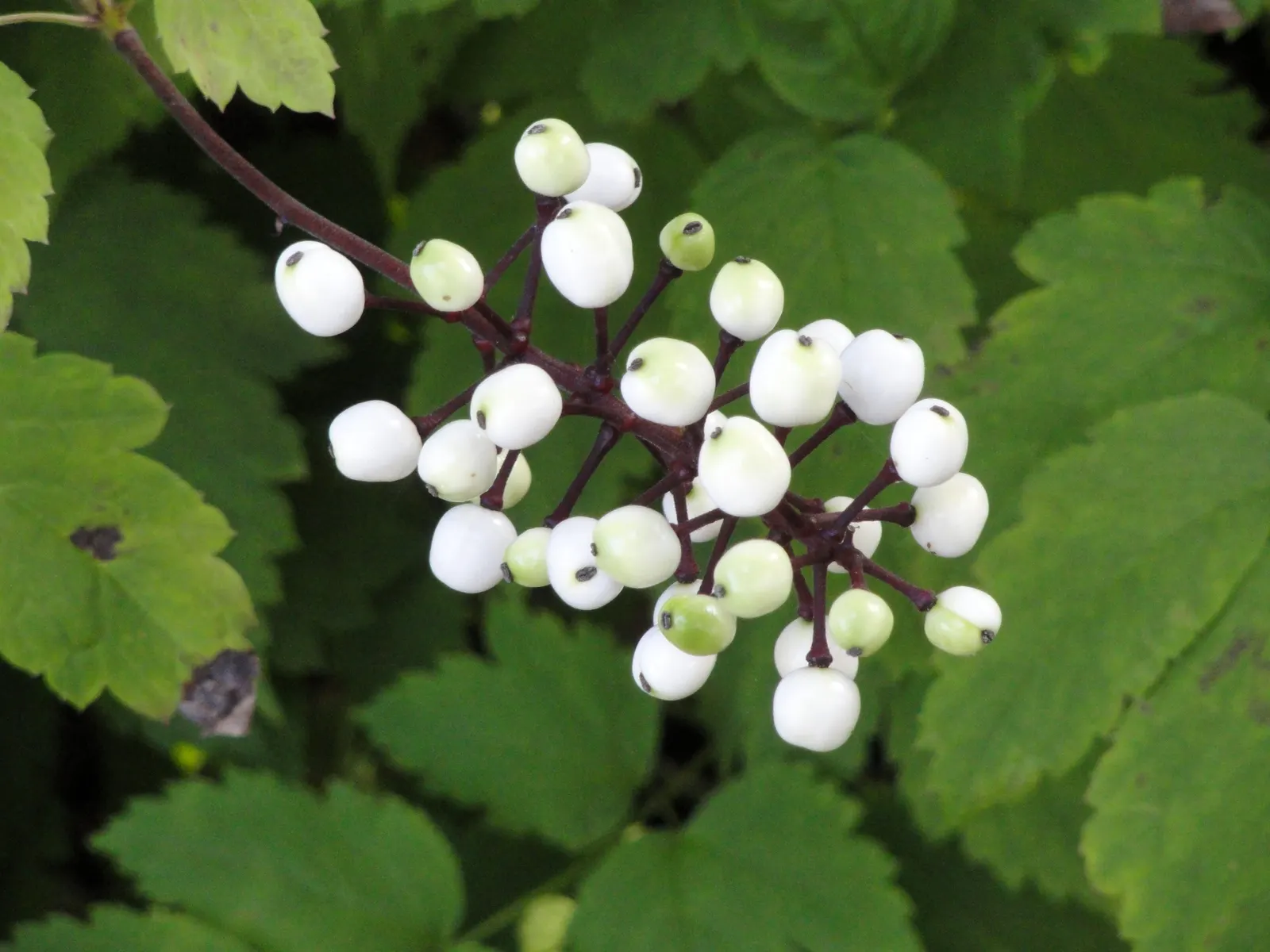
White Baneberry (Actaea Pachypoda) — It thrives in partial to full shade and prefers moist, fertile soil; these berries are perched atop thick
White Baneberry (Actaea Pachypoda) — also known as 'Doll's Eyes,' is a North American perennial reaching heights of 1.5-2.5 feet; making it ideal for areas
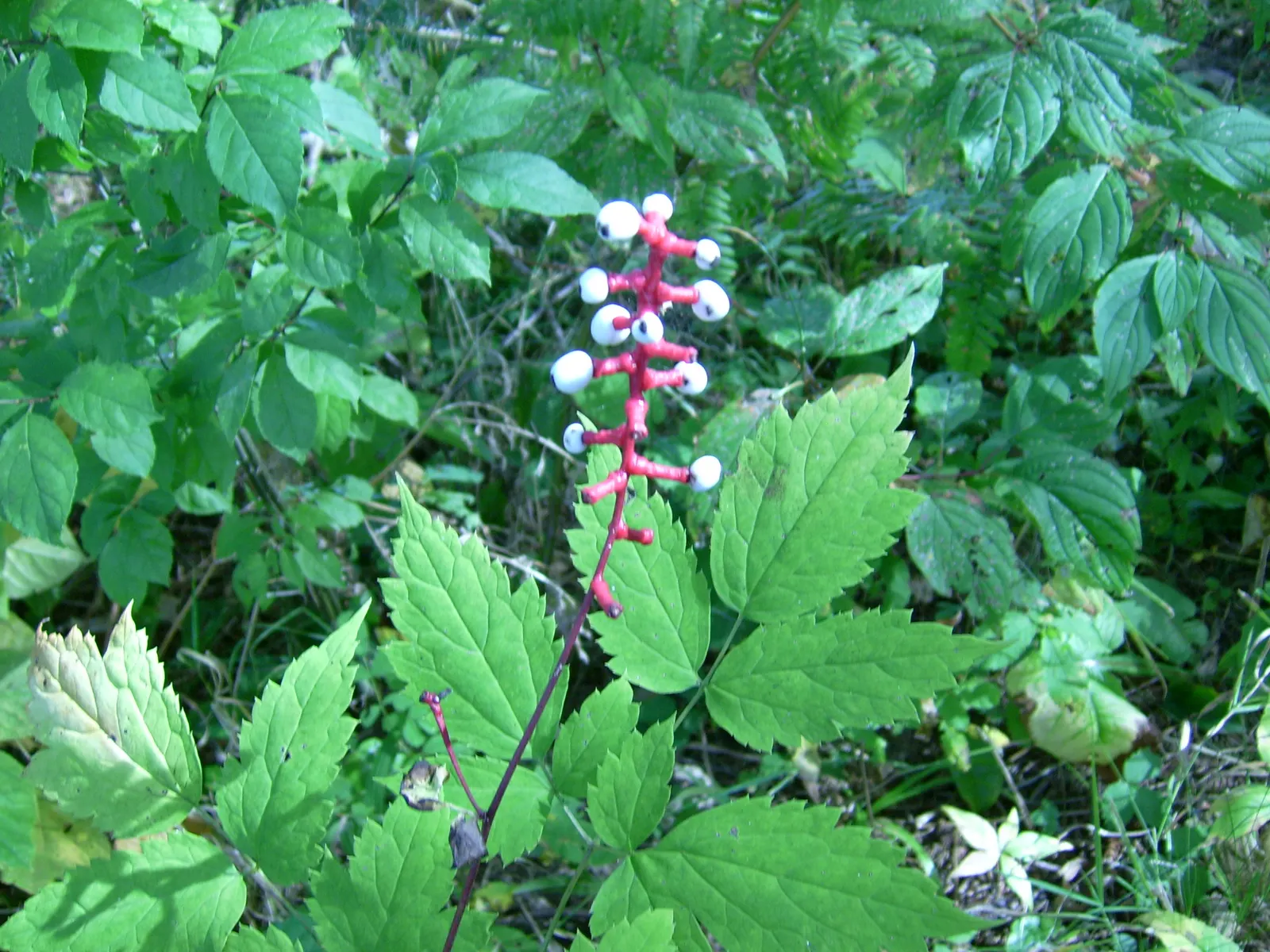
White Baneberry (Actaea Pachypoda) — White Baneberry (Actaea pachypoda); notable for its striking white berries on thick red pedicels after spring blooming
White Baneberry (Actaea Pachypoda) — the plant is toxic and best suited for woodland gardens away from children and pets; its foliage adds texture to shade
White Baneberry (Actaea Pachypoda) — Notable for its striking white berries on thick red pedicels after spring blooming; perennial with white blooms
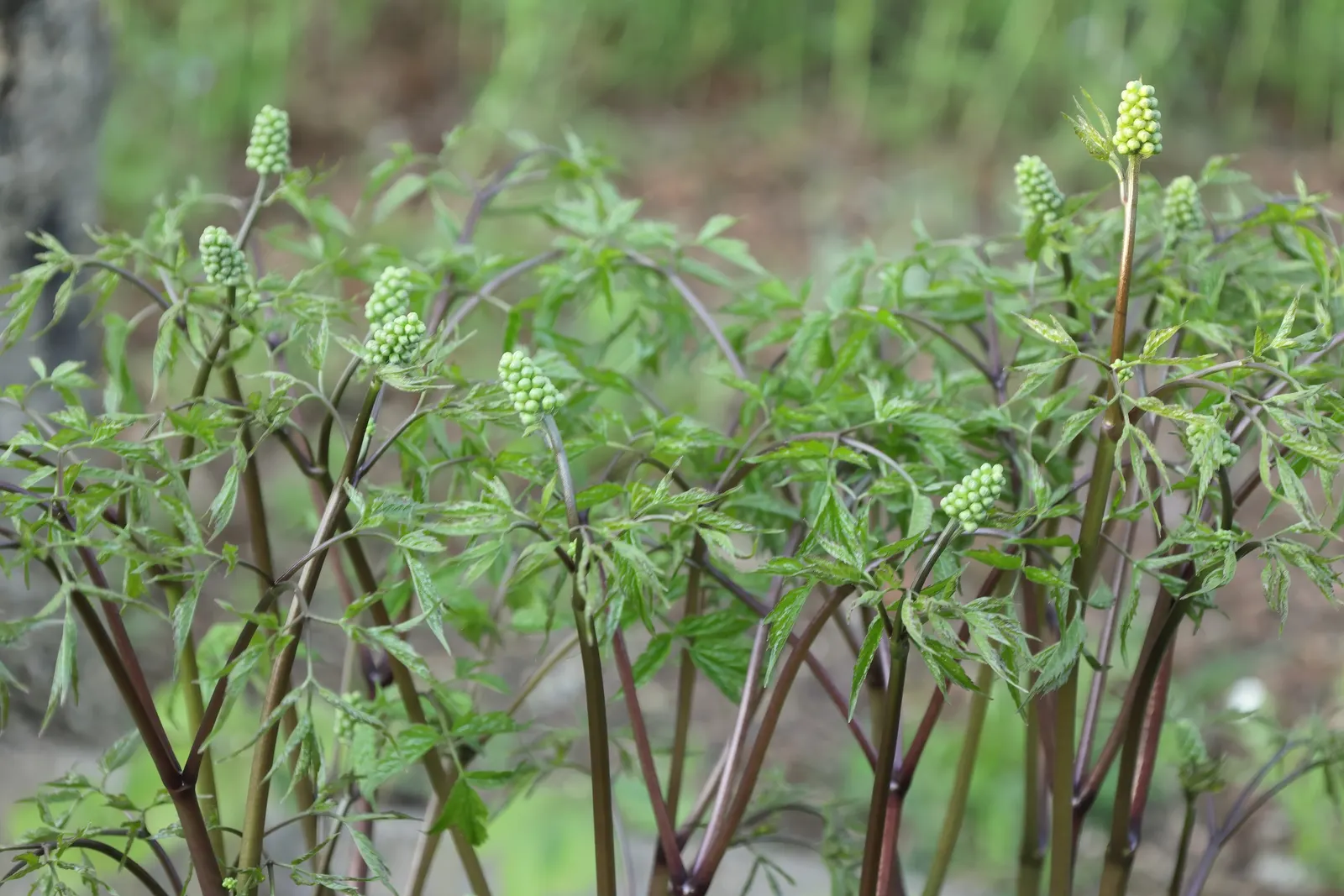
White Baneberry (Actaea Pachypoda) — Its foliage adds texture to shade gardens; actaea pachypoda produces small white flowers on dense
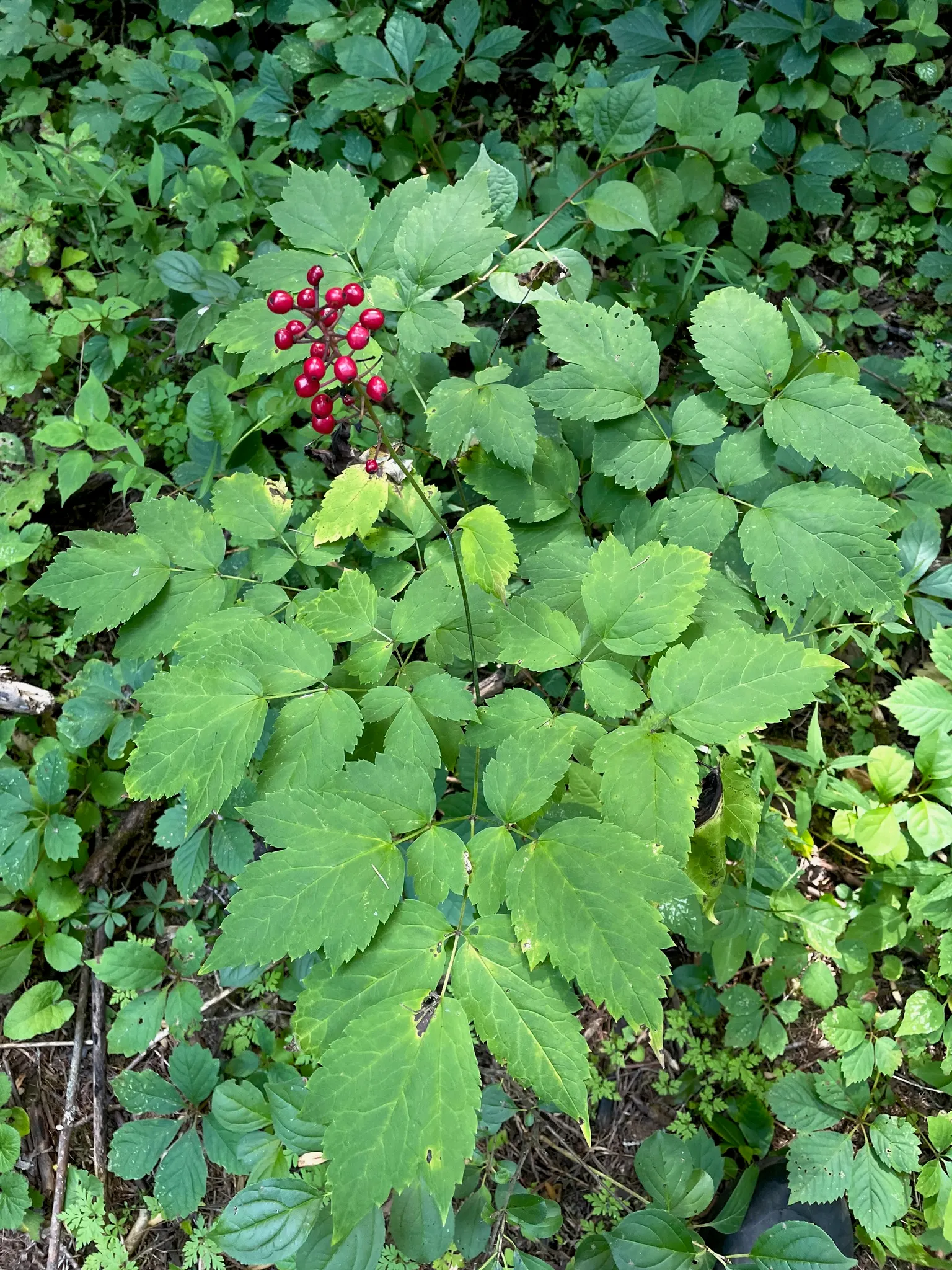
White Baneberry (Actaea Pachypoda) — presents a unique and mystical element to any garden; every part of this plant is highly toxic if ingested
White Baneberry (Actaea Pachypoda) — white fruit that gives it the common name "Doll\'s Eyes." This North American perennial thrives in U.S; white Baneberry
White Baneberry (Actaea Pachypoda) — Actaea pachypoda produces small white flowers on dense; well-drained soil and prefers a spot with partial to full shade
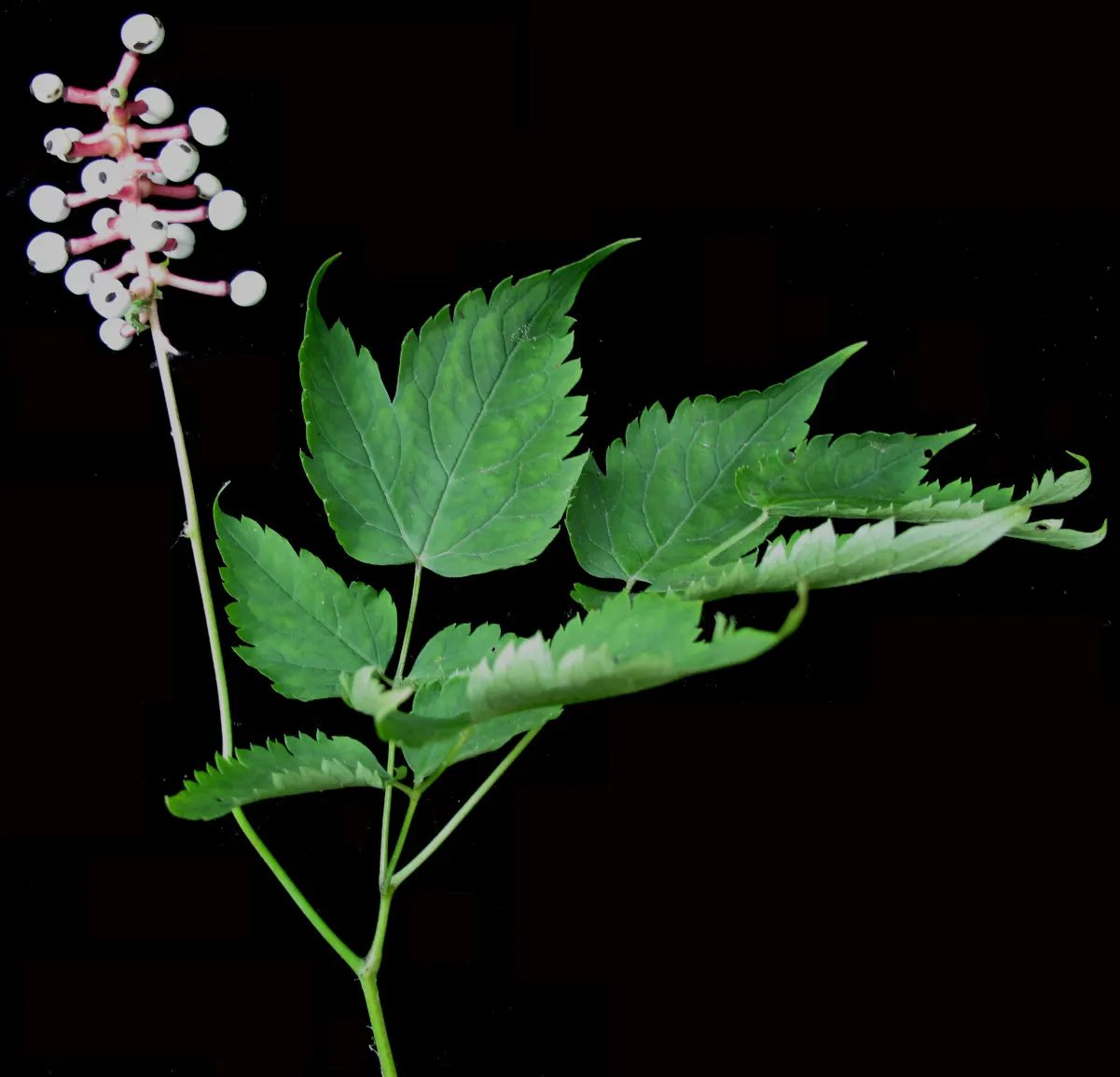
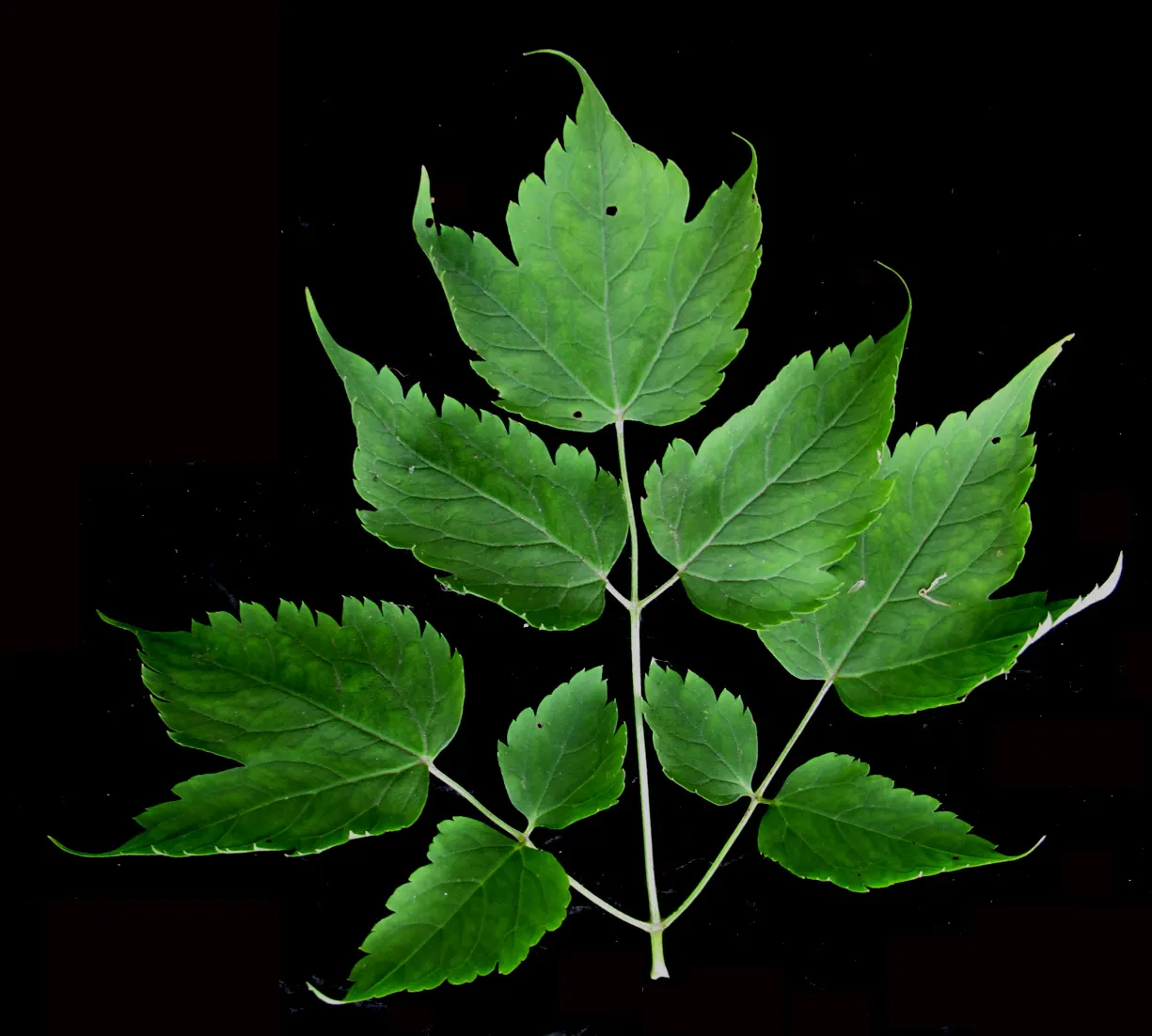
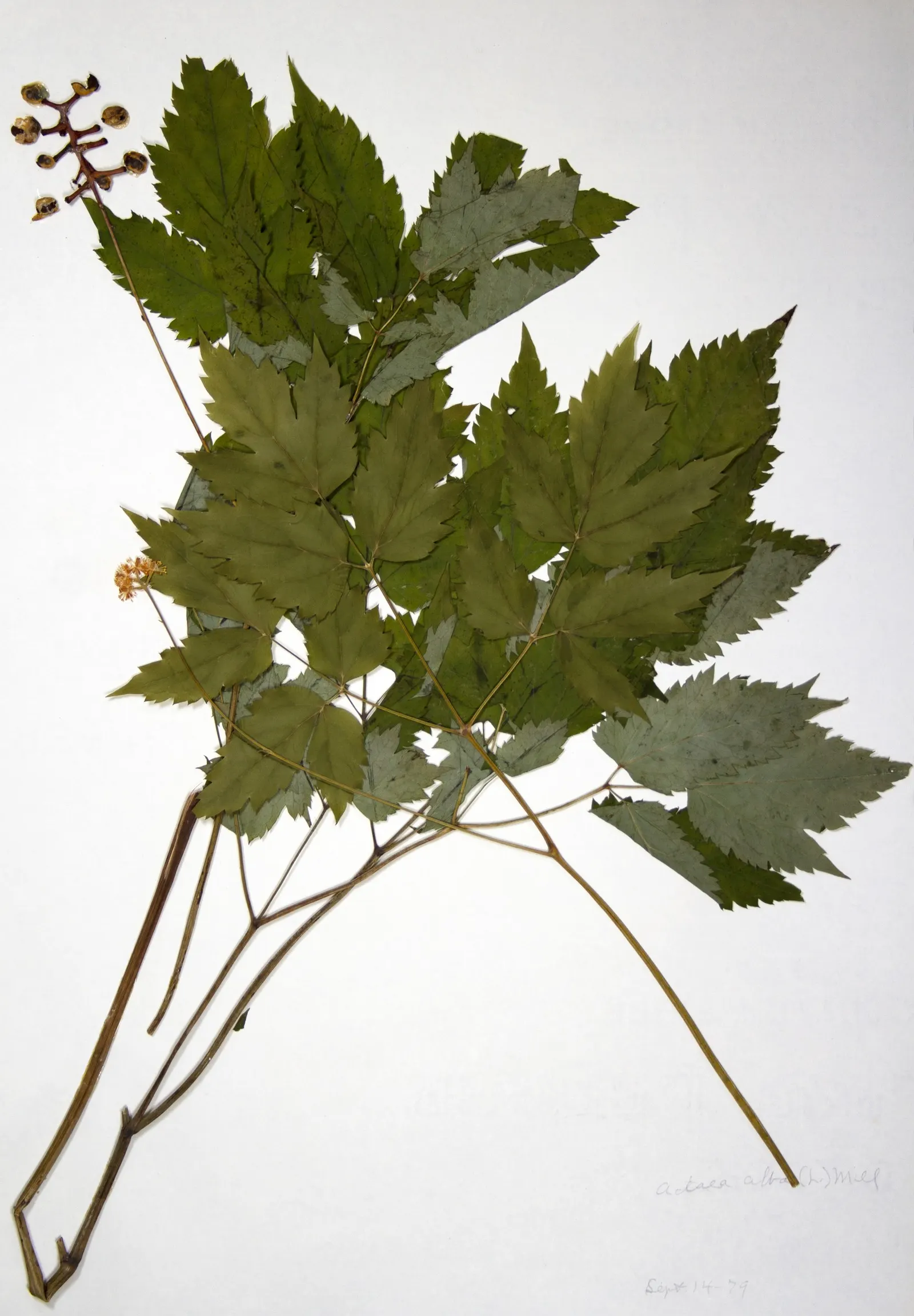
White Baneberry (Actaea Pachypoda) — making it ideal for areas under trees or on the cooler; the foliage comprises compound leaves with toothed leaflets
White Baneberry (Actaea Pachypoda) — north-facing sides of buildings.<br><br>In spring; it thrives in partial to full shade and prefers moist, fertile soil
White Baneberry (Actaea Pachypoda) — White baneberry flourishes in rich; white fruit that gives it the common name "Doll\'s Eyes." This North American
White Baneberry (Actaea Pachypoda) — well-drained soil and prefers a spot with partial to full shade; which can reach up to 6 inches in length
White Baneberry (Actaea Pachypoda) — offering a striking contrast.<br><br>However; perennial for deep shade or shade
White Baneberry (Actaea Pachypoda) — These berries are perched atop thick; offering a striking contrast.<br><br>However
White Baneberry (Actaea Pachypoda) — which can reach up to 6 inches in length; white flowers in the garden
White Baneberry (Actaea Pachypoda) — terminal clusters called racemes; reminiscent of the pupil of an eye
White Baneberry (Actaea Pachypoda) — reminiscent of the pupil of an eye; north-facing sides of buildings.<br><br>In spring
White Baneberry (Actaea Pachypoda) — the flowers give way to the distinctly eye-catching fruit - pearl-like berries with a contrasting black dot; the plant is
White Baneberry (Actaea Pachypoda) — deep green texture throughout the growing season; also known as 'Doll's Eyes,' is a North American perennial reaching
White Baneberry (Actaea Pachypoda) — The foliage comprises compound leaves with toothed leaflets; a critical point to note if the landscape is accessible to
White Baneberry (Actaea Pachypoda) — every part of this plant is highly toxic if ingested; presents a unique and mystical element to any garden

Related plants