Skip to content

Monkshood

Aconitum Napellus

Design with this plant

Overview

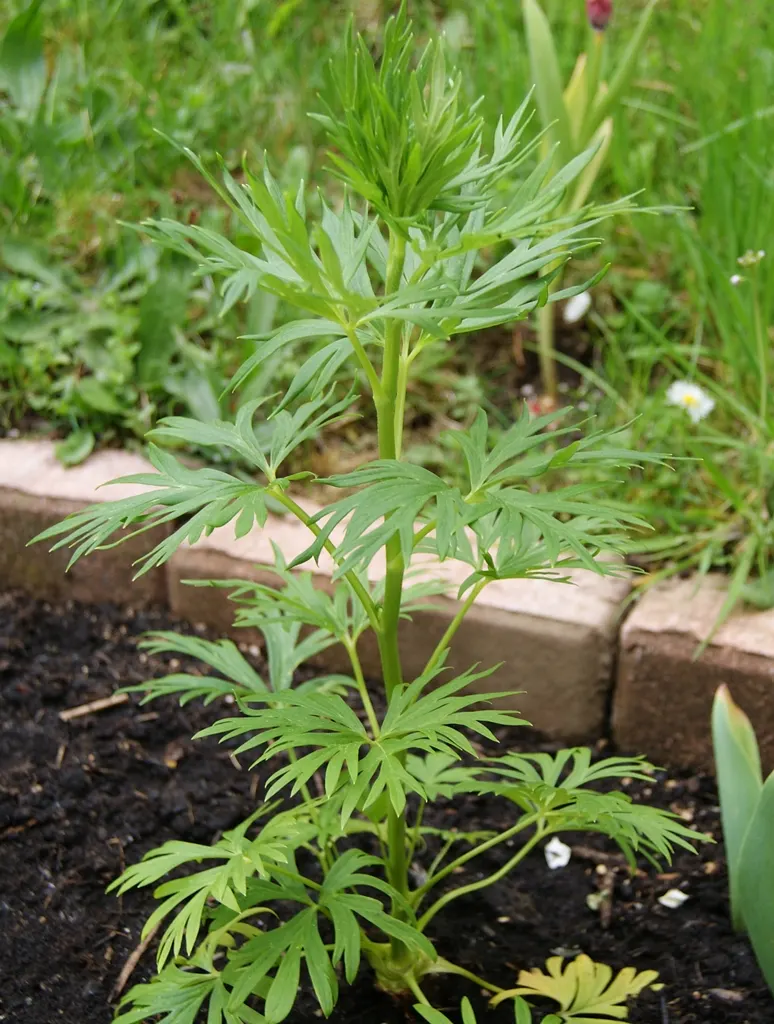
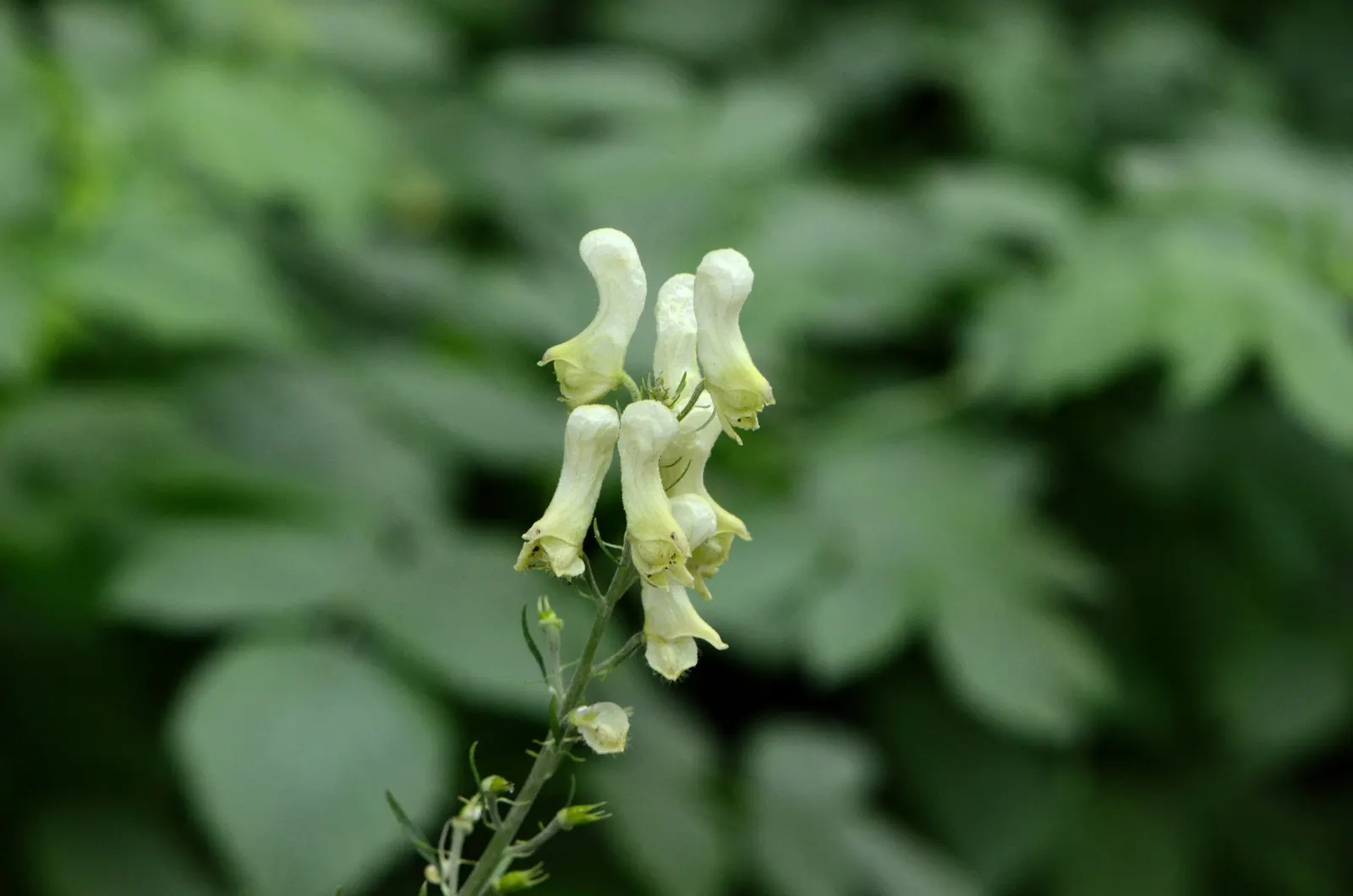
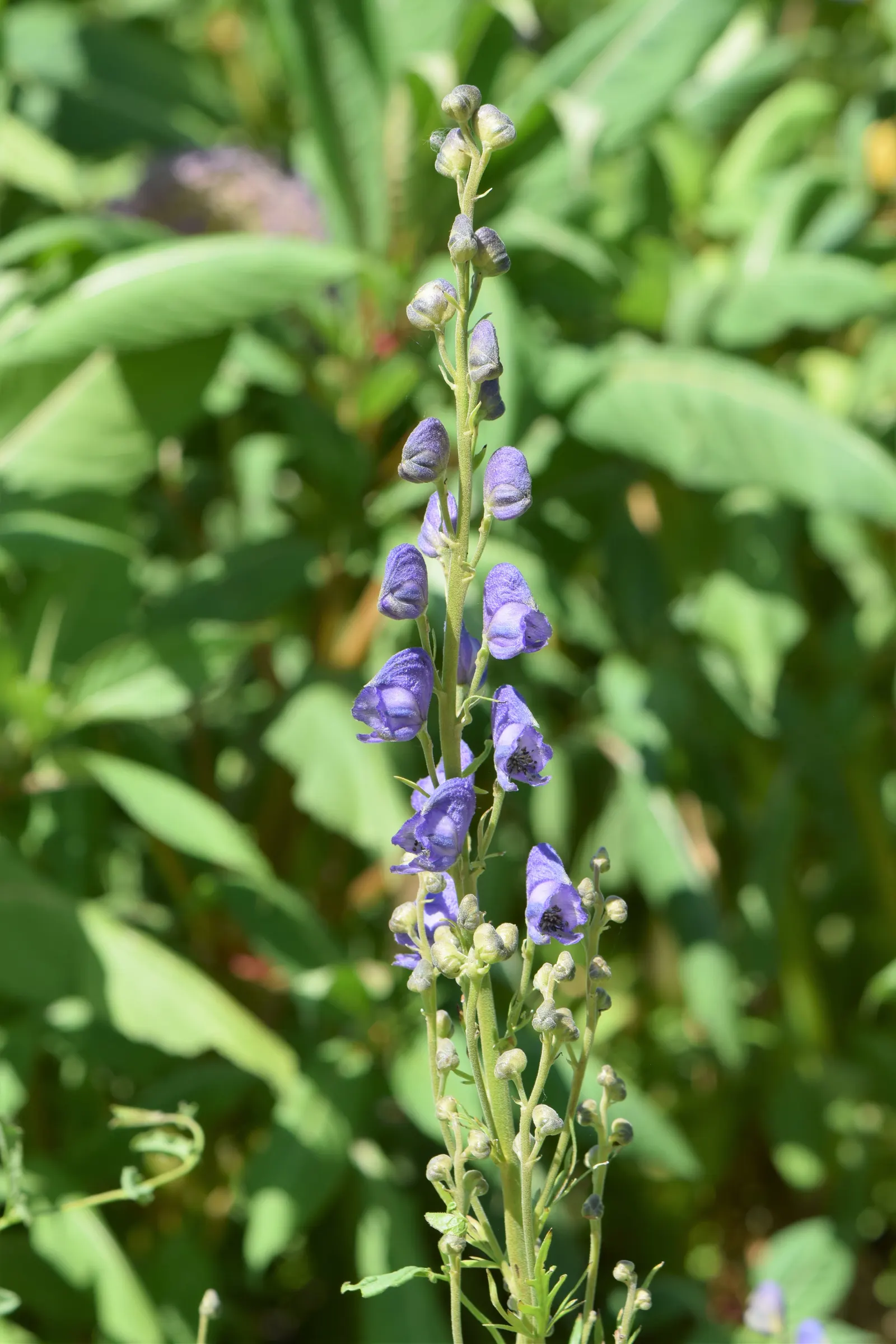
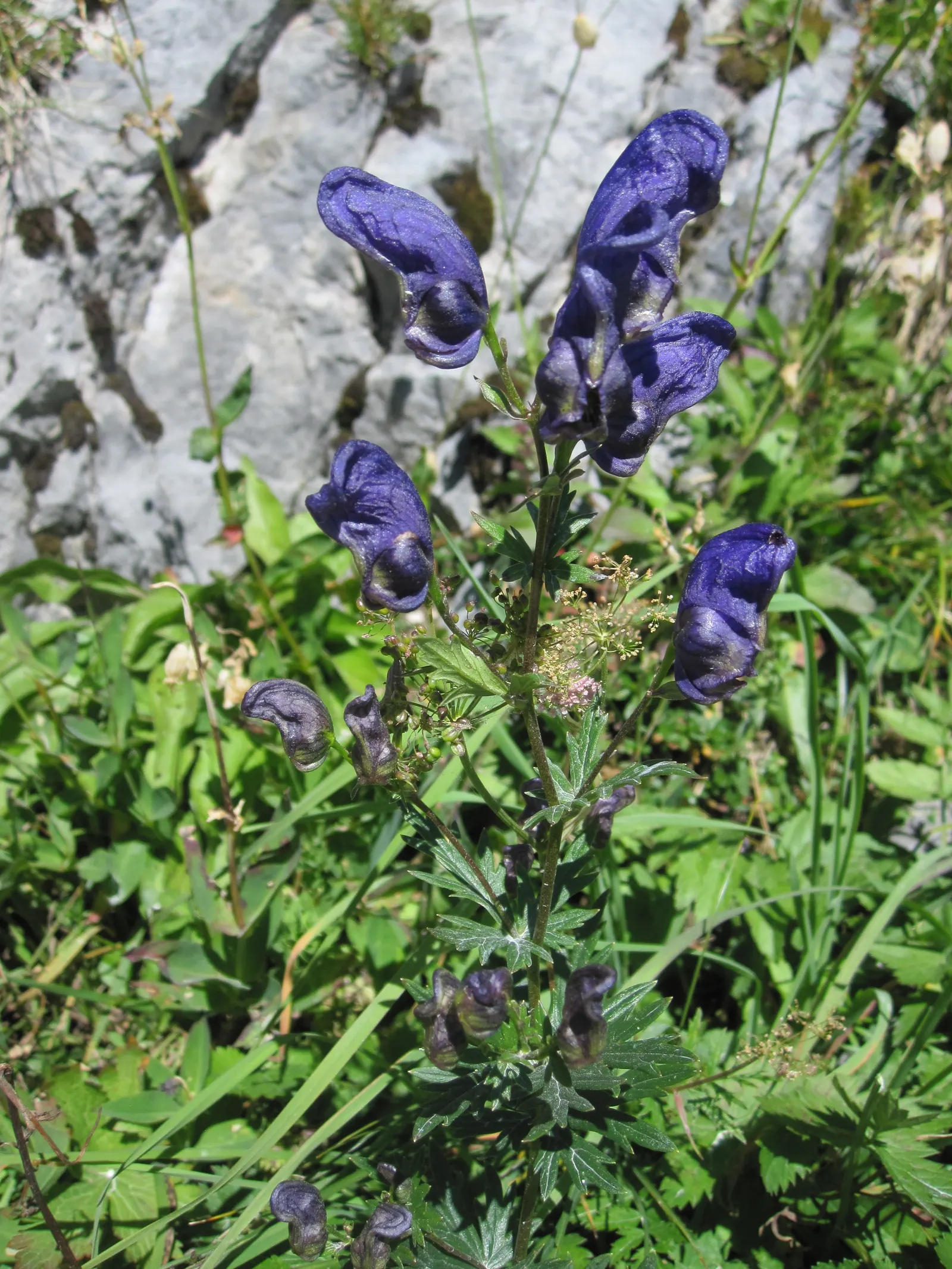
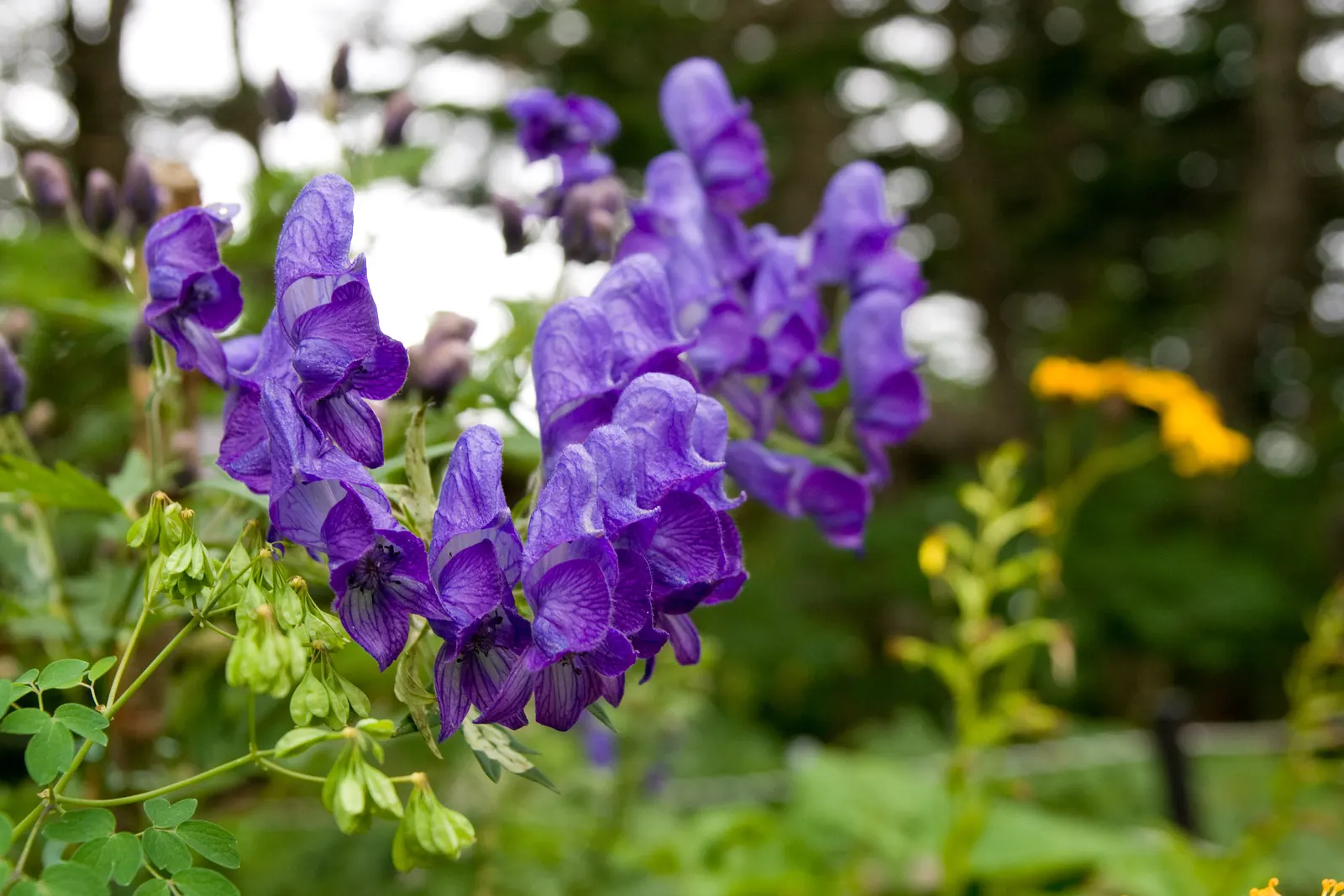
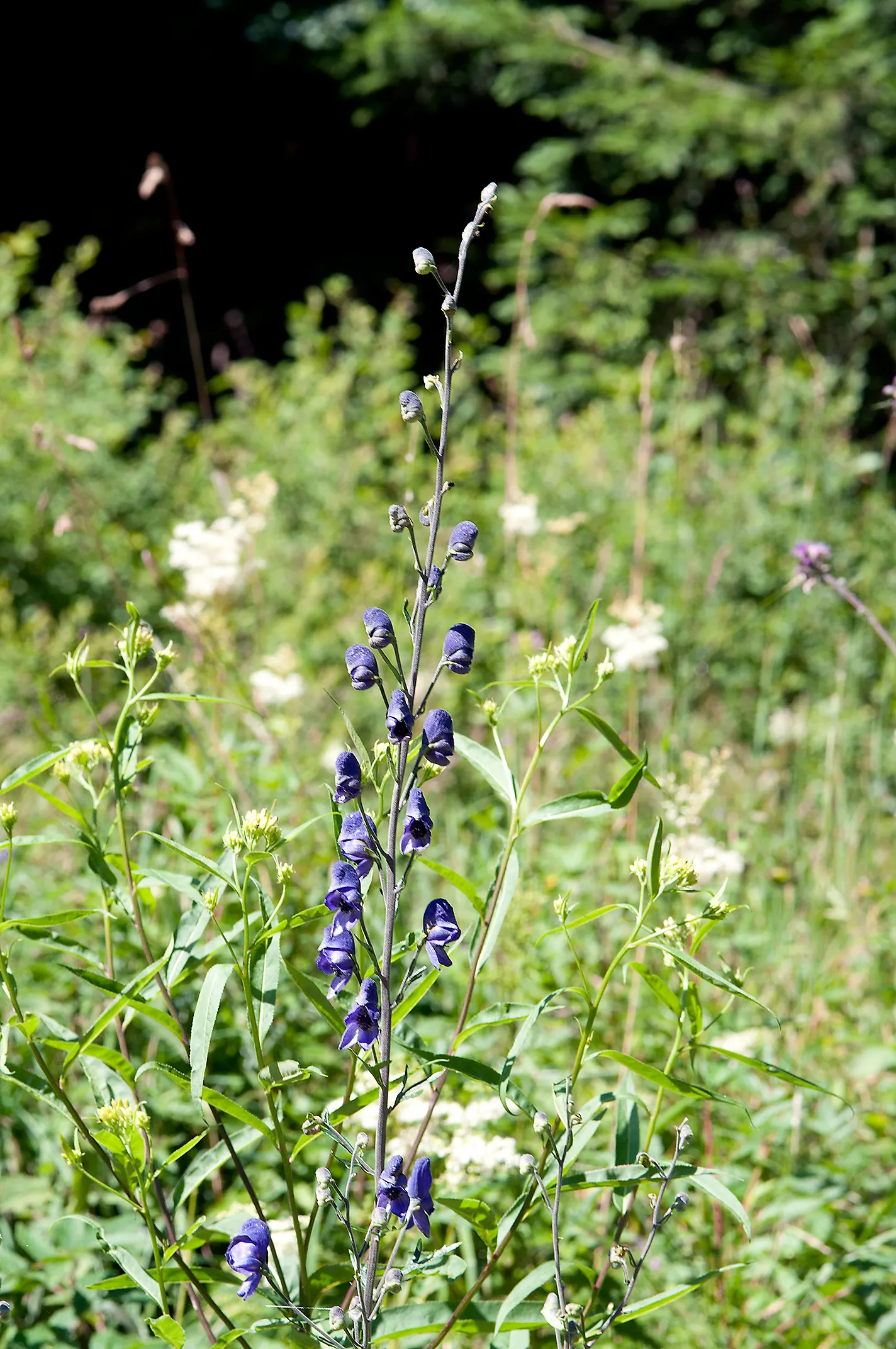
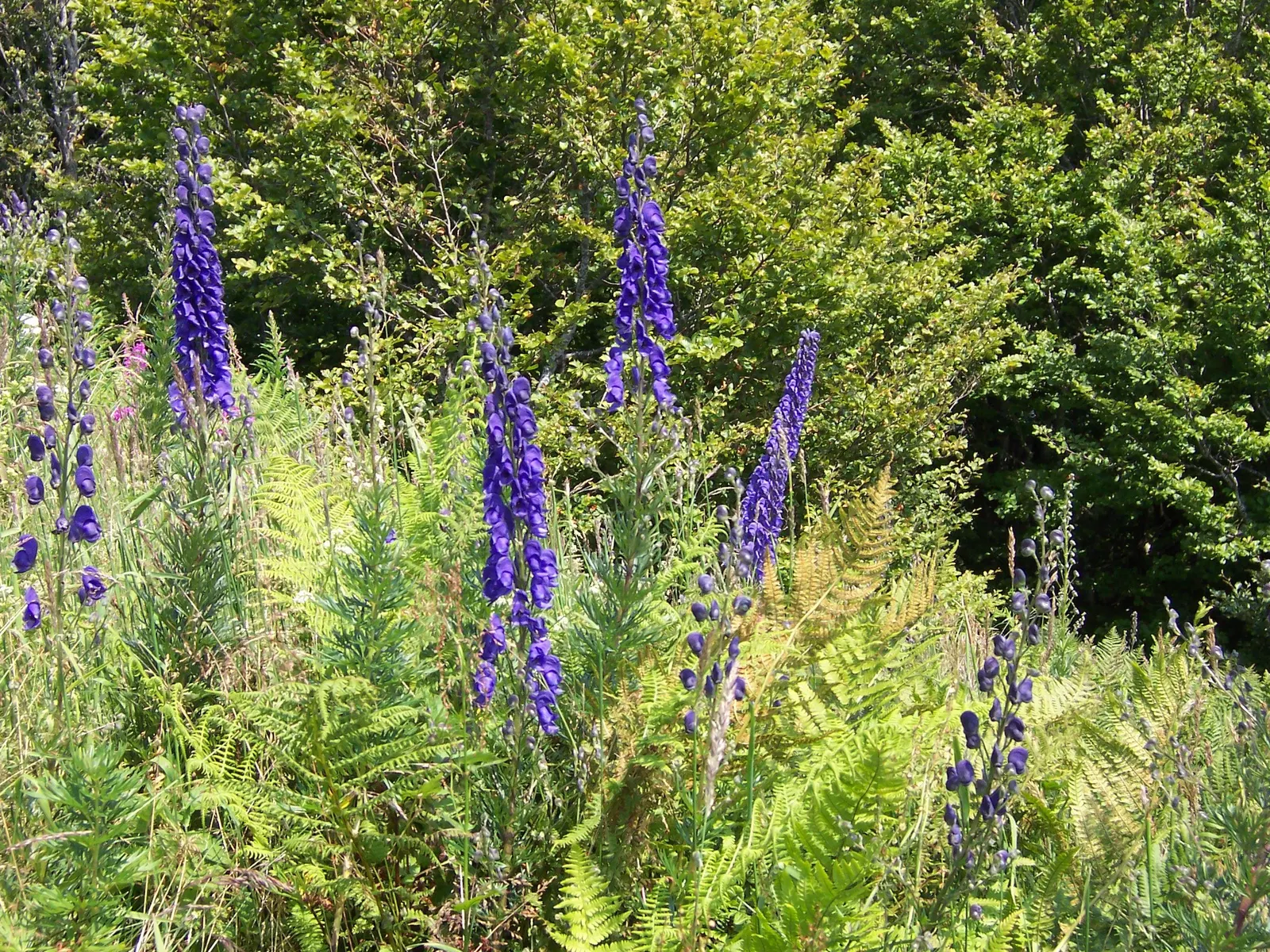
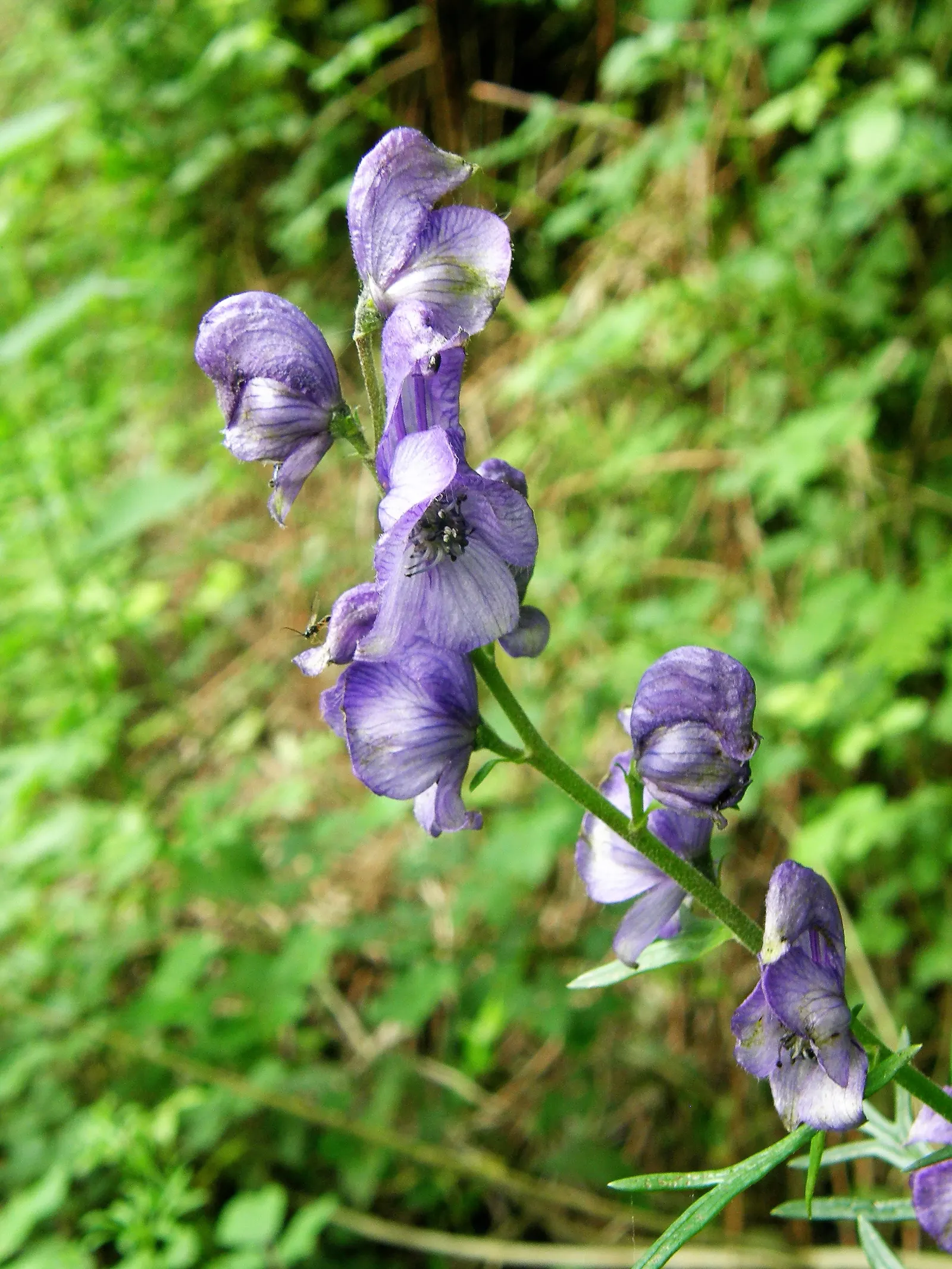
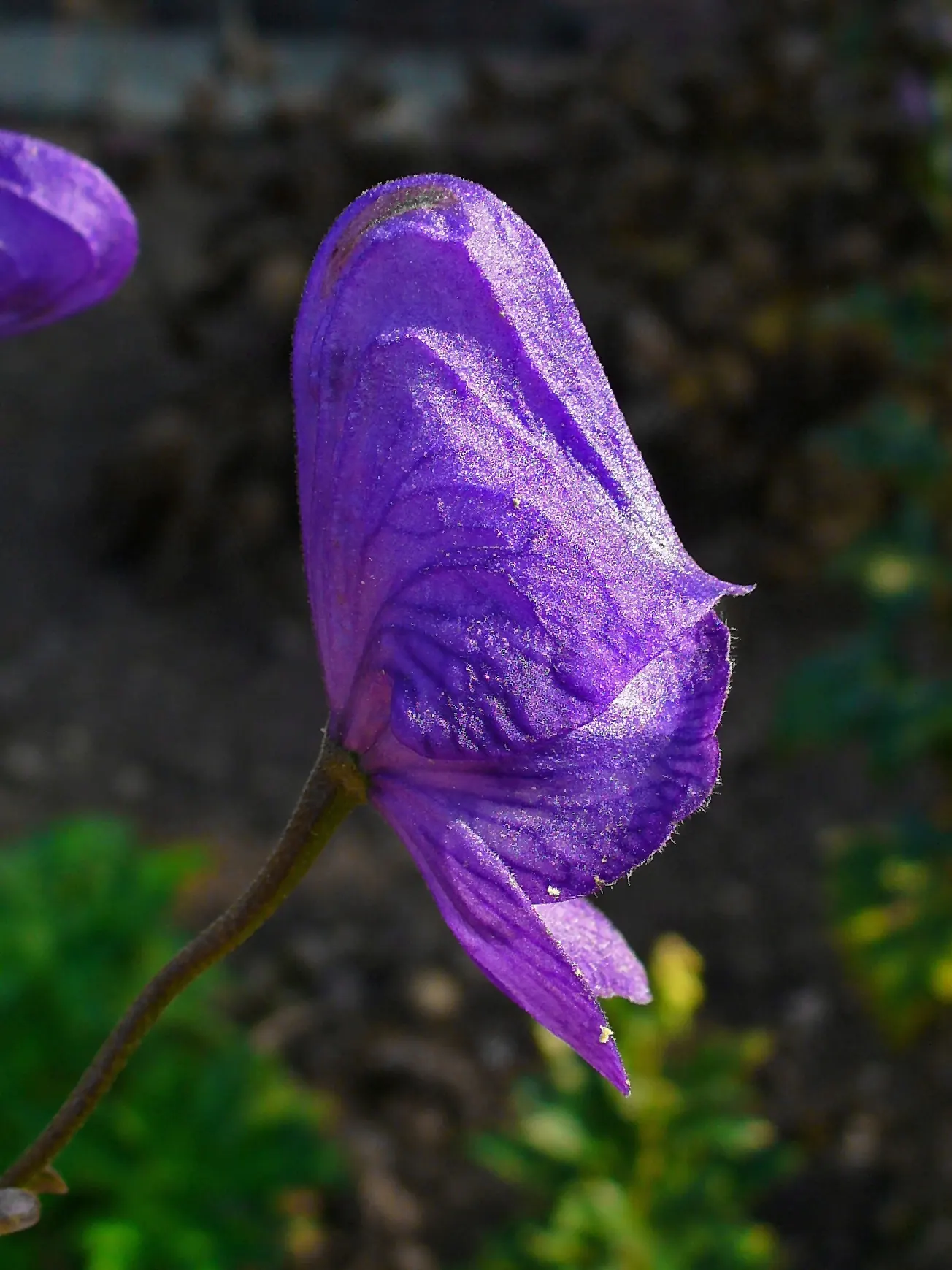
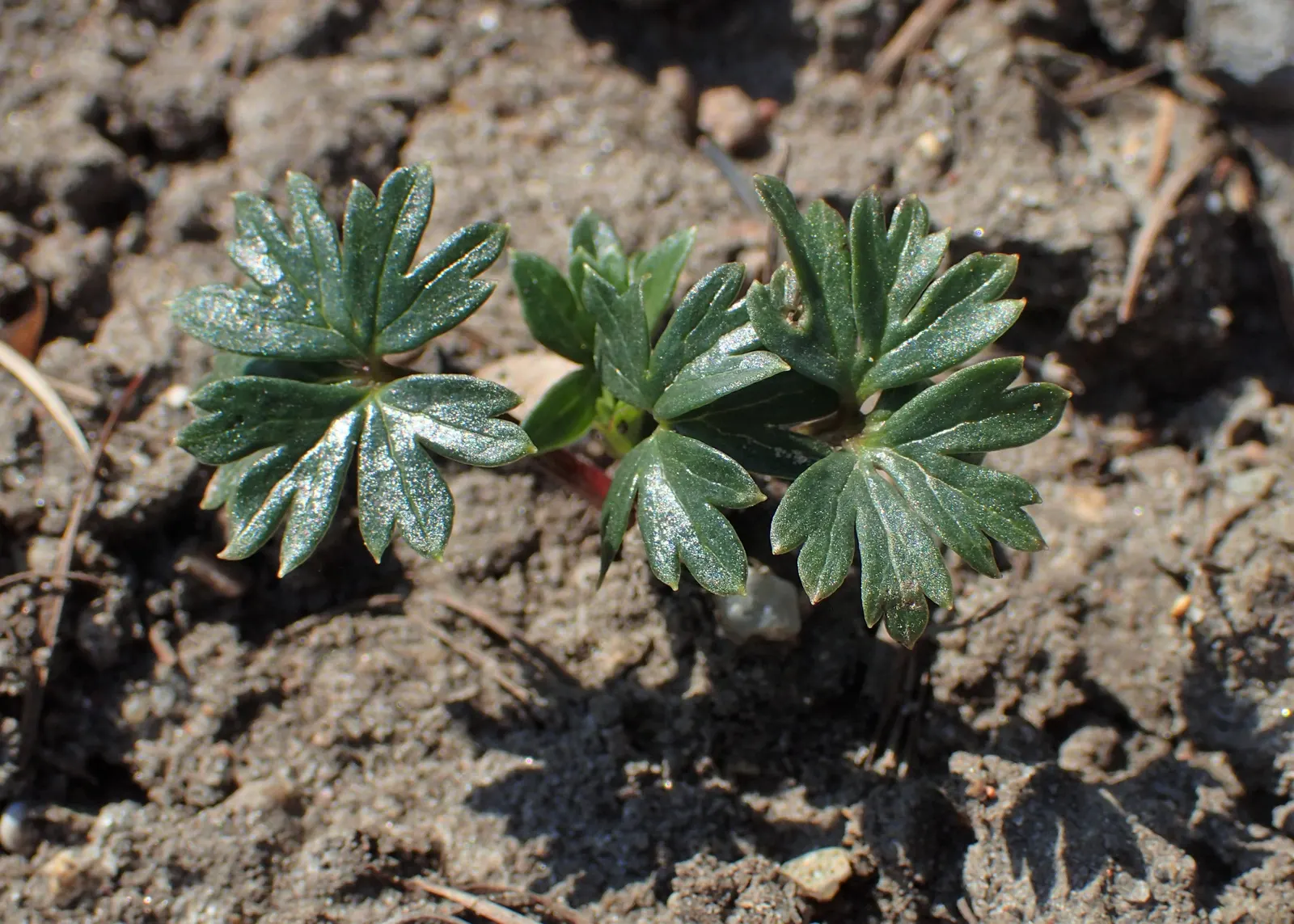
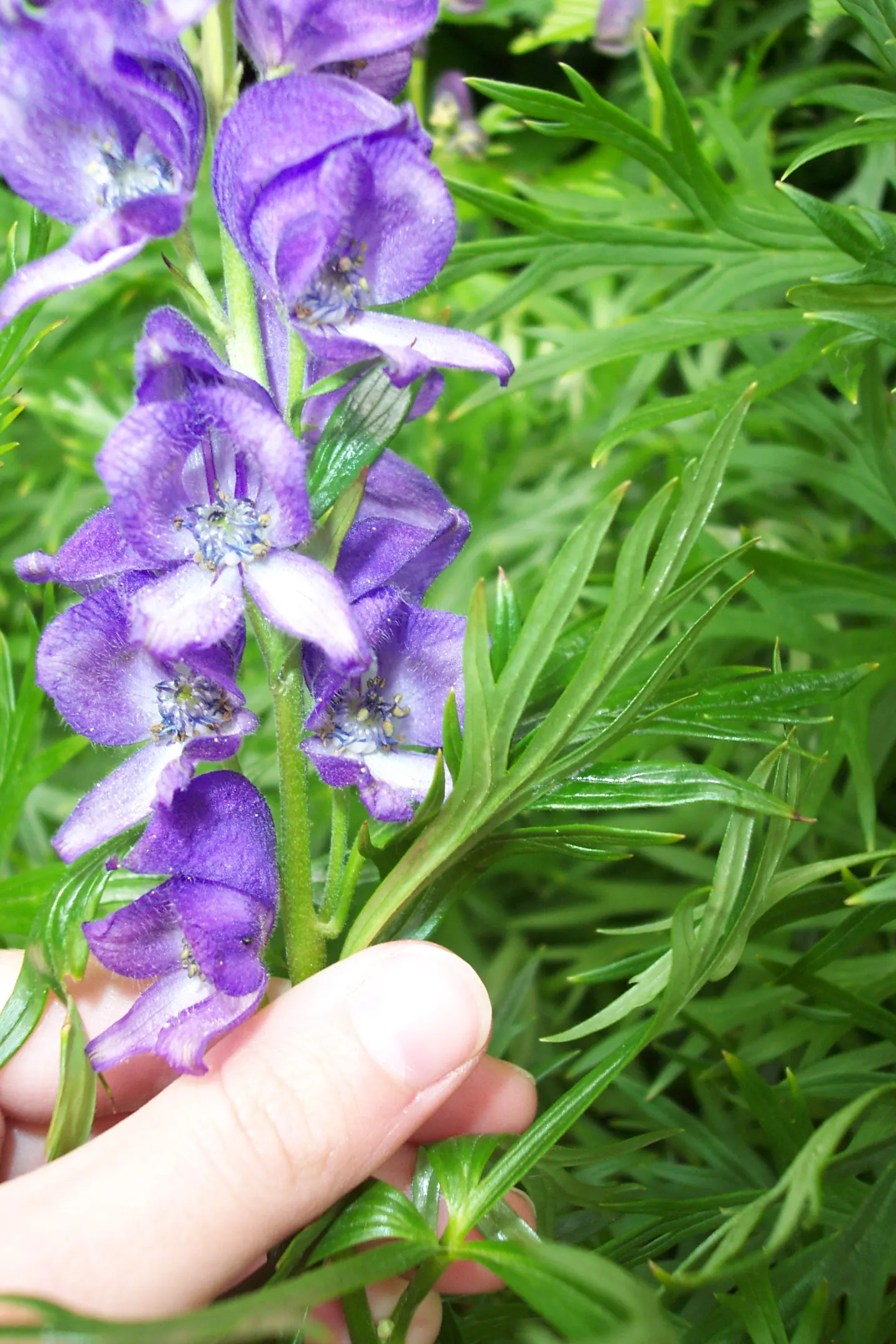
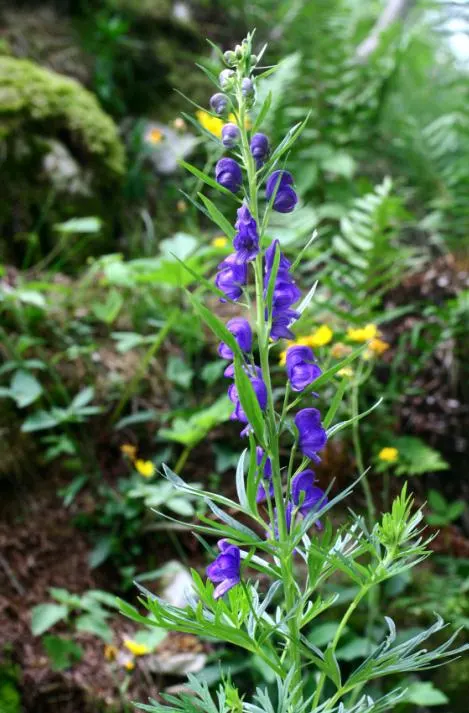
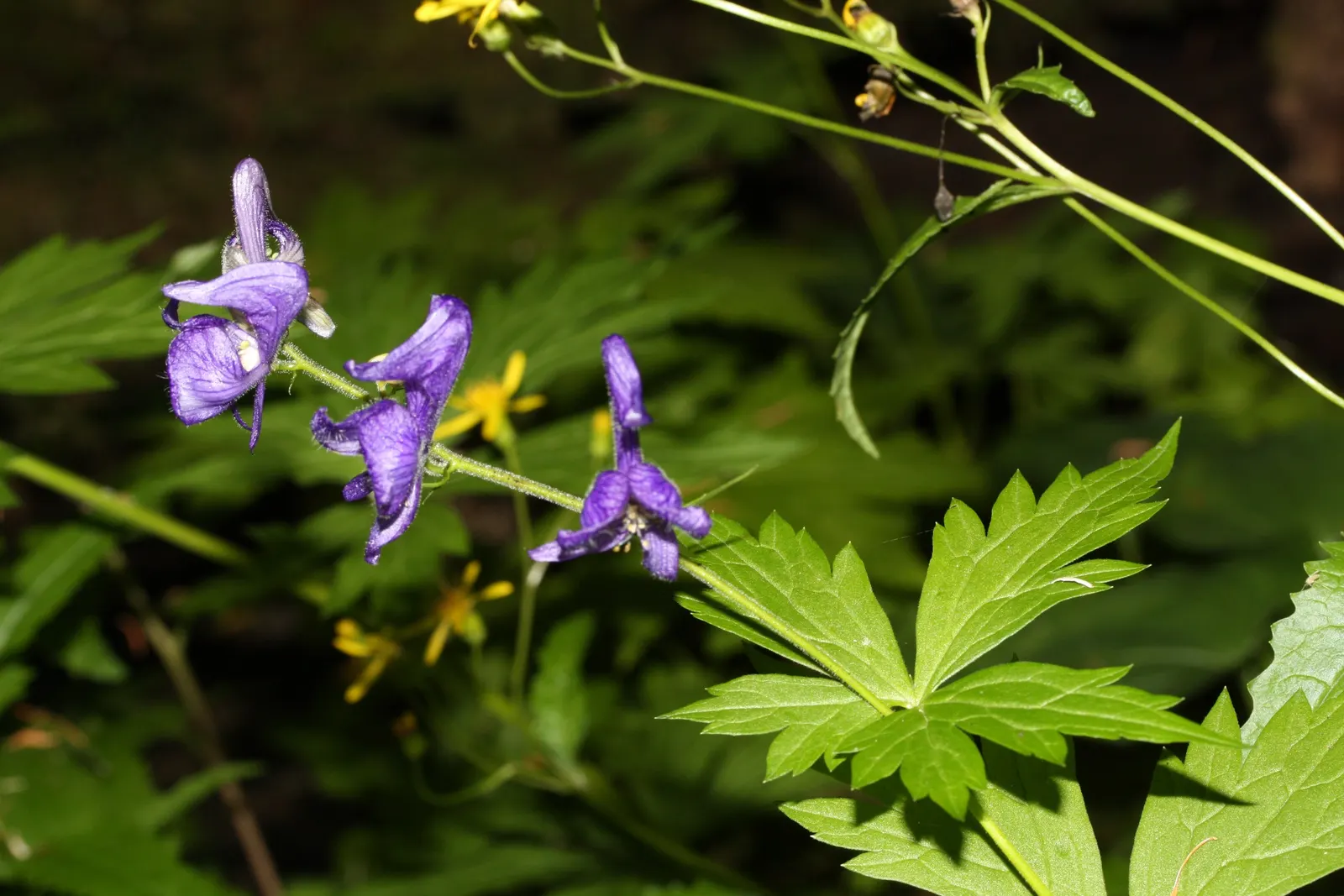
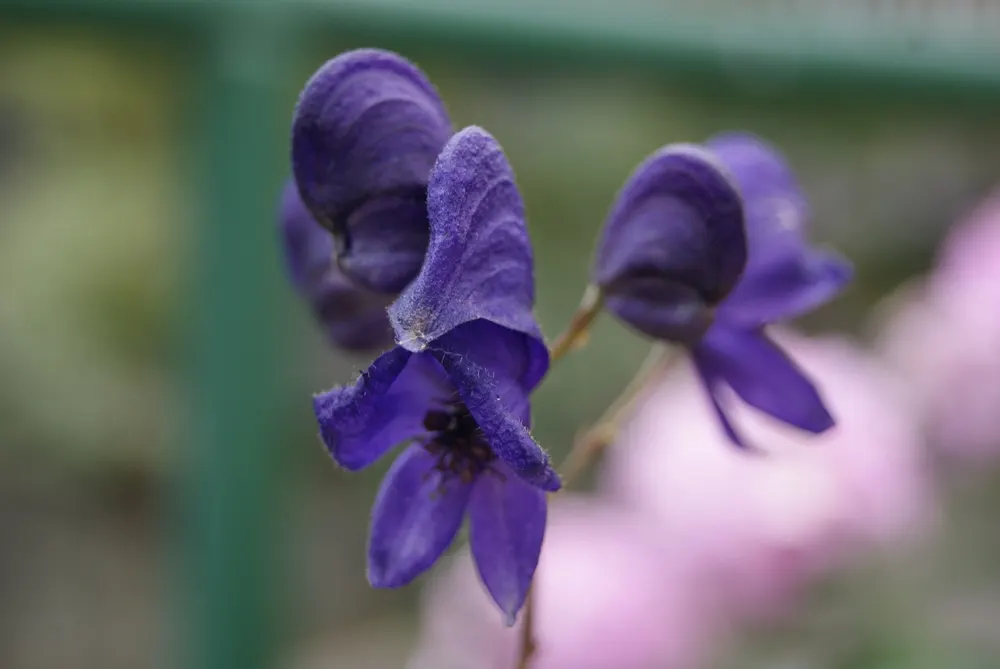
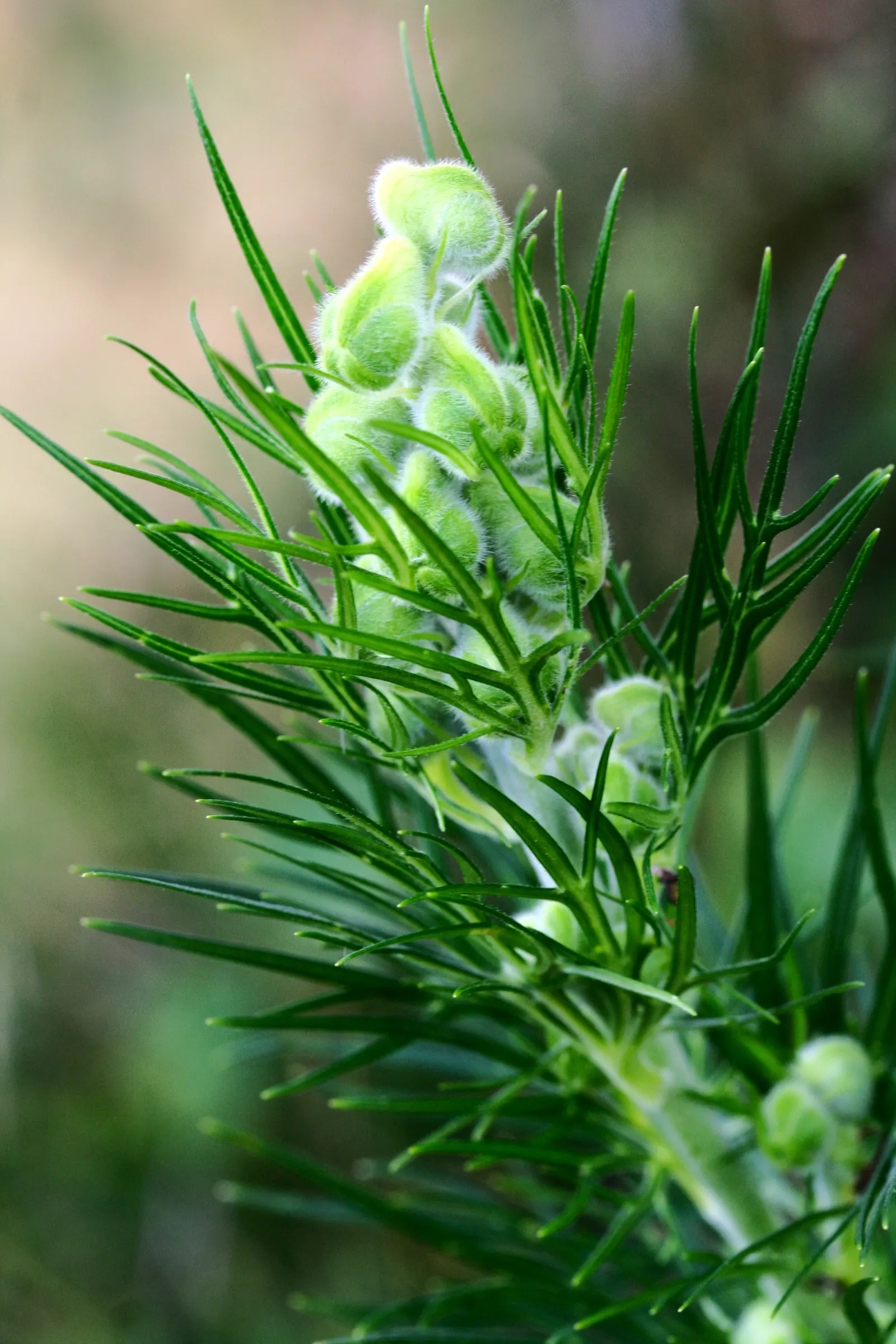
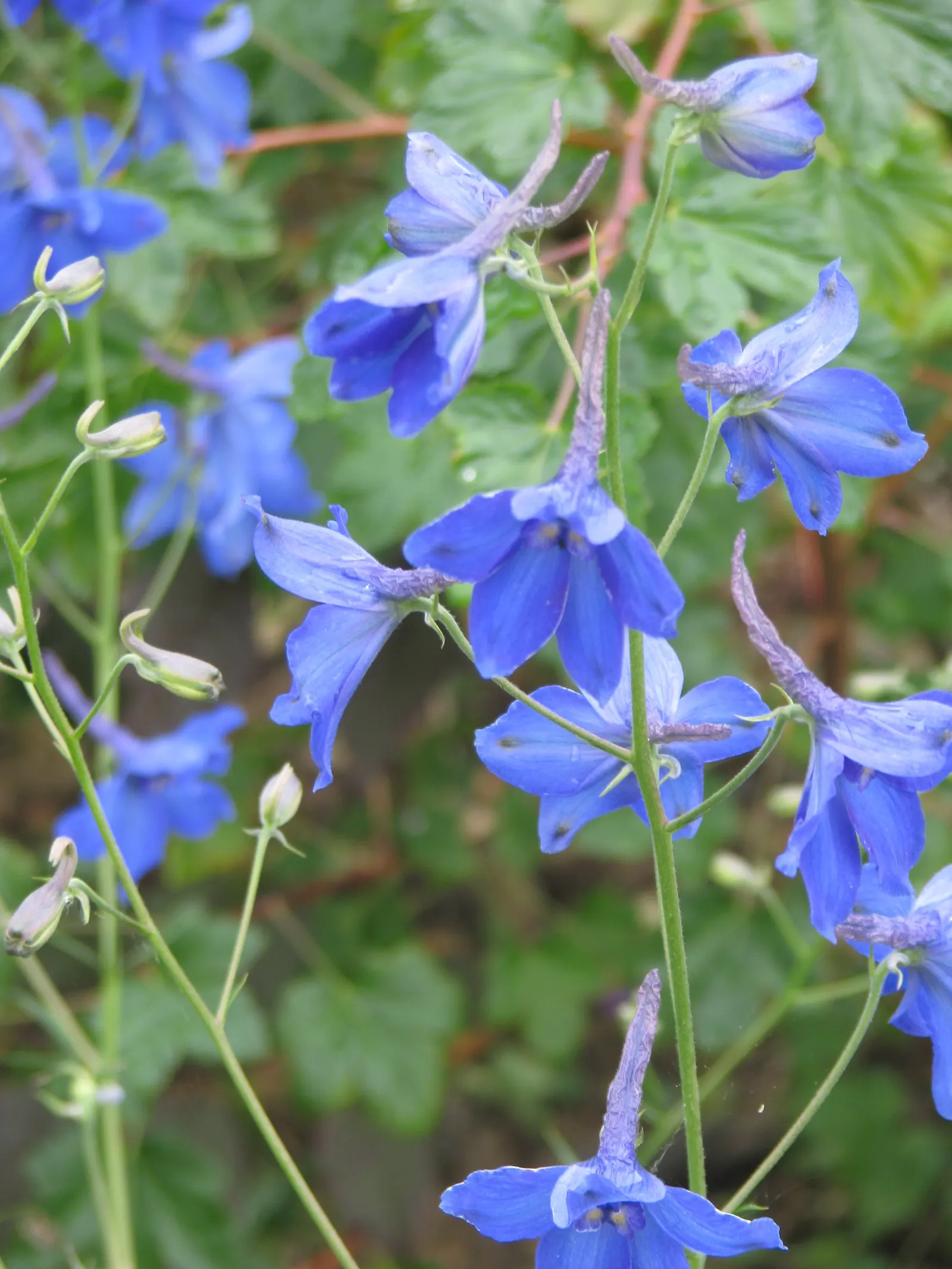
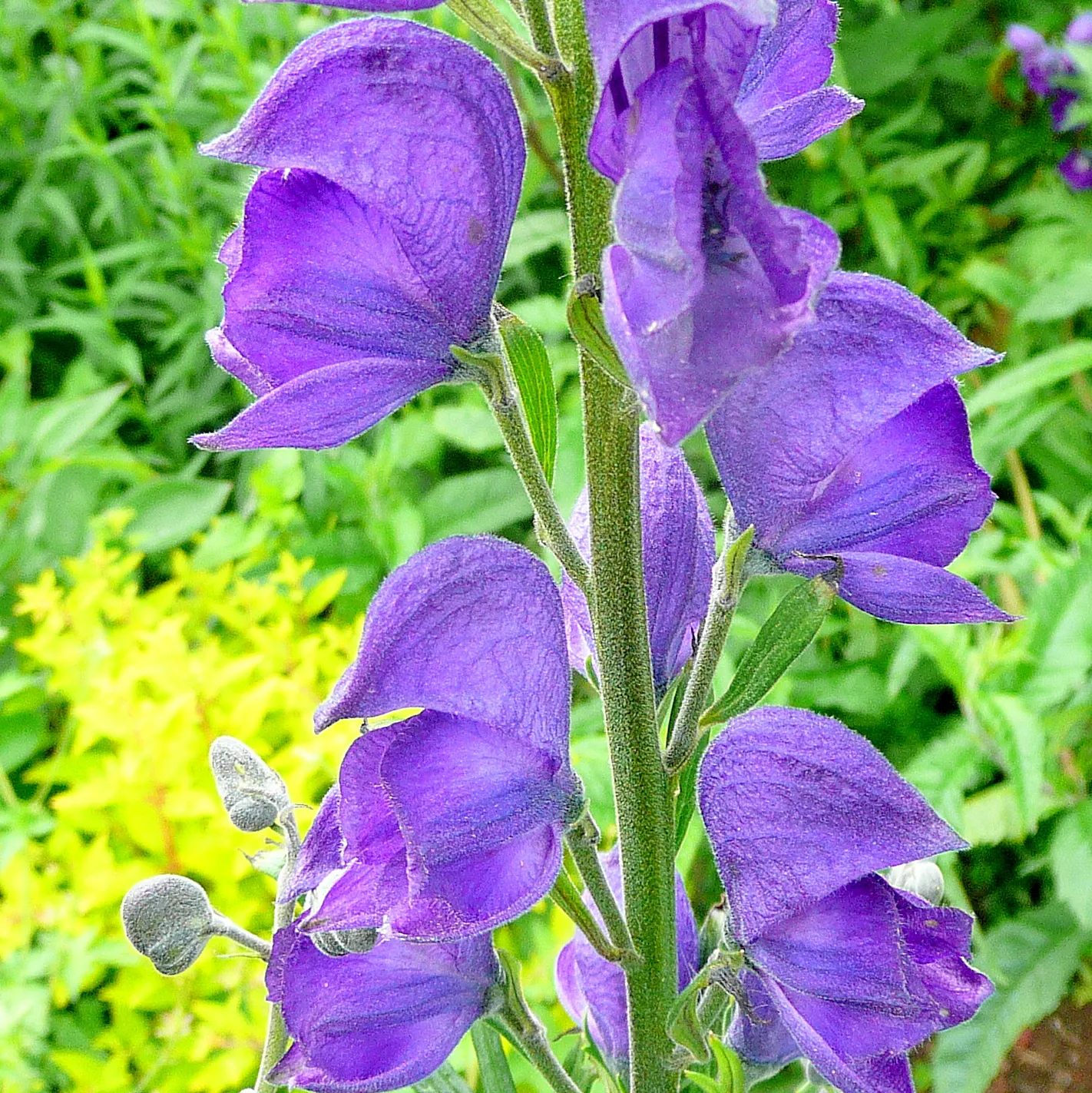
Monkshood, Aconitum napellus, prized for deep blue-violet flowers resembling medieval hoods, reaches up to 4 feet tall. Thriving in USDA Zones 3-7, it prefers partially shaded areas with well-drained, moist soil. Flowering midsummer to early fall, this perennial offers a stately presence. Exercise caution: all parts are highly toxic if ingested. Ideal for adding vertical interest in woodland gardens or border backdrops. Maintain a distance from edible plants and children's play areas.
Sun Full, HalfWater MediumZones 3–7Type PerennialClimate Mediterranean
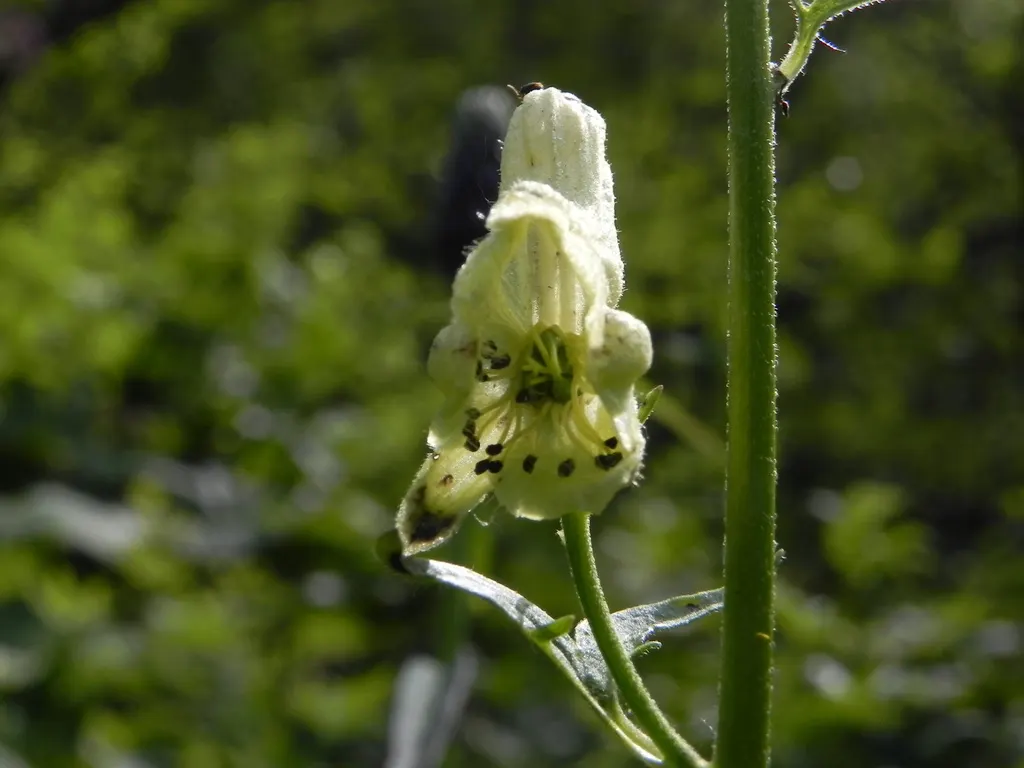
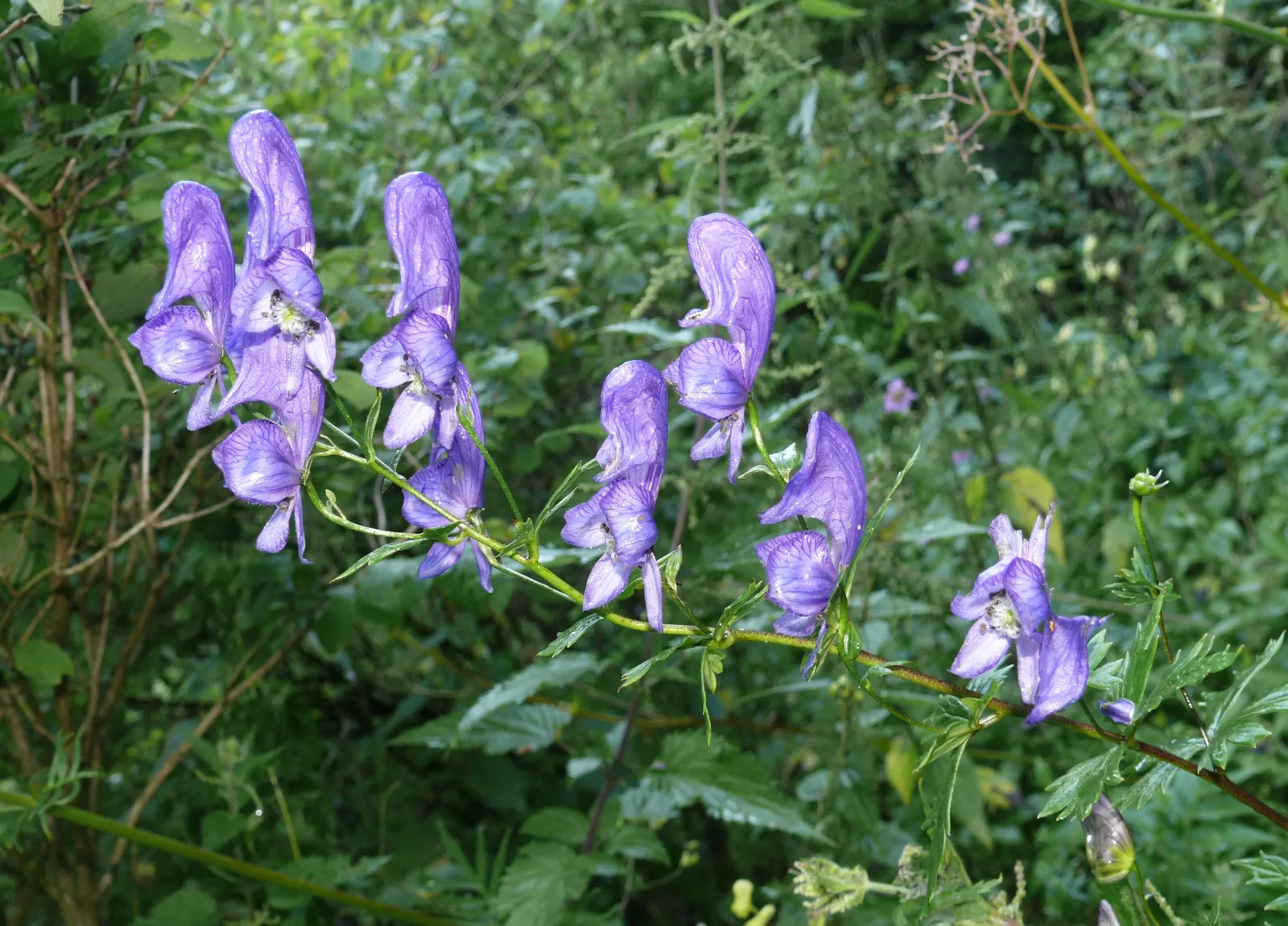
Monkshood (Aconitum Napellus) — thus it should be placed with caution; exercise caution: all parts are highly toxic if ingested, image 94

Culture

Sun
Full, Half
Water
Medium
USDA zones
3–7

Shape & size

Mature height
2–4 Ft.
Mature width
1–1.5 Ft.

Classification

Type
Perennial
Family
Ranunculaceae
Climate
Mediterranean

See full data, regional cultivation notes, and design tools. Build a client presentation around this plant.

Start your 14-day trial

Photos (170)

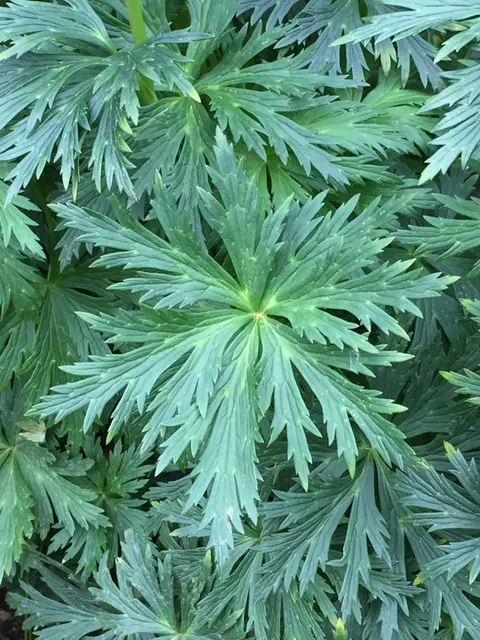
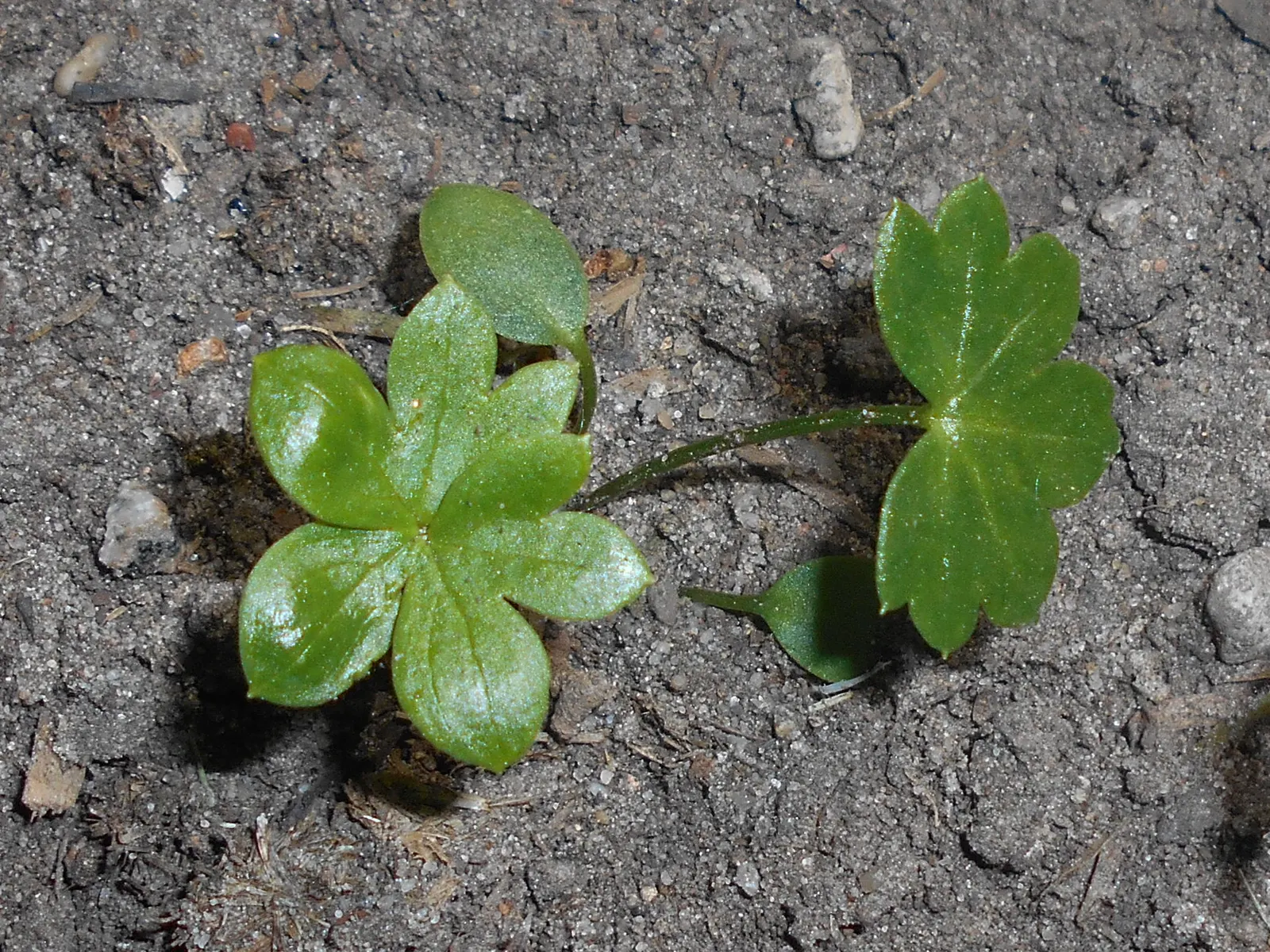
Monkshood (Aconitum Napellus) — reaches up to 4 feet tall; thriving in USDA Hardiness Zones 3 to 7, image 106
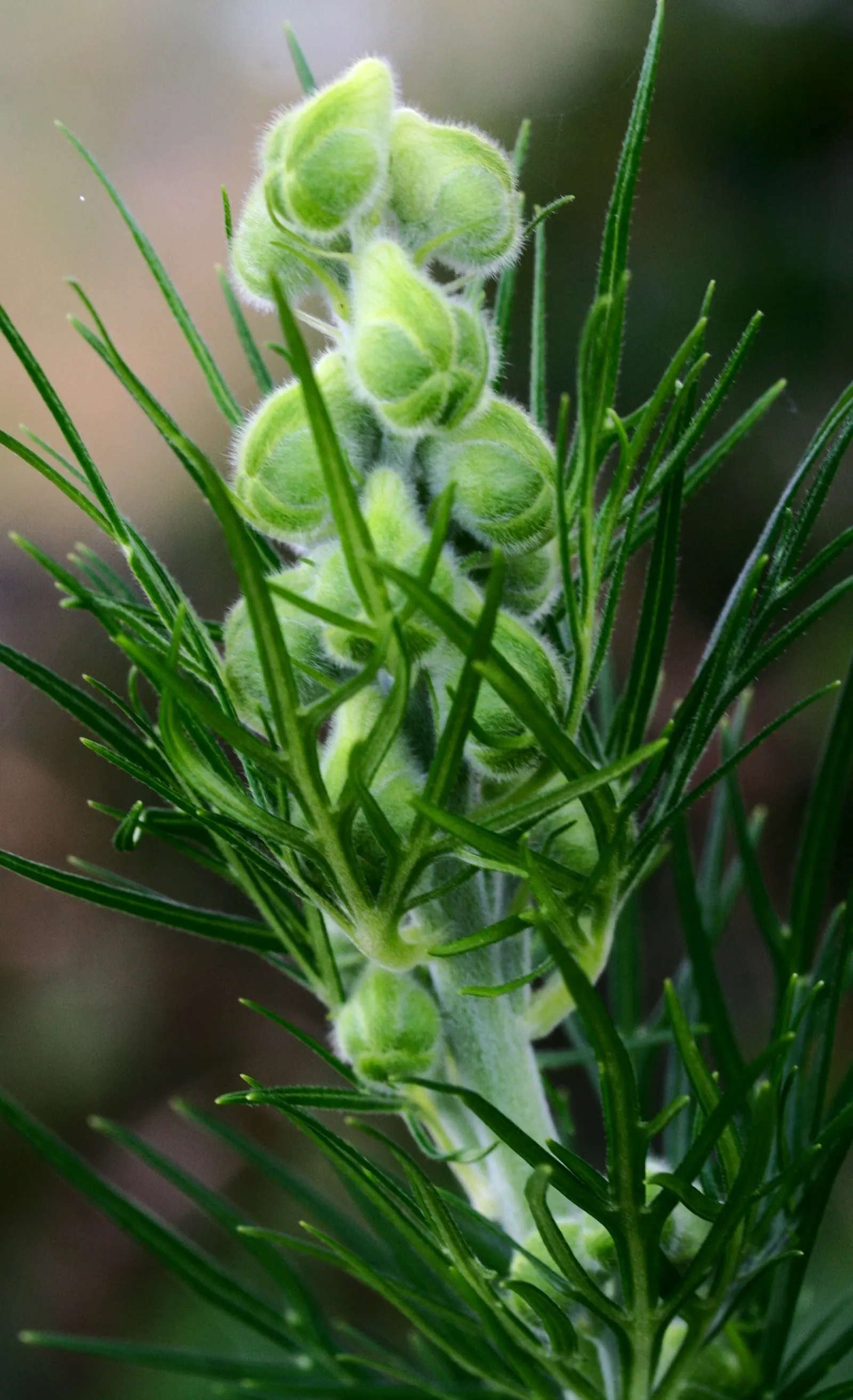
Monkshood (Aconitum Napellus) — as long as they are moist and well-draining.<br><br>Blooming from mid to late summer
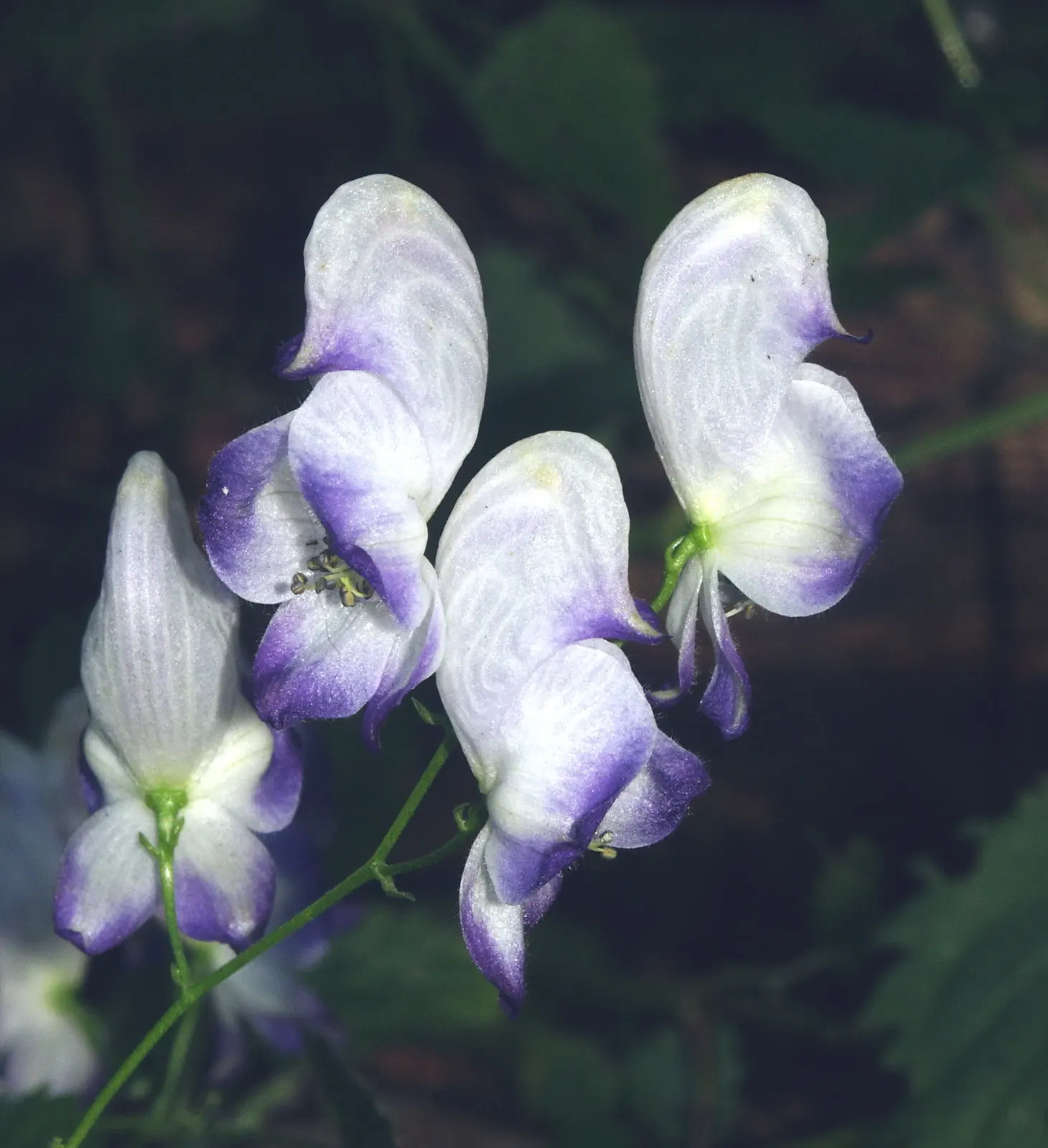
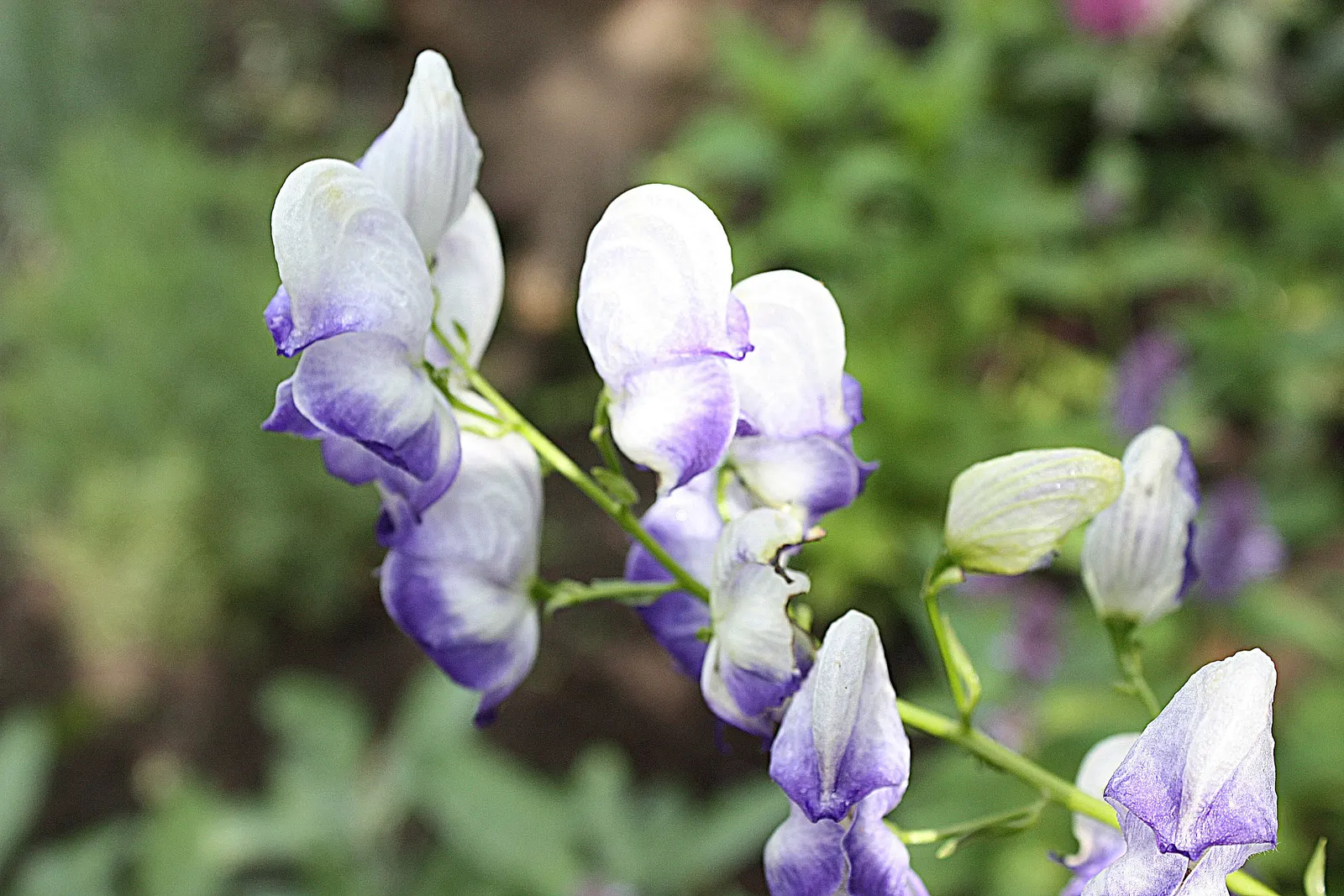
Monkshood (Aconitum Napellus) — Flowering midsummer to early fall, this perennial offers a stately presence; perennial with blue and white blooms, image 108
Monkshood (Aconitum Napellus) — It prefers part to full shade and does well in a range of soil types; as long as they are moist and, image 96
Monkshood (Aconitum Napellus) — away from areas frequented by pets or children; this plant demands attention in any garden with its bold blooms and, image 121
Monkshood (Aconitum Napellus) — It prefers part to full shade and does well in a range of soil types; as long as they are moist and
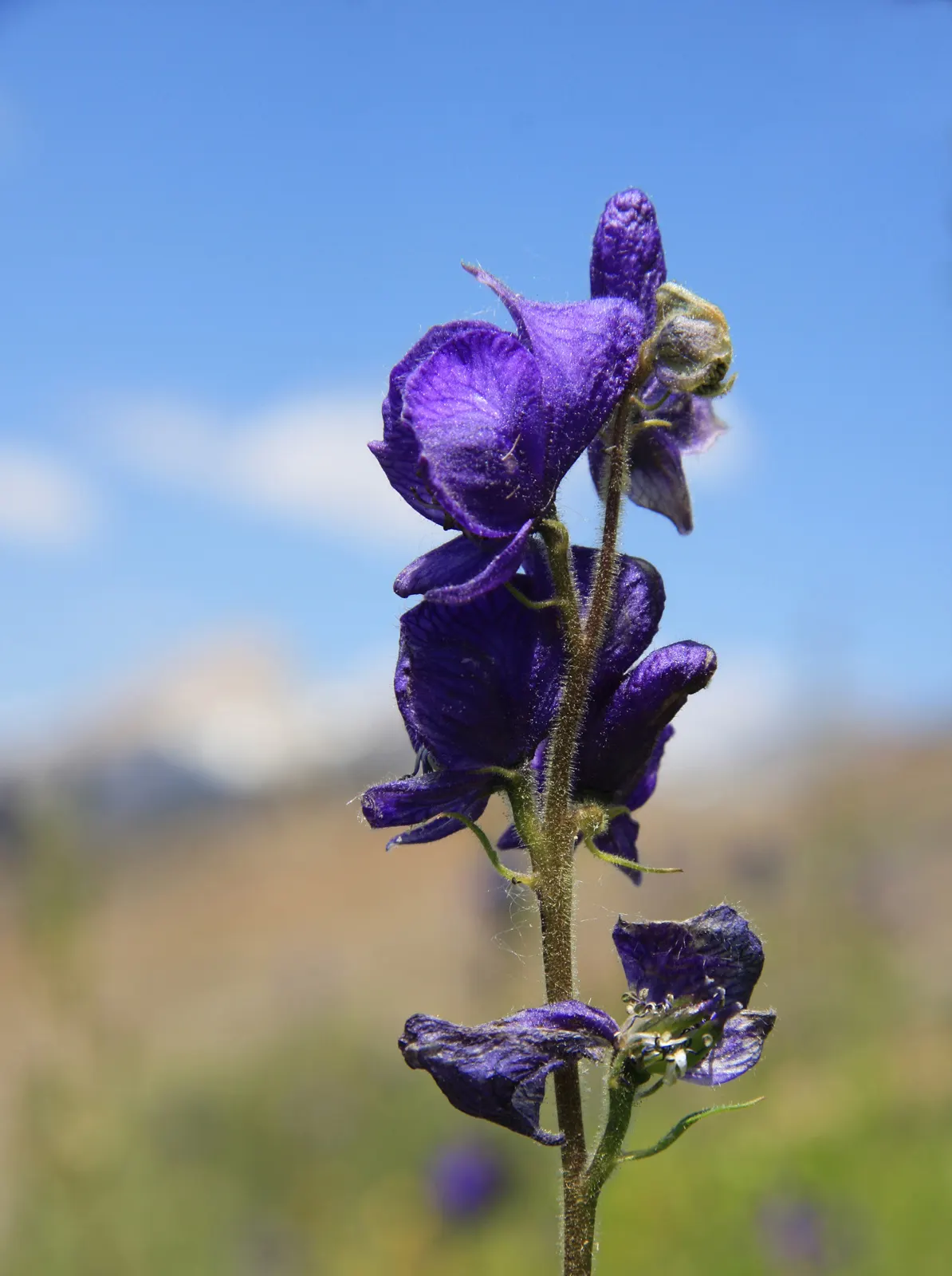
Monkshood (Aconitum Napellus) — Every part of the plant is poisonous if ingested; blue and white flowers in the garden, image 145
Monkshood (Aconitum Napellus) — perennial with blue and white blooms; thus it should be placed with caution
Monkshood (Aconitum Napellus) — Requiring minimal maintenance; this plant pairs well with ferns and astilbes, which complement its preferred, image 74
Monkshood (Aconitum Napellus) — This plant pairs well with ferns and astilbes, which complement its preferred conditions and flowering period; it is imperative
Monkshood (Aconitum Napellus) — Ideal for adding vertical interest in woodland gardens or border backdrops
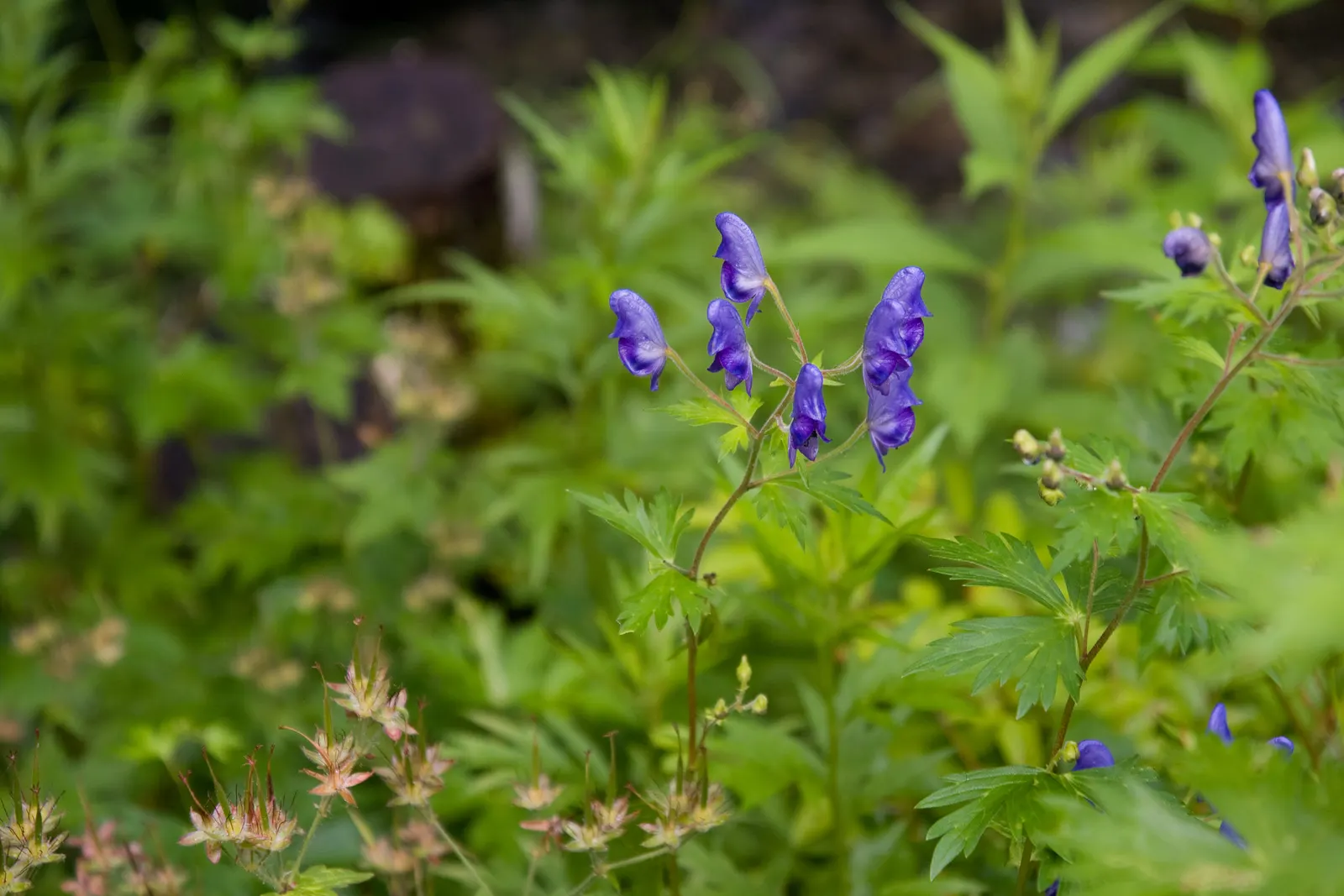
Monkshood (Aconitum Napellus) — Ideal for adding vertical interest in woodland gardens or border backdrops; reaching from 2 to 4 feet, image 58
Monkshood (Aconitum Napellus) — Thriving in USDA Hardiness Zones 3 to 7; requiring minimal maintenance, image 89
Monkshood (Aconitum Napellus) — this plant demands attention in any garden with its bold blooms and impressive height; thriving in USDA Zones 3-7, image 64
Monkshood (Aconitum Napellus) — reaches up to 4 feet tall
Monkshood (Aconitum Napellus) — It prefers part to full shade and does well in a range of soil types; as long as they are moist and, image 122
Monkshood (Aconitum Napellus) — it is imperative to recognize both its beauty and toxicity
Monkshood (Aconitum Napellus) — is a striking perennial that offers distinct deep purple; scientifically known as Aconitum napellus
Monkshood (Aconitum Napellus) — Exercise caution: all parts are highly toxic if ingested; ideal for adding vertical interest in woodland gardens or, image 57
Monkshood (Aconitum Napellus) — is a striking perennial that offers distinct deep purple; scientifically known as Aconitum napellus, image 87
Monkshood (Aconitum Napellus) — It prefers part to full shade and does well in a range of soil types; as long as they are moist and, image 70
Monkshood (Aconitum Napellus) — blue and white flowers in the garden
Monkshood (Aconitum Napellus) — reaches up to 4 feet tall; thriving in USDA Hardiness Zones 3 to 7
Monkshood (Aconitum Napellus) — Ideal for adding vertical interest in woodland gardens or border backdrops; reaching from 2 to 4 feet tall.<br><br>When
Photographs by 17 contributors

Related plants