Skip to content

Red Maple

Acer Rubrum

Design with this plant

Overview

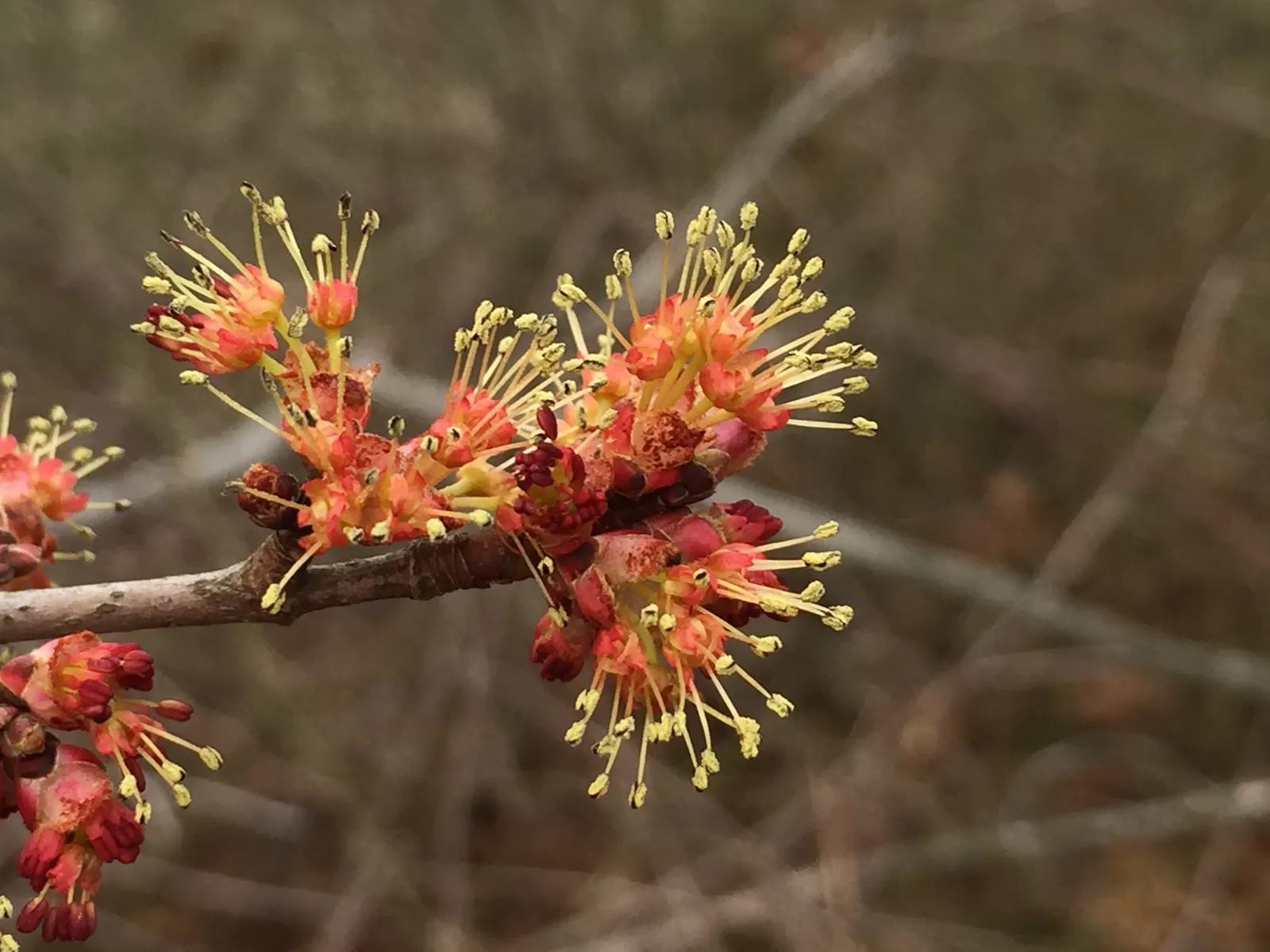
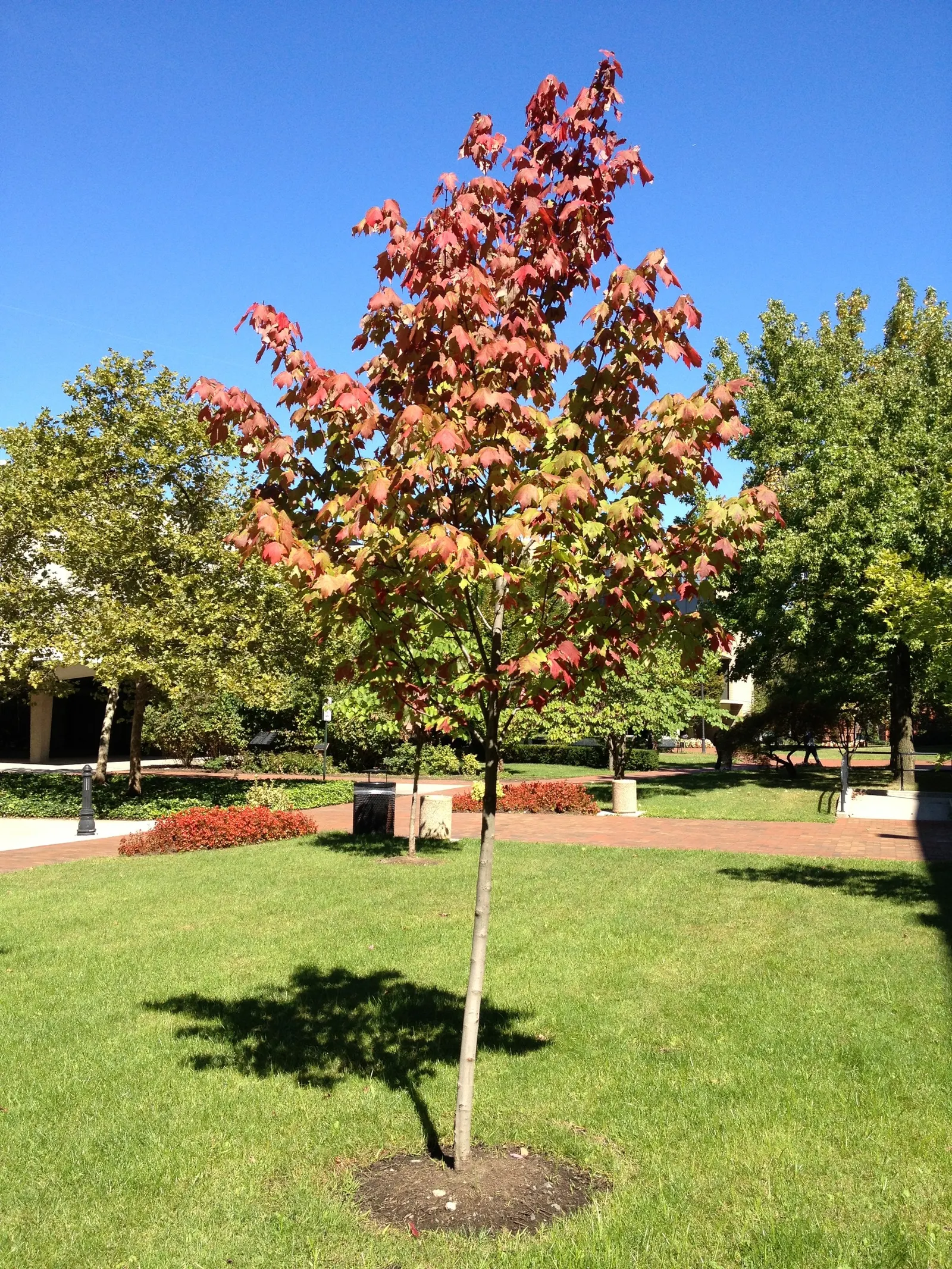
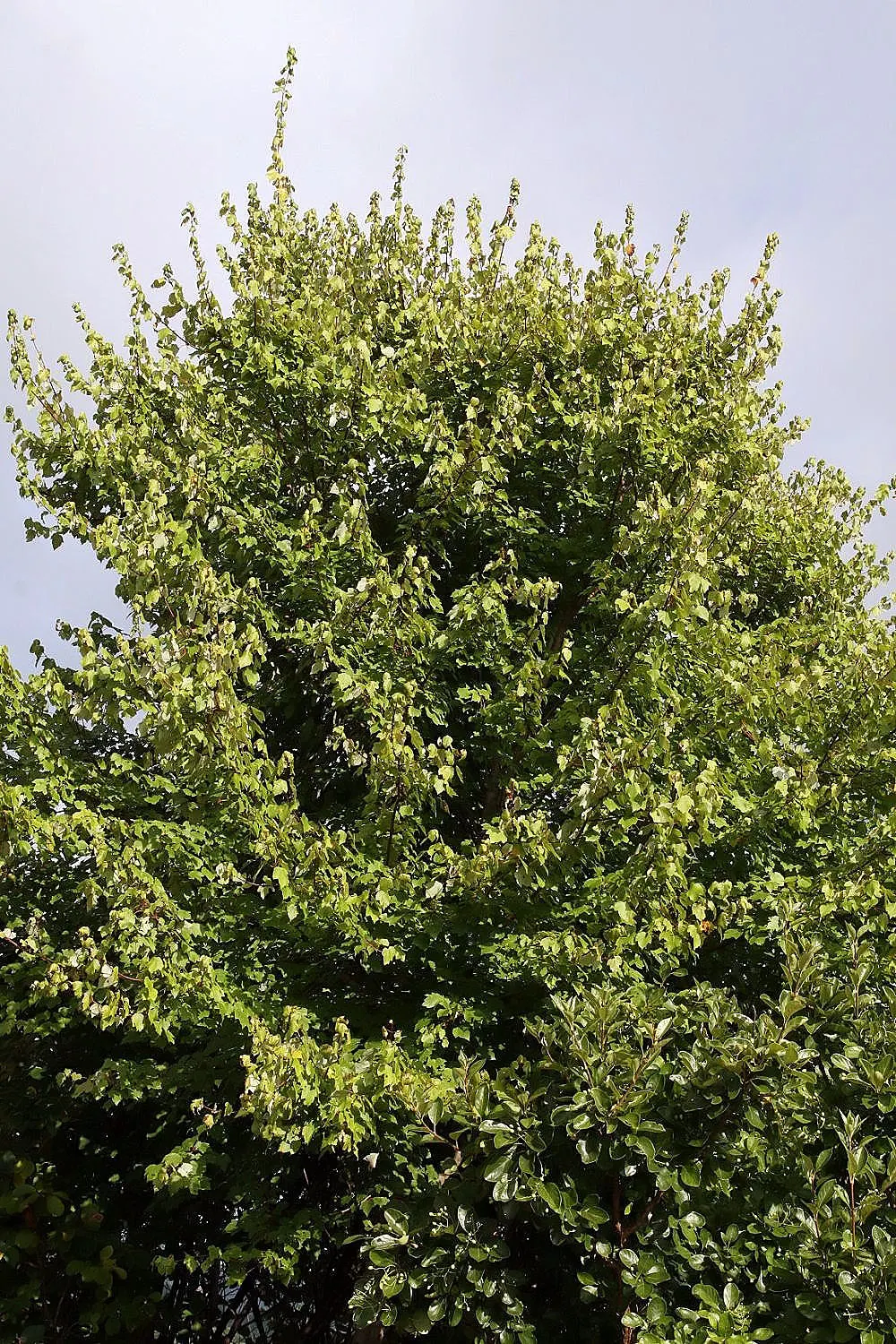
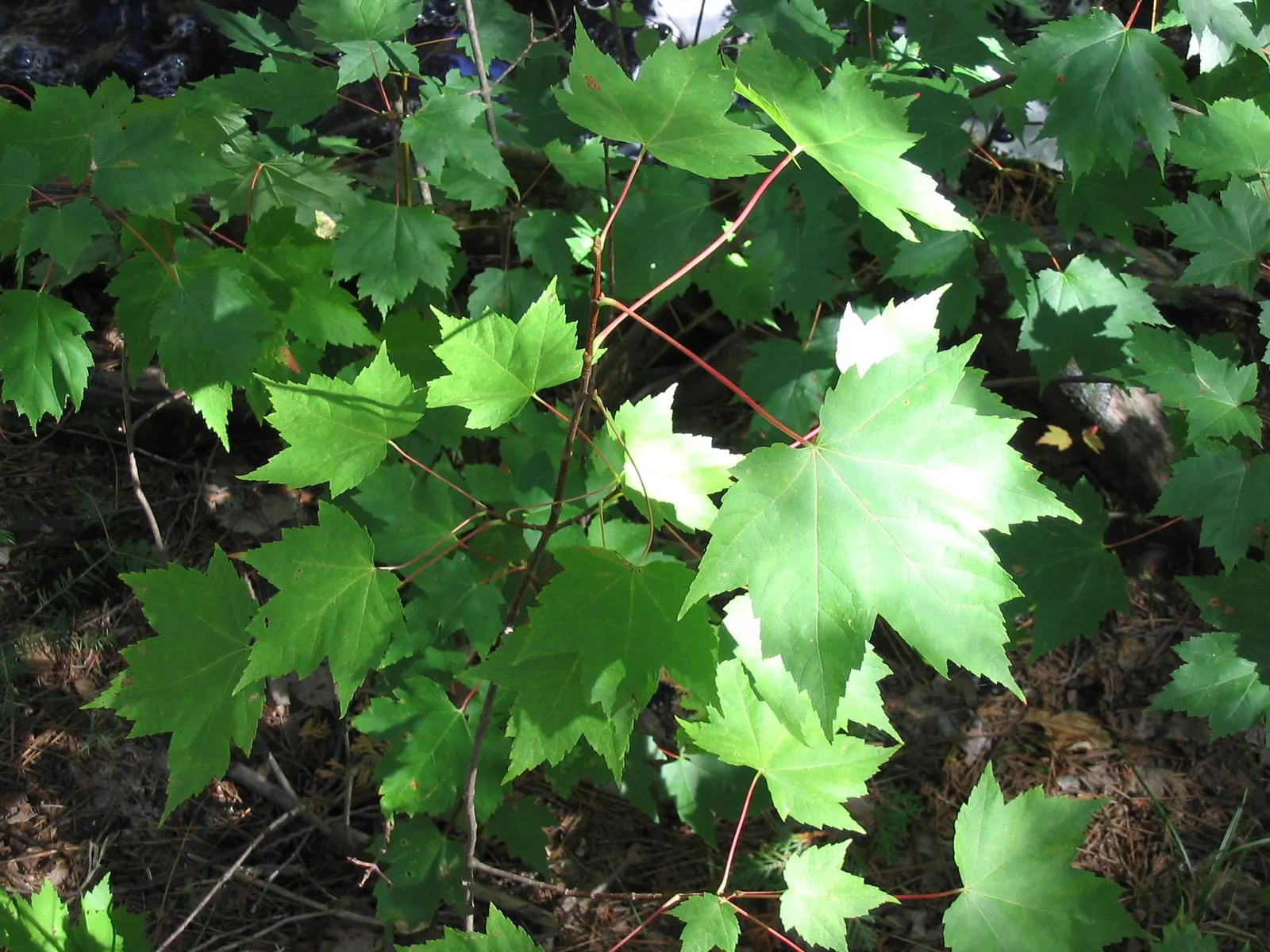
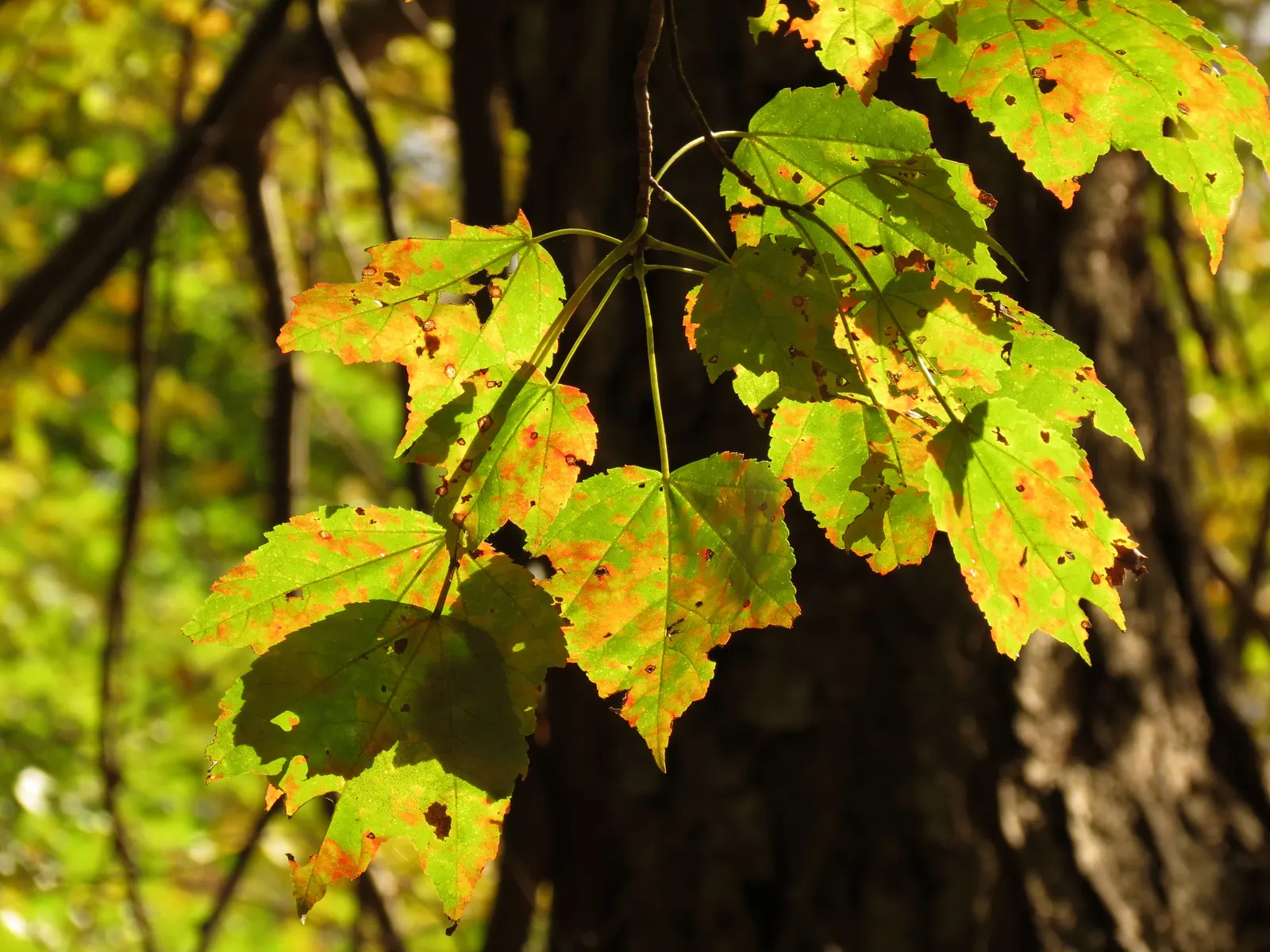
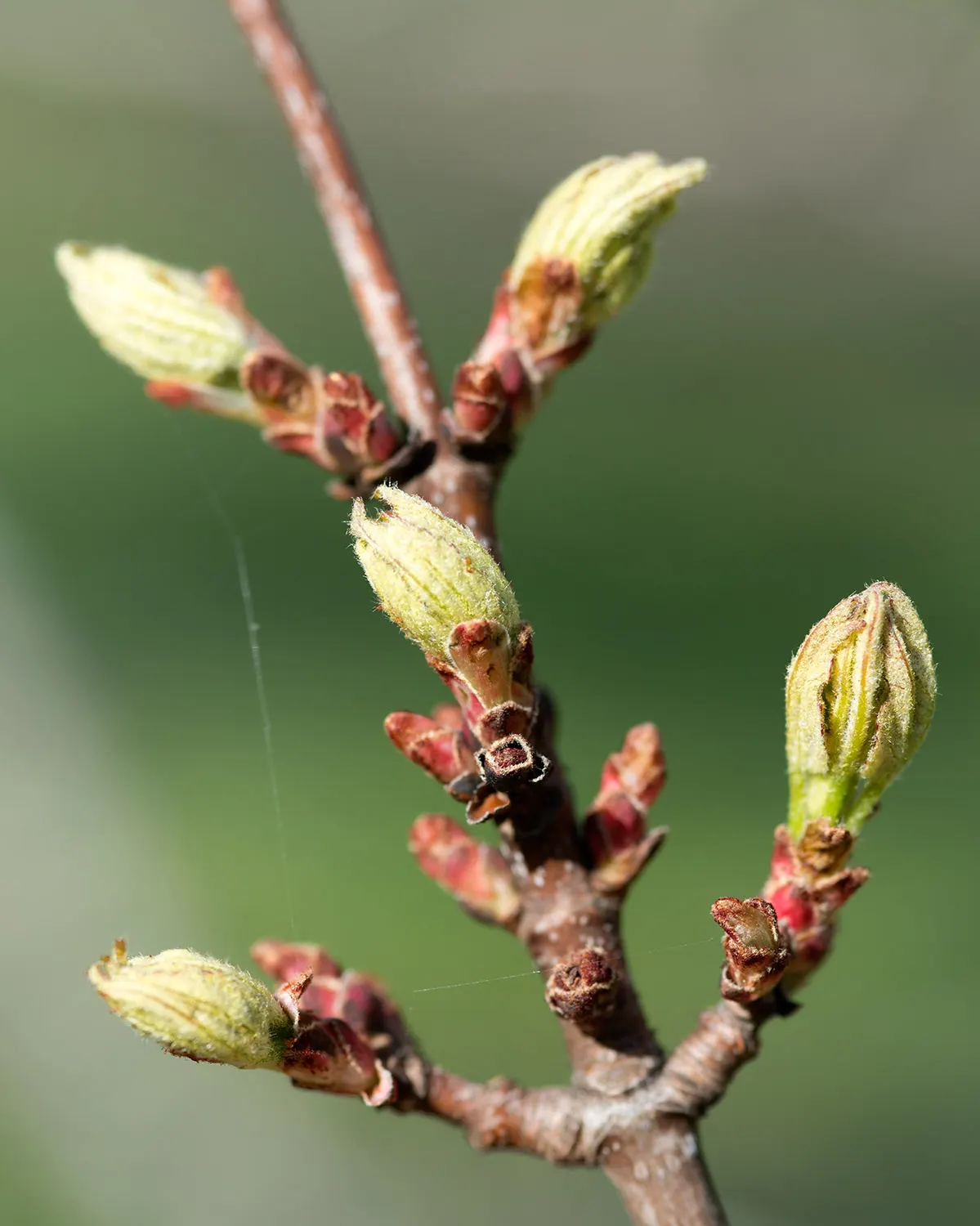
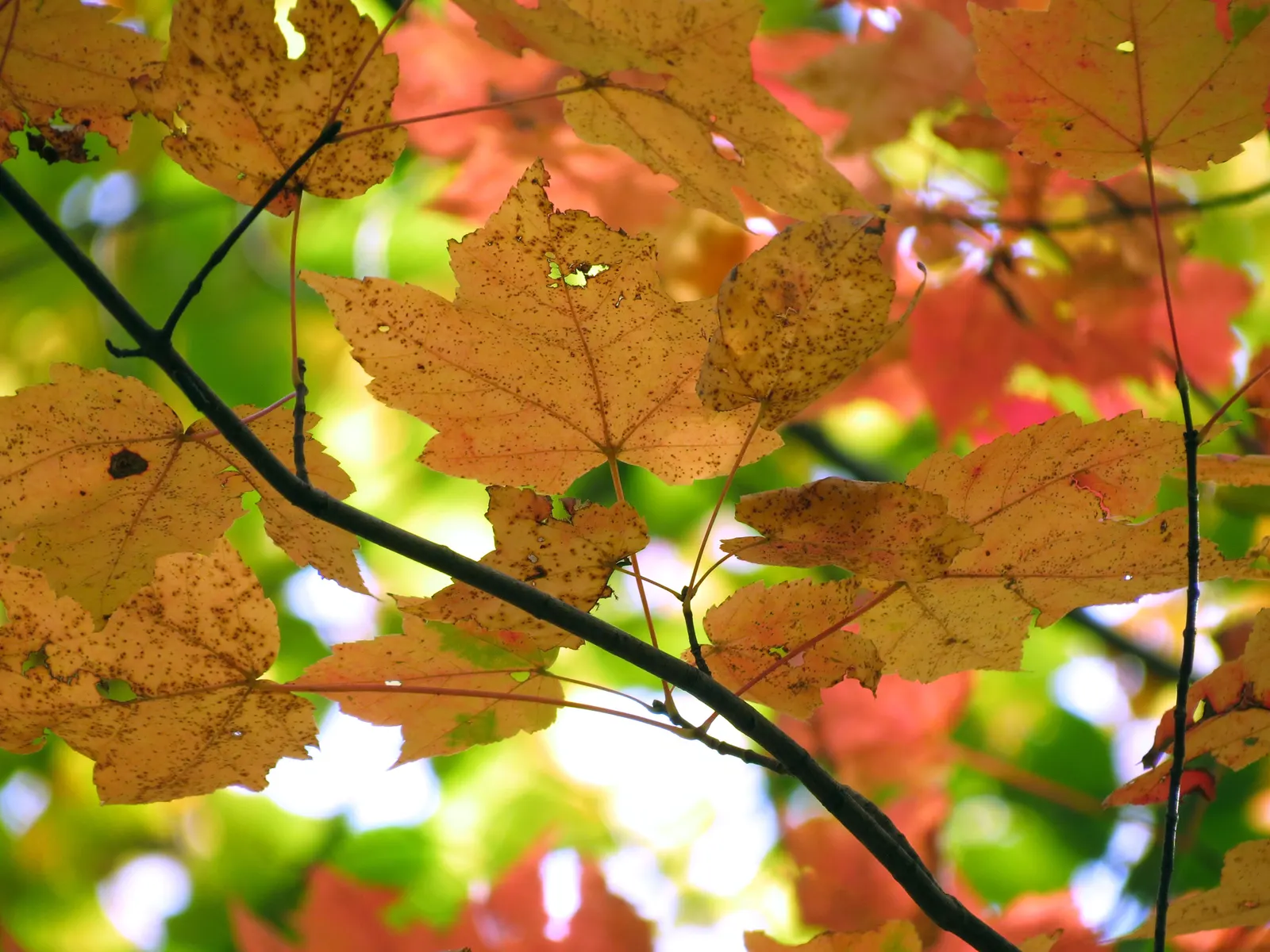
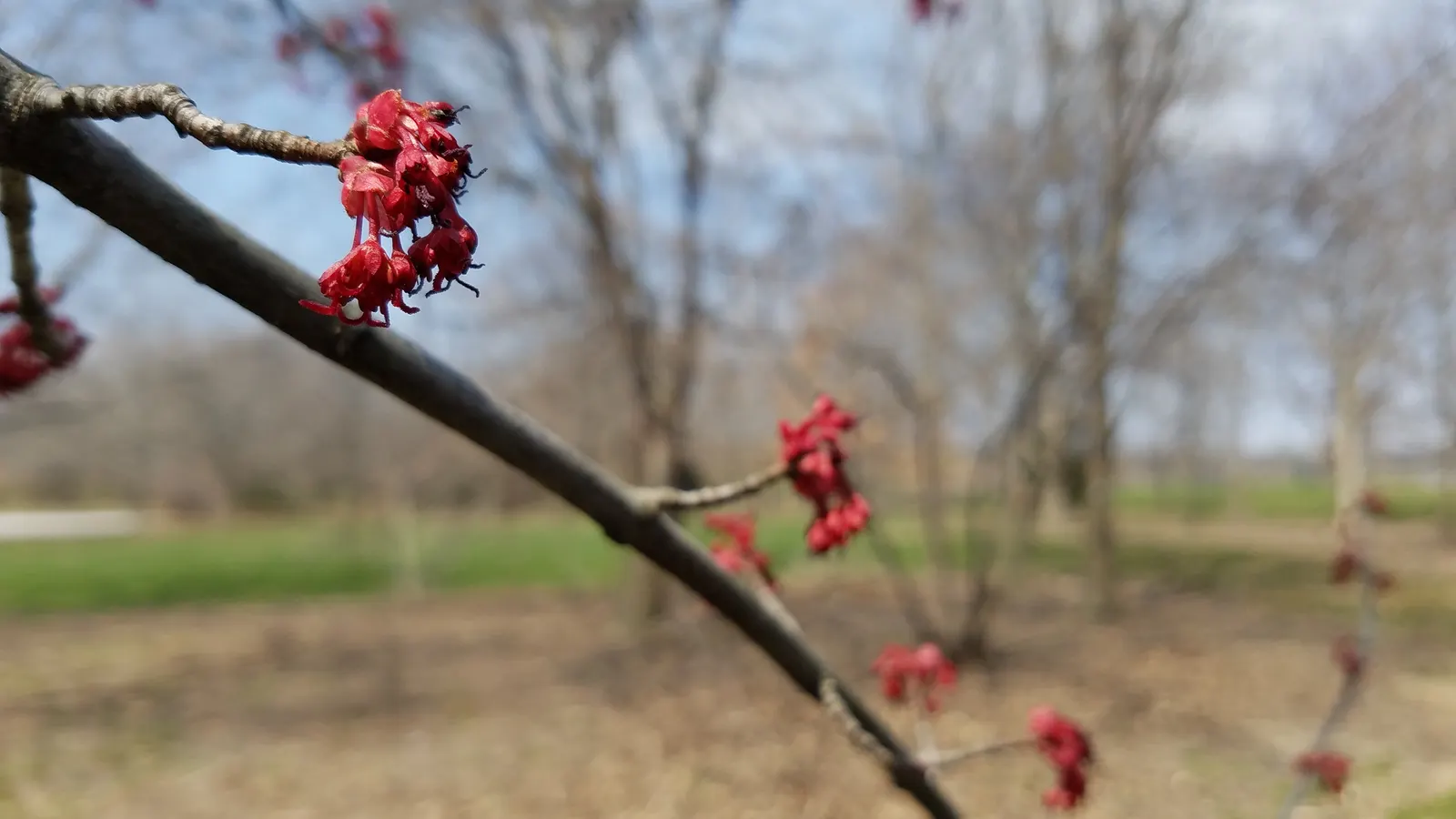
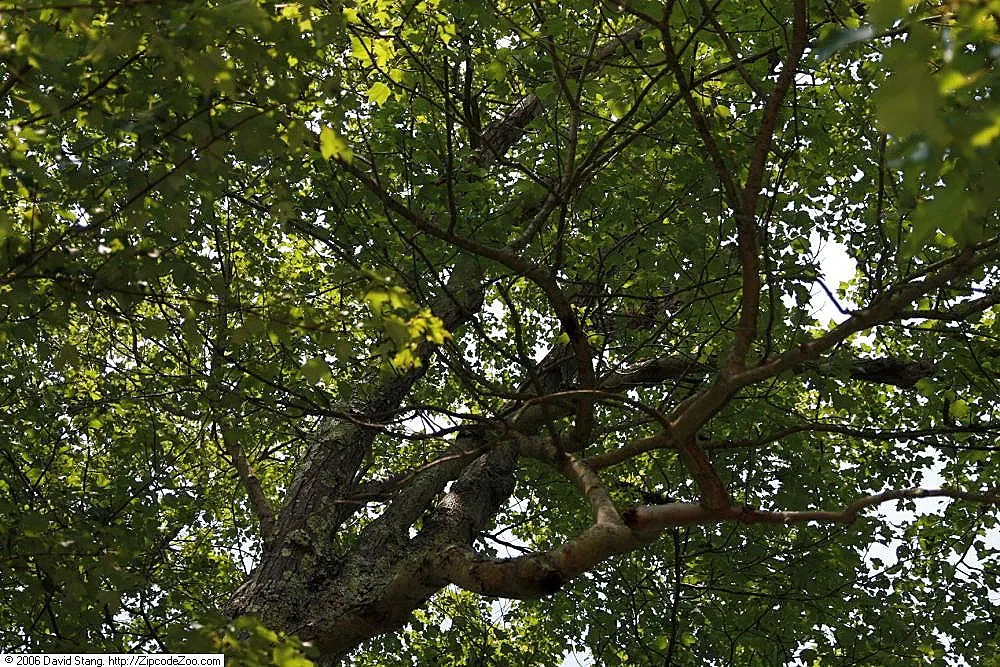
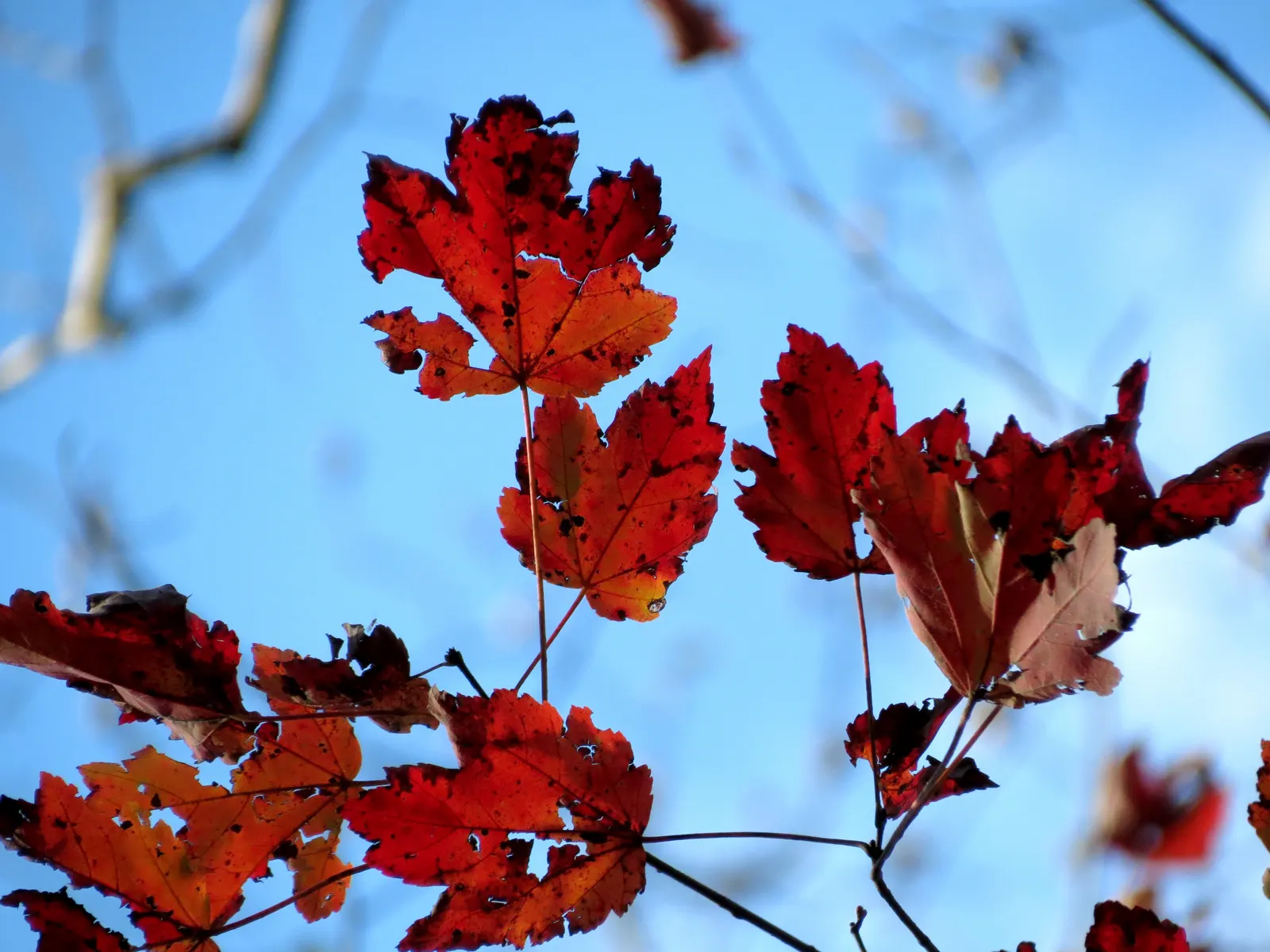
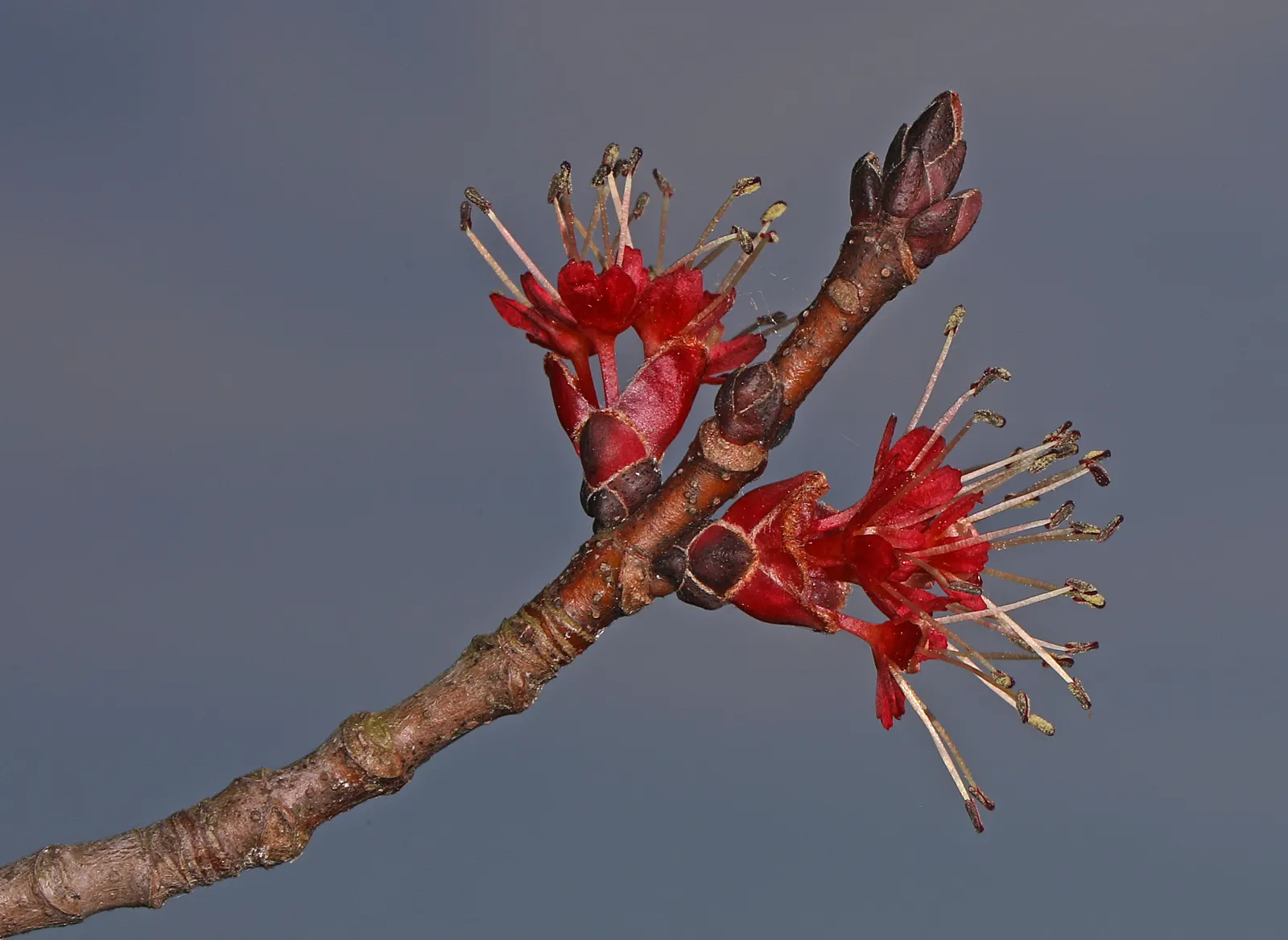
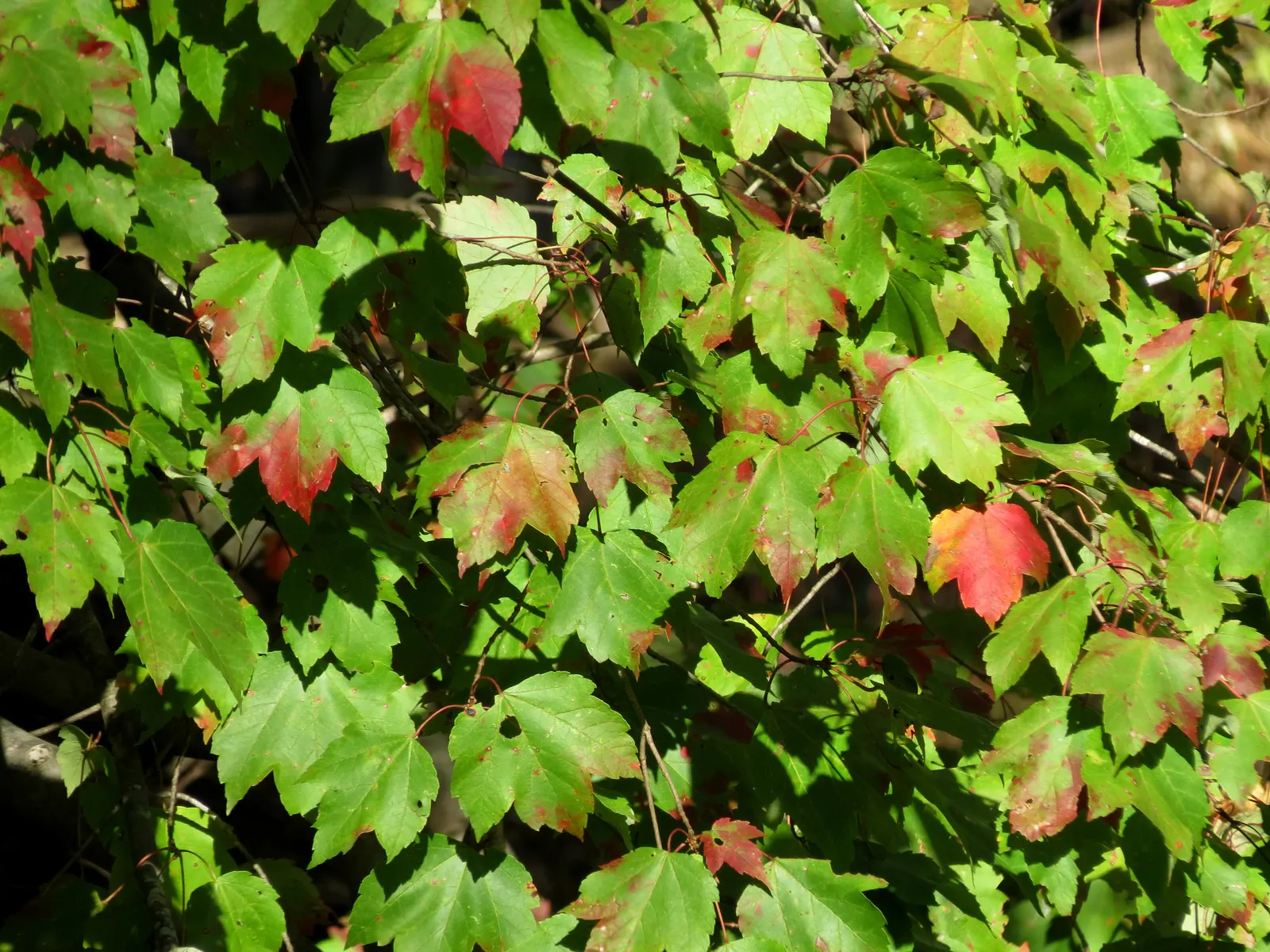
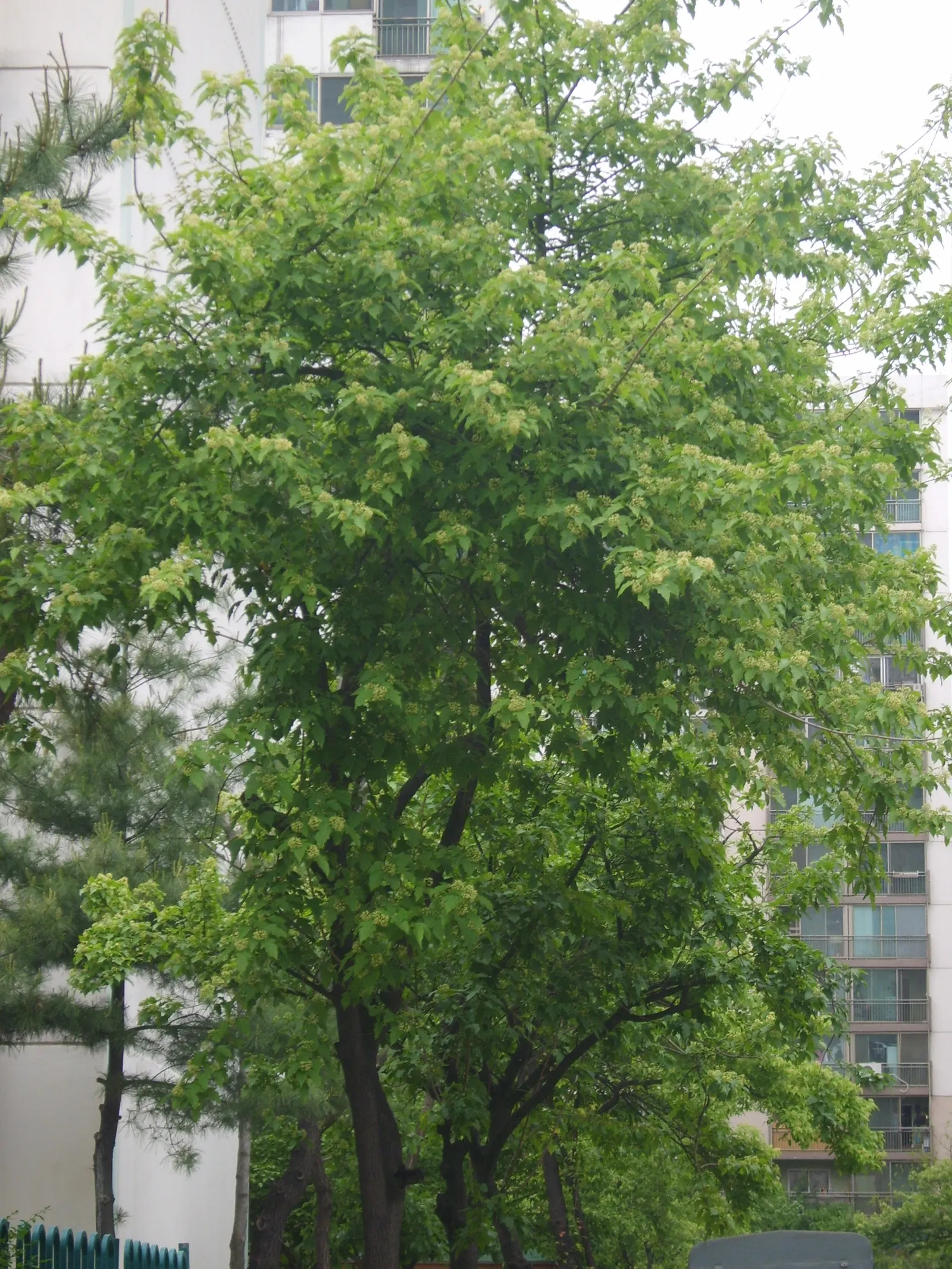
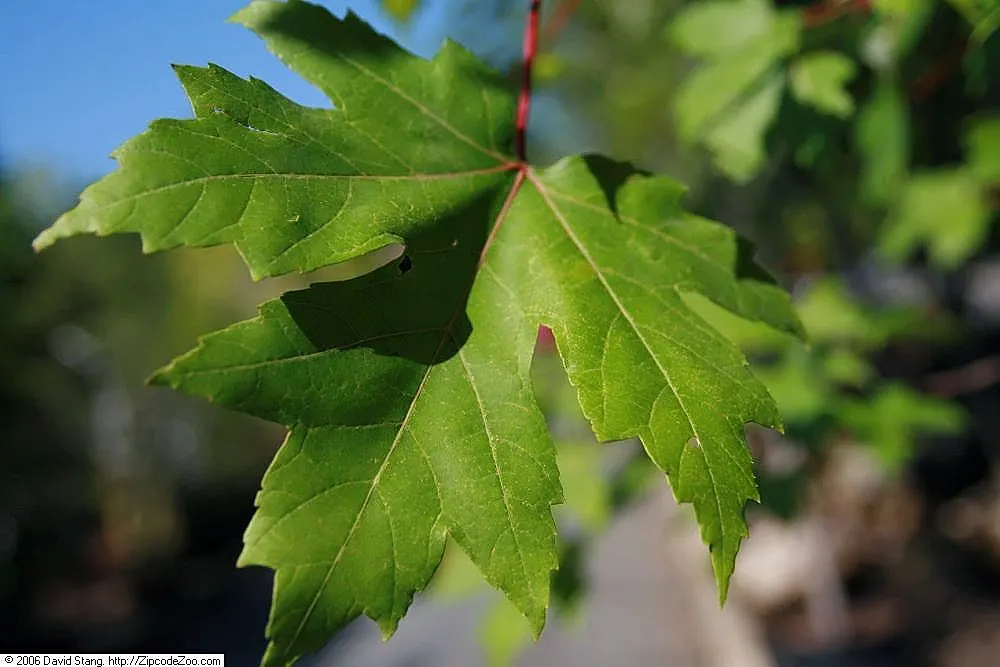
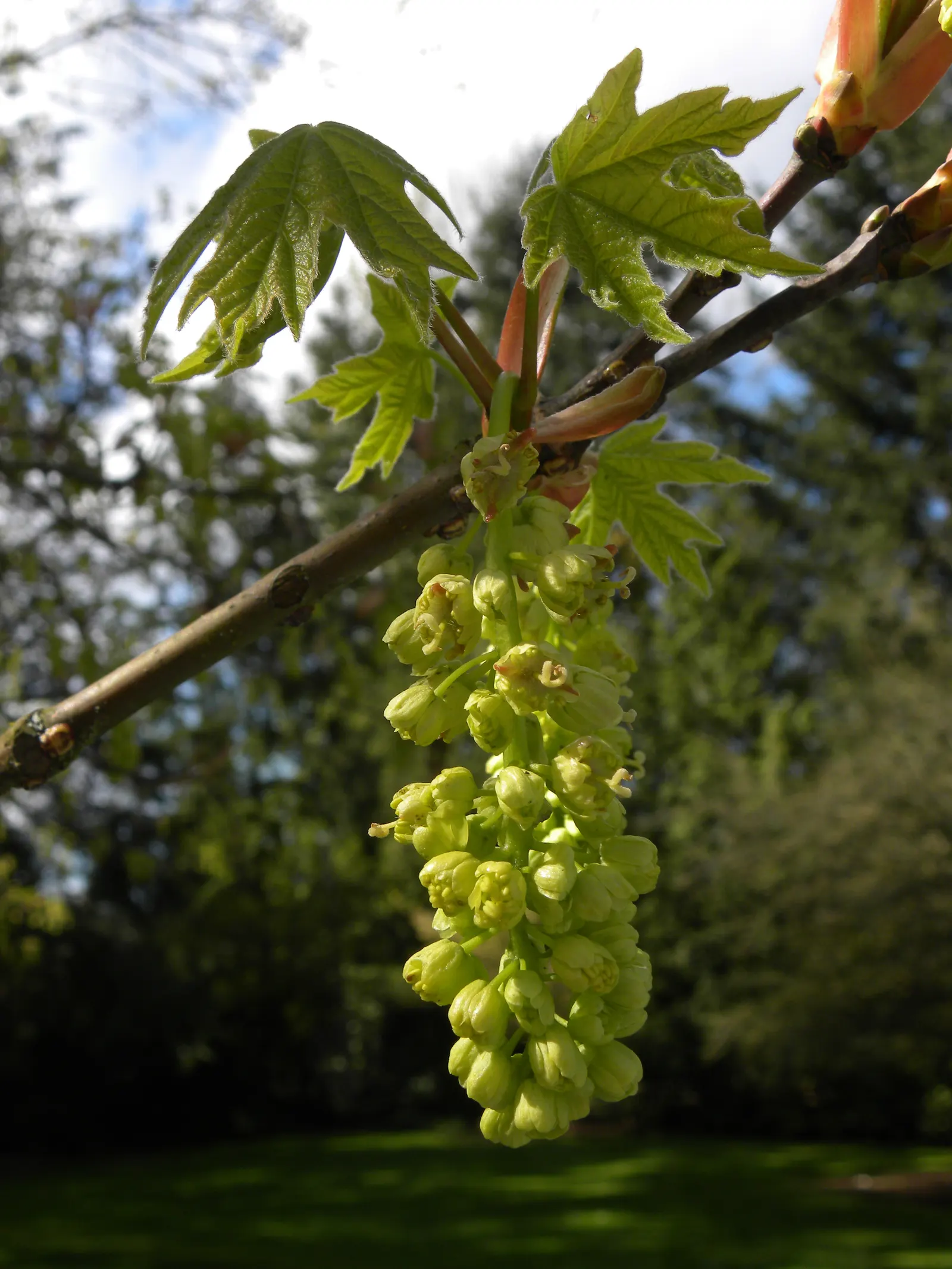
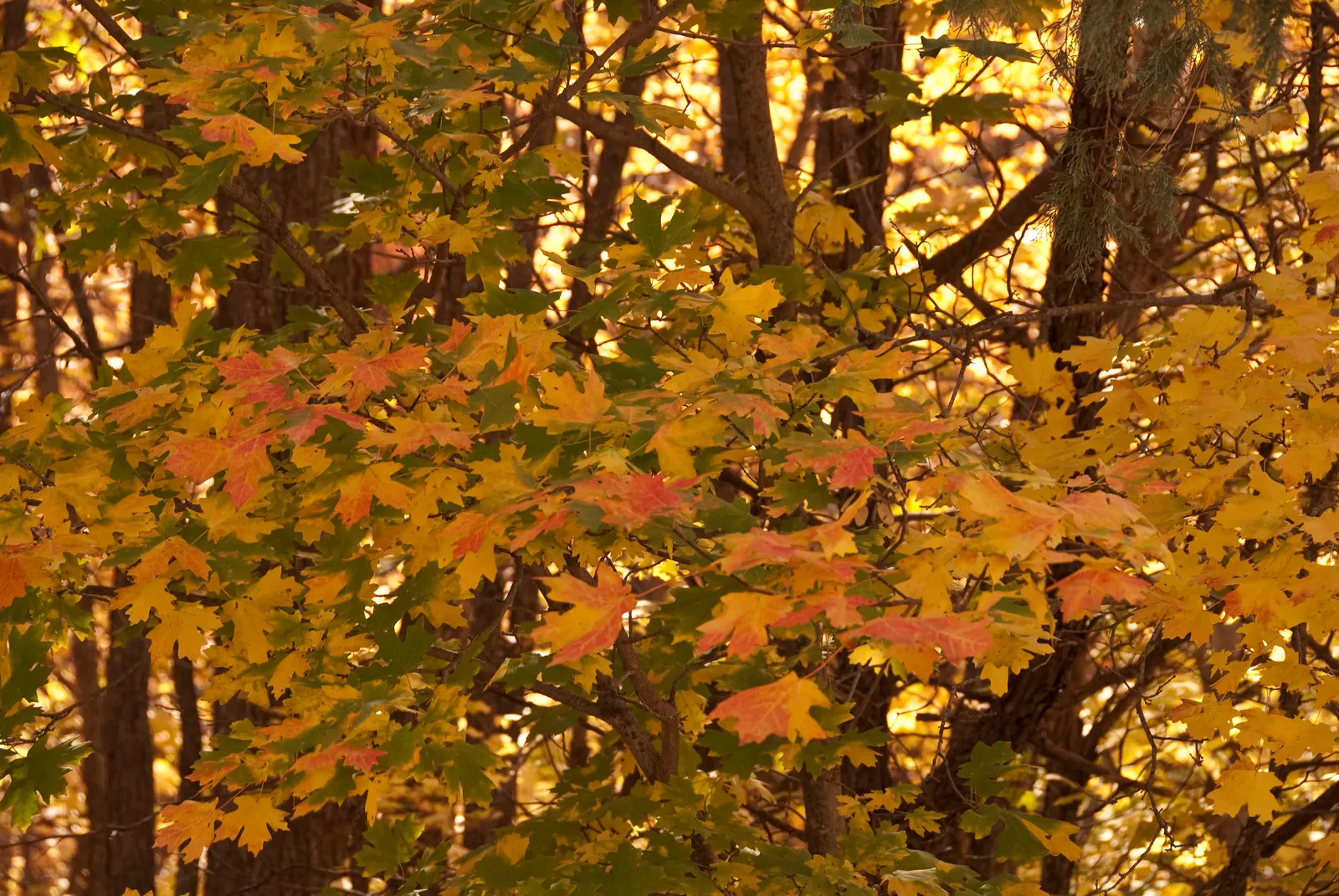
Red Maple (Acer rubrum) is a deciduous North American native, admired for its vibrant fall foliage ranging from bright red to purple. It typically grows 40-70 feet tall, with a spread of 30-50 feet, thriving in hardiness zones 3-9. This adaptable tree prefers moist, slightly acidic soils, and full sun to partial shade. Showy red flowers in spring add early seasonal interest, making it an attractive choice for diverse landscape settings.

Sun Full, HalfWater High, Low, MediumZones 3–10Type TreeClimate Temperate
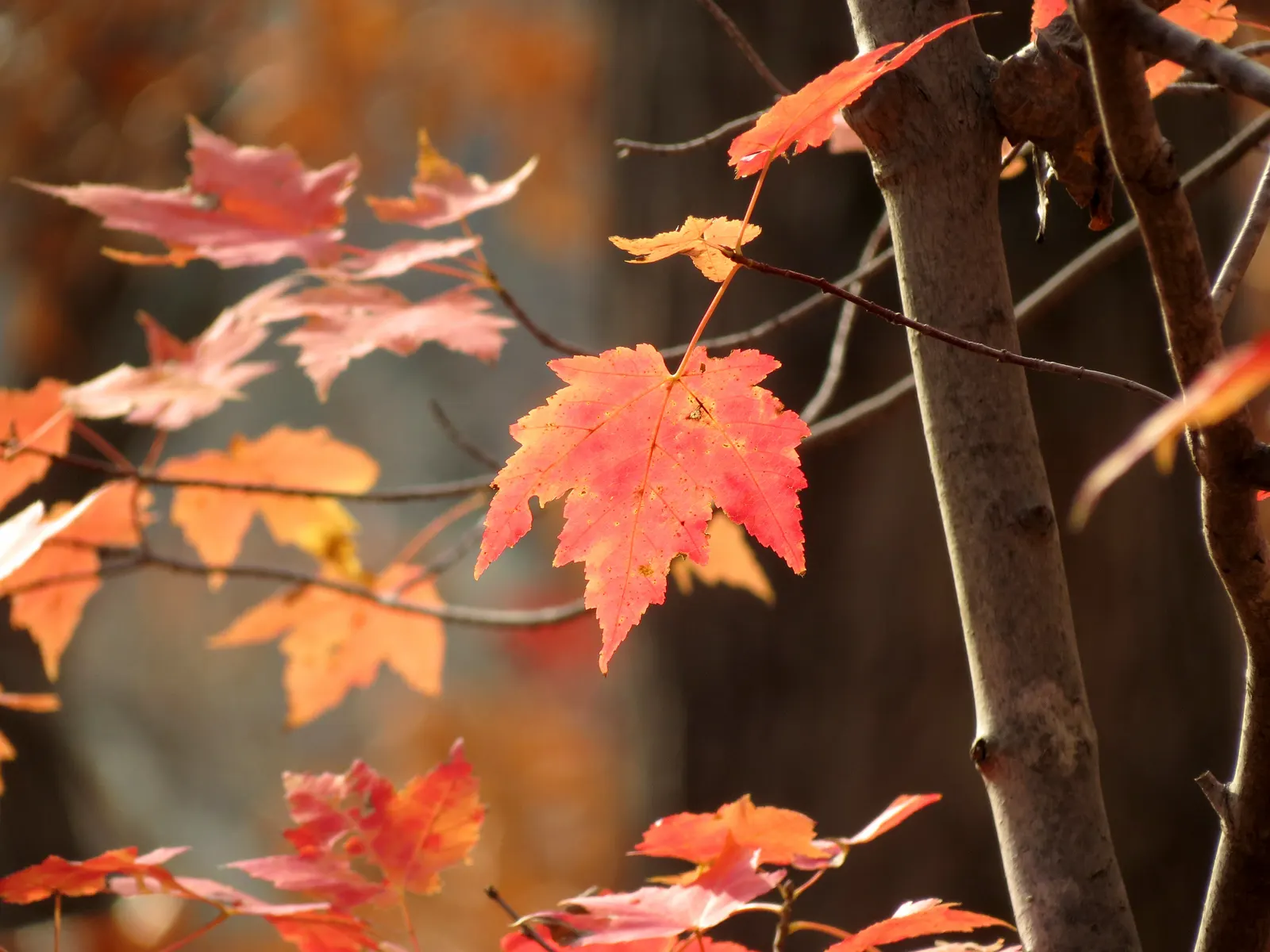
Red Maple (Acer Rubrum) — tree for full or half

Culture

Sun
Full, Half
Water
High, Low, Medium
USDA zones
3–10

Shape & size

Mature height
40–70 Ft.
Mature width
30–50 Ft.

Classification

Type
Tree
Family
Sapindaceae
Climate
Temperate

See full data, regional cultivation notes, and design tools. Build a client presentation around this plant.

Start your 14-day trial

Photos (110)

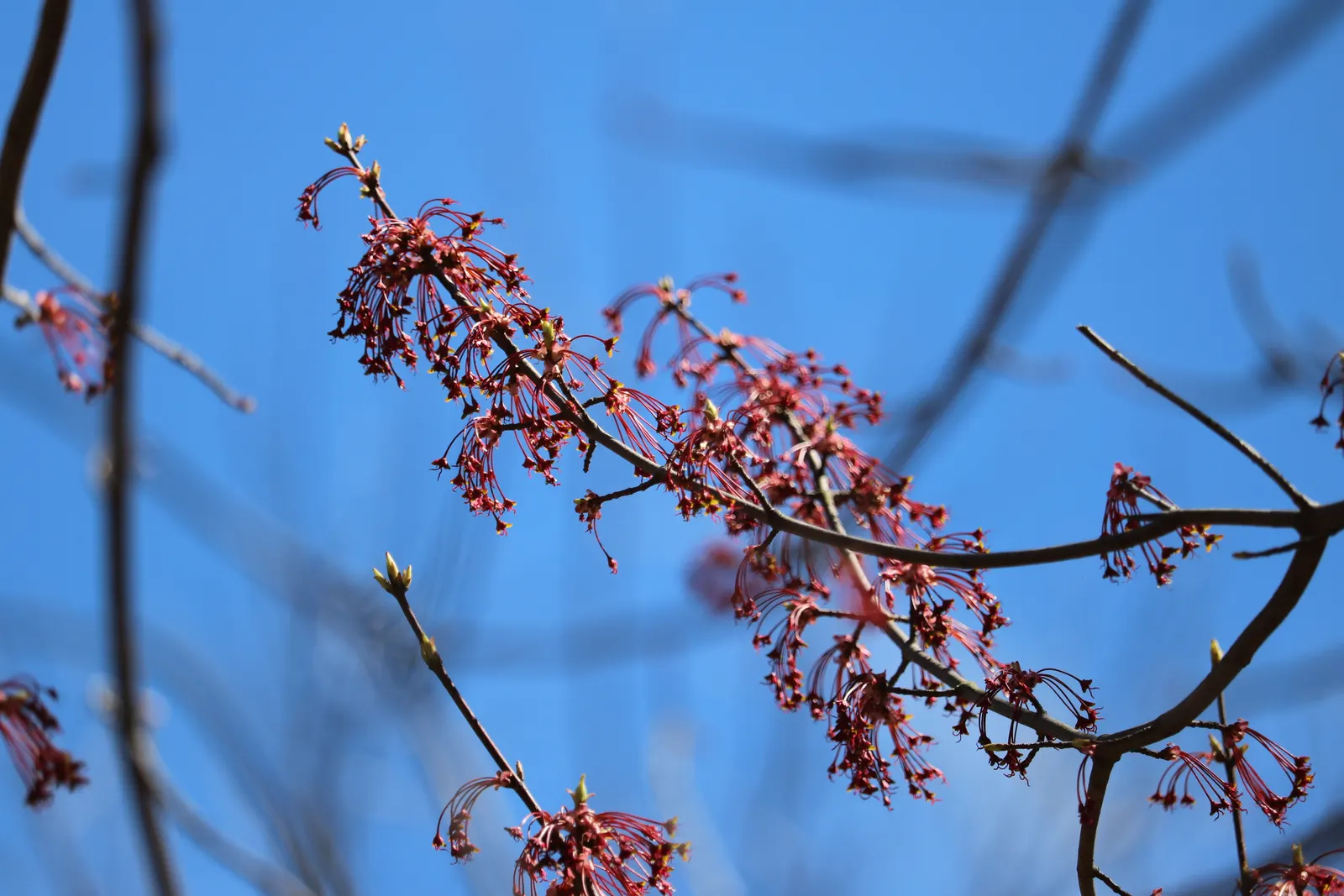
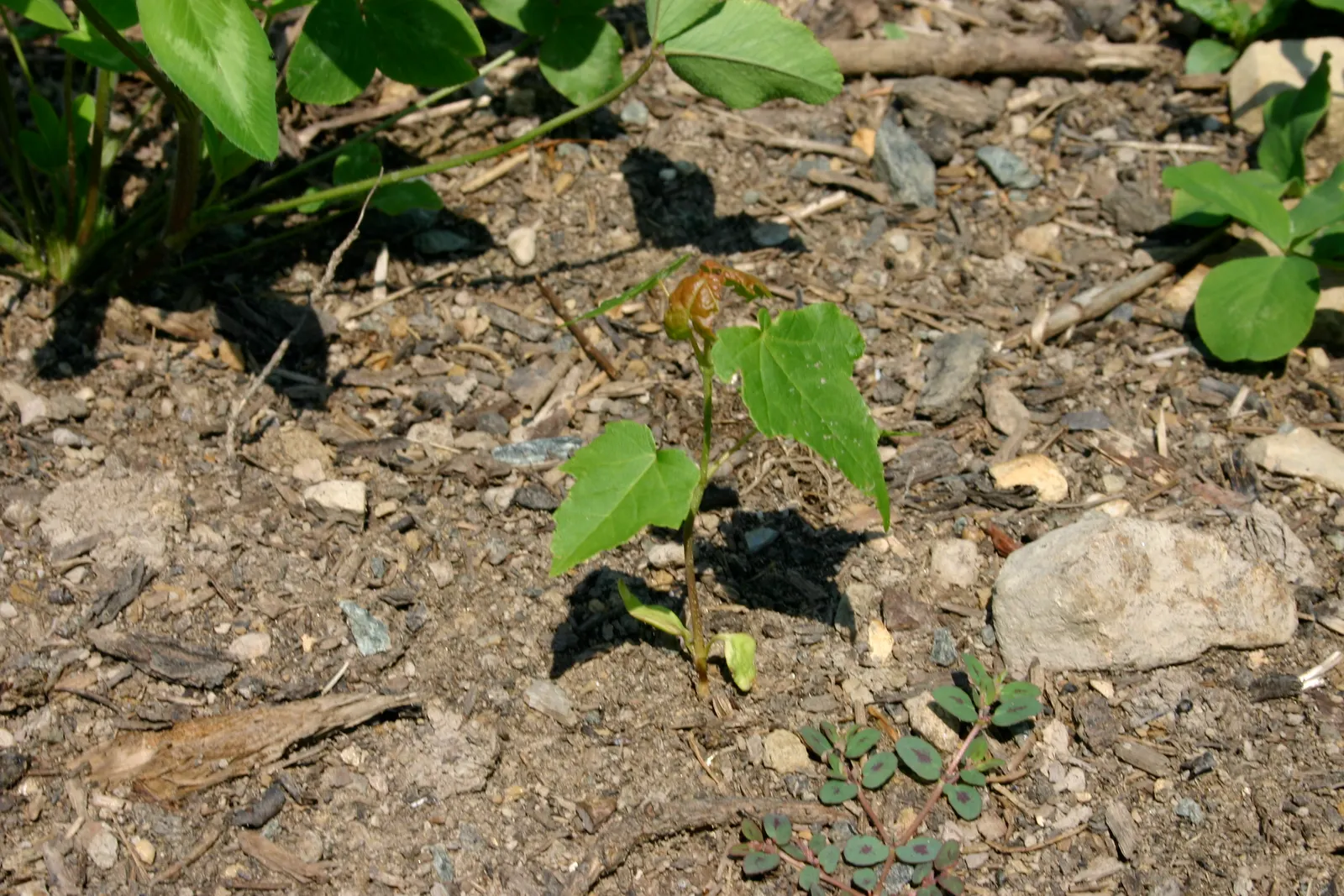
Red Maple (Acer Rubrum) — widely celebrated for its vibrant autumnal foliage and adaptability; showy red flowers in spring add early seasonal, image 80
Red Maple (Acer Rubrum) — making it an attractive choice for diverse landscape settings
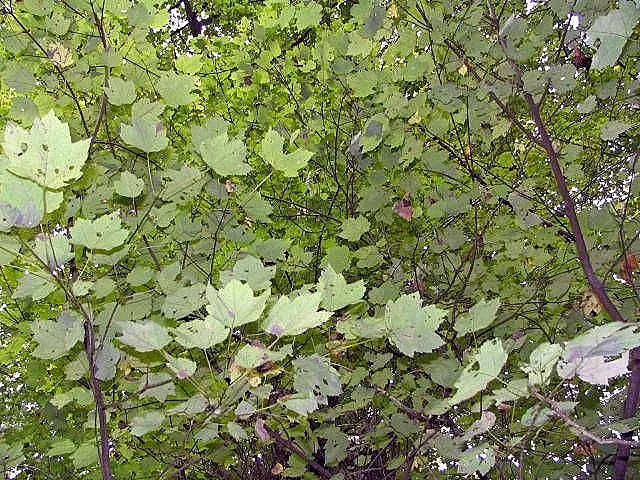
Red Maple (Acer Rubrum) — Maturing to a height of 40 to 60 feet with a spread of 30 to 50 feet; or sometimes yellow in the fall.<br><br>Red Maples are known
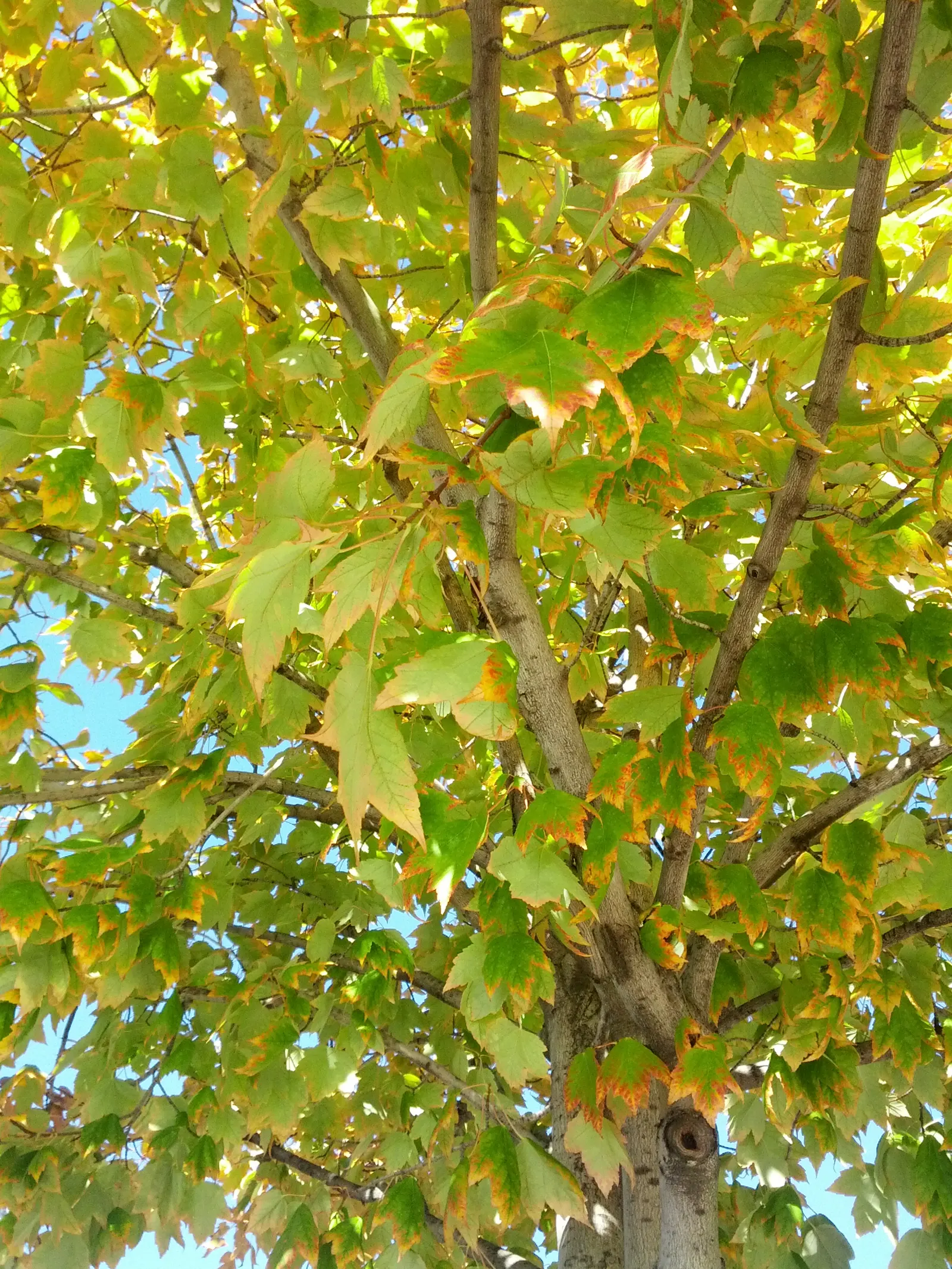
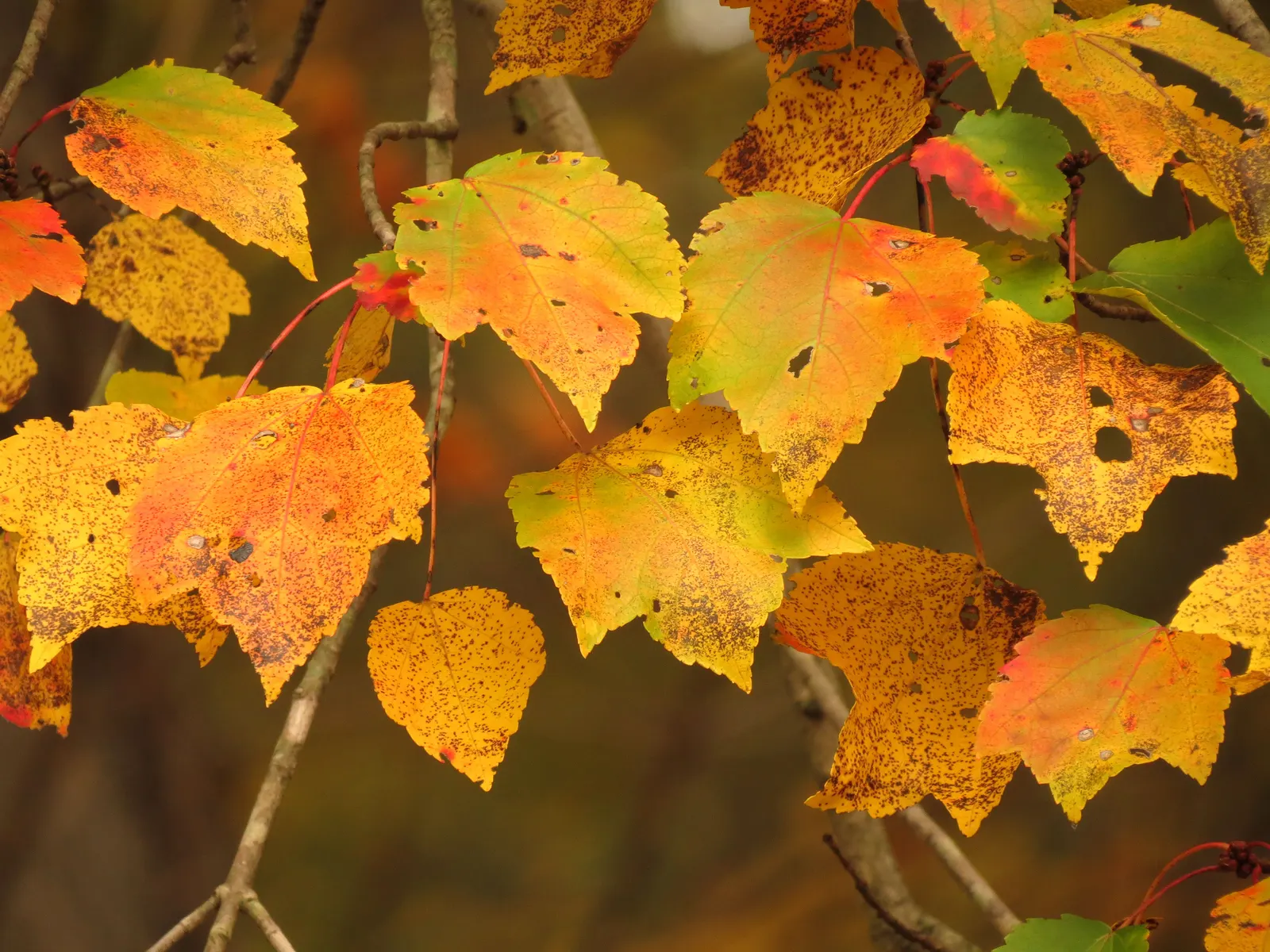
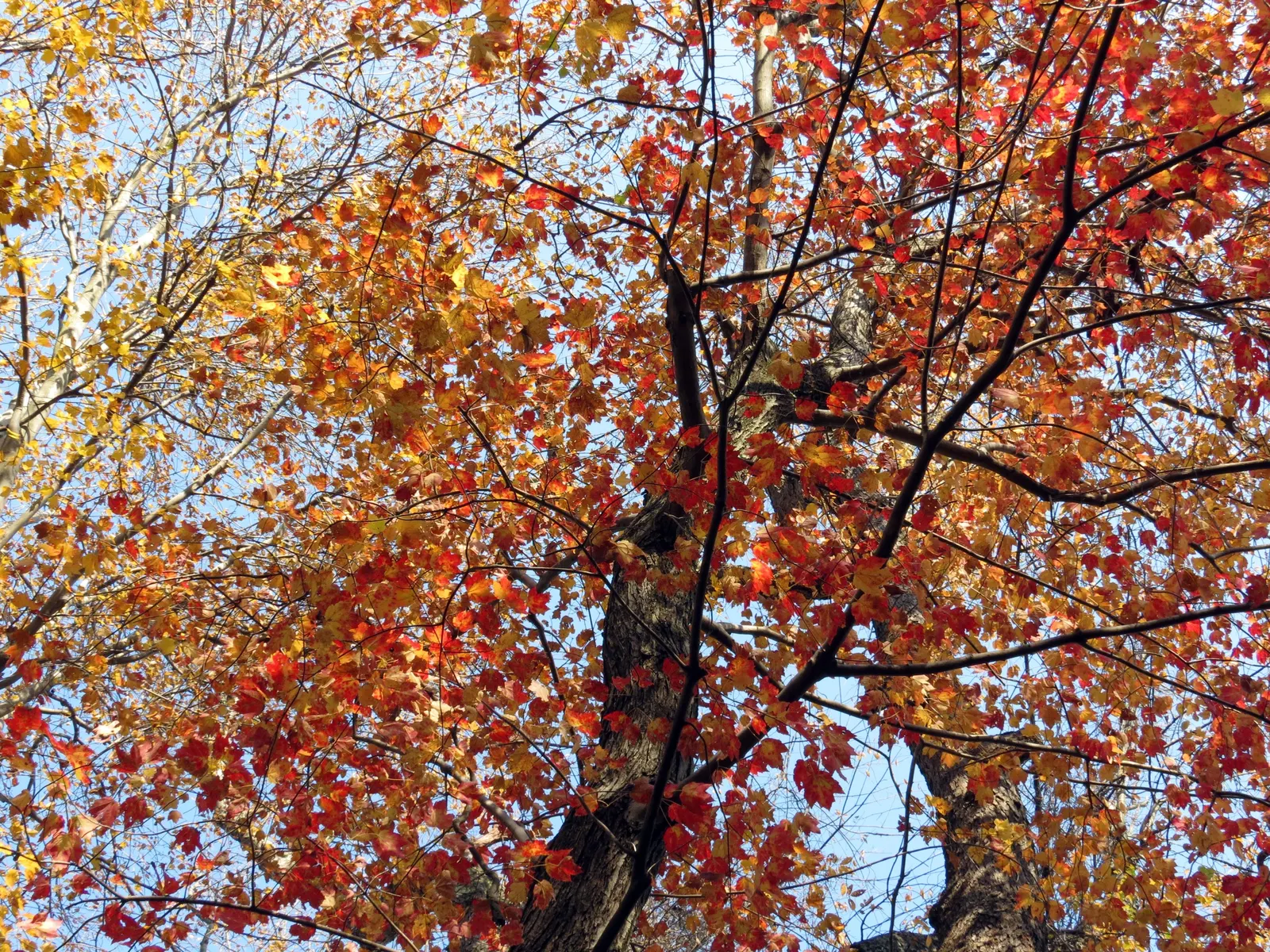
Red Maple (Acer Rubrum) — admired for its vibrant fall foliage ranging from bright red to purple; transitioning to dazzling shades of red
Red Maple (Acer Rubrum) — They are hardy in USDA zones 3 through 9, allowing for a broad range of geographical placement
Red Maple (Acer Rubrum) — making it an attractive choice for diverse landscape settings; while thriving in full sun to partial shade, image 78
Red Maple (Acer Rubrum) — tree for full or half; for clients seeking year-round visual interest, image 72
Red Maple (Acer Rubrum) — typically adding 1 to 2 feet annually under favorable conditions; acer rubrum is not particularly fussy about soil type, image 61
Red Maple (Acer Rubrum) — transitioning to dazzling shades of red; admired for its vibrant fall foliage ranging from bright red to purple
Red Maple (Acer Rubrum) — making it an attractive choice for diverse landscape settings; while thriving in full sun to partial shade, image 54
Red Maple (Acer Rubrum) — or create fall interest in a mixed border; tolerating both wet conditions and moderate drought
Red Maple (Acer Rubrum) — It typically grows 40-70 feet tall, with a spread of 30-50 feet, thriving in hardiness zones 3-9; red Maples can serve as, image 75
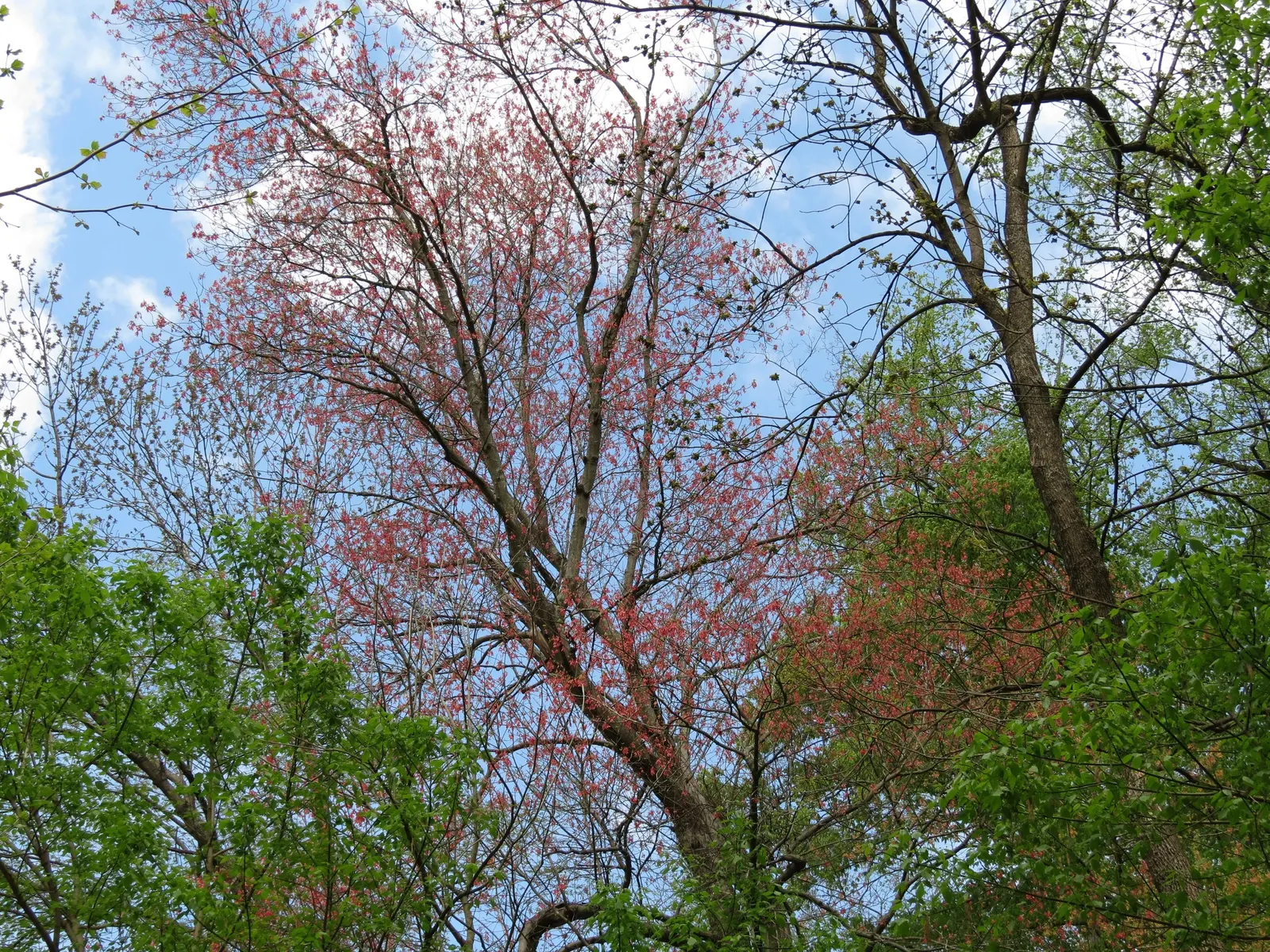
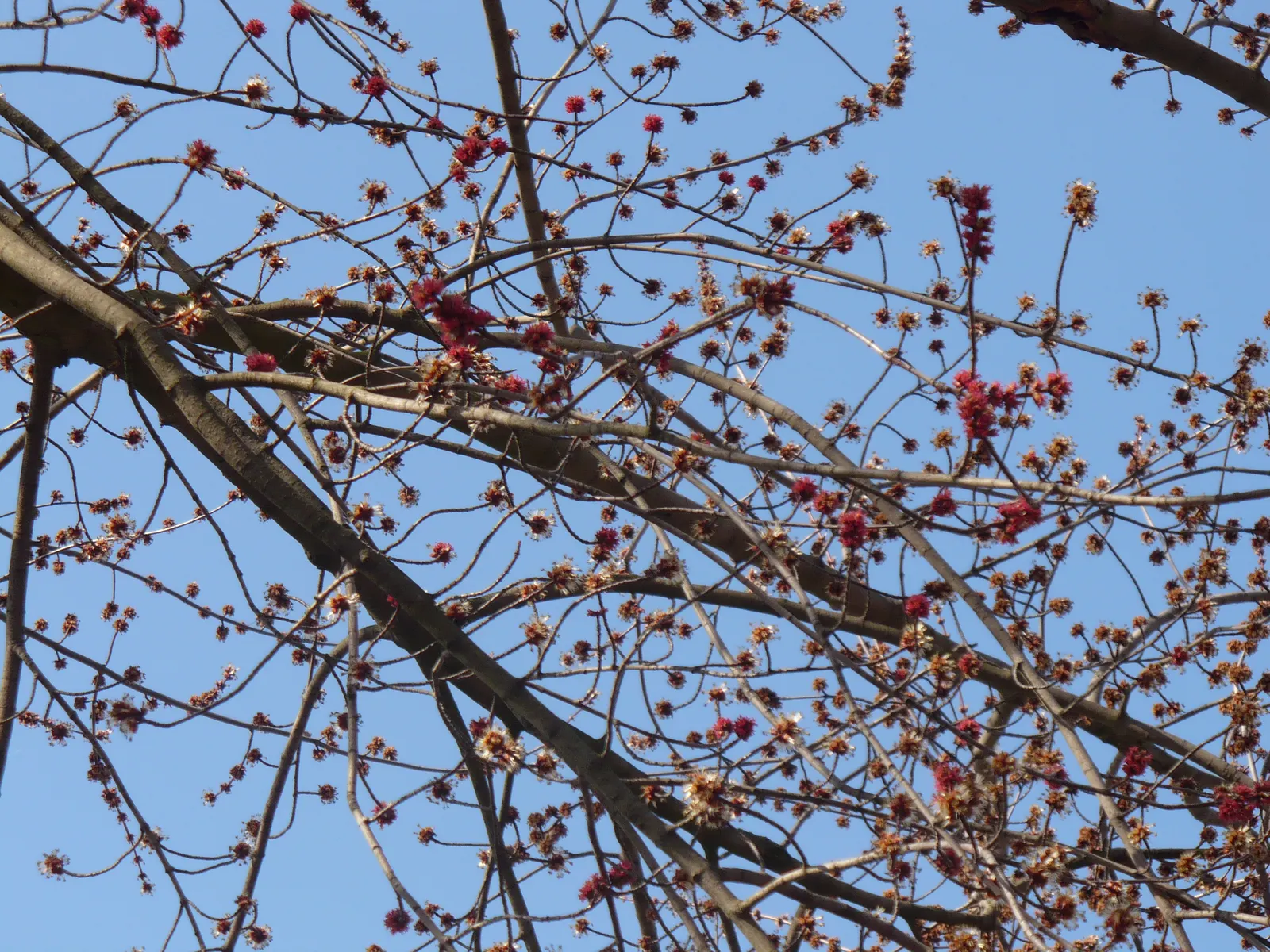
Red Maple (Acer Rubrum) — this tree's red spring flowers; the Red Maple (Acer rubrum) is a versatile and hardy deciduous tree, image 70
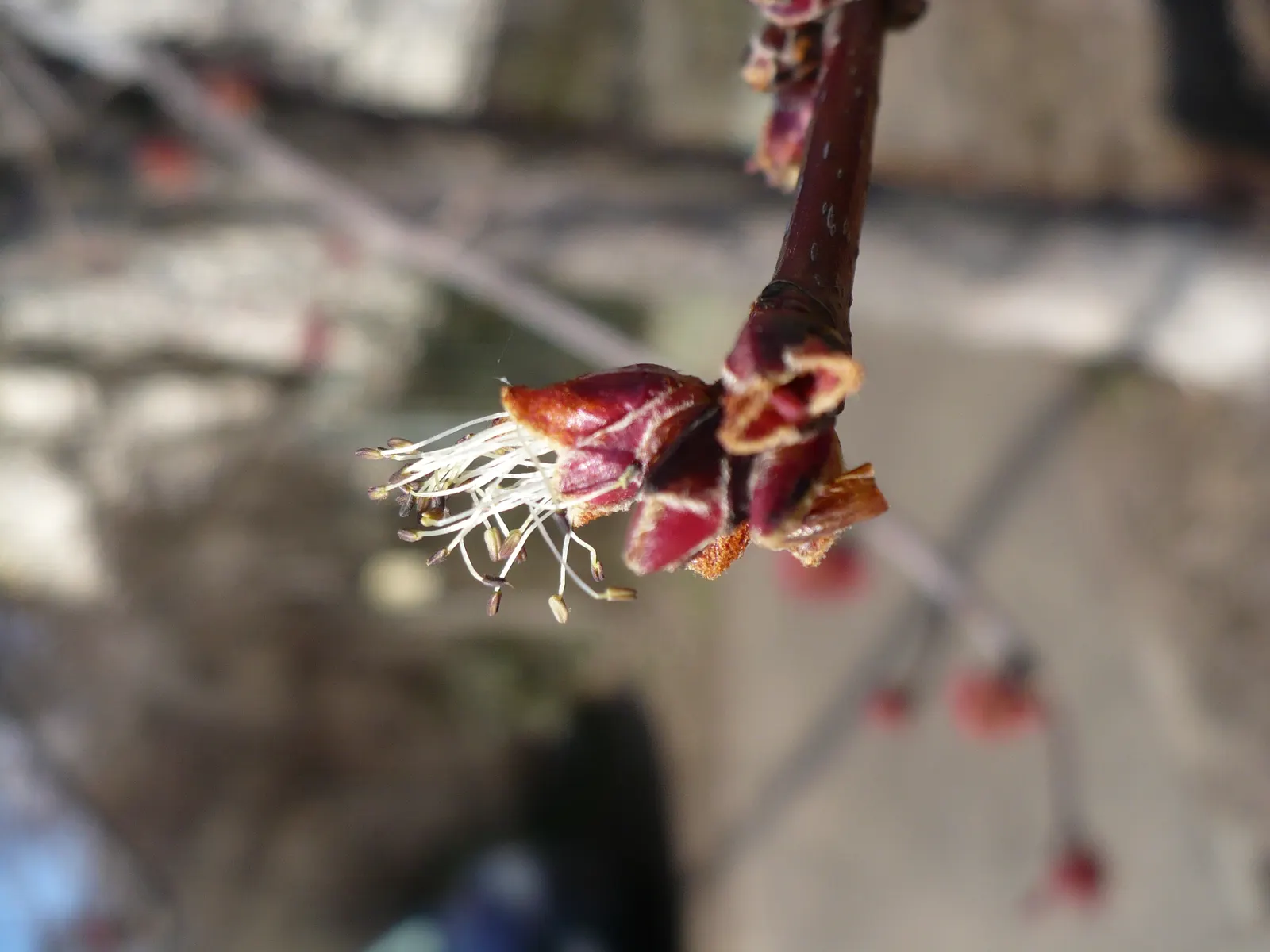
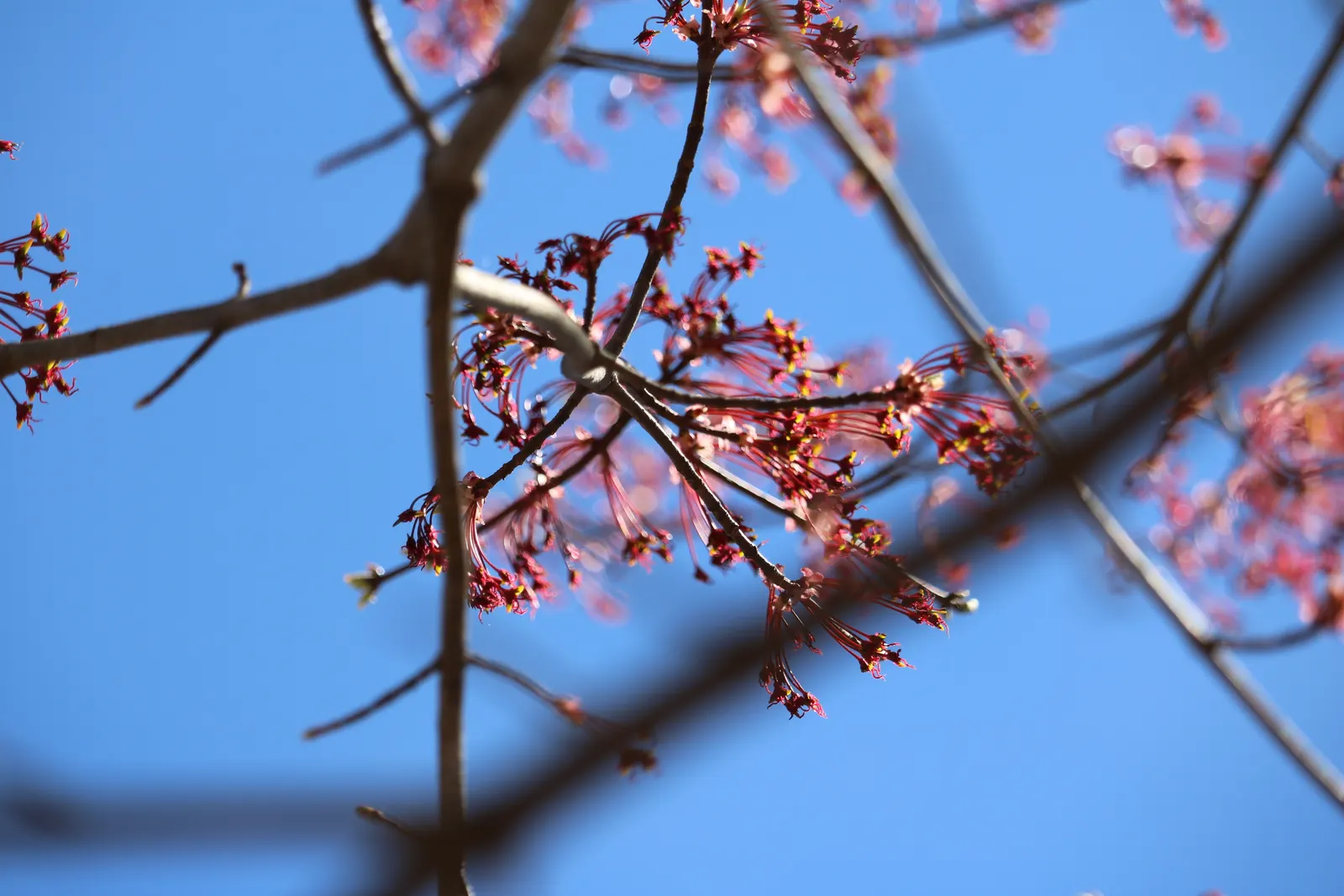
Red Maple (Acer Rubrum) — this tree's red spring flowers
Red Maple (Acer Rubrum) — They are hardy in USDA zones 3 through 9, allowing for a broad range of geographical placement; and textured silver-gray bark in
Red Maple (Acer Rubrum) — incorporate into naturalized areas; this species offers an appealingly symmetrical, image 67
Red Maple (Acer Rubrum) — tolerating both wet conditions and moderate drought; or create fall interest in a mixed border, image 65
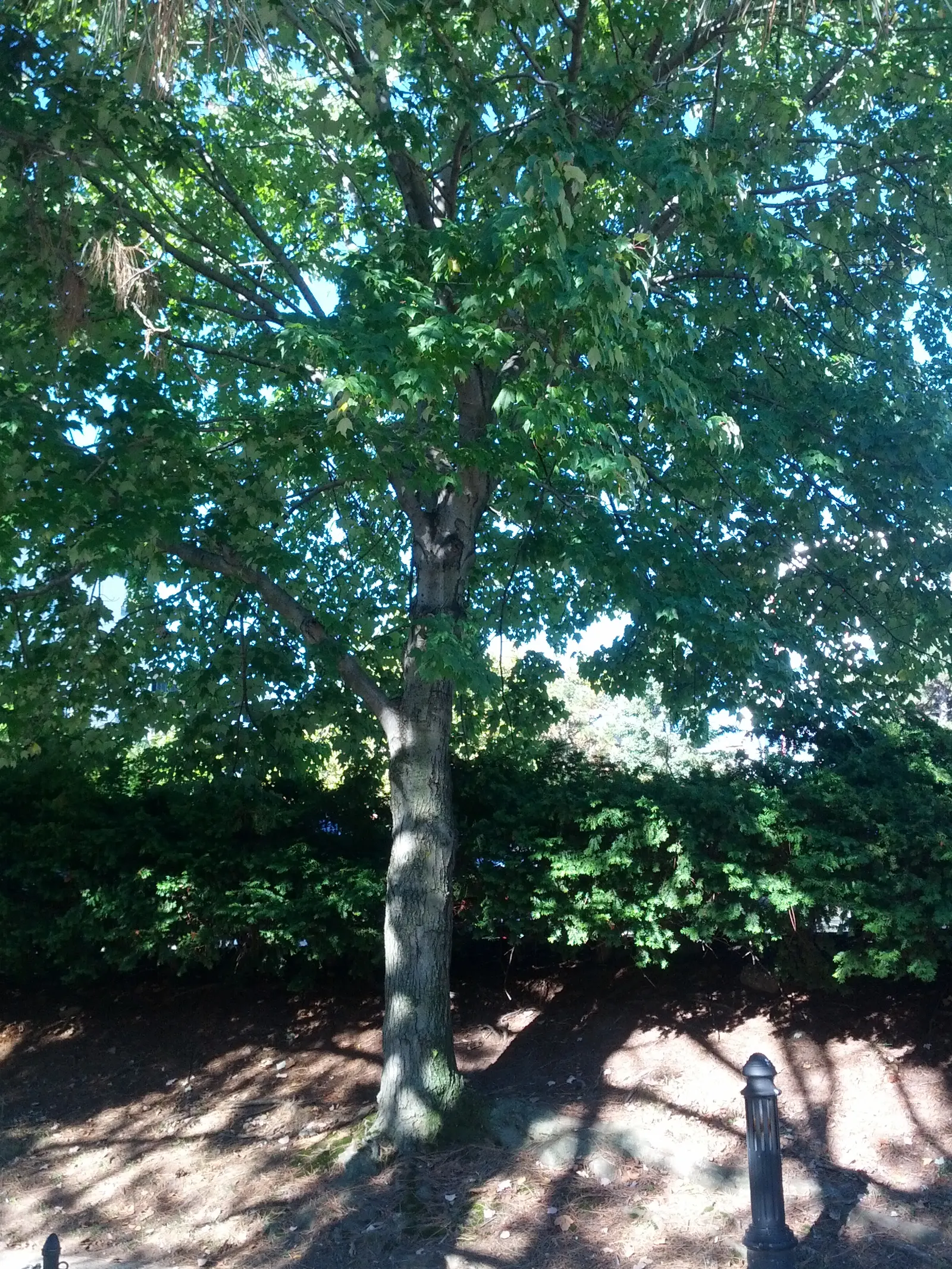
Red Maple (Acer Rubrum) — It typically grows 40-70 feet tall, with a spread of 30-50 feet, thriving in hardiness zones 3-9
Red Maple (Acer Rubrum) — They are hardy in USDA zones 3 through 9, allowing for a broad range of geographical placement; and textured silver-gray, image 62
Red Maple (Acer Rubrum) — widely celebrated for its vibrant autumnal foliage and adaptability; showy red flowers in spring add early seasonal, image 56
Red Maple (Acer Rubrum) — tolerating both wet conditions and moderate drought
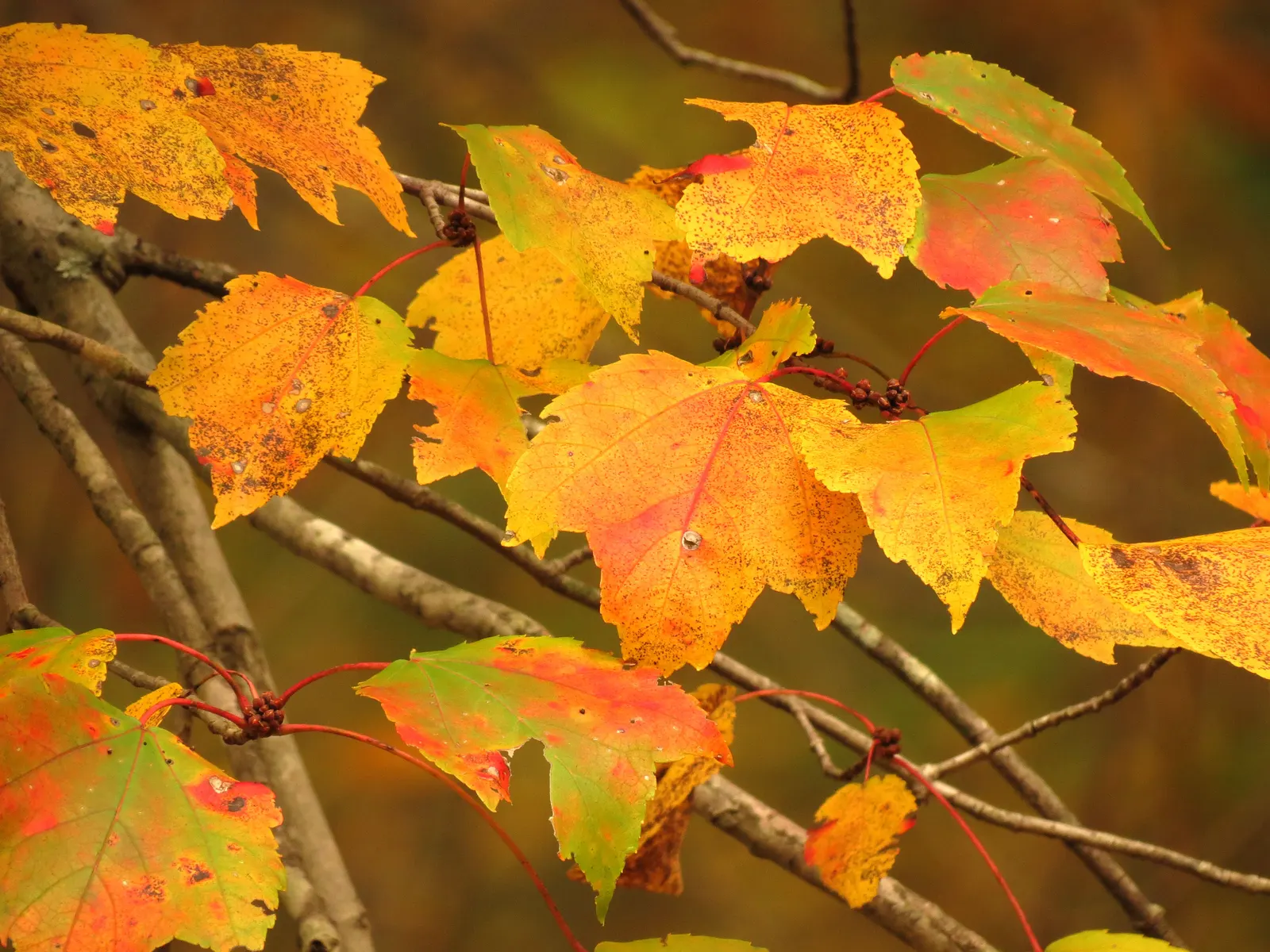
Red Maple (Acer Rubrum) — admired for its vibrant fall foliage ranging from bright red to purple
Red Maple (Acer Rubrum) — They are hardy in USDA zones 3 through 9, allowing for a broad range of geographical placement; and textured silver-gray, image 86
Red Maple (Acer Rubrum) — making it an attractive choice for diverse landscape settings; while thriving in full sun to partial shade
Photographs by 9 contributors

Related plants