Skip to content

Sycamore Maple

Acer Pseudoplatanus

Design with this plant

Overview

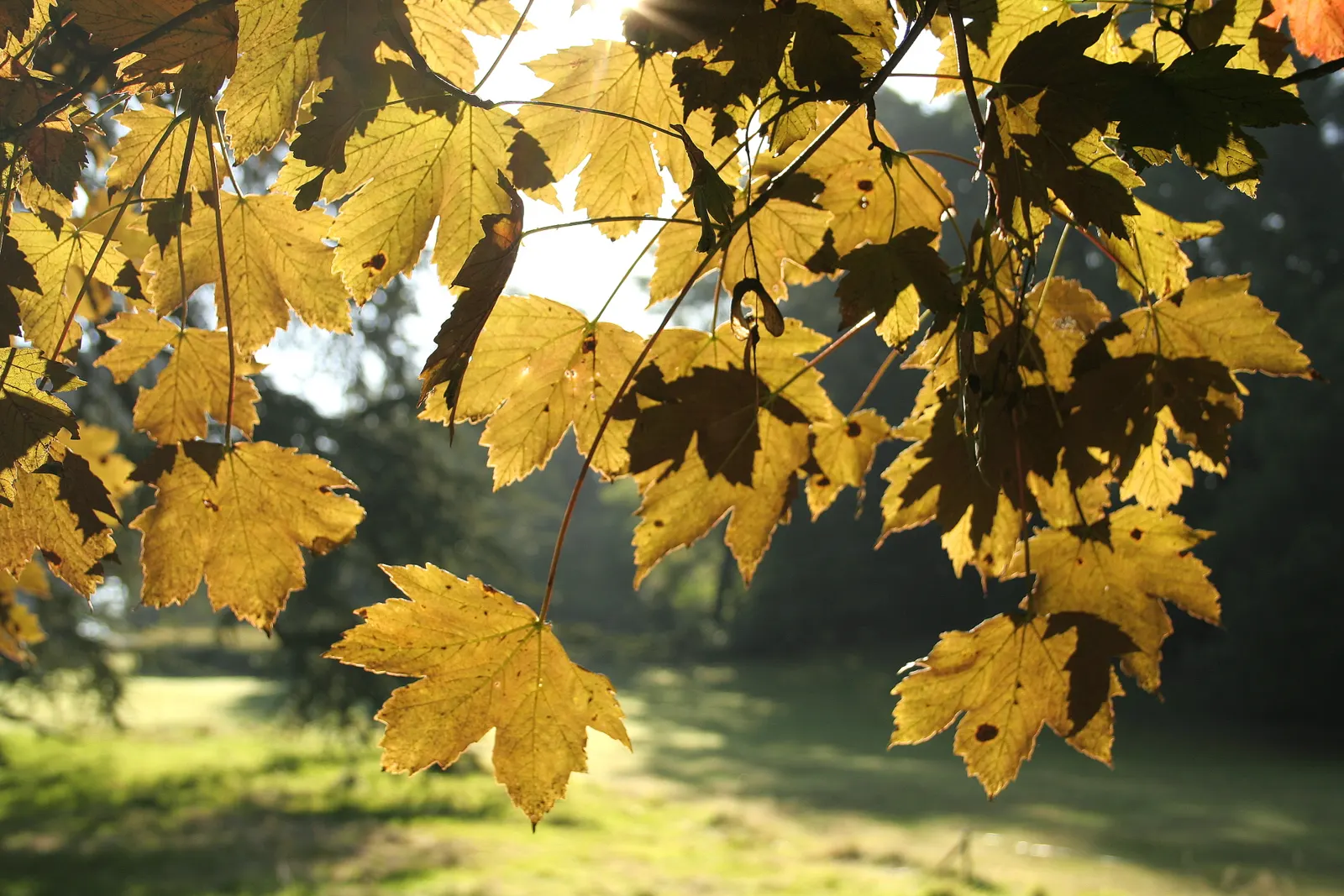
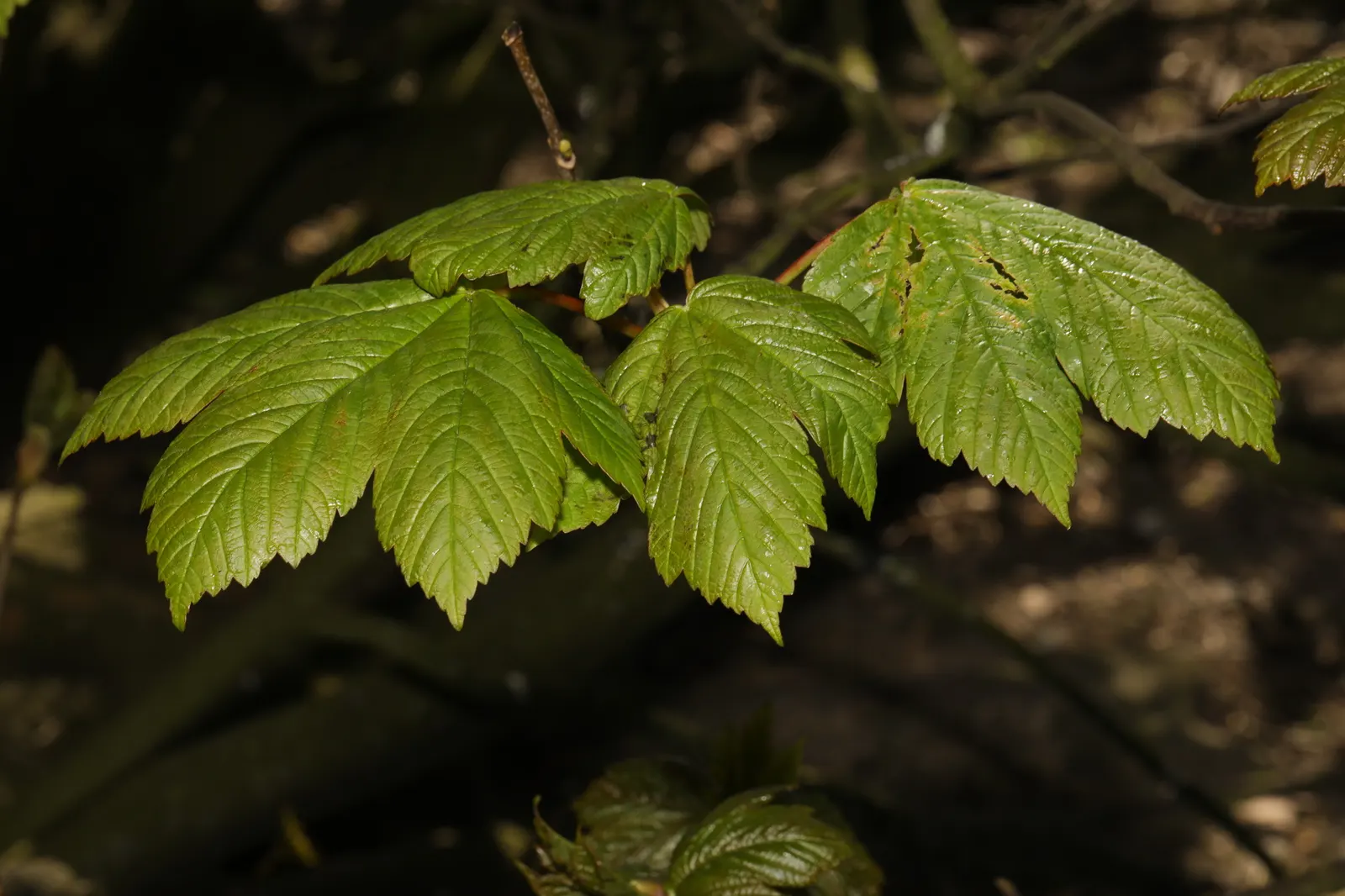
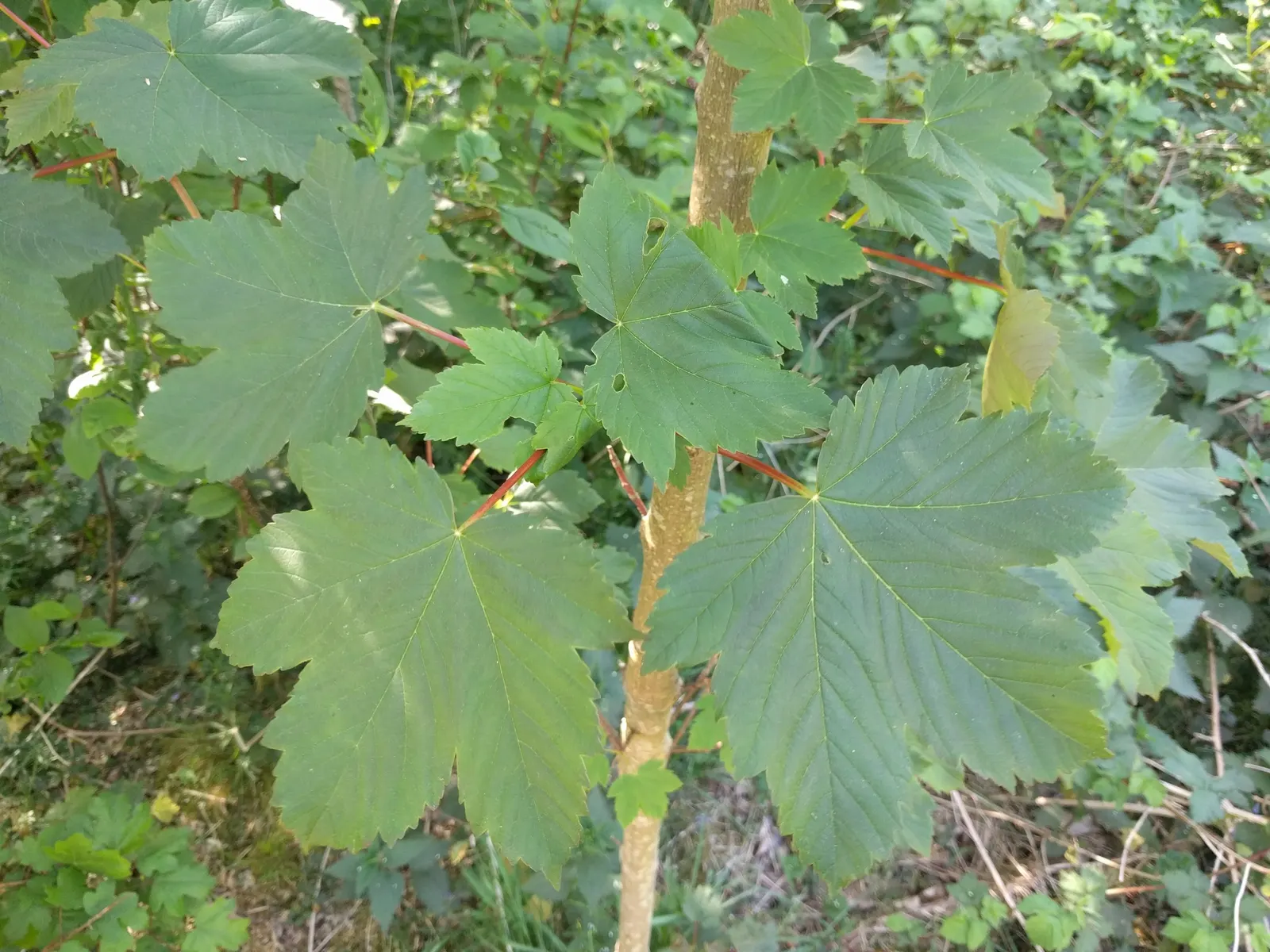
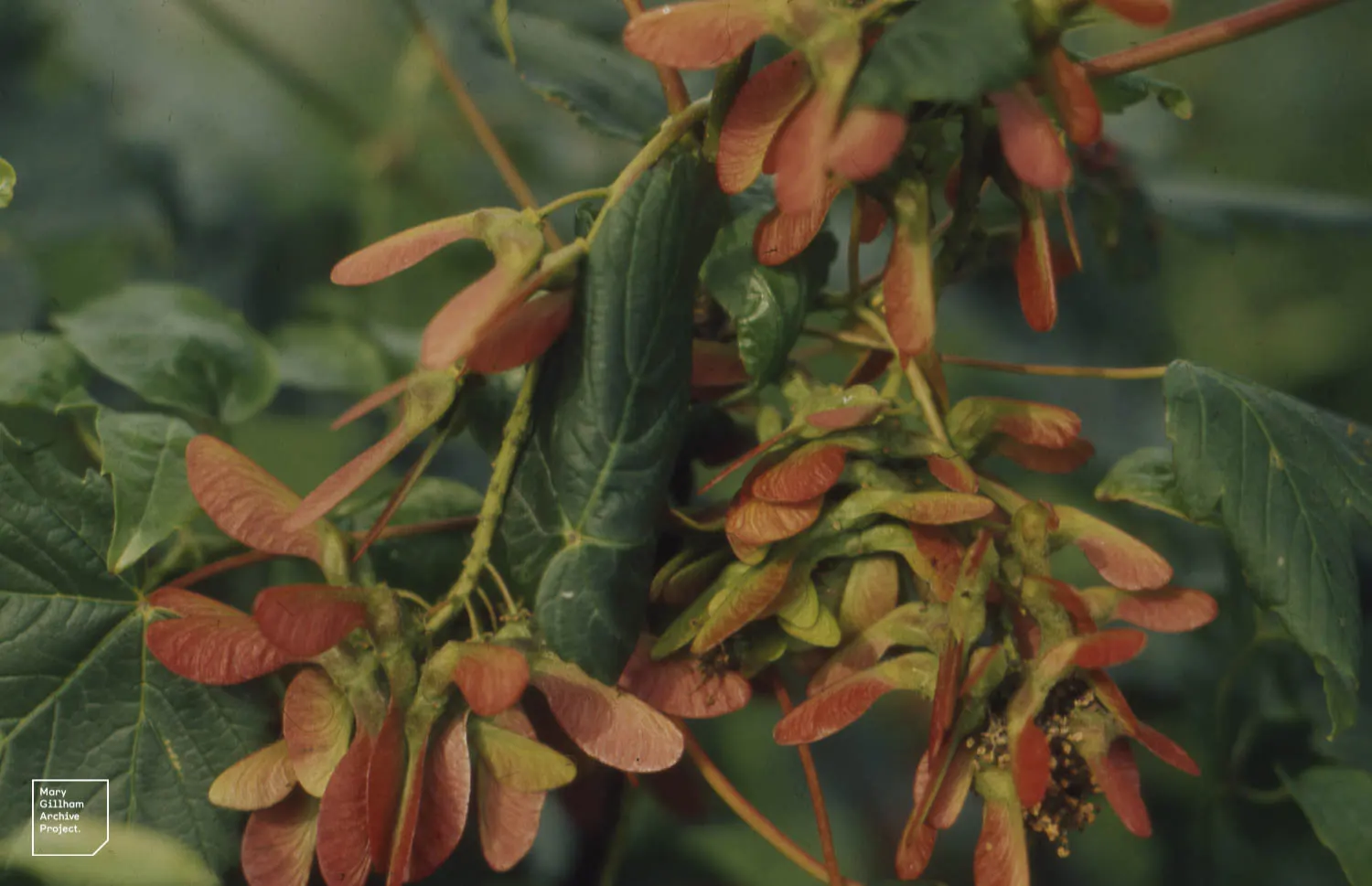
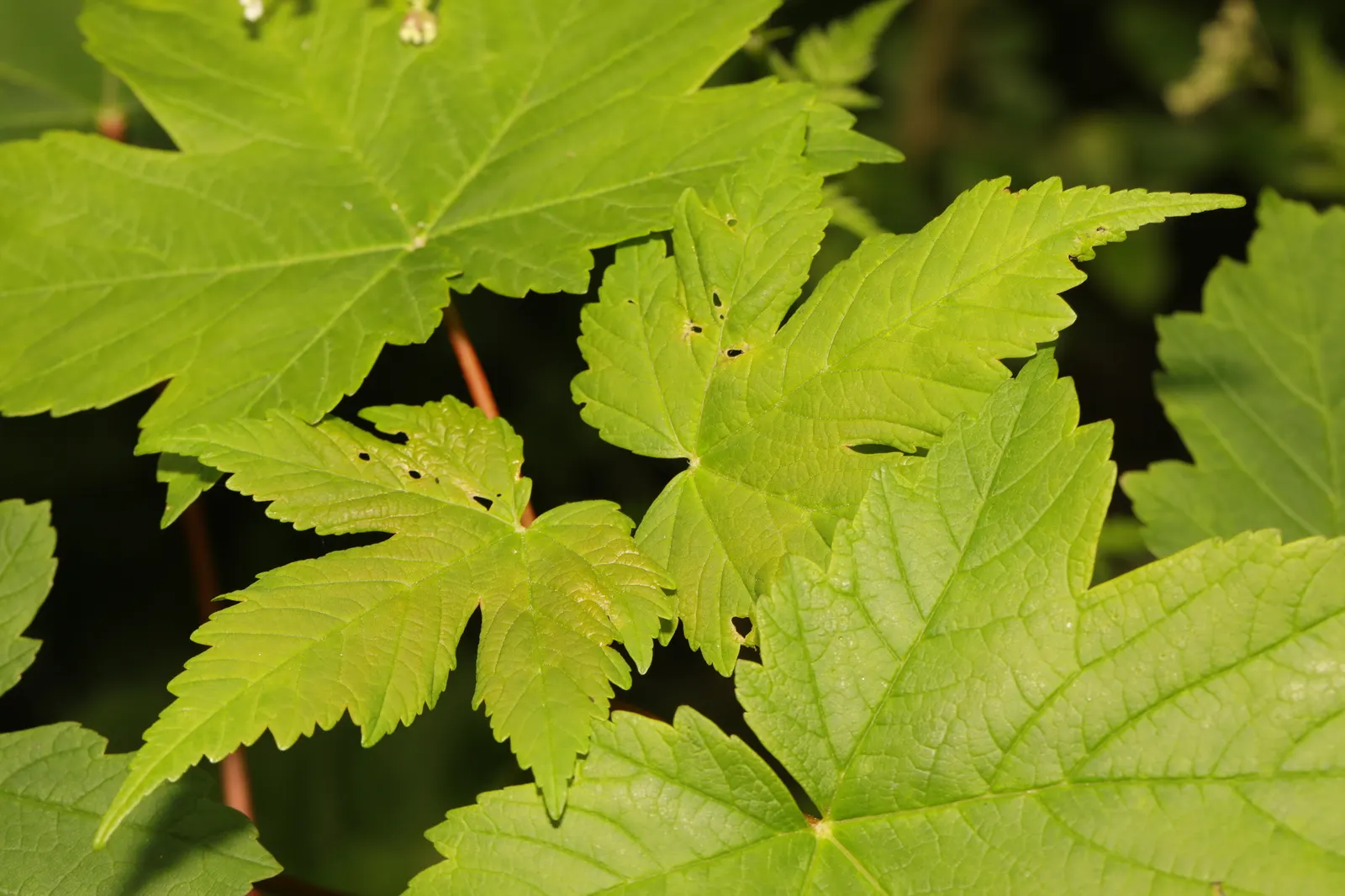
The Sycamore Maple (Acer pseudoplatanus) is a hardy, deciduous tree reaching up to 100 feet tall, with a broad, domed canopy. Its leaves are large, up to 10 inches across, with five lobes and toothed margins, turning yellow-brown in fall. It thrives in zones 4-7, prefers well-drained soil, and can tolerate wind and pollution. Winged seeds facilitate spread. Ideal for large landscapes needing shade or visual interest.

Sun FullWater MediumZones 4–11Climate Temperate
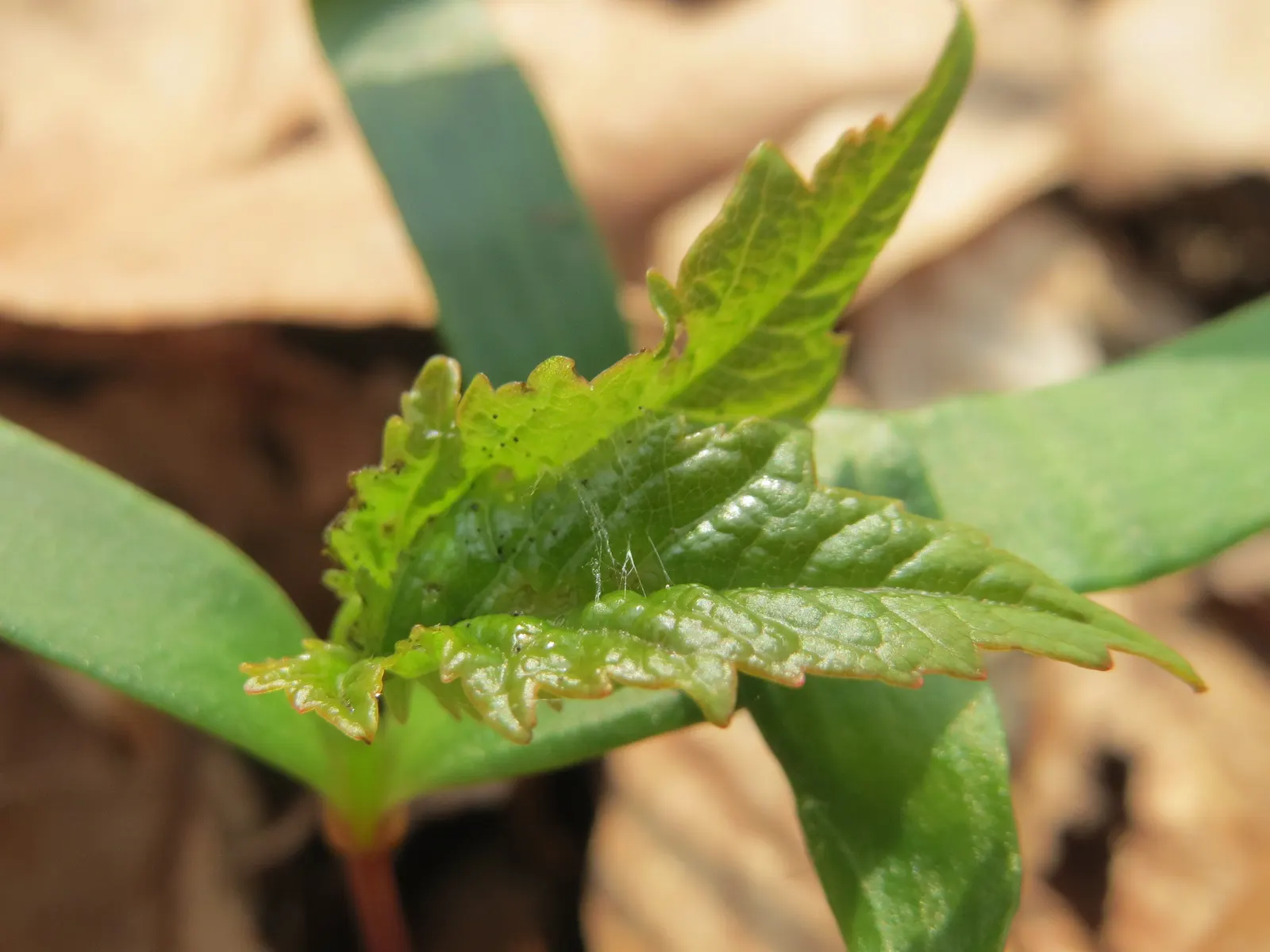
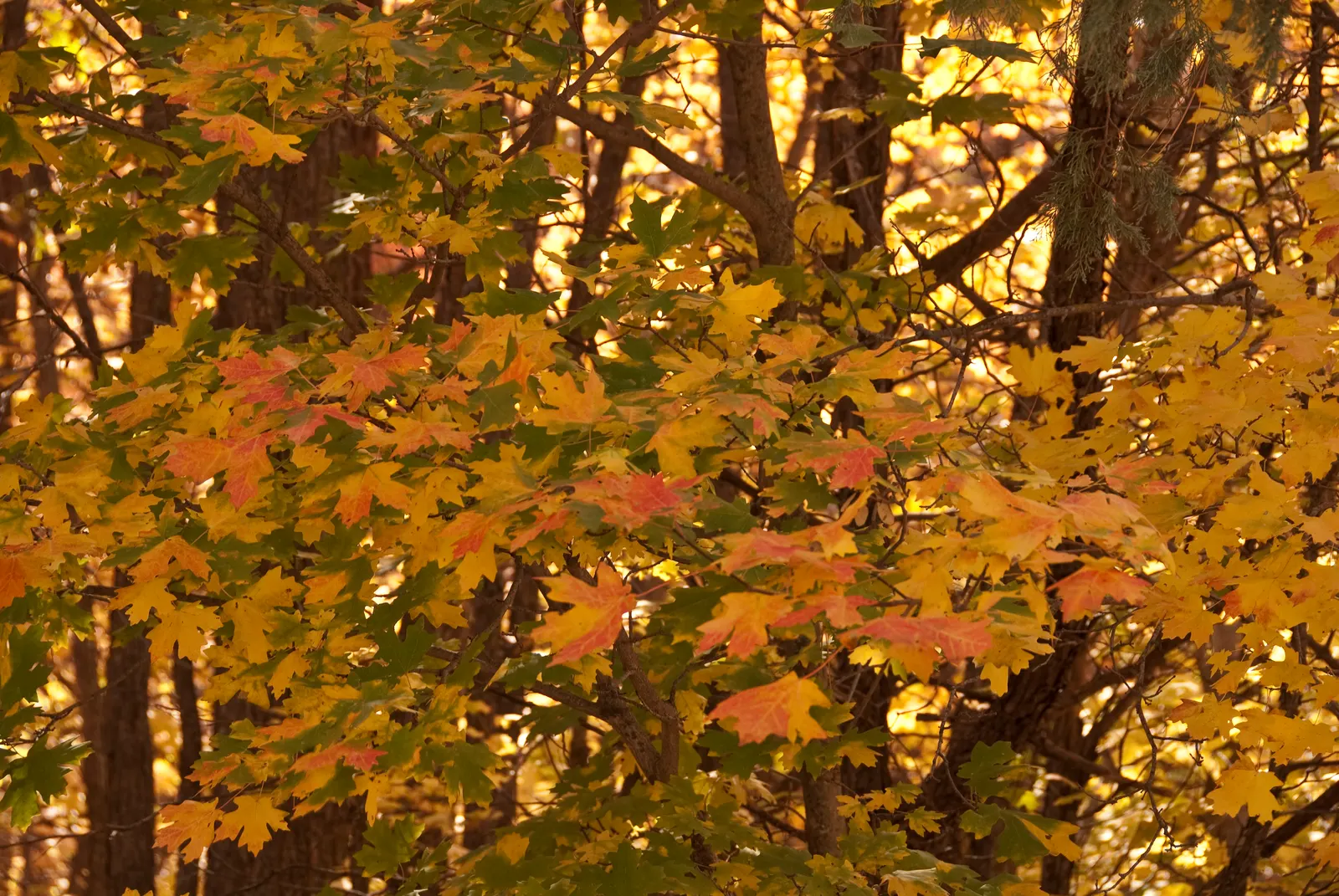
Sycamore Maple (Acer Pseudoplatanus) — turning yellow-brown in fall

Culture

Sun
Full
Water
Medium
USDA zones
4–11

Shape & size

Classification

Family
Sapindaceae
Climate
Temperate

See full data, regional cultivation notes, full-resolution photos, and design tools. Build a client presentation around this plant.

Start your 14-day trial

Photos (130)

Sycamore Maple (Acer Pseudoplatanus) — tree for full
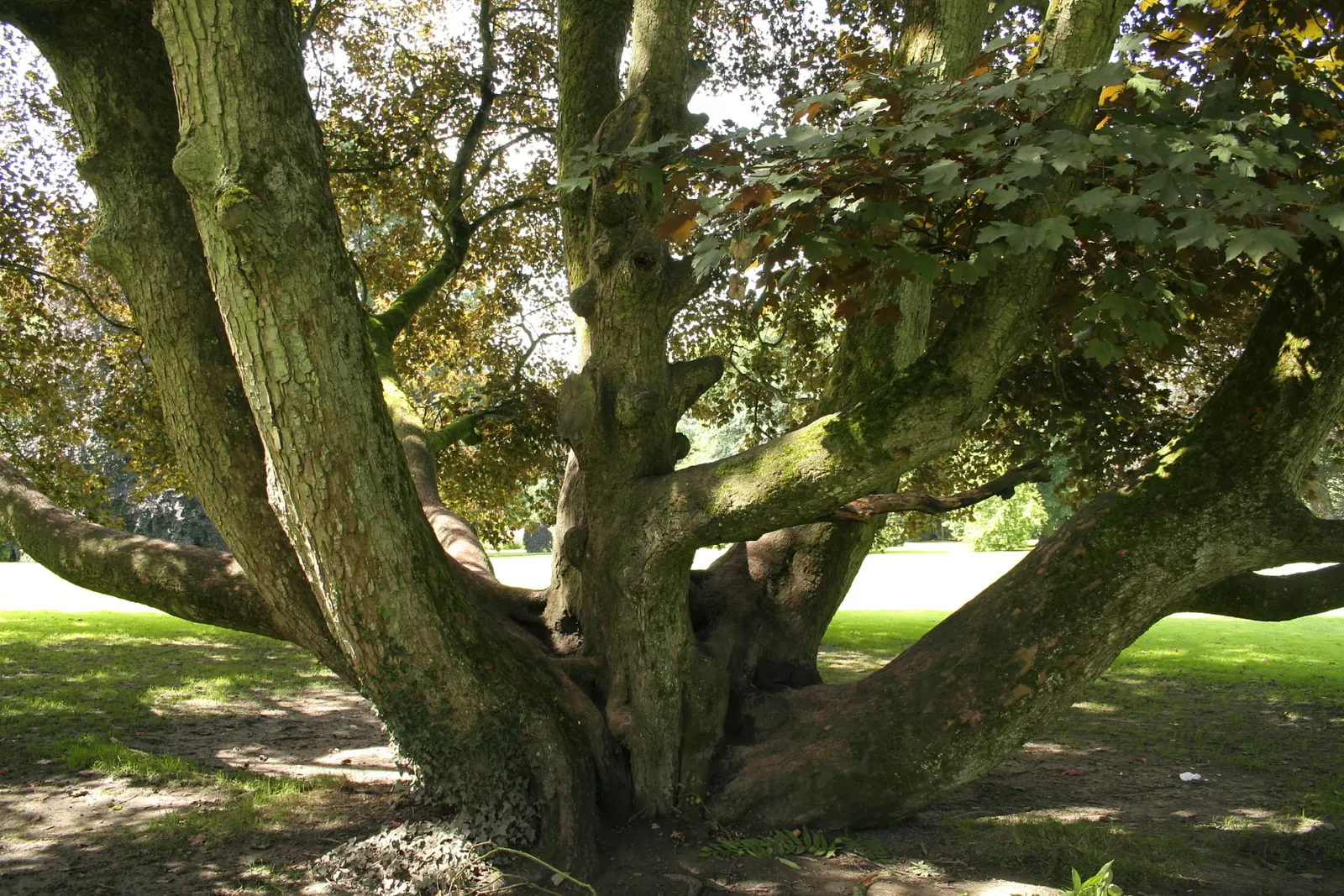
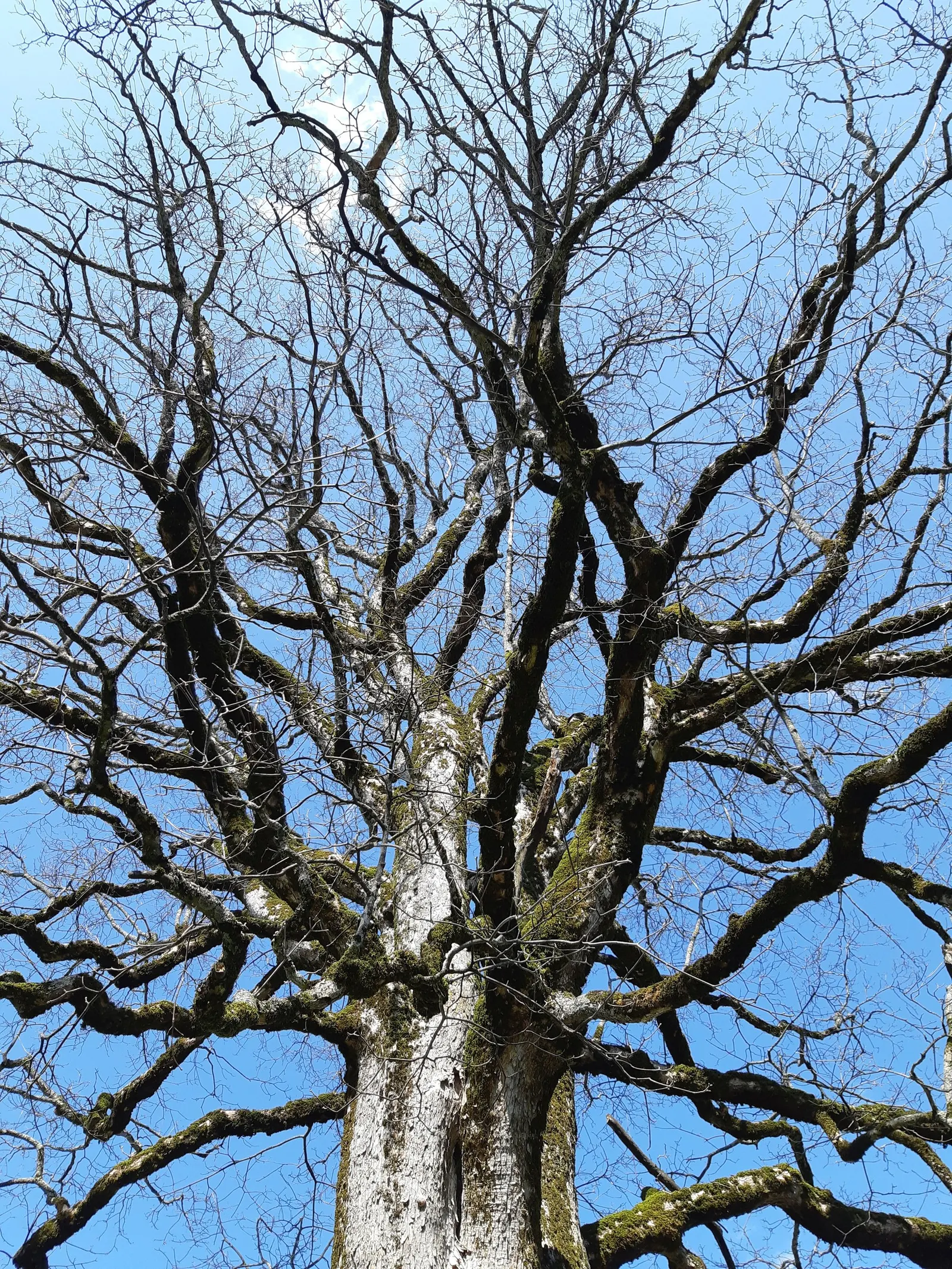
Sycamore Maple (Acer Pseudoplatanus) — is a highly adaptable deciduous tree renowned for its imposing stature and vibrant seasonal palette; ideal for large
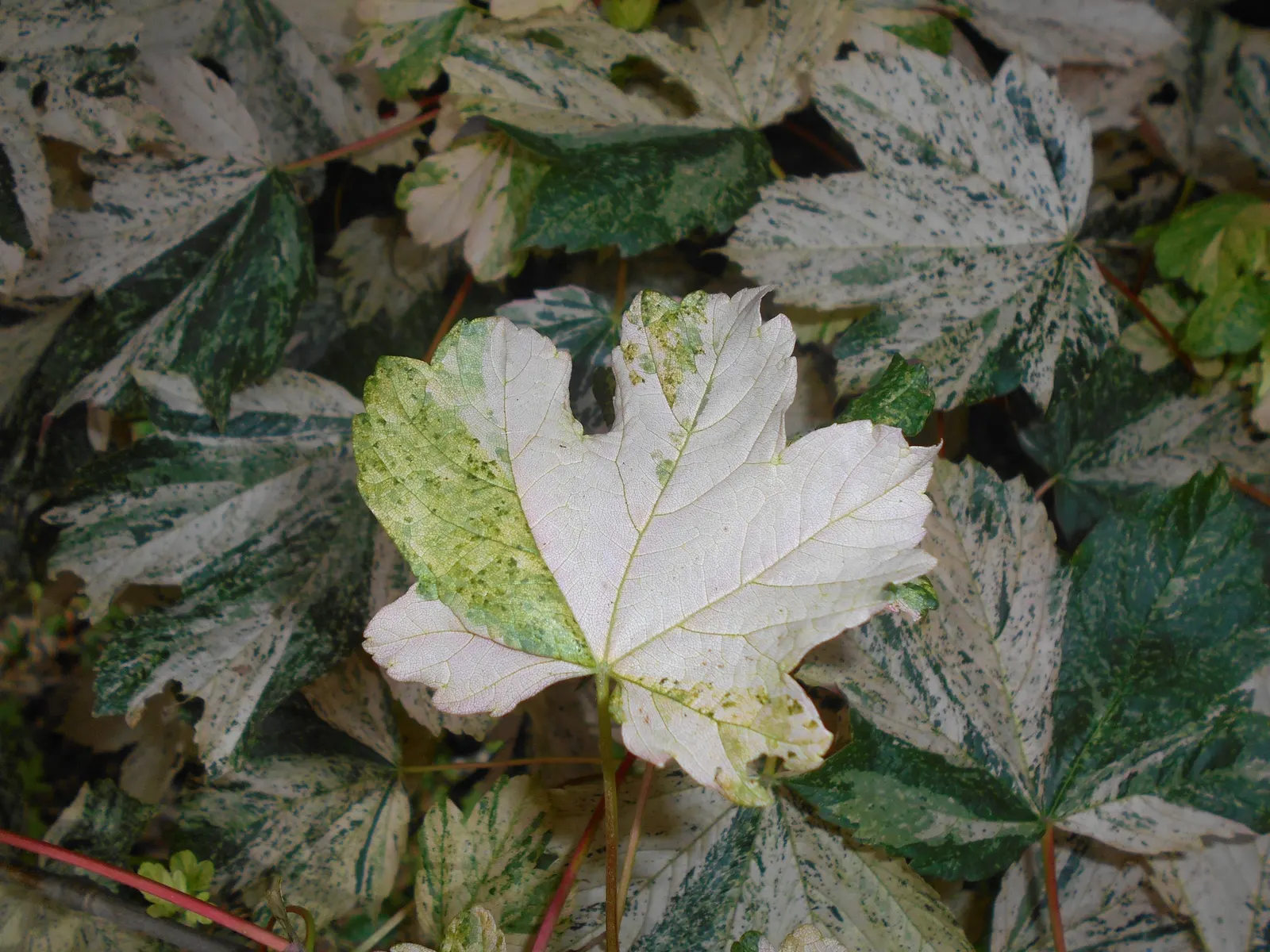
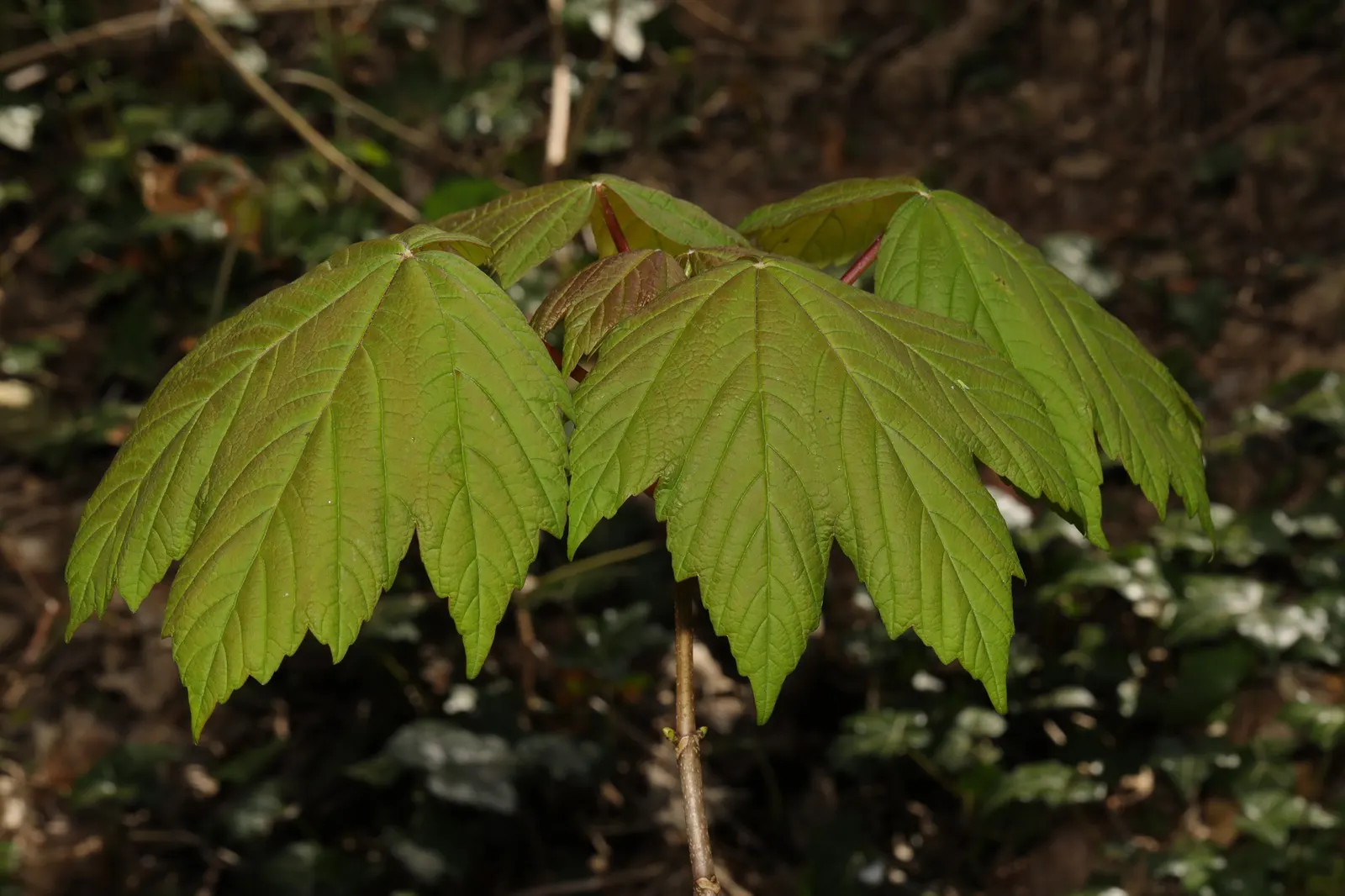
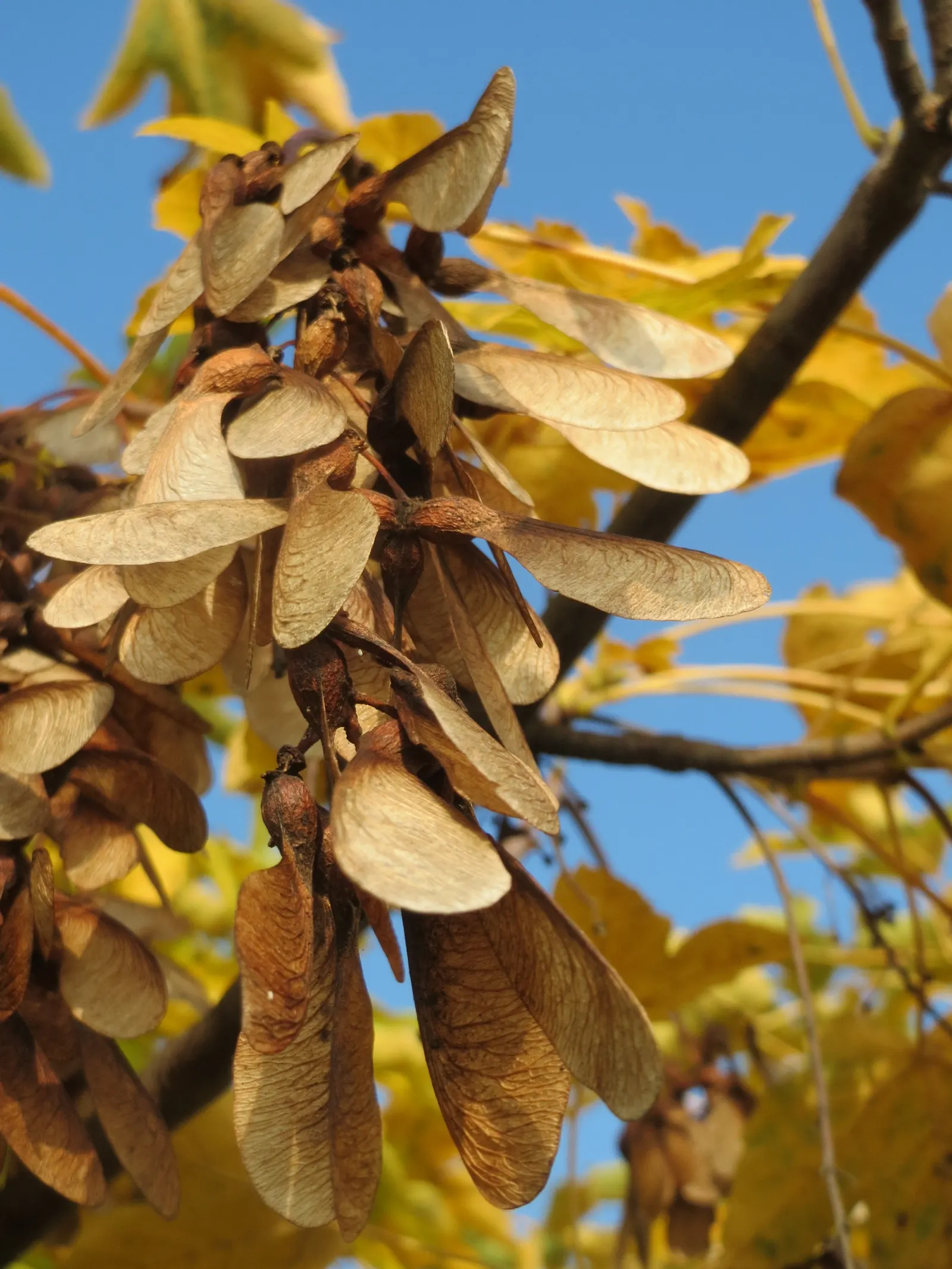
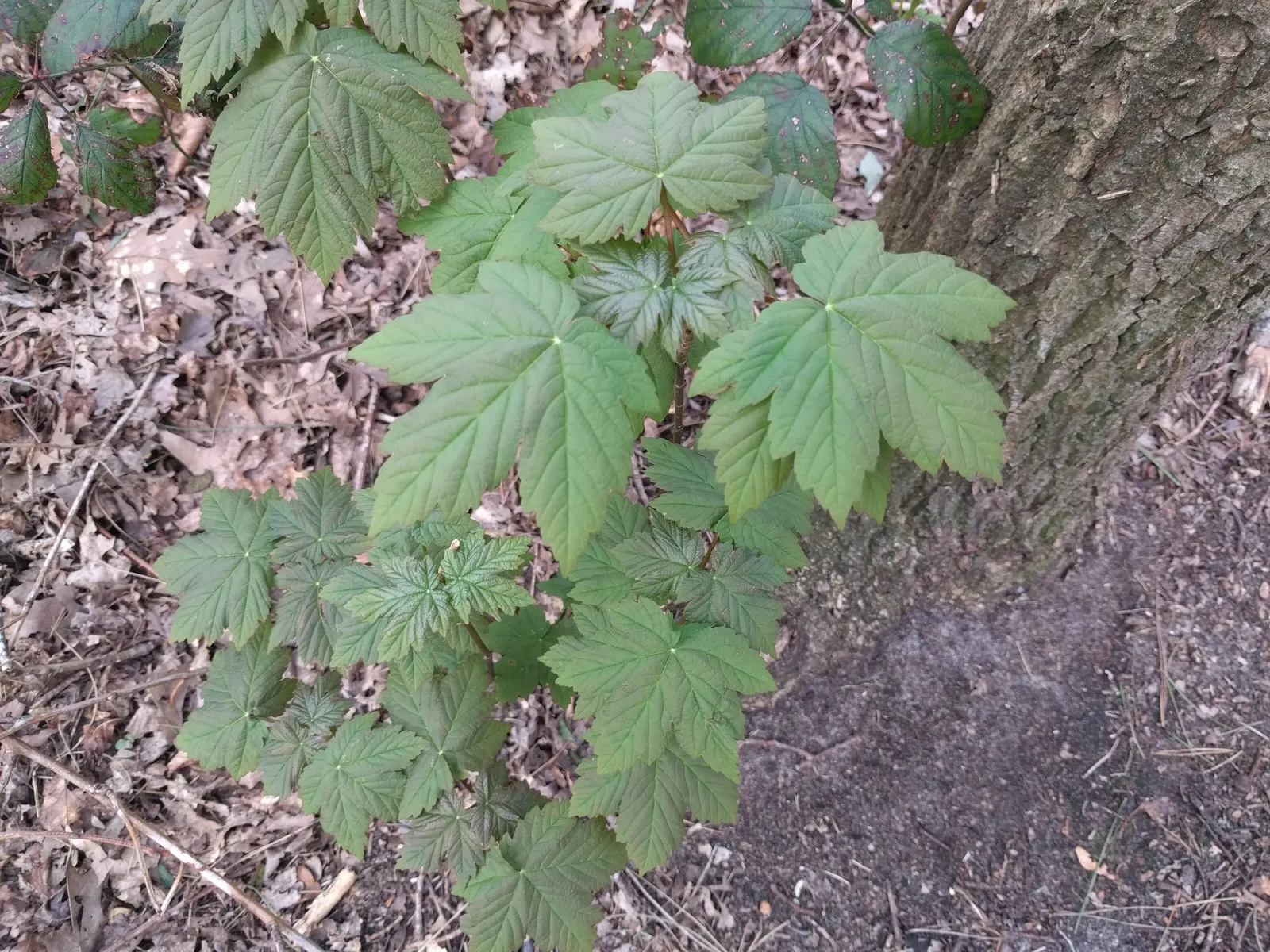
Sycamore Maple (Acer Pseudoplatanus) — with five lobes and toothed margins; the Sycamore Maple is known to produce winged seeds
Sycamore Maple (Acer Pseudoplatanus) — turning yellow-brown in fall; deciduous tree reaching up to 100 feet tall
Sycamore Maple (Acer Pseudoplatanus) — It thrives in zones 4-7, prefers well-drained soil, and can tolerate wind and pollution; it typically reaches a height
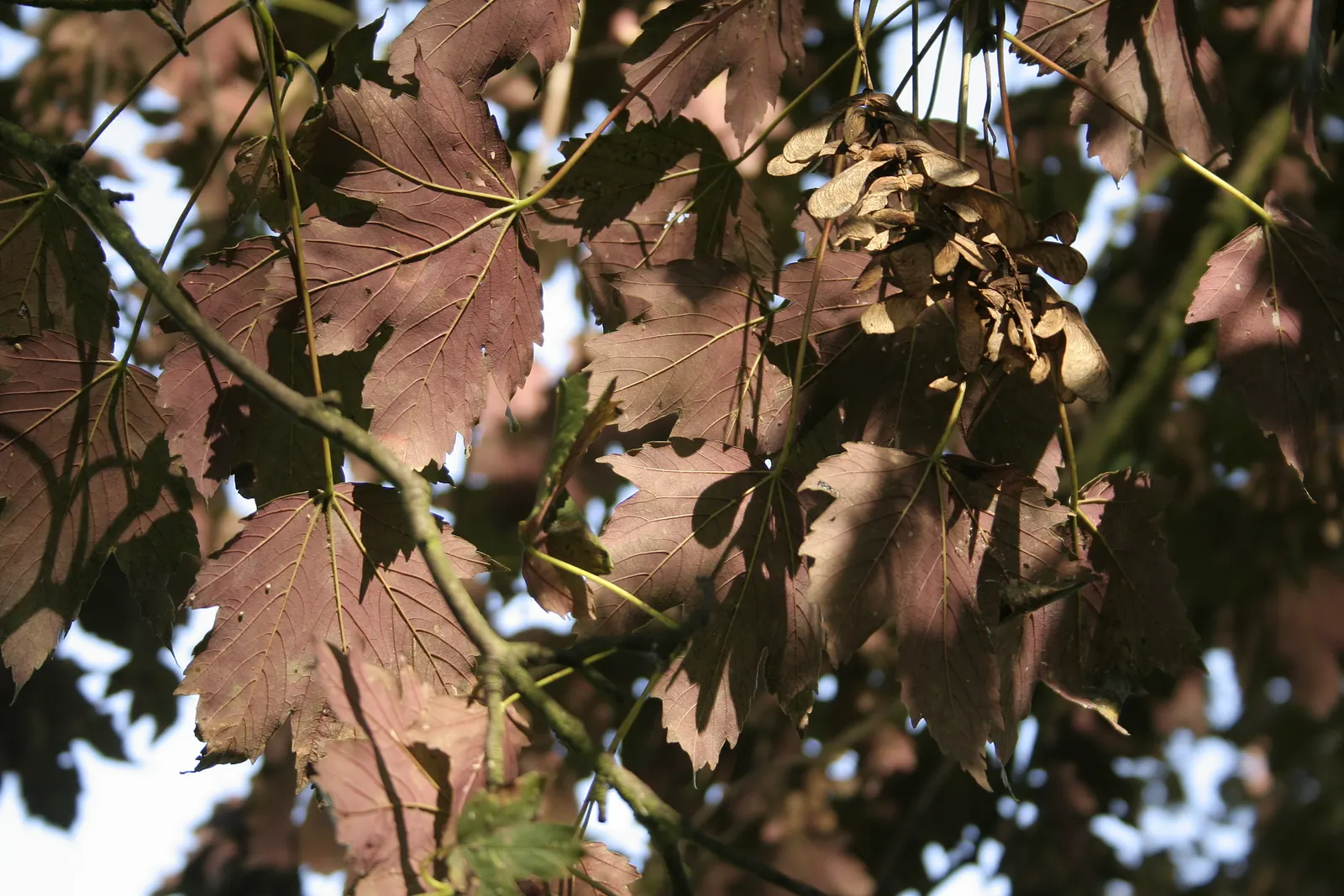
Sycamore Maple (Acer Pseudoplatanus) — Winged seeds facilitate spread; it's important to consider its growth rate and ultimate size
Sycamore Maple (Acer Pseudoplatanus) — Ideal for large landscapes needing shade or visual interest; tree for full
Sycamore Maple (Acer Pseudoplatanus) — It typically reaches a height of 65 to 100 feet with a spread of about 40 to 70 feet at maturity; though it prefers
Sycamore Maple (Acer Pseudoplatanus) — resembling those of the platypus but with a more textured surface, image 35
Sycamore Maple (Acer Pseudoplatanus) — This species exhibits a robust branching pattern that forms a broad; yellow flowers in the garden
Sycamore Maple (Acer Pseudoplatanus) — the Sycamore Maple thrives in a variety of soil conditions; that helicopter to the ground in autumn
Sycamore Maple (Acer Pseudoplatanus) — providing ample shade.<br><br>Its leaves are distinctive - broad with five lobes; it thrives in zones 4-7, prefers
Sycamore Maple (Acer Pseudoplatanus) — yellow flowers in the garden; winged seeds facilitate spread
Sycamore Maple (Acer Pseudoplatanus) — Its extensive root system necessitates ample space away from foundations and pavements to prevent disruption; the
Sycamore Maple (Acer Pseudoplatanus) — the Sycamore Maple is known to produce winged seeds; is a highly adaptable deciduous tree renowned for its imposing
Sycamore Maple (Acer Pseudoplatanus) — that helicopter to the ground in autumn; it tolerates urban pollution
Sycamore Maple (Acer Pseudoplatanus) — providing habitat and food for a myriad of birds and small mammals; tree with yellow blooms
Sycamore Maple (Acer Pseudoplatanus) — tree with yellow blooms; the Sycamore Maple thrives in a variety of soil conditions
Sycamore Maple (Acer Pseudoplatanus) — it's important to consider its growth rate and ultimate size; its extensive root system necessitates ample space away
Sycamore Maple (Acer Pseudoplatanus) — It tolerates urban pollution; this species exhibits a robust branching pattern that forms a broad
Sycamore Maple (Acer Pseudoplatanus) — though it prefers well-drained; with five lobes and toothed margins
Sycamore Maple (Acer Pseudoplatanus) — The Sycamore Maple (Acer pseudoplatanus) is a hardy; turning yellow-brown in fall, image 47
Sycamore Maple (Acer Pseudoplatanus) — tree for full; providing habitat and food for a myriad of birds and small mammals
Sycamore Maple (Acer Pseudoplatanus) — deciduous tree reaching up to 100 feet tall; providing ample shade.<br><br>Its leaves are distinctive, image 48

Related plants