Skip to content

Norway Maple

Acer Platanoides

Design with this plant

Overview

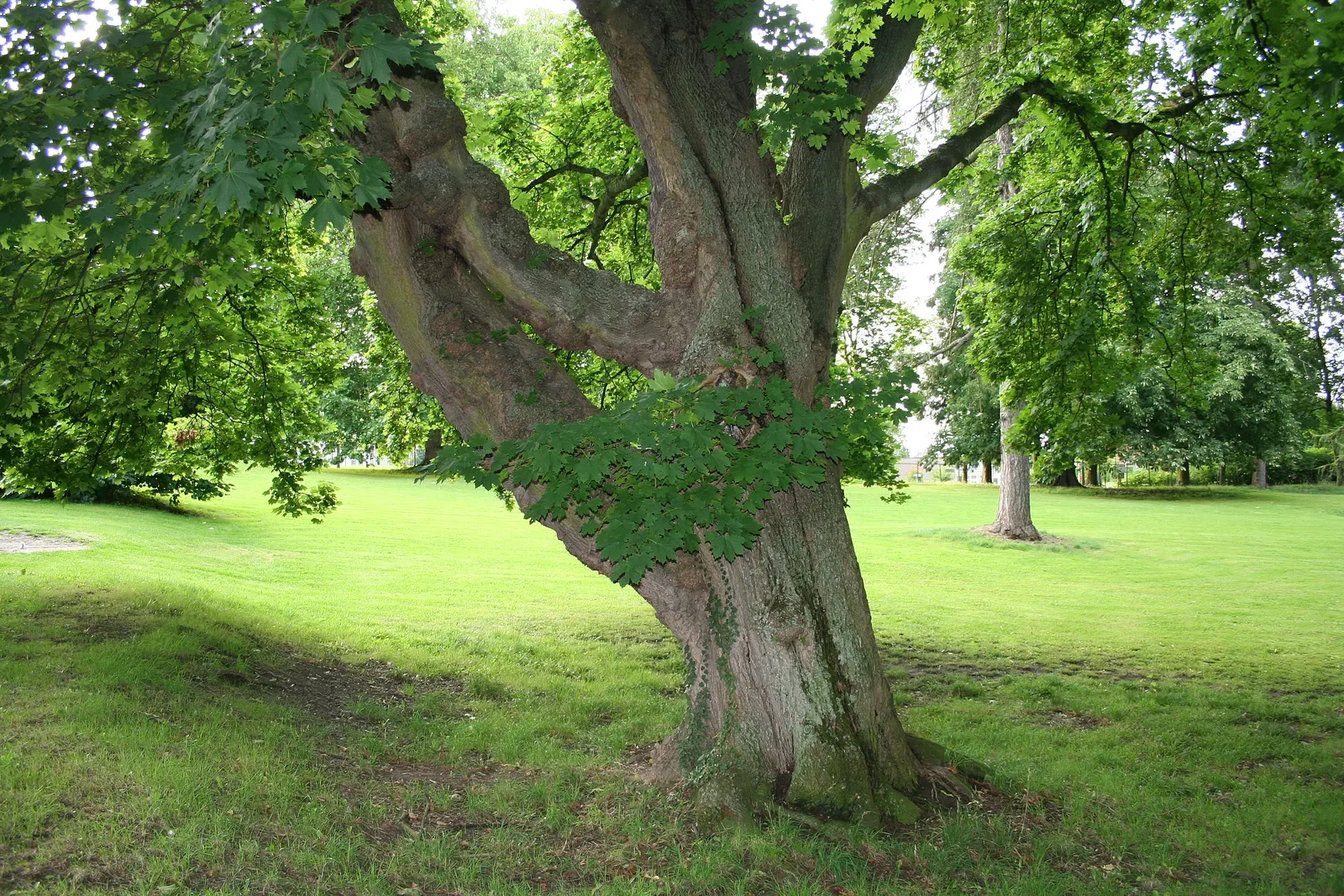
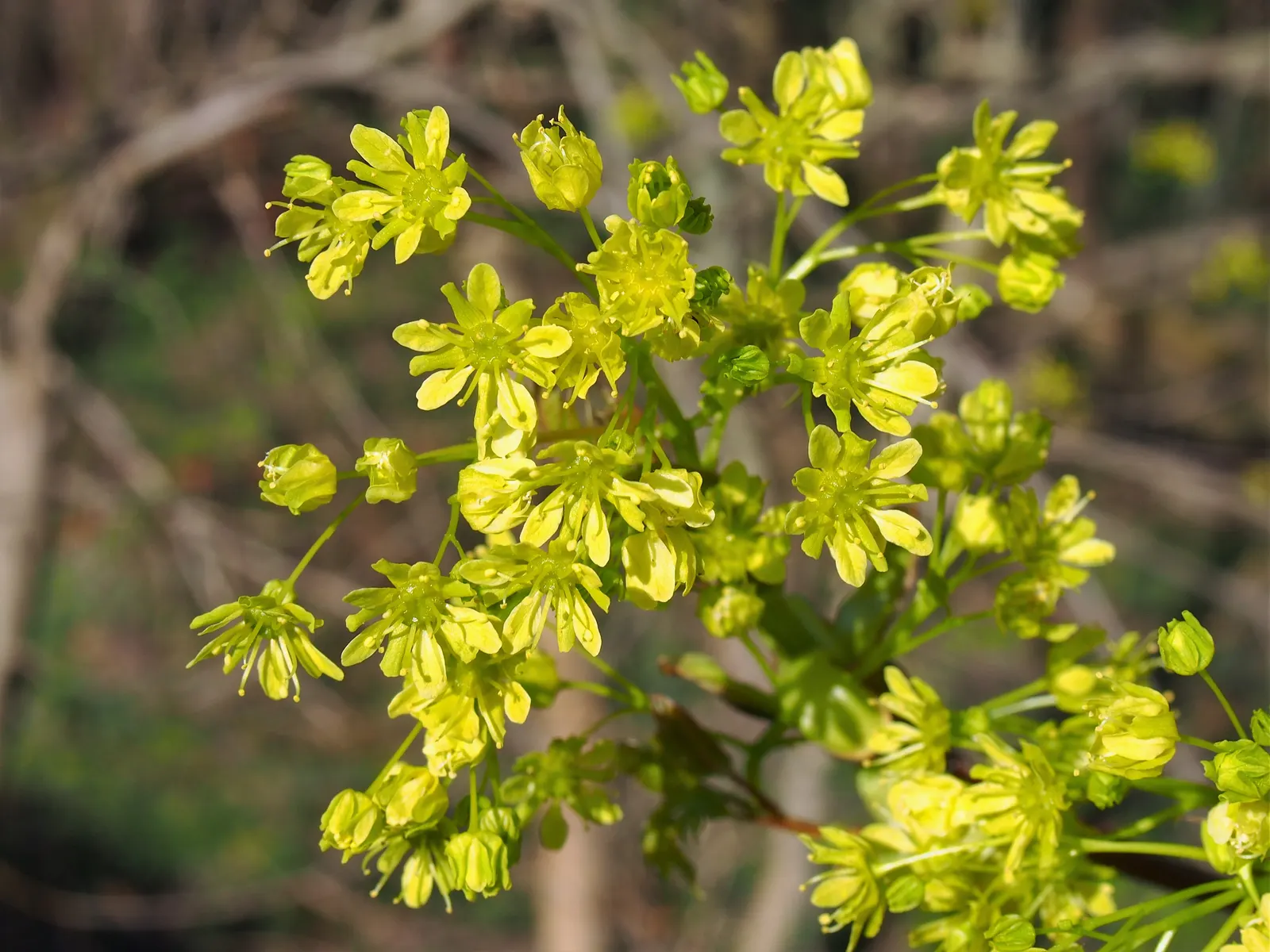
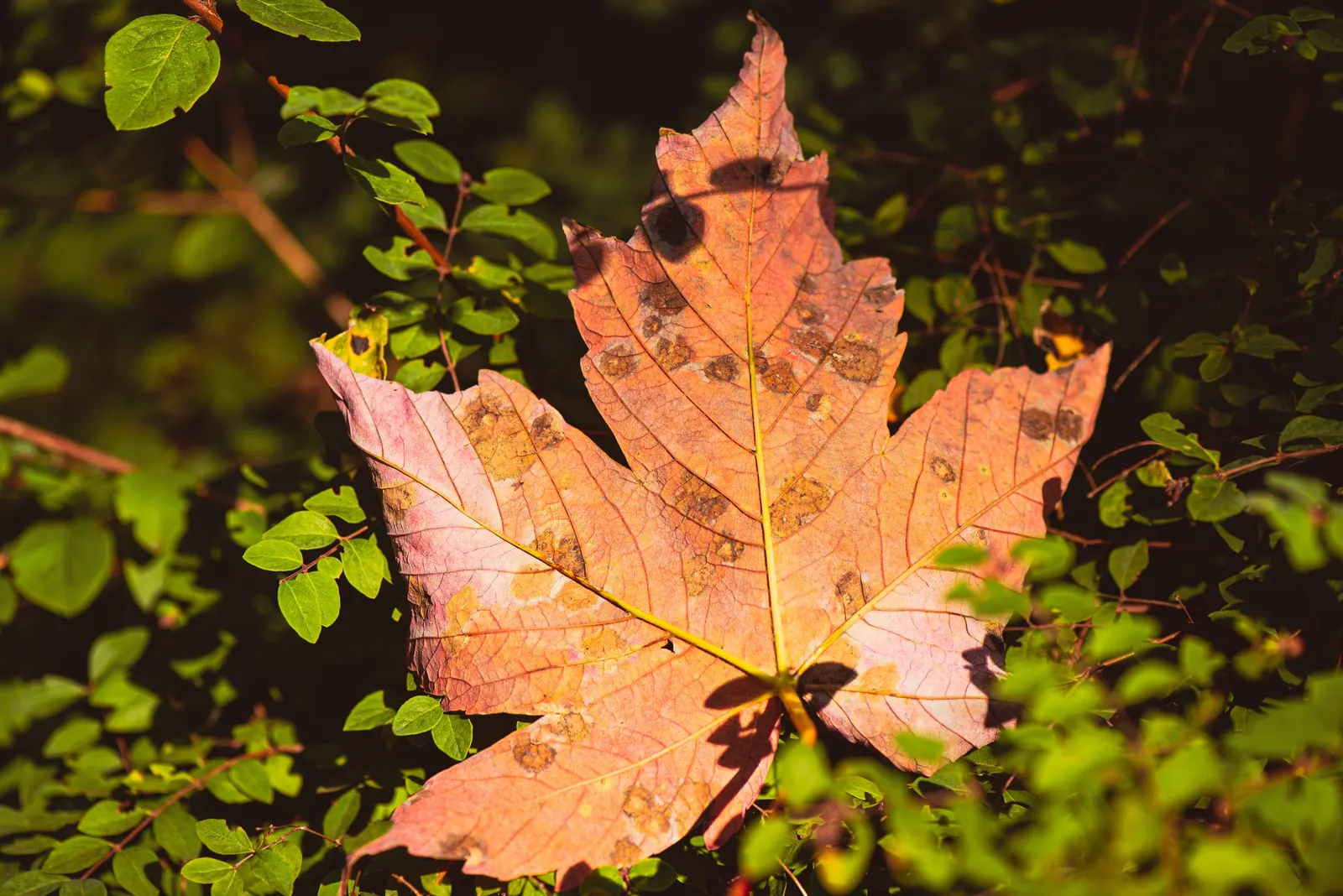
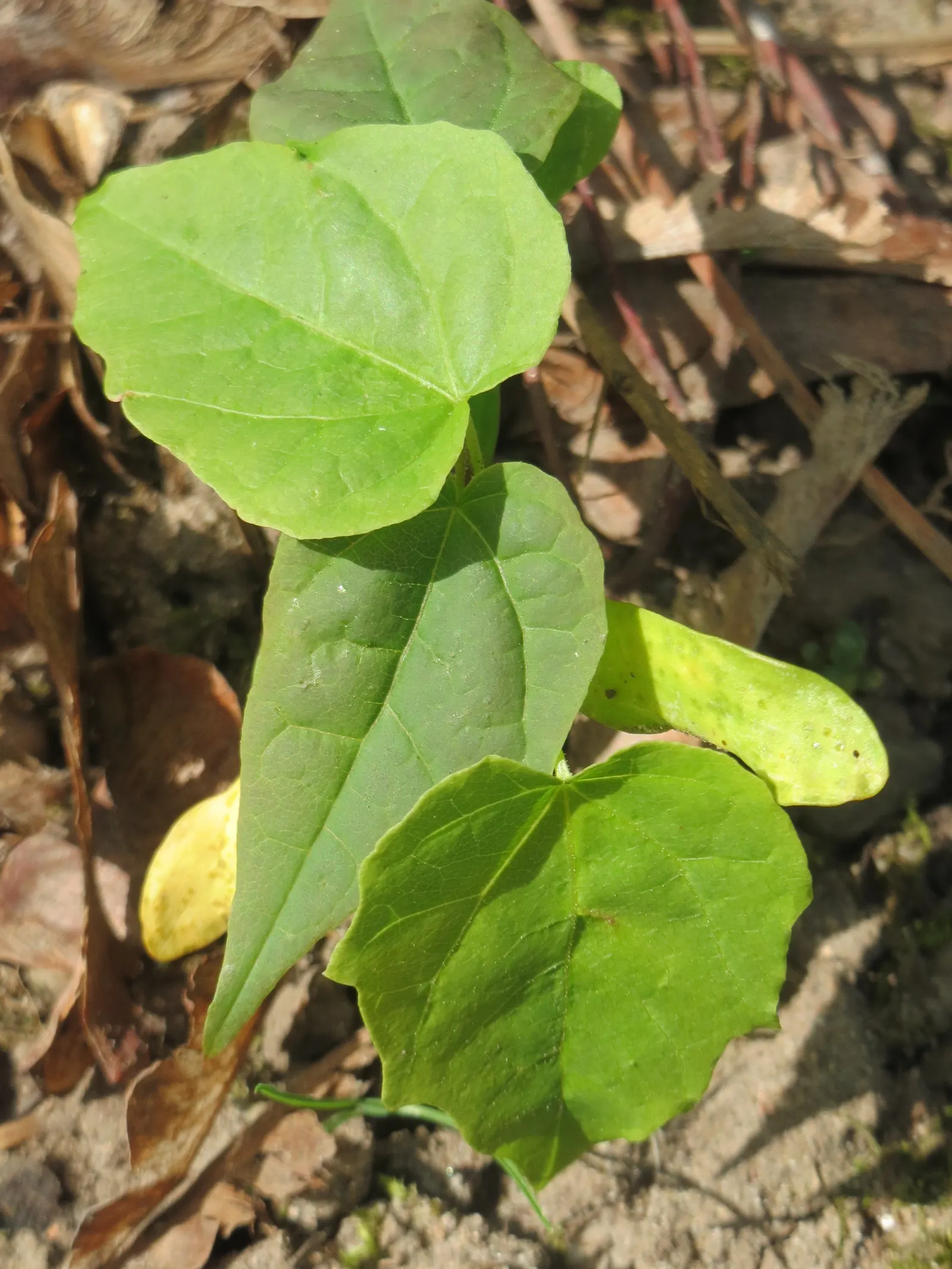
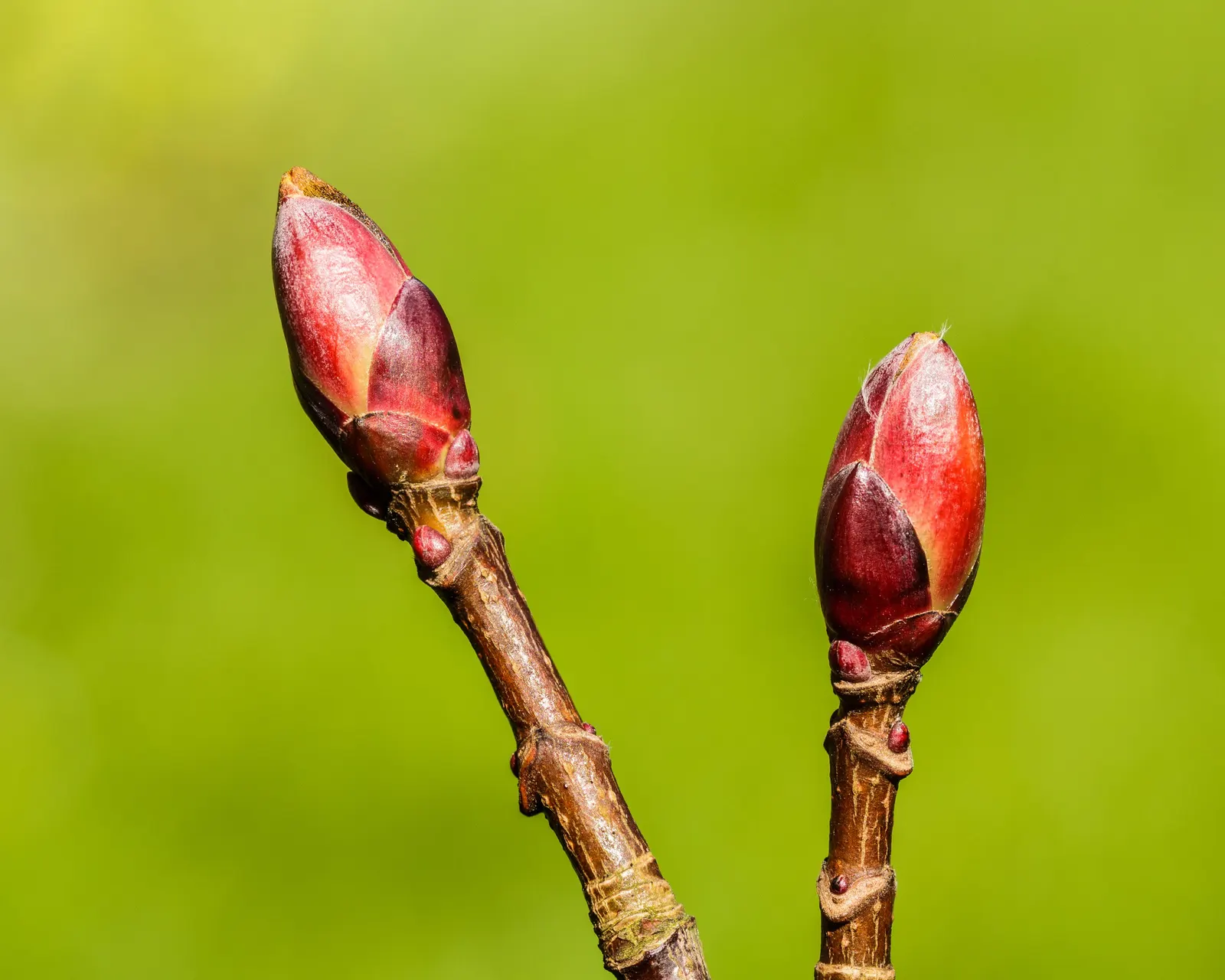
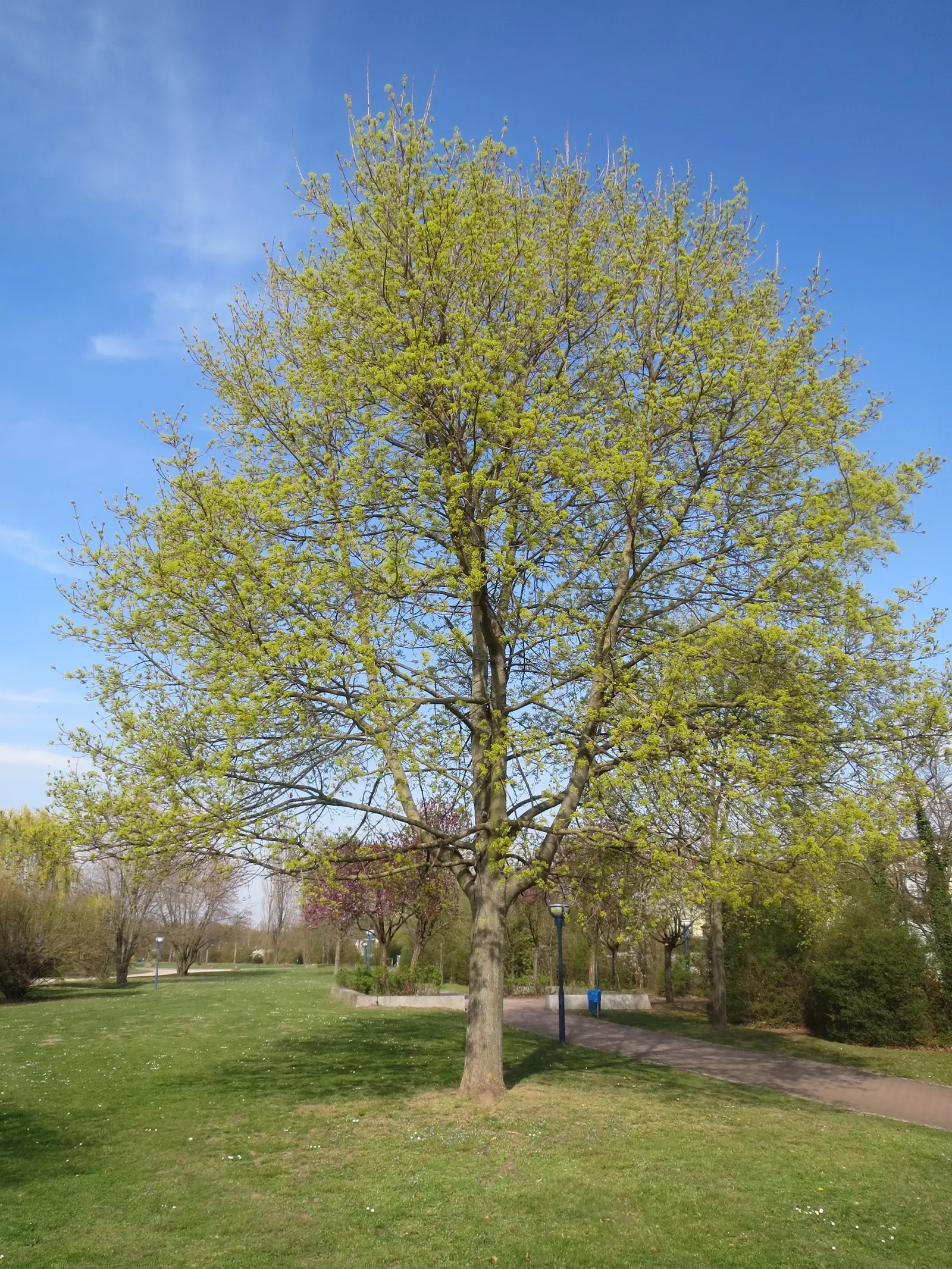
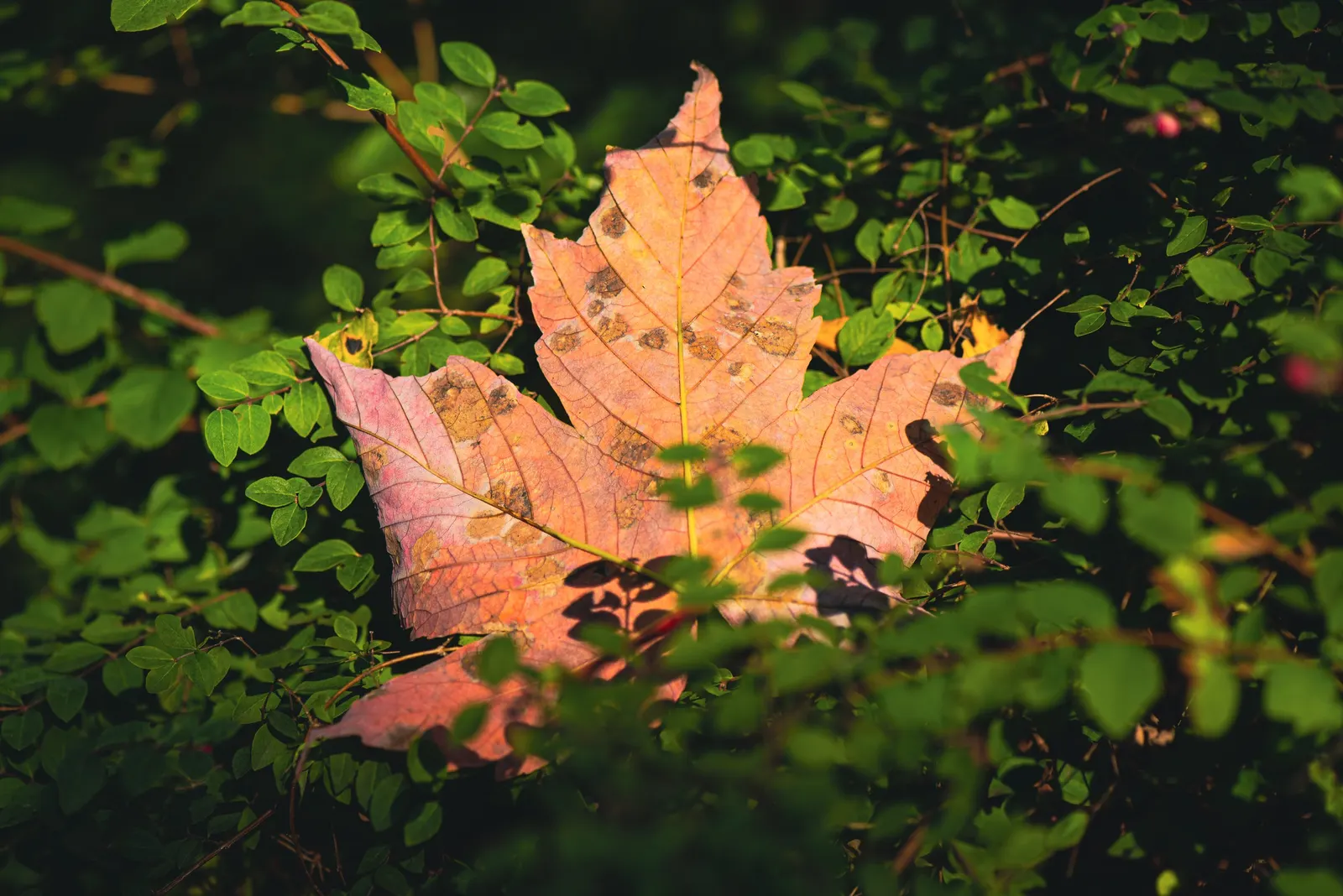
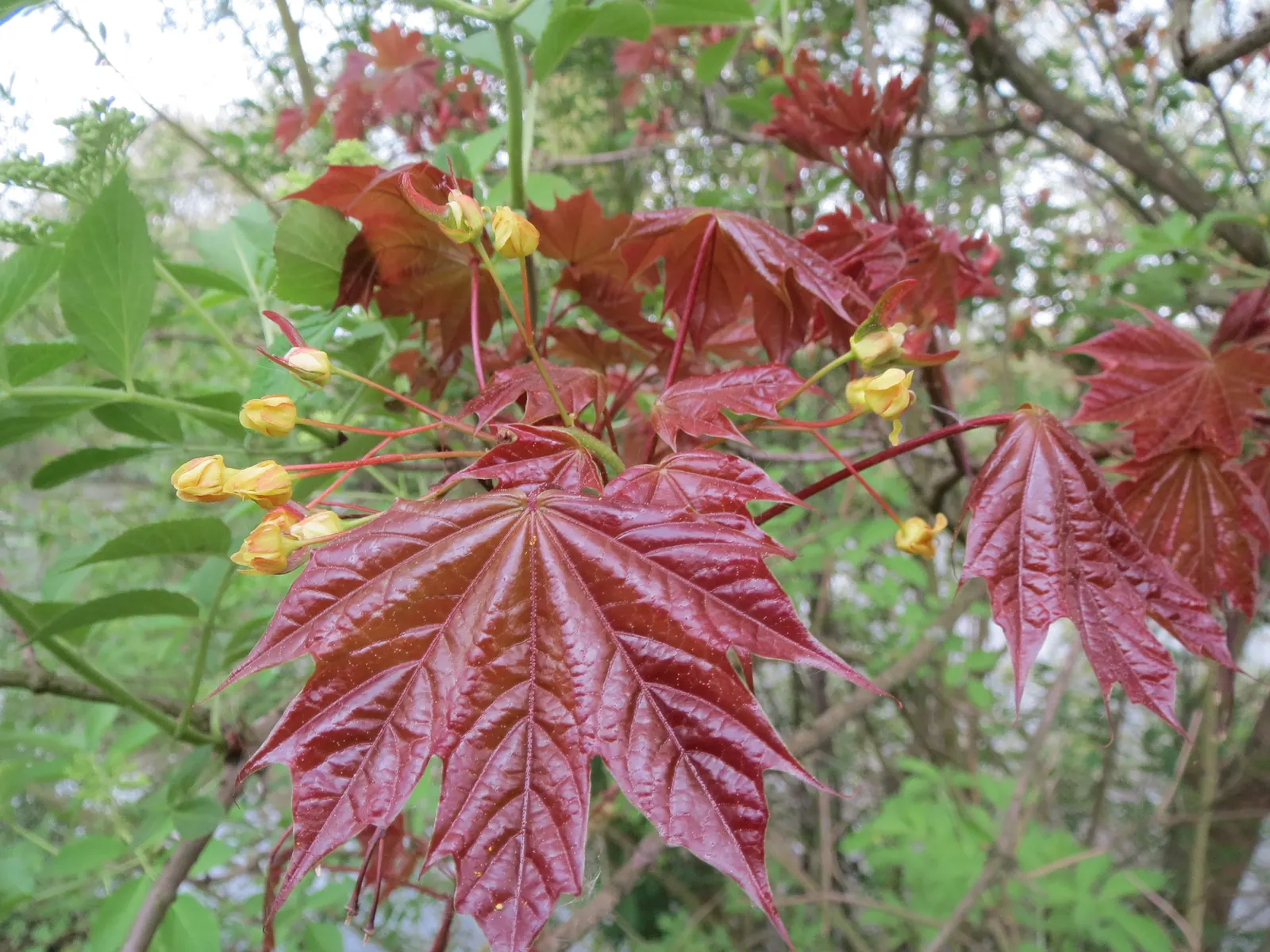
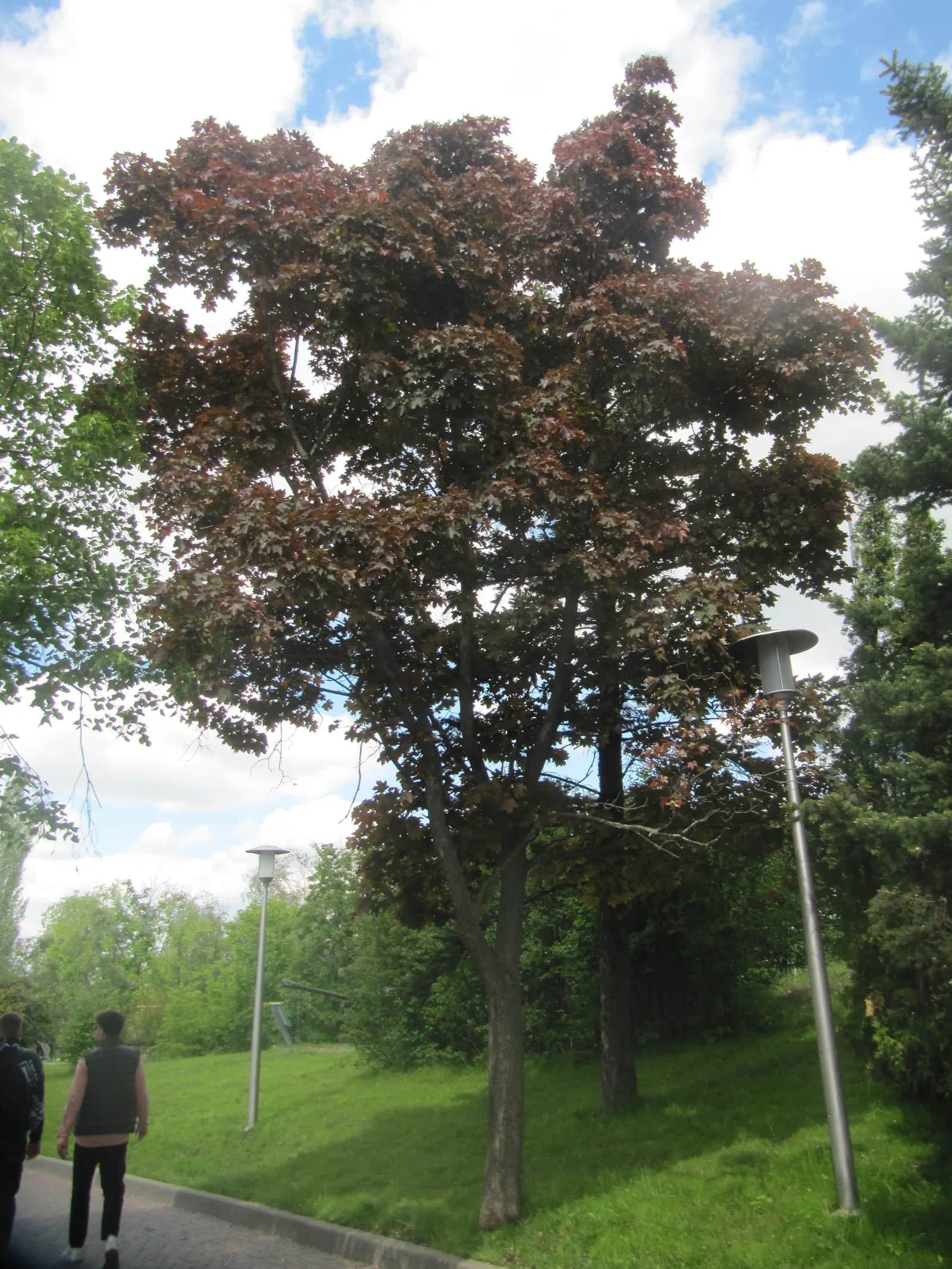
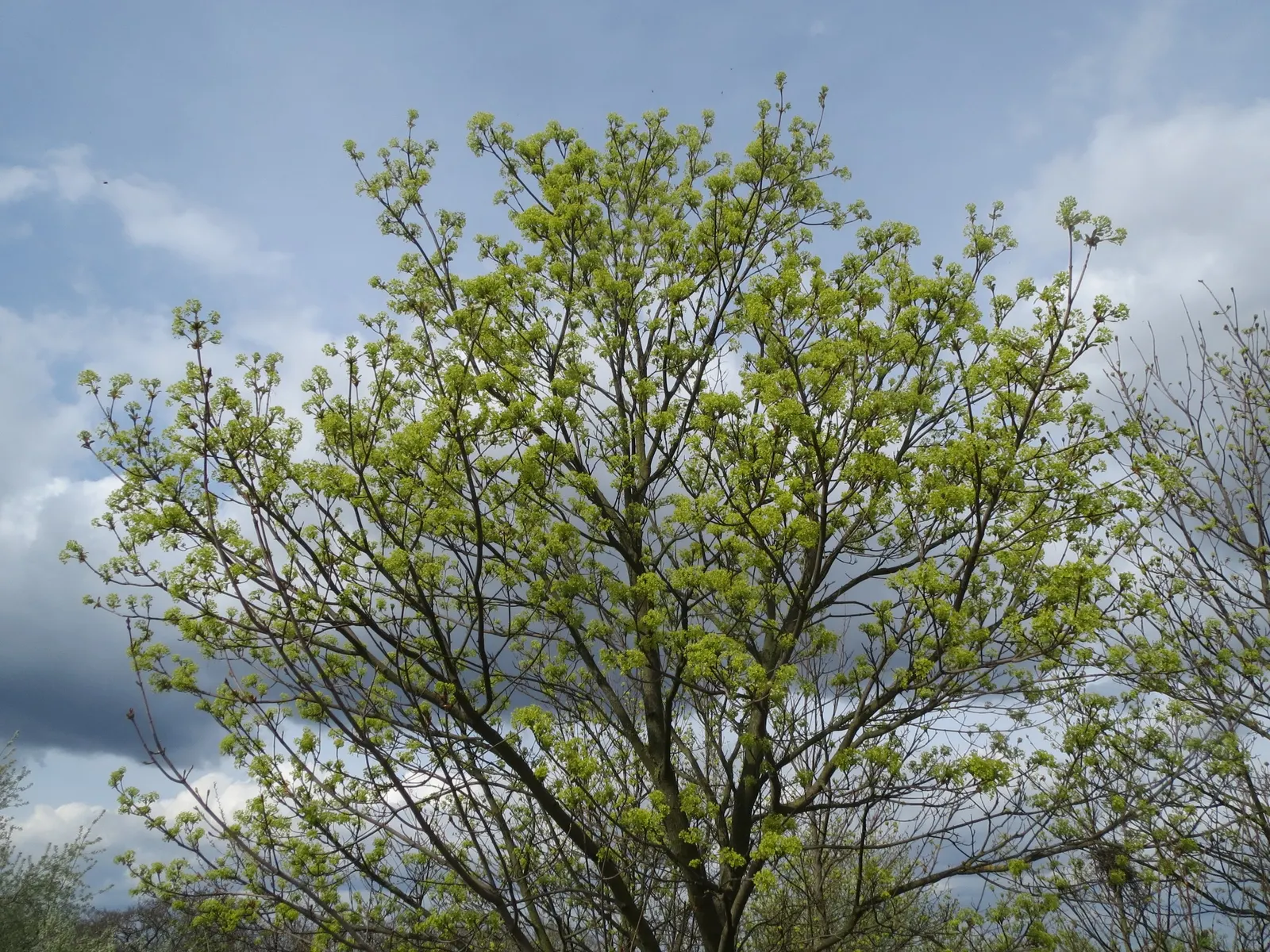
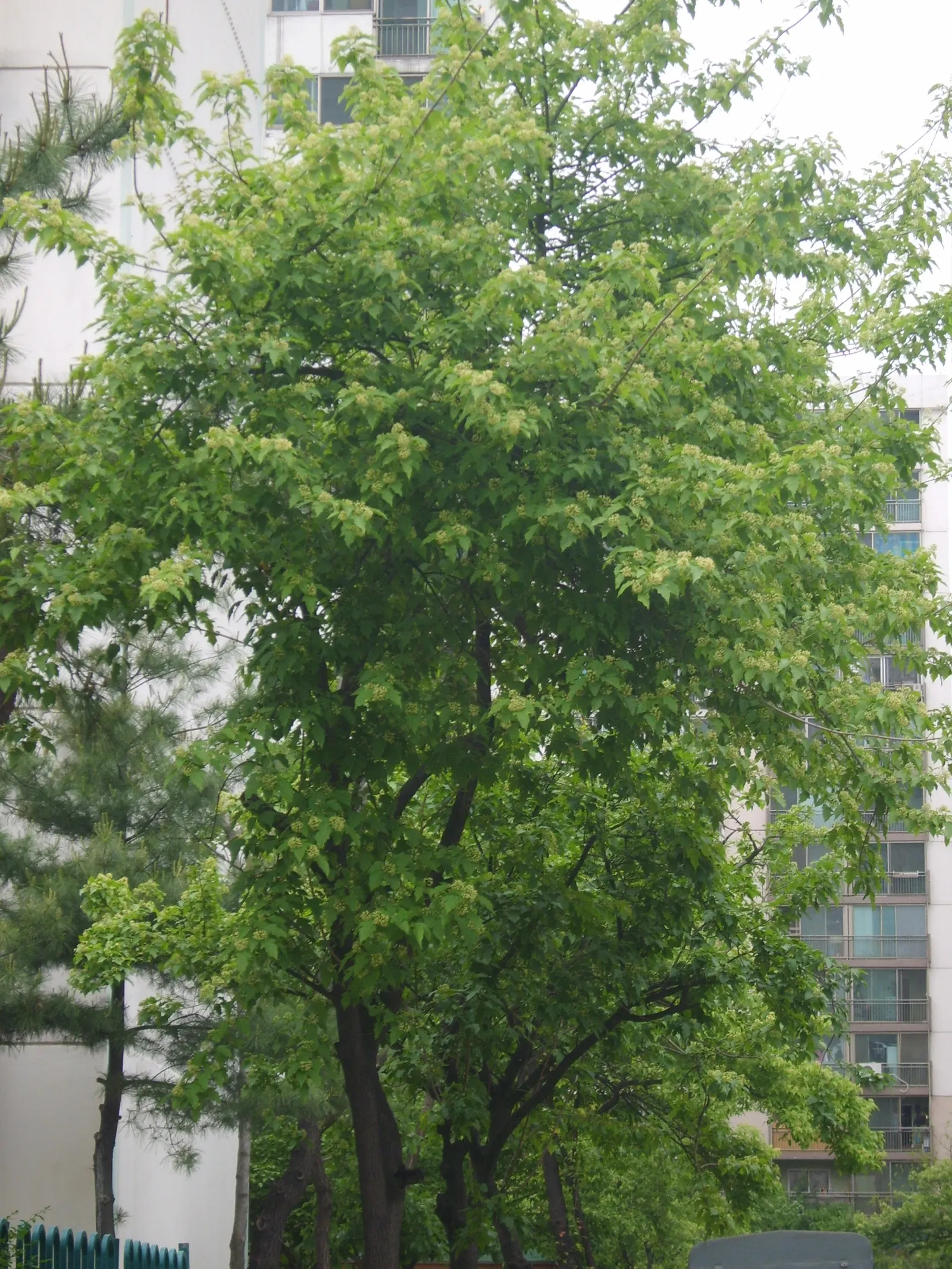
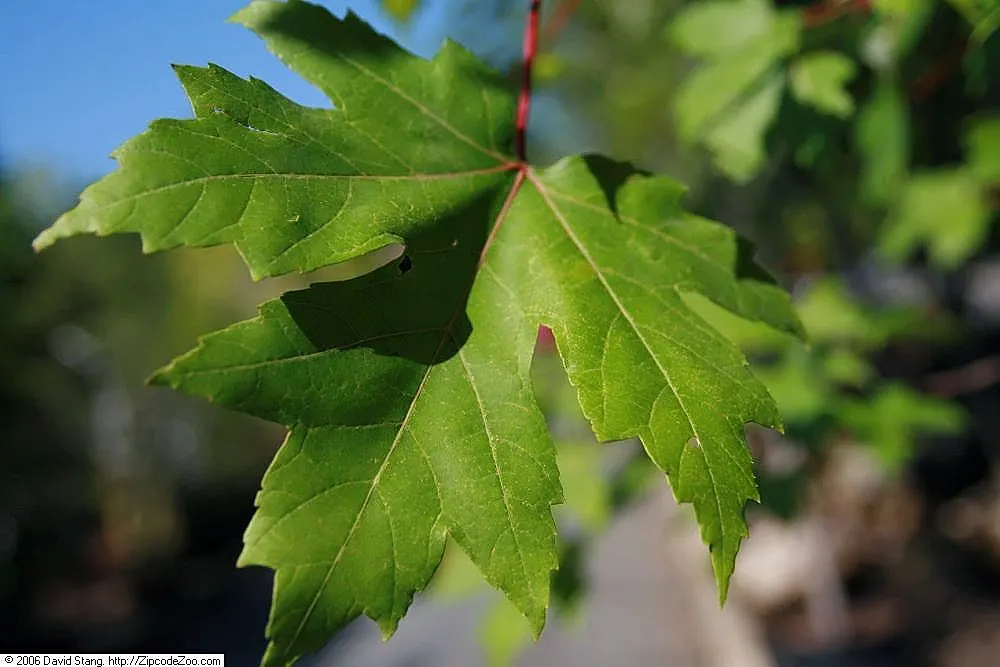
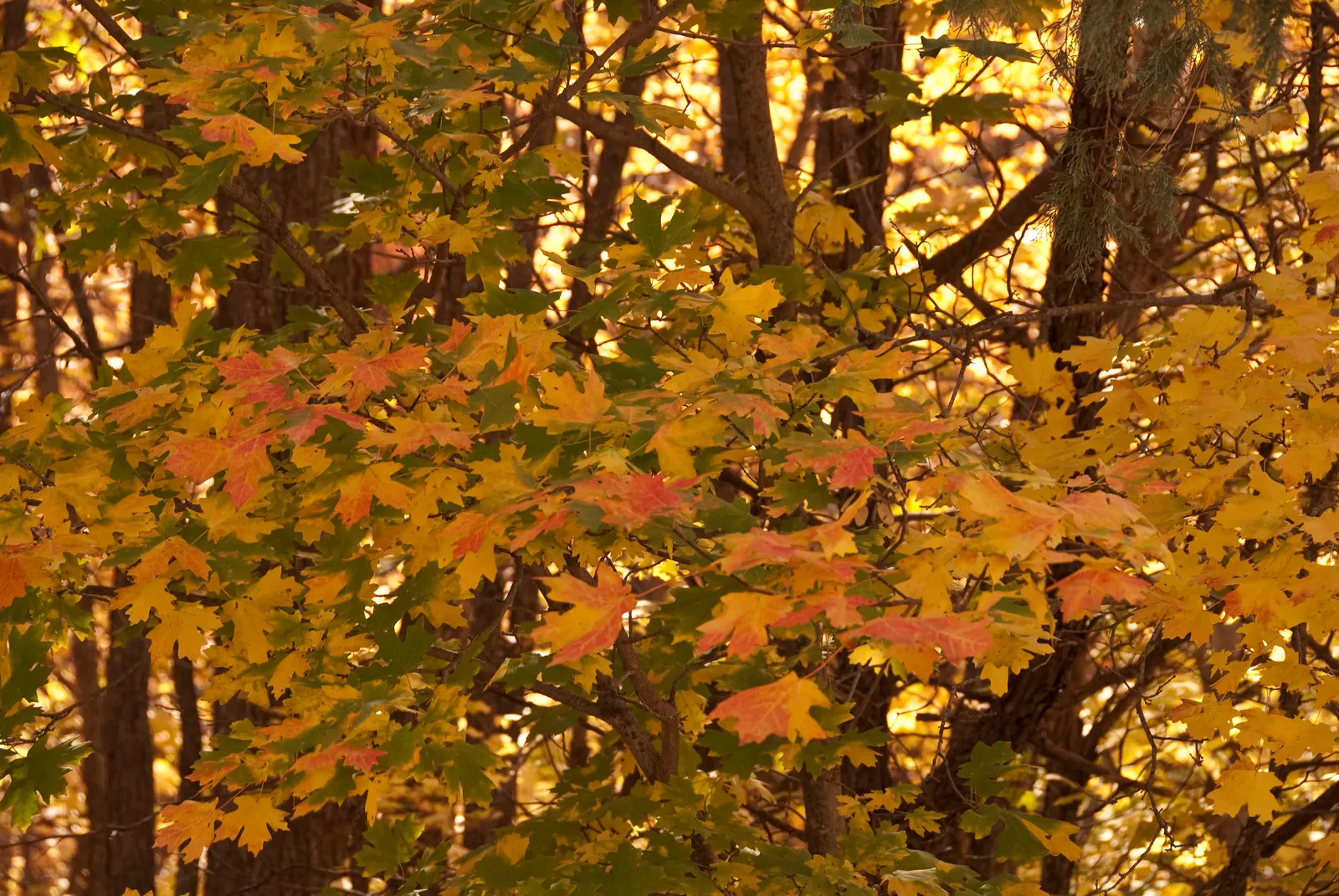
Acer platanoides, or Norway Maple, is a deciduous shade tree reaching 40-50 feet high with an equal spread. It features a dense, rounded crown with a 5-7 lobed leaf resembling a sycamore. The foliage turns vibrant yellow in fall. Prefers full sun to partial shade and adapts to various soils. Ideal for creating bold landscapes, it offers ample canopy cover but may inhibit underplantings due to dense shade and shallow roots.

Sun FullWater MediumZones 3–10Type TreeClimate Temperate
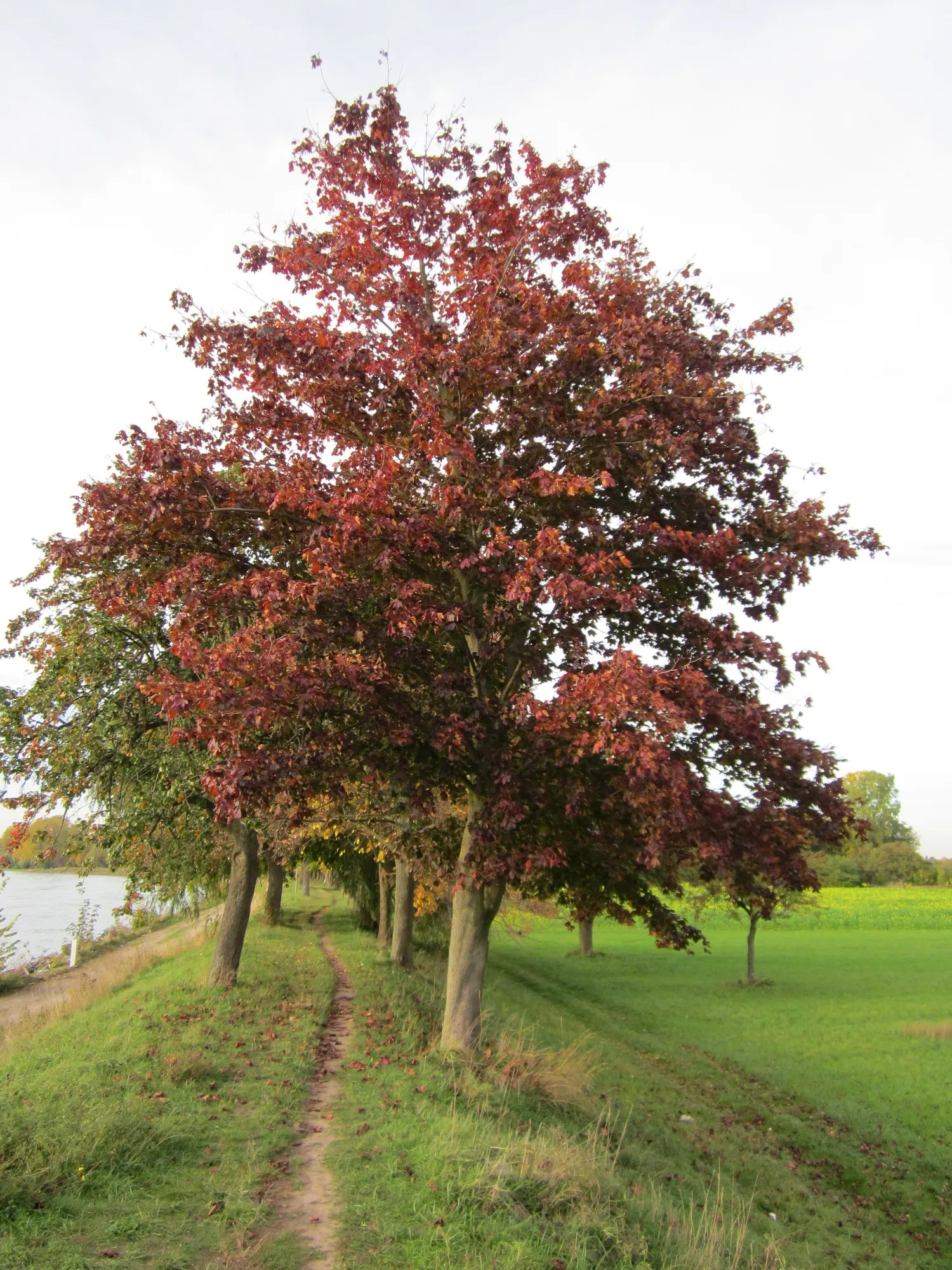
Norway Maple (Acer Platanoides) — ensure ample space away from sidewalks or driveways; which span approximately 4 to 7 inches across and showcase a, image 80

Culture

Sun
Full
Water
Medium
USDA zones
3–10

Shape & size

Mature height
40–50 Ft.
Mature width
30–50 Ft.

Classification

Type
Tree
Family
Sapindaceae
Climate
Temperate

See full data, regional cultivation notes, and design tools. Build a client presentation around this plant.

Start your 14-day trial

Photos (117)

Norway Maple (Acer Platanoides) — It grows best in USDA hardiness zones 3b through 7; prefers full sun to partial shade and adapts to various soils, image 61
Norway Maple (Acer Platanoides) — Ideal for creating bold landscapes
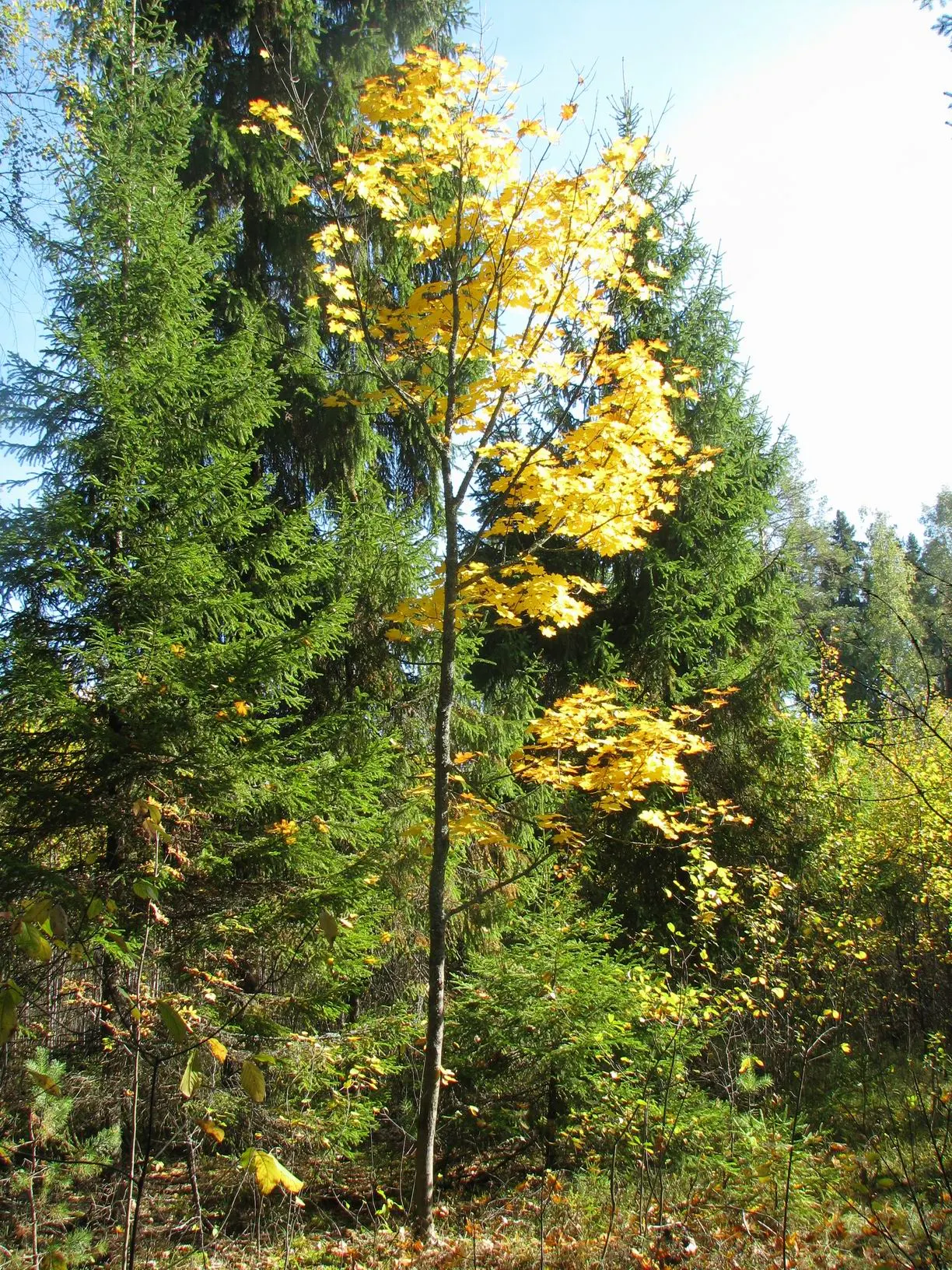
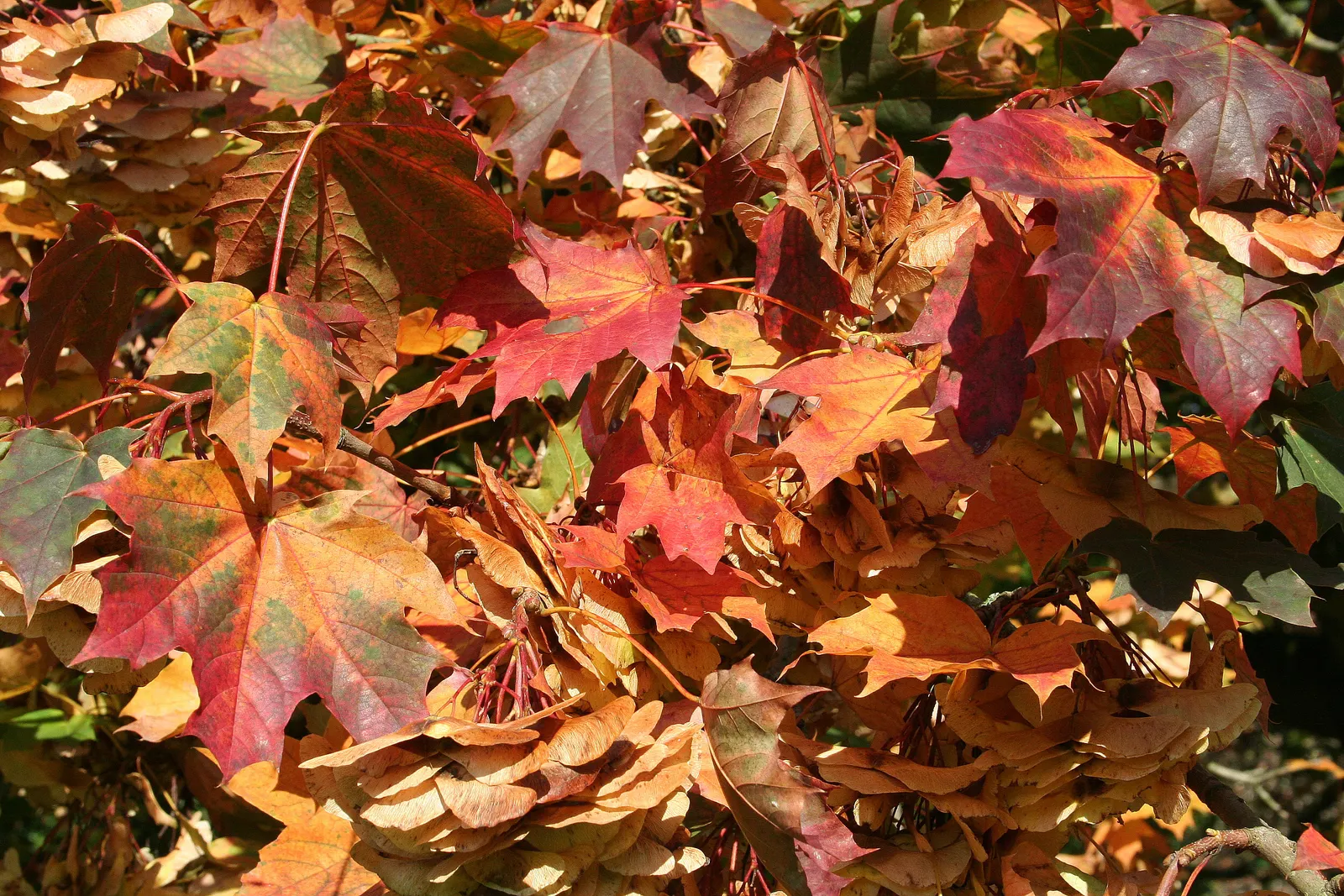
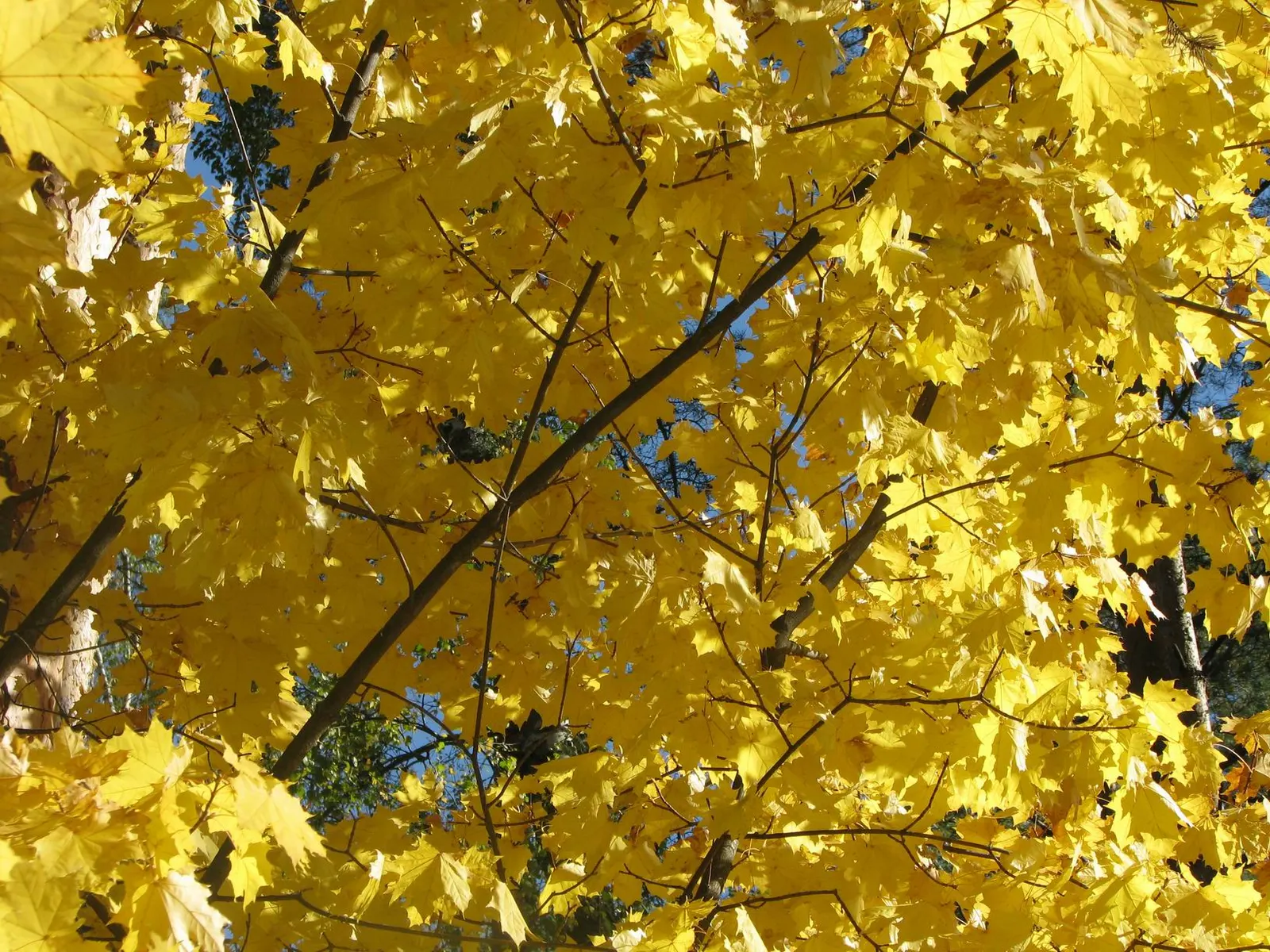
Norway Maple (Acer Platanoides) — An added ornamental feature is the tree's yellow to gold fall foliage; as its root system can become quite, image 54
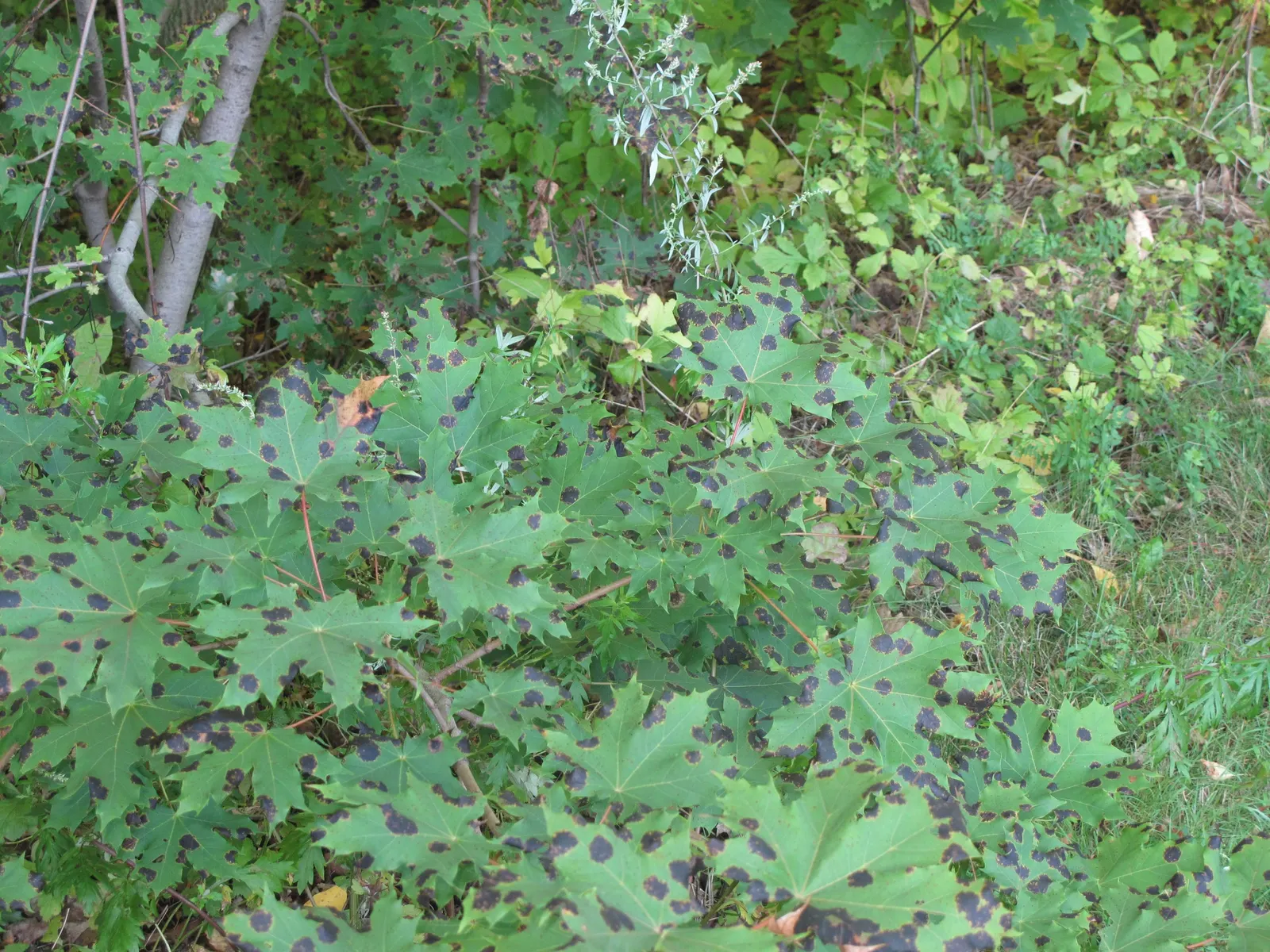
Norway Maple (Acer Platanoides) — It features a dense, rounded crown with a 5-7 lobed leaf resembling a sycamore; which span approximately 4 to 7, image 65
Norway Maple (Acer Platanoides) — making it a standout in autumnal landscapes; prefers full sun to partial shade and adapts to various soils, image 76
Norway Maple (Acer Platanoides) — as its root system can become quite invasive, image 39
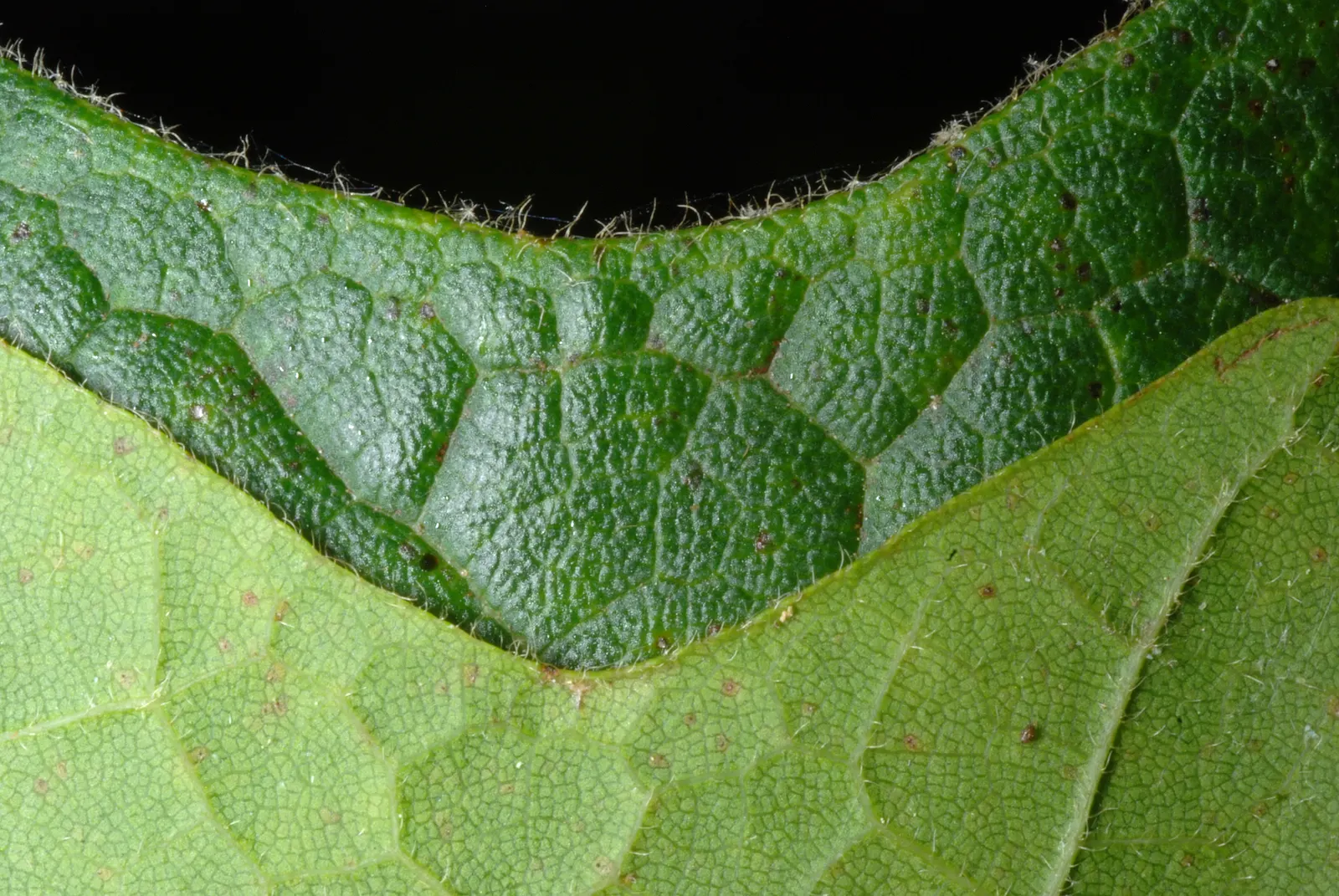
Norway Maple (Acer Platanoides) — which span approximately 4 to 7 inches across and showcase a radiant green hue, image 95
Norway Maple (Acer Platanoides) — making it a standout in autumnal landscapes; prefers full sun to partial shade and adapts to various soils, image 97
Norway Maple (Acer Platanoides) — ensure ample space away from sidewalks or driveways
Norway Maple (Acer Platanoides) — though it prefers well-drained; as its root system can become quite invasive, image 57
Norway Maple (Acer Platanoides) — The foliage turns vibrant yellow in fall; as its root system can become quite invasive, image 45
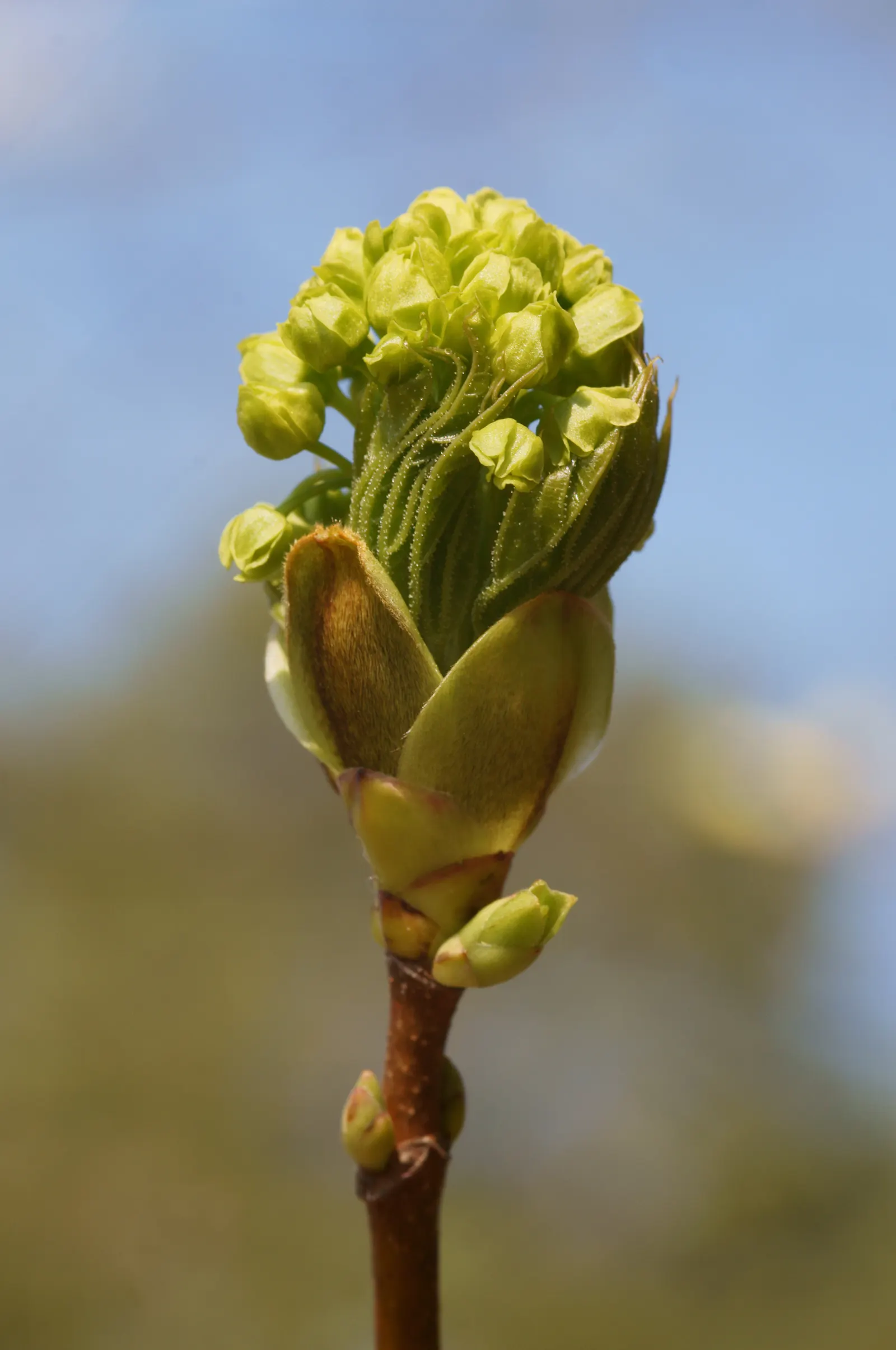
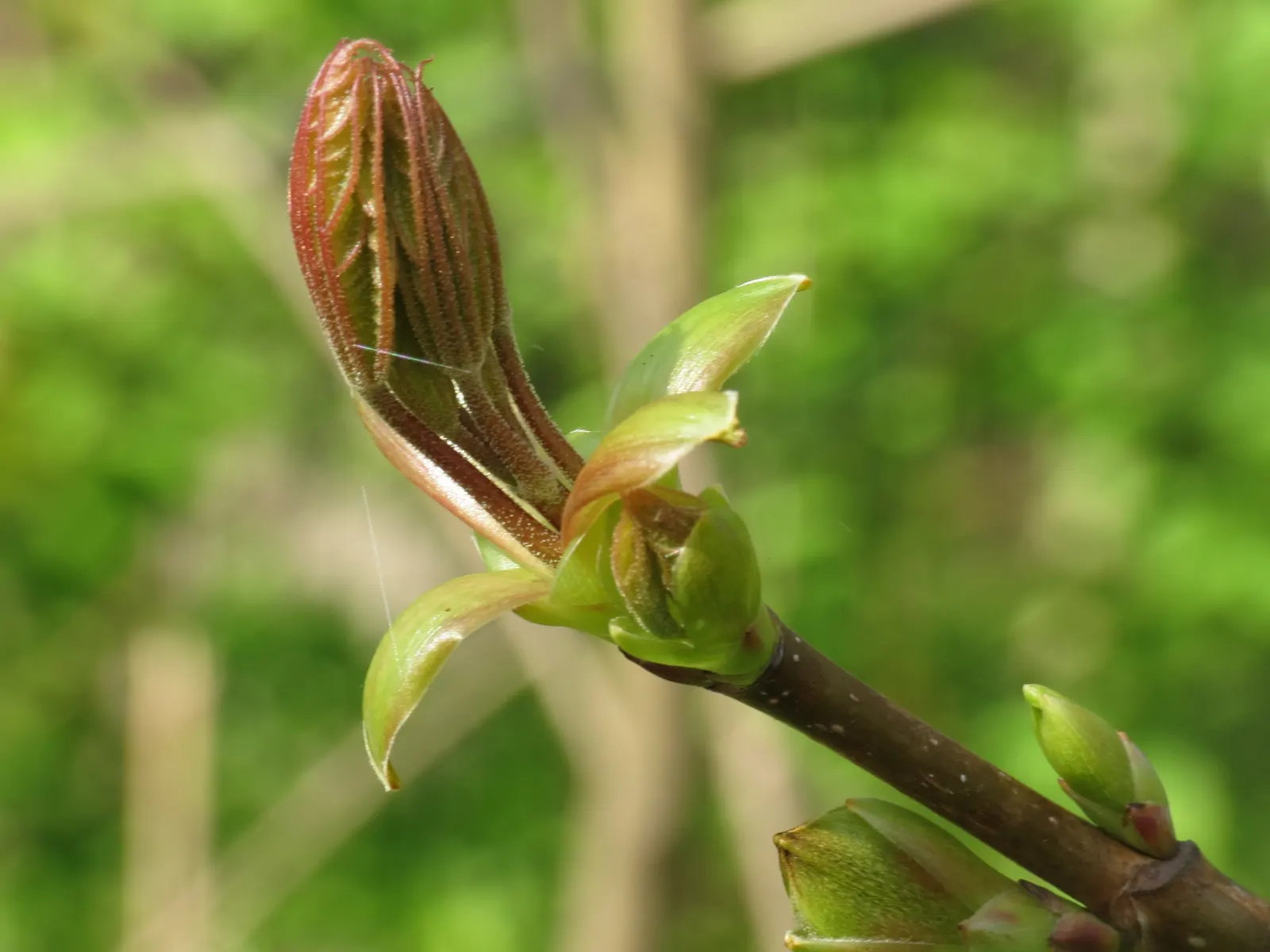
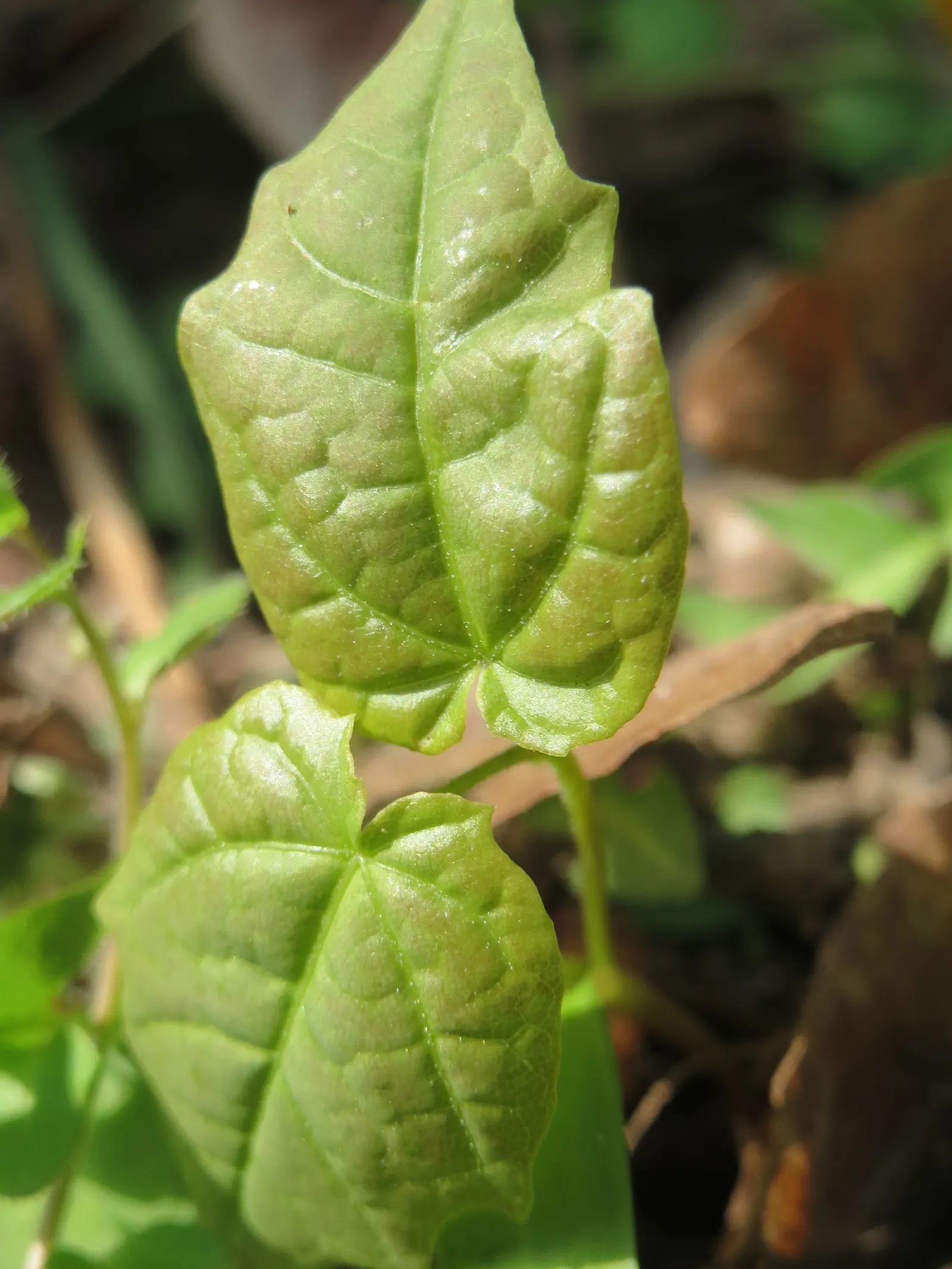
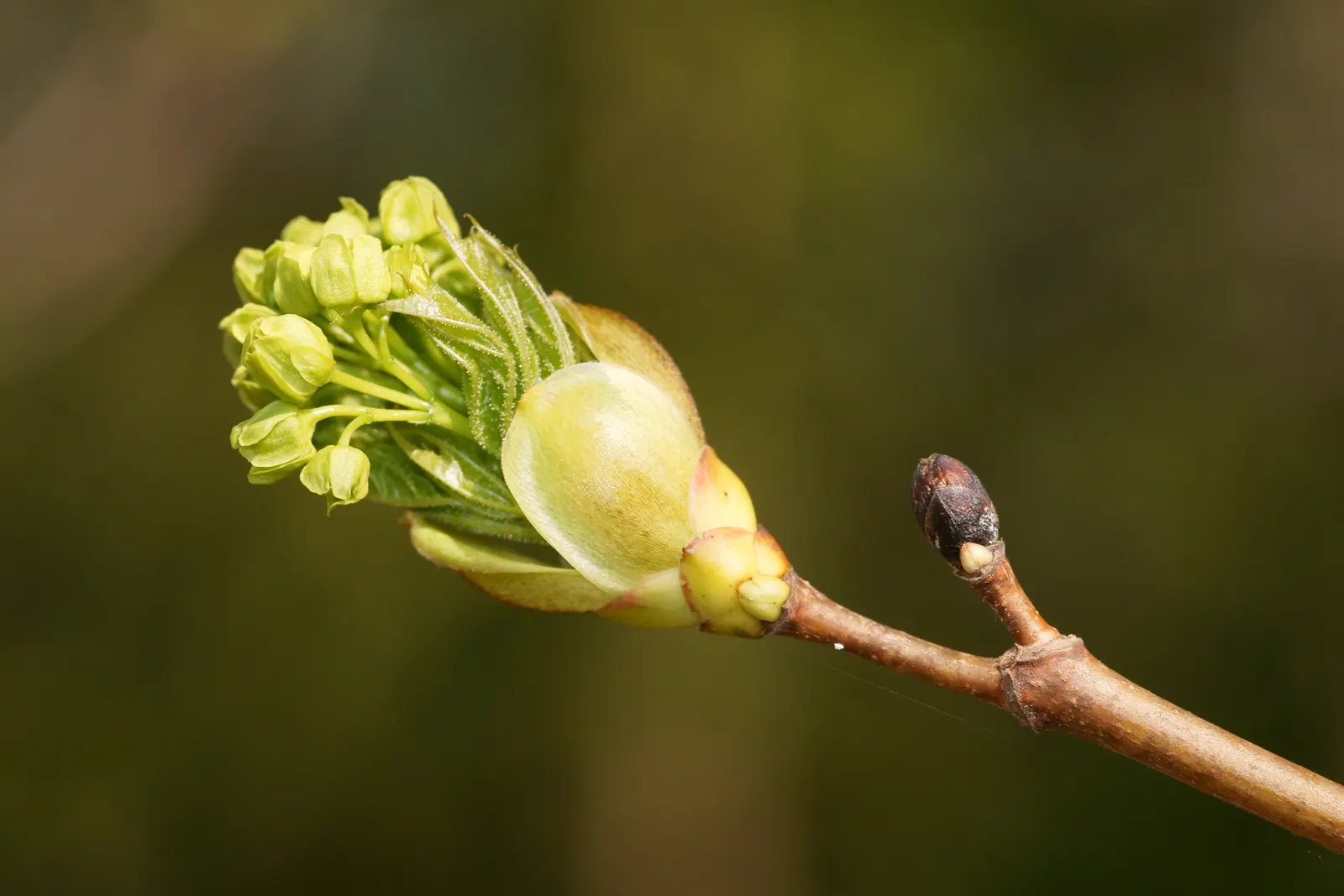
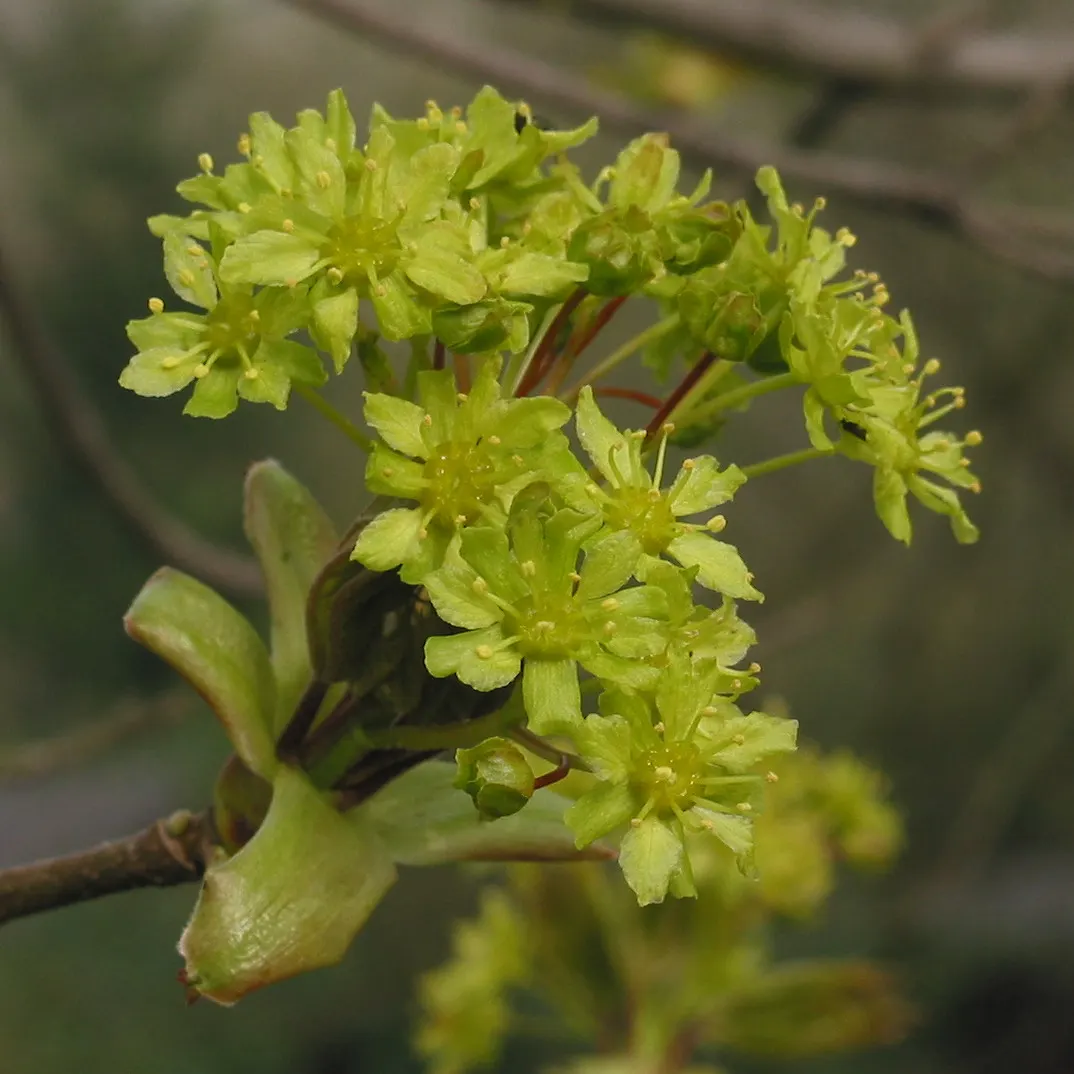
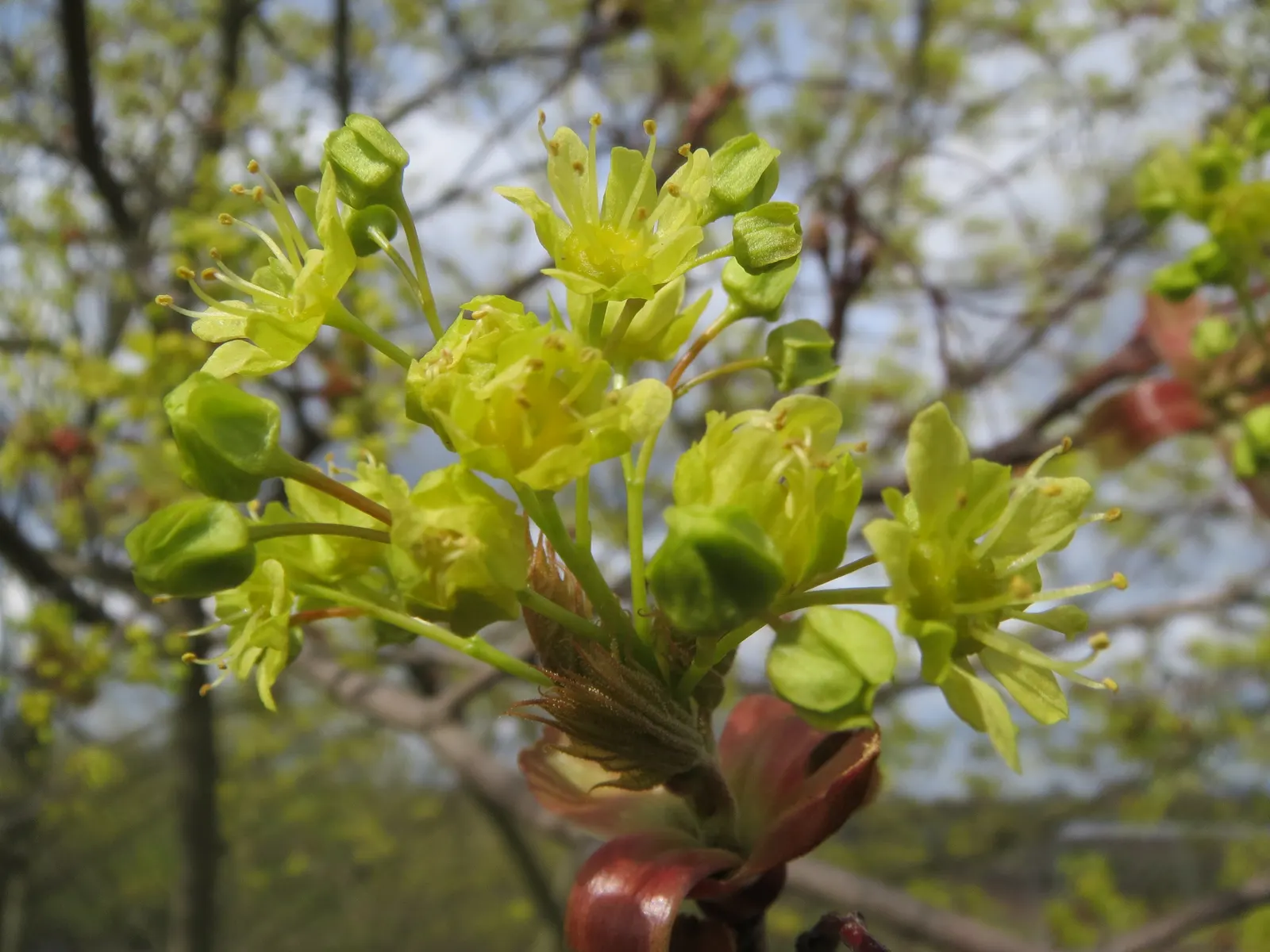
Norway Maple (Acer Platanoides) — scientifically known as Acer platanoides; prefers full sun to partial shade and adapts to various soils
Norway Maple (Acer Platanoides) — as its root system can become quite invasive, image 81
Norway Maple (Acer Platanoides) — it offers ample canopy cover but may inhibit underplantings due to dense shade and shallow roots; as its root, image 48
Norway Maple (Acer Platanoides) — It features a dense, rounded crown with a 5-7 lobed leaf resembling a sycamore
Norway Maple (Acer Platanoides) — as its root system can become quite invasive
Norway Maple (Acer Platanoides) — Prefers full sun to partial shade and adapts to various soils, image 46
Norway Maple (Acer Platanoides) — the Norway Maple is an excellent choice; however; which span approximately 4 to 7 inches across and showcase a, image 62
Norway Maple (Acer Platanoides) — which span approximately 4 to 7 inches across and showcase a radiant green hue
Norway Maple (Acer Platanoides) — Acer platanoides, or Norway Maple, is a deciduous shade tree reaching 40-50 feet high with an equal spread, image 85
Norway Maple (Acer Platanoides) — The spread of its canopy can create a dense shade; prefers full sun to partial shade and adapts to various soils, image 94
Norway Maple (Acer Platanoides) — though it prefers well-drained
Norway Maple (Acer Platanoides) — Ideal for creating bold landscapes; which span approximately 4 to 7 inches across and showcase a radiant green hue, image 89
Norway Maple (Acer Platanoides) — It grows best in USDA hardiness zones 3b through 7; prefers full sun to partial shade and adapts to various soils, image 82
Photographs by 8 contributors

Related plants