Skip to content

Striped Maple

Acer Pensylvanicum

Design with this plant

Overview

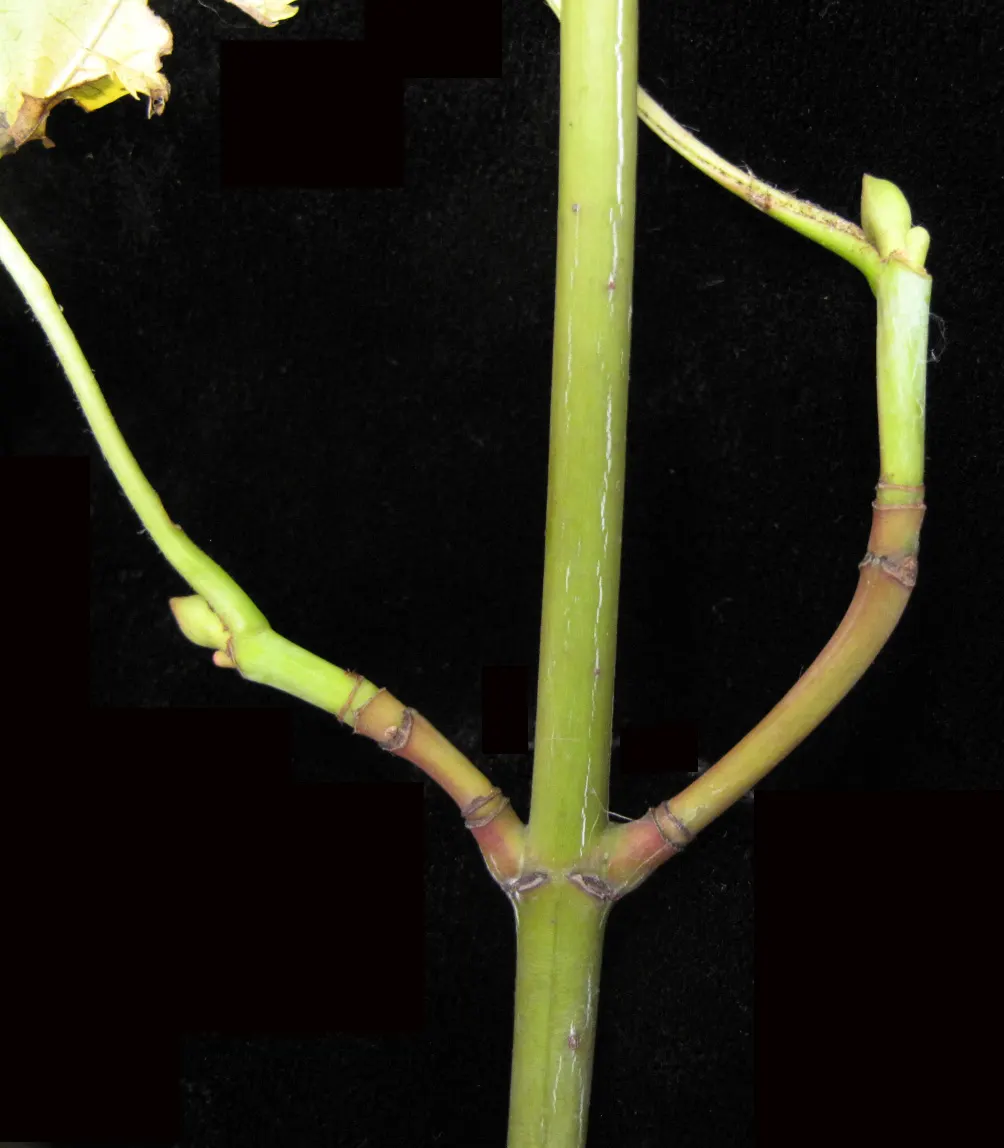
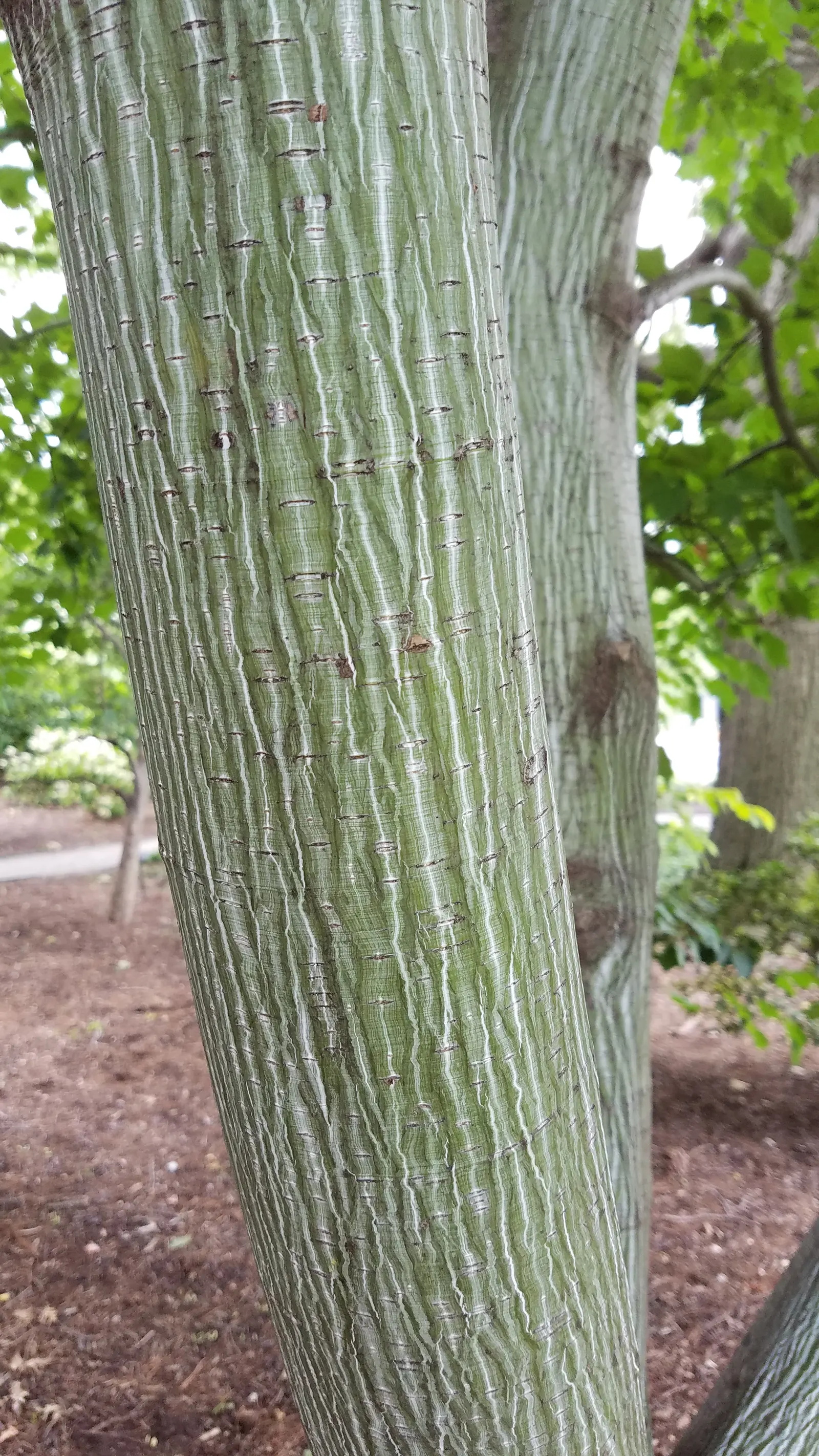
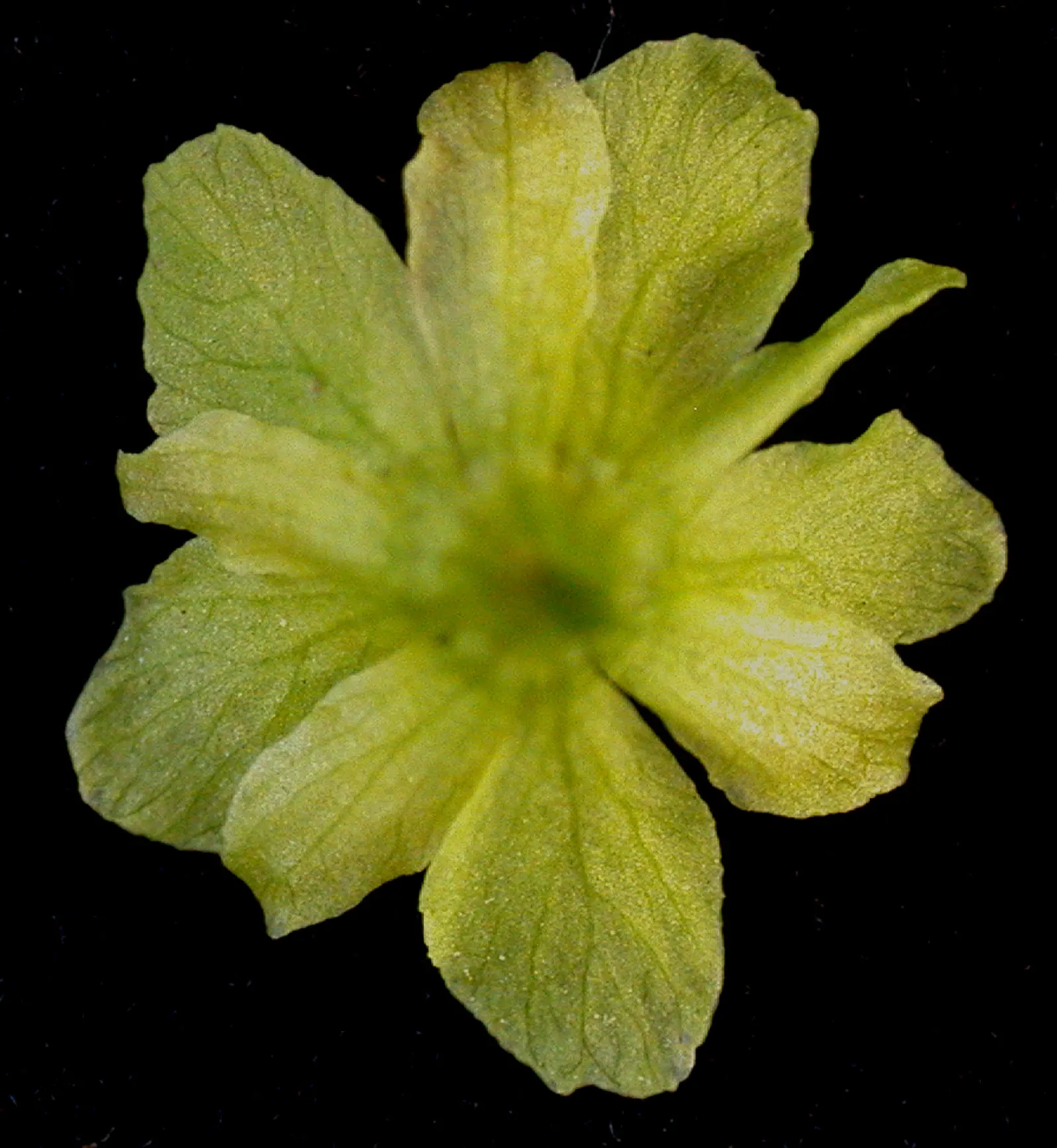
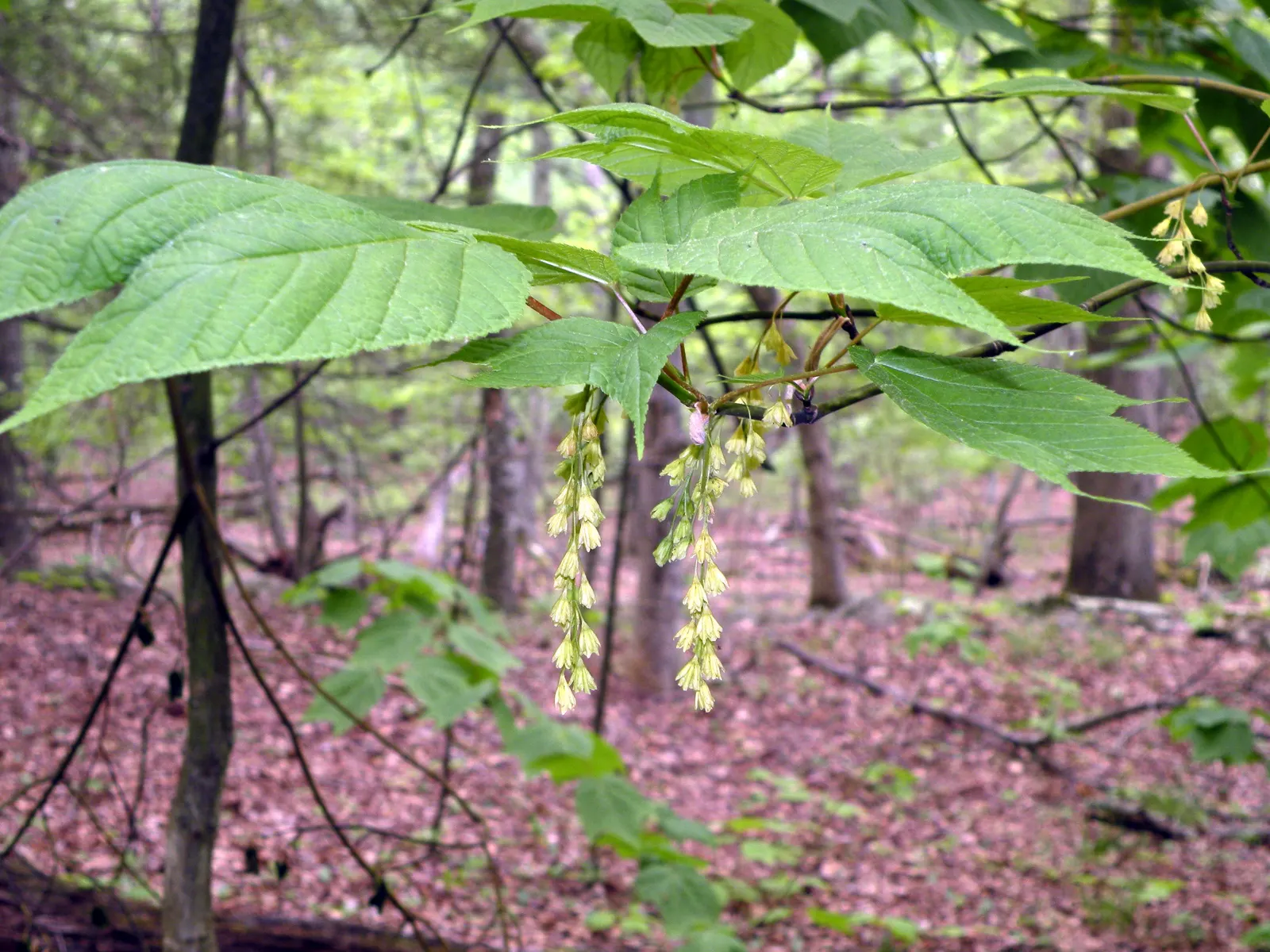
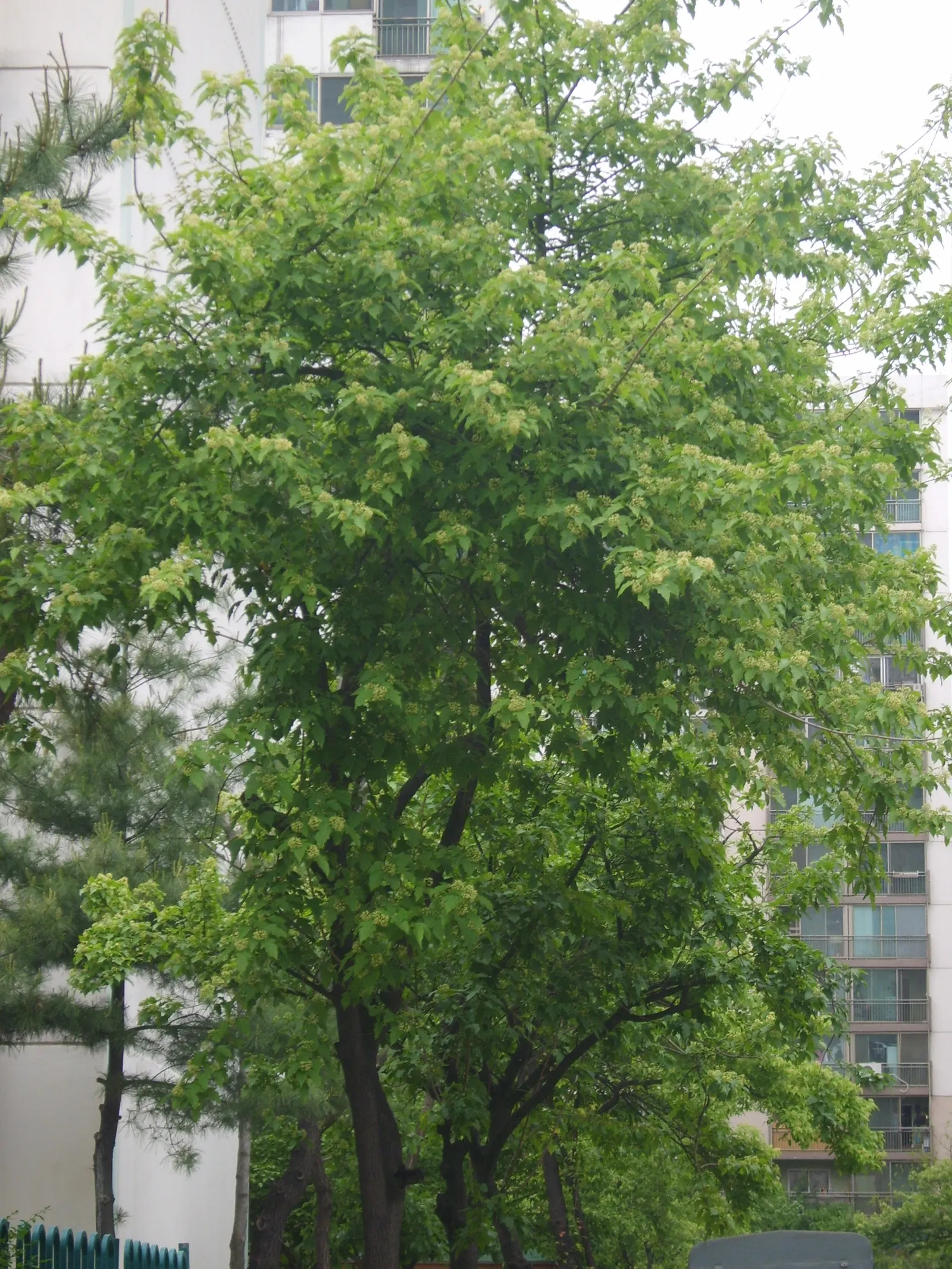
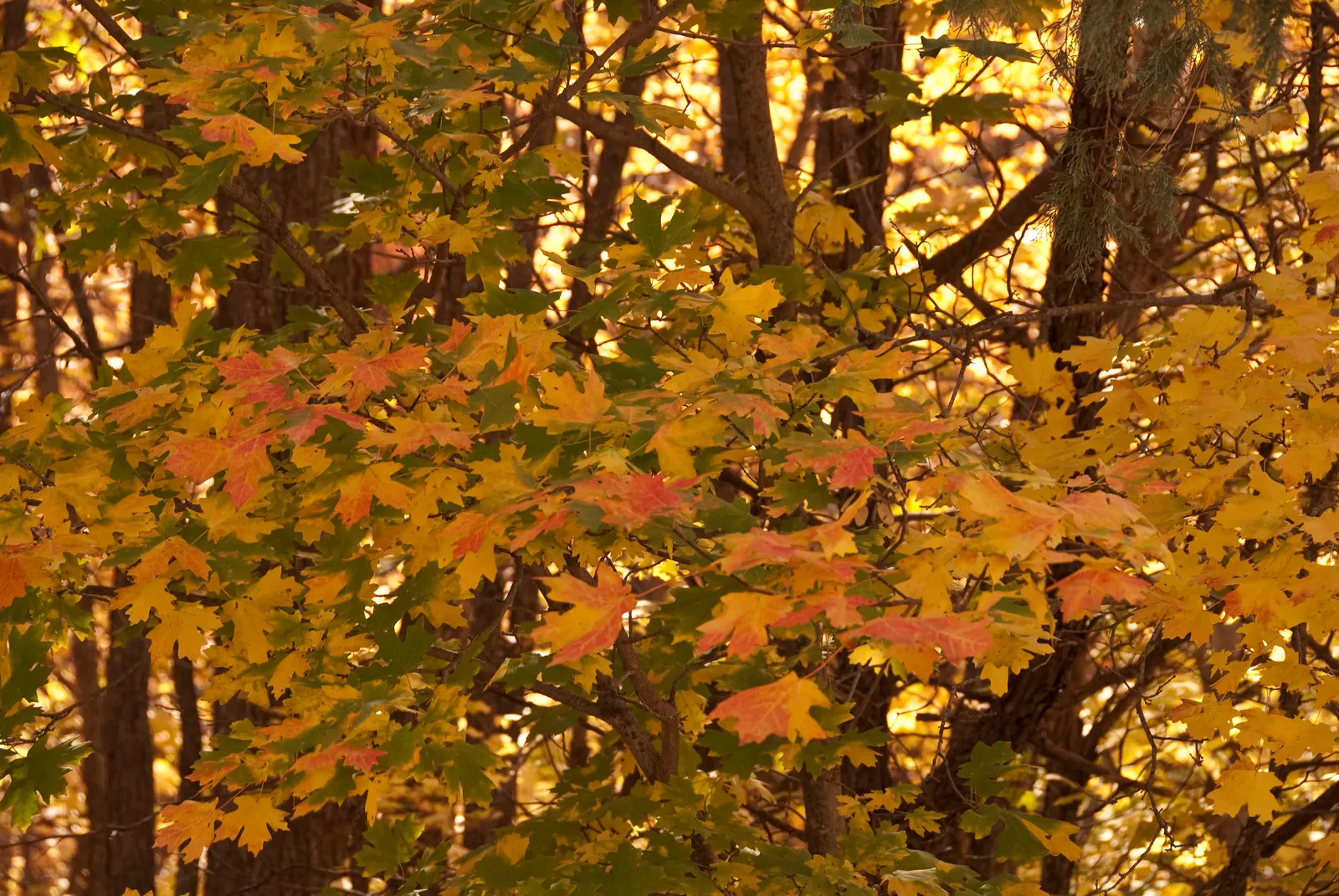
Acer pensylvanicum, commonly known as Striped Maple, is a small deciduous tree reaching 20-30 ft in height and spreads 10-15 ft. It boasts distinctive green-white striped bark, large, three-lobed leaves, and bell-shaped yellow flowers. Thriving in partial to full shade, this understory tree prefers moist, well-drained soil. It adds visual interest with its striking fall coloration of yellow to orange and is hardy in USDA zones 3-7.

Sun Half, ShadeWater MediumZones 3–7Type TreeClimate Temperate

Culture

Sun
Half, Shade
Water
Medium
USDA zones
3–7

Shape & size

Mature height
15–25 Ft.
Mature width
12–20 Ft.

Classification

Type
Tree
Family
Sapindaceae
Climate
Temperate

See full data, regional cultivation notes, and design tools. Build a client presentation around this plant.

Start your 14-day trial

Photos (106)

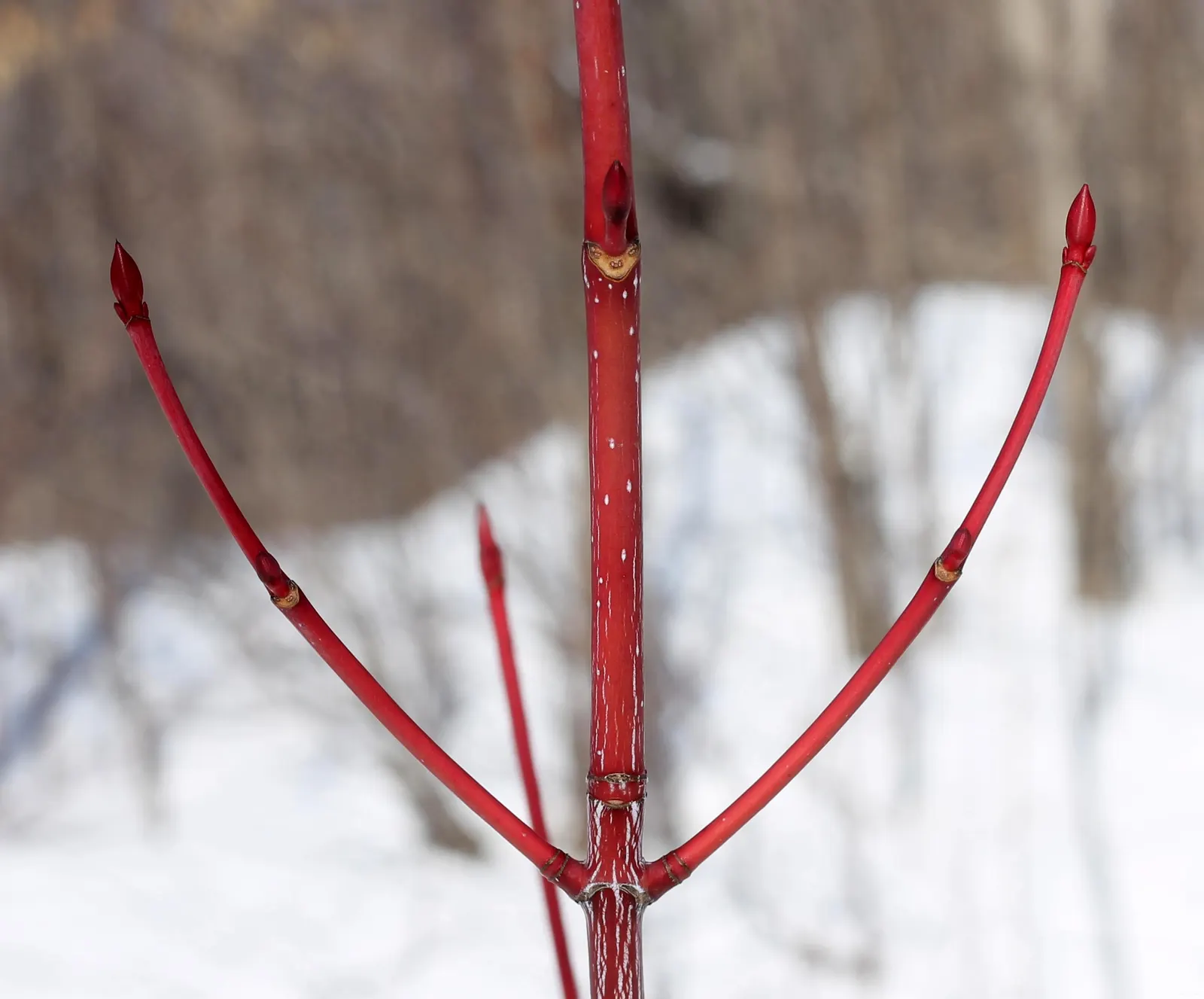
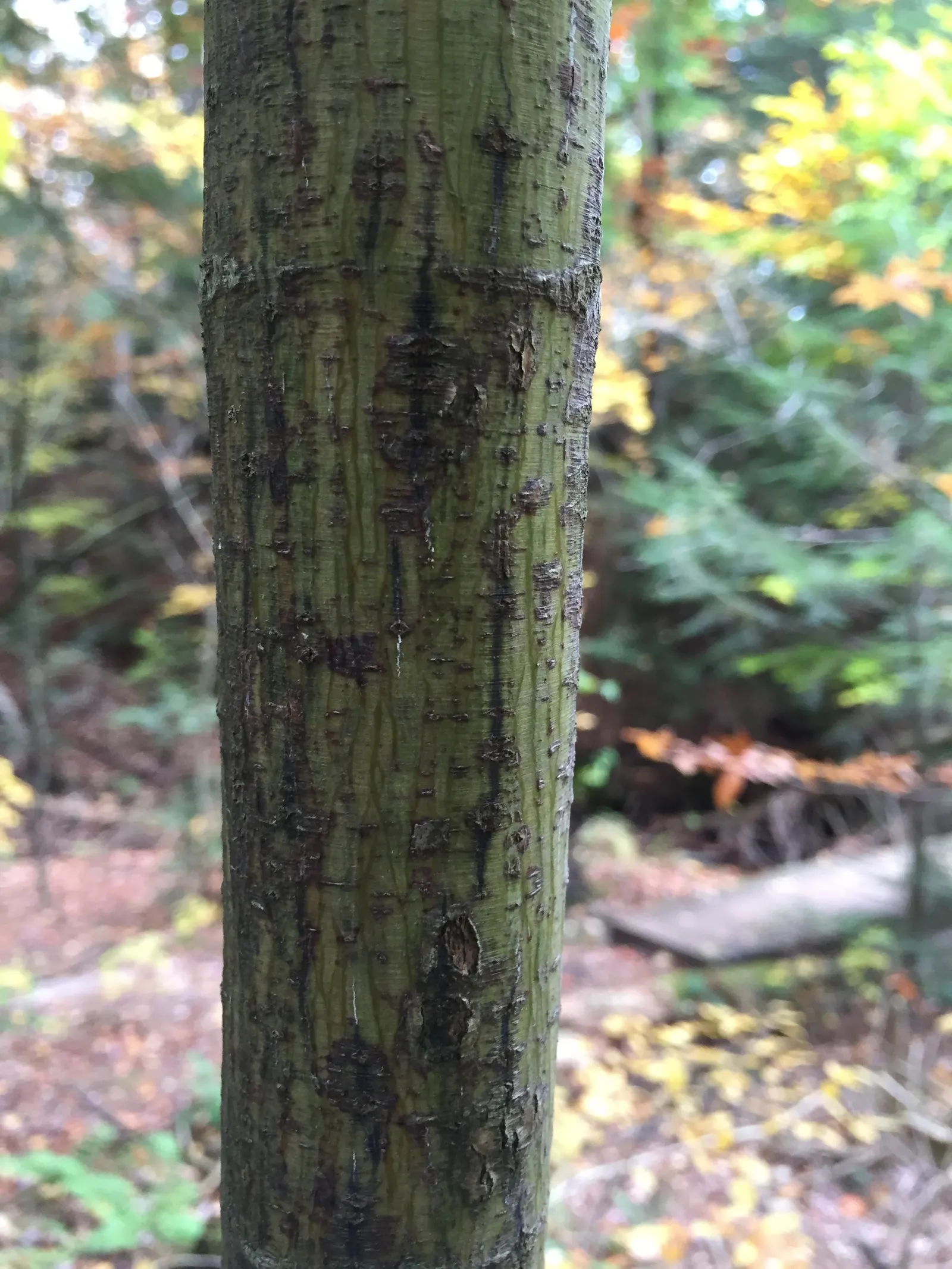
Striped Maple (Acer Pensylvanicum) — is a small deciduous tree reaching 20-30 ft in height and spreads 10-15 ft; is particularly notable for its ornate bark
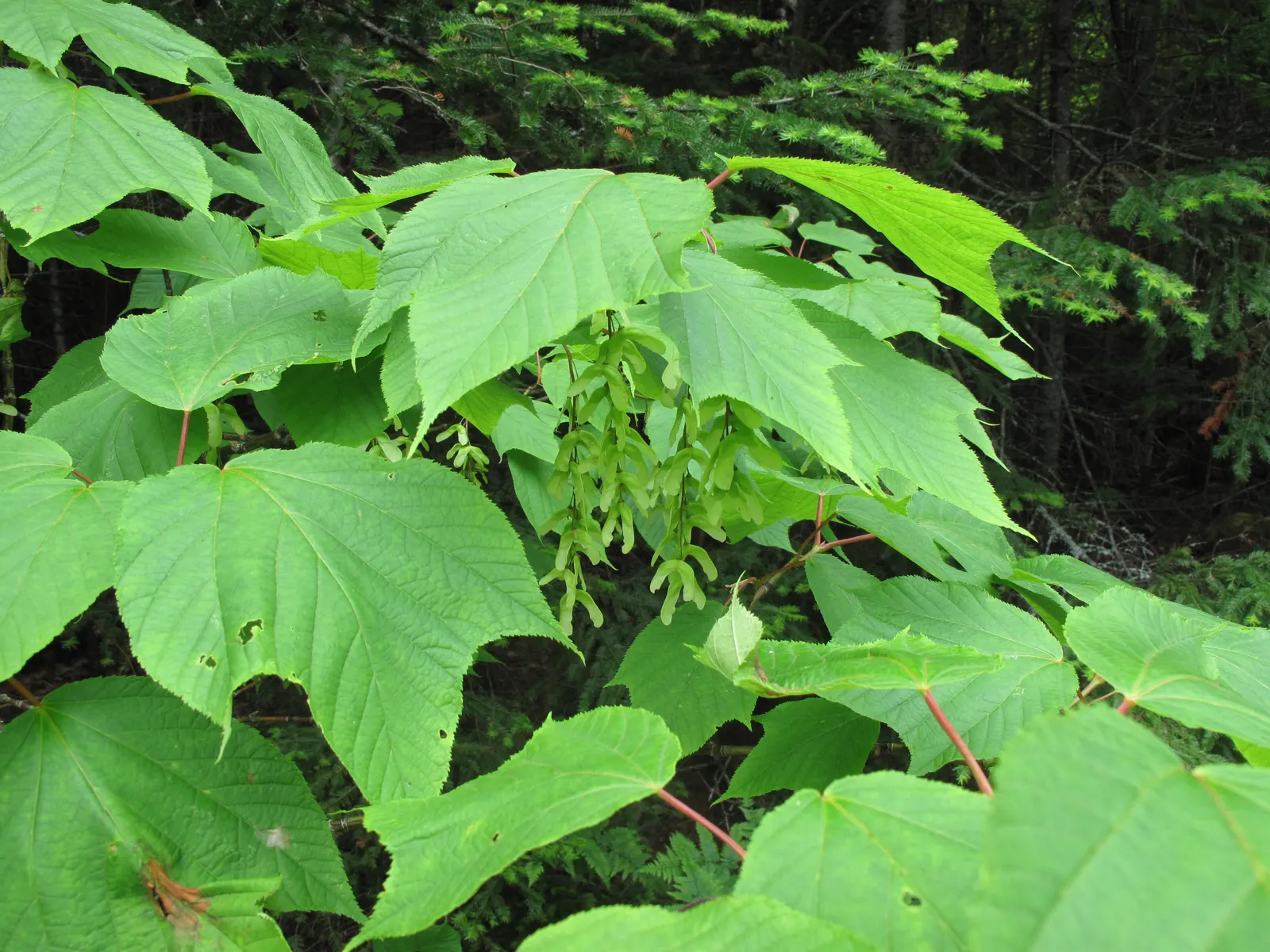
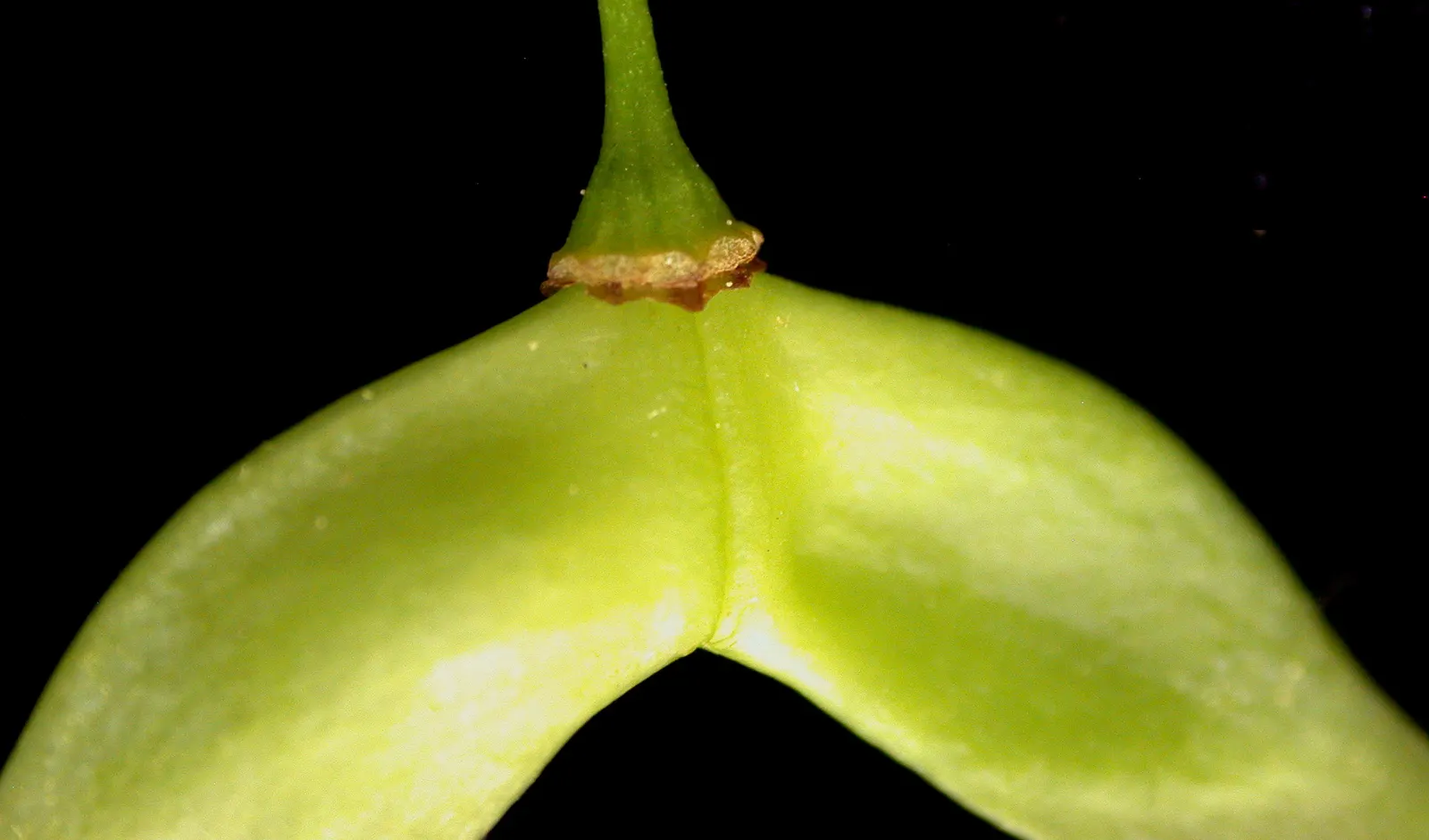
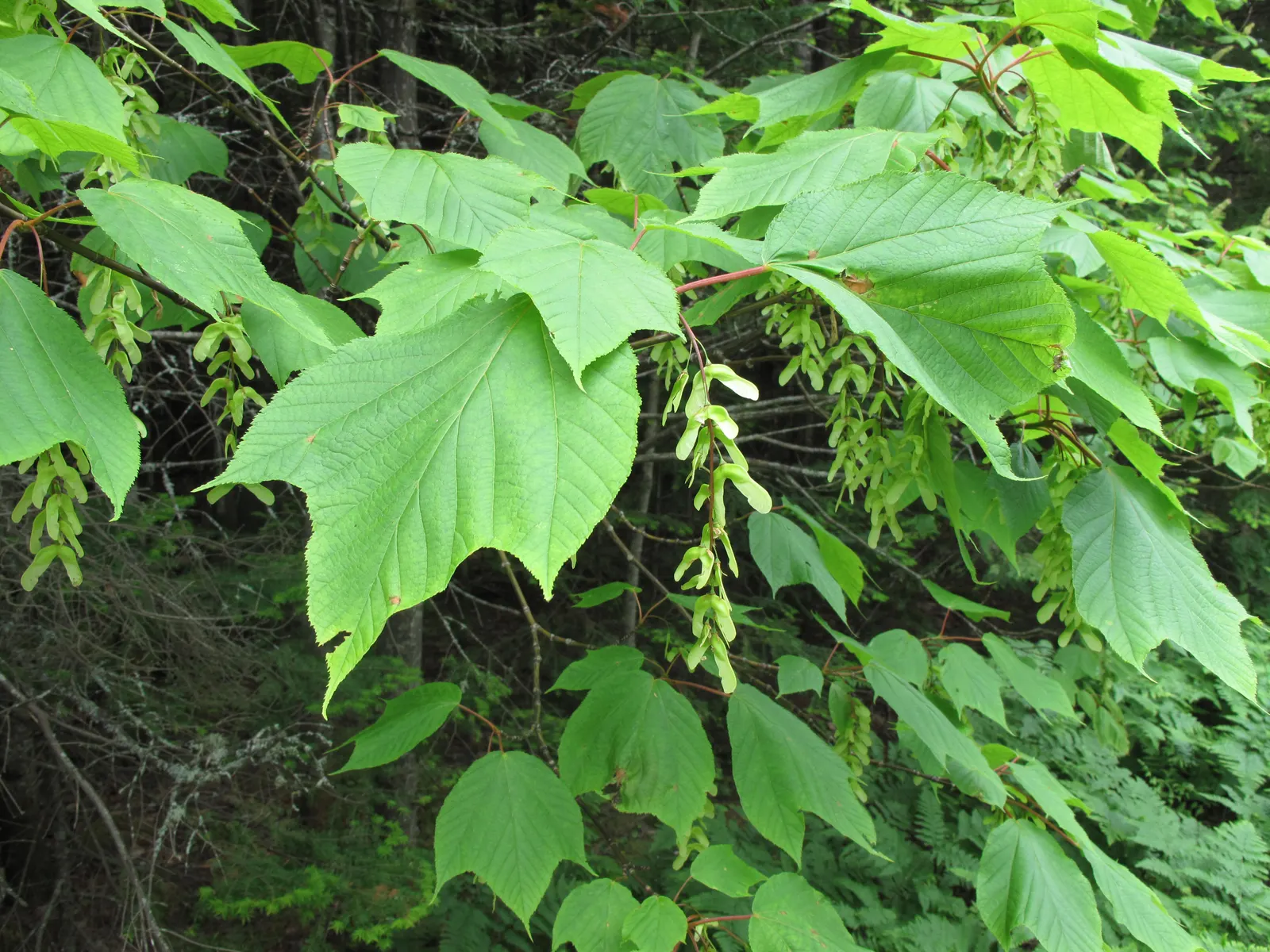
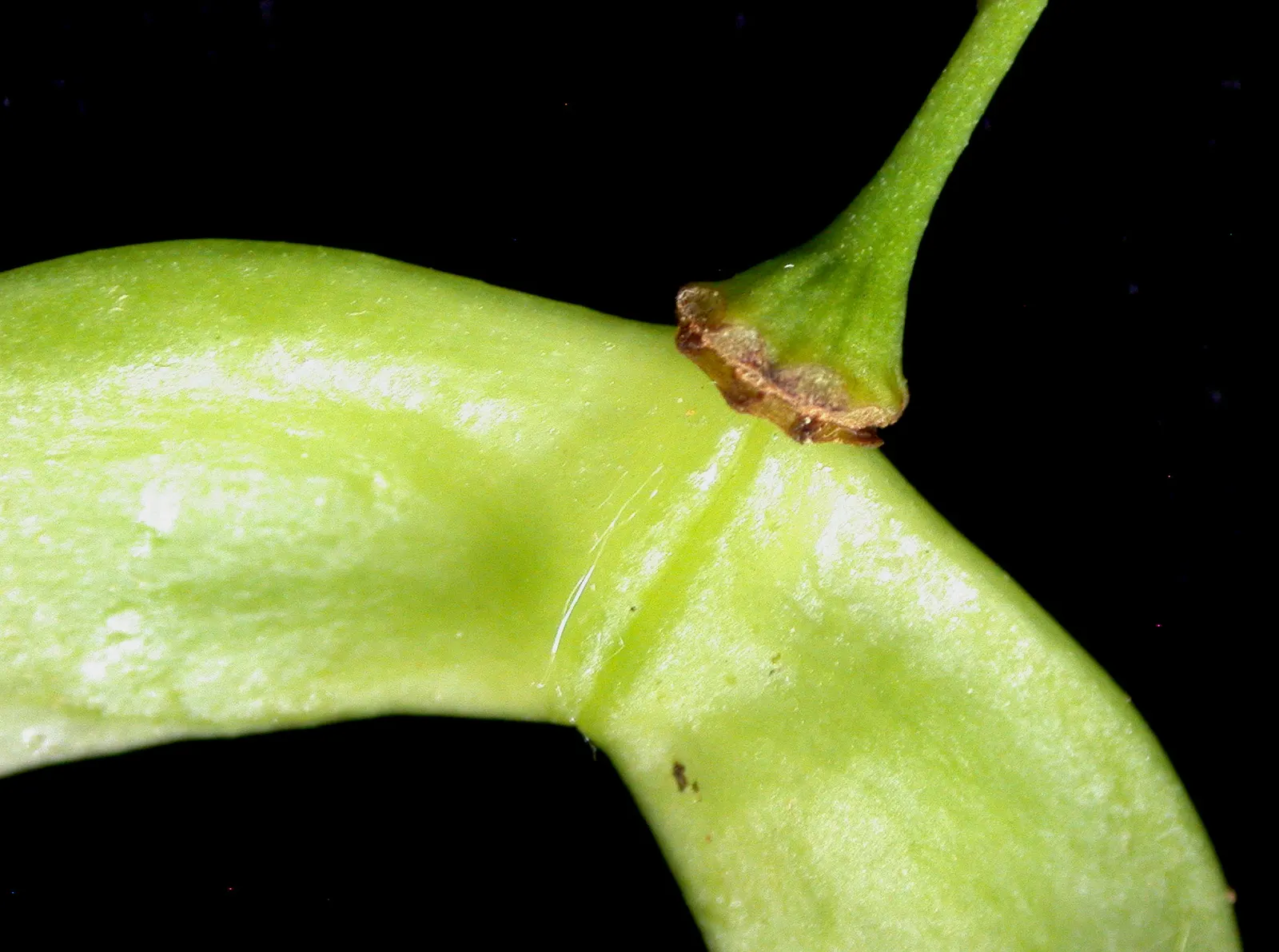
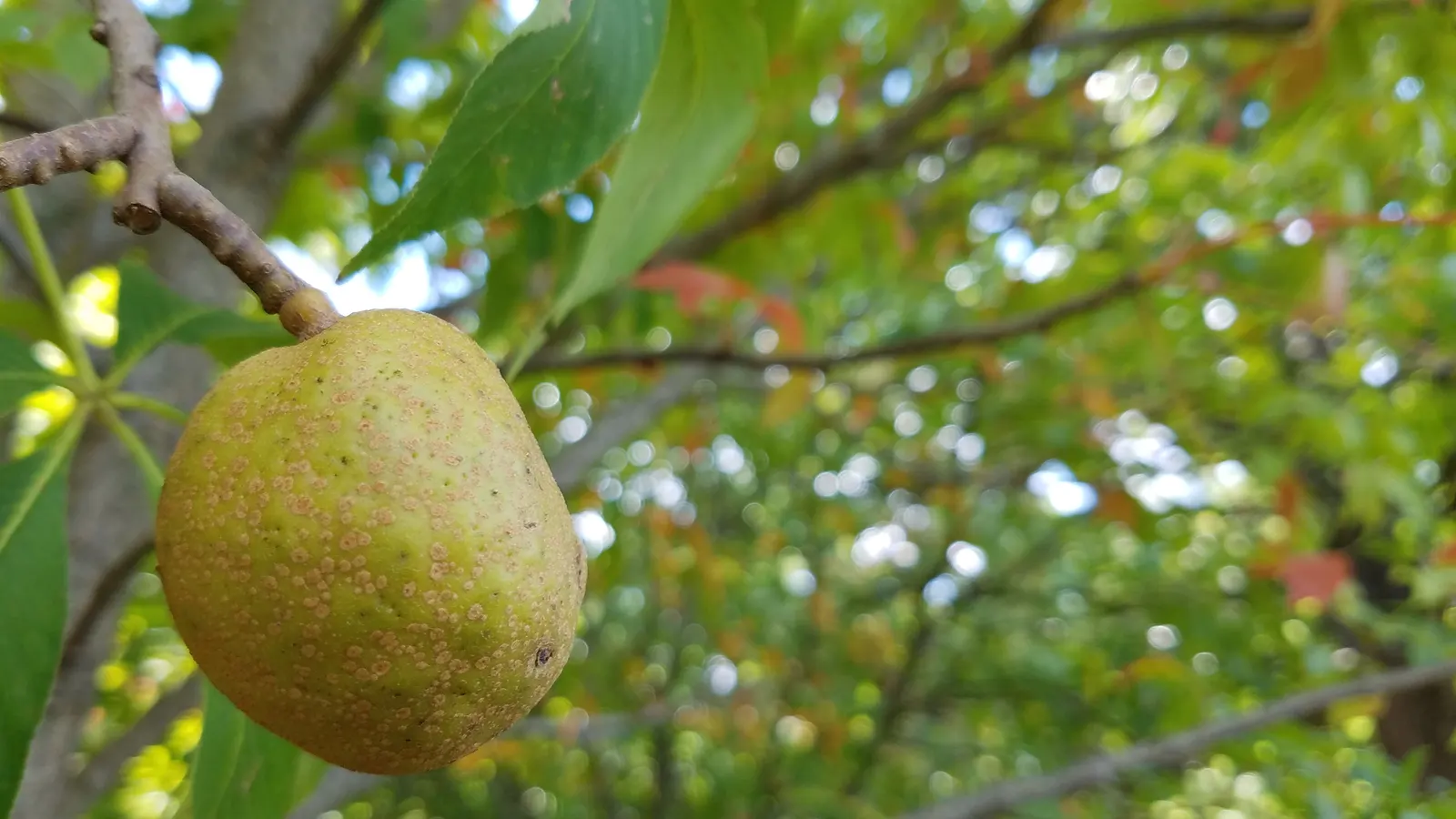
Striped Maple (Acer Pensylvanicum) — transitioning to winged samaras by late summer
Striped Maple (Acer Pensylvanicum) — makes Acer pensylvanicum a valuable addition to the cultivated garden; it boasts distinctive green-white, image 78
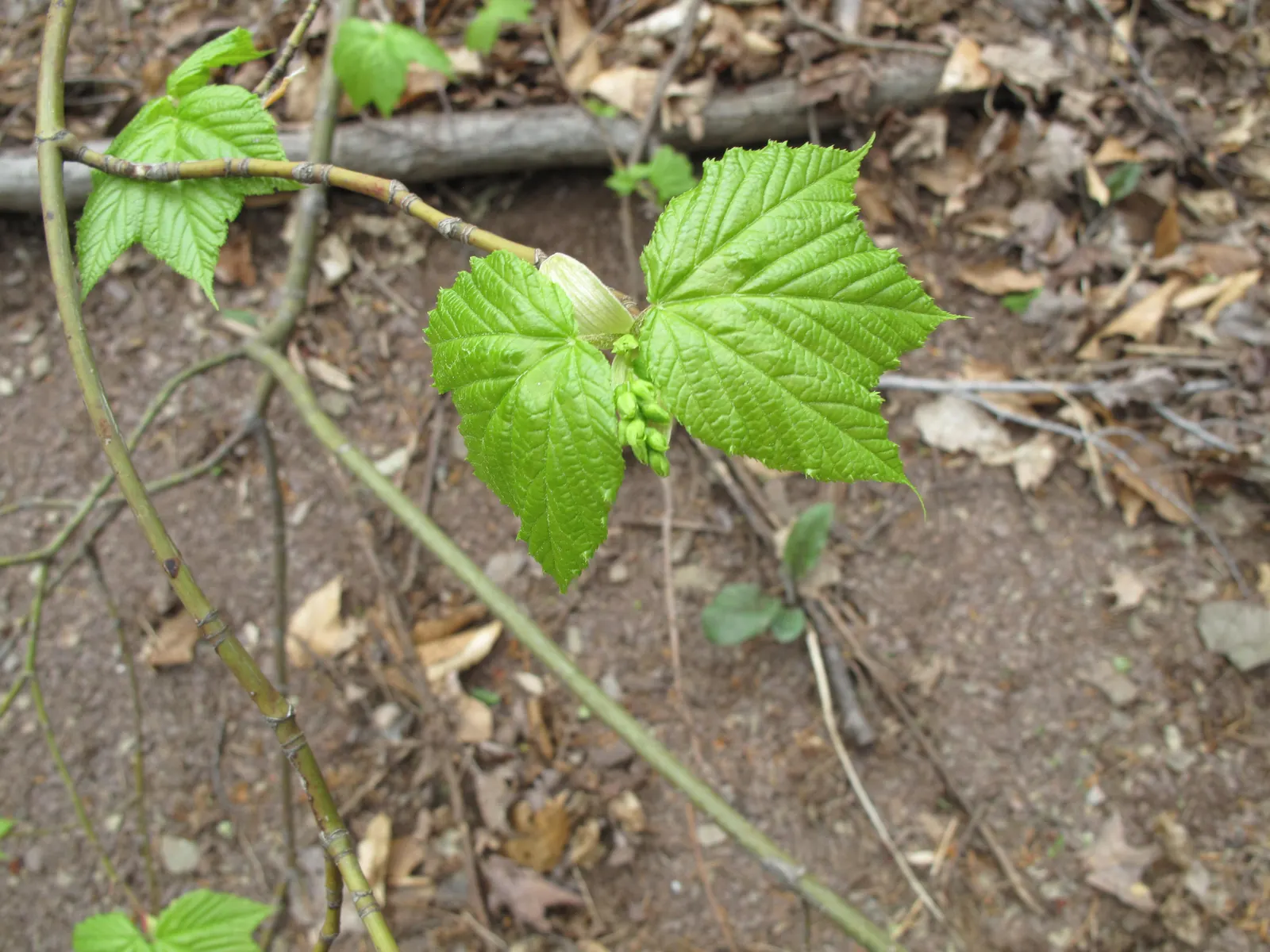
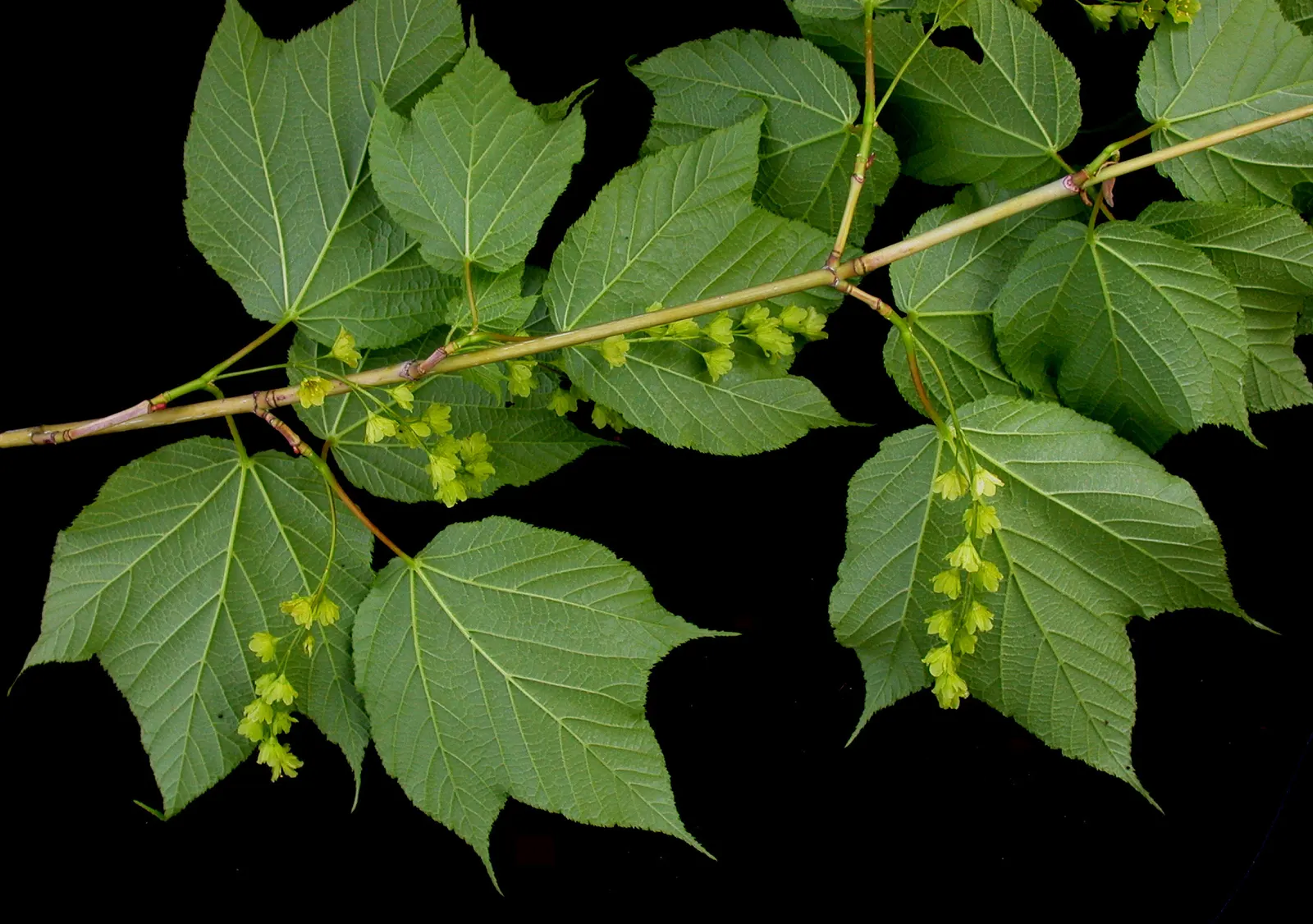
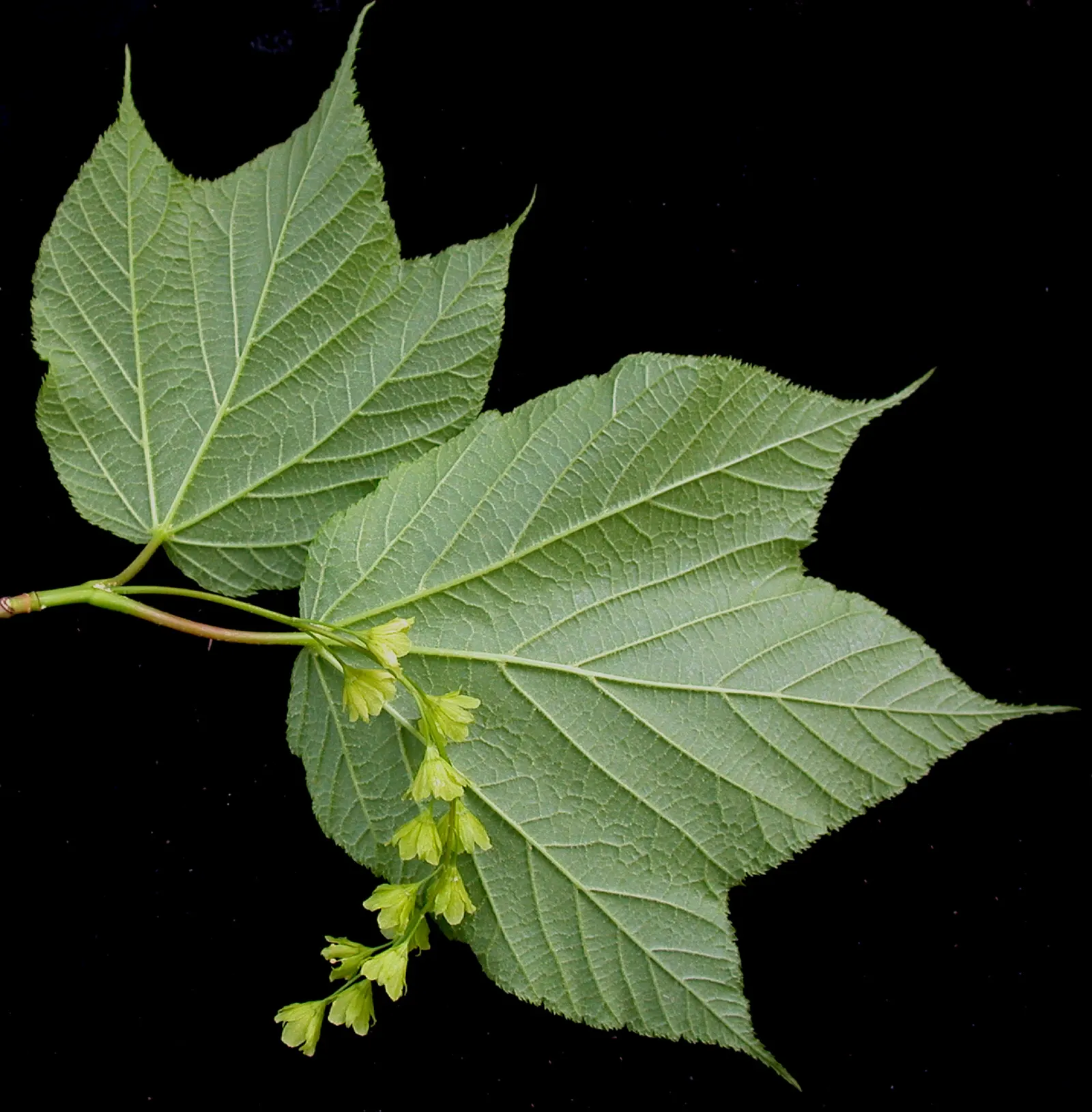
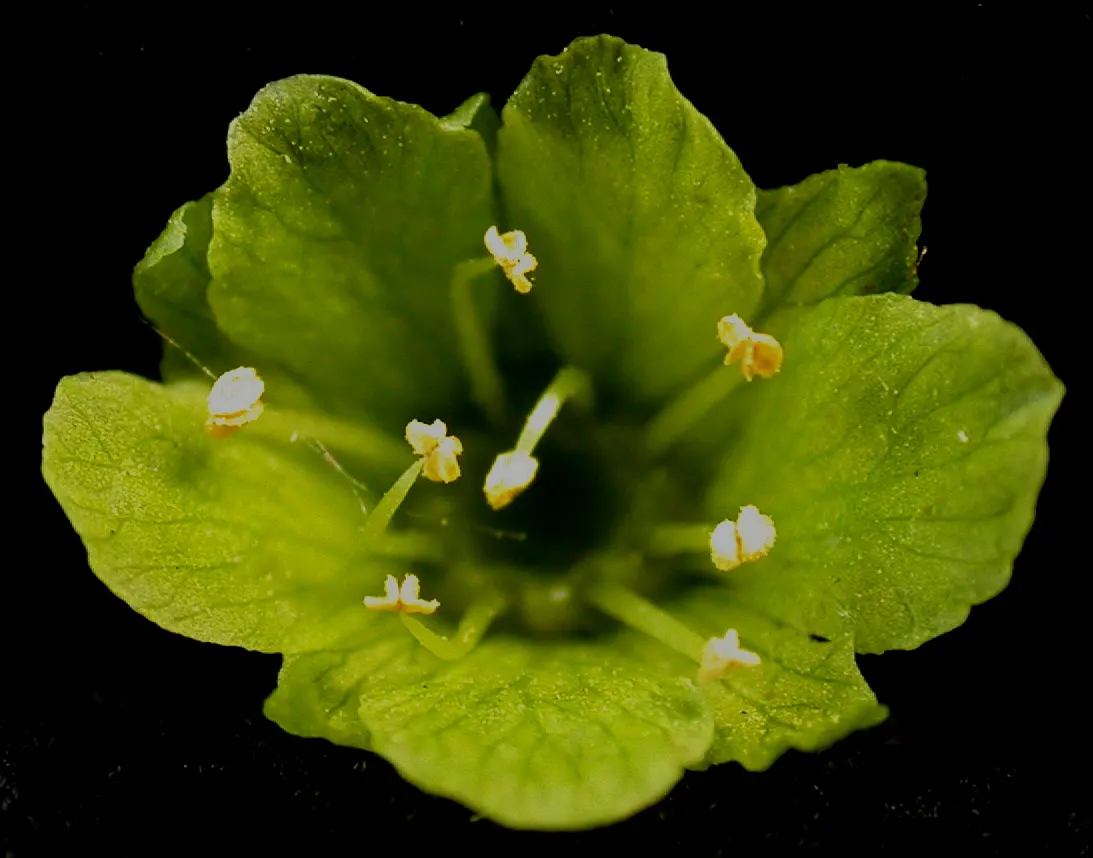
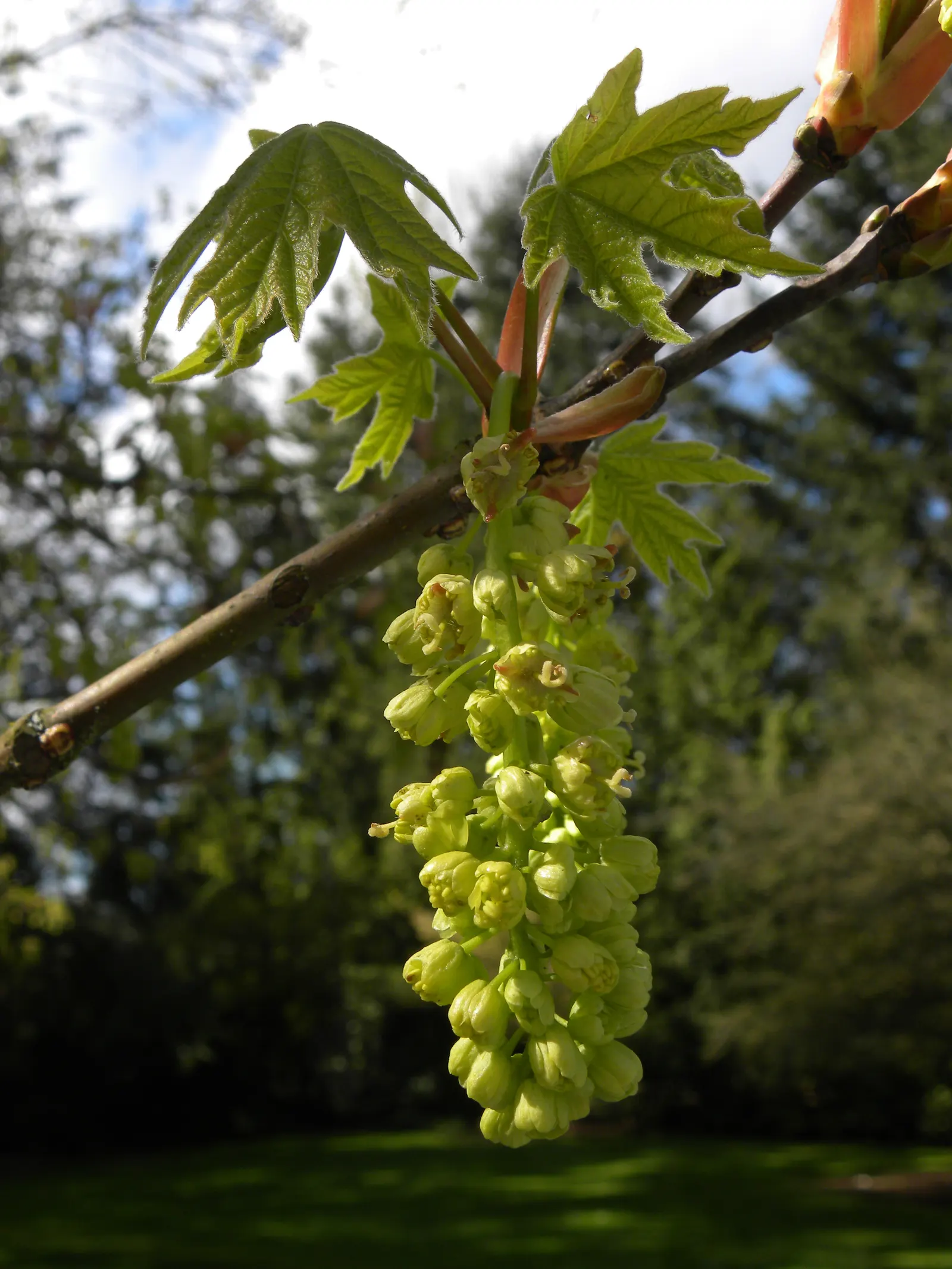
Striped Maple (Acer Pensylvanicum) — slightly acidic loams.<br><br>Spring brings clusters of delicate bell-shaped yellow flowers; presents an intriguing
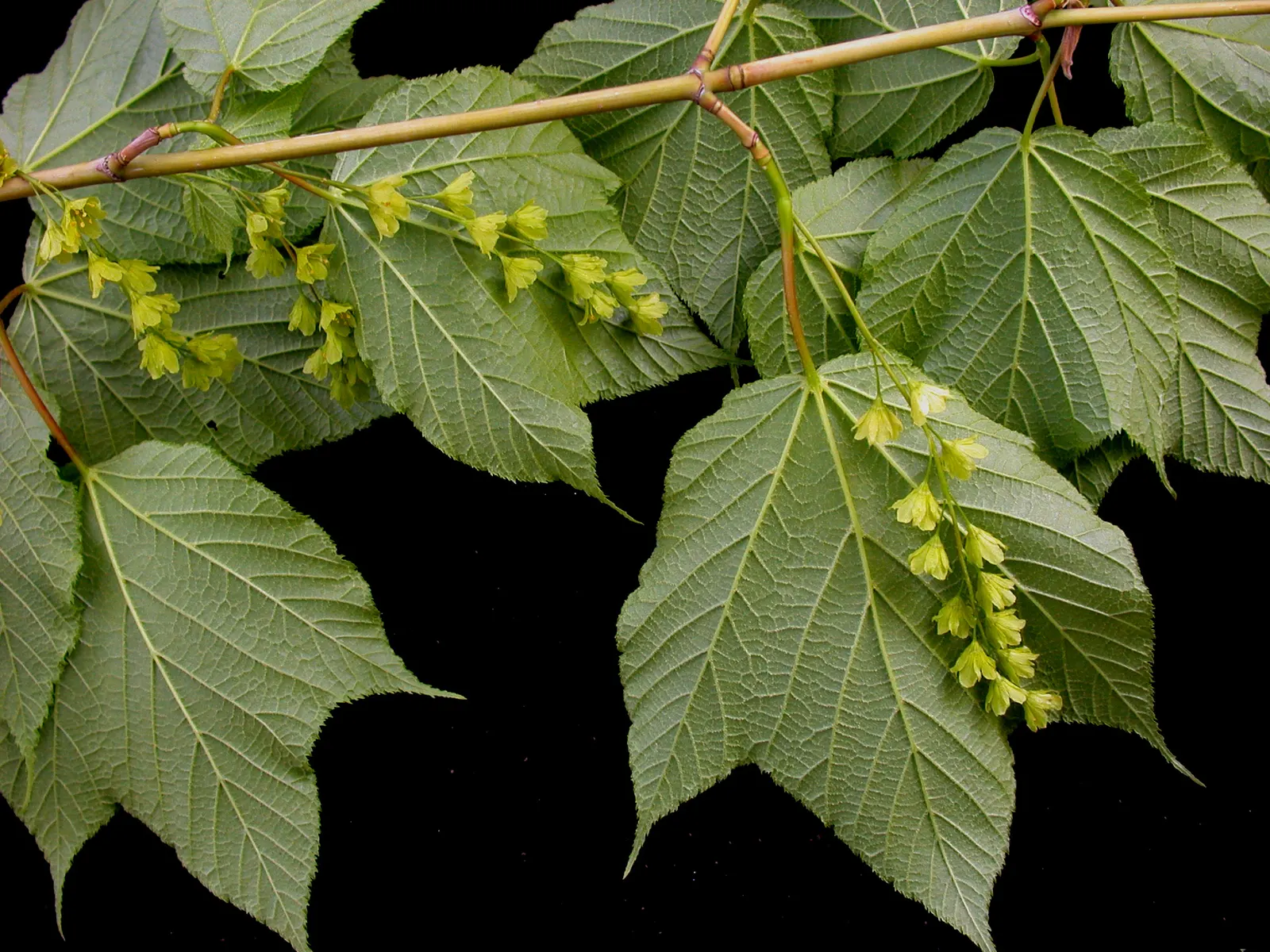
Striped Maple (Acer Pensylvanicum) — tree with yellow blooms
Striped Maple (Acer Pensylvanicum) — a captivating deciduous tree indigenous to the Northeastern United States
Striped Maple (Acer Pensylvanicum) — although it favors well-drained
Striped Maple (Acer Pensylvanicum) — transitioning to winged samaras by late summer; the tree's soil preferences are relatively flexible, image 72
Striped Maple (Acer Pensylvanicum) — tree with yellow blooms; slightly acidic loams.<br><br>Spring brings clusters of delicate bell-shaped yellow, image 80
Striped Maple (Acer Pensylvanicum) — The tree's soil preferences are relatively flexible; expect a dramatic show of colors as leaves transform into a palette
Striped Maple (Acer Pensylvanicum) — although it favors well-drained; commonly known as Striped Maple, image 70
Striped Maple (Acer Pensylvanicum) — commonly known as Striped Maple
Striped Maple (Acer Pensylvanicum) — yellow flowers in the garden; typically reaching a full height of 15 to 25 feet
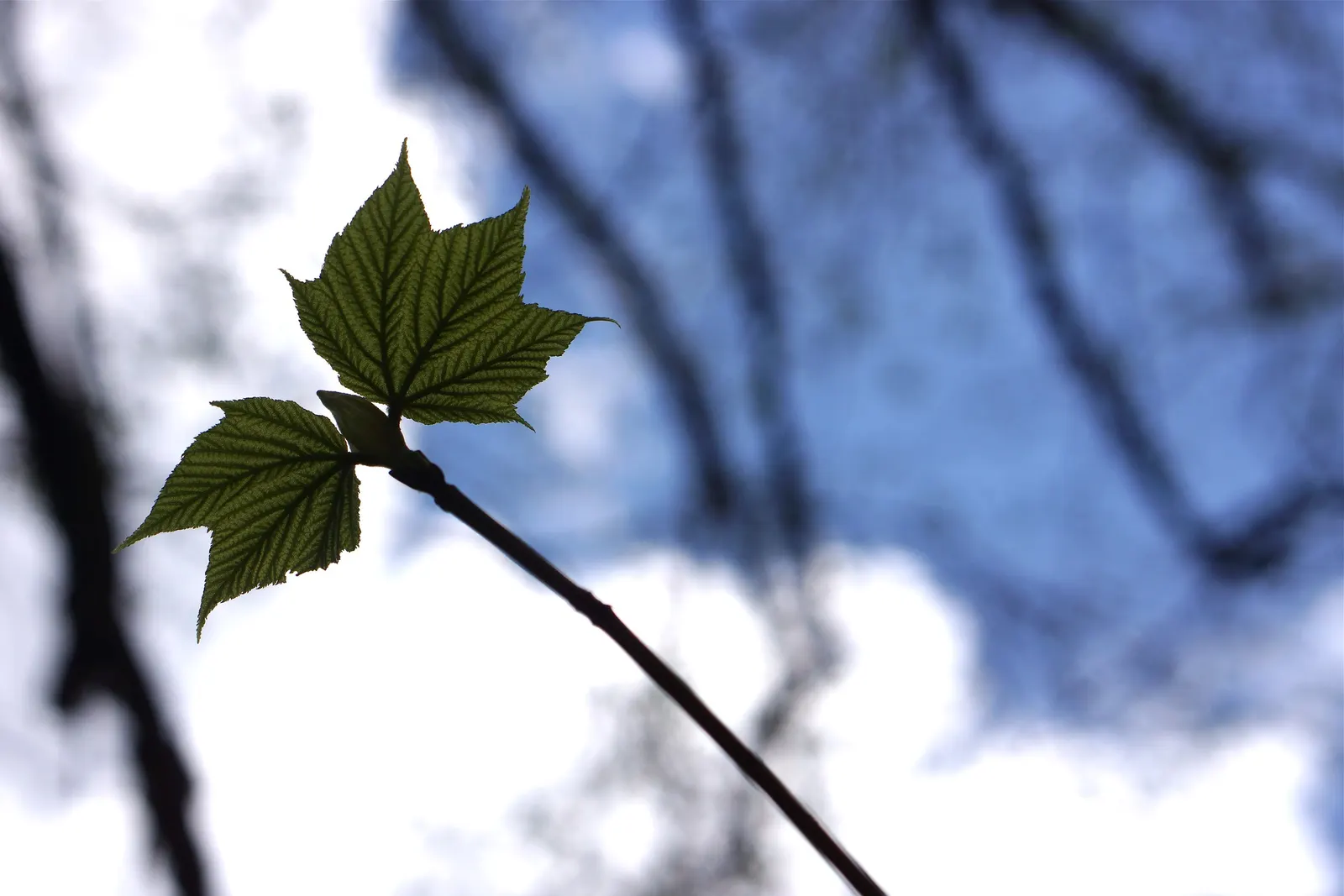
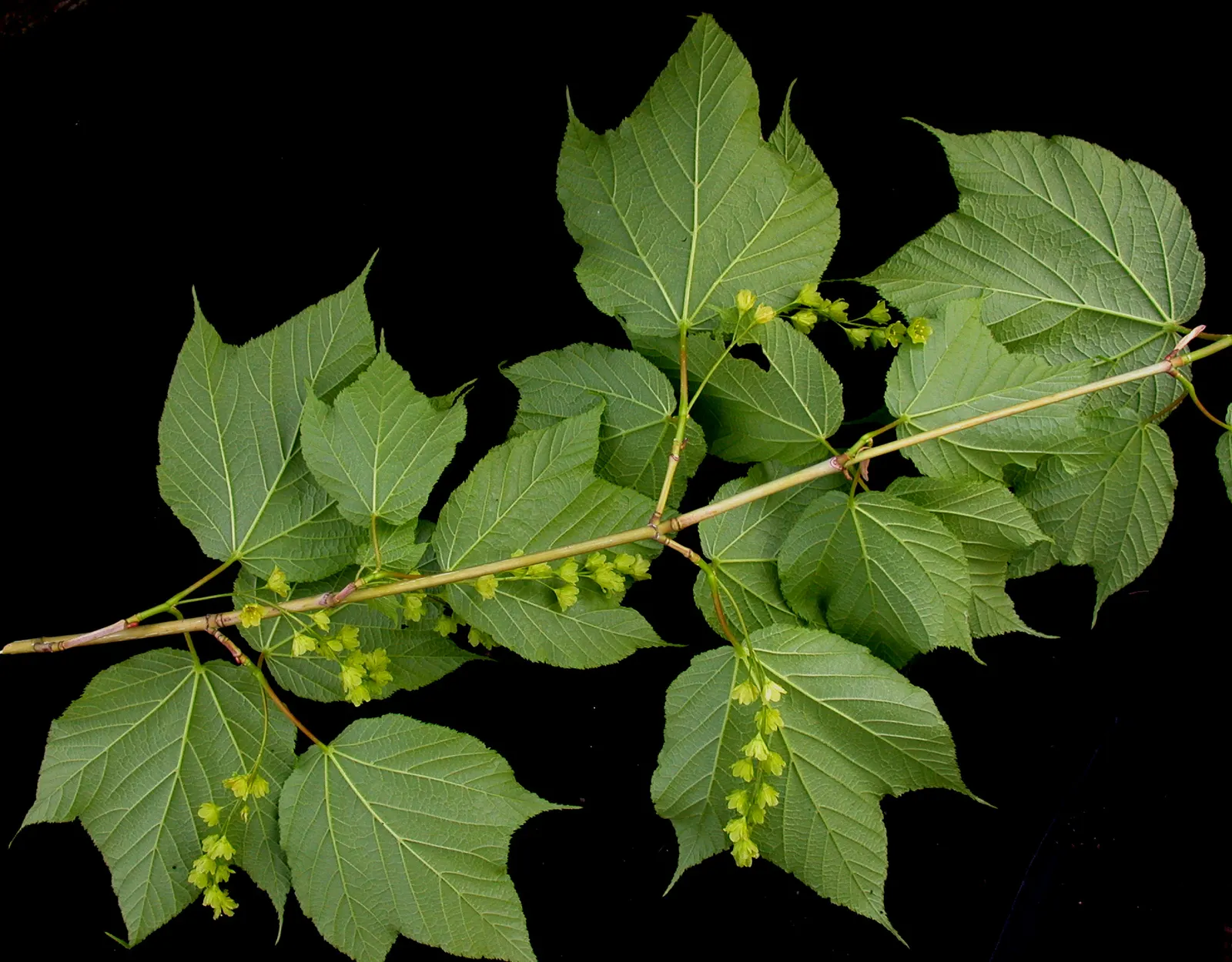
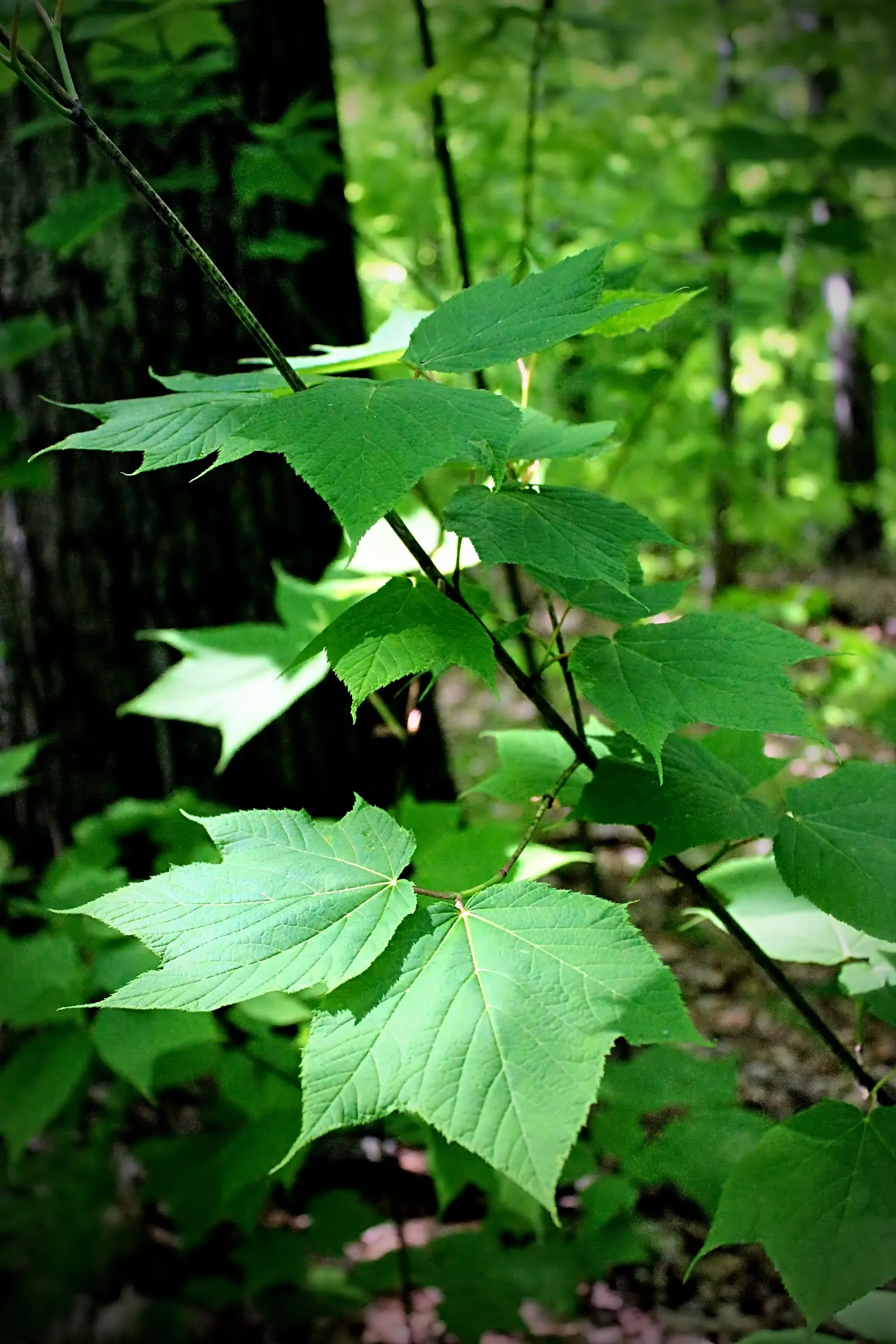
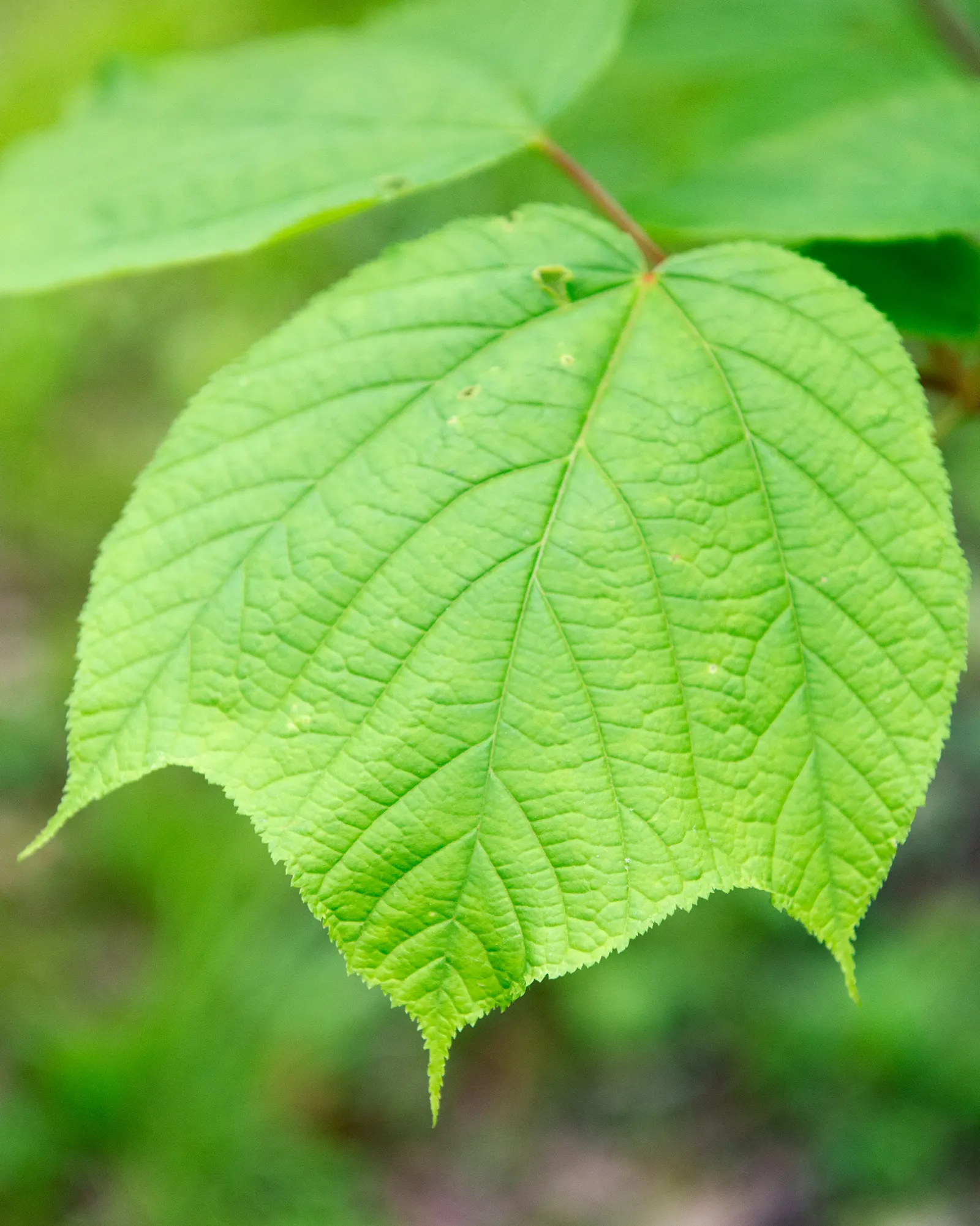
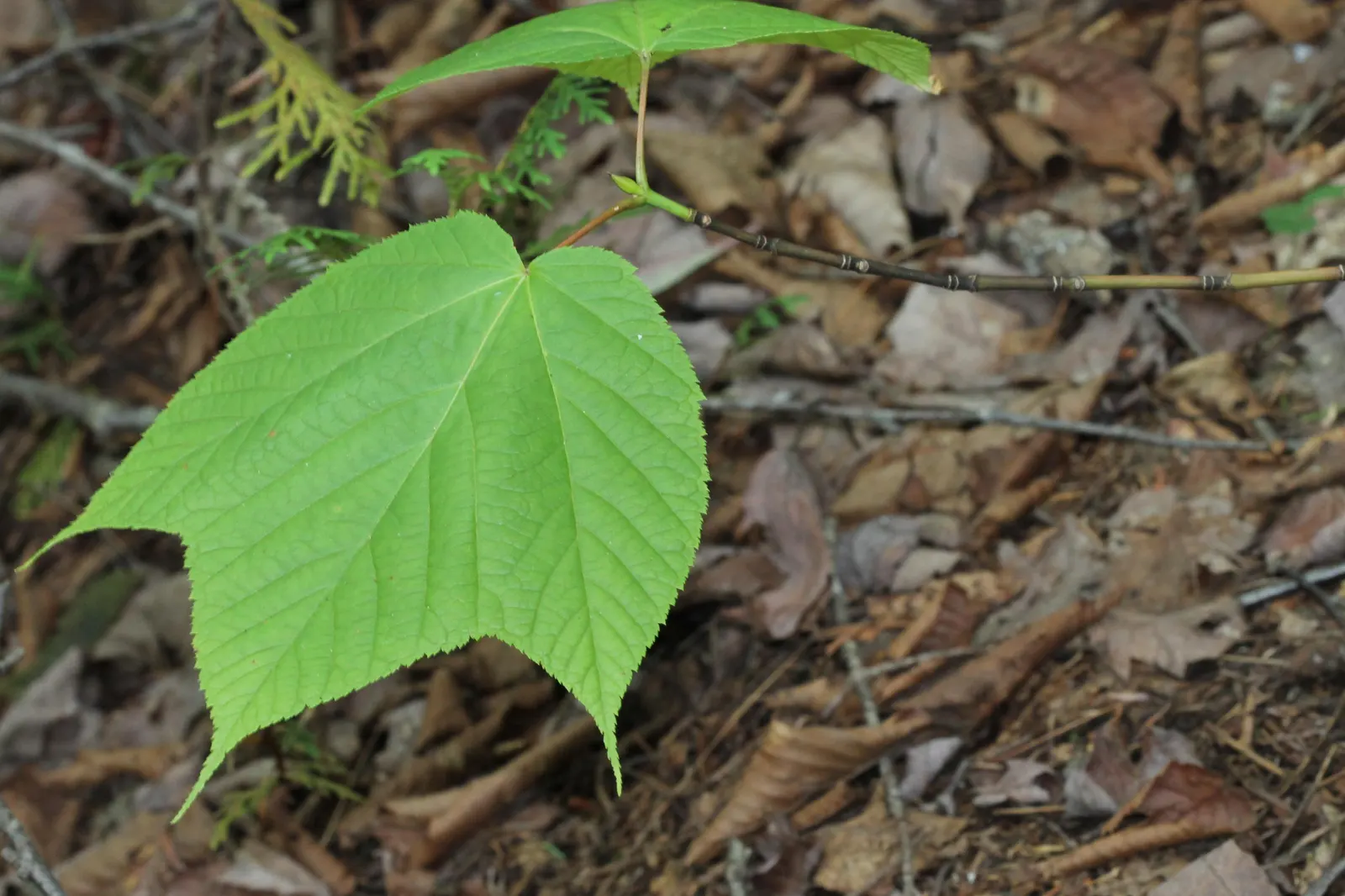
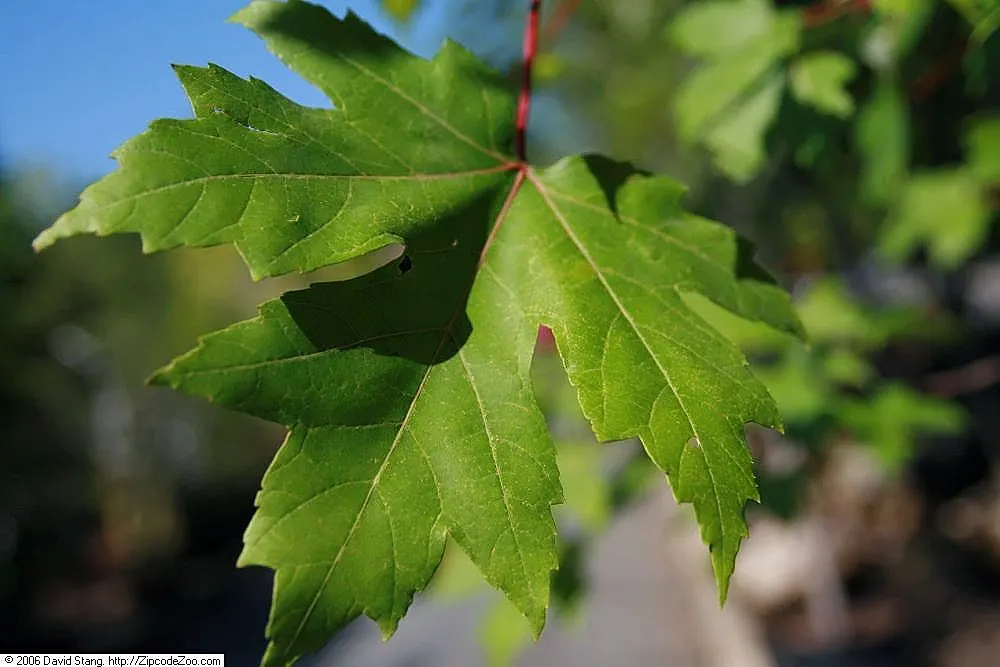
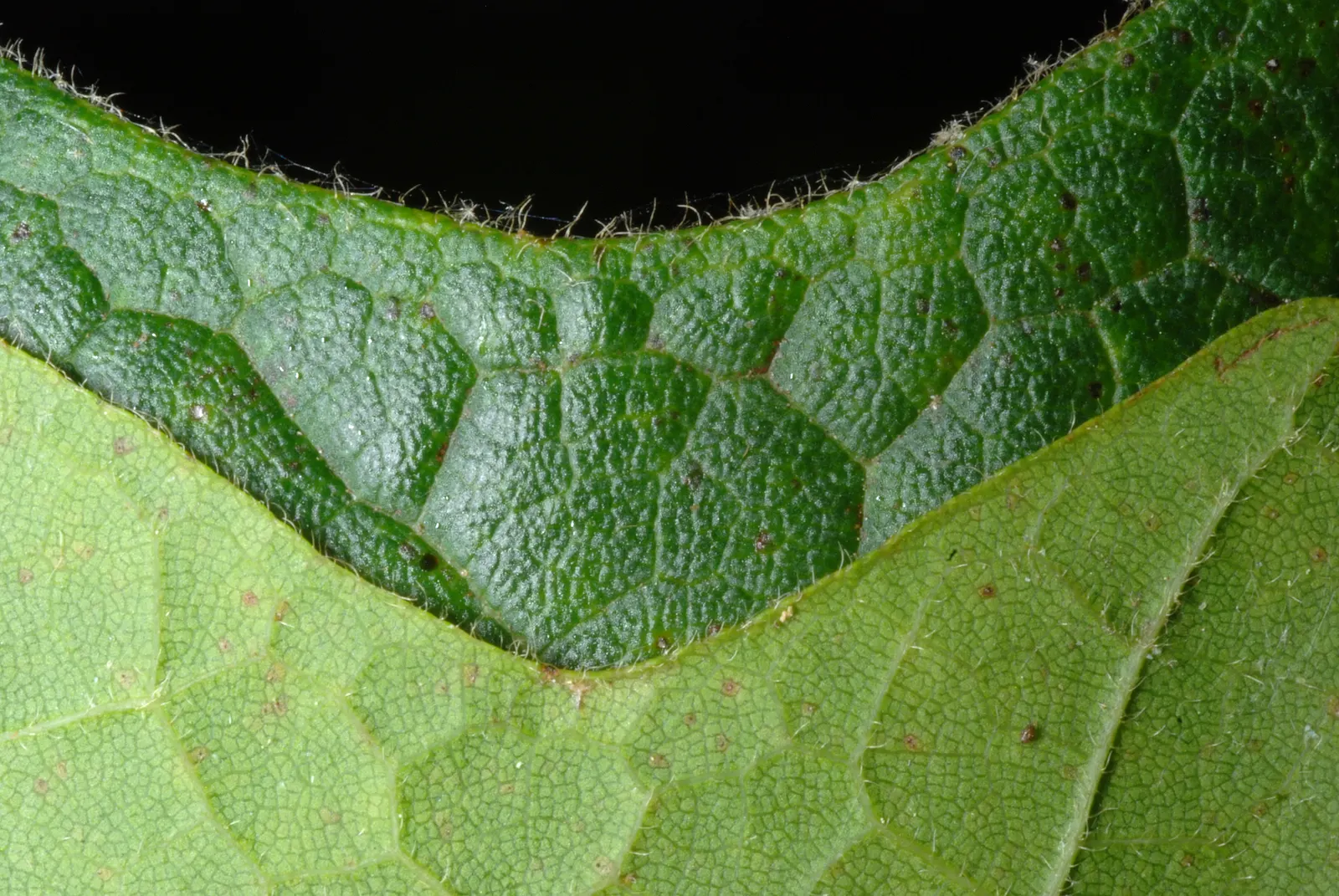
Striped Maple (Acer Pensylvanicum) — The leaves are broad and almost triangular, reaching sizes of 3 to 5 inches with a subtle serration
Striped Maple (Acer Pensylvanicum) — The Striped Maple (Acer pensylvanicum); adding year-round visual interest to any garden setting.<br><br>For the landscape
Striped Maple (Acer Pensylvanicum) — It adds visual interest with its striking fall coloration of yellow to orange and is hardy in USDA zones 3-7, image 32
Striped Maple (Acer Pensylvanicum) — It adds visual interest with its striking fall coloration of yellow to orange and is hardy in USDA zones 3-7, image 86
Striped Maple (Acer Pensylvanicum) — It boasts distinctive green-white striped bark, large, three-lobed leaves, and bell-shaped yellow flowers
Striped Maple (Acer Pensylvanicum) — It boasts distinctive green-white striped bark, large, three-lobed leaves, and bell-shaped yellow flowers, image 57
Striped Maple (Acer Pensylvanicum) — The tree's soil preferences are relatively flexible; expect a dramatic show of colors as leaves transform into, image 69
Striped Maple (Acer Pensylvanicum) — tree for half or shade; makes Acer pensylvanicum a valuable addition to the cultivated garden
Striped Maple (Acer Pensylvanicum) — Its tolerance for partial shade makes it an adaptable understory tree; however; a captivating deciduous tree indigenous to
Striped Maple (Acer Pensylvanicum) — Thriving in partial to full shade, this understory tree prefers moist, well-drained soil; yellow flowers in the garden
Striped Maple (Acer Pensylvanicum) — It adds visual interest with its striking fall coloration of yellow to orange and is hardy in USDA zones 3-7, image 59
Photographs by 6 contributors

Related plants