
Japanese Maple
Acer Palmatum
Overview
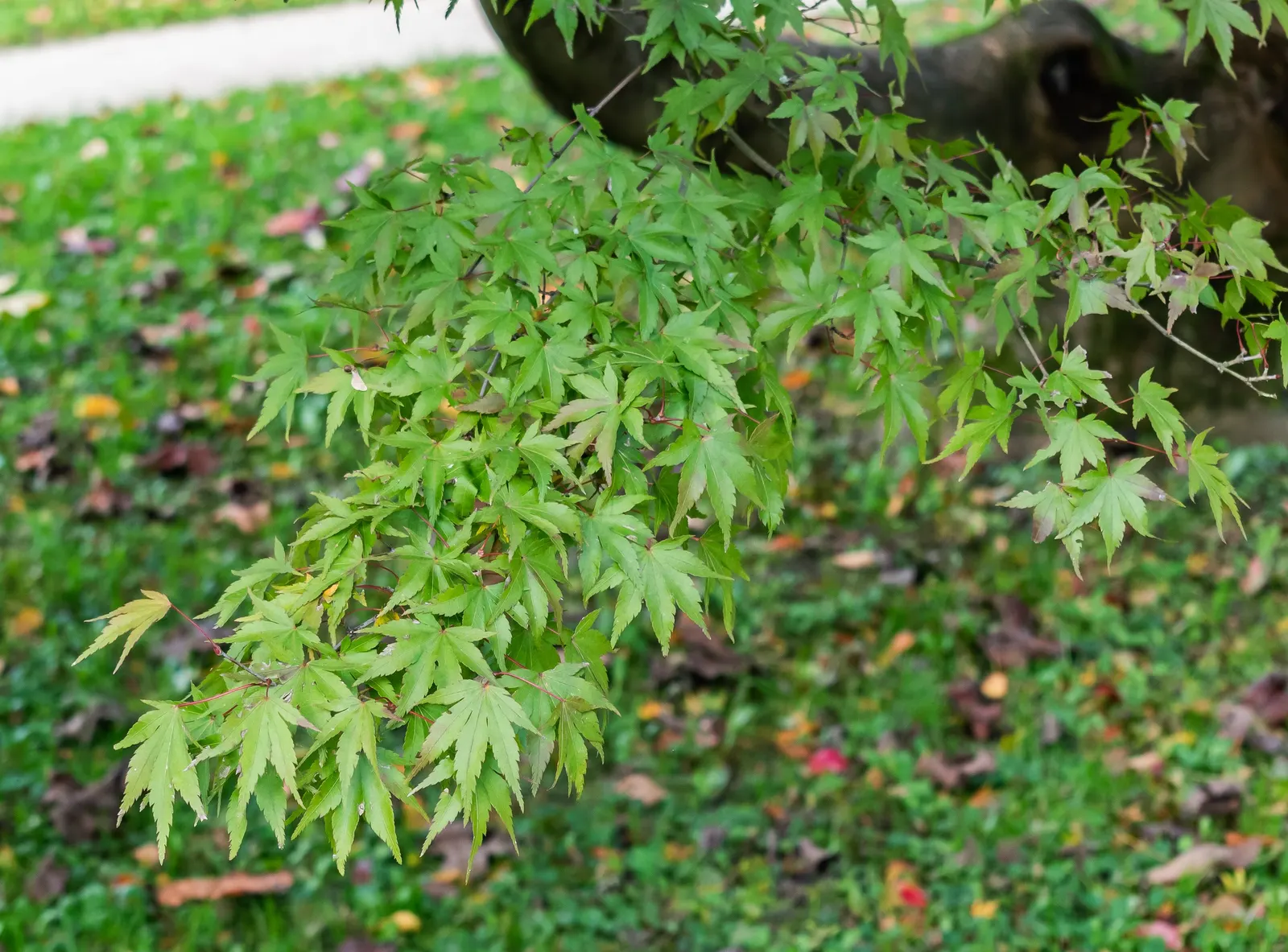
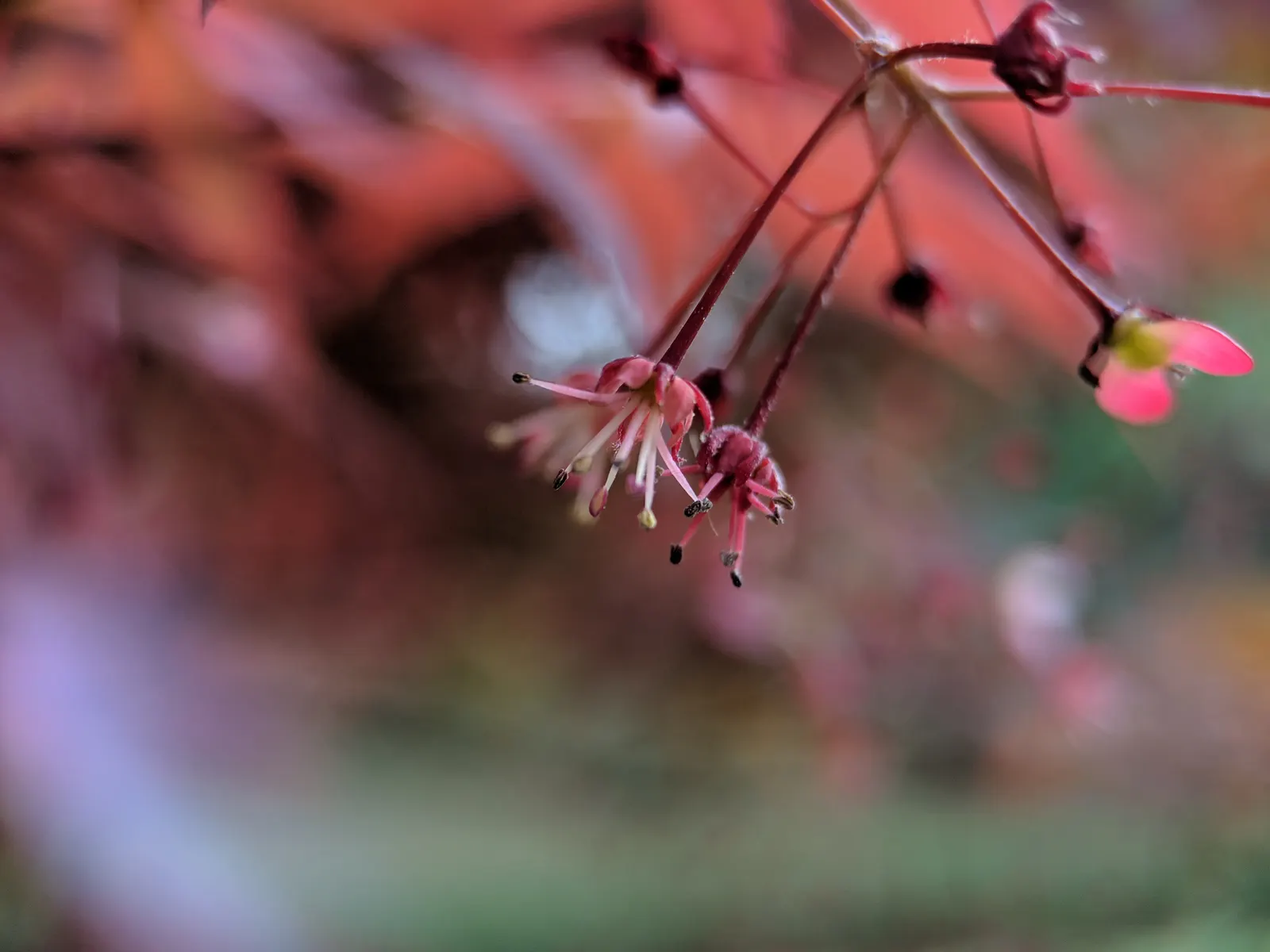
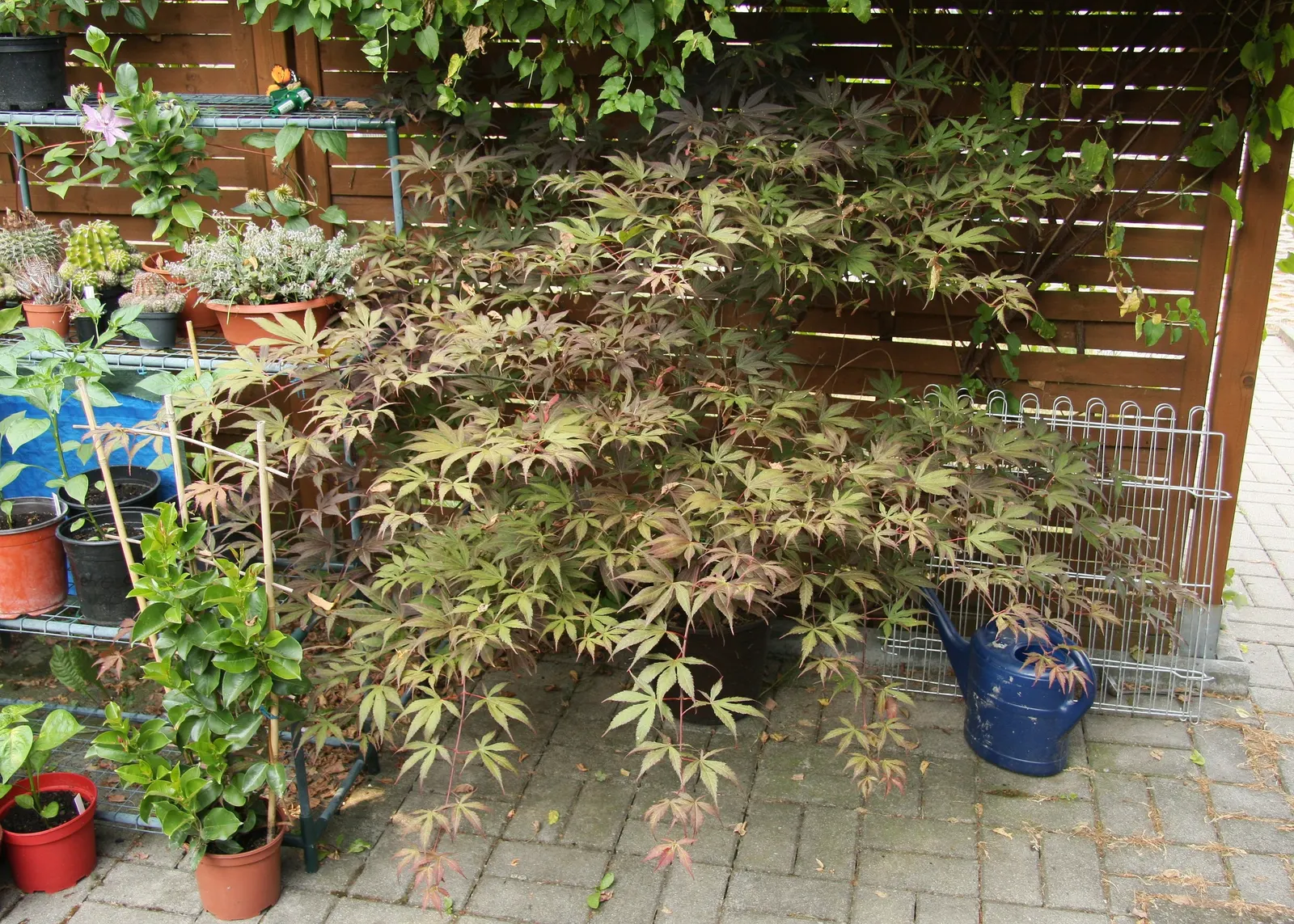
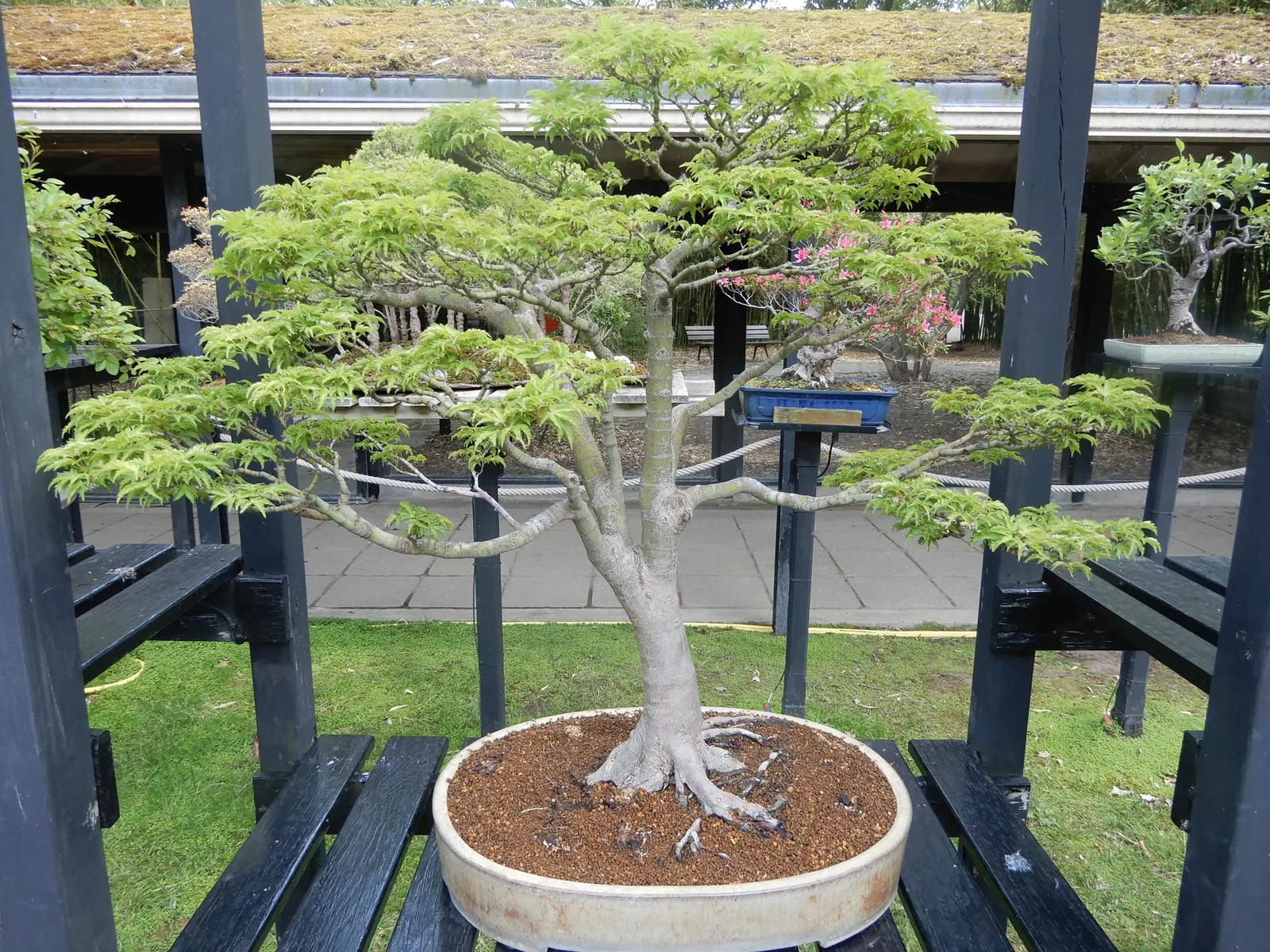
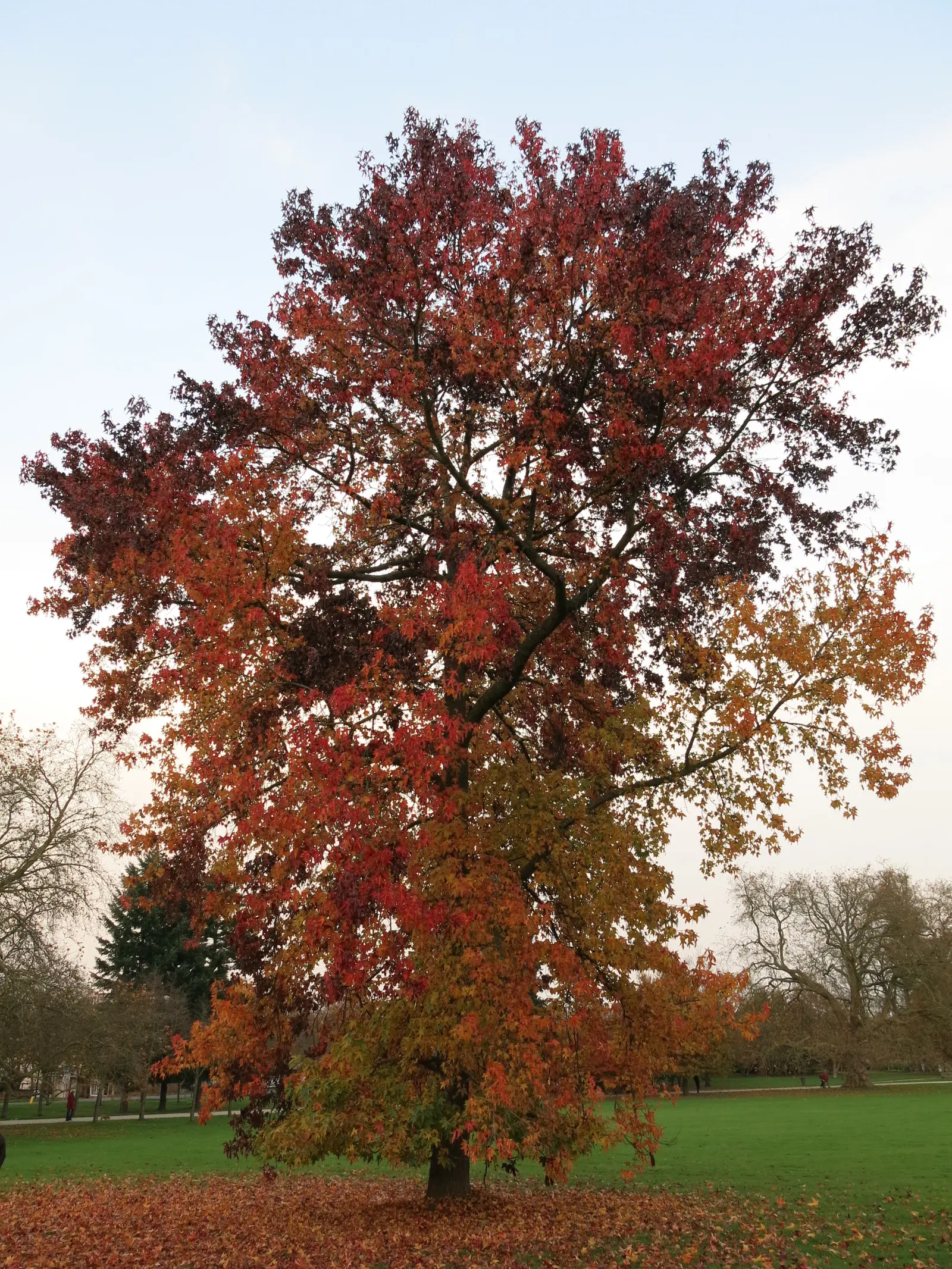
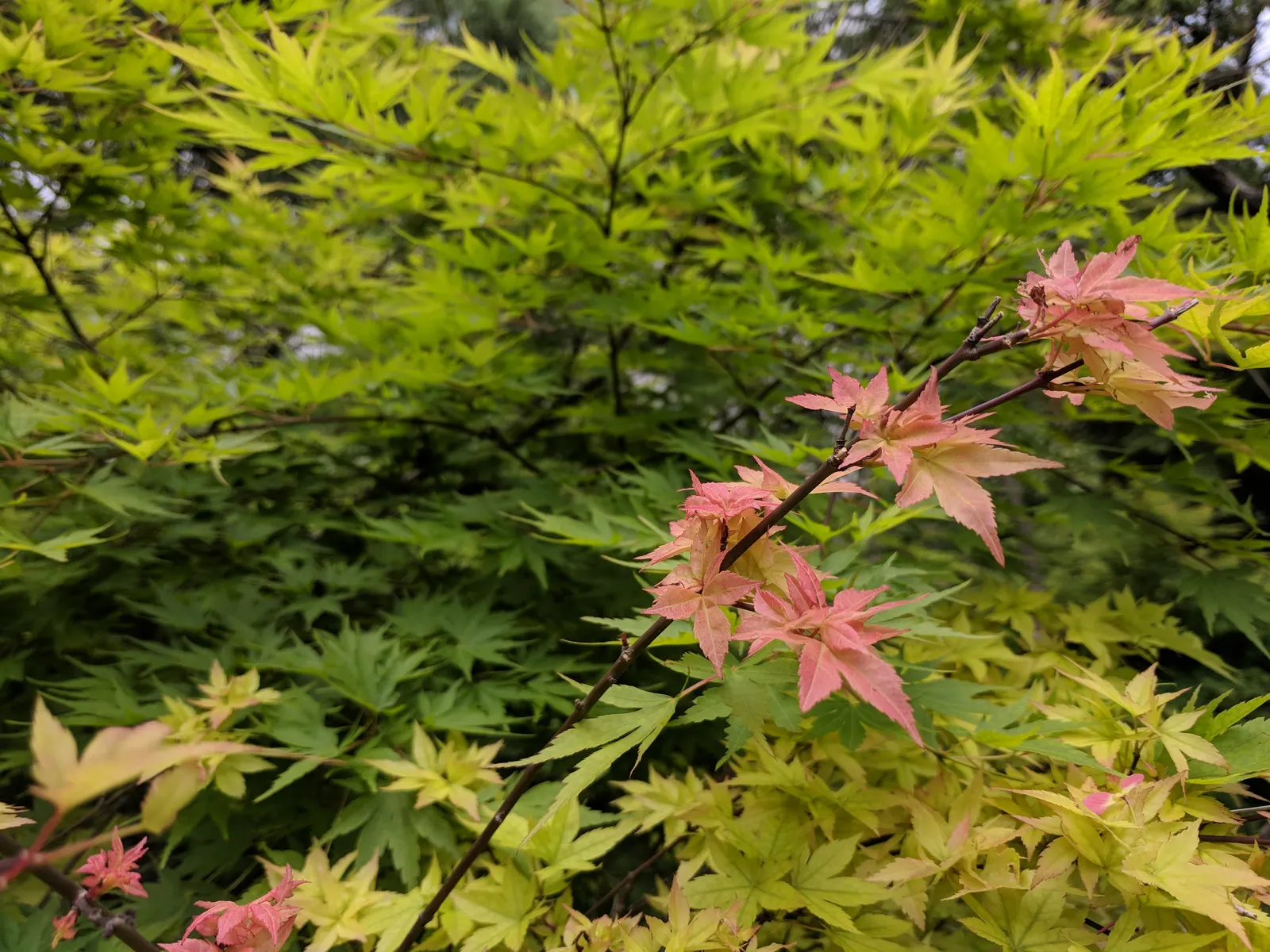
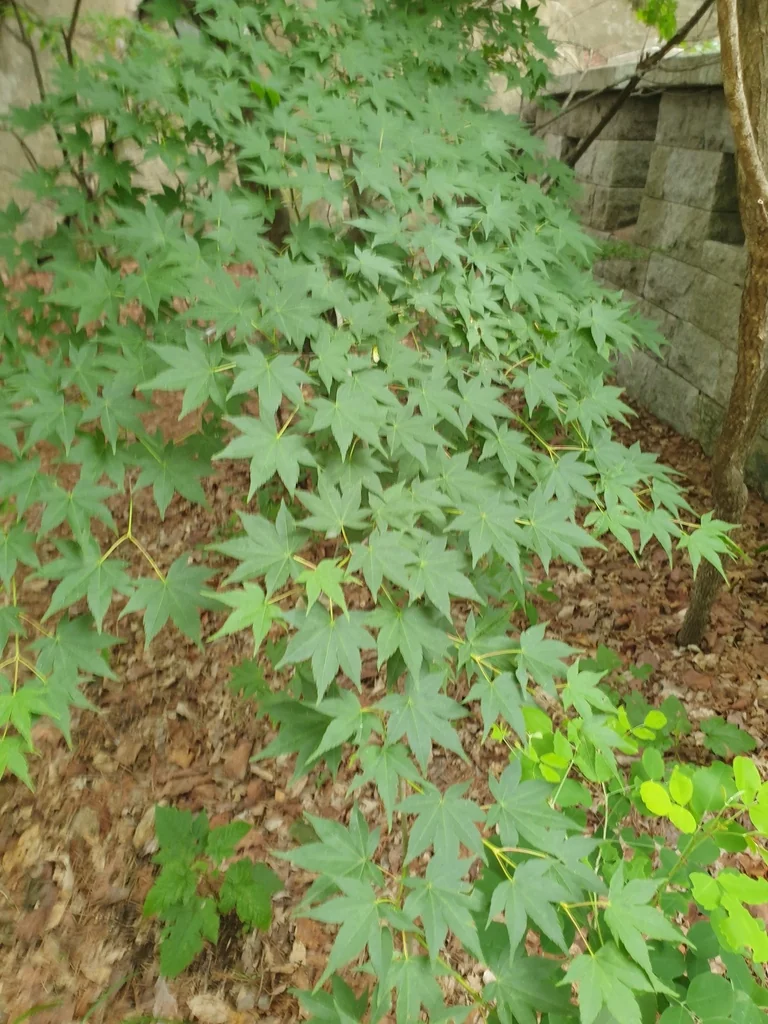
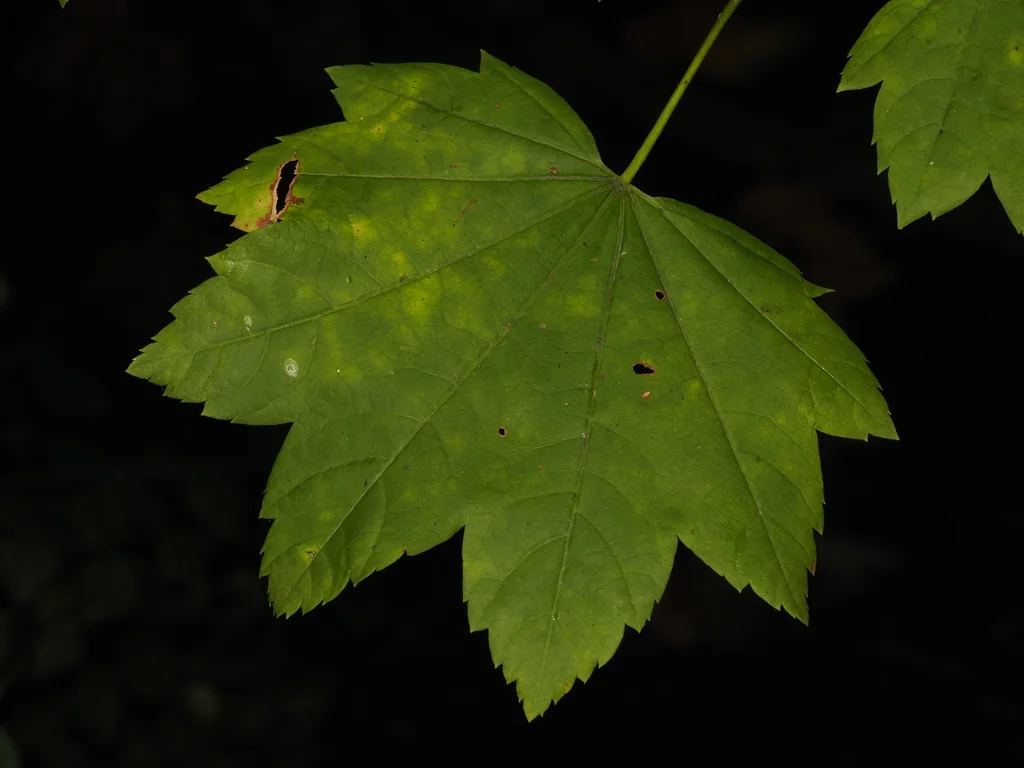
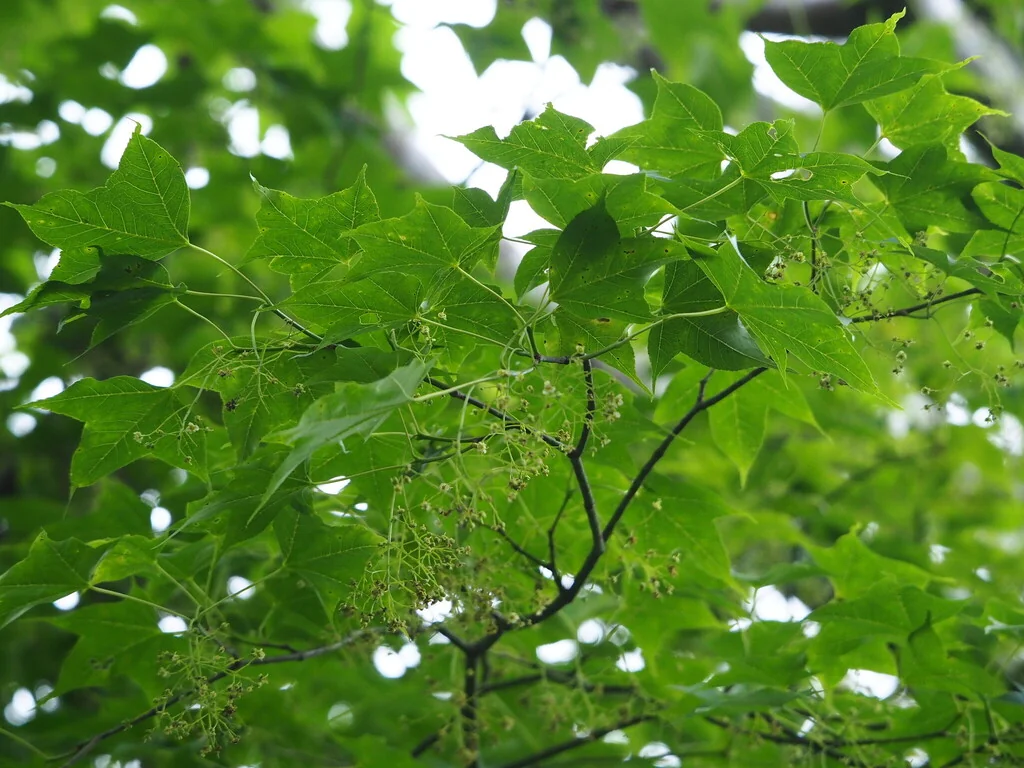
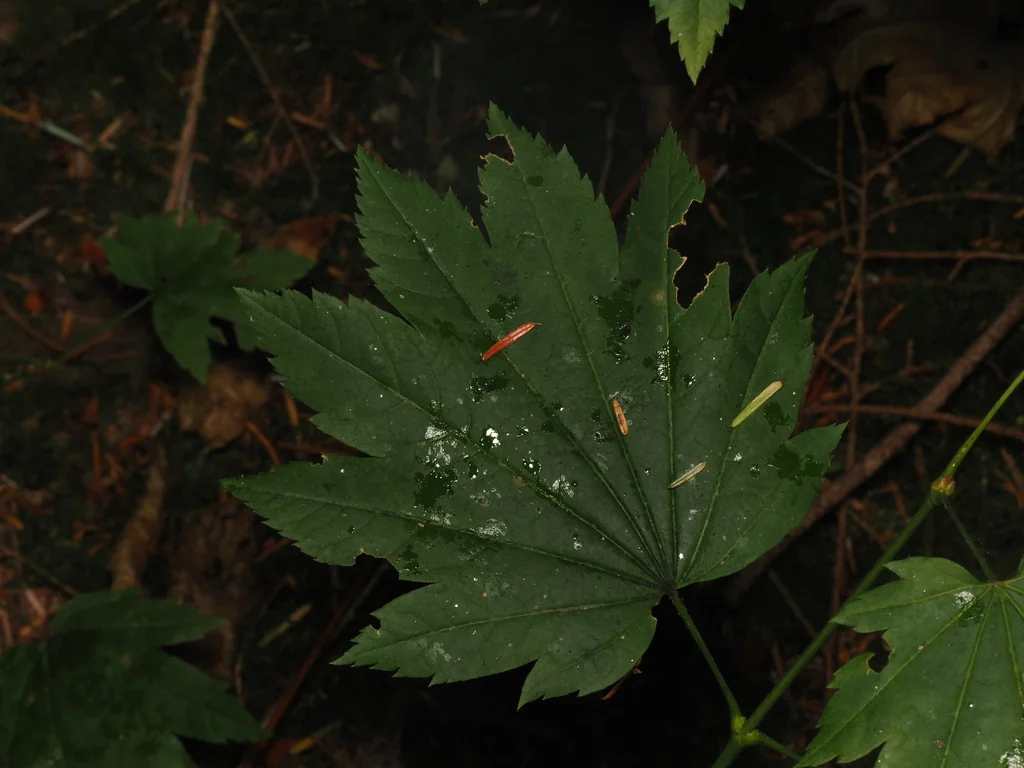
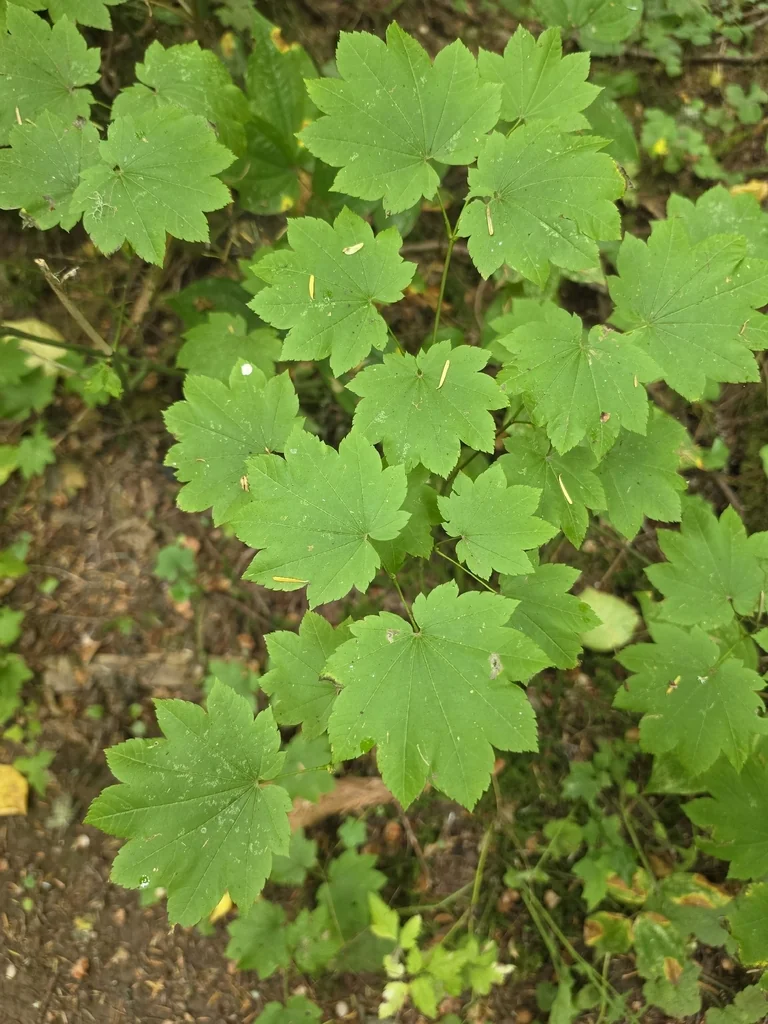
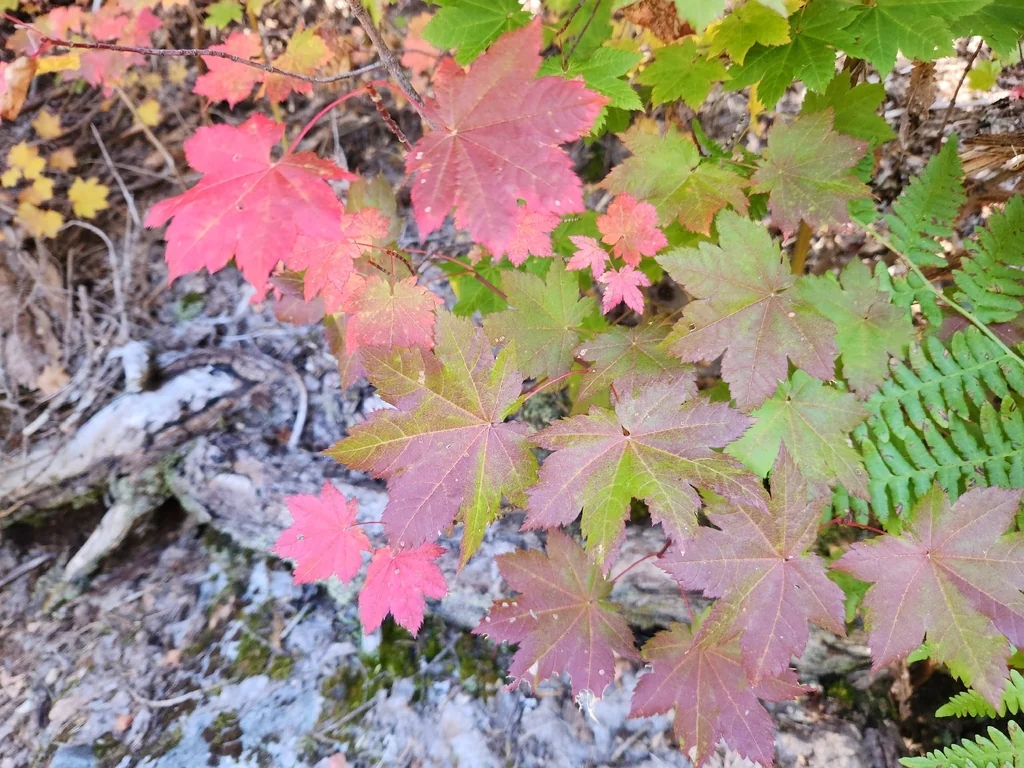
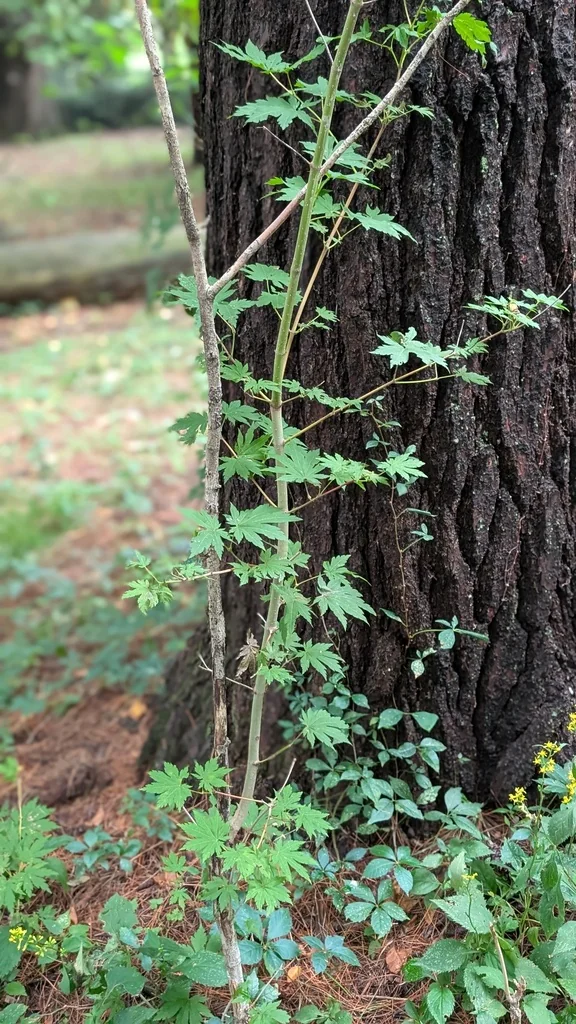
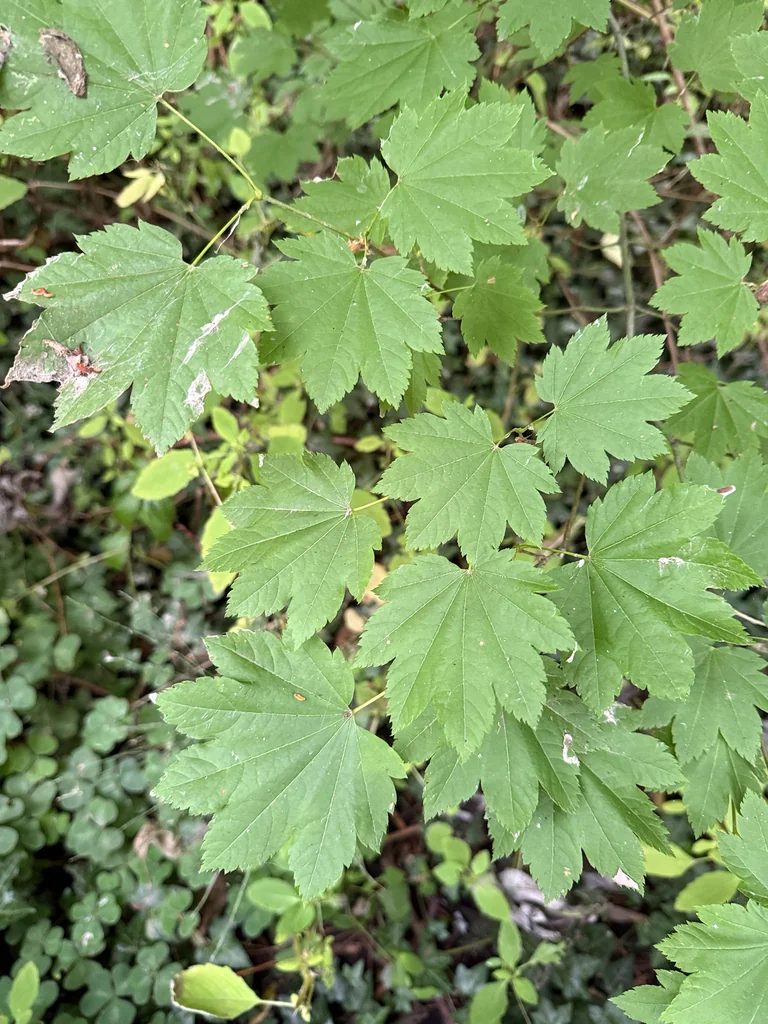
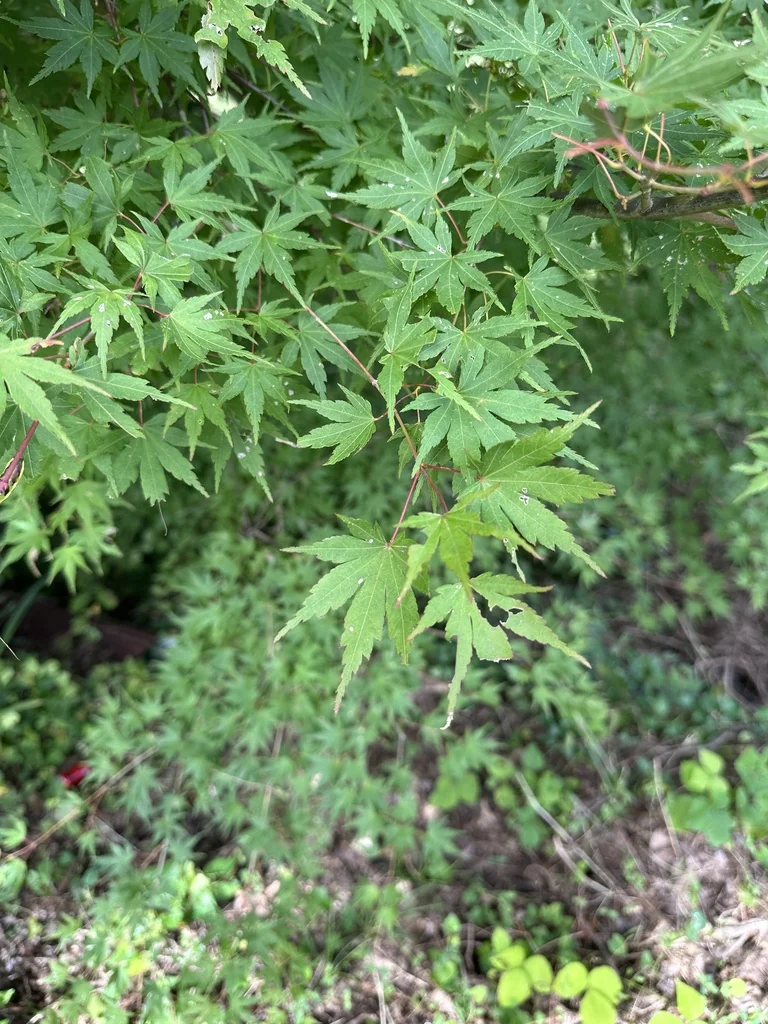
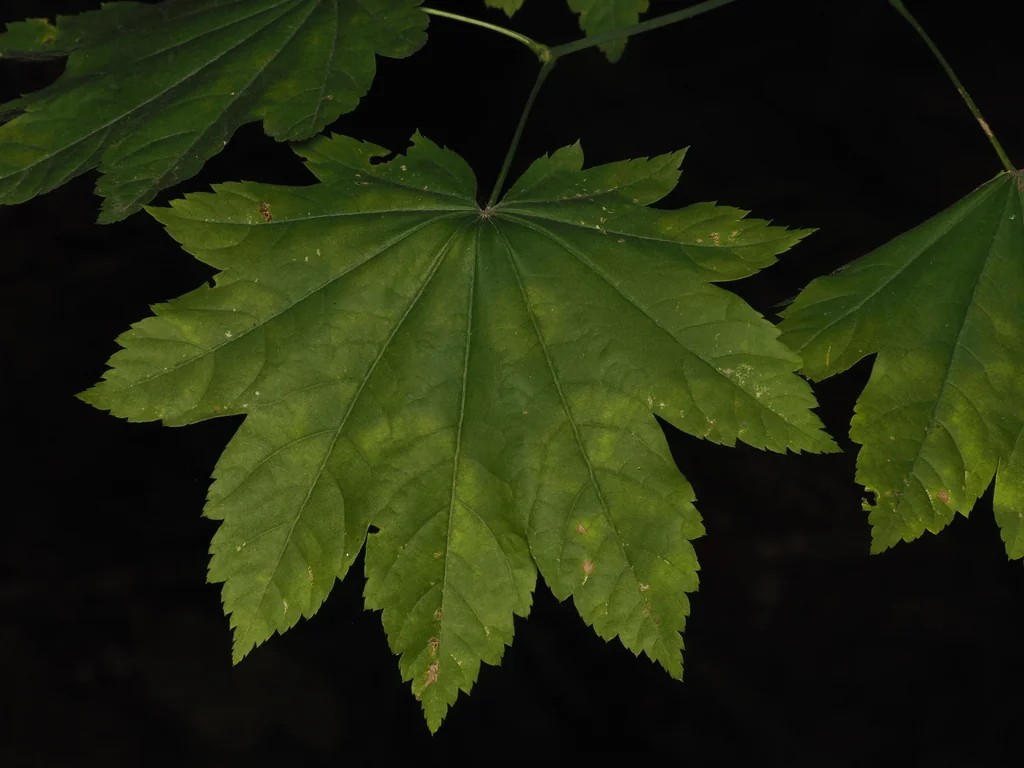
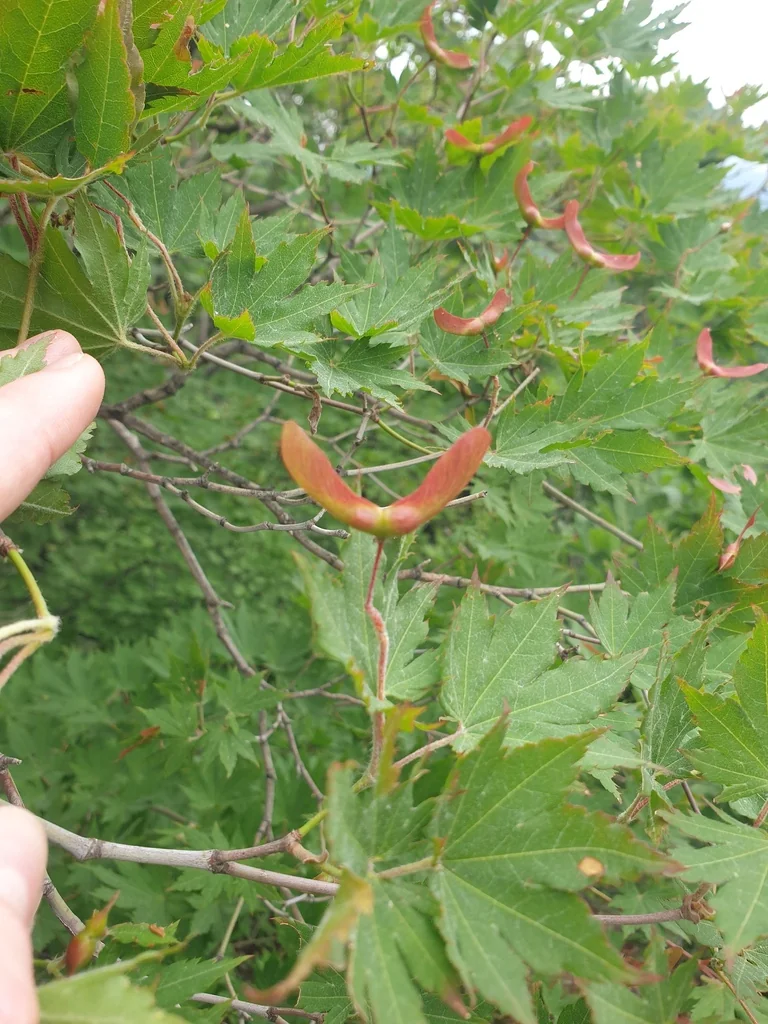
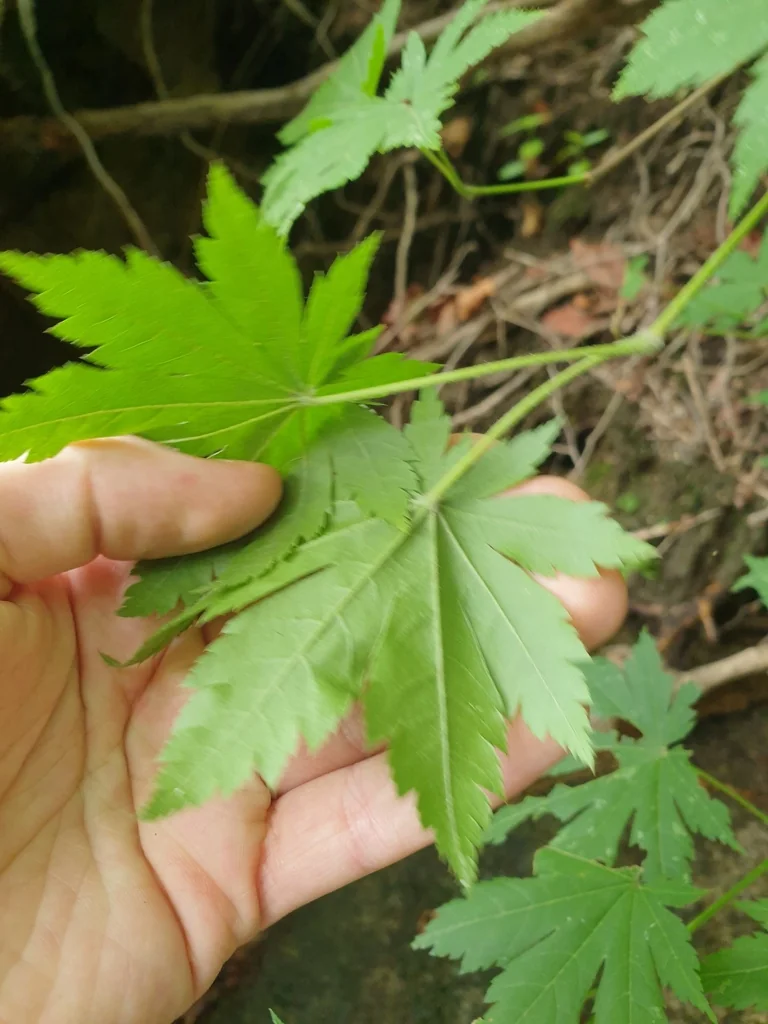
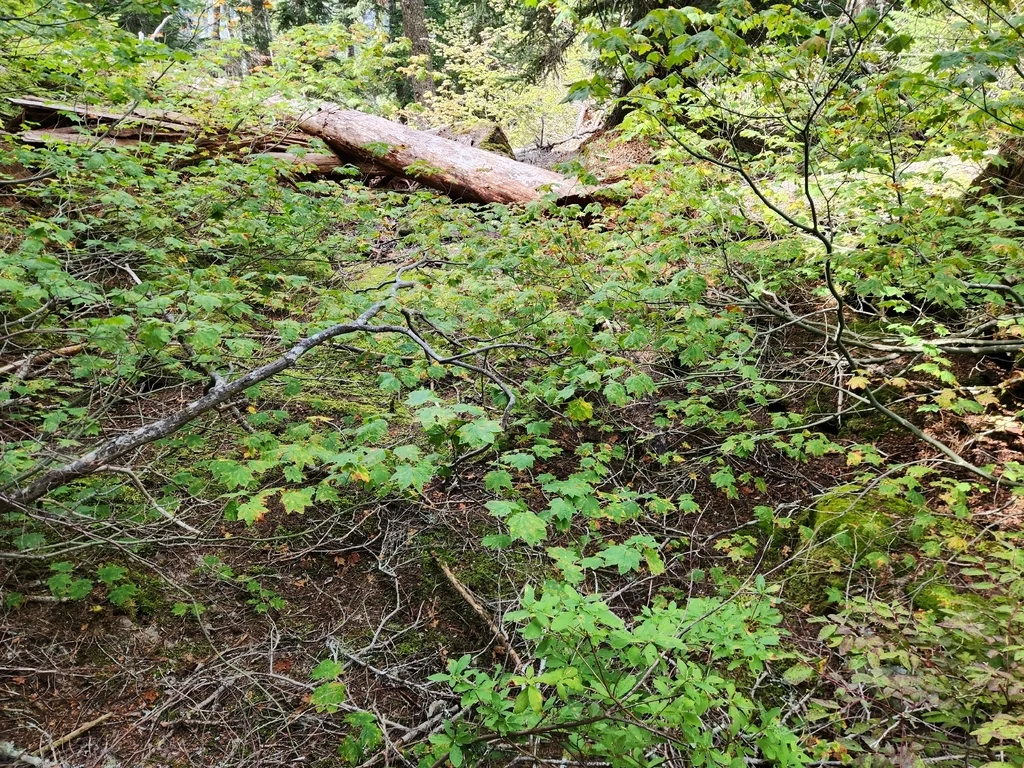
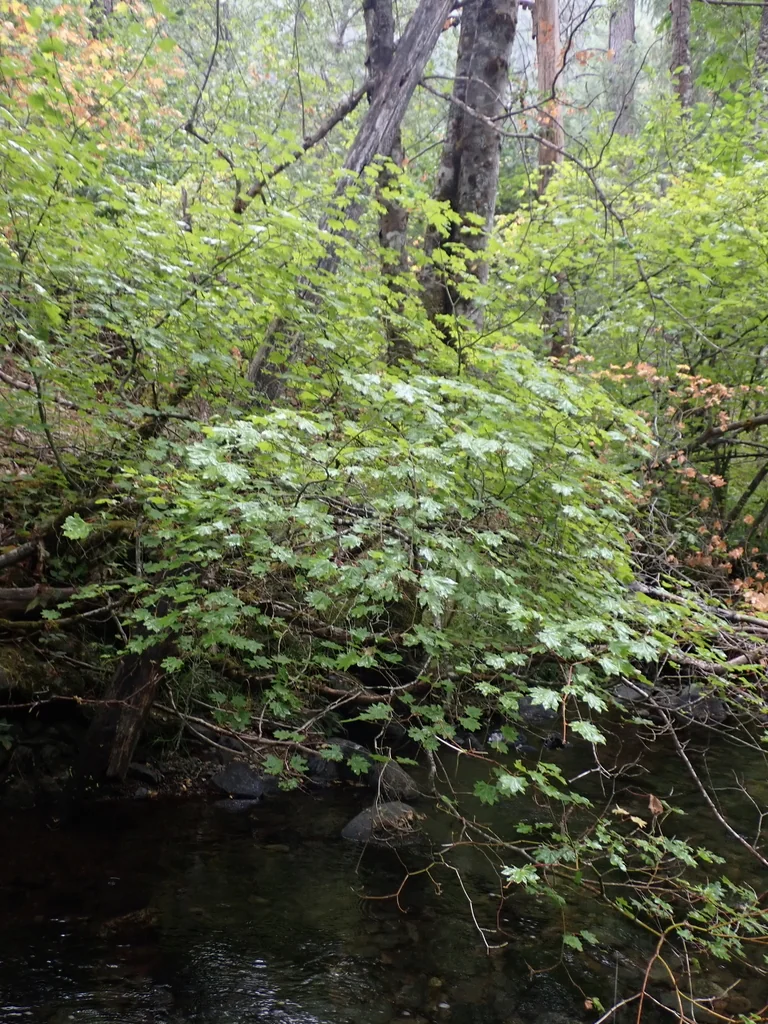
Acer palmatum, known as Japanese Maple, is valued for its graceful habit, autumn hues, and fine-cut leaves. Mature specimens reach 10-25 feet high with a similar spread. Preferring partial shade, well-drained acidic soil, this specimen offers striking focal interest or soft background contrast. Zones 5-8 optimize growth, with cold-hardiness of 20°F to -5°F. Moderate growth rate suggests minimal pruning. Picturesque in quiet woodland settings or as a garden centerpiece.

Culture
- Sun
- Full, Half, Shade
- Water
- Extra in Summer, Medium
- USDA zones
- 5–8
Shape & size
- Mature height
- 10–25 Ft.
- Mature width
- 10–25 Ft.
Classification
- Type
- Tree
- Family
- Sapindaceae
- Climate
- Temperate
See full data, regional cultivation notes, and design tools. Build a client presentation around this plant.
Start your 14-day trialPhotos (51)



Related plants

Shrub
Amur Maple
Acer Ginnala

Tree
Autumn Blaze Maple
Acer X Freemanii 'Autumn Blaze'
Tree
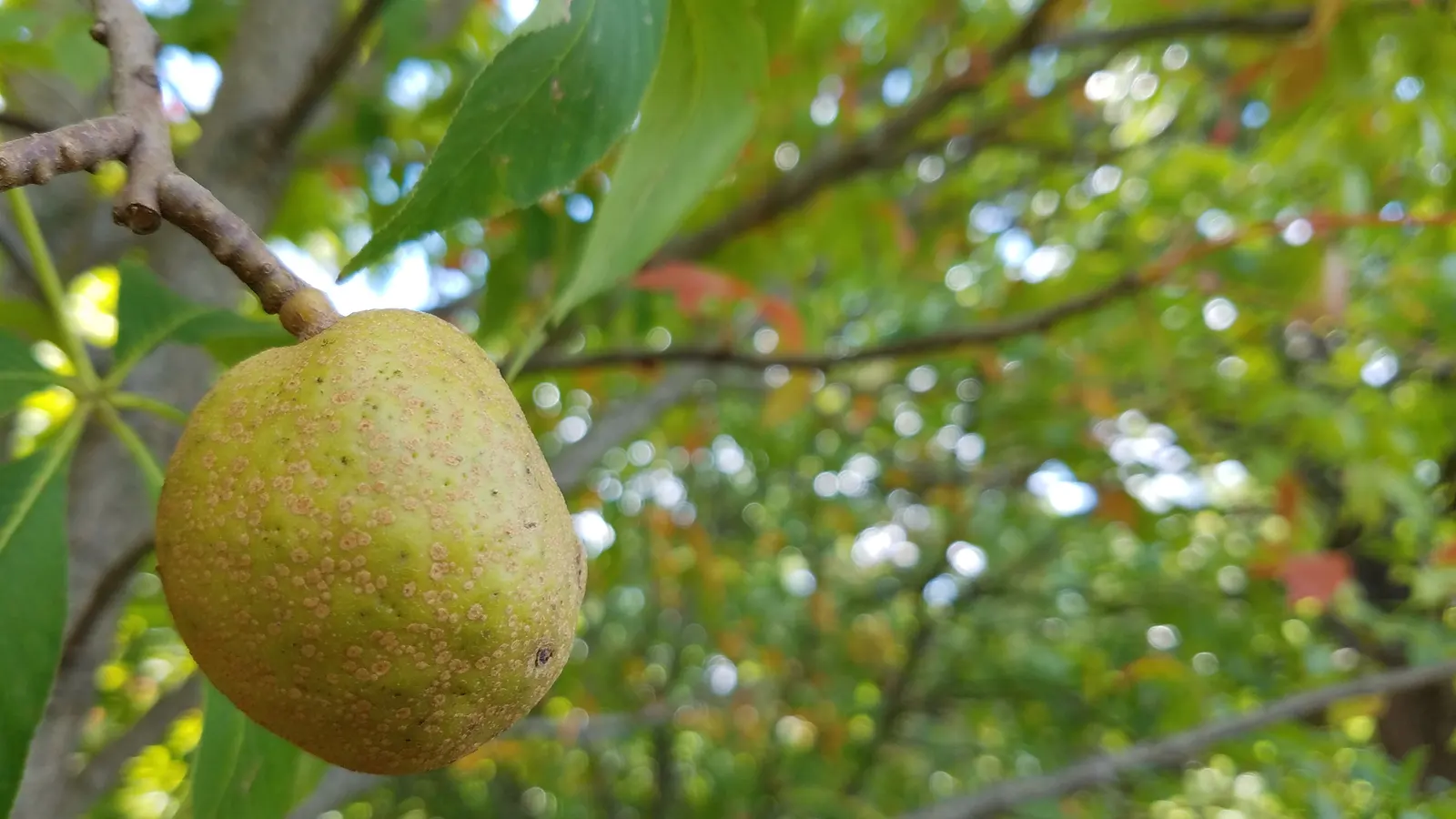
Autumn Splendor Buckeye
Aesculus X Arnoldiana 'Autumn Splendor'
Tree
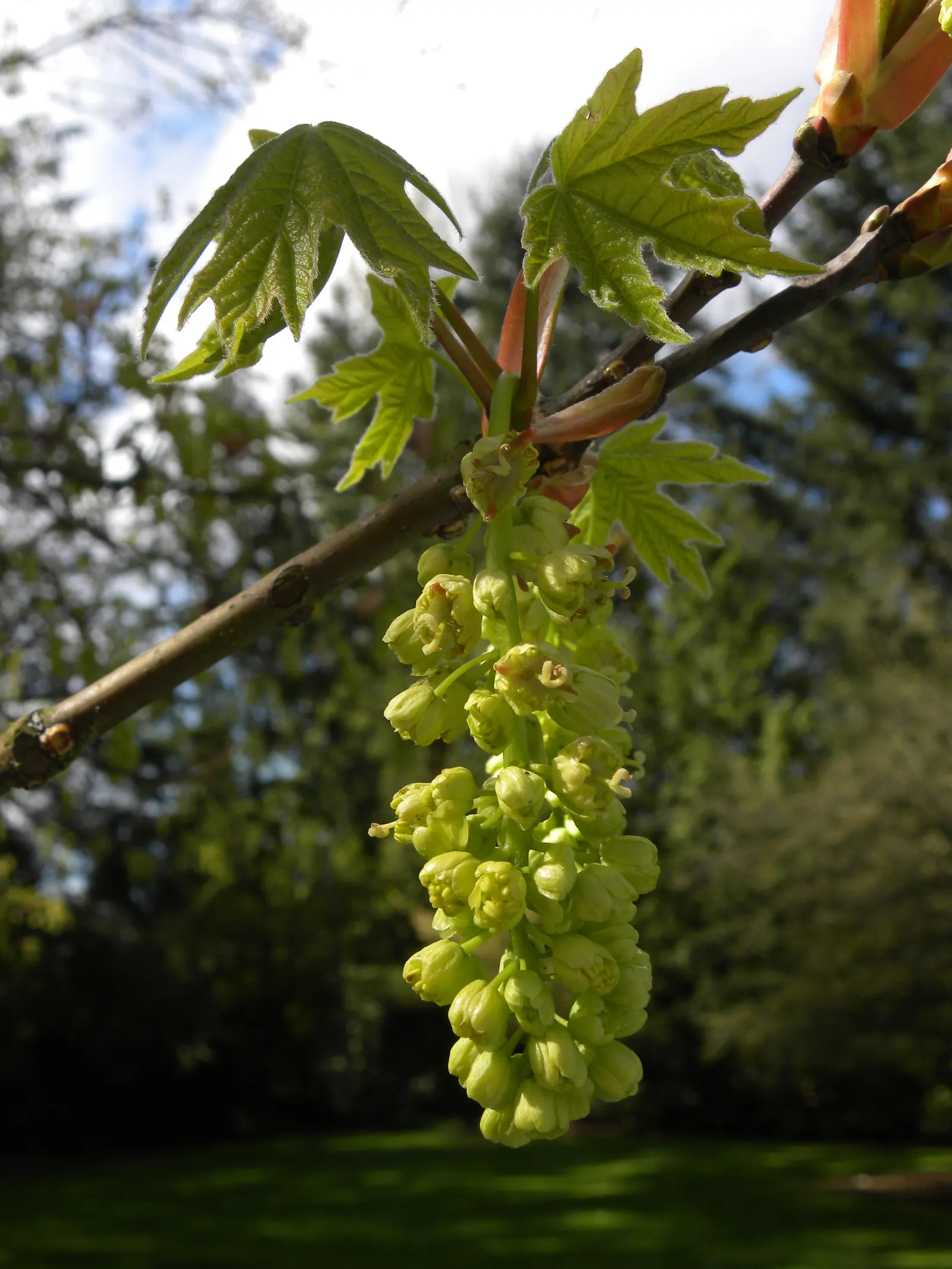
Bigleaf Maple
Acer Macrophyllum
Tree
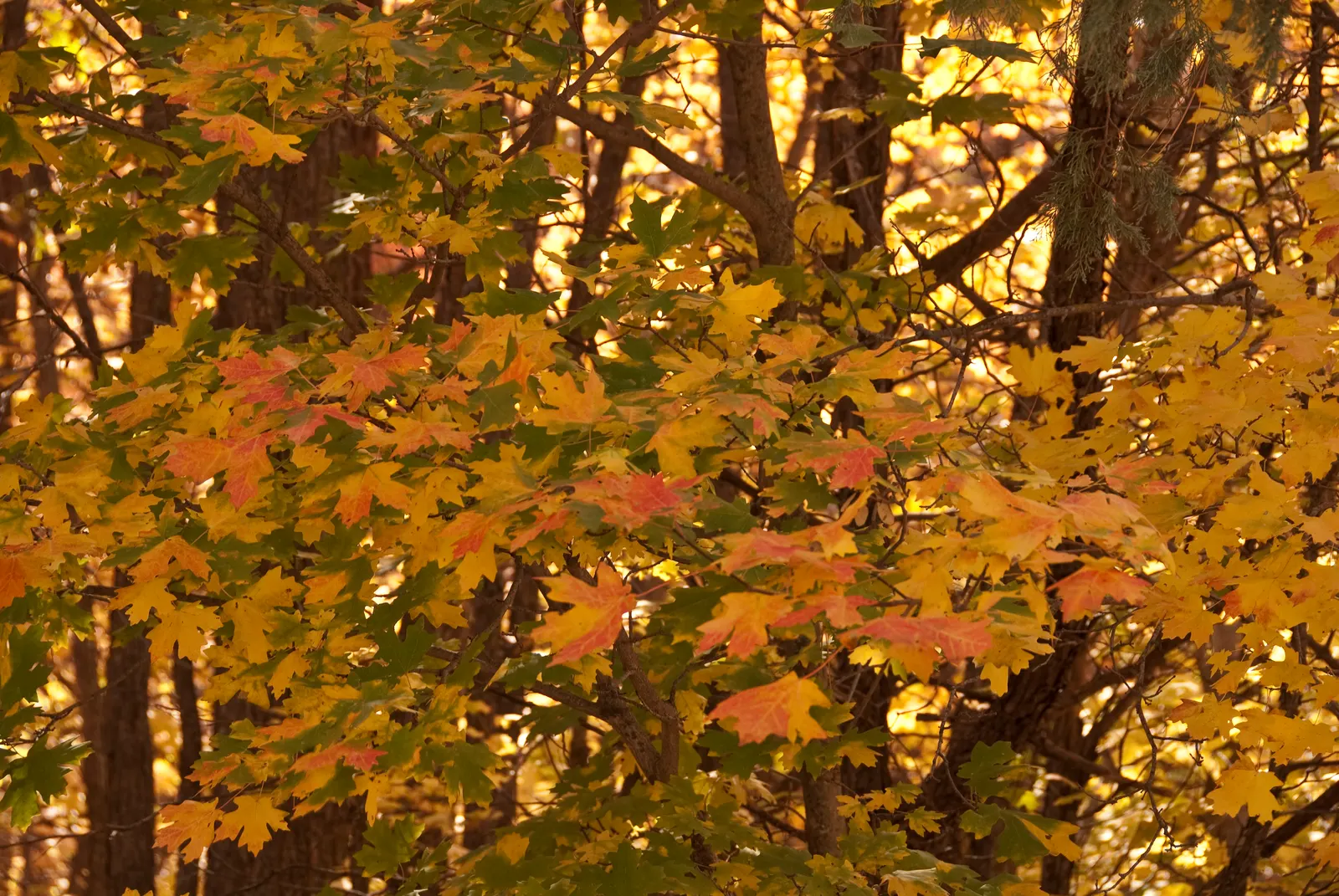
Bigtooth Maple
Acer Grandidentatum
Tree
Black Maple
Acer Saccharum Subsp. Nigrum