Skip to content

Fringed Wattle

Acacia Fimbriata

Design with this plant

Overview

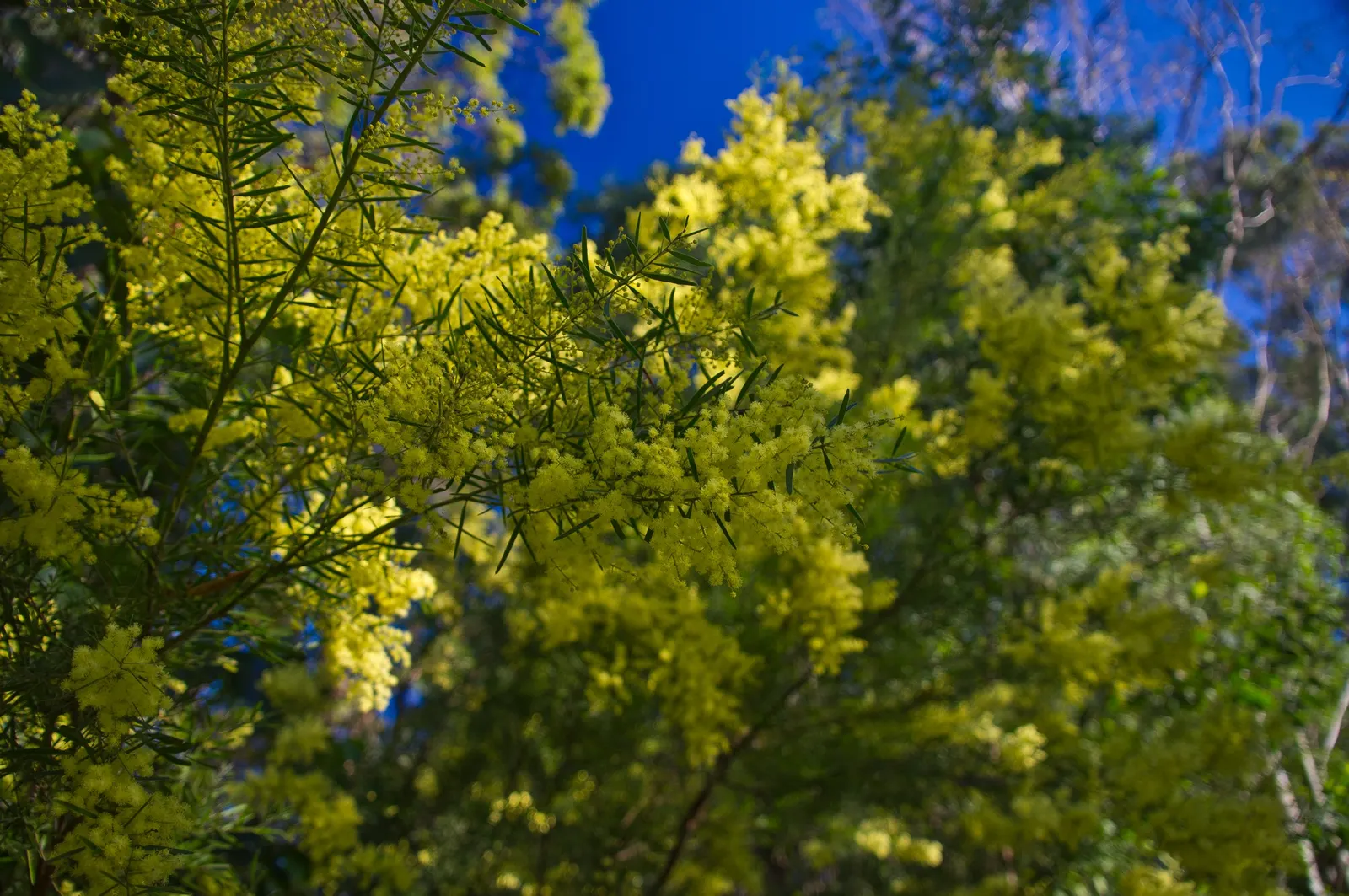
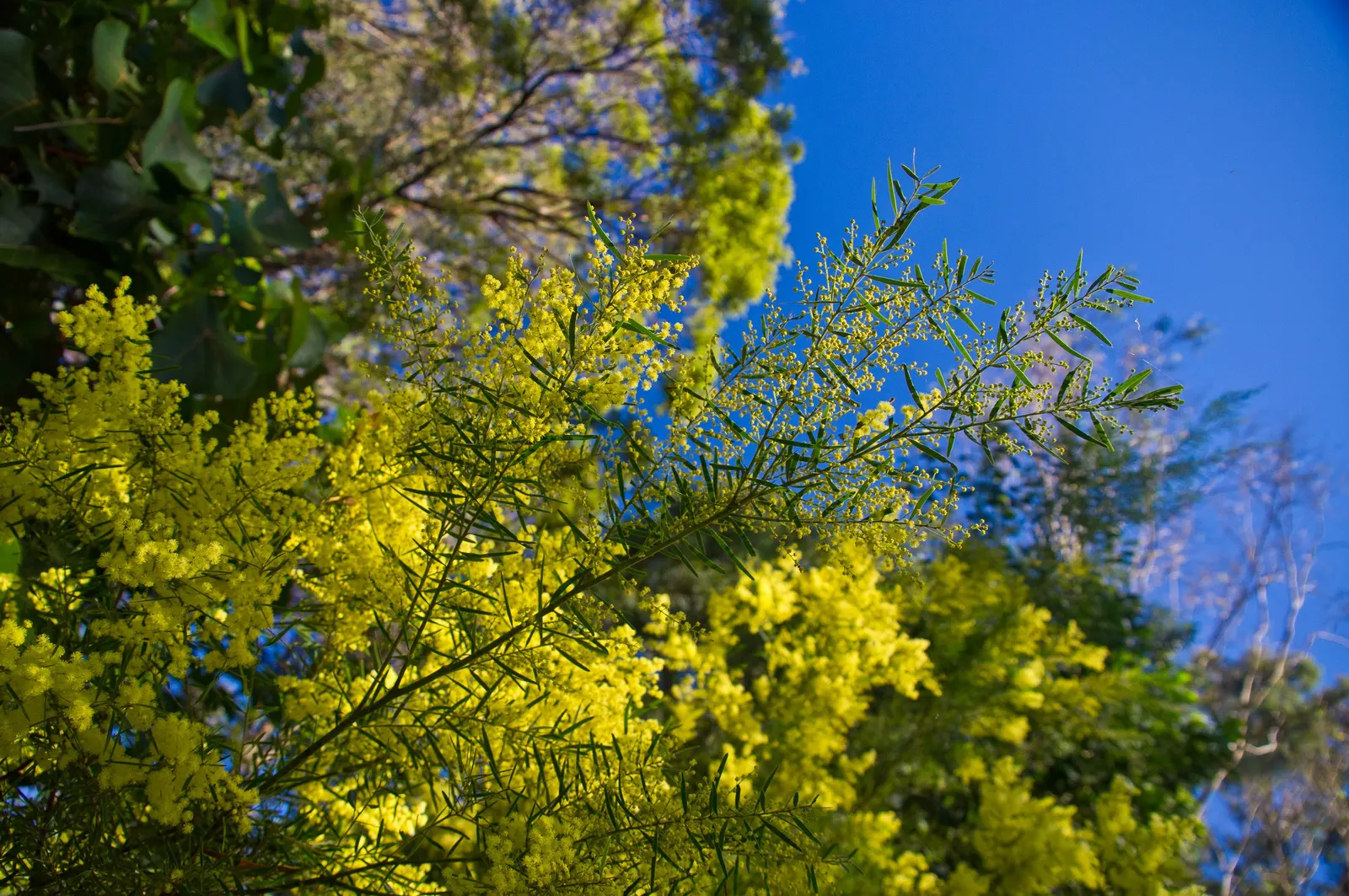
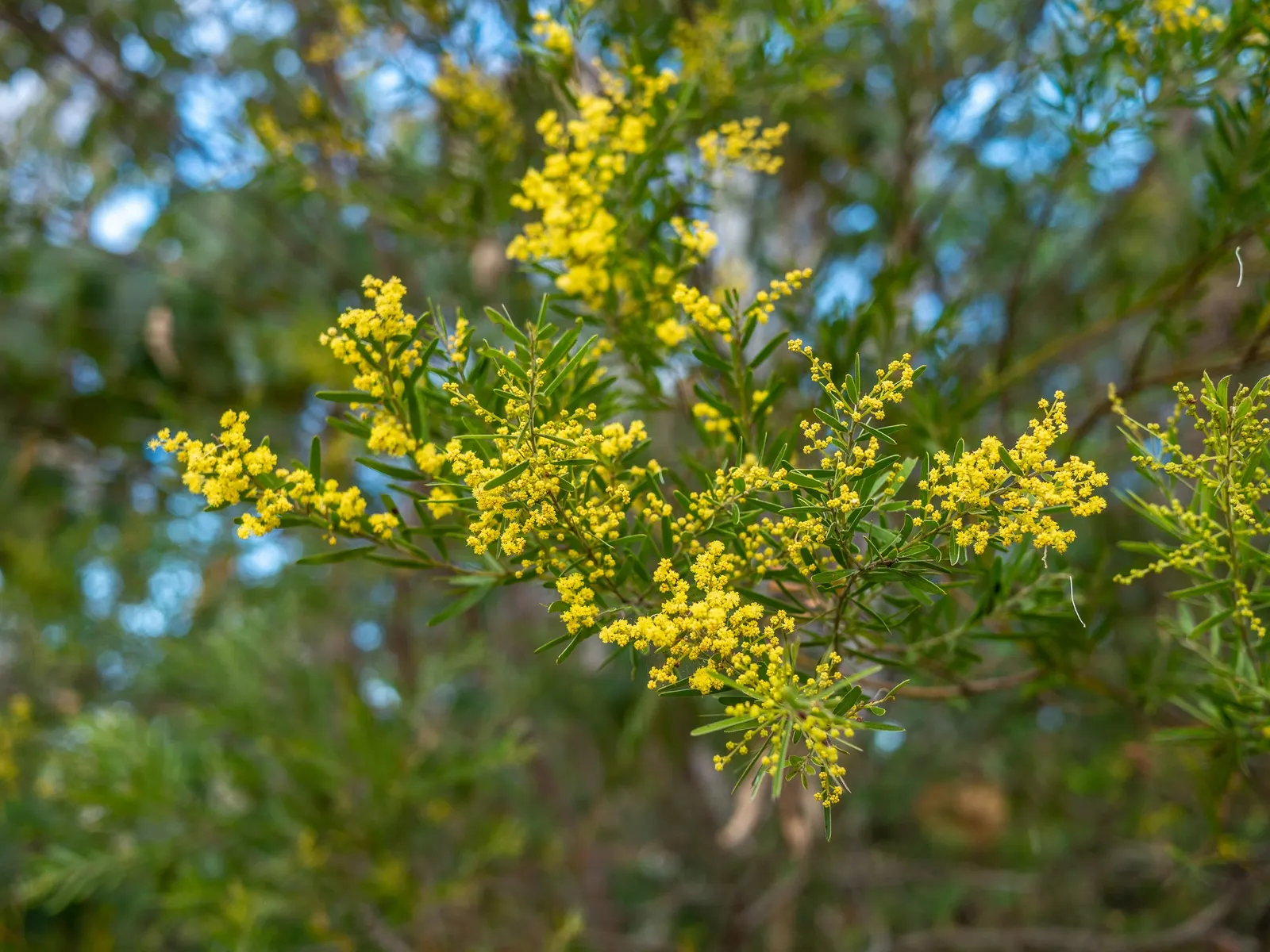
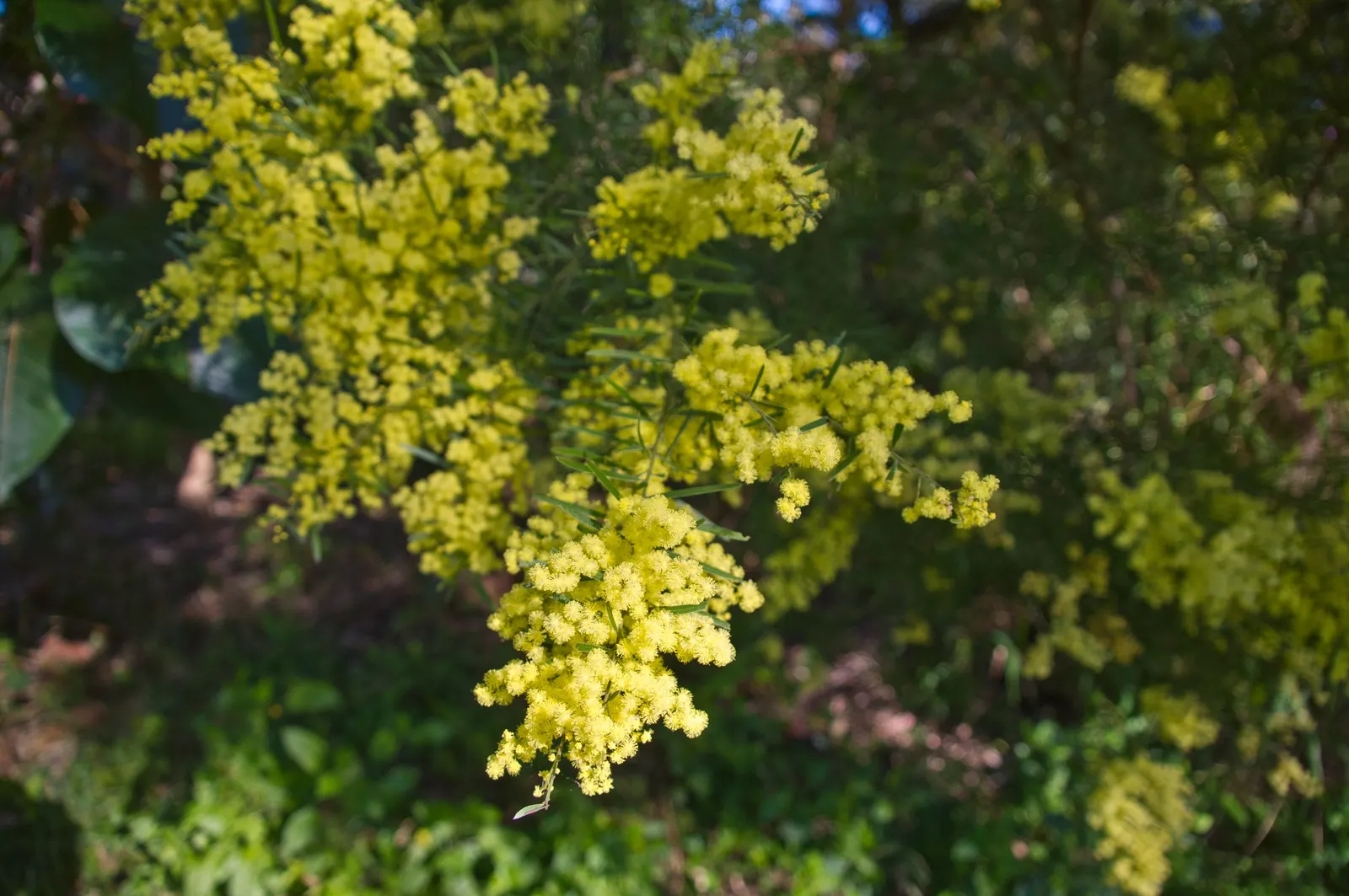
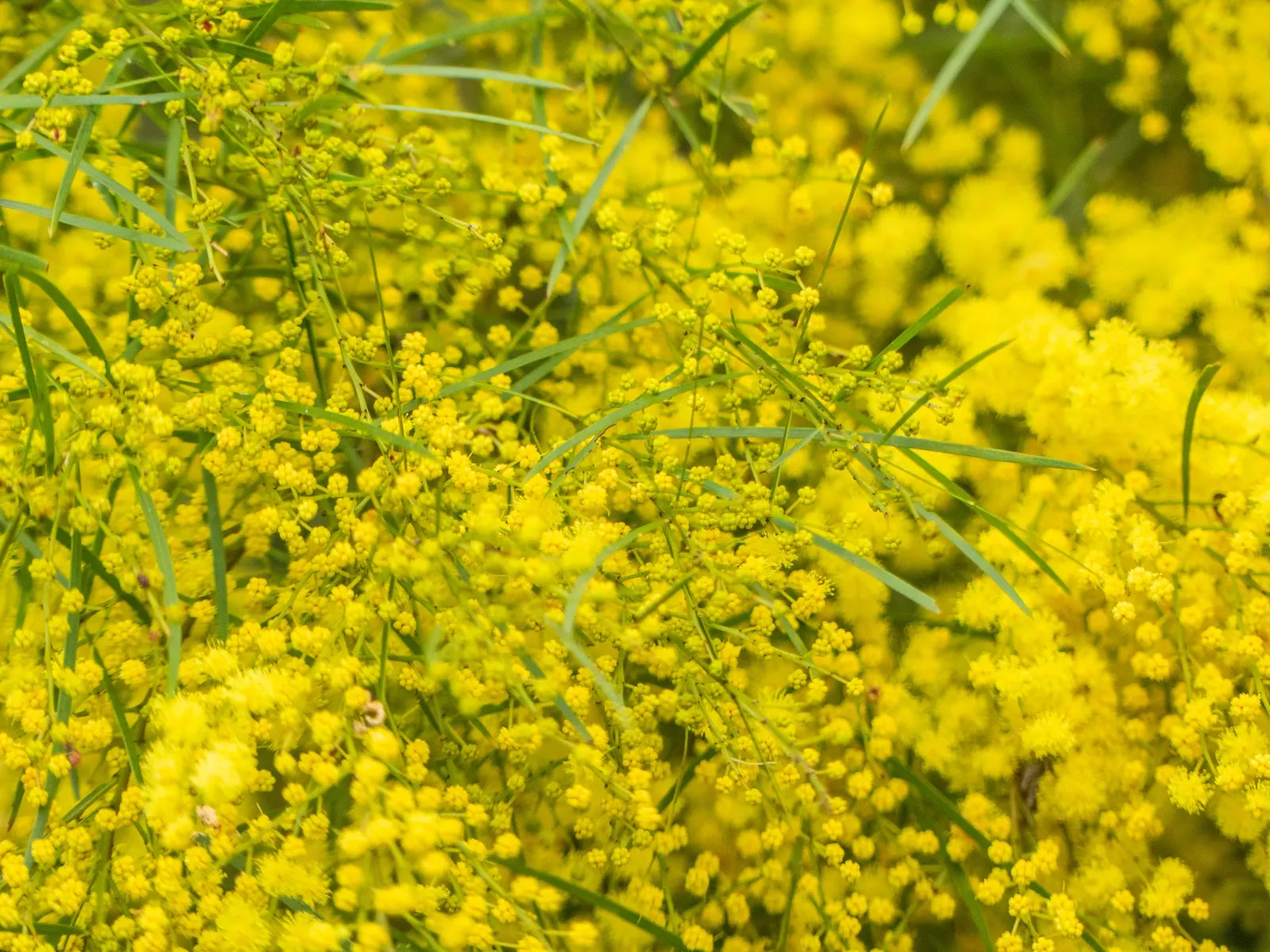
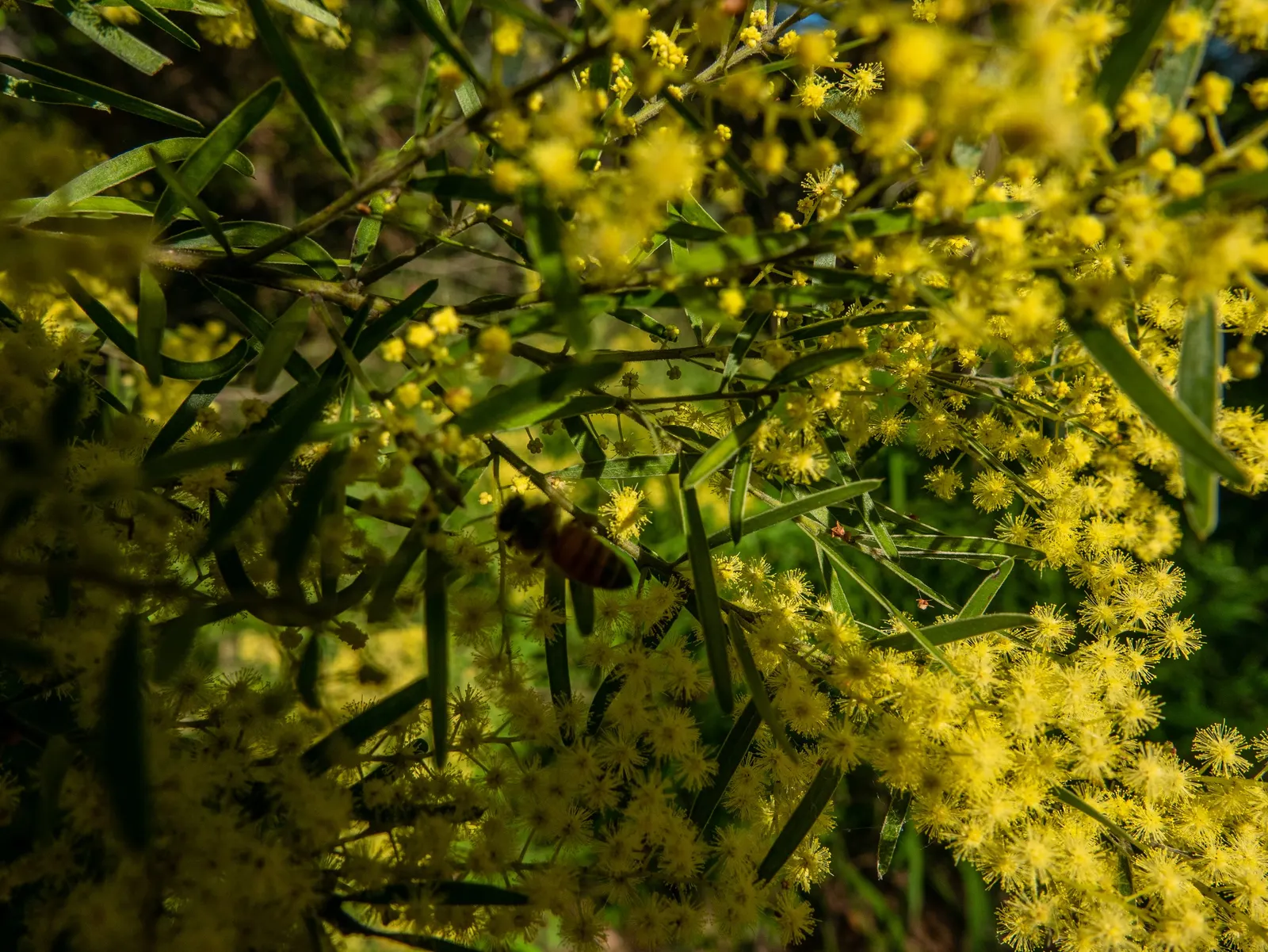
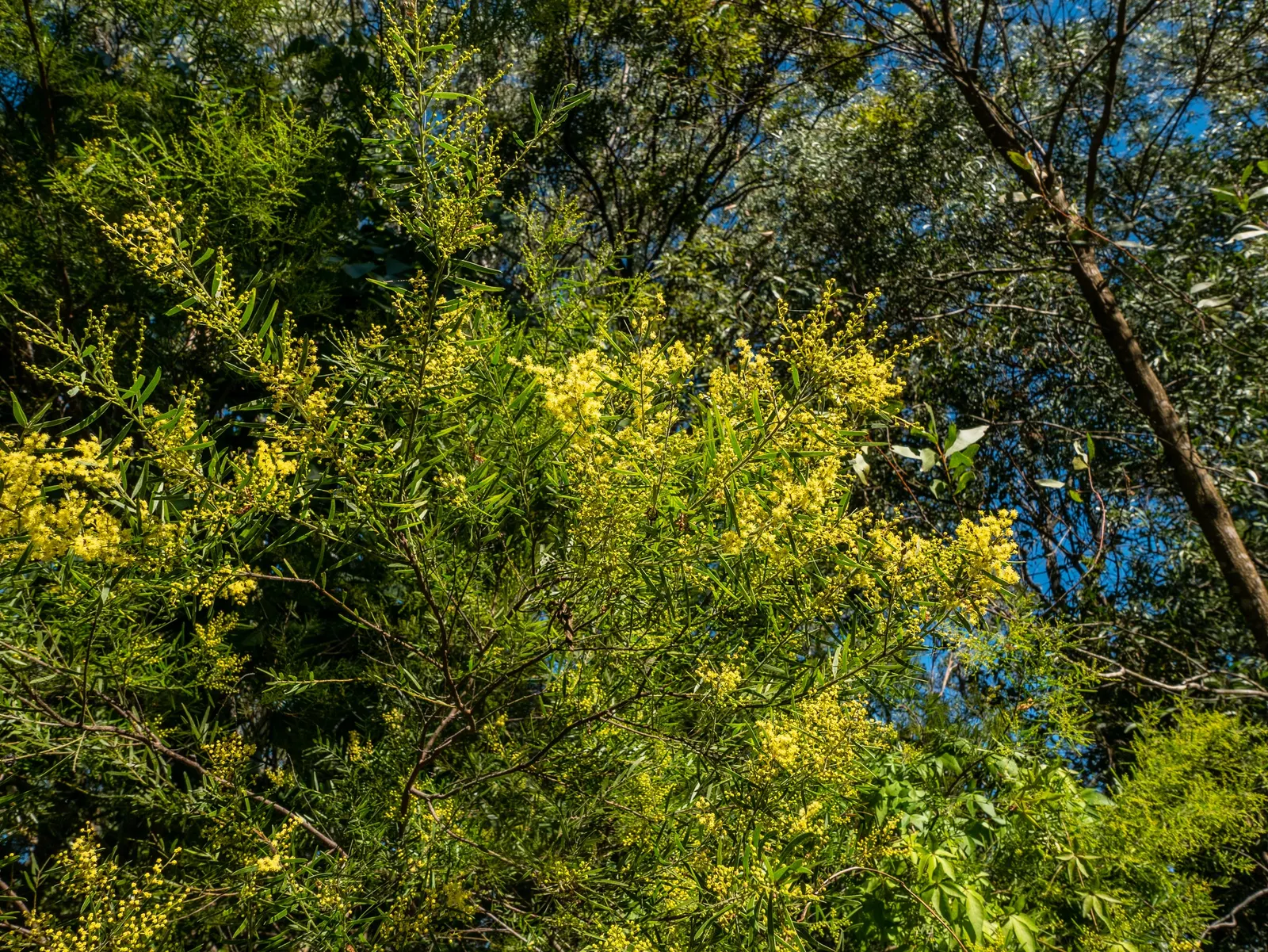
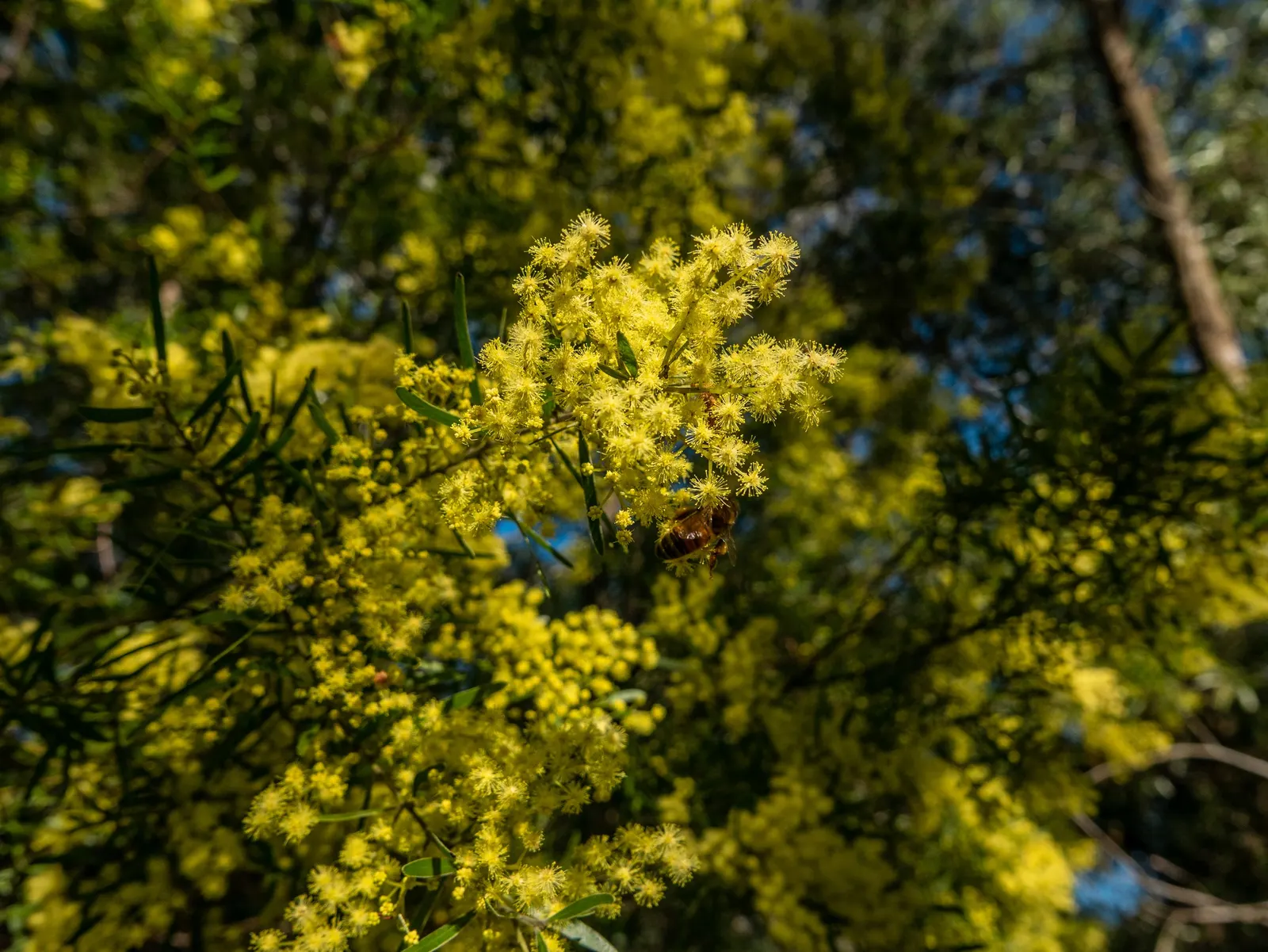
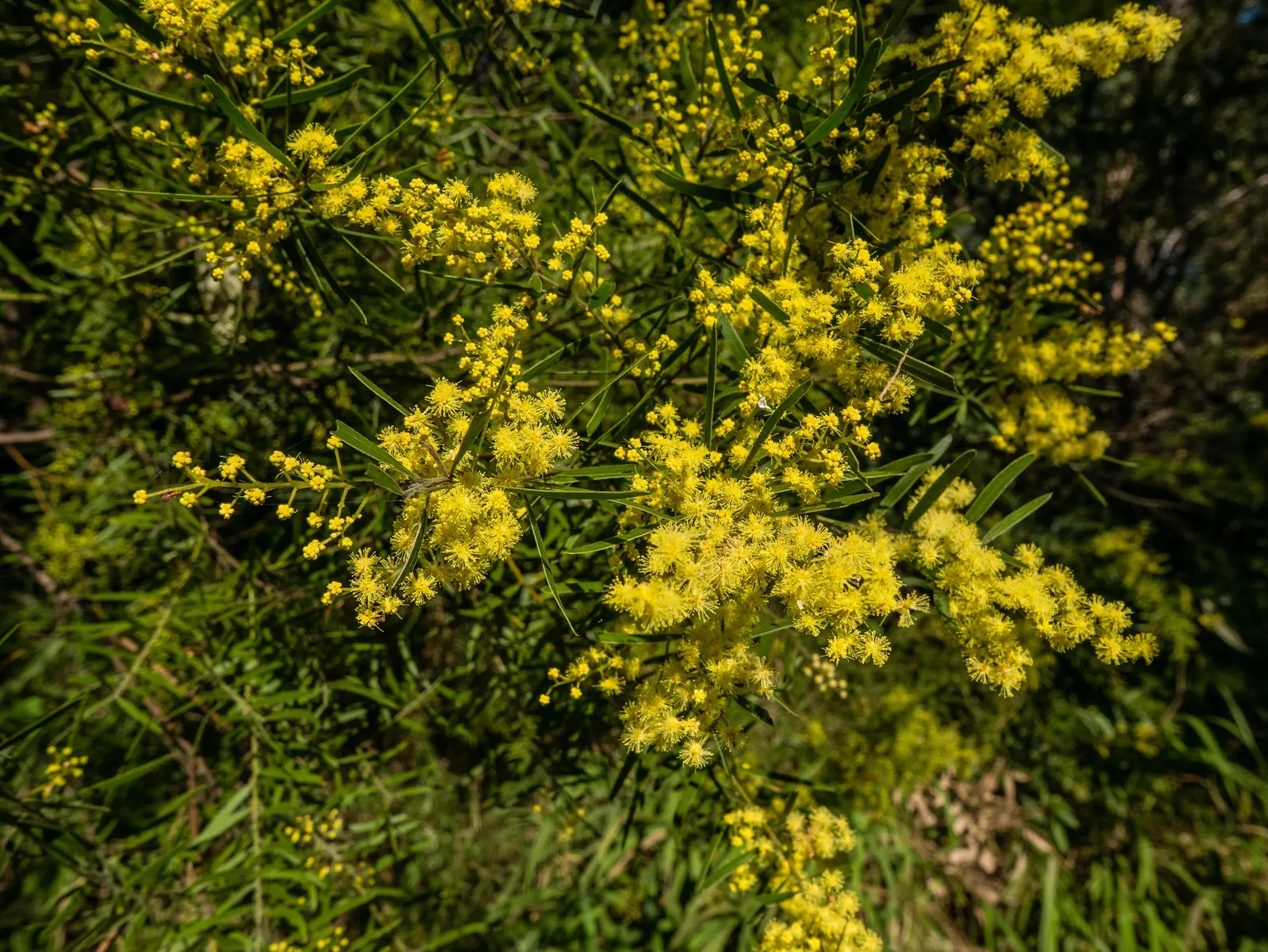
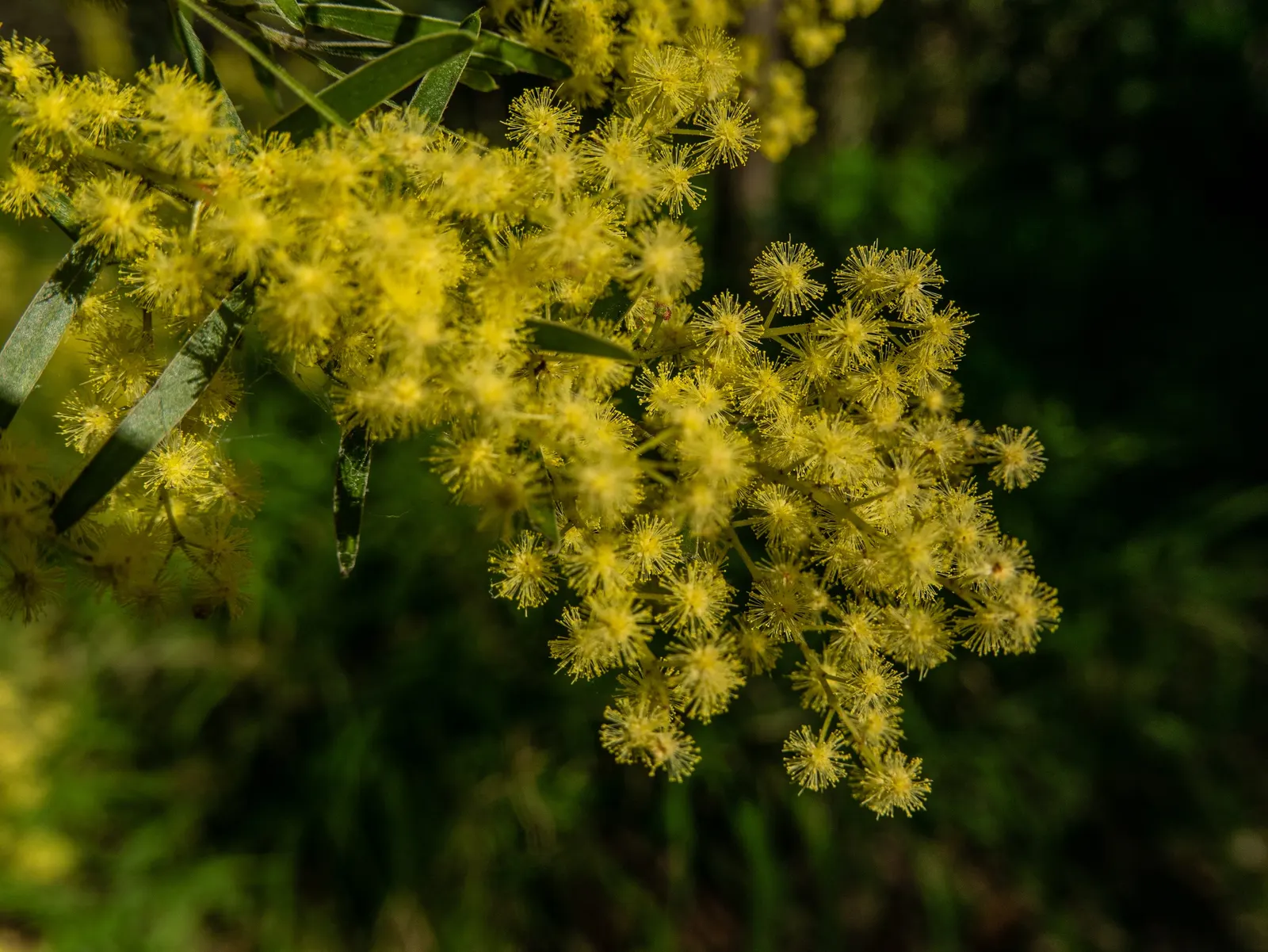
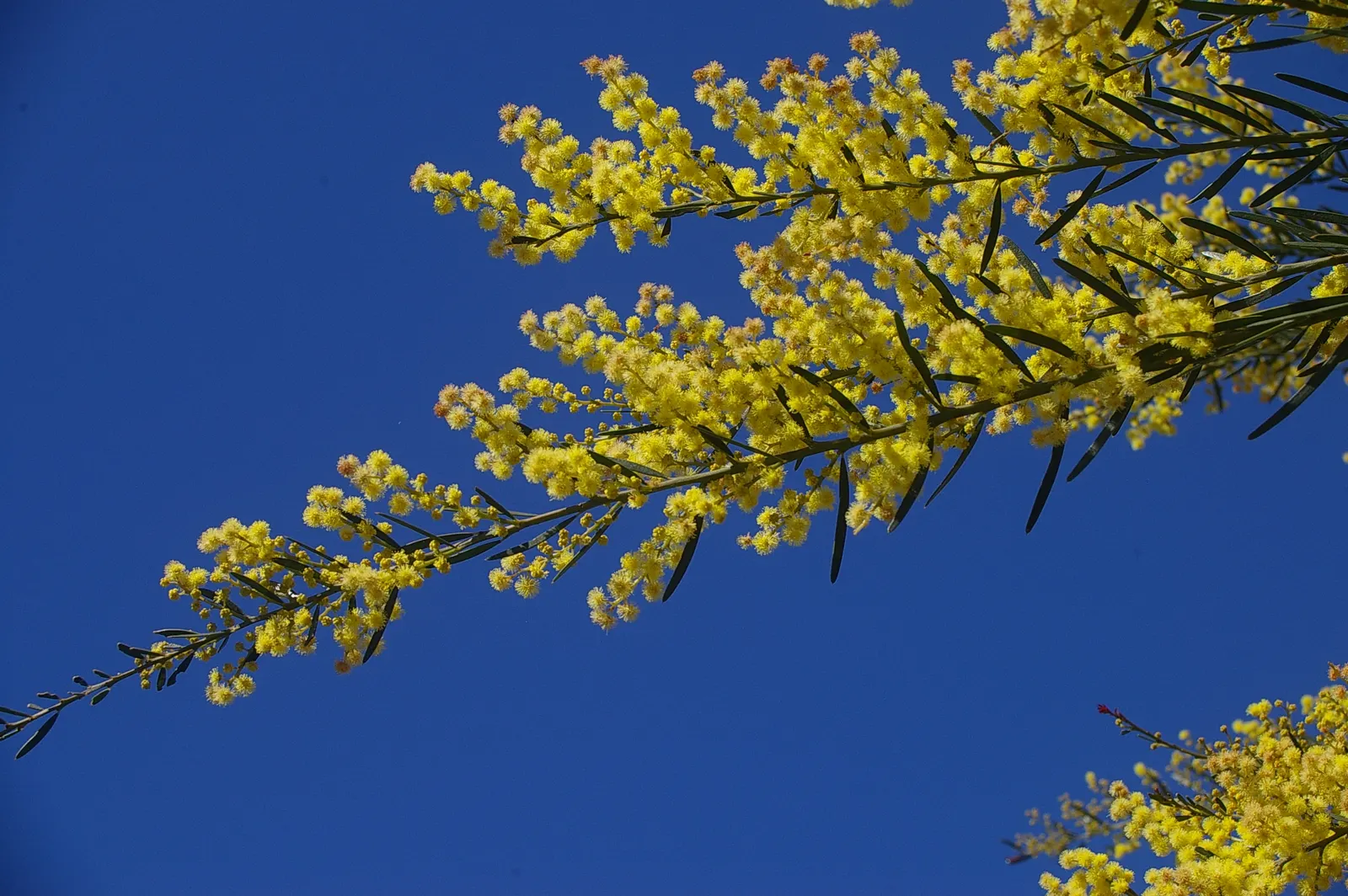
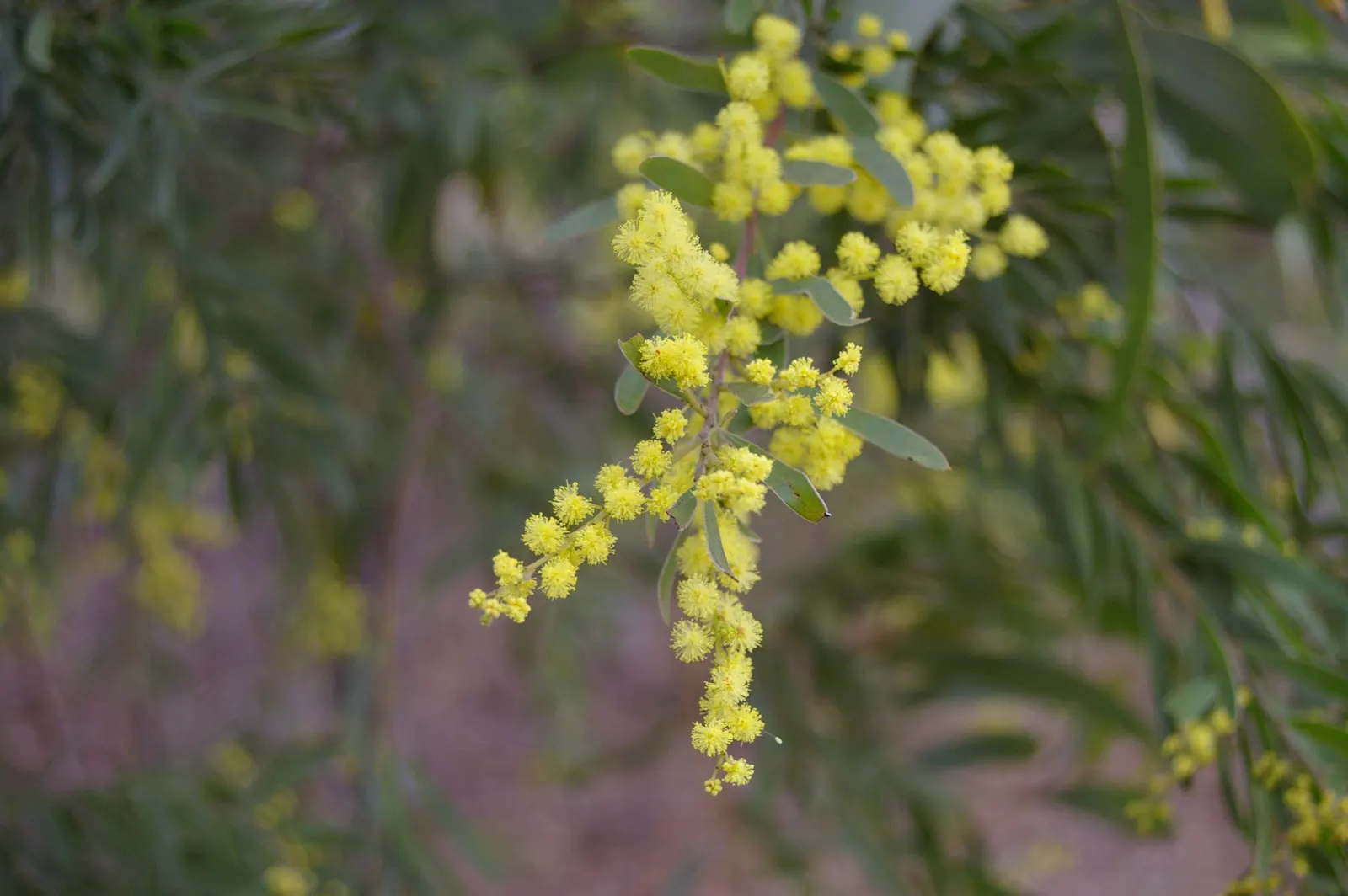
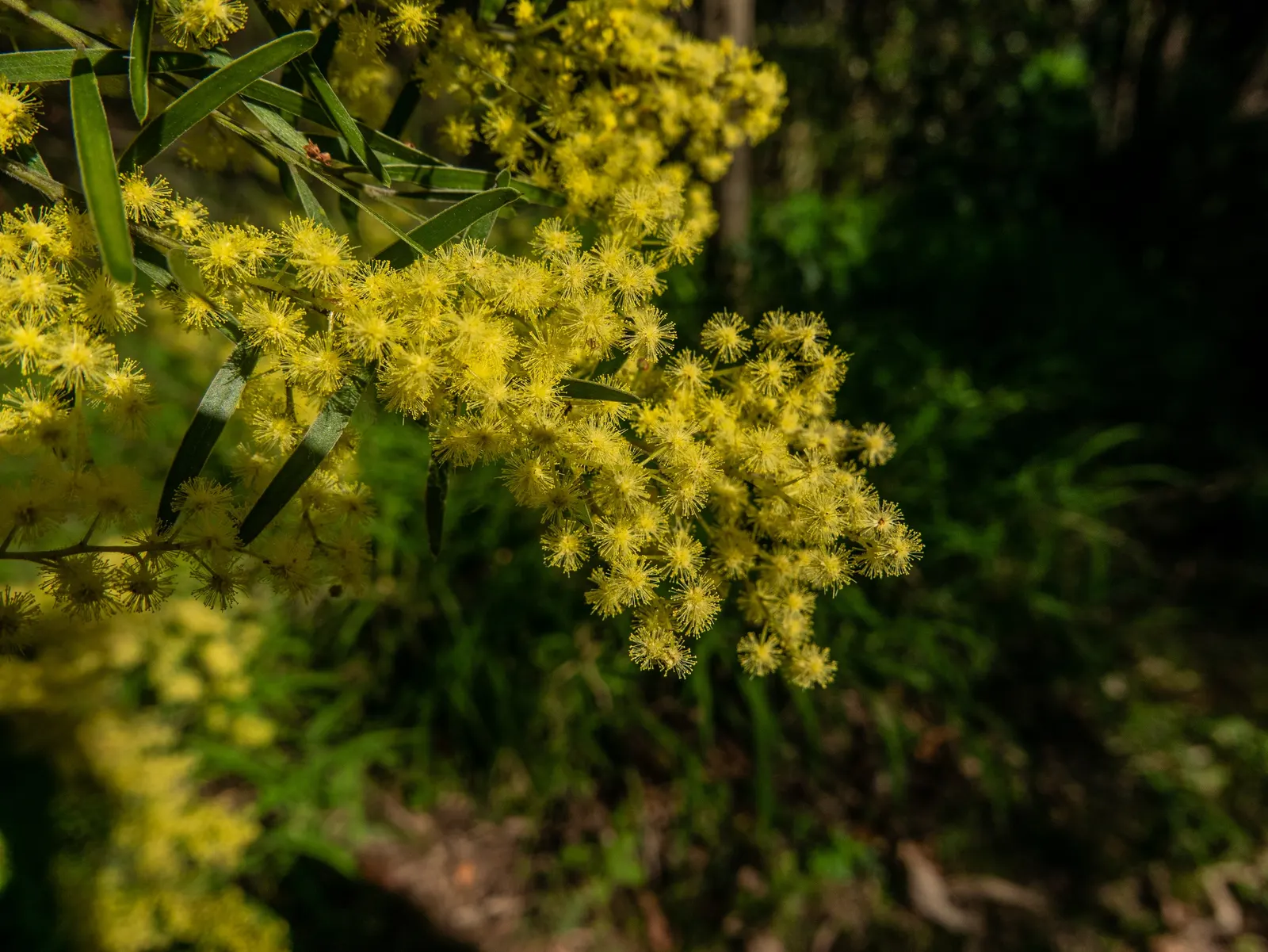
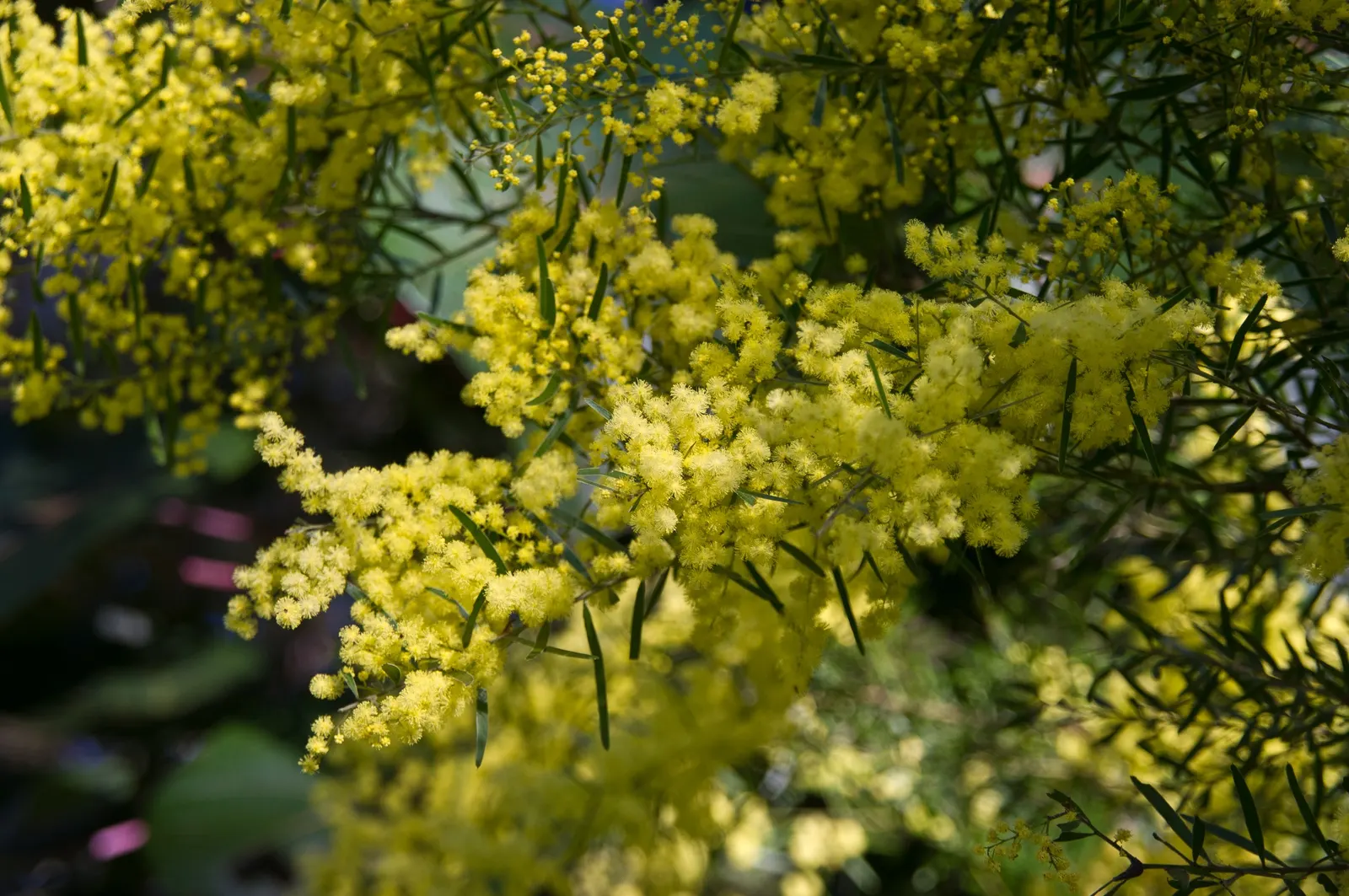
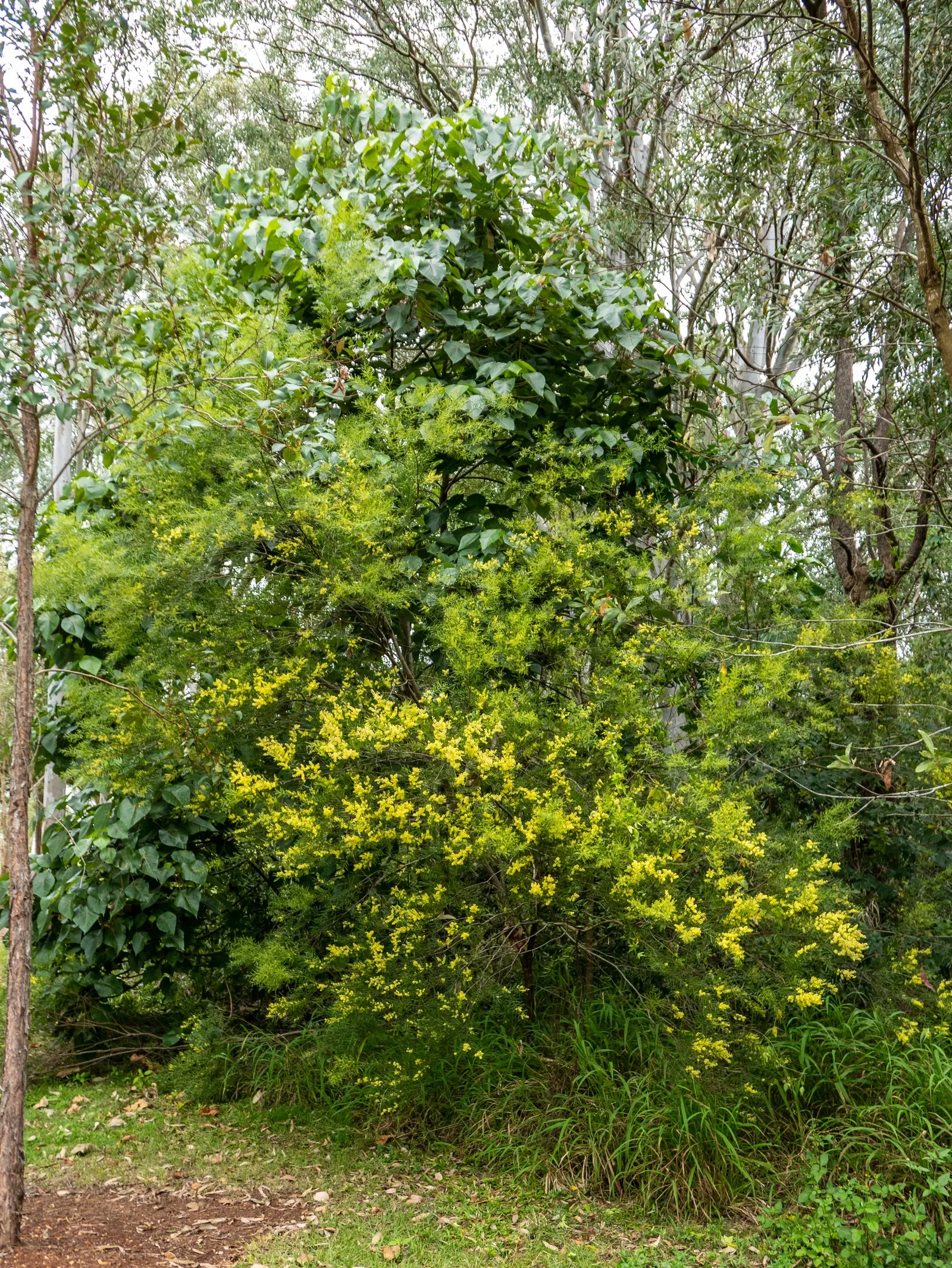
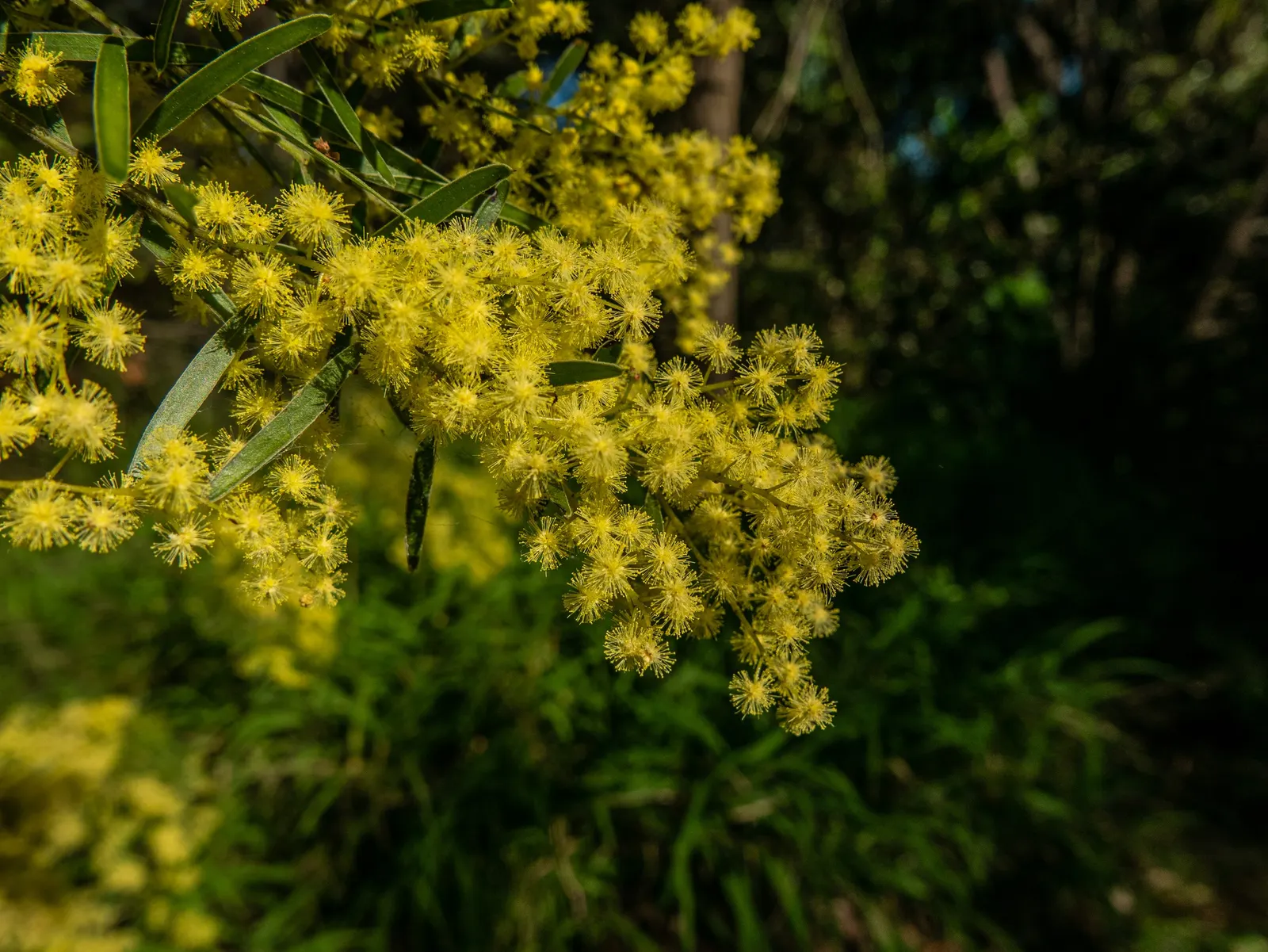
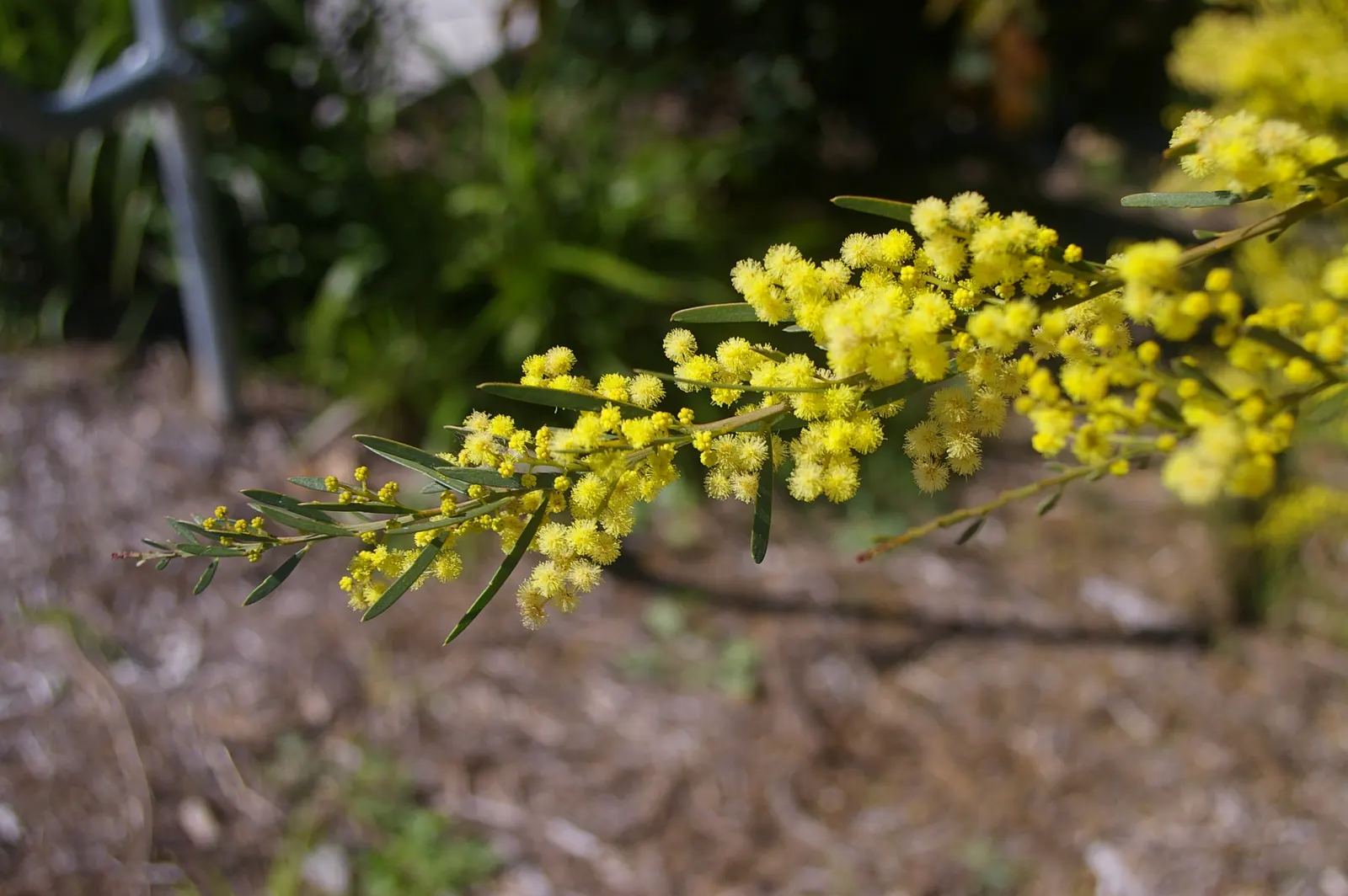
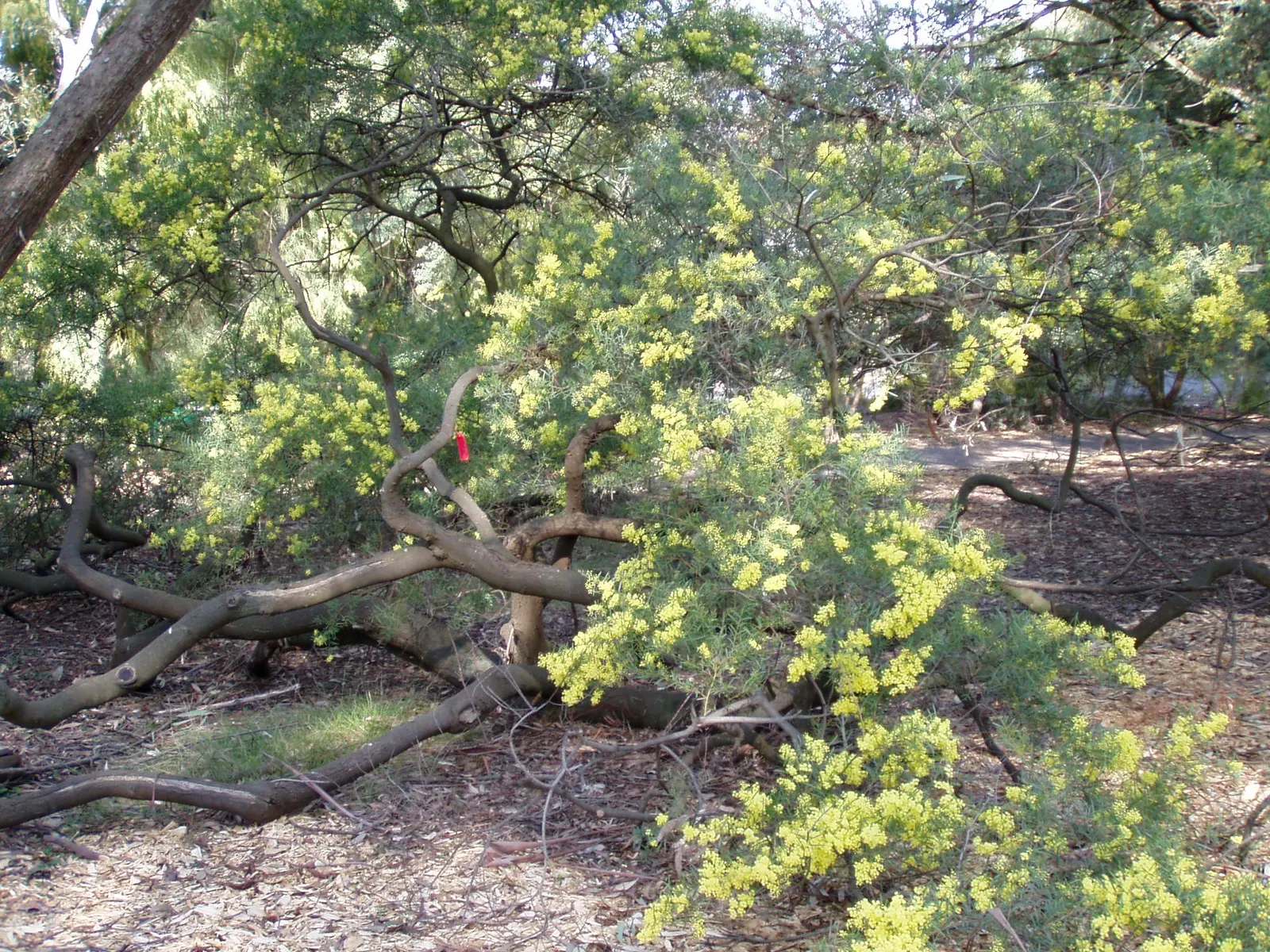
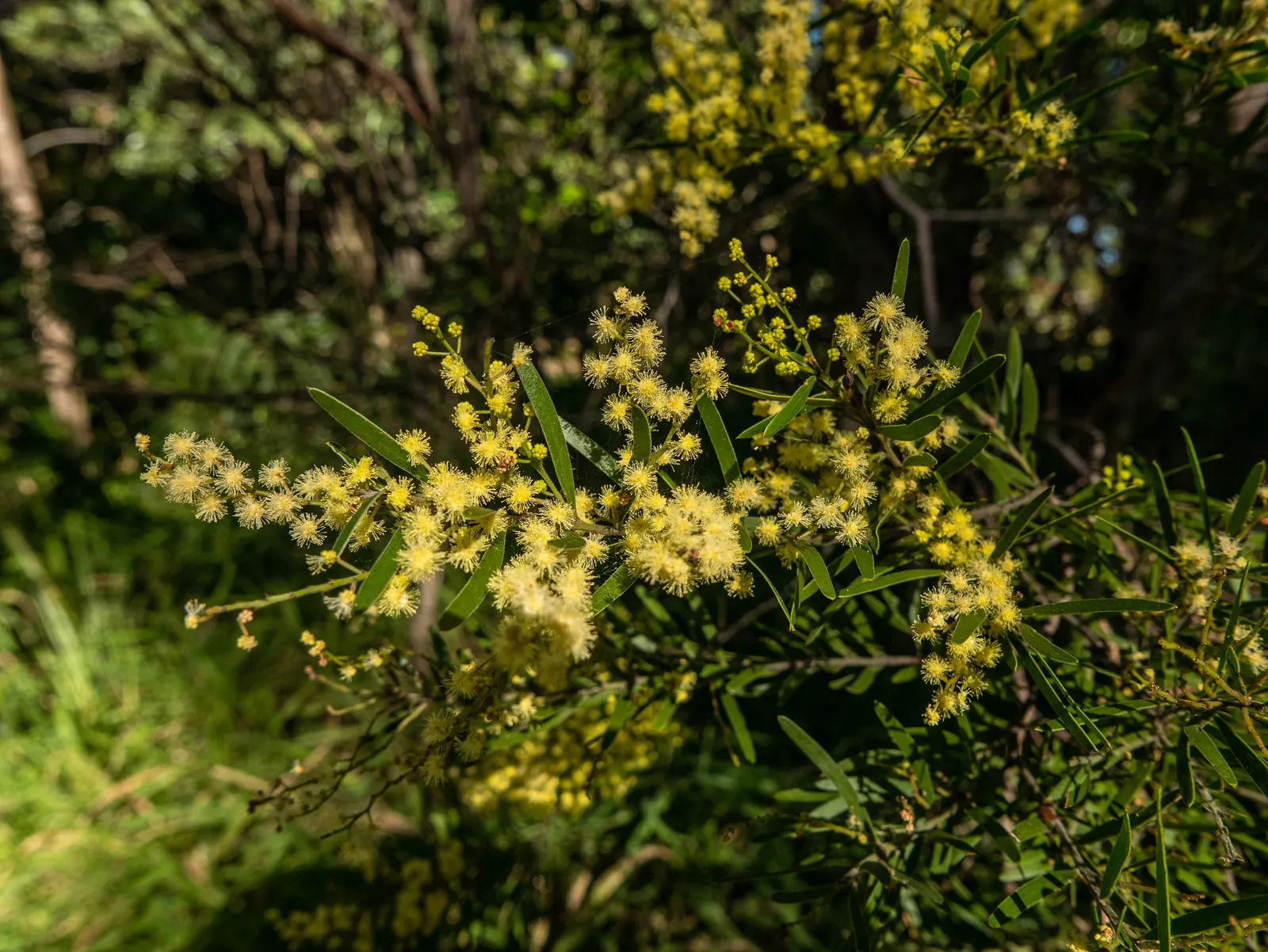
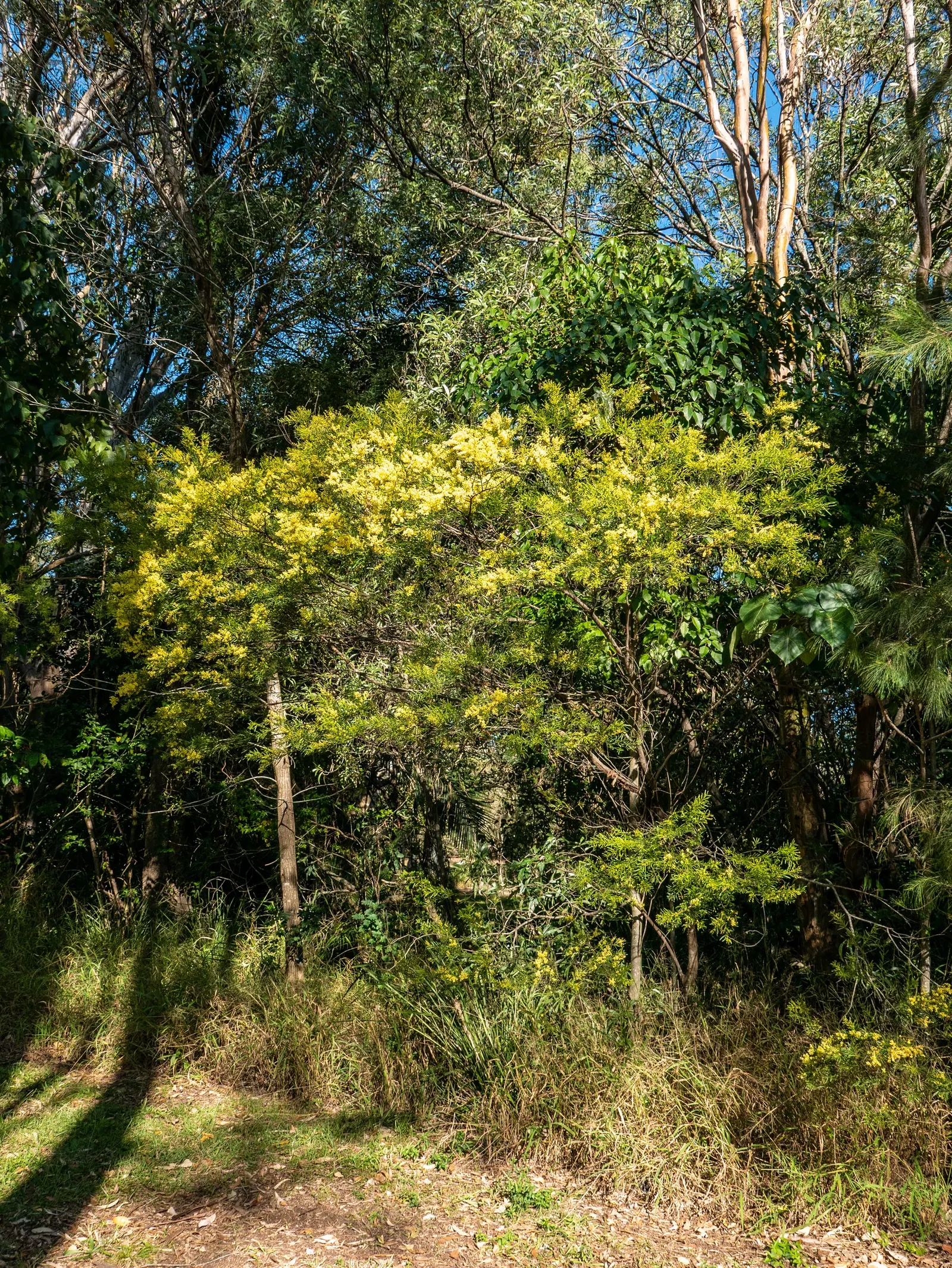
Acacia fimbriata, or Fringed Wattle, is an evergreen shrub known for its vibrant yellow, fragrant blooms and fine, fringe-like foliage. Reaching up to 20-30 feet tall, with a similar spread, it thrives in USDA zones 9-11. Ideal for creating screens or feature specimens in xeriscapes, it requires well-draining soil and full sun. Drought-tolerant once established, it offers low maintenance beauty and habitat support for native fauna.

Sun Full, HalfWater Very LowZones 9–11Type ShrubClimate Arid, Mediterranean, Subtropical

Culture

Sun
Full, Half
Water
Very Low
USDA zones
9–11

Shape & size

Classification

Type
Shrub
Family
Fabaceae
Climate
Arid, Mediterranean, Subtropical

See full data, regional cultivation notes, and design tools. Build a client presentation around this plant.

Start your 14-day trial

Photos (79)

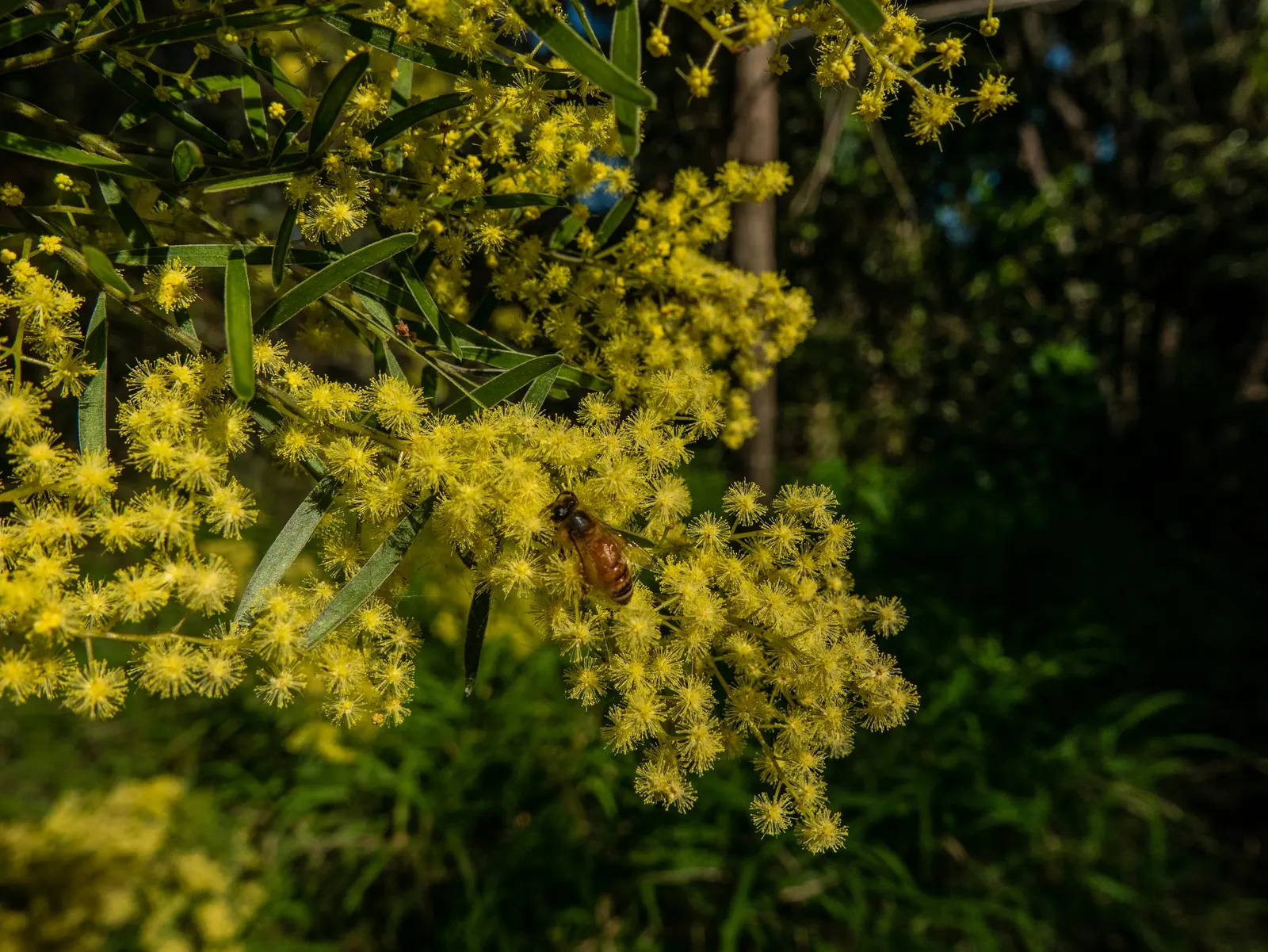
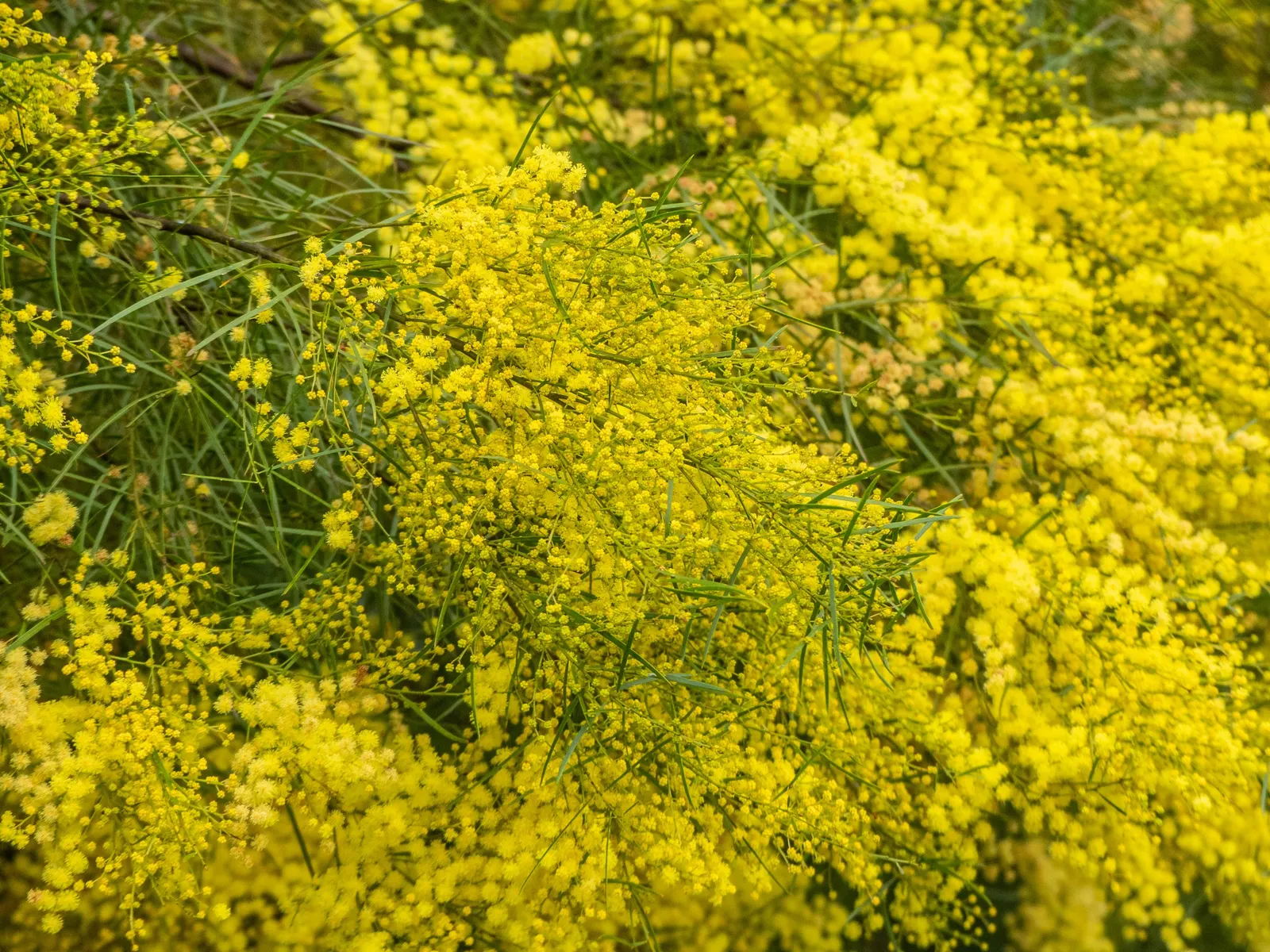
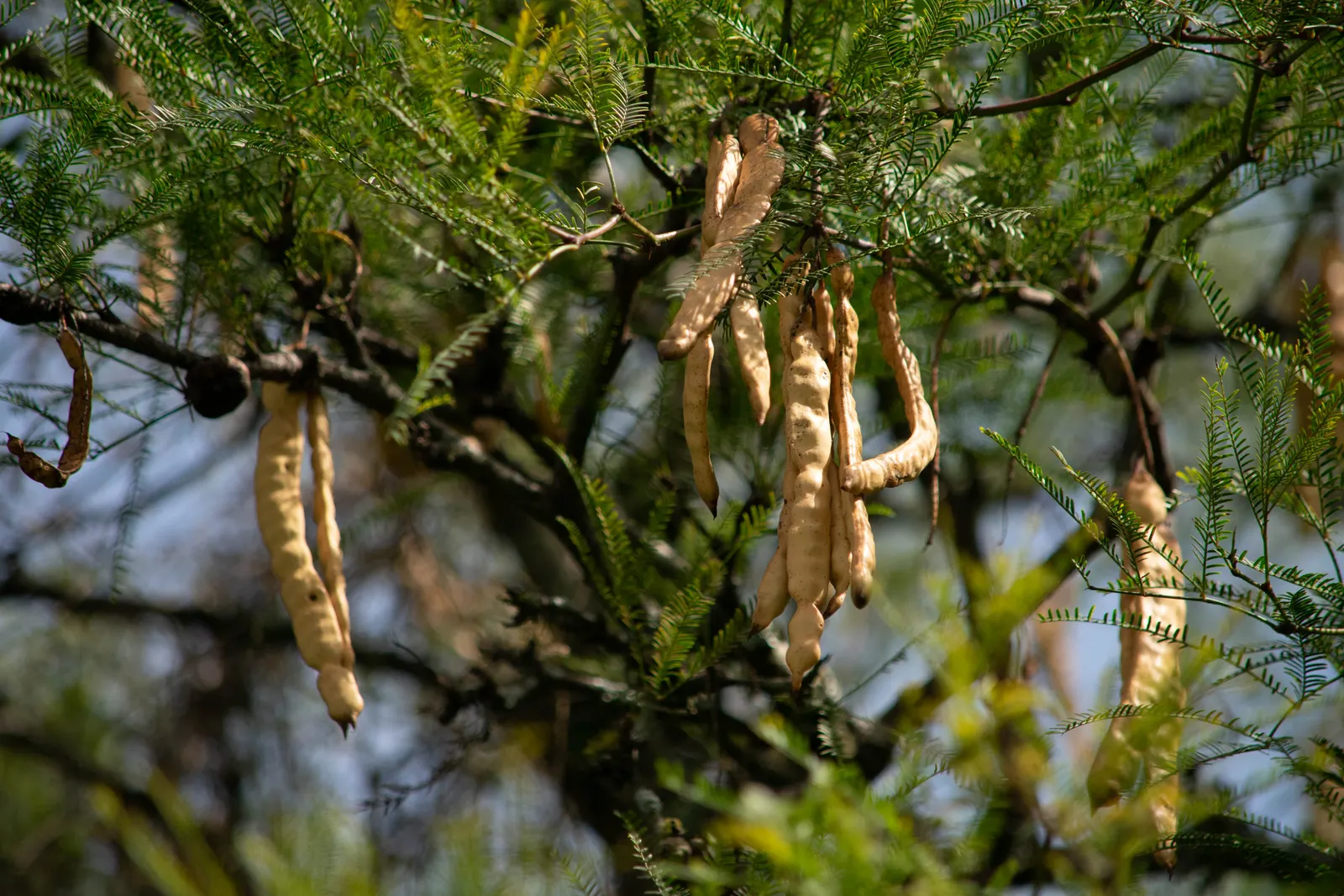
Fringed Wattle (Acacia Fimbriata) — These not only create a stunning contrast against the fine; with a spread approximating 6 to 15 feet
Fringed Wattle (Acacia Fimbriata) — the Fringed Wattle thrives under full sun but can tolerate partial shade; typically reaching a height of 10 to, image 50
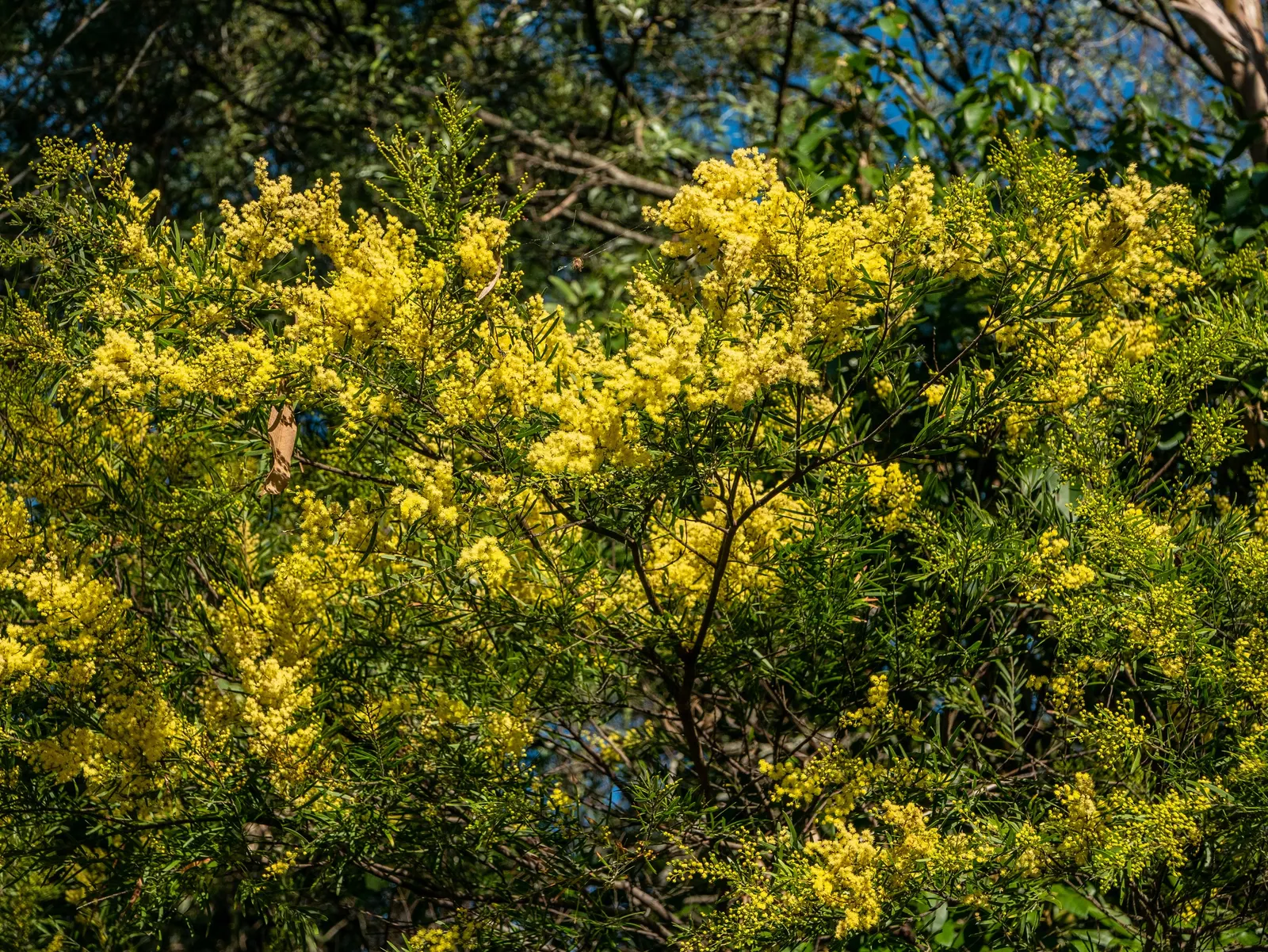
Fringed Wattle (Acacia Fimbriata) — Reaching up to 20-30 feet tall, with a similar spread, it thrives in USDA zones 9-11
Fringed Wattle (Acacia Fimbriata) — The Fringed Wattle (Acacia fimbriata) is a captivating; this species is particularly drought-resistant once, image 45
Fringed Wattle (Acacia Fimbriata) — The Acacia fimbriata is relatively low-maintenance; it's advised to lightly prune the Fringed Wattle after, image 57
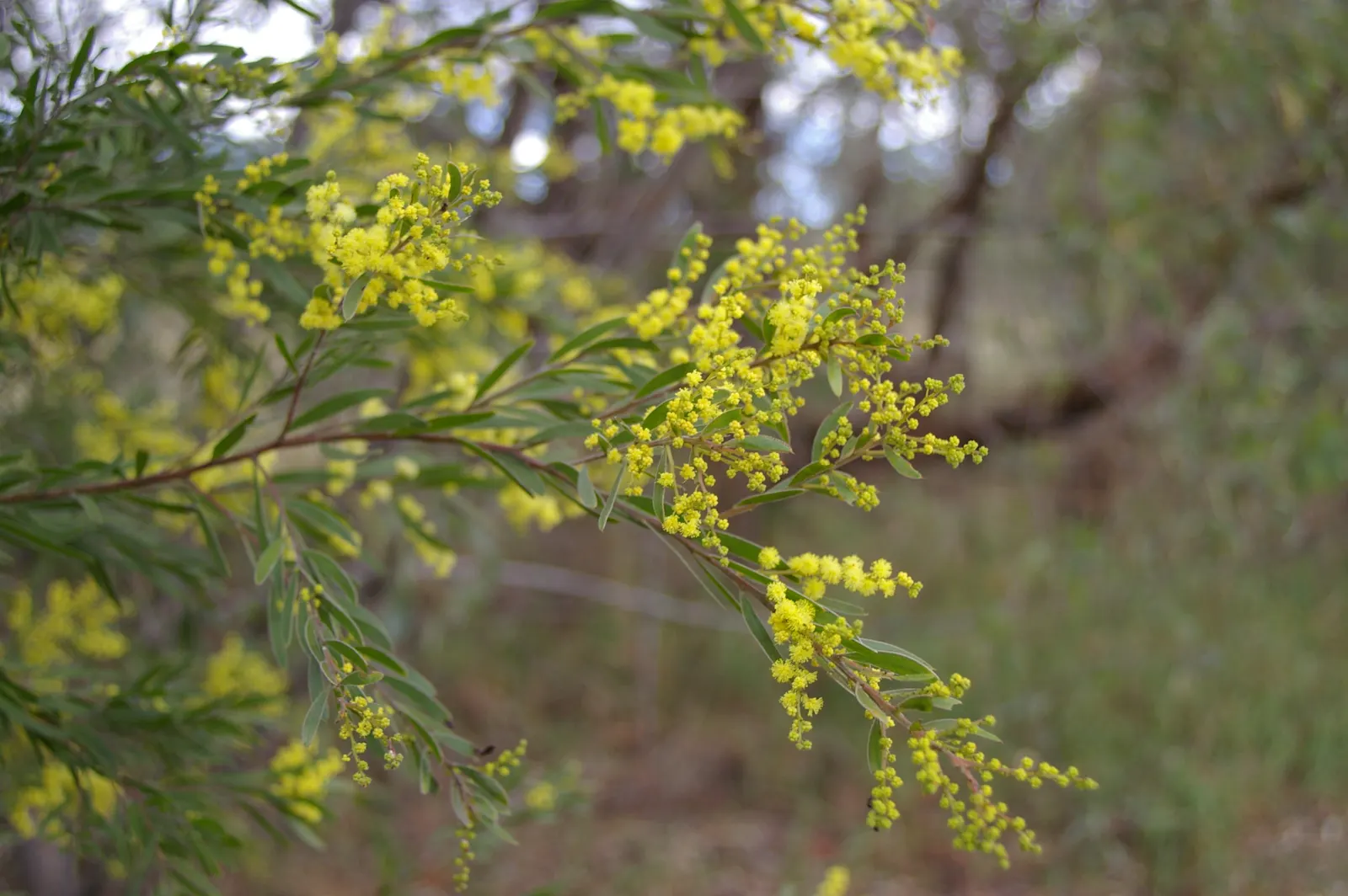
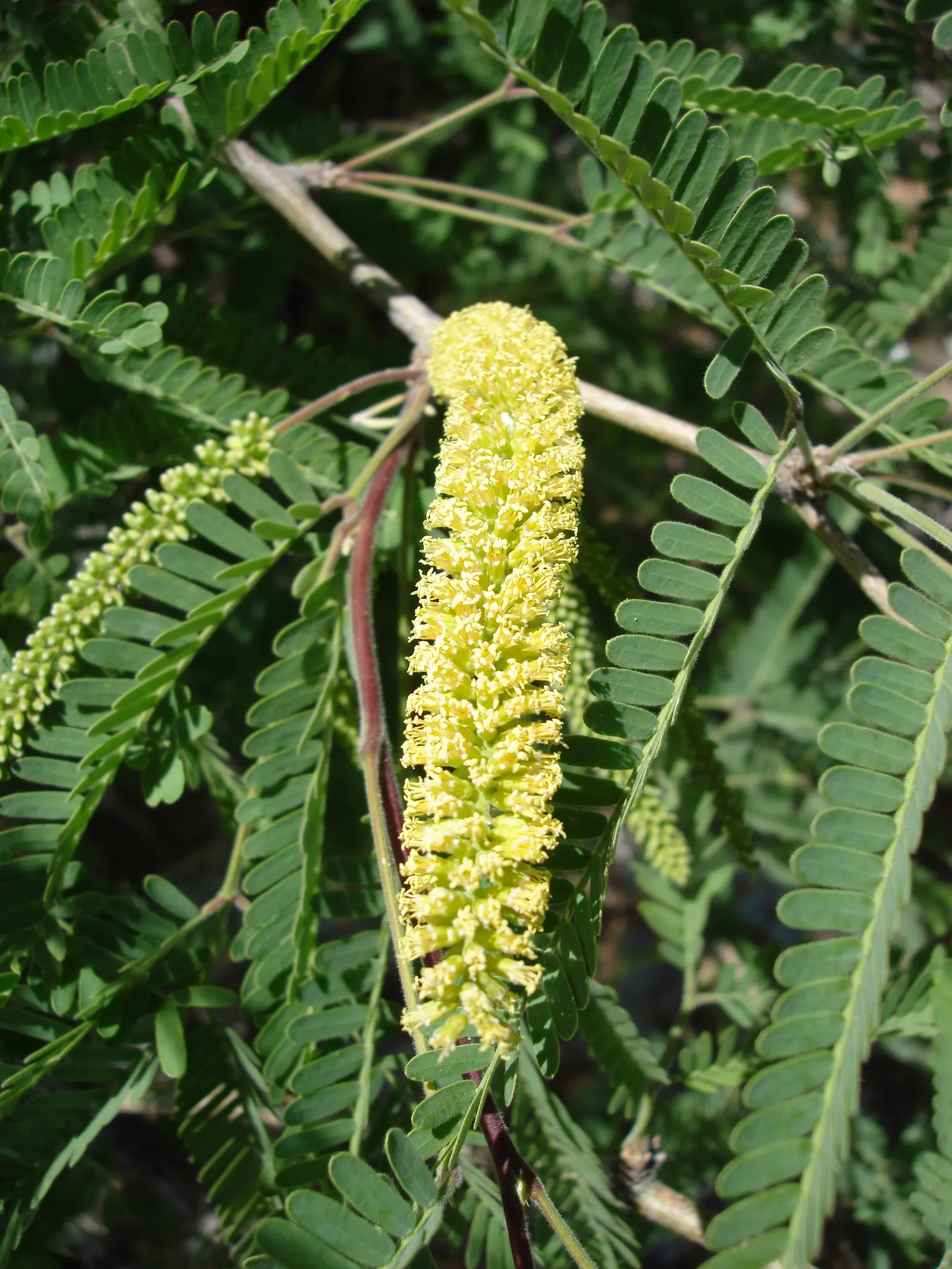
Fringed Wattle (Acacia Fimbriata) — yellow flowers in the garden; ideal for creating screens or feature specimens in xeriscapes, it requires well-draining soil
Fringed Wattle (Acacia Fimbriata) — this plant presents an impressive; shrub for full or half
Fringed Wattle (Acacia Fimbriata) — The Acacia fimbriata is relatively low-maintenance; it's advised to lightly prune the Fringed Wattle after flowering to
Fringed Wattle (Acacia Fimbriata) — with a spread approximating 6 to 15 feet; these not only create a stunning contrast against the fine, image 48
Fringed Wattle (Acacia Fimbriata) — it's advised to lightly prune the Fringed Wattle after flowering to maintain shape and encourage new growth
Fringed Wattle (Acacia Fimbriata) — Reaching up to 20-30 feet tall, with a similar spread, it thrives in USDA zones 9-11; it is well-suited to a, image 42
Fringed Wattle (Acacia Fimbriata) — green foliage but also attract a plethora of pollinators; adding a dynamic aspect to the garden, image 54
Fringed Wattle (Acacia Fimbriata) — is an evergreen shrub known for its vibrant yellow; drought-tolerant once established, it offers low maintenance beauty and
Fringed Wattle (Acacia Fimbriata) — this plant presents an impressive
Fringed Wattle (Acacia Fimbriata) — Drought-tolerant once established, it offers low maintenance beauty and habitat support for native fauna; the Fringed
Fringed Wattle (Acacia Fimbriata) — It is well-suited to a variety of soil types, provided they are well-draining
Fringed Wattle (Acacia Fimbriata) — green foliage but also attract a plethora of pollinators
Fringed Wattle (Acacia Fimbriata) — evergreen shrub native to Australia
Fringed Wattle (Acacia Fimbriata) — Drought-tolerant once established, it offers low maintenance beauty and habitat support for native fauna; the, image 44
Fringed Wattle (Acacia Fimbriata) — The Acacia fimbriata is relatively low-maintenance
Fringed Wattle (Acacia Fimbriata) — This species is particularly drought-resistant once established; is an evergreen shrub known for its vibrant, image 52
Fringed Wattle (Acacia Fimbriata) — shrub for full or half; the Acacia fimbriata is relatively low-maintenance
Fringed Wattle (Acacia Fimbriata) — it's advised to lightly prune the Fringed Wattle after flowering to maintain shape and encourage new growth; this plant
Fringed Wattle (Acacia Fimbriata) — Typically reaching a height of 10 to 20 feet; evergreen shrub native to Australia
Photographs by 2 contributors

Related plants